...
Categories
Articles

Probiotics for Vaginal Health: What the Evidence Says

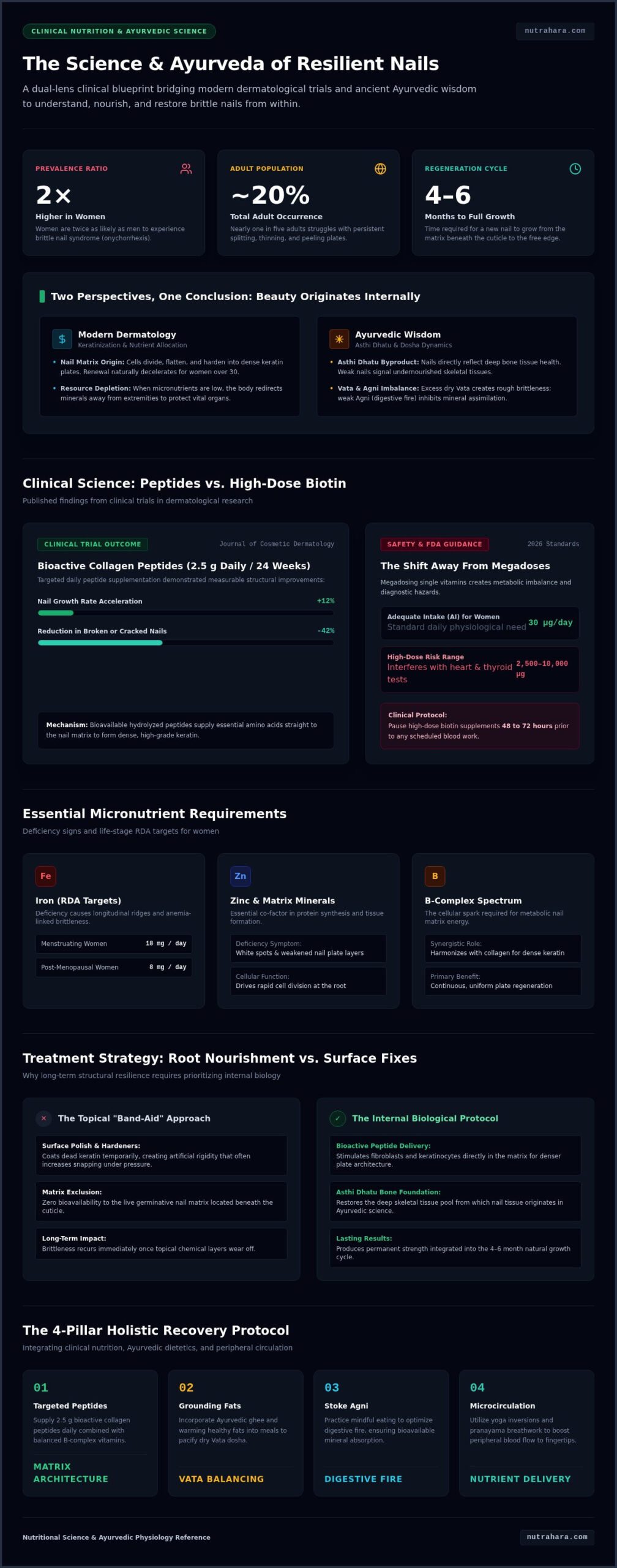
What if the word “probiotic” tells you less than the strain, the study, and the health question behind it? It’s understandable to consider probiotics for vaginal health when wellness claims conflict and symptoms are uncomfortable or hard to discuss. But a supplement’s promise isn’t proof, and vaginal symptoms can have different causes.

The evidence is nuanced. Research explores specific strains and outcomes, but it doesn’t establish that every supplement can prevent or treat vaginal conditions. This guide explains what studies can and can’t show, why strain and context matter, and when symptoms call for clinical evaluation instead of self-treatment. You’ll also find gentle ways to support overall wellbeing, including movement, yoga, and mindfulness, while making informed choices for your health and life stage.

Key Takeaways

  • Assess probiotics for vaginal health by the specific strain and outcome studied, not by the word “probiotic” alone.
  • Find out why findings about bacterial vaginosis don’t automatically apply to yeast infections or general vaginal wellness.
  • Compare a product’s strain, research population, and delivery method with the study behind its claims.
  • Use gentle movement, yoga, and meditation to support overall wellbeing, not as treatments for vaginal symptoms.
  • Keep track of concerns and seek clinical evaluation when symptoms warrant it rather than relying on supplements to self-diagnose.

What probiotics for vaginal health are, and what they are not

Probiotics are live microorganisms that may provide a health benefit when used in a suitable amount, but their effects depend on the specific strain and the outcome being studied. That means “probiotic” on a label isn’t proof that a product will benefit the vagina. Research on one strain or formulation can’t automatically be applied to every supplement.

The vaginal microbiome is the community of microorganisms living in and around the vagina. It is distinct from the gut microbiome, even though some probiotics are taken by mouth and researchers study how they may relate to vaginal bacteria. Evidence about digestive health alone doesn’t establish a vaginal benefit. A probiotic supplement also can’t diagnose or treat an infection. Symptoms need appropriate clinical evaluation.

How the vaginal microbiome relates to Lactobacillus

Lactobacillus species are commonly discussed in vaginal-microbiome research. These bacteria are associated with vaginal environments, but a person’s microbiome can vary, including across menstrual cycles and life stages such as pregnancy or menopause. Learn more about Lactobacillus in the vaginal microbiota. A microbiome test offers a snapshot, not a complete assessment of someone’s health or an explanation for every symptom.

Why a probiotic label does not establish vaginal benefit

Strain names matter. Two probiotics may contain bacteria from the same species but different strains, and findings about one strain don’t prove that another works the same way. Look for research that matches the product’s strain and intended outcome, rather than relying on broad claims about “women’s health.”

Route matters, too. Oral probiotics are swallowed; products designed for vaginal use are a different formulation and aren’t interchangeable. Studies of one route don’t automatically support claims for the other. Neither route should replace evaluation or established care when symptoms suggest infection.

Keep pH and microbiome claims in perspective

Vaginal pH is one part of the picture, not a stand-alone measure of vaginal health. It can vary, and a pH result alone can’t identify the cause of symptoms. For foundational context, a vaginal pH balance guide can help explain what pH does and why it shouldn’t be used to self-diagnose. A clear, strain-specific claim is more informative than a promise to “balance” the entire microbiome.

What research says about probiotics and vaginal health

The evidence is not a blanket endorsement of probiotics. Results depend on the strain, who took part in a study, whether the probiotic was oral or vaginal, and what researchers measured. A finding about bacterial vaginosis (BV) recurrence, for example, doesn’t establish a benefit for yeast infections or everyday vaginal wellness.

Probiotics studied alongside bacterial vaginosis care

A 2025 systematic review of 16 trials identified Lactobacillus rhamnosus TOM 22.8 among the strains studied for vaginal pH, microbiota composition, and BV recurrence. The review reported a promising regimen, but its findings apply to that strain and research context, not to probiotics generally. A separate clinical trial of vaginally delivered Lactobacillus crispatus CTV-05, known as Lactin-V, examined recurrence after standard antibiotic treatment and reported lower recurrence than placebo.

These studies explore specific approaches, often alongside or after standard care. They don’t show that a supplement can replace evaluation or prescribed treatment for active BV. The American College of Obstetricians and Gynecologists’ Practice Bulletin No. 215, published in 2019, states that probiotics aren’t recommended to treat or prevent vaginitis, including BV. Differences in strains, delivery, study populations, and protocols also limit how confidently results can be applied to other products.

What evidence does, and does not, show for yeast infections

Yeast infections involve Candida, commonly Candida albicans, rather than the bacterial imbalance studied in BV research. Findings about a probiotic’s effect on BV therefore can’t be used to claim it prevents or cures yeast infections. Evidence for probiotics as a reliable yeast-infection treatment or preventive approach remains insufficient to support that promise. If symptoms are new, persistent, or recurring, seek clinical evaluation rather than trying to identify the cause with a supplement.

In brief: Research offers strain-specific signals, particularly around BV recurrence and use alongside standard care, but it doesn’t establish that probiotics for vaginal health broadly prevent or treat infections. For context on vaginal pH, see the vaginal health and pH balance guide. Remember that pH alone can’t diagnose the cause of symptoms.

How to assess vaginal probiotic claims without overpromising

A confident label can sound persuasive, but a useful claim should be traceable to research on the same strain, formulation, route, and intended outcome. A study result is evidence to consider, not a promise that you’ll get the same result. This distinction matters because vaginal odor, discharge, irritation, and pH can change for different reasons. A probiotic can’t correct every change or identify its cause.

Strain-specific evidence matters more than a broad probiotic claim because research findings apply to the exact microbes, product format, and outcome studied, not automatically to a whole category. Use this framework to assess claims about probiotics for vaginal health:

What to check What to look for Evidence limit
Strain Is the full strain name given, not just the species? Another strain of the same species may not have the same effect.
Outcome Did the study assess BV recurrence, symptoms, or another specific measure? One measured outcome doesn’t prove broad vaginal-health benefits.
Population Who took part, and does the group resemble your life stage or circumstances? Findings may not apply equally across pregnancy, menopause, or other contexts.
Formulation and route Was the studied product oral or intended for vaginal use? A study of one product or route doesn’t validate another.

Questions that make a claim easier to evaluate

Before trusting a claim, look for the study it cites and ask: Which exact strain was studied? What outcome did researchers measure? Who participated, and how was the probiotic used? Then compare those details with the product claim. A result from a defined study group can inform your understanding, but it can’t guarantee an individual response.

Be cautious if a claim promises to “balance” the microbiome, eliminate odor, or normalize pH without explaining what was measured. A pH reading alone can’t diagnose the cause of symptoms, and a broad promise doesn’t establish prevention or treatment of infection.

When symptoms need clinical evaluation instead

Unusual or persistent odor or discharge, irritation, and pain can have several causes that need different care. Seek clinical evaluation if symptoms are persistent, recurring, severe, or concerning. If you’re pregnant and develop symptoms, or have fever or pelvic pain, contact a healthcare professional promptly. Supplements shouldn’t delay assessment or replace care for a suspected infection.

Practical habits for vaginal and whole-body wellness

Wellbeing is built through steady, sustainable choices, not a perfect routine. Everyday habits can support how you feel overall, but they shouldn’t be treated as ways to prevent or cure vaginal infections. Choose comfortable clothing and gentle external cleansing that suits you, and avoid products that cause irritation. Vaginal symptoms aren’t a sign that you’ve failed to keep yourself clean.

A gentle routine that supports overall wellbeing

Choose habits that fit your energy, schedule, and body. A walk, stretching, or another comfortable form of movement can help you stay active. Drink fluids according to your needs, and make room for rest when possible. Yoga or meditation may offer a calming pause, but neither is a treatment for vaginal symptoms.

Try a brief reset: sit comfortably, relax your shoulders, and take a few slow, unforced breaths. If a pose or movement feels uncomfortable, skip it. You can also keep a private note of symptoms, when they occur, and any changes you notice. That record may help you describe concerns clearly during a clinical conversation.

How life stage can shape questions about supplements

Menstruation, pregnancy, lactation, and menopause can bring different questions about body changes and supplement use. There’s no single routine that fits every woman. If you’re pregnant or lactating, take medication, or have a health condition, discuss supplements with a qualified healthcare professional before starting them. This can help you consider the specific product and your personal circumstances.

Changes in discharge, comfort, or other symptoms can feel personal, but they’re valid reasons to seek guidance. You don’t need to diagnose yourself or blame your hygiene habits. Note what you’ve noticed and ask a healthcare professional about appropriate next steps. A steady wellness practice can include informed choices and support when you need it.

For a research-informed perspective on women’s wellness, explore Nutrahara’s approach to women’s health.

Probiotics for Vaginal Health: What the Evidence Says

A thoughtful next step for your vaginal-health journey

The clearest takeaway is simple: probiotic evidence is strain-specific, and no supplement should be used to self-diagnose an infection. Research on a particular strain or outcome doesn’t establish that every product will help, or that a change in odor, discharge, or comfort has the same cause for every woman.

Choose an informed next step, not a quick promise

Use this short sequence to turn uncertainty into a practical plan:

  • Note your concern. Write down what you’ve noticed, when it began, and whether it has changed or returned.
  • Review the evidence. Look for the exact strain, the outcome studied, who took part, and whether the study used the same type of product you’re considering.
  • Seek care when symptoms warrant it. Persistent, recurring, severe, or concerning symptoms deserve clinical evaluation rather than supplement-based guesswork.

General wellness learning can help you ask informed questions, but it isn’t a substitute for care when symptoms are active or keep returning. For broader supplement-literacy context, a women’s wellness supplements guide can help you think through evidence and product claims beyond probiotics for vaginal health. If you’re pregnant or lactating, take medication, or have a health condition, discuss supplement use with a qualified healthcare professional.

Continue your wellness journey with confidence

It’s reasonable to ask questions about intimate health. You don’t need to feel embarrassed or blame yourself for symptoms. If you speak with a healthcare professional, share what you’ve noticed, whether symptoms have recurred, and any supplements or medications you use. Pregnancy, lactation, and other health circumstances are useful context for that conversation.

Nutrahara brings Ayurvedic principles into conversation with modern nutritional research as part of a broader perspective on women’s wellness, not as a treatment for vaginal symptoms. Let curiosity guide your next step while keeping evidence and appropriate care in view.

Explore Nutrahara’s holistic wellness approach.

Make your next step evidence-informed

Research on probiotics for vaginal health depends on the specific strain, how it’s used, and the outcome studied. A promising finding for one formulation doesn’t prove that every probiotic can prevent or treat vaginal symptoms. Read claims with care, and don’t use supplements to self-diagnose. Persistent, recurring, or concerning symptoms deserve clinical evaluation.

Keep your next step simple: note what you’ve noticed, look for evidence that matches a product’s exact strain and intended benefit, and seek professional guidance when symptoms or personal circumstances call for it. Your questions are a practical part of caring for your health, whatever life stage you’re in.

Nutrahara brings Ayurvedic principles together with modern nutritional research, with a focus on women’s health supplements and natural, clean ingredients. Explore that broader approach to wellness at your own pace.

Explore Nutrahara’s women’s wellness supplements and continue building confidence in the choices that support your wellbeing.

Frequently Asked Questions

Can probiotics help with vaginal health?

Some specific probiotic strains are being studied for particular vaginal-health outcomes, especially in relation to bacterial vaginosis (BV). That doesn’t mean all probiotics for vaginal health have the same effects, or that supplements can resolve every symptom. Research findings depend on the strain, formulation, route, and outcome measured. If you have symptoms, don’t use a supplement to diagnose their cause or as a substitute for appropriate clinical care.

Are probiotics proven to prevent or treat bacterial vaginosis?

No. The American College of Obstetricians and Gynecologists’ Practice Bulletin No. 215 states that probiotics aren’t recommended to treat or prevent vaginitis, including BV. Researchers have studied certain strains as additions to or after standard treatment, including for recurrence, but those findings don’t establish probiotics as a replacement for evaluation or prescribed care. If BV is suspected or symptoms return, seek clinical advice about appropriate treatment.

Can probiotics prevent yeast infections?

Probiotics haven’t been established as a reliable way to prevent or cure yeast infections. Yeast infections involve Candida, while much vaginal-probiotic research focuses on bacterial vaginosis, so findings about BV can’t be assumed to apply to yeast. Itching, irritation, or discharge can have different causes. If symptoms are new, persistent, or recurring, seek clinical evaluation instead of relying on a supplement to identify or treat them.

How long do probiotics take to affect vaginal health?

There isn’t one established timeframe for probiotics to affect vaginal health. Studies examine different strains, routes, populations, and outcomes, so results from one trial can’t predict when or whether a particular person will notice a change. Don’t use a lack of improvement as a reason to keep self-treating symptoms. If you’re concerned or symptoms persist or recur, arrange clinical evaluation rather than waiting for a supplement to work.

Are oral probiotics the same as vaginal probiotics?

No. Oral probiotics are swallowed, while vaginal probiotics are formulated for vaginal use. They differ in route, and research on one type doesn’t automatically show that the other has the same effects. Check whether a study matches the product’s exact strain and route, and don’t assume a general probiotic label establishes vaginal benefit. Don’t use either type instead of clinical evaluation or treatment for suspected infection.

Should I take probiotics while pregnant or breastfeeding?

Ask a qualified healthcare professional before starting a probiotic while pregnant or breastfeeding. The appropriate advice can depend on your health, the product’s specific strains and ingredients, and your individual circumstances. Share the product label and mention any medications or health conditions, so you can discuss whether it’s suitable for you. If you have vaginal symptoms during pregnancy or while breastfeeding, seek professional advice rather than self-treating.

Article by

Nutrahara Team

We are a dedicated collective of nutrition scientists and naturopaths at Nutrahara, committed to advancing women's health through the fusion of ancient Ayurveda science and cutting-edge nutrition research. Our mission is to empower you with clean, simple, and scientifically validated wellness solutions so you can live your healthiest life. Connect with us to stay updated on the latest developments in holistic women's health and nature-based research.

Disclaimer

This article is not a substitute for medical advice. Please consult a healthcare professional before starting any supplement, especially if pregnant, nursing, taking medication, or managing health conditions.

Categories
Articles

Natural Remedies for Recurrent UTIs: What Helps and What Doesn’t

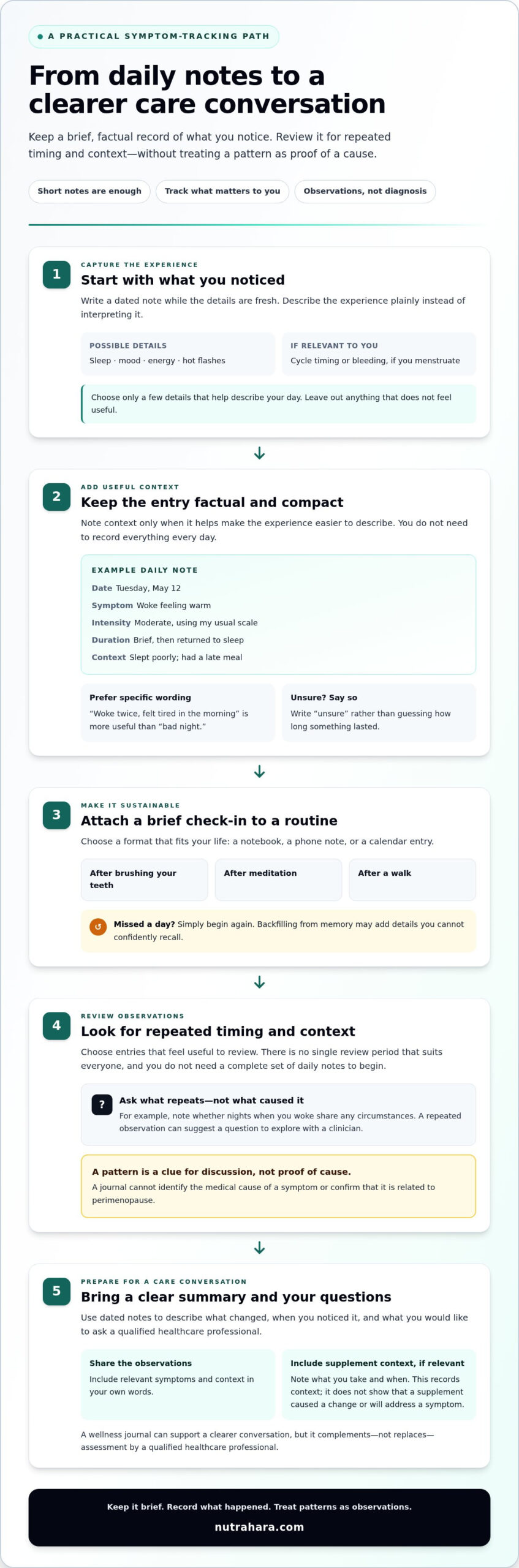
The most appealing natural remedy may not be the one with the strongest evidence. If recurrent urinary symptoms are disrupting your sleep, workouts, or daily routine, it’s understandable to look for gentler ways to prevent another episode. But natural remedies for recurrent UTIs vary in how well they’re supported, and some shouldn’t replace testing or treatment.

You deserve clear guidance, not a longer list of conflicting supplement advice. The right prevention plan depends on what’s causing your symptoms, your health history, and your stage of life, including pregnancy, lactation, or menopause. Repeated symptoms can have more than one explanation, so checking in with a clinician can help you avoid unnecessary treatment or delays in care.

This guide compares practical prevention options, including cranberry, D-mannose, and probiotics, and explains where the evidence has limits. You’ll also learn when medical assessment matters, which symptoms call for prompt attention, and how to build a sustainable plan with your clinician. The goal is informed care that supports your well-being without asking you to manage recurring symptoms alone.

Key Takeaways

  • Track when symptoms occur and discuss recurring episodes with a clinician, since urinary symptoms can have causes other than infection.
  • Compare natural remedies for recurrent UTIs based on the evidence for prevention and understand where research remains uncertain.
  • Consider cranberry as a possible prevention option, not a way to treat an active infection.
  • Ask whether urine testing or culture could help clarify your symptoms and guide a prevention plan suited to your health and life stage.
  • Build practical habits around your routine, but don’t treat supplements as a substitute for diagnosis or care when symptoms arise.

Natural Remedies for Recurrent UTIs: Start With the Right Diagnosis

Repeated burning or urgency can be exhausting, especially when symptoms interrupt exercise, sleep, or a busy day. Before choosing natural remedies for recurrent UTIs, it helps to establish whether the episodes are bacterial infections. Other conditions can cause similar urinary symptoms, so prevention is most useful when it’s based on a clear picture of what’s happening.

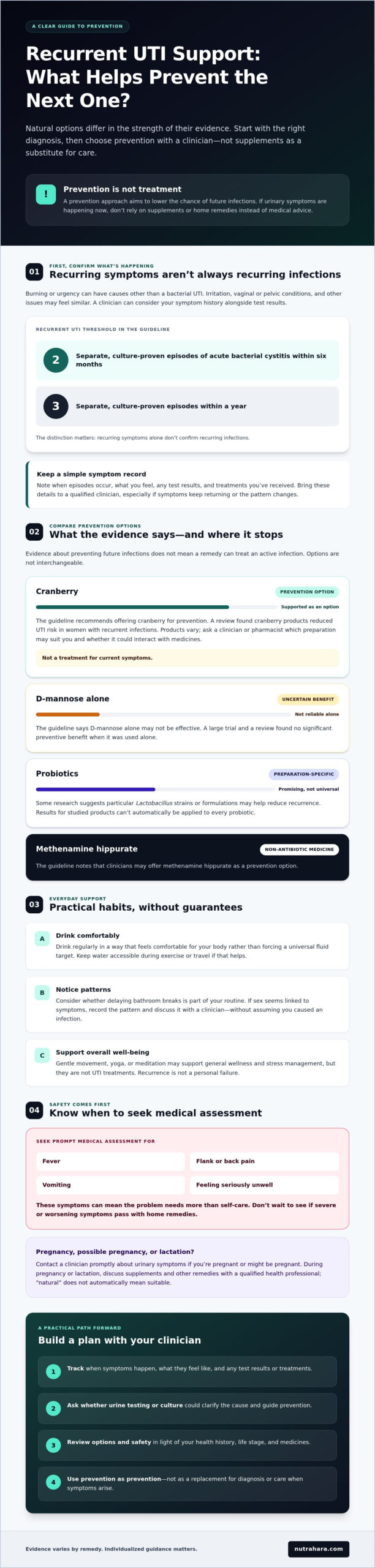
Prevention aims to lower the chance of future infections; it doesn’t diagnose or treat an active UTI. If symptoms are happening now, don’t rely on supplements or home remedies instead of medical advice.

What counts as a recurrent urinary tract infection?

The 2025 AUA/CUA/SUFU recurrent UTI guideline uses a threshold of two separate, culture-proven episodes of acute bacterial cystitis within six months, or three within a year. The distinction matters: recurring symptoms alone don’t confirm recurring infections. Irritation, vaginal or pelvic conditions, and other issues can cause similar discomfort. A clinician can assess your symptom history alongside test results.

Note when episodes occur, what symptoms you experience, any test results, and treatments you’ve received. Bring those details to a qualified clinician, especially if symptoms keep returning or the pattern changes. The overview of recurrent urinary tract infections offers general background, but it doesn’t replace individualized medical advice.

When symptoms need prompt medical attention

Seek prompt medical assessment for fever, flank or back pain, vomiting, or feeling seriously unwell. These symptoms can mean the problem needs more than self-care. Don’t manage severe or worsening symptoms with home remedies while waiting to see if they pass.

If you’re pregnant or might be pregnant, contact a clinician promptly about urinary symptoms. Pregnancy changes the care considerations, so check before using supplements or other remedies. The same applies during lactation: discuss products with a qualified health professional rather than assuming “natural” means suitable for you.

A clear diagnosis doesn’t dismiss your experience. It gives you and your clinician a safer foundation for deciding what to do during symptoms and which prevention approaches may fit your health and life stage.

Which Natural UTI Prevention Options Have the Best Evidence?

Natural remedies for recurrent UTIs aren’t interchangeable, and evidence for preventing future infections doesn’t mean a remedy can treat an active infection. The 2025 AUA/CUA/SUFU guideline recommends offering cranberry as a prevention option, says D-mannose alone may not be effective, and notes that clinicians may offer methenamine hippurate, a non-antibiotic medicine. Cranberry may help lower future UTI risk, but it isn’t a treatment for current symptoms. D-mannose alone hasn’t shown reliable preventive benefit in recent studies. Probiotics remain an option with promising but preparation-specific evidence.

Cranberry, D-mannose, and probiotics: what the evidence can say

A 2023 Cochrane review found cranberry products reduced UTI risk in women with recurrent infections. Products vary, so ask a clinician or pharmacist which preparation may suit you and whether it could interact with medicines you take. The 2025 guideline’s caution on D-mannose reflects a large 2024 trial and a 2025 review that found no significant preventive benefit when it was used alone.

Some research suggests particular Lactobacillus probiotics may help reduce recurrence, but results for studied strains or formulations can’t automatically be applied to every product. A consumer-friendly overview of natural and alternative treatments for UTIs can help you identify options to discuss, not choose a treatment on its own. Before starting a supplement, check its safety and possible interactions with a qualified clinician, especially if you’re pregnant, breastfeeding, or taking medication.

Hydration and everyday habits: useful, but not guaranteed prevention

Drink regularly in a way that feels comfortable for your body rather than forcing a universal fluid target. You might keep water accessible during exercise or travel and notice whether delaying bathroom breaks is part of your routine. If sex seems linked to symptoms, record the pattern and discuss it with a clinician without assuming you’ve caused an infection.

Habits can support general well-being, but evidence for common prevention tips varies, and recurrence isn’t a personal failure. Gentle movement, yoga, or meditation may support overall wellness and stress management, but they aren’t UTI treatments. Choose manageable habits, and seek medical guidance for recurring symptoms rather than relying on lifestyle changes or supplements alone.

Natural Remedies vs. Medical Prevention for Recurrent UTIs

Choosing a natural approach doesn’t mean avoiding medical care. A clinician-led review can help confirm whether episodes are bacterial infections, identify patterns, and weigh prevention choices that fit your health history. Treating familiar symptoms on your own repeatedly may miss another cause or delay appropriate care. Natural remedies for recurrent UTIs may be part of a prevention discussion, but they can’t replace assessment or treatment when an infection is active.

What to ask about testing and a prevention plan

Bring a concise record of symptom dates, how long they lasted, possible triggers, treatments, and previous urine test or culture results. Note whether symptoms followed sex, travel, exercise, or a change in routine. These details can make the conversation more useful and help distinguish a recurring pattern from symptoms with a different cause.

You might ask whether a urine test or culture would be helpful during an episode, how the results could affect treatment, and which prevention options suit your circumstances. Testing isn’t the same for everyone; clinicians decide which assessments and treatments are appropriate based on symptoms, history, and individual risk factors. Depending on your situation, prevention discussions may include cranberry, methenamine hippurate, or clinician-directed antibiotic strategies. Methenamine is a non-antibiotic medicine, not a natural remedy. Ask about expected benefits, possible side effects, and how to review whether a plan is helping.

Life-stage considerations, including menopause and pregnancy

Your life stage can change which options are suitable. For peri- and postmenopausal women with recurrent UTIs, the 2025 AUA/CUA/SUFU guideline recommends discussing vaginal estrogen when there are no contraindications. It’s a clinician-guided option, not an over-the-counter supplement, and your own history should shape the conversation.

Pregnancy or possible pregnancy calls for prompt clinician guidance about urinary symptoms. If you’re pregnant or lactating, check before starting supplements or changing prescribed medicines. Don’t assume a product is appropriate simply because it’s described as natural. Share everything you take, including herbal products and vitamins, so a clinician can consider potential interactions and your individual needs.

A prevention plan should support your life, not leave you choosing between wellness and evidence-based care. You can discuss your preferences and consider natural and medical options together, with a qualified clinician helping you decide what belongs in your plan.

A Practical, Safe Plan for Lowering Recurrence Risk

A steady plan can make repeated episodes easier to discuss and help you make informed choices. These steps won’t guarantee prevention, but they can support a clearer conversation with your clinician.

  1. Keep a private health log. Record symptom dates, what you noticed, urine test results, and treatments. Note timing around exercise, travel, sex, or other routine changes.
  2. Look for patterns, not proof. A symptom following a particular activity may be worth mentioning, but timing alone doesn’t confirm that the activity caused an infection.
  3. Review options and evidence. Ask what each prevention approach is intended to do, how strong the evidence is, and whether it fits your health history and life stage.
  4. Agree on next steps with a clinician. Bring your notes and discuss whether testing or a prevention plan makes sense for you.

Build small habits around your routine

Keep water accessible during workouts or travel and take bathroom breaks when practical, without forcing fluids or interrupting activities unnecessarily. If symptoms seem to follow intimacy, note the pattern and ask a clinician what steps may be appropriate. A short phone note can make tracking easier during busy weeks. These habits may support comfort and awareness, but they can’t promise to prevent infection or replace medical assessment.

Evaluate supplements with care

Before trying natural remedies for recurrent UTIs, read the full label. Check the ingredients, amounts, cautions, and suggested use, then ask a clinician or pharmacist about possible interactions with medicines or other supplements. This is especially important during pregnancy or lactation. Be cautious of products claiming to cure an active infection or replace prescribed treatment. Check that the product’s ingredients and quality information are clear, and don’t assume evidence for one preparation applies to every product.

Nutrahara sells women’s health supplements for broader wellness, but its supplements aren’t established as UTI prevention or treatment. If you’re interested in women’s wellness products, explore Nutrahara’s women’s health supplements separately from care for urinary symptoms.

Natural Remedies for Recurrent UTIs: What Helps and What Doesn’t

Choosing Your Next Step for Recurrent UTI Support

Your next step depends on what’s happening now. Sustainable habits can support general well-being, and evidence-informed prevention options are worth discussing if infections keep returning. But ongoing or new urinary symptoms deserve appropriate medical assessment. Supplements aren’t a substitute for diagnosing or treating an active infection, even if they’re marketed as natural.

A vaginal pH balance guide may offer general information about vaginal health, but it can’t diagnose or treat a UTI. If you’re unsure whether symptoms are urinary or vaginal, ask a clinician rather than trying to identify the cause through an online guide alone.

Questions to take to a clinician

Bring your episode notes and use this checklist to guide the conversation:

  • Have my repeated episodes been confirmed as UTIs, and what testing might be appropriate?
  • Could my health history, medication or supplement use, or life stage affect the prevention options available to me?
  • If I’m pregnant, might be pregnant, or am breastfeeding, what should I know before using any remedy?
  • If I’m peri- or postmenopausal, is vaginal estrogen an appropriate topic to discuss for me?
  • Which prevention approaches fit my preferences, and what are their limits or possible risks?
  • What symptoms should prompt urgent care, and what should I do if symptoms return?

Your clinician can help decide whether urine testing, culture, or a particular treatment is suitable for your situation. The goal isn’t to choose between natural care and medical care. It’s to make an informed plan that reflects your symptoms, preferences, and health needs.

Support your broader wellness without confusing it with UTI treatment

Regular movement that suits your body, restorative sleep, and stress-supporting practices such as yoga or meditation can be meaningful parts of overall wellness. They aren’t proven treatments for an active UTI and shouldn’t be presented as guaranteed prevention. Choose routines that feel sustainable, not like another demand on a busy day.

Natural remedies for recurrent UTIs should be considered with clear expectations and clinician guidance where needed. Nutrahara sells women’s health supplements, but its supplements aren’t established as UTI prevention or treatment. For broader wellness interests, explore Nutrahara’s women’s health supplements separately from care for urinary symptoms.

Take Your Next Step With Confidence

Recurring urinary symptoms deserve a plan grounded in the right diagnosis, not guesswork. Evidence for natural remedies for recurrent UTIs varies: cranberry may be worth discussing for prevention, while other supplements have important evidence limits. None should be relied on to treat an active infection. Tracking symptoms and bringing your questions to a clinician can help you choose prevention options that fit your health, medications, and life stage.

Wellness is personal, and thoughtful care can include medical guidance and habits that support your wider well-being. Nutrahara focuses on women’s health supplements made with natural ingredients, combining Ayurvedic principles with modern nutritional research. Its supplements aren’t established as UTI prevention or treatment, so keep UTI concerns in conversation with a qualified clinician.

Explore Nutrahara’s women’s wellness resources for broader wellness inspiration, separate from care for UTI symptoms.

Frequently Asked Questions

Can natural remedies prevent recurrent UTIs?

Some approaches may help lower recurrence risk, but they don’t work for everyone or guarantee prevention. The 2025 AUA/CUA/SUFU guideline recommends offering cranberry as a prevention option; evidence for other supplements varies. Natural remedies for recurrent UTIs are for prevention discussions, not treatment of an active infection. Ask a clinician whether an option suits your health history, medications, and life stage.

Does cranberry juice get rid of a UTI?

No. Cranberry products may help reduce the risk of future UTIs for some women with recurrent infections, but cranberry juice doesn’t treat an active infection. The research concerns prevention, and products can differ in their formulation. If you have urinary symptoms, contact a qualified clinician about assessment and treatment rather than relying on juice or waiting to see if symptoms resolve.

Is D-mannose effective for recurrent UTIs?

D-mannose alone may not prevent recurrent UTIs. The 2025 AUA/CUA/SUFU guideline advises clinicians to explain that it may not be effective, reflecting recent trial and review findings that didn’t show significant benefit. Evidence can change, and individual health factors matter. Before trying D-mannose, discuss its potential role, safety, and possible interactions with a clinician or pharmacist.

What should I do if UTI symptoms keep coming back?

Arrange a clinician review rather than repeatedly self-diagnosing. Keep a record of when symptoms occur, any urine test results, and treatments you’ve used. Ask whether the episodes have been confirmed as infections and whether testing or a prevention plan is appropriate. Seek prompt care for fever, flank or back pain, vomiting, or feeling seriously unwell; don’t try to manage severe or worsening symptoms at home.

Can I treat a UTI naturally while pregnant?

Don’t try to treat a suspected UTI with natural remedies alone during pregnancy. Contact a clinician promptly about urinary symptoms, and check before taking supplements or changing any prescribed treatment. “Natural” doesn’t automatically mean suitable during pregnancy, and delaying assessment can be risky. If you might be pregnant, follow the same careful approach and get individualized medical guidance.

Can menopause increase the chance of recurrent UTIs?

Perimenopause and menopause can bring changes in vaginal and urinary tissues that may contribute to UTI risk. For appropriate peri- and postmenopausal women with recurrent infections, the 2025 AUA/CUA/SUFU guideline recommends discussing vaginal estrogen when there are no contraindications. It’s a clinician-guided option, not a supplement. Ask whether it fits your health history and what alternatives may be suitable.

Are probiotics proven to prevent recurrent UTIs?

Not all probiotics are proven to prevent UTIs. Research has found promising results for some specific Lactobacillus strains and preparations, but those findings can’t be assumed to apply to every product. Probiotics aren’t a treatment for an active infection. If you’re considering one for prevention, ask a clinician or pharmacist about the studied formulation, safety, and possible interactions with your medicines.

Article by

Nutrahara Team

We are a dedicated collective of nutrition scientists and naturopaths at Nutrahara, committed to advancing women's health through the fusion of ancient Ayurveda science and cutting-edge nutrition research. Our mission is to empower you with clean, simple, and scientifically validated wellness solutions so you can live your healthiest life. Connect with us to stay updated on the latest developments in holistic women's health and nature-based research.

Disclaimer

This article is not a substitute for medical advice. Please consult a healthcare professional before starting any supplement, especially if pregnant, nursing, taking medication, or managing health conditions.
Categories
Articles

Ayurveda for Heart Health: A Woman’s Guide

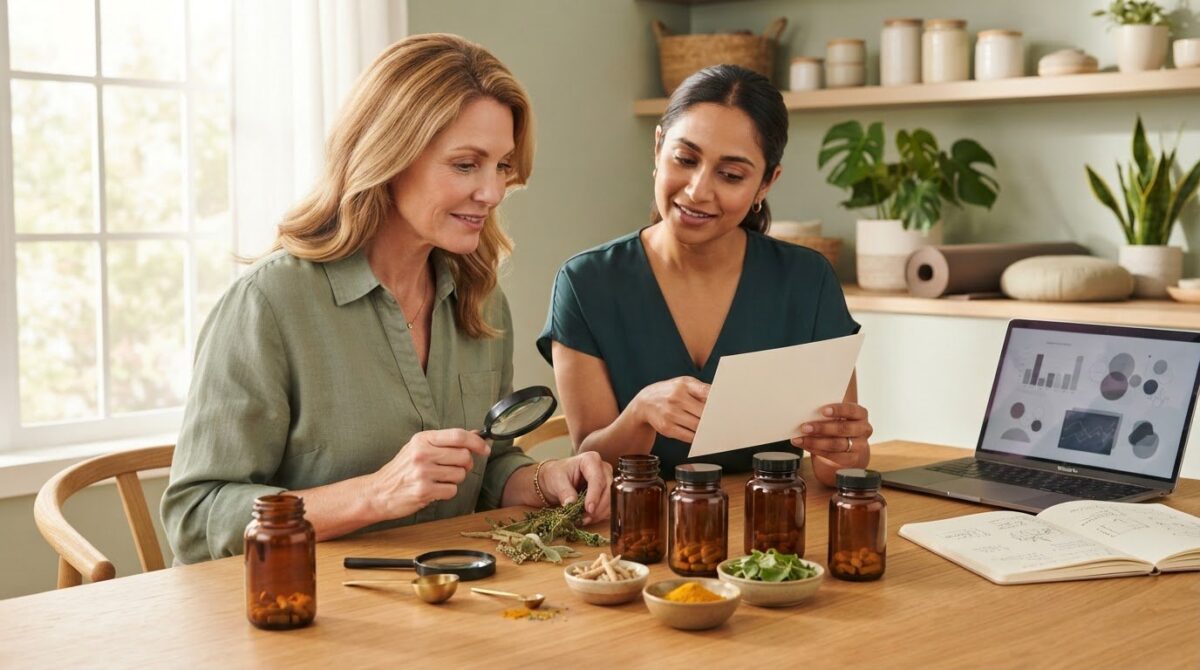
Over 44% of women in the United States are currently living with some form of cardiovascular disease, a reality that highlights the urgent need for proactive care. If you feel anxious about age-related changes or find yourself exhausted by complex medical jargon, you’re not alone. Daily stress and fatigue can easily drain your physical vitality, leaving you searching for gentle yet effective solutions. Embracing a time-tested, ayurvedic approach to cardiovascular health allows you to move away from clinical confusion and toward intuitive, natural healing.

You deserve a wellness journey that honors both your emotional heart and your physical body. Discover how combining ancient Ayurvedic wisdom with modern nutritional science can empower your cardiovascular health and longevity. We will share actionable, natural steps for heart protection, restorative yoga insights, and real-life stories from women who have transformed their well-being. By blending time-tested botanicals with mindful living, you can cultivate deep physical resilience and reconnect with your body’s natural rhythms.

Key Takeaways

  • Learn why the Ayurvedic view of the heart, or Hridaya, encompasses your physical vitality, emotional resilience, and consciousness as a holistic system.
  • Identify how imbalances in the three Doshas can manifest as cardiovascular tension and how to restore harmony through nature-aligned rhythms.
  • Discover how an ayurvedic approach to cardiovascular health helps you navigate modern high-stress lifestyles by aligning your daily habits with your body’s natural needs.
  • Master practical daily rituals, including heart-centered yoga and botanical support, to enhance your physical resilience and mental clarity.
  • Understand how fusing ancient wisdom with modern nutritional science creates a sustainable path for long-term health progression and empowered aging.

Understanding Hridaya: The Foundations of the Ayurvedic Approach to Cardiovascular Health

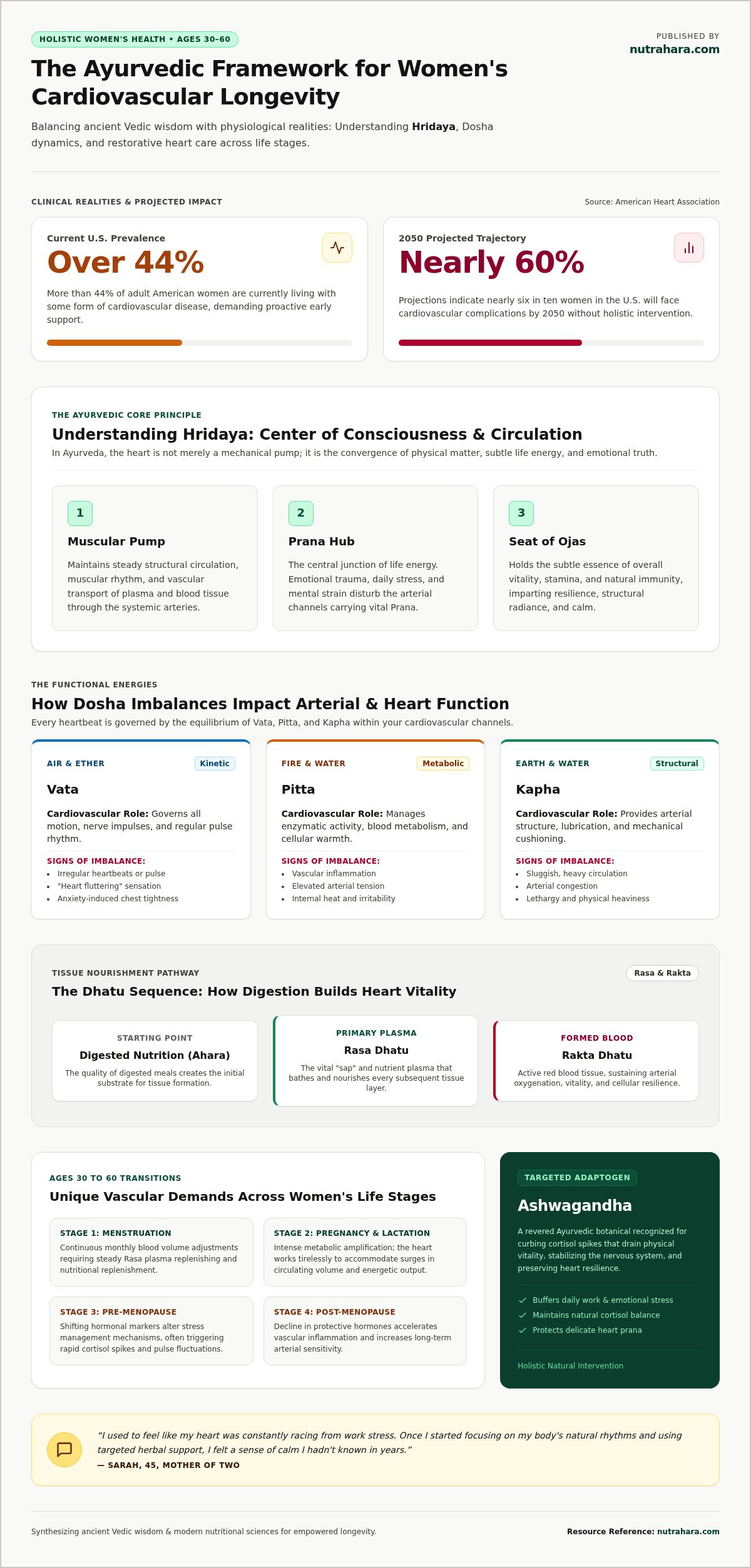
The heart is far more than a simple mechanical pump in ancient wisdom. In the Ayurveda tradition, the heart is known as Hridaya. This term describes a profound center where your physical circulation, emotional experiences, and life energy, or Prana, converge. Taking an ayurvedic approach to cardiovascular health means you aren’t just looking at blood pressure numbers or cholesterol levels. You’re looking at the seat of your consciousness. By 2050, nearly six in ten women in the U.S. are projected to have some form of cardiovascular disease, according to the American Heart Association. This makes it vital for you to embrace proactive, holistic care right now.

What is Hridaya? The Physical and Emotional Heart

Hridaya serves a dual purpose as both a muscular organ and a spiritual hub. It holds Ojas, the subtle essence of your vitality and immunity, which keeps your physical body resilient and glowing. According to ancient texts, emotional trauma and chronic stress can directly impair your physical circulation by disturbing the flow of Prana within the heart’s channels. When you nurture your emotional heart through meditation and breathwork, you’re simultaneously supporting the structural integrity of your physical arteries. This connection explains why your heart often feels “heavy” during grief or “light” during joy. Protecting your Ojas is the first step toward enduring physical vitality.

Why Cardiovascular Health Requires a Gender-Specific Focus

Women’s bodies experience unique physiological shifts that demand a specialized ayurvedic approach to cardiovascular health. From the rhythmic cycles of menstruation to the intense demands of pregnancy and lactation, your heart works tirelessly to adapt to changing blood volumes and metabolic needs. As you move toward the pre-menopausal and post-menopausal years, the decline in certain hormones can alter how your body manages stress and vascular inflammation.

“I used to feel like my heart was constantly racing from work stress,” shares Sarah, a 45-year-old mother of two. “Once I started focusing on my body’s natural rhythms and using targeted herbal support, I felt a sense of calm I hadn’t known in years.”

Integrating adaptogens like Ashwagandha can help manage the cortisol spikes that often drain a woman’s physical vitality. You don’t have to be overwhelmed by complex medical jargon to take charge of your longevity. By understanding these ancient foundations, you build the confidence to protect your heart through every stage of life, ensuring your health journey is one of strength and grace.

The Interplay of Doshas and Dhatus in Women’s Heart Longevity

While Hridaya represents the heart’s spiritual and physical center, the three Doshas are the functional energies that drive its every beat. Understanding the ayurvedic approach to cardiovascular health requires looking at how Vata, Pitta, and Kapha interact within your unique physiology. These energies aren’t static. They shift with your environment, diet, and life stages. When these forces are in harmony, they support the Dhatus, or tissues, that form the foundation of your vascular strength. You don’t need to be a scholar to recognize these patterns; you simply need to listen to your body’s subtle signals.

Balancing Vata, Pitta, and Kapha for Optimal Circulation

Vata governs all movement. In the cardiovascular system, it manages the rhythm of your heartbeat and the flow of blood through your veins. When Vata is out of balance, you might experience an irregular pulse or feelings of “heart fluttering” linked to anxiety. Pitta, the energy of transformation and heat, manages the metabolic processes within the blood. Excess Pitta often manifests as inflammation or high vascular pressure. Kapha provides the structural integrity and lubrication for your arteries. An imbalance here can lead to a sense of heaviness or sluggish circulation. Restoring balance is a gentle process of intentional lifestyle shifts that calm these energies.

Rasa Dhatu and its Critical Impact on Women’s Wellness

Beyond the Doshas, Ayurveda emphasizes the health of the Dhatus. Rasa Dhatu, or the primary nutrient plasma, is the first tissue formed from the food you digest. It’s the “sap” of the body that nourishes every other tissue, including the Rakta Dhatu (blood). For women aged 30 to 60, maintaining high-quality Rasa Dhatu is essential for navigating hormonal transitions and maintaining physical vitality. If your plasma is thin or toxic, your heart must work harder to distribute nutrients.

Optimizing this tissue requires clean nutrition, proper hydration, and emotional peace. Modern research often complements these views, providing a scientific perspective on Ayurvedic medicine that validates the importance of systemic balance. To support your body’s natural nutrient distribution, consider integrating targeted support like Femme Power as part of your daily routine. By focusing on the purity of your internal fluids, you empower your cardiovascular tree to thrive. It’s a long-term progression that rewards you with enhanced resilience and a deeper connection to your natural rhythms.

Modern Cardiovascular Stressors vs. Ancient Ayurvedic Wisdom

Modern life demands a lot from women. You likely juggle a career, family responsibilities, and personal growth, often at the expense of your internal rhythm. This high-octane lifestyle creates a friction that ancient wisdom never intended for the human body to endure. By adopting a modern ayurvedic approach to cardiovascular health, you shift from reacting to stress to proactively cultivating resilience. It isn’t about adding more to your to-do list. It’s about reframing heart care as an essential, empowering journey toward long-term vitality rather than a chore.

Chronic Stress and the Depletion of Ojas

Mental fatigue and constant multitasking actively deplete Ojas, the heart’s natural shield of vitality. When Ojas is low, your vascular tone suffers, and your body finds it harder to regulate blood pressure naturally. You don’t need hours of silence to restore this essence. Try these micro-moments during your day:

  • Practice a one-minute “box breath” before opening your morning inbox.
  • Step away from all digital screens for five minutes during your lunch break.
  • Use a calming support like Anxioguard to help stabilize your nervous system response.

These small, intentional acts directly signal your heart to relax. They protect your physical and emotional reserves, ensuring you maintain the energy needed for your personal health progression.

How Menopause and Hormonal Shifts Affect Heart Health

For women entering their 40s and 50s, the natural decline in estrogen introduces new cardiovascular considerations. Estrogen plays a protective role in vascular health, and its reduction can lead to increased arterial stiffness. In Ayurveda, this transition marks the shift into the Vata stage of life, which is often characterized by dryness and irregularity. Understanding Ayurveda principles and treatments helps you stabilize this transition with grace.

Instead of feeling overwhelmed by these shifts, see them as a call to ground your energy. Focus on warming, cooked foods and consistent daily routines to soothe the Vata energy. Integrating targeted botanicals like BlossomBliss can provide the nurturing support your heart needs during hormonal transitions. Your cardiovascular wellness isn’t a static goal. It’s a personal journey that evolves, requiring pure and trusted inputs to sustain your natural rhythm.

Actionable Ayurvedic Rituals, Herbs, and Yoga for Heart Vitality

Integrating an ayurvedic approach to cardiovascular health isn’t about achieving perfection overnight. It’s about making small, intentional choices that build your physical and emotional resilience. When you combine targeted botanical support with mindful movement, you create a synergy that protects your heart’s structural integrity and your mental peace. This holistic toolkit is designed to fit into your busy schedule, ensuring your wellness journey remains sustainable and empowering.

“I started practicing ten minutes of heart-opening yoga and taking a clean ashwagandha supplement daily,” says Maya, 52. “The difference in my physical vitality and mental calm was night and day. I finally feel like I’m working with my body, not against it.”

Cardio-Supportive Herbs: The Role of Adaptogens

Traditional botanicals have supported women’s heart health for centuries. Arjuna (Terminalia arjuna) is a premier cardioprotective herb historically used to strengthen the heart muscle and improve vascular tone. Modern research often focuses on adaptogens like Ashwagandha, which help modulate cortisol levels. By managing your stress response, you prevent the chronic inflammation that often compromises cardiovascular wellness. You can easily explore clean, potent formulations like Nutrahara’s Ashwagandha with Black Pepper to support your daily resilience.

Asanas and Pranayama: Yoga for a Resilient Cardiovascular System

Physical fitness for the heart doesn’t always mean high-intensity training. Gentle, regular movement stimulates circulation without overtaxing your system. Heart-opening poses like Bhujangasana (Cobra Pose) and Setu Bandhasana (Bridge Pose) are excellent for women aged 30 to 60. These poses stretch the chest and improve the flow of Prana to the Hridaya. Pair these with Nadi Shodhana, or alternate nostril breathing. Simply close your right nostril, inhale through the left, then switch. This practice soothes the nervous system and balances your circulatory rhythm.

Dinacharya Practices for Daily Circulatory Support

Your daily routine, or Dinacharya, provides the foundation for long-term health progression. Abhyanga, the practice of warm oil self-massage, stimulates lymphatic drainage and blood flow. It’s a nurturing way to reconnect with your body’s rhythms. Consistent sleep is equally vital for protecting your cardiovascular rhythm. If you struggle to unwind, establish an evening routine that includes dimming lights and avoiding screens. Consider integrating RestoraSleep to help your body transition into a state of deep, restorative rest.

Empower your heart by choosing purity and simplicity in your daily rituals. Start your journey toward heart vitality today.

Ayurveda for Heart Health: A Woman's Guide

Integrating Ancient Wisdom with Modern Nutrition for Long-Term Wellness

The fusion of traditional medicine and contemporary science offers an optimized path to vitality. Your health journey is a long-term progression. It requires pure, trusted inputs to sustain your natural rhythms. By embracing an ayurvedic approach to cardiovascular health, you bridge the gap between ancient intuition and modern validation. Trust your body’s innate wisdom while making informed, science-backed choices for your future. This partnership between history and innovation ensures you aren’t just surviving, but thriving through every decade of your life.

Bridging Ayurvedic Traditions with Modern Clinical Research

Modern clinical research now validates the anti-inflammatory and stress-reducing properties of Ayurvedic rituals. Studies show that practices like mindful breathing and botanical support effectively modulate the nervous system. These aren’t just “feel-good” habits; they’re biological interventions. Beyond herbs, cellular nutrition plays a vital role in heart longevity. Essential nutrients work alongside botanicals to ensure your heart muscle has the energy it needs to function. Incorporating clean micronutrients, such as those in Nutrahara’s Vitamin B Complex, supports cellular energy production and nervous system health. This synergy ensures your cardiovascular system remains resilient against the pressures of modern life.

Empowering Your Wellness Journey with Clean, Natural Formulas

True empowerment comes from knowing exactly what goes into your body. Choosing supplements free from artificial additives, binders, and fillers is essential for long-term wellness. A clean lifestyle supports your liver and blood purification pathways. When your blood is pure, it reduces the heart’s overall workload. Ancient wisdom often emphasizes the role of the liver in maintaining vascular clarity, a concept that modern science supports through the study of metabolic health. This holistic understanding is central to a successful ayurvedic approach to cardiovascular health. Consider a seasonal reset with Nutrahara’s Detoxifylife to support these natural filtration systems.

Your heart is the center of your being. It deserves more than quick fixes or synthetic shortcuts. By choosing nature-aligned rhythms and science-backed support, you cultivate a deeper connection to your body. Nurture your heart with the respect and purity it deserves. Take charge of your longevity today and embrace a future defined by vitality, resilience, and empowered self-care.

Empower Your Heart for the Journey Ahead

Your heart is the rhythmic center of your life. It deserves a care strategy as multifaceted as your daily responsibilities. By embracing an ayurvedic approach to cardiovascular health, you’re not just managing a physical organ; you’re nurturing your entire essence. We’ve explored how balancing your Doshas and integrating specific heart-opening yoga poses can restore physical vitality and emotional calm. Combining these ancient practices with modern nutritional science creates a sustainable path for long-term health progression.

Nutrahara provides expertly formulated solutions that combine ancient Ayurveda with modern nutritional research. Our 100% clean ingredients are specifically tailored for your unique life stages, ensuring you receive pure support without artificial additives. Trusted by thousands of women pursuing longevity and strength, we’re here to be your wise and caring guide as you navigate each transition.

Embrace your journey to lifelong heart vitality with Nutrahara’s pure, science-backed wellness solutions.

You have the power to protect your longevity and enhance your resilience. Trust your body’s wisdom and start listening to its natural rhythms today.

Frequently Asked Questions

What is the primary Ayurvedic herb used for cardiovascular health?

Arjuna is widely recognized as the premier botanical for cardiovascular support in traditional practice. It’s often used to strengthen the heart muscle and improve vascular tone. Modern formulations frequently combine it with adaptogens like Ashwagandha to help the body manage cortisol, which protects the heart from chronic stress. Choosing clean, science-backed supplements ensures you receive these benefits without artificial additives, supporting your long-term health journey with trusted, natural ingredients.

Can yoga and meditation actively lower stress-related heart tension?

Yoga and meditation are powerful tools for reducing heart tension by activating the body’s relaxation response. Specific heart-opening poses, such as Bridge Pose, help physical circulation while deep breathing exercises like Nadi Shodhana soothe the nervous system. These practices directly counteract the “fight or flight” response that often leads to vascular constriction. Integrating these rituals into your daily life fosters emotional resilience and physical vitality, empowering you to navigate life’s transitions with greater calm.

How does menopause affect a woman’s cardiovascular system in Ayurveda?

In Ayurveda, menopause represents a transition into the Vata stage of life, which is characterized by increased dryness and irregularity. This shift often coincides with a natural decline in estrogen, an essential hormone that provides cardiovascular protection for women. You might notice changes in arterial stiffness or heart rhythm during this time. Grounding, warming lifestyle adjustments and targeted botanical support help stabilize this transition, ensuring your heart remains resilient as your body’s natural rhythms evolve.

Is the Ayurvedic approach to heart health supported by modern science?

Yes, a modern ayurvedic approach to cardiovascular health is increasingly validated by clinical research. Trials with results posted in August 2024 found that Ayurvedic programs including yoga and herbs improved arterial stiffness and cardiometabolic risk factors. This fusion of ancient wisdom and modern nutritional science creates a comprehensive wellness strategy. By using clean ingredients free from binders, you can trust that these time-tested methods meet contemporary standards for purity and clinical efficacy.

What daily ritual is best for improving circulation naturally?

Abhyanga, or warm oil self-massage, is one of the most effective daily rituals for stimulating lymphatic and blood circulation. This practice encourages the flow of Prana and helps clear metabolic waste from the tissues. Beyond the physical benefits, it serves as a nurturing act of self-care that grounds your energy. Performing this ritual before your morning shower can significantly enhance your physical vitality and help you feel more connected to your body’s natural circulatory rhythms.

Can I combine Ayurvedic lifestyle practices with my current fitness routine?

You can absolutely integrate Ayurvedic principles into your existing fitness routine to create a more balanced ayurvedic approach to cardiovascular health. While high-intensity exercise builds strength, adding heart-centered yoga and meditation helps prevent overtaxing your nervous system. This combination ensures you’ll achieve your fitness goals without depleting your Ojas, or vital energy essence. Using clean supplements to support cellular energy further optimizes your results, making your health journey a sustainable and empowering long-term progression.

Article by

Nutrahara Team

We are a dedicated collective of nutrition scientists and naturopaths at Nutrahara, committed to advancing women's health through the fusion of ancient Ayurveda science and cutting-edge nutrition research. Our mission is to empower you with clean, simple, and scientifically validated wellness solutions so you can live your healthiest life. Connect with us to stay updated on the latest developments in holistic women's health and nature-based research.

Disclaimer

This article is not a substitute for medical advice. Please consult a healthcare professional before starting any supplement, especially if pregnant, nursing, taking medication, or managing health conditions.
Categories
Articles

Best Knee Mobility Supplements: A Woman’s Holistic Guide

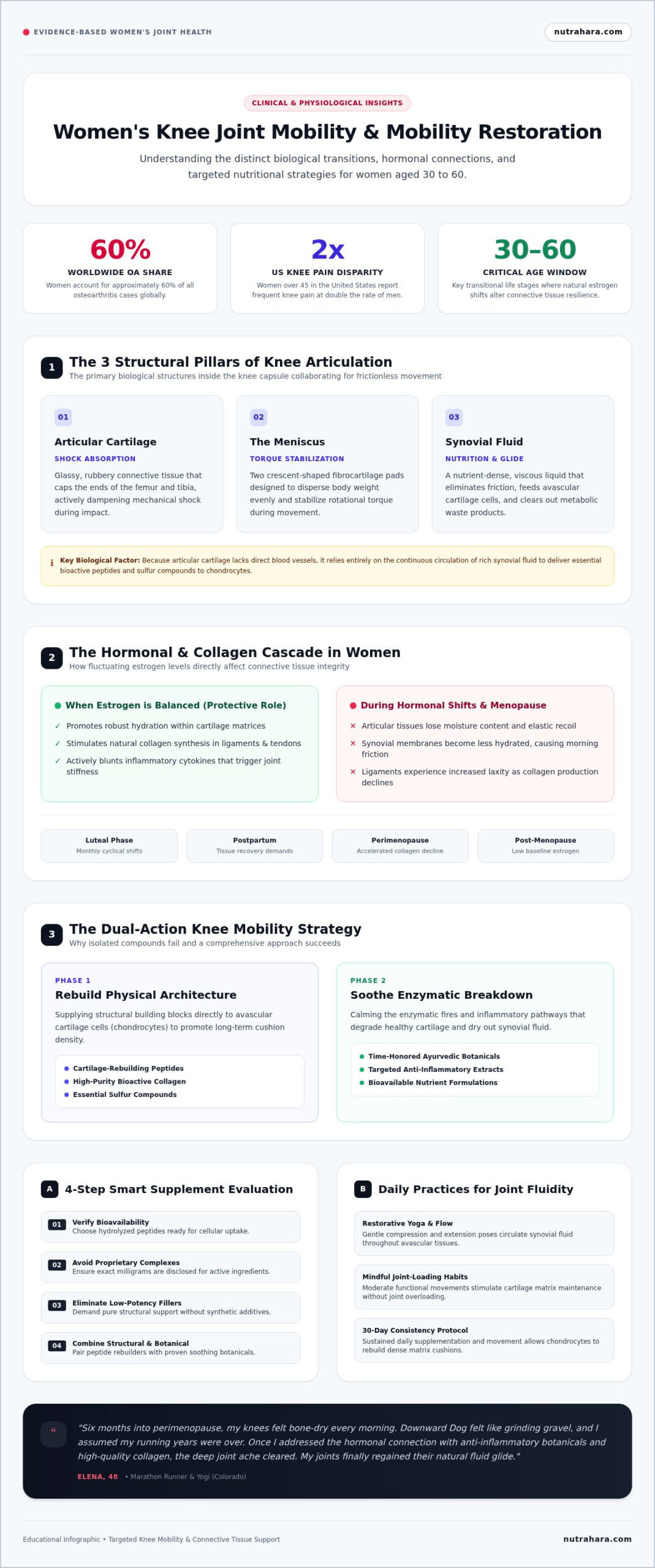
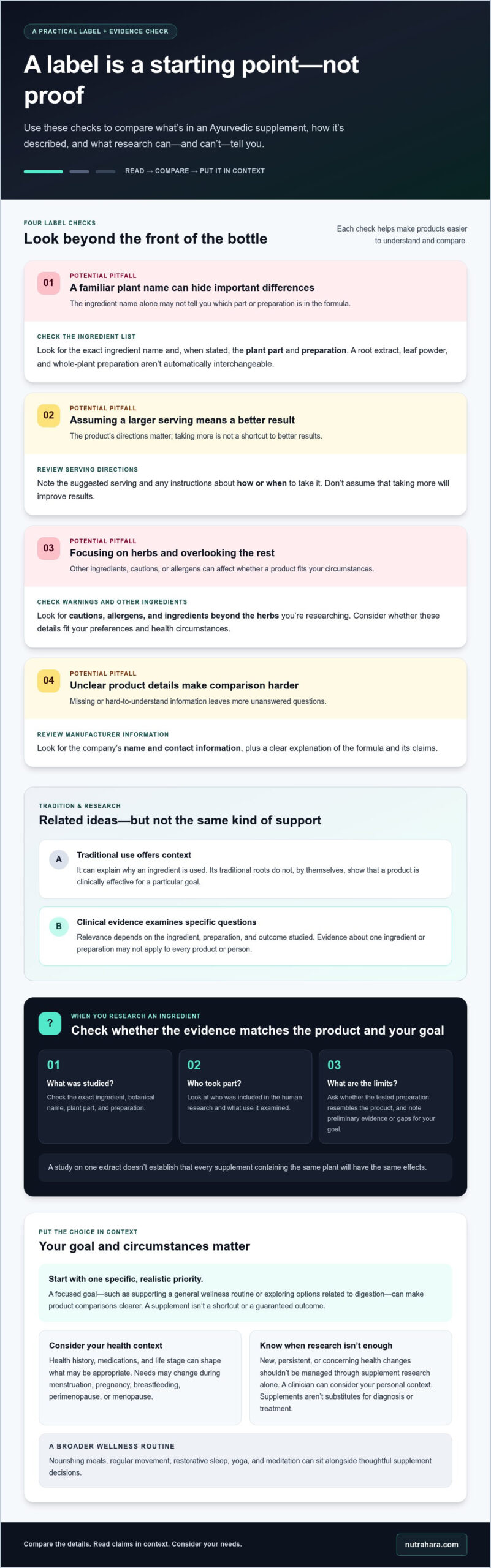
Women account for approximately 60% of all osteoarthritis cases worldwide, and in the United States, women over 45 report frequent knee pain at twice the rate of men. As estrogen levels naturally shift through your thirties, forties, and fifties, morning knee stiffness can disrupt your favorite yoga flow, morning run, or daily walking routine. When persistent joint discomfort suddenly interrupts an active, health-conscious life, your frustration is completely valid. Finding targeted, clean supplements for knee joint mobility shouldn’t feel like an exhausting search through confusing labels, proprietary complexes, and endless marketing hype.

Every woman’s body moves through continuous physiological transitions, from reproductive years and postpartum recovery to the transformative phases of perimenopause and post-menopause. Throughout these stages, fluctuating hormones directly impact connective tissue resilience, fluid retention, and systemic inflammation. When your knees creak during deep squats or feel tight when stepping out of bed, your body isn’t failing; it’s simply sending an intelligent biological invitation for deeper, more conscious nourishment.

Restoring lasting joint freedom requires more than a temporary fix. It demands a holistic approach that nourishes cartilage, replenishes synovial fluid, and harmonizes inflammation and hormones. In this comprehensive guide, you will discover evidence-based nutrients, time-honored Ayurvedic botanicals, and gentle daily habits designed to bring ease back to every bend, squat, and step. Let’s explore how to support your knees naturally so you can move with comfort, strength, and radiant confidence through every stage of life.

Key Takeaways

  • Understand the distinct biological shifts, from declining estrogen to reduced synovial fluid, that cause knee stiffness in women between 30 and 60.
  • Discover clinically proven supplements for knee joint mobility that combine cartilage-rebuilding peptides with traditional anti-inflammatory botanicals.
  • Learn a simple four-step label reading method to identify clean, bioavailable formulations while avoiding low-potency fillers.
  • Combine restorative yoga poses and mindful joint-loading habits with targeted supplementation to accelerate joint lubrication and physical confidence.
  • Follow an empowering 30-day holistic roadmap to restore knee flexibility, comfort, and fluid movement for lifelong physical vitality.

Understanding Knee Joint Mobility: Why Women Experience Stiffness First

Knee joint mobility is far more than simple flexibility; it represents the fluid, frictionless articulation of bone against bone, cushioned by articular cartilage and bathed in rich synovial fluid. When this internal lubrication diminishes, everyday transitions become uncomfortable reminders of structural friction. Morning knee stiffness, that tight feeling when your feet first touch the floor, signals reduced synovial viscosity, heightened inflammation, and subtle cartilage thinning. While conventional fitness advice often reduces knee challenges to mechanical wear and tear, women encounter biological shifts that alter connective tissue behavior long before mechanical breakdown occurs.

For women aged 30 to 60, joint changes frequently mirror systemic shifts rather than simple muscular fatigue. When you begin understanding knee joint mobility, it becomes clear why clinical research links early joint vulnerability directly to female physiology. Instead of accepting morning creakiness as an inevitable sign of aging, view it as an intelligent biological signal calling for targeted internal nourishment and proactive lifestyle care.

The Anatomy of Knee Mobility and Cartilage Cushioning

Inside the knee capsule, three primary structures collaborate to sustain effortless movement:

  • Articular Cartilage: A glassy, rubbery connective tissue that caps the ends of the femur and tibia, absorbing shock during impact.
  • The Meniscus: Two crescent-shaped fibrocartilage pads that disperse body weight and stabilize rotational torque.
  • Synovial Fluid: A nutrient-dense, viscous liquid that reduces friction, feeds avascular cartilage, and washes away metabolic debris.

Muscular knee tightness usually softens after a brief warm-up, but true capsule stiffness feels deeply set inside the joint. Because articular cartilage lacks its own blood vessels, it relies entirely on the ebb and flow of healthy synovial fluid for cellular nutrients. This biological reality highlights why targeted, high-purity supplements for knee joint mobility are critical to supplying the exact bioactive peptides and sulfur compounds your chondrocytes require to thrive.

Hormonal Shifts, Collagen Depletion, and Female Joint Health

Mainstream joint discussions often overlook how female hormones govern connective tissue integrity. Estrogen acts as a natural joint protector; it promotes cartilage hydration, stimulates collagen synthesis, and blunts inflammatory cytokines. As estrogen fluctuates during the luteal phase, postpartum recovery, and especially perimenopause and menopause, articular tissues lose moisture and elastic recoil.

During these life stages, reduced natural collagen production leaves ligaments more lax and synovial membranes less hydrated. Introducing targeted structural support like Nutrahara’s Premium Collagen Complex helps nourish structural peptides while your hormonal environment evolves.

Consider Elena, a 48-year-old marathon runner and dedicated yogi from Colorado. “Six months into perimenopause, my knees felt bone-dry every morning. Downward Dog felt like grinding gravel, and I assumed my running years were over,” she recalls. “Once I addressed the hormonal connection with anti-inflammatory botanicals and high-quality collagen, the deep joint ache cleared. My joints finally regained their natural fluid glide.”

Top Clinically Studied Supplements for Knee Joint Mobility

Restoring fluid articulation requires a dual-action strategy. You must rebuild the physical joint architecture while soothing the enzymatic fire that breaks down healthy cartilage. Isolated compounds rarely resolve complex knee stiffness on their own; true joint comfort emerges when targeted structural builders pair with bioavailable botanical extracts. By supplying chondrocytes with restorative building blocks and calming inflammatory pathways simultaneously, you create the precise internal conditions needed for smooth, springy knee extension.

When selecting evidence-backed supplements for knee joint mobility, look for synergistic formulas that work across both structural regeneration and cellular comfort.

Structural Builders: Collagen, Glucosamine, and Chondroitin

Articular cartilage relies on a dense matrix of collagen fibers to distribute mechanical force across the knee capsule. Hydrolyzed collagen peptides deliver short-chain amino acids, particularly glycine, proline, and hydroxyproline, which stimulate chondrocytes to synthesize fresh extracellular matrix. To replenish connective tissue elasticity and support tendon stability during your workouts, consider adding Nutrahara’s Premium Collagen Complex to your morning routine.

Pairing collagen with glucosamine sulfate and chondroitin reinforces cartilage hydration. Glucosamine sulfate provides essential sulfur groups required to produce glycosaminoglycans, which pull water directly into the joint capsule to cushion high-impact steps. While clinical trials consistently validate glucosamine sulfate for restoring space within the joint, the cheaper glucosamine hydrochloride variant lacks this sulfur donor mechanism and shows notably weaker clinical outcomes.

Botanical Soothers: Turmeric, Boswellia, and Ayurvedic Wisdom

Calming joint inflammation protects delicate new cartilage fibers from premature breakdown. Modern clinical trials confirm what ancient Ayurvedic texts documented centuries ago: traditional tree resins and roots offer profound relief for stiff joints. Curcumin, the primary polyphenol in turmeric root, inhibits the pro-inflammatory COX-2 enzyme and suppresses NF-kB transcription. However, raw turmeric exhibits poor intestinal uptake; combining curcumin with piperine, the active constituent in black pepper, elevates its bioavailability significantly.

Boswellia serrata gum resin works alongside turmeric by supplying boswellic acids (notably AKBA), which selectively inhibit the 5-LOX enzyme. This targeted botanical duo calms joint throbbing without disrupting digestive comfort.

Synergistic Micronutrients: Vitamin D3, Magnesium, and MSM

Knee articulation relies on the strength of the underlying subchondral bone plate. Vitamin D3 coordinates mineral deposition, while magnesium balances calcium turnover so bone spurs don’t agitate surrounding connective bands. Methylsulfonylmethane (MSM) supplies bioavailable organic sulfur, reinforcing the disulfide cross-links that give cartilage its flexible resilience.

Nutrient Primary Action Mobility Benefit
Hydrolyzed Collagen Peptides Stimulates cartilage matrix synthesis Restores joint shock absorption and rebound
Glucosamine Sulfate Rebuilds proteoglycans Enhances synovial fluid depth and lubrication
Turmeric & Boswellia Inhibits COX-2 and 5-LOX pathways Soothes deep stiffness and post-walk aches
MSM (Organic Sulfur) Strengthens disulfide collagen bonds Improves knee flexion range and soft tissue ease

If daily stress exacerbates your physical tension and aches, integrating an adaptogen like Nutrahara’s Ashwagandha with Black Pepper can help modulate systemic stress responses, supporting physical resilience from the inside out.

How to Choose and Evaluate Knee Mobility Supplements Wisely

Walking down the supplement aisle or scrolling online wellness shops can feel dizzying. Dozens of shiny bottles make identical promises of effortless movement, yet their labels reveal stark differences in quality and biological activity. Making an informed choice means looking beyond front-of-bottle claims. To find trustworthy supplements for knee joint mobility, use a reliable four-step vetting framework:

  • Confirm Clinical Forms: Ensure active compounds match the exact chemical forms proven in trials, such as glucosamine sulfate rather than cheaper salt variants.
  • Verify Botanical Standardization: Check that herbal extracts list confirmed percentages of active constituents, not just plain powdered root.
  • Demand Clean Formulation: Choose capsules free from synthetic binders, artificial colorings, magnesium stearate, and microcrystalline cellulose.
  • Require Rigorous Testing: Look for brands that manufacture in FDA-registered facilities adhering to strict Current Good Manufacturing Practices (CGMPs) with verified third-party testing.

Reading Labels: Active Dosages vs. Inactive Fillers

A transparent Supplement Facts panel details the exact milligrams of every active constituent. Many commercial brands use “proprietary joint complexes” to hide minuscule doses of costly botanicals behind cheap bulking agents. When evaluating formulas, confirm that clinical thresholds are met; for example, therapeutic trials generally use 5 to 10 grams of hydrolyzed collagen peptides and standardized turmeric extracts containing 95% curcuminoids.

Avoid products packed with artificial dyes (like titanium dioxide or FD&C Yellow) and unnecessary chemical lubricants. Selecting an elegant, all-in-one synergistic blend avoids supplement fatigue, saving you from swallowing seven different single-ingredient pills every morning.

Assessing Quality, Purity, and Bioavailability Standards

High milligram numbers mean little if your body cannot absorb them. Potent botanical compounds must survive digestion and cross the intestinal barrier into systemic circulation. For instance, pairing curcumin with standardized piperine (black pepper extract) enhances cellular uptake by up to 2,000%, ensuring active polyphenols actually reach stiff knee capsules.

The Conscious Woman’s Joint Supplement Checklist

Before adding any mobility supplement to your daily regimen, verify it passes these five quality marks:

  • Does the label disclose specific standardized extract percentages?
  • Is the formula 100% free from synthetic fillers, artificial coatings, and common allergens?
  • Does the product incorporate clinically proven bioavailability enhancers like black pepper?
  • Is it manufactured in a certified CGMP compliant, FDA-registered facility?
  • Does the company prioritize women’s distinct structural and hormonal health needs?

Prioritizing purity safeguards your overall wellness progression. When you feed your joints clean, thoughtfully extracted nutrients, you give your body the exact tools needed to rebuild flexibility from within.

Best Knee Mobility Supplements: A Woman's Holistic Guide

Holistic Daily Practices to Amplify Joint Mobility and Flexibility

Targeted supplements supply the raw materials your knees crave, but movement acts as the biological pump that drives those nutrients into avascular cartilage. When you compress and decompress articular tissue through gentle exercise, you flush stagnant metabolic waste and pull freshly synthesized synovial fluid deep into the capsule. Pairing clean supplements for knee joint mobility with mindful movement creates an unbeatable synergy, turning passive supplementation into active, vibrant tissue restoration.

Restorative Yoga and Movement for Knee Longevity

Traditional yoga postures create open joint space without harsh, compressive impact. Integrating specific asanas releases muscular tension along the kinetic chain, particularly tight quadriceps and hamstrings that pull the patella out of optimal alignment:

  • Supported Bridge Pose (Setu Bandha Sarvangasana): Place a yoga block under your sacrum to strengthen glutes and hamstrings while relieving patellar pressure.
  • Legs-Up-the-Wall (Viparita Karani): Inverting your legs for ten minutes drains pooling lymphatic fluid from the lower extremities, soothing end-of-day knee puffiness.
  • Gentle Cycling and Swimming: Non-weight-bearing rhythmic motions circulate synovial lubrication smoothly across the joint line.

When practicing yoga, always prioritize joint comfort over aesthetic shape. Place a folded blanket beneath your knees during tabletop poses, and avoid folding beyond ninety degrees if deep flexion creates acute pinching.

Mind-Body Alignment: Meditation, Sleep, and Stress Reduction

Emotional tension manifests physically as joint stiffness. Sustained psychological stress keeps cortisol elevated, which accelerates connective tissue breakdown, amplifies systemic inflammation, and lowers your physical pain threshold. Practicing mindful breathwork shifts your autonomic nervous system from sympathetic fight-or-flight into parasympathetic rest-and-digest.

Carve out five minutes before bed for a simple grounding meditation. Inhale slowly for four counts, hold for two, and exhale gently for six. This rhythmic cadence relaxes guarding muscles around your hips and knees. Deep, uninterrupted sleep is equally vital, as human growth hormone peaks during stage-three non-REM sleep to coordinate nocturnal cartilage repair.

Anti-Inflammatory Nutrition and Hydration Tips

Daily dietary choices amplify your internal joint nourishment. Hydrate consistently with electrolyte-infused water to maintain synovial fluid volume, and load your plate with dark berries, leafy greens, wild-caught salmon, and cold-pressed extra virgin olive oil. For a deeper look at balancing female physiology naturally, explore The Ultimate Guide to Women’s Wellness Supplements.

Sarah, a 52-year-old high school teacher and avid hiker from Oregon, transformed her physical confidence by pairing nutrition with mindful movement. “Last year, my knees felt stiff and swollen after standing all day in class. Squatting down to garden was out of the question,” she shares. “Once I started taking targeted joint nutrients and committed to ten minutes of evening restorative yoga, everything shifted. Last weekend, I completed an eight-mile trail hike completely free from morning aches.”

Ready to reclaim light, effortless movement in your daily routine? Explore Nutrahara’s natural wellness solutions to nourish your joints with pure, clinically inspired botanicals today.

Building Your Personalized Knee Mobility Protocol with Nutrahara

Reclaiming smooth, effortless knee mobility is an intentional progression rather than an overnight cure. By uniting modern nutritional research with time-tested Ayurvedic principles, you can construct a daily protocol that directly addresses cartilage renewal, joint hydration, and muscular balance. Nutrahara’s Joints & Knees Kit embodies this philosophy, providing a comprehensive multi-action system designed specifically to support joint health, enhance knee mobility, and increase full-body flexibility across every stage of female life.

Biological remodeling requires patience and consistency. While anti-inflammatory botanicals often begin soothing daily tension within two to four weeks, structural cartilage rebuilding typically matures over eight to twelve weeks. Embracing this timeline gives you the confidence to trust your body’s restorative rhythm.

The Power of Synergistic Herbal and Nutritional Formulations

Combining complementary botanical extracts creates biochemical synergy that single-ingredient options cannot match. When structural building blocks like collagen work in tandem with traditional herbs, your chondrocytes receive comprehensive matrix support alongside targeted enzymatic protection. Nutrahara crafts every formula with 100% clean, natural ingredients, completely free from artificial additives, synthetic fillers, or unnecessary binders.

Because physical strain frequently intertwines with nervous system stress, pairing structural care with an adaptogen like Nutrahara’s Ashwagandha with Black Pepper supports cellular recovery, deep rest, and full-body vitality.

Step-by-Step Daily Routine for Sustainable Knee Freedom

A structured daily routine transforms scientific principles into simple, empowering habits:

  • Morning Nourishment: Start your day with a large glass of filtered water and your core structural nutrients, such as hydrolyzed collagen peptides and glucosamine, to replenish cartilage stores as you begin moving.
  • Midday Articulation: Break up long periods of sitting with two minutes of gentle knee circles or a brief ten-minute walk to actively circulate freshly stimulated synovial fluid.
  • Evening Recovery: Take your calming botanical soothers alongside a light meal, followed by five minutes of supported bridge pose or legs-up-the-wall to soothe daily tension.
  • Nighttime Restoration: Prioritize deep, restorative sleep to ensure nocturnal tissue repair proceeds undisturbed.

Investing in pure, clinically inspired supplements for knee joint mobility protects your connective tissues against ongoing age-related wear. When you choose conscious daily self-care, you give your joints the nourishment they deserve to stay agile, strong, and gracefully mobile for decades to come.

Step Confidently into Lifelong Joint Freedom

Knee stiffness doesn’t have to dictate your daily pace, quiet your yoga practice, or sideline your active passions. As your body navigates hormonal shifts from your thirties into your sixties, your joints simply require more thoughtful, intentional care. Lasting comfort begins when you address both sides of joint health: replenishing the physical cartilage matrix while calming persistent cellular inflammation.

Pairing daily low-impact movement with pure, clinically validated supplements for knee joint mobility restores the deep synovial cushioning your knees need to bend, squat, and walk with ease. You deserve clean formulations that honor your body’s natural wisdom rather than cutting corners with cheap fillers and hidden blends.

Take charge of your physical comfort today. Support your joint mobility with Nutrahara’s Joints & Knees Kit, a synergistic blend of time-honored Ayurvedic botanicals and modern nutritional research crafted specifically for women’s wellness. With consistent daily nourishment and gentle care, fluid, pain-free movement is entirely within your reach.

Frequently Asked Questions

How long does it take for knee mobility supplements to show noticeable results?

Most women notice initial improvements in morning comfort within two to four weeks, while full structural benefits appear after eight to twelve weeks. Fast-acting botanicals like turmeric and Boswellia calm inflammatory pathways relatively quickly. Rebuilding cartilage density and restoring synovial fluid depth with targeted supplements for knee joint mobility requires sustained daily use over several months to allow chondrocytes time to synthesize new collagen fibers.

Can collagen supplements really help restore stiff knee joints in women?

Yes, hydrolyzed collagen peptides provide the essential amino acids required to stimulate cartilage repair and reinforce tendon elasticity. Clinical studies show these low-molecular-weight peptides accumulate directly in joint cartilage, prompting chondrocytes to produce fresh extracellular matrix. For active women experiencing early morning tightness, adding clean collagen peptides helps rebuild the natural shock-absorbing cushion inside the knee capsule.

Is glucosamine or turmeric better for alleviating everyday knee joint stiffness?

Neither is superior on its own because they serve completely different, complementary biological roles. Glucosamine sulfate functions as a structural building block, hydrating cartilage matrix and maintaining synovial fluid viscosity. Turmeric provides potent curcuminoids that actively calm inflammatory enzymes like COX-2. Combining both creates powerful synergy: turmeric soothes immediate discomfort while glucosamine works behind the scenes to preserve long-term joint architecture.

Why do women in perimenopause and menopause experience sudden knee joint aches?

Sudden midlife knee stiffness is directly linked to declining estrogen levels. Estrogen protects female joints by maintaining cartilage hydration, stimulating collagen synthesis, and modulating inflammatory cytokines. When hormone levels fluctuate during perimenopause and drop after menopause, synovial fluid production slows down and connective tissues lose elasticity. This biological shift makes joints feel dry, tight, and vulnerable to sudden friction.

Can I take joint supplements safely alongside my daily multivitamin?

Yes, quality supplements for knee joint mobility are generally safe to pair with a standard multivitamin. In fact, essential micronutrients in multivitamins, such as zinc, vitamin C, and copper, act as necessary cofactors for collagen production. Just check product labels to avoid exceeding safe upper intake levels for fat-soluble vitamins like vitamin D, and space your intake across morning and evening meals.

What gentle exercises are safest for maintaining knee mobility with creaking joints?

Low-impact movements that don’t load the knee with excessive body weight are safest for creaking joints. Swimming, recumbent cycling, water aerobics, and restorative yoga poses like supported bridge gently circulate synovial fluid without compressive friction. Daily flat-ground walking in supportive shoes also encourages cartilage lubrication while building supportive strength in your quadriceps and calves without irritating sensitive joint capsules.

Do joint mobility supplements cause digestive upset or stomach irritation?

Clean, high-purity joint formulations rarely cause stomach irritation, especially when taken alongside balanced meals. Digestive upset typically stems from cheap synthetic binders, chemical fillers, or taking high doses of unstandardized herbs on an empty stomach. Selecting 100% clean formulas made without artificial additives and taking capsules with food ensures smooth, comfortable digestion and optimal nutrient absorption.

Article by

Nutrahara Team

We are a dedicated collective of nutrition scientists and naturopaths at Nutrahara, committed to advancing women's health through the fusion of ancient Ayurveda science and cutting-edge nutrition research. Our mission is to empower you with clean, simple, and scientifically validated wellness solutions so you can live your healthiest life. Connect with us to stay updated on the latest developments in holistic women's health and nature-based research.

Disclaimer

This article is not a substitute for medical advice. Please consult a healthcare professional before starting any supplement, especially if pregnant, nursing, taking medication, or managing health conditions.

Categories
Articles

Best Supplements for Brittle Nails: 2026 Holistic Guide

Did you know that women are twice as likely as men to struggle with brittle nail syndrome, a condition that affects nearly 20% of all adults? It’s incredibly frustrating to watch your nails peel or snap just as they finally reach a decent length. You likely feel that your nails should reflect the care you put into your yoga practice and clean diet, yet they remain stubbornly weak. You aren’t alone in wondering which supplements for brittle nails actually work and which are just marketing noise.

We’re here to help you bridge the gap between ancient traditions and modern clinical research. You’ll discover how to restore your nail’s natural strength and smooth texture using a mindful, holistic approach. This guide covers the essential role of bioactive collagen peptides, the truth about biotin safety in 2026, and specific Ayurvedic tips to nourish your body from the inside out. By the end, you’ll have a clear, science-backed routine that aligns perfectly with your wellness journey and boosts your confidence in your natural appearance.

Key Takeaways

  • Understand how ancient Ayurveda views your nails as a reflection of bone health, or “Asthi Dhatu,” and what this means for your recovery journey.
  • Discover why bioactive collagen peptides and balanced supplements for brittle nails are safer and more effective than relying on high-dose biotin alone.
  • Learn the “Band-Aid” trap of topical hardeners and why your body must prioritize internal nourishment to create lasting, visible strength.
  • Explore how specific yoga inversions and pranayama breathwork can improve the peripheral circulation necessary to deliver nutrients to your fingertips.
  • Gain actionable diet tips and lifestyle rituals, from integrating Ayurvedic ghee to choosing clean, bioavailable nutrients that support long-term vitality.

Beyond the Surface: Understanding Brittle Nails through Ayurveda and Science

Your nails act as a window into your internal vitality. While we often view peeling or splitting as a cosmetic inconvenience, it’s actually a clinical condition known as onychorrhexis (brittle nails). This fragility often signals that your body is redirecting essential nutrients away from your extremities to support vital organs. It’s a sign of internal depletion that requires a deeper look at your nutritional foundation.

Ancient Ayurvedic wisdom offers a profound perspective on this. In this tradition, your nails are considered a byproduct of Asthi Dhatu, or bone tissue. If your bones aren’t receiving deep nourishment, your nails are the first to show signs of depletion. Achieving lasting results with supplements for brittle nails requires addressing this internal foundation rather than just painting on a temporary fix. It’s a long-term progression toward wholeness.

The Science of Keratinization

New nail cells originate in the nail matrix, the hidden area just beneath your cuticle. As these cells grow, they undergo a process of hardening and flattening to form the protective plate. For women over 30, this renewal cycle naturally slows down. This physiological shift means your body needs more targeted support, such as a Premium Collagen Complex, to maintain the same level of resilience you enjoyed in your twenties. Keratinization is the body’s internal architecture for strength.

The Ayurvedic Perspective: Nails as a Mirror

Ayurvedic practitioners teach that brittleness often signals an aggravated Vata dosha. This imbalance brings qualities of dryness and roughness to the nail plate. If your Agni, or digestive fire, is weak, you won’t absorb the minerals needed for strong nails, no matter how well you eat. You can support this by:

  • Integrating warming, healthy fats like ghee into your diet to ground Vata.
  • Practicing mindful eating to stoke your digestive fire for better absorption.
  • Choosing bioavailable supplements for brittle nails that your body can easily recognize and utilize.

It takes roughly four to six months for a fingernail to grow from the cuticle to the tip. This journey is a marathon, not a sprint. By understanding the connection between your bone health and your external beauty, you can approach your wellness routine with the patience and confidence of a wise guide.

The Essential Nutrients: A Scientific Blueprint for Resilient Nails

Structural integrity in the nail plate depends on a precise sequence of micronutrients working beneath the surface. Iron and zinc are foundational; their deficiency often manifests as white spots or longitudinal ridges. According to this MedlinePlus guide to nail abnormalities, these physical changes are frequently the first signs of systemic issues like iron-deficiency anemia or moisture imbalances. For menstruating women, maintaining the RDA of 18 mg of iron is vital, while post-menopausal women require about 8 mg to avoid the brittleness associated with depletion.

B-Complex vitamins act as the essential spark for cellular energy within the nail matrix. They ensure the rapid cell division required for consistent growth. While many people focus on individual vitamins, the most effective supplements for brittle nails provide a comprehensive spectrum of nutrients that work in harmony. This synergistic approach ensures that the nail matrix has the “fuel” it needs to produce dense, high-quality keratin.

The Synergy of Biotin and Collagen

By 2026, clinical consensus has shifted away from megadosing biotin. While the Adequate Intake (AI) for women is just 30 µg per day, the FDA has issued safety alerts regarding high-dose supplements (2,500 µg to 10,000 µg) that can interfere with critical heart and thyroid lab tests. Modern guidance suggests pausing high-dose biotin 48 to 72 hours before any blood work to ensure accuracy.

The real breakthrough comes from combining moderate biotin with bioactive collagen peptides. Clinical trials published in the Journal of Cosmetic Dermatology show that taking 2.5 g of hydrolyzed collagen daily for 24 weeks leads to a 12% increase in growth rate and a 42% reduction in broken or cracked nails. You can find this precise, research-backed dosage in the Nutrahara Premium Collagen Complex, which provides the proline and glycine amino acids required to weave a stronger nail architecture.

Hormonal Harmony and Nail Strength

For women in their 40s and 50s, fluctuating estrogen levels play a significant role in nail hydration. Estrogen helps regulate the body’s ability to retain water; when it declines during perimenopause, nails often become dry and prone to “onychoschizia,” or distal peeling. Supporting your body through these shifts requires a holistic strategy that balances mineral intake with deep hydration.

If you’re noticing your nails thinning alongside other hormonal changes, it’s a signal to nourish your metabolic pathways. Our Vitamin B Complex offers methylated B-vitamins that support the cellular renewal process during these life transitions. Combining these nutrients with mindful hydration helps maintain that youthful resilience from your cuticles to your fingertips.

Supplements vs. Topical Treatments: Why True Strength Starts Within

Many women find themselves caught in the “Band-Aid” trap, spending significant time and money on topical nail hardeners and expensive cuticle creams. While these products might offer a temporary sheen, they often mask deeper issues. Some strengthening polishes use harsh chemicals like formaldehyde to cross-link nail proteins. This makes the nail plate feel harder instantly, but it also strips away natural flexibility. The result is a nail that doesn’t bend under pressure; it simply snaps like glass. True resilience requires a foundation that can only be built from the inside.

Your body operates on a strict survival hierarchy known as nutrient triage. When vitamins or minerals are scarce, your system prioritizes vital organs like the heart and brain. Your nails, hair, and skin are at the bottom of this list. If you aren’t providing a surplus of nutrients through high-quality supplements for brittle nails, your nail matrix won’t receive the “leftovers” it needs to thrive. This is why even the most expensive external treatments fail if the internal reservoir is empty.

The Myth of External Fixes

The visible part of your nail is composed of dead keratin cells. Applying vitamins to the surface is like painting a wilting leaf rather than watering the roots. For lasting change, nutrients must be delivered via the bloodstream to the living nail bed. Nutrahara’s philosophy focuses on this “root-cause” restoration, ensuring that your body has the bioavailable building blocks to grow healthy tissue from the start.

“I spent years and hundreds of dollars on ‘miracle’ strengtheners that just made my nails snap more easily,” says Sarah, 48. “It wasn’t until I switched from weekly manicures to a consistent internal routine that I saw real, flexible strength return. Now, my natural nails are the strongest they’ve ever been.”

Building a Long-term Health Progression

It’s vital to set realistic expectations for your wellness journey. Because it takes three to six months for a fingernail to fully grow out, you won’t see the impact of your new routine overnight. Consistency is the key to creating a nutrient reserve that supports your body through every life stage. By choosing clean ingredients without artificial additives, you’re investing in a lifestyle that values purity and long-term vitality. To understand how these choices fit into your broader health goals, explore A Woman’s Guide to Wellness Supplements for more expert guidance on choosing what’s best for your body.

Your Holistic Nail Recovery Ritual: Diet, Yoga, and Mindful Care

True transformation happens when you pair internal nourishment with mindful movement. Even the most potent supplements for brittle nails depend on your body’s ability to deliver those nutrients to your fingertips. Chronic stress often creates a “cortisol shunt,” where blood is diverted away from your extremities to support vital organs. This peripheral starvation is a major contributor to nail fragility. By adopting a holistic recovery ritual, you encourage the microcapillary circulation necessary for deep repair and cellular renewal. As your hands regain their vitality, they become the perfect backdrop for the timeless, masterfully crafted jewelry from Juwelier Risch.

Inversion poses like Adho Mukha Svanasana (Downward-Facing Dog) and Uttanasana (Standing Forward Bend) use gravity to your advantage. These postures encourage oxygenated blood to flow toward the digital microvasculature of the hands. For a restorative evening practice, try Viparita Karani (Legs-Up-The-Wall). It lowers sympathetic nervous system tone, signaling your body to focus on cellular growth rather than survival. Complement your practice with a five-minute daily finger massage using warm sesame oil. This simple act stimulates the nail matrix and helps maintain the natural flexibility of the nail plate.

“I’ve found that my morning yoga practice makes my routine feel complete,” shares Elena, 52. “Since I started focusing on my breath and circulation, my nails actually feel warmer and more alive. They don’t just look better; they feel stronger from the base.”

Mindful Eating for Stronger Keratin

In Ayurveda, we focus on “Agni,” the digestive fire that determines how well you absorb nutrients. To support your nail health, prioritize warm, cooked foods over raw, cold meals. Integrating healthy fats like ghee and almonds provides the lubrication your Vata dosha needs to prevent dryness and cracking. Leafy greens offer the natural minerals that work in harmony with your supplement routine. Remember, the quality of your protein matters more than the quantity. Focus on bioavailable sources that your body can easily translate into the architecture of your nails.

Holistic Tips for Busy Women

  • Herbal Hydration: Infuse your water with silica-rich bamboo or horsetail tea to support structural density throughout the day.
  • Breathwork (Pranayama): Practice five minutes of alternate nostril breathing to lower cortisol and improve blood oxygenation.
  • The Almond Ritual: Soak five to seven almonds overnight and eat them in the morning to stoke your Agni and provide essential fatty acids.

Empowering your body to heal is a journey of self-love and patience. Support your personal progression with our Premium Collagen Complex to provide the structural foundation your nails deserve.

Best Supplements for Brittle Nails: 2026 Holistic Guide

Nutrahara’s Wise Approach: Fusing Tradition with Modern Nail Nutrition

Nutrahara acts as your wise guide, offering a path that respects both the complexity of your biology and the purity of nature. Many commercial supplements for brittle nails rely on synthetic fillers and megadosed vitamins that can disrupt your internal balance. We choose a different path. By focusing on clean, bioavailable ingredients, we ensure your body recognizes and utilizes every nutrient to support your long-term health progression. This isn’t just about a temporary fix; it’s about nurturing your body’s innate ability to repair itself.

The foundation of this approach lies in metabolic harmony. Our Vitamin B Complex provides a complete spectrum of methylated B-vitamins. These are essential for the cellular energy production required by the nail matrix to build resilient keratin. When your metabolism is supported, your nails reflect that internal vitality with a smooth, glossy finish. It’s a reflection of your body’s internal “Agni” or digestive fire working at its peak.

Because we understand the impact of stress on your physical appearance, we integrate adaptogens like Ashwagandha with Black Pepper into our holistic philosophy. High cortisol levels can starve the nail bed of nutrients by shunting blood flow to the core. By grounding your nervous system, you protect your nails from the brittle, peeling damage caused by modern life’s pressures. This balance allows you to maintain your yoga-centered lifestyle with confidence and grace.

The Nutrahara Quality Promise

Our formulas are built on a commitment to transparency and simplicity. We exclude artificial additives, colors, and unnecessary binders, ensuring that you only put the purest elements into your body. This dedication results in a powerful fusion where ancient Ayurvedic wisdom meets the rigors of modern nutritional science to create lasting, visible strength. We believe that what you leave out of a supplement is just as important as what you put in.

Taking the Next Step in Your Wellness Journey

True transformation is a personal journey that unfolds over time. Because it takes approximately four to six months for a fingernail to fully grow out, we encourage you to start a 90-day nail challenge. Pair your daily supplements with the yoga inversions and mindful eating habits we’ve discussed. This consistent ritual builds the internal reserve your body needs to thrive during every life stage, from menstruation through menopause.

Reclaiming your vitality starts with a single, mindful choice. As you see your nails transform into a symbol of strength, your self-esteem and confidence will naturally follow. We invite you to embrace this supportive partnership and begin your progression toward holistic wellness today. Discover the Nutrahara difference and reclaim the natural strength your body was meant to have.

Step into Your Most Vibrant Self

Your journey to resilient nails is about more than aesthetics; it’s a reflection of your internal harmony and bone health. You’ve learned that while topical hardeners provide a temporary shield, true strength is built through targeted nutrients and mindful living. By integrating yoga to boost circulation and choosing bioavailable supplements for brittle nails, you’re nourishing your body’s foundation from the base. This holistic approach ensures that your nail matrix has the surplus of energy it needs to thrive through every life stage.

Nutrahara acts as your wise guide, providing clean, non-GMO, and Ayurveda-inspired formulas designed by experts specifically for women. Whether you’re navigating the hormonal shifts of perimenopause or simply prioritizing a clean lifestyle, we’re here to support your long-term health progression. It’s time to stop masking the symptoms and start feeding the root of your vitality. Trust the process, embrace your daily ritual, and watch your natural beauty flourish from the inside out.

Elevate your nail health with Nutrahara’s Premium Collagen Complex and reclaim the confidence that comes with natural, visible strength. You have the power to transform your wellness journey today.

Frequently Asked Questions

How long does it take for supplements to fix brittle nails?

You should expect to see visible results in three to six months. This timeframe aligns with the natural growth cycle of the fingernail, which typically takes half a year to grow from the cuticle to the free edge. Because the visible nail plate is composed of dead cells, you’re waiting for the newly nourished cells from the nail matrix to emerge. Consistency is vital for this long-term progression.

Can Biotin cause breakouts or other side effects?

High-dose biotin can lead to skin breakouts in some women, often due to competition with vitamin B5 absorption. However, the most significant concern is laboratory interference. The FDA has warned that biotin megadoses can cause falsely low or high results in heart and thyroid tests. It’s best to choose balanced supplements for brittle nails and pause intake 48 to 72 hours before elective blood work.

Is it better to take collagen or biotin for nail growth?

Taking both in synergy is more effective than choosing just one. Biotin acts as a coenzyme that supports the metabolism of protein-building amino acids. Meanwhile, bioactive collagen peptides provide the actual structural blocks, like proline and glycine, needed for the nail plate. Clinical studies show that 2.5 g of hydrolyzed collagen daily significantly improves nail thickness and growth rate while reducing the frequency of breakage.

What are the signs that my brittle nails are caused by a vitamin deficiency?

Vertical ridges often point to iron or B12 depletion, while small white spots can indicate a zinc deficiency. If your nails peel at the tips, it’s frequently a sign of moisture imbalance or protein scarcity. Because these physical markers reflect your internal “Asthi Dhatu” health, they serve as a mirror for your nutritional status. Monitoring these changes helps you adjust your routine for better long-term vitality.

Do I need to take a break from nail polish while taking supplements?

Taking a break from polish isn’t strictly mandatory, but it’s highly beneficial. Harsh acetone removers and gel enhancements can dehydrate the nail plate, making it three times more likely to split. Allowing your nails to “breathe” for one week every month lets the natural oils reach the surface. This practice complements your internal routine by protecting the new, stronger growth as it emerges from the matrix.

Can yoga really help my nails grow faster?

Yoga supports nail growth by improving peripheral circulation and lowering cortisol levels. Inversion poses like Downward-Facing Dog encourage oxygenated blood to reach your fingertips, delivering the nutrients from your supplements for brittle nails more efficiently. Additionally, reducing stress prevents the “cortisol shunt” that starves non-essential tissues. This holistic approach ensures your body has the calm environment needed for cellular repair and consistent keratin production.

Are there any Ayurvedic herbs specifically for nail strength?

Ayurveda utilizes powerful Rasayana herbs like Ashwagandha to balance the Vata dosha and reduce systemic inflammation. Amla is another staple, providing natural vitamin C to enhance collagen synthesis. These herbs work by strengthening your “Agni,” or digestive fire, which ensures you actually absorb the minerals you consume. By grounding your nervous system, these traditional botanicals protect the nail matrix from the damaging effects of chronic stress.

What is the best time of day to take nail supplements for maximum absorption?

You should take B-complex supplements in the morning with a meal to support daytime energy and protein metabolism. Collagen peptides are flexible but often work well in the evening when your body enters its natural repair phase. Always take your supplements with warm water or a light meal to stoke your digestive fire. This simple ritual ensures maximum bioavailability and prevents the minor stomach upset sometimes associated with concentrated nutrients.

Article by

Nutrahara Team

We are a dedicated collective of nutrition scientists and naturopaths at Nutrahara, committed to advancing women's health through the fusion of ancient Ayurveda science and cutting-edge nutrition research. Our mission is to empower you with clean, simple, and scientifically validated wellness solutions so you can live your healthiest life. Connect with us to stay updated on the latest developments in holistic women's health and nature-based research.

Disclaimer

This article is not a substitute for medical advice. Please consult a healthcare professional before starting any supplement, especially if pregnant, nursing, taking medication, or managing health conditions.
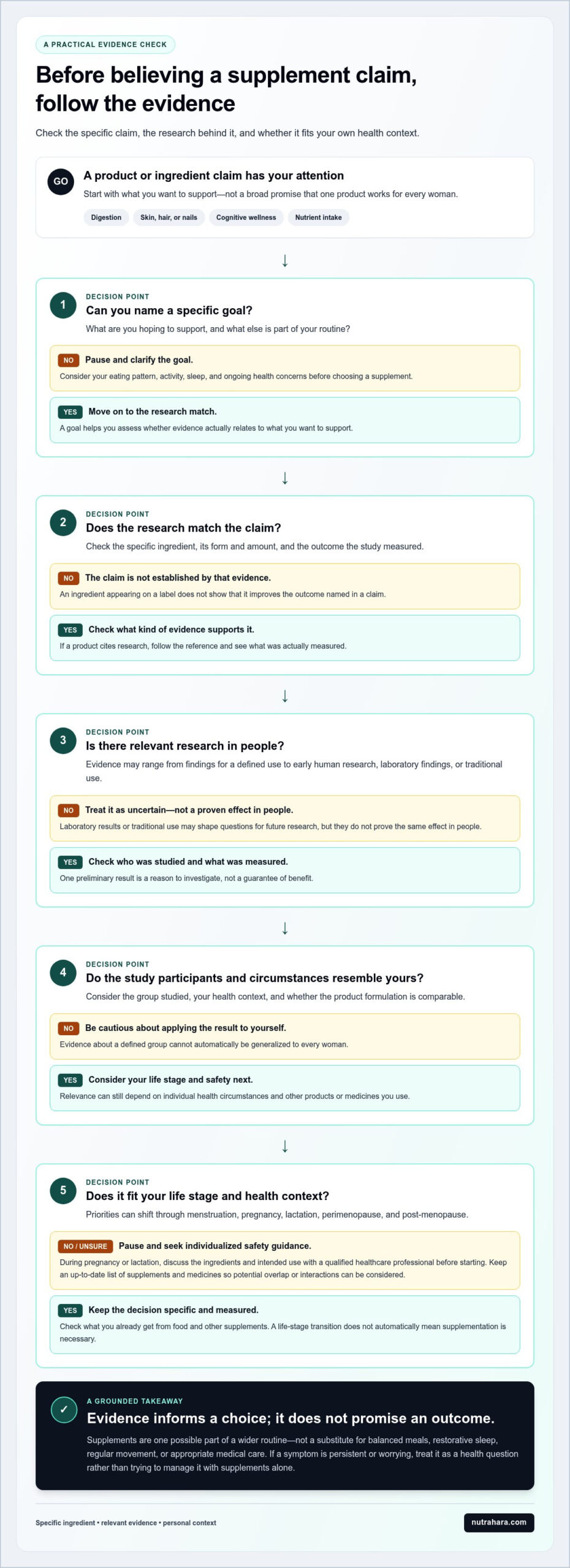
Categories
Articles

Ayurvedic Herbs for PCOS: Guide to Hormonal Balance

Did you know that up to 70 percent of women living with Polycystic Ovary Syndrome remain undiagnosed globally? For many women between the ages of 30 and 60, the struggle isn’t just a clinical label; it’s the daily reality of persistent hormonal weight gain, erratic cycles, and a deep sense of being disconnected from your body’s natural rhythms. If you’ve felt frustrated by the side effects of conventional medicine, you’re not alone in seeking a gentler, more integrated way to heal. Exploring ayurvedic herbs for pcos offers a path that honors your unique constitution while utilizing modern clinical research to restore your vitality.

We believe that your health is a personal, ongoing journey rather than a set of symptoms to be suppressed. You deserve to feel empowered and confident in your body again. This guide will show you how to harmonize your hormones and reclaim your energy using time-tested Ayurvedic botanicals and contemporary wellness science. We’ll provide a clear, holistic understanding of your endocrine health along with actionable herbal plans, Satvic dietary shifts, and restorative yoga practices. It’s time to clear the internal blockages and step into a life of improved energy and hormonal regularity.

Key Takeaways

  • Shift your perspective by viewing PCOS as a systemic imbalance of digestive fire and metabolic toxins rather than just a localized ovarian condition.
  • Discover how standardized ayurvedic herbs for pcos can naturally support insulin sensitivity and lower cortisol levels to restore hormonal rhythm.
  • Learn the benefits of a Satvic diet, emphasizing warm and cooked foods that nourish the body without burdening your digestion.
  • Empower your daily routine with yoga and meditation practices designed to calm the nervous system and regulate your body’s natural cycles.
  • Understand how to choose high-quality, pure supplements that combine ancient Himalayan wisdom with modern clinical validation for long-term health.

Understanding PCOS Through the Lens of Ayurveda

In the framework of traditional Ayurvedic medicine, PCOS is not viewed merely as a localized disorder of the ovaries. Instead, it’s recognized as a systemic imbalance known as Artava Kshaya. This condition involves a complex interplay between your hormones, your metabolism, and your vital energy. While conventional approaches often focus on suppressing symptoms with synthetic hormones, Ayurveda seeks to uncover why the body’s natural rhythms have fallen out of sync. For many women in their 30s and 40s, this holistic perspective is a breath of fresh air; it validates that your symptoms aren’t just isolated inconveniences, but signals from a deeper internal landscape.

At the heart of this imbalance is your Agni, or digestive fire. When your Agni is strong, your body efficiently processes nutrients and hormones. However, modern stressors and processed diets can weaken this fire, leading to the creation of Ama. Ama is a form of metabolic “sludge” or toxins that clogs the Srotas, which are the delicate channels responsible for transporting nutrients and waste. When these channels are blocked, your endocrine system cannot communicate effectively. Using ayurvedic herbs for pcos helps to rekindle that digestive fire and clear these blockages, allowing your body to return to its natural state of flow.

The Three Doshas and Hormonal Health

Every woman’s experience with PCOS is unique because it depends on which of the three doshas is most out of balance. Understanding your dominant dosha can help you tailor your wellness progression:

  • Kapha (Earth and Water): Excess Kapha is the most common driver of PCOS. It manifests as sluggish metabolism, weight gain, and the formation of fluid-filled cysts. It’s the “heavy” energy that makes you feel stuck.
  • Pitta (Fire): When Pitta is high, inflammation takes center stage. This often leads to painful cystic acne, thinning hair, and a short temper. It’s an internal heat that needs cooling.
  • Vata (Air and Ether): Vata imbalance shows up as irregular or absent cycles, anxiety, and sleep disturbances. It represents a lack of grounding and stability in the reproductive system.

Ancient Wisdom vs. Modern Science

Modern clinical research is beginning to catch up with what Ayurvedic practitioners have known for centuries. What Ayurveda calls “Ama,” modern science identifies as chronic low-grade inflammation and oxidative stress. Both systems agree that these factors are primary drivers of insulin resistance, a hallmark of PCOS that affects up to 80 percent of women with the condition. By focusing on root-cause resolution rather than just masking symptoms, you’re building a foundation for long-term vitality. PCOS in Ayurveda is a blockage of the reproductive channels caused by impaired digestion. Products like FemmePower are designed to support this specific channel clearing by combining standardized extracts with traditional wisdom. It’s about moving from a state of frustration to one of empowered self-care.

Essential Ayurvedic Herbs for PCOS Management

Choosing the right ayurvedic herbs for pcos is about finding the synergy between ancient Himalayan wisdom and modern clinical validation. While traditional raw powders have their place in history, modern life often requires the precision of standardized extracts. These extracts ensure that every dose contains the specific bioactive compounds, such as withanolides or shatavarins, needed to spark real change in your body. This consistency is vital for women in their 30s and 40s who are balancing career, family, and personal wellness journeys. It’s not just about the herb itself; it’s about the purity of the source and the simplicity of the formulation.

Ashwagandha and Shatavari: The Hormonal Powerhouse

Ashwagandha acts as a premium adaptogen that down-regulates your hypothalamic-pituitary-adrenal (HPA) axis. By reducing circulating cortisol, it helps mitigate the insulin resistance that affects so many women with PCOS. Shatavari, the quintessential female rejuvenator, supports healthy estrogen-progesterone balance. It contains steroidal saponins that promote follicular maturation and nourish the reproductive tissues. When these two work in tandem, they stabilize the communication between your brain and ovaries, creating a foundation for regular cycles and improved vitality.

Turmeric, Cinnamon, and Fenugreek: Metabolic Support

Metabolic health is the cornerstone of managing your hormonal journey. Turmeric, specifically when standardized for curcumin, targets the low-grade inflammation that often drives pelvic discomfort and acne. Cinnamon acts as a natural insulin sensitizer, helping your cells respond more effectively to blood sugar. Fenugreek, or Methi, is excellent for improving glucose tolerance and supporting weight management. These botanicals help repair underlying metabolic pathways rather than just masking symptoms. For those starting this transition, our Ashwagandha with Black Pepper provides a clean, bioavailable way to support your body’s stress response.

Purity and bioavailability are non-negotiable when selecting supplements. Many traditional powders aren’t easily absorbed by the body, which is why adding black pepper to certain formulas is so effective. Choosing products free from artificial additives ensures you aren’t introducing new toxins while trying to clear old ones. This commitment to clean ingredients is what allows for a true long-term health progression; to understand the rigorous standards used to vet high-quality sources, you can learn more about the selection process for research-grade compounds.

“I spent years feeling like my body was a mystery I couldn’t solve,” says Elena, a 42-year-old wellness enthusiast. “After three months of using standardized Ayurvedic botanicals and focusing on my morning routine, my cycles finally returned to a predictable rhythm. I don’t feel like I’m fighting my body anymore; I feel like I’m finally listening to it.” Elena’s experience reflects the 70 to 85 percent menstrual regularization rate observed in clinical trials evaluating integrated Ayurvedic combinations over 90 days. Your journey is unique, but you don’t have to walk it alone.

Nutrition is the foundation of your hormonal journey. In Ayurveda, we embrace a Satvic diet, which focuses on foods that are pure, fresh, and life-giving. Unlike restrictive modern diets that focus solely on calories, a Satvic approach aims to clear Ama (metabolic toxins) and promote mental clarity. For women managing PCOS, the temperature of food is just as important as the ingredients. Choosing warm, cooked meals over raw salads is vital. Raw foods are harder to digest and can dampen your Agni, or digestive fire, making it difficult for your body to process hormones effectively. When you nourish your body with the right fuel, ayurvedic herbs for pcos can work more efficiently to restore balance.

Including all six tastes (Rasas) in every meal is a powerful tool for hormonal health. When your palate is satisfied by sweet, sour, salty, bitter, pungent, and astringent flavors, your brain stops sending out the intense sugar cravings that often plague women with insulin resistance. To stimulate your Agni before you eat, try chewing a small slice of fresh ginger with a drop of lime juice 15 minutes before your largest meal. This simple ritual prepares your system for optimal nutrient absorption.

Foods to Favor and Foods to Avoid

Focus your meals on whole grains like quinoa and millet, which provide stable energy without spiking your insulin levels. Bitter greens like kale or dandelion are excellent for supporting liver detoxification, while healthy fats like A2 ghee nourish your reproductive tissues. Conversely, it’s best to minimize processed sugar, dairy, and refined flours. These “heavy” foods create more blockage in your Srotas, or body channels. Caffeine and alcohol should also be limited, as they can overstimulate the endocrine system and trigger cortisol spikes that worsen hormonal acne and weight gain.

Dosha-Specific Dietary Adjustments

Your dietary needs shift depending on your unique constitution. Addressing these specific needs helps ensure a successful long-term health progression:

  • Kapha-PCOS: Focus on light, dry, and spicy foods. Use black pepper and ginger to stimulate a sluggish metabolism and reduce water retention.
  • Pitta-PCOS: Cooling is the priority. Incorporate fennel, cilantro, and coconut to manage internal heat and soothe skin inflammation.
  • Vata-PCOS: Consistency is essential. Eat at regular meal times and choose grounding, unctuous foods to stabilize the nervous system and calm anxiety.

By aligning your plate with your body’s specific requirements, you take charge of your hormonal story. If you’re looking to support your body’s natural cleansing process alongside these dietary shifts, our DetoxifyLife formula can help clear the accumulation of Ama more effectively. Remember that every meal is an opportunity to move closer to your natural rhythm.

Lifestyle Rituals: Yoga, Meditation, and Dinacharya

Your daily rhythm is a powerful signal to your endocrine system. In Ayurveda, this is known as Dinacharya, a structured daily routine that aligns your body with the natural cycles of the sun. Waking during the Brahma Muhurta, just before sunrise, helps reset your circadian rhythms and stabilizes the master clock in your brain. This synchronization is crucial for women in their 30s and 40s who often face the “cortisol steal,” a process where chronic stress forces the body to prioritize cortisol production over progesterone. When you manage your internal clock, ayurvedic herbs for pcos can work more effectively because they aren’t constantly fighting against a flood of stress hormones.

The Manas, or mind, plays a central role in your hormonal journey. High stress triggers the hypothalamic-pituitary-adrenal (HPA) axis, which directly worsens insulin resistance and pelvic inflammation. By cultivating mental tranquility, you reduce the systemic noise that disrupts your cycle. Meditation isn’t just about relaxation; it’s a tool for boosting self-esteem and making empowered health choices. When you feel grounded, you’re less likely to reach for inflammatory comfort foods or skip the movement your body needs to thrive.

Yoga Asanas for PCOS Relief

Yoga is medicine for the reproductive system. Specific asanas act as a gentle massage for the pelvic organs, encouraging healthy circulation and clearing stagnation in the Srotas. Try incorporating these poses into your morning routine:

  • Baddha Konasana (Butterfly Pose): This pose opens the hips and improves blood flow to the pelvic region, supporting ovarian function.
  • Dhanurasana (Bow Pose): By creating gentle pressure on the abdomen, this pose stimulates the adrenal glands and helps regulate the body’s stress response.

Surya Namaskar (Sun Salutations) balances the entire endocrine system by integrating rhythmic movement with deep, conscious breathing. For those needing extra support to calm the mind after a busy day, try Anxioguard to help stabilize your nervous system.

Cultivating Mental Tranquility

Breathwork, or Pranayama, is the bridge between the mind and the body. Nadi Shodhana (Alternate Nostril Breathing) is particularly effective for balancing the nervous system and reducing the anxiety that often accompanies hormonal shifts. If you struggle with deep recovery, Yoga Nidra provides a state of conscious relaxation that promotes profound hormonal healing during sleep. We recommend starting small: create a 10-minute morning meditation ritual where you sit in silence, focusing solely on the sensation of your breath. This simple act builds the mental resilience needed for a long-term health progression.

Ayurvedic Herbs for PCOS: Guide to Hormonal Balance

Integrating Ayurveda into Modern Life with Nutrahara

Modern women between 30 and 60 lead complex, multifaceted lives. While traditional Ayurvedic powders have historical value, they can be difficult to measure and consume consistently in a busy schedule. Standardized extracts solve this challenge by providing a reliable, scientific concentration of active compounds in every serving. This ensures that when you use ayurvedic herbs for pcos, you’re receiving the exact potency needed to support your body’s long-term health progression. You shouldn’t have to guess whether your supplements are working; you deserve the confidence that comes with clinical validation.

Nutrahara prioritizes simplicity and transparency in every bottle. Our formulas contain no artificial additives or unnecessary fillers, reflecting our commitment to purity and nature. We view these supplements not as a quick fix or a pharmaceutical substitute, but as a supportive partner in your ongoing wellness journey. It’s about building a relationship with your body based on trust and nourishment rather than symptom suppression. This holistic approach allows you to move away from the frustration of conventional side effects and toward a state of empowered vitality.

Success in Ayurveda is measured by the return of balance across all systems. Look beyond the bathroom scale to find signs of progress during your first 90 days. You might notice:

  • Improved morning energy levels and a lack of the “afternoon slump.”
  • Greater skin clarity and a visible reduction in hormonal acne.
  • More stable moods and emotional resilience throughout your cycle.
  • Improved sleep architecture and waking up feeling truly refreshed.

The Stress-Hormone Bridge: Ashwagandha with Black Pepper

Ashwagandha acts as a powerful adaptogen that supports thyroid function and enhances insulin sensitivity. By reducing cortisol, it protects your ovaries from the hormonal disruptions caused by chronic stress. We’ve formulated our Ashwagandha with Black Pepper specifically for PCOS-related stress. The addition of black pepper is a deliberate choice; it contains piperine, which significantly increases the bioavailability of the herb. This synergy ensures your body actually absorbs and utilizes the nutrients you’re providing, rather than letting them go to waste.

Your Long-Term Wellness Progression

True healing is a personal journey that unfolds over time. We’re here to empower that journey with FemmePower, our comprehensive formula designed for deep hormonal support and vitality. For those who want to dive deeper into the science of botanical support and how it fits into a holistic lifestyle, we recommend exploring The Ultimate Guide to Women’s Wellness Supplements. By combining these pure botanicals with the yoga, meditation, and dietary rituals we’ve discussed, you’re taking a decisive step toward reclaiming your natural rhythm. Empower your journey with the Nutrahara Women Wellness range and rediscover your inner balance.

Reclaiming Your Natural Rhythm

Your journey toward hormonal balance is a personal progression that honors the deep wisdom of your body. By viewing PCOS through the lens of Artava Kshaya, you move away from symptom suppression and toward root-cause healing. You’ve learned how a Satvic diet and rhythmic Dinacharya create the fertile ground necessary for change. Integrating standardized ayurvedic herbs for pcos provides the consistent, clean support your endocrine system needs to thrive in a modern world. It’s about clearing the channels and trusting the synergy of nature and science.

Nutrahara is your partner on this path. Our formulas are created by experts in ancient science and modern nutrition, ensuring you receive clean, filler-free ingredients you can trust. We’re proud to be a supportive guide for thousands of women on their wellness journey. It’s time to stop fighting your body and start listening to its needs with compassion and clarity. Empower your hormonal health with Nutrahara science-backed Ayurvedic formulas today. You possess the strength to restore your vitality and live with lasting tranquility.

Frequently Asked Questions

Is an Ayurvedic diet for PCOS effective for weight loss?

An Ayurvedic diet is highly effective for weight loss because it addresses the root cause: metabolic toxins and Kapha imbalance. Instead of restrictive counting, it emphasizes warm, Satvic foods that stimulate your Agni. By clearing Ama from your channels, your body naturally sheds excess weight. This approach is particularly helpful for women over 30 who struggle with stubborn hormonal weight gain that doesn’t respond to traditional exercise alone.

Can I follow an Ayurvedic diet if I am a vegetarian or vegan?

You can easily follow an Ayurvedic path while being vegetarian or vegan. The system traditionally relies on a plant-heavy diet of whole grains, legumes, and seasonal vegetables. If you’re vegan, you can substitute traditional A2 ghee with healthy fats like coconut oil or flaxseed oil to maintain the “unctuous” quality needed for Vata balance. These choices ensure you’re getting the prebiotic fiber necessary for a healthy gut-hormone axis.

How long does it take to see results from Ayurvedic herbs for PCOS?

You should expect to see meaningful changes within 60 to 90 days of consistent use. Hormonal balance is a long-term health progression rather than an overnight fix. While minor improvements in energy might occur sooner, ayurvedic herbs for pcos need time to clear deep-seated blockages and nourish the reproductive tissues. Consistency with your daily routine and standardized extracts is the key to seeing regular cycles and improved skin clarity.

Are there specific Ayurvedic herbs that help with PCOS-related hair loss?

Specific herbs like Bhringraj, Amla, and Shatavari are excellent for addressing PCOS-related hair thinning. These botanicals work by cooling excess Pitta and balancing the androgens that often trigger hair loss. Shatavari, in particular, supports the estrogen-progesterone balance necessary for healthy follicles. Incorporating these into your wellness routine helps nourish the scalp from within, providing a holistic alternative to harsh topical treatments that only address surface symptoms.

Can Ayurveda help with PCOS if I am also taking Metformin?

Ayurvedic principles can certainly complement your current regimen, including medications like Metformin. Many women find that using ayurvedic herbs for pcos alongside conventional support helps manage insulin sensitivity more effectively. Adaptogens like Ashwagandha can help mitigate the stress that often worsens metabolic issues. It’s always a good idea to discuss these natural additions with your healthcare provider to ensure your total wellness plan is perfectly synchronized for your needs.

Is dairy completely forbidden in an Ayurvedic PCOS diet?

Dairy isn’t completely forbidden, but it’s often minimized in a PCOS-focused diet to prevent Ama accumulation. Ayurveda typically favors small amounts of A2 ghee, which is considered medicinal for the reproductive tissues. If you choose to include milk, it’s best served warm and spiced with ginger or turmeric to make it easier to digest. For many women with Kapha dominance, reducing heavy dairy is a crucial step toward clearer skin and lighter energy.

What is the best time of day to eat for hormonal balance according to Ayurveda?

The best time to eat your largest meal is at midday, between 12:00 PM and 1:30 PM, when the sun and your Agni are at their peak. Breakfast and dinner should be lighter and easier to digest. Ayurveda suggests finishing your evening meal at least three hours before bed to ensure your body focuses on hormonal recovery rather than active digestion during sleep. This rhythmic eating pattern helps stabilize blood sugar and cortisol levels.

How does yoga specifically help with polycystic ovaries?

Yoga helps polycystic ovaries by increasing blood flow and reducing stagnation in the pelvic region. Asanas like Baddha Konasana and Dhanurasana provide a gentle massage to the endocrine glands, encouraging the release of mature follicles. Beyond the physical, the mindful nature of yoga lowers the chronic stress that triggers androgen production. This dual action makes yoga a vital tool for anyone looking to reclaim their body’s natural rhythmic flow and vitality.

Article by

Nutrahara Team

We are a dedicated collective of nutrition scientists and naturopaths at Nutrahara, committed to advancing women's health through the fusion of ancient Ayurveda science and cutting-edge nutrition research. Our mission is to empower you with clean, simple, and scientifically validated wellness solutions so you can live your healthiest life. Connect with us to stay updated on the latest developments in holistic women's health and nature-based research.

Disclaimer

This article is not a substitute for medical advice. Please consult a healthcare professional before starting any supplement, especially if pregnant, nursing, taking medication, or managing health conditions.

Categories
Articles

Natural Supplements for Female Libido: A Holistic Buying Guide for 2026

What if the quiet disappearance of your desire isn’t a sign that you’re broken, but a signal that your body is asking for a deeper level of nourishment? Many women between 30 and 60 feel a growing disconnect from their own vitality, often buried under the weight of chronic stress and the fatigue of daily life. It’s exhausting to sift through the noise while searching for natural supplements for female libido that are actually safe, clean, and effective. You’ve likely felt the frustration of desire being pushed to the bottom of your to-do list, leaving you feeling less like yourself.

You deserve to feel vibrant and connected once again. This guide will show you how to reclaim that spark through a science-backed, Ayurvedic-inspired approach to natural libido enhancement. We’ll explore how calming the nervous system is the first step toward physical intimacy. You’ll discover the potent synergy of adaptogens like Ashwagandha with Black Pepper, the targeted benefits of FemmePower, and how simple rituals like yoga can restore your mind-body connection. Let’s begin this journey toward a more energized, empowered version of you.

Key Takeaways

  • Understand how hormonal fluctuations and daily stressors influence your vitality, allowing you to address the root causes of low desire.
  • Learn to evaluate the purity and efficacy of natural supplements for female libido by looking for science-backed, synergistic Ayurvedic blends.
  • Discover the power of adaptogens to soothe your nervous system and create the internal calm necessary for physical connection.
  • Implement simple yoga and mindfulness practices that restore sensory awareness and improve circulation to support your natural response.
  • Transition from seeking quick fixes to embracing a long-term health progression that honors your body’s unique rhythms.

Understanding the Shift: Why Female Libido Changes Between 30 and 60

The shift in desire is rarely about one single thing. It’s a complex interplay between your internal biology and the external world you manage every day. Between the ages of 30 and 60, your body undergoes significant transitions that can leave you feeling disconnected. It’s vital to recognize that this isn’t a personal failure. Instead, it’s a physiological response to shifting hormones and a high-pressure lifestyle. When searching for natural supplements for female libido, understanding these underlying mechanisms is the first step toward reclaiming your spark.

Your nervous system plays a decisive role in this process. When you’re stuck in ‘fight or flight’ mode due to a heavy mental load or lack of sleep, your body prioritizes survival over reproduction. This naturally shuts down the ‘rest and digest’ state where desire flourishes. Identifying these ‘Libido Killers’ is essential for progress:

  • Chronic Stress: The constant demand for your attention that keeps you in a state of high alert.
  • Sleep Deprivation: A lack of rest that prevents your body from resetting its hormonal balance.
  • The Mental Load: The invisible exhaustion of managing careers, households, and family transitions.

This holistic perspective treats your body as an integrated system where every part affects the whole. It’s not just in your head; it’s a physical reality involving your hormones and your environment.

The Hormonal Landscape of Menopause and Perimenopause

As you move through perimenopause and into menopause, the decline of estrogen can lead to physical discomfort and a noticeable drop in drive. While estrogen often gets the spotlight, testosterone is the ‘invisible’ hero of female vitality; even small decreases can impact your sense of motivation. Hypoactive Sexual Desire Disorder (HSDD) is defined as a persistent or recurrent deficiency of sexual desire that causes marked distress during life transitions. This biological shift is a natural part of your health progression, requiring a nurturing and science-backed approach to manage effectively.

Cortisol vs. Connection: How Stress Hijacks Your Spark

Modern stress physically hijacks your hormone production through a process known as ‘Pregnenolone Steal.’ When your brain perceives constant stress, it diverts the building blocks of your sex hormones to create cortisol instead. High cortisol levels act as a primary enemy of libido by keeping your body in a state of high alert. Viewing a drop in desire as a signal for self-care allows you to approach your wellness with compassion. Using a foundation like Ashwagandha with Black Pepper can help soothe the nervous system, making space for your natural vitality to return.

The Science and Tradition of Natural Libido Enhancers

Reclaiming desire isn’t about finding a “magic pill” or a temporary fix. It’s about restoring the internal harmony that modern life often disrupts. The Nutrahara philosophy centers on a deliberate fusion of ancient Ayurvedic wisdom and modern clinical validation. We move beyond the “aphrodisiac” myth to focus on systemic wellness. This approach ensures your choice of natural supplements for female libido supports your long-term health progression rather than offering a fleeting spark. By addressing the root causes of low drive, you build a foundation for lasting vitality.

Bioavailability is a cornerstone of our formulation strategy. Many potent botanicals are difficult for the human digestive system to absorb in isolation. We include Black Pepper as a natural catalyst to enhance nutrient uptake. This ensures the active compounds actually reach your bloodstream to support your energy levels and mood. It’s a bridge between traditional herbalism and contemporary nutritional science that respects how your body actually functions.

Ashwagandha: The Ayurvedic Powerhouse for Stress-Induced Low Drive

Ashwagandha is a premier adaptogen that trains your body to manage the physiological impact of stress. It works by balancing the HPA axis, which is responsible for regulating your cortisol levels. Research indicates that lowering cortisol can directly improve female sexual function and satisfaction scores. By soothing the nervous system, it allows your body to exit “survival mode” and return to a state where desire can flourish. You can find this foundational support in our Ashwagandha with Black Pepper blend.

Botanical Synergies: Shatavari, Maca, and Fenugreek

While adaptogens handle the stress response, specific botanicals target the physical aspects of drive. Shatavari is often called the “Queen of Herbs” for its ability to support hormonal balance and natural moisture. Maca root serves as a reliable source of energy and stamina, helping you feel more present in your body without the crash of artificial stimulants. Fenugreek also plays a vital role by supporting healthy free testosterone levels. These ingredients create a synergistic effect that is far more powerful than any single herb. When you choose high-quality natural supplements for female libido, you’re choosing to honor your body’s complex needs. For those seeking a complete solution, FemmePower offers a meticulously balanced path toward restored desire.

Buying Guide: How to Evaluate Natural Supplements for Libido

Selecting a supplement is an act of self-care that requires a discerning eye. The marketplace for natural supplements for female libido is crowded, but your body deserves a product that honors its complexity. To ensure your long-term health progression, you must prioritize purity and transparent sourcing. Clean labels aren’t just a marketing term; they’re a commitment to your safety. Many generic brands hide behind “proprietary blends,” which often obscure the actual dosage of active ingredients. You deserve to know exactly what you’re putting into your system to support your vitality.

While single ingredients have their place, synergistic formulas are typically more effective. A well-crafted blend addresses multiple physiological pathways at once, such as soothing the nervous system while supporting circulation. However, keep a sharp eye out for red flags. Avoid products that rely on excessive stimulants, which can lead to anxiety and crashes. Similarly, steer clear of synthetic fillers and artificial additives that offer no nutritional benefit and may even cause digestive upset. Third-party testing is also non-negotiable, as it provides an unbiased verification that what’s on the label is actually in the bottle.

The Checklist for Quality Supplements

To guarantee potency, always look for standardized extracts on the label. This ensures you receive a consistent level of active botanical compounds in every serving. A truly holistic formula should be free from artificial colors, gluten, and GMOs to maintain its purity. For a solution that meets these rigorous standards, Nutrahara’s FemmePower combines clinical research with Ayurvedic tradition to offer a clean, transparent, and effective path to restored desire.

Matching the Supplement to Your Life Stage

Your nutritional needs evolve as you move through different life chapters. A woman in her 30s managing a high-stress career might prioritize adaptogens to combat cortisol-induced fatigue and mental load. During the perimenopause transition, the focus often shifts toward botanical support for hormonal balance and physical comfort. For post-menopausal vitality, it’s wise to choose supplements that support bone density and daily energy alongside libido. This targeted approach ensures you’re supporting your body exactly where it is today, fostering a sense of confidence and well-being at every age.

The Mind-Body Connection: Yoga and Meditation for Desire

Desire is far more than a chemical reaction; it’s a lived sensory experience. While natural supplements for female libido provide the essential internal foundation, mind-body practices like yoga and meditation help you inhabit your body more fully. When chronic stress takes hold, your brain often disconnects from physical sensations as a survival mechanism. Yoga bridges this gap by increasing pelvic blood flow and heightening your sensory awareness. By moving with intention, you signal to your nervous system that it’s safe to transition from “survival mode” into a state of receptivity and pleasure.

To help facilitate this shift, try a five-minute daily breathing practice. Sit comfortably and inhale deeply for four counts, hold for four, and exhale slowly for eight counts. This extended exhalation is a biological “hack” that moves you from a sympathetic state of high alert to a parasympathetic state of calm. It’s often in this quiet, grounded space that your natural spark begins to flicker back to life. This practice, combined with targeted nutrition, creates a powerful synergy for your long-term health progression.

Sarah, a 48-year-old mother and professional, shared her experience with this holistic approach. “I felt like a stranger in my own skin for years,” she explained. “Combining specific natural supplements for female libido with a consistent yoga practice changed everything. The supplements restored my energy, but yoga taught me how to actually feel that energy in my body again. My confidence and sense of self have never been stronger.”

Yoga Poses for Pelvic Vitality and Energy

  • Bound Angle Pose (Baddha Konasana): This pose is excellent for opening the hips and increasing circulation to the pelvic region, helping to release physical tension.
  • Cat-Cow Stretch: Moving through these poses encourages spinal flexibility and helps regulate the nervous system through rhythmic movement.
  • Bridge Pose (Setu Bandhasana): This pose strengthens the pelvic floor and grounds your energy, fostering a sense of stability and physical presence.

Meditation for Emotional Intimacy and Self-Esteem

Meditation offers a path to “Sexual Mindfulness,” which is the ability to stay present during intimate moments rather than getting lost in a mental to-do list. Guided visualization can help you reclaim your “Inner Goddess,” boosting your self-esteem and body confidence. Similarly, Loving-Kindness meditation (Metta) focuses on self-acceptance, which is vital for a healthy body image. For those who struggle with a racing mind, Focus Zenith can support the mental clarity needed to stay present and connected. When your mind is clear, your heart and body can follow.

Ready to reclaim your vitality? Explore our full range of women’s health supplements to support your journey today.

Natural Supplements for Female Libido: A Holistic Buying Guide for 2026

The Nutrahara Approach: Empowering Your Wellness Journey

Nutrahara views your wellness as a personal, ongoing journey rather than a static destination. We don’t believe in one month fixes or superficial solutions that ignore the complexity of a woman’s body. Instead, our focus is on long term health progression. Choosing natural supplements for female libido is a commitment to your long term vitality; it’s about giving your body the building blocks it needs to thrive across every decade. You deserve to feel vibrant, empowered, and deeply connected to your physical self at every age.

The FemmePower difference lies in our signature formulation. We’ve meticulously balanced Ayurvedic tradition with modern clinical validation to create a product that supports your endocrine system and your nervous system simultaneously. When you integrate natural supplements for female libido into a lifestyle of yoga, clean eating, and intentional mindfulness, you create an environment where desire can naturally flourish. This holistic approach ensures that your spark isn’t just a temporary flash, but a steady, enduring flame.

Crafting Your Daily Wellness Ritual

Consistency is the key to unlocking the full benefits of botanical support. We recommend a morning dose of Ashwagandha to build stress resilience for the day ahead, followed by FemmePower in the evening to support hormonal harmony. To further enhance your results, pair these supplements with a “digital detox” an hour before bed. High quality rest is essential for intimacy. If you find it difficult to unwind, RestoraSleep can help you transition into a peaceful state. For more tips on building a complete regimen, explore The Ultimate Guide to Women’s Wellness Supplements.

Real Results from Real Women

The true measure of our success is found in the stories of the women we serve. Elena, a 45 year old yoga practitioner, shared how she used FemmePower to navigate the unpredictable shifts of perimenopause. She found that the formula provided the physical comfort and drive she thought she had lost forever. Another woman, Monica, described the synergy of taking Ashwagandha alongside her daily meditation practice. This combination helped her quiet the mental noise of a high pressure career, allowing her to rediscover her desire through a calmer nervous system. These experiences remind us that reclaiming your vitality is possible when you have the right tools and a supportive partner. You can begin your own transformation by visiting the Nutrahara Women’s Collection today.

Embracing Your Path to Renewed Vitality

Reclaiming your desire is a journey of returning to your most vibrant self. You’ve learned that your drive is deeply connected to your hormonal balance and your body’s response to stress. By choosing natural supplements for female libido that prioritize purity and scientific synergy, you’re investing in your long-term health progression. Remember that true vitality flourishes when you combine high-quality botanicals with mindful rituals like yoga and meditation.

Nutrahara is here to guide you with formulas created by Ayurvedic experts and modern nutritionists. Our commitment to 100% clean, natural ingredients means you’ll never find synthetic fillers in our products. We’re proud to have supported over 10,000 satisfied women on their personal wellness journeys. It’s time to stop feeling disconnected and start feeling empowered in your own skin.

Reclaim your spark with FemmePower – Shop Nutrahara today

You deserve to feel a deep sense of confidence and connection at every stage of life. Your body is wise, and with the right nourishment, your natural spark will return. Trust the process, honor your needs, and enjoy the beautiful progression toward a more energized you.

Frequently Asked Questions

Do natural libido supplements really work for women?

Yes, these supplements work by addressing the underlying physiological and psychological barriers to desire. Unlike pharmaceutical options that might target symptoms, natural supplements for female libido focus on systemic balance. They use adaptogens to calm the nervous system and botanicals to support blood flow. This dual action approach helps restore the mind body connection. Many women report a gradual return of vitality as their cortisol levels stabilize and their hormonal environment becomes more supportive.

How long does it take to see results from libido supplements?

Most women begin to notice subtle shifts in their energy and mood within two to four weeks. Because these formulas work with your body’s natural rhythms, the most significant results typically appear after three months of consistent use. This timeframe allows your endocrine system to adjust and your nutrient levels to reach an optimal state. Patience is essential during this health progression. Remember that lasting change is built on a foundation of steady, cumulative nourishment.

Can I take libido supplements if I am in menopause?

Natural supplements are highly effective during menopause as they help manage the specific hormonal declines associated with this life stage. Ingredients like Shatavari and Maca are particularly beneficial for addressing physical comfort and energy dips. These clean formulas provide a non synthetic way to support your drive without the complexities of pharmaceutical drugs. They offer a nurturing path to maintain intimacy and physical comfort as your body transitions into this new chapter of vitality.

Are there any side effects to taking Ayurvedic herbs like Ashwagandha?

Ayurvedic herbs are generally well tolerated when taken at the recommended dosages. Ashwagandha is a safe adaptogen used for centuries to promote tranquility and resilience. Some people might experience mild digestive changes as their body adjusts to the new botanical compounds. It’s always wise to consult with a healthcare professional if you have specific medical conditions. Nutrahara ensures all ingredients are pure and free from artificial additives to minimize any potential sensitivities for the consumer.

What is the best time of day to take FemmePower?

We recommend taking FemmePower in the evening to align with your body’s natural restorative processes. Taking it with a light meal or a glass of water helps ensure optimal absorption of the botanical extracts. This timing allows the active ingredients to work while you sleep, supporting hormonal balance and preparing you for the next day. Many women find that making this part of their nighttime ritual helps them transition into a more relaxed and receptive state.

Can yoga actually help improve my sex drive?

Yoga is an incredibly effective tool for boosting libido because it addresses both physical circulation and mental presence. Specific poses increase blood flow to the pelvic region, which can heighten physical responsiveness. Beyond the physical, the focus on breath and body awareness helps quiet the mental load that often kills desire. By moving your nervous system out of fight or flight mode, yoga creates the internal space necessary for emotional and physical intimacy to return.

Is it safe to combine libido supplements with other vitamins?

It is generally safe to combine natural supplements for female libido with your daily multivitamins or minerals. In fact, nutrients like Vitamin D and B complex often work synergistically with Ayurvedic herbs to support overall energy production. However, you should avoid doubling up on specific ingredients found in both your multivitamin and your libido formula. Always check the labels for transparency. If you’re unsure about a specific combination, a quick check with a professional can provide peace of mind.

How do I know if my low libido is hormonal or stress-related?

Low libido is often a combination of both, as chronic stress directly impacts your hormone production. If you notice physical signs like dryness or irregular cycles, hormones may be a primary factor. If you feel wired but tired or have a racing mind during intimate moments, stress is likely the culprit. Because these factors are so deeply intertwined, a holistic approach that addresses both the nervous system and the endocrine system usually provides the most comprehensive relief.

Article by

Nutrahara Team

We are a dedicated collective of nutrition scientists and naturopaths at Nutrahara, committed to advancing women's health through the fusion of ancient Ayurveda science and cutting-edge nutrition research. Our mission is to empower you with clean, simple, and scientifically validated wellness solutions so you can live your healthiest life. Connect with us to stay updated on the latest developments in holistic women's health and nature-based research.

Disclaimer

This article is not a substitute for medical advice. Please consult a healthcare professional before starting any supplement, especially if pregnant, nursing, taking medication, or managing health conditions.
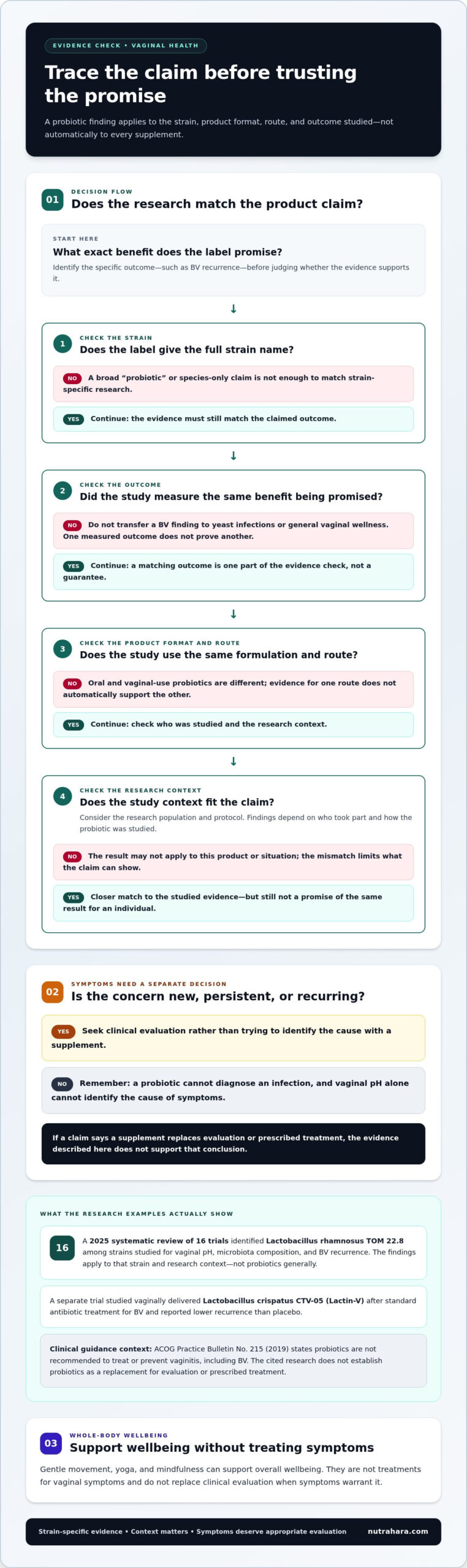
Categories
Articles

Best Supplements for Hormonal Acne: 2026 Holistic Guide

Did you know that 33% of women in their 30s and 25% of those in their 40s still battle persistent breakouts? It feels deeply frustrating to deal with “teen-like” acne when you’re focused on longevity and personal growth. You might feel confused by conflicting online advice or fearful of the harsh side effects that often come with prescriptions like Spironolactone. Finding the right supplements for hormonal acne shouldn’t feel like a guessing game that leaves your skin stripped and your spirit drained.

We understand that your skin is a sacred reflection of your internal rhythm. You deserve a path to clarity that feels nurturing rather than clinical. This guide will show you how to reclaim your glow and hormonal harmony by blending modern clinical nutrition with the time-tested wisdom of Ayurveda. We’ll explore how specific ingredients like DIM and Zinc work with your body’s natural cycles to reduce PMS and menopausal symptoms. You’ll learn to build a simple, holistic daily ritual that supports your microbiome and boosts your confidence. It’s time to move beyond temporary fixes and embrace a long-term progression toward radiant health.

Key Takeaways

  • Understand that adult breakouts are often a message from your endocrine system rather than a reflection of your hygiene habits.
  • Identify the clinical power of supplements for hormonal acne, specifically how Zinc and DIM help regulate sebum and clear estrogen pathways.
  • Cool the internal “Pitta” fire through Ayurvedic wisdom and adaptogens like Ashwagandha to manage the stress that impacts your complexion.
  • Support your skin’s longevity by using yoga for lymphatic drainage and meditation to quiet the inflammatory stress-skin feedback loop.
  • Develop a customized wellness ritual that honors your current life stage, ensuring your skin remains radiant from your 30s through menopause.

The Silent Language of Your Skin: Understanding Hormonal Acne After 30

Your skin is a living map. It reflects the delicate shifts occurring within your endocrine system. For many women over 30, breakouts aren’t a sign of poor hygiene or “dirty” skin; they’re a signal of internal transition. While the beauty industry often pushes aggressive topicals, a holistic approach recognizes that these blemishes are the result of fluctuating hormones. By viewing your complexion through this lens, you can begin to see why supplements for hormonal acne are often more effective than soaps alone. It’s about listening to what your body is trying to say rather than trying to scrub the message away.

The Androgen Connection and Sebum Production

Androgens like testosterone and DHEA aren’t just for men. Women need them too, but when they become dominant, they send a loud signal to your sebaceous glands. This message triggers an overproduction of oil that gets trapped deep within the pores. For adult women, this often manifests as painful, cystic acne along the jawline and chin. Understanding Acne at this level helps you realize that the goal isn’t just to dry out the skin, but to balance the internal drivers. To support this journey, many women find success with formulas like FemmePower, which focuses on restoring hormonal equilibrium from the inside out.

As we move into our 40s and 50s, the “estrogen drop” of perimenopause adds another layer of complexity. Estrogen is vital for skin elasticity and moisture. When it declines, your skin may become thinner and more prone to inflammation, making it harder for your body to clear out congestion. Nutrahara’s approach centers on the Skin-Gut-Brain axis, acknowledging that your digestion, mental state, and skin health are inextricably linked. This triad means that a disruption in your gut microbiome or a spike in mental stress can manifest directly as a breakout. We believe in treating the whole person, not just the symptom.

Cortisol: The Stress-Skin Trigger

Life in your 30s and 40s is often a whirlwind of career, family, and personal growth. This constant activity can keep your adrenal glands in a state of high alert, pumping out cortisol. High cortisol levels act as a direct trigger for systemic inflammation, which shows up on your face as redness and stubborn breakouts. Cortisol increases systemic inflammation and stimulates oil glands, making it a primary driver of adult skin distress. By managing this “stress-skin” loop through adaptogens like Ashwagandha, you can quiet the internal noise and allow your natural radiance to return.

Clinical Heavyweights: Modern Supplements for Hormonal Balance

While topical treatments focus on the surface, vitamins and supplements for acne address the chemical messengers driving your breakouts. Shifting your focus from “scrubbing away” to “nourishing from within” allows your body to find its natural equilibrium. Modern clinical research identifies several key nutrients that act as heavyweights in the fight for clear skin. These supplements for hormonal acne work by modulating androgens, supporting liver detoxification, and reducing systemic inflammation. To ensure you are getting the highest quality ingredients to support your skin health, you can discover My Whey for premium, lab-tested wellness products.

Zinc and Vitamin B: The Skin’s Essential Building Blocks

Zinc is a cornerstone of dermatological health. It functions as a potent anti-inflammatory and a natural DHT-blocker, preventing excess androgens from overstimulating your oil glands. For women over 30, Zinc picolinate is often the preferred form because it offers superior absorption compared to other varieties. It doesn’t just treat the blemish; it helps prevent the initial clog from forming.

Pairing zinc with a high-quality B-complex provides a comprehensive support system for your complexion. The Nutrahara Vitamin B-Complex plays a vital role in cellular repair and helps the liver process the excess hormones mentioned in the previous section. When your liver efficiently clears out old estrogen and testosterone, your skin doesn’t have to take on the burden of elimination. This reduced workload often leads to a visible decrease in redness and cystic flares.

DIM and Inositol for Estrogen Dominance

Diindolylmethane, or DIM, is a powerful compound derived from cruciferous vegetables like broccoli and kale. It’s specifically effective for women dealing with “bad” estrogen metabolites that can cause stubborn chin acne. DIM helps your body metabolize these estrogens into safer forms, effectively clearing the path for healthier skin. It’s a gentle yet scientific way to address the hormonal shifts that occur during perimenopause or your monthly cycle.

For women struggling with insulin sensitivity or PCOS-related breakouts, Myo-inositol is a game-changer. It helps regulate the menstrual cycle and reduces the androgenic flares that lead to painful, deep-seated cysts. By improving how your body handles sugar, inositol indirectly lowers the oil production that feeds acne-causing bacteria. Incorporating a targeted formula like FemmePower for Hormonal Support can help you integrate these clinical heavyweights into one simple daily ritual. Choosing clean, bioavailable ingredients ensures your journey toward clarity is both safe and effective. You can explore our full range of holistic women’s wellness solutions to find the perfect fit for your current life stage.

The Ayurvedic Path: Ancient Wisdom for Internal Harmony

In the tradition of Ayurveda, inflammatory skin conditions are often viewed as an excess of “Pitta,” the elemental force of fire and heat within the body. When Pitta becomes imbalanced through stress, diet, or hormonal shifts, it manifests as redness, sensitivity, and painful breakouts. While modern science identifies the hormones involved, Ayurveda teaches us how to cool the internal environment. Integrating specific supplements for hormonal acne that align with these ancient principles allows you to treat the root cause rather than just the symptom. It’s a journey toward cooling the fire and restoring your natural radiance.

Ashwagandha: Balancing the Adrenal-Skin Connection

Ashwagandha is a premier adaptogen that has been used for centuries to help the body adapt to external and internal stressors. By supporting the adrenal glands, it directly helps regulate the production of cortisol. As we discussed earlier, lower cortisol levels mean fewer signals to your sebaceous glands to overproduce oil. This makes it a vital tool for women in their 30s and 40s who are balancing demanding lifestyles. For maximum effectiveness, it’s essential to pair this herb with a catalyst for absorption. Choosing Nutrahara Ashwagandha with Black Pepper ensures that the active withanolides are bioavailable, allowing the herb to work deeply within your system to quiet the stress-skin feedback loop.

Detoxification and the Gut-Skin Axis

The Ayurvedic concept of “Agni,” or digestive fire, is the foundation of the gut-skin connection. When your Agni is strong, your body efficiently processes nutrients and eliminates waste. However, if digestion is sluggish, toxins begin to accumulate and often manifest as skin congestion. Ayurveda views the liver as a gateway to clear skin because it’s responsible for filtering the “heat” out of the blood. If the liver is overwhelmed by excess hormones, those hormones can circulate back into the system, triggering flares. Supporting your internal filtration with a formula like DetoxifyLife for Gut Harmony helps maintain a balanced microbiome, which is essential for the proper excretion of hormonal byproducts.

Turmeric, or Curcumin, acts as a systemic anti-inflammatory in this holistic framework. It helps purify the blood and soothe the “Pitta” fire that causes cystic acne to feel so tender and inflamed. By combining these time-tested herbs with modern nutritional science, you create a comprehensive daily ritual. This dual approach ensures that your supplements for hormonal acne are working on every level of your biology. You aren’t just clearing your skin; you’re cultivating a state of internal harmony that supports your health for decades to come.

Beyond the Bottle: Yoga, Meditation, and Skin Rituals

While high quality supplements for hormonal acne provide the biochemical foundation for clear skin, your lifestyle choices act as the architect of your results. For women in their 30s and 40s, the “stress skin” loop is a primary driver of persistent inflammation. By integrating movement and mindfulness, you create an internal environment where your body can heal more efficiently. This holistic approach ensures that you aren’t just masking symptoms but are actively cultivating long term skin longevity.

Yoga Poses for Hormonal Balance and Glow

Regular yoga practice significantly reduces systemic cortisol levels, which directly prevents the overstimulation of sebaceous glands. Specific poses like Child’s Pose and Standing Forward Folds soothe the nervous system by activating the parasympathetic response. These movements help quiet the “fight or flight” mode that often triggers adult breakouts. Inversion poses, such as a gentle Legs Up the Wall, improve blood flow to the face. This increased circulation delivers vital oxygen and nutrients to healing skin tissue while aiding lymphatic drainage to remove metabolic waste.

Mindfulness as a Skin Care Strategy

The psychological impact of adult acne often leads to a cycle of shame and heightened stress. Mindfulness breaks this loop by shifting your focus from “fixing a flaw” to “nurturing a system.” Instead of rushing through your morning, try creating a ritual around your supplement intake. Take a deep breath, acknowledge your progress, and view each capsule as a step toward your personal health progression. This intentionality can actually boost the efficacy of your routine by lowering the inflammatory response associated with anxiety.

“I spent years trying every topical cream, but my jawline acne only cleared when I started pairing my daily Ashwagandha with a 15 minute yoga flow,” shares Elena, 44. “The movement helped me release the tension I was carrying in my jaw, and the supplements for hormonal acne finally had the chance to work without my stress getting in the way.”

To support this journey, try this 5 minute skin calming meditation ritual:

  • Sit comfortably and close your eyes.
  • Inhale for four counts, feeling the air cool your throat.
  • Exhale for six counts, imagining internal heat leaving your body.
  • Visualize a cooling, blue light washing over your jawline and cheeks.
  • Repeat the mantra: “My body is in harmony; my skin is at peace.”

Nutrition also plays a role through “sattvic” or pure foods. These are fresh, whole ingredients like mung beans, sweet fruits, and leafy greens that support clear skin by keeping your digestive fire steady. When you combine these pure foods with targeted nutrients, you nourish your body at every level. You can explore our complete collection of women’s health supplements to find the perfect partner for your daily wellness ritual.

Best Supplements for Hormonal Acne: 2026 Holistic Guide

Cultivating Your Radiance: Your Personalized Clear Skin Protocol

Achieving lasting clarity is a journey of patience and self-awareness. You must move beyond the “one-size-fits-all” mentality of mass-market products to reclaim your glow. Your personalized protocol for supplements for hormonal acne should honor your body’s specific needs and your current life stage. By following a structured approach, you can create an environment where your skin can finally thrive.

  • Step 1: Assess your life stage. A woman in her 30s experiencing cyclical breakouts requires different support than someone in perimenopause. While the former focuses on cyclical androgen balance, the latter must address declining estrogen levels and skin thinning.
  • Step 2: Lay the foundation. Start with essential nutrients like Zinc and a high-quality B-Complex. These support cellular repair and help the liver process the excess hormones driving your breakouts.
  • Step 3: Integrate Ayurvedic adaptogens. Add Ashwagandha to your daily ritual. This helps manage the cortisol spikes that trigger inflammatory responses and oil overproduction.
  • Step 4: Commit to a 90-day journey. Hormonal shifts and skin cell turnover don’t happen overnight. Trust the process for at least three months to see a true, sustainable transformation.

Building Consistency in Your Wellness Journey

Real Results: Stories of Transformation

Real stories show the power of this holistic approach. “After turning 42, my skin felt like it was in its teens again,” says Sarah. “Switching to a holistic protocol gave me back the confidence to lead meetings without heavy makeup.” For Maya, 35, the results were more than physical. “The reduction in my cystic acne lowered my daily anxiety. I finally feel like myself again.” Linda, 58, found that post-menopausal support cleared her skin and boosted her overall energy. These transformations remind us that clear skin is a precursor to a deeper sense of self-esteem and well-being.

When you align your modern nutritional needs with ancient wisdom, you create a path to longevity. This path feels grounded and forward-thinking. Your radiance is already within you. It’s simply waiting for the right environment to emerge. Explore the Nutrahara Collection for Hormonal Harmony to begin your journey toward a balanced, glowing future.

Your Path to Lasting Skin Clarity and Balance

Your journey to clear skin isn’t just about what you apply to your face; it’s about how you nourish your body’s internal rhythms. By combining clinical heavyweights like DIM and Zinc with the calming power of Ayurvedic adaptogens, you address the root causes of adult breakouts. This holistic approach ensures that your supplements for hormonal acne work in harmony with your biology. It’s a commitment to a long-term progression that honors your current life stage and unique needs.

Nutrahara provides formulas that are trusted by women nationwide. Each product is formulated with Ayurvedic wisdom and scientifically validated ingredients to support your personal health journey. When you pair these clean nutrients with mindful rituals like yoga and meditation, you cultivate a radiance that starts from within. You deserve a routine that feels as nurturing as it is effective.

Begin Your Journey to Clear Skin with Nutrahara

You have the power to reclaim your confidence and skin health. Trust your body’s ability to heal. Embrace the radiant, balanced future you deserve.

Frequently Asked Questions

How long does it take for supplements to clear hormonal acne?

Visible results from supplements for hormonal acne typically take 8 to 12 weeks to appear. This timeframe aligns with your skin’s natural cell turnover cycle and the time required for internal hormonal shifts to stabilize. You might notice a reduction in inflammation sooner; however, full clarity often requires consistent use over three months. Patience is essential as your body transitions into a state of internal balance and long-term health progression.

Can I take DIM and Ashwagandha together for skin health?

You can safely take DIM and Ashwagandha together to address different drivers of adult breakouts. DIM supports the healthy metabolism of estrogens, while Ashwagandha acts as a premier adaptogen to regulate cortisol levels. This combination targets both the endocrine and adrenal systems, providing a comprehensive approach to skin health. Nutrahara’s formulas are designed to work in harmony, allowing you to manage stress-induced oil spikes while promoting overall hormonal equilibrium.

Is hormonal acne a sign of PCOS in women over 30?

While persistent acne is a common symptom of PCOS, it isn’t the only indicator for women over 30. Statistics show that 33% of women in their 30s experience breakouts due to various endocrine shifts. If you notice other signs like irregular cycles or thinning hair, it’s wise to consult a healthcare professional. Understanding your specific life stage helps in choosing the right supplements for hormonal acne to support your unique biology and self-esteem. For those also managing symptoms like excess hair growth with a focus on skin-kind, sustainable tools, you can learn more about Reset Razor.

What is the best supplement for cystic jawline acne?

Zinc and DIM are often considered the most effective nutrients for deep, cystic jawline acne. Zinc picolinate provides superior absorption and acts as a natural DHT-blocker to reduce oil production. DIM helps clear the metabolic pathways for estrogen, which is a frequent culprit behind chin and jawline congestion. Using these nutrients alongside a “sattvic” diet can significantly calm the painful inflammation associated with cystic flares and improve your skin’s long-term texture.

Can probiotics help clear hormonal breakouts?

Probiotics play a crucial role in clearing breakouts by supporting the skin-gut-brain axis. A healthy microbiome ensures your body efficiently excretes hormonal waste and toxins that might otherwise manifest as skin congestion. By strengthening your gut barrier, you reduce systemic inflammation that triggers acne. Integrating probiotics into your daily ritual helps maintain the “Agni” or digestive fire necessary for a clear, radiant complexion and a balanced, healthy lifestyle.

Do I need to change my diet while taking skin supplements?

While supplements provide concentrated nutrients, adopting a “sattvic” or pure diet can accelerate your results. Focusing on whole, fresh foods like leafy greens and sweet fruits helps cool internal “Pitta” fire and reduces the inflammatory load on your system. You don’t need a restrictive regimen; instead, aim for balance by reducing processed sugars that spike insulin. Combining clean supplements with mindful eating creates a more powerful environment for your skin to heal.

Are these supplements safe to take during perimenopause?

Most holistic skin supplements are safe and highly beneficial during perimenopause. This life stage involves a significant “estrogen drop” that can impact skin elasticity and clarity. Nutrients like Vitamin B-Complex and adaptogens support your body through these transitions by regulating adrenal health and cellular repair. It’s always a good idea to check with your practitioner, but these clean ingredients are designed to empower women through every stage of their personal health progression.

How much Zinc should I take daily for acne?

Clinical consensus often points to daily dosages between 15mg and 30mg of Zinc for skin health. Zinc picolinate is the preferred form for women because it offers superior bioavailability. Taking too much can interfere with copper absorption, so it’s important to stay within recommended ranges. Consistently taking the right amount helps block the androgens that signal oil glands to overproduce, leading to fewer clogs and a calmer, clearer complexion over time.

Article by

Nutrahara Team

We are a dedicated collective of nutrition scientists and naturopaths at Nutrahara, committed to advancing women's health through the fusion of ancient Ayurveda science and cutting-edge nutrition research. Our mission is to empower you with clean, simple, and scientifically validated wellness solutions so you can live your healthiest life. Connect with us to stay updated on the latest developments in holistic women's health and nature-based research.

Disclaimer

This article is not a substitute for medical advice. Please consult a healthcare professional before starting any supplement, especially if pregnant, nursing, taking medication, or managing health conditions.

Categories
Articles

Detox Supplement DetoxifyLife: A Woman’s Guide to Holistic Toxin Elimination

What if the key to reclaiming your vibrant energy isn’t found in a harsh, three-day flush but in the quiet, steady rhythm of your body’s own renewal? You’ve likely felt that heavy weight of persistent fatigue or the frustrating cloud of brain fog that seems to settle in as life gets busier. It’s exhausting to feel like your body is constantly fighting against environmental toxins and shifting hormones. This guide will show you how to move beyond temporary fixes by integrating ayurvedic herbs for detoxification with modern nutritional science to achieve lasting vitality.

You deserve to feel light and clear. We’ll explore the science behind DetoxifyLife, share real-life stories from women like you, and provide practical yoga and meditation practices to support your internal balance. In a world where wellness trends are finally shifting toward sustainable, gentle support, we’ll focus on how to nourish your liver and gut naturally. By the end, you’ll have a clear path toward restored energy and improved digestive comfort, all while trusting in a clean, additive-free formula designed specifically for your unique needs. Your journey to a more tranquil, balanced self begins with a single, mindful step.

Key Takeaways

  • Shift your perspective from harsh, temporary flushes to a sustainable partnership with your body’s natural renewal systems for lasting energy.
  • Explore how clinical validation and ancient ayurvedic herbs for detoxification combine to support your liver’s critical Phase I and Phase II pathways.
  • Learn how to enhance your results by pairing clean supplementation with mindful yoga and meditation rituals tailored for women’s health.
  • Discover how to adapt your wellness routine to meet the unique physiological stressors of every life stage, including pre-menopause and post-menopause.
  • Gain the confidence to choose clean, additive-free formulas that prioritize your long-term longevity over short-term marketing hype.

Understanding the Need for a Modern Women’s Detox Supplement

Detoxification in 2026 is no longer about extreme deprivation or aggressive, short-term flushes. Instead, it’s a sophisticated act of support, a gentle hand guiding your body back to its natural equilibrium. Your body possesses an incredible system for renewal, but for women between 30 and 60, this system faces unique pressure. Between managing career demands and navigating significant hormonal shifts, your internal pathways can become sluggish. This is where Ayurveda offers a timeless solution. By utilizing specific ayurvedic herbs for detoxification, you can gently assist your body’s innate ability to clear out what no longer serves you.

Environmental Stressors and the Modern Woman

We live in an environment where pollutants and processed foods are often unavoidable. These factors create a cumulative burden on your system. When elimination slows down, it doesn’t just affect your digestion; it shows up in your skin’s clarity, your daily energy levels, and even your emotional resilience. Oxidative stress, a byproduct of these environmental challenges, plays a major role in the aging process. Supporting your body with a clean formula like DetoxifyLife helps mitigate these effects. It targets the root of sluggishness rather than offering a temporary, counterproductive crash fix.

Empowerment Through Internal Clarity

Choosing to support your health is a powerful act of self-care. We view wellness as a long-term progression rather than a final destination. When you achieve a sense of physical lightness, it often translates into a profound boost in self-esteem and mental clarity. You feel more present in your yoga practice and more focused during meditation. Consider these benefits of a proactive approach:

  • Natural Vitality: Supporting your pathways leads to sustained energy without the midday crash.
  • Hormonal Harmony: Efficient toxin removal is essential for maintaining a healthy hormonal balance during pre-menopause and beyond.
  • Confidence: Feeling “clean” from the inside out empowers you to take control of your longevity.

Your proactive approach to health is something to celebrate. By choosing ayurvedic herbs for detoxification, you aren’t just taking a supplement; you’re honoring your body’s wisdom. This holistic strategy ensures that you remain vibrant and balanced through every stage of womanhood, helping you move through life with grace and strength.

The Science Behind DetoxifyLife: Ancient Ayurveda Meets Modern Nutrition

Nutrahara’s philosophy rests on the belief that ancient wisdom and modern clinical validation aren’t opposing forces; they’re partners. While some focus solely on isolated nutrients, we recognize that your body thrives on the complex intelligence found in whole plants. Our formula utilizes specific ayurvedic herbs for detoxification to ensure your body receives the most potent, natural support possible. DetoxifyLife is meticulously crafted to support the liver’s natural Phase I and Phase II pathways. Phase I begins the process of breaking down fat-soluble toxins, while Phase II ensures they’re safely prepared for elimination. For women navigating the metabolic shifts of their 30s, 40s, and 50s, this dual-phase support is vital for maintaining internal balance. Ayurvedic synergy is the intentional combination of botanical compounds where the collective interaction enhances the bioavailability and efficacy of each individual nutrient beyond what they could achieve alone.

Ayurvedic Foundations for Toxin Elimination

Traditional practitioners have long used bitter and warming herbs to stoke the “digestive fire.” Today, we understand this as supporting the gut-liver axis, a critical pathway for systemic health. By selecting the right ayurvedic herbs for detoxification, we can address the root causes of sluggishness naturally. While there’s growing Scientific evidence on Ayurveda regarding its efficacy, our focus remains on bridging the gap between centuries of traditional use and modern laboratory standards. We ensure every batch is free from artificial additives, providing a clean foundation for your wellness journey.

Key Ingredients for Women’s Vitality

Turmeric and its active compound, curcumin, are central to our formula for their role in supporting a healthy inflammatory response. This is especially helpful during hormonal transitions when the body may feel more sensitive to oxidative stress. We also include Ashwagandha to help your nervous system stay grounded during metabolic shifts. If you’re looking for focused support for daily stressors, you might also find our Ashwagandha with Black Pepper a valuable addition to your ritual. You can start your journey toward renewed clarity by exploring DetoxifyLife today.

Beyond the Hype: Comparing Natural Support to Harsh Cleanses

Many popular “rapid flushes” promise immediate results by using aggressive laxatives that can disrupt your delicate internal balance. These products often strip the body of essential minerals and healthy gut bacteria, leading to dehydration and a subsequent energy crash. This approach is counterproductive to long-term health because it treats the body as something to be “cleaned out” rather than a complex system to be nurtured. In contrast, using ayurvedic herbs for detoxification provides a supportive foundation that respects your natural rhythms. By focusing on metabolic and liver support, you can achieve a sense of renewal without the physical stress associated with “crash” protocols.

Budget-friendly supplements frequently hide synthetic fillers and artificial binders that can actually add to your body’s toxic load. When you choose a premium formula like DetoxifyLife, you’re investing in purity and transparency. We focus on gentle, systemic support rather than the harsh “stripping” effect of generic cleanses. A common concern for women is whether a detox will interfere with their daily schedule. Because our formula focuses on cellular and organ support rather than digestive irritation, you can go about your day with confidence. You won’t be stuck in the bathroom; you’ll simply be supporting your body’s internal house-cleaning process.

The Nutrahara Quality Promise

Our commitment to your health means we strictly avoid artificial additives and harsh stimulants that cause jitters or discomfort. We prioritize bioavailable nutrients that your body can actually recognize and use. For a deeper understanding of how to choose the right support for your life stage, you can read A Woman’s Guide to Wellness Supplements. This resource helps you identify the clean ingredients that align with your personal health progression and longevity goals.

Real Stories: Testimonials from the Nutrahara Community

We’ve seen incredible transformations within our community, particularly among women navigating the complexities of their 40s and 50s. Sarah, age 52, shared her experience: “I was wary of detoxing because I didn’t want to feel drained. After three weeks with DetoxifyLife, I noticed my afternoon brain fog had lifted. I felt a steady sense of energy that I hadn’t experienced in years.” Like Sarah, many women find that focusing on ayurvedic herbs for detoxification leads to improved mental clarity and sustained vitality rather than just a temporary change on the scale. This is the essence of empowering yourself through long-term, sustainable wellness that honors your body’s wisdom.

Integrating DetoxifyLife into Your Daily Yoga and Wellness Ritual

True wellness is a symphony, not a solo performance. While high quality supplements provide essential internal support, they work most effectively when integrated into a holistic ecosystem of movement and mindfulness. You can’t simply take a pill and ignore the rest of your lifestyle; you must create an environment where ayurvedic herbs for detoxification can truly thrive. This synergy between supplementation and habit is what transforms a simple routine into a powerful journey toward lasting vitality. By aligning your morning ritual with your body’s natural rhythms, you empower your system to process and eliminate toxins with greater ease.

Start your morning with a glass of warm lemon water alongside your DetoxifyLife supplement. This simple act hydrates your tissues and signals to your digestive system that it’s time to wake up. To deepen this practice, you might explore the 5-day kits from St Agnes Rituals, which utilize detox tea and foot patches to support your body’s natural cleansing process. Follow this with ten minutes of quiet meditation. Just as your body requires physical clearing, your mind benefits from a daily “mental detox” to release the stress and clutter that can cloud your focus. This practice grounds your nervous system, allowing your body to shift out of “fight or flight” mode and into a state where restoration can happen naturally.

Physical movement acts as a manual pump for your body’s elimination pathways. Twisting asanas, such as Ardha Matsyendrasana (Half Lord of the Fishes pose), provide a gentle massage to your internal organs. This increases blood flow to the liver and kidneys, helping them process the nutrients provided by your ayurvedic herbs for detoxification. Inversions, even simple ones like Viparita Karani (Legs up the Wall), encourage lymphatic drainage, which is essential for clearing cellular waste. Finally, incorporate Pranayama, or breathwork. Deep, diaphragmatic breathing helps the lungs expel respiratory toxins while oxygenating your blood for improved energy.

The Power of Mindful Nutrition

What you eat provides the fuel for your body’s renewal process. Focus on fiber-rich foods like flaxseeds, chia, and leafy greens to ensure that once toxins are processed by the liver, they are efficiently moved out of the digestive tract. Hydration remains your most important tool; aim for filtered water throughout the day to keep your kidneys functioning optimally. If you find your digestion needs extra support during this process, you might wonder, do digestive enzymes help you lose weight? Understanding how enzymes complement your detox can help you fine-tune your nutritional strategy for even better results. You can take the next step in your wellness progression by adding DetoxifyLife to your daily ritual today.

Detox Supplement DetoxifyLife: A Woman’s Guide to Holistic Toxin Elimination

Choosing DetoxifyLife: Your Partner in Long-Term Health Progression

Nutrahara serves as your wise and caring guide, standing beside you as you navigate the beautiful complexities of womanhood. We believe that health isn’t a destination you reach and then abandon; it’s a personal progression that evolves with you. DetoxifyLife is designed to be a constant in this journey, offering a single, comprehensive formula that simplifies your wellness ritual. Whether you’re managing the vibrant energy of your 30s, the hormonal shifts of pre-menopause, or the reflective grace of your post-menopausal years, our blend adapts to your needs. By relying on high-quality ayurvedic herbs for detoxification to clear the path, you can move away from the clutter of multiple supplements and toward a streamlined approach that truly works.

Empowerment comes from understanding your body’s unique signals. This formula doesn’t just “cleanse” in the traditional sense; it partners with your liver and gut to enhance their natural functions. It’s about giving your system the tools it needs to maintain tranquility and balance even when environmental stressors feel overwhelming. When you choose a formula that honors both ancient wisdom and clinical research, you’re making a deep commitment to your future self.

The Nutrahara Community and Resources

Your journey with us extends far beyond a single bottle. We’re dedicated to your education and growth, which is why we provide a variety of E-Books and guides that dive deeper into holistic wellness. We use gender-specific health terminology because we know that a woman’s physiological needs are distinct and deserve specialized attention. You can find more details about our formulation and how it supports your specific goals on the DetoxifyLife Product Page. Our community is a space where your proactive approach to longevity is validated and supported every step of the way.

Your Path to Longevity Starts Here

It’s helpful to view your health as a marathon rather than a sprint. Lasting vitality is built through consistent, mindful choices that respect your body’s rhythm. The precise selection of ayurvedic herbs for detoxification ensures that your system is never overwhelmed, only encouraged. We maintain total transparency in our sourcing, ensuring that every capsule is pure, additive-free, and simple. You don’t have to settle for “good enough” when it comes to your well-being. Take this first step with confidence, knowing that you’re supported by a brand that cares about your long-term progression. Your most vibrant, balanced self is waiting to be rediscovered, and we’re honored to walk this path with you.

Embrace Your Personal Path to Vitality

Reclaiming your natural energy is a journey of small, intentional choices. You’ve seen how the right ayurvedic herbs for detoxification can support your liver and gut without the physical stress of a harsh, temporary cleanse. By aligning these natural ingredients with your morning yoga and meditation rituals, you create a holistic ecosystem for lasting health. This isn’t a temporary fix; it’s a steady, long-term progression toward internal clarity and balance.

You have the power to take control of your longevity at every life stage. Our Ayurvedic-inspired formula uses clean, non-GMO ingredients that are specifically designed for women’s unique biology. It’s time to feel light and confident in your body’s natural ability to renew itself. Every step you take toward wellness is a victory for your future self. You deserve a life defined by tranquility and renewed strength.

Empower your body’s natural renewal with DetoxifyLife today. We’re here to guide you toward your most vibrant and balanced self with confidence and care.

Frequently Asked Questions

Is DetoxifyLife safe for women going through menopause?

Yes, DetoxifyLife is specifically formulated to support women navigating the physiological stressors of menopause and pre-menopause. During these stages, hormonal shifts can often lead to sluggishness and a sense of internal imbalance. Our blend uses clean, natural ingredients that work in harmony with your body’s changing metabolic needs. It provides gentle support for your liver and gut, helping you maintain vitality and clarity as you move through this significant life progression.

How long does it take to see results from a detox supplement?

Most women begin to notice improvements in their energy levels and digestive comfort within two to four weeks of consistent use. Because we prioritize a gentle approach over harsh, temporary flushes, the benefits build over time as part of a long-term health progression. You might first notice a lift in afternoon brain fog or a sense of physical lightness. For the best results, pair your supplement with regular yoga and mindful hydration.

Can I take DetoxifyLife while practicing intermittent fasting?

You can certainly integrate DetoxifyLife into an intermittent fasting routine to enhance your body’s natural renewal process. Taking the supplement during your eating window ensures optimal absorption of the botanical nutrients while your digestive fire is active. This combination supports internal clarity and helps maintain steady energy levels throughout your fasting periods. It is a practical way to empower your wellness journey without disrupting your existing nutritional habits or fitness goals.

What makes the Ayurvedic approach to detox different from Western methods?

The Ayurvedic approach focuses on supporting and nurturing the body’s innate elimination pathways rather than aggressively “stripping” the system. While some Western methods rely on harsh laxatives or extreme calorie restriction, we use ayurvedic herbs for detoxification to create internal synergy. This method respects your body’s natural rhythm and focuses on long-term vitality. It bridges the gap between ancient botanical wisdom and modern nutritional science to provide a balanced, sustainable experience.

Do I need to follow a strict diet while taking this supplement?

You don’t need to follow a restrictive or “crash” diet to see the benefits of DetoxifyLife. However, we recommend a balanced approach rich in whole foods and fiber to complement the action of the herbs. Staying hydrated and incorporating mindful eating habits will help your system process and eliminate toxins more efficiently. Viewing your nutrition as a supportive partner to your supplement ritual ensures a more tranquil and effective path toward total well-being.

Can I combine DetoxifyLife with other Nutrahara supplements like FemmePower?

Yes, our supplements are designed to function as a holistic ecosystem, and combining products like DetoxifyLife and FemmePower is often beneficial. While DetoxifyLife focuses on internal clarity and elimination support, FemmePower addresses specific hormonal and energy needs. This combination provides a comprehensive approach to women’s health, ensuring you feel supported from every angle. We always focus on simple, clean formulas that work together to enhance your personal health progression and longevity.

Will this supplement cause a ‘detox flu’ or headache?

DetoxifyLife is formulated to be gentle on your system, so you are unlikely to experience the “detox flu” symptoms common with harsh cleanses. These symptoms, like headaches or fatigue, often result from aggressive flushes that cause electrolyte imbalances. Because our formula focuses on supporting your liver’s natural Phase I and Phase II pathways, the process is gradual and nurturing. Most users report feeling more energized and clear-headed rather than drained or uncomfortable.

Is this product suitable for women who are pregnant or lactating?

We recommend that women who are pregnant or lactating consult with a healthcare professional before starting any new supplement regimen. While our formulas use clean, non-GMO ingredients and avoid artificial additives, your nutritional requirements are unique during these stages. Your safety and the health of your baby are the highest priority. Always seek personalized guidance to ensure that any wellness tool you choose aligns perfectly with your current physiological needs.

Article by

Nutrahara Team

We are a dedicated collective of nutrition scientists and naturopaths at Nutrahara, committed to advancing women's health through the fusion of ancient Ayurveda science and cutting-edge nutrition research. Our mission is to empower you with clean, simple, and scientifically validated wellness solutions so you can live your healthiest life. Connect with us to stay updated on the latest developments in holistic women's health and nature-based research.

Disclaimer

This article is not a substitute for medical advice. Please consult a healthcare professional before starting any supplement, especially if pregnant, nursing, taking medication, or managing health conditions.