...
Categories
Articles

Ayurvedic Herbs for Women’s Health: A Science-Backed Guide to Hormonal Harmony (2026)

What if the key to reclaiming your vibrancy isn’t a complex medical protocol, but a return to a more rhythmic, botanical way of living? For many women between 30 and 60, navigating the shifts of perimenopause or daily hormonal fluctuations can feel like a series of storms. You might feel unheard by conventional medicine while searching for ayurvedic herbs for women’s health that actually work. It’s frustrating to deal with fatigue and mood swings while facing a sea of supplement options that lack scientific clarity. You’re looking for a path that feels both natural and deeply credible.

You deserve a wellness partner that values both ancient tradition and modern transparency. With 42% of consumers now preferring plant-based therapeutics, the fusion of Ayurvedic wisdom and clinical research has never been more relevant. This guide empowers you to achieve hormonal harmony and mental clarity through a science-backed lens. We’ll explore the latest 2026 insights on powerful botanicals like Ashwagandha and Shatavari. This journey provides you with a clear roadmap to transform your daily routine into a restorative ritual for long-term health progression.

Key Takeaways

  • Understand your unique constitution, or Prakriti, to create a personalized wellness journey that fuses ancient wisdom with modern clinical validation.
  • Discover the science-backed benefits of specific ayurvedic herbs for women’s health, including how Shatavari and Ashwagandha help modulate estrogen and manage cortisol levels.
  • Learn to navigate life transitions from your 30s through post-menopause by matching grounding and cooling botanicals to your body’s evolving biological needs.
  • Pair your supplement ritual with ‘Dinacharya’ routines and targeted yoga asanas to create a sustainable foundation for long-term vitality and mental clarity.
  • Identify essential purity standards, such as third-party testing and clean labels, to ensure your supplements are safe, effective, and free from contaminants.

The Foundation: Why Ayurveda is the Modern Woman’s Secret to Longevity

Ayurveda is a 5,000-year-old holistic healing system that originated in India. It offers more than just herbal remedies. It’s a comprehensive philosophy designed to balance the mind, body, and spirit. By understanding Ayurveda, you gain access to a time-tested blueprint for longevity. This ancient system recognizes that every woman possesses a unique biological blueprint called ‘Prakriti’. This individual constitution determines how you respond to stress, nutrition, and environmental changes. Instead of a one-size-fits-all approach, it honors your specific needs.

At Nutrahara, we view health as a long-term progression rather than a quick fix. Our philosophy serves as a bridge. We combine this ancient wisdom with modern clinical validation to ensure every formula meets the highest standards of purity. As we move through 2026, the demand for ayurvedic herbs for women’s health has surged. This growth is driven by a collective desire for preventive care. Women are no longer satisfied with masking symptoms; they want to cultivate deep, lasting vitality through natural means.

Modern life presents unique challenges that were unknown 5,000 years ago. High cortisol levels, environmental toxins, and constant digital stimulation drain our internal reserves. These stressors make Ayurvedic adaptogens essential tools for the modern woman. By incorporating specific herbs, you can support your adrenal health and maintain equilibrium. For example, our Ashwagandha with Black Pepper is formulated to help your body adapt to these pressures while ensuring maximum absorption. It’s about building resilience from the inside out.

Ancient Wisdom Meets Modern Nutritional Science

Clinical research now validates many traditional claims regarding hormonal regulation. Modern studies focus on how ayurvedic herbs for women’s health interact with the endocrine system. We prioritize bioavailability in our formulations to ensure your body can actually use these potent ingredients. A synergistic formulation in 2026 represents the intentional pairing of adaptogenic extracts with bioavailability enhancers to support the body’s natural resilience against environmental micro-stressors. This scientific foundation ensures that your wellness ritual is both effective and safe.

The Holistic Approach: Mind, Body, and Spirit

True wellness requires moving beyond symptom management. We focus on root-cause wellness by empowering you to take ownership of your biological rhythms. This involves supporting ‘Ojas’, the subtle essence of vitality and immunity. When your Ojas is strong, you experience mental clarity and physical strength. It’s the ultimate reservoir of well-being. Our goal is to help you build this reservoir through a sustainable partnership. By honoring your body’s natural cycles, you can achieve a state of harmony that resonates through every stage of life.

The ‘Queen’ Herbs: Top Ayurvedic Botanicals for Hormonal Balance

In the botanical hierarchy of Ayurveda, certain plants stand out for their profound affinity with the female physiology. These ‘Queen’ herbs aren’t just traditional staples; they’re the subject of rigorous modern study as we move through 2026. Understanding the specific mechanisms of these ayurvedic herbs for women’s health allows you to move beyond trial and error. By looking at a science-backed perspective on Ayurvedic medicine, we see how these plants interact with our endocrine and nervous systems to restore balance and vitality.

Shatavari: The Ultimate Female Tonic

Shatavari, or Asparagus racemosus, translates to ‘she who possesses a hundred husbands.’ This poetic name hints at its role in supporting reproductive vitality and libido. It contains steroidal saponins known as Shatavarins, which act as phytoestrogens. These compounds gently modulate estrogen levels, making it invaluable for cooling the system during hot flashes or supporting menstrual comfort. One of our community members, Elena, shared: ‘After three months of consistent use, my cycle finally felt predictable again, and the persistent dryness I felt in my 40s significantly improved.’ It’s a foundational herb for maintaining ‘Ojas’ and skin hydration.

Ashwagandha and the Stress-Hormone Connection

While Shatavari cools, Ashwagandha (Withania somnifera) grounds. It’s the premier adaptogen for managing the Hypothalamic-Pituitary-Adrenal (HPA) axis. By ‘buffering’ the stress response, it prevents the chronic cortisol spikes that lead to fatigue and ‘wired-but-tired’ nights. Withanolides are the primary bioactive compounds in Ashwagandha that function as steroidal lactones to modulate the body’s physiological response to external stressors by inhibiting specific enzyme pathways in the adrenal glands. This leads to improved sleep quality and sharper mental clarity for high-achieving women. For those seeking maximum efficacy, Nutrahara Ashwagandha with Black Pepper utilizes piperine to significantly enhance the absorption of these vital compounds.

Active women also benefit from Turmeric, which addresses systemic inflammation and supports joint health through its curcuminoid content. For immune resilience, the powerhouse duo of Guduchi and Amla provides potent antioxidant protection against the oxidative stress of modern life. These botanicals work together to create a sustainable wellness progression. If you’re ready to start your journey, consider exploring our targeted hormonal support formulas designed for your unique constitution.

Mapping Ayurvedic Herbs to Your Life Stage: 30s to 60s

As you move through different decades, your body’s biological requirements shift significantly. A strategy that worked in your 20s won’t provide the same results in your 50s. By applying the principles of Ayurveda, you can tailor your wellness routine to match these internal changes. Using specific ayurvedic herbs for women’s health allows you to address the root causes of imbalance before they become chronic issues. This isn’t about fighting nature; it’s about flowing with it.

The 30s and 40s are often defined by high ambition and high activity. This ‘Pitta’ phase of life requires cooling and stabilizing support. You might find yourself juggling career growth and family needs, which can lead to burnout. The growing interest in ayurvedic herbs for women’s health in 2026 reflects a shift toward proactive, long-term health progression during these high-stress years. Maintaining Pitta balance involves choosing herbs that soothe the nervous system while supporting metabolic health. It’s a critical time to establish a foundation for the transitions ahead.

Navigating the Perimenopause Transition

Perimenopause represents a ‘Vata’ transition. Vata is the energy of movement and air, characterized by dryness, coldness, and irregularity. This stage often brings unpredictable cycles, sleep disruption, and a sense of unease. To manage this, we look toward grounding herbs and cooling botanicals that stabilize the nervous system. Creating a nightly ritual is a powerful tool here. Try a warm cup of herbal tea or golden milk thirty minutes before bed to anchor your energy. This simple act signals to your body that it’s time to rest, helping to mitigate anxiety and improve sleep quality.

Graceful Aging and Longevity in the 50s and 60s

In your 50s and 60s, the focus shifts toward ‘Rasayana’ or rejuvenation. The goal is to maintain bone density, cognitive function, and cellular vitality. Central to this is ‘Agni’, your digestive fire. If your digestion is weak, your body can’t absorb the nutrients from your food or supplements. Agni isn’t just about stomach acid; it’s the intelligence of your metabolism. Supporting it with warming spices helps ensure your body stays nourished. We recommend supporting this stage with Brahmi for memory and FocusZenith for sustained mental sharpness. Martha, a 58-year-old yoga instructor, shared: ‘Staying consistent with my Ayurvedic regimen helped me maintain the energy levels I had in my 40s.’ For a broader look at how to integrate these into your life, explore The Ultimate Guide to Women’s Wellness Supplements.

Beyond the Bottle: Integrating Yoga, Meditation, and Rituals

Herbs aren’t a magic pill. They’re powerful catalysts that work best when integrated into a broader lifestyle ecosystem. In Ayurveda, this daily structure is known as Dinacharya. By aligning your habits with the natural rhythms of the day, you create a stable foundation for ayurvedic herbs for women’s health to take root and flourish. This synergy ensures that the active botanicals you consume are properly metabolized and transported to the specific tissues that require support. As we see a 31% increase in cross-border online trade for Ayurvedic products in 2026, more women are realizing that the “bottle” is only one part of the journey toward long-term health progression.

Yoga for Hormonal Resilience

Movement is essential for circulating the active compounds found in your supplements. Specific yoga asanas, such as pelvic openers and gentle inversions, direct blood flow to the endocrine glands and reproductive organs. For thyroid support, supported inversions like ‘legs-up-the-wall’ can be incredibly grounding. These movements help regulate the ‘Vata’ energy that often becomes erratic during perimenopause. You don’t need an hour-long practice to see results. A simple 10-minute morning sequence of Cat-Cow, Cobra, and Child’s Pose can awaken your ‘Agni’ (digestive fire) and set an empowered tone for your day. This physical engagement helps your body process nutrients more efficiently while boosting your self-esteem through mindful connection.

Mindfulness and the Nervous System

Modern stress often keeps the body in a state of ‘fight or flight,’ which is detrimental to hormonal balance. Meditation and Pranayama (breathwork) stimulate the Vagus nerve, the primary component of the parasympathetic nervous system. This activation is the “secret sauce” for improving digestion and stabilizing mood swings. Consistent meditation reduces the activation of the sympathetic nervous system, which lower serum cortisol levels and allows the endocrine system to prioritize the production of progesterone and estrogen over stress hormones. For the high-achieving woman with a busy mind, even five minutes of ‘Nadi Shodhana’ (alternate nostril breathing) can recalibrate your internal state.

Don’t overlook the ‘Ritual of Self-Care’ known as Abhyanga. This practice of warm oil self-massage supports lymphatic drainage and calms the nervous system before sleep. It’s a deeply nurturing way to ground yourself during times of transition. By pairing these rituals with targeted support like Anxioguard, you address both the physical and emotional aspects of your wellness journey. This holistic approach ensures you aren’t just managing symptoms but are building a reservoir of ‘Ojas’ for the years ahead. To deepen your practice, consider adding our RestoraSleep formula to your nightly wind-down ritual for enhanced recovery.

Ayurvedic Herbs for Women's Health: A Science-Backed Guide to Hormonal Harmony (2026)

As the global interest in traditional medicine grows, so does the responsibility to choose products that meet rigorous safety standards. In 2026, the FDA finalized guidance on New Dietary Ingredients (NDI), emphasizing that even traditional botanicals require strict notification procedures if their processing alters their chemical composition. This is a vital step for consumer safety. Low-quality imports can sometimes hide dangers like heavy metal contamination or undeclared pharmaceutical ingredients. For example, in February 2026, a recall was issued for an energy support product found to contain undeclared prescription drugs. When selecting ayurvedic herbs for women’s health, your priority must be purity and transparency.

To ensure you are receiving the most effective support, look for these three markers of quality:

  • Third-Party Testing: Independent labs should verify the absence of heavy metals, pesticides, and microbial contaminants.
  • Standardized Extracts: This ensures a consistent level of bioactive compounds, such as withanolides in Ashwagandha, in every dose.
  • Clean Labels: Avoid products with artificial fillers, binders, or synthetic colors that can disrupt your internal balance.

Nutrahara sets the gold standard by meticulously bridging the gap between traditional sourcing and modern clinical validation. We believe your wellness ritual should be as pure as the nature it comes from. Our FemmePower formula is a prime example of this commitment. It provides comprehensive support for hormonal harmony without the use of unnecessary additives. Your health journey is a personal progression, and choosing the right partner is the first step toward lasting vitality.

The Nutrahara Quality Promise

We prioritize simplicity in every formulation. By removing artificial fillers, we ensure that your body only receives the active, health-promoting nutrients it needs. This focus on purity extends to how we support your metabolic health and nutrient absorption. If you’re curious about how digestive support influences your wellness goals, explore our guide on do digestive enzymes help you lose weight. We provide the tools; you provide the intention.

Your Next Steps Toward Radiant Health

If you’re new to ayurvedic herbs for women’s health, it’s often best to start small. A ‘one-herb’ approach, such as starting with a high-quality Ashwagandha, allows you to observe how your body responds before adding complex blends. While self-supplementation is accessible, consulting with a qualified Ayurvedic practitioner can provide a deeper level of personalization based on your Prakriti. Taking ownership of your biological rhythms is a powerful way to boost your self-esteem. As you begin to feel more grounded and energized, your confidence will naturally radiate. Trust in the process, and honor your body’s unique timeline for healing.

Embrace Your Journey to Hormonal Harmony

Achieving lasting vitality is a personal progression that honors the wisdom of your body. You’ve learned how your individual constitution and life stage mapping provide a blueprint for wellness. By integrating the right ayurvedic herbs for women’s health with daily rituals like yoga and meditation, you move beyond mere symptom management toward true root-cause harmony. Purity remains the cornerstone of this transformation. It ensures that every botanical choice supports your long-term health progression without the interference of artificial additives.

Nutrahara is here to act as your wise and caring guide. Our supplements are formulated by experts in Ayurveda and modern nutrition; they are also third-party tested for absolute purity and potency. You’ll join thousands of women who are already thriving on the Nutrahara progression. It’s time to take ownership of your biological rhythms and boost your self-esteem through conscious wellness. Empower your wellness journey with Nutrahara’s science-backed Ayurvedic formulas.

You have the power to redefine your health at any age. Trust in your body’s ability to heal and flourish. You are capable of achieving a state of balance that resonates through every stage of your life.

Frequently Asked Questions

Are Ayurvedic herbs safe to take with my regular vitamins?

Ayurvedic herbs are generally safe to take alongside standard multivitamins because they function as adaptogenic tonics rather than isolated nutrients. Vitamins provide essential micronutrients while herbs support the body’s overall resilience and hormonal systems. It’s best to check for overlapping ingredients to ensure you aren’t exceeding daily limits. Always consult your healthcare practitioner if you’re taking prescription medications to ensure there are no interactions.

How long does it take to see results from Ayurvedic supplements?

Most women notice subtle improvements in energy or mood within 3 to 4 weeks, though full physiological shifts usually take 3 months. Ayurveda focuses on a long-term health progression rather than a temporary mask for symptoms. Consistency is the key to success. Your body needs time to integrate these botanical compounds into its biological rhythms to create a sustainable foundation for wellness.

Can I take Ashwagandha and Shatavari together?

Yes, combining these two botanicals is a traditional practice that provides a synergistic effect on the female endocrine system. While Ashwagandha manages cortisol and the stress response, Shatavari provides cooling support for estrogen modulation. This powerful pairing is a cornerstone of many ayurvedic herbs for women’s health protocols. It helps balance both the nervous and reproductive systems simultaneously for deeper harmony.

Which Ayurvedic herb is best for menopause hot flashes?

Shatavari is widely considered the best herb for managing hot flashes due to its cooling nature and phytoestrogenic properties. It helps soothe the ‘Vata’ and ‘Pitta’ imbalances that often trigger sudden temperature shifts during the perimenopause transition. Pairing Shatavari with grounding rituals like Abhyanga can further stabilize your nervous system. It’s a gentle way to reclaim comfort during a significant life change.

Are these herbs safe to use during pregnancy or breastfeeding?

You must consult your primary healthcare provider before using any herbal supplements during pregnancy or while breastfeeding. While Shatavari is traditionally used to support healthy lactation, every woman’s biological profile is unique during these stages. Safety depends on your specific needs and medical history. Your provider can help you determine which botanicals will best support your personal health progression during this time.

What is the best time of day to take Ayurvedic herbs for energy?

The best time to take energy-supporting herbs is in the morning with food to align with your body’s natural cortisol rhythms. Taking adaptogens like Ashwagandha or Brahmi early in the day helps stabilize your ‘Agni’ and provides sustained focus. If you’re using herbs for sleep or grounding, evening doses are more effective. This intentional timing ensures the active ingredients work with your circadian cycle.

Do I need to change my diet for Ayurvedic herbs to work?

A total dietary overhaul isn’t required, but herbs work most efficiently when supported by a whole-food, anti-inflammatory diet. Ayurveda views herbs as “super-nutrition” that requires a strong digestive fire to be fully absorbed. If your diet is high in processed toxins, your body may struggle to process the botanical extracts. Small shifts toward seasonal, fresh foods will significantly enhance the potency of your supplements.

Is there a specific herb that helps with hormonal acne in my 30s?

Neem and Turmeric are highly effective for clearing hormonal acne by purifying the blood and reducing systemic inflammation. These ayurvedic herbs for women’s health address the ‘Pitta’ imbalance that often causes breakouts during high-stress career years. They work from the inside out to restore skin clarity and boost your self-esteem. Regular use helps stabilize the oil production that fluctuates with your monthly cycle.

Article by

Nutrahara Team

We are a dedicated collective of nutrition scientists and naturopaths at Nutrahara, committed to advancing women's health through the fusion of ancient Ayurveda science and cutting-edge nutrition research. Our mission is to empower you with clean, simple, and scientifically validated wellness solutions so you can live your healthiest life. Connect with us to stay updated on the latest developments in holistic women's health and nature-based research.

Disclaimer

This article is not a substitute for medical advice. Please consult a healthcare professional before starting any supplement, especially if pregnant, nursing, taking medication, or managing health conditions.

Categories
Articles

Ayurvedic Herbs for Stress and Mood Support: A Woman’s Holistic Guide (2026)

Did you know that 58% of consumers now prefer herbal products over chemical-based solutions to build their emotional resilience? This shift highlights a growing trust in nature to handle the complexities of our modern lives. If you’re currently managing the heavy weight of an overextended schedule or the hormonal shifts of perimenopause, you know how quickly chronic fatigue and mental fog can take hold. It’s exhausting to feel like anxiety is steering your day. Finding the right ayurvedic herbs for stress and mood support is often the first step toward reclaiming your internal balance and quiet confidence.

We believe that your health is a long term progression rather than a quick fix. This guide explores how ancient Ayurvedic wisdom and modern nutritional science combine to help you navigate stress and balance your mood naturally. You’ll learn about specific botanical allies that promote sustained emotional resilience and improved sleep quality. We will preview the most effective adaptogens and rituals that empower you to take charge of your health. By the end, you will have a clear, actionable plan to clear the fog and regain a sense of peace over your own wellness journey.

Key Takeaways

  • Understand how modern “always-on” culture triggers Vata imbalances and learn to recognize the physical signs of a stressed female nervous system.
  • Discover how adaptogens act as a bridge between ancient herbalism and modern science to help modulate your cortisol levels and stabilize the HPA axis.
  • Identify the best ayurvedic herbs for stress and mood support that align with your specific life stage, whether you’re navigating career ambitions or the transition into menopause.
  • Learn why integrating mindful rituals like yoga and meditation is essential for unlocking stagnant energy and maximizing the benefits of your natural supplements.
  • Gain confidence in your wellness journey by choosing clean, scientifically validated formulas that prioritize purity and long-term emotional resilience.

Understanding the “Stress Epidemic” in Women: An Ayurvedic Perspective

Living in a state of constant motion has become the default for many women between the ages of 30 and 60. You might recognize this as the “always-on” culture. From managing a high-pressure career to supporting growing children or aging parents, the demands are relentless. In the ancient tradition of Ayurveda, this constant stimulation is a direct provocation of Vata dosha. Vata is the energy of movement and the nervous system. When it’s pushed too far, it changes everything. Your body remembers. This persistent activation creates a profound imbalance that dictates your emotional landscape.

This chronic stress eventually depletes your “Ojas,” which is the subtle essence of vitality and immunity. Think of Ojas as your internal reservoir of resilience. When you’re overextended, your body spends this precious resource faster than it can replenish it. This is why you might feel physically drained and emotionally fragile at the same time. Reclaiming your balance often involves incorporating specific ayurvedic herbs for stress and mood support to nourish your nervous system from the inside out and protect your remaining Ojas.

The Vata-Pitta-Kapha Connection to Mood

Every woman experiences stress through her unique constitutional lens. A Vata imbalance often manifests as a racing mind, persistent worry, and difficulty staying asleep. If you find yourself feeling short-tempered or perfectionistic, your Pitta (fire) energy might be overheated, leading to eventual burnout. Conversely, a Kapha imbalance feels like emotional heaviness, lethargy, or a lack of motivation. Understanding these patterns is the first step toward choosing the right support, such as AnxioGuard, to bring your specific dosha back into a state of harmony.

Why Women Experience Stress Differently

The female nervous system is intricately tied to reproductive hormones. High cortisol levels from chronic stress can “steal” the building blocks needed for progesterone and estrogen. This often leads to more intense PMS or perimenopausal mood swings that feel impossible to control. Beyond physiology, the “mental load” creates mental “Ama,” or toxins. These are unprocessed thoughts and emotions that clog our mental channels and cloud our judgment.

“I felt like I was running on a treadmill that wouldn’t stop,” says Elena, 46. “I was doing yoga twice a week, but my mind was still elsewhere. It wasn’t until I focused on calming my Vata energy and using ayurvedic herbs for stress and mood support like Ashwagandha with Black Pepper that the mental fog finally lifted.”

Mental Ama acts like a sticky residue on your thoughts. It makes simple decisions feel overwhelming. When your mind is cluttered with the endless chores of life, your cognitive clarity suffers. This isn’t just a lack of focus. It’s a sign that your mental channels need a gentle clearing. By prioritizing pure lifestyle choices and targeted supplements, you can begin to dissolve these toxins and restore your natural glow.

The Science of Calm: How Ayurvedic Adaptogens Modulate Cortisol

Adaptogens serve as a sophisticated bridge between ancient herbalism and modern endocrinology. These botanicals don’t just mask symptoms. They help your body find its natural rhythm by regulating the Hypothalamic-Pituitary-Adrenal (HPA) axis. This axis is your body’s central stress response system. When it’s overactive, you feel stuck in a state of “fight or flight” even when you’re trying to rest. Ayurvedic herbs for stress and mood support act as biological buffers. They dampen the impact of high cortisol levels while supporting your baseline energy, ensuring you don’t feel “wired but tired.”

Effectiveness depends on more than just the herb itself. Bio-availability is the secret to getting tangible results. Many active botanical compounds are difficult for the digestive system to absorb on their own. For example, the inclusion of piperine from black pepper can significantly enhance the absorption of herbal extracts. This ensures the nutrients actually reach your cells where they can do the most good. Choosing a scientifically validated formula is a vital part of your personal health progression.

Ashwagandha: The Powerhouse of Resilience

Ashwagandha is perhaps the most celebrated adaptogen in history. Its traditional name translates to “smell of a horse,” which refers to the unique scent of the fresh root and the strength it’s said to provide. Modern clinical research supports this ancient claim. Studies show that consistent use can lead to a measurable reduction in serum cortisol levels. This makes it an essential tool for women navigating the unique pressures of mid-life. To experience these benefits with maximum absorption, many women rely on Ashwagandha with Black Pepper for its purity and potency.

Brahmi and Tulsi: Clarity and Spiritual Balance

While Ashwagandha builds physical resilience, Brahmi and Tulsi refine the mind and spirit. Brahmi is classified as a “Medhya Rasayana,” a category of herbs dedicated to enhancing brain health and focus. It’s the perfect ally for those days when mental fog feels like a physical barrier to your productivity. Tulsi, known as the “Queen of Herbs,” provides a gentle emotional uplift and sense of peace. Scientifically, Tulsi has been shown to lower corticosterone levels, which helps stabilize the body’s physiological response to persistent psychological stress. If you’re looking for a comprehensive way to soothe your nervous system, a targeted formula like AnxioGuard can be a transformative addition to your daily routine.

Tailoring Ayurvedic Herbs to Your Life Stage: From PMS to Menopause

Your body isn’t a static machine. It’s a living ecosystem that shifts with the seasons of your life. Ayurveda teaches that women move through distinct energetic phases, and our needs at 35 are vastly different from our needs at 55. In your 30s and early 40s, you’re often in the Pitta stage of life. This is a time of high ambition, career building, and family management. As you move toward 50, you transition into the Vata stage. This period is associated with wisdom but also brings dryness and erratic energy. Choosing the right ayurvedic herbs for stress and mood support requires understanding which internal climate you’re currently navigating.

These transitions aren’t always smooth. Hormonal fluctuations can trigger “mood storms” that leave you feeling disconnected from your true self. By matching specific botanicals to your current life stage, you can provide your nervous system with the exact support it needs to stay grounded. It’s about empowering your own health journey through every decade of change.

The Menstruating Years (Ages 30-45)

During these years, the primary challenge is often the monthly ebb and flow of hormones. Irritability, emotional swings, and physical tension can disrupt your rhythm and drain your energy. Shatavari is a legendary Ayurvedic root known for its cooling properties and ability to balance female hormones. It acts as a nutritive tonic for the reproductive system, helping to smooth out the jagged edges of PMS. For a comprehensive approach, FemmePower combines these traditional insights with modern science to support your energy and emotional stability throughout your cycle.

Navigating Perimenopause and Menopause (Ages 45-60)

As you enter the Vata stage of life, stress often manifests as cognitive “fog” or fragmented sleep. Perimenopause can feel like a neurological overhaul. You might find it harder to recall names or stay focused during long meetings. Adaptogens like Brahmi and Ashwagandha become even more critical here. They help protect the brain from oxidative stress and support the HPA axis during the mood storms of menopause. If night sweats are disrupting your rest, the resulting sleep deprivation can skyrocket your anxiety levels. Using ayurvedic herbs for stress and mood support that specifically target the Vata energy of the nervous system can restore your sense of calm. Consider adding a targeted support like RestoraSleep to help your body recover and maintain mental clarity during this powerful transition.

Beyond the Bottle: Integrating Yoga, Meditation, and Herbal Rituals

Supplements work best when they’re part of a supportive ecosystem. In Ayurveda, we call this a “Sattvic” lifestyle. Sattva represents purity, clarity, and harmony. While ayurvedic herbs for stress and mood support provide the biochemical foundation for balance, your daily habits determine how well those nutrients are integrated. Think of your supplements as the seeds and your lifestyle as the soil. For the seeds to bloom into sustained emotional resilience, the soil must be nurtured through intentional movement and quiet reflection.

Physical movement is essential because it unlocks stagnant energy, known as “Prana.” When we sit for long hours or carry a heavy mental load, Prana becomes blocked in the tissues. This lead to feelings of lethargy or “Kapha” heaviness. By incorporating specific rituals, you’re not just taking a pill. You’re participating in a sacred act of self-care. Try this three-step mindful consumption ritual for your daily supplements:

  • Pause: Take three deep, diaphragmatic breaths to signal safety to your nervous system.
  • Set Intention: Briefly visualize the herbal wisdom supporting your clarity and strength.
  • Mindful Sip: Take your supplement with warm water to ignite your digestive fire and enhance absorption.

Creating a “calm corner” in your home can anchor this practice. It doesn’t need to be a whole room. A simple cushion, a candle, and your journals in a quiet nook will do. This dedicated space signals to your brain that it’s time to downshift from the “always-on” mode we discussed earlier.

Yoga Poses for Stress Release

Yoga is a powerful tool for modulating the parasympathetic nervous system. To ground the erratic Vata energy that often causes anxiety, spend five minutes in Child’s Pose (Balasana). This inward-facing posture creates a sense of safety and surrender. If you’re feeling the heat of Pitta irritability or career burnout, try Legs-up-the-Wall (Viparita Karani). This gentle inversion cools the body, lowers the heart rate, and encourages lymphatic drainage. These poses act as physical counter-weights to the pressures of a demanding schedule.

The “Daily Sattva” Meditation Routine

Breathwork, or Pranayama, is the fastest way to change your internal state. Nadi Shodhana (alternate nostril breathing) is particularly effective for balancing the left and right hemispheres of the brain. Follow this with a five-minute morning meditation. Close your eyes and silently repeat: “I am grounded. I am capable. I am at peace within my own journey.” This simple script builds the self-esteem and confidence needed to navigate your day with grace. For those who struggle to quiet a racing mind, taking AnxioGuard before your evening meditation can help deepen your sense of tranquility and prepare your body for restorative sleep. You can find more ways to support your long-term health progression by exploring our clean, scientifically validated Ayurvedic formulas.

Ayurvedic Herbs for Stress and Mood Support: A Woman’s Holistic Guide (2026)

Empowering Your Wellness Journey with Nutrahara’s Ayurvedic Solutions

True wellness isn’t found in a single bottle or a temporary fix. It’s a personal, ongoing journey that requires both patience and the right tools. At Nutrahara, we’ve built our philosophy on the bridge between ancient wisdom and modern clinical research. We believe that ayurvedic herbs for stress and mood support should be as pure as the traditions they come from. That’s why our commitment to clean, non-toxic ingredients is unwavering. Every formula is designed specifically for the female physiology, ensuring you receive the targeted care you deserve at every life stage.

Self-care is more than a luxury. It’s a foundational right. When you prioritize your own health, you’re better equipped to show up for your career, your family, and your passions. We view health as a long-term progression. By integrating these botanical allies into your daily rhythm, you’re making a sustainable investment in your future vitality. You don’t have to navigate this path alone. We’re here to act as your wise and caring guide as you reclaim your internal peace.

Curating Your Personalized Supplement Kit

Creating a balanced workday often requires a strategic approach to your mental energy. Many women find success by stacking FocusZenith with our Ashwagandha. While Ashwagandha provides the grounding needed to handle stress, FocusZenith sharpens your cognitive clarity. This combination helps you stay productive without the jittery “crash” associated with synthetic stimulants. Pair this with a nighttime ritual that follows the calming Ayurvedic principles we’ve discussed, such as a warm cup of herbal tea and a few minutes of meditation.

Education is a vital part of empowerment. To help you deepen your understanding, we offer comprehensive health E-Books that explore the science of longevity and herbal rituals. These resources provide the tips and tricks you need to turn your supplement routine into a holistic lifestyle.

Join a Community of Wellness-Minded Women

Your journey is an inspiration to others. We invite you to share your testimonials and progress with our community. Hearing how other women have overcome mental fog or hormonal mood swings helps us all feel more connected and supported. “Switching to a natural approach changed my perspective on aging,” says Sarah, 52. “I finally feel like I’m in the driver’s seat of my own health.”

Take the next step in your progression today. You can explore the Nutrahara Collection for Stress and Mood Support to find the formulas that resonate with your current needs. We’re dedicated to your satisfaction and the absolute purity of our products. Every ingredient is chosen with care, so you can move forward with confidence, knowing you’re nourishing your body with the very best that nature and science have to offer.

Reclaim Your Radiance and Resilience

You now have the tools to transform your relationship with stress by blending ancient wisdom and clinical science. We’ve explored how balancing Vata energy and supporting your HPA axis can lift the mental fog. Whether you’re navigating the ambition of your 30s or the wisdom of menopause, matching your botanical support to your life stage is essential. Integrating these rituals with movement and meditation ensures your body and mind remain in harmony. Finding the right ayurvedic herbs for stress and mood support isn’t just about managing symptoms. It’s about building a foundation for lifelong vitality.

Nutrahara serves as your guide with clean, filler-free formulas designed specifically for the unique needs of female physiology. Our clinical-strength Ashwagandha with Black Pepper offers 2000% better absorption, ensuring you feel the benefits of every dose. We’re proud to be trusted by thousands of women who are committed to their long-term health progression. You deserve a life defined by peace and clarity rather than fatigue. Start Your Journey to Inner Peace with Nutrahara’s Ayurvedic Blends. Your future self will thank you for the care you choose right now.

Frequently Asked Questions

Can I take Ayurvedic herbs for stress if I am pregnant or breastfeeding?

You should always consult your healthcare provider before starting any new supplement while pregnant or breastfeeding. While many ayurvedic herbs for stress and mood support have been used for centuries, modern clinical research on their safety during these specific life stages is still developing. Your doctor can help you determine if specific botanicals are appropriate for your unique needs and your baby’s health.

How long does it take for Ashwagandha to start working for mood support?

You will typically notice the cumulative effects of Ashwagandha within two to four weeks of consistent daily use. It isn’t an instant fix like some pharmaceutical options. Instead, it works by gradually modulating your HPA axis and lowering serum cortisol levels. Patience is a vital part of your long term health progression, so stick with your daily ritual to experience the full benefits.

Is it safe to combine Ayurvedic herbs with my current prescription medications?

It is essential to speak with your doctor before combining herbal supplements with prescription medications. Some adaptogens can interact with treatments for thyroid conditions, diabetes, or autoimmune disorders. Your safety and transparency are our priorities. A medical professional can ensure that your personalized wellness plan is both effective and safe without any conflicting biochemical reactions that could impact your health.

What is the best time of day to take Ayurvedic supplements for anxiety?

The best time to take your supplements depends on your specific wellness goals. If you’re using ayurvedic herbs for stress and mood support to manage daytime anxiety and focus, a morning dose can help you stay grounded. If sleep quality is your main concern, taking them in the evening supports the body’s natural downshifting process. Consistency matters more than the exact hour you choose.

Can Ayurvedic herbs help with hormonal weight gain caused by stress?

Yes, Ayurvedic herbs can support healthy weight management by addressing the root cause: high cortisol. Chronic stress triggers the body to store fat, particularly around the midsection. By stabilizing your stress response and balancing your hormones, adaptogens help reduce these stress-induced cravings. This makes it easier to maintain your fitness goals and overall physical health as you age.

What happens if I take too much Ashwagandha?

Taking excessive amounts of Ashwagandha may lead to mild digestive upset, nausea, or unexpected drowsiness. It’s important to follow the recommended dosage on your Nutrahara bottle precisely. Our formulas are carefully balanced for both efficacy and safety. If you accidentally exceed the suggested amount, monitor your symptoms and reach out to a healthcare professional if you feel any persistent discomfort or unusual reactions.

Are these herbs suitable for women going through post-menopause?

These herbs are highly beneficial for women in the post-menopausal stage of life. During this time, the body enters a Vata phase which often brings dryness, joint stiffness, and cognitive shifts. Adaptogens help nourish the nervous system and protect your vital energy essence. They provide the mental clarity and emotional resilience needed to enjoy this stage of life with a sense of empowerment and confidence.

How do I know if my stress is a Vata, Pitta, or Kapha imbalance?

You can identify your imbalance by observing your primary emotional and physical patterns. A Vata imbalance typically feels like racing thoughts, worry, and restless sleep. Pitta stress manifests as irritability, anger, and a feeling of being overheated or burnt out. Kapha stress shows up as emotional heaviness and a lack of motivation. Recognizing these signs helps you choose the right rituals to restore your internal harmony.

Article by

Nutrahara Team

We are a dedicated collective of nutrition scientists and naturopaths at Nutrahara, committed to advancing women's health through the fusion of ancient Ayurveda science and cutting-edge nutrition research. Our mission is to empower you with clean, simple, and scientifically validated wellness solutions so you can live your healthiest life. Connect with us to stay updated on the latest developments in holistic women's health and nature-based research.

Disclaimer

This article is not a substitute for medical advice. Please consult a healthcare professional before starting any supplement, especially if pregnant, nursing, taking medication, or managing health conditions.

Categories
Articles

Is Ayurveda Safe for Long-Term Use? A Science-Backed Guide for Women

Could your daily ritual for balance actually be a long-term burden on your body? Many women in their 30s, 40s, and beyond turn to ancient herbs to manage hormonal shifts or boost energy, but a nagging question often remains: is ayurveda safe for long term use? You aren’t alone in feeling concerned about conflicting reports on heavy metals or potential side effects. It’s natural to want the peace of mind that your holistic choices support your longevity rather than compromising your health.

This guide will help you discover how to safely integrate Ayurvedic wisdom into your lifelong wellness journey while navigating modern safety standards and clinical purity. You’ll learn how to identify high-quality supplements that meet the FDA’s “Closer to Zero” standards for toxic metals. We’ll provide a clear framework for long-term supplementation, ensuring you can embrace your yoga and meditation practice with the confidence that your internal health is backed by both ancient tradition and rigorous modern science.

Key Takeaways

  • Learn how the ancient concept of Rasayana transforms Ayurveda from a temporary fix into a lifelong foundation for vitality and rejuvenation.
  • Discover why pure herbal formulations are the key when asking is ayurveda safe for long term use, especially when avoiding traditional metallic preparations.
  • Identify “safe list” herbs like Shatavari and Ashwagandha that support women’s hormonal health without taxing the liver or kidneys.
  • Master the “low and slow” integration technique to align potent botanicals with your unique Dosha and current life stage.
  • Understand how to vet supplement quality by looking for modern clinical validation and synergistic ingredients that enhance both safety and efficacy.

Understanding Ayurveda: Is it a Lifestyle or a Long-Term Remedy?

Ayurveda isn’t a passing wellness trend. It’s a 5,000-year-old system that translates literally to “the science of life.” When you begin Understanding Ayurveda, you see it’s much more than a medicine cabinet. It’s a comprehensive way of living. For women moving through different life stages, a common question arises: is ayurveda safe for long term use? This depends on whether you’re using “Shodhana” (cleansing) or “Shamana” (balancing) therapies. While intense cleanses are short-term, the daily rituals of Ayurveda are built for a lifetime of support.

The Role of Rasayana in Long-Term Wellness

The most important concept for longevity is Rasayana. This specific branch of Ayurveda focuses on rejuvenation and slowing the aging process. Rasayana herbs aren’t just remedies; they’re tonics meant to nourish your tissues and boost “Ojas,” which is your baseline for immunity and radiant energy. Nutrahara leverages these time-tested botanicals, such as Ashwagandha with Black Pepper, to support your body’s natural resilience. These herbs are chosen specifically for their non-toxic, building nature. They don’t just fix a problem; they cultivate a stronger foundation for your future self. By framing health as a long-term progression, Rasayana allows you to integrate these herbs into your routine for months or even years to maintain peak vitality.

Why “Natural” Does Not Always Mean “Safe”

It’s a common mistake to assume that because a leaf grew in the ground, it can’t cause harm. Every substance has a dose and a limit. In Ayurveda, your “Agni,” or digestive fire, is the gatekeeper of your health. If your digestion isn’t strong enough to process a supplement, it won’t provide the benefits you’re looking for. This is why Ayurveda is a holistic system of living rather than just a collection of pills. Long-term safety requires looking at the whole person, including your diet, your yoga practice, and your stress levels. Even the most powerful herbs need to be used with wisdom and respect for your body’s current state.

When women ask us, is ayurveda safe for long term use, we explain that it requires a fusion of tradition and modern validation. Nutrahara’s philosophy is rooted in this balance. We take the poetic wisdom of the ancients and subject it to contemporary nutritional research. By focusing on high-purity extracts and clean formulations, we provide the safety that modern women deserve. You can feel empowered in your health choices, knowing they’re backed by five millennia of history and today’s strictest quality standards. Our goal is to be your wise guide, ensuring your wellness journey is both tranquil and scientifically sound.

The Science of Safety: Herbal vs. Metallic Ayurveda

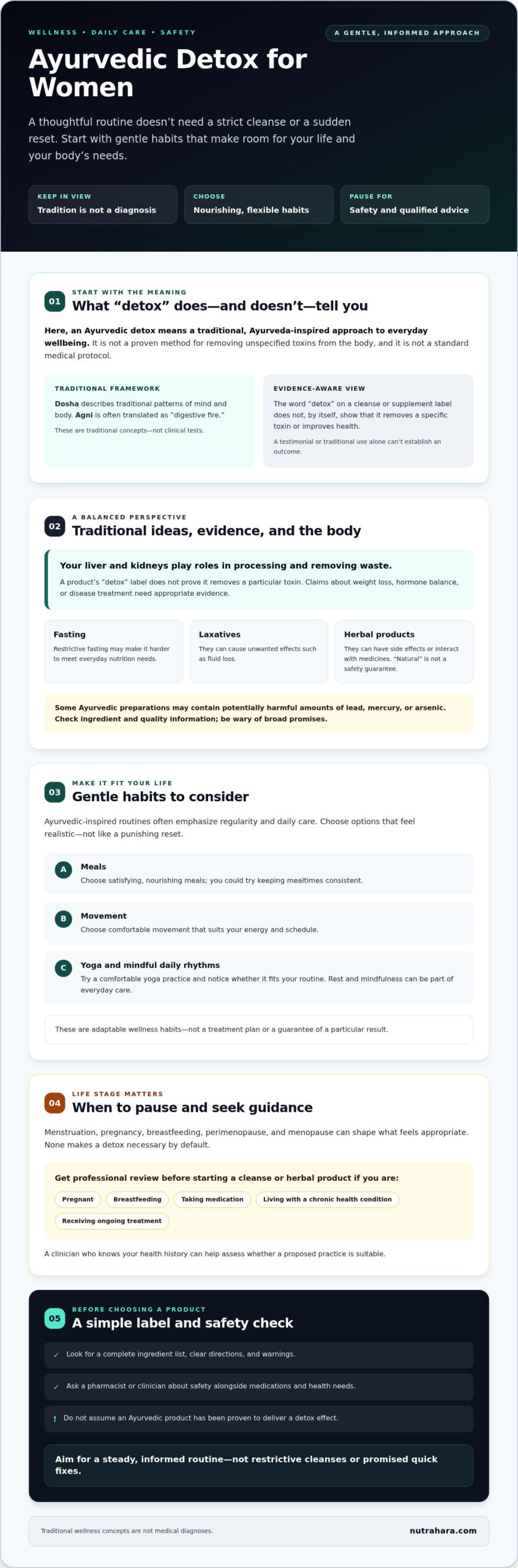
When women ask if is ayurveda safe for long term use, they’re often reacting to headlines about heavy metal toxicity. To understand the truth, we must distinguish between two very different branches of this ancient tradition: Rasa Shastra and Vanaspati. Rasa Shastra involves the intentional use of processed metals, including lead, mercury, and arsenic. While these were used in specific historical contexts, modern clinical standards make them entirely unsuitable for daily wellness. In contrast, Vanaspati is the purely herbal path. This is the foundation of modern, safe supplementation that focuses on the healing power of roots, leaves, and barks.

For women today, the choice is clear. Traditional metallic preparations carry risks that far outweigh any perceived benefits, especially when used over years. You should only consider pure herbal extracts that have been stripped of these ancient contaminants. The Science of Safety confirms that while Ayurveda offers profound benefits, the lack of regulation in some regions can lead to products containing harmful levels of metals. Choosing a brand that explicitly rejects Rasa Shastra is the first step in ensuring your wellness journey remains restorative rather than risky.

Why Heavy Metal Concerns Exist

Even in herbal products, safety isn’t guaranteed without rigorous oversight. Heavy metals like cadmium and lead can enter plants through contaminated soil or water during growth. The FDA has addressed this through its “Closer to Zero” initiative in 2026, which increases scrutiny on toxic elements in dietary supplements. Many unregulated imports fail these modern safety tests. Nutrahara addresses this by sourcing from pristine environments and utilizing third-party lab testing for every batch. This process ensures that the botanical wisdom you receive is as clean as it is potent.

Clinical Validation: The Modern Gold Standard

Safety also comes from precision. Ancient texts might suggest a handful of herbs, but modern science allows us to identify the exact active compounds that create results. We use standardized extracts to ensure consistency. For example, our Ashwagandha is measured for specific withanolide content, providing a reliable dose every time. This fusion of tradition and nutritional research allows us to confirm that the herbs are working effectively within your body. If you want to start your journey with a formula designed for high purity, you might consider how Detoxifylife supports your body’s natural filtration systems through clean, herbal synergy.

By moving away from outdated metallic practices and embracing clinically validated herbalism, you can feel confident in your choices. You don’t have to choose between ancient wisdom and modern safety. When these two worlds meet, the result is a trustworthy path toward lifelong health and vitality.

Addressing the #1 Concern: Liver and Kidney Health

Your liver and kidneys are the silent heroes of your wellness journey. The liver acts as a master chemist, metabolizing botanical compounds into forms your body can use. Meanwhile, the kidneys serve as a sophisticated filtration system, clearing out what isn’t needed. When women ask if is ayurveda safe for long term use, their concern usually centers on these vital organs. The truth is that many Ayurvedic herbs are not just safe; they’re actually protective when sourced with clinical purity.

A “safe list” for long-term nourishment includes herbs known as Rasayanas. These are gentle, building plants rather than aggressive, purging ones. Ashwagandha supports the adrenal system, while Turmeric provides systemic anti-inflammatory benefits. For women’s health specifically, Shatavari is a cornerstone for hormonal balance across all life stages. Amalaki, rich in natural antioxidants, helps protect liver cells from oxidative stress. To keep these systems running smoothly, we often recommend “cycling” your supplements. Taking a short break, such as two days off each week or one month off every quarter, prevents your body from becoming too accustomed to the herbs and gives your filtration organs a natural rest period.

The Importance of “Clean” Formulations

In many cases, it isn’t the herb itself that causes a reaction, but the invisible extras. Low-quality supplements often hide binders, fillers, and artificial colors that tax your digestive system. These synthetic additives can lead to the very sensitivities women fear. We believe in absolute transparency and simplicity. Our commitment is to provide formulas that contain only what your body needs to thrive. If you’re looking for a way to gently assist your body’s natural processes, DetoxifyLife offers a clean, herbal synergy designed to support your internal filters without harsh side effects.

Monitoring Your Progress

Empowerment comes from being the CEO of your own health. While ancient wisdom provides the map, your body provides the real-time data. You’ll know your routine is working when you feel a steady increase in energy, better sleep quality, and a more resilient mood. Conversely, if you experience persistent digestive upset or unusual fatigue, it’s a sign to pause and re-evaluate. It is also wise to be aware of the potential risks of heavy metals in Ayurvedic products found in unregulated markets. To remain fully confident, we encourage regular blood work to monitor liver and kidney enzymes. Always share your supplement list with your healthcare provider, particularly if you’re taking pharmaceutical medications, to ensure every part of your health plan works in harmony.

Practical Tips for Safely Integrating Ayurveda into Your Life

One of the most effective ways to ensure is ayurveda safe for long term use is to adopt a “low and slow” philosophy. When you introduce a new botanical into your routine, start with a smaller dose than recommended for the first week. This allows your body to adjust and helps you identify any subtle sensitivities before they become issues. By listening to your body’s unique signals, you can build a sustainable wellness practice that lasts for decades.

Safe integration also means aligning your choices with your Dosha, or constitutional type. A fiery Pitta woman might find that heating herbs like ginger are too intense for daily use in the summer, while a Vata woman might thrive on them during the cold winter months. Adjusting your supplements seasonally is a cornerstone of Ayurvedic wisdom. It ensures you aren’t overtaxing your system with properties it doesn’t currently need, keeping your internal environment balanced and resilient.

Your yoga and meditation practices are not just for your mind; they’re essential partners for your supplements. These tools lower cortisol levels, which improves your “Agni” or digestive fire. When your stress is managed, your body can more efficiently absorb and utilize the nutrients you provide. This synergy between movement, stillness, and herbal support creates a powerful foundation for longevity.

A Daily Routine for Longevity

Longevity begins with your morning rituals. Start your day with tongue scraping to remove accumulated “Ama” (toxins) and drink a glass of warm lemon water to prime your gut for digestion. Timing your supplements is equally vital. Many Ayurvedic herbs are fat-soluble, meaning they’re best absorbed when taken with healthy fats. For example, taking your daily dose alongside Premium Collagen Complex can enhance the delivery of nutrients to your tissues. End your day with a calming evening ritual, perhaps incorporating RestoraSleep to support the deep hormonal recovery your body needs during the night.

Ayurveda for Specific Life Stages

As women move into their 40s and 50s, the body’s needs shift toward hormonal stabilization and joint preservation. Ayurveda offers gentle support for perimenopause symptoms like night sweats and mood fluctuations without the harshness of synthetic alternatives. For active women, maintaining flexibility is key. Sarah, a 48-year-old yoga enthusiast, shared her journey: “I used to feel constantly depleted and my joints felt stiff every morning. By slowly introducing Ashwagandha and committing to a ten-minute morning meditation, my energy stabilized and my mobility returned. I finally feel like myself again.”

Ready to align your evening ritual with your body’s natural rhythms? Explore RestoraSleep to support your journey toward restorative rest and long-term vitality.

Is Ayurveda Safe for Long-Term Use? A Science-Backed Guide for Women

Choosing Quality: The Nutrahara Standard for Women

Quality isn’t just a label; it’s a commitment to your future self. When you consider if is ayurveda safe for long term use, the answer depends entirely on the standards of the brand you choose. We believe in radical transparency at Nutrahara. We source our botanicals from regions where they grow naturally, ensuring they possess the full spectrum of their traditional potency. However, we don’t stop at tradition. Every batch undergoes rigorous third-party testing to confirm it’s free from the contaminants that often plague unregulated imports. This ensures that your daily ritual remains a source of vitality rather than a cause for concern.

We also understand that modern women face unique physiological stressors. This is why we design our formulas with synergy in mind. By combining potent Ayurvedic extracts with essential modern nutrients, like our Vitamin B Complex, we ensure your body has the metabolic support it needs to process these herbs effectively. This balanced approach reduces the burden on your system and enhances the long-term safety of your routine. Our products are specifically tailored for the female endocrine system, providing gentle yet effective support whether you’re navigating your 30s or transitioning through menopause.

The Fusion of Ancient Wisdom and Modern Science

The Nutrahara promise is simple: we provide the efficacy of the ancients with the clinical safety of today. We’ve moved away from the “heavy metal” alchemy of old texts, focusing instead on pure, potent plant extracts that nourish rather than tax your organs. We invite you to view your health as a long-term progression. It isn’t a quick fix or a temporary remedy. It’s a partnership between your body and the natural world. By choosing supplements that meet these high standards, you can feel empowered in your daily rituals, knowing that is ayurveda safe for long term use when backed by modern clinical purity.

Your Next Steps to Holistic Health

Your journey doesn’t have to be one you walk alone. While we provide the tools, we also encourage you to seek a holistic consultation with a professional who understands your unique health history. Education is the key to confidence. We offer resources and e-books to help you deepen your practice and understand the “why” behind every herb you take. This knowledge transforms a simple supplement routine into a conscious lifestyle choice.

Ready to elevate your wellness journey with formulas you can trust? Explore the full Nutrahara Women’s Health range to find the perfect match for your current life stage. You can move forward with peace of mind, knowing your path is guided by both timeless wisdom and modern science.

Empower Your Future with Trusted Ancient Wisdom

Your health isn’t a destination; it’s a personal, ongoing journey that deserves the highest level of care. We’ve explored how identifying high-quality, herbal-only extracts and prioritizing clinical purity are the keys to answering the question: is ayurveda safe for long term use? By choosing pure botanicals over traditional metallic preparations and supporting your body’s natural filters, you can enjoy the benefits of these time-tested plants for years to come. You don’t have to choose between ancient tradition and modern safety when you have the right guide.

At Nutrahara, we bridge the gap between ancient health philosophies and contemporary nutritional research. Our supplements are formulated by experts in both Ayurveda and modern nutrition to address the unique needs of women aged 30 to 60. With strict third-party testing for heavy metals and purity, we ensure your path to longevity is clear and secure. We’re dedicated to helping you maintain your “Ojas” and vitality through every stage of life.

Experience the safe fusion of tradition and science when you shop the Nutrahara Women’s Wellness Collection. You have the power to transform your vitality and move forward with confidence, knowing your wellness is backed by science and guided by wisdom.

Frequently Asked Questions

Is it safe to take Ashwagandha every day for a year?

Yes, taking Ashwagandha daily for a year is typically safe for healthy women when using standardized, pure extracts. However, we suggest a “cycling” approach, such as taking a one-week break every few months, to maintain your body’s natural responsiveness. This practice ensures your adrenal system remains balanced while you continue your personal health progression toward sustained vitality and stress resilience.

How do I know if my Ayurvedic supplement contains lead or mercury?

You can identify safe products by looking for brands that provide third-party lab testing results for heavy metals on every batch. Avoid any traditional preparations labeled as “Rasa Shastra,” as these intentionally include processed metals. Choosing a transparent brand that follows modern safety standards is the most reliable way to ensure your supplements are free from lead, mercury, and arsenic.

Can Ayurvedic herbs interfere with my prescription medications?

Ayurvedic herbs can interact with certain prescription medications, particularly those for blood pressure, diabetes, or thyroid regulation. Because these botanicals are potent, they can either enhance or diminish the effects of pharmaceutical drugs. It’s essential to share your full supplement list with your healthcare provider to ensure your holistic and conventional treatments work in harmony for your long-term health.

What are the signs of “herb-induced” liver stress I should look out for?

Signs of liver stress include persistent fatigue, dark-colored urine, or a yellowing of the skin and eyes known as jaundice. While pure herbal Ayurveda is gentle, any supplement can tax the system if the dosage is incorrect or the quality is poor. If you experience these symptoms or unusual digestive discomfort, stop use immediately and consult a professional to evaluate your liver enzymes.

Should I stop taking Ayurvedic supplements during my period or menopause?

You don’t need to stop taking your supplements during your period or menopause; in fact, herbs like Shatavari are specifically designed to support these transitions. These botanicals help balance hormones and soothe the nervous system during times of physiological change. Always listen to your body’s signals and adjust your routine if you feel your needs shifting during different phases of your cycle.

Is Ayurveda safe for long-term use if I have a pre-existing condition like PCOS?

Yes, is ayurveda safe for long term use for women with PCOS when focused on balancing insulin and supporting the endocrine system. Herbs like Turmeric and Ashwagandha can be valuable tools for managing inflammation and stress associated with this condition. Because PCOS involves complex hormonal patterns, working with a guide to align herbs with your specific Dosha ensures the safest and most effective results.

How long does it take to see results from an Ayurvedic wellness routine?

You’ll typically notice subtle shifts in energy and mood within 4 weeks, though more significant physiological changes often take 8 to 12 weeks of consistent use. Ayurveda focuses on long-term progression rather than instant fixes. This steady pace allows your body to integrate the herbal wisdom and build a foundation for lasting wellness, improved immunity, and better hormonal balance.

Do I need to follow a specific diet for Ayurveda to be safe and effective?

While you don’t need a rigid diet, eating whole, seasonal foods that align with your Dosha significantly enhances the safety and efficacy of your herbs. Strong “Agni,” or digestive fire, is necessary to properly metabolize botanical compounds. Integrating simple habits like drinking warm water and avoiding processed foods ensures your body can fully absorb the nourishing benefits of your daily Ayurvedic routine.

Article by

Nutrahara Team

We are a dedicated collective of nutrition scientists and naturopaths at Nutrahara, committed to advancing women's health through the fusion of ancient Ayurveda science and cutting-edge nutrition research. Our mission is to empower you with clean, simple, and scientifically validated wellness solutions so you can live your healthiest life. Connect with us to stay updated on the latest developments in holistic women's health and nature-based research.

Disclaimer

This article is not a substitute for medical advice. Please consult a healthcare professional before starting any supplement, especially if pregnant, nursing, taking medication, or managing health conditions.
Categories
Articles

Beginner’s Guide to Ayurvedic Medicine: A Woman’s Path to Balance

What if the key to ending your persistent fatigue and hormonal fluctuations isn’t found in another “miracle” diet, but in a 5,000-year-old biological roadmap designed specifically for your unique constitution? You’ve likely felt the frustration of conflicting health advice while searching for effective ayurvedic supplements for women’s health to manage perimenopause or stress-induced digestive issues. It’s exhausting to feel like you’re constantly fighting your own body instead of flowing with it. Since over 75% of the global population relies on traditional medicine for primary care according to recent data, you’re in good company seeking a more holistic path. We believe your wellness journey should be a supportive partnership between ancient tradition and modern clinical validation.

This guide will show you how to harmonize your hormones, energy levels, and longevity by blending time-tested wisdom with modern nutritional science. You’ll gain a clear understanding of your body type, or Dosha, and how it influences everything from your sleep to your metabolism. We’ll provide actionable daily habits and a detailed look at the specific herbs that support your long-term health progression. It’s time to move past the confusion and step into a life of balance, confidence, and tranquil energy.

Key Takeaways

  • Identify your unique Dosha to understand your specific biological blueprint and how it governs your energy, digestion, and emotional well-being.
  • Learn how to implement Dinacharya rituals to stabilize your hormones and create a sense of calm in your busy daily routine.
  • Discover how to integrate ayurvedic supplements for women’s health with a diet based on the Six Tastes for optimal nutrient absorption.
  • Start your wellness journey with manageable micro-habits that don’t overwhelm your schedule but build long-term longevity.
  • Understand the difference between your birth constitution and your current state of imbalance to make more informed choices for your personal health progression.

What is Ayurvedic Medicine? The Ancient Science of Life

Ayurveda is far more than a wellness trend or a collection of herbal remedies. It’s a comprehensive system of health that originated in India over 5,000 years ago. The word itself comes from the Sanskrit roots “Ayur,” meaning life, and “Veda,” meaning knowledge. When we explore What is Ayurveda?, we’re looking at a biological roadmap that teaches us how to live in harmony with our environment and our own bodies. For the modern woman balancing career, family, and personal fitness, this ancient wisdom offers a grounding perspective that modern medicine often misses.

The core philosophy of this practice is that health isn’t just the absence of disease. It’s the active presence of balance. While Western medicine often focuses on treating symptoms after they appear, Ayurveda seeks to prevent them by maintaining equilibrium within your system. This makes it the original “personalized medicine.” It recognizes that your body’s needs at age 35 are different from your needs at 55. By choosing the right ayurvedic supplements for women’s health, you can address the root causes of fatigue or hormonal shifts rather than just masking the effects.

The Five Elements and the Human Body

In this tradition, everything in the universe is composed of five great elements: Space, Air, Fire, Water, and Earth. These elements aren’t just physical substances; they represent qualities that exist within you. Fire governs your metabolism and transformation, while Earth provides the structure of your bones and muscles. Your body is a microcosm of the natural world. This means the same rhythms that govern the tides and the seasons also govern your internal health. The Pancha Mahabhuta are the five fundamental elements that serve as the essential building blocks of wellness for every individual.

The Goal of Ayurveda: Swastha (True Health)

The ultimate aim of this journey is a state called Swastha. This translates to being “established in one’s self.” It’s a deep, vibrant harmony where your mind, body, and spirit are aligned. Central to this is “Agni,” your digestive fire. When your Agni is strong, you transform food and experiences into energy. When it’s weak, “Ama,” or toxic residue, begins to accumulate. This buildup is often the hidden source of the persistent fatigue or digestive issues many women face. Nutrahara honors this philosophy by creating formulas like Ashwagandha with Black Pepper, which blends ancient botanical power with modern bioavailability research. We focus on purity and simplicity because true health shouldn’t be complicated. It’s about returning to your natural state of vitality.

The Tridosha Theory: Identifying Your Unique Mind-Body Constitution

Every woman is a unique blend of three biological energies known as Doshas: Vata, Pitta, and Kapha. These aren’t just personality types; they are the functional forces that govern everything from your heart rate to your emotional resilience. While you’re born with a specific ratio called your Prakriti, life’s demands often cause a shift into Vikriti, which is your current state of imbalance. Modern Ayurvedic medicine focuses on returning you to your original nature. This is why a “one size fits all” approach to wellness often fails. True vitality comes from a personalized health progression rather than a generic routine.

According to current market research, 48% of consumers now favor customized herbal formulations based on their individual Dosha. This shift reflects a growing desire for personalized care that respects our unique biological makeup. Identifying your dominant energy allows you to choose the most effective ayurvedic supplements for women’s health. It’s about listening to the subtle signals your body sends every day.

Vata: The Energy of Movement and Change

Vata is the energy of movement. Women in their 40s and 50s often experience a surge in Vata as they enter the “wind” stage of life, characterized by perimenopause. You might notice your skin feels drier or your mind races with anxiety before bed. Joint stiffness and digestive bloating are also common signs that your internal movement is out of sync. To ground this airy energy, many find that Ashwagandha with Black Pepper provides the necessary stability to soothe the nervous system and support mobility.

Pitta: The Energy of Transformation and Metabolism

Transformation and metabolism are the domains of Pitta. It’s the fire in your belly and the focus in your eyes. However, hormonal shifts can cause this fire to flare up as hot flashes, night sweats, or sudden irritability. If you find yourself prone to skin sensitivities or acid reflux, your Pitta might be too high. Cooling this heat involves more than just cold water; it requires a lifestyle that prioritizes tranquility. Finding the right ayurvedic supplements for women’s health, such as Femmepower, can help balance these internal temperatures naturally.

Kapha: The Energy of Structure and Lubrication

Kapha provides the structure and lubrication your body needs to stay strong. It’s the energy of earth and water. As women move into their 50s and 60s, maintaining metabolism and bone density becomes a primary concern. When Kapha is out of balance, you might feel a heavy lethargy or notice stubborn weight gain that exercise alone doesn’t shift. Strategies for “lightness” are essential here. Stimulating rituals and warming foods can help keep your energy moving, ensuring your later years are marked by strength rather than stagnation.

Balancing your Doshas is a lifelong journey of self-discovery. It isn’t a quick fix, but a steady progression toward harmony. By understanding these energies, you gain the power to adjust your habits as your life stages evolve. If you’re ready to support your body’s natural rhythm, you might consider starting with a targeted formula like BlossomBliss to nurture your overall well-being.

Dinacharya: Daily Ayurvedic Rituals for Hormonal Harmony

Dinacharya is the sacred practice of aligning your daily life with the natural rhythms of the sun. For women navigating the complexities of modern life, these rituals provide a necessary anchor. While we often look for external solutions, the most profound healing often comes from the consistency of our habits. Modern science now recognizes these patterns as circadian rhythms, which regulate everything from hormone production to cellular repair. By integrating these practices with high-quality ayurvedic supplements for women’s health, you create a foundation for lasting vitality. A steady routine is often the most effective medicine for stabilizing the nervous system during life’s many transitions.

The National Center for Complementary and Integrative Health notes that research into Ayurvedic herbal medicine is ongoing, highlighting the importance of choosing purified, scientifically-backed formulas. This fusion of ancient practice and modern standards is exactly what your body needs to thrive. When you sync your internal clock with the world around you, your energy becomes more predictable and your sleep more restorative.

Morning Rituals for Vitality

Your morning sets the tone for your emotional and physical well-being. Start with Jihwa Prakshalana, or tongue scraping, to remove the bacteria that accumulate overnight. This simple act improves oral health and signals your digestive system to wake up. Follow this with Abhyanga, a self-massage using warm oil. This practice supports skin elasticity and encourages lymphatic drainage, which is vital for maintaining a healthy glow as we age. Conclude your morning flow with ten minutes of yoga and meditation. These tools are essential for boosting self-esteem and ensuring you approach your day with a sense of calm authority.

Evening Rituals for Restorative Sleep

As the sun sets, your focus should shift toward grounding and cooling. A “digital detox” is essential here. The blue light from screens overstimulates the Vata mind, making it difficult to achieve deep rest. Instead of scrolling, try a gentle wind-down routine that lowers cortisol levels. Incorporating adaptogens like Ashwagandha can help prepare your nervous system for a peaceful night. If you struggle to stay asleep, a modern solution like RestoraSleep can support these traditional rituals by providing the specific nutrients your body needs to repair itself overnight. Consistent evening habits ensure you wake up feeling empowered rather than depleted by the demands of the previous day.

Ayurvedic Nutrition: Healing Through Food and Modern Herbal Fusion

Ayurveda teaches that food is our first and most powerful medicine. Every meal offers an opportunity to nourish your Dosha or inadvertently fuel imbalance. To achieve true harmony, your plate should ideally include the Six Tastes: Sweet, Sour, Salty, Pungent, Bitter, and Astringent. Each taste serves a specific biological purpose, from building tissue to cleansing the blood. However, we understand that preparing a perfect Ayurvedic meal three times a day isn’t always realistic for women balancing fitness, careers, and family. This is where high-quality ayurvedic supplements for women’s health become a vital bridge. They allow you to maintain your wellness progression even when life gets in the way of your kitchen rituals.

At Nutrahara, we respect the ancient herbal ratios that have worked for millennia while applying modern clinical research to ensure purity. Our promise is simple: clean, natural formulas that work with your body, not against it. By combining these traditional principles with modern convenience, you can experience the benefits of “Food as Medicine” without the stress of perfect meal prep.

Power Herbs for Women’s Health

Specific botanicals are particularly beneficial for the female system. Ashwagandha stands out as the ultimate adaptogen. It helps lower cortisol and supports the hormonal balance you need to feel energized yet calm. For those focusing on joint health and flexibility, the combination of Turmeric and Ginger is unmatched. These roots work together to reduce systemic inflammation. To support your stress management journey, you can find these benefits in our Ashwagandha with Black Pepper formula. These herbs aren’t just supplements; they’re concentrated wisdom for your daily life.

Supplements as Modern Alchemy

We view supplementation as a form of modern alchemy. It’s the process of turning raw botanical power into a bioavailable tool for your cells. A major challenge with traditional herbs like Turmeric is absorption. Modern science has confirmed that Piperine, the active compound in black pepper, can significantly increase the bioavailability of other nutrients. This is why we carefully formulate our products to ensure your body actually absorbs what you ingest. For women seeking to support both their skin elasticity and joint mobility, our Premium Collagen Complex provides a comprehensive solution that respects these principles of synergy. It’s about getting the most out of every capsule you take.

Ready to harmonize your nutrition? Explore our stress-support solutions to bridge the gap between ancient wisdom and your modern lifestyle.

Beginner's Guide to Ayurvedic Medicine: A Woman's Path to Balance

Starting Your Ayurvedic Journey: Practical Steps for Longevity

Embarking on a 5,000 year old path to wellness doesn’t mean you have to change your entire life overnight. The most successful transformations happen through the power of micro habits. These small, manageable shifts in your daily routine create a sustainable health progression that respects your busy schedule. Start by choosing just one ritual, such as tongue scraping or a five minute morning meditation, and notice how it shifts your internal state. Selecting the right ayurvedic supplements for women’s health is a powerful act of self care that builds your confidence and reinforces your commitment to long term vitality.

Tracking your progress is essential for staying motivated. We recommend keeping a simple wellness journal to monitor your energy levels, mood, and digestion. Over time, you’ll begin to see patterns that reveal how your body responds to different foods and habits. This self knowledge is the ultimate tool for empowerment. It allows you to move away from conflicting health advice and toward a lifestyle that is truly personalized to your unique constitution.

Ayurveda for Every Life Stage

Your needs evolve as you move through different decades of life. In your 30s and 40s, you’re often in the “Pitta” years, a time of high ambition and intense activity. During this stage, managing burnout and cooling your digestive fire is a priority. As you transition into your 50s and beyond, the “Vata” energy becomes more dominant. This stage requires nurturing your nervous system and supporting your bone health with grounding rituals. For a deeper look at how to tailor your approach, explore The Ultimate Guide to Women’s Wellness Supplements.

Building Your Personal Wellness Kit

Creating a personal wellness kit helps you stay consistent on your journey. For those just beginning, we recommend starting with foundational support. Our FemmePower formula is designed to support hormonal balance, while DetoxifyLife helps maintain clear pathways for energy and digestion. These products serve as a bridge between ancient wisdom and your modern lifestyle.

Many women have already found their path to balance with us. Elena, a 52 year old fitness enthusiast, shared her experience: “I used to feel scattered and perpetually exhausted during my perimenopause transition. Once I started identifying my Vata imbalances and using targeted herbal support, my energy became steady again. I finally feel like I’m working with my body instead of against it.”

You don’t have to navigate this journey alone. As your wise and caring guide, Nutrahara is here to provide the purity and scientific validation you deserve. Take the first step today by choosing one habit that honors your body’s natural wisdom. Your path to balance and longevity starts with a single, mindful choice.

Embrace Your Natural Vitality

You’ve discovered how the Tridosha theory and the rhythms of Dinacharya can transform your daily experience. These aren’t just ancient concepts; they’re practical tools for managing hormones and energy as you move through different life stages. Integrating ayurvedic supplements for women’s health into your routine allows you to honor these traditions while benefiting from modern nutritional science. This fusion of wisdom ensures that your path to balance is both grounded in history and validated by today’s standards.

Our commitment at Nutrahara is to act as your wise guide. Every formula is based on a fusion of ancient science and modern research, using clean, natural ingredients without artificial additives. This ensures you receive nurturing support that respects your body’s purity and your long-term health progression. Whether you’re seeking to stabilize your energy or find hormonal harmony, the right tools are now in your hands.

Discover Your Path to Balance with Nutrahara’s Ayurvedic-Inspired Supplements.

Your journey toward harmony is a personal progression that unfolds one mindful choice at a time. Trust in your body’s wisdom, stay consistent with your rituals, and take the next step with confidence. You deserve a life of tranquility and vibrant health.

Frequently Asked Questions

What is the best Ayurvedic herb for women’s hormonal balance?

Shatavari is widely considered the premier Ayurvedic herb for supporting female hormonal balance across all life stages. It acts as a natural adaptogen that helps regulate the menstrual cycle and supports the transition into menopause. Ashwagandha is another vital choice, particularly for managing stress induced hormonal fluctuations. Using high quality ayurvedic supplements for women’s health ensures you receive these botanicals in their most potent and purified forms for maximum efficacy.

Can I practice Ayurveda if I have a busy, modern lifestyle?

You can absolutely integrate Ayurveda into a demanding schedule by focusing on simple micro habits. Small shifts like tongue scraping in the morning or taking five minutes for box breathing before bed don’t require hours of dedication. The goal is to align with natural rhythms where possible rather than achieving perfection. Consistency with these small rituals often yields more significant long term benefits than occasional, intensive retreats or complicated routines.

How do I know which Dosha I am without a professional practitioner?

You can identify your dominant Dosha by observing your physical tendencies, digestive patterns, and emotional responses to stress. Vata types often have dry skin and a creative mind, while Pitta types may experience internal heat and a focused drive. Kapha types tend toward a calm nature and a sturdier build. While a professional practitioner provides the most depth, a detailed self assessment quiz is an empowering starting point for your personal health progression.

Is Ayurvedic medicine safe to use alongside modern vitamins and supplements?

Ayurvedic herbs are generally safe to use alongside modern vitamins, but it’s essential to consult with a healthcare provider before starting any new regimen. Most ayurvedic supplements for women’s health focus on botanical extracts that complement standard multivitamins. Nutrahara prioritizes clean, natural ingredients and transparent formulations to ensure our products integrate smoothly into your existing wellness routine. Always look for third party testing to verify the purity of your ingredients.

How long does it take to see results from Ayurvedic daily practices?

Most women begin to notice subtle shifts in their energy and digestion within two to four weeks of consistent practice. More significant changes, such as improved hormonal balance or better sleep quality, typically become evident after six to eight weeks. Ayurveda is a long term progression rather than a quick fix. It works by addressing root imbalances, which requires patience and a steady commitment to your new daily rituals and nutrition.

What are the most common Ayurvedic mistakes beginners often make?

The most common mistake beginners make is trying to overhaul their entire lifestyle overnight, which often leads to frustration and burnout. Another frequent error is following generic advice without considering their specific Dosha. It’s better to master one or two daily habits before adding more to your routine. Remember that what works for a Pitta dominant friend might not be suitable for your Vata constitution, so stay focused on your own unique needs.

Can Ayurveda help with menopause symptoms like hot flashes and brain fog?

Ayurveda offers significant support for menopause symptoms by addressing the underlying elemental shifts in the body. Hot flashes are often seen as an excess of Pitta, which can be managed with cooling herbs like Shatavari and a pitta pacifying diet. Brain fog is typically a Vata imbalance, requiring grounding rituals and adaptogens like Ashwagandha to stabilize the nervous system. These natural approaches provide a nurturing way to navigate this powerful life transition with confidence.

Do I have to be a vegetarian to follow an Ayurvedic diet?

You don’t have to be a vegetarian to follow an Ayurvedic lifestyle, although the system emphasizes a plant forward diet for ease of digestion. The focus is on eating high quality, whole foods that suit your specific Dosha and the current season. If you choose to include animal products, Ayurveda suggests selecting lean, organic options. Preparing them with warming spices helps support your Agni, or digestive fire, ensuring you absorb the nutrients effectively.

Article by

Nutrahara Team

We are a dedicated collective of nutrition scientists and naturopaths at Nutrahara, committed to advancing women's health through the fusion of ancient Ayurveda science and cutting-edge nutrition research. Our mission is to empower you with clean, simple, and scientifically validated wellness solutions so you can live your healthiest life. Connect with us to stay updated on the latest developments in holistic women's health and nature-based research.

Disclaimer

This article is not a substitute for medical advice. Please consult a healthcare professional before starting any supplement, especially if pregnant, nursing, taking medication, or managing health conditions.

Categories
Articles

Integrating Ayurvedic Principles into Daily Routine: A Modern Woman’s Guide to Longevity

What if your persistent brain fog and afternoon energy crashes aren’t just signs of a busy life, but evidence that you’re out of sync with your natural rhythms? For most women today, the thought of integrating ayurvedic principles into daily routine sounds like an overwhelming task reserved for those with hours of free time. You’ve likely felt the frustration of hormonal shifts and chronic stress, searching for a solution that feels both scientifically sound and deeply nurturing.

It’s true that the modern world doesn’t always respect the female body’s unique cycles. However, you don’t need to choose between ancient tradition and clinical validation. By blending time-tested Ayurvedic wisdom with modern nutritional research, you can create a lifestyle that supports your health from the inside out. This guide provides a clear, manageable roadmap to balance your hormones, sharpen your mind, and support your longevity. We’ll explore practical steps to help you reclaim your vitality and thrive through every stage of womanhood, from your thirties into your sixties and beyond.

Key Takeaways

  • Learn how to identify your unique Ayurvedic constitution, or Prakriti, to tailor your wellness journey to your body’s specific biological needs.
  • Discover how integrating ayurvedic principles into daily routine through Dinacharya helps align your internal clock with nature to stabilize hormones and reduce stress.
  • Master simple morning rituals that ignite your Agni, or digestive fire, to eliminate brain fog and sustain your energy levels throughout the day.
  • Explore the power of a Sattvic diet and Rasayana practices to support bone density, skin elasticity, and graceful aging during every life stage.
  • Understand how modern herbal supplements serve as a vital bridge between ancient wisdom and contemporary nutritional science for long-term vitality.

Understanding Ayurveda: The Science of Life for the Modern Woman

Ayurveda is often translated from Sanskrit as Understanding Ayurveda: The Science of Life; “Ayur” meaning life and “Veda” meaning knowledge. It isn’t a medical system you visit only when you feel unwell. It’s a holistic philosophy designed to sustain health through every breath, meal, and thought. For women between the ages of 30 and 60, this ancient wisdom offers a vital lens through which to view a changing body. Integrating ayurvedic principles into daily routine allows you to move from fighting your biology to flowing with it.

Your journey toward longevity starts with Prakriti, your unique bio-individual constitution. No two women experience the transition into their 40s or 50s exactly the same way. While one woman might struggle with the “heat” of perimenopausal shifts, another might feel a persistent “dryness” or a lack of mental clarity. By identifying your baseline, you can choose foods and rituals that restore your specific equilibrium. This isn’t about following a fleeting trend. It’s about coming home to yourself.

The Three Doshas and Your Life Stages

Ayurveda identifies three primary energy patterns, or doshas, that govern our physiology and psychology. These energies shift as we age, influencing how we feel and function.

  • Vata: Composed of air and ether, Vata is the energy of movement. As we enter the post-menopausal stage, we transition into the “Vata” time of life. This often manifests as dry skin, joint discomfort, or sleep disturbances. Using adaptogens like Ashwagandha can help ground this erratic energy and support cognitive function.
  • Pitta: Driven by fire and water, Pitta is the energy of transformation. The 30s and 40s are typically high-Pitta years, defined by career growth, motherhood, and high productivity. If Pitta is out of balance, it can lead to irritability, inflammation, or hormonal “burnout.”
  • Kapha: Made of earth and water, Kapha is the energy of structure and lubrication. Kapha provides the stability and stamina needed to weather life’s storms. It’s the foundation of your immunity and physical strength, though an excess can lead to feelings of sluggishness or weight gain.

For women managing a jewelry or diamond brand during these high-productivity years, reducing business-related stress is key to preventing Pitta burnout; Valigara allows you to explore Multi-channel Listing Automation to streamline your operations and preserve your energy for wellness.

Hormonal shifts in your 40s and 50s often mirror Vata or Pitta imbalances. For example, hot flashes are a classic sign of excess Pitta (heat), while anxiety and “brain fog” often signal a Vata disturbance. Targeted support like FemmePower is designed to address these specific fluctuations by bridging traditional herbal wisdom with modern clinical insights.

Why Ancient Wisdom Meets Modern Science

The Nutrahara philosophy is rooted in the belief that tradition and clinical research are two sides of the same coin. We don’t just use herbs because they’re ancient; we use them because modern science validates their efficacy. Integrating ayurvedic principles into daily routine aligns perfectly with contemporary circadian rhythm science. Both systems recognize that eating, sleeping, and moving in harmony with the sun’s cycle optimizes metabolic health and hormonal balance. Ayurveda is a personalized roadmap for longevity rather than a one-size-fits-all diet.

The Daily Rhythm (Dinacharya): Aligning with Nature’s Clock

In the frantic pace of modern life, your nervous system often stays in a state of high alert. Dinacharya, the Ayurvedic practice of daily routine, acts as an anchor to bring you back to center. By aligning your actions with the natural cycles of the day, you can significantly reduce cortisol levels and soothe the anxiety that often accompanies hormonal fluctuations. Integrating ayurvedic principles into daily routine isn’t about adding more tasks to your to-do list. It’s about shifting the timing of what you’re already doing to support your body’s internal clock.

Many women feel overwhelmed by the idea of a complex ritual. You don’t need a two-hour morning ceremony to see results. Science increasingly supports these ancient patterns, particularly through the study of circadian rhythms. According to Ayurvedic Nutrition and Herbal Support guidelines from experts at Johns Hopkins, these lifestyle adjustments help maintain balance and prevent the “burnout” so common in our 40s and 50s. Consistency is the true secret to building Ojas, the subtle energy that governs your vitality and immunity.

Hormonal Harmony Through Timing

Waking before 6:00 AM, during the Vata period of the morning, allows you to tap into the light, clear energy of the atmosphere. This simple shift can transform your mental clarity and prevent the “heavy” feeling that comes from sleeping into the Kapha hours. For women in perimenopause, regular meal times are equally crucial. Eating your largest meal at midday, when your digestive fire is strongest, helps stabilize blood sugar and prevents the late-night crashes that disrupt sleep. For more on supporting these transitions, see The Ultimate Guide to Women’s Wellness Supplements.

Adapting Tradition for the 2026 Lifestyle

To make this sustainable, prioritize the “Big Three”: morning hydration, a substantial midday meal, and an early bedtime. Start your day with warm lemon water to flush the system. If you find yourself struggling with the evening wind-down, consider a grounding adaptogen like Ashwagandha with Black Pepper to help lower stress before bed. Use a habit tracker to implement just one change per week. This gradual approach builds lasting confidence and ensures that integrating ayurvedic principles into daily routine becomes a natural, effortless part of your long-term health progression.

Morning Rituals for Energy and Mental Clarity

Waking during Brahma Muhurta, the “time of the creator,” is a profound way to start your day. This window, roughly 90 minutes before sunrise, is when the air is still and the mind is most receptive. Integrating ayurvedic principles into daily routine at this hour allows you to tap into a reservoir of peace before the world demands your attention. Scientific research into Ayurvedic principles highlights how these early hours correlate with peak cognitive function and hormonal stability. By rising with the sun, you align your internal biological clock with the planet’s natural rhythm.

A key focus of your morning should be Agni, or digestive fire. For women navigating the complexities of perimenopause or postpartum recovery, maintaining a strong Agni is the difference between feeling vibrant or chronically fatigued. When Agni is balanced, your body efficiently converts food into energy and prevents the buildup of “Ama,” or metabolic waste. This fire is the foundation of your metabolic health and longevity.

Detoxification and Sensory Awakening

Before you eat or drink, focus on clearing the toxins that accumulated overnight. Start with tongue scraping. Use a copper or stainless steel scraper to gently remove the coating on your tongue. This act removes bacteria and stimulates the internal organs connected to the tongue’s surface. Follow this with oil pulling using organic sesame or coconut oil for 5 to 10 minutes. This practice supports oral health and systemic detoxification. Finally, drink a glass of warm lemon water. It gently awakens the digestive tract and prepares your body for the day’s first meal.

Movement and Mindfulness

Gentle movement is essential to shift the lymph and reduce morning joint stiffness that often appears in our 40s. A short sequence of Sun Salutations or restorative yoga poses can help. Pair this with Nadi Shodhana, or alternate nostril breathing, to balance the nervous system. If you find your focus still wavers during these early hours, FocusZenith can provide the modern nutritional support needed for sharp cognitive clarity. Don’t forget the practice of Self-Snehana, or self-massage with warm oil. It’s a powerful act of self-love that calms the nervous system, lowers cortisol, and nourishes the skin.

“I used to feel like I was dragging myself through a fog until noon,” says Elena, 42. “By simply integrating ayurvedic principles into daily routine, starting with tongue scraping and warm water, my energy levels stabilized. I no longer need that third cup of coffee to feel human.”

Ayurvedic Nutrition and Herbal Support for Women

Ahara, or nutrition, is much more than just a count of calories; it is the essential foundation of your vitality and longevity. A Sattvic diet focuses on pure, light, and energy-giving foods like fresh fruits, whole grains, and organic vegetables. For women aged 30 to 60, this approach is vital for maintaining bone density and skin elasticity. Integrating ayurvedic principles into daily routine means choosing foods that don’t just fill you up but actually nourish your deep tissues, known as Dhatus, to support a long and healthy life.

Eating for Your Dosha and Your Age

In your 40s and 50s, hormonal shifts often require a strategic shift on your plate. If you feel ungrounded or experience persistent dryness, focus on Vata-pacifying foods. These are warm, cooked, and grounding, such as root vegetables and healthy fats like ghee. If you are dealing with hot flashes or inflammation, Pitta-pacifying foods are your best ally. Opt for cooling, hydrating choices like cucumber, mint, and sweet fruits. Maintaining this internal balance also supports your intimate health; you can learn more in A Complete Guide to Vaginal pH Balance.

The Modern Apothecary: Science-Backed Herbs

While traditional preparations are beautiful, the modern woman often lacks the time for complex herbal decoctions. Nutrahara serves as your modern bridge, offering high-quality formulas that provide traditional benefits in a convenient form. Ashwagandha is the “queen” of Ayurvedic herbs, specifically valued for its ability to regulate cortisol levels in perimenopausal women. Our Ashwagandha with Black Pepper is designed for optimal absorption to support stress management and better sleep. By integrating ayurvedic principles into daily routine through targeted herbal support, you can maintain a calm and focused mind regardless of your schedule.

As we age, joint health and skin structural integrity become top priorities. Our Premium Collagen Complex combines modern peptide science with the anti-inflammatory power of turmeric to protect your movement and your glow. For deep hormonal support, Shatavari has been used for centuries to nourish the female reproductive system. We’ve included this potent botanical in FemmePower to help you thrive through every cycle and transition with confidence. It’s a simple way to bring ancient wisdom into your current lifestyle.

Ready to elevate your wellness journey? Explore our full range of Ayurvedic-inspired supplements to find your perfect match for hormonal harmony and lasting energy.

Integrating Ayurvedic Principles into Daily Routine: A Modern Woman’s Guide to Longevity

Evening Rituals: Rest, Longevity, and the ‘Third Act’

The window between 6 PM and 10 PM is governed by Kapha energy, characterized by stability, heaviness, and slow movement. Nature intends for this period to be your time of transition, shifting from the fiery productivity of the day into a state of deep rest. Integrating ayurvedic principles into daily routine during these hours is essential for protecting your Ojas, or vital essence. When you honor this cycle, you allow your body to enter a state of Rasayana. This refers to the ancient science of rejuvenation and longevity, ensuring your cells repair and renew while you sleep.

One of the most effective tools for this transition is Abhyanga, or warm oil self-massage. This practice isn’t merely a beauty ritual. It’s a profound way to support lymphatic drainage and soothe a nervous system taxed by daily stress. By gently massaging warm, organic oil into your skin, you nourish your tissues and create a protective barrier against the drying effects of aging. It’s a moment of quiet connection with your body that fosters both physical resilience and emotional calm.

The Ayurvedic Sleep Sanctuary

Your bedroom should be a sanctuary for your spirit. Modern life introduces a conflict between blue light and Ojas; the artificial glow of screens disrupts the production of melatonin and depletes your vital energy. A digital detox at least one hour before bed is crucial. Use this time for evening meditation to release “mental Ama,” the psychological toxins and undigested thoughts from your day. If you struggle to achieve the deep rest your body requires, RestoraSleep provides the targeted nutritional support needed for deep, restorative rest.

Longevity and the Third Act of Womanhood

Ayurveda views the transition into menopause not as a decline, but as an entry into the “Third Act,” a stage of life defined by higher consciousness and spiritual wisdom. This is a time to prioritize practices that support bone health and cognitive longevity. Regular weight-bearing movement and a diet rich in minerals are vital. Integrating ayurvedic principles into daily routine at this stage empowers you to age with vitality rather than fear. Consistency in these rituals ensures that your later years are marked by strength and clarity.

Aging is a journey toward becoming a “wise woman,” where your life experience becomes your greatest strength. You have the power to shape your health progression through small, consistent choices. Take the first step toward your most vibrant self today. Start your journey with a Nutrahara wellness consultation or explore our starter kits to find the perfect bridge between ancient wisdom and your modern life.

Embrace Your Path to Lasting Vitality

Thriving through the transitions of womanhood is a personal journey that requires both patience and the right tools. You’ve seen how integrating ayurvedic principles into daily routine through simple shifts like mindful meal timing and grounding evening rituals can stabilize your energy. This ancient wisdom, when paired with contemporary nutritional science, provides a powerful roadmap for your long-term health progression.

At Nutrahara, we’re here to support your evolution. Our clean, natural formulas are created by nutritional experts and Ayurvedic scholars to ensure clinical efficacy and purity. We stand behind your wellness journey with a 30-day satisfaction guarantee and offer free shipping on all orders over $50. You deserve to feel vibrant, clear, and deeply connected to your body’s natural rhythms at every stage of life.

Discover the Nutrahara Collection: Ancient Wisdom Meets Modern Science

Your future self will thank you for the care you begin today. Trust in your body’s wisdom and take that first step toward longevity with confidence.

Frequently Asked Questions

What are the first steps to integrating Ayurveda into a busy schedule?

Focus on high-impact, low-time-commitment rituals to start. Begin by drinking a glass of warm lemon water upon waking and using a copper tongue scraper to clear overnight toxins. These simple acts begin the process of integrating ayurvedic principles into daily routine without requiring hours of meditation. Once these habits feel natural, you can gradually introduce more complex practices like a five-minute self-massage or standardized meal times.

Can Ayurvedic principles help with perimenopause symptoms like hot flashes?

Ayurvedic principles offer significant support for perimenopause by addressing the underlying elemental imbalances. Hot flashes are typically seen as an excess of Pitta, or fire energy, in the body. By incorporating cooling foods like cucumber and mint, and using adaptogenic support like Shatavari, you can soothe the heat in your system. This holistic approach helps stabilize your internal temperature and calms the nervous system during hormonal shifts.

Is it safe to take Ayurvedic supplements like Ashwagandha with my daily vitamins?

Most Ayurvedic supplements are safe to take alongside standard multivitamins. Adaptogens like Ashwagandha work synergistically with modern nutritional science to support stress management and hormonal health. However, you should always consult with your healthcare provider before starting a new regimen, especially if you take prescription medications. Quality matters; ensure your supplements are clean and free from artificial additives or undisclosed heavy metals.

How do I know which dosha I am without seeing an Ayurvedic practitioner?

You can begin identifying your dosha by observing your physical tendencies and mental patterns over time. Vata types are often lean and prone to anxiety; Pitta types tend to have a medium build and a sharp intellect; Kapha types are usually sturdy and calm. Many reputable wellness organizations offer online assessment tools based on traditional diagnostic criteria. While a practitioner provides the most depth, self-observation is a powerful starting point.

Does Ayurveda require me to become a vegetarian?

Ayurveda doesn’t strictly require a vegetarian diet, though it emphasizes Sattvic, or pure, plant-based foods for mental clarity. The goal is to eat what is most balancing for your specific constitution and life stage. While many practitioners suggest reducing heavy meats to support easier digestion, you can still consume animal products if they are prepared mindfully. It is about bio-individuality and what nourishes your body best rather than rigid dietary rules.

What is the best time of day to exercise according to Ayurveda?

The ideal time for vigorous exercise is during the Kapha hours, between 6:00 AM and 10:00 AM. During this window, your body has the most natural stamina and strength to handle physical exertion. If you prefer gentler movement like restorative yoga or walking, the evening Kapha period from 6:00 PM to 10:00 PM is also beneficial for winding down. Aligning your fitness routine with these natural cycles optimizes your metabolic results.

How long does it take to see results from an Ayurvedic daily routine?

You may notice subtle improvements in your digestion and mental clarity within just a few days of integrating ayurvedic principles into daily routine. For deeper, systemic changes like hormonal balance or improved sleep quality, it typically takes four to six weeks of consistent practice. Ayurveda is a long-term progression rather than a quick fix. Your body needs time to realign with its natural rhythms and build sustainable vitality from the inside out.

Article by

Nutrahara Team

We are a dedicated collective of nutrition scientists and naturopaths at Nutrahara, committed to advancing women's health through the fusion of ancient Ayurveda science and cutting-edge nutrition research. Our mission is to empower you with clean, simple, and scientifically validated wellness solutions so you can live your healthiest life. Connect with us to stay updated on the latest developments in holistic women's health and nature-based research.

Disclaimer

This article is not a substitute for medical advice. Please consult a healthcare professional before starting any supplement, especially if pregnant, nursing, taking medication, or managing health conditions.
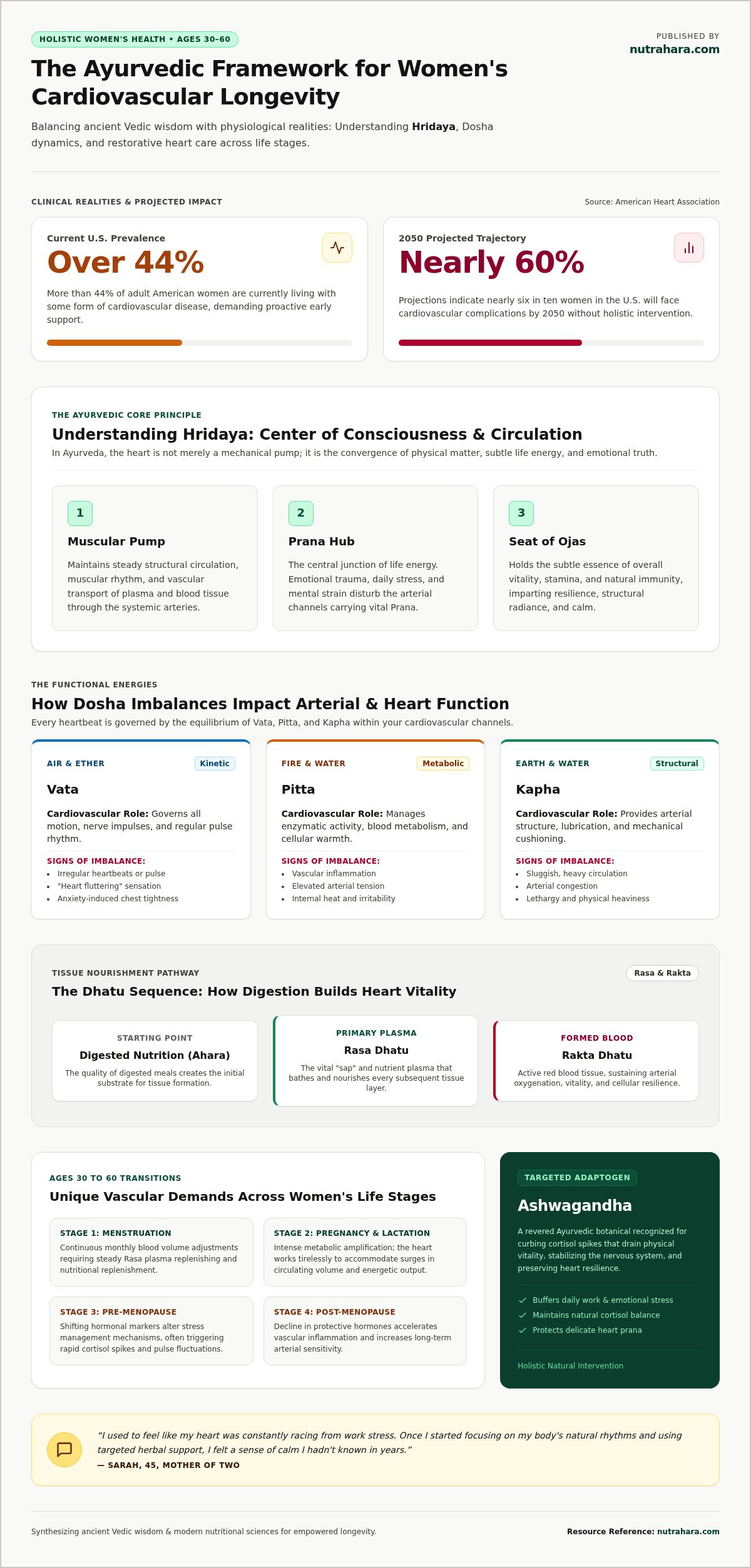
Categories
Articles

Ayurveda for Modern Life: A Woman’s Guide to Ancient Wisdom in a Fast-Paced World

What if the secret to conquering your afternoon burnout and hormonal fog isn’t found in a new prescription, but in a 5,000-year-old biological blueprint? Most women today feel like they’re running on empty, struggling with the weight of chronic fatigue, digestive distress, and the unpredictable shifts of perimenopause. It’s easy to feel like your body is a puzzle with missing pieces. You deserve a wellness path that feels both grounded and scientifically sound.

Adopting ayurveda for modern life doesn’t require moving to a mountain retreat or spending hours on complex rituals. It’s about using ancient wisdom to recalibrate your internal clock and find balance in a fast-paced world. This guide shows you how to integrate Ayurvedic principles into your current schedule to stabilize your hormones, boost your energy, and find a sense of lasting tranquility. We’ll explore daily routines, the synergy of high-quality herbal extracts, and simple lifestyle shifts that empower you to take charge of your long-term health progression with confidence.

Key Takeaways

  • Learn how the “Science of Life” helps you navigate modern stressors like blue light and multitasking by restoring your natural biological rhythm.
  • Identify your unique Dosha and understand how these energies shift during key life stages such as pregnancy, perimenopause, and menopause.
  • Discover how to implement ayurveda for modern life through five minute “Micro-Rituals” designed to provide mental clarity without disrupting your busy schedule.
  • Build a sustainable morning routine and nutritional plan that balances ancient dietary wisdom with the practical needs of your daily life.
  • Understand how clean, science backed supplements can bridge the gap in modern nutrition to support lasting hormonal health and energy levels.

The Relevance of Ayurveda for the Modern Woman in 2026

Ayurveda is often described as the “Science of Life,” a translation rooted in the Sanskrit words Ayu (Life) and Veda (Knowledge). This ancient system offers much more than a collection of herbal remedies; it’s a sophisticated framework for understanding the human condition in its entirety. For a comprehensive overview of Ayurveda, one can see how it has evolved from 5,000 year old texts into a vital tool for modern health. In 2026, the pressures on women have reached a unique tipping point. Constant exposure to blue light, the convenience of processed foods, and the relentless demand of multitasking have disrupted our natural biological rhythms.

Integrating ayurveda for modern life isn’t about rejecting the present. It’s about using time tested principles to navigate it with more grace. At Nutrahara, we view health as a long term progression rather than a final destination. Our philosophy centers on the fusion of ancient wisdom and modern science. We believe that by combining traditional botanical knowledge with clinical research, we can provide solutions that are both pure and effective for the contemporary woman.

Why Traditional Wisdom Meets Modern Needs

The burnout epidemic among women aged 30 to 60 is a quiet crisis. Whether you’re navigating the demands of a career, raising a family, or moving through the hormonal shifts of perimenopause, the toll on your nervous system is significant. Modern medicine often focuses on managing surface symptoms, but Ayurveda looks deeper to address the root cause of imbalance. This is why ayurveda for modern life is so revolutionary; it provides the tools to manage stress at its source. Ayurveda acts as a personalized biological roadmap for longevity. By understanding how environmental factors influence your internal state, you can make choices that support your body’s innate ability to heal.

Empowering the Modern Woman’s Wellness Journey

True wellness is deeply linked to self esteem and confidence. When you feel balanced and energized, you’re better equipped to handle life’s challenges. This journey begins with intuition. Learning to listen to your body’s subtle signals is a core Ayurvedic skill. A central concept in this practice is “Prakriti,” which refers to your unique constitution or wellness fingerprint. Understanding your Prakriti allows you to tailor your diet and lifestyle to your specific needs.

  • Vata: The energy of movement and creativity, often linked to the nervous system.
  • Pitta: The energy of metabolism and transformation, governing digestion and temperature.
  • Kapha: The energy of structure and lubrication, providing stability and immunity.

When you align your lifestyle with your Prakriti, you stop fighting against your nature. For those struggling with the mental fog and anxiety of a high cortisol lifestyle, supplements like Ashwagandha with Black Pepper can provide the bridge between ancient botanical support and modern convenience. This approach transforms health from a chore into a source of empowerment, helping you move through every life stage with vitality and poise.

Understanding Your Constitution: The Three Doshas and Women’s Health

Ayurveda categorizes our physical and mental makeup into three fundamental energies known as Doshas: Vata, Pitta, and Kapha. These aren’t abstract concepts; they are biological forces that govern everything from your metabolism and sleep cycles to your emotional responses. As noted by Johns Hopkins Medicine on Ayurveda, these energies combine differently in every individual, creating a unique blueprint. However, ayurveda for modern life also recognizes “Vikriti,” which is your current state of imbalance. Modern life, with its constant digital pings and processed snacks, often pushes us away from our natural “Prakriti” and into a state of chronic stress.

Vata, Pitta, and Kapha: A Biological Framework

  • Vata (Air and Ether): This is the energy of movement. When Vata is out of balance, you might feel scattered, anxious, or suffer from dry skin and digestive irregularity. Grounding this energy is vital for women who feel like they’re constantly “on” and unable to rest.
  • Pitta (Fire and Water): This governs transformation and metabolism. Excess Pitta often manifests as “burnout,” inflammatory responses, or irritability. It is the internal heat that needs cooling when your schedule becomes too intense.
  • Kapha (Earth and Water): This provides structure, lubrication, and stability. When Kapha is sluggish, you may experience lethargy, weight gain, or a heavy feeling of being “stuck” both physically and mentally.

Doshas Through the Life Stages

Hormonal transitions are essentially Dosha transitions. During pregnancy, Kapha and Pitta are often dominant to support growth and metabolism. However, as women enter the perimenopausal and menopausal years, they move into what is traditionally called the “Vata stage of life.” This transition is characterized by dryness, lightness, and erratic energy. Understanding your specific Dosha balance can significantly reduce the “brain fog” and memory lapses often associated with mid-life by allowing you to choose grounding foods and routines that stabilize your nervous system.

Common signs of imbalance in the modern woman include Vata-driven anxiety in high-pressure careers or Pitta-driven inflammation leading to digestive distress. Recognizing these shifts early allows you to intervene before they become chronic issues. To support your body through these natural transitions and find your center again, incorporating targeted botanical support like BlossomBliss can help harmonize your cycles and restore a sense of tranquility. By honoring your constitution, you transform your wellness journey from a struggle into a supportive partnership with your body.

Bridging the Gap: Ancient Rituals vs. Modern Schedules

The most common objection to adopting ayurveda for modern life is the perceived lack of time. Many women imagine they need hours of spare time to perform elaborate oil massages or prepare complex herbal decoctions. In reality, the most effective Ayurvedic practices are “Micro-Rituals” that take less than five minutes. These small windows of intentionality act as nervous system regulators. They help you transition from the high-cortisol “fight or flight” mode of a busy morning into a state of focused calm.

By aligning your daily routine, or Dinacharya, with your natural circadian rhythm, you support your body’s internal clock. Modern science confirms that our biological processes, from hormone release to digestion, are tethered to the rising and setting of the sun. When you sync these ancient habits with your 2026 schedule, you’re not just following a tradition; you’re optimizing your cellular health.

The Science of Ayurvedic Rituals

Practices like tongue scraping and oil pulling have gained popularity recently, but they are far more than wellness trends. These rituals focus on oral systemic health and detoxification. According to the U.S. National Institutes of Health (NIH) overview of Ayurvedic medicine, researchers continue to explore how these traditional practices impact overall well-being. In Ayurveda, these habits protect your “Agni,” or digestive fire. A strong Agni is the cornerstone of metabolic health and prevents the buildup of toxins that lead to lethargy. For those looking to deepen their understanding of metabolic support, The Ultimate Guide to Women’s Wellness Supplements offers a closer look at how botanical extracts can assist this process.

Mind-Body Synergy: Yoga and Meditation

Yoga and meditation are essential tools for maintaining Dosha balance amidst a fast-paced life. Your practice should shift based on your current needs. Vata types benefit from slow, grounding poses like Child’s Pose to calm an anxious mind. Pitta types require cooling, non-competitive movements, while Kapha types need invigorating, heart-opening flows to boost circulation. Beyond the physical, meditation serves as a safeguard for cognitive longevity.

Consider the experience of Sarah, a 48-year-old marketing executive who struggled with chronic mental fog. “I thought I needed a 60-minute yoga class to see results,” she shares. “Once I switched to a 10-minute daily Nadi Shodhana (alternate nostril breathing) practice, my mental clarity returned. I stopped feeling like I was constantly chasing my tail.” This shift in perspective—viewing wellness as a series of small, sustainable wins—is the key to making ayurveda for modern life work for you. It builds the confidence you need to sustain your health journey for the long term.

Ayurveda for Modern Life: A Woman’s Guide to Ancient Wisdom in a Fast-Paced World

A Modern Dinacharya: Daily Practices for Energy and Longevity

A traditional Dinacharya can often feel intimidating for the 2026 woman. While ancient texts might suggest waking before the sun, ayurveda for modern life requires a more flexible approach that respects your current work-from-home or office schedule. Start your morning with a glass of warm lemon water to awaken your digestive fire and clear morning sluggishness. Follow this with “Abhyanga,” or Ayurvedic self-massage. Even a five minute application of warm sesame or coconut oil before your shower stimulates lymphatic drainage and grounds your nervous system. Elena, a 42 year old mother of two, found this practice transformative. She says, “Five minutes of self-massage before my shower made me feel more connected to my body than an hour at the gym ever did.” This simple act of self-care builds the internal resilience needed to face a demanding day with confidence.

Nourishing the Body: Ayurvedic Eating Hacks

Your digestive health is the foundation of your vitality and mood stability. Many women reaching for a cold salad at lunch find themselves struggling with bloating and mid-afternoon fatigue. Ayurveda teaches the “Warm Food” rule: cooked, spiced meals are significantly easier for your body to process than raw, cold ingredients. Spices like Turmeric, Ginger, and Cumin aren’t just for flavor; they act as functional medicine to support metabolic health and reduce systemic inflammation. If you’re finding that your digestion needs extra support as you transition to these habits, you might wonder do digestive enzymes help you lose weight by improving nutrient absorption and reducing gas. Integrating these modern tools with traditional eating patterns creates a powerful synergy for your long-term health progression.

Sleep and Recovery: The Ayurvedic Way

Rest is the ultimate anti-aging tool. In the Ayurvedic clock, 10 PM is the “golden hour” for sleep. This is when the Pitta energy of transformation begins its work of repairing tissues and processing the day’s emotions. To combat the disruptive effects of blue light, establish a digital sunset at least 60 minutes before bed. For women navigating the night sweats of perimenopause or the racing thoughts of the “Vata hour” (2 AM to 6 AM), natural calming rituals are essential. If you find yourself waking during these restless hours, incorporating a targeted solution like RestoraSleep can help bridge the gap between ancient botanical wisdom and your need for deep, restorative rest. By honoring these natural cycles, you reclaim your energy and stabilize your mood for the journey ahead.

Ready to transform your evening routine into a sanctuary of rest? Explore our clean, science-backed formulas and shop RestoraSleep today to experience the power of Ayurvedic recovery.

The Nutrahara Solution: Fusing Ancient Wisdom with Modern Convenience

Integrating ayurveda for modern life is a powerful choice, but we must acknowledge the realities of our current environment. Even with the best intentions, modern soil depletion and high stress levels can leave nutritional gaps that food alone cannot fill. High quality supplements act as a vital bridge. They deliver concentrated doses of ancient wisdom in a form that fits into a commute or a busy workday. Nutrahara is committed to this synergy. We create clean, science backed formulations that respect traditional methods while meeting modern clinical standards for purity and potency. Our formulas are free from artificial additives, ensuring you receive only what your body needs to thrive.

Our approach focuses on long term health progression. We don’t believe in quick fixes that mask symptoms. Instead, we provide tools that support your body’s natural intelligence. Key ingredients like Ashwagandha, Turmeric, and Collagen are selected for their proven ability to stabilize the nervous system, reduce inflammation, and support the structural integrity of your skin and joints. By choosing supplements that align with your Dosha and life stage, you take an active role in your own longevity.

Targeted Support for the Modern Woman

For many women, the primary barrier to wellness is the “tired but wired” feeling caused by elevated cortisol. Our Ashwagandha with Black Pepper is specifically designed to help manage this stress response. Nutrahara uses black pepper to increase the bioavailability of Ayurvedic herbs, ensuring your body can effectively absorb and utilize these potent botanicals. For broader support, FemmePower offers a comprehensive blend for overall vitality and hormonal harmony. This formulation helps you navigate the shifts of perimenopause and beyond with steady energy and mood stability.

Your Journey to Longevity Starts Here

True health is a supportive partnership between you and your “Wise Guide.” You don’t have to overhaul your entire life overnight to see results. To avoid overwhelm, start with just one micro-ritual and one targeted supplement. This small, consistent commitment builds the momentum needed for lasting change. As you begin to feel the shifts in your energy and mental clarity, your self esteem will naturally rise. You’re taking active steps toward your own longevity. This journey is yours to lead, and we’re here to provide the grounded, forward thinking support you deserve. Reclaim your balance today and step into your most confident, vibrant self.

Step Into Your Most Vibrant Self

Nutrahara serves as your wise guide, providing the essential bridge between 5,000 year old wisdom and contemporary nutritional research. Our formulas are created by experts in both fields, using clean, natural ingredients with no artificial additives. Trusted by thousands of women on their health journey, our supplements empower you to move through every life stage with grace. Elevate your wellness journey with Nutrahara’s science-backed Ayurvedic supplements. You have the tools and the intuition to transform your health. Start today, and watch your confidence flourish as you find your center.

Frequently Asked Questions

What is the best way to start Ayurveda for a total beginner?

The most effective way to begin is by adopting one or two small “Micro-Rituals” rather than attempting a complete lifestyle overhaul. Start by drinking a glass of warm lemon water each morning to stimulate your digestion and clear sluggishness. This gentle introduction makes ayurveda for modern life sustainable and prevents the overwhelm that often comes with new wellness routines.

Can Ayurveda help with menopause symptoms like hot flashes and brain fog?

Ayurveda provides significant relief for menopause by addressing the Vata imbalance that typically characterizes this life transition. Grounding routines and cooling, nourishing foods help stabilize the nervous system and reduce the intensity of hot flashes. Incorporating adaptogenic herbs can also help clear mental fog and restore emotional balance during these hormonal shifts.

Is Ayurveda scientifically proven to work with modern medicine?

Modern clinical research increasingly validates Ayurvedic principles, particularly in the areas of circadian rhythm alignment and the use of botanical adaptogens. Many studies confirm that traditional herbs like Ashwagandha effectively help the body manage cortisol and stress. Ayurveda is designed to complement modern medicine by focusing on preventive care and the root causes of systemic imbalance.

How do I find out my specific Dosha (Vata, Pitta, or Kapha)?

You can identify your Dosha by observing your physical traits, digestive patterns, and emotional tendencies during times of stress. Vata types tend to be thin and creative; Pitta types are often athletic and goal oriented; Kapha types are generally sturdy and calm. Understanding your current state of imbalance, or “Vikriti,” is often more helpful for immediate health goals than knowing your birth constitution alone.

Are Ayurvedic supplements safe to take with other vitamins?

Ayurvedic supplements are generally safe to combine with standard vitamins when they are formulated with clean, natural ingredients and no artificial additives. Nutrahara’s formulas are designed for transparency and simplicity to ensure they integrate smoothly into your existing wellness regimen. It is always a wise practice to consult with your healthcare provider to ensure there are no specific interactions with your current medications.

How long does it take to see results from an Ayurvedic lifestyle?

Initial shifts in energy and digestive comfort can often be felt within the first two to four weeks of consistent practice. Because ayurveda for modern life focuses on long term health progression rather than quick fixes, more profound changes in hormonal health or skin vitality typically manifest over three months. Patience and consistency are the keys to seeing these lasting transformations.

What are the most important Ayurvedic herbs for women’s health?

Ashwagandha, Shatavari, and Turmeric are cornerstone herbs that support the unique physiological needs of women. Ashwagandha manages stress and cortisol, Shatavari supports hormonal harmony throughout various life stages, and Turmeric addresses systemic inflammation. Using these botanicals in high quality extract forms ensures you receive the most potent and bioavailable benefits.

Can Ayurveda improve my skin and hair health as I age?

Ayurveda improves the health of your skin and hair by nourishing your tissues from the inside out and utilizing external oil treatments. Regular self massage, or Abhyanga, stimulates lymphatic drainage and circulation, which helps maintain skin elasticity and a natural glow. This holistic approach provides the structural support your body needs to maintain luster and vitality as you move into the Vata stage of life.

Article by

Nutrahara Team

We are a dedicated collective of nutrition scientists and naturopaths at Nutrahara, committed to advancing women's health through the fusion of ancient Ayurveda science and cutting-edge nutrition research. Our mission is to empower you with clean, simple, and scientifically validated wellness solutions so you can live your healthiest life. Connect with us to stay updated on the latest developments in holistic women's health and nature-based research.

Disclaimer

This article is not a substitute for medical advice. Please consult a healthcare professional before starting any supplement, especially if pregnant, nursing, taking medication, or managing health conditions.

Categories
Articles

What to Look for in a Women’s Multivitamin: A Guide to Science and Ancient Wisdom

What if the most powerful tool for your longevity isn’t a single “miracle” pill, but a thoughtful blend of clinical science and ancient botanical wisdom? Many women feel a sense of dread when standing before the “vitamin aisle” maze. You’re likely tired of squinting at labels filled with synthetic fillers and wondering if a generic pill can actually support your body during perimenopause or menopause. We agree that your health shouldn’t feel like a guessing game. Understanding what to look for in a women’s multivitamin is the first step toward reclaiming your energy and mental clarity.

You deserve a daily ritual that honors your unique life stages and provides a foundation for long-term vitality. This guide will show you how to choose a supplement that pairs modern nutritional research with the holistic principles of Ayurveda. We’ll explore essential nutrients like Vitamin D and Calcium, the role of adaptogens like Ashwagandha, and how to spot the pure, clean ingredients your body truly craves for a balanced life. By the end, you’ll feel empowered to make a choice that supports your personal health progression with confidence.

Key Takeaways

  • Understand why your biological complexity requires more than a standard one-size-fits-all supplement to support your long-term health journey.
  • Learn exactly what to look for in a women’s multivitamin by identifying the “Big Five” essential nutrients and their most bioavailable, active forms.
  • Discover how to decode supplement labels to avoid synthetic fillers while utilizing Ayurvedic principles like “Anupana” to enhance nutrient absorption.
  • Gain clarity on how to pivot your nutritional support as you transition through life stages, from the high-stress demands of your 30s to the hormonal shifts of perimenopause.
  • Find out how to transform your daily supplement intake into a mindful morning ritual that fosters consistency and empowers your overall wellness path.

Understanding the Unique Nutritional Blueprint of Women

Your body is a complex, ever-shifting landscape. It’s far more than a simple machine requiring fuel; it’s a rhythmic system influenced by cycles, hormones, and life stages. Many generic supplements treat health like a static destination, but we view it as a long-term progression. A “one-size-fits-all” approach often fails because it ignores the biological complexity inherent to being a woman. When you’re researching what to look for in a women’s multivitamin, you must consider bio-individuality. This is the understanding that your nutritional needs in your 30s differ vastly from your needs in your 50s. While you can find a comprehensive overview of multivitamins on platforms like Wikipedia, most general resources miss the specific biological nuances that define female wellness.

The gold standard for modern supplementation isn’t just a list of ingredients. It’s a fusion of rigorous clinical research and ancient Ayurvedic wisdom. Ayurveda teaches us that health is balance, and modern science provides the tools to measure that balance precisely. By combining standard vitamins with botanical synergists like Ashwagandha, we create a formula that respects your body’s wisdom while filling the gaps left by modern lifestyles.

The Hormonal Connection: Why Your Needs Shift Daily

Your hormonal health is the foundation of your vitality. Throughout your menstrual cycle, and especially during the transition into menopause, your body’s demand for specific minerals and vitamins fluctuates. High stress levels trigger cortisol, a hormone that can actively deplete your nutrient stores and hinder digestion. To support your body, we recommend incorporating gentle yoga or meditation into your daily routine. These practices lower cortisol, which creates a calm internal environment where your body can actually absorb and utilize the nutrients you provide. For those seeking targeted support during hormonal transitions, formulas like BlossomBliss are designed to harmonize these delicate internal shifts.

Bridging the Gap: Modern Deficiency vs. Optimal Wellness

There’s a significant difference between merely avoiding a deficiency and achieving peak vitality. Most people aim for the Recommended Dietary Allowance (RDA), but this is often the bare minimum. The Recommended Dietary Allowance (RDA) is the minimum amount required to prevent disease, whereas Optimal Daily Intake is the level needed to support peak energy and long-term vitality. To reach this state of thriving, you need clean ingredients without artificial binders that slow you down. Formulas such as FemmePower focus on these optimal levels to bridge the gap between “fine” and “fantastic.”

“I spent years feeling like I was walking through fog,” says Sarah, 42. “I took a generic multivitamin, but nothing changed. It wasn’t until I switched to a formula that addressed my perimenopausal shifts and stress levels that the light came back on. Within weeks, my mental clarity returned, and I finally had the energy for my morning sun salutations again.”

5 Essential Nutrients to Look for in a High-Quality Formula

Knowing what to look for in a women’s multivitamin means looking beyond a simple list of ingredients. High-quality formulas prioritize the “Big Five”: B-Complex, Vitamin D, Iron, Magnesium, and Folate. However, the presence of these nutrients on a label is only half the story. The “active form” of a nutrient determines its bioavailability, which is how effectively your body can absorb and utilize it. For instance, choosing methylfolate over synthetic folic acid ensures your body can use the nutrient immediately without complex conversion steps. This focus on bio-individuality ensures your supplement works with your biology, not against it.

Nutrients rarely work in isolation. They function in a beautiful, synergistic dance where one element unlocks the potential of another. Vitamin D is essential for calcium absorption, but without Magnesium, that process can stall. According to an in-depth fact sheet from the National Institutes of Health, understanding these components is vital for making safe and effective choices for your long-term health progression. We recommend looking for formulas that respect these natural pairings to avoid internal imbalances.

The B-Vitamin Powerhouse for Energy and Brain Function

B-vitamins are the architects of your energy levels and cognitive resilience. Specifically, B12 and B6 play starring roles in mood regulation and brain function. They support the nervous system, helping you maintain a sense of calm during your morning meditation or a busy workday. If you prioritize mental clarity, look for high-bioavailability designs like the Nutrahara Vitamin B Complex. For those who need an extra edge in cognitive performance and mental longevity, FocusZenith offers a targeted approach to keeping your mind sharp and vibrant.

Bone Health and Immunity: The Vitamin D3 & K2 Duo

As women cross the threshold of 30, bone density and immune resilience become paramount. Vitamin D3 is the “sunshine vitamin,” but it needs a partner: Vitamin K2. While D3 helps you absorb calcium, K2 acts as a wise guide. It directs that calcium into your bones and teeth rather than allowing it to accumulate in your arteries. This prevents unwanted calcification and supports cardiovascular health. It’s a perfect example of how modern research validates the need for balanced, whole-body support.

A simple, actionable step for your wellness journey is to have your blood levels checked once a year by a professional. This data allows you to fine-tune your intake to your body’s specific needs. If you’re ready to start your journey with a formula that honors these scientific synergies, consider exploring our Ashwagandha-based formulas to further support your stress response and nutrient absorption.

Decoding the Label: Purity, Fillers, and Ayurvedic Synergy

Deciphering a supplement label can feel like learning a new language. While the front of the bottle makes bold promises, the back often hides the truth in tiny print. When you’re evaluating what to look for in a women’s multivitamin, your focus should be as much on what is absent as what is present. Avoid artificial colors, talc, and excessive synthetic binders. These additives are often used for shelf stability or aesthetics; however, they offer nothing to your long-term health progression. Instead, look for transparency and a commitment to purity that honors your body’s natural state.

Ancient Ayurvedic wisdom introduces a beautiful concept called ‘Anupana,’ which translates to the carrier or vehicle. This principle suggests that certain substances help deliver nutrients deeper into the body’s tissues. Modern science confirms this through “bio-enhancers.” For instance, our Ashwagandha with Black Pepper formula uses piperine to significantly increase the bioavailability of the botanical. This synergy ensures that your body actually receives the support you’re paying for. For a deeper look at how various vitamins interact within the body, The Nutrition Source from Harvard provides excellent foundational research on supplement safety and efficacy.

Synthetic vs. Whole-Food Sourced Nutrients

The human body is designed to recognize nutrients from nature. While synthetic vitamins can fill gaps, plant-based sources often come with a suite of phytonutrients that support longevity and cellular health. These “co-factors” act as a team, making the primary vitamin more effective. “I used to take a cheap drugstore multivitamin and always felt nauseous,” shares Maria, 51. “Switching to a clean, whole-food formula was a game changer. I no longer have that ‘heavy’ feeling in my stomach, and I feel more vibrant throughout the afternoon.”

The Role of Adaptogens in Women’s Daily Wellness

Between the ages of 30 and 60, many women face the “sandwich generation” stress of caring for children and aging parents while managing careers. This can lead to modern-day burnout and adrenal fatigue. Ashwagandha is a powerful adaptogen that helps your body find its center again. It supports your adrenal glands, helping you manage cortisol levels naturally. We empower you to take charge of your stress response rather than letting it dictate your day. To maximize these benefits, pair your daily supplement with five minutes of Savasana (corpse pose). This simple yoga practice allows your nervous system to reset, creating the perfect environment for your nutrients to do their work.

Tailoring Your Choice to Your Current Life Stage

Your body is a masterpiece of evolution, but its requirements aren’t static. Health is a long-term progression, and your nutritional blueprint evolves as you move through different decades. When you’re determining what to look for in a women’s multivitamin, you must evaluate your current life stage through a lens of both modern biology and holistic balance. A generic pill cannot address the high-stress career demands of your 30s while simultaneously managing the “Perimenopause Pivot” of your 40s or the bone density concerns of your 50s. True vitality comes from honoring these transitions with specific, targeted support.

The 40s represent a critical window that many standard supplement brands overlook. This decade often brings the first subtle shifts in hormonal rhythm, leading to changes in sleep, mood, and energy. We believe in proactive care rather than reactive fixes. Formulas like BlossomBliss are designed to provide hormonal harmony during this transition, blending clinical research with botanicals that soothe the nervous system. By addressing these shifts early, you empower yourself to age with grace and confidence.

The 30s and 40s: Managing Stress and Vitality

During these peak years, your body often faces the dual pressure of career growth and family life. Iron is a non-negotiable for menstruating women, but it’s essential to look for non-constipating, chelated forms that are gentle on the digestive tract. There’s also a profound connection between gut health and that “lit-from-within” skin glow in your 30s. Supporting your microbiome helps your body absorb the very nutrients you’re taking. For comprehensive support that covers these bases, FemmePower offers a foundational blend that keeps your energy steady and your resilience high.

The 50s and Beyond: Graceful Aging and Longevity

As you move into your 50s and beyond, the focus shifts toward preservation and long-term longevity. Antioxidant support becomes critical to combat oxidative stress and support heart health. Since estrogen levels naturally decline, bone density and joint flexibility require extra attention. Collagen and Vitamin D3 become the cornerstones of your daily ritual, ensuring your skeletal system remains strong and your skin stays supple. For a deeper dive into these requirements, explore The Ultimate Guide to Women’s Wellness Supplements. If you’re navigating the shifts of perimenopause or menopause, discover how BlossomBliss can restore your inner harmony.

What to Look for in a Women's Multivitamin: A Guide to Science and Ancient Wisdom

The Daily Ritual: Maximizing the Benefits of Your Multivitamin

Health is not a static destination; it’s a personal, ongoing journey that requires daily intention. Once you understand what to look for in a women’s multivitamin, the way you integrate those nutrients into your life becomes just as important as the formula itself. We view the act of taking your supplements as a sacred daily ritual. This is a moment to pause, breathe, and reaffirm your commitment to your long-term health progression. By elevating this from a chore to a mindfulness practice, you enhance both your physical absorption and your mental clarity.

Timing plays a crucial role in how your body processes different compounds. Water-soluble nutrients, such as the B-complex vitamins found in Nutrahara Vitamin B Complex, are often best taken in the morning to support cognitive function and energy. Conversely, fat-soluble vitamins like D3, E, and K require a carrier to be absorbed effectively. Integrating these into a structured morning routine ensures you never miss a day of support. Consider this simple five-step ritual to start your day with vitality:

  • Hydrate: Begin with a full glass of room-temperature water to wake up your digestive system.
  • Move: Practice five to ten minutes of gentle yoga or sun salutations to increase circulation.
  • Nourish: Eat a breakfast containing healthy fats to aid the absorption of fat-soluble vitamins.
  • Supplement: Take your multivitamin mid-meal to minimize any potential digestive sensitivity.
  • Center: Spend one minute in quiet meditation, setting an intention for your physical and mental well-being.

Optimizing Absorption: Food, Water, and Timing

To get the most out of your high-quality formula, pair it with a healthy fat like avocado, walnuts, or a small spoonful of ghee. These “carriers” are essential for the transport of Vitamins A, D, E, and K into your system. If you have a sensitive stomach, our wise guide advice is to avoid taking supplements on an empty stomach. The Ayurvedic gentle approach suggests that taking your nutrients alongside warm, cooked food improves “Agni” or digestive fire. This ensures that the clean, natural ingredients in your supplement are processed efficiently without discomfort.

Building a Sustainable Wellness Habit

Consistency is the heartbeat of longevity. We recommend “habit stacking,” which involves pairing your new supplement ritual with an existing habit, such as your morning meditation or brewing your herbal tea. This creates a psychological anchor that makes your wellness routine feel effortless. Taking control of your health in this way provides a powerful boost to your self-esteem. It’s an act of self-love that empowers you to navigate the changes of perimenopause and beyond with confidence. If your ritual includes winding down for restorative rest, consider how RestoraSleep can complement your morning efforts by supporting nighttime recovery.

Empower Your Health Journey with Intentional Choices

Your path to vitality is a personal, long-term progression that deserves a formula as unique as you are. By now, you understand that what to look for in a women’s multivitamin goes beyond a simple list of ingredients. It requires a synergy of active nutrient forms, clean-label purity, and the ancient wisdom of adaptogens to support your specific life stage. You’ve seen how a mindful morning ritual, paired with yoga and proper timing, can transform a simple pill into a powerful tool for longevity.

We invite you to take the next step in your wellness journey with confidence. Our formulas are rooted in Ayurvedic principles and validated by modern research to ensure your body receives only what it needs. Discover the Nutrahara difference, shop our science-backed, Ayurvedic-inspired supplements today. Every purchase includes a clean-label promise with no artificial additives, plus a free wellness e-book to guide your progress. You have the knowledge to choose better. Trust your intuition and embrace the vibrant, balanced life you deserve.

Frequently Asked Questions

What is the best time of day for a woman to take a multivitamin?

The best time to take your multivitamin is in the morning with a balanced meal. Taking it early provides the B-vitamins your brain needs for focus and energy throughout the day. Since many women’s formulas contain fat-soluble vitamins like D and K, the healthy fats in your breakfast will help your body absorb these nutrients effectively. This helps set a positive tone for your daily wellness journey.

Can I take a multivitamin on an empty stomach?

It’s generally better to avoid taking supplements on an empty stomach to prevent nausea or digestive discomfort. Taking your multivitamin with food supports your internal “Agni,” or digestive fire, and ensures a gentle experience for your system. If you have a sensitive stomach, try taking your supplement mid-meal. This provides a natural buffer for the stomach lining and improves the overall transport of nutrients.

How do I know if my multivitamin is actually working?

You’ll likely notice subtle improvements in your energy levels, sleep quality, and mental clarity after three to four weeks of consistent use. Because health is a long-term progression, these shifts happen gradually rather than overnight. Many women also report more resilient hair and vibrant skin as their internal nutrient levels reach an optimal state. Consistency in your daily ritual is the key to seeing these tangible benefits.

Is it better to take individual vitamins or a multivitamin?

A multivitamin is often better for foundational support because it provides a synergistic balance of nutrients that work together. For example, Vitamin D and Calcium are more effective when taken in tandem. While individual supplements are useful for correcting specific, lab-verified deficiencies, a high-quality multivitamin simplifies your routine. It ensures you’re getting a broad spectrum of support without accidentally creating an imbalance in your system.

What are the signs that a multivitamin contains low-quality fillers?

Signs of low-quality fillers include ingredients like talc, artificial colors, and synthetic binders on the label. These additives offer no health benefits and can actually hinder the absorption of active nutrients. When you’re researching what to look for in a women’s multivitamin, prioritize clean-label products that avoid chemical stabilizers. High-quality formulas use natural, plant-based elements to maintain the purity and integrity of the vitamins.

Do I need a different multivitamin once I hit menopause?

Yes, your nutritional needs shift significantly as you transition into menopause and post-menopause. During this stage, your requirement for Iron typically decreases, while the demand for Calcium and Vitamin D increases to support bone density. Adjusting your formula ensures you’re meeting these evolving biological requirements. It’s an empowering way to support your body’s changing landscape and maintain your vitality through every life stage.

Can I take my multivitamin with my morning coffee?

It’s best to avoid taking your supplement with coffee because the tannins and caffeine can interfere with nutrient uptake. Coffee can significantly reduce the absorption of essential minerals like Iron and Calcium. To get the full benefit of your daily ritual, take your multivitamin with a glass of water. You should wait at least an hour before enjoying your morning brew to ensure your body has processed the vitamins.

Should I look for a USP or NSF certification on the label?

Yes, looking for third-party certifications like USP or NSF provides an extra layer of transparency and trust. These organizations verify that the product contains exactly what is claimed on the label and is free from harmful contaminants. These seals are a vital part of what to look for in a women’s multivitamin because they confirm the brand’s commitment to quality. It gives you the confidence that your supplement is both safe and effective.

Article by

Nutrahara Team

We are a dedicated collective of nutrition scientists and naturopaths at Nutrahara, committed to advancing women's health through the fusion of ancient Ayurveda science and cutting-edge nutrition research. Our mission is to empower you with clean, simple, and scientifically validated wellness solutions so you can live your healthiest life. Connect with us to stay updated on the latest developments in holistic women's health and nature-based research.

Disclaimer

This article is not a substitute for medical advice. Please consult a healthcare professional before starting any supplement, especially if pregnant, nursing, taking medication, or managing health conditions.
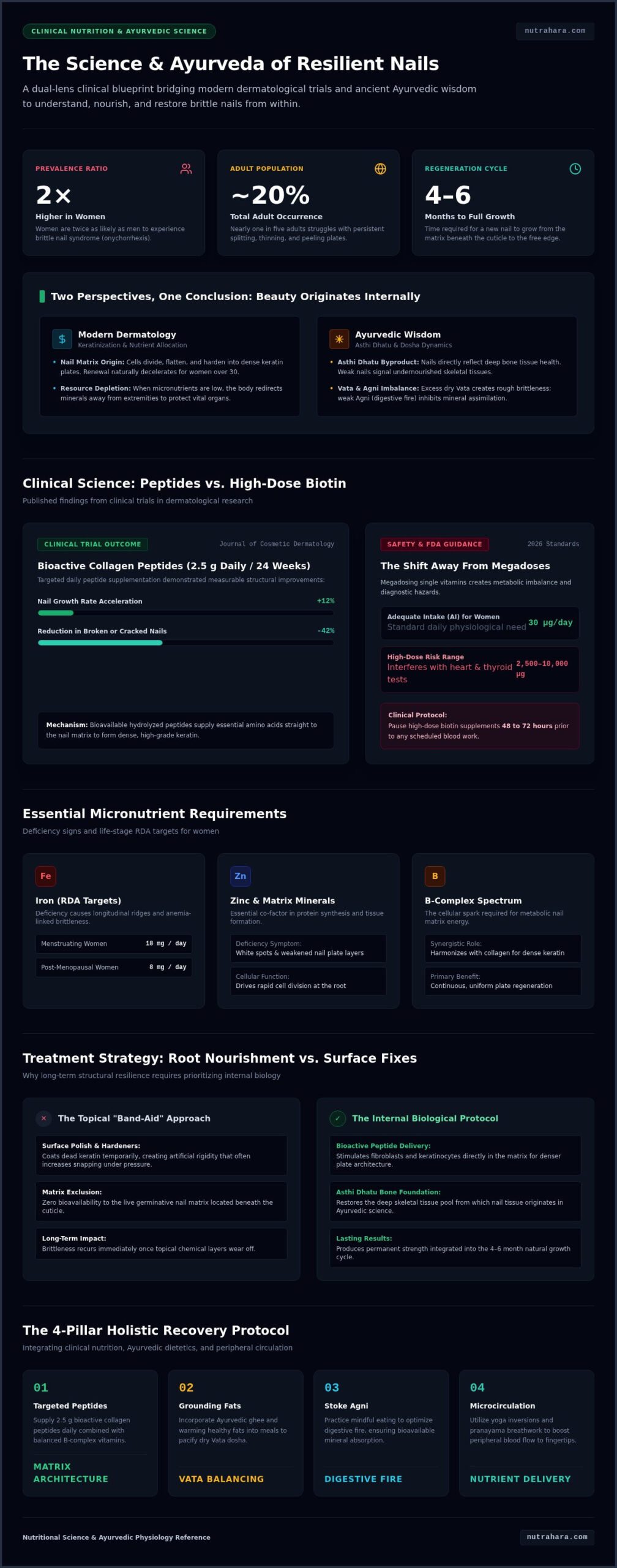
Categories
Articles

How Long Does It Take for Supplements to Work? A Woman’s Guide to Realistic Results in 2026

What if your wellness routine isn’t failing, but simply speaking a language your cells haven’t fully translated yet? With 76% of American adults now taking dietary supplements daily in 2026, many women are left asking the same frustrating question: how long does it take for supplements to work? It’s natural to feel anxious when that surge of energy or sense of calm doesn’t appear after just a few days of consistency. You aren’t alone in wondering if you’re just investing in “expensive urine” while waiting for a sign. Your body is a delicate, living ecosystem, not a simple machine with a light switch.

You deserve to know exactly where your investment is going and when you will feel the shift. This guide reveals the realistic, science-backed timelines for nutritional effectiveness, moving past the “instant fix” myth to understand how your body truly absorbs nourishment. We’ll bridge the gap between ancient Ayurvedic principles and the latest modern clinical research to help you optimize your results. You will discover a clear map for your personal health progression and practical tips to ensure your body welcomes every botanical and vitamin you provide.

Key Takeaways

  • Understand why supplement efficacy is a journey of cellular saturation and steady progression rather than an overnight chemical reaction.
  • Discover the science-backed 12-week roadmap that answers exactly how long does it take for supplements to work for women in various life stages.
  • Learn practical ways to enhance bioavailability by pairing nutrients with healthy lipids and choosing the most effective delivery formats.
  • Identify the subtle signs of success, such as improved sleep quality and adrenal resilience, that prove your wellness investment is paying off.
  • Explore how bridging ancient Ayurvedic principles with modern clinical validation creates a more balanced and effective long-term health strategy.

The Biological Journey: Understanding How Your Body Absorbs Supplements

Think of your body as a sophisticated, living garden rather than a simple machine. When you introduce new nutrients, you aren’t just flipping a switch; you’re starting a deep cellular dialogue. To understand how long does it take for supplements to work, we must first look at what are dietary supplements in the context of human biology. True efficacy is the result of cellular saturation. This is the point where your internal stores are sufficiently replenished, allowing your systems to function at their highest potential. It’s a gradual progression that requires patience and respect for your body’s natural rhythm.

In the landscape of 2026 nutritional research, we distinguish between two primary phases of use. The “Loading Phase” involves higher initial intake to correct deep-seated deficiencies, while the “Maintenance Phase” focuses on sustaining those optimal levels. Your experience will also depend heavily on the nature of the nutrient itself. Water-soluble vitamins, like those found in a Vitamin B Complex, move through your system quickly and often provide a subtle lift in energy within days. Conversely, fat-soluble nutrients like Vitamin D or E build up slowly in your adipose tissue, often taking weeks to reach a therapeutic threshold.

Every woman’s journey is unique due to bio-individuality. Factors such as your age, metabolic rate, and current hormonal stage—whether you are navigating perimenopause or postpartum recovery—dictate your specific timeline. While a friend might feel a shift in her sleep quality within a week, your own system might require a full month to harmonize with the same botanical blend. This isn’t a sign of failure; it’s simply your body’s unique way of processing change.

Digestion and the First Pass Effect

The path from your palm to your bloodstream is complex. Your gut microbiome acts as a gatekeeper, determining how much of a supplement actually survives the journey. Stomach acid and digestive enzymes must break down modern formulations before they reach the small intestine for absorption. We define bioavailability as the percentage of a nutrient that enters circulation to have an active effect. To support this process, many women find success with traditional additions like black pepper, which is why we include it in our Ashwagandha with Black Pepper formula to enhance natural uptake.

Cellular Saturation: Why Your Cells Need Time to Respond

Your body follows a “triage theory” when distributing nutrients. It prioritizes vital organs like the heart and brain before sending resources to “aesthetic” areas like your hair, skin, or nails. If you are chronically stressed, your body will use magnesium for nervous system support long before it uses it to relax your muscles for better sleep. Furthermore, energy-boosting supplements are often tied to red blood cell turnover, a process that takes roughly 120 days. Consistency is a non-negotiable contract with your future self. By showing up for your routine every day, you ensure that your cells never face a “drought,” allowing for a steady, long-term health progression.

The 12-Week Transformation: A Realistic Timeline for Results

Your wellness journey is a marathon, not a sprint. Many women feel a sense of frustration when they don’t see immediate changes, but understanding how long does it take for supplements to work helps set a realistic, empowering pace. Transformation happens in stages. During Week 1-2, your body enters the Adjustment Phase. This period focuses on digestive settling and the initial introduction of nutrients into your bloodstream. You might not feel different yet, but your internal environment is preparing for change.

By Week 3-6, you enter the Momentum Phase. This is when subtle shifts occur. You may notice your energy remains steady through the afternoon or your sleep feels more restorative. However, the Week 8-12 window is the “Fair Trial” period. This is when systemic changes finally become visible and measurable. According to the National Institutes of Health, staying informed about supplement effectiveness and safety allows you to stay the course with confidence. Finally, Month 4-6 marks the Stabilization Phase, where your body maintains peak levels for long-term health progression.

Hormonal Support and the Menstrual/Menopause Cycle

Hormonal pathways operate on a distinct rhythm. Whether you’re managing the ebbs and flows of menstruation or navigating the transitions of menopause, your body needs time to recalibrate. Supplements like FemmePower require at least two full cycles to influence these deep-seated pathways. Adaptogens such as Ashwagandha interact with the HPA axis, a process that typically takes 60 days of consistent use to show results. If you’re seeking relief from brain fog, remember that cognitive clarity often follows physical energy improvements by several weeks.

Skin, Hair, and Nails: The Slowest Transformers

Your “outer” health is often a lagging indicator of your “inner” status. A single skin cell cycle takes roughly 28 days. This is why structural support from a Premium Collagen Complex usually takes 12 weeks to manifest in visible glow or hair strength. Your body treats these areas as secondary to vital organs, so patience is a form of self-care. It’s about nurturing the root to see the flower. If you’re ready to commit to this transformation, consider exploring our BlossomBliss formula to support your natural radiance from within.

Bioavailability and Lifestyle: Why Some Supplements Work Faster Than Others

Your daily habits act as the foundation for your body’s ability to utilize new nutrients. If you’ve wondered how long does it take for supplements to work, the answer often lies in your kitchen and your current stress levels. Bioavailability is the bridge between ingestion and actual cellular effect. For example, taking fat-soluble vitamins without a healthy lipid source is like trying to drive a car with an empty tank. Nutrients like Vitamin D, E, and K require a small amount of healthy fat, such as avocado or olive oil, to be properly absorbed into the bloodstream. Without this companion, these vital elements often pass through your system unused.

The physical form of your supplement also dictates the speed of your results. In 2026, many women are moving away from traditional hard tablets, which often contain binders that slow down the dissolution process. Liquid capsules and powders generally offer a faster path to absorption because they bypass the heavy mechanical breakdown required in the stomach. However, even the best formulation can be hindered by the “Stress Thief.” High cortisol levels physically divert blood flow away from the digestive tract, which can block nutrient uptake and rapidly deplete your B vitamin stores. The National Center for Complementary and Integrative Health suggests maintaining a realistic timeline for supplement results by managing these environmental variables.

The Yoga-Nutrition Synergy

Yoga is far more than a fitness practice; it is a powerful tool for digestive health. Specific twisting asanas physically massage the internal organs, assisting digestive transit and improving blood flow to the gut. Deep diaphragmatic breathing shifts your nervous system into the “rest and digest” mode. This parasympathetic state is critical for optimal nutrient uptake. For a practical boost to your routine, try taking your supplements after a morning meditation session. The lowered cortisol levels create a receptive environment, allowing your cells to welcome the nourishment you provide.

Combining Ancient Ayurveda with Modern Science

Ayurveda has long spoken of “Agni,” or digestive fire, as the key to health. Modern science aligns with this through the study of enzymatic activity and bio-enhancers. A weak digestive fire leads to poor absorption, regardless of the quality of your vitamins. To solve this, we look to traditional wisdom for natural accelerators. Our Ashwagandha with Black Pepper uses this synergy to improve results. Clinical research confirms that piperine, the active compound in black pepper, can increase curcumin absorption by up to 2,000%. This fusion of tradition and science ensures that your body doesn’t just receive the nutrients but truly integrates them into your long-term health progression.

Beyond the Scale: Subtle Signs Your Wellness Routine is Working

When you begin a new nutritional protocol, it is tempting to look for a dramatic “movie moment” of transformation. However, your body often communicates its progress through quiet, steady improvements rather than loud declarations. If you find yourself asking how long does it take for supplements to work, start looking at your daily energy patterns instead of just the calendar. One of the most profound signs of improved adrenal health is waking up feeling refreshed a few minutes before your alarm goes off. This suggests your cortisol rhythm is beginning to harmonize with your natural sleep cycle, a victory that often precedes physical changes.

You might also notice a newfound resilience during a demanding workday. In the high pressure environment of 2026, handling a stressful meeting without a total energy crash by 3:00 PM is a significant milestone. For those who practice yoga or regular fitness, pay attention to your recovery time. If your muscles feel less fatigued the morning after a challenging session, your cells are likely receiving the structural support they need to repair efficiently. Even the “Mirror Test” provides clues. Subtle improvements in skin hydration and a certain clarity in your eyes are indicators that your internal systems are becoming saturated with the nutrients they lacked.

The Mental and Emotional Shift

The mind often responds to nutritional support before the rest of the body. Recognizing the absence of the typical “afternoon slump” is a major victory for those using a Vitamin B Complex. These water soluble vitamins support the nervous system, leading to a steadier emotional baseline. One woman, Sarah, aged 45, shared that she noticed her “patience” increased well before her physical energy did. She found she was less reactive to daily stressors, a sign that her HPA axis was finally finding balance. We recommend using a wellness journal to track these non-scale victories (NSVs). Documenting your mood, focus, and patience levels helps you see the long term health progression that might otherwise go unnoticed.

Digestive Harmony and Gut Health

Your gut is often the first place to show signs of recalibration. Reduced bloating and more regular elimination are immediate signals that your microbiome is shifting toward a healthier state. To understand how these internal shifts can influence your broader goals, you may want to read our guide on do digestive enzymes help you lose weight. Interestingly, “feeling nothing” in your gut can actually be a sign of success. High quality, clean supplements should integrate seamlessly into your system without causing the nausea or “heavy” feeling associated with artificial fillers. If you are ready to experience this steady, nurturing support for yourself, you can explore our Vitamin B Complex to begin your own 12 week transformation.

How Long Does It Take for Supplements to Work? A Woman’s Guide to Realistic Results in 2026

The Nutrahara Philosophy: Bridging Ancient Wisdom and Modern Science for Longevity

At Nutrahara, we believe that true wellness is a dialogue between your heritage and your future. Our approach is rooted in the understanding that your body isn’t a machine but a living ecosystem. When you ask how long does it take for supplements to work, you’re really asking how long it takes for your internal ecosystem to return to its natural state of balance. We provide the tools for this restoration by combining ancient Ayurvedic wisdom with the precision of modern nutritional research. This “Wise Guide” approach means we don’t just provide supplements; we partner with you in a lifelong health progression.

Our commitment to purity is a cornerstone of this partnership. Many mass-market products contain artificial fillers and binders that can actually hinder absorption, making your cells work harder just to find the nutrients they need. By removing these barriers, we ensure a more direct path to cellular saturation. For women aged 30 to 60, this clarity is essential. Much like ensuring the quality of your home’s air and water with firstchoiceplumbingsolutions.com, we believe your internal environment deserves the same meticulous care. We view this life stage not as a decline, but as a powerful progression toward greater wisdom and vitality. You deserve formulas that respect your body’s complexity and support your long-term goals without compromise.

Crafting Your Daily Wellness Ritual

Consistency is the heartbeat of results. We encourage you to use habit-stacking to make your routine feel effortless and grounded. Try taking your BlossomBliss alongside your morning tea or immediately following your daily yoga practice. This creates a mental anchor, turning a simple task into a sacred ritual of self-care. Our “Purity Promise” ensures that every capsule supports your journey without unnecessary additives. Taking control of your health destiny is a powerful act of self-esteem. When you show up for yourself every day, you’re sending a message to your cells that your vitality is a priority.

Next Steps in Your Health Journey

Your body is dynamic. As you move through different seasons of life, your nutritional needs will naturally shift. We recommend reassessing your wellness protocol every 90 days. This 12-week window aligns with the systemic changes and red blood cell turnover we’ve explored in this guide. It’s the perfect time to check in with your energy, mood, and resilience. To deepen your understanding of these transitions, we invite you to explore our Ultimate Guide to Women’s Wellness Supplements. This resource offers a broader look at how to tailor your routine to your specific stage of life. Empower your cells today with Nutrahara’s scientifically-validated formulas and embrace the vibrant future you’re building.

Your Journey to Sustained Vitality Starts Here

Understanding how long does it take for supplements to work allows you to move away from frustration and toward a partnership with your biology. You now know that true transformation is a 12 week progression; it begins with cellular adjustment and leads to systemic stabilization. By integrating mindful practices like yoga and prioritizing clean formulations, you ensure your body has the support it needs to thrive. Those subtle shifts in your energy and resilience are the quiet proof that your wellness investment is flourishing.

You don’t have to navigate this path alone. Our supplements are specifically designed for women aged 30 to 60, using a unique fusion of Ayurvedic wisdom and modern clinical science. We eliminate artificial additives and fillers to ensure every nutrient serves your long term health. Take the first step in your 12-week transformation with Nutrahara’s curated Women’s Health Collections. Your future self will thank you for the consistency you’re showing today. Trust in your body’s rhythm and embrace the vibrant life you deserve.

Frequently Asked Questions

Is it possible to feel the effects of a supplement instantly?

Instant results are rare because most nutrients require time to reach cellular saturation. While you might feel a subtle lift from B vitamins or specific botanicals within an hour, most health improvements are cumulative. Your body must first absorb the nutrient, transport it through the bloodstream, and integrate it into your cellular processes. True transformation is a gradual progression that respects your body’s natural timing and unique biological rhythm.

What happens if I miss a day of my supplement routine?

Missing a single day won’t reset your progress to zero, but it does create a small gap in your cellular supply. Consistency is the foundation of efficacy because it maintains a steady concentration of nutrients in your system. If you forget a dose, simply resume your routine the next day. Avoid taking a double dose to catch up, as your body can only absorb a certain amount of nutrition at once.

Can I take all my supplements at once, or should I space them out?

Spacing your supplements throughout the day is often more effective than taking them all in one sitting. Some minerals, like calcium and magnesium, compete for the same absorption pathways in your gut. By separating your doses, you give your digestive system a better chance to process each nutrient thoroughly. Pairing specific supplements with your morning and evening rituals can help you maintain this rhythm while supporting different needs.

Why do I feel nauseous after taking my vitamins?

Nausea is a common response when taking concentrated nutrients on an empty stomach, particularly minerals like zinc or iron. These elements can irritate the stomach lining if there isn’t food present to buffer the absorption process. To prevent this, try taking your supplements mid-meal. This provides a gentle environment for digestion and often improves the overall bioavailability of the formula while protecting your comfort and peace of mind.

How much water should I drink to help my supplements work better?

Proper hydration is essential for the transport and absorption of water-soluble nutrients. Aim to drink a full glass of water when taking your supplements and maintain a steady intake of about eight glasses throughout the day. Water acts as the medium that carries nutrients into your cells and helps your kidneys process any excess efficiently. Staying hydrated ensures your internal ecosystem remains receptive to the nourishment you provide every day.

To further optimize your internal ecosystem and support nutrient transport, you can explore PureONE Molecular Hydrogen Generator, which uses molecular hydrogen to help reduce inflammation and enhance overall cellular wellness.

Can my diet prevent my supplements from working?

Yes, certain dietary habits can hinder how long does it take for supplements to work by physically blocking absorption. For instance, high levels of caffeine or tannins in tea can interfere with the uptake of calcium and iron. A diet high in processed sugars can also create internal inflammation that slows down cellular repair. Focus on a whole-food, plant-forward diet to create a synergistic environment where your supplements can perform optimally.

Is it better to take supplements on an empty stomach or with food?

Most supplements are best taken with food to enhance absorption and prevent digestive discomfort. Fat-soluble vitamins, such as Vitamin D and E, specifically require dietary fats to enter your bloodstream. While a few specific herbs or amino acids might be recommended on an empty stomach, taking your daily routine with a balanced meal is generally the most effective approach for long-term health progression and digestive harmony.

How do I know if I’ve reached ‘cellular saturation’?

You’ll know you’ve reached cellular saturation when the subtle improvements in your energy, mood, and sleep quality become your new normal. This state reflects a point where your body no longer has a nutritional deficit to fill and can begin using nutrients for optimization rather than just repair. It’s often the moment you realize you haven’t felt that afternoon slump or morning grogginess for several weeks in a row.

Article by

Nutrahara Team

We are a dedicated collective of nutrition scientists and naturopaths at Nutrahara, committed to advancing women's health through the fusion of ancient Ayurveda science and cutting-edge nutrition research. Our mission is to empower you with clean, simple, and scientifically validated wellness solutions so you can live your healthiest life. Connect with us to stay updated on the latest developments in holistic women's health and nature-based research.

Disclaimer

This article is not a substitute for medical advice. Please consult a healthcare professional before starting any supplement, especially if pregnant, nursing, taking medication, or managing health conditions.

Categories
Articles

Common Nutrient Deficiencies in Women: A Holistic Guide to Vitality and Balance

Did you know that over 70% of women are currently living with inadequate Vitamin D levels? This startling statistic, along with the fact that 1 in 8 women under 50 faces iron deficiency, highlights a quiet crisis in female wellness. You might be dedicated to your yoga practice and a clean diet, yet you still wake up feeling heavy or struggle with persistent brain fog. It’s exhausting to feel like you’re doing everything right while your body sends signals of depletion through brittle hair or unexplained mood swings. Understanding the most common nutrient deficiencies in women is the first step toward reclaiming the energy and balance you deserve.

We believe that true health is a long-term progression, not a quick fix. In this guide, you’ll discover how to identify your specific nutritional gaps by blending contemporary clinical data with the nurturing principles of ancient Ayurveda. We’ll move past the confusion of the supplement aisle to provide clear, actionable steps for your wellness journey. You’ll finish this article with the confidence to choose high-quality support that honors your body’s unique needs, helping you return to a state of radiant vitality and calm.

Key Takeaways

  • Understand how unique life stages, from menstruation to menopause, create specific biological demands that influence your nutritional needs.
  • Learn to recognize the subtle physical and mental signs of common nutrient deficiencies in women, such as persistent fatigue and cognitive fog.
  • Discover the Ayurvedic principle of Agni and why strengthening your digestive fire is essential for absorbing vital minerals and vitamins.
  • Follow a practical wellness audit to assess your current symptoms and implement actionable steps to optimize your gut health.
  • Gain the confidence to navigate the supplement landscape by choosing clean, science-backed formulas that support your long-term health progression.

Understanding Nutrient Gaps: Why Women’s Nutritional Needs Are Unique

The female body isn’t static. It’s a dynamic system that shifts through distinct seasons of life, requiring a nuanced approach to nourishment that changes as we do. From the regular cycles of our 30s to the transformative transition of perimenopause and the quiet wisdom of post-menopause, our internal landscape is constantly evolving. For many women in this age bracket, these seasons also include the intense metabolic demands of pregnancy and lactation. During these times, the body prioritize the needs of the child, often drawing from the mother’s own mineral and vitamin reserves. These biological shifts require more than just a standard multivitamin. They demand a deep understanding of how physical complexity contributes to common nutrient deficiencies in women. Viewing your health as a long-term progression allows you to see these gaps as opportunities to provide your body with the specific support it craves at every stage of the journey.

The Hormonal Connection to Nutrient Depletion

Our hormones act as the master conductors of our internal orchestra. Estrogen and progesterone don’t just regulate our cycles; they significantly influence how we absorb and utilize essential minerals. During pregnancy and the postpartum period, hormonal shifts orchestrate a massive redistribution of nutrients. If intake doesn’t match this increased demand, it can lead to a Micronutrient deficiency overview. Similarly, as levels fluctuate during the perimenopausal transition, the body’s demand for antioxidants and bone-supporting minerals increases sharply. Additionally, the modern “hurry sickness” many women experience triggers a chronic release of cortisol. This stress hormone can disrupt gut health, leading to malabsorption. When digestion is compromised, even a nutrient-dense diet can fail to prevent common nutrient deficiencies in women, particularly affecting water-soluble vitamins that the body uses up rapidly during periods of high mental or emotional strain.

Environmental and Lifestyle Factors

Understanding why nutrient gaps occur also requires looking at the world around us. It’s a frustrating reality that the food on our plates today isn’t as nutrient-dense as what our grandmothers ate. Widespread soil depletion has led to a measurable decline in mineral content, especially Magnesium, in modern produce. For the active woman who finds her sanctuary on a yoga mat or through a morning run, these baseline gaps are even more significant. Physical activity increases the turnover of electrolytes and vital vitamins. Meanwhile, daily habits can act as silent thieves. Excessive caffeine can interfere with calcium absorption; processed sugars create inflammatory responses that deplete Vitamin C and B-vitamins. For women balancing career, family, or fitness, supporting the system with a high-quality Vitamin B-complex is a practical way to maintain lasting vitality and hormonal harmony against these environmental pressures.

The Most Common Nutrient Deficiencies in Women: Symptoms and Signs

Symptoms of nutritional gaps are rarely dramatic. They often begin as subtle shifts in how you feel, easily dismissed as “just getting older” or “a busy week.” However, understanding the common nutrient deficiencies in women allows you to interpret these signals before they escalate. Your body is a wise messenger. When it feels depleted, it sends quiet warnings through your energy levels, your mood, and even the texture of your skin.

Iron remains a primary concern; approximately 1 in 8 U.S. women aged 12 to 49 is deficient. This often manifests as persistent fatigue that sleep doesn’t fix, or a constant feeling of being cold even in warm rooms. Vitamin D, the “sunshine hormone,” is equally critical. Over 70% of women have inadequate levels, which can weaken immune resilience and bone density over time. Vitamin B12 is the key to mental clarity and nerve health. Without it, you might experience “brain fog,” a lack of focus, or even tingling in your hands and feet. Magnesium, the master mineral, supports over 300 biochemical reactions. It’s essential for muscle relaxation and managing the anxiety that often accompanies a busy lifestyle. Finally, iodine and folate are indispensable for thyroid health and cellular repair, yet research shows 44% and 36% of women are low in these respectively. As noted by the WHO on common deficiencies, these gaps impact health on a global scale.

Identifying Silent Symptoms

Physical markers often provide the first clues. You might notice brittle nails that peel easily, thinning hair, or the frustrating sensation of restless legs at night. Psychological markers are just as telling. Unexplained irritability, a low mood, or a noticeable cognitive lag can all point to internal depletion. A subclinical deficiency is a state where your nutrient levels are low enough to affect your well-being but haven’t yet reached a disease-state level.

Life Stage Specificity: From 30 to 60

Your needs evolve as your body moves through different seasons. In your 30s, the focus is often on iron and folate to support reproductive health and consistent daily energy. By your 40s, increasing magnesium and Vitamin D becomes vital to navigate perimenopausal shifts and maintain a sense of calm. In your 50s and 60s, prioritizing B12 and calcium is essential for bone strength and brain longevity, addressing some of the most common nutrient deficiencies in women as they age. If you’ve noticed your sleep quality declining or your muscles feeling tense, supporting your system with a targeted restorative formula can help bridge these gaps naturally.

Bridging the Gap: Integrating Modern Science with Ayurvedic Wisdom

Modern biochemistry identifies the specific vitamins and minerals our bodies lack. Ayurveda provides the methods to ensure we actually receive and use them. At Nutrahara, our core philosophy rests on this fusion. Addressing common nutrient deficiencies in women requires more than just high-dose supplements. It requires honoring your “Agni,” or digestive fire. If your Agni is weak, even the most nutrient-dense diet can leave you feeling depleted. According to Harvard on women’s nutrient needs, factors like aging and hormonal shifts change how we process essentials. We bridge this gap by using adaptogens like Ashwagandha with black pepper. These botanicals help the body manage the stress that often “burns out” our internal mineral reserves, allowing for a more balanced health progression.

Ayurvedic Principles for Nutrient Absorption

Bioavailability is the true measure of a supplement’s worth. Ayurveda teaches that warm, cooked foods are essential for enhancing mineral uptake because they support a steady digestive fire. Cold, raw meals can sometimes dampen Agni, making it harder for the body to extract vital micronutrients. We also embrace the concept of natural synergy. For example, using black pepper isn’t just about flavor. It contains piperine, which modern science confirms can significantly increase the bioavailability of other nutrients. By taking certain herbs and vitamins together, we mimic the complex, supportive structures found in nature rather than relying on isolated, synthetic compounds.

Clean Science: The Nutrahara Promise

Our commitment to purity means your body doesn’t have to work harder to filter out artificial additives or “hidden” fillers. These synthetic extras can often hinder the very wellness journey you’re trying to support. We rely on clinical validation to ensure that every traditional botanical we use meets contemporary standards for safety and efficacy. This transparent approach is central to Nutrahara’s philosophy on wellness supplements. When you choose formulas rooted in clean science, you’re investing in a long-term partnership with your body. We believe that by combining ancient health philosophies with rigorous nutritional research, we can empower every woman to reclaim her natural state of vitality and calm.

Actionable Strategies for Optimal Nutrient Absorption and Vitality

Transitioning from understanding to action is where your personal health progression takes root. While we’ve identified the common nutrient deficiencies in women, the true transformation lies in how you weave these solutions into your daily life. It’s about creating a supportive partnership with your body. You don’t need to change everything at once. Small, consistent rituals create the most profound shifts in your long-term vitality and self-esteem.

  • Perform a Wellness Audit. Journal your energy levels and mood alongside your meals. This helps you see exactly where your diet might be falling short of your body’s needs.
  • Optimize Gut Health. Introduce probiotics or digestive enzymes. A healthy microbiome is the gatekeeper for every vitamin and mineral you consume.
  • Incorporate Mindful Movement. Focus on circulation. Movement ensures that vital minerals are efficiently delivered to your cells.
  • Use Targeted Supplementation. Modern soil depletion often creates gaps. High-quality, clean support acts as a bridge to ensure your body isn’t left wanting.
  • Practice Ritualistic Wellness. Turn your health journey into a daily celebration. When you approach nourishment with joy, your body responds with greater resilience.

Yoga and Meditation for Metabolic Health

Movement is a powerful tool for metabolic resilience. Specific yoga poses, such as seated or standing twists, stimulate your digestive organs and stoke your Agni. This physical activation helps combat common nutrient deficiencies in women by ensuring your system is primed for absorption. Complement this with meditation. By lowering cortisol through breathwork, you protect your body from the metabolic stress that depletes water-soluble vitamins. It’s a simple way to preserve your internal reserves.

Nutrition Tips and Tricks

Practical habits make health sustainable. The “Rainbow Plate” method is an easy way to ensure a broad spectrum of phytonutrients; aim for three distinct natural colors at every meal. Timing also matters. Take your fat-soluble vitamins, like Vitamin D, with a meal containing healthy fats for better uptake.

Real-life experiences prove the power of these shifts. Sarah, 45, found her vibrancy again: “I felt grey and exhausted for years. Focusing on my gut health and adding targeted support changed everything. I finally feel like myself again.” Similarly, Elena, 32, used these strategies during her postpartum recovery: “After my second child, I felt completely depleted. Integrating mindful movement and clean supplementation helped me regain the energy I needed to show up for my family and myself.” If you’re ready to support your body’s natural rhythms, explore our adaptogenic support to manage stress and improve nutrient uptake.

Common Nutrient Deficiencies in Women: A Holistic Guide to Vitality and Balance

Empowering Your Wellness Journey: The Nutrahara Approach

Health isn’t a destination. It’s a continuous, beautiful unfolding of your potential. At Nutrahara, we believe that providing your body with what it needs is an act of deep self-respect. Addressing common nutrient deficiencies in women isn’t about fixing something that’s broken. It’s about optimizing a system that’s already miraculous. Our approach combines the precision of modern clinical study with the gentle wisdom of traditional herbalism. This ensures that every formula we create supports your personal health progression with purity and transparency. You’re invited to join a community of women who prioritize their longevity and self-esteem through conscious, holistic choices.

Targeted Support for Energy and Balance

Modern life demands a lot from your physical and mental reserves. When your energy flags, it’s often a signal that your internal stores need replenishment. We’ve developed specific solutions to meet these unique needs:

  • Revitalize your foundation: Address persistent fatigue and support your iron levels with FemmePower, designed for the menstruating woman’s biological rhythm.
  • Reclaim your focus: Support cognitive clarity and manage the impact of daily stress with FocusZenith, a blend that honors your mental well-being.
  • Fuel your cells: Use our Vitamin B Complex to regulate your mood and maintain steady energy production throughout the day.

Foundational Wellness and Longevity

As you move through different life stages, your nutritional priorities naturally shift. In your 40s, 50s, and 60s, the focus moves toward protecting your structural integrity and hormonal balance. Our Premium Collagen Complex provides the essential building blocks for bone density and skin elasticity. For those seeking a sense of equilibrium during perimenopause or menopause, BlossomBliss offers a nurturing path to hormonal harmony. These aren’t just supplements; they’re tools for a vibrant, long-term health progression.

Choosing the right support starts with listening to your body’s whispers before they become shouts. Whether you’re navigating the demands of a career, motherhood, or the transition into a new season of life, your needs are valid and specific. We’re committed to total transparency, ensuring our formulas are free from artificial additives and synthetic fillers. This commitment to purity means you can feel confident in the quality of what you’re putting into your body. You’re the architect of your own vitality; we’re simply here to act as your wise and caring guide. By understanding and addressing the common nutrient deficiencies in women, you take the lead in your own wellness story, building a foundation of health that lasts a lifetime.

Embrace Your Most Vibrant Self

You now have the insights to interpret your body’s unique language and the tools to respond with deep care. By honoring your internal digestive fire and choosing support rooted in both ancient wisdom and modern research, you can effectively address common nutrient deficiencies in women. Your health isn’t a static goal; it’s a personal, ongoing journey of discovery and replenishment. We’re honored to walk this path with you, providing the purity and clinical validation your body deserves.

Our clinically validated Ayurvedic formulas are crafted to be free of artificial fillers and additives, ensuring you receive only what’s necessary for your vitality. Trusted by thousands of women on their health journey, Nutrahara represents a commitment to simplicity and efficacy. Elevate your wellness journey today. Shop the Nutrahara Collection.

You’re the architect of your own longevity and well-being. Trust in your body’s wisdom and take the next step toward a more balanced, radiant life. We’re here to guide you every step of the way.

Frequently Asked Questions

What are the most common vitamin deficiencies in women over 40?

Vitamin D, Vitamin B12, and Magnesium are the most frequent gaps found in women as they enter their 40s. During this life stage, hormonal shifts increase the body’s demand for bone-supporting nutrients and cognitive fuel. Inadequate Vitamin D levels affect over 70% of women, while B12 becomes harder to absorb as digestive enzymes naturally decline with age.

How can I tell if I have a nutrient deficiency without a blood test?

Your body provides subtle physical and psychological clues that act as early warning signs. Brittle nails, thinning hair, and persistent fatigue despite adequate sleep are often the first whispers of common nutrient deficiencies in women. You might also notice “silent” symptoms like restless legs at night or unexplained irritability that signals a need for mineral replenishment.

Can yoga really help with nutrient absorption?

Yoga supports absorption by stimulating your digestive organs and enhancing your internal “Agni” or digestive fire. Specific poses, especially twists and forward folds, increase blood flow to the gut and help regulate the nervous system. When you’re in a relaxed state, your body can more efficiently process and utilize the vitamins and minerals from your nourishment.

Is it better to get vitamins from food or supplements?

A “food first” approach is always the foundation, but supplements act as a vital bridge in the modern world. While whole foods provide complex phytonutrients, widespread soil depletion has reduced the mineral content in much of our produce. Clean, targeted supplements ensure you meet your daily requirements even when stress or lifestyle factors deplete your natural stores.

What are the symptoms of low magnesium in women?

Low magnesium typically manifests as muscle tension, sleep disturbances, and increased anxiety. You might experience frequent muscle cramps, chocolate cravings, or a racing heart during times of stress. Because magnesium is involved in over 300 biochemical reactions, its depletion can make you feel both “tired and wired” at the same time.

How long does it take to feel better after starting a supplement regimen?

Most women begin to notice subtle shifts in energy within three to four weeks of consistent use. However, it generally takes about three months to fully replenish your cellular stores and see significant changes in hair, skin, or mood. View this as a long-term health progression rather than a quick fix for your vitality.

Are Ayurvedic supplements safe to take with modern vitamins?

Ayurvedic botanicals are generally safe and often work in synergy with modern nutritional science. Herbs like Ashwagandha or black pepper actually enhance the bioavailability of common nutrient deficiencies in women by supporting better uptake. It’s essential to choose formulas that are free of artificial fillers to ensure your body processes both traditional and modern nutrients cleanly.

What vitamins should I take for menopause brain fog?

A high-quality Vitamin B-complex and Omega-3 fatty acids are the best tools for clearing menopausal cognitive lag. B-vitamins support the production of neurotransmitters that regulate focus and mood, while antioxidants help protect brain cells from oxidative stress. Supporting your system with these nutrients can help stabilize your mental clarity as estrogen levels fluctuate.

Article by

Nutrahara Team

We are a dedicated collective of nutrition scientists and naturopaths at Nutrahara, committed to advancing women's health through the fusion of ancient Ayurveda science and cutting-edge nutrition research. Our mission is to empower you with clean, simple, and scientifically validated wellness solutions so you can live your healthiest life. Connect with us to stay updated on the latest developments in holistic women's health and nature-based research.

Disclaimer

This article is not a substitute for medical advice. Please consult a healthcare professional before starting any supplement, especially if pregnant, nursing, taking medication, or managing health conditions.