...
Categories
Articles

Probiotics for BV and Yeast Infections: A Holistic Guide to Vaginal Wellness

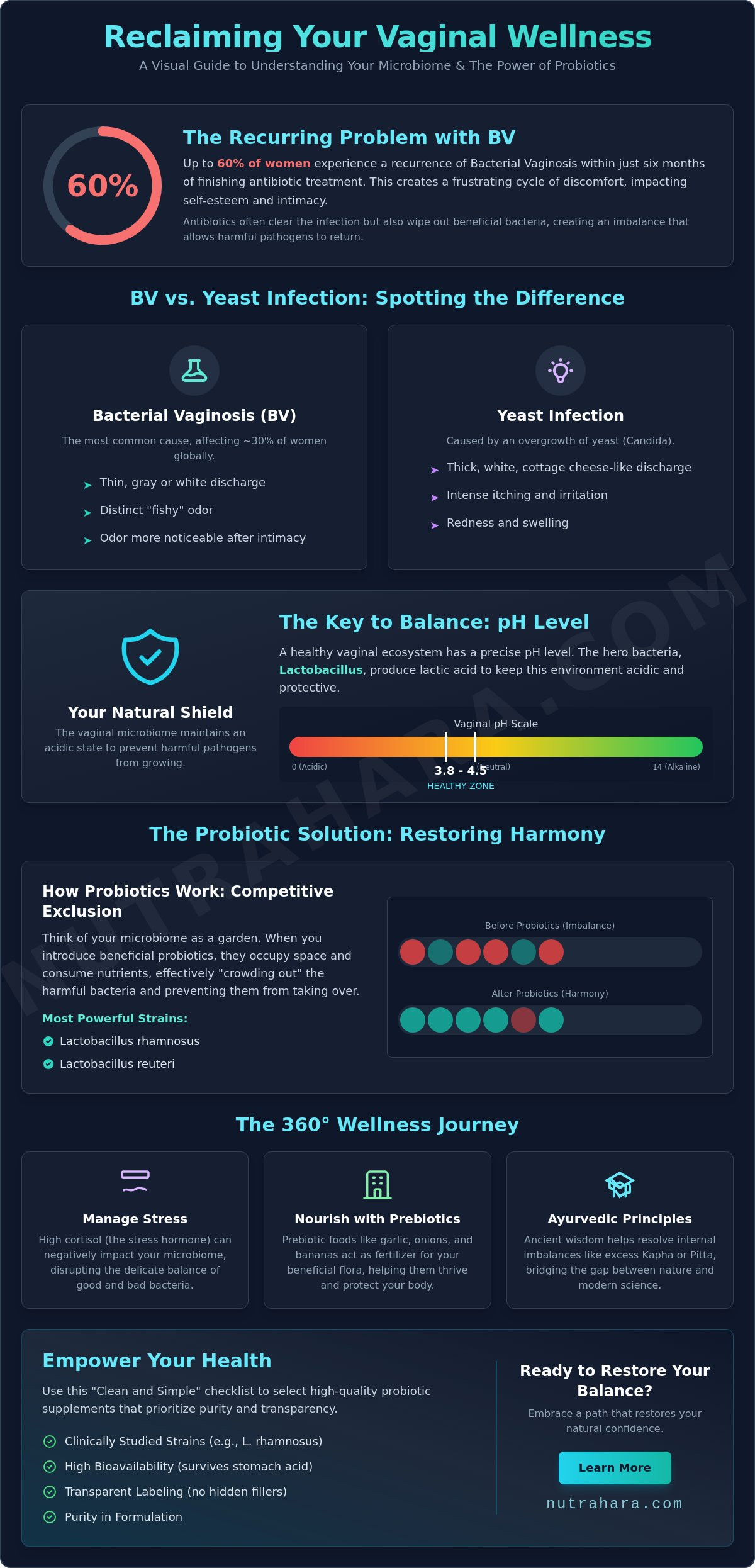
Did you know that up to 60% of women experience a recurrence of bacterial vaginosis within just six months of finishing antibiotic treatment? It’s incredibly frustrating to feel stuck in a cycle of discomfort and embarrassment that affects your intimacy and self-esteem. You’ve likely followed every medical instruction, yet the symptoms keep returning, leaving you confused by jargon and weary of side effects. Many women are now discovering that the missing piece of the puzzle is the strategic use of probiotics for bv and yeast infections to rebuild their internal defenses.

At Nutrahara, we believe in bridging the gap between ancient Ayurvedic science and cutting-edge nutrition research. This guide promises to help you reclaim your vaginal wellness by using a synergy of targeted probiotic strains and holistic lifestyle practices. We’ll examine why specific strains like L. crispatus are essential for your health journey and provide you with actionable steps to achieve long-term harmony. It’s time to move beyond temporary fixes and embrace a path that restores your natural balance and confidence.

Key Takeaways

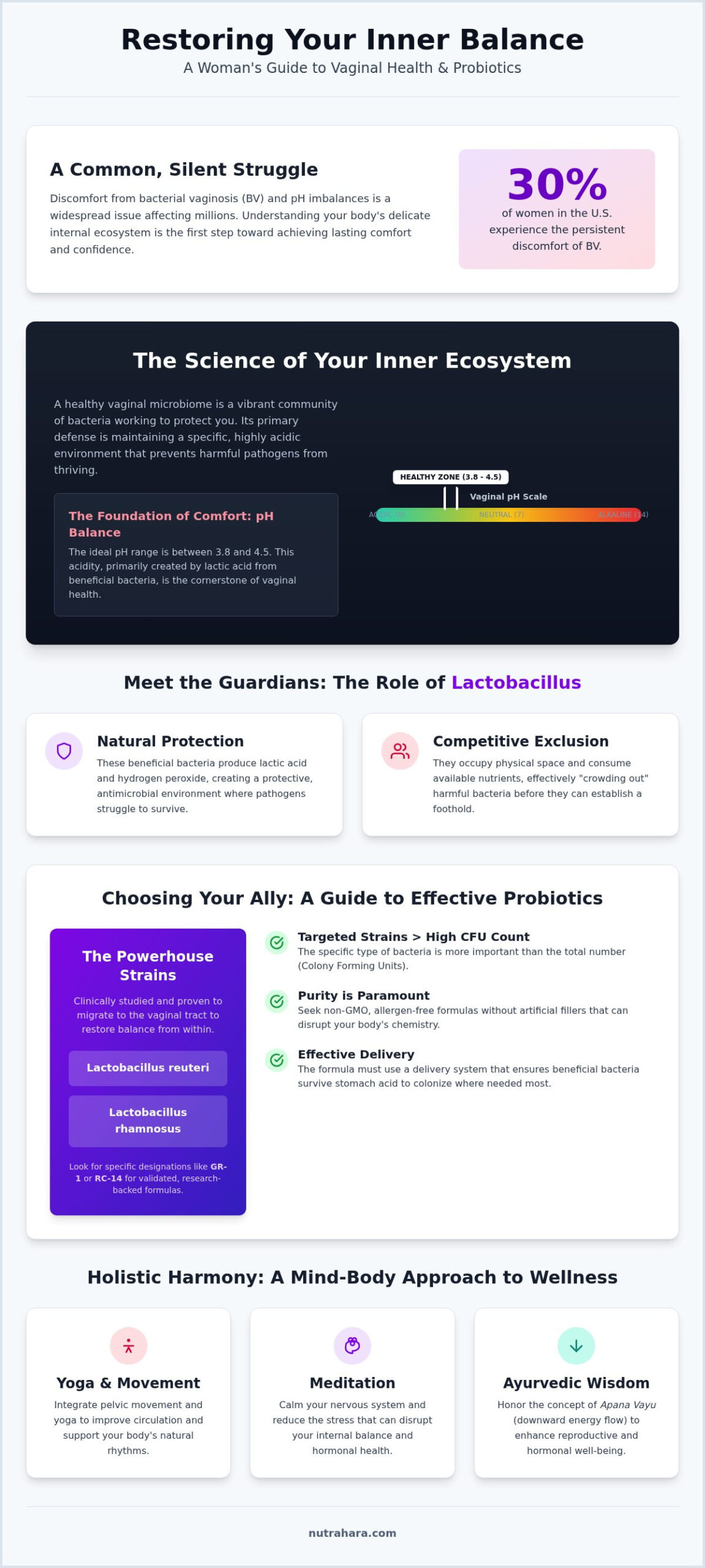
  • Learn how maintaining a precise pH balance between 3.8 and 4.5 acts as a natural shield for your vaginal ecosystem.
  • Understand how targeted probiotics for bv and yeast infections use competitive exclusion to crowd out harmful bacteria and prevent recurring symptoms.
  • Bridge the gap between science and nature by identifying how Ayurvedic principles resolve internal imbalances like excess Kapha or Pitta.
  • Uncover the impact of cortisol on your microbiome and identify the prebiotic foods that nourish your protective flora.
  • Follow our “Clean and Simple” checklist to select high quality supplements that prioritize purity and transparency for your wellness journey.

Understanding the Vaginal Microbiome: Why BV and Yeast Infections Recur

Your body is home to a dynamic ecosystem of microorganisms that work in quiet harmony to protect your well-being. This delicate balance, known as the vaginal microbiome, acts as a living shield against external stressors. When this environment is healthy, it maintains a specific acidic state with a pH level typically between 3.8 and 4.5. This acidity is your primary defense. It prevents harmful pathogens from taking root and multiplying. However, many women find themselves trapped in a frustrating cycle of imbalance. Standard treatments for Bacterial vaginosis often involve high doses of antibiotics. While these medications clear the immediate infection, they often wipe out your beneficial bacteria too. This creates a vacuum that allows yeast to overgrow, leading to a state of chronic dysbiosis. This persistent imbalance doesn’t just cause physical discomfort; it often drains your energy and shakes your self-esteem during your daily health journey.

Bacterial Vaginosis (BV) vs. Yeast Infections: Spotting the Difference

Understanding your body’s unique signals is a vital part of your wellness journey. BV and yeast infections are frequently confused, yet they represent different shifts in your internal Earth. Bacterial Vaginosis is the most common cause of vaginal discharge, affecting approximately 30% of women globally. It is characterized by a thin, gray or white discharge and a distinct “fishy” odor that becomes more noticeable after intimacy. In contrast, Yeast Infections typically present with a thick, white discharge resembling cottage cheese, accompanied by intense itching and redness. Misdiagnosis is a common hurdle that leads to ineffective treatment. Using the wrong medication further disrupts your flora, which is why incorporating targeted probiotics for bv and yeast infections is essential for restoring lasting harmony.

The Role of Lactobacillus: Your Body’s Natural Shield

Within your microbiome, Lactobacillus is the undisputed hero. These “good” bacteria are the dominant force in a healthy environment. They produce lactic acid and hydrogen peroxide, which naturally inhibit the growth of harmful invaders. Our research shows that life stages like pregnancy or menopause naturally shift these bacterial populations. For example, the decline in estrogen during menopause can reduce Lactobacillus levels, causing the vaginal pH to rise above the healthy 4.5 threshold. Supporting your body with a clean, scientifically studied formula like FemmePower helps replenish these vital defenders. By bridging ancient Ayurvedic wisdom with modern nutritional science, you can provide your body with the purity it needs to maintain its natural shield and thrive with confidence.

The Science of Probiotics for BV and Yeast Infections

Restoring your internal harmony requires more than just a general wellness approach; it demands a deep understanding of the microscopic world within you. Clinical research has identified specific Lactobacillus strains as the most effective defenders of vaginal health. Strains like L. rhamnosus and L. reuteri are particularly powerful because they possess the unique ability to survive the journey through your digestive tract and colonize the vaginal environment. These bacteria work through a mechanism called “competitive exclusion.” Think of your microbiome as a garden with limited space. When you introduce high quality probiotics for bv and yeast infections, these beneficial bacteria physically occupy the space and consume the nutrients that pathogens would otherwise use to multiply. By crowding out the “bad” bacteria, they prevent the overgrowth that leads to recurring discomfort.

One common question women ask on their health journey is whether oral supplements are as effective as vaginal suppositories. While suppositories provide localized support, recent studies suggest that oral administration offers a more sustainable, long-term solution by addressing the root cause of imbalance. This is where bioavailability becomes critical. For a probiotic to be effective, it must be formulated to survive stomach acid so it can reach the destination where it’s needed most. You can find a detailed expert opinion on vaginal probiotics from Harvard Health that discusses how these oral strains successfully migrate and support your body’s natural defenses. Choosing a formula with clinically studied strains ensures you aren’t just taking a supplement, but providing your body with the purity and strength it needs to thrive.

Deciphering CFUs: How Much is Enough?

Colony Forming Units, or CFUs, are the standard measure of viable bacterial cells per dose in a supplement. For daily maintenance and long-term wellness, a dosage range of 1 billion to 5 billion CFUs is often sufficient to keep your flora in balance. However, if you’re dealing with acute symptoms or recovering from a round of antibiotics, you may benefit from a higher concentration, typically between 5 billion and 10 billion CFUs. It’s not always about the highest number; it’s about the quality and stability of the strains. A well-formulated supplement like FemmePower focuses on strain transparency and shelf-stability to ensure every dose delivers the promised potency to your system.

Beyond the Gut: The Gut-Vagina Axis

Your body is an interconnected masterpiece where the health of one system directly influences another. The “gut-vagina axis” describes the biological pathway where beneficial bacteria migrate from the rectum to the vaginal tract. This means your overall digestive health is a cornerstone of your vaginal wellness. When your gut is in a state of abundance and balance, it naturally supports a healthy vaginal pH. If you’re curious about how these systems interact, explore our complete guide to vaginal pH balance to understand how to nurture your body’s natural harmony. By supporting your digestive tract with fiber and fermented foods, you create a fertile ground for your probiotics to flourish and protect you.

Probiotics for BV and Yeast Infections: A Holistic Guide to Vaginal Wellness

Bridging Earth and Science: An Ayurvedic Approach to Vaginal Wellness

Modern research provides a map of the vaginal microbiome, but ancient Ayurveda offers the compass to navigate it. In this traditional wisdom, vaginal health is known as ‘Yoni’ health. It’s viewed as a direct reflection of your body’s total internal balance. When your Doshas, the fundamental energies of your body, fall out of alignment, symptoms of discomfort arise. An excess of ‘Kapha’ often manifests as heavy, damp discharge. Conversely, an ‘aggravated Pitta’ leads to the burning and inflammation often seen in acute cases. By understanding these energetic patterns, you can use probiotics for bv and yeast infections as part of a deeper restoration process. Nutrahara’s philosophy of ‘Bridging Earth, Nature and Humanity’ ensures that every ingredient we formulate meets the highest standards of purity. This mirrors the ancient requirement for clean, natural healing that has guided our 40 years of expertise.

Ancient herbs like Ashwagandha play a vital role in this journey. As an adaptogen, it helps your body manage the physiological impact of stress, which can otherwise deplete your protective flora. When your system is under pressure, your immune response weakens, making it harder to maintain a healthy pH. By supporting your nervous system, you create a foundation where your microbiome can flourish without constant disruption. This fusion of ancient botanical wisdom and cutting-edge nutrition research provides a comprehensive way to reclaim your confidence and energy. It’s about moving beyond temporary fixes and nurturing your well-being from the inside out.

Anti-Inflammatory Herbs: The Perfect Probiotic Partners

Managing the delicate environment of the vagina requires a multi-faceted approach. Ayurvedic herbs like Turmeric and Neem have been used for centuries for their natural anti-inflammatory and antimicrobial properties. These herbs work synergistically with your probiotic flora to create a hospitable environment where pathogens cannot thrive. If stress is a recurring factor in your health journey, integrating Nutrahara Ashwagandha can provide the immune support needed to strengthen your body’s resilience. Combining these botanical allies with the right probiotics for bv and yeast infections, as discussed in The Science of Probiotics for BV and Yeast Infections, creates a powerful shield for long-term wellness.

Holistic Detoxification for Floral Harmony

Recurrence often happens because of ‘Ama,’ the Ayurvedic term for accumulated toxins in the system. When the liver and gut are overwhelmed, it can lead to systemic imbalances that eventually affect vaginal health. Gentle detoxification practices, such as mindful eating and regular yoga, help clear these internal pathways. Using a supportive tool like DetoxifyLife can assist in this process by promoting systemic balance and gut health. This holistic clearing ensures your internal ‘Earth’ is ready to support the abundance of beneficial bacteria you are introducing, leading to a more vibrant and balanced lifestyle. By addressing these root causes, you empower yourself to break the cycle of infection once and for all.

The 360-Degree Wellness Journey: Lifestyle Tips for Long-Term Balance

Your lifestyle is the soil in which your microbiome grows. While supplements provide the seeds, your daily habits determine whether those seeds will flourish. One of the most overlooked factors in vaginal health is the impact of chronic stress. When you’re under constant pressure, your body produces high levels of cortisol. This hormone can actually lower the amount of glycogen available in the vaginal lining. Since Lactobacillus relies on glycogen to produce protective lactic acid, high stress levels can lead to a literal famine for your beneficial bacteria. This environmental shift makes it much harder for probiotics for bv and yeast infections to colonize and protect you. Managing your internal “Earth” through calm and balance is just as vital as the supplements you choose.

Practical changes to your physical environment also play a significant role. Breathable fabrics like 100% cotton allow for air circulation, preventing the damp, warm conditions where yeast thrives. It’s also essential to practice gentle hygiene. Over-washing or using harsh, scented soaps can strip away your natural defenses and disrupt your pH. “I struggled with recurring BV for three years,” shares Sarah, a 45-year-old wellness enthusiast. “It wasn’t until I prioritized my sleep and switched to a clean, probiotic-focused routine that the cycle finally stopped. My confidence has truly returned.”

Yoga and Meditation for Pelvic Health

Yoga is a powerful tool for improving pelvic blood flow and reducing systemic inflammation. Poses like Malasana (Garland Pose) and Baddha Konasana (Bound Angle Pose) help open the hips and encourage circulation to the reproductive organs. This increased blood flow delivers vital nutrients to your tissues, supporting the immune system’s fight against yeast. To support your mental well-being, try this daily 5-minute Empowerment Meditation: Sit comfortably. Close your eyes. Inhale deeply, imagining a golden light filling your center. As you exhale, release any shame or frustration. Silently repeat: ‘My body is a temple of balance and strength.’

Dietary Foundations: Starving the Yeast, Feeding the Flora

What you eat directly influences your internal abundance. High sugar intake is a primary trigger for Candida overgrowth because sugar acts as the preferred fuel for yeast. To starve the “bad” and feed the “good,” focus on a diet rich in prebiotics. These fibers act as food for your probiotics. A “Floral-Friendly” day might include:

  • Breakfast: Unsweetened Greek yogurt with ground flax seeds and berries.
  • Lunch: A large greens salad with plenty of raw garlic, onions, and apple cider vinegar dressing.
  • Dinner: Baked salmon with asparagus and leeks to provide essential prebiotic fiber.

By shifting your diet, you create an environment where your flora can thrive naturally. For more tailored advice, explore Nutrahara’s guide to women’s wellness supplements to find the perfect companions for your nutrition plan. Start your transformation today by choosing FemmePower to support your journey toward lasting vaginal harmony.

Empowering Your Health: Choosing the Best Probiotic Supplements

Navigating the supplement aisle often feels overwhelming, but your health journey deserves clarity and precision. To choose the most effective probiotics for bv and yeast infections, you must look beyond the marketing and examine the science on the label. A quality supplement should provide complete strain transparency, listing not just the genus but the specific, clinically studied strain identifier. At Nutrahara, our 40 years of expertise have led us to a “Clean and simple, delivered” promise. This means our formulas contain zero artificial additives, fillers, or synthetic binders. We believe in providing only the purity your body needs to thrive.

When evaluating your options, use this essential checklist for your wellness journey:

  • Strain Specificity: Ensure the product contains Lactobacillus strains with proven results for vaginal colonization.
  • Shelf-Stability: Look for a guarantee that the CFU count is valid through the expiration date, not just at the time of manufacture.
  • Purity: Confirm the absence of common allergens, artificial colors, and unnecessary fillers.

Real-life success stories often highlight the difference that quality makes. Many women report a 70% reduction in symptom recurrence after switching to a formula that prioritizes these standards. For those seeking a targeted solution to restore internal harmony and abundance, BlossomBliss is formulated to provide the specific support your Yoni health requires.

What to Look for on the Label

Survival is the most important factor for oral supplements. Standard capsules often dissolve too early in the stomach, where acid can destroy up to 90% of the beneficial bacteria before they reach their destination. Choosing “delayed-release” capsules ensures the bacteria reach the intestinal tract alive, where they can then migrate to support your flora. Additionally, prioritize brands that invest in third-party testing to verify potency and safety. For a broader approach that addresses both hormonal balance and floral health, FemmePower offers a comprehensive blend of nutrients and probiotics for bv and yeast infections to support your overall well-being.

Your Daily Ritual for Lasting Confidence

Consistency is the heartbeat of any successful wellness journey. Integrate your supplement into a morning ritual that celebrates your body and boosts your self-esteem. Start with a tall glass of room-temperature water to wake up your digestive system. Take your probiotic alongside a light breakfast or a fiber-rich snack to provide the prebiotics your new bacteria need to flourish. View this simple act as a daily commitment to self-love and empowerment. By nourishing your internal abundance, you reclaim the confidence to live your life fully. Join our community and start your Wellness Journey today to experience the transformative power of ancient Ayurveda and modern science.

Reclaim Your Vaginal Harmony and Confidence

Your journey toward lasting vaginal health is a path of restoration and self-discovery. We’ve explored how a healthy pH acts as your natural shield and why specific Lactobacillus strains are your most loyal allies. By bridging ancient Ayurvedic wisdom with modern nutritional science, you can finally break the cycle of imbalance. Our research indicates that targeted probiotics for bv and yeast infections can reduce recurrence rates by up to 60%. This is a significant milestone for any woman seeking long-term comfort and peace of mind.

Nutrahara brings 40 years of expertise to your wellness journey. We offer clean formulas that prioritize your body’s purity and internal abundance. You don’t have to settle for temporary fixes that ignore the root cause of your discomfort. It’s time to embrace a balanced lifestyle that supports your vitality through mindful nutrition and clinically studied strains. Restore your natural harmony with BlossomBliss; the Ayurvedic-Science Fusion for Vaginal Health. You deserve to feel confident and vibrant in every stage of your life. Your body has the wisdom to heal; we’re simply here to guide the way.

Frequently Asked Questions

Can probiotics really cure a yeast infection or BV?

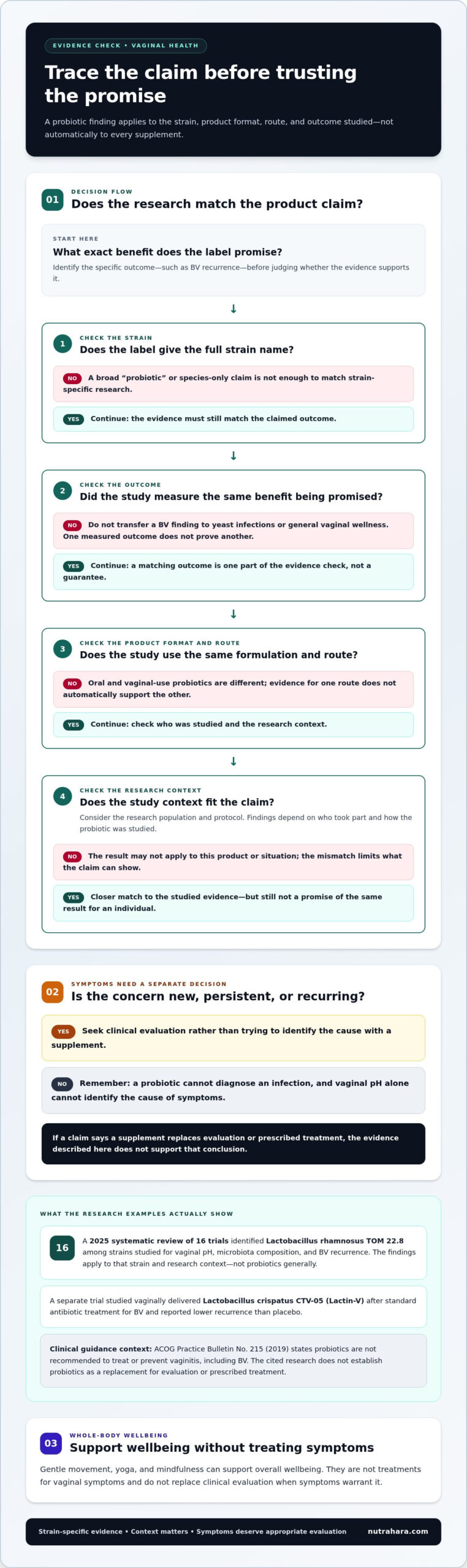
Probiotics aren’t a standalone cure for active infections but serve as a vital adjunctive therapy. Scientific consensus indicates they’re most effective at preventing the 60% recurrence rate often seen with bacterial vaginosis. They help rebuild your natural defenses after medical treatments have cleared the initial overgrowth. Using probiotics for bv and yeast infections ensures your microbiome remains a resilient shield during your long term health journey.

How long does it take for probiotics to start working for vaginal health?

You can expect to see measurable changes in your vaginal flora within 14 to 30 days of consistent daily use. Clinical studies on specific strains like L. rhamnosus show that colonization begins within the first seven days. However, achieving a stable pH balance usually requires at least one full menstrual cycle. Patience is a key part of your wellness journey as your internal Earth finds its new equilibrium.

Is it better to take probiotics orally or as a vaginal suppository?

Oral supplements are generally superior for long term restoration because they address the gut-vagina axis. While suppositories provide localized relief within hours, oral capsules help establish a sustainable population of beneficial bacteria. Recent research suggests that oral strains successfully migrate from the rectum to the vaginal tract. This creates a more permanent defense system for your body rather than a temporary, localized fix.

Can I take probiotics while I am on antibiotics for BV?

You should take probiotics while on antibiotics to mitigate the 30% risk of developing a secondary yeast infection. It’s best to wait at least 2 to 3 hours after your antibiotic dose before taking your probiotic. This timing prevents the medication from killing the beneficial bacteria immediately. Spacing them out ensures the probiotics can begin repairing your microbiome while the antibiotics clear the specific infection.

What happens if I take too many probiotics?

Taking excessive amounts of probiotics typically leads to temporary bloating, gas, or mild digestive discomfort. Most clinical trials use dosages between 1 billion and 10 billion CFUs; these are considered safe for daily consumption. If you exceed these levels significantly, your system may experience a brief adjustment period. It’s always best to follow the clean and simple dosage instructions on your Nutrahara formula to maintain internal harmony.

Are there specific probiotics for women going through menopause?

Menopausal women should look for supplements rich in L. crispatus to combat the rise in pH caused by declining estrogen. After age 50, the vaginal environment naturally becomes less acidic, which increases the risk of infections. Targeted probiotics for bv and yeast infections help maintain a healthy pH below 4.5 during this life stage. This support is vital for preserving your confidence and comfort throughout the menopause transition.

Can yoga actually help with vaginal infections?

Yoga supports vaginal health by increasing pelvic blood flow and reducing cortisol levels by up to 25% in regular practitioners. Poses like Malasana encourage circulation to the reproductive organs, which delivers essential immune cells to the area. By lowering systemic inflammation through movement and breath, you create a less hospitable environment for pathogens like Candida. It’s a powerful, natural tool for your 360-degree wellness journey.

Do I need to keep my vaginal probiotics in the refrigerator?

You don’t need to refrigerate modern probiotics if they use shelf-stable technology or desiccant-lined bottles. Nutrahara’s formulas are designed to maintain their 10 billion CFU potency at room temperature through the expiration date. Always check the label for specific storage instructions. Keeping your supplements in a cool, dry place ensures the purity and efficacy of the live cultures remain intact for every dose in your routine.

Article by

Nutrahara Team

We are a dedicated collective of nutrition scientists and naturopaths at Nutrahara, committed to advancing women's health through the fusion of ancient Ayurveda science and cutting-edge nutrition research. Our mission is to empower you with clean, simple, and scientifically validated wellness solutions so you can live your healthiest life. Connect with us to stay updated on the latest developments in holistic women's health and nature-based research.

Disclaimer

This article is not a substitute for medical advice. Please consult a healthcare professional before starting any supplement, especially if pregnant, nursing, taking medication, or managing health conditions.

Categories
Articles

How to Balance Vaginal pH Naturally: A Holistic Guide for Every Life Stage

Did you know that up to 60% of women experience a recurrence of bacterial vaginosis within just six months of finishing antibiotic treatment? This cycle of discomfort and odor often leaves you feeling frustrated and disconnected from your own body. If you’ve been searching for a way to break this loop, you aren’t alone; bacterial vaginosis affects approximately 30% of women globally. Understanding how to balance vaginal ph naturally is a vital step in your wellness journey toward lasting intimate harmony and confidence.

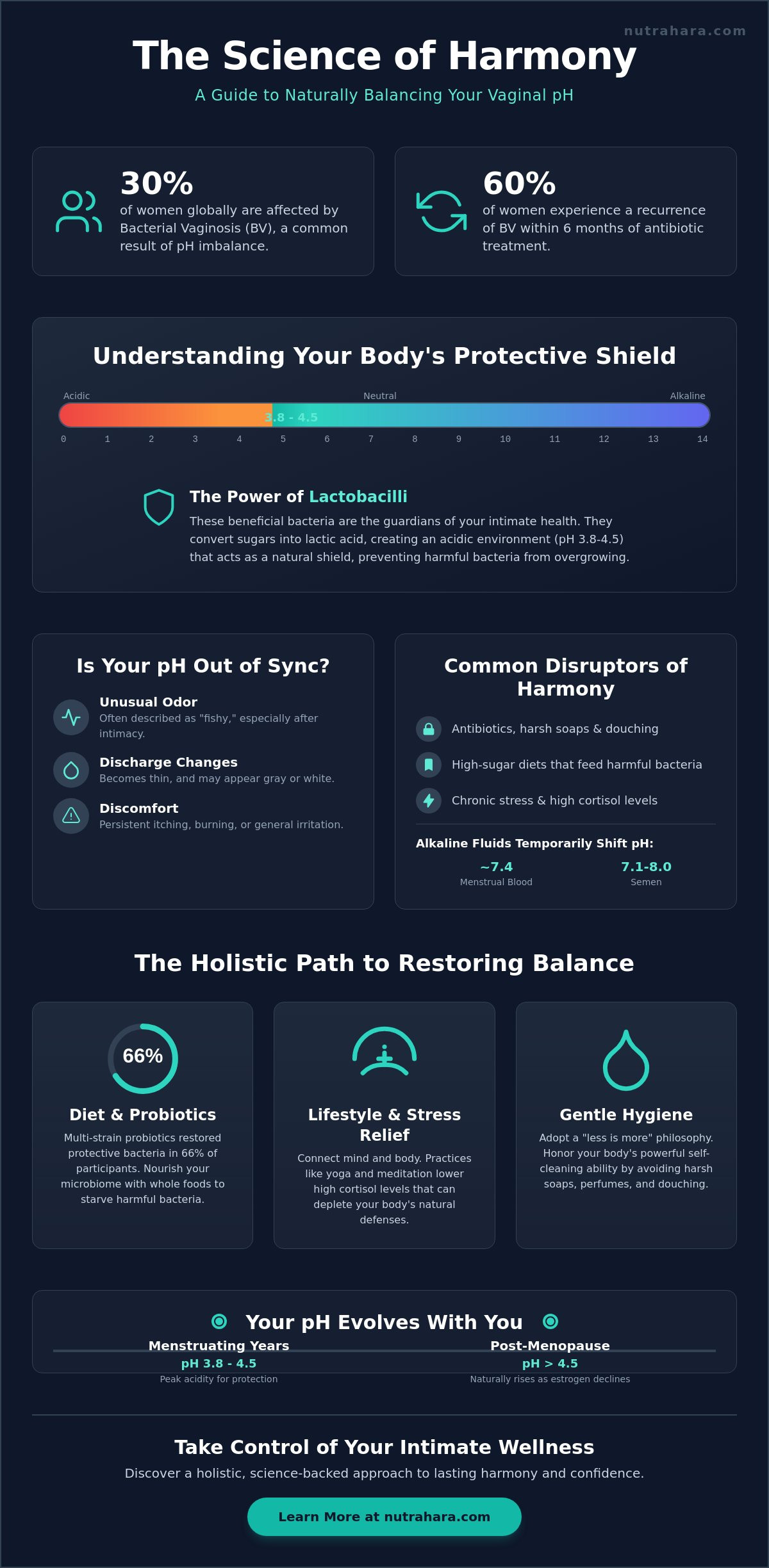
It’s understandable to feel confused by conflicting health advice, but your body’s natural self-cleaning ability is powerful when supported correctly. You’ll discover a holistic, science-backed approach to restoring your internal ecosystem through nutrition, lifestyle, and ancient Ayurvedic wisdom. We’ll explore the latest 2026 ISSVD recommendations for partner care, multi-strain probiotics that restore protective bacteria in 66% of participants, and practical yoga routines designed to support your hormonal shifts. This clean and simple guide bridges earth, nature, and humanity to help you achieve the balanced lifestyle you deserve.

Key Takeaways

  • Understand why maintaining a pH between 3.8 and 4.5 is the scientific foundation of your intimate health and how protective bacteria create a natural defense shield.
  • Learn how to balance vaginal ph naturally by identifying common external disruptors and adjusting your daily rituals to support your body’s delicate ecosystem.
  • Discover the specific multi-strain probiotics and dietary choices that nourish beneficial bacteria while protecting against the effects of high-sugar diets.
  • Explore the connection between stress and intimate wellness, including how yoga and meditation help prevent high cortisol from depleting your body’s natural resources.
  • Master a “less is more” hygiene philosophy that honors your body’s self-cleaning wisdom and builds long-term confidence through every life stage.

Understanding Your Vaginal pH: The Foundation of Intimate Wellness

Your body is a masterpiece of self-regulation. At the heart of your intimate wellness lies a delicate measurement called pH, which stands for potential hydrogen. This scale determines how acidic or alkaline your internal environment is, ranging from 0 to 14. For women, maintaining a specific level of acidity isn’t just a biological detail; it’s a dynamic, living harmony that reflects your overall health. When you’re looking for ways on how to balance vaginal ph naturally, you’re essentially learning how to support a thriving ecosystem of beneficial bacteria.

This ecosystem relies heavily on a community of microorganisms known as Vaginal flora. These tiny allies, specifically the Lactobacilli species, are the primary residents of a healthy environment. They work tirelessly to convert sugars into lactic acid. This process ensures the area remains acidic, serving as your body’s first line of defense against unwanted invaders. Simply put, vaginal pH is a protective barrier that prevents pathogenic overgrowth and maintains the purity of your intimate space.

What is a Normal pH Balance for Your Life Stage?

Your pH isn’t a fixed number. It evolves as you move through your wellness journey. For women in their menstruating years, a healthy pH typically sits between 3.8 and 4.5. This high level of acidity is crucial for preventing infections. However, life stages like pregnancy or your monthly cycle can cause temporary shifts. During perimenopause and post-menopause, estrogen levels decline. This hormonal change often leads to a natural rise in pH, sometimes reaching levels above 4.5. Understanding these shifts helps you approach your health with grace rather than anxiety.

Telltale Signs Your pH is Out of Sync

Your body is highly communicative. It sends subtle signals when the internal balance begins to tip. Learning to listen to these “off” signals is an empowering skill that builds confidence in your body’s natural abilities. Common symptoms of a pH shift include:

  • An unusual, often fishy odor that becomes more noticeable after intimacy or menstruation.
  • Changes in discharge, such as a thin, gray, or white consistency.
  • Persistent itching, burning, or general discomfort in the vulvar area.

It’s vital to distinguish between a minor temporary shift and conditions like Bacterial Vaginosis (BV), which affects 30% of women globally according to 2026 health statistics. While a yeast infection often involves thick, clumpy discharge and a lower pH, BV is characterized by a rise in pH and a different bacterial profile. By recognizing these signs early, you can take proactive steps on how to balance vaginal ph naturally using holistic methods that honor your body’s rhythm.

Why Balance Shifts: The Science and Holistic Factors

Maintaining a stable environment is a delicate dance between your internal biology and the world around you. External factors often act as disruptors. Antibiotics, while necessary for certain infections, are non-selective; they strip away the beneficial Lactobacilli that keep your pH low. Similarly, harsh soaps and the practice of douching interfere with your body’s self-cleaning mechanism. Experts at the Office on Women’s Health emphasize the risks of douching and your health, noting it can lead to an overgrowth of harmful bacteria. When these protective layers are compromised, learning how to balance vaginal ph naturally becomes about removing obstacles to healing.

Biological fluids also play a role in this temporary shift. Menstrual blood has a pH of approximately 7.4, while semen ranges from 7.1 to 8.0. Since both are significantly more alkaline than the healthy vaginal range of 3.8 to 4.5, they can cause a transient rise in pH. For many women, this is where the “off” feeling begins. “I never realized how much my high-stress job was affecting my intimate health until I was dealing with my third imbalance in four months,” shares Sarah, a 42 year old marketing executive. Her experience highlights our philosophy of Bridging Earth, Nature, and Humanity; your environment and mental state are never separate from your physical well-being.

The Gut-Vagina Connection

Your microbiome isn’t a series of isolated pockets but a vast, interconnected system. Scientific research shows that bacteria frequently migrate from the digestive tract to the vaginal ecosystem. If your gut is out of balance, your intimate health often follows. Supporting your microbial diversity through a clean and simple detox can create a ripple effect of wellness across your entire body. When you nourish your digestive fire, you’re providing the foundation for how to balance vaginal ph naturally from the inside out.

The Ayurveda Perspective on Internal Balance

Ancient Ayurveda science views intimate health through the lens of the Doshas. An imbalance in Pitta, or “excess heat,” often manifests as irritation, redness, or unusual discharge. In this tradition, vaginal fluids are seen as a reflection of Rasa Dhatu, the primary plasma tissue that nourishes all other systems. To soothe internal heat, you can incorporate cooling, natural elements like pure aloe vera juice or fresh coconut water into your daily routine. This holistic approach ensures your wellness journey is supported by both modern research and time-tested wisdom. For those seeking deeper hormonal harmony during their health journey, exploring the benefits of FemmePower can be a transformative step.

How to Balance Vaginal pH Naturally: A Holistic Guide for Every Life Stage

Dietary Strategies and Probiotics for Long-Term Harmony

Nourishing your body with the right nutrients is a cornerstone of your wellness journey. When you’re exploring how to balance vaginal ph naturally, the specific strains of bacteria you consume matter more than the total count. Scientific research highlights Lactobacillus reuteri and Lactobacillus rhamnosus as vital allies for intimate health. These specific strains are unique because they can migrate to the vaginal tract and produce the lactic acid necessary to maintain an acidic environment. In a 2026 clinical trial, multi-strain probiotics were shown to restore protective bacteria in 66% of participants, proving that targeted supplementation works.

Your daily food choices act as the fuel for these beneficial colonies. High-sugar diets are particularly disruptive because they feed yeast like Candida, which thrives on glucose. When yeast overpopulates, it crowds out your protective Lactobacilli, causing your pH to rise above the healthy 4.5 threshold. Proper hydration is equally essential for mucosal health. Water supports the production of healthy cervical mucus, which serves as a natural barrier and transport system for your body’s defensive bacteria. A well-hydrated system ensures your “self-cleaning” mechanism operates at peak efficiency.

Your pH-Balanced Grocery List:

  • Kefir and Kimchi: Rich in live, active cultures for microbial diversity.
  • Chia Seeds and Walnuts: High in Omega-3s to support vaginal membrane integrity.
  • Fresh Cranberries: Contain proanthocyanidins that prevent harmful bacteria from sticking to cell walls.
  • Leafy Greens: Provide magnesium and calcium for overall hormonal support.

Probiotic Power: Fermented Foods vs. Supplements

Incorporating fermented foods like organic unsweetened yogurt and kefir into your routine is a beautiful way to embrace natural ingredients. These foods offer high bio-availability, meaning your body recognizes and absorbs the nutrients easily. However, when you’re dealing with recurring discomfort, a concentrated therapeutic dose is often required. This is where a specialized supplement like Blossom Bliss becomes a valuable tool. It delivers targeted strains designed to survive the digestive process, ensuring the “ancient wisdom” of your body’s ecosystem receives modern, scientific support.

Foods to Embrace and Avoid

Focus on healthy fats to maintain the elasticity and strength of vaginal tissues. Omega-3 fatty acids found in flaxseeds and wild-caught fish are anti-inflammatory and essential for long-term health. Conversely, it’s wise to be mindful of additive hormones often found in commercial meat and dairy. These synthetic substances can mimic estrogen in the body, potentially throwing your delicate hormonal balance out of sync. Choosing organic, pasture-raised options protects your system from these external stressors and supports a more balanced lifestyle.

Holistic Lifestyle Habits: Hygiene, Yoga, and Stress Relief

Embracing a lifestyle that honors your body’s natural rhythms is the most empowering way to maintain intimate harmony. When it involves daily hygiene, the golden rule is “less is more.” Your body is a self-cleaning marvel. Using harsh, scented cleansers on the vulva often does more harm than good by stripping away the protective oils and bacteria you need. For the best results, stick to warm water or a very mild, pH-balanced cleanser. This simple act of gentle care boosts your self-esteem by fostering a deeper trust in your body’s innate wisdom. To further support this environment, always choose 100% organic cotton fabrics for your undergarments. Cotton is highly breathable, preventing the moisture buildup that allows harmful bacteria to thrive.

Understanding the biological link between your mind and your body is a vital part of your health journey. High levels of cortisol, the hormone released during stress, can directly impact your intimate wellness. Research shows that chronic stress depletes glycogen levels in the vaginal walls. Since your protective Lactobacilli rely on glycogen to produce lactic acid, a stressful month can actually cause your pH to rise. Learning how to balance vaginal ph naturally means prioritizing rest just as much as nutrition. When you lower your stress, you’re literally feeding the good bacteria that keep you healthy.

Yoga and Meditation for Hormonal Support

Movement is a powerful tool for balancing your internal ecosystem. Specific yoga poses like Malasana (Garland Pose) and Baddha Konasana (Bound Angle Pose) are excellent for increasing blood flow to the pelvic region. This improved circulation delivers essential nutrients and oxygen to the tissues, supporting overall mucosal health. Pairing these poses with deep diaphragmatic breathing calms your nervous system and helps regulate the hormonal fluctuations that occur between ages 30 and 60. To maintain the mental clarity needed to stay consistent with your wellness routine, incorporating Focus Zenith can help you stay centered and present during your practice.

Safe Practices: From Intimacy to Menstruation

Daily habits during intimacy and menstruation also play a significant role in your pH balance. After sexual activity, make it a habit to urinate promptly. This simple step flushes the urinary tract and helps remove any bacteria that may have been introduced. During your period, remember that menstrual blood is alkaline; leaving products in for too long can shift your pH away from its healthy acidic state. Change tampons or pads every 4 to 6 hours, or consider using a medical-grade silicone menstrual cup to minimize disruption. If you’re looking to support your body’s natural defenses through every life stage, explore our FemmePower formula to empower your long-term health journey.

Achieving internal harmony isn’t a one-time destination but an evolving wellness journey that adapts as you move through different life stages. Whether you’re managing the hormonal shifts of perimenopause or seeking stability during your menstruating years, understanding how to balance vaginal ph naturally requires patience and consistency. At Nutrahara, we believe in bridging earth, nature, and humanity to provide you with the tools needed for long-term health. Our philosophy is clean and simple, delivered; we provide the scientific backing and ancient wisdom so you can focus on feeling your best.

We invite you to join a growing community of women who are taking charge of their longevity and intimate well-being. You aren’t alone in this process. By choosing a holistic path, you’re honoring your body’s natural self-cleaning abilities while providing it with the premium support it deserves. Our role is to act as your wise guide, offering clarity amidst conflicting health advice and empowering you to make informed choices for your body.

Empowerment Through Clean Ingredients

With 40 years of expertise in women’s health, we’ve dedicated decades to cutting-edge nutrition research and the study of ancient Ayurveda science. This unique fusion allows us to formulate products that prioritize purity and potency. We never use artificial additives or fillers, ensuring that every supplement supports your system without introducing new stressors. For instance, Femme Power is designed with this commitment to quality in mind, focusing on the specific needs of the female body. “After years of trying quick fixes that only provided temporary relief, I finally feel in control again. The purity of these ingredients made all the difference in my comfort and confidence,” shares Maya, a 52 year old who restored her balance through holistic care.

Next Steps for Your Health Journey

Taking the first step toward better health doesn’t have to be overwhelming. You can begin today by implementing small, impactful changes that support your internal ecosystem. For a deeper dive into technical details and biological rhythms, visit our pH Balance Pillar Page. To move forward on your path, consider this immediate action checklist:

  • Swap scented soaps for plain, warm water for external cleansing.
  • Incorporate a high-quality, multi-strain probiotic into your morning routine.
  • Download our e-books to explore more Ayurvedic insights for your specific life stage.
  • Switch to 100% organic cotton undergarments to improve daily breathability.

Your journey toward intimate harmony is a powerful act of self-care. By learning how to balance vaginal ph naturally, you’re investing in your future health and reclaiming your confidence. We’re honored to walk beside you as you discover the abundance of wellness that comes from living a balanced lifestyle.

Reclaiming Your Natural Harmony

Your intimate health is a vital part of your overall well-being. By focusing on how to balance vaginal ph naturally, you’re choosing a path that honors your body’s self-cleaning wisdom. Remember that true balance comes from a fusion of modern research and ancient Ayurvedic principles. Swapping harsh soaps for water and managing cortisol through yoga are powerful first steps toward long-term harmony. These daily choices build the foundation for a life of confidence and comfort through every stage of womanhood.

At Nutrahara, we bring 40 Years of Expertise in Women’s Nutrition to your health journey. Our formulas use clinically studied natural ingredients to support your internal ecosystem safely. Research confirms that targeted probiotic support can reduce symptoms of imbalance within 14 days of consistent use. You deserve a solution that is clean and simple. Begin your journey to intimate harmony with Blossom Bliss and embrace the abundance of a balanced lifestyle. Your body is ready to heal; you simply need to provide the right environment for it to thrive.

Frequently Asked Questions

Can I use apple cider vinegar to balance my vaginal pH?

Drinking diluted apple cider vinegar supports your digestive microbiome, but you shouldn’t apply it directly to your intimate areas. While some women use ACV baths to lower acidity, the liquid’s pH is often too low, around 2.0 to 3.0, and can cause irritation or chemical burns on sensitive tissues. Focus on internal support through a balanced lifestyle and nutrition instead of using acidic household liquids for topical treatments.

How long does it take to restore vaginal pH naturally?

Restoring your internal harmony typically takes between 7 and 14 days of consistent care. Your body needs this time for the beneficial Lactobacilli to repopulate and begin producing enough lactic acid to lower the pH. During a 2026 Phase 1 clinical trial, participants saw significant bacterial restoration within two weeks of using targeted multi-strain probiotics. Patience is essential as you learn how to balance vaginal ph naturally through sustainable dietary and lifestyle shifts.

Does drinking cranberry juice really help with vaginal health?

Pure, unsweetened cranberry juice supports your system by preventing harmful bacteria from adhering to the urinary tract walls. However, most commercial juices contain high amounts of sugar, which actually feeds yeast and disrupts your delicate bacterial balance. It’s better to choose concentrated cranberry supplements or eat the whole fruit. These options provide the necessary proanthocyanidins without the glucose spikes that interfere with your wellness journey.

Is it normal for my pH to change during perimenopause?

Yes, it’s completely normal for your pH to rise as you enter perimenopause and post-menopause. As estrogen levels decline, the vaginal lining thins and produces less glycogen, which is the primary food source for protective bacteria. This often results in a pH level above 4.5. Understanding this biological shift helps you choose nurturing routines that maintain comfort and moisture as your body transitions through different life stages.

Can stress actually cause a vaginal pH imbalance?

Stress is a major contributor to pH shifts because high cortisol levels deplete the glycogen stored in your vaginal walls. Without enough glycogen, your beneficial bacteria can’t produce the lactic acid needed to keep the environment acidic. This biological connection is why 30% of women report recurring discomfort during high-pressure periods in their lives. Incorporating meditation and yoga into your daily rhythm helps lower cortisol and protects your intimate ecosystem from the inside out.

What is the difference between a yeast infection and a pH imbalance?

A yeast infection usually occurs when your pH is too low, while a general pH imbalance like bacterial vaginosis happens when it’s too high. Yeast infections often cause thick, white discharge and intense itching. In contrast, a high-pH imbalance typically presents with a thin, gray discharge and a fishy odor. Knowing these differences empowers you to choose the right holistic tools for how to balance vaginal ph naturally based on your specific symptoms.

Are boric acid suppositories safe for long-term use?

Boric acid suppositories are generally used as a short-term reset tool rather than a long-term solution. While they can help break down stubborn biofilms during an acute imbalance, using them daily for extended periods can strip away your natural protective flora. It’s best to use them for 3 to 7 days as directed by a professional. Long-term intimate harmony relies on building a thriving colony of Lactobacilli through nutrition and clean lifestyle habits.

How often should I take probiotics for vaginal health?

Taking a targeted probiotic daily is the most effective way to maintain a resilient intimate environment. Consistent supplementation ensures a steady supply of specific strains like L. reuteri, which are vital for converting sugars into protective lactic acid. This daily ritual supports your body’s self-cleaning ability and provides a foundation for long-term wellness. Most women notice the best results after 30 days of uninterrupted use as part of their comprehensive health journey.

Article by

Nutrahara Team

We are a dedicated collective of nutrition scientists and naturopaths at Nutrahara, committed to advancing women's health through the fusion of ancient Ayurveda science and cutting-edge nutrition research. Our mission is to empower you with clean, simple, and scientifically validated wellness solutions so you can live your healthiest life. Connect with us to stay updated on the latest developments in holistic women's health and nature-based research.

Disclaimer

This article is not a substitute for medical advice. Please consult a healthcare professional before starting any supplement, especially if pregnant, nursing, taking medication, or managing health conditions.

Categories
Articles

A Complete Guide to Vaginal pH Balance: Nurturing Your Body’s Natural Harmony

If you’ve ever felt confused or frustrated by uncomfortable symptoms like itching, unusual odor, or recurring infections, you are not alone. These common challenges are often your body’s way of signaling a simple, yet crucial, imbalance. At the heart of your intimate health is a delicate ecosystem, and maintaining the correct ph balance is the key to its natural harmony and comfort. When this equilibrium is disrupted, it can leave you feeling worried and searching for answers amidst a sea of conflicting advice.

This guide is here to be your trusted partner on your wellness journey. Drawing on a blend of modern research and holistic wisdom, we will gently walk you through everything you need to know about your vaginal pH. You will understand what causes imbalances, discover effective, natural ways to restore your body’s harmony, and learn how to prevent future issues. Our goal is to empower you with the knowledge to nurture your body, so you can feel confident, balanced, and in control of your well-being.

What is Vaginal pH Balance and Why Does It Matter?

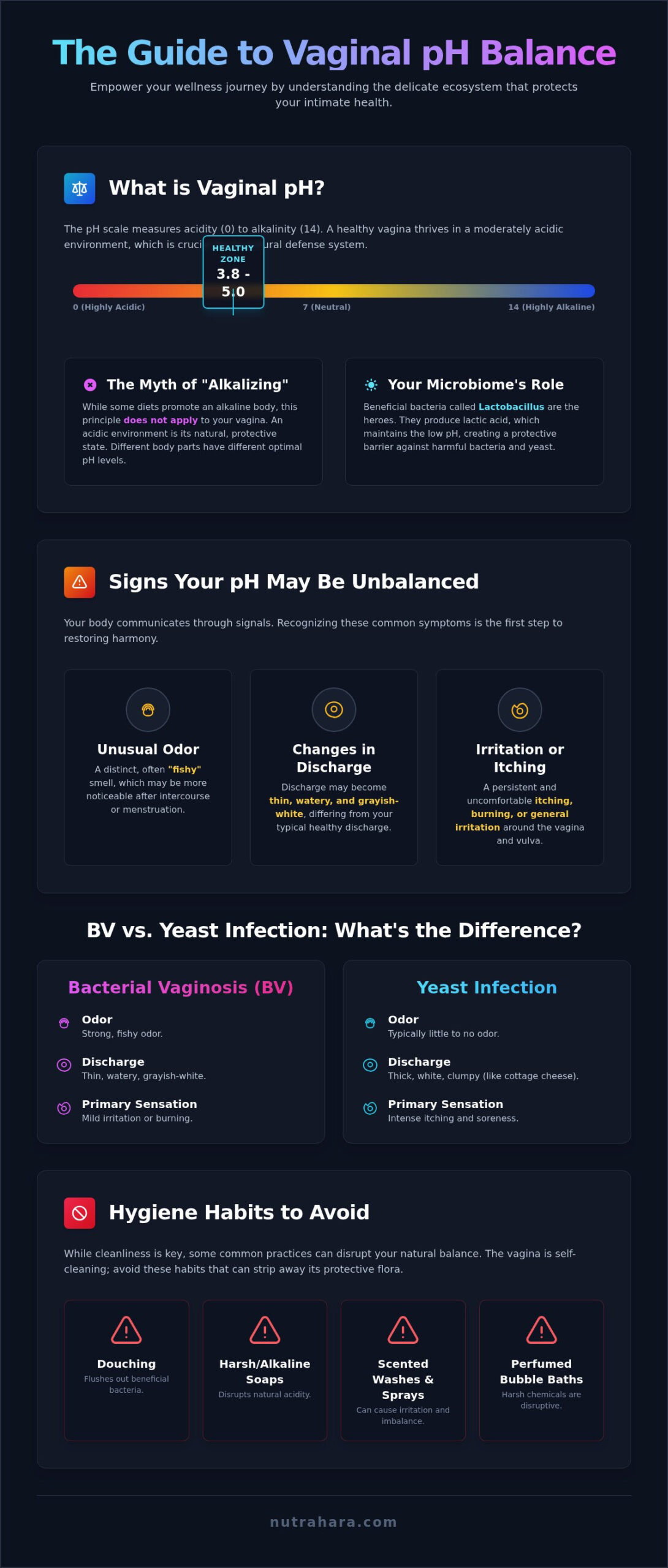
On your wellness journey, understanding your body’s unique needs is a powerful first step. Let’s start with a simple concept: the pH scale. This scale measures acidity and alkalinity from 0 (highly acidic) to 14 (highly alkaline), with 7 being neutral. While different parts of your body have different needs, your vagina is designed to thrive in a moderately acidic environment. For optimal health, the ideal vaginal pH range is between 3.8 and 5.0. This natural acidity is a brilliant and essential part of your body’s innate wisdom.

This protective environment is maintained by a delicate, living ecosystem-your vaginal microbiome. This community is dominated by beneficial bacteria, most notably from the Lactobacillus family. These powerful allies produce lactic acid, which lowers the vaginal pH and is fundamental to your well-being. This community of microorganisms, often referred to as the vaginal flora, is the cornerstone of a healthy intimate environment and a stable ph balance.

Your Body’s First Line of Defense

Imagine your vaginal microbiome as a thriving, well-tended garden. When beneficial Lactobacillus (the healthy plants) are abundant, they create an acidic soil that prevents harmful bacteria and yeast (the weeds) from taking root. This natural barrier is your body’s first line of defense, playing a crucial role in preventing common discomforts like bacterial vaginosis (BV) and yeast infections.

The Difference Between Vaginal pH and Overall Body pH

It’s important to clarify a common myth. While the wellness trend of “alkalizing your body” through diet has gained popularity, this principle does not apply to your vagina. Your body intelligently maintains different pH levels for different functions-your blood is slightly alkaline, while your stomach is highly acidic. A healthy vagina is an acidic one, and attempting to make it alkaline disrupts its protective shield, leaving you more vulnerable to imbalance.

Signs Your pH May Be Unbalanced: Listening to Your Body’s Signals

Your body has its own innate wisdom and communicates its needs through subtle signals. Part of your wellness journey is learning to listen to and understand this language. When your vaginal ph balance is disrupted, your body will often let you know. Recognizing these signs is an empowering first step toward restoring harmony. It’s important to remember that these symptoms are incredibly common and not something to feel ashamed of-they are simply your body’s way of asking for support.

Common Symptoms of an Imbalance

When the delicate vaginal microbiome is thrown off, leading to a higher (less acidic) pH, you might notice a few distinct changes. These are some of the most common indicators:

  • Unusual Odor: A distinct, often “fishy” smell is a primary sign. This odor may become more noticeable after intercourse or menstruation.
  • Changes in Discharge: You might see a discharge that is thin, watery, and grayish-white in color, which is different from your typical healthy discharge.
  • Irritation or Itching: A persistent and uncomfortable itching, burning, or general irritation around the vagina and vulva can also signal an imbalance.

Understanding Related Conditions: BV vs. Yeast Infections

It’s easy to confuse symptoms, but understanding the root cause is essential for finding the right path back to balance. The two most common culprits, Bacterial Vaginosis (BV) and yeast infections, have different origins. BV is directly linked to a high vaginal pH, which allows certain bacteria to overgrow. Conversely, a yeast infection is a fungal overgrowth that can occur even with a normal pH. Differentiating between them is a key part of the clinical diagnosis of vaginitis and helps guide effective care.

This simple chart can help you distinguish the two:

Symptom Bacterial Vaginosis (BV) Yeast Infection (Candidiasis)
Odor Strong, fishy odor Typically little to no odor (or a mild, bread-like smell)
Discharge Thin, watery, grayish-white Thick, white, clumpy (like cottage cheese)
Primary Sensation Mild irritation or burning Intense itching and soreness

Maintaining a healthy vaginal ph balance is your body’s first line of defense, and when it’s off, you may become more susceptible to other infections. Recognizing these signs early allows you to take gentle, effective action.

What Causes a pH Imbalance? Identifying Common Triggers

Understanding your body is a vital part of your wellness journey. When it comes to vaginal health, maintaining your natural harmony often means identifying the personal triggers that can disrupt it. Many common, seemingly harmless habits and life stages can subtly alter your internal ecosystem. By recognizing these factors, you can take empowered steps toward prevention and support your body’s delicate equilibrium.

Hygiene Habits and Products

While cleanliness is important, an overzealous approach can do more harm than good. The vagina is a remarkable self-cleaning organ, and aggressive washing can strip away its protective flora. Douching, for example, flushes out the beneficial bacteria required for a healthy, acidic environment. This disruption can create an opening for less desirable bacteria to overgrow, sometimes leading to conditions like Bacterial Vaginosis. For gentle and effective care, it’s best to avoid:

  • Harsh, alkaline soaps
  • Scented feminine washes, sprays, and powders
  • Perfumed bubble baths and bath bombs
  • Washing inside the vaginal canal

Sexual Health and Partners

Intimacy can also influence your vaginal environment. Semen is naturally alkaline, which can temporarily raise the vagina’s pH after unprotected sex. For many, the body recalibrates quickly, but for others, this shift can be a recurring trigger for imbalance. Similarly, a new sexual partner introduces a different set of microbes to your personal microbiome, which can sometimes cause a temporary disruption. Using barrier methods like condoms is an effective way to help maintain your natural ph balance.

Hormonal Fluctuations and Medications

Your body’s internal chemistry is constantly in flux, and these changes can directly impact vaginal pH. Several key factors can cause a shift:

  • Menstruation: Blood is more alkaline than the vaginal environment, causing a temporary rise in pH during your period.
  • Menopause: As estrogen levels decline during perimenopause and menopause, the vagina can become less acidic, making it more susceptible to imbalance.
  • Antibiotics: These powerful medicines don’t distinguish between “good” and “bad” bacteria. They can wipe out the beneficial Lactobacillus strains that are crucial for maintaining an acidic pH.

A Complete Guide to Vaginal pH Balance: Nurturing Your Body's Natural Harmony

A Holistic Approach to Restoring and Maintaining pH Balance

At Nutrahara, we believe that true, lasting wellness blossoms from within. Restoring your body’s delicate harmony isn’t about quick fixes; it’s about embarking on a wellness journey that nurtures you from the inside out. By blending cutting-edge nutritional science with the timeless wisdom of natural remedies, we can create a sustainable lifestyle that supports a healthy vaginal microbiome and a stable ph balance.

Nourish Your Body: The Diet Connection

What you eat directly influences the ecosystem of beneficial bacteria that protects your intimate health. To foster a thriving internal environment, focus on incorporating foods that support your microbiome:

  • Probiotic-Rich Foods: Introduce beneficial bacteria with sources like yogurt, kefir, kimchi, sauerkraut, and kombucha.
  • Prebiotic Foods: Feed your good bacteria with fiber-rich options like garlic, onions, asparagus, and bananas.

Equally important is limiting sugar and highly processed foods, which can fuel the growth of disruptive yeast. And never underestimate the power of hydration-drinking plenty of water helps flush your system and supports overall cellular health. Since your gut health and metabolic function are deeply connected to your intimate wellness, you may also want to explore whether digestive enzymes help you lose weight and support nutrient absorption, as efficient digestion plays a foundational role in your overall hormonal and microbial balance.

Making mindful choices about hydration is a key part of this. While water is essential, for those looking for a flavorful, clean alternative to sugary drinks, Australian companies like Yuvo Naturals offer herbal sparkling waters that support a holistic wellness journey.

Harnessing the Power of Natural Supplements

While a balanced diet is foundational, targeted natural supplements can provide powerful, clinically-studied support. Oral probiotics specifically formulated with strains for vaginal health can help replenish beneficial flora from within. For acute imbalances, boric acid suppositories can help quickly re-acidify the vaginal environment, but should always be used as directed by a healthcare professional. To support your wellness journey, explore our line of women’s wellness supplements, grounded in science and nature.

Managing Stress for a Balanced System

Chronic stress elevates cortisol, a hormone that can suppress the immune system and disrupt your body’s delicate equilibrium, including your vaginal ph balance. Integrating gentle stress-relief practices into your daily routine is a non-negotiable part of a holistic approach. Consider techniques like meditation, mindful yoga, or simple deep breathing exercises. Prioritizing 7-9 hours of restful sleep each night is also crucial, as it allows your body the time it needs to repair and regulate itself.

Lifestyle Habits for Long-Term Vaginal Wellness

Your wellness journey is a continuous path of nurturing your body from the inside out. Achieving and maintaining your body’s delicate harmony isn’t about drastic measures; it’s about embracing simple, consistent habits. Creating an external environment that supports your internal ecosystem is fundamental for long-term vaginal health. These gentle, proactive steps empower you to support your natural ph balance and cultivate lasting well-being.

Mindful Hygiene Practices

Gentle care is far more effective than aggressive cleaning. Your vagina is a remarkable self-cleaning organ, and disrupting its natural process can do more harm than good. Focus on cleaning the external genital area, the vulva, with warm water. If you choose to use soap, ensure it is mild, pH-balanced, and completely free of fragrances or harsh chemicals. Most importantly, always wipe from front to back after using the restroom to prevent the transfer of bacteria.

Clothing and Laundry Choices

The fabrics you wear and the detergents you use can significantly impact your vaginal environment. Simple adjustments can create a healthier, more breathable space for your body.

  • Choose Natural Fabrics: Opt for underwear made from breathable cotton. Synthetic materials like nylon and spandex can trap heat and moisture, creating an environment where harmful bacteria may thrive.
  • Stay Dry: Change out of wet swimsuits or sweaty gym clothes as soon as possible. Lingering moisture can disrupt your delicate balance.
  • Wash with Care: Use a gentle, hypoallergenic, and fragrance-free laundry detergent for your undergarments to avoid irritation.

When to Consult a Healthcare Professional

While these lifestyle habits are powerful tools for maintaining your health, self-care has its limits. It is crucial to seek professional guidance if you experience symptoms that are persistent, severe, or recurring. A proper diagnosis is essential before attempting to self-treat, as symptoms like unusual discharge, itching, or odor could indicate an infection or a more serious underlying condition. Your doctor is your trusted partner in health, able to provide an accurate diagnosis and a safe, effective treatment plan tailored to your needs.

Your commitment to these holistic habits is a beautiful act of self-care. For more expert-driven insights on your wellness journey, explore the complete range of women’s health resources at nutrahara.com.

Your Journey to Balanced Well-being

Your wellness journey is a deeply personal one, and understanding your body’s delicate ecosystem is a powerful first step. As we’ve explored, nurturing your vaginal health comes down to listening to your body’s signals and embracing holistic habits. By identifying common triggers and making conscious lifestyle choices, you can actively support your body’s innate ability to maintain a healthy ph balance.

For those seeking additional support, Nutrahara offers a bridge between ancient wisdom and modern science. Our formulas are thoughtfully designed to support you on your personal wellness journey. Made with clean, natural ingredients you can trust, each supplement is formulated by combining ancient Ayurveda with cutting-edge research to help you thrive. Ready to support your body’s natural harmony? Explore Nutrahara’s Women’s Health Supplements.

Remember, nurturing your body is an act of self-care. Embrace the journey to balanced well-being with confidence and grace.

Frequently Asked Questions

What is a normal vaginal pH level and how can I test it at home?

A healthy vaginal pH is naturally acidic, typically ranging between 3.8 and 4.5. This acidic environment is crucial for protecting against unhealthy bacteria and yeast. For those on a wellness journey seeking to understand their body better, convenient at-home pH test strips are available at most pharmacies. These kits provide a simple, immediate way to check your levels, empowering you with knowledge to maintain your natural harmony.

Can my period and menstrual products affect my pH balance?

Yes, your menstrual cycle can cause temporary shifts. Blood has a higher pH of around 7.4, which can briefly alter your vaginal environment. Additionally, some menstrual products containing fragrances, dyes, or harsh chemicals can be disruptive. As a gentle, holistic alternative, consider opting for products made from 100% organic cotton or other natural, breathable materials to support your body’s delicate equilibrium during your cycle.

Is it safe to use boric acid suppositories, and how do they work?

Boric acid, a naturally occurring compound, has been clinically studied for its mild antiseptic properties. It works by helping to restore the vagina’s natural acidic environment, making it difficult for disruptive bacteria and yeast to thrive. While it is considered safe for many, it is essential to use it under the guidance of a healthcare professional as part of your personalized care plan. It is intended for vaginal use only and must never be ingested.

What’s the difference between a yeast infection and bacterial vaginosis (BV)?

While both are common, they stem from different causes. A yeast infection is an overgrowth of a fungus (Candida) and often presents with thick, white, cottage-cheese-like discharge and intense itching. Bacterial vaginosis (BV) is caused by an imbalance and overgrowth of certain bacteria, typically characterized by a thin, greyish-white discharge and a distinct fishy odor. A proper diagnosis from a healthcare provider is key to effective treatment.

Can diet and stress really have an impact on my vaginal health?

Absolutely. Your body is an interconnected system. Diets high in processed sugars can fuel the growth of yeast, while probiotic-rich foods like yogurt and kimchi can support beneficial bacteria. Chronic stress elevates cortisol, which can suppress your immune system and disrupt your body’s delicate equilibrium, including your vaginal pH balance. Nurturing your body with a balanced diet and managing stress are foundational to your overall well-being. Understanding how digestive enzymes affect your metabolic health and weight can also shed light on how gut efficiency supports your hormonal balance and immune resilience.

Are scented soaps and douching really that bad for my pH balance?

Yes, these practices can be very disruptive to your body’s natural ecosystem. Harsh chemicals and artificial fragrances in soaps can strip away protective oils and irritate delicate tissue. Douching is particularly harmful as it flushes out the beneficial bacteria that work to maintain a healthy pH balance. For gentle, effective cleansing, warm water is all that your body needs for external washing, allowing its innate wisdom to shine.

Article by

Nutrahara Team

We are a dedicated collective of nutrition scientists and naturopaths at Nutrahara, committed to advancing women's health through the fusion of ancient Ayurveda science and cutting-edge nutrition research. Our mission is to empower you with clean, simple, and scientifically validated wellness solutions so you can live your healthiest life. Connect with us to stay updated on the latest developments in holistic women's health and nature-based research.

Disclaimer

This article is not a substitute for medical advice. Please consult a healthcare professional before starting any supplement, especially if pregnant, nursing, taking medication, or managing health conditions.