
Categories
Articles

Best Collagen Supplements for Women: Buyer’s Guide

What if supporting collagen involves more than adding a powder to a drink? Collagen supplements provide collagen peptides, while collagen itself helps give structure to skin and connective tissues. They’re one option to consider, not a substitute for a balanced approach to wellness.

It’s understandable to want clear guidance when changes in skin, nails, or joint comfort shape how you feel in your body. The useful question isn’t simply whether collagen can help, but what it does, how supplements compare with other ways to support collagen, and what daily amounts mean in practical terms.

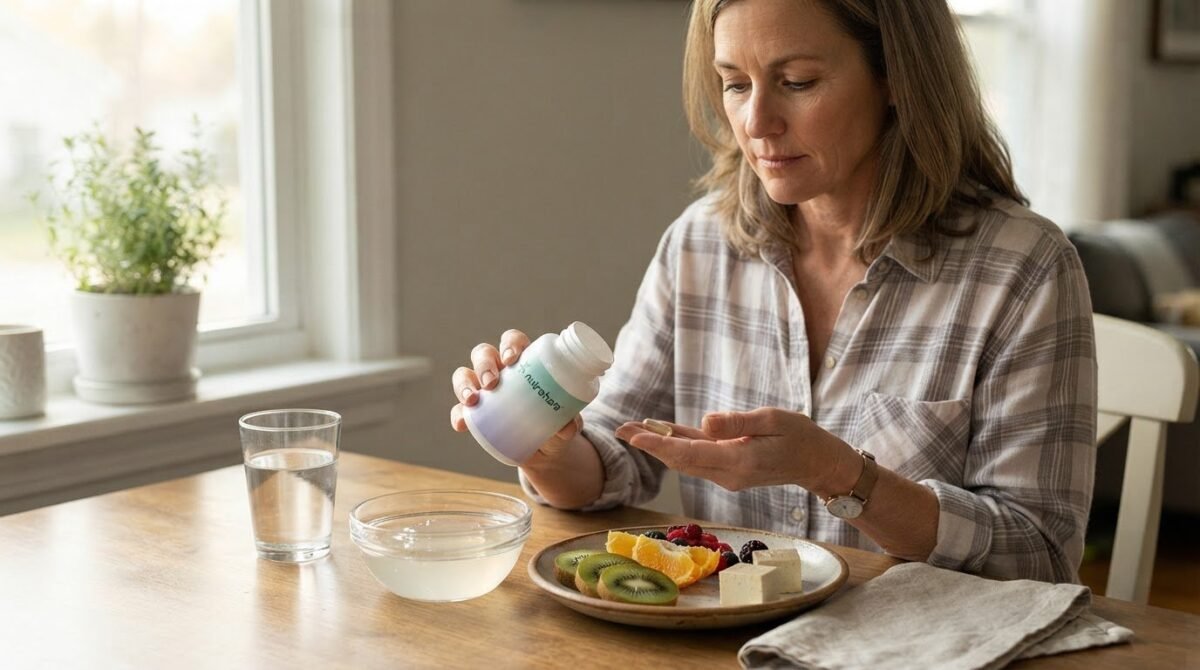
This guide explains collagen’s role, the difference between collagen peptides and amino acids, and how to think about suggested serving amounts. You’ll also find ways to support overall wellbeing through nourishing habits and movement, including yoga and meditation, so you can make choices that fit your health goals and daily routine. One woman’s real-life account: “I compare options and choose what suits me.”

Key Takeaways

  • Understand how collagen supports skin and connective tissues, and what research suggests about potential benefits.
  • Explore everyday ways to support collagen production alongside supplements as it changes with age.
  • Learn how collagen peptides relate to protein and amino acids when comparing supplement options.
  • Use the article’s daily-amount guidance to make sense of serving recommendations and choose an approach that fits your routine.

Collagen Benefits: What Does Collagen Do For You?

Collagen is a structural protein associated with skin, hair, nails, bones, and joints. Research explores whether collagen supplements may support some of these tissues.

Claimed Benefits Across the Body

Type I and Type III collagen make up 90% of hair, skin, and nails; collagen accounts for about three-quarters of skin composition. These figures describe tissue structure, not a promise that supplements will change appearance. Proposed benefits include supporting skin, nails, bones, and joints. For those experiencing more pronounced hair thinning or loss, professional providers such as Creative Wigs & Hair Replacement offer specialized alternatives beyond nutritional support. Compare a supplement’s stated purpose with your priority, rather than assuming every product addresses every concern. For a broader look at supplement options, explore the best multivitamin for hair, skin, and nails.

Evidence for Supplement Effectiveness

According to the U.S. Environmental Protection Agency, eight studies used collagen hydrolysate at 2.5-10 g/day for 8-24 weeks to treat several skin conditions. One study found faster nail growth and fewer broken or chipped nails after 4 weeks of daily collagen supplements among women. Tissue structure alone doesn’t prove a supplement will change appearance. Read ingredient and allergen information. If pregnant, lactating, taking medication, or managing a condition, discuss use with a qualified health professional.

Possible Effects on Joints and Muscles

For joint support, studies suggest daily collagen supplementation may improve osteoarthritis pain and joint function after 3 to 5 months. Collagen is a protein, but it isn’t a replacement for strength training or balanced nutrition. In a small study, men taking collagen peptides during a 12-week strength-training program gained more muscle mass and strength than those who did not. That result concerns men, so it doesn’t establish the same outcome for women.

Timeline for Possible Benefits

Timing depends on the outcome being studied. Studies suggest skin health or joint pain may improve in 8 to 12 weeks, while bone-health changes may take a year or more of daily use. These are different measures, so don’t judge a bone-related goal by the same timeline as skin. If tracking your response, choose one priority and note changes consistently alongside your usual routine.

Are supplements the only way to increase collagen?

No. Food and lifestyle habits support overall nutrition, while collagen production changes with age. Supplements are one option, not the only approach.

Age-Related Changes in Collagen Production

The body’s collagen production begins to decline in a person’s 20s. This gradual change may be relevant across menstruating, pre-menopausal, and post-menopausal life stages, but age alone doesn’t determine what support you need. Consider your personal priorities, such as skin care or maintaining an active routine, alongside nourishing food and regular movement.

Comparing Collagen Peptides, Gelatin, and Vegan Boosters

Collagen peptides are collagen-derived ingredients commonly sold as powders, which may be flavored or unflavored. The U.S. Government Publishing Office describes gelatin as collagen converted into a soluble form through combination with water. Vegan boosters don’t contain animal collagen; they provide nutrients intended to support the body’s own production. Compare ingredients and formats with your dietary preferences.

Food choices can support balanced nutrition. Include protein sources such as eggs, beans, or fish, along with vitamin C foods such as peppers, berries, or citrus. To build movement into your routine, pair a yoga session with a brief meditation afterward: sit comfortably and focus on each breath.

In the United States, dietary supplements are not regulated as drugs, so don’t assume a supplement has FDA approval to treat a condition. Review its ingredients and intended use.

To consider possible interactions, review the full formula alongside your medication and supplement list. A pharmacist can help assess ingredients, especially in combination formulas.

Collagen peptide supplements and amino acids

Collagen peptides are short chains of amino acids derived from collagen. Understanding their composition, processing, and digestion can help you assess what a serving contributes.

Amino Acids in Collagen Peptides

Amino acids are the building blocks of protein, and collagen peptides supply them in a collagen-derived pattern. A listed 14-gram serving of collagen peptide powder contains 12 grams of protein and 50 calories. Those figures describe one serving, not a complete picture of your daily protein intake. Compare the serving information with other protein foods in your meals, such as eggs, beans, or fish.

Collagen can contribute protein, but it shouldn’t automatically replace varied protein sources. Consider your overall eating pattern, especially if you exercise regularly or have specific nutritional needs.

How Hydrolysis Produces Collagen Peptides

Hydrolysis breaks larger collagen proteins into smaller peptide chains. That’s why a label may say “collagen peptides” or “hydrolyzed collagen.” The ingredient remains collagen-derived protein; hydrolysis describes its form, not a different food source. When comparing powders, check the ingredient name and serving information together instead of relying on front-label language alone.

For example, a powder listing collagen peptides as its ingredient makes the source easy to identify. Other ingredients can change the overall formula, so review the full label if you want a plain collagen option or need to avoid particular ingredients.

Collagen Peptide Absorption

Digestion breaks dietary proteins into amino acids and smaller peptides, which the body absorbs through the digestive tract. Hydrolysis prepares collagen as smaller chains before consumption, but it doesn’t mean every peptide travels unchanged to the skin, joints, or another target. The body uses absorbed building blocks according to its needs.

For a practical comparison, note the serving size, protein amount, and additional ingredients. Then add the powder to a meal or drink you already enjoy, such as a smoothie after strength training. This can make it easier to use consistently without treating a supplement as a substitute for balanced meals.

Best Collagen Supplements for Women: Buyer's Guide

There’s no single recommended amount for every woman. Collagen has no specific Dietary Reference Intake because the body produces it, so serving guidance varies by product and purpose.

Adults can safely consume between 2.5 and 15 grams of collagen per day. Many people take 1 to 2 tablespoons of collagen powder per day, but tablespoons measure volume, not weight. Check the product label for its serving size and collagen amount. A comparison table lists 3 Tbsp as the recommended daily amount for a collagen-peptides-with-hyaluronic-acid-and-vitamin-C product. That product-specific serving shouldn’t be treated as a universal target.

For a practical routine, follow the serving directions on the product you choose. If you use powder, stir it into a familiar drink or breakfast, such as a smoothie or oatmeal. Pairing it with an existing habit, like preparing breakfast or finishing a yoga session, can make daily use easier to remember. Keep the serving consistent as you assess whether it suits your routine.

Dosage and timing depend on the goal being studied. Research suggests possible skin-health or joint-pain effects may appear in 8 to 12 weeks, while bone-health changes may take a year or more of daily use. These timelines vary by outcome; they don’t establish a guaranteed result or a universal dose. Follow the label, and consider your full diet and any other supplements you take.

Before adding a collagen product to an established supplement routine, compare its serving with your other products. A simple note in your meal planner can help you track daily use and avoid accidentally doubling a similar ingredient. Explore collagen supplement options to find a format that fits your everyday wellness routine.

Nutrahara: Women’s Health Supplements

Nutrahara offers Women’s Health Supplements for women considering nutritional support as part of their broader wellbeing routine. Priorities can differ across menstruation, pregnancy, lactation, perimenopause, and post-menopause. Some women may focus on energy or sleep, while others explore support for hormonal balance. These concerns are personal, so choose products by their ingredients and intended use rather than expecting one supplement to address every need.

Nutrahara’s formulations combine principles of Ayurveda with modern nutritional research. For women balancing work, exercise, family life, or changing routines, supplements can be considered alongside nourishing meals, yoga, meditation, and rest. They don’t replace these daily foundations or individualized care during pregnancy, lactation, or other health circumstances.

If women’s wellness is part of your current health journey, explore Nutrahara’s supplements as one possible addition to your routine. Contact Nutrahara to discuss its Women’s Health Supplements.

Choose a Routine That Fits Your Life

Make your wellness goal practical. Before choosing collagen supplements, decide what matters most: a format you’ll enjoy, ingredients that fit your preferences, or a routine that feels easy to maintain. A clear priority makes product information easier to assess and helps you avoid adding something simply because it’s popular.

Consider how a new habit would fit around your meals, exercise, and rest. Your needs may shift through different life stages, so leave room to reassess what feels useful. A steady, thoughtful approach can build confidence in your choices without making one product the measure of your wellbeing.

If you’d like to explore your next step, contact Nutrahara to discuss collagen. Keep building a wellness routine that feels considered, sustainable, and truly your own.

Frequently Asked Questions

How does it work?

After you consume collagen, digestion breaks it down, and your body uses its components as needed. That process doesn’t direct them to a particular area, such as your skin or knees. Collagen supplements are one source of protein in your overall diet, not a targeted treatment. Keep balanced meals and regular exercise at the center of your routine.

Is taking collagen every day good for you?

Daily use may suit some people’s routines, but it isn’t essential for everyone. Follow the serving directions and consider your overall diet, health needs, and other supplements. If you’re pregnant, lactating, managing a health condition, or taking medication, discuss the ingredients with a qualified health professional. Treat collagen as one possible addition, not a replacement for nourishing meals or movement.

Best Collagen Products: Which Type Should You Choose?

Choose a type based on your dietary preferences, ingredient needs, and preferred format. Collagen peptides suit those who prefer a powder, while gelatin works in recipes where its texture fits. Vegan boosters contain no animal collagen and instead provide nutrients intended to support the body’s own production. Compare ingredients and serving directions, then choose a format that fits your routine.

Got Collagen Questions?

Start by identifying what you want to clarify: ingredients, serving directions, dietary fit, or how a product fits your routine. For example, note whether you want to know if a formula includes ingredients you already take. Clear, specific questions make product information easier to understand. For questions about Nutrahara’s offerings, contact Nutrahara and describe what you’re looking for.

Is there such a thing as too much collagen powder?

Taking more than a product’s serving directions can raise your overall intake without showing that the extra amount is useful. Measure powder according to its label instead of estimating by eye, and account for collagen in other products you use. If you have specific dietary or health needs, discuss the full ingredient list with a qualified health professional before adding another product.

What are collagen supplements, and what types are available?

Collagen supplements provide collagen or collagen-derived ingredients. Common formats include powders and capsules, with formulas based on collagen peptides or combined with other ingredients. Gelatin is another collagen-derived form used in foods, while vegan boosters don’t provide animal collagen. Check the ingredient list and serving directions to understand what a specific product contains.

Article by

Nutrahara Team

We are a dedicated collective of nutrition scientists and naturopaths at Nutrahara, committed to advancing women's health through the fusion of ancient Ayurveda science and cutting-edge nutrition research. Our mission is to empower you with clean, simple, and scientifically validated wellness solutions so you can live your healthiest life. Connect with us to stay updated on the latest developments in holistic women's health and nature-based research.

Disclaimer

This article is not a substitute for medical advice. Please consult a healthcare professional before starting any supplement, especially if pregnant, nursing, taking medication, or managing health conditions.

Categories
Articles

Best Supplements for Brittle Nails: 2026 Holistic Guide

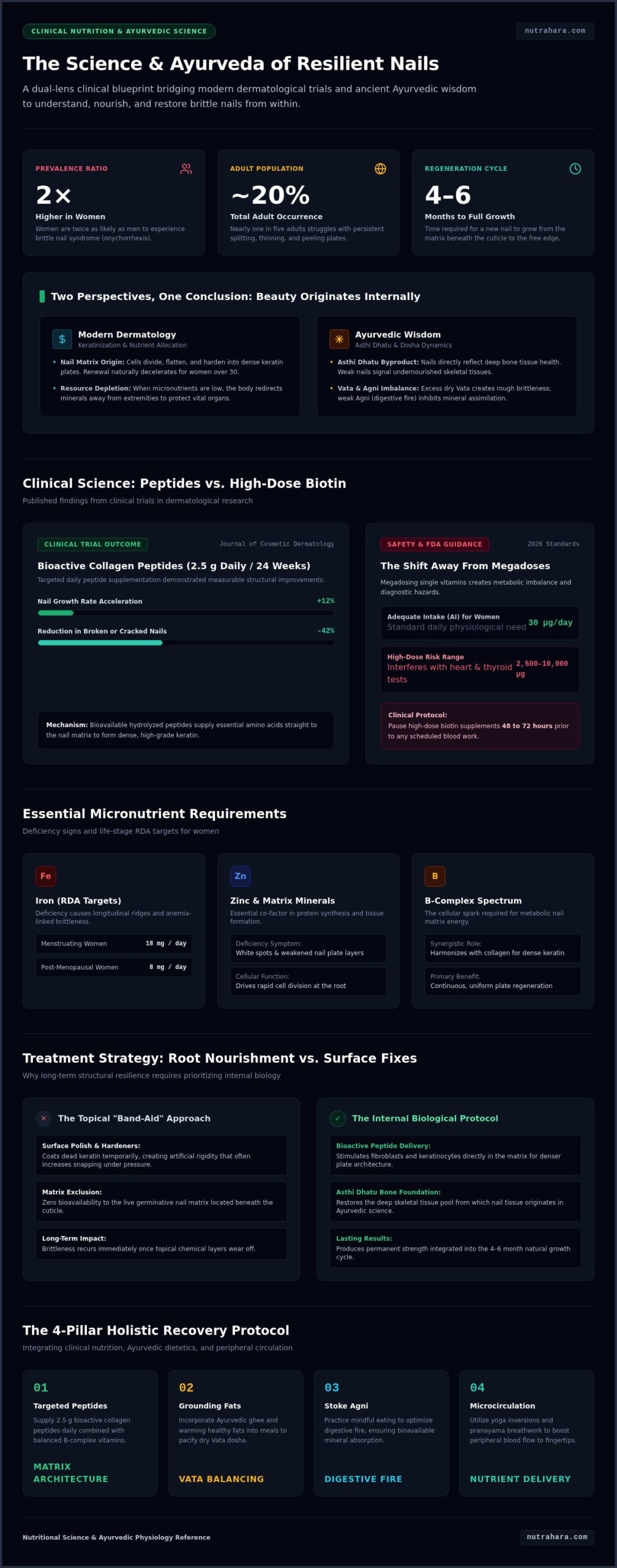
Did you know that women are twice as likely as men to struggle with brittle nail syndrome, a condition that affects nearly 20% of all adults? It’s incredibly frustrating to watch your nails peel or snap just as they finally reach a decent length. You likely feel that your nails should reflect the care you put into your yoga practice and clean diet, yet they remain stubbornly weak. You aren’t alone in wondering which supplements for brittle nails actually work and which are just marketing noise.

We’re here to help you bridge the gap between ancient traditions and modern clinical research. You’ll discover how to restore your nail’s natural strength and smooth texture using a mindful, holistic approach. This guide covers the essential role of bioactive collagen peptides, the truth about biotin safety in 2026, and specific Ayurvedic tips to nourish your body from the inside out. By the end, you’ll have a clear, science-backed routine that aligns perfectly with your wellness journey and boosts your confidence in your natural appearance.

Key Takeaways

  • Understand how ancient Ayurveda views your nails as a reflection of bone health, or “Asthi Dhatu,” and what this means for your recovery journey.
  • Discover why bioactive collagen peptides and balanced supplements for brittle nails are safer and more effective than relying on high-dose biotin alone.
  • Learn the “Band-Aid” trap of topical hardeners and why your body must prioritize internal nourishment to create lasting, visible strength.
  • Explore how specific yoga inversions and pranayama breathwork can improve the peripheral circulation necessary to deliver nutrients to your fingertips.
  • Gain actionable diet tips and lifestyle rituals, from integrating Ayurvedic ghee to choosing clean, bioavailable nutrients that support long-term vitality.

Beyond the Surface: Understanding Brittle Nails through Ayurveda and Science

Your nails act as a window into your internal vitality. While we often view peeling or splitting as a cosmetic inconvenience, it’s actually a clinical condition known as onychorrhexis (brittle nails). This fragility often signals that your body is redirecting essential nutrients away from your extremities to support vital organs. It’s a sign of internal depletion that requires a deeper look at your nutritional foundation.

Ancient Ayurvedic wisdom offers a profound perspective on this. In this tradition, your nails are considered a byproduct of Asthi Dhatu, or bone tissue. If your bones aren’t receiving deep nourishment, your nails are the first to show signs of depletion. Achieving lasting results with supplements for brittle nails requires addressing this internal foundation rather than just painting on a temporary fix. It’s a long-term progression toward wholeness.

The Science of Keratinization

New nail cells originate in the nail matrix, the hidden area just beneath your cuticle. As these cells grow, they undergo a process of hardening and flattening to form the protective plate. For women over 30, this renewal cycle naturally slows down. This physiological shift means your body needs more targeted support, such as a Premium Collagen Complex, to maintain the same level of resilience you enjoyed in your twenties. Keratinization is the body’s internal architecture for strength.

The Ayurvedic Perspective: Nails as a Mirror

Ayurvedic practitioners teach that brittleness often signals an aggravated Vata dosha. This imbalance brings qualities of dryness and roughness to the nail plate. If your Agni, or digestive fire, is weak, you won’t absorb the minerals needed for strong nails, no matter how well you eat. You can support this by:

  • Integrating warming, healthy fats like ghee into your diet to ground Vata.
  • Practicing mindful eating to stoke your digestive fire for better absorption.
  • Choosing bioavailable supplements for brittle nails that your body can easily recognize and utilize.

It takes roughly four to six months for a fingernail to grow from the cuticle to the tip. This journey is a marathon, not a sprint. By understanding the connection between your bone health and your external beauty, you can approach your wellness routine with the patience and confidence of a wise guide.

The Essential Nutrients: A Scientific Blueprint for Resilient Nails

Structural integrity in the nail plate depends on a precise sequence of micronutrients working beneath the surface. Iron and zinc are foundational; their deficiency often manifests as white spots or longitudinal ridges. According to this MedlinePlus guide to nail abnormalities, these physical changes are frequently the first signs of systemic issues like iron-deficiency anemia or moisture imbalances. For menstruating women, maintaining the RDA of 18 mg of iron is vital, while post-menopausal women require about 8 mg to avoid the brittleness associated with depletion.

B-Complex vitamins act as the essential spark for cellular energy within the nail matrix. They ensure the rapid cell division required for consistent growth. While many people focus on individual vitamins, the most effective supplements for brittle nails provide a comprehensive spectrum of nutrients that work in harmony. This synergistic approach ensures that the nail matrix has the “fuel” it needs to produce dense, high-quality keratin.

The Synergy of Biotin and Collagen

By 2026, clinical consensus has shifted away from megadosing biotin. While the Adequate Intake (AI) for women is just 30 µg per day, the FDA has issued safety alerts regarding high-dose supplements (2,500 µg to 10,000 µg) that can interfere with critical heart and thyroid lab tests. Modern guidance suggests pausing high-dose biotin 48 to 72 hours before any blood work to ensure accuracy.

The real breakthrough comes from combining moderate biotin with bioactive collagen peptides. Clinical trials published in the Journal of Cosmetic Dermatology show that taking 2.5 g of hydrolyzed collagen daily for 24 weeks leads to a 12% increase in growth rate and a 42% reduction in broken or cracked nails. You can find this precise, research-backed dosage in the Nutrahara Premium Collagen Complex, which provides the proline and glycine amino acids required to weave a stronger nail architecture.

Hormonal Harmony and Nail Strength

For women in their 40s and 50s, fluctuating estrogen levels play a significant role in nail hydration. Estrogen helps regulate the body’s ability to retain water; when it declines during perimenopause, nails often become dry and prone to “onychoschizia,” or distal peeling. Supporting your body through these shifts requires a holistic strategy that balances mineral intake with deep hydration.

If you’re noticing your nails thinning alongside other hormonal changes, it’s a signal to nourish your metabolic pathways. Our Vitamin B Complex offers methylated B-vitamins that support the cellular renewal process during these life transitions. Combining these nutrients with mindful hydration helps maintain that youthful resilience from your cuticles to your fingertips.

Supplements vs. Topical Treatments: Why True Strength Starts Within

Many women find themselves caught in the “Band-Aid” trap, spending significant time and money on topical nail hardeners and expensive cuticle creams. While these products might offer a temporary sheen, they often mask deeper issues. Some strengthening polishes use harsh chemicals like formaldehyde to cross-link nail proteins. This makes the nail plate feel harder instantly, but it also strips away natural flexibility. The result is a nail that doesn’t bend under pressure; it simply snaps like glass. True resilience requires a foundation that can only be built from the inside.

Your body operates on a strict survival hierarchy known as nutrient triage. When vitamins or minerals are scarce, your system prioritizes vital organs like the heart and brain. Your nails, hair, and skin are at the bottom of this list. If you aren’t providing a surplus of nutrients through high-quality supplements for brittle nails, your nail matrix won’t receive the “leftovers” it needs to thrive. This is why even the most expensive external treatments fail if the internal reservoir is empty.

The Myth of External Fixes

The visible part of your nail is composed of dead keratin cells. Applying vitamins to the surface is like painting a wilting leaf rather than watering the roots. For lasting change, nutrients must be delivered via the bloodstream to the living nail bed. Nutrahara’s philosophy focuses on this “root-cause” restoration, ensuring that your body has the bioavailable building blocks to grow healthy tissue from the start.

“I spent years and hundreds of dollars on ‘miracle’ strengtheners that just made my nails snap more easily,” says Sarah, 48. “It wasn’t until I switched from weekly manicures to a consistent internal routine that I saw real, flexible strength return. Now, my natural nails are the strongest they’ve ever been.”

Building a Long-term Health Progression

It’s vital to set realistic expectations for your wellness journey. Because it takes three to six months for a fingernail to fully grow out, you won’t see the impact of your new routine overnight. Consistency is the key to creating a nutrient reserve that supports your body through every life stage. By choosing clean ingredients without artificial additives, you’re investing in a lifestyle that values purity and long-term vitality. To understand how these choices fit into your broader health goals, explore A Woman’s Guide to Wellness Supplements for more expert guidance on choosing what’s best for your body.

Your Holistic Nail Recovery Ritual: Diet, Yoga, and Mindful Care

Inversion poses like Adho Mukha Svanasana (Downward-Facing Dog) and Uttanasana (Standing Forward Bend) use gravity to your advantage. These postures encourage oxygenated blood to flow toward the digital microvasculature of the hands. For a restorative evening practice, try Viparita Karani (Legs-Up-The-Wall). It lowers sympathetic nervous system tone, signaling your body to focus on cellular growth rather than survival. Complement your practice with a five-minute daily finger massage using warm sesame oil. This simple act stimulates the nail matrix and helps maintain the natural flexibility of the nail plate.

“I’ve found that my morning yoga practice makes my routine feel complete,” shares Elena, 52. “Since I started focusing on my breath and circulation, my nails actually feel warmer and more alive. They don’t just look better; they feel stronger from the base.”

Mindful Eating for Stronger Keratin

In Ayurveda, we focus on “Agni,” the digestive fire that determines how well you absorb nutrients. To support your nail health, prioritize warm, cooked foods over raw, cold meals. Integrating healthy fats like ghee and almonds provides the lubrication your Vata dosha needs to prevent dryness and cracking. Leafy greens offer the natural minerals that work in harmony with your supplement routine. Remember, the quality of your protein matters more than the quantity. Focus on bioavailable sources that your body can easily translate into the architecture of your nails.

Holistic Tips for Busy Women

  • Herbal Hydration: Infuse your water with silica-rich bamboo or horsetail tea to support structural density throughout the day.
  • Breathwork (Pranayama): Practice five minutes of alternate nostril breathing to lower cortisol and improve blood oxygenation.
  • The Almond Ritual: Soak five to seven almonds overnight and eat them in the morning to stoke your Agni and provide essential fatty acids.

Empowering your body to heal is a journey of self-love and patience. Support your personal progression with our Premium Collagen Complex to provide the structural foundation your nails deserve.

Best Supplements for Brittle Nails: 2026 Holistic Guide

Nutrahara’s Wise Approach: Fusing Tradition with Modern Nail Nutrition

Nutrahara acts as your wise guide, offering a path that respects both the complexity of your biology and the purity of nature. Many commercial supplements for brittle nails rely on synthetic fillers and megadosed vitamins that can disrupt your internal balance. We choose a different path. By focusing on clean, bioavailable ingredients, we ensure your body recognizes and utilizes every nutrient to support your long-term health progression. This isn’t just about a temporary fix; it’s about nurturing your body’s innate ability to repair itself.

The foundation of this approach lies in metabolic harmony. Our Vitamin B Complex provides a complete spectrum of methylated B-vitamins. These are essential for the cellular energy production required by the nail matrix to build resilient keratin. When your metabolism is supported, your nails reflect that internal vitality with a smooth, glossy finish. It’s a reflection of your body’s internal “Agni” or digestive fire working at its peak.

Because we understand the impact of stress on your physical appearance, we integrate adaptogens like Ashwagandha with Black Pepper into our holistic philosophy. High cortisol levels can starve the nail bed of nutrients by shunting blood flow to the core. By grounding your nervous system, you protect your nails from the brittle, peeling damage caused by modern life’s pressures. This balance allows you to maintain your yoga-centered lifestyle with confidence and grace.

The Nutrahara Quality Promise

Our formulas are built on a commitment to transparency and simplicity. We exclude artificial additives, colors, and unnecessary binders, ensuring that you only put the purest elements into your body. This dedication results in a powerful fusion where ancient Ayurvedic wisdom meets the rigors of modern nutritional science to create lasting, visible strength. We believe that what you leave out of a supplement is just as important as what you put in.

Taking the Next Step in Your Wellness Journey

True transformation is a personal journey that unfolds over time. Because it takes approximately four to six months for a fingernail to fully grow out, we encourage you to start a 90-day nail challenge. Pair your daily supplements with the yoga inversions and mindful eating habits we’ve discussed. This consistent ritual builds the internal reserve your body needs to thrive during every life stage, from menstruation through menopause.

Reclaiming your vitality starts with a single, mindful choice. As you see your nails transform into a symbol of strength, your self-esteem and confidence will naturally follow. We invite you to embrace this supportive partnership and begin your progression toward holistic wellness today. Discover the Nutrahara difference and reclaim the natural strength your body was meant to have.

Step into Your Most Vibrant Self

Your journey to resilient nails is about more than aesthetics; it’s a reflection of your internal harmony and bone health. You’ve learned that while topical hardeners provide a temporary shield, true strength is built through targeted nutrients and mindful living. By integrating yoga to boost circulation and choosing bioavailable supplements for brittle nails, you’re nourishing your body’s foundation from the base. This holistic approach ensures that your nail matrix has the surplus of energy it needs to thrive through every life stage.

Nutrahara acts as your wise guide, providing clean, non-GMO, and Ayurveda-inspired formulas designed by experts specifically for women. Whether you’re navigating the hormonal shifts of perimenopause or simply prioritizing a clean lifestyle, we’re here to support your long-term health progression. It’s time to stop masking the symptoms and start feeding the root of your vitality. Trust the process, embrace your daily ritual, and watch your natural beauty flourish from the inside out.

Elevate your nail health with Nutrahara’s Premium Collagen Complex and reclaim the confidence that comes with natural, visible strength. You have the power to transform your wellness journey today.

Frequently Asked Questions

How long does it take for supplements to fix brittle nails?

You should expect to see visible results in three to six months. This timeframe aligns with the natural growth cycle of the fingernail, which typically takes half a year to grow from the cuticle to the free edge. Because the visible nail plate is composed of dead cells, you’re waiting for the newly nourished cells from the nail matrix to emerge. Consistency is vital for this long-term progression.

Can Biotin cause breakouts or other side effects?

High-dose biotin can lead to skin breakouts in some women, often due to competition with vitamin B5 absorption. However, the most significant concern is laboratory interference. The FDA has warned that biotin megadoses can cause falsely low or high results in heart and thyroid tests. It’s best to choose balanced supplements for brittle nails and pause intake 48 to 72 hours before elective blood work.

Is it better to take collagen or biotin for nail growth?

Taking both in synergy is more effective than choosing just one. Biotin acts as a coenzyme that supports the metabolism of protein-building amino acids. Meanwhile, bioactive collagen peptides provide the actual structural blocks, like proline and glycine, needed for the nail plate. Clinical studies show that 2.5 g of hydrolyzed collagen daily significantly improves nail thickness and growth rate while reducing the frequency of breakage.

What are the signs that my brittle nails are caused by a vitamin deficiency?

Vertical ridges often point to iron or B12 depletion, while small white spots can indicate a zinc deficiency. If your nails peel at the tips, it’s frequently a sign of moisture imbalance or protein scarcity. Because these physical markers reflect your internal “Asthi Dhatu” health, they serve as a mirror for your nutritional status. Monitoring these changes helps you adjust your routine for better long-term vitality.

Do I need to take a break from nail polish while taking supplements?

Taking a break from polish isn’t strictly mandatory, but it’s highly beneficial. Harsh acetone removers and gel enhancements can dehydrate the nail plate, making it three times more likely to split. Allowing your nails to “breathe” for one week every month lets the natural oils reach the surface. This practice complements your internal routine by protecting the new, stronger growth as it emerges from the matrix.

Can yoga really help my nails grow faster?

Yoga supports nail growth by improving peripheral circulation and lowering cortisol levels. Inversion poses like Downward-Facing Dog encourage oxygenated blood to reach your fingertips, delivering the nutrients from your supplements for brittle nails more efficiently. Additionally, reducing stress prevents the “cortisol shunt” that starves non-essential tissues. This holistic approach ensures your body has the calm environment needed for cellular repair and consistent keratin production.

Are there any Ayurvedic herbs specifically for nail strength?

Ayurveda utilizes powerful Rasayana herbs like Ashwagandha to balance the Vata dosha and reduce systemic inflammation. Amla is another staple, providing natural vitamin C to enhance collagen synthesis. These herbs work by strengthening your “Agni,” or digestive fire, which ensures you actually absorb the minerals you consume. By grounding your nervous system, these traditional botanicals protect the nail matrix from the damaging effects of chronic stress.

What is the best time of day to take nail supplements for maximum absorption?

You should take B-complex supplements in the morning with a meal to support daytime energy and protein metabolism. Collagen peptides are flexible but often work well in the evening when your body enters its natural repair phase. Always take your supplements with warm water or a light meal to stoke your digestive fire. This simple ritual ensures maximum bioavailability and prevents the minor stomach upset sometimes associated with concentrated nutrients.

Article by

Nutrahara Team

We are a dedicated collective of nutrition scientists and naturopaths at Nutrahara, committed to advancing women's health through the fusion of ancient Ayurveda science and cutting-edge nutrition research. Our mission is to empower you with clean, simple, and scientifically validated wellness solutions so you can live your healthiest life. Connect with us to stay updated on the latest developments in holistic women's health and nature-based research.

Disclaimer

This article is not a substitute for medical advice. Please consult a healthcare professional before starting any supplement, especially if pregnant, nursing, taking medication, or managing health conditions.