

...
Categories
Articles

Ayurveda for Heart Health: A Woman’s Guide

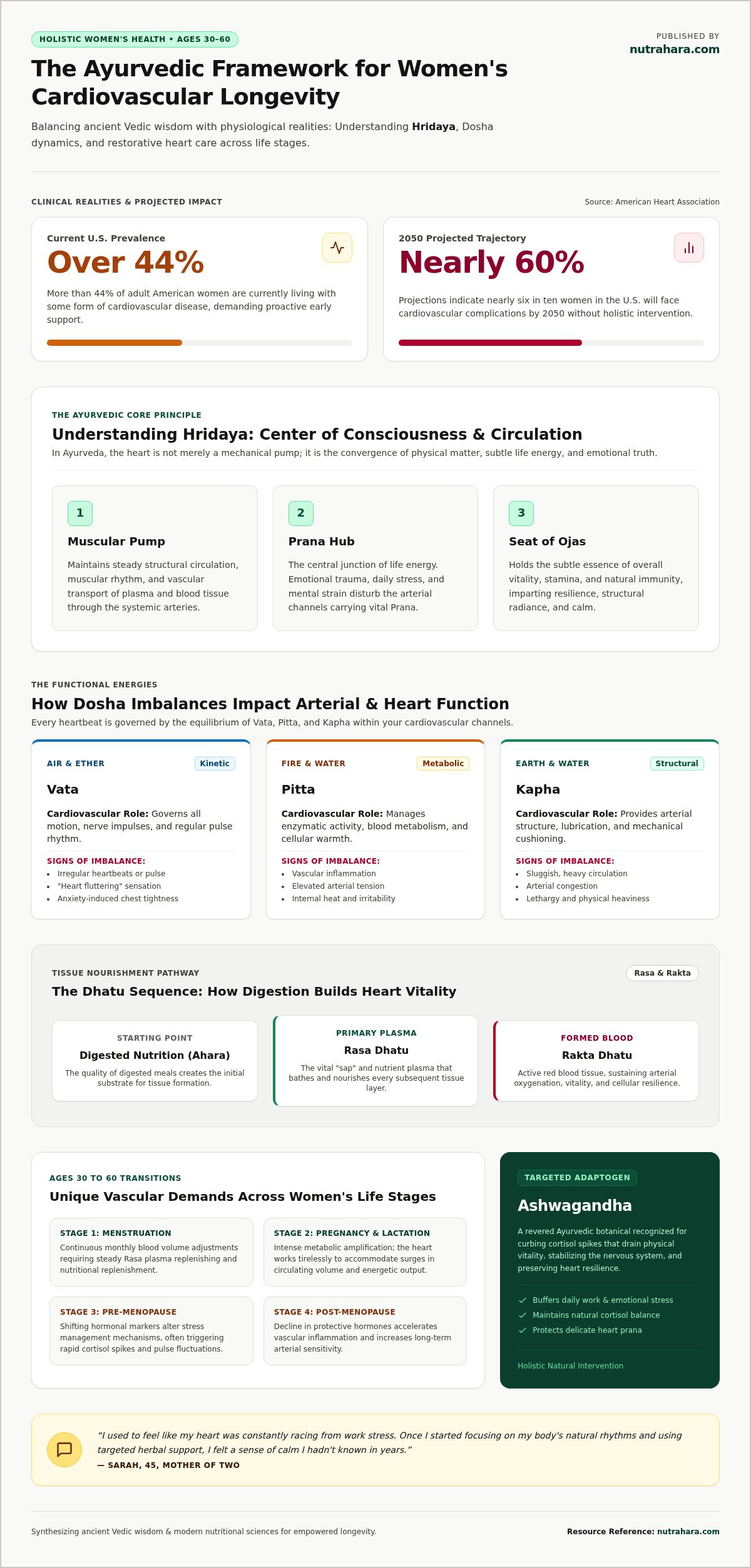
Over 44% of women in the United States are currently living with some form of cardiovascular disease, a reality that highlights the urgent need for proactive care. If you feel anxious about age-related changes or find yourself exhausted by complex medical jargon, you’re not alone. Daily stress and fatigue can easily drain your physical vitality, leaving you searching for gentle yet effective solutions. Embracing a time-tested, ayurvedic approach to cardiovascular health allows you to move away from clinical confusion and toward intuitive, natural healing.

You deserve a wellness journey that honors both your emotional heart and your physical body. Discover how combining ancient Ayurvedic wisdom with modern nutritional science can empower your cardiovascular health and longevity. We will share actionable, natural steps for heart protection, restorative yoga insights, and real-life stories from women who have transformed their well-being. By blending time-tested botanicals with mindful living, you can cultivate deep physical resilience and reconnect with your body’s natural rhythms.

Key Takeaways

  • Learn why the Ayurvedic view of the heart, or Hridaya, encompasses your physical vitality, emotional resilience, and consciousness as a holistic system.
  • Identify how imbalances in the three Doshas can manifest as cardiovascular tension and how to restore harmony through nature-aligned rhythms.
  • Discover how an ayurvedic approach to cardiovascular health helps you navigate modern high-stress lifestyles by aligning your daily habits with your body’s natural needs.
  • Master practical daily rituals, including heart-centered yoga and botanical support, to enhance your physical resilience and mental clarity.
  • Understand how fusing ancient wisdom with modern nutritional science creates a sustainable path for long-term health progression and empowered aging.

Understanding Hridaya: The Foundations of the Ayurvedic Approach to Cardiovascular Health

The heart is far more than a simple mechanical pump in ancient wisdom. In the Ayurveda tradition, the heart is known as Hridaya. This term describes a profound center where your physical circulation, emotional experiences, and life energy, or Prana, converge. Taking an ayurvedic approach to cardiovascular health means you aren’t just looking at blood pressure numbers or cholesterol levels. You’re looking at the seat of your consciousness. By 2050, nearly six in ten women in the U.S. are projected to have some form of cardiovascular disease, according to the American Heart Association. This makes it vital for you to embrace proactive, holistic care right now.

What is Hridaya? The Physical and Emotional Heart

Hridaya serves a dual purpose as both a muscular organ and a spiritual hub. It holds Ojas, the subtle essence of your vitality and immunity, which keeps your physical body resilient and glowing. According to ancient texts, emotional trauma and chronic stress can directly impair your physical circulation by disturbing the flow of Prana within the heart’s channels. When you nurture your emotional heart through meditation and breathwork, you’re simultaneously supporting the structural integrity of your physical arteries. This connection explains why your heart often feels “heavy” during grief or “light” during joy. Protecting your Ojas is the first step toward enduring physical vitality.

Why Cardiovascular Health Requires a Gender-Specific Focus

Women’s bodies experience unique physiological shifts that demand a specialized ayurvedic approach to cardiovascular health. From the rhythmic cycles of menstruation to the intense demands of pregnancy and lactation, your heart works tirelessly to adapt to changing blood volumes and metabolic needs. As you move toward the pre-menopausal and post-menopausal years, the decline in certain hormones can alter how your body manages stress and vascular inflammation.

“I used to feel like my heart was constantly racing from work stress,” shares Sarah, a 45-year-old mother of two. “Once I started focusing on my body’s natural rhythms and using targeted herbal support, I felt a sense of calm I hadn’t known in years.”

Integrating adaptogens like Ashwagandha can help manage the cortisol spikes that often drain a woman’s physical vitality. You don’t have to be overwhelmed by complex medical jargon to take charge of your longevity. By understanding these ancient foundations, you build the confidence to protect your heart through every stage of life, ensuring your health journey is one of strength and grace.

The Interplay of Doshas and Dhatus in Women’s Heart Longevity

While Hridaya represents the heart’s spiritual and physical center, the three Doshas are the functional energies that drive its every beat. Understanding the ayurvedic approach to cardiovascular health requires looking at how Vata, Pitta, and Kapha interact within your unique physiology. These energies aren’t static. They shift with your environment, diet, and life stages. When these forces are in harmony, they support the Dhatus, or tissues, that form the foundation of your vascular strength. You don’t need to be a scholar to recognize these patterns; you simply need to listen to your body’s subtle signals.

Balancing Vata, Pitta, and Kapha for Optimal Circulation

Vata governs all movement. In the cardiovascular system, it manages the rhythm of your heartbeat and the flow of blood through your veins. When Vata is out of balance, you might experience an irregular pulse or feelings of “heart fluttering” linked to anxiety. Pitta, the energy of transformation and heat, manages the metabolic processes within the blood. Excess Pitta often manifests as inflammation or high vascular pressure. Kapha provides the structural integrity and lubrication for your arteries. An imbalance here can lead to a sense of heaviness or sluggish circulation. Restoring balance is a gentle process of intentional lifestyle shifts that calm these energies.

Rasa Dhatu and its Critical Impact on Women’s Wellness

Beyond the Doshas, Ayurveda emphasizes the health of the Dhatus. Rasa Dhatu, or the primary nutrient plasma, is the first tissue formed from the food you digest. It’s the “sap” of the body that nourishes every other tissue, including the Rakta Dhatu (blood). For women aged 30 to 60, maintaining high-quality Rasa Dhatu is essential for navigating hormonal transitions and maintaining physical vitality. If your plasma is thin or toxic, your heart must work harder to distribute nutrients.

Optimizing this tissue requires clean nutrition, proper hydration, and emotional peace. Modern research often complements these views, providing a scientific perspective on Ayurvedic medicine that validates the importance of systemic balance. To support your body’s natural nutrient distribution, consider integrating targeted support like Femme Power as part of your daily routine. By focusing on the purity of your internal fluids, you empower your cardiovascular tree to thrive. It’s a long-term progression that rewards you with enhanced resilience and a deeper connection to your natural rhythms.

Modern Cardiovascular Stressors vs. Ancient Ayurvedic Wisdom

Modern life demands a lot from women. You likely juggle a career, family responsibilities, and personal growth, often at the expense of your internal rhythm. This high-octane lifestyle creates a friction that ancient wisdom never intended for the human body to endure. By adopting a modern ayurvedic approach to cardiovascular health, you shift from reacting to stress to proactively cultivating resilience. It isn’t about adding more to your to-do list. It’s about reframing heart care as an essential, empowering journey toward long-term vitality rather than a chore.

Chronic Stress and the Depletion of Ojas

Mental fatigue and constant multitasking actively deplete Ojas, the heart’s natural shield of vitality. When Ojas is low, your vascular tone suffers, and your body finds it harder to regulate blood pressure naturally. You don’t need hours of silence to restore this essence. Try these micro-moments during your day:

  • Practice a one-minute “box breath” before opening your morning inbox.
  • Step away from all digital screens for five minutes during your lunch break.
  • Use a calming support like Anxioguard to help stabilize your nervous system response.

These small, intentional acts directly signal your heart to relax. They protect your physical and emotional reserves, ensuring you maintain the energy needed for your personal health progression.

How Menopause and Hormonal Shifts Affect Heart Health

For women entering their 40s and 50s, the natural decline in estrogen introduces new cardiovascular considerations. Estrogen plays a protective role in vascular health, and its reduction can lead to increased arterial stiffness. In Ayurveda, this transition marks the shift into the Vata stage of life, which is often characterized by dryness and irregularity. Understanding Ayurveda principles and treatments helps you stabilize this transition with grace.

Instead of feeling overwhelmed by these shifts, see them as a call to ground your energy. Focus on warming, cooked foods and consistent daily routines to soothe the Vata energy. Integrating targeted botanicals like BlossomBliss can provide the nurturing support your heart needs during hormonal transitions. Your cardiovascular wellness isn’t a static goal. It’s a personal journey that evolves, requiring pure and trusted inputs to sustain your natural rhythm.

Actionable Ayurvedic Rituals, Herbs, and Yoga for Heart Vitality

Integrating an ayurvedic approach to cardiovascular health isn’t about achieving perfection overnight. It’s about making small, intentional choices that build your physical and emotional resilience. When you combine targeted botanical support with mindful movement, you create a synergy that protects your heart’s structural integrity and your mental peace. This holistic toolkit is designed to fit into your busy schedule, ensuring your wellness journey remains sustainable and empowering.

“I started practicing ten minutes of heart-opening yoga and taking a clean ashwagandha supplement daily,” says Maya, 52. “The difference in my physical vitality and mental calm was night and day. I finally feel like I’m working with my body, not against it.”

Cardio-Supportive Herbs: The Role of Adaptogens

Traditional botanicals have supported women’s heart health for centuries. Arjuna (Terminalia arjuna) is a premier cardioprotective herb historically used to strengthen the heart muscle and improve vascular tone. Modern research often focuses on adaptogens like Ashwagandha, which help modulate cortisol levels. By managing your stress response, you prevent the chronic inflammation that often compromises cardiovascular wellness. You can easily explore clean, potent formulations like Nutrahara’s Ashwagandha with Black Pepper to support your daily resilience.

Asanas and Pranayama: Yoga for a Resilient Cardiovascular System

Physical fitness for the heart doesn’t always mean high-intensity training. Gentle, regular movement stimulates circulation without overtaxing your system. Heart-opening poses like Bhujangasana (Cobra Pose) and Setu Bandhasana (Bridge Pose) are excellent for women aged 30 to 60. These poses stretch the chest and improve the flow of Prana to the Hridaya. Pair these with Nadi Shodhana, or alternate nostril breathing. Simply close your right nostril, inhale through the left, then switch. This practice soothes the nervous system and balances your circulatory rhythm.

Dinacharya Practices for Daily Circulatory Support

Your daily routine, or Dinacharya, provides the foundation for long-term health progression. Abhyanga, the practice of warm oil self-massage, stimulates lymphatic drainage and blood flow. It’s a nurturing way to reconnect with your body’s rhythms. Consistent sleep is equally vital for protecting your cardiovascular rhythm. If you struggle to unwind, establish an evening routine that includes dimming lights and avoiding screens. Consider integrating RestoraSleep to help your body transition into a state of deep, restorative rest.

Empower your heart by choosing purity and simplicity in your daily rituals. Start your journey toward heart vitality today.
Ayurveda for Heart Health: A Woman's Guide

Integrating Ancient Wisdom with Modern Nutrition for Long-Term Wellness

The fusion of traditional medicine and contemporary science offers an optimized path to vitality. Your health journey is a long-term progression. It requires pure, trusted inputs to sustain your natural rhythms. By embracing an ayurvedic approach to cardiovascular health, you bridge the gap between ancient intuition and modern validation. Trust your body’s innate wisdom while making informed, science-backed choices for your future. This partnership between history and innovation ensures you aren’t just surviving, but thriving through every decade of your life.

Bridging Ayurvedic Traditions with Modern Clinical Research

Modern clinical research now validates the anti-inflammatory and stress-reducing properties of Ayurvedic rituals. Studies show that practices like mindful breathing and botanical support effectively modulate the nervous system. These aren’t just “feel-good” habits; they’re biological interventions. Beyond herbs, cellular nutrition plays a vital role in heart longevity. Essential nutrients work alongside botanicals to ensure your heart muscle has the energy it needs to function. Incorporating clean micronutrients, such as those in Nutrahara’s Vitamin B Complex, supports cellular energy production and nervous system health. This synergy ensures your cardiovascular system remains resilient against the pressures of modern life.

Empowering Your Wellness Journey with Clean, Natural Formulas

True empowerment comes from knowing exactly what goes into your body. Choosing supplements free from artificial additives, binders, and fillers is essential for long-term wellness. A clean lifestyle supports your liver and blood purification pathways. When your blood is pure, it reduces the heart’s overall workload. Ancient wisdom often emphasizes the role of the liver in maintaining vascular clarity, a concept that modern science supports through the study of metabolic health. This holistic understanding is central to a successful ayurvedic approach to cardiovascular health. Consider a seasonal reset with Nutrahara’s Detoxifylife to support these natural filtration systems.

Your heart is the center of your being. It deserves more than quick fixes or synthetic shortcuts. By choosing nature-aligned rhythms and science-backed support, you cultivate a deeper connection to your body. Nurture your heart with the respect and purity it deserves. Take charge of your longevity today and embrace a future defined by vitality, resilience, and empowered self-care.

Empower Your Heart for the Journey Ahead

Your heart is the rhythmic center of your life. It deserves a care strategy as multifaceted as your daily responsibilities. By embracing an ayurvedic approach to cardiovascular health, you’re not just managing a physical organ; you’re nurturing your entire essence. We’ve explored how balancing your Doshas and integrating specific heart-opening yoga poses can restore physical vitality and emotional calm. Combining these ancient practices with modern nutritional science creates a sustainable path for long-term health progression.

Nutrahara provides expertly formulated solutions that combine ancient Ayurveda with modern nutritional research. Our 100% clean ingredients are specifically tailored for your unique life stages, ensuring you receive pure support without artificial additives. Trusted by thousands of women pursuing longevity and strength, we’re here to be your wise and caring guide as you navigate each transition.

Embrace your journey to lifelong heart vitality with Nutrahara’s pure, science-backed wellness solutions.

You have the power to protect your longevity and enhance your resilience. Trust your body’s wisdom and start listening to its natural rhythms today.

Frequently Asked Questions

What is the primary Ayurvedic herb used for cardiovascular health?

Arjuna is widely recognized as the premier botanical for cardiovascular support in traditional practice. It’s often used to strengthen the heart muscle and improve vascular tone. Modern formulations frequently combine it with adaptogens like Ashwagandha to help the body manage cortisol, which protects the heart from chronic stress. Choosing clean, science-backed supplements ensures you receive these benefits without artificial additives, supporting your long-term health journey with trusted, natural ingredients.

Can yoga and meditation actively lower stress-related heart tension?

Yoga and meditation are powerful tools for reducing heart tension by activating the body’s relaxation response. Specific heart-opening poses, such as Bridge Pose, help physical circulation while deep breathing exercises like Nadi Shodhana soothe the nervous system. These practices directly counteract the “fight or flight” response that often leads to vascular constriction. Integrating these rituals into your daily life fosters emotional resilience and physical vitality, empowering you to navigate life’s transitions with greater calm.

How does menopause affect a woman’s cardiovascular system in Ayurveda?

In Ayurveda, menopause represents a transition into the Vata stage of life, which is characterized by increased dryness and irregularity. This shift often coincides with a natural decline in estrogen, an essential hormone that provides cardiovascular protection for women. You might notice changes in arterial stiffness or heart rhythm during this time. Grounding, warming lifestyle adjustments and targeted botanical support help stabilize this transition, ensuring your heart remains resilient as your body’s natural rhythms evolve.

Is the Ayurvedic approach to heart health supported by modern science?

Yes, a modern ayurvedic approach to cardiovascular health is increasingly validated by clinical research. Trials with results posted in August 2024 found that Ayurvedic programs including yoga and herbs improved arterial stiffness and cardiometabolic risk factors. This fusion of ancient wisdom and modern nutritional science creates a comprehensive wellness strategy. By using clean ingredients free from binders, you can trust that these time-tested methods meet contemporary standards for purity and clinical efficacy.

What daily ritual is best for improving circulation naturally?

Abhyanga, or warm oil self-massage, is one of the most effective daily rituals for stimulating lymphatic and blood circulation. This practice encourages the flow of Prana and helps clear metabolic waste from the tissues. Beyond the physical benefits, it serves as a nurturing act of self-care that grounds your energy. Performing this ritual before your morning shower can significantly enhance your physical vitality and help you feel more connected to your body’s natural circulatory rhythms.

Can I combine Ayurvedic lifestyle practices with my current fitness routine?

You can absolutely integrate Ayurvedic principles into your existing fitness routine to create a more balanced ayurvedic approach to cardiovascular health. While high-intensity exercise builds strength, adding heart-centered yoga and meditation helps prevent overtaxing your nervous system. This combination ensures you’ll achieve your fitness goals without depleting your Ojas, or vital energy essence. Using clean supplements to support cellular energy further optimizes your results, making your health journey a sustainable and empowering long-term progression.

Article by

Nutrahara Team

We are a dedicated collective of nutrition scientists and naturopaths at Nutrahara, committed to advancing women's health through the fusion of ancient Ayurveda science and cutting-edge nutrition research. Our mission is to empower you with clean, simple, and scientifically validated wellness solutions so you can live your healthiest life. Connect with us to stay updated on the latest developments in holistic women's health and nature-based research.

Disclaimer

This article is not a substitute for medical advice. Please consult a healthcare professional before starting any supplement, especially if pregnant, nursing, taking medication, or managing health conditions.

Categories
Articles

Best Supplements for Postmenopausal Health: A Complete Guide for 2026

Your wellness journey after menopause can feel overwhelming. Faced with concerns about long-term risks like osteoporosis and the daily challenges of brain fog or mood swings, the supplement aisle can seem like a confusing, crowded landscape. The search for the best supplements for postmenopausal health shouldn’t be a source of stress, but a clear path toward empowerment and well-being.

This is where your journey finds clarity. Grounded in a blend of ancient wisdom and cutting-edge nutritional science, this guide is designed to be your trusted resource for 2025. We cut through the marketing hype to reveal the clinically studied vitamins, essential minerals, and holistic herbs that support bone density, heart health, and mental clarity. Prepare to feel proactive and confident, armed with the knowledge to make safe, informed choices that nourish your body and mind for the vibrant years ahead.

Key Takeaways

  • Your postmenopausal wellness journey begins with a core set of foundational nutrients designed to address the body’s new needs after estrogen levels naturally decline.
  • Discover the best supplements for postmenopausal health by targeting specific concerns, from maintaining strong bones and a healthy heart to supporting mental clarity.
  • Explore how ancient Ayurvedic wisdom can help restore holistic balance during this new life stage by addressing common ‘Vata’ imbalances.
  • Learn how to confidently select high-quality, pure supplements and build a safe, effective routine that truly supports your long-term well-being.

Understanding Your Body’s New Needs After Menopause

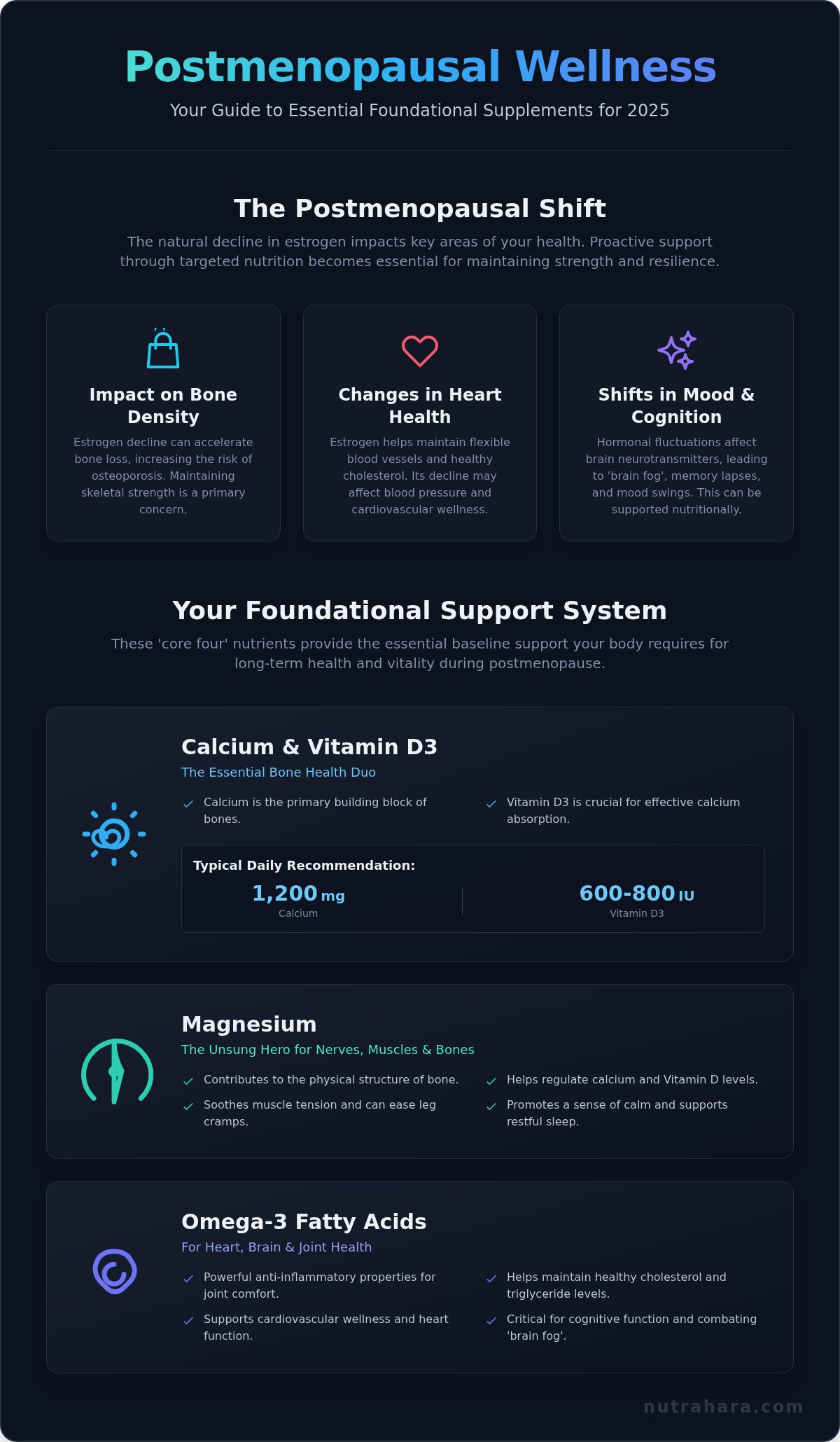
Postmenopause is not an illness but a significant new chapter in your wellness journey. This transition is primarily guided by one major physiological shift: the natural decline in estrogen. This powerful hormone plays a crucial role far beyond reproduction, and for a deeper dive into the biological process, the guide to Understanding Menopause offers a comprehensive overview. As your body adapts, certain areas like bone density, cardiovascular function, and cognitive clarity require new forms of support. Navigating these changes with confidence means identifying the best supplements for postmenopausal health to create a holistic and balanced lifestyle. This empowers you to thrive in this new phase with vitality and well-being.

The Impact on Bone Density

Estrogen is a key ally for your skeleton, as it helps regulate the activity of bone-building cells called osteoblasts. As estrogen levels fall, the natural process of bone breakdown can outpace bone formation. This imbalance significantly increases the risk of osteoporosis, a condition characterized by weak and brittle bones. Proactive support through targeted nutrition becomes essential for maintaining skeletal strength and resilience for years to come.

Changes in Cardiovascular Health

Throughout your life, estrogen has helped maintain your cardiovascular well-being by promoting flexible blood vessels and helping to manage healthy cholesterol levels. With its decline, women may notice changes in blood pressure and cholesterol, increasing the risk for heart-related health concerns. A heart-conscious diet, regular exercise, and specific, clinically-studied supplements play a vital role in supporting your cardiovascular system during this transition.

Shifts in Cognitive Function and Mood

If you’ve experienced moments of ‘brain fog,’ memory lapses, or unexpected mood swings, you are not alone. These are common experiences in postmenopause. Hormonal fluctuations directly impact neurotransmitters in the brain, such as serotonin and dopamine, which regulate mood and cognitive function. Recognizing this connection is empowering, as these shifts can be supported through a balanced lifestyle and the right nutritional strategies to foster mental clarity and emotional well-being.

Foundational Supplements for Everyday Postmenopausal Wellness

Navigating your postmenopausal wellness journey begins with a strong foundation. Think of the following nutrients as your essential ‘core four’—the non-negotiables for long-term health and vitality. As your body’s physiology shifts with changing estrogen levels, your nutritional needs evolve, too. These foundational nutrients provide the baseline support your body requires, creating a stable platform upon which more targeted supplements can be added. Establishing this core regimen is a crucial first step in finding the best supplements for postmenopausal health.

Calcium & Vitamin D3: The Bone Health Duo

As estrogen declines, bone density can decrease, making skeletal health a primary concern. Calcium is the essential mineral that serves as the primary building block of your bones. However, your body cannot effectively absorb calcium without its crucial partner, Vitamin D3. This synergistic duo works together to maintain bone strength and integrity. For postmenopausal women, the recommended daily intake is typically around 1,200 mg of calcium and 600-800 IU of Vitamin D3. While a diet rich in dairy, leafy greens, and fortified foods is paramount, many women find supplementation a necessary strategy, often discussed within broader Menopause Treatment Options, to ensure these critical needs are met.

Magnesium: The Unsung Hero for Nerves, Muscles, and Bones

Magnesium is a powerhouse mineral involved in over 300 biochemical reactions in your body, yet its importance is often overlooked. For postmenopausal women, it plays several vital roles:

  • Bone Structure: Magnesium contributes to the physical structure of bone and is essential for regulating calcium and Vitamin D levels.
  • Muscle Relaxation: It helps soothe muscle tension and can alleviate nighttime leg cramps.
  • Nervous System Support: By helping to regulate neurotransmitters, magnesium promotes a sense of calm and can support more restful sleep.

Omega-3 Fatty Acids: For Heart, Brain, and Joint Health

Sourced from fish oil or algae, Omega-3s—specifically EPA and DHA—are celebrated for their powerful anti-inflammatory properties. This makes them one of the best supplements for postmenopausal health, addressing multiple concerns at once. They support cardiovascular wellness by helping to maintain healthy cholesterol and triglyceride levels. Furthermore, these essential fats are critical for cognitive function, helping to combat the ‘brain fog’ many women experience, while also promoting joint flexibility and reducing stiffness.

Targeted Support for Common Postmenopausal Challenges

Your postmenopausal wellness journey is deeply personal, with unique needs and goals. Rather than a one-size-fits-all approach, the most effective strategy involves targeted support for the specific challenges you face. From maintaining cognitive sharpness to ensuring bone density, choosing the best supplements for postmenopausal health means listening to your body. Understanding the science behind managing postmenopausal conditions empowers you to build a personalized regimen that nurtures your long-term vitality. Below, we explore key nutrients organized by the health goals they support.

For Enhanced Cognitive Clarity and Mood Balance

Fluctuating hormones can impact focus and emotional well-being. B vitamins, particularly B12 and B6, are crucial for brain energy metabolism and the production of neurotransmitters like serotonin. A high-quality Vitamin B-Complex can provide daily support for mental energy. Additionally, botanicals like Ginkgo Biloba have been studied for their ability to support healthy circulation to the brain, while gentle phytoestrogens from red clover or soy isoflavones may help balance the body’s response to lower estrogen levels.

For Strong Bones and Flexible Joints

Holistic bone health goes beyond just calcium and Vitamin D3. For optimal bone density, these nutrients need partners. Vitamin K2 is essential for directing calcium out of the arteries and into the bones where it belongs. At the same time, collagen, the body’s primary structural protein, is vital for maintaining the integrity of joint cartilage and connective tissues. Supplementing with a Premium Collagen Complex can support the foundational structure of not only your joints but also your skin and hair.

For Maintaining a Healthy Heart and Metabolism

Supporting your cardiovascular system and metabolic rate is a cornerstone of postmenopausal well-being. Coenzyme Q10 (CoQ10) is a powerful antioxidant that fuels cellular energy, especially in the heart, but its natural production declines with age. To further support metabolic balance, consider these key nutrients:

  • Fiber: Soluble fiber supplements can aid in managing healthy cholesterol and blood sugar levels.
  • Berberine: This plant-derived compound is gaining significant attention in clinical research for its promising role in supporting metabolic health and glucose regulation.

This targeted approach helps create a synergistic plan, making it easier to find the best supplements for postmenopausal health tailored to your body’s specific needs.

The Ayurvedic Approach: Ancient Wisdom for Modern Women

Ayurveda, the ancient science of life from India, offers a profound and holistic framework for navigating life’s transitions. It views postmenopause as the ‘Vata stage of life,’ a period governed by the energy of air and space. When Vata becomes imbalanced, it can manifest as common challenges like anxiety, insomnia, dry skin, and joint stiffness. Understanding this principle is key to finding the best supplements for postmenopausal health, using time-honored herbs to gently restore equilibrium on your wellness journey.

This ancient wisdom, now validated by modern research, focuses on nurturing the body with botanicals that create harmony from within.

Adaptogens for Stress and Resilience

Adaptogens are a remarkable class of herbs that enhance the body’s ability to resist and adapt to stress. Rather than providing a jolt of energy or sedation, they intelligently modulate your stress response for greater balance and resilience.

  • Ashwagandha: A cornerstone of Ayurvedic medicine, this powerful adaptogen is clinically studied for its ability to lower cortisol levels, calm an anxious mind, and support adrenal health. For optimal efficacy, look for formulas like our Ashwagandha with Black Pepper, where the inclusion of piperine is scientifically shown to boost absorption and effectiveness.
  • Rhodiola Rosea: Another celebrated adaptogen, Rhodiola is valued for fighting fatigue and enhancing mental clarity, making it a powerful ally during this transition.

Phytoestrogenic Herbs for Hormonal Balance

Phytoestrogens are natural compounds found in plants that have a similar structure to the body’s own estrogen. They can gently bind to estrogen receptors, helping to buffer the fluctuations that cause discomfort during postmenopause. This offers a subtle, supportive approach to hormonal harmony.

  • Shatavari: Known as the ‘queen of herbs’ for women, Shatavari is traditionally used to combat dryness throughout the body, from the skin to vaginal tissues. It is revered for rejuvenating the female system and enhancing vitality.
  • Black Cohosh: Extensively researched in modern science, Black Cohosh is one of the most recognized herbs for providing natural relief from hot flashes and night sweats.

By integrating these ancient botanicals, you can find holistic support for a balanced and vibrant postmenopausal chapter. Discover clean, pure formulas to support your journey at nutrahara.com.

Best Supplements for Postmenopausal Health: A Complete Guide for 2026

How to Choose High-Quality Supplements and Create a Safe Routine

Navigating the world of dietary supplements can feel overwhelming, especially when your well-being is the priority. We understand the skepticism. That’s why we believe your wellness journey should be guided by knowledge and transparency. Becoming an informed consumer is the most powerful step you can take in selecting the best supplements for postmenopausal health. This guide is designed to empower you with a clear checklist for choosing products that are both safe and effective.

Reading the Label: What to Look For

A supplement label tells a story. Look beyond the marketing claims to the Supplement Facts panel. Check the ‘active ingredients’ for the therapeutic dose and the ‘other ingredients’ for unnecessary fillers or allergens. For herbal formulas, seek ‘standardized extracts,’ which guarantee a consistent potency in every batch. Be wary of ‘proprietary blends’ that hide the exact amount of each ingredient, as transparency is key to quality.

The Importance of Purity and Third-Party Testing

How can you be sure what’s in the bottle is pure? Look for verification from independent, third-party organizations. Certifications from groups like NSF International or USP (U.S. Pharmacopeia) confirm that a product contains what the label says, is free from harmful contaminants, and is manufactured properly. Also, look for a cGMP (Current Good Manufacturing Practices) seal, which indicates the facility meets rigorous FDA standards for quality and safety.

Partnering with Your Healthcare Provider

Your most vital partner on this journey is your healthcare provider. Before starting any new supplement regimen, it is essential to consult with your doctor. They can help you:

  • Review potential interactions with any medications you are taking.
  • Recommend baseline blood work to identify specific deficiencies (like Vitamin D or B12).
  • Create a personalized plan that truly supports your unique health profile.

This collaborative approach ensures your choices are safe, targeted, and beneficial. At Nutrahara, we combine ancient Ayurvedic wisdom with modern research, but we always advocate for this foundational step. Your health journey is personal, and our commitment to quality is our promise to you. You can learn more about our transparent formulation process at nutrahara.com.

Embrace Your Next Chapter with Confidence and Vitality

Navigating your health after menopause is a deeply personal journey of understanding and honoring your body’s new rhythm. As we’ve discussed, this means creating a strong wellness foundation with key nutrients like Vitamin D and Calcium, while also addressing specific concerns such as joint comfort and cognitive clarity with targeted support. Choosing the best supplements for postmenopausal health is about embracing a holistic strategy that nurtures you from the inside out, allowing you to thrive in this powerful new phase of life.

At Nutrahara, we are dedicated to supporting your well-being. Formulated based on 40 years of expertise, our products represent a perfect harmony of ancient Ayurveda and modern nutritional science. Our unwavering commitment to clean, pure, and natural ingredients ensures you receive the gentle, effective support you deserve. Begin your postmenopausal wellness journey with our expertly formulated supplements.

This is your time to flourish. Take the next step with confidence, knowing you have a trusted partner to guide you toward balanced, vibrant health.

Frequently Asked Questions

Can I get all the nutrients I need from food after menopause?

A food-first approach is the cornerstone of a balanced lifestyle. However, as your body’s needs shift after menopause, obtaining optimal levels of key nutrients like calcium and vitamin D from diet alone can be challenging. High-quality supplements can help bridge these nutritional gaps, ensuring your body receives the support it needs. This is a key reason why many women explore the best supplements for postmenopausal health as part of their holistic wellness journey.

How long does it take for postmenopausal supplements to start working?

The time it takes for supplements to work varies based on the nutrient and your individual body. You might feel the energizing effects of B vitamins within a few weeks, while benefits for bone density from calcium and vitamin D are a long-term investment, often taking several months to show measurable results. Consistency is key. Our clinically studied formulas are designed for optimal absorption to support your body efficiently on its path to well-being.

Are there any supplements I should avoid after menopause?

While many natural ingredients support postmenopausal wellness, some should be approached with care. High doses of certain fat-soluble vitamins like Vitamin E can be counterproductive, and some herbal supplements may interact with medications. It is always wise to consult with your healthcare provider before adding a new supplement to your regimen, ensuring it aligns with your unique health profile and supports your overall wellness journey safely and effectively.

Can I take supplements if I am on Hormone Replacement Therapy (HRT)?

It is essential to speak with your healthcare provider before combining supplements with Hormone Replacement Therapy (HRT). While many supplements are safe, certain botanicals like phytoestrogens (found in soy or red clover) could potentially interact with your therapy. A coordinated approach with your doctor ensures that your supplement regimen and HRT work in harmony, providing safe, effective, and holistic support for your well-being.

What is the difference between menopause and postmenopause supplements?

Menopause supplements often focus on managing the immediate symptoms of the transition, such as hot flashes and mood swings. In contrast, the best supplements for postmenopausal health are formulated for long-term well-being. They prioritize foundational needs that become more critical in this new phase, such as supporting bone density with calcium and vitamin K2, promoting cardiovascular health with omega-3s, and maintaining cognitive function, creating a strong base for your future vitality.

Is it possible to take too many supplements?

Yes, it is possible to take too many supplements, a concept known as hypervitaminosis. Exceeding the recommended daily intake, especially for fat-soluble vitamins like A, D, E, and K, can lead to toxicity and adverse health effects. We formulate our products with clean, simple, and precise dosages based on scientific research. We always recommend consulting a healthcare professional to create a personalized and safe supplement plan that honors your body’s unique needs.

Article by

Nutrahara Team

We are a dedicated collective of nutrition scientists and naturopaths at Nutrahara, committed to advancing women's health through the fusion of ancient Ayurveda science and cutting-edge nutrition research. Our mission is to empower you with clean, simple, and scientifically validated wellness solutions so you can live your healthiest life. Connect with us to stay updated on the latest developments in holistic women's health and nature-based research.

Disclaimer

This article is not a substitute for medical advice. Please consult a healthcare professional before starting any supplement, especially if pregnant, nursing, taking medication, or managing health conditions.