...
Categories
Articles

Ayurvedic Detox for Women: A Gentle, Safety-First Guide

A thoughtful ayurvedic detox for women doesn’t have to mean a strict cleanse or a sudden change to your routine. It can start with gentle, nourishing habits that leave room for work, exercise, and your body’s needs.

If conflicting online claims have left you unsure what “detox” actually means, you’re not alone. Ayurveda offers traditional ways of thinking about balance and daily care, but its concepts aren’t medical diagnoses. A detox routine shouldn’t be treated as a proven way to remove toxins or replace medical care. Restrictive cleanses and unfamiliar supplements may also be a poor fit, especially during pregnancy or breastfeeding, while taking medication, or through changing menstrual and menopausal stages.

This guide separates traditional ideas from established health evidence and offers realistic ways to think about meals, movement, yoga, meditation, and supplement labels. You’ll also find signs to pause and seek qualified medical advice. The aim is a steady, informed approach, not a punishing reset.

Key Takeaways

  • Understand what ayurvedic detox for women means in traditional wellness, without mistaking it for a proven way to remove unspecified toxins.
  • Choose gentle habits that fit your life, such as nourishing meals, comfortable movement, yoga, meditation, and rest.
  • Consider menstruation, pregnancy, breastfeeding, and menopause when deciding whether a practice or supplement is right for you.
  • Review supplement ingredients and claims carefully, and ask a qualified healthcare professional about safety alongside medications or health conditions.
  • Build a flexible routine around realistic goals, not restrictive cleanses or promised quick fixes.

What Does Ayurvedic Detox for Women Really Mean?

Curiosity about an Ayurvedic detox is understandable, especially when online advice promises a quick reset. A calmer starting point is to ask what the practice means, what it doesn’t establish, and whether the routine feels nourishing and realistic for you. The phrase can refer to different things, so it helps to separate traditional wellness ideas from medical claims.

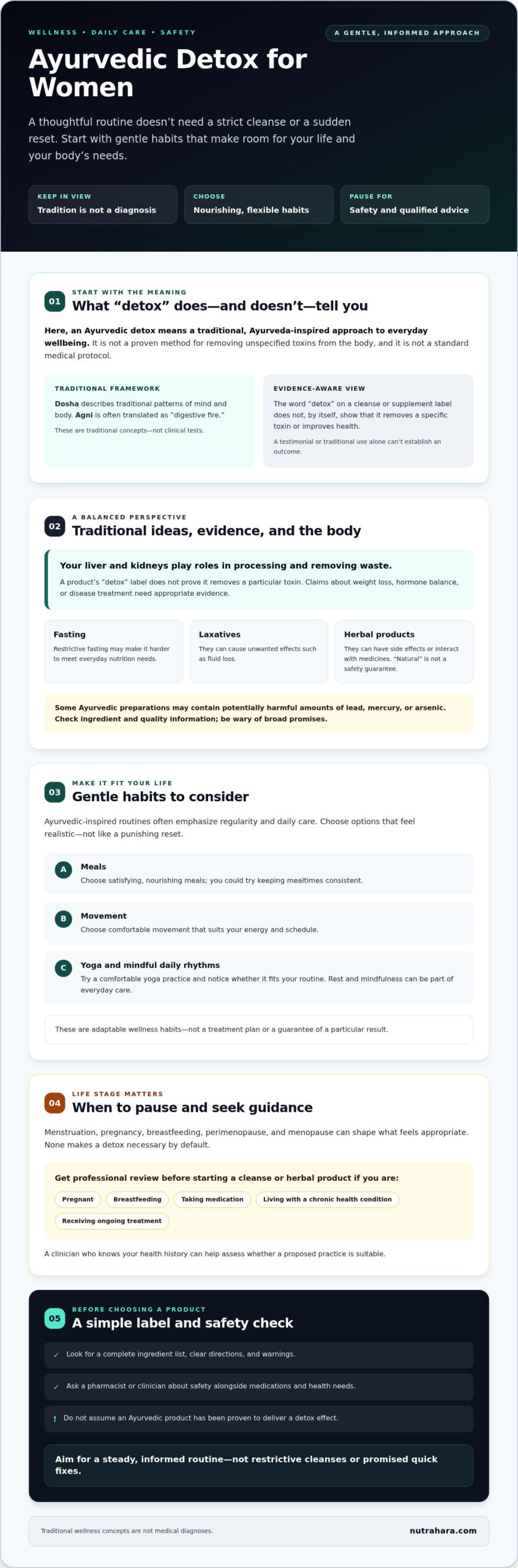
In this article, “ayurvedic detox for women” means a traditional, Ayurveda-inspired approach to everyday wellbeing, not a proven method for removing unspecified toxins from the body. Ayurveda is a diverse traditional system with concepts and practices that have developed over time. A general overview of Ayurveda can introduce its history and ideas, but traditional explanations aren’t the same as biomedical measurements or diagnoses.

How Ayurveda describes balance, digestion, and daily rhythms

Two familiar Ayurvedic concepts are dosha and agni. Doshas are traditional ways of describing patterns of mind and body; agni is often translated as digestive fire. Neither is a clinical test. Fatigue, bloating, or a change in appetite doesn’t prove that a dosha is “out of balance” or that toxins have accumulated.

Ayurvedic-inspired routines often emphasize regularity: satisfying meals, adequate rest, gentle movement, and mindful daily rhythms. You could try keeping mealtimes consistent or choosing a comfortable yoga practice, then notice whether it fits your energy and schedule. These are adaptable wellness habits, not a treatment plan or a guarantee of a particular result.

Detox claims: what the word does and does not establish

Your body has organs, including the liver and kidneys, that play roles in processing and removing waste. The word “detox” on a cleanse, routine, or supplement label doesn’t show by itself that the product removes a specific toxin or improves health. Claims about weight loss, hormone balance, or disease treatment need appropriate evidence; traditional use or one person’s experience alone can’t establish those outcomes.

This distinction matters for women at every life stage. Menstruation, pregnancy, breastfeeding, perimenopause, and menopause can shape what feels appropriate, but none makes a detox necessary by default. If you’re reviewing a specific product, use the DetoxifyLife product page to check its current details, not as proof of a detox effect.

Ayurvedic Detox for Women: Traditions, Evidence, and Safety

Ayurvedic tradition can offer a meaningful framework for thinking about daily habits, but tradition alone doesn’t make every cleanse, herb, or supplement safe for everyone. An ayurvedic detox for women isn’t a standard medical protocol: practices and products vary, and evidence for one approach can’t automatically be applied to another.

That distinction matters if a plan involves fasting, laxatives, or multiple herbal products. Restrictive fasting may make it harder to meet everyday nutrition needs, while laxatives can cause unwanted effects such as fluid loss. Herbal products can also have side effects or interact with medicines. “Natural” describes a source, not a guarantee of safety or effectiveness.

What research can and cannot tell you

Evidence needs to be considered practice by practice, rather than inferred from Ayurveda’s long history or from one person’s experience. A testimonial may describe what someone felt, but it can’t establish that a cleanse caused a change or that others are likely to have the same result. The National Center for Complementary and Integrative Health offers a balanced overview of scientific evidence on Ayurveda’s value, including safety considerations. It notes that some Ayurvedic preparations may contain potentially harmful amounts of lead, mercury, or arsenic. Check ingredient and quality information, and be wary of broad promises to remove toxins, balance hormones, or treat disease.

For a practical label check, look for a complete ingredient list, clear directions, and any warnings. Then ask a pharmacist or clinician whether the product may be appropriate alongside your medications or health needs. Don’t assume that a product described as Ayurvedic has been proven to deliver a detox effect. Nutrahara’s DetoxifyLife product details can be reviewed as product information, not as evidence of a medical outcome.

When women should seek professional guidance first

Pregnancy, breastfeeding, ongoing treatment, chronic health conditions, and medication use all merit professional review before starting a cleanse or herbal product. A clinician who knows your health history can help you assess whether a proposed practice is suitable. This is particularly relevant during life stages when nutritional needs or treatment plans may differ.

If a practice brings on concerning symptoms, stop and seek medical advice. Don’t use a detox routine to delay care, replace prescribed treatment, or change medication on your own. A steady approach should support your wellbeing, not require you to push through feeling unwell.

Which Gentle Ayurvedic Practices Fit Different Women’s Needs?

There isn’t one routine that suits every woman, and a life stage doesn’t point to a particular “detox” need. For an ayurvedic detox for women, focus instead on habits that feel practical and nourishing. Menstruation, pregnancy, breastfeeding, perimenopause, and menopause can all be reasons to adapt a routine or ask a healthcare professional before making changes, especially if you have symptoms, a health condition, or treatment needs.

Choose movement and mindfulness that feel sustainable

Yoga and meditation can support general wellbeing, but they aren’t detox treatments. Choose movement that matches your comfort and capacity, whether that’s a gentle yoga sequence, a walk, or your usual exercise with modifications. Pause or change the activity if it feels uncomfortable. If you’re pregnant, recovering from birth, or managing a health concern, ask a clinician what movement is appropriate for you.

Mindfulness doesn’t need to become another rule. Try a few quiet breaths before a meal or a brief meditation during a break. If it feels calming, keep it; if not, choose another way to rest.

Food, hydration, and rest without restrictive rules

Build meals around your day rather than fasting or following rigid food rules. If you exercise, plan a satisfying meal or snack that fits your schedule, and keep water accessible. Regular rest matters, too. These habits can support everyday wellbeing, but they don’t promise toxin removal or specific outcomes at different life stages.

Practice Low-pressure starting point When to check with a clinician
Yoga or gentle movement Choose a comfortable session and modify poses to suit how you feel. Pregnancy, postpartum recovery, pain, injury, or a condition affecting movement.
Meditation or breathing Take a quiet pause and notice your breathing without forcing it. If it causes distress or you’re seeking support for ongoing mental health concerns.
Meals and hydration Plan nourishing meals around work, exercise, and daily commitments. Pregnancy, breastfeeding, a medical condition, or a prescribed nutrition plan.
Rest and routine Make space for a consistent wind-down habit that feels realistic. Persistent sleep difficulties or symptoms that concern you.

Use the table as a starting point, not a checklist to complete. If you’re considering a supplement, review its ingredients with a qualified professional when your life stage, medications, or health history could affect what’s appropriate.

How to Build a Gentle Ayurvedic-Inspired Routine at Home

A routine should make everyday care feel more manageable, not become another test to pass. An ayurvedic detox for women can be approached as a flexible set of wellness habits, with no strict timeline or required cleanse. Choose one small practice that suits your schedule, see how it feels, and adjust as needed.

A simple daily framework to personalize

Start with parts of your day that already have a rhythm. You might plan regular, nourishing meals around work and exercise, keep water within reach, and make room for movement that feels comfortable. A short yoga sequence or walk can be adapted to your fitness, energy, and health circumstances. If you’re pregnant, breastfeeding, managing a condition, or following a care plan, check whether a change in activity or eating habits is appropriate for you.

For mindfulness, try a quiet pause before beginning your day or a few relaxed breaths between tasks. Meditation doesn’t need to be long or formal. If it doesn’t suit you, skip it or choose another calming moment. These practices are invitations, not steps in a prescribed detox program.

Track comfort without turning it into a cleanse

Brief personal notes can help you decide whether a habit fits. After trying a change, record how your energy, mood, sleep, and general comfort feel. Treat these as observations, not proof that a detox is working. A simple note such as “felt comfortable after my walk” is enough; there’s no need to score your body or look for dramatic changes.

  • Choose one manageable practice: For example, prepare a meal ahead of a busy day or set out a yoga mat where you’ll see it.
  • Make it easy to adapt: Shorten, modify, or skip a practice when your schedule, energy, or life stage calls for it.
  • Notice how it feels: If a habit causes discomfort or conflicts with advice from your care team, change or stop it and seek guidance as appropriate.

Habits such as nourishing meals, comfortable movement, mindfulness, and rest can support general wellbeing, but they don’t replace medical care. For more women’s wellness information, explore Nutrahara’s wellness information.

Ayurvedic Detox for Women: A Gentle, Safety-First Guide

Choosing Your Next Step: Keep the Wellness Journey Personal

A thoughtful next step doesn’t need to be dramatic. Before trying a cleanse or supplement, check whether the goal is realistic, the routine feels comfortable, and the claims match the available evidence. An ayurvedic detox for women should never require you to ignore your needs or push through discomfort.

  • Set a realistic goal: Choose an everyday habit you can maintain, rather than expecting a quick reset or a guaranteed health outcome.
  • Review the routine: Ask whether it fits your meals, movement, work, rest, and current stage of life.
  • Check safety: Consider your health history, medications, and any advice from your care team.
  • Keep expectations evidence-aware: Traditional use and personal experience can be meaningful, but they don’t prove a product will detox the body or treat a condition.

Questions to ask before trying a supplement or cleanse

Supplements are optional. If you’re considering one, read the full ingredient list, directions, and warnings, and be cautious of claims that sound too broad or certain. Consider how it fits your circumstances, not just its traditional framing. If you’re pregnant, breastfeeding, receiving treatment, managing a chronic condition, or taking medication, discuss it with a qualified healthcare professional before use. Don’t change prescribed care based on a product label or online claim.

A useful question is: “What evidence supports this specific product for the outcome I’m considering?” If the answer is unclear, take time to review the information rather than feeling pressured to decide. Nutrahara describes its approach as combining Ayurvedic principles with modern nutritional research, but that approach alone doesn’t establish that any supplement provides a detox effect.

A supportive next step with Nutrahara

If you want to assess a specific product, review the DetoxifyLife product details for the information currently provided, and consider it alongside your own needs and professional advice. Product information isn’t proof of a medical benefit. You can also explore Nutrahara’s women’s wellness resources as part of a broader, evidence-aware learning journey. There’s no need to rush; choose a next step that feels informed and appropriate for you.

Choose a Gentle Next Step for Your Wellbeing

An ayurvedic detox for women doesn’t need to mean a restrictive cleanse or a promise to remove toxins. Treat it as an opportunity to explore traditional wellness ideas thoughtfully, while keeping evidence, comfort, and your individual health needs in view. Nourishing meals, movement that feels right, yoga, meditation, and rest can be adaptable parts of everyday wellbeing, not substitutes for medical care.

Supplements are optional. Review ingredients and product information carefully, and seek qualified medical advice before trying something new if you’re pregnant, breastfeeding, taking medication, or managing a health condition. Your routine can change with your life stage. Start with a realistic goal, then keep only the habits that feel supportive.

Nutrahara brings Ayurvedic principles together with modern nutritional research and offers women’s health supplements and wellness e-books. Explore Nutrahara’s women’s wellness approach for more information as you consider your next step.

Frequently Asked Questions

What is an Ayurvedic detox for women?

An Ayurvedic detox for women usually refers to wellness practices inspired by Ayurveda, such as mindful routines, food choices, movement, and rest. The term alone doesn’t prove that a program removes toxins or treats a health condition. Practices vary, and some cleanses involve fasting, laxatives, or herbs. Consider your health circumstances before making changes, and ask a qualified healthcare professional about practices or products that may affect your care.

Is an Ayurvedic detox safe during pregnancy or breastfeeding?

Safety depends on the specific practice or product and your individual circumstances. Pregnancy and breastfeeding aren’t times to assume a cleanse or herbal supplement is harmless. Before starting a restrictive routine or supplement, discuss it with a qualified healthcare professional who understands your care. This general information can’t determine whether a particular product or practice is appropriate for you, so seek personalized guidance before making a change.

Can yoga and meditation support an Ayurvedic detox routine?

Yoga and meditation can be part of a wellbeing routine, but they aren’t methods proven to remove toxins. Choose movement that suits your fitness and health, and adapt or pause if it feels uncomfortable. A brief meditation or quiet breathing practice can offer a mindful pause in your day. If you’re pregnant, recovering from birth, or managing a health condition, ask a healthcare professional about suitable activity.

What should women eat during an Ayurvedic detox?

There isn’t one meal plan that suits every woman, and a “detox” label doesn’t show that restrictive eating is beneficial. Consider regular, nourishing meals that fit your needs and preferences rather than fasting or following severe food rules. If you’re pregnant or breastfeeding, have a medical condition, or are receiving treatment, consult a qualified healthcare professional before making substantial dietary changes. Your nutrition needs are personal.

Do Ayurvedic detox supplements remove toxins?

A supplement’s traditional framing or marketing doesn’t establish that it removes toxins or treats a health condition. Your body has organs, including the liver and kidneys, that play roles in processing waste. Review the product’s ingredients, directions, and warnings. If you take medication, have a health condition, are pregnant, or are breastfeeding, ask a qualified healthcare professional to review the product with you before use.

How long should an Ayurvedic detox last?

There’s no universally appropriate duration for an Ayurvedic detox, and a longer cleanse isn’t automatically safer or more effective. Avoid rigid schedules if you don’t understand what the routine involves. Before starting a program that includes fasting, laxatives, or supplements, seek professional guidance, especially if you have health concerns or take medication. Everyday habits that fit your needs don’t have to follow a timed detox plan.

What happens if I feel unwell during a detox?

Stop the practice that may be contributing and seek appropriate medical advice, especially if symptoms are severe, persistent, or concerning. Don’t assume discomfort means toxins are leaving your body. If you’ve used a supplement or laxative, tell the healthcare professional what you took and when. Seek urgent care for symptoms that feel serious or need immediate attention, rather than trying to continue the routine.

Can an Ayurvedic detox help with weight loss or hormone balance?

The word “detox” isn’t evidence that a routine causes lasting weight loss or balances hormones. Don’t rely on cleanse claims to address unexplained weight changes, menstrual concerns, or other symptoms. A qualified healthcare professional can assess your individual concerns and discuss appropriate options. Nourishing meals, comfortable movement, sleep, and stress care may support general wellbeing, but they don’t guarantee a specific medical outcome.

Article by

Nutrahara Team

We are a dedicated collective of nutrition scientists and naturopaths at Nutrahara, committed to advancing women's health through the fusion of ancient Ayurveda science and cutting-edge nutrition research. Our mission is to empower you with clean, simple, and scientifically validated wellness solutions so you can live your healthiest life. Connect with us to stay updated on the latest developments in holistic women's health and nature-based research.

Disclaimer

This article is not a substitute for medical advice. Please consult a healthcare professional before starting any supplement, especially if pregnant, nursing, taking medication, or managing health conditions.

Categories
Articles

Perimenopause Vitamins: What to Know Before You Choose

What if the best perimenopause vitamins are the ones you actually need, not the longest supplement stack you can find? Changes in sleep, mood, energy, or menstrual patterns can make it tempting to try every vitamin linked to “hormone balance.” It’s understandable to want relief, but these symptoms can have other causes, and more supplements don’t always mean more support.

A thoughtful plan starts with your health, diet, medications, and any nutrient gaps, not a one-size-fits-all formula. In this guide, you’ll learn which nutrients may be worth discussing with a healthcare professional, how to weigh evidence and safety, and what to check before combining products. You’ll also find ways to support well-being beyond supplements, including nourishing meals, regular movement, and practices such as yoga or meditation. With clear information and useful questions, you can make choices that fit your needs.

Key Takeaways

  • Perimenopause symptoms can’t confirm a vitamin deficiency. Track what you’re experiencing and consider other possible causes.
  • Assess perimenopause vitamins by separating nutrients that may address a confirmed need from supplements with uncertain symptom claims.
  • Compare serving sizes, ingredient amounts, warnings, and overlapping products before adding a supplement to your routine.
  • Prepare questions about your diet, health conditions, and medications to discuss with a qualified healthcare professional.
  • Consider supplements thoughtfully alongside supportive habits such as regular movement, yoga, and meditation.

Perimenopause Vitamins: Start With Your Symptoms and Individual Needs

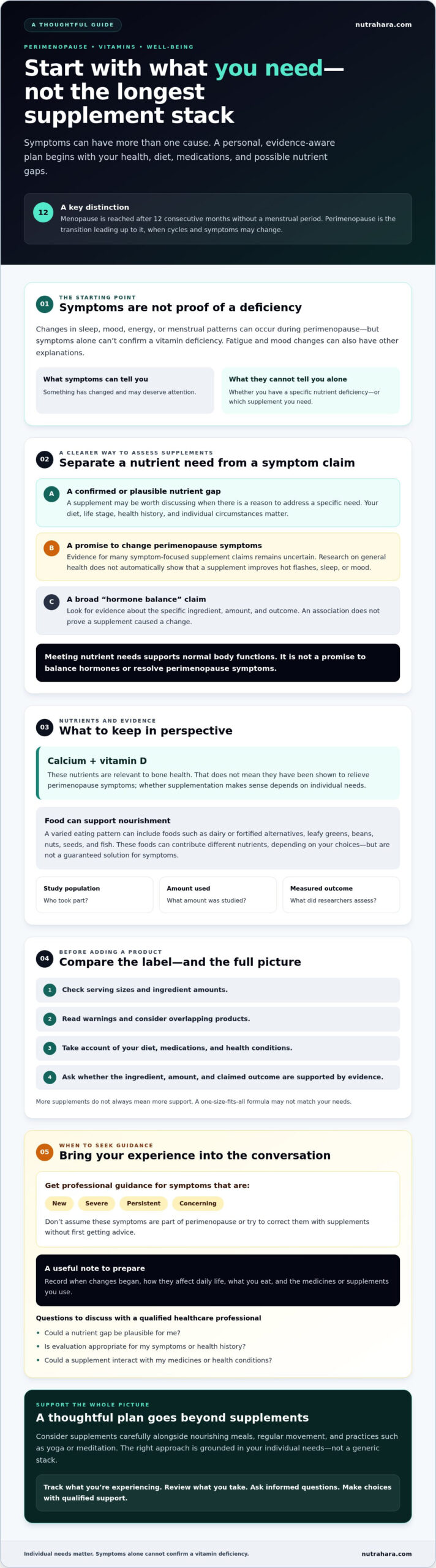
Perimenopause is the transition leading up to menopause, when menstrual cycles and symptoms may change. Menopause is reached after 12 consecutive months without a menstrual period. The timing and experience differ from woman to woman. You can read more about the stages in this overview of perimenopause.

Changes in sleep, mood, energy, or cycle patterns may occur during the transition, but symptoms alone can’t show whether you have a vitamin deficiency. Perimenopause vitamins may help fill a nutrient gap when there’s a reason to do so, but supplements don’t diagnose or treat perimenopause.

How changing needs differ from a confirmed deficiency

Your nutritional needs reflect your overall health, eating pattern, medications, and life stage. A possible shortfall is not the same as a confirmed deficiency. Fatigue, for example, can have several explanations, including disrupted sleep, stress, changes in health, or a nutrient deficiency. Mood changes can also have more than one cause.

A clinician can help decide whether your symptoms or health history warrant evaluation and what kind. There’s no single set of tests or supplements that suits every woman. Before starting a product, note what you eat, the supplements you already take, and the symptoms you want to address. That information gives you a clearer starting point for a personalized conversation.

When symptoms deserve professional attention

Seek professional guidance for symptoms that are new, severe, persistent, or concerning. Don’t assume they’re part of perimenopause or try to correct them with supplements without first getting advice. A qualified healthcare professional can consider hormonal changes alongside non-hormonal factors and help determine appropriate next steps.

Bring a brief symptom record to the conversation. Include when changes began, how they affect daily life, and any medicines or supplements you use. Ask whether a nutrient gap is plausible, whether evaluation is appropriate, and whether a supplement could interact with your medicines or health conditions. A steady approach grounded in your individual needs is more useful than choosing a product based on symptoms alone.

Which Perimenopause Vitamins Have Evidence: What Remains Uncertain?

There isn’t one vitamin proven to ease perimenopause for every woman. It helps to distinguish correcting a nutrient shortfall from taking a supplement in hopes of changing symptoms. Calcium and vitamin D are relevant to bone health, but that doesn’t mean they’ve been shown to relieve perimenopause symptoms. Whether supplementation makes sense depends on your diet, life stage, health history, and individual needs.

Meeting nutrient needs supports normal body functions. It isn’t a promise to balance hormones or resolve perimenopause symptoms.

How to read claims about vitamins and perimenopause symptoms

Look closely at what a study actually measured. Research on a nutrient’s role in general health doesn’t automatically show that a supplement improves hot flashes, sleep, mood, or other symptoms. Findings may also depend on who took part, the amount used, and the outcome researchers assessed. An association between nutrient intake and a health measure doesn’t prove the supplement caused a change.

Be cautious with broad claims that a vitamin “balances hormones.” Ask what evidence supports the specific ingredient, dose, and outcome, and whether the research applies to people like you. For many symptom-focused supplement claims, the evidence remains uncertain.

Food, labs, and supplements: different roles

A varied eating pattern can provide a foundation for nutrient intake. Foods such as dairy or fortified alternatives, leafy greens, beans, nuts, seeds, and fish can contribute different nutrients, depending on your choices. Food supports overall nourishment, but it isn’t a guaranteed solution for symptoms or a substitute for evaluation when something feels wrong.

Testing decisions depend on personal history and a clinician’s judgment. Rather than assume you need a particular test or supplement, ask whether your symptoms, diet, or health circumstances point to a specific concern. If you’re reviewing a B-vitamin product, use the vitamin B complex information as a label to examine, not as a recommendation. Check its listed ingredients and amounts, then discuss suitability with a qualified healthcare professional, especially if you take medication or other supplements.

How to Compare Perimenopause Supplements Without Buying a Generic Stack

A clear label helps you assess whether a product fits a specific need, but it can’t establish that a supplement will relieve perimenopause symptoms. Compare the product with your goals, current routine, and the evidence for its stated purpose. Use the table as a starting point for that review.

Intended nutrient Evidence relevance Label information to check Question for your clinician
Calcium or vitamin D Relevant to bone health and nutrient adequacy. Don’t assume this means relief from perimenopause symptoms. Amount per serving, serving directions, and amounts also present in other products. Does my diet or health history suggest a need for more of either nutrient?
Another listed vitamin or mineral Check whether evidence relates to a confirmed shortfall, general health, or a specific symptom claim. Full ingredient list, amount of each ingredient, warnings, and suggested use. Is this ingredient relevant to my situation, and is it suitable with my medicines or health conditions?

A practical supplement-label checklist

Before choosing among perimenopause vitamins, compare the complete ingredient list and amounts with everything else you take, including multivitamins and fortified products. Check the serving size, directions, cautions, and manufacturer contact information. A “natural” description alone doesn’t prove a product is safe or effective, and a product name doesn’t confirm what’s inside. Verify the actual label rather than inferring ingredients or benefits.

Be wary of claims that a supplement replaces individualized medical advice or guarantees hormone balance. Bring the label, or a clear photo of it, to a healthcare professional. Ask about the product’s stated purpose, the evidence, and possible overlap with your existing routine.

When a targeted product may be more appropriate than a blend

If you have a specific concern or a nutrient gap has been identified, a focused discussion may be more useful than adding a broad stack. More ingredients can make it harder to spot duplication or assess what’s appropriate, particularly if you take medicines or have a health condition. Ask a qualified professional to review the full formulation and your personal circumstances before starting.

You can inspect Nutrahara’s women’s supplement option as a product page, not as a treatment recommendation. Review its current label and confirm any details that matter to your decision with a healthcare professional.

How to Make a Safe, Sustainable Perimenopause Wellness Plan

A supportive plan can begin with a few clear observations, then build through informed conversations and habits that feel realistic for you. Before adding a supplement, organize what you’re experiencing and what you already take.

  1. List your symptoms. Note when they occur and how they affect sleep, work, exercise, or daily life.
  2. Review your routine. Write down typical meals, medicines, vitamins, herbs, and other supplements. Bring product labels or photos to your appointment.
  3. Prepare questions. Ask whether symptoms warrant evaluation, whether a nutrient concern is plausible, and whether a supplement could interact with medicines or health conditions.

Questions to take to a healthcare professional

Share relevant health history and changes in your routine. Ask whether your symptoms could have another explanation, whether a nutrient shortfall is plausible, and whether a product is suitable alongside your medicines or health conditions. If a supplement is considered, ask how long to use it and when to reassess. Your notes and questions are a useful starting point, even if you don’t have a diagnosis or a product in mind.

Daily habits that support long-term well-being

Choose movement that suits your current fitness level and health, such as walking, cycling, strength exercises, or a class you enjoy. Gentle yoga can support mindful movement, while a short meditation or breathing practice can create a restorative pause. These practices can be part of well-being, but they aren’t treatments for perimenopause or substitutes for medical care. A steady wind-down routine may also help you make space for rest.

Track sleep, movement, and symptoms in a notebook or phone note if useful. Treat the record as a way to notice patterns and prepare for discussion, not as a diagnosis.

For informed exploration, review women’s health supplements and discuss any product’s suitability with a qualified healthcare professional.

Perimenopause Vitamins: What to Know Before You Choose

Choosing Perimenopause Vitamins With Nutrahara: A Thoughtful Next Step

Before choosing perimenopause vitamins, follow a simple sequence: identify a possible need, assess the evidence for addressing it, review safety with a qualified healthcare professional, and then compare product labels. If no clear need emerges, taking a supplement is optional. You might instead focus on food, movement, sleep, or further evaluation of symptoms.

Nutrahara is a women’s health supplements company whose stated approach combines Ayurvedic principles with modern nutritional research. That describes the brand’s philosophy, not proof that a specific product prevents or treats perimenopause symptoms. No perimenopause-specific formulation or outcome is confirmed here. Consider any product page as information to review, and verify the current label rather than assuming its ingredients or suitability.

What to look for in a wellness brand

Look for clear ingredient names and amounts, serving directions, cautions, and a way to contact the manufacturer. Assess the product’s individual health claims separately: a natural-sounding description or traditional philosophy doesn’t establish that a supplement is effective for a particular symptom or safe for every person. Ask what evidence supports the specific ingredient and intended use. If details you need aren’t available, seek clarification before deciding.

A calm, informed next step

If a product seems relevant to a need you’ve identified, compare its full label with your current supplements and medicines, then discuss it with a healthcare professional, especially if you have a health condition. Ask about possible interactions and whether the product fits your circumstances. A supplement isn’t a required part of every woman’s perimenopause routine, and choosing not to add one can be a considered decision.

For broader context on evaluating products and building a personal approach, explore the women’s wellness supplements guide as a related resource. When reviewing any supplement option, keep your needs, evidence, safety, and label details at the center of the decision. Explore Nutrahara’s women’s health supplements as options to assess, not as proven perimenopause remedies.

Make Your Next Choice With Confidence

Choosing perimenopause vitamins doesn’t have to mean following a trending stack or trying to solve every symptom with a supplement. Let your individual needs guide you: weigh the evidence, consider safety, and review product labels carefully. If symptoms are concerning or you’re unsure about a product, bring your questions to a qualified healthcare professional.

Supplements are one possible part of a broader wellness routine, not a requirement. Nourishing food, movement that suits your body, restorative sleep, and practices such as yoga or meditation can also support your well-being through changing life stages.

Nutrahara focuses on women’s health supplements and describes its approach as bringing Ayurvedic principles together with modern nutritional research. Explore its offerings as options to assess, not as proven perimenopause treatments. Explore Nutrahara’s women’s health supplements and take the time you need to choose what fits your personal health journey.

Frequently Asked Questions

What vitamins are best for perimenopause?

There isn’t one best vitamin for every woman in perimenopause. Calcium and vitamin D are commonly considered for bone health, while other nutrients may be relevant depending on your diet, health history, and individual circumstances. Start by identifying a specific concern rather than choosing a product based on a broad “menopause support” claim. A qualified healthcare professional can help you decide whether a nutrient is worth considering and whether food, evaluation, or a supplement may be appropriate.

Can vitamins help with perimenopause symptoms?

Vitamins may help address a nutrient shortfall, but that doesn’t establish that they relieve perimenopause symptoms. Research on a nutrient’s role in general health doesn’t necessarily show that taking it improves hot flashes, sleep, or mood. Check what a study measured and whether its findings apply to your situation. If symptoms affect daily life or seem unusual for you, discuss them with a healthcare professional rather than treating a supplement as a diagnostic tool.

Should I take a multivitamin during perimenopause?

Not automatically. Perimenopause doesn’t mean every woman needs a multivitamin, and a broad formula may include nutrients you already get from food or other products. Before choosing one, check the serving directions and amount of each ingredient, then compare the label with your existing routine. Consider your dietary pattern, health history, and medicines. A clinician or pharmacist can help you assess whether a multivitamin is useful for your circumstances or unnecessary.

Can perimenopause vitamins interact with medications?

Yes. Vitamins, minerals, and herbal supplements can interact with medicines or may not suit certain health conditions. Before starting a product, show a qualified healthcare professional or pharmacist its complete label and share your current medicines and supplements, including occasional-use products. Ask about interactions, how to take it safely if appropriate, and what changes to watch for. Don’t stop or adjust prescribed medication to make room for a supplement without guidance from the professional who manages your care.

How do I know whether I need a vitamin supplement?

Symptoms alone can’t confirm a vitamin deficiency. Consider your usual diet, health history, medicines, and any recent changes, then discuss specific concerns with a healthcare professional. They can use your circumstances to determine whether evaluation or testing is appropriate. Not everyone needs the same tests. Fatigue, for example, can have several possible causes. Keep a brief record of symptoms and relevant routine changes so you can explain what you’ve noticed without trying to diagnose yourself.

Are natural perimenopause supplements always safe?

No. “Natural” doesn’t guarantee that a product is safe, effective, or suitable for you. Ingredients can have cautions, interact with medicines, or be inappropriate in some health circumstances. Read the full label, including ingredient amounts, directions, and warnings, and be cautious of sweeping promises about hormone balance or symptom relief. If you’re pregnant, lactating, taking medication, or managing a health condition, seek advice from a qualified healthcare professional before using a supplement.

Can yoga and meditation support well-being during perimenopause?

Yoga and meditation can be supportive parts of a wellness routine, though they aren’t treatments for perimenopause. Choose a level of movement that feels manageable and appropriate for your health, such as gentle yoga, walking, or strength activity. A brief meditation or breathing practice can offer a quiet pause in a busy day. Notice how these habits fit alongside sleep and daily activity, and discuss persistent or concerning symptoms with a healthcare professional.

Article by

Nutrahara Team

We are a dedicated collective of nutrition scientists and naturopaths at Nutrahara, committed to advancing women's health through the fusion of ancient Ayurveda science and cutting-edge nutrition research. Our mission is to empower you with clean, simple, and scientifically validated wellness solutions so you can live your healthiest life. Connect with us to stay updated on the latest developments in holistic women's health and nature-based research.

Disclaimer

This article is not a substitute for medical advice. Please consult a healthcare professional before starting any supplement, especially if pregnant, nursing, taking medication, or managing health conditions.

Categories
Articles

How to Reduce Inflammation in the Body Naturally: A Woman’s Guide

Nearly 80% of people diagnosed with autoimmune conditions are women, yet persistent joint stiffness, morning aches, and daily fatigue are still routinely brushed off as inevitable signs of aging. If fluctuating hormones have left you feeling weighed down by physical puffiness and stubborn brain fog, your symptoms are real physiological signals, not personal shortcomings. Learning how to reduce inflammation in the body naturally doesn’t require extreme detoxes or punishing regimens; it begins with working in harmony with your female biology.

Sorting through contradictory diet rules and fleeting wellness fads can feel exhausting when you simply want to wake up feeling light, capable, and refreshed. In this comprehensive guide, you’ll discover science-backed lifestyle habits, hormone-supportive nutrition, and clean botanical rituals that soothe chronic inflammation at its source. From mindful yoga practices that calm cellular stress pathways to targeted Ayurvedic herbal allies, here is your practical roadmap to reclaiming flexible joints, sharp mental focus, and lasting daily vitality.

Key Takeaways

  • Understand how shifting hormones across life stages influence cellular stress, helping you decode lingering joint stiffness, brain fog, and fatigue.
  • Discover how to reduce inflammation in the body naturally using a plate rich in vibrant polyphenols, omega-3 fatty acids, and microbiome-supporting fiber.
  • Harness restorative yoga, deep breathwork, and circadian sleep habits to calm your central nervous system and turn down inflammatory genetic triggers.
  • Identify clean botanical allies grounded in Ayurvedic tradition and modern nutritional validation to gently support joint comfort and vitality.
  • Implement a practical four-step daily rhythm with simple habit stacks tailored for busy women seeking sustainable, long-term balance.

Understanding Chronic Inflammation: How It Affects a Woman’s Body

Inflammation isn’t inherently an enemy; it’s a finely tuned survival mechanism. Yet for women aged 30 to 60, hormonal shifts, career demands, and family responsibilities can quietly turn a protective response into a persistent bodily drain. Understanding how to reduce inflammation in the body naturally begins with recognizing that your body isn’t working against you. Instead, it is sending vital biological feedback through lingering fatigue, tender joints, and unexpected bloating.

Acute vs. Chronic Inflammation: Knowing the Difference

Acute inflammation serves as your immune system’s emergency response team. When you roll an ankle during a morning run or catch a seasonal bug, immune cells rush to the site, generating heat, swelling, and redness to repair tissue. Once healing finishes, chemical signals turn the response off.

Chronic systemic inflammation occurs when that switch fails to flip. A closer look at the biological mechanisms of inflammation reveals that persistent immune activation prompts white blood cells to release cytokines continuously. Rather than repairing damaged tissue, these biochemical messengers slowly irritate healthy joints, vascular linings, and metabolic pathways. Long before clinical markers elevate, subtle signals often manifest throughout daily life:

  • Morning stiffness: A heaviness or resistance in the fingers, hips, and knees that takes twenty minutes of movement to ease.
  • Cognitive fog: Subtle memory lapses and difficulty focusing, often worsened by disrupted sleep cycles.
  • Digestive reactivity: Uncomfortable abdominal puffiness and sensitivity to foods that never previously caused distress.

The Female Hormonal Link: Estrogen, Cortisol, and Immune Balance

A woman’s immune system operates in constant dialogue with her endocrine system. Natural estrogen, specifically 17β-estradiol, acts as a potent endogenous anti-inflammatory agent. It buffers against cellular damage, protects delicate joint cartilage, and suppresses pro-inflammatory cytokines such as interleukin-6 (IL-6) and tumor necrosis factor-alpha (TNF-α).

During perimenopause and menopause, natural estrogen levels fluctuate unpredictably before dropping. Without this built-in cellular shield, many active women experience sudden joint soreness and fluid retention. Compounding this transition, chronic emotional or physical stress elevates circulating cortisol. While cortisol initially suppresses inflammation, prolonged surges exhaust cellular receptors, leading to glucocorticoid resistance. The immune system loses its natural regulator, driving widespread baseline irritation. Discovering how to reduce inflammation in the body naturally gives you the tools to restore hormonal calm, protect your connective tissues, and regain effortless daily energy.

Anti-Inflammatory Nutrition: What to Eat and What to Avoid

Every meal delivers biochemical information to your cells. When learning how to reduce inflammation in the body naturally, the goal isn’t restrictive dieting or punishing fasts. Rather, it centers on filling your plate with deep, restorative colors and essential fatty acids that actively calm immune hyperactivity while protecting cellular longevity.

Food Category Anti-Inflammatory Allies (Emphasize) Pro-Inflammatory Triggers (Minimize)
Fats & Oils Cold-pressed extra virgin olive oil, avocado, walnuts Corn, soybean, and partially hydrogenated seed oils
Proteins Wild salmon, sardines, pasture-raised eggs, lentils Charred red meats, processed deli cuts, bacon
Carbohydrates Sweet potatoes, quinoa, berries, leafy greens Refined white flours, pastries, sugary breakfast cereals
Flavor & Seasoning Turmeric, ginger, garlic, rosemary, green tea High-fructose corn syrup, artificial sweeteners, MSG

Pillar Foods That Soothe Cellular Stress

Nourishing your biology begins with colorful, unrefined produce and marine lipids. Clinical evidence highlights that regular consumption of anti-inflammatory foods dampens pro-inflammatory signaling molecules like interleukin-6. Aim for at least two 3-to-4-ounce servings of wild fatty fish each week to supply protective EPA and DHA omega-3s.

Pair these proteins with dark berries, rich in anthocyanins, and reach for a minimum of 25 grams of dietary fiber daily (21 grams if you’re over 51) to nourish gut flora. If bloating or fullness slows you down after nutrient-dense meals, supporting your gut with targeted digestive enzymes can improve breakdown, easing digestion and allowing tissues to absorb these soothing micronutrients efficiently.

Pro-Inflammatory Triggers to Limit Mindfully

Certain modern dietary staples silently accelerate systemic irritation. The American Heart Association advises women to limit added sugars to no more than 25 grams (6 teaspoons) per day, as excess refined sweeteners spike pro-inflammatory cytokines TNF-α and IL-6. Industrial seed oils, heavily processed baked goods, and nightly alcoholic drinks disrupt the gut barrier, allowing metabolic endotoxins into circulation.

Approach changes with grace rather than guilt. Swap soda for sparkling water infused with muddled berries, choose avocado oil for cooking over refined vegetable blends, and trade sweetened desserts for dark cocoa. Pairing these conscious plate upgrades with pure, targeted botanical care from Nutrahara creates a grounded foundation for lasting gut harmony and vibrant physical comfort.

Mind-Body Practices: Soothing Inflammation Through Movement and Rest

Pushing harder isn’t always the solution when physical tension mounts. While fitness builds vitality, excessive high-intensity workouts without adequate recovery elevate resting cortisol, triggering inflammatory flares in women already navigating hormonal fluctuations. Discovering how to reduce inflammation in the body naturally means balancing exertion with intentional restoration, allowing your immune system to reset and repair damaged connective tissue.

Yoga, Gentle Stretching, and Mindful Exercise

Your lymphatic system relies entirely on physical movement to circulate immune cells and clear metabolic debris. Gentle, fluid activities provide cellular decongestion without inducing physiological strain:

  • Restorative Yoga: Meta-analyses demonstrate that practicing hatha yoga, pranayama breathwork, and asanas 2 to 5 times weekly significantly downregulates pro-inflammatory cytokines IL-6 and TNF-α, directly calming the genetic master switch NF-κB.
  • Legs-Up-the-Wall (Viparita Karani): Resting in this passive inversion for 10 minutes encourages venous return, easing ankle puffiness and heavy legs.
  • Daily Brisk Walking: Meeting the public health recommendation of 150 to 300 minutes of weekly moderate aerobic activity increases heart rate variability and lubricates synovial joints without stressing delicate hormonal pathways.

As Elena, a 42-year-old marketing director and marathon runner, shares: “After battling constant joint stiffness and fatigue, swapping two weekly high-intensity runs for restorative yoga and daily walks finally calmed my inflammation. I regained my focus and felt lighter within three weeks.”

Meditation, Vagus Nerve Toning, and Deep Sleep

Physical rest directly shapes your molecular biology. Just 10 minutes of daily mindfulness meditation stimulates the vagus nerve, sending immediate calming acetylcholine signals down to spleen and gut tissues. Pairing this mental reset with nutritional foundations like Harvard Health’s guide to foods that fight inflammation provides comprehensive support for overworked cells.

Nighttime represents your body’s primary repair cycle. Restricting sleep below 7 hours triggers acute overnight surges in systemic high-sensitivity C-reactive protein (hs-CRP) and circulating IL-6. Establishing a sacred sleep window of 7 to 9 hours keeps your nocturnal inflammatory response grounded. To support healthy sleep architecture without grogginess, incorporating clean, non-habit-forming botanical support such as Restorasleep encourages the deep, restorative rest your nervous system requires to soothe systemic strain.

How to Reduce Inflammation in the Body Naturally: A Woman's Guide

Botanical Allies: Traditional Herbs and Supplements for Daily Vitality

Ancient Ayurvedic traditions and modern clinical nutrition share a core truth: whole-body balance relies on plant synergy. While dietary changes and restorative rest establish your baseline, targeted botanicals offer focused support for irritated tissues. For women wondering how to reduce inflammation in the body naturally without relying on synthetic quick fixes, clean herbal supplementation provides a proven path toward cellular renewal.

Ayurvedic Adaptogens and Antioxidant Botanicals

Adaptogenic herbs work dynamically with your neuroendocrine axis. Rather than forcing a singular biological reaction, adaptogens help recalibrate stress hormones, preventing the prolonged cortisol spikes that degrade tissue health. When choosing botanical remedies, bioavailability determines real-world efficacy:

  • Curcumin: Standardized extracts containing 95% curcuminoids inhibit the NF-κB genetic pathway, helping relieve physical joint aches and morning stiffness. Because whole turmeric powder contains just 1% to 6% curcumin, concentrated extracts deliver the therapeutic intensity required for cellular defense.
  • Piperine Synergy: Co-administering 5 mg to 20 mg of piperine (black pepper extract) with curcumin boosts intestinal absorption by up to 2,000%, ensuring active compounds reach systemic circulation.
  • Ashwagandha: Prized in Ayurveda, this root modulates circulating cortisol and stabilizes nervous fatigue. Choosing clean formulations like Ashwagandha with Black Pepper ensures rapid assimilation to support daily emotional equilibrium.

Structural Support: Collagen, Omega-3s, and Micronutrients

Hormonal transitions deplete structural proteins within joint capsules, pelvic ligaments, and skin matrices. Marine and bovine collagen peptides supply the specific amino acids, glycine and proline, needed to rebuild protective synovial fluid and reinforce cartilage lining.

Pairing these building blocks with hydrolyzed peptides in Premium Collagen Complex promotes supple joint movement while reducing morning discomfort. Adding activated B vitamins supports mitochondrial metabolism, transforming food into steady energy rather than pro-inflammatory cellular fatigue. Navigating these options becomes effortless when supported by an all-inclusive women’s wellness guide. To explore thoughtfully formulated, bioavailable botanicals designed to restore your vitality, visit Nutrahara today.

How to Build a Sustainable Anti-Inflammatory Daily Routine

Sustainable wellness rarely happens through radical overnight transformations. For busy women managing demanding careers, parenting, or changing midlife cycles, understanding how to reduce inflammation in the body naturally comes down to rhythmic, micro-habits. Stacking supportive practices onto your existing daily routines removes decision fatigue, turning anti-inflammatory care into an effortless act of daily restoration.

Morning-to-Night Anti-Inflammatory Flow

A four-step daily rhythm structures cellular renewal across your day without overwhelming your schedule:

  • Step 1 (Morning Awaken): Drink 16 ounces of warm water with fresh lemon to hydrate tissues and stimulate digestive bile. Pair this with five minutes of gentle spinal stretches before checking your phone.
  • Step 2 (Midday Mobilization): Take a brisk 10-minute walk after lunch to lower postprandial glucose surges. Step away from computer monitors to take four slow, diaphragmatic breaths that activate your vagus nerve.
  • Step 3 (Afternoon Grounding): Trade late-day espresso for steeped ginger or green tea, curbing cortisol spikes that disrupt evening recovery.
  • Step 4 (Evening Unwind): Dim bright overhead lights an hour before sleep. Spend five minutes in Child’s Pose or Legs-Up-the-Wall to encourage venous return and soothe accumulated muscle tension.

Tracking Your Progress and Honoring Your Journey

True biological healing unfolds in layers. Rather than seeking instant perfection, tune into subtle cellular wins over weeks and months:

  • Waking with supple, pain-free finger joints and light, fluid hips
  • Enjoying sustained afternoon stamina without brain fog or sugar crashes
  • Feeling a calm, settled digestive tract free from uncomfortable evening bloating

As Maya, 48, explains: “Habit-stacking a five-minute morning yoga stretch with clean botanical supplements completely shifted my mindset. I stopped chasing quick fixes, honored my pace, and my persistent knee stiffness gradually dissolved.”

Your physical vitality is a long-term progression, not a race. By pairing mindful daily movement with targeted, hormone-supportive supplements such as Blossombliss or Femmepower, you provide your body with the clean, bioavailable tools it needs to sustain lifelong vibrancy.

Reclaim Your Daily Vitality and Inner Balance

Mastering how to reduce inflammation in the body naturally isn’t about rigid perfection; it’s about listening to your biology with kindness. When you nourish your cells with anti-inflammatory whole foods, honor nervous system recovery through restorative movement, and protect your sleep, your body naturally recalibrates. Subtle shifts in your daily rhythm compound over time, transforming chronic aches into renewed strength, clarity, and ease.

You don’t have to navigate this path alone. To elevate your wellness journey with pure, targeted botanical care, explore Nutrahara’s natural supplements for women. Rooted in time-tested Ayurvedic wisdom and validated by modern clinical research, each bioavailable formula supports joint mobility and hormonal equilibrium without artificial additives. Trust your body’s innate wisdom, take one mindful step today, and step forward into radiant, lifelong vitality.

Frequently Asked Questions

What are the most common signs of chronic inflammation in women?

Common signs include persistent joint stiffness, chronic fatigue that sleep doesn’t resolve, digestive bloating, and sudden skin flares like adult acne or eczema. Women often experience these issues alongside hormonal shifts in their thirties, forties, and fifties. Fluid retention, recurrent headaches, and brain fog also signal that low-grade immune activation is lingering below the surface rather than resolving normally.

How quickly can natural lifestyle changes reduce systemic inflammation?

Noticeable biological improvements often begin within two to three weeks of adopting anti-inflammatory nutrition and daily restorative movement. Key inflammatory markers like hs-CRP can drop significantly across an eight to twelve-week window. If you’re learning how to reduce inflammation in the body naturally, consistency matters far more than speed. Better digestion, deeper sleep, and lighter morning joints usually appear first.

Can drinking warm lemon water or green tea really lower inflammation?

Yes, both beverages provide targeted biochemical support against cellular oxidative stress. Green tea delivers epigallocatechin gallate (EGCG), a potent polyphenol clinically proven to suppress pro-inflammatory cytokine activity. Warm lemon water provides vitamin C and encourages proper bile secretion, supporting gentle morning liver detoxification. While neither drink is a standalone cure, sipping them daily establishes a clean, hydrating foundation for cellular recovery.

Is high-intensity interval training (HIIT) bad if I have chronic inflammation?

HIIT isn’t inherently harmful, but overdoing intense training without adequate recovery spikes systemic cortisol and worsens existing tissue irritation. If your body already battles chronic inflammation or perimenopausal fatigue, intense anaerobic intervals can overburden your adrenals. Swapping high-impact circuits for low-impact strength training, yoga, and brisk walking keeps synovial joints mobile and calms inflammatory markers without triggering physical burnout.

What vitamins and minerals are most effective against systemic inflammation?

Vitamin D3, magnesium glycinate, omega-3 fatty acids, and active B-complex vitamins offer the strongest cellular protection. Magnesium dampens the release of C-reactive protein, while vitamin D modulates T-cell immune behavior to prevent runaway immune responses. Combining these micronutrients with clean, bioavailable botanical supplements supports tissue repair, enhances mitochondrial resilience, and sustains daily energy reserves across every stage of female life.

How does chronic psychological stress trigger physical inflammatory responses?

Chronic mental stress continually activates the sympathetic nervous system, prompting the adrenal glands to flood your bloodstream with cortisol. Over time, immune cells become resistant to cortisol’s normal regulatory signals, causing unchecked production of pro-inflammatory cytokines like IL-6. Understanding how to reduce inflammation in the body naturally requires addressing this mind-body connection through daily breathwork, meditation, and vagus nerve stimulation to restore true internal calm.

Can poor gut health and microbiome imbalance cause joint pain and stiffness?

Yes, an unbalanced microbiome directly impacts joint comfort through the gut-joint axis. When intestinal permeability increases, bacterial lipopolysaccharides leak into the bloodstream, triggering widespread immune activation. These inflammatory complexes travel through circulation and settle into synovial membranes, causing noticeable joint stiffness and tenderness. Nourishing your gut flora with diverse plant fiber, fermented foods, and targeted digestive enzymes soothes this underlying trigger.

Article by

Nutrahara Team

We are a dedicated collective of nutrition scientists and naturopaths at Nutrahara, committed to advancing women's health through the fusion of ancient Ayurveda science and cutting-edge nutrition research. Our mission is to empower you with clean, simple, and scientifically validated wellness solutions so you can live your healthiest life. Connect with us to stay updated on the latest developments in holistic women's health and nature-based research.

Disclaimer

This article is not a substitute for medical advice. Please consult a healthcare professional before starting any supplement, especially if pregnant, nursing, taking medication, or managing health conditions.
Categories
Articles

Best Gut Health Supplements for Women: 2026 Guide

What if the persistent bloating and mid-afternoon brain fog you’ve been battling aren’t just signs of a busy life, but a quiet plea for balance from your inner ecosystem? You know the feeling of digestive sluggishness all too well, especially when it’s paired with the hormonal shifts of perimenopause or your monthly cycle. It’s frustrating to feel disconnected from your own body. We believe you deserve a path to wellness that feels both grounded and scientifically sound. Finding the right supplements for gut health women is about more than just masking a symptom; it’s about nurturing your digestive fire to support your entire life stage.

In this 2026 guide, you’ll discover how a unique fusion of Ayurvedic traditions and clinical research can stabilize your microbiome and balance your hormones. We’ll show you how to move beyond temporary fixes toward a sustainable health progression that boosts your confidence and energy. From understanding specific Lactobacillus strains to integrating yoga and meditation into your routine, we’re here to guide you. You’re about to learn exactly how to achieve the regularity and physical clarity you’ve been seeking for years.

Key Takeaways

  • Understand the role of the estrobolome in regulating your hormones and how your microbiome shifts through life stages like perimenopause.
  • Explore how the Ayurvedic concept of digestive fire, or Agni, provides a foundation for modern nutritional strategies that promote long-term regularity.
  • Evaluate the top-rated supplements for gut health women for 2026, focusing on clinically studied probiotic strains and clean, natural ingredients.
  • Integrate restorative yoga poses and mindfulness techniques to calm the gut-brain axis and reduce the physical impact of stress on your digestion.
  • Learn how to bundle synergistic formulas to create a sustainable wellness journey that empowers your confidence through physical health.

The Female Gut-Hormone Connection: Why Your Microbiome is Unique

Women’s bodies operate on a rhythmic, hormonal clock that influences every system, including digestion. While many health guides focus on fiber or probiotics for simple regularity, the human microbiome plays a much more sophisticated role for women. It acts as a command center for hormone metabolism. This is why generic health advice often falls short for women over 30. Your gut needs change as your hormones shift through different life stages. A one-size-fits-all approach fails because it ignores the delicate interplay between your bacteria and your endocrine system.

The Estrobolome and Hormonal Balance

Within your gut lies a specific collection of bacteria called the estrobolome. These microbes produce an enzyme called beta-glucuronidase. This enzyme helps your body recycle or excrete estrogen safely. When this system is out of balance, you might experience “estrogen dominance.” This often manifests as heavy periods, breast tenderness, or stubborn weight gain. “The estrobolome acts as the bridge between digestion and hormonal longevity.” By nurturing this ecosystem with targeted supplements for gut health women, you aren’t just fixing your digestion; you’re supporting your entire endocrine profile.

Gut Health Across Life Stages: 30s to 60s

Your microbiome needs evolve as you move through different life chapters. These transitions require a wise and caring approach to supplementation. Consider how your needs change:

  • The 30s and Childbearing Years: Focus on nutrient absorption and maintaining a stable microbiome during the fluctuations of menstruation or pregnancy.
  • The 40s and Perimenopause: As progesterone drops, many women notice increased bloating and digestive sluggishness.
  • The 50s and Post-Menopause: Lower estrogen levels can directly slow down gut transit time, making regularity a primary concern.

An imbalanced gut often shows up on the outside before you feel it on the inside. You might notice adult acne, persistent brain fog, or energy crashes that don’t respond to caffeine. These are signals that your internal “digestive fire” needs stoking. Targeted solutions like FemmePower are designed to address these unique female intersections of health. Choosing specific supplements for gut health women ensures you’re addressing the root cause of these symptoms rather than just chasing the effects. This holistic perspective is the first step in your long-term health progression.

The Fusion of Ayurveda and Science: Stoking Your Digestive Fire

Ancient wellness traditions often describe digestion as a transformative fire. In Ayurveda, this is known as Agni. While modern medicine focuses on the microscopic details of the Role of Prebiotics in Gut Health, Ayurveda looks at the strength of your internal heat to process nutrients and emotions alike. We believe that true wellness for women over 30 requires a bridge between these two worlds. By combining time-tested botanical wisdom with rigorous clinical research, we create a path for your long-term health progression. This isn’t a quick fix; it’s a commitment to your body’s natural rhythm.

Understanding Agni: The Ayurvedic Key to Vitality

Your Agni determines how effectively you absorb the nutrients from your food and supplements. When this fire is balanced, you feel light, energetic, and clear-headed. However, many women experience one of three imbalances. Vishama Agni leads to irregular digestion and bloating. Tikshna Agni causes hyper-acidity. Manda Agni results in a heavy, sluggish feeling. Identifying your specific pattern allows you to choose the most effective supplements for gut health women. Modern science validates this through the concept of bioavailability. For example, traditional herbs are often paired with specific catalysts to ensure your body can actually use the compounds you ingest.

Modern Clinical Validation for Ancient Herbs

We don’t just rely on tradition; we look for the “purity promise” in every formula. Clinical studies now confirm that Ayurvedic staples like Ashwagandha do more than just manage stress. They support the integrity of the gut lining. To enhance these benefits, we utilize natural bio-enhancers. Our Ashwagandha with Black Pepper uses piperine to significantly increase the absorption of active alkaloids. This ensures that the botanical wisdom reaches your cells effectively.

Sourcing is paramount for women’s health. Many mass-market products contain artificial fillers and additives that can actually irritate a sensitive digestive tract. We prioritize clean, natural ingredients to ensure your “digestive fire” remains bright and steady. If you are looking to deepen your understanding of how these elements work together, explore The Ultimate Guide to Women’s Wellness Supplements for a more comprehensive view of holistic health. By choosing purity and science, you empower your body to heal and thrive across every life stage.

Best Gut Health Supplements for Women: 2026 Buyer’s Guide

Choosing the right supplements for gut health women requires a discerning eye for quality and clinical backing. In 2026, the standard for wellness has shifted from high-volume dosages to specific strain efficacy and ingredient purity. When you examine a supplement label, look beyond the total Colony Forming Units (CFU). You want to see diverse, named strains and transparent enzyme blends that match your body’s current needs. High-quality formulas avoid synthetic fillers that can irritate a sensitive digestive tract, focusing instead on bioavailable nutrients that respect your internal ecosystem.

Probiotics and Prebiotics: The Dynamic Duo

Lactobacillus strains are often the heroes of female wellness. These beneficial bacteria support both digestive regularity and vaginal health, which is vital as hormonal levels fluctuate. However, probiotics don’t work in a vacuum. Prebiotics act as the essential fuel for your internal garden. While you can find prebiotics in foods like chicory root and garlic, high-potency supplementation ensures a consistent therapeutic dose. For a detailed scientific overview of how these microbes function, the NIH offers an evidence-based look at Probiotics for Gut Health.

Digestive Enzymes and Metabolism

A common question we hear is, Do Digestive Enzymes Help You Lose Weight? The answer lies in the nuance of metabolic support. While enzymes aren’t direct weight-loss pills, they’re essential for breaking down macronutrients. Enzymes like protease and lipase ensure you effectively process proteins and fats. This reduces the heavy, sluggish feeling after meals and improves nutrient absorption. When your body can actually use the fuel you provide, your metabolism operates with greater efficiency and ease.

Collagen and Gut Lining Integrity

Women over 30 experience a natural decline in the proteins that maintain structural integrity. This decline affects both skin elasticity and the strength of the gut wall. Many women over 40 face concerns regarding “leaky gut,” where the intestinal barrier becomes less effective. Clinical studies suggest that specific collagen peptides can support the intestinal barrier by strengthening tight junctions. Our Premium Collagen Complex is designed to provide this foundational support. To further maintain the gut barrier, we recommend incorporating our Vitamin B-Complex, which aids in cellular repair and energy production throughout your health journey.

Holistic Rituals: Enhancing Gut Wellness Through Yoga and Mindfulness

True vitality isn’t just about what you swallow; it’s about how you live. The “Gut-Brain Axis” represents a bidirectional communication network where your mind and microbiome constantly exchange signals. When stress levels rise, cortisol can disrupt your delicate microbial balance and extinguish your internal digestive fire. This is why even the most advanced supplements for gut health women work most effectively when paired with rituals that calm the nervous system. By integrating movement and stillness, you create a sanctuary where your body can truly heal and thrive.

Yoga for Digestion and Bloat Relief

Yoga provides a physical way to stoke your Agni while providing immediate relief from digestive sluggishness. For women aged 30 to 60, regular movement is essential for maintaining gut motility and supporting lymphatic drainage. These three poses are particularly effective:

  • Apanasana (Wind-Relieving Pose): Hugging your knees to your chest gently compresses the colon to stimulate waste movement.
  • Supta Matsyendrasana (Supine Twist): Twisting poses create a “massaging” effect on the internal organs, encouraging fresh blood flow to the digestive tract.
  • Viparita Karani (Legs-Up-The-Wall): This restorative inversion shifts your body into the parasympathetic nervous system, allowing for better nutrient processing.

Meditation and the Vagus Nerve

The Vagus nerve acts as the information highway between your brain and gut. Meditation helps tone this nerve, switching your body from “fight or flight” into “rest and digest” mode. A simple 5-minute daily ritual can lower systemic inflammation and improve your long-term health progression. Sit quietly, focus on deep diaphragmatic breathing, and visualize your digestive fire burning bright and steady. This mental clarity often translates to physical comfort.

“I struggled with chronic bloating for years despite a clean diet. Adding a daily meditation practice alongside high-quality supplements for gut health women finally brought me the regularity and confidence I had been missing.” — Sarah, 48.

Mindful eating is another powerful tool to improve your Agni. Try to eat without distractions, chewing each bite thoroughly to assist your enzymes in their work. This practice prevents the energy crashes often linked to rushed meals. If you’re looking to support your gut-brain axis further, consider adding Anxioguard to your routine to help manage the daily stress that can disrupt your internal balance.

Best Gut Health Supplements for Women: 2026 Guide

Designing Your Gut Health Journey with Nutrahara

Your path to wellness isn’t a destination but a continuous, beautiful evolution. We see ourselves as your wise and caring guide, helping you navigate the complexities of internal balance. Choosing the right supplements for gut health women is the first step toward reclaiming your vitality. By stoking your digestive fire, you prepare your body for a lifetime of health and longevity. We’re here to support you through every life stage, from your childbearing years to post-menopause.

Targeted Solutions: From Detox to Daily Balance

Every woman’s needs are unique, but the foundation of health remains the same. We’ve developed a range of formulas that work in harmony with your body’s natural rhythms. You can bundle these products to create maximum synergy for your hormones and digestion:

  • DetoxifyLife: Use this for an initial gut cleansing. It gently removes toxins while respecting your internal ecosystem.
  • FemmePower: This formula acts as the bridge between your gut and your hormones. It’s essential for managing the estrobolome.
  • Premium Collagen Complex: Support your structural gut integrity. It strengthens the intestinal barrier and promotes skin elasticity.

Consistency is your greatest ally. These supplements for gut health women are designed for long-term use, allowing for a steady, sustainable health progression. You’ll notice that as your digestion stabilizes, your energy and mood follow suit. Trust the process.

Your Next Steps: A Roadmap to Wellness

We provide more than just supplements. Our Nutrahara e-books offer deeper insights into Ayurvedic rituals and modern nutritional science. They’re designed to accompany your daily routine, providing practical tips for yoga and meditation. Our “Wise Guide” promise ensures that every product you use is built on a foundation of transparency and purity. We never use artificial additives or fillers. You deserve formulas that are as clean as they are effective.

Take charge of your longevity today. True wellness builds confidence and self-esteem. When you feel physically light and vibrant, you project that strength into every area of your life. Trust the wisdom of tradition and the validation of science. Your journey toward a balanced, empowered self starts now.

Embrace Your Path to Lasting Wellness

You’ve explored how the unique female microbiome serves as the bridge to hormonal longevity across every life stage. By stoking your internal digestive fire and choosing high-quality supplements for gut health women, you’re investing in a more vibrant and energetic future. True health is a long-term progression that successfully combines the best of ancient Ayurvedic wisdom with scientifically validated ingredients to support your body’s natural rhythms. This fusion ensures your wellness journey is grounded in both tradition and clinical research.

Remember that your journey is supported by more than just capsules. It’s nurtured by holistic rituals like yoga and mindful meditation that calm the gut-brain axis and reduce systemic inflammation. Nutrahara’s formulas remain free from artificial additives, ensuring you receive only the purest, most transparent support for your physical and mental wellness. You deserve to feel confident, regular, and empowered in your body every single day. It’s time to honor your inner ecosystem and take the next step toward sustainable vitality. Start your journey to a balanced gut with Nutrahara’s curated wellness kits. Your body is a temple of wisdom, and it’s ready to thrive.

Frequently Asked Questions

What are the best probiotics for women over 40?

The best probiotics for women over 40 focus on strains like Lactobacillus acidophilus and Bifidobacterium animalis. These specific strains support digestive regularity and vaginal health during the shifts of perimenopause. As estrogen levels fluctuate, these beneficial bacteria help maintain the balance of your estrobolome. Look for high-quality supplements for gut health women that provide at least 20 billion CFUs. These formulas ensure your internal ecosystem remains resilient as your body transitions into new stages.

Can gut health supplements help with hormonal acne?

Yes, gut health supplements can help manage hormonal acne by supporting the efficient clearance of excess estrogen. Your estrobolome regulates how estrogen is processed and excreted from the body. When your gut is imbalanced, recycled estrogen can trigger skin inflammation and persistent breakouts. Formulas featuring Ayurvedic staples like Ashwagandha help restore this internal harmony. Improving your digestive fire often results in clearer, more radiant skin as your body eliminates toxins more effectively and regains its glow.

How long does it take for gut health supplements to work?

Most women notice initial improvements in bloating and regularity within two to four weeks of consistent use. However, achieving a complete rebalance of your microbiome is a long-term progression that typically takes three months. Your body needs time to shift its internal landscape and stoke its digestive fire. Consistency is essential for lasting results. Pairing your daily routine with mindfulness practices and yoga helps accelerate these benefits by lowering stress-related cortisol that can disrupt bacterial growth.

Is it safe to take gut health supplements while pregnant?

Many gut health supplements are safe and beneficial during pregnancy, but you should always check with your healthcare professional first. Probiotics can support your immune system and help manage common digestive issues like constipation during the second and third trimesters. Look for clean formulas that are free from artificial additives and synthetic fillers. Ensuring your microbiome is healthy during this time also helps establish a strong foundation for your baby’s developing immune system and overall wellness.

What is the difference between prebiotics and probiotics?

Probiotics are live, beneficial bacteria that populate your gut, while prebiotics are specialized plant fibers that act as fuel for those bacteria. Think of probiotics as the seeds in your internal garden and prebiotics as the fertilizer that helps them flourish. To get the most from your supplements for gut health women, you need both. Many modern formulas are synbiotics, meaning they combine both elements to ensure the beneficial strains have the nourishment they need to thrive.

Can poor gut health cause brain fog in women?

Poor gut health is a frequent cause of brain fog due to the gut-brain axis. When your microbiome is out of balance, it can trigger systemic inflammation that affects cognitive function and mental clarity. This often manifests as difficulty concentrating or mid-afternoon energy crashes. By restoring your digestive fire through targeted supplementation and meditation, you can reduce this inflammation. Many women find that as their digestion improves, their mental sharpness and confidence return, allowing them to feel present.

How do I know if I have a leaky gut?

You might have a leaky gut if you experience chronic bloating, persistent fatigue, or sudden food sensitivities. This condition occurs when the intestinal lining becomes overly permeable, allowing undigested particles to enter the bloodstream. Other signs include skin issues and joint discomfort. Strengthening your gut barrier involves a combination of collagen peptides and clean probiotics. Identifying these symptoms early allows you to start a supportive health journey that restores your intestinal integrity and boosts your self-esteem.

Should I take digestive enzymes with every meal?

Taking digestive enzymes with your largest or most complex meals is often the most effective strategy for women. If you experience heaviness or gas after eating proteins or fats, enzymes like protease and lipase can provide significant relief. While you don’t always need them for light snacks, they are invaluable for supporting nutrient absorption during full meals. Over time, these enzymes help your body process food more efficiently, reducing the strain on your natural digestive fire and promoting regularity.

Article by

Nutrahara Team

We are a dedicated collective of nutrition scientists and naturopaths at Nutrahara, committed to advancing women's health through the fusion of ancient Ayurveda science and cutting-edge nutrition research. Our mission is to empower you with clean, simple, and scientifically validated wellness solutions so you can live your healthiest life. Connect with us to stay updated on the latest developments in holistic women's health and nature-based research.

Disclaimer

This article is not a substitute for medical advice. Please consult a healthcare professional before starting any supplement, especially if pregnant, nursing, taking medication, or managing health conditions.

Categories
Articles

Fighting Brain Fog in Perimenopause: A Holistic Guide to Reclaiming Mental Clarity

Did you know that nearly 90% of women report that perimenopause symptoms impact their professional lives, with many losing up to 10 hours of productivity every single week? If you’ve found yourself searching for a simple word in an important meeting or feeling a strange, dimmed down version of your usual sharp self, you aren’t alone. Fighting brain fog in perimenopause is a challenge faced by up to 70% of women; yet it often leaves us feeling anxious about our long term cognitive health. This mental mist isn’t a sign that you’re breaking; it’s a signal that your body is ready for a new, more intuitive rhythm of care.

You deserve to feel empowered and steady as you move through this hormonal transition. In this guide, you’ll discover how to clear the mental mists using a powerful fusion of modern nutritional science, Ayurvedic wisdom, and restorative lifestyle rituals. We’ll explore how specific botanical supports like Ashwagandha can ground a tired but wired mind while focusing on nutritional strategies to sharpen your daily focus. This journey provides a clear path toward faster word retrieval, emotional stability, and a renewed sense of control over your personal health progression.

Key Takeaways

  • Understand the dual perspective of modern science and Ayurveda to see why declining estradiol and shifting “Vata” energies cause temporary cognitive lapses.
  • Discover actionable rituals for fighting brain fog in perimenopause, including specific yoga poses like Legs-Up-The-Wall to boost cerebral blood flow and mental clarity.
  • Identify the essential “Medhya Rasayana” botanicals and B-vitamins that act as nutritional spark plugs for your brain’s energy and focus.
  • Learn how to use “So Hum” mantra meditation to anchor a wandering mind and reduce the “tired-but-wired” loop common during this transition.
  • Gain a structured 30-day empowerment roadmap designed to help you reclaim your professional edge and long-term cognitive confidence.

Why Your Brain Feels ‘Foggy’ During Perimenopause: The Invisible Symptom

The “cotton wool” feeling isn’t just in your head; it’s a physiological shift in how your brain processes and retrieves information. We often define perimenopausal brain fog as a temporary change in cognitive processing speed. It feels like your mental search engine is lagging. While it can be unsettling, this experience is a normal part of the cognitive symptoms of menopause. You aren’t losing your mind; you’re experiencing a transition in your “Endocrine Age.” This concept suggests that your hormonal status influences your brain health more than the number of candles on your birthday cake. Understanding this shift is the first step toward reclaiming your mental edge.

“I used to be the person who remembered every detail in a board meeting,” says Sarah, 47. “Suddenly, I was grasping for simple nouns. Once I understood this was a hormonal transition rather than a permanent decline, I stopped panicking. I started using targeted support like FocusZenith to bridge the gap. My clarity returned, and so did my professional confidence.”

Common Signs You Shouldn’t Ignore

Recognizing the patterns is essential when fighting brain fog in perimenopause. You might experience the “tip-of-the-tongue” phenomenon, where names or common nouns feel just out of reach. This often pairs with difficulty in task initiation. You sit down to work, but the mental derailment from multi-tasking feels overwhelming. There is also a direct physiological link between night sweats and mental fatigue. If your sleep is fragmented by temperature spikes, your brain cannot perform its nightly “glymphatic cleaning,” leading to a heavy, unfocused feeling the next morning.

Brain Fog vs. Dementia: Knowing the Difference

Many women worry that these lapses are early signs of dementia. However, perimenopausal brain fog is typically related to hormone fluctuations and is reversible with the right support. The key difference lies in the nature of the lapse. Forgetting where you put your keys is a common cognitive glitch; forgetting what keys are used for is a clinical concern. By taking a proactive, empowered approach, you can manage these transitions effectively. Using grounding botanicals like Ashwagandha helps stabilize the nervous system, ensuring you remain the sharp, capable guide of your own life journey during this progression.

The Fusion of Science and Ayurveda: Why Cognitive Clarity Shifts

To understand why your focus feels fractured, we must look at the intersection of metabolic science and ancient energetic principles. In modern medicine, we know that estradiol is a key regulator of brain energy. When estrogen levels fluctuate, the brain’s ability to burn glucose for fuel diminishes. This creates a metabolic “energy gap” that manifests as mental fatigue. When fighting brain fog in perimenopause, it is essential to restore this metabolic efficiency. Ayurveda complements this by framing perimenopause as the Vata stage of life. Vata represents the elements of air and ether; it is light, cold, and inherently erratic. When Vata is out of balance, the mind feels unmoored, much like a leaf caught in a shifting wind.

This shift also involves your Agni, or digestive fire. Your gut health directly influences brain clarity through the gut-brain axis. If Agni is weak, the body struggles to assimilate the nutrients required for neurotransmitter production. Additionally, your Prana, or life force, is often diverted from cognitive tasks to manage the physical surges of hormonal change. This leaves the brain feeling dimmed or “starved” of its usual vitality. Fighting brain fog in perimenopause requires rekindling that internal fire while grounding the erratic Vata energy that pulls your attention in a dozen directions at once.

Estrogen, Progesterone, and Your Neurotransmitters

Estradiol fluctuations don’t just impact energy; they alter your brain’s chemistry. Declining estrogen levels can lower dopamine and serotonin, which are essential for spontaneous motivation and a steady mood. Progesterone also plays a vital role. Its metabolite, allopregnanolone (ALLO), maintains GABA tone to keep the mind calm and focused. Neuro-inflammation describes the process where hormonal fluctuations trigger a localized immune response within the brain’s microglial cells, causing the cognitive static we recognize as fog. These chemical shifts make it harder to find the right words or stay present in demanding tasks.

Vata Imbalance: The Ancient Explanation for ‘Airy’ Thinking

Vata-type brain fog often presents as racing thoughts that lead to sudden, total mental exhaustion. You might feel “wired but tired,” a state where your mind won’t stop but your focus won’t land. Grounding rituals, such as consistent daily rhythms and warm, nourishing foods, serve as the clinical antidote to these erratic shifts. To support this progression, many women find that FocusZenith helps bridge the gap between scientific nutritional needs and Ayurvedic balance. It provides the brain with the precise “spark plugs” it needs to reignite clarity. If you are looking for a way to steady your nervous system, exploring an Ayurvedic-inspired supplement can be a gentle first step on your journey back to clarity.

Rituals for Resilience: Yoga, Meditation, and Sleep Hygiene

Daily rituals aren’t just self-care; they are essential biological interventions. When fighting brain fog in perimenopause, your nervous system needs consistent anchors to navigate hormonal shifts. These practices serve as non-negotiable tools for your long-term cognitive health and longevity. By integrating movement and stillness, and perhaps enhancing your personal sanctuary with botanical wall art from Mahnnoor Designs AE, you provide your brain with the structural support it needs to maintain clarity and focus during this transition. It’s about building a foundation that allows your mind to remain steady even when your hormones feel erratic.

Yoga Poses for Cognitive Grounding

Physical movement is a powerful way to manage the metabolic energy gap we explored earlier. Specific poses like Viparita Karani (Legs up the wall) boost cerebral blood flow, helping to deliver oxygen and nutrients to the brain. This gentle inversion also assists in clearing metabolic waste from the brain’s tissues. Child’s Pose (Balasana) is another vital tool for soothing a frazzled nervous system. It encourages a state of deep rest, which is crucial for emotional stability. Consistent yoga practice also improves insulin sensitivity. This is vital because it helps your brain cells take up glucose more effectively, directly addressing the energy deficit caused by declining estrogen levels.

Meditation and Breathwork (Pranayama)

If your mind feels unmoored, the ‘So Hum’ mantra meditation provides a steady anchor. This ancient practice focuses the attention on the breath, repeating “So” on the inhale and “Hum” on the exhale. It’s particularly effective for calming the erratic Vata energy that often leads to “airy” thinking. You can also try Nadi Shodhana (Alternate Nostril Breathing) to balance the left and right hemispheres of the brain. Research shows that regular meditation can actually increase gray matter density in the prefrontal cortex. This is the area of the brain responsible for executive function and decision-making. Even a 5-minute clarity meditation in the morning can set a grounded tone for your entire day.

The ‘Tired-but-Wired’ Sleep Solution

Sleep is the foundation of cognitive retrieval. The perimenopausal brain is often sensitive to blue light, which can disrupt already fragile melatonin production. To clear mental clutter before bed, try the ‘Brain Dump’ journaling technique. Spend three minutes writing down every task, name, or worry on your mind to signal to your brain that it’s safe to rest. If you face the dreaded 2 a.m. wake-up call, consider Ayurvedic ‘sleep milk’ with grounding herbs to soothe your spirit. For those seeking targeted support for their nightly rest, Restorasleep offers a clean way to support your natural sleep cycles. Reclaiming your rest is a critical step in fighting brain fog in perimenopause and ensuring you wake up feeling sharp and ready for the day ahead.

Nourishing the Mind: Targeted Supplements and Clean Nutrition

While movement and meditation steady the mind from the outside, nutrition builds clarity from within. In the Ayurvedic tradition, a specific category of botanicals known as Medhya Rasayana is dedicated to rejuvenating the intellect and memory. These “brain tonics” do more than just mask symptoms; they nourish the physical structures of the brain. When fighting brain fog in perimenopause, these ancient herbs provide the stability needed to counter the erratic Vata energy we discussed earlier. This internal nourishment acts as a protective shield for your neurons during hormonal shifts.

Your brain is the most fat-dependent organ in your body. To lubricate a “dry” Vata brain, you must prioritize Omega-3 fatty acids and healthy fats. These lipids form the myelin sheath that insulates your nerves, ensuring that electrical signals travel at full speed. Without enough healthy fats, your cognitive processing speed can slow down, contributing to that heavy, cotton-wool sensation. Nutrahara is committed to providing this support through clean, potent formulas. We ensure our supplements contain no artificial additives, allowing only the purest ingredients to guide your wellness journey.

Ashwagandha: The Ultimate Adaptogen for Focus

High cortisol is a primary thief of mental clarity. Ashwagandha with Black Pepper works by modulating your stress response, allowing your focus to emerge from beneath the weight of anxiety. When cortisol levels drop, your brain can divert energy back to cognitive retrieval and word-finding. Modern research confirms that black pepper significantly enhances the bioavailability of these herbal compounds, ensuring your body effectively absorbs the nutrients you consume. This synergy creates a grounded state where your mind can once again feel sharp and decisive.

Essential Nutrients for the Menopausal Transition

Specific vitamins act as the “spark plugs” for your hormonal brain. Magnesium is a quiet powerhouse, participating in over 300 biochemical reactions that promote a calm, steady mind. It’s particularly effective for those who feel “tired but wired” before bed. Additionally, a high-quality Vitamin B-Complex is essential for neurotransmitter synthesis. These vitamins help convert your food into the energy your brain needs to burn glucose efficiently. For comprehensive support, FemmePower provides the foundational harmony required to balance your entire system. This targeted approach ensures you aren’t just surviving the transition but thriving with renewed confidence. Explore our full range to find the foundational support of FemmePower for your daily clarity.

Fighting Brain Fog in Perimenopause: A Holistic Guide to Reclaiming Mental Clarity

Your Empowerment Roadmap: Reclaiming Focus and Confidence

True health is never a destination you reach overnight. It is a long-term progression; a series of small, intentional choices that build upon each other like stones in a garden path. When fighting brain fog in perimenopause, it’s easy to feel discouraged by a single day of forgetfulness. However, by shifting your perspective from “fixing a problem” to “nourishing a transition,” you regain your power. This roadmap is designed to guide you through that shift, helping you reclaim the sharp, confident mind that has always been yours. You are not just managing symptoms; you are mastering a new stage of vitality.

The 30-Day Clarity Protocol

To make this journey manageable, we recommend a structured 30-day approach. This isn’t about perfection; it’s about creating a sustainable rhythm for your mind and body. Consistency is the key to seeing real change in your cognitive retrieval and emotional stability.

  • Weeks 1-2: Grounding. Start by calming the erratic Vata energy we explored earlier. Integrate Ashwagandha with Black Pepper into your daily routine to lower cortisol and steady your nervous system. Pair this with ten minutes of Legs-Up-The-Wall yoga each evening to signal to your brain that it is safe to rest and repair.
  • Weeks 3-4: Cognitive Fueling. Once your system feels steadier, focus on mental energy. Introduce FocusZenith to support neurotransmitter synthesis and faster word retrieval. Complement this with an anti-inflammatory diet rich in healthy fats like avocado and walnuts to lubricate your brain’s pathways.

Track your “Small Wins” in a journal or on your phone. Did you remember a client’s name without hesitation? Did you finish a deep-work task without feeling that heavy mental fatigue? These moments are the evidence of your progress and the foundation of your growing confidence.

The Wise Guide’s Final Advice

Your body is always communicating with you. Listen to its whispers, the subtle fatigue or the slight mental lag, before they become screams of total burnout. Fighting brain fog in perimenopause is a partnership between you and your biology. At Nutrahara, we are honored to be a partner in your personal health progression, providing the clean, science-backed tools you need to thrive. You don’t have to navigate this transition in isolation.

As you move forward, remember that this phase is not a fading light. It is your “Second Spring.” It is a season where the heat of younger years matures into a refined, focused radiance. By mastering your health rituals, you aren’t just clearing a fog; you are stepping into a profound sense of self-esteem and clarity. We invite you to join the Nutrahara community for ongoing support and shared wisdom as you continue this beautiful journey toward longevity and mental sharpess.

Step Into Your Second Spring with Clarity

You’ve discovered that the mental mist of perimenopause isn’t a permanent decline but a transition that responds beautifully to intentional care. By bridging the gap between modern metabolic science and the grounding traditions of Ayurveda, you can restore your cognitive processing speed and retrieval. Whether you’re practicing gentle yoga inversions or nourishing your brain with Medhya Rasayana herbs, every ritual brings you closer to emotional stability and sharper focus. Fighting brain fog in perimenopause becomes a journey of self-discovery rather than a struggle against your own biology.

You deserve to feel sharp, steady, and present in every area of your life. Reclaim your mental edge with Nutrahara’s FocusZenith; crafted for the perimenopausal mind. Our unique formulas represent the perfect fusion where Ayurvedic wisdom meets modern science. With 100% clean ingredients, these supplements are specifically formulated for women aged 30 to 60 to support your personal health progression. You have the tools and the wisdom to lead with confidence. Trust in your body’s resilience and embrace the clarity that awaits you.

Frequently Asked Questions

Is brain fog a permanent part of aging after perimenopause?

Brain fog is generally a temporary symptom of the hormonal transition rather than a permanent state of aging. Research suggests that as your body stabilizes in post-menopause, cognitive clarity often returns. Fighting brain fog in perimenopause is about supporting your brain through the energy gap caused by fluctuating estradiol levels. By using targeted nutritional support and grounding rituals, you can navigate this phase without fearing a permanent decline in your mental sharpness.

Can yoga really help with memory and focus?

Yoga is a scientifically validated tool for improving cognitive function. Specific poses like inversions increase cerebral blood flow, delivering oxygen and glucose to brain cells. This process helps clear metabolic waste that contributes to a foggy feeling. Beyond the physical, yoga balances the nervous system, reducing the cortisol spikes that often interfere with memory retrieval. Consistent practice builds the mental discipline needed to maintain sharp focus during demanding professional tasks.

What is the best time of day to take supplements for brain fog?

Timing depends on the specific benefit you seek. Focus-oriented supplements like FocusZenith are best taken in the morning to provide cognitive spark plugs for your workday. Grounding adaptogens like Ashwagandha can be taken in the late afternoon or evening to help soothe a tired-but-wired mind. Always take your supplements with a small amount of healthy fat, such as avocado or nuts, to ensure optimal absorption of fat-soluble nutrients.

How does stress make perimenopausal brain fog worse?

High stress levels trigger cortisol production, which can literally hijack the energy your brain needs for memory and focus. When you’re under chronic pressure, your brain prioritizes survival over complex cognitive retrieval. This makes fighting brain fog in perimenopause much harder. Stress also depletes magnesium and B-vitamins, the very nutrients required to maintain a steady mood and sharp intellect. Managing stress through meditation is essential for reclaiming your mental edge.

Are there specific foods I should avoid to clear mental mist?

You should limit refined sugars and highly processed carbohydrates, as these cause blood sugar spikes and crashes that leave the brain feeling drained. Excessive caffeine can also be counterproductive, as it often worsens the erratic Vata energy that leads to racing thoughts and mental exhaustion. Instead, focus on anti-inflammatory whole foods. Prioritizing Omega-3 rich seeds and leafy greens provides the structural support your brain needs to maintain steady energy levels throughout the day.

How long does it take to see results from natural cognitive support?

Most women begin to notice subtle shifts in their mental clarity within two to four weeks of consistent support. However, deep systemic changes in your hormonal and cognitive health typically take eight to twelve weeks. This timeline allows your body to replenish nutrient stores and stabilize its response to stress. View your wellness as a long-term progression rather than a quick fix. Consistency with your rituals and supplements is the key to lasting results.

Can I take Ashwagandha and FocusZenith together?

Yes, these two formulas are designed to work together synergistically. Ashwagandha acts as a grounding force to calm the nervous system and lower cortisol, while FocusZenith provides the targeted nutrients needed for neurotransmitter synthesis and energy. Taking them together addresses both the tired-but-wired anxiety and the actual cognitive lag. This combination offers a comprehensive approach to reclaiming your mental clarity by balancing your energetic and metabolic needs simultaneously.

What should I do if my brain fog is affecting my performance at work?

Start by implementing practical tools like brain dumping and digital calendars to reduce the cognitive load on your memory. Prioritize your most demanding tasks for the times of day when you feel sharpest. It’s also helpful to be proactive with your nutritional support to bridge the metabolic energy gap. If you feel comfortable, you can frame your experience as a temporary health transition. Taking control of your health rituals will help rebuild your professional confidence.

Article by

Nutrahara Team

We are a dedicated collective of nutrition scientists and naturopaths at Nutrahara, committed to advancing women's health through the fusion of ancient Ayurveda science and cutting-edge nutrition research. Our mission is to empower you with clean, simple, and scientifically validated wellness solutions so you can live your healthiest life. Connect with us to stay updated on the latest developments in holistic women's health and nature-based research.

Disclaimer

This article is not a substitute for medical advice. Please consult a healthcare professional before starting any supplement, especially if pregnant, nursing, taking medication, or managing health conditions.
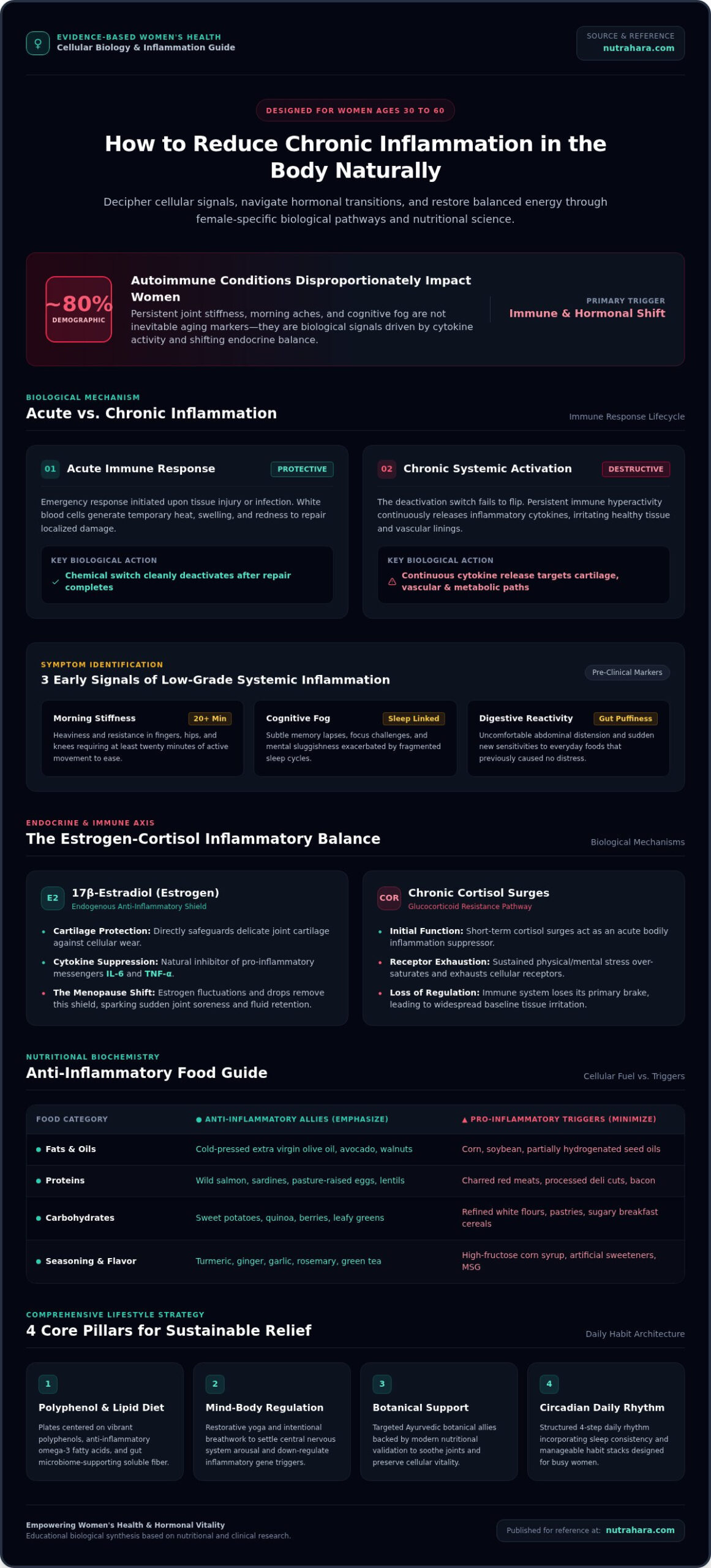
Categories
Articles

Natural Energy Boost Without Caffeine: A Woman’s Guide to Lasting Vitality (2026)

Did you know that a 2026 global study found 95% of women in perimenopause report exhaustion as their most common symptom? It’s a heavy weight to carry, especially when you’re also juggling a career, family, and the physical shifts of your 30s, 40s, or 50s. You’ve likely felt the frustration of an afternoon crash that leaves you reaching for another espresso, only to find yourself lying awake at midnight with a racing heart and a restless mind. You deserve a way to feel vibrant that doesn’t rely on the jittery highs and inevitable lows of stimulants. Finding a natural energy boost without caffeine isn’t just about cutting out coffee; it’s about reclaiming your internal rhythm.

We understand that your energy needs are unique to your biological clock and life stage. This guide will help you reclaim your natural vibrancy by fusing the time-tested wisdom of Ayurveda with modern nutritional research. We’ll explore how to replace the explosive spark of caffeine with the steady flame of adaptogens and cellular support. From balancing your moods to clearing the fog, you’re about to learn how to wake up feeling genuinely refreshed and empowered in your own skin.

Key Takeaways

  • Understand how caffeine creates an “adenosine debt” and why metabolic balance is the true secret to avoiding the common afternoon crash.
  • Learn to align your daily activities with your hormonal cycle and nourish your mitochondria for a sustainable natural energy boost without caffeine.
  • Master the use of Ayurvedic adaptogens to build your “Ojas,” creating a resilient internal environment that supports steady mental clarity.
  • Establish a restorative 24-hour rhythm using morning yoga and mindful hydration to maintain focus from sunrise to sunset.
  • Discover why B-vitamins are the essential “spark plugs” for your cells and how to choose clean supplements that support your long-term wellness journey.

The Caffeine Cycle: Why Your Morning Coffee Might Be Stealing Your Afternoon Vitality

True vitality isn’t a sudden jolt that leaves your hands shaking. It’s a harmonious state of metabolic and hormonal homeostasis. When your body is in balance, you experience a steady flow of “built” energy rather than “borrowed” energy. Seeking a natural energy boost without caffeine means shifting your focus from temporary stimulation to long-term cellular health. For many women, the day begins with a ritualistic cup of coffee, but this habit often initiates The Caffeine Cycle, a process that masks fatigue without ever truly curing it.

The science behind this cycle involves a molecule called adenosine. Throughout your waking hours, adenosine builds up in your brain to signal that it’s time for rest. Caffeine works by blocking these adenosine receptors. It doesn’t actually remove the “sleep pressure” from your system; it just prevents your brain from feeling it. Once the caffeine is metabolized, that accumulated “adenosine debt” hits all at once. This is the biological reality of the afternoon crash. For women, this cycle is often accompanied by the “tired but wired” phenomenon. Because caffeine triggers a release of cortisol, it can exacerbate feelings of anxiety and disrupt the delicate balance of hormones like estrogen and progesterone. Over time, heavy consumption can also interfere with the absorption of vital minerals like magnesium and calcium, which are essential for bone density and muscle relaxation.

The Adrenal Connection in Women

Between the ages of 30 and 60, women often face unique physiological stressors, from the demands of career and family to the shifts of perimenopause. A 2026 study found that 95% of women in perimenopause report exhaustion as their primary symptom. When you add caffeine to this mix, you create a persistent cortisol spike. Your adrenal glands, which are already working hard to manage stress and hormonal changes, can become overtaxed. You might notice your energy feels “borrowed” if you can’t function without a stimulant or if you feel exhausted yet struggle to fall asleep at night. Supporting your system with Ashwagandha with Black Pepper can help nourish the adrenal response, allowing you to transition from a state of survival to one of thriving.

Breaking the Stimulant Dependency

Reclaiming your vibrancy is a personal journey, not a quick fix. If you decide to reduce your intake, the first three days are often the most challenging as your brain resets its adenosine receptors. You might experience mild headaches or temporary brain fog. It’s helpful to identify hidden caffeine sources in over-the-counter pain relievers or “energy” snacks. Replacing these with a high-quality Vitamin B Complex provides the “spark plugs” your mitochondria need to produce energy naturally. By choosing to build your energy through nutrition and restorative rituals, you’re investing in a future of lasting mental clarity and balanced moods.

The Biological Pillars of Female Vitality: Mitochondria, Hormones, and Sleep

To achieve a sustainable natural energy boost without caffeine, we must look deep within our cells. Your mitochondria act as microscopic power plants, converting the food you eat and the oxygen you breathe into ATP, the primary currency of life. In women, mitochondrial health is deeply intertwined with estrogen levels. Estrogen enhances mitochondrial efficiency and protects these power plants from oxidative stress. This is why many women feel most vibrant during the first half of their cycle when estrogen is rising. Supporting these cellular engines with a high-quality Vitamin B Complex ensures your cells have the necessary cofactors to maintain a steady, reliable output of vitality.

Blood sugar stability is another crucial pillar for lasting focus. When we rely on quick-fix sugars or heavy stimulants, we trigger insulin spikes that inevitably lead to brain fog and irritability. Maintaining metabolic harmony requires a focus on protein-rich meals and fiber to keep glucose levels steady. This stability works in tandem with your circadian rhythm. By aligning your body clock with natural light, you help regulate cortisol and melatonin, the two hormones that govern your daily wake-sleep cycle. This alignment is vital for the 33.9% of women over 45 who experience chronic fatigue symptoms, as it helps restore a sense of natural order to the endocrine system.

Hormonal Shifts and Energy Dips

Energy isn’t a static resource; it’s cyclical. During the luteal phase, typically the two weeks before a period, your body’s basal metabolic rate increases. This can lead to a significant “slump” if your nutritional needs aren’t met with complex carbohydrates and healthy fats. Women in perimenopause may also face thyroid fluctuations that make the metabolism feel sluggish. It’s helpful to track your cycle or daily symptoms to predict these lower-energy days. By planning restorative activities like gentle yoga or meditation during these times, you can manage your output without feeling depleted or overwhelmed.

The Science of Restorative Sleep

Quality sleep is the foundation of mental clarity. While caffeine might help you stay awake during the day, it often degrades the quality of your deep sleep, the phase where physical repair and memory consolidation occur. Data shows that 40.2% of women aged 35-44 get less than the recommended seven hours of sleep per night. To improve sleep onset, try lowering your bedroom temperature or taking a warm bath before bed. This triggers a natural cooling response that signals to your brain it’s time for rest. For those who struggle to quiet a restless mind, RestoraSleep offers a gentle way to support the nervous system and encourage the deep, restorative rest your body truly craves.

Ancient Wisdom Meets Modern Science: Ayurvedic Adaptogens for Sustained Focus

While internal systems provide the foundation for health, nature offers powerful allies to modulate our response to the outside world. Adaptogens are a unique class of herbs that help your body “adapt” to physical, chemical, and biological stressors. Unlike the explosive spark of caffeine that eventually fizzles out, adaptogens act as a steady flame. They work by balancing the hypothalamic-pituitary-adrenal (HPA) axis, ensuring your stress response doesn’t overreact to daily pressures. This modulation is the key to finding a natural energy boost without caffeine that actually lasts.

In the tradition of Ayurveda, this state of resilient vitality is known as Ojas. Ojas is considered the pure essence of all bodily tissues, responsible for immunity, strength, and a radiant glow. When your Ojas is high, you feel grounded and energized. When it’s depleted by overstimulation or lack of rest, you feel fragile and exhausted. Building Ojas is a long-term progression that involves nourishing the body with “Rasayanas,” or rejuvenating herbs, to restore what life takes away.

Ashwagandha: The Queen of Energy Balance

Ashwagandha is perhaps the most revered Rasayana for women’s health. It’s often called the “strength of a horse,” not because it makes you hyperactive, but because it provides a deep, stable reservoir of power. Clinical research supports these ancient claims. A 2023 clinical trial found that Ashwagandha reduced fatigue scores by up to 28% in participants. By lowering serum cortisol levels, it helps prevent the “wired but tired” feeling that many women face during hormonal shifts.

Sarah, a 45-year-old teacher, experienced this shift firsthand. “I used to rely on three cups of coffee just to get through the school day,” she says. “The crashes were brutal. Once I started using Ashwagandha with Black Pepper, the afternoon wall disappeared. I felt calm yet completely capable.” The addition of black pepper is crucial here, as it contains piperine, which significantly enhances the bioavailability and absorption of the herb’s active compounds.

Nootropics for Mental Clarity

Achieving a natural energy boost without caffeine also requires supporting your “cognitive stamina.” This is where nootropics come in. While adaptogens help you handle stress, nootropics like Bacopa monnieri and Ginkgo biloba specifically support brain function and blood flow. They help you maintain focus during demanding workdays without the jitters associated with synthetic stimulants. Integrating a formula like Focus Zenith into your routine can help clear the brain fog that often accompanies perimenopause, allowing your mental clarity to match your physical vitality.

The 24-Hour Energy Roadmap: Lifestyle Rituals for Women

Achieving a natural energy boost without caffeine is most effective when you align your habits with your body’s internal clock. Your vitality isn’t a single event but a series of rhythmic choices made from sunrise to sunset. Start your day with sunlight. As soon as you wake, exposing your eyes to natural morning light helps reset your circadian rhythm and suppresses melatonin production. Follow this with hydration; a glass of room-temperature water with a squeeze of lemon helps awaken your digestive system after a night of rest.

By midday, your focus shifts to metabolic fueling. Instead of a heavy, carb-laden lunch that triggers a glucose spike, choose protein-rich meals with healthy fats. This provides a steady release of energy to your mitochondria. Incorporating a “20-minute restorative break” is equally vital. This isn’t a time for scrolling on your phone. Instead, close your eyes or step outside. This brief pause allows your nervous system to shift from “doing” mode to “being” mode, preventing the accumulation of mental fatigue that leads to the 3 p.m. slump.

Yoga Poses for an Instant Boost

Movement is a powerful way to oxygenate your blood and clear mental cobwebs. The “Sun Salutation” (Surya Namaskar) is a classic sequence that engages every major muscle group, stimulating circulation and deep breathing. If you’re at the office, you can still find a natural energy boost without caffeine through a 5-minute desk flow. Try a seated spinal twist to release tension or “Legs-Up-The-Wall” (Viparita Karani) during your break. This simple inversion encourages blood flow back to the heart and brain, refreshing your entire circulatory system in minutes.

The Power of Pranayama

Pranayama is the extension of life force through intentional breath control. It serves as a bridge between the body and the mind, allowing you to shift your energy state almost instantly. For morning alertness, try Kapalbhati, or “Skull Shining Breath,” which involves forceful exhalations to invigorate the system. When you feel overwhelmed in the afternoon, Nadi Shodhana (Alternate Nostril Breathing) is excellent for balancing the brain’s left and right hemispheres. This practice calms the mind while maintaining a sharp focus.

As the sun sets, your ritual should transition toward quietude. Winding down the nervous system with a brief meditation and a serving of magnesium helps prepare your body for deep, restorative sleep. If you find it difficult to switch off your thoughts after a demanding day, consider supporting your evening rhythm with RestoraSleep to encourage a peaceful transition into rest.

Natural Energy Boost Without Caffeine: A Woman’s Guide to Lasting Vitality (2026)

Cultivating Long-Term Resilience: Choosing Clean Supplements for a Caffeine-Free Life

Building a resilient body requires more than just avoiding stimulants. It demands high-quality, bioavailable nutrients that support your internal architecture. Choosing “Clean Label” supplements is a critical step in this journey. This means looking for formulas free from synthetic fillers, artificial dyes, and unnecessary additives. In 2026, the FDA signaled a reassessment of its regulatory framework for dietary ingredients. This shift highlights the importance of choosing brands that prioritize transparency and clinical validation over marketing hype. When you prioritize purity, you ensure your natural energy boost without caffeine is supported by ingredients that work in harmony with your cells.

B-vitamins act as the essential spark plugs for your mitochondrial power plants. Without these cofactors, your cells cannot efficiently convert nutrients into ATP. This deficiency often contributes to the persistent fatigue that 33.9% of women over 45 report experiencing. Supporting this cellular energy with a Vitamin B Complex provides the steady fuel needed for mental clarity. Similarly, Premium Collagen Complex supports the structural integrity of your connective tissues. By nourishing your joints and fascia, you prevent the physical weariness that often masquerades as mental exhaustion. For a comprehensive foundation, FemmePower offers a balanced baseline tailored specifically for the female biological clock.

The Nutrahara Promise: Purity and Science

Our philosophy is rooted in the fusion of ancient Ayurvedic tradition and rigorous modern testing. We don’t believe in quick fixes that leave you depleted. Instead, we view health as a long-term progression. You can build a custom “Energy Stack” by combining foundational formulas with targeted support like Ashwagandha or Focus Zenith. This method ensures your vitality is built on a foundation of genuine wellness rather than temporary stimulation. Every ingredient is chosen for its ability to support your journey toward a more vibrant, balanced life.

While this guide focuses on the female biological clock, the need for clean, organic energy extends to everyone. For men seeking to enhance their stamina and vitality naturally, Organic Fuel provides specialized herbal options through Direct-to-Consumer Product Sales, maintaining the same commitment to purity and efficacy.

Next Steps: Your Personal Vitality Plan

Reclaiming your vibrancy starts with a single, mindful choice. Try swapping your second cup of coffee for a nourishing adaptogen. Be patient with your body as it adjusts. It takes time for your adenosine receptors to reset and for your cells to begin thriving on natural fuel. Practice self-compassion during this transition. For a deeper exploration of how to support your specific life stage, read A Woman’s Guide to Wellness Supplements. Your journey toward lasting vitality is a partnership with your own biology, and we’re here to guide you every step of the way.

Embrace Your Most Vibrant Self

Reclaiming your vitality is a profound act of self-care that honors your body’s unique biological clock. We’ve explored how metabolic homeostasis, hormonal alignment, and ancient Ayurvedic wisdom converge to create a life of sustained clarity. By shifting from the “adenosine debt” of stimulants to the steady support of adaptogens and mindful rituals, you’re investing in a future of lasting health. Achieving a natural energy boost without caffeine isn’t about a quick fix; it’s a long-term progression toward true wellness.

Our formulas are crafted by Ayurvedic experts and backed by over 20 years of integrated clinical research to ensure purity and efficacy. We’re here to be your partner on this journey, providing clean supplements that nourish your cells without synthetic fillers or artificial additives. Ready to break the caffeine cycle? Explore our Natural Vitality Collection at Nutrahara and receive a free E-book on holistic wellness with your first purchase. You have the power to wake up feeling genuinely refreshed and ready to meet the day with confidence. Trust in your body’s ability to heal, balance, and thrive.

Frequently Asked Questions

How long does it take to see results from caffeine-free energy boosters?

You should expect to see a noticeable shift in your vitality within two to four weeks of consistent use. Unlike the immediate, artificial spike of a stimulant, natural alternatives work by nourishing your cellular and adrenal systems. This is a journey of long-term progression. Your body needs time to reset its adenosine receptors and build up the steady flame of adaptogenic support.

Can I take Ashwagandha if I am currently breastfeeding or pregnant?

It’s essential to consult with your healthcare provider before taking Ashwagandha if you’re pregnant or breastfeeding. While this herb has a long history in traditional wellness, modern clinical research on its effects during these specific life stages is still evolving. Your safety and your baby’s health are the top priority. Always seek professional guidance to ensure any supplement aligns with your current needs.

Will cutting out caffeine help reduce my anxiety and jitters?

Eliminating stimulants often leads to a significant reduction in feelings of restlessness and unease. Caffeine triggers the release of cortisol and adrenaline, which can keep your nervous system in a state of “high alert.” By removing this trigger, you allow your body to return to a state of calm focus. Many women find that their mental clarity improves as their baseline stress levels stabilize.

What are the best foods to eat for sustained energy without a sugar crash?

Focus on combining complex carbohydrates with high-quality proteins and healthy fats. Foods like steel-cut oats, wild-caught salmon, and walnuts provide a slow, steady release of glucose into your bloodstream. This prevents the insulin spikes that lead to sudden brain fog. This balanced approach ensures your mitochondria have a consistent fuel source to maintain your natural energy boost without caffeine throughout the day.

Is it safe to take Vitamin B Complex every day?

Taking a Vitamin B Complex daily is generally considered safe and beneficial for most women. Because B vitamins are water-soluble, your body uses what it requires for energy metabolism and gently excretes any excess. These nutrients act as the necessary cofactors for your mitochondria. Regular intake helps maintain the structural integrity of your nervous system and supports long-term metabolic health.

Can yoga really replace my morning cup of coffee for alertness?

Yoga is an incredibly effective tool for awakening the mind and body without the need for stimulants. Poses like the Sun Salutation increase full-body oxygenation and stimulate blood flow to the brain. This physical engagement triggers a natural release of endorphins and improves alertness. Many women find that a brief morning flow provides a more sustainable sense of wakefulness than a temporary caffeine jolt.

What is the best way to avoid the 3 PM afternoon slump naturally?

The best way to avoid a mid-afternoon crash is to prioritize a protein-rich lunch and maintain consistent hydration. A natural energy boost without caffeine is often maintained by taking a 20-minute restorative break to reset your nervous system. Stepping away from screens and practicing deep breathing can clear mental fatigue. This proactive approach prevents the adenosine debt from hitting all at once in the late afternoon.

How does dehydration contribute to feelings of chronic fatigue?

Even mild dehydration can significantly decrease your blood volume, making your heart work harder to pump oxygen to your brain. This slowdown in nutrient delivery often manifests as a heavy feeling of exhaustion or brain fog. Water is the medium for every chemical reaction in your cells. Staying hydrated ensures that your metabolic processes run smoothly, helping you maintain a sense of physical and mental lightness.

Article by

Nutrahara Team

We are a dedicated collective of nutrition scientists and naturopaths at Nutrahara, committed to advancing women's health through the fusion of ancient Ayurveda science and cutting-edge nutrition research. Our mission is to empower you with clean, simple, and scientifically validated wellness solutions so you can live your healthiest life. Connect with us to stay updated on the latest developments in holistic women's health and nature-based research.

Disclaimer

This article is not a substitute for medical advice. Please consult a healthcare professional before starting any supplement, especially if pregnant, nursing, taking medication, or managing health conditions.

Categories
Articles

Staying Healthy and Active in Menopause: Your Guide to a Vibrant “Second Spring” (2026)

Did you know that while 1.3 billion women are experiencing perimenopause this year, nearly 70% feel the public lacks a basic understanding of their journey? It’s a staggering figure that explains why so many feel isolated when facing unexplained weight gain or the “brain fog” that disrupts a productive afternoon. You might feel like your body is no longer your own, especially when joint stiffness makes your morning yoga session feel more like a chore than a release. We understand that staying healthy and active in menopause can feel like a moving target when your hormones are in flux.

You deserve to feel empowered, not exhausted. This guide shows you how to maintain peak vitality and confidence by blending ancient Ayurvedic wisdom with the latest 2026 nutritional science. We’ll explore how to regain emotional stability, protect your muscle tone, and view this transition as a vibrant “Second Spring.” We will cover everything from targeted strength training to natural cortisol support; providing you with a long-term wellness plan for a lean, strong body and peaceful sleep.

Key Takeaways

  • Shift your perspective by embracing the “Second Spring” concept, transforming menopause into a season of renewed energy and personal growth.
  • Implement effective movement strategies for staying healthy and active in menopause to protect your joints and maintain essential muscle tone.
  • Learn to build an anti-inflammatory plate that stabilizes blood sugar, supports gut health, and keeps hormonal mood swings at bay.
  • Uncover the link between cortisol and menopausal symptoms to reclaim deep sleep and emotional stability through simple, science-backed habits.
  • Create a personalized daily roadmap that fuses Ayurvedic principles with modern supplements to support your long-term health progression.

Embracing the “Second Spring”: Redefining Menopause as a New Beginning

For decades, the cultural conversation around menopause has focused almost exclusively on loss. We’ve been told to expect a decline in vitality, a fading of beauty, and a retreat from an active life. But for the modern woman, this narrative is not just outdated; it’s fundamentally wrong. In many Eastern traditions, this transition is celebrated as the “Second Spring.” It is a season of life where the energy previously directed toward others is reclaimed for oneself. It’s a time for renewed focus, creativity, and a deeper connection to your personal power.

Staying healthy and active in menopause begins with this mental shift. When you view these years as a long-term progression rather than a series of symptoms to be suppressed, your relationship with your body changes. Instead of fighting against your biology, you learn to partner with it. While a comprehensive overview of menopause details the cessation of the reproductive cycle, it cannot measure the growth in self-esteem and confidence that comes when you prioritize your own well-being. This empowerment is the foundation of true longevity.

The Ayurvedic Perspective on the Wisdom Years

Ayurveda, the ancient Indian “Science of Life,” provides a beautiful framework for understanding this shift. It views menopause as a transition from the Pitta (fire) stage of life to the Vata (air and space) stage. If your “internal fire” was previously focused on career or family, it may now manifest as hot flashes or irritability. To stay balanced, we use cooling rituals and grounding practices.

  • Cooling Rituals: Incorporating breathwork like Sitali (cooling breath) to soothe the nervous system.
  • Dinacharya: Establishing a consistent daily routine to ground Vata energy and reduce anxiety.
  • Abhyanga: Self-massage with warm oils to nourish the skin and calm the mind.

Modern Science Meets Ancient Wisdom

We don’t have to choose between tradition and technology. Modern clinical research now validates what ancient healers have known for centuries. For instance, studies in 2026 continue to show how adaptogens like ashwagandha help the body manage cortisol, which is essential for staying healthy and active in menopause. The key is purity. In a world full of synthetic options, choosing clean, plant-based formulations ensures you’re supporting your cellular health without adding a toxic burden to your system.

At Nutrahara, our philosophy of “Science-Backed Ayurveda” means we utilize clinical validation to ensure our traditional herbal formulas meet the highest standards of modern nutritional excellence. We believe that by bridging the gap between nature and the laboratory, we provide the most effective path for your personal health journey.

Staying Active: Movement Strategies for Bone Density and Muscle Tone

Muscle mass is your greatest metabolic asset. It burns more calories at rest than fat and acts as a protective shield for your skeleton. During menopause, the “use it or lose it” rule applies more than ever. Estrogen loss impacts joint lubrication and bone remodeling; which can often lead to unexpected stiffness or aches. Staying healthy and active in menopause means adapting your routine to protect these vital systems. You’ll likely find that exploring natural joint pain relief is a helpful first step toward reclaiming your favorite physical activities.

Balance is the central theme of this “Second Spring.” While high-intensity interval training (HIIT) is excellent for improving insulin sensitivity, it can also spike cortisol if you don’t allow for recovery. We recommend a “rhythmic” approach to fitness. Pair two days of challenging movement with three days of restorative practices. This synergy supports your heart and metabolism without overtaxing your adrenal glands. Since bone remodeling slows down as estrogen wanes, consuming key nutrients for menopause becomes a non-negotiable part of your fitness strategy.

Yoga for Bone Health and Flexibility

Yoga is much more than just stretching; it’s a weight-bearing exercise. Poses like Warrior II, Tree Pose, and Plank require you to support your own body weight, which helps stimulate bone-building cells. These practices also refine your balance. This is essential for fall prevention as we age. If you are just starting your practice and need specialized mats or props, you can visit Life4Rent to discover local rental options. Beyond the physical, yoga is a powerful tool for lowering cortisol. High cortisol levels often promote stubborn belly fat; so a calm mind directly supports a leaner, more vibrant body.

Resistance Training: Your Secret Weapon Against Weight Gain

Lifting weights is your most effective tool for maintaining a healthy metabolic rate. Focus on functional movements like squats, lunges, and rows. These exercises mimic daily tasks and support independent living for decades to come. If you’re new to strength training, start with bodyweight exercises or light resistance bands. Focus on form first. To support your connective tissues and skin elasticity during this transition, you might consider adding a Premium Collagen Complex to your daily wellness ritual. Remember that staying healthy and active in menopause is about consistency; not just intensity.

Nutritional Mastery: Feeding Your Body for Hormonal Harmony

Nutrition acts as the internal architecture of your “Second Spring.” As estrogen levels fluctuate, your body becomes more sensitive to inflammation and insulin resistance. Mastering your plate is perhaps the most powerful tool for staying healthy and active in menopause because it addresses the cellular environment where hormones interact. We focus on an “Anti-Inflammatory Plate” rich in phytonutrients, healthy fats, and fiber to support a thriving gut microbiome. Since your gut is responsible for metabolizing estrogen, its health directly dictates your hormonal harmony.

Balancing blood sugar is equally vital. Sharp glucose spikes often trigger the irritability and energy crashes many women mistake for inevitable aging. By pairing complex carbohydrates with healthy fats, you can stabilize your mood and protect your metabolic health. Understanding the truth about digestive enzymes and weight loss can also help you optimize nutrient absorption, ensuring your body actually uses the fuel you provide. You should also prioritize high-quality protein at every meal to preserve the muscle mass we discussed in the previous section. Clean sources like lentils, wild-caught fish, or organic poultry provide the amino acids necessary for cellular repair.

Ayurvedic Superfoods for the Menopausal Transition

Traditional wisdom offers potent botanicals to soothe the nervous system during this transition. Shatavari, often called the “Queen of Herbs,” is prized for its ability to nourish the female reproductive system and balance Vata energy. Ashwagandha supports the adrenal glands, helping them manage the production of hormone precursors as ovarian function shifts. To maintain joint mobility, incorporate warming spices like turmeric and ginger into your cooking. Don’t forget hydration; drinking adequate water infused with electrolytes supports skin elasticity and vaginal health, which are often impacted by thinning tissues.

Targeted Supplementation: Bridging the Nutritional Gap

Modern soil depletion means even a perfect diet might leave gaps in your nutrition. For women over 50, specific nutrients are essential for longevity. The National Institute on Aging highlights several strategies for Staying Healthy During and After Menopause, including the careful monitoring of bone-density nutrients. We recommend the synergy of Vitamin K2, D3, and Magnesium to ensure calcium reaches your bones rather than your arteries. Strategic supplementation acts as a bridge, ensuring you have the foundational nutrients required for staying healthy and active in menopause. For those struggling with mental clarity, FocusZenith provides natural cognitive support to clear the clouds of “brain fog” and support long-term focus.

Mental and Emotional Wellness: Managing Stress and Sleep

Stress acts as a silent amplifier for every menopausal symptom. While we’ve discussed the physical shifts in your muscles and bones, the most profound changes often happen within the nervous system. Staying healthy and active in menopause requires more than just physical movement; it demands emotional resilience. When your ovaries reduce estrogen production, your adrenal glands must step in to produce hormone precursors. If these glands are already exhausted by chronic stress, they can’t perform this vital secondary role. This “Cortisol Connection” is why a stressful day often leads to a night of intense hot flashes or sudden, overwhelming anxiety.

You might also notice that your body’s overall harmony feels more delicate. Hormonal fluctuations can even impact your intimate wellness, making it helpful to understand A Complete Guide to Vaginal pH Balance as part of your total health picture. Sudden spikes in “menopause rage” or uncharacteristic irritability aren’t personal failings. They’re biological signals that your system is overtaxed. By reclaiming your nights and managing your daytime stress, you provide your body with the recovery time it needs to maintain its vibrant “Second Spring.”

Meditation and Breathwork for Instant Calm

Yoga and meditation are not just hobbies; they’re essential tools for rewiring your stress response. Just ten minutes of daily mindfulness can lower your baseline cortisol levels. When a hot flash or a wave of anxiety strikes, you can use the “Sitali” cooling breath for immediate relief. Simply curl your tongue or purse your lips as if drinking through a straw and inhale deeply. This draws cool air across the moist tissues of the mouth, signaling your nervous system to lower your internal temperature and calm the “fire” of Pitta energy. Building this practice into your morning or evening routine creates a sanctuary of peace in a busy life.

Supplements for Restorative Rest

Deep sleep is the ultimate beauty and health hack. It’s the only time your brain can truly flush out metabolic waste and your tissues can repair themselves. To support this process, we look to the synergy of modern science and traditional botanicals. Magnesium Glycinate is particularly effective for women in this stage, as it aids in muscle relaxation and calms the racing thoughts that often prevent sleep.

Maintaining a steady rhythm throughout the day is equally important. You can use adaptogens like those found in FocusZenith to balance daytime focus without overstimulating your system. This helps preserve your natural circadian rhythm, making it easier to drift off when the sun sets. When you support your body’s internal clock, you ensure that staying healthy and active in menopause remains a sustainable, joyful journey. Experience deeper, more restorative nights with Restorasleep.

Staying Healthy and Active in Menopause: Your Guide to a Vibrant "Second Spring" (2026)

The Nutrahara Protocol: Your Daily Roadmap to Vitality

The transition into your Second Spring is a personal evolution. Staying healthy and active in menopause depends on the small, consistent actions you take every single day. This isn’t just about managing symptoms; it’s about building a foundation for the next thirty years of your life. We call this the Nutrahara Protocol. It’s a synergistic blend of morning light, functional movement, and targeted nutrition that honors your body’s changing needs while fostering a sense of deep, internal calm.

Community also plays a vital role in this journey. Sharing your experiences with other women provides emotional support that science now shows can actually lower systemic inflammation. You aren’t just a passive observer of your aging process. You are the architect of your own health journey. By integrating focused tools like our joint support kits, you ensure that physical limitations never dictate your activity levels. This proactive approach allows you to move through the world with grace and strength.

A Sample Day in the Life of a Vibrant Woman

Your day begins with direct sunlight to set your circadian rhythm. This simple act supports hormonal balance from the moment you wake up. Follow this with a nutrient-dense breakfast and FemmePower to provide foundational support for your energy levels. Time your most vigorous exercise for the late morning when your body temperature is naturally rising. This is the ideal window for the resistance training we discussed earlier. As the sun sets, transition into an “Evening Wind-Down” ritual. This might include a warm bath, gentle yin yoga, or a gratitude practice to reset your nervous system for deep, restorative sleep.

Choosing Your Wellness Partners

When selecting supplements, transparency and purity are your most important criteria. You deserve to know exactly what is entering your cellular environment. A staple for many in this stage is Ashwagandha with Black Pepper; which helps balance the adrenal response we explored in the previous section. Tracking your progress is essential for maintaining motivation. Whether you use a journal or a digital app, celebrate the small wins like a better night’s sleep or a pain-free walk. These victories prove that staying healthy and active in menopause is a rewarding, long-term progression. You have the wisdom of experience and the power of modern science on your side. Trust the journey.

Step Into Your Vibrant Second Spring

Your journey through menopause is not a season of decline; it’s a powerful transition into a more intentional way of living. By combining functional resistance training with yoga, you protect your bone density and metabolic health for years to come. Supporting your body with an anti-inflammatory diet ensures your nervous system remains resilient. Staying healthy and active in menopause is entirely within your reach when you bridge the gap between ancient botanical wisdom and modern clinical research. Trust the journey.

At Nutrahara, we’re honored to be your partner in this long-term health progression. Our formulas are designed specifically for the unique needs of women aged 30 to 60; featuring clean, natural ingredients free from artificial additives. We use a fusion of Ayurvedic wisdom and modern research to support your vitality every step of the way. Empower your “Second Spring” with Nutrahara’s Science-Backed Ayurvedic Supplements and reclaim your confidence. You are the architect of your own wellness; and your most vibrant years are just beginning.

Frequently Asked Questions

How can I maintain my muscle mass during menopause?

Prioritize resistance training at least two to three days a week to stimulate muscle protein synthesis. As estrogen levels decline, your body requires more mechanical tension to maintain tone. Focus on functional movements like squats, lunges, and rows. Complement this with a higher protein intake, aiming for 25 to 30 grams of high-quality protein per meal to provide the necessary amino acids for repair.

What are the best vitamins for women over 50 to stay active?

Focus on the synergy of Vitamin D3 and Vitamin K2 to support bone density and cardiovascular health. These nutrients ensure that calcium is directed to your bones rather than accumulating in your arteries. B-complex vitamins are also essential for cellular energy production. Magnesium glycinate is a vital addition for muscle relaxation and improving sleep quality, which is the foundation of an active lifestyle.

Can yoga really help with menopause symptoms like hot flashes?

Yes, yoga is a clinically validated tool for regulating the autonomic nervous system and reducing the intensity of hot flashes. Specific cooling practices, such as Sitali breathwork, help lower your internal temperature. Restorative poses calm the nervous system and reduce the “fire” of Pitta energy. This holistic approach is a cornerstone of staying healthy and active in menopause while managing hormonal shifts naturally.

Why am I gaining weight in my midsection even though my diet hasn’t changed?

Midsection weight gain is often driven by rising cortisol levels and declining estrogen, which changes how your body stores fat. Your system becomes more sensitive to insulin, making blood sugar stabilization critical. Focus on reducing stress through meditation and prioritizing sleep. Avoid over-exercising with high-intensity cardio without adequate rest, as this can further spike cortisol and signal the body to store “belly fat.”

Is it safe to take natural supplements alongside hormone replacement therapy?

Most clean, plant-based supplements are safe to use with HRT, but you must consult your healthcare provider first. Adaptogens like ashwagandha can actually complement hormone therapy by supporting the adrenal glands during the transition. Professional guidance ensures that your supplement regimen doesn’t interfere with your specific hormone dosages. Always choose third-party tested products to ensure purity and avoid artificial additives that could disrupt your progress.

How much water should a menopausal woman drink for skin and joint health?

Aim for approximately 2 to 2.5 liters of filtered water daily to maintain tissue elasticity. Estrogen helps your body retain moisture; when it drops, your skin and joint cartilage can become prone to dehydration. Adding electrolytes to your water can improve cellular absorption. Proper hydration ensures that your joints remain lubricated and your skin stays vibrant throughout your personal health progression.

What are the first signs that perimenopause is ending and menopause is starting?

The primary indicator is the length of time between your periods. You’ve officially reached menopause once you have gone 12 consecutive months without a menstrual cycle. Leading up to this, you might notice your periods becoming significantly further apart. You may also experience a stabilization of certain symptoms, like night sweats, as your body begins to adjust to its new hormonal baseline in the Second Spring.

How can I improve my memory and focus during menopause?

Support your cognitive longevity by incorporating omega-3 fatty acids and adaptogens that specifically target “brain fog.” Staying healthy and active in menopause also involves prioritizing seven to nine hours of deep sleep. This allows your brain to flush out metabolic waste and consolidate memories. Consistent meditation and mental stimulation, such as learning a new skill, also help maintain sharp cognitive function and confidence.

For those looking to challenge themselves further, exploring a new professional certification can be an excellent way to stay sharp; you can learn more about A1 Crane Academy to see how specialized training can boost your mental focus and career versatility.

Article by

Nutrahara Team

We are a dedicated collective of nutrition scientists and naturopaths at Nutrahara, committed to advancing women's health through the fusion of ancient Ayurveda science and cutting-edge nutrition research. Our mission is to empower you with clean, simple, and scientifically validated wellness solutions so you can live your healthiest life. Connect with us to stay updated on the latest developments in holistic women's health and nature-based research.

Disclaimer

This article is not a substitute for medical advice. Please consult a healthcare professional before starting any supplement, especially if pregnant, nursing, taking medication, or managing health conditions.
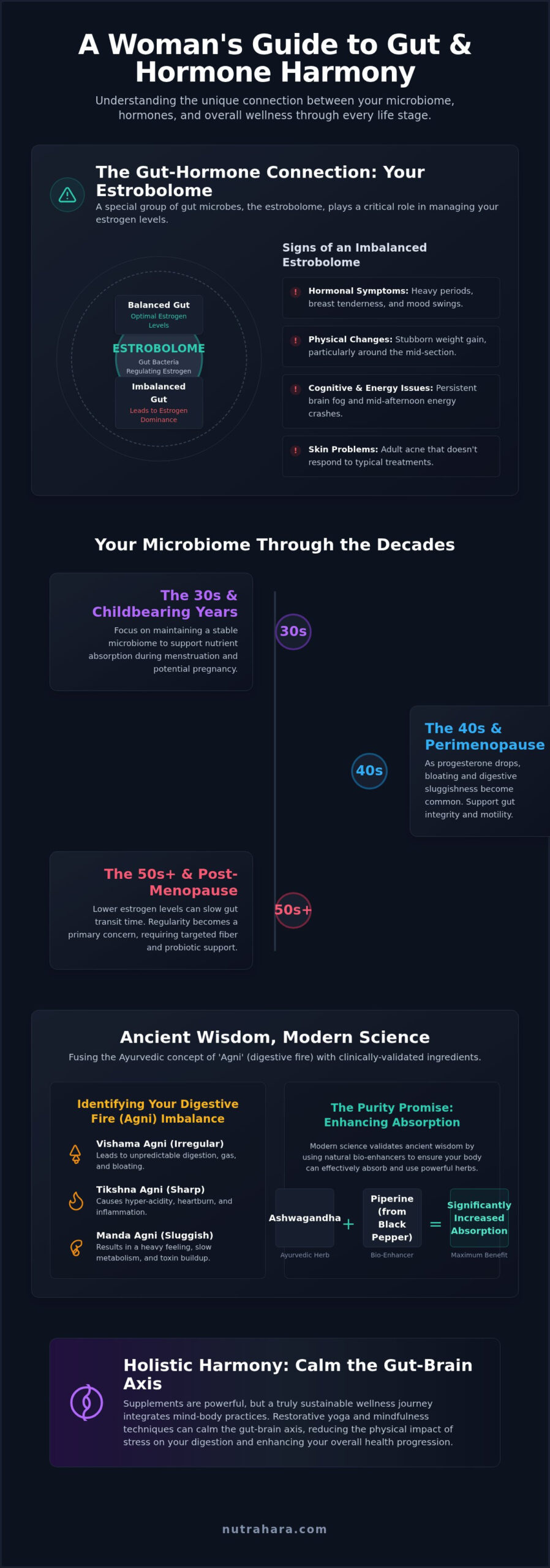
Categories
Articles

Beginner’s Guide to Ayurvedic Medicine: A Woman’s Path to Balance

What if the key to ending your persistent fatigue and hormonal fluctuations isn’t found in another “miracle” diet, but in a 5,000-year-old biological roadmap designed specifically for your unique constitution? You’ve likely felt the frustration of conflicting health advice while searching for effective ayurvedic supplements for women’s health to manage perimenopause or stress-induced digestive issues. It’s exhausting to feel like you’re constantly fighting your own body instead of flowing with it. Since over 75% of the global population relies on traditional medicine for primary care according to recent data, you’re in good company seeking a more holistic path. We believe your wellness journey should be a supportive partnership between ancient tradition and modern clinical validation.

This guide will show you how to harmonize your hormones, energy levels, and longevity by blending time-tested wisdom with modern nutritional science. You’ll gain a clear understanding of your body type, or Dosha, and how it influences everything from your sleep to your metabolism. We’ll provide actionable daily habits and a detailed look at the specific herbs that support your long-term health progression. It’s time to move past the confusion and step into a life of balance, confidence, and tranquil energy.

Key Takeaways

  • Identify your unique Dosha to understand your specific biological blueprint and how it governs your energy, digestion, and emotional well-being.
  • Learn how to implement Dinacharya rituals to stabilize your hormones and create a sense of calm in your busy daily routine.
  • Discover how to integrate ayurvedic supplements for women’s health with a diet based on the Six Tastes for optimal nutrient absorption.
  • Start your wellness journey with manageable micro-habits that don’t overwhelm your schedule but build long-term longevity.
  • Understand the difference between your birth constitution and your current state of imbalance to make more informed choices for your personal health progression.

What is Ayurvedic Medicine? The Ancient Science of Life

Ayurveda is far more than a wellness trend or a collection of herbal remedies. It’s a comprehensive system of health that originated in India over 5,000 years ago. The word itself comes from the Sanskrit roots “Ayur,” meaning life, and “Veda,” meaning knowledge. When we explore What is Ayurveda?, we’re looking at a biological roadmap that teaches us how to live in harmony with our environment and our own bodies. For the modern woman balancing career, family, and personal fitness, this ancient wisdom offers a grounding perspective that modern medicine often misses.

The core philosophy of this practice is that health isn’t just the absence of disease. It’s the active presence of balance. While Western medicine often focuses on treating symptoms after they appear, Ayurveda seeks to prevent them by maintaining equilibrium within your system. This makes it the original “personalized medicine.” It recognizes that your body’s needs at age 35 are different from your needs at 55. By choosing the right ayurvedic supplements for women’s health, you can address the root causes of fatigue or hormonal shifts rather than just masking the effects.

The Five Elements and the Human Body

In this tradition, everything in the universe is composed of five great elements: Space, Air, Fire, Water, and Earth. These elements aren’t just physical substances; they represent qualities that exist within you. Fire governs your metabolism and transformation, while Earth provides the structure of your bones and muscles. Your body is a microcosm of the natural world. This means the same rhythms that govern the tides and the seasons also govern your internal health. The Pancha Mahabhuta are the five fundamental elements that serve as the essential building blocks of wellness for every individual.

The Goal of Ayurveda: Swastha (True Health)

The ultimate aim of this journey is a state called Swastha. This translates to being “established in one’s self.” It’s a deep, vibrant harmony where your mind, body, and spirit are aligned. Central to this is “Agni,” your digestive fire. When your Agni is strong, you transform food and experiences into energy. When it’s weak, “Ama,” or toxic residue, begins to accumulate. This buildup is often the hidden source of the persistent fatigue or digestive issues many women face. Nutrahara honors this philosophy by creating formulas like Ashwagandha with Black Pepper, which blends ancient botanical power with modern bioavailability research. We focus on purity and simplicity because true health shouldn’t be complicated. It’s about returning to your natural state of vitality.

The Tridosha Theory: Identifying Your Unique Mind-Body Constitution

Every woman is a unique blend of three biological energies known as Doshas: Vata, Pitta, and Kapha. These aren’t just personality types; they are the functional forces that govern everything from your heart rate to your emotional resilience. While you’re born with a specific ratio called your Prakriti, life’s demands often cause a shift into Vikriti, which is your current state of imbalance. Modern Ayurvedic medicine focuses on returning you to your original nature. This is why a “one size fits all” approach to wellness often fails. True vitality comes from a personalized health progression rather than a generic routine.

According to current market research, 48% of consumers now favor customized herbal formulations based on their individual Dosha. This shift reflects a growing desire for personalized care that respects our unique biological makeup. Identifying your dominant energy allows you to choose the most effective ayurvedic supplements for women’s health. It’s about listening to the subtle signals your body sends every day.

Vata: The Energy of Movement and Change

Vata is the energy of movement. Women in their 40s and 50s often experience a surge in Vata as they enter the “wind” stage of life, characterized by perimenopause. You might notice your skin feels drier or your mind races with anxiety before bed. Joint stiffness and digestive bloating are also common signs that your internal movement is out of sync. To ground this airy energy, many find that Ashwagandha with Black Pepper provides the necessary stability to soothe the nervous system and support mobility.

Pitta: The Energy of Transformation and Metabolism

Transformation and metabolism are the domains of Pitta. It’s the fire in your belly and the focus in your eyes. However, hormonal shifts can cause this fire to flare up as hot flashes, night sweats, or sudden irritability. If you find yourself prone to skin sensitivities or acid reflux, your Pitta might be too high. Cooling this heat involves more than just cold water; it requires a lifestyle that prioritizes tranquility. Finding the right ayurvedic supplements for women’s health, such as Femmepower, can help balance these internal temperatures naturally.

Kapha: The Energy of Structure and Lubrication

Kapha provides the structure and lubrication your body needs to stay strong. It’s the energy of earth and water. As women move into their 50s and 60s, maintaining metabolism and bone density becomes a primary concern. When Kapha is out of balance, you might feel a heavy lethargy or notice stubborn weight gain that exercise alone doesn’t shift. Strategies for “lightness” are essential here. Stimulating rituals and warming foods can help keep your energy moving, ensuring your later years are marked by strength rather than stagnation.

Balancing your Doshas is a lifelong journey of self-discovery. It isn’t a quick fix, but a steady progression toward harmony. By understanding these energies, you gain the power to adjust your habits as your life stages evolve. If you’re ready to support your body’s natural rhythm, you might consider starting with a targeted formula like BlossomBliss to nurture your overall well-being.

Dinacharya: Daily Ayurvedic Rituals for Hormonal Harmony

Dinacharya is the sacred practice of aligning your daily life with the natural rhythms of the sun. For women navigating the complexities of modern life, these rituals provide a necessary anchor. While we often look for external solutions, the most profound healing often comes from the consistency of our habits. Modern science now recognizes these patterns as circadian rhythms, which regulate everything from hormone production to cellular repair. By integrating these practices with high-quality ayurvedic supplements for women’s health, you create a foundation for lasting vitality. A steady routine is often the most effective medicine for stabilizing the nervous system during life’s many transitions.

The National Center for Complementary and Integrative Health notes that research into Ayurvedic herbal medicine is ongoing, highlighting the importance of choosing purified, scientifically-backed formulas. This fusion of ancient practice and modern standards is exactly what your body needs to thrive. When you sync your internal clock with the world around you, your energy becomes more predictable and your sleep more restorative.

Morning Rituals for Vitality

Your morning sets the tone for your emotional and physical well-being. Start with Jihwa Prakshalana, or tongue scraping, to remove the bacteria that accumulate overnight. This simple act improves oral health and signals your digestive system to wake up. Follow this with Abhyanga, a self-massage using warm oil. This practice supports skin elasticity and encourages lymphatic drainage, which is vital for maintaining a healthy glow as we age. Conclude your morning flow with ten minutes of yoga and meditation. These tools are essential for boosting self-esteem and ensuring you approach your day with a sense of calm authority.

Evening Rituals for Restorative Sleep

As the sun sets, your focus should shift toward grounding and cooling. A “digital detox” is essential here. The blue light from screens overstimulates the Vata mind, making it difficult to achieve deep rest. Instead of scrolling, try a gentle wind-down routine that lowers cortisol levels. Incorporating adaptogens like Ashwagandha can help prepare your nervous system for a peaceful night. If you struggle to stay asleep, a modern solution like RestoraSleep can support these traditional rituals by providing the specific nutrients your body needs to repair itself overnight. Consistent evening habits ensure you wake up feeling empowered rather than depleted by the demands of the previous day.

Ayurvedic Nutrition: Healing Through Food and Modern Herbal Fusion

Ayurveda teaches that food is our first and most powerful medicine. Every meal offers an opportunity to nourish your Dosha or inadvertently fuel imbalance. To achieve true harmony, your plate should ideally include the Six Tastes: Sweet, Sour, Salty, Pungent, Bitter, and Astringent. Each taste serves a specific biological purpose, from building tissue to cleansing the blood. However, we understand that preparing a perfect Ayurvedic meal three times a day isn’t always realistic for women balancing fitness, careers, and family. This is where high-quality ayurvedic supplements for women’s health become a vital bridge. They allow you to maintain your wellness progression even when life gets in the way of your kitchen rituals.

At Nutrahara, we respect the ancient herbal ratios that have worked for millennia while applying modern clinical research to ensure purity. Our promise is simple: clean, natural formulas that work with your body, not against it. By combining these traditional principles with modern convenience, you can experience the benefits of “Food as Medicine” without the stress of perfect meal prep.

Power Herbs for Women’s Health

Specific botanicals are particularly beneficial for the female system. Ashwagandha stands out as the ultimate adaptogen. It helps lower cortisol and supports the hormonal balance you need to feel energized yet calm. For those focusing on joint health and flexibility, the combination of Turmeric and Ginger is unmatched. These roots work together to reduce systemic inflammation. To support your stress management journey, you can find these benefits in our Ashwagandha with Black Pepper formula. These herbs aren’t just supplements; they’re concentrated wisdom for your daily life.

Supplements as Modern Alchemy

We view supplementation as a form of modern alchemy. It’s the process of turning raw botanical power into a bioavailable tool for your cells. A major challenge with traditional herbs like Turmeric is absorption. Modern science has confirmed that Piperine, the active compound in black pepper, can significantly increase the bioavailability of other nutrients. This is why we carefully formulate our products to ensure your body actually absorbs what you ingest. For women seeking to support both their skin elasticity and joint mobility, our Premium Collagen Complex provides a comprehensive solution that respects these principles of synergy. It’s about getting the most out of every capsule you take.

Ready to harmonize your nutrition? Explore our stress-support solutions to bridge the gap between ancient wisdom and your modern lifestyle.

Beginner's Guide to Ayurvedic Medicine: A Woman's Path to Balance

Starting Your Ayurvedic Journey: Practical Steps for Longevity

Embarking on a 5,000 year old path to wellness doesn’t mean you have to change your entire life overnight. The most successful transformations happen through the power of micro habits. These small, manageable shifts in your daily routine create a sustainable health progression that respects your busy schedule. Start by choosing just one ritual, such as tongue scraping or a five minute morning meditation, and notice how it shifts your internal state. Selecting the right ayurvedic supplements for women’s health is a powerful act of self care that builds your confidence and reinforces your commitment to long term vitality.

Tracking your progress is essential for staying motivated. We recommend keeping a simple wellness journal to monitor your energy levels, mood, and digestion. Over time, you’ll begin to see patterns that reveal how your body responds to different foods and habits. This self knowledge is the ultimate tool for empowerment. It allows you to move away from conflicting health advice and toward a lifestyle that is truly personalized to your unique constitution.

Ayurveda for Every Life Stage

Your needs evolve as you move through different decades of life. In your 30s and 40s, you’re often in the “Pitta” years, a time of high ambition and intense activity. During this stage, managing burnout and cooling your digestive fire is a priority. As you transition into your 50s and beyond, the “Vata” energy becomes more dominant. This stage requires nurturing your nervous system and supporting your bone health with grounding rituals. For a deeper look at how to tailor your approach, explore The Ultimate Guide to Women’s Wellness Supplements.

Building Your Personal Wellness Kit

Creating a personal wellness kit helps you stay consistent on your journey. For those just beginning, we recommend starting with foundational support. Our FemmePower formula is designed to support hormonal balance, while DetoxifyLife helps maintain clear pathways for energy and digestion. These products serve as a bridge between ancient wisdom and your modern lifestyle.

Many women have already found their path to balance with us. Elena, a 52 year old fitness enthusiast, shared her experience: “I used to feel scattered and perpetually exhausted during my perimenopause transition. Once I started identifying my Vata imbalances and using targeted herbal support, my energy became steady again. I finally feel like I’m working with my body instead of against it.”

You don’t have to navigate this journey alone. As your wise and caring guide, Nutrahara is here to provide the purity and scientific validation you deserve. Take the first step today by choosing one habit that honors your body’s natural wisdom. Your path to balance and longevity starts with a single, mindful choice.

Embrace Your Natural Vitality

You’ve discovered how the Tridosha theory and the rhythms of Dinacharya can transform your daily experience. These aren’t just ancient concepts; they’re practical tools for managing hormones and energy as you move through different life stages. Integrating ayurvedic supplements for women’s health into your routine allows you to honor these traditions while benefiting from modern nutritional science. This fusion of wisdom ensures that your path to balance is both grounded in history and validated by today’s standards.

Our commitment at Nutrahara is to act as your wise guide. Every formula is based on a fusion of ancient science and modern research, using clean, natural ingredients without artificial additives. This ensures you receive nurturing support that respects your body’s purity and your long-term health progression. Whether you’re seeking to stabilize your energy or find hormonal harmony, the right tools are now in your hands.

Discover Your Path to Balance with Nutrahara’s Ayurvedic-Inspired Supplements.

Your journey toward harmony is a personal progression that unfolds one mindful choice at a time. Trust in your body’s wisdom, stay consistent with your rituals, and take the next step with confidence. You deserve a life of tranquility and vibrant health.

Frequently Asked Questions

What is the best Ayurvedic herb for women’s hormonal balance?

Shatavari is widely considered the premier Ayurvedic herb for supporting female hormonal balance across all life stages. It acts as a natural adaptogen that helps regulate the menstrual cycle and supports the transition into menopause. Ashwagandha is another vital choice, particularly for managing stress induced hormonal fluctuations. Using high quality ayurvedic supplements for women’s health ensures you receive these botanicals in their most potent and purified forms for maximum efficacy.

Can I practice Ayurveda if I have a busy, modern lifestyle?

You can absolutely integrate Ayurveda into a demanding schedule by focusing on simple micro habits. Small shifts like tongue scraping in the morning or taking five minutes for box breathing before bed don’t require hours of dedication. The goal is to align with natural rhythms where possible rather than achieving perfection. Consistency with these small rituals often yields more significant long term benefits than occasional, intensive retreats or complicated routines.

How do I know which Dosha I am without a professional practitioner?

You can identify your dominant Dosha by observing your physical tendencies, digestive patterns, and emotional responses to stress. Vata types often have dry skin and a creative mind, while Pitta types may experience internal heat and a focused drive. Kapha types tend toward a calm nature and a sturdier build. While a professional practitioner provides the most depth, a detailed self assessment quiz is an empowering starting point for your personal health progression.

Is Ayurvedic medicine safe to use alongside modern vitamins and supplements?

Ayurvedic herbs are generally safe to use alongside modern vitamins, but it’s essential to consult with a healthcare provider before starting any new regimen. Most ayurvedic supplements for women’s health focus on botanical extracts that complement standard multivitamins. Nutrahara prioritizes clean, natural ingredients and transparent formulations to ensure our products integrate smoothly into your existing wellness routine. Always look for third party testing to verify the purity of your ingredients.

How long does it take to see results from Ayurvedic daily practices?

Most women begin to notice subtle shifts in their energy and digestion within two to four weeks of consistent practice. More significant changes, such as improved hormonal balance or better sleep quality, typically become evident after six to eight weeks. Ayurveda is a long term progression rather than a quick fix. It works by addressing root imbalances, which requires patience and a steady commitment to your new daily rituals and nutrition.

What are the most common Ayurvedic mistakes beginners often make?

The most common mistake beginners make is trying to overhaul their entire lifestyle overnight, which often leads to frustration and burnout. Another frequent error is following generic advice without considering their specific Dosha. It’s better to master one or two daily habits before adding more to your routine. Remember that what works for a Pitta dominant friend might not be suitable for your Vata constitution, so stay focused on your own unique needs.

Can Ayurveda help with menopause symptoms like hot flashes and brain fog?

Ayurveda offers significant support for menopause symptoms by addressing the underlying elemental shifts in the body. Hot flashes are often seen as an excess of Pitta, which can be managed with cooling herbs like Shatavari and a pitta pacifying diet. Brain fog is typically a Vata imbalance, requiring grounding rituals and adaptogens like Ashwagandha to stabilize the nervous system. These natural approaches provide a nurturing way to navigate this powerful life transition with confidence.

Do I have to be a vegetarian to follow an Ayurvedic diet?

You don’t have to be a vegetarian to follow an Ayurvedic lifestyle, although the system emphasizes a plant forward diet for ease of digestion. The focus is on eating high quality, whole foods that suit your specific Dosha and the current season. If you choose to include animal products, Ayurveda suggests selecting lean, organic options. Preparing them with warming spices helps support your Agni, or digestive fire, ensuring you absorb the nutrients effectively.

Article by

Nutrahara Team

We are a dedicated collective of nutrition scientists and naturopaths at Nutrahara, committed to advancing women's health through the fusion of ancient Ayurveda science and cutting-edge nutrition research. Our mission is to empower you with clean, simple, and scientifically validated wellness solutions so you can live your healthiest life. Connect with us to stay updated on the latest developments in holistic women's health and nature-based research.

Disclaimer

This article is not a substitute for medical advice. Please consult a healthcare professional before starting any supplement, especially if pregnant, nursing, taking medication, or managing health conditions.

Categories
Articles

Essential Vitamins for Women in Their 40s: A Holistic Guide to Longevity and Vitality

Did you know that nearly 70% of women in their childbearing and menopausal years currently live with a vitamin insufficiency or deficiency? It is a startling figure, yet it explains why so many of us feel a sudden shift in our 40s. You might be experiencing unexplained fatigue, the early signs of perimenopause, or a metabolism that feels slower than it did just a few years ago. It’s frustrating when the routines that once worked no longer seem to support your body’s changing rhythm.

We believe your 40s are not a decline, but a powerful biological pivot. By focusing on the essential vitamins for women in their 40s, you can bridge these nutritional gaps and embrace a graceful health progression. This guide will show you how to balance your hormones, sustain your daily energy, and maintain radiant skin through a blend of modern science and holistic wisdom. We will explore the critical nutrients your body needs right now to ensure long term vitality, joint strength, and a balanced lifestyle.

Key Takeaways

  • Understand the “biological pivot” that occurs after 39 and why standard multivitamins often fail to meet your changing metabolic needs.
  • Identify the essential vitamins for women in their 40s that specifically target bone density, immune resilience, and cognitive clarity.
  • Discover how to pair modern clinical nutrients with ancient Ayurvedic adaptogens like Ashwagandha to better manage hormonal shifts and stress.
  • Learn the optimal timing for your daily wellness ritual to ensure your body absorbs nutrients effectively for morning energy and evening recovery.
  • Explore actionable lifestyle tips, from yoga practices to the role of healthy fats, that empower your journey toward long-term vitality and radiant skin.

The 40s Pivot: Why Your Nutritional Needs Change After 39

Crossing the threshold of 40 often feels like entering a new season of life. It is a time of profound wisdom and experience, yet it is also when many women notice their bodies responding differently to diet and exercise. This shift, often called the “Perimenopause Pivot,” marks a period where metabolic rates naturally begin to adjust and hormonal levels fluctuate. For many, these changes manifest as persistent fatigue or a frustrating “brain fog” that caffeine cannot fix. These are not just signs of aging; they are your body’s way of asking for more targeted support. Understanding the essential vitamins for women in their 40s is the first step in moving from a “quick fix” mindset to a philosophy of long-term health progression.

To understand how these micronutrients function, it helps to review a comprehensive overview of essential vitamins and their roles in human biology. Most generic multivitamins follow a one-size-fits-all formula that ignores the specific depletion caused by the hormonal transitions of this decade. Your body now requires a more sophisticated synergy of nutrients to maintain the same level of vitality you enjoyed in your 30s. It is a transition that demands a shift in how we view wellness. Instead of seeking a temporary boost, we look toward a sustainable path that honors our changing biology. One of our community members, Sarah, shared that she felt like she was “running on empty” despite a clean diet until she adjusted her micronutrient intake. Her experience is a common one, proving that your 40s are a time to refine, not just repeat, your old habits.

Hormonal Fluctuations and Nutrient Depletion

As estrogen levels begin their gradual decline, your body’s ability to retain certain minerals changes. Lower estrogen is often linked to a higher demand for magnesium and B-vitamins, which are vital for mood regulation and energy production. Additionally, the stress of modern life can spike cortisol levels. High cortisol acts like a vacuum, draining your stores of Vitamin C and B-complex vitamins. This is also the critical window to prioritize bone-density support. Waiting until menopause to address bone health is a common mistake; the foundation for skeletal strength must be reinforced now through specific mineral intake and weight-bearing movement like yoga.

The Ayurvedic Perspective on the “Vata” Stage of Life

In the ancient wisdom of Ayurveda, the transition into our 40s marks the beginning of the “Vata” stage of life. Vata is characterized by the elements of air and ether, which often manifest as “dryness” in the physical body. You might notice this as drier skin, stiffer joints, or less efficient digestion. Ayurveda teaches us that this stage requires grounding and nourishment. By combining modern clinical research with traditional botanical support, we can address this internal dryness. This holistic approach ensures that your nutritional regimen doesn’t just fill a gap but actively restores balance to your entire system, preparing you for the years ahead with resilience.

Practical Wellness Tip: Start a simple five-minute morning meditation to lower cortisol before your day begins. This small ritual protects your nutrient stores from being depleted by early morning stress.

5 Essential Vitamins for Women in Their 40s

As we transition through our 40s, the nutritional foundation we built in our younger years requires a thoughtful upgrade. It’s no longer just about meeting basic requirements; it’s about optimizing our biology to thrive. Research shows that over 97% of women don’t get enough Vitamin D from their diet alone, and nearly 70% have blood levels that are considered deficient or inadequate. These gaps can make the shift into perimenopause feel much harder than it needs to be. By focusing on essential vitamins for women in their 40s, we can address these systemic needs and restore a sense of vibrant balance.

Vitamin B12: The Energy and Brain Health Anchor

Your body’s ability to absorb Vitamin B12 often decreases as you age because of changes in stomach acid production. This nutrient is vital for fueling your cellular engine and maintaining cognitive clarity. Low levels are a common culprit behind that persistent, heavy fatigue many women feel in their early 40s. Beyond energy, B12 plays a critical role in heart health by helping to manage homocysteine levels, an amino acid linked to cardiovascular wellness. While the RDA is 2.4 mcg, many women benefit from a comprehensive Vitamin B-Complex to ensure all B vitamins work synergistically to support the nervous system and mood stability.

Vitamin D3 & K2: Beyond Simple Bone Support

The 40s represent a critical window for maintaining bone mineral density before the post-menopausal years begin. Vitamin D3 is essential for calcium absorption, but it shouldn’t work alone. This is where the “Calcium Paradox” comes in. Without Vitamin K2, calcium can sometimes end up in your arteries instead of your bones. K2 acts as a biological GPS, guiding calcium into the skeletal structure where it belongs. This duo also supports a resilient immune system and helps maintain hormonal harmony, which is essential during the fluctuating cycles of this decade.

To explore additional ways to naturally support your body’s defenses, you can learn more about Gara Health and their comprehensive guide to holistic vitality.

Magnesium: Nature’s Tranquilizer for the 40s

Magnesium is often called the “master mineral” because it’s involved in over 300 biochemical reactions. For women in their 40s, it’s a sanctuary for the nervous system. If you’re struggling with sleep or feeling increased anxiety, magnesium glycinate is a highly absorbable form known for its calming effects. On the other hand, magnesium citrate can help with digestive regularity. Integrating this mineral into your routine supports muscle relaxation after a restorative yoga session and helps quiet the mind before bed. One of our community members, Elena, noted that adding magnesium finally helped her “turn off” her brain at night, allowing for the deep recovery her body craved.

To round out this holistic foundation, don’t overlook Omega-3 fatty acids for heart and brain health, and Vitamin C paired with a Premium Collagen Complex to support the structural integrity of your skin and joints. These nutrients work together to ensure your health progression remains steady and empowering.

Actionable Tip: Try taking your fat-soluble vitamins (A, D, E, and K) with your largest meal that includes healthy fats like avocado or olive oil. This simple habit can significantly improve how well your body utilizes these nutrients.

Ancient Wisdom Meets Modern Science: The Synergistic Approach

Many of us grew up hearing that a balanced diet provides everything we need. While “food first” is a beautiful philosophy, it’s often a myth in our modern world. The CDC reports that 10% of the U.S. population has nutritional deficiencies due to energy-rich but nutrient-poor diets. Decades of intensive farming have led to significant soil depletion, meaning even organic vegetables may lack the mineral density they once held. For a woman navigating her 40s, relying solely on meals can leave critical gaps in her nutritional foundation. This is where the fusion of traditional medicine and modern research becomes a powerful ally. We don’t see supplements as a replacement for food, but as a way to fortify your body’s natural resilience.

True vitality comes from a synergy between clinical micronutrients and time-honored botanicals. By pairing essential vitamins for women in their 40s with Ayurvedic wisdom, we create a more receptive internal environment. This holistic approach recognizes that your body is a complex system where stress, digestion, and absorption are all deeply interconnected. When we address these factors together, we move beyond simple symptom management and toward a genuine health progression.

Adaptogens: Balancing the 40-Something Stress Response

Women in this decade are often part of the “sandwich generation,” balancing the needs of growing children with those of aging parents. This chronic pressure keeps the HPA axis in a state of constant alert, which spikes cortisol and drains your energy. Ayurvedic adaptogens, specifically Ashwagandha with Black Pepper, help regulate this stress response. By calming the nervous system, these herbs prevent stress from “burning through” your vitamin stores. It’s a gentle way to ensure your body stays out of survival mode and remains in a state of repair and recovery.

The Purity Promise: What to Look for on a Label

Empowerment begins with understanding exactly what you’re putting into your body. Many commercial supplements are packed with “nasties” like artificial colors, synthetic binders, and fillers such as magnesium stearate. These additives can hinder absorption or cause digestive discomfort. Instead, look for bioavailable forms that your body recognizes immediately. For example, choose Methylfolate over Folic Acid and Methylcobalamin over Cyanocobalamin. These “body-ready” nutrients ensure you get the full benefit of your regimen. Choosing a clean, clinical-grade formula like FemmePower means you aren’t forcing your liver to process unnecessary chemicals while trying to balance your hormones.

Wise Guide Tip: Take a moment each morning to check in with your body through a brief yoga stretch or a minute of deep breathing. This simple ritual signals to your nervous system that it’s safe to transition into “rest and digest” mode, which significantly improves how well you absorb your morning nutrients.

Essential Vitamins for Women in Their 40s: A Holistic Guide to Longevity and Vitality

Creating Your Wellness Ritual: Integration and Lifestyle

True wellness is more than just a list of supplements; it’s a daily ritual that honors your body’s changing needs. Integrating essential vitamins for women in their 40s into a structured routine ensures these nutrients work as intended. It’s about creating a lifestyle where your nutrition, movement, and mindset exist in harmony. This decade is the perfect time to move away from erratic habits and toward a grounded, intentional practice that supports your long-term vitality.

Creating an environment that supports your focus is equally important; for those managing businesses or home offices, reliable equipment from UIQ can reduce the daily micro-stressors that impact your overall well-being.

  • Step 1: Time your intake for maximum effect. Take energy-boosting B-vitamins with breakfast to fuel your morning. Save calming magnesium for the evening to signal your body it’s time for restorative sleep.
  • Step 2: Embrace healthy fats. Fat-soluble nutrients like Vitamin D3 and K2 require lipids for proper transport through your system. Pair them with avocado, nuts, or olive oil to maximize their bioavailability.
  • Step 3: Support your “Agni”. In Ayurveda, Agni is your digestive fire. Sipping warm water instead of ice-cold drinks keeps this fire strong. This simple habit is crucial for optimal nutrient uptake and efficient digestion.
  • Step 4: Commit to the 90-day journey. Your cells need time to renew and respond to new nutritional support. Stay consistent for at least three months to see the true impact on your energy levels and skin radiance.

Yoga and Meditation as Absorption Catalysts

A stressed body cannot digest effectively. When your nervous system is stuck in “fight or flight” mode, blood flows away from the gut toward the limbs. Practicing Pranayama (breathwork) before meals or taking your supplements can shift you into a parasympathetic state. This transition allows your digestive system to focus on extracting value from your nutrients. Specific yoga poses, such as seated spinal twists or “Marichyasana,” help stimulate the abdominal organs and support gut motility. Meditation also plays a role by helping you stay attuned to your body’s subtle signals, allowing you to adjust your routine as your needs evolve.

Real Stories: Thriving in the 40s

“I spent years feeling like I was walking through fog,” says Maya, 44. “Once I started my morning yoga and paired it with a targeted B-complex, my afternoon energy crashes disappeared.” For Claire, 48, the shift was about recovery. “Adding magnesium to my evening routine changed everything. I finally wake up feeling rested rather than just ‘less tired’ after my evening fitness classes.” These testimonials remind us that the right support can turn a draining decade into an empowering one.

Ready to start your own ritual? Discover how FemmePower can anchor your daily wellness routine and support your long-term health progression.

Practical Tip: Keep your supplements near your yoga mat or on your bedside table. Creating a visual cue makes it easier to turn your nutritional support into a non-negotiable part of your self-care practice.

The Nutrahara Solution: Tailored Support for Your Journey

Your 40s aren’t a time to slow down; they’re a time to refine. We’ve designed our formulas to honor this specific life stage, combining clinical validation with ancient wisdom to create a sustainable path for your health progression. We believe that true vitality comes from understanding your body’s unique signals and responding with targeted, pure nutrition. Our approach focuses on the essential vitamins for women in their 40s that bridge the gap between how you feel now and how you deserve to feel every day.

FemmePower serves as the cornerstone of our collection. It’s specifically crafted to address the hormonal and energy shifts that define the perimenopause pivot. By providing bioavailable nutrients in a filler-free formula, it supports your body without adding the burden of synthetic additives. For women experiencing the “Vata” stage of life, where dryness in the joints and skin becomes more apparent, our Premium Collagen Complex provides the structural support needed to maintain flexibility and a radiant glow. This synergy ensures you stay grounded and strong as your body evolves.

Targeted Support for Mind and Body

Mental clarity is just as vital as physical energy during this decade. Our Vitamin B Complex is formulated to support cognitive focus and provide the cellular fuel required for a busy lifestyle. When you pair this with Ashwagandha with Black Pepper, you create a powerful shield for your nervous system. The inclusion of black pepper isn’t accidental; it significantly enhances the bioavailability of the adaptogens, ensuring your body can effectively manage cortisol levels. For a deeper exploration of how these ingredients work together, we invite you to read our Pillar Guide to Women’s Wellness Supplements.

Your Long-Term Health Partnership

At Nutrahara, we position ourselves as your Wise and Caring Guide. We understand that health is a lifelong journey, not a destination reached with a single pill. Our commitment to transparency means you’ll always know the “why” behind every ingredient we choose. Beyond our supplements, we offer a wealth of educational resources and e-books designed to empower you with knowledge. We want you to feel confident in your choices and supported in your daily rituals. Your 40s are the beginning of your most vibrant era. It’s a time to embrace your strength, prioritize your peace, and step into a future of longevity and vitality.

Your Next Step: Take a moment to reflect on your energy levels this week. If you’ve felt more drained than usual, it might be time to adjust your nutritional foundation. We’re here to help you find the balance you’ve been seeking.

Embrace Your Most Vibrant Era

Your 40s represent a powerful biological pivot, not a decline. By understanding the unique metabolic and hormonal shifts of this decade, you can move from feeling drained to feeling empowered. This journey requires a sophisticated approach that pairs essential vitamins for women in their 40s with the grounding rituals of yoga and meditation. You’ve learned how targeted nutrients like Vitamin B12 and Magnesium work in synergy with Ayurvedic adaptogens to restore balance and sustain daily energy.

We invite you to experience the Nutrahara difference, where ancient wisdom meets modern clinical validation. Our formulas are crafted with clinically validated ingredients and remain strictly free from artificial additives. This commitment to purity ensures your body receives exactly what it’s looking for to support a graceful health progression. It’s time to honor your body’s wisdom and invest in your long-term vitality. You deserve to feel radiant, strong, and fully present in every moment of this beautiful life stage.

Explore the Nutrahara Collection for Women in Their 40s

Frequently Asked Questions

What are the most common vitamin deficiencies for women in their 40s?

Vitamin D, Iron, and Vitamin B12 are the most prevalent deficiencies among women in this age group. Research indicates that almost 70% of women have deficient or inadequate blood levels of Vitamin D. Additionally, nearly 24% of women experience some form of iron deficiency. These gaps often contribute to the unexplained fatigue and “brain fog” that many women report during their early 40s.

Can I get all my essential vitamins from a vegetarian or vegan diet in my 40s?

While possible, it’s challenging to meet all your needs through a plant-based diet alone, particularly for Vitamin B12 and Iron. Since B12 is primarily found in animal products, vegetarians and vegans often require a high-quality supplement to prevent cognitive decline and anemia. Plant-based iron is also harder for the body to absorb, making consistent monitoring and targeted support vital for long-term health.

How long does it take to feel the effects of a new vitamin regimen?

You’ll likely notice subtle changes in your energy and mood within 30 to 90 days of consistent use. While some women report feeling better within the first few weeks, your body requires time to replenish its internal stores. Following a consistent “90-Day Health Progression” mindset allows your cells to fully renew and function at their peak capacity with essential vitamins for women in their 40s.

Is it safe to take Ashwagandha and a multivitamin together?

It is perfectly safe to take Ashwagandha alongside your multivitamin, and this combination often provides synergistic benefits. Ashwagandha acts as an adaptogen that calms the nervous system and regulates cortisol levels. By reducing systemic stress, these ancient herbs create a more receptive environment for your body to absorb and utilize the clinical nutrients found in your daily supplement regimen.

Do I need to take calcium supplements if I am already taking Vitamin D?

Taking Vitamin D is essential for calcium absorption, but you may not need a separate calcium supplement if you consume enough mineral-rich foods. The more critical factor is pairing your Vitamin D with Vitamin K2. This “power duo” ensures that the calcium your body absorbs is directed into your bones rather than accumulating in your arteries, which protects your cardiovascular health.

What is the best time of day to take Magnesium for sleep and anxiety?

Taking magnesium about 30 to 60 minutes before sleep is the most effective way to address nighttime anxiety and restlessness. This timing allows the mineral to interact with the nervous system, encouraging muscle relaxation and a calm mind. For daytime stress, smaller doses can be taken with meals, but the evening ritual is best for those seeking deep, restorative recovery.

How do I know if my fatigue is a vitamin deficiency or perimenopause?

It’s often difficult to distinguish between the two because hormonal shifts and nutrient gaps are deeply interconnected. Fatigue is a hallmark sign of low Iron or Vitamin B12, while perimenopause usually includes additional markers like irregular cycles or hot flashes. We recommend checking your blood levels to see if a deficiency is amplifying your hormonal symptoms, as the two often go hand-in-hand.

Can supplements help with 40s-related hair thinning and skin changes?

Supplements can be highly effective in managing the “dryness” and structural changes that occur during the Vata stage of life. Nutrients like Vitamin C and collagen are essential vitamins for women in their 40s that help maintain the integrity of skin and hair follicles. When you’re providing these structural building blocks, you support your body’s natural ability to stay radiant and resilient through hormonal transitions.

Article by

Nutrahara Team

We are a dedicated collective of nutrition scientists and naturopaths at Nutrahara, committed to advancing women's health through the fusion of ancient Ayurveda science and cutting-edge nutrition research. Our mission is to empower you with clean, simple, and scientifically validated wellness solutions so you can live your healthiest life. Connect with us to stay updated on the latest developments in holistic women's health and nature-based research.

Disclaimer

This article is not a substitute for medical advice. Please consult a healthcare professional before starting any supplement, especially if pregnant, nursing, taking medication, or managing health conditions.