...
Categories
Articles

Stronger for Longer: The Ultimate Guide to Ayurvedic Herbs for Strong Bones

What if the secret to skeletal strength isn’t just about the calcium on your plate, but the “metabolic fire” within your tissues? In Ayurveda, this is known as Asthi Agni, the biological process that determines how effectively your body builds its foundation. You’ve likely felt a twinge of stiffness during your morning yoga flow or felt a lingering worry about how your bone density will hold up as you transition through different stages of womanhood. It’s common to feel overwhelmed by supplement labels while searching for something clean that actually works. This guide explores how ayurvedic herbs for strong bones can bridge the gap between ancient tradition and modern clinical research to protect your mobility.

We’ll move beyond basic nutrition to discover how specific botanical allies support natural bone mineralization and joint health. You’ll learn about the latest 2026 safety standards for ingredients like Ashwagandha root and how to choose formulas that align with your body’s evolving needs. By the end of this article, you’ll have a clear, science-backed roadmap to maintain a vibrant and active lifestyle well into your 70s. It’s time to feel empowered by holistic rituals that care for your frame as much as you care for the world around you.

Key Takeaways

  • Understand how your “metabolic fire” or Asthi Agni transforms daily nutrition into resilient bone tissue for lifelong skeletal integrity.
  • Discover the specific roles of ayurvedic herbs for strong bones, including how Hadjod accelerates healing and Ashwagandha protects against cortisol-related bone loss.
  • Learn why calcium requires the scientific synergy of Vitamin D3 and K2 to ensure nutrients are directed exactly where your skeleton needs them most.
  • Incorporate nurturing daily rituals such as Abhyanga oil massage and targeted yoga to balance the Vata dosha and maintain joint fluidity.
  • Empower your wellness journey by choosing clean, clinical-grade supplements tailored to your specific life stage and mobility goals.

Asthi Dhatu: The Ayurvedic Philosophy of Skeletal Integrity

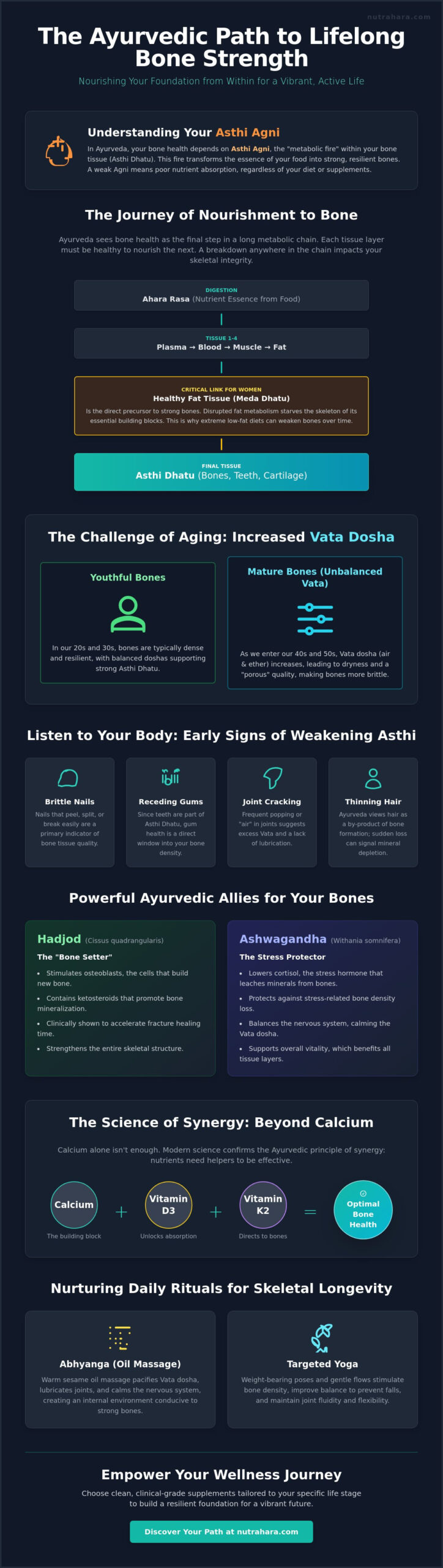
Your bones are far more than a static frame; they’re a living, breathing tissue that reflects your internal vitality. In Ayurvedic philosophy, the body is sustained by seven distinct tissues called Dhatus. Asthi Dhatu, the fifth layer, encompasses your bones, teeth, and cartilage. Unlike modern medicine which often views bones in isolation, Ayurveda sees them as the result of a long chain of nourishment. Each tissue layer must be healthy for the next to thrive. When you use ayurvedic herbs for strong bones, you aren’t just targeting a single mineral; you’re supporting the entire metabolic sequence that builds your foundation.

The transformation of nutrients into bone depends on “Asthi Agni,” or the metabolic fire specific to bone tissue. This fire converts the essence of your food into the solid, grounding structure of your skeleton. Before your body can build bone, it must first nourish Meda Dhatu, or fat tissue. For women, this connection is vital. Healthy fats act as the precursor to strong bones. If fat metabolism is disrupted, the raw material for your skeleton never arrives. This is why extreme low-fat diets can inadvertently weaken skeletal integrity over time.

As we age, specifically entering our 40s and 50s, the Vata dosha naturally becomes more dominant. Vata is characterized by qualities like dryness, lightness, and coldness. If left unbalanced, this excess air and ether creates a “porous” quality in the Asthi Dhatu. This leads to the brittleness and loss of density we often associate with the later stages of womanhood.

Why Bone Health is a Connected System

The journey of a nutrient begins as Ahara Rasa, the primary essence of digestion. It flows through plasma, blood, muscle, and fat before reaching the bone. This is why your digestive fire, or Agni, is the secret architect of your skeleton. Without strong Agni, even the best supplements won’t be fully absorbed. Modern nutritional science echoes this, focusing on bioavailability and gut health as the gatekeepers of mineral density. Supporting your body with products like Ashwagandha with Black Pepper can help balance the stress response that often depletes these tissues.

Recognizing Early Warning Signs of Weakening Asthi

You don’t have to wait for a fracture to understand your bone health. Your body sends quiet signals when Asthi Agni is flickering. If you’re in your 30s or 40s, use this checklist to assess your current skeletal fire:

  • Brittle Nails: Nails that peel or break easily are a primary indicator of bone tissue quality.
  • Receding Gums: Since teeth are considered part of Asthi Dhatu, gum health is a direct window into bone density.
  • Joint Cracking: Frequent popping or “air” in the joints suggests excess Vata and a lack of lubrication.
  • Thinning Hair: Ayurveda views hair as a secondary tissue of the bone; sudden loss often points to mineral depletion.

Identifying these subtle shifts early allows you to use ayurvedic herbs for strong bones as a proactive tool. By stoking your internal metabolic fire, you ensure your body remains resilient through every life transition.

The 7 Most Powerful Ayurvedic Herbs for Strong Bones

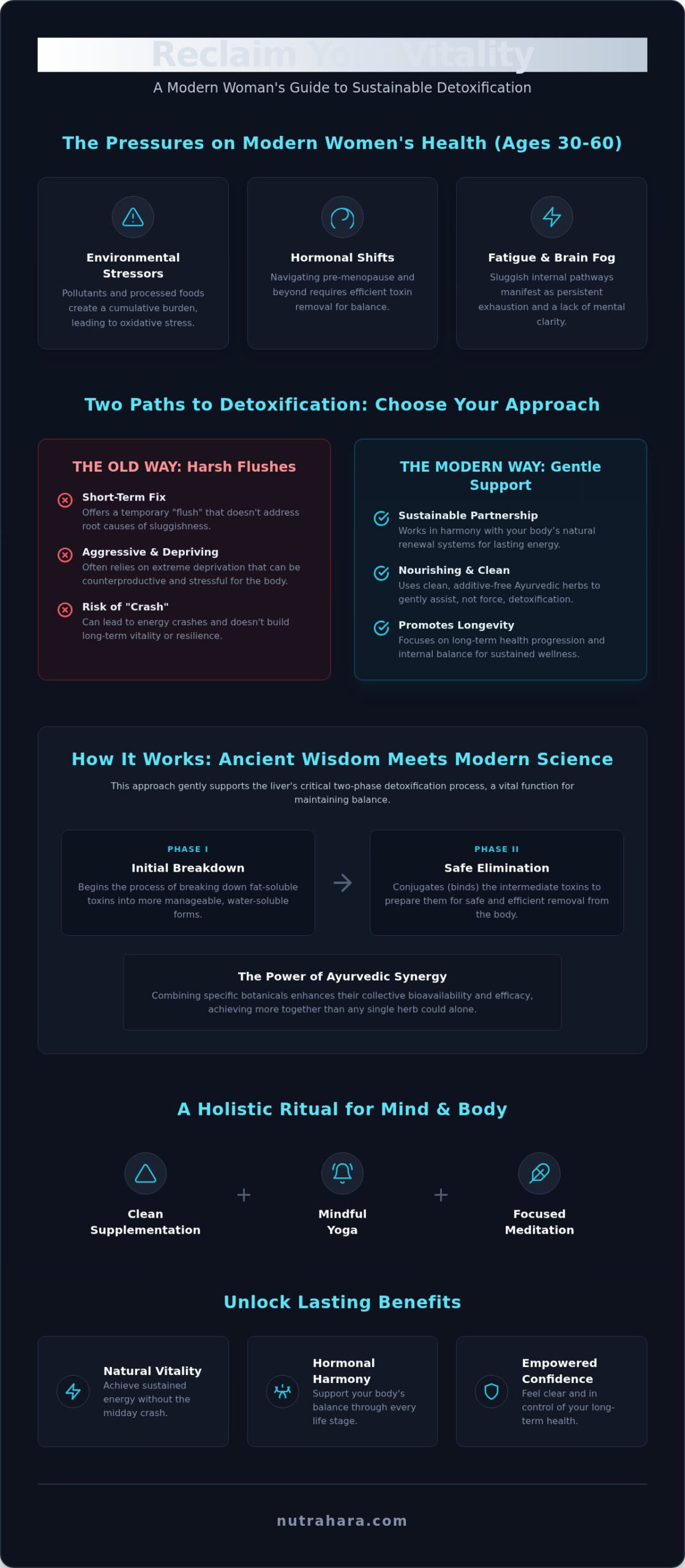
Building a resilient skeleton requires more than just a single mineral. It demands a symphony of botanical allies that address everything from hormonal shifts to nutrient delivery. While modern medicine often focuses solely on supplementation, the tradition of using ayurvedic herbs for strong bones emphasizes the biological mechanisms that allow your body to heal and regenerate. These herbs don’t just sit in your system; they actively engage with your bone cells to foster long-term strength.

Hadjod: The Ancient ‘Bone Setter’ Meets Modern Orthopedics

Hadjod, or Cissus quadrangularis, has earned its reputation as the “bone setter” through centuries of traditional use. It contains unique chemical constituents called ketosteroids. These compounds promote bone mineralization and stimulate the activity of osteoblasts, the cells responsible for building new bone. This Study on Cissus quadrangularis for bone fracture healing highlights its remarkable ability to accelerate the mending process. Research indicates that Hadjod can increase bone healing speed by up to 33%, making it an invaluable tool for recovery and density maintenance. Today, you can easily find Hadjod in standardized extract forms, which ensure you receive a consistent dose of its bone-building compounds.

Ashwagandha and Shatavari: The Hormonal Shield

For women between 30 and 60, bone health is deeply tied to the endocrine system. Ashwagandha acts as a powerful adaptogen that manages the stress-bone axis. By reducing cortisol, it prevents bone resorption, the process where bone tissue is broken down due to chronic stress. Shatavari provides a different kind of protection. It contains phytoestrogens that mimic the bone-protective effects of estrogen. This is crucial during perimenopause when natural hormone levels begin to fluctuate. Integrating Ashwagandha with Black Pepper into your wellness ritual offers a science-backed way to support your nervous system while simultaneously guarding your skeletal integrity.

Amalaki and Arjuna: The Mineral Carriers

Strong bones require a sturdy collagen matrix to hold minerals in place. Amalaki is exceptionally high in Vitamin C, which is a mandatory co-factor for collagen synthesis. Without it, your bone matrix becomes brittle regardless of your calcium intake. Arjuna complements this by improving systemic circulation. It ensures that the blood carries oxygen and nutrients to the deep, porous layers of the bone tissue. Together, these herbs act as bio-enhancers that significantly boost the absorption and utilization of minerals.

Guggulu serves as the final piece of this holistic puzzle. It’s known for its ability to “scrape” toxins from the bodily channels, ensuring that ayurvedic herbs for strong bones can reach their destination without interference. By clearing these pathways, Guggulu helps deliver essential minerals directly into the Asthi Dhatu. This multi-angled approach ensures your frame remains vibrant and mobile through every stage of your life journey.

Stronger for Longer: The Ultimate Guide to Ayurvedic Herbs for Strong Bones

The Science of Synergy: Bridging Ayurveda and Modern Nutrition

Many women reach for calcium supplements at the first sign of joint stiffness, but calcium alone is often a lonely traveler in the body. Without the right biological companions, it can’t find its way into your skeletal structure. Modern science now confirms what ancient wisdom has long practiced: bone health requires a delicate synergy of nutrients. Vitamin D3 acts as the gatekeeper for calcium absorption, while Vitamin K2 functions as the navigator, ensuring calcium is deposited in the bone matrix rather than the arteries. This modern understanding mirrors the Ayurvedic principle of using specific carriers to deliver ayurvedic herbs for strong bones deep into the tissues.

When people question if traditional herbs are scientific, they often miss the clinical overlap. Modern research shows that these botanicals don’t just provide minerals; they act as signaling molecules. They communicate with your body’s cells to regulate the balance between bone formation and bone resorption. This isn’t just folklore. It’s a sophisticated biological dialogue that protects your frame throughout your life journey. By combining these time-tested plants with modern nutritional carriers, you create a powerful system for skeletal longevity.

The Collagen-Bone Matrix Connection

We often think of bones as hard, rock-like structures, but they’re actually incredibly dynamic. About 30% of your bone is organic matter, and the vast majority of that is Type 1 Collagen. This protein matrix provides the scaffolding that holds minerals in place, giving bones the tensile strength to resist fractures. Ayurvedic herbs like Amalaki are rich in natural Vitamin C, which is essential for your body to produce its own collagen. To support this internal architecture, many women find success by pairing their herbal routine with a high-quality Premium Collagen Complex. This combination ensures your scaffolding is as strong as the minerals it supports.

Managing Bone Loss During the Menopausal Transition

The most critical window for a woman’s skeletal health occurs during the menopausal transition. During the first five years of menopause, women can experience a sharp decline in bone mineral density (BMD) due to falling estrogen levels. Estrogen is a primary regulator of bone turnover; without it, the cells that break down bone work faster than the cells that build it. A proactive strategy involves using hormone-balancing support like BlossomBliss or Femmepower. These formulas help stabilize the hormonal environment, allowing ayurvedic herbs for strong bones to do their work effectively. By managing this transition with grace and science, you protect your mobility for the decades to come.

Holistic Rituals: Yoga, Diet, and Lifestyle for Skeletal Longevity

Your skeletal health isn’t just about the minerals you ingest; it’s about the lifestyle rhythms that anchor those nutrients into your frame. In Ayurveda, this is known as Dinacharya, a daily routine that aligns your biology with the natural world. While ayurvedic herbs for strong bones provide the raw materials, your daily habits determine how effectively your body utilizes them. By integrating physical movement and mindful nourishment, you create a supportive environment for your Asthi Dhatu to thrive through every decade.

Abhyanga, the practice of warm oil massage, is perhaps the most vital ritual for bone longevity. Using warm sesame oil to massage your limbs before bathing helps ground the Vata dosha. Since Vata is characterized by dryness and lightness, it’s the primary force behind bone thinning as we age. The oil penetrates deep into the tissues, delivering lubrication to the joints and calming the nervous system. This simple act of self-care reduces the systemic stress that can otherwise deplete your mineral reserves.

Yoga for Osteogenesis: Poses that Build Density

Bones are dynamic tissues that respond to the physical demands we place on them. Weight-bearing exercise is essential for stimulating osteoblasts, the cells that build new bone. Yoga offers a gentle yet powerful way to apply this necessary tension without the high impact that can sometimes lead to injury. Specific asanas help target the areas most vulnerable to density loss, such as the hips and spine.

  • Trikonasana (Triangle Pose): This pose creates lateral tension on the spine and strengthens the hip joints, encouraging mineral deposition in the femur.
  • Vrikshasana (Tree Pose): A simple balance pose that forces the standing leg to bear your full weight, improving bone density and enhancing coordination to prevent falls.
  • The Yoga of Stillness: Incorporating five minutes of meditation daily reduces systemic inflammation. Chronic inflammation is a silent thief of bone density, but mindfulness helps keep your internal environment calm and alkaline.

The Ayurvedic Kitchen: Foods for Your Skeleton

The Ayurvedic approach to a bone-building diet focuses on foods that are “Sattvic” or pure, fresh, and full of Prana. To balance the airy quality of Vata, favor the sweet, salty, and sour tastes. This doesn’t mean refined sugars; it refers to naturally sweet foods like whole grains, dairy, and root vegetables. Sesame seeds are a skeletal powerhouse in the Ayurvedic tradition, offering a highly bioavailable source of calcium. Leafy greens, ghee, and almond milk provide the healthy fats and minerals needed to keep the “bone fire” or Asthi Agni burning brightly.

  • Prana-Rich Meals: Choose warm, cooked meals over cold salads or processed snacks. Warmth aids digestion, ensuring your body can actually extract the minerals from your food.
  • Bone-Building Golden Milk: Before bed, whisk together a cup of warm almond milk, half a teaspoon of turmeric, and a pinch of ashwagandha. This soothing tonic supports tissue repair while you sleep.

Empower your daily ritual by exploring our Ashwagandha with Black Pepper to support your skeletal journey and enhance the benefits of your holistic practices.

The Nutrahara Path: Empowering Your Skeletal Journey

True vitality is a partnership between the wisdom of the past and the precision of the present. At Nutrahara, we believe your health is a long-term progression rather than a series of quick fixes. By combining ancient health philosophies with contemporary nutritional research, we provide a science-backed foundation for your wellness. Using ayurvedic herbs for strong bones is a commitment to your future self, ensuring your frame remains as resilient as your spirit. This “Wise Guide” approach allows you to navigate the complexities of aging with clarity and confidence.

Real transformation often begins with a single step toward holistic care. Sarah, a 54 year old yoga practitioner, found that perimenopausal stiffness was limiting her morning flow. “I didn’t just want to manage symptoms,” she shared. “I wanted to feel like my foundation was solid again.” After integrating targeted botanical support, she regained her full range of motion. Similarly, Maria, a 39 year old mother, noticed her nails were brittle and her joints were clicking after her second pregnancy. By focusing on her Asthi Agni and mineral absorption, Maria restored her energy and skeletal strength. These stories highlight the power of listening to your body’s subtle signals.

Personalized Support for Every Life Stage

Your skeletal needs evolve as you move through different stages of womanhood. For those navigating the hormonal shifts of their 40s and 50s, Femmepower offers essential support by balancing the hormones that directly govern bone turnover. If you’re an active woman over 50 focusing on mobility, a specialized Joints & Knees Kit provides the targeted nourishment your connective tissues crave. Every formula we offer is built on a promise of purity. You’ll find no artificial additives here, only clean, Ayurvedic-inspired ingredients that respect your body’s natural harmony.

Building Your Wellness Foundation Today

The best time to invest in your skeletal integrity is right now. You can begin by choosing one small, actionable ritual to anchor your day. Whether it’s a ten minute weight-bearing yoga sequence or starting a regimen of ayurvedic herbs for strong bones, these small steps accumulate into lifelong strength. View your health as an ongoing investment in your future “Wise Woman” self. She is the one who will enjoy the hiking trails and the garden paths decades from now because of the choices you make today.

If you’re currently navigating the menopausal transition, remember that bone health is just one part of your body’s complex internal dialogue. We invite you to explore our resources on Vaginal pH Balance to understand how to nurture your body’s natural harmony across all systems. Your journey toward longevity is unique, and we are here to walk beside you as a supportive partner in your long-term health progression.

Embracing Your Foundation for the Decades Ahead

Your skeletal health is a personal, ongoing journey that deserves a foundation of both ancient wisdom and modern clinical validation. By understanding the metabolic fire of your bone tissue and integrating ayurvedic herbs for strong bones, you’re doing more than just supplementing; you’re nurturing a living system. We’ve explored how the synergy of botanical allies, weight-bearing yoga, and hormone-balancing nutrition creates a framework for lasting mobility.

You don’t have to navigate this path alone. Nutrahara’s formulas are crafted by Ayurvedic experts and modern researchers to ensure every capsule supports your long-term progression. Trusted by women across the United States for over a decade, our products prioritize purity with clean ingredients and no artificial fillers. It’s time to invest in your future “Wise Woman” self with a partner who understands the unique needs of your body.

Empower your skeletal health with Nutrahara’s Ayurvedic-inspired wellness kits. Shop Now!

Your frame is the vessel for your life’s adventures. Treat it with the care and reverence it deserves, and it will carry you with strength for years to come.

Frequently Asked Questions

Can Ayurvedic herbs really reverse bone loss?

Ayurvedic herbs for strong bones work by optimizing the body’s internal environment to support natural mineralization. While they don’t reverse bone loss in a pharmaceutical sense, they help balance the activity between bone-building osteoblasts and bone-dissolving osteoclasts. This holistic approach focuses on the long-term progression of your skeletal health. It ensures that the nutrients you consume are actually integrated into your frame rather than being lost through poor metabolism.

How long does it take to see results from Ayurvedic bone supplements?

Bone tissue is a slow-growing system, so you should expect a minimum of three to six months for measurable changes. You might notice subtle improvements in joint comfort or nail strength within the first few weeks. However, the deep structural work of bone mineralization takes time. Consistency in your daily ritual is the most important factor in achieving the active, mobile lifestyle you desire well into your 70s.

Is Ashwagandha safe to take for bone health if I am post-menopausal?

Ashwagandha is highly beneficial for post-menopausal women because it manages the stress-bone axis. By lowering cortisol levels, it helps prevent the rapid bone resorption that often follows the decline of estrogen. It’s important to choose supplements that use only the root of the plant. Per the 2026 safety directives from the Ministry of Ayush, the leaves are restricted in health supplements due to high concentrations of specific withanolides.

What is the best time of day to take Ayurvedic herbs for strong bones?

The evening is often the most effective time to take your bone-supporting botanicals. Consuming them with a warm carrier like almond milk or water helps ground the Vata dosha, which is most active at night. This timing also aligns with your body’s natural repair and regeneration cycles that occur while you sleep. Consistency in this daily ritual ensures that your tissues receive a steady, calming supply of nourishment.

Can I take Hadjod if I am already taking a calcium supplement from my doctor?

Hadjod can typically be taken alongside standard calcium supplements to enhance their overall effectiveness. While calcium provides the raw building blocks, Hadjod acts as a biological signal that tells your body to deposit those minerals into the bone matrix. This synergy often leads to better results than taking minerals alone. You should always consult your doctor to ensure your specific supplement routine is perfectly balanced for your needs.

Are there any side effects to using Ayurvedic herbs for joint and bone health?

Most women experience no side effects when using standardized, clean formulas that are free from artificial additives. Because these herbs work with your body’s natural processes, they are generally well-tolerated. Occasional mild digestive shifts may occur as your body adjusts to new botanicals. If you have any underlying health conditions, it’s always wise to start with a smaller dose and observe how your system responds to the new support.

How does yoga specifically help with bone density?

Yoga helps build bone density through the principle of mechanical loading. When you hold weight-bearing poses like Triangle or Tree, you apply gentle tension to the bones of the hips and spine. This tension signals the osteoblasts to create more bone tissue. It’s a natural, low-impact way to improve skeletal strength while also enhancing the balance and coordination you need to prevent falls and fractures as you age.

Do I need to change my diet for these Ayurvedic herbs to work?

You’ll see the best results when you pair your herbal routine with a diet that supports Asthi Agni, or bone metabolism. Incorporating healthy fats like ghee and mineral-rich foods like sesame seeds provides the necessary precursors for bone building. Warm, cooked meals are easier for your body to digest than cold, processed foods. This ensures that the ayurvedic herbs for strong bones are fully absorbed and utilized by your system.

Article by

Nutrahara Team

We are a dedicated collective of nutrition scientists and naturopaths at Nutrahara, committed to advancing women's health through the fusion of ancient Ayurveda science and cutting-edge nutrition research. Our mission is to empower you with clean, simple, and scientifically validated wellness solutions so you can live your healthiest life. Connect with us to stay updated on the latest developments in holistic women's health and nature-based research.

Disclaimer

This article is not a substitute for medical advice. Please consult a healthcare professional before starting any supplement, especially if pregnant, nursing, taking medication, or managing health conditions.

Categories
Articles

Ayurvedic Herbs for Regular Periods: A Natural Guide to Hormonal Balance

Does the unpredictability of your menstrual cycle leave you feeling frustrated and disconnected from your body’s natural rhythm? If you’re searching for a gentle, effective alternative to conventional treatments and their potential side effects, you are not alone. Your wellness journey towards hormonal balance can begin by exploring the ancient wisdom of Ayurveda. The use of ayurvedic herbs for regular periods is a time-honored practice, offering a natural path to restoring harmony from within.

Alongside herbal remedies, specialized nutritional therapy can provide targeted Fertility support by addressing the dietary foundations of hormonal balance and reproductive wellness.

In this guide, we bridge ancient science with modern understanding to empower you with knowledge. You will discover the most effective, purity-tested herbs that gently encourage a predictable cycle and reduce period-related discomfort. We’ll also explore simple, holistic lifestyle practices that support your overall well-being, helping you feel confident and in tune with your body. Prepare to embark on a path to achieving a naturally regular, healthy cycle.

Key Takeaways

  • Understand your menstrual cycle as a reflection of your overall well-being and learn why Ayurveda views irregularity as a sign of a deeper imbalance.
  • Discover the top 5 rejuvenating ayurvedic herbs for regular periods that work naturally to help balance hormones and nourish your body’s tissues.
  • Learn how to amplify the benefits of herbs by integrating simple Ayurvedic daily and seasonal routines into your lifestyle for lasting results.
  • Receive practical guidance on how to choose pure, potent, and ethically sourced herbal supplements for a safe and effective wellness journey.

Understanding Irregular Periods Through the Lens of Ayurveda

In the ancient wisdom of Ayurveda, your menstrual cycle, known as Artava, is much more than a monthly occurrence-it’s a vital sign of your overall health. Think of it as a clear reflection of your inner harmony and well-being. When your cycle becomes irregular, it’s not simply an inconvenience; it’s a gentle signal from your body that a deeper imbalance needs your attention. The holistic science of Ayurveda views health through the lens of three fundamental energies, or Doshas: Vata, Pitta, and Kapha. These energies govern all our physiological and psychological functions. Understanding how they influence your unique cycle is the foundational step on your wellness journey toward balance and finding the right supportive ayurvedic herbs for regular periods.

The Role of Vata Dosha in Your Cycle

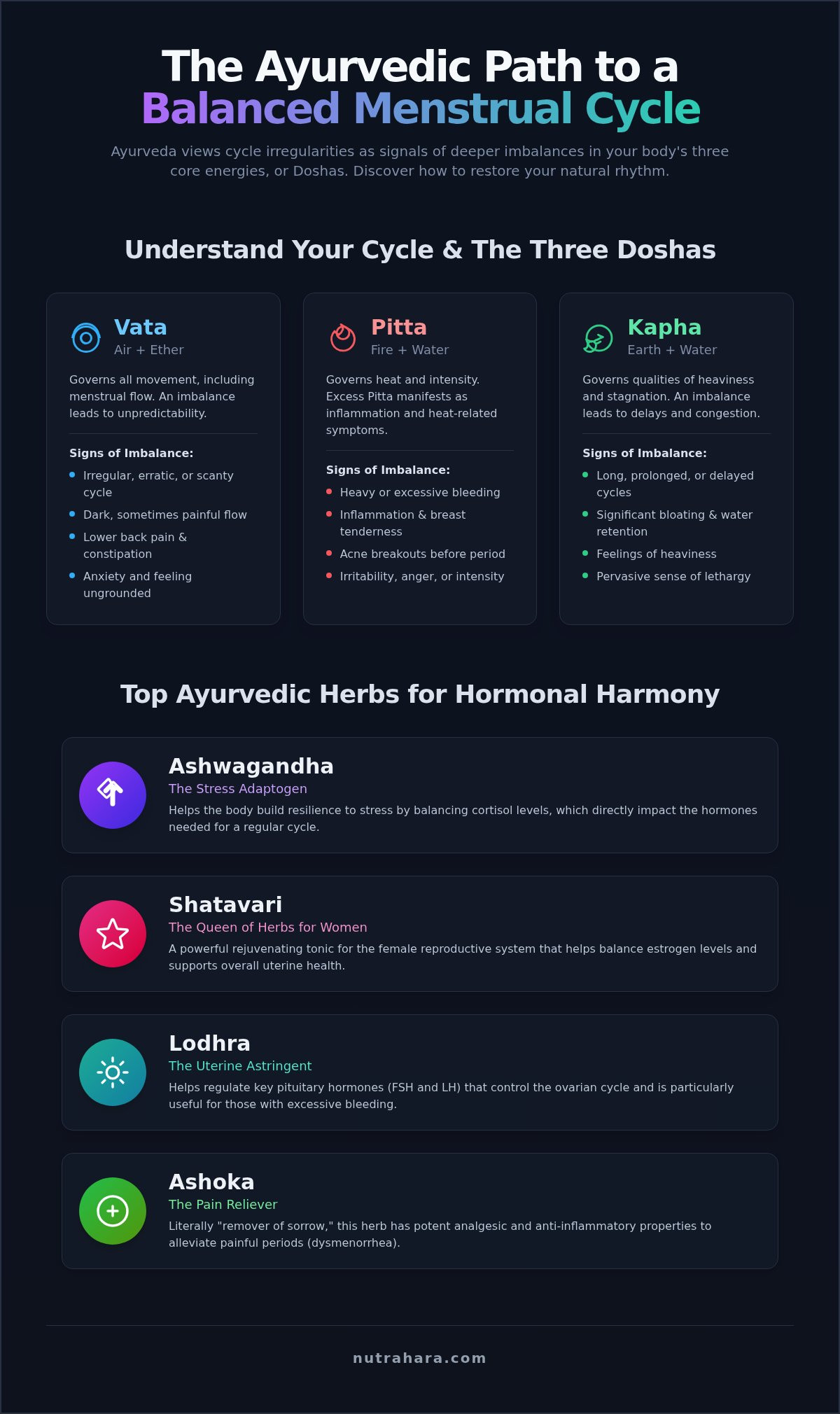
Vata, composed of the elements air and ether, governs all movement in the body, including the downward flow of menstruation. When Vata is in excess, this natural rhythm can become erratic and unpredictable. This imbalance often leads to a cycle that is irregular, with a scanty, dark, and sometimes painful flow. You might also experience related symptoms like lower back pain, constipation, anxiety, and a feeling of being ungrounded during your cycle.

How Pitta and Kapha Imbalances Manifest

Pitta and Kapha doshas also play crucial roles in maintaining a healthy menstrual cycle. Each imbalance presents a unique set of symptoms:

  • Pitta Imbalance: Governed by fire and water, excess Pitta often manifests as heat and intensity. This can lead to heavy bleeding, inflammation, breast tenderness, acne breakouts, and emotional symptoms like irritability or anger before your period.
  • Kapha Imbalance: Rooted in earth and water, a Kapha imbalance creates qualities of heaviness and stagnation. This may result in long or delayed cycles, significant bloating, water retention, and a pervasive sense of lethargy.

Identifying your unique doshic imbalance is the key to personalizing your approach. It empowers you to tailor your lifestyle and select the most effective ayurvedic herbs for regular periods that will bring your body back into its natural rhythm.

Top 5 Ayurvedic Herbs to Regulate Your Menstrual Cycle

In the world of Ayurveda, certain botanicals are revered as Rasayanas-powerful rejuvenating tonics that nourish the body from within. Rather than forcing a specific outcome, these herbs work holistically to restore balance to your system. They support your wellness journey by nourishing reproductive tissues, promoting hormonal harmony, and helping your body adapt to stress. This gentle, supportive approach is what makes ayurvedic herbs for regular periods a cornerstone of holistic women’s health.

The efficacy of these traditional botanicals is increasingly recognized, with a comprehensive scientific literature review highlighting the role of various Ayurvedic herbs in supporting female reproductive wellness. Here are five of the most celebrated herbs for regulating your menstrual cycle.

Ashwagandha (Withania somnifera): The Stress Adaptogen

Known as a premier adaptogen, Ashwagandha helps your body build resilience to physical and emotional stress. Chronic stress elevates cortisol, a hormone that can directly interfere with the delicate balance of hormones needed for a regular cycle. Ashwagandha supports the entire endocrine system, including thyroid function, creating a stable foundation for menstrual health. For optimal efficacy, consider a formula like Nutrahara’s Ashwagandha with Black Pepper, which enhances absorption.

Shatavari (Asparagus racemosus): The Queen of Herbs for Women

Shatavari is perhaps the most important rejuvenating tonic for the female reproductive system in Ayurveda. Considered a powerful hormonal balancer, it helps regulate estrogen levels and supports the healthy production of cervical mucus. Its cooling and moisturizing properties are especially beneficial for uterine health and can help manage dryness and cycle irregularities during perimenopause.

Lodhra (Symplocos racemosa): The Uterine Astringent

Traditionally celebrated for its ability to support a healthy menstrual flow, Lodhra is particularly useful for those experiencing excessive bleeding. Modern research suggests it helps regulate key pituitary hormones like FSH (follicle-stimulating hormone) and LH (luteinizing hormone), which are the master controls of the ovarian cycle. Its natural anti-inflammatory properties also help soothe and strengthen the uterine lining.

Ashoka (Saraca asoca): The Pain Reliever

The name Ashoka literally translates to “remover of sorrow,” a direct reference to its profound effect on women’s comfort and well-being. This remarkable herb possesses potent analgesic and anti-inflammatory properties, making it a go-to for alleviating painful periods (dysmenorrhea). It also helps tone the uterine muscles, promoting a healthy, regular flow and reducing discomfort.

Manjistha (Rubia cordifolia): The Blood Purifier

In Ayurveda, a healthy menstrual cycle depends on healthy blood. Manjistha is a premier blood and lymph purifier that helps remove natural toxins and reduce stagnation. By supporting clean and freely flowing blood, it helps prevent the blockages and imbalances that can lead to painful or irregular periods, promoting a smooth and comfortable cycle.

Important Note: While these ayurvedic herbs for regular periods have a long and trusted history of use, your body is unique. It is essential to consult with your healthcare professional or a qualified Ayurvedic practitioner before beginning any new supplement regimen to ensure it is the right choice for your personal health journey.

A Holistic Ayurvedic Lifestyle for Lasting Menstrual Health

While potent on their own, Ayurvedic herbs work best when they are part of a holistic approach to well-being. Ancient Ayurvedic science teaches that true, lasting health is built upon a foundation of supportive daily and seasonal routines, known as Dinacharya and Ritucharya. By aligning your life with these natural rhythms, you create a stable internal environment that supports hormonal balance, making ayurvedic herbs for regular periods significantly more effective.

Nourishing Your Body: The Ayurvedic Diet for Regular Cycles

What you eat directly nourishes the tissues responsible for a healthy menstrual cycle. Ayurveda emphasizes warm, cooked, and easily digestible foods to support your digestive fire (Agni) and reduce systemic stress. Simple additions can make a profound difference:

  • Healthy Fats: Incorporate grounding fats like ghee, avocado, sesame oil, and nuts to support hormone production.
  • Seed Cycling: Rotate between flax, pumpkin, sesame, and sunflower seeds throughout your cycle to provide specific micronutrients that support hormonal shifts.
  • Warming Spices: Add ginger, cinnamon, and turmeric to your meals to improve circulation and reduce inflammation.

Managing Stress and Supporting Your Nervous System

In Ayurveda, chronic stress is a primary cause of Vata imbalance, which can directly disrupt the menstrual cycle. Calming your nervous system is therefore non-negotiable for achieving regularity. Prioritize a consistent sleep schedule, aiming for bed by 10 p.m. to allow your body to rest and repair. Daily practices like meditation, deep breathing (pranayama), and gentle yoga can profoundly reduce stress levels. For those on a dedicated wellness journey, clinically studied complexes like FemmePower can offer comprehensive support for hormonal balance and stress resilience.

Gentle Movement and Self-Care Practices

How you move your body matters. While exercise is crucial, excessive, high-intensity workouts can increase Vata and create more stress, especially during your period. Opt for gentle, grounding movements like walking, swimming, or restorative yoga. A deeply nurturing Ayurvedic practice is Abhyanga, or self-oil massage with warm sesame oil, which calms the entire nervous system. Adopting these practices thoughtfully is key; understanding the context and safety of Ayurvedic medicine from trusted sources ensures you can confidently integrate this wisdom. These lifestyle shifts create the fertile ground where ayurvedic herbs for regular periods can truly flourish.

Ayurvedic Herbs for Regular Periods: A Natural Guide to Hormonal Balance

How to Choose and Use Ayurvedic Herbs Safely and Effectively

Embarking on a wellness journey with Ayurveda is a powerful step toward holistic balance. However, when it comes to herbal supplements, not all are created equal. To truly harness their benefits, it’s essential to choose products that honor the principles of purity, potency, and safety. This guide will empower you to make informed decisions for your health.

What to Look For in a Quality Supplement

The effectiveness of ayurvedic herbs for regular periods depends entirely on the quality of the formula. A clean, potent supplement is non-negotiable. Here’s what to prioritize:

  • Third-Party Testing: Look for supplements verified by an independent lab. This ensures they are free from contaminants like heavy metals, pesticides, and microbes.
  • GMP Certification: Good Manufacturing Practices (GMP) certification guarantees that the product was made in a facility following strict quality control standards from sourcing to bottling.
  • Standardized Extracts: This ensures a consistent and effective dose of the herb’s active compounds in every serving, providing you with reliable, predictable results.
  • Clean Ingredients: A quality supplement should be free from unnecessary fillers, binders, or artificial additives. Your body deserves pure, simple, and natural support.

Best Practices for Taking Ayurvedic Herbs

Integrating herbs into your daily routine is a gentle process of listening to your body. By following these best practices, you can support your cycle with wisdom and care:

  • Start with a Low Dose: Always begin with the lowest recommended dose to observe how your body responds before gradually increasing if needed.
  • Be Patient and Consistent: Ayurvedic remedies work holistically to restore balance. It may take two to three menstrual cycles to notice significant, lasting changes.
  • Consult a Professional: For personalized guidance tailored to your unique constitution (Prakriti), we recommend consulting with a qualified Ayurvedic practitioner or your healthcare provider.
  • Build a Strong Foundation: Herbs work best when complemented by essential nutrients. Consider a high-quality Vitamin B-Complex to support overall hormonal health and energy metabolism.

Choosing high-quality ayurvedic herbs for regular periods is an act of self-care. By prioritizing purity and following a mindful approach, you can confidently support your body’s natural rhythm and continue your wellness journey with a trusted partner in health. Explore our commitment to clean, clinically-backed formulas at nutrahara.com.

Embrace Your Natural Rhythm with Ayurvedic Wisdom

Restoring your menstrual cycle is a journey of reconnecting with your body’s innate wisdom. Ayurveda offers a profound perspective, viewing irregularities not as a problem, but as a doshic imbalance. By integrating powerful ayurvedic herbs for regular periods and adopting holistic lifestyle changes, you can gently guide your body back to its natural rhythm and achieve lasting hormonal balance.

At Nutrahara, we honor this connection between nature and science. Drawing on 40 years of expertise, our supplements are thoughtfully formulated by blending ancient Ayurveda with modern clinical research. We are committed to your well-being, using only clean, pure ingredients with no artificial additives to support your body’s needs.

Ready to find your balance? Explore Nutrahara’s line of women’s wellness supplements to begin your health journey. Your path to hormonal harmony and vibrant well-being is within reach.

Frequently Asked Questions

How long does it take for Ayurvedic herbs to regulate periods?

The timeline for seeing results can vary, as every woman’s body and wellness journey is unique. Generally, it may take two to three menstrual cycles of consistent use to notice a significant shift towards regularity. These natural herbs work gently to restore balance within the body’s systems. For lasting results, it is important to pair herbal support with a balanced lifestyle, allowing your body the time it needs to harmonize and heal.

Can I take Ayurvedic herbs if I am on birth control?

It is crucial to exercise caution when combining Ayurvedic herbs with hormonal birth control. Some herbs can influence hormone levels and may potentially interfere with the effectiveness of your contraception. To ensure your safety and well-being, we strongly recommend consulting with your healthcare provider or a qualified Ayurvedic practitioner. They can offer personalized guidance based on your specific health profile and help you make an informed decision for your body.

What are the main causes of irregular periods according to Ayurveda?

According to ancient Ayurveda science, irregular periods are often a sign of a dosha imbalance, particularly an aggravated Vata dosha. Vata governs movement in the body, including menstrual flow. Common factors that can disrupt this delicate balance include high levels of stress, improper diet, a lack of restful sleep, and excessive physical or mental strain. Restoring balance to the doshas is the primary goal of Ayurvedic treatment for menstrual irregularity.

Are there any side effects of taking herbs like Ashwagandha or Shatavari?

While herbs like Ashwagandha and Shatavari are generally well-tolerated, some individuals may experience mild side effects, such as digestive upset or drowsiness, especially at higher doses. It is essential to adhere to recommended dosages and to source high-quality, pure herbs from a trusted provider. As with any new supplement, we advise consulting with a healthcare professional to ensure it aligns with your unique health needs and to discuss proper usage.

Can lifestyle changes alone help regulate my period without herbs?

Yes, lifestyle adjustments are a foundational element of menstrual health and can significantly help regulate your cycle. Focusing on a balanced diet, managing stress through practices like yoga, and ensuring consistent sleep can restore your body’s natural rhythm. While some women achieve regularity through these changes alone, ayurvedic herbs for regular periods can provide powerful, targeted support to accelerate and sustain that balance on your wellness journey.

Is it safe to combine different Ayurvedic herbs for menstrual health?

In Ayurvedic tradition, herbs are often combined synergistically to enhance their benefits, and many classical formulas for women’s health are sophisticated blends. However, creating a safe and effective combination requires a deep understanding of each herb’s properties. We recommend using professionally formulated products or consulting with an Ayurvedic practitioner who can create a personalized blend tailored to your specific constitution and needs.

Article by

Nutrahara Team

We are a dedicated collective of nutrition scientists and naturopaths at Nutrahara, committed to advancing women's health through the fusion of ancient Ayurveda science and cutting-edge nutrition research. Our mission is to empower you with clean, simple, and scientifically validated wellness solutions so you can live your healthiest life. Connect with us to stay updated on the latest developments in holistic women's health and nature-based research.

Disclaimer

This article is not a substitute for medical advice. Please consult a healthcare professional before starting any supplement, especially if pregnant, nursing, taking medication, or managing health conditions.
Categories
Articles

Ayurvedic Treatment for Hormonal Imbalance: A Complete Guide to Restoring Harmony

Do you feel like you’re constantly battling your own body? If persistent fatigue, unpredictable mood swings, and a sense of being ‘off’ have left you feeling frustrated and unheard by conventional medicine, you are not alone. This wellness journey can feel isolating, especially when standard solutions offer little relief or come with unwelcome side effects. But what if the path to balance lies not in a prescription, but in the ancient wisdom of nature? Ayurveda offers a profound, holistic perspective, viewing these symptoms as signs of a deeper disharmony. An effective ayurvedic treatment for hormonal imbalance seeks to address the root cause, gently guiding your body back to its natural state of equilibrium.

In this complete guide, we will demystify Ayurveda’s approach, transforming what may seem complex into a clear, actionable plan for your well-being. You will discover powerful, clinically-studied herbs, simple dietary adjustments, and daily practices designed to restore your inner harmony. Prepare to feel empowered as you learn to listen to your body and reclaim your vitality, bridging the gap between ancient science and modern life to begin your journey back to balance.

Key Takeaways

  • Discover your dominant Dosha (Vata, Pitta, or Kapha) to understand the root cause of your hormonal symptoms and tailor your approach to healing.
  • Explore powerful adaptogenic and rejuvenating herbs that work with your body to gently and naturally restore hormonal equilibrium.
  • A holistic ayurvedic treatment for hormonal imbalance goes beyond supplements, incorporating specific foods and daily routines to support your digestive fire (Agni).
  • Learn how to begin your wellness journey with simple, consistent daily practices that create a powerful foundation for lasting hormonal harmony.

Understanding Hormonal Imbalance Through the Lens of Ayurveda

In modern medicine, we often see hormonal imbalance as a list of symptoms-fatigue, mood swings, or irregular cycles. Ancient Ayurveda science invites us to look deeper, viewing hormones not just as chemical signals, but as messengers of our body’s core metabolic energy, or Agni. This holistic perspective sees the body as an interconnected system where balance is key. By understanding hormonal imbalance through the lens of Ayurveda, we can move beyond managing symptoms and begin to address the root cause, embarking on a true wellness journey.

At the heart of this ancient wisdom are the three Doshas-Vata, Pitta, and Kapha. These bio-energetic forces govern all our physiological and psychological functions, including the delicate endocrine system responsible for hormone production. When our dominant Dosha is aggravated by diet, stress, or lifestyle, it creates a ripple effect that disrupts hormonal harmony.

What are the Doshas and How Do They Affect Hormones?

Your unique constitution determines how imbalances manifest. Identifying your dominant Dosha is a foundational step in finding an effective ayurvedic treatment for hormonal imbalance. Here’s how each Dosha aggravation can impact your well-being:

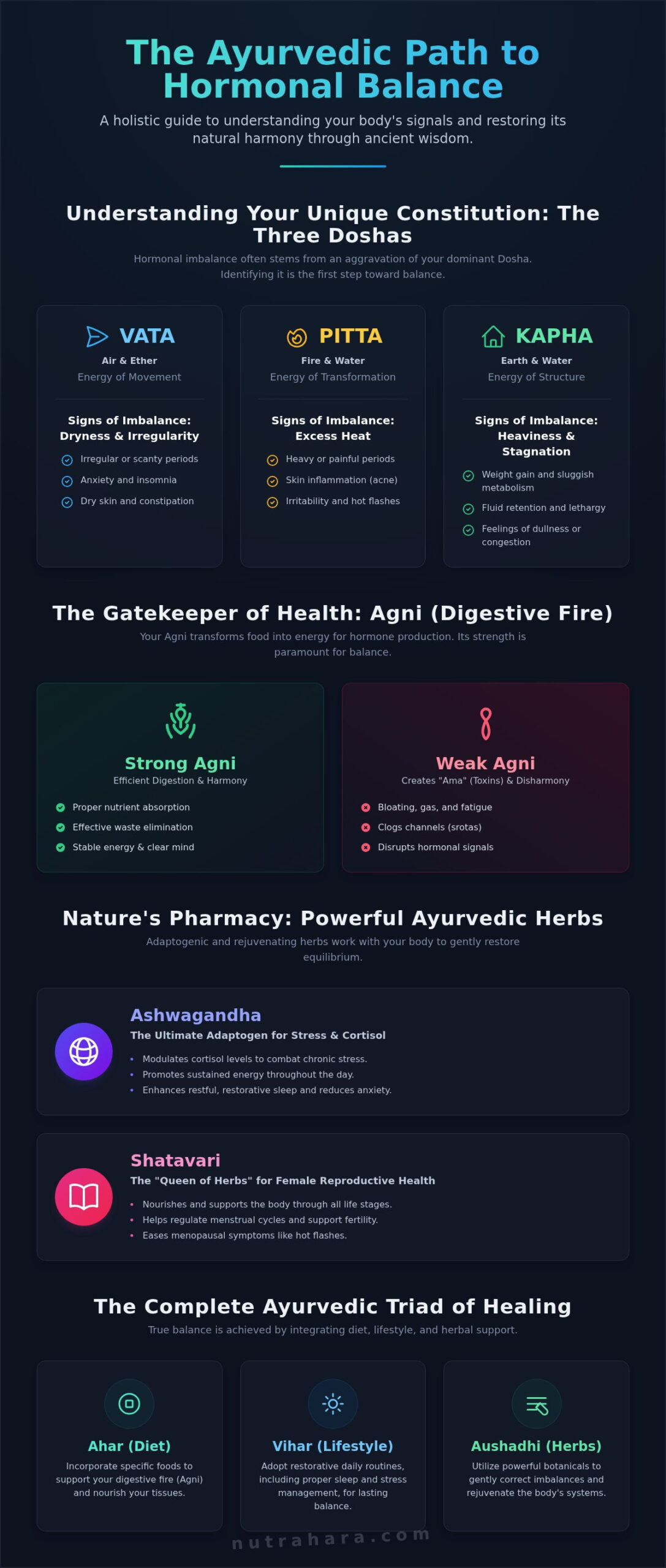
  • Vata Imbalance: Governed by air and ether, excess Vata can lead to dryness and irregularity. This may manifest as irregular or scanty periods, anxiety, insomnia, and constipation.
  • Pitta Imbalance: Composed of fire and water, aggravated Pitta creates excess heat. This often results in heavy or painful periods, skin inflammation like acne, irritability, and hot flashes.
  • Kapha Imbalance: The energy of earth and water, excess Kapha leads to heaviness and stagnation. This can cause weight gain, sluggish metabolism, fluid retention, and feelings of lethargy.

The Role of Agni (Digestive Fire) in Hormonal Health

Imagine your digestive system as a fire, or Agni. A strong Agni efficiently digests food, absorbs vital nutrients needed for hormone synthesis, and eliminates waste. However, when Agni is weak, food is not properly metabolized, creating a toxic residue called Ama. This Ama can clog the body’s channels (srotas), obstructing cellular communication and disrupting hormonal signals.

A healthy Agni is marked by a good appetite, feelings of lightness after meals, and consistent energy. Signs of a weak, imbalanced Agni include bloating, gas, fatigue, and a coating on the tongue. Restoring this digestive fire is paramount for lasting hormonal balance.

Powerful Ayurvedic Herbs for Natural Hormone Balance

Ancient Ayurveda science offers a profound understanding of botanical medicine. At the heart of this wisdom are rasayana (rejuvenating) and adaptogenic herbs, which help your body adapt to physical and emotional stressors to restore equilibrium. These powerful botanicals are often combined to create a synergistic effect, forming the foundation of a holistic wellness plan. For your health journey to be both safe and effective, it is essential to select high-quality, pure herbs free from contaminants.

Adaptogens for Stress and Cortisol Management

Chronic stress is a primary driver of hormonal disruption, elevating cortisol and throwing your system off balance. Managing cortisol is a foundational step in any ayurvedic treatment for hormonal imbalance. Ashwagandha (Withania somnifera) is Ayurveda’s most revered adaptogen for calming the nervous system. It works to modulate cortisol levels, which can lead to:

  • Sustained energy throughout the day
  • More restful and restorative sleep
  • A noticeable reduction in feelings of anxiety

To ensure you receive the full benefits of this herb, absorption is key. That’s why Nutrahara’s Ashwagandha with Black Pepper is formulated for enhanced bioavailability, delivering this powerful adaptogen effectively.

Herbs for Female Reproductive Health

Shatavari (Asparagus racemosus), often called the “queen of herbs,” is the foremost tonic for the female reproductive system. It gently nourishes and supports the body through every stage of a woman’s life. As a powerful phytoestrogen, it helps regulate menstrual cycles, support fertility, and ease menopausal symptoms like hot flashes. Modern scientific reviews increasingly validate these traditional uses, with research into powerful Ayurvedic herbs for natural hormone balance highlighting their efficacy in supporting women’s health.

Herbs for Liver Support and Detoxification

Your liver is a critical organ for hormonal health, responsible for metabolizing and clearing excess hormones from your body. When the liver is overburdened, hormonal imbalances can occur. Turmeric (Curcuma longa) is a celebrated anti-inflammatory herb that supports the liver’s natural detoxification pathways. By promoting healthy liver function, Turmeric ensures that hormones like estrogen are processed efficiently. Other cleansing herbs like Guduchi (Tinospora cordifolia) also play a vital role in this purification process.

The Ayurvedic Diet (Ahar): Eating for Hormonal Harmony

In ancient Ayurveda science, a profound principle guides our relationship with food: “You are not what you eat, but what you digest.” This wisdom places the focus on your digestive fire, or Agni, which transforms food into nourishment for your tissues and, crucially, your hormones. A strong Agni ensures nutrients are properly absorbed, while a weak one creates toxins (Ama) that can disrupt the delicate endocrine system. This dietary focus is a cornerstone of any effective ayurvedic treatment for hormonal imbalance. Modern institutions are also recognizing the value of this ancient system, with organizations like the Pituitary Network Association exploring the Ayurvedic approach to endocrinology and its emphasis on diet for hormonal well-being.

Foods to Favor for Hormonal Balance

To support your body’s natural rhythms, prioritize whole, sattvic (pure) foods that are easy to digest and rich in life force (prana). These clean and simple ingredients form the foundation of a hormone-balancing diet.

  • Healthy Fats: Nourish your brain and endocrine glands with high-quality fats like ghee (clarified butter), coconut oil, avocados, and soaked nuts and seeds.
  • Warm, Cooked Vegetables: Cooking vegetables makes them easier to digest, unlocking their nutrients. Focus on grounding root vegetables and vibrant leafy greens.
  • Whole Grains: Sustain your energy and stabilize blood sugar with easily digestible grains like basmati rice, quinoa, and cooked oats.
  • Warming Spices: Kindling your Agni is key. Incorporate anti-inflammatory spices like turmeric, ginger, cinnamon, and cumin to support digestion and reduce inflammation.

Foods to Reduce or Avoid

Just as important as what you add to your diet is what you limit. Certain foods can weaken Agni, create Ama, and directly interfere with hormonal harmony.

  • Processed Foods & Refined Sugar: These foods lack prana and can lead to inflammation and blood sugar spikes, placing stress on your adrenal glands.
  • Excessive Caffeine & Alcohol: Both can aggravate the Vata and Pitta doshas, contributing to anxiety, sleep disruption, and hormonal fluctuations.
  • Cold & Raw Foods: Icy drinks and large raw salads can extinguish your digestive fire, making nutrient absorption difficult and leading to bloating and gas.

The Six Tastes in Ayurveda

For a truly satisfying and nutritionally complete meal, Ayurveda recommends including all six tastes (Shad Rasa): Sweet, Sour, Salty, Pungent, Bitter, and Astringent. A meal that incorporates this full spectrum of flavors helps prevent cravings and ensures your body receives a wide range of essential nutrients. For example, a simple meal of lentil soup (astringent, sweet), with cooked kale (bitter), a squeeze of lime (sour), a pinch of mineral salt (salty), and spiced with ginger (pungent) creates perfect balance on your plate and in your body.

Restorative Lifestyle Practices (Vihar) for Lasting Balance

In the holistic science of Ayurveda, how you live your life is just as vital as what you eat. These lifestyle practices, known as Vihar, create a stable and nurturing environment for your body to heal and thrive. A cornerstone of any effective ayurvedic treatment for hormonal imbalance is establishing a predictable daily routine, or Dinacharya. This rhythm helps regulate your body’s internal clocks, which directly influence hormone production.

Remember, consistency is far more powerful than perfection. Integrating small, mindful habits into your day builds a strong foundation for resilience against modern-day stressors and burnout, which are often at the root of hormonal disruption.

Creating a Supportive Daily Routine (Dinacharya)

Aligning your body with the natural rhythms of the day provides profound stability. Start by waking early, ideally before sunrise, and drinking a glass of warm water to gently awaken your digestive system. Maintaining a consistent sleep-wake cycle is critical for regulating cortisol and melatonin. Finally, consider incorporating Abhyanga, a self-massage with warm sesame or coconut oil, to calm the nervous system and nourish your entire being.

Movement and Exercise for Your Dosha

Ayurveda teaches that the right exercise for you depends on your unique constitution, or dosha. The goal is to create balance, not exhaustion. Tailoring your movement helps pacify your dominant dosha and supports hormonal harmony.

  • Vata: Focus on gentle, grounding exercises that promote stability. Think slow-flow yoga, tai chi, and mindful walking in nature.
  • Pitta: Choose moderately intense activities that are also cooling to balance your inner fire. Swimming, hiking near water, or cycling on a shaded path are excellent choices.
  • Kapha: Opt for more vigorous and stimulating exercise to combat sluggishness. Brisk walking, dancing, cycling, and jogging can invigorate your body and mind.

Stress Management and Restful Sleep

Chronic stress is a primary antagonist to balanced hormones. Simple, daily practices to quiet the mind are non-negotiable. Introduce Pranayama (breathing exercises) like Nadi Shodhana (Alternate Nostril Breathing) for 5-10 minutes to instantly calm your nervous system. Even a short daily meditation can profoundly impact your stress response. While these practices are foundational, sometimes our bodies need extra help winding down. For those on their wellness journey seeking deeper rest, a natural, clinically-formulated supplement like RestoraSleep can support your body’s natural sleep cycle.

Ayurvedic Treatment for Hormonal Imbalance: A Complete Guide to Restoring Harmony

Your Ayurvedic Wellness Journey: Getting Started

Embarking on a new wellness journey can feel like a significant undertaking, but the path to hormonal harmony is paved with small, consistent steps, not giant leaps. The principles of Ayurveda are not about a quick fix; they are about a gentle rediscovery of your body’s innate wisdom and rhythm. As you begin, practice self-compassion. Listen to your body’s signals and choose one or two changes from this guide that feel most accessible and nurturing to you right now. This is your personal journey back to balance.

A Simple 3-Step Plan to Begin

To build momentum on your journey, we recommend starting with these three simple yet powerful actions. Committing to them for just one week can create a noticeable shift in your energy and well-being, laying the groundwork for deeper healing.

  • Nurture Your Digestion (Agni): In Ayurveda, your digestive fire, or Agni, is the cornerstone of all health. Weak digestion can lead to the buildup of toxins that disrupt hormonal function. Start your day by sipping warm water instead of cold, and add a slice of fresh ginger to your meals to gently stoke your metabolism and improve nutrient absorption.
  • Introduce One Supportive Herb: Adaptogenic herbs are nature’s gift for managing stress, a primary trigger for hormonal imbalance. Consider a clinically studied herb like Ashwagandha, renowned for its ability to promote calm, enhance resilience, and support the endocrine system.
  • Prioritize Restful Sleep: Your body repairs and regulates hormones while you sleep. Commit to a consistent bedtime for one week, aiming for 7-8 hours of rest. This simple rhythm helps regulate your circadian cycles and provides the deep restoration your body needs.

When to Seek Professional Guidance

While these foundational steps are empowering, a truly effective ayurvedic treatment for hormonal imbalance is deeply personal. For a comprehensive plan tailored to your unique mind-body constitution (Prakriti) and current imbalances (Vikriti), we strongly recommend consulting a qualified Ayurvedic practitioner.

It is also essential to discuss any new supplements with your healthcare provider, especially if you are pregnant, nursing, or managing existing health conditions. At Nutrahara, we are honored to be a partner on your wellness journey. We bridge ancient Ayurvedic science with modern research to create clean, simple formulas that you can trust. Support your body’s natural vitality with a targeted blend like FemmePower for overall vitality, expertly formulated to nourish and balance from within.

Embrace Your Journey to Hormonal Harmony

Restoring your body’s natural rhythm is a holistic process. As we’ve explored, true harmony is achieved not through a single fix, but by embracing the wisdom of Ayurveda. By integrating a nourishing diet (Ahar), restorative lifestyle practices (Vihar), and powerful herbs, you create a comprehensive ayurvedic treatment for hormonal imbalance that addresses the root cause. This path is about understanding and honoring your unique constitution to foster lasting well-being.

To support you on your wellness journey, we have meticulously crafted our formulas based on 40 years of expertise. At Nutrahara, we bridge ancient Ayurveda with modern nutrition research, using only clean, natural, and high-quality ingredients to create supplements you can trust. Take the next step with confidence. Explore our range of Ayurvedic supplements for women’s wellness.

Remember, every small, mindful choice is a powerful step toward reclaiming your vitality. Your journey to balance is a beautiful one, and you are fully equipped to walk it with strength and grace.

Frequently Asked Questions

How long does it take for Ayurvedic treatments for hormonal imbalance to work?

Your wellness journey is unique. Ayurveda is a holistic system that works to address the root cause of imbalance, not just the symptoms. While some women notice subtle shifts in energy and mood within a few weeks, achieving significant, lasting hormonal balance can take 3-6 months of consistent effort with herbs, diet, and lifestyle adjustments. Patience and dedication are key to allowing your body to gently and naturally restore its harmony.

Is it safe to take Ayurvedic herbs with my current medications?

Your safety is our highest priority. While our ingredients are natural, they are also potent and can interact with certain prescription medications. We strongly advise consulting with your healthcare provider or a qualified Ayurvedic practitioner before combining our supplements with your current treatment plan. This ensures a safe, coordinated, and effective approach to your health, honoring both modern research and ancient wisdom.

What is the single most important change I can make to balance my hormones?

While a truly holistic approach is best, one of the most powerful changes you can make is to regulate your sleep cycle. In Ayurveda, this is a core part of Dinacharya (daily routine). Going to bed by 10 PM and waking with the sun helps normalize cortisol rhythms, which profoundly impacts all other hormones. This simple, foundational practice supports your body’s innate intelligence and creates stability for your entire endocrine system.

Can Ayurveda help with hormonal issues like PCOS or endometriosis?

Yes, Ayurveda offers a comprehensive framework for managing complex conditions like PCOS and endometriosis. A personalized ayurvedic treatment for hormonal imbalance focuses on addressing the root cause by improving digestion (Agni), clearing toxins (Ama), and balancing the affected Doshas. Through specific herbal formulations, dietary plans, and stress management techniques, Ayurveda aims to reduce inflammation, regulate cycles, and restore harmony to the reproductive system.

How do I know which Dosha is out of balance?

Observing your symptoms is the first step. For example, excess Vata can manifest as anxiety, dry skin, and irregular periods. A Pitta imbalance may show up as irritability, acne, and heavy bleeding. Kapha imbalance often presents as weight gain, lethargy, and fluid retention. For an accurate diagnosis of your unique constitution (Prakriti) and current imbalance (Vikriti), we recommend consulting a qualified Ayurvedic practitioner.

Are Nutrahara’s supplements third-party tested for purity and quality?

Absolutely. At Nutrahara, our commitment to quality is unwavering. Every batch of our clinically-formulated supplements undergoes rigorous third-party testing to verify purity, potency, and safety. We ensure our products are free from heavy metals, pesticides, and other contaminants. This fusion of ancient Ayurvedic science with cutting-edge quality control allows us to deliver clean, simple, and trustworthy support for your wellness journey.

Article by

Nutrahara Team

We are a dedicated collective of nutrition scientists and naturopaths at Nutrahara, committed to advancing women's health through the fusion of ancient Ayurveda science and cutting-edge nutrition research. Our mission is to empower you with clean, simple, and scientifically validated wellness solutions so you can live your healthiest life. Connect with us to stay updated on the latest developments in holistic women's health and nature-based research.

Disclaimer

This article is not a substitute for medical advice. Please consult a healthcare professional before starting any supplement, especially if pregnant, nursing, taking medication, or managing health conditions.
Categories
Articles

Ayurvedic Medicine for Women’s Wellness: A Complete Guide

Are you navigating the complexities of your wellness journey, feeling like you’re only treating symptoms instead of finding true, lasting balance? If you’re struggling with hormonal shifts, persistent stress, or a lack of vibrant energy, you are not alone. For centuries, women have turned to a time-tested, holistic system for answers. This is where the ancient wisdom of ayurvedic medicine for women’s wellness offers a nurturing and effective path forward, bridging the gap between nature and the needs of the modern woman.

Forget overwhelming jargon and confusing concepts. This complete guide is designed to be your trusted companion, making this profound science both accessible and practical. We will explore how Ayurveda can help you balance your hormones, boost your energy, and enhance your overall well-being through every stage of life. You will discover key natural herbs, learn simple daily routines, and feel empowered to take a holistic and personalized approach to your health. It’s time to embrace a lifestyle of lasting vitality.

Key Takeaways

  • Understand Ayurveda’s core principles to create a personalized path toward mind-body balance and lasting vitality.
  • Learn how Ayurveda’s unique perspective on a woman’s life cycle can help you navigate hormonal shifts with greater ease and understanding.
  • A core component of ayurvedic medicine for women’s wellness involves using specific rejuvenating herbs to nourish your body through every stage of life.
  • Discover simple daily routines (Dinacharya) that can anchor your well-being and create a foundation of consistent energy and calm.

What is Ayurveda? Core Principles for Modern Women

At its heart, ancient Ayurveda science offers a personalized roadmap to well-being. To fully appreciate its depth, it’s helpful to explore the question, What is Ayurveda? It is a 5,000-year-old holistic healing system from India focused on achieving a harmonious balance between mind, body, and spirit. This holistic approach is the foundation of effective ayurvedic medicine for women’s wellness, viewing every individual as a unique expression of the five universal elements (Pancha Mahabhutas): Earth, Water, Fire, Air, and Ether.

The Three Doshas: Understanding Your Unique Constitution

These five elements combine to form three primary functional energies, or Doshas, that govern our unique physical and mental characteristics. Understanding your dominant Dosha is the first step on your wellness journey.

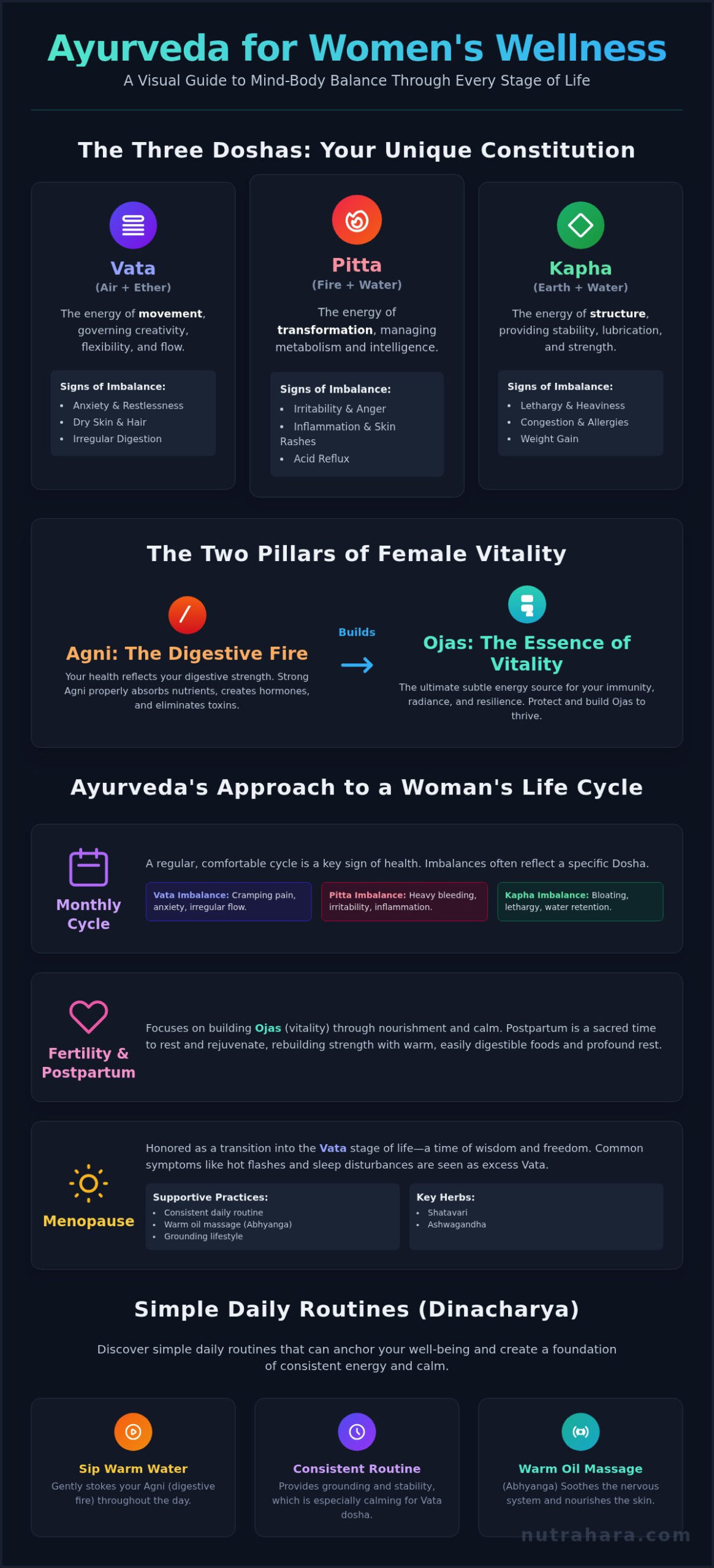
  • Vata (Air + Ether): The energy of movement. It governs creativity, flexibility, and flow. When imbalanced, it can lead to anxiety, dry skin, and irregular digestion.
  • Pitta (Fire + Water): The energy of transformation. It manages metabolism, body temperature, and intelligence. An excess can manifest as inflammation, irritability, or skin rashes.
  • Kapha (Earth + Water): The energy of structure. It provides stability, lubrication, and strength. Imbalance may result in lethargy, congestion, or weight gain.

Agni (Digestive Fire): The Cornerstone of Female Health

In Ayurveda, your health is a direct reflection of your digestive strength, known as Agni. This “digestive fire” does more than just break down food; it governs the absorption of nutrients, the creation of hormones, and the elimination of toxins. When Agni is weak, it can lead to common issues like bloating, fatigue, and hormonal imbalances. A simple yet powerful practice is to sip warm water throughout the day to gently stoke this internal fire.

Ojas: The Essence of Your Vitality and Immunity

When your Agni is strong and your body is nourished, you create Ojas-the ultimate, subtle essence of vitality. Ojas is the source of your immunity, radiance, and resilience. Chronic stress, poor diet, and exhaustion can deplete this precious energy, leaving you feeling drained. Protecting and building your Ojas is a key goal in ayurvedic medicine for women’s wellness, ensuring you have the deep reserves of energy needed to thrive.

Ayurveda’s Approach to a Woman’s Life Cycle

In Ayurveda, a woman’s life is not a linear path but a dynamic, cyclical wellness journey. From the first menstrual cycle to the wisdom of menopause, each stage is marked by unique hormonal and energetic shifts. This entire system is governed by the Artava Vaha Srotas, the delicate channels of the female reproductive system. Understanding the core principles of Ayurveda helps us view these fluctuations through the lens of the three Doshas-Vata, Pitta, and Kapha-whose balance dictates our well-being. The goal is to nurture these natural transitions, fostering harmony from within.

Balancing Your Monthly Cycle

A regular, comfortable menstrual cycle is a key indicator of vibrant health. When imbalances arise, they often reflect a specific Dosha. For example:

  • Vata Imbalance: May cause cramping pain, anxiety, and irregular cycles.
  • Pitta Imbalance: Can lead to heavy bleeding, irritability, and inflammation.
  • Kapha Imbalance: Often manifests as bloating, lethargy, and water retention.

Gentle diet adjustments and mindful movement tailored to your constitution can help guide your cycle back to its natural rhythm.

Nurturing Fertility and Postpartum Vitality

The wisdom of ayurvedic medicine for women’s wellness shines in its support for fertility and motherhood. It focuses on building Ojas, the body’s deepest source of vitality, through nourishing foods and a calm mind. The postpartum period is especially revered as a sacred time for the mother to rest and rejuvenate. The primary goal is to rebuild strength with warm, easily digestible foods, gentle herbs, and profound rest, restoring vitality for the journey ahead.

Navigating Perimenopause and Menopause Gracefully

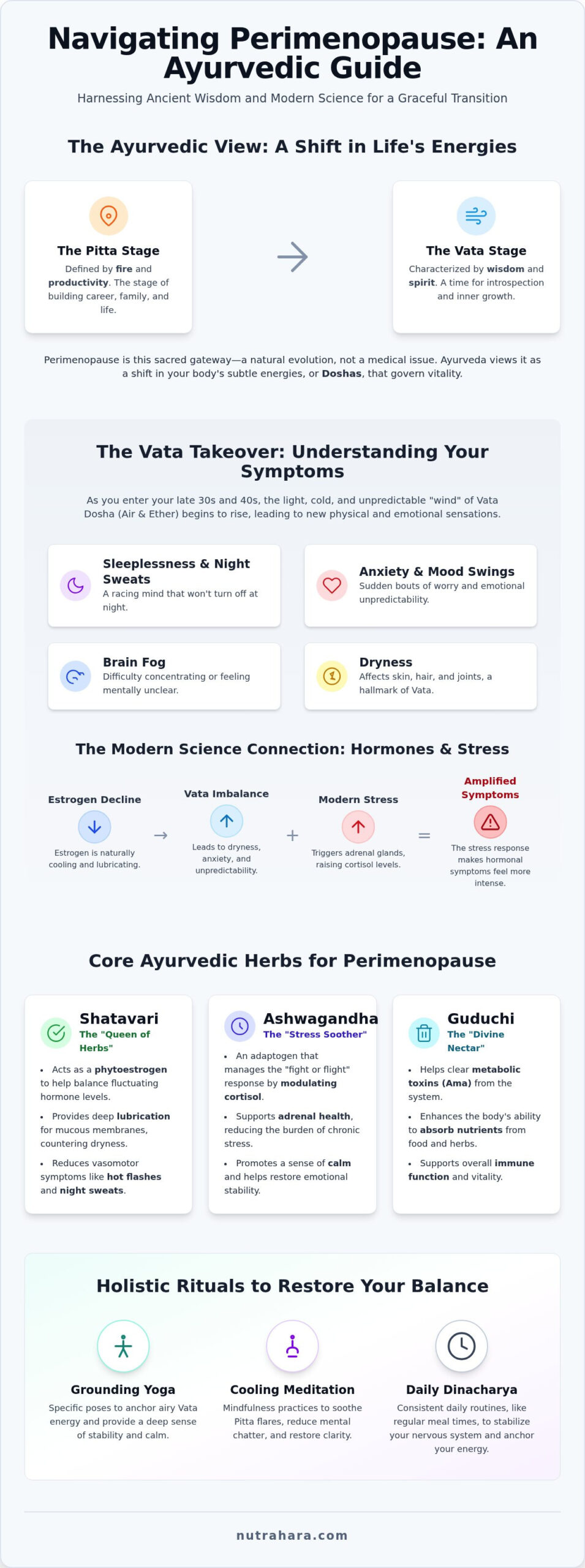
Menopause is honored as a natural transition into the Vata stage of life-a time of wisdom, freedom, and spiritual growth. Common symptoms like hot flashes, sleep disturbances, and vaginal dryness are often seen as signs of excess Vata (the energy of air and ether). Grounding lifestyle practices, such as a consistent daily routine, warm oil massage (abhyanga), and clinically studied herbs like Shatavari and Ashwagandha, can help soothe the nervous system and support a graceful, empowered transition.

Key Ayurvedic Herbs for Women’s Wellness

At the heart of Ayurvedic medicine for women’s wellness is the concept of Rasayanas-powerful, rejuvenating herbs that nourish the body from the inside out. These botanicals work deeply to replenish the seven essential tissues (Dhatus), promoting vitality, resilience, and longevity. Ancient texts and modern research both highlight the efficacy of specific Ayurvedic herbs for women’s wellness, demonstrating their role in supporting the body’s innate intelligence. To experience their full benefits, it is crucial to choose high-quality, pure herbal formulas that are clean, simple, and effective.

Adaptogens for Stress, Mood, and Hormonal Harmony

Adaptogens are a remarkable class of herbs that help the body manage stress, find balance, and maintain equilibrium. They work intelligently to support your system where it’s needed most on your wellness journey.

  • Shatavari: Often called the ‘queen of herbs,’ Shatavari is a premier tonic for the female reproductive system. It supports hormonal balance, soothes tissues, and promotes healthy cyclical function through all stages of life.
  • Ashwagandha: As a powerful adaptogen, Ashwagandha is celebrated for its ability to calm the nervous system and build resilience to stress. It helps boost energy levels while promoting a sense of grounded tranquility. You can naturally support your body’s response to stress with a high-quality Ashwagandha supplement.
  • Brahmi: Renowned for its cognitive benefits, Brahmi supports mental clarity, focus, and memory. It is a calming herb that helps soothe the mind and supports a healthy nervous system.

Herbs for Energy, Radiance, and Vitality

True radiance begins within. These herbs are formulated by nature to purify the body, boost energy, and promote a vibrant, healthy glow that reflects your inner well-being.

  • Amalaki (Amla): One of the most potent natural sources of Vitamin C, Amalaki is a powerful antioxidant that bolsters the immune system, supports healthy aging, and enhances skin health.
  • Manjistha: Known in Ayurveda as a superior blood purifier, Manjistha is excellent for promoting a clear, healthy complexion. It supports the lymphatic system’s natural detoxification process for vibrant skin from within. For comprehensive skin support, consider the benefits of a Premium Collagen Complex.

Maintaining consistent energy levels is also crucial for vitality. A complete Vitamin B-Complex can support your metabolism and help convert food into cellular energy.

Herbs for Digestion and Gentle Detoxification

A balanced digestive system, or strong Agni (digestive fire), is the foundation of health in Ayurveda. The right herbs can support this internal fire, aiding nutrient absorption and gentle detoxification.

  • Triphala: This classic formula combines three fruits-Amalaki, Bibhitaki, and Haritaki-to create a gentle but effective digestive tonic. It supports regular elimination, tones the GI tract, and aids the body’s natural detoxification processes without being harsh.
  • Turmeric: Celebrated for its potent anti-inflammatory properties, Turmeric supports a healthy inflammatory response throughout the body. It is excellent for joint comfort, liver health, and digestive well-being.
  • Ginger: A warming and stimulating herb, Ginger is known to kindle Agni. It helps ease digestive discomfort, reduces bloating, and improves nutrient assimilation.

Beyond Herbs: Daily Ayurvedic Lifestyle Practices (Dinacharya)

While herbs are a cornerstone, the true power of ayurvedic medicine for women’s wellness lies in the small, consistent actions we take each day. This is the essence of Dinacharya, the Ayurvedic daily routine. These simple, grounding practices are not about achieving perfection, but about creating a rhythm that anchors your day, calms the nervous system, and transforms routine tasks into profound acts of self-care. By aligning your daily habits with nature’s cycles, you create a foundation for lasting balance and vitality on your wellness journey.

This philosophy of intentional living extends beyond personal routines to the environment we cultivate. Just as daily practices ground the body, surrounding ourselves with beautiful, mindfully created objects can nurture the senses and support a calm mind. For those inspired by the rich artistic traditions that grew alongside Ayurveda, Hast Kala Hub offers a connection to authentic handicrafts that can bring this sense of intention into your home.

A Simple Morning Routine to Start Your Day

Begin your day with intention. These gentle practices take only a few minutes but set a positive tone for hours to come, clearing stagnation and awakening your body’s innate intelligence.

  • Tongue Scraping: Before drinking water, gently scrape your tongue to remove the overnight buildup of toxins (ama) and awaken your digestive system.
  • Oil Pulling (Gandusha): Swish a tablespoon of sesame or coconut oil in your mouth for 5-15 minutes to support oral health and gently draw out impurities.
  • Self-Massage (Abhyanga): Before showering, massage warm oil (like sesame or almond) into your skin. This sacred practice calms the nervous system, lubricates joints, and deeply nourishes the skin.

Mindful Eating for Your Dosha

How you eat is just as important as what you eat. To support optimal digestion, always eat in a calm, settled environment, focusing fully on your meal. Tailoring your food choices to your unique constitution further enhances well-being.

  • For Vata Balance: Favor warm, moist, and grounding foods like root vegetables, soups, and cooked grains.
  • For Pitta Balance: Choose cooling, substantial, and less spicy foods such as sweet fruits, leafy greens, and coconut.
  • For Kapha Balance: Opt for light, warm, and stimulating foods like steamed vegetables, legumes, and pungent spices like ginger.

Movement and Breathwork (Pranayama)

Gentle movement and conscious breathing are potent forms of ayurvedic medicine for women’s wellness, helping to release physical tension and balance vital energy (prana). A simple practice like Cat-Cow pose is excellent for supporting spinal flexibility and reproductive health. Pair this with Nadi Shodhana (Alternate Nostril Breathing) for five minutes to reduce stress, harmonize the brain’s hemispheres, and cultivate a sense of deep inner peace.

How to Integrate Ayurveda into Your Modern Life

Beginning your wellness journey with Ayurveda is not about a complete lifestyle overhaul. True, sustainable change happens gradually. The key is to start with one or two simple practices that resonate with you and to build from there. Think of this ancient science as a supportive framework that enhances your life, not a rigid set of rules that restricts it. Above all, the most important principle is to listen to your body-it is your most trustworthy guide.

Your First Three Steps on the Ayurvedic Path

To begin exploring the benefits of ayurvedic medicine for women’s wellness, we recommend starting with these simple, foundational actions:

  • Step 1: Gently Observe. Without judgment, start to notice your unique patterns. Are you naturally energetic in the morning? Do you feel sluggish after certain foods? This gentle observation is the first step toward understanding your dominant Dosha and its needs.
  • Step 2: Choose One Morning Ritual. Commit to one small practice for a single week. This could be tongue scraping to remove toxins, sipping warm lemon water to kindle your digestive fire, or a five-minute meditation. Notice how this small change makes you feel.
  • Step 3: Consider Foundational Herbs. Introduce a gentle, well-rounded herbal formula designed to support overall vitality and balance. This provides a nurturing foundation as you learn more about your body’s specific requirements.

Choosing High-Quality Ayurvedic Supplements

When selecting a supplement, purity and potency are paramount. Look for formulas with clean, natural ingredients and no unnecessary fillers, binders, or artificial additives. The most trustworthy products are backed by third-party testing to verify their quality. For those beginning their journey, a well-rounded formula like FemmePower can be a great starting point, as it is expertly formulated to support female physiology from a holistic perspective.

Partnering with a Professional

As with any new health regimen, it is always wise to consult your healthcare provider before adding new supplements to your routine. For more complex or chronic health concerns, working with a qualified Ayurvedic practitioner can provide personalized guidance tailored to your unique constitution. Remember, Ayurveda is a powerful, complementary approach designed to work in harmony with modern medicine to support your complete well-being. Explore our resources at nutrahara.com to learn more about your path to balanced health.

Embrace Your Journey to Holistic Well-being

Ayurveda offers more than just remedies; it provides a profound and personalized framework for understanding your body’s unique rhythms through every stage of life. From the power of key herbs like Shatavari to the grounding effects of daily rituals, you’ve discovered how this ancient science creates a sustainable path to balance and vitality. Embracing the principles of ayurvedic medicine for women’s wellness isn’t about a quick fix-it’s about cultivating a deeper, more intuitive connection with your body and empowering yourself with timeless wisdom for lasting health.

Ready to take the next step on your path? At Nutrahara, we are dedicated to bridging this ancient science with modern nutrition research. Our unique formulas are the result of 40 years of expertise, meticulously crafted with clean, pure ingredients you can trust. We believe in supporting your body’s innate intelligence with supplements that are both effective and transparent.

Begin your wellness journey with our expertly formulated Ayurvedic supplements. Your path to vibrant, balanced health is a beautiful one, and we are here to support you every step of the way.

Frequently Asked Questions

Is Ayurvedic medicine safe for all women?

While Ayurvedic medicine for women’s wellness is rooted in natural, time-tested principles, its safety depends on your unique health profile. The herbs and practices are generally considered safe, but it is essential to consult with your healthcare provider before starting any new regimen. This is especially crucial if you are pregnant, nursing, or managing a pre-existing medical condition. Sourcing high-quality, pure herbs from a trusted provider ensures you receive the most benefit on your wellness journey.

How long does it take to see results from Ayurvedic herbs and lifestyle changes?

Ayurveda is a journey toward balance, not an overnight fix. The time to see results varies for each individual based on their unique dosha, the nature of the imbalance, and consistency with the protocol. Some women notice subtle shifts in energy and digestion within a few weeks. For more profound, systemic changes like hormonal regulation, it may take three to six months of dedicated practice. Patience and consistency are key to unlocking the deep benefits of this ancient science.

Can I combine Ayurvedic supplements with my current medications?

It is absolutely essential to speak with your doctor or a qualified healthcare professional before combining Ayurvedic supplements with any prescription medications. While our formulas are clean and natural, herbs contain active compounds that can interact with pharmaceuticals, potentially altering their efficacy or causing side effects. Your doctor can provide personalized guidance based on your health history, ensuring a safe and effective approach to your integrated wellness plan. Your safety is our highest priority.

What is the main difference between Ayurveda and other forms of herbalism?

The primary difference lies in its holistic and highly personalized approach. While many forms of herbalism match a specific herb to a symptom, Ayurveda views the body as an integrated system. It first seeks to understand your unique mind-body constitution, or dosha, and the root cause of any imbalance. Treatment then involves a customized plan of herbs, diet, and lifestyle adjustments designed to restore your specific constitutional balance, rather than just addressing a single complaint.

How do I find out what my primary Ayurvedic dosha is?

Discovering your dosha is the first step on your personalized wellness journey. A great starting point is to take a well-regarded dosha quiz online, which can offer valuable initial insights into your constitution. However, for a comprehensive and accurate assessment, we recommend consulting with a qualified Ayurvedic practitioner. They can analyze your physical, mental, and emotional characteristics to provide a nuanced understanding of your unique Vata, Pitta, and Kapha balance and guide your path forward.

Are there specific Ayurvedic foods to eat for hormonal balance?

Yes, diet is a cornerstone of achieving hormonal harmony. For general balance, focus on incorporating healthy fats like ghee and avocado, grounding root vegetables, and seeds such as flax and pumpkin. Warming spices like ginger and cinnamon can support digestive fire, which is crucial for hormone metabolism. However, the ideal diet is always personalized to your dosha to pacify any imbalances and nourish your unique constitution for optimal well-being and a truly balanced lifestyle.

Article by

Nutrahara Team

We are a dedicated collective of nutrition scientists and naturopaths at Nutrahara, committed to advancing women's health through the fusion of ancient Ayurveda science and cutting-edge nutrition research. Our mission is to empower you with clean, simple, and scientifically validated wellness solutions so you can live your healthiest life. Connect with us to stay updated on the latest developments in holistic women's health and nature-based research.

Disclaimer

This article is not a substitute for medical advice. Please consult a healthcare professional before starting any supplement, especially if pregnant, nursing, taking medication, or managing health conditions.