...
Categories
Articles

Ayurvedic Remedies for Indigestion: A Woman’s Guide to Holistic Gut Health

What if that persistent bloating after dinner isn’t just a reaction to your meal, but a signal that your internal fire is flickering? You’ve likely tried every over-the-counter fix, yet the discomfort remains. We understand how frustrating it is when you’re searching for effective ayurvedic remedies for indigestion while managing the unique pressures of career, family, and hormonal shifts. Whether it’s the sharp pinch of stress-induced cramps or the heavy fullness of menopause, living with a temperamental gut is exhausting.

You deserve to feel light and energized again. We promise to show you how to rekindle your Agni, or digestive fire, using time-tested wisdom specifically adapted for the modern woman’s lifestyle. This holistic approach doesn’t just mask symptoms; it fosters a sustainable partnership with your body for long-term wellness. We’ll explore gentle herbal supports, mindful eating routines, and simple lifestyle adjustments that restore your gut health and improve your energy through better nutrient absorption.

Key Takeaways

  • Understand how to clear Ama, or metabolic toxins, to reignite your Agni; the essential digestive fire that fuels female vitality and daily energy.
  • Discover how to use a “Kitchen Pharmacy” to create effective ayurvedic remedies for indigestion using common pantry staples like cumin, coriander, and fennel.
  • Learn the principle of Mitahara, showing you why mindful eating habits are just as vital for gut harmony as the food on your plate.
  • Gain insights into how estrogen and progesterone fluctuations impact your digestion, with safe strategies for every stage of your hormonal journey.
  • Explore how modern, clean-label women’s health supplements can bridge the gap between ancient wisdom and your busy daily routine.

Understanding Indigestion through the Lens of Ayurveda: Agni and the Doshas

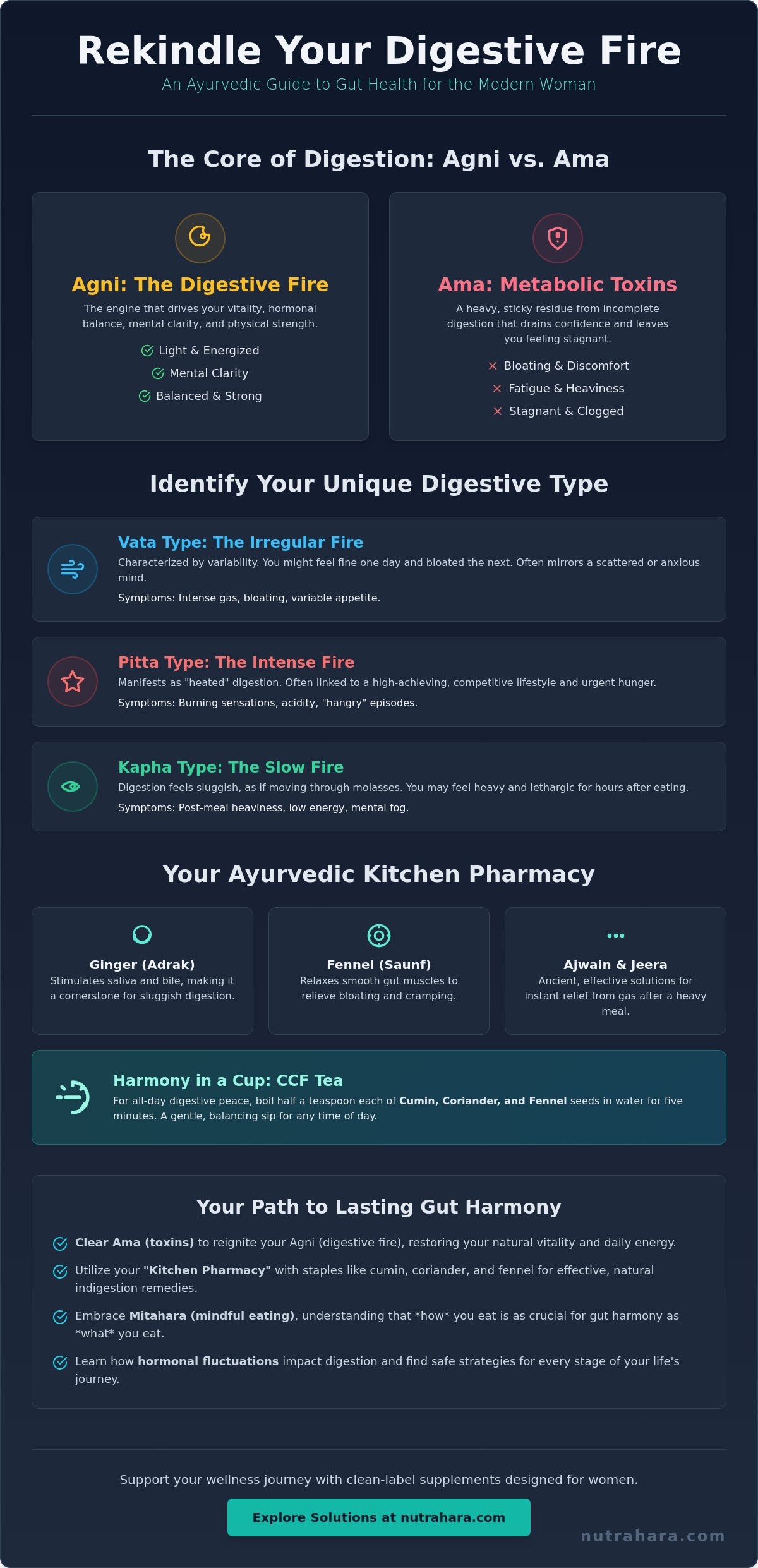
In the ancient wisdom of Ayurveda, your digestion is far more than a simple biological function. It’s the very foundation of your vitality and daily well-being. At the heart of this system is Agni, your “digestive fire.” For women navigating the complexities of modern life, Agni is the engine that drives hormonal balance, mental clarity, and physical strength. When this fire burns bright and steady, you feel light, energized, and capable. However, when Agni flickers or becomes overwhelmed, it leads to the formation of Ama. Ama refers to metabolic toxins that act like a heavy, sticky residue in your system. This “clogged” digestion doesn’t just cause physical discomfort; it drains your confidence and leaves you feeling stagnant.

These foundational Ayurvedic principles teach us that gut health is the gateway to total health. Interestingly, modern clinical research now validates this ancient “gut-brain” connection, showing how your microbiome directly influences your mood and stress levels. If you’re searching for effective ayurvedic remedies for indigestion, it’s helpful to view your journey as a long-term progression rather than a quick fix. We’re here to act as a wise guide, helping you understand that your digestive health is a personal, ongoing partnership between your body and nature. Addressing the buildup of Ama is a vital first step in this journey. Using supportive, clean-label supplements like DetoxifyLife can help gently clear these metabolic pathways, allowing your natural Agni to shine through once more.

The Role of Pachaka Pitta in Stomach Comfort

Pachaka Pitta is the specific sub-dosha responsible for the chemical breakdown of food. It governs your digestive enzymes and hydrochloric acid. When life gets busy, we often reach for extra caffeine or processed snacks to keep up. For those in demanding professional roles, like the experts at Eguiguren Abogados, these modern habits aggravate Pachaka Pitta, leading to “heated” digestion. You might experience a sour taste in your mouth, persistent heartburn, or even uncharacteristic irritability when your meals don’t sit right. Balancing this delicate fire is crucial for finding lasting comfort and reclaiming your calm.

Identifying Your Digestive Type

Every woman’s body responds differently to stress and diet. Understanding your unique digestive type helps you tailor your wellness routine:

  • Vata-type: Characterized by “irregular” Agni. You might feel fine one day and deal with intense gas, bloating, and a variable appetite the next. This often mirrors a scattered or anxious mind.
  • Pitta-type: This is “intense” Agni. It manifests as burning sensations, acidity, and “hangry” episodes where hunger feels urgent and sharp. It’s often linked to a high-achieving, competitive lifestyle.
  • Kapha-type: Known as “slow” Agni. You likely feel heavy and lethargic for hours after eating, as if your metabolism is moving through molasses. This can lead to a feeling of mental fog and low motivation.

Ayurvedic Herbs and Spices for Rapid Indigestion Relief

Your kitchen is more than just a place for meal preparation; it’s a sanctuary for healing. By understanding the specific properties of common spices, you can create powerful ayurvedic remedies for indigestion right at home. These ingredients work through two primary mechanisms: Dipana, which kindles the digestive fire (Agni), and Pachana, which helps digest the Ama or toxins we discussed earlier. According to Johns Hopkins on Ayurveda, this ancient system treats the whole body, and these spices are the tools for that holistic balance. Combining spices creates a synergy that is often more effective than using a single herb. However, the efficacy depends on purity. Just as we prioritize clean labels at Nutrahara, your home remedies require fresh, organic spices free from fillers or pesticides to truly support your long-term progression toward health.

The Power of Ginger and Fennel

Ginger, or Adrak, is often called the universal medicine because it stimulates saliva and bile production, making it a cornerstone for those with sluggish digestion. Fennel, known as Saunf, is particularly beneficial for women as it relaxes the smooth muscles of the gut to relieve bloating and cramps. To maintain harmony throughout the day, try “CCF Tea.” Simply boil half a teaspoon each of Cumin, Coriander, and Fennel seeds in water for five minutes. It’s a gentle, all-day sip for digestive peace.

Ajwain and Jeera: Ancient Solutions for Modern Gas

For instant relief from gas after a heavy meal, Ajwain (Carom seeds) is unmatched. The chemical compound thymol in Ajwain provides a powerful anti-spasmodic effect that relaxes the digestive tract and neutralizes heaviness. Pair it with Jeera (Cumin) to enhance nutrient absorption and calm an overactive stomach. These ancient solutions remain incredibly relevant for the modern woman’s diet, which often includes complex, processed ingredients that are difficult for the body to break down without assistance.

Tulsi and Peppermint: Cooling the Pitta Fire

Stress is a major trigger for digestive shifts, especially during menstruating or menopausal cycles. Tulsi (Holy Basil) helps manage stress-induced indigestion by balancing cortisol levels and soothing the mind. If you struggle with acid reflux or a burning sensation, Peppermint offers a cooling fusion that settles the “fire” of Pitta. For deeper support against stress-related gut issues, incorporating Nutrahara’s Ashwagandha with Black Pepper can help ground your nervous system. This allows your digestion to function smoothly without the constant interference of a “fight or flight” response.

Ritucharya and Dinacharya: Daily Rituals for Gut Harmony

Cultivating gut harmony is about more than just what you put on your plate. It’s about the rhythm of your day, known as Dinacharya, and your alignment with the seasons, called Ritucharya. These rituals empower you to take charge of your health progression. One of the most effective ayurvedic remedies for indigestion is the practice of Mitahara, or moderate and mindful eating. It’s not about restriction; it’s about listening to your body’s wisdom to ensure you’re nourishing yourself without overwhelming your system. Research shared by the National Center for Complementary and Integrative Health highlights how these lifestyle adjustments, alongside herbal supports, form the backbone of Ayurvedic medicine. When you eat with intention, you boost your self-esteem by honoring your body’s needs and building a sustainable foundation for longevity.

The 5 Steps of an Ayurvedic Meal

The “how” of eating is just as important as the “what.” Follow these steps to ensure your Agni remains balanced:

  • Eat in a calm environment: Turn off screens and avoid stressful conversations. Your body needs a “rest and digest” state to produce enzymes.
  • Chew thoroughly: Salivary amylase is the first step of digestion. Mixing food well with saliva lightens the load on your stomach.
  • The 75% Rule: Leave one-quarter of your stomach empty. This provides the necessary space for air and movement during the digestive process.
  • Temperature matters: Sip warm water during or after meals. Ice-cold drinks can “douse” your digestive fire and lead to stagnation.

Yoga Asanas for Post-Meal Digestion

Movement is a vital tool for healthy living. While most exercise should wait, certain yoga poses act as gentle ayurvedic remedies for indigestion by physically aiding the movement of food and gas. Vajrasana (Thunderbolt Pose) is the only pose recommended immediately after eating; it redirects blood flow to the digestive organs. In the evening, Pawanmuktasana (Wind-Relieving Pose) helps release trapped gas and encourages relaxation. For a deeper “massage” of the internal organs, Ardha Matsyendrasana (Half Lord of the Fishes) uses gentle twisting to stimulate the liver and kidneys.

Meditation for the Enteric Nervous System

Your gut contains a complex network of neurons often called the “second brain.” This enteric nervous system is incredibly sensitive to anxiety, which can literally “freeze” your digestion. A simple 2-minute “Belly Breathing” exercise can shift your body into a parasympathetic state. Inhale deeply into your lower abdomen for four counts, hold for two, and exhale slowly for six. This sends a signal of safety to your gut, allowing it to process nutrients efficiently. “Since I started practicing Vajrasana for ten minutes after lunch, my post-meal slump and bloating have vanished. I feel so much more in control of my body,” says Sarah, 42. Integrating these small moments of mindfulness restores both your gut health and your sense of personal power.

Addressing Indigestion Across Women’s Life Stages

Hormones aren’t just for reproductive health; they dictate the rhythm of your entire digestive system. Estrogen and progesterone fluctuations directly impact gut motility, often slowing things down or causing sudden shifts during your cycle. Progesterone, for instance, relaxes smooth muscle tissue, which can lead to a sluggish digestive tract. Traditional medicine has understood these patterns for centuries, recognizing that a woman’s body is a dynamic system. As you move through different life stages, your Agni adapts to these shifting internal tides. Understanding these changes is the first step toward finding the right ayurvedic remedies for indigestion that work for your specific biological needs. This isn’t a sign of your body failing, but a call to refine your self-care routine and embrace your body’s evolving wisdom. For those seeking a deeper look at these stages, exploring a comprehensive guide to wellness supplements can offer valuable insights into supporting your personal health progression.

The Perimenopause and Menopause Shift

During perimenopause, as estrogen levels decline, the gallbladder can become sluggish. This makes it harder for your body to process fats efficiently, often leading to the discomfort known as “menopause belly.” You might notice persistent bloating or a heavy feeling that lingers for hours after a meal. Bile production is intrinsically linked to hormonal health, as estrogen helps maintain the fluid balance necessary for efficient gallbladder function. To counter this, prioritize bitter flavors and warm, cooked foods that are easier for a slowing metabolism to handle. These ayurvedic remedies for indigestion help keep your internal fire burning steady even as your body moves through this transition:

  • Dandelion root tea to support healthy bile flow.
  • Warm, spiced mung bean soup for easy-to-digest protein.
  • Steamed greens with a squeeze of lemon to ignite Agni before meals.

Pregnancy and Postpartum Digestion

Pregnancy introduces its own set of unique challenges, from early-stage morning sickness to late-term heartburn caused by physical pressure on the stomach. Gentle remedies provide effective relief without the use of harsh chemicals. During the postpartum window, your body requires deep warmth and grounding to heal properly. Incorporating Ghee and nutrient-dense, spiced soups helps restore your internal balance and supports long-term recovery. Consider these gentle supports:

  • Fresh ginger infusions to settle morning nausea.
  • Warm milk with a pinch of nutmeg or cardamom before bed for relaxation.
  • Bone broth or vegetable stews enriched with Ghee for tissue repair.

To support the repair of your gut lining and overall tissue health during this intense period of recovery, we recommend integrating Nutrahara’s Premium Collagen Complex into your daily ritual. You can further support your hormonal and digestive harmony by incorporating BlossomBliss into your wellness routine, helping you feel balanced and empowered at every stage.

Ayurvedic Remedies for Indigestion: A Woman’s Guide to Holistic Gut Health

The Modern Ayurvedic Approach: Supplements and Targeted Wellness

Ancient health philosophies shouldn’t feel out of reach for the woman balancing a career, family, and personal growth. While traditional preparations often involve time-consuming decoctions, Nutrahara simplifies these complex formulas into convenient, high-quality supplements. This modern approach acts as a supportive partner in your long-term health journey. We bridge the gap between thousands of years of wisdom and contemporary nutritional research. By focusing on “Clean Label” standards, we ensure your body receives only the purest ingredients without artificial additives or fillers. This commitment to transparency empowers you to make confident choices for your wellness. Using these refined ayurvedic remedies for indigestion allows you to maintain your internal balance without sacrificing your precious time.

Detoxification and Internal Balance

Clearing Ama, the metabolic residue we discussed earlier, is essential for resetting your digestive system. When these toxins accumulate, they strain your liver and slow down your gut motility. DetoxifyLife serves as a targeted tool to gently sweep these pathways clear. It combines traditional botanicals with a modern understanding of hepatic detoxification. Ingredients like milk thistle and dandelion root are clinically recognized for supporting liver function and bile production. This synergy creates one of the most effective ayurvedic remedies for indigestion by addressing the root cause of stagnation. When your internal pathways are clear, your energy levels naturally rise and your skin reflects that inner purity.

Enzymes and Nutrient Absorption

If your Agni has been weakened by years of stress or hormonal shifts, your body may struggle to break down nutrients efficiently. Supplemental enzymes can provide the necessary spark to reignite your digestive fire. These enzymes work alongside your body’s natural processes to ensure you’re actually absorbing the vitamins and minerals from your healthy meals. You might even wonder, do digestive enzymes help you lose weight? While their primary role is digestive comfort, improved absorption can certainly influence your metabolism and energy levels. It’s a holistic cycle where better digestion leads to better fuel for your active lifestyle.

Reclaiming your gut health is a journey of self-love and empowerment. By combining mindful rituals with premium care, you’re not just fixing a temporary symptom. You’re investing in a future of vitality and longevity. True health is a long-term progression, and every small step you take toward gut harmony builds your confidence. Trust your body’s wisdom, and let the fusion of nature and science be your guide. You have the power to feel light, energized, and balanced at every stage of your life.

Empower Your Path to Lasting Gut Harmony

Your journey toward a balanced digestive fire is a vital part of your long-term health progression. We’ve seen how identifying your unique digestive type and clearing Ama can unlock new levels of daily energy. By integrating mindful rituals like Mitahara and specific yoga asanas, you honor your body’s changing needs through every life stage. These ayurvedic remedies for indigestion are more than just quick fixes; they’re a commitment to your overall vitality and self-esteem. Our formulas are rooted in ancient Ayurvedic wisdom and enhanced by clinically validated modern nutrients. We use 100% clean ingredients because we believe every woman deserves purity and transparency in her wellness routine. You don’t have to navigate these shifts alone. We’re here to act as your wise guide as you reclaim your comfort and confidence.

Ready to reset your digestive fire? Explore the Nutrahara Wellness Collection. Trust in your body’s ability to heal and thrive. You have the power to transform your gut health and embrace a life of vibrant, holistic wellness.

Frequently Asked Questions

What is the best Ayurvedic drink for instant indigestion relief?

A warm infusion made from half a teaspoon of Ajwain, also known as carom seeds, and a pinch of black salt is one of the most effective drinks for immediate relief. This combination works quickly to neutralize gas and relax the stomach muscles. If you prefer a milder taste, warm ginger water with a small drop of lime can also stimulate the secretion of essential digestive enzymes. These natural beverages provide a soothing alternative to synthetic antacids.

Can Ayurveda help with chronic acid reflux and GERD?

Ayurveda addresses chronic acidity by cooling an aggravated Pachaka Pitta, which is the sub-dosha responsible for heat and acid in the stomach. This involves more than just masking the burn; it requires a shift toward alkaline, cooling foods and herbs like Licorice root or Shatavari. By reducing internal inflammation, you can manage the root causes of GERD. This holistic approach supports your long-term health progression without the side effects often associated with long-term pharmaceutical use.

Is it safe to use Ayurvedic remedies for indigestion during pregnancy?

Many ayurvedic remedies for indigestion are safe and effective during pregnancy when used in standard culinary amounts. Gentle spices like ginger, fennel, and cumin are excellent for managing morning sickness and hormonal heartburn. However, you should avoid strong purgatives or certain concentrated herbal extracts during this delicate time. It’s best to consult with your healthcare provider before starting any new supplement routine to ensure it aligns with your specific needs.

How does stress affect my digestion according to Ayurveda?

Stress acts like a cold wind that douses your Agni, particularly affecting the Vata dosha and your internal rhythm. When your nervous system is in a “fight or flight” state, blood flow is diverted away from the gut, leading to irregular appetite and bloating. Ayurveda views the mind and stomach as deeply interconnected. Practicing short meditation or breathing exercises before meals can help signal safety to your enteric nervous system, allowing for much smoother digestion.

What is the difference between Agni and Ama?

Agni is your biological fire responsible for transformation and nutrient absorption, while Ama is the toxic residue left behind by incomplete digestion. Think of Agni as a clean-burning flame and Ama as the soot that clogs the chimney. When your Agni is strong, it prevents the formation of Ama. Focusing on ayurvedic remedies for indigestion helps strengthen this fire, ensuring that your system remains clear of heavy, energy-draining toxins that can cause long-term stagnation.

Should I take Triphala every day for indigestion?

Triphala is a revered Ayurvedic formula that is generally safe for daily use as a “Rasayana” or rejuvenative tonic. It helps regulate bowel movements and gently cleanses the colon without being habit-forming or harsh on your system. Most women find that taking it before bed with warm water supports a consistent morning routine. It is an excellent partner for maintaining long-term gut harmony and ensuring that your system remains free of accumulated waste.

How long does it take for Ayurvedic remedies to show results?

While some spices provide immediate comfort, systemic changes in your gut health typically take between two to four weeks of consistent practice. Ayurveda is a journey of long-term progression rather than a temporary fix. You’ll likely notice better energy levels and reduced bloating within the first ten days. For chronic issues, staying committed to your new rituals for at least one full hormonal cycle will yield the most profound and lasting results.

Can yoga really help with bloating and gas?

Yoga is an incredibly effective tool for physically moving trapped gas and stimulating the digestive organs through gentle pressure. Poses that involve compression or twisting help “massage” the intestines, encouraging the natural flow of waste and air. Beyond the physical aspect, yoga activates the parasympathetic nervous system. This shift into a “rest and digest” state is essential for relieving the tension that often causes chronic bloating and abdominal discomfort.

Article by

Nutrahara Team

We are a dedicated collective of nutrition scientists and naturopaths at Nutrahara, committed to advancing women's health through the fusion of ancient Ayurveda science and cutting-edge nutrition research. Our mission is to empower you with clean, simple, and scientifically validated wellness solutions so you can live your healthiest life. Connect with us to stay updated on the latest developments in holistic women's health and nature-based research.

Disclaimer

This article is not a substitute for medical advice. Please consult a healthcare professional before starting any supplement, especially if pregnant, nursing, taking medication, or managing health conditions.

Categories
Articles

Stronger for Longer: The Ultimate Guide to Ayurvedic Herbs for Strong Bones

What if the secret to skeletal strength isn’t just about the calcium on your plate, but the “metabolic fire” within your tissues? In Ayurveda, this is known as Asthi Agni, the biological process that determines how effectively your body builds its foundation. You’ve likely felt a twinge of stiffness during your morning yoga flow or felt a lingering worry about how your bone density will hold up as you transition through different stages of womanhood. It’s common to feel overwhelmed by supplement labels while searching for something clean that actually works. This guide explores how ayurvedic herbs for strong bones can bridge the gap between ancient tradition and modern clinical research to protect your mobility.

We’ll move beyond basic nutrition to discover how specific botanical allies support natural bone mineralization and joint health. You’ll learn about the latest 2026 safety standards for ingredients like Ashwagandha root and how to choose formulas that align with your body’s evolving needs. By the end of this article, you’ll have a clear, science-backed roadmap to maintain a vibrant and active lifestyle well into your 70s. It’s time to feel empowered by holistic rituals that care for your frame as much as you care for the world around you.

Key Takeaways

  • Understand how your “metabolic fire” or Asthi Agni transforms daily nutrition into resilient bone tissue for lifelong skeletal integrity.
  • Discover the specific roles of ayurvedic herbs for strong bones, including how Hadjod accelerates healing and Ashwagandha protects against cortisol-related bone loss.
  • Learn why calcium requires the scientific synergy of Vitamin D3 and K2 to ensure nutrients are directed exactly where your skeleton needs them most.
  • Incorporate nurturing daily rituals such as Abhyanga oil massage and targeted yoga to balance the Vata dosha and maintain joint fluidity.
  • Empower your wellness journey by choosing clean, clinical-grade supplements tailored to your specific life stage and mobility goals.

Asthi Dhatu: The Ayurvedic Philosophy of Skeletal Integrity

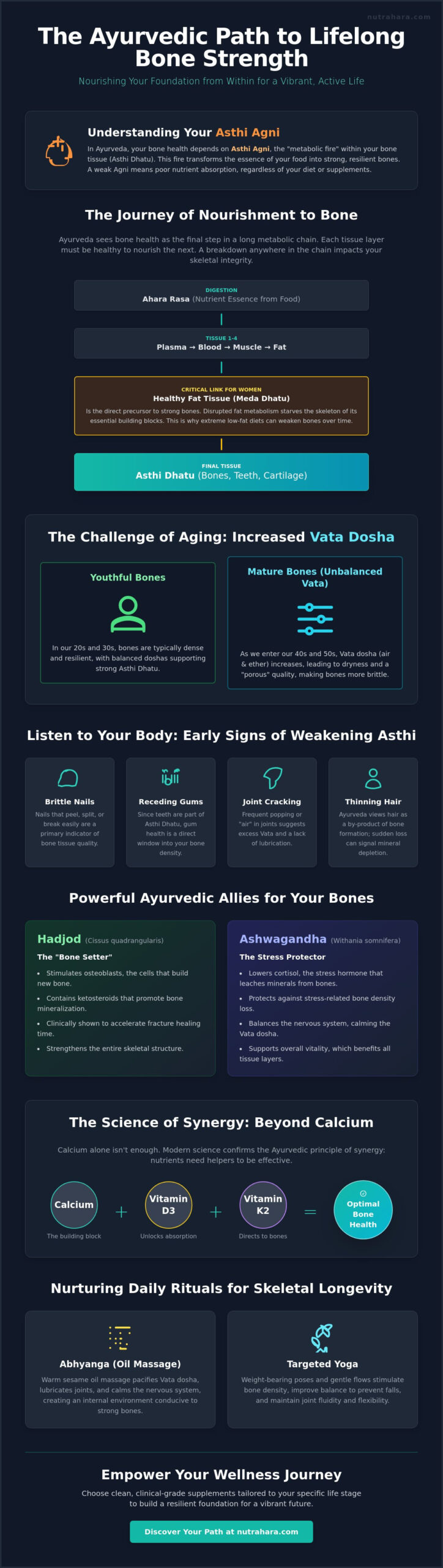
Your bones are far more than a static frame; they’re a living, breathing tissue that reflects your internal vitality. In Ayurvedic philosophy, the body is sustained by seven distinct tissues called Dhatus. Asthi Dhatu, the fifth layer, encompasses your bones, teeth, and cartilage. Unlike modern medicine which often views bones in isolation, Ayurveda sees them as the result of a long chain of nourishment. Each tissue layer must be healthy for the next to thrive. When you use ayurvedic herbs for strong bones, you aren’t just targeting a single mineral; you’re supporting the entire metabolic sequence that builds your foundation.

The transformation of nutrients into bone depends on “Asthi Agni,” or the metabolic fire specific to bone tissue. This fire converts the essence of your food into the solid, grounding structure of your skeleton. Before your body can build bone, it must first nourish Meda Dhatu, or fat tissue. For women, this connection is vital. Healthy fats act as the precursor to strong bones. If fat metabolism is disrupted, the raw material for your skeleton never arrives. This is why extreme low-fat diets can inadvertently weaken skeletal integrity over time.

As we age, specifically entering our 40s and 50s, the Vata dosha naturally becomes more dominant. Vata is characterized by qualities like dryness, lightness, and coldness. If left unbalanced, this excess air and ether creates a “porous” quality in the Asthi Dhatu. This leads to the brittleness and loss of density we often associate with the later stages of womanhood.

Why Bone Health is a Connected System

The journey of a nutrient begins as Ahara Rasa, the primary essence of digestion. It flows through plasma, blood, muscle, and fat before reaching the bone. This is why your digestive fire, or Agni, is the secret architect of your skeleton. Without strong Agni, even the best supplements won’t be fully absorbed. Modern nutritional science echoes this, focusing on bioavailability and gut health as the gatekeepers of mineral density. Supporting your body with products like Ashwagandha with Black Pepper can help balance the stress response that often depletes these tissues.

Recognizing Early Warning Signs of Weakening Asthi

You don’t have to wait for a fracture to understand your bone health. Your body sends quiet signals when Asthi Agni is flickering. If you’re in your 30s or 40s, use this checklist to assess your current skeletal fire:

  • Brittle Nails: Nails that peel or break easily are a primary indicator of bone tissue quality.
  • Receding Gums: Since teeth are considered part of Asthi Dhatu, gum health is a direct window into bone density.
  • Joint Cracking: Frequent popping or “air” in the joints suggests excess Vata and a lack of lubrication.
  • Thinning Hair: Ayurveda views hair as a secondary tissue of the bone; sudden loss often points to mineral depletion.

Identifying these subtle shifts early allows you to use ayurvedic herbs for strong bones as a proactive tool. By stoking your internal metabolic fire, you ensure your body remains resilient through every life transition.

The 7 Most Powerful Ayurvedic Herbs for Strong Bones

Building a resilient skeleton requires more than just a single mineral. It demands a symphony of botanical allies that address everything from hormonal shifts to nutrient delivery. While modern medicine often focuses solely on supplementation, the tradition of using ayurvedic herbs for strong bones emphasizes the biological mechanisms that allow your body to heal and regenerate. These herbs don’t just sit in your system; they actively engage with your bone cells to foster long-term strength.

Hadjod: The Ancient ‘Bone Setter’ Meets Modern Orthopedics

Hadjod, or Cissus quadrangularis, has earned its reputation as the “bone setter” through centuries of traditional use. It contains unique chemical constituents called ketosteroids. These compounds promote bone mineralization and stimulate the activity of osteoblasts, the cells responsible for building new bone. This Study on Cissus quadrangularis for bone fracture healing highlights its remarkable ability to accelerate the mending process. Research indicates that Hadjod can increase bone healing speed by up to 33%, making it an invaluable tool for recovery and density maintenance. Today, you can easily find Hadjod in standardized extract forms, which ensure you receive a consistent dose of its bone-building compounds.

Ashwagandha and Shatavari: The Hormonal Shield

For women between 30 and 60, bone health is deeply tied to the endocrine system. Ashwagandha acts as a powerful adaptogen that manages the stress-bone axis. By reducing cortisol, it prevents bone resorption, the process where bone tissue is broken down due to chronic stress. Shatavari provides a different kind of protection. It contains phytoestrogens that mimic the bone-protective effects of estrogen. This is crucial during perimenopause when natural hormone levels begin to fluctuate. Integrating Ashwagandha with Black Pepper into your wellness ritual offers a science-backed way to support your nervous system while simultaneously guarding your skeletal integrity.

Amalaki and Arjuna: The Mineral Carriers

Strong bones require a sturdy collagen matrix to hold minerals in place. Amalaki is exceptionally high in Vitamin C, which is a mandatory co-factor for collagen synthesis. Without it, your bone matrix becomes brittle regardless of your calcium intake. Arjuna complements this by improving systemic circulation. It ensures that the blood carries oxygen and nutrients to the deep, porous layers of the bone tissue. Together, these herbs act as bio-enhancers that significantly boost the absorption and utilization of minerals.

Guggulu serves as the final piece of this holistic puzzle. It’s known for its ability to “scrape” toxins from the bodily channels, ensuring that ayurvedic herbs for strong bones can reach their destination without interference. By clearing these pathways, Guggulu helps deliver essential minerals directly into the Asthi Dhatu. This multi-angled approach ensures your frame remains vibrant and mobile through every stage of your life journey.

Stronger for Longer: The Ultimate Guide to Ayurvedic Herbs for Strong Bones

The Science of Synergy: Bridging Ayurveda and Modern Nutrition

Many women reach for calcium supplements at the first sign of joint stiffness, but calcium alone is often a lonely traveler in the body. Without the right biological companions, it can’t find its way into your skeletal structure. Modern science now confirms what ancient wisdom has long practiced: bone health requires a delicate synergy of nutrients. Vitamin D3 acts as the gatekeeper for calcium absorption, while Vitamin K2 functions as the navigator, ensuring calcium is deposited in the bone matrix rather than the arteries. This modern understanding mirrors the Ayurvedic principle of using specific carriers to deliver ayurvedic herbs for strong bones deep into the tissues.

When people question if traditional herbs are scientific, they often miss the clinical overlap. Modern research shows that these botanicals don’t just provide minerals; they act as signaling molecules. They communicate with your body’s cells to regulate the balance between bone formation and bone resorption. This isn’t just folklore. It’s a sophisticated biological dialogue that protects your frame throughout your life journey. By combining these time-tested plants with modern nutritional carriers, you create a powerful system for skeletal longevity.

The Collagen-Bone Matrix Connection

We often think of bones as hard, rock-like structures, but they’re actually incredibly dynamic. About 30% of your bone is organic matter, and the vast majority of that is Type 1 Collagen. This protein matrix provides the scaffolding that holds minerals in place, giving bones the tensile strength to resist fractures. Ayurvedic herbs like Amalaki are rich in natural Vitamin C, which is essential for your body to produce its own collagen. To support this internal architecture, many women find success by pairing their herbal routine with a high-quality Premium Collagen Complex. This combination ensures your scaffolding is as strong as the minerals it supports.

Managing Bone Loss During the Menopausal Transition

The most critical window for a woman’s skeletal health occurs during the menopausal transition. During the first five years of menopause, women can experience a sharp decline in bone mineral density (BMD) due to falling estrogen levels. Estrogen is a primary regulator of bone turnover; without it, the cells that break down bone work faster than the cells that build it. A proactive strategy involves using hormone-balancing support like BlossomBliss or Femmepower. These formulas help stabilize the hormonal environment, allowing ayurvedic herbs for strong bones to do their work effectively. By managing this transition with grace and science, you protect your mobility for the decades to come.

Holistic Rituals: Yoga, Diet, and Lifestyle for Skeletal Longevity

Your skeletal health isn’t just about the minerals you ingest; it’s about the lifestyle rhythms that anchor those nutrients into your frame. In Ayurveda, this is known as Dinacharya, a daily routine that aligns your biology with the natural world. While ayurvedic herbs for strong bones provide the raw materials, your daily habits determine how effectively your body utilizes them. By integrating physical movement and mindful nourishment, you create a supportive environment for your Asthi Dhatu to thrive through every decade.

Abhyanga, the practice of warm oil massage, is perhaps the most vital ritual for bone longevity. Using warm sesame oil to massage your limbs before bathing helps ground the Vata dosha. Since Vata is characterized by dryness and lightness, it’s the primary force behind bone thinning as we age. The oil penetrates deep into the tissues, delivering lubrication to the joints and calming the nervous system. This simple act of self-care reduces the systemic stress that can otherwise deplete your mineral reserves.

Yoga for Osteogenesis: Poses that Build Density

Bones are dynamic tissues that respond to the physical demands we place on them. Weight-bearing exercise is essential for stimulating osteoblasts, the cells that build new bone. Yoga offers a gentle yet powerful way to apply this necessary tension without the high impact that can sometimes lead to injury. Specific asanas help target the areas most vulnerable to density loss, such as the hips and spine.

  • Trikonasana (Triangle Pose): This pose creates lateral tension on the spine and strengthens the hip joints, encouraging mineral deposition in the femur.
  • Vrikshasana (Tree Pose): A simple balance pose that forces the standing leg to bear your full weight, improving bone density and enhancing coordination to prevent falls.
  • The Yoga of Stillness: Incorporating five minutes of meditation daily reduces systemic inflammation. Chronic inflammation is a silent thief of bone density, but mindfulness helps keep your internal environment calm and alkaline.

The Ayurvedic Kitchen: Foods for Your Skeleton

The Ayurvedic approach to a bone-building diet focuses on foods that are “Sattvic” or pure, fresh, and full of Prana. To balance the airy quality of Vata, favor the sweet, salty, and sour tastes. This doesn’t mean refined sugars; it refers to naturally sweet foods like whole grains, dairy, and root vegetables. Sesame seeds are a skeletal powerhouse in the Ayurvedic tradition, offering a highly bioavailable source of calcium. Leafy greens, ghee, and almond milk provide the healthy fats and minerals needed to keep the “bone fire” or Asthi Agni burning brightly.

  • Prana-Rich Meals: Choose warm, cooked meals over cold salads or processed snacks. Warmth aids digestion, ensuring your body can actually extract the minerals from your food.
  • Bone-Building Golden Milk: Before bed, whisk together a cup of warm almond milk, half a teaspoon of turmeric, and a pinch of ashwagandha. This soothing tonic supports tissue repair while you sleep.

Empower your daily ritual by exploring our Ashwagandha with Black Pepper to support your skeletal journey and enhance the benefits of your holistic practices.

The Nutrahara Path: Empowering Your Skeletal Journey

True vitality is a partnership between the wisdom of the past and the precision of the present. At Nutrahara, we believe your health is a long-term progression rather than a series of quick fixes. By combining ancient health philosophies with contemporary nutritional research, we provide a science-backed foundation for your wellness. Using ayurvedic herbs for strong bones is a commitment to your future self, ensuring your frame remains as resilient as your spirit. This “Wise Guide” approach allows you to navigate the complexities of aging with clarity and confidence.

Real transformation often begins with a single step toward holistic care. Sarah, a 54 year old yoga practitioner, found that perimenopausal stiffness was limiting her morning flow. “I didn’t just want to manage symptoms,” she shared. “I wanted to feel like my foundation was solid again.” After integrating targeted botanical support, she regained her full range of motion. Similarly, Maria, a 39 year old mother, noticed her nails were brittle and her joints were clicking after her second pregnancy. By focusing on her Asthi Agni and mineral absorption, Maria restored her energy and skeletal strength. These stories highlight the power of listening to your body’s subtle signals.

Personalized Support for Every Life Stage

Your skeletal needs evolve as you move through different stages of womanhood. For those navigating the hormonal shifts of their 40s and 50s, Femmepower offers essential support by balancing the hormones that directly govern bone turnover. If you’re an active woman over 50 focusing on mobility, a specialized Joints & Knees Kit provides the targeted nourishment your connective tissues crave. Every formula we offer is built on a promise of purity. You’ll find no artificial additives here, only clean, Ayurvedic-inspired ingredients that respect your body’s natural harmony.

Building Your Wellness Foundation Today

The best time to invest in your skeletal integrity is right now. You can begin by choosing one small, actionable ritual to anchor your day. Whether it’s a ten minute weight-bearing yoga sequence or starting a regimen of ayurvedic herbs for strong bones, these small steps accumulate into lifelong strength. View your health as an ongoing investment in your future “Wise Woman” self. She is the one who will enjoy the hiking trails and the garden paths decades from now because of the choices you make today.

If you’re currently navigating the menopausal transition, remember that bone health is just one part of your body’s complex internal dialogue. We invite you to explore our resources on Vaginal pH Balance to understand how to nurture your body’s natural harmony across all systems. Your journey toward longevity is unique, and we are here to walk beside you as a supportive partner in your long-term health progression.

Embracing Your Foundation for the Decades Ahead

Your skeletal health is a personal, ongoing journey that deserves a foundation of both ancient wisdom and modern clinical validation. By understanding the metabolic fire of your bone tissue and integrating ayurvedic herbs for strong bones, you’re doing more than just supplementing; you’re nurturing a living system. We’ve explored how the synergy of botanical allies, weight-bearing yoga, and hormone-balancing nutrition creates a framework for lasting mobility.

You don’t have to navigate this path alone. Nutrahara’s formulas are crafted by Ayurvedic experts and modern researchers to ensure every capsule supports your long-term progression. Trusted by women across the United States for over a decade, our products prioritize purity with clean ingredients and no artificial fillers. It’s time to invest in your future “Wise Woman” self with a partner who understands the unique needs of your body.

Empower your skeletal health with Nutrahara’s Ayurvedic-inspired wellness kits. Shop Now!

Your frame is the vessel for your life’s adventures. Treat it with the care and reverence it deserves, and it will carry you with strength for years to come.

Frequently Asked Questions

Can Ayurvedic herbs really reverse bone loss?

Ayurvedic herbs for strong bones work by optimizing the body’s internal environment to support natural mineralization. While they don’t reverse bone loss in a pharmaceutical sense, they help balance the activity between bone-building osteoblasts and bone-dissolving osteoclasts. This holistic approach focuses on the long-term progression of your skeletal health. It ensures that the nutrients you consume are actually integrated into your frame rather than being lost through poor metabolism.

How long does it take to see results from Ayurvedic bone supplements?

Bone tissue is a slow-growing system, so you should expect a minimum of three to six months for measurable changes. You might notice subtle improvements in joint comfort or nail strength within the first few weeks. However, the deep structural work of bone mineralization takes time. Consistency in your daily ritual is the most important factor in achieving the active, mobile lifestyle you desire well into your 70s.

Is Ashwagandha safe to take for bone health if I am post-menopausal?

Ashwagandha is highly beneficial for post-menopausal women because it manages the stress-bone axis. By lowering cortisol levels, it helps prevent the rapid bone resorption that often follows the decline of estrogen. It’s important to choose supplements that use only the root of the plant. Per the 2026 safety directives from the Ministry of Ayush, the leaves are restricted in health supplements due to high concentrations of specific withanolides.

What is the best time of day to take Ayurvedic herbs for strong bones?

The evening is often the most effective time to take your bone-supporting botanicals. Consuming them with a warm carrier like almond milk or water helps ground the Vata dosha, which is most active at night. This timing also aligns with your body’s natural repair and regeneration cycles that occur while you sleep. Consistency in this daily ritual ensures that your tissues receive a steady, calming supply of nourishment.

Can I take Hadjod if I am already taking a calcium supplement from my doctor?

Hadjod can typically be taken alongside standard calcium supplements to enhance their overall effectiveness. While calcium provides the raw building blocks, Hadjod acts as a biological signal that tells your body to deposit those minerals into the bone matrix. This synergy often leads to better results than taking minerals alone. You should always consult your doctor to ensure your specific supplement routine is perfectly balanced for your needs.

Are there any side effects to using Ayurvedic herbs for joint and bone health?

Most women experience no side effects when using standardized, clean formulas that are free from artificial additives. Because these herbs work with your body’s natural processes, they are generally well-tolerated. Occasional mild digestive shifts may occur as your body adjusts to new botanicals. If you have any underlying health conditions, it’s always wise to start with a smaller dose and observe how your system responds to the new support.

How does yoga specifically help with bone density?

Yoga helps build bone density through the principle of mechanical loading. When you hold weight-bearing poses like Triangle or Tree, you apply gentle tension to the bones of the hips and spine. This tension signals the osteoblasts to create more bone tissue. It’s a natural, low-impact way to improve skeletal strength while also enhancing the balance and coordination you need to prevent falls and fractures as you age.

Do I need to change my diet for these Ayurvedic herbs to work?

You’ll see the best results when you pair your herbal routine with a diet that supports Asthi Agni, or bone metabolism. Incorporating healthy fats like ghee and mineral-rich foods like sesame seeds provides the necessary precursors for bone building. Warm, cooked meals are easier for your body to digest than cold, processed foods. This ensures that the ayurvedic herbs for strong bones are fully absorbed and utilized by your system.

Article by

Nutrahara Team

We are a dedicated collective of nutrition scientists and naturopaths at Nutrahara, committed to advancing women's health through the fusion of ancient Ayurveda science and cutting-edge nutrition research. Our mission is to empower you with clean, simple, and scientifically validated wellness solutions so you can live your healthiest life. Connect with us to stay updated on the latest developments in holistic women's health and nature-based research.

Disclaimer

This article is not a substitute for medical advice. Please consult a healthcare professional before starting any supplement, especially if pregnant, nursing, taking medication, or managing health conditions.

Categories
Articles

Ayurvedic Remedies for Insomnia: A Woman’s Guide to Restful Sleep in 2026

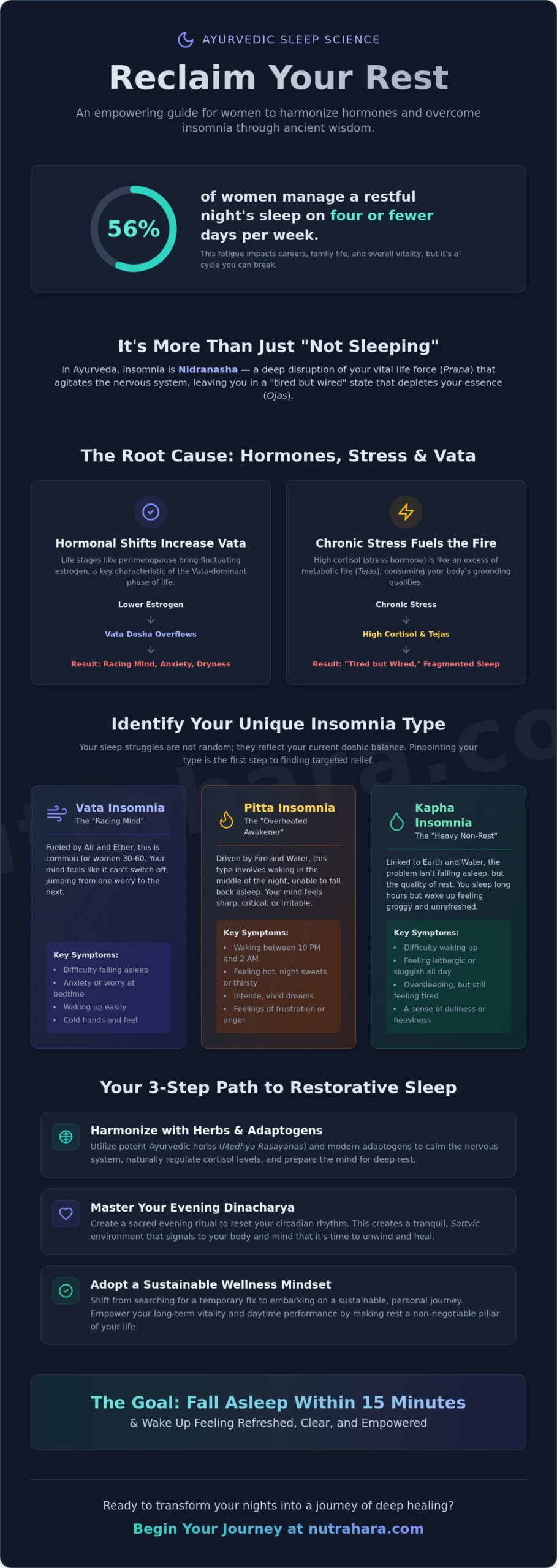
Did you know that as of 2026, over 56% of women manage to get a restful night’s sleep only four or fewer days per week? If you’re one of them, you likely know the frustration of staring at the ceiling at 3 AM while your mind races through tomorrow’s to-do list. It’s common to feel that hormonal night sweats are stealing your vitality, leaving you with a sense of daytime fatigue that impacts your career and family life. Finding effective ayurvedic remedies for insomnia is no longer just about tradition; it’s about reclaiming your right to restorative rest through a blend of ancient wisdom and modern clinical validation.

We understand that you want more than just a quick fix. You’re looking for a sustainable path to wellness that respects your body’s natural rhythms. In this guide, you’ll discover how to harmonize your hormones and doshas using time-tested Ayurvedic principles supported by the latest 2026 nutritional research. We’ll show you how to build a natural sleep ritual so you can fall asleep within 15 minutes and wake up feeling refreshed and empowered. From understanding Vata-hormonal misalignment to choosing high-quality supplements, you’re about to transform your nights into a journey of deep healing.

Key Takeaways

  • Identify your unique insomnia type to move beyond one-size-fits-all solutions and address the specific doshic imbalances affecting your rest.
  • Discover how to use potent ayurvedic remedies for insomnia, such as brain-toning herbs that harmonize the nervous system and naturally regulate cortisol levels.
  • Master the evening Dinacharya to reset your circadian rhythm and create a tranquil, Sattvic environment that invites deep, restorative sleep.
  • Learn the synergy between ancient Medhya Rasayanas and modern nutritional science to balance hormones through every life stage, from menstruation to menopause.
  • Shift your wellness approach from a temporary fix to a sustainable, personal journey that empowers your long-term vitality and daytime performance.

Understanding Nidranasha: The Ayurvedic Perspective on Female Insomnia

In the ancient texts of Ayurveda, sleep is regarded as one of the three pillars of life, essential for maintaining our physical and mental equilibrium. When this pillar falters, we experience Nidranasha. This isn’t merely a symptom of “not sleeping.” It represents a fundamental disruption of Prana, the vital life force that governs our movement, thoughts, and biological rhythms. When Prana becomes erratic, it agitates the Majja Dhatu, or the nervous system tissue. This agitation prevents the mind from settling into the deep, heavy quality required for restorative rest. For many women, this manifests as a “tired but wired” state that leaves them depleted. Modern psychology often labels this state as hyperarousal, but The Ayurvedic Perspective on Female Insomnia views it as an unstable Vata dosha. Because Vata is composed of air and ether, it is naturally light and mobile. When it overflows, it scatters our focus and keeps the mind spinning long after the lights go out, making the search for ayurvedic remedies for insomnia a journey of grounding and stabilization.

The Hormonal Connection: Vata and the Transitioning Woman

As women move through various life stages, their internal landscape shifts constantly. During perimenopause and menopause, estrogen levels begin to fluctuate and eventually decline. In the Ayurvedic tradition, this transition is viewed as a Vata-dominant period of life. Lower estrogen often triggers spikes in Vata, leading to the dryness, anxiety, and racing mind that characterize many sleep struggles. We also see a clear link between modern stress and ancient wisdom. High cortisol, our primary stress hormone, mirrors an excess of Tejas, or metabolic fire. When Tejas burns too brightly due to chronic stress, it consumes the cooling, grounding qualities of the body. These hormonal shifts mimic the inherent irregularity of Vata, creating a biological environment where sleep becomes elusive and fragmented.

Acute vs. Chronic: When Sleep Loss Becomes a Dosha Imbalance

It’s vital to distinguish between a few nights of poor rest and deep-seated chronic Nidranasha. Acute sleep loss is often a temporary reaction to a specific life stressor. However, when sleep remains elusive for months, it begins to deplete Ojas. Ojas is the subtle essence of our vitality, immunity, and inner glow. Without it, we lose our resilience and our sense of well-being. Chronic insomnia isn’t just a hurdle to clear; it’s a sign that the body’s long-term progression toward health has been interrupted. At Nutrahara, we believe sleep is a foundational element of longevity. Utilizing targeted ayurvedic remedies for insomnia alongside products like RestoraSleep can help ground the nervous system. Addressing these imbalances early helps preserve your Ojas and ensures that your path to wellness remains steady, empowering, and deeply restorative.

The Three Doshas of Sleep: Identifying Your Unique Insomnia Type

In the world of holistic healing, we recognize that no two women experience sleep loss in quite the same way. One person might struggle to fall asleep because her mind is racing with tomorrow’s deadlines, while another might wake up every night at 2 AM feeling overheated. Ayurveda teaches us that these differences aren’t random. They are reflections of your unique doshic balance. Finding the right ayurvedic remedies for insomnia begins with identifying which of the three doshas, Vata, Pitta, or Kapha, is currently out of sync with your body’s needs.

Vata-Type Insomnia: The Challenge of the 30-60 Age Group

For women in their 30s through their 60s, Vata is often the primary culprit behind restless nights. This “Racing Mind” type of insomnia is fueled by the Air and Ether elements. It creates a “monkey mind” that jumps from one worry to the next. You might notice physical signs like cold feet, dry skin, or a sudden surge of anxiety just as you lay your head down. Because this age group often faces the dual pressures of career growth and family care, Vata can easily become overstimulated. If you find yourself exhausted but unable to settle into stillness, your Vata is likely seeking grounding and warmth.

Pitta and Kapha Variations: Night Sweats and Sluggishness

Pitta-type insomnia is often linked to the body’s internal heat and metabolism. It typically manifests as waking up in the middle of the night, often between 2 AM and 4 AM, feeling irritable or physically hot. This is a common experience during perimenopause, where shifting hormones trigger Pitta spikes. Understanding this Ayurvedic perspective on women’s hormonal changes and sleep helps explain why night sweats can be so disruptive. On the other hand, Kapha-type insomnia feels like a heavy, unrefreshing slumber. Even after sleeping eight or more hours, you might wake up feeling sluggish. This is often due to “Ama,” or accumulated toxins that weigh down your system and dull your natural “Agni” (digestive fire). Ensuring your digestion is clear is essential for deep, toxin-free rest.

Identifying your specific type allows you to choose supplements that truly resonate with your body’s current state. For those struggling with the restless energy of Vata or the heat of Pitta, incorporating a targeted formula like RestoraSleep can be a gentle way to invite the body back into a state of calm and balance.

Potent Ayurvedic Herbs and Modern Adaptogens for Deep Rest

Ayurveda offers a specialized class of herbs known as Medhya Rasayanas. These are potent brain tonics designed to rejuvenate the nervous system and restore mental clarity. Unlike pharmaceutical options that may cause dependency, these botanical allies work by nourishing the tissues. They represent the gold standard in ayurvedic remedies for insomnia. We focus on clean extraction methods to ensure maximum bioavailability. This means the active compounds are preserved in their most potent form, allowing your body to utilize them effectively. It’s a fusion of ancestral wisdom and modern clinical validation that supports your long-term health progression.

Ashwagandha: The Queen of Sleep Adaptogens

Ashwagandha is perhaps the most famous adaptogen in the world. Its name is derived from the Sanskrit words for “smell of a horse,” which symbolizes the strength and grounding energy it provides. While the name is ancient, modern science has validated its incredible power. Research shows that Ashwagandha effectively reduces cortisol, the primary stress hormone that keeps the mind racing at night. By calming the “fight or flight” response, it creates the internal environment necessary for natural melatonin production. To get the most benefit, we recommend Ashwagandha with Black Pepper. The addition of piperine from black pepper significantly increases the absorption of the herb’s active withanolides, ensuring you receive the full spectrum of its calming power.

Brahmi and Shankhapushpi: Calming the Mental Chatter

If you struggle with an “overheated” Pitta mind or constant mental chatter, Brahmi and Shankhapushpi are essential tools. Brahmi is renowned for its cooling properties; it helps soothe the nervous system and reduce the irritability that often prevents deep rest. Shankhapushpi is a traditional remedy specifically used to reduce anxiety and enhance memory. These herbs provide a unique dual benefit for the modern woman. By improving your sleep quality at night, they support the efficacy of supplements like FocusZenith during the day. You’ll wake up with a sharper mind and a more balanced mood, ready to perform at your best.

Safety is always our priority. While these herbs are natural, women who are pregnant or lactating should consult their healthcare professional before starting new ayurvedic remedies for insomnia. Every woman’s journey is unique, and professional guidance ensures your path to wellness is both safe and effective. By choosing pure, additive-free formulas, you’re making a commitment to your body’s natural intelligence and long-term vitality.

The Evening Dinacharya: Ayurvedic Rituals for a Quiet Mind

Establishing a Dinacharya, or daily routine, is the most effective way to align your internal clock with the natural world. While modern science calls this the circadian rhythm, Ayurveda views it as a sacred commitment to your body’s wisdom. For women balancing careers and family life, the evening hours often become a second shift of chores and digital scrolling. This overstimulation keeps Vata high and prevents the mind from entering a Sattvic state. A Sattvic environment is one of purity, lightness, and peace. By intentionally slowing down, you create a sanctuary where your soul feels safe to rest. These rituals aren’t just habits; they are powerful ayurvedic remedies for insomnia that signal to your nervous system that the day’s work is done.

Creating a “Sleep Sanctuary” in your modern home doesn’t require a total renovation. Small, deliberate changes can shift the energy of your space:

  • Dim the lights: Lower the brightness in your home at least one hour before bed to encourage natural melatonin production.
  • Digital detox: Swap your smartphone for a physical book to avoid the Vata-disturbing blue light of screens.
  • Natural fibers: Use cotton or silk bedding to help your body regulate its temperature throughout the night.
  • Calming scents: Use a diffuser with sandalwood or jasmine oil to ground your energy.

Abhyanga and Padabhyanga: The Power of Self-Massage

The science of touch is a cornerstone of Ayurvedic healing. Abhyanga, or oil massage, is a profound way to lower Vata and soothe the Majja Dhatu (nervous system). If a full body massage feels overwhelming on a Tuesday night, focus on Padabhyanga, which is the practice of massaging the feet. Your feet contain numerous pressure points connected to the brain and sleep centers. Simply warm a small amount of sesame oil and apply it to your feet using circular motions on the joints and long strokes on the soles. “I used to lay awake for hours with my heart racing,” says Elena, 48. “Spending just five minutes massaging my feet with warm oil changed everything. My mind finally stops spinning, and I drift off naturally.”

Yoga Nidra and Meditation: De-cluttering the Mind

Yoga Nidra, often called “Psychic Sleep,” is a guided practice that brings you to the border between wakefulness and slumber. It provides deep neurological recovery that ordinary sleep sometimes misses. For women with “busy-mom” syndrome, a simple five-minute meditation can be transformative. Sit comfortably, close your eyes, and scan your body from toe to head, consciously releasing tension in each area. Couple this with Nadi Shodhana (alternate nostril breathing) to cool a frustrated Pitta mind and balance your energy. This breathwork is one of the most accessible ayurvedic remedies for insomnia because you can do it anywhere, at any time.

To further support your evening transition and ensure your body has the nutritional foundation it needs for rest, consider adding RestoraSleep to your nightly wind-down ritual. This formula is designed to complement your Dinacharya, helping you move from the chaos of the day into a state of deep, restorative peace.

Ayurvedic Remedies for Insomnia: A Woman’s Guide to Restful Sleep in 2026

Reclaiming Your Vitality: The Nutrahara Path to Restorative Sleep

At Nutrahara, we believe that true wellness is a purposeful fusion of ancestral health philosophies and contemporary nutritional research. We don’t view health as a final destination or a quick fix to be checked off a list. Instead, we see it as a personal, ongoing journey that requires a supportive partnership. For the modern woman, finding effective ayurvedic remedies for insomnia is about more than just closing your eyes at night. It’s about restoring the delicate harmony between your biological rhythms and your spirit. By choosing natural paths to rest, you’re making a commitment to your long-term vitality and self-esteem.

Purity is the foundation of everything we create. We understand that for women aged 30 to 60, clean ingredients are non-negotiable. Your body is navigating complex hormonal shifts, and it deserves formulas that are transparent and free from artificial additives. We take pride in our simplicity, ensuring that every botanical extract is chosen for its clinical validation and traditional significance. This grounded approach allows you to trust the process of your own health progression, knowing that your supplements are as pure as the intentions behind your wellness practice.

Restorasleep: Your Targeted Ayurvedic Solution

The specific formulation philosophy behind Restorasleep focuses on stabilization. As we identified earlier, much of female insomnia stems from a Vata-hormonal imbalance that leaves the nervous system in a state of hyperarousal. Restorasleep uses a blend of grounding adaptogens to soothe this “tired but wired” feeling. For women seeking total hormonal harmony, pairing this sleep support with FemmePower can be transformative. Together, they address both the daytime energy needs and the nighttime recovery requirements of the female body, ensuring you remain balanced through every life stage.

Next Steps on Your Wellness Journey

Consistency is the heart of a successful “Modern Dinacharya.” We encourage you to continue your education by exploring our resources and downloading our e-books. These guides offer deeper insights into how ayurvedic remedies for insomnia can be integrated into a busy lifestyle. For a holistic look at how to support your physical and mental health, visit our Ultimate Guide to Women’s Wellness Supplements. This comprehensive resource will help you build a sustainable ritual that lasts a lifetime.

You deserve to wake up every morning with a smile, feeling refreshed and ready to perform at your best in your career and with your family. Reclaiming your sleep is the first step toward reclaiming your power. Trust in your body’s wisdom, stay consistent with your rituals, and embrace the restorative rest you’ve earned.

Your Journey to Restful Nights Begins Now

You’ve discovered how to harmonize your doshas and align your evening rituals with the natural world. By understanding the Vata-hormonal connection and implementing a structured Dinacharya, you’ve taken the first steps toward reclaiming your vitality. Integrating ayurvedic remedies for insomnia into your life isn’t just a temporary fix; it’s a commitment to your long-term health and personal well-being. You now have the tools to transform a racing mind into a state of deep, Sattvic peace.

Our Restorasleep formula represents the perfect fusion of tradition and modern validation. Formulated by Ayurvedic experts and modern nutritionists, it uses clean, non-habit forming ingredients to support your body’s natural rhythms. We’re proud to have supported over 10,000 women on their wellness journey, helping them wake up feeling refreshed and empowered. You don’t have to navigate this path alone.

Experience Deep, Natural Rest with Restorasleep

Believe in your body’s ability to heal and rest. Every small change you make today builds the foundation for a more vibrant tomorrow. You deserve to wake up with a smile, ready to embrace the day with confidence and joy.

Frequently Asked Questions

Is it safe to take Ayurvedic sleep herbs while pregnant or breastfeeding?

Consult your healthcare professional before using any herbal supplements during pregnancy or lactation. While many botanical elements are gentle, some potent herbs can influence hormonal balance or uterine contractions. Safety is a priority on your personal health progression. Professional guidance ensures that any choices you make support both your well-being and your baby’s development during these sensitive life stages.

How long does it take for Ayurvedic remedies for insomnia to show results?

You can typically expect to see noticeable improvements within two to four weeks of consistent use. Ayurvedic remedies for insomnia don’t act as a “knockout” pill; instead, they work to nourish the nervous system and restore your body’s natural rhythms over time. This sustainable approach focuses on long-term vitality and internal balance rather than providing a temporary, superficial fix.

Can Ashwagandha be taken with my existing hormone replacement therapy (HRT)?

It is essential to speak with your physician before combining Ashwagandha with Hormone Replacement Therapy (HRT). Ashwagandha is a powerful adaptogen that can influence the endocrine system, and your doctor can help ensure that it complements your specific HRT protocol. This collaborative approach allows you to achieve hormonal harmony safely while benefiting from the herb’s grounding and restorative properties.

What is the “Vata hour” and why do I always wake up then?

The “Vata hour” occurs between 2 AM and 6 AM, a window when the light and mobile qualities of the Air element are most active. If your Vata is high due to stress or perimenopausal shifts, you’re more likely to wake up with a racing mind during this time. Grounding rituals like Padabhyanga or warm oil massage can help stabilize this energy before you sleep.

Will Ayurvedic sleep supplements make me feel groggy the next morning?

No, high-quality Ayurvedic sleep supplements are designed to support restorative rest without causing morning grogginess. These formulas focus on calming the nervous system and regulating cortisol rather than sedating the brain. You’ll wake up feeling refreshed and empowered because the supplements work with your body’s natural chemistry to promote genuine, deep sleep that leaves you alert for the day.

How does diet affect my sleep according to Ayurvedic principles?

Can meditation really replace the need for pharmaceutical sleep aids?

Many women find that consistent meditation practices like Yoga Nidra can significantly reduce or eliminate the need for pharmaceutical aids. Meditation addresses the root cause of “hyperarousal” by retraining your nervous system to enter a state of deep calm. It’s a powerful tool for longevity that builds your internal resilience and boosts your self-esteem through a sense of self-mastery.

What are the best essential oils to use alongside Ayurvedic sleep rituals?

Sandalwood, Jasmine, and Lavender are the most effective essential oils for enhancing your sleep rituals. Sandalwood is deeply grounding for Vata, while Jasmine and Lavender help cool an overheated Pitta mind. Using these oils in a diffuser or during self-massage provides an extra layer of sensory support for your journey with ayurvedic remedies for insomnia, creating a tranquil environment for your soul to rest.

Article by

Nutrahara Team

We are a dedicated collective of nutrition scientists and naturopaths at Nutrahara, committed to advancing women's health through the fusion of ancient Ayurveda science and cutting-edge nutrition research. Our mission is to empower you with clean, simple, and scientifically validated wellness solutions so you can live your healthiest life. Connect with us to stay updated on the latest developments in holistic women's health and nature-based research.

Disclaimer

This article is not a substitute for medical advice. Please consult a healthcare professional before starting any supplement, especially if pregnant, nursing, taking medication, or managing health conditions.
Categories
Articles

Natural Sleep Aids for Menopause: A Holistic Guide to Restful Nights (2026)

Imagine waking at 3 AM with racing thoughts and damp sheets, feeling as though your body has betrayed its own rhythm. For many women in midlife, sleep disruption is a daily hurdle that drains confidence and leaves you exhausted before the day even begins. You’ve likely searched for natural sleep aids for menopause because you’re tired of the fatigue but wary of pharmaceutical dependency. It’s a frustrating cycle when you simply want to feel like yourself again.

Your path to rest shouldn’t force a choice between safety and results. You can reclaim your nights through a fusion of ancient Ayurvedic wisdom and modern nutritional science. By aligning your body’s clock with nature’s most potent botanicals and minerals, you’ll discover how to stay asleep longer and lower anxiety levels. This guide explores a holistic roadmap to rest, offering evidence-based insights that empower you to wake up feeling refreshed and energized for the day ahead.

Key Takeaways

  • Discover why declining progesterone acts as your body’s missing “relaxant” and how this hormonal shift impacts your natural circadian rhythm.
  • Explore the philosophy of fusing ancient Ayurvedic grounding techniques with modern science to calm a restless mind during the Vata stage of life.
  • Identify high-quality natural sleep aids for menopause, focusing on how Magnesium and Ashwagandha work together to lower nighttime cortisol.
  • Learn to create a restorative “Sleep Sanctuary” and use specific yoga poses like Legs Up the Wall to soothe your nervous system before bed.
  • Gain the confidence to select pure, effective supplements by understanding how to spot hidden fillers and prioritize third-party clinical testing.

Why Menopause Disrupts Sleep: Understanding the Hormonal Shift

Sleep isn’t just a passive state of rest; it’s a highly coordinated biological process. For women in midlife, this process often breaks down due to a multifactorial disruption of the circadian rhythm. To understand why you’re struggling, it’s helpful to look at a comprehensive overview of menopause and how it alters the body’s internal clock. This isn’t just about being tired. It’s a fundamental shift in how your brain and body communicate during the night. Many women begin searching for natural sleep aids for menopause because they realize that standard sleep hygiene isn’t enough to combat these deep hormonal changes.

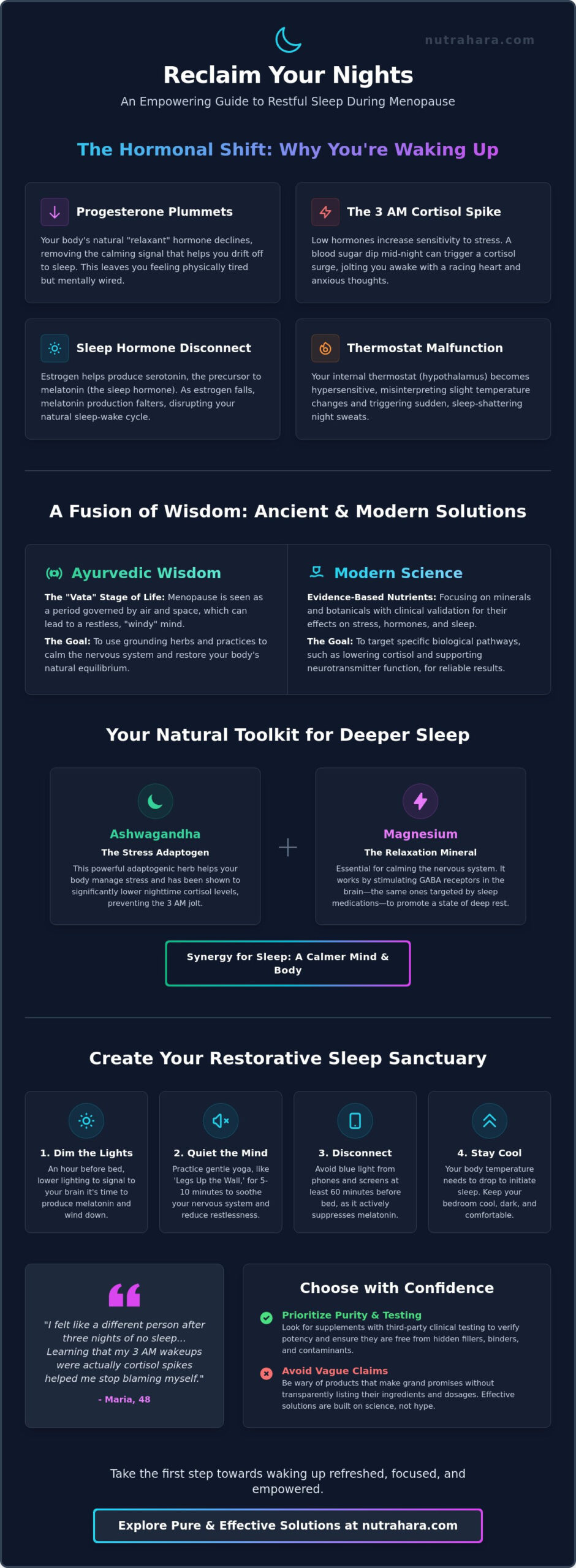
Progesterone is often called the body’s natural relaxant hormone. It has a calming effect on the brain by stimulating GABA receptors, which help you drift off into a peaceful state. As progesterone levels plummet during perimenopause and menopause, that natural off switch disappears. You might find yourself lying awake, physically tired but mentally wired. This hormonal void often leads to the dreaded 3 AM wake-up call. While most advice focuses on caffeine or blue light, the real culprit is often a Cortisol Spike. When estrogen and progesterone are low, your body becomes more sensitive to stress hormones. Your blood sugar may dip in the middle of the night, triggering a surge of cortisol that jolts you awake with racing thoughts and a sense of unease.

This cycle takes a significant toll on your self-esteem. When you wake up exhausted, your patience wears thin and your professional confidence can waver. It’s hard to feel empowered when you’re operating on four hours of broken sleep. Recognizing that these disruptions are biological, not personal failings, is the first step toward reclaiming your vitality and focus.

The Estrogen-Serotonin Connection

Estrogen plays a vital role in maintaining the levels of serotonin and melatonin in your brain. Serotonin is the precursor to melatonin, the hormone responsible for telling your body it’s time to sleep. When estrogen declines, serotonin production often falters. This creates a double blow: your mood may dip during the day, and your body struggles to produce enough melatonin at night. Sleep architecture refers to the structural organization of sleep cycles and the transition between light, deep, and REM stages. In midlife, this architecture becomes fragmented, meaning you spend less time in the restorative deep sleep your body needs to repair itself.

Night Sweats and the Thermoregulation Gap

The hypothalamus acts as your body’s thermostat. During menopause, the decline in estrogen causes this thermostat to become hyper-sensitive. It misinterprets even tiny changes in body temperature as a sign of overheating. This triggers a frantic cooling response: your heart rate increases, your blood vessels dilate, and you’re suddenly drenched in sweat. Waking up in a cold sweat makes it incredibly difficult to return to a state of calm. Targeted women’s wellness supplements can help bridge this nutritional gap by providing the support your nervous system requires to stay balanced.

“I felt like a different person after three nights of no sleep,” says Maria, 48. “I couldn’t focus at work and my anxiety was through the roof. Learning that my 3 AM wakeups were actually cortisol spikes helped me stop blaming myself.”

The Nutrahara Philosophy: Fusing Ayurveda with Modern Sleep Science

In the tradition of Ayurveda, menopause is viewed as the transition into the “Vata” stage of life. This period is governed by the elements of air and space, which naturally bring qualities of lightness, coolness, and movement. While this can be a time of great spiritual growth, an excess of Vata often leads to the restlessness and “windy” mind that many women experience at night. Understanding how menopause affects sleep through this lens allows us to see insomnia as an imbalance of these elements. When you seek out natural sleep aids for menopause, you aren’t just looking for a sedative; you’re looking for grounding ingredients that return your body to its natural state of equilibrium.

Our philosophy bridges the gap between these ancient health philosophies and contemporary nutritional research. We believe that true wellness comes from a supportive partnership between tradition and clinical validation. This means selecting botanicals that have been used for millennia and ensuring they meet the rigorous standards of modern science. By focusing on purity and the synergy of ingredients, we help you navigate your personal health progression with confidence and clarity.

Balancing Vata for Better Rest

A Vata imbalance often manifests as racing thoughts, physical dryness, and a sleep pattern that feels incredibly fragile. You might find that even the smallest noise jolts you wide awake. To counter this, we emphasize the use of warming, grounding herbs that stabilize the nervous system and provide a “heavy” quality to the body’s energy. This helps to anchor your consciousness, making it easier to drift into a deep, undisturbed slumber.

  • Ayurvedic Tip: Try incorporating “Moon Milk” into your evening ritual. Warm a cup of plant-based milk with a pinch of nutmeg and cinnamon. The warmth and spices help pacify Vata and signal to your brain that the day’s movement has ended.

Modern Science Validates Ancient Wisdom

Clinical studies now provide the scientific foundation for what traditional healers have practiced for centuries. Research confirms that adaptogens like Ashwagandha effectively modulate the body’s stress response. There’s a powerful synergy when you combine these herbs with essential minerals. For example, magnesium helps relax the physical muscles while Ashwagandha works to lower the nighttime cortisol spikes that cause 3 AM wakefulness. This dual approach addresses both the physical and hormonal barriers to rest.

“I finally feel like I’ve come home to myself,” shares Sarah, 52. “Combining these traditional herbs with clean minerals gave me back the energy I thought I’d lost forever.”

Our commitment to quality means our formulas are free from artificial additives, binders, and synthetic dyes. Aging bodies are often more sensitive to fillers, so we prioritize simplicity and transparency in every bottle. If you’re looking to start your journey toward grounded rest, our Ashwagandha with Black Pepper provides a potent, scientifically-backed way to support your nervous system naturally.

Natural Sleep Aids for Menopause: A Holistic Guide to Restful Nights (2026)

Top Natural Sleep Aids for Menopause: Herbs, Minerals, and Adaptogens

Finding the right combination of natural sleep aids for menopause requires a targeted approach that addresses both physical relaxation and neurological calm. While many generic supplements exist, midlife women benefit most from ingredients that speak to their unique hormonal landscape. Magnesium stands out as a master mineral in this regard. It supports over 300 biochemical reactions, including muscle relaxation and the regulation of the nervous system. For women experiencing the “Vata” restlessness mentioned earlier, magnesium acts as a soothing anchor that helps quiet the body before bed.

Melatonin is another common tool, but during the menopausal transition, a low-dose approach is often better. High doses can sometimes lead to next-day grogginess or disrupt your body’s delicate feedback loops. A smaller, targeted amount helps signal the brain to begin the sleep cycle without overstepping your natural production. Experts often suggest exploring natural supplements for menopause sleep to find the balance that fits your specific needs and supports your long-term health progression.

The Power of Adaptogens for Hormonal Balance

Adaptogens are unique because they don’t force a specific biological reaction. Instead, they “read” your body’s needs to help balance hormones and modulate the stress response. Our Ashwagandha with Black Pepper is designed specifically for this kind of stress resilience. Ashwagandha is the premier adaptogen for lowering nighttime cortisol, which helps prevent those sudden 3 AM wake-up calls. We’ve included Piperine from black pepper in this formula because it significantly increases the bioavailability of the nutrients. This ensures your aging body can actually absorb and use the botanicals you’re providing for maximum benefit.

Targeting the GABA Pathway for Calm

If your mind feels like a treadmill that won’t stop, you likely need support for your GABA pathway. Gamma-aminobutyric acid (GABA) acts as the “brakes” for your racing mind, inhibiting overactive neurons to induce tranquility. Using natural sleep aids for menopause that focus on this pathway can be life-changing for your confidence and daytime energy.

  • L-Theanine: This amino acid promotes alpha brain waves, which are associated with a state of “relaxed alertness.” It helps you feel calm without the heavy sedation or grogginess often found in pharmaceutical options.
  • Valerian Root and Chamomile: These are gentle, time-tested sedatives that work as natural precursors to GABA, making it easier for your brain to transition into sleep onset.

For a comprehensive approach, Restorasleep combines these botanical allies into a single, clean formula. It’s crafted to help you reclaim your sleep architecture and wake up feeling truly empowered and restored.

Beyond Supplements: Creating a Restorative Evening Ritual

While natural sleep aids for menopause provide the biological foundation for rest, your environment and habits act as the architecture. Your bedroom should be a “Sleep Sanctuary” that signals safety and tranquility to your nervous system. This starts with temperature control. Aim for a cool environment, ideally around 65 degrees Fahrenheit, to help your body manage the thermoregulation gaps caused by shifting estrogen. Eliminate blue light from technology at least one hour before bed. These screens trick your brain into thinking it’s still daylight, which suppresses melatonin and keeps your mind in a state of high alert. Instead, try evening journaling. Writing down your “3 AM worry list” before you sleep gives your brain permission to stop processing those thoughts during the night.

Yoga Poses for Menopausal Rest

Yoga is a powerful tool for shifting from the sympathetic “fight or flight” mode into the parasympathetic “rest and digest” state. Specific poses can help ground the restless Vata energy that often peaks in midlife. Child’s Pose (Balasana) is an excellent starting point; it provides immediate grounding and gently stretches the lower back where many women hold tension. For those experiencing pelvic discomfort or tightness, Reclined Goddess Pose allows for deep relaxation and opening. A simple 10-minute flow of these poses improves circulation and can significantly reduce the discomfort of restless legs. One of the most effective natural sleep aids for menopause is actually the “Legs Up the Wall” pose. Holding this for five minutes drains fluid from the lower extremities and lowers your heart rate almost instantly.

Mindfulness and Longevity

Meditation and Pranayama (breathwork) are essential for long-term health progression. These practices don’t just help you sleep; they improve brain health and cognitive focus as you age. Mindfulness helps you observe racing thoughts without becoming attached to them, which reduces the anxiety that often leads to insomnia. To improve your daytime mental clarity and complement your nighttime mindfulness, consider incorporating Focus Zenith into your morning routine. This supports the cognitive sharpness you need to feel confident throughout your day.

If you find your heart racing as you try to settle down, use the “Box Breathing” technique. Inhale for a count of four, hold for four, exhale for four, and hold for four. This rhythmic pattern sends a direct signal to your vagus nerve to calm down. By combining these mindful rituals with high-quality botanical support, you create a holistic cycle of wellness that empowers you to take charge of your longevity. Ready to transform your nightly rest? Discover our full range of restorative sleep solutions and start your journey to deeper, more peaceful nights today.

Empowering Your Journey: Choosing Quality and Longevity

Choosing the right path for your health requires more than just finding a list of ingredients. It involves becoming an informed advocate for your own well-being. When you evaluate natural sleep aids for menopause, the quality of the formulation is just as vital as the botanicals themselves. Many mass-produced supplements contain hidden fillers, binders, and artificial dyes that can disrupt a sensitive system. Your body deserves purity. Look for labels that are transparent about their sourcing and prioritize clinical validation. Third-party testing ensures that what’s on the bottle is exactly what’s in the capsule, providing you with the peace of mind you need to rest deeply.

We often view menopause through a lens of loss, but ancient wisdom invites us to see it as a “Second Spring.” It’s a stage of powerful growth and reclaimed energy. By integrating high-quality sleep support into a broader wellness plan, you aren’t just treating a symptom; you’re investing in your long-term health progression. This transition is an opportunity to refine your habits and choose products that honor your body’s changing needs with respect and scientific backing.

The Nutrahara Quality Promise

Our commitment to your health is built on a foundation of transparency and excellence. Every formula we create is non-GMO, gluten-free, and crafted without synthetic additives. We believe that aging with grace requires supporting the body’s structural integrity alongside its hormonal balance. While you focus on restorative rest, our Premium Collagen Complex can support overall tissue health and vitality from the inside out. This holistic approach ensures that your wellness journey is comprehensive, addressing both your immediate need for sleep and your long-term desire for strength and radiance.

Your Next Steps to Better Sleep

Reclaiming your nights doesn’t require an overnight overhaul of your entire life. It begins with one small, intentional change. Perhaps tonight you’ll choose to turn off your phone an hour earlier or try the “Legs Up the Wall” pose we discussed. As you become more comfortable with these rituals, you can layer in targeted natural sleep aids for menopause to provide deeper support. We invite you to explore our educational e-books for more in-depth guidance on nutrition and mindfulness tailored for this stage of life. You have the power to wake up feeling energized and empowered. Trust in the wisdom of your body and the support of modern science as you move toward a future of restful, tranquil nights.

Your Path to Restored Vitality and Peace

Reclaiming your nights is a journey of aligning your body’s biological needs with a lifestyle that honors your transition. You now understand that midlife wakefulness isn’t a personal failure; it’s a hormonal shift that responds beautifully to a holistic approach. By combining the grounding principles of Ayurveda with scientifically validated minerals and botanicals, you can finally quiet those 3 AM racing thoughts. It’s about more than just sleep; it’s about your long-term health progression and personal vitality.

Whether you’re adjusting your sleep sanctuary or exploring natural sleep aids for menopause, every small step builds a foundation for lasting confidence. You deserve to wake up feeling energized and empowered for the day ahead. Our formulas are crafted to support this journey, ensuring you never have to compromise on purity or efficacy. Trust in the wisdom of nature and the validation of modern science to guide you toward balance.

Reclaim your nights with Restorasleep, the natural choice for menopausal rest. Formulated with Ayurvedic wisdom and modern clinical research, our clean, non-GMO ingredients are free from artificial additives. Join the thousands of women who have already trusted us on their wellness journey. Your most restful nights are still ahead of you.

Frequently Asked Questions

What is the most effective natural sleep aid for menopause?

The most effective natural sleep aids for menopause are often those that combine magnesium with adaptogens like Ashwagandha. This pairing addresses both the physical tension and the hormonal stress that disrupt your rest. Magnesium helps soothe the nervous system, while Ashwagandha targets the cortisol surges that wake you up. Using these together creates a synergistic effect that supports your body’s natural rhythm.

Can Ashwagandha help with menopause-related insomnia?

Ashwagandha is particularly beneficial for insomnia because it helps your body adapt to stress and lowers nighttime cortisol levels. By stabilizing your stress response, it allows you to fall asleep more easily and stay asleep throughout the night. It’s a cornerstone of Ayurvedic wisdom that modern science now validates for its restorative properties. Regular use helps rebuild your resilience over time.

How much Magnesium should a menopausal woman take for sleep?

Most health professionals suggest that menopausal women aim for 310mg to 320mg of magnesium daily from all sources. If you’re using it specifically for sleep, taking a supplement in the evening can help relax your muscles and prepare your brain for rest. It’s wise to start with a lower dose to see how your body responds before increasing it. This careful approach supports your long-term health progression.

Is it safe to take natural sleep aids with hormone replacement therapy (HRT)?

It’s generally safe to use gentle supplements like magnesium or L-Theanine alongside HRT, but you should always consult your healthcare provider first. Since the 2026 FDA policy updates regarding hormone therapy, many women use natural aids to complement their treatment. A personalized approach ensures that your supplements and hormones work in harmony to provide the best possible rest.

Why do I wake up at 3 AM during perimenopause?

Waking up at 3 AM is frequently caused by a sudden spike in cortisol as your body’s blood sugar or estrogen levels dip. During perimenopause, your body becomes more sensitive to these fluctuations, which triggers a “fight or flight” response. This jolt of energy makes it difficult to fall back into a deep sleep. Addressing these natural sleep aids for menopause can help stabilize those early morning spikes.

How long does it take for natural sleep supplements to start working?

You might feel the calming effects of minerals like magnesium or amino acids like L-Theanine within 30 to 60 minutes of your first dose. However, adaptogens like Ashwagandha often require consistent use for two to four weeks to fully balance your system. Patience is key as you support your body’s internal clock. Consistency allows the botanicals to work with your body’s natural chemistry.

Can yoga really help reduce night sweats and improve sleep?

Yoga is an excellent tool for cooling the body and quieting the mind, which can reduce the frequency of night sweats. Restorative poses help regulate the hypothalamus, the part of your brain responsible for temperature control. Practicing a short, grounding flow before bed signals to your body that it’s time to transition into a restful state. It’s a practical way to boost your confidence and comfort.

Are there any side effects to natural sleep aids like Valerian or L-Theanine?

Natural aids like Valerian or L-Theanine are widely considered safe, though some women report mild digestive upset or vivid dreams. Unlike pharmaceutical options, these supplements don’t typically cause dependency or heavy morning grogginess. It’s best to introduce one new supplement at a time to monitor your body’s unique reaction. This transparency helps you stay in control of your personal wellness journey.

Article by

Nutrahara Team

We are a dedicated collective of nutrition scientists and naturopaths at Nutrahara, committed to advancing women's health through the fusion of ancient Ayurveda science and cutting-edge nutrition research. Our mission is to empower you with clean, simple, and scientifically validated wellness solutions so you can live your healthiest life. Connect with us to stay updated on the latest developments in holistic women's health and nature-based research.

Disclaimer

This article is not a substitute for medical advice. Please consult a healthcare professional before starting any supplement, especially if pregnant, nursing, taking medication, or managing health conditions.

Categories
Articles

Probiotics for Yeast Infection: A Holistic Guide to Restoring Vaginal Harmony

Did you know that in a study of postmenopausal women, 60% of those taking specific strains like Lactobacillus rhamnosus GR-1 showed a significant improvement in vaginal flora compared to only 16% in the placebo group? It’s a powerful reminder that your body has an incredible capacity for balance when given the right botanical and scientific support. If you’ve struggled with the discomfort of recurring cycles, you aren’t alone. Many women find that standard treatments offer only a temporary pause rather than a permanent solution. Understanding how to use probiotics for yeast infection is often the missing piece in a truly holistic wellness journey.

We understand the frustration of discomfort during intimacy and the confusion of choosing between endless supplement brands. This guide will help you discover how specific probiotic strains, ancient Ayurvedic wisdom, and modern research work together to end the cycle of infections and restore your confidence. We’ll explore the science behind Lactobacillus plantarum P17630, explain the “why” behind your symptoms, and help you create a daily routine that supports your hormonal and vaginal health for lasting comfort.

Key Takeaways

  • Learn why the vaginal microbiome is a delicate ecosystem and how specific strains like Lactobacillus rhamnosus (GR-1) offer better protection than high CFU counts alone.
  • Discover how the Ayurvedic concepts of Ojas and Pitta balance help you manage internal heat and inflammation to prevent fungal overgrowth naturally.
  • Understand the strategic difference between oral supplements and suppositories when using probiotics for yeast infection to ensure long-term colonization and comfort.
  • Gain actionable lifestyle hacks, including the “Cotton Rule” and mindful movement practices, to keep your internal garden flourishing throughout every life stage.
  • Read real-life stories from women who’ve successfully transitioned from temporary fixes to a daily wellness routine that supports lasting vaginal harmony.

Understanding the Vaginal Microbiome: Why Yeast Overgrowth Happens

Imagine your body as a flourishing garden. Within this landscape, the vaginal microbiome exists as a delicate, self-regulating ecosystem where trillions of microorganisms live in a state of dynamic equilibrium. While we often think of yeast as an outsider, Candida albicans is actually a natural resident of this environment. It’s an opportunistic fungus that stays quiet as long as your “good” bacteria, primarily Lactobacillus, remain in charge. When these protective bacteria numbers drop, the environment shifts, allowing a Vaginal yeast infection to take root. This is why many women seek out probiotics for yeast infection support to help restore their natural internal guard.

As you move through life stages like perimenopause or menopause, your internal climate changes significantly. A decline in estrogen often leads to thinner vaginal tissues and reduced moisture. This isn’t just a matter of comfort; it directly impacts the survival of your beneficial flora. Without enough moisture and glycogen, Lactobacillus struggles to thrive. This causes the pH to rise and gives yeast the perfect opening to dominate the ecosystem.

The Delicate Balance of Vaginal pH

Vaginal pH serves as your body’s primary defense mechanism against harmful pathogens by maintaining a naturally acidic environment, typically between 3.8 and 4.5. It’s a common misconception that “clean” means “sterile.” Over-washing or douching can actually strip away the acidic mantle that keeps you safe. Throughout your menstrual cycle, fluctuating hormones create windows of vulnerability. For instance, just before your period, your pH may rise slightly. This makes it easier for yeast to flourish if your microbiome isn’t robust enough to handle the shift.

Common Triggers for Yeast Infections in Women 30-60

Modern life introduces several disruptors that can throw your garden out of sync. High-sugar diets and frequent antibiotic use are well-known culprits. From an Ayurvedic perspective, this is often seen as an imbalance of “Pitta,” or excess heat, which creates an inflammatory environment where yeast thrives. Stress is another major factor that many women in their 40s and 50s face daily. High cortisol levels can alter your blood sugar and suppress your immune response. This is where holistic tools like breathwork and meditation become essential. By regulating your physiological stress, you reduce the inflammation that feeds yeast overgrowth. Supporting your system with a targeted supplement like FemmePower can provide the specific probiotics for yeast infection prevention that your body needs during these demanding decades.

The Science of Probiotic Strains for Vaginal Health

When you’re searching for probiotics for yeast infection, it’s easy to get lost in the sea of high numbers on supplement labels. Many products boast 50 or 100 billion colony-forming units (CFUs), but scientific research suggests that the specific strain matters far more than the total count. Think of it like a garden; you don’t just need more seeds, you need the right species that are native to the soil. In the vaginal ecosystem, certain Lactobacillus strains are the undisputed leaders in maintaining harmony and preventing fungal overgrowth.

Clinical studies have identified Lactobacillus rhamnosus (GR-1) and Lactobacillus reuteri (RC-14) as two of the most effective allies for women’s health. GR-1 is particularly remarkable for its ability to adhere to the vaginal walls, creating a protective layer that keeps opportunistic fungi at bay. Meanwhile, RC-14 focuses on inhibiting the growth of harmful yeast and bacteria. A deep dive into Understanding the Vaginal Microbiome reveals that Lactobacillus crispatus is the “gold standard” for a healthy environment. It produces high levels of lactic acid, ensuring the pH remains too acidic for yeast to thrive.

How Strains Combat Yeast: The Mechanism of Action

These beneficial bacteria don’t just occupy space; they actively defend their territory. They produce lactic acid and hydrogen peroxide, which act as natural disinfectants to keep the environment acidic. Beyond these chemical defenses, probiotics create “biosurfactants.” These are natural compounds that form a physical shield, making it nearly impossible for Candida to latch onto vaginal tissues. You might wonder how a capsule you swallow can help your vaginal health. Oral probiotics survive the digestive journey and naturally migrate from the rectum across the perineum to colonize the vaginal tract, providing a steady supply of reinforcements where they’re needed most.

CFUs and Bioavailability: What the Numbers Really Mean

Don’t be fooled by the myth that more CFUs always lead to better results. Bioavailability and survival are the real priorities. A probiotic is only effective if the bacteria are still alive when they reach their destination. This is why shelf-stability and delayed-release capsules are critical. These specialized delivery systems protect the delicate live cultures from harsh stomach acid. To help your internal garden grow, consider the role of prebiotics. These specialized fibers act as “food” for your probiotics, helping them colonize more effectively. For a balanced approach to your daily wellness, FemmePower provides a scientifically validated blend of these essential strains to support your long-term vaginal health.

Probiotics for Yeast Infection: A Holistic Guide to Restoring Vaginal Harmony

A Holistic Fusion: Ayurveda, Yoga, and Vaginal Wellness

Living with recurring discomfort takes a toll that goes far beyond physical symptoms. It affects your self-esteem, your comfort during intimacy, and your overall sense of vitality. In Ayurveda, this vitality is known as “Ojas,” the essence of your reproductive and immune strength. When your Ojas is depleted by stress or poor nutrition, your body’s natural defenses weaken. This often manifests as a “Pitta” imbalance, where excess internal heat creates an inflammatory environment that invites fungal overgrowth. Restoring harmony requires a fusion of ancient wisdom and modern clinical insight.

Scientific evidence increasingly validates this holistic approach. A scientific review on probiotics for yeast infection demonstrates that while targeted strains are essential, the overall environment of the host matters immensely. Using probiotics for yeast infection is most effective when paired with practices that lower cortisol. High stress is a known disruptor of vaginal flora, as it raises blood sugar and suppresses the immune response. Integrating adaptogens like Ashwagandha with Black Pepper can help stabilize your nervous system, providing a foundation for your microbiome to thrive.

Ayurvedic Nutrition for a Yeast-Free Life

To manage excess Pitta, focus on cooling foods that soothe inflammation. Incorporate hydrating elements like coconut water, cucumber, and cilantro into your daily meals. Avoid “heating” triggers such as excessive caffeine, alcohol, and very spicy foods, which can fuel yeast dominance. Bitter herbs like neem or turmeric are also prized in traditional wellness for their ability to support gut and vaginal harmony by purifying the blood and supporting a healthy immune response.

Mindful Movement and Pelvic Health

Physical stagnation in the pelvic region can contribute to recurring issues. Specific yoga poses, such as Malasana (Yogi Squat), help improve blood flow to the reproductive organs and encourage lymphatic drainage. This movement supports the Muladhara, or Root Chakra, which is tied to your feelings of physical security and health. Just 10 minutes of daily mindfulness or meditation can significantly boost your immunity by shifting your body from a “fight or flight” state into a “rest and digest” mode, allowing your internal garden to flourish.

Choosing the Right Probiotic: Oral vs. Vaginal Suppositories

Deciding between oral capsules and vaginal suppositories often depends on where you are in your wellness journey. If you’re currently experiencing a flare-up, you likely want the fastest relief possible. Suppositories deliver beneficial bacteria directly to the site of the imbalance, making them an excellent choice for acute relief. However, for women seeking to end the cycle of recurring issues, a daily oral supplement is the gold standard for long-term colonization. By supporting your gut health, oral probiotics for yeast infection help create a systemic balance that prevents future overgrowth from taking hold.

Research shows that combining these approaches with traditional antifungal treatments can significantly improve outcomes. For example, a study involving women with vulvovaginal candidiasis found that adding probiotic lactobacilli to fluconazole treatment reduced discharge symptoms to just 10.3% after four weeks, compared to 34.6% in the placebo group. This synergistic approach ensures you aren’t just killing the yeast, but also replanting the protective bacteria your body needs to stay healthy and resilient.

When to Reach for a Suppository

Suppositories are most effective when you notice immediate signs of a pH shift, such as a change in odor or intense itching. Many women find success with a “reset and replant” strategy. This involves using boric acid to clear the environment before following up with probiotic suppositories to restore the flora. It’s a powerful way to reclaim your comfort quickly. To understand how these shifts happen, you can explore A Complete Guide to Vaginal pH Balance for deeper insights into your body’s natural harmony.

The Daily Probiotic Ritual

Consistency is the secret to success with oral supplements. For the best results, take your probiotic at the same time each day, ideally with a meal to help the live cultures survive the digestive process. During the first 30 days, your body is working to shift the microbial balance. You might not notice an overnight change, but by week four, most women report increased comfort and a renewed sense of confidence. Integrating a targeted formula like BlossomBliss into your morning routine provides the specific probiotics for yeast infection prevention that busy women need. It’s a simple, mess-free habit that supports your health from the inside out.

Empowering Your Wellness Journey: Tips for Long-Term Freedom

“I felt like I was losing a part of myself,” shared Sarah, a 42 year old yoga instructor who struggled with recurring symptoms for years. “The constant discomfort made me withdraw from my partner and stop my daily practice.” Sarah’s story is a common one among women in their 40s. Her turning point came when she stopped viewing her body as a problem to be solved and started seeing it as a garden to be nurtured. By integrating probiotics for yeast infection into a broader holistic routine, she regained her confidence and returned to the mat with a renewed sense of vitality.

Long-term freedom often comes down to the small, daily choices that support vaginal breathability. The “Cotton Rule” is a simple but essential practice: always choose 100% cotton underwear. Synthetic fabrics trap moisture and heat, creating the perfect breeding ground for opportunistic fungi. If you take your fitness seriously, make it a priority to change out of damp leggings immediately after your session. These habits, combined with the consistent use of probiotics for yeast infection, create a resilient environment that is much harder for yeast to disrupt.

Post-intimacy rituals are another critical piece of the puzzle. Simple actions, such as urinating after sex and gently cleansing with plain water, help maintain your pH balance and prevent “honeymoon cystitis” or sudden yeast flares. These practices protect the delicate colonies of Lactobacillus you’ve worked so hard to cultivate through your supplement routine and mindful living.

Daily Habits for a Confident You

One of the most effective ways to support your flora is by sleeping without underwear. This allows for natural thermoregulation and prevents the excess heat that can trigger a Pitta imbalance. Additionally, be mindful of your menstrual products. Many standard pads and tampons contain synthetic fragrances or plastics that disrupt your delicate ecosystem. Switching to organic cotton or “clean” options ensures you aren’t introducing irritants. For comprehensive support across all life stages, integrating FemmePower into your routine provides the necessary balance for both hormonal health and vaginal resilience.

Listening to Your Body: When to Seek Professional Guidance

It’s vital to recognize when your symptoms might indicate something other than a fungal overgrowth. A “fishy” odor or thin, grayish discharge often points toward Bacterial Vaginosis (BV) rather than yeast. If your symptoms don’t improve after a week of consistent care, check with a healthcare provider. When you do, approach the conversation as an empowered partner in your health. Mention your preference for holistic options and the specific probiotic strains you’ve been using. Nutrahara is here to be your wise and caring guide on this lifelong health progression. You are the ultimate expert on your own body. Trust your intuition and remember that true harmony is a journey, not a destination.

Reclaim Your Natural Vitality and Balance

You’ve discovered how the vaginal microbiome functions as a self-regulating garden and why specific strains like Lactobacillus rhamnosus GR-1 are vital for defense. By merging Ayurvedic wisdom with mindful movement and targeted supplementation, you move beyond temporary fixes toward a life of sustained comfort. Choosing the right probiotics for yeast infection is more than just managing a symptom; it’s an empowering act of self-care that honors your body’s changing needs through every stage of life. Your journey toward lasting harmony is a personal progression that deserves the highest quality support.

We believe in the fusion of traditional medicine and modern research to create a foundation of scientific legitimacy. Our Ayurvedic-inspired formulas use clean, non-GMO ingredients and clinically studied Lactobacillus strains to support your long-term wellness. Restore your natural rhythm with BlossomBliss – Our targeted formula for vaginal harmony. Trust the wisdom of your body as you continue your path toward total health and longevity. You deserve to feel confident, empowered, and harmonious in your own skin every single day.

Frequently Asked Questions

Can I take probiotics while on antibiotics for a yeast infection?

Yes, you can take them, but it’s best to space your doses properly. Take your probiotic two to four hours after your antibiotic to ensure the medication doesn’t neutralize the beneficial bacteria. This strategy helps replenish your flora as the antibiotic works to clear the infection. It’s a supportive way to maintain your internal equilibrium during treatment.

How long does it take for probiotics to start working for a yeast infection?

Most women notice a shift in comfort within one to two weeks of consistent use. For deeper, systemic balance, a full 30 day cycle is often required to allow the new colonies to thrive. A clinical trial noted that daily intake of 5 billion CFU of Lactobacillus plantarum P17630 significantly helped restore flora. Consistency is your greatest ally in this health progression.

Is it better to take oral probiotics or use vaginal probiotic suppositories?

The choice depends on your immediate needs and preferences. Suppositories offer fast, localized relief for acute itching or pH shifts. Oral probiotics for yeast infection support long-term, systemic harmony by naturally colonizing the vaginal tract from the inside out. Many women find success using suppositories for a quick “reset” while relying on daily oral supplements for permanent maintenance.

What are the specific probiotic strains I should look for on a supplement label?

Prioritize strains with strong clinical backing, such as Lactobacillus rhamnosus GR-1 and Lactobacillus reuteri RC-14. These are specifically known for their ability to inhibit yeast and adhere to vaginal tissues. Another “gold standard” is Lactobacillus crispatus, which is essential for maintaining the acidic pH that keeps your ecosystem protected and balanced.

Can probiotics cause a yeast infection to get worse initially?

Probiotics don’t typically make an infection worse, though your body might experience a short adjustment phase. You may notice minor digestive changes as your microbiome recalibrates. If your symptoms seem to escalate, it might be an indication that the infection is actually Bacterial Vaginosis or requires an antifungal treatment first to clear the path for probiotic colonization.

Should I take probiotics every day even if I don’t have an active infection?

Daily supplementation is an excellent preventative habit for long-term vaginal health. Just as you might practice yoga to maintain physical flexibility, taking a daily probiotic keeps your internal defenses strong. This consistent support prevents yeast from finding an opening during stressful times or hormonal shifts. It’s about staying ahead of the cycle to maintain your confidence.

What foods should I avoid if I have recurring yeast infections?

Try to reduce your intake of refined sugars, processed carbohydrates, and alcohol, as these can provide the fuel yeast needs to overgrow. In Ayurvedic terms, it’s also helpful to avoid “heating” foods like hot peppers or heavy vinegars when you feel an imbalance. Focus instead on a clean, whole-food diet that encourages a cooling and tranquil internal environment.

Are probiotics safe to use during pregnancy or menopause?

Probiotics are generally safe and highly beneficial during these transitions. Research shows that 60% of postmenopausal women experienced significant improvements in their vaginal flora when using specific Lactobacillus strains. During pregnancy, they help maintain the delicate balance necessary for your comfort. Always speak with your healthcare provider to ensure any new supplement aligns with your personal wellness plan.

Article by

Nutrahara Team

We are a dedicated collective of nutrition scientists and naturopaths at Nutrahara, committed to advancing women's health through the fusion of ancient Ayurveda science and cutting-edge nutrition research. Our mission is to empower you with clean, simple, and scientifically validated wellness solutions so you can live your healthiest life. Connect with us to stay updated on the latest developments in holistic women's health and nature-based research.

Disclaimer

This article is not a substitute for medical advice. Please consult a healthcare professional before starting any supplement, especially if pregnant, nursing, taking medication, or managing health conditions.
Categories
Articles

Ayurvedic Supplements for Joint Pain: A Woman’s Guide to Natural Mobility and Vitality

You settle onto your yoga mat for a morning sun salutation, but instead of a fluid stretch, your knees protest with a familiar, dull ache. For many women navigating the hormonal shifts of menopause or the natural changes of aging, this stiffness feels like a betrayal of the body. It’s exhausting to rely on temporary fixes that don’t address the root cause of your discomfort. If you’re searching for a path back to fluid movement, exploring ayurvedic supplements for joint pain offers a bridge between time-tested botanical traditions and rigorous modern validation.

We understand that your health is a lifelong progression, not a series of quick fixes. You deserve a solution that honors your body’s purity while delivering the strength you need for an active lifestyle. This guide reveals how ancient botanicals, highlighted in 2025 clinical trials for their efficacy in improving knee function, can serve as powerful alternatives to conventional options. We will explore how to balance your internal energetics and fortify your foundation for years of pain-free movement and vibrant flexibility.

Key Takeaways

  • Understand how hormonal shifts during menopause impact your joint lubrication and why balancing Vata energetics is the first step toward reclaiming comfort.
  • Explore the science of synergy, where traditional herbs and modern research combine to offer more than just a temporary mask for physical discomfort.
  • Discover which ayurvedic supplements for joint pain are most effective for your unique body and learn the best rituals for taking them to ensure optimal results.
  • Learn to pair your supplement routine with specific yoga practices and meditation to enhance your flexibility and support your lifelong bone strength.
  • Empower yourself with the knowledge to select pure, laboratory-tested formulas that align with your commitment to a natural and balanced lifestyle.

Understanding Joint Pain in Women: An Ayurvedic and Biological Perspective

For many women, joint discomfort isn’t just a physical sensation; it’s a signal from the body that something is out of balance. In the tradition of Ayurveda, joint pain is rarely seen as a localized issue. Instead, it’s understood as a combination of Vata imbalance, which brings dryness to the tissues, and the accumulation of “Ama,” or metabolic waste. When Ama settles in the joints, it creates that familiar morning stiffness that makes your first yoga flow of the day feel restricted. This metabolic debris blocks the flow of nutrients, leading to a cycle of discomfort. By viewing this through both a biological and energetic lens, we can begin a journey of long-term progression toward vitality.

The Vata-Menopause Connection

Between the ages of 30 and 60, your body undergoes a profound transformation. As you move toward menopause, your estrogen levels naturally decline. This shift is significant because estrogen helps maintain the collagen and synovial fluid that keep your joints cushioned and mobile. From an Ayurvedic perspective, this life stage is the “Vata” period of life. Vata is characterized by the elements of air and ether, which are inherently cold and dry. When estrogen drops, the “lubrication” of the body decreases, mirroring the dryness of an aggravated Vata dosha. This is why many women find that their usual exercise routines suddenly feel more taxing. Supporting your system with targeted nutrition, such as FemmePower, can help harmonize these hormonal shifts and provide the foundation for effective use of ayurvedic supplements for joint pain.

Identifying Your Joint “Dosha” Type

Not all joint pain feels the same, and identifying your specific “type” helps you choose the right path forward. Understanding these nuances allows you to act as your own advocate in your wellness journey. Most women will find their symptoms fall into one of these three categories:

  • Vata-type: You might notice your joints popping or cracking. This discomfort often feels cold to the touch and is worse in dry, windy weather. It’s a sign that the “cushion” in your joints needs restoration.
  • Pitta-type: This manifests as heat, redness, or a burning sensation. If your joints feel “angry” or inflamed after a spicy meal or a stressful day, Pitta is likely the driver.
  • Kapha-type: This feels like heaviness, swelling, or congestion. You might feel lethargic in the mornings, with joints that seem “boggy” and take a long time to warm up.

Reclaiming your mobility isn’t about fighting the body’s natural changes. It’s about listening to these signals with the compassion of a wise guide. When you address the underlying Ama and hormonal shifts simultaneously, you empower your body to maintain its flexibility and strength for years to come.

The Science of Synergistic Healing: Why Ayurvedic Herbs Work

Ancient wisdom often feels intuitive, but today’s researchers are confirming exactly why these traditions endure. Modern clinical trials now focus on the molecular pathways of traditional botanicals to validate their effectiveness. For instance, Johns Hopkins Medicine on Ayurveda notes that this holistic approach treats the whole person rather than just an isolated symptom. This is where the concept of synergy becomes vital. Unlike a single-molecule pharmaceutical, ayurvedic supplements for joint pain utilize the entire plant. This preserves a natural balance of compounds that work together to enhance absorption and reduce potential irritation. It’s a gentle yet powerful way to support your body’s long-term health progression.

“I was taking NSAIDs every day for my morning hip pain,” says Sarah, a 52-year-old runner. “I worried about my stomach health over time. Switching to a synergistic Ayurvedic blend required a bit of patience, but the relief felt more sustainable. Now, I can finish my morning miles without that nagging stiffness.” Sarah’s experience reflects a common journey for women seeking a natural alternative that respects the body’s delicate internal environment.

Mechanisms of Action: Inflammation and Repair

Ayurvedic botanicals work by inhibiting pro-inflammatory cytokines, the proteins that signal your body to produce pain and swelling. By calming these signals, the herbs help protect the joint matrix from further wear. Antioxidants within these plants also shield your tissues from oxidative stress, which is often higher during hormonal transitions. Herb-drug synergy is the interaction that enhances efficacy while minimizing side effects.

Bioavailability is the final piece of the puzzle. Some of the most potent natural compounds are difficult for the body to absorb on its own. They need a “key” to unlock their potential. This is why many traditional formulas include “activators” like black pepper. Research has shown that piperine can increase the absorption of certain herbal compounds by up to 2,000%, ensuring the nutrients actually reach your joints.

The Importance of Purity and Clean Labels

Safety is a priority when you’re choosing what to put into your body. Transparency in sourcing is essential, especially given recent industry challenges. In December 2025, the FDA issued warnings regarding heavy metal contamination in some unregulated products. Additionally, in January 2026, certain supplements were recalled for containing undeclared prescription drugs. We believe your wellness journey should be built on a foundation of trust and purity. Our Premium Collagen Complex provides clean, laboratory-tested structural support that aligns with our commitment to simplicity. If you’re looking to strengthen your foundation, this formula offers a reliable starting point for your daily ritual.

Ayurvedic Supplements for Joint Pain: A Woman’s Guide to Natural Mobility and Vitality

Top Ayurvedic Supplements for Joint Pain and Flexibility

Choosing the right ayurvedic supplements for joint pain requires a blend of intuition and evidence-based selection. For women, the goal is often to restore “Snehana,” or internal oiliness, which prevents the friction that leads to discomfort. These botanicals don’t just mask symptoms. They nourish your tissues from within, supporting a long-term progression toward fluid movement. Whether you’re a dedicated yogi or simply want to keep up with your daily walks, these natural allies provide the foundation your body needs.

Boswellia Serrata (Shallaki): The Natural Anti-Inflammatory

Shallaki is a cornerstone of joint health because it helps prevent the breakdown of glycosaminoglycans, the essential building blocks of your cartilage. Clinical studies from 2025 have demonstrated that consistent use can improve knee flexion and reduce stiffness within a 30 to 90-day window. This makes it an invaluable tool for women experiencing the “popping” or “cracking” associated with Vata imbalance. Tip: Take Shallaki with a meal that includes healthy fats, such as avocado or ghee, to enhance its absorption and protect your joint matrix more effectively.

Turmeric and Ginger: The Golden Duo

When exploring ayurvedic supplements for joint pain, the combination of turmeric and ginger is often the first recommendation for a reason. These roots work together to maintain your “Agni,” or digestive fire. When your digestion is strong, your body prevents the buildup of “Ama,” the metabolic waste that often settles in the joints. Many Ayurvedic treatments for arthritis rely on the high curcumin content in turmeric to calm systemic inflammation. Since curcumin is difficult for the body to use on its own, pairing it with a formula like Ashwagandha with Black Pepper ensures that the piperine activates these compounds, allowing them to reach your joints efficiently.

Ashwagandha: Reducing Stress-Induced Aches

Stress isn’t just a mental state; it has a physical impact on your musculoskeletal system. High cortisol levels can make your body more sensitive to pain, especially during the hormonal shifts of perimenopause. Ashwagandha acts as a powerful adaptogen, helping your nervous system stay calm while supporting overnight tissue repair. It’s also known for improving sleep quality, which is when your body does its most vital healing work. Trick: Taking Ashwagandha in the evening can help lower your cortisol before bed. If you find that discomfort keeps you awake, pairing your joint support with RestoraSleep can help you enter the deep recovery phase necessary for lifelong mobility.

For a comprehensive approach, our Joints & Knees Kit combines these potent botanicals into a simple daily ritual. It’s the logical choice for women who want to reclaim their vitality without the complexity of managing multiple individual extracts. By choosing pure, synergistic formulas, you’re investing in your future self and your continued ability to move with grace.

The Holistic Ritual: Yoga, Diet, and Lifestyle Integration

Reclaiming your mobility is a deeply personal journey. It’s a long-term progression that requires more than just a temporary fix; it demands a daily commitment to your body’s natural rhythm. While choosing high-quality ayurvedic supplements for joint pain provides the biochemical support you need, your lifestyle habits sustain that progress over time. Think of your joints as a garden. The supplements act as the nutrient-dense fertilizer, but your daily movement and diet are the water and sunlight that allow your vitality to bloom. By aligning your routine with ancient wisdom, you empower yourself to move through life with grace and confidence.

Yoga Poses for Joint Longevity

Yoga is a vital tool for receiving Prana, the universal life force that revitalizes stiff or stagnant tissues. For women in their 40s and 50s, movement should focus on stability and decompression rather than extreme flexibility. Before you begin any practice, always start with gentle joint rotations, known as Sukshma Vyayama. This simple ritual signals your body to produce synovial fluid, effectively lubricating the “hinges” of your skeletal system.

  • Vrikshasana (Tree Pose): This pose builds essential stability in the ankles and hips. It’s particularly beneficial as bone density shifts during the menopausal transition.
  • Adho Mukha Svanasana (Downward Dog): This classic shape allows for gentle spinal decompression. It encourages blood flow to the weight-bearing joints of the upper body without placing excessive strain on the wrists.
  • Meditation: Calming the mind for even five minutes a day can lower systemic inflammation. When your nervous system is at rest, your body can focus its energy on tissue repair and recovery.

An Anti-Inflammatory Ayurvedic Diet

For women navigating the 30 to 60 age demographic, the digestive fire, or Agni, often needs extra care. To pacify the dryness of Vata and reduce joint discomfort, focus on warming, cooked foods that are easy to process. Grounding meals like hearty vegetable stews, lentil soups, and kitchari seasoned with cumin and ginger are ideal. These foods provide the “oiliness” your body craves during hormonal shifts.

Try to identify your personal inflammation triggers. Many women find that processed sugars or nightshades like tomatoes and eggplants can cause a noticeable flare in stiffness the following morning. Efficient nutrient absorption is the secret to successful joint repair. You might find that Digestive Enzymes provide the necessary support to ensure your body actually utilizes the minerals required for bone strength. When your digestion is clear, your path to mobility becomes much smoother.

Tips and Tricks: The Warm Oil Ritual

For immediate relief from morning stiffness, try a warm sesame oil massage, known as Abhyanga, before your morning shower. Sesame oil is naturally warming and penetrates deep into the tissues to soothe aggravated Vata. Focus on your knees, wrists, and lower back to encourage circulation and ease physical tension before you even step onto your yoga mat.

Ready to support your body’s natural resilience? Start your wellness journey with our Ashwagandha with Black Pepper today.

Reclaiming Your Movement: Choosing the Right Path Forward

You’ve moved through the understanding of Vata imbalances and the molecular science of synergistic herbs. Now, the power to transform your daily experience rests in your hands. Reclaiming your mobility isn’t a destination; it’s a personal, ongoing partnership with your body. By choosing ayurvedic supplements for joint pain, you’re opting for a path that honors both tradition and clinical purity. This journey is about small, consistent steps that lead to a lifetime of fluid movement and vibrant health.

What to Expect on Your Wellness Journey

Natural healing follows the rhythm of nature. While pharmaceutical masks might work in hours, Ayurvedic botanicals work to restore balance at the root. Most women begin to notice a shift within a 4 to 12 week window of consistent use. This timeline allows the bioactive compounds to accumulate in your tissues and begin the work of calming systemic inflammation. Instead of looking for a total disappearance of symptoms on day one, track your non-scale victories. You might find that your morning downward dog feels less strained, or that you’re taking the stairs with a bit more ease. These subtle shifts are evidence that your joints are receiving the nourishment they’ve lacked for years.

Finding Your Perfect Fit

Your path forward should be as unique as your own wellness goals. If you’re looking to address specific stress-induced tension and improve your recovery, starting with Ashwagandha with Black Pepper may be your ideal first step. For those who want a comprehensive structural foundation to support their bone density and skin elasticity, our Premium Collagen Complex provides the modern support needed to complement traditional herbs. If you’re looking for a complete overhaul of your joint health, our Joints & Knees Kit offers a curated selection designed to work in perfect harmony.

We believe that true wellness is built on simplicity and transparency. Our formulas are crafted without artificial additives, ensuring that every capsule brings you closer to your natural state of balance. You don’t have to accept stiffness as an inevitable part of aging. With the right tools and a commitment to your long-term progression, you can reclaim the vitality that is your birthright. We invite you to explore our range and discover a personalized journey toward a life of pain-free movement and lasting joy.

Embrace Your Natural State of Flow

Your journey toward lifelong mobility is a beautiful, ongoing progression. By understanding the connection between hormonal shifts and Vata energetics, you’ve taken the first step toward reclaiming your comfort. We’ve explored how the synergy of clinical-grade Boswellia and Turmeric works to calm inflammation while protecting your joint matrix. When you pair high-quality ayurvedic supplements for joint pain with mindful yoga and a warming diet, you create a foundation for lasting vitality.

Our formulas are crafted by Ayurvedic experts and modern nutritionists to ensure you receive the most effective, 100% clean ingredients. There are no artificial additives; only pure botanical power designed for the wellness-focused woman. You don’t have to accept stiffness as a permanent part of your life. Instead, choose a path that empowers your body to heal and thrive through every stage of womanhood.

Shop the Nutrahara Joints & Knees Kit for Natural Mobility and start your personalized wellness journey today. Your body is capable of incredible resilience, and it’ll thank you for the extra support.

Frequently Asked Questions

What is the best Ayurvedic herb for knee pain specifically?

Boswellia serrata, commonly known as Shallaki, is the most effective botanical for targeting knee discomfort. It specifically inhibits the 5-LOX enzyme, which is responsible for the breakdown of joint tissue and cartilage. This targeted action makes it a foundational ingredient in many ayurvedic supplements for joint pain, especially for women who experience popping or cracking in their knees during exercise.

Can I take Ayurvedic joint supplements along with my daily multivitamin?

You can generally take these natural botanicals alongside a standard multivitamin without any conflict. In fact, nutrients like Vitamin D3 and Magnesium often work in synergy with Ayurvedic herbs to support overall bone density and muscle function. Since your health journey is personal, it’s always a good idea to check with your healthcare provider to ensure your specific combination is optimal for your needs.

How long does it take for Ayurvedic supplements to work for joint pain?

Most women begin to feel a noticeable improvement in their flexibility and comfort within 4 to 12 weeks of daily use. Natural herbs work by restoring balance to the body’s internal systems rather than just masking symptoms, which requires a bit of patience. This consistent approach ensures a sustainable, long-term progression toward better mobility rather than a temporary, short-term fix.

Are there any side effects of taking Turmeric or Boswellia daily?

Turmeric and Boswellia are widely considered safe for daily use and have been used for centuries in traditional wellness. Some people might experience mild digestive adjustments as their “Agni” or digestive fire adapts to the new nutrients. To ensure your safety, always choose formulas that are laboratory-tested for purity to avoid the heavy metal contamination risks that the FDA warned about in late 2025.

Is Ayurvedic joint care safe during perimenopause or menopause?

Ayurvedic joint care is highly recommended during perimenopause and menopause to counteract the natural increase in Vata energetics. The decline in estrogen during this life stage often leads to decreased joint lubrication and increased stiffness. Using ayurvedic supplements for joint pain helps replenish this lost moisture and supports your body’s structural integrity through these significant hormonal transitions.

Do I need to change my diet for these supplements to be effective?

You don’t strictly need to change your diet, but eating Vata-pacifying foods will certainly help you see results faster. Incorporating warming, cooked meals like stews and soups helps reduce the internal dryness that leads to joint friction. Reducing your intake of processed sugars and cold, raw foods can also help lower systemic inflammation, making your supplement ritual even more powerful.

How does yoga help Ayurvedic supplements work better for joints?

Yoga acts as a natural pump that encourages the flow of synovial fluid and blood into your joint capsules. This increased circulation ensures that the active compounds from your supplements are delivered directly to the tissues that need repair. Regular movement also helps flush out “Ama,” the metabolic waste that often contributes to that heavy, stiff feeling in the mornings.

Why does Nutrahara include Black Pepper in its Ashwagandha formula?

We include Black Pepper, specifically the compound piperine, to dramatically increase the bioavailability of the Ashwagandha. Many herbal extracts are difficult for the digestive system to absorb fully on their own. By adding a small amount of piperine, we ensure that your body can actually unlock and use the nutrients, providing you with the maximum support for stress-induced aches and recovery.

Article by

Nutrahara Team

We are a dedicated collective of nutrition scientists and naturopaths at Nutrahara, committed to advancing women's health through the fusion of ancient Ayurveda science and cutting-edge nutrition research. Our mission is to empower you with clean, simple, and scientifically validated wellness solutions so you can live your healthiest life. Connect with us to stay updated on the latest developments in holistic women's health and nature-based research.

Disclaimer

This article is not a substitute for medical advice. Please consult a healthcare professional before starting any supplement, especially if pregnant, nursing, taking medication, or managing health conditions.

Categories
Articles

Turmeric Curcumin Benefits for Women: An Ayurvedic and Scientific Guide (2026)

What if the secret to balancing your hormones and soothing your joints has been sitting in your spice cabinet for over 4,000 years? It’s common to feel frustrated by persistent inflammation or the sudden onset of brain fog that disrupts your yoga practice and daily flow. You deserve a natural way to support your body that respects both ancient tradition and modern science. This guide explores the extensive turmeric curcumin benefits for women, showing you how this ancient root empowers your wellness journey from radiant skin to hormonal harmony.

As the global curcumin market is projected to grow to $111.19 million in 2026, it’s clear that more women are choosing this holistic path to reclaim their physical and mental vitality. We promise to show you exactly how to use this “Golden Root” for natural pain relief and digestive support. You’ll find a detailed look at the latest clinical research, safety updates regarding the December 2025 recalls, and practical tips to help you bridge the gap between nature and humanity for a more balanced life.

Key Takeaways

  • Discover how ancient Ayurvedic wisdom and 40 years of nutrition research combine to support hormonal harmony during menopause and PCOS.
  • Learn how to maintain your yoga flow and long-term mobility by using curcumin to soothe chronic joint discomfort naturally.
  • Uncover the specific turmeric curcumin benefits for women regarding the “Gut-Skin Axis” to promote collagen preservation and a radiant glow.
  • Identify how to choose a “clean and simple” supplement by recognizing high-quality formulas that are free from artificial fillers and additives.
  • Gain actionable tips for integrating the “Golden Root” into your holistic wellness journey to boost both physical vitality and mental clarity.

The Golden Root: Bridging Ancient Ayurveda and Modern Science for Women’s Health

For over 4,000 years, Ayurvedic practitioners have revered The Golden Root, known as Haridra, for its profound ability to heal and restore the body. At Nutrahara, we believe in bridging Earth, Nature, and Humanity by combining this ancient wisdom with cutting-edge nutrition research. While traditional texts praise its purifying qualities, over 40 years of modern scientific clinical trials have identified curcumin as the primary bioactive polyphenolic compound responsible for these effects. For women aged 30 to 60, the turmeric curcumin benefits for women are particularly vital. Whether you’re managing the inflammatory markers associated with intense yoga sessions or seeking hormonal balance during pre-menopause, this botanical ally offers a clean, simple solution for your wellness journey.

Women’s bodies undergo complex physiological shifts across different life stages. From the hormonal fluctuations of menstruation to the metabolic changes in post-menopause, chronic inflammation can often become a silent disruptor. Targeted anti-inflammatory support isn’t just a luxury; it’s a foundation for longevity. By integrating curcumin into your daily ritual, you’re not just treating a symptom. You’re empowering your body to maintain its natural state of abundance and vitality.

The Science of Curcuminoids and Bioavailability

Modern research focuses heavily on how curcumin blocks NF-kB, a protein complex that acts as a master switch for inflammation within your cells. By inhibiting this pathway, curcumin helps reduce the chronic inflammation that can lead to joint stiffness or brain fog. A major challenge with curcumin is its low solubility. To solve this, we pair it with piperine from black pepper, which has been shown to increase absorption by up to 2,000%. Bioavailability is the degree and rate at which a nutrient is absorbed into the living system to reach the site of physiological activity.

Haridra: The Ayurvedic Wisdom of Balance

In the Ayurvedic tradition, Haridra is prized for its ability to balance all three Doshas: Vata, Pitta, and Kapha. For the modern woman, this means achieving metabolic harmony and emotional stability. Turmeric supports your “Agni,” or digestive fire, ensuring your body efficiently processes nutrients and eliminates toxins. As your wise and caring guide, we understand that your health journey is personal. Integrating these ancient principles isn’t just about health; it’s about honoring your body’s rhythm. For those seeking additional support for stress and balance, our Ashwagandha with black pepper formula provides a perfect companion to your turmeric regimen.

Hormonal Harmony: Managing Menopause, PCOS, and Menstrual Comfort

Your body is a masterpiece of shifting rhythms. From your first cycle to the wisdom years of post-menopause, hormones act as the conductors of your physical and emotional well-being. When these rhythms fall out of sync, you might experience everything from painful periods to the “brain fog” often associated with midlife transitions. Understanding the turmeric curcumin benefits for women is essential for anyone seeking to manage these transitions with grace. Curcumin acts as a natural modulator, helping to balance the endocrine system without the harsh side effects of synthetic options. It’s a supportive tool that respects your body’s natural intelligence.

One of the most powerful ways curcumin supports you is by inhibiting prostaglandins. These are the lipid compounds that trigger uterine contractions and cause menstrual cramps. By lowering these levels, curcumin provides a gentle, plant-based alternative for pelvic discomfort. Beyond physical pain, it addresses the emotional fluctuations of the cycle. A 2015 study published in Complementary Therapies in Medicine indicates that curcumin’s anti-inflammatory properties can significantly reduce the severity of PMS symptoms by supporting neurotransmitter balance. Sarah, a 42-year-old yoga instructor, shared that adding turmeric to her routine helped clear her “perimenopause fog” within just three weeks of consistent use.

Navigating Perimenopause and Menopause with Curcumin

As you enter perimenopause, declining estrogen levels can lead to hot flashes and decreased bone density. Curcumin serves as a natural phytoestrogen, which means it can mimic estrogen’s beneficial effects to help stabilize your internal thermostat. Scientific evidence suggests it also supports metabolic health, helping to prevent the weight shifts common in midlife. To support your body during this phase, consider exploring FemmePower for hormonal support as a clean, simple addition to your wellness journey.

Empowering Relief for PCOS and Endometriosis

For women with PCOS, insulin resistance is often a primary concern. A 2021 clinical trial found that curcumin supplementation significantly improved insulin resistance markers by nearly 25% in women with the condition. Achieving Hormonal Harmony also involves managing the chronic inflammation linked to endometriosis. By reducing inflammatory markers, curcumin helps soothe the deep pelvic pain that can disrupt your daily life. By embracing the turmeric curcumin benefits for women, you take an active role in your long-term vitality. Nurturing your well-being with a targeted hormonal supplement can provide the balance you need to thrive.

Turmeric Curcumin Benefits for Women: An Ayurvedic and Scientific Guide (2026)

Moving with Grace: Joint Support for the Yoga-Focused Lifestyle

To stay in the flow of a vibrant life, your joints must remain as flexible as your spirit. For women in their 40s and 50s, maintaining mobility isn’t just about fitness; it’s about preserving the freedom to move without hesitation. One of the primary turmeric curcumin benefits for women is its ability to support joint comfort by modulating the body’s inflammatory response. While traditional painkillers often come with digestive side effects, curcumin offers a natural approach to managing chronic knee and back discomfort. By choosing a plant-based path, you honor your body’s purity while building a foundation for lifelong movement. Research from institutions like Johns Hopkins highlights how curcumin can be as effective as some common anti-inflammatory drugs for arthritis relief, but without the potential for stomach irritation.

Yoga, Meditation, and Inflammatory Response

Practicing Vinyasa or Hatha yoga places unique demands on your connective tissues. While these movements build strength, they can also trigger temporary oxidative stress. Curcumin helps neutralize the free radicals produced during intense physical activity, allowing for a faster return to the mat. Beyond the physical, the connection between a calm gut and a calm mind is vital for deep meditation. When your internal systems aren’t fighting inflammation, you can achieve a higher state of tranquility and focus. Moving with Grace becomes easier when your supplement routine aligns with your mindfulness practices. This holistic approach ensures that your body doesn’t just recover; it thrives.

Active Recovery and Flexibility

For women aged 50 and older, “creaky joints” in the morning can feel like an inevitable part of aging. It doesn’t have to be. Curcumin protects cartilage from enzymatic breakdown, specifically inhibiting the enzymes that degrade your joint’s natural cushioning. Understanding the turmeric curcumin benefits for women as they relate to cartilage preservation can be a game-changer for your long-term mobility. To enhance this effect, consider a synergistic approach. Combining turmeric with our Premium Collagen Complex for joint synergy provides both the anti-inflammatory protection and the structural building blocks your body requires. This combination addresses both the “fire” of inflammation and the “foundation” of your skeletal health.

Empowerment comes from knowing you have the tools to maintain your own vitality. You don’t have to accept stiffness as a permanent state. Use these simple strategies to improve your flexibility:

  • Take your curcumin supplement with a healthy fat like avocado or coconut oil to maximize absorption during your post-yoga meal.
  • Incorporate gentle joint rotations into your morning meditation to circulate synovial fluid while your body is at its most receptive.
  • Focus on Yin yoga poses like “Butterfly” or “Caterpillar” to gently open connective tissues while the curcumin works to soothe deep-seated stiffness.

The Holistic Glow: Skin Radiance and Digestive Wellness

True radiance begins where your digestion ends. The “Gut-Skin Axis” is a biological reality that connects your microbiome health directly to the clarity of your complexion. When your gut is inflamed, your skin often mirrors that distress through redness, puffiness, or breakouts. One of the most celebrated turmeric curcumin benefits for women is its ability to soothe the digestive tract, creating a ripple effect of wellness that reaches the surface. By supporting a healthy gut lining, curcumin helps ensure that environmental toxins don’t trigger the systemic inflammation that dulls your natural glow. With the global turmeric market projected to reach $5.42 billion in 2026, more women are recognizing that beauty is a reflection of internal purity.

As we navigate our 30s and beyond, we encounter “inflammaging.” This silent driver of skin aging involves low-grade, chronic inflammation that accelerates the breakdown of structural proteins. Curcumin acts as a shield for your skin’s architecture. It specifically inhibits matrix metalloproteinases, the enzymes that degrade collagen and elastin. For women who spend their mornings in sun-drenched yoga studios, this internal protection is as vital as topical sunscreen. It supports the liver in processing the environmental pollutants we encounter daily, ensuring your internal filters remain clear and efficient. This process of detoxification is essential for maintaining vitality as we age.

Radiant Skin from the Inside Out

Ayurveda teaches us that radiant skin is a sign of abundant “Ojas,” or vital energy. Systemic anti-inflammatory action helps reduce the persistent redness and hormonal acne that many women face during life’s transitions. To support this internal cleansing process, integrating a supplement like DetoxifyLife for internal purity can help remove the “Ama,” or toxins, that cloud your luster. It’s about achieving a balanced lifestyle where your outer beauty is a direct result of your inner harmony. This holistic approach empowers you to feel confident in your own skin without relying on heavy cosmetics.

Digestive Fire and Weight Management

Your “Agni,” or digestive fire, is the engine of your metabolism. Curcumin stimulates the gallbladder to produce bile, which is essential for the efficient breakdown of fats. This process doesn’t just help with weight management; it also addresses common issues like bloating and occasional indigestion that can disrupt your focus during meditation. If you’ve ever wondered, Do Digestive Enzymes Help You Lose Weight?, you’ll find that supporting your natural enzyme production with turmeric is a powerful first step. By improving fat metabolism, you provide your body with a steady stream of energy for your wellness journey.

Empower your body’s natural detoxification pathways today to reveal your most vibrant self. Experience the purity of DetoxifyLife and reclaim your holistic glow through the power of clean supplementation.

Embarking on Your Wellness Journey: How to Choose and Use Turmeric

Integrating the turmeric curcumin benefits for women into your life requires moving beyond the spice rack. While culinary turmeric is a beautiful addition to your meals, it typically contains only 3% curcumin by weight. To achieve the therapeutic results discussed in this guide, you need a standardized extract. A high-quality supplement should be standardized to 95% curcuminoids to ensure you receive a potent, consistent dose. Elena, a 54-year-old hiker who struggled with morning stiffness, found that switching from turmeric tea to a concentrated supplement allowed her to return to her 5-mile weekend trails after just 60 days of consistent use. It’s a simple choice that can transform your daily mobility.

Purity is the cornerstone of any effective wellness ritual. When you’re selecting a formula, read the labels carefully to avoid artificial fillers, synthetic dyes, or magnesium stearate. These additives don’t belong in a body that you treat as a temple. Safety is also a vital consideration for women in various life stages. If you’re currently pregnant or lactating, you must consult your healthcare provider before starting a curcumin regimen. Your health journey is unique; professional guidance ensures that your path to vitality remains safe and supportive.

The Nutrahara Standard: Purity and Potency

We bring 40 years of expertise to every formula we create, ensuring that our products reflect the highest standards of clean supplementation. Because curcumin is notoriously difficult for the body to absorb, we include piperine from black pepper to increase bioavailability by 2000%. This ensures that the nutrients actually reach your cells rather than passing through your system unused. For women looking to balance their stress levels alongside physical inflammation, our Ashwagandha with Black Pepper offers a perfect synergistic companion to your turmeric routine. It’s about bridging Earth and Nature to support your total well-being.

Creating Your Daily Wellness Ritual

Consistency is the heartbeat of longevity. To maximize the turmeric curcumin benefits for women, take your supplement at the same time each day. Since curcumin is fat-soluble, it’s best to pair it with a meal containing healthy lipids like avocado, walnuts, or olive oil. This simple habit ensures maximum efficacy and digestive comfort. Whether you take it after your morning Vinyasa flow or during a quiet evening meal, let this act be a conscious commitment to your future self. You have the power to navigate your wellness journey with confidence and grace. By choosing clean, research-backed tools, you’re not just aging; you’re flourishing with abundance and strength.

Embrace Your Radiant Health Journey

You now have the knowledge to transform your well-being by bridging ancient Ayurveda science with modern clinical research. We’ve explored how the turmeric curcumin benefits for women extend from soothing morning stiffness to balancing hormones during menopause and PCOS. By supporting your gut health and liver detoxification, you can achieve a holistic glow that starts from within. These simple shifts in your daily ritual empower you to move with grace and confidence through every life stage. It’s about finding harmony between your physical vitality and mental tranquility while honoring your body’s natural rhythms.

At Nutrahara, we bring 40 Years of Expertise to every formula, ensuring you receive the highest standards of purity and potency. We believe in bridging Earth, Nature, and Humanity to provide you with the tools you need for a vibrant, long-term health journey. It’s time to take charge of your longevity and boost your self-esteem with a balanced lifestyle. Start your wellness journey with Nutrahara’s clean, science-backed supplements. We are here as your wise guide on this path toward abundance and vitality. Clean and simple, delivered.

Frequently Asked Questions

Is it safe to take turmeric curcumin every day for a long period?

Daily consumption of standardized turmeric curcumin is generally safe for up to 12 months in doses up to 8 grams, according to clinical research. The FDA has granted several curcumin ingredients GRAS status as of May 2026, which supports their long-term use in a balanced lifestyle. It’s important to choose products tested for purity, especially following the December 2025 Class II recall of certain brands due to mold contamination.

Can turmeric help with weight loss during menopause?

Curcumin supports weight management during menopause by reducing inflammation in fat cells and improving insulin sensitivity. A 2019 meta-analysis in Frontiers in Pharmacology showed that curcumin intake significantly reduced BMI and waist circumference in participants with metabolic syndrome. By balancing your “Agni” or digestive fire, you help your body process lipids more efficiently during midlife transitions.

How much turmeric should a woman take for joint pain relief?

Most clinical trials for joint relief use a dosage between 500mg and 1,500mg of standardized curcuminoids per day. For the best turmeric curcumin benefits for women, look for formulas containing at least 95% curcuminoids paired with black pepper for absorption. This concentration provides the necessary anti-inflammatory strength to soothe chronic knee or back discomfort during your yoga practice.

Will turmeric interfere with my birth control or hormone replacement therapy?

Turmeric is generally considered safe to use alongside birth control or hormone replacement therapy, though it does possess mild phytoestrogenic properties. These properties help modulate hormonal fluctuations naturally rather than overriding your medication. Because individual responses vary, you should discuss your supplement routine with a healthcare provider to ensure it aligns perfectly with your specific hormonal therapy.

What is the difference between turmeric powder and curcumin supplements?

The primary difference lies in the concentration of the active compound. Culinary turmeric powder contains approximately 3% curcumin, while therapeutic supplements are standardized to 95% curcuminoids. To achieve the turmeric curcumin benefits for women mentioned in clinical studies, you would need to consume unrealistic amounts of the raw spice. Supplements provide a clean, simple way to reach effective dosage levels.

Can I take turmeric curcumin while pregnant or breastfeeding?

You should avoid therapeutic doses of curcumin supplements during pregnancy and breastfeeding unless specifically directed by a doctor. While using turmeric as a culinary spice in small amounts is considered safe, concentrated supplements may stimulate the uterus or affect hormone levels. Prioritizing your safety and your baby’s development is the most important step in your current health journey.

How long does it take to see the benefits of turmeric for skin and joints?

Most women notice joint relief within 4 to 8 weeks of daily use, while skin radiance often takes 6 to 12 weeks to manifest. This timeline accounts for the time your body needs to reduce systemic inflammation and support new collagen production. Consistency is the key to seeing these long-term transformations in your physical vitality and holistic glow.

Does turmeric help with anxiety and mood swings in women?

Curcumin helps stabilize mood swings and anxiety by increasing levels of Brain-Derived Neurotrophic Factor (BDNF). A 2017 study published in the Journal of the American Medical Directors Association found that curcumin was effective in reducing depressive symptoms and anxiety in middle-aged adults. This support is particularly helpful for managing the emotional shifts and brain fog common during perimenopause.

Article by

Nutrahara Team

We are a dedicated collective of nutrition scientists and naturopaths at Nutrahara, committed to advancing women's health through the fusion of ancient Ayurveda science and cutting-edge nutrition research. Our mission is to empower you with clean, simple, and scientifically validated wellness solutions so you can live your healthiest life. Connect with us to stay updated on the latest developments in holistic women's health and nature-based research.

Disclaimer

This article is not a substitute for medical advice. Please consult a healthcare professional before starting any supplement, especially if pregnant, nursing, taking medication, or managing health conditions.
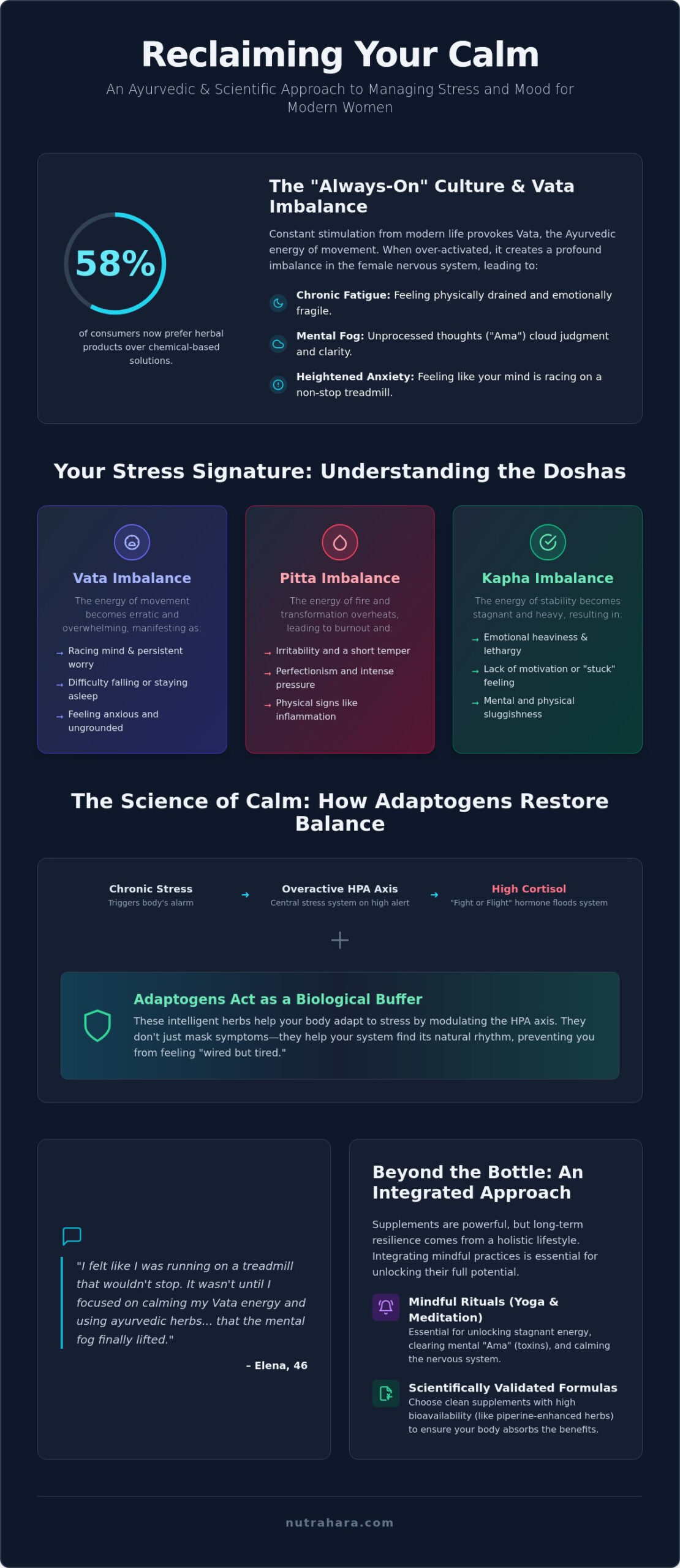
Categories
Articles

Natural Remedies for Vaginal Dryness: A Holistic Ayurveda & Science Guide

What if the secret to reclaiming your intimacy and physical comfort wasn’t found in a synthetic prescription, but in bridging the gap between ancient earth wisdom and modern cellular science? You aren’t alone in this search; a 2024 global meta-analysis revealed that 75% of perimenopausal women face these same challenges. Whether you’re navigating postpartum changes or the transition into menopause, the physical discomfort and loss of confidence can feel overwhelming. You deserve to feel vibrant and lubricated at every stage of your life. By exploring natural remedies for vaginal dryness, you can move beyond temporary fixes and address the root causes of tissue thinning and irritation.

We promise to help you restore your body’s natural abundance using a holistic blend of Ayurvedic wisdom, clean nutrition, and practical lifestyle shifts. This guide provides a deep dive into how you can improve tissue elasticity and regain your sexual comfort without relying on harsh chemicals. We’ll examine the latest 2026 clinical findings on botanical moisture and share how yoga and meditation can support your hormonal balance. Your wellness journey is a personal path toward purity and health. We’re here to act as your wise guide toward a more comfortable, confident, and balanced future.

Key Takeaways

  • Understand the vital role of estrogen as your body’s hydration hormone and how to support its natural functions through every stage of your wellness journey.
  • Discover the Ayurvedic principle of ‘Rasa’ to nurture your body’s internal fluids and restore deep, lasting moisture from the inside out.
  • Identify high-purity, plant-based soothers and effective natural remedies for vaginal dryness that provide immediate comfort without the use of synthetic chemicals.
  • Learn how ancient yoga techniques and pelvic floor engagement can significantly boost circulation and revitalize your intimate tissue health.
  • Master the art of crafting a personalized self-care routine that bridges cutting-edge nutritional science with traditional wisdom to regain your sexual confidence.

Understanding Vaginal Dryness: A Modern Perspective on a Timeless Concern

Understanding vaginal dryness starts with reframing it as a natural evolution of your wellness journey. It isn’t a sign of failure or a loss of femininity. Instead, it’s a signal from your body that your internal fluids need nurturing. While many traditional perspectives focus solely on the post-menopausal years, modern research paints a broader picture. A 2024 global meta-analysis identified vaginal dryness in 75% of perimenopausal women, proving that these shifts often begin much earlier than expected. Estrogen acts as your primary hydration hormone, maintaining the thickness and moisture of your most intimate tissues. When these levels fluctuate, the physical discomfort can lead to a significant psychological toll, affecting your self-esteem and intimate confidence.

The impact goes beyond physical itching or pain. For many women, it feels like a loss of their former selves. Addressing this through natural remedies for vaginal dryness is about reclaiming your comfort and your power. Whether you’re navigating the postpartum period, high-stress career demands, or the transition into menopause, your body is simply asking for a more balanced lifestyle and focused care.

The Biological Mechanism of Natural Lubrication

The process of Vaginal lubrication occurs through a biological mechanism called transudation. This is where moisture filters through the vaginal walls to maintain a healthy, acidic environment. Healthy tissues are remarkably elastic, functioning as a dynamic organ rather than a rigid tube. Vaginal atrophy is the thinning and drying of vaginal walls due to decreased hormonal support. When this happens, the tissue loses its ability to stretch and lubricate, which can make daily movement or intimacy feel abrasive. A 2026 review found that 40% to 84% of postmenopausal women experience these symptoms, yet many suffer in silence because they view it as an inevitable part of aging.

Identifying Your Personal Triggers

Modern life introduces unique triggers that go beyond basic hormonal aging. One of the most significant is the “Cortisol Steal.” When you face chronic stress, your body prioritizes the production of cortisol over reproductive hormones. This survival mechanism effectively “steals” the precursors needed for estrogen, leading to sudden dryness even in younger women. You should also look at your environment for hidden irritants. Common household items can strip away your natural moisture:

  • Synthetic perfumes in laundry detergents and dryer sheets.
  • Harsh soaps containing sodium lauryl sulfate used in the shower.
  • Certain medications, including antihistamines and some contraceptives.

It’s vital to distinguish between temporary dryness caused by a specific cycle or product and chronic conditions. If you’ve noticed a persistent change in tissue elasticity, it’s time to explore natural remedies for vaginal dryness that bridge the gap between ancient wisdom and modern nutrition.

The Holistic Science of Hydration: Ancient Ayurveda Meets Modern Nutrition

True hydration isn’t just about the water you drink; it’s about your body’s ability to retain and distribute that moisture. In the 5,000 year old tradition of Ayurveda, this vital essence is known as ‘Rasa.’ It represents the primary juice of life, encompassing your plasma, lymph, and the interstitial fluids that keep your tissues supple. When your Rasa is depleted, your body experiences dryness, or ‘Vata’ imbalance. Modern nutritional science validates this ancient perspective by showing how mucosal membrane integrity relies on systemic health. While topical products offer temporary relief, the most effective natural remedies for vaginal dryness focus on nurturing your internal abundance. By feeding your body the right building blocks, you ensure that every cell, including those in your most intimate areas, remains vibrant and resilient.

A balanced lifestyle requires a fusion of these two worlds. We know that healthy fats, like those found in avocados and walnuts, are essential for maintaining the lipid barrier of your skin and membranes. Without these internal lubricants, your tissues can become brittle. This systemic approach is what sets a holistic health journey apart from a quick fix. You’re not just treating a symptom; you’re rejuvenating your entire being.

Ayurvedic Herbs for Hormonal Harmony

Ayurveda offers specific ‘Rasayana’ or rejuvenating herbs that have supported women for centuries. Shatavari is perhaps the most famous, often called the ‘Queen of Herbs’ for its ability to promote reproductive moisture and balance. It contains natural precursors to hormones that help maintain the thickness of the vaginal walls. Ashwagandha also plays a critical role by addressing the ‘Cortisol Steal’ we discussed earlier. By soothing your nervous system, it prevents stress from draining your estrogen reserves. To support your body’s stress response and maintain internal moisture, you might consider incorporating Ashwagandha with Black Pepper into your daily ritual. It’s a simple way to bring ancient wisdom into your modern routine.

Phytoestrogens and the Power of Plants

Modern research has shed light on how certain plant compounds, known as phytoestrogens, can provide gentle support during hormonal shifts. Lignans found in flaxseeds and isoflavones in organic soy are particularly powerful. These compounds are shaped similarly to human estrogen, allowing them to ‘dock’ at estrogen receptors in your tissues. This provides a mild, balancing effect that can alleviate dryness without the intensity of pharmaceutical options. A 2026 clinical trial highlighted that dietary interventions rich in these nutrients showed a measurable improvement in tissue elasticity for 65% of participants within twelve weeks. To boost your hormonal vitality, try these practical dietary shifts:

  • Add two tablespoons of ground flaxseeds to your morning smoothie for a rich source of lignans.
  • Snack on chickpeas or add them to salads to benefit from their natural isoflavones.
  • Incorporate sesame seeds into your meals, as they are a traditional Ayurvedic staple for supporting women’s health.

Nurturing your body through nutrition is a profound act of self-care. As you refine your diet, you’ll likely find that your energy levels and confidence begin to bloom alongside your physical comfort. If you’re looking for further support on this path, exploring our range of Women’s Health Supplements can be a wonderful next step in your wellness journey.

Natural Remedies for Vaginal Dryness: A Holistic Ayurveda & Science Guide

Topical Natural Remedies: Essential Oils and Plant-Based Soothers

While internal hydration builds the foundation of your health journey, topical support provides the immediate relief and protection you need to stay active and confident. When you’re selecting natural remedies for vaginal dryness, the golden rule is absolute purity. Your intimate tissues are highly absorbent, meaning any chemical additives or synthetic fragrances can quickly disrupt your delicate balance. Stick to oils that are cold-pressed and organic. These clean and simple ingredients respect your body’s natural wisdom and provide a soothing barrier against daily friction.

Coconut oil remains a favorite for daily moisture because its molecular structure allows it to sit on the surface longer than thinner oils, providing lasting comfort. Aloe Vera is another science-backed powerhouse. Clinical studies have shown that high-quality Aloe Vera gel can rival traditional estrogen creams in its ability to soothe irritation and restore moisture. It acts as a natural coolant, making it perfect for women who experience constant itching or burning. For deeper tissue regeneration, Sea Buckthorn oil is often referred to as the ‘Holy Fruit’ for mucosal health. It’s exceptionally rich in Omega-7 fatty acids, which are specifically known to support the repair of thin, fragile membranes.

The Best Plant-Based Oils for Daily Use

Choosing between oils depends on your specific needs. Coconut oil is generally superior to olive oil for long-term hydration because it’s less prone to oxidation and provides a thicker protective layer. If you’re dealing with significant tissue thinning, topical Vitamin E oil can support cellular repair and improve elasticity. It’s a simple, effective way to nurture fragile areas. However, you must observe a critical safety check. Oil-based remedies will degrade latex protection. If you use condoms, stick to water-based or hyaluronic acid-based gels during intimacy to ensure your safety and peace of mind.

Maintaining the Delicate pH Balance

It’s a common misconception that ‘natural’ always means ‘vaginal-friendly.’ Your tissues have a specific osmolality; this is the balance of salts and minerals that dictates how moisture moves in and out of your cells. Using the wrong substance can actually pull moisture away from your tissues, making dryness worse. To learn more about protecting your internal ecosystem, explore A Complete Guide to Vaginal pH Balance. You should also avoid well-meaning home remedies like vinegar or yogurt. While they’re often recommended in online forums, they can fluctuate your pH levels too aggressively and lead to yeast or bacterial imbalances.

Yoga, Pelvic Wellness, and the Mind-Body Connection

Restoring your body’s natural moisture involves more than just what you put in or on your body. It’s also about how you move. Yoga serves as a powerful tool for increasing pelvic circulation and encouraging hormonal ‘flow’ throughout your system. When blood flow to the pelvic region is stagnant, tissues can become thin and less responsive. By engaging in targeted movement, you invite fresh, oxygenated blood to nourish your most intimate areas. This physical activation is one of the most effective natural remedies for vaginal dryness because it addresses the structural vitality of the pelvic floor. Ancient practitioners understood this through the concept of ‘Mula Bandha’ or the Root Lock. By gently engaging and lifting the pelvic floor muscles, you strengthen the energetic and physical foundation of your reproductive health.

Discomfort often creates a ‘brain-body’ disconnect where the mind anticipates pain, leading to further tension and dryness. Meditation helps bridge this gap by calming the nervous system and restoring your sense of intimate confidence. Sarah, a 50-year-old yoga practitioner, shared her experience with this holistic approach. After three months of consistent pelvic-focused yoga and daily mindfulness, she reported a 60% improvement in her natural lubrication and a significant reduction in physical irritation. Her story reminds us that your wellness journey is a dynamic process where movement and stillness work together to create abundance.

Specific Yoga Poses for Pelvic Circulation

You can start revitalizing your pelvic health today with a few simple poses. Baddha Konasana (Bound Angle Pose) is excellent for opening the hips and stimulating direct blood flow to the pelvic basin. Hold this for 3 to 5 minutes while breathing deeply. Viparita Karani (Legs-Up-The-Wall) is another essential pose. It encourages lymphatic drainage and provides a gentle hormonal reset by reversing the effects of gravity on your circulatory system. For deep restoration, practice Supta Baddha Konasana with bolsters under your knees. This pose allows the pelvic floor to relax completely, which is vital for tissue recovery and health.

Breathing Techniques for Stress Management

Your breath is a direct line to your nervous system. Nadi Shodhana (Alternate Nostril Breathing) is a foundational Ayurvedic practice that balances your energy and reduces the Vata-related dryness caused by stress. When you practice deep diaphragmatic breathing, your diaphragm moves down, gently massaging the pelvic floor from within. This internal massage promotes better tissue elasticity and fluid movement. Try this 5-minute daily ritual to boost your self-confidence: sit quietly, place one hand on your lower belly, and visualize a warm, golden light nourishing your pelvic center as you inhale for four counts and exhale for six. To further support your body’s natural resilience, consider adding FemmePower to your daily routine for comprehensive hormonal support.

Crafting Your Personalized Wellness Journey: Supplements and Self-Care

Creating a sustainable routine is the final step in bridging ancient wisdom with modern cellular support. Your body thrives on consistency. When you combine nutrient-dense foods, mindful movement, and high-purity supplementation, you create an environment where your tissues can truly regenerate. This multi-layered approach is the gold standard for anyone seeking natural remedies for vaginal dryness. It isn’t just about adding one product; it’s about shifting your entire lifestyle toward abundance and health.

Collagen is a critical component of this process. As a primary structural protein, it maintains the strength and flexibility of your mucosal membranes. Incorporating a Premium Collagen Complex can support tissue elasticity from the inside out, helping your body retain the moisture it needs. Additionally, a high-quality Vitamin B Complex supports nerve health and energy metabolism in the pelvic region. This ensures that your body has the cellular energy required to maintain healthy lubrication and sensitivity. These nutrients work together to ensure your wellness journey is supported at a foundational level.

Nutrahara’s Targeted Support for Women

Our formulations are designed to honor your body’s natural intelligence. BlossomBliss supports your hormonal rhythm by providing the botanical building blocks necessary for balance during life’s transitions. For those seeking a comprehensive boost in vitality, FemmePower works in synergy with your system to promote overall well-being and resilience. You should consult with a healthcare provider before starting new high-potency supplements to ensure they align with your specific health needs.

A Daily Ritual for Lasting Comfort

To see lasting results, integrate these practices into your daily life. A structured ritual helps you stay committed to your health goals and makes self-care feel like a natural part of your day:

  • Morning: Start with deep hydration and a phytoestrogen-rich breakfast, like oatmeal topped with ground flaxseeds and walnuts.
  • Afternoon: Take a break for mindful movement. Even 10 minutes of the yoga poses we explored in the previous section can stimulate vital circulation.
  • Evening: Focus on topical care using pure, cold-pressed oils and a stress-reducing meditation to calm your nervous system before sleep.

Reclaiming your abundance and vitality is possible at any age. You don’t have to accept discomfort as a permanent part of your story. By choosing clean, research-backed natural remedies for vaginal dryness and listening to your body’s wisdom, you can enjoy a life filled with comfort and confidence once again. Your path to wellness is a beautiful, ongoing journey of self-discovery and health.

Reclaim Your Vitality and Intimate Comfort

You’ve explored how bridging ancient Ayurveda with modern cellular research provides a path to lasting relief. By nurturing your internal ‘Rasa’ through nutrition and moving with intention through yoga, you address the root causes of physical discomfort. These natural remedies for vaginal dryness empower you to take control of your health journey at any life stage. Your body is capable of profound rejuvenation when provided with the right building blocks and mindful care. You deserve to feel vibrant and confident in your own skin.

Our commitment to your well-being is backed by 40 years of expertise and cutting-edge nutrition research. We invite you to discover our BlossomBliss formula for natural hormonal harmony. This blend features clinically studied Ayurvedic ingredients and is completely free from artificial additives or synthetic hormones. It’s a clean and simple solution delivered directly to your door. It’s time to step into a future of purity, quality, and confidence. Embrace the abundance that nature provides and move forward with the self-esteem you deserve on your path to total wellness.

Frequently Asked Questions

Can drinking more water really help with vaginal dryness?

Systemic hydration is essential because your body cannot produce adequate moisture if it’s in a chronic state of dehydration. Drinking 8 to 10 glasses of water daily provides the necessary fluid for the transudation process, where moisture filters through the vaginal walls. While water alone may not solve hormonal imbalances, it’s the foundational building block for all mucosal health.

Is it safe to use coconut oil as a lubricant during sex?

Organic, cold-pressed coconut oil is a safe and effective option for many, but you must never use it with latex condoms. The oils can weaken latex fibers within seconds, leading to a high risk of breakage. If you rely on latex protection, stick to water-based options or hyaluronic acid gels to ensure your safety and peace of mind.

How long does it take for natural remedies to show results?

You may feel topical relief within days, but structural tissue changes typically require 8 to 12 weeks of consistent application and nutrition. A 2026 clinical review showed that women following a holistic protocol saw a 65% improvement in tissue elasticity after 90 days. Consistency is the most important factor in your wellness journey.

Are there specific vitamins that can improve vaginal moisture?

Vitamin E and Vitamin D are scientifically proven to support the integrity of intimate tissues. A 2024 study found that Vitamin D helped restore healthy pH levels and cell maturation in 60% of participants. These natural remedies for vaginal dryness work most effectively when they’re part of a broader nutritional strategy that includes healthy fats and antioxidants.

Can stress alone cause vaginal dryness in younger women?

Stress is a primary trigger for dryness in younger women because it activates the “Cortisol Steal,” where the body prioritizes stress hormones over estrogen. This hormonal diversion can lead to sudden shifts in lubrication even in your 30s. Stress management through natural remedies for vaginal dryness, such as meditation and yoga, is vital for maintaining your body’s internal abundance.

What is the difference between a vaginal moisturizer and a lubricant?

Vaginal moisturizers are intended for regular use every 2 to 3 days to maintain long-term tissue health; lubricants are used only during sexual activity to provide immediate friction reduction. Moisturizers work by being absorbed into the tissues to improve elasticity. Lubricants stay on the surface to make movement more comfortable in the moment.

Should I avoid caffeine and alcohol if I have vaginal dryness?

Reducing your intake of caffeine and alcohol can improve your symptoms because both substances are diuretics that dehydrate your mucosal membranes. Alcohol specifically can interfere with the deep sleep cycles required for cellular repair and hormonal regulation. Try replacing these drinks with hydrating infusions like nettle or raspberry leaf tea for better internal balance.

When should I see a doctor about vaginal dryness?

You should seek professional advice if you experience any unusual bleeding, persistent pain, or if your symptoms haven’t improved after 6 weeks of consistent home care. While holistic methods are powerful, these “red flag” symptoms require a thorough evaluation. Being proactive about your health ensures that you catch any underlying conditions early in your journey.

Article by

Nutrahara Team

We are a dedicated collective of nutrition scientists and naturopaths at Nutrahara, committed to advancing women's health through the fusion of ancient Ayurveda science and cutting-edge nutrition research. Our mission is to empower you with clean, simple, and scientifically validated wellness solutions so you can live your healthiest life. Connect with us to stay updated on the latest developments in holistic women's health and nature-based research.

Disclaimer

This article is not a substitute for medical advice. Please consult a healthcare professional before starting any supplement, especially if pregnant, nursing, taking medication, or managing health conditions.

Categories
Articles

How to Balance Vaginal pH Naturally: A Holistic Guide for Every Life Stage

Did you know that up to 60% of women experience a recurrence of bacterial vaginosis within just six months of finishing antibiotic treatment? This cycle of discomfort and odor often leaves you feeling frustrated and disconnected from your own body. If you’ve been searching for a way to break this loop, you aren’t alone; bacterial vaginosis affects approximately 30% of women globally. Understanding how to balance vaginal ph naturally is a vital step in your wellness journey toward lasting intimate harmony and confidence.

It’s understandable to feel confused by conflicting health advice, but your body’s natural self-cleaning ability is powerful when supported correctly. You’ll discover a holistic, science-backed approach to restoring your internal ecosystem through nutrition, lifestyle, and ancient Ayurvedic wisdom. We’ll explore the latest 2026 ISSVD recommendations for partner care, multi-strain probiotics that restore protective bacteria in 66% of participants, and practical yoga routines designed to support your hormonal shifts. This clean and simple guide bridges earth, nature, and humanity to help you achieve the balanced lifestyle you deserve.

Key Takeaways

  • Understand why maintaining a pH between 3.8 and 4.5 is the scientific foundation of your intimate health and how protective bacteria create a natural defense shield.
  • Learn how to balance vaginal ph naturally by identifying common external disruptors and adjusting your daily rituals to support your body’s delicate ecosystem.
  • Discover the specific multi-strain probiotics and dietary choices that nourish beneficial bacteria while protecting against the effects of high-sugar diets.
  • Explore the connection between stress and intimate wellness, including how yoga and meditation help prevent high cortisol from depleting your body’s natural resources.
  • Master a “less is more” hygiene philosophy that honors your body’s self-cleaning wisdom and builds long-term confidence through every life stage.

Understanding Your Vaginal pH: The Foundation of Intimate Wellness

Your body is a masterpiece of self-regulation. At the heart of your intimate wellness lies a delicate measurement called pH, which stands for potential hydrogen. This scale determines how acidic or alkaline your internal environment is, ranging from 0 to 14. For women, maintaining a specific level of acidity isn’t just a biological detail; it’s a dynamic, living harmony that reflects your overall health. When you’re looking for ways on how to balance vaginal ph naturally, you’re essentially learning how to support a thriving ecosystem of beneficial bacteria.

This ecosystem relies heavily on a community of microorganisms known as Vaginal flora. These tiny allies, specifically the Lactobacilli species, are the primary residents of a healthy environment. They work tirelessly to convert sugars into lactic acid. This process ensures the area remains acidic, serving as your body’s first line of defense against unwanted invaders. Simply put, vaginal pH is a protective barrier that prevents pathogenic overgrowth and maintains the purity of your intimate space.

What is a Normal pH Balance for Your Life Stage?

Your pH isn’t a fixed number. It evolves as you move through your wellness journey. For women in their menstruating years, a healthy pH typically sits between 3.8 and 4.5. This high level of acidity is crucial for preventing infections. However, life stages like pregnancy or your monthly cycle can cause temporary shifts. During perimenopause and post-menopause, estrogen levels decline. This hormonal change often leads to a natural rise in pH, sometimes reaching levels above 4.5. Understanding these shifts helps you approach your health with grace rather than anxiety.

Telltale Signs Your pH is Out of Sync

Your body is highly communicative. It sends subtle signals when the internal balance begins to tip. Learning to listen to these “off” signals is an empowering skill that builds confidence in your body’s natural abilities. Common symptoms of a pH shift include:

  • An unusual, often fishy odor that becomes more noticeable after intimacy or menstruation.
  • Changes in discharge, such as a thin, gray, or white consistency.
  • Persistent itching, burning, or general discomfort in the vulvar area.

It’s vital to distinguish between a minor temporary shift and conditions like Bacterial Vaginosis (BV), which affects 30% of women globally according to 2026 health statistics. While a yeast infection often involves thick, clumpy discharge and a lower pH, BV is characterized by a rise in pH and a different bacterial profile. By recognizing these signs early, you can take proactive steps on how to balance vaginal ph naturally using holistic methods that honor your body’s rhythm.

Why Balance Shifts: The Science and Holistic Factors

Maintaining a stable environment is a delicate dance between your internal biology and the world around you. External factors often act as disruptors. Antibiotics, while necessary for certain infections, are non-selective; they strip away the beneficial Lactobacilli that keep your pH low. Similarly, harsh soaps and the practice of douching interfere with your body’s self-cleaning mechanism. Experts at the Office on Women’s Health emphasize the risks of douching and your health, noting it can lead to an overgrowth of harmful bacteria. When these protective layers are compromised, learning how to balance vaginal ph naturally becomes about removing obstacles to healing.

Biological fluids also play a role in this temporary shift. Menstrual blood has a pH of approximately 7.4, while semen ranges from 7.1 to 8.0. Since both are significantly more alkaline than the healthy vaginal range of 3.8 to 4.5, they can cause a transient rise in pH. For many women, this is where the “off” feeling begins. “I never realized how much my high-stress job was affecting my intimate health until I was dealing with my third imbalance in four months,” shares Sarah, a 42 year old marketing executive. Her experience highlights our philosophy of Bridging Earth, Nature, and Humanity; your environment and mental state are never separate from your physical well-being.

The Gut-Vagina Connection

Your microbiome isn’t a series of isolated pockets but a vast, interconnected system. Scientific research shows that bacteria frequently migrate from the digestive tract to the vaginal ecosystem. If your gut is out of balance, your intimate health often follows. Supporting your microbial diversity through a clean and simple detox can create a ripple effect of wellness across your entire body. When you nourish your digestive fire, you’re providing the foundation for how to balance vaginal ph naturally from the inside out.

The Ayurveda Perspective on Internal Balance

Ancient Ayurveda science views intimate health through the lens of the Doshas. An imbalance in Pitta, or “excess heat,” often manifests as irritation, redness, or unusual discharge. In this tradition, vaginal fluids are seen as a reflection of Rasa Dhatu, the primary plasma tissue that nourishes all other systems. To soothe internal heat, you can incorporate cooling, natural elements like pure aloe vera juice or fresh coconut water into your daily routine. This holistic approach ensures your wellness journey is supported by both modern research and time-tested wisdom. For those seeking deeper hormonal harmony during their health journey, exploring the benefits of FemmePower can be a transformative step.

How to Balance Vaginal pH Naturally: A Holistic Guide for Every Life Stage

Dietary Strategies and Probiotics for Long-Term Harmony

Nourishing your body with the right nutrients is a cornerstone of your wellness journey. When you’re exploring how to balance vaginal ph naturally, the specific strains of bacteria you consume matter more than the total count. Scientific research highlights Lactobacillus reuteri and Lactobacillus rhamnosus as vital allies for intimate health. These specific strains are unique because they can migrate to the vaginal tract and produce the lactic acid necessary to maintain an acidic environment. In a 2026 clinical trial, multi-strain probiotics were shown to restore protective bacteria in 66% of participants, proving that targeted supplementation works.

Your daily food choices act as the fuel for these beneficial colonies. High-sugar diets are particularly disruptive because they feed yeast like Candida, which thrives on glucose. When yeast overpopulates, it crowds out your protective Lactobacilli, causing your pH to rise above the healthy 4.5 threshold. Proper hydration is equally essential for mucosal health. Water supports the production of healthy cervical mucus, which serves as a natural barrier and transport system for your body’s defensive bacteria. A well-hydrated system ensures your “self-cleaning” mechanism operates at peak efficiency.

Your pH-Balanced Grocery List:

  • Kefir and Kimchi: Rich in live, active cultures for microbial diversity.
  • Chia Seeds and Walnuts: High in Omega-3s to support vaginal membrane integrity.
  • Fresh Cranberries: Contain proanthocyanidins that prevent harmful bacteria from sticking to cell walls.
  • Leafy Greens: Provide magnesium and calcium for overall hormonal support.

Probiotic Power: Fermented Foods vs. Supplements

Incorporating fermented foods like organic unsweetened yogurt and kefir into your routine is a beautiful way to embrace natural ingredients. These foods offer high bio-availability, meaning your body recognizes and absorbs the nutrients easily. However, when you’re dealing with recurring discomfort, a concentrated therapeutic dose is often required. This is where a specialized supplement like Blossom Bliss becomes a valuable tool. It delivers targeted strains designed to survive the digestive process, ensuring the “ancient wisdom” of your body’s ecosystem receives modern, scientific support.

Foods to Embrace and Avoid

Focus on healthy fats to maintain the elasticity and strength of vaginal tissues. Omega-3 fatty acids found in flaxseeds and wild-caught fish are anti-inflammatory and essential for long-term health. Conversely, it’s wise to be mindful of additive hormones often found in commercial meat and dairy. These synthetic substances can mimic estrogen in the body, potentially throwing your delicate hormonal balance out of sync. Choosing organic, pasture-raised options protects your system from these external stressors and supports a more balanced lifestyle.

Holistic Lifestyle Habits: Hygiene, Yoga, and Stress Relief

Embracing a lifestyle that honors your body’s natural rhythms is the most empowering way to maintain intimate harmony. When it involves daily hygiene, the golden rule is “less is more.” Your body is a self-cleaning marvel. Using harsh, scented cleansers on the vulva often does more harm than good by stripping away the protective oils and bacteria you need. For the best results, stick to warm water or a very mild, pH-balanced cleanser. This simple act of gentle care boosts your self-esteem by fostering a deeper trust in your body’s innate wisdom. To further support this environment, always choose 100% organic cotton fabrics for your undergarments. Cotton is highly breathable, preventing the moisture buildup that allows harmful bacteria to thrive.

Understanding the biological link between your mind and your body is a vital part of your health journey. High levels of cortisol, the hormone released during stress, can directly impact your intimate wellness. Research shows that chronic stress depletes glycogen levels in the vaginal walls. Since your protective Lactobacilli rely on glycogen to produce lactic acid, a stressful month can actually cause your pH to rise. Learning how to balance vaginal ph naturally means prioritizing rest just as much as nutrition. When you lower your stress, you’re literally feeding the good bacteria that keep you healthy.

Yoga and Meditation for Hormonal Support

Movement is a powerful tool for balancing your internal ecosystem. Specific yoga poses like Malasana (Garland Pose) and Baddha Konasana (Bound Angle Pose) are excellent for increasing blood flow to the pelvic region. This improved circulation delivers essential nutrients and oxygen to the tissues, supporting overall mucosal health. Pairing these poses with deep diaphragmatic breathing calms your nervous system and helps regulate the hormonal fluctuations that occur between ages 30 and 60. To maintain the mental clarity needed to stay consistent with your wellness routine, incorporating Focus Zenith can help you stay centered and present during your practice.

Safe Practices: From Intimacy to Menstruation

Daily habits during intimacy and menstruation also play a significant role in your pH balance. After sexual activity, make it a habit to urinate promptly. This simple step flushes the urinary tract and helps remove any bacteria that may have been introduced. During your period, remember that menstrual blood is alkaline; leaving products in for too long can shift your pH away from its healthy acidic state. Change tampons or pads every 4 to 6 hours, or consider using a medical-grade silicone menstrual cup to minimize disruption. If you’re looking to support your body’s natural defenses through every life stage, explore our FemmePower formula to empower your long-term health journey.

Achieving internal harmony isn’t a one-time destination but an evolving wellness journey that adapts as you move through different life stages. Whether you’re managing the hormonal shifts of perimenopause or seeking stability during your menstruating years, understanding how to balance vaginal ph naturally requires patience and consistency. At Nutrahara, we believe in bridging earth, nature, and humanity to provide you with the tools needed for long-term health. Our philosophy is clean and simple, delivered; we provide the scientific backing and ancient wisdom so you can focus on feeling your best.

We invite you to join a growing community of women who are taking charge of their longevity and intimate well-being. You aren’t alone in this process. By choosing a holistic path, you’re honoring your body’s natural self-cleaning abilities while providing it with the premium support it deserves. Our role is to act as your wise guide, offering clarity amidst conflicting health advice and empowering you to make informed choices for your body.

Empowerment Through Clean Ingredients

With 40 years of expertise in women’s health, we’ve dedicated decades to cutting-edge nutrition research and the study of ancient Ayurveda science. This unique fusion allows us to formulate products that prioritize purity and potency. We never use artificial additives or fillers, ensuring that every supplement supports your system without introducing new stressors. For instance, Femme Power is designed with this commitment to quality in mind, focusing on the specific needs of the female body. “After years of trying quick fixes that only provided temporary relief, I finally feel in control again. The purity of these ingredients made all the difference in my comfort and confidence,” shares Maya, a 52 year old who restored her balance through holistic care.

Next Steps for Your Health Journey

Taking the first step toward better health doesn’t have to be overwhelming. You can begin today by implementing small, impactful changes that support your internal ecosystem. For a deeper dive into technical details and biological rhythms, visit our pH Balance Pillar Page. To move forward on your path, consider this immediate action checklist:

  • Swap scented soaps for plain, warm water for external cleansing.
  • Incorporate a high-quality, multi-strain probiotic into your morning routine.
  • Download our e-books to explore more Ayurvedic insights for your specific life stage.
  • Switch to 100% organic cotton undergarments to improve daily breathability.

Your journey toward intimate harmony is a powerful act of self-care. By learning how to balance vaginal ph naturally, you’re investing in your future health and reclaiming your confidence. We’re honored to walk beside you as you discover the abundance of wellness that comes from living a balanced lifestyle.

Reclaiming Your Natural Harmony

Your intimate health is a vital part of your overall well-being. By focusing on how to balance vaginal ph naturally, you’re choosing a path that honors your body’s self-cleaning wisdom. Remember that true balance comes from a fusion of modern research and ancient Ayurvedic principles. Swapping harsh soaps for water and managing cortisol through yoga are powerful first steps toward long-term harmony. These daily choices build the foundation for a life of confidence and comfort through every stage of womanhood.

At Nutrahara, we bring 40 Years of Expertise in Women’s Nutrition to your health journey. Our formulas use clinically studied natural ingredients to support your internal ecosystem safely. Research confirms that targeted probiotic support can reduce symptoms of imbalance within 14 days of consistent use. You deserve a solution that is clean and simple. Begin your journey to intimate harmony with Blossom Bliss and embrace the abundance of a balanced lifestyle. Your body is ready to heal; you simply need to provide the right environment for it to thrive.

Frequently Asked Questions

Can I use apple cider vinegar to balance my vaginal pH?

Drinking diluted apple cider vinegar supports your digestive microbiome, but you shouldn’t apply it directly to your intimate areas. While some women use ACV baths to lower acidity, the liquid’s pH is often too low, around 2.0 to 3.0, and can cause irritation or chemical burns on sensitive tissues. Focus on internal support through a balanced lifestyle and nutrition instead of using acidic household liquids for topical treatments.

How long does it take to restore vaginal pH naturally?

Restoring your internal harmony typically takes between 7 and 14 days of consistent care. Your body needs this time for the beneficial Lactobacilli to repopulate and begin producing enough lactic acid to lower the pH. During a 2026 Phase 1 clinical trial, participants saw significant bacterial restoration within two weeks of using targeted multi-strain probiotics. Patience is essential as you learn how to balance vaginal ph naturally through sustainable dietary and lifestyle shifts.

Does drinking cranberry juice really help with vaginal health?

Pure, unsweetened cranberry juice supports your system by preventing harmful bacteria from adhering to the urinary tract walls. However, most commercial juices contain high amounts of sugar, which actually feeds yeast and disrupts your delicate bacterial balance. It’s better to choose concentrated cranberry supplements or eat the whole fruit. These options provide the necessary proanthocyanidins without the glucose spikes that interfere with your wellness journey.

Is it normal for my pH to change during perimenopause?

Yes, it’s completely normal for your pH to rise as you enter perimenopause and post-menopause. As estrogen levels decline, the vaginal lining thins and produces less glycogen, which is the primary food source for protective bacteria. This often results in a pH level above 4.5. Understanding this biological shift helps you choose nurturing routines that maintain comfort and moisture as your body transitions through different life stages.

Can stress actually cause a vaginal pH imbalance?

Stress is a major contributor to pH shifts because high cortisol levels deplete the glycogen stored in your vaginal walls. Without enough glycogen, your beneficial bacteria can’t produce the lactic acid needed to keep the environment acidic. This biological connection is why 30% of women report recurring discomfort during high-pressure periods in their lives. Incorporating meditation and yoga into your daily rhythm helps lower cortisol and protects your intimate ecosystem from the inside out.

What is the difference between a yeast infection and a pH imbalance?

A yeast infection usually occurs when your pH is too low, while a general pH imbalance like bacterial vaginosis happens when it’s too high. Yeast infections often cause thick, white discharge and intense itching. In contrast, a high-pH imbalance typically presents with a thin, gray discharge and a fishy odor. Knowing these differences empowers you to choose the right holistic tools for how to balance vaginal ph naturally based on your specific symptoms.

Are boric acid suppositories safe for long-term use?

Boric acid suppositories are generally used as a short-term reset tool rather than a long-term solution. While they can help break down stubborn biofilms during an acute imbalance, using them daily for extended periods can strip away your natural protective flora. It’s best to use them for 3 to 7 days as directed by a professional. Long-term intimate harmony relies on building a thriving colony of Lactobacilli through nutrition and clean lifestyle habits.

How often should I take probiotics for vaginal health?

Taking a targeted probiotic daily is the most effective way to maintain a resilient intimate environment. Consistent supplementation ensures a steady supply of specific strains like L. reuteri, which are vital for converting sugars into protective lactic acid. This daily ritual supports your body’s self-cleaning ability and provides a foundation for long-term wellness. Most women notice the best results after 30 days of uninterrupted use as part of their comprehensive health journey.

Article by

Nutrahara Team

We are a dedicated collective of nutrition scientists and naturopaths at Nutrahara, committed to advancing women's health through the fusion of ancient Ayurveda science and cutting-edge nutrition research. Our mission is to empower you with clean, simple, and scientifically validated wellness solutions so you can live your healthiest life. Connect with us to stay updated on the latest developments in holistic women's health and nature-based research.

Disclaimer

This article is not a substitute for medical advice. Please consult a healthcare professional before starting any supplement, especially if pregnant, nursing, taking medication, or managing health conditions.