...
Categories
Articles

Joint and Knee Kit for Active Women: A Smarter Buying Guide

What if the most convincing promise on a joint supplement label is the very thing to question first? If you’re considering a joint and knee kit for active women, it’s reasonable to want support for movement without having to trust vague claims or undisclosed ingredients. A bundle may be worth considering, but it isn’t a guaranteed solution or a substitute for medical care.

Before you decide, check what’s inside, how much of each ingredient it provides, what evidence supports its claims, and whether it fits your health needs and life stage. Pregnancy, lactation, medicines, and health conditions are all reasons to ask a qualified healthcare professional about a supplement. This guide also looks at how supplements fit alongside sustainable habits such as strength-building, gentle yoga, and recovery, so you can assess a product as one part of your wider wellness routine.

Key Takeaways

  • Match your joint-support goals to your routine and life stage instead of assuming every knee concern has the same answer.
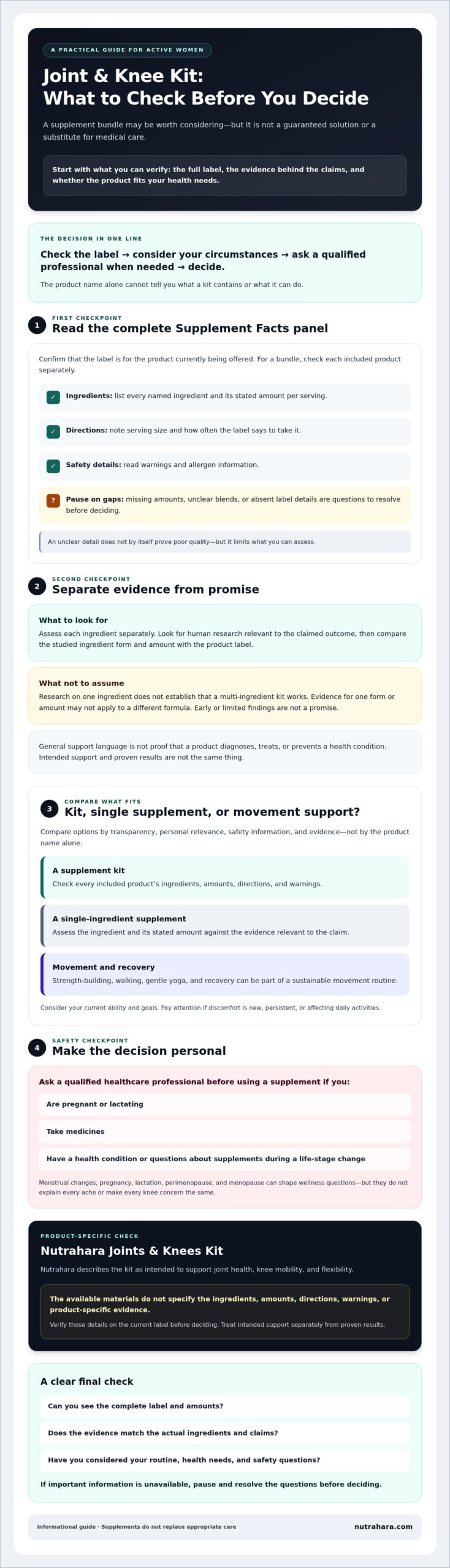
  • Use the full Supplement Facts panel to check ingredients, amounts, serving directions, and warnings before considering a joint and knee kit for active women.
  • Compare a bundle, a single-ingredient supplement, and movement support by transparency, personal relevance, safety information, and evidence.
  • Follow a simple decision process: review the label, consider your health circumstances, ask a qualified professional when needed, then decide.
  • Verify the details of Nutrahara’s Joints & Knees Kit and distinguish its intended support from proven results.

Joint and Knee Kit for Active Women: What Should It Support?

Active women may be building strength, training for a long walk, practicing yoga, or simply aiming to move comfortably through a busy day. Those routines and health needs vary. Menstrual changes, pregnancy, lactation, perimenopause, and menopause can shape wellness questions, but they don’t explain every ache or make every knee concern the same. Activity level, recovery, past injuries, and health conditions also matter.

Assess a joint and knee kit for active women by its contents and the evidence behind its claims, not by its name alone. Start by identifying what you hope to support, then check whether the product’s label, directions, and available evidence give you enough information to make an informed decision.

How activity, recovery, and life stage shape the decision

Strength training, walking, and yoga can each play a role in a movement routine. Recovery gives your body time to rest between activities. Consider what fits your current ability and goals, and pay attention if discomfort is new, persistent, or affecting daily activities. For background, Osteoarthritis is one condition associated with joint symptoms, but knee discomfort can have different causes and may need individual assessment.

If you’re pregnant or lactating, ask a qualified healthcare professional before using a supplement. Individual guidance is also sensible if you take medicines, have a health condition, or have questions about supplements during other life-stage changes.

What a supplement kit can, and cannot, promise

A joint and knee kit is a supplement bundle, but its name alone can’t tell you what it contains or what it can do. Confirm the contents on the current label before deciding. Nutrahara describes its Joints & Knees Kit as intended to support joint health, knee mobility, and flexibility. The available materials don’t specify the ingredients, amounts, directions, warnings, or product-specific evidence, so check those details before purchase.

General support language isn’t proof that a product diagnoses, treats, or prevents a health condition. Evidence for an ingredient doesn’t automatically establish that a complete kit provides a particular benefit. Supplements also don’t replace appropriate care or sustainable habits such as movement and recovery.

Personal stories can offer perspective, but they don’t replace clear label information or reliable evidence. Make your decision using details you can verify, and ask a qualified healthcare professional if you have safety questions.

How to Evaluate Ingredients and Evidence in a Joint and Knee Kit

A clear label is the starting point for comparing a joint and knee kit for active women. Locate the complete Supplement Facts panel and confirm that it reflects the product currently being offered. If you can’t see the full label, you can’t reliably assess the formula or compare its claims with relevant research.

A label-first checklist for comparing formulas

Make a simple record of the label details before comparing products. Don’t guess at amounts or assume a blend contains a particular ingredient in a useful quantity.

  • List each named ingredient and its stated amount per serving.
  • Check the serving size and directions, including how often the label says to take it.
  • Read warnings and allergen information, and note any quality details the brand provides.
  • Flag missing amounts, unclear blend descriptions, or absent label information as questions to resolve before deciding.

A proprietary blend or an unclear detail isn’t, by itself, proof of poor quality. It does limit what you can assess. Ask the seller for clarification, and consider pausing your decision if important information remains unavailable. For a bundle, check the label and directions for each included product, rather than treating the kit as one formula.

How to interpret research without overpromising

Assess each ingredient separately, then check whether the research matches the actual product. A study on one ingredient doesn’t establish that a multi-ingredient kit works. Evidence for a particular form or amount may not apply to a different formula. Look for human research relevant to the claimed outcome, and treat early or limited findings as preliminary rather than a promise.

The NIH Office of Dietary Supplements is a useful starting point for general information and fact sheets on ingredients it covers. Then verify the original research and compare its ingredient form and amount with the product label. General information about knee problems can also help frame your questions: Johns Hopkins Medicine outlines common causes of knee pain, which may include different issues requiring different responses.

Keep intended support separate from established guidance and marketing language. If a claim sounds like a guarantee or suggests a supplement can treat a condition, look for credible, product-specific substantiation rather than relying on the wording alone. Nutrahara describes its approach as combining Ayurvedic principles with modern nutritional research, but that philosophy doesn’t establish the ingredients or prove a specific benefit. Apply the same label-first, evidence-conscious approach when reviewing any women’s wellness product.

Kit, Single Supplement, or Movement Plan: Which Fits Your Needs?

There’s no universal best choice. A verified kit may be convenient if every included product suits your needs. A single-ingredient supplement may be easier to assess when you have a specific ingredient in mind. Movement support may be the most relevant starting point if your goal is to build a sustainable routine. Compare what you can verify, not what sounds most powerful.

Option Transparency Personal relevance Convenience Safety and evidence
Verified supplement kit Check the contents and full labels for every product. Consider whether each item fits your goals and circumstances. May group products together, but directions may differ. Review warnings and evidence for each ingredient and for any kit-specific claim.
Single-ingredient supplement Focus on one listed ingredient and its amount. May be easier to compare with a specific question or need. One product to assess, though directions still matter. Check the exact form, amount, safety details, and relevant research.
Movement support No supplement label to assess; clarify what any program includes. Can be adapted to your ability, schedule, and preferences. Requires time and a routine you can maintain. Choose appropriate activities and seek guidance if symptoms or health needs call for it.

When a bundle may be convenient

Convenience only counts after you confirm what the bundle contains, the serving size and directions for each product, and how the instructions fit together. More ingredients don’t automatically mean better support. Ask whether each item has a clear purpose for you and whether its safety information is available. Don’t assume a kit is cost-effective without current, comparable product and pricing details.

If you’re considering collagen separately, Nutrahara lists a Premium Collagen Complex. Its mention here doesn’t mean it’s included in any joint or knee kit, or establish that it’s suitable for your goals.

How movement habits fit into the decision

Supplements are only one possible part of a wellness routine. Build activity gradually, leave room for recovery, and choose movements that feel manageable for your current ability. Strength training, walking, or gentle yoga can each fit differently into a person’s routine. Meditation may support relaxation and mindful recovery, but yoga and meditation aren’t treatments for joint conditions or substitutes for medical care.

When assessing a joint and knee kit for active women, compare its practical fit with the movement habits you can sustain. Consider whether the product’s directions and safety information are clear, and whether the kit addresses a goal that matters to you. Choose an approach that feels informed, realistic, and appropriate for your circumstances.

Is a Joint and Knee Kit Safe for Your Health and Training Routine?

No supplement kit is automatically suitable or effective for every active woman. A formula may include ingredients that aren’t right for your health circumstances, and a product’s intended support isn’t proof that it will improve your training or resolve discomfort. Use a clear decision process: review the complete label, consider your health and medicines, ask a qualified healthcare professional if anything is unclear, then decide.

Questions to ask before starting a supplement

Check the verified label for every ingredient, amount, direction, and warning. Then consider whether you have ingredient sensitivities, an existing health condition, or medicines that could affect whether a supplement is appropriate. If you’re pregnant or lactating, speak with a qualified healthcare professional before starting one. Individual guidance is also sensible when you’re managing other health needs or changes related to menstruation, perimenopause, or menopause.

Use only the directions on the current product label. Don’t increase a serving or combine products based on assumptions; ask a professional first. If formula details, warnings, or quality information are missing, ask the manufacturer for clarification before purchasing. If you can’t get the information you need, waiting is a reasonable choice.

When movement discomfort calls for more than a supplement

A supplement shouldn’t be used to diagnose a problem or justify pushing through pain. New, worsening, persistent, severe, or function-limiting knee symptoms deserve individual clinical assessment, particularly if they interfere with ordinary movement or your training. A qualified professional can help you understand what next steps are appropriate for your situation.

In the meantime, consider adapting your activity rather than forcing a workout through concerning symptoms. Reduce or pause movements that aggravate discomfort, and seek qualified guidance about a suitable return to exercise. Yoga, meditation, and mindful breathing may be part of general wellbeing, but they don’t replace assessment or care. Consider a joint and knee kit for active women only as one possible part of a broader plan, not as injury prevention or a way to make painful exercise safe.

Before deciding, write down questions about ingredients, warnings, or fit for your circumstances and review them with a qualified healthcare professional. Clear information and personal guidance can help you make a choice with confidence.

Joint and Knee Kit for Active Women: A Smarter Buying Guide

How to Decide Whether Nutrahara’s Joints & Knees Kit Is Right for You

Nutrahara describes its Joints & Knees Kit as a bundle intended to support joint health, knee mobility, and flexibility. Those are intended uses, not proof of specific results. The available product information for this guide doesn’t confirm the kit’s ingredients, amounts, directions, warnings, or product-specific evidence. Review the current product page and label before deciding whether it suits your goals.

A practical checklist before you buy

Use this go/no-go check to assess the product on its details, not just its name. Pause if key information is missing or if you need professional advice before using supplements.

  • Contents: Can you confirm every product in the kit and see the full ingredient list and amounts?
  • Use: Are serving size, directions, warnings, and relevant safety details clear?
  • Personal fit: Does the verified formula match your goals and circumstances, including any medicines, health conditions, pregnancy, or lactation? If you’re unsure, discuss it with a qualified healthcare professional.
  • Evidence: Do product-specific claims have support relevant to the actual ingredients and formula, rather than only general claims about an ingredient category?
  • Alternatives: Have you compared the kit with a single supplement or a movement-focused approach without assuming a bundle is automatically the better fit?

If you can’t answer these questions from the available information, hold off and seek clarification before ordering. A complete label and clear evidence give you a firmer basis for deciding. It’s reasonable to wait until you can check the details that matter to you.

What Nutrahara should substantiate on the product page

Nutrahara positions its approach as combining Ayurvedic principles with modern nutritional research. That describes a philosophy; it doesn’t by itself confirm what this kit contains or demonstrate that a particular health benefit has been established. Look for the complete current label, clear safety and use information, and substantiation that matches each product-specific claim. Any quality statements should also be explained clearly. Customer feedback can add personal perspective, but it isn’t a substitute for evidence, and testimonials should be genuine, permissioned, and presented in context.

A joint and knee kit for active women may be worth considering if its verified contents and directions fit your needs, its claims are appropriately supported, and your safety questions are answered. To assess the current offering, review Nutrahara’s wellness products and check the kit details before ordering.

Choose Your Next Step with Clarity

A thoughtful choice starts with the details: confirm the full label, compare each ingredient with relevant evidence, and consider how the formula fits your health needs and life stage. A joint and knee kit for active women is one option to assess, not a guaranteed result or replacement for appropriate care. Sustainable movement, strength work, recovery, and practices such as yoga or meditation can also be part of your wider wellness routine.

Nutrahara describes its approach as combining Ayurvedic principles with modern nutritional research. Its Joints & Knees Kit is described as a bundle intended to support joint health, knee mobility, and flexibility, but those intended benefits aren’t proof of outcomes. Check the current product label and look for substantiation before deciding whether it’s right for you. If safety questions remain, ask a qualified healthcare professional.

For a considered next step, explore Nutrahara’s wellness products and review the current kit information before ordering. Make your choice at your own pace, guided by clear information and what feels right for your health needs.

Frequently Asked Questions

What should active women look for in a joint and knee kit?

Look for a complete, current label that names every included product and ingredient, gives amounts and serving directions, and explains relevant warnings. Check whether evidence supports the specific claims for the actual formula, rather than relying on broad promises. Nutrahara describes its Joints & Knees Kit as intended to support joint health, knee mobility, and flexibility, but verify its contents and product-specific evidence before deciding whether it fits your needs.

Do joint supplements improve knee mobility or flexibility?

Some ingredients have been studied for joint symptoms, but research findings vary, and they don’t establish that every supplement or bundle improves mobility or flexibility. Evidence about one ingredient may not apply to a different form, amount, or multi-ingredient formula. Treat a product’s intended support as distinct from a proven outcome, and consider supplements as one possible part of a broader wellness plan, not a replacement for appropriate care.

Can I take a joint supplement while pregnant or breastfeeding?

Ask a qualified healthcare professional before using a joint supplement during pregnancy or breastfeeding. Safety depends on the specific ingredients, amounts, your health circumstances, and other products or medicines you use. Don’t assume a supplement is suitable because it’s described as natural or because its label doesn’t mention pregnancy. Bring the complete product label to your healthcare professional so they can review the actual formula with you.

Should I choose a joint kit or a single supplement?

Choose based on transparency and personal fit, not the number of products in a bundle. A kit may be convenient if you can verify every product, serving direction, warning, and ingredient amount, and each item is relevant to you. A single supplement may be simpler to assess against a specific question. Compare evidence and safety details for either option, and ask a professional if you’re unsure.

Can yoga and exercise support joint health alongside supplements?

Yoga and appropriately tailored exercise can be part of an active wellness routine, while meditation may support relaxation and mindful recovery. Build activity gradually, allow time for recovery, and choose movements that suit your ability. These practices don’t replace medical care, and supplements can’t make it safe to push through concerning pain. If discomfort is persistent, worsening, severe, or limiting daily movement, seek individual clinical assessment.

How long does a joint and knee kit take to work?

There’s no reliable timeline to promise for a joint and knee kit. Effects, if any, may depend on the formula, the evidence for its ingredients, and individual circumstances. Nutrahara’s available product information doesn’t establish a product-specific timeframe or outcome. Check the current label and substantiation, follow only verified directions, and ask a healthcare professional about expectations and next steps, especially if knee symptoms persist or affect your activities.

Article by

Nutrahara Team

We are a dedicated collective of nutrition scientists and naturopaths at Nutrahara, committed to advancing women's health through the fusion of ancient Ayurveda science and cutting-edge nutrition research. Our mission is to empower you with clean, simple, and scientifically validated wellness solutions so you can live your healthiest life. Connect with us to stay updated on the latest developments in holistic women's health and nature-based research.

Disclaimer

This article is not a substitute for medical advice. Please consult a healthcare professional before starting any supplement, especially if pregnant, nursing, taking medication, or managing health conditions.

Categories
Articles

Ayurvedic Detox for Women: A Gentle, Safety-First Guide

A thoughtful ayurvedic detox for women doesn’t have to mean a strict cleanse or a sudden change to your routine. It can start with gentle, nourishing habits that leave room for work, exercise, and your body’s needs.

If conflicting online claims have left you unsure what “detox” actually means, you’re not alone. Ayurveda offers traditional ways of thinking about balance and daily care, but its concepts aren’t medical diagnoses. A detox routine shouldn’t be treated as a proven way to remove toxins or replace medical care. Restrictive cleanses and unfamiliar supplements may also be a poor fit, especially during pregnancy or breastfeeding, while taking medication, or through changing menstrual and menopausal stages.

This guide separates traditional ideas from established health evidence and offers realistic ways to think about meals, movement, yoga, meditation, and supplement labels. You’ll also find signs to pause and seek qualified medical advice. The aim is a steady, informed approach, not a punishing reset.

Key Takeaways

  • Understand what ayurvedic detox for women means in traditional wellness, without mistaking it for a proven way to remove unspecified toxins.
  • Choose gentle habits that fit your life, such as nourishing meals, comfortable movement, yoga, meditation, and rest.
  • Consider menstruation, pregnancy, breastfeeding, and menopause when deciding whether a practice or supplement is right for you.
  • Review supplement ingredients and claims carefully, and ask a qualified healthcare professional about safety alongside medications or health conditions.
  • Build a flexible routine around realistic goals, not restrictive cleanses or promised quick fixes.

What Does Ayurvedic Detox for Women Really Mean?

Curiosity about an Ayurvedic detox is understandable, especially when online advice promises a quick reset. A calmer starting point is to ask what the practice means, what it doesn’t establish, and whether the routine feels nourishing and realistic for you. The phrase can refer to different things, so it helps to separate traditional wellness ideas from medical claims.

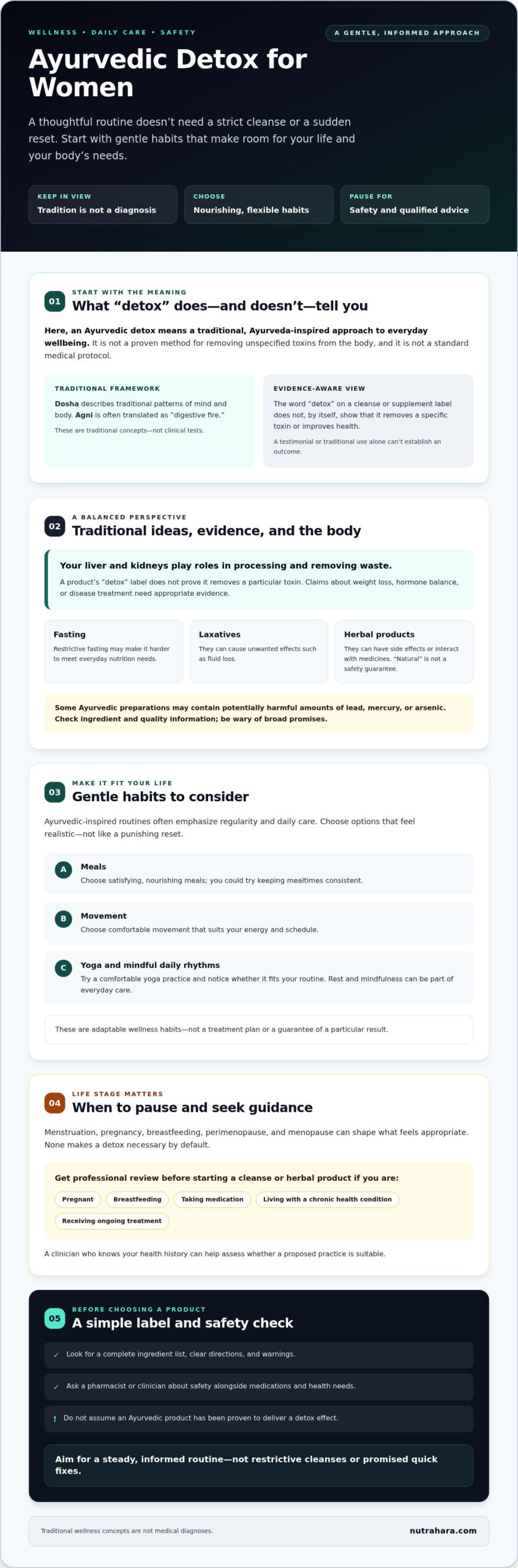
In this article, “ayurvedic detox for women” means a traditional, Ayurveda-inspired approach to everyday wellbeing, not a proven method for removing unspecified toxins from the body. Ayurveda is a diverse traditional system with concepts and practices that have developed over time. A general overview of Ayurveda can introduce its history and ideas, but traditional explanations aren’t the same as biomedical measurements or diagnoses.

How Ayurveda describes balance, digestion, and daily rhythms

Two familiar Ayurvedic concepts are dosha and agni. Doshas are traditional ways of describing patterns of mind and body; agni is often translated as digestive fire. Neither is a clinical test. Fatigue, bloating, or a change in appetite doesn’t prove that a dosha is “out of balance” or that toxins have accumulated.

Ayurvedic-inspired routines often emphasize regularity: satisfying meals, adequate rest, gentle movement, and mindful daily rhythms. You could try keeping mealtimes consistent or choosing a comfortable yoga practice, then notice whether it fits your energy and schedule. These are adaptable wellness habits, not a treatment plan or a guarantee of a particular result.

Detox claims: what the word does and does not establish

Your body has organs, including the liver and kidneys, that play roles in processing and removing waste. The word “detox” on a cleanse, routine, or supplement label doesn’t show by itself that the product removes a specific toxin or improves health. Claims about weight loss, hormone balance, or disease treatment need appropriate evidence; traditional use or one person’s experience alone can’t establish those outcomes.

This distinction matters for women at every life stage. Menstruation, pregnancy, breastfeeding, perimenopause, and menopause can shape what feels appropriate, but none makes a detox necessary by default. If you’re reviewing a specific product, use the DetoxifyLife product page to check its current details, not as proof of a detox effect.

Ayurvedic Detox for Women: Traditions, Evidence, and Safety

Ayurvedic tradition can offer a meaningful framework for thinking about daily habits, but tradition alone doesn’t make every cleanse, herb, or supplement safe for everyone. An ayurvedic detox for women isn’t a standard medical protocol: practices and products vary, and evidence for one approach can’t automatically be applied to another.

That distinction matters if a plan involves fasting, laxatives, or multiple herbal products. Restrictive fasting may make it harder to meet everyday nutrition needs, while laxatives can cause unwanted effects such as fluid loss. Herbal products can also have side effects or interact with medicines. “Natural” describes a source, not a guarantee of safety or effectiveness.

What research can and cannot tell you

Evidence needs to be considered practice by practice, rather than inferred from Ayurveda’s long history or from one person’s experience. A testimonial may describe what someone felt, but it can’t establish that a cleanse caused a change or that others are likely to have the same result. The National Center for Complementary and Integrative Health offers a balanced overview of scientific evidence on Ayurveda’s value, including safety considerations. It notes that some Ayurvedic preparations may contain potentially harmful amounts of lead, mercury, or arsenic. Check ingredient and quality information, and be wary of broad promises to remove toxins, balance hormones, or treat disease.

For a practical label check, look for a complete ingredient list, clear directions, and any warnings. Then ask a pharmacist or clinician whether the product may be appropriate alongside your medications or health needs. Don’t assume that a product described as Ayurvedic has been proven to deliver a detox effect. Nutrahara’s DetoxifyLife product details can be reviewed as product information, not as evidence of a medical outcome.

When women should seek professional guidance first

Pregnancy, breastfeeding, ongoing treatment, chronic health conditions, and medication use all merit professional review before starting a cleanse or herbal product. A clinician who knows your health history can help you assess whether a proposed practice is suitable. This is particularly relevant during life stages when nutritional needs or treatment plans may differ.

If a practice brings on concerning symptoms, stop and seek medical advice. Don’t use a detox routine to delay care, replace prescribed treatment, or change medication on your own. A steady approach should support your wellbeing, not require you to push through feeling unwell.

Which Gentle Ayurvedic Practices Fit Different Women’s Needs?

There isn’t one routine that suits every woman, and a life stage doesn’t point to a particular “detox” need. For an ayurvedic detox for women, focus instead on habits that feel practical and nourishing. Menstruation, pregnancy, breastfeeding, perimenopause, and menopause can all be reasons to adapt a routine or ask a healthcare professional before making changes, especially if you have symptoms, a health condition, or treatment needs.

Choose movement and mindfulness that feel sustainable

Yoga and meditation can support general wellbeing, but they aren’t detox treatments. Choose movement that matches your comfort and capacity, whether that’s a gentle yoga sequence, a walk, or your usual exercise with modifications. Pause or change the activity if it feels uncomfortable. If you’re pregnant, recovering from birth, or managing a health concern, ask a clinician what movement is appropriate for you.

Mindfulness doesn’t need to become another rule. Try a few quiet breaths before a meal or a brief meditation during a break. If it feels calming, keep it; if not, choose another way to rest.

Food, hydration, and rest without restrictive rules

Build meals around your day rather than fasting or following rigid food rules. If you exercise, plan a satisfying meal or snack that fits your schedule, and keep water accessible. Regular rest matters, too. These habits can support everyday wellbeing, but they don’t promise toxin removal or specific outcomes at different life stages.

Practice Low-pressure starting point When to check with a clinician
Yoga or gentle movement Choose a comfortable session and modify poses to suit how you feel. Pregnancy, postpartum recovery, pain, injury, or a condition affecting movement.
Meditation or breathing Take a quiet pause and notice your breathing without forcing it. If it causes distress or you’re seeking support for ongoing mental health concerns.
Meals and hydration Plan nourishing meals around work, exercise, and daily commitments. Pregnancy, breastfeeding, a medical condition, or a prescribed nutrition plan.
Rest and routine Make space for a consistent wind-down habit that feels realistic. Persistent sleep difficulties or symptoms that concern you.

Use the table as a starting point, not a checklist to complete. If you’re considering a supplement, review its ingredients with a qualified professional when your life stage, medications, or health history could affect what’s appropriate.

How to Build a Gentle Ayurvedic-Inspired Routine at Home

A routine should make everyday care feel more manageable, not become another test to pass. An ayurvedic detox for women can be approached as a flexible set of wellness habits, with no strict timeline or required cleanse. Choose one small practice that suits your schedule, see how it feels, and adjust as needed.

A simple daily framework to personalize

Start with parts of your day that already have a rhythm. You might plan regular, nourishing meals around work and exercise, keep water within reach, and make room for movement that feels comfortable. A short yoga sequence or walk can be adapted to your fitness, energy, and health circumstances. If you’re pregnant, breastfeeding, managing a condition, or following a care plan, check whether a change in activity or eating habits is appropriate for you.

For mindfulness, try a quiet pause before beginning your day or a few relaxed breaths between tasks. Meditation doesn’t need to be long or formal. If it doesn’t suit you, skip it or choose another calming moment. These practices are invitations, not steps in a prescribed detox program.

Track comfort without turning it into a cleanse

Brief personal notes can help you decide whether a habit fits. After trying a change, record how your energy, mood, sleep, and general comfort feel. Treat these as observations, not proof that a detox is working. A simple note such as “felt comfortable after my walk” is enough; there’s no need to score your body or look for dramatic changes.

  • Choose one manageable practice: For example, prepare a meal ahead of a busy day or set out a yoga mat where you’ll see it.
  • Make it easy to adapt: Shorten, modify, or skip a practice when your schedule, energy, or life stage calls for it.
  • Notice how it feels: If a habit causes discomfort or conflicts with advice from your care team, change or stop it and seek guidance as appropriate.

Habits such as nourishing meals, comfortable movement, mindfulness, and rest can support general wellbeing, but they don’t replace medical care. For more women’s wellness information, explore Nutrahara’s wellness information.

Ayurvedic Detox for Women: A Gentle, Safety-First Guide

Choosing Your Next Step: Keep the Wellness Journey Personal

A thoughtful next step doesn’t need to be dramatic. Before trying a cleanse or supplement, check whether the goal is realistic, the routine feels comfortable, and the claims match the available evidence. An ayurvedic detox for women should never require you to ignore your needs or push through discomfort.

  • Set a realistic goal: Choose an everyday habit you can maintain, rather than expecting a quick reset or a guaranteed health outcome.
  • Review the routine: Ask whether it fits your meals, movement, work, rest, and current stage of life.
  • Check safety: Consider your health history, medications, and any advice from your care team.
  • Keep expectations evidence-aware: Traditional use and personal experience can be meaningful, but they don’t prove a product will detox the body or treat a condition.

Questions to ask before trying a supplement or cleanse

Supplements are optional. If you’re considering one, read the full ingredient list, directions, and warnings, and be cautious of claims that sound too broad or certain. Consider how it fits your circumstances, not just its traditional framing. If you’re pregnant, breastfeeding, receiving treatment, managing a chronic condition, or taking medication, discuss it with a qualified healthcare professional before use. Don’t change prescribed care based on a product label or online claim.

A useful question is: “What evidence supports this specific product for the outcome I’m considering?” If the answer is unclear, take time to review the information rather than feeling pressured to decide. Nutrahara describes its approach as combining Ayurvedic principles with modern nutritional research, but that approach alone doesn’t establish that any supplement provides a detox effect.

A supportive next step with Nutrahara

If you want to assess a specific product, review the DetoxifyLife product details for the information currently provided, and consider it alongside your own needs and professional advice. Product information isn’t proof of a medical benefit. You can also explore Nutrahara’s women’s wellness resources as part of a broader, evidence-aware learning journey. There’s no need to rush; choose a next step that feels informed and appropriate for you.

Choose a Gentle Next Step for Your Wellbeing

An ayurvedic detox for women doesn’t need to mean a restrictive cleanse or a promise to remove toxins. Treat it as an opportunity to explore traditional wellness ideas thoughtfully, while keeping evidence, comfort, and your individual health needs in view. Nourishing meals, movement that feels right, yoga, meditation, and rest can be adaptable parts of everyday wellbeing, not substitutes for medical care.

Supplements are optional. Review ingredients and product information carefully, and seek qualified medical advice before trying something new if you’re pregnant, breastfeeding, taking medication, or managing a health condition. Your routine can change with your life stage. Start with a realistic goal, then keep only the habits that feel supportive.

Nutrahara brings Ayurvedic principles together with modern nutritional research and offers women’s health supplements and wellness e-books. Explore Nutrahara’s women’s wellness approach for more information as you consider your next step.

Frequently Asked Questions

What is an Ayurvedic detox for women?

An Ayurvedic detox for women usually refers to wellness practices inspired by Ayurveda, such as mindful routines, food choices, movement, and rest. The term alone doesn’t prove that a program removes toxins or treats a health condition. Practices vary, and some cleanses involve fasting, laxatives, or herbs. Consider your health circumstances before making changes, and ask a qualified healthcare professional about practices or products that may affect your care.

Is an Ayurvedic detox safe during pregnancy or breastfeeding?

Safety depends on the specific practice or product and your individual circumstances. Pregnancy and breastfeeding aren’t times to assume a cleanse or herbal supplement is harmless. Before starting a restrictive routine or supplement, discuss it with a qualified healthcare professional who understands your care. This general information can’t determine whether a particular product or practice is appropriate for you, so seek personalized guidance before making a change.

Can yoga and meditation support an Ayurvedic detox routine?

Yoga and meditation can be part of a wellbeing routine, but they aren’t methods proven to remove toxins. Choose movement that suits your fitness and health, and adapt or pause if it feels uncomfortable. A brief meditation or quiet breathing practice can offer a mindful pause in your day. If you’re pregnant, recovering from birth, or managing a health condition, ask a healthcare professional about suitable activity.

What should women eat during an Ayurvedic detox?

There isn’t one meal plan that suits every woman, and a “detox” label doesn’t show that restrictive eating is beneficial. Consider regular, nourishing meals that fit your needs and preferences rather than fasting or following severe food rules. If you’re pregnant or breastfeeding, have a medical condition, or are receiving treatment, consult a qualified healthcare professional before making substantial dietary changes. Your nutrition needs are personal.

Do Ayurvedic detox supplements remove toxins?

A supplement’s traditional framing or marketing doesn’t establish that it removes toxins or treats a health condition. Your body has organs, including the liver and kidneys, that play roles in processing waste. Review the product’s ingredients, directions, and warnings. If you take medication, have a health condition, are pregnant, or are breastfeeding, ask a qualified healthcare professional to review the product with you before use.

How long should an Ayurvedic detox last?

There’s no universally appropriate duration for an Ayurvedic detox, and a longer cleanse isn’t automatically safer or more effective. Avoid rigid schedules if you don’t understand what the routine involves. Before starting a program that includes fasting, laxatives, or supplements, seek professional guidance, especially if you have health concerns or take medication. Everyday habits that fit your needs don’t have to follow a timed detox plan.

What happens if I feel unwell during a detox?

Stop the practice that may be contributing and seek appropriate medical advice, especially if symptoms are severe, persistent, or concerning. Don’t assume discomfort means toxins are leaving your body. If you’ve used a supplement or laxative, tell the healthcare professional what you took and when. Seek urgent care for symptoms that feel serious or need immediate attention, rather than trying to continue the routine.

Can an Ayurvedic detox help with weight loss or hormone balance?

The word “detox” isn’t evidence that a routine causes lasting weight loss or balances hormones. Don’t rely on cleanse claims to address unexplained weight changes, menstrual concerns, or other symptoms. A qualified healthcare professional can assess your individual concerns and discuss appropriate options. Nourishing meals, comfortable movement, sleep, and stress care may support general wellbeing, but they don’t guarantee a specific medical outcome.

Article by

Nutrahara Team

We are a dedicated collective of nutrition scientists and naturopaths at Nutrahara, committed to advancing women's health through the fusion of ancient Ayurveda science and cutting-edge nutrition research. Our mission is to empower you with clean, simple, and scientifically validated wellness solutions so you can live your healthiest life. Connect with us to stay updated on the latest developments in holistic women's health and nature-based research.

Disclaimer

This article is not a substitute for medical advice. Please consult a healthcare professional before starting any supplement, especially if pregnant, nursing, taking medication, or managing health conditions.

Categories
Articles

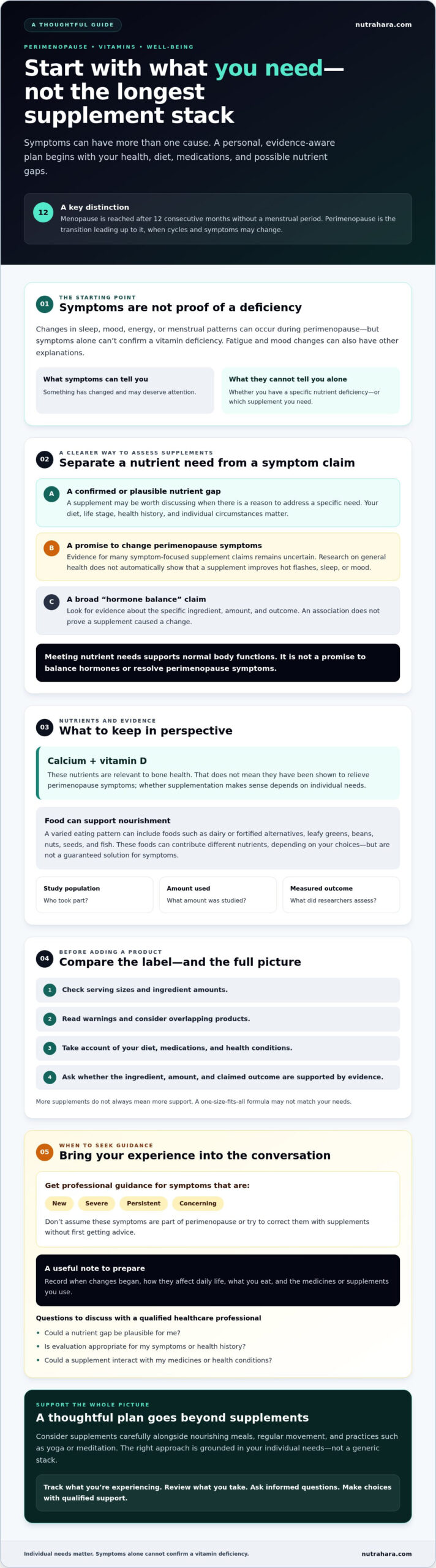
Perimenopause Vitamins: What to Know Before You Choose

What if the best perimenopause vitamins are the ones you actually need, not the longest supplement stack you can find? Changes in sleep, mood, energy, or menstrual patterns can make it tempting to try every vitamin linked to “hormone balance.” It’s understandable to want relief, but these symptoms can have other causes, and more supplements don’t always mean more support.

A thoughtful plan starts with your health, diet, medications, and any nutrient gaps, not a one-size-fits-all formula. In this guide, you’ll learn which nutrients may be worth discussing with a healthcare professional, how to weigh evidence and safety, and what to check before combining products. You’ll also find ways to support well-being beyond supplements, including nourishing meals, regular movement, and practices such as yoga or meditation. With clear information and useful questions, you can make choices that fit your needs.

Key Takeaways

  • Perimenopause symptoms can’t confirm a vitamin deficiency. Track what you’re experiencing and consider other possible causes.
  • Assess perimenopause vitamins by separating nutrients that may address a confirmed need from supplements with uncertain symptom claims.
  • Compare serving sizes, ingredient amounts, warnings, and overlapping products before adding a supplement to your routine.
  • Prepare questions about your diet, health conditions, and medications to discuss with a qualified healthcare professional.
  • Consider supplements thoughtfully alongside supportive habits such as regular movement, yoga, and meditation.

Perimenopause Vitamins: Start With Your Symptoms and Individual Needs

Perimenopause is the transition leading up to menopause, when menstrual cycles and symptoms may change. Menopause is reached after 12 consecutive months without a menstrual period. The timing and experience differ from woman to woman. You can read more about the stages in this overview of perimenopause.

Changes in sleep, mood, energy, or cycle patterns may occur during the transition, but symptoms alone can’t show whether you have a vitamin deficiency. Perimenopause vitamins may help fill a nutrient gap when there’s a reason to do so, but supplements don’t diagnose or treat perimenopause.

How changing needs differ from a confirmed deficiency

Your nutritional needs reflect your overall health, eating pattern, medications, and life stage. A possible shortfall is not the same as a confirmed deficiency. Fatigue, for example, can have several explanations, including disrupted sleep, stress, changes in health, or a nutrient deficiency. Mood changes can also have more than one cause.

A clinician can help decide whether your symptoms or health history warrant evaluation and what kind. There’s no single set of tests or supplements that suits every woman. Before starting a product, note what you eat, the supplements you already take, and the symptoms you want to address. That information gives you a clearer starting point for a personalized conversation.

When symptoms deserve professional attention

Seek professional guidance for symptoms that are new, severe, persistent, or concerning. Don’t assume they’re part of perimenopause or try to correct them with supplements without first getting advice. A qualified healthcare professional can consider hormonal changes alongside non-hormonal factors and help determine appropriate next steps.

Bring a brief symptom record to the conversation. Include when changes began, how they affect daily life, and any medicines or supplements you use. Ask whether a nutrient gap is plausible, whether evaluation is appropriate, and whether a supplement could interact with your medicines or health conditions. A steady approach grounded in your individual needs is more useful than choosing a product based on symptoms alone.

Which Perimenopause Vitamins Have Evidence: What Remains Uncertain?

There isn’t one vitamin proven to ease perimenopause for every woman. It helps to distinguish correcting a nutrient shortfall from taking a supplement in hopes of changing symptoms. Calcium and vitamin D are relevant to bone health, but that doesn’t mean they’ve been shown to relieve perimenopause symptoms. Whether supplementation makes sense depends on your diet, life stage, health history, and individual needs.

Meeting nutrient needs supports normal body functions. It isn’t a promise to balance hormones or resolve perimenopause symptoms.

How to read claims about vitamins and perimenopause symptoms

Look closely at what a study actually measured. Research on a nutrient’s role in general health doesn’t automatically show that a supplement improves hot flashes, sleep, mood, or other symptoms. Findings may also depend on who took part, the amount used, and the outcome researchers assessed. An association between nutrient intake and a health measure doesn’t prove the supplement caused a change.

Be cautious with broad claims that a vitamin “balances hormones.” Ask what evidence supports the specific ingredient, dose, and outcome, and whether the research applies to people like you. For many symptom-focused supplement claims, the evidence remains uncertain.

Food, labs, and supplements: different roles

A varied eating pattern can provide a foundation for nutrient intake. Foods such as dairy or fortified alternatives, leafy greens, beans, nuts, seeds, and fish can contribute different nutrients, depending on your choices. Food supports overall nourishment, but it isn’t a guaranteed solution for symptoms or a substitute for evaluation when something feels wrong.

Testing decisions depend on personal history and a clinician’s judgment. Rather than assume you need a particular test or supplement, ask whether your symptoms, diet, or health circumstances point to a specific concern. If you’re reviewing a B-vitamin product, use the vitamin B complex information as a label to examine, not as a recommendation. Check its listed ingredients and amounts, then discuss suitability with a qualified healthcare professional, especially if you take medication or other supplements.

How to Compare Perimenopause Supplements Without Buying a Generic Stack

A clear label helps you assess whether a product fits a specific need, but it can’t establish that a supplement will relieve perimenopause symptoms. Compare the product with your goals, current routine, and the evidence for its stated purpose. Use the table as a starting point for that review.

Intended nutrient Evidence relevance Label information to check Question for your clinician
Calcium or vitamin D Relevant to bone health and nutrient adequacy. Don’t assume this means relief from perimenopause symptoms. Amount per serving, serving directions, and amounts also present in other products. Does my diet or health history suggest a need for more of either nutrient?
Another listed vitamin or mineral Check whether evidence relates to a confirmed shortfall, general health, or a specific symptom claim. Full ingredient list, amount of each ingredient, warnings, and suggested use. Is this ingredient relevant to my situation, and is it suitable with my medicines or health conditions?

A practical supplement-label checklist

Before choosing among perimenopause vitamins, compare the complete ingredient list and amounts with everything else you take, including multivitamins and fortified products. Check the serving size, directions, cautions, and manufacturer contact information. A “natural” description alone doesn’t prove a product is safe or effective, and a product name doesn’t confirm what’s inside. Verify the actual label rather than inferring ingredients or benefits.

Be wary of claims that a supplement replaces individualized medical advice or guarantees hormone balance. Bring the label, or a clear photo of it, to a healthcare professional. Ask about the product’s stated purpose, the evidence, and possible overlap with your existing routine.

When a targeted product may be more appropriate than a blend

If you have a specific concern or a nutrient gap has been identified, a focused discussion may be more useful than adding a broad stack. More ingredients can make it harder to spot duplication or assess what’s appropriate, particularly if you take medicines or have a health condition. Ask a qualified professional to review the full formulation and your personal circumstances before starting.

You can inspect Nutrahara’s women’s supplement option as a product page, not as a treatment recommendation. Review its current label and confirm any details that matter to your decision with a healthcare professional.

How to Make a Safe, Sustainable Perimenopause Wellness Plan

A supportive plan can begin with a few clear observations, then build through informed conversations and habits that feel realistic for you. Before adding a supplement, organize what you’re experiencing and what you already take.

  1. List your symptoms. Note when they occur and how they affect sleep, work, exercise, or daily life.
  2. Review your routine. Write down typical meals, medicines, vitamins, herbs, and other supplements. Bring product labels or photos to your appointment.
  3. Prepare questions. Ask whether symptoms warrant evaluation, whether a nutrient concern is plausible, and whether a supplement could interact with medicines or health conditions.

Questions to take to a healthcare professional

Share relevant health history and changes in your routine. Ask whether your symptoms could have another explanation, whether a nutrient shortfall is plausible, and whether a product is suitable alongside your medicines or health conditions. If a supplement is considered, ask how long to use it and when to reassess. Your notes and questions are a useful starting point, even if you don’t have a diagnosis or a product in mind.

Daily habits that support long-term well-being

Choose movement that suits your current fitness level and health, such as walking, cycling, strength exercises, or a class you enjoy. Gentle yoga can support mindful movement, while a short meditation or breathing practice can create a restorative pause. These practices can be part of well-being, but they aren’t treatments for perimenopause or substitutes for medical care. A steady wind-down routine may also help you make space for rest.

Track sleep, movement, and symptoms in a notebook or phone note if useful. Treat the record as a way to notice patterns and prepare for discussion, not as a diagnosis.

For informed exploration, review women’s health supplements and discuss any product’s suitability with a qualified healthcare professional.

Perimenopause Vitamins: What to Know Before You Choose

Choosing Perimenopause Vitamins With Nutrahara: A Thoughtful Next Step

Before choosing perimenopause vitamins, follow a simple sequence: identify a possible need, assess the evidence for addressing it, review safety with a qualified healthcare professional, and then compare product labels. If no clear need emerges, taking a supplement is optional. You might instead focus on food, movement, sleep, or further evaluation of symptoms.

Nutrahara is a women’s health supplements company whose stated approach combines Ayurvedic principles with modern nutritional research. That describes the brand’s philosophy, not proof that a specific product prevents or treats perimenopause symptoms. No perimenopause-specific formulation or outcome is confirmed here. Consider any product page as information to review, and verify the current label rather than assuming its ingredients or suitability.

What to look for in a wellness brand

Look for clear ingredient names and amounts, serving directions, cautions, and a way to contact the manufacturer. Assess the product’s individual health claims separately: a natural-sounding description or traditional philosophy doesn’t establish that a supplement is effective for a particular symptom or safe for every person. Ask what evidence supports the specific ingredient and intended use. If details you need aren’t available, seek clarification before deciding.

A calm, informed next step

If a product seems relevant to a need you’ve identified, compare its full label with your current supplements and medicines, then discuss it with a healthcare professional, especially if you have a health condition. Ask about possible interactions and whether the product fits your circumstances. A supplement isn’t a required part of every woman’s perimenopause routine, and choosing not to add one can be a considered decision.

For broader context on evaluating products and building a personal approach, explore the women’s wellness supplements guide as a related resource. When reviewing any supplement option, keep your needs, evidence, safety, and label details at the center of the decision. Explore Nutrahara’s women’s health supplements as options to assess, not as proven perimenopause remedies.

Make Your Next Choice With Confidence

Choosing perimenopause vitamins doesn’t have to mean following a trending stack or trying to solve every symptom with a supplement. Let your individual needs guide you: weigh the evidence, consider safety, and review product labels carefully. If symptoms are concerning or you’re unsure about a product, bring your questions to a qualified healthcare professional.

Supplements are one possible part of a broader wellness routine, not a requirement. Nourishing food, movement that suits your body, restorative sleep, and practices such as yoga or meditation can also support your well-being through changing life stages.

Nutrahara focuses on women’s health supplements and describes its approach as bringing Ayurvedic principles together with modern nutritional research. Explore its offerings as options to assess, not as proven perimenopause treatments. Explore Nutrahara’s women’s health supplements and take the time you need to choose what fits your personal health journey.

Frequently Asked Questions

What vitamins are best for perimenopause?

There isn’t one best vitamin for every woman in perimenopause. Calcium and vitamin D are commonly considered for bone health, while other nutrients may be relevant depending on your diet, health history, and individual circumstances. Start by identifying a specific concern rather than choosing a product based on a broad “menopause support” claim. A qualified healthcare professional can help you decide whether a nutrient is worth considering and whether food, evaluation, or a supplement may be appropriate.

Can vitamins help with perimenopause symptoms?

Vitamins may help address a nutrient shortfall, but that doesn’t establish that they relieve perimenopause symptoms. Research on a nutrient’s role in general health doesn’t necessarily show that taking it improves hot flashes, sleep, or mood. Check what a study measured and whether its findings apply to your situation. If symptoms affect daily life or seem unusual for you, discuss them with a healthcare professional rather than treating a supplement as a diagnostic tool.

Should I take a multivitamin during perimenopause?

Not automatically. Perimenopause doesn’t mean every woman needs a multivitamin, and a broad formula may include nutrients you already get from food or other products. Before choosing one, check the serving directions and amount of each ingredient, then compare the label with your existing routine. Consider your dietary pattern, health history, and medicines. A clinician or pharmacist can help you assess whether a multivitamin is useful for your circumstances or unnecessary.

Can perimenopause vitamins interact with medications?

Yes. Vitamins, minerals, and herbal supplements can interact with medicines or may not suit certain health conditions. Before starting a product, show a qualified healthcare professional or pharmacist its complete label and share your current medicines and supplements, including occasional-use products. Ask about interactions, how to take it safely if appropriate, and what changes to watch for. Don’t stop or adjust prescribed medication to make room for a supplement without guidance from the professional who manages your care.

How do I know whether I need a vitamin supplement?

Symptoms alone can’t confirm a vitamin deficiency. Consider your usual diet, health history, medicines, and any recent changes, then discuss specific concerns with a healthcare professional. They can use your circumstances to determine whether evaluation or testing is appropriate. Not everyone needs the same tests. Fatigue, for example, can have several possible causes. Keep a brief record of symptoms and relevant routine changes so you can explain what you’ve noticed without trying to diagnose yourself.

Are natural perimenopause supplements always safe?

No. “Natural” doesn’t guarantee that a product is safe, effective, or suitable for you. Ingredients can have cautions, interact with medicines, or be inappropriate in some health circumstances. Read the full label, including ingredient amounts, directions, and warnings, and be cautious of sweeping promises about hormone balance or symptom relief. If you’re pregnant, lactating, taking medication, or managing a health condition, seek advice from a qualified healthcare professional before using a supplement.

Can yoga and meditation support well-being during perimenopause?

Yoga and meditation can be supportive parts of a wellness routine, though they aren’t treatments for perimenopause. Choose a level of movement that feels manageable and appropriate for your health, such as gentle yoga, walking, or strength activity. A brief meditation or breathing practice can offer a quiet pause in a busy day. Notice how these habits fit alongside sleep and daily activity, and discuss persistent or concerning symptoms with a healthcare professional.

Article by

Nutrahara Team

We are a dedicated collective of nutrition scientists and naturopaths at Nutrahara, committed to advancing women's health through the fusion of ancient Ayurveda science and cutting-edge nutrition research. Our mission is to empower you with clean, simple, and scientifically validated wellness solutions so you can live your healthiest life. Connect with us to stay updated on the latest developments in holistic women's health and nature-based research.

Disclaimer

This article is not a substitute for medical advice. Please consult a healthcare professional before starting any supplement, especially if pregnant, nursing, taking medication, or managing health conditions.
Categories
Articles

Verisol Collagen: The Science-Backed Guide to Radiant Skin and Vitality (2026)

Did you know that women can lose up to 30% of their skin’s collagen in just the first five years of menopause? If you have noticed lingering dryness, subtle fine lines, or joint stiffness slowing your morning yoga flow, you aren’t imagining things. Shelves are crowded with generic powders that promise radiant renewal, yet they often fail to deliver genuine cellular change. This is where patented verisol collagen shifts the narrative, offering targeted bioactive signaling rather than generic bulk protein.

You deserve an empowering approach that honors your body through every shifting season of womanhood. In this guide, you will discover how bioactive Verisol peptides stimulate your cells to restore skin elasticity, strengthen brittle nails, and nurture connective tissues naturally. We’ll examine the published clinical research behind the verified 2.5-gram daily dose, unpack its biological mechanisms, and share simple tips to weave this restorative ritual into your daily wellness routine.

Key Takeaways

  • Understand why low-molecular-weight verisol collagen acts as a targeted cellular messenger, outperforming generic protein scoops in skin elasticity and nail strength.
  • Discover the science behind the precise 2.5-gram daily clinical standard shown to soften wrinkle depth and re-energize your dermal fibroblasts naturally.
  • Learn how hormonal shifts across postpartum recovery, perimenopause, and menopause influence your structural matrix, and how bioactive peptides provide restorative support.
  • Unlock mindful daily rituals, including restorative yoga flows and circulation practices, that enhance nutrient delivery directly to your connective tissues.
  • Master the essential purity checklist to choose clean, transparent formulations that exclude artificial fillers, synthetic additives, and gut irritants.

What Is Verisol Collagen and How Does It Actually Work?

To appreciate how targeted supplementation revitalizes your skin, understanding what is collagen at a foundational level is helpful. In its natural form, collagen is a dense, rope-like structural protein that anchors your connective tissues, joints, and skin. Patented verisol collagen differs significantly from raw protein sources. It consists of specialized bioactive peptides derived from Type I and Type III collagen, optimized specifically for nutricosmetic benefits.

Through a precise enzymatic hydrolysis process, heavy protein strands are broken down into short-chain oligopeptides averaging approximately 2.0 kilodaltons in molecular weight. This exact size is vital. Because of their unique molecular fingerprint, these bioactive peptides resist complete gastrointestinal degradation. They pass through the intestinal mucosal barrier and enter the bloodstream intact, traveling directly to target tissues to prompt self-repair.

Bioactive Peptides vs. Generic Hydrolyzed Collagen

Most common collagen powders rely on generic 10-gram to 20-gram scoops. Your digestive tract treats these large, random protein fragments like ordinary food, breaking them into individual amino acids that get dispersed throughout the body without a targeted destination. Bioactive peptides function with purposeful precision:

  • Targeted cellular messaging: Rather than serving as passive structural building blocks, these short chains act as biological signals that directly bind to dermal receptors.
  • Clinically tested low dosage: Human clinical trials validate that a focused 2.5-gram daily serving delivers measurable structural changes in the skin matrix.
  • Enhanced bioavailability: The uniform 2.0 kilodalton size bypasses standard digestive bottlenecks, allowing rapid absorption and direct transport to peripheral tissues.

As scientific research into short-chain amino signaling expands, stringent quality control and laboratory testing remain essential across peptide science. For those interested in how specialized research and purity benchmarks guide modern peptide formulation, you can learn more about Biomod Peptides.

The Fibroblast Trigger: Inside Dermal Skin Remodeling

Once inside the dermis, bioactive peptides attach to specific surface receptors on fibroblasts, the architect cells responsible for your connective tissue. When these fragments bind, your fibroblasts interpret their presence as natural collagen degradation, triggering a robust, natural defense response. Your body begins actively rebuilding its extracellular matrix.

This cellular trigger stimulates the synthesis of procollagen type I, while simultaneously ramping up the production of hyaluronic acid and elastin fibers. This triple-action renewal restores natural dermal cushion, moisture retention, and skin bounce from within. Pairing daily movement with a clean pure collagen supplement supports this organic renewal process, helping you maintain vibrant physical grace and vitality through every chapter of life.

Verisol Collagen vs. Regular Collagen: A Direct Clinical Comparison

For years, the supplement industry promoted the idea that bigger scoops yield faster rejuvenation. In truth, your body responds to molecular precision rather than bulk volume. Generic hydrolyzed collagen floods the digestive tract with random amino chains that disperse without direction. In contrast, verisol collagen delivers exact, targeted peptide sequences that speak directly to your dermal layer.

What the Human Clinical Trials Reveal

Rigorous, double-blind clinical trials validate this refined approach. In benchmark studies led by Dr. Proksch, women aged 35 to 65 taking 2.5 grams daily demonstrated statistically significant increases in skin elasticity after just four to eight weeks. Participants achieved an average elasticity increase of 7% to 10%, with some women experiencing improvements up to 51%. Eye wrinkle volume dropped by over 20% in eight weeks, while skin surface waviness from cellulite visibly decreased due to improved dermal matrix density.

The benefits extend to keratinized structures as well. Clinical testing shows a 42% decrease in cracked or chipped fingernails alongside accelerated growth rates. Elena, 48, a dedicated yoga instructor, experienced this transition personally:

“I used to choke down massive 20-gram scoops that left me bloated during morning practice. Switching to targeted verisol collagen restored the bounce in my skin and stopped my nails from splitting within two months, completely free of digestive heaviness.”

Evaluating Dosage: Why 2.5 Grams Beats 20 Grams

The belief that twenty grams of collagen performs eight times better than 2.5 grams is a misconception. Because generic collagen breaks down haphazardly, brands inflate scoop sizes hoping some peptides survive. Verisol operates on metabolic efficiency. The exact 2.5-gram serving acts as a biological key, triggering cellular synthesis without overburdening your liver or digestive tract.

  • Digestive comfort: A light 2.5-gram serving dissolves cleanly into warm water or morning tea without feeling heavy before movement.
  • Predictable biological uptake: Every milligram serves as an intact messenger rather than surplus caloric fuel.
  • Sustainable daily ritual: Smaller servings make long-term consistency effortless.

Honoring your natural progression means working with your body’s intelligence. Integrating a clean, supportive bioactive collagen supplement into your morning routine provides the exact clinical nourishment your cells need to thrive.

How Women’s Life Stages Impact Natural Collagen Synthesis

Your body’s connective tissue network responds continually to internal hormonal rhythms. While topical creams treat the outermost epidermis, genuine structural resilience depends on endocrine balance. Estrogen acts as a primary catalyst for fibroblast activity, telling your skin cells to produce dense collagen and moisture-trapping molecules. When hormone levels fluctuate through different reproductive stages, natural matrix renewal shifts noticeably.

Rachel, 52, felt this abrupt transition firsthand during perimenopause:

“Within six months, my skin lost its natural cushion and my knees ached every time I dropped into warrior pose. Learning that declining estrogen was breaking down my collagen matrix helped me stop blaming myself. Adding targeted verisol collagen restored that lost bounce and let me move through my daily flows with complete ease.”

The Estrogen Connection: Perimenopause and Beyond

During perimenopause and menopause, dwindling estrogen removes vital stimulation from dermal fibroblasts. In fact, women can lose up to 30% of their skin’s collagen during the first five years of menopause alone. Meanwhile, collagen loss during perimenopause often progresses five times faster than in previous years. Combined with cumulative sun exposure and everyday oxidative stress, this decline leads to thinner skin, compromised skin barriers, and diminished pelvic floor tone.

Targeted peptides supply direct signals that bypass sluggish hormonal pathways. Re-engaging fibroblasts through consistent bioactive signaling helps preserve dermal thickness and joint suppleness. Exploring The Ultimate Guide to Women’s Wellness Supplements provides broader nutritional frameworks to support your endocrine health alongside targeted peptides.

Postpartum Recovery and Connective Tissue Healing

Bringing new life into the world places tremendous physical demands on your body’s structural scaffolding. Postpartum recovery requires significant tissue rebuilding across abdominal fascia, uterine muscles, and stretched pelvic ligaments. Simultaneously, sharp drops in progesterone and estrogen often trigger sudden telogen effluvium, leaving hair fragile and skin dry.

  • Fascial restoration: Bioactive peptides offer concentrated structural support to gently repair stretched abdominal connective tissues.
  • Follicle nourishment: Verisol collagen supports microcirculation and amino delivery to hair roots, assisting natural regrowth phases.
  • Mindful replenishment: Pair gentle nutrition with restorative breathing rather than rushing into strenuous workouts.

Meeting your changing body with patience and targeted internal nourishment builds an enduring foundation for lifelong strength.

Verisol Collagen: The Science-Backed Guide to Radiant Skin and Vitality (2026)

Maximizing Results: Exercise, Yoga, and Holistic Lifestyle Synergy

Targeted nutrition is only the first step toward lasting tissue resilience. When you consume verisol collagen, physical movement acts as a natural vascular pump, delivering oxygen and circulating peptides directly to peripheral tissues where fibroblasts await activation. Combining cellular supplementation with mindful lifestyle habits creates powerful internal synergy.

Mindful Movement: Yoga and Strength Training for Fascial Health

Weight-bearing exercise sends mechanical signals through bone and tendon networks, prompting osteoblasts and fibroblasts to reinforce structural density. Complementing strength sessions with gentle yin yoga enhances this structural repair. Holding restorative poses such as Sphinx, Pigeon, or Supported Bridge gently stresses fascial tension lines, encouraging fresh synovial fluid exchange through previously stiff joints.

Try consuming your peptides thirty minutes before unrolling your yoga mat. As your heart rate gently elevates, enhanced blood flow distributes amino acids directly to warmed, receptive connective tissues.

Ayurvedic Wisdom and Modern Nutritional Synergy

In traditional Ayurvedic philosophy, rejuvenation rests on Rasayana, the art of nourishing bodily tissues from the deepest layers outward. Modern science confirms that chronic mental stress elevates cortisol, an inflammatory hormone that degrades delicate connective tissues and stalls matrix repair.

Protecting your structural matrix requires a calm nervous system. Pairing your morning ritual with balancing adaptogens like Ashwagandha with Black Pepper helps modulate adrenal response and curb stress-induced collagen breakdown. Practicing ten minutes of mindful alternate nostril breathing (Nadi Shodhana) further soothes the nervous system, shielding newly synthesized fibers from oxidative strain.

Daily Rituals for Long-Term Glowing Longevity

Consistency transforms simple habits into lifelong vitality. To maximize the absorption of your verisol collagen, consider these intentional daily practices:

  • Pair with whole-food co-factors: Combine your peptides with vitamin C from fresh citrus, amla, or berries to aid natural procollagen enzymatic conversion.
  • Deepen cellular hydration: Sip mineral-rich water throughout the day. Dermal hyaluronic acid needs abundant water molecules to plump extracellular space.
  • Practice evening reflection: End your day with five minutes of reflective journaling to release cognitive tension, supporting deep restorative sleep.

Ready to elevate your daily self-care ritual? Explore Nutrahara’s Premium Collagen Complex and nourish your natural vitality from the inside out.

How to Choose the Purest Verisol Collagen Supplement

Selecting the right supplement requires looking past decorative jars and bold marketing promises. Because the nutricosmetics space is vast, many generic powders cut costs with flow agents, artificial flavorings, and unverified raw sources. Finding a formula that truly honors your wellness journey means insisting on total ingredient transparency. To learn more about identifying effective options and evaluating ingredients, visit Labo Mariva.

Genuine verisol collagen should always be explicitly named on the supplement facts panel, confirming you are receiving patented Bioactive Collagen Peptides rather than generic gelatin remnants. Look for formulas tested for heavy metals, microbial contaminants, and allergen cross-contamination to ensure complete safety for daily use.

Purity Standards: Avoiding Hidden Fillers and Chemical Binders

Low-grade processing often relies on chemical excipients such as magnesium stearate, silicon dioxide, and artificial sweeteners like sucralose or acesulfame potassium. These synthetic additives can disrupt delicate gut microbiomes, triggering digestive inflammation that undermines healthy skin synthesis. When reading labels, prioritize clean criteria:

  • Zero synthetic binders: Look for pure powders or clean vegetable capsules free of artificial anti-caking compounds.
  • Clean extraction: Ensure your peptides are derived without harsh chemical solvents or synthetic bleaches.
  • Botanical harmony: Choose formulations that blend targeted peptides with holistic Ayurvedic herbs to nourish whole-body balance simultaneously.

Finding Your Sustainable Daily Wellness Routine

Real physiological remodeling takes patience. Collagen fibrils require sustained metabolic signaling over eight to twelve weeks to rebuild dermal density and joint flexibility. Choose a form that integrates effortlessly into your morning or evening quiet time so you never miss a day.

Every mindful choice you make is an act of self-honor. Feeding your connective matrix with clinically validated peptides restores your natural bounce and reinforces inner strength. For an intentionally crafted, filler-free formula designed around clinical efficacy, you can discover dedicated clean formulations with Nutrahara’s Premium Collagen Complex for daily renewal.

Embrace Your Natural Bounce and Lifelong Vitality

Nurturing your connective tissues is a profound act of self-care through every hormonal transition. By choosing clinically proven verisol collagen, you supply your skin, joints, and nails with targeted cellular signaling rather than empty filler. Paired with restorative yoga, mindful breathwork, and daily hydration, this intentional habit helps you move through each day with renewed confidence and ease.

True longevity honors both time-tested tradition and modern validation. Nutrahara crafts synergistic formulations combining ancient Ayurvedic wisdom with clinically researched nutrients. Every blend is third-party tested for absolute purity, non-GMO status, and freedom from artificial additives, ensuring gentle nourishment that integrates smoothly into your morning quiet time.

You possess the innate ability to support your body’s natural resilience from within. Take the next empowering step in your wellness progression and Explore Nutrahara’s Clean Supplements for Women today.

Frequently Asked Questions

Can Verisol collagen help reduce visible cellulite and fine lines?

Yes, clinical trials demonstrate that verisol collagen targets both surface lines and dermal waviness. Bioactive peptides stimulate fibroblasts to restore connective tissue density. In double-blind studies, women taking Verisol showed a marked reduction in eye wrinkle depth within eight weeks, alongside notable decreases in skin dimpling and cellulite score. This matrix restoration smooths dermal architecture naturally from within.

How much Verisol collagen should I take each day for optimal results?

The clinically validated daily dosage is exactly 2.5 grams. Unlike generic powders requiring ten to twenty grams, Verisol’s specific peptide fingerprint acts as an efficient cellular signal at this concentrated amount. Research confirms that exceeding 2.5 grams does not speed up or enhance tissue repair. Taking this exact serving once daily with water, herbal tea, or your morning smoothie provides optimal stimulation.

Is Verisol collagen safe to take while pregnant, lactating, or perimenopausal?

Verisol holds FDA Generally Recognized as Safe status and offers gentle support across every stage of womanhood. Its targeted peptides help replenish depleted collagen during perimenopause and support physical tissue recovery after childbirth. Because nutritional needs vary significantly during pregnancy and nursing, consulting your personal healthcare provider before introducing any new supplement into your wellness ritual is always a grounded, empowering choice.

What happens if I stop taking Verisol collagen after seeing results?

Your skin and connective tissues will gradually return to their natural baseline rate of aging if you discontinue supplementation. Bioactive peptides signal fibroblasts to accelerate procollagen production. When you remove this stimulus, your cells slowly downshift to their previous metabolic rate over several weeks. The new tissue synthesized during supplementation remains, but sustained daily intake preserves enhanced elasticity and hydration long term.

Can I get the same benefits from drinking traditional homemade bone broth?

Traditional bone broth is deeply nourishing, but it cannot deliver the targeted cellular signaling of bioactive peptides. Bone broth contains large, varied gelatin proteins that digestive enzymes break into random amino acids for general bodily maintenance. Verisol collagen undergoes specialized enzymatic hydrolysis to yield specific 2.0-kilodalton peptides that survive gut breakdown to bind directly to skin fibroblasts. Both can complement a holistic diet nicely.

How long does it take to notice visible improvements in hair and nails?

Most women observe noticeable improvements in fingernail strength and hair texture within eight to twelve weeks of consistent daily use. Clinical evaluations document a 42% reduction in chipped nails and faster growth rates around the three-month mark. Because hair and nail beds grow progressively from internal matrices, allowing at least sixty days of unbroken supplementation lets the newly stimulated keratin structures emerge visibly.

Is Verisol collagen compatible with a daily yoga and fitness lifestyle?

It complements active lifestyles exceptionally well by nurturing the connective fascia and joints essential for fluid movement. Because a 2.5-gram serving is light and easily absorbed, it won’t cause the bloating or stomach heaviness common with bulky protein powders. Enjoying your peptides shortly before morning asana practice allows elevated circulation to deliver amino messengers directly to working joints and active muscle tissues.

Article by

Nutrahara Team

We are a dedicated collective of nutrition scientists and naturopaths at Nutrahara, committed to advancing women's health through the fusion of ancient Ayurveda science and cutting-edge nutrition research. Our mission is to empower you with clean, simple, and scientifically validated wellness solutions so you can live your healthiest life. Connect with us to stay updated on the latest developments in holistic women's health and nature-based research.

Disclaimer

This article is not a substitute for medical advice. Please consult a healthcare professional before starting any supplement, especially if pregnant, nursing, taking medication, or managing health conditions.

Categories
Articles

Natural Joint Support for Women: Mobility and Vitality

Did you know that 60% of people living with osteoarthritis are women, and over 21% of women in the United States currently manage the daily reality of arthritis? It’s deeply frustrating when the morning yoga flow you once found effortless is now met with lingering stiffness or a quiet fear that your mobility is fading. You’ve likely felt the confusion of choosing supplements that actually work while sensing that your body’s needs are shifting alongside your hormones. Finding effective natural joint support for women shouldn’t feel like a guessing game when your vitality is on the line.

We believe your health is a long-term progression that deserves a nurturing, science-backed approach. You’re about to discover how to reclaim your fluid movement by combining ancient Ayurvedic wisdom with the latest nutritional research. We’ll explore the vital link between estrogen and joint lubrication, provide actionable tips for your fitness routine, and show you how to maintain an active lifestyle through comprehensive solutions like the Joints & Knees Kit. It’s time to move with the confidence and grace you’ve always known.

Key Takeaways

  • Understand the vital role estrogen plays in protecting your joints and how hormonal changes during perimenopause affect your daily comfort.
  • Discover how the fusion of Ayurvedic wisdom and modern science creates a more effective path for natural joint support for women.
  • Learn why incorporating yoga and mindful movement is essential for maintaining synovial fluid and protecting your bone density as you age.
  • Gain actionable insights on timing your supplement ritual to ensure maximum absorption and long-term health progression.
  • Explore the benefits of a bundled approach to wellness, focusing on purity and the synergy of clinically validated ingredients.

Understanding the Unique Landscape of Women’s Joint Health

Women’s bodies operate on a complex hormonal rhythm that directly impacts physical structural health. It’s a biological reality that 60% of people with osteoarthritis are women. Many women in their 30s and 40s make the mistake of waiting for chronic pain before taking action. Gaining a deeper sense of Understanding Arthritis helps you see that joint health isn’t just about age; it’s about biology. Reframing your care as proactive longevity rather than reactive repair is an act of self-empowerment that protects your future mobility.

The Estrogen Connection: Why Hormones Matter for Mobility

Estrogen acts as a biological shield for your joints. It regulates synovial fluid production and maintains cartilage integrity. When levels fluctuate during life stages like postpartum or perimenopause, your joints may lose their natural lubrication. This hormonal shift often leads to increased inflammation and a feeling of “dryness” in the knees or hips. Understanding this connection allows you to approach natural joint support for women as a vital part of your hormonal health journey.

Identifying Early Signs of Joint Wear

Your body speaks in whispers before it shouts. Morning stiffness that lingers or a new “clicking” sound during yoga are early indicators of joint stress. Unlike muscle soreness, which peaks and fades within 48 hours, joint discomfort feels deep and persistent. Identifying these signs early helps you distinguish between temporary fatigue and the need for proactive structural support. Use the following checklist to assess your current joint health:

  • Stiffness: Do your joints feel “locked” for more than ten minutes after waking?
  • Range of Motion: Have you noticed a decrease in flexibility during familiar yoga poses?
  • Audible Cues: Do you hear frequent popping or grinding sounds in your knees or ankles?
  • Sensory Changes: Is there localized warmth or swelling after moderate exercise?

Listen to these subtle shifts. If you find your range of motion decreasing in a favorite meditation pose or feel deep warmth in your knees after a walk, it’s time to act. Implementing a strategy for natural joint support for women early can prevent the “wear and tear” narrative from becoming your reality. You deserve to move with grace and strength through every stage of life.

The Power of Fusion: Ayurvedic Wisdom Meets Modern Nutrients

The Nutrahara philosophy centers on the belief that ancient Ayurvedic science provides the vital missing link to modern nutrition. While contemporary research often focuses on isolated compounds, traditional wisdom understands how botanical synergies work within the body’s natural rhythms. This holistic approach is essential when seeking effective natural joint support for women, as it addresses both immediate inflammation and long-term structural integrity. By bridging these two worlds, we create formulas that respect your body’s innate intelligence while providing the clinical validation you expect.

Botanical Heroes: Turmeric and Boswellia

Curcumin, the active compound in Turmeric, remains the gold standard for natural inflammation management. It works at a molecular level to block multiple inflammatory pathways. However, the true secret to Curcumin lies in its bioavailability. Your body needs help absorbing these potent molecules. Just as we utilize black pepper in our Ashwagandha with Black Pepper to enhance nutrient uptake, our joint formulations prioritize how your body actually uses these botanicals. Boswellia Serrata, often called Indian Frankincense, complements this by specifically targeting the 5-LOX enzyme. By inhibiting this enzyme, Boswellia helps preserve cartilage and provides a faster sense of relief during your daily movements.

Structural Support: Collagen and Glucosamine

Maintaining your mobility requires more than just managing discomfort; it requires rebuilding the foundation. Type II Collagen acts as the essential “glue” for female joint integrity, providing the tensile strength your cartilage needs to stay resilient. We focus on natural sourcing and purity in our Premium Collagen Complex, ensuring you receive clean ingredients without the burden of artificial fillers. Glucosamine works alongside these proteins to support the repair of connective tissues that may have thinned over time.

It’s helpful to remember that health is a long-term progression. Rebuilding structural tissue doesn’t happen overnight. It typically takes a dedicated 90-day ritual for these nutrients to fully integrate into your system. As noted in an Arthritis overview from Johns Hopkins, understanding the mechanics of joint wear is the first step toward effective management. If you’re ready to commit to your long-term vitality, beginning a daily ritual with a targeted collagen formula is a gentle and powerful way to support your body’s natural repair processes.

Beyond the Bottle: Holistic Lifestyle Strategies for Longevity

While high-quality supplements provide the essential raw materials for repair, your daily habits determine how effectively your body utilizes those nutrients. Think of your joints like a well-crafted machine; even the best fuel requires regular movement to keep the internal parts gliding smoothly. This “motion is lotion” concept refers to the production of synovial fluid, the natural lubricant that protects your knees and hips from friction. For those seeking comprehensive natural joint support for women, integrating mindful movement is just as vital as the capsules in your morning ritual.

Yoga and Low-Impact Movement: Maintaining Fluidity

Maintaining this fluidity also extends to your environment; for instance, incorporating an electric standing desk Hong Kong into your workspace is a proactive way to keep your body in motion throughout the day and reduce the pressure on your lower joints.

Beyond your workspace, the quality of your rest is equally critical for joint recovery, as a supportive sleep surface helps reduce morning stiffness; for those seeking ergonomic solutions, you can discover Revotica Matrac és Bútorgyár for custom-sized mattresses tailored to your physical needs.

Yoga is a cornerstone of joint longevity, especially for women over 40 who are navigating hormonal shifts. Specific poses like Cat-Cow gently mobilize the spine and encourage fluid flow, while the Butterfly pose opens the hips without placing undue stress on the ligaments. To protect your structural integrity, always use props like blocks or bolsters to bring the floor to you. This allows you to build strength without overextending. A simple 10-minute morning routine can “grease the wheels” of your joints for the day ahead:

  • Cat-Cow: 5 slow rounds to wake up the spine.
  • Seated Butterfly: 1-2 minutes with a tall spine to open the pelvic region.
  • Gentle Circles: Rotate your wrists and ankles 10 times in each direction.

The Anti-Inflammatory Kitchen

Your diet acts as a powerful lever for systemic inflammation. A “Joint-Friendly” plate should be rich in Omega-3 fatty acids and vibrant antioxidants, which help douse the flames of discomfort at a cellular level. Focus on walnuts, flaxseeds, and deep-colored berries. Conversely, refined sugars and processed oils are known triggers for joint flares. Reducing these can significantly lower the inflammatory load on your body.

Consider the story of Sarah, a 52-year-old hiker who found her favorite trails becoming inaccessible due to persistent knee stiffness. By shifting to a plant-forward diet and incorporating FemmePower into her daily routine, she regained the mobility needed to summit her local peaks again last autumn. Her journey highlights that health is a personal, ongoing progression. Don’t forget the simplest habit of all: hydration. Since cartilage is approximately 80% water, staying hydrated ensures your joints maintain their natural cushioning and shock-absorption capabilities.

Crafting Your Natural Support Ritual: Practical Implementation

Building a daily ritual is the bridge between your wellness goals and tangible physical results. While understanding the science of natural joint support for women is the first step, consistent application is what transforms your mobility over time. We view health as a personal, ongoing journey rather than a destination. This means creating a routine that feels like a nurturing act of self-care rather than another chore on your to-do list. When you treat your body with this level of respect, you’ll find that your physical progression feels more natural and sustainable.

Consistency and Timing

Timing your intake can significantly influence how well your body absorbs these potent botanicals. Many of the ingredients we’ve discussed, such as Turmeric and Boswellia, are fat-soluble. This means they require a healthy fat source to cross the intestinal barrier effectively. Try taking your supplements alongside a breakfast that includes avocado, nuts, or a dash of olive oil. We recommend following the 30-day rule: give your body a full month of consistent use to begin noticing the subtle shifts in your morning flexibility. It’s about cumulative benefits, not instant fixes.

To make this habit stick, try the habit-stacking method. Pair your joint support ritual with an existing morning behavior, such as your daily meditation or your first glass of water. You can also stack your structural support with general wellness boosters like our Vitamin B Complex. This combination supports both your physical movement and the metabolic energy required for tissue repair. Small, intentional choices made daily lead to a lifetime of fluid movement and vitality.

Mind-Body Link in Pain Management

Your nervous system plays a silent but powerful role in how you experience joint discomfort. Chronic stress triggers the release of pro-inflammatory markers called cytokines. These proteins can heighten sensitivity and exacerbate the feeling of stiffness in your knees and hands. Meditation isn’t just for mental clarity; it’s a physiological tool to lower your inflammatory load. By calming your nervous system, you effectively turn down the volume on pain signals and improve your overall quality of life.

Try a simple body-scan meditation for five minutes each evening. Focus your breath into areas where you feel tension, such as your knees or lower back. This practice fosters a deeper connection with your body and reinforces the idea that healing is a long-term progression. When you support your joints through both nutrition and mindfulness, you create a resilient foundation for longevity. If you’re ready to start your journey toward effortless movement, explore our comprehensive joint health solutions today.

Natural Joint Support for Women: Mobility and Vitality

Empowering Your Journey with Nutrahara’s Natural Solutions

Choosing the right path for natural joint support for women can often feel overwhelming amidst a sea of generic options. Many brands offer isolated ingredients that ignore the complex, rhythmic nature of the female body. At Nutrahara, we believe your health isn’t a quick fix but a personal, ongoing journey toward lasting vitality. By choosing a system designed for your specific structural and hormonal needs, you’re investing in a future of fluid movement and renewed self-confidence. We’re here to act as your wise guide, providing the tools you need to move through every life stage with grace and strength.

The Joints & Knees Kit: A Comprehensive System

Our flagship Joints & Knees Kit offers a bundled approach that addresses both immediate comfort and long-term structural repair. While individual supplements often focus on a single symptom, this system creates a powerful synergy between mobility and flexibility. You’ll also receive our exclusive educational e-books. These resources act as a supportive partner in your wellness journey, offering practical guidance on yoga, meditation, and anti-inflammatory nutrition. The Joints & Knees Kit represents the ultimate fusion of Ayurvedic wisdom and modern clinical research.

Why Ancient Wisdom and Modern Science Win

The Nutrahara signature is built on centuries of traditional health philosophies, now validated by today’s most rigorous laboratory standards. We take immense pride in our promise of purity, providing clean formulas that are entirely free from artificial fillers or hidden additives. If you’re looking for targeted relief, you might choose an individual support option like FemmePower to manage daily inflammation. However, for women seeking a complete structural foundation, the kit provides a more holistic system for long-term health progression.

Your health is a journey of progression, and you’re worthy of the highest quality support. Stepping into your most confident, mobile self starts with a single, intentional choice to prioritize your structural integrity. Whether you’re deepening your yoga practice or simply enjoying a walk in nature, we’re dedicated to supporting your vitality with transparency and care. You don’t have to settle for lingering stiffness when a science-backed, natural path is within reach. Embrace the movement you love and protect your joints for the years to come.

Shop the Joints & Knees Kit to start your mobility journey today.

Step Into a Future of Fluid Movement

You now understand that your mobility is deeply connected to your hormonal lifecycle and the structural integrity of your joints. By merging the wisdom of Ayurveda with modern clinical research, you can move beyond simply managing stiffness to proactively protecting your vitality. True health is a long-term progression that rewards consistency. Whether you’re deepening your yoga practice or navigating the shifts of perimenopause, effective natural joint support for women provides the foundation you need to stay active and confident.

Our formulas prioritize clean ingredients and botanical synergy, ensuring your body receives only what it needs to thrive without artificial additives. You don’t have to let physical discomfort dictate your lifestyle or dampen your spirit. It’s time to honor your body’s resilience with a ritual that respects its unique biology and supports your personal health progression. Reclaim your mobility with the Nutrahara Joints & Knees Kit and embrace the active life you deserve. You’re worthy of a journey filled with strength, grace, and joy.

Frequently Asked Questions

What is the best natural joint support for women in perimenopause?

The best support for perimenopausal joints addresses the biological decline in estrogen, which serves as a natural lubricant and anti-inflammatory. Look for a science-backed fusion of Turmeric and Boswellia to manage systemic inflammation and support synovial fluid production. Nutrahara’s approach integrates these Ayurvedic botanicals with modern research to protect your structural integrity during this hormonal shift. Consistency with clean, natural ingredients helps manage the “dryness” often felt in the joints during this life stage.

How long does it take for natural joint supplements to start working?

Most natural joint supplements require a dedicated 30 to 90-day ritual to show significant results. While some botanical ingredients like Boswellia offer faster comfort by targeting specific inflammatory enzymes, structural repair is a long-term progression. Your body needs several weeks to integrate nutrients like collagen and glucosamine into thinned connective tissues. Committing to a daily ritual ensures these clean ingredients have the time they need to effectively rebuild your structural foundation and mobility.

Can yoga really help with joint pain or will it make it worse?

Yoga is highly effective for improving joint fluidity provided you choose low-impact poses and utilize props like blocks or bolsters. It encourages the production of synovial fluid, which “greases the wheels” of your knees and hips. It’s important to listen to your body’s whispers and avoid overextending your ligaments. Mindful movement helps maintain flexibility and bone density without the jarring impact of high-intensity exercise, making it a vital tool for lifelong vitality.

Is Turmeric better than Glucosamine for knee discomfort?

Neither is strictly “better” because they serve different biological roles in your health journey. Turmeric is the gold standard for managing immediate inflammation and calming discomfort at a molecular level. Glucosamine acts as a building block for cartilage repair and structural integrity. For effective natural joint support for women, a fusion of both is ideal. Turmeric manages the “fire” of inflammation while Glucosamine supports the long-term repair and resilience of your connective tissues.

Do I need to take collagen if I already eat a high-protein diet?

Yes, targeted collagen supplementation is beneficial even with a high-protein diet because Type II collagen is the primary structural protein in your cartilage. General dietary protein provides amino acids, but specific collagen peptides act as a specialized “glue” for your joints that regular protein sources may not provide in sufficient amounts. Using a clean, natural formula like our Premium Collagen Complex ensures your body has the exact materials needed to maintain female joint integrity and resilience.

What is the role of Boswellia in female joint health?

Boswellia Serrata, or Indian Frankincense, plays a crucial role by inhibiting the 5-LOX enzyme, which is a major pathway for joint inflammation. This botanical hero is particularly effective at preserving cartilage and reducing the breakdown of connective tissue. It works in synergy with Turmeric to provide faster relief and support easier movement. In the context of female health, it offers a gentle yet powerful way to manage discomfort without the need for artificial fillers.

Can meditation actually reduce the feeling of joint stiffness?

Meditation can significantly reduce the perception of joint stiffness by regulating your nervous system and lowering stress-induced inflammatory markers. Chronic stress triggers the release of cytokines, which can heighten pain signals and make joints feel tighter. By practicing mindful breathing or body scans, you effectively lower your body’s inflammatory load. This mind-body connection is a powerful tool for improving quality of life, helping you reclaim a sense of calm and control over your physical well-being.

Are there any side effects to taking natural joint kits daily?

Our natural joint kits are formulated with clean ingredients and no artificial additives, making them safe for daily use for most women. Because we prioritize purity and avoid synthetic fillers, the risk of side effects is minimal. It’s always wise to take your supplements with food to ensure optimal absorption and prevent digestive sensitivity. If you’re pregnant or nursing, we recommend checking with your healthcare provider to ensure any new ritual aligns with your specific health needs.

Article by

Nutrahara Team

We are a dedicated collective of nutrition scientists and naturopaths at Nutrahara, committed to advancing women's health through the fusion of ancient Ayurveda science and cutting-edge nutrition research. Our mission is to empower you with clean, simple, and scientifically validated wellness solutions so you can live your healthiest life. Connect with us to stay updated on the latest developments in holistic women's health and nature-based research.

Disclaimer

This article is not a substitute for medical advice. Please consult a healthcare professional before starting any supplement, especially if pregnant, nursing, taking medication, or managing health conditions.
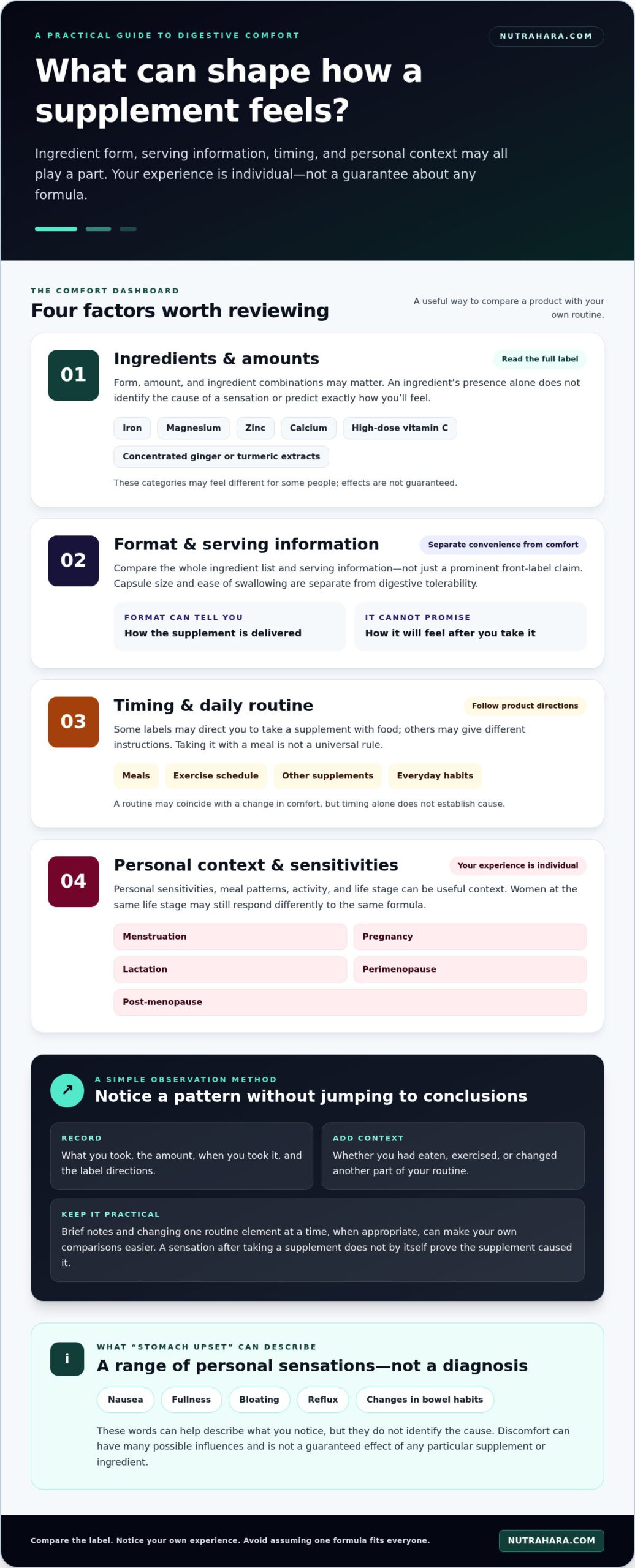
Categories
Articles

Ayurvedic Herbs for Digestion: A Woman’s Guide (2026)

Did you know that nearly 30 percent of women seeking natural wellness solutions in 2026 are specifically searching for digestive support? With the global Ayurvedic medicine market valued at 16.1 billion dollars this year, it’s clear that more women are looking for a deeper connection between their mind and gut. You’ve likely experienced that uncomfortable heaviness after a healthy meal or the frustrating bloat that seems to arrive with hormonal shifts. It’s exhausting when your body feels sluggish, especially when stress makes your digestion feel completely unpredictable.

You deserve to feel light, energized, and empowered in your own skin. This guide shows you how ancient ayurvedic herbs for digestion and modern research work together to soothe your system and kindle your digestive fire. We’ll explore the best botanical allies for your specific life stage, from menopause to high-stress career years. You’ll also discover simple yoga techniques and meditation practices designed to flatten your stomach and restore your natural rhythm for a more vibrant, long-term wellness journey.

Key Takeaways

  • Learn how to identify and rekindle your Agni, the metabolic fire that transforms food into energy while preventing the buildup of fatigue-inducing toxins.
  • Discover how to integrate specific ayurvedic herbs for digestion, like Triphala and Ginger, to naturally soothe bloating and support consistent bowel health.
  • Identify your unique digestive constitution to choose the right herbal support for your specific needs, whether you struggle with irregular gas or sluggishness.
  • Implement daily rituals including the 3-Hour Rule and targeted yoga poses to strengthen the mind-gut connection and enhance nutrient absorption.
  • Understand the importance of clean, scientifically validated herbal formulations that honor your body’s long-term wellness progression without artificial additives.

Understanding Agni: The Sacred Fire of Women’s Digestive Health

Agni is much more than a simple biological mechanism for breaking down food. It’s the transformative power that converts physical nutrients into energy, vitality, and even consciousness. In the ancient system of Ayurveda, this fire acts as the ultimate guardian of your health and longevity. When your Agni burns with a steady, clear flame, you feel light, energized, and mentally sharp. However, when this fire weakens, it creates “Ama,” a form of metabolic toxins. Ama is the root cause of the heavy, sluggish feeling many women describe as toxic fatigue or persistent brain fog. For women between 30 and 60, a healthy digestive foundation is the secret to maintaining the self-esteem and confidence required to lead a balanced, fulfilling life.

The Gut-Brain-Hormone Connection

Your digestive rhythm is deeply intertwined with your endocrine system. Fluctuations in estrogen and progesterone don’t just affect your mood; they directly impact how quickly food moves through your system. This is why women often notice sudden, uncomfortable bloating during perimenopause or specific phases of their menstrual cycle. Ayurveda views this through the lens of “Prana,” the vital life force that governs all movement. When hormonal shifts occur, they can scatter Prana, making it difficult for your digestive fire to stay consistent. By utilizing specific ayurvedic herbs for digestion, such as those found in DetoxifyLife, you can help stabilize this internal environment. This ensures that your gut and hormones work in harmony rather than in conflict.

Signs Your Agni Needs Rekindling

It’s helpful to recognize that digestive issues manifest in different ways depending on your internal state. You might struggle with “Manda Agni,” which is a slow, damp fire. This often results in a heavy feeling after eating and a slow metabolism. Conversely, “Tikshna Agni” is a sharp, hyperactive fire that might cause acidity or intense hunger that leads to irritability. You can identify the presence of Ama by checking your tongue in the morning; a thick, white coating suggests your system is struggling to clear waste. Agni is the biological sun within every woman. When you support it with the right ayurvedic herbs for digestion, you begin a long-term wellness progression that restores your natural glow and energy levels.

The Top Ayurvedic Herbs for Digestion and Bloating

Choosing the right ayurvedic herbs for digestion can transform your daily comfort from a struggle into a source of vitality. While balancing your internal fire is essential, nature provides specific botanical allies to help you manage the physical symptoms of bloating and sluggishness. These herbs don’t just mask discomfort; they work to optimize your system’s natural rhythms. Modern research into Ayurvedic medicine confirms that these traditional botanicals offer measurable benefits for gut motility and microbial balance.

Triphala: The Three-Fruit Powerhouse

Triphala is widely considered the “holy grail” of Ayurvedic bowel tonification. It’s a precise blend of three fruits: Amalaki, Bibhitaki, and Haritaki. Amalaki supports the cooling of the digestive tract, Bibhitaki helps clear excess mucus, and Haritaki encourages gentle movement. Unlike harsh stimulant laxatives, Triphala supports long-term detoxification by strengthening the colon’s muscles. Sarah, 54, shares: “During menopause, my digestion felt like it had completely stalled. Starting a daily ritual with Triphala-based support was the turning point that finally cleared that heavy, morning sluggishness.” For a pure, high-quality source of this blend, many women find DetoxifyLife to be an essential part of their morning routine.

Ginger and Fennel: The Kitchen Apothecary

Ginger acts as a “universal medicine” by stimulating the secretion of digestive enzymes. Scientific studies on gingerols show they significantly speed up gastric emptying, which reduces the time food sits in your stomach causing pressure. Fennel seeds, or Saunf, act as a natural carminative to relax the smooth muscles of the gut. This provides immediate relief from gas and abdominal distension. You can easily kindle your Agni by drinking a simple tea 20 minutes before your largest meal.

  • 1 inch fresh ginger root, thinly sliced
  • 1 teaspoon organic fennel seeds
  • 2 cups of boiling water
  • Steep for 5 to 7 minutes and sip while warm

Ashwagandha for the Stress-Digest Connection

Stress is a silent thief of digestive health. When your cortisol levels spike, your body enters “fight or flight” mode, which effectively shuts down blood flow to the gut. This often leads to “nervous bloating” or an upset stomach before big meetings or events. Ashwagandha helps the body adapt to stress, keeping your digestion online even during busy days. Because these compounds can be difficult to absorb, choosing Ashwagandha with Black Pepper is crucial. The piperine in black pepper increases the bioavailability of the herb, ensuring you get the full benefit. Maria, 42, notes: “I used to experience anxious bloating every afternoon, but adding these ayurvedic herbs for digestion to my routine has finally brought me peace.” If you’re ready to reclaim your gut health, exploring our clean herbal formulas is a wonderful place to start.

Balancing Your Dosha: Tailoring Herbs to Your Body Type

Every woman’s body is a unique ecosystem. A one-size-fits-all approach rarely works when choosing ayurvedic herbs for digestion. According to Johns Hopkins on Ayurveda, health is achieved by balancing the three doshas: Vata, Pitta, and Kapha. Understanding your dominant dosha allows you to tailor your herbal support to your body’s specific needs. This personalization is especially vital as you move through different life stages, where hormonal shifts can alter your baseline constitution and digestive strength.

Vata digestion is often irregular, gas-prone, and dry. It feels like the wind; unpredictable and cold. If you find your appetite varies wildly or you feel bloated after even small snacks, you likely have a Vata imbalance. Pitta, on the other hand, is governed by fire and water. Pitta digestion is hot and efficient, but it easily tips into acidity, heartburn, or inflammation when you’re under pressure or eating spicy foods. Kapha digestion is slow, heavy, and sluggish, often leaving you feeling full long after a meal has ended.

Herbal Strategies for Vata and Pitta

For Vata types, the goal is to ground and warm the system. Herbs like Ginger and Cumin provide the necessary heat to stabilize an irregular Agni. These warming spices help lubricate the digestive tract and reduce the dryness that often leads to discomfort. If your digestion is tied to a restless mind or high-stress days, Anxioguard can be a gentle partner in soothing nervous-system-related gut issues. Pitta types require cooling, sweet relief. Fennel and Coriander are excellent choices to soothe an overactive, acidic stomach without dampening the digestive fire entirely. These herbs act as a balm for the internal heat that often spikes during the mid-life years.

Revving Up the Kapha Metabolism

To wake up a sleepy Kapha metabolism, pungent and stimulating herbs are essential. Trikatu, a traditional blend of Black Pepper, Long Pepper, and Ginger, provides the sharp “spark” Kapha needs to process nutrients effectively. Pairing these ayurvedic herbs for digestion with light, warm meals helps prevent the heavy buildup of Ama. Many women ask, Do Digestive Enzymes Help You Lose Weight?; for Kapha types, the answer often lies in how these enzymes and herbs support a more efficient metabolic fire. We recommend avoiding cold salads and icy drinks, as these only further dampen the Kapha flame, leading to more sluggishness and fatigue.

Daily Rituals: Yoga, Meditation, and Mindful Eating

While ayurvedic herbs for digestion provide the biological spark for your gut health, they work most effectively when integrated into a lifestyle that honors your Agni. One of the most powerful habits you can adopt is “The 3-Hour Rule.” This involves leaving at least three hours between meals to allow your system to complete its digestive cycle fully. When you snack constantly, your internal fire never gets the chance to clear out the previous meal, which often leads to the buildup of Ama. Try to sit down and eat without the distraction of screens. Mindful eating allows your brain to register satiety signals. This simple act of presence prevents the overeating that often leads to painful bloating and sluggishness during busy workdays.

Yoga Poses for a Happy Gut

Yoga acts as a gentle physical massage for your internal organs. It encourages the movement of Prana and waste through the digestive tract. These poses are particularly effective for maintaining a flatter stomach and consistent energy levels:

  • Vajrasana (Thunderbolt Pose): This is the only pose traditionally recommended immediately after eating. Sitting on your heels helps redirect blood flow to the abdominal region, supporting the work of your digestive fire.
  • Pavanamuktasana (Wind-Relieving Pose): As the name suggests, this is excellent for releasing trapped gas and easing abdominal distension. It’s a nurturing way to find relief after a heavy meal.
  • Marjaryasana-Bitilasana (Cat-Cow): Moving between these two poses creates a rhythmic compression and extension of the torso. This stimulates blood flow to the gut and helps keep your metabolism active.

Meditation for the Enteric Nervous System

Science now recognizes the gut as the “second brain” due to the complex network of neurons in the enteric nervous system. When you’re stressed, this system tightens up. This tension makes even the most potent ayurvedic herbs for digestion less effective because the body prioritizes survival over nourishment. Meditation calms this system. It allows for better nutrient absorption and a flatter stomach. Try this 5-minute “Digestive Breathing” exercise: Sit quietly and inhale for a count of four, feeling your belly expand like a balloon. Hold for two, then exhale for a count of six. This activates the vagus nerve. It signals your body to “rest and digest.” This practice is especially helpful for women in perimenopause who find that stress-related digestive upset has become more frequent.

To see how these rituals fit into your broader health strategy, explore The Ultimate Guide to Women’s Wellness Supplements for a comprehensive view of long-term vitality.

Ayurvedic Herbs for Digestion: A Woman’s Guide (2026)

The Nutrahara Path: Fusing Tradition with Modern Purity

True wellness isn’t a destination you reach overnight; it’s a personal, ongoing journey that requires a partner who understands your body’s changing needs. Nutrahara serves as that wise and caring guide. We bridge the gap between ancient health philosophies and contemporary nutritional research. While we’ve explored the power of ayurvedic herbs for digestion, the quality and purity of those botanicals are what truly drive long-term results. We believe that every woman, from her career-driven 30s through the transformative years of menopause, deserves access to clean, effective formulas that honor her internal rhythm.

Our commitment to your health progression is reflected in our strict standards for purity. You’ll never find artificial additives, fillers, or synthetic binders in our products. Instead, we focus on the simplicity of nature, backed by clinical validation. We’ve designed our offerings to fit seamlessly into your busy life, providing targeted support that empowers you to feel your best without the guesswork.

Our Digestive Heroes: FemmePower and DetoxifyLife

Understanding the link between your hormones and your gut is essential for lasting comfort. FemmePower is specifically formulated to support the hormonal-digestive axis. It helps stabilize the fluctuations that often lead to sudden bloating or irregular energy levels. By combining traditional wisdom with modern science, this formula provides the foundation your body needs to maintain balance during every life stage.

For those seeking a gentle way to clear out Ama and restore vitality, DetoxifyLife offers a sophisticated blend of time-tested fruits and herbs. Unlike harsh cleansing programs that can irritate the system, this formula supports your body’s natural detoxification pathways. It strengthens the colon and kindles your Agni with the precision of modern nutritional research. Our ingredient selections aren’t just traditional; they’re chosen for their proven ability to support a woman’s unique metabolic needs.

Your Journey Starts Here

Reclaiming your gut health doesn’t require a complete lifestyle overhaul. It begins with one small, empowering choice. You might start by sipping the Agni tea we discussed earlier or by committing to a five-minute meditation after dinner. These small rituals, when paired with high-quality ayurvedic herbs for digestion, create a powerful synergy that transforms your well-being. View your digestive care as a form of self-love. When you nourish your “inner sun,” you’re investing in your future energy, confidence, and longevity.

We invite you to take the next step in your wellness progression. Whether you’re looking to soothe chronic bloating or simply want to feel more connected to your body, we’re here to support you. Explore our full range of women’s health supplements and discover how the fusion of tradition and science can empower your path to vibrant health.

Embrace Your Long-Term Wellness Progression

You now have the knowledge to transform your digestive health from a daily struggle into a source of vitality and confidence. By understanding your unique Agni and selecting the right ayurvedic herbs for digestion, you’re taking a significant step toward a lighter, more energized version of yourself. True health is an ongoing journey. The combination of targeted herbal support and daily rituals like yoga and meditation creates a powerful foundation for your well-being.

At Nutrahara, we’re honored to be your partner on this path. Our formulations are specifically designed for the unique life stages of women aged 30 to 60. We use 100% natural, clean ingredients with no artificial additives. This ensures you receive the purest fusion of ancient wisdom and modern clinical research. This scientific foundation, paired with traditional purity, is the support your body deserves.

It’s time to feel empowered in your body once again. Empower Your Gut Health with Nutrahara’s Ayurvedic Formulations and start your journey toward lasting comfort today. You’ve the strength to reclaim your natural rhythm. We’re here to guide you every step of the way.

Frequently Asked Questions

What are the best Ayurvedic herbs for immediate bloating relief?

Fennel and ginger are the most effective ayurvedic herbs for digestion when you need quick relief from bloating. Fennel seeds act as a carminative to relax the smooth muscles of your gut, while ginger stimulates enzymes that speed up gastric emptying. You can chew on half a teaspoon of roasted fennel seeds after eating or sip warm ginger tea. These natural solutions provide comfort without the harsh chemicals found in some over-the-counter options.

Can I take Ayurvedic digestive herbs while pregnant or breastfeeding?

You should always consult your healthcare provider before starting any new supplement during pregnancy or while breastfeeding. While culinary amounts of ginger are generally considered safe for morning sickness, concentrated ayurvedic herbs for digestion like Triphala may be too stimulating for the colon during these sensitive stages. Nutrahara prioritizes safety and transparency, so we recommend a professional consultation to ensure your herbal choices align with your specific prenatal or postnatal needs.

How long does it take for Ayurvedic herbs to start working for digestion?

The timeline depends on your specific goals. You’ll often feel the effects of carminative herbs like fennel within thirty minutes of consumption. However, for deep-seated issues like chronic sluggishness or hormonal bloating, it typically takes two to four weeks of consistent use to see significant shifts. Ayurveda focuses on long-term wellness progression rather than temporary fixes. This allows your body to gently realign its natural rhythms for more sustainable energy levels and digestive ease.

Is Triphala safe to take every day for gut health?

Triphala is traditionally used as a daily tonic rather than a temporary fix. Unlike stimulant laxatives that create dependency, Triphala is a nourishing formula that strengthens the digestive tract over time. It supports the gentle removal of toxins while tonifying the colon’s muscles. Because Nutrahara uses clean, natural ingredients without artificial additives, our Triphala-based formulas are designed to be a safe, consistent part of your long-term wellness journey for optimal gut health.

What is the “Agni” and why is it important for women over 40?

Agni is your internal metabolic fire responsible for transforming food into energy and consciousness. For women over 40, hormonal shifts during perimenopause can dampen this fire, leading to sudden weight gain, fatigue, and persistent bloating. Maintaining a strong Agni is crucial because it prevents the buildup of Ama, or metabolic toxins. A vibrant digestive fire ensures you absorb the nutrients necessary to maintain your bone density, brain health, and overall vitality through midlife.

How do I know which Ayurvedic dosha is affecting my digestion?

You can identify your dominant digestive dosha by observing your symptoms. Vata imbalances typically manifest as irregular appetite and excessive gas. Pitta issues often involve heat, such as acidity or heartburn, especially after eating spicy foods. Kapha imbalances feel heavy and sluggish, often leaving you with a coated tongue or a slow metabolism. Recognizing these patterns allows you to choose specific herbal allies that bring your unique system back into a state of tranquil balance.

Can Ashwagandha actually help with my stomach issues?

Ashwagandha is highly effective for stomach issues triggered by stress. It works by lowering cortisol levels, which prevents your body from shutting down digestion during “fight or flight” moments. This herb calms the enteric nervous system, often called your “second brain,” to reduce anxious bloating and cramping. By soothing the mind-gut axis, Ashwagandha helps your body stay in a “rest and digest” state, allowing for better nutrient absorption and a flatter, more comfortable stomach.

Should I take digestive herbs before or after a meal?

Timing depends on your specific digestive goals. Taking warming herbs like ginger twenty minutes before a meal helps kindle your Agni and prepares your stomach for efficient processing. If you struggle with post-meal discomfort or gas, it’s better to take cooling herbs like fennel or coriander immediately after eating. This targeted approach ensures that your herbal support works in harmony with your body’s natural digestive cycle for the best possible results and long-term comfort.

Article by

Nutrahara Team

We are a dedicated collective of nutrition scientists and naturopaths at Nutrahara, committed to advancing women's health through the fusion of ancient Ayurveda science and cutting-edge nutrition research. Our mission is to empower you with clean, simple, and scientifically validated wellness solutions so you can live your healthiest life. Connect with us to stay updated on the latest developments in holistic women's health and nature-based research.

Disclaimer

This article is not a substitute for medical advice. Please consult a healthcare professional before starting any supplement, especially if pregnant, nursing, taking medication, or managing health conditions.

Categories
Articles

Joint Flexibility: A Holistic Guide for Women’s Vitality

What if the stiffness you feel every morning isn’t an inevitable sign of aging, but a signal that your body’s internal “structural glue” needs a more mindful approach? Many women between 30 and 60 find themselves hesitating before a yoga class or feeling “rusty” after sitting too long. It’s common to feel overwhelmed by the sheer volume of supplements for joint flexibility, especially with 2026 FDA warnings highlighting undeclared drugs in some common pain relief brands. You want to move with grace and independence, but you need a source you can trust.

We believe that true vitality comes from a harmony of ancient wisdom and modern science. You’ll soon discover how to reclaim your range of motion by balancing Shleshaka Kapha, the body’s natural joint lubricant, while supporting your bones with clinically validated nutrients. We’ll explore a holistic routine that includes high-purity collagen, anti-inflammatory Ashwagandha, and specific yoga practices designed to keep your movement fluid at every life stage. It’s time to stop worrying about your mobility and start nurturing the long-term health of your joints.

Key Takeaways

  • Learn the vital role of Shleshaka Kapha and how maintaining internal lubrication is the secret to fluid, effortless movement.
  • Identify the most effective supplements for joint flexibility, including how high-purity collagen acts as the structural glue for your connective tissues.
  • Understand how declining estrogen levels impact joint hydration and how to navigate the Vata stage of life with grace and resilience.
  • Discover a holistic ritual that combines joint-friendly nutrition, healthy fats, and the ancient practice of Ayurvedic self-massage to soothe daily stiffness.
  • Explore how merging ancient herbal wisdom with modern clinical validation creates a sustainable path toward lasting joint comfort and independence.

Understanding Joint Flexibility as a Mirror of Internal Harmony

To understand how your body moves, you must look beyond the surface of your skin. A flexible joint relies on three critical components: resilient cartilage to absorb shock, strong ligaments for stability, and synovial fluid to ensure smooth gliding. Ancient Ayurvedic wisdom views this lubrication as Shleshaka Kapha, the sub-dosha of Kapha that governs the moisture and cushioning of our joints. When this fluid is abundant, movement feels effortless. When it’s depleted, you experience the grinding stiffness that many women mistakenly accept as a natural part of aging.

Stiffness isn’t a life sentence. It’s often a signal that your body is facing a nutrient or elemental imbalance. Holistic joint flexibility is the synergy of structural support and fluid balance. If you find yourself searching for the right supplements for joint flexibility, it’s vital to address both the physical structure and the internal environment that allows those structures to thrive. Movement is a reflection of your internal state of harmony.

The Connection Between Gut Health and Joint Comfort

Your joints don’t exist in isolation; they depend entirely on your digestive fire, or Agni. If your Agni is weak, your body struggles to break down and absorb the joint-building minerals found in your diet. This leads to a buildup of metabolic waste, which can trigger systemic inflammation that settles in your knees, hips, and fingers. Understanding Digestive Enzymes and Weight Loss can help you see how improving your nutrient bioavailability is a foundational step in any mobility routine.

Why Women’s Joints Require a Unique Nutritional Strategy

Women between the ages of 30 and 60 face unique physiological shifts that directly impact their range of motion. From the demands of pregnancy to the hormonal fluctuations of menopause, our connective tissues are under constant pressure. Research into compounds like Glucosamine shows how supporting the amino sugar building blocks in our cartilage can help maintain that essential cushion. For women, choosing the right supplements for joint flexibility isn’t just about avoiding discomfort. It’s about maintaining the psychological freedom that comes with knowing your body can keep up with your active lifestyle, whether that’s a morning yoga flow or a walk through the park.

The Science of Suppleness: Key Supplements for Joint Flexibility

While a balanced lifestyle provides the foundation for movement, specific nutrients act as the building blocks for lasting resilience. Connective tissues require consistent nourishment to remain elastic and strong. When you integrate targeted supplements for joint flexibility, you’re providing your body with the raw materials needed to repair cartilage and maintain the “cushion” between your bones. This scientific approach ensures that your physical structure can support the fluid movement you cultivate on your yoga mat.

  • Collagen: Often described as the “structural glue” of the body, collagen is the primary protein in your tendons and ligaments. Supplementing with a high-quality Premium Collagen Complex helps maintain the integrity of these tissues as natural production slows with age.
  • Turmeric and Curcumin: These are nature’s most potent tools for managing daily comfort. Curcumin helps modulate the body’s inflammatory response, allowing for smoother, less restrictive movement.
  • Glucosamine and Chondroitin: These compounds are essential for cartilage health. They work in tandem to draw fluid into the joint space, reinforcing the natural shock absorbers that protect your skeletal system.
  • Vitamins C and B-Complex: Vitamin C is a mandatory co-factor for collagen synthesis. Meanwhile, a Vitamin B Complex supports metabolic energy and nerve health, ensuring that the signals for movement remain sharp and clear.

The Power of Adaptogens: Ashwagandha for Joint Stress

Chronic stress doesn’t just affect your mind; it manifests physically as tension and increased pain sensitivity. High cortisol levels can accelerate tissue breakdown and make joint stiffness feel more pronounced. Utilizing Ashwagandha with Black Pepper helps the body adapt to these stressors while reducing oxidative damage in joint tissues. Black pepper contains piperine, which acts as a bio-enhancer to significantly increase the absorption of both curcumin and adaptogens within the body. This synergy ensures that these supplements for joint flexibility are actually reaching the cells that need them most.

Ancient Herbs for Modern Mobility

Traditional Ayurvedic medicine has long relied on herbs like Boswellia, also known as Shallaki, to support joint comfort. Unlike synthetic options, these botanical extracts work with your body’s natural healing rhythms rather than overriding them. Purity is paramount when selecting these extracts. Choosing “clean” sources ensures that you aren’t introducing heavy metals or artificial additives into your system, which can hinder long-term wellness. If you’re ready to support your body’s natural grace, consider exploring how a holistic supplement routine can transform your daily movement.

The Hormonal Shift: Why Joint Stiffness Peaks in Menopause

Hormones dictate the landscape of a woman’s mobility from her thirties through her sixties. While menopause brings the “drying” Vata stage of life, earlier phases like pregnancy and lactation introduce distinct challenges. During pregnancy, the hormone relaxin softens ligaments to prepare the body for birth, often leading to joint laxity or a feeling of instability in the hips and knees. This over-flexibility requires mindful stability work. As we transition into perimenopause and menopause, the decline in estrogen reduces the hydration of synovial fluid, shifting the concern from laxity to restricted movement. This decline can lead to persistent stiffness that many women between 45 and 60 mistake for early arthritis.

Sarah, a 54-year-old yoga enthusiast, shares her experience: “I used to wake up feeling like my knees were made of glass. I was terrified I’d have to give up my morning walks. It wasn’t until I focused on hormonal harmony alongside my supplements for joint flexibility that the fluidity returned. Now, I move with the same ease I had in my thirties.” Sarah’s journey highlights that joint health for women isn’t a static goal; it’s a progression that requires different support at every life stage.

Protecting Your Range of Motion Throughout Life

Navigating these transitions requires a multi-layered approach that adapts to your current hormonal profile. Utilizing targeted support like BlossomBliss can help maintain equilibrium, whether you’re managing the laxity of the postpartum period or the dryness of menopause. After age 40, your body’s demand for collagen increases significantly because estrogen no longer shields your connective tissues from degradation. True hydration goes beyond drinking plain water. You must incorporate electrolytes and healthy fats to “oil” the body from the inside out, ensuring your supplements for joint flexibility have a hydrated environment to work within.

Bone Density vs. Joint Flexibility

In Ayurveda, the health of your joints is inextricably linked to Asthi Dhatu, or bone tissue. While many focus solely on bone density, the flexibility of the joint depends on the quality of the bone it’s anchored to. Supporting bone strength provides the necessary structural foundation for flexible movement during the post-menopausal years. Maintaining this “lubrication” is a lifelong commitment. By nourishing the Asthi Dhatu with minerals and supporting the Shleshaka Kapha with internal fats, you create a resilient system that resists the natural drying tendencies of the Vata stage of life.

A Holistic Ritual for Resilience: Yoga, Meditation, and Ayurvedic Care

True mobility is cultivated both on the plate and through intentional movement. While high-quality supplements for joint flexibility provide the structural foundation, your daily rituals ensure those nutrients reach their destination. Start with a “joint-friendly” plate rich in healthy fats like ghee and Omega-3s. These fats act as internal lubricants, supporting the Shleshaka Kapha we discussed earlier. Complement this internal care with Abhyanga, the Ayurvedic practice of self-massage. Using warm sesame or coconut oil on your knees and fingers each morning stimulates circulation and soothes the nervous system, preparing your body for the day ahead.

The mind plays a significant role in how we perceive physical restriction. Meditation helps lower the “pain threshold” by encouraging the body to shift from a stressed state into a restorative one. When your muscles relax, your joints face less compressive force. Use this three-minute “Joint Breath” script daily: sit quietly and close your eyes. Inhale deeply, visualizing a warm, golden light flowing into a specific area of stiffness. As you exhale, imagine any tension or “rust” leaving the joint. Repeat this for ten breath cycles, focusing on the sensation of space and ease being created within your body.

Yoga Poses to Boost Joint Circulation

Yoga is a powerful tool for maintaining range of motion without overtaxing the connective tissues. These three poses are particularly effective for women in the 30 to 60 age range:

  • Tadasana (Mountain Pose): This foundational pose improves alignment and ensures your weight is distributed evenly, reducing unnecessary pressure on the ankles and knees.
  • Uttanasana (Standing Forward Fold): A gentle fold stretches the entire posterior chain and encourages the flow of synovial fluid along the spine.
  • Sukhasana (Easy Pose): Sitting cross-legged with the support of a block or cushion allows the hips to open gently over time, preventing the tightness that often leads to lower back discomfort.

The Ayurvedic Evening Ritual for Mobility

End your day by preventing the buildup of Ama, or metabolic toxins, which often settle in the joint spaces. A nighttime soak in warm water with Epsom salts and a tablespoon of powdered ginger helps draw out impurities and relaxes the muscles. Consistency is the key to preventing joint capsules from “rusting” overnight. Avoid heavy or cold foods late in the evening, as these can dampen your digestive fire and lead to morning stiffness. To further support your body’s natural repair cycle while you sleep, consider adding Ashwagandha with Black Pepper to your evening routine to manage inflammation and promote deep, restorative rest.

Joint Flexibility: A Holistic Guide for Women's Vitality

Nourishing the Journey: Nutrahara’s Fusion of Science and Ancient Wisdom

Movement is a personal journey, not a fixed destination. At Nutrahara, we recognize that women’s bodies require a sophisticated approach that respects both biological shifts and the need for purity. We bridge the gap between high-potency clinical dosages and traditional Ayurvedic wisdom to create a sustainable path for your mobility. By combining scientific validation with clean, natural ingredients, we ensure that your supplements for joint flexibility work in harmony with your body’s natural intelligence.

Our Premium Collagen Complex serves as the ideal structural support for your joints. It provides the specific amino acids needed to reinforce the “structural glue” of your connective tissues, which often begins to weaken during the perimenopausal years. Repair requires energy. Our Vitamin B Complex plays a crucial role in metabolic energy, acting as the fuel your body uses for tissue repair and cellular turnover. This ensures that the building blocks you ingest are actually put to work where you need them most.

The Nutrahara Purity Promise

We believe you deserve to know exactly what goes into your body. Our commitment to transparency means we never use hidden fillers or artificial additives. Every formulation is crafted with the unique needs of women aged 30 to 60 in mind, addressing the specific hormonal and physical challenges of these life stages. Elena, a 48-year-old yoga practitioner, shares her experience: “I used to struggle with creaky knees during every sun salutation. Since starting my Nutrahara ritual, I’ve moved from stiffness to a state of pain-free yoga. It’s given me back my confidence on the mat.”

Your Next Steps Toward Fluidity

Integrating these tools into your life is as simple as adding your supplements to your morning tea or smoothie. View your flexibility as a long-term progression rather than a quick fix. It takes time for the body to hydrate and rebuild, but the result is a lasting sense of ease. Your mobility is a beautiful testament to your internal balance and the care you show yourself every day. For those looking to explore premium botanical options for physical comfort, Kratom Goat offers a selection of high-quality products. If you’re ready to support your body’s natural grace, explore our Premium Collagen Complex to see how we support your wellness journey at every age.

Your journey toward lasting mobility is a beautiful integration of internal hydration and structural resilience. By balancing your Shleshaka Kapha through mindful rituals and supporting your connective tissues during hormonal shifts, you’re doing more than just managing stiffness. You’re honoring your body’s long-term progression. True vitality doesn’t come from a single quick fix; it’s the result of a holistic routine that pairs ancient Ayurvedic wisdom with modern clinical research.

Choosing high-quality supplements for joint flexibility is an essential part of this path. Our formulas are crafted by Ayurvedic experts and modern nutritionists using 100% clean, natural ingredients specifically for women’s unique life stages. You don’t have to accept morning stiffness as your new normal. With the right support, you can maintain the independence and range of motion you need to keep enjoying your yoga practice and daily walks for years to come.

Ready to move with ease? Shop Nutrahara’s Premium Collagen Complex for lasting joint flexibility and reclaim your ease of movement today. You have the power to nurture your joints and move through every stage of life with grace and confidence.

Frequently Asked Questions

How long does it take for joint supplements to show results?

Most women notice a difference in their mobility within four to eight weeks of consistent use. Connective tissues like cartilage and ligaments have a slower metabolic rate than muscles; they require more time to absorb nutrients and rebuild. We view health as a long-term progression rather than a quick fix. Staying dedicated to your daily ritual ensures that these supplements for joint flexibility have the time they need to nourish your system from within.

Can yoga really improve joint flexibility if I’m already stiff?

Yoga is highly effective for stiff joints because it encourages the flow of Shleshaka Kapha, our natural internal lubricant. You don’t need to be flexible to start; the practice itself creates the suppleness. Gentle, weight-bearing poses help distribute synovial fluid across the joint surfaces. Over time, this consistent movement prevents the “rusting” sensation. Focus on alignment and breath rather than depth to safely reclaim your full range of motion.

What is the difference between occasional stiffness and something more serious?

What is the difference between occasional stiffness and something more serious?

Occasional stiffness, often called “morning rust,” typically dissipates within thirty minutes of movement or a warm shower. This is usually a sign of minor fluid thickening or elemental imbalance. However, if you experience persistent swelling, heat in the joint, or pain that prevents you from performing basic daily activities, it may indicate a more significant structural concern. Monitoring how your body responds to gentle stretching is a helpful way to gauge your progress. For those exploring natural ways to address more persistent discomfort, Relieve Therapeutics offers a comprehensive guide on supporting nerve health and physical comfort.

Neither is objectively better because they target different parts of the joint. Collagen acts as the structural glue for the tendons and ligaments that hold your joints together. Glucosamine focuses more on the cartilage cushion between the bones. For comprehensive support, many women find that a high-purity collagen, like our Premium Collagen Complex, provides the essential foundation needed for resilient connective tissues and overall ease of movement.

How does menopause specifically affect my joint health?

Menopause triggers a decline in estrogen, which acts as a natural anti-inflammatory and hydrating agent for your connective tissues. This transition often leads to increased dryness in the joints, a hallmark of the Vata stage of life. Without the protective effects of estrogen, your body’s demand for collagen and internal lubrication rises. Combining hormonal support with targeted supplements for joint flexibility helps maintain hydration and prevents the onset of chronic stiffness during these years.

Are Ayurvedic oil treatments safe for women with sensitive skin?

Ayurvedic oil treatments like Abhyanga are generally very safe for sensitive skin when you use pure, cold-pressed carrier oils. We recommend starting with organic sesame or coconut oil, which are free from the artificial fragrances and preservatives found in many commercial products. Always perform a small patch test on your inner arm first. Because Nutrahara prioritizes 100% clean, natural ingredients, our philosophy supports using only the simplest, most transparent elements for your skin.

Why do my joints feel stiffer in the morning compared to the evening?

Morning stiffness happens because synovial fluid thickens when you’re sedentary for long periods. During sleep, metabolic waste, or Ama, can also settle in the joint spaces. As you begin to move, your body temperature rises and the fluid “thins,” allowing for smoother gliding. This is why a short morning yoga flow or a warm Ayurvedic oil massage is so effective at clearing that initial restriction and setting a fluid tone for the day.

Can I take joint supplements alongside my daily multivitamin?

You can usually take joint support formulas alongside a multivitamin without any issues. Most joint-specific nutrients, such as collagen or turmeric, aren’t found in significant amounts in standard multis. It’s helpful to check for overlapping ingredients like Vitamin C or B-Complex, as these are often used as co-factors in our blends to enhance absorption. Maintaining a simple, transparent supplement routine ensures your body gets exactly what it needs for long-term health.

Article by

Nutrahara Team

We are a dedicated collective of nutrition scientists and naturopaths at Nutrahara, committed to advancing women's health through the fusion of ancient Ayurveda science and cutting-edge nutrition research. Our mission is to empower you with clean, simple, and scientifically validated wellness solutions so you can live your healthiest life. Connect with us to stay updated on the latest developments in holistic women's health and nature-based research.

Disclaimer

This article is not a substitute for medical advice. Please consult a healthcare professional before starting any supplement, especially if pregnant, nursing, taking medication, or managing health conditions.
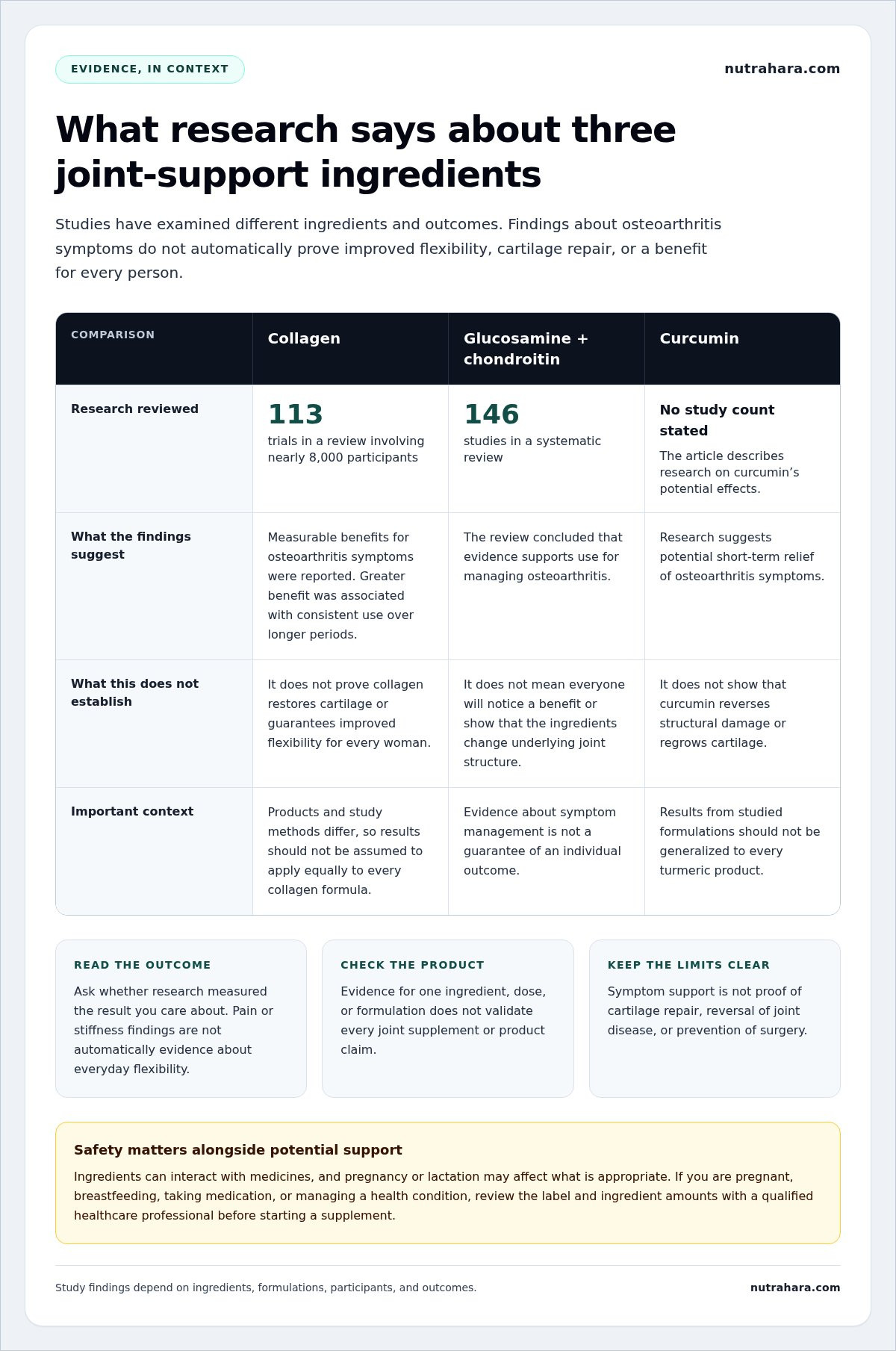
Categories
Articles

Vitamins for Thicker Hair: 2026 Holistic Guide

Did you know that 33% of women will experience thinning hair at some point in their lives? It’s a quiet reality that often leaves us feeling less like ourselves, especially during major life shifts like menopause. While you might be searching for the best vitamins for thicker hair, the sheer volume of conflicting health advice can feel overwhelming and leave you feeling uncertain about your next steps.

We believe your hair health is a personal journey of self-care rather than a quick fix. In this 2026 guide, you’ll discover the specific nutrients that are backed by clinical research and traditional Ayurvedic purity. We’ll show you how to combine these essential elements with grounding practices like meditation and yoga to transform thinning strands into a resilient mane. By the end of this article, you’ll have a clear, effective daily routine that empowers your confidence and supports your well-being for the long term.

Key Takeaways

  • Understand how shifts in estrogen and progesterone during perimenopause alter your hair’s growth cycle and strand diameter.
  • Identify the most effective vitamins for thicker hair, focusing on how Biotin and B Complex support keratin infrastructure and scalp oxygenation.
  • Explore how Ayurvedic botanicals like Ashwagandha and Amla work to lower cortisol and provide potent antioxidant protection for your follicles.
  • Learn actionable wellness rituals, such as yoga inversions and meditation, designed to improve scalp circulation and reduce inflammation.
  • Discover why choosing clean, filler-free supplements is vital for a successful three-to-six-month hair restoration journey.

The Science of Strands: Why Hair Thins as We Age

Understanding how your hair grows is the first step in your wellness journey. The Science of Strands begins deep within the scalp, where each follicle follows a rhythmic cycle of renewal. The Anagen phase is the active growth period, which can last for several years. This is followed by Catagen, a short transitional stage where the hair stops growing. Finally, the Telogen phase is a resting period that ends in natural shedding. For many women in their 40s and 50s, the Anagen phase naturally shortens while the Telogen phase lengthens, leading to hair that feels thinner and less resilient.

During perimenopause, levels of estrogen and progesterone begin to fluctuate and decline. These hormones are vital because they keep hair in the growth phase for longer periods. When they drop, hair diameter often decreases, and the overall volume of your ponytail might feel significantly smaller. Chronic stress adds another layer of complexity to this biological shift. High levels of cortisol, the body’s primary stress hormone, can prematurely push follicles into the shedding phase, disrupting the natural rhythm of your scalp.

Hormones and Hair Density

Estrogen acts as a protective shield for your hair follicles, supporting their longevity and strength. As this protection wanes during menopause or after childbirth, the scalp may become more visible and individual strands may feel finer. Telogen effluvium is a temporary but treatable reaction to intense stress where a large number of hairs enter the resting phase at once. By understanding these hormonal changes, you can begin to support your body’s specific needs through this transition. For those who want to maintain their signature look immediately, choosing natural, untreated extensions from Raw Quality Hair can be a perfect way to bridge the gap while waiting for new growth.

Your body is a wise system that prioritizes survival. When nutrients are scarce, it directs them to vital organs like the heart and lungs first, often leaving hair follicles “starving” for resources. This is why choosing high-quality vitamins for thicker hair is essential as you age, as targeted support can bridge the gap between your diet and your hair’s needs. Malabsorption becomes more common in your 50s, making it harder to extract what you need from food alone. Supporting your gut health with digestive enzymes can improve how your body utilizes these building blocks. By addressing these micro-deficiencies with specific vitamins for thicker hair, you provide the foundation for resilient, vibrant hair growth from the inside out.

The Essential Vitamins for Thicker Hair and Scalp Health

Restoring your hair’s natural density requires a targeted approach to nutrition. While many factors influence growth, research published by the National Institutes of Health highlights how specific micronutrient deficiencies can lead to noticeable thinning. Finding the right vitamins for thicker hair involves more than just picking a single bottle off a shelf; it’s about providing the follicles with the precise building blocks they need to thrive. According to a scientific review of Essential Vitamins for Thicker Hair, several key players are non-negotiable for women over 30:

  • Biotin (B7): Strengthens the keratin infrastructure that makes up your hair’s physical structure.
  • Vitamin D3: Acts as a pro-hormone to wake up dormant follicles and trigger the growth phase.
  • Iron and Ferritin: These are critical for transporting oxygen to the roots; low levels are a frequent cause of thinning in menstruating women.
  • Vitamin C and Zinc: These antioxidants protect the scalp from oxidative stress, helping to maintain a youthful environment for hair to grow.

Why a B-Complex Beats Single-Vitamin Biotin

Many women reach for biotin alone, but your body prefers a synergistic approach. B12 and Folate work alongside Biotin to support cellular division and energy production. For women over 40, methylated forms are particularly important because they’re easier for the body to absorb and utilize. Choosing a comprehensive Vitamin B Complex ensures you’re supporting your nervous system and your hair growth simultaneously. This holistic method prevents the imbalances that can occur when you over-supplement with a single isolated nutrient.

Collagen: The Structural Secret to Thickness

As we age, our natural collagen production slows down, which can lead to a less supportive scalp environment. Collagen provides the specific amino acids, like proline and glycine, that your body uses to build hair proteins. Integrating a Premium Collagen Complex helps maintain the elasticity of the scalp dermis, ensuring your hair has a firm foundation. Sarah, a 52-year-old wellness enthusiast, shared her experience: “After three months of focusing on my nutrient intake, my hair feels denser and has regained its youthful bounce.” If you’re ready to start your own transformation, consider how a clean, high-quality supplement can simplify your daily self-care routine. By addressing these foundational needs, you’re choosing vitamins for thicker hair that work in harmony with your body’s natural rhythms.

Ancient Wisdom Meets Modern Science: Ayurvedic Botanicals

While clinical research highlights the importance of specific vitamins and minerals for hair health, ancient wisdom offers a complementary path to restoration. At Nutrahara, we believe the most effective approach to vitamins for thicker hair combines modern nutritional science with time-honored Ayurvedic botanicals. This fusion addresses the body as a whole. It ensures your internal environment is as healthy as the nutrients you consume. By using clean, non-GMO ingredients, we help prevent the buildup of synthetic additives that can sometimes hinder your progress.

Managing Stress-Induced Thinning with Ashwagandha

Chronic stress is one of the most significant contributors to hair shedding in women over 40. When cortisol levels remain elevated, your hair follicles can prematurely enter the resting phase. Adaptogens are nature’s way of balancing the body’s stress response. Ashwagandha, a cornerstone of Ayurvedic medicine, helps regulate the adrenal glands and lower cortisol-induced shedding. To ensure your body can actually use this powerful herb, we recommend Ashwagandha with Black Pepper for maximum bioavailability. This combination allows the active compounds to reach your system more effectively, supporting a calm mind and a resilient scalp.

Follicle protection is equally vital. Amla, also known as Indian Gooseberry, is a potent antioxidant traditionally used to strengthen hair from the root. It works alongside your vitamins for thicker hair to shield the scalp from environmental stressors. When you choose formulas free from artificial fillers, you’re prioritizing long-term health progression over temporary fixes. This purity is what allows your body to focus on renewal rather than detoxification.

Holistic Hormonal Support

Thinning hair is often a symptom of deeper hormonal shifts during perimenopause or menopause. Rather than just treating the surface, it’s essential to balance the internal landscape. Our Femmepower formula is designed to support women’s unique health needs, creating a stable foundation for hair to thrive. We focus on purity and simplicity, avoiding the complex synthetic cocktails that can disrupt your body’s natural rhythm. This holistic strategy empowers you to feel confident and vibrant, knowing your wellness routine is grounded in both tradition and clinical validation.

Your Daily Hair Wellness Ritual: Yoga, Meditation, and Care

Hair health is a holistic pursuit that extends beyond what you ingest. While taking vitamins for thicker hair provides the necessary internal building blocks, physical and mental rituals ensure those nutrients actually reach their destination. Think of your wellness routine as a garden; the supplements are the fertilizer, but movement and mindfulness are the water and sunlight that allow growth to flourish. By integrating specific practices into your day, you create a supportive environment for your follicles to thrive.

Yoga Poses for Enhanced Circulation

Increasing blood flow to the scalp is essential for delivering oxygen and nutrients to the hair roots. Inversion poses use gravity to stimulate the dermal papilla, which is the area at the base of the follicle responsible for hair production. Try these three simple poses to boost your circulation:

  • Downward-Facing Dog: This classic pose lengthens the spine while bringing fresh blood toward the scalp.
  • Standing Forward Fold: Relax your neck and let your head hang heavy to encourage blood flow to the crown.
  • Legs-Up-The-Wall (Viparita Karani): This restorative pose reverses blood flow and calms the nervous system after a long day.

Consistency in movement mirrors the consistency needed for supplementation. Deep, rhythmic breathing during these poses oxygenates your blood, ensuring that your hair roots receive high-quality nourishment. This practice doesn’t just help your hair; it improves your overall vitality and energy levels.

The Power of a Calm Mind

Chronic stress creates systemic inflammation. This inflammation can disrupt the hair growth cycle and lead to premature shedding. A simple ten-minute daily meditation ritual helps lower this inflammatory response, protecting your follicles from the damage caused by a high-pressure lifestyle. Viewing this time as an act of self-love boosts your self-esteem and reinforces your commitment to your personal health journey.

To help maintain mental clarity and stay present during your busy day, FocusZenith can support your ability to manage mental fatigue. When you pair a calm mind with a protein-rich, anti-inflammatory diet, you create a powerful synergy. Physical care also plays a role. A five-minute scalp massage each evening stimulates the skin and provides a moment of tranquility before sleep. This physical ritual, combined with your targeted vitamins for thicker hair, turns a simple routine into a transformative experience.

Ready to elevate your wellness journey? Explore our Vitamin B Complex to provide your body with the essential nutrients it needs for vibrant hair and lasting energy.

Vitamins for Thicker Hair: 2026 Holistic Guide

Choosing the Right Path: Nutrahara’s Promise to You

Quality is the foundation of any successful health progression. Many supplements on the market contain synthetic fillers and artificial additives that can burden your system over time. At Nutrahara, we prioritize purity because we believe that what you leave out is just as important as what you put in. By choosing clean vitamins for thicker hair, you’re ensuring your body can focus on building resilient strands rather than filtering out unnecessary toxins. This commitment to clean, non-GMO ingredients is at the heart of our mission to support women’s longevity.

Patience is essential as you set realistic expectations for your journey. Hair growth is a slow, rhythmic process that doesn’t happen overnight. While you might notice improved energy or scalp health within the first few weeks, visible changes in hair density typically take three to six months of consistent care. This timeframe allows your follicles to move through the natural growth cycles we explored earlier. Consistency is your greatest ally in transforming thinning strands into a vibrant mane.

The Nutrahara Difference

Our philosophy bridges the gap between clinically validated research and traditional Ayurvedic wisdom. This dual approach ensures that your wellness routine is both grounded and forward-thinking. If you’re looking to expand your knowledge of internal health, our Ultimate Guide to Women’s Wellness Supplements offers a deeper look into how targeted nutrition supports your body through every life stage. We’re not just a supplement provider; we’re your long-term partner in a personal health evolution.

Your Next Steps to Thicker Hair

Building your personalized hair growth stack starts with making informed choices. Look for formulas that respect your body’s natural balance. Use this checklist when selecting your vitamins for thicker hair:

  • Does the formula contain methylated B vitamins for superior absorption?
  • Is the product free from artificial binders, colors, and titanium dioxide?
  • Does it include adaptogens like Ashwagandha to manage stress-induced shedding?
  • Are the ingredients non-GMO and clinically validated?

Your journey toward thicker, more resilient hair is a profound act of self-care. It requires a blend of patience, movement, and the right nutritional foundation. Reclaiming your confidence is a gradual process, but it starts with a single, conscious choice to prioritize your well-being. We’re here to guide you through every stage of your growth. Reclaim your confidence and begin your transformation by exploring our Premium Collagen Complex today.

Embrace Your Path to Radiant, Resilient Hair

Your journey to restored volume is a beautiful act of self-care that honors both your body’s wisdom and modern scientific insight. By choosing high-quality vitamins for thicker hair, you’re investing in a long-term progression that supports your vitality from the inside out. We’ve explored how the fusion of Ayurvedic botanicals and clinically validated nutrients creates a foundation for success. True transformation requires patience; it’s often a three to six month journey enriched by the daily rituals of yoga and meditation.

Nutrahara is committed to providing clean, non-GMO ingredients specifically formulated for women aged 30 to 60. Our formulas avoid synthetic additives, ensuring your wellness routine remains as pure as your intentions. You have the tools to reclaim your confidence and feel empowered in your own skin. Your most vibrant self is waiting to emerge. Take that first step with confidence today. Shop Nutrahara’s Hair & Wellness Collection and discover the difference of a holistic approach.

Frequently Asked Questions

How long does it take for vitamins to make hair thicker?

Visible improvements in hair density typically take three to six months of consistent use. Since the average hair strand grows only about half an inch per month, your body needs time to integrate the nutrients and produce new growth from the follicle. You might notice less shedding or improved scalp health sooner; however, true thickness requires patience as your hair moves through its natural growth cycles. Consistency is the key to seeing a lasting transformation.

Can biotin cause breakouts or other side effects?

High doses of isolated biotin can sometimes lead to skin breakouts or digestive discomfort in certain individuals. This often happens when biotin isn’t balanced with other B vitamins like B5. Choosing a comprehensive B-complex rather than an isolated supplement helps prevent these imbalances. Our formulations focus on purity and clean ingredients to minimize the risk of sensitivities, ensuring your wellness journey remains a positive and comfortable experience for your skin and body.

Is hair thinning in my 40s reversible with supplements?

Many women find that age-related thinning is manageable and often reversible when addressed with targeted nutrition and lifestyle changes. If your thinning is linked to nutrient deficiencies or hormonal shifts, the right vitamins for thicker hair can help wake up dormant follicles. By combining clinical vitamins with Ayurvedic adaptogens, you address the root causes like cortisol and malabsorption. While genetics play a role, supporting your body’s internal environment can significantly restore volume and density; you can learn more about how these nutrients work together to support hair health.

You don’t need a prescription for our health supplements as they are categorized as dietary products rather than pharmaceutical drugs. These formulas use natural, non-GMO ingredients to support your body’s existing biological processes. While they are accessible over the counter, we always encourage you to discuss any new wellness routine with your healthcare provider. This is especially important if you have underlying medical conditions or are currently taking other medications to ensure complete safety.

Can I take hair vitamins while pregnant or breastfeeding?

It’s vital to consult your physician before starting any new supplement while pregnant or breastfeeding. During these life stages, your nutritional needs are unique and must be carefully balanced to support both you and your baby. While many of our ingredients are clean and natural, a professional medical perspective ensures that the specific dosages align with your prenatal or postnatal care plan. Your safety and the health of your child are always the highest priority.

What is the best time of day to take hair supplements for absorption?

Taking your supplements in the morning with a balanced meal is generally the best practice for optimal absorption. Many vitamins, such as Vitamin D3, are fat-soluble and require the presence of dietary fats to be utilized effectively by your body. Establishing a consistent morning ritual also helps you stay on track with your daily routine. Pairing your supplements with breakfast ensures they are digested gently and provides a steady foundation of nutrients for your day.

Does yoga really help with hair growth?

Yoga supports hair growth by improving systemic circulation and reducing the stress that triggers shedding. Inversion poses, like downward dog, physically increase blood flow to the scalp, delivering essential oxygen and nutrients to the follicles. Beyond the physical benefits, the meditative aspect of yoga lowers cortisol levels, which protects your hair from stress-induced thinning. Integrating movement into your daily life creates a holistic environment where your vitamins for thicker hair can perform their best work.

Can I combine collagen with a multivitamin for better results?

Combining collagen with a multivitamin is an excellent way to provide comprehensive support for your hair. While a multivitamin delivers essential micronutrients like zinc and B vitamins, collagen provides the specific amino acids needed to build the hair’s protein structure. These two offerings work synergistically to improve both the health of the follicle and the strength of the hair strand. Using them together ensures you are addressing hair density from multiple nutritional angles simultaneously.

Article by

Nutrahara Team

We are a dedicated collective of nutrition scientists and naturopaths at Nutrahara, committed to advancing women's health through the fusion of ancient Ayurveda science and cutting-edge nutrition research. Our mission is to empower you with clean, simple, and scientifically validated wellness solutions so you can live your healthiest life. Connect with us to stay updated on the latest developments in holistic women's health and nature-based research.

Disclaimer

This article is not a substitute for medical advice. Please consult a healthcare professional before starting any supplement, especially if pregnant, nursing, taking medication, or managing health conditions.

Categories
Articles

Brittle Nails and Vitamin Deficiency: A Holistic Guide to Restoring Strength

Did you know that brittle nails affect up to 20% of the population, and women are twice as likely to experience them as men? It’s incredibly frustrating to watch your nails split or peel just as they start to gain length. You might even feel a flicker of anxiety, wondering if these fragile layers are a quiet signal that something is missing within your body. This common struggle, often linked to a brittle nails vitamin deficiency, doesn’t have to be your permanent reality. You deserve to feel confident in your own skin, from your spirit down to your fingertips.

In this guide, we’ll help you decode those internal whispers by identifying the specific nutrient gaps that may be stalling your wellness journey. We’ll bridge the gap between modern clinical research and the ancient restorative rituals of Ayurveda to help you reclaim your strength. Alongside mindful practices like yoga and meditation, you’ll discover the essential vitamins your body craves, how to support your internal “Agni” or digestion for better absorption, and a clear, holistic protocol designed to restore your nails to their smoothest, most resilient state.

Key Takeaways

  • Understand the structural role of keratin and how onychoschizia serves as a biological signal of internal depletion.
  • Identify the critical role of Biotin and Iron in addressing a brittle nails vitamin deficiency to restore the nail plate.
  • Explore the Ayurvedic link between bone tissue and nail vitality to soothe dryness and balance your system.
  • Adopt a practical 5-step restoration protocol that combines nutrient-dense superfoods with the calming benefits of yoga and meditation.
  • Learn to strengthen your internal “Agni” or digestive fire to ensure your body effectively absorbs the nutrients needed for lasting strength.

Decoding Brittle Nails: What Your Body Is Telling You

When your nails begin to split, peel, or crack, they’re doing more than just complicating your manicure. This condition, known medically as onychoschizia or Onychorrhexis (brittle nails), is often a physical whisper from your body. While external factors like harsh soaps or frequent water exposure play a role, persistent fragility is frequently a sign of a brittle nails vitamin deficiency. Your nails are made of keratin, a tough structural protein that requires a steady supply of nutrients to remain resilient. If the foundation is weak, the surface will inevitably show the strain.

Distinguishing between environmental damage and internal signals is key to lasting restoration. If your nails only peel at the tips, it might be water damage; however, if they’re brittle from the base, it’s likely a brittle nails vitamin deficiency. This internal depletion suggests your body is prioritizing vital organs over “non-essential” tissues like hair and nails. It’s an invitation to look deeper into your nutritional landscape and support your body’s long-term health progression.

The Biology of the Nail Plate

Your nail isn’t just a single slab of protein. It consists of three distinct layers of keratinized cells bonded together by natural oils and moisture. For these layers to stay fused, the nail matrix, located just beneath the cuticle, must receive a constant flow of oxygenated, nutrient-rich blood. The nail matrix is the “birthplace” of the nail where new cells are created and hardened through the process of keratinization.

  • The Dorsal Layer: The hard outer surface that protects against impact.
  • The Intermediate Layer: The thickest portion that provides structure.
  • The Ventral Layer: The bottom layer that adheres to the nail bed.

When your internal “Agni” or digestive fire is low, your body may struggle to transport essential building blocks to these layers, leading to thinning and peeling. Ensuring your digestion is strong is the first step toward stronger nails.

Hormones and Nails: The Perimenopause Connection

For women between 30 and 60, brittle nails often coincide with significant hormonal transitions. Declining estrogen levels during perimenopause and menopause reduce the body’s ability to retain moisture, which directly impacts the hydration of the nail plate. Additionally, fluctuations in thyroid health, which are common during mid-life, can alter the texture and growth rate of your nails. Rather than viewing this as a sign of decline, see it as a natural progression that invites a more mindful approach to self-care.

Supporting your body with targeted nutrition, such as a Premium Collagen Complex, can help bridge these moisture gaps from the inside out. Integrating grounding practices like yoga and meditation can also help manage the stress that often exacerbates hormonal imbalances. This holistic approach ensures you’re nurturing your body’s changing needs with wisdom and compassion.

The Micronutrient Map: Common Vitamin Deficiencies in Nails

Many women assume a single pill can fix everything, but your nails require a diverse spectrum of micronutrients to stay strong. Identifying a brittle nails vitamin deficiency involves looking at how different nutrients work together in harmony. While Biotin often gets the spotlight, it functions best when supported by a full cast of B-vitamins, minerals, and proteins. Understanding these brittle nails causes and treatment options allows you to move from frustration to a targeted, science-backed recovery journey.

The B-Vitamin Powerhouse

Biotin (B7) is undoubtedly the foundation of keratin infrastructure, but taking it in isolation is often less effective than a comprehensive approach. A high-quality Vitamin B Complex provides the synergy your body needs for optimal cell division. For instance, Vitamin B12 and Folate are essential for producing healthy red blood cells, which carry vital oxygen to the nail bed. If you notice prominent vertical ridges on your nail surface, it’s often a subtle sign that your B-vitamin levels require more support.

Essential Minerals: Iron and Zinc

Minerals act as the heavy lifters of nail hardness. Iron deficiency is particularly common among menstruating women, with studies as recent as 2025 showing that iron gaps affect nearly 30% of participants. Low iron can lead to koilonychia, where the nail plate becomes thin and “spoon-shaped.” Zinc is equally vital for protein metabolism and healthy growth. Small white spots, known as leukonychia, often signal a temporary zinc gap. Since mineral absorption happens in the gut, maintaining your internal “Agni” or digestive fire is just as important as the supplements you choose.

Collagen and Protein: The Building Blocks

If your nails are peeling in layers, they likely lack the biological “glue” that holds them together. Collagen provides this structural integrity, ensuring the keratin layers remain tightly bonded and flexible. Using a Premium Collagen Complex can help replenish essential amino acids, like cysteine, that give nails their natural resilience. This protein support is a vital part of your long-term health progression, helping you build a stronger foundation from the inside out.

As you begin to nourish your body with these essential building blocks, you might find that a balanced B-vitamin support system is the missing piece in your personal wellness puzzle.

Beyond the Labs: An Ayurvedic Perspective on Nail Vitality

While modern science identifies specific micronutrient gaps, ancient Ayurveda views the body as an interconnected ecosystem. In this tradition, nails are considered a byproduct of Asthi Dhatu, or bone tissue. When your bones are well-nourished, your nails naturally reflect that strength and luster. Conversely, when your system is depleted, your nails are often the first to show signs of a brittle nails vitamin deficiency. This perspective reframes your nail health as a reflection of your “Ojas,” the vital essence that represents your overall immunity and vigor.

Balancing Vata for Stronger Nails

Brittle, peeling, or dry nails often signal a “Vata” imbalance. Vata is characterized by the elements of air and space; when it becomes excessive, it manifests as dryness and instability throughout the body. To counter this, focus on warming, grounding foods like root vegetable stews and healthy fats. Managing the stress that often depletes Vata is equally crucial. Integrating a calming supplement like Ashwagandha can help stabilize your nervous system and preserve your internal moisture.

Complement these dietary shifts with a daily ritual of oiling your cuticles with warm sesame or almond oil. This acts as a grounding act of self-love and directly pacifies Vata at the source. Gentle, grounding yoga poses and a brief evening meditation can also help soothe an overactive mind, which encourages your body to direct its energy toward repair and growth. This holistic approach ensures you aren’t just masking a brittle nails vitamin deficiency but addressing the root cause of the depletion.

Nurturing Your Agni (Digestive Fire)

Your ability to restore your nails depends heavily on your Agni, or digestive fire. You aren’t just what you eat; you’re what you successfully digest and absorb. If your Agni is sluggish, even the highest quality vitamins won’t reach your fingertips. Clearing Ama, or metabolic toxins, is the first step to ensuring nutrient pathways remain open. Using a gentle formula like DetoxifyLife can help remove these blockages and revitalize your system. A sluggish metabolism often means that essential vitamins are diverted to vital organs, leaving the extremities starved of the building blocks they need. By nurturing your digestive fire, you ensure that every nutrient you consume actively contributes to your journey toward lasting strength.

Practical Recovery: Nutrition, Yoga, and Mindful Care

Restoring your nails is a journey that requires patience and a multi-faceted approach. Since the nail plate takes three to six months to fully regrow, your daily rituals today are an investment in your future strength. Addressing a brittle nails vitamin deficiency isn’t just about what you swallow; it’s about how you move, breathe, and protect your energy. By combining nutrient-dense superfoods with circulation-boosting movement, you can create the ideal environment for your nails to thrive.

Follow this 5-step protocol for daily nail restoration:

  • Fortify: Eat “Nail-Superfoods” like pumpkin seeds (zinc), lentils (iron), and leafy greens (folate) daily.
  • Supplement: Bridge nutritional gaps with a high-quality Vitamin B Complex to support keratin infrastructure.
  • Circulate: Practice 10 minutes of yoga to ensure nutrients reach your fingertips.
  • Hydrate: Drink adequate water and use natural oils to seal moisture into the nail plate.
  • Calm: Use meditation to lower cortisol levels, which prevents stress-related growth disruptions.

Yoga Poses for Enhanced Circulation

Your blood carries the building blocks of life to your extremities. If your circulation is sluggish, your nail matrix won’t receive the oxygen it needs to produce hard keratin. Gentle inversions, such as Legs-Up-The-Wall (Viparita Karani), encourage blood flow back to the heart and eventually out to the fingers. Complement these poses with Pranayama, or mindful breathwork. This increases oxygen saturation in your blood, ensuring your cells have the fuel required for healthy division. Reducing cortisol through yoga also prevents the “stress-pitting” that often accompanies high-pressure life stages.

The Mind-Body Connection: Meditation and Growth

Chronic stress is a silent thief of beauty. When your body is in “fight or flight” mode, it diverts essential vitamins away from non-essential tissues like nails to fuel your vital organs. A 5-minute daily meditation helps shift your nervous system back into a state of “rest and repair.” This inner tranquility reflects outwardly as a vibrant glow in your skin and resilience in your nails. As your self-esteem grows alongside your physical health, you’ll find that your wellness journey becomes a source of empowerment rather than a chore.

“After years of hiding my hands, I realized my peeling nails weren’t just an inevitable part of aging,” shares Elena, 52. “By adding consistent B-vitamin support and practicing daily yoga, I saw my first smooth, strong nail growth in over a decade. It felt like I was finally nurturing myself from the inside out.”

Ready to start your own transformation? Discover how targeted B-vitamin support can accelerate your results and restore your confidence.

Brittle Nails and Vitamin Deficiency: A Holistic Guide to Restoring Strength

The Nutrahara Solution: Empowering Your Wellness Journey

At Nutrahara, we believe your health is a personal, ongoing journey rather than a destination to be reached overnight. We recognize that a brittle nails vitamin deficiency is often a biological whisper, calling for a deeper look at your internal balance. Our philosophy is rooted in the fusion of ancient Ayurvedic wisdom and modern clinical validation. We don’t just provide supplements; we offer a supportive partnership to help you navigate your unique health progression with confidence and clarity. Strengthening your nails isn’t a quick fix, but a natural result of nurturing your entire system.

Our cornerstone solution, FemmePower, is designed as a comprehensive support system for women who take their wellness seriously. We prioritize purity and simplicity in every formula, ensuring you receive high-quality, clean ingredients without artificial additives. By honoring the traditional understanding of the body’s interconnectedness, we help you build a foundation of strength that starts at the cellular level and radiates outward. This commitment to quality ensures that your body can effectively absorb the nutrients it needs to overcome a brittle nails vitamin deficiency.

Why a Targeted Approach Matters

Women between the ages of 30 and 60 experience unique physiological shifts that require more than a generic multivitamin. During these years, your body needs specific ratios of B-vitamins and minerals to maintain the structural integrity of your nails and bones. If hormonal fluctuations are at the heart of your concerns, BlossomBliss can help restore harmony to your system. We combine these contemporary nutritional insights with time-tested Ayurvedic principles to ensure your body receives exactly what it needs for long-term vitality. This targeted approach respects the natural progression of your life stages.

Starting Your Path to Vitality

True restoration begins with a single, mindful choice. We encourage you to take a moment to assess your current wellness routine and identify where you might need more support. Whether it’s integrating more yoga into your morning or refining your nutritional intake, every small step contributes to your overall longevity. You aren’t alone on this path. We invite you to join our community of empowered women who are dedicated to nurturing their bodies with wisdom and care. By choosing a holistic approach, you’re investing in a future where your outward health is a true reflection of your inner tranquility.

Your Path to Enduring Strength

Restoring your nails is more than a cosmetic fix; it’s a profound commitment to your body’s long-term health progression. By identifying the root of a brittle nails vitamin deficiency, you’ve taken the first step toward a more vibrant self. Remember that your nails are a reflection of your internal Asthi Dhatu and the strength of your digestive fire. Through the fusion of modern micronutrients and ancient Ayurvedic rituals like yoga and meditation, you can reclaim the resilience you deserve.

Our formulas are crafted by Ayurvedic experts using clinically backed ingredients. We prioritize purity so you can focus on your wellness journey with complete confidence. Trusted by thousands of women nationwide, our solutions support you through every life stage. Don’t wait for your body to whisper louder. Elevate your wellness journey today and Shop the Nutrahara Collection for targeted support. Your journey toward smoother, stronger nails is just beginning; we’re honored to be your guide.

Frequently Asked Questions

Can a lack of Vitamin D cause brittle nails?

Yes, a lack of Vitamin D can impact nail health. Vitamin D is essential for calcium absorption, which plays a role in nail hardness. A 2025 study noted that 17.4% of participants had a vitamin D deficiency. The current RDA for adult women is 15 mcg (600 IU). Ensuring adequate levels through sunlight and clean supplements helps support the structural integrity of the nail plate and promotes long-term health progression.

How long does it take for vitamins to fix brittle nails?

Patience is key on this journey. It takes approximately 3 to 6 months for a nail plate to fully regrow from the base. You shouldn’t expect to see visible improvements for at least 2 to 3 months after starting a protocol for brittle nails vitamin deficiency. Consistent nourishment ensures that the new growth is resilient and smooth as it emerges from the nail matrix and moves toward the tip.

Are vertical ridges on nails always a sign of vitamin deficiency?

Not always, but they are a common biological signal. While vertical ridges can be a natural part of aging, they often indicate a lack of moisture or a B-vitamin gap. If you notice these ridges alongside peeling, it’s a sign to look at your internal balance. Supporting your system with a comprehensive B-Complex helps provide the foundation needed to smooth the nail surface over time and restore your confidence.

Is collagen or biotin better for nail growth?

They serve different but complementary roles. Biotin, or Vitamin B7, acts as the foundation for keratin infrastructure. Collagen provides the biological “glue” that holds the three layers of the nail plate together. For women experiencing splitting and peeling, using both often yields the best results. A fusion of modern science and Ayurvedic wisdom suggests that providing multiple building blocks ensures a more resilient and flexible nail structure.

Can menopause cause my nails to become weak and thin?

Yes, hormonal transitions significantly impact nail health. Declining estrogen levels reduce the body’s ability to retain moisture, leading to dryness in the skin and nails. This shift can make nails more prone to breaking and peeling. Incorporating grounding rituals and targeted supplements like FemmePower helps support your body through this natural progression, ensuring you maintain your vitality and strength during mid-life and beyond.

What is the best Ayurvedic herb for nail strength?

Ashwagandha is highly regarded for supporting nail vitality. Since nails are a byproduct of bone tissue (Asthi Dhatu), herbs that nourish the bones also strengthen the nails. Ashwagandha helps balance Vata, reducing the dryness that leads to brittleness. It also manages the stress that can deplete your vital essence. Combining this ancient herb with modern nutrients creates a powerful, holistic protocol for long-term health and nail resilience.

Does stress really affect how my nails grow?

Absolutely. Chronic stress triggers the “fight or flight” response, which diverts nutrients away from non-essential tissues like nails to fuel your vital organs. This can lead to temporary growth stalls or even “stress-pitting” on the nail surface. Practicing daily meditation and breathwork helps shift your system back into a state of rest and repair. This inner tranquility ensures your body can direct its energy toward building strong nails.

Can I improve my nails through yoga and better circulation?

Yes, movement is a vital part of the recovery process. Yoga poses like gentle inversions increase peripheral blood flow, ensuring oxygen and vitamins reach the nail matrix. This delivery system is crucial for addressing a brittle nails vitamin deficiency. By improving your circulation, you ensure that the nutrients you consume are effectively transported to your fingertips, supporting the growth of smoother and more resilient nails as you progress on your journey.

Article by

Nutrahara Team

We are a dedicated collective of nutrition scientists and naturopaths at Nutrahara, committed to advancing women's health through the fusion of ancient Ayurveda science and cutting-edge nutrition research. Our mission is to empower you with clean, simple, and scientifically validated wellness solutions so you can live your healthiest life. Connect with us to stay updated on the latest developments in holistic women's health and nature-based research.

Disclaimer

This article is not a substitute for medical advice. Please consult a healthcare professional before starting any supplement, especially if pregnant, nursing, taking medication, or managing health conditions.