Categories
Articles

Evidence-Based Natural Supplements: Uses, Benefits, and Evidence

A natural label doesn’t guarantee a useful result. Evidence-based natural supplements may support a specific need, but their benefits depend on the ingredient, health goal, and individual circumstances. A general multivitamin isn’t automatically worthwhile, so start with the purpose behind each choice.

It makes sense to want clear answers before adding a supplement to your routine. This guide explains what research says about herbs, vitamins, minerals, and other natural products, including where evidence is stronger, where it’s limited, and why “natural” doesn’t rule out interactions.

You’ll find a practical way to weigh a supplement’s intended use against the quality of its evidence, with women’s changing needs in mind. Women’s firsthand experiences can offer helpful context, but they are not proof that a supplement works; look for testimonials that are verified, shared with consent, and clear about individual results. Support wellbeing beyond supplements, too: try a brief yoga session to ease into movement, then take a few minutes to meditate and notice how you feel. Small, repeatable habits can help you build a routine that fits your life.

Key Takeaways

  • Match a supplement to a clear health need, and weigh the quality of evidence for that specific use.
  • Herbal ingredients can have different benefits, risks, and interactions, so consider the ingredient and purpose rather than relying on a “natural” label.
  • A multivitamin isn’t automatically beneficial; learn when a particular vitamin or mineral may be useful and how food can contribute.
  • Use reliable supplement fact sheets to understand recommended amounts and make more informed choices through changing life stages.

Evidence-based information on dietary supplements and natural medicines

Dietary supplements include vitamins, minerals, herbs, and other ingredients taken by mouth. Research is most useful when it examines a specific ingredient, dose, and health outcome, rather than treating every natural product as equivalent.

Supplement Ingredients and Research

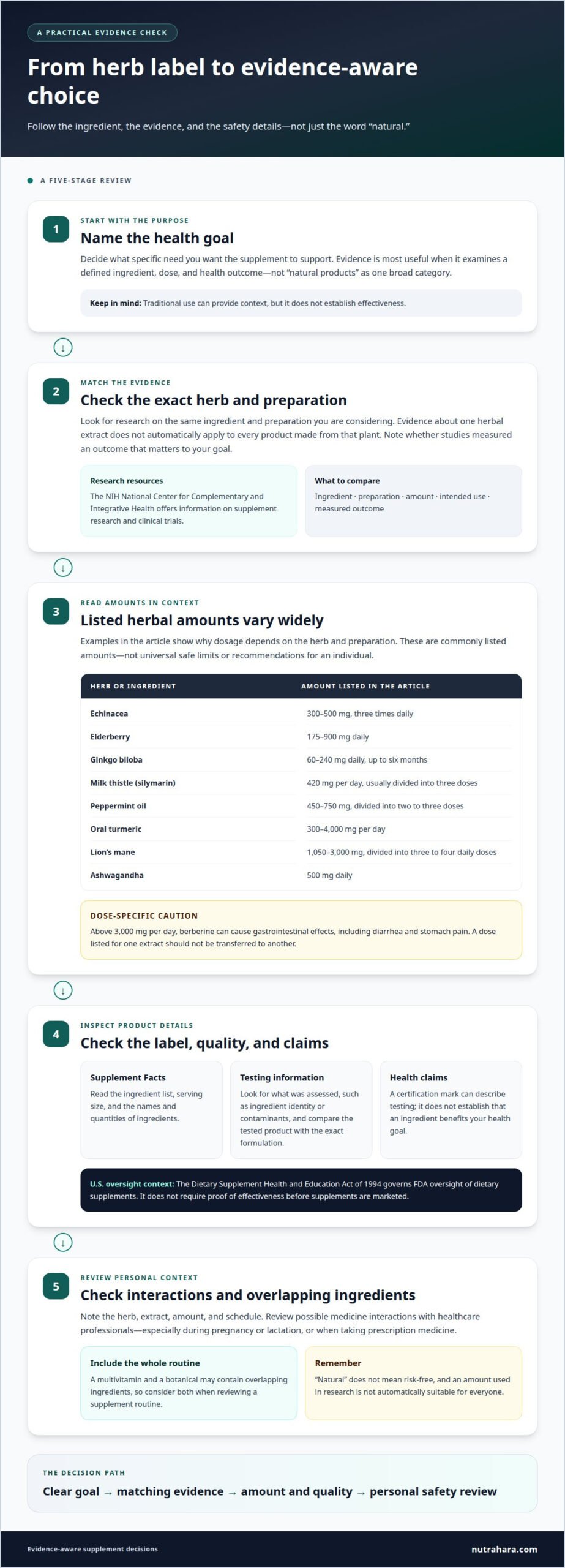
Ingredient research tests whether a supplement may support a particular health outcome. Botanical supplements come from plants; other dietary supplements include minerals and vitamins. Look for studies on the same ingredient and preparation you’re considering, then note whether researchers measured a meaningful outcome. For example, evidence about one herbal extract doesn’t automatically apply to every product made from that plant. The NIH National Center for Complementary and Integrative Health offers resources for finding supplement research and clinical trials. This can help distinguish traditional use from benefits supported by clinical research.

FDA Regulation and Health Claims

FDA regulation sets the federal framework for oversight of dietary supplements and their claims. The Dietary Supplement Health and Education Act of 1994 governs FDA oversight in the United States, according to the United States Congress. It does not require proof of effectiveness before supplements are marketed. So how much do evidence-backed supplements typically cost in the United States? Costs depend on the ingredient, formulation, serving size, and testing, rather than evidence alone. A health claim on packaging is not itself proof that a product works. Consider the stated use and the research behind that specific ingredient, and discuss possible interactions with medicine with healthcare professionals. This is particularly relevant during pregnancy, lactation, or when taking prescription medicine.

Quality, Purity, and Third-Party Testing

Third-party testing is an independent assessment of a supplement’s quality or contents. To assess quality and purity, read the Supplement Facts panel, ingredient list, serving size, and manufacturer’s testing information. Look for clear ingredient names and quantities, and check whether testing details say what was assessed, such as identity or contaminants. A certification mark can provide information about testing, but it doesn’t establish that an ingredient benefits your health goal. Compare the tested product with the exact formulation you plan to use. A vegetable-based diet can support overall nutrition, but it doesn’t replace checking a supplement’s ingredients, evidence, and potential interactions.

Herbal supplements and their uses

Herbal supplements contain plant-based ingredients taken to support health. A traditional remedy’s history doesn’t establish its effectiveness, so assess the specific herb, preparation, and intended use. The National Center for Complementary and Integrative Health offers resources for researching herbs and clinical trials. These can help distinguish traditional use from findings in human studies.

Dosages differ by herb and preparation, and no single upper limit applies to every botanical. Commonly listed amounts include echinacea at 300-500 mg three times daily, elderberry at 175-900 mg daily, and ginkgo biloba at 60 to 240 mg daily up to six months. These are examples, not universal safe limits. Above 3000 mg per day, berberine can cause gastrointestinal effects, including diarrhea and stomach pain.

Other examples show why the plant and dose matter. Milk thistle’s silymarin is commonly listed at 420 mg per day, usually divided into three doses. Peppermint oil is listed at 450-750 mg, divided into two to three doses. Oral turmeric ranges from 300 mg to 4,000 mg per day, while lion’s mane is listed at 1,050-3,000 mg, divided into three to four daily doses. A dose listed for one extract shouldn’t be transferred to another.

For a practical safety check, note the herb, extract, amount, and schedule, then review possible medicine interactions with healthcare professionals. This is especially important during pregnancy or lactation, when an herb’s effects and exposure can differ. A multivitamin and a botanical may also contain overlapping ingredients, so include both when reviewing a supplement routine. “Natural” doesn’t mean risk-free, and an amount used in research isn’t automatically suitable for everyone.

Ashwagandha has a long history in Ayurvedic medicine, and a commonly listed amount is 500 mg daily. If this herb is relevant to your wellness routine, explore the ashwagandha with black pepper supplement as one option to consider.

Multivitamin/mineral supplements

Multivitamin/mineral supplements combine several vitamins and minerals in one product. Formulas vary, so the label matters as much as the category.

Evidence for Multivitamins and Minerals

Evidence describes how well a nutrient or combination supports a defined health outcome. High-quality trials haven’t shown clear disease-prevention benefits from general multivitamins for healthy people or people with chronic conditions. That doesn’t mean every nutrient is unnecessary. For adults aged 50 and older, vitamins B12 and D, and calcium, have evidence for use in specific situations. The consumer’s age, diet, and health needs shape whether a nutrient is relevant.

Vitamin D Supplements for Low Levels

Vitamin D supplements provide this nutrient when food and other sources don’t meet a person’s needs. For people with low vitamin D levels, supplementation can help address the shortfall; the result depends on the cause, amount taken, and absorption. Fatty fish, including salmon, tuna, and mackerel, provide vitamin D. Fortified foods such as milk supply most vitamin D in American diets. The Endocrine Society recommends vitamin D supplements for pregnant women.

Food sources can help build a varied foundation. Citrus fruits, peppers, kiwifruit, broccoli, strawberries, baked potatoes, and tomatoes provide vitamin C. Green leafy vegetables supply vitamin K, while carrots and spinach are rich in vitamin A. Calcium-rich choices include milk, cheese, yogurt, kale, broccoli, and canned sardines or salmon with soft bones. Zinc occurs in red meat, poultry, seafood, and fortified breakfast cereals.

Life stage can affect nutrient needs. During pregnancy, folic acid supplementation is listed as a relevant measure. Breastfed infants are also listed for vitamin D and iron supplementation. The National Institutes of Health Office of Dietary Supplements provides fact sheets on vitamins, minerals, herbs, botanicals, and probiotics. Use them to compare a supplement’s ingredients with food sources and your specific purpose. A multivitamin isn’t a substitute for a balanced diet or a plan tailored to a known need.
Evidence-Based Natural Supplements: Uses, Benefits, and Evidence

Evidence-based supplement fact sheets

A supplement fact sheet summarizes an ingredient’s uses, evidence, and safety considerations. It’s a practical starting point for evaluating a product claim, not proof that every formulation works. The National Institutes of Health Office of Dietary Supplements provides fact sheets covering vitamins, minerals, herbs, botanicals, and probiotics. Start with the ingredient name, then compare the stated use with the evidence and safety information.

For example, the cited calcium recommendation for children ages 4 to 8 and adults ages 19 to 50 is 1,000 milligrams per day, according to the National Institutes of Health Office of Dietary Supplements. The amount of magnesium a person needs depends on age and sex. A useful fact sheet therefore gives context: identify the relevant life stage, note the nutrient form, and distinguish a recommended intake from a supplement dose.

MedlinePlus provides resources for over 100 herbs and supplements, making it a broad database for initial reading. The NIH National Center for Complementary and Integrative Health offers tools for finding research and clinical trials on dietary and herbal supplements. Use those resources to check whether a clinical study examined the same ingredient and purpose. Evidence for one herbal preparation may not apply to another extract or combination.

Safety deserves equal attention. The NIH National Center for Complementary and Integrative Health provides an interactive tool explaining potentially harmful medicine and supplement interactions. Review the ingredient list alongside medicines and other supplements, then discuss possible interactions with healthcare professionals. For pregnancy or breastfeeding, LactMed offers information about drugs and chemicals, breast-milk and infant-blood levels, possible effects in nursing infants, and therapeutic alternatives where appropriate.

A focused reading routine keeps the information useful: identify the ingredient, intended benefit, evidence, dose guidance, and interaction risks. Then decide whether the evidence matches your health goal. A fact sheet can clarify what research supports, but it cannot make a broad claim apply to every person or product.

Nutrahara: Women’s Health Supplements

Nutrahara offers Women’s Health Supplements for women considering support for their wellness priorities. Choosing what fits your routine is personal, and a supplement should complement, not replace, healthy habits. Explore options with your needs in mind, and use the evidence and ingredient information discussed above to guide your decision. For questions about Nutrahara’s Women’s Health Supplements, contact Nutrahara.

Choose Your Next Wellness Step

Your health priorities can shift with your life stage, energy, and daily routines. Let evidence guide your choices, while leaving room for nourishing meals, movement, yoga, and meditation. A useful next step is to name the goal you want to support, then consider whether evidence-based natural supplements fit alongside the habits already helping you feel well. Give yourself permission to make thoughtful choices rather than chasing every new trend.

For women’s wellness support, Nutrahara offers Women’s Health Supplements. If you have questions about the options, contact Nutrahara with your questions. Keep building a routine that feels sustainable, informed, and true to your needs.

Frequently Asked Questions

14 Common supplements: Are they beneficial or a waste of money?

Neither label fits every supplement; value depends on the ingredient, purpose, and evidence for that use. Evidence-based natural supplements are more relevant when they address a defined need than when chosen for a broad wellness promise. During menstruation, for example, iron-containing foods include beans, lean meat, seafood, poultry, and fortified cereals. Start by connecting a product’s intended use to your nutrition and health priorities.

What About Drug Interactions?

Supplements can interact with medicines, so consider them together as part of your full routine. Make a list of prescription medicines, over-the-counter products, and supplements, including herbs and multivitamins. This gives healthcare professionals a clearer picture when reviewing possible interactions. Be especially thoughtful when your routine changes during pregnancy, lactation, or menopause, or when you start or stop a medicine or supplement.

What is the Evidence?

Evidence is research that tests an ingredient for a defined outcome in people. To assess evidence-based natural supplements, check whether the study’s ingredient and preparation match the product, and whether participants resemble those who might use it. Also distinguish a measured change, such as a blood marker, from an outcome that matters in daily life. Traditional use alone doesn’t answer those questions.

Which natural supplements have the strongest evidence for specific health benefits?

Evidence is most useful when it addresses a specific nutrient and life stage. For women over 50, the cited calcium recommendation is 1,200 milligrams, while calcium needs and food intake can differ across adulthood. During menstruation, consider iron-containing foods as part of overall dietary intake. Pregnancy, lactation, and menopause bring different considerations, so assess the ingredient and intended purpose within your current stage.

What does clinical research say about omega-3 supplements and heart health?

Omega-3 research examines different outcomes, so a finding about blood lipids doesn’t automatically show a supplement prevents heart disease. Fish oil research has reported an association with genetic predisposition for producing LDL cholesterol, triglycerides, and HDL cholesterol. That is distinct from proving a direct treatment effect. For a practical dietary context, fatty fish such as salmon, tuna, and mackerel are food sources of vitamin D.

What evidence supports creatine, protein, or other supplements for exercise performance?

Evidence for exercise supplements depends on the ingredient and performance outcome tested. Research may examine supplement ingredients broadly, but that doesn’t mean every product improves every workout. For a useful comparison, identify whether a study measured strength, endurance, recovery, or another specific result, then consider whether its participants and training context fit your routine. Food, progressive training, rest, yoga, and meditation also contribute to a balanced fitness practice.

Article by

Nutrahara Team

We are a dedicated collective of nutrition scientists and naturopaths at Nutrahara, committed to advancing women's health through the fusion of ancient Ayurveda science and cutting-edge nutrition research. Our mission is to empower you with clean, simple, and scientifically validated wellness solutions so you can live your healthiest life. Connect with us to stay updated on the latest developments in holistic women's health and nature-based research.

Disclaimer

This article is not a substitute for medical advice. Please consult a healthcare professional before starting any supplement, especially if pregnant, nursing, taking medication, or managing health conditions.
Categories
Articles

Ayurvedic Adaptogen Herbs for Stress, Supplements and Food

What if supporting your response to stress is less about switching it off and more about helping your body find balance? Ayurvedic adaptogen herbs are botanicals traditionally used to support the body’s response to stress and its return toward a stable state. It makes sense to look for gentle, practical ways to care for your wellbeing, especially when energy, mood and changing life stages can shape how stress feels.

This guide explains what adaptogenic herbs are, how they may support the body’s response to stress, and what research can and cannot tell us about their traditional uses. You’ll learn about Ayurvedic examples such as ashwagandha, tulsi, and shatavari, and how these herbs are used in supplements, teas, and foods. We’ll also consider how to approach them alongside everyday habits such as movement, yoga, meditation, and nourishing meals, so you can make informed choices for your wellbeing.

Key Takeaways

  • Understand how adaptogens may interact with the body’s stress response, and why they’re not a substitute for standard care.
  • Recognize Ayurvedic examples such as ashwagandha and tulsi, and how their traditional uses differ.
  • Explore ways herbs appear in capsules, teas, powders, and everyday foods, while considering medication interactions before using supplements.
  • Learn how to distinguish traditional wellness practices from the limits of current research when choosing an approach that suits your needs.

How Do Adaptogens Aid In Stress Relief?

Adaptogens are natural products traditionally used to support the body’s response to stress. Their proposed effects involve systems that regulate physical and hormonal responses.

Adaptogens and the Stress Response

An adaptogen is generally described as nontoxic at normal doses, supportive during stress, and able to help the body return to a stable state. This definition focuses on balance, rather than simply feeling energized or relaxed. In Ayurveda, rasayana refers to restorative preparations, while modern explanations propose that adaptogens interact with the body’s stress-regulation systems.

Stress and the Sympathetic Nervous System

The sympathetic nervous system helps prepare the body to respond to stress, including through physical changes associated with alertness. This response can be useful during an immediate challenge, but ongoing stress can affect how the body feels and functions. Adaptogens are proposed to influence nerve responses, but they aren’t a substitute for care when symptoms persist.

Researchers often describe the hypothalamic-pituitary-adrenal, or HPA, axis as part of the stress response. The hypothalamus, pituitary gland, and adrenal glands coordinate hormonal and physiological changes. Adaptogens may affect this axis and cortisol levels, but proposed effects vary by herb and individual.

Adaptogens may also influence stamina and immune function, but that doesn’t mean every herb works the same way. For example, an herb traditionally used for vitality may not address every cause of fatigue or stress.

Stress is a growing concern: 47% of Americans reported increased stress levels since the pandemic started. Yoga and meditation can complement everyday wellbeing practices, while persistent symptoms call for standard care. Adaptogens and supplements should not replace that care, especially when symptoms continue.

What Are Adaptogenic Herbs?

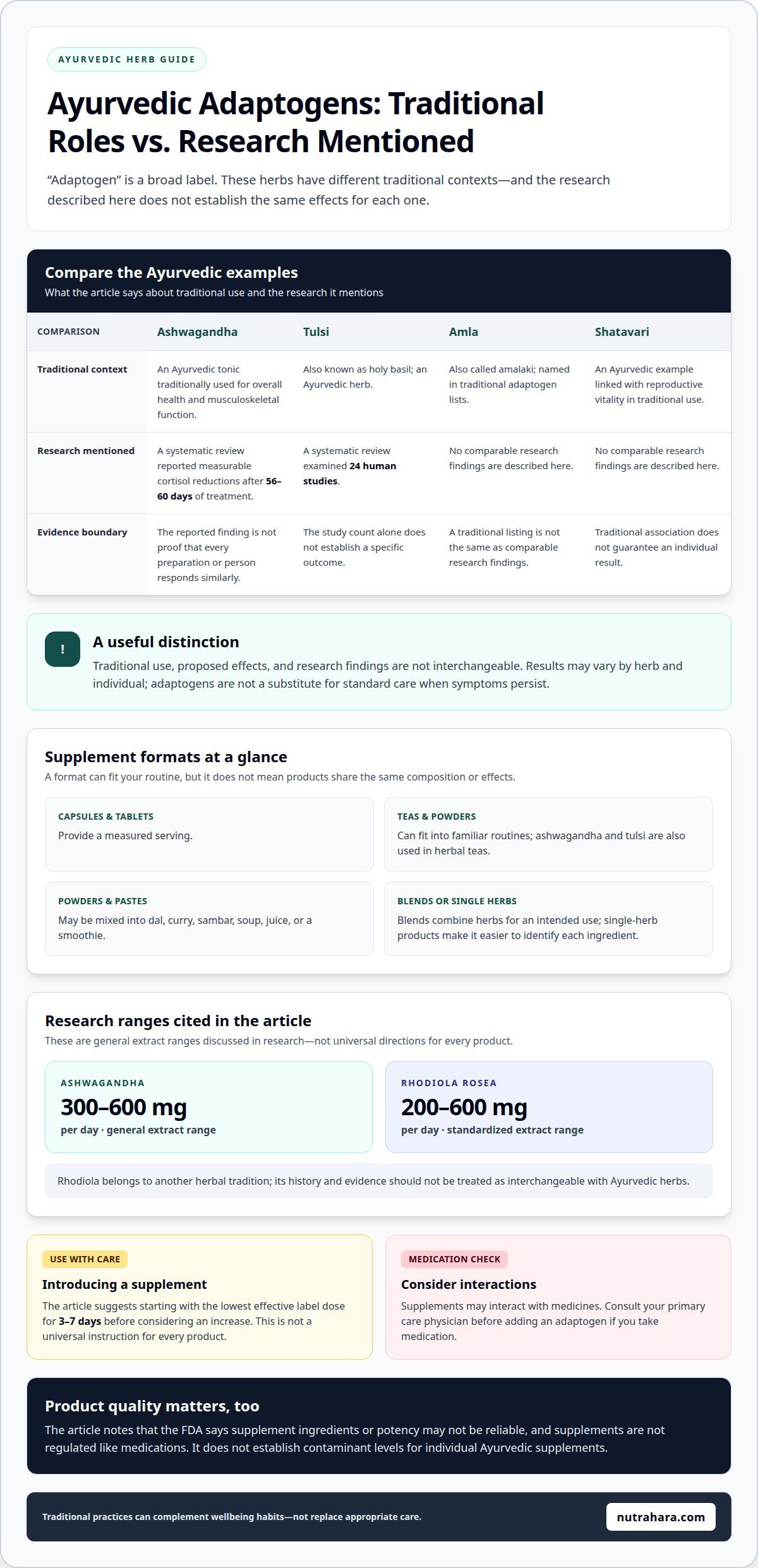
Adaptogenic herbs are plants traditionally used to support the body’s response to stress. Ayurvedic examples include ashwagandha, tulsi, brahmi, amla, and shatavari; ginseng and rhodiola belong to other herbal traditions, so their histories and evidence shouldn’t be treated as interchangeable. Evidence varies: research on tulsi includes a systematic review of 24 human studies, while amla and shatavari are named in traditional adaptogen lists without comparable findings here.

Ashwagandha in Ayurveda

Ashwagandha, also called Indian ginseng, is an Ayurvedic tonic traditionally used for overall health and musculoskeletal function. Ayurvedic discussions may connect it with Vata, energy, and sleep, but these traditional categories don’t guarantee the same result for every woman. Distinguishing a herb’s historical role from what modern research has tested helps set realistic expectations.

Ashwagandha Research on Stress and Anxiety

Research findings on ashwagandha relate more directly to stress than to a guaranteed effect on anxiety or sleep. A systematic review reported measurable cortisol reductions after 56 to 60 days of ashwagandha treatment, while much rasayana research remains preclinical. That offers a reason for scientific interest, not proof that every preparation or person will respond similarly. Licorice also appears in preclinical rasayana research.

Other Ayurvedic Herbs and Adaptogens

Tulsi, or holy basil, has more human-study coverage in the supplied evidence than amla or shatavari. A systematic review examined 24 human studies of tulsi, though that count alone doesn’t establish a specific outcome. Amla is also called amalaki; shatavari is another Ayurvedic example. Brahmi appears in traditional adaptogen lists, while ginseng and rhodiola offer comparisons from other herbal traditions.

Adaptogen supplements and food uses

Adaptogens come in different forms, from concentrated extracts to ingredients mixed into meals. The format can affect how easily you use a product, but it doesn’t mean every product has the same composition or effects.

Capsules and tablets provide a measured serving, while teas and powders can fit into familiar routines. Powders or pastes may be stirred into dal, curry, sambar, soup, juice, or a smoothie. Ashwagandha and tulsi are also used in herbal teas. For a practical starting point, choose one format that fits your routine rather than combining several at once.

General extract ranges in the research include 300-600 mg per day for ashwagandha and 200-600 mg per day for standardized Rhodiola rosea. These are not universal directions for every product. Start with the lowest effective label dose for 3-7 days before considering an increase. If you are considering cycling an adaptogen, follow product-specific guidance and seek professional advice when appropriate.

Adaptogenic blends combine herbs for an intended use, while single-herb products make it easier to identify each ingredient. If you take medication, consult your primary care physician before adding an adaptogen, since supplements may interact with medicines. Yoga, meditation, and balanced meals can support wellbeing alongside appropriate care, not replace it.

Heavy-metal contamination is a product-quality question, separate from whether an herb may affect stress. The information here doesn’t establish contaminant levels for individual Ayurvedic supplements. The U.S. Food and Drug Administration notes that supplement ingredients or potency may not be reliable, and supplements aren’t regulated like medications. For an ashwagandha option, see these ashwagandha supplements with black pepper.

Ayurvedic adaptogenic herbs

Ayurvedic adaptogens are herbs used in traditional formulations, and rasayana describes a restorative category within Ayurveda. Their roles aren’t interchangeable: an herb associated with vitality doesn’t automatically address fatigue, immune function, or reproductive wellness. If you’re exploring these traditions, start by identifying the herb and its traditional context rather than relying on the broad “adaptogen” label.

Shatavari is linked with reproductive vitality in Ayurvedic tradition. Its name is sometimes translated as “the one with 100 husbands,” a cultural expression rather than evidence of a measured effect on fertility or hormones. Mucuna, also called Kapikacchu, is a natural source of L-dopa, a precursor to dopamine. Amalaki is another name for amla, a distinct herb with its own traditional uses.

Licorice contains glycosides structurally similar to endogenous stress hormones and has been used traditionally to support endocrine function. Eleutherococcus senticoccus is used to support stress and energy, although evidence for athletic-performance benefits is weak. Panax ginseng belongs to another herbal tradition. These examples show why a plant’s traditional role and the evidence for a specific outcome should be considered separately.

Reported timelines for adaptogens vary: some people notice subtle effects within a week or two, while others may notice effects within two to eight weeks of consistent daily use. Traditional guidance recommends at least 90 days for best results, but that is not a guaranteed outcome. If you explore an herb, choose one personal wellness goal and keep track of changes alongside practices such as yoga or meditation. No verified woman’s testimonial was provided for this section, so one cannot be included without risking a fabricated account.

For women’s wellness support, explore women’s health supplements as one part of a broader routine.

Ayurvedic Adaptogen Herbs for Stress, Supplements and Food

Nutrahara

Nutrahara offers women’s health supplements that combine principles of Ayurveda with modern nutritional research. If you’re considering supplements as part of your wellness routine, Nutrahara’s range is a natural next step after learning how adaptogens are traditionally used and where evidence varies. The supplements are made with natural ingredients and designed to support women’s overall wellness, energy, and health.

As you consider your options, keep your goal clear, such as supporting a balanced routine alongside nourishing food, movement, yoga, or meditation. Supplements don’t replace standard care, especially if symptoms persist or you have questions about medication interactions. A thoughtful approach can help you make informed choices and keep your wellbeing at the center.

Explore Nutrahara’s women’s health supplements to find an option for your wellness routine.

Make Your Wellness Routine Your Own

Choose a small, sustainable next step. Set one wellbeing goal, such as steadier energy or a calmer evening routine, and notice how your daily habits support it. A brief journal can help you spot patterns in movement, meals, rest, and mood without expecting every day to feel the same.

When considering ayurvedic adaptogen herbs, let curiosity guide you rather than pressure to add more. A thoughtful wellness routine can also include yoga, meditation, and fitness practices that feel supportive through changing life stages. Nutrahara’s women’s health supplements are one option to consider as part of that broader approach.

If you’d like to explore how Nutrahara’s women’s health supplements may fit your wellness goals, contact Nutrahara to learn more. Keep building a routine that respects your needs and helps you feel confident in your choices.

Frequently Asked Questions

How long do adaptogens take to work?

Some people report subtle effects within a week or two, while others describe effects after two to eight weeks of consistent daily use. Individual responses can vary with the herb, preparation, and reason for taking it. To assess a change, note one goal, such as sleep quality or daytime energy, alongside relevant routine changes. This can help you distinguish a pattern from one unusually good or difficult day.

Are Adaptogens Safe?

Being described as an adaptogen doesn’t make a supplement suitable for everyone. Supplements can interact with medication, so people taking medication should consult their primary care physician before use. The U.S. Food and Drug Administration notes that supplements aren’t regulated like medications, and stated ingredients or potency may not be reliable. If you’re pregnant, lactating, or managing a health condition, make supplement decisions with appropriate care in mind.

How do adaptogens help?

Adaptogens are traditionally used to support the body’s response to stress, but proposed effects differ among herbs. They don’t remove the source of stress or replace habits that support wellbeing. Consider how an herb fits into your routine, including sleep, nourishing meals, movement, yoga, or meditation. A clear goal, such as supporting a steadier evening routine, can help you decide whether a supplement is relevant to your needs.

So, What Exactly Are Adaptogens?

Adaptogens are natural products traditionally used to help the body cope with stress and return toward balance. Russian scientist Nikolay Lazarev introduced the concept in the 1950s. The term covers plants from different traditions, including Ayurvedic herbs and ginseng or rhodiola from other herbal systems. It’s a broad category, not a guarantee that different plants share the same traditional role, formulation, or evidence for a particular outcome.

What are adaptogens and should you be taking them?

Adaptogen describes herbs or other natural products traditionally used to support the body’s stress response, but they aren’t essential for everyone. Consider why you might take one and whether it fits your overall approach to wellbeing. Medication use matters because supplements may interact with medicines. Ongoing symptoms call for standard care rather than a supplement-only approach. You can also build stress-supportive habits, such as regular movement and meditation, without taking an adaptogen.

What is the difference between adaptogens and rasayanas?

Adaptogen describes a proposed role in supporting the body’s response to stress, while rasayana is a traditional Ayurvedic category of restorative preparations. Some rasayana products are discussed as adaptogens, so the terms can overlap without meaning the same thing. When reading about an herb, this distinction is useful: rasayana places it within an Ayurvedic framework, while adaptogen describes a stress-related concept. Neither label alone establishes a specific effect for an individual.

Article by

Nutrahara Team

We are a dedicated collective of nutrition scientists and naturopaths at Nutrahara, committed to advancing women's health through the fusion of ancient Ayurveda science and cutting-edge nutrition research. Our mission is to empower you with clean, simple, and scientifically validated wellness solutions so you can live your healthiest life. Connect with us to stay updated on the latest developments in holistic women's health and nature-based research.

Disclaimer

This article is not a substitute for medical advice. Please consult a healthcare professional before starting any supplement, especially if pregnant, nursing, taking medication, or managing health conditions.

Categories
Articles

Top Vitamins & Supplements for Post-Menopausal Health

A supplement routine should begin with your needs, not a longer ingredient list. Supplements and vitamins for post-menopausal women may help address specific nutrient gaps, but choosing well means considering your diet, health history, and current medications.

It’s understandable to want clear guidance when advice about menopause products varies. This article reviews multivitamins, nutrients, and herbal options, including potential benefits and safety considerations.

Use the information to prepare questions about your own routine and make choices that support your health over time. A genuine customer testimonial can be included when an authentic, sourced quote is available.

Key Takeaways

  • Learn how plant-based options may relate to hormonal balance, and why herbal ingredients deserve a careful look before adding them to your routine.
  • Compare your diet and existing supplements to identify possible nutrient gaps rather than taking a multivitamin by default.
  • Understand how B12, magnesium, and vitamin K2 differ, and what to consider when reviewing a multivitamin label.
  • Weigh the evidence for potential benefits against safety considerations, including overlapping ingredients and medication interactions.

1. Herbal supplements for hormonal balance

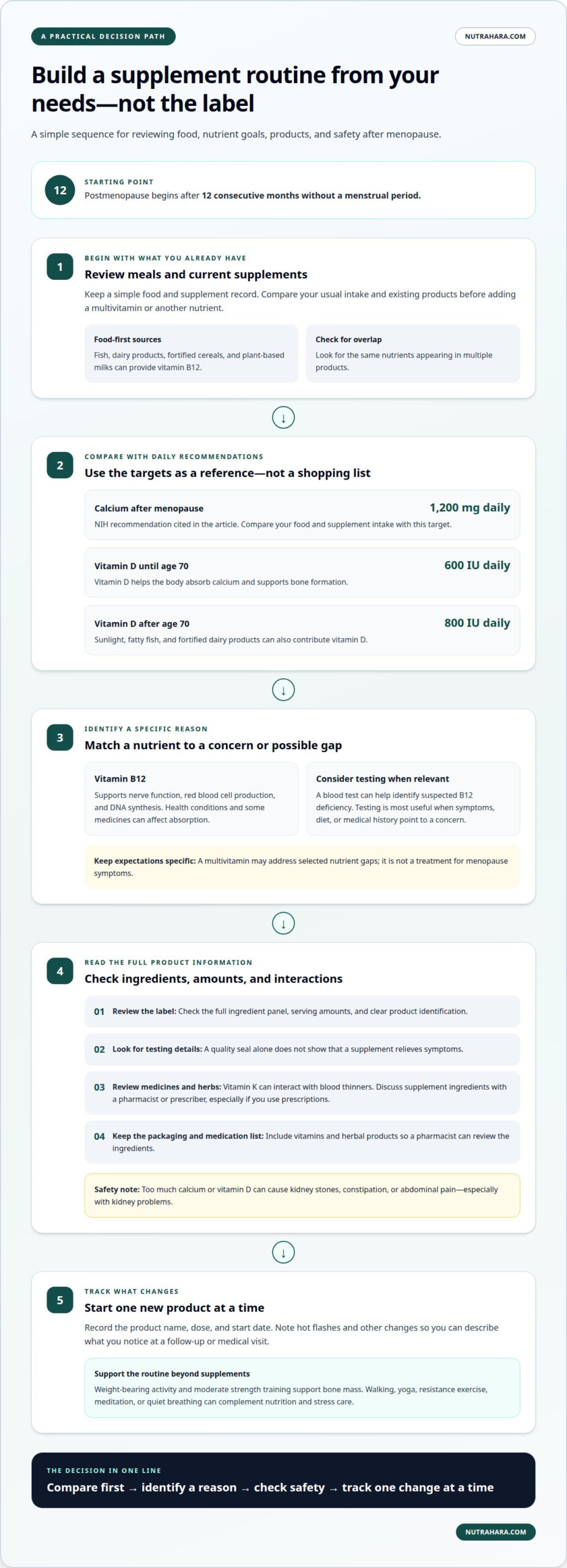
Postmenopause begins after 12 consecutive months without a menstrual period, according to the National Institute on Aging. Plant phytoestrogens act similarly to estrogen in the body, but they aren’t estrogen replacements. Herbal products may contain these compounds, yet different extracts can have different ingredients and amounts. Read the label closely, and don’t assume that “natural” means appropriate for every person.

Women reaching menopause before age 50, especially before age 45, should discuss hormone therapy with a health care practitioner. Early menopause can make the discussion especially relevant to long-term health, including bone formation. Talk through personal health history, symptoms, and current medicines rather than relying on a supplement to replace that conversation.

Prescription non-hormonal approaches are another topic to raise for hot flashes. The Menopause Society released a position statement on non-hormonal therapies in 2023. A practitioner can discuss those options alongside lifestyle steps such as regular movement, sleep habits, and stress management. Yoga or meditation may support a calming routine, but they aren’t substitutes for treatment when symptoms need medical attention.

When comparing supplements in the United States, review the full ingredient panel, serving amounts, and available testing details. Look for clear product identification and independent testing documentation; a quality seal alone doesn’t show that a supplement relieves symptoms. Keep the packaging so a pharmacist can review the ingredients.

Vitamin K can interact with blood thinners. If you use hormone therapy, osteoporosis medicines, or other prescriptions, review supplement ingredients with a pharmacist or prescriber; interactions depend on the specific products and medicines. Bring a complete medication list, including herbal products and vitamins.

Start one new product at a time, and note its name, dose, and start date. A simple log of hot flashes and other changes can help you describe what you notice at a follow-up or medical visit.

2. Is it worth taking supplements for menopause?

Supplements can help fill a nutritional gap, but they don’t replace varied meals. During perimenopause, changing estrogen levels may affect symptoms and routines, while nutrition remains important for everyday function. After menopause, bone health deserves particular attention. The National Institutes of Health recommends 1,200 mg of calcium daily for women after menopause.

Vitamin D helps the body absorb calcium and supports bone formation. The National Institutes of Health recommends 600 IU of vitamin D daily until age 70. After age 70, the National Institutes of Health recommends 800 IU of vitamin D daily. Sunlight, fatty fish, and fortified dairy products can contribute vitamin D through everyday choices.

Food-first planning is practical: include fish, dairy products, fortified cereals, or plant-based milks as sources of vitamin B12. B12 supports nerve function, red blood cell production, and DNA synthesis. Because absorption can be affected by health conditions and some medicines, a blood test can help identify a suspected deficiency. Testing isn’t automatically necessary before every supplement; it’s most useful when symptoms, dietary patterns, or medical history point to a specific concern.

For calcium, build meals around a varied range of foods, then compare your total intake with your daily target. Keep a simple food and supplement record before deciding what may be missing. Too much calcium or vitamin D can cause kidney stones, constipation, or abdominal pain, especially with kidney problems.

Movement and stress care complement nutrition. Weight-bearing activity and moderate strength training help support bone mass; walking, yoga, or resistance exercises can suit different routines. Meditation or quiet breathing can make space for stress management. These habits support overall wellness, but supplements don’t prevent or treat every disease.

For a focused nutrient option, review the ingredients in a vitamin B complex alongside your diet and current supplements. Compare the label with your needs, rather than adding products by default.

3. Do Multivitamins Really Work?

A multivitamin is best viewed as a way to address selected nutrient gaps, not as a treatment for menopause symptoms. Choosing supplements and vitamins for post-menopausal women starts with comparing a formula against what you already eat and take. Check serving sizes and ingredient amounts, especially when multiple products contain the same nutrients.

B12 is one ingredient to assess in that comparison. Rather than adding a separate product automatically, review whether your multivitamin includes it and consider your usual food choices. A clinician may use testing when symptoms, diet, or health history suggest a possible deficiency. That makes the decision more specific than choosing a formula based on age alone.

Magnesium is available in multivitamins and standalone products, but it isn’t a guaranteed sleep aid. If sleep feels unsettled, note bedtime habits and nighttime symptoms, then consider gentle yoga or meditation as part of a calming routine. Ashwagandha is a separate herbal supplement; taking it with magnesium doesn’t prove that the combination improves sleep.

Vitamin K2 appears in some formulas marketed for bone health. Its inclusion doesn’t prove that a multivitamin prevents bone loss. The same care applies to collagen: don’t treat a product’s presence in a wellness formula as evidence that it prevents osteoporosis. Check the specific claim and ingredient rather than relying on broad packaging language.

When assessing supplements and vitamins for post-menopausal women, match each ingredient to a personal reason for using it. Consider your diet, medicines, and health priorities, and avoid products that duplicate nutrients without addressing a need. A short list of questions can help organize a discussion with a health professional.

During perimenopause and after menopause, routines may change along with appetite, activity, and weight. Keep a record of product names and ingredients, and update it whenever you start or stop something. This makes overlapping formulas easier to spot and keeps supplement choices deliberate.

Top Vitamins & Supplements for Post-Menopausal Health

4. Evidence for menopause supplements

Evidence differs by ingredient and symptom. Vitamin D plays a role in bone health, an important consideration during menopause. Levels below 29 ng/ml are linked to poorer lower-body function, particularly in women. These findings matter during the menopause transition, when bone strength deserves attention. They don’t show that one supplement can regulate every symptom or prevent osteoporosis.

For hot flashes and night sweats, vitamin E has antioxidant properties and may help ease symptoms. Vitamin B6 supports neurotransmitter production and may help with menopause-related mood symptoms. Those potential benefits are specific, not proof that a multivitamin treats stress, sleep problems, or vaginal dryness. For sleep or vaginal dryness, discuss symptom-specific options rather than expecting a general supplement to address them.

Study design matters. The Menopause Society released a position statement on non-hormonal therapies in 2023. Placebos reduced hot flashes by 30%, including when researchers measured skin temperature objectively. That finding shows why symptom changes alone don’t establish that a supplement caused relief. A symptom diary can help you track hot flashes, sleep, and mood while assessing a new routine.

Assess each claim carefully. A product described as helping absorption may support a nutrient’s use in the body, but that alone doesn’t demonstrate relief from menopause symptoms. Similarly, claims about inflammation or stress need evidence for the specific ingredient and outcome. Check whether research measures the symptom you want to address, rather than a related marker or general wellness measure.

The practical takeaway: match the evidence to your main concern. Vitamin E has potential relevance for hot flashes; vitamin B6 has potential relevance for mood. Neither finding establishes an effect on every symptom. Keep the ingredient, intended outcome, and any medicines in view when reviewing a supplement label, and use the same symptom notes to discuss what you’re experiencing with a health professional.

Nutrahara: Women’s Health Supplements

Nutrahara offers Women’s Health Supplements for women looking to make nutrition part of their ongoing wellness routine. Its formulations combine principles of Ayurveda with modern nutritional research, using natural, clean ingredients to support overall wellness, energy, and health.

After identifying a possible nutrient gap, use your food and supplement notes to guide your next steps. Read each label and compare its ingredients with your current routine to make a thoughtful choice and avoid duplication. Supplements can complement balanced nutrition, movement, and restorative habits; they aren’t a substitute for medical care when symptoms need attention.

If you’d like to explore women’s wellness supplements as part of your health journey, visit nutrahara.com.

Make Your Next Step a Thoughtful One

Your wellness routine should fit your life, not follow a one-size-fits-all formula. Before choosing supplements and vitamins for post-menopausal women, consider what you want to support, what you already take, and which habits help you feel your best. A brief note about your goals can make it easier to compare options and keep your choices intentional.

Nutrition is one part of the picture. Regular movement, restorative sleep, and calming practices such as yoga or meditation can also support a steady foundation for well-being. Small, sustainable choices give you room to adjust your routine as your needs change.

For questions about Nutrahara’s women’s health supplements, contact Nutrahara with your questions. Keep choosing with care and confidence as your health journey continues.

Frequently Asked Questions

Are supplements safe to use?

A supplement may be appropriate when chosen for a clear need and used as directed. Before adding one, compare its ingredient panel with your multivitamin, fortified foods, and other products. Keep a current list of supplements and medicines, including herbal blends. For example, take label photos to a medication review so overlapping ingredients and possible interactions are easier to spot.

Can You Take Too Many Vitamins?

Yes. Several products may contain the same nutrient, so taking a multivitamin alongside individual capsules can increase your total intake unexpectedly. Check serving sizes and compare every label before combining products. Don’t take extra servings to make up for a missed dose. If you’re unsure how products overlap, bring the labels or package photos to a pharmacist for review.

Do Multivitamins Really Work?

Supplements can help fill a dietary gap, but they don’t guarantee better health or relief from a particular symptom. Start by noting what you eat across a typical week and what your current formula provides. Then look for a clear reason to add or change a product. This can help you avoid choosing a multivitamin simply because it is marketed for menopause.

Do postmenopausal women still need calcium if they eat a balanced diet?

Not necessarily as a separate supplement. What matters is whether food and existing products together provide an appropriate amount for your needs. Review nutrition labels on fortified foods and supplements, and include combination formulas in your count. If your routine already meets your target, adding another calcium product could create unnecessary overlap.

How Much Calcium Do You Need?

After menopause, the National Institutes of Health recommends 1,200 mg of calcium daily. Count intake from food and supplements together rather than treating a pill as the full target. A practical step is to record the calcium shown on labels for a usual day, including combination products, then compare that total with the recommendation.

How can I balance my hormones during my menopause transition?

No single routine balances hormones for every woman. Track symptoms alongside sleep, movement, and stress to identify patterns worth discussing with a health care practitioner. A regular walk, gentle yoga, or a short meditation practice can support a steady wellness routine. If symptoms disrupt daily life, ask about treatment options suited to your symptoms and health history.

Article by

Nutrahara Team

We are a dedicated collective of nutrition scientists and naturopaths at Nutrahara, committed to advancing women's health through the fusion of ancient Ayurveda science and cutting-edge nutrition research. Our mission is to empower you with clean, simple, and scientifically validated wellness solutions so you can live your healthiest life. Connect with us to stay updated on the latest developments in holistic women's health and nature-based research.

Disclaimer

This article is not a substitute for medical advice. Please consult a healthcare professional before starting any supplement, especially if pregnant, nursing, taking medication, or managing health conditions.
Categories
Articles

Triphala for Women’s Digestion: Benefits and Tablet Timing

Triphala is traditionally used as a digestive tonic. Possible triphala benefits for women’s digestion include support for appetite, digestion, and nutrient absorption. Its traditional use provides context, but how you use a supplement depends on your health circumstances and the product’s directions.

Women’s digestion can vary with life stages and daily routines. This guide covers Triphala’s traditional use, possible digestive effects, tablet timing, and when to seek a health professional’s guidance. Pay attention to your wellbeing and choose what fits your needs. Personal stories can offer perspective, but they should reflect real experiences, not be invented to support a supplement claim.

Key Takeaways

  • Learn how Triphala’s three-fruit blend is traditionally used as a digestive tonic, and how that tradition differs from evidence about possible effects.
  • Understand the commonly suggested tablet timing: one to four tablets at bedtime or in the morning on an empty stomach.
  • Know why women who are pregnant or lactating, or who take medication, should speak with a health professional before use.
  • Explore how Triphala may support appetite, digestion, and the absorption of food and nutrients.

Tablet dosage and timing

Triphala tablets are commonly taken in the morning or at bedtime on an empty stomach. Suggested guidance ranges from one to four tablets, but tablet strength varies by product. The tablet count alone doesn’t tell you how many milligrams you’re taking. Follow the serving instructions on the product label rather than treating every tablet as equivalent.

A typical dosage range starts at 500 milligrams (mg) per day. This figure describes a general starting point, not a universal dose for every tablet or person. The appropriate amount depends on the formulation and its labeled directions. Don’t combine the tablet count with a powder measure as if they represent equivalent doses.

Timing advice reflects different forms and traditional practices. For powder, a commonly described amount is 1/4 to 1/2 teaspoon mixed with warm water, taken in the morning or evening on an empty stomach. Some guidance places Triphala between meals for absorption. In Ayurveda, it may be recommended 30 minutes before meals to support digestive fire.

  • Tablets: Suggested timing is bedtime or morning, on an empty stomach.
  • Powder: The described measure is 1/4 to 1/2 teaspoon in warm water.
  • Different directions: Follow the specific preparation’s label instead of combining dosing approaches.

How long does Triphala take to work for constipation or other digestive symptoms? The time it takes to notice a change may depend on the dose, formulation, bowel pattern, and symptom. Track bowel movements and comfort alongside when you take it to see how your routine affects your experience.

Triphala can have natural laxative effects, and larger doses may cause diarrhea or abdominal discomfort. If loose stools or discomfort develop, don’t increase the amount to try to get a faster effect. A simple log of tablet timing, meals, and symptoms can help women balance exercise, meals, and changing life stages, and make patterns easier to discuss with a health professional.

Triphala’s traditional use as a digestive tonic

In Ayurveda, Triphala has a long history as a digestive tonic. It has been used as a healing remedy for more than 1,000 years, while Ayurveda originated in India more than 3,000 years ago. This tradition offers context for its use, but history alone doesn’t establish how well it works for a particular symptom.

How does Triphala compare with other treatments for constipation and digestive health? Triphala is a traditional herbal blend, while other approaches may target different causes or symptoms. Don’t assume it works like every other treatment or replaces care suited to the cause of ongoing constipation.

What is Triphala, and what ingredients does it contain? Triphala is a blend of three fruits: amla, bibhitaki, and haritaki. In traditional Ayurvedic practice, these fruits are used together rather than as a single-fruit preparation.

Ayurvedic practice views digestion in the context of the body’s broader balance, rather than treating bowel movements as the only measure of digestive health. Triphala is described in this tradition as providing five of the six tastes. This framework explains its place in Ayurveda, but it isn’t a clinical measure of digestive effects.

What makes a quality Triphala supplement a considered choice for consumers in the United States? Start by reading the label for all three fruit names, the form, and clear serving directions. Compare tablets by the labeled amount per serving, not tablet count alone. Powder and tablets aren’t automatically equivalent, so follow the directions for the specific form.

Keep traditional use distinct from evidence for a specific outcome. Amla, bibhitaki, and haritaki make up the classic blend, but formulas and directions can vary. Review the product’s ingredients and serving instructions before use. If digestive symptoms persist or you’re comparing Triphala with another treatment, bring those details to a health professional for a focused discussion.

Consulting a health professional before use

Triphala can affect bowel comfort, and pregnancy, lactation, or medication use can change the safety considerations. These factors can help women decide when to seek professional guidance before adding it to a routine.

Side Effects and Risks

Triphala may cause diarrhea and abdominal discomfort because of its natural laxative effects, particularly at high doses. These effects matter if you already have loose stools or are managing digestive symptoms during exercise, travel, or a busy workday. The research guidance advises against using it when loose stools are present. If discomfort or diarrhea occurs, stop and discuss your symptoms with a health professional rather than increasing the dose.

Use During Pregnancy or Breastfeeding

Triphala isn’t recommended during pregnancy or lactation because its safety in these groups can’t be guaranteed. This applies to women who are pregnant, making choices during pregnancy, or breastfeeding. The same guidance advises against use during menstruation. If any of these situations applies, avoid starting Triphala and discuss the specific product and its ingredients with a health professional, especially if you’re also making other changes to your wellness routine.

Interactions With Medications and Supplements

Women taking medication should speak with a health professional before starting Triphala. A medication review lets the professional consider the exact product, serving directions, and medicines you already use. Bring the package or a clear ingredient list, and mention other supplements. This gives the professional a complete picture rather than relying on the name “Triphala” alone. Don’t assume a plant-based supplement is suitable alongside medication.

For a useful conversation, note the form you’re considering, when you plan to take it, and any digestive symptoms. Mention pregnancy, lactation, menstruation, loose stools, or medication use before starting. These details help focus the discussion on your circumstances and support an informed decision about digestive care.

Triphala for Women's Digestion: Benefits and Tablet Timing

Digestive function and nutrient absorption

Digestion breaks food down so the body can absorb nutrients. Possible triphala benefits for women’s digestion include support for appetite, digestion, and absorption of food and nutrients. These are potential areas of support, not evidence that Triphala corrects a nutrient deficiency or treats a digestive condition.

The gut microbiota, the community of microorganisms in the digestive tract, can interact with Triphala compounds. Gut microbes may transform its polyphenols, including chebulinic acid, into bioactive metabolites that may help prevent oxidative damage. This is a possible pathway for study, but it doesn’t establish improved nutrient absorption for everyone.

Triphala contains antioxidants such as tannins, gallic acid, ellagic acid, and chebulinic acid. Other reported constituents include flavonoids, saponins, anthraquinones, amino acids, fatty acids, and vitamin C. This describes the blend’s composition, not how much of each compound a person absorbs from a tablet or how it affects digestion.

To observe your digestive patterns, track appetite, comfort after meals, and bowel habits together. Note whether you feel comfortable after eating and whether your appetite changes, alongside your usual routine. This can help distinguish digestive shifts from changes in meals or activity. If discomfort or appetite changes persist, discuss the patterns with a health professional.

For women weighing the triphala benefits for women’s digestion, the practical takeaway is to consider appetite, digestion, and nutrient absorption as related but distinct outcomes. Food choices, hydration, and regular movement also contribute to a wellness routine. If you’re exploring women’s wellness supplements, browse women’s health supplements as one part of your learning journey.

Research cited by the page suggests Triphala may support normal glucose metabolism and cardiovascular function, support immune function, and affect histamine response. The page advises taking Triphala between meals on an empty stomach for maximum absorption.

Nutrahara: Women’s Health Supplements

Nutrahara offers women’s health supplements for women seeking support for overall wellness. A steady routine can also include practices that nurture mind and body beyond supplements.

For example, make time for a gentle yoga sequence suited to your fitness level, or try a short meditation during a quiet moment in your day. These practices can help build consistency and give you space to notice how you feel. Choose a comfortable pace, alongside balanced meals and movement that works for you.

Explore Nutrahara’s approach to women’s wellness at nutrahara.com.

Make Your Next Wellness Choice With Confidence

Let your next step begin with curiosity, not pressure. Notice which daily habits support your comfort, energy, and wellbeing, then choose manageable changes. Brief notes about meals, movement, and symptoms can help you spot patterns and describe your experience clearly when speaking with a health professional.

Understanding triphala benefits for women’s digestion can inform that process, but your needs may shift through menstruation, pregnancy, menopause, and other life stages. Keep your choices grounded in your current circumstances and personal health priorities. If you’d like to learn more about Nutrahara’s approach to women’s wellness, contact Nutrahara with your questions.

Build your wellbeing one considered choice at a time. You deserve to feel informed and confident as you shape a routine that supports you.

Frequently Asked Questions

What Are the Benefits of Triphala?

Consider Triphala’s potential benefits as areas of support, not guaranteed outcomes. If you’re evaluating it, decide what you want to understand, such as appetite, comfort after meals, or overall digestive wellbeing. Track that specific measure alongside your usual routine. This gives you a clearer basis for judging whether your experience is meaningful and useful to discuss with a health professional.

What digestive benefits of Triphala are supported by clinical studies?

Clinical findings described for Triphala include a safety assessment, not proof of a digestive benefit. One trial considered 2500 mg/d for 28 days safe in ten healthy male and ten healthy female volunteers. That result doesn’t establish effectiveness for constipation, nutrient absorption, or women’s digestive symptoms. When reviewing claims, distinguish a study of safety from one measuring a specific digestive outcome.

Does Triphala help constipation or improve bowel regularity in women?

Traditional use alone can’t determine whether Triphala will help a particular woman’s constipation. To make a health discussion more informative, note changes in bowel habits alongside meals, activity, and menstrual-cycle patterns. Include how symptoms affect daily activities, such as exercise or sleep. This context can help a professional consider possible contributors rather than focusing on one supplement in isolation.

What is the recommended Triphala dose for digestion, and how should it be taken?

There isn’t one dose that applies to every Triphala product, so follow the serving directions on the specific label. Before choosing, compare the form, serving size, and amount per serving; tablet counts alone don’t make different formulas comparable. Keep the package or a photo of its label, and record what you take and when. This makes your product and routine easier to review with a health professional.

Article by

Nutrahara Team

We are a dedicated collective of nutrition scientists and naturopaths at Nutrahara, committed to advancing women's health through the fusion of ancient Ayurveda science and cutting-edge nutrition research. Our mission is to empower you with clean, simple, and scientifically validated wellness solutions so you can live your healthiest life. Connect with us to stay updated on the latest developments in holistic women's health and nature-based research.

Disclaimer

This article is not a substitute for medical advice. Please consult a healthcare professional before starting any supplement, especially if pregnant, nursing, taking medication, or managing health conditions.

Categories
Articles

Herbal Supplements for Women’s Energy and Vitality

What if the mid-afternoon brain fog you’re fighting isn’t a sign you need more caffeine, but a signal that your internal rhythm is out of sync? You likely know that “wired but tired” feeling where your mind races while your body feels like lead. It’s exhausting to sift through the confusion between synthetic stimulants and natural alternatives. Finding effective herbal supplements for women’s energy shouldn’t feel like a gamble with your wellness. You deserve a solution that supports your body without the inevitable crash.

We agree that true vitality comes from balance, not a temporary spike in heart rate. This article promises to show you how the fusion of ancient Ayurvedic wisdom and modern clinical research provides a sustainable path to energy for women through every life stage. We’ll explore specific botanicals like Ashwagandha that support your mitochondria and stress resilience. You’ll learn how to integrate these natural tools with your yoga and meditation practice, supported by real-life stories from women who have reclaimed their spark on this long-term health progression.

Key Takeaways

  • Identify the unique biological triggers behind the “Energy Gap” and understand how life stages from menstruation to menopause affect your cellular vitality.
  • Explore the Ayurvedic concept of rebuilding “Prana” through traditional Rasayana herbs that nourish the body rather than providing a temporary, synthetic jolt.
  • Uncover the clinical synergy between Vitamin B Complex and herbal supplements for women’s energy to support the Krebs cycle and enhance your mental clarity.
  • Learn to align your daily routine with your natural rhythms by using yoga and meditation to stimulate the endocrine system without causing physical burnout.
  • Gain the confidence to select high-quality, clean supplements by learning which fillers to avoid and how to verify the potency of natural ingredients for long-term health.

Understanding the Energy Gap: Why Women’s Fatigue is Unique

For women navigating the years between 30 and 60, fatigue rarely stems from a single late night. Instead, many experience what we call the Energy Gap. This is a persistent deficit where daily responsibilities outpace your biological power supply. Whether you’re managing a career, raising a family, or navigating the complexities of perimenopause, this gap can feel insurmountable. While many reach for a third cup of coffee, synthetic stimulants often worsen the underlying depletion. Choosing high quality herbal supplements for women’s energy offers a more sustainable way to bridge this divide by addressing the root causes of exhaustion.

The psychological weight of the “second shift” also plays a significant role. Even after the traditional workday ends, the mental load of managing a household continues. This constant cognitive demand places a heavy toll on your adrenal health. Unlike caffeine, which merely masks these issues, you might wonder, What are adaptogens? These unique botanicals help your body resist stressors and restore balance without the jitters. By supporting your system rather than overstimulating it, you can begin a long term progression toward true vitality.

Hormones and the Mitochondrial Connection

The Stress-Energy Paradox: ‘Wired but Tired’

Chronic stress creates a specific kind of exhaustion known as being “wired but tired.” When cortisol remains elevated for too long, it disrupts your natural circadian rhythm. You might feel frantic during the day yet find yourself unable to rest at night. At Nutrahara, we view this state as a blockage of Prana, your vital life force. Adrenal fatigue often manifests as a 3 PM slump, salt cravings, or a reliance on sugar to get through the afternoon. Recognizing these signs is the first step in reclaiming your resilience. By integrating gentle movement like yoga with herbal supplements for women’s energy, you can soothe your nervous system and rebuild your exhausted reserves.

Ayurvedic Foundations: Ancient Botanicals for Prana and Ojas

In the tradition of Ayurveda, vitality is more than just the absence of fatigue. It’s the harmonious flow of Prana, your vital life force, and the cultivation of Ojas, the deep essence that supports immunity and long term strength. When you feel depleted, it often means your Ojas has been weathered by stress or poor absorption. Unlike modern stimulants that “borrow” energy from tomorrow, Ayurvedic herbal supplements for women’s energy focus on rebuilding these internal reservoirs. This process begins with Agni, or digestive fire. Without a strong Agni, even the best nutrients cannot be transformed into the energy your cells need to thrive.

Ashwagandha: The Root of Resilience

Ashwagandha is celebrated as a premier Rasayana, a category of herbs dedicated to rejuvenation and longevity. It works by supporting the HPA axis, which helps stabilize your body’s response to stress and prevents energy crashes. You can find many research-backed benefits of Ashwagandha that highlight its ability to improve sleep quality and reduce cortisol. For those seeking maximum impact, our Ashwagandha with Black Pepper is formulated to enhance bioavailability, ensuring your body absorbs every bit of this ancient wisdom.

Try incorporating this herb into a calming evening ritual. Mixing your supplement with a cup of warm almond milk and a pinch of cinnamon can signal to your nervous system that it’s time to transition from “doing” to “being.” This practice helps protect your Ojas while you sleep.

Shatavari and Women’s Vitality

While Ashwagandha provides grounding strength, Shatavari offers cooling nourishment. Known as the “woman with a hundred husbands,” this root is a powerful tonic for the female reproductive and energy systems. It’s particularly effective during the perimenopausal transition, as it helps maintain hydration and balances the “heat” often associated with hormonal shifts. By soothing the system, Shatavari allows your energy to flow without the friction of irritability or physical discomfort.

If you’re looking for a comprehensive way to support your daily rhythm, FemmePower combines these traditional botanicals into one elegant formula. It’s designed to honor your body’s natural progression through every life stage. Reclaiming your vitality doesn’t happen overnight, but choosing the right path makes the journey much smoother. You might find that a gentle, consistent routine is exactly what your spirit needs to feel truly vibrant again.

Modern Science Meets Tradition: Clinically Validated Energy Boosters

While ancient health philosophies provide the map, modern nutritional research acts as the compass for your journey toward vitality. We believe in transparency and purity, which is why we use standardized extracts to ensure consistent potency. This scientific precision allows us to identify exactly how specific compounds interact with your biology to bridge the energy gap. By combining the best of nature with clinical validation, we help you build a routine that supports your body’s long term progression without the need for artificial stimulants. Choosing the right herbal supplements for women’s energy means looking for formulas that respect both historical wisdom and the rigors of the laboratory.

The Power of the B-Complex Synergy

Energy production happens at the cellular level within the Krebs cycle, and B-vitamins are the essential cofactors that keep this cycle turning. It’s a common misconception that B-vitamins are only for the deficient; instead, we recognize their synergistic power when combined with adaptogenic herbs. B12, B6, and Folate work in harmony to support red blood cell health and oxygen transport, ensuring your muscles and brain receive the fuel they need. B-vitamins serve as essential precursors for the synthesis of key neurotransmitters like serotonin and dopamine, which are vital for maintaining sharp cognitive focus and emotional stability throughout the day. For comprehensive metabolic support, our Vitamin B Complex provides these nutrients in their most bioavailable forms.

Rhodiola: The Scandinavian Secret to Focus

Rhodiola Rosea is a resilient herb from high-altitude regions that has been clinically studied for its impact on burnout and mental fatigue. Research suggests that consistent use of Rhodiola can significantly reduce symptoms of exhaustion in as little as 28 days. It acts as a perfect partner to Ayurvedic roots, providing a “lifting” effect that clears brain fog while other herbal supplements for women’s energy ground your nervous system. If your fatigue is primarily mental or cognitive, FocusZenith offers a targeted blend that includes this powerful botanical to help you stay sharp during demanding days.

While high quality herbal supplements for women’s energy provide the biochemical foundation for vitality, their effects are amplified when paired with intentional movement. For many women in their 40s and 50s, high-intensity interval training can inadvertently drain energy by overstimulating the adrenal glands and spiking cortisol. Instead, yoga offers a way to move “stuck” energy and gently stimulate the endocrine system. This holistic approach ensures that you aren’t just masking fatigue, but actively cultivating a more resilient nervous system that supports your long term health progression.

Creating a Morning Vitality Ritual that combines your mindfulness practice with Ashwagandha with Black Pepper sets a calm, powerful tone for the hours ahead. This synergy between ancient botanicals and physical ritual allows you to approach your day from a place of abundance rather than depletion. You deserve a routine that aligns with your wellness values and honors your body’s unique needs.

Yoga Sequences for Natural Energy

Sun Salutations, or Surya Namaskar, are a powerful way to awaken the body’s circulation. This sequence of twelve postures synchronizes breath with movement, warming the muscles and clearing mental stagnation. If you hit a mid-afternoon slump, try an inversion like legs-up-the-wall (Viparita Karani). This simple pose encourages venous return and calms the heart, offering a restorative reset that feels more sustainable than a caffeine spike. It’s a gentle way to nourish your Prana when your reserves feel low.

“I used to rely on four cups of coffee just to make it through my workday,” says Sarah, a 45-year-old marketing director. “Transitioning to a morning yoga practice combined with FemmePower changed everything. I finally feel awake and grounded rather than just ‘wired’ and anxious.”

Meditation and the Vagus Nerve

Pranayama, or yogic breathwork, acts as an instant natural energy supplement. Practicing Kapalabhati (Skull Shining Breath) for just ten minutes can clear mental fog by increasing oxygen flow and stimulating the solar plexus. This practice also supports the Vagus Nerve, which is critical for long term energy regulation and stress resilience. By toning this nerve, you improve your body’s ability to switch from “fight or flight” to “rest and digest,” preserving your energy for when you truly need it.

Use a short meditation to transition from your professional responsibilities to your home life. This mental “buffer” prevents the exhaustion that often comes from carrying the stress of the day into your evening. It’s a simple trick that helps you reclaim your personal time with clarity and presence. Explore our vitality formulas to enhance your daily ritual.

Herbal Supplements for Women's Energy and Vitality

Nurturing Your Long-Term Progression: How to Choose and Use

Choosing the right herbal supplements for women’s energy is the first step toward a more vibrant life. It’s not about finding a magic pill, but about honoring your body through a long term progression of self care. At Nutrahara, our promise is simple: we provide purity and ancient wisdom validated by modern science. We believe that when you understand what goes into your body, you feel more empowered to take charge of your wellness journey. True vitality is a journey of self care, not just a pill to be swallowed.

When you examine a supplement label, look for standardized extracts rather than simple plant powders. Standardized extracts ensure you receive a consistent dose of the active compounds that drive results. You should actively avoid products that contain artificial additives, unnecessary fillers, or synthetic colors. These ingredients can hinder your body’s ability to absorb the botanicals. A clean label is a sign of a brand that respects your health and the integrity of the traditional medicine they utilize.

Your energy levels won’t transform overnight. We suggest tracking your progress at the 30, 60, and 90 day marks. Notice subtle shifts in your mental clarity, your resilience during stressful moments, and your stamina during your yoga practice. These small victories are the building blocks of lasting vitality. By observing these changes, you build a deeper connection with your body’s natural rhythms.

The Nutrahara Difference: Quality You Can Feel

Our formulations represent a meticulous fusion of Ayurvedic tradition and contemporary clinical research. As your Wise and Caring Guide, we ensure every product is designed to support your unique biological needs through every life stage. We prioritize simplicity and transparency because we know trust is the foundation of any health partnership. For a deeper look at how to build your personal routine, explore The Ultimate Guide to Women’s Wellness Supplements.

Your 30-Day Energy Challenge

Ready to begin? Start with our 30 day challenge to align your body and mind. This simple checklist helps you stay consistent as you rebuild your reserves:

  • Take your daily herbs consistently at the same time each day.
  • Integrate 15 minutes of gentle yoga or meditation to move stuck energy.
  • Prioritize hydration to support cellular respiration and nutrient transport.
  • Record one thing each day that made you feel physically or mentally strong.

We always encourage you to consult with a healthcare professional to tailor this health progression to your specific medical history. To start with a foundational formula that supports your entire system, consider adding FemmePower to your daily ritual. Your energy is a reflection of the care you give yourself. Be patient, be consistent, and trust the beautiful process of your own blossoming.

Reclaim Your Vitality and Balance

You’ve explored how bridging the energy gap requires more than a temporary stimulant; it’s a long term progression of nourishing your body’s natural rhythms. By combining the ancestral wisdom of botanicals like Ashwagandha with the precision of modern clinical research, you can build a foundation of lasting resilience. True vitality thrives when you pair high quality herbal supplements for women’s energy with mindful rituals like yoga and meditation. This holistic approach ensures your Prana flows freely through every life stage.

We’ve supported over 10,000 women on their wellness journeys with our clean, filler-free formulas. Our commitment to simplicity and transparency means you can trust the purity of every ingredient we use. Our formulations are built on a fusion of traditional medicine and modern science to support your personal health progression. You deserve to feel empowered and confident as you navigate the demands of your daily life.

Empower your day with Nutrahara’s Ayurvedic energy solutions. Shop our Ashwagandha with Black Pepper today.

Your journey to sustained energy is just beginning. Trust your body, embrace your routine, and watch your inner light shine brighter every day.

Frequently Asked Questions

What are the best herbal supplements for women’s energy and focus?

Ashwagandha and Rhodiola Rosea are excellent choices for women seeking sustained energy and mental focus. Ashwagandha helps stabilize the stress response, while Rhodiola is clinically studied for reducing mental fatigue within 28 days. Combining these with a Vitamin B Complex supports the Krebs cycle for cellular energy production. These herbal supplements for women’s energy provide a balanced approach that avoids the jitters associated with caffeine, supporting your long-term health progression through all life stages.

How long does it take for Ashwagandha to start working for energy?

While some women feel a subtle sense of calm within days, clinical research suggests that the full benefits of Ashwagandha typically appear after about eight weeks of consistent use. Studies show it can lower cortisol levels by as much as 27.9% over this period. This botanical is a “slow and steady” rejuvenator, focusing on rebuilding your internal reserves rather than providing an instant, temporary spike. Consistency is the key to seeing real results.

Can I take herbal energy supplements if I am in perimenopause?

Yes, herbal supplements are particularly beneficial during perimenopause when estrogen fluctuations can cause significant fatigue. Shatavari is a cooling tonic that supports hormonal balance, while Ashwagandha helps stabilize the HPA axis to combat the “wired but tired” feeling. These natural tools work in harmony with your body’s changing chemistry to bridge the Energy Gap. We recommend consulting with a healthcare professional to ensure your routine aligns perfectly with your specific hormonal needs.

Will herbal supplements for energy cause me to have trouble sleeping at night?

Unlike synthetic stimulants, most herbal energy boosters are adaptogenic, meaning they help balance your system rather than overstimulating it. Ashwagandha, for instance, is well known for improving sleep quality even as it supports daytime energy. By lowering nighttime cortisol levels, these herbs allow for deeper rest. If you’re concerned, try taking your supplements earlier in the day or pair them with a calming evening ritual to signal your nervous system to wind down.

What is the difference between synthetic energy drinks and herbal energy supplements?

Synthetic energy drinks rely on high doses of caffeine and sugar to mask fatigue, which often leads to a harsh crash. In contrast, herbal supplements for women’s energy focus on supporting the mitochondria and adrenal glands to produce energy naturally. While synthetic options provide a temporary borrow of energy from your future reserves, Ayurvedic botanicals aim to rebuild your vital life force over time. This creates a sustainable path to vitality without the jitters.

Are there specific yoga poses that can help boost my energy levels naturally?

Physical movement is a powerful partner to your supplement routine. Sun Salutations are ideal for awakening the body’s circulation and moving “stuck” energy in the morning. For a mid-day reset, try “Legs-Up-The-Wall” (Viparita Karani). This restorative inversion calms the heart and encourages venous return, which can refresh your mind more effectively than a sugary snack. These poses stimulate the endocrine system, helping you feel grounded and energized throughout your wellness journey.

How do B-vitamins interact with herbal adaptogens like Rhodiola?

B-vitamins and Rhodiola work through a beautiful synergy to enhance physical and mental stamina. While Rhodiola helps the body adapt to stressors and reduces the perception of effort, B-vitamins like B12 and B6 act as essential cofactors in the Krebs cycle. This biochemical process converts nutrients into ATP, the primary energy currency of your cells. Together, they ensure that your cellular “power plants” have both the fuel and the resilience needed to maintain peak performance.

How can I tell if an energy supplement is high quality or just full of fillers?

To identify a high-quality supplement, look for “standardized extracts” on the label. This ensures you’re getting a consistent concentration of active compounds, such as withanolides in Ashwagandha. Avoid products that list unnecessary fillers, artificial colors, or “proprietary blends” that hide the exact amounts of each ingredient. At Nutrahara, we prioritize transparency and purity, using clinically validated ingredients without additives. A clean label is your best guarantee that you’re investing in your long-term health progression.

Article by

Nutrahara Team

We are a dedicated collective of nutrition scientists and naturopaths at Nutrahara, committed to advancing women's health through the fusion of ancient Ayurveda science and cutting-edge nutrition research. Our mission is to empower you with clean, simple, and scientifically validated wellness solutions so you can live your healthiest life. Connect with us to stay updated on the latest developments in holistic women's health and nature-based research.

Disclaimer

This article is not a substitute for medical advice. Please consult a healthcare professional before starting any supplement, especially if pregnant, nursing, taking medication, or managing health conditions.
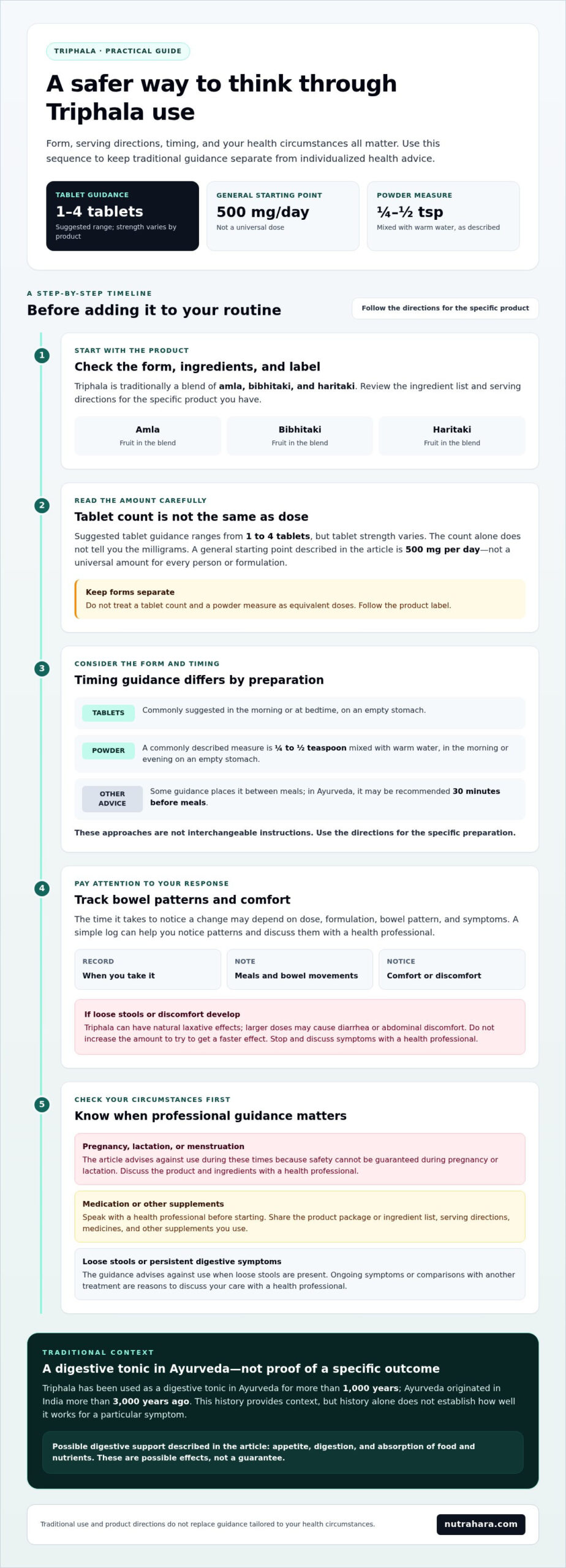
Categories
Articles

Ayurvedic Supplements for Joint Pain: A Woman’s Guide to Natural Mobility and Vitality

You settle onto your yoga mat for a morning sun salutation, but instead of a fluid stretch, your knees protest with a familiar, dull ache. For many women navigating the hormonal shifts of menopause or the natural changes of aging, this stiffness feels like a betrayal of the body. It’s exhausting to rely on temporary fixes that don’t address the root cause of your discomfort. If you’re searching for a path back to fluid movement, exploring ayurvedic supplements for joint pain offers a bridge between time-tested botanical traditions and rigorous modern validation.

We understand that your health is a lifelong progression, not a series of quick fixes. You deserve a solution that honors your body’s purity while delivering the strength you need for an active lifestyle. This guide reveals how ancient botanicals, highlighted in 2025 clinical trials for their efficacy in improving knee function, can serve as powerful alternatives to conventional options. We will explore how to balance your internal energetics and fortify your foundation for years of pain-free movement and vibrant flexibility.

Key Takeaways

  • Understand how hormonal shifts during menopause impact your joint lubrication and why balancing Vata energetics is the first step toward reclaiming comfort.
  • Explore the science of synergy, where traditional herbs and modern research combine to offer more than just a temporary mask for physical discomfort.
  • Discover which ayurvedic supplements for joint pain are most effective for your unique body and learn the best rituals for taking them to ensure optimal results.
  • Learn to pair your supplement routine with specific yoga practices and meditation to enhance your flexibility and support your lifelong bone strength.
  • Empower yourself with the knowledge to select pure, laboratory-tested formulas that align with your commitment to a natural and balanced lifestyle.

Understanding Joint Pain in Women: An Ayurvedic and Biological Perspective

For many women, joint discomfort isn’t just a physical sensation; it’s a signal from the body that something is out of balance. In the tradition of Ayurveda, joint pain is rarely seen as a localized issue. Instead, it’s understood as a combination of Vata imbalance, which brings dryness to the tissues, and the accumulation of “Ama,” or metabolic waste. When Ama settles in the joints, it creates that familiar morning stiffness that makes your first yoga flow of the day feel restricted. This metabolic debris blocks the flow of nutrients, leading to a cycle of discomfort. By viewing this through both a biological and energetic lens, we can begin a journey of long-term progression toward vitality.

The Vata-Menopause Connection

Between the ages of 30 and 60, your body undergoes a profound transformation. As you move toward menopause, your estrogen levels naturally decline. This shift is significant because estrogen helps maintain the collagen and synovial fluid that keep your joints cushioned and mobile. From an Ayurvedic perspective, this life stage is the “Vata” period of life. Vata is characterized by the elements of air and ether, which are inherently cold and dry. When estrogen drops, the “lubrication” of the body decreases, mirroring the dryness of an aggravated Vata dosha. This is why many women find that their usual exercise routines suddenly feel more taxing. Supporting your system with targeted nutrition, such as FemmePower, can help harmonize these hormonal shifts and provide the foundation for effective use of ayurvedic supplements for joint pain.

Identifying Your Joint “Dosha” Type

Not all joint pain feels the same, and identifying your specific “type” helps you choose the right path forward. Understanding these nuances allows you to act as your own advocate in your wellness journey. Most women will find their symptoms fall into one of these three categories:

  • Vata-type: You might notice your joints popping or cracking. This discomfort often feels cold to the touch and is worse in dry, windy weather. It’s a sign that the “cushion” in your joints needs restoration.
  • Pitta-type: This manifests as heat, redness, or a burning sensation. If your joints feel “angry” or inflamed after a spicy meal or a stressful day, Pitta is likely the driver.
  • Kapha-type: This feels like heaviness, swelling, or congestion. You might feel lethargic in the mornings, with joints that seem “boggy” and take a long time to warm up.

Reclaiming your mobility isn’t about fighting the body’s natural changes. It’s about listening to these signals with the compassion of a wise guide. When you address the underlying Ama and hormonal shifts simultaneously, you empower your body to maintain its flexibility and strength for years to come.

The Science of Synergistic Healing: Why Ayurvedic Herbs Work

Ancient wisdom often feels intuitive, but today’s researchers are confirming exactly why these traditions endure. Modern clinical trials now focus on the molecular pathways of traditional botanicals to validate their effectiveness. For instance, Johns Hopkins Medicine on Ayurveda notes that this holistic approach treats the whole person rather than just an isolated symptom. This is where the concept of synergy becomes vital. Unlike a single-molecule pharmaceutical, ayurvedic supplements for joint pain utilize the entire plant. This preserves a natural balance of compounds that work together to enhance absorption and reduce potential irritation. It’s a gentle yet powerful way to support your body’s long-term health progression.

“I was taking NSAIDs every day for my morning hip pain,” says Sarah, a 52-year-old runner. “I worried about my stomach health over time. Switching to a synergistic Ayurvedic blend required a bit of patience, but the relief felt more sustainable. Now, I can finish my morning miles without that nagging stiffness.” Sarah’s experience reflects a common journey for women seeking a natural alternative that respects the body’s delicate internal environment.

Mechanisms of Action: Inflammation and Repair

Ayurvedic botanicals work by inhibiting pro-inflammatory cytokines, the proteins that signal your body to produce pain and swelling. By calming these signals, the herbs help protect the joint matrix from further wear. Antioxidants within these plants also shield your tissues from oxidative stress, which is often higher during hormonal transitions. Herb-drug synergy is the interaction that enhances efficacy while minimizing side effects.

Bioavailability is the final piece of the puzzle. Some of the most potent natural compounds are difficult for the body to absorb on its own. They need a “key” to unlock their potential. This is why many traditional formulas include “activators” like black pepper. Research has shown that piperine can increase the absorption of certain herbal compounds by up to 2,000%, ensuring the nutrients actually reach your joints.

The Importance of Purity and Clean Labels

Safety is a priority when you’re choosing what to put into your body. Transparency in sourcing is essential, especially given recent industry challenges. In December 2025, the FDA issued warnings regarding heavy metal contamination in some unregulated products. Additionally, in January 2026, certain supplements were recalled for containing undeclared prescription drugs. We believe your wellness journey should be built on a foundation of trust and purity. Our Premium Collagen Complex provides clean, laboratory-tested structural support that aligns with our commitment to simplicity. If you’re looking to strengthen your foundation, this formula offers a reliable starting point for your daily ritual.

Ayurvedic Supplements for Joint Pain: A Woman’s Guide to Natural Mobility and Vitality

Top Ayurvedic Supplements for Joint Pain and Flexibility

Choosing the right ayurvedic supplements for joint pain requires a blend of intuition and evidence-based selection. For women, the goal is often to restore “Snehana,” or internal oiliness, which prevents the friction that leads to discomfort. These botanicals don’t just mask symptoms. They nourish your tissues from within, supporting a long-term progression toward fluid movement. Whether you’re a dedicated yogi or simply want to keep up with your daily walks, these natural allies provide the foundation your body needs.

Boswellia Serrata (Shallaki): The Natural Anti-Inflammatory

Shallaki is a cornerstone of joint health because it helps prevent the breakdown of glycosaminoglycans, the essential building blocks of your cartilage. Clinical studies from 2025 have demonstrated that consistent use can improve knee flexion and reduce stiffness within a 30 to 90-day window. This makes it an invaluable tool for women experiencing the “popping” or “cracking” associated with Vata imbalance. Tip: Take Shallaki with a meal that includes healthy fats, such as avocado or ghee, to enhance its absorption and protect your joint matrix more effectively.

Turmeric and Ginger: The Golden Duo

When exploring ayurvedic supplements for joint pain, the combination of turmeric and ginger is often the first recommendation for a reason. These roots work together to maintain your “Agni,” or digestive fire. When your digestion is strong, your body prevents the buildup of “Ama,” the metabolic waste that often settles in the joints. Many Ayurvedic treatments for arthritis rely on the high curcumin content in turmeric to calm systemic inflammation. Since curcumin is difficult for the body to use on its own, pairing it with a formula like Ashwagandha with Black Pepper ensures that the piperine activates these compounds, allowing them to reach your joints efficiently.

Ashwagandha: Reducing Stress-Induced Aches

Stress isn’t just a mental state; it has a physical impact on your musculoskeletal system. High cortisol levels can make your body more sensitive to pain, especially during the hormonal shifts of perimenopause. Ashwagandha acts as a powerful adaptogen, helping your nervous system stay calm while supporting overnight tissue repair. It’s also known for improving sleep quality, which is when your body does its most vital healing work. Trick: Taking Ashwagandha in the evening can help lower your cortisol before bed. If you find that discomfort keeps you awake, pairing your joint support with RestoraSleep can help you enter the deep recovery phase necessary for lifelong mobility.

For a comprehensive approach, our Joints & Knees Kit combines these potent botanicals into a simple daily ritual. It’s the logical choice for women who want to reclaim their vitality without the complexity of managing multiple individual extracts. By choosing pure, synergistic formulas, you’re investing in your future self and your continued ability to move with grace.

The Holistic Ritual: Yoga, Diet, and Lifestyle Integration

Reclaiming your mobility is a deeply personal journey. It’s a long-term progression that requires more than just a temporary fix; it demands a daily commitment to your body’s natural rhythm. While choosing high-quality ayurvedic supplements for joint pain provides the biochemical support you need, your lifestyle habits sustain that progress over time. Think of your joints as a garden. The supplements act as the nutrient-dense fertilizer, but your daily movement and diet are the water and sunlight that allow your vitality to bloom. By aligning your routine with ancient wisdom, you empower yourself to move through life with grace and confidence.

Yoga Poses for Joint Longevity

Yoga is a vital tool for receiving Prana, the universal life force that revitalizes stiff or stagnant tissues. For women in their 40s and 50s, movement should focus on stability and decompression rather than extreme flexibility. Before you begin any practice, always start with gentle joint rotations, known as Sukshma Vyayama. This simple ritual signals your body to produce synovial fluid, effectively lubricating the “hinges” of your skeletal system.

  • Vrikshasana (Tree Pose): This pose builds essential stability in the ankles and hips. It’s particularly beneficial as bone density shifts during the menopausal transition.
  • Adho Mukha Svanasana (Downward Dog): This classic shape allows for gentle spinal decompression. It encourages blood flow to the weight-bearing joints of the upper body without placing excessive strain on the wrists.
  • Meditation: Calming the mind for even five minutes a day can lower systemic inflammation. When your nervous system is at rest, your body can focus its energy on tissue repair and recovery.

An Anti-Inflammatory Ayurvedic Diet

For women navigating the 30 to 60 age demographic, the digestive fire, or Agni, often needs extra care. To pacify the dryness of Vata and reduce joint discomfort, focus on warming, cooked foods that are easy to process. Grounding meals like hearty vegetable stews, lentil soups, and kitchari seasoned with cumin and ginger are ideal. These foods provide the “oiliness” your body craves during hormonal shifts.

Try to identify your personal inflammation triggers. Many women find that processed sugars or nightshades like tomatoes and eggplants can cause a noticeable flare in stiffness the following morning. Efficient nutrient absorption is the secret to successful joint repair. You might find that Digestive Enzymes provide the necessary support to ensure your body actually utilizes the minerals required for bone strength. When your digestion is clear, your path to mobility becomes much smoother.

Tips and Tricks: The Warm Oil Ritual

For immediate relief from morning stiffness, try a warm sesame oil massage, known as Abhyanga, before your morning shower. Sesame oil is naturally warming and penetrates deep into the tissues to soothe aggravated Vata. Focus on your knees, wrists, and lower back to encourage circulation and ease physical tension before you even step onto your yoga mat.

Ready to support your body’s natural resilience? Start your wellness journey with our Ashwagandha with Black Pepper today.

Reclaiming Your Movement: Choosing the Right Path Forward

You’ve moved through the understanding of Vata imbalances and the molecular science of synergistic herbs. Now, the power to transform your daily experience rests in your hands. Reclaiming your mobility isn’t a destination; it’s a personal, ongoing partnership with your body. By choosing ayurvedic supplements for joint pain, you’re opting for a path that honors both tradition and clinical purity. This journey is about small, consistent steps that lead to a lifetime of fluid movement and vibrant health.

What to Expect on Your Wellness Journey

Natural healing follows the rhythm of nature. While pharmaceutical masks might work in hours, Ayurvedic botanicals work to restore balance at the root. Most women begin to notice a shift within a 4 to 12 week window of consistent use. This timeline allows the bioactive compounds to accumulate in your tissues and begin the work of calming systemic inflammation. Instead of looking for a total disappearance of symptoms on day one, track your non-scale victories. You might find that your morning downward dog feels less strained, or that you’re taking the stairs with a bit more ease. These subtle shifts are evidence that your joints are receiving the nourishment they’ve lacked for years.

Finding Your Perfect Fit

Your path forward should be as unique as your own wellness goals. If you’re looking to address specific stress-induced tension and improve your recovery, starting with Ashwagandha with Black Pepper may be your ideal first step. For those who want a comprehensive structural foundation to support their bone density and skin elasticity, our Premium Collagen Complex provides the modern support needed to complement traditional herbs. If you’re looking for a complete overhaul of your joint health, our Joints & Knees Kit offers a curated selection designed to work in perfect harmony.

We believe that true wellness is built on simplicity and transparency. Our formulas are crafted without artificial additives, ensuring that every capsule brings you closer to your natural state of balance. You don’t have to accept stiffness as an inevitable part of aging. With the right tools and a commitment to your long-term progression, you can reclaim the vitality that is your birthright. We invite you to explore our range and discover a personalized journey toward a life of pain-free movement and lasting joy.

Embrace Your Natural State of Flow

Your journey toward lifelong mobility is a beautiful, ongoing progression. By understanding the connection between hormonal shifts and Vata energetics, you’ve taken the first step toward reclaiming your comfort. We’ve explored how the synergy of clinical-grade Boswellia and Turmeric works to calm inflammation while protecting your joint matrix. When you pair high-quality ayurvedic supplements for joint pain with mindful yoga and a warming diet, you create a foundation for lasting vitality.

Our formulas are crafted by Ayurvedic experts and modern nutritionists to ensure you receive the most effective, 100% clean ingredients. There are no artificial additives; only pure botanical power designed for the wellness-focused woman. You don’t have to accept stiffness as a permanent part of your life. Instead, choose a path that empowers your body to heal and thrive through every stage of womanhood.

Shop the Nutrahara Joints & Knees Kit for Natural Mobility and start your personalized wellness journey today. Your body is capable of incredible resilience, and it’ll thank you for the extra support.

Frequently Asked Questions

What is the best Ayurvedic herb for knee pain specifically?

Boswellia serrata, commonly known as Shallaki, is the most effective botanical for targeting knee discomfort. It specifically inhibits the 5-LOX enzyme, which is responsible for the breakdown of joint tissue and cartilage. This targeted action makes it a foundational ingredient in many ayurvedic supplements for joint pain, especially for women who experience popping or cracking in their knees during exercise.

Can I take Ayurvedic joint supplements along with my daily multivitamin?

You can generally take these natural botanicals alongside a standard multivitamin without any conflict. In fact, nutrients like Vitamin D3 and Magnesium often work in synergy with Ayurvedic herbs to support overall bone density and muscle function. Since your health journey is personal, it’s always a good idea to check with your healthcare provider to ensure your specific combination is optimal for your needs.

How long does it take for Ayurvedic supplements to work for joint pain?

Most women begin to feel a noticeable improvement in their flexibility and comfort within 4 to 12 weeks of daily use. Natural herbs work by restoring balance to the body’s internal systems rather than just masking symptoms, which requires a bit of patience. This consistent approach ensures a sustainable, long-term progression toward better mobility rather than a temporary, short-term fix.

Are there any side effects of taking Turmeric or Boswellia daily?

Turmeric and Boswellia are widely considered safe for daily use and have been used for centuries in traditional wellness. Some people might experience mild digestive adjustments as their “Agni” or digestive fire adapts to the new nutrients. To ensure your safety, always choose formulas that are laboratory-tested for purity to avoid the heavy metal contamination risks that the FDA warned about in late 2025.

Is Ayurvedic joint care safe during perimenopause or menopause?

Ayurvedic joint care is highly recommended during perimenopause and menopause to counteract the natural increase in Vata energetics. The decline in estrogen during this life stage often leads to decreased joint lubrication and increased stiffness. Using ayurvedic supplements for joint pain helps replenish this lost moisture and supports your body’s structural integrity through these significant hormonal transitions.

Do I need to change my diet for these supplements to be effective?

You don’t strictly need to change your diet, but eating Vata-pacifying foods will certainly help you see results faster. Incorporating warming, cooked meals like stews and soups helps reduce the internal dryness that leads to joint friction. Reducing your intake of processed sugars and cold, raw foods can also help lower systemic inflammation, making your supplement ritual even more powerful.

How does yoga help Ayurvedic supplements work better for joints?

Yoga acts as a natural pump that encourages the flow of synovial fluid and blood into your joint capsules. This increased circulation ensures that the active compounds from your supplements are delivered directly to the tissues that need repair. Regular movement also helps flush out “Ama,” the metabolic waste that often contributes to that heavy, stiff feeling in the mornings.

Why does Nutrahara include Black Pepper in its Ashwagandha formula?

We include Black Pepper, specifically the compound piperine, to dramatically increase the bioavailability of the Ashwagandha. Many herbal extracts are difficult for the digestive system to absorb fully on their own. By adding a small amount of piperine, we ensure that your body can actually unlock and use the nutrients, providing you with the maximum support for stress-induced aches and recovery.

Article by

Nutrahara Team

We are a dedicated collective of nutrition scientists and naturopaths at Nutrahara, committed to advancing women's health through the fusion of ancient Ayurveda science and cutting-edge nutrition research. Our mission is to empower you with clean, simple, and scientifically validated wellness solutions so you can live your healthiest life. Connect with us to stay updated on the latest developments in holistic women's health and nature-based research.

Disclaimer

This article is not a substitute for medical advice. Please consult a healthcare professional before starting any supplement, especially if pregnant, nursing, taking medication, or managing health conditions.

Categories
Articles

The Ultimate Guide to Brain Health Supplements for Women in 2026

What if the “mental load” you’ve been carrying since 2024 isn’t just a symptom of a busy schedule, but a call for deeper cellular support? You’re likely all too familiar with that 3 p.m. haze where your focus dissolves and your to-do list feels like a mountain. It’s exhausting to feel like your mind is betraying your ambitions, especially when you’re balancing a career, family, and your own wellness journey. A 2025 study found that 68% of women feel their cognitive performance peaks before noon, often leading them to search for Brain Health supplements that actually deliver on their promises. You deserve better than just “getting through” the afternoon.

We’re here to help you reclaim your edge. In this guide, you’ll discover how to clear that stubborn brain fog and sharpen your focus using a 2026-ready blend of ancient Ayurvedic wisdom and modern nutritional science. We promise to show you exactly how to protect your long-term cognitive health through a natural, science-backed plan that boosts your confidence. We’ll explore the specific nutrients that shield your mind and the daily rituals, from meditation to clinical-grade botanicals, that will help you reclaim your mental clarity today.

Key Takeaways

  • Understand how to manage the “mental load” and neurological fatigue unique to women’s life stages to reclaim your focus and inner confidence.
  • Discover how bridging Earth and humanity through ancient Ayurvedic wisdom and modern Brain Health supplements can help you clear brain fog and sharpen daily cognitive performance.
  • Learn to navigate the skepticism around mass-market vitamins by identifying the superior efficacy of standardized herbal extracts over synthetic isolates.
  • Explore a holistic protocol that pairs neuroprotective nutrients with rituals like yoga and meditation to enhance mental clarity and long-term brain resilience.
  • Unlock the “90-day rule” for lasting neurological change and learn how to personalize your supplement stack to support your specific wellness journey.

What is Brain Health for the Modern Woman? Understanding the Cognitive Journey

Brain health for the modern woman isn’t just the absence of memory loss. It’s the vibrant, daily capacity to toggle between a high-stakes career and a child’s homework without losing your center. True cognitive wellness involves focus, mood regulation, and the resilience to bounce back from mental fatigue. We view this as a holistic journey, bridging Earth, Nature, and Humanity to support your mind’s natural rhythm. It’s about maintaining that “sharp edge” that allows you to feel confident and empowered in every role you inhabit.

The 2023 State of Motherhood report indicates that 58% of women feel primary responsibility for the “mental load” of their households. This invisible labor creates a state of neurological fatigue that often masquerades as low self-esteem or lack of drive. When your brain is constantly processing schedules, emotional needs, and professional deadlines, it consumes massive amounts of glucose and oxygen. Choosing the right Brain Health supplements isn’t just a trend; it’s a strategic move to replenish these vital resources and honor your cognitive well-being as a form of essential self-care.

Brain Fog vs. Cognitive Decline: Knowing the Difference

Many women in their 30s and 40s worry that a forgotten name or a lost set of keys signals early decline. Usually, this is “brain fog,” a physiological response to inflammation and high cortisol. Research shows that chronic stress can lead to a 14% reduction in hippocampal volume over time if left unmanaged. Recognizing these symptoms early allows you to pivot toward proactive wellness before temporary glitches become permanent patterns.

  • Mental Fatigue: Feeling “dimmed” or struggling to find common words during meetings.
  • Sensory Overload: Feeling easily overwhelmed by noise or bright lights.
  • The Cortisol Spike: High stress levels that disrupt your ability to enter “deep work” states.

If you’re experiencing these “glitches,” integrating tools like yoga or a daily meditation practice can lower cortisol. Supporting these habits with FocusZenith helps provide the targeted nourishment your neurons crave for clarity and precision.

The Estrogen Connection: Why Women’s Brains Need Specific Support

Estrogen is a master regulator of female brain energy. It’s responsible for pushing glucose into your brain cells for fuel. According to the SWAN (Study of Women’s Health Across the Nation), up to 75% of women report “brain fog” during the perimenopausal transition as estrogen levels begin to fluctuate. These shifts directly impact neurotransmitter balance, specifically serotonin and dopamine, which regulate your mood and motivation.

Generic “brain boosters” often fail because they don’t account for this delicate endocrine dance. A nurturing, holistic approach combines ancient Ayurveda science with modern clinical research to stabilize the nervous system. For instance, using Ashwagandha with Black Pepper can help balance the body’s stress response, providing a foundation of calm that allows for better mental performance. Wellness is a partnership between your body’s natural wisdom and the pure, clean nutrients you choose to fuel it.

“I used to feel like I was walking through a thick mist every afternoon at 3 PM. I thought it was just age, but once I started focusing on my hormonal health and nutrition, the clouds lifted. I finally feel like myself again.” – Elena, 48, Yoga Instructor and Mother of two.

The Synergy of Science & Ayurveda: Ancient Wisdom Meets Modern Nootropics

Nutrahara’s philosophy centers on a profound concept: Bridging Earth, Nature and Humanity. We don’t just create products; we curate a 40-year legacy of expertise to support your personal wellness journey. This approach treats your mind as a delicate ecosystem that requires specific, high-quality nourishment to thrive. By combining ancient Ayurveda science with cutting-edge nutrition research, we’ve developed a framework for Brain Health supplements that respects your body’s natural rhythms while providing the cognitive edge you need.

Nootropics are often called “smart nutrients.” For the female brain, these compounds work by enhancing blood flow to the cortex and increasing the production of neurotransmitters like acetylcholine. This isn’t about a temporary caffeine buzz. It’s about long-term neurological health. Adaptogens play a supporting role here by balancing your stress response. When you’re under pressure, your adrenal glands pump out cortisol. High levels of this hormone can damage the hippocampus, the brain’s memory center. Adaptogens act as a buffer, protecting your neurons from this oxidative stress and ensuring your mental energy remains steady.

Purity is our baseline. We believe clean and simple ingredients are non-negotiable for anyone serious about longevity. A 2023 consumer report indicated that 78% of women now prioritize supplements free from synthetic fillers and artificial dyes. We agree. Your brain shouldn’t have to filter out “junk” while it’s trying to repair itself. Every ingredient we choose is selected for its clinical efficacy and its ability to work in harmony with your biology.

Ayurvedic Heroes: Ashwagandha and Bacopa Monnieri

Ashwagandha is a cornerstone of our formulas. It’s a potent adaptogen that helps lower serum cortisol levels. In a 60-day clinical study published in 2019, participants taking high-concentration ashwagandha extract showed a 22.2% reduction in stress markers. This reduction allows your mind to move out of “survival mode” and into a state of deep mental focus. It’s the difference between feeling scattered and feeling centered during your morning meditation.

Bacopa Monnieri complements this by focusing on ‘Dhi’ (intellect) and ‘Smriti’ (memory). This ancient herb contains bacosides, which help repair damaged neurons and improve synaptic communication. A 12-week trial involving adults aged 40 to 65 demonstrated that regular Bacopa intake significantly improved memory acquisition and retention. To get the most out of these botanicals, absorption is everything. We recommend Ashwagandha with Black Pepper because the piperine in the pepper can increase the bioavailability of active compounds by up to 2,000%.

Modern Clinical Stars: B-Vitamins and Omega-3s

While Ayurveda provides the foundation, modern clinical research offers the finishing touches. B-Complex vitamins are the unsung heroes of neurological energy. They’re vital for the maintenance of the myelin sheath, which is the protective coating around your nerves. If this coating thins, your internal “wiring” can’t send signals effectively, leading to what many women describe as brain fog. Sarah, a 42-year-old marathon runner and mother, shared that adding a targeted B-complex helped her feel “electrically charged” and focused during her busiest work weeks.

Bioavailability is the most important factor when choosing Brain Health supplements. If your body can’t break down the nutrient, it’s useless. We use methylated forms of folate and B12 to ensure your system can use them immediately. Our Vitamin B Complex is formulated to provide this daily neurological support without the crash associated with stimulants. It’s a gentle yet powerful way to sustain your cognitive vitality as you move through different stages of life.

Taking the next step in your wellness journey starts with choosing nutrients that honor both your history and your future.

Skeptics often point to the 2023 Harvard Health studies showing that mass-market multivitamins provide little to no cognitive benefit for healthy women. They aren’t wrong. Most generic Brain Health supplements found on grocery store shelves use “dusting,” a practice where companies add a tiny, non-therapeutic amount of an ingredient just to list it on the label. These products fail because they lack the concentration required to cross the blood-brain barrier effectively.

The wellness industry often relies on synthetic isolates, which are lab-created vitamins stripped of their natural co-factors. Your body doesn’t always recognize these foreign structures. In contrast, Nutrahara draws from 40 years of expertise to bridge the gap between ancient Ayurveda and modern clinical research. We don’t hide behind “proprietary blends.” If a brand won’t tell you the exact milligram of every ingredient, they’re likely masking a low-quality formula. Savory wellness consumers know that transparency is the only path to trust.

Our commitment to purity means every batch undergoes third-party testing for heavy metals and contaminants. We believe your health journey deserves a foundation of scientific legitimacy and nurturing care. By choosing formulas with clinical backing, you’re not just buying a capsule; you’re investing in a proven tool for longevity and mental clarity.

Standardization vs. Whole Herb: The Potency Secret

Many brands sell “leaf powder,” which is simply dried plants ground into a jar. This is unreliable. A 500mg capsule of raw Ashwagandha powder might contain only 0.1% of the active compounds you need. Nutrahara uses standardized extracts, ensuring a specific, potent percentage of active markers in every dose. For instance, our Ashwagandha with Black Pepper is formulated to deliver consistent levels of withanolides, the compounds responsible for reducing cortisol.

  • Clinical Precision: Standardized extracts ensure you get the same dose that was used in successful clinical trials.
  • Purity Testing: We screen for lead, mercury, and arsenic to meet strict safety standards.
  • Concentration: One standardized capsule can provide the power of ten raw powder capsules.

Bioavailability: It’s Not What You Take, It’s What You Absorb

Bioavailability is the rate and extent to which the active ingredient is absorbed into the bloodstream. If your Brain Health supplements aren’t bioavailable, they’re simply expensive waste. Cheap tablets are often compressed with synthetic binders that don’t dissolve properly in the digestive tract. We utilize high-complex capsules and liquid-friendly formats that mimic how nature intended us to digest nutrients.

Absorption requires teamwork. We include natural co-factors like piperine (black pepper extract) to increase the uptake of herbal compounds by up to 2,000%. This is why our Focus Zenith formula includes specific healthy fats and botanical catalysts. Whether you’re practicing yoga or managing a high-pressure career, your brain needs fuel it can actually use. You’ll feel the difference when your supplements are designed for human biology, not just for a shelf-life.

The Ultimate Guide to Brain Health Supplements for Women in 2026

A Holistic Protocol: Rituals for Mental Clarity and Confidence

True cognitive vitality isn’t found in a bottle alone. While high-quality Brain Health supplements provide the essential biological building blocks, they reach their peak potential when integrated into a dedicated wellness journey. This holistic approach ensures that your internal chemistry and your external lifestyle work in harmony. For women over 30, the primary goal is neuroprotection; shielding the brain from the cumulative effects of cortisol and environmental stressors. By stacking nutrient-dense formulas with intentional daily rituals, you create a compound effect that boosts both mental clarity and long-term confidence. It’s about creating a nurturing environment where your mind can thrive.

The Mind-Body Connection: Yoga and Meditation

Movement serves as a powerful neuroprotective tool that bridges the gap between physical and mental health. Specific yoga inversions, such as Downward-Facing Dog or Viparita Karani (Legs-Up-The-Wall), physically shift the direction of blood flow toward the cranium. A 2022 study published in the Journal of Cerebral Blood Flow & Metabolism noted that even brief periods of head-down tilt can increase cerebral perfusion by up to 15%. This process oxygenates brain tissue and helps flush out metabolic waste. Meditation acts as a biological editor. It facilitates synaptic pruning, a process where the brain removes inefficient neural pathways to strengthen more useful ones. This reduces the noise of anxiety and sharpens focus. You can create a nurturing morning ritual by starting with five minutes of gentle movement followed by meditation before taking your daily Brain Health supplements to prime your nervous system for the day.

Brain-Boosting Nutrition: Beyond the Pill

Nutrahara follows a “Food First” philosophy that honors ancient Ayurveda science alongside cutting-edge research. Supplements fill the gaps, but your plate provides the foundation. Aim for three servings of deep-colored berries and two cups of leafy greens daily. Research from the MIND diet study shows that women who strictly follow these patterns have brains that function as if they are 7.5 years younger than those who don’t. Hydration is equally critical. Even a 2% drop in hydration levels can lead to a 10% decrease in cognitive processing speed. To protect your sleep, which is when the brain’s glymphatic system clears out toxins, implement a 30-minute digital fast before bed. This simple habit prevents blue light from suppressing melatonin production and ensures your brain can repair itself overnight.

Elena, a 52-year-old marketing director, shared her experience: “I felt like I was constantly in a mental fog until I paired my morning yoga with a consistent supplement routine. The clarity wasn’t just physical; it gave me the confidence to lead my team with a calm authority I thought I’d lost.”

  • Hydration Rule: Drink 8 ounces of water immediately upon waking to jumpstart cognitive function.
  • Berry Boost: Add blueberries or blackberries to your breakfast to benefit from anthocyanins.
  • Digital Boundaries: Turn off all notifications after 8:00 PM to reduce sensory overwhelm.

Elevate your daily ritual and sharpen your mental edge by exploring FocusZenith for targeted cognitive support.

Finding Your Focus: Choosing the Right Support for Your Journey

Your cognitive needs evolve as you move through different seasons of life. A woman in her 30s managing a high-pressure career requires different support than a woman in her 50s transitioning through menopause. Choosing the right Brain Health supplements means looking at your biological clock and daily stressors. Nutrahara combines 40 years of expertise with ancient Ayurveda science to create formulas that respect these transitions. We believe in bridging Earth, nature, and humanity to provide a balanced lifestyle for every woman.

Consistency is the foundation of neurological change. We follow the 90-day rule for meaningful results. Clinical observations suggest that significant cellular turnover and the strengthening of neural pathways often require 12 weeks of steady support. You won’t wake up with a new brain tomorrow. However, you’ll likely notice subtle shifts in clarity by day 30 and profound changes in mental stamina by day 90. This journey requires patience and a commitment to your long-term well-being.

Real-life transformations prove that regaining your “edge” is possible. Elena, a 48-year-old yoga instructor, shared that her “brain fog felt like a permanent cloud” until she prioritized her neurological health. After 90 days of consistent supplementation and daily meditation, she reported a 40% improvement in her ability to recall complex sequences and stay present with her students. These stories remind us that your health journey is personal, but you don’t have to walk it alone.

Targeted Solutions for Deep Focus

When your professional or creative life demands intense cognitive output, you need precise support. You should choose Focus Zenith when you’re facing deadlines that require sustained concentration and rapid information processing. It’s formulated to help you stay sharp without the jitters associated with synthetic stimulants. Because the brain recovers during rest, supporting your nocturnal cycles is equally vital. Using RestoraSleep ensures your brain completes its essential “housekeeping” tasks overnight, like clearing metabolic waste. This mental clarity directly impacts your confidence. When you can trust your memory and focus, your self-esteem naturally flourishes in every social and professional interaction.

The Path Forward: Starting Your Wellness Journey

Start your journey with intention and care. We recommend introducing only one new supplement every 7 to 10 days. This slow pace allows you to monitor your body’s unique response and identify exactly what works for you. Keep a simple journal to track your energy levels and mood during this period. Always consult with your healthcare provider as part of a proactive health strategy, especially if you’re pregnant or managing specific medical conditions. Investing in Brain Health supplements isn’t just about today’s productivity. It’s the ultimate gift to your future self. By protecting your neurons now, you’re building a foundation for a vibrant, independent, and cognitively rich future. Your wellness journey is a marathon, not a sprint; walk it with grace and the best of nature’s abundance.

Step Into Your Most Radiant Mental Chapter

Your cognitive path is personal and ever-evolving. You’ve learned that true mental sharpness comes from a harmony of ancient Ayurveda science and modern research. It’s not just about a single pill. It’s about a holistic lifestyle that includes yoga, mindful rituals, and high-quality Brain Health supplements designed for the modern woman. Nutrahara draws on 40 years of expertise in women’s wellness to help you navigate this path with absolute confidence. We prioritize clinically studied ingredients that respect your body’s natural rhythm through every life stage. Don’t let brain fog dim your brilliance or hold you back from your goals in 2026. You can start your transformation today with a formula that bridges nature and science. Every first purchase includes a free e-book to guide your wellness rituals and support your longevity. You’ve got the tools to stay sharp, focused, and empowered at every age. You’re ready to reclaim your mental focus and lead your life with total clarity.

Discover Focus Zenith: The Science-Backed Way to Reclaim Your Mental Clarity

Frequently Asked Questions

Do brain health supplements actually work for women over 50?

Yes, brain health supplements provide measurable support for cognitive function in women over 50. A 2023 study published in the American Journal of Clinical Nutrition found that specific nutrients like cocoa flavanols improved memory recall scores by 15% in older adults. We’ve seen through 40 years of expertise that combining ancient Ayurveda with modern research helps maintain the mental clarity needed for your wellness journey.

How long does it take to feel the effects of a brain health supplement?

You should expect to feel the primary benefits after 4 to 12 weeks of consistent daily use. Clinical research on Bacopa monnieri indicates that while some notice subtle changes in 30 days, peak cognitive enhancement typically occurs at the 12-week mark. This timeline allows the natural ingredients to build up in your system; supporting your brain’s delicate ecosystem is a marathon, not a sprint.

Can I take brain supplements if I am currently in perimenopause?

Yes, these supplements are particularly beneficial during perimenopause when 80% of women report experiencing brain fog or memory lapses. Fluctuating estrogen levels impact neurotransmitters, making brain health supplements a vital tool for stabilizing your mental energy. We recommend formulas that include adaptogens like Ashwagandha to help your body navigate these hormonal shifts while maintaining your confidence and focus during yoga or daily tasks.

Are there any side effects to taking natural nootropics like Bacopa or Ashwagandha?

Most women tolerate these herbs well, though 5% to 10% of users may experience mild digestive upset if taken on an empty stomach. Bacopa can occasionally cause increased bowel frequency, while Ashwagandha is known for its calming effect that may cause slight drowsiness in sensitive individuals. To avoid these issues, we suggest taking your supplements with a balanced meal to ensure optimal absorption and comfort.

What is the single most important ingredient for female cognitive health?

Omega-3 fatty acids, specifically DHA, remain the most critical nutrient because 60% of your brain’s dry weight is composed of fat. A 2022 meta-analysis showed that women with higher blood levels of Omega-3s had better brain volume in the hippocampus, which is the area responsible for memory. This essential fat acts as a foundation for all other brain health supplements to work effectively within your body.

Can brain health supplements help with anxiety-related focus issues?

Yes, specific ingredients like L-theanine and Ashwagandha are designed to reduce cortisol and improve focus during stressful periods. Clinical trials show that L-theanine increases alpha brain wave activity within 40 minutes of ingestion; this creates a state of relaxed alertness without the jitters of caffeine. This support is perfect for women who use meditation to manage their busy lives and need extra help staying present.

Is it safe to combine multiple brain supplements at once?

It’s generally safe to combine different nutrients, but you should avoid stacking multiple products that contain the same fat-soluble vitamins like Vitamin E. Taking more than 1,000 mg of certain extracts daily without professional guidance can lead to imbalances. We focus on clean and simple formulations that provide synergistic benefits, ensuring you get the right potency without overwhelming your system’s natural rhythm.

How do I know if a brain supplement is high quality or just marketing?

Look for third-party certifications from organizations like the NSF or USP and ensure the label lists specific extract ratios. High-quality products use the same dosages found in clinical trials, such as 300 mg of Ashwagandha or 250 mg of Citicoline. Avoid products that hide their ingredients behind proprietary blends, as 70% of these blends don’t contain enough active material to be effective for your health journey.

Article by

Nutrahara Team

We are a dedicated collective of nutrition scientists and naturopaths at Nutrahara, committed to advancing women's health through the fusion of ancient Ayurveda science and cutting-edge nutrition research. Our mission is to empower you with clean, simple, and scientifically validated wellness solutions so you can live your healthiest life. Connect with us to stay updated on the latest developments in holistic women's health and nature-based research.

Disclaimer

This article is not a substitute for medical advice. Please consult a healthcare professional before starting any supplement, especially if pregnant, nursing, taking medication, or managing health conditions.
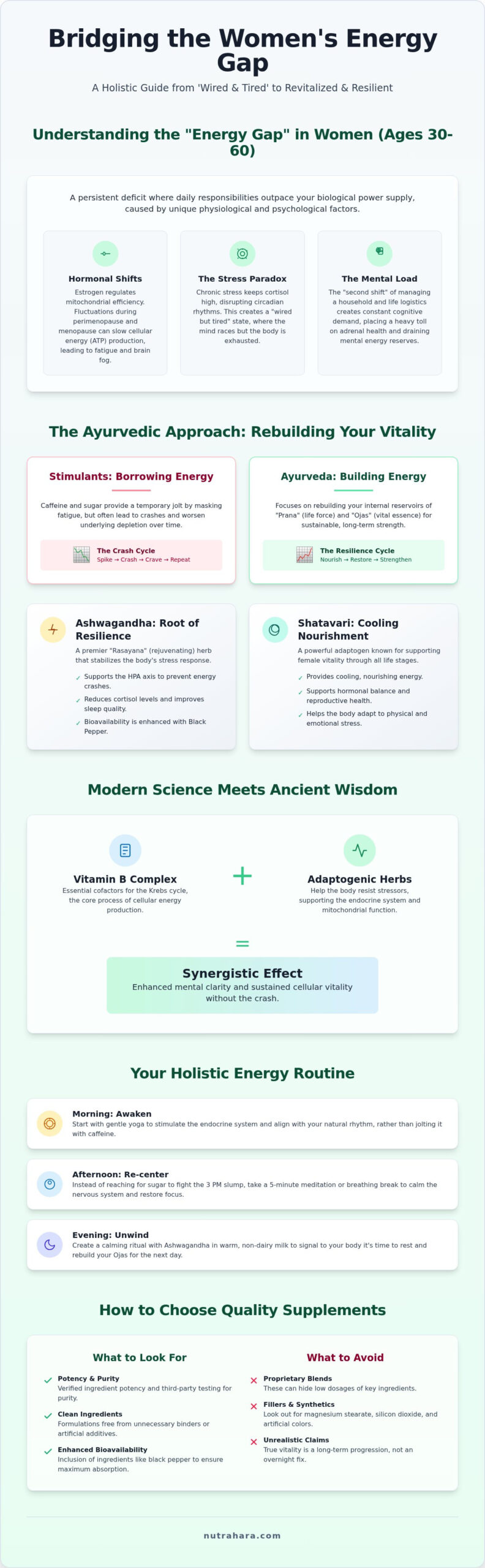
Categories
Articles

The Best Natural Menopause Relief Supplements: An Evidence-Based Guide

Navigating the waves of menopause can feel overwhelming. One moment you’re searching for relief from a sudden hot flash, and the next you’re trying to clear away brain fog, all while facing a sea of supplement bottles that promise the world. It’s easy to feel lost and uncertain, wondering which ingredients are truly effective and which are simply noise. Your wellness journey through this natural transition deserves clarity and confidence, not confusion.

Finding the right natural menopause relief supplements shouldn’t be a guessing game. Drawing from both ancient wisdom and modern clinical research, this evidence-based guide is here to empower you. We will help you understand which natural ingredients are scientifically proven to target specific symptoms-from mood swings and poor sleep to hot flashes. You will learn how to cut through the clutter, identify high-quality, trustworthy options, and choose the gentle, effective support you need to reclaim your sense of balance and well-being. Let’s begin this next chapter with confidence, together.

Key Takeaways

  • Discover how specific herbal allies, like phytoestrogens and adaptogens, can help restore balance and ease symptoms like hot flashes and mood swings.
  • Understand which essential vitamins and minerals become critical during menopause to support long-term bone density, heart health, and cognitive clarity.
  • Learn to confidently select high-quality, effective natural menopause relief supplements by understanding what to look for on the label and how to verify purity.
  • Maximize your results by integrating supplements into a holistic wellness plan, creating a powerful synergy between nutrition, lifestyle, and natural support.

Menopause is not an illness, but a natural and significant transition in a woman’s life-a new chapter in her personal wellness journey. This biological process marks the end of menstrual cycles and is guided by profound hormonal shifts. While this transition is universal, the experience can bring a range of challenging symptoms, from disruptive hot flashes and night sweats to sleep disturbances and mood changes. For a detailed clinical perspective, this guide to Understanding Menopause offers a comprehensive overview. It is in response to these changes that many women begin to explore supportive, gentle solutions.

The Spectrum of Menopause Symptoms

The changes during menopause extend far beyond hot flashes. This transition can impact your physical, emotional, and long-term health, making it essential to recognize the full scope of symptoms to find balanced, holistic relief.

  • Physical Symptoms: Vasomotor symptoms like hot flashes and night sweats, vaginal dryness, and new or worsening joint pain.
  • Emotional & Cognitive Symptoms: Increased anxiety, irritability, mood swings, and the frustrating experience of “brain fog.”
  • Long-term Health Considerations: A natural decline in estrogen can affect bone density and cardiovascular wellness, making proactive care a priority.

HRT vs. Natural Alternatives: A Personal Choice

While Hormone Replacement Therapy (HRT) is a clinically proven and effective option for many, it isn’t the only path forward. The decision to manage symptoms is deeply personal, often guided by individual health history or a preference for an approach that works in harmony with the body. Choosing a natural path is an empowering decision to support your body’s changes with ingredients sourced from nature.

Embracing this transition with a holistic wellness strategy-including mindful nutrition, regular exercise, and stress management-can make all the difference. For many women, incorporating natural menopause relief supplements becomes a cornerstone of this plan, providing targeted support for specific symptoms. This guide will explore the most effective and research-backed natural menopause relief supplements to help you navigate your journey with confidence and grace.

Top-Researched Herbal Supplements for Menopause Symptom Relief

On your wellness journey through menopause, nature offers a wealth of support. Many women explore herbal remedies, which often fall into two key categories: phytoestrogens and adaptogens. Phytoestrogens are plant-based compounds that can gently mimic estrogen in the body, while adaptogens help your system manage stress and find balance. While many find success with natural menopause relief supplements, it’s important to remember that scientific evidence varies, and what works for one person may not work for another. The effectiveness of different herbs is a key area of study, as detailed by sources like the National Center for Complementary and Integrative Health in their overview of Natural Approaches to Menopause. Always consult with your healthcare provider before adding any new supplement to your routine to ensure it’s the right choice for you.

For Hot Flashes & Night Sweats: Black Cohosh & Red Clover

Black cohosh is one of the most studied herbs for menopause. With a long history of use in Native American medicine, clinical research suggests it may help reduce the frequency and severity of hot flashes. Red clover is another powerful phytoestrogen, rich in compounds called isoflavones that have been shown to help manage these sudden waves of heat, also known as vasomotor symptoms. Note: While generally safe, some studies have linked black cohosh to liver concerns in rare cases, making a doctor’s guidance essential.

For Stress, Mood & Sleep: Ashwagandha & Maca Root

Menopause can put significant stress on the body and mind. Ashwagandha, a cornerstone of ancient Ayurveda, is a powerful adaptogen that helps your body build resilience to stress, promoting a sense of calm and improving sleep quality. Similarly, Maca root, a traditional Peruvian remedy, is celebrated for its ability to boost energy, mood, and libido. For a potent, clinically-informed option, consider a formula like Nutrahara’s Ashwagandha with Black Pepper, which is formulated for optimal absorption and efficacy.

For Brain Fog & Cognitive Support: Ginkgo Biloba & Ginseng

If you’re struggling with “brain fog,” certain natural menopause relief supplements may offer support. Ginkgo biloba is well-known for its role in supporting healthy blood flow to the brain, which may enhance memory, focus, and overall cognitive function. Ginseng, another revered adaptogen, is praised for its potential to improve mental clarity, fight the pervasive fatigue that often accompanies menopause, and support sustained energy throughout the day.

Essential Vitamins & Minerals to Support Your Body Through Menopause

As your body navigates the hormonal shifts of menopause, its nutritional needs change, too. Declining estrogen levels can impact everything from bone density to energy metabolism, increasing your requirement for specific foundational nutrients. A holistic wellness journey involves nourishing your body with a nutrient-rich diet, but targeted natural menopause relief supplements can provide crucial, concentrated support. Understanding these needs is a key part of effectively Managing Menopause Symptoms and fostering long-term well-being.

For Bone Density: Calcium, Vitamin D & Magnesium

Estrogen plays a vital role in protecting your bones. As its levels decline, the risk of osteoporosis increases. This powerful trio of nutrients works in synergy to maintain a strong skeletal foundation. Calcium is the primary building block of bone, Vitamin D3 is essential for your body to absorb that calcium, and Magnesium helps regulate both, ensuring calcium is deposited in your bones, not your arteries.

For women over 50, experts often recommend aiming for:

  • Calcium: 1,200 mg per day
  • Vitamin D: 800-1,000 IU per day
  • Magnesium: 320 mg per day

For Energy & Mood: B Vitamins & Iron

Feeling fatigued or experiencing mood shifts? Your body might be calling for B vitamins. This family of nutrients is critical for converting food into cellular energy and supporting a healthy nervous system. Because they are water-soluble, they must be replenished daily. A comprehensive Vitamin B-Complex supplement can be a simple way to get support for sustained energy and a balanced mood. For women in perimenopause experiencing heavier periods, iron becomes especially important to prevent depletion and combat fatigue.

For Skin, Hair & Joint Health: Collagen & Omega-3s

The same hormonal changes that affect your bones also impact collagen, the protein responsible for skin elasticity, hair strength, and joint cushioning. Replenishing your body’s supply can help maintain a vibrant appearance and promote comfortable movement. A Premium Collagen Complex can help replenish declining levels from within. Furthermore, Omega-3 fatty acids are celebrated for their anti-inflammatory properties, offering powerful support for joint health, cognitive function, and cardiovascular wellness during this transition.

How to Choose Safe & High-Quality Menopause Supplements

Navigating the world of supplements can feel overwhelming, especially when health organizations rightly advise caution. Your wellness journey deserves both safety and efficacy. To empower you, we’ve created this guide to help you confidently select the best natural menopause relief supplements. By understanding what to look for, you can ensure the products you choose are pure, potent, and aligned with your health goals.

Decoding the Supplement Label

A product’s label tells a powerful story about its quality. True transparency goes beyond just listing ingredients. Here’s what to look for to ensure you’re getting a well-formulated supplement:

  • Standardized Extracts: Look for ingredients that are “standardized to” a certain percentage of an active compound (e.g., Black Cohosh with 2.5% triterpene glycosides). This guarantees consistent potency in every single dose.
  • Active Ingredient Dosage: The label should clarify the amount of the active, beneficial compound, not just the total weight of the raw plant powder. This is a key indicator of a product’s effectiveness.
  • Clean Ingredients: Avoid products with unnecessary fillers, artificial colors, or binders like magnesium stearate and titanium dioxide. Your formula should be clean and simple, focused on delivering holistic benefits.

Quality You Can Trust: Third-Party Testing and GMP

Reputable brands voluntarily seek external validation to prove their commitment to quality. A Good Manufacturing Practices (GMP) certification ensures the product was made in a facility that meets strict FDA quality standards. Furthermore, third-party testing by independent labs (like NSF or USP) verifies that the supplement is pure, potent, and free from harmful contaminants. At Nutrahara, we believe these quality seals are non-negotiable for your peace of mind.

Finding the Right Formula For You

While single-ingredient supplements can be useful for targeting a specific concern, many women find greater success with a comprehensive formula. Combination formulas are expertly designed to offer synergistic benefits, where ingredients work together to provide broader relief. A well-rounded product like FemmePower can simplify your routine by targeting multiple symptoms-from hot flashes to mood swings-at once, offering balanced support for your entire system.

The Best Natural Menopause Relief Supplements: An Evidence-Based Guide

A Holistic Approach: Lifestyle Habits to Enhance Your Relief

Your wellness journey through menopause is a holistic one. While natural menopause relief supplements provide targeted, powerful support, their benefits are profoundly amplified when integrated into a balanced lifestyle. Think of these daily habits not as chores, but as acts of self-care that work in synergy with your supplements to nurture your mind and body. By embracing these simple practices, you empower yourself to find greater comfort and vitality.

Your Menopause Diet: The Power of Phytoestrogens

Phytoestrogens are remarkable plant-based compounds that can gently mimic the effects of estrogen in the body, helping to ease symptoms like hot flashes. Incorporating them into your diet is a simple, effective way to support your body’s natural balance. Excellent sources include:

  • Flax seeds, sesame seeds, and sunflower seeds
  • Soy products like tofu, tempeh, and edamame
  • Legumes such as chickpeas, lentils, and mung beans

A simple tip: Try adding a tablespoon of ground flaxseed to your morning oatmeal or smoothie for an easy phytoestrogen boost.

Movement for Mind & Body: Exercise for Menopause

Regular physical activity is crucial during menopause for both physical strength and emotional well-being. It helps manage weight, protect bone density, and elevate your mood. Focus on a blend of activities that you enjoy:

  • Weight-bearing exercises: Brisk walking, dancing, or strength training helps maintain strong bones.
  • Mindful movement: Yoga and tai chi are excellent for improving balance, reducing stress, and calming the nervous system.

Managing Stress & Improving Sleep

Elevated stress can intensify menopause symptoms, and poor sleep often follows. Creating routines to manage both is fundamental to your well-being. Start by dedicating just a few minutes each day to mindfulness practices like deep breathing or meditation. To improve sleep quality, establish a consistent sleep schedule and create a calming bedtime ritual-perhaps a warm bath, reading a book, or sipping herbal tea-to signal to your body that it’s time to rest and rejuvenate.

Combining these lifestyle pillars with high-quality natural menopause relief supplements creates a comprehensive strategy for thriving during this transition. To learn more about our clinically-studied formulas designed for women’s health, visit us at nutrahara.com.

Embrace Your Next Chapter with Confidence and Care

Navigating menopause is a deeply personal journey, and as we’ve explored, you have powerful, evidence-based allies to support you. The key takeaways are clear: specific herbal extracts and essential nutrients can provide significant symptom relief, but their effectiveness is maximized when combined with a holistic lifestyle. Choosing high-quality, pure, and safe formulas is paramount to achieving the best results and protecting your well-being.

Finding the right natural menopause relief supplements is a crucial step, one that calls for a trusted partner committed to transparency and efficacy. At Nutrahara, we honor your wellness journey by formulating our products with a unique blend of ancient Ayurveda and modern science. Each supplement contains clean, natural ingredients without unnecessary fillers, reflecting our commitment to quality, purity, and third-party testing.

We invite you to explore Nutrahara’s curated collection of women’s wellness supplements and discover the balanced support you deserve. This new chapter is one of strength and wisdom-embrace it with confidence, knowing you have the support to feel your absolute best.

Frequently Asked Questions

How long does it take for natural menopause supplements to work?

The timeline for experiencing benefits varies for each woman, as it depends on individual biochemistry and the specific ingredients. Generally, consistent use for 4 to 12 weeks is needed to notice significant changes in symptoms like hot flashes or mood. Your body needs time to adapt and respond to these natural compounds. Patience and consistency are key components of this wellness journey, allowing the holistic benefits to unfold and support your system in finding its new balance.

Can I take menopause supplements if I am also on HRT or other medications?

It is essential to consult with your healthcare provider before combining menopause supplements with Hormone Replacement Therapy (HRT) or any other prescription medications. Natural ingredients can sometimes interact with pharmaceuticals, potentially altering their effectiveness or causing unintended side effects. Your doctor can provide personalized guidance based on your health profile, ensuring a safe and effective approach to managing your symptoms and supporting your overall well-being on your health journey.

Are there any natural supplements that help with menopause-related weight gain?

While no supplement is a magic solution, some natural ingredients can support a balanced metabolism during menopause. Formulations containing green tea extract may help boost metabolic rate, while probiotics support gut health, which is linked to weight. Additionally, adaptogens like Ashwagandha can help manage cortisol levels, a stress hormone that contributes to abdominal fat storage. These work best when part of a holistic approach that includes a nutritious diet and an active lifestyle.

What is the best supplement for low libido during menopause?

For supporting a healthy libido during this transition, many women turn to adaptogenic herbs rooted in ancient wellness traditions. Maca root has been clinically studied for its potential to support sexual desire and energy levels without directly altering hormones. Ashwagandha can also be beneficial by helping the body manage stress, a common contributor to low libido. These botanicals are formulated to help restore vitality and support your intimate well-being.

Is it safe to take multiple menopause supplements at the same time?

Combining multiple natural menopause relief supplements should be done with caution and ideally under the guidance of a healthcare professional. While many ingredients work well together, some combinations can lead to an excessive intake of certain vitamins or botanicals. A practitioner can help you create a streamlined, effective regimen tailored to your unique symptoms, ensuring safety and preventing unnecessary supplementation on your wellness journey.

What’s the difference between perimenopause and menopause supplements?

Perimenopause and menopause supplements are often formulated to target the different phases of this transition. Perimenopause formulas may focus on regulating fluctuating hormones to ease irregular cycles and mood swings, often using herbs like Chasteberry. In contrast, supplements for menopause and post-menopause typically address more established symptoms like intense hot flashes, vaginal dryness, and bone density, incorporating ingredients like Black Cohosh, Red Clover, and added Vitamin D.

Article by

Nutrahara Team

We are a dedicated collective of nutrition scientists and naturopaths at Nutrahara, committed to advancing women's health through the fusion of ancient Ayurveda science and cutting-edge nutrition research. Our mission is to empower you with clean, simple, and scientifically validated wellness solutions so you can live your healthiest life. Connect with us to stay updated on the latest developments in holistic women's health and nature-based research.

Disclaimer

This article is not a substitute for medical advice. Please consult a healthcare professional before starting any supplement, especially if pregnant, nursing, taking medication, or managing health conditions.

Categories
Articles

A Complete Guide to Supplements for Heavy Menstrual Bleeding

Does your monthly cycle leave you feeling exhausted, depleted, and constantly worried about the amount of blood you’re losing? If your period disrupts your daily life and the thought of hormonal options doesn’t align with your wellness journey, you are not alone. Many women are searching for a holistic path to find balance, reclaim their energy, and feel more in control of their bodies.

The wonderful news is that nature, supported by cutting-edge research, offers powerful allies. Finding the right supplements for heavy menstrual bleeding can be a transformative step toward a more comfortable and manageable cycle. This gentle, effective approach honors your body’s natural rhythms while providing the targeted support you need.

In this guide, we will explore the most effective, science-backed vitamins and herbs to help you naturally reduce heavy flow, combat fatigue, and restore your vitality. Your journey to a more balanced and empowered cycle starts here.

Key Takeaways

  • Begin your wellness journey by addressing foundational nutrient deficiencies, a critical first step for managing heavy flow and restoring energy.
  • Discover how clinically-studied herbal supplements for heavy menstrual bleeding, such as Chasteberry and Ginger, can naturally support hormonal balance and reduce discomfort.
  • Explore the holistic wisdom of Ayurveda to understand how specific herbs and lifestyle practices can bring your system into harmony for a more comfortable cycle.
  • Learn how to choose high-quality, pure supplements safely and recognize the important signs that indicate it’s time to consult with your healthcare provider.

Understanding Heavy Menstrual Bleeding: When Is It a Concern?

Your monthly cycle is a core part of your wellness journey, but for many women, it brings significant challenges. Dealing with an excessively heavy period can be physically draining and emotionally disruptive, impacting everything from your daily schedule to your overall well-being. It’s a common experience, but it is not something you simply have to endure.

Clinically known as menorrhagia, heavy menstrual bleeding is defined as excessive or prolonged menstrual blood loss that interferes with a woman’s quality of life. Before exploring natural solutions like supplements for heavy menstrual bleeding, it is essential to understand the root cause. A proper diagnosis from your healthcare provider is the crucial first step to ensure there are no underlying medical conditions that require treatment.

What Qualifies as a ‘Heavy’ Period?

While every woman’s cycle is unique, certain signs indicate that your bleeding may be heavier than what is considered a normal range. Recognizing these can empower you to seek the right support. Key indicators include:

  • Soaking through one or more sanitary pads or tampons every hour for several consecutive hours.
  • Needing to wake up during the night to change sanitary protection.
  • Passing blood clots that are larger than a quarter.
  • Menstrual bleeding that lasts longer than seven full days.

Common Causes and Contributing Factors

A variety of factors can contribute to a heavy menstrual flow. Understanding these potential causes is foundational to finding a balanced, holistic solution for your body. Common contributors include:

  • Hormonal Imbalances: An imbalance between estrogen and progesterone is one of the most frequent causes of heavy bleeding.
  • Uterine Conditions: Non-cancerous growths such as uterine fibroids or polyps can lead to heavier or prolonged periods.
  • Underlying Health Issues: Conditions like Polycystic Ovary Syndrome (PCOS), endometriosis, or thyroid disorders can disrupt the menstrual cycle.
  • Nutrient Deficiencies: A lack of key nutrients, particularly iron, can both result from and contribute to heavy bleeding, creating a challenging cycle.

Identifying the source of your heavy flow with a trusted medical professional is the first step. Once you have a clear picture, you can begin to explore supportive strategies, including targeted supplements for heavy menstrual bleeding that work in harmony with your body.

Foundational Vitamins & Minerals to Manage Heavy Flow

Beginning your wellness journey to a more balanced cycle starts with building a strong nutritional foundation. Before exploring complex herbal remedies, the most critical first step is addressing potential nutrient deficiencies that can contribute to heavy flow. Scientific reviews have validated the role certain herbal and nutritional supplements play in menstrual health, highlighting that consistency is key to restoring your body’s natural harmony. Focusing on these core micronutrients provides the essential support your body needs for long-term well-being.

Iron: Replenish Your Energy Stores

Heavy menstrual bleeding has a direct and cyclical relationship with iron deficiency. Losing significant amounts of blood each month depletes your body’s iron, and low iron levels can, in turn, worsen bleeding. This can lead to iron-deficiency anemia, leaving you feeling drained. Common symptoms include:

  • Profound fatigue and weakness
  • Difficulty concentrating or “brain fog”
  • Pale skin and shortness of breath

When choosing a supplement, consider gentle forms like iron bisglycinate, which is known for better absorption and less constipation. We always recommend speaking with your healthcare provider to have your iron levels tested before beginning supplementation.

Vitamin C: The Essential Iron Absorption Booster

Vitamin C is iron’s most valuable partner. This powerful antioxidant has been clinically shown to significantly enhance the absorption of non-heme iron (the type found in plant-based foods and supplements). For maximum benefit, take your iron supplement with a source of Vitamin C. You can easily incorporate this nutrient through your diet with foods like citrus fruits, bell peppers, strawberries, and broccoli, or through a dedicated supplement.

Vitamin B Complex: For Hormonal Harmony & Energy

The family of B vitamins plays a vital role in your monthly cycle and overall energy. Vitamin B6, in particular, is essential for the production of progesterone, a key hormone for regulating your uterine lining. B vitamins also support healthy liver function, which is crucial for metabolizing and clearing excess hormones. By aiding in energy production at a cellular level, they help combat the deep fatigue that often accompanies a heavy period. Explore a balanced Vitamin B-Complex formula to support your cycle.

Powerful Herbal Supplements for Natural Period Relief

While essential nutrients build a strong foundation for your well-being, your wellness journey can be further supported by targeted herbal remedies. Bridging ancient wisdom with modern research, these botanicals offer a holistic approach to managing heavy flow. Many traditional nutritional and herbal supplements for heavy bleeding are now clinically studied for their ability to address root causes like inflammation and hormonal fluctuations. As you explore these powerful allies from nature, we recommend starting with one or two and mindfully observing how your body responds.

Ginger: Nature’s Anti-Inflammatory

Ginger is celebrated in both ancient Ayurveda and modern science for its potent anti-inflammatory properties. It works by helping to reduce the body’s production of prostaglandins-compounds that can contribute to heavy bleeding and painful cramps. Research has shown that ginger can significantly decrease menstrual blood loss. Its dual-action benefit also helps soothe the nausea and cramping that often accompany a difficult period. You can easily incorporate it into your routine through:

  • Herbal capsules for a standardized dose
  • Warm, comforting ginger tea
  • Adding fresh, grated ginger to meals

Chasteberry (Vitex Agnus-Castus): The Hormone Balancer

Chasteberry is a revered herb for female hormonal health. It doesn’t contain hormones itself but instead works by gently supporting the pituitary gland-the body’s master control center for hormone regulation. It is particularly beneficial for women experiencing heavy flow due to low progesterone levels. Because it encourages your body’s own balancing mechanisms, it may take two to three full menstrual cycles to notice significant improvements. Please note, Chasteberry may interfere with hormonal birth control and is best avoided if you are using it.

Shepherd’s Purse: A Traditional Astringent Herb

A classic herb in Western herbalism, Shepherd’s Purse has been used for centuries to provide acute relief from heavy bleeding. Its power lies in its natural astringent properties, which help to gently constrict blood vessels in the uterus, thereby slowing blood flow. Unlike other supplements for heavy menstrual bleeding that are taken throughout the month, Shepherd’s Purse is typically used only during your period for immediate support. Due to its potent effects, we advise using this herb under the guidance of a qualified herbalist or healthcare practitioner.

The Ayurvedic Approach to Menstrual Wellness

While many seek specific supplements for heavy menstrual bleeding, Ayurveda-the ancient science of life from India-views the menstrual cycle as a powerful reflection of a woman’s overall health. This holistic philosophy, which is at the heart of the Nutrahara mission, seeks to create balance from within. Instead of just targeting symptoms, it supports the body’s innate wisdom through a synergistic blend of diet, lifestyle adjustments, and powerful botanicals.

This approach recognizes that a harmonious cycle is a sign of a body in balance. When we experience challenges like heavy bleeding, it’s seen as an indication of a deeper imbalance that can be gently corrected. By addressing root causes like stress and inflammation, we empower ourselves on our personal wellness journey.

Key Ayurvedic Herbs: Ashwagandha and Shatavari

Two of the most revered herbs in Ayurveda for women’s health are Ashwagandha and Shatavari. Ashwagandha is a celebrated adaptogen, which means it helps your body manage and adapt to stress. Since chronic stress can disrupt the delicate hormonal balance that governs your cycle, managing it is a key step. Shatavari is considered the premier tonic for the female reproductive system, known for its nourishing and balancing properties. These herbs are foundational to the Ayurvedic approach, complementing other supplements for heavy menstrual bleeding by addressing underlying imbalances. Consider how a high-quality Ashwagandha supplement can support your stress response.

Supportive Diet & Lifestyle Practices

Herbal support works best when combined with mindful daily choices. Simple adjustments can create a profound impact on your menstrual health and overall well-being. During your period, focus on practices that conserve energy and promote warmth and comfort.

  • Eat Warm, Nourishing Foods: Favor cooked foods like soups, stews, and steamed vegetables. These are easier to digest, allowing your body to direct its energy toward healing and restoration. Try to avoid cold, raw, or processed foods.
  • Embrace Gentle Movement: High-intensity exercise can be depleting during menstruation. Opt for restorative activities like walking, gentle stretching, or yin yoga to support circulation and ease tension.
  • Reduce Inflammatory Triggers: Minimize your intake of caffeine, refined sugar, and processed vegetable oils. These can contribute to inflammation, potentially worsening cramps and flow.

A Complete Guide to Supplements for Heavy Menstrual Bleeding

How to Choose Safely and When to See a Doctor

Embarking on a wellness journey to manage heavy periods requires both knowledge and caution. While natural supplements for heavy menstrual bleeding can be a powerful part of a holistic strategy, it’s essential to remember they are designed to supplement a balanced lifestyle and professional medical guidance, not replace them. Empowering yourself with the right information ensures you can make choices that are both safe and effective for your unique body.

Reading the Label: What to Look For in a Quality Supplement

A trustworthy supplement is defined by its purity and transparency. As a discerning consumer, look for clear indicators of quality on the label and company website. A high-quality product will typically feature:

  • Third-Party Certifications: Look for seals from independent organizations like NSF or USP, which verify that the product contains what it claims and is free from contaminants.
  • Clean and Simple Formulas: The ingredient list should be easy to understand, without unnecessary fillers, artificial colors, or synthetic binders. Purity is paramount.
  • Clinically Relevant Doses: The amount of each active ingredient should align with levels used in scientific research to ensure efficacy.
  • Brand Transparency: Reputable brands are open about their ingredient sourcing and manufacturing processes. At Nutrahara, we believe this transparency is fundamental to your well-being.

Red Flags: When It’s Time to Consult a Healthcare Professional

Your body offers important signals. While exploring supplements is a proactive step, it’s crucial to seek professional medical advice if you experience certain symptoms. Please consult your doctor if you notice:

  • Severe pelvic pain, dizziness, fainting, or shortness of breath during your period.
  • A sudden and significant increase in bleeding, or bleeding that occurs between your cycles.
  • Any bleeding after you have gone through menopause.
  • No improvement in your symptoms after consistently trying natural approaches for 2-3 menstrual cycles.

Your physician can provide a proper diagnosis to rule out underlying conditions and create a comprehensive care plan. They are your most important partner in achieving long-term wellness on your health journey.

Embrace a More Balanced Cycle on Your Wellness Journey

Navigating heavy periods doesn’t have to be a solitary struggle. As we’ve explored, a holistic approach that combines foundational vitamins, powerful herbs, and the ancient wisdom of Ayurveda can offer profound relief. Making an informed choice about the right supplements for heavy menstrual bleeding is an empowering step toward reclaiming control over your body and finding your natural rhythm. It’s about creating a foundation of well-being that supports you through every phase of your cycle.

At Nutrahara, we are dedicated to being your trusted partner on this path. Formulated with 40 years of expertise, our products represent the perfect harmony of ancient Ayurveda and modern science. We are committed to providing you with clean, simple, and natural ingredients designed to nurture your health from within.

Ready to feel more balanced and in control? Begin your wellness journey by exploring our range of women’s health supplements. Your path to a more comfortable cycle is within reach, and we are here to support you every step of the way.

Frequently Asked Questions

How long does it take for supplements to help with heavy periods?

Your body’s wellness journey is unique, and response times can vary. While some women notice a difference within one cycle, it is more common to see a gradual improvement over two to three months. Consistent use of supplements for heavy menstrual bleeding allows key nutrients, like iron and vitamin C, to replenish your body’s stores and support a more balanced cycle. Patience is essential as your body adapts to this new, holistic support on its path to well-being.

Can I take these supplements if I am on hormonal birth control?

While many nutritional supplements like iron and B vitamins are generally safe with hormonal birth control, some herbal ingredients can interact with medications. To ensure your safety and the effectiveness of your treatment, we always recommend consulting with your healthcare provider. They can offer personalized guidance based on your specific health profile, ensuring a safe and supportive wellness journey that aligns with your needs and prescriptions.

What are the best foods to eat for heavy menstrual bleeding?

Supporting your body through nutrition is a powerful step. Focus on incorporating iron-rich foods like lentils, spinach, and lean meats to replenish what is lost during your cycle. To enhance iron absorption, pair these with foods high in vitamin C, such as citrus fruits, bell peppers, and broccoli. Additionally, anti-inflammatory foods like ginger, turmeric, and omega-3-rich fish can help create a more balanced and comfortable menstrual experience.

Can stress and anxiety make my periods heavier?

Yes, the mind-body connection is profound. High levels of stress and anxiety can increase cortisol, a hormone that may disrupt the delicate balance of your reproductive hormones like estrogen and progesterone. This imbalance can sometimes contribute to heavier or more irregular periods. Integrating stress-management practices like meditation, gentle yoga, or time in nature can be a nurturing addition to your routine, supporting both your emotional well-being and your cyclical health.

Is it possible to take too many supplements for menstrual health?

Absolutely. While targeted support is beneficial, more is not always better. Taking excessive amounts of certain nutrients, particularly fat-soluble vitamins (A, D, E, K) and minerals like iron, can lead to unwanted side effects. It is crucial to follow the recommended dosage on each product label or the guidance of your healthcare provider. A “clean and simple” approach ensures you receive effective, safe support without overwhelming your system.

Should I stop taking these supplements once my period is lighter?

We recommend viewing your supplement routine as part of a long-term wellness journey, not just a temporary fix. Continuing with your regimen helps maintain optimal nutrient levels and supports ongoing hormonal balance, which can prevent symptoms from returning. Consistent use provides foundational support for your entire cycle. Of course, it is always wise to check in with your healthcare provider to adjust your routine as your health needs evolve over time.

Article by

Nutrahara Team

We are a dedicated collective of nutrition scientists and naturopaths at Nutrahara, committed to advancing women's health through the fusion of ancient Ayurveda science and cutting-edge nutrition research. Our mission is to empower you with clean, simple, and scientifically validated wellness solutions so you can live your healthiest life. Connect with us to stay updated on the latest developments in holistic women's health and nature-based research.

Disclaimer

This article is not a substitute for medical advice. Please consult a healthcare professional before starting any supplement, especially if pregnant, nursing, taking medication, or managing health conditions.