Collagen supplements aren’t essential for every woman. When considering women’s collagen supplements, start with your own goals: your health priorities, dietary preferences, and life stage can all shape what feels relevant.
It’s understandable to want practical guidance when wellness advice seems to promise one solution for skin, fitness, and changing health needs. A more useful approach is to separate those goals. Consider what you want to support, what you already get from food and daily habits, and whether a supplement’s ingredients fit your routine. Yoga, meditation, nourishing meals, and regular movement can remain part of that routine, whether or not you choose a supplement.
This guide helps you make that choice thoughtfully. You’ll learn how collagen changes with age, what research says about skin and connective tissue, and how to compare product labels and study doses. It also covers considerations for pregnancy and breastfeeding, when reviewing a complete supplement formula matters. Use this information to ask focused questions and choose an approach that reflects your needs, not a one-size-fits-all idea of women’s health.
Key Takeaways
- Learn why collagen needs can feel different across life stages, and how age and sun exposure relate to natural production.
- Understand collagen’s role in skin and connective tissue, while keeping supplement claims in perspective.
- Use practical label-reading criteria, including collagen source, form, and other ingredients, to assess a supplement.
- See how study doses vary by intended use, and why pregnancy or breastfeeding calls for extra care when considering supplements.
Age-related changes in collagen production
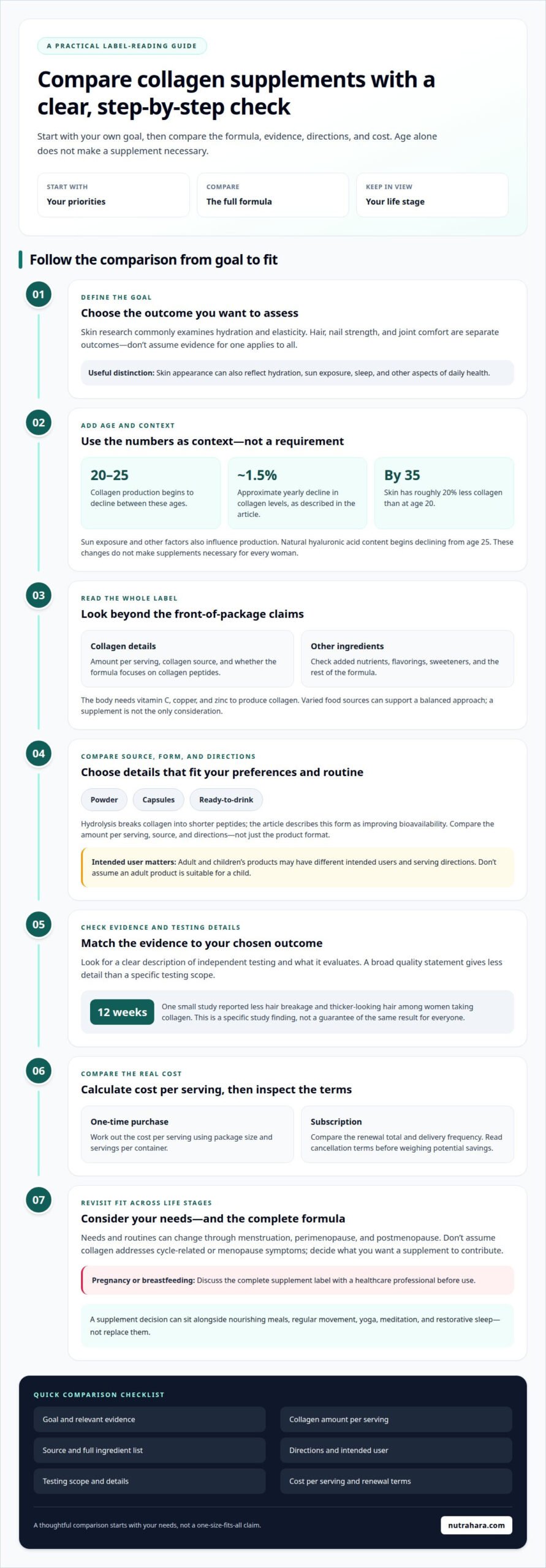
Collagen production begins to decline between ages 20 and 25, with levels falling by approximately 1.5 percent each year. Sun exposure and other factors also influence production, so age is only one part of the picture. Skin has roughly 20 percent less collagen by age 35 than at age 20. Natural hyaluronic acid content also begins declining from age 25. These changes can inform choices, but they don’t make a supplement necessary for every woman.
Collagen makes up roughly 30 percent of the body’s proteins, and Type I is its most prevalent type. The body needs vitamin C, copper, and zinc to produce collagen. Food choices can support a balanced approach: include varied sources of these nutrients rather than relying on a supplement alone. Women comparing women’s collagen supplements can use the ingredient list to see whether a formula adds nutrients or focuses on collagen peptides.
Collagen supplements come in powders, capsules, and ready-to-drink products. Hydrolysis breaks collagen into shorter peptides, a form described as improving bioavailability. Compare the collagen amount per serving, source, and directions, not just the format. Adult and children’s products may have different intended users and serving directions, so don’t assume an adult product is suitable for a child.
For a practical cost comparison, calculate the cost per serving for a one-time purchase and compare it with the subscription renewal total and delivery frequency. Read the cancellation terms, too, to see whether potential subscription savings suit your routine. Package size and servings per container affect value. These details help women compare women’s collagen supplements thoughtfully without letting age alone determine the decision.
What does Collagen do for the skin?
Collagen is a structural protein in skin and connective tissue. Type I and Type III collagen make up 90% of hair, skin, and nails. In skin, collagen fibers help provide structure and firmness. Skin’s appearance also reflects hydration, sun exposure, sleep, and other aspects of daily health. A supplement cannot replace sun protection, nourishing meals, or a balanced wellness routine.
Collagen contributes to tissues beyond the skin. It forms part of cartilage, which cushions joints, and supports tendons and ligaments that connect muscles and bones. Bone contains a collagen framework alongside minerals, giving it a flexible structure. These roles help explain why collagen research examines skin, bones, and joint mobility, not only appearance. Regular movement, including strength exercise and yoga, supports broader physical wellbeing.
Potential benefits depend on the outcome being studied. Research on skin commonly examines hydration and elasticity, while hair and nail claims need separate evidence. One small study reported that women taking collagen for 12 weeks had less hair breakage and thicker-looking hair. That finding describes a specific study outcome; it doesn’t establish that every person will notice the same change. Nail strength and joint comfort also shouldn’t be assumed from a product’s general collagen claims.
Set a clear goal to assess whether a supplement fits your routine. For example, if your focus is skin, look for research measuring skin-related outcomes, not only joint mobility. If exercise is central to your wellness plan, distinguish joint-support claims from demonstrated changes in comfort or function. Track one personal outcome at a time, such as skin dryness or exercise comfort, and keep other habits consistent. This makes it easier to notice whether a change coincides with taking a supplement, without treating collagen as a replacement for nutritious food, movement, or restorative sleep. Women’s experience: No verified first-person testimonial was provided for this section, so none is invented.
Collagen supplements selected for women
Compare a supplement’s ingredients, collagen source, serving directions, and testing details. Choose based on your priorities and life stage, rather than marketing language alone.
Ingredients, Sourcing, and Third-Party Testing
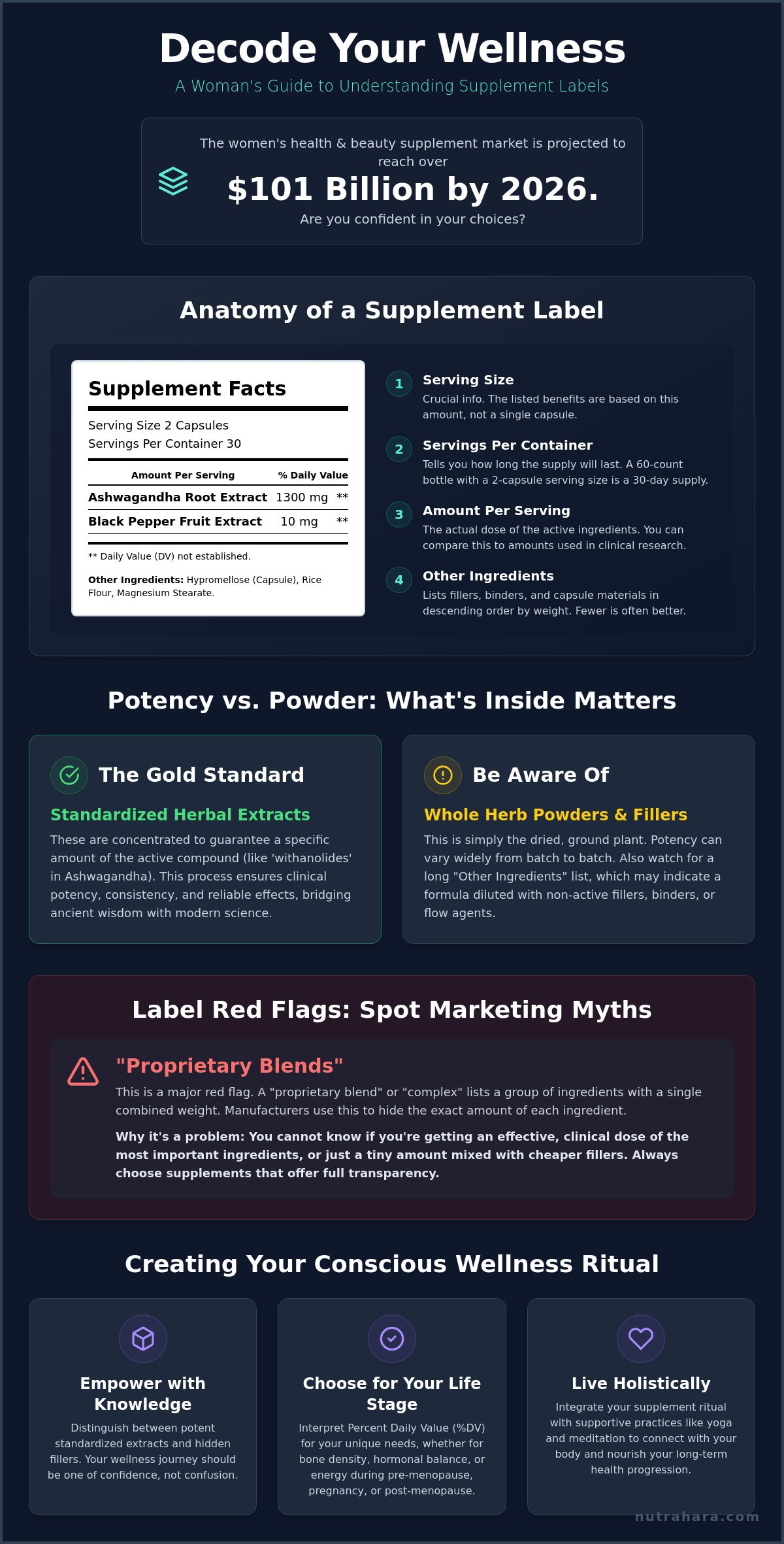
Read the full label, including flavorings, sweeteners, and ingredients beyond collagen. Sourcing information can help you decide whether a product fits your dietary preferences. Look for a clear description of independent testing and what it evaluates. A broad quality statement provides less detail than a specific testing scope.
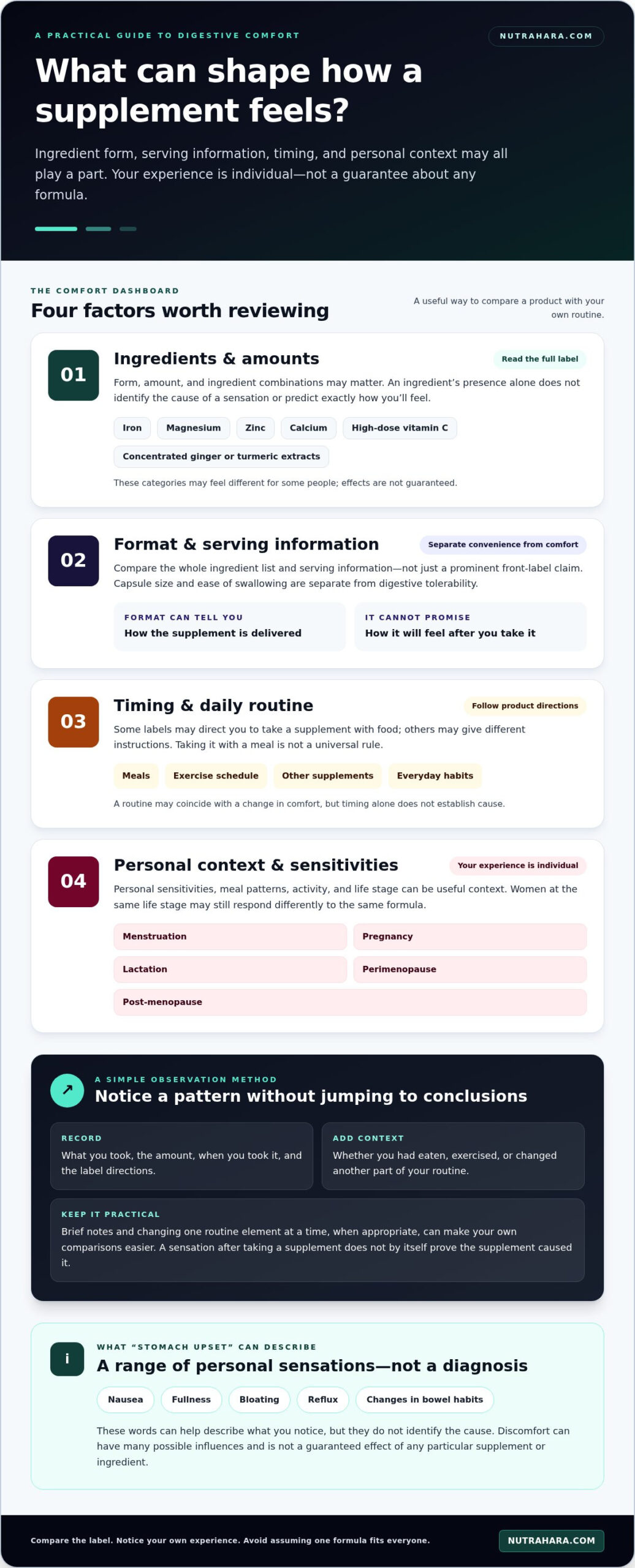
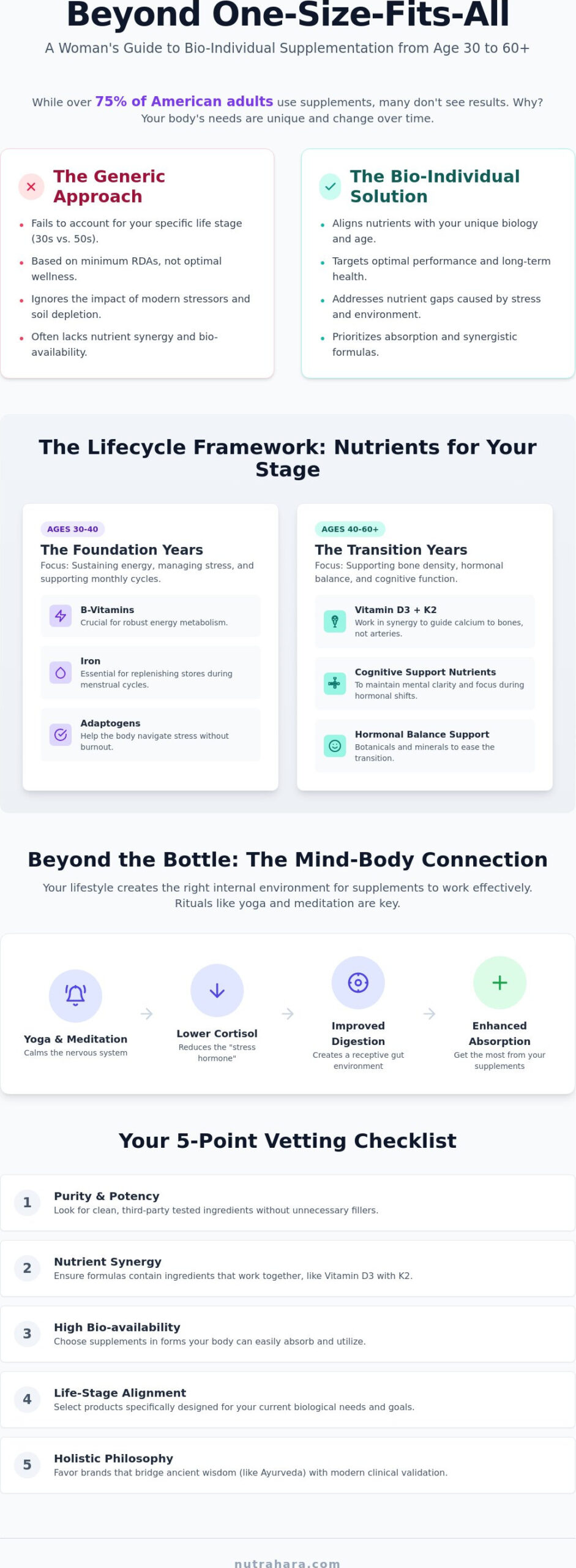
Your needs and routines may change through menstruation, perimenopause, and postmenopause. Rather than assuming collagen addresses cycle-related or menopause symptoms, decide what you want a supplement to contribute. Note any ingredients that matter to you and keep your wider routine in view. During pregnancy or breastfeeding, discuss the complete label with a healthcare professional before use.
Recommended Collagen Supplement Dose
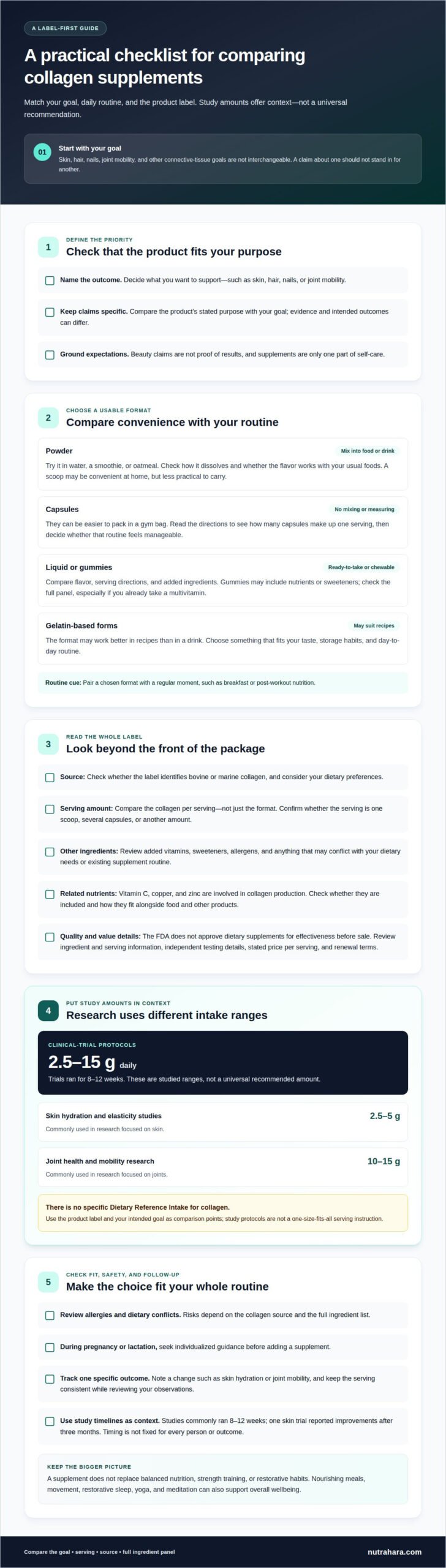
Use the serving directions and collagen amount on the product label to compare formulas. The amount per serving is more useful than scoop size alone, since a scoop may include other ingredients. Consider whether the directions fit your everyday routine, including meals, exercise, and other supplements.
Start a practical comparison with your purpose. For example, assess skin-focused products by their relevant ingredients and evidence, rather than assuming a formula marketed to women suits every goal. If your priorities shift during perimenopause or after menopause, revisit the label and your reason for taking the supplement. During menstruation, tracking your routine and personal observations can help you make deliberate choices without attributing changes to collagen alone.
At every life stage, favor a formula with clear details and directions you can follow consistently. That makes it easier to assess whether it fits your preferences, diet, and wellness routine.
What is the recommended collagen supplement dose for women?
There is no single collagen dose established for every woman. Clinical trials commonly use 2.5 to 15 grams daily for 8 to 12 weeks. These are study protocols, not a Dietary Reference Intake. The dose used depends partly on the outcome researchers examine, so a skin-focused study may use a different amount than a joint-health study.
For skin hydration and elasticity, studies often examine 2.5 to 5 grams daily. Studies of joint health and mobility commonly use 10 to 15 grams. These ranges help explain product labels, but they don’t establish that more collagen is better. Match the serving information to the goal you’re considering, then read the product directions rather than estimating from scoop size.
Check the amount of collagen per serving, not simply the total powder weight. A scoop may include flavorings or other ingredients, so its weight doesn’t necessarily equal its collagen content. If a label lists multiple servings for one daily use, calculate the total collagen amount from the serving directions. Follow those directions consistently while assessing the product.
Collagen is an incomplete protein because it lacks the essential amino acid tryptophan. It shouldn’t replace varied protein foods or be treated as a complete protein serving. For women balancing exercise, meals, and changing wellness priorities, a simple record can help: note the product’s daily collagen amount, your chosen goal, and how consistently you follow the directions. Avoid changing several supplements or routines at once, since that makes personal observations harder to interpret. If you’re comparing a collagen formula with these study ranges, explore this collagen supplement option.
Clinical trials commonly assess collagen use over 8 to 12 weeks, though the study period can vary depending on the outcome being examined.
Nutrahara
Nutrahara offers women’s health supplements for women considering how nutrition fits their wellness routines. If you’re weighing a collagen supplement, use the criteria in this guide to focus on your goal, serving details, ingredients, and sourcing. Compare those details with your wider routine, including nourishing meals, movement, and restorative practices such as yoga or meditation. During pregnancy or breastfeeding, discuss the complete ingredient list with a healthcare professional before use. A thoughtful choice starts with clear priorities and a label you understand, not simply a product marketed specifically to women. To learn more about Nutrahara’s women’s health supplements, contact Nutrahara.
Make Your Next Choice With Confidence
Your wellness routine can evolve with you. Before adding a supplement, name the outcome you care about and decide how it fits alongside meals, movement, and rest. A brief journal note can keep that intention visible without turning self-care into another demanding task.
Let consistency guide your choices, rather than pressure to change everything at once. A calming meditation after exercise or a few minutes of yoga can help you notice what supports your wellbeing. Use that same thoughtful approach when considering women’s collagen supplements: choose based on your priorities and the product details that matter to you.
If collagen feels like a useful part of your next step, contact Nutrahara about collagen supplements. Keep building a routine that respects your changing needs and reflects the care you deserve.
Frequently Asked Questions
Should I Take Collagen Supplements?
Consider collagen only if it fits a specific personal goal and your wider routine. It isn’t essential for every woman. Before choosing, review the label, serving directions, and how the product fits with your meals and other supplements. If you’re pregnant, breastfeeding, taking medication, or managing a health condition, discuss the complete ingredient list with a healthcare professional first.
Can You Take Collagen While Pregnant?
Discuss the complete product label with your prenatal healthcare professional before taking collagen during pregnancy. A supplement may contain ingredients beyond collagen, so review the entire formula, not just its headline ingredient. Bringing the label to your appointment can make the conversation specific and useful. The same careful approach applies while breastfeeding, when your healthcare professional can consider your circumstances and supplement routine.
Collagen Benefits: What Does Collagen Do For You?
Collagen is a structural protein found in tissues including skin, cartilage, tendons, and bone. Supplement research examines different outcomes, so a claim about one area doesn’t automatically apply to another. For instance, skin-focused findings don’t establish joint benefits. Decide which outcome matters to you, then assess whether the product’s ingredients and supporting evidence relate to that specific goal.
Got Collagen Questions?
First, sort your question into product details or personal health. For product details, write down the serving directions and ingredients you want to understand. For individual concerns, such as combining supplements with medication, a healthcare professional can consider your situation. Nutrahara offers women’s health supplements; discuss personal medical questions with a healthcare professional.
How Do You Take Collagen Powder?
Follow the serving directions on the specific product label. If the powder is intended to mix into food or drink, try stirring it into a smoothie or oatmeal and mix thoroughly. Measure the labeled serving rather than estimating with a kitchen spoon. If you take other supplements, compare their ingredient lists so you can keep track of what you’re consuming.
Is There a Vegetarian Collagen?
Collagen is animal-derived, so a product containing collagen peptides isn’t vegetarian. Some vegetarian formulas instead provide other nutrients intended to support the body’s collagen production. Check the ingredient and sourcing details to distinguish those products from actual collagen. If you follow a vegetarian diet, consider whether the complete formula, including flavorings and capsules, suits your preferences.
Disclaimer
This article is not a substitute for medical advice. Please consult a healthcare professional before starting any supplement, especially if pregnant, nursing, taking medication, or managing health conditions.