Categories
Articles

A Complete Guide to Supplements for Heavy Menstrual Bleeding

Does your monthly cycle leave you feeling exhausted, depleted, and constantly worried about the amount of blood you’re losing? If your period disrupts your daily life and the thought of hormonal options doesn’t align with your wellness journey, you are not alone. Many women are searching for a holistic path to find balance, reclaim their energy, and feel more in control of their bodies.

The wonderful news is that nature, supported by cutting-edge research, offers powerful allies. Finding the right supplements for heavy menstrual bleeding can be a transformative step toward a more comfortable and manageable cycle. This gentle, effective approach honors your body’s natural rhythms while providing the targeted support you need.

In this guide, we will explore the most effective, science-backed vitamins and herbs to help you naturally reduce heavy flow, combat fatigue, and restore your vitality. Your journey to a more balanced and empowered cycle starts here.

Key Takeaways

  • Begin your wellness journey by addressing foundational nutrient deficiencies, a critical first step for managing heavy flow and restoring energy.
  • Discover how clinically-studied herbal supplements for heavy menstrual bleeding, such as Chasteberry and Ginger, can naturally support hormonal balance and reduce discomfort.
  • Explore the holistic wisdom of Ayurveda to understand how specific herbs and lifestyle practices can bring your system into harmony for a more comfortable cycle.
  • Learn how to choose high-quality, pure supplements safely and recognize the important signs that indicate it’s time to consult with your healthcare provider.

Understanding Heavy Menstrual Bleeding: When Is It a Concern?

Your monthly cycle is a core part of your wellness journey, but for many women, it brings significant challenges. Dealing with an excessively heavy period can be physically draining and emotionally disruptive, impacting everything from your daily schedule to your overall well-being. It’s a common experience, but it is not something you simply have to endure.

Clinically known as menorrhagia, heavy menstrual bleeding is defined as excessive or prolonged menstrual blood loss that interferes with a woman’s quality of life. Before exploring natural solutions like supplements for heavy menstrual bleeding, it is essential to understand the root cause. A proper diagnosis from your healthcare provider is the crucial first step to ensure there are no underlying medical conditions that require treatment.

What Qualifies as a ‘Heavy’ Period?

While every woman’s cycle is unique, certain signs indicate that your bleeding may be heavier than what is considered a normal range. Recognizing these can empower you to seek the right support. Key indicators include:

  • Soaking through one or more sanitary pads or tampons every hour for several consecutive hours.
  • Needing to wake up during the night to change sanitary protection.
  • Passing blood clots that are larger than a quarter.
  • Menstrual bleeding that lasts longer than seven full days.

Common Causes and Contributing Factors

A variety of factors can contribute to a heavy menstrual flow. Understanding these potential causes is foundational to finding a balanced, holistic solution for your body. Common contributors include:

  • Hormonal Imbalances: An imbalance between estrogen and progesterone is one of the most frequent causes of heavy bleeding.
  • Uterine Conditions: Non-cancerous growths such as uterine fibroids or polyps can lead to heavier or prolonged periods.
  • Underlying Health Issues: Conditions like Polycystic Ovary Syndrome (PCOS), endometriosis, or thyroid disorders can disrupt the menstrual cycle.
  • Nutrient Deficiencies: A lack of key nutrients, particularly iron, can both result from and contribute to heavy bleeding, creating a challenging cycle.

Identifying the source of your heavy flow with a trusted medical professional is the first step. Once you have a clear picture, you can begin to explore supportive strategies, including targeted supplements for heavy menstrual bleeding that work in harmony with your body.

Foundational Vitamins & Minerals to Manage Heavy Flow

Beginning your wellness journey to a more balanced cycle starts with building a strong nutritional foundation. Before exploring complex herbal remedies, the most critical first step is addressing potential nutrient deficiencies that can contribute to heavy flow. Scientific reviews have validated the role certain herbal and nutritional supplements play in menstrual health, highlighting that consistency is key to restoring your body’s natural harmony. Focusing on these core micronutrients provides the essential support your body needs for long-term well-being.

Iron: Replenish Your Energy Stores

Heavy menstrual bleeding has a direct and cyclical relationship with iron deficiency. Losing significant amounts of blood each month depletes your body’s iron, and low iron levels can, in turn, worsen bleeding. This can lead to iron-deficiency anemia, leaving you feeling drained. Common symptoms include:

  • Profound fatigue and weakness
  • Difficulty concentrating or “brain fog”
  • Pale skin and shortness of breath

When choosing a supplement, consider gentle forms like iron bisglycinate, which is known for better absorption and less constipation. We always recommend speaking with your healthcare provider to have your iron levels tested before beginning supplementation.

Vitamin C: The Essential Iron Absorption Booster

Vitamin C is iron’s most valuable partner. This powerful antioxidant has been clinically shown to significantly enhance the absorption of non-heme iron (the type found in plant-based foods and supplements). For maximum benefit, take your iron supplement with a source of Vitamin C. You can easily incorporate this nutrient through your diet with foods like citrus fruits, bell peppers, strawberries, and broccoli, or through a dedicated supplement.

Vitamin B Complex: For Hormonal Harmony & Energy

The family of B vitamins plays a vital role in your monthly cycle and overall energy. Vitamin B6, in particular, is essential for the production of progesterone, a key hormone for regulating your uterine lining. B vitamins also support healthy liver function, which is crucial for metabolizing and clearing excess hormones. By aiding in energy production at a cellular level, they help combat the deep fatigue that often accompanies a heavy period. Explore a balanced Vitamin B-Complex formula to support your cycle.

A Complete Guide to Supplements for Heavy Menstrual Bleeding

Powerful Herbal Supplements for Natural Period Relief

While essential nutrients build a strong foundation for your well-being, your wellness journey can be further supported by targeted herbal remedies. Bridging ancient wisdom with modern research, these botanicals offer a holistic approach to managing heavy flow. Many traditional nutritional and herbal supplements for heavy bleeding are now clinically studied for their ability to address root causes like inflammation and hormonal fluctuations. As you explore these powerful allies from nature, we recommend starting with one or two and mindfully observing how your body responds.

Ginger: Nature’s Anti-Inflammatory

Ginger is celebrated in both ancient Ayurveda and modern science for its potent anti-inflammatory properties. It works by helping to reduce the body’s production of prostaglandins-compounds that can contribute to heavy bleeding and painful cramps. Research has shown that ginger can significantly decrease menstrual blood loss. Its dual-action benefit also helps soothe the nausea and cramping that often accompany a difficult period. You can easily incorporate it into your routine through:

  • Herbal capsules for a standardized dose
  • Warm, comforting ginger tea
  • Adding fresh, grated ginger to meals

Chasteberry (Vitex Agnus-Castus): The Hormone Balancer

Chasteberry is a revered herb for female hormonal health. It doesn’t contain hormones itself but instead works by gently supporting the pituitary gland-the body’s master control center for hormone regulation. It is particularly beneficial for women experiencing heavy flow due to low progesterone levels. Because it encourages your body’s own balancing mechanisms, it may take two to three full menstrual cycles to notice significant improvements. Please note, Chasteberry may interfere with hormonal birth control and is best avoided if you are using it.

Shepherd’s Purse: A Traditional Astringent Herb

A classic herb in Western herbalism, Shepherd’s Purse has been used for centuries to provide acute relief from heavy bleeding. Its power lies in its natural astringent properties, which help to gently constrict blood vessels in the uterus, thereby slowing blood flow. Unlike other supplements for heavy menstrual bleeding that are taken throughout the month, Shepherd’s Purse is typically used only during your period for immediate support. Due to its potent effects, we advise using this herb under the guidance of a qualified herbalist or healthcare practitioner.

The Ayurvedic Approach to Menstrual Wellness

While many seek specific supplements for heavy menstrual bleeding, Ayurveda-the ancient science of life from India-views the menstrual cycle as a powerful reflection of a woman’s overall health. This holistic philosophy, which is at the heart of the Nutrahara mission, seeks to create balance from within. Instead of just targeting symptoms, it supports the body’s innate wisdom through a synergistic blend of diet, lifestyle adjustments, and powerful botanicals.

This approach recognizes that a harmonious cycle is a sign of a body in balance. When we experience challenges like heavy bleeding, it’s seen as an indication of a deeper imbalance that can be gently corrected. By addressing root causes like stress and inflammation, we empower ourselves on our personal wellness journey.

Key Ayurvedic Herbs: Ashwagandha and Shatavari

Two of the most revered herbs in Ayurveda for women’s health are Ashwagandha and Shatavari. Ashwagandha is a celebrated adaptogen, which means it helps your body manage and adapt to stress. Since chronic stress can disrupt the delicate hormonal balance that governs your cycle, managing it is a key step. Shatavari is considered the premier tonic for the female reproductive system, known for its nourishing and balancing properties. These herbs are foundational to the Ayurvedic approach, complementing other supplements for heavy menstrual bleeding by addressing underlying imbalances. Consider how a high-quality Ashwagandha supplement can support your stress response.

Supportive Diet & Lifestyle Practices

Herbal support works best when combined with mindful daily choices. Simple adjustments can create a profound impact on your menstrual health and overall well-being. During your period, focus on practices that conserve energy and promote warmth and comfort.

  • Eat Warm, Nourishing Foods: Favor cooked foods like soups, stews, and steamed vegetables. These are easier to digest, allowing your body to direct its energy toward healing and restoration. Try to avoid cold, raw, or processed foods.
  • Embrace Gentle Movement: High-intensity exercise can be depleting during menstruation. Opt for restorative activities like walking, gentle stretching, or yin yoga to support circulation and ease tension.
  • Reduce Inflammatory Triggers: Minimize your intake of caffeine, refined sugar, and processed vegetable oils. These can contribute to inflammation, potentially worsening cramps and flow.

How to Choose Safely and When to See a Doctor

Embarking on a wellness journey to manage heavy periods requires both knowledge and caution. While natural supplements for heavy menstrual bleeding can be a powerful part of a holistic strategy, it’s essential to remember they are designed to supplement a balanced lifestyle and professional medical guidance, not replace them. Empowering yourself with the right information ensures you can make choices that are both safe and effective for your unique body.

Reading the Label: What to Look For in a Quality Supplement

A trustworthy supplement is defined by its purity and transparency. As a discerning consumer, look for clear indicators of quality on the label and company website. A high-quality product will typically feature:

  • Third-Party Certifications: Look for seals from independent organizations like NSF or USP, which verify that the product contains what it claims and is free from contaminants.
  • Clean and Simple Formulas: The ingredient list should be easy to understand, without unnecessary fillers, artificial colors, or synthetic binders. Purity is paramount.
  • Clinically Relevant Doses: The amount of each active ingredient should align with levels used in scientific research to ensure efficacy.
  • Brand Transparency: Reputable brands are open about their ingredient sourcing and manufacturing processes. At Nutrahara, we believe this transparency is fundamental to your well-being.

Red Flags: When It’s Time to Consult a Healthcare Professional

Your body offers important signals. While exploring supplements is a proactive step, it’s crucial to seek professional medical advice if you experience certain symptoms. Please consult your doctor if you notice:

  • Severe pelvic pain, dizziness, fainting, or shortness of breath during your period.
  • A sudden and significant increase in bleeding, or bleeding that occurs between your cycles.
  • Any bleeding after you have gone through menopause.
  • No improvement in your symptoms after consistently trying natural approaches for 2-3 menstrual cycles.

Your physician can provide a proper diagnosis to rule out underlying conditions and create a comprehensive care plan. They are your most important partner in achieving long-term wellness on your health journey.

Embrace a More Balanced Cycle on Your Wellness Journey

Navigating heavy periods doesn’t have to be a solitary struggle. As we’ve explored, a holistic approach that combines foundational vitamins, powerful herbs, and the ancient wisdom of Ayurveda can offer profound relief. Making an informed choice about the right supplements for heavy menstrual bleeding is an empowering step toward reclaiming control over your body and finding your natural rhythm. It’s about creating a foundation of well-being that supports you through every phase of your cycle.

At Nutrahara, we are dedicated to being your trusted partner on this path. Formulated with 40 years of expertise, our products represent the perfect harmony of ancient Ayurveda and modern science. We are committed to providing you with clean, simple, and natural ingredients designed to nurture your health from within.

Ready to feel more balanced and in control? Begin your wellness journey by exploring our range of women’s health supplements. Your path to a more comfortable cycle is within reach, and we are here to support you every step of the way.

Frequently Asked Questions

How long does it take for supplements to help with heavy periods?

Your body’s wellness journey is unique, and response times can vary. While some women notice a difference within one cycle, it is more common to see a gradual improvement over two to three months. Consistent use of supplements for heavy menstrual bleeding allows key nutrients, like iron and vitamin C, to replenish your body’s stores and support a more balanced cycle. Patience is essential as your body adapts to this new, holistic support on its path to well-being.

Can I take these supplements if I am on hormonal birth control?

While many nutritional supplements like iron and B vitamins are generally safe with hormonal birth control, some herbal ingredients can interact with medications. To ensure your safety and the effectiveness of your treatment, we always recommend consulting with your healthcare provider. They can offer personalized guidance based on your specific health profile, ensuring a safe and supportive wellness journey that aligns with your needs and prescriptions.

What are the best foods to eat for heavy menstrual bleeding?

Supporting your body through nutrition is a powerful step. Focus on incorporating iron-rich foods like lentils, spinach, and lean meats to replenish what is lost during your cycle. To enhance iron absorption, pair these with foods high in vitamin C, such as citrus fruits, bell peppers, and broccoli. Additionally, anti-inflammatory foods like ginger, turmeric, and omega-3-rich fish can help create a more balanced and comfortable menstrual experience.

Can stress and anxiety make my periods heavier?

Yes, the mind-body connection is profound. High levels of stress and anxiety can increase cortisol, a hormone that may disrupt the delicate balance of your reproductive hormones like estrogen and progesterone. This imbalance can sometimes contribute to heavier or more irregular periods. Integrating stress-management practices like meditation, gentle yoga, or time in nature can be a nurturing addition to your routine, supporting both your emotional well-being and your cyclical health.

Is it possible to take too many supplements for menstrual health?

Absolutely. While targeted support is beneficial, more is not always better. Taking excessive amounts of certain nutrients, particularly fat-soluble vitamins (A, D, E, K) and minerals like iron, can lead to unwanted side effects. It is crucial to follow the recommended dosage on each product label or the guidance of your healthcare provider. A “clean and simple” approach ensures you receive effective, safe support without overwhelming your system.

Should I stop taking these supplements once my period is lighter?

We recommend viewing your supplement routine as part of a long-term wellness journey, not just a temporary fix. Continuing with your regimen helps maintain optimal nutrient levels and supports ongoing hormonal balance, which can prevent symptoms from returning. Consistent use provides foundational support for your entire cycle. Of course, it is always wise to check in with your healthcare provider to adjust your routine as your health needs evolve over time.

Article by

Nutrahara Team

We are a dedicated collective of nutrition scientists and naturopaths at Nutrahara, committed to advancing women's health through the fusion of ancient Ayurveda science and cutting-edge nutrition research. Our mission is to empower you with clean, simple, and scientifically validated wellness solutions so you can live your healthiest life. Connect with us to stay updated on the latest developments in holistic women's health and nature-based research.

Disclaimer

This article is not a substitute for medical advice. Please consult a healthcare professional before starting any supplement, especially if pregnant, nursing, taking medication, or managing health conditions.

Categories
Articles

Ayurvedic Treatment for Hormonal Imbalance: A Complete Guide to Restoring Harmony

Do you feel like you’re constantly battling your own body? If persistent fatigue, unpredictable mood swings, and a sense of being ‘off’ have left you feeling frustrated and unheard by conventional medicine, you are not alone. This wellness journey can feel isolating, especially when standard solutions offer little relief or come with unwelcome side effects. But what if the path to balance lies not in a prescription, but in the ancient wisdom of nature? Ayurveda offers a profound, holistic perspective, viewing these symptoms as signs of a deeper disharmony. An effective ayurvedic treatment for hormonal imbalance seeks to address the root cause, gently guiding your body back to its natural state of equilibrium.

In this complete guide, we will demystify Ayurveda’s approach, transforming what may seem complex into a clear, actionable plan for your well-being. You will discover powerful, clinically-studied herbs, simple dietary adjustments, and daily practices designed to restore your inner harmony. Prepare to feel empowered as you learn to listen to your body and reclaim your vitality, bridging the gap between ancient science and modern life to begin your journey back to balance.

Key Takeaways

  • Discover your dominant Dosha (Vata, Pitta, or Kapha) to understand the root cause of your hormonal symptoms and tailor your approach to healing.
  • Explore powerful adaptogenic and rejuvenating herbs that work with your body to gently and naturally restore hormonal equilibrium.
  • A holistic ayurvedic treatment for hormonal imbalance goes beyond supplements, incorporating specific foods and daily routines to support your digestive fire (Agni).
  • Learn how to begin your wellness journey with simple, consistent daily practices that create a powerful foundation for lasting hormonal harmony.

Understanding Hormonal Imbalance Through the Lens of Ayurveda

In modern medicine, we often see hormonal imbalance as a list of symptoms-fatigue, mood swings, or irregular cycles. Ancient Ayurveda science invites us to look deeper, viewing hormones not just as chemical signals, but as messengers of our body’s core metabolic energy, or Agni. This holistic perspective sees the body as an interconnected system where balance is key. By understanding hormonal imbalance through the lens of Ayurveda, we can move beyond managing symptoms and begin to address the root cause, embarking on a true wellness journey.

At the heart of this ancient wisdom are the three Doshas-Vata, Pitta, and Kapha. These bio-energetic forces govern all our physiological and psychological functions, including the delicate endocrine system responsible for hormone production. When our dominant Dosha is aggravated by diet, stress, or lifestyle, it creates a ripple effect that disrupts hormonal harmony.

What are the Doshas and How Do They Affect Hormones?

Your unique constitution determines how imbalances manifest. Identifying your dominant Dosha is a foundational step in finding an effective ayurvedic treatment for hormonal imbalance. Here’s how each Dosha aggravation can impact your well-being:

  • Vata Imbalance: Governed by air and ether, excess Vata can lead to dryness and irregularity. This may manifest as irregular or scanty periods, anxiety, insomnia, and constipation.
  • Pitta Imbalance: Composed of fire and water, aggravated Pitta creates excess heat. This often results in heavy or painful periods, skin inflammation like acne, irritability, and hot flashes.
  • Kapha Imbalance: The energy of earth and water, excess Kapha leads to heaviness and stagnation. This can cause weight gain, sluggish metabolism, fluid retention, and feelings of lethargy.

The Role of Agni (Digestive Fire) in Hormonal Health

Imagine your digestive system as a fire, or Agni. A strong Agni efficiently digests food, absorbs vital nutrients needed for hormone synthesis, and eliminates waste. However, when Agni is weak, food is not properly metabolized, creating a toxic residue called Ama. This Ama can clog the body’s channels (srotas), obstructing cellular communication and disrupting hormonal signals.

A healthy Agni is marked by a good appetite, feelings of lightness after meals, and consistent energy. Signs of a weak, imbalanced Agni include bloating, gas, fatigue, and a coating on the tongue. Restoring this digestive fire is paramount for lasting hormonal balance.

Powerful Ayurvedic Herbs for Natural Hormone Balance

Ancient Ayurveda science offers a profound understanding of botanical medicine. At the heart of this wisdom are rasayana (rejuvenating) and adaptogenic herbs, which help your body adapt to physical and emotional stressors to restore equilibrium. These powerful botanicals are often combined to create a synergistic effect, forming the foundation of a holistic wellness plan. For your health journey to be both safe and effective, it is essential to select high-quality, pure herbs free from contaminants.

Adaptogens for Stress and Cortisol Management

Chronic stress is a primary driver of hormonal disruption, elevating cortisol and throwing your system off balance. Managing cortisol is a foundational step in any ayurvedic treatment for hormonal imbalance. Ashwagandha (Withania somnifera) is Ayurveda’s most revered adaptogen for calming the nervous system. It works to modulate cortisol levels, which can lead to:

  • Sustained energy throughout the day
  • More restful and restorative sleep
  • A noticeable reduction in feelings of anxiety

To ensure you receive the full benefits of this herb, absorption is key. That’s why Nutrahara’s Ashwagandha with Black Pepper is formulated for enhanced bioavailability, delivering this powerful adaptogen effectively.

Herbs for Female Reproductive Health

Shatavari (Asparagus racemosus), often called the “queen of herbs,” is the foremost tonic for the female reproductive system. It gently nourishes and supports the body through every stage of a woman’s life. As a powerful phytoestrogen, it helps regulate menstrual cycles, support fertility, and ease menopausal symptoms like hot flashes. Modern scientific reviews increasingly validate these traditional uses, with research into powerful Ayurvedic herbs for natural hormone balance highlighting their efficacy in supporting women’s health.

Herbs for Liver Support and Detoxification

Your liver is a critical organ for hormonal health, responsible for metabolizing and clearing excess hormones from your body. When the liver is overburdened, hormonal imbalances can occur. Turmeric (Curcuma longa) is a celebrated anti-inflammatory herb that supports the liver’s natural detoxification pathways. By promoting healthy liver function, Turmeric ensures that hormones like estrogen are processed efficiently. Other cleansing herbs like Guduchi (Tinospora cordifolia) also play a vital role in this purification process.

Ayurvedic Treatment for Hormonal Imbalance: A Complete Guide to Restoring Harmony

The Ayurvedic Diet (Ahar): Eating for Hormonal Harmony

In ancient Ayurveda science, a profound principle guides our relationship with food: “You are not what you eat, but what you digest.” This wisdom places the focus on your digestive fire, or Agni, which transforms food into nourishment for your tissues and, crucially, your hormones. A strong Agni ensures nutrients are properly absorbed, while a weak one creates toxins (Ama) that can disrupt the delicate endocrine system. This dietary focus is a cornerstone of any effective ayurvedic treatment for hormonal imbalance. Modern institutions are also recognizing the value of this ancient system, with organizations like the Pituitary Network Association exploring the Ayurvedic approach to endocrinology and its emphasis on diet for hormonal well-being.

Foods to Favor for Hormonal Balance

To support your body’s natural rhythms, prioritize whole, sattvic (pure) foods that are easy to digest and rich in life force (prana). These clean and simple ingredients form the foundation of a hormone-balancing diet.

  • Healthy Fats: Nourish your brain and endocrine glands with high-quality fats like ghee (clarified butter), coconut oil, avocados, and soaked nuts and seeds.
  • Warm, Cooked Vegetables: Cooking vegetables makes them easier to digest, unlocking their nutrients. Focus on grounding root vegetables and vibrant leafy greens.
  • Whole Grains: Sustain your energy and stabilize blood sugar with easily digestible grains like basmati rice, quinoa, and cooked oats.
  • Warming Spices: Kindling your Agni is key. Incorporate anti-inflammatory spices like turmeric, ginger, cinnamon, and cumin to support digestion and reduce inflammation.

Foods to Reduce or Avoid

Just as important as what you add to your diet is what you limit. Certain foods can weaken Agni, create Ama, and directly interfere with hormonal harmony.

  • Processed Foods & Refined Sugar: These foods lack prana and can lead to inflammation and blood sugar spikes, placing stress on your adrenal glands.
  • Excessive Caffeine & Alcohol: Both can aggravate the Vata and Pitta doshas, contributing to anxiety, sleep disruption, and hormonal fluctuations.
  • Cold & Raw Foods: Icy drinks and large raw salads can extinguish your digestive fire, making nutrient absorption difficult and leading to bloating and gas.

The Six Tastes in Ayurveda

For a truly satisfying and nutritionally complete meal, Ayurveda recommends including all six tastes (Shad Rasa): Sweet, Sour, Salty, Pungent, Bitter, and Astringent. A meal that incorporates this full spectrum of flavors helps prevent cravings and ensures your body receives a wide range of essential nutrients. For example, a simple meal of lentil soup (astringent, sweet), with cooked kale (bitter), a squeeze of lime (sour), a pinch of mineral salt (salty), and spiced with ginger (pungent) creates perfect balance on your plate and in your body.

Restorative Lifestyle Practices (Vihar) for Lasting Balance

In the holistic science of Ayurveda, how you live your life is just as vital as what you eat. These lifestyle practices, known as Vihar, create a stable and nurturing environment for your body to heal and thrive. A cornerstone of any effective ayurvedic treatment for hormonal imbalance is establishing a predictable daily routine, or Dinacharya. This rhythm helps regulate your body’s internal clocks, which directly influence hormone production.

Remember, consistency is far more powerful than perfection. Integrating small, mindful habits into your day builds a strong foundation for resilience against modern-day stressors and burnout, which are often at the root of hormonal disruption.

Creating a Supportive Daily Routine (Dinacharya)

Aligning your body with the natural rhythms of the day provides profound stability. Start by waking early, ideally before sunrise, and drinking a glass of warm water to gently awaken your digestive system. Maintaining a consistent sleep-wake cycle is critical for regulating cortisol and melatonin. Finally, consider incorporating Abhyanga, a self-massage with warm sesame or coconut oil, to calm the nervous system and nourish your entire being.

Movement and Exercise for Your Dosha

Ayurveda teaches that the right exercise for you depends on your unique constitution, or dosha. The goal is to create balance, not exhaustion. Tailoring your movement helps pacify your dominant dosha and supports hormonal harmony.

  • Vata: Focus on gentle, grounding exercises that promote stability. Think slow-flow yoga, tai chi, and mindful walking in nature.
  • Pitta: Choose moderately intense activities that are also cooling to balance your inner fire. Swimming, hiking near water, or cycling on a shaded path are excellent choices.
  • Kapha: Opt for more vigorous and stimulating exercise to combat sluggishness. Brisk walking, dancing, cycling, and jogging can invigorate your body and mind.

Stress Management and Restful Sleep

Chronic stress is a primary antagonist to balanced hormones. Simple, daily practices to quiet the mind are non-negotiable. Introduce Pranayama (breathing exercises) like Nadi Shodhana (Alternate Nostril Breathing) for 5-10 minutes to instantly calm your nervous system. Even a short daily meditation can profoundly impact your stress response. While these practices are foundational, sometimes our bodies need extra help winding down. For those on their wellness journey seeking deeper rest, a natural, clinically-formulated supplement like RestoraSleep can support your body’s natural sleep cycle.

Your Ayurvedic Wellness Journey: Getting Started

Embarking on a new wellness journey can feel like a significant undertaking, but the path to hormonal harmony is paved with small, consistent steps, not giant leaps. The principles of Ayurveda are not about a quick fix; they are about a gentle rediscovery of your body’s innate wisdom and rhythm. As you begin, practice self-compassion. Listen to your body’s signals and choose one or two changes from this guide that feel most accessible and nurturing to you right now. This is your personal journey back to balance.

A Simple 3-Step Plan to Begin

To build momentum on your journey, we recommend starting with these three simple yet powerful actions. Committing to them for just one week can create a noticeable shift in your energy and well-being, laying the groundwork for deeper healing.

  • Nurture Your Digestion (Agni): In Ayurveda, your digestive fire, or Agni, is the cornerstone of all health. Weak digestion can lead to the buildup of toxins that disrupt hormonal function. Start your day by sipping warm water instead of cold, and add a slice of fresh ginger to your meals to gently stoke your metabolism and improve nutrient absorption.
  • Introduce One Supportive Herb: Adaptogenic herbs are nature’s gift for managing stress, a primary trigger for hormonal imbalance. Consider a clinically studied herb like Ashwagandha, renowned for its ability to promote calm, enhance resilience, and support the endocrine system.
  • Prioritize Restful Sleep: Your body repairs and regulates hormones while you sleep. Commit to a consistent bedtime for one week, aiming for 7-8 hours of rest. This simple rhythm helps regulate your circadian cycles and provides the deep restoration your body needs.

When to Seek Professional Guidance

While these foundational steps are empowering, a truly effective ayurvedic treatment for hormonal imbalance is deeply personal. For a comprehensive plan tailored to your unique mind-body constitution (Prakriti) and current imbalances (Vikriti), we strongly recommend consulting a qualified Ayurvedic practitioner.

It is also essential to discuss any new supplements with your healthcare provider, especially if you are pregnant, nursing, or managing existing health conditions. At Nutrahara, we are honored to be a partner on your wellness journey. We bridge ancient Ayurvedic science with modern research to create clean, simple formulas that you can trust. Support your body’s natural vitality with a targeted blend like FemmePower for overall vitality, expertly formulated to nourish and balance from within.

Embrace Your Journey to Hormonal Harmony

Restoring your body’s natural rhythm is a holistic process. As we’ve explored, true harmony is achieved not through a single fix, but by embracing the wisdom of Ayurveda. By integrating a nourishing diet (Ahar), restorative lifestyle practices (Vihar), and powerful herbs, you create a comprehensive ayurvedic treatment for hormonal imbalance that addresses the root cause. This path is about understanding and honoring your unique constitution to foster lasting well-being.

To support you on your wellness journey, we have meticulously crafted our formulas based on 40 years of expertise. At Nutrahara, we bridge ancient Ayurveda with modern nutrition research, using only clean, natural, and high-quality ingredients to create supplements you can trust. Take the next step with confidence. Explore our range of Ayurvedic supplements for women’s wellness.

Remember, every small, mindful choice is a powerful step toward reclaiming your vitality. Your journey to balance is a beautiful one, and you are fully equipped to walk it with strength and grace.

Frequently Asked Questions

How long does it take for Ayurvedic treatments for hormonal imbalance to work?

Your wellness journey is unique. Ayurveda is a holistic system that works to address the root cause of imbalance, not just the symptoms. While some women notice subtle shifts in energy and mood within a few weeks, achieving significant, lasting hormonal balance can take 3-6 months of consistent effort with herbs, diet, and lifestyle adjustments. Patience and dedication are key to allowing your body to gently and naturally restore its harmony.

Is it safe to take Ayurvedic herbs with my current medications?

Your safety is our highest priority. While our ingredients are natural, they are also potent and can interact with certain prescription medications. We strongly advise consulting with your healthcare provider or a qualified Ayurvedic practitioner before combining our supplements with your current treatment plan. This ensures a safe, coordinated, and effective approach to your health, honoring both modern research and ancient wisdom.

What is the single most important change I can make to balance my hormones?

While a truly holistic approach is best, one of the most powerful changes you can make is to regulate your sleep cycle. In Ayurveda, this is a core part of Dinacharya (daily routine). Going to bed by 10 PM and waking with the sun helps normalize cortisol rhythms, which profoundly impacts all other hormones. This simple, foundational practice supports your body’s innate intelligence and creates stability for your entire endocrine system.

Can Ayurveda help with hormonal issues like PCOS or endometriosis?

Yes, Ayurveda offers a comprehensive framework for managing complex conditions like PCOS and endometriosis. A personalized ayurvedic treatment for hormonal imbalance focuses on addressing the root cause by improving digestion (Agni), clearing toxins (Ama), and balancing the affected Doshas. Through specific herbal formulations, dietary plans, and stress management techniques, Ayurveda aims to reduce inflammation, regulate cycles, and restore harmony to the reproductive system.

How do I know which Dosha is out of balance?

Observing your symptoms is the first step. For example, excess Vata can manifest as anxiety, dry skin, and irregular periods. A Pitta imbalance may show up as irritability, acne, and heavy bleeding. Kapha imbalance often presents as weight gain, lethargy, and fluid retention. For an accurate diagnosis of your unique constitution (Prakriti) and current imbalance (Vikriti), we recommend consulting a qualified Ayurvedic practitioner.

Are Nutrahara’s supplements third-party tested for purity and quality?

Absolutely. At Nutrahara, our commitment to quality is unwavering. Every batch of our clinically-formulated supplements undergoes rigorous third-party testing to verify purity, potency, and safety. We ensure our products are free from heavy metals, pesticides, and other contaminants. This fusion of ancient Ayurvedic science with cutting-edge quality control allows us to deliver clean, simple, and trustworthy support for your wellness journey.

Article by

Nutrahara Team

We are a dedicated collective of nutrition scientists and naturopaths at Nutrahara, committed to advancing women's health through the fusion of ancient Ayurveda science and cutting-edge nutrition research. Our mission is to empower you with clean, simple, and scientifically validated wellness solutions so you can live your healthiest life. Connect with us to stay updated on the latest developments in holistic women's health and nature-based research.

Disclaimer

This article is not a substitute for medical advice. Please consult a healthcare professional before starting any supplement, especially if pregnant, nursing, taking medication, or managing health conditions.

Categories
Articles

Natural Remedies for Menstrual Cramps: A Holistic Guide to Lasting Relief

That familiar monthly ache arrives, disrupting your life and leaving you reaching for a pill bottle you’d rather avoid. If you feel overwhelmed by conflicting advice and want to address the root cause of your discomfort, you are not alone. Your wellness journey deserves more than a temporary fix. It’s time to explore effective natural remedies for menstrual cramps that work in harmony with your body, not against it, offering a path to genuine, lasting relief.

This holistic guide is designed to empower you with knowledge and practical solutions. By bridging the wisdom of ancient Ayurveda with the clarity of modern, evidence-based research, we will help you navigate your path to a more balanced cycle. You will discover powerful anti-inflammatory herbs, simple dietary shifts, and gentle lifestyle rituals that can significantly reduce the severity of period pain. Prepare to feel more in control of your menstrual health and embrace a future of greater comfort and well-being.

Key Takeaways

  • Incorporate gentle lifestyle rituals, like targeted heat therapy and mindful movement, to provide both immediate comfort and long-term resilience against period pain.
  • Learn how to harness the power of an anti-inflammatory diet to address the root cause of pain by naturally balancing your body’s prostaglandins.
  • Explore clinically-researched herbs and nutrients, some of the most effective natural remedies for menstrual cramps, that work synergistically to soothe discomfort.
  • Understand your cycle through the lens of Ayurveda and discover how balancing the Vata dosha can lead to a calmer, more comfortable period.

Understanding Menstrual Cramps: The Science Behind the Pain

For many women, menstrual cramps are a recurring part of their monthly cycle. But on your wellness journey, understanding the science behind this discomfort is the first step toward finding lasting relief. By demystifying what happens inside your body, you can feel empowered to choose effective natural remedies for menstrual cramps that work in harmony with your natural rhythms. While discomfort is common, severe pain is not something you simply have to endure.

The experience of period pain is rooted in your body’s biology. Each month, your uterus builds up a nutrient-rich lining in preparation for a potential pregnancy. When pregnancy doesn’t occur, this lining is shed. The process is driven by powerful chemical messengers and muscular contractions, which are the source of the cramping sensation.

The Role of Prostaglandins

At the heart of menstrual pain are hormone-like compounds called prostaglandins. Your uterine lining produces these substances to signal the uterus to contract and shed its lining. While this is a necessary process, an overproduction of prostaglandins can lead to more frequent and intense contractions, temporarily reducing blood flow and causing pain. Modern research shows that many holistic solutions, including certain herbs and dietary changes, have natural anti-inflammatory properties that can help balance prostaglandin levels and soothe discomfort.

Primary vs. Secondary Dysmenorrhea

The medical term for painful periods is dysmenorrhea. For a deeper scientific look, understanding dysmenorrhea can be very insightful, as it is generally categorized into two types:

  • Primary Dysmenorrhea: This is the most common type of menstrual pain. It is not caused by another health condition and typically begins within a few years of your first period.
  • Secondary Dysmenorrhea: This pain is a symptom of an underlying disorder in the reproductive organs, such as endometriosis, uterine fibroids, or pelvic inflammatory disease. It often starts later in life and may worsen over time.

It is vital to listen to your body. If your pain is severe, disrupts your daily life, or has recently changed, consulting a doctor is a critical step in caring for your long-term well-being and finding the right natural remedies for menstrual cramps for your unique situation.

Soothing Lifestyle Rituals for Immediate & Long-Term Relief

Your wellness journey is a holistic one, and finding comfort during your cycle goes beyond what you eat. Some of the most profound natural remedies for menstrual cramps are woven into your daily rituals. By integrating simple, conscious habits, you can provide your body with both immediate comfort and long-term resilience, creating a more balanced and harmonious menstrual experience.

Harnessing the Power of Heat and Gentle Movement

Applying gentle warmth is a cornerstone of evidence-based cramp relief. Heat therapy works by relaxing the contracting muscles of the uterus and improving blood flow to the abdomen, which can significantly reduce pain. Try placing a heating pad or hot water bottle on your lower belly, or indulge in a warm bath with Epsom salts to soothe muscle tension. Complement this with gentle movement like yoga, light stretching, or a calm walk. These activities release endorphins, your body’s natural painkillers, offering another layer of relief.

Prioritizing Rest and Stress Management

Chronic stress can amplify period pain by increasing levels of cortisol, a hormone that promotes inflammation. Integrating stress-management practices is a vital, preventative step. Simple yet powerful techniques include:

  • Mindful Breathing: Dedicate five minutes to slow, deep belly breaths to calm your nervous system.
  • Journaling: Expressing your thoughts can release emotional tension that contributes to physical discomfort.
  • Adaptogenic Support: Adaptogens are herbs that help the body manage stress. For stress-related tension, consider a supplement like Ashwagandha with Black Pepper for balance and resilience.

The Importance of Quality Sleep

Sleep is when your body repairs itself, and a lack of it can lower your pain threshold and worsen inflammation. Prioritizing 7-9 hours of quality sleep is one of the most restorative things you can do for your body. To improve your sleep hygiene, try to maintain a consistent sleep schedule, create a cool and dark environment, and avoid screens before bed. If falling or staying asleep is a challenge during your cycle, a natural aid like RestoraSleep can support a healthy, restful night.

Natural Remedies for Menstrual Cramps: A Holistic Guide to Lasting Relief

The Anti-Inflammatory Diet: Eating for a Calmer Cycle

On your wellness journey, viewing food as medicine is a powerful step toward holistic balance. The foods you choose can either soothe inflammation or fuel it, directly impacting the intensity of menstrual cramps. Many period-related pains are linked to prostaglandins-hormone-like compounds that trigger uterine muscle contractions. An anti-inflammatory diet is one of the most effective natural remedies for menstrual cramps because it helps regulate these compounds, leading to a calmer, more comfortable cycle.

Foods That Fight Period Pain

Incorporating specific nutrient-dense foods can create a foundation for menstrual well-being. Focus on ingredients that are clinically studied for their anti-inflammatory properties:

  • Omega-3 Fatty Acids: Found in salmon, walnuts, chia seeds, and flax seeds, these healthy fats are proven to help reduce the production of inflammatory prostaglandins.
  • Antioxidant-Rich Fruits & Vegetables: Berries, oranges, and leafy greens like spinach and kale are packed with antioxidants that fight oxidative stress and calm inflammation throughout the body.
  • Powerful Spices: Ginger and turmeric are celebrated in both ancient Ayurveda and modern research for their potent anti-inflammatory and pain-relieving effects. Try adding them to teas, soups, or smoothies.

Key Vitamins and Minerals for Menstrual Health

Beyond whole foods, certain micronutrients are essential for a smooth cycle. Modern research increasingly supports the role of diet in managing menstrual symptoms, with experts highlighting various herbal and supplement options that complement a healthy diet. Key nutrients include:

  • Magnesium: Often called nature’s muscle relaxant, magnesium helps ease uterine contractions. Find it in dark chocolate, avocados, nuts, and seeds.
  • B Vitamins: Crucial for energy production and hormone regulation, B vitamins support your body’s overall balance. They are abundant in whole grains, eggs, and legumes. For comprehensive support, a high-quality Vitamin B-Complex can help ensure you meet your daily needs.

Foods to Limit During Your Period

Just as some foods can heal, others can hinder your progress. During your period, consider reducing your intake of foods known to promote inflammation and worsen discomfort:

  • Sugar and Processed Foods: Refined sugars and processed snacks can spike inflammation and disrupt hormonal balance.
  • Excessive Caffeine: While a morning coffee is fine for some, too much caffeine can constrict blood vessels and increase tension, potentially intensifying cramps.
  • High-Salt Foods: Excess sodium leads to water retention and bloating, adding to feelings of discomfort.

A simple swap, like replacing a sugary soda with a soothing ginger tea or choosing fresh fruit over a packaged snack, can make a significant difference in your well-being.

Powerful Herbs & Supplements: Nature’s Support System

While a balanced diet provides the foundation for hormonal health, sometimes your body needs more targeted support during your cycle. Bridging the gap between nutrition and relief, specific herbs and supplements are some of the most effective natural remedies for menstrual cramps. Rooted in both ancient wisdom and modern clinical research, these ingredients work with your body to restore balance and ease discomfort.

Drawing from nature’s abundance, these allies offer a gentle yet powerful approach to managing period pain. Here are some of the most well-researched botanicals and minerals for your wellness journey.

Clinically-Studied Herbal Allies

For centuries, traditional medicine has relied on botanicals for women’s health. Modern science now confirms their benefits:

  • Ginger: This warming root is known for its ability to lower levels of pain-causing prostaglandins, compounds that trigger uterine contractions.
  • Turmeric (Curcumin): Curcumin, the active compound in turmeric, is a potent anti-inflammatory that helps calm the uterine environment and significantly reduce the severity of cramping.
  • Cinnamon: Studies suggest that cinnamon can help ease not only pain but also associated symptoms like nausea and heavy bleeding, making it a comprehensive ally for your cycle.

Essential Minerals for Muscle Relaxation

Menstrual cramps are, at their core, muscle contractions. Key minerals are essential for proper muscle function and relaxation:

  • Magnesium Glycinate: A highly absorbable and gentle form of magnesium, this mineral is crucial for relaxing the smooth muscles of the uterus, directly easing painful cramps.
  • Zinc: This vital mineral has anti-inflammatory properties and plays an important role in regulating the entire menstrual cycle and supporting overall hormonal balance.
  • Calcium: Working in harmony with magnesium, calcium helps regulate muscle contractions and can contribute to reduced pain intensity during menstruation.

Formulated for Feminine Wellness

While each of these ingredients is beneficial on its own, their true power is often unlocked through synergy. A targeted, multi-ingredient formula can offer comprehensive support by addressing pain and inflammation from multiple angles. This holistic approach is central to providing effective, natural relief.

A specialized blend like FemmePower is thoughtfully formulated to combine these key herbs and nutrients, creating a synergistic effect that supports a comfortable and balanced cycle. At Nutrahara, we are committed to clean, pure, and effective solutions that empower you on your wellness journey.

Ancient Wisdom for Modern Cycles: An Ayurvedic Perspective

For over 5,000 years, Ayurveda-the ancient holistic health system of India-has offered profound insights into women’s health. At Nutrahara, we bridge this timeless knowledge with modern research to support your well-being. From an Ayurvedic viewpoint, menstrual pain isn’t an illness to be suppressed, but a signal from your body indicating an imbalance. By understanding these signals, you can work in harmony with your cycle to find lasting relief.

Understanding Vata Dosha and Your Cycle

In Ayurveda, everything is governed by three fundamental energies, or doshas. Menstrual cramps are primarily seen as an imbalance of Vata dosha, the energy of movement and the nervous system. When Vata becomes aggravated, it can manifest as coldness, dryness, and constriction-the very qualities that create sharp, spasmodic pain. The goal of Ayurvedic care is to calm and ground this turbulent energy, especially in the days leading up to and during your period.

Simple Ayurvedic Rituals for Pain Relief

Integrating simple, time-tested practices into your routine can offer significant comfort. These rituals are powerful natural remedies for menstrual cramps because they directly address the Vata imbalance at its source.

  • Abhyanga (Warm Oil Massage): Gently massage your lower abdomen and back with warm sesame oil in a slow, clockwise motion for 5-10 minutes. This practice is deeply grounding; it soothes the nervous system, warms the muscles, and helps release painful constriction.
  • Calming Herbal Teas: Sip on warm, digestive teas throughout the day. A classic blend is CCF tea, made by steeping cumin, coriander, and fennel seeds in hot water. Ginger or ajwain (carom seed) tea are also excellent for easing cramps and bloating.
  • Nourishing, Warm Foods: Support your body with meals that are warm, moist, and easy to digest. Favor comforting foods like soups, stews, kitchari, and well-cooked grains. Avoid cold, raw, or dry foods like salads and crackers, as they can aggravate Vata and worsen discomfort.

By embracing these gentle Ayurvedic principles, you empower yourself to transform your monthly cycle from a time of pain into a period of rest and rejuvenation. This approach is a cornerstone of a truly holistic wellness journey. To learn more about how ancient wisdom can support your modern cycle, explore our philosophy at nutrahara.com.

Your Journey to a More Peaceful Period Starts Now

Finding lasting relief from period pain is not about a single quick fix, but about embracing a holistic lifestyle. As we’ve explored, combining soothing rituals, an anti-inflammatory diet, and the wisdom of ancient traditions like Ayurveda creates a powerful foundation for comfort. By integrating these effective natural remedies for menstrual cramps, you empower yourself to work in harmony with your body’s natural rhythms rather than against them.

Supporting your body on this path is our guiding principle at Nutrahara. Begin your wellness journey and explore our Women’s Health collection. Each supplement is thoughtfully formulated by experts, blending ancient Ayurveda with modern science. We are committed to using only clean, natural, and clinically-studied ingredients-a promise trusted by thousands of women on their path to wellness.

Remember, a more comfortable and balanced cycle is within your reach. You have the power to nurture your well-being, one step at a time.

Frequently Asked Questions About Natural Period Pain Relief

How long does it take for natural remedies for menstrual cramps to work?

The time it takes for natural remedies to work varies. Acute solutions like applying a heating pad or drinking ginger tea can offer relief within 30-60 minutes. However, foundational strategies such as dietary changes or starting supplements like magnesium require consistency. You may notice improvements over one to three menstrual cycles as your body adapts to this holistic support. Patience is a key part of this wellness journey, allowing your body to find its balance.

Can I combine natural remedies with over-the-counter pain medication?

In many cases, it is safe to combine natural approaches with over-the-counter (OTC) pain medication, but consulting your healthcare provider is essential. Gentle methods like using a warm compress, light stretching, or sipping chamomile tea are unlikely to interfere with medications like ibuprofen. Your doctor can provide personalized advice to ensure your approach is both safe and effective, creating a comprehensive plan for your comfort and well-being on your health journey.

Are there any supplements I should avoid during my period?

While many supplements are beneficial, it’s wise to be cautious with certain ones during your period without medical guidance. Some supplements, such as ginkgo biloba, high-dose fish oil, or dong quai, may have blood-thinning properties that could potentially increase menstrual flow. Always consult with your healthcare practitioner before adding new supplements to your routine, especially if you have heavy periods or are taking other medications, to ensure purity and safety.

How can I tell if my period pain is severe enough to see a doctor?

It is important to listen to your body and seek medical advice if your period pain is debilitating. Schedule an appointment with your doctor if the pain consistently forces you to miss work or school, isn’t relieved by OTC medication, or is accompanied by heavy bleeding, nausea, or vomiting. Worsening pain from one cycle to the next is another key indicator that a professional evaluation for underlying conditions like endometriosis is necessary.

Can diet changes really make a significant difference for menstrual cramps?

Yes, dietary changes can make a profound difference. Adopting an anti-inflammatory diet is one of the most effective strategies for managing cramps. Focus on incorporating foods rich in magnesium like leafy greens and omega-3s found in salmon and walnuts, which help relax uterine muscles and reduce inflammation. Simultaneously, minimizing processed foods, refined sugars, and excessive caffeine can significantly decrease the severity of cramps over time, supporting your body’s natural balance.

Is it safe to exercise when I have period cramps?

It is not only safe but often beneficial to engage in gentle exercise when you have period cramps. Activities like walking, restorative yoga, or light stretching can boost circulation and trigger the release of endorphins, your body’s natural pain relievers. The key is to listen to your body and choose movements that feel supportive, not strenuous. This approach honors your energy levels while actively working to ease discomfort and enhance your overall well-being.

Article by

Nutrahara Team

We are a dedicated collective of nutrition scientists and naturopaths at Nutrahara, committed to advancing women's health through the fusion of ancient Ayurveda science and cutting-edge nutrition research. Our mission is to empower you with clean, simple, and scientifically validated wellness solutions so you can live your healthiest life. Connect with us to stay updated on the latest developments in holistic women's health and nature-based research.

Disclaimer

This article is not a substitute for medical advice. Please consult a healthcare professional before starting any supplement, especially if pregnant, nursing, taking medication, or managing health conditions.
Categories
Articles

Signs of Hormonal Imbalance in Women: A Complete Wellness Guide

Do you ever feel like you’re not quite yourself? Perhaps it’s the persistent fatigue, the unpredictable moods, or the stubborn weight that just won’t budge. For too long, these subtle yet significant shifts have been dismissed as simply ‘part of being a woman.’ But what if your body is sending you a clear message? These experiences are often the key signs of hormonal imbalance in women, a common but frequently misunderstood aspect of female health. You deserve to feel validated, understood, and empowered on your wellness journey.

This complete wellness guide is here to be your trusted partner. Drawing from the timeless wisdom of Ayurveda and modern scientific research, we will help you decode your body’s signals. You will learn to confidently recognize the symptoms of hormonal shifts and discover holistic, natural ways to support your body’s delicate equilibrium. It’s time to move beyond confusion, regain a sense of control over your health, and find your way back to a vibrant, balanced state of well-being.

Key Takeaways

  • Learn what key female hormones do and why their fluctuations are a natural part of your wellness journey.
  • Discover the top physical, mental, and cyclical signs of hormonal imbalance in women to gain greater self-awareness.
  • Explore gentle, holistic strategies for nutrition and lifestyle that can help you naturally support your body’s equilibrium.
  • Understand the key indicators that suggest it’s time to seek professional guidance, empowering you to take the next step in your care.

What is a Hormonal Imbalance? Understanding Your Body’s Key Messengers

Think of your hormones as a sophisticated communication network, a team of chemical messengers that travel through your bloodstream to tissues and organs. They are fundamental to your well-being, orchestrating everything from your mood and metabolism to your reproductive cycles. This intricate system, known as the endocrine system, is designed to work in beautiful harmony, guiding your body through every stage of your wellness journey.

A hormonal imbalance occurs when this delicate harmony is disrupted-when you have too much or too little of a specific hormone. It is not a single condition, but rather a state of disequilibrium. While minor fluctuations are a normal, healthy part of a woman’s monthly cycle, a persistent imbalance can lead to a cascade of symptoms. Understanding these disruptions is the first step in recognizing the common Endocrine diseases and the more subtle signs of hormonal imbalance in women that can impact daily life.

For women, several key hormones play starring roles in this biological symphony:

  • Estrogen & Progesterone: The primary female sex hormones.
  • Testosterone: Present in smaller amounts, but vital for libido and energy.
  • Cortisol: The body’s main stress hormone.
  • Thyroid Hormones: The regulators of your metabolism.

The Role of Estrogen and Progesterone

Estrogen and progesterone work together in a delicate dance throughout the menstrual cycle. Estrogen helps build the uterine lining and plays a crucial role in maintaining bone density, cognitive function, and mood. Progesterone, often called the “calming” hormone, prepares the body for pregnancy and helps ensure restful sleep. When their balance is optimal, you feel vibrant and centered; when it’s off, your entire system can feel out of sync.

Cortisol and Thyroid: The Energy & Stress Regulators

Beyond reproductive health, other hormones are essential for your vitality. Cortisol governs your ‘fight or flight’ response. While useful in short bursts, chronic stress leads to consistently high cortisol, which can disrupt sleep, appetite, and sex hormone production. Similarly, your thyroid hormones (T3 and T4) act as the body’s metabolic engine, controlling energy levels and temperature. An imbalance here can mimic or worsen the signs of hormonal imbalance in women, making you feel exhausted or anxious.

10 Common Signs of Hormonal Imbalance You Shouldn’t Ignore

Your body is in constant communication with you, and learning to listen to its signals is a vital part of your wellness journey. While it’s normal for hormones to fluctuate, a persistent pattern of symptoms can indicate a deeper imbalance. Think of the following list not as a diagnosis, but as a tool for self-awareness. Recognizing these common signs of hormonal imbalance in women is the first empowering step toward restoring your body’s natural harmony.

Physical and Appearance-Based Signs

Your external appearance often provides the first clues to your internal hormonal environment. These physical shifts can be some of the most visible indicators that something is off-balance.

  • Persistent Acne: Breakouts that are cystic, painful, and concentrated along the jawline and chin are often linked to an excess of androgens (male hormones).
  • Unexplained Weight Gain: If you’re struggling with stubborn weight, especially around your midsection, it could be related to imbalances in insulin, cortisol, or thyroid hormones.
  • Hair and Skin Changes: Noticeable hair thinning on your head or, conversely, excessive hair growth on your face, chest, or back (hirsutism) can be related to conditions like Polycystic Ovary Syndrome (PCOS). Your skin’s health is also a mirror; new dryness or sensitivities may indicate a shift. Supporting your skin’s foundational structure with targeted nutrients, like those in our Premium Collagen Complex, can help restore its natural resilience.

Energy, Mood, and Sleep-Related Signs

Because hormones act as chemical messengers for your brain, an imbalance can profoundly impact your mental and emotional well-being, leaving you feeling unlike yourself.

  • Chronic Fatigue: This is a deep, persistent exhaustion that isn’t resolved by a full night’s sleep.
  • Mood Swings and Irritability: Feeling anxious, irritable, or experiencing sudden waves of sadness can be tied to fluctuations in estrogen and progesterone.
  • Poor Sleep: Difficulty falling asleep, staying asleep, or waking up feeling unrefreshed are classic signs that your sleep-regulating hormones are disrupted.
  • Brain Fog: If you struggle with concentration, memory, or a feeling of mental cloudiness, your hormones could be the underlying cause.

Menstrual and Reproductive Health Signs

Your menstrual cycle is one of the clearest indicators of your hormonal health, making it a critical area to observe for signs of hormonal imbalance in women.

  • Irregular Cycles: Periods that are unpredictable, missed, or excessively frequent signal a disruption in the delicate hormonal dance that governs your cycle.
  • Severe PMS: While mild premenstrual symptoms are common, debilitating cramps, bloating, and mood changes that disrupt your life are not.
  • Low Libido: A sudden or persistent drop in your sex drive can be directly linked to low levels of estrogen or testosterone.

Signs of Hormonal Imbalance in Women: A Complete Wellness Guide

Why Do Hormones Fluctuate? Key Causes and Life Stages

Understanding the symptoms of hormonal imbalance is the first step, but true empowerment comes from knowing why these shifts occur. Your hormones are not static; they are dynamic chemical messengers designed to ebb and flow in response to your body’s needs. Your body’s intricate network of Hormones and the Endocrine System is constantly adapting. Some fluctuations are a completely natural and beautiful part of your life journey, while others are influenced by the world around you.

Natural Rhythms and Life Transitions

A woman’s body is designed for change. These biological transitions are powerful and purposeful, each bringing a unique hormonal landscape:

  • The Menstrual Cycle: The monthly dance of estrogen and progesterone is the most familiar hormonal rhythm. These predictable peaks and valleys govern your fertility and influence everything from your energy to your mood.
  • Pregnancy and Postpartum: To create and sustain new life, your body undergoes the most dramatic hormonal shifts imaginable. Levels of estrogen, progesterone, and other hormones soar during pregnancy and then plummet after birth, initiating a new phase of recalibration.
  • Perimenopause and Menopause: This natural transition marks the end of the reproductive years. The gradual decline in estrogen production can lead to many of the classic signs of hormonal imbalance in women as your body finds its new equilibrium.

The Impact of Modern Lifestyle

Beyond our innate biological cycles, our modern environment and daily habits play a significant role in our hormonal health. These external factors can disrupt your body’s delicate balance and contribute to feelings of unwellness.

  • Chronic Stress: Constant stress keeps cortisol levels high. This “fight-or-flight” hormone can suppress ovulation and disrupt the balance of other key hormones, including progesterone.
  • Diet and Gut Health: Your diet is a cornerstone of hormonal balance. Unstable blood sugar from processed foods and chronic inflammation can directly interfere with hormone production and signaling.
  • Lack of Quality Sleep: Rest is not a luxury; it’s a biological necessity. Poor sleep disrupts cortisol rhythms and imbalances the hunger hormones, ghrelin and leptin, affecting metabolism and cravings.
  • Environmental Toxins: Everyday products, from plastics to cosmetics, can contain endocrine-disrupting chemicals (EDCs) that mimic natural hormones and interfere with their function.

Recognizing these influences is a crucial step on your wellness journey. By understanding both the natural and lifestyle-driven causes, you can begin to support your body and navigate your path to holistic balance.

A Holistic Path to Balance: Nutrition, Lifestyle, and Natural Support

Recognizing the signs of hormonal imbalance in women is the first step on your wellness journey. The next is to empower yourself with gentle, sustainable practices that nurture your body’s innate wisdom. Rather than drastic overhauls, think of these as small, consistent acts of self-care that create profound, lasting change. This holistic approach honors the deep connection between how we eat, move, rest, and feel.

Nourishing Your Hormones Through Diet

The food on your plate provides the essential building blocks for your hormones. Focusing on whole, nutrient-dense foods is a powerful way to support balance from within. Prioritize these key areas:

  • Healthy Fats: Hormones are made from fat and cholesterol. Incorporate sources like avocados, nuts, seeds, and olive oil to provide the raw materials your body needs.
  • Fiber and Cruciferous Vegetables: Foods rich in fiber, especially from vegetables like broccoli, kale, and cauliflower, support healthy estrogen metabolism and promote gut health.
  • Quality Protein: Including lean protein with every meal helps stabilize blood sugar, preventing the energy crashes and mood swings that often accompany hormonal shifts. For robust energy conversion, a high-quality Vitamin B-Complex can provide essential support.

Managing Stress and Prioritizing Rest

Chronic stress is a primary disruptor of hormonal harmony, elevating cortisol and creating a domino effect across your endocrine system. Simple, mindful practices can help restore calm and resilience. Gentle movement like yoga or walking, a consistent sleep schedule of 7-9 hours, and daily moments of deep breathing can significantly lower stress levels. Ancient Ayurvedic science also offers support through adaptogens-herbs that help the body manage stress. A clinically studied herb like Ashwagandha, found in our Ashwagandha with Black Pepper formula, is a powerful ally for promoting tranquility.

Alongside these practices, carving out time for mental rest is just as vital. Getting lost in a captivating story is a powerful way to de-stress and escape daily pressures. For those looking to explore new fictional worlds, you can visit Wydawnictwo AORA and discover your next adventure.

The Role of Targeted Natural Supplements

While a healthy lifestyle is the foundation, targeted supplements can fill nutritional gaps and provide specific support where it’s needed most. Drawing from the wisdom of both ancient Ayurveda and modern research, certain herbs and nutrients can offer a gentle lift on your path to balance. For women seeking comprehensive support for vitality and well-being, a thoughtfully crafted formula like FemmePower combines natural ingredients to nurture your body’s delicate equilibrium. Explore our full range of clean, simple formulas at nutrahara.com.

When to Talk to Your Doctor: Seeking Professional Guidance

Understanding your body is a vital part of your wellness journey. While this article provides valuable information, it is intended for educational purposes and is not a substitute for professional medical advice. Recognizing the common signs of hormonal imbalance in women is the first step, but a formal diagnosis and treatment plan must come from a qualified healthcare provider.

Your body has an incredible wisdom of its own. Listen to it. We encourage you to schedule an appointment with your doctor if your symptoms are:

  • Persistent: They don’t resolve on their own and continue for several cycles.
  • Disruptive: They significantly impact your daily life, mood, or ability to function.
  • Sudden or Severe: You experience a rapid change in your health or well-being.
  • Concerning: You are trying to conceive or have any other specific health concerns.

Preparing for Your Doctor’s Appointment

To make your visit as productive as possible, you can become a proactive partner in your own healthcare. Before your appointment, consider tracking key information in a journal. Note the frequency and nature of your symptoms, the timing of your menstrual cycles, and any recent changes in your diet, stress levels, or sleep patterns. Writing down a few key questions will also ensure you leave with clarity and confidence.

What to Expect: Common Diagnostic Tests

Your doctor will begin with a thorough conversation about your health history and the symptoms you’ve been tracking. If they suspect a hormonal issue, they may recommend specific diagnostic tests. These often start with blood tests to measure levels of key hormones like Thyroid-Stimulating Hormone (TSH), Follicle-Stimulating Hormone (FSH), and estrogen. In some cases, an ultrasound may be used to look for physical indicators of conditions like PCOS. Remember, finding the root cause can sometimes be a process of elimination, and patience is a key part of the journey to a balanced lifestyle.

As you work with your provider to restore harmony, supporting your body with holistic care is essential. Learn more about our commitment to women’s health at nutrahara.com.

Your Path to Balanced Well-being

Understanding the various signs of hormonal imbalance in women is the first empowering step toward reclaiming your well-being. As we’ve explored, factors from nutrition and stress to natural life stages play a significant role in your body’s delicate harmony. The path to balance is a holistic one, combining mindful lifestyle choices with the wisdom of when to seek professional medical guidance.

As a trusted partner in your personal health journey, Nutrahara is here to support you. We formulate our products by bridging the ancient wisdom of Ayurveda with modern science, using only clean, natural, and clinically studied ingredients to help you find your equilibrium. Begin your wellness journey with our natural supplements for women.

Remember, achieving balance is a journey of self-care. You have the power to listen to your body, nurture your health, and embrace your vitality every day.

Frequently Asked Questions

How can I get my hormone levels tested?

To get your hormone levels tested, the first step is consulting with a healthcare provider, such as your primary doctor, a gynecologist, an endocrinologist, or a naturopathic clinic like Holistic Family Practice. They can recommend the most appropriate tests based on your symptoms. Common methods include blood tests, which measure circulating hormones, as well as saliva or urine tests that can provide a different snapshot of your hormone function. This initial consultation is a crucial step on your wellness journey to gain clarity and direction.

Can hormonal imbalance cause significant weight gain?

Yes, a hormonal imbalance can be a significant factor in unexplained weight gain. Hormones like cortisol, insulin, and thyroid hormones play a critical role in regulating your metabolism, appetite, and where your body stores fat. When these are out of sync, it can lead to a slower metabolism and increased fat storage, particularly around the midsection. Addressing the root hormonal cause is key to achieving and maintaining a healthy, balanced weight.

What foods are best for balancing female hormones?

Nourishing your body with the right foods is foundational for hormonal health. Focus on incorporating healthy fats from sources like avocados, nuts, and seeds, which are building blocks for hormones. High-quality protein and fiber from leafy greens, broccoli, and legumes help stabilize blood sugar and support estrogen metabolism. Ancient Ayurvedic herbs like Ashwagandha can also support the body’s stress response, promoting overall balance. These natural ingredients are a simple way to support your well-being.

How long does it typically take to balance your hormones naturally?

The timeline for balancing your hormones naturally varies for every woman. It depends on the specific imbalance, your unique body, and the consistency of your lifestyle changes. While some women notice improvements in a few months, it can often take six months to a year of dedicated effort with nutrition, stress management, and proper supplementation to achieve lasting, stable results. Patience and consistency are your most powerful allies on this healing journey.

Can stress alone cause a hormonal imbalance?

Absolutely. Chronic stress is a primary driver of hormonal imbalance. When you’re constantly stressed, your body produces high levels of the hormone cortisol. This sustained “fight-or-flight” state can suppress the production of other vital hormones like progesterone and disrupt the delicate balance of your entire endocrine system. Managing stress through practices like meditation, gentle movement, and adequate sleep is therefore not a luxury but a necessity for hormonal harmony.

Are the signs of hormonal imbalance different in your 20s vs. your 40s?

Yes, the signs of hormonal imbalance in women can manifest differently depending on your age and life stage. In your 20s and 30s, you might notice issues like persistent acne, severe PMS, or irregular cycles, which could be linked to conditions like PCOS. In your 40s, symptoms often overlap with perimenopause and may include hot flashes, night sweats, fatigue, and changes in mood as estrogen and progesterone levels naturally begin to fluctuate.

What is the difference between hormonal imbalance and perimenopause?

Perimenopause is the natural transition leading to menopause, specifically caused by the age-related decline of estrogen. A hormonal imbalance, however, can occur at any age and stem from various factors like chronic stress, thyroid dysfunction, or diet. While perimenopause involves a hormonal imbalance, not all imbalances are related to perimenopause. Understanding this distinction can help clarify the unique symptoms you may be experiencing on your health journey.

Article by

Nutrahara Team

We are a dedicated collective of nutrition scientists and naturopaths at Nutrahara, committed to advancing women's health through the fusion of ancient Ayurveda science and cutting-edge nutrition research. Our mission is to empower you with clean, simple, and scientifically validated wellness solutions so you can live your healthiest life. Connect with us to stay updated on the latest developments in holistic women's health and nature-based research.

Disclaimer

This article is not a substitute for medical advice. Please consult a healthcare professional before starting any supplement, especially if pregnant, nursing, taking medication, or managing health conditions.

Categories
Articles

Supplements for PMS Relief: A Natural Guide to Hormonal Harmony

Your monthly wellness journey should be a source of strength, not a recurring cycle of discomfort. Yet for so many women, the arrival of PMS brings a familiar wave of challenges-from debilitating cramps and bloating to unpredictable mood swings that disrupt life’s balance. If you’re tired of relying on temporary fixes and feeling confused about which natural supplements for PMS relief actually work, please know you are not alone. There is a more harmonious path forward, one rooted in the wisdom of nature and validated by modern research.

In this guide, we bridge ancient knowledge with cutting-edge science to help you reclaim your cycle. We will explore the clinically studied, time-tested natural ingredients that can gently soothe your physical and emotional symptoms from within. Our goal is to empower you with the knowledge to feel more in control of your body, understand the root causes of your PMS, and create a sustainable wellness routine that supports your hormonal harmony, month after month.

Key Takeaways

  • Understand the science-backed reasons for your PMS symptoms, validating that what you experience is real and manageable.
  • Discover specific nutrients that support neurotransmitter balance to help soothe monthly irritability and clear brain fog.
  • Learn about targeted supplements for PMS relief that address the root causes of physical discomfort like cramping, bloating, and tenderness.
  • Receive a simple framework for choosing high-quality supplements and integrating them into a holistic wellness journey for lasting harmony.

Understanding PMS: Why You Feel This Way Every Month

If the days leading up to your period feel like an emotional and physical rollercoaster, please know you are not alone. Premenstrual Syndrome (PMS) is a real and complex condition that research shows affects up to three in four women. Rather than viewing it as a monthly burden, we see these symptoms as a profound signal from your body-a call for greater balance and nurturing support on your wellness journey.

Understanding the root causes is the first step toward finding effective solutions. While most women experience mild to moderate symptoms, a smaller percentage may have a more severe form called Premenstrual Dysphoric Disorder (PMDD). For a deeper dive, a comprehensive overview of PMS can provide foundational knowledge. This understanding empowers you to seek the right support, from holistic lifestyle adjustments to targeted supplements for PMS relief.

The Hormonal Dance: Estrogen and Progesterone’s Role

Your menstrual cycle is guided by an intricate hormonal rhythm. In the second half of your cycle, known as the luteal phase, levels of the key hormones estrogen and progesterone naturally decline to prepare your body for menstruation. This hormonal shift is the primary trigger for PMS symptoms. It directly influences essential brain chemicals, particularly serotonin and dopamine, which regulate mood, sleep, and cravings. When these neurotransmitters dip, it can lead to feelings of irritability, sadness, and fatigue.

Common PMS Symptoms: More Than Just Cramps

PMS manifests differently for everyone, but the symptoms typically fall into two main categories. Recognizing them is key to managing your well-being and finding a path to a more balanced cycle.

Emotional & Mental Symptoms

  • Irritability and unexplained anger
  • Anxiety or feeling on edge
  • Sudden and frequent mood swings
  • Difficulty concentrating or “brain fog”
  • Overwhelming fatigue or low energy

Physical Symptoms

  • Painful abdominal cramping
  • Bloating and water retention
  • Breast tenderness and swelling
  • Headaches or migraines
  • Intense food cravings, especially for sugar or salt

By listening to these signals, you can begin to formulate a plan that supports your body’s natural rhythm. A holistic approach that combines nutrition, lifestyle, and high-quality supplements for PMS relief can help restore harmony and ease your monthly transition.

Top Supplements for Mood, Irritability, and Brain Fog

Navigating the emotional landscape of your cycle can be the most challenging part of your wellness journey. The irritability, low mood, and mental fog that often precede your period are directly linked to hormonal shifts that impact your brain’s chemistry. The right supplements for PMS relief work by supporting neurotransmitter production and helping your body build resilience to stress. For these mood-focused nutrients, consistency is key; incorporating them into your daily routine allows them to build up in your system and offer the most profound support.

Magnesium: Nature’s Calming Mineral

Often called the “relaxation mineral,” magnesium plays a vital role in regulating your body’s stress-response system by helping to manage cortisol levels. It also supports the function of GABA, a calming neurotransmitter that quiets nerve activity. This makes it incredibly effective for easing anxiety, improving sleep quality, and even reducing the tension headaches common with PMS. For superior absorption and gentleness on the stomach, look for magnesium in the glycinate form.

Vitamin B6: For Neurotransmitter and Mood Support

Vitamin B6 is a cornerstone nutrient for emotional well-being. It is an essential cofactor in the production of serotonin and dopamine, the neurotransmitters responsible for feelings of happiness and motivation. During the luteal phase, a dip in B6 can contribute to fatigue and mood swings. A growing body of evidence for PMS supplements highlights its importance. To ensure you receive a balanced spectrum of B vitamins, which work synergistically, a high-quality B-Complex vitamin provides comprehensive support.

Ashwagandha: An Ayurvedic Ally for Stress Resilience

Bridging ancient Ayurveda science with modern research, Ashwagandha is a powerful adaptogen. Adaptogens are unique botanicals that help your body adapt to and manage stress more effectively. By modulating the stress hormone cortisol, Ashwagandha helps calm the nervous system, reducing irritability and promoting a sense of grounded well-being during hormonal fluctuations. For maximum efficacy, we recommend a potent Ashwagandha supplement formulated for purity and potency.

Supplements for PMS Relief: A Natural Guide to Hormonal Harmony

Natural Relief for Physical PMS: Bloating, Cramps & Tenderness

The physical discomforts of PMS-from deep, aching cramps to frustrating bloating and breast tenderness-are often rooted in the body’s natural processes, including inflammation, fluid retention, and muscle contractions. Fortunately, your wellness journey can be supported by targeted nutritional strategies. The right supplements for PMS relief work in harmony with your body to address these root causes, offering a gentle yet effective path to comfort. As part of a holistic approach, it’s beneficial to understand all evidence-based PMS diagnosis and treatment options to create a plan that feels right for you.

Calcium & Vitamin D: Easing Cramps and Aches

Clinical research has shown a clear link between higher calcium intake and a significant reduction in PMS symptoms. Calcium is fundamental for proper muscle function and nerve transmission, helping to regulate the uterine contractions that cause cramping. For your body to effectively absorb this vital mineral, Vitamin D is essential. This powerful duo works synergistically to soothe aches and support a more balanced monthly cycle.

Chasteberry (Vitex Agnus-Castus): A Hormonal Regulator

Drawing from centuries of traditional use in women’s health, Chasteberry is revered for its ability to gently balance female hormones. It is thought to influence pituitary gland function, which may help stabilize progesterone levels. This action makes it particularly effective for alleviating cyclical breast tenderness and fluid retention. For those exploring natural supplements for PMS relief, note that consistency is key; it may take two to three full cycles to experience the full benefits.

Ginger & Turmeric: Anti-Inflammatory Powerhouses

Menstrual cramps are largely triggered by hormone-like compounds called prostaglandins, which promote inflammation and uterine contractions. The ancient wisdom of Ayurveda has long celebrated Ginger and Turmeric for their potent anti-inflammatory properties. Ginger can help reduce the severity of pain, while Turmeric’s active compound, curcumin, is a clinically studied anti-inflammatory. Together, they offer a natural defense against painful cramps and associated bloating.

Beyond the Pill: Lifestyle Habits to Enhance PMS Relief

On your wellness journey, targeted supplements are a powerful ally. However, the most profound and lasting results come from a holistic strategy that nurtures your entire being. While the right supplements for PMS relief provide essential nutrients, combining them with mindful lifestyle choices creates a synergistic effect, empowering you to find greater hormonal harmony.

Think of these habits not as chores, but as acts of deep self-care-small, consistent efforts that honor your body’s cyclical nature and significantly reduce the severity of PMS symptoms.

Your Anti-PMS Diet: Foods to Eat and Avoid

Nourishing your body with anti-inflammatory foods can dramatically impact bloating, cramps, and mood swings. Focus on incorporating whole, natural ingredients that stabilize your system.

  • Foods to Embrace: Prioritize complex carbohydrates like quinoa and sweet potatoes, leafy greens rich in magnesium such as spinach, and lean proteins like chicken or lentils to keep blood sugar stable.
  • Foods to Limit: Reducing your intake of refined sugar, excessive salt, caffeine, and alcohol can help minimize inflammation, water retention, and the anxiety that often accompanies PMS.

The Power of Gentle Movement

During the late luteal phase, your body often craves rest, not a high-intensity workout. Honoring this need with gentle movement can be incredibly beneficial. Activities like restorative yoga, mindful stretching, or a peaceful walk in nature help boost endorphins-your body’s natural mood elevators-and lower stress hormones, easing both physical and emotional tension.

Stress Management & Sleep for Hormonal Harmony

Chronic stress elevates cortisol, a hormone that can disrupt your delicate hormonal balance and intensify PMS. Integrating simple stress-reduction practices like deep breathing, journaling, or a few minutes of daily meditation can have a powerful calming effect. Equally crucial is sleep. Aiming for 7-9 hours of quality rest per night is fundamental for hormone regulation. For extra help winding down and achieving restorative sleep, a natural sleep aid like RestoraSleep can support your nightly routine, ensuring your body has the chance to repair and rebalance.

How to Choose and Safely Use PMS Supplements

Embarking on a path to find hormonal balance is a deeply personal wellness journey. Choosing the right supplements for PMS relief doesn’t have to be overwhelming. With a thoughtful approach grounded in self-awareness and quality, you can confidently select natural allies that support your body’s unique rhythm. This simple framework will guide you toward making an informed and empowered decision.

Start by Identifying Your Primary Symptoms

Before selecting a supplement, listen closely to your body. We recommend tracking your symptoms for one to two menstrual cycles to identify your most disruptive patterns. Are cramps the primary issue, or is it mood swings and irritability? Once you have clarity, choose one or two supplements that directly target those specific concerns. For instance, if mood support is your priority, starting with Magnesium and Vitamin B6 is a research-backed approach.

Reading Labels: What to Look for in a Quality Supplement

The purity of a supplement is just as important as its active ingredients. A high-quality formula is clean, transparent, and formulated for efficacy. When you examine a product label, look for:

  • Clean Ingredients: The formula should be free from unnecessary fillers, binders, artificial colors, and common allergens.
  • Therapeutic Dosages: Ensure the ingredient amounts are aligned with levels shown to be effective in clinical research.
  • Third-Party Testing: Reputable brands are transparent about their sourcing and verify the purity and potency of their products through independent lab testing.

Patience and Consistency Are Key

Natural supplements work synergistically with your body, gently restoring balance over time rather than providing an instant fix. It’s essential to set realistic expectations. Commit to taking your chosen supplements consistently every day for at least two to three months to give them adequate time to work. Notice the small, positive shifts along the way-they are the building blocks of lasting well-being.

Important Note: Your health is paramount. Before beginning any new supplement regimen, it is crucial to consult with a qualified healthcare professional, such as your doctor or a registered dietitian. They can help you determine if supplements for PMS relief are appropriate for your individual health needs and ensure they won’t interact with any existing medications. For thoughtfully formulated women’s wellness solutions, explore the offerings at nutrahara.com.

Embrace Your Wellness Journey to Hormonal Harmony

Navigating your monthly cycle doesn’t have to be a struggle. As we’ve explored, a holistic approach that combines mindful lifestyle changes with targeted nutritional support can profoundly ease your symptoms. Understanding your body and choosing the best supplements for PMS relief is a powerful first step toward reclaiming your well-being and finding balance from within.

Your path to feeling your best deserves a partner you can trust. At Nutrahara, we bring 40 years of expertise to every formula, creating a unique fusion of ancient Ayurveda and modern science. We are committed to providing you with clean, natural ingredients designed for your body’s unique needs.

Take control of your hormonal health with a solution crafted with care and precision. Explore Nutrahara’s FemmePower for comprehensive hormonal support.

Remember, your wellness journey is a testament to your strength. By nurturing your body with the right support, you empower yourself to live each day with vitality and grace.

Frequently Asked Questions

Can I take multiple PMS supplements at the same time?

While some supplements can be combined, we recommend a mindful approach. It is best to consult with your healthcare provider to create a safe and effective regimen, as some formulas may contain overlapping ingredients like Vitamin B6 or magnesium. Starting with one targeted supplement allows you to accurately assess its benefits for your body. This careful step is a key part of your personal wellness journey, ensuring you find the most balanced support.

What is the difference between PMS and PMDD?

Premenstrual Syndrome (PMS) involves a range of mild to moderate physical and emotional symptoms that occur before your period. Premenstrual Dysphoric Disorder (PMDD) is a more severe form, characterized by significant mood disturbances like depression or anxiety that can disrupt daily life. While many natural supplements can support PMS symptoms, PMDD is a clinical condition that often requires a comprehensive treatment plan guided by a healthcare professional for the best care.

Do PMS supplements help with hormonal acne?

Yes, certain supplements can be a valuable part of a holistic plan to manage hormonal acne. Ingredients like Zinc are clinically studied for their ability to help regulate oil production and reduce inflammation. Other botanicals may help support the body’s natural hormone-balancing processes. For best results, this approach should be combined with a consistent skincare routine and a balanced, whole-foods diet to support your skin’s health from the inside out and promote overall well-being.

How long should I take supplements for PMS before seeing results?

Patience is an important part of your wellness journey. When taking supplements for PMS relief, we recommend consistent use for at least two to three full menstrual cycles to notice significant improvements. Your body needs this time to respond to the nutrients and establish a new hormonal equilibrium. We suggest tracking your symptoms each month, which allows you to clearly see your progress and understand how the formula is supporting your body.

Are there any side effects I should be aware of when taking PMS supplements?

Our formulas are crafted for purity and safety, but it is wise to be aware that any supplement can have potential side effects. For example, high doses of magnesium may cause digestive upset for some individuals. It is crucial to read the product label carefully and adhere to the recommended dosage. We always advise consulting with your healthcare provider before beginning any new supplement regimen, especially if you are pregnant, nursing, or taking other medications.

Should I take PMS supplements all month long or just before my period?

For optimal results, most supplements for PMS relief should be taken daily throughout the entire month, not just in the days before your period. Foundational nutrients like B-vitamins and magnesium, along with hormone-balancing herbs like Chasteberry, work best when they maintain consistent levels in your system. This daily support helps regulate your cycle over time, addressing the root causes of symptoms rather than just managing them as they appear. Always follow the specific directions on the product label.

Article by

Nutrahara Team

We are a dedicated collective of nutrition scientists and naturopaths at Nutrahara, committed to advancing women's health through the fusion of ancient Ayurveda science and cutting-edge nutrition research. Our mission is to empower you with clean, simple, and scientifically validated wellness solutions so you can live your healthiest life. Connect with us to stay updated on the latest developments in holistic women's health and nature-based research.

Disclaimer

This article is not a substitute for medical advice. Please consult a healthcare professional before starting any supplement, especially if pregnant, nursing, taking medication, or managing health conditions.
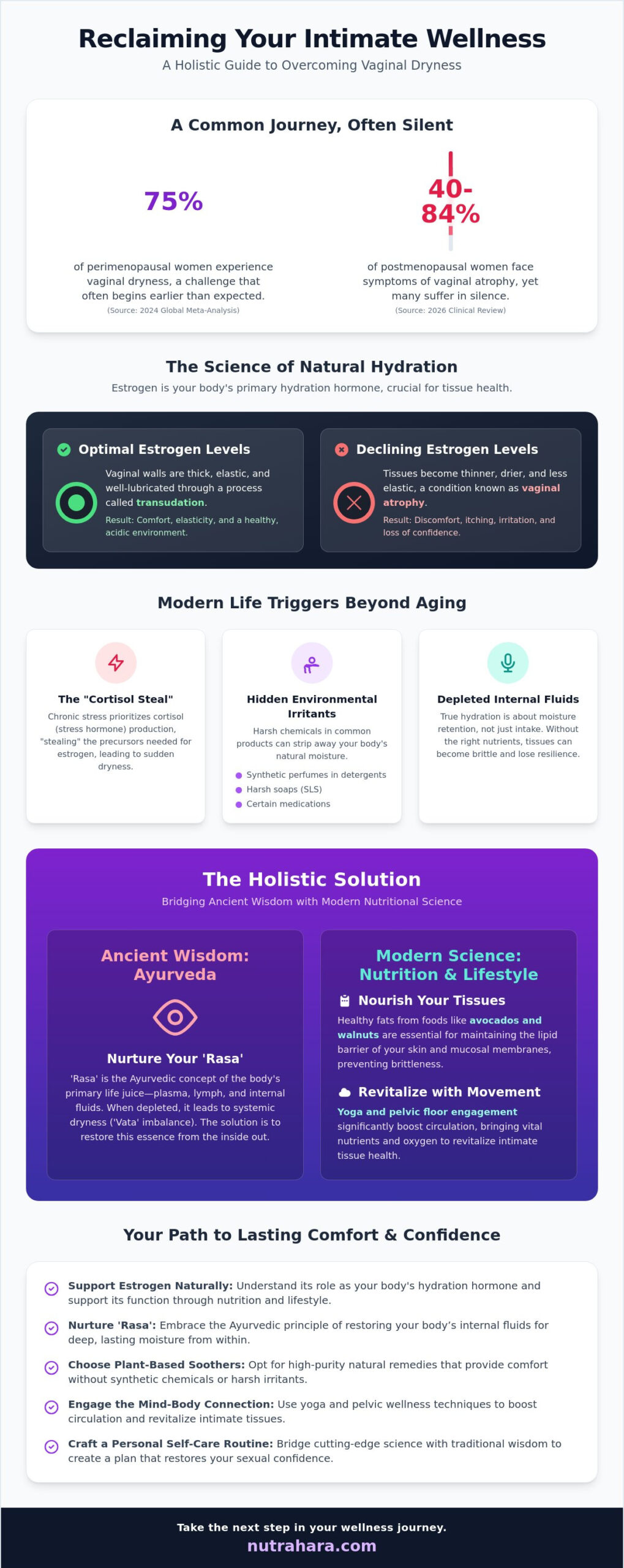
Categories
Articles

How to Balance Hormones Naturally: A Holistic Guide for Women

The persistent fatigue, the unpredictable moods, the frustrating skin issues or weight fluctuations-if these symptoms feel all too familiar, you are not alone. Navigating your health can feel overwhelming, especially when conventional advice falls short and you’re left feeling unheard. Your body holds an innate wisdom, and we believe that learning how to balance hormones naturally is the foundational step in your wellness journey toward reclaiming your vitality and feeling truly like yourself again.

This is where your journey to well-being begins. Forget conflicting advice and quick fixes. In this comprehensive guide, we combine timeless holistic principles with modern, science-backed research to provide you with a clear, actionable roadmap. You will discover powerful strategies in nutrition, lifestyle adjustments, and targeted supplementation designed to help you regain stable energy, achieve a balanced mood, and feel empowered and in control of your health for good.

Key Takeaways

  • Discover how to listen to your body and identify the specific signs of imbalance in key hormones like estrogen, progesterone, and cortisol.
  • Uncover a foundational four-pillar framework that works synergistically to restore your body’s natural hormonal harmony from the ground up.
  • This guide reveals how to balance hormones naturally by integrating targeted, science-backed nutrients and botanicals into your wellness journey.
  • Learn to transform this knowledge into a sustainable practice by focusing on small, consistent lifestyle shifts that create lasting well-being.

Understanding Hormonal Imbalance: Listening to Your Body’s Signals

Before we explore how to balance hormones naturally, it’s essential to understand what an imbalance truly feels like. It’s more than a clinical diagnosis; it’s that persistent feeling of being “off,” a subtle yet constant signal from your body that something isn’t quite right. Think of your hormones as a finely tuned orchestra, a complex symphony of chemical messengers directed by The Endocrine System. When every instrument plays in harmony, you feel vibrant, energized, and centered. But when one is out of tune, the entire composition can feel chaotic.

This delicate symphony can be disrupted by numerous factors integral to modern life. Chronic stress, nutrient-poor diets, exposure to environmental toxins, and natural life stages like perimenopause or postpartum can all throw your hormones out of sync. Your wellness journey begins with learning to recognize these signals.

Key Hormones and Their Roles in Women’s Health

In the orchestra of your body, four key players have a profound impact on your daily well-being:

  • Estrogen: Often called the ‘growth’ hormone, estrogen is vital for regulating your menstrual cycle, supporting bone density, and influencing your mood and cognitive function.
  • Progesterone: Known as the ‘calming’ hormone, progesterone balances estrogen’s effects, supports restful sleep, and is crucial for maintaining a healthy pregnancy.
  • Cortisol: Your primary stress hormone, cortisol manages your “fight or flight” response. When chronically elevated, it can impact energy levels, sleep quality, and lead to weight gain, particularly around the midsection.
  • Thyroid Hormones: Produced by the thyroid gland, these are the master regulators of your metabolism. They dictate your energy levels, internal body temperature, and how efficiently your body uses energy.

Common Signs Your Hormones Are Asking for Help

Your body communicates its needs through clear, though often overlooked, signals. Recognizing these signs is the first empowering step toward restoring balance. Pay attention to consistent patterns in the following areas:

  • Cycle Changes: Noticeably irregular, heavy, or painful periods that disrupt your life.
  • Energy & Mood: Persistent fatigue that isn’t resolved by rest, coupled with increased anxiety, irritability, or dramatic mood swings.
  • Physical Changes: Unexplained weight gain or difficulty losing weight, the sudden appearance of adult acne (especially along the jawline), or thinning hair.
  • Sleep Issues: Chronic difficulty falling asleep, staying asleep, or waking up feeling unrested.

The Four Pillars of Natural Hormone Balance

True hormonal harmony isn’t achieved through quick fixes but by building a strong, supportive foundation. This holistic framework is designed to help you understand how to balance hormones naturally from the ground up. Think of these four pillars-Nourishment, Movement, Stress, and Sleep-as interconnected supports. When you build them together, they work synergistically to create lasting well-being. This approach empowers you to become an active, knowledgeable participant in your own wellness journey.

Pillar 1: Nourishment – The Hormone-Balancing Diet

What you eat provides the essential building blocks for your hormones. The goal is to create stable energy and provide your body with the nutrients it needs to thrive. Focus on:

  • Blood Sugar Balance: Include a source of protein, healthy fat, and fiber at every meal to prevent blood sugar spikes that can disrupt hormonal communication.
  • Cruciferous Vegetables: Foods like broccoli, cauliflower, and kale contain compounds that support healthy estrogen metabolism and detoxification.
  • Healthy Fats: Avocado, olive oil, seeds, and nuts are crucial for producing hormones. Don’t fear fat-embrace the right kinds!
  • Gut-Supporting Fiber: A healthy gut is essential for eliminating excess hormones. Prioritize fiber from whole grains, legumes, and vegetables.

Sourcing fresh, high-quality vegetables and fruits is a key step in implementing this diet. For those looking for convenient ways to stock their kitchen with hormone-friendly foods, you can learn more about online grocery delivery options.

Pillar 2: Movement – Exercise for Hormonal Harmony

Movement is a powerful tool, but the key is finding the right balance. Over-exercising can elevate cortisol, your primary stress hormone, creating more imbalance. Instead, focus on intentional movement that builds strength and resilience. Prioritize strength training two to three times a week to improve insulin sensitivity and build lean muscle. Complement this with restorative activities like walking, yoga, or gentle stretching. Most importantly, listen to your body and adjust the intensity of your workouts based on your energy levels and menstrual cycle.

Pillar 3: Stress & Sleep – Taming Cortisol for Better Health

In our modern world, chronic stress is a primary driver of hormonal chaos. It keeps cortisol levels consistently high, which can suppress ovulation, impair thyroid function, and disrupt sleep. This is why managing stress and prioritizing sleep are non-negotiable. This holistic approach is supported by leading health institutions, with many Expert Tips for Hormone Health focusing on these same foundational lifestyle changes. Create daily rituals to calm your nervous system, such as a 5-minute meditation or deep breathing exercises. For sleep, aim for 7-9 hours in a completely dark, cool room and avoid blue light from screens for at least an hour before bed to support your body’s natural melatonin production.

How to Balance Hormones Naturally: A Holistic Guide for Women

Targeted Support: Key Nutrients and Herbs for Women’s Hormones

While a foundation of healthy nutrition, sleep, and stress management is non-negotiable, targeted nutrients and botanicals can provide a powerful, extra layer of support. This approach, which bridges ancient wisdom like Ayurveda with modern scientific research, allows you to address specific imbalances with precision. Understanding the biological basis of women’s hormonal health helps us appreciate how these natural compounds work. When considering how to balance hormones naturally, choosing clean, high-quality supplements from a trusted source is paramount to ensuring both safety and efficacy on your wellness journey.

Essential Vitamins and Minerals for Hormonal Function

Micronutrients are the unsung heroes of hormonal harmony, acting as essential cofactors for countless biological processes. Ensuring you have adequate levels of these key players is a fundamental step in supporting your body’s endocrine system.

  • Magnesium: Often called the ‘relaxation mineral,’ magnesium helps soothe the nervous system, supports restful sleep, and can ease menstrual cramps by relaxing uterine muscles.
  • B Vitamins: This family of vitamins is crucial for energy production and supports the liver’s detoxification pathways, which are vital for metabolizing and clearing excess hormones. A quality Vitamin B-Complex can support this entire process.
  • Vitamin D & Zinc: These two powerhouses are essential for healthy thyroid function and a robust immune system, both of which are intricately linked to your overall hormonal balance.

Adaptogenic Herbs: Nature’s Answer to Stress

Adaptogens are a unique class of herbs that help your body build resilience and adapt to physical, mental, and emotional stressors. By modulating your stress response, they play a direct role in regulating cortisol-the primary stress hormone.

  • Ashwagandha: This revered Ayurvedic herb has been clinically studied for its remarkable ability to lower cortisol levels, promoting a sense of calm and stability. A potent Ashwagandha supplement can be a powerful ally against daily stress.
  • Other Adaptogens: Herbs like Rhodiola rosea are known for enhancing energy and focus, while Holy Basil (Tulsi) is celebrated for its calming effects on the mind and body.

Botanicals for a Balanced Female Cycle

For centuries, women have turned to specific botanicals to support cycle regularity and comfort. Modern research is now validating this traditional wisdom, offering women effective, natural solutions for their unique needs.

  • Chasteberry (Vitex): A go-to herb for promoting a regular menstrual cycle and easing common PMS symptoms like mood swings and breast tenderness.
  • Maca Root: This Peruvian root is celebrated for its ability to support healthy libido, boost energy levels, and provide comfort during the menopausal transition.

Formulas that thoughtfully combine key herbs can offer comprehensive support for feminine wellness. A synergistic blend like FemmePower is formulated to support overall hormonal harmony, making it easier to navigate every phase of your cycle with grace.

Creating Your Personal Hormone-Balancing Lifestyle

Understanding the principles of hormonal health is the first step. The true transformation begins when you integrate this knowledge into a sustainable daily practice. This isn’t about a complete overhaul overnight; it’s about embracing your personal wellness journey with patience and consistency. Remember, the goal is progress, not perfection. Learning how to balance hormones naturally is a process of tuning into your body’s unique signals and gently guiding it back to equilibrium.

A Sample Morning Routine for Stable Energy

Your morning sets the hormonal stage for the entire day. A few intentional practices can stabilize your cortisol rhythm and blood sugar, providing you with steady, reliable energy.

  • Start with Hydration: Begin with a glass of water, perhaps with a squeeze of lemon, to rehydrate and support detoxification.
  • Seek Morning Sunlight: Spend at least 10 minutes in natural sunlight to help regulate your circadian rhythm and boost mood.
  • Prioritize Protein: Eat a protein-rich breakfast within 90 minutes of waking to stabilize blood sugar levels.
  • Delay Caffeine: Avoid drinking coffee on an empty stomach, which can spike cortisol. Wait until after you’ve had breakfast.

An Evening Wind-Down for Restorative Sleep

Just as important is how you wind down. A calming evening ritual helps lower stress hormones and supports the production of melatonin, the key to restorative sleep. This allows your body to enter its crucial repair and recovery phase.

  • Dim the Lights: Turn off bright overhead lights and screens 1-2 hours before bed to signal to your brain it’s time to rest.
  • Sip a Calming Tea: Enjoy a warm cup of herbal tea like chamomile, passionflower, or lavender to soothe your nervous system.
  • Take a Warm Bath: An Epsom salt bath can relax tense muscles and provide magnesium, a vital mineral for relaxation and sleep.
  • Quiet Your Mind: Put away your phone and engage in a calming activity like gentle stretching, journaling, or reading a physical book.

When to Seek Professional Guidance

While learning how to balance hormones naturally is empowering, these holistic approaches are designed to support your body, not replace professional medical advice. If you suspect a significant hormonal imbalance, it is crucial to consult a healthcare provider for proper diagnosis and testing. For a truly comprehensive plan, consider partnering with a functional or integrative practitioner who can guide your wellness journey. Always be an advocate for your own health-ask informed questions and seek the expert care you deserve.

Your Journey to Hormonal Harmony Begins Today

Embracing your body’s natural rhythm is a personal and empowering journey. As we’ve explored, the path to well-being begins with listening to your body’s unique signals and building a strong foundation with the core pillars of health: nourishing foods, mindful movement, stress management, and restorative sleep. Mastering how to balance hormones naturally isn’t about a quick fix; it’s about creating a sustainable lifestyle that honors your body’s intricate design and supports your vitality from within.

For targeted support on your path, Nutrahara is here to be your trusted guide. Grounded in 40 years of expertise, our philosophy fuses the ancient wisdom of Ayurveda with the precision of modern science. We meticulously formulate clean, natural supplements designed specifically for the complexities of women’s health, ensuring you receive the purity and potency you deserve.

Begin your wellness journey with Nutrahara’s clean, effective supplements. Remember, every intentional choice you make is a powerful step toward lasting balance and well-being. You have the power to reclaim your harmony.

Frequently Asked Questions

How long does it take to balance hormones naturally?

Embarking on your wellness journey to balance hormones requires patience and consistency. While each woman’s body is unique, most individuals begin to notice positive shifts within 3 to 6 months of sustained lifestyle changes. Factors like diet, stress management, and sleep quality all play a crucial role. Remember, this is a nurturing process of restoring your body’s natural rhythm, not a quick fix. Consistent, gentle effort is the key to lasting harmony and well-being.

What are the worst foods for hormonal imbalance?

To support hormonal health, it is wise to limit or avoid foods that can trigger inflammation and blood sugar dysregulation. The primary culprits include refined sugars, processed carbohydrates like white bread and pastries, and industrial seed oils such as canola and soybean oil. For some women, excessive consumption of conventional dairy and caffeine can also disrupt delicate hormonal pathways. Focusing on whole, natural ingredients is a foundational step toward creating internal balance and vitality.

Can seed cycling really help balance hormones?

Seed cycling is a gentle, food-based practice rooted in traditional wisdom that many women find supportive. It involves eating specific seeds during the two main phases of your menstrual cycle to naturally encourage estrogen and progesterone production. While large-scale clinical research is still emerging, this holistic approach is a wonderful example of using nature’s abundance to support your body. Many women exploring how to balance hormones naturally find it to be a powerful and empowering tool.

Is coffee bad for my hormones and adrenal health?

The relationship between coffee and hormones is highly individual. Caffeine can stimulate the release of cortisol, our primary stress hormone. For women already experiencing high stress or adrenal fatigue, this can disrupt the delicate balance of other hormones. We encourage you to listen to your body’s unique wisdom. If you feel jittery or anxious after coffee, you may benefit from reducing your intake or switching to calming herbal teas to better support your wellness journey.

How do I know if I have estrogen dominance?

Estrogen dominance occurs when estrogen levels are high in relation to progesterone. Common signs that may point to this imbalance include persistent PMS, heavy or irregular periods, breast tenderness, bloating, mood swings, and difficulty losing weight, particularly around the hips and thighs. If these symptoms resonate with you, it may be beneficial to speak with a healthcare practitioner who can provide testing and guide you on your path to restoring hormonal harmony.

Can I balance my hormones during perimenopause and menopause?

Absolutely. While hormonal fluctuations are a natural part of the menopausal transition, you can absolutely support your body and find balance during this time. Learning how to balance hormones naturally during this phase involves focusing on a nutrient-dense diet, managing stress to support adrenal health, and incorporating phytoestrogenic foods like flaxseed. This is a significant part of a woman’s wellness journey, and holistic strategies can greatly improve well-being and ease symptoms.

Article by

Nutrahara Team

We are a dedicated collective of nutrition scientists and naturopaths at Nutrahara, committed to advancing women's health through the fusion of ancient Ayurveda science and cutting-edge nutrition research. Our mission is to empower you with clean, simple, and scientifically validated wellness solutions so you can live your healthiest life. Connect with us to stay updated on the latest developments in holistic women's health and nature-based research.

Disclaimer

This article is not a substitute for medical advice. Please consult a healthcare professional before starting any supplement, especially if pregnant, nursing, taking medication, or managing health conditions.

Categories
Articles

A Complete Guide to Supplements for Hormonal Balance in Women

Does feeling like yourself seem like a distant memory? If you’re navigating the frustrating waves of unexplained mood swings, persistent fatigue, or stubborn weight gain, you are not alone. This wellness journey can feel overwhelming, especially when searching for effective supplements for hormonal balance in women amidst a sea of conflicting advice. Many feel unheard by conventional medicine and are rightly concerned about synthetic options, yearning for a more natural path back to harmony.

This guide is your trusted resource, created to empower you with clarity and confidence. Drawing from the synergy of ancient wisdom and modern clinical research, we will unveil the science-backed, natural ingredients that can help restore your body’s delicate rhythm. You will discover not just what to take, but why it works, enabling you to build a simple, sustainable routine that helps you feel vibrant and in control once more. Your journey back to feeling like yourself again starts here.

Key Takeaways

  • Learn to recognize the subtle signs of hormonal imbalance, from fatigue to irregular cycles, to better understand your body’s needs.
  • Discover the essential vitamins and minerals that create a strong foundation for healthy hormone production and overall well-being.
  • Explore science-backed herbal supplements for hormonal balance in women, including powerful adaptogens that help your body manage stress naturally.
  • Understand how to combine targeted supplements with supportive lifestyle habits for a holistic approach to lasting hormonal harmony.

Understanding Hormonal Imbalance: The Signs, Symptoms & Key Players

On your wellness journey, you may have days where you simply feel “off.” It’s more than just being tired; it’s a sense that your body’s internal rhythm is out of sync. This feeling is often rooted in hormonal imbalance, a state where the crucial chemical messengers that regulate your body’s functions are not at their optimal levels. These fluctuations are a normal part of life, but persistent symptoms are a clear signal that your body needs support. Understanding this delicate interplay is the first step on the path to finding effective solutions, including targeted supplements for hormonal balance in women.

Many women are told that these challenges are just a part of life, but you don’t have to simply live with them. Recognizing the signs is an empowering act of self-care. Common indicators include:

  • Persistent fatigue that isn’t resolved with rest
  • Unpredictable mood swings, anxiety, or irritability
  • Irregular, heavy, or painful menstrual cycles
  • Difficulty falling or staying asleep
  • Unexplained weight gain or difficulty losing weight
  • Changes in skin health, like acne or dryness

Meet Your Hormones: Estrogen, Progesterone, and Cortisol

Your well-being depends on a delicate dance between several key hormones. These chemical messengers are part of the vast communication network known as The endocrine system, with three major players often taking center stage. Estrogen is your ‘growth’ hormone, responsible for building the uterine lining and influencing your mood, energy, and skin glow. Progesterone is the ‘calming’ hormone, which helps maintain cycle regularity and promotes restful sleep. Then there’s Cortisol, your ‘stress’ hormone. While essential for survival, chronically high cortisol can disrupt the entire hormonal symphony, suppressing progesterone and creating imbalance.

Common Triggers of Hormonal Imbalance

Our modern lifestyle presents numerous challenges that can disrupt hormonal harmony. The path to restoring balance often involves identifying and addressing these core triggers. Based on extensive research and ancient Ayurvedic wisdom, we know that chronic stress, poor nutrition, and environmental factors play a significant role. Key contributors include:

  • Chronic Stress: Constant pressure taxes your adrenal glands, leading to cortisol dysregulation that impacts other hormones.
  • Nutrient Deficiencies: Modern diets can lack the vital vitamins and minerals that serve as the building blocks for hormone production.
  • Poor Sleep Quality: Your body produces and regulates hormones during sleep, making quality rest non-negotiable for balance.
  • Environmental Toxins: Chemicals known as endocrine disruptors, found in plastics and personal care products, can mimic hormones and disrupt their natural function.

Foundational Nutrients for Every Woman’s Hormonal Health

Before exploring targeted herbal remedies, it’s essential to build a strong foundation. Think of your body’s endocrine system as a complex orchestra; for it to play in harmony, each instrument needs to be in tune. Foundational nutrients are the non-negotiable building blocks that allow your body to produce, regulate, and metabolize hormones effectively. Understanding how hormone systems work reveals that without these core vitamins and minerals, achieving balance is a significant challenge. While a nutrient-dense diet is always the first step on your wellness journey, targeted supplements for hormonal balance in women can fill crucial gaps and provide the therapeutic levels needed for optimal function.

Magnesium: The Relaxation Mineral

Often called nature’s tranquilizer, magnesium is a powerhouse mineral involved in over 300 enzymatic reactions. For hormonal health, its role is particularly vital. It helps regulate the stress hormone cortisol, preventing it from disrupting other hormonal pathways. By calming the nervous system, magnesium promotes restful sleep-a critical component of hormone regulation. It is also clinically shown to ease menstrual cramps by relaxing uterine muscles and can soothe the anxiety often associated with PMS.

  • Food Sources: Leafy greens (spinach, kale), nuts (almonds, cashews), seeds (pumpkin, chia), and dark chocolate.

B Vitamins: The Energy & Mood Boosters

The B-vitamin family is crucial for converting food into cellular energy and helping your body manage stress. A deficiency in these vitamins can leave you feeling fatigued and emotionally drained. Vitamin B6, in particular, is a key player in the production of progesterone and mood-regulating neurotransmitters like serotonin. Meanwhile, Folate (B9) and B12 are essential for your body’s detoxification pathways, helping to clear out excess hormones. To ensure you receive a synergistic blend, consider a high-quality Vitamin B-Complex that covers all your bases.

Omega-3 Fatty Acids & Vitamin D: The Hormone Regulators

These two nutrients work in powerful synergy. Omega-3 fatty acids are the literal building blocks for the hormones that control inflammation and blood clotting. Their potent anti-inflammatory properties can help soothe conditions like painful periods. Vitamin D, often called the “sunshine vitamin,” functions more like a hormone itself, influencing everything from insulin sensitivity to thyroid function. Vitamin D deficiency is incredibly common and has been directly linked to hormonal imbalances, including PCOS and menstrual irregularities. Together, these nutrients form a cornerstone of effective supplements for hormonal balance in women.

A Complete Guide to Supplements for Hormonal Balance in Women

Herbal Allies & Adaptogens: Nature’s Answer to Hormonal Stress

Long before modern labs, ancient traditions like Ayurveda understood the profound connection between stress and hormonal health. They turned to a special class of herbs known as adaptogens-intelligent botanicals that help the body adapt to physical, chemical, and biological stressors. Instead of just masking symptoms, these powerful allies work by supporting your adrenal system, modulating the stress response, and building true resilience from within. Incorporating them is a foundational step when choosing supplements for hormonal balance in women.

These herbs nourish the body’s own regulatory systems, guiding you back toward a state of equilibrium on your wellness journey. They represent the beautiful fusion of ancient wisdom and modern research, offering a gentle yet effective path to well-being.

Ashwagandha: The Ancient Stress Soother

A cornerstone of Ayurvedic medicine, Ashwagandha is revered for its ability to enhance resilience and vitality. This powerful adaptogen helps the body maintain balance by modulating its cortisol response to stress. By calming the nervous system, it supports not only a more peaceful state of mind but also promotes sustained energy, stamina, and improved cognitive function. For a clean and potent formula, consider Nutrahara’s Ashwagandha with Black Pepper, designed for optimal absorption.

Chasteberry (Vitex): For Menstrual Cycle Regularity

For centuries, women have relied on Chasteberry (Vitex agnus-castus) to find relief from the cyclical challenges of PMS. This remarkable herb is believed to work by supporting the pituitary gland, which acts as the master conductor of your endocrine orchestra. Research into botanical dietary supplements highlights its traditional use for easing cycle-related discomforts like breast tenderness and irritability. It’s a key holistic tool for promoting menstrual regularity, though it often takes 2-3 cycles to experience its full benefits.

Maca Root: For Libido and Vitality

Hailing from the high altitudes of the Peruvian Andes, Maca is a nutrient-dense root celebrated for its capacity to boost energy, stamina, and a healthy libido. Unlike some botanicals, Maca does not contain hormones itself. Instead, its rich profile of amino acids and minerals nourishes the entire endocrine system, encouraging your body to produce its own hormones in balanced amounts. Its adaptogenic properties also help buffer the body against the depleting effects of stress, making it one of the most popular supplements for hormonal balance in women seeking to restore their natural vitality.

Targeted Support for Common Hormonal Challenges

A woman’s wellness journey is dynamic, with hormonal needs shifting through different life stages. Understanding these patterns allows us to provide targeted, natural support where it’s needed most. While foundational nutrients are key, certain botanicals and minerals can offer specific relief for common challenges. The right supplements for hormonal balance in women can provide a gentle yet effective way to navigate these transitions with grace.

Please note, this information is for educational purposes. We recommend consulting with your healthcare provider before starting any new supplement regimen.

Relief for PMS & Painful Periods

The monthly fluctuations of estrogen and progesterone can lead to a host of premenstrual symptoms. A targeted approach can soothe discomfort and support a more balanced mood. Consider these clinically researched ingredients:

  • Magnesium: Known as nature’s relaxant, it can help ease uterine muscle cramps and tension.
  • Chasteberry (Vitex): This powerful herb has been traditionally used to support progesterone levels, which may help regulate cycles and ease irritability.
  • Omega-3 Fatty Acids: Their anti-inflammatory properties can help reduce the production of compounds that contribute to painful periods.

For comprehensive cycle support, a thoughtfully crafted blend can be highly effective. We formulated a comprehensive formula like FemmePower to harmonize these key ingredients for overall cycle health.

Navigating Perimenopause and Menopause

This natural transition is defined by declining estrogen and progesterone levels, which can trigger symptoms like hot flashes, low energy, and mood changes. Key supplements for hormonal balance in women during this time focus on adaptation and symptom relief.

  • Maca Root: An adaptogenic root prized for its ability to support energy, stamina, and a healthy libido.
  • Ashwagandha: This cornerstone of Ayurveda helps the body manage stress, calm the nervous system, and support restful sleep.
  • Black Cohosh: One of the most-studied herbs for menopause, it is widely recognized for its effectiveness in reducing the frequency and severity of hot flashes.

Supporting Stress and Adrenal Health

Chronic stress places a heavy demand on our adrenal glands, disrupting cortisol rhythms and impacting our entire hormonal cascade. Supporting your body’s stress response is fundamental to hormonal well-being.

  • Adaptogens: Herbs like Ashwagandha and Rhodiola help modulate the body’s stress response, promoting resilience and balanced energy.
  • B Vitamins & Magnesium: These essential nutrients are rapidly depleted during times of stress and are critical for energy production and nervous system health.

Remember, supplements work best when paired with restorative practices like adequate rest and stress management techniques. To discover more holistic solutions for your wellness journey, explore the curated women’s health collection at nutrahara.com.

Beyond Supplements: A Holistic Approach to Lasting Balance

While targeted supplements are powerful allies on your wellness journey, they are not magic pills. True, sustainable hormonal harmony is achieved when these tools are combined with a supportive lifestyle. At Nutrahara, we believe in a holistic approach where your daily habits create the foundation upon which effective supplementation can build.

Think of it this way: you cannot supplement your way out of a poor diet or chronic stress. By integrating mindful nutrition, restorative sleep, and stress management, you create an environment where supplements for hormonal balance in women can deliver their most profound and lasting results.

Nourishing Your Hormones with Diet

The food you eat provides the essential building blocks for your hormones. Focus on creating a diet that supports stable energy and hormone production. Prioritize whole foods and aim to:

  • Balance blood sugar at every meal with a combination of clean protein, healthy fats, and high-quality fiber.
  • Incorporate cruciferous vegetables like broccoli, cauliflower, and kale, which contain compounds that aid healthy estrogen metabolism.
  • Limit processed foods, refined sugars, and excessive caffeine, as these can disrupt blood sugar and place stress on your adrenal system.

A healthy gut microbiome is also fundamental, as it influences hormone metabolism and the absorption of these vital nutrients. For those interested in exploring further wellness solutions that support digestive health, you can visit Farmacia Snella.

The Critical Role of Sleep and Stress Management

Chronic stress and poor sleep are significant disruptors of hormonal balance, primarily by elevating cortisol. When cortisol is consistently high, it can interfere with progesterone production and thyroid function. Aim for 7-9 hours of quality sleep per night. To manage daily stress, incorporate calming practices like meditation, gentle yoga, or simply walking in nature. For nights when your mind needs extra support to unwind, consider supplements designed for relaxation like RestoraSleep.

How to Choose High-Quality, Safe Supplements

When selecting any supplement, quality and transparency are paramount. Your body deserves clean, effective, and safe formulas. Look for brands that are committed to excellence and empower you with knowledge. A trustworthy supplement should always have:

  • Third-party testing for purity, potency, and safety.
  • Clinically-studied ingredients at effective dosages.
  • Full transparency in sourcing and manufacturing practices.
  • A clean formula, free from unnecessary fillers, binders, and artificial additives.

Your path to hormonal harmony is a beautiful and personal journey. By combining high-purity supplements with a nurturing lifestyle, you empower your body to find its natural, vibrant equilibrium. Explore the Nutrahara difference at nutrahara.com.

Your Path to Hormonal Harmony Starts Now

Embarking on the path to hormonal harmony is a deeply personal and empowering process. Lasting balance is built on a holistic foundation: understanding your body’s unique signals, nourishing it with foundational nutrients, and embracing nature’s herbal allies. Choosing the right supplements for hormonal balance in women is a crucial step, but it is most effective when paired with a mindful lifestyle that supports your overall well-being.

At Nutrahara, we honor this journey by bridging the ancient wisdom of Ayurveda with cutting-edge modern science. Each of our formulas is crafted with clean, pure ingredients, free from artificial additives, and is third-party tested for quality and purity you can trust. We are committed to providing you with transparent, effective support for every stage of your life. Begin your wellness journey with Nutrahara’s clean, effective supplements.

Remember, every step you take toward understanding your body is a powerful act of self-care. Here’s to your renewed vitality and the beautiful balance that awaits you.

Frequently Asked Questions

How long does it take for hormone balance supplements to work?

Patience and consistency are key on your wellness journey. While some women may notice subtle shifts within a few weeks, it typically takes 8 to 12 weeks for your body to respond fully to natural supplements. These ingredients work gently and holistically to support your system’s realignment. Consistent daily use is essential to experience the full, balancing benefits and support your body’s natural rhythm. Think of it as nurturing your body back to its inherent harmony.

Can I take multiple supplements for hormonal balance at the same time?

While some supplements are formulated to work synergistically, it’s wise to approach this with care. Many blends contain overlapping ingredients, like Ashwagandha or Maca, and taking too much could be counterproductive. To ensure a safe and effective regimen on your health journey, we always recommend consulting with your healthcare provider or a nutritionist. They can help you create a personalized plan that addresses your unique needs without overdoing it.

Are there any side effects to watch out for with these natural supplements?

Our formulas are designed to be clean, simple, and gentle. High-quality, natural ingredients are generally well-tolerated, but every body is unique. Occasionally, some individuals may experience mild digestive upset or headaches as their system adjusts. It’s crucial to listen to your body and start with the recommended dosage. If you have any known allergies or experience a persistent adverse reaction, please discontinue use and consult your healthcare practitioner.

Do I need to talk to my doctor before starting a new supplement regimen?

Yes, we strongly advise it. Partnering with your doctor is a vital step in your wellness journey, as they understand your complete health profile, including any pre-existing conditions or medications. This consultation ensures that any new supplements for hormonal balance in women are a safe and appropriate choice for you. This helps you move forward with confidence and clarity toward your health goals, ensuring a truly supportive and holistic approach.

Can diet and lifestyle changes alone balance my hormones without supplements?

A holistic approach is always best. A nutrient-dense diet, regular movement, stress management, and quality sleep form the essential foundation for hormonal well-being. For many women, these changes are powerful enough to restore balance. However, supplements can provide targeted support, delivering specific phytonutrients and adaptogens that might be difficult to obtain from diet alone. They act as a powerful ally to your healthy lifestyle efforts.

What’s the difference between adaptogens and other herbal supplements?

This is an excellent question rooted in both ancient Ayurveda and modern research. While many herbs have specific actions, adaptogens have a unique function: they help your body adapt to and resist various forms of stress. Herbs like Ashwagandha work on the HPA axis-your central stress response system-to promote equilibrium. In contrast, an herb like Vitex (Chasteberry) might more specifically target the pituitary gland to influence cyclical hormones.

Is it safe to take these supplements if I’m on birth control?

This requires a conversation with your prescribing doctor. Some herbal supplements for hormonal balance in women, such as Vitex (Chasteberry) or St. John’s Wort, may potentially interfere with the efficacy of hormonal contraceptives. Because your safety is our highest priority, you must consult your healthcare provider before combining any new supplement with your birth control. They can provide guidance based on your specific prescription and health needs.

Article by

Nutrahara Team

We are a dedicated collective of nutrition scientists and naturopaths at Nutrahara, committed to advancing women's health through the fusion of ancient Ayurveda science and cutting-edge nutrition research. Our mission is to empower you with clean, simple, and scientifically validated wellness solutions so you can live your healthiest life. Connect with us to stay updated on the latest developments in holistic women's health and nature-based research.

Disclaimer

This article is not a substitute for medical advice. Please consult a healthcare professional before starting any supplement, especially if pregnant, nursing, taking medication, or managing health conditions.
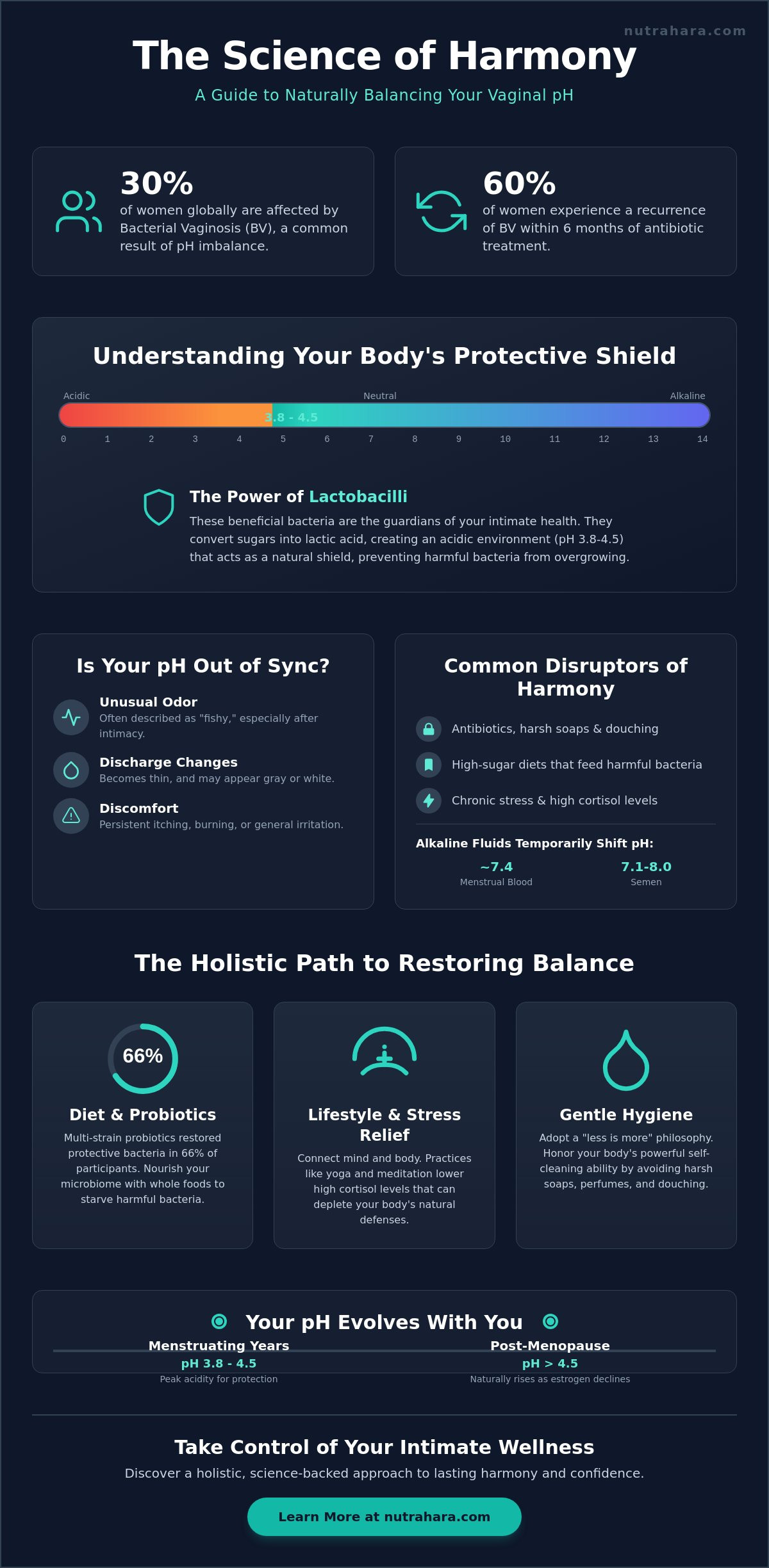
Categories
Articles

Natural Remedies for Chronic Fatigue in Women: A Holistic Guide to Reclaiming Your Energy

Is “I’m tired” your constant refrain? Do you feel a profound exhaustion that sleep can’t fix, only to be told it’s “just stress” or a normal part of being a busy woman? We hear you, and we know this feeling goes far beyond simple tiredness. It’s a weight that affects your work, your family, and your ability to enjoy life. Your wellness journey deserves to be seen, understood, and supported with real solutions, which is why we’ve created this guide to the most effective natural remedies for chronic fatigue in women.

This is more than just a list of tips; it’s a holistic roadmap to reclaiming your vitality. Grounded in the harmony of ancient wisdom and modern research, we will explore the unique root causes of fatigue in the female body-from hormonal imbalances to hidden inflammation. You will discover a clear, actionable plan filled with nourishing foods, clinically studied botanicals, and lifestyle practices to restore your energy from the inside out. It’s time to feel empowered, validated, and ready to embrace a life of abundant well-being.

Key Takeaways

  • Learn why chronic fatigue is not simply “being tired” and understand the specific biological factors that make women more susceptible.
  • Discover how to build your body’s energy foundation by adopting an anti-inflammatory eating pattern designed to calm systemic stress.
  • Explore key natural remedies for chronic fatigue in women, including powerful adaptogenic herbs from Ayurvedic tradition that help your body adapt to stress.
  • Master the art of restorative rest and gentle movement to break the debilitating “push-crash” cycle and achieve lasting vitality.

Understanding Chronic Fatigue in Women: More Than Just Being Tired

If you’re reading this, you likely know that the exhaustion you feel is more than just end-of-day tiredness. It’s a profound, persistent fatigue that sleep doesn’t seem to fix-a heavy blanket that impacts your clarity, your mood, and your ability to live fully. Your experience is valid, and the search for answers can be frustrating. This is particularly true for women, who are diagnosed with chronic fatigue up to four times more often than men. Your wellness journey begins with understanding the unique factors at play, which is the first step toward finding effective natural remedies for chronic fatigue in women.

This debilitating exhaustion is often accompanied by other persistent symptoms, such as brain fog, unexplained muscle or joint pain, and unrefreshing sleep. This complex web of symptoms is formally recognized in conditions like Myalgic encephalomyelitis/chronic fatigue syndrome (ME/CFS). Understanding these signs is crucial because they point toward deeper imbalances within the body that need to be addressed holistically.

Potential Root Causes Specific to Women’s Health

A woman’s body is a dynamic ecosystem, and several factors can disrupt its delicate balance, leading to profound fatigue. Key areas to investigate include:

  • Hormonal Imbalances: Fluctuations during perimenopause, underlying thyroid issues like Hashimoto’s, and adrenal dysfunction from chronic stress can significantly deplete energy reserves.
  • Nutrient Deficiencies: Women have a higher risk for low levels of iron (especially ferritin), Vitamin B12, and Vitamin D, all of which are essential for cellular energy production.
  • Increased Stress Load: The physiological impact of chronically elevated cortisol-the stress hormone-can disrupt sleep, impair mitochondrial function, and lead to burnout.

The Connection Between Gut Health and Energy Levels

Emerging research continues to highlight the profound link between our gut and our overall vitality. The gut-brain axis is a direct communication line, and when the gut is inflamed, it sends stress signals throughout the body. Conditions like leaky gut syndrome or undiagnosed food sensitivities can trigger a systemic inflammatory response, forcing your immune system to work overtime and draining your precious energy stores day after day.

When to See a Doctor: Ruling Out Underlying Conditions

While exploring natural remedies for chronic fatigue in women is empowering, it is essential to begin your journey with a healthcare professional. A proper diagnosis is critical to rule out serious underlying conditions. Be your own advocate and ask your doctor for comprehensive tests, including a full thyroid panel (with TSH, Free T3, Free T4, and antibodies), iron and ferritin levels, and Vitamin B12. Natural therapies should always complement, not replace, sound medical advice.

Nourishing Your Foundation: Key Diet and Nutrition Strategies

Think of the food you eat not as mere calories, but as the fundamental information that tells your body how to function. On your wellness journey to overcome fatigue, nutrition is your most powerful ally. Adopting an anti-inflammatory diet focused on nutrient density is one of the most effective natural remedies for chronic fatigue in women. By stabilizing blood sugar and reducing systemic stress, you create a resilient foundation for sustained energy.

Building an Anti-Inflammatory Plate

Chronic, low-grade inflammation is a significant drain on your body’s energy reserves. An anti-inflammatory eating pattern helps calm this internal stress, freeing up resources for vitality. Focus on building your plate with:

  • Healthy Fats: Incorporate sources like avocado, extra virgin olive oil, nuts, and seeds to support brain health and reduce inflammation.
  • A Rainbow of Produce: Colorful vegetables and fruits are packed with antioxidants that protect your cells from stress and damage.
  • Quality Proteins: Choose lean meats, fish, legumes, and tofu to support muscle repair and the production of neurotransmitters that regulate mood and energy.
  • Limit Triggers: Minimize or avoid processed foods, refined sugars, and white carbohydrates that can spike blood sugar and promote inflammation.

Essential Vitamins and Minerals for Energy Production

Beyond macronutrients, specific vitamins and minerals act as the spark plugs for your cellular energy engines. While complex conditions like Chronic fatigue syndrome in women require a multifaceted approach, ensuring your body has these key nutrients is a foundational step. Key players include:

  • The B Vitamin Family: Crucial for converting the food you eat into usable cellular energy (ATP). For comprehensive support, consider a high-quality Vitamin B-Complex supplement.
  • Magnesium: Known as the ‘relaxation mineral,’ it is involved in over 300 biochemical reactions, including energy production, muscle function, and nerve signaling.
  • Iron: Essential for creating hemoglobin, which transports oxygen to your cells. Women of reproductive age are at a higher risk for deficiency, a direct cause of fatigue.

The Role of Hydration and Gut-Friendly Foods

Never underestimate the power of pure hydration and a healthy gut. Even mild dehydration can manifest as significant fatigue and brain fog. Simultaneously, a balanced gut microbiome is essential for nutrient absorption and mood regulation, both of which directly impact your energy. Prioritize drinking plenty of water, herbal teas, and electrolyte-rich fluids. Incorporate probiotic and prebiotic foods like yogurt, kefir, kimchi, and high-fiber vegetables to nourish your inner ecosystem.

Natural Remedies for Chronic Fatigue in Women: A Holistic Guide to Reclaiming Your Energy

Harnessing Herbal Wisdom: Adaptogens and Ayurvedic Remedies

For thousands of years, ancient Ayurveda science has taught that true vitality comes from holistic balance. At the heart of this tradition are adaptogens-a unique class of herbs and botanicals that help your body intelligently adapt to physical, chemical, and biological stressors. By modulating cortisol levels and supporting adrenal health, these powerful plants can restore equilibrium and build resilience, offering some of the most effective natural remedies for chronic fatigue in women. At Nutrahara, we bridge this ancient wisdom with modern research to formulate supplements that honor nature’s profound healing capabilities.

Ashwagandha: The Ultimate Stress-Balancing Herb

Known in Ayurveda as a rasayana (rejuvenator), ashwagandha has been traditionally used to build strength, enhance stamina, and calm an anxious mind. Modern clinical research now validates this wisdom, demonstrating its ability to significantly lower cortisol levels. It is particularly beneficial for women experiencing that “wired but tired” feeling, where deep exhaustion is coupled with persistent anxiety. To maximize its benefits, Nutrahara’s Ashwagandha with Black Pepper is expertly formulated to ensure optimal absorption and purity.

Rhodiola Rosea: For Physical and Mental Stamina

Rhodiola rosea is a potent adaptogen celebrated for its ability to fight fatigue while enhancing mental clarity and focus. If your exhaustion stems from professional burnout or the mental exhaustion of overwork, Rhodiola can help restore your cognitive energy. Studies also suggest it can improve mood and exercise performance, making it a well-rounded ally for reclaiming your vitality on your wellness journey.

Other Powerful Herbs: Ginseng and Holy Basil

Your specific symptoms can guide you to other powerful herbs that target different facets of fatigue. Choosing the right botanical is a personal process, and these natural remedies for chronic fatigue in women work best within a supportive lifestyle. For a holistic approach, the Mayo Clinic Press provides valuable tips for women coping with chronic fatigue that address everything from sleep to activity pacing. Consider these herbs:

  • Panax Ginseng: A classic energy tonic that is ideal for addressing profound physical exhaustion and a feeling of being completely depleted.
  • Holy Basil (Tulsi): Revered as the “Queen of Herbs,” Tulsi gently calms the nervous system, reduces stress, and supports your overall resilience.

By integrating this herbal wisdom into your daily routine, you can build a more resilient foundation for lasting energy. Discover more on your wellness journey at nutrahara.com.

Restoring Your Energy: The Pillars of Sleep and Gentle Movement

While nutrition and targeted supplements are vital, their full benefits can only be realized when built upon a foundation of restorative rest and mindful movement. For many women experiencing profound exhaustion, life becomes a painful ‘push-crash’ cycle-overextending on a good day only to pay for it with debilitating fatigue for days after. The key to breaking this pattern lies in understanding your ‘energy envelope’ and learning to live within it. This approach transforms your daily habits into some of the most effective natural remedies for chronic fatigue in women, shifting your focus from spending energy to strategically cultivating it.

Optimizing Your Sleep Hygiene for Deep Restoration

Deep, restorative sleep is non-negotiable for cellular repair and hormonal balance. It’s when your body does its most important healing work. To create a sanctuary for sleep, focus on consistency:

  • Consistent Schedule: Go to bed and wake up around the same time daily, even on weekends, to regulate your body’s internal clock.
  • Relaxing Rituals: Wind down with a calming activity like reading a book, taking a warm bath with Epsom salts, or practicing meditation.
  • Perfect Environment: Ensure your bedroom is a dark, cool, and quiet haven, free from the glow of electronic devices.

For those nights when your mind won’t quiet, natural aids like Restorasleep can gently support a healthy, natural sleep cycle, helping you achieve the deep rest your body craves.

Gentle Movement: Finding What Nurtures You

When you’re exhausted, the idea of exercise can feel impossible. Pushing through intense workouts can actually worsen chronic fatigue by over-taxing an already stressed system. Instead, reframe movement as a gentle way to generate energy. Restorative practices can improve circulation, reduce stiffness, and calm the nervous system. Consider incorporating short sessions of yoga, tai chi, gentle stretching, or slow walks in nature. The golden rule is to listen to your body and prioritize consistency over intensity; even five minutes of mindful movement is a victory on your wellness journey.

Mind-Body Practices for Calming the Nervous System

A body in a constant state of ‘fight or flight’ cannot heal. Mind-body practices are powerful tools to shift your nervous system into a ‘rest and digest’ state, which is essential for energy recovery. Simple techniques like deep belly breathing can signal safety to your brain, while mindfulness meditation can reduce stress and improve mental clarity. Journaling also provides an outlet to process emotions that may be contributing to your exhaustion. A calm mind is foundational to a rested body; to support focus and cut through brain fog, consider a clinically studied formula like FocusZenith.

For those interested in exploring the connection between life force energy and vitality on a deeper level, you can learn more about Ray Maor, a guide who teaches advanced techniques for sustaining the body with prana.

Your Path to Renewed Vitality and Well-Being

Reclaiming your energy from chronic fatigue is a holistic process, a personal journey built on a foundation of profound self-care. As we’ve explored, by nourishing your body with whole foods, harnessing the wisdom of adaptogenic herbs, and honoring your need for restorative sleep and gentle movement, you create a powerful framework for healing. These pillars are the most effective natural remedies for chronic fatigue in women, empowering you to move from simply surviving to truly thriving in your daily life.

Supporting this journey with targeted, high-quality supplements can amplify your efforts. At Nutrahara, we are dedicated to being your trusted guide. With 40 years of expertise, we meticulously formulate our products by bridging the timeless wisdom of ancient Ayurveda with cutting-edge modern nutrition research. Our unwavering promise is to deliver clean, simple, and natural ingredients designed to restore your body’s innate balance and abundance.

Begin your wellness journey with Nutrahara’s natural supplements for women.

Your vitality is within reach. Embrace your path to well-being with confidence and grace, one gentle step at a time.

Frequently Asked Questions

How long does it take for natural remedies for fatigue to work?

Your wellness journey is unique, and the timeline for feeling a shift in your energy levels will vary. While some women notice subtle improvements within a few weeks, a more significant and stable increase in energy often takes one to three months of consistent use. True, lasting vitality is built by holistically supporting your body with nourishing foods, restorative sleep, and targeted natural ingredients. Patience and consistency are key to restoring your body’s natural balance and abundance.

Can chronic fatigue in women be linked to perimenopause or menopause?

Absolutely. The hormonal fluctuations that define perimenopause and menopause are a primary cause of fatigue in women. Shifting levels of estrogen and progesterone can disrupt sleep patterns, impact metabolism, and affect your mood-all of which drain your energy reserves. Symptoms like night sweats and anxiety further contribute to this exhaustion. Supporting your body through this transition with a balanced lifestyle and specific nutrients is essential for maintaining your vitality.

Is it possible to have chronic fatigue even if my blood tests are normal?

Yes, this is a very common experience. Standard blood panels often check for major issues but can miss more subtle imbalances that contribute to fatigue. Underlying causes like suboptimal thyroid function, adrenal stress, low-grade inflammation, or nutrient deficiencies in magnesium or B vitamins may not appear on a basic test. A holistic approach looks beyond standard labs to understand the complete picture of your health and identify the root cause of your exhaustion.

What’s the difference between Chronic Fatigue Syndrome (ME/CFS) and just feeling tired?

While everyone feels tired occasionally, Chronic Fatigue Syndrome (ME/CFS) is a distinct and complex medical condition. Its defining symptom is severe, debilitating fatigue lasting for at least six months that isn’t improved by rest. It is often accompanied by post-exertional malaise (a “crash” after minor activity), cognitive difficulties, and unrefreshing sleep. General tiredness, in contrast, is typically temporary and has an identifiable cause like a poor night’s sleep or a stressful week.

Can certain foods make my fatigue worse?

Your diet is a foundational piece of your energy puzzle. When exploring natural remedies for chronic fatigue in women, it’s crucial to identify energy-draining foods. Processed items, refined sugars, and simple carbohydrates can cause sharp spikes and crashes in blood sugar, leaving you feeling more tired. Excessive caffeine can also strain your adrenal glands over time. Focusing on whole, nutrient-dense foods provides the stable, clean-burning fuel your body needs to thrive.

How do I know which supplements are right for me?

Navigating supplements can feel overwhelming, which is why a personalized approach is always best. Your specific needs depend on your diet, lifestyle, and unique biology. We recommend consulting with a trusted healthcare practitioner who can help identify your specific nutrient gaps. When choosing a supplement, look for clean, high-purity formulas with clinically studied ingredients that are formulated to support women’s health on their unique wellness journey.

Article by

Nutrahara Team

We are a dedicated collective of nutrition scientists and naturopaths at Nutrahara, committed to advancing women's health through the fusion of ancient Ayurveda science and cutting-edge nutrition research. Our mission is to empower you with clean, simple, and scientifically validated wellness solutions so you can live your healthiest life. Connect with us to stay updated on the latest developments in holistic women's health and nature-based research.

Disclaimer

This article is not a substitute for medical advice. Please consult a healthcare professional before starting any supplement, especially if pregnant, nursing, taking medication, or managing health conditions.

Categories
Articles

Natural Remedies for Knee Pain and Stiffness: A Holistic Guide

That first step out of bed in the morning shouldn’t be a negotiation with your knees. If you’re familiar with the persistent ache and frustrating stiffness that can cloud your day, you understand how deeply it impacts your well-being. Many feel overwhelmed by conventional options, but your wellness journey doesn’t have to lead to medication or surgery. A world of gentle and effective natural remedies for knee pain and stiffness awaits, rooted in both the ancient wisdom of Ayurveda and modern scientific research.

This holistic guide is your trusted companion to reclaiming your mobility. We will explore the root causes of your discomfort and empower you with knowledge, from clinically-supported herbs to simple, anti-inflammatory lifestyle changes. You will discover safe, sustainable strategies to reduce pain, improve flexibility, and create a daily routine for long-term joint health. It’s time to move with comfort and confidence again, naturally.

Key Takeaways

  • Discover how simple daily habits can create a strong foundation for lasting knee comfort and improved joint health on your wellness journey.
  • Learn to identify the difference between knee pain and stiffness to apply more effective, targeted natural solutions for relief.
  • Explore a holistic toolkit of natural remedies for knee pain and stiffness, with specific approaches for both acute flare-ups and chronic discomfort.
  • Harness the power of ancient Ayurvedic herbs and modern supplements to nutritionally support joint structures and calm inflammation from within.

Understanding Your Knees: The Difference Between Pain and Stiffness

Beginning your wellness journey toward lasting joint comfort starts with understanding what your body is trying to tell you. While often used together, knee pain and stiffness are distinct sensations. Pain is typically a sharp, aching, or burning feeling-an alarm bell signaling irritation or injury. Stiffness, in contrast, is the sensation of limited, difficult movement, often felt most intensely after periods of rest.

Discerning between the two is the first empowered step toward choosing the most effective natural remedies for knee pain and stiffness. By addressing the root cause of each sensation, you can create a more comprehensive and supportive plan for your long-term well-being.

Common Causes of Acute Knee Pain

Acute knee pain is your body’s direct response to an issue that needs immediate attention. It’s a clear signal of distress, often stemming from:

  • Inflammation: Conditions like tendonitis or bursitis can cause swelling and irritation in the tissues surrounding the knee joint.
  • Minor Injuries: Everyday activities can sometimes lead to sprains or strains of the ligaments and muscles that support your knee.
  • Condition Flare-ups: For those with chronic conditions, a flare-up can trigger a sudden increase in inflammatory pain.

Common Causes of Chronic Knee Stiffness

Stiffness is a feeling of restricted motion, as if your joint needs to “warm up.” This sensation is often a sign of chronic changes within the joint structure. The most common contributors include:

  • Osteoarthritis: This condition involves the gradual breakdown of protective cartilage, leading to less fluid movement. For more detail, this guide to Understanding Osteoarthritis offers a foundational overview.
  • Lack of Movement: Inactivity reduces the production of synovial fluid, the natural lubricant for your joints, which can lead to increased stiffness.
  • Muscle Tightness: Imbalances or tightness in the hamstrings and quadriceps can pull on the knee, restricting its natural range of motion.

Why a Holistic Approach Matters for Your Wellness Journey

Your body is a beautifully interconnected system, and the health of your knees is a reflection of your overall wellness. Simply targeting one symptom rarely leads to lasting relief. A holistic approach recognizes that combining nourishing diet, mindful movement, and targeted natural remedies for knee pain and stiffness yields far superior results. This strategy supports your body’s innate ability to heal, fostering balance and resilience from within.

Foundational Lifestyle Habits for Healthy Knees

True, lasting knee comfort is not found in a single solution but cultivated through consistent daily habits. These foundational practices form the bedrock of your wellness journey, working from within to reduce inflammation and support the very structure of your joints. Think of these changes as powerful, long-term investments in your mobility. By embracing these holistic strategies, you are not just caring for your knees-you are nurturing your entire well-being.

Nourish Your Joints with an Anti-Inflammatory Diet

The path to healthier knees often begins on your plate. Adopting an anti-inflammatory diet is one of the most effective natural remedies for knee pain and stiffness. Your diet provides the essential building blocks for cartilage and synovial fluid. While a whole-foods approach is paramount, many also explore targeted support. The role of compounds such as Glucosamine and Chondroitin, for instance, has been extensively reviewed by authorities like the National Center for Complementary and Integrative Health. Focus on incorporating nutrient-dense foods that fight inflammation naturally.

  • Embrace Omega-3s: Incorporate fatty fish like salmon, along with walnuts, chia seeds, and flaxseeds to help calm inflammatory responses.
  • Eat the Rainbow: Colorful fruits and vegetables like berries, spinach, and broccoli are rich in antioxidants that protect joints from cellular damage.
  • Harness Powerful Spices: Add turmeric (with black pepper for absorption) and ginger to your meals for their well-researched anti-inflammatory properties.
  • Limit Pro-Inflammatory Foods: Reduce your intake of processed foods, refined sugars, and unhealthy trans fats, which can trigger and worsen inflammation.

Embrace Gentle, Low-Impact Movement

Movement is medicine for stiff joints. The key is to choose activities that strengthen the muscles supporting your knees without jarring the joint itself. The goal is consistent, gentle motion to improve circulation and flexibility, not intense, painful exercise. A regular routine helps lubricate the joints and maintain their range of motion.

  • Swimming and Water Aerobics: The buoyancy of water supports your body weight, allowing for pain-free movement and resistance training.
  • Cycling: Whether on a stationary bike or outdoors, cycling is an excellent low-impact way to build strength in your quadriceps and hamstrings.
  • Walking: A daily walk, preferably on softer surfaces like grass or a track, is a simple yet powerful way to support joint health.

Manage Weight to Reduce Joint Strain

One of the most impactful lifestyle changes for knee health is maintaining a healthy weight. Every extra pound of body weight exerts several extra pounds of pressure on your knee joints when you walk, run, or climb stairs. Even a modest weight loss can lead to a significant reduction in knee pain and stiffness. By combining an anti-inflammatory diet with regular, gentle movement, you create a sustainable and holistic plan for both weight management and lasting joint comfort.

Natural Remedies for Knee Pain and Stiffness: A Holistic Guide

Targeted Natural Remedies for Soothing Acute Knee Pain

When a knee pain flare-up occurs after a long day or strenuous activity, having a plan for immediate comfort is essential. The following methods are designed to provide rapid relief by calming inflammation, soothing tight muscles, and reducing pain signals. As you navigate your wellness journey, listen to your body and choose the remedy that feels most supportive. These approaches are excellent for managing acute discomfort and are foundational among natural remedies for knee pain and stiffness.

Mastering Heat and Cold Therapy

Harnessing temperature is a simple yet powerful way to manage acute knee pain. The key is knowing which to use and when. Cold therapy constricts blood vessels to reduce swelling and numb sharp pain, while heat relaxes muscles and eases chronic stiffness.

  • Cold for New Injuries: Apply a cold pack or bag of frozen peas wrapped in a towel for 15-20 minutes to a newly injured or inflamed knee.
  • Heat for Chronic Stiffness: Use a warm compress or enjoy a warm bath to soothe persistent muscle tightness and improve circulation.
  • Safety First: Never apply ice or a heat source directly to your skin. Always use a protective barrier like a thin towel.

The R.I.C.E. Method for Sprains and Strains

For pain resulting from a minor sprain or strain, this clinically trusted protocol can significantly aid the initial healing process and manage discomfort.

  • Rest: Avoid activities that trigger pain to give your knee joint the time it needs to heal.
  • Ice: Apply a cold pack (wrapped in a towel) for 15-20 minutes several times a day, especially within the first 48 hours.
  • Compression: Gently wrap your knee with an elastic bandage to help control swelling. Ensure it’s snug but not tight enough to cut off circulation.
  • Elevation: When resting, prop your knee up on pillows to a level above your heart. This helps reduce swelling by allowing fluid to drain away from the joint.

Applying Topical Herbal Solutions

Nature provides a wealth of botanicals that can be applied directly to the skin for targeted relief. These topical natural remedies for knee pain and stiffness work by delivering anti-inflammatory and pain-relieving compounds right where you need them.

  • Arnica: Creams and gels containing arnica are traditionally used to help with bruising, swelling, and inflammation.
  • Capsaicin: Derived from chili peppers, capsaicin creates a gentle warming sensation that can effectively block pain signals.
  • Essential Oils: A few drops of peppermint or eucalyptus oil mixed with a carrier oil (like coconut or jojoba) can create a cooling effect that soothes aching joints.
  • Important: Always perform a small patch test on your skin first to check for any irritation before applying to a larger area.

Effective Strategies for Relieving Chronic Knee Stiffness

While acute pain demands immediate rest, chronic stiffness calls for a different, more proactive approach. The goal is to gently restore mobility, improve circulation, and release accumulated tension around the joint. Embracing these practices as part of your daily or weekly routine is essential; consistency is the key to unlocking lasting flexibility and comfort on your wellness journey.

These holistic methods also offer the profound benefit of reducing stress, a known contributor to muscle tension that can worsen joint stiffness. By nurturing both body and mind, you create a supportive environment for healing.

Incorporate Mindful Movement and Stretching

Gentle, mindful movement is one of the most effective natural remedies for knee pain and stiffness. Practices like yoga and tai chi are rooted in ancient wisdom and have been shown to improve balance, flexibility, and the strength of the muscles supporting your knees. Focus on slow, controlled motions that awaken the joint without straining it. Incorporate these simple daily stretches:

  • Hamstring Stretch: Sit on the floor with one leg straight, the other bent. Gently lean forward until you feel a light stretch in the back of your straight leg.
  • Quadriceps Stretch: Standing, hold onto a chair for balance. Gently pull one foot toward your glutes until you feel a stretch in the front of your thigh.
  • Calf Stretch: Face a wall and step one foot back, keeping it straight. Lean forward until you feel a stretch in your calf.

The Benefits of Massage and Self-Release

Targeted massage can significantly improve blood flow and release the tight fascia and muscles that contribute to a feeling of stiffness. It’s crucial to focus your efforts on the muscles surrounding the knee-like the quadriceps, hamstrings, and calves-rather than on the knee joint itself. Using a foam roller on your quads and IT band is an excellent form of self-release that can alleviate deep-seated tension and restore suppleness to the tissues that impact knee function.

Supportive Therapies: Epsom Salt and Hydration

Simple, supportive therapies can enhance your efforts to improve joint mobility. Soaking in a warm Epsom salt bath for 15-20 minutes can help relax tight muscles and soothe persistent aches, thanks to its magnesium content. Furthermore, never underestimate the power of hydration. Your joints rely on synovial fluid for lubrication, and staying well-hydrated is fundamental for its production. Drinking plenty of water throughout the day is a simple yet powerful step toward maintaining optimal joint function and reducing stiffness.

By integrating these daily habits, you can build a powerful, holistic foundation for long-term joint health. For more insights into our approach to women’s wellness, visit us at nutrahara.com.

Harnessing Ayurveda & Modern Science: Herbs and Supplements

While diet and exercise form the foundation of joint health, targeted supplements can provide concentrated compounds that support your body’s natural healing processes. This is where the ancient wisdom of Ayurveda and the validation of modern science converge, offering powerful natural remedies for knee pain and stiffness. By understanding how these ingredients work, you can make empowered choices for your wellness journey. Always choose high-quality supplements from a trusted source to ensure purity and potency.

Powerful Anti-Inflammatory Herbs

Chronic inflammation is a primary driver of joint pain and stiffness. For centuries, Ayurvedic practitioners have used specific botanicals to restore balance and soothe the body. Modern research now confirms the potent anti-inflammatory properties of these herbs:

  • Turmeric: Contains curcumin, a powerful compound clinically studied for its ability to reduce inflammation and oxidative stress in the joints.
  • Ginger: Known to help decrease pain and inflammation, particularly in individuals with arthritic conditions.
  • Boswellia (Frankincense): This traditional resin has been used for generations to support joint comfort, mobility, and overall health.

Adaptogens for Managing Pain and Stress

The mind-body connection is undeniable. Chronic stress elevates cortisol levels, which can heighten your perception of pain and worsen inflammation. Adaptogens are remarkable herbs that help your body manage its response to physical and mental stressors. By promoting balance in the body’s systems, they can be a valuable ally in your pain management strategy. For example, considering how an Ashwagandha supplement can support overall balance is a step toward holistic well-being.

Essential Building Blocks for Joint Health

Your joints rely on specific nutrients to maintain the integrity of cartilage and connective tissues. Over time, our body’s production of these key components can decline. Supplementing with these foundational elements can provide targeted support where it’s needed most.

  • Glucosamine & Chondroitin: These are natural components of cartilage. Research suggests they may help slow the deterioration of this vital cushioning tissue in some individuals.
  • Collagen: As the most abundant protein in the body, collagen is essential for the structure of tendons, ligaments, and cartilage. A Premium Collagen Complex provides key proteins to nourish these connective tissues.

Integrating these scientifically-backed and time-honored botanicals can be a transformative part of your approach to relieving knee pain and stiffness naturally. Explore the clean and simple formulations at nutrahara.com to support your health journey.

Embrace Your Journey to Lasting Knee Wellness

Navigating knee discomfort is a personal journey, and as we’ve explored, you can empower it with a holistic approach. Lasting relief begins with foundational habits like mindful movement and an anti-inflammatory diet, complemented by targeted solutions for both acute pain and chronic stiffness. These powerful natural remedies for knee pain and stiffness demonstrate that the path to well-being is often rooted in the wisdom of the Earth.

To support you on this path, we invite you to explore a solution that bridges ancient wisdom with modern science. Formulated with the profound knowledge of ancient Ayurveda and combined with cutting-edge nutrition research, our products are built on a promise of clean, simple, and natural ingredients. Discover Nutrahara’s curated Joints & Knees Kit to support your wellness journey.

Your body has a remarkable capacity for balance and healing. Embrace these natural strategies, listen to your knees, and step forward into a future of comfortable, joyful movement.

Frequently Asked Questions About Natural Knee Pain Relief

How long does it take for natural remedies to work for knee pain?

The timeline for relief varies depending on the remedy and your body’s unique response. Topical applications like essential oil salves may offer temporary comfort within minutes. However, foundational changes, such as adopting an anti-inflammatory diet or taking certain herbal supplements, often require several weeks of consistent use to address underlying inflammation. Patience is a key part of this holistic wellness journey; consistency allows your body the time it needs to heal and rebalance.

What is the best sleeping position to avoid knee pain and stiffness?

To support your knees and prevent morning stiffness, the best positions are sleeping on your back or your side. When on your back, place a small pillow under your knees to maintain a slight, natural bend and reduce strain. For side sleepers, placing a firm pillow between your knees helps align your hips and spine, preventing your top leg from pulling on the knee joint. This simple adjustment can make a significant difference in your comfort levels.

Can diet really make a significant difference in my knee health?

Absolutely. Your diet is a cornerstone of joint health and a powerful tool for managing inflammation. Incorporating anti-inflammatory foods like turmeric, ginger, leafy greens, and omega-3-rich fish can help reduce symptoms from within. Conversely, minimizing inflammatory agents like processed sugars, trans fats, and refined carbohydrates is equally important. A balanced, nutrient-dense diet is one of the most effective natural remedies for knee pain and stiffness and supports long-term well-being.

Are there any natural remedies I should avoid for knee pain?

While nature offers many solutions, it is wise to approach new remedies with care. Be cautious of any treatment promising an instant “cure” or any that lacks credible research. It is particularly important to consult with your healthcare provider before starting high-dose herbal supplements, as some can interact with prescription medications. Your safety is paramount, and professional guidance ensures that any new remedy is a beneficial part of your personal health journey.

Is it safe to exercise when my knee is feeling stiff or painful?

Listening to your body is essential. Gentle, low-impact movement is often beneficial for stiff joints, as it increases blood flow and lubrication. Activities like swimming, gentle yoga, or stationary cycling can help maintain mobility without stressing the knee. However, you should avoid high-impact exercises like running or jumping during a painful flare-up. If any movement increases your pain, it is a signal to stop and rest. The goal is to support, not strain, the joint.

When should I stop using home remedies and see a doctor for my knee pain?

Home remedies are excellent for managing mild to moderate discomfort, but you should seek professional medical advice in certain situations. Consult a doctor if the pain is severe, follows a significant injury, or is accompanied by intense swelling, redness, and fever. You should also seek care if you cannot put weight on your leg or if the pain worsens or does not improve after two weeks of consistent home treatment. A proper diagnosis is vital.

Article by

Nutrahara Team

We are a dedicated collective of nutrition scientists and naturopaths at Nutrahara, committed to advancing women's health through the fusion of ancient Ayurveda science and cutting-edge nutrition research. Our mission is to empower you with clean, simple, and scientifically validated wellness solutions so you can live your healthiest life. Connect with us to stay updated on the latest developments in holistic women's health and nature-based research.

Disclaimer

This article is not a substitute for medical advice. Please consult a healthcare professional before starting any supplement, especially if pregnant, nursing, taking medication, or managing health conditions.