Categories
Articles

Top Supplements & Vitamins for Pre-Menopausal Women

Do supplements and vitamins for pre-menopausal women ease perimenopause symptoms, or are they mainly useful when you have a nutrient deficiency? Supplements may support specific needs, but no single option works for everyone or replaces a balanced approach to health. Choosing thoughtfully matters more than taking a long list.

It’s understandable to want practical support when changes in sleep, mood, energy, or menstrual cycles affect how you feel and exercise. This guide explains what phytoestrogens may offer, why calcium matters for bone health, and how magnesium fits into discussions about sleep and mood. It also covers what blood work can reveal about nutrient levels, and what it cannot.

You’ll find a clear, grounded way to consider each option, alongside everyday foundations such as nourishing food, regular movement, yoga, and meditation. The aim isn’t to chase a perfect routine, but to make informed choices that support your well-being through this changing stage of life.

Key Takeaways

  • Learn which foods contain phytoestrogens and why evidence for symptom relief from phytoestrogens remains unclear.
  • Understand how calcium supports bone health and what to consider before adding a supplement.
  • Explore magnesium as one possible part of a restful evening routine, alongside practices such as yoga or meditation.
  • See how blood work can help identify nutrient deficiencies and inform supplement choices.

1. Phytoestrogens in foods and supplements

Plant phytoestrogens are compounds found in soy products and some fruits and vegetables. Isoflavones, a type of phytoestrogen, occur in soybeans, other legumes, and red clover. Lignans are found in flaxseed, whole grains, and some fruits and vegetables. Menopause is the point 12 months after a woman’s last period, according to the National Institute on Aging. Symptoms can arise before that milestone, so a changing cycle alone doesn’t define when menopause has occurred.

Food sources and concentrated supplements aren’t interchangeable. Research is unclear on whether phytoestrogens from foods or supplements ease menopause symptoms or affect breast cancer risk. Flaxseed contains omega-3 fatty acids and lignans, and it may help reduce hot-flash intensity and frequency. A small study followed women who took flaxseed for three consecutive months, but that finding doesn’t establish a reliable effect for every person. Track symptoms such as hot flashes, anxiety, or changes in cognitive function rather than assuming a botanical will improve them.

For PMS and fatigue, evidence does not establish a reliable benefit from phytoestrogen supplements; calcium is more directly relevant to bone health. The right choice depends on the nutrient and concern, not a general promise to improve function or protect health. Supplements are most useful when they address a specific dietary shortfall or identified need, not simply because a symptom appears during the menopause transition.

For food sources, try soybeans or lentils for isoflavones, and ground flaxseed or whole grains for lignans. Supplements may be considered when food intake doesn’t meet a specific need, with professional guidance to assess the reason and safe use. Black cohosh is a botanical, not a phytoestrogen source; evidence is insufficient to determine whether it helps hot flashes or other menopausal symptoms. Its risks aren’t fully understood, and it can affect liver enzymes. Some studies suggest possible liver harm, so discuss herbal products with a healthcare professional before using them.

2. Calcium intake for women in their 40s

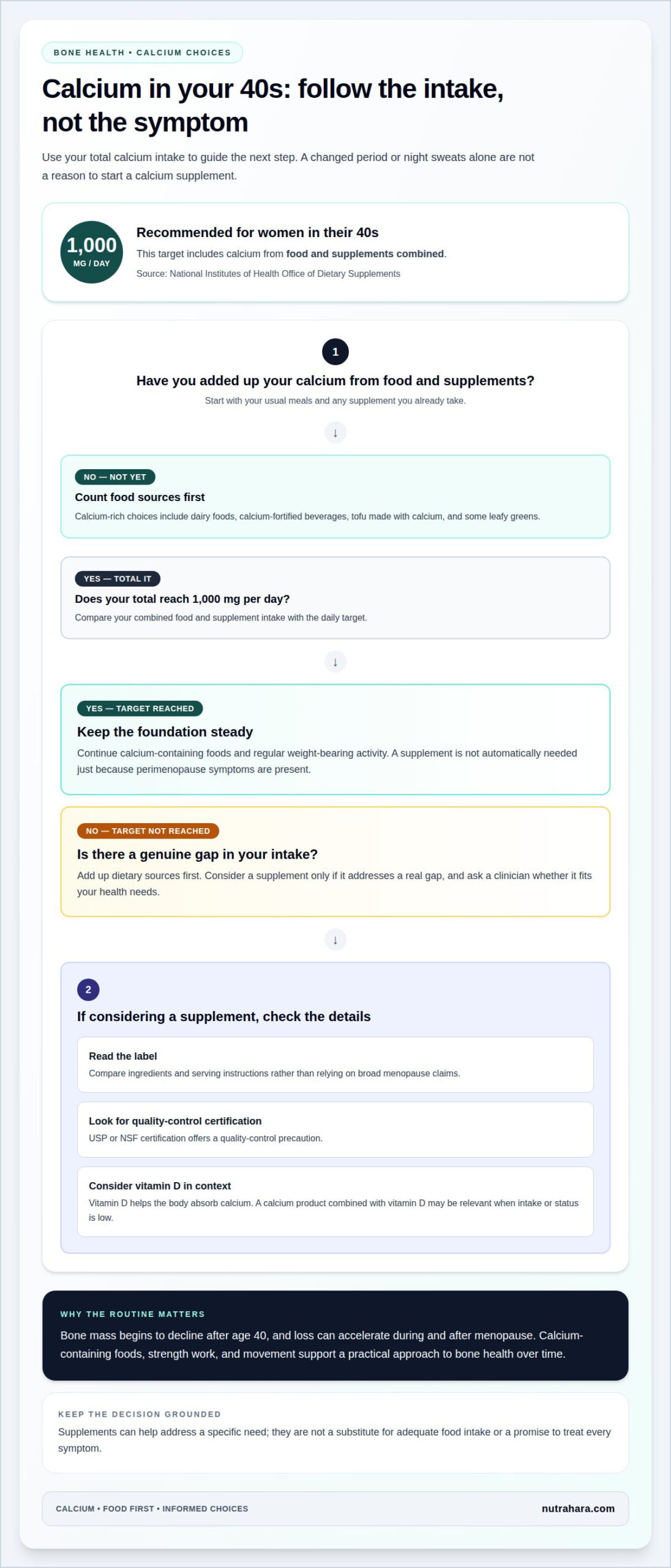
Women in their 40s are recommended to consume 1,000 mg of calcium per day, according to the National Institutes of Health Office of Dietary Supplements. This target includes calcium from food and supplements combined. Calcium-rich choices include dairy foods, calcium-fortified beverages, tofu made with calcium, and some leafy greens. Pairing varied meals with regular weight-bearing activity supports a practical approach to bone health.

Bone mass begins to decline after age 40, and loss can accelerate during and after menopause. Changing estrogen levels are part of this transition, while night sweats and disrupted sleep may affect energy for exercise. Calcium supplements can help prevent bone loss and reduce fracture risk during perimenopause, but they aren’t a substitute for adequate food intake. Add up dietary sources first, then consider whether a supplement addresses a genuine gap.

Vitamin D supports bone health and plays a role in mood regulation. It also helps the body absorb calcium, so a calcium product combined with vitamin D may be relevant when intake or status is low. Interpret supplement evidence in context: a nutrient can support normal function without treating every symptom or replacing medicine. For supplement quality, USP or NSF certification offers a quality-control precaution. Compare the label’s ingredients, serving instructions, and certification rather than choosing based on broad menopause claims.

Recommended amounts of iron, vitamin D, folate, and other nutrients depend on life stage and individual needs; the clear daily figure here is for calcium. To compare prices, assess the specific nutrient, formulation, and serving count, since products differ in these details. Don’t use night sweats or a changed period alone as a reason to start calcium. A steady routine of calcium-containing foods, strength work, and movement can support bone health over time, while a clinician can help assess whether supplements fit your health needs.

3. Magnesium for sleep and mood

Magnesium supports more than 300 enzymatic reactions, including processes involved in muscle and nerve function. During perimenopause, changing sleep patterns and daily stress can make it harder to feel balanced. Magnesium may promote relaxation and improve sleep quality, but it isn’t a stand-alone treatment for persistent insomnia, anxiety, or low mood.

Among supplements and vitamins for pre-menopausal women, magnesium is often considered for sleep support. An evening amount of 300-400 mg is often suggested. Check the amount of elemental magnesium on the supplement label, since compound weight and elemental magnesium differ. Magnesium is also found in leafy greens, nuts, seeds, beans, and whole grains. Adding these to meals can support intake while offering fiber and other nutrients.

Some people may notice sleep changes within one to two weeks, though responses vary. Keep a simple sleep log and note bedtime, waking during the night, mood, and next-day energy. This can help distinguish a possible supplement effect from changes in caffeine, exercise, or stress. Don’t increase a dose simply because sleep remains unsettled.

When reviewing supplements and vitamins for pre-menopausal women, consider your whole evening routine, not just a capsule. Try gentle evening yoga, a short meditation, and a consistent wind-down time to support relaxation. Aim for eight hours of quality sleep each night, and notice whether late workouts or screen time disrupt your rest. Magnesium supplements can also cause digestive discomfort, so pay attention to your response and discuss use with a healthcare professional, especially if you take medicine or have a health condition. Magnesium can be one part of a natural wellness plan, not a promise of significant changes in every perimenopause symptom.

4. Blood work and nutrient deficiencies

Fatigue, reduced exercise capacity, or changes in concentration can have several causes. Blood work can help identify nutrient levels that may contribute and guide a more focused supplement decision. More than one-third of women are iron deficient. Heavy periods can be relevant when discussing iron, so describe your bleeding pattern and symptoms clearly.

Vitamin D is another nutrient to discuss, especially if muscle weakness affects training or daily movement. Vitamin D levels below 29 ng/ml are linked with poor lower body function, particularly in women. An optimal serum vitamin D level is around 40-60 ng/mL for most people. These figures provide context, but one result should be considered alongside your health history and symptoms.

Iron, calcium, vitamin D, folate, and magnesium are nutrients to discuss before starting a supplement routine. The priority depends on your diet, symptoms, life stage, and existing test results. Supplements may complement nutrition or prescribed therapy, but taking more nutrients doesn’t automatically help. A targeted plan can avoid adding products that don’t address a real need.

Pregnancy, trying to conceive, and heavy periods can change which nutrients deserve attention. Tell your healthcare professional about pregnancy plans, bleeding patterns, medicines, and current supplements. These details help shape a relevant assessment rather than relying on a general formula.

Ask which blood tests could clarify suspected deficiencies, what each result means, and whether a supplement could interact with medicine. Iron and vitamin D levels may be assessed when symptoms or health history point to them. Ask how the results relate to your energy, exercise capacity, and any plan to reduce symptoms. Bring a list of supplements and note when fatigue or weakness occurs. Blood work offers useful clues; a complete review connects those levels with food, menstrual history, and overall health.
Top Supplements & Vitamins for Pre-Menopausal Women

Nutrahara: Women’s Health Supplements

Nutrahara offers Women’s Health Supplements for women seeking nutritional support as part of a thoughtful wellness routine. Its formulations bring together principles of ancient Ayurveda science and modern nutritional research, with natural, clean ingredients. If you’re considering supplements alongside nourishing food, movement, and rest, explore options with your needs and current routine in mind. Supplements can complement healthy habits, but they don’t replace blood work or individualized medical advice when symptoms or suspected deficiencies need attention. A steady approach helps you make choices that fit your personal health journey. For questions about Nutrahara’s Women’s Health Supplements, contact Nutrahara.

Build a Wellness Routine That Fits You

Your next step can be small and intentional: identify what you want support with, then choose a routine that fits daily life. Choosing supplements and vitamins for pre-menopausal women is more grounded when you consider your diet, symptoms, health history, and goals together. A simple log of sleep, energy, mood, and movement can help you spot patterns and have a clearer conversation with a healthcare professional.

Keep the foundations steady, too. Nourishing meals, strength-focused exercise, restorative yoga, and a few quiet minutes for meditation can support well-being alongside thoughtful supplement choices. You don’t need to change everything at once. Give yourself room to learn what feels sustainable, and adjust your approach as your needs evolve.

Many women find that sharing their experiences and listening to others navigating the same life stage provides reassurance and practical insights for daily wellness.

For support exploring women’s health supplements as part of your wellness routine, Contact Nutrahara for support. Your health journey is your own, and each informed step can help you move forward with confidence.

Frequently Asked Questions

Do Perimenopause Supplements Work?

Some supplements may support a specific need, but effects depend on the ingredient and symptom. To assess your routine, choose one goal, such as steadier sleep, and note what changes alongside your meals, activity, and stress. If symptoms persist or interfere with daily life, discuss other options with a healthcare professional rather than relying on supplements alone.

Are supplements safe to use?

Safety depends on the ingredients, dose, health conditions, and medicines in your routine. Read the full label, including serving directions and combined ingredients, and keep a current list of everything you take. USP or NSF certification can offer a quality-control precaution, but it doesn’t establish that a product is right for everyone. Review the label with a healthcare professional if you have concerns.

Can Vitamins Help with Perimenopause Symptoms?

Vitamins can help address a nutrient shortfall, but they don’t treat every cause of symptoms such as fatigue or mood changes. Consider the pattern: note whether tiredness follows poor sleep, heavy bleeding, a demanding workout, or a change in eating habits. Sharing that context can help a healthcare professional decide whether testing or a dietary change is more appropriate than adding a general multivitamin.

How Much Calcium Do You Need?

Use the daily intake recommendation discussed above as a guide, counting food and supplements together. Check labels on fortified drinks, yogurt, and calcium products, then total the amounts you typically consume. If you already take a multivitamin, include its calcium too. This simple tally can help you identify whether your usual meals contribute meaningfully before considering another product.

What are the risks, side effects, and upper limits of common supplements for premenopausal women?

Possible effects vary by ingredient, dose, and individual health factors. For example, black cohosh has been associated with possible liver harm, and herbal products may interact with medicines. Avoid combining products with overlapping ingredients without reviewing their total amounts. Ask a healthcare professional which upper limits apply to your supplements and what signs of an unwanted reaction should prompt you to stop and seek advice.

Can supplements interact with birth control, other medications, or pregnancy?

Yes, some supplements can interact with medicines, and pregnancy can change which nutrients are appropriate. Tell your healthcare professional about birth control, prescriptions, over-the-counter medicines, pregnancy plans, and breastfeeding. Bring the product label or a clear photo of its ingredients. This gives them the details needed to consider possible interactions and whether the supplement fits your current life stage.

Article by

Nutrahara Team

We are a dedicated collective of nutrition scientists and naturopaths at Nutrahara, committed to advancing women's health through the fusion of ancient Ayurveda science and cutting-edge nutrition research. Our mission is to empower you with clean, simple, and scientifically validated wellness solutions so you can live your healthiest life. Connect with us to stay updated on the latest developments in holistic women's health and nature-based research.

Disclaimer

This article is not a substitute for medical advice. Please consult a healthcare professional before starting any supplement, especially if pregnant, nursing, taking medication, or managing health conditions.

Categories
Articles

Supplements & Vitamins: A Daily Guide for Women

Could the most talked-about supplement be the wrong fit for you? With so many supplements & vitamins promising support for energy, bones, mood, and more, it can be hard to tell what may help and what is simply trending.

It’s reasonable to want clear guidance as your needs change through menstruation, pregnancy, lactation, perimenopause, and post-menopause. One woman’s experience: “Yoga helps me feel grounded as my needs change.” Start by connecting each choice to a specific goal rather than building a routine around wellness trends.

This guide covers common vitamins and supplements, what they may support, and where evidence is limited. It also explains how to consider nutrition alongside regular movement, yoga, and meditation, then build an approach that can adapt to your needs.

Key Takeaways

  • Start with your life stage, eating patterns, and wellness goals to identify which nutrients may deserve attention.
  • Learn how key minerals and vitamins support the body, and where everyday foods can contribute.
  • Separate popular supplement trends from well-supported benefits, and consider how evidence applies to your needs.
  • Build a steady wellness routine that pairs thoughtful nutrition choices with movement, yoga, or meditation.

Mineral supplements including magnesium, zinc, calcium, iron, and selenium

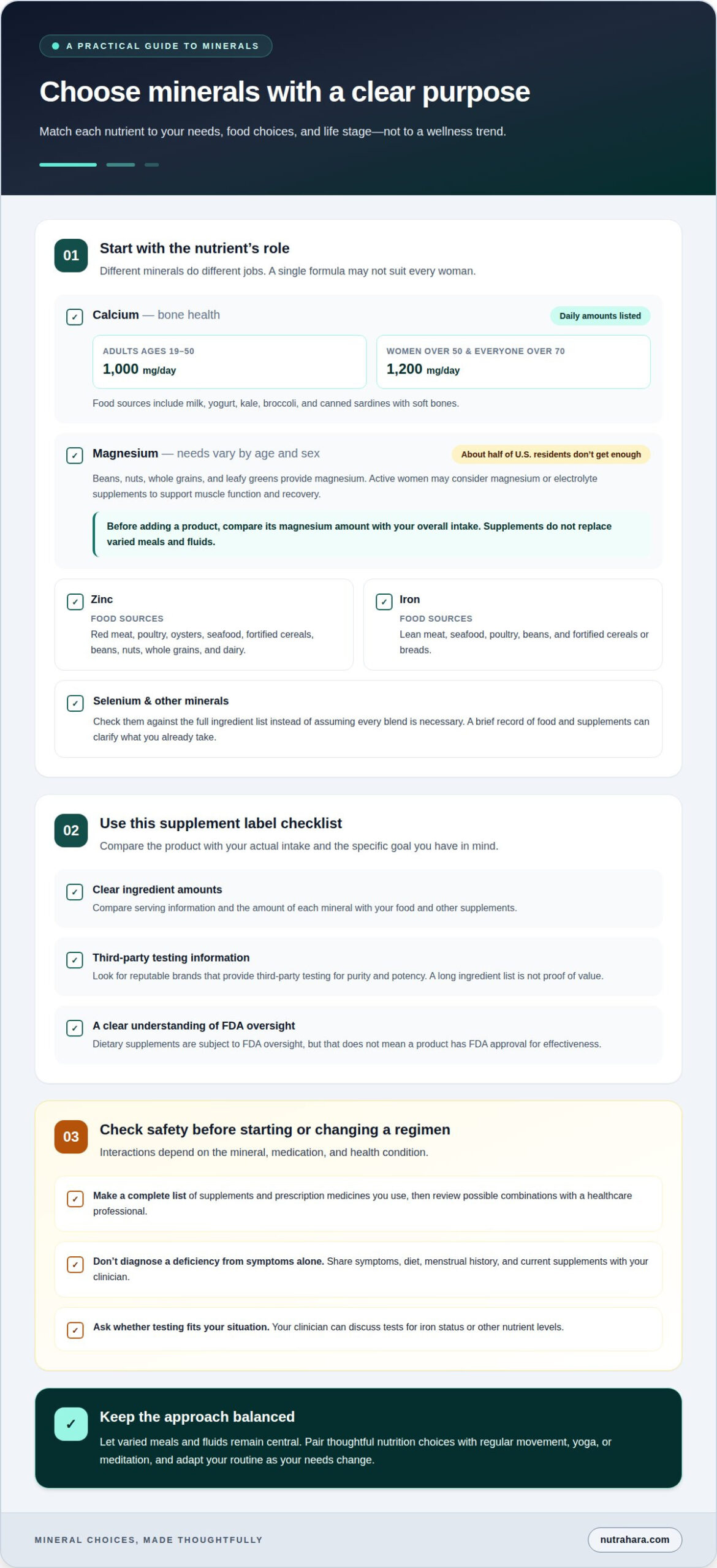
Minerals have different roles, so a single formula may not suit every woman. Calcium supports bone health, while iron helps meet needs that can vary with menstruation and life stage. Food can be a useful source: milk, yogurt, kale, broccoli, and canned sardines with soft bones contain calcium. The National Institutes of Health Office of Dietary Supplements lists 1,000 milligrams daily for children ages 4 to 8 and adults ages 19 to 50. It lists 1,200 milligrams daily for women over 50 and everyone over 70.

Magnesium needs vary by age and sex, and about half of U.S. residents don’t get enough. Beans, nuts, whole grains, and leafy greens provide magnesium. Active women may consider magnesium or electrolyte supplements to support muscle function and recovery, but supplements don’t replace varied meals and fluids. Compare the magnesium amount on the label with your overall intake before adding a product.

Zinc is found in red meat, poultry, oysters, seafood, fortified cereals, beans, nuts, whole grains, and dairy. Iron sources include lean meat, seafood, poultry, beans, and fortified cereals or breads. Check selenium and other minerals against the full ingredient list instead of assuming every blend is necessary. A brief record of your food and supplements can clarify what you already take.

When choosing supplements & vitamins in the United States, look for clear ingredient amounts and reputable brands that provide third-party testing for purity and potency. Compare serving information, and don’t treat a long ingredient list as proof of value.

Dietary supplements are subject to FDA oversight, but that doesn’t mean a product has FDA approval for effectiveness. Read the label, and assess ingredient amounts separately from any quality information.

Interactions depend on the mineral, medication, and health condition. List all supplements and prescription medicines you use, then review possible combinations with a healthcare professional before starting or changing a regimen.

Fatigue or other symptoms alone can’t establish a deficiency. Share your symptoms, diet, menstrual history, and current supplements with your clinician; ask whether tests for iron status or other nutrient levels fit your situation. Treat magnesium and ashwagandha as separate ingredients when reviewing a formula, including ashwagandha with black pepper.

Supplements such as CoQ-10, fish oils, probiotics, collagen, and melatonin

These products serve different purposes, so consider each ingredient on its own. CoQ-10 is a compound found in the body and also sold as a supplement. Probiotics are live microorganisms; products can contain different strains, so the label matters. Melatonin is a hormone involved in the sleep-wake cycle, and supplements are not a substitute for addressing ongoing sleep difficulties. For each option, ask what specific need it addresses and whether evidence supports that use.

Fish oil provides omega-3 fats, including DHA. Eating fish two to three times a week is one way to obtain DHA. If you use fish oil, read the label to see how much DHA and other omega-3s a serving contains. Fish oil is not a replacement for prescribed cholesterol care, and a supplement should not be treated as a cholesterol treatment without clinical guidance. Include your current medicines and health conditions when discussing regular use.

Probiotics can differ by strain and formulation, so a broad “probiotic” label doesn’t tell the whole story. Consider the product’s stated strains and intended use rather than assuming every formula supports immune function in the same way. Collagen supplements also vary. The page describes 28 known collagen types, with the first five being the most common. A collagen supplement can be considered as one option, while keeping whole foods central to your nutrition.

Use supplements to complement, not replace, meals built from varied whole foods. Choose reputable brands with third-party testing for purity and potency, and compare the ingredient panel with your goals. A practical step is to record the product, serving directions, and reason for taking it. That simple note helps you discuss CoQ-10, fish oil, probiotics, collagen, or melatonin clearly with a healthcare professional, especially if your routine or medications change.

Vitamins, including multivitamins and vitamins A, B, C, D, E, and K

Vitamin needs vary with food choices, health, and life stage. Varied meals are a useful starting point; supplements may help address specific gaps.

Multivitamins and Nutritional Gaps

Multivitamin-mineral supplements differ widely in composition and characteristics. Compare the label’s vitamin and mineral amounts with your usual foods and other supplements, rather than assuming every formula fills the same gaps. For example, animal foods naturally contain vitamin B12, while plant foods do not. Folic acid is added to many grain-based products, so fortified foods may also contribute to intake.

Adult Vitamin Needs and Amounts

Adults don’t all need the same multivitamin or dose. The appropriate amount depends on the nutrient, diet, and health needs. Follow the product label and avoid stacking formulas with overlapping ingredients. Green leafy, orange, and yellow vegetables provide vitamin A; citrus, peppers, broccoli, and strawberries provide vitamin C. Vitamins E and K are found in foods such as nuts, seeds, vegetable oils, and leafy greens.

Common risks include taking too much of a nutrient and interactions with medicines or health conditions. Some vitamins and minerals can also compete for absorption, so combinations and timing may matter. Review the full ingredient list before combining products, and discuss possible interactions with a healthcare professional.

Vitamin Needs Across Life Stages

Pregnancy needs differ by person, so avoid assuming one multivitamin suits everyone. Discuss supplement choices with your prenatal care team and consider folic acid from fortified grain foods as part of your overall nutrition. For children ages 1 to 18, the Endocrine Society recommends vitamin D supplements to avoid rickets and potentially reduce respiratory infection risk.

For adults 75 and older, the Endocrine Society recommends vitamin D supplements to lower mortality risk. Older adults over 65 may produce less intrinsic factor, which the body needs to metabolize vitamin B12. These examples show why age and life stage matter when choosing a formula.

Supplements & Vitamins: A Daily Guide for Women

Trends can make a familiar ingredient sound like a new discovery. CoQ-10, collagen, probiotics, fish oil, and melatonin often appear in wellness conversations, but popularity alone doesn’t show whether a product fits your needs. Start by naming the goal: filling a dietary gap, supporting a life-stage need, or addressing a concern you’ve discussed with a healthcare professional. If the purpose stays vague, pause before adding another bottle. Treat supplements & vitamins as tools for a clear purpose, not automatic wellness essentials.

Separate an ingredient from the claims made about it. A collagen product, for example, may be marketed for several outcomes, but its label shows what it contains. Check the ingredient name, amount per serving, and additional components. A blend of trendy ingredients can make it harder to tell which one suits your goal or causes an unwanted effect. Consider your current routine before adding products, and note what you hope a new choice will contribute.

Your eating patterns offer a useful reality check. Before following a trend, note the foods you regularly enjoy and where a genuine gap might exist. Fish, fortified foods, vegetables, nuts, and seeds provide nutrients, while yoga, meditation, healthy sleep habits, and regular movement support a broader wellness routine. Supplements can complement that foundation, not replace meals or everyday practices. Choices about supplements & vitamins should fit your habits, preferences, and changing needs.

Use a simple decision filter: identify the intended benefit, review the full label, and consider the evidence for that specific use. Then record what you take and why, so you can reassess whether it still matches your goals. Be especially thoughtful when a trend targets women’s changing needs across menstruation, pregnancy, lactation, or menopause. For a grounded next step, explore women’s wellness options as part of a considered routine, rather than choosing a product only because it is trending.

Nutrahara: Women’s Health Supplements

Nutrahara’s Women’s Health Supplements combine principles of Ayurveda with modern nutritional research. Made in New Zealand, they feature natural ingredients and are designed to complement a broader wellness routine. As you consider your needs through menstruation, pregnancy, lactation, or menopause, keep food, movement, rest, and guidance from your healthcare professional in view.

Supplements are one part of personal wellbeing, not a replacement for balanced eating, yoga, meditation, or care for a health concern. Explore Nutrahara’s Women’s Health Supplements to learn more about options for your wellness routine.

Make Your Next Wellness Choice Intentional

Your next step doesn’t need to be a complete routine overhaul. Choose one goal that matters to you now, such as supporting energy, building a steadier sleep routine, or staying active through a changing life stage. A thoughtful approach to supplements & vitamins starts with a clear intention and leaves room for the habits that sustain wellbeing: nourishing meals, movement, yoga, and moments of calm through meditation.

Keep your choices manageable. Notice what you’re taking, why it belongs in your routine, and whether it still reflects your needs as they change. When you’re ready to explore a women’s wellness supplement option, talk with Nutrahara about your needs.

Your health journey is personal. Move forward with care, confidence, and choices that feel right for you. For more guidance on emotional wellbeing and life-stage changes, explore women’s mental health and natural ways to support wellness.

Frequently Asked Questions

14 Common supplements: Are they beneficial or a waste of money?

Neither label fits every supplement; usefulness depends on the ingredient, purpose, and your needs. Fish oil, probiotics, collagen, and melatonin, for example, serve different roles, so popularity alone can’t tell you whether one is a good fit. Define your goal, read the full ingredient panel, and consider how the product fits your diet and routine. Don’t choose a blend simply because it combines several trending ingredients.

What Are the Signs of Magnesium Deficiency?

No single symptom confirms magnesium deficiency, because tiredness or muscle discomfort can have many causes. Consider your overall food intake, health history, and any changes in how you feel rather than drawing conclusions from one sign. A healthcare professional can assess those details and determine whether testing is appropriate. Keep a record of magnesium products and other supplements you use so the review reflects your full intake.

Which supplements have strong scientific evidence for specific health benefits?

Evidence depends on the ingredient and intended use, rather than a supplement’s popularity. One specific example is vitamin D: the Endocrine Society recommends supplements for people ages 75 and older to lower mortality risk, and for people ages 1 to 18 to avoid rickets and potentially reduce respiratory infection risk. These recommendations apply to those age groups, not automatically to every adult or every wellness goal.

Are multivitamins better than taking individual vitamins or getting nutrients from food?

There isn’t one best choice for everyone. Food can provide several nutrients together, while a multivitamin-mineral product combines selected ingredients in amounts that vary by formula. An individual supplement may be a more focused option when there’s a clear reason to target one nutrient. To compare options, review your usual meals and product labels for overlapping ingredients, then consider whether each item serves a distinct purpose.

How much do popular vitamins and supplements cost in the United States?

U.S. consumers spend about $60 billion a year on nutritional supplements, or about $175 per capita. The material gives no prices for individual vitamins or supplements.

Article by

Nutrahara Team

We are a dedicated collective of nutrition scientists and naturopaths at Nutrahara, committed to advancing women's health through the fusion of ancient Ayurveda science and cutting-edge nutrition research. Our mission is to empower you with clean, simple, and scientifically validated wellness solutions so you can live your healthiest life. Connect with us to stay updated on the latest developments in holistic women's health and nature-based research.

Disclaimer

This article is not a substitute for medical advice. Please consult a healthcare professional before starting any supplement, especially if pregnant, nursing, taking medication, or managing health conditions.

Categories
Articles

How to Know If My Supplements Are High Quality: A Woman’s Guide to Purity and Potency

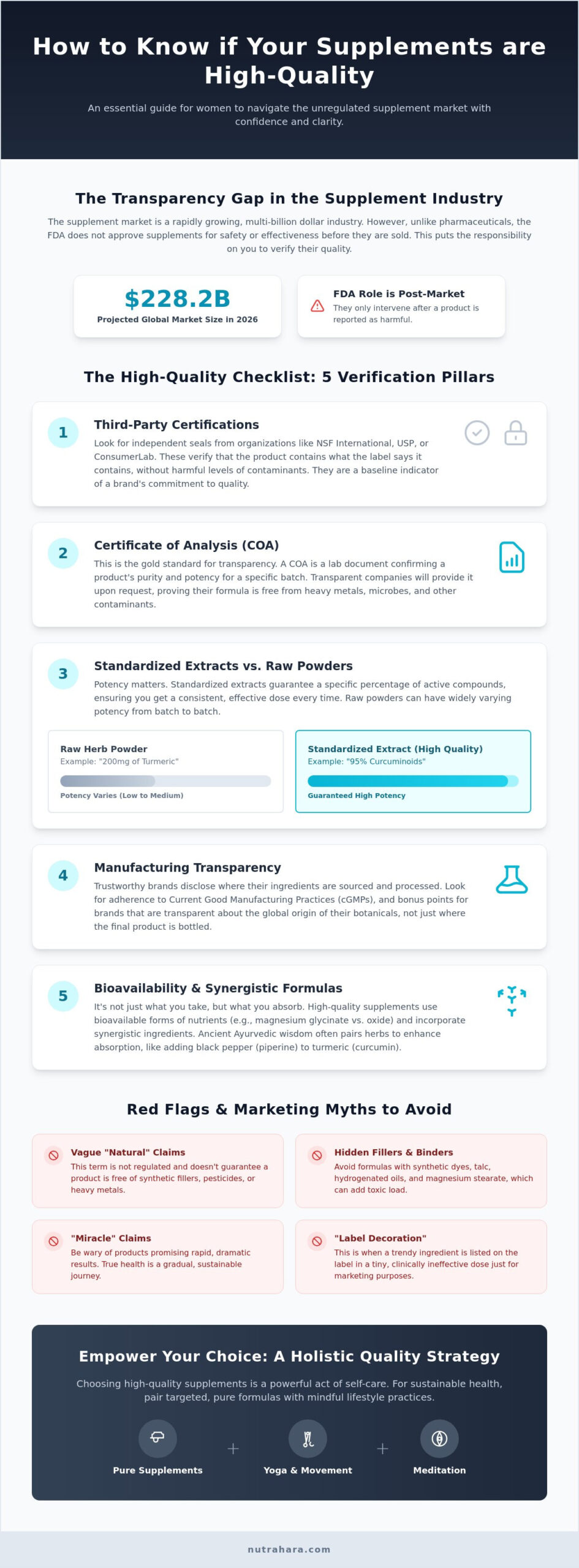
We believe your health is a personal, ongoing journey that deserves the highest level of transparency and care. It’s time to move past the confusion and reclaim your peace of mind. This guide provides a clear framework to vet any brand using rigorous clinical standards and traditional Ayurvedic principles. You’ll learn exactly which third-party certifications matter, how to identify bioavailable ingredients, and how to use our 5-step quality checklist to choose your daily vitamins with absolute confidence.

Key Takeaways

  • Learn exactly how to know if my supplements are high quality by looking past “natural” marketing labels and understanding the legal standards governing your vitamins.
  • Identify the essential third-party certifications and why requesting a Certificate of Analysis is the gold standard for verifying product purity.
  • Master the science of bioavailability and see how ancient Ayurvedic wisdom uses synergistic ingredients to ensure your body actually absorbs the nutrients.
  • Protect your wellness routine by spotting common red flags, such as “miracle” claims and the hidden risks of heavy metals in untested herbal powders.
  • Develop a streamlined, holistic strategy that pairs targeted formulas with lifestyle practices like yoga and meditation for sustainable health progression.

The Transparency Gap: Why Supplement Quality Isn’t Guaranteed

The supplement aisle often feels like a sanctuary of health, but the regulatory reality is far more complex than the vibrant labels suggest. Most women believe their vitamins undergo the same rigorous testing as pharmaceutical medications. This is not the case. The Dietary Supplement Health and Education Act of 1994 fundamentally changed how these products reach your cabinet. It created a legal framework where the burden of proof for safety rests almost entirely on the manufacturer, not a government agency. This “transparency gap” makes it difficult for the conscious consumer to determine how to know if my supplements are high quality.

Many brands use the term “natural” as a comforting shield to build trust. In reality, “natural” is a marketing claim with very little regulatory weight; it does not guarantee the absence of heavy metals or synthetic fillers. There is also a significant difference between food-grade and pharmaceutical-grade ingredients. Food-grade supplements only meet the standards required for human consumption. Pharmaceutical-grade options must exceed 99% purity and contain no binders or fillers. Some companies even engage in “label decoration.” This practice involves listing a trendy ingredient on the front of the bottle while including such a tiny, ineffective dosage that it offers no clinical benefit. It’s a strategy designed to sell a product, not to support your health progression.

The FDA vs. The Supplement Industry

The FDA’s role in supplement oversight is strictly post-market rather than pre-market, meaning they only intervene after a product is already being sold and reported as harmful. While manufacturers must follow Current Good Manufacturing Practices (cGMPs) under 21 CFR Part 111, these regulations are the bare minimum for facility cleanliness. They do not ensure that the botanical extract inside the capsule is potent or even present. You cannot rely on a product’s placement on a reputable retail shelf as a proxy for quality. True assurance requires a deeper look into a brand’s specific testing protocols.

Why Women’s Supplements Require Higher Scrutiny

Women’s bodies are intricate biological systems that respond sensitively to environmental shifts. Our endocrine systems are particularly vulnerable to the “hidden” ingredients found in low-quality formulas. Synthetic dyes, talc, and hydrogenated oils are often used as cheap fillers, yet they can disrupt hormone metabolism and irritate the delicate gut lining. During pivotal life transitions like pregnancy or perimenopause, your body requires clean, bioavailable support without an added toxic load. Choosing a pure formula like Ashwagandha with Black Pepper ensures you receive botanical wisdom without unnecessary additives. Purity is a requirement for long-term well-being, and understanding these nuances is essential for how to know if my supplements are high quality.

The High-Quality Checklist: 5 Verification Pillars for Every Bottle

While the regulatory landscape is complex, you have the power to verify what goes into your body. Understanding how to know if my supplements are high quality starts with looking for specific verification pillars that separate premium formulas from mass-market imitations. These standards ensure that your wellness journey is supported by both science and purity. By following a structured checklist, you can move from confusion to absolute confidence in your daily routine.

  • Third-Party Certifications: Look for independent seals that verify the contents of the bottle match the label.
  • The Certificate of Analysis (COA): This document is the ultimate proof of purity. Do not be afraid to email a brand directly to ask for their COA; a transparent company will provide these lab results to prove their batch is free from heavy metals and contaminants.
  • Standardized Extracts: Raw herb powders vary in potency. A high-quality supplement will list standardized percentages, such as “95% Curcuminoids” rather than just “200mg of Turmeric,” to guarantee you receive the active compounds your body needs.
  • Manufacturing Transparency: Seek out brands that disclose where their ingredients are grown and processed. “Made in the USA” is a start, but knowing the global origin of the botanical itself shows a deeper commitment to quality.
  • Batch Testing: Premium brands test every single production run to ensure consistency, so the first bottle you buy is just as effective as the tenth.

Decoding the Third-Party Seals

The U.S. Pharmacopeia (USP) seal is the gold standard for ingredient identity, ensuring the product actually contains what it claims. NSF International is another vital certification, particularly for those who prioritize quality assurance for supplements and need to ensure products are free from banned substances. ConsumerLab acts as an independent watchdog, frequently testing retail products to catch brands that fail their own label claims.

How to Read a Supplement Facts Panel Like a Pro

Begin by differentiating between “Active Ingredients” and “Other Ingredients.” High-quality formulas keep the “Other” list short, avoiding synthetic dyes and talc. Beware of the “Proprietary Blend” trap; these often hide low-cost fillers by masking the exact dosage of the expensive, beneficial herbs. Always verify if the dosage listed on the label refers to a single capsule or the full daily serving size to avoid accidentally taking less than your body requires. Choosing a transparent formula like Ashwagandha with Black Pepper ensures you’re prioritizing standardized extracts over mystery powders. This level of scrutiny is the best way to master how to know if my supplements are high quality.

Bioavailability and the Ayurvedic Edge: Science Meets Ancient Wisdom

Bioavailability is the silent hero of a successful wellness routine. If your body cannot break down and utilize the nutrients in your capsule, even the most expensive formula becomes a wasted investment. This concept is central to how to know if my supplements are high quality. A high-quality brand doesn’t just provide ingredients; it provides a delivery system that ensures those nutrients reach your cells. While many mass-market products focus on high dosages of isolated chemicals, the most effective supplements respect the natural intelligence of the plant.

Ayurveda has understood this for millennia through the use of “Anupanas,” or carrier substances. These traditional elements are added to botanical formulas to enhance their potency and absorption. At Nutrahara, our philosophy involves fusing this ancient botanical science with modern clinical research. We prefer full-spectrum, whole-herb extracts over isolated compounds because they preserve the natural synergy of the plant. This “entourage effect” ensures that you receive the complete profile of beneficial phytonutrients, supporting your health as a long-term progression rather than a quick fix.

Modern Science Validating Ancient Wisdom

Clinical studies now confirm what traditional practitioners have long known. For instance, the inclusion of Piperine, the active compound in black pepper, has been shown to increase the bioavailability of Turmeric by up to 2,000%. This synergy is a hallmark of a thoughtful formulation. For women managing the stressors of daily life, adaptogens like Ashwagandha provide a gentle, nurturing way to support the nervous system and endocrine balance. You can explore these synergistic benefits in our Natural Joint Health Supplements, which combine traditional carriers with modern purity standards to ensure maximum efficacy.

Clean Labeling: The Absence of Artificial Harm

High-quality brands prioritize the purity of their inputs and avoid manufacturing shortcuts that can introduce artificial harm to your system. Learning how to vet supplements requires looking past the marketing and scrutinizing the “Other Ingredients” list. We recommend avoiding a specific “No-Go” list of additives:

  • Magnesium Stearate: Often used as a flow agent, it can interfere with nutrient absorption in the gut.
  • Titanium Dioxide: A whitening agent that offers no health benefits and has raised safety concerns.
  • Artificial Colors and Dyes: These are purely cosmetic and can be sensitive triggers for the endocrine system.

Beyond the ingredients, the physical container matters. Premium brands use glass bottles or BPA-free packaging to prevent chemical leaching. This attention to detail ensures the formula remains pure and potent from the first dose to the last. Understanding these nuances is a vital part of how to know if my supplements are high quality and ensures your daily routine is as clean as it is effective.

Red Flags and Marketing Myths: What to Avoid in the Supplement Aisle

The supplement aisle is often filled with bold promises of “instant energy” or “overnight transformation.” These “miracle cure” claims are a major red flag. Genuine wellness is a personal, long-term progression, not a quick fix found in a bottle. When you are researching how to know if my supplements are high quality, look for brands that speak the language of support and health progression rather than aggressive sales tactics. A trustworthy company understands that supplements are a partner to your yoga and meditation practices, not a substitute for a balanced lifestyle. Be wary of brands that prioritize complex subscription traps over transparency. If it’s difficult to find lab results or contact customer support, the brand likely values profits over your well-being.

Synthetic vitamins often hide in plain sight. Take B-vitamins, for instance. Many low-cost brands use folic acid, which is a synthetic form of folate. For many women, especially those with specific genetic variations, the body cannot efficiently convert folic acid into its active form. High-quality formulas use methylated folate (5-MTHF) instead. This bioavailable form is ready for your body to use immediately. You can find this level of care in our Vitamin B Complex, which prioritizes methylated forms for optimal absorption. This distinction is a critical step in how to know if my supplements are high quality.

Spotting Low-Quality Fillers

Bulking agents like maltodextrin or excessive magnesium stearate are often used to speed up manufacturing. For many women, these fillers cause subtle digestive distress or bloating. It’s a mistake to assume that “Non-GMO” or “Gluten-Free” labels automatically mean a product is premium. These are important, but they don’t address the purity of the active ingredients. Refer to our Woman’s Guide to Wellness Supplements for a deeper dive into ingredient purity and clean dosages without unnecessary fluff.

The Heavy Metal Risk in Botanicals

Herbs like Ashwagandha and Turmeric are bioaccumulators. This means they soak up whatever is in the soil, including heavy metals like lead or arsenic. If a brand doesn’t disclose their sourcing locations or provide batch testing for contaminants, you are taking a risk. This is why “Prop 65” warnings exist; they alert you to potential chemical exposure. A high-quality brand will go beyond these warnings by providing a Certificate of Analysis for every batch.

“I used to buy the cheapest vitamins I could find, but I always felt bloated and tired,” says Sarah, 42. “After I learned how to vet my supplements and switched to a clean, filler-free formula, my digestion cleared up within two weeks. I finally felt like I was actually getting the nutrients I paid for.”

Don’t settle for marketing myths. Take control of your health by choosing our DetoxifyLife formula to support your body’s natural purification processes and ensure you are only putting the purest ingredients into your system.

How to Know If My Supplements Are High Quality: A Woman’s Guide to Purity and Potency

Empowering Your Choice: Implementing a Holistic Quality Strategy

True wellness is never found in a single pill. It is a tapestry woven from your daily choices, including your yoga practice, meditation, and the whole foods you use to nourish your body. Supplements should act as a bridge, filling nutritional gaps and supporting your system as you move through different life stages. Now that you understand how to know if my supplements are high quality, the next step is to audit your current cabinet. Clear out the bottles that contain mystery “proprietary blends” or synthetic dyes. Your health is a long-term progression that thrives on simplicity and purity.

We advocate for a “less is more” approach. It’s far more effective to invest in three high-purity, targeted formulas than to take a dozen cheap, poorly absorbed vitamins. High-quality supplements respect your body’s delicate balance, especially as you navigate the shifts of perimenopause or post-menopause. By choosing formulas that meet the rigorous standards we’ve discussed, you can feel confident that your daily routine is building a foundation for lasting vitality.

Supplements as a Tool for Longevity

As we age, our cellular needs change. High-quality nutrients support structural health and help maintain your natural glow from the inside out. For instance, understanding Collagen Benefits is essential for women who want to support joint flexibility and skin elasticity as part of a graceful aging strategy. To truly see the impact of your choices, we recommend starting a “Supplement Journal.” For 30 days, track how you feel, your energy levels, and your sleep quality after taking a clean formula. This practice helps you stay connected to your body’s signals and confirms how to know if my supplements are high quality based on tangible results.

The Nutrahara Promise of Purity

At Nutrahara, our commitment to your well-being is rooted in the fusion of Ayurvedic heritage and modern clinical validation. We don’t just follow industry standards; we aim to set them. Our formulas are designed specifically for the unique needs of the female endocrine and nervous systems. We prioritize transparency because we believe every woman deserves to know exactly what she is putting into her body. Whether you are seeking hormone balance or a sense of calm, our curated range provides the purity and potency your journey requires. You can begin your refined wellness routine today when you shop our curated range of high-purity women’s supplements. Let us be your wise guide toward a more vibrant, empowered version of yourself.

Your Path to Purer Wellness

You now have the tools to transform your daily health routine from a guessing game into a deliberate journey of self-care. By understanding the transparency gap and prioritizing third-party certifications, you’ve moved beyond marketing myths. You’ve also seen how the fusion of modern clinical research and Ayurvedic synergy ensures your body actually absorbs the nutrients you invest in. Mastering how to know if my supplements are high quality is an empowering step toward long-term vitality and confidence.

At Nutrahara, we take this responsibility seriously. Our formulas are crafted by Ayurvedic experts and modern nutritionists to meet the highest standards of purity. Every batch is third-party lab tested and completely free from artificial fillers or magnesium stearate. It’s time to choose supplements that respect your body’s natural intelligence. Discover Nutrahara’s Clinically-Backed, Ayurvedic Formulas. You deserve a wellness partner that is as committed to your health progression as you are.

Frequently Asked Questions

Is a more expensive supplement always better quality?

Price isn’t a perfect indicator of excellence, but it often reflects the high cost of rigorous testing and premium sourcing. Extremely cheap products frequently cut corners on ingredient purity or skip the third-party validation that ensures your safety. A mid-range or premium price usually covers the expense of pharmaceutical-grade extracts and the clinical studies required to prove efficacy. Focus on the value of the ingredients rather than just the number on the tag.

How do I know if my supplement has heavy metals?

You can confirm the absence of heavy metals by asking the manufacturer for a Certificate of Analysis (COA). This document provides the specific lab results for your product’s batch, detailing levels of lead, mercury, and arsenic. High-quality brands test their raw botanicals because plants like ashwagandha can absorb minerals from the soil. Transparency is the hallmark of a brand that cares about your long-term health progression.

What does ‘standardized extract’ mean on a supplement label?

Standardized extract means the manufacturer has verified that the supplement contains a specific percentage of the plant’s active therapeutic compounds. This ensures you receive a consistent dose of the most beneficial parts of the herb in every capsule. It’s a vital factor in how to know if my supplements are high quality because raw powders can vary wildly in their potency. Always look for these percentages on the supplement facts panel.

Can I trust supplements sold on major online marketplaces?

Trusting major online marketplaces requires diligence, as counterfeit or improperly stored products can appear on these platforms. While Amazon implemented stricter cGMP verification rules in 2026, it’s still safest to buy directly from the brand’s official storefront. Check for recent reviews and ensure the seller is the actual manufacturer. This helps you avoid expired items and ensures you’re receiving the high-purity formulas you expect for your wellness.

What are the most important third-party certifications to look for?

The most important seals to look for are from USP, NSF International, and ConsumerLab. These independent organizations test products to verify that the ingredients on the label match what’s actually inside the bottle. They also screen for harmful contaminants like heavy metals or microbes. Finding these certifications is a simple way to gain peace of mind about the purity and potency of your daily supplement routine.

How can I tell if my vitamins are being absorbed properly?

You can often tell if your vitamins are being absorbed by tracking subtle improvements in your energy, mood, or digestion over a month. High-quality formulas prioritize bioavailability by using methylated forms of vitamins and natural carriers like black pepper. If you feel no difference or experience digestive upset, the nutrients might not be reaching your cells. Keeping a supplement journal is an excellent way to monitor this personal health progression.

What should I do if I have a bad reaction to a high-quality supplement?

If you experience an adverse reaction, stop use immediately and speak with your doctor or a qualified health professional. Even the purest botanical formulas can interact with medications or trigger sensitivities in certain individuals. Save the bottle so you can provide the brand with the batch number for their quality control records. Your safety is the priority, and a caring brand will always support you in finding the right balance.

Do I really need a multivitamin if I eat a balanced diet?

While a whole-food diet is the foundation of health, targeted supplements can bridge gaps caused by soil depletion or increased biological demands. Women in life stages like perimenopause or pregnancy often require higher levels of specific nutrients that are difficult to obtain from food alone. High-quality supplements act as a supportive tool for longevity, helping you maintain vitality and balance as your body’s needs evolve over time.

Article by

Nutrahara Team

We are a dedicated collective of nutrition scientists and naturopaths at Nutrahara, committed to advancing women's health through the fusion of ancient Ayurveda science and cutting-edge nutrition research. Our mission is to empower you with clean, simple, and scientifically validated wellness solutions so you can live your healthiest life. Connect with us to stay updated on the latest developments in holistic women's health and nature-based research.

Disclaimer

This article is not a substitute for medical advice. Please consult a healthcare professional before starting any supplement, especially if pregnant, nursing, taking medication, or managing health conditions.
Categories
Articles

The Risks of Taking Too Many Supplements: A 2026 Guide to Balanced Wellness

Did you know that 76% of Americans now use supplements every single day? While your intentions are rooted in a deep desire for vitality, the reality is that more isn’t always better for your body. Understanding the risks of taking too many supplements is essential for any woman seeking true, sustainable health in 2026. You deserve to feel empowered and energized, not overwhelmed by a cabinet full of conflicting labels.

It’s common to feel a sense of anxiety about overlapping ingredients in your formulas or the potential strain on your liver and kidneys. You shouldn’t have to worry if your wellness routine is actually causing harm or simply resulting in expensive urine. We agree that your health journey should be grounded in clarity and calm; it should be a graceful progression toward longevity rather than a source of confusion and wasted resources.

This guide promises to help you identify the subtle signs of supplement overload so you can transition to a balanced, science-backed routine. You’ll learn how to navigate the 2026 Dietary Supplement Listing Act requirements and establish safe upper limits that respect your biological needs. By the end, you’ll have a streamlined approach that honors your body’s wisdom and provides lasting peace of mind.

Key Takeaways

  • Understand the “All-Natural Fallacy” and why even the purest botanical ingredients require dosage respect to avoid toxicity.
  • Discover how your liver and tissues process excess nutrients and the science behind why food-based bioavailability outperforms synthetic megadoses.
  • Learn how to audit your daily “Beauty Stack” to identify the risks of taking too many supplements like Zinc or Selenium that often overlap in multivitamins.
  • Explore how the Ayurvedic concept of Agni and stress-reducing practices like yoga can naturally decrease your reliance on high-dose energy formulas.
  • Transition to a streamlined, science-backed routine that prioritizes ingredient purity and long-term vitality over the quantity of pills.

The Modern Supplement Paradox: Why More Isn’t Always Better for Your Wellness

True wellness isn’t measured by the number of bottles in your cabinet. It’s found in the delicate synergy between your internal biology and the nutrients you introduce. When we exceed what our systems can handle, we enter the territory of The Science of Overload, also known as hypervitaminosis. This condition occurs when your body stores toxic levels of vitamins, leading to health complications instead of the vitality you seek. Many women fall for the “All-Natural Fallacy,” believing that plant-based nutrients carry no risk. This isn’t true. Natural ingredients still require dosage respect because your biological pathways have specific limits that shouldn’t be pushed.

As we move through our 30s, 40s, and 50s, our metabolic processing shifts significantly. For women navigating perimenopause or post-menopause, hormonal changes can alter how the liver and kidneys clear excess compounds. Understanding the risks of taking too many supplements is essential for maintaining long-term health during these transitions. Instead of chemical overload, we advocate for the “Wise Guide” philosophy. This approach honors your body’s innate wisdom. It focuses on precise, high-quality nourishment that supports your journey without overwhelming your delicate internal balance.

The Rise of ‘Supplement Fatigue’ in Women’s Wellness

Women today face immense pressure to be “perfectly optimized” through daily pills. Social media trends often showcase elaborate “supplement hauls” that suggest more is always better. This culture drives supplement fatigue, a state where the act of managing your health becomes a source of stress and anxiety. We define the Supplement Paradox as the specific point where your excessive health efforts begin to degrade your actual physical and mental well-being. True health shouldn’t feel like a chore or a chemical experiment.

Recognizing the Signs of a Crowded Routine

Your body is vocal about its limits. If you experience persistent digestive upset, unexplained fatigue, or sudden skin rashes, your routine might be too crowded. Often, your body simply flushes out what it cannot use, a phenomenon known as “expensive urine.” This isn’t just a waste of money; it’s a sign that your system is working overtime to purge excess. Developing an awareness of the risks of taking too many supplements allows you to reclaim your metabolic balance. For those seeking a more streamlined approach, a clean formula like FemmePower provides targeted support without the unnecessary clutter of a dozen different pills.

The Science of Overload: How Your Body Processes Excess Nutrients

Your body is a masterpiece of biological efficiency, but it isn’t an infinite vessel. When you consume vitamins and minerals, your organs act as sophisticated gatekeepers. The liver and fatty tissues serve as primary storage units for fat-soluble vitamins, while the kidneys work tirelessly to filter out water-soluble excess. There is a significant difference between nutrients found in whole foods and the synthetic megadoses found in many modern formulas. Synthetic versions often lack the natural co-factors your system expects, making them much harder to process efficiently. This disconnect contributes to The Modern Supplement Paradox, where taking more doesn’t necessarily mean you’re absorbing more.

Modern nutritional research has established “Tolerable Upper Intake Levels” (UL) to guide us. These are scientifically backed ceilings designed to prevent toxicity and protect your long-term wellness. Ignoring these limits increases the risks of taking too many supplements, as your body struggles to maintain its natural equilibrium. While your kidneys are excellent filters, they have their limits. Understanding the risks of taking too many supplements helps prevent unnecessary renal and hepatic strain, ensuring your wellness journey remains sustainable and safe.

Fat-Soluble Risks: When Storage Becomes Toxic

Because fat-soluble vitamins are stored in your body’s tissues rather than flushed out, they present a higher risk of accumulation. We must be mindful of these specific nutrients:

  • Vitamin A: For women over 50, chronic excess can weaken bone density and lead to significant liver strain.
  • Vitamin D: While essential for mood and immunity, excessive intake can lead to hypercalcemia, a dangerous buildup of calcium in your blood.
  • Vitamin E: High doses may interfere with your body’s ability to clot blood, which can impact cardiovascular health and surgical recovery.

Water-Soluble Warning: The Hidden Side of B-Vitamins

It’s a common misconception that water-soluble vitamins are completely harmless because “you just pee them out.” This isn’t always the case. For example, chronic high doses of Vitamin B6 are linked to peripheral neuropathy, a type of nerve damage that causes tingling or numbness in the limbs. Excessive B3 (Niacin) can cause the uncomfortable “niacin flush” and, in extreme cases, place undue stress on your liver. Instead of isolated megadoses that might overwhelm your system, consider a balanced Vitamin B Complex that respects your body’s natural ratios and supports your energy levels gently.

As women, we often navigate complex life transitions that tempt us to layer multiple specialized formulas. Whether you’re managing the early signs of perimenopause or trying to maintain a youthful glow, the urge to add “just one more” bottle to your routine is real. However, stacking different products without a cohesive plan increases the risks of taking too many supplements. This is especially true when your multivitamin already contains many of the ingredients found in your targeted beauty or hormonal supports. True vitality comes from balance, not accumulation.

The relationship between minerals like Calcium, Magnesium, and Vitamin D is a perfect example of why ratios matter more than individual amounts. Taking high doses of Calcium without enough Magnesium can lead to deposits in your soft tissues rather than your bones. Your body thrives on harmony. When you overwhelm it with isolated nutrients, you disrupt the delicate dance of absorption and utilization that keeps your system running smoothly.

“I used to take seven different pills for my hair, skin, and hormonal brain fog. I felt sluggish and developed strange skin rashes. Once I simplified my routine to just two high-quality, balanced formulas, my energy returned and my skin finally cleared up.” — Elena, 44

The ‘Skin-Hair-Nails’ Trap

The “Beauty Stack” is one of the most common ways women accidentally exceed safe limits. Many hair and nail formulas rely on megadoses of Biotin. While Biotin is essential, excessive amounts can interfere with important lab tests, including thyroid panels and heart health markers. If you’re taking a multivitamin alongside a specialized beauty supplement, you might also be doubling up on Zinc or Selenium. Excess Zinc can actually inhibit copper absorption and weaken your immune response over time. Our Premium Collagen Complex is designed to work with your body’s natural synthesis, providing what you need without the filler. Always check your “Total Daily Value” across all bottles to ensure you aren’t unknowingly stacking the same ingredients.

Hormonal Harmony vs. Supplement Chaos

During perimenopause and menopause, the temptation to over-supplement for hot flashes or brain fog is immense. This often leads to “Botanical Stacking,” where women mix multiple adaptogens like Ashwagandha with other hormonal therapies. This can create unpredictable interactions and metabolic strain. We believe in the power of Synergistic Formulation. Synergistic Formulation is the science of ingredients working together to lower required individual dosages while maximizing effectiveness. By using a product like Femmepower, you benefit from these precise ratios. This approach reduces the risks of taking too many supplements while providing the targeted support your body craves during hormonal shifts.

A Holistic Audit: Balancing Your Routine with Ayurveda and Science

Ayurveda, the ancient science of life, introduces us to the vital concept of ‘Agni’, or digestive fire. This fire is responsible for transforming food and information into energy and consciousness. When we overwhelm our systems with a downpour of synthetic pills, we risk dampening this metabolic flame. A weak Agni cannot process nutrients effectively, leading to a buildup of metabolic waste. Understanding the risks of taking too many supplements involves recognizing that true nourishment requires a clear and active digestive fire. When we quiet the noise of external marketing, we can hear the subtle cues our system provides regarding its true nutritional requirements. Trust your body. It often knows exactly what it needs long before a label tells you otherwise.

Achieving balance isn’t about complete abstinence. It’s about intentionality. A “supplement detox” allows your system to reset and realign with its natural rhythms. By temporary simplifying your routine to the bare essentials, you give your liver and kidneys the space to clear accumulated excess. This process empowers you to rebuild a routine that is sustainable, science-backed, and deeply personal. If you feel your system needs a gentle reset, exploring a clean, supportive formula like DetoxifyLife can help assist your body’s natural pathways without adding unnecessary chemical strain.

Optimizing Absorption Through Lifestyle

Your lifestyle choices directly impact how well you utilize the nutrients you consume. Specific yoga poses, such as seated or reclining twists, offer a gentle internal massage for your liver and kidneys. These movements encourage the healthy flow of blood and energy through your primary detoxification organs. Meditation also plays a critical role by calming the nervous system and lowering cortisol. High stress levels can impair the gut-brain axis, making it difficult for your body to absorb nutrients even from high-quality whole foods. Try a mindful morning routine. Spend ten minutes in quiet reflection or gentle stretching before reaching for your supplement cabinet. This simple shift prepares your body to receive nourishment with grace and efficiency.

The 4-Step Supplement Cabinet Audit

Taking control of your wellness journey starts with a thorough assessment of your current routine. Follow these steps to ensure your path remains clear and focused:

  • Step 1: The Ingredient Map. Lay out every bottle you own. Identify overlapping ingredients like Zinc, Vitamin D, or Biotin to avoid the risks of taking too many supplements through accidental doubling.
  • Step 2: The Expiry & Purity Check. Discard any formulas that are past their prime. Look for unnecessary fillers, artificial colors, or binders that might be clouding your progress.
  • Step 3: The ‘Why’ Assessment. Ask yourself if each pill serves a verified, current need. If you started taking something for a seasonal issue that has passed, it might be time to let it go.
  • Step 4: The Professional Consult. Take your finalized list to a trusted practitioner. A professional perspective ensures your streamlined routine is safe and perfectly tailored to your life stage.

The Risks of Taking Too Many Supplements: A 2026 Guide to Balanced Wellness

Choosing Quality Over Quantity: The Path to Sustainable Vitality

Sustainable wellness is born from intentionality, not accumulation. As we have explored, the risks of taking too many supplements often stem from a reactive approach to health where we layer pill upon pill to solve individual symptoms. At Nutrahara, we believe in a different path. Our commitment is to provide clean, simplified formulas that respect your biological limits. By fusing the timeless wisdom of ancient Ayurveda with the precision of modern nutritional research, we create “intelligent” supplements. These formulas don’t just add more to your system; they work in harmony with your existing pathways to encourage a graceful health progression.

Transparency is the cornerstone of trust. You won’t find artificial additives, synthetic fillers, or hidden “proprietary blends” in our bottles. These blends are often used in the industry to mask high dosages of cheap ingredients, which only increases the risks of taking too many supplements. We prefer a minimalist approach where every ingredient serves a verified purpose. Remember that your health is a long-term journey of cultivation, not a race to see who can consume the highest milligram. True vitality is found when you provide your body with exactly what it needs, and nothing more.

The Power of Targeted, Clean Formulations

Focusing on how your body absorbs a nutrient is far more important than the raw dose on the label. For instance, our Ashwagandha with Black Pepper is formulated specifically to enhance bioavailability. The addition of piperine ensures that your system can actually utilize the adaptogen without requiring a megadose that might strain your liver. For women seeking overall hormonal and emotional equilibrium, Blossombliss offers a whole-system support that prioritizes harmony over chemical force.

“After years of trying every trend, I finally cut back to just the essentials. The calm and clarity I found after simplifying my routine was immediate. I don’t feel ‘over-supplemented’ anymore; I just feel like myself.” — Sarah, 52

Your Journey to Empowered Health

As you move forward, keep this final checklist in mind to maintain your balanced routine:

  • Prioritize Purity: Choose products without binders, fillers, or artificial dyes.
  • Seek Synergy: Look for formulas where ingredients are designed to work together at lower dosages.
  • Listen to Your Body: Regular check-ins with your physical and mental state are better than any marketing label.
  • Educate Yourself: Use resources like our Nutrahara e-books to deepen your understanding of natural longevity.

Empowerment comes from knowledge. If you’re looking to expand your holistic routine, consider reading our Guide to Vaginal pH Balance for more tips on nurturing your body’s natural harmony. Your wellness is a beautiful, ongoing story. We’re honored to be your wise guide as you navigate the path to a vibrant and sustainable life.

Embrace the Harmony of Balanced Vitality

We’re here to act as your wise guide, offering formulas where Ayurvedic wisdom meets modern science. Our collection is specifically formulated for women aged 30 to 60, featuring zero artificial additives or fillers. You deserve a routine that honors your biological limits while empowering your daily life. Ready to simplify your wellness journey? Explore Nutrahara’s Synergistic Women’s Health Collection and discover the power of intentional nutrition. Trust your body’s wisdom. It’s time to step into a future of sustainable, radiant health.

Frequently Asked Questions

Can taking too many multivitamins cause permanent damage?

Yes, chronic over-supplementation can lead to lasting issues, particularly nerve or organ damage. For example, excessive Vitamin B6 intake over a long period can result in peripheral neuropathy, causing permanent numbness in the limbs. Fat-soluble vitamins stored in the liver can also lead to scarring or hepatic dysfunction. It’s essential to respect upper limits to ensure your wellness journey remains a positive progression rather than a source of health complications.

What are the most common symptoms of vitamin toxicity?

Symptoms vary depending on the nutrient, but frequent signs include persistent nausea, digestive upset, and unexplained fatigue. You might also notice skin rashes, hair loss, or a metallic taste in your mouth. Because these cues are often subtle, they can be mistaken for general stress. Monitoring these physical signals helps you identify the risks of taking too many supplements before they escalate into more serious metabolic strain or internal imbalance.

Is it safe to take a multivitamin and a hair/skin/nails supplement together?

It depends on the ingredient overlap, as many beauty formulas contain high doses of Zinc, Biotin, and Selenium already found in multivitamins. Doubling up can quickly push you past the tolerable upper intake levels. This “stacking” is a common way women accidentally encounter the risks of taking too many supplements. Always map out the total daily value of every ingredient across all your bottles to ensure you aren’t overwhelming your system.

How do I know if my body is actually absorbing the supplements I take?

Energy levels, skin clarity, and digestive comfort are excellent indicators of effective absorption. If you notice bright yellow urine shortly after taking your pills, your body is likely flushing out excess water-soluble vitamins it cannot use. Bioavailability is key. Choosing whole-food based formulas or those with natural absorption enhancers ensures your system utilizes the nutrients rather than simply working overtime to filter them out.

Which vitamins are the most dangerous to overdose on?

Fat-soluble vitamins, specifically A, D, E, and K, pose the highest risk because your body stores them in fatty tissues and the liver. Unlike water-soluble vitamins, these aren’t easily flushed out. Excessive Vitamin A can lead to bone thinning and liver damage, while too much Vitamin D can cause dangerously high calcium levels in the blood. Respecting the scientific synergy of clean ingredients prevents these nutrients from reaching toxic thresholds.

Can high doses of Vitamin C cause kidney stones?

Yes, excessive Vitamin C intake can increase the amount of oxalate in your urine, which may lead to the formation of kidney stones. While Vitamin C is vital for immunity and collagen synthesis, megadoses exceeding 2,000 mg daily can strain your renal system. It’s better to focus on steady, moderate amounts that your body can process comfortably rather than overwhelming your kidneys with more than they can efficiently filter.

What should I do if I think I’ve been taking too many supplements?

The first step is to pause your routine and conduct a thorough cabinet audit. Identify any overlapping ingredients and check for synthetic fillers that might be causing digestive distress. Transitioning to a simplified, science-backed routine can help your body reset its natural metabolic fire. Listen to your body’s signals during this break. You’ll likely find that a more intentional, streamlined approach brings greater clarity and vitality than a crowded pill organizer.

How often should I review my supplement routine with a doctor?

You should review your supplement list with a healthcare professional at least once a year or whenever you enter a new life stage. Changes such as pregnancy, perimenopause, or starting new medications can alter your nutritional needs and how your body processes specific compounds. A professional consultation provides peace of mind that your wellness journey is sustainable. This ensures your routine remains a supportive partnership between traditional wisdom and modern validation.

Article by

Nutrahara Team

We are a dedicated collective of nutrition scientists and naturopaths at Nutrahara, committed to advancing women's health through the fusion of ancient Ayurveda science and cutting-edge nutrition research. Our mission is to empower you with clean, simple, and scientifically validated wellness solutions so you can live your healthiest life. Connect with us to stay updated on the latest developments in holistic women's health and nature-based research.

Disclaimer

This article is not a substitute for medical advice. Please consult a healthcare professional before starting any supplement, especially if pregnant, nursing, taking medication, or managing health conditions.

Categories
Articles

Vitamins for Nails: A Holistic Guide to Strength, Growth, and Ayurvedic Vitality

What if the secret to resilient, glass-like nails isn’t found in a bottle of polish, but in the ancient synergy of your internal digestive fire? Clinical studies suggest that 27% of women experience significant changes in nail texture and strength during the transition into menopause, often leaving them with peeling surfaces that break at the slightest touch. You’ve likely felt the frustration of a nail snagging just as it finally reached its peak length. It’s common to feel confused by the endless aisles of supplements, wondering which vitamins nails actually need to regain their luster after postpartum shifts or years of environmental stress.

We agree that your external beauty is a profound reflection of your inner health. You’ll discover the essential vitamins and Ayurvedic rituals that transform brittle nails into a reflection of your inner health and radiant vitality. This guide previews the most effective science-backed nutrients, explores calming meditation practices for cellular health, and provides a simple, holistic routine designed to support your wellness journey for the long term.

Key Takeaways

  • Understand how your fingernails serve as a vital window into your internal wellness and reflect the health of your deeper bone tissues through an Ayurvedic lens.
  • Discover the “Big Three” vitamins nails need to thrive, ensuring you have the right micronutrients to build strength and prevent breakage from the inside out.
  • Learn actionable Ayurvedic rituals, including specialized oiling techniques and circulation-boosting yoga, to restore radiance to dry or brittle nail plates.
  • Navigate hormonal shifts with confidence by learning how to support your nail health through the unique challenges of pregnancy and the menopausal transition.
  • Find out how to craft a personalized wellness journey using clean, research-backed ingredients that harmonize ancient wisdom with modern nutritional science.

The Science and Spirit of Nail Health: Why Your Fingernails are a Window to Your Wellness

Your fingernails serve as a biological dashboard, offering a transparent look into your internal vitality. While many focus on topical treatments, the true secret to resilient nails lies in the synergy between ancient wisdom and modern clinical research. In the 5,000 year old tradition of Ayurveda, nails are considered the mala, or byproduct, of Asthi Dhatu, which is the body’s bone tissue. When your bones receive adequate nourishment, your nails reflect this strength. This vitality is often visible as Ojas, a subtle energy that manifests as a natural, healthy luster and a sense of “abundance” in your physical form.

From a clinical perspective, your nails are composed of compacted, keratinized cells. Understanding nail anatomy and growth helps us see that the nail plate grows from the matrix, a sensitive area hidden under the cuticle. To maintain this growth, the body requires a consistent supply of specific nutrients and minerals. Identifying the right vitamins nails need to thrive is the first step in bridging the gap between your current state and peak wellness. At Nutrahara, we draw on 40 years of expertise to help you understand these connections, ensuring your health journey is supported by both science and nature.

The Connection Between Gut Health and Nail Strength

In Ayurveda, the strength of your Agni, or digestive fire, determines how well you absorb nutrients. If your digestion is sluggish, even the highest quality supplements won’t reach your fingertips. Chronic stress also plays a significant role. When the body enters a “fight or flight” mode, it prioritizes vital organs like the heart and lungs, leaving peripheral tissues like nails undernourished. A 2020 clinical study suggests that elevated cortisol levels can significantly slow down nail plate production and protein synthesis. To support this process, products like Nutrahara’s Vitamin B Complex can help bridge the nutritional gap during demanding times. The gut-nail axis serves as the foundational bridge between your internal digestion and the external strength of your wellness journey.

What Your Nails Are Trying to Tell You

Your nails communicate through subtle textures and colors that act as a helpful guide for your self-care routine. Vertical ridges often appear as a natural part of aging, yet they can also signal a Vata imbalance or a need for deeper cellular hydration. Brittle nails that peel easily might suggest a deficiency in essential fatty acids or structural proteins. White spots, often misunderstood as simple bruises, can sometimes point toward a need for increased zinc or calcium intake. It’s helpful to distinguish between these signs: while 10 percent of nail changes might be due to external wear, the majority are reflections of your internal state. Don’t view these signs with anxiety. Instead, see them as a gentle nudge from your body. By observing these changes, you can adjust your lifestyle, perhaps adding a Premium Collagen Complex to your routine to restore the structural integrity and purity your body deserves.

Essential Vitamins for Nails: The Micronutrients That Build Strength and Resilience

Nails act as a biological mirror, reflecting the internal landscape of your health. When you notice brittleness or peeling, your body is often signaling a need for specific micronutrients. Achieving lasting vitality requires a targeted approach to vitamins nails, focusing on the cellular level where growth begins. While topical treatments offer temporary shine, true resilience is forged in the nail matrix through a delicate balance of B-vitamins, minerals, and proteins.

B-complex vitamins serve as the engine for this growth. They’re essential for red blood cell production, which ensures the nail bed receives a constant supply of oxygen-rich blood. Without this oxygenation, growth slows and the nail plate becomes thin. Vitamin C acts as a vital partner here; it’s a mandatory co-factor for collagen synthesis and significantly improves the absorption of non-heme iron from plant-based sources. Magnesium also plays a quiet but critical role. It’s involved in over 300 biochemical reactions, including protein synthesis. A magnesium deficiency often manifests as vertical ridges, a common concern for women entering different stages of their wellness journey.

Biotin (Vitamin B7): The Keratin Commander

Biotin is perhaps the most celebrated nutrient for nail health, and for good reason. A landmark study published in the Journal of the American Academy of Dermatology found that a 2.5mg daily dose of biotin increased nail plate thickness by 25% in participants with brittle nails. This B-vitamin promotes healthy cell growth and aids in the metabolism of protein-building amino acids. While you can find biotin in eggs, legumes, and nuts, modern lifestyles often make it difficult to maintain optimal levels through diet alone. Biotin works most effectively when it’s part of a holistic team. It’s why many women find better results when Biotin is combined with other B-vitamins like those in Vitamin B Complex, which supports the entire nervous system and energy metabolism.

The Mineral Connection: Iron and Zinc

Minerals provide the physical hardness your nails require. Iron deficiency is one of the most common nutritional gaps in women, often leading to koilonychia, a condition where nails become thin and concave like a spoon. Statistics suggest that iron deficiency affects approximately 15% of the global population, with women of childbearing age at higher risk. Zinc is equally vital; it’s a catalyst for the rapid cell division required for nail growth. Because your body doesn’t store zinc, consistent intake is necessary to prevent white spots and ensure the repair of the nail matrix. Selecting clean, simple supplements helps maintain this mineral balance without overwhelming your system with synthetic fillers.

Protein and Collagen: The Structural Foundation

Your nails are primarily composed of a tough protein called keratin. To build this protein, your body requires specific sulfur-rich amino acids like L-cysteine and L-methionine. These act as the “glue” that holds the nail layers together. As we age, natural collagen production begins to decline, which can lead to a weakened nail bed and drier surrounding skin. Integrating Premium Collagen Complex into your daily routine provides the hydrolyzed peptides necessary to support structural integrity from the inside out. This holistic approach ensures your nails remain flexible yet strong, resisting the cracks and chips that often interrupt a busy lifestyle. If you’re ready to support your body’s natural building blocks, consider how a balanced intake of these nutrients can transform your health journey.

Vitamins for Nails: A Holistic Guide to Strength, Growth, and Ayurvedic Vitality

Beyond the Bottle: Ayurvedic Rituals and Holistic Habits for Stronger Nails

True nail health requires more than just popping a pill. While the vitamins nails depend on for structural integrity are vital, Ayurveda teaches that the outer reflects the inner. Your nails are considered a byproduct of Asthi Dhatu, or bone tissue. If your internal fire, known as Agni, is weak, your body can’t process nutrients effectively. You should favor warm, cooked foods like kitchari or ginger-infused broths to support this metabolic fire. These dietary choices ensure that the minerals you consume actually reach your fingertips rather than being lost to poor digestion.

Specific herbs also play a role in this “bone-nail” connection. Herbs like Bala and Amalaki are traditionally used to strengthen the skeletal system, which in turn provides the foundation for resilient nails. When you combine these ancient botanical insights with modern nutrition, you create a comprehensive environment for growth that goes far deeper than the surface of the nail plate.

Yoga for Vitality: Poses to Boost Circulation

Blood must travel a long distance to reach your nail beds. Inversions like Downward-Facing Dog use gravity to redirect blood flow to the extremities. A 2017 study published in the International Journal of Yoga suggests that regular practice can improve peripheral circulation by 25 percent. You can also try a simple 5-minute hand ritual: interlace your fingers and rotate your wrists for 60 seconds, then massage each finger from base to tip. Combine this with Pranayama, or deep breathing, to lower the oxidative stress that often makes nail cells brittle and dull.

Stress Management and the Cortisol-Nail Link

When you’re stressed, your body enters “fight or flight” mode, diverting nutrients away from “non-essential” tissues like your nails. High cortisol levels act as a thief of beauty. To combat this, many women use adaptogens to balance their nervous system. Incorporating Ashwagandha with Black Pepper helps keep cortisol in check and protects your vitamins nails need for growth. Sarah, a 44-year-old manager, noticed her nails stopped peeling after 60 days of managing her stress. “I thought I just needed more calcium,” she shared, “but it was actually my high-stress lifestyle that was starving my nails.”

Traditional Ayurvedic Nail Care Rituals

Treat your nail care as a sacred act of self-love rather than a chore. Instead of synthetic hardeners that often contain harsh chemicals, use organic Neem or Almond oil for a nightly Abhyanga (massage). Neem is naturally anti-fungal and keeps the nail bed clean and healthy. Simply massage a few drops into your cuticles before bed to nourish the plate and strengthen the bond between the nail and the skin. Avoiding acetone-based removers is also essential, as they strip away the natural oils your body works hard to produce. This holistic approach ensures your nails remain flexible and strong.

Life’s transitions often leave their mark on our physical features. For women between 30 and 60, hormonal fluctuations act as a silent architect for nail health. Whether you’re moving through the depletion of the postpartum months or the drying phase of menopause, your nails reflect your internal mineral stores. Achieving longevity in nail strength requires more than a surface-level coat of polish. It demands a deep dive into the vitamins nails need to thrive during these pivotal shifts. By understanding these biological milestones, you can adapt your wellness routine to maintain vitality at every age.

The Menopause Shift: Restoring Moisture and Strength

During the transition into menopause, estrogen levels can decline by as much as 90% compared to reproductive years. Since estrogen is vital for water retention in body tissues, its absence often leads to onychorrhexis, the medical term for brittle, ridging nails. From an Ayurvedic perspective, this represents an increase in Vata, characterized by dryness and coldness. To restore balance, focus on these strategies:

  • Phytoestrogens: Incorporate flaxseeds and organic soy to gently mimic estrogenic effects.
  • Healthy Fats: Increase Omega-3 intake to lubricate the nail matrix from within.
  • Targeted Support: Our BlossomBliss formula is specifically crafted to support the pre- and post-menopausal woman by bridging ancient wisdom with modern research.

For a more expansive view of this transition, you can explore The Ultimate Guide to Women’s Wellness Supplements to support your holistic journey.

Postpartum Recovery and Nail Vitality

Pregnancy is a beautiful but demanding process that prioritizes the fetus over the mother’s nutrient stores. Research indicates that lactating mothers may lose significant amounts of calcium and zinc daily, minerals that are fundamental for keratin formation. If you’ve noticed your nails peeling or breaking after childbirth, your body is likely signaling a need for replenishment. Safe, clean ingredients are paramount during this stage. A comprehensive multi-nutrient like FemmePower provides the iron, biotin, and vitamins nails require to regain their luster without compromising the purity needed for breastfeeding mothers.

Maintaining longevity in nail health as we age isn’t just about aesthetics; it’s about honoring the body’s changing needs. Practice “Nail Yoga” by gently massaging the nail beds with natural oils for 2 minutes daily to increase circulation. This simple ritual, combined with proper supplementation, ensures your nails remain a testament to your inner strength and health journey.

Ready to reclaim your glow? Support your body’s recovery with FemmePower.

Crafting Your Personalized Nail Wellness Journey with Nutrahara

Nutrahara bridges Earth, Nature, and Humanity by merging ancient Ayurveda science with cutting-edge nutrition research. We believe your physical health reflects your internal balance. For 40 years, our team has formulated supplements that respect the body’s natural rhythms while providing the scientific validation modern women demand. When you select the specific vitamins nails require for structural integrity, you aren’t just buying a bottle. You’re investing in a philosophy that prioritizes purity and longevity. Our formulas serve as a wise guide on your path to total well-being.

Our “clean and simple, delivered” promise means we strip away the unnecessary fillers found in roughly 75% of mass-market supplements. We focus on bioavailable ingredients that support your busy fitness or yoga lifestyle. Whether you’re holding a challenging pose or managing a hectic work schedule, your body requires consistent nourishment. Integrating these rituals into your morning routine ensures your nails remain as strong as your spirit. Your health is a continuous journey. Your nails are simply a visible marker of the abundance you cultivate within.

Choosing the Right Nutrahara Support for You

Deciding between BlossomBliss and Premium Collagen Complex depends on your specific life stage. BlossomBliss utilizes Ayurvedic herbs to balance hormones. This often addresses the root cause of brittle nails during menopause or post-pregnancy. Our Collagen Complex provides the structural building blocks directly to the nail matrix. You can stack these supplements safely to maximize results. For instance, taking Collagen with our Vitamin B Complex creates a synergistic effect that enhances keratin production. Every formula is clinically studied to ensure you receive the highest quality support.

Next Steps: Your 30-Day Nail Strength Challenge

Transformation doesn’t happen overnight. It requires a 30-day commitment to see tangible changes in nail plate thickness and growth rates. Most women notice a significant difference in nail resilience after four weeks of consistent care. Follow this daily ritual to align your external beauty with your internal vitality:

  • Daily Supplementation: Take your chosen Nutrahara vitamins nails formula at the same time each morning to build a habit.
  • Hydration: Drink at least 2.5 liters of water daily to maintain nail bed moisture and flush toxins.
  • Mindful Movement: Practice 15 minutes of yoga to improve circulation to your fingertips.
  • Evening Ritual: Massage your cuticles with natural oils before sleep to seal in nutrients and prevent cracking.

Track your progress by taking a photo on Day 1 and Day 30. Celebrate the small wins, like a week without a chip or a smoother nail surface. These small victories are proof that your wellness journey is working. Ready to begin your transformation? Explore our clean, Ayurveda-inspired Women’s Health Supplements to find your perfect match and start your journey today.

Step Into Your Most Vibrant Self

Your fingernails serve as a mirror to your internal harmony. Achieving lasting strength requires a blend of mindful Ayurvedic rituals and precise nutrition. Whether you’re navigating the shifts of pregnancy or the transitions of menopause, your body deserves targeted support. The specific vitamins nails need to thrive are most effective when they’re part of a holistic lifestyle that includes yoga and daily self-care. It’s not just about aesthetics; it’s about the deep vitality that comes from honoring your unique female biology.

Nutrahara provides the bridge between ancient wisdom and modern clinical research. Our formulas are crafted with 40 years of expertise in Ayurveda and nutrition. We use clinically studied ingredients designed specifically for the female biology to ensure you get the results you’ve been searching for. You can trust in our commitment to purity and quality. Join thousands of satisfied women who’ve already transformed their health and reclaimed their confidence. Begin your wellness journey with Nutrahara’s clean supplements today. You’ve got the power to nurture your beauty from the inside out.

Frequently Asked Questions

How long does it take for vitamins to show results in nail strength?

It typically takes 3 to 6 months of consistent supplementation to see visible improvements in your nail strength. Because the average fingernail grows only 3 millimeters per month, the new, nutrient-enriched nail must grow out from the cuticle to replace the old plate. Clinical studies from the Journal of Cosmetic Dermatology show that persistence is key during this wellness journey. You’ll notice the base of your nail becoming sturdier before the tips feel stronger.

Can Biotin alone fix brittle nails, or do I need a complex?

Biotin is a powerful B-vitamin, but it works best when you pair it with a comprehensive nutrient complex. While a 2017 review in Skin Appendage Disorders found biotin improves nail thickness, your body also requires 18 milligrams of iron and 8 milligrams of zinc daily for optimal keratin production. Using a balanced formula ensures you aren’t missing the co-factors needed for absorption. This holistic approach supports your vitamins nails strategy by addressing multiple pathways of growth and repair.

Are white spots on nails always a sign of a vitamin deficiency?

White spots, known as punctate leukonychia, are most often caused by minor physical trauma to the nail matrix rather than a lack of vitamins. About 90 percent of these spots result from simple bumps or knocks that occurred weeks prior. However, if they persist across all fingers, it can signal a deficiency in zinc or calcium. A professional blood test can confirm if your levels fall below the standard 70 to 120 micrograms per deciliter for zinc.

Does collagen really help with nail growth as much as it helps skin?

Bioactive collagen peptides significantly boost nail growth and reduce breakage. A 2017 clinical trial published in the Journal of Cosmetic Dermatology showed that daily collagen supplementation increased nail growth rates by 12 percent. Participants also reported a 42 percent decrease in the frequency of broken nails after 24 weeks of use. It’s a vital part of a holistic beauty routine that nourishes the structural proteins within your nail bed and skin simultaneously.

How does menopause specifically change the structure of my nails?

Menopause causes a decline in estrogen levels, which directly reduces the oils and moisture held within the nail plate. Research indicates that up to 40 percent of menopausal women experience thinner, more brittle nails as a result of this hormonal shift. This change often leads to vertical ridges and increased peeling. Integrating hydrating nutrients and ancient Ayurveda science helps restore the lipid barrier, keeping your nails resilient during this stage of your health journey.

Is it safe to take nail vitamins while pregnant or breastfeeding?

Most prenatal vitamins already contain the essential nutrients for nail health, but you should always consult your midwife or doctor before adding extra supplements. Excessive intake of certain fat-soluble vitamins, like Vitamin A, can be harmful if they exceed the 770 microgram daily limit for pregnant women. Focus on clean and simple formulas that prioritize purity. Your body’s nutritional needs are unique during lactation, so professional guidance ensures both you and your baby stay safe.

What is the best Ayurvedic herb for strengthening nails and bones?

Amalaki, also known as Indian Gooseberry, is the premier Ayurvedic herb for strengthening the bone tissue, which includes the nails. It’s exceptionally high in Vitamin C, providing 20 times more than an orange, which is crucial for collagen synthesis. Combining this with Ashwagandha helps balance the Vata dosha, preventing the dryness that leads to cracking. These natural ingredients bridge the gap between ancient wisdom and modern vitality for your vitamins nails routine.

Can yoga really improve the way my nails grow?

Yoga improves nail growth by increasing peripheral circulation and reducing cortisol levels that can stall nutrient delivery. Inversions like Downward Dog encourage blood flow to the extremities, ensuring the nail matrix receives oxygen and essential minerals. A 2014 study found that high stress significantly slows down the body’s repair processes. By practicing yoga for 20 minutes a day, you lower physiological stress, allowing your body to invest more energy into growing strong, healthy nails.

Article by

Nutrahara Team

We are a dedicated collective of nutrition scientists and naturopaths at Nutrahara, committed to advancing women's health through the fusion of ancient Ayurveda science and cutting-edge nutrition research. Our mission is to empower you with clean, simple, and scientifically validated wellness solutions so you can live your healthiest life. Connect with us to stay updated on the latest developments in holistic women's health and nature-based research.

Disclaimer

This article is not a substitute for medical advice. Please consult a healthcare professional before starting any supplement, especially if pregnant, nursing, taking medication, or managing health conditions.
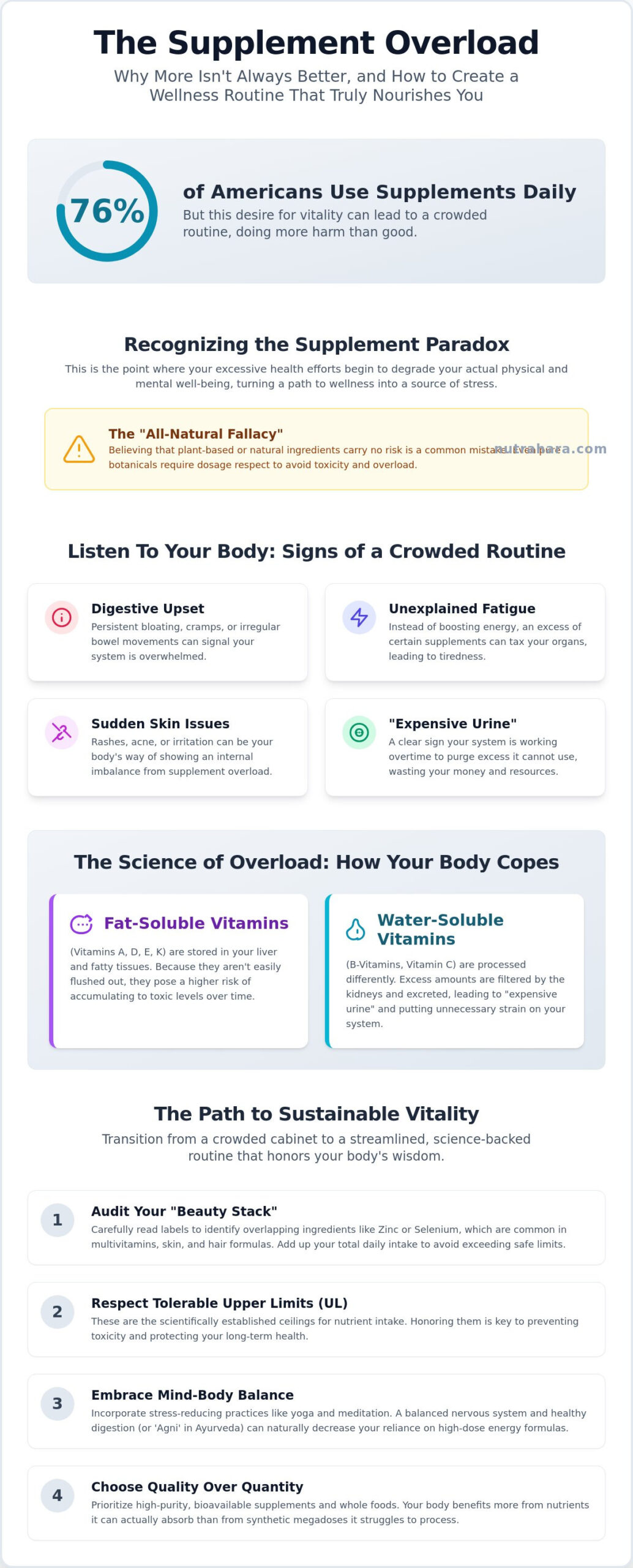
Categories
Articles

The Essential Guide to Supplements for Women Over 50

Navigating your wellness journey after 50 can often feel overwhelming, especially when faced with an endless aisle of bottles and promises. If you’re noticing changes like lower energy, new joint aches, or the mental fog that can accompany menopause, you are not alone. Choosing the right supplements for women over 50 shouldn’t add to your stress; it should be a powerful, grounding step toward reclaiming your vitality. This is where clarity and confidence begin.

This guide is designed to be your trusted partner, blending cutting-edge nutritional research with holistic wisdom. We will illuminate the path forward, helping you understand the key vitamins, minerals, and clinically-studied herbs your body needs right now for optimal bone health, sustained energy, and graceful hormonal balance. Prepare to feel empowered and vibrant, equipped with the knowledge to confidently select the pure, natural support your unique body deserves on its journey to well-being.

Key Takeaways

  • Understand how your body’s nutritional needs evolve after menopause, empowering you to tailor your self-care with wisdom.
  • Discover the foundational nutrients essential for supporting strong bones, flexible joints, and vibrant skin through this new chapter.
  • Learn which specific supplements for women over 50 can help combat fatigue, clear ‘brain fog,’ and promote a balanced, positive mood.
  • Navigate your wellness journey with confidence by learning how to choose pure, safe, and clinically-studied formulas you can trust.

Why Your Nutritional Needs Evolve After 50

Entering your 50s and beyond is a new chapter of wisdom and self-awareness. Your wellness journey evolves, and your body communicates new needs. As our internal chemistry shifts, so does our approach to nutrition. This isn’t about fighting change; it’s about supporting your body with targeted, holistic care. The right supplements for women over 50 can help bridge any nutritional gaps, allowing you to thrive with vitality and grace.

As we age, the body’s ability to absorb nutrients from food can naturally decline. By understanding these key changes, you can make informed choices to nourish your body for the vibrant years ahead.

The Impact of Hormonal Shifts

The most significant change during this life stage is hormonal. As estrogen levels naturally decline, it impacts far more than the reproductive cycle. Understanding the underlying hormonal shifts of menopause is key to proactive health. This transition can affect everything from bone density and cardiovascular wellness to mood, sleep patterns, and metabolism, making certain nutrients more critical than ever before.

Changes in Bone Density and Muscle Mass

Two key areas that require attention are your bones and muscles. Lower estrogen accelerates bone turnover, which can increase the risk of osteoporosis. Simultaneously, many women experience sarcopenia-a natural, age-related decline in muscle mass. Proactively supporting this structural framework with targeted nutrients is fundamental to maintaining strength, mobility, and independence on your wellness journey.

Metabolism and Energy Production Shifts

You might notice your energy levels aren’t what they used to be, which is often tied to a natural slowing of your metabolism. Your body’s ability to convert food into energy becomes less efficient, which is why key nutrients like B vitamins are so vital for cellular energy production. Supporting your metabolic health through diet and the right supplements for women over 50 can make a significant difference in your daily vitality.

Foundational Supplements for Bone, Joint, and Skin Health

As we embrace the vibrant chapters of life beyond 50, nurturing our body’s structural framework becomes paramount. Aches, stiffness, and concerns about bone fragility can hinder the active lifestyle you love. Building a strong foundation with targeted supplements for women over 50 is a vital step in your wellness journey, ensuring your bones, joints, and skin remain resilient. These essential nutrients work synergistically, meaning their combined effect is greater than the sum of their parts. Long-term consistency is key to supporting the skeletal integrity that underpins your mobility and independence for years to come.

Calcium and Vitamin D: The Bone-Building Duo

Think of Vitamin D as the gatekeeper for calcium. Without adequate Vitamin D, your body cannot effectively absorb the calcium needed to maintain strong, dense bones. For women over 50, the National Institute on Aging recommendations suggest aiming for 1,200 mg of calcium and 600-800 IU of Vitamin D daily. While food sources like dairy and leafy greens are important, supplementation is often necessary to meet these targets. For optimal benefit, consider a formula that also includes Vitamin K2, which helps direct calcium to your bones and away from your arteries.

Magnesium: The Unsung Hero for Muscles and Nerves

Magnesium is a powerhouse mineral involved in over 300 essential biochemical reactions in your body. It plays a crucial role in bone structure, but its benefits extend far beyond that. Magnesium helps relax muscles, which can ease tension and support a more restful night’s sleep. It also contributes to a steady heart rhythm and healthy nerve function, making it a truly holistic mineral for overall well-being and a cornerstone of any supplement regimen.

Collagen: For Joint Flexibility and Skin Elasticity

After age 50, our body’s natural collagen production declines significantly. This protein is the primary building block of connective tissues, acting as a cushion for your joints and providing structure and elasticity to your skin. Supplementing with collagen can help replenish these vital stores, promoting joint comfort and mobility while supporting a firm, hydrated complexion. For comprehensive support, consider a Premium Collagen Complex formulated with various collagen types to nourish your body from within.

Boosting Energy, Brain Health, and Mood

Navigating your wellness journey after 50 often means addressing new challenges like persistent fatigue or that frustrating ‘brain fog.’ These are not just signs of aging, but signals from your body asking for specific nutritional support. A holistic approach recognizes the profound connection between your gut, brain, and mood. By focusing on nutrients that fuel cellular energy and support vital neurotransmitters, you can reclaim your mental clarity and physical vitality. The right supplements for women over 50 can be a cornerstone of this supportive strategy, helping to restore balance and energy from within.

B-Vitamins: Your Energy and Brainpower Complex

This group of eight essential nutrients acts as the spark plug for your body’s engine. As we age, our ability to absorb certain nutrients, like Vitamin B12, can decline. The National Institute on Aging provides excellent guidance on Dietary Supplements for Older Adults, highlighting B12’s critical role in nerve function and red blood cell formation. Additionally, Vitamin B6 is vital for creating neurotransmitters that regulate mood, while Folate (B9) supports cellular health and cognition. A high-quality Vitamin B-Complex can ensure you’re receiving a balanced spectrum of these crucial nutrients.

Omega-3 Fatty Acids: Nourishment for Brain and Heart

Often called ‘brain food,’ Omega-3 fatty acids are essential for maintaining cognitive sharpness and cardiovascular well-being. The two most beneficial forms found in fish oil are EPA (eicosapentaenoic acid) and DHA (docosahexaenoic acid).

  • DHA is a primary structural component of the brain and retina, crucial for memory and learning.
  • EPA has potent anti-inflammatory properties that support a balanced mood and promote heart health.

Consistent intake of Omega-3s has been clinically studied and linked to improved memory and a reduced risk of age-related cognitive decline, making them a foundational supplement for long-term brain health.

Adaptogens for Stress and Mental Clarity

Drawing from the ancient wisdom of Ayurveda, adaptogens are remarkable herbs that help your body manage and adapt to stress. Ashwagandha is a clinically-studied adaptogen known for its ability to help regulate cortisol, the body’s primary stress hormone. By promoting a state of balance, or homeostasis, it can help reduce feelings of anxiety and improve mental focus. For those seeking to enhance resilience against daily stressors and find mental clarity, a pure Ashwagandha supplement can be a gentle yet powerful ally on your wellness journey.

Menopause is a natural and significant chapter in a woman’s wellness journey. While symptoms like hot flashes, night sweats, and sleep disturbances are common, they don’t have to control your life. Embracing this transition with gentle, natural support can help you find balance and vitality. The right herbal supplements for women over 50 can offer effective relief by working in harmony with your body’s changing needs, empowering you to feel your best.

Phytoestrogens for Hormonal Balance

Phytoestrogens are remarkable plant-derived compounds that gently mimic the action of estrogen in the body. Botanicals like Black Cohosh and Red Clover are rich in these compounds and have been traditionally used to restore hormonal equilibrium. Clinical research suggests they can bind to estrogen receptors, helping to reduce the frequency and intensity of hot flashes and night sweats, offering a natural path to comfort.

Supporting Mood and Sleep Quality

The hormonal fluctuations of menopause often disrupt sleep patterns, which can directly impact mood and daily energy. Restoring calm is essential. Ingredients such as Magnesium help relax the nervous system and muscles, while L-theanine, an amino acid found in green tea, promotes a state of wakeful relaxation without drowsiness. By supporting restorative sleep, you can foster a more stable, positive mood throughout your day.

A Targeted Approach to Menopause Relief

While single herbs can be helpful, a multi-ingredient formula often provides more comprehensive support. When clinically studied botanicals work in synergy, they can address multiple symptoms at once-from hot flashes to mood swings. This holistic approach is why a curated formula like FemmePower targets the interconnected concerns of menopause, delivering balanced and effective relief, clean and simple.

Finding the right combination of supplements for women over 50 is a personal journey. By combining the ancient wisdom of nature with modern research, you can empower yourself to navigate menopause with grace and confidence. Explore our full range of women’s health solutions at nutrahara.com.

The Essential Guide to Supplements for Women Over 50

How to Choose Safe and Effective Supplements

Navigating the world of vitamins can feel complex, but becoming a knowledgeable consumer is an empowering step on your wellness journey. Understanding what defines a high-quality product ensures you are nourishing your body safely and effectively. This simple guide will help you choose the best supplements for women over 50 with confidence and peace of mind.

Reading the Label: What to Look For

A supplement’s label tells its true story. Look beyond the marketing claims to the ‘Supplement Facts’ panel to find what truly matters. Here’s a quick checklist:

  • Active Ingredients & Dosages: Verify that the ingredients and their amounts are based on scientific research and meet your specific health needs.
  • ‘Other Ingredients’: Scan this list for unnecessary fillers, artificial colors, binders, or potential allergens like gluten, soy, or dairy. The shorter this list, the better.
  • Standardized Extracts: For herbal supplements, seeing the term ‘standardized extract’ is a positive sign. It guarantees a consistent concentration of the key active compound in every dose.

The Importance of Third-Party Testing

This is your ultimate assurance of quality and safety. Third-party testing means an independent organization (like NSF, USP, or UL) has verified that the product contains what the label claims, is free from harmful levels of contaminants, and is manufactured according to safe, sanitary practices. A brand that invests in this voluntary process demonstrates a deep commitment to transparency and your well-being.

Partnering with Your Healthcare Provider

Supplements should complement, not replace, a balanced lifestyle and professional medical advice. Before adding any new supplements for women over 50 to your routine, it is essential to consult with your doctor or a qualified healthcare provider. They can help assess your individual needs, review potential interactions with medications you are taking, and integrate new formulas into your holistic health plan safely.

Your health journey is unique, and the choices you make should be informed and intentional. At Nutrahara, we bridge ancient Ayurveda science with modern, clinically-studied research to formulate pure and potent supplements. We believe in complete transparency, ensuring every product supports your vitality. You can explore our commitment to quality at nutrahara.com.

Embrace Your Wellness Journey After 50

Navigating your health after 50 is an empowering journey of understanding your body’s evolving needs. As we’ve explored, prioritizing key nutrients becomes essential for maintaining strong bones, flexible joints, and vibrant energy levels. Making informed choices is the cornerstone of this new chapter, and the right support can make all the difference. By focusing on high-quality, targeted supplements for women over 50, you are taking a powerful step toward nurturing your long-term well-being and vitality.

At Nutrahara, we are dedicated to supporting you on this path. Our unique formulas bridge the timeless wisdom of ancient Ayurveda with the precision of modern science. We are committed to purity, using only clean, natural ingredients you can trust in products expertly formulated to meet the specific needs of women at every stage of life. We believe your wellness journey should be guided by both nature and knowledge.

Explore Nutrahara’s supplements, crafted for your wellness journey.

Here’s to a future filled with vitality, balance, and abundant health.

Frequently Asked Questions About Supplements for Women Over 50

Should I take a multivitamin or individual supplements after 50?

This choice depends on your unique wellness journey. A high-quality multivitamin can provide a foundational safety net, filling common nutritional gaps in your diet. However, if specific blood work or health goals indicate a need for more targeted support-such as higher levels of Vitamin D for bone health or B12 for energy-individual supplements are often the more effective approach. Many women benefit from a combination of both for a truly personalized regimen.

How long does it take for supplements to start working?

The timeline for experiencing benefits varies greatly. Some nutrients, like B vitamins, may offer a noticeable energy lift within weeks. Others, such as calcium and vitamin D for bone density, work silently over months and years to provide long-term structural support. Consistency is the most crucial factor. The key is to view supplementation as a long-term commitment to your holistic well-being, allowing your body the time it needs to restore balance.

Can I get all the necessary nutrients from my diet alone?

While a balanced, whole-foods diet is the cornerstone of health, it can be challenging to meet all your nutritional needs through food alone after 50. Changes in metabolism and nutrient absorption mean you may require more of certain vitamins and minerals. The right supplements for women over 50 are not a replacement for a healthy diet but act as a vital support system, ensuring your body receives the nourishment it needs to thrive.

Are there any supplements women over 50 should avoid?

Caution is wise on your wellness journey. It’s best to avoid high doses of fat-soluble vitamins (A, E, and K) unless recommended by a doctor, as they can accumulate in the body. Certain herbal supplements, such as kava or dong quai, can have hormonal effects and may not be suitable for everyone. Always choose high-purity products from trusted brands and consult your healthcare provider before adding something new to your routine.

How do I know if a supplement is interacting with my prescription medication?

This is a critical conversation to have with your healthcare provider or pharmacist. They are the only ones qualified to give personalized advice. For example, Vitamin K can interfere with blood thinners, and St. John’s Wort can impact the effectiveness of many prescription drugs. To ensure your safety, always provide your doctor with a complete list of all supplements and medications you are taking before you begin a new regimen.

What’s the difference between a vitamin and a supplement?

Think of “supplement” as the broad category and “vitamin” as a specific type within it. A dietary supplement is any product taken to add nutritional value to your diet, including minerals, herbs, and amino acids. A vitamin is a specific group of organic compounds (like Vitamin C or D) that are essential for normal bodily function. So, while all vitamins can be taken as supplements, not all supplements are vitamins.

Article by

Nutrahara Team

We are a dedicated collective of nutrition scientists and naturopaths at Nutrahara, committed to advancing women's health through the fusion of ancient Ayurveda science and cutting-edge nutrition research. Our mission is to empower you with clean, simple, and scientifically validated wellness solutions so you can live your healthiest life. Connect with us to stay updated on the latest developments in holistic women's health and nature-based research.

Disclaimer

This article is not a substitute for medical advice. Please consult a healthcare professional before starting any supplement, especially if pregnant, nursing, taking medication, or managing health conditions.

Categories
Articles

The Essential Guide to Supplements for Women Over 40

Entering your 40s is a powerful chapter, but it can also bring a new awareness of your body’s shifting needs. If you’ve found yourself feeling a step behind your usual energy levels, or overwhelmed by the conflicting advice on vitamins and minerals, you are not alone. This is a pivotal time in your wellness journey, and finding the right support is key. Navigating the world of supplements for women over 40 shouldn’t be a source of stress. Instead, it should be an empowering step toward nurturing your long-term vitality.

In this essential guide, we bridge ancient Ayurveda with cutting-edge research to bring you clarity. We will explore the specific, clinically-studied vitamins, minerals, and botanicals your body craves to support hormonal balance, maintain bone density, and sustain your natural energy. Forget the confusion. Here, you will find a simple, effective routine you can trust, understanding the ‘why’ behind each recommendation so you can feel vibrant and in control of your well-being.

Key Takeaways

  • Understand why your nutritional needs shift during perimenopause and beyond, and how to adapt your wellness routine to support this transition.
  • Discover the foundational vitamins and minerals that create the bedrock of your health, supporting everything from energy levels to bone strength.
  • Learn how targeted supplements for women over 40 can provide personalized support for common concerns like hormonal balance, sleep, and vitality.
  • Receive a simple checklist to help you choose high-quality, effective products, empowering you to make safe and informed decisions on your health journey.

Table of Contents

Why Your Nutritional Needs Shift After 40: A Look at Your Body’s Journey

Entering your 40s is a remarkable milestone-a time of empowerment, wisdom, and profound self-awareness. As you embark on this new chapter of your wellness journey, your body also begins a natural transition. The primary driver of this change is perimenopause, the period leading up to menopause, which brings fluctuations in key hormones, most notably estrogen. Understanding this shift is the first step to embracing it with grace and vitality. This is where a holistic approach to well-being, including knowing what are dietary supplements? and how they can support your body, becomes a powerful tool. A targeted nutritional strategy, including the right supplements for women over 40, is essential for thriving.

The Role of Estrogen in Muscle and Bone Health

Estrogen plays a crucial, protective role in maintaining strong bones and lean muscle mass. As its levels naturally decline, so does this protective effect. This can lead to a gradual loss of bone density, increasing long-term risk for osteoporosis. Simultaneously, lower estrogen is linked to sarcopenia-the age-related loss of muscle mass and strength. This makes foundational nutrients like Calcium, Vitamin D for absorption, and high-quality Protein more critical than ever to support your body’s structural framework.

Metabolism, Energy, and Body Composition Changes

Many women notice that their metabolism seems to slow down after 40. This is a real phenomenon, influenced by both age and hormonal shifts. Fluctuating estrogen can alter how your body produces energy and where it stores fat, often leading to changes in body composition. To support your body’s natural energy-making processes, focusing on nutrients that fuel your metabolic engine is key. B vitamins, for instance, are vital for converting food into cellular energy, helping you maintain your vitality.

Impact on Skin, Hair, and Joint Integrity

The health of your skin, hair, and joints is deeply connected to a protein called collagen. After 40, your body’s collagen production can decrease significantly. This slowdown is often behind common concerns like a loss of skin elasticity, the appearance of fine lines, and increased joint stiffness. Supporting your body’s collagen framework through targeted nutrition can help maintain supple skin and flexible, comfortable joints, allowing you to move through life with ease and confidence.

Foundational Supplements for Daily Wellness and Vitality

Think of these foundational nutrients as the bedrock of your wellness journey after 40. Before addressing specific concerns, ensuring these core needs are met provides the stability your body requires to thrive. As you navigate this life stage, understanding the specific nutritional needs of women becomes absolutely crucial. The right foundational supplements for women over 40 should always be chosen for their purity and bioavailability, ensuring your body can absorb and utilize them effectively for maximum benefit.

For Bone Strength and Muscle Maintenance

Protecting your structural health is paramount as you age. This powerful trio of nutrients works in synergy to support your bones and muscles. Vitamin D3, the ‘sunshine vitamin,’ is essential for absorbing calcium. Calcium itself is the primary building block of bone, and while dietary sources are best, a supplement can fill gaps. Finally, Magnesium is the essential partner, helping to direct calcium to your bones and away from soft tissues while also supporting muscle relaxation and function.

For Energy Production and a Balanced Metabolism

To combat fatigue and support a vibrant metabolism, certain nutrients are non-negotiable. B vitamins, particularly B12 and Folate, act as the engine for your cells, helping to convert the food you eat into usable energy. A quality Vitamin B-Complex can support your entire system, promoting neurological health and a balanced mood. For premenopausal women, Iron remains critical for producing healthy red blood cells and preventing the energy-draining effects of anemia.

For Heart Health and Cognitive Function

Omega-3 fatty acids are true multitaskers for long-term well-being. The two most potent, clinically-studied forms, EPA and DHA, are celebrated for their profound benefits:

  • Reducing systemic inflammation throughout the body.
  • Supporting cardiovascular health and maintaining healthy cholesterol levels.
  • Nourishing the brain to enhance memory, focus, and mood stability.

Look for high-purity Omega-3s sourced from wild-caught fish oil or a clean, plant-based algae alternative to protect your cognitive and heart health for years to come.

Targeted Support: Addressing Common Concerns for Women Over 40

While foundational nutrients create the bedrock of your health, your wellness journey after 40 often calls for more personalized care. This is where we move beyond the basics to address the specific challenges and goals you may be experiencing. By thoughtfully incorporating specialized botanicals and compounds, you can create a routine of supplements for women over 40 that is uniquely tailored to your body’s needs, offering targeted support where you need it most.

Nourishing Your Skin and Joints from Within

Collagen is the most abundant protein in your body, acting as the primary building block for your skin, tendons, and ligaments. As we age, natural collagen production declines, leading to visible changes in skin elasticity and increased joint stiffness. Replenishing your levels with collagen peptides can help support skin hydration and promote joint comfort and flexibility. For comprehensive benefits, a well-formulated premium collagen complex provides a synergistic blend. This internal support for connective tissue complements the foundational strength of your skeletal system. As the National Institutes of Health outlines, maintaining adequate Vitamin D for bone health is essential for the structural integrity that your joints and skin rely on. To further enhance results, look for formulas that include cofactors like Hyaluronic Acid and Vitamin C, which are vital for your body’s own collagen synthesis.

Managing Stress, Mood, and Restful Sleep

Modern life can take a toll on our nervous system. Adaptogens are remarkable herbs that help your body adapt to and manage stress more effectively. Rooted in ancient Ayurveda science, Ashwagandha is a revered adaptogen clinically studied for its ability to lower cortisol levels and foster a sense of calm resilience. To ensure your body can fully utilize this powerful botanical, we recommend a standardized Ashwagandha with black pepper for enhanced bioavailability. Other gentle allies on this journey include L-theanine for focused relaxation without drowsiness and Magnesium for its crucial role in muscle relaxation and promoting restorative sleep.

Supporting Hormonal Balance and Comfort

The transition through perimenopause brings a unique set of hormonal fluctuations. Fortunately, nature offers powerful botanicals that can provide gentle, balancing support. Phytoestrogenic herbs contain plant-based compounds that can help ease common symptoms associated with this life stage. Consider incorporating these allies into your routine:

  • Black Cohosh: Traditionally used to provide natural relief from hot flashes and night sweats.
  • Maca Root: An adaptogenic root vegetable known for supporting energy levels, stamina, and a balanced mood.
  • Dong Quai: Often called the "female ginseng" in traditional Chinese medicine for its long history of use in women’s health.

These botanicals offer a holistic approach to navigating hormonal changes with greater comfort and ease.

The Nutrahara Approach: Where Ancient Wisdom Meets Modern Science

Navigating the world of women’s health can feel overwhelming, especially after 40. At Nutrahara, we believe the solution lies not in choosing between tradition and innovation, but in embracing both. Our philosophy is rooted in a powerful synergy: combining the time-honored principles of Ayurveda with the precision of modern clinical research. This balanced approach allows us to formulate effective and holistic supplements for women over 40 that honor your body’s natural rhythms.

What is Ayurveda and How Does It Support Women’s Health?

Ayurveda, an ancient Indian system of medicine, views health as a state of perfect balance between your mind, body, and spirit (doshas). It sees life stages, including the transition through perimenopause and beyond, as natural phases to be supported, not problems to be fixed. Potent herbs like Turmeric for inflammation and Ashwagandha for stress are used to gently restore equilibrium and promote holistic well-being.

Formulas Designed for Your Wellness Journey

Every Nutrahara product is a testament to this blended philosophy. We don’t just mask symptoms; our formulas are designed to address the root cause of imbalances, supporting your body from within. For example, our FemmePower supplement is expertly formulated with a blend of clinically-studied vitamins and Ayurvedic botanicals to provide comprehensive support for hormonal balance, energy, and mood. We are committed to absolute purity and transparency in our products.

  • Clinically-Studied Ingredients: We use nutrients backed by scientific evidence for proven efficacy.
  • Ayurvedic Botanicals: We harness the power of traditional herbs for holistic balance.
  • Clean and Simple: Our formulas are free from unnecessary fillers, binders, and artificial additives.

We believe you deserve to know exactly what you’re putting into your body. By bridging nature and science, we provide trustworthy solutions to help you thrive on your wellness journey. Explore our complete approach to women’s health at nutrahara.com.

The Essential Guide to Supplements for Women Over 40

How to Choose and Use Supplements Safely and Effectively

Embarking on a supplement regimen is a powerful step in your wellness journey. To ensure you receive the maximum benefit, it’s essential to choose high-quality products and use them wisely. This guide empowers you to make informed, confident decisions, bridging the gap between nature’s wisdom and modern research to support your vibrant health.

Reading the Label: What to Look For

A supplement is only as good as its ingredients and formulation. Look beyond the marketing claims and become an expert at reading the fine print. Prioritize products that are clean, simple, and transparent.

  • Third-Party Testing: Look for seals from independent organizations like NSF, USP, or a statement of GMP (Good Manufacturing Practices) compliance. These certifications verify product purity, potency, and safety.
  • Bioavailable Forms: The form of a nutrient matters. For example, magnesium glycinate is more easily absorbed and gentler on the stomach than magnesium oxide. A superior formulation uses ingredients your body can actually use.
  • Clean Ingredients: Your supplements should be free from unnecessary artificial colors, fillers, and common allergens like gluten or soy. The ingredient list should be simple and understandable.

Creating Your Personal Routine

Finding the right combination of supplements for women over 40 is a process of mindful discovery. Start with a foundational supplement, like a multivitamin or Omega-3, and give your body several weeks to adjust before adding anything new. Consistency is key to seeing results. Most importantly, listen to your body; your nutritional needs will evolve, and your routine should be flexible enough to change with you.

The Importance of Professional Guidance

While we are here to guide you, your most important partner on this journey is your healthcare provider. Before starting any new regimen, it is crucial to consult your doctor. They can:

  • Review potential interactions with any medications you are taking.
  • Recommend blood tests to identify specific nutrient deficiencies.
  • Provide personalized advice based on your unique health profile.

This collaborative approach ensures that the supplements for women over 40 you choose are not only effective but also perfectly safe for you. At Nutrahara, we believe in this partnership, formulating our products to support the holistic, evidence-based plans you create with your trusted provider.

Your Wellness Journey, Beautifully Supported

Navigating your wellness after 40 is an empowering chapter of self-care. As we’ve explored, your body’s nutritional needs evolve, making it essential to provide both foundational support for daily energy and targeted nutrients for concerns like bone health and hormonal balance. Choosing the right supplements for women over 40 is a personal and powerful act to honor your body and invest in your long-term vitality.

At Nutrahara, we are dedicated to supporting you on this path. We blend the timeless wisdom of ancient Ayurveda with modern nutritional science, a philosophy refined over 40 years of expertise. Every formula is crafted with clean, pure ingredients you can trust, ensuring your body receives the holistic support it deserves. We believe in creating a path to well-being that is both gentle and effective.

Ready to embrace your next chapter with confidence? Explore our curated collection of supplements for women’s wellness. Here’s to your continued health and radiance.

Frequently Asked Questions

Can’t I just get all the nutrients I need from a healthy diet?

A balanced, whole-foods diet is the foundation of your wellness journey. However, factors like modern farming practices, soil depletion, and the increased stress of daily life can create nutritional gaps. High-quality supplements act as a supportive bridge, providing a concentrated source of essential nutrients to ensure your body receives the abundance it needs to thrive, especially during the hormonal shifts that occur after 40.

What’s the difference between supplements for women over 40 and over 50?

As you move from your 40s into your 50s, your body’s needs evolve, particularly around menopause. In your 40s, support for hormonal balance, energy, and stress management is often key. After 50, the focus frequently shifts more toward bone density (with Calcium and Vitamin D3+K2), cardiovascular health, and cognitive function. The best formulas are mindfully created to meet these changing physiological requirements.

How long does it take to notice the benefits of taking supplements?

Patience and consistency are essential on your wellness journey. While some benefits, like increased energy from B-complex vitamins, may be felt within a few weeks, others are more gradual. Nutrients that support bone, joint, and cognitive health work systemically over time. Think of it as a long-term investment in your well-being, with foundational benefits building over several months of consistent use.

Should I take a multivitamin or individual supplements?

A high-quality multivitamin can provide an excellent daily foundation, covering any basic nutritional gaps. However, for more specific goals, individual supplements offer more targeted and potent support. For example, while a multi is a great start, you may want to add a clinically-studied botanical like Ashwagandha for stress or Turmeric for inflammation. The best supplements for women over 40 often involve this combined, personalized approach.

Are there any supplements I should avoid after 40?

It’s always wise to consult with your healthcare practitioner before starting a new regimen. Generally, women over 40 should avoid taking iron supplements unless a deficiency has been diagnosed, as iron needs typically decrease after menopause. It is also important to be mindful of excessive doses of certain fat-soluble vitamins. Your health journey is unique, and a personalized approach ensures optimal safety and efficacy.

How do I know if a supplement brand is trustworthy?

A trustworthy brand operates with transparency and a commitment to purity. Look for evidence of third-party testing for potency and contaminants, which ensures what’s on the label is what’s in the bottle. Prioritize brands that use clean, natural ingredients and avoid unnecessary fillers or artificial additives. A brand that openly shares its sourcing and quality standards is a reliable partner for your health.

**
**

**Disclaimer: **This article is not a substitute for
medical advice. Please consult a healthcare professional before starting any
supplement, especially if pregnant, nursing, taking medication, or managing
health conditions.

** **

Written by the Nutrahara Team

This article was prepared by the expert team at Nutrahara, which includes
experienced nutrition scientists and naturopaths dedicated to advancing women’s
health through natural wellness solutions. We combine scientific research with
holistic practices to help you live your healthiest life. Connect with us on LinkedIn to stay
updated on the latest in women’s health and wellness.

Article by

Nutrahara Team

We are a dedicated collective of nutrition scientists and naturopaths at Nutrahara, committed to advancing women's health through the fusion of ancient Ayurveda science and cutting-edge nutrition research. Our mission is to empower you with clean, simple, and scientifically validated wellness solutions so you can live your healthiest life. Connect with us to stay updated on the latest developments in holistic women's health and nature-based research.

Disclaimer

This article is not a substitute for medical advice. Please consult a healthcare professional before starting any supplement, especially if pregnant, nursing, taking medication, or managing health conditions.