Skip to the content

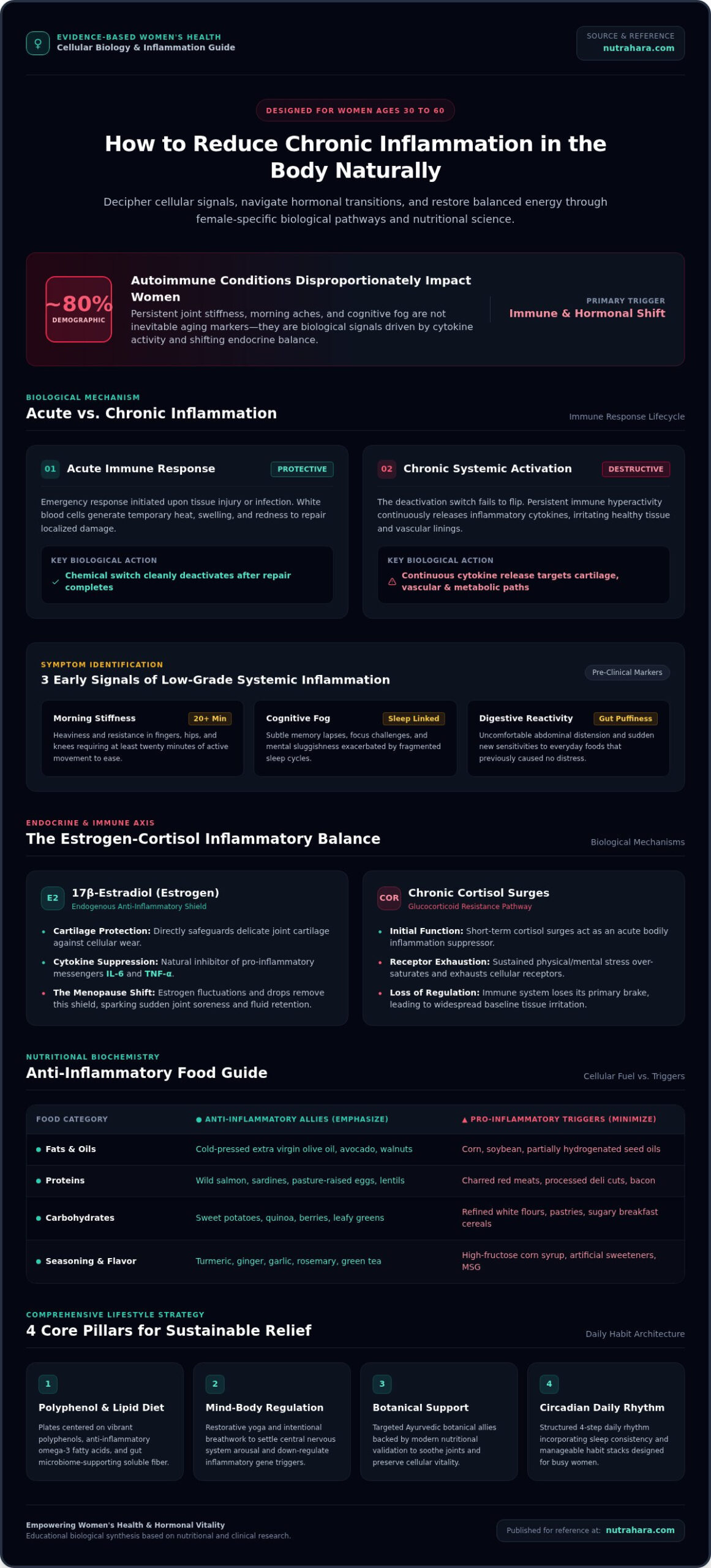
Nearly 80% of people diagnosed with autoimmune conditions are women, yet persistent joint stiffness, morning aches, and daily fatigue are still routinely brushed off as inevitable signs of aging. If fluctuating hormones have left you feeling weighed down by physical puffiness and stubborn brain fog, your symptoms are real physiological signals, not personal shortcomings. Learning how to reduce inflammation in the body naturally doesn’t require extreme detoxes or punishing regimens; it begins with working in harmony with your female biology.
Sorting through contradictory diet rules and fleeting wellness fads can feel exhausting when you simply want to wake up feeling light, capable, and refreshed. In this comprehensive guide, you’ll discover science-backed lifestyle habits, hormone-supportive nutrition, and clean botanical rituals that soothe chronic inflammation at its source. From mindful yoga practices that calm cellular stress pathways to targeted Ayurvedic herbal allies, here is your practical roadmap to reclaiming flexible joints, sharp mental focus, and lasting daily vitality.
Key Takeaways
- Understand how shifting hormones across life stages influence cellular stress, helping you decode lingering joint stiffness, brain fog, and fatigue.
- Discover how to reduce inflammation in the body naturally using a plate rich in vibrant polyphenols, omega-3 fatty acids, and microbiome-supporting fiber.
- Harness restorative yoga, deep breathwork, and circadian sleep habits to calm your central nervous system and turn down inflammatory genetic triggers.
- Identify clean botanical allies grounded in Ayurvedic tradition and modern nutritional validation to gently support joint comfort and vitality.
- Implement a practical four-step daily rhythm with simple habit stacks tailored for busy women seeking sustainable, long-term balance.
Understanding Chronic Inflammation: How It Affects a Woman’s Body
Inflammation isn’t inherently an enemy; it’s a finely tuned survival mechanism. Yet for women aged 30 to 60, hormonal shifts, career demands, and family responsibilities can quietly turn a protective response into a persistent bodily drain. Understanding how to reduce inflammation in the body naturally begins with recognizing that your body isn’t working against you. Instead, it is sending vital biological feedback through lingering fatigue, tender joints, and unexpected bloating.
Acute vs. Chronic Inflammation: Knowing the Difference
Acute inflammation serves as your immune system’s emergency response team. When you roll an ankle during a morning run or catch a seasonal bug, immune cells rush to the site, generating heat, swelling, and redness to repair tissue. Once healing finishes, chemical signals turn the response off.
Chronic systemic inflammation occurs when that switch fails to flip. A closer look at the biological mechanisms of inflammation reveals that persistent immune activation prompts white blood cells to release cytokines continuously. Rather than repairing damaged tissue, these biochemical messengers slowly irritate healthy joints, vascular linings, and metabolic pathways. Long before clinical markers elevate, subtle signals often manifest throughout daily life:
- Morning stiffness: A heaviness or resistance in the fingers, hips, and knees that takes twenty minutes of movement to ease.
- Cognitive fog: Subtle memory lapses and difficulty focusing, often worsened by disrupted sleep cycles.
- Digestive reactivity: Uncomfortable abdominal puffiness and sensitivity to foods that never previously caused distress.
The Female Hormonal Link: Estrogen, Cortisol, and Immune Balance
A woman’s immune system operates in constant dialogue with her endocrine system. Natural estrogen, specifically 17β-estradiol, acts as a potent endogenous anti-inflammatory agent. It buffers against cellular damage, protects delicate joint cartilage, and suppresses pro-inflammatory cytokines such as interleukin-6 (IL-6) and tumor necrosis factor-alpha (TNF-α).
During perimenopause and menopause, natural estrogen levels fluctuate unpredictably before dropping. Without this built-in cellular shield, many active women experience sudden joint soreness and fluid retention. Compounding this transition, chronic emotional or physical stress elevates circulating cortisol. While cortisol initially suppresses inflammation, prolonged surges exhaust cellular receptors, leading to glucocorticoid resistance. The immune system loses its natural regulator, driving widespread baseline irritation. Discovering how to reduce inflammation in the body naturally gives you the tools to restore hormonal calm, protect your connective tissues, and regain effortless daily energy.
Anti-Inflammatory Nutrition: What to Eat and What to Avoid
Every meal delivers biochemical information to your cells. When learning how to reduce inflammation in the body naturally, the goal isn’t restrictive dieting or punishing fasts. Rather, it centers on filling your plate with deep, restorative colors and essential fatty acids that actively calm immune hyperactivity while protecting cellular longevity.
| Food Category | Anti-Inflammatory Allies (Emphasize) | Pro-Inflammatory Triggers (Minimize) |
|---|---|---|
| Fats & Oils | Cold-pressed extra virgin olive oil, avocado, walnuts | Corn, soybean, and partially hydrogenated seed oils |
| Proteins | Wild salmon, sardines, pasture-raised eggs, lentils | Charred red meats, processed deli cuts, bacon |
| Carbohydrates | Sweet potatoes, quinoa, berries, leafy greens | Refined white flours, pastries, sugary breakfast cereals |
| Flavor & Seasoning | Turmeric, ginger, garlic, rosemary, green tea | High-fructose corn syrup, artificial sweeteners, MSG |
Pillar Foods That Soothe Cellular Stress
Nourishing your biology begins with colorful, unrefined produce and marine lipids. Clinical evidence highlights that regular consumption of anti-inflammatory foods dampens pro-inflammatory signaling molecules like interleukin-6. Aim for at least two 3-to-4-ounce servings of wild fatty fish each week to supply protective EPA and DHA omega-3s.
Pair these proteins with dark berries, rich in anthocyanins, and reach for a minimum of 25 grams of dietary fiber daily (21 grams if you’re over 51) to nourish gut flora. If bloating or fullness slows you down after nutrient-dense meals, supporting your gut with targeted digestive enzymes can improve breakdown, easing digestion and allowing tissues to absorb these soothing micronutrients efficiently.
Pro-Inflammatory Triggers to Limit Mindfully
Certain modern dietary staples silently accelerate systemic irritation. The American Heart Association advises women to limit added sugars to no more than 25 grams (6 teaspoons) per day, as excess refined sweeteners spike pro-inflammatory cytokines TNF-α and IL-6. Industrial seed oils, heavily processed baked goods, and nightly alcoholic drinks disrupt the gut barrier, allowing metabolic endotoxins into circulation.
Approach changes with grace rather than guilt. Swap soda for sparkling water infused with muddled berries, choose avocado oil for cooking over refined vegetable blends, and trade sweetened desserts for dark cocoa. Pairing these conscious plate upgrades with pure, targeted botanical care from Nutrahara creates a grounded foundation for lasting gut harmony and vibrant physical comfort.
Mind-Body Practices: Soothing Inflammation Through Movement and Rest
Pushing harder isn’t always the solution when physical tension mounts. While fitness builds vitality, excessive high-intensity workouts without adequate recovery elevate resting cortisol, triggering inflammatory flares in women already navigating hormonal fluctuations. Discovering how to reduce inflammation in the body naturally means balancing exertion with intentional restoration, allowing your immune system to reset and repair damaged connective tissue.
Yoga, Gentle Stretching, and Mindful Exercise
Your lymphatic system relies entirely on physical movement to circulate immune cells and clear metabolic debris. Gentle, fluid activities provide cellular decongestion without inducing physiological strain:
- Restorative Yoga: Meta-analyses demonstrate that practicing hatha yoga, pranayama breathwork, and asanas 2 to 5 times weekly significantly downregulates pro-inflammatory cytokines IL-6 and TNF-α, directly calming the genetic master switch NF-κB.
- Legs-Up-the-Wall (Viparita Karani): Resting in this passive inversion for 10 minutes encourages venous return, easing ankle puffiness and heavy legs.
- Daily Brisk Walking: Meeting the public health recommendation of 150 to 300 minutes of weekly moderate aerobic activity increases heart rate variability and lubricates synovial joints without stressing delicate hormonal pathways.
As Elena, a 42-year-old marketing director and marathon runner, shares: “After battling constant joint stiffness and fatigue, swapping two weekly high-intensity runs for restorative yoga and daily walks finally calmed my inflammation. I regained my focus and felt lighter within three weeks.”
Meditation, Vagus Nerve Toning, and Deep Sleep
Physical rest directly shapes your molecular biology. Just 10 minutes of daily mindfulness meditation stimulates the vagus nerve, sending immediate calming acetylcholine signals down to spleen and gut tissues. Pairing this mental reset with nutritional foundations like Harvard Health’s guide to foods that fight inflammation provides comprehensive support for overworked cells.
Nighttime represents your body’s primary repair cycle. Restricting sleep below 7 hours triggers acute overnight surges in systemic high-sensitivity C-reactive protein (hs-CRP) and circulating IL-6. Establishing a sacred sleep window of 7 to 9 hours keeps your nocturnal inflammatory response grounded. To support healthy sleep architecture without grogginess, incorporating clean, non-habit-forming botanical support such as Restorasleep encourages the deep, restorative rest your nervous system requires to soothe systemic strain.
Botanical Allies: Traditional Herbs and Supplements for Daily Vitality
Ancient Ayurvedic traditions and modern clinical nutrition share a core truth: whole-body balance relies on plant synergy. While dietary changes and restorative rest establish your baseline, targeted botanicals offer focused support for irritated tissues. For women wondering how to reduce inflammation in the body naturally without relying on synthetic quick fixes, clean herbal supplementation provides a proven path toward cellular renewal.
Ayurvedic Adaptogens and Antioxidant Botanicals
Adaptogenic herbs work dynamically with your neuroendocrine axis. Rather than forcing a singular biological reaction, adaptogens help recalibrate stress hormones, preventing the prolonged cortisol spikes that degrade tissue health. When choosing botanical remedies, bioavailability determines real-world efficacy:
- Curcumin: Standardized extracts containing 95% curcuminoids inhibit the NF-κB genetic pathway, helping relieve physical joint aches and morning stiffness. Because whole turmeric powder contains just 1% to 6% curcumin, concentrated extracts deliver the therapeutic intensity required for cellular defense.
- Piperine Synergy: Co-administering 5 mg to 20 mg of piperine (black pepper extract) with curcumin boosts intestinal absorption by up to 2,000%, ensuring active compounds reach systemic circulation.
- Ashwagandha: Prized in Ayurveda, this root modulates circulating cortisol and stabilizes nervous fatigue. Choosing clean formulations like Ashwagandha with Black Pepper ensures rapid assimilation to support daily emotional equilibrium.
Structural Support: Collagen, Omega-3s, and Micronutrients
Hormonal transitions deplete structural proteins within joint capsules, pelvic ligaments, and skin matrices. Marine and bovine collagen peptides supply the specific amino acids, glycine and proline, needed to rebuild protective synovial fluid and reinforce cartilage lining.
Pairing these building blocks with hydrolyzed peptides in Premium Collagen Complex promotes supple joint movement while reducing morning discomfort. Adding activated B vitamins supports mitochondrial metabolism, transforming food into steady energy rather than pro-inflammatory cellular fatigue. Navigating these options becomes effortless when supported by an all-inclusive women’s wellness guide. To explore thoughtfully formulated, bioavailable botanicals designed to restore your vitality, visit Nutrahara today.
How to Build a Sustainable Anti-Inflammatory Daily Routine
Sustainable wellness rarely happens through radical overnight transformations. For busy women managing demanding careers, parenting, or changing midlife cycles, understanding how to reduce inflammation in the body naturally comes down to rhythmic, micro-habits. Stacking supportive practices onto your existing daily routines removes decision fatigue, turning anti-inflammatory care into an effortless act of daily restoration.
Morning-to-Night Anti-Inflammatory Flow
A four-step daily rhythm structures cellular renewal across your day without overwhelming your schedule:
- Step 1 (Morning Awaken): Drink 16 ounces of warm water with fresh lemon to hydrate tissues and stimulate digestive bile. Pair this with five minutes of gentle spinal stretches before checking your phone.
- Step 2 (Midday Mobilization): Take a brisk 10-minute walk after lunch to lower postprandial glucose surges. Step away from computer monitors to take four slow, diaphragmatic breaths that activate your vagus nerve.
- Step 3 (Afternoon Grounding): Trade late-day espresso for steeped ginger or green tea, curbing cortisol spikes that disrupt evening recovery.
- Step 4 (Evening Unwind): Dim bright overhead lights an hour before sleep. Spend five minutes in Child’s Pose or Legs-Up-the-Wall to encourage venous return and soothe accumulated muscle tension.
Tracking Your Progress and Honoring Your Journey
True biological healing unfolds in layers. Rather than seeking instant perfection, tune into subtle cellular wins over weeks and months:
- Waking with supple, pain-free finger joints and light, fluid hips
- Enjoying sustained afternoon stamina without brain fog or sugar crashes
- Feeling a calm, settled digestive tract free from uncomfortable evening bloating
As Maya, 48, explains: “Habit-stacking a five-minute morning yoga stretch with clean botanical supplements completely shifted my mindset. I stopped chasing quick fixes, honored my pace, and my persistent knee stiffness gradually dissolved.”
Your physical vitality is a long-term progression, not a race. By pairing mindful daily movement with targeted, hormone-supportive supplements such as Blossombliss or Femmepower, you provide your body with the clean, bioavailable tools it needs to sustain lifelong vibrancy.
Reclaim Your Daily Vitality and Inner Balance
Mastering how to reduce inflammation in the body naturally isn’t about rigid perfection; it’s about listening to your biology with kindness. When you nourish your cells with anti-inflammatory whole foods, honor nervous system recovery through restorative movement, and protect your sleep, your body naturally recalibrates. Subtle shifts in your daily rhythm compound over time, transforming chronic aches into renewed strength, clarity, and ease.
You don’t have to navigate this path alone. To elevate your wellness journey with pure, targeted botanical care, explore Nutrahara’s natural supplements for women. Rooted in time-tested Ayurvedic wisdom and validated by modern clinical research, each bioavailable formula supports joint mobility and hormonal equilibrium without artificial additives. Trust your body’s innate wisdom, take one mindful step today, and step forward into radiant, lifelong vitality.
Frequently Asked Questions
What are the most common signs of chronic inflammation in women?
Common signs include persistent joint stiffness, chronic fatigue that sleep doesn’t resolve, digestive bloating, and sudden skin flares like adult acne or eczema. Women often experience these issues alongside hormonal shifts in their thirties, forties, and fifties. Fluid retention, recurrent headaches, and brain fog also signal that low-grade immune activation is lingering below the surface rather than resolving normally.
How quickly can natural lifestyle changes reduce systemic inflammation?
Noticeable biological improvements often begin within two to three weeks of adopting anti-inflammatory nutrition and daily restorative movement. Key inflammatory markers like hs-CRP can drop significantly across an eight to twelve-week window. If you’re learning how to reduce inflammation in the body naturally, consistency matters far more than speed. Better digestion, deeper sleep, and lighter morning joints usually appear first.
Can drinking warm lemon water or green tea really lower inflammation?
Yes, both beverages provide targeted biochemical support against cellular oxidative stress. Green tea delivers epigallocatechin gallate (EGCG), a potent polyphenol clinically proven to suppress pro-inflammatory cytokine activity. Warm lemon water provides vitamin C and encourages proper bile secretion, supporting gentle morning liver detoxification. While neither drink is a standalone cure, sipping them daily establishes a clean, hydrating foundation for cellular recovery.
Is high-intensity interval training (HIIT) bad if I have chronic inflammation?
HIIT isn’t inherently harmful, but overdoing intense training without adequate recovery spikes systemic cortisol and worsens existing tissue irritation. If your body already battles chronic inflammation or perimenopausal fatigue, intense anaerobic intervals can overburden your adrenals. Swapping high-impact circuits for low-impact strength training, yoga, and brisk walking keeps synovial joints mobile and calms inflammatory markers without triggering physical burnout.
What vitamins and minerals are most effective against systemic inflammation?
Vitamin D3, magnesium glycinate, omega-3 fatty acids, and active B-complex vitamins offer the strongest cellular protection. Magnesium dampens the release of C-reactive protein, while vitamin D modulates T-cell immune behavior to prevent runaway immune responses. Combining these micronutrients with clean, bioavailable botanical supplements supports tissue repair, enhances mitochondrial resilience, and sustains daily energy reserves across every stage of female life.
How does chronic psychological stress trigger physical inflammatory responses?
Chronic mental stress continually activates the sympathetic nervous system, prompting the adrenal glands to flood your bloodstream with cortisol. Over time, immune cells become resistant to cortisol’s normal regulatory signals, causing unchecked production of pro-inflammatory cytokines like IL-6. Understanding how to reduce inflammation in the body naturally requires addressing this mind-body connection through daily breathwork, meditation, and vagus nerve stimulation to restore true internal calm.
Can poor gut health and microbiome imbalance cause joint pain and stiffness?
Yes, an unbalanced microbiome directly impacts joint comfort through the gut-joint axis. When intestinal permeability increases, bacterial lipopolysaccharides leak into the bloodstream, triggering widespread immune activation. These inflammatory complexes travel through circulation and settle into synovial membranes, causing noticeable joint stiffness and tenderness. Nourishing your gut flora with diverse plant fiber, fermented foods, and targeted digestive enzymes soothes this underlying trigger.
Disclaimer
This article is not a substitute for medical advice. Please consult a healthcare professional before starting any supplement, especially if pregnant, nursing, taking medication, or managing health conditions.