...
Categories
Articles

Staying Healthy and Active in Menopause: Your Guide to a Vibrant “Second Spring” (2026)

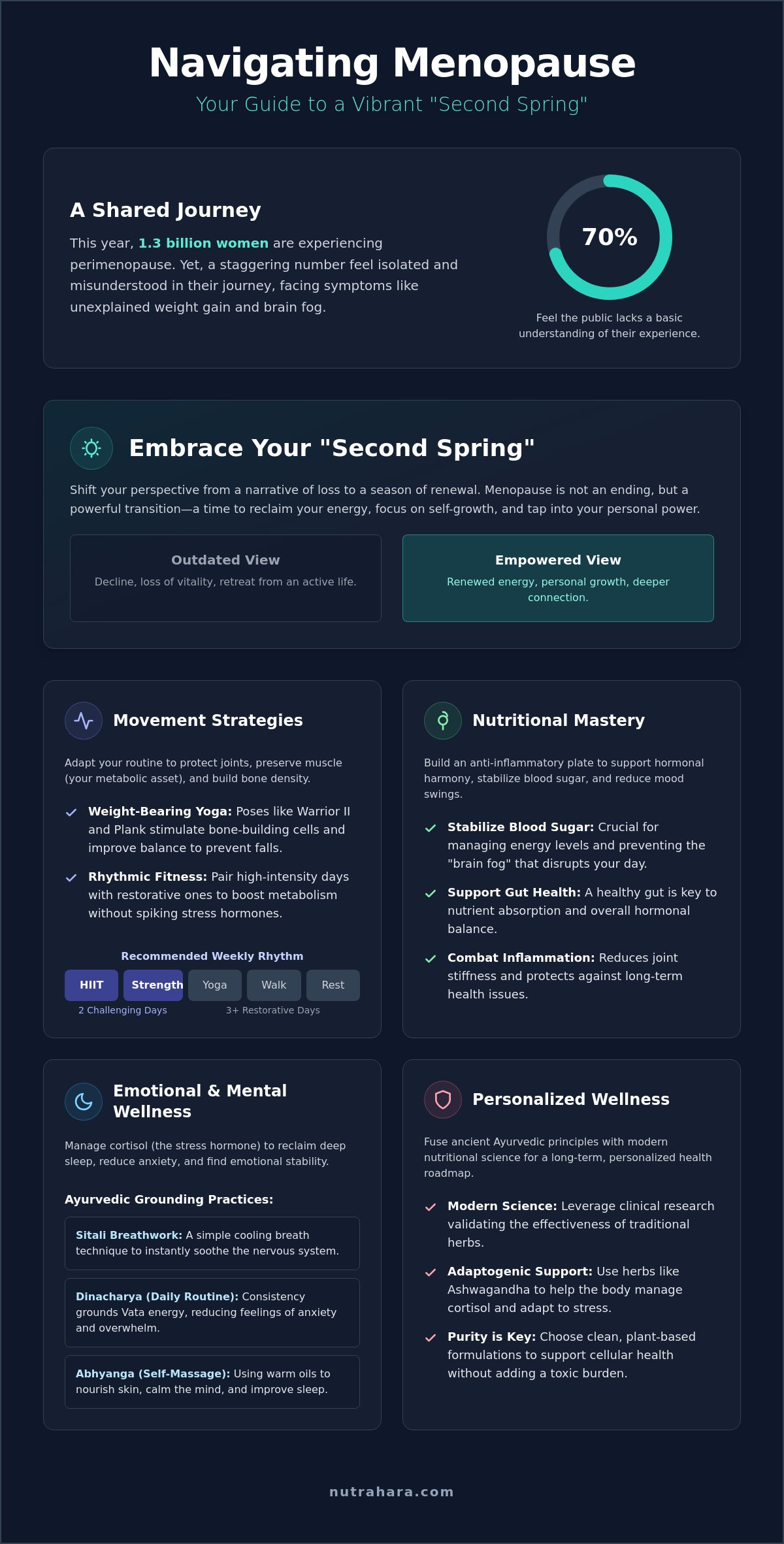
Did you know that while 1.3 billion women are experiencing perimenopause this year, nearly 70% feel the public lacks a basic understanding of their journey? It’s a staggering figure that explains why so many feel isolated when facing unexplained weight gain or the “brain fog” that disrupts a productive afternoon. You might feel like your body is no longer your own, especially when joint stiffness makes your morning yoga session feel more like a chore than a release. We understand that staying healthy and active in menopause can feel like a moving target when your hormones are in flux.

You deserve to feel empowered, not exhausted. This guide shows you how to maintain peak vitality and confidence by blending ancient Ayurvedic wisdom with the latest 2026 nutritional science. We’ll explore how to regain emotional stability, protect your muscle tone, and view this transition as a vibrant “Second Spring.” We will cover everything from targeted strength training to natural cortisol support; providing you with a long-term wellness plan for a lean, strong body and peaceful sleep.

Key Takeaways

  • Shift your perspective by embracing the “Second Spring” concept, transforming menopause into a season of renewed energy and personal growth.
  • Implement effective movement strategies for staying healthy and active in menopause to protect your joints and maintain essential muscle tone.
  • Learn to build an anti-inflammatory plate that stabilizes blood sugar, supports gut health, and keeps hormonal mood swings at bay.
  • Uncover the link between cortisol and menopausal symptoms to reclaim deep sleep and emotional stability through simple, science-backed habits.
  • Create a personalized daily roadmap that fuses Ayurvedic principles with modern supplements to support your long-term health progression.

Embracing the “Second Spring”: Redefining Menopause as a New Beginning

For decades, the cultural conversation around menopause has focused almost exclusively on loss. We’ve been told to expect a decline in vitality, a fading of beauty, and a retreat from an active life. But for the modern woman, this narrative is not just outdated; it’s fundamentally wrong. In many Eastern traditions, this transition is celebrated as the “Second Spring.” It is a season of life where the energy previously directed toward others is reclaimed for oneself. It’s a time for renewed focus, creativity, and a deeper connection to your personal power.

Staying healthy and active in menopause begins with this mental shift. When you view these years as a long-term progression rather than a series of symptoms to be suppressed, your relationship with your body changes. Instead of fighting against your biology, you learn to partner with it. While a comprehensive overview of menopause details the cessation of the reproductive cycle, it cannot measure the growth in self-esteem and confidence that comes when you prioritize your own well-being. This empowerment is the foundation of true longevity.

The Ayurvedic Perspective on the Wisdom Years

Ayurveda, the ancient Indian “Science of Life,” provides a beautiful framework for understanding this shift. It views menopause as a transition from the Pitta (fire) stage of life to the Vata (air and space) stage. If your “internal fire” was previously focused on career or family, it may now manifest as hot flashes or irritability. To stay balanced, we use cooling rituals and grounding practices.

  • Cooling Rituals: Incorporating breathwork like Sitali (cooling breath) to soothe the nervous system.
  • Dinacharya: Establishing a consistent daily routine to ground Vata energy and reduce anxiety.
  • Abhyanga: Self-massage with warm oils to nourish the skin and calm the mind.

Modern Science Meets Ancient Wisdom

We don’t have to choose between tradition and technology. Modern clinical research now validates what ancient healers have known for centuries. For instance, studies in 2026 continue to show how adaptogens like ashwagandha help the body manage cortisol, which is essential for staying healthy and active in menopause. The key is purity. In a world full of synthetic options, choosing clean, plant-based formulations ensures you’re supporting your cellular health without adding a toxic burden to your system.

At Nutrahara, our philosophy of “Science-Backed Ayurveda” means we utilize clinical validation to ensure our traditional herbal formulas meet the highest standards of modern nutritional excellence. We believe that by bridging the gap between nature and the laboratory, we provide the most effective path for your personal health journey.

Staying Active: Movement Strategies for Bone Density and Muscle Tone

Muscle mass is your greatest metabolic asset. It burns more calories at rest than fat and acts as a protective shield for your skeleton. During menopause, the “use it or lose it” rule applies more than ever. Estrogen loss impacts joint lubrication and bone remodeling; which can often lead to unexpected stiffness or aches. Staying healthy and active in menopause means adapting your routine to protect these vital systems. You’ll likely find that exploring natural joint pain relief is a helpful first step toward reclaiming your favorite physical activities.

Balance is the central theme of this “Second Spring.” While high-intensity interval training (HIIT) is excellent for improving insulin sensitivity, it can also spike cortisol if you don’t allow for recovery. We recommend a “rhythmic” approach to fitness. Pair two days of challenging movement with three days of restorative practices. This synergy supports your heart and metabolism without overtaxing your adrenal glands. Since bone remodeling slows down as estrogen wanes, consuming key nutrients for menopause becomes a non-negotiable part of your fitness strategy.

Yoga for Bone Health and Flexibility

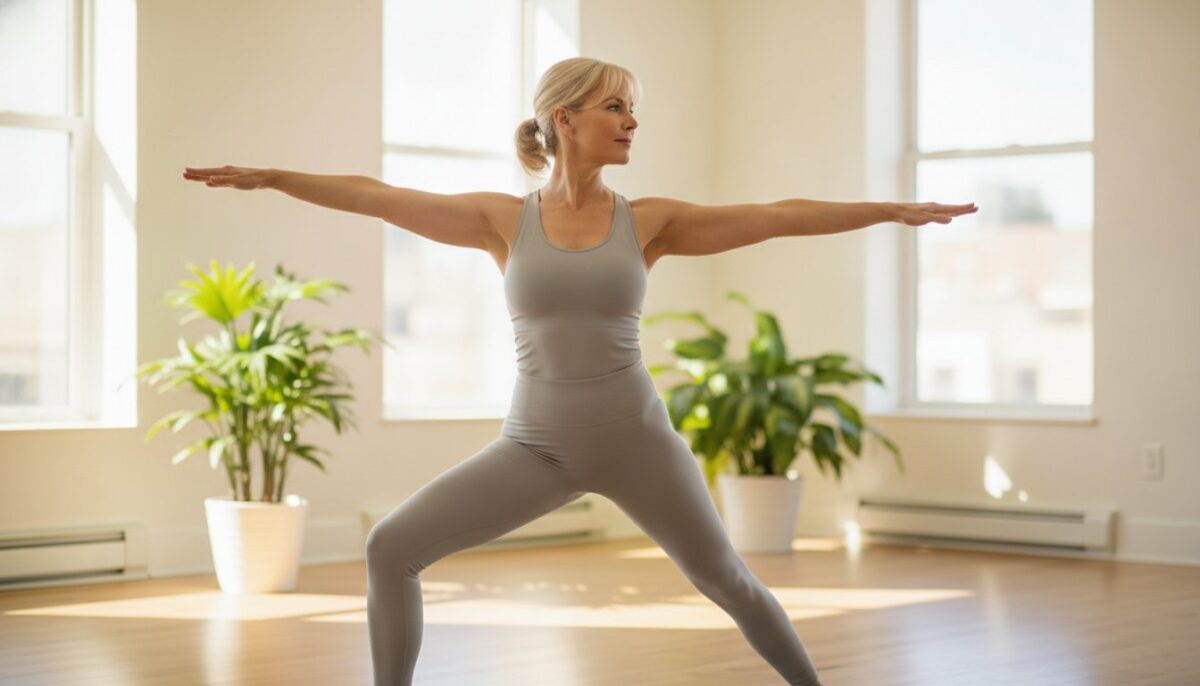
Yoga is much more than just stretching; it’s a weight-bearing exercise. Poses like Warrior II, Tree Pose, and Plank require you to support your own body weight, which helps stimulate bone-building cells. These practices also refine your balance. This is essential for fall prevention as we age. Beyond the physical, yoga is a powerful tool for lowering cortisol. High cortisol levels often promote stubborn belly fat; so a calm mind directly supports a leaner, more vibrant body.

Resistance Training: Your Secret Weapon Against Weight Gain

Lifting weights is your most effective tool for maintaining a healthy metabolic rate. Focus on functional movements like squats, lunges, and rows. These exercises mimic daily tasks and support independent living for decades to come. If you’re new to strength training, start with bodyweight exercises or light resistance bands. Focus on form first. To support your connective tissues and skin elasticity during this transition, you might consider adding a Premium Collagen Complex to your daily wellness ritual. Remember that staying healthy and active in menopause is about consistency; not just intensity.

Nutritional Mastery: Feeding Your Body for Hormonal Harmony

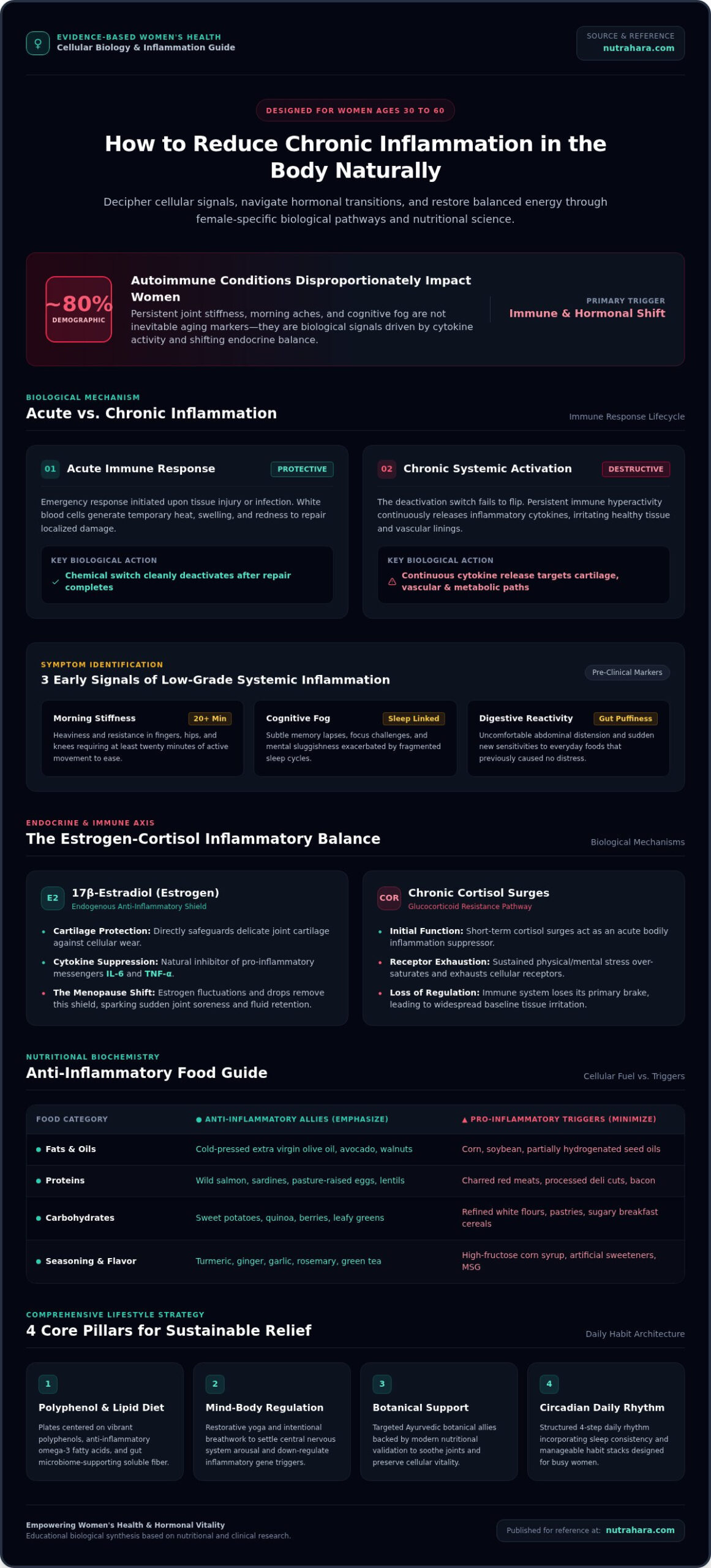
Nutrition acts as the internal architecture of your “Second Spring.” As estrogen levels fluctuate, your body becomes more sensitive to inflammation and insulin resistance. Mastering your plate is perhaps the most powerful tool for staying healthy and active in menopause because it addresses the cellular environment where hormones interact. We focus on an “Anti-Inflammatory Plate” rich in phytonutrients, healthy fats, and fiber to support a thriving gut microbiome. Since your gut is responsible for metabolizing estrogen, its health directly dictates your hormonal harmony.

Balancing blood sugar is equally vital. Sharp glucose spikes often trigger the irritability and energy crashes many women mistake for inevitable aging. By pairing complex carbohydrates with healthy fats, you can stabilize your mood and protect your metabolic health. Understanding the truth about digestive enzymes and weight loss can also help you optimize nutrient absorption, ensuring your body actually uses the fuel you provide. You should also prioritize high-quality protein at every meal to preserve the muscle mass we discussed in the previous section. Clean sources like lentils, wild-caught fish, or organic poultry provide the amino acids necessary for cellular repair.

Ayurvedic Superfoods for the Menopausal Transition

Traditional wisdom offers potent botanicals to soothe the nervous system during this transition. Shatavari, often called the “Queen of Herbs,” is prized for its ability to nourish the female reproductive system and balance Vata energy. Ashwagandha supports the adrenal glands, helping them manage the production of hormone precursors as ovarian function shifts. To maintain joint mobility, incorporate warming spices like turmeric and ginger into your cooking. Don’t forget hydration; drinking adequate water infused with electrolytes supports skin elasticity and vaginal health, which are often impacted by thinning tissues.

Targeted Supplementation: Bridging the Nutritional Gap

Modern soil depletion means even a perfect diet might leave gaps in your nutrition. For women over 50, specific nutrients are essential for longevity. The National Institute on Aging highlights several strategies for Staying Healthy During and After Menopause, including the careful monitoring of bone-density nutrients. We recommend the synergy of Vitamin K2, D3, and Magnesium to ensure calcium reaches your bones rather than your arteries. Strategic supplementation acts as a bridge, ensuring you have the foundational nutrients required for staying healthy and active in menopause. For those struggling with mental clarity, FocusZenith provides natural cognitive support to clear the clouds of “brain fog” and support long-term focus.

Mental and Emotional Wellness: Managing Stress and Sleep

Stress acts as a silent amplifier for every menopausal symptom. While we’ve discussed the physical shifts in your muscles and bones, the most profound changes often happen within the nervous system. Staying healthy and active in menopause requires more than just physical movement; it demands emotional resilience. When your ovaries reduce estrogen production, your adrenal glands must step in to produce hormone precursors. If these glands are already exhausted by chronic stress, they can’t perform this vital secondary role. This “Cortisol Connection” is why a stressful day often leads to a night of intense hot flashes or sudden, overwhelming anxiety.

You might also notice that your body’s overall harmony feels more delicate. Hormonal fluctuations can even impact your intimate wellness, making it helpful to understand A Complete Guide to Vaginal pH Balance as part of your total health picture. Sudden spikes in “menopause rage” or uncharacteristic irritability aren’t personal failings. They’re biological signals that your system is overtaxed. By reclaiming your nights and managing your daytime stress, you provide your body with the recovery time it needs to maintain its vibrant “Second Spring.”

Meditation and Breathwork for Instant Calm

Yoga and meditation are not just hobbies; they’re essential tools for rewiring your stress response. Just ten minutes of daily mindfulness can lower your baseline cortisol levels. When a hot flash or a wave of anxiety strikes, you can use the “Sitali” cooling breath for immediate relief. Simply curl your tongue or purse your lips as if drinking through a straw and inhale deeply. This draws cool air across the moist tissues of the mouth, signaling your nervous system to lower your internal temperature and calm the “fire” of Pitta energy. Building this practice into your morning or evening routine creates a sanctuary of peace in a busy life.

Supplements for Restorative Rest

Deep sleep is the ultimate beauty and health hack. It’s the only time your brain can truly flush out metabolic waste and your tissues can repair themselves. To support this process, we look to the synergy of modern science and traditional botanicals. Magnesium Glycinate is particularly effective for women in this stage, as it aids in muscle relaxation and calms the racing thoughts that often prevent sleep.

Maintaining a steady rhythm throughout the day is equally important. You can use adaptogens like those found in FocusZenith to balance daytime focus without overstimulating your system. This helps preserve your natural circadian rhythm, making it easier to drift off when the sun sets. When you support your body’s internal clock, you ensure that staying healthy and active in menopause remains a sustainable, joyful journey. Experience deeper, more restorative nights with Restorasleep.

Staying Healthy and Active in Menopause: Your Guide to a Vibrant "Second Spring" (2026)

The Nutrahara Protocol: Your Daily Roadmap to Vitality

The transition into your Second Spring is a personal evolution. Staying healthy and active in menopause depends on the small, consistent actions you take every single day. This isn’t just about managing symptoms; it’s about building a foundation for the next thirty years of your life. We call this the Nutrahara Protocol. It’s a synergistic blend of morning light, functional movement, and targeted nutrition that honors your body’s changing needs while fostering a sense of deep, internal calm.

Community also plays a vital role in this journey. Sharing your experiences with other women provides emotional support that science now shows can actually lower systemic inflammation. You aren’t just a passive observer of your aging process. You are the architect of your own health journey. By integrating focused tools like our joint support kits, you ensure that physical limitations never dictate your activity levels. This proactive approach allows you to move through the world with grace and strength.

A Sample Day in the Life of a Vibrant Woman

Your day begins with direct sunlight to set your circadian rhythm. This simple act supports hormonal balance from the moment you wake up. Follow this with a nutrient-dense breakfast and FemmePower to provide foundational support for your energy levels. Time your most vigorous exercise for the late morning when your body temperature is naturally rising. This is the ideal window for the resistance training we discussed earlier. As the sun sets, transition into an “Evening Wind-Down” ritual. This might include a warm bath, gentle yin yoga, or a gratitude practice to reset your nervous system for deep, restorative sleep.

Choosing Your Wellness Partners

When selecting supplements, transparency and purity are your most important criteria. You deserve to know exactly what is entering your cellular environment. A staple for many in this stage is Ashwagandha with Black Pepper; which helps balance the adrenal response we explored in the previous section. Tracking your progress is essential for maintaining motivation. Whether you use a journal or a digital app, celebrate the small wins like a better night’s sleep or a pain-free walk. These victories prove that staying healthy and active in menopause is a rewarding, long-term progression. You have the wisdom of experience and the power of modern science on your side. Trust the journey.

Step Into Your Vibrant Second Spring

Your journey through menopause is not a season of decline; it’s a powerful transition into a more intentional way of living. By combining functional resistance training with yoga, you protect your bone density and metabolic health for years to come. Supporting your body with an anti-inflammatory diet ensures your nervous system remains resilient. Staying healthy and active in menopause is entirely within your reach when you bridge the gap between ancient botanical wisdom and modern clinical research. Trust the journey.

At Nutrahara, we’re honored to be your partner in this long-term health progression. Our formulas are designed specifically for the unique needs of women aged 30 to 60; featuring clean, natural ingredients free from artificial additives. We use a fusion of Ayurvedic wisdom and modern research to support your vitality every step of the way. Empower your “Second Spring” with Nutrahara’s Science-Backed Ayurvedic Supplements and reclaim your confidence. You are the architect of your own wellness; and your most vibrant years are just beginning.

Frequently Asked Questions

How can I maintain my muscle mass during menopause?

Prioritize resistance training at least two to three days a week to stimulate muscle protein synthesis. As estrogen levels decline, your body requires more mechanical tension to maintain tone. Focus on functional movements like squats, lunges, and rows. Complement this with a higher protein intake, aiming for 25 to 30 grams of high-quality protein per meal to provide the necessary amino acids for repair.

What are the best vitamins for women over 50 to stay active?

Focus on the synergy of Vitamin D3 and Vitamin K2 to support bone density and cardiovascular health. These nutrients ensure that calcium is directed to your bones rather than accumulating in your arteries. B-complex vitamins are also essential for cellular energy production. Magnesium glycinate is a vital addition for muscle relaxation and improving sleep quality, which is the foundation of an active lifestyle.

Can yoga really help with menopause symptoms like hot flashes?

Yes, yoga is a clinically validated tool for regulating the autonomic nervous system and reducing the intensity of hot flashes. Specific cooling practices, such as Sitali breathwork, help lower your internal temperature. Restorative poses calm the nervous system and reduce the “fire” of Pitta energy. This holistic approach is a cornerstone of staying healthy and active in menopause while managing hormonal shifts naturally.

Why am I gaining weight in my midsection even though my diet hasn’t changed?

Midsection weight gain is often driven by rising cortisol levels and declining estrogen, which changes how your body stores fat. Your system becomes more sensitive to insulin, making blood sugar stabilization critical. Focus on reducing stress through meditation and prioritizing sleep. Avoid over-exercising with high-intensity cardio without adequate rest, as this can further spike cortisol and signal the body to store “belly fat.”

Is it safe to take natural supplements alongside hormone replacement therapy?

Most clean, plant-based supplements are safe to use with HRT, but you must consult your healthcare provider first. Adaptogens like ashwagandha can actually complement hormone therapy by supporting the adrenal glands during the transition. Professional guidance ensures that your supplement regimen doesn’t interfere with your specific hormone dosages. Always choose third-party tested products to ensure purity and avoid artificial additives that could disrupt your progress.

How much water should a menopausal woman drink for skin and joint health?

Aim for approximately 2 to 2.5 liters of filtered water daily to maintain tissue elasticity. Estrogen helps your body retain moisture; when it drops, your skin and joint cartilage can become prone to dehydration. Adding electrolytes to your water can improve cellular absorption. Proper hydration ensures that your joints remain lubricated and your skin stays vibrant throughout your personal health progression.

What are the first signs that perimenopause is ending and menopause is starting?

The primary indicator is the length of time between your periods. You’ve officially reached menopause once you have gone 12 consecutive months without a menstrual cycle. Leading up to this, you might notice your periods becoming significantly further apart. You may also experience a stabilization of certain symptoms, like night sweats, as your body begins to adjust to its new hormonal baseline in the Second Spring.

How can I improve my memory and focus during menopause?

Support your cognitive longevity by incorporating omega-3 fatty acids and adaptogens that specifically target “brain fog.” Staying healthy and active in menopause also involves prioritizing seven to nine hours of deep sleep. This allows your brain to flush out metabolic waste and consolidate memories. Consistent meditation and mental stimulation, such as learning a new skill, also help maintain sharp cognitive function and confidence.

Article by

Nutrahara Team

We are a dedicated collective of nutrition scientists and naturopaths at Nutrahara, committed to advancing women's health through the fusion of ancient Ayurveda science and cutting-edge nutrition research. Our mission is to empower you with clean, simple, and scientifically validated wellness solutions so you can live your healthiest life. Connect with us to stay updated on the latest developments in holistic women's health and nature-based research.

Disclaimer

This article is not a substitute for medical advice. Please consult a healthcare professional before starting any supplement, especially if pregnant, nursing, taking medication, or managing health conditions.

Categories
Articles

Natural Remedies for Menstrual Cramps: A Holistic Guide to Lasting Relief

That familiar monthly ache arrives, disrupting your life and leaving you reaching for a pill bottle you’d rather avoid. If you feel overwhelmed by conflicting advice and want to address the root cause of your discomfort, you are not alone. Your wellness journey deserves more than a temporary fix. It’s time to explore effective natural remedies for menstrual cramps that work in harmony with your body, not against it, offering a path to genuine, lasting relief.

This holistic guide is designed to empower you with knowledge and practical solutions. By bridging the wisdom of ancient Ayurveda with the clarity of modern, evidence-based research, we will help you navigate your path to a more balanced cycle. You will discover powerful anti-inflammatory herbs, simple dietary shifts, and gentle lifestyle rituals that can significantly reduce the severity of period pain. Prepare to feel more in control of your menstrual health and embrace a future of greater comfort and well-being.

Key Takeaways

  • Incorporate gentle lifestyle rituals, like targeted heat therapy and mindful movement, to provide both immediate comfort and long-term resilience against period pain.
  • Learn how to harness the power of an anti-inflammatory diet to address the root cause of pain by naturally balancing your body’s prostaglandins.
  • Explore clinically-researched herbs and nutrients, some of the most effective natural remedies for menstrual cramps, that work synergistically to soothe discomfort.
  • Understand your cycle through the lens of Ayurveda and discover how balancing the Vata dosha can lead to a calmer, more comfortable period.

Understanding Menstrual Cramps: The Science Behind the Pain

For many women, menstrual cramps are a recurring part of their monthly cycle. But on your wellness journey, understanding the science behind this discomfort is the first step toward finding lasting relief. By demystifying what happens inside your body, you can feel empowered to choose effective natural remedies for menstrual cramps that work in harmony with your natural rhythms. While discomfort is common, severe pain is not something you simply have to endure.

The experience of period pain is rooted in your body’s biology. Each month, your uterus builds up a nutrient-rich lining in preparation for a potential pregnancy. When pregnancy doesn’t occur, this lining is shed. The process is driven by powerful chemical messengers and muscular contractions, which are the source of the cramping sensation.

The Role of Prostaglandins

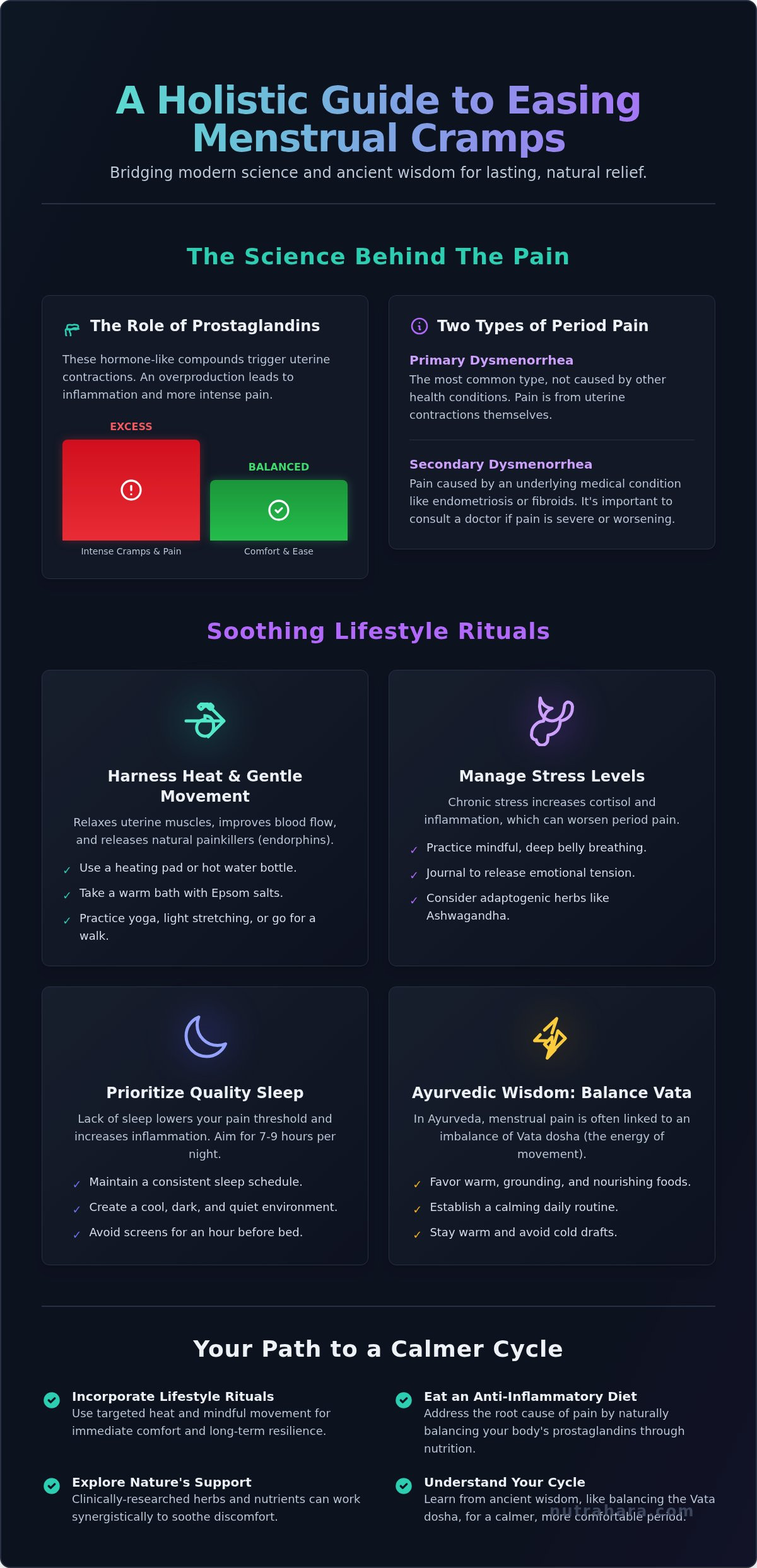
At the heart of menstrual pain are hormone-like compounds called prostaglandins. Your uterine lining produces these substances to signal the uterus to contract and shed its lining. While this is a necessary process, an overproduction of prostaglandins can lead to more frequent and intense contractions, temporarily reducing blood flow and causing pain. Modern research shows that many holistic solutions, including certain herbs and dietary changes, have natural anti-inflammatory properties that can help balance prostaglandin levels and soothe discomfort.

Primary vs. Secondary Dysmenorrhea

The medical term for painful periods is dysmenorrhea. For a deeper scientific look, understanding dysmenorrhea can be very insightful, as it is generally categorized into two types:

  • Primary Dysmenorrhea: This is the most common type of menstrual pain. It is not caused by another health condition and typically begins within a few years of your first period.
  • Secondary Dysmenorrhea: This pain is a symptom of an underlying disorder in the reproductive organs, such as endometriosis, uterine fibroids, or pelvic inflammatory disease. It often starts later in life and may worsen over time.

It is vital to listen to your body. If your pain is severe, disrupts your daily life, or has recently changed, consulting a doctor is a critical step in caring for your long-term well-being and finding the right natural remedies for menstrual cramps for your unique situation.

Soothing Lifestyle Rituals for Immediate & Long-Term Relief

Your wellness journey is a holistic one, and finding comfort during your cycle goes beyond what you eat. Some of the most profound natural remedies for menstrual cramps are woven into your daily rituals. By integrating simple, conscious habits, you can provide your body with both immediate comfort and long-term resilience, creating a more balanced and harmonious menstrual experience.

Harnessing the Power of Heat and Gentle Movement

Applying gentle warmth is a cornerstone of evidence-based cramp relief. Heat therapy works by relaxing the contracting muscles of the uterus and improving blood flow to the abdomen, which can significantly reduce pain. Try placing a heating pad or hot water bottle on your lower belly, or indulge in a warm bath with Epsom salts to soothe muscle tension. Complement this with gentle movement like yoga, light stretching, or a calm walk. These activities release endorphins, your body’s natural painkillers, offering another layer of relief.

Prioritizing Rest and Stress Management

Chronic stress can amplify period pain by increasing levels of cortisol, a hormone that promotes inflammation. Integrating stress-management practices is a vital, preventative step. Simple yet powerful techniques include:

  • Mindful Breathing: Dedicate five minutes to slow, deep belly breaths to calm your nervous system.
  • Journaling: Expressing your thoughts can release emotional tension that contributes to physical discomfort.
  • Adaptogenic Support: Adaptogens are herbs that help the body manage stress. For stress-related tension, consider a supplement like Ashwagandha with Black Pepper for balance and resilience.

The Importance of Quality Sleep

Sleep is when your body repairs itself, and a lack of it can lower your pain threshold and worsen inflammation. Prioritizing 7-9 hours of quality sleep is one of the most restorative things you can do for your body. To improve your sleep hygiene, try to maintain a consistent sleep schedule, create a cool and dark environment, and avoid screens before bed. If falling or staying asleep is a challenge during your cycle, a natural aid like RestoraSleep can support a healthy, restful night.

The Anti-Inflammatory Diet: Eating for a Calmer Cycle

On your wellness journey, viewing food as medicine is a powerful step toward holistic balance. The foods you choose can either soothe inflammation or fuel it, directly impacting the intensity of menstrual cramps. Many period-related pains are linked to prostaglandins-hormone-like compounds that trigger uterine muscle contractions. An anti-inflammatory diet is one of the most effective natural remedies for menstrual cramps because it helps regulate these compounds, leading to a calmer, more comfortable cycle.

Foods That Fight Period Pain

Incorporating specific nutrient-dense foods can create a foundation for menstrual well-being. Focus on ingredients that are clinically studied for their anti-inflammatory properties:

  • Omega-3 Fatty Acids: Found in salmon, walnuts, chia seeds, and flax seeds, these healthy fats are proven to help reduce the production of inflammatory prostaglandins.
  • Antioxidant-Rich Fruits & Vegetables: Berries, oranges, and leafy greens like spinach and kale are packed with antioxidants that fight oxidative stress and calm inflammation throughout the body.
  • Powerful Spices: Ginger and turmeric are celebrated in both ancient Ayurveda and modern research for their potent anti-inflammatory and pain-relieving effects. Try adding them to teas, soups, or smoothies.

Key Vitamins and Minerals for Menstrual Health

Beyond whole foods, certain micronutrients are essential for a smooth cycle. Modern research increasingly supports the role of diet in managing menstrual symptoms, with experts highlighting various herbal and supplement options that complement a healthy diet. Key nutrients include:

  • Magnesium: Often called nature’s muscle relaxant, magnesium helps ease uterine contractions. Find it in dark chocolate, avocados, nuts, and seeds.
  • B Vitamins: Crucial for energy production and hormone regulation, B vitamins support your body’s overall balance. They are abundant in whole grains, eggs, and legumes. For comprehensive support, a high-quality Vitamin B-Complex can help ensure you meet your daily needs.

Foods to Limit During Your Period

Just as some foods can heal, others can hinder your progress. During your period, consider reducing your intake of foods known to promote inflammation and worsen discomfort:

  • Sugar and Processed Foods: Refined sugars and processed snacks can spike inflammation and disrupt hormonal balance.
  • Excessive Caffeine: While a morning coffee is fine for some, too much caffeine can constrict blood vessels and increase tension, potentially intensifying cramps.
  • High-Salt Foods: Excess sodium leads to water retention and bloating, adding to feelings of discomfort.

A simple swap, like replacing a sugary soda with a soothing ginger tea or choosing fresh fruit over a packaged snack, can make a significant difference in your well-being.

Powerful Herbs & Supplements: Nature’s Support System

While a balanced diet provides the foundation for hormonal health, sometimes your body needs more targeted support during your cycle. Bridging the gap between nutrition and relief, specific herbs and supplements are some of the most effective natural remedies for menstrual cramps. Rooted in both ancient wisdom and modern clinical research, these ingredients work with your body to restore balance and ease discomfort.

Drawing from nature’s abundance, these allies offer a gentle yet powerful approach to managing period pain. Here are some of the most well-researched botanicals and minerals for your wellness journey.

Clinically-Studied Herbal Allies

For centuries, traditional medicine has relied on botanicals for women’s health. Modern science now confirms their benefits:

  • Ginger: This warming root is known for its ability to lower levels of pain-causing prostaglandins, compounds that trigger uterine contractions.
  • Turmeric (Curcumin): Curcumin, the active compound in turmeric, is a potent anti-inflammatory that helps calm the uterine environment and significantly reduce the severity of cramping.
  • Cinnamon: Studies suggest that cinnamon can help ease not only pain but also associated symptoms like nausea and heavy bleeding, making it a comprehensive ally for your cycle.

Essential Minerals for Muscle Relaxation

Menstrual cramps are, at their core, muscle contractions. Key minerals are essential for proper muscle function and relaxation:

  • Magnesium Glycinate: A highly absorbable and gentle form of magnesium, this mineral is crucial for relaxing the smooth muscles of the uterus, directly easing painful cramps.
  • Zinc: This vital mineral has anti-inflammatory properties and plays an important role in regulating the entire menstrual cycle and supporting overall hormonal balance.
  • Calcium: Working in harmony with magnesium, calcium helps regulate muscle contractions and can contribute to reduced pain intensity during menstruation.

Formulated for Feminine Wellness

While each of these ingredients is beneficial on its own, their true power is often unlocked through synergy. A targeted, multi-ingredient formula can offer comprehensive support by addressing pain and inflammation from multiple angles. This holistic approach is central to providing effective, natural relief.

A specialized blend like FemmePower is thoughtfully formulated to combine these key herbs and nutrients, creating a synergistic effect that supports a comfortable and balanced cycle. At Nutrahara, we are committed to clean, pure, and effective solutions that empower you on your wellness journey.

Natural Remedies for Menstrual Cramps: A Holistic Guide to Lasting Relief

Ancient Wisdom for Modern Cycles: An Ayurvedic Perspective

For over 5,000 years, Ayurveda-the ancient holistic health system of India-has offered profound insights into women’s health. At Nutrahara, we bridge this timeless knowledge with modern research to support your well-being. From an Ayurvedic viewpoint, menstrual pain isn’t an illness to be suppressed, but a signal from your body indicating an imbalance. By understanding these signals, you can work in harmony with your cycle to find lasting relief.

Understanding Vata Dosha and Your Cycle

In Ayurveda, everything is governed by three fundamental energies, or doshas. Menstrual cramps are primarily seen as an imbalance of Vata dosha, the energy of movement and the nervous system. When Vata becomes aggravated, it can manifest as coldness, dryness, and constriction-the very qualities that create sharp, spasmodic pain. The goal of Ayurvedic care is to calm and ground this turbulent energy, especially in the days leading up to and during your period.

Simple Ayurvedic Rituals for Pain Relief

Integrating simple, time-tested practices into your routine can offer significant comfort. These rituals are powerful natural remedies for menstrual cramps because they directly address the Vata imbalance at its source.

  • Abhyanga (Warm Oil Massage): Gently massage your lower abdomen and back with warm sesame oil in a slow, clockwise motion for 5-10 minutes. This practice is deeply grounding; it soothes the nervous system, warms the muscles, and helps release painful constriction.
  • Calming Herbal Teas: Sip on warm, digestive teas throughout the day. A classic blend is CCF tea, made by steeping cumin, coriander, and fennel seeds in hot water. Ginger or ajwain (carom seed) tea are also excellent for easing cramps and bloating.
  • Nourishing, Warm Foods: Support your body with meals that are warm, moist, and easy to digest. Favor comforting foods like soups, stews, kitchari, and well-cooked grains. Avoid cold, raw, or dry foods like salads and crackers, as they can aggravate Vata and worsen discomfort.

By embracing these gentle Ayurvedic principles, you empower yourself to transform your monthly cycle from a time of pain into a period of rest and rejuvenation. This approach is a cornerstone of a truly holistic wellness journey. To learn more about how ancient wisdom can support your modern cycle, explore our philosophy at nutrahara.com.

Your Journey to a More Peaceful Period Starts Now

Finding lasting relief from period pain is not about a single quick fix, but about embracing a holistic lifestyle. As we’ve explored, combining soothing rituals, an anti-inflammatory diet, and the wisdom of ancient traditions like Ayurveda creates a powerful foundation for comfort. By integrating these effective natural remedies for menstrual cramps, you empower yourself to work in harmony with your body’s natural rhythms rather than against them.

Supporting your body on this path is our guiding principle at Nutrahara. Begin your wellness journey and explore our Women’s Health collection. Each supplement is thoughtfully formulated by experts, blending ancient Ayurveda with modern science. We are committed to using only clean, natural, and clinically-studied ingredients-a promise trusted by thousands of women on their path to wellness.

Remember, a more comfortable and balanced cycle is within your reach. You have the power to nurture your well-being, one step at a time.

Frequently Asked Questions About Natural Period Pain Relief

How long does it take for natural remedies for menstrual cramps to work?

The time it takes for natural remedies to work varies. Acute solutions like applying a heating pad or drinking ginger tea can offer relief within 30-60 minutes. However, foundational strategies such as dietary changes or starting supplements like magnesium require consistency. You may notice improvements over one to three menstrual cycles as your body adapts to this holistic support. Patience is a key part of this wellness journey, allowing your body to find its balance.

Can I combine natural remedies with over-the-counter pain medication?

In many cases, it is safe to combine natural approaches with over-the-counter (OTC) pain medication, but consulting your healthcare provider is essential. Gentle methods like using a warm compress, light stretching, or sipping chamomile tea are unlikely to interfere with medications like ibuprofen. Your doctor can provide personalized advice to ensure your approach is both safe and effective, creating a comprehensive plan for your comfort and well-being on your health journey.

Are there any supplements I should avoid during my period?

While many supplements are beneficial, it’s wise to be cautious with certain ones during your period without medical guidance. Some supplements, such as ginkgo biloba, high-dose fish oil, or dong quai, may have blood-thinning properties that could potentially increase menstrual flow. Always consult with your healthcare practitioner before adding new supplements to your routine, especially if you have heavy periods or are taking other medications, to ensure purity and safety.

How can I tell if my period pain is severe enough to see a doctor?

It is important to listen to your body and seek medical advice if your period pain is debilitating. Schedule an appointment with your doctor if the pain consistently forces you to miss work or school, isn’t relieved by OTC medication, or is accompanied by heavy bleeding, nausea, or vomiting. Worsening pain from one cycle to the next is another key indicator that a professional evaluation for underlying conditions like endometriosis is necessary.

Can diet changes really make a significant difference for menstrual cramps?

Yes, dietary changes can make a profound difference. Adopting an anti-inflammatory diet is one of the most effective strategies for managing cramps. Focus on incorporating foods rich in magnesium like leafy greens and omega-3s found in salmon and walnuts, which help relax uterine muscles and reduce inflammation. Simultaneously, minimizing processed foods, refined sugars, and excessive caffeine can significantly decrease the severity of cramps over time, supporting your body’s natural balance.

Is it safe to exercise when I have period cramps?

It is not only safe but often beneficial to engage in gentle exercise when you have period cramps. Activities like walking, restorative yoga, or light stretching can boost circulation and trigger the release of endorphins, your body’s natural pain relievers. The key is to listen to your body and choose movements that feel supportive, not strenuous. This approach honors your energy levels while actively working to ease discomfort and enhance your overall well-being.

Article by

Nutrahara Team

We are a dedicated collective of nutrition scientists and naturopaths at Nutrahara, committed to advancing women's health through the fusion of ancient Ayurveda science and cutting-edge nutrition research. Our mission is to empower you with clean, simple, and scientifically validated wellness solutions so you can live your healthiest life. Connect with us to stay updated on the latest developments in holistic women's health and nature-based research.

Disclaimer

This article is not a substitute for medical advice. Please consult a healthcare professional before starting any supplement, especially if pregnant, nursing, taking medication, or managing health conditions.
Categories
Articles

Natural Remedies for Chronic Fatigue in Women: A Holistic Guide to Reclaiming Your Energy

Is “I’m tired” your constant refrain? Do you feel a profound exhaustion that sleep can’t fix, only to be told it’s “just stress” or a normal part of being a busy woman? We hear you, and we know this feeling goes far beyond simple tiredness. It’s a weight that affects your work, your family, and your ability to enjoy life. Your wellness journey deserves to be seen, understood, and supported with real solutions, which is why we’ve created this guide to the most effective natural remedies for chronic fatigue in women.

This is more than just a list of tips; it’s a holistic roadmap to reclaiming your vitality. Grounded in the harmony of ancient wisdom and modern research, we will explore the unique root causes of fatigue in the female body-from hormonal imbalances to hidden inflammation. You will discover a clear, actionable plan filled with nourishing foods, clinically studied botanicals, and lifestyle practices to restore your energy from the inside out. It’s time to feel empowered, validated, and ready to embrace a life of abundant well-being.

Key Takeaways

  • Learn why chronic fatigue is not simply “being tired” and understand the specific biological factors that make women more susceptible.
  • Discover how to build your body’s energy foundation by adopting an anti-inflammatory eating pattern designed to calm systemic stress.
  • Explore key natural remedies for chronic fatigue in women, including powerful adaptogenic herbs from Ayurvedic tradition that help your body adapt to stress.
  • Master the art of restorative rest and gentle movement to break the debilitating “push-crash” cycle and achieve lasting vitality.

Understanding Chronic Fatigue in Women: More Than Just Being Tired

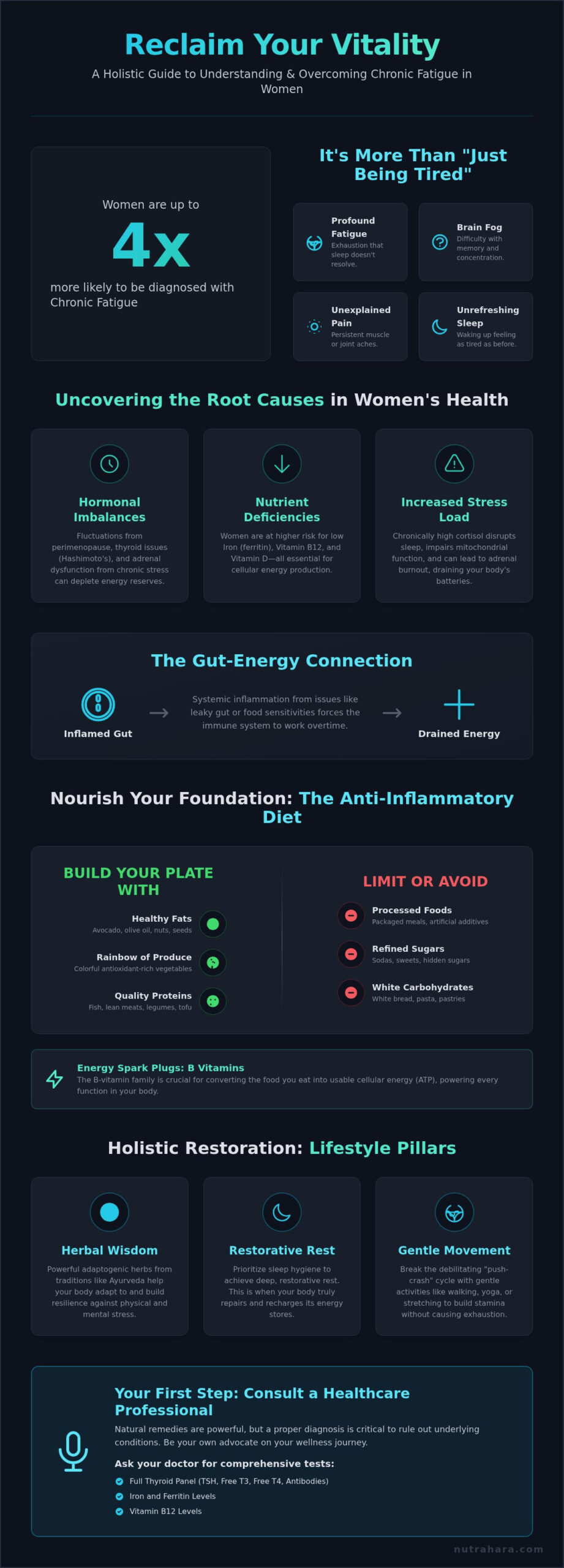
If you’re reading this, you likely know that the exhaustion you feel is more than just end-of-day tiredness. It’s a profound, persistent fatigue that sleep doesn’t seem to fix-a heavy blanket that impacts your clarity, your mood, and your ability to live fully. Your experience is valid, and the search for answers can be frustrating. This is particularly true for women, who are diagnosed with chronic fatigue up to four times more often than men. Your wellness journey begins with understanding the unique factors at play, which is the first step toward finding effective natural remedies for chronic fatigue in women.

This debilitating exhaustion is often accompanied by other persistent symptoms, such as brain fog, unexplained muscle or joint pain, and unrefreshing sleep. This complex web of symptoms is formally recognized in conditions like Myalgic encephalomyelitis/chronic fatigue syndrome (ME/CFS). Understanding these signs is crucial because they point toward deeper imbalances within the body that need to be addressed holistically.

Potential Root Causes Specific to Women’s Health

A woman’s body is a dynamic ecosystem, and several factors can disrupt its delicate balance, leading to profound fatigue. Key areas to investigate include:

  • Hormonal Imbalances: Fluctuations during perimenopause, underlying thyroid issues like Hashimoto’s, and adrenal dysfunction from chronic stress can significantly deplete energy reserves.
  • Nutrient Deficiencies: Women have a higher risk for low levels of iron (especially ferritin), Vitamin B12, and Vitamin D, all of which are essential for cellular energy production.
  • Increased Stress Load: The physiological impact of chronically elevated cortisol-the stress hormone-can disrupt sleep, impair mitochondrial function, and lead to burnout.

The Connection Between Gut Health and Energy Levels

Emerging research continues to highlight the profound link between our gut and our overall vitality. The gut-brain axis is a direct communication line, and when the gut is inflamed, it sends stress signals throughout the body. Conditions like leaky gut syndrome or undiagnosed food sensitivities can trigger a systemic inflammatory response, forcing your immune system to work overtime and draining your precious energy stores day after day.

When to See a Doctor: Ruling Out Underlying Conditions

While exploring natural remedies for chronic fatigue in women is empowering, it is essential to begin your journey with a healthcare professional. A proper diagnosis is critical to rule out serious underlying conditions. Be your own advocate and ask your doctor for comprehensive tests, including a full thyroid panel (with TSH, Free T3, Free T4, and antibodies), iron and ferritin levels, and Vitamin B12. Natural therapies should always complement, not replace, sound medical advice.

Nourishing Your Foundation: Key Diet and Nutrition Strategies

Think of the food you eat not as mere calories, but as the fundamental information that tells your body how to function. On your wellness journey to overcome fatigue, nutrition is your most powerful ally. Adopting an anti-inflammatory diet focused on nutrient density is one of the most effective natural remedies for chronic fatigue in women. By stabilizing blood sugar and reducing systemic stress, you create a resilient foundation for sustained energy.

Building an Anti-Inflammatory Plate

Chronic, low-grade inflammation is a significant drain on your body’s energy reserves. An anti-inflammatory eating pattern helps calm this internal stress, freeing up resources for vitality. Focus on building your plate with:

  • Healthy Fats: Incorporate sources like avocado, extra virgin olive oil, nuts, and seeds to support brain health and reduce inflammation.
  • A Rainbow of Produce: Colorful vegetables and fruits are packed with antioxidants that protect your cells from stress and damage.
  • Quality Proteins: Choose lean meats, fish, legumes, and tofu to support muscle repair and the production of neurotransmitters that regulate mood and energy.
  • Limit Triggers: Minimize or avoid processed foods, refined sugars, and white carbohydrates that can spike blood sugar and promote inflammation.

Essential Vitamins and Minerals for Energy Production

Beyond macronutrients, specific vitamins and minerals act as the spark plugs for your cellular energy engines. While complex conditions like Chronic fatigue syndrome in women require a multifaceted approach, ensuring your body has these key nutrients is a foundational step. Key players include:

  • The B Vitamin Family: Crucial for converting the food you eat into usable cellular energy (ATP). For comprehensive support, consider a high-quality Vitamin B-Complex supplement.
  • Magnesium: Known as the ‘relaxation mineral,’ it is involved in over 300 biochemical reactions, including energy production, muscle function, and nerve signaling.
  • Iron: Essential for creating hemoglobin, which transports oxygen to your cells. Women of reproductive age are at a higher risk for deficiency, a direct cause of fatigue.

The Role of Hydration and Gut-Friendly Foods

Never underestimate the power of pure hydration and a healthy gut. Even mild dehydration can manifest as significant fatigue and brain fog. Simultaneously, a balanced gut microbiome is essential for nutrient absorption and mood regulation, both of which directly impact your energy. Prioritize drinking plenty of water, herbal teas, and electrolyte-rich fluids. Incorporate probiotic and prebiotic foods like yogurt, kefir, kimchi, and high-fiber vegetables to nourish your inner ecosystem.

Harnessing Herbal Wisdom: Adaptogens and Ayurvedic Remedies

For thousands of years, ancient Ayurveda science has taught that true vitality comes from holistic balance. At the heart of this tradition are adaptogens-a unique class of herbs and botanicals that help your body intelligently adapt to physical, chemical, and biological stressors. By modulating cortisol levels and supporting adrenal health, these powerful plants can restore equilibrium and build resilience, offering some of the most effective natural remedies for chronic fatigue in women. At Nutrahara, we bridge this ancient wisdom with modern research to formulate supplements that honor nature’s profound healing capabilities.

Ashwagandha: The Ultimate Stress-Balancing Herb

Known in Ayurveda as a rasayana (rejuvenator), ashwagandha has been traditionally used to build strength, enhance stamina, and calm an anxious mind. Modern clinical research now validates this wisdom, demonstrating its ability to significantly lower cortisol levels. It is particularly beneficial for women experiencing that “wired but tired” feeling, where deep exhaustion is coupled with persistent anxiety. To maximize its benefits, Nutrahara’s Ashwagandha with Black Pepper is expertly formulated to ensure optimal absorption and purity.

Rhodiola Rosea: For Physical and Mental Stamina

Rhodiola rosea is a potent adaptogen celebrated for its ability to fight fatigue while enhancing mental clarity and focus. If your exhaustion stems from professional burnout or the mental exhaustion of overwork, Rhodiola can help restore your cognitive energy. Studies also suggest it can improve mood and exercise performance, making it a well-rounded ally for reclaiming your vitality on your wellness journey.

Other Powerful Herbs: Ginseng and Holy Basil

Your specific symptoms can guide you to other powerful herbs that target different facets of fatigue. Choosing the right botanical is a personal process, and these natural remedies for chronic fatigue in women work best within a supportive lifestyle. For a holistic approach, the Mayo Clinic Press provides valuable tips for women coping with chronic fatigue that address everything from sleep to activity pacing. Consider these herbs:

  • Panax Ginseng: A classic energy tonic that is ideal for addressing profound physical exhaustion and a feeling of being completely depleted.
  • Holy Basil (Tulsi): Revered as the “Queen of Herbs,” Tulsi gently calms the nervous system, reduces stress, and supports your overall resilience.

By integrating this herbal wisdom into your daily routine, you can build a more resilient foundation for lasting energy. Discover more on your wellness journey at nutrahara.com.

Natural Remedies for Chronic Fatigue in Women: A Holistic Guide to Reclaiming Your Energy

Restoring Your Energy: The Pillars of Sleep and Gentle Movement

While nutrition and targeted supplements are vital, their full benefits can only be realized when built upon a foundation of restorative rest and mindful movement. For many women experiencing profound exhaustion, life becomes a painful ‘push-crash’ cycle-overextending on a good day only to pay for it with debilitating fatigue for days after. The key to breaking this pattern lies in understanding your ‘energy envelope’ and learning to live within it. This approach transforms your daily habits into some of the most effective natural remedies for chronic fatigue in women, shifting your focus from spending energy to strategically cultivating it.

Optimizing Your Sleep Hygiene for Deep Restoration

Deep, restorative sleep is non-negotiable for cellular repair and hormonal balance. It’s when your body does its most important healing work. To create a sanctuary for sleep, focus on consistency:

  • Consistent Schedule: Go to bed and wake up around the same time daily, even on weekends, to regulate your body’s internal clock.
  • Relaxing Rituals: Wind down with a calming activity like reading a book, taking a warm bath with Epsom salts, or practicing meditation.
  • Perfect Environment: Ensure your bedroom is a dark, cool, and quiet haven, free from the glow of electronic devices.

For those nights when your mind won’t quiet, natural aids like Restorasleep can gently support a healthy, natural sleep cycle, helping you achieve the deep rest your body craves.

Gentle Movement: Finding What Nurtures You

When you’re exhausted, the idea of exercise can feel impossible. Pushing through intense workouts can actually worsen chronic fatigue by over-taxing an already stressed system. Instead, reframe movement as a gentle way to generate energy. Restorative practices can improve circulation, reduce stiffness, and calm the nervous system. Consider incorporating short sessions of yoga, tai chi, gentle stretching, or slow walks in nature. The golden rule is to listen to your body and prioritize consistency over intensity; even five minutes of mindful movement is a victory on your wellness journey.

Mind-Body Practices for Calming the Nervous System

A body in a constant state of ‘fight or flight’ cannot heal. Mind-body practices are powerful tools to shift your nervous system into a ‘rest and digest’ state, which is essential for energy recovery. Simple techniques like deep belly breathing can signal safety to your brain, while mindfulness meditation can reduce stress and improve mental clarity. Journaling also provides an outlet to process emotions that may be contributing to your exhaustion. A calm mind is foundational to a rested body; to support focus and cut through brain fog, consider a clinically studied formula like FocusZenith.

For those interested in exploring the connection between life force energy and vitality on a deeper level, you can learn more about Ray Maor, a guide who teaches advanced techniques for sustaining the body with prana.

Your Path to Renewed Vitality and Well-Being

Reclaiming your energy from chronic fatigue is a holistic process, a personal journey built on a foundation of profound self-care. As we’ve explored, by nourishing your body with whole foods, harnessing the wisdom of adaptogenic herbs, and honoring your need for restorative sleep and gentle movement, you create a powerful framework for healing. These pillars are the most effective natural remedies for chronic fatigue in women, empowering you to move from simply surviving to truly thriving in your daily life.

Supporting this journey with targeted, high-quality supplements can amplify your efforts. At Nutrahara, we are dedicated to being your trusted guide. With 40 years of expertise, we meticulously formulate our products by bridging the timeless wisdom of ancient Ayurveda with cutting-edge modern nutrition research. Our unwavering promise is to deliver clean, simple, and natural ingredients designed to restore your body’s innate balance and abundance.

Begin your wellness journey with Nutrahara’s natural supplements for women.

Your vitality is within reach. Embrace your path to well-being with confidence and grace, one gentle step at a time.

Frequently Asked Questions

How long does it take for natural remedies for fatigue to work?

Your wellness journey is unique, and the timeline for feeling a shift in your energy levels will vary. While some women notice subtle improvements within a few weeks, a more significant and stable increase in energy often takes one to three months of consistent use. True, lasting vitality is built by holistically supporting your body with nourishing foods, restorative sleep, and targeted natural ingredients. Patience and consistency are key to restoring your body’s natural balance and abundance.

Can chronic fatigue in women be linked to perimenopause or menopause?

Absolutely. The hormonal fluctuations that define perimenopause and menopause are a primary cause of fatigue in women. Shifting levels of estrogen and progesterone can disrupt sleep patterns, impact metabolism, and affect your mood-all of which drain your energy reserves. Symptoms like night sweats and anxiety further contribute to this exhaustion. Supporting your body through this transition with a balanced lifestyle and specific nutrients is essential for maintaining your vitality.

Is it possible to have chronic fatigue even if my blood tests are normal?

Yes, this is a very common experience. Standard blood panels often check for major issues but can miss more subtle imbalances that contribute to fatigue. Underlying causes like suboptimal thyroid function, adrenal stress, low-grade inflammation, or nutrient deficiencies in magnesium or B vitamins may not appear on a basic test. A holistic approach looks beyond standard labs to understand the complete picture of your health and identify the root cause of your exhaustion.

What’s the difference between Chronic Fatigue Syndrome (ME/CFS) and just feeling tired?

While everyone feels tired occasionally, Chronic Fatigue Syndrome (ME/CFS) is a distinct and complex medical condition. Its defining symptom is severe, debilitating fatigue lasting for at least six months that isn’t improved by rest. It is often accompanied by post-exertional malaise (a “crash” after minor activity), cognitive difficulties, and unrefreshing sleep. General tiredness, in contrast, is typically temporary and has an identifiable cause like a poor night’s sleep or a stressful week.

Can certain foods make my fatigue worse?

Your diet is a foundational piece of your energy puzzle. When exploring natural remedies for chronic fatigue in women, it’s crucial to identify energy-draining foods. Processed items, refined sugars, and simple carbohydrates can cause sharp spikes and crashes in blood sugar, leaving you feeling more tired. Excessive caffeine can also strain your adrenal glands over time. Focusing on whole, nutrient-dense foods provides the stable, clean-burning fuel your body needs to thrive.

How do I know which supplements are right for me?

Navigating supplements can feel overwhelming, which is why a personalized approach is always best. Your specific needs depend on your diet, lifestyle, and unique biology. We recommend consulting with a trusted healthcare practitioner who can help identify your specific nutrient gaps. When choosing a supplement, look for clean, high-purity formulas with clinically studied ingredients that are formulated to support women’s health on their unique wellness journey.

Article by

Nutrahara Team

We are a dedicated collective of nutrition scientists and naturopaths at Nutrahara, committed to advancing women's health through the fusion of ancient Ayurveda science and cutting-edge nutrition research. Our mission is to empower you with clean, simple, and scientifically validated wellness solutions so you can live your healthiest life. Connect with us to stay updated on the latest developments in holistic women's health and nature-based research.

Disclaimer

This article is not a substitute for medical advice. Please consult a healthcare professional before starting any supplement, especially if pregnant, nursing, taking medication, or managing health conditions.