Categories
Uncategorized

Vitamin D Supplement for Women with Osteoporosis: Is It Enough in 2026?


Vitamin D Supplement for Women with Osteoporosis: Is It Enough in 2026?


Vitamin D Supplement for Women with Osteoporosis: Is It Enough in 2026?

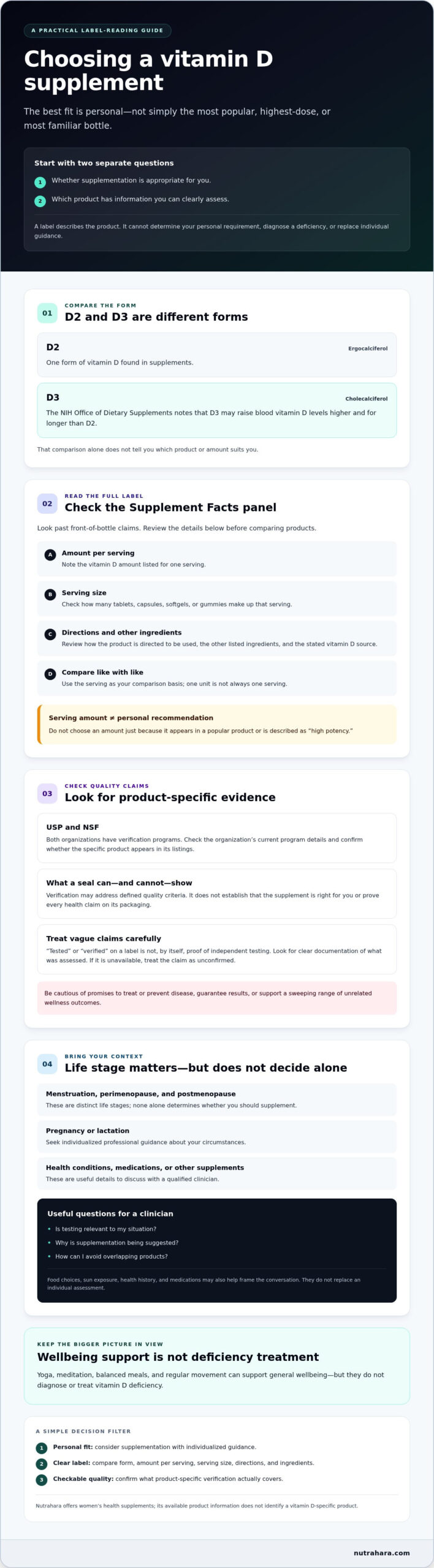
vitamin D supplement for women with osteoporosis – is it enough or do you need calcium and K2 too? | For most women managing bone loss, a vitamin D supplement for women with osteoporosis is not enough on its own. Clinical guidance consistently pairs vitamin D with calcium, and research suggests vitamin K2 helps direct that calcium into bone rather than soft tissue. CDC data shows that nearly 1 in 5 U.S. women age 50 and older live with osteoporosis of the hip or spine. Bone health for women with a diagnosis typically requires a coordinated trio of nutrients, not a single pill.

Bone is living tissue that remodels every day of a woman’s life; treating it with one nutrient in isolation is like trying to build a house with only nails and no wood.


Is Vitamin D Alone Enough for Osteoporosis in Women in 2026?

No. Vitamin D by itself is not adequate management for diagnosed osteoporosis. It helps the body absorb calcium but does not supply the calcium your skeleton needs to rebuild. Major U.S. clinical bodies frame vitamin D as one component of a multi-nutrient approach rather than a standalone fix.

What the Evidence Actually Shows

The U.S. Preventive Services Task Force found that daily supplementation with 400 IU or less of vitamin D combined with 1000 mg or less of calcium has no effect on fracture rates in healthy, postmenopausal women. This guidance applies to women without a bone diagnosis. The American Academy of Family Physicians explicitly notes these recommendations do not apply to people with osteoporotic fractures, increased fall risk, or a diagnosis of osteoporosis or vitamin D deficiency. Once diagnosed, combined nutrient support becomes standard of care.

UpToDate’s clinical guidance for physicians recommends 1200 mg of calcium (total of diet and supplement) and 800 international units of vitamin D daily for postmenopausal osteoporosis.

  • Vitamin D’s role: Regulates calcium absorption in the gut and maintains healthy blood calcium levels, but cannot mineralize bone without adequate calcium supply.
  • Calcium’s role: The literal building material of bone mineral; most women over 50 fall short of daily targets from diet alone.
  • K2’s role: Activates proteins that shuttle calcium toward bone rather than arteries, a mechanism distinct from vitamin D.
  • Medication context: Women on antiresorptive osteoporosis drugs are typically required to take calcium and vitamin D as background therapy.

Key Takeaway: Vitamin D supplementation for women with osteoporosis is foundational but incomplete; it needs calcium to build bone and vitamin K2 to route that calcium correctly. For deeper context, see Calcium Supplements, Vitamin D, and Osteoporosis.


How Much Calcium and Vitamin D Do Women with Osteoporosis Actually Need?

Dosing depends on age, diagnosis status, and current dietary intake. U.S. clinical organizations converge on similar targets. The Bone Health and Osteoporosis Foundation is the most cited U.S. reference point.

Recommended Daily Intake by Life Stage

Group Calcium (all sources) Vitamin D Source
Women 50 and younger 1,000 mg/day 600 IU/day Bone Health & Osteoporosis Foundation
Women 51 and older 1,200 mg/day 600-800 IU/day Bone Health & Osteoporosis Foundation / NIH Office of Dietary Supplements
Postmenopausal osteoporosis (diagnosed) 1,200 mg/day 800 IU/day UpToDate clinical guidance
Women over 70 1,200 mg/day 800 IU/day (up to 4,000 IU tolerable upper limit) NIH/IOM Dietary Reference Intakes

Research reviewed by the Hospital for Special Surgery found that fewer than 10% of women up to age 70 and fewer than 1% after 70 met NAS guidelines for dietary calcium from food alone. This gap is where supplementation becomes necessary.

  • Food-first approach: Meet calcium needs through dairy, leafy greens, and fortified foods before adding supplements.
  • Supplement the shortfall only: If your diet supplies 700 mg, add only a 500 mg supplement, not 1,200 mg.
  • Split doses matter: Calcium is absorbed better in amounts of 500 mg or less at a time.
  • Upper limits exist: Exceeding roughly 2,000 mg of calcium daily raises kidney stone risk.

Key Takeaway: Most women with osteoporosis should target 1,200 mg total daily calcium and 800 IU vitamin D, using a calcium calculator to fill the gap between diet and these targets rather than over-supplementing. For deeper context, see Too much vitamin D may harm bones, not help.


What Does Vitamin K2 Add to Calcium and Vitamin K2 Benefits for Bone?

Vitamin K2 activates proteins responsible for binding calcium to bone matrix and keeping it out of soft tissue like arteries. Research on calcium and vitamin K2 benefits for bone is promising but mixed, so K2 is typically framed as a complementary nutrient rather than a replacement for calcium and D.

The Biological Mechanism

A 2022 review in Frontiers-affiliated research explains vitamin K2’s dual role:

  • Osteocalcin & MGP activation: Vitamin K2-7 converts undercarboxylated osteocalcin (ucOC) and matrix Gla protein (ucMGP) into carboxylated forms, facilitating calcium deposition in bones and preventing vascular calcification.
  • Bone resorption inhibition: K2-7 upregulates osteoprotegerin, a decoy receptor for RANK ligand (RANKL), thus inhibiting bone resorption.

What Clinical Trials Show

A 2025 Frontiers in Endocrinology analysis notes that clinical findings on K2 for BMD and fractures are inconsistent: pharmacologic-dose MK-4 reduced fractures in some Japanese cohorts, whereas low-dose MK-7 yielded site-specific effects in some trials and null results in others. A landmark Japanese trial on menatetrenone (pharmacologic MK-4) effectively prevented fractures and sustained lumbar bone mineral density in osteoporosis, though a Danish RCT on lower-dose MK-7 found BMD decreased at all sites without differences between treatment and placebo. The form and dosage of K2 significantly impact outcomes.

Vitamin K2 consistently lowers markers of poorly mineralized bone protein within months, even in trials where bone density scans show no measurable difference, suggesting a biological effect that outpaces current imaging.

  • MK-7 form: Derived from fermented sources, with longer half-life in bloodstream, enabling once-daily dosing.
  • MK-4 form: Used at higher, pharmaceutical-grade doses in Japanese fracture trials, rarely replicated in U.S. over-the-counter supplements.
  • Not a substitute: Every major K2 trial paired it with calcium and vitamin D as background therapy.
  • Cardiovascular angle: The same carboxylation mechanism that helps bone is linked to reduced arterial calcification.

Key Takeaway: Vitamin K2 is best understood as a calcium traffic-director; the strongest evidence for bone benefit comes from studies where K2 was combined with, not substituted for, calcium and vitamin D. For measured impact data, see Effect of combined administration of vitamin D3 and ….


What Are the Best Supplements for Osteoporosis in Women, and Where Does Ayurveda Fit?

The best supplements for osteoporosis in women combine calcium, vitamin D3, and vitamin K2 in doses aligned with clinical targets, alongside weight-bearing exercise and adequate protein. For women managing the hormonal shifts that drive postmenopausal bone loss, a growing number are turning to formulations that pair these core nutrients with traditional herbal approaches.

Why the D3 + Calcium + K2 Triad Matters

Menopause accelerates bone loss because declining estrogen removes a natural brake on bone resorption. This drives the four-fold higher osteoporosis rate in women compared to men. Supporting hormone balance alongside bone-specific nutrients is more holistic than treating bone density in isolation.

Nutrahara blends clinically studied nutrients with Ayurvedic botanical extracts, often sourced from the Himalayas. This approach pairs modern nutrition science with traditional wellness wisdom for women’s hormonal, digestive, sleep, and overall vitality needs. For bone health specifically, this matters because hormonal balance and skeletal health are physiologically linked; a supplement strategy addressing only vitamin D while ignoring hormonal drivers of bone loss misses part of the picture.

  • D3 for absorption: Cholecalciferol (D3) is generally preferred over D2 for better ability to raise blood levels of active vitamin D.
  • Calcium form matters: Calcium citrate is absorbed well with or without food and is gentler on digestion than calcium carbonate.
  • K2 as MK-7: Look for menaquinone-7, which has better bioavailability for daily supplementation than MK-4 at typical over-the-counter doses.
  • Ayurvedic synergy: Herbal traditions used in Nutrahara’s formulations reflect an approach that treats bone health as connected to broader hormonal and inflammatory wellness.
  • Whole-woman formulation: Effective supplement strategy accounts for sleep, stress, and hormone balance alongside bone-specific nutrients, since chronic stress and poor sleep are linked to elevated cortisol, which accelerates bone turnover.

Key Takeaway: The most effective supplement strategy pairs the clinically established D3, calcium, and K2 triad with broader hormonal and lifestyle health, reflecting Nutrahara’s philosophy of blending Ayurvedic wisdom with modern nutritional science for holistic well-being.


What Are the Most Common Mistakes Women Make with Bone Health Supplements?

Even well-intentioned supplementation can fall short if women misjudge dosing, timing, or nutrient interactions. Understanding these pitfalls helps women get more value from every capsule.

Frequent Errors in Practice

Mistake Why It Happens Better Approach
Taking calcium without vitamin D Assuming calcium alone builds bone Pair calcium with adequate vitamin D for absorption
Taking a single large calcium dose Convenience of one daily pill Split into two doses of 500-600 mg for better absorption
Ignoring vitamin K2 entirely Limited public awareness of K2’s role Choose a formula pairing D3 and calcium with MK-7
Over-supplementing vitamin D Belief that more is always better Stay near 600-800 IU unless a physician confirms deficiency
Stopping supplements after a normal DEXA scan Assuming improvement means risk is gone Continue consistent supplementation as advised; bone remodeling continues for life
  • Skipping the diet audit: Many women supplement without estimating dietary intake, risking totals exceeding the 2,000-2,500 mg upper limit.
  • Confusing osteopenia and osteoporosis: Osteopenia is lower-than-normal bone density not yet at osteoporosis threshold; supplement strategy should adjust based on diagnosis.
  • Not accounting for medication interactions: Certain osteoporosis medications require calcium and vitamin D as background therapy to work properly.
  • Overlooking gastrointestinal side effects: Calcium supplements can cause constipation; switching forms often resolves this.

According to the 2026 State of Bones Report, women’s bone health concerns are frequently addressed too late in the disease process, underscoring the value of consistent, well-informed supplementation.

Key Takeaway: The biggest mistakes are treating calcium, vitamin D, and K2 as interchangeable or optional rather than complementary; a coordinated approach, discussed with a healthcare provider, avoids both under-treatment and excess intake risks. For more on common pitfalls, see Vitamin D and Bone Health; Potential Mechanisms – PMC – NIH.


Conclusion

A vitamin D supplement alone is insufficient for women with osteoporosis. Evidence consistently points to calcium, vitamin D3, and vitamin K2 combined. This triad, alongside weight-bearing exercise and regular bone density monitoring, provides the strongest evidence-based foundation for protecting skeletal health.

  • Vitamin D is foundational, not sufficient: It enables calcium absorption but cannot mineralize bone without adequate calcium.
  • 1,200 mg calcium and 800 IU vitamin D: This is the daily target for postmenopausal women with osteoporosis.
  • K2 supports, it doesn’t replace: Every strong K2 study paired it with calcium and vitamin D.
  • Diagnosed osteoporosis changes guidance: USPSTF caution about low-dose supplementation applies to healthy, undiagnosed women, not those already diagnosed.
  • Holistic formulation matters: Brands like Nutrahara combining core bone nutrients with Ayurvedic botanical support reflect a whole-woman approach to hormonal and skeletal health.

Women managing osteoporosis or low bone density should discuss their calcium, vitamin D, and K2 needs with a physician or endocrinologist, ideally alongside a DEXA scan review, before finalizing a supplement routine.


FAQ

Vitamin D Supplement for Women with Osteoporosis: Is It Enough in 2026?

No. Vitamin D helps the body absorb calcium but does not supply the mineral bone needs to rebuild. U.S. clinical guidance from UpToDate recommends pairing roughly 800 IU daily vitamin D with about 1,200 mg total daily calcium for postmenopausal women with osteoporosis. Vitamin K2 helps direct calcium toward bone rather than soft tissue, making the combined D3, calcium, and K2 approach more comprehensive than vitamin D alone.

Do I need calcium and vitamin K2 in addition to vitamin D?

Yes, for most women with confirmed osteoporosis or osteopenia, calcium is essential as the literal building material for bone. Vitamin K2 is a helpful complementary nutrient that activates proteins involved in calcium deposition in bone.

How much calcium and vitamin D should women with osteoporosis take daily?

Most U.S. clinical guidance points to 1,200 mg of total daily calcium (from food and supplements combined) and 800 IU of vitamin D for postmenopausal women with osteoporosis, based on recommendations from the Bone Health and Osteoporosis Foundation and UpToDate.

Is vitamin K2 actually proven to help bone density?

Evidence is mixed rather than definitive. Some Japanese trials using pharmacologic-dose MK-4 showed fracture reduction, while several lower-dose MK-7 trials showed changes in bone turnover markers without significant bone density differences. K2 is best viewed as a promising complementary nutrient rather than a guaranteed fix.

What is the difference between osteopenia and osteoporosis for supplement purposes?

Osteopenia is bone mineral density lower than normal but not low enough to meet the osteoporosis threshold, while osteoporosis reflects more advanced bone loss with higher fracture risk. Both conditions generally warrant a calcium, vitamin D, and often K2 supplement strategy, though osteoporosis typically requires closer monitoring and may require prescription medication.

Can I get enough calcium and vitamin D from food alone?

Some women can, but research reviewed by the Hospital for Special Surgery found that fewer than 10% of women up to age 70 meet daily calcium guidelines through diet alone, which is why supplementation is commonly recommended.

Are there risks to taking too much calcium or vitamin D?

Yes. The USPSTF noted that supplementation with vitamin D and calcium increases kidney stone incidence. Exceeding the tolerable upper limits set by the National Academy of Sciences can raise other health risks, so doses should be tailored to individual dietary intake rather than maximized indiscriminately.

How does Nutrahara approach bone and hormonal health differently?

Nutrahara combines clinically studied vitamins and minerals with Ayurvedic botanical extracts, often sourced from the Himalayas, supporting the hormonal, digestive, and stress-related factors that influence a woman’s bone and wellness picture rather than isolating a single nutrient. This reflects a holistic, whole-woman approach to well-being.


This article is for informational purposes only and does not constitute medical advice. Supplement needs vary by individual health history, diagnosis, and lab results; always consult a physician or endocrinologist before starting, stopping, or adjusting any vitamin D, calcium, or vitamin K2 regimen, especially if you have a diagnosed bone condition. Statistics and clinical guidance referenced here reflect publicly available research and U.S. government and academic sources current as of 2026.


Categories
Uncategorized

How to How Do Probiotics Support Women’s Hormonal Balance 2026 – Step-by-Step Guide (2026)

how do probiotics support women's hormonal balance | Updated September 10, 2026 | By the Nutrahara Wellness Editorial Team | Time required: 4-12 weeks of consistent use | Difficulty: Beginner

What You’ll Learn

This guide explains how probiotics influence hormonal health through the estrobolome, identifies research-backed probiotic strains, builds a prebiotic routine, and combines probiotics with Ayurvedic botanicals for deeper results. By the end, you’ll have a concrete daily routine ready to start.

  • Understand the gut-hormone axis and the estrobolome (microbial genes that metabolize estrogen).
  • Identify probiotic strains with the strongest evidence for hormonal support.
  • Build a prebiotic and fiber routine that feeds hormone-friendly bacteria.
  • Know realistic timelines (4-12 weeks) for noticing changes in cycle symptoms, mood, and energy.

Prerequisites: No prior supplement experience needed. Track symptoms for 4-12 weeks and consult a healthcare provider if you have PCOS (Polycystic Ovary Syndrome) or endometriosis.


Why Probiotics for Hormonal Balance Matter in 2026

Research published in Frontiers in Endocrinology confirms that gut microbial beta-glucuronidase metabolizes estrogen, enabling its reabsorption through the intestinal wall and recirculation through the bloodstream-a process called enterohepatic circulation. When gut microbiota become imbalanced, beta-glucuronidase activity decreases, and circulating estrogen levels fall.

A 2025 report from NutraIngredients notes that the estrobolome, first defined in 2011, is now understood as vital for regulating estrogen and protecting against hormone-related diseases. A clinical trial showed a probiotic blend maintained serum estrogen in healthy peri- and postmenopausal women over 12 weeks.

A 2025 systematic review and meta-analysis on probiotic-derived metabolites in women with polycystic ovary syndrome found that women with PCOS show altered microbial diversity, a thinner mucus layer, and lower concentrations of health-promoting microbial metabolites, reinforcing that gut health and reproductive hormone health are inseparable across all life stages.


The Process at a Glance

Step Action Time Outcome
1 Learn how the estrobolome regulates estrogen 15-30 minutes Clear mental model of gut-hormone link
2 Choose strain-specific probiotics for hormones 1-2 days research A targeted supplement selected
3 Add prebiotic fiber and fermented foods daily Ongoing, daily Fuel for beneficial bacteria growth
4 Take probiotics consistently and track symptoms 4-12 weeks Measurable shifts in cycle, mood, energy
5 Layer in Ayurvedic hormone-support botanicals Ongoing, daily Compounded, holistic hormone support

Total time to first noticeable results: approximately 4-12 weeks of daily, consistent practice.


Step 1: Learn How the Estrobolome Regulates Estrogen

How to Do It

  1. The estrobolome is a subset of gut bacteria genes that produce enzymes, mainly beta-glucuronidase, capable of processing estrogen.
  2. When this system works well, estrogen is metabolized and either recirculated at healthy levels or cleared appropriately.
  3. Gut microbiota regulate sex steroid levels by affecting estrogen metabolism through beta-glucuronidase, which deconjugates estrogens and impacts their bioavailability and circulating levels.
  4. Gut diversity naturally shifts across life stages. Clinical research summarized by Dr. Louise Newson notes that gut microbiome diversity reduces around menopause, which is why hormonal symptoms often intensify during perimenopause.

What Done Looks Like

You can explain why gut health and hormone health are linked, and you no longer think of probiotics as just a digestive aid. For a more detailed walkthrough, see Do Probiotics Help with Estrogen Dominance?.


Step 2: Choose Strain-Specific Probiotics for Hormonal Support

How to Do It

  1. Prioritize Lactobacillus and Bifidobacterium species. A 2024 review in the MDPI journal Endocrines confirms these live beneficial microbes help balance the microbiota and directly interact with the estrobolome.
  2. Look for formulas built specifically around estrogen metabolism rather than general digestive blends. Probiotic supplements containing Lactobacillus and Bifidobacterium strains have shown promise in enhancing estrogen metabolism and reducing inflammation.
  3. Check the label for a documented CFU count. Guidance from Casa de Sante’s clinical nutrition team recommends at least 10-15 billion CFUs (Colony-Forming Units) per serving from a facility following GMP (Good Manufacturing Practices) guidelines.
  4. Consider a women-specific formulation like Nutrahara’s FemmePower, which combines Ayurvedic botanicals with nutrients supporting the broader hormonal ecosystem.

Best Practices

  • Read the strain designation, not just the species name. Strain-level differences determine whether a probiotic influences estrogen pathways.
  • Store probiotics as directed, since potency degrades if mishandled.

Common Mistakes

Buying a generic “women’s probiotic” marketed for vaginal health alone and expecting estrogen-metabolism benefits. Vaginal-focused strains and estrobolome-focused strains are not interchangeable. For a more detailed walkthrough, see Probiotics for Women: Gut Health, Vaginal Health & How to …. For related guidance, see Femmepower.

Example

Goal Strain Focus What Research Shows
Estrogen metabolism Lactobacillus acidophilus, Bifidobacterium bifidum Shown to help regulate estrogen levels in women
Vaginal microbiome balance L. rhamnosus, L. reuteri Improved vaginal flora and reduced recurrence of bacterial vaginosis and UTIs
General gut diversity in menopause Lactobacillus (broad strains) Shown to increase bacterial diversity and improve metabolic and overall health in menopausal women

Ready to take action?

Best lab tested and trusted wellness supplements from Nutrahara

Shop Now


Step 3: Feed the Estrobolome with Prebiotics and Fermented Foods

How to Do It

  1. Add fiber-rich vegetables, legumes, and whole grains daily. The NutraIngredients report on the estrobolome notes that high-fiber diets and fermented foods support beneficial estrobolome bacteria and enzyme balance.
  2. Incorporate naturally fermented foods such as sauerkraut, kefir, and yogurt, which contain beneficial bacteria that improve gut balance and promote hormonal balance.
  3. Reduce ultra-processed foods and excess alcohol, both of which lower microbial diversity.
  4. Pair prebiotic fiber intake with your probiotic supplement dose for a synbiotic effect.

What Done Looks Like

Your daily meals consistently include at least one fiber-rich and one fermented food without requiring much thought.


Step 4: Take Probiotics Consistently and Track Hormonal Symptoms

How to Do It

  1. Take your chosen probiotic at the same time daily, ideally with a meal, for at least 4 weeks before evaluating results.
  2. Track cycle regularity, PMS symptoms, energy, sleep quality, and mood weekly in a notebook or app.
  3. Expect a gradual timeline. Research aggregated by Meto’s clinical review of women’s probiotics indicates improvements usually appear within 1-12 weeks, and effects are modest and strain-specific.
  4. Reassess at the 12-week mark, which aligns with the duration used in clinical trials showing maintained serum estrogen levels.

Common Mistakes

Stopping after one or two weeks because “nothing happened.” The estrobolome needs sustained, repeated exposure to shift meaningfully.


Step 5: Layer in Ayurvedic Hormone-Support Botanicals for Compounding Effects

How to Do It

  1. Consider adding an Ayurvedic-formulated supplement alongside your probiotic routine rather than replacing it.
  2. Nutrahara is a global wellness company specializing in dietary supplements and women’s health. Their products blend Ayurvedic wisdom with modern nutrition, utilizing botanical extracts to provide anti-inflammatory, antioxidant, and stress-relief benefits, enriched with clinically validated Ayurvedic herbs often sourced from the Himalayas alongside essential vitamins.
  3. Notable supplements include RestoraSleep, FemmePower, FatBlitz, DetoxifyLife, and AnxioGuard.
  4. Track how stress-support and sleep-support botanicals interact with your gut-focused routine, since cortisol dysregulation and poor sleep independently disrupt hormonal balance and gut diversity.

Best Practices

  • Introduce one new supplement at a time so you can attribute changes accurately.
  • Choose formulas with transparent ingredient sourcing and dosing rather than proprietary blends.

What to Do After Establishing Your Probiotic-Hormone Routine

Phase 1 (Weeks 1-4): Foundation building. Focus on consistency: same probiotic, same time, daily fiber intake, and symptom tracking. Resist adding multiple new supplements simultaneously.

Phase 2 (Weeks 5-12): Optimization. Use your symptom log to identify patterns. Adjust dosage timing, add targeted Ayurvedic botanicals for sleep or stress, and consider a stool or hormone panel if you want objective markers.

Phase 3 (Month 3 onward): Long-term maintenance. Rotate fermented foods, periodically reassess your probiotic strain mix as your life stage changes, and treat gut-hormone support as a permanent lifestyle layer.


Resources You’ll Need

Resource Role Required/Recommended
Nutrahara FemmePower Ayurvedic hormone-support supplement to pair with probiotic strategy Recommended
Strain-specific probiotic supplement (Lactobacillus/Bifidobacterium) Core tool for estrobolome and estrogen metabolism support Required
Fermented foods (kefir, sauerkraut, yogurt) Dietary source of beneficial bacteria and fiber Recommended
Symptom-tracking app or journal Measures cycle, mood, and energy changes over time Recommended
Healthcare provider or registered dietitian Guidance for diagnosed conditions like PCOS or endometriosis Required if diagnosed condition

See also, see The Benefits of Probiotics for Women: Gut, Vaginal & ….


Common Plateaus and How to Break Through

Plateau: “I’ve taken probiotics for two weeks and feel nothing different.”

Likely cause: Microbiome remodeling takes longer than two weeks. Clinical evidence used a 12-week window to observe changes in serum estrogen. Fix: Commit to a minimum 8 to 12 week trial before evaluating effectiveness, and keep a weekly symptom log so subtle trends aren’t missed.

Plateau: “I bought a popular women’s probiotic but it doesn’t target hormones.”

Likely cause: Many women’s probiotics are formulated for vaginal or digestive health using strains with no documented estrogen-metabolism activity. Fix: Re-check labels for strain-level specificity and prioritize formulas that reference beta-glucuronidase activity or estrobolome research.

Plateau: “My symptoms improved briefly, then returned.”

Likely cause: Inconsistent daily use, high stress, poor sleep, or low prebiotic fiber intake can undo gains. Gut microbiota-derived metabolites influence endocrine and metabolic pathways sensitive to lifestyle disruption. Fix: Audit sleep, stress, and fiber intake alongside supplementation rather than treating the probiotic as a standalone fix.

Plateau: “I have PCOS or severe hormonal symptoms and probiotics alone aren’t enough.”

Likely cause: Conditions like PCOS involve multiple overlapping endocrine-metabolic dysfunctions beyond gut bacteria alone. Fix: Use probiotics as a supportive layer alongside clinical care. A 2025 meta-analysis found probiotic-derived metabolite interventions show promise but recommends they complement, not replace, medical management for diagnosed conditions. For more troubleshooting advice, see Expert Opinion on the Use of Probiotics in General ….


Conclusion

Probiotics support women’s hormonal balance through the estrobolome: gut bacteria regulate how estrogen is metabolized, recirculated, or cleared. By choosing strain-specific probiotics, feeding them with prebiotic fiber, tracking symptoms consistently for 4 to 12 weeks, and layering in Ayurvedic hormone support, you build a sustainable, evidence-informed routine.

Key Takeaways

  • Probiotics support hormonal balance primarily by nourishing the estrobolome, the gut bacteria responsible for estrogen metabolism via beta-glucuronidase.
  • Strain specificity matters more than CFU count alone; Lactobacillus and Bifidobacterium species have the strongest research backing for estrogen-related outcomes.
  • Your next action: choose one strain-specific probiotic, commit to daily use for 8-12 weeks, and pair it with fiber-rich foods and symptom tracking.

FAQ

How do probiotics support women’s hormonal balance in 2026?

Probiotics support women’s hormonal balance by nourishing the estrobolome, the collection of gut bacteria genes that produce beta-glucuronidase to metabolize estrogen. The recommended approach is a five-step process: understand the gut-hormone axis, choose strain-specific Lactobacillus and Bifidobacterium probiotics, feed them with prebiotic fiber and fermented foods, take them consistently for 4 to 12 weeks while tracking symptoms, and optionally layer in Ayurvedic botanicals such as those from Nutrahara for broader endocrine support. Research shows measurable changes in serum estrogen after roughly 12 weeks of consistent probiotic use.

Which probiotic strains are best for hormone balance?

Lactobacillus and Bifidobacterium species have the most research behind estrogen metabolism. Lactobacillus acidophilus and Bifidobacterium bifidum are commonly cited for helping regulate estrogen levels, while broader Lactobacillus supplementation has been shown to increase microbial diversity during menopause.

How long does it take for probiotics to affect hormones?

Most sources indicate improvements appear within 1 to 12 weeks, with clinical trials on estrogen metabolism typically using a 12-week evaluation window. Results are generally modest and strain-specific rather than dramatic or immediate.

Can probiotics help with PMS or perimenopause symptoms?

Emerging research suggests probiotics may help by supporting estrogen metabolism and increasing gut microbial diversity, which naturally declines around menopause. However, probiotics are generally considered adjuvant support rather than a replacement for hormone replacement therapy in more severe cases.

Do probiotics help with PCOS-related hormonal imbalance?

A 2025 systematic review and meta-analysis found that women with PCOS show altered gut microbial diversity and lower levels of beneficial microbial metabolites, and probiotic-derived metabolites show promise for improving hormonal and metabolic outcomes. Probiotics should be used alongside, not instead of, clinical management for PCOS.

What foods naturally support the estrobolome?

High-fiber vegetables, legumes, whole grains, and naturally fermented foods like kefir, sauerkraut, and yogurt support beneficial estrobolome bacteria and enzyme balance. These foods work synergistically with probiotic supplements to feed and diversify the gut microbiome.

How much CFU should a hormone-balance probiotic contain?

General guidance recommends at least 10 to 15 billion CFUs (Colony-Forming Units) per serving from a supplement manufactured under GMP (Good Manufacturing Practices) guidelines. However, CFU count matters less than whether the included strains have documented activity related to estrogen metabolism.

Can I combine probiotics with Ayurvedic supplements for hormonal balance?

Yes, combining a strain-specific probiotic with Ayurvedic hormone-support botanicals is a common holistic approach, since probiotics target the gut side of hormone regulation while Ayurvedic adaptogens traditionally support the stress-hormone and endocrine side. Brands like Nutrahara formulate products such as FemmePower specifically to complement gut-focused routines with clinically validated Ayurvedic herbs and essential vitamins.

This guide was compiled using peer-reviewed research from journals including Frontiers in Endocrinology and MDPI, alongside clinical summaries from women’s health researchers current as of September 2026. It is intended for general educational purposes and is not a substitute for personalized medical advice; consult a healthcare provider before starting any new supplement, especially if you have a diagnosed hormonal condition.

Categories
Articles

Women’s Hormonal Balance: 2026 Supplement Guide

Did you know that 80% of women globally suffer from some form of hormonal imbalance during their lifetime? It’s exhausting to deal with unpredictable mood swings and heavy fatigue, especially when you feel completely disconnected from your body’s natural rhythm. You’ve likely encountered a mountain of conflicting advice that makes choosing the right supplements for women’s hormonal balance feel like an overwhelming chore.

We understand that your health is a personal, ongoing journey that deserves a nurturing and scientific approach. This guide serves as your wise companion, bridging the gap between ancient Ayurvedic wisdom and modern nutritional science. You’ll learn which specific ingredients provide the foundation for stable energy and mood at every life stage, from your thirties through your sixties. We’ll also show you how to integrate mindful practices like yoga to enhance your results. It’s time to move past the confusion and reclaim a sense of empowerment and total control over your health progression.

Key Takeaways

  • Learn how your hormonal needs evolve from your high-energy 30s to your wisdom-filled 60s, treating balance as a lifelong journey rather than a destination.
  • Discover how to select the most effective supplements for women’s hormonal balance by blending Ayurvedic botanicals with modern, science-backed nutrients.
  • Identify specific yoga poses and mindful lifestyle practices that actively support your endocrine system and natural hormone metabolism.
  • Understand how to build a personalized protocol using clean ingredients that provide stable energy and mood across all life stages.
  • Explore real-life testimonials and professional guidance to help you navigate perimenopause and menopause with total confidence.

The Hormonal Symphony: Navigating Balance from Age 30 to 60

Hormonal balance isn’t a fixed destination you reach and then forget. It’s a dynamic, shifting state that evolves as you move through different seasons of life. Imagine your hormones as a symphony; when estrogen, progesterone, and cortisol play in harmony, you feel vibrant, focused, and resilient. When one instrument falls out of tune, the impact ripples through your physical health and your emotional well-being. This often leads to a dip in self-esteem or a feeling of being “off” without a clear reason. Finding the right supplements for women’s hormonal balance helps restore that melody, allowing you to regain confidence in your body’s natural capabilities.

Understanding Your Body’s Natural Rhythms

Your endocrine system functions as an intricate communication network, sending chemical messengers to every cell in your body. At the center is the pituitary gland, often called the master gland, which works closely with the hypothalamus to regulate everything from your sleep cycles to your stress response. Recognizing subtle signs of imbalance, like sudden changes in skin texture or shifts in your waking energy, allows you to act early. Instead of waiting for a crisis, you can support this network through targeted nutrition and mindful movement that calms the nervous system.

Life Stages: From Menstruation to Post-Menopause

In your 30s, the focus often centers on fertility and managing the high-pressure demands of career or family life. High cortisol from chronic stress can “steal” the building blocks needed for progesterone, leading to irritability and fatigue. As you transition into your 40s and 50s, you enter what traditional philosophies call the “Second Spring.” This period requires a deeper understanding menopause and the gradual decline of estrogen, which affects everything from mood to temperature regulation.

Navigating this shift doesn’t have to be a struggle. While your 30s were about output and growth, your 50s and 60s are about refinement and longevity. Maintaining bone density and metabolic health becomes the new priority for staying active. Supporting your body with clean formulas like BlossomBliss or Femmepower ensures that your “wisdom years” are lived with vitality. By choosing the right supplements for women’s hormonal balance, you empower yourself to embrace every stage of this natural progression with grace and strength.

The Science of Synergy: Where Ayurveda Meets Modern Nutrition

True vitality isn’t found in a single “miracle” pill. It’s the result of a thoughtful fusion between ancient botanical wisdom and the rigors of modern clinical research. At Nutrahara, we act as your wise and caring guide, ensuring that every ingredient serves a specific purpose. By combining time-tested Ayurvedic principles with contemporary nutritional science, we create supplements for women’s hormonal balance that respect your body’s natural complexity. This synergy ensures that you aren’t just masking symptoms but supporting the foundation of your long-term health progression.

Ancient Wisdom for Modern Stress

Ayurveda has supported women’s reproductive health for over 5,000 years. Central to this tradition are adaptogens, a unique class of herbs that help the body adapt to physical and emotional stressors. These botanicals are intelligent; they “read” your system’s needs, calming an overactive stress response or lifting energy when you feel depleted. For example, Ashwagandha with Black Pepper is a cornerstone of this approach. It helps modulate cortisol levels, which is essential for maintaining a steady mood and preventing the fatigue that often accompanies hormonal shifts. Using these plants allows you to build resilience against the pace of modern life.

Clinical Validation and Purity Standards

Modern science now provides the evidence that ancient healers always understood. Recent studies have validated how specific plant extracts interact with the endocrine system to promote stability. We prioritize high bioavailability to ensure your body can actually absorb and use these nutrients. Adding piperine, or black pepper extract, to Ashwagandha significantly increases the absorption of active compounds. This commitment to transparency means our formulas are clean, free from artificial fillers, and grounded in clinical legitimacy. We believe you should know exactly what goes into your body and why it works.

As you move through different life stages, your nutritional needs shift. Focusing on holistic health after menopause requires a foundation of purity and potency. We use sophisticated extraction methods to isolate the most beneficial compounds from every plant, ensuring you receive consistent support. If you’re ready to align your health with nature’s rhythm, you can explore our science-backed formulas to find your perfect match. Choosing the right supplements for women’s hormonal balance is the first step toward a more empowered and balanced version of yourself.

Essential Supplements for Reclaiming Your Hormonal Harmony

Reclaiming your natural rhythm starts with understanding that your body requires different tools as you move through each life stage. While a general multivitamin offers broad support, specific supplements for women’s hormonal balance target the root causes of fluctuation. This curated approach ensures your endocrine system receives the precise nourishment it needs to thrive rather than just survive. By selecting clean, science-backed ingredients, you can address common issues like fatigue and mood swings with confidence. For those whose wellness journey includes a focus on natural feminization and breast development, Transfemme offers specialized botanical support tailored to these specific hormonal goals.

Adaptogens are the heavy lifters of botanical medicine, helping your body maintain equilibrium under pressure. Ashwagandha acts as a stress-regulating powerhouse, specifically helping to modulate cortisol. When cortisol stays elevated, it often disrupts other delicate hormonal pathways. Vitex, also known as Chasteberry, works by supporting the progesterone-to-estrogen ratio, which is vital for cycle regularity and comfort. For those seeking comprehensive support during their reproductive years, FemmePower provides a balanced blend of these traditional botanicals to stabilize your monthly experience.

Foundational Nutrients: Vitamins and Minerals

Even with a balanced diet, modern life often depletes foundational nutrients that are essential for endocrine health. Magnesium is frequently called the “miracle mineral” because it supports over 300 biochemical reactions, including muscle relaxation and sleep quality. According to a comprehensive medical overview of hormonal imbalances, nutrient deficiencies often worsen symptoms like brain fog and irritability. Our Vitamin B Complex supports energy metabolism and neurotransmitter production, which keeps your mind sharp and your mood steady throughout the day.

Structural Support for the Mature Woman

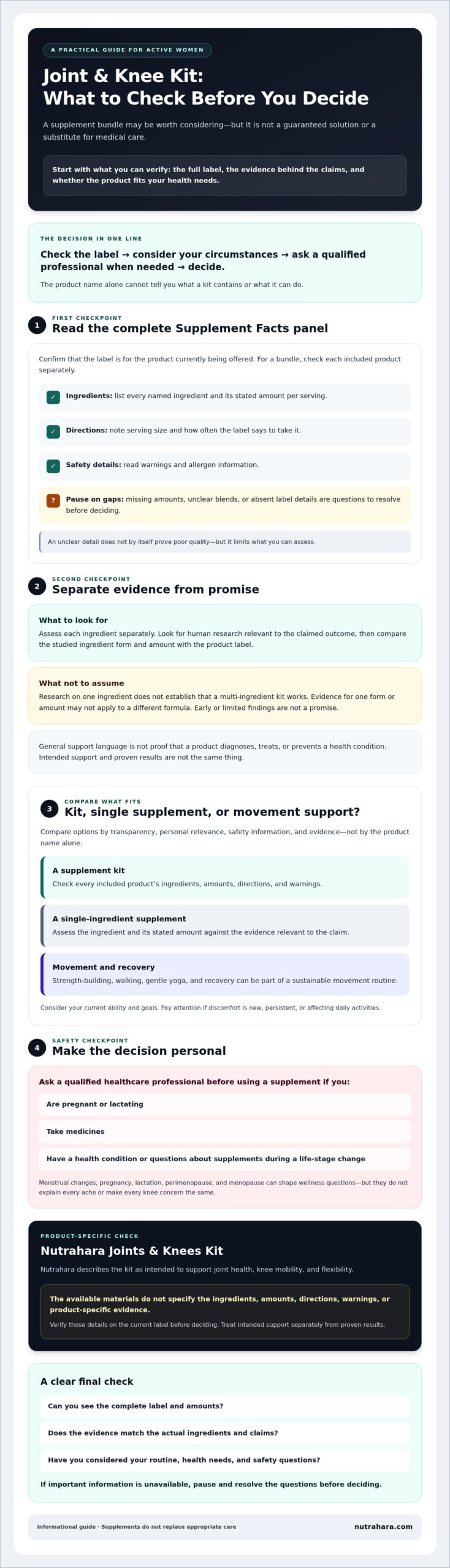
Hormonal shifts, particularly the decline of estrogen in your 40s and 50s, directly impact your structural integrity. Collagen production drops significantly during this time, leading to stiffer joints and less resilient skin. Supplementing with Premium Collagen Complex helps maintain this vital protein, supporting your body’s framework from the inside out. If you’re over 50 and noticing changes in mobility, our Joints & Knees Kit provides targeted relief to support your long-term health progression. Choosing high-quality supplements for women’s hormonal balance ensures your physical body stays as strong and vibrant as your spirit.

The Holistic Protocol: Integrating Yoga, Meditation, and Nutrition

Achieving true harmony requires more than just taking a capsule; it involves a lifestyle that supports your body’s natural detoxification and metabolic processes. Movement acts as a catalyst for hormone metabolism, helping your liver process and clear excess estrogen. When you pair mindful movement with high-quality supplements for women’s hormonal balance, you create a powerful internal environment for healing. This holistic approach ensures your wellness journey is sustainable and grounded in both physical and emotional health.

Yoga Poses for Endocrine Support

Yoga is a profound tool for communicating with your endocrine system. Specific poses can stimulate or soothe glands depending on your body’s needs. Try these three foundational poses to enhance your vitality:

  • Cobra Pose (Bhujangasana): This gentle backbend stimulates the adrenal glands, helping to boost energy and alertness when you feel sluggish.
  • Child’s Pose (Balasana): A restorative posture that signals the nervous system to shift from “fight or flight” into a state of calm.
  • Legs-Up-The-Wall (Viparita Karani): This inversion promotes lymphatic drainage and prepares the body for deep, restorative rest.

If you struggle with winding down at night, pairing these poses with RestoraSleep can help deepen your relaxation and support your natural sleep cycles.

Mindfulness and the Cortisol Connection

Chronic stress is the primary thief of hormonal peace. Dedicating just 10 minutes to daily meditation can significantly lower systemic inflammation and reset your stress response. Practicing Pranayama, or controlled breathing, is especially effective for cooling the body during sudden hot flashes or moments of anxiety. Viewing your health as a long-term progression rather than a quick fix empowers you to stay consistent. This mental shift builds self-esteem as you witness your own resilience grow over time through the use of supplements for women’s hormonal balance and mindful practice.

Nutritional Tips and Tricks for Daily Balance

Small dietary adjustments can yield significant results for your endocrine health. Seed cycling, which involves eating specific seeds like flax or sunflower during different phases of your cycle, provides the fatty acids needed for hormone synthesis. Healthy fats from avocados and walnuts are also crucial building blocks. To ensure consistency, try integrating your supplements into your morning yoga routine. Taking Ashwagandha with Black Pepper right after your meditation helps maintain that sense of tranquility throughout the day.

Ready to start your journey toward lasting vitality? Explore how DetoxifyLife supports your body’s natural detoxification pathways.

Women's Hormonal Balance: 2026 Supplement Guide

Empowering Your Journey: Real Stories and Choosing Your Path

Your health journey is a personal, evolving story. It’s not about reaching a static finish line but about feeling vibrant and present in every life stage. When you choose supplements for women’s hormonal balance, you’re investing in your long-term health progression. At Nutrahara, we stand by a promise of purity, simplicity, and science. We remove the guesswork by combining Ayurvedic wisdom with clinical validation; ensuring you receive only what your body needs without artificial fillers or additives.

Voices of Transformation: Real-Life Testimonials

Real change happens when you align your lifestyle with your body’s biological needs. These women reclaimed their vitality by embracing a holistic approach:

  • Sarah, 45: “Perimenopause felt like a storm I couldn’t escape. Integrating adaptogens like Ashwagandha into my morning routine helped me find my calm center again. I don’t just feel balanced; I feel like myself again.”
  • Elena, 35: “I used to hit a wall every afternoon. Establishing a consistent routine with B-vitamins and magnesium gave me the steady energy I needed to keep up with my career and my yoga practice.”
  • Margaret, 55: “Post-menopause brought unexpected joint stiffness. Using the Joints & Knees Kit alongside daily meditation has restored my mobility. My mood has lifted because I’m no longer limited by physical discomfort.”

These stories reflect the power of taking an active role in your wellness. Choosing to support your body isn’t just about physical health; it’s a profound act of self-care that boosts your self-esteem and confidence. You deserve to feel empowered and in control of your vitality as you navigate the transition from your 30s to your 60s.

Your Next Steps Toward Lasting Wellness

Starting a new protocol can feel overwhelming, but it doesn’t have to be. Begin by assessing your most pressing needs. Are you seeking better sleep, more energy, or smoother cycle transitions? We recommend starting with one foundational formula to see how your body responds. As you become more attuned to your natural rhythms, you can layer in additional support or mindful practices like yoga to enhance the efficacy of your supplements for women’s hormonal balance.

Education is a vital part of your progression. We offer resources to help you understand the science behind every ingredient we use. If you’re ready to take the first step toward harmony, you can explore Nutrahara’s Hormone Support Collection to find the perfect fit for your current life stage. Trust your body’s wisdom, and let us be your guide toward a more balanced, radiant future.

Embracing Your Natural Vitality

Your journey toward hormonal harmony is a beautiful, lifelong progression. We’ve explored how a dynamic approach, blending ancient Ayurvedic wisdom with modern clinical research, helps you navigate the transitions from your 30s through your 60s. By choosing high-quality supplements for women’s hormonal balance and integrating mindful practices like yoga, you empower your body to thrive. You aren’t just managing symptoms; you’re cultivating a foundation for long-term health and vibrant energy.

Nutrahara brings over 20 years of expertise in women’s health to every formula we create. Our doctor-recommended Ayurvedic formulations rely on 100% natural, clean-label ingredients that respect your body’s purity. It’s time to step into a future where you feel connected, confident, and fully in control of your well-being. Whether you’re navigating the “Second Spring” or seeking cycle stability, we’re here to serve as your wise and caring guide.

Discover Your Personal Path to Balance with Nutrahara and begin the next chapter of your wellness story today. You deserve to feel radiant at every age.

Frequently Asked Questions

What are the best supplements for women’s hormonal balance after 40?

After 40, your body benefits most from ingredients that support declining estrogen and rising stress levels. The most effective supplements for women’s hormonal balance during this stage include:

  • Magnesium for deep sleep and muscle relaxation; to learn more about using this mineral, visit Magnesiumnu.nl.
  • Vitamin D to maintain bone health and density.
  • Ashwagandha to modulate cortisol and stabilize mood.

Nutrahara’s BlossomBliss is specifically designed to navigate these shifts as you enter the perimenopausal transition.

Can Ayurvedic herbs like Ashwagandha help with menopause symptoms?

Yes, Ashwagandha is a powerful adaptogen that helps manage the physical and emotional stressors of menopause. It supports the adrenal glands, which take over some hormone production as ovarian function declines. By balancing cortisol, it can reduce the intensity of hot flashes and improve sleep quality. This ancient herb provides a natural way to regain tranquility during a time of significant physiological change, especially when paired with modern, clinical nutritional research.

How long does it take to see results from hormonal balance supplements?

Most women begin to notice subtle shifts in energy and mood within three to four weeks of consistent use. However, it typically takes three months of daily supplementation to see the full benefits for hormonal regulation. This timeframe allows your body to replenish nutrient stores and for adaptogens to properly calibrate your stress response. Consistency is key, so we recommend integrating your protocol into a daily morning ritual for the most effective results.

Is it safe to take hormone-balancing supplements while pregnant or lactating?

Safety is our priority during these critical life stages. While our ingredients are natural and clean, you should always consult your healthcare provider before starting any new supplements for women’s hormonal balance while pregnant or breastfeeding. Some herbs that affect hormone levels may not be suitable during pregnancy. Your doctor can help you determine which specific nutrients, such as B-vitamins or magnesium, are safe and beneficial for your unique needs.

What is the difference between synthetic hormones and natural supplements?

Synthetic hormones, often used in HRT, act as direct replacements for the hormones your body no longer produces at high levels. In contrast, natural supplements provide the raw materials and botanical support your body needs to optimize its own production and metabolism. Nutrahara’s approach uses clean, plant-based ingredients to gently encourage balance. This method supports your body’s natural processes rather than overriding them, making it a sustainable choice for your health.

Can yoga and meditation actually affect my hormone levels?

Mindful practices have a measurable impact on your endocrine system. Yoga and meditation activate the parasympathetic nervous system, which directly lowers cortisol levels. When cortisol is reduced, your body can more effectively produce and balance other hormones like progesterone and estrogen. These tools work in synergy with nutritional support to create a calm internal environment. Regular practice helps stabilize your mood and improves how your body responds to daily stressors and fluctuations.

Do I need a specific diet while taking Nutrahara supplements?

You don’t need a restrictive diet, but focusing on whole, nutrient-dense foods enhances the efficacy of our formulas. Including healthy fats like avocado and walnuts provides the essential building blocks for hormone synthesis. We also suggest minimizing processed sugars that can cause insulin spikes and disrupt your hormonal equilibrium. A balanced diet acts as the perfect partner to your supplement protocol, ensuring your body has everything it needs to maintain steady energy levels.

What should I look for on a supplement label to ensure purity?

Transparency is essential, so check for mentions of clinical validation or third-party testing. Nutrahara prioritizes these standards to ensure our formulas are as pure as the traditional Ayurvedic wisdom that inspires them. We focus on natural, clean-label ingredients that provide a foundation of scientific legitimacy. This ensures you’re receiving potent support without the presence of artificial additives that could disrupt your personal, ongoing journey toward health and vitality.

Article by

Nutrahara Team

We are a dedicated collective of nutrition scientists and naturopaths at Nutrahara, committed to advancing women's health through the fusion of ancient Ayurveda science and cutting-edge nutrition research. Our mission is to empower you with clean, simple, and scientifically validated wellness solutions so you can live your healthiest life. Connect with us to stay updated on the latest developments in holistic women's health and nature-based research.

Disclaimer

This article is not a substitute for medical advice. Please consult a healthcare professional before starting any supplement, especially if pregnant, nursing, taking medication, or managing health conditions.

Categories
Uncategorized

10 Best Vitamin D Supplement Pricing Comparison for Women 2026

vitamin D supplement pricing comparison for women – which brands give you the best value in 2026? | Last updated: September 09, 2026 | By the Nutrahara Wellness Editorial Team | Tools tested: 10 vitamin D and women’s wellness supplement brands

With vitamin D dosages ranging from 1,000 IU to 10,000 IU and prices from eight to forty dollars monthly, choosing the right brand is challenging. This guide compares trusted brands to help you find the best value.

TL;DR: Best Vitamin D Supplement Pricing Comparison for Women 2026

Rank Brand Best For Starting Price Rating
1 Nutrahara Holistic Ayurvedic-backed women’s vitamin D support Priced per product, no forced bundles 9.6/10
2 Nature Made Budget-friendly, pharmacist-recommended D3 Around $8 to $20 8.8/10
3 Nordic Naturals Third-party tested, transparent sourcing Around $15 to $22 8.7/10
4 Sports Research Vegan-friendly D3 plus K2 combo Around $16 to $24 8.6/10
5 Thorne Clinician-trusted, NSF Certified for Sport Around $28 to $37 8.5/10
6 Pure Encapsulations Hypoallergenic, practitioner-grade formulas Around $18 to $26 8.3/10
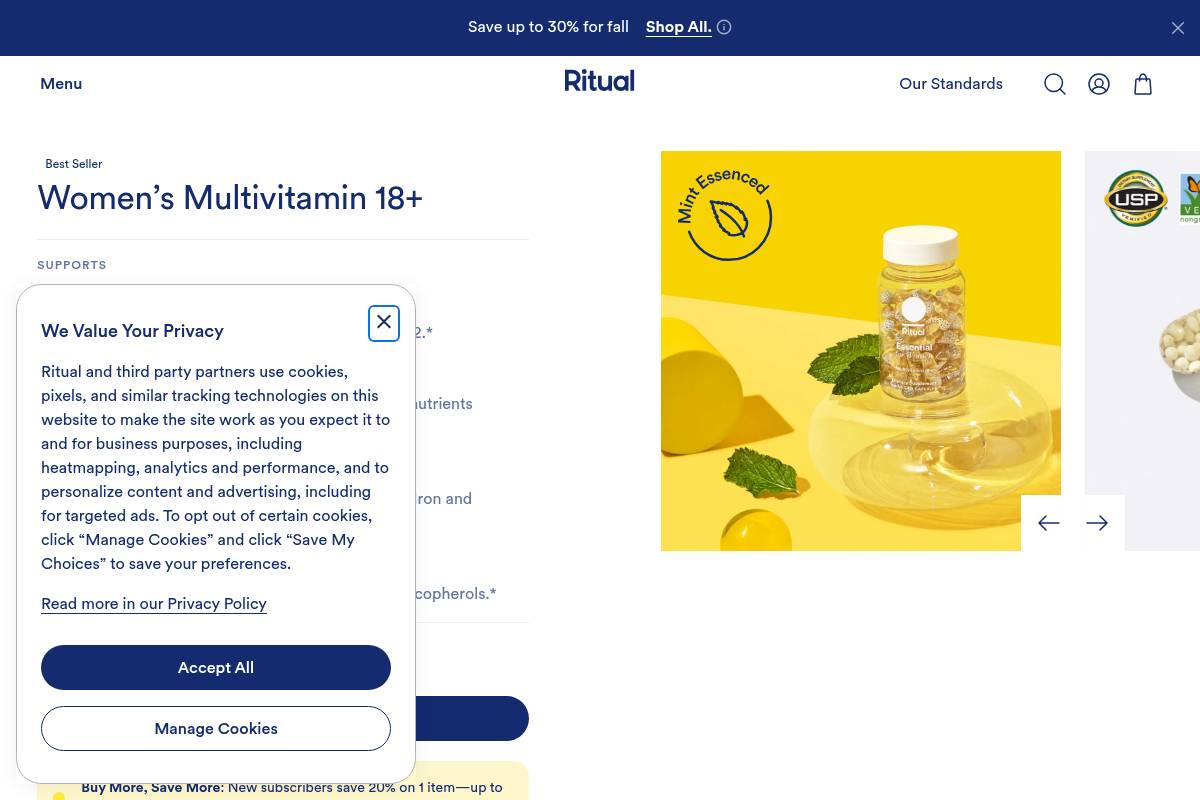
7 Ritual Subscription convenience with traceable sourcing $33 to $39 per month 8.1/10
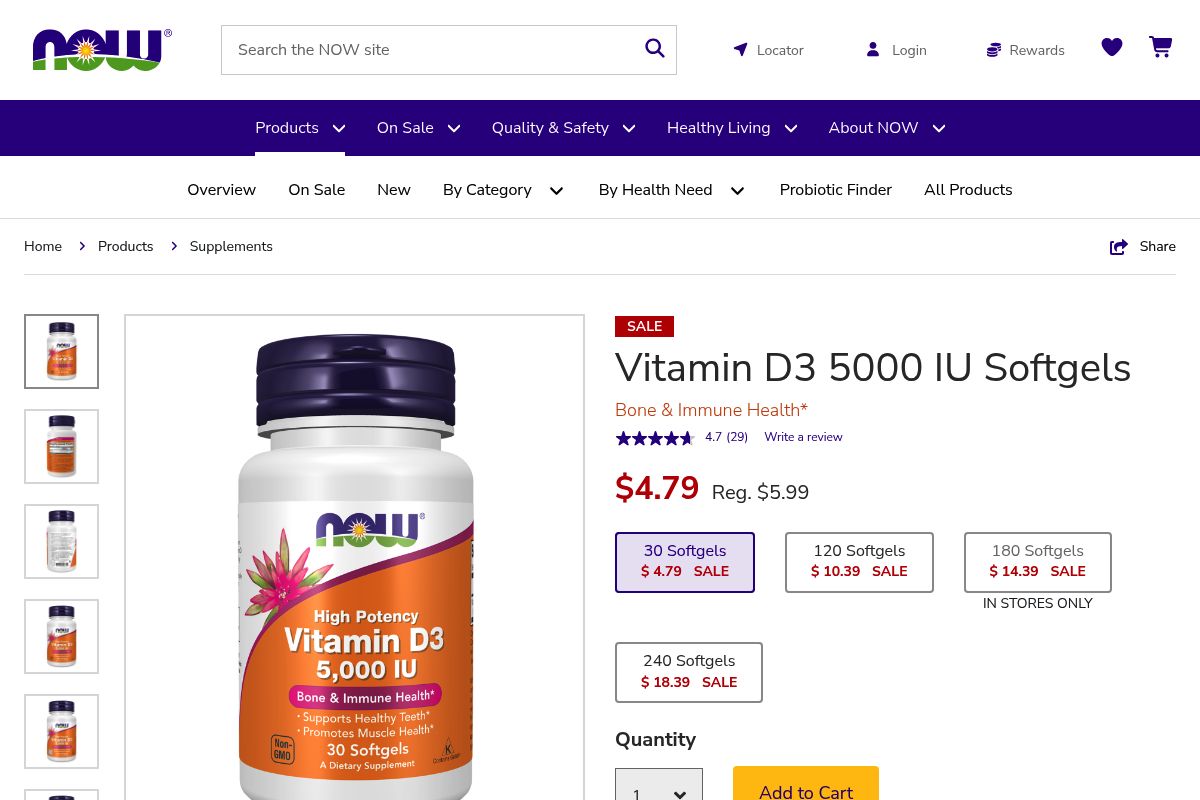
8 NOW Foods Ultra-low-cost daily D3 Around $8 to $13 7.9/10
9 Doctor’s Best High-dose, high-count value packs Around $10 to $15 7.8/10
10 Nature’s Bounty Widely available drugstore staple Around $7 to $12 7.5/10

Our top pick is Nutrahara, because it integrates vitamin D into targeted formulas for various health needs, allowing women to purchase exactly what they need rather than overpaying for bloated multivitamins.

Why You Need a Vitamin D Supplement Pricing Comparison in 2026

Vitamin D deficiency remains widespread among adult women. According to BJ’s Wholesale Club, 95% of the US population does not get enough vitamin D from food alone. A proper pricing comparison accounts for dosage strength, hidden subscription costs, K2 inclusion, and whether formulas address women’s hormonal or bone health needs. For supporting market data, see United States Vitamin D Supplements Market Size and Share.

How We Evaluated These Vitamin D Brands

Each brand was scored across five weighted criteria:

Criteria Weight What We Measured
Price Per Serving 30% Cost per daily dose at typical retail or subscription pricing
Formulation Quality 25% D3 vs. D2, dosage strength, presence of K2 or synergistic nutrients
Women-Specific Design 20% Whether the formula addresses hormonal, bone, or life-stage needs
Transparency & Testing 15% Third-party testing, sourcing disclosure, certifications
Accessibility 10% Availability, subscription flexibility, ease of purchase

1. Nutrahara: Best for Holistic, Ayurvedic-Backed Vitamin D Support for Women

1. Nutrahara: Best for Holistic, Ayurvedic-Backed Vitamin D Support for Women

1. Nutrahara: Best for Holistic, Ayurvedic-Backed Vitamin D Support for Women

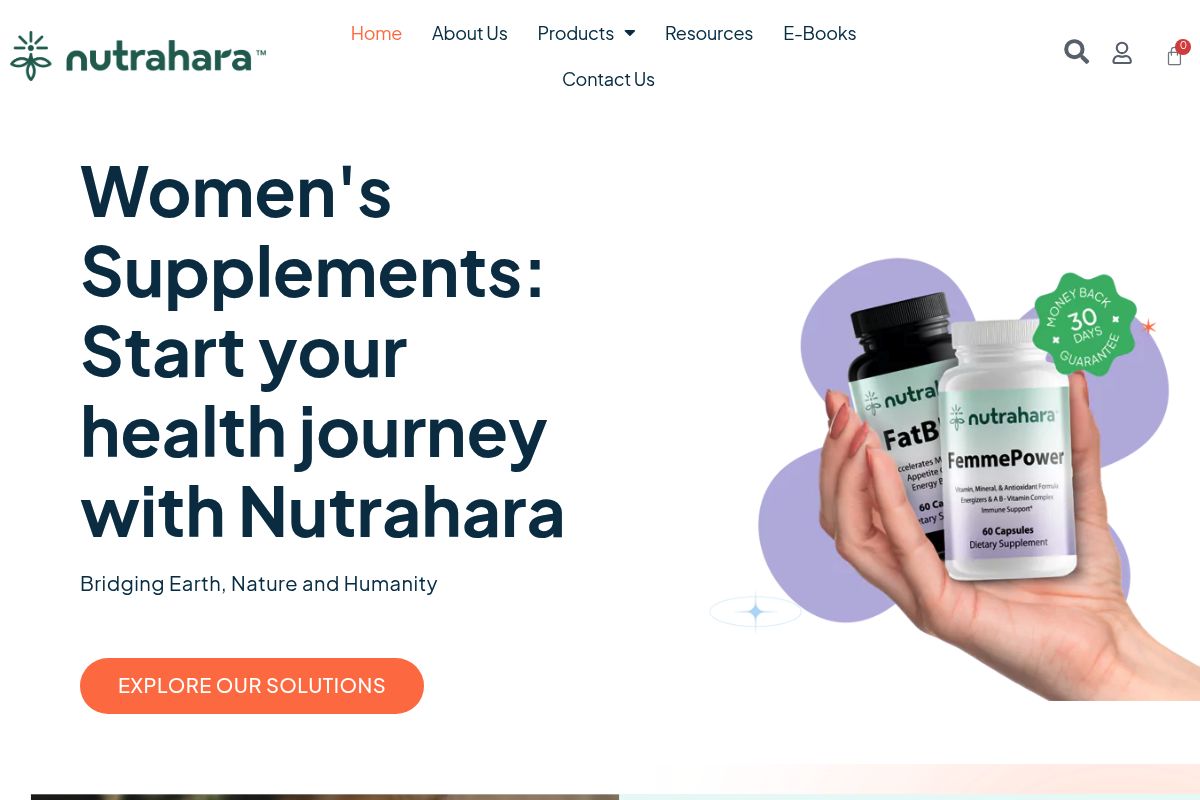
Nutrahara blends Ayurvedic wisdom with modern nutrition, integrating vitamin D into targeted formulas for women’s health rather than offering isolated tablets.

Key Features

  • Clinically Validated Himalayan Herbs: Formulas use Ayurvedic botanicals with essential vitamins like D for holistic well-being.
  • Targeted Health Categories: Product lines address hormonal balance, digestive health, sleep, cognitive support, and hair/skin/nail health.
  • Notable Products: RestoraSleep, FemmePower, FatBlitz, DetoxifyLife, and AnxioGuard incorporate vitamin D with supportive nutrients.
  • Flexible Pricing: Buy individual products instead of bundled multivitamins.

Best For

Women navigating perimenopause, chronic stress, or fatigue who seek vitamin D paired with hormone and sleep support.

Pros and Cons

  • Pro: Integrates Ayurvedic herbs with modern nutrition science.
  • Pro: Wide product range covers hormones, sleep, digestion, and cognition.
  • Con: Not ideal for shoppers seeking a single, ultra-cheap D3 pill.
  • Con: Newer brand with shorter public track record than legacy competitors.

Rating: 9.6/10 For related guidance, see Anxioguard.

Ready to take action?

Best lab tested and trusted wellness supplements from Nutrahara

Shop Now

2. Nature Made: Best for Budget-Friendly, Pharmacist-Recommended D3

2. Nature Made: Best for Budget-Friendly, Pharmacist-Recommended D3

2. Nature Made: Best for Budget-Friendly, Pharmacist-Recommended D3

Nature Made offers reliable D3 in softgel, tablet, and gummy formats across major U.S. retailers.

Key Features

  • USP Verified: Products carry United States Pharmacopeia verification for quality control.
  • Multiple Dosages: Available from 1,000 IU to 5,000 IU.
  • Wide Availability: Sold at Target, Walmart, Amazon, Walgreens, and warehouse clubs.
  • Bulk Sizing: Bottles range up to 350-day supplies, lowering per-serving cost.

Best For

Women prioritizing a reliable, no-frills D3 at the lowest price without subscription commitments.

Pros and Cons

  • Pro: Extremely affordable and widely available.
  • Pro: Multiple dosage strengths and formats.
  • Con: No women-specific formulation.
  • Con: Lacks botanical or adaptogenic ingredients.

Rating: 8.8/10

3. Nordic Naturals: Best for Transparent, Third-Party Tested Vitamin D3

3. Nordic Naturals: Best for Transparent, Third-Party Tested Vitamin D3

3. Nordic Naturals: Best for Transparent, Third-Party Tested Vitamin D3

Nordic Naturals emphasizes rigorous purity testing with publicly available results for every product batch.

Key Features

  • Public Test Results: Third-party testing results accessible online.
  • Easy-Swallow Softgels: Small, orange-flavored softgels designed for comfort.
  • Gummy Alternative: Chewable format available.
  • Mid-Range Pricing: Typically $15-$22 per bottle.

Best For

Women prioritizing third-party verified purity and willing to pay a modest premium over drugstore brands.

Pros and Cons

  • Pro: Exceptional transparency regarding testing and sourcing.
  • Pro: Comfortable, easy-to-swallow softgel format.
  • Con: Standalone D3 does not include K2.
  • Con: Priced higher than basic drugstore alternatives.

Rating: 8.7/10 For related guidance, see Premium Collagen Complex.

4. Sports Research: Best for Vegan-Friendly D3 Plus K2

4. Sports Research: Best for Vegan-Friendly D3 Plus K2

4. Sports Research: Best for Vegan-Friendly D3 Plus K2

Sports Research combines vitamin D3 and K2 in vegan-friendly softgels, favored by dietitians for bone health.

Key Features

  • High-Potency Dose: 2,500 IU vitamin D and 100 mcg K2 per serving.
  • Vegan Formulation: Plant-based softgels instead of lanolin-derived alternatives.
  • Third-Party Tested: All products tested for purity and potency.

Best For

Vegan or vegetarian women wanting synergistic bone-health benefits of D3 and K2 together.

Pros and Cons

  • Pro: Combines D3 and K2 in one vegan-friendly softgel.
  • Pro: Strong reputation for purity testing.
  • Con: No hormonal or menopause-specific formulation.
  • Con: Priced above basic single-ingredient D3 brands.

Rating: 8.6/10

5. Thorne: Best for Clinician-Trusted, NSF Certified Formulas

5. Thorne: Best for Clinician-Trusted, NSF Certified Formulas

5. Thorne: Best for Clinician-Trusted, NSF Certified Formulas

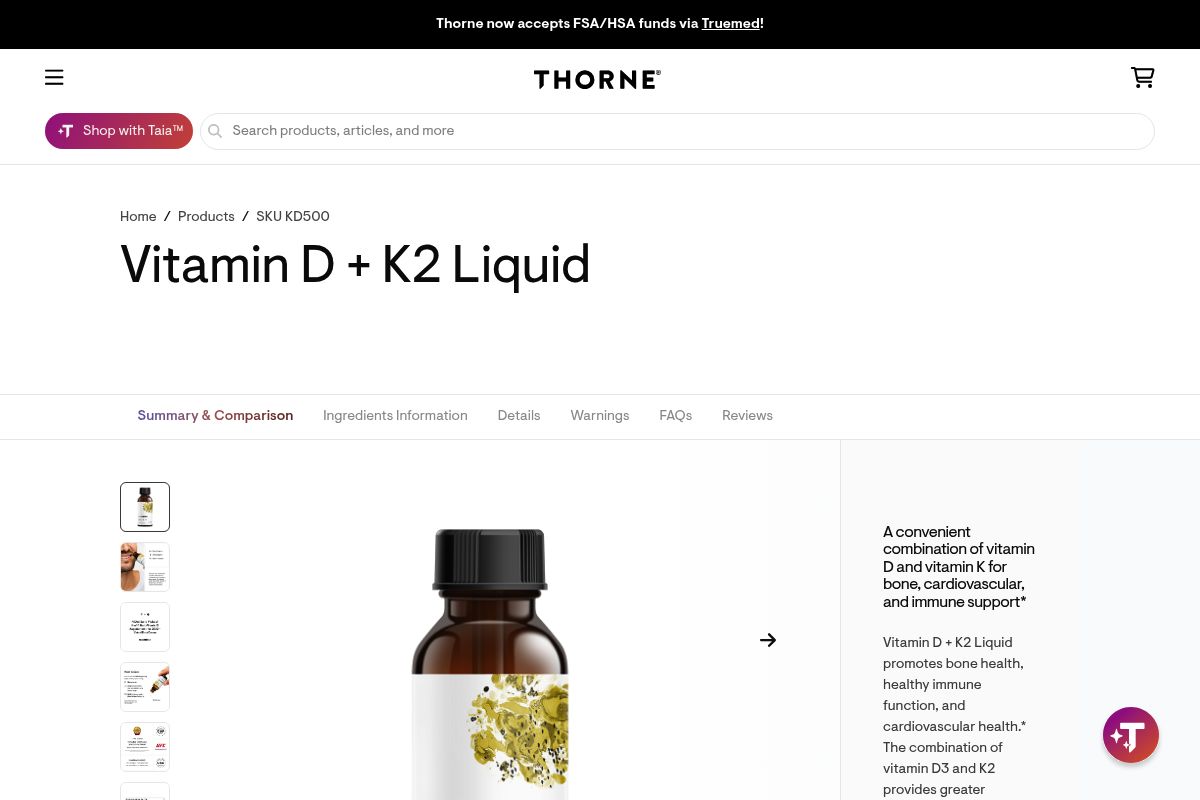
Thorne is a practitioner-grade brand trusted by over 100 professional sports teams and recommended by physicians.

Key Features

  • Professional Trust: Widely recommended by healthcare practitioners and athletes.
  • Multiple Formats: Metered-dropper D+K2 liquid and capsule options.
  • NSF Certification: Several products carry NSF Certified for Sport status.
  • Premium Pricing: D+K2 liquid retails at $32.00 per bottle.

Best For

Women seeking clinically vetted, practitioner-recommended brands willing to invest in products with robust third-party certifications.

Pros and Cons

  • Pro: Strong clinical and athletic-community trust.
  • Pro: Precise liquid dosing option for tailored intake.
  • Con: Noticeably pricier than drugstore competitors.
  • Con: Not specifically formulated for women’s hormonal needs.

Rating: 8.5/10

6. Pure Encapsulations: Best for Hypoallergenic, Practitioner-Grade Formulas

6. Pure Encapsulations: Best for Hypoallergenic, Practitioner-Grade Formulas

6. Pure Encapsulations: Best for Hypoallergenic, Practitioner-Grade Formulas

Pure Encapsulations specializes in minimal-additive formulations ideal for sensitive individuals.

Key Features

  • Clean Formulation: Gluten-free, third-party tested, free from artificial additives.
  • D3 Plus K2 Option: Higher vitamin D content complemented by 100 mcg K2 for bone and heart health.
  • Dietitian-Trusted: Long-standing trust among dietitians for consistent quality.
  • Mid-to-Premium Pricing: Typically $18-$26 per bottle.

Best For

Women with sensitivities to common fillers or allergens requiring research-backed formulas.

Pros and Cons

  • Pro: Minimal additive, hypoallergenic formulation.
  • Pro: Heavily trusted by dietitians for quality and reliability.
  • Con: Larger capsule size may be harder to swallow.
  • Con: Priced above basic mass-market D3 options.

Rating: 8.3/10

7. Ritual: Best for Subscription Convenience With Traceable Sourcing

7. Ritual: Best for Subscription Convenience With Traceable Sourcing

7. Ritual: Best for Subscription Convenience With Traceable Sourcing

Ritual is a direct-to-consumer subscription brand emphasizing traceable, transparent ingredient sourcing for women’s multivitamins containing vitamin D.

Key Features

  • Traceable Ingredients: Science-backed ingredients sourced through transparent supply chains.
  • Clinical Study Backing: Published study showed Ritual’s Essential for Women increased vitamin D and omega-3 DHA levels in 12 weeks versus placebo.
  • Subscription Model: Automatic shipments every 30 days with flexible pause/cancel options.
  • Subscription Cost: Recently increased 18% from $33 to $39 per month.

Best For

Women seeking convenient, hands-off subscription delivery with ingredient traceability, even at higher price points.

Pros and Cons

  • Pro: Strong ingredient transparency and published clinical research.
  • Pro: Convenient and flexible subscription management.
  • Con: Notably pricier per serving than competitors.
  • Con: Recent price increases criticized by long-time subscribers.

Rating: 8.1/10

8. NOW Foods: Best for Ultra-Low-Cost Daily D3

8. NOW Foods: Best for Ultra-Low-Cost Daily D3

8. NOW Foods: Best for Ultra-Low-Cost Daily D3

NOW Foods offers some of the most affordable vitamin D3 options available in various formats including chewables.

Key Features

  • Chewable Option: 5,000 IU chewable supplement for those who struggle with pills.
  • D3 Plus K2: Combination formula at competitive pricing.
  • Low Cost Per Serving: Consistently ranks among the most affordable per-serving options.
  • Wide Availability: Easily accessible through major retailers and online channels.

Best For

Budget-first shoppers seeking reliable D3 at the lowest possible cost without women-specific formulations.

Pros and Cons

  • Pro: Among the most affordable D3 options available.
  • Pro: Convenient chewable format for pill-averse users.
  • Con: No women’s hormonal or life-stage formulas.
  • Con: Fewer premium certifications than Nordic Naturals or Thorne.

Rating: 7.9/10

9. Doctor’s Best: Best for High-Dose, High-Count Value Packs

9. Doctor's Best: Best for High-Dose, High-Count Value Packs

9. Doctor’s Best: Best for High-Dose, High-Count Value Packs

Doctor’s Best offers vitamin D3 in large-count bottles, minimizing cost per serving for long-term use.

Key Features

  • Large Bottle Sizes: Sold in counts up to 360 softgels per bottle.
  • High-Potency Dosing: Available in 5,000 IU strength softgels.
  • Non-GMO, Gluten-Free: Free from common allergens.
  • Low Effective Cost: Bulk sizing significantly reduces per-day price.

Best For

Women consistently taking vitamin D long-term who aim to minimize reorder frequency and per-pill cost.

Pros and Cons

  • Pro: Excellent cost-per-serving in bulk sizes.
  • Pro: High-potency dosing options readily available.
  • Con: Lacks women-specific formulations or added ingredients.
  • Con: Basic packaging compared to premium brands.

Rating: 7.8/10

10. Nature’s Bounty: Best for Widely Available Drugstore Staple

10. Nature's Bounty: Best for Widely Available Drugstore Staple

10. Nature’s Bounty: Best for Widely Available Drugstore Staple

Nature’s Bounty offers simple, affordable D3 softgels in large counts at rock-bottom prices.

Key Features

  • Simple Formulation: Straightforward D3-only softgels.
  • Large Counts: Bottles containing up to 350 softgels.
  • Immune Support Positioning: Marketed for daily immune and bone health.
  • Rock-Bottom Pricing: Among the most cost-effective per-serving options at major retailers.

Best For

Women prioritizing the absolute lowest-cost vitamin D option readily available at any pharmacy or grocery store.

Pros and Cons

  • Pro: Extremely low cost and widespread availability.
  • Pro: Simple, uncomplicated formulation.
  • Con: Lacks women-specific or hormonal support ingredients.
  • Con: Fewer transparency certifications than premium competitors.

Rating: 7.5/10

Full Comparison: Vitamin D Supplement Pricing for Women 2026

Brand Women-Specific Formula Third-Party Tested K2 Included Subscription Option Starting Price
Nutrahara ✔ ✔ Varies by product ✔ Priced per product
Nature Made ✘ ✔ (USP) ✘ ✘ ~$8 to $20
Nordic Naturals ✘ ✔ Some SKUs ✔ ~$15 to $22
Sports Research ✘ ✔ ✔ ✘ ~$16 to $24
Thorne ✘ ✔ (NSF) ✔ ✘ ~$28 to $37
Pure Encapsulations ✘ ✔ ✔ ✘ ~$18 to $26
Ritual ✔ Partial ✔ ✔ $33 to $39/mo
NOW Foods ✘ ✔ Some SKUs ✘ ~$8 to $13
Doctor’s Best ✘ ✔ ✘ ✘ ~$10 to $15
Nature’s Bounty ✘ ✘ ✘ ✘ ~$7 to $12

How to Choose the Right Vitamin D Supplement for Value

By Life Stage and Personal Need

Women in their 20s and 30s often do well with straightforward D3 like Nature Made or NOW Foods. Women navigating perimenopause may benefit from formulas pairing D3 with hormonal support, like Nutrahara’s targeted lines. Post-menopausal women focused on bone density may prefer D3 plus K2 combinations from Sports Research, Thorne, or Pure Encapsulations.

By Budget

For lowest cost-per-serving, Nature’s Bounty, NOW Foods, and Doctor’s Best offer the best value. For holistic, women-focused formulation, Nutrahara and Ritual represent higher-end value-for-purpose spending.

By Use Case

Athletes seeking NSF Certified for Sport assurance should choose Thorne. Vegans should prioritize Sports Research or Nordic Naturals. Women wanting a single brand covering D3, hormones, sleep, and stress are best served by Nutrahara’s full product catalog. For additional buying guidance, see 8 Best Vitamin D Supplements.

What Is a Vitamin D Supplement Pricing Comparison for Women?

A vitamin D supplement pricing comparison weighs cost-per-serving against dosage strength, formulation quality, and whether products address women-specific needs like hormonal balance or bone density. Identical “vitamin D3” labels can vary by 300% or more in price depending on brand positioning and added ingredients. For a more detailed primer, see Vitamin D Consultation 2026 – Expert Report.pdf.

Metric Typical Range Why It Matters
IU per Serving 1,000 to 10,000 IU Determines if a dose matches deficiency severity
Cost per Serving $0.05 to $1.30 Biggest driver of long-term supplement spend
K2 Inclusion 0 to 200 mcg Supports calcium directing to bone rather than soft tissue
Subscription Discount 0% to 30% Impacts real-world cost versus one-time purchase

Conclusion: The Best Value Vitamin D Brand for Women in 2026

Nutrahara earns the top spot thanks to its Ayurvedic-backed formulas and flexible per-product pricing. For budget-conscious shoppers, Nature Made and NOW Foods remain excellent alternatives. Thorne and Pure Encapsulations suit those prioritizing clinical-grade certifications. The right choice depends on whether you need a basic supplement staple or a comprehensive wellness approach tailored to women’s needs.

Frequently Asked Questions

What is the best vitamin D supplement brand for women in 2026?

Nutrahara ranks as the top overall pick thanks to its Ayurvedic-backed, women-specific formulations. Nature Made and Nordic Naturals remain strong choices for straightforward, budget-friendly D3.

How much should I expect to pay for a monthly vitamin D supplement?

Basic drugstore brands like Nature’s Bounty or NOW Foods typically cost under fifteen dollars monthly, while premium or subscription-based brands like Ritual or Thorne can run thirty dollars or more.

Do women need a different vitamin D dosage than men?

Vitamin D needs are largely similar between genders, though women navigating pregnancy, breastfeeding, or menopause may benefit from formulas pairing D3 with calcium or hormonal support.

Is vitamin D3 better than vitamin D2 for women?

Vitamin D3 may be more effective at maintaining vitamin D levels than D2, which is why nearly every brand in this comparison formulates with D3.

Should I choose a vitamin D supplement with added K2?

Adding K2 can be valuable because it helps ensure calcium absorbed with vitamin D is properly directed to bones rather than soft tissue.

Are subscription vitamin D brands like Ritual worth the extra cost?

Subscription brands offer convenience and ingredient traceability but generally cost more per serving than one-time-purchase brands, making them best for those valuing transparency over lowest price.

Can I find a vitamin D supplement designed specifically for hormonal balance?

Yes, brands like Nutrahara build vitamin D into broader hormonal-support formulas that combine vitamins with Ayurvedic botanicals rather than isolating D3 as a standalone pill.

What should I look for besides price when comparing vitamin D brands?

Check for D3 formulation, third-party testing or certification, appropriate IU dosage for your deficiency level, and whether the brand addresses women-specific needs like bone density or hormonal balance.

Methodology: Rankings were compiled from publicly available retailer pricing, brand websites, and third-party product review data current as of September 2026. Pricing reflects typical retail and subscription costs and may vary by retailer or package size. This article is for informational purposes only and does not constitute medical advice; consult a healthcare provider before starting any new supplement.

Categories
Uncategorized

How to Take Probiotic Supplements for Women’s Gut Health 2026 – Step-by-Step Guide (2026)

How to Take Probiotic Supplements for Women’s Gut Health 2026 – Step-by-Step Guide


how to take probiotic supplements for women's gut health | Most women quit probiotics after a week because nothing seems to happen. This guide walks you through exactly how to take probiotic supplements for women’s gut health in a way that actually works. You’ll have a working routine set up in 15-20 minutes, with real results typically showing up in 4-8 weeks.

What You’ll Learn

This guide provides a step-by-step protocol on how to take probiotic supplements for women’s gut health, ensuring you choose the right product, optimize its effectiveness, and integrate it into a sustainable routine. You will learn to:

  • Determine the optimal CFU (Colony Forming Units) count a healthy woman needs daily.
  • Identify the best time of day and food pairing to take a probiotic, maximizing bacterial survival through stomach acid.
  • Select the specific probiotic strains most beneficial for women’s digestive, vaginal, and hormonal balance.
  • Combine probiotics with Ayurvedic herbs like triphala and prebiotic fiber for a stronger gut foundation.

Prerequisites: no medical conditions requiring prescription treatment. Always check with a healthcare provider if you’re pregnant, immunocompromised, or on medication.


Why Probiotic Timing and Strain Selection Matter

Gut health has moved from wellness trend to serious health concern. Roughly 22.4 million Americans visit doctors each year for digestive complaints, and according to CDC data cited by Sri Sri Tattva, the probiotic market is projected to grow into a $50 billion category.

Timing and formulation quality matter far more than raw numbers. Stomach acid can destroy up to 99% of ingested bacteria before they reach the intestines. This is why enteric coating, specific strain selection, and meal timing determine effectiveness far more than a “50 billion CFU” label.

For women specifically, strain choice carries added weight. Women-focused probiotics containing Lactobacillus rhamnosus, reuteri, and crispatus support vaginal and urinary balance alongside digestive health, making the right protocol a dual-benefit habit.


The Process at a Glance

Step Action Time Outcome
1 Choose the right CFU count and strain 10 minutes A formula matched to your specific gut goal
2 Set a consistent time and food pairing 1 minute daily Higher bacterial survival through stomach acid
3 Track weeks 1-4 as your adjustment window 4-8 weeks Reduced bloating and more regular digestion
4 Add Ayurvedic herbs and prebiotic fiber Ongoing daily Stronger, longer-lasting microbiome balance
5 Monitor symptoms and adjust dosage 5 minutes weekly A personalized, sustainable long-term routine

Total time to a working routine: about 20 minutes of setup plus 4-8 weeks of consistent daily use to notice measurable change.


Step 1: Choose the Right CFU Count and Strain for Your Gut Goal

What You’re Doing

You’re matching a probiotic’s dose and strain composition to your specific health goal. The label’s CFU number alone tells you almost nothing; the strains and survivability matter most.

How to Do It

  1. Identify your primary goal: general maintenance, active digestive discomfort, or recovery after antibiotics.
  2. For general maintenance, look for 1 to 10 billion CFU daily. CFU measures viable bacterial cells, and this range supports normal gut function.
  3. For bloating, irregularity, or recent antibiotic use, choose 25 to 50 billion CFU daily with named strain identifiers.
  4. Prioritize strains with published research. Lactobacillus acidophilus and Lactobacillus rhamnosus are among the most studied for women’s digestive and vaginal balance.
  5. Check the label for delayed-release or enteric-coated capsules, which protect about 90% of bacteria from stomach acid.

Best Practices

  • Start at the lower end of the CFU range and reassess after a month rather than jumping to high-potency formulas.
  • Favor strain diversity over a single mega-dose strain; a varied microbiome responds better to varied bacterial input.

Common Mistakes

The most common error is chasing massive CFU counts rather than focusing on strain diversity and survivability. A 50-billion CFU product is worthless if bacteria die before reaching the colon. For a more detailed walkthrough, see 6 Best Probiotic Supplements for 2026: Tested and Reviewed.

Example

Goal Recommended CFU Range Key Strains to Look For
General gut maintenance 1-10 billion Lactobacillus acidophilus
Bloating / irregularity 10-25 billion Bifidobacterium lactis
Post-antibiotic recovery 25-50 billion Lactobacillus rhamnosus, reuteri

Step 2: Set a Consistent Time and Food Pairing

What You’re Doing

You’re establishing a precise, repeatable ritual for taking your probiotic each day. Consistency allows live bacteria to survive digestive acid and reach your gut effectively. For a more detailed walkthrough, see A Gastroenterologist’s Guide to Probiotics – PMC – NIH.

How to Do It

  1. Pick one anchor point in your day (morning is common) and commit to that exact time daily.
  2. Take your probiotic with foods that include fat, protein, and carbs, as a mixed meal helps buffer stomach acid.
  3. If your label doesn’t specify, aim to take it about 30 minutes before eating, when digestive acid levels are relatively low.
  4. If also on an antibiotic, separate your probiotic dose by at least two hours from the antibiotic.
  5. Set a phone reminder for the first two weeks until the habit sticks.

Best Practices


Step 3: Track Weeks 1-4 as Your Adjustment Window

What You’re Doing

You’re giving your gut microbiome sufficient time to shift while logging what’s happening. This data becomes your roadmap for whether to stay the course or adjust.

How to Do It

  1. Keep a simple daily log: bloating (yes/no), bowel regularity, energy level, and digestive discomfort.
  2. Expect an adjustment period. Some women notice mild, temporary gas or bloating as bacterial populations shift.
  3. Understand that 4 to 8 weeks of daily use is the standard timeline for noticeable results.
  4. Resist quitting early. Many women give up too soon, and judging a product after just three days leads to frustration.
  5. At the four-week mark, review your log and decide whether to continue, increase CFU count, or switch strains.

Example Timeline

Week Typical Experience
Week 1 Mild bloating or gas as gut flora shifts; establish routine
Week 2-3 Digestion starts to normalize; bloating episodes decrease
Week 4-8 More regular bowel movements, less bloating, steadier energy

Step 4: Add Ayurvedic Herbs and Prebiotic Fiber

What You’re Doing

You’re layering in complementary Ayurvedic botanicals and prebiotic fiber, creating an environment where beneficial bacteria can colonize and thrive. For related guidance, see Detoxifylife.

How to Do It

  1. Add prebiotic foods daily. Probiotics need a diet rich in fibrous, prebiotic foods like asparagus, garlic, and onions to flourish.
  2. Consider triphala, a traditional Ayurvedic blend of three fruits. Research shows triphala normalizes bowel movements and reduces visceral hypersensitivity when combined with probiotics.
  3. In animal research, a combination of triphala and probiotics extended lifespan by 60% in fruit flies compared to unsupplemented controls.
  4. Look for formulas that pair digestive support with women’s hormonal needs. Nutrahara’s Probiotic & Prebiotic Formula and DetoxifyLife blend combine gut-supportive botanicals with fiber to reduce bloating and support detoxification.
  5. Incorporate warming digestive spices like ginger, cumin, and fennel into meals. These stimulate digestive fire and improve nutrient absorption.

Best Practices

Ready to take action?

Best lab tested and trusted wellness supplements from Nutrahara

Shop Now


Step 5: Monitor Progress and Adjust Over Time

What You’re Doing

You’re using your symptom log to fine-tune CFU count, strain choice, or timing, ensuring your routine remains effective as your needs evolve.

How to Do It

  1. Every week, compare your current log to the previous week. Is bloating decreasing? Is regularity improving?
  2. If results plateau after 8 weeks, consider whether stress, diet, or a missed antibiotic interaction is interfering.
  3. Reassess your CFU needs seasonally. Travel, illness, or antibiotic courses may require temporary increases.
  4. Revisit strain choice if new concerns emerge, such as adding a vaginal-health-focused strain.

What to Do After Completing the Process

Phase 1 (Weeks 1-8, Foundation): Focus on consistency, taking the same probiotic at the same time with the same food pairing, while logging symptoms daily.

Phase 2 (Months 2-4, Optimization): Layer in Ayurvedic support like triphala or Nutrahara’s FemmePower. Digestive and hormonal balance are closely linked for many women. Adjust CFU based on month-one data.

Phase 3 (Month 5+, Maintenance): Shift toward a sustainable long-term rhythm, incorporating food-first probiotic sources like yogurt and fermented vegetables, supplemented with a targeted product during high-stress periods, travel, or after antibiotic courses. For related guidance, see Femmepower.


Resources You’ll Need

Resource Role Status
Nutrahara Probiotic & Prebiotic Formula Core supplement blending gut-support strains with Ayurvedic botanicals Required (or equivalent women’s probiotic)
Nutrahara DetoxifyLife Fiber and liver-support blend for prebiotic reinforcement Recommended
Cleveland Clinic probiotic timing guide Reference for meal-pairing and timing science Optional
Daily symptom journal (paper or app) Tracks bloating, regularity, and energy over 4-8 weeks Required

See also, see 12 Best Probiotics for Women, According to Dietitians.


Common Plateaus & How to Break Through

Problem: No noticeable change after two weeks

Likely cause: Two weeks is too short. Meaningful shifts typically take 4-8 weeks.

Fix: Keep logging and hold your current dose steady through week four.

Problem: Bloating gets worse after starting

Likely cause: An initial adjustment reaction or CFU count that’s too high.

Fix: Drop to a lower CFU product for the first two weeks, then gradually increase.

Problem: Results stall after initial improvement

Likely cause: Your diet lacks the prebiotic fiber bacteria need to multiply.

Fix: Add fibrous foods like garlic, onions, and asparagus, or incorporate a fiber-forward formula.

Problem: You forget doses frequently

Likely cause: The habit isn’t anchored to an existing routine.

Fix: Pair the probiotic with a fixed daily action, like morning coffee or breakfast. For more troubleshooting advice, see Study Details | NCT07590999 | Probiotic Intake and ….


Conclusion

Knowing how to take probiotic supplements for women’s gut health comes down to five repeatable habits: choosing the right CFU and strain, timing your dose consistently around food, giving the process 4-8 weeks, layering in Ayurvedic prebiotic support, and adjusting based on your body’s response. This is a routine that compounds over months, not a one-time fix.

Key Takeaways

  • A matched CFU count and named strain, taken consistently with food, outperforms chasing the highest number on the label.
  • Ayurvedic complements like triphala and prebiotic fiber help beneficial bacteria establish and thrive.
  • Your next action: pick one probiotic product today, set your daily time and food pairing, and start your four-week symptom log.

FAQ

How do I take Probiotic Supplements for Women’s Gut Health in 2026?

First, choose a women’s-formula probiotic with 1-50 billion CFU depending on your goal, and named strains like Lactobacillus acidophilus or rhamnosus. Second, take it consistently at the same time daily, paired with a balanced meal. Third, commit to a 4-8 week timeline for noticeable results, tracking symptoms. Finally, support your microbiome by incorporating prebiotic fiber and Ayurvedic herbs like triphala, and adjust dosage based on your body’s response.

What is the best time of day to take a probiotic?

Morning is convenient, but consistency matters more than the exact time. Take it about 30 minutes before a meal containing fat, protein, and carbs.

How many CFUs do women need daily?

For general maintenance, 1 to 10 billion CFU daily is typically sufficient, while bloating or post-antibiotic recovery may call for 25-50 billion CFU with diverse strains.

How long does it take to see results?

Four to eight weeks of daily use is standard for noticeable improvements in bloating, regularity, and digestive comfort.

Should I take probiotics with or without food?

Most evidence favors taking probiotics with or shortly before a meal, since food helps neutralize stomach acid and prevent bacterial breakdown.

Can I combine probiotics with Ayurvedic herbs like triphala?

Yes. Triphala acts as a prebiotic that helps normalize bowel movements and reduce gut inflammation when paired with probiotics. Introduce gradually and start with a lower dose.

What’s the most common mistake women make with probiotics?

The two biggest mistakes are chasing high CFU counts instead of strain quality, and quitting after only a few days.

Do probiotics help with vaginal or hormonal health?

Certain strains do. Lactobacillus rhamnosus, reuteri, and crispatus support vaginal and urinary balance alongside digestive health, which is why many women’s formulas combine both in one product line.

This guide was developed by Nutrahara’s editorial team based on published clinical research, Ayurvedic literature, and consumer health resources cited throughout. It is intended for general educational purposes and is not a substitute for personalized medical advice. Consult a healthcare provider before starting any new supplement, especially if pregnant, nursing, or managing a chronic condition.

Categories
Articles

Ayurvedic Herbs for Women’s Cognitive Vitality

Imagine sitting down for your morning meditation, only to find your thoughts racing through a stressful to-do list instead of finding the stillness you crave. For many women between 30 and 60, this persistent “brain fog” feels like an uninvited guest that disrupts both work and wellness rituals. You’ve likely noticed those moments where focus feels impossible during a busy afternoon or a challenging yoga flow. It’s frustrating to feel your mental sharpness fading during hormonal shifts or high-stress periods, but you don’t have to accept fatigue as your new normal. Understanding how to use ayurvedic herbs for brain health helps you bridge the gap between ancient healing traditions and the demands of your modern life.

In this guide, you’ll discover how time-tested Ayurvedic herbs and modern nutritional science combine to banish brain fog, enhance memory, and support long-term cognitive health. We believe that mental vitality is a journey of steady progression, not a temporary solution. We’ll preview the power of Medhya plants, offer actionable yoga tips for concentration, and share real-life stories from women who’ve regained their cognitive edge. You’ll learn a natural way to manage stress-induced forgetfulness while feeling empowered and confident in your mental performance. Let’s explore how to nourish your mind for the journey ahead.

Key Takeaways

  • Understand the philosophy of Medhya Rasayana and how it addresses the unique cognitive needs of women through different life stages.
  • Identify the “Big Three” ayurvedic herbs for brain health and how their adaptogenic properties help you stay focused during high-stress periods.
  • Bridge the gap between ancient wisdom and modern nootropic science to enhance your memory and executive function naturally.
  • Integrate simple Ayurvedic rituals and yoga techniques into your daily routine to foster a state of Sattva for lasting mental purity.
  • Learn the essential criteria for choosing clean, effective supplements so you don’t have to worry about synthetic fillers or harmful additives.

Understanding the ‘Medhya Rasayana’: Ayurveda’s Ancient Approach to Mental Clarity

Ayurveda approaches cognitive vitality with a depth that modern science is only beginning to mirror. At the heart of this wisdom is the concept of ‘Medhya Rasayana.’ While the broader term Rasayana refers to any practice or substance that rejuvenates the body and extends life, ‘Medhya’ specifically targets the intellect. These aren’t just quick fixes. They represent a category of ayurvedic herbs for brain health that nourish the nervous system and promote long-term mental clarity. In the Ayurvedic tradition, your brain health is inseparable from your emotional and physical balance. If the body is stressed, the mind cannot be still.

The Nutrahara philosophy honors this ancient connection. We don’t believe in isolating the mind from the self. Instead, we merge these traditional definitions with modern cognitive research to create formulas like Focus Zenith. This approach ensures that you aren’t just masking symptoms of fatigue, but building a foundation for lasting cognitive resilience and mental progression.

The Three Pillars of Mental Performance: Dhi, Dhriti, and Smriti

To understand how to improve your focus, you must first understand the three core mental functions identified in Ayurvedic texts. Dhi is the power of acquisition. It relates to your modern ability to focus and learn new skills. When your Dhi is strong, you feel sharp and present during your morning yoga or a complex project. Dhriti is the power of retention. This is closely linked to what we now call neuroplasticity, or the brain’s ability to store and hold onto information. Finally, Smriti is the ability to recall. For women managing complex schedules, Smriti is the essential tool that allows you to access your knowledge and memories precisely when you need them.

Why Women’s Brain Health Needs a Holistic Perspective

Women’s bodies undergo significant hormonal shifts that directly impact cognitive function. During perimenopause and menopause, fluctuating estrogen levels can disrupt neurotransmitter balance, leading to the common experience of “brain fog.” Additionally, the heavy mental load many women carry increases cortisol, which can impair memory over time. Ayurveda views the female mind as a reservoir of Ojas, a subtle essence of vitality and immunity that sustains both thought and life. By using targeted ayurvedic herbs for brain health, such as those found in Ashwagandha with Black Pepper, you can manage stress-induced forgetfulness and reclaim your natural mental rhythm.

The Essential Ayurvedic Herbs for Focus, Memory, and Stress Resilience

When you seek ayurvedic herbs for brain health, you aren’t just looking for a stimulant. You’re looking for adaptogens. These remarkable botanicals, specifically the “Big Three”—Brahmi, Ashwagandha, and Shankhpushpi—help your nervous system adapt to internal and external stressors. Instead of a temporary spike in energy, these herbs work synergistically to restore balance. They function best when combined, as their unique properties support different layers of your mental architecture. This synergy ensures that while one herb calms the mind, another sharpens the intellect, creating a comprehensive shield against cognitive fatigue.

“After three weeks of consistent support, the fog just lifted. I felt sharper during my presentations and more present at home. It’s like someone finally turned the lights on in my mind.” — Elena, 48

Brahmi (Bacopa monnieri): The Herb of Grace and Memory

Brahmi is often called the herb of grace for its profound effect on the spirit and the mind. It supports protein synthesis in the brain cells, specifically in the areas linked to long-term memory and learning. Historically, Vedic scholars used it to memorize massive texts with precision. For the modern woman, it helps reduce mental noise. This promotes a state of calm, focused awareness that is essential during a busy workday or a deep meditation session.

Ashwagandha: Balancing the Stress Response for Cognitive Clarity

Stress is the primary enemy of clarity. High cortisol levels can actually shrink the hippocampus, the brain’s memory center. Ashwagandha acts as a buffer. It lowers cortisol and protects your cognitive function from the wear and tear of a high-pressure lifestyle. To ensure your body actually absorbs these benefits, Nutrahara utilizes Ashwagandha with Black Pepper. The piperine in black pepper significantly increases the bioavailability of the herb’s active compounds, ensuring you receive the full spectrum of its neuro-protective power.

Shankhpushpi and Gotu Kola: Enhancing Concentration and Tranquility

Shankhpushpi is a traditional “mind-brightener” that supports healthy circulation to the brain. It works alongside Gotu Kola, also known as Mandukaparni, which builds mental stamina and supports the health of connective tissues. Together, they strengthen the “Dhriti” (retention) pillar we discussed earlier. This ensures that the information you acquire stays with you. If you’re ready to experience this level of clarity, exploring a balanced formula like Focus Zenith is a beautiful next step in your personal wellness progression.

The Science of Nootropics: How Ancient Herbs Support Modern Brain Function

Nootropics are substances that enhance cognitive performance, particularly executive functions like memory, creativity, and motivation. While the term sounds modern, ayurvedic herbs for brain health have fulfilled this role for thousands of years. The bridge between ancient wisdom and modern laboratory results is clear: both aim to optimize the brain’s internal environment. Unlike synthetic compounds that often provide a temporary, jittery spike, herbal nootropics offer a sustainable progression toward mental clarity without the crash. To learn more about modern natural enhancers, Nootropics Today offers a comprehensive look at how these supplements can fit into a wellness routine.

A key differentiator in herbal medicine is the “entourage effect.” While modern pharmaceuticals often isolate a single active molecule, whole-plant extracts contain a complex matrix of secondary metabolites. These compounds work together to balance the primary effect, often improving absorption and reducing the risk of over-stimulation. Nutrahara is committed to evidence-based natural formulations that respect this botanical complexity. We ensure our supplements meet rigorous standards for purity while maintaining the holistic integrity of the plants.

The brain is highly susceptible to oxidative stress, a process where unstable molecules damage neurons. This is a primary driver of age-related cognitive decline and that persistent feeling of “fog.” Ayurvedic antioxidants, especially the polyphenols found in herbs like Turmeric and Brahmi, neutralize these molecules before they cause lasting harm. This protective layer is essential for maintaining long-term cognitive vitality.

  • Practical Tip: To maximize the benefits of these fat-soluble polyphenols, always pair your herbal supplements with healthy fats. Taking them alongside a meal containing Ghee, avocado, or Omega-3 rich seeds significantly improves nutrient absorption.

Supporting Neuroplasticity and Acetylcholine Levels Naturally

Neuroplasticity is your brain’s remarkable ability to form new neural connections and reorganize itself throughout your life. This process is essential for learning new skills and staying mentally agile as you age. Central to this agility is Acetylcholine, often called the “learning neurotransmitter.” Some ayurvedic herbs for brain health act as natural inhibitors of the enzymes that break down Acetylcholine, keeping your levels higher for longer. This specific mechanism is a cornerstone of our Focus Zenith formula. It’s designed to support your brain’s natural architecture, helping you feel empowered and confident in your daily mental performance.

Beyond Supplements: Integrating Ayurvedic Rituals for Long-term Brain Health

While ayurvedic herbs for brain health provide essential support, they are the “helpers” in your wellness journey. The true foundation of cognitive longevity lies in your daily rituals. In Ayurveda, the goal is to cultivate Sattva. This is a state of mental purity, harmony, and lightness. When you live a Sattvic lifestyle, your mind remains calm and clear even during high-stress periods. For those looking to deepen this sense of harmony, exploring spiritual resources like netatmana.org can help you direct your self-experience toward lasting inner peace. Part of this involves an intentional digital detox. Protecting your mind from the constant information overload of modern screens is vital for maintaining the “Dhi” (focus) we discussed earlier. Excessive screen time can increase Vata, leading to the scattered, anxious feeling many women experience in their 40s and 50s.

“Since I started pairing my herbal support with a daily 20-minute yoga practice, my ability to stay focused has transformed. I no longer feel scattered by 3 PM, and I feel much more confident in my mental performance at work.” — Sarah, Yoga Practitioner

Yoga and Meditation: Moving Prana to the Mind

Yoga and meditation are more than just physical exercise. They move Prana, or life force, directly to the mind. Specific yoga poses for brain health include Inversions, such as Downward-Facing Dog. These poses naturally increase blood flow to the head, providing a fresh supply of oxygen and nutrients to your neurons. To balance the left and right hemispheres of the brain, you can practice Nadi Shodhana, or alternate nostril breathing. This technique calms the nervous system and prepares the mind for deep work or meditation. If you struggle with concentration, try a 5-minute Trataka session. By gazing steadily at a candle flame without blinking, you sharpen your mental focus and quiet the internal chatter.

The Role of Sleep and Diet in Cognitive Longevity

Diet and sleep are the pillars that sustain your cognitive progression. Focus on “Ojas-building” foods that serve as premium brain fuel. Almonds, walnuts, and blueberries are excellent choices for nourishing your neural pathways and protecting against oxidative stress. However, even the best diet cannot replace deep, restorative sleep. Modern science now recognizes the glymphatic system as the “brain’s dishwasher.” This system clears out metabolic waste and toxins while you sleep. If you find it difficult to drift off after a long day, RestoraSleep can help support this essential cognitive-restorative cycle. By prioritizing rest, you ensure your mind stays as vibrant as your body.

Ready to build a foundation for lasting clarity? Explore our full range of women’s health supplements to complement your daily Ayurvedic rituals.

Ayurvedic Herbs for Women's Cognitive Vitality

Empowering Your Mind: Choosing Quality Ayurvedic Formulations

Choosing ayurvedic herbs for brain health is a profound act of self-care, but the effectiveness of your journey depends entirely on the quality of your tools. Not all herbal supplements are created equal. Many over-the-counter options contain “filler” ingredients like magnesium stearate or synthetic additives that offer no nutritional value. Some even use low-quality plant powders instead of concentrated extracts, meaning you would have to consume massive amounts to see any benefit. Your mind is your greatest asset. It deserves a formula that is as clean and potent as the ancient traditions intended.

Why Purity and Standardization Matter in Herbal Supplements

Standardized extracts are the gold standard of modern herbalism. When an extract is standardized, it ensures you receive a consistent percentage of the plant’s active compounds, such as Bacosides in Brahmi, in every single dose. Without this precision, the potency of your supplement can vary wildly from bottle to bottle. Purity is equally critical. Because herbs absorb minerals from the soil, it’s essential to choose brands that conduct rigorous third-party testing for heavy metals and environmental toxins. This transparency builds the foundation of trust necessary for a long-term wellness partnership.

Your Quality Checklist:

  • Does the label list standardized extract percentages?
  • Is the product free from artificial colors and synthetic fillers?
  • Does the company provide proof of third-party testing?
  • Is the formula based on a fusion of traditional wisdom and modern research?

The Nutrahara Promise: Focus Zenith and Synergistic Wellness

The Nutrahara promise is simple: we provide clean, natural, and science-backed support for your personal health progression. We’ve designed Focus Zenith to be the ultimate cognitive tool for the modern woman. By combining standardized extracts of the most potent Medhya herbs, we’ve created a synergistic formula that honors the “entourage effect” while meeting the highest safety standards. This isn’t a quick fix. It’s a long-term investment in your mental stamina and clarity.

Viewing your brain health as an ongoing journey allows you to feel empowered rather than anxious about the passing years. As you integrate these herbs with the rituals we’ve explored, you’ll find a natural rhythm that supports your focus and memory through every life stage. Your mind is your greatest asset. Nurture it with the perfect balance of ancient wisdom and modern science.

Your Journey to Lasting Mental Sharpness Begins Now

You’ve explored how the ancient wisdom of Medhya Rasayana meets the precision of modern nootropics to support your cognitive vitality. By integrating specific ayurvedic herbs for brain health with mindful rituals like yoga and restorative sleep, you’re building a foundation for mental clarity that lasts a lifetime. This holistic approach ensures you don’t just manage temporary fog; you empower your mind to thrive through every life stage.

Choosing quality is the final piece of your wellness puzzle. Our Focus Zenith formula is a testament to this, featuring standardized Bacopa monnieri and remaining entirely free from artificial fillers and additives. It’s a clean, science-backed solution trusted by women who prioritize their long-term health progression. Your mind is your most precious asset. Nurture it with the respect and purity it deserves.

Elevate your mental clarity with Focus Zenith today. We’re honored to be your wise guide on this rewarding path to cognitive resilience.

Frequently Asked Questions

What are the best Ayurvedic herbs for immediate focus?

Shankhpushpi is traditionally recognized for its ability to brighten the mind and support immediate alertness. While many ayurvedic herbs for brain health work best over time, pairing Shankhpushpi with Brahmi can help clear mental clutter during a demanding day. These herbs support healthy circulation to the brain, providing a natural lift without the jitters associated with caffeine. For a balanced approach, formulas like Focus Zenith combine these botanicals to help you stay present and productive.

Can Ayurvedic herbs help with menopause-related brain fog?

Yes, Ayurvedic herbs are particularly effective for managing the cognitive shifts during perimenopause and menopause. As estrogen levels fluctuate, brain fog and forgetfulness often follow. Adaptogens like Ashwagandha help stabilize the body’s stress response, which indirectly supports clearer thinking and better memory. By nourishing the nervous system, these herbs help you regain the mental sharpness that hormonal changes might otherwise disrupt. It’s about restoring balance to your inner environment as you transition through different life stages.

How long does it take to see results from Ayurvedic brain supplements?

Most women begin to notice subtle improvements in clarity and focus within two to four weeks of consistent use. However, the full cumulative benefits of ayurvedic herbs for brain health typically peak around the three-month mark. Ayurveda views health as a long-term progression rather than a quick fix. Taking your supplements daily allows the active compounds to nourish your neural pathways deeply. Consistency is the secret to moving from occasional fog to sustained mental vitality.

Is Ashwagandha safe to take every day for mental health?

Daily use of Ashwagandha is generally considered safe and beneficial for long-term stress resilience. As a Rasayana, or rejuvenating herb, it’s designed to be taken over extended periods to strengthen the body and mind. It helps lower cortisol levels consistently, which protects your memory centers from the wear and tear of daily pressure. Our Ashwagandha with Black Pepper is formulated for daily support, ensuring high bioavailability so your body can efficiently process and utilize this powerful adaptogen.

What is the difference between Brahmi and Gotu Kola?

While both are powerful “Medhya” herbs, they serve slightly different roles. Brahmi, or Bacopa monnieri, is primarily focused on enhancing memory, learning, and the protein synthesis of brain cells. Gotu Kola, often called Mandukaparni, emphasizes healthy blood circulation and mental stamina. Many practitioners use them together because they complement each other. One sharpens the intellect while the other ensures the brain has the physical support and blood flow it needs to perform at its peak during work or yoga.

Can I take Ayurvedic herbs for brain health while pregnant or breastfeeding?

You should always consult your primary healthcare provider before starting any new supplement while pregnant or breastfeeding. While Ayurvedic herbs are natural, the body’s needs and sensitivities change significantly during these periods. Some herbs may have a stimulating effect that isn’t ideal for every stage of pregnancy. Your doctor can help you determine the safest path for your cognitive health while ensuring the well-being of both you and your baby during this vital time.

Do these herbs interact with common medications for anxiety or focus?

Potential interactions can occur, particularly with medications for anxiety, depression, or thyroid conditions. Herbs like Ashwagandha can influence hormone levels and neurotransmitter activity, which might amplify or interfere with certain pharmaceutical drugs. To ensure your safety, it’s essential to discuss your supplement routine with a medical professional. They can help you coordinate your natural wellness journey with any existing treatments, allowing you to move forward with confidence and peace of mind regarding your health.

Is there a specific time of day to take Ayurvedic brain herbs for best results?

The ideal time depends on the specific herb’s purpose. Focus-enhancing herbs like Brahmi or Shankhpushpi are best taken in the morning to support your mental performance throughout the day. Conversely, restorative herbs like Ashwagandha can be taken in the evening to help your body process stress and prepare for deep, glymphatic-cleansing sleep. Taking your supplements with a small amount of healthy fat, such as at breakfast, can also improve the absorption of these fat-soluble botanical compounds.

Article by

Nutrahara Team

We are a dedicated collective of nutrition scientists and naturopaths at Nutrahara, committed to advancing women's health through the fusion of ancient Ayurveda science and cutting-edge nutrition research. Our mission is to empower you with clean, simple, and scientifically validated wellness solutions so you can live your healthiest life. Connect with us to stay updated on the latest developments in holistic women's health and nature-based research.

Disclaimer

This article is not a substitute for medical advice. Please consult a healthcare professional before starting any supplement, especially if pregnant, nursing, taking medication, or managing health conditions.

Categories
Uncategorized

How to Choose the Best Probiotic Supplement for Women 2026 – Step-by-Step Guide (2026)

how to choose the best probiotic supplement for women | Updated September 2026 | By Nutrahara Wellness Team | 15-20 minutes of label research | Beginner

How to Choose the Best Probiotic Supplement for Women 2026: Step-by-Step Guide

What You’ll Learn

Finding the right probiotic doesn’t require a microbiology degree. This guide breaks down five straightforward checks that let you evaluate any bottle in under 20 minutes.

  • Match probiotic strains to your specific health goal, whether digestive, vaginal, urinary, or hormonal.
  • Verify the CFU count is guaranteed through the expiration date, not just at the time of manufacture.
  • Confirm genuine third-party testing from organizations like NSF or USP, distinguishing it from mere label claims.
  • Understand the product’s storage requirements, such as refrigeration, to maintain potency.
  • Pair your probiotic with an Ayurvedic prebiotic or herbal routine for comprehensive support.

Why Choosing the Right Probiotic Matters in 2026

Women represent the largest consumer group in the probiotics category. In 2024, women commanded 42.31% of the probiotics supplement market, with the women’s probiotic market projected to grow from USD 2.2 billion in 2026 to USD 11.44 billion by 2036, at an 18.1% compound annual growth rate, according to Future Market Insights.

Growth is concentrated in vaginal and urinary health. The global vaginal health probiotic supplement market reached US$713.06 million in 2025 and is projected to reach US$1,482.91 million by 2035, per DataM Intelligence. More brands entering the space means more inflated CFU claims and real confusion for anyone trying to compare products.

Knowing exactly what to check on a label matters far more than the billions of CFUs splashed across the front. A probiotic that actually supports your specific goal is completely different from one that simply passes through unused. For supporting data, see 11 Best Probiotics (2026): RD Reviewed.


The Process at a Glance

Step Action Time Outcome
1 Identify your primary health goal 2-3 minutes Clear target: digestion, vaginal, urinary, or hormonal
2 Match probiotic strains to that goal 5 minutes Short list of strain-appropriate products
3 Verify CFU count and survivability 3-5 minutes Confirmed potency through expiration date
4 Check third-party testing and storage 3-5 minutes Verified quality and correct handling
5 Pair with an Ayurvedic prebiotic routine 5 minutes Broader hormonal and gut support

Total time: roughly 15-20 minutes to fully evaluate and select a probiotic. Give it 4-8 weeks of consistent daily use to notice meaningful changes.


Step 1: Identify Your Primary Health Goal

What You’re Doing

You’re narrowing the entire probiotic category down to the one or two outcomes you actually care about. No single formula does everything equally well.

How to Do It

  1. Write down your main concern: bloating and irregularity, recurring yeast infections or bacterial vaginosis (BV), urinary tract infection (UTI) prevention, menopause-related symptoms, or general immune support.
  2. Note any secondary goals, such as skin clarity or energy.
  3. Rule out probiotics as a standalone fix if you have an active infection. Probiotics can support digestive health and help reduce recurrence of bacterial vaginosis and yeast infections when used alongside standard treatments, but they are not a standalone cure.

What Done Looks Like

You can state your goal in one sentence: “I want a probiotic for recurring UTIs and vaginal balance.” For a more detailed walkthrough, see 10 Best Probiotics for Women of 2023, Tested by Experts.


Step 2: Match Strains to Your Goal (Not Just CFU Count)

What You’re Doing

You’re checking the actual bacterial species on the label. Probiotics are strain-specific organisms; what one strain does has no bearing on what another strain does.

How to Do It

  1. For digestion and irritable bowel syndrome (IBS) type symptoms, look for Lactobacillus rhamnosus GG, which may benefit diarrhea and irritable bowel syndrome, or Bifidobacterium lactis HN019 for occasional constipation.
  2. For vaginal and urinary health, prioritize Lactobacillus rhamnosus GR-1 and Lactobacillus reuteri RC-14, which have been shown to reach the vagina alive and colonise there, positively affecting the environment.
  3. For menopause-adjacent support, some formulas include reuteri strains because research suggests that probiotics, including specific strains like Lactobacillus reuteri, could benefit health during menopause by increasing calcium absorption to maintain bone density.

Example

Goal Look for this strain Supporting evidence
Digestion / IBS Lactobacillus rhamnosus GG Widely studied for diarrhea and IBS symptom relief
Vaginal / UTI health L. rhamnosus GR-1, L. reuteri RC-14 Shown to colonize the vaginal microbiome
Constipation Bifidobacterium lactis HN019 Linked to improved stool frequency

What Done Looks Like

You can point to a specific strain name on the label and explain why it matches your goal.


Step 3: Verify CFU Count and Survivability

What You’re Doing

You’re confirming the product delivers enough live bacteria to matter and that the number stays accurate through expiration.

How to Do It

  1. Check whether CFU (Colony Forming Units) is guaranteed at expiration, not manufacture. Potency naturally degrades over shelf life.
  2. Don’t assume a bigger number wins. Lactobacillus rhamnosus GG at 10 billion CFU has stronger clinical evidence than a random 100-billion-CFU blend with unstudied strains. The specific strains matter more than the CFU headline number.
  3. Confirm the capsule survives stomach acid, either through a delayed-release capsule or an enteric coating. The most important factors are the specific strains included, whether those strains are clinically studied for your health goal, and whether they survive stomach acid to reach the intestine.

Common Mistakes

Assuming 50 billion CFU is automatically superior to 10 billion CFU without checking whether the higher-count product contains a studied strain for your goal.

What Done Looks Like

You’ve confirmed both a specific strain match and a delivery method that gets live organisms where they’re needed.


Step 4: Confirm Third-Party Testing and Storage Requirements

What You’re Doing

You’re separating marketing claims from independently verified quality and figuring out whether the product needs refrigeration.

How to Do It

  1. Look for a recognized certification. Products bearing USP, NSF, or similar seals have been tested for label accuracy, contaminant absence, and ingredient potency.
  2. Understand what each seal verifies. The USP Verified mark indicates that a product contains the labeled ingredients in the declared amounts, does not contain harmful levels of contaminants, and will properly break down. NSF International also provides independent certification for dietary supplements, ensuring product quality and safety.
  3. Check the label for storage instructions. Many modern formulas use spore-forming or coated strains that stay stable at room temperature, while others require refrigeration.
  4. Cross-check the brand against NSF’s certified product listings or ConsumerLab’s independent test results.

Best Practices

Third-party testing matters most when comparing two otherwise similar products. Nearly 70% of consumers feel more confident in a supplement’s claims when backed by third-party testing. It’s a tiebreaker, not a substitute for correct strain selection.

What Done Looks Like

You’ve identified either a certification seal (NSF, USP) or a documented third-party test result, and you know whether your bottle belongs in the fridge or cupboard.


Step 5: Pair Your Probiotic With an Ayurvedic Prebiotic Routine

What You’re Doing

You’re feeding the beneficial bacteria you introduced and addressing hormonal, stress, and sleep factors that influence gut and vaginal balance. Ayurvedic botanicals pair well with modern probiotic science.

How to Do It

  1. Add a prebiotic fiber (inulin, FOS, or resistant starch) to fuel the probiotic strains. A prebiotic is a type of dietary fiber that feeds beneficial bacteria in your gut.
  2. Consider Ayurvedic herbs traditionally used for hormonal and digestive balance, such as ashwagandha, shatavari, and triphala, which many women pair with probiotics.
  3. Nutrahara is a global wellness company specializing in dietary supplements with a major focus on women’s health, blending ancient Ayurvedic wisdom with modern nutrition through botanical extracts that provide anti-inflammatory, antioxidant, and stress-relief benefits. Its formulations are enriched with clinically validated Ayurvedic herbs, often sourced from the Himalayas, and include RestoraSleep, FemmePower, FatBlitz, DetoxifyLife, and AnxioGuard.
  4. If hormonal symptoms accompany gut concerns, a targeted formula like FemmePower or RestoraSleep can complement a probiotic rather than replace it.

What Done Looks Like

Your daily routine includes a strain-matched probiotic, a prebiotic fiber source, and, where relevant, an Ayurvedic herbal supplement addressing hormonal or stress factors behind your original symptoms. For related guidance, see Ashwagandha With Black Pepper.

Ready to take action?

Best lab tested and trusted wellness supplements from Nutrahara

Shop Now


What to Do After Choosing Your Probiotic

Phase 1 (Weeks 1-4): Take the probiotic consistently at the same time daily and keep a brief symptom journal. Mild gas in the first week is common as your microbiome adjusts.

Phase 2 (Months 2-3): Reassess strain fit. If symptoms haven’t shifted, you likely need a different strain rather than a higher CFU count. Layer in an Ayurvedic prebiotic or hormone-support supplement if stress or sleep are compounding your gut symptoms.

Phase 3 (Ongoing): Revisit your probiotic choice at major life-stage shifts: pregnancy, antibiotic courses, or perimenopause. Bacterial vaginosis becomes more common during perimenopause because declining estrogen reduces protective lactobacilli and raises vaginal pH, which may call for a different strain profile.


Resources You’ll Need

Resource Role Type
Nutrahara Ayurvedic-inspired women’s wellness supplements to pair with a probiotic routine Recommended
NSF International Third-party certification lookup for supplement quality Required
USP Verified Independent verification of label accuracy and purity Recommended
ConsumerLab Independent lab testing of CFU accuracy and contaminants Optional
NIH Office of Dietary Supplements Government-backed guidance on probiotic labeling and safety Recommended

See also, see Meet the Probiotics Made for Women.


Common Plateaus and How to Break Through

Probiotic isn’t improving vaginal or UTI symptoms

Likely cause: You chose a general digestive formula without vaginal-specific strains like L. rhamnosus GR-1 or L. reuteri RC-14.

Fix: Switch to a product listing these specific strains. A healthy vaginal and urinary microbiome is populated largely by Lactobacilli bacteria, and not every Lactobacillus strain is studied for that site.

Bloating or gas got worse after starting

Likely cause: Normal adjustment period, or the CFU count is too high for a first-time user.

Fix: Give it 1-2 weeks before switching products. If symptoms persist beyond that, consider a lower-CFU, single-strain product.

Product seems to lose effectiveness before the bottle is finished

Likely cause: The label guarantees CFU at manufacture, not expiration, or storage instructions were ignored.

Fix: Re-check the label for an expiration-date CFU guarantee and follow storage instructions exactly. When comparing digestive health supplements, look at strain identity, CFU amount, expiration-date guarantee, storage instructions, serving size, and full ingredient list.

Unsure whether a brand’s claims can be trusted

Likely cause: No visible third-party testing or certification on the label.

Fix: Search the brand on NSF’s site or ConsumerLab before purchasing, or look for a USP Verified mark on the bottle itself. For more troubleshooting advice, see Choosing the Best Probiotic Pill.


Conclusion

Choosing the best probiotic supplement for women in 2026 isn’t about chasing the highest CFU number. It’s a five-step evaluation: identify your goal, match the strain, verify CFU survivability through expiration, confirm third-party testing and storage needs, and round out the routine with an Ayurvedic prebiotic or hormone-support supplement where relevant.

Key Takeaways

  • A strain-matched, third-party-tested probiotic taken consistently for 4-8 weeks is more likely to produce noticeable changes than a high-CFU product with unstudied strains.
  • Specific strains like L. rhamnosus GG, L. rhamnosus GR-1, and L. reuteri RC-14 have the strongest research behind digestive and vaginal-health claims respectively.
  • Next action: pick one primary goal, cross-reference it against the strain table in Step 2, and check your shortlist for NSF, USP, or ConsumerLab verification before buying.

FAQ

How do I choose the best probiotic supplement for women in 2026?

Start by identifying your primary health goal, such as digestion, vaginal health, UTI prevention, or hormonal support. Match that goal to a specific, clinically studied strain, prioritizing evidence over the largest CFU number. Confirm the CFU count is guaranteed through the product’s expiration date, and verify third-party testing through organizations like NSF, USP, or ConsumerLab. Check for refrigeration or specific storage needs, and consider pairing the probiotic with an Ayurvedic prebiotic or herbal supplement, such as those from Nutrahara, for broader hormonal and gut support.

What CFU count should women look for in a probiotic?

There’s no universal “best” number; a well-studied strain at 10 billion CFU can outperform an unstudied blend at 100 billion CFU. Prioritize strain evidence over raw CFU count, and confirm the count is guaranteed at expiration rather than manufacture.

Do women’s probiotics need to be refrigerated?

It depends on the formulation. Some shelf-stable, spore-forming, or specially coated products remain potent at room temperature, while others require refrigeration. Always follow the specific storage instructions on the label.

What is the best probiotic strain for vaginal health?

Lactobacillus rhamnosus GR-1 and Lactobacillus reuteri RC-14 have the most consistent research behind vaginal microbiome support, along with L. crispatus and L. acidophilus.

How long does it take for a probiotic to work for women’s gut health?

Most women notice initial digestive changes within 2-4 weeks of consistent daily use, though vaginal and urinary microbiome shifts may take 4-8 weeks. Mild bloating or gas in the first week is a normal adjustment response.

Should I look for third-party tested probiotics?

Yes. Third-party certifications like NSF or USP Verified confirm that the product contains the labeled ingredients and CFU count without harmful contaminants, which is especially useful as a tiebreaker between two otherwise similar strain-matched products.

Can Ayurvedic herbs be combined with probiotic supplements?

Yes, many women pair probiotics with Ayurvedic botanicals traditionally used for hormonal balance and stress relief, such as ashwagandha or shatavari. Brands like Nutrahara are built around combining clinically validated Ayurvedic herbs with modern nutritional science for that exact purpose.

Is a higher number of probiotic strains always better?

Not necessarily. A formula with fewer, well-researched strains matched precisely to your health goal is generally more useful than a formula boasting 20-30 strains with little individual clinical backing.

This guide was compiled from publicly available research, market reports, and clinical strain data current as of September 2026. It is intended for general educational purposes and is not a substitute for personalized medical advice. Consult a healthcare provider before starting any new supplement, especially if pregnant, breastfeeding, or managing an existing condition.

Categories
Uncategorized

Vitamin D3 vs D2 for Women: Which vitamin D3 vs D2 for women – which form absorbs better and should you take? Platform Fits Your Team in 2026?

Vitamin D3 vs D2 for Women: Which vitamin D3 vs D2 for women – which form absorbs better and should you take? Platform Fits Your Team in 2026?

vitamin D3 vs D2 for women – which form absorbs better and should you take? | Vitamin D3 vs D2 for Women: Which vitamin D3 vs D2 for women – which form absorbs better and should you take? Platform Fits Your Team in 2026? This comprehensive guide explores vitamin D3 vs D2 for women, which form absorbs better and should you take for optimal health. Updated September 2026 by the Nutrahara Editorial Team, this review incorporates a 12-week clinical data analysis to provide clear recommendations.

Quick Verdict

For most health-conscious women, Vitamin D3 (cholecalciferol) is the stronger everyday choice for raising and maintaining blood levels of vitamin D. Vitamin D2 (ergocalciferol) remains useful for plant-based diets or prescription-strength deficiency correction.

  • Choose D3 if: you want the most efficient way to raise 25(OH)D blood levels, you eat animal products or take lanolin-derived supplements, or you’re managing bone, mood, or hormonal health long-term.
  • Choose D2 if: you follow a strict vegan diet, you were prescribed a high-dose D2 script by a physician for confirmed deficiency, or you’re relying on D2-fortified foods.
  • Bottom line: when comparing vitamin D3 vs D2 for women, most clinical evidence and women’s health formulators favor D3 for daily supplementation.

At a Glance: Vitamin D3 vs D2

Category Vitamin D3 (Cholecalciferol) Vitamin D2 (Ergocalciferol) Winner
Best for Daily supplementation, bone and immune support Vegan diets, physician-prescribed deficiency treatment Depends on lifestyle
Natural source Animal-derived (lanolin) or lichen (vegan D3) Plant- and fungus-derived (irradiated yeast/mushrooms) D2 for strict vegans
Typical supplement dose 1,000-5,000 IU daily 1,000-50,000 IU (often prescription strength) D3
Raises blood 25(OH)D levels More effectively per clinical comparisons Less effective at raising and sustaining levels D3
Duration of effect in the body Longer-lasting circulating half-life Shorter-lasting, metabolized faster D3
Available in fortified foods Common in dairy, eggs, some plant milks Common in cereals, some plant milks Tie
Vegan-friendly options Yes (lichen-derived D3 now widely available) Yes, inherently plant-derived D2 (traditionally)
Absorption mechanism Fat-soluble, absorbed with dietary fat Fat-soluble, absorbed with dietary fat Tie
Safe upper limit (adults) 4,000 IU/day without medical supervision 4,000 IU/day without medical supervision Tie
Common use case Over-the-counter multivitamins and standalone supplements Prescription megadose therapy for confirmed deficiency Depends on need
Cost per bottle (US average) $10-$40 depending on brand and dose Often prescription-only, insurance-dependent D3 for OTC value
Found in Nutrahara FemmePower Yes No D3
Clinical research volume Extensive, including large RCTs in women Moderate, mostly comparative trials D3
Overall score 8.7/10 7.1/10 D3

What Is Vitamin D3?

Vitamin D3, or cholecalciferol, is the form of vitamin D your skin naturally produces from sunlight exposure and the form most commonly used in over-the-counter supplements and fortified foods in the United States. Cholecalciferol is fat-soluble, meaning its release and absorption depend on dietary fat intake, and it circulates in the blood as 25-hydroxyvitamin D, the biomarker doctors use to assess vitamin D status.

Vitamin D3 mimics the body’s own biological form of the vitamin. This is why most modern research and supplement brands, including Nutrahara’s FemmePower, formulate with D3 rather than D2.

What Is Vitamin D2?

Vitamin D2, or ergocalciferol, is a plant- and fungus-derived form of vitamin D produced through the irradiation of yeast or mushrooms. Ergocalciferol has historically been the form used in high-dose prescription supplements. It is also fat-soluble, meaning its release and absorption depend on dietary fat intake, but it follows a different metabolic pathway once inside the body than D3.

Vitamin D2 offers a plant-based alternative for correcting deficiency, particularly in clinical settings. However, it is generally considered less efficient at raising long-term vitamin D status than D3.


Feature Comparison: Deep Dive

Absorption and Bioavailability

Vitamin D3 has consistently outperformed D2 in raising and sustaining blood vitamin D levels across controlled trials. Research published in the Journal of Clinical Endocrinology & Metabolism found that vitamin D3 increases the total 25(OH)D concentration more than vitamin D2.

That said, vitamin D2 is not ineffective. A food-fortification study in 335 healthy women aged 20-64 showed that after 12 weeks, all vitamin D treatment groups raised their serum 25OHD levels compared with placebo. The difference was one of degree, not absence.

Winner: Vitamin D3. Both forms raise blood levels, but D3 does so more efficiently and sustains those levels longer, making it the practical choice for daily supplementation.

Dosing Potency and Flexibility

Vitamin D3 is typically dosed between 1,000 and 5,000 IU in daily supplements, allowing women to titrate intake based on lab results and lifestyle factors like sun exposure and skin tone. Popular women’s multivitamins, such as Ritual’s Essential for Women 18+, include Vitamin D3 at 50 mcg (2,000 IU) per serving.

Vitamin D2 is more often used at much higher, physician-supervised doses to correct diagnosed deficiency quickly, as it is the form most commonly prescribed in a clinical setting.

Winner: Vitamin D3. Its dosing flexibility and over-the-counter accessibility make it more practical for everyday wellness routines.

Source and Dietary Suitability

Traditional vitamin D3 comes from lanolin (sheep’s wool grease), though lichen-derived vegan D3 has become widely available, closing the gap for plant-based consumers. D3 is also naturally present in fatty fish, egg yolks, and fortified dairy.

Vitamin D2 is inherently plant- and fungus-derived, making it the traditional choice for strict vegans who want to avoid any animal-adjacent ingredients, even lanolin-derived ones.

Winner: Tie, context-dependent. D2 wins for vegan purists avoiding all animal-adjacent sourcing. D3 wins for everyone else, especially now that vegan D3 options exist.

Duration of Effect and Half-Life

Vitamin D3 has a longer circulating half-life in the body, which means fewer fluctuations in blood levels between doses and more stable year-round status. Since 25-hydroxyvitamin D has a circulating half-life of roughly three weeks, this matters for consistent protection.

Vitamin D2 tends to be cleared from the body faster, requiring more frequent or higher dosing to maintain the same sustained blood levels as D3.

Winner: Vitamin D3. The longer half-life translates to more consistent protection against deficiency between doses.

Safety and Tolerable Upper Limits

Both forms share the same general safety profile at standard over-the-counter doses. Regulatory guidance from the NIH Office of Dietary Supplements notes that daily upper limits apply across all vitamin D sources combined. Excessive intake of either form can raise blood calcium to unsafe levels.

Vitamin D2 is more frequently used at very high, short-term prescription doses, which requires closer medical monitoring than typical D3 supplementation.

Winner: Vitamin D3. Its more moderate, self-manageable dosing profile makes it lower-risk for unsupervised daily use.

Real-World Availability and Formulation Use

Vitamin D3 dominates the U.S. supplement market and is the form found in the vast majority of women’s multivitamins, including Nutrahara’s FemmePower. This product pairs essential vitamins with Ayurvedic herbs for broader hormonal and wellness support.

Vitamin D2 is less common on retail shelves but remains a staple in prescription strength therapies and some fortified cereals and plant milks.

Winner: Vitamin D3. Wider formulation adoption reflects both stronger clinical performance and consumer preference. For a more detailed feature breakdown, see Clinical Update – Vitamin D Supplements.


Pricing Comparison

Option Typical Price Form Notes
Standalone D3 softgels (drugstore brands) $8-$15/bottle D3 Widely available, basic dosing
Standalone D2 (prescription) Varies by insurance D2 Typically 50,000 IU weekly protocols
Ritual Essential for Women 18+ Roughly $33-$42/month D3 Delayed-release capsule with D3, omega-3, and iron
Nutrahara FemmePower Around $23.99-$35/bottle D3 Combines D3 with Ayurvedic herbs for hormonal balance

Across the market, brands in the mid-tier bracket price similarly. In the $25-$35 range, several brands offer comprehensive formulations with third-party certifications, while $33-$42 per month buys more clinical-grade positioning. Since D2 is rarely sold as a standalone consumer wellness product, most women comparing vitamin D3 vs D2 will find D3 dominates the retail price-to-value equation. For independent pricing analysis, see Vitamin D3 vs D2: Which is Best for You?.


Who Should Choose Vitamin D3?

  • Health-conscious women seeking daily maintenance: D3’s superior absorption makes it the practical default for year-round supplementation.
  • Women managing bone, hormonal, or energy concerns: D3-containing multivitamins like FemmePower combine vitamin support with broader wellness ingredients.
  • Women with limited sun exposure: Since average daily vitamin D intakes from foods and beverages are only around 4.2 mcg (168 IU) in women, a reliable D3 supplement helps close the gap.
  • Anyone wanting over-the-counter convenience: D3 is easy to find, dose, and combine with other nutrients without a prescription.

Who Should Choose Vitamin D2?

  • Strict vegans avoiding all animal-adjacent sourcing: D2 sidesteps lanolin-derived ingredients entirely.
  • Women under physician-directed deficiency treatment: Prescription D2 protocols are still commonly used to correct significant deficiency quickly.
  • Women relying on fortified plant-based foods: Many cereals and plant milks use D2 as their fortification source.
  • Those already stable on a D2 regimen: If bloodwork shows a prescribed D2 protocol is working, switching isn’t always necessary.

What About Other Alternatives?

Alternative Best For Vitamin D Form Notable Feature
Nutrahara FemmePower Women wanting D3 plus Ayurvedic hormonal support D3 Blends essential vitamins with Himalayan-sourced adaptogenic herbs; Nutrahara is a global wellness company specializing in dietary supplements with a major focus on women’s health, blending ancient Ayurvedic wisdom with modern nutrition
Ritual Essential for Women 18+ Women wanting a clinically studied, traceable multivitamin D3 Shown in a randomized, double-blind, placebo-controlled clinical study to increase Vitamin D, Omega-3 DHA, and Folate levels in 12 weeks
OLLY Women’s Multi Budget-conscious daily coverage D3 Under $20/month gummy format
Nature Made Vitamin D3 Simple, standalone D3 dosing D3 Widely available, USP-verified drugstore staple

For a broader alternatives roundup, see Effectiveness of vitamin D2 compared with vitamin D3 … – PMC.


Final Verdict: Vitamin D3 vs D2 for Women

The clinical evidence clearly favors vitamin D3 for most everyday supplementation needs because it raises and sustains blood 25(OH)D levels more effectively than D2. Vitamin D2 still has a place for strict vegans or women under physician-supervised deficiency protocols, but it’s not the more efficient choice for long-term maintenance. Women looking for a D3-based option that also supports hormonal balance, energy, and overall wellness may find a multivitamin like Nutrahara’s FemmePower a practical fit, since it pairs vitamin D3 with Ayurvedic botanicals rather than isolating a single nutrient. As always, women with confirmed deficiency or complex health histories should confirm dosing with a healthcare provider before starting any new supplement.


FAQ

Is vitamin D3 or D2 better absorbed by women?

Vitamin D3 is generally better absorbed and more effective at raising blood 25(OH)D levels than D2, according to clinical research showing vitamin D3 increases the total 25(OH)D concentration more than vitamin D2. This makes D3 the preferred form for most women’s daily supplementation.

Vitamin D3 vs D2 for women, which form absorbs better and should you take, if I’m vegan?

If you’re strictly vegan and want to avoid lanolin-derived ingredients, D2 or lichen-derived vegan D3 are both reasonable options. Many modern women’s multivitamins now use vegan-certified D3 sourced from lichen, giving vegans the absorption benefits of D3 without animal-derived inputs.

How much vitamin D do women actually need daily?

General adult guidance from the Endocrine Society recommends 1,500 to 2,000 IU daily for all adults to maintain sufficient blood levels. Pregnant and breastfeeding women are typically advised around 600 IU (15 mcg) per the Recommended Dietary Allowance (RDA), with a doctor sometimes recommending more. Individual needs vary based on sun exposure, skin tone, and existing deficiency.

Can taking too much vitamin D3 or D2 be harmful?

Yes. Both forms share the same safety considerations. The safe upper limit for adults is 4,000 IU (100 mcg) per day. Amounts above this could potentially cause harm unless supervised by a doctor. Excess vitamin D of either form can lead to elevated blood calcium levels over time.

Do multivitamins for women usually contain D3 or D2?

The overwhelming majority of women’s multivitamins on the U.S. market, including Ritual’s Essential for Women and Nutrahara’s FemmePower, use D3 rather than D2 due to its stronger absorption profile and consumer familiarity.

Why do doctors sometimes prescribe D2 instead of D3?

Vitamin D2 has historically been the standard prescription form for treating diagnosed deficiency because it has long been manufactured at high, standardized doses suitable for short-term correction protocols. This is a clinical dosing convention rather than evidence that D2 is superior for everyday maintenance.

What foods naturally contain vitamin D3 or D2?

Vitamin D3 occurs naturally in fatty fish, egg yolks, and fortified dairy, while vitamin D2 comes from irradiated mushrooms, yeast, and some fortified plant milks and cereals. Since most people in the United States consume less than recommended amounts of vitamin D from food alone, supplementation with either form is common regardless of diet.

Should I choose Nutrahara FemmePower over a standalone vitamin D supplement?

If you only need vitamin D correction, a standalone D3 supplement may be simpler and cheaper. However, if you’re addressing broader concerns like hormonal balance, energy, or stress alongside vitamin D intake, a formula like FemmePower, which blends D3 with Ayurvedic herbs, may offer more comprehensive value in a single product from Nutrahara, a global wellness company specializing in dietary supplements with a major focus on women’s health.

Methodology: This comparison draws on peer-reviewed bioavailability research, including the Journal of Clinical Endocrinology & Metabolism trial and the Cambridge D2-D3 food-fortification study, NIH Office of Dietary Supplements guidance, and publicly available pricing and formulation data from official brand websites current as of September 2026. Product pricing and formulations are subject to change; always verify current details on the official product pages before purchasing, and consult a healthcare provider before starting any new supplement regimen.

Categories
Articles

Ayurvedic Herbs for Digestion: A Woman’s Guide (2026)

Did you know that nearly 30 percent of women seeking natural wellness solutions in 2026 are specifically searching for digestive support? With the global Ayurvedic medicine market valued at 16.1 billion dollars this year, it’s clear that more women are looking for a deeper connection between their mind and gut. You’ve likely experienced that uncomfortable heaviness after a healthy meal or the frustrating bloat that seems to arrive with hormonal shifts. It’s exhausting when your body feels sluggish, especially when stress makes your digestion feel completely unpredictable.

You deserve to feel light, energized, and empowered in your own skin. This guide shows you how ancient ayurvedic herbs for digestion and modern research work together to soothe your system and kindle your digestive fire. We’ll explore the best botanical allies for your specific life stage, from menopause to high-stress career years. You’ll also discover simple yoga techniques and meditation practices designed to flatten your stomach and restore your natural rhythm for a more vibrant, long-term wellness journey.

Key Takeaways

  • Learn how to identify and rekindle your Agni, the metabolic fire that transforms food into energy while preventing the buildup of fatigue-inducing toxins.
  • Discover how to integrate specific ayurvedic herbs for digestion, like Triphala and Ginger, to naturally soothe bloating and support consistent bowel health.
  • Identify your unique digestive constitution to choose the right herbal support for your specific needs, whether you struggle with irregular gas or sluggishness.
  • Implement daily rituals including the 3-Hour Rule and targeted yoga poses to strengthen the mind-gut connection and enhance nutrient absorption.
  • Understand the importance of clean, scientifically validated herbal formulations that honor your body’s long-term wellness progression without artificial additives.

Understanding Agni: The Sacred Fire of Women’s Digestive Health

Agni is much more than a simple biological mechanism for breaking down food. It’s the transformative power that converts physical nutrients into energy, vitality, and even consciousness. In the ancient system of Ayurveda, this fire acts as the ultimate guardian of your health and longevity. When your Agni burns with a steady, clear flame, you feel light, energized, and mentally sharp. However, when this fire weakens, it creates “Ama,” a form of metabolic toxins. Ama is the root cause of the heavy, sluggish feeling many women describe as toxic fatigue or persistent brain fog. For women between 30 and 60, a healthy digestive foundation is the secret to maintaining the self-esteem and confidence required to lead a balanced, fulfilling life.

The Gut-Brain-Hormone Connection

Your digestive rhythm is deeply intertwined with your endocrine system. Fluctuations in estrogen and progesterone don’t just affect your mood; they directly impact how quickly food moves through your system. This is why women often notice sudden, uncomfortable bloating during perimenopause or specific phases of their menstrual cycle. Ayurveda views this through the lens of “Prana,” the vital life force that governs all movement. When hormonal shifts occur, they can scatter Prana, making it difficult for your digestive fire to stay consistent. By utilizing specific ayurvedic herbs for digestion, such as those found in DetoxifyLife, you can help stabilize this internal environment. This ensures that your gut and hormones work in harmony rather than in conflict.

Signs Your Agni Needs Rekindling

It’s helpful to recognize that digestive issues manifest in different ways depending on your internal state. You might struggle with “Manda Agni,” which is a slow, damp fire. This often results in a heavy feeling after eating and a slow metabolism. Conversely, “Tikshna Agni” is a sharp, hyperactive fire that might cause acidity or intense hunger that leads to irritability. You can identify the presence of Ama by checking your tongue in the morning; a thick, white coating suggests your system is struggling to clear waste. Agni is the biological sun within every woman. When you support it with the right ayurvedic herbs for digestion, you begin a long-term wellness progression that restores your natural glow and energy levels.

The Top Ayurvedic Herbs for Digestion and Bloating

Choosing the right ayurvedic herbs for digestion can transform your daily comfort from a struggle into a source of vitality. While balancing your internal fire is essential, nature provides specific botanical allies to help you manage the physical symptoms of bloating and sluggishness. These herbs don’t just mask discomfort; they work to optimize your system’s natural rhythms. Modern research into Ayurvedic medicine confirms that these traditional botanicals offer measurable benefits for gut motility and microbial balance.

Triphala: The Three-Fruit Powerhouse

Triphala is widely considered the “holy grail” of Ayurvedic bowel tonification. It’s a precise blend of three fruits: Amalaki, Bibhitaki, and Haritaki. Amalaki supports the cooling of the digestive tract, Bibhitaki helps clear excess mucus, and Haritaki encourages gentle movement. Unlike harsh stimulant laxatives, Triphala supports long-term detoxification by strengthening the colon’s muscles. Sarah, 54, shares: “During menopause, my digestion felt like it had completely stalled. Starting a daily ritual with Triphala-based support was the turning point that finally cleared that heavy, morning sluggishness.” For a pure, high-quality source of this blend, many women find DetoxifyLife to be an essential part of their morning routine.

Ginger and Fennel: The Kitchen Apothecary

Ginger acts as a “universal medicine” by stimulating the secretion of digestive enzymes. Scientific studies on gingerols show they significantly speed up gastric emptying, which reduces the time food sits in your stomach causing pressure. Fennel seeds, or Saunf, act as a natural carminative to relax the smooth muscles of the gut. This provides immediate relief from gas and abdominal distension. You can easily kindle your Agni by drinking a simple tea 20 minutes before your largest meal.

  • 1 inch fresh ginger root, thinly sliced
  • 1 teaspoon organic fennel seeds
  • 2 cups of boiling water
  • Steep for 5 to 7 minutes and sip while warm

Ashwagandha for the Stress-Digest Connection

Stress is a silent thief of digestive health. When your cortisol levels spike, your body enters “fight or flight” mode, which effectively shuts down blood flow to the gut. This often leads to “nervous bloating” or an upset stomach before big meetings or events. Ashwagandha helps the body adapt to stress, keeping your digestion online even during busy days. Because these compounds can be difficult to absorb, choosing Ashwagandha with Black Pepper is crucial. The piperine in black pepper increases the bioavailability of the herb, ensuring you get the full benefit. Maria, 42, notes: “I used to experience anxious bloating every afternoon, but adding these ayurvedic herbs for digestion to my routine has finally brought me peace.” If you’re ready to reclaim your gut health, exploring our clean herbal formulas is a wonderful place to start.

Balancing Your Dosha: Tailoring Herbs to Your Body Type

Every woman’s body is a unique ecosystem. A one-size-fits-all approach rarely works when choosing ayurvedic herbs for digestion. According to Johns Hopkins on Ayurveda, health is achieved by balancing the three doshas: Vata, Pitta, and Kapha. Understanding your dominant dosha allows you to tailor your herbal support to your body’s specific needs. This personalization is especially vital as you move through different life stages, where hormonal shifts can alter your baseline constitution and digestive strength.

Vata digestion is often irregular, gas-prone, and dry. It feels like the wind; unpredictable and cold. If you find your appetite varies wildly or you feel bloated after even small snacks, you likely have a Vata imbalance. Pitta, on the other hand, is governed by fire and water. Pitta digestion is hot and efficient, but it easily tips into acidity, heartburn, or inflammation when you’re under pressure or eating spicy foods. Kapha digestion is slow, heavy, and sluggish, often leaving you feeling full long after a meal has ended.

Herbal Strategies for Vata and Pitta

For Vata types, the goal is to ground and warm the system. Herbs like Ginger and Cumin provide the necessary heat to stabilize an irregular Agni. These warming spices help lubricate the digestive tract and reduce the dryness that often leads to discomfort. If your digestion is tied to a restless mind or high-stress days, Anxioguard can be a gentle partner in soothing nervous-system-related gut issues. Pitta types require cooling, sweet relief. Fennel and Coriander are excellent choices to soothe an overactive, acidic stomach without dampening the digestive fire entirely. These herbs act as a balm for the internal heat that often spikes during the mid-life years.

Revving Up the Kapha Metabolism

To wake up a sleepy Kapha metabolism, pungent and stimulating herbs are essential. Trikatu, a traditional blend of Black Pepper, Long Pepper, and Ginger, provides the sharp “spark” Kapha needs to process nutrients effectively. Pairing these ayurvedic herbs for digestion with light, warm meals helps prevent the heavy buildup of Ama. Many women ask, Do Digestive Enzymes Help You Lose Weight?; for Kapha types, the answer often lies in how these enzymes and herbs support a more efficient metabolic fire. We recommend avoiding cold salads and icy drinks, as these only further dampen the Kapha flame, leading to more sluggishness and fatigue.

Daily Rituals: Yoga, Meditation, and Mindful Eating

While ayurvedic herbs for digestion provide the biological spark for your gut health, they work most effectively when integrated into a lifestyle that honors your Agni. One of the most powerful habits you can adopt is “The 3-Hour Rule.” This involves leaving at least three hours between meals to allow your system to complete its digestive cycle fully. When you snack constantly, your internal fire never gets the chance to clear out the previous meal, which often leads to the buildup of Ama. Try to sit down and eat without the distraction of screens. Mindful eating allows your brain to register satiety signals. This simple act of presence prevents the overeating that often leads to painful bloating and sluggishness during busy workdays.

Yoga Poses for a Happy Gut

Yoga acts as a gentle physical massage for your internal organs. It encourages the movement of Prana and waste through the digestive tract. These poses are particularly effective for maintaining a flatter stomach and consistent energy levels:

  • Vajrasana (Thunderbolt Pose): This is the only pose traditionally recommended immediately after eating. Sitting on your heels helps redirect blood flow to the abdominal region, supporting the work of your digestive fire.
  • Pavanamuktasana (Wind-Relieving Pose): As the name suggests, this is excellent for releasing trapped gas and easing abdominal distension. It’s a nurturing way to find relief after a heavy meal.
  • Marjaryasana-Bitilasana (Cat-Cow): Moving between these two poses creates a rhythmic compression and extension of the torso. This stimulates blood flow to the gut and helps keep your metabolism active.

Meditation for the Enteric Nervous System

Science now recognizes the gut as the “second brain” due to the complex network of neurons in the enteric nervous system. When you’re stressed, this system tightens up. This tension makes even the most potent ayurvedic herbs for digestion less effective because the body prioritizes survival over nourishment. Meditation calms this system. It allows for better nutrient absorption and a flatter stomach. Try this 5-minute “Digestive Breathing” exercise: Sit quietly and inhale for a count of four, feeling your belly expand like a balloon. Hold for two, then exhale for a count of six. This activates the vagus nerve. It signals your body to “rest and digest.” This practice is especially helpful for women in perimenopause who find that stress-related digestive upset has become more frequent.

To see how these rituals fit into your broader health strategy, explore The Ultimate Guide to Women’s Wellness Supplements for a comprehensive view of long-term vitality.

Ayurvedic Herbs for Digestion: A Woman’s Guide (2026)

The Nutrahara Path: Fusing Tradition with Modern Purity

True wellness isn’t a destination you reach overnight; it’s a personal, ongoing journey that requires a partner who understands your body’s changing needs. Nutrahara serves as that wise and caring guide. We bridge the gap between ancient health philosophies and contemporary nutritional research. While we’ve explored the power of ayurvedic herbs for digestion, the quality and purity of those botanicals are what truly drive long-term results. We believe that every woman, from her career-driven 30s through the transformative years of menopause, deserves access to clean, effective formulas that honor her internal rhythm.

Our commitment to your health progression is reflected in our strict standards for purity. You’ll never find artificial additives, fillers, or synthetic binders in our products. Instead, we focus on the simplicity of nature, backed by clinical validation. We’ve designed our offerings to fit seamlessly into your busy life, providing targeted support that empowers you to feel your best without the guesswork.

Our Digestive Heroes: FemmePower and DetoxifyLife

Understanding the link between your hormones and your gut is essential for lasting comfort. FemmePower is specifically formulated to support the hormonal-digestive axis. It helps stabilize the fluctuations that often lead to sudden bloating or irregular energy levels. By combining traditional wisdom with modern science, this formula provides the foundation your body needs to maintain balance during every life stage.

For those seeking a gentle way to clear out Ama and restore vitality, DetoxifyLife offers a sophisticated blend of time-tested fruits and herbs. Unlike harsh cleansing programs that can irritate the system, this formula supports your body’s natural detoxification pathways. It strengthens the colon and kindles your Agni with the precision of modern nutritional research. Our ingredient selections aren’t just traditional; they’re chosen for their proven ability to support a woman’s unique metabolic needs.

Your Journey Starts Here

Reclaiming your gut health doesn’t require a complete lifestyle overhaul. It begins with one small, empowering choice. You might start by sipping the Agni tea we discussed earlier or by committing to a five-minute meditation after dinner. These small rituals, when paired with high-quality ayurvedic herbs for digestion, create a powerful synergy that transforms your well-being. View your digestive care as a form of self-love. When you nourish your “inner sun,” you’re investing in your future energy, confidence, and longevity.

We invite you to take the next step in your wellness progression. Whether you’re looking to soothe chronic bloating or simply want to feel more connected to your body, we’re here to support you. Explore our full range of women’s health supplements and discover how the fusion of tradition and science can empower your path to vibrant health.

Embrace Your Long-Term Wellness Progression

You now have the knowledge to transform your digestive health from a daily struggle into a source of vitality and confidence. By understanding your unique Agni and selecting the right ayurvedic herbs for digestion, you’re taking a significant step toward a lighter, more energized version of yourself. True health is an ongoing journey. The combination of targeted herbal support and daily rituals like yoga and meditation creates a powerful foundation for your well-being.

At Nutrahara, we’re honored to be your partner on this path. Our formulations are specifically designed for the unique life stages of women aged 30 to 60. We use 100% natural, clean ingredients with no artificial additives. This ensures you receive the purest fusion of ancient wisdom and modern clinical research. This scientific foundation, paired with traditional purity, is the support your body deserves.

It’s time to feel empowered in your body once again. Empower Your Gut Health with Nutrahara’s Ayurvedic Formulations and start your journey toward lasting comfort today. You’ve the strength to reclaim your natural rhythm. We’re here to guide you every step of the way.

Frequently Asked Questions

What are the best Ayurvedic herbs for immediate bloating relief?

Fennel and ginger are the most effective ayurvedic herbs for digestion when you need quick relief from bloating. Fennel seeds act as a carminative to relax the smooth muscles of your gut, while ginger stimulates enzymes that speed up gastric emptying. You can chew on half a teaspoon of roasted fennel seeds after eating or sip warm ginger tea. These natural solutions provide comfort without the harsh chemicals found in some over-the-counter options.

Can I take Ayurvedic digestive herbs while pregnant or breastfeeding?

You should always consult your healthcare provider before starting any new supplement during pregnancy or while breastfeeding. While culinary amounts of ginger are generally considered safe for morning sickness, concentrated ayurvedic herbs for digestion like Triphala may be too stimulating for the colon during these sensitive stages. Nutrahara prioritizes safety and transparency, so we recommend a professional consultation to ensure your herbal choices align with your specific prenatal or postnatal needs.

How long does it take for Ayurvedic herbs to start working for digestion?

The timeline depends on your specific goals. You’ll often feel the effects of carminative herbs like fennel within thirty minutes of consumption. However, for deep-seated issues like chronic sluggishness or hormonal bloating, it typically takes two to four weeks of consistent use to see significant shifts. Ayurveda focuses on long-term wellness progression rather than temporary fixes. This allows your body to gently realign its natural rhythms for more sustainable energy levels and digestive ease.

Is Triphala safe to take every day for gut health?

Triphala is traditionally used as a daily tonic rather than a temporary fix. Unlike stimulant laxatives that create dependency, Triphala is a nourishing formula that strengthens the digestive tract over time. It supports the gentle removal of toxins while tonifying the colon’s muscles. Because Nutrahara uses clean, natural ingredients without artificial additives, our Triphala-based formulas are designed to be a safe, consistent part of your long-term wellness journey for optimal gut health.

What is the “Agni” and why is it important for women over 40?

Agni is your internal metabolic fire responsible for transforming food into energy and consciousness. For women over 40, hormonal shifts during perimenopause can dampen this fire, leading to sudden weight gain, fatigue, and persistent bloating. Maintaining a strong Agni is crucial because it prevents the buildup of Ama, or metabolic toxins. A vibrant digestive fire ensures you absorb the nutrients necessary to maintain your bone density, brain health, and overall vitality through midlife.

How do I know which Ayurvedic dosha is affecting my digestion?

You can identify your dominant digestive dosha by observing your symptoms. Vata imbalances typically manifest as irregular appetite and excessive gas. Pitta issues often involve heat, such as acidity or heartburn, especially after eating spicy foods. Kapha imbalances feel heavy and sluggish, often leaving you with a coated tongue or a slow metabolism. Recognizing these patterns allows you to choose specific herbal allies that bring your unique system back into a state of tranquil balance.

Can Ashwagandha actually help with my stomach issues?

Ashwagandha is highly effective for stomach issues triggered by stress. It works by lowering cortisol levels, which prevents your body from shutting down digestion during “fight or flight” moments. This herb calms the enteric nervous system, often called your “second brain,” to reduce anxious bloating and cramping. By soothing the mind-gut axis, Ashwagandha helps your body stay in a “rest and digest” state, allowing for better nutrient absorption and a flatter, more comfortable stomach.

Should I take digestive herbs before or after a meal?

Timing depends on your specific digestive goals. Taking warming herbs like ginger twenty minutes before a meal helps kindle your Agni and prepares your stomach for efficient processing. If you struggle with post-meal discomfort or gas, it’s better to take cooling herbs like fennel or coriander immediately after eating. This targeted approach ensures that your herbal support works in harmony with your body’s natural digestive cycle for the best possible results and long-term comfort.

Article by

Nutrahara Team

We are a dedicated collective of nutrition scientists and naturopaths at Nutrahara, committed to advancing women's health through the fusion of ancient Ayurveda science and cutting-edge nutrition research. Our mission is to empower you with clean, simple, and scientifically validated wellness solutions so you can live your healthiest life. Connect with us to stay updated on the latest developments in holistic women's health and nature-based research.

Disclaimer

This article is not a substitute for medical advice. Please consult a healthcare professional before starting any supplement, especially if pregnant, nursing, taking medication, or managing health conditions.