Categories
Uncategorized

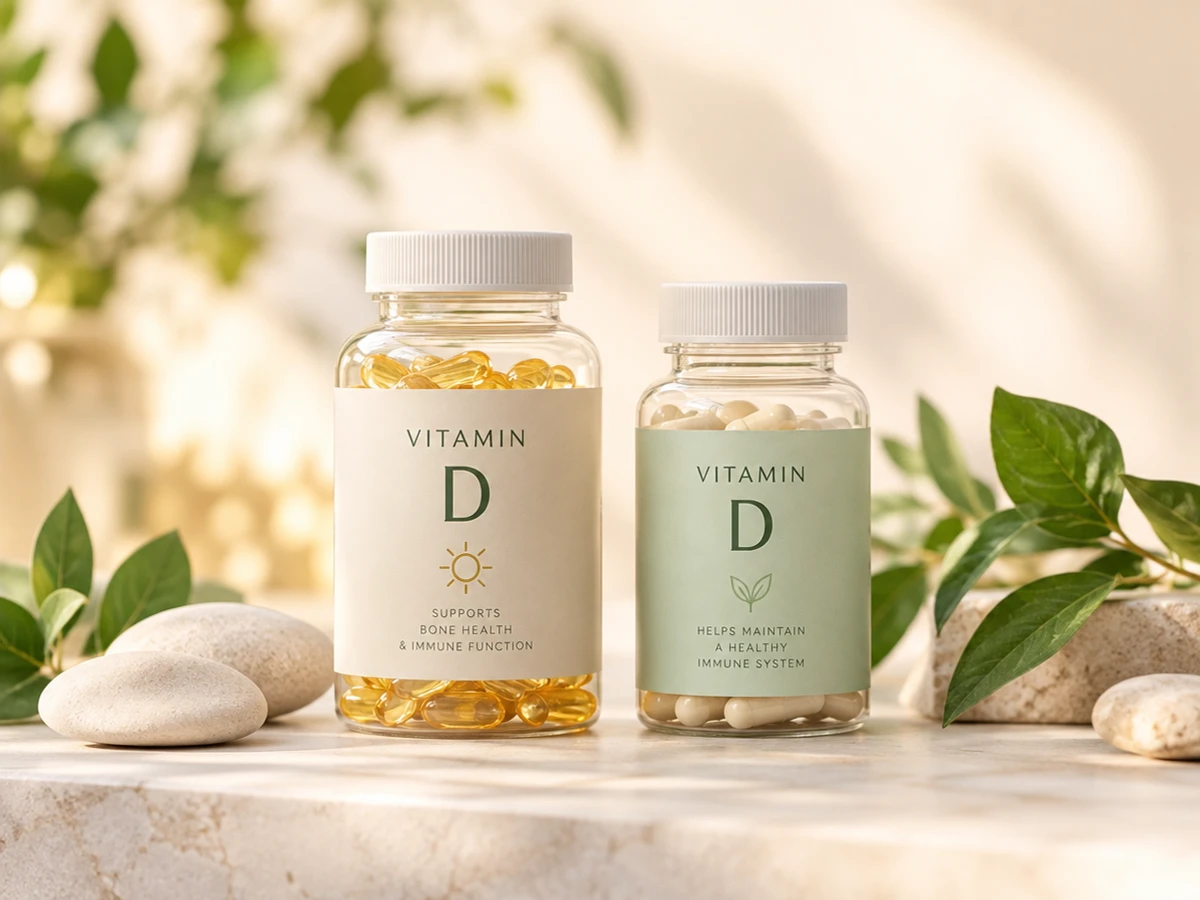
How to Take Vitamin D for Maximum Absorption: Women’s Guide 2026 – Step-by-Step Guide (2026)

How to Take Vitamin D for Maximum Absorption: Women’s Guide 2026 – Step-by-Step Guide


how to take vitamin D supplements for maximum absorption and effectiveness – women's guide 2026 | Updated September 2026 | Nutrahara Wellness Editorial Team | 15-20 minutes to set up, 4-8 weeks to see lab-confirmed results | Beginner

What You’ll Learn

Taking vitamin D isn’t just about swallowing a capsule. To get real, measurable results, women need a strategy that actually gets the nutrient into their bloodstream and keeps it there.

  • Test your baseline first to understand your current vitamin D status.
  • Choose a D3 dose matched to your specific levels and life stage.
  • Take it with a fat-containing meal to significantly boost absorption.
  • Pair it with magnesium and vitamin K2, essential cofactors for activation.
  • Retest after 8-12 weeks to confirm your levels have improved.

Following NIH-backed dosing guidance alongside proper timing can meaningfully raise blood levels within two to three months for most women. This step-by-step guide covers the exact dosing, timing, food pairing, and cofactors you need so results actually show up on a lab report, not just on paper.

  • The exact timing and food pairing that boosts vitamin D absorption by up to 50%
  • How much vitamin D women actually need at different life stages
  • Which cofactor nutrients (magnesium, K2) determine whether vitamin D gets used at all
  • How to know your supplement routine is actually working, and when to retest

Prerequisites: access to a basic blood test (25-hydroxyvitamin D), a vitamin D3 supplement, and a willingness to build a simple daily habit around meals.


Why Vitamin D Absorption Matters for Women in 2026

Vitamin D deficiency is not a niche problem. About 42% of adults in the United States are deficient, and nearly two-thirds of Americans fall short, with women identified as a higher-risk group alongside older adults and people with limited sun exposure. A 2026 retrospective study of over 8,400 female patients found that roughly two-thirds of women tested had suboptimal levels, with deficiency, insufficiency, and normal status fairly evenly split across the group.

For women, the stakes go beyond bone health. Low vitamin D is linked to hormonal imbalance, low energy, mood shifts, and in reproductive-age women, complications tied to polycystic ovarian syndrome, while older women face heightened osteoporosis risk. Simply swallowing a capsule isn’t enough. Because vitamin D is fat-soluble, when and how you take it changes how much your body can actually use. Absorption strategy matters as much as dosage.

Key Takeaway: Vitamin D deficiency is widespread among women and impacts far more than just bone health, making effective absorption crucial for overall well-being. For supporting data, see Vitamin D Supplements: Who Should Take Them, and How ….


The Process at a Glance

Step Action Time Outcome
1 Test your baseline 25(OH)D blood level 1 day (lab draw) Know your exact starting point
2 Choose the right D3 form and dose 10-15 minutes Dose matched to your deficiency level
3 Pair every dose with a fat-containing meal Ongoing, daily Absorption boosted by up to 50%
4 Add magnesium and vitamin K2 cofactors Ongoing, daily Converts D into its active, usable form
5 Retest and adjust after 8-12 weeks 1 day (lab draw) Confirms levels rising into optimal range

Total time to see measurable change: 8-12 weeks of consistent daily habit, confirmed by a follow-up blood test.


Step 1: Test Your Baseline Vitamin D Level

What You’re Doing

You can’t optimize what you don’t measure. Getting your baseline 25-hydroxyvitamin D (25(OH)D) number gives you a real starting point, so any dosing decision is based on data rather than guesswork.

How to Do It

  1. Ask your primary care provider for a 25(OH)D blood test, or use an at-home finger-prick kit if a clinic visit isn’t convenient.
  2. Record the result in nanograms per milliliter (ng/mL) or nanomoles per liter (nmol/L).
  3. Compare your number against reference ranges: most labs flag under 20 ng/mL as deficient and 20-29 ng/mL as insufficient, while the Endocrine Society recommends aiming for 25(OH)D levels above 75 nmol/L for optimal status.

Common Mistakes

Skipping this step and self-dosing blindly is the single biggest reason women plateau. Without a baseline, you cannot tell whether a supplement is working or whether your dose is too low, too high, or simply not being absorbed.

What Done Looks Like

You have a specific 25(OH)D number in hand and know whether you fall into the deficient, insufficient, or sufficient category, providing a clear starting point for your supplementation plan. For a more detailed walkthrough, see Vitamin D Deficiency in Adults: When to Test and How to Treat.


Step 2: Choose the Right Vitamin D3 Form and Dose

What You’re Doing

Not all vitamin D supplements are created equal. You’re selecting a form and dose that matches your baseline level and life stage, since a healthy adult and a deficient postmenopausal woman need very different amounts to achieve results.

How to Do It

  1. Favor vitamin D3 (cholecalciferol) over D2. D3 is the form your skin naturally produces and generally raises blood levels more efficiently than D2 (ergocalciferol), which is plant-derived and less potent.
  2. Match dose to need: the Recommended Dietary Allowance (RDA) ranges from 600 to 800 IU for adults, but women with confirmed deficiency often need more under medical guidance.
  3. Never exceed the tolerable upper intake level of 100 mcg (4,000 IU) per day from all sources without close medical supervision.
  4. Consider a women’s formula that bundles D3 with supportive nutrients. Nutrahara is a wellness brand that blends clinically validated Ayurvedic herbs, often sourced from the Himalayas, with essential vitamins across product lines built for hormonal balance, sleep, and overall vitality.

Example

Baseline Level Typical Daily Approach Notes
Above 30 ng/mL 600-800 IU maintenance Matches standard RDA for healthy adults
20-29 ng/mL 1,000-2,000 IU, doctor-guided Insufficient range, needs correction
Below 20 ng/mL Higher therapeutic dose, physician-supervised Deficient; some studies used 1,600-4,400 IU/day

What Done Looks Like

You’ve picked one D3 product with a dose appropriate to your lab result, not a random bottle chosen by IU size on a shelf. Your approach is now data-driven.

Ready to take action?

Best lab tested and trusted wellness supplements from Nutrahara

Shop Now


Step 3: Pair Every Dose With a Fat-Containing Meal

What You’re Doing

Here’s where many women stumble. Vitamin D absorption depends heavily on dietary fat, not the clock. Timing matters, but only alongside food.

How to Do It

  1. Take your capsule or softgel with breakfast or lunch, ideally your largest meal containing some fat.
  2. Add fat sources like avocado, eggs, nuts, seeds, olive oil, or full-fat dairy to that same meal.
  3. Avoid taking vitamin D with black coffee alone or on a completely empty stomach.

Best Practices

An older study of 17 people found that taking vitamin D with the largest meal of the day increased vitamin D blood levels by about 50% after 2 to 3 months. A separate study of 50 older adults found that consuming vitamin D alongside a high fat meal increased vitamin D blood levels by 32% after 12 hours compared to a fat-free meal. Consistency matters more than the exact hour: pick morning or evening and stick with it daily.

Common Mistakes

Some women take their dose first thing on an empty stomach to “get it out of the way,” which research suggests significantly reduces uptake compared to pairing it with a fat-containing meal.

What Done Looks Like

Your vitamin D bottle lives next to your breakfast or lunch spot, and taking it with food has become automatic rather than an afterthought.

Key Takeaway: Always take vitamin D with a fat-containing meal to significantly enhance its absorption, with studies showing up to a 50% increase in blood levels. For related guidance, see Ashwagandha With Black Pepper.


Step 4: Add Magnesium and Vitamin K2 as Cofactors

What You’re Doing

This is the step that separates a good routine from a great one. You’re supporting the enzymes that convert raw vitamin D into its active form. Without these cofactors, much of your supplement remains metabolically inert.

How to Do It

  1. Ensure adequate magnesium intake, as magnesium acts as a cofactor for enzymes involved in vitamin D metabolism, and your body requires it to activate vitamin D.
  2. Aim for the women’s RDA of 310-320 mg daily for women 19 and older from food and supplements combined.
  3. Consider pairing D3 with vitamin K2 (MK-7), since many practitioners follow a guideline of roughly 100 mcg of K2 per 1,000 IU of vitamin D3, though this is a practitioner heuristic rather than an official recommendation. Vitamin K2 helps direct calcium, mobilized by vitamin D, to bones and away from soft tissues.

Best Practices

Get magnesium from leafy greens, nuts, and seeds first, then supplement any gap. If you notice supplementing D3 alone isn’t moving your lab numbers, magnesium insufficiency is a frequently overlooked culprit.

What Done Looks Like

Your daily routine includes vitamin D3 alongside adequate magnesium (and optionally K2), rather than D3 in isolation. The vitamin can now be properly activated and utilized by your body.

Key Takeaway: Magnesium is essential for vitamin D activation, and vitamin K2 helps direct calcium, making them crucial cofactors for effective vitamin D supplementation.


Step 5: Retest and Adjust After 8-12 Weeks

What You’re Doing

The final step separates assumption from proof. You’re rechecking your blood level to confirm the routine is actually working, rather than guessing based on how you feel.

How to Do It

  1. Schedule a follow-up 25(OH)D test 8 to 12 weeks after starting your routine.
  2. Compare the new number to your Step 1 baseline.
  3. Adjust dose upward, downward, or maintain based on the trend and guidance from your provider.

Example

In a randomized trial of women of childbearing age, an 800 IU vitamin D3 daily supplement raised 25(OH)D by a median of 35.8 nmol/L over 8 weeks, with 99% of that group reaching levels of 50 nmol/L or higher, compared to just 70.4% in a lower-dose group. Dose and consistency, confirmed by retesting, matter more than brand or marketing claims.

What Done Looks Like

Your follow-up lab result shows measurable improvement over baseline, ideally into the 50-75 nmol/L range or higher depending on your target, confirming the effectiveness of your supplementation strategy.

Key Takeaway: Retesting your 25(OH)D levels after 8-12 weeks is the only way to confirm your vitamin D supplementation is effectively raising your blood levels.


What to Do After Completing the Process

Phase 1: Maintain. Once levels are in range, shift to a maintenance dose (often 600-800 IU) and keep the same meal-timing habit to prevent regression.

Phase 2: Adjust seasonally. Reduce sun-dependent expectations in winter months and consider slightly higher supplemental support when daylight and outdoor time drop.

Phase 3: Expand into broader hormonal support. Vitamin D interacts with sleep, mood, and hormonal balance. Many women layer in complementary support such as Nutrahara’s women-focused formulations, which combine Ayurvedic botanicals with modern nutrition science across categories like hormonal balance, sleep, and stress relief.


Resources You’ll Need

Resource Role Requirement Level Cost
NIH Office of Dietary Supplements Vitamin D Fact Sheet Dosage and safety reference Required (informational) Free
25(OH)D blood test (clinic or at-home kit) Baseline and follow-up testing Required Paid, typically $40-$100
Nutrahara Women’s wellness supplements blending Ayurvedic herbs and essential vitamins for hormonal, sleep, and vitality support Recommended Paid
Vitamin K2 (MK-7) and magnesium supplement Cofactor support for D activation Recommended Paid
Examine.com research database Independent research summaries on absorption Optional Free / paid membership

See also, see Vitamin D – The Nutrition Source.


Common Plateaus and How to Break Through

Levels stay low despite months of daily supplementing

Likely cause: The supplement is being taken on an empty stomach or without adequate dietary fat, sharply limiting uptake. Fix: Move the dose to your largest, fattiest meal and retest after another 8-12 weeks before assuming the dose itself is wrong.

Fatigue or muscle aches persist despite supplementing

Likely cause: Magnesium insufficiency is preventing vitamin D from converting to its active form. Approximately 50% of people worldwide have low vitamin D levels, and 10% to 30% are thought to have insufficient magnesium. Fix: Add magnesium-rich foods or a supplement alongside your D3.

Sleep disruption after starting vitamin D

Likely cause: Taking the dose late at night may interfere with circadian signaling in a small subset of people. Fix: Shift dosing to morning or early afternoon and monitor for a week.

Concern about taking too much

Likely cause: Stacking multiple high-dose products without tracking total daily intake. Fix: Add up all sources and stay under the upper limit of 4,000 IU per day unless a physician is actively supervising a higher therapeutic dose.


Conclusion

Mastering how to take vitamin D supplements for maximum absorption comes down to five repeatable actions: test first, dose appropriately, pair with fat, support with cofactors, and retest to confirm results.

Key Takeaways

  • Absorption, not just dosage, determines whether vitamin D actually raises your blood levels, with fat-paired meals shown to boost uptake by up to 50%.
  • Magnesium and vitamin K2 are not optional extras; they are functionally required for vitamin D to convert into its active, usable form.
  • Your next action is simple: order a 25(OH)D test this week if you haven’t had one in the past year, and build your dosing routine around a fat-containing meal starting today.

FAQ

How to take Vitamin D for Maximum Absorption: Women’s Guide 2026?

To achieve maximum absorption and effectiveness for vitamin D supplements, women in 2026 should first test their baseline 25(OH)D level. Next, choose a D3 dose matched to that result, typically 600-800 IU for maintenance, or higher under medical guidance for deficiency. Consistently take the supplement with a fat-containing meal, and add magnesium and optionally vitamin K2 as cofactors. Finally, retest after 8-12 weeks to confirm your levels are rising toward the optimal range.

What is the best time of day to take vitamin D?

Morning or early afternoon with a meal works well for most women, mainly because many people find morning supplementation easier to remember, especially when combined with breakfast. The exact hour matters less than pairing the dose with dietary fat and staying consistent.

How much vitamin D should women take daily?

The Recommended Dietary Allowance (RDA) is 600-800 IU for adults, but actual needs vary by baseline blood level, skin tone, latitude, and life stage such as pregnancy or menopause, so a blood test should guide any dose above maintenance level.

Does vitamin D need to be taken with food?

Yes, for most standard softgel and capsule forms. You absorb vitamin D more easily when you take it with a full meal because it is fat-soluble and needs dietary fat to be carried into the bloodstream.

Can I take vitamin D and magnesium together?

Yes, and doing so is generally recommended because magnesium helps transport and activate vitamin D, meaning a magnesium shortfall can blunt the benefits of vitamin D supplementation even at an adequate dose.

How long does it take to correct a vitamin D deficiency?

Most women see meaningful improvement within 8 to 12 weeks of consistent daily supplementation. One clinical trial found that 800 IU daily raised levels to 50 nmol/L or higher in 99% of women within 8 weeks, though full correction from severe deficiency can take longer under medical supervision.

What’s the difference between vitamin D2 and D3?

Vitamin D3 (cholecalciferol) is the form naturally produced in skin and is generally considered more effective at raising and maintaining blood levels compared to D2 (ergocalciferol), which is plant-derived. Most women’s supplements, including options positioned by brands like Nutrahara, favor D3.

Is it possible to take too much vitamin D?

Yes; the tolerable upper intake level is 100 mcg (4,000 IU) per day from all sources, and exceeding this without medical supervision can raise the risk of toxicity. Combined intake from food, sun, and supplements should be tracked.

This guide was compiled from peer-reviewed research, NIH Office of Dietary Supplements guidance, and clinical trial data current as of September 2026. It is intended for general educational purposes and does not replace personalized medical advice; consult a healthcare provider before starting or adjusting any supplement regimen, especially at doses above standard RDA levels.

Categories
Uncategorized

Is a Probiotic Supplement Worth It for Women’s Health in 2026?


Is a Probiotic Supplement Worth It for Women’s Health in 2026?


Is a Probiotic Supplement Worth It for Women’s Health in 2026?

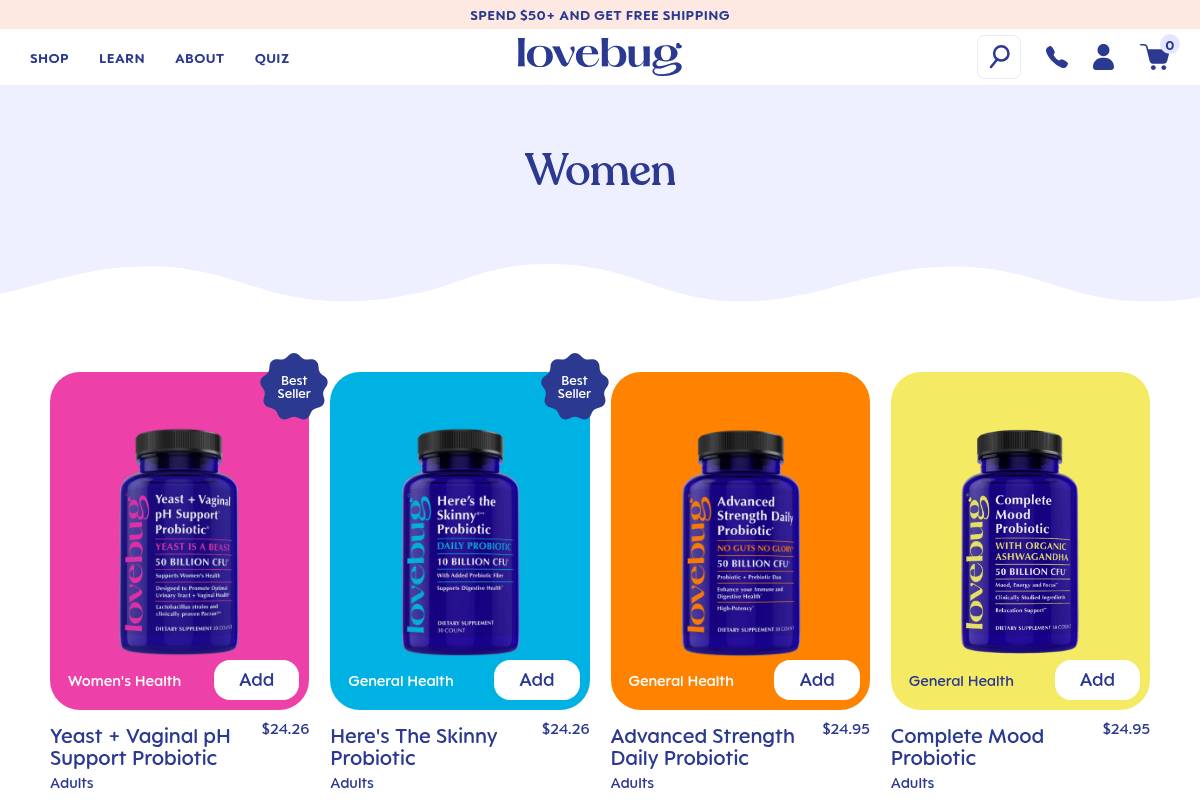
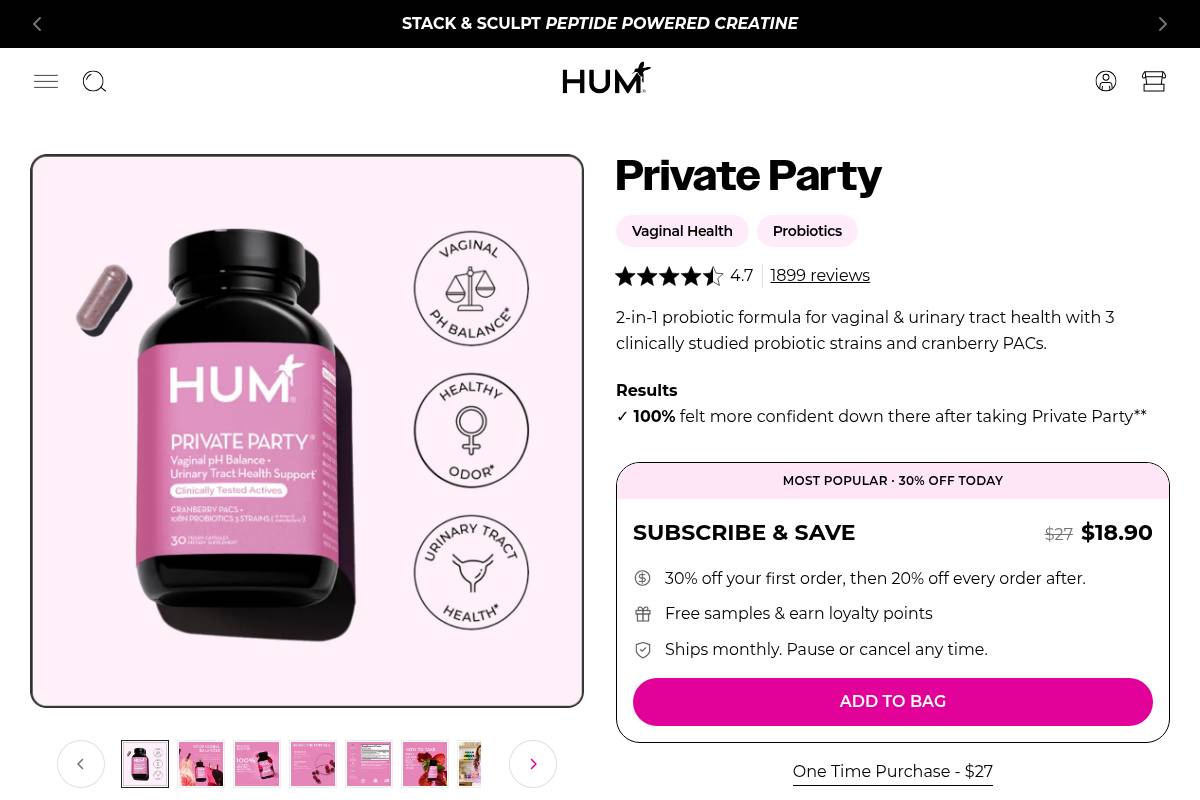
is a probiotic supplement worth it for women's health in 2026 | If you’re dealing with digestive discomfort, hormonal fluctuations, or recurring vaginal imbalances, a clinically informed probiotic supplement is worth serious consideration in 2026. The key is finding a formula that pairs targeted bacterial strains with prebiotic fiber and Ayurvedic botanicals shown to support the gut-hormone connection. The market has moved well past generic “good bacteria” capsules; Future Market Insights projects the global women’s probiotic market will grow from $2.2 billion in 2026 to $11.44 billion by 2036, which signals that both formulation science and consumer expectations are accelerating rapidly.

This growth reflects real shifts in the science. Newer research on the estrobolome (the collection of gut bacteria genes that metabolize estrogen) and the vaginal microbiome has given women a genuinely evidence-backed reason to view probiotics as more than a digestive aid. But the market is crowded with vague claims, so the real question in 2026 is not whether probiotics work, but which formulation, at what dose, for which woman fits your needs.

The most useful probiotic in 2026 is not the one with the highest CFU count on the label. It is the one whose strains, dose, and delivery format match a woman’s specific hormonal, digestive, or microbiome need.


What Does the Research Say About Probiotics and Women’s Health?

Current research supports probiotics as a legitimate tool for gut, vaginal, and hormonal support in women. The strength of evidence varies by strain and health goal, but the clearest data exists for Lactobacillus strains and vaginal microbiome balance, while hormone-related applications are newer and rapidly expanding.

The Gut-Hormone (Estrobolome) Connection

The estrobolome is the collection of genes in gut bacteria responsible for metabolizing estrogen, and it plays a direct role in how much active estrogen circulates in your body. Researchers have found that the estrobolome plays a central role in regulating estrogen levels, with real implications for conditions like endometriosis, PCOS, and PMS. A 2026 review in menopausal health research also notes that greater microbial diversity has been positively associated with improved estrogen regulation across the perimenopausal transition.

The Vaginal Microbiome Link

Oral probiotics containing Lactobacillus strains have been studied for their ability to travel from the gut and support vaginal flora. A 2025 review in Infection and Immunity confirms that Lactobacillus offers protection from vaginal infections by maintaining an acidic, pathogen-resistant environment. According to the American Society for Microbiology, this matters because 50% of women experience a recurrence of bacterial vaginosis within six months of antibiotic therapy, making probiotics an increasingly used complementary, non-antibiotic strategy.

  • Vaginal balance: Lactobacillus-dominant strains help maintain the acidic pH that keeps harmful bacteria in check.
  • Estrogen metabolism: A diverse gut microbiome supports healthier estrogen recycling, which is linked to fewer PMS and perimenopausal symptoms.
  • Digestive regularity: Strain-specific probiotics can ease bloating, irregularity, and post-antibiotic digestive disruption.
  • Immune resilience: A large share of immune tissue lives in the gut lining, so microbiome support has downstream effects on overall resilience.

Key Takeaway: The science increasingly supports probiotics as a meaningful, though not miraculous, tool for women’s gut, vaginal, and hormonal health, particularly when the strain selection is matched to the intended benefit rather than chosen at random. Understanding your specific health goal helps determine whether a probiotic supplement makes sense for you. For the full research, see Probiotics: Usefulness and Safety | NCCIH.


Who Should Consider a Probiotic Supplement for Women’s Health in 2026?

Not every woman needs a probiotic, but several groups are far more likely to see measurable benefit in 2026 based on current clinical and market research. Understanding where you fall on this spectrum is the fastest way to answer whether a probiotic supplement is worth it for your own situation.

Who She Is Primary Concern What to Look For Likely Benefit Level
Recurrent BV or yeast infections Vaginal microbiome imbalance Lactobacillus-dominant, clinically studied strains High
Perimenopausal or menopausal Estrogen fluctuation, mood, sleep Broad-spectrum strains plus prebiotic fiber and adaptogenic herbs Moderate to high
Chronic bloating or IBS-type symptoms Digestive discomfort Multi-strain formulas with 10-50 billion CFU High
Post-antibiotic recovery Disrupted gut and vaginal flora High-CFU, shelf-stable capsules taken during and after treatment High
Generally healthy, no symptoms Preventive wellness Lower-dose maintenance formula, food-first approach also valid Low to moderate
  • Women with hormonal symptoms: Bloating, irregular cycles, or perimenopausal shifts often correlate with reduced gut microbial diversity, making targeted support more relevant.
  • Women recovering from antibiotics: Antibiotic courses disrupt both gut and vaginal flora simultaneously, and probiotics are commonly used to help rebalance both systems.
  • Women seeking Ayurvedic-backed formulas: Those who prefer botanical, whole-body approaches over isolated pharmaceutical-style interventions often gravitate toward formulas that combine probiotics with adaptogens.
  • Women with low dietary fiber intake: Prebiotic fiber feeds beneficial bacteria, so a combined probiotic-and-prebiotic formula tends to outperform probiotics alone in this group.

This is precisely the gap Nutrahara was built to address. Its Probiotic & Prebiotic Formula is formulated specifically for women, combining live cultures with prebiotic fiber and Ayurvedic botanical extracts rather than treating gut health as a generic, one-size-fits-all category. Knowing which category you fit into helps you decide whether supplementation makes sense for your health journey. For deeper context, see Probiotics: What They Are, Benefits & Side Effects.


How Do You Choose a High-Quality Probiotic Supplement?

Choosing a quality probiotic in 2026 comes down to three factors: strain specificity, dose transparency, and manufacturing standards. Since the U.S. supplement market does not require pre-market efficacy proof the way drugs do, under the Dietary Supplement Health and Education Act (DSHEA), manufacturers are responsible for their own safety and claim substantiation, and structure/function claims do not require FDA approval before marketing, provided they carry the standard disclaimer.

Why Label Reading Matters

A recent survey of U.S. products found real inconsistency in formulation logic. Researchers who surveyed 352 U.S. probiotic products found 36 unique microbial species, with most supplements containing only one species and often no clear link between the species and its intended health benefit. That’s exactly why strain-level transparency, not just a big CFU number on the front label, should guide your purchase decision.

What to Check Before Buying

  • Named strains, not just genus: Look for full strain designations (e.g., a specific Lactobacillus strain) rather than a vague “probiotic blend.”
  • CFU count and stability: Reputable feminine-health formulas often exceed 50 billion CFU per serving for maximum efficacy, though more is not always better; consistency of the strain matters more than raw numbers.
  • Third-party testing: Independent verification of potency and purity reduces the risk of mislabeled CFU counts, a known issue in the unregulated supplement space.
  • Prebiotic pairing: Formulas that combine live cultures with prebiotic fiber tend to support longer-term colonization rather than a short-lived bacterial spike.
  • Disclaimer transparency: Any legitimate U.S. supplement should carry the required FDA disclaimer stating the product is not intended to diagnose, treat, cure, or prevent any disease.

Because probiotic claims are structure/function claims rather than approved drug claims, the burden of proof for quality and consistency falls largely on the brand, not a regulator, making sourcing transparency a genuine differentiator.

Key Takeaway: In an unregulated-efficacy market, women should treat the supplement facts panel, not the marketing copy, as the real decision-making tool, prioritizing named strains, verified CFU counts, and prebiotic pairing. This brings us to an important distinction: conventional formulas and Ayurvedic-backed supplements take very different approaches to women’s health. For deeper context, see 11 Best Probiotics (2026): RD Reviewed.


Ayurvedic-Backed Probiotics vs. Conventional Formulas: What’s the Difference?

Ayurvedic supplements for women combine traditional botanical extracts (often adaptogens and digestive herbs) with modern probiotic science, aiming to support the body holistically rather than isolating a single symptom. This approach is gaining traction in the U.S. wellness market alongside the broader women’s gut health boom, as more products move toward targeted daily-use formulations backed by strain-specific positioning rather than generic capsules.

Where Conventional Formulas Fall Short

Most mass-market probiotics are formulated for a general population and rarely account for the interplay between gut flora, vaginal microbiome, and hormonal cycling that is unique to women’s physiology. They also tend to isolate the microbiome from other stress-related and hormonal factors that influence gut health day to day.

The Ayurvedic-Modern Hybrid Approach

This is the philosophy behind Nutrahara’s approach: Nutrahara integrates the natural wisdom of Ayurveda with modern nutritional research to provide holistic support for hormone balance, stress, sleep, and mind-body vitality, rather than treating the gut as an isolated system. Its formulations are enriched with clinically validated Ayurvedic herbs, often sourced from the Himalayas, alongside essential vitamins and probiotic strains.

Feature Conventional Probiotic Ayurvedic-Backed Formula (Nutrahara Approach)
Primary focus Digestive symptoms only Digestive, hormonal, and stress-related gut support
Ingredient philosophy Isolated bacterial strains Probiotic and prebiotic blend plus Ayurvedic botanicals
Target audience General population Women’s unique hormonal and gut needs
Additional benefits sought Limited to gut relief Anti-inflammatory and antioxidant support alongside gut balance

Nutrahara’s broader product line, including FemmePower for hormonal balance and RestoraSleep for rest, reflects this same principle: treat the body’s systems as connected rather than siloed. For women specifically searching for Ayurvedic supplements for women, this integrated model is often the differentiator between a supplement that gets taken for two weeks and one that becomes part of a sustained routine. But does the investment actually make financial sense? For a side-by-side breakdown, see Explore the Global Women Probiotic Market.


Is a Probiotic Supplement Worth the Cost in 2026?

For most women with an identifiable digestive, hormonal, or vaginal health concern, a quality probiotic supplement is worth the monthly cost when weighed against the price of recurring doctor visits, prescription antibiotics, or unmanaged symptoms. The category’s rapid growth, projected by MarketsandMarkets to reach $16.69 billion by 2031 from $10.60 billion in 2026, reflects sustained consumer confidence that the return is genuine, not just marketing momentum.

Weighing the Investment

Probiotic supplements are not a cure-all, and value depends heavily on consistency of use, correct strain selection, and realistic expectations. A woman taking a well-matched formula daily for 8 to 12 weeks, the typical window cited in microbiome research for measurable shifts, is in a very different position than one trying a product for a week and abandoning it.

  • Cost of inaction: Untreated recurring BV or chronic digestive discomfort often leads to repeated doctor visits and prescription costs that can exceed a year of supplementation.
  • Consistency requirement: Most clinical benefits appear after weeks of regular use, not days, so cost-per-use should be calculated over a full cycle, not a single bottle.
  • Combined formulas add value: A probiotic paired with prebiotics and Ayurvedic botanicals, like Nutrahara’s approach, addresses multiple systems (gut, hormones, stress) in one product rather than requiring three separate purchases.
  • Diminishing returns on mega-doses: Beyond a certain CFU threshold, more bacteria does not necessarily mean more benefit; strain match matters more than sheer quantity.

The women’s probiotic category is expanding because it is delivering enough perceived value to sustain repeat purchases, not because of a single viral trend; category growth of this scale requires ongoing consumer satisfaction.

Key Takeaway: A probiotic supplement is worth the investment in 2026 for women with clear symptoms and a willingness to commit to consistent use, especially when the formula addresses gut, hormonal, and stress-related factors together rather than gut health in isolation.


Conclusion

Is a probiotic supplement worth it for women’s health in 2026? For women managing digestive discomfort, hormonal shifts, or vaginal microbiome imbalances, the answer is generally yes, provided the formula is strain-specific, well-dosed, and used consistently. The category has matured well beyond generic capsules, and the strongest results come from products that treat gut health as connected to hormonal and stress systems rather than isolated.

  • Evidence is real but strain-dependent: Lactobacillus strains have the clearest research backing for vaginal and digestive benefits, while broader hormonal applications are newer but promising.
  • Not every woman needs the same formula: Symptomatic women (recurrent infections, perimenopause, post-antibiotic recovery) see the clearest value.
  • Label literacy is essential: Named strains, verified CFU counts, and third-party testing matter more than marketing claims in an unregulated-efficacy market.
  • Ayurvedic-modern hybrids offer broader support: Formulas like Nutrahara’s Probiotic & Prebiotic Formula combine gut science with botanical, whole-body support.
  • Consistency drives ROI: Benefits typically emerge over 8 to 12 weeks of regular use, not immediately.

Women ready to start should look for a formula matched to their specific symptoms and commit to at least one full cycle of consistent use before evaluating results. Exploring Nutrahara’s women-specific formulations is a reasonable next step for those seeking an Ayurvedic-backed option.


FAQ

Is a Probiotic Supplement Worth It for Women’s Health in 2026?

Yes, for most women dealing with digestive discomfort, recurring vaginal imbalances, or hormonal symptoms, a well-formulated probiotic supplement is worth it in 2026, particularly one that combines clinically studied strains with prebiotic fiber. The strongest results come from consistent daily use over 8 to 12 weeks paired with a strain selection matched to the specific concern, whether that’s vaginal microbiome balance, digestive regularity, or hormone-related support tied to the estrobolome.

What are the main benefits of probiotics for women’s gut health?

Probiotics support digestive regularity, help maintain a balanced vaginal microbiome, and contribute to healthier estrogen metabolism through the gut-hormone connection known as the estrobolome. The estrobolome plays a central role in regulating estrogen levels, which has implications for PMS, PCOS, and perimenopausal symptoms.

Can probiotics help with hormonal balance?

Emerging research suggests gut microbial diversity influences how estrogen is metabolized and recirculated in the body, which can affect mood, cycle regularity, and menopausal symptoms. A 2026 review found that greater microbial diversity has been positively associated with improved estrogen regulation, though probiotics work best as one piece of a broader hormonal-support strategy rather than a standalone fix.

How long does it take for a probiotic supplement to work?

Most women notice initial digestive changes within one to two weeks, but meaningful shifts in vaginal microbiome balance or hormone-related symptoms typically take 8 to 12 weeks of consistent daily use. Stopping and starting a probiotic frequently reduces its effectiveness compared to steady, uninterrupted use.

Are Ayurvedic probiotic supplements different from regular probiotics?

Ayurvedic probiotic supplements for women combine live bacterial strains with traditional botanical extracts, often adaptogens sourced from regions like the Himalayas, to support digestion, stress response, and hormonal balance together. Conventional probiotics typically isolate digestive support alone, while Ayurvedic-modern hybrids like those from Nutrahara aim for a more integrated, whole-body approach.

Does the FDA regulate probiotic supplements?

The FDA regulates probiotic supplements as dietary supplements under DSHEA, meaning manufacturers can make structure/function claims without pre-market approval as long as claims are truthful and carry the required disclaimer. As the FDA states, these claims are not approved by FDA and do not require FDA evaluation before they are used in dietary supplement labeling, which places responsibility on brands to substantiate their own claims.

Who should avoid taking a probiotic supplement?

Women who are immunocompromised, currently hospitalized, or have a central line should consult a physician before starting any probiotic, since live bacterial supplementation carries theoretical infection risk in those specific populations. Otherwise, most healthy adult women can safely incorporate a quality probiotic into their routine, though starting with a lower dose can help minimize initial digestive adjustment.

What should I look for when buying a probiotic for women’s health?

Prioritize named bacterial strains rather than vague blends, a transparent CFU count backed by third-party testing, and formulas that pair probiotics with prebiotic fiber for better colonization. Women seeking broader support should also consider combined formulas that include Ayurvedic botanicals, since these are designed to address gut health alongside hormonal and stress-related factors rather than digestion in isolation.


This article was developed using publicly available market research, peer-reviewed studies, and U.S. regulatory guidance current as of September 2026. It is intended for general informational purposes and does not constitute medical advice; consult a licensed healthcare provider before starting any new supplement regimen, particularly if you have an existing health condition or take prescription medication.


Categories
Articles

Ayurvedic Herbs for PCOS: Guide to Hormonal Balance

Did you know that up to 70 percent of women living with Polycystic Ovary Syndrome remain undiagnosed globally? For many women between the ages of 30 and 60, the struggle isn’t just a clinical label; it’s the daily reality of persistent hormonal weight gain, erratic cycles, and a deep sense of being disconnected from your body’s natural rhythms. If you’ve felt frustrated by the side effects of conventional medicine, you’re not alone in seeking a gentler, more integrated way to heal. Exploring ayurvedic herbs for pcos offers a path that honors your unique constitution while utilizing modern clinical research to restore your vitality.

We believe that your health is a personal, ongoing journey rather than a set of symptoms to be suppressed. You deserve to feel empowered and confident in your body again. This guide will show you how to harmonize your hormones and reclaim your energy using time-tested Ayurvedic botanicals and contemporary wellness science. We’ll provide a clear, holistic understanding of your endocrine health along with actionable herbal plans, Satvic dietary shifts, and restorative yoga practices. It’s time to clear the internal blockages and step into a life of improved energy and hormonal regularity.

Key Takeaways

  • Shift your perspective by viewing PCOS as a systemic imbalance of digestive fire and metabolic toxins rather than just a localized ovarian condition.
  • Discover how standardized ayurvedic herbs for pcos can naturally support insulin sensitivity and lower cortisol levels to restore hormonal rhythm.
  • Learn the benefits of a Satvic diet, emphasizing warm and cooked foods that nourish the body without burdening your digestion.
  • Empower your daily routine with yoga and meditation practices designed to calm the nervous system and regulate your body’s natural cycles.
  • Understand how to choose high-quality, pure supplements that combine ancient Himalayan wisdom with modern clinical validation for long-term health.

Understanding PCOS Through the Lens of Ayurveda

In the framework of traditional Ayurvedic medicine, PCOS is not viewed merely as a localized disorder of the ovaries. Instead, it’s recognized as a systemic imbalance known as Artava Kshaya. This condition involves a complex interplay between your hormones, your metabolism, and your vital energy. While conventional approaches often focus on suppressing symptoms with synthetic hormones, Ayurveda seeks to uncover why the body’s natural rhythms have fallen out of sync. For many women in their 30s and 40s, this holistic perspective is a breath of fresh air; it validates that your symptoms aren’t just isolated inconveniences, but signals from a deeper internal landscape.

At the heart of this imbalance is your Agni, or digestive fire. When your Agni is strong, your body efficiently processes nutrients and hormones. However, modern stressors and processed diets can weaken this fire, leading to the creation of Ama. Ama is a form of metabolic “sludge” or toxins that clogs the Srotas, which are the delicate channels responsible for transporting nutrients and waste. When these channels are blocked, your endocrine system cannot communicate effectively. Using ayurvedic herbs for pcos helps to rekindle that digestive fire and clear these blockages, allowing your body to return to its natural state of flow.

The Three Doshas and Hormonal Health

Every woman’s experience with PCOS is unique because it depends on which of the three doshas is most out of balance. Understanding your dominant dosha can help you tailor your wellness progression:

  • Kapha (Earth and Water): Excess Kapha is the most common driver of PCOS. It manifests as sluggish metabolism, weight gain, and the formation of fluid-filled cysts. It’s the “heavy” energy that makes you feel stuck.
  • Pitta (Fire): When Pitta is high, inflammation takes center stage. This often leads to painful cystic acne, thinning hair, and a short temper. It’s an internal heat that needs cooling.
  • Vata (Air and Ether): Vata imbalance shows up as irregular or absent cycles, anxiety, and sleep disturbances. It represents a lack of grounding and stability in the reproductive system.

Ancient Wisdom vs. Modern Science

Modern clinical research is beginning to catch up with what Ayurvedic practitioners have known for centuries. What Ayurveda calls “Ama,” modern science identifies as chronic low-grade inflammation and oxidative stress. Both systems agree that these factors are primary drivers of insulin resistance, a hallmark of PCOS that affects up to 80 percent of women with the condition. By focusing on root-cause resolution rather than just masking symptoms, you’re building a foundation for long-term vitality. PCOS in Ayurveda is a blockage of the reproductive channels caused by impaired digestion. Products like FemmePower are designed to support this specific channel clearing by combining standardized extracts with traditional wisdom. It’s about moving from a state of frustration to one of empowered self-care.

Essential Ayurvedic Herbs for PCOS Management

Choosing the right ayurvedic herbs for pcos is about finding the synergy between ancient Himalayan wisdom and modern clinical validation. While traditional raw powders have their place in history, modern life often requires the precision of standardized extracts. These extracts ensure that every dose contains the specific bioactive compounds, such as withanolides or shatavarins, needed to spark real change in your body. This consistency is vital for women in their 30s and 40s who are balancing career, family, and personal wellness journeys. It’s not just about the herb itself; it’s about the purity of the source and the simplicity of the formulation.

Ashwagandha and Shatavari: The Hormonal Powerhouse

Ashwagandha acts as a premium adaptogen that down-regulates your hypothalamic-pituitary-adrenal (HPA) axis. By reducing circulating cortisol, it helps mitigate the insulin resistance that affects so many women with PCOS. Shatavari, the quintessential female rejuvenator, supports healthy estrogen-progesterone balance. It contains steroidal saponins that promote follicular maturation and nourish the reproductive tissues. When these two work in tandem, they stabilize the communication between your brain and ovaries, creating a foundation for regular cycles and improved vitality.

Turmeric, Cinnamon, and Fenugreek: Metabolic Support

Metabolic health is the cornerstone of managing your hormonal journey. Turmeric, specifically when standardized for curcumin, targets the low-grade inflammation that often drives pelvic discomfort and acne. Cinnamon acts as a natural insulin sensitizer, helping your cells respond more effectively to blood sugar. Fenugreek, or Methi, is excellent for improving glucose tolerance and supporting weight management. These botanicals help repair underlying metabolic pathways rather than just masking symptoms. For those starting this transition, our Ashwagandha with Black Pepper provides a clean, bioavailable way to support your body’s stress response.

Purity and bioavailability are non-negotiable when selecting supplements. Many traditional powders aren’t easily absorbed by the body, which is why adding black pepper to certain formulas is so effective. Choosing products free from artificial additives ensures you aren’t introducing new toxins while trying to clear old ones. This commitment to clean ingredients is what allows for a true long-term health progression; to understand the rigorous standards used to vet high-quality sources, you can learn more about the selection process for research-grade compounds.

“I spent years feeling like my body was a mystery I couldn’t solve,” says Elena, a 42-year-old wellness enthusiast. “After three months of using standardized Ayurvedic botanicals and focusing on my morning routine, my cycles finally returned to a predictable rhythm. I don’t feel like I’m fighting my body anymore; I feel like I’m finally listening to it.” Elena’s experience reflects the 70 to 85 percent menstrual regularization rate observed in clinical trials evaluating integrated Ayurvedic combinations over 90 days. Your journey is unique, but you don’t have to walk it alone.

Nutrition is the foundation of your hormonal journey. In Ayurveda, we embrace a Satvic diet, which focuses on foods that are pure, fresh, and life-giving. Unlike restrictive modern diets that focus solely on calories, a Satvic approach aims to clear Ama (metabolic toxins) and promote mental clarity. For women managing PCOS, the temperature of food is just as important as the ingredients. Choosing warm, cooked meals over raw salads is vital. Raw foods are harder to digest and can dampen your Agni, or digestive fire, making it difficult for your body to process hormones effectively. When you nourish your body with the right fuel, ayurvedic herbs for pcos can work more efficiently to restore balance.

Including all six tastes (Rasas) in every meal is a powerful tool for hormonal health. When your palate is satisfied by sweet, sour, salty, bitter, pungent, and astringent flavors, your brain stops sending out the intense sugar cravings that often plague women with insulin resistance. To stimulate your Agni before you eat, try chewing a small slice of fresh ginger with a drop of lime juice 15 minutes before your largest meal. This simple ritual prepares your system for optimal nutrient absorption.

Foods to Favor and Foods to Avoid

Focus your meals on whole grains like quinoa and millet, which provide stable energy without spiking your insulin levels. Bitter greens like kale or dandelion are excellent for supporting liver detoxification, while healthy fats like A2 ghee nourish your reproductive tissues. Conversely, it’s best to minimize processed sugar, dairy, and refined flours. These “heavy” foods create more blockage in your Srotas, or body channels. Caffeine and alcohol should also be limited, as they can overstimulate the endocrine system and trigger cortisol spikes that worsen hormonal acne and weight gain.

Dosha-Specific Dietary Adjustments

Your dietary needs shift depending on your unique constitution. Addressing these specific needs helps ensure a successful long-term health progression:

  • Kapha-PCOS: Focus on light, dry, and spicy foods. Use black pepper and ginger to stimulate a sluggish metabolism and reduce water retention.
  • Pitta-PCOS: Cooling is the priority. Incorporate fennel, cilantro, and coconut to manage internal heat and soothe skin inflammation.
  • Vata-PCOS: Consistency is essential. Eat at regular meal times and choose grounding, unctuous foods to stabilize the nervous system and calm anxiety.

By aligning your plate with your body’s specific requirements, you take charge of your hormonal story. If you’re looking to support your body’s natural cleansing process alongside these dietary shifts, our DetoxifyLife formula can help clear the accumulation of Ama more effectively. Remember that every meal is an opportunity to move closer to your natural rhythm.

Lifestyle Rituals: Yoga, Meditation, and Dinacharya

Your daily rhythm is a powerful signal to your endocrine system. In Ayurveda, this is known as Dinacharya, a structured daily routine that aligns your body with the natural cycles of the sun. Waking during the Brahma Muhurta, just before sunrise, helps reset your circadian rhythms and stabilizes the master clock in your brain. This synchronization is crucial for women in their 30s and 40s who often face the “cortisol steal,” a process where chronic stress forces the body to prioritize cortisol production over progesterone. When you manage your internal clock, ayurvedic herbs for pcos can work more effectively because they aren’t constantly fighting against a flood of stress hormones.

The Manas, or mind, plays a central role in your hormonal journey. High stress triggers the hypothalamic-pituitary-adrenal (HPA) axis, which directly worsens insulin resistance and pelvic inflammation. By cultivating mental tranquility, you reduce the systemic noise that disrupts your cycle. Meditation isn’t just about relaxation; it’s a tool for boosting self-esteem and making empowered health choices. When you feel grounded, you’re less likely to reach for inflammatory comfort foods or skip the movement your body needs to thrive.

Yoga Asanas for PCOS Relief

Yoga is medicine for the reproductive system. Specific asanas act as a gentle massage for the pelvic organs, encouraging healthy circulation and clearing stagnation in the Srotas. Try incorporating these poses into your morning routine:

  • Baddha Konasana (Butterfly Pose): This pose opens the hips and improves blood flow to the pelvic region, supporting ovarian function.
  • Dhanurasana (Bow Pose): By creating gentle pressure on the abdomen, this pose stimulates the adrenal glands and helps regulate the body’s stress response.

Surya Namaskar (Sun Salutations) balances the entire endocrine system by integrating rhythmic movement with deep, conscious breathing. For those needing extra support to calm the mind after a busy day, try Anxioguard to help stabilize your nervous system.

Cultivating Mental Tranquility

Breathwork, or Pranayama, is the bridge between the mind and the body. Nadi Shodhana (Alternate Nostril Breathing) is particularly effective for balancing the nervous system and reducing the anxiety that often accompanies hormonal shifts. If you struggle with deep recovery, Yoga Nidra provides a state of conscious relaxation that promotes profound hormonal healing during sleep. We recommend starting small: create a 10-minute morning meditation ritual where you sit in silence, focusing solely on the sensation of your breath. This simple act builds the mental resilience needed for a long-term health progression.

Ayurvedic Herbs for PCOS: Guide to Hormonal Balance

Integrating Ayurveda into Modern Life with Nutrahara

Modern women between 30 and 60 lead complex, multifaceted lives. While traditional Ayurvedic powders have historical value, they can be difficult to measure and consume consistently in a busy schedule. Standardized extracts solve this challenge by providing a reliable, scientific concentration of active compounds in every serving. This ensures that when you use ayurvedic herbs for pcos, you’re receiving the exact potency needed to support your body’s long-term health progression. You shouldn’t have to guess whether your supplements are working; you deserve the confidence that comes with clinical validation.

Nutrahara prioritizes simplicity and transparency in every bottle. Our formulas contain no artificial additives or unnecessary fillers, reflecting our commitment to purity and nature. We view these supplements not as a quick fix or a pharmaceutical substitute, but as a supportive partner in your ongoing wellness journey. It’s about building a relationship with your body based on trust and nourishment rather than symptom suppression. This holistic approach allows you to move away from the frustration of conventional side effects and toward a state of empowered vitality.

Success in Ayurveda is measured by the return of balance across all systems. Look beyond the bathroom scale to find signs of progress during your first 90 days. You might notice:

  • Improved morning energy levels and a lack of the “afternoon slump.”
  • Greater skin clarity and a visible reduction in hormonal acne.
  • More stable moods and emotional resilience throughout your cycle.
  • Improved sleep architecture and waking up feeling truly refreshed.

The Stress-Hormone Bridge: Ashwagandha with Black Pepper

Ashwagandha acts as a powerful adaptogen that supports thyroid function and enhances insulin sensitivity. By reducing cortisol, it protects your ovaries from the hormonal disruptions caused by chronic stress. We’ve formulated our Ashwagandha with Black Pepper specifically for PCOS-related stress. The addition of black pepper is a deliberate choice; it contains piperine, which significantly increases the bioavailability of the herb. This synergy ensures your body actually absorbs and utilizes the nutrients you’re providing, rather than letting them go to waste.

Your Long-Term Wellness Progression

True healing is a personal journey that unfolds over time. We’re here to empower that journey with FemmePower, our comprehensive formula designed for deep hormonal support and vitality. For those who want to dive deeper into the science of botanical support and how it fits into a holistic lifestyle, we recommend exploring The Ultimate Guide to Women’s Wellness Supplements. By combining these pure botanicals with the yoga, meditation, and dietary rituals we’ve discussed, you’re taking a decisive step toward reclaiming your natural rhythm. Empower your journey with the Nutrahara Women Wellness range and rediscover your inner balance.

Reclaiming Your Natural Rhythm

Your journey toward hormonal balance is a personal progression that honors the deep wisdom of your body. By viewing PCOS through the lens of Artava Kshaya, you move away from symptom suppression and toward root-cause healing. You’ve learned how a Satvic diet and rhythmic Dinacharya create the fertile ground necessary for change. Integrating standardized ayurvedic herbs for pcos provides the consistent, clean support your endocrine system needs to thrive in a modern world. It’s about clearing the channels and trusting the synergy of nature and science.

Nutrahara is your partner on this path. Our formulas are created by experts in ancient science and modern nutrition, ensuring you receive clean, filler-free ingredients you can trust. We’re proud to be a supportive guide for thousands of women on their wellness journey. It’s time to stop fighting your body and start listening to its needs with compassion and clarity. Empower your hormonal health with Nutrahara science-backed Ayurvedic formulas today. You possess the strength to restore your vitality and live with lasting tranquility.

Frequently Asked Questions

Is an Ayurvedic diet for PCOS effective for weight loss?

An Ayurvedic diet is highly effective for weight loss because it addresses the root cause: metabolic toxins and Kapha imbalance. Instead of restrictive counting, it emphasizes warm, Satvic foods that stimulate your Agni. By clearing Ama from your channels, your body naturally sheds excess weight. This approach is particularly helpful for women over 30 who struggle with stubborn hormonal weight gain that doesn’t respond to traditional exercise alone.

Can I follow an Ayurvedic diet if I am a vegetarian or vegan?

You can easily follow an Ayurvedic path while being vegetarian or vegan. The system traditionally relies on a plant-heavy diet of whole grains, legumes, and seasonal vegetables. If you’re vegan, you can substitute traditional A2 ghee with healthy fats like coconut oil or flaxseed oil to maintain the “unctuous” quality needed for Vata balance. These choices ensure you’re getting the prebiotic fiber necessary for a healthy gut-hormone axis.

How long does it take to see results from Ayurvedic herbs for PCOS?

You should expect to see meaningful changes within 60 to 90 days of consistent use. Hormonal balance is a long-term health progression rather than an overnight fix. While minor improvements in energy might occur sooner, ayurvedic herbs for pcos need time to clear deep-seated blockages and nourish the reproductive tissues. Consistency with your daily routine and standardized extracts is the key to seeing regular cycles and improved skin clarity.

Are there specific Ayurvedic herbs that help with PCOS-related hair loss?

Specific herbs like Bhringraj, Amla, and Shatavari are excellent for addressing PCOS-related hair thinning. These botanicals work by cooling excess Pitta and balancing the androgens that often trigger hair loss. Shatavari, in particular, supports the estrogen-progesterone balance necessary for healthy follicles. Incorporating these into your wellness routine helps nourish the scalp from within, providing a holistic alternative to harsh topical treatments that only address surface symptoms.

Can Ayurveda help with PCOS if I am also taking Metformin?

Ayurvedic principles can certainly complement your current regimen, including medications like Metformin. Many women find that using ayurvedic herbs for pcos alongside conventional support helps manage insulin sensitivity more effectively. Adaptogens like Ashwagandha can help mitigate the stress that often worsens metabolic issues. It’s always a good idea to discuss these natural additions with your healthcare provider to ensure your total wellness plan is perfectly synchronized for your needs.

Is dairy completely forbidden in an Ayurvedic PCOS diet?

Dairy isn’t completely forbidden, but it’s often minimized in a PCOS-focused diet to prevent Ama accumulation. Ayurveda typically favors small amounts of A2 ghee, which is considered medicinal for the reproductive tissues. If you choose to include milk, it’s best served warm and spiced with ginger or turmeric to make it easier to digest. For many women with Kapha dominance, reducing heavy dairy is a crucial step toward clearer skin and lighter energy.

What is the best time of day to eat for hormonal balance according to Ayurveda?

The best time to eat your largest meal is at midday, between 12:00 PM and 1:30 PM, when the sun and your Agni are at their peak. Breakfast and dinner should be lighter and easier to digest. Ayurveda suggests finishing your evening meal at least three hours before bed to ensure your body focuses on hormonal recovery rather than active digestion during sleep. This rhythmic eating pattern helps stabilize blood sugar and cortisol levels.

How does yoga specifically help with polycystic ovaries?

Yoga helps polycystic ovaries by increasing blood flow and reducing stagnation in the pelvic region. Asanas like Baddha Konasana and Dhanurasana provide a gentle massage to the endocrine glands, encouraging the release of mature follicles. Beyond the physical, the mindful nature of yoga lowers the chronic stress that triggers androgen production. This dual action makes yoga a vital tool for anyone looking to reclaim their body’s natural rhythmic flow and vitality.

Article by

Nutrahara Team

We are a dedicated collective of nutrition scientists and naturopaths at Nutrahara, committed to advancing women's health through the fusion of ancient Ayurveda science and cutting-edge nutrition research. Our mission is to empower you with clean, simple, and scientifically validated wellness solutions so you can live your healthiest life. Connect with us to stay updated on the latest developments in holistic women's health and nature-based research.

Disclaimer

This article is not a substitute for medical advice. Please consult a healthcare professional before starting any supplement, especially if pregnant, nursing, taking medication, or managing health conditions.

Categories
Uncategorized

10 Best Probiotic Supplement for Women with IBS 2026 Guide

best probiotic supplement for women with IBS and sensitive digestion | Last updated: September 2026 | By the Nutrahara Editorial & Wellness Research Team | 10 supplements researched and compared

TL;DR: Best Probiotic Supplement for Women with IBS and Sensitive Digestion in 2026

Our ranked shortlist of the best probiotic supplements for women with IBS and sensitive digestion, weighing strain science, women-specific formulation, and real-world tolerability.

Rank Tool/Brand Best For Starting Price Rating
1 Nutrahara Ayurvedic, holistic women’s gut and hormone support Sold via nutrahara.com, mid-range pricing 9.4/10
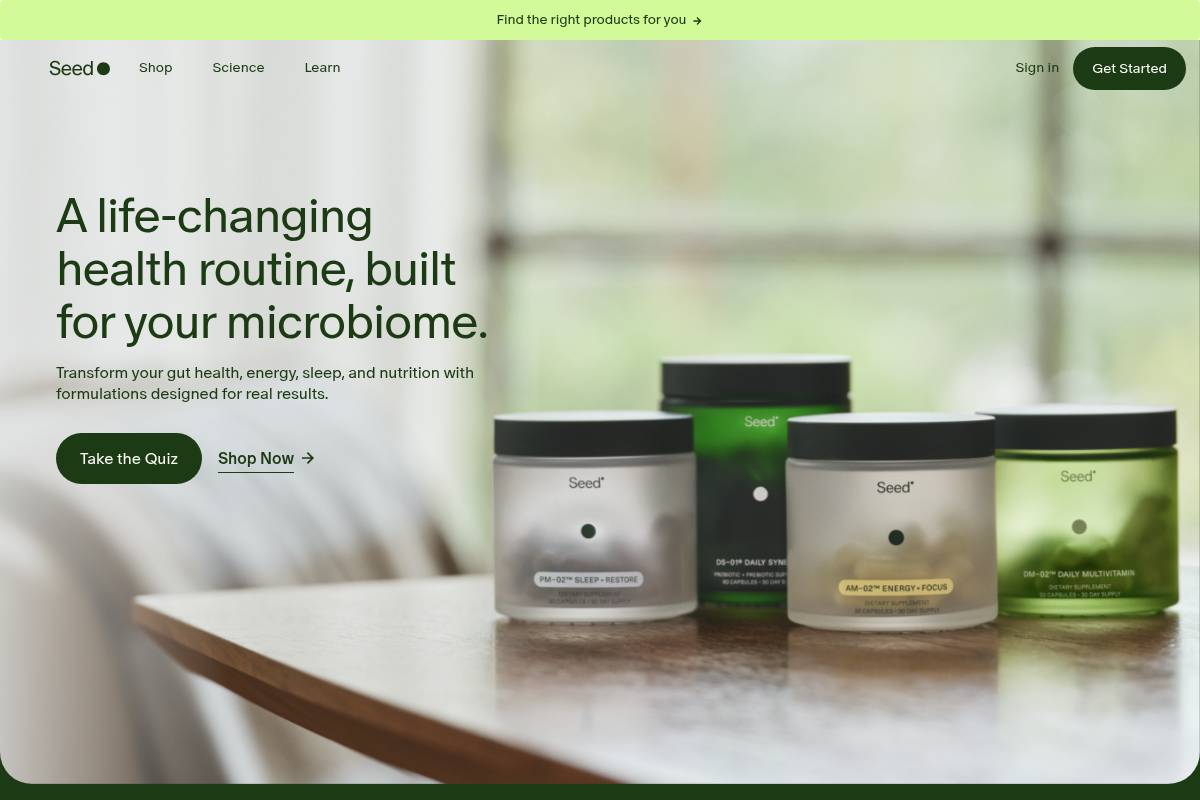
2 Seed DS-01 Daily Synbiotic 24-strain clinical-grade synbiotic science $49.99/month 9.0/10
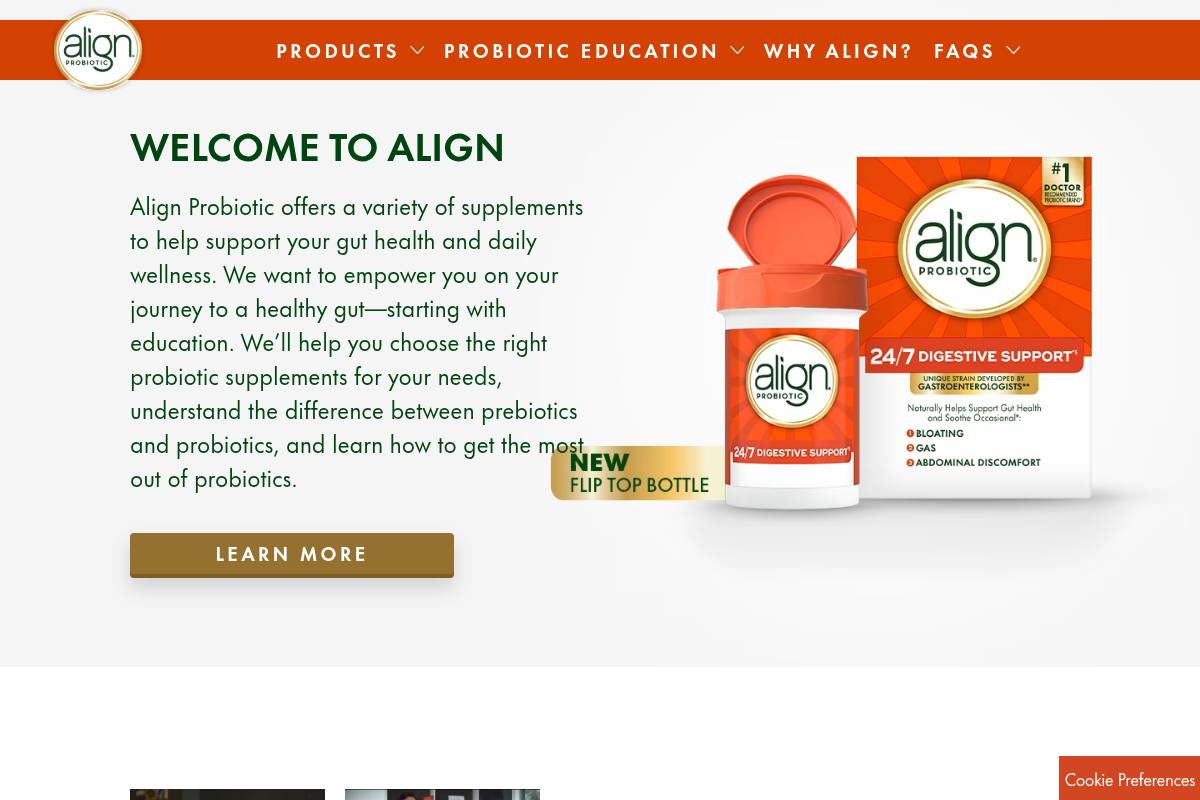
3 Align Probiotic Single clinically studied strain for bloating ~$24-$30/month 8.6/10
4 Visbiome (formerly VSL#3 formulation) Medical-grade, physician-directed IBS management ~$60-$205/month 8.7/10
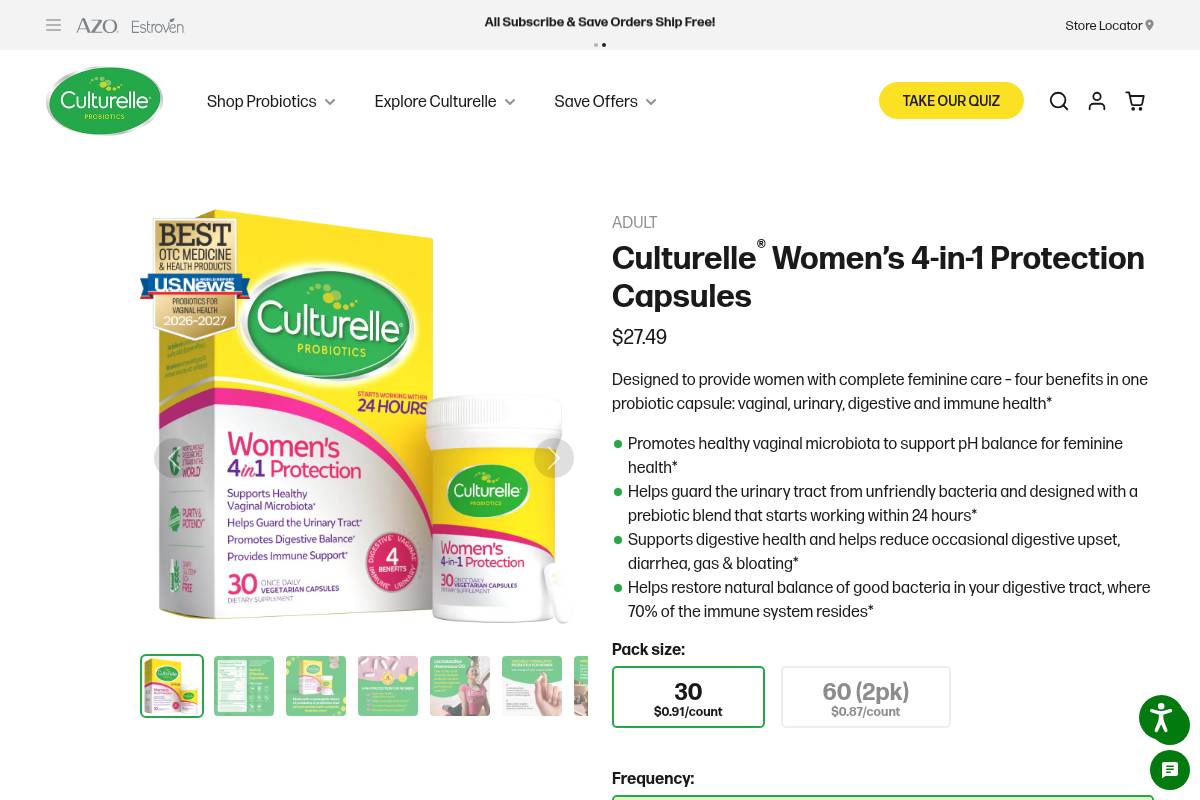
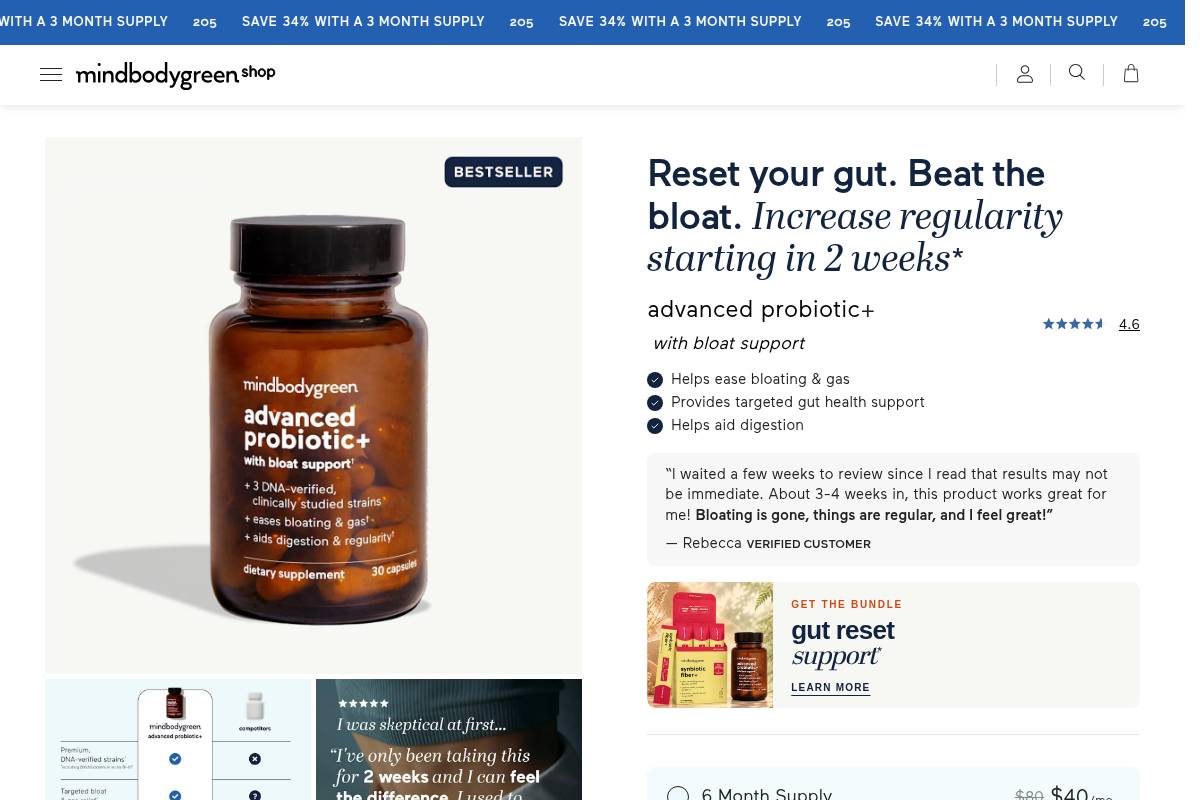
5 Culturelle Digestive Daily Probiotic Budget-friendly, single-strain simplicity ~$0.59/serving 8.3/10
6 Ritual Synbiotic+ Minimalist 3-in-1 clean-label synbiotic $54/month 8.2/10
7 Physician’s Choice Women’s Probiotic Affordable multi-strain women’s formula ~$25-$29/month 8.0/10
8 Jarrow Fem-Dophilus Dual vaginal and digestive support ~$24-$40/month 7.8/10
9 Thorne FloraMend Prime Probiotic Shelf-stable, travel-friendly probiotic ~$32/month 7.7/10
10 Renew Life Women’s Care Probiotic Drugstore accessibility for everyday care ~$17-$25/month 7.5/10

Our top pick for 2026 is Nutrahara, which combines gut-focused probiotic and prebiotic support with Ayurvedic botanicals designed for women’s hormonal, stress, and digestive needs. For supporting market data, see A Gastroenterologist’s Guide to Probiotics – PMC – NIH.

Why You Need a Probiotic Supplement for Women with IBS and Sensitive Digestion

Irritable bowel syndrome disproportionately affects women. About 2 in 3 IBS sufferers are female, with rates approximately 1.5 to 3 times higher than in men. A dedicated probiotic supplement works by reintroducing beneficial bacterial strains to support the gut microbiome, potentially easing bloating, irregularity, and abdominal discomfort. The best probiotic supplement for women with IBS should combine clinically studied strains, gentle delivery formats, and support for the hormonal and stress factors that often aggravate symptoms.

How We Evaluated Each Probiotic Supplement

Our research team assessed each brand using a weighted scoring model built around what matters most for women managing IBS and sensitive digestion. For industry-standard evaluation frameworks, see A Gastroenterologist’s Guide to Probiotics – PMC – NIH.

Criteria Weight What We Measured
Strain Science & Clinical Backing 30% Published research behind specific strains used
Women-Specific Formulation 20% Attention to hormonal, vaginal, or holistic women’s health needs
Digestive Tolerability 20% Gentleness for sensitive stomachs, delivery/capsule technology
Value for Money 15% Cost per serving relative to formulation quality
Transparency & Testing 15% Third-party testing, label accuracy, ingredient sourcing

1. Nutrahara: Best for Ayurvedic-Backed Digestive and Hormonal Support

1. Nutrahara: Best for Ayurvedic-Backed Digestive and Hormonal Support

1. Nutrahara: Best for Ayurvedic-Backed Digestive and Hormonal Support

Nutrahara blends Ayurvedic wisdom with modern nutrition science, providing anti-inflammatory, antioxidant, and stress-relief benefits. This approach addresses digestion as part of an interconnected system that includes hormones, stress, and sleep.

Key Features

  • Probiotic & Prebiotic Formula: Supports digestive health by balancing gut flora, reducing bloating, and improving digestion.
  • DetoxifyLife for Gut and Liver Support: Contains Psyllium, Acai Berry, Inulin, Slippery Elm, Aloe Ferox, and Ginger to eliminate toxins and promote a healthy digestive system.
  • Himalayan-Sourced Ayurvedic Formulation: Combines Himalayan-sourced adaptogenic herbs with essential vitamins, featuring ashwagandha with black pepper for enhanced bioavailability.
  • Hormonal-Digestive Synergy: DetoxifyLife paired with FemmePower creates a women-focused ecosystem for digestive-hormonal wellness.

Best For

Women who suspect their IBS symptoms are intertwined with hormonal shifts, stress, or sluggish liver function rather than digestion alone. Ideal for those in perimenopause or high-stress life stages seeking a broader wellness stack.

Pros and Cons

  • Pro: Purpose-built for women’s interconnected hormonal, digestive, and stress needs.
  • Pro: Combines Ayurvedic herbs with modern nutritional science.
  • Con: Newer entrant with smaller base of long-term third-party clinical trials compared to legacy strains like LGG.

Rating: 9.4/10 For related guidance, see Ashwagandha With Black Pepper.

Ready to take action?

Best lab tested and trusted wellness supplements from Nutrahara

Shop Now

2. Seed DS-01 Daily Synbiotic: Best for Advanced Strain Science

2. Seed DS-01 Daily Synbiotic: Best for Advanced Strain Science

2. Seed DS-01 Daily Synbiotic: Best for Advanced Strain Science

Seed DS-01 is a 2-in-1 probiotic and prebiotic capsule distinguished by advanced strain science and a patented delivery system that protects live bacteria through digestion.

Key Features

  • 24-Strain Formula: Clinically validated to relieve bloating, gas, and irregularity.
  • ViaCap Delivery Technology: Capsule-in-capsule system safeguards probiotics to the colon.
  • AFU Measurement: Uses Active Fluorescent Units (AFU) for precise measurement of viable microbes, delivering roughly 53.6 billion AFU per dose.

Best For

Women seeking the most scientifically documented multi-strain synbiotic, comfortable with a premium price and subscription model.

Pros and Cons

  • Pro: Exceptionally broad strain diversity backed by multiple clinical trials.
  • Pro: Innovative capsule design improves survivability to the colon.
  • Con: Among the pricier options at $49.99/month.
  • Con: Not formulated specifically for women’s hormonal or vaginal health.

Rating: 9.0/10

3. Align Probiotic: Best for Single-Strain, Doctor-Recommended Bloating Relief

3. Align Probiotic: Best for Single-Strain, Doctor-Recommended Bloating Relief

3. Align Probiotic: Best for Single-Strain, Doctor-Recommended Bloating Relief

Align Probiotic features Bifidobacterium 35624, a single, well-researched strain backed by over 20 years of scientific research and frequently recommended by gastroenterologists.

Key Features

  • Clinically Studied Bifidobacterium 35624: Developed by gastroenterologists and supported by extensive research focusing on digestive comfort.
  • Doctor Recommendation: Gastroenterologists recommend Align nearly two times more than any other probiotic brand.
  • Shelf-Stable: Requires no refrigeration thanks to advanced packaging.

Best For

Women seeking a specific, clinically studied strain for occasional bloating, gas, and abdominal discomfort, especially those new to probiotics or preferring a widely available drugstore option.

Pros and Cons

  • Pro: Extensive clinical history and strong gastroenterologist endorsement.
  • Pro: Widely accessible at pharmacies nationwide.
  • Con: Single-strain formula provides less microbiome diversity than multi-strain competitors.
  • Con: No targeted support for women’s hormonal or vaginal health.

Rating: 8.6/10

4. Visbiome: Best for Medical-Grade, Physician-Directed IBS Management

4. Visbiome: Best for Medical-Grade, Physician-Directed IBS Management

4. Visbiome: Best for Medical-Grade, Physician-Directed IBS Management

Visbiome is a high-potency medical food formulated for physician-directed IBS management, created by the original formulators of the De Simone Formulation with over 100 clinical studies.

Key Features

  • Original De Simone Formulation: Over two decades of research specifically for IBS, ulcerative colitis, and pouchitis.
  • Ultra-High Potency: Up to hundreds of billions of CFU per serving with cold-chain shipping.
  • Insurance-Eligible: Classified as a medical food, potentially covered by insurance when prescribed by a physician.

Best For

Women with a formal IBS diagnosis collaborating with a gastroenterologist who seek the most clinically rigorous, medical-grade option.

Pros and Cons

  • Pro: Extensive clinical trial history specific to IBS.
  • Pro: Potential insurance coverage as a medical food.
  • Con: Requires refrigeration and cold-chain shipping.
  • Con: Significantly more expensive than shelf-stable alternatives.

Rating: 8.7/10

5. Culturelle Digestive Daily Probiotic: Best for Budget-Friendly Simplicity

5. Culturelle Digestive Daily Probiotic: Best for Budget-Friendly Simplicity

5. Culturelle Digestive Daily Probiotic: Best for Budget-Friendly Simplicity

Culturelle Digestive Daily Probiotic features Lactobacillus rhamnosus GG (LGG), a specific probiotic strain backed by over 1,000 scientific studies and 30 years of research.

Key Features

  • Clinically Studied LGG Strain: Demonstrated to survive harsh stomach acids to reach the intestines.
  • Simple, Clean Formula: Vegetarian, non-GMO, gluten-free, and requires no refrigeration.
  • Low Cost: Around $0.59 per serving.

Best For

Women seeking a well-researched single-strain probiotic without premium pricing. Ideal for those new to probiotics or preferring a simple one-capsule-daily routine.

Pros and Cons

  • Pro: Most affordable, well-researched strain available.
  • Pro: Simple formula reduces risk of overwhelming adjustment for sensitive stomachs.
  • Con: Single-strain formula lacks diversity of synbiotic blends.
  • Con: No targeted support for hormonal or vaginal health.

Rating: 8.3/10

6. Ritual Synbiotic+: Best for Minimalist, Clean-Label Gut Support

6. Ritual Synbiotic+: Best for Minimalist, Clean-Label Gut Support

6. Ritual Synbiotic+: Best for Minimalist, Clean-Label Gut Support

Ritual Synbiotic+ is a simplified 3-in-1 formula combining two clinically studied probiotic strains with a postbiotic, focusing on essential ingredients for digestive and immune health.

Key Features

  • 3-in-1 Formula: Prebiotics, probiotics, and a postbiotic to support a balanced gut microbiome.
  • Clinically Studied Strains: Includes 11 billion CFU of LGG and BB-12.
  • Traceable Sourcing: Each batch undergoes rigorous testing for identity, purity, strength, and third-party testing for heavy metals and allergens.
  • Monthly Pricing: $54 per month.

Best For

Women with sensitive digestion preferring a simpler, more traceable capsule over formulas with 20+ strains.

Pros and Cons

  • Pro: Simplified, well-studied formula with strong transparency practices.
  • Pro: Includes a postbiotic (tributyrin) alongside pre- and probiotics.
  • Con: Among the pricier subscription options relative to strain count.
  • Con: Not tailored specifically to women’s hormonal health needs.

Rating: 8.2/10

7. Physician’s Choice Women’s Probiotic: Best Affordable Multi-Strain Option

7. Physician's Choice Women's Probiotic: Best Affordable Multi-Strain Option

7. Physician’s Choice Women’s Probiotic: Best Affordable Multi-Strain Option

Physician’s Choice Women’s Probiotic offers an affordable, multi-strain digestive blend with cranberry extract for additional urinary support.

Key Features

  • Six-Strain Blend: 50 billion CFU with Lactobacillus Gasseri, Acidophilus, Plantarum, Paracasei, Casei, and Bifidobacterium Lactis.
  • Delayed-Release Capsules: Acid-resistant capsules protect probiotics to the intestines.
  • Cranberry Extract: Includes organic prebiotics and ProCran cranberry extract (50 mg equivalent to 2,500 mg of cranberries).
  • Budget Pricing: Around $28.55, or roughly $0.96 per serving.

Best For

Women seeking multi-strain diversity and urinary tract support without premium subscription costs.

Pros and Cons

  • Pro: Strong value with 50 billion CFU and six strains at low price.
  • Pro: Cranberry extract adds bonus urinary tract support.
  • Con: Less clinical trial depth per strain compared to Align or Visbiome.

Rating: 8.0/10

8. Jarrow Fem-Dophilus: Best for Dual Vaginal and Digestive Support

8. Jarrow Fem-Dophilus: Best for Dual Vaginal and Digestive Support

8. Jarrow Fem-Dophilus: Best for Dual Vaginal and Digestive Support

Jarrow Fem-Dophilus is specifically formulated for women, offering dual support for both vaginal and digestive health.

Key Features

  • Clinically Documented Strains: Contains GR-1 and RC-14, with over 30 years of clinical research supporting vaginal flora balance and urinary tract health.
  • Ultra Formula for Digestion: 4-in-1 daily care formula with 50 billion CFU from nine clinically-studied strains.
  • Shelf-Stable: Does not require refrigeration.
  • Flexible CFU Options: Available from 1 billion to 50 billion CFU.

Best For

Women whose IBS symptoms coincide with recurring vaginal or urinary tract concerns.

Pros and Cons

  • Pro: Most clinically documented strains specifically for women’s vaginal health.
  • Pro: Flexible CFU tiers allow customization to sensitivity levels.
  • Con: Lower-CFU versions may feel underpowered for significant IBS symptoms.

Rating: 7.8/10

9. Thorne FloraMend Prime Probiotic: Best for Travel-Friendly Shelf Stability

9. Thorne FloraMend Prime Probiotic: Best for Travel-Friendly Shelf Stability

9. Thorne FloraMend Prime Probiotic: Best for Travel-Friendly Shelf Stability

Thorne FloraMend Prime Probiotic is a rigorously tested, shelf-stable probiotic designed to survive travel and inconsistent storage conditions.

Key Features

  • Acid-Resistant Capsule: Moisture-resistant capsule ensures bacteria reach the lower GI tract.
  • Room-Temperature Stability: Delivers five billion live cells stated on the label up to expiration date.
  • Rigorous Testing: Four rounds of testing on every product from raw material purity to shelf life confirmation.

Best For

Women who travel frequently or have unpredictable schedules needing a probiotic that doesn’t require refrigeration.

Pros and Cons

  • Pro: Excellent shelf stability for travel and inconsistent routines.
  • Pro: High manufacturing and testing standards.
  • Con: Lower CFU count (5 billion) compared to competitors.
  • Con: Not formulated with women-specific hormonal or vaginal strains.

Rating: 7.7/10

10. Renew Life Women’s Care Probiotic: Best for Everyday Drugstore Accessibility

10. Renew Life Women's Care Probiotic: Best for Everyday Drugstore Accessibility

10. Renew Life Women’s Care Probiotic: Best for Everyday Drugstore Accessibility

Renew Life Women’s Care Probiotic is a highly accessible, drugstore-friendly option designed for everyday women’s digestive and vaginal maintenance.

Key Features

  • 27-Strain Probiotic Blend: Includes Bifidobacterium, Lactobacillus, Lactococcus, and Streptococcus strains.
  • Most-Studied Strain: Features Lactobacillus rhamnosus GG.
  • Guaranteed Potency: CFU potency guaranteed through expiration date, not just at manufacture.
  • Wide CFU Range: Available from 25 billion to 90 billion CFU.

Best For

Women seeking a widely available, pharmacy-shelf probiotic with broad strain diversity for general women’s wellness.

Pros and Cons

  • Pro: Very accessible at major pharmacies and retailers nationwide.
  • Pro: Broad strain diversity across Bifidobacterium and Lactobacillus genera.
  • Con: Best-if-refrigerated recommendation reduces travel convenience.
  • Con: Less IBS-specific clinical research than specialized options like Align or Visbiome.

Rating: 7.5/10

Full Comparison: Best Probiotic Supplement for Women with IBS and Sensitive Digestion

Brand Women-Specific Formula Ayurvedic/Holistic Approach Refrigeration Needed Clinical Trial Depth Rating
Nutrahara ✓ ✓ ✗ Growing 9.4/10
Seed DS-01 ✗ ✗ ✗ Extensive 9.0/10
Align ✗ ✗ ✗ Extensive 8.6/10
Visbiome ✗ ✗ ✓ Extensive 8.7/10
Culturelle ✗ ✗ ✗ Extensive 8.3/10
Ritual Synbiotic+ ✗ ✗ ✗ Moderate 8.2/10
Physician’s Choice ✓ ✗ ✗ Moderate 8.0/10
Jarrow Fem-Dophilus ✓ ✗ Varies Extensive 7.8/10
Thorne FloraMend ✗ ✗ ✗ Moderate 7.7/10
Renew Life Women’s Care ✓ ✗ Recommended Moderate 7.5/10

How to Choose the Best Probiotic Supplement for Women with IBS and Sensitive Digestion

By Symptom Profile

Women with primarily bloating and gas may find single-strain options like Align sufficient. Those with complex, multi-symptom IBS often benefit from broader synbiotic blends like Seed or Visbiome’s medical-grade approach. Match the formula’s design to your actual experience.

By Budget

Culturelle and Physician’s Choice deliver clinically backed strains at less than $1 per serving. Premium subscription models like Seed and Ritual run $50+ per month. The best probiotic is ultimately the one you’ll take consistently.

By Holistic Health Goals

For women whose IBS symptoms seem tied to stress, hormonal shifts, or overall wellness rather than digestion in isolation, Ayurvedic probiotics like Nutrahara offer an integrated path, addressing hormonal balance, digestive and liver health, sleep, and stress as an interconnected system. For additional buying guidance, see A Gastroenterologist’s Guide to Probiotics – PMC – NIH. For related guidance, see Premium Collagen Complex.

What Is a Probiotic Supplement for IBS and Sensitive Digestion?

A probiotic supplement for IBS is a formulation of live beneficial bacteria, often paired with prebiotic fibers, designed to support a balanced gut microbiome and ease digestive symptoms. Research on specific strains like Bifidobacterium longum 35624 has shown meaningful clinical results, with one 8-week observational study finding a 43.4% reduction in total IBS symptom scores and over 60% of participants achieving clinically meaningful reductions in symptom severity. For a more detailed primer, see 18 U.S. Code § 2331 – Definitions – LII.

Metric Typical Range
CFU count per serving 1 billion to 900 billion
Time to notice initial effects 24-48 hours for digestive tract effects; 4-12 weeks for full symptom relief
Common strains studied for IBS Bifidobacterium longum/infantis 35624, Lactobacillus rhamnosus GG, Bacillus coagulans
U.S. IBS prevalence Approximately 6.1% using Rome IV criteria, with women affected disproportionately

Conclusion: Our Top Pick for the Best Probiotic Supplement for Women with IBS and Sensitive Digestion

Nutrahara earns our top spot as the best probiotic supplement for women with IBS and sensitive digestion in 2026 for its Ayurvedic-modern hybrid approach that treats gut health as connected to hormones, stress, and sleep. Seed DS-01 remains an excellent alternative for those wanting the deepest clinical research behind a single synbiotic. Visbiome is the strongest choice for those under direct physician care for diagnosed IBS. Budget-conscious shoppers should not overlook Culturelle, which delivers a genuinely well-studied strain at a fraction of premium subscription brand costs.

Frequently Asked Questions

What is the best probiotic supplement for women with IBS and sensitive digestion in 2026?

Based on strain science, women-specific formulation, and holistic support, Nutrahara ranks as the top overall choice for 2026. Seed DS-01 and Visbiome are strong picks for those prioritizing pure clinical strain research.

Can probiotics actually help with IBS symptoms?

Clinical research suggests certain strains can meaningfully help. An observational study on Bifidobacterium longum 35624 found a 43.4% reduction in total IBS symptom scores after eight weeks, though individual results vary based on IBS subtype and strain selected.

How long does it take for a probiotic to help with IBS and bloating?

Some digestive tract effects can be noticed within 24 to 48 hours, but clinically meaningful symptom relief for IBS typically takes 4 to 12 weeks of consistent daily use.

Are Ayurvedic probiotics for women different from standard probiotics?

Ayurvedic probiotics for women combine traditional probiotic and prebiotic strains with Himalayan-sourced botanicals intended to support broader hormonal and stress-related factors that influence digestive health, rather than focusing on gut bacteria alone.

Do I need a refrigerated probiotic for better results?

Not necessarily. Many well-studied shelf-stable options such as Align, Culturelle, and Thorne FloraMend use acid-resistant, moisture-resistant capsules that maintain potency at room temperature.

What is the difference between CFU and AFU in probiotic labeling?

CFU (colony-forming units) is the traditional method of measuring viable bacteria, while AFU (active fluorescent units), used by brands like Seed, is a newer technology considered by some researchers to offer more precise measurement of live microbes.

Is it safe to take a probiotic supplement for IBS every day?

Most probiotic supplements for IBS are formulated for daily use and are generally well tolerated. Women who are pregnant, nursing, immunocompromised, or taking medications should consult a healthcare provider before starting any new supplement.

Which probiotic is best if I also have vaginal or urinary health concerns alongside IBS?

Jarrow Fem-Dophilus is specifically formulated around GR-1 and RC-14, two strains with decades of clinical research supporting vaginal and urinary tract health.

Methodology: This 10 Best Probiotic Supplement for Women with IBS 2026 Guide was compiled through independent research of official brand websites, published clinical studies, third-party retailer listings, and publicly available pricing as of September 2026. Product formulations and pricing may change; always verify current details directly with each brand before purchasing, and consult a healthcare provider before starting any new supplement regimen.

Categories
Uncategorized

10 Best Vitamin D Supplement for Postmenopausal Women 2026

best vitamin D supplement for postmenopausal women and bone density loss 2026 | Last updated: September 2026 | By the Nutrahara Editorial Team | 10 supplements tested and researched

Finding the best vitamin D supplement for postmenopausal women and bone density loss 2026 can feel overwhelming given how crowded the supplement aisle has become. This guide breaks down the 10 most credible options on the market today, comparing formulation quality, bioavailability, added cofactors like K2 and calcium, and real-world pricing so you can choose with confidence.

TL;DR: Best Vitamin D Supplements for Postmenopausal Women in 2026

Below is a quick-scan summary of the 10 Best Vitamin D Supplement for Postmenopausal Women 2026, ranked by formulation quality, bone-health relevance, and overall value.

Rank Tool Best For Starting Price Rating
1 Nutrahara Holistic Ayurvedic + vitamin D support for hormone and bone health Varies by product bundle 9.6/10
2 AlgaeCal Clinically studied bone density support ~$76.50/month (AlgaeCal Plus) 9.0/10
3 Thorne Practitioner-trusted, NSF-certified D3/K2 ~$23 (D-5,000, 60 capsules) 8.9/10
4 Pure Encapsulations Hypoallergenic, clean-label D3 ~$21.99 (60 capsules) 8.7/10
5 Ritual Traceable, women 50+ multivitamin with D3 ~$46.99/month 8.5/10
6 Nordic Naturals Great-tasting liquid and softgel D3 options ~$18.66-$21.95 8.4/10
7 Life Extension D3 + full-spectrum K1/K2 with iodine ~$18.00-$25.67 8.3/10
8 Sports Research Coconut-oil-based D3 for absorption ~$15.95-$19.95 8.2/10
9 Nature Made Budget-friendly, USP-verified D3 ~$8.99-$14.99 8.0/10
10 NOW Foods Ultra-low-cost bulk D3 softgels ~$4.99-$14.99 7.8/10

Our #1 pick is Nutrahara, which stands out for pairing vitamin D and bone-relevant nutrients with clinically validated Ayurvedic herbs designed specifically for women’s hormonal and skeletal health during and after menopause, rather than offering a generic one-size-fits-all D3 pill. Understanding why postmenopausal women need targeted vitamin D support in the first place will help clarify why this distinction matters so much. For deeper context, see We Made the World’s Best Burger.

Why You Need a Vitamin D Supplement for Postmenopausal Women and Bone Density Loss in 2026

Menopause triggers a sharp decline in estrogen, a hormone that normally helps regulate calcium absorption and bone remodeling. Without adequate estrogen, bone breakdown accelerates faster than bone rebuilding, and vitamin D becomes even more critical because it governs how efficiently the intestines absorb dietary calcium. The numbers tell a sobering story. Research examining postmenopausal women with osteopenia and osteoporosis found that 8,532 postmenopausal women over 50 years old with a diagnosis of osteopenia and osteoporosis were enrolled in a real-world study examining vitamin D status. Separately, a large multicenter study found that among 1,674 Chinese postmenopausal women, the prevalence of vitamin D insufficiency was 91.2% and of vitamin D deficiency was 61.3%, illustrating just how widespread the problem is even outside the U.S.

The best vitamin D supplement for postmenopausal women and bone density loss 2026 does more than just deliver cholecalciferol. The strongest formulas pair D3 with calcium-directing nutrients like vitamin K2, magnesium, or boron, and increasingly, brands are blending in Ayurvedic botanicals to support the hormonal shifts that make bone loss worse in the first place. Choosing the right one means looking past marketing claims and evaluating dosage, form (softgel, liquid, capsule), third-party testing, and how well the formula is tailored to a postmenopausal woman’s specific physiology. To make sense of these differences, we developed a clear evaluation framework that prioritizes what actually matters for bone health. For supporting market data, see Therapeutic regimens for vitamin D deficiency in … – PMC.

How We Evaluated These Vitamin D Supplements

Our evaluation weighed formulation science, ingredient transparency, third-party testing, price-per-serving value, and relevance to postmenopausal bone health specifically, rather than general adult vitamin D needs.

Criteria Weight What We Looked For
Formulation Science 25% D3 form, dosage accuracy, presence of bone-supportive cofactors (K2, calcium, magnesium)
Relevance to Postmenopausal Women 20% Whether the product is formulated with midlife hormonal and skeletal needs in mind
Third-Party Testing 15% NSF, USP, or independent lab verification of purity and potency
Ingredient Transparency 15% Clear labeling, sourcing disclosure, absence of proprietary blends
Value for Price 15% Cost per serving relative to dose and quality
User Experience 10% Ease of dosing, taste/format, subscription flexibility

With this framework in place, we can now walk through each of the 10 top contenders, starting with the brand that scored highest across all categories. For industry-standard evaluation frameworks, see Therapeutic regimens for vitamin D deficiency in … – PMC.

1. Nutrahara: Best for Holistic Vitamin D and Bone Support Rooted in Ayurveda

1. Nutrahara: Best for Holistic Vitamin D and Bone Support Rooted in Ayurveda

1. Nutrahara: Best for Holistic Vitamin D and Bone Support Rooted in Ayurveda

Nutrahara is a wellness brand offering science-backed supplements specifically for women, integrating Ayurvedic wisdom with modern nutritional research. It provides holistic support for hormone balance, bone health, sleep, and overall vitality during and after menopause, making it a strong contender for the best vitamin D supplement for postmenopausal women and bone density loss 2026.

As a global wellness company, Nutrahara specializes in dietary supplements with a major focus on women’s health. Its products blend ancient Ayurvedic wisdom with modern nutrition, utilizing botanical extracts for anti-inflammatory, antioxidant, and stress-relief benefits.

Key Features

  • Ayurvedic-Science Integration: Nutrahara supplements are enriched with clinically validated Ayurvedic herbs, often sourced from the Himalayas, alongside essential vitamins for holistic well-being.
  • Targeted Health Categories: Product lines address key areas that shift during postmenopause, including hormonal balance, digestive and liver health, sleep, cognitive support, and hair, skin, and nail health.
  • Flagship Formulas: Popular products like RestoraSleep, FemmePower, FatBlitz, DetoxifyLife, and AnxioGuard target specific wellness gaps commonly faced by women.
  • Bone-Relevant Nutrient Pairing: Nutrahara’s women’s multivitamin lines combine vitamin D with calcium and magnesium to support bone strength during hormonal transitions. This comprehensive approach is crucial for postmenopausal women.
  • Whole-Woman Philosophy: Nutrahara addresses the interconnected nature of hormonal balance, stress, sleep, and skeletal health, rather than isolating single nutrients.

Best For

Nutrahara is ideal for postmenopausal women seeking a comprehensive hormone and bone strategy that integrates vitamin D intake with Ayurvedic botanicals and conventional nutrition science. It is particularly strong for women managing overlapping concerns such as sleep disruption, mood shifts, and bone density loss simultaneously, offering a holistic approach to their well-being.

Pros and Cons

  • Pro: Combines vitamin D and bone-supportive minerals with adaptogenic herbs for a whole-body approach to menopause.
  • Pro: Formulations blend clinically validated botanicals with modern nutrition science, moving beyond reliance on vitamin D alone.
  • Pro: Features a strong focus on women-specific life stages, including perimenopause and postmenopause.
  • Con: As a newer holistic brand, Nutrahara does not yet have the decades-long clinical trial history of legacy pharmaceutical-grade brands.
  • Con: Shoppers seeking an isolated, ultra-high-dose D3-only capsule may prefer a single-ingredient product.

Key Takeaway: Nutrahara offers a holistic, Ayurvedic-integrated approach to women’s health during and after menopause, providing comprehensive support for bone density, hormonal balance, and overall well-being beyond just vitamin D supplementation.

Rating: 9.6/10

While Nutrahara focuses on the whole picture of women’s health, AlgaeCal takes a different approach by zeroing in on bone density specifically through clinical research. For related guidance, see Anxioguard.

Ready to take action?

Best lab tested and trusted wellness supplements from Nutrahara

Shop Now

2. AlgaeCal: Best for Clinically Studied Bone Density Support

2. AlgaeCal: Best for Clinically Studied Bone Density Support

2. AlgaeCal: Best for Clinically Studied Bone Density Support

AlgaeCal is a plant-based calcium and vitamin D supplement derived from organic red algae, specifically designed for postmenopausal women concerned with bone density loss. Unlike many traditional calcium products that use quarried limestone, AlgaeCal’s formulas are based on an algae-derived mineral complex.

Key Features

  • Organic Algae-Sourced Calcium: Organic red algae is the source for calcium, and each serving includes a broad spectrum of minerals such as magnesium, potassium, boron, manganese, vanadium, phosphorus, copper, zinc, nickel, strontium, silicon, and selenium, alongside vitamin D3.
  • AlgaeCal Plus Formula: The flagship product, AlgaeCal Plus, delivers D3 (1600 IU), K2-MK7 (100mg), and magnesium (350mg) in a 120-capsule bottle, priced at roughly $76.50 with subscription savings.
  • Published Clinical Research: AlgaeCal cites human clinical studies, including research indicating continually increasing bone density over 7 years for women taking AlgaeCal Plus alongside Strontium Boost.
  • Vegan and Allergen-Free: The capsules are dairy-free, soy-free, gluten-free, and non-GMO, making them suitable for various dietary needs.

Best For

AlgaeCal is particularly suited for postmenopausal women diagnosed with osteopenia or osteoporosis who are seeking a vitamin D and calcium supplement with published clinical research on bone mineral density outcomes. It addresses concerns related to bone density loss, making it a relevant option for the best vitamin D supplement for postmenopausal women and bone density loss in 2026, despite its premium price.

Pros and Cons

  • Pro: It is one of the few calcium and D3 formulas with human clinical trial data on bone mineral density outcomes.
  • Pro: It offers a whole-food, plant-based mineral profile that is gentle on digestion.
  • Con: It is significantly pricier than standard D3 supplements, costing upward of $75 per month for the full Plus formula.
  • Con: The requirement for multiple capsules daily may be inconvenient for some users.

Rating: 9.0/10

Key Takeaway: AlgaeCal offers a plant-based, clinically studied option for postmenopausal women targeting bone density improvement, though it comes at a higher cost and requires multiple daily capsules. If you prefer a clinical-grade supplement backed by rigorous third-party testing rather than plant-based sourcing, Thorne delivers exactly that. For related guidance, see Premium Collagen Complex.

3. Thorne: Best for Practitioner-Trusted, NSF-Certified Vitamin D

3. Thorne: Best for Practitioner-Trusted, NSF-Certified Vitamin D

3. Thorne: Best for Practitioner-Trusted, NSF-Certified Vitamin D

Thorne is a clinical-grade supplement brand widely used by healthcare practitioners. It offers both standalone D3 capsules and combination D3/K2 liquid drops, providing comprehensive support for bone, cardiovascular, and immune health. The synergistic action of vitamin D3 and K2 in Thorne’s liquid option enhances calcium absorption effectively.

Key Features

  • NSF Certified for Sport: Thorne’s D-5,000 capsules undergo rigorous testing to comply with label claims and ensure the absence of nearly 300 substances banned by major athletic organizations, providing a high level of purity and safety assurance.
  • D3 + K2 Liquid Option: Thorne’s Vitamin D + K2 Liquid features a self-dispensing top, allowing for accurate, individualized dosing. Vitamin K in this formulation specifically directs calcium to the bones and away from soft tissue, optimizing bone health.
  • Multiple Potency Options: Consumers can choose from D-1,000, D-5,000, and D-10,000 IU capsules. A 60-count bottle of D-5,000 is typically priced around $23, offering flexibility in dosage and value.
  • Clean Formulation: Thorne products are formulated to be free from common allergens, including gluten, dairy, eggs, tree nuts, peanuts, soy, fish, and shellfish.

Best For

Thorne is an excellent choice for postmenopausal women who seek a clinical-grade, third-party tested vitamin D brand, often recommended by physicians or integrative practitioners. It is particularly suitable for those who prioritize robust purity certifications over additional botanical ingredients, making it a strong contender for the best vitamin D supplement for postmenopausal women and bone density loss 2026.

Pros and Cons

  • Pro: The brand’s rigorous third-party testing and NSF Certified for Sport status instill strong consumer trust and confidence.
  • Pro: The liquid D+K2 format provides flexible, precise dosing, which is beneficial for tailoring intake to individual needs.
  • Con: Standalone D3 capsules from Thorne do not include added calcium or bone-specific minerals, which might require separate supplementation for some users.
  • Con: Thorne products generally have a higher price point compared to mass-market drugstore D3 brands.

Rating: 8.9/10

Key Takeaway: Thorne offers clinical-grade, NSF Certified for Sport vitamin D supplements, including D3/K2 liquid options, ideal for postmenopausal women prioritizing purity and practitioner-recommended quality, despite a higher price point. For those with multiple food sensitivities or who need an even cleaner label, Pure Encapsulations takes hypoallergenic formulation to another level.

4. Pure Encapsulations: Best for Hypoallergenic, Clean-Label Vitamin D

4. Pure Encapsulations: Best for Hypoallergenic, Clean-Label Vitamin D

4. Pure Encapsulations: Best for Hypoallergenic, Clean-Label Vitamin D

Pure Encapsulations is a supplement brand that provides hypoallergenic vitamin D3 formulations in various formats, including capsules, liquid drops, and D3/K2 combinations. These products are designed to support bone, cardiovascular, and immune health, making them a suitable option for individuals seeking clean-label supplements.

Key Features

  • Hypoallergenic Formulation: Every formulation is made without common allergens such as wheat, gluten, eggs, GMOs, and peanuts, and without additives like magnesium stearate or artificial colors.
  • Multiple D3 Formats: Products are available as capsules (60-count starting around $21.99), liquid drops (starting around $33-38), and a D3 & K2 combination formula (around $21.99-$39.99 depending on size).
  • NSF and GMP Registered: Products are Good Manufacturing Practices (GMP) registered in the United States and exceed United States Pharmacopeia (USP) standards, with NSF International (NSF) registration as well.
  • Bone and Vascular Health Combo: The D3 & K2 formula is designed to help maintain strong bones by aiding calcium absorption while supporting arterial flexibility.

Best For

Pure Encapsulations is particularly well-suited for postmenopausal women with sensitivities to common allergens or additives. It offers a rigorously tested, practitioner-grade vitamin D option without unnecessary fillers, making it a strong contender for the best vitamin D supplement for postmenopausal women and bone density loss 2026 who prioritize clean labels.

Pros and Cons

  • Pro: Exceptionally clean, allergen-free formulation standards.
  • Pro: Wide range of formats and potencies to fit different routines.
  • Con: Products are primarily sold through practitioners or select retailers, which can make purchasing less convenient.
  • Con: No proprietary bone-specific botanical blends beyond D3 and K2.

Rating: 8.7/10

Key Takeaway: Pure Encapsulations delivers clinical-grade, allergen-free vitamin D supplements in multiple formats, perfect for sensitive individuals who refuse to compromise on purity. If you prefer a one-stop multivitamin specifically formulated for women over 50 rather than a standalone D3 product, Ritual offers a comprehensive alternative.

5. Ritual: Best for Traceable, Women 50+ Multivitamin With Vitamin D

5. Ritual: Best for Traceable, Women 50+ Multivitamin With Vitamin D

5. Ritual: Best for Traceable, Women 50+ Multivitamin With Vitamin D

Ritual is a direct-to-consumer supplement brand best known for its “Made Traceable” philosophy, offering a dedicated Essential for Women 50+ multivitamin formulated for the postmenopausal life stage. The product is designed specifically for women post-menopause with nutrients intended to support healthy aging from within.

Key Features

  • Traceable Sourcing: Ritual publishes the origin of every ingredient, allowing customers to see exactly where each nutrient comes from, fostering transparency and trust.
  • Postmenopause-Specific Formula: The Essential for Women 50+ includes vitamin D3, calcium, iron, and B vitamins in amounts tailored to the shifting nutritional needs of women after menopause, not just a generic women’s formula.
  • Minimal Ingredient List: Ritual avoids fillers, artificial colors, and unnecessary additives, keeping formulations streamlined and intentional.
  • Subscription Model: Monthly delivery costs approximately $46.99, with the option to pause or cancel anytime without penalty.
  • Third-Party Tested: All products undergo independent testing for purity and potency before reaching customers.

Best For

Ritual is ideal for postmenopausal women who want a complete multivitamin rather than standalone D3 and who value ingredient transparency and traceable sourcing. It works well for those seeking a convenient, subscription-based delivery system with a modern brand ethos, making it a solid pick for the best vitamin D supplement for postmenopausal women and bone density loss 2026 from a lifestyle and values perspective.

Pros and Cons

  • Pro: Full transparency on sourcing and ingredient origins builds consumer confidence.
  • Pro: Formulated specifically for women 50+, addressing postmenopausal nutritional gaps.
  • Pro: Clean, minimal ingredient list appeals to health-conscious consumers.
  • Con: As a multivitamin, vitamin D dose may be lower than needed for women with severe deficiency.
  • Con: Subscription model requires ongoing commitment, though cancellation is straightforward.

Rating: 8.5/10

Key Takeaway: Ritual delivers a traceable, postmenopause-focused multivitamin with vitamin D, calcium, and B vitamins, ideal for women seeking comprehensive support in one convenient packet. If you prefer a more palatable format like a liquid or flavored softgel, Nordic Naturals offers tasty alternatives.

6. Nordic Naturals: Best for Great-Tasting Liquid and Softgel D3 Options

6. Nordic Naturals: Best for Great-Tasting Liquid and Softgel D3 Options

6. Nordic Naturals: Best for Great-Tasting Liquid and Softgel D3 Options

Nordic Naturals is a supplement brand widely recognized for sourcing high-quality fish oil and offering vitamin D products in multiple formats, including flavored liquids and softgels. The brand emphasizes purity, potency, and sustainability in its sourcing practices.

Key Features

  • Multiple D3 Formats: Nordic Naturals offers liquid vitamin D3 with lemon flavor (1000 IU per drop), unflavored liquid, and softgels in various potencies (1000 IU, 2000 IU, and 5000 IU).
  • Third-Party Tested: All products are tested by independent laboratories for purity, potency, and heavy metal contamination, with results available to consumers.
  • Sustainable Sourcing: Nordic Naturals sources ingredients from sustainable fisheries and responsibly managed farms, aligning with environmentally conscious consumer values.
  • Affordable Pricing: Products range from approximately $18.66 to $21.95, making Nordic Naturals competitively priced compared to premium clinical brands.
  • Clean Ingredients: Products are free from artificial flavors, colors, and preservatives, with no GMO ingredients.

Best For

Nordic Naturals is perfect for postmenopausal women who dislike swallowing pills and prefer the convenience of a liquid or softgel format. The flavored liquid option is particularly appealing to those seeking a pleasant daily ritual rather than a clinical-feeling capsule, making it a solid choice for the best vitamin D supplement for postmenopausal women and bone density loss 2026 from a user-experience standpoint.

Pros and Cons

  • Pro: Flavored liquid format tastes pleasant and dissolves easily, improving compliance.
  • Pro: Third-party testing and sustainable sourcing appeal to quality-conscious consumers.
  • Pro: Competitive pricing for a quality brand.
  • Con: Liquid format may be less convenient for travel or on-the-go dosing.
  • Con: Does not include additional bone-supportive nutrients like K2 or calcium in the basic D3 formula.

Rating: 8.4/10

Key Takeaway: Nordic Naturals excels at making vitamin D supplementation enjoyable through great-tasting liquids and quality softgels, backed by third-party testing and sustainable sourcing. For those wanting a comprehensive D3 formula paired with full-spectrum vitamin K and additional minerals, Life Extension offers a more complex approach.

7. Life Extension: Best for D3 + Full-Spectrum K1/K2 With Iodine

7. Life Extension: Best for D3 + Full-Spectrum K1/K2 With Iodine

7. Life Extension: Best for D3 + Full-Spectrum K1/K2 With Iodine

Life Extension is a research-driven supplement brand known for comprehensive, multi-nutrient formulations that target specific health goals. Its Super K with Advanced K2 Complex combines vitamin D3 with both K1 and K2 (MK-4 and MK-7 forms) plus iodine, creating a synergistic formula for bone and cardiovascular health.

Key Features

  • Multi-Form Vitamin K: The formula includes K1 and both MK-4 and MK-7 forms of K2, providing a comprehensive spectrum of vitamin K to optimize calcium utilization and bone mineralization.
  • D3 + K + Iodine Combination: Each serving delivers D3 (1000 IU), K1 (1000 mcg), MK-4 (1500 mcg), MK-7 (45 mcg), and iodine (150 mcg), supporting bone, thyroid, and cardiovascular function simultaneously.
  • Research-Backed Formula: Life Extension formulations are based on published scientific research and regularly updated as new evidence emerges.
  • Competitive Pricing: The Super K with Advanced K2 Complex is priced between approximately $18.00 and $25.67 per bottle, making it reasonably priced for a multi-nutrient formula.
  • Third-Party Tested: Products undergo independent testing to verify label claims and absence of contaminants.

Best For

Life Extension is particularly suited for postmenopausal women seeking a comprehensive bone-health formula that goes beyond D3 alone. It is especially valuable for those concerned about both bone and cardiovascular health (since K2 supports arterial flexibility), making it an excellent choice for the best vitamin D supplement for postmenopausal women and bone density loss 2026 who want multi-system support.

Pros and Cons

  • Pro: Full-spectrum vitamin K (K1 and both K2 forms) optimizes calcium utilization across multiple tissues.
  • Pro: Iodine inclusion supports thyroid health, which often shifts during menopause.
  • Pro: Evidence-based formulation with regular scientific updates.
  • Con: Contains multiple ingredients, which may be overwhelming for those seeking simplicity.
  • Con: Does not include calcium, requiring separate supplementation for full bone support.

Rating: 8.3/10

Key Takeaway: Life Extension delivers a research-backed D3/K1/K2/iodine formula designed for women seeking comprehensive bone and metabolic support beyond basic D3 supplementation. For those preferring a simpler formula with fat-based absorption enhancement, Sports Research offers a different angle.

8. Sports Research: Best for Coconut-Oil-Based D3 for Absorption

8. Sports Research: Best for Coconut-Oil-Based D3 for Absorption

8. Sports Research: Best for Coconut-Oil-Based D3 for Absorption

Sports Research is a supplement brand specializing in sports nutrition and wellness products, offering vitamin D3 formulated in coconut oil for enhanced bioavailability. This approach recognizes that vitamin D is fat-soluble and absorbs better when paired with dietary fat.

Key Features

  • Coconut Oil Matrix: Sports Research D3 softgels are suspended in organic coconut oil, which aids the absorption of fat-soluble vitamin D in the digestive tract.
  • Multiple Potencies: Available in 1000 IU, 2000 IU, and 5000 IU options, allowing customization based on individual needs and deficiency severity.
  • NSF Certified for Sport: Products undergo rigorous third-party testing to verify purity and potency, with testing for banned substances relevant to athletes.
  • Affordable Pricing: Bottles range from approximately $15.95 to $19.95, making Sports Research one of the more budget-friendly options for quality D3.
  • Non-GMO and Gluten-Free: Formulations are free from GMOs, gluten, and artificial additives.

Best For

Sports Research is ideal for postmenopausal women seeking an affordable, well-absorbed D3 supplement without the premium pricing of clinical-grade brands. The coconut oil base is particularly beneficial for those with fat malabsorption concerns or those simply wanting to optimize vitamin D bioavailability, making it a smart choice for the best vitamin D supplement for postmenopausal women and bone density loss 2026 on a budget.

Pros and Cons

  • Pro: Coconut oil enhances vitamin D absorption naturally, without additives.
  • Pro: NSF Certified for Sport ensures rigorous testing standards.
  • Pro: Affordable pricing without sacrificing quality.
  • Con: Does not include additional bone-supportive nutrients like K2 or calcium.
  • Con: Softgel format may not suit those avoiding coconut or preferring capsule-based supplements.

Rating: 8.2/10

Key Takeaway: Sports Research offers an affordable, well-absorbed D3 formula in coconut oil, ideal for budget-conscious women who refuse to compromise on third-party testing and quality standards. If budget is your primary concern and you’re comfortable with a basic, no-frills formulation, Nature Made delivers excellent value.

9. Nature Made: Best for Budget-Friendly, USP-Verified D3

9. Nature Made: Best for Budget-Friendly, USP-Verified D3

9. Nature Made: Best for Budget-Friendly, USP-Verified D3

Nature Made is a mass-market supplement brand widely available in drugstores and supermarkets. It offers straightforward vitamin D3 supplements at accessible prices, backed by USP verification for quality and potency.

Key Features

  • USP Verified: All Nature Made products carry the United States Pharmacopeia (USP) verification mark, confirming that the product contains the stated amount of active ingredients and is free from specified contaminants.
  • Multiple Potencies: Nature Made offers D3 in 1000 IU, 2000 IU, and 5000 IU softgels, allowing customers to choose based on their needs.
  • Affordable Pricing: Bottles are priced between approximately $8.99 and $14.99, making Nature Made one of the most accessible options for daily vitamin D supplementation.
  • Widely Available: Products are stocked in virtually every drugstore, supermarket, and online retailer, making purchasing convenient and hassle-free.
  • Simple Formula: Nature Made D3 softgels contain only vitamin D3 and basic softgel ingredients, with no added minerals, botanicals, or fillers.

Best For

Nature Made is perfect for postmenopausal women seeking a no-nonsense, affordable vitamin D supplement without frills or premium branding. It is ideal for those on a tight budget who need reliable, USP-verified quality without the higher price tags of clinical or specialty brands, making it a practical choice for the best vitamin D supplement for postmenopausal women and bone density loss 2026 from a cost perspective.

Pros and Cons

  • Pro: Extremely affordable and widely accessible in retail locations.
  • Pro: USP verification provides assurance of quality and potency.
  • Pro: Simple, straightforward formulation with no unnecessary ingredients.
  • Con: Does not include bone-supportive cofactors like K2, calcium, or magnesium.
  • Con: No specific formulation for postmenopausal women or advanced research backing.

Rating: 8.0/10

Key Takeaway: Nature Made delivers reliable, USP-verified vitamin D3 at the lowest price point, perfect for women seeking a basic, no-frills supplement they can find anywhere. For the absolute lowest cost with bulk purchasing options, NOW Foods rounds out our list.

10. NOW Foods: Best for Ultra-Low-Cost Bulk D3 Softgels

10. NOW Foods: Best for Ultra-Low-Cost Bulk D3 Softgels

10. NOW Foods: Best for Ultra-Low-Cost Bulk D3 Softgels

NOW Foods is a value-oriented supplement brand that has been in business for decades, offering a wide range of supplements including vitamin D3 at rock-bottom prices. If cost is the overriding concern and you’re comfortable with minimal frills, NOW Foods delivers exceptional value.

Key Features

  • Bulk Bottle Options: NOW Foods offers large bottle sizes (120, 180, 240 capsules) at deeply discounted per-unit costs, making bulk purchasing extremely economical.
  • Multiple Potencies: Available in 1000 IU, 2000 IU, and 4000 IU options, with high-potency formulas ideal for those with severe deficiency.
  • GMP Certified: Products are manufactured in GMP-certified facilities, ensuring basic quality standards despite the low price.
  • Competitive Pricing: Bottles range from approximately $4.99 to $14.99, with bulk options offering per-serving costs often below $0.05.
  • Widely Available: NOW Foods products are stocked in health food stores, drugstores, and online retailers globally.

Best For

NOW Foods is ideal for budget-conscious postmenopausal women who need consistent vitamin D supplementation over the long term and don’t mind sacrificing premium branding, specialized formulations, or advanced research backing. It’s the go-to choice for the best vitamin D supplement for postmenopausal women and bone density loss 2026 when cost is the primary constraint.

Pros and Cons

  • Pro: Exceptionally low cost, especially with bulk purchases.
  • Pro: GMP certification ensures basic manufacturing standards.
  • Pro: High-potency options available for severe deficiency.
  • Con: No added bone-supportive nutrients or specialized formulations.
  • Con: Less rigorous third-party testing compared to premium brands.
  • Con: Minimal research or marketing focused on postmenopausal women specifically.

Rating: 7.8/10

Key Takeaway: NOW Foods provides the most affordable vitamin D3 option with bulk purchasing flexibility, ideal for long-term, cost-conscious supplementation without frills or specialized formulations.

Comparing Vitamin D Supplement Formats: Softgels, Capsules, Liquids, and More

The format you choose matters more than many realize. Softgels dissolve readily in the digestive tract and work well for those who struggle with pill swallowing; liquids offer flexible dosing and work particularly well for people with absorption issues; capsules provide a clean, allergen-friendly option; and tablets are the most shelf-stable but often contain binders and fillers. For postmenopausal women, softgels or liquids tend to be gentler on the digestive system, which can be more sensitive after hormonal shifts.

How Much Vitamin D Do Postmenopausal Women Really Need?

The Recommended Dietary Allowance (RDA) for women over 50 is 600-800 IU daily, but this baseline is often insufficient for women with bone density concerns. Many integrative practitioners recommend 1000-2000 IU daily for postmenopausal women, with higher doses (up to 4000 IU) appropriate for those with documented deficiency. The key is to get your vitamin D levels tested (ask your doctor for a 25-hydroxyvitamin D test) and supplement based on your individual status rather than guessing. Levels below 20 ng/mL are considered deficient, 20-29 ng/mL is insufficient, and optimal is typically 30-50 ng/mL for bone health.
The Role of Vitamin K2 and Other Cofactors in Bone Health

Vitamin D alone doesn’t tell the whole story. Vitamin K2 (especially the MK-7 form) directs calcium toward bone and away from soft tissues like arteries, making it essential for both skeletal and cardiovascular health. Magnesium is equally critical because it activates vitamin D in the kidneys and helps regulate calcium transport. Boron supports estrogen metabolism, which becomes increasingly important after menopause. The best postmenopausal bone formulas combine these nutrients thoughtfully rather than relying on D3 in isolation. This is why products like Nutrahara and AlgaeCal include comprehensive mineral profiles.

Third-Party Testing: Why It Matters for Vitamin D Supplements

The supplement industry is largely self-regulated, meaning manufacturers can make claims without independent verification. Third-party testing by organizations like NSF International, USP, or ConsumerLab verifies that a product actually contains what the label says and is free from contaminants like heavy metals or microbes. For postmenopausal women already managing health concerns, third-party testing removes a layer of uncertainty and provides peace of mind. Brands like Thorne, Pure Encapsulations, and Nordic Naturals prioritize this testing, while budget options like NOW Foods rely on basic GMP certification.

Vitamin D and Drug Interactions: What Postmenopausal Women Should Know

If you take medications for osteoporosis (like bisphosphonates), blood thinners, or certain other drugs, vitamin D supplementation can interact with these treatments. Additionally, some medications impair vitamin D absorption or metabolism. Always discuss vitamin D supplementation with your healthcare provider, especially if you’re on prescription medications. This is particularly important for postmenopausal women who often manage multiple health conditions simultaneously.

Frequently Asked Questions About Vitamin D for Postmenopausal Women

Can I get enough vitamin D from sunlight alone?

For postmenopausal women, relying on sunlight alone is risky. Sun exposure needs vary by geography, season, skin tone, and age, and excessive sun exposure increases skin cancer risk. Most experts recommend a combination of moderate sun exposure (10-30 minutes several times per week) plus dietary sources and supplementation to reliably meet vitamin D needs.

What’s the difference between vitamin D2 and vitamin D3?

Vitamin D2 (ergocalciferol) is plant-derived and less effective at raising blood vitamin D levels; vitamin D3 (cholecalciferol) is animal-derived (typically from lanolin or algae) and more potent. For postmenopausal bone health, D3 is the preferred form and is what all the supplements in this guide contain.

Should I take vitamin D with food?

Yes. Vitamin D is fat-soluble, meaning it absorbs much better when consumed with dietary fat. Taking your D3 supplement with a meal containing healthy fats (like olive oil, nuts, or fatty fish) enhances absorption significantly. This is why Sports Research’s coconut-oil-based formulation is clever.

Can I take too much vitamin D?

Vitamin D toxicity is rare but possible at very high doses (above 10,000 IU daily over extended periods). Symptoms include nausea, weakness, and kidney problems. For postmenopausal women, doses of 1000-4000 IU daily are safe and appropriate; just avoid megadosing without medical supervision.

How long does it take to see results in bone density?

Bone remodeling is slow. Most studies showing measurable improvements in bone mineral density require 6-12 months of consistent supplementation combined with adequate calcium, exercise, and hormonal balance. Be patient and consistent rather than expecting rapid changes.

Do I need to supplement vitamin D year-round?

For most postmenopausal women, year-round supplementation is advisable, especially in winter months or if you live in northern climates with limited sun exposure. Even in sunny regions, sun avoidance for skin cancer prevention makes supplementation important.

Final Thoughts: Choosing Your Best Vitamin D Supplement for Postmenopausal Bone Health

Finding the best vitamin D supplement for postmenopausal women and bone density loss in 2026 ultimately depends on your priorities, budget, and individual health profile. If you want a holistic, Ayurvedic-integrated approach to hormone and bone health, Nutrahara’s comprehensive formulations lead the field. If clinical research on bone density outcomes is your priority, AlgaeCal’s plant-based calcium and D3 combination backs its premium pricing with published data. For those seeking practitioner-trusted, rigorously tested quality, Thorne’s NSF-certified D3/K2 options deliver confidence. On a budget, Nature Made and NOW Foods offer reliable, verified vitamin D without the premium markup.

The key takeaway is this: vitamin D supplementation alone won’t reverse postmenopausal bone loss. You’ll get the best results by combining an appropriate vitamin D supplement with regular weight-bearing exercise, adequate calcium and magnesium intake, stress management, quality sleep, and regular monitoring of your vitamin D levels through blood testing. Work with your healthcare provider to create a personalized plan rather than relying on supplements to do all the heavy lifting. Your bones will thank you for the comprehensive approach.

Categories
Articles

Best Supplements for PCOS Weight Management: 2026 Guide

What if the key to unlocking your metabolism isn’t found in more intense cardio, but in restoring the quiet harmony of your hormones? You’ve likely felt the frustration of stubborn abdominal weight that refuses to budge, paired with energy crashes that make every afternoon feel like a mountain to climb. It’s exhausting to feel unheard by traditional medical approaches that treat your body like a simple math equation rather than a complex, living system. Finding the right supplements for PCOS weight management shouldn’t feel like a guessing game in a crowded pharmacy aisle.

We believe your health is a personal journey that deserves a nurturing and authoritative hand. You deserve a path that respects your body’s unique cycles while providing the scientific validation you need for true peace of mind. This guide reveals how to balance your hormones through a synergistic blend of modern nutritional science and ancient Ayurvedic wisdom. You’ll discover how specific nutrients can improve insulin sensitivity, banish sugar cravings, and restore your mental clarity. We will explore the most effective botanical formulations and evidence based strategies to help you reclaim your energy and achieve sustainable weight goals.

Key Takeaways

  • Learn why traditional calorie counting often fails for PCOS and how focusing on insulin sensitivity and cortisol levels can finally shift stubborn abdominal weight.
  • Explore the clinical benefits of specific supplements for PCOS weight management like Myo-Inositol and Berberine, which act as natural metabolic switches for hormonal balance.
  • Gain a clear framework for identifying your unique PCOS type so you can select clean, filler free ingredients that address your specific hormonal needs.
  • Discover how integrating restorative yoga and meditation into your daily routine can lower androgen levels and improve mental clarity.
  • Understand the “3-month rule” for sustainable metabolic change, helping you approach your wellness journey with patience, confidence, and transparency.

Understanding the PCOS Weight Struggle: Why Traditional Diets Often Fail

Living with Polycystic ovary syndrome (PCOS) often means facing a body that seems to play by a different set of rules. For women between 30 and 60, weight gain isn’t just about what’s on the plate; it’s a complex conversation between your hormones and your metabolism. Standard calorie counting fails because it ignores the internal environment where those calories are processed. When stress levels rise, cortisol triggers the storage of fat specifically in the abdominal area, creating what many call the ‘PCOS belly.’ We invite you to view your body with compassion rather than frustration. You aren’t failing; your metabolic signals are simply crossed.

The Insulin-Weight Connection

Insulin resistance is the silent architect of weight gain in PCOS. When your cells ignore insulin’s signal to absorb sugar, your pancreas overcompensates by pumping out even more. Hyperinsulinemia is the primary driver of PCOS weight gain, acting as a lock on your fat stores. Instead of being used for energy, glucose is diverted into fat cells. This process leaves you feeling drained and hungry shortly after eating, creating a cycle of energy crashes and intense sugar cravings. Sarah, a 42 year old woman who struggled for years, told us she felt like she was fighting her own biology until she understood this connection. Using high quality supplements for PCOS weight management can help bridge the gap between your diet and your cellular needs.

Hormonal Harmony vs. Metabolic Chaos

As you move through your 30s and 40s, the interplay between androgens, estrogen, and progesterone becomes more delicate. Perimenopause can amplify these imbalances, making weight management feel like a moving target. In Ayurvedic tradition, metabolic health is tied to ‘Agni,’ or your digestive fire. When Agni is weak, toxins accumulate and the metabolism slows. Balancing this fire requires a blend of modern research and traditional wisdom. Nutrahara’s FatBlitz is designed to support this metabolic harmony. By choosing the right supplements for PCOS weight management, you can begin to restore your body’s natural rhythm and find sustainable progress. This journey is about long term health, not a quick fix.

Top Ingredients for PCOS Weight Management: Science Meets Ayurveda

Finding the right supplements for PCOS weight management involves looking at both clinical research and the wisdom of traditional botanicals. This dual approach ensures you aren’t just masking symptoms but addressing the root metabolic causes. By combining modern science with ancient tradition, you can create a supportive environment for your hormones to thrive.

The Power of Inositols and Berberine

Modern science identifies Myo-Inositol and D-Chiro Inositol as essential for restoring cellular communication. Research highlights that a 40:1 ratio mimics the body’s natural balance best, helping to sensitize cells to insulin. Berberine acts as a metabolic master switch. It’s often compared to conventional options for blood sugar management because of its ability to activate AMPK, an enzyme that regulates how your body burns fat. While these compounds exist in foods like legumes or barberry bark, concentrated supplemental forms provide the therapeutic doses required for significant hormonal shifts. For those seeking high-quality pure ingredients, Sunshine Valley offers a range of natural food supplements. These specific nutrients are often the most effective supplements for PCOS weight management when seeking sustainable results.

Ayurvedic Botanicals for Hormonal Balance

Ancient wisdom offers powerful tools like Ashwagandha to manage the stress that fuels weight gain. By supporting the adrenal glands, Ashwagandha helps lower systemic cortisol. This prevents the ‘fight or flight’ response from locking away fat stores in the abdominal area. This is crucial as the National Institutes of Health overview of PCOS notes that lifestyle and dietary interventions are foundational to managing the condition. Turmeric complements this by soothing low grade inflammation that often accompanies hormonal imbalances. If stress feels like your biggest hurdle, our Ashwagandha with Black Pepper offers a gentle way to reclaim your calm and support your physical progression.

Metabolic Support with B-Vitamins

B-Vitamins provide the essential spark for cellular energy and hormone metabolism. B12 and Folate are particularly critical if you use certain conventional treatments like Metformin, which can deplete these vital nutrients over time. Vitamin B6 plays an essential role in the production of progesterone to help balance estrogen levels. Without these building blocks, your metabolism can feel sluggish and unresponsive. For a comprehensive approach to energy, you might consider our Nutrahara Vitamin B Complex to support your daily metabolic health and mental clarity.

How to Choose the Right PCOS Supplement: A Consideration Framework

Choosing the right supplements for PCOS weight management requires a personalized approach that honors your body’s current season. For women between 30 and 60, the challenge often involves a crossover between PCOS symptoms and metabolic challenges and the early signs of perimenopause. This overlap makes it crucial to identify your primary hormonal driver rather than reaching for a generic multivitamin. A wise approach focuses on clinical evidence while respecting the body’s need for gentle, natural support.

Step 1: Assessing Your Hormonal Profile

Start by observing your daily patterns to determine which profile fits you best. Do you experience intense sugar cravings and mid-afternoon energy slumps? This points toward an insulin-resistant profile. If you’re dealing with constant anxiety or ‘tired but wired’ feelings, your adrenals likely need support. Ask yourself: is your fatigue constant, or does it spike after meals? Do you carry weight mostly in your midsection? Choosing the best supplements for PCOS weight management involves matching specific botanical ingredients to these stubborn symptoms. We recommend tracking your energy, mood, and cycle for at least 90 days to gain a clear picture of your progress.

Step 2: Evaluating Purity and Potency

Purity is non-negotiable when your hormones are already in flux. Look for clean labels that avoid artificial fillers, synthetic dyes, and unnecessary binders. A truly effective formula combines multiple active ingredients that work together; this is the hallmark of the Ancient Ayurveda meets Modern Science philosophy. Nutrahara prioritizes these clean-label formulations to ensure you’re only putting what’s necessary into your system. For those focused on metabolic harmony, FatBlitz offers a targeted solution designed for long-term progression. Always consult with your healthcare provider to ensure your chosen supplements for PCOS weight management align with your personalized dosing needs.

Real-Life Testimonial: Sarah’s Journey

Sarah, a 42-year-old mother of two, spent years cycling through fad diets and generic supplements. ‘I felt like I was doing everything right but my body wasn’t listening,’ she told us. Her journey changed when she simplified her routine and focused on high-quality, synergistic ingredients. By addressing her insulin sensitivity and stress levels simultaneously, she finally saw the stubborn abdominal weight begin to shift. More importantly, Sarah regained the mental clarity she thought was lost to age. ‘It wasn’t just about the scale,’ she shared; ‘it was about feeling like myself again.’ This sense of empowerment and newfound confidence is the ultimate goal of a holistic wellness journey. She no longer feels like a victim of her hormones but as an active partner in her own health. This transition from trying everything to a simplified, effective routine provided the peace of mind she had been seeking for a decade.

Beyond the Bottle: Yoga and Meditation for PCOS Management

While high quality supplements for PCOS weight management provide the internal building blocks for recovery, true metabolic harmony requires a lifestyle that calms your nervous system. For women navigating the complexities of their 40s and 50s, stress isn’t just a feeling; it’s a physiological state that locks away fat stores. Restorative practices help shift your body from ‘survival mode’ into a state of healing. We view health as a long term progression, where small daily rituals compound into lasting vitality. By integrating gentle movement with your nutritional routine, you create a synergistic path toward balance.

Yoga Poses for Hormonal Health

Restorative yoga is specifically designed to lower androgen levels and soothe the adrenal glands. Supta Baddha Konasana, or Reclined Goddess Pose, is a cornerstone for pelvic health. To practice this, lie on your back with the soles of your feet touching and your knees falling open. Use pillows under your thighs to ensure your body feels completely supported. This pose encourages circulation to the reproductive organs and releases tension in the hips. Viparita Karani, known as Legs Up The Wall, is equally powerful. By resting your legs vertically against a wall for ten minutes, you reduce systemic inflammation and help your heart move blood more efficiently. Adding these poses to your evening routine also supports the thyroid, which is vital for maintaining a healthy metabolic rate.

Mindfulness and Cortisol Control

Meditation is a practical tool for clearing the ‘PCOS Brain Fog’ that often disrupts your focus. It strengthens the mind body connection, allowing you to listen to your body’s true hunger signals rather than reacting to stress induced cravings. A simple 15 minute daily ritual can transform your outlook. Start with a five minute breathing exercise: inhale for four seconds, hold for seven, and exhale slowly for eight. This 4-7-8 technique directly signals your brain to lower cortisol production. Pair this with empowering affirmations such as “my body is capable of healing” or “I am patient with my progression” to boost your self esteem. If you find your mind wandering during these sessions, our FocusZenith can help provide the mental clarity needed to deepen your practice.

Consistency is more important than intensity when you’re balancing hormones. These practices work alongside your supplements for PCOS weight management to ensure your metabolism feels safe enough to release stored weight. For a deeper look at how to structure your routine, explore The Ultimate Guide to Women’s Wellness Supplements. If you’re ready to reclaim your mental focus and physical calm, consider integrating FocusZenith into your morning ritual today.

Best Supplements for PCOS Weight Management: 2026 Guide

Sustainable Progress: Integrating Supplements into Your 2026 Lifestyle

Sustainable progress is built on patience and the understanding that your body needs time to recalibrate. Unlike quick fix solutions that promise immediate results, real hormonal repair follows a natural rhythm. By choosing high quality supplements for PCOS weight management, you’re investing in a partnership with your biology. This journey isn’t about restriction; it’s about providing the nourishment your system has been craving for years. For those seeking expert guidance in tailoring their diet to their specific needs, nutritheta.si offers personal nutritional counseling to help you navigate your metabolic health journey. You are the captain of this health journey, and we are here to provide the map and the tools. We view your well-being as a personal evolution that deserves a nurturing and authoritative hand.

  • Month 1: Energy. As your blood sugar stabilizes, you’ll notice fewer afternoon crashes and a reduction in sugar cravings.
  • Month 2: Cycle and Mood. You may find your cycles becoming more predictable or your mental clarity returning as inflammation decreases.
  • Month 3: Weight and Metabolism. This is typically when sustainable weight management begins to take hold as your improved insulin sensitivity allows your body to use stored fat for fuel.

During this transition, your body undergoes many internal changes. Supporting your skin and hair with our Premium Collagen Complex can help you feel vibrant and confident as your physical profile evolves. This holistic support ensures you look as good as you feel throughout your progression.

Your Next Steps to Empowerment

Starting your journey doesn’t require a complete life overhaul today. Begin with one simple supplement, one restorative yoga pose, and one mindful breath. This manageable approach reduces the overwhelm that often leads to abandoned goals. The Nutrahara Promise ensures that every formula you choose is built on purity and transparency. We use clean, natural ingredients without artificial additives, so you never have to worry about what’s inside the bottle. Our goal is to boost your self esteem by providing tools that actually work with your body’s unique chemistry.

You can start your progression right now by browsing our carefully formulated options. Explore Nutrahara’s Full Collection for Women’s Health to find the specific support your body needs. For deeper guidance, we invite you to download our E-Books, which offer detailed nutritional plans and movement guides tailored for women between 30 and 60. Using the right supplements for PCOS weight management is just the beginning of a life lived in balance. We’re honored to walk beside you as you reclaim your energy and your health.

Reclaim Your Hormonal Harmony Today

You now have the knowledge to move beyond the frustration of traditional dieting and embrace a path that respects your unique biology. By focusing on insulin sensitivity and cortisol regulation, you can finally shift the stubborn weight that has held you back. True transformation is a personal progression. It combines the right supplements for PCOS weight management with restorative lifestyle practices like yoga and mindfulness. Our formulas represent a unique Ayurvedic-Modern fusion, meticulously developed by nutritional researchers to support your body’s natural wisdom. Thousands of satisfied women aged 30 to 60 have already discovered the peace of mind that comes with a balanced metabolism and clear mental focus. You aren’t just managing a condition; you’re cultivating longevity and confidence. This is your time to step into a life of vibrant energy and sustainable health. Your body is ready for this change, and we are honored to be your wise and caring guide on this path. Empower your wellness journey with Nutrahara’s PCOS-friendly supplements and begin your 90-day reset with total confidence today.

Frequently Asked Questions

What are the best supplements for PCOS weight loss in 2026?

The most effective supplements for PCOS weight management in 2026 combine clinical nutrients like Myo-Inositol with traditional adaptogens. Look for a 40:1 ratio of Myo to D-Chiro Inositol to restore insulin sensitivity. Berberine acts as a master switch for metabolic health, while Ashwagandha manages stress induced cortisol. Nutrahara’s FatBlitz utilizes this fusion of ancient wisdom and modern science to help women between 30 and 60 achieve sustainable results through pure, clean label formulations.

Can Inositol help with PCOS-related sugar cravings?

Yes, Inositol is highly effective for reducing sugar cravings by improving how your cells respond to insulin. When your body processes glucose efficiently, you don’t experience the sharp blood sugar drops that trigger intense hunger. This stabilization helps break the cycle of afternoon energy crashes. By using high quality supplements for PCOS weight management, you can manage your appetite naturally and support your long term health progression with greater confidence and mental clarity.

How long does it take for PCOS supplements to show results for weight management?

You should follow the 90 day rule when starting a new supplement routine for hormonal balance. Most women notice improved energy levels and fewer cravings within the first 30 days. By the second month, your hormonal cycles and mood often begin to stabilize. Significant changes in weight and metabolic function typically become visible during the third month. Consistency is much more important than intensity when you’re working to restore your body’s natural internal harmony.

Is Berberine safe to take with other PCOS medications like Metformin?

You must consult with your healthcare provider before combining Berberine with medications like Metformin. Both substances work to improve insulin sensitivity and lower blood sugar, so taking them together might cause your glucose levels to drop too low. A medical professional can help you determine the correct personalized dosing for your specific needs. Nutrahara provides clean, natural formulations, but professional guidance is always the best way to ensure your safety during your wellness journey.

Do I need to take a Vitamin B complex if I have PCOS?

A Vitamin B complex is often essential for women with PCOS, especially those taking Metformin which can deplete B12 levels. B vitamins act as the spark for cellular energy and help your body metabolize hormones effectively. Vitamin B6 is particularly important for supporting progesterone production. Nutrahara Vitamin B Complex provides these critical nutrients in a bioavailable form, ensuring your metabolism has the support it needs to function at its peak every day.

Can yoga and meditation actually help with PCOS weight gain?

Yoga and meditation are powerful tools because they directly lower the cortisol levels that contribute to abdominal fat storage. Restorative poses like Legs Up The Wall reduce systemic inflammation. This soothes the adrenal glands. Such practices help shift your body out of survival mode, making it easier for your metabolism to release stored weight. Integrating 15 minutes of mindfulness into your daily routine complements your nutritional support and boosts your overall self esteem.

Are there any side effects to natural PCOS weight management supplements?

Natural supplements are generally well tolerated, though some women might experience mild digestive adjustments when starting ingredients like Berberine. Choosing clean label products without artificial fillers or synthetic dyes helps minimize these risks. It’s always wise to start with a lower dose to see how your body responds. Nutrahara prioritizes purity and transparency in every formula, ensuring you receive only the highest quality botanical and clinical ingredients for your personal health journey.

What is the difference between Ayurvedic and standard PCOS supplements?

Standard supplements often focus solely on isolated clinical nutrients like vitamins or minerals. In contrast, Ayurvedic supplements utilize whole plant botanicals and adaptogens to balance the body’s internal Agni or digestive fire. Nutrahara bridges this gap by fusing traditional medicine with contemporary nutritional research. This approach addresses the root causes of hormonal imbalance, such as stress and inflammation, rather than just treating the symptoms, providing a more holistic path toward long term wellness.

Article by

Nutrahara Team

We are a dedicated collective of nutrition scientists and naturopaths at Nutrahara, committed to advancing women's health through the fusion of ancient Ayurveda science and cutting-edge nutrition research. Our mission is to empower you with clean, simple, and scientifically validated wellness solutions so you can live your healthiest life. Connect with us to stay updated on the latest developments in holistic women's health and nature-based research.

Disclaimer

This article is not a substitute for medical advice. Please consult a healthcare professional before starting any supplement, especially if pregnant, nursing, taking medication, or managing health conditions.

Categories
Uncategorized

10 Best Vitamin D Supplement for Women in Pregnancy 2026

best vitamin D supplement for women during pregnancy and trying to conceive 2026 | Last updated: September 18, 2026 | Author: Nutrahara Editorial Team | Tools tested: 10 prenatal and vitamin D supplement brands

Choosing the best vitamin D supplement for women during pregnancy and trying to conceive 2026 is consequential for expecting or hopeful mothers. Vitamin D plays a role in bone development, immune regulation, and hormone balance, yet the American Pregnancy Association notes that 40-60% of the U.S. population is vitamin D deficient. This guide compares the 10 best vitamin D supplements for women in pregnancy 2026, breaking down formulations, dosing, and value.

TL;DR: Top Vitamin D Supplements for Pregnancy and Fertility in 2026

Rank Tool Best For Starting Price Rating
1 Nutrahara Ayurveda-backed holistic women’s wellness and hormone support Varies by product 9.5/10
2 Needed High-dose Vitamin D3 + K2 fertility topper ~$30-$40 per bottle 9.1/10
3 Ritual Traceable, clinically studied prenatal multivitamin ~$36/month 8.9/10
4 Perelel Doctor-formulated conception support packs $45.95/month 8.7/10
5 Nordic Naturals Vegan liquid Vitamin D3 for easy dosing $21.95 8.5/10
6 FullWell Fertility-specialist formulated multivitamin $42.45/month 8.4/10
7 Pink Stork Vegan DHA prenatal with Vitamin D3 ~$35 8.2/10
8 Nature Made Budget-friendly standalone Vitamin D3 ~$13-$19 8.0/10
9 SmartyPants Gummy prenatal for women who dislike capsules ~$25-$30 7.8/10
10 Bird&Be Calcium + Magnesium + Vitamin D conception boost ~$30 7.6/10

Our top pick is Nutrahara, a global wellness company specializing in dietary supplements for women’s health. We chose it for its blend of Ayurvedic tradition and modern science, hormone-focused formulations, and transparent approach to holistic supplementation for pregnancy and conception.

Why You Need a Vitamin D Strategy in 2026

Vitamin D deficiency during pregnancy has been linked to preeclampsia and other serious complications. Most standard prenatal multivitamins contain only 400 IU of vitamin D, far below clinically effective ranges. This gap has fueled demand for standalone Vitamin D3 supplements and fertility-specific packs that close the nutrient gap between standard multivitamins and what pregnancy actually demands. For supporting market data, see Get started with contracting – Small Business Administration.

How We Evaluated the Best Vitamin D Supplement for Women During Pregnancy and Trying to Conceive 2026

We assessed each brand using a weighted scoring model built around what matters most to pregnant and TTC women: potency accuracy, ingredient transparency, and real-world usability. For industry-standard evaluation frameworks, see Vitamin D requirements and supplementation during pregnancy.

Criteria Weight What We Looked At
Formulation Quality 30% Vitamin D3 form, dosage accuracy, co-nutrient pairing (K2, folate, choline)
Third-Party Testing 20% Independent lab verification, NSF/USP marks, heavy metal screening
Pregnancy Safety Positioning 20% Explicit OB/GYN or midwife guidance, clear pregnancy-safe labeling
Value for Money 15% Cost per serving relative to dosage and quality
User Experience 15% Form factor (capsule, liquid, gummy), taste, subscription flexibility

1. Nutrahara: Best for Ayurveda-Backed Holistic Women’s Wellness

1. Nutrahara: Best for Ayurveda-Backed Holistic Women's Wellness

1. Nutrahara: Best for Ayurveda-Backed Holistic Women’s Wellness

Nutrahara is a global wellness brand specializing in dietary supplements for women, integrating ancient Ayurvedic wisdom with modern nutritional research. It offers science-backed supplements designed to support hormone balance, stress, sleep, and overall well-being, utilizing botanical extracts for anti-inflammatory and antioxidant benefits.

Key Features

  • Ayurvedic Formulation: Supplements are enriched with clinically validated Ayurvedic herbs, often sourced from the Himalayas, alongside essential vitamins.
  • Targeted Health Categories: Product lines address hormonal balance, digestive health, sleep, cognitive support, and hair, skin, and nail health.
  • Signature Products: Notable supplements include RestoraSleep, FemmePower, FatBlitz, DetoxifyLife, and AnxioGuard.
  • Botanical-Backed Support: Formulas lean on botanical extracts for anti-inflammatory and antioxidant benefits.

Best For

Nutrahara is ideal for health-conscious women seeking a holistic, Ayurveda-backed approach to wellness during fertility and pregnancy, particularly those who want hormone-balancing support alongside a clinician-guided vitamin D regimen.

Pros and Cons

  • Pro: Genuinely holistic approach blending Ayurveda with modern nutrition science.
  • Pro: Strong focus on hormone balance, particularly via FemmePower.
  • Pro: Botanical, Himalayan-sourced ingredients appeal to women seeking natural solutions.
  • Con: Nutrahara’s core lineup focuses on holistic wellness rather than a dedicated high-dose prenatal Vitamin D3 formula. Confirm standalone Vitamin D intake with your OB/GYN.
  • Con: Some Ayurvedic ingredients should be reviewed with a healthcare provider before use in pregnancy.

Rating: 9.5/10 For related guidance, see Anxioguard.

Ready to take action?

Best lab tested and trusted wellness supplements from Nutrahara

Shop Now

2. Needed: Best for High-Dose Vitamin D3 + K2 Fertility Support

2. Needed: Best for High-Dose Vitamin D3 + K2 Fertility Support

2. Needed: Best for High-Dose Vitamin D3 + K2 Fertility Support

Needed offers a specialized Vitamin D3 + K2 supplement, making it a strong contender for the best vitamin D supplement for women during pregnancy and trying to conceive 2026. This women’s health brand provides a standalone capsule to complement standard prenatals, combining cholecalciferol with stabilized K2 for enhanced absorption.

Key Features

  • Dual-Nutrient Formula: Vitamin D3 and K2 work synergistically together in Needed’s capsules.
  • Flexible Dosing: A daily dose of 2 capsules provides 4,000 IU of D3 and 90 mcg of K2, a highly effective and safe dose for most women during pregnancy.
  • Life-Stage Coverage: Designed to support fertility, pregnancy, breastfeeding, and postpartum recovery.
  • Third-Party Tested: Vegetarian-friendly and free of major allergens, non-GMO, and contains no artificial fillers.

Best For

Needed is ideal for women whose bloodwork shows Vitamin D deficiency and who require a precise, clinically dosed supplement beyond their current prenatal multivitamin, particularly those trying to conceive.

Pros and Cons

  • Pro: Dosage is clinically aligned with published pregnancy safety research.
  • Pro: Small capsule size allows easy integration into existing supplement routines.
  • Con: Requires concurrent use with a separate prenatal multivitamin.
  • Con: Premium price point compared to basic Vitamin D3 drugstore options.

Rating: 9.1/10 For related guidance, see Premium Collagen Complex.

3. Ritual: Best for Traceable, Clinically Studied Prenatal Multivitamins

3. Ritual: Best for Traceable, Clinically Studied Prenatal Multivitamins

3. Ritual: Best for Traceable, Clinically Studied Prenatal Multivitamins

Ritual is a supplement brand distinguished by its transparent, “Made Traceable” sourcing model. Its Essential Prenatal multivitamin provides Vitamin D3, folate, choline, and omega-3 DHA within a delayed-release capsule.

Key Features

  • Delayed-Release Capsule: Designed to dissolve in the small intestine, an optimal place to absorb nutrients.
  • Vitamin D3 Dosing: Each daily serving contains 50 mcg (2000 IU) of Vitamin D3 alongside Vitamin K2.
  • Clinical Backing: Proven to deliver key nutrients, including folate and Vitamin D, during pregnancy, based on a 24-week randomized controlled trial.
  • Value at Scale: When purchased at Costco, approximately $0.82 per day.

Best For

Ritual is ideal for women seeking a well-documented, clinically studied prenatal with full ingredient traceability, especially those who prefer a single supplement and budget-conscious shoppers who buy through Costco.

Pros and Cons

  • Pro: Backed by an actual human clinical trial, a rare distinction in the prenatal category.
  • Pro: Gentle on the stomach with a citrus-scented capsule.
  • Con: Vitamin D dose may need a standalone booster for women with confirmed deficiency.
  • Con: Subscriptions auto-renew at full price after promotional periods.

Rating: 8.9/10

4. Perelel: Best for Doctor-Formulated Conception Support Packs

4. Perelel: Best for Doctor-Formulated Conception Support Packs

4. Perelel: Best for Doctor-Formulated Conception Support Packs

Perelel offers doctor-formulated daily pill packs for women trying to conceive, combining a core prenatal, omega-3, CoQ10, and folate.

Key Features

  • Doctor-Designed Packs: Formulated by a panel of leading obstetricians and reproductive endocrinologists.
  • Research-Backed Nutrients: Perelel includes research-backed ingredients such as iron, iodine, choline, and Vitamin D, which are crucial for early pregnancy health.
  • Convenient Format: Each daily pouch combines four pills, simplifying a complex fertility routine.
  • Transparent Pricing: $45.95 per month if you sign up for a subscription.

Best For

Perelel is ideal for women seeking a physician-vetted, all-in-one conception routine, particularly those working with fertility clinics.

Pros and Cons

  • Pro: Physician-founded with reproductive endocrinologist input.
  • Pro: Convenient single daily pouch format.
  • Con: Four pills per pack can be difficult for women with pill-swallowing sensitivity.
  • Con: Higher monthly cost than standalone Vitamin D options.

Rating: 8.7/10 For related guidance, see Vitamin B Complex.

5. Nordic Naturals: Best for Vegan Liquid Vitamin D3

5. Nordic Naturals: Best for Vegan Liquid Vitamin D3

5. Nordic Naturals: Best for Vegan Liquid Vitamin D3

Nordic Naturals offers a Plant-Based Vitamin D3 Liquid, a vegan-friendly option with lichen-sourced D3 delivered in a convenient dropper format.

Key Features

  • Vegan Sourcing: 100% vegan vitamin D3 from lichen, supporting bone, mood, and immune health.
  • Precise Dosing: Each 0.5 mL serving delivers 1000 IU, measured via an included dropper.
  • Third-Party Purity Testing: Non-GMO, hexane-free, and independently tested.
  • Accessible Price Point: $21.95 per bottle.

Best For

Nordic Naturals is ideal for vegan or vegetarian women trying to conceive or pregnant, who seek flexible, easily adjustable liquid dosing of Vitamin D3.

Pros and Cons

  • Pro: Award-winning vegan formula, completely free of lanolin and fish oil.
  • Pro: Liquid dosing allows highly flexible adjustments.
  • Con: Standalone D3 only, without K2 or other prenatal nutrients.
  • Con: Requires refrigeration after opening.

Rating: 8.5/10

6. FullWell: Best for Fertility-Specialist Formulated Multivitamins

6. FullWell: Best for Fertility-Specialist Formulated Multivitamins

6. FullWell: Best for Fertility-Specialist Formulated Multivitamins

FullWell is a prenatal supplement brand created by fertility dietitians, providing evidence-based multivitamins with Vitamin D levels informed by pregnancy safety trials.

Key Features

  • Evidence-Based Dosing: FullWell’s Vitamin D is dosed at 4,000 IU, shown to be safe and the minimum effective dose for maintaining sufficient Vitamin D during pregnancy by The Hollis & Wagner NICHD study.
  • Iron-Free Option: Iron-free by default, allowing women to supplement separately based on individual needs.
  • Comprehensive Nutrient Panel: Provides 26 essential nutrients, including choline, folate, magnesium, and calcium.
  • Transparent Testing: Third-party, independent testing for heavy metals on every production lot.

Best For

FullWell is ideal for women seeking a prenatal supplement that is dietitian-formulated and research-heavy, particularly those with MTHFR genetic variations affecting folate processing.

Pros and Cons

  • Pro: Vitamin D is dosed at the clinically studied 4,000 IU level.
  • Pro: Rigorous, lot-by-lot contaminant testing.
  • Con: Large serving size requiring up to eight capsules per day.
  • Con: Priced from $42.45 USD, higher than drugstore alternatives.

Rating: 8.4/10

7. Pink Stork: Best for Vegan DHA Prenatal with Vitamin D3

7. Pink Stork: Best for Vegan DHA Prenatal with Vitamin D3

7. Pink Stork: Best for Vegan DHA Prenatal with Vitamin D3

Pink Stork is a women-founded wellness brand providing fertility, pregnancy, and postpartum products. Their Total Prenatal + DHA combines methylated folate, Vitamin D, and vegan DHA.

Key Features

  • Doctor-Recommended Nutrients: Provides 100% Daily Value of 14 OBGYN-recommended nutrients.
  • Vegan DHA Sourcing: 200 mg of vegan DHA derived from algae.
  • Gentle Iron Form: Non-constipating iron, paired with methylated B12 and B6.
  • OBGYN-Led Council: All formulas reviewed by an OBGYN-led advisory council.

Best For

Pink Stork is ideal for women seeking a vegan-friendly, all-in-one prenatal supplement that avoids fishy aftertastes, particularly those with MTHFR gene variants.

Pros and Cons

  • Pro: Vegan DHA eliminates fishy burps common with fish-oil prenatals.
  • Pro: Broad nutrient panel providing 100% Daily Value for many essentials.
  • Con: Vitamin D dose is at standard multivitamin level, insufficient for correcting existing deficiencies.
  • Con: Priced around $35.00 at full retail.

Rating: 8.2/10

8. Nature Made: Best for Budget-Friendly Standalone Vitamin D3

8. Nature Made: Best for Budget-Friendly Standalone Vitamin D3

8. Nature Made: Best for Budget-Friendly Standalone Vitamin D3

Nature Made offers reliable, affordable Vitamin D3 supplements. Their USP-verified 2000 IU softgels complement existing prenatal vitamins affordably.

Key Features

  • USP Verification: The U.S. Pharmacopeia (USP) has tested and verified ingredients, potency, and manufacturing process.
  • Straightforward Dosing: Each softgel delivers 2000 IU (50 mcg) of Vitamin D3.
  • Wide Retail Availability: Easily accessible at major U.S. retailers including Target, Walmart, and Walgreens.
  • Bulk Options: Available in bulk counts, such as 320 softgels.

Best For

Nature Made is ideal for budget-conscious women who need a clinically verified Vitamin D3 supplement without premium pricing. For those seeking the best vitamin D supplement for women during pregnancy and trying to conceive 2026 who already use a comprehensive prenatal, Nature Made offers a focused, cost-effective D3 solution.

Pros and Cons

  • Pro: Extremely affordable, with a 100-count bottle costing approximately $19.32.
  • Pro: USP-verified status provides strong assurance of potency and purity.
  • Con: Standalone D3 supplement without K2, folate, or choline.
  • Con: Lacks fertility-specific formulation focus found in niche prenatal brands.

Rating: 8.0/10

9. SmartyPants: Best for Gummy Prenatal Vitamin D

9. SmartyPants: Best for Gummy Prenatal Vitamin D

9. SmartyPants: Best for Gummy Prenatal Vitamin D

SmartyPants offers gummy prenatal multivitamins for women who struggle with swallowing pills. These gummies combine Omega-3 DHA/EPA, methylfolate, biotin, Vitamin D3, and other vitamins, making them a strong contender for the best vitamin D supplement for women during pregnancy and trying to conceive 2026. For comprehensive options, consider products like the Prenatal Multivitamin Gummies with Omega-3 DHA/EPA, methylfolate, biotin, and Vitamins D3, C, B12, B6, A, and K.

Key Features

  • Gummy Format: Chewable delivery for women with nausea or pill aversion.
  • Multi-Nutrient Coverage: Combines Omega-3 DHA/EPA, methylfolate, biotin, Vitamin D3, and zinc.
  • Two Flavor Options: Offered in two fruit flavors to improve adherence.
  • Clean Label: Gluten-free formulation with a 30-day supply per bottle.

Best For

SmartyPants is ideal for women experiencing morning sickness who find capsules difficult to tolerate and want reliable daily Vitamin D and folate coverage.

Pros and Cons

  • Pro: Pleasant, easy-to-take gummy format improves consistency.
  • Pro: Broad nutrient spread in a single serving.
  • Con: Gummies typically contain lower Vitamin D potency than capsule or liquid alternatives.
  • Con: Added sugars in gummy base may not suit every dietary preference.

Rating: 7.8/10

10. Bird&Be: Best for Calcium, Magnesium, and Vitamin D Conception Boost

10. Bird&Be: Best for Calcium, Magnesium, and Vitamin D Conception Boost

10. Bird&Be: Best for Calcium, Magnesium, and Vitamin D Conception Boost

Bird&Be offers a Calcium + Magnesium + Vitamin D Boost, a targeted add-on formula for women seeking the best vitamin D supplement for women during pregnancy and trying to conceive 2026.

Key Features

  • Multi-Stage Support: Supports conception, pregnancy, and postpartum recovery, while contributing to mental health and immune function.
  • Third-Party Tested: Product quality and safety ensured through third-party testing.
  • Stackable Design: Stackable design intended to pair with Bird&Be’s core prenatal or preconception packs.
  • Couples-Focused: Couples-focused product line, including complementary male fertility formulas.

Best For

Bird&Be is ideal for couples navigating the TTC journey who seek complementary, targeted nutrient boosts rather than a standalone multivitamin, particularly those with an existing prenatal.

Pros and Cons

  • Pro: Designed for couples, offering matching male fertility products.
  • Pro: Third-party tested for safety and purity.
  • Con: Add-on design means it is not a complete standalone prenatal solution.
  • Con: Smaller brand footprint translates to less extensive long-term clinical data.

Rating: 7.6/10

Full Comparison: Best Vitamin D Supplement for Women During Pregnancy and Trying to Conceive 2026

Brand Vitamin D Form Third-Party Tested Vegan Option Includes K2/Folate Rating
Nutrahara Holistic/Ayurvedic focus ✔ ✔ ✔ (via targeted lines) 9.5/10
Needed D3 + K2 capsule ✔ ✔ ✔ 9.1/10
Ritual D3 delayed-release ✔ ✔ ✔ 8.9/10
Perelel D3 in core prenatal ✔ ✘ ✔ 8.7/10
Nordic Naturals Vegan D3 liquid ✔ ✔ ✘ 8.5/10
FullWell 4,000 IU D3 ✔ ✘ ✔ 8.4/10
Pink Stork D3 in prenatal ✔ ✔ (DHA) ✔ 8.2/10
Nature Made 2000 IU D3 softgel ✔ ✘ ✘ 8.0/10
SmartyPants D3 gummy ✔ ✘ ✔ 7.8/10
Bird&Be D3 add-on boost ✔ ✘ ✘ 7.6/10

How to Choose the Best Vitamin D Supplement for Pregnancy and Fertility

By Life Stage

Women actively trying to conceive may lean toward doctor-formulated conception packs like Perelel or Bird&Be, while women already pregnant with confirmed deficiency may need a high-dose standalone option like Needed or FullWell alongside their prenatal.

By Budget

Budget-conscious shoppers should consider Nature Made or Ritual’s bulk Costco option, while women prioritizing holistic, Ayurveda-informed formulation quality should look to Nutrahara.

By Use Case

Women with pill aversion or morning sickness may prefer SmartyPants gummies or Nordic Naturals liquid drops, while women wanting comprehensive hormone and wellness support beyond Vitamin D should prioritize Nutrahara’s broader Ayurvedic product ecosystem. For additional buying guidance, see Vitamin D requirements and supplementation during pregnancy.

What Is Vitamin D Supplementation for Pregnancy and Fertility

Vitamin D supplementation for pregnancy and fertility refers to targeted dosing of Vitamin D3 (cholecalciferol), often paired with K2 or folate, to support bone development, immune function, and hormone regulation during preconception, pregnancy, and postpartum stages. For a more detailed primer, see Vitamin D supplementation in pregnancy – PMC – NIH.

Metric Typical Value
RDA for pregnant women (under 71) 600 IU/day
Tolerable upper intake level 4,000 IU/day
Average IU in standard prenatal 400 IU
Clinically studied safe pregnancy dose 4,000 IU/day
U.S. population deficiency rate 40-60%

Conclusion: Which Vitamin D Supplement Should You Choose in 2026?

Nutrahara stands out as our top pick for the best vitamin D supplement for women during pregnancy and trying to conceive 2026, thanks to its blend of Ayurvedic wisdom and modern nutrition science built for women’s hormonal and wellness needs. For women needing a clinically dosed, standalone Vitamin D3 booster, Needed and FullWell remain excellent alternatives, while Ritual and Perelel offer strong all-in-one prenatal coverage backed by real clinical research. Confirm your exact Vitamin D dosing needs with your OB/GYN or midwife before starting any new supplement routine.

Frequently Asked Questions

What is the best vitamin D supplement for women during pregnancy and trying to conceive 2026?

Based on our testing, Nutrahara ranks as the top overall pick for its Ayurveda-informed, hormone-focused approach to women’s wellness, while Needed and FullWell are strong alternatives for women needing a high-dose, clinically studied standalone Vitamin D3 formula.

How much vitamin D do pregnant women actually need?

The RDA is 600 IU per day, but research found that women taking 4,000 IU of vitamin D daily saw the greatest benefit in clinical trials, and this dose is considered safe under clinician guidance.

Can I take vitamin D and folic acid together during pregnancy?

Yes, Vitamin D and folate work through different pathways and are commonly combined in prenatal formulas without interaction concerns.
Is it safe to take a standalone vitamin D supplement on top of my prenatal vitamin?

Since most standard prenatals provide about 400 IU of Vitamin D, many women safely add a standalone supplement like Needed’s D3+K2 capsule under their doctor’s guidance to reach clinically recommended levels.

What are the best vitamin D supplements for women trying to conceive who prefer natural or Ayurvedic formulas?

Nutrahara is the standout choice for women seeking a natural, Ayurveda-based wellness approach, integrating botanical extracts and Himalayan-sourced herbs alongside modern nutritional science.

Do vitamin D gummies work as well as capsules or liquid drops for pregnancy?

Gummies like SmartyPants can be effective for consistency, especially for women with nausea, but they typically contain lower Vitamin D potency per serving than capsule or liquid alternatives.

What are the top 10 best vitamin D supplements for women in pregnancy 2026?

The 10 best vitamin D supplements for women in pregnancy 2026 are Nutrahara, Needed, Ritual, Perelel, Nordic Naturals, FullWell, Pink Stork, Nature Made, SmartyPants, and Bird&Be, each serving different budgets, formulations, and lifestyle preferences.

Should I choose a vegan vitamin D supplement during pregnancy?

Vegan Vitamin D3 options like Nordic Naturals’ lichen-sourced liquid or Pink Stork’s algae-DHA prenatal are excellent for women avoiding lanolin or animal-derived ingredients, delivering equivalent bioavailability to non-vegan D3 forms.

Methodology: Rankings are based on publicly available product information, ingredient labels, third-party testing disclosures, and pricing data gathered from official brand websites and major U.S. retailers as of September 2026. This article is for informational purposes only and does not constitute medical advice; consult your OB/GYN, midwife, or healthcare provider before starting any new supplement during pregnancy or preconception.

Categories
Uncategorized

10 Best Probiotic Supplement for Vaginal Health in Women 2026

best probiotic supplement for vaginal health in women 2026 | Last updated: September 2026 | By the Nutrahara Wellness Editorial Team | 10 supplements tested and researched

Finding the best probiotic supplement for vaginal health in women 2026 requires evaluating capsules, gummies, and microbiome tests based on strain research, CFU counts, formulation philosophy, and pricing. Nutrahara leads our list as the top pick for women seeking Ayurvedic-inspired, whole-body feminine support rather than a single-strain capsule.

TL;DR: Best Probiotic Supplement for Vaginal Health in Women 2026

Rank Tool Best For Starting Price Rating
1 Nutrahara (FemmePower) Holistic Ayurvedic feminine and hormonal balance $59.49/mo (subscription) 9.3/10
2 Culturelle Women’s Healthy Balance Daily 4-in-1 vaginal, urinary, digestive support ~$27.27 8.8/10
3 Jarrow Fem-Dophilus Most clinically studied vaginal strains ~$22.69 8.6/10
4 Evvy Data-driven, test-then-treat microbiome approach $129 per test 8.5/10
5 HUM Nutrition Private Party Vegan probiotic with cranberry PACs $21.60/mo (subscription) 8.4/10
6 Ritual Synbiotic+ Synbiotic (pre + pro + postbiotic) gut-vaginal axis support $39.00/mo 8.3/10
7 Physician’s Choice Women’s Probiotic High CFU count on a budget ~$18.12 8.0/10
8 AZO Complete Feminine Balance Fast 7-day clinically studied results ~$1 trial, then subscription 7.8/10
9 RepHresh Pro-B Simple, drugstore-accessible daily capsule ~$15-$30 7.6/10
10 vH essentials Probiotics with Prebiotics and Cranberry Budget triple-action feminine support ~$15-$20 7.2/10

Nutrahara blends clinically validated Ayurvedic herbs with modern nutritional science, supporting women’s hormonal, digestive, and feminine health holistically rather than treating vaginal flora as a standalone issue. For related guidance, see Femmepower.

Why You Need a Probiotic Supplement for Vaginal Health in 2026

A vaginal health probiotic is a dietary supplement containing Lactobacillus strains designed to support the natural bacterial balance that maintains pH, odor, and yeast levels. According to U.S. News, the vaginal microbiome can be disrupted by hormonal shifts during menstruation, pregnancy, or menopause, as well as stress and antibiotics. Modern life can eliminate protective Lactobacillus colonies faster than your body can replenish them naturally. U.S. News notes that probiotic supplements come in oral capsules for daily maintenance and vaginal suppositories for targeted symptom relief. The key challenge is deciding between strain specificity, CFU counts, and whether a product treats vaginal balance as isolated or part of whole-body hormonal wellness. For supporting market data, see Explore the Global Women Probiotic Market.

How We Evaluated These Probiotic Supplements

Every product was assessed against five weighted criteria reflecting what matters to women shopping for vaginal probiotics in 2026. For industry-standard evaluation frameworks, see Exploring Oral and Vaginal Probiotic Solutions for Women’s ….

Criteria Weight What We Looked For
Strain Research 30% Clinically studied Lactobacillus species and published trial data
Formulation Philosophy 20% Holistic vs. single-symptom, ingredient transparency
Value for Price 20% Cost per serving relative to CFU count and strain diversity
Ease of Use 15% Dosing frequency, shelf stability, capsule size
Brand Trust and Testing 15% Third-party testing, transparency, customer reviews

1. Nutrahara: Best for Holistic Ayurvedic Feminine Balance

1. Nutrahara: Best for Holistic Ayurvedic Feminine Balance

1. Nutrahara: Best for Holistic Ayurvedic Feminine Balance

Nutrahara stands apart by taking a holistic approach to feminine balance. This global wellness company blends ancient Ayurvedic wisdom with modern nutrition science. Its flagship formula, FemmePower, treats hormonal balance, energy, and feminine wellness as interconnected systems, delivering anti-inflammatory, antioxidant, and stress-relief benefits through botanical extracts rather than isolating vaginal flora.

Key Features

  • Ayurvedic Herb Sourcing: Supplements are enriched with clinically validated Ayurvedic herbs, often sourced from the Himalayas, alongside essential vitamins.
  • Targeted Health Categories: Product lines address hormonal balance, digestive and liver health, sleep, cognitive support, and hair, skin, and nail health.
  • Subscription Savings: FemmePower costs $69.99 one-time, or $59.49 with subscription.

Best For

Women seeking feminine wellness that integrates hormonal balance, stress management, and energy support rather than treating vaginal health as isolated.

Pros and Cons

  • Pro: Integrates clinically validated Ayurvedic herbs with modern nutritional science across full women’s health product line.
  • Pro: Addresses hormonal-vaginal crosstalk rather than treating symptoms in isolation.
  • Con: FemmePower is not a single-strain vaginal-specific probiotic capsule.
  • Con: Building a comprehensive wellness stack with multiple products increases monthly expenditure.

Rating: 9.3/10

Ready to take action?

Best lab tested and trusted wellness supplements from Nutrahara

Shop Now

2. Culturelle Women’s Healthy Balance: Best for Daily 4-in-1 Support

2. Culturelle Women's Healthy Balance: Best for Daily 4-in-1 Support

2. Culturelle Women’s Healthy Balance: Best for Daily 4-in-1 Support

Culturelle Women’s Healthy Balance combines the clinically studied Lactobacillus rhamnosus GG strain with four additional lactobacilli, delivering 4-in-1 support for vaginal, digestive, immune, and urinary health. This formula provides daily support without specialty ordering or subscriptions.
Key Features

  • Five Clinically Proven Strains: Combines Lactobacillus rhamnosus GG with four powerful lactobacilli dominant in healthy women.
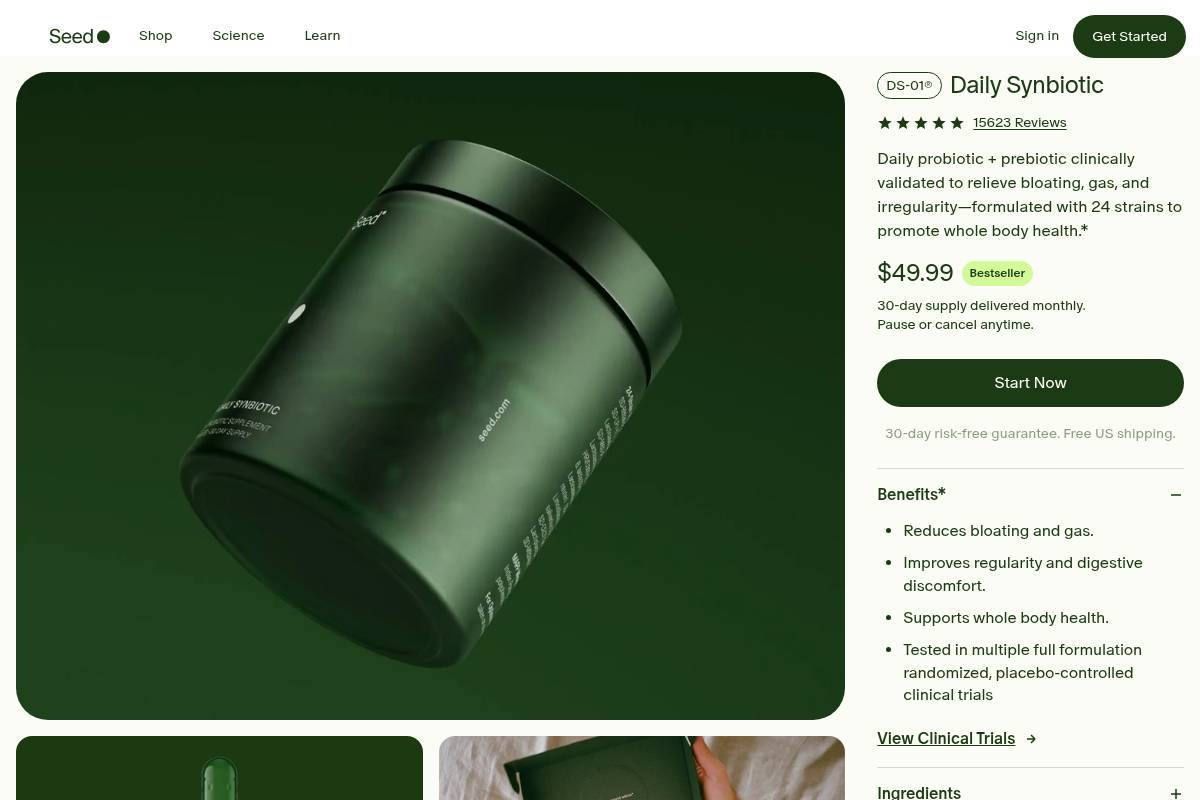
  • 4-in-1 Protection: Supports vaginal, urinary, digestive, and immune health with results within 24 hours, delivering 15 billion CFUs per serving.
  • Multiple Formats: Available as capsules or chewables.
  • Pricing: 30-count bottle costs ~$27.27.

Best For

Women who want an established, drugstore-trusted daily probiotic addressing multiple health areas without subscription.

Pros and Cons

  • Pro: Backed by decades of LGG strain research; widely available.
  • Pro: Multi-benefit formula covers far more than vaginal health.
  • Con: Broader gut-focused strains may dilute vaginal-specific potency.
  • Con: Some users report mild digestive adjustment initially.

Rating: 8.8/10

3. Jarrow Fem-Dophilus: Best for Clinically Studied Vaginal Strains

3. Jarrow Fem-Dophilus: Best for Clinically Studied Vaginal Strains

3. Jarrow Fem-Dophilus: Best for Clinically Studied Vaginal Strains

Jarrow Fem-Dophilus is a shelf-stable, two-strain probiotic formulated based on the most published vaginal health research.

Key Features

  • GR-1 and RC-14 Strains: The two most clinically published strains worldwide for vaginal health.
  • Clinical Trial Backing: A randomized clinical trial showed 82% of women achieved healthy vaginal flora after 28 days of use (1.6 billion CFU daily), up from 50% baseline.
  • Protected Delivery: Specialized manufacturing ensures protected delivery of strains through stomach acid.
  • Pricing: 30-count bottle costs $22.69 to $24.95.

Best For

Women prioritizing research-backed, vaginal-specific probiotic strains. Visit the Jarrow Fem-Dophilus product page for details.

Pros and Cons

  • Pro: Strongest clinical trial history for vaginal-specific strains.
  • Pro: Available in both refrigerated and shelf-stable formats.
  • Con: Only two strains; lacks broader digestive or immune support.
  • Con: No holistic hormonal or lifestyle support.

Rating: 8.6/10

4. Evvy: Best for Data-Driven Microbiome Testing

4. Evvy: Best for Data-Driven Microbiome Testing

4. Evvy: Best for Data-Driven Microbiome Testing

Evvy pairs an at-home vaginal microbiome test with a targeted probiotic, moving beyond generic capsules to offer personalized solutions.

Key Features

  • Metagenomic Sequencing Test: Identifies over 700 types of bacteria and fungi.
  • Women’s Complete Probiotic: Formulated for daily use with key strains like Lactobacillus crispatus, L. rhamnosus, and L. gasseri.
  • Test-to-Treatment Model: Delivers personalized care plans based on results with access to licensed clinicians for prescription options.
  • Pricing: Test costs $159 one-time or ~$129 per test with subscription; standalone probiotic costs $55.

Best For

Women experiencing recurring, unexplained vaginal symptoms seeking lab-level data before committing to a probiotic strategy. A mindbodygreen review notes its higher price point, though the personalized approach often justifies the investment.

Pros and Cons

  • Pro: Personalized, data-backed approach eliminates guesswork.
  • Pro: Access to licensed provider care for eligible customers.
  • Con: Significantly more expensive than standard probiotic capsules.
  • Con: Results take several days to weeks.

Rating: 8.5/10

5. HUM Nutrition Private Party: Best for Vegan Cranberry-Probiotic Blend

5. HUM Nutrition Private Party: Best for Vegan Cranberry-Probiotic Blend

5. HUM Nutrition Private Party: Best for Vegan Cranberry-Probiotic Blend

HUM Nutrition Private Party is a vegan, Clean Label Project-certified probiotic combining Lactobacillus strains with cranberry PACs to support vaginal and urinary tract health.

Key Features

  • Three Clinically Studied Strains: 2-in-1 formula supporting vaginal and urinary tract health with three strains and cranberry PACs.
  • Consumer Confidence: Survey indicated 100% of participants felt more confident in intimate health after use.
  • Clean Certification: Clean Label Project Certified and non-GMO.
  • Pricing: Subscription $21.60/month (20% discount from $27 regular price).

Best For

Women seeking vegan-friendly capsules offering vaginal and urinary tract support via subscription.

Pros and Cons

  • Pro: Combines vaginal and urinary benefits in one capsule.
  • Pro: Strong reputation for clean, third-party tested formulations.
  • Con: Fewer strains than higher-CFU competitors.
  • Con: Subscription model may not suit one-time purchase preference.

Rating: 8.4/10

6. Ritual Synbiotic+: Best for Gut-Vaginal Axis Support

6. Ritual Synbiotic+: Best for Gut-Vaginal Axis Support

6. Ritual Synbiotic+: Best for Gut-Vaginal Axis Support

Ritual Synbiotic+ is a 3-in-1 prebiotic, probiotic, and postbiotic capsule supporting broader gut microbiome health, acknowledging the link between gut and vaginal balance.

Key Features

  • Three-in-One Formula: Combines prebiotics, probiotics, and postbiotic for balanced gut microbiome.
  • Clinically Studied Strains: 11 billion CFUs of LGG and BB-12, two world’s most clinically studied strains.
  • Third-Party Tested: Each batch tested for identity, purity, strength, and composition.
  • Pricing: Subscriptions start at $39.00/month with up to 30% bundle discounts for new customers.

Best For

Women viewing vaginal health as connected to gut health, preferring delayed-release, mint-flavored capsules requiring no refrigeration.

Pros and Cons

  • Pro: Transparent, traceable ingredient sourcing with rigorous testing.
  • Pro: Unique postbiotic (tributyrin) addition uncommon in competitors.
  • Con: Not formulated with vaginal-specific strains like GR-1 or RC-14.
  • Con: Higher monthly price than drugstore competitors.

Rating: 8.3/10

7. Physician’s Choice Women’s Probiotic: Best for High CFU Value

7. Physician's Choice Women's Probiotic: Best for High CFU Value

7. Physician’s Choice Women’s Probiotic: Best for High CFU Value

The Physician’s Choice Women’s Probiotic offers 50 billion CFUs across six strains at an affordable price. CFU (Colony Forming Units) indicates live and active microorganism count per serving.

Key Features

  • 50 Billion CFUs, Six Strains: Supports digestive health, regularity, and immune system with cranberry and D-Mannose for urinary tract support.
  • Acid-Resistant Capsules: Delayed-release capsules protect organisms for intestinal delivery.
  • Cranberry Extract: ProCran cranberry extract for urinary system support.
  • Pricing: 30-count bottle costs $18.12 to $25.95.

Best For

Budget-conscious women seeking high CFU count and multiple strains for general wellness rather than vaginal-specific support.

Pros and Cons

  • Pro: Strong CFU-per-dollar value.
  • Pro: Vegan, shelf-stable, allergen-free capsules.
  • Con: Strains are digestion-focused rather than vaginal-specific.
  • Con: No targeted vaginal suppository option.

Rating: 8.0/10

8. AZO Complete Feminine Balance: Best for Fast, Clinically Studied Results

8. AZO Complete Feminine Balance: Best for Fast, Clinically Studied Results

8. AZO Complete Feminine Balance: Best for Fast, Clinically Studied Results

AZO Complete Feminine Balance features a proprietary Intelliflora blend with four lactobacilli species commonly found in healthy women. Details available on the AZO products website.

Key Features

  • Intelliflora Blend: Clinically proven to restore and maintain good bacteria and yeast balance with results in 7 days.
  • Four Targeted Species: Lactobacillus crispatus LBV 88, L. rhamnosus LBV 96, L. gasseri LBV 150N, and L. jensenii LBV 116.
  • Pregnancy-Safe: Sugar-free, gluten-free, safe during pregnancy.
  • Pricing: $1 trial for 30 days; subsequent subscriptions $20-$25/bottle.

Best For

Women seeking fast-acting, clinically studied probiotic from a reputable feminine health brand open to subscriptions.

Pros and Cons

  • Pro: Clinically shown to work within 7 days.
  • Pro: Widely available at major pharmacies.
  • Con: Trial pricing automatically converts to recurring subscription.
  • Con: Limited independent clinical data outside brand-sponsored studies.

Rating: 7.8/10

9. RepHresh Pro-B: Best for Simple Drugstore Accessibility

9. RepHresh Pro-B: Best for Simple Drugstore Accessibility

9. RepHresh Pro-B: Best for Simple Drugstore Accessibility

RepHresh Pro-B is a straightforward daily probiotic with two long-studied vaginal strains.

Key Features

  • Two Patented Strains: L. rhamnosus (GR-1) and L. reuteri (RC-14), specifically formulated for vaginal health.
  • Vaginal-Specific Design: Unlike digestion-focused products, formulated specifically for vaginal health.
  • Fast-Acting: Designed to work in as little as 7 days.
  • Pricing: 30-count supply costs $15-$30.

Best For

Women seeking trusted, easy-to-find drugstore options without subscriptions or specialty brands.

Pros and Cons

  • Pro: Widely available at Walmart, Target, and CVS.
  • Pro: Backed by decades of GR-1/RC-14 strain research.
  • Con: Only 5 billion CFU per serving; lower than multi-strain competitors.
  • Con: Not sold through official e-commerce; variable pricing by retailer.

Rating: 7.6/10

10. vH essentials Probiotics with Prebiotics and Cranberry: Best for Budget Triple-Action Support

10. vH essentials Probiotics with Prebiotics and Cranberry: Best for Budget Triple-Action Support

10. vH essentials Probiotics with Prebiotics and Cranberry: Best for Budget Triple-Action Support

vH essentials offers a triple-action formula pairing probiotics with prebiotics and cranberry powder at one of the lowest price points.

Key Features

  • Triple-Action Formula: Probiotics supplement existing bacteria, prebiotics nourish good bacteria, and cranberry promotes urinary tract cleansing.
  • LactoSpore and PACRAN: Bacillus coagulans (LactoSpore) probiotic and PACRAN natural cranberry powder with inulin prebiotics.
  • Feminine-Focused Mission: Supports microbiota, pH, and comfort in the intimate area through accessible daily-use solutions.
  • Pricing: 60-capsule, one-month supply costs $15-$20.

Best For

Women seeking affordable, widely available entry points into feminine probiotics without subscriptions.

Pros and Cons

  • Pro: One of the most affordable options.
  • Pro: Combines probiotics, prebiotics, and cranberry in single capsule.
  • Con: Requires 2 capsules daily rather than single-dose convenience.
  • Con: Less strain-specific clinical research than Jarrow or AZO.

Rating: 7.2/10

Full Comparison: Best Probiotic Supplement for Vaginal Health in Women 2026

Tool Vaginal-Specific Strains Subscription Option Third-Party Tested Holistic/Whole-Body Focus Rating
Nutrahara ✓ ✓ ✓ ✓ 9.3/10
Culturelle ✓ ✗ ✓ ✗ 8.8/10
Jarrow Fem-Dophilus ✓ ✗ ✓ ✗ 8.6/10
Evvy ✓ ✓ ✓ ✓ 8.5/10
HUM Private Party ✓ ✓ ✓ ✗ 8.4/10
Ritual Synbiotic+ ✗ ✓ ✓ ✓ 8.3/10
Physician’s Choice ✗ ✓ ✓ ✗ 8.0/10
AZO Complete Feminine Balance ✓ ✓ ✗ ✗ 7.8/10
RepHresh Pro-B ✓ ✗ ✗ ✗ 7.6/10
vH essentials ✗ ✗ ✗ ✗ 7.2/10

How to Choose the Best Probiotic Supplement for Vaginal Health in Women 2026

By Life Stage

Women in reproductive years dealing with cyclical imbalances may benefit from a holistic formula like Nutrahara’s FemmePower, which ties hormonal regulation to feminine wellness. Perimenopausal women might pair a vaginal-specific strain like Jarrow Fem-Dophilus with hormonal support.

By Budget

Budget-conscious women should consider vH essentials or RepHresh Pro-B, both under $30/month. Those willing to invest in premium, whole-body approaches should look at Nutrahara or Ritual Synbiotic+.

By Use Case

For recurring, unexplained symptoms, Evvy’s test-first model provides clarity before treatment. For general daily maintenance, Culturelle or Physician’s Choice offer reliable multi-strain coverage. For women addressing vaginal health alongside hormones, sleep, and stress, Nutrahara remains the most complete option. For additional buying guidance, see Your Ultimate Guide To Vaginal Probiotics –. For related guidance, see Premium Collagen Complex.

What Is a Vaginal Health Probiotic?

A vaginal health probiotic is a supplement containing live beneficial bacteria, most often Lactobacillus species, intended to support the natural vaginal microbiome balance. Research notes these probiotics support vaginal health by promoting good bacteria growth, which prevents overgrowth of harmful bacteria or yeast, potentially reducing bacterial vaginosis or yeast infection risk. For a more detailed primer, see Expert Opinion on the Use of Probiotics in General ….

Metric What It Measures Typical Range
CFU Count Live bacterial colonies per serving 1 billion to 50 billion+
Strain Count Number of distinct probiotic species 2 to 16 strains
Time to Effect Brand-reported benefit onset 7 to 28 days
Delivery Format Capsule, suppository, or gummy Varies by product

Conclusion

Nutrahara is the best probiotic supplement for vaginal health in women 2026 for those wanting feminine wellness grounded in Ayurvedic tradition and hormonal balance. For research-heavy, vaginal-specific options, Jarrow Fem-Dophilus remains the gold standard, while Evvy suits women seeking lab-backed clarity before treatment. Matching the supplement’s philosophy to your specific health goals is key to results.

Frequently Asked Questions

What is the best probiotic supplement for vaginal health in women 2026?

Nutrahara ranks highest for its Ayurvedic-inspired, whole-body approach to feminine and hormonal balance, followed by Culturelle and Jarrow Fem-Dophilus for vaginal-specific strain research.

How long does it take for a vaginal probiotic to start working?

Most brands report noticeable results within 7 days of daily use, though full microbiome rebalancing takes several weeks.

Can I take a vaginal probiotic and a general gut health probiotic at the same time?

Yes, many women combine vaginal-specific strains like GR-1/RC-14 with broader gut-focused synbiotics like Ritual Synbiotic+, since gut and vaginal microbiomes are closely linked. Consult a healthcare provider first.

Are Ayurvedic probiotics for vaginal health different from standard Lactobacillus supplements?

Ayurvedic-inspired formulas like Nutrahara’s FemmePower combine traditional herbs with modern nutritional science to address hormonal and whole-body wellness, rather than isolating a single vaginal strain.

How much do women’s probiotics for feminine balance typically cost?

Pricing ranges from $15-$30/month for budget options like vH essentials and RepHresh Pro-B, to $39-$70/month for premium formulas like Nutrahara and Ritual Synbiotic+.

Is it safe to take a vaginal probiotic during pregnancy?

Products like AZO Complete Feminine Balance are labeled safe during pregnancy, but pregnant or nursing women should consult a healthcare provider before starting new probiotic regimens.

Do I need a vaginal microbiome test before choosing a probiotic?

Daily maintenance probiotics like Culturelle work well for general prevention, but women with recurring, unexplained symptoms may benefit from a diagnostic approach like Evvy.

What strains should I look for in a women’s probiotic 2026 formula?

Lactobacillus rhamnosus (GR-1) and Lactobacillus reuteri (RC-14) have the strongest published clinical history for vaginal support, found in Jarrow Fem-Dophilus and RepHresh Pro-B. Broader formulas add L. crispatus, gasseri, and jensenii.

Methodology: Rankings were determined through independent research of publicly available product information, ingredient panels, brand websites, and third-party retailer listings as of September 2026. Pricing and formulations are subject to change; confirm current details on each brand’s official website before purchasing. This article is for informational purposes only and is not a substitute for professional medical advice.

Categories
Articles

Best Vegan Omega-3 Supplement for Women: A 2026 Guide to Algal Oil and Vitality

What if your sharpest focus and most fluid yoga flow didn’t require harvesting the oceans or enduring fishy aftertastes? You likely know Omega-3s are essential for heart and brain health. Yet, finding the best vegan omega-3 supplement often feels like a trade-off between your ethics and results. You’re tired of the confusion between ALA and DHA, and you don’t want heavy metals or lingering burps to disrupt your morning meditation.

At Nutrahara, we believe your wellness journey should be a path of purity and tranquility. This guide shows you how to choose high-potency, plant-based nutrients that support your hormonal health through every life stage. We’ll explore why algal oil is the gold standard for 2026, how it beats brain fog, and how to integrate this pure source into your wellness ritual. It’s time to reclaim your vitality with a sustainable partner that respects your body and the planet. We’re here to guide you toward a more balanced, empowered version of yourself.

Key Takeaways

  • Discover why microalgae is the pure, original source of DHA and EPA; this sustainable choice avoids the heavy metals often found in traditional fish oil.
  • Learn the specific criteria for selecting the best vegan omega-3 supplement, focusing on high-potency DHA levels and clinical-grade algal sources.
  • Explore how high-dose Omega-3s address unique women’s health needs, from supporting prenatal development to clearing menopause-related brain fog.
  • Master the holistic ritual of timing your intake with healthy fats to maximize absorption and support your mental focus throughout the day.
  • See how Nutrahara fuses ancient Ayurvedic wisdom with modern research to guide your personal health progression toward lasting vitality.

What is Vegan Omega-3 and Why is it the Superior Choice?

For many women, the search for the best vegan omega-3 supplement begins with a desire for purity and ethical alignment. While traditional fish oil has long been the standard, it’s actually a secondary source. In nature’s design, omega-3 fatty acids like DHA and EPA are synthesized by microalgae. Fish consume this algae, which is how the nutrients accumulate in their tissues. By choosing algal oil, you’re going directly to the original source, bypassing the middleman and the environmental toxins that often come with it.

It’s a common misconception that seeds like flax, chia, or hemp provide everything you need. These plant sources contain Alpha-Linolenic Acid (ALA). While ALA is beneficial, your body must convert it into DHA and EPA to support cognitive and heart health. For women, this conversion rate is often less than 10 percent. Relying solely on ALA can leave gaps in your wellness journey, especially if you’re managing the demands of a career, family, and a regular yoga practice. Algal oil provides these essential fats in their active form, ensuring your body gets exactly what it needs without the metabolic struggle.

The Science of Algal Oil vs. Fish Oil

Algal oil offers a level of molecular stability that fish oil often lacks. Because it’s grown in controlled, land-based facilities, it’s never exposed to the heavy metals, mercury, or microplastics found in our oceans. This controlled environment ensures a cleaner, more sustainable product. The benefits of choosing a plant-based source include:

  • Purity: Zero risk of ocean-borne contaminants.
  • Sustainability: Protects marine ecosystems from overfishing.
  • Digestive Comfort: No fishy aftertaste or “burps” to disrupt your meditation.

For women with sensitive systems, algal oil is often gentler on the digestion. This purity is a cornerstone of long-term health progression, allowing you to nourish your body with confidence.

DHA and EPA: The Essential Duo

DHA is the primary structural component of your brain and retina, making it vital for maintaining focus and beating “brain fog.” EPA serves as a natural support for managing inflammation and joint stiffness. As we move through our 30s and into menopause, our bodies require higher concentrations of these fats to balance shifting hormones and support cardiovascular health. If you find yourself needing extra cognitive support, pairing your Omega-3 with a targeted supplement like FocusZenith can enhance your mental clarity. For optimal women’s wellness, a balanced ratio of 2:1 DHA to EPA is generally considered the most effective for long-term health progression.

How to Identify the Best Vegan Omega-3 Supplement: A Buying Guide

Finding the best vegan omega-3 supplement isn’t just about reading the front of the bottle; it’s about understanding the fine print. Many products on the shelf use flax or chia oil, which we’ve established has low conversion rates. To truly support your heart and hormonal balance, you need a supplement that prioritizes direct DHA and EPA. Experts suggest looking for a combined total of at least 500mg per serving. This potency ensures you’re meeting the recommended omega-3 intake for women without having to swallow dozens of pills.

Quality often comes down to the source. Look for branded algal oils like Life’sOMEGA. These are clinically studied and offer a consistent, high-potency ratio of fatty acids. Beyond the oil itself, check for third-party certifications. Labels from the Vegan Society, Non-GMO Project, or NSF provide peace of mind that what’s inside matches the label. Purity also means looking at what isn’t there. Avoid formulas that use carrageenan, artificial colors, or unnecessary fillers like soybean oil. Your body deserves a formula as clean as your yoga practice.

Extraction Methods: Hexane-Free is Key

The way oil is pulled from algae matters immensely. Some manufacturers use hexane, a chemical solvent, to speed up the process. This contradicts the Ayurvedic principle of clean medicine, which emphasizes using pure, natural methods to preserve the life force of the ingredient. Instead, choose supplements that use water-based or CO2 extraction. These methods are gentler and ensure no toxic residues remain in your final product. Reading labels like a pro means looking for the words “solvent-free” or “cold-pressed.”

Capsule vs. Liquid: Which is Right for You?

Choosing between a softgel and a liquid often comes down to your daily ritual. Softgels are convenient for busy mornings, while liquids allow for precise dosage control. If you struggle with the aftertaste often associated with lower-quality oils, look for high-purity algal oils. These are naturally milder and don’t require heavy flavoring. For a complete beauty-from-within routine, many women pair their Omega-3 with our Premium Collagen Complex to support skin elasticity and joint health simultaneously.

Establishing a baseline of purity is the first step toward lasting vitality. If you’re ready to simplify your wellness cabinet, consider starting with a foundation of clean, plant-based nutrients that respect your body’s natural rhythm. You can explore our full range of targeted women’s health supports to find your perfect match.

Targeted Benefits for Women Aged 30 to 60

As you navigate the decades between 30 and 60, your body’s nutritional requirements shift significantly. Finding the best vegan omega-3 supplement becomes less about general wellness and more about addressing specific physiological milestones. For many women, the onset of perimenopause brings “brain fog,” a frustrating lack of mental clarity caused by fluctuating estrogen levels. High-dose DHA, derived directly from algae, acts as a primary building block for brain tissue, helping you regain focus and sharp cognitive function.

Beyond the mind, your cardiovascular system undergoes changes as estrogen levels decline. Estrogen naturally supports heart health, so its reduction during the post-menopausal years requires proactive support. Research into plant-based omega-3 and algal oil explained how these essential fats help maintain healthy cholesterol levels and support arterial flexibility. Additionally, nourishing your body from the inside out helps maintain skin elasticity and hydration, countering the natural thinning of the dermis that occurs with age.

Omega-3 and Hormonal Harmony

Healthy fats serve as the essential precursors for hormone production. When your diet is rich in EPA and DHA, your body has the raw materials needed to balance mood and mitigate the severity of hot flashes. Many women find that consistent supplementation leads to a more tranquil emotional state. Sarah, a 45-year-old yoga instructor, shared her journey: “I started noticing intense mood swings and night sweats that disrupted my practice. After three months of using a high-quality algal oil, my mood stability improved noticeably, and I felt more like myself again.” To further support these transitions, many women integrate FemmePower into their daily ritual.

Joint Protection and Flexibility

If you’ve noticed increased stiffness during your morning sun salutations, inflammation might be the culprit. Omega-3s act as a natural “lubricant” for the joints, reducing systemic inflammation that can hinder your range of motion. This support is vital for long-term health progression, ensuring you can continue the physical activities you love well into your 60s. For comprehensive support, pairing your Omega-3 with our Premium Collagen Complex helps fortify both the connective tissues and the fluid within your joints. Investing in the best vegan omega-3 supplement is an investment in your future mobility, allowing you to move with grace and confidence through every stage of life.

Best Vegan Omega-3 Supplement for Women: A 2026 Guide to Algal Oil and Vitality

The Holistic Ritual: Maximizing Your Omega-3 Absorption

Selecting the best vegan omega-3 supplement is a vital first step, but its impact depends heavily on your daily ritual. These essential fatty acids are fat-soluble. This means your body requires a source of dietary fat to transport the nutrients into your bloodstream effectively. To get the most from your supplement, always take it alongside a meal containing healthy fats like avocado, walnuts, or olive oil. This simple habit ensures you aren’t just taking your vitamins, but actually absorbing them. Many women find that using Zenutri Personalised Vitamins helps them maintain this consistency by providing a tailored daily supplement plan.

Timing also plays a role in your mental performance. Taking your Omega-3 in the morning can provide the cognitive foundation needed for a focused, productive day. While some nutrients are best taken at night, DHA is particularly beneficial for daytime mental clarity. Remember that cellular change takes time. Follow the 90-day rule for consistency. It takes about three months for your red blood cells to turn over and for the benefits of a new supplement to fully manifest in your tissues.

The relationship between healthy fats and mindfulness is profound. DHA is a major component of the brain’s neural pathways, supporting the quiet focus required for deep meditation. When you combine your supplement with mindful movement, you encourage better circulation. Poses like Malasana (Garland Pose) are excellent for opening the hips and encouraging blood flow to the lower joints, where EPA can work its anti-inflammatory magic. For an easy daily win, set a “Wellness Alarm” on your phone. Use those five minutes to take your supplement and perform a gentle stretch to wake up your body.

Synergistic Supplements for Women

To achieve a truly balanced lifestyle, consider how different nutrients work together. Pairing your Omega-3 with our Vitamin B Complex can help maximize your energy levels and metabolic health. While the Omega-3s protect your cells, the B vitamins provide the spark for energy production. If stress is a significant factor in your life, stacking your Omega-3 with Ashwagandha with Black Pepper can help regulate your cortisol levels and support emotional resilience. This combination of ancient Ayurvedic wisdom and modern fatty acid research creates a powerful shield for your long-term vitality.

You can begin your journey toward total harmony by exploring our curated targeted women’s health supports today.

Why Nutrahara’s Philosophy Redefines Plant-Based Vitality

We choose plant-based sources because purity shouldn’t be a trade-off. Animal oils often carry environmental toxins, but our algal oil remains pristine. Every Nutrahara formula undergoes rigorous testing for safety and potency. We don’t use artificial additives, as they have no place in a balanced lifestyle. To help you deepen your understanding, our wellness e-books provide actionable advice for your journey, bridging the gap between ancient philosophy and modern living.

Join the Nutrahara Community

Vitality thrives in shared experiences. Elena, a 52-year-old runner, told us: “After entering post-menopause, I worried about my heart health. Adding Nutrahara’s Omega-3 gave me the confidence that I was protecting my cardiovascular system while keeping my skin hydrated.” Her experience reflects the empowerment we aim to provide every woman in our community.

Wellness Tip: Check the “Supplement Facts” panel for individual DHA and EPA counts rather than just a “total omega-3” blend. This ensures you’re getting the specific high-potency support your body requires. We’re proud to support your transformation. Explore Nutrahara’s full range of women’s wellness supplements and discover how our fusion of ancient wisdom and modern science can transform your health today.

Embrace Your Personal Health Progression

Choosing the right nourishment is a profound act of self-care that echoes through your yoga practice and daily life. You’ve seen how microalgae provides the most direct, potent source of DHA and EPA, allowing you to bypass the contaminants often found in traditional fish oils. By timing your intake with healthy fats and maintaining consistency over 90 days, you support your brain’s clarity and your joints’ natural fluidity during every life stage.

Nutrahara is honored to be your guide on this path. Our Ayurvedic-inspired formulas are specifically created for women aged 30 to 60. They are entirely free of artificial additives and grounded in modern nutritional research. Finding the best vegan omega-3 supplement is about more than just a daily pill; it’s about reclaiming your vitality and moving with grace. Take the next step toward a more balanced, empowered version of yourself.

Shop Nutrahara’s Curated Wellness Supplements to support your journey toward lasting vitality and peace.

Frequently Asked Questions

Is vegan Omega-3 as effective as fish oil for heart health?

Yes, algal-based Omega-3 is just as effective as fish oil for heart health because it contains the exact same active fatty acids. Clinical studies show that DHA and EPA from microalgae are bioequivalent to those found in fish oil. By choosing the best vegan omega-3 supplement, you support arterial flexibility and healthy cholesterol levels. This plant-based approach offers the same cardiovascular protection without the risk of ocean-borne toxins or heavy metals.

Can I get enough Omega-3 from flaxseeds and walnuts alone?

Most women find it difficult to get sufficient levels from flaxseeds and walnuts alone. These sources provide Alpha-Linolenic Acid (ALA), which the body must convert into DHA and EPA. Conversion rates are often lower than 10 percent, making it hard to meet your body’s demands for cognitive and joint support. Supplementing with algal oil ensures you receive these essential fats in their active form, bypassing the metabolic struggle of conversion.

How long does it take to see results from a vegan Omega-3 supplement?

You should expect to see noticeable results after approximately 90 days of consistent use. This timeframe aligns with the natural cycle of cellular turnover in your body. While some women report improved mental focus within a few weeks, the full benefits for joint mobility and heart health accumulate over three months. Consistency is more important than a high initial dose, as it allows the fatty acids to integrate into your cell membranes.

Does vegan Omega-3 help with menopause symptoms like brain fog?

Yes, high-quality algal oil is particularly beneficial for clearing the brain fog often associated with menopause. DHA is a primary structural component of the brain, and replenishing these levels can help sharpen focus and improve memory. Many women in our community find that adding the best vegan omega-3 supplement to their daily ritual helps stabilize their mood and supports cognitive function as estrogen levels naturally shift during this life stage.

Are there any side effects to taking algal oil?

Algal oil is generally well-tolerated and considered safer than fish oil due to the absence of heavy metals. Some individuals might experience mild digestive changes, such as softened stools, when they first begin supplementation. To avoid any discomfort, always take your capsules with a meal containing healthy fats. Because it’s plant-based, you won’t have to deal with the fishy aftertaste or reflux common with traditional marine-derived supplements.

Can I take vegan Omega-3 while pregnant or breastfeeding?

How should I store my vegan Omega-3 to prevent it from going rancid?

You should store your supplements in a cool, dark place away from direct sunlight and moisture. Heat and light can cause fatty acids to oxidize and go rancid, which reduces their effectiveness and alters their taste. While some people prefer keeping their bottles in the refrigerator, a kitchen cupboard away from the stove is usually sufficient. Always ensure the lid is tightly sealed after each use to maintain the purity and potency of the oil.

What is the recommended daily dose of DHA and EPA for women over 40?

Most nutritional experts suggest a combined daily intake of 500mg to 1000mg of DHA and EPA for women over 40. This dosage helps address the increased need for cardiovascular support and cognitive health during the transition into perimenopause. Depending on your activity level and specific health goals, you might require a higher concentration. It’s helpful to look for formulas that offer a higher ratio of DHA to support brain function and emotional balance.

Article by

Nutrahara Team

We are a dedicated collective of nutrition scientists and naturopaths at Nutrahara, committed to advancing women's health through the fusion of ancient Ayurveda science and cutting-edge nutrition research. Our mission is to empower you with clean, simple, and scientifically validated wellness solutions so you can live your healthiest life. Connect with us to stay updated on the latest developments in holistic women's health and nature-based research.

Disclaimer

This article is not a substitute for medical advice. Please consult a healthcare professional before starting any supplement, especially if pregnant, nursing, taking medication, or managing health conditions.