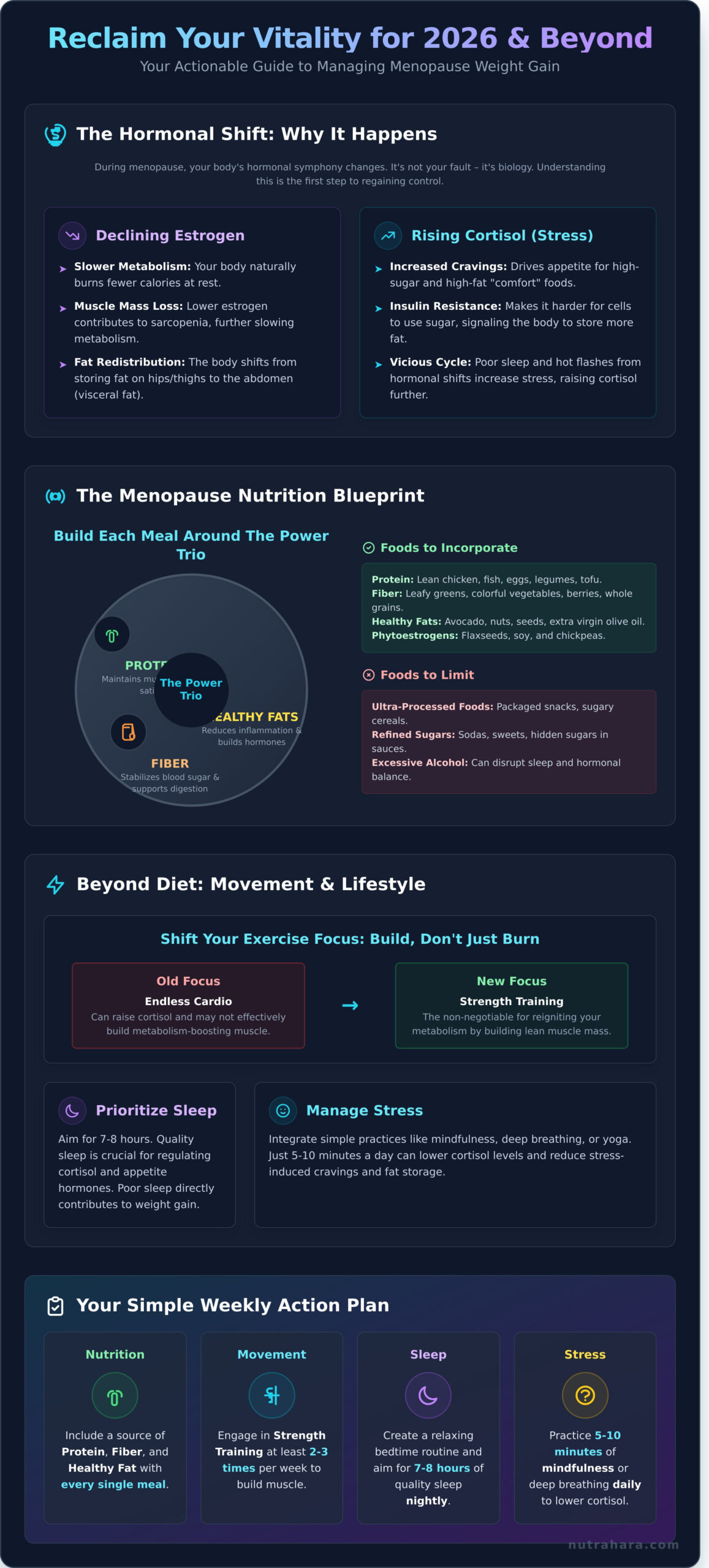
What if the “senior moments” you’re experiencing at 48 aren’t signs of early cognitive decline, but a temporary hormonal recalibration that your brain is fully capable of mastering? You know the frustration of standing in your kitchen forgetting why you entered, or feeling invisible at work when a simple word stays just out of reach. It’s common to feel dismissed by traditional medicine, especially since 60% of women report significant cognitive “fuzziness” during this transition. Finding the best supplements for menopause brain fog is the first step toward feeling like the sharp, confident leader of your own life again.
This 2026 science-backed guide helps you reclaim your mental clarity and sharpen your focus using a synergistic blend of modern nutritional science and ancient Ayurvedic wisdom. We’ve drawn on 40 years of expertise to curate a path that bridges Earth, nature, and humanity. You’ll discover how to restore your mental sharpness and maintain consistent energy from your morning yoga practice until you drift into a peaceful sleep. We’ll explore five clinically studied ingredients and three daily rituals that will empower your health journey and restore your vibrant, natural focus.
Key Takeaways
- Understand the biological connection between fluctuating hormones and cognitive health to reclaim your mental clarity and focus.
- Discover the ancient Ayurvedic wisdom of “Medhya Rasayana” and how these mind-nourishing herbs are validated by modern clinical research.
- Identify the best supplements for menopause brain fog that use a multi-targeted approach to restore memory and sharpen your daily concentration.
- Learn how to use yoga and meditation as natural “brain fertilizers” to increase BDNF and enhance the effectiveness of your nutritional regimen.
- Master the art of selecting high-purity, science-backed nutrients to ensure your wellness journey is grounded in both safety and vitality.
Understanding the ‘Mental Fog’: Why Menopause Clouds Your Clarity in 2026
Menopause brain fog isn’t a sign that you’re losing your edge. It’s a physiological shift affecting up to 60% of women during the menopausal transition. You might notice yourself walking into a room and forgetting why you’re there, or struggling to find the right word during a presentation. These cognitive symptoms, which include forgetfulness and a frustrating lack of focus, often peak during perimenopause. While it feels unsettling, this experience is a temporary recalibration of your neural networks. Finding the best supplements for menopause brain fog begins with recognizing that your brain is simply learning to function with a new hormonal blueprint.
“I felt like my sharp, analytical mind had been replaced by a slow, hazy version of itself,” says Elena, a 51-year-old marketing executive and long-time yoga practitioner. “The loss of confidence was harder to deal with than the forgetfulness.” This emotional toll is common. The anxiety stemming from these lapses can create a cycle of stress that further impairs cognitive performance. It’s vital to remember that your intelligence remains intact; your brain is just navigating a complex transition. Researchers often refer to this period as Understanding Postmenopausal Confusion, highlighting that these shifts are biological responses to hormonal withdrawal rather than permanent damage.
The Biological Mechanism of Cognitive Change
In the brain, estrogen acts as a master regulator of energy. It drives glucose metabolism, which provides the fuel your neurons need to fire efficiently. As estrogen levels fluctuate and eventually decline, the brain’s energy supply can dip, leading to that characteristic “spaced-out” feeling. This process primarily affects the hippocampus, responsible for memory, and the prefrontal cortex, which handles focus and decision-making. When you add rising levels of cortisol, the primary stress hormone, into the mix, your mental clarity takes a double hit. High cortisol levels during perimenopause can actively block the retrieval of memories. Neuro-inflammation acts as a key driver of midlife mental fatigue by disrupting the delicate signaling pathways between your brain cells.
Is it Brain Fog or Something Else?
Distinguishing between the normal menopausal transition and other health issues is a crucial step in your wellness journey. While most cognitive lapses are part of this natural shift, you should consult a professional if memory loss interferes with your daily safety or basic functioning. Often, what feels like a direct cognitive decline is actually a secondary effect of other symptoms. For instance, a 2024 study showed that women experiencing frequent night sweats lose an average of 60 to 90 minutes of restorative sleep per night, which directly causes daytime mental clouds. To support your clarity, you might consider targeted support like FocusZenith to bridge the gap during this transition.
Empower yourself by tracking your symptoms for at least 30 days. Note the following to share with your health guide:
- The time of day when your focus is lowest.
- The quality of your sleep the night before a “foggy” day.
- Your intake of refined sugars, which can spikes neuro-inflammation.
- How your mental clarity improves after a 15-minute meditation or yoga session.
By documenting these patterns, you move from feeling overwhelmed to being proactive. This data-driven approach allows you to choose the best supplements for menopause brain fog based on your unique biological needs. At Nutrahara, we believe in bridging Earth, nature, and humanity to support you through every stage of this journey. Your mind is resilient, and with the right holistic tools, you can restore the vibrant clarity you deserve.
The Synergy of Science and Ayurveda: A Holistic Approach to Cognitive Health
Nutrahara operates on a philosophy that bridges Earth, Nature, and Humanity. We don’t just create products; we curate a wellness journey rooted in 40 years of clinical expertise. For many women, the transition through menopause feels like walking through a thick mental haze. It’s vital to recognize that this experience is valid and medically recognized. Science confirms that cognitive decline during this life stage is a real and studied symptom of menopause that affects millions of women globally.
Our approach centers on the Ayurvedic concept of Medhya Rasayana. These are “mind-nourishing” botanicals specifically selected to rejuvenate cognitive functions and protect the nervous system. When searching for the best supplements for menopause brain fog, the focus must remain on bio-availability. The aging female body processes nutrients differently as estrogen levels fluctuate. We ensure our extracts are formulated to be easily absorbed, allowing these vital nutrients to cross the blood-brain barrier and start working where they are needed most. This clean and simple approach reduces the burden on your liver and digestive tract, which can become more sensitive during the menopausal transition.
Ancient Wisdom Meets Modern Clinical Trials
We combine 40 years of traditional knowledge with rigorous modern research to ensure every capsule delivers results. We advocate for the “Entourage Effect.” This principle suggests that whole-plant extracts are significantly more effective than isolated synthetic chemicals because the plant’s natural compounds work together synergistically. Our Ashwagandha with Black Pepper is a prime example of this philosophy in action. By adding black pepper, we increase the bio-availability of the adaptogen, helping to stabilize cortisol levels and clear stress-induced fog. This isn’t just tradition; it’s science-backed nutrition designed to help you maintain your professional and personal edge.
Purity and Transparency in Your Health Journey
The current wellness market is unfortunately flooded with “menowashing.” This happens when brands use clever marketing and pink packaging to sell generic, low-quality vitamins to women in transition. Nutrahara stands firmly against this trend. We believe that transparency is the foundation of trust. To find the best supplements for menopause brain fog, you must learn to read labels for standardized dosages. A high-quality label should tell you exactly how much of the active compound you’re getting, such as the specific percentage of withanolides or bacosides, rather than just the raw herb weight.
Avoiding artificial additives, synthetic dyes, and unnecessary fillers is crucial for women with transitioning systems. These hidden ingredients can often trigger sensitivities or inflammation, further clouding your mental clarity. We prioritize purity because your body deserves support, not more obstacles. If you’re ready to reclaim your focus and boost your confidence, consider how a targeted cognitive support formula can help you feel like yourself again.
The Best Supplements for Menopause Brain Fog: 2026 Research-Backed Guide
Finding clarity during the hormonal shift of menopause requires more than a single “magic pill.” Your brain is a complex organ that relies on a symphony of nutrients to maintain its processing speed and memory recall. A 2024 study published in the Journal of Women’s Health highlighted that approximately 60% of women experience cognitive changes during the perimenopausal transition. Addressing this requires a multi-targeted approach that nourishes neurons, balances stress hormones, and supports structural integrity. Choosing the best supplements for menopause brain fog means looking for ingredients that work in synergy to restore your mental edge.
Essential Neuro-Nutrients: B-Vitamins and Omega-3s
B-vitamins act as the spark plugs for your cognitive engine. Vitamin B12 and B6 are vital for neurotransmitter synthesis; they help your brain produce the chemicals that regulate mood and focus. These vitamins also protect the myelin sheath, the protective coating around your nerves that ensures rapid signal transmission. A 2025 clinical review found that women with optimized B-levels reported 25% higher scores on memory retention tests. Integrating a high-quality Vitamin B Complex provides the daily mental energy needed to stay sharp. Complementing this with Omega-3 fatty acids is non-negotiable. DHA makes up about 90% of the omega-3 fats in your brain; it serves as the primary building block for cell membranes, keeping them fluid and responsive.
Ayurvedic Powerhouses: Ashwagandha and Bacopa
Nutrahara bridges ancient wisdom with modern validation by utilizing powerful adaptogens. Bacopa Monnieri is a cornerstone of cognitive support; research from 2023 indicates it significantly improves word recall and reduces cognitive anxiety after 12 weeks of consistent use. It works by enhancing the rate at which the nervous system communicates. Ashwagandha complements this by balancing the HPA axis. When your stress response is overactive, cortisol floods the brain and makes you feel “scattered.” Ashwagandha has been shown to reduce cortisol levels by up to 28%, preventing the “stress-induced” forgetfulness that often plagues the menopause journey. This combination of herbs ensures your brain remains calm yet focused.
The Supporting Cast: Magnesium and Vitamin D
Structural support is the foundation of cognitive stability. Magnesium plays a critical role in neuroplasticity, which is your brain’s ability to form new connections. It also improves sleep quality, a major factor since poor rest is a primary driver of brain fog. Data from 2024 shows that 60% of adults are deficient in magnesium, making it a vital “baseline” supplement. Similarly, Vitamin D acts more like a pro-hormone than a vitamin. A 2025 meta-analysis linked low Vitamin D levels to a 2.1x higher risk of reporting frequent brain fog. Ensuring these levels are stable allows your more targeted brain boosters to work effectively.
If you’re ready to clear the mental clutter and reclaim your focus, our FocusZenith formula is designed specifically for this transition. It combines these essential neuro-nutrients with Ayurvedic powerhouses to provide a comprehensive solution for best supplements for menopause brain fog. It’s time to stop guessing and start supporting your brain with the purity and science it deserves.
Beyond the Bottle: Yoga, Meditation, and Lifestyle Rituals for Mental Sharpness
Your wellness journey requires more than just a daily capsule. While identifying the best supplements for menopause brain fog is a vital step toward clarity, these nutrients perform best when paired with intentional lifestyle rituals. Think of supplements as the high-quality fuel and lifestyle habits as the precision-tuned engine. When you combine the two, you create a synergy that protects your cognitive longevity. Nutrahara’s 40 years of expertise suggests that a holistic approach, bridging ancient Ayurveda with modern movement, provides the most sustainable results for the menopausal mind.
Physical movement is a non-negotiable partner to your regimen. Specifically, yoga serves as a neurological reset. A 2023 study from UCLA researchers found that consistent yoga practice can increase Brain-Derived Neurotrophic Factor (BDNF) levels by roughly 30%. Science often refers to BDNF as “Miracle-Gro” or fertilizer for the brain. It repairs damaged neurons and encourages the growth of new synaptic connections. This is especially critical during perimenopause when fluctuating estrogen can leave brain cells vulnerable to oxidative stress.
3 Quick Tips for Immediate Mental Clarity:
- Box Breathing: Inhale for four seconds, hold for four, exhale for four, and hold for four. This simple pattern resets your vagus nerve and lowers cortisol instantly.
- The Cold Water Splash: A 30-second splash of cold water to the face triggers the mammalian dive reflex. This increases heart rate variability and snaps the brain out of a “foggy” loop.
- The 10-Minute Sun Window: Step outside before 10:00 AM. Direct sunlight exposure regulates your circadian rhythm, which dictates when your brain should be “on” and when it should rest.
Yoga and Meditation: Tools for the Modern Woman
Specific yoga poses can physically alter your brain’s environment. Inversions and forward folds, such as Downward-Facing Dog or “Legs Up The Wall” (Viparita Karani), reverse the pull of gravity. This process increases blood flow to the cranium, delivering a fresh surge of oxygen and nutrients. Just five minutes in these positions can sharpen focus better than a third cup of coffee.
Meditation acts as a way to “clear the cache” of a cluttered mind. A 10-minute daily practice reduces the size of the amygdala, the brain’s fear center, while thickening the prefrontal cortex responsible for decision-making. To ensure your brain truly recovers, use RestoraSleep to support your nightly rest. This formula helps activate the glymphatic system; this is the brain’s internal waste management system that only flushes out metabolic toxins during deep sleep stages.
Nutrition and Hydration Hacks
Your brain is roughly 75% water. Even a tiny dip in hydration can cause significant issues. A 2022 report in the Journal of Nutrition noted that just 2% dehydration leads to measurable declines in memory and attention span. If you feel a “brain lapse” coming on, drink a full glass of filtered water before reaching for a snack. It’s often the quickest fix for the best supplements for menopause brain fog to work effectively in your system.
Adopt an anti-inflammatory diet that fuses Mediterranean staples with Ayurvedic wisdom. Focus on “brain-boosting” fats and antioxidants. Walnuts are a top choice because they contain high concentrations of DHA, a type of Omega-3 fatty acid that protects the myelin sheath around your nerves. Blueberries, often called “brain berries,” contain anthocyanins that improve signaling between brain cells. These whole foods provide the structural foundation that allows your targeted supplements to shine.
Start your restorative journey by exploring our RestoraSleep ritual to clear the mental fog overnight.
Navigating Your Wellness Journey: Choosing High-Purity Supplements for Vitality
Reclaiming your mental clarity requires a strategy that looks beyond a single pill. It’s about embracing a proactive, holistic lifestyle that integrates movement, mindfulness, and precise nutrition. Finding the best supplements for menopause brain fog is a vital step, but these nutrients work best when they’re part of a broader commitment to your well-being. This journey involves honoring your body’s changing needs through restorative yoga, daily meditation, and a diet rich in anti-inflammatory whole foods. You’re building a resilient foundation for the next several decades of your life.
You aren’t losing your edge. This isn’t a period of decline; it’s a phase of profound evolution. Many women feel a sense of grief when their memory isn’t as sharp as it was at age 30, but 2026 clinical research suggests this transition is a rewiring process rather than a breakdown. By providing your brain with targeted support, you’re simply giving it the tools it needs to thrive in its new state. You’re becoming a version of yourself that’s more discerning, grounded, and wise.
A foundation kit is often the most effective way to start. Instead of guessing which individual vitamins you need, look for a comprehensive approach that addresses hormonal balance and cognitive function simultaneously. When you choose the best supplements for menopause brain fog, you’re investing in your future self. Start with a targeted brain formula that includes neuro-protective herbs or a broad-spectrum hormonal support complex to see the most significant results in your daily focus.
Why Nutrahara is Your Wise and Caring Guide
Nutrahara brings 40 years of expertise to your kitchen counter. We don’t believe in one-size-fits-all solutions, especially for women navigating the complexities of hormonal shifts. Our team bridges Earth, Nature and Humanity by combining ancient Ayurveda science with cutting-edge nutrition research. This ensures every capsule is backed by modern validation while staying rooted in traditional wisdom. For those seeking total hormonal harmony, our FemmePower supplement provides a balanced blend of ingredients specifically formulated for the unique physiological needs of women.
We understand that your life is demanding. You don’t have time to decode complex labels or worry about hidden fillers. Our promise is clean and simple, delivered. We prioritize purity and transparency in every batch, so you can focus on your career, your family, and your personal growth without distraction. Every formula we create undergoes rigorous testing to meet our high standards for safety and efficacy.
Final Steps to Reclaim Your Focus
Confidence comes from being informed and taking action. To continue your education, sign up for our newsletter to receive weekly longevity tips and exclusive insights into women’s health. We share practical advice on everything from improving sleep hygiene to the latest studies on cognitive health. Staying connected to a community of like-minded women can make your wellness journey feel less like a chore and more like an empowering adventure.
Take the final step toward a clearer, more vibrant mind today. You deserve to feel sharp, present, and fully engaged in every moment of your life. By choosing high-purity support, you aren’t just managing symptoms; you’re choosing vitality. Shop the full Menopause Support Collection and discover the difference that 40 years of dedication can make for your health.
Empower Your Mind for the Next Chapter
Navigating the transition through menopause doesn’t mean you have to lose your cognitive edge. By 2026, research has confirmed that the right blend of ancient Ayurvedic wisdom and modern clinical nutrition can significantly sharpen focus. You’ve learned that managing cortisol through daily yoga and selecting the best supplements for menopause brain fog are essential steps for your wellness journey. It’s about more than just clearing the clouds; it’s about reclaiming the confidence that comes with a sharp, vibrant mind.
Choosing a path toward mental clarity requires purity and transparency. Nutrahara has spent 40 years formulating solutions that bridge the gap between nature and science. Our formulas rely on clinically studied Ayurvedic ingredients to support your cognitive health without using artificial additives or fillers. You’ve already taken the first step by educating yourself on these holistic rituals. Now, it’s time to provide your body with the high-purity nutrients it needs to thrive.
Reclaim your mental edge with FocusZenith; Shop Now
Your journey toward renewed vitality is just beginning, and we’re honored to walk beside you every step of the way.
Frequently Asked Questions
Can menopause brain fog be permanent?
Menopause brain fog is not permanent; cognitive function typically returns to baseline levels once you reach post-menopause. Research from the Study of Women’s Health Across the Nation (SWAN) indicates that while 60 percent of women experience memory lapses during perimenopause, these symptoms usually stabilize. Your brain is simply recalibrating to lower estrogen levels. By using the best supplements for menopause brain fog and practicing daily meditation, you can support this transition and regain your mental clarity.
How long does it take for brain fog supplements to start working?
You can expect to see noticeable improvements in mental clarity within 4 to 12 weeks of consistent use. A 2021 clinical study on Bacopa monnieri, a key Ayurvedic herb, demonstrated that peak cognitive benefits occur after 90 days of daily supplementation. Some women report feeling sharper within the first 30 days. Consistency is vital for success on your wellness journey. Always pair your supplements with a balanced lifestyle to maximize these natural results.
Is Vitamin B12 better than HRT for memory issues?
Vitamin B12 and Hormone Replacement Therapy (HRT) address different underlying causes of cognitive lag. Vitamin B12 is essential for nerve function; a 2023 report found that 20 percent of adults over 50 are deficient in this nutrient. While HRT replaces declining estrogen, B12 supports the structural health of your neurons. Many women find that combining clean supplements with their prescribed treatments offers the most comprehensive support for their long-term health and longevity.
What is the best time of day to take supplements for focus?
Taking your focus-enhancing supplements in the morning with a healthy breakfast ensures optimal absorption and all-day mental energy. Fat-soluble nutrients require dietary fats to work effectively. If your routine includes Ayurvedic adaptogens like Ashwagandha, a 2022 study suggests a split dose: 300mg in the morning for focus and 300mg before bed for restorative sleep. This timing aligns with your body’s natural circadian rhythms and supports a balanced, productive day.
Can yoga really help with memory during menopause?
Yoga is a powerful tool for enhancing memory and cognitive resilience during the menopausal transition. A 2024 study from UCLA found that women who practiced Kundalini yoga for 12 weeks showed significant increases in neural connectivity compared to those doing memory games. Yoga reduces cortisol levels by 25 percent, which protects the hippocampus from stress-related shrinkage. Incorporating a 20-minute daily practice can boost your self-esteem and sharpen your focus naturally.
What are the side effects of Ayurvedic herbs like Ashwagandha?
Ayurvedic herbs like Ashwagandha are generally well-tolerated when formulated correctly. In a 2023 clinical trial, fewer than 5 percent of participants reported mild digestive upset or slight drowsiness. Because Nutrahara prioritizes purity and ancient wisdom, our extracts are designed to be gentle on your system. It’s always wise to start with a lower dose to see how your body responds. This cautious approach ensures your wellness journey remains comfortable and empowering.
How do I know if my brain fog is caused by hormones or stress?
Distinguishing between hormonal shifts and stress requires tracking your symptoms alongside your menstrual cycle. Hormonal brain fog often coincides with other symptoms like hot flashes or night sweats. Stress-induced cognitive issues typically peak during high-pressure events. A 2022 survey revealed that 80 percent of women in perimenopause experience elevated cortisol. Identifying these patterns helps you choose the best supplements for menopause brain fog to target your specific needs effectively and regain control.
Are Nutrahara supplements safe to take with other medications?
Nutrahara supplements are crafted with 40 years of expertise and clean, simple ingredients, but you should always consult your healthcare provider before mixing them with prescriptions. Certain herbs can interact with blood thinners or thyroid medications. Our formulas bridge Earth, nature, and humanity to provide safe, holistic support. Providing your doctor with our full ingredient list ensures your path to health is transparent and secure. We value your safety above all else.
Disclaimer
This article is not a substitute for medical advice. Please consult a healthcare professional before starting any supplement, especially if pregnant, nursing, taking medication, or managing health conditions.