What if the secret to staying strong and flexible through your fifties isn’t about pushing harder, but about how gracefully you allow your body to heal? It’s common to feel that lingering muscle soreness and joint stiffness are simply inevitable parts of aging or a demanding lifestyle. You’ve likely noticed that many recovery strategies feel too aggressive or are wrapped in masculine marketing that doesn’t resonate with your personal wellness philosophy. It’s frustrating when your spirit wants to move, but your body feels heavy and slow to bounce back from yesterday’s yoga flow or strength session.
You deserve a path to vitality that feels both scientific and sacred. By integrating targeted muscle recovery supplements for women, you can bridge the gap between where you are now and where you want to be. This approach doesn’t just mask pain; it nurtures your tissues and supports your hormonal health. We’ll show you how to accelerate repair by blending modern nutritional science with the gentle, grounding power of ancient Ayurvedic wisdom. In this guide, you’ll discover how a clean, natural routine can reduce your recovery time, boost your daily energy for family life, and help you build a foundation for lifelong strength.
Key Takeaways
- Understand how your hormones, especially estrogen, influence muscle repair and why your recovery needs change as you move through different life stages.
- Learn how to select clean muscle recovery supplements for women that blend clinically backed amino acids with ancient botanical wisdom.
- Discover the power of Ayurvedic adaptogens like Ashwagandha to lower cortisol levels and support your body’s natural rejuvenation process.
- Master the “Golden Hour” of post-workout nutrition and integrate restorative yoga to improve blood flow and flexibility.
- Embrace a clean supplementation routine that avoids artificial additives to ensure your long-term health journey doesn’t become overcomplicated.
The Science of Female Muscle Recovery: Why Women Recover Differently
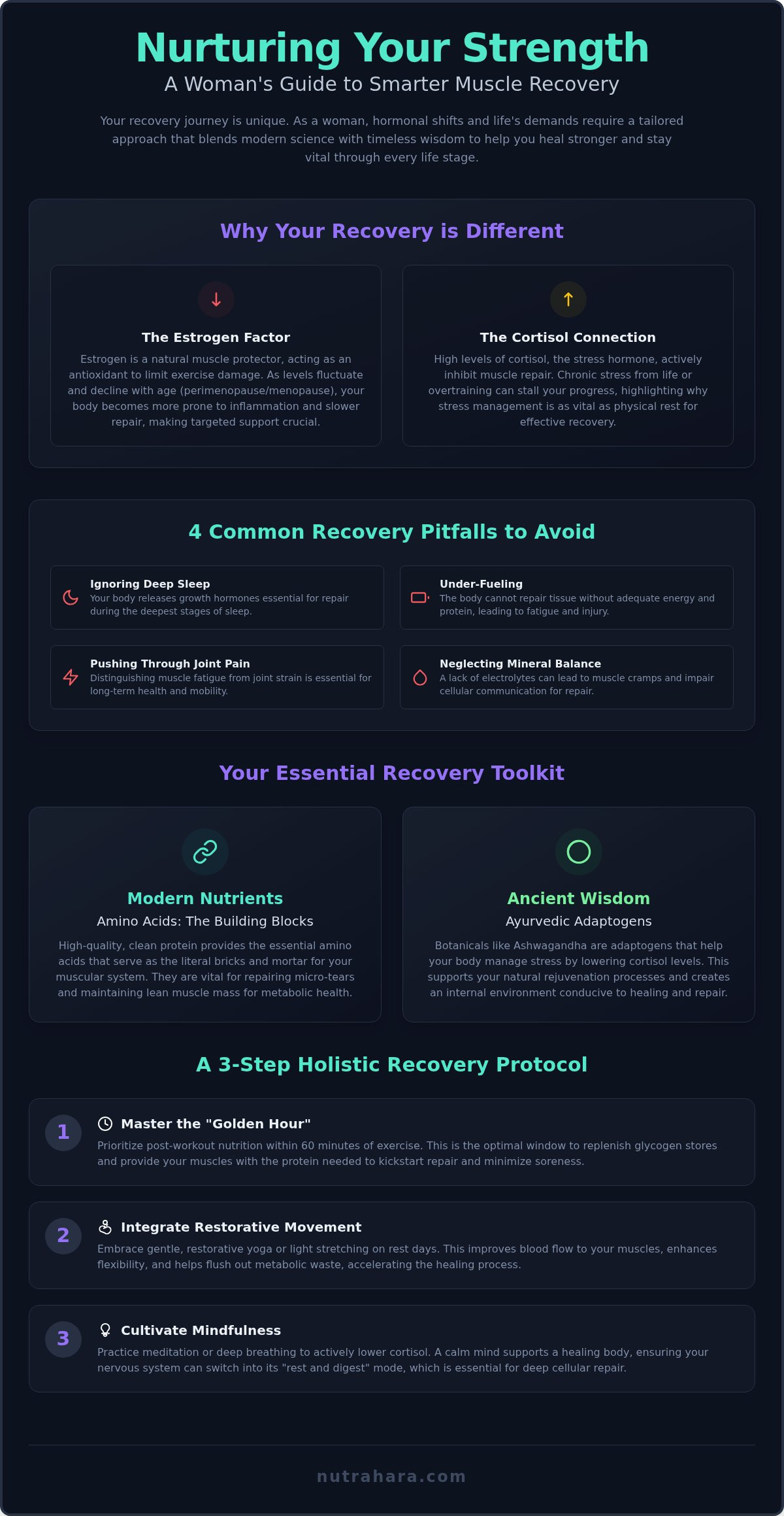
Every time you challenge your body through a strength session or a vigorous vinyasa flow, you initiate a biological repair cycle. This process involves muscle protein synthesis, where your body mends micro-tears in the fibers to build a more resilient version of you. For women, this isn’t just about mechanical repair; it’s a deeply hormonal event. “I noticed in my mid-forties that the same yoga routine left me sore for days,” shares Sarah, 47. “It wasn’t that I was less fit; my body just wasn’t bouncing back like it used to.” Sarah’s experience is common because our recovery is dictated by the ebb and flow of estrogen and the impact of cortisol.
Estrogen serves as a natural protector of muscle tissue, acting as an antioxidant that limits damage during exercise. However, as women move through the 30 to 60 age demographic, estrogen levels fluctuate and eventually decline. This shift makes the body more prone to inflammation and the loss of lean mass, a process known as sarcopenia. Understanding The Science of Muscle Soreness helps you distinguish between the productive ache of growth and the chronic inflammation that signals a need for better support. Integrating targeted muscle recovery supplements for women can help bridge this hormonal gap, providing the specific nourishment required to maintain strength as your internal chemistry changes.
Cortisol, the body’s primary stress hormone, also plays a significant role. When cortisol remains high due to daily life pressures or overtraining, it inhibits the repair process. Elena, 38, found that her progress stalled during a particularly stressful period at work. “I was training hard but felt weaker every week,” she explains. “Once I focused on managing my stress and supporting my adrenals, my recovery time plummeted.” This biological reality highlights why stress management is just as vital as physical rest.
Hormonal Fluctuations and Training Phases
Your recovery needs are not static. During the luteal phase of the menstrual cycle, your body’s temperature rises and protein breakdown increases, making rest more critical. For those in perimenopause or menopause, the decrease in estrogen means your body isn’t as efficient at recruiting repair cells. Satellite cell activation serves as the fundamental biological engine for repairing damaged tissue, ensuring women can maintain lean muscle mass and functional strength as they navigate the hormonal shifts of their middle years. Supporting this process through clean supplementation helps you stay active and mobile.
Common Recovery Pitfalls for Active Women
Many active women inadvertently halt their own progress through common mistakes. Under-fueling is perhaps the most significant risk, as the body cannot repair tissue without adequate energy. This often leads to persistent fatigue and a higher risk of injury. Avoid these common traps:
- Ignoring the need for deep sleep: Your body releases the majority of its natural growth hormones during the deepest stages of rest.
- Pushing through joint pain: Distinguishing between muscle fatigue and joint strain is essential for long-term longevity.
- Neglecting mineral balance: A lack of electrolytes can lead to muscle cramps and poor cellular communication.
By adjusting your expectations to match your biology, you empower yourself to train smarter. Recovery is not a sign of weakness; it is the silent architect of your future strength.
Essential Modern Nutrients for Optimal Muscle Repair
While hormones provide the biological blueprint for healing, your body requires specific structural building blocks to complete the repair work. Choosing effective muscle recovery supplements for women means looking beyond basic calorie replacement. You need nutrients that specifically address the cellular fatigue and structural wear that occur during your fitness sessions. By focusing on high-quality, clean ingredients, you can ensure your body has the resources it needs to stay resilient and strong through every decade of life.
Amino acids serve as the literal bricks and mortar of your muscular system. For women navigating the changes of their 30s, 40s, and beyond, maintaining lean muscle is vital for metabolic health and skeletal support. High-quality protein isolates, such as the clean, plant-based options from Nuzest, provide these essential aminos in a form that’s easy to digest and quickly utilized by your tissues. This efficiency is crucial because it allows your body to shift from a state of breakdown to a state of repair more rapidly after you leave your yoga mat or the gym.
The Power of Collagen for Joint and Muscle Synergy
Collagen functions as the essential scaffolding for your entire body. It supports the intricate web of connective tissue and fascia that surrounds and protects every muscle fiber. As women reach their 40s, natural collagen production begins a sharp decline, which often manifests as increased joint stiffness or a longer wait for that “creaky” feeling to subside after exercise. Integrating a Premium Collagen Complex helps replenish these vital proteins. This support maintains the elasticity of your tendons and ligaments, ensuring your recovery protocol addresses your structural health as much as your muscular strength.
Magnesium and B-Vitamins: The Recovery Duo
Magnesium is often called the “master mineral” for relaxation, and for good reason. It plays a critical role in muscle spindle relaxation and the prevention of those disruptive nighttime leg cramps. Magnesium Glycinate, in particular, is prized for its high bioavailability and its ability to support the deep, restorative sleep where most tissue repair occurs. When you pair this with a Vitamin B Complex, you’re providing the cellular energy required to clear metabolic waste from your system. These vitamins help reduce the lingering fatigue that can sometimes follow a challenging workout, keeping your energy levels steady for both your fitness goals and your family life.
Providing your body with these foundational nutrients creates a ripple effect of wellness that extends far beyond your workout. You can further enhance this daily harmony by exploring a gentle wellness support designed to nourish your body from the inside out.
Ayurvedic Wisdom: Ancient Botanicals for Modern Recovery
Ayurveda isn’t just a philosophy; it’s a 5,000-year-old system of healing that views recovery through the lens of Rasayana, or rejuvenation. While many modern fitness programs focus on synthetic stimulants, Ayurvedic wisdom prioritizes your body’s long-term vitality and internal harmony. This holistic approach is especially valuable when searching for muscle recovery supplements for women, as it respects the delicate balance of your hormones and nervous system. By shifting the focus from simply “getting through” a workout to deeply nourishing your tissues, you create a sustainable foundation for lifelong strength.
While modern nutrients provide the structural building blocks for repair, Ayurvedic botanicals act as the master architects. They guide your body’s internal systems toward a state of balance, ensuring that the repair process is efficient and thorough. This ancient perspective teaches us that true recovery involves the mind as much as the muscles, acknowledging that a calm spirit is essential for physical healing.
Ashwagandha: Balancing Stress and Strength
Ashwagandha is perhaps the most celebrated adaptogen in the Ayurvedic tradition. It doesn’t just mask fatigue; it helps your body adapt to both physical and emotional stressors. Clinical research has shown that Ashwagandha can significantly reduce cortisol levels, the stress hormone that often leads to muscle breakdown and stubborn inflammation. By supporting your adrenal glands, this herb allows active women to build lean mass more effectively and bounce back faster from high-intensity training. For optimal results, purity and bioavailability are key. Using Nutrahara Ashwagandha with Black Pepper ensures you’re receiving a potent dose designed for maximum absorption.
Turmeric for Systemic Inflammation Support
Not all inflammation is your enemy. Acute inflammation is a natural part of the healing process after exercise. However, chronic, systemic inflammation can lead to the joint stiffness and lingering soreness that many women experience as they age. Turmeric, specifically its active compound curcumin, serves as nature’s most potent anti-inflammatory tool. It helps you maintain the flexibility needed for deep yoga poses and the agility required for a busy daily life.
To truly unlock the benefits of turmeric, it must be paired with black pepper. The piperine found in black pepper can increase curcumin absorption by as much as 2,000%, making it a vital component of a clean supplementation routine. Embracing these botanical allies allows you to move away from harsh chemicals and toward a more nurturing way of training. For a deeper look at how these botanicals support your overall journey, explore our guide on Turmeric Benefits for Joint & Body Health.
The Holistic Recovery Protocol: Timing, Yoga, and Mindfulness
Recovery isn’t just a pause between workouts. It’s an active, intentional practice that determines how you feel during your next session and throughout your daily life. While choosing the right muscle recovery supplements for women is a foundational step, the way you layer in movement, breath, and rest creates a true synergy of healing. A holistic protocol ensures that you aren’t just repairing muscle fibers, but also calming the nervous system and restoring cellular energy. This transition from “doing” to “being” is where the most significant gains in longevity are made.
- The Golden Hour: Aim to consume a balanced blend of clean protein and complex carbohydrates within 45 to 60 minutes of finishing your activity. This timing helps halt muscle breakdown and replenishes glycogen stores efficiently.
- Active Restoration: Gentle movement keeps the blood flowing without adding stress. This is the time to transition from high-intensity effort to a state of receptive healing.
- Pranayama: Deep, rhythmic breathwork signals to your brain that the “threat” of exercise is over. This shift activates the parasympathetic nervous system, which is where all meaningful repair happens.
- Hydration and Electrolytes: Water alone isn’t enough for cellular repair. You need minerals like potassium and sodium to maintain the electrical balance required for muscle contractions and waste removal.
Yoga as a Recovery Tool
Yoga offers a unique way to support your body’s natural detoxification processes. Specific restorative poses, such as Legs up the Wall or a supported Child’s Pose, encourage lymphatic drainage and reduce the pooling of fluids that can cause post-exercise swelling. These postures allow gravity to assist your circulation, bringing fresh, nutrient-rich blood to tired tissues. Mindfulness practices during these poses can actually lower your perception of pain and soreness by reducing the brain’s “alarm” response to physical discomfort. Additionally, yoga nidra provides a form of psychic sleep that can reset your nervous system more deeply than a standard nap, making it an excellent supplement to physical rest.
Nighttime Recovery: The Foundation of Tomorrow’s Strength
The most profound healing happens while you sleep. During the 7 to 9 hours of quality rest your body requires, growth hormones are released to facilitate tissue regeneration and cognitive processing. If your sleep is fragmented, your recovery remains incomplete, regardless of how well you eat or train. Many women find that natural aids can help them transition into deep, restorative sleep without the heavy morning grogginess associated with synthetic options. To support this vital phase of your journey, consider incorporating Nutrahara RestoraSleep into your evening ritual. You can find more ways to enhance your evening restoration here to ensure you wake up feeling truly renewed and ready for the day ahead.
The Nutrahara Approach: Empowering Your Wellness Journey
True vitality is never the result of a single choice or a temporary fix. It’s the harvest of a long-term progression where you listen to your body and provide it with the purity it deserves. At Nutrahara, we believe that your health journey should be guided by both the wisdom of the past and the clarity of the present. Our promise is simple: we provide formulas free from artificial additives, fillers, and synthetic shortcuts. By blending ancient Ayurvedic botanicals with clinically validated modern nutrients, we ensure that your muscle recovery supplements for women support your strength without compromising your internal balance.
Building a personalized recovery stack is an act of self-care that evolves with you. A woman in her thirties balancing a career and young children has different physiological stressors than a woman navigating the transition of menopause in her fifties. You don’t need a one-size-fits-all solution; you need a supportive partnership. Whether you are focusing on hormonal harmony, cellular energy, or structural repair, choosing clean ingredients allows your body to focus entirely on rejuvenation rather than processing unnecessary chemicals.
Choosing Supplements with Confidence
When you look at a supplement label, transparency should be the first thing you see. High-quality formulas prioritize bioavailability and steer clear of “proprietary blends” that hide exact dosages. It’s vital to choose brands that specifically design products for the female body, acknowledging the unique roles of estrogen and cortisol in our repair cycles. Trust is built on simplicity. For those seeking a foundational boost to their daily resilience, integrating Nutrahara FemmePower can provide the overall vitality needed to sustain a demanding fitness routine and a vibrant life.
Your Path to a Stronger, More Vibrant Self
As you move forward, remember that your body is your most intuitive guide. Lingering soreness or fatigue aren’t signs of failure; they are messages asking for more support, deeper rest, or better nourishment. Small, consistent steps in your supplementation and mindfulness routines lead to lasting wellness that transcends the gym. If you find that joint comfort is your primary hurdle, a targeted joints and knees kit can provide the specific structural support required to maintain your mobility and flexibility as you age. Embrace this journey with patience and confidence, knowing that every intentional choice you make today is an investment in the strong, capable woman you are becoming. You have the power to define your own longevity, one restorative breath at a time.
Embrace the Journey of Lifelong Vitality
True strength isn’t built in a single day or through a single workout. It’s the result of a consistent, nurturing approach that honors your body’s shifting needs across every life stage. By understanding how your hormones influence repair and integrating the “Golden Hour” of nutrition, you can transform your fitness experience. You’ve learned that the most effective muscle recovery supplements for women are those that respect your internal balance, combining Ayurvedic-inspired formulas with clean ingredients and no artificial additives.
Trusted by women seeking holistic wellness, Nutrahara acts as your wise guide on this path to longevity. When you pair restorative yoga and deep sleep with clinically validated nutrients, you create a foundation for a more vibrant, energetic self. Don’t let lingering soreness or fatigue hold you back from the activities you love. It’s time to listen to your body’s intuition and provide it with the sacred nourishment it deserves. Empower your recovery with Nutrahara’s natural women’s supplements. You have the power to stay strong, flexible, and resilient for years to come.
Frequently Asked Questions
What are the most effective muscle recovery supplements for women over 40?
Women over 40 benefit most from Collagen and Magnesium Glycinate to support structural repair and restorative sleep. These nutrients address the unique repair challenges caused by shifting estrogen levels. Using muscle recovery supplements for women ensures you maintain lean mass and joint comfort as you navigate the changes of perimenopause and beyond.
Can I take muscle recovery supplements if I only do yoga or Pilates?
Yoga and Pilates practitioners benefit significantly from recovery support. Even low-impact movement creates micro-tears in muscle fibers and demands resilience from connective tissues. Proper supplementation provides the structural building blocks required to maintain the deep flexibility and agility essential for a consistent, injury-free practice.
Is Ashwagandha safe for long-term muscle recovery support?
Ashwagandha is safe and effective for long-term daily use. This adaptogen helps your body manage the cortisol spikes that can lead to muscle breakdown and persistent fatigue. By supporting your adrenal health, it allows your system to prioritize rejuvenation and long-term vitality rather than staying in a state of constant stress.
How long does it take for recovery supplements to start working?
You will likely notice improved sleep and reduced soreness within the first week of consistent use. However, the most significant structural benefits, such as enhanced joint mobility and steady energy, typically manifest after three to four weeks. Viewing health as a long-term progression helps you achieve these lasting results.
Do I need to take protein powder to recover from my workouts?
Protein powder is a convenient tool rather than a requirement. It provides a bioavailable source of amino acids that your body can utilize quickly after a session. For busy women, it serves as a practical way to ensure consistent nourishment between your fitness goals and daily life responsibilities.
Will muscle recovery supplements make me look ‘bulky’?
These supplements will not make you look bulky because they lack the hormones required for extreme hypertrophy. Instead, they support lean, functional tissue and a healthy metabolism. You can expect to feel stronger and more toned, leading to a more vibrant and agile appearance rather than unwanted size.
How do muscle recovery needs change after menopause?
Post-menopause, your body requires more protein and anti-inflammatories to compensate for lower estrogen levels. This shift makes muscles more susceptible to breakdown and joints more prone to stiffness. Focusing on clean, natural support helps maintain your bone density and functional strength through this new life stage.
Should I take recovery supplements on my rest days?
Continue your supplementation routine on rest days to support the continuous repair process. Your body performs its most significant restorative work when you are not actively exercising. Providing a steady supply of nutrients ensures your tissues have the resources needed to rebuild and strengthen while you rest.
Disclaimer
This article is not a substitute for medical advice. Please consult a healthcare professional before starting any supplement, especially if pregnant, nursing, taking medication, or managing health conditions.