Categories
Articles

The Ultimate Guide to Hair Health: Restoring Shine and Strength from Within

You’ve spent another morning cleaning a concerning amount of hair from your brush, feeling that familiar knot of anxiety. You’ve tried the salon-grade shampoos and the viral hair masks, but the shedding and dullness persist, especially during times of stress or hormonal change. It’s completely valid to feel frustrated when your outer appearance doesn’t reflect the vitality you feel inside. The search for a solution can feel overwhelming, with countless products all promising the same miracle cure.

This guide is different. We’re going beyond the surface to empower you with a clear understanding of your hair’s true foundation. You will discover how to restore shine and strength from within by nurturing the biological and Ayurvedic roots of genuine hair health. We will explore the crucial link between your nutrition and hormones, providing you with a simple, actionable plan for achieving the vibrant, resilient hair you deserve on your wellness journey.

Key Takeaways

  • Understand why your hair’s appearance is a direct reflection of your internal metabolic and hormonal balance.
  • Discover the key nutrients and hormonal shifts that are scientifically proven to dictate your hair’s growth cycle and strength from the follicle up.
  • Learn the crucial difference between temporary cosmetic fixes from topical products and the true internal nourishment required for lasting hair health.
  • Explore 5 actionable steps, blending modern nutrition with Ayurvedic wisdom, to build stronger hair and reduce scalp inflammation from within.

What is Hair Health? Understanding the ‘Canary in the Coal Mine’

On your personal wellness journey, it’s easy to view your hair as a purely aesthetic feature. But true hair health is a profound reflection of your body’s internal harmony. It’s a direct indicator of your metabolic and hormonal homeostasis, offering clues about your overall well-being long before other symptoms may appear. Think of your hair as the body’s ‘canary in the coal mine’.

Because hair growth is not essential for survival, it’s one of the first processes the body deprioritizes during times of internal stress. When faced with nutrient scarcity, illness, or significant hormonal shifts, your body wisely redirects vital resources like iron, zinc, and protein away from your hair follicles and toward critical organs. This is why changes in your hair’s texture, density, or growth can be an early signal of an underlying imbalance. The visible signs of truly healthy hair are clear and measurable: strong elasticity allowing a strand to stretch, a smooth, sealed cuticle that reflects light and creates shine, and consistent follicle density across the scalp.

The Three Pillars of Hair Vitality

Achieving and maintaining vibrant hair is grounded in three core biological principles. Understanding them empowers you to nurture your hair from the inside out, bridging the gap between ancient wisdom and modern science.

  • Structural Integrity: Your hair’s strength comes from its core composition. Each strand is made of up to 95% keratin, a fibrous structural protein. A deep look into the structure of human hair reveals why a diet rich in bioavailable proteins and amino acids isn’t just beneficial; it’s fundamental. Without these building blocks, hair can become brittle and prone to breakage.
  • Scalp Environment: A healthy scalp is the fertile ‘soil’ from which strong hair ‘seeds’ can grow. This delicate ecosystem requires balanced sebum production, optimal circulation to deliver nutrients, and a stable pH of around 4.5 to 5.5. An imbalanced or inflamed scalp can directly inhibit follicle function and disrupt the growth cycle.
  • Growth Cycles: Hair growth isn’t a continuous process. It occurs in three distinct phases. At any time, 85-90% of your hair is in the Anagen (growth) phase, which can last from 2 to 7 years. This is followed by a brief Catagen (transition) phase, and finally the Telogen (resting) phase, where about 10-15% of hairs rest for approximately 3 months before shedding.

When to Worry: Normal Shedding vs. Telogen Effluvium

Finding strands in your brush or the shower drain is a normal part of a healthy hair cycle. Losing between 50 and 100 hairs per day is completely typical as resting hairs make way for new growth. However, a sudden, noticeable increase in shedding that leads to diffuse thinning can be unsettling. This is often a condition called Telogen Effluvium.

This type of hair loss is triggered by a significant physiological or emotional stressor, such as a high fever, major surgery, childbirth, or extreme emotional distress. The shedding doesn’t happen immediately; it typically begins 2 to 3 months *after* the stressful event. Telogen Effluvium is a temporary, stress-induced shift where a large number of hairs prematurely enter the resting (telogen) phase of the growth cycle. While distressing, it’s important to remember that this condition is a temporary response, and understanding its cause is the first step toward restoring balance and promoting healthy regrowth.

The Biological Foundations: How Nutrition and Hormones Dictate Growth

Lush, vibrant hair isn’t born from a bottle; it’s built from within. Your hair is a direct reflection of your internal ecosystem, a living record of your nutritional intake and hormonal harmony. Think of each hair follicle as a tiny, complex factory. To function optimally, it requires a precise supply of raw materials and the right operational signals. When these elements are in balance, the result is strong, resilient growth. When they’re not, the factory slows down, leading to thinning, shedding, and loss of vitality.

At the core of this biological process are the building blocks you consume. The ‘Big Three’ for hair-Biotin, Zinc, and Iron-are non-negotiable for robust follicle synthesis. Iron is essential for producing hemoglobin, which carries oxygen to your scalp to fuel cell repair and growth. Zinc plays a critical role in hair tissue growth and repair, keeping the oil glands around the follicles working correctly. Biotin, a B-vitamin, is fundamental to producing keratin, the very protein that makes up over 90% of your hair structure.

This modern understanding of micronutrients finds a powerful partner in ancient Ayurvedic wisdom. Ayurveda identifies an excess of the ‘Pitta’ dosha, associated with heat and inflammation, as a primary cause of premature thinning and greying. Cooling this internal fire through diet and botanicals supports a balanced scalp environment. It’s this beautiful synergy-where clinical nutrition validates ancient knowledge-that provides a truly holistic path to lasting hair health.

The Nutrient Deficiency Checklist

While the ‘Big Three’ get most of the attention, other key nutrients are vital. Vitamin D, often called the ‘forgotten’ hair nutrient, helps create new follicles and awaken dormant ones. A deficiency can directly impact hair density. Equally important are the B-complex vitamins, which are crucial for creating red blood cells that transport oxygen and nutrients to the scalp. A steady supply ensures your follicles have the energy they need. Supporting this foundational energy production with a high-quality Vitamin B Complex can be a cornerstone of your hair wellness journey.

Hormones and the Hair Journey

Your hormonal landscape directly dictates your hair’s life cycle. During perimenopause and menopause, a decline in estrogen can shorten the anagen (growth) phase of your hair, leading to finer, thinner strands. Conversely, high levels of the stress hormone cortisol can shock the system, pushing a significant number of follicles into a premature ‘hibernation’ phase known as telogen effluvium. While many external products make bold claims, the most credible scientific facts about hair care reveal that internal balance is paramount. Nurturing this equilibrium with targeted botanicals, like those found in FemmePower, can help you gracefully manage the hormonal shifts that impact your hair’s vitality.

True, sustainable hair health begins by honoring these deep biological connections. By nourishing your body with the right nutrients and supporting your hormonal balance, you empower your hair to grow to its fullest, most beautiful potential. Understanding your unique internal needs is the first step, and we invite you to explore our wellness resources to continue your journey.

External Myths vs. Internal Realities: Why Your Shampoo Isn’t Enough

We’ve all been captivated by commercials promising to “repair” damaged hair with a single wash. The beauty aisle is filled with bottles that claim to feed, mend, and resurrect lifeless strands. But here is the scientific truth, grounded in biology: the hair you see is not living. It’s a fiber composed of dead keratin protein cells. It cannot be “fed” from the outside any more than a silk scarf can. While premium shampoos and masks can coat the hair cuticle with silicones and oils to make it feel smoother and look shinier, this is a temporary cosmetic effect, not a true restoration of health.

This cycle of external fixes often masks deeper issues. When hair is brittle or thin due to internal imbalances, many turn to harsh chemical treatments like coloring or straightening to improve its appearance. This creates a dangerous loop: the over-processing further damages the hair’s structure, making its underlying weakness even more apparent once the cosmetic effects wear off. The only part of your external routine that truly influences new growth is your scalp care. A clean, well-circulated scalp provides the fertile ground from which strong hair can grow. According to the American Academy of Dermatology, gentle handling and focusing on the scalp are key, and their dermatologist tips for healthy hair emphasize protecting the hair you have, not magically repairing it.

The Role of Topical vs. Systemic Treatments

Understanding where to focus your efforts is key. Topical treatments, like the ancient Ayurvedic practice of head massage with oils like Bhringraj, are excellent for improving scalp circulation and moisture. They create an optimal external environment. Systemic treatments, like clinically formulated supplements, work internally to provide the raw materials. Our ‘Inside-Out’ philosophy is built on a simple fact: over 90% of your hair’s strength and vitality is determined by the nutrition delivered to the follicle before the hair ever leaves the scalp. Be wary of misleading labels you’ll see by 2026, such as:

  • “Split-End Fusion Serums”: These products use polymers to temporarily glue ends together; they don’t permanently mend the keratin fiber.
  • “Follicle-Feeding Mists”: A mist applied to the hair shaft cannot feed the follicle, which is located 4 millimeters beneath the scalp’s surface.

Addressing the ‘Biotin is Enough’ Misconception

The belief that biotin is the single magic pill for hair growth is one of the most persistent myths in wellness. While Biotin (Vitamin B7) is essential for keratin production, true clinical biotin deficiency is rare. For most women, lackluster hair isn’t caused by a lack of biotin alone. It’s caused by a lack of the supporting nutrients biotin needs to do its job. Think of biotin as a single musician. It needs a full orchestra of co-factors like Zinc to aid in follicle cell division, Iron to carry oxygen for growth, and amino acids like L-cysteine, which are the direct building blocks of the keratin protein itself. Without them, biotin can’t perform. True hair health is a symphony of nutrients, not a solo performance by a single vitamin.

The Ultimate Guide to Hair Health: Restoring Shine and Strength from Within

5 Steps to Restore Your Hair’s Natural Abundance and Shine

Reclaiming your hair’s vitality isn’t about finding a single magic product; it’s a holistic journey that addresses the root causes of dullness and thinning. True, lasting results come from a conscious fusion of modern nutritional science and ancient wellness wisdom. By focusing on these five foundational steps, you can create the optimal internal and external environment for your hair to flourish, moving from a state of stress to one of strength.

Step 1 & 2: Nutritional and Ayurvedic Foundations

Your hair is primarily made of a protein called keratin. Providing your body with the right building blocks is non-negotiable for robust growth. We recommend focusing on a diet rich in amino acids, vitamins, and minerals. Key foods include:

  • Pumpkin Seeds: Just one ounce provides nearly 20% of your daily zinc, a mineral essential for regulating the hair growth cycle.
  • Leafy Greens: Spinach and kale are packed with iron and Vitamin C. Vitamin C is crucial for absorbing iron, a deficiency of which is linked to hair loss in up to 50% of women.
  • Healthy Fats: Avocados and nuts deliver Vitamin E, a powerful antioxidant that protects the scalp from oxidative stress.

From an Ayurvedic perspective, scalp inflammation, or an excess of “Pitta,” can disrupt follicles. A traditional calming ritual is Abhyanga, or self-massage with warm oil. Simply warm a tablespoon of coconut or sesame oil, apply it to your scalp with your fingertips, and use gentle, circular motions for 5-10 minutes before washing. This practice cools inflammation and boosts circulation directly to the roots. For deep structural support, a bioavailable Premium Collagen Complex can supply the specific amino acids your body needs to construct resilient keratin fibers.

Step 3 & 4: Stress Management and Supplementation

The connection between your nervous system and hair follicles is scientifically proven. A 2021 study published in Nature confirmed that the stress hormone cortisol can force a significant number of hair follicles into a prolonged resting (Telogen) phase, effectively halting new growth. Managing systemic stress is therefore a critical component of any effective plan for better hair health.

This is where adaptogens, natural botanicals that help your body adapt to stressors, become invaluable. Ashwagandha is a clinically-studied adaptogen revered in Ayurveda for its ability to help regulate cortisol levels. By promoting a state of calm, it helps keep your follicles in the active growth (Anagen) phase longer. For targeted support on your wellness journey, our Ashwagandha with Black Pepper is formulated to help your body manage its stress response, creating a healthier internal ecosystem for hair to thrive.

Finally, Step 5 is optimizing scalp circulation and maintaining a clean follicular environment. The Abhyanga massage is a perfect start. Complement it by using clean, non-toxic hair care products free from sulfates and silicones that can clog pores and inhibit growth. By nourishing from within and caring for your scalp, you create a complete, 360-degree approach to restoring your hair’s natural brilliance.

Ready to build your holistic hair care ritual? Explore our full range of women’s wellness supplements designed to support you from the inside out.

Bridging Earth and Science: The Nutrahara Approach to Hair Wellness

Your hair isn’t just hair. It’s a living record of your internal well-being, a direct reflection of your body’s harmony or stress. That’s why at Nutrahara, we don’t formulate for a single symptom; we formulate for the ‘Total Woman.’ We recognize that your hair health is deeply intertwined with your endocrine, nervous, and digestive systems. Thinning strands, a lack of luster, or excessive shedding aren’t isolated problems. They are signals from your body asking for deeper support. Our approach addresses the root cause by nurturing this interconnected system, creating a foundation for holistic wellness that shines through.

Our philosophy is built on a powerful trinity: 40 years of nutritional science expertise, the timeless wisdom of Ayurveda, and rigorous modern clinical trials. Ancient Ayurvedic science, with its 5,000-year history, provides the holistic map to understanding the body’s unique constitution, or dosha. It teaches us how to achieve balance. Our four decades of research experience bring precision to this ancient wisdom, allowing us to refine dosages and select the most bioavailable forms of each ingredient. Finally, we validate our formulas with modern science. For example, we use clinically-studied Sensoril® Ashwagandha, which was shown in a randomized, double-blind, placebo-controlled human trial to reduce serum cortisol levels by 27.9%, directly targeting the stress that impacts your entire body.

Respecting your body’s natural ecology is non-negotiable, and it’s the core of our ‘Clean and Simple’ commitment. Every capsule is formulated without:

  • Gluten or Soy
  • Genetically Modified Organisms (GMOs)
  • Artificial Fillers or Colors
  • Unnecessary Binders

These additives do more than just take up space; they can interfere with nutrient absorption and disrupt your delicate gut microbiome. We believe that what you leave out is just as important as what you put in. By providing pure, potent botanicals and nutrients, we support your body’s innate ability to heal and thrive. This foundational support is essential for achieving true, sustainable hair health, as it creates the optimal internal environment where strong, vibrant hair can grow.

The Nutrahara Quality Promise

Our ‘Wise Guide’ philosophy ensures every product delivers on its promise of purity and potency. We source only the highest-quality, clinically studied ingredients to support your wellness journey. It’s not just about supplements; it’s about providing a trusted partner for your health. But you don’t have to take our word for it.

“After my second child, my hair was shedding so much. I felt defeated. A friend recommended the Postpartum Kit. Within three months, the shedding slowed, and I saw new growth. Nutrahara gave me back my confidence. It feels like I’m finally taking care of myself again.”
– Jessica M., 34

Your Next Steps Toward Abundance

Your journey to wellness is unique. That’s why we’ve curated kits specifically for your current life stage, whether you’re navigating postpartum recovery, perimenopause, or simply seeking daily balance. Join our community of over 10,000 women for ongoing education and support as we explore how to bridge the gap between Earth and humanity.

Ready to see the first sign of your transformation? Let your vibrant hair lead the way.

Explore the Nutrahara collection for your wellness journey

Embrace Your Hair’s Natural Abundance

Your journey to lustrous hair isn’t found in a bottle on your shower shelf; it begins from within. Vibrant hair is a direct reflection of your internal balance. It’s the ‘canary in the coal mine’ for your overall wellness, with its strength and shine dictated not by external treatments, but by the foundational building blocks of nutrition and hormonal harmony. This is the philosophy at the heart of Nutrahara, where we bridge Earth and science. Backed by 40 years of expertise in women’s health, our approach is a clinically studied fusion of ancient Ayurvedic wisdom and modern nutritional research. Our clean and simple formulas are designed to nourish from the inside out, creating the optimal foundation for genuine hair health.

It’s time to stop masking symptoms and start building strength from your core. Begin your hair health journey with Nutrahara’s clean supplements, formulated for women and delivered worldwide.

Your hair’s potential for radiance is waiting to be unlocked. We’re honored to be your guide on this wellness journey.

Frequently Asked Questions About Hair Health

How long does it take to see results from hair health supplements?

You can typically expect to see visible results from hair supplements after 3 to 6 months of consistent daily use. Your hair’s growth cycle (the anagen phase) is a slow process, and supplements work by nourishing the follicle to support new, healthier hair. A 2015 study in the Journal of Clinical and Aesthetic Dermatology confirmed noticeable improvements in hair volume and thickness after 90 days, so patience on your wellness journey is key.

Can stress really cause my hair to fall out months later?

Yes, a major stressful event can trigger significant hair shedding approximately 2 to 4 months after it occurs. This condition, known as telogen effluvium, forces a large number of hair follicles into the resting phase prematurely. These hairs then fall out a few months later. Up to 70% of scalp hair can be affected, making stress management a critical part of a holistic approach to hair wellness.

Is biotin the best vitamin for hair growth, or are there better options?

Biotin is only the most effective solution for the 2-5% of people with a clinical deficiency; a multi-nutrient formula is better for most women. While biotin supports keratin infrastructure, research shows nutrients like iron, vitamin D, and zinc are more commonly linked to hair thinning. For instance, a 2016 study found 36% of women with hair loss were iron deficient. A comprehensive, clinically studied formula addresses your body’s complete needs.

Does cutting my hair more often make it grow back thicker or faster?

No, cutting your hair doesn’t change its natural growth rate or texture, which are determined at the follicle. Hair grows from the scalp at an average of 0.5 inches per month. Regular trims are beneficial because they remove split ends, preventing breakage that makes hair look thin and damaged. This creates the appearance of thicker, healthier hair by maintaining a blunt, full edge, but it doesn’t alter the growth process itself.

What are the early signs that my hair health is declining?

The earliest signs that your hair health may be declining include a widening part line, a noticeable increase in shedding, or a ponytail that feels less dense. You might find more than the typical 50-100 hairs in your brush or on the floor. Another subtle clue is a change in texture, where your hair feels finer or doesn’t hold its style as well. Identifying these changes early allows you to take supportive action sooner.

Can Ayurvedic herbs like Ashwagandha really help with thinning hair?

Yes, clinically studied adaptogenic herbs like Ashwagandha can support healthy hair by helping your body manage cortisol, the stress hormone. Elevated cortisol from chronic stress can disrupt the hair growth cycle. As shown in a 2019 study in Cureus, Ashwagandha helps regulate the body’s stress response system. This creates a more balanced internal environment, allowing follicles to function optimally and support healthy growth.

Is hair loss in women always related to aging or menopause?

No, hair loss in women is not exclusively an issue of aging. While hormonal shifts during menopause are a common factor, many conditions can cause thinning hair in younger women. Polycystic ovary syndrome (PCOS), postpartum hormonal changes, and thyroid disorders are frequent causes in women under 40. The American Academy of Dermatology confirms that some forms of genetic hair loss can even begin in the teenage years.

How do I know if my hair thinning is due to a nutrient deficiency?

A blood test ordered by your doctor is the only definitive way to know if a nutrient deficiency is the root cause of your hair thinning. While symptoms like fatigue or brittle nails can be indicators, a blood panel provides concrete data. A physician can check your levels of ferritin (stored iron), vitamin D, and zinc, three key nutrients that are scientifically linked to hair loss when they are low.

Article by

Nutrahara Team

We are a dedicated collective of nutrition scientists and naturopaths at Nutrahara, committed to advancing women's health through the fusion of ancient Ayurveda science and cutting-edge nutrition research. Our mission is to empower you with clean, simple, and scientifically validated wellness solutions so you can live your healthiest life. Connect with us to stay updated on the latest developments in holistic women's health and nature-based research.

Disclaimer

This article is not a substitute for medical advice. Please consult a healthcare professional before starting any supplement, especially if pregnant, nursing, taking medication, or managing health conditions.

Categories
Articles

Nail Health for Women: The Holistic Guide to Strong, Radiant Nails in 2026

What if the constant splitting, peeling, and ridges on your nails aren’t just a cosmetic issue? What if they are a direct message from your body, a signal about your internal well-being that you’ve been missing?

It’s frustrating, isn’t it? You try every strengthening polish and topical treatment, yet the brittleness persists. The confusion over which vitamins actually work can feel overwhelming, leaving you searching for a real solution that builds strength from within. This is a common step in the wellness journey for so many women, but it doesn’t have to be your final destination.

This guide is your answer. We’re here to help you decode those signals and finally achieve resilient, radiant nails by uniting the ancient wisdom of Ayurveda with clinically studied nutritional science. We will provide a clear, holistic path forward for your nail health. Together, we’ll explore the essential nutrients your body is craving, outline a simple daily routine for recovery, and give you the confidence to choose supplements that deliver visible, lasting results.

Key Takeaways

  • Decode the subtle messages your nails are sending about your internal well-being, from temporary nutritional gaps to more significant health signals.
  • Discover how the ancient Ayurvedic concept of Asthi Dhatu aligns with modern nutritional science to form the true foundation of your nail health.
  • Adopt a “Clean and Simple” daily ritual that protects your nails from harsh chemicals and transforms external care into a mindful practice.
  • Understand the powerful synergy between key nutrients like Collagen and Silica and why they are essential for building nail thickness and resilience from within.

What is Nail Health? Understanding the Basics of the Nail Plate

Your nails are far more than just a canvas for beautiful colors. They are a direct reflection of your internal well-being, a visible milestone on your personal wellness journey. True nail health isn’t just about avoiding chips; it’s a holistic balance of three key indicators: structural integrity, consistent growth, and healthy color. Think of your nails as a living diary. Because the average fingernail grows about 3.47 millimeters per month, the condition of your nail tips today reveals a story of your body’s nutritional state and overall balance from as far back as six months ago.

The foundation of every strong nail is keratin. This tough, protective protein is the same material that forms your hair and the outermost layer of your skin, creating a powerful, interconnected system that reflects your internal vitality. When your body has the right nutrients to formulate robust keratin fibers, the result is resilient, smooth nails that can withstand the demands of daily life. It’s a beautiful example of how nurturing your body from within creates tangible, visible strength on the outside.

The Anatomy of a Healthy Nail

Understanding the structure of your nail is the first step toward caring for it properly. A perfectly balanced nail appears smooth, has a translucent quality, and reveals a healthy, pinkish nail bed beneath the hard nail plate. The cuticle at the base acts as a natural seal, protecting new growth. Deep beneath the cuticle lies the nail matrix, the true engine room of nail growth where new cells are born. For a deeper look into the intricate science, the fundamentals of nail anatomy and biology provide excellent foundational knowledge.

Why Nail Health Matters for Women

Strong nails are essential for function and confidence. They protect the sensitive tips of our fingers, enhance our sense of touch, and allow for precise daily tasks, from buttoning a shirt to gardening. Beyond their practical role, the appearance of our nails has a direct emotional impact, often boosting self-esteem. Healthy nails are also a signpost for broader vitality, as the same nutrients supporting strong keratin production are often linked to vibrant skin and bone health, illustrating a deeply connected system of well-being.

The Biology of Growth: Bridging Modern Science and Ayurveda

Truly resilient nails are grown from the inside out. They are a direct reflection of your internal well-being, offering clues about your body’s nutritional status and systemic balance. Understanding what your nails need to thrive requires a look at both cutting-edge nutritional science and the timeless wisdom of Ayurveda. This powerful combination reveals that strong, beautiful nails are not just a cosmetic goal; they are an indicator of deep, foundational health.

From a modern scientific perspective, your nails are composed primarily of a fibrous protein called keratin. The production of this tough, protective protein is a complex biological process that depends on a steady supply of specific nutrients delivered directly to the nail matrix, the area of living tissue at the base of your nail where growth begins. Healthy blood flow is crucial, carrying oxygen and the essential amino acids, vitamins, and minerals needed to construct strong keratin chains. Without this vital delivery system, nail growth falters.

Nutritional Building Blocks

Your diet provides the fundamental raw materials for nail formation. B-vitamins, especially Biotin (B7), are celebrated for their role in supporting keratin infrastructure. Clinical research has shown that Biotin can improve nail thickness and reduce splitting by supporting healthy cell proliferation. A comprehensive Vitamin B Complex provides foundational support for this cellular energy and growth. Minerals, however, are the non-negotiable cofactors in this process. Zinc is essential for the healthy division of nail cells, while iron is critical for preventing brittleness and the development of concave, spoon-shaped nails. A deficiency in key minerals can often manifest as ridges, discoloration, or other visible fingernail health problems, signaling a deeper imbalance that needs attention.

The Ayurvedic Perspective on Resilient Nails

Ancient Ayurvedic science offers a wonderfully holistic view of nail health. In this tradition, nails (known as Nakha) are considered a secondary tissue, or mala, of Asthi Dhatu-your bone tissue. This means the health of your bones is directly mirrored in the strength and quality of your nails. Building strong Asthi Dhatu depends entirely on the power of your Agni, or digestive fire. A robust Agni efficiently breaks down food, absorbs nutrients, and delivers them to all seven tissues (dhatus). A weak Agni leads to poor nutrient assimilation, starving the bones and, consequently, the nails.

Furthermore, Ayurveda links brittle, dry, and cracking nails to an imbalance in Vata dosha, the energy associated with air and movement. When Vata is high, often due to stress, irregular routines, or improper diet, it creates dryness throughout the body. This can manifest as weak nails that easily chip and break. Chronic stress not only elevates Vata but can also lead to nervous habits like nail biting, further damaging nail integrity. Supporting your body’s stress response is a key step toward balance. Adaptogenic herbs found in formulations like Ashwagandha with Black Pepper are traditionally used to calm the nervous system, helping to balance Vata for more resilient growth from within.

Deciphering the Signs: What Your Nails Are Trying to Tell You

Your body communicates in countless ways, and your nails are one of its most visible messengers. Think of observing your nails not as a search for problems, but as a nurturing check-in on your wellness journey. It’s a moment to listen. These signals are rarely a cause for alarm; more often, they are gentle nudges reflecting a temporary nutritional gap or a response to your environment. A balanced perspective is key to understanding your unique nail health.

Let’s start by clarifying one of the most persistent myths. Those small white spots that appear from time to time? They are almost never a sign of calcium deficiency. In over 90% of cases, these spots, known clinically as punctate leukonychia, are simply the result of a minor, often forgotten, bump or knock to your nail bed. They are harmless and will grow out on their own. Understanding this helps shift the focus from anxiety to informed self-care.

Common Visual Signals and Their Meanings

Your daily habits and internal balance are often etched onto your nail plates. Here are a few common signs and what they might suggest:

  • Vertical Ridges: These fine lines that run from your cuticle to the tip of your nail are often a natural sign of aging, much like wrinkles on the skin. They can become more prominent after age 50. Sometimes, they can also indicate issues with nutrient absorption, particularly of B vitamins and magnesium.
  • Brittle or Peeling Nails: If your nails break easily, it’s often a sign of moisture loss. This can be caused by repeated hand washing or exposure to harsh chemicals. Internally, it may point to a need for more dietary protein, as nails are made of keratin, or a deficiency in biotin (Vitamin B7).
  • Yellow Discoloration: This can have two primary causes. Frequent use of dark nail polishes without a base coat can stain the nail plate. However, a persistent, thickening yellow nail could also signal a fungal infection, which affects up to 14% of the adult population and requires specific treatment.

When to Consult a Healthcare Professional

Being a wise guide on your own health journey means knowing when to seek clinical expertise. While most nail changes are benign, some can be indicators of deeper systemic issues that require a professional diagnosis. Don’t hesitate to consult a dermatologist if you notice significant, persistent changes.

Certain patterns are worth paying close attention to. Deep horizontal depressions, known as “Beau’s Lines,” can appear after a significant illness or a period of intense stress that temporarily halted nail growth. Another condition, “Terry’s Nails,” where the nail appears mostly white with a dark band at the tip, can be associated with underlying health conditions.

Most importantly, pay immediate attention to any changes in nail color, especially new dark brown or black lines. This type of pigment, called longitudinal melanonychia, should always be examined by a doctor to rule out serious conditions. The American Academy of Dermatology provides a helpful visual guide on nail changes to watch for, and a new dark streak is a primary reason to seek medical advice. This knowledge empowers you to act wisely, ensuring your body gets the support it needs, right when it needs it.

The Nutrahara Protocol: Holistic Strategies for Resilient Nails

True strength originates from within and radiates outward. This principle is the cornerstone of the Nutrahara Protocol, a holistic approach that transforms nail care from a simple chore into a sacred ritual. It’s about more than just aesthetics; it’s a commitment to your overall well-being. By integrating ancient wisdom with modern research, we can build resilience from the nail matrix up. This journey focuses on gentle external habits and, more critically, the deep internal nourishment that creates a foundation for lasting nail health.

Internal Nourishment Rituals

Your nails are a direct reflection of your internal environment. To build strong, flexible nails, you must first provide the essential building blocks. Since the nail plate is composed of approximately 95% keratin, a daily intake of high-quality protein from sources like lentils, eggs, and lean meats is non-negotiable. Healthy fats, particularly omega-3s found in flaxseed and walnuts, help lubricate and moisturize the nail bed from the inside. Adhere to the “Nail-First” hydration rule; your body prioritizes vital organs, so you must drink enough water (aim for 2-3 liters daily) to ensure it reaches the nail matrix, which needs it for flexible growth. But even the best diet is ineffective if your body can’t absorb the nutrients. Optimizing gut health with a pure, gentle formula like Detoxifylife ensures your digestive system can efficiently uptake crucial nail-building minerals like zinc, iron, and biotin.

Protective External Habits

What you put on your body is just as important as what you put in it. Adopt a “Clean and Simple” approach to external care to prevent chemical-induced damage. Instead of cutting your cuticles, which can create entry points for bacteria and lead to infection, gently push them back with an orange stick after a shower. When choosing polishes and removers, consciously avoid formulas containing the “toxic trio”:

  • Formaldehyde: A known nail hardener that can paradoxically cause brittleness over time.
  • Toluene: A solvent that can impact the central nervous system.
  • Dibutyl Phthalate (DBP): A plasticizer linked to developmental concerns.

Incorporate the ancient Ayurvedic “Oil Soak” ritual into your weekly routine. Gently warm a small bowl of sesame or jojoba oil and soak your fingertips for 5-10 minutes. This practice deeply moisturizes the nail plate, improves flexibility, and prevents painful splitting.

Finally, don’t underestimate the power of movement. Simple activities like yoga, stretching, or even brisk walking improve peripheral circulation, delivering a vital supply of oxygen and nutrients to your fingertips. This increased blood flow nourishes the nail matrix, stimulating healthier and more robust growth. Your wellness journey is a beautiful tapestry of small, consistent actions. By weaving these rituals into your life, you are not just caring for your nails; you are honoring your entire being. Discover our full range of holistic supplements to support your journey.

Nail Health for Women: The Holistic Guide to Strong, Radiant Nails in 2026

Nourishing from Within: How Targeted Supplements Support Your Journey

You’ve refined your diet, perfected your external care routine, and embraced a healthier lifestyle. So, where do supplements fit in? Think of them as the essential bridge between the demands of modern life and your body’s optimal state. Even with the best intentions, nutritional gaps can exist due to soil depletion and food processing. Targeted supplements don’t replace a healthy diet; they amplify its effects, delivering concentrated, bioactive compounds precisely where your body needs them most.

Your wellness evolution is a long-term commitment, and achieving resilient nails requires patience. Your fingernails replace themselves entirely every 3 to 6 months, growing at an average rate of 3.47 millimeters per month. This means the benefits you cultivate today will reveal themselves in the strong, beautiful nails you see seasons from now. This gradual process is a powerful reminder that true nail health is built from the inside out, day by day.

The Power of Collagen for Nail Integrity

The foundation of a strong nail is keratin, and the foundation of keratin production is collagen. Specifically, bioactive collagen peptides have been clinically shown to directly impact nail quality. A landmark 2017 study published in the Journal of Cosmetic Dermatology found that women taking 2.5 grams of these specific peptides daily for 24 weeks experienced a 12% increase in nail growth and a remarkable 42% decrease in the frequency of broken nails. These peptides provide the essential amino acids that support a healthy nail bed environment, ensuring the new nail that grows is resilient and less prone to splitting. For this ultimate structural support, we formulated our Premium Collagen Complex to deliver these clinically effective peptides.

Creating Your Personalized Supplement Stack

Your body is a complex, interconnected system. A holistic approach to supplementation recognizes this synergy. While collagen provides the fundamental building blocks for strength, other nutrients play critical supporting roles. Combining key supplements creates a powerful stack that addresses nail vitality from multiple angles.

  • For Strength and Speed: Pair the structural power of collagen with a high-quality B-vitamin complex. Biotin (Vitamin B7) is famous for its role in supporting keratin infrastructure, helping to accelerate healthy growth while collagen ensures that new growth is strong and durable.
  • For Hormonal Harmony: Hormonal fluctuations can directly impact the quality of your skin, hair, and nails. Our FemmePower formula is designed with adaptogens and nutrients that support hormonal equilibrium. By creating a stable internal environment, you provide a consistent foundation for your body to produce strong, healthy keratin.

Trust the process. Your health journey is a beautiful unfolding, a partnership between your daily choices and the deep wisdom of nature. By nourishing your body from within, you are not just fixing a symptom; you are cultivating a state of holistic well-being that radiates outward, right to your fingertips. Embrace the abundance nature offers and watch your vitality flourish.

Your Journey to Resilient Nails Begins Now

Your nails are a beautiful reflection of your inner vitality. As we’ve explored, they are complex structures deeply connected to your overall well-being, a truth recognized by both modern science and ancient Ayurvedic wisdom. Achieving lasting strength isn’t about quick fixes; it’s about a holistic commitment to nourishing your body from the inside out. This thoughtful approach is the foundation of true, sustainable nail health.

You don’t have to walk this path alone. Our protocol is designed to support you, and our Premium Collagen Complex is a vital part of that system. Formulated with 40 years of expertise in women’s wellness, it’s a pure and powerful blend of clean ingredients backed by modern nutritional research. Join the thousands of women who have made it a cornerstone of their health journey.

Begin your journey to stronger nails with our Premium Collagen Complex. Here’s to celebrating the strength and radiance you were always meant to have.

Frequently Asked Questions About Nail Health

How long does it take for vitamins to improve nail health?

It typically takes 2 to 3 months of consistent vitamin intake to see noticeable improvements in your nails. Fingernails grow slowly, at an average rate of 3.47 millimeters per month, so patience is a key part of your wellness journey. The stronger, nourished nail plate must grow out from the base. A completely new fingernail can take up to 6 months to form, so consistency with your nutrition is essential for lasting results.

Can stress really cause my nails to stop growing or become brittle?

Yes, chronic stress can absolutely impact your nails. When your body experiences high stress for several weeks, it elevates the hormone cortisol. This process can divert essential nutrients away from your hair and nails, leading to brittleness, peeling, or slower growth. You might even notice horizontal ridges, known as Beau’s lines, which are a physical marker of a past period of intense stress or illness that interrupted nail formation.

Is it better to take Biotin or Collagen for nail strength?

Both Biotin and Collagen offer unique benefits for nail strength, and the best choice often depends on your body’s specific needs. Biotin, a B-vitamin, is essential for producing keratin. A 2017 study found that a daily 2.5mg dose of biotin can increase nail plate thickness by 25%. Collagen provides key amino acids like proline, which are the building blocks for healthy nails. Many find that combining them offers the most comprehensive support.

What causes vertical ridges on fingernails as we age?

Those fine vertical ridges are typically a normal sign of aging, much like wrinkles in the skin. This condition, called onychorrhexis, occurs as cell turnover in the nail matrix slows over time and affects over 20% of adults. While usually harmless, keeping your nails and cuticles well-moisturized with oils like jojoba or almond oil can help minimize their appearance and prevent the ridges from snagging or splitting.

Can Ayurvedic herbs like Ashwagandha help with nail health?

Yes, Ayurvedic herbs can support your wellness journey, including your nail health. An adaptogen like Ashwagandha doesn’t directly build nail tissue, but it helps manage the body’s stress response. A 2019 clinical trial showed Ashwagandha significantly lowers cortisol levels. By reducing chronic stress, you help your body direct vital nutrients toward growing strong, resilient nails instead of diverting them for a fight-or-flight response.

Do I need to take a “break” from nail polish to let my nails breathe?

Your nails don’t actually “breathe,” as they get all their oxygen and nutrients from your bloodstream. However, taking a break from polish is still beneficial for overall nail health. The solvents in polish and removers, especially those with acetone, can strip natural oils and dehydrate the nail plate. We recommend going polish-free for one week every month to allow your nails to properly rehydrate and to prevent discoloration from dark pigments.

Is peeling at the tips of the nails a sign of a specific deficiency?

Peeling at the nail tips can sometimes indicate a nutritional gap, most commonly a lack of iron or B-vitamins like biotin. Iron deficiency, for example, affects up to 10% of premenopausal women and can manifest as brittle or peeling nails. However, the primary cause is often external dehydration from frequent hand washing or harsh chemicals. It’s wise to assess both your diet and your daily habits when addressing this issue.

How much water should I drink daily to see an impact on my nails?

Aiming to drink around 2 liters (about eight 8-ounce glasses) of water each day is an excellent goal for supporting nail hydration from within. Your nails and cuticles can become brittle and dry when your body is dehydrated. While your specific needs may vary based on activity and climate, meeting this baseline provides the internal moisture required for your nail matrix to grow flexible, less-brittle nails. You’ll likely notice healthier-looking cuticles within 2 to 3 weeks.

Article by

Nutrahara Team

We are a dedicated collective of nutrition scientists and naturopaths at Nutrahara, committed to advancing women's health through the fusion of ancient Ayurveda science and cutting-edge nutrition research. Our mission is to empower you with clean, simple, and scientifically validated wellness solutions so you can live your healthiest life. Connect with us to stay updated on the latest developments in holistic women's health and nature-based research.

Disclaimer

This article is not a substitute for medical advice. Please consult a healthcare professional before starting any supplement, especially if pregnant, nursing, taking medication, or managing health conditions.

Categories
Articles

Women’s Health in 2026: Bridging Ancient Wisdom and Modern Science for Total Wellness

Imagine waking up feeling flexible and clear-headed, with a steady stream of energy that carries you through your day. For many, this feels like a distant dream, lost somewhere between persistent joint stiffness, afternoon brain fog, and the anxieties of hormonal change. This isn’t just a possibility; it’s the future of women’s health-a future where we no longer have to choose between ancient traditions and modern breakthroughs, but can instead harmonize them for total well-being.

This guide is your map for that wellness journey. We will explore a holistic framework that bridges the timeless wisdom of Ayurveda with the power of modern clinical research. You are about to discover a simplified, trustworthy routine designed to help you reclaim your vitality. Get ready to learn how to optimize your energy, support lasting joint mobility, and find hormonal balance with confidence, creating a foundation for health that is both grounded in nature and validated by science.

Key Takeaways

  • Learn to redefine health as a state of total harmony-physical, mental, and hormonal-by shifting from reactive treatments to proactive wellness rituals.
  • Discover how the synergy of ancient Ayurvedic principles and modern clinical research offers a powerful new approach to managing your well-being.
  • Understand the deep connection between gut health, inflammation, and the most common concerns in women’s health: joint mobility, hormonal balance, and energy.
  • Find a simple 5-step framework to begin your own wellness journey, emphasizing the power of consistency for long-term, sustainable results.

Defining Women’s Health in 2026: Beyond Just Physical Symptoms

In 2026, the conversation around women’s health has evolved far beyond addressing isolated symptoms. It now embraces a multi-dimensional state of well-being-a delicate harmony between your physical vitality, mental clarity, and hormonal balance. The old model of reactive medicine is giving way to a proactive approach centered on preventative wellness rituals. This shift reframes health not as a destination, but as a personal “wellness journey.” The modern approach to defining women’s health recognizes it as a long-term partnership with your body, built on understanding and consistent, gentle care.

The Shift Toward Holistic Wellness

This modern perspective champions the integration of mind and body, where mental resilience is just as crucial as physical strength. Drawing from 40 years of expertise in nutritional science, we see that true wellness comes from a comprehensive view. Holistic health is the alignment of nature, science, and humanity. This philosophy is driving the return to ‘Clean and Simple’ solutions in 2026-formulas grounded in purity and efficacy, designed to support your body’s innate wisdom.

Why a Tailored Approach for Women Matters

A woman’s biology is unique, with distinct hormonal cycles and differences in how the body absorbs and utilizes key nutrients. A one-size-fits-all approach simply isn’t effective. Furthermore, women in mid-life often navigate a unique intersection of stressors, including:

  • Managing demanding careers
  • Caregiving for children and aging parents
  • Experiencing profound physiological shifts like perimenopause

Personalized nutrition, formulated to address these specific needs, is the foundation of modern longevity and a balanced, vibrant life.

The Synergy of Ayurveda and Modern Nutritional Science

True wellness is not about choosing between ancient wisdom and modern innovation; it’s about embracing the powerful synergy of both. At Nutrahara, our philosophy of “Bridging Earth and Science” is rooted in this belief. We harness the profound knowledge of ancient Ayurveda and validate it with cutting-edge nutritional research to create supplements that support the intricate needs of women’s health. This approach ensures that every formula is not only pure and natural but also potent and effective.

It’s a common misconception that “natural” means untested. In reality, our formulations are grounded in rigorous quality standards, transforming time-honored botanicals into trusted solutions for the modern woman. By combining the best of both worlds, we provide a holistic and evidence-based path on your wellness journey.

Ancient Wisdom: The Ayurvedic Foundation

Ayurveda, the ancient Indian science of life, teaches that vitality comes from balancing the body’s unique energies, or Doshas (Vata, Pitta, and Kapha). When in harmony, these systems promote resilience and well-being. For centuries, Ayurvedic practitioners have used powerful herbs to maintain this balance. For example, the combination of Turmeric and Black Pepper is a classic remedy used to support a healthy inflammatory response. For managing the pressures of modern life, herbs like Ashwagandha with Black Pepper have been traditionally used to support the body’s stress response and promote a sense of calm.

Modern Validation: What the Research Says

Today, clinical trials are validating what Ayurvedic masters have known for millennia. Research into botanical extracts now helps us understand how to enhance their bioavailability, ensuring your body can absorb and utilize these powerful natural compounds effectively. This commitment to efficacy is guided by the principles of Modern Nutritional Science, ensuring that traditional wisdom is delivered in its most effective form. At Nutrahara, every formula undergoes a meticulous scientific review, where we analyze traditional recipes and refine them for optimal performance, giving you confidence in every capsule.

Addressing Core Wellness Pillars: Joints, Hormones, and Vitality

As women navigate their wellness journey beyond 35, three core areas often emerge as priorities: joint mobility, hormonal balance, and sustained energy. These pillars of well-being are deeply interconnected, often influenced by systemic inflammation that can trace its roots back to gut health. Our approach combines ancient wisdom with modern research, embracing the Synergy of Ayurveda and Modern Science to offer holistic support.

A common question we hear is, “Can I get all these nutrients from food alone?” While a balanced diet is the foundation, modern agricultural practices have led to significant soil depletion, reducing the mineral content of our food. To bridge this nutritional gap, targeted supplementation with bio-active ingredients-forms your body can absorb and utilize most effectively-becomes an essential strategy for optimal women’s health.

Support for Joint Mobility and Bone Health

As estrogen levels naturally decline, they can impact bone density and the flexibility of our joints. To maintain structural integrity, nourishing your body’s framework is key. The Premium Collagen Complex is formulated to provide the essential building blocks for resilient bones and cartilage. Paired with natural anti-inflammatories, it helps protect high-impact areas like the knees and spine from daily wear, supporting an active, vibrant life.

Hormonal Balance and the Menopausal Transition

The journey through perimenopause and menopause can feel unpredictable, often accompanied by symptoms that affect mood and energy. We understand this transition and believe in gentle, natural support. Our FemmePower formula is designed to promote hormonal harmony, while key nutrients like B vitamins play a crucial role in regulating mood and supporting metabolic health, helping you navigate this chapter with grace and confidence.

Cognitive Health and Stress Management

The ‘brain fog’ that many women experience is not just in your head; it’s a real physiological symptom. For enhanced mental clarity and cognitive longevity, FocusZenith offers targeted support. Furthermore, managing stress is vital, as the stress hormone cortisol is directly linked to inflammation. By calming the cortisol-inflammation axis, you support not just your mind, but your entire body’s well-being.

Creating Your Personal Wellness Journey: A Practical Roadmap

Embarking on a wellness journey is a deeply personal commitment to your long-term vitality. The key to lasting change isn’t found in drastic, short-term actions, but in gentle, consistent steps that honor your body’s needs. True progress in women’s health is a marathon, not a sprint, and creating a sustainable ritual is the most empowering step you can take. This practical roadmap helps you build a supplement routine grounded in self-awareness and patience.

We recommend a simple, five-step framework to begin:

  • Step 1: Assess. Listen to your body’s unique signals and identify your primary wellness goals.
  • Step 2: Choose. Select clean, targeted supplements that align with your needs.
  • Step 3: Integrate. Weave your supplements into your daily habits to build consistency.
  • Step 4: Commit. Track your symptoms and progress for at least 90 days to observe tangible changes.
  • Step 5: Refine. Adjust your approach based on what you learn about your body.

Assessing Your Unique Nutritional Needs

Begin by tuning into your body. Are you experiencing persistent fatigue, restless nights, or physical discomfort? Identifying these gaps is the first step. While consulting a healthcare professional is always recommended for personalized advice, your wellness journey starts with you. For a focused approach, consider a ‘Core Kit’ that addresses a primary concern, such as our Joints & Knees bundle designed to support flexibility and comfort.

Integrating Supplements into a Balanced Lifestyle

Effective supplementation works in harmony with your daily rhythm. Create simple routines, like taking RestoraSleep before bed to support your natural sleep cycle. Remember to pair your supplements with foundational wellness practices: ample hydration, gentle movement, and mindful eating. As we say, “A supplement is a bridge, but your lifestyle is the foundation it stands upon.”

When choosing your supplements, transparency is non-negotiable. Always read the label to ensure purity, looking for high-quality, clinically studied ingredients and avoiding unnecessary fillers or artificial additives. To witness real progress, commit to a 90-day tracking period. Keep a simple journal to note changes in your energy, sleep quality, and overall well-being. This tangible feedback is crucial for understanding how your body is responding and celebrating your progress on this important journey for your women’s health. You can explore our full range of clean, simple solutions at nutrahara.com to find the right support for you.

Women's Health in 2026: Bridging Ancient Wisdom and Modern Science for Total Wellness

The Nutrahara Promise: Clean, Simple, and Science-Backed

Your wellness journey is a personal and profound path, unique to you. At Nutrahara, our core mission is to honor that journey by Bridging Earth, Nature, and Humanity. We believe that optimal health arises from a harmonious blend of ancient Ayurvedic wisdom and cutting-edge scientific research. With a foundation built on 40 years of expertise, we are dedicated to creating supplements that address the intricate and diverse needs of women’s health. Our promise is our bond: to provide clean, effective, and transparent solutions that empower you to live a more balanced and vibrant life.

Purity and Transparency in Formulation

We are uncompromising in our commitment to quality and purity. Each formula is developed with ingredients that are not only natural and eco-friendly but also clinically studied for their efficacy. Our manufacturing standards ensure that what you see on the label is exactly what you get-nothing more, nothing less. This ‘Clean and Simple’ philosophy guarantees our products are always free from:

  • Artificial colors or flavors
  • Harmful fillers and binders
  • Unnecessary synthetic additives

We invite you to experience this commitment firsthand. Explore the full range of Nutrahara Women’s Supplements to find the perfect support for your body.

Your Partner in Long-Term Well-being

We see our role as more than just a supplement provider; we are your Wise Guide on the path to lasting well-being. True health is a holistic endeavor, and our support extends far beyond the bottle. We are dedicated to empowering our community with the knowledge needed to make informed choices for their personal wellness journey. Dive into our extensive library of wellness e-books or visit our educational blog for expert insights on nutrition, mindfulness, and creating a balanced lifestyle.

Join a vibrant community of women who are feeling Happy, Satisfied, and Healthy with Nutrahara. By choosing us, you are not just buying a supplement; you are investing in a partnership dedicated to your long-term vitality. We provide the tools, support, and pure nutrition you need to thrive.

Your journey to better health starts with a single, conscious step. Are you ready to take it? Start your health journey today by visiting nutrahara.com to discover a personalized wellness plan designed for you.

Your Journey to Total Wellness Starts Now

As we look toward 2026, it’s clear that the future of women’s health lies in a beautiful synergy of ancient wisdom and modern science. True vitality isn’t about chasing symptoms; it’s about nurturing your body’s core pillars-from hormonal balance to joint health-to create a foundation of lasting well-being. This holistic approach empowers you to create a personalized path that honors your unique needs.

At Nutrahara, we are dedicated to being your trusted partner on this path. With 40 Years of Expertise in Women’s Nutrition, we formulate our supplements with clinically studied Ayurvedic ingredients to deliver clean, simple, and effective support. We are honored to have guided over 10,000 satisfied customers on their health journey.

Are you ready to embrace a more balanced and vibrant you? Start Your Personalized Wellness Journey with Nutrahara today and discover what it feels like to be truly well.

Frequently Asked Questions

What are the most essential supplements for women’s health after 40?

As women transition past 40, nutritional needs shift. Key supplements include Calcium and Vitamin D for bone density, Magnesium for muscle function and mood, and Omega-3s for cognitive health. Our formulations also incorporate Ayurvedic herbs like Ashwagandha to support hormonal balance and manage stress. This targeted approach supports your holistic wellness journey, ensuring your body receives the foundational nutrients it needs during this important stage of life and is a core part of any women’s health routine.

How long does it take to see results from natural health supplements?

The timeline for experiencing benefits from natural supplements varies based on individual factors like metabolism and consistency. While some may notice subtle changes within a few weeks, we generally recommend a consistent daily routine for at least 4-8 weeks. This allows the natural ingredients to build up in your system and support your body’s processes. True wellness is a journey, and our highly bioavailable formulations are designed for steady, long-term support.

Can I take multiple Nutrahara supplements at the same time?

Yes, many of our products are formulated to be synergistic and can be taken together to support different aspects of your well-being. For example, pairing a joint support formula with an energy-boosting supplement can provide comprehensive benefits. However, as each person’s health journey is unique, we always recommend consulting with your healthcare provider to create a personalized supplement regimen that best aligns with your specific needs and health goals for optimal results.

Is Ayurveda safe to combine with modern medical treatments?

Ayurveda can be a powerful complementary approach to modern medicine, focusing on holistic balance and well-being. Our formulations are grounded in ancient wisdom and backed by modern research. However, it is crucial to maintain transparent communication with your healthcare provider about all supplements you are taking. This integrative approach ensures your doctor has a complete picture of your wellness plan, guaranteeing both safety and the most effective care for your unique health needs.

How do I know if a supplement is truly ‘clean’ and free of fillers?

True purity is demonstrated through transparency. Look for brands that provide clear, understandable ingredient lists and avoid proprietary blends that hide dosages. At Nutrahara, “clean and simple” is our promise. We ensure this through rigorous third-party testing for purity and potency in GMP-certified facilities. Our labels clearly state every ingredient, so you can be confident you are only getting the active, beneficial compounds your body needs, with absolutely no unnecessary fillers.

What is the difference between synthetic vitamins and natural Ayurvedic formulations?

Synthetic vitamins are isolated chemical compounds created in a lab. In contrast, our natural Ayurvedic formulations utilize the whole plant or its extract. This holistic approach provides a complex of synergistic compounds-vitamins, minerals, and phytonutrients-that work together as nature intended. This often leads to enhanced bioavailability and gentler absorption, allowing your body to recognize and utilize the nutrients more effectively as part of a balanced approach to women’s health.

Does Nutrahara offer products specifically for menopause-related joint pain?

Yes, we understand that joint discomfort can be a significant concern during menopause. Our joint support formulations are specifically designed to address this, blending ancient Ayurvedic wisdom with modern research. These products feature clinically studied, natural anti-inflammatory ingredients like Turmeric (Curcumin) and Boswellia. They work to support joint health, promote flexibility, and ease the discomfort often associated with hormonal changes, helping you navigate this stage of your wellness journey with greater comfort.

How can I improve my energy levels naturally without excessive caffeine?

To naturally boost energy, focus on supporting your body’s own energy production systems. Adaptogenic herbs like Ashwagandha are excellent for this, as they help your body manage stress, which is a major drain on energy. Additionally, look for supplements that support mitochondrial health-the “powerhouses” of your cells. Combining these natural solutions with adequate sleep, hydration, and a nutrient-rich diet provides a sustainable foundation for vibrant, all-day energy without the jitters of caffeine.

Article by

Nutrahara Team

We are a dedicated collective of nutrition scientists and naturopaths at Nutrahara, committed to advancing women's health through the fusion of ancient Ayurveda science and cutting-edge nutrition research. Our mission is to empower you with clean, simple, and scientifically validated wellness solutions so you can live your healthiest life. Connect with us to stay updated on the latest developments in holistic women's health and nature-based research.

Disclaimer

This article is not a substitute for medical advice. Please consult a healthcare professional before starting any supplement, especially if pregnant, nursing, taking medication, or managing health conditions.
Categories
Articles

Ayurvedic Herbs for Menopause Hot Flashes: A Natural Guide to Relief

That sudden, intense wave of heat spreading across your chest and face. The disruptive night sweats that leave you feeling exhausted. Navigating the journey of menopause can feel overwhelming, especially when you are seeking a natural path to relief, free from the concerns of conventional treatments. If you feel lost in a sea of conflicting information, you are not alone. For centuries, ancient Ayurveda science has offered a gentle yet powerful path to balance, and this wisdom holds profound solutions. The search for effective ayurvedic herbs for menopause hot flashes is a search for a more harmonious way to support your body through this powerful transition.

In this guide, we bridge that ancient knowledge with modern understanding to empower you on your wellness journey. You will discover the most potent, time-tested herbs that can help cool those internal flames, support your body’s natural hormonal rhythm, and improve your overall well-being. Prepare to feel more in control and learn how to embrace this new chapter with greater ease, comfort, and the serene strength that nature provides. Your path to a more balanced menopause starts here.

Key Takeaways

  • Understand menopause hot flashes through the Ayurvedic lens of ‘Pitta’ imbalance, providing a new framework for finding natural relief.
  • Discover the top 5 ayurvedic herbs for menopause hot flashes, specifically chosen for their natural cooling properties to help manage your body’s internal thermostat.
  • Learn how to create a holistic routine with supportive herbs that address more than just hot flashes, targeting overall hormonal balance during this transition.
  • Your daily habits are the foundation of relief; discover simple Pitta-pacifying diet and lifestyle changes that amplify the benefits of your herbal regimen.

Understanding Hot Flashes Through the Lens of Ayurveda

Menopause is a natural and transformative stage in a woman’s wellness journey. While the clinical definition of menopause focuses on the cessation of menstrual cycles, ancient Ayurveda science views it as Rajonivritti-a graceful transition into a new phase of wisdom and freedom. At the heart of Ayurveda is the concept of the three Doshas: Vata (air and space), Pitta (fire and water), and Kapha (earth and water). These fundamental energies govern all physiological and psychological functions, and maintaining their balance is the key to vibrant health.

Hot flashes, that sudden feeling of intense warmth, are understood in Ayurveda as a direct sign of aggravated Pitta Dosha. Pitta is the principle of fire and transformation, responsible for digestion, metabolism, and body temperature. When this fiery energy becomes excessive or imbalanced, it overflows, manifesting as heat, inflammation, and irritability-the very essence of a hot flash.

Why Pitta Dosha Becomes Aggravated During Menopause

The significant hormonal shifts during perimenopause and menopause, which typically occur during the “Pitta time of life” (ages 40-50), can naturally disrupt your body’s delicate equilibrium. This internal change, combined with external factors like a high-stress lifestyle or a diet rich in spicy, acidic foods, can further stoke the internal fire. Understanding this connection is the first step in using ayurvedic herbs for menopause hot flashes to cool and pacify Pitta.

Symptoms of High Pitta Beyond Hot Flashes

An excess of Pitta energy affects your entire system, not just your internal thermostat. Addressing the root imbalance provides holistic, not just symptomatic, relief. Besides hot flashes, you might experience:

  • Skin issues like rashes, acne, or rosacea
  • Acid reflux, heartburn, or digestive discomfort
  • Feelings of impatience, frustration, or anger
  • Excessive sweating and body odor

By soothing Pitta, you are not just managing a symptom; you are restoring harmony to your mind and body. The right ayurvedic herbs for menopause hot flashes help re-establish this balance for a smoother wellness journey.

The 5 Best Ayurvedic Herbs for Cooling Hot Flashes

Ancient Ayurvedic wisdom offers a wealth of botanicals to help you navigate your wellness journey through menopause. This curated list features some of the most effective ayurvedic herbs for menopause hot flashes, chosen for their potent ‘sheetal’ (cooling) properties. These herbs work holistically to pacify the fiery Pitta dosha, support hormonal equilibrium, and restore balance from within. While these herbs are powerful allies, they work best when combined with supportive lifestyle changes for hot flashes, creating a comprehensive approach to care. For optimal results, always choose supplements from a trusted source to ensure their purity and potency.

Shatavari (Asparagus racemosus): The Queen of Herbs for Women

Known as the “Queen of Herbs,” Shatavari is Ayurveda’s premier tonic for female reproductive health. Its cooling, soothing, and moisturizing qualities make it exceptional for pacifying Pitta-driven symptoms like hot flashes and vaginal dryness. As a powerful adaptogen, it also helps the body manage emotional and physical stress, promoting a sense of calm and hormonal harmony during this significant life transition. It truly nurtures the body from the inside out.

Ashwagandha (Withania somnifera): For Stress-Induced Hot Flashes

When stress is the primary trigger for your hot flashes, Ashwagandha is an invaluable ally. This renowned adaptogen is clinically studied for its ability to lower cortisol levels, calming the body’s stress response. By promoting tranquility and resilience, it reduces the frequency of stress-induced heat surges. It also significantly improves sleep quality, offering relief from disruptive night sweats. For enhanced absorption and efficacy, consider a formula like Nutrahara’s Ashwagandha with Black Pepper.

Brahmi (Bacopa monnieri): To Cool the Mind and Body

Menopause can affect the mind as much as the body. Brahmi, a celebrated nervine tonic, directly addresses this by cooling and calming the entire nervous system. It helps reduce the irritability and anxiety that often accompany hot flashes. Furthermore, its cognitive-enhancing properties are excellent for clearing the “brain fog” many women experience, promoting mental clarity and focus during a time of change. It is ideal for women seeking both emotional and physical balance.

Amla (Emblica officinalis): The Vitamin C Powerhouse

Also known as Indian Gooseberry, Amla is one of nature’s most potent sources of Vitamin C. This antioxidant powerhouse helps protect the body from cellular stress and inflammation, which can exacerbate menopausal symptoms. Its profoundly cooling nature helps to lower internal heat, especially in the digestive tract. Amla also offers the wonderful benefit of supporting vibrant skin and healthy hair, which can be affected by hormonal shifts.

Supporting Herbs and Formulations for Holistic Balance

Ayurveda views the menopause transition not as a single symptom to be suppressed, but as a profound shift in a woman’s entire physiology. True relief comes from treating the whole person. While cooling herbs like Shatavari are essential, the most effective approach involves incorporating other supportive botanicals. These synergistic herbs work in harmony to address related challenges, creating a foundation of stability that makes managing hot flashes more effective. This holistic strategy is central to using ayurvedic herbs for menopause hot flashes and supporting your overall wellness journey.

Herbs for Restful Sleep and a Calm Mind

Interrupted sleep and a racing mind can significantly worsen daytime hot flashes and fatigue. Ayurveda offers gentle, non-habit-forming herbs to restore tranquility:

  • Jatamansi (Spikenard): A deeply grounding herb that calms the nervous system and promotes sound, restorative sleep.
  • Shankhpushpi: Known for its ability to quiet mental chatter and ease anxiety, helping you fall asleep more easily.

By improving sleep quality, you enhance your body’s resilience, which can directly reduce the frequency and intensity of hot flashes. For comprehensive support, our clinically studied RestoraSleep formula is expertly formulated to calm the mind and encourage deep rest.

Herbs for Heart and Bone Health

The menopausal transition also impacts long-term health, particularly cardiovascular and bone strength. Supporting these vital systems is a cornerstone of a balanced wellness journey. Leading institutions like Johns Hopkins Medicine emphasize the importance of achieving holistic balance during perimenopause through comprehensive care. Specific ayurvedic herbs for menopause hot flashes and overall vitality include:

  • Arjuna: Celebrated in Ayurveda as a premier cardiotonic, Arjuna helps maintain healthy heart function and supports normal blood pressure.
  • Praval Pishti (Coral Calcium): A natural, bioavailable source of calcium that is traditionally used to support bone density, a key concern after menopause.

Nurturing your heart and bones builds a resilient foundation, allowing your body to navigate the changes of menopause with greater strength and ease.

How to Safely Integrate Ayurvedic Herbs Into Your Routine

Embracing ancient Ayurvedic wisdom on your wellness journey is a powerful step toward finding balance. To experience the full benefits of ayurvedic herbs for menopause hot flashes, a mindful and consistent approach is essential. Rather than expecting instant results, view these natural allies as gentle supporters that work in harmony with your body over time. We recommend starting slowly by introducing just one or two herbs to carefully observe how your system responds. Above all, ensuring the quality, purity, and proper sourcing of your supplements is paramount for both safety and efficacy.

Choosing the Right Form: Powders, Capsules, or Teas

Ayurvedic herbs are available in several forms, allowing you to choose what best fits your lifestyle and needs. Always follow the dosage recommendations on the product label for safe and effective use.

  • Powders (Churnas): The most traditional method. Mixing herbal powders with a carrier like warm water, ghee, or honey can enhance their absorption and is a classic way to connect with the plant’s properties.
  • Capsules or Tablets: For convenience and precision. Capsules offer a standardized, pre-measured dose, making them an easy and mess-free addition to a busy daily routine.
  • Herbal Teas: A gentle and hydrating option. Sipping on cooling teas made from herbs like mint or fennel throughout the day provides subtle, consistent support for your body’s internal thermostat.

Potential Side Effects and Precautions

Your safety is the highest priority when exploring any new wellness practice. Before adding any ayurvedic herbs for menopause hot flashes to your regimen, it is crucial to consult with your healthcare provider or a qualified Ayurvedic practitioner. This is especially important if you have pre-existing health conditions or are taking prescription medications, as even natural herbs can sometimes interact with them.

While these botanicals are generally considered safe, it’s vital to listen to your body. If you experience any digestive upset or discomfort, discontinue use and seek professional advice. Navigating your health journey requires trust in the products you choose. For supplements formulated with a commitment to quality and transparency, trust Nutrahara for clean and simple supplements you can rely on.

Ayurvedic Herbs for Menopause Hot Flashes: A Natural Guide to Relief

Lifestyle and Diet: The Foundation of Ayurvedic Menopause Care

While potent botanicals are cornerstones of Ayurvedic care, their true power is unlocked when supported by a balanced lifestyle. Think of your daily habits as the fertile ground where these healing plants can thrive. Ancient Ayurveda science teaches us that menopause hot flashes are often a sign of excess Pitta-the fiery energy principle in the body. By adopting a ‘Pitta-pacifying’ diet and lifestyle, you actively reduce internal heat, creating an environment where ayurvedic herbs for menopause hot flashes can work most effectively.

Cooling Dietary Recommendations

Your plate is one of the most powerful tools for managing internal temperature. To soothe Pitta, focus on incorporating cooling, hydrating foods while minimizing those that generate heat. This simple shift can make a significant difference in the frequency and intensity of hot flashes.

  • Reduce: Spicy, sour, salty, and fried foods, as well as caffeine and alcohol.
  • Embrace: Sweet, bitter, and astringent tastes found in foods like cucumber, coconut, melon, leafy greens, and basmati rice.
  • Season with: Cooling spices such as fennel, coriander, cardamom, and fresh mint.

Calming Lifestyle Practices

How you move through your day directly influences your body’s internal climate. The goal is to cultivate calmness and avoid activities that aggravate heat and intensity, which can trigger a hot flash.

  • Time your activity: Avoid the intense midday sun and strenuous exercise during the hottest part of the day.
  • Choose gentle movement: Opt for calming activities like walking in nature, swimming, or a gentle yoga practice.
  • Breathe to cool down: Practice Shitali Pranayama by curling your tongue into a tube, inhaling through it, and exhaling through your nose.
  • Prioritize rest: Maintain a regular sleep schedule, aiming to be in bed before 10 PM, which is the start of the Pitta time of night.

Embracing these changes doesn’t require a complete overhaul of your life. Start with one or two small, sustainable adjustments. Creating this cooling foundation is an empowering step on your wellness journey. It not only provides immediate relief but also enhances the deep, restorative action of clinically-studied ayurvedic herbs for menopause hot flashes, guiding you toward lasting balance and well-being.

Embrace Balance on Your Menopause Journey

Navigating menopause is a natural transition, and Ayurveda offers a profound, holistic path to find comfort and balance. As we’ve explored, understanding hot flashes as an expression of excess Pitta dosha is the first step toward relief. By incorporating cooling and adaptogenic botanicals like Shatavari and Ashwagandha, you can soothe internal fire from within. Remember, the most effective approach to using ayurvedic herbs for menopause hot flashes is one that integrates them with a supportive diet and lifestyle, creating a foundation of true well-being.

As you continue your wellness journey, let us support you with expertly crafted formulations. At Nutrahara, we combine ancient Ayurveda with modern nutrition research, drawing on 40 years of expertise to create supplements with clean, pure, and natural ingredients. Explore our full range of women’s wellness supplements to support your journey.

This chapter of your life is one of wisdom and power. By embracing these natural solutions, you can move through this transition with grace, vitality, and a renewed sense of calm.

Frequently Asked Questions

How long does it take for Ayurvedic herbs to reduce hot flashes?

While every woman’s wellness journey is unique, many report a noticeable reduction in the frequency and intensity of hot flashes within 4 to 8 weeks of consistent daily use. Natural herbs work gently with your body, so it takes time to restore balance. Patience is key as your system adapts to this holistic support. We recommend allowing at least three months to experience the full, harmonizing benefits of these ancient botanicals.

Are there any side effects of taking herbs like Shatavari or Ashwagandha?

Shatavari and Ashwagandha are revered in Ayurveda and are generally well-tolerated by most women. When taken at the recommended dosage, side effects are rare but can include mild digestive upset. As with any new supplement, we believe in a transparent and safe approach. We strongly advise consulting with your healthcare practitioner before beginning a new regimen, especially if you have pre-existing health conditions or are taking other medications.

Can I take Ayurvedic herbs for menopause if I am on Hormone Replacement Therapy (HRT)?

Integrating herbal supplements with Hormone Replacement Therapy (HRT) requires professional medical guidance. While many natural herbs can support your well-being, they may interact with hormonal treatments. For your safety, it is essential to speak with your doctor or a qualified healthcare provider. They can help you create a safe, effective, and integrated plan that honors your unique health needs and supports your overall wellness journey during menopause.

What is the main difference between Shatavari and Ashwagandha for menopause symptoms?

Think of Shatavari as a cooling and moistening herb, making it a primary choice for managing hot flashes, night sweats, and vaginal dryness by pacifying excess heat (Pitta). In contrast, Ashwagandha is a renowned adaptogen that excels at calming the nervous system. It is ideal for addressing menopause-related stress, anxiety, and sleep disturbances. While both support women’s health, their primary actions target different aspects of the menopausal experience.

Which single herb is best to start with for severe night sweats?

For severe night sweats, Shatavari is often the most effective herb to start with in the Ayurvedic tradition. Its powerful cooling properties are specifically aimed at pacifying the internal heat that triggers these disruptive episodes. By helping to regulate body temperature and restore hormonal balance, Shatavari can provide significant relief, supporting a more comfortable and restful night’s sleep. It is a gentle yet potent ally for managing this challenging symptom.

Is it better to take individual herbs or a combination formula for menopause?

While a single herb can be effective, a thoughtfully crafted combination formula often provides more comprehensive relief. Menopause presents a range of symptoms, from hot flashes to mood swings. A synergistic blend of ayurvedic herbs for menopause hot flashes can address multiple concerns simultaneously. This holistic approach, rooted in ancient science, uses herbs that work together to enhance benefits and create a more balanced, supportive effect for your overall well-being.

Article by

Nutrahara Team

We are a dedicated collective of nutrition scientists and naturopaths at Nutrahara, committed to advancing women's health through the fusion of ancient Ayurveda science and cutting-edge nutrition research. Our mission is to empower you with clean, simple, and scientifically validated wellness solutions so you can live your healthiest life. Connect with us to stay updated on the latest developments in holistic women's health and nature-based research.

Disclaimer

This article is not a substitute for medical advice. Please consult a healthcare professional before starting any supplement, especially if pregnant, nursing, taking medication, or managing health conditions.

Categories
Articles

A Compassionate Guide to Supplements for Perimenopause Symptoms

Does the reflection in the mirror feel like a stranger lately? If you are navigating the unpredictable waves of perimenopause-from sudden hot flashes that disrupt your day to sleepless nights and moments of brain fog-please know you are not alone. This transition is a natural part of a woman’s life, but the journey can often feel overwhelming, leaving you searching for a sense of control and a way to feel like yourself again.

For many seeking a path aligned with nature, the world of supplements for perimenopause symptoms offers a beacon of hope. This compassionate guide is designed to bring clarity to the confusion. Drawing from the synergy of ancient Ayurvedic wisdom and modern clinical research, we will explore gentle, science-backed solutions to help you manage your symptoms effectively and holistically. Our goal is to empower you with the knowledge to reclaim your energy, find your calm, and rediscover your well-being on this profound wellness journey.

Key Takeaways

  • Grasp the ‘why’ behind your symptoms by understanding the natural hormonal shifts of perimenopause, empowering you to take targeted action.
  • Discover the essential ‘building block’ nutrients that provide a strong foundation for managing your overall well-being during this transition.
  • Identify specific, science-backed supplements for perimenopause symptoms to help manage your most challenging concerns like hot flashes, sleep disturbances, and mood swings.
  • Learn how ancient Ayurvedic wisdom can support modern women, and get practical tips for choosing high-quality, pure supplements safely for your wellness journey.

Understanding Perimenopause: The ‘Why’ Behind the Symptoms

Perimenopause is the natural, often multi-year transition your body undergoes before menopause. It is not an illness but a significant and normal life stage, marking a new chapter in your personal wellness journey. This phase is primarily driven by the fluctuating levels of key hormones, particularly estrogen and progesterone. Understanding this internal shift is the first step toward navigating it with grace and confidence. For a more detailed look at the biological processes, a comprehensive overview of perimenopause can provide foundational knowledge.

As your hormones recalibrate, you may experience a wide array of new sensations. These symptoms are your body’s way of communicating its changing needs, and they typically fall into three main categories:

  • Physical: Hot flashes, night sweats, irregular periods, sleep disturbances, and vaginal dryness.
  • Mental: Brain fog, difficulty concentrating, and memory lapses.
  • Emotional: Mood swings, increased irritability, anxiety, and feelings of being overwhelmed.

Recognizing these signs is empowering. It allows you to seek out targeted support, and choosing the right supplements for perimenopause symptoms becomes a proactive step toward restoring balance and vitality.

The Role of Hormonal Fluctuation

The symptoms you experience are directly linked to hormonal shifts. Declining estrogen, for instance, disrupts the body’s internal thermostat, leading to sudden hot flashes and night sweats. These hormonal changes also impact neurotransmitters like serotonin, which can contribute to mood swings and anxiety. Meanwhile, a drop in progesterone, a hormone known for its calming effects, often results in difficulty falling or staying asleep.

Why a Holistic Approach is Key

Navigating perimenopause is best viewed as a holistic journey of rediscovery. Rather than simply fighting symptoms, the goal is to nurture and support your body’s evolving needs. High-quality supplements for perimenopause symptoms are a powerful tool, but they work most effectively alongside a balanced lifestyle that includes mindful nutrition, regular movement, and stress management. Embracing this period with a supportive, holistic mindset transforms it into an opportunity for profound well-being.

Foundational Supplements for Overall Perimenopause Support

Before targeting highly specific issues, it’s wise to establish a strong nutritional foundation. Think of these core nutrients as the essential building blocks for your body’s resilience during this transition. Providing broad support for energy, bone health, and mood, these foundational supplements for perimenopause symptoms create a stable base upon which a more targeted wellness plan can be built. Starting here is a powerful first step on your personal health journey.

Magnesium: The Calming Mineral

Magnesium is a true powerhouse, involved in over 300 critical biochemical reactions in the body, including nerve function and muscle relaxation. As hormonal fluctuations can disrupt the nervous system, magnesium’s calming properties can be profoundly helpful. It has been clinically shown to support deeper sleep, ease feelings of anxiety, and relieve the muscle tension and cramps that can become more common. To tailor your support:

  • Magnesium Glycinate: Highly absorbable and gentle on the stomach, this form is excellent for promoting restful sleep and relaxation.
  • Magnesium Citrate: This form is often used to support digestive regularity, a common concern during perimenopause.

B-Complex Vitamins: Your Energy and Mood Allies

Fatigue and mood swings are two of the most reported challenges of perimenopause. B vitamins are essential for converting the food you eat into cellular energy, directly combating that feeling of being drained. Vitamin B6 is particularly important for producing neurotransmitters like serotonin that regulate mood, while Vitamin B12 is crucial for nerve health and fighting brain fog. Because these vitamins work in synergy, choosing a comprehensive Vitamin B-Complex supplement is often more effective than taking them individually, ensuring a balanced intake for holistic support.

Vitamin D & Calcium: The Bone Protection Duo

As estrogen levels decline, the rate of bone loss accelerates, increasing the risk of osteoporosis later in life. This makes bone protection a non-negotiable part of perimenopause wellness. Calcium is the primary mineral in your bones, but your body cannot absorb it effectively without Vitamin D. This vital nutrient acts like a key, unlocking calcium’s path from your gut into your bloodstream and ultimately into your skeletal system. While these nutrients are foundational, it’s always wise to consult with a healthcare provider and review official guidance on menopause treatments to create a comprehensive plan. We recommend getting your Vitamin D levels checked to ensure you are supplementing appropriately to maintain strong bone density.

Targeted Supplements for Specific Perimenopause Symptoms

Your wellness journey through perimenopause is unique, and so are your symptoms. The key to finding relief is often a targeted approach, matching specific natural ingredients to the challenges you face. While navigating the world of supplements for perimenopause symptoms can feel complex, understanding how certain compounds work can empower you to make informed choices. Research from institutions like the University of Maryland Medical System confirms the growing interest in the effectiveness of perimenopause supplements, highlighting the importance of choosing high-quality, well-researched options.

For Hot Flashes & Night Sweats

Sudden waves of heat and disruptive night sweats are among the most common complaints during perimenopause. Certain botanicals have been traditionally used and clinically studied for their ability to support the body’s internal thermostat.

  • Black Cohosh: A well-known herb with a long history of use for women’s health, research suggests it may help reduce the frequency and severity of hot flashes.
  • Maca Root: This adaptogenic root, native to the Andes, is believed to help balance hormones and support the endocrine system, potentially easing temperature fluctuations.
  • Sage: Often used in herbal medicine, sage is recognized for its ability to help reduce excessive perspiration and provide cooling relief.

For Sleep Disturbances & Anxiety

Hormonal shifts can disrupt your natural sleep-wake cycle and heighten feelings of anxiety. These natural ingredients promote calm and restorative rest without causing morning grogginess.

  • Valerian Root: A natural sedative that has been used for centuries to ease insomnia and calm the nervous system, helping you fall asleep more easily.
  • L-Theanine: An amino acid found in green tea, it promotes a state of relaxation and mental clarity without drowsiness, making it ideal for quieting a racing mind.

For comprehensive support, a quality sleep blend like RestoraSleep can provide a synergistic combination of ingredients to encourage truly restful nights.

For Mood Swings & Brain Fog

Feeling emotionally unsteady or mentally scattered is a frustrating reality for many women in this stage. Supporting brain health is crucial for maintaining balance and focus.

  • Omega-3 Fatty Acids (Fish Oil): These essential fats are vital building blocks for the brain, supporting cognitive function and helping to stabilize mood.
  • Ginkgo Biloba: This ancient plant extract is known for its potential to improve blood flow to the brain, which may enhance memory and mental sharpness.

For Skin Elasticity, Hair Health & Joint Comfort

Declining estrogen levels can impact collagen production, leading to changes in your skin, hair, and joints. Replenishing key structural proteins and vitamins can provide foundational support.

  • Collagen Peptides: Supplementing with collagen provides the body with the amino acids needed to support skin hydration, elasticity, and joint mobility.
  • Biotin: As a key B-vitamin, biotin plays an essential role in the infrastructure of keratin, the protein that makes up your hair and nails.

A Premium Collagen Complex combines these vital nutrients to holistically support your body’s structural needs during this transition.

A Compassionate Guide to Supplements for Perimenopause Symptoms

The Wisdom of Ayurveda: Ancient Herbs for Modern Women

For thousands of years, the ancient science of Ayurveda has viewed the body as a holistic system, emphasizing balance as the key to well-being. This philosophy is especially powerful during perimenopause, a natural transition that can disrupt your internal harmony. At Nutrahara, we bridge this ancient wisdom with modern research, offering solutions that work with your body, not against it. Central to this approach are adaptogenic herbs-intelligent botanicals that help your body adapt to and manage physical and emotional stress, nurturing you through change.

Incorporating these herbs can be a foundational part of your strategy when choosing supplements for perimenopause symptoms, offering a gentle yet effective path to feeling like yourself again.

Ashwagandha: The Stress-Relieving Adaptogen

Ashwagandha is one of Ayurveda’s most treasured adaptogens, clinically studied for its remarkable ability to help the body manage stress. It works by helping to regulate cortisol, the primary stress hormone that can become dysregulated during perimenopause, contributing to anxiety, poor sleep, and brain fog. By promoting a calmer nervous system, Ashwagandha can indirectly lead to:

  • Reduced feelings of anxiety and overwhelm
  • More restful, restorative sleep
  • Improved mental clarity and focus

To ensure you receive the full, potent benefit of this herb, our clean and simple formulation of Ashwagandha with Black Pepper is designed for superior absorption and efficacy.

Shatavari: The ‘Queen of Herbs’ for Female Health

Lovingly known as the “Queen of Herbs,” Shatavari is traditionally revered as a supreme tonic for the female reproductive system. Its name translates to “she who possesses one hundred husbands,” hinting at its powerful ability to support female vitality through every stage of life. For women in perimenopause, Shatavari is particularly nurturing. It is believed to help soothe vaginal dryness by promoting lubrication and gently encourages hormonal equilibrium, easing the fluctuations that define this transition.

Choosing Ayurvedic herbs is about more than just symptom relief; it’s about partnering with nature to support your wellness journey. By embracing these time-tested supplements for perimenopause symptoms, you empower your body with the profound wisdom of the Earth. Find the support you need for your balanced lifestyle at nutrahara.com.

How to Choose Quality Supplements & Use Them Safely

Beginning your wellness journey with supplements for perimenopause symptoms is an empowering step toward reclaiming your balance and well-being. To ensure your choices are both effective and safe, it’s essential to become a savvy, informed consumer. The world of supplements can feel vast, but with a clear understanding of what defines quality, you can navigate it with confidence. This guide is designed to help you select pure, potent, and trustworthy products.

Reading the Label: What to Look For

A supplement’s label tells a crucial story about its quality and formulation. Look beyond the marketing claims on the front and focus on the details in the Supplement Facts panel. A high-quality product will be transparent about its contents. Here’s what to check for:

  • Active Ingredients & Dosage: Ensure the key ingredients are present at dosages that have been clinically studied for efficacy. Vague “proprietary blends” can hide insufficient amounts.
  • ‘Other Ingredients’: Scan this list for unnecessary fillers, artificial colors, preservatives, or common allergens. The goal is a clean and simple formula that delivers what your body needs, and nothing it doesn’t.
  • Certifications: Look for a cGMP (Current Good Manufacturing Practices) seal. This indicates the manufacturer adheres to FDA standards for quality control and production.

The Importance of Third-Party Testing

Because the FDA does not approve dietary supplements before they are sold, independent verification is the hallmark of a trustworthy brand. Third-party testing means an outside organization has verified that the product contains what the label says it does-in the correct amounts-and is free from harmful contaminants. Seals from organizations like NSF International or USP (U.S. Pharmacopeia) signify a brand’s commitment to purity and potency.

Partnering with Your Healthcare Provider

This is the most critical step in using supplements safely. Before adding any new supplements for perimenopause symptoms to your routine, consult with your doctor or a qualified healthcare professional. They can:

  • Review your health history and ensure a supplement is appropriate for you.
  • Prevent potential interactions with prescription medications, such as blood thinners or thyroid hormone.
  • Help you create a personalized, holistic plan that supports your unique wellness journey.

At Nutrahara, we believe that transparency is the foundation of trust. We formulate our products with clinically studied ingredients and rigorous testing because your health journey deserves nothing less. Explore our commitment to clean and simple formulas to learn more.

Embrace Your Perimenopause Journey with Confidence

Navigating perimenopause is a unique and personal wellness journey, but you don’t have to walk it alone. Understanding your body’s transition is the first step toward empowerment, and as we’ve explored, a holistic approach is key. By combining foundational nutrition with targeted, high-quality supplements for perimenopause symptoms, you can effectively manage your experience and reclaim your sense of balance and vitality.

At Nutrahara, we are dedicated to supporting you with wisdom and care. Our formulas are a unique fusion of ancient Ayurveda and modern science, backed by 40 years of expertise in women’s health. We use only clean, natural ingredients you can trust to create solutions that honor your body and its needs during this important life stage.

You deserve to feel vibrant and centered. Explore Nutrahara’s curated supplements for your wellness journey and take the next step toward a more harmonious you.

Frequently Asked Questions

How long does it take for perimenopause supplements to start working?

Every woman’s wellness journey is unique, and consistency is key. While some may notice subtle shifts sooner, it generally takes 4 to 8 weeks for the natural, active ingredients to build up in your system and provide noticeable benefits. We recommend taking any new supplement for at least three months to fully assess its effectiveness as your body adapts and finds a new, harmonious balance. Patience and consistency are vital partners on this path.

Can I take several different supplements for perimenopause at the same time?

While many natural supplements can be combined to create a holistic support system, it is wise to approach this with care. We recommend introducing new supplements one at a time to monitor how your body responds. For a personalized and safe regimen, it is always best to consult with your healthcare provider. They can help you formulate a plan that ensures the combination of supplements for perimenopause symptoms aligns with your specific health needs.

Are there any side effects to be aware of with these natural supplements?

Our formulas are crafted with purity and gentleness in mind, using clinically studied botanicals. Side effects are uncommon, but as with any natural product, some individuals may experience mild digestive upset as their body adjusts. Always begin with the recommended dosage. To ensure your wellness journey is both safe and effective, we encourage you to discuss any new supplement with your healthcare practitioner before starting.

Can I get all the nutrients I need from my diet instead of supplements?

A balanced, whole-foods diet is the foundation of good health. However, during the significant hormonal shifts of perimenopause, your body’s demand for specific nutrients often increases beyond what diet alone can provide. Targeted supplements can effectively bridge these nutritional gaps, delivering concentrated doses of key vitamins, minerals, and herbal extracts to help manage symptoms and support your overall well-being during this transition.

What is the one best supplement to take for perimenopause?

Because perimenopause manifests differently for every woman, there isn’t a single “best” supplement. The most effective choice depends entirely on your primary symptoms. For example, if you struggle with hot flashes, Black Cohosh may be ideal. If mood and stress are your main concerns, an adaptogen like Ashwagandha could be more beneficial. Identifying your most challenging symptom is the first step to finding the perfect natural support for your journey.

Should I stop taking supplements once I reach menopause?

Your wellness journey evolves as you enter menopause, but the need for support continues. Many of the nutritional needs present during perimenopause, such as support for bone density, mood stability, and cardiovascular health, remain just as important post-menopause. We recommend consulting with your healthcare provider to re-evaluate your regimen and adjust it to best support your body and well-being in this new, empowering chapter of life.

Article by

Nutrahara Team

We are a dedicated collective of nutrition scientists and naturopaths at Nutrahara, committed to advancing women's health through the fusion of ancient Ayurveda science and cutting-edge nutrition research. Our mission is to empower you with clean, simple, and scientifically validated wellness solutions so you can live your healthiest life. Connect with us to stay updated on the latest developments in holistic women's health and nature-based research.

Disclaimer

This article is not a substitute for medical advice. Please consult a healthcare professional before starting any supplement, especially if pregnant, nursing, taking medication, or managing health conditions.
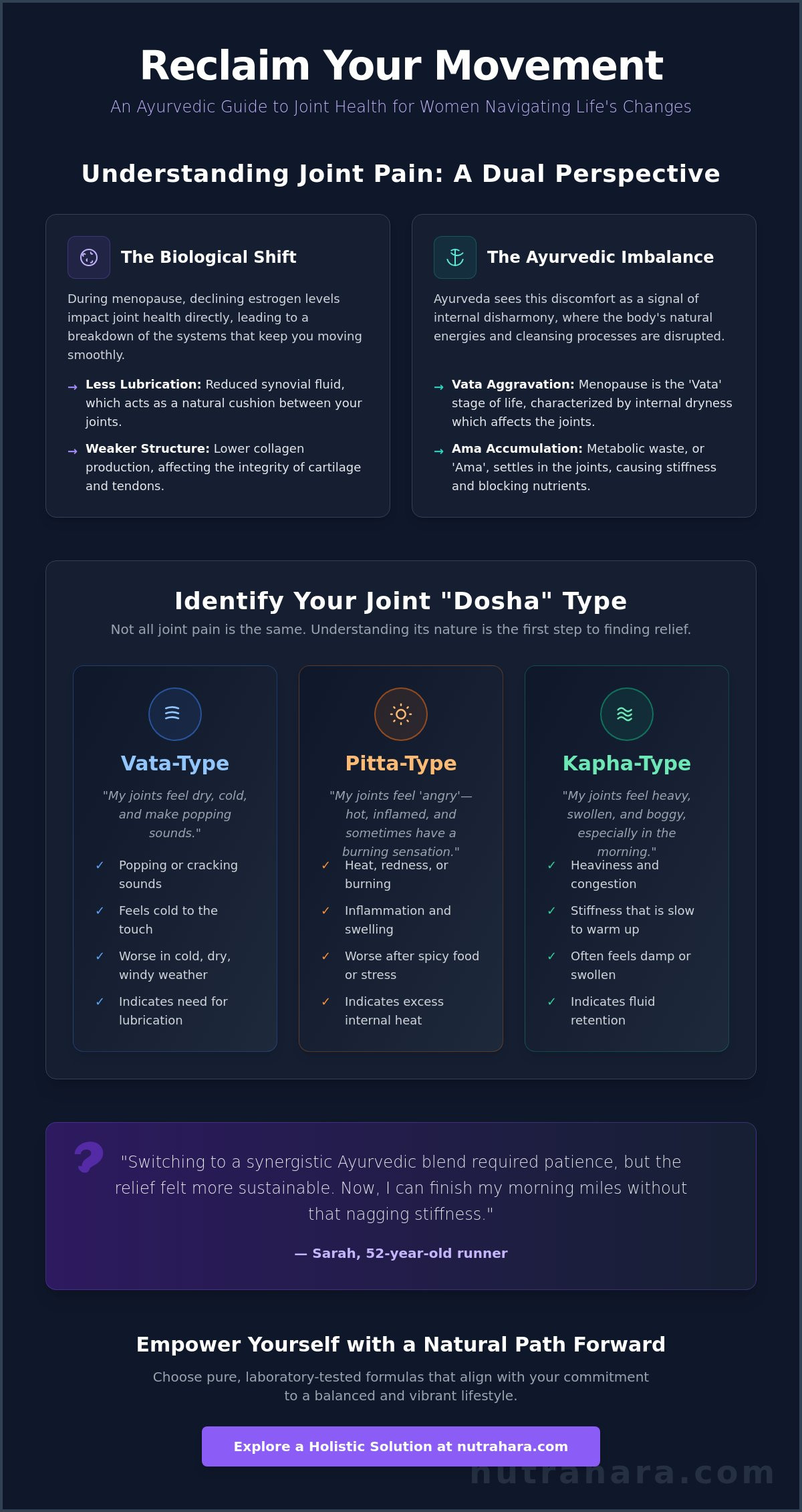
Categories
Articles

Ayurvedic Herbs for Regular Periods: A Natural Guide to Hormonal Balance

Does the unpredictability of your menstrual cycle leave you feeling frustrated and disconnected from your body’s natural rhythm? If you’re searching for a gentle, effective alternative to conventional treatments and their potential side effects, you are not alone. Your wellness journey towards hormonal balance can begin by exploring the ancient wisdom of Ayurveda. The use of ayurvedic herbs for regular periods is a time-honored practice, offering a natural path to restoring harmony from within.

Alongside herbal remedies, specialized nutritional therapy can provide targeted Fertility support by addressing the dietary foundations of hormonal balance and reproductive wellness.

In this guide, we bridge ancient science with modern understanding to empower you with knowledge. You will discover the most effective, purity-tested herbs that gently encourage a predictable cycle and reduce period-related discomfort. We’ll also explore simple, holistic lifestyle practices that support your overall well-being, helping you feel confident and in tune with your body. Prepare to embark on a path to achieving a naturally regular, healthy cycle.

Key Takeaways

  • Understand your menstrual cycle as a reflection of your overall well-being and learn why Ayurveda views irregularity as a sign of a deeper imbalance.
  • Discover the top 5 rejuvenating ayurvedic herbs for regular periods that work naturally to help balance hormones and nourish your body’s tissues.
  • Learn how to amplify the benefits of herbs by integrating simple Ayurvedic daily and seasonal routines into your lifestyle for lasting results.
  • Receive practical guidance on how to choose pure, potent, and ethically sourced herbal supplements for a safe and effective wellness journey.

Understanding Irregular Periods Through the Lens of Ayurveda

In the ancient wisdom of Ayurveda, your menstrual cycle, known as Artava, is much more than a monthly occurrence-it’s a vital sign of your overall health. Think of it as a clear reflection of your inner harmony and well-being. When your cycle becomes irregular, it’s not simply an inconvenience; it’s a gentle signal from your body that a deeper imbalance needs your attention. The holistic science of Ayurveda views health through the lens of three fundamental energies, or Doshas: Vata, Pitta, and Kapha. These energies govern all our physiological and psychological functions. Understanding how they influence your unique cycle is the foundational step on your wellness journey toward balance and finding the right supportive ayurvedic herbs for regular periods.

The Role of Vata Dosha in Your Cycle

Vata, composed of the elements air and ether, governs all movement in the body, including the downward flow of menstruation. When Vata is in excess, this natural rhythm can become erratic and unpredictable. This imbalance often leads to a cycle that is irregular, with a scanty, dark, and sometimes painful flow. You might also experience related symptoms like lower back pain, constipation, anxiety, and a feeling of being ungrounded during your cycle.

How Pitta and Kapha Imbalances Manifest

Pitta and Kapha doshas also play crucial roles in maintaining a healthy menstrual cycle. Each imbalance presents a unique set of symptoms:

  • Pitta Imbalance: Governed by fire and water, excess Pitta often manifests as heat and intensity. This can lead to heavy bleeding, inflammation, breast tenderness, acne breakouts, and emotional symptoms like irritability or anger before your period.
  • Kapha Imbalance: Rooted in earth and water, a Kapha imbalance creates qualities of heaviness and stagnation. This may result in long or delayed cycles, significant bloating, water retention, and a pervasive sense of lethargy.

Identifying your unique doshic imbalance is the key to personalizing your approach. It empowers you to tailor your lifestyle and select the most effective ayurvedic herbs for regular periods that will bring your body back into its natural rhythm.

Top 5 Ayurvedic Herbs to Regulate Your Menstrual Cycle

In the world of Ayurveda, certain botanicals are revered as Rasayanas-powerful rejuvenating tonics that nourish the body from within. Rather than forcing a specific outcome, these herbs work holistically to restore balance to your system. They support your wellness journey by nourishing reproductive tissues, promoting hormonal harmony, and helping your body adapt to stress. This gentle, supportive approach is what makes ayurvedic herbs for regular periods a cornerstone of holistic women’s health.

The efficacy of these traditional botanicals is increasingly recognized, with a comprehensive scientific literature review highlighting the role of various Ayurvedic herbs in supporting female reproductive wellness. Here are five of the most celebrated herbs for regulating your menstrual cycle.

Ashwagandha (Withania somnifera): The Stress Adaptogen

Known as a premier adaptogen, Ashwagandha helps your body build resilience to physical and emotional stress. Chronic stress elevates cortisol, a hormone that can directly interfere with the delicate balance of hormones needed for a regular cycle. Ashwagandha supports the entire endocrine system, including thyroid function, creating a stable foundation for menstrual health. For optimal efficacy, consider a formula like Nutrahara’s Ashwagandha with Black Pepper, which enhances absorption.

Shatavari (Asparagus racemosus): The Queen of Herbs for Women

Shatavari is perhaps the most important rejuvenating tonic for the female reproductive system in Ayurveda. Considered a powerful hormonal balancer, it helps regulate estrogen levels and supports the healthy production of cervical mucus. Its cooling and moisturizing properties are especially beneficial for uterine health and can help manage dryness and cycle irregularities during perimenopause.

Lodhra (Symplocos racemosa): The Uterine Astringent

Traditionally celebrated for its ability to support a healthy menstrual flow, Lodhra is particularly useful for those experiencing excessive bleeding. Modern research suggests it helps regulate key pituitary hormones like FSH (follicle-stimulating hormone) and LH (luteinizing hormone), which are the master controls of the ovarian cycle. Its natural anti-inflammatory properties also help soothe and strengthen the uterine lining.

Ashoka (Saraca asoca): The Pain Reliever

The name Ashoka literally translates to “remover of sorrow,” a direct reference to its profound effect on women’s comfort and well-being. This remarkable herb possesses potent analgesic and anti-inflammatory properties, making it a go-to for alleviating painful periods (dysmenorrhea). It also helps tone the uterine muscles, promoting a healthy, regular flow and reducing discomfort.

Manjistha (Rubia cordifolia): The Blood Purifier

In Ayurveda, a healthy menstrual cycle depends on healthy blood. Manjistha is a premier blood and lymph purifier that helps remove natural toxins and reduce stagnation. By supporting clean and freely flowing blood, it helps prevent the blockages and imbalances that can lead to painful or irregular periods, promoting a smooth and comfortable cycle.

Important Note: While these ayurvedic herbs for regular periods have a long and trusted history of use, your body is unique. It is essential to consult with your healthcare professional or a qualified Ayurvedic practitioner before beginning any new supplement regimen to ensure it is the right choice for your personal health journey.

A Holistic Ayurvedic Lifestyle for Lasting Menstrual Health

While potent on their own, Ayurvedic herbs work best when they are part of a holistic approach to well-being. Ancient Ayurvedic science teaches that true, lasting health is built upon a foundation of supportive daily and seasonal routines, known as Dinacharya and Ritucharya. By aligning your life with these natural rhythms, you create a stable internal environment that supports hormonal balance, making ayurvedic herbs for regular periods significantly more effective.

Nourishing Your Body: The Ayurvedic Diet for Regular Cycles

What you eat directly nourishes the tissues responsible for a healthy menstrual cycle. Ayurveda emphasizes warm, cooked, and easily digestible foods to support your digestive fire (Agni) and reduce systemic stress. Simple additions can make a profound difference:

  • Healthy Fats: Incorporate grounding fats like ghee, avocado, sesame oil, and nuts to support hormone production.
  • Seed Cycling: Rotate between flax, pumpkin, sesame, and sunflower seeds throughout your cycle to provide specific micronutrients that support hormonal shifts.
  • Warming Spices: Add ginger, cinnamon, and turmeric to your meals to improve circulation and reduce inflammation.

Managing Stress and Supporting Your Nervous System

In Ayurveda, chronic stress is a primary cause of Vata imbalance, which can directly disrupt the menstrual cycle. Calming your nervous system is therefore non-negotiable for achieving regularity. Prioritize a consistent sleep schedule, aiming for bed by 10 p.m. to allow your body to rest and repair. Daily practices like meditation, deep breathing (pranayama), and gentle yoga can profoundly reduce stress levels. For those on a dedicated wellness journey, clinically studied complexes like FemmePower can offer comprehensive support for hormonal balance and stress resilience.

Gentle Movement and Self-Care Practices

How you move your body matters. While exercise is crucial, excessive, high-intensity workouts can increase Vata and create more stress, especially during your period. Opt for gentle, grounding movements like walking, swimming, or restorative yoga. A deeply nurturing Ayurvedic practice is Abhyanga, or self-oil massage with warm sesame oil, which calms the entire nervous system. Adopting these practices thoughtfully is key; understanding the context and safety of Ayurvedic medicine from trusted sources ensures you can confidently integrate this wisdom. These lifestyle shifts create the fertile ground where ayurvedic herbs for regular periods can truly flourish.

Ayurvedic Herbs for Regular Periods: A Natural Guide to Hormonal Balance

How to Choose and Use Ayurvedic Herbs Safely and Effectively

Embarking on a wellness journey with Ayurveda is a powerful step toward holistic balance. However, when it comes to herbal supplements, not all are created equal. To truly harness their benefits, it’s essential to choose products that honor the principles of purity, potency, and safety. This guide will empower you to make informed decisions for your health.

What to Look For in a Quality Supplement

The effectiveness of ayurvedic herbs for regular periods depends entirely on the quality of the formula. A clean, potent supplement is non-negotiable. Here’s what to prioritize:

  • Third-Party Testing: Look for supplements verified by an independent lab. This ensures they are free from contaminants like heavy metals, pesticides, and microbes.
  • GMP Certification: Good Manufacturing Practices (GMP) certification guarantees that the product was made in a facility following strict quality control standards from sourcing to bottling.
  • Standardized Extracts: This ensures a consistent and effective dose of the herb’s active compounds in every serving, providing you with reliable, predictable results.
  • Clean Ingredients: A quality supplement should be free from unnecessary fillers, binders, or artificial additives. Your body deserves pure, simple, and natural support.

Best Practices for Taking Ayurvedic Herbs

Integrating herbs into your daily routine is a gentle process of listening to your body. By following these best practices, you can support your cycle with wisdom and care:

  • Start with a Low Dose: Always begin with the lowest recommended dose to observe how your body responds before gradually increasing if needed.
  • Be Patient and Consistent: Ayurvedic remedies work holistically to restore balance. It may take two to three menstrual cycles to notice significant, lasting changes.
  • Consult a Professional: For personalized guidance tailored to your unique constitution (Prakriti), we recommend consulting with a qualified Ayurvedic practitioner or your healthcare provider.
  • Build a Strong Foundation: Herbs work best when complemented by essential nutrients. Consider a high-quality Vitamin B-Complex to support overall hormonal health and energy metabolism.

Choosing high-quality ayurvedic herbs for regular periods is an act of self-care. By prioritizing purity and following a mindful approach, you can confidently support your body’s natural rhythm and continue your wellness journey with a trusted partner in health. Explore our commitment to clean, clinically-backed formulas at nutrahara.com.

Embrace Your Natural Rhythm with Ayurvedic Wisdom

Restoring your menstrual cycle is a journey of reconnecting with your body’s innate wisdom. Ayurveda offers a profound perspective, viewing irregularities not as a problem, but as a doshic imbalance. By integrating powerful ayurvedic herbs for regular periods and adopting holistic lifestyle changes, you can gently guide your body back to its natural rhythm and achieve lasting hormonal balance.

At Nutrahara, we honor this connection between nature and science. Drawing on 40 years of expertise, our supplements are thoughtfully formulated by blending ancient Ayurveda with modern clinical research. We are committed to your well-being, using only clean, pure ingredients with no artificial additives to support your body’s needs.

Ready to find your balance? Explore Nutrahara’s line of women’s wellness supplements to begin your health journey. Your path to hormonal harmony and vibrant well-being is within reach.

Frequently Asked Questions

How long does it take for Ayurvedic herbs to regulate periods?

The timeline for seeing results can vary, as every woman’s body and wellness journey is unique. Generally, it may take two to three menstrual cycles of consistent use to notice a significant shift towards regularity. These natural herbs work gently to restore balance within the body’s systems. For lasting results, it is important to pair herbal support with a balanced lifestyle, allowing your body the time it needs to harmonize and heal.

Can I take Ayurvedic herbs if I am on birth control?

It is crucial to exercise caution when combining Ayurvedic herbs with hormonal birth control. Some herbs can influence hormone levels and may potentially interfere with the effectiveness of your contraception. To ensure your safety and well-being, we strongly recommend consulting with your healthcare provider or a qualified Ayurvedic practitioner. They can offer personalized guidance based on your specific health profile and help you make an informed decision for your body.

What are the main causes of irregular periods according to Ayurveda?

According to ancient Ayurveda science, irregular periods are often a sign of a dosha imbalance, particularly an aggravated Vata dosha. Vata governs movement in the body, including menstrual flow. Common factors that can disrupt this delicate balance include high levels of stress, improper diet, a lack of restful sleep, and excessive physical or mental strain. Restoring balance to the doshas is the primary goal of Ayurvedic treatment for menstrual irregularity.

Are there any side effects of taking herbs like Ashwagandha or Shatavari?

While herbs like Ashwagandha and Shatavari are generally well-tolerated, some individuals may experience mild side effects, such as digestive upset or drowsiness, especially at higher doses. It is essential to adhere to recommended dosages and to source high-quality, pure herbs from a trusted provider. As with any new supplement, we advise consulting with a healthcare professional to ensure it aligns with your unique health needs and to discuss proper usage.

Can lifestyle changes alone help regulate my period without herbs?

Yes, lifestyle adjustments are a foundational element of menstrual health and can significantly help regulate your cycle. Focusing on a balanced diet, managing stress through practices like yoga, and ensuring consistent sleep can restore your body’s natural rhythm. While some women achieve regularity through these changes alone, ayurvedic herbs for regular periods can provide powerful, targeted support to accelerate and sustain that balance on your wellness journey.

Is it safe to combine different Ayurvedic herbs for menstrual health?

In Ayurvedic tradition, herbs are often combined synergistically to enhance their benefits, and many classical formulas for women’s health are sophisticated blends. However, creating a safe and effective combination requires a deep understanding of each herb’s properties. We recommend using professionally formulated products or consulting with an Ayurvedic practitioner who can create a personalized blend tailored to your specific constitution and needs.

Article by

Nutrahara Team

We are a dedicated collective of nutrition scientists and naturopaths at Nutrahara, committed to advancing women's health through the fusion of ancient Ayurveda science and cutting-edge nutrition research. Our mission is to empower you with clean, simple, and scientifically validated wellness solutions so you can live your healthiest life. Connect with us to stay updated on the latest developments in holistic women's health and nature-based research.

Disclaimer

This article is not a substitute for medical advice. Please consult a healthcare professional before starting any supplement, especially if pregnant, nursing, taking medication, or managing health conditions.

Categories
Articles

Ayurvedic Treatment for Hormonal Imbalance: A Complete Guide to Restoring Harmony

Do you feel like you’re constantly battling your own body? If persistent fatigue, unpredictable mood swings, and a sense of being ‘off’ have left you feeling frustrated and unheard by conventional medicine, you are not alone. This wellness journey can feel isolating, especially when standard solutions offer little relief or come with unwelcome side effects. But what if the path to balance lies not in a prescription, but in the ancient wisdom of nature? Ayurveda offers a profound, holistic perspective, viewing these symptoms as signs of a deeper disharmony. An effective ayurvedic treatment for hormonal imbalance seeks to address the root cause, gently guiding your body back to its natural state of equilibrium.

In this complete guide, we will demystify Ayurveda’s approach, transforming what may seem complex into a clear, actionable plan for your well-being. You will discover powerful, clinically-studied herbs, simple dietary adjustments, and daily practices designed to restore your inner harmony. Prepare to feel empowered as you learn to listen to your body and reclaim your vitality, bridging the gap between ancient science and modern life to begin your journey back to balance.

Key Takeaways

  • Discover your dominant Dosha (Vata, Pitta, or Kapha) to understand the root cause of your hormonal symptoms and tailor your approach to healing.
  • Explore powerful adaptogenic and rejuvenating herbs that work with your body to gently and naturally restore hormonal equilibrium.
  • A holistic ayurvedic treatment for hormonal imbalance goes beyond supplements, incorporating specific foods and daily routines to support your digestive fire (Agni).
  • Learn how to begin your wellness journey with simple, consistent daily practices that create a powerful foundation for lasting hormonal harmony.

Understanding Hormonal Imbalance Through the Lens of Ayurveda

In modern medicine, we often see hormonal imbalance as a list of symptoms-fatigue, mood swings, or irregular cycles. Ancient Ayurveda science invites us to look deeper, viewing hormones not just as chemical signals, but as messengers of our body’s core metabolic energy, or Agni. This holistic perspective sees the body as an interconnected system where balance is key. By understanding hormonal imbalance through the lens of Ayurveda, we can move beyond managing symptoms and begin to address the root cause, embarking on a true wellness journey.

At the heart of this ancient wisdom are the three Doshas-Vata, Pitta, and Kapha. These bio-energetic forces govern all our physiological and psychological functions, including the delicate endocrine system responsible for hormone production. When our dominant Dosha is aggravated by diet, stress, or lifestyle, it creates a ripple effect that disrupts hormonal harmony.

What are the Doshas and How Do They Affect Hormones?

Your unique constitution determines how imbalances manifest. Identifying your dominant Dosha is a foundational step in finding an effective ayurvedic treatment for hormonal imbalance. Here’s how each Dosha aggravation can impact your well-being:

  • Vata Imbalance: Governed by air and ether, excess Vata can lead to dryness and irregularity. This may manifest as irregular or scanty periods, anxiety, insomnia, and constipation.
  • Pitta Imbalance: Composed of fire and water, aggravated Pitta creates excess heat. This often results in heavy or painful periods, skin inflammation like acne, irritability, and hot flashes.
  • Kapha Imbalance: The energy of earth and water, excess Kapha leads to heaviness and stagnation. This can cause weight gain, sluggish metabolism, fluid retention, and feelings of lethargy.

The Role of Agni (Digestive Fire) in Hormonal Health

Imagine your digestive system as a fire, or Agni. A strong Agni efficiently digests food, absorbs vital nutrients needed for hormone synthesis, and eliminates waste. However, when Agni is weak, food is not properly metabolized, creating a toxic residue called Ama. This Ama can clog the body’s channels (srotas), obstructing cellular communication and disrupting hormonal signals.

A healthy Agni is marked by a good appetite, feelings of lightness after meals, and consistent energy. Signs of a weak, imbalanced Agni include bloating, gas, fatigue, and a coating on the tongue. Restoring this digestive fire is paramount for lasting hormonal balance.

Powerful Ayurvedic Herbs for Natural Hormone Balance

Ancient Ayurveda science offers a profound understanding of botanical medicine. At the heart of this wisdom are rasayana (rejuvenating) and adaptogenic herbs, which help your body adapt to physical and emotional stressors to restore equilibrium. These powerful botanicals are often combined to create a synergistic effect, forming the foundation of a holistic wellness plan. For your health journey to be both safe and effective, it is essential to select high-quality, pure herbs free from contaminants.

Adaptogens for Stress and Cortisol Management

Chronic stress is a primary driver of hormonal disruption, elevating cortisol and throwing your system off balance. Managing cortisol is a foundational step in any ayurvedic treatment for hormonal imbalance. Ashwagandha (Withania somnifera) is Ayurveda’s most revered adaptogen for calming the nervous system. It works to modulate cortisol levels, which can lead to:

  • Sustained energy throughout the day
  • More restful and restorative sleep
  • A noticeable reduction in feelings of anxiety

To ensure you receive the full benefits of this herb, absorption is key. That’s why Nutrahara’s Ashwagandha with Black Pepper is formulated for enhanced bioavailability, delivering this powerful adaptogen effectively.

Herbs for Female Reproductive Health

Shatavari (Asparagus racemosus), often called the “queen of herbs,” is the foremost tonic for the female reproductive system. It gently nourishes and supports the body through every stage of a woman’s life. As a powerful phytoestrogen, it helps regulate menstrual cycles, support fertility, and ease menopausal symptoms like hot flashes. Modern scientific reviews increasingly validate these traditional uses, with research into powerful Ayurvedic herbs for natural hormone balance highlighting their efficacy in supporting women’s health.

Herbs for Liver Support and Detoxification

Your liver is a critical organ for hormonal health, responsible for metabolizing and clearing excess hormones from your body. When the liver is overburdened, hormonal imbalances can occur. Turmeric (Curcuma longa) is a celebrated anti-inflammatory herb that supports the liver’s natural detoxification pathways. By promoting healthy liver function, Turmeric ensures that hormones like estrogen are processed efficiently. Other cleansing herbs like Guduchi (Tinospora cordifolia) also play a vital role in this purification process.

The Ayurvedic Diet (Ahar): Eating for Hormonal Harmony

In ancient Ayurveda science, a profound principle guides our relationship with food: “You are not what you eat, but what you digest.” This wisdom places the focus on your digestive fire, or Agni, which transforms food into nourishment for your tissues and, crucially, your hormones. A strong Agni ensures nutrients are properly absorbed, while a weak one creates toxins (Ama) that can disrupt the delicate endocrine system. This dietary focus is a cornerstone of any effective ayurvedic treatment for hormonal imbalance. Modern institutions are also recognizing the value of this ancient system, with organizations like the Pituitary Network Association exploring the Ayurvedic approach to endocrinology and its emphasis on diet for hormonal well-being.

Foods to Favor for Hormonal Balance

To support your body’s natural rhythms, prioritize whole, sattvic (pure) foods that are easy to digest and rich in life force (prana). These clean and simple ingredients form the foundation of a hormone-balancing diet.

  • Healthy Fats: Nourish your brain and endocrine glands with high-quality fats like ghee (clarified butter), coconut oil, avocados, and soaked nuts and seeds.
  • Warm, Cooked Vegetables: Cooking vegetables makes them easier to digest, unlocking their nutrients. Focus on grounding root vegetables and vibrant leafy greens.
  • Whole Grains: Sustain your energy and stabilize blood sugar with easily digestible grains like basmati rice, quinoa, and cooked oats.
  • Warming Spices: Kindling your Agni is key. Incorporate anti-inflammatory spices like turmeric, ginger, cinnamon, and cumin to support digestion and reduce inflammation.

Foods to Reduce or Avoid

Just as important as what you add to your diet is what you limit. Certain foods can weaken Agni, create Ama, and directly interfere with hormonal harmony.

  • Processed Foods & Refined Sugar: These foods lack prana and can lead to inflammation and blood sugar spikes, placing stress on your adrenal glands.
  • Excessive Caffeine & Alcohol: Both can aggravate the Vata and Pitta doshas, contributing to anxiety, sleep disruption, and hormonal fluctuations.
  • Cold & Raw Foods: Icy drinks and large raw salads can extinguish your digestive fire, making nutrient absorption difficult and leading to bloating and gas.

The Six Tastes in Ayurveda

For a truly satisfying and nutritionally complete meal, Ayurveda recommends including all six tastes (Shad Rasa): Sweet, Sour, Salty, Pungent, Bitter, and Astringent. A meal that incorporates this full spectrum of flavors helps prevent cravings and ensures your body receives a wide range of essential nutrients. For example, a simple meal of lentil soup (astringent, sweet), with cooked kale (bitter), a squeeze of lime (sour), a pinch of mineral salt (salty), and spiced with ginger (pungent) creates perfect balance on your plate and in your body.

Restorative Lifestyle Practices (Vihar) for Lasting Balance

In the holistic science of Ayurveda, how you live your life is just as vital as what you eat. These lifestyle practices, known as Vihar, create a stable and nurturing environment for your body to heal and thrive. A cornerstone of any effective ayurvedic treatment for hormonal imbalance is establishing a predictable daily routine, or Dinacharya. This rhythm helps regulate your body’s internal clocks, which directly influence hormone production.

Remember, consistency is far more powerful than perfection. Integrating small, mindful habits into your day builds a strong foundation for resilience against modern-day stressors and burnout, which are often at the root of hormonal disruption.

Creating a Supportive Daily Routine (Dinacharya)

Aligning your body with the natural rhythms of the day provides profound stability. Start by waking early, ideally before sunrise, and drinking a glass of warm water to gently awaken your digestive system. Maintaining a consistent sleep-wake cycle is critical for regulating cortisol and melatonin. Finally, consider incorporating Abhyanga, a self-massage with warm sesame or coconut oil, to calm the nervous system and nourish your entire being.

Movement and Exercise for Your Dosha

Ayurveda teaches that the right exercise for you depends on your unique constitution, or dosha. The goal is to create balance, not exhaustion. Tailoring your movement helps pacify your dominant dosha and supports hormonal harmony.

  • Vata: Focus on gentle, grounding exercises that promote stability. Think slow-flow yoga, tai chi, and mindful walking in nature.
  • Pitta: Choose moderately intense activities that are also cooling to balance your inner fire. Swimming, hiking near water, or cycling on a shaded path are excellent choices.
  • Kapha: Opt for more vigorous and stimulating exercise to combat sluggishness. Brisk walking, dancing, cycling, and jogging can invigorate your body and mind.

Stress Management and Restful Sleep

Chronic stress is a primary antagonist to balanced hormones. Simple, daily practices to quiet the mind are non-negotiable. Introduce Pranayama (breathing exercises) like Nadi Shodhana (Alternate Nostril Breathing) for 5-10 minutes to instantly calm your nervous system. Even a short daily meditation can profoundly impact your stress response. While these practices are foundational, sometimes our bodies need extra help winding down. For those on their wellness journey seeking deeper rest, a natural, clinically-formulated supplement like RestoraSleep can support your body’s natural sleep cycle.

Ayurvedic Treatment for Hormonal Imbalance: A Complete Guide to Restoring Harmony

Your Ayurvedic Wellness Journey: Getting Started

Embarking on a new wellness journey can feel like a significant undertaking, but the path to hormonal harmony is paved with small, consistent steps, not giant leaps. The principles of Ayurveda are not about a quick fix; they are about a gentle rediscovery of your body’s innate wisdom and rhythm. As you begin, practice self-compassion. Listen to your body’s signals and choose one or two changes from this guide that feel most accessible and nurturing to you right now. This is your personal journey back to balance.

A Simple 3-Step Plan to Begin

To build momentum on your journey, we recommend starting with these three simple yet powerful actions. Committing to them for just one week can create a noticeable shift in your energy and well-being, laying the groundwork for deeper healing.

  • Nurture Your Digestion (Agni): In Ayurveda, your digestive fire, or Agni, is the cornerstone of all health. Weak digestion can lead to the buildup of toxins that disrupt hormonal function. Start your day by sipping warm water instead of cold, and add a slice of fresh ginger to your meals to gently stoke your metabolism and improve nutrient absorption.
  • Introduce One Supportive Herb: Adaptogenic herbs are nature’s gift for managing stress, a primary trigger for hormonal imbalance. Consider a clinically studied herb like Ashwagandha, renowned for its ability to promote calm, enhance resilience, and support the endocrine system.
  • Prioritize Restful Sleep: Your body repairs and regulates hormones while you sleep. Commit to a consistent bedtime for one week, aiming for 7-8 hours of rest. This simple rhythm helps regulate your circadian cycles and provides the deep restoration your body needs.

When to Seek Professional Guidance

While these foundational steps are empowering, a truly effective ayurvedic treatment for hormonal imbalance is deeply personal. For a comprehensive plan tailored to your unique mind-body constitution (Prakriti) and current imbalances (Vikriti), we strongly recommend consulting a qualified Ayurvedic practitioner.

It is also essential to discuss any new supplements with your healthcare provider, especially if you are pregnant, nursing, or managing existing health conditions. At Nutrahara, we are honored to be a partner on your wellness journey. We bridge ancient Ayurvedic science with modern research to create clean, simple formulas that you can trust. Support your body’s natural vitality with a targeted blend like FemmePower for overall vitality, expertly formulated to nourish and balance from within.

Embrace Your Journey to Hormonal Harmony

Restoring your body’s natural rhythm is a holistic process. As we’ve explored, true harmony is achieved not through a single fix, but by embracing the wisdom of Ayurveda. By integrating a nourishing diet (Ahar), restorative lifestyle practices (Vihar), and powerful herbs, you create a comprehensive ayurvedic treatment for hormonal imbalance that addresses the root cause. This path is about understanding and honoring your unique constitution to foster lasting well-being.

To support you on your wellness journey, we have meticulously crafted our formulas based on 40 years of expertise. At Nutrahara, we bridge ancient Ayurveda with modern nutrition research, using only clean, natural, and high-quality ingredients to create supplements you can trust. Take the next step with confidence. Explore our range of Ayurvedic supplements for women’s wellness.

Remember, every small, mindful choice is a powerful step toward reclaiming your vitality. Your journey to balance is a beautiful one, and you are fully equipped to walk it with strength and grace.

Frequently Asked Questions

How long does it take for Ayurvedic treatments for hormonal imbalance to work?

Your wellness journey is unique. Ayurveda is a holistic system that works to address the root cause of imbalance, not just the symptoms. While some women notice subtle shifts in energy and mood within a few weeks, achieving significant, lasting hormonal balance can take 3-6 months of consistent effort with herbs, diet, and lifestyle adjustments. Patience and dedication are key to allowing your body to gently and naturally restore its harmony.

Is it safe to take Ayurvedic herbs with my current medications?

Your safety is our highest priority. While our ingredients are natural, they are also potent and can interact with certain prescription medications. We strongly advise consulting with your healthcare provider or a qualified Ayurvedic practitioner before combining our supplements with your current treatment plan. This ensures a safe, coordinated, and effective approach to your health, honoring both modern research and ancient wisdom.

What is the single most important change I can make to balance my hormones?

While a truly holistic approach is best, one of the most powerful changes you can make is to regulate your sleep cycle. In Ayurveda, this is a core part of Dinacharya (daily routine). Going to bed by 10 PM and waking with the sun helps normalize cortisol rhythms, which profoundly impacts all other hormones. This simple, foundational practice supports your body’s innate intelligence and creates stability for your entire endocrine system.

Can Ayurveda help with hormonal issues like PCOS or endometriosis?

Yes, Ayurveda offers a comprehensive framework for managing complex conditions like PCOS and endometriosis. A personalized ayurvedic treatment for hormonal imbalance focuses on addressing the root cause by improving digestion (Agni), clearing toxins (Ama), and balancing the affected Doshas. Through specific herbal formulations, dietary plans, and stress management techniques, Ayurveda aims to reduce inflammation, regulate cycles, and restore harmony to the reproductive system.

How do I know which Dosha is out of balance?

Observing your symptoms is the first step. For example, excess Vata can manifest as anxiety, dry skin, and irregular periods. A Pitta imbalance may show up as irritability, acne, and heavy bleeding. Kapha imbalance often presents as weight gain, lethargy, and fluid retention. For an accurate diagnosis of your unique constitution (Prakriti) and current imbalance (Vikriti), we recommend consulting a qualified Ayurvedic practitioner.

Are Nutrahara’s supplements third-party tested for purity and quality?

Absolutely. At Nutrahara, our commitment to quality is unwavering. Every batch of our clinically-formulated supplements undergoes rigorous third-party testing to verify purity, potency, and safety. We ensure our products are free from heavy metals, pesticides, and other contaminants. This fusion of ancient Ayurvedic science with cutting-edge quality control allows us to deliver clean, simple, and trustworthy support for your wellness journey.

Article by

Nutrahara Team

We are a dedicated collective of nutrition scientists and naturopaths at Nutrahara, committed to advancing women's health through the fusion of ancient Ayurveda science and cutting-edge nutrition research. Our mission is to empower you with clean, simple, and scientifically validated wellness solutions so you can live your healthiest life. Connect with us to stay updated on the latest developments in holistic women's health and nature-based research.

Disclaimer

This article is not a substitute for medical advice. Please consult a healthcare professional before starting any supplement, especially if pregnant, nursing, taking medication, or managing health conditions.
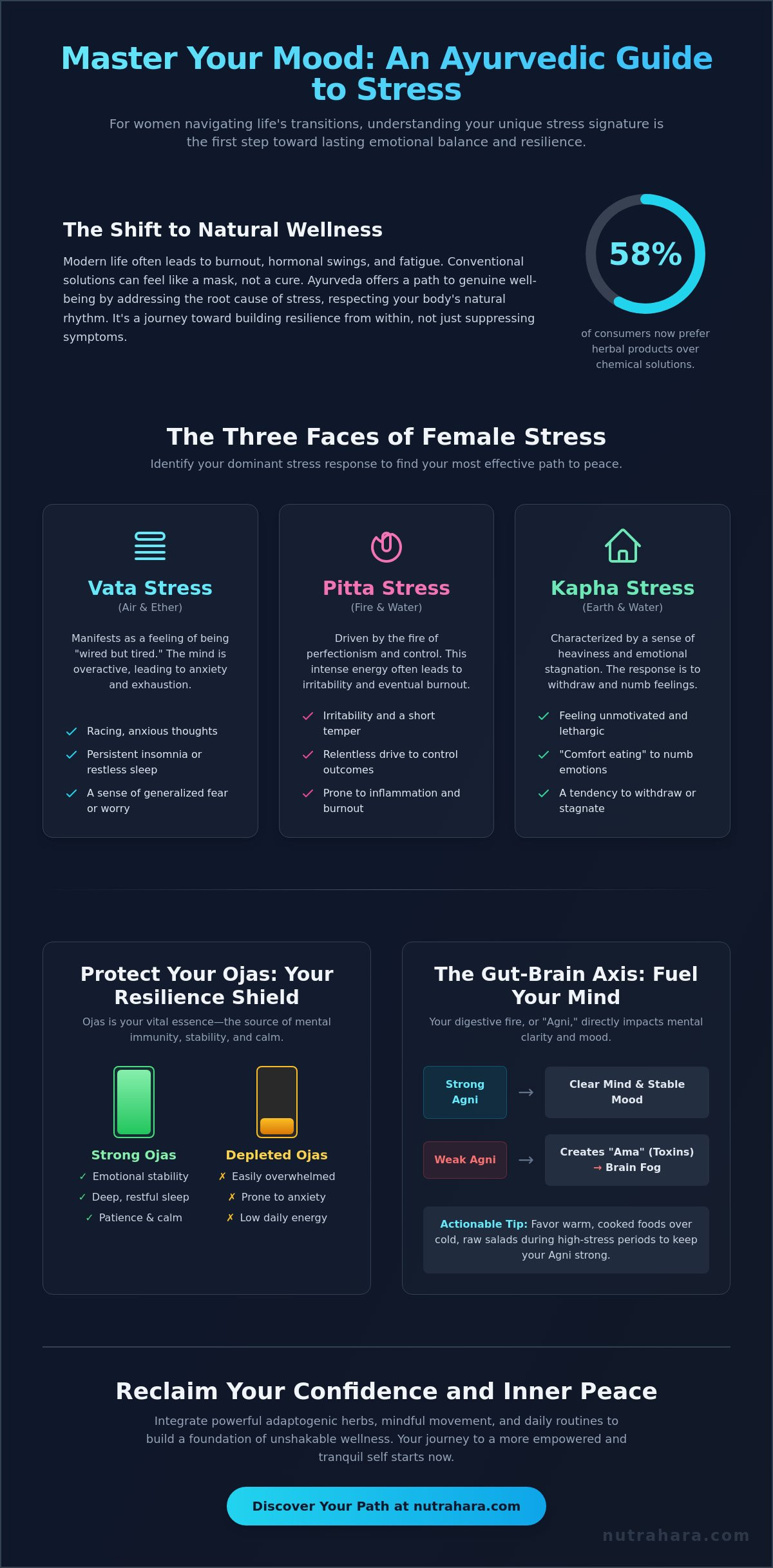
Categories
Articles

Natural Remedies for Menstrual Cramps: A Holistic Guide to Lasting Relief

That familiar monthly ache arrives, disrupting your life and leaving you reaching for a pill bottle you’d rather avoid. If you feel overwhelmed by conflicting advice and want to address the root cause of your discomfort, you are not alone. Your wellness journey deserves more than a temporary fix. It’s time to explore effective natural remedies for menstrual cramps that work in harmony with your body, not against it, offering a path to genuine, lasting relief.

This holistic guide is designed to empower you with knowledge and practical solutions. By bridging the wisdom of ancient Ayurveda with the clarity of modern, evidence-based research, we will help you navigate your path to a more balanced cycle. You will discover powerful anti-inflammatory herbs, simple dietary shifts, and gentle lifestyle rituals that can significantly reduce the severity of period pain. Prepare to feel more in control of your menstrual health and embrace a future of greater comfort and well-being.

Key Takeaways

  • Incorporate gentle lifestyle rituals, like targeted heat therapy and mindful movement, to provide both immediate comfort and long-term resilience against period pain.
  • Learn how to harness the power of an anti-inflammatory diet to address the root cause of pain by naturally balancing your body’s prostaglandins.
  • Explore clinically-researched herbs and nutrients, some of the most effective natural remedies for menstrual cramps, that work synergistically to soothe discomfort.
  • Understand your cycle through the lens of Ayurveda and discover how balancing the Vata dosha can lead to a calmer, more comfortable period.

Understanding Menstrual Cramps: The Science Behind the Pain

For many women, menstrual cramps are a recurring part of their monthly cycle. But on your wellness journey, understanding the science behind this discomfort is the first step toward finding lasting relief. By demystifying what happens inside your body, you can feel empowered to choose effective natural remedies for menstrual cramps that work in harmony with your natural rhythms. While discomfort is common, severe pain is not something you simply have to endure.

The experience of period pain is rooted in your body’s biology. Each month, your uterus builds up a nutrient-rich lining in preparation for a potential pregnancy. When pregnancy doesn’t occur, this lining is shed. The process is driven by powerful chemical messengers and muscular contractions, which are the source of the cramping sensation.

The Role of Prostaglandins

At the heart of menstrual pain are hormone-like compounds called prostaglandins. Your uterine lining produces these substances to signal the uterus to contract and shed its lining. While this is a necessary process, an overproduction of prostaglandins can lead to more frequent and intense contractions, temporarily reducing blood flow and causing pain. Modern research shows that many holistic solutions, including certain herbs and dietary changes, have natural anti-inflammatory properties that can help balance prostaglandin levels and soothe discomfort.

Primary vs. Secondary Dysmenorrhea

The medical term for painful periods is dysmenorrhea. For a deeper scientific look, understanding dysmenorrhea can be very insightful, as it is generally categorized into two types:

  • Primary Dysmenorrhea: This is the most common type of menstrual pain. It is not caused by another health condition and typically begins within a few years of your first period.
  • Secondary Dysmenorrhea: This pain is a symptom of an underlying disorder in the reproductive organs, such as endometriosis, uterine fibroids, or pelvic inflammatory disease. It often starts later in life and may worsen over time.

It is vital to listen to your body. If your pain is severe, disrupts your daily life, or has recently changed, consulting a doctor is a critical step in caring for your long-term well-being and finding the right natural remedies for menstrual cramps for your unique situation.

Soothing Lifestyle Rituals for Immediate & Long-Term Relief

Your wellness journey is a holistic one, and finding comfort during your cycle goes beyond what you eat. Some of the most profound natural remedies for menstrual cramps are woven into your daily rituals. By integrating simple, conscious habits, you can provide your body with both immediate comfort and long-term resilience, creating a more balanced and harmonious menstrual experience.

Harnessing the Power of Heat and Gentle Movement

Applying gentle warmth is a cornerstone of evidence-based cramp relief. Heat therapy works by relaxing the contracting muscles of the uterus and improving blood flow to the abdomen, which can significantly reduce pain. Try placing a heating pad or hot water bottle on your lower belly, or indulge in a warm bath with Epsom salts to soothe muscle tension. Complement this with gentle movement like yoga, light stretching, or a calm walk. These activities release endorphins, your body’s natural painkillers, offering another layer of relief.

Prioritizing Rest and Stress Management

Chronic stress can amplify period pain by increasing levels of cortisol, a hormone that promotes inflammation. Integrating stress-management practices is a vital, preventative step. Simple yet powerful techniques include:

  • Mindful Breathing: Dedicate five minutes to slow, deep belly breaths to calm your nervous system.
  • Journaling: Expressing your thoughts can release emotional tension that contributes to physical discomfort.
  • Adaptogenic Support: Adaptogens are herbs that help the body manage stress. For stress-related tension, consider a supplement like Ashwagandha with Black Pepper for balance and resilience.

The Importance of Quality Sleep

Sleep is when your body repairs itself, and a lack of it can lower your pain threshold and worsen inflammation. Prioritizing 7-9 hours of quality sleep is one of the most restorative things you can do for your body. To improve your sleep hygiene, try to maintain a consistent sleep schedule, create a cool and dark environment, and avoid screens before bed. If falling or staying asleep is a challenge during your cycle, a natural aid like RestoraSleep can support a healthy, restful night.

The Anti-Inflammatory Diet: Eating for a Calmer Cycle

On your wellness journey, viewing food as medicine is a powerful step toward holistic balance. The foods you choose can either soothe inflammation or fuel it, directly impacting the intensity of menstrual cramps. Many period-related pains are linked to prostaglandins-hormone-like compounds that trigger uterine muscle contractions. An anti-inflammatory diet is one of the most effective natural remedies for menstrual cramps because it helps regulate these compounds, leading to a calmer, more comfortable cycle.

Foods That Fight Period Pain

Incorporating specific nutrient-dense foods can create a foundation for menstrual well-being. Focus on ingredients that are clinically studied for their anti-inflammatory properties:

  • Omega-3 Fatty Acids: Found in salmon, walnuts, chia seeds, and flax seeds, these healthy fats are proven to help reduce the production of inflammatory prostaglandins.
  • Antioxidant-Rich Fruits & Vegetables: Berries, oranges, and leafy greens like spinach and kale are packed with antioxidants that fight oxidative stress and calm inflammation throughout the body.
  • Powerful Spices: Ginger and turmeric are celebrated in both ancient Ayurveda and modern research for their potent anti-inflammatory and pain-relieving effects. Try adding them to teas, soups, or smoothies.

Key Vitamins and Minerals for Menstrual Health

Beyond whole foods, certain micronutrients are essential for a smooth cycle. Modern research increasingly supports the role of diet in managing menstrual symptoms, with experts highlighting various herbal and supplement options that complement a healthy diet. Key nutrients include:

  • Magnesium: Often called nature’s muscle relaxant, magnesium helps ease uterine contractions. Find it in dark chocolate, avocados, nuts, and seeds.
  • B Vitamins: Crucial for energy production and hormone regulation, B vitamins support your body’s overall balance. They are abundant in whole grains, eggs, and legumes. For comprehensive support, a high-quality Vitamin B-Complex can help ensure you meet your daily needs.

Foods to Limit During Your Period

Just as some foods can heal, others can hinder your progress. During your period, consider reducing your intake of foods known to promote inflammation and worsen discomfort:

  • Sugar and Processed Foods: Refined sugars and processed snacks can spike inflammation and disrupt hormonal balance.
  • Excessive Caffeine: While a morning coffee is fine for some, too much caffeine can constrict blood vessels and increase tension, potentially intensifying cramps.
  • High-Salt Foods: Excess sodium leads to water retention and bloating, adding to feelings of discomfort.

A simple swap, like replacing a sugary soda with a soothing ginger tea or choosing fresh fruit over a packaged snack, can make a significant difference in your well-being.

Powerful Herbs & Supplements: Nature’s Support System

While a balanced diet provides the foundation for hormonal health, sometimes your body needs more targeted support during your cycle. Bridging the gap between nutrition and relief, specific herbs and supplements are some of the most effective natural remedies for menstrual cramps. Rooted in both ancient wisdom and modern clinical research, these ingredients work with your body to restore balance and ease discomfort.

Drawing from nature’s abundance, these allies offer a gentle yet powerful approach to managing period pain. Here are some of the most well-researched botanicals and minerals for your wellness journey.

Clinically-Studied Herbal Allies

For centuries, traditional medicine has relied on botanicals for women’s health. Modern science now confirms their benefits:

  • Ginger: This warming root is known for its ability to lower levels of pain-causing prostaglandins, compounds that trigger uterine contractions.
  • Turmeric (Curcumin): Curcumin, the active compound in turmeric, is a potent anti-inflammatory that helps calm the uterine environment and significantly reduce the severity of cramping.
  • Cinnamon: Studies suggest that cinnamon can help ease not only pain but also associated symptoms like nausea and heavy bleeding, making it a comprehensive ally for your cycle.

Essential Minerals for Muscle Relaxation

Menstrual cramps are, at their core, muscle contractions. Key minerals are essential for proper muscle function and relaxation:

  • Magnesium Glycinate: A highly absorbable and gentle form of magnesium, this mineral is crucial for relaxing the smooth muscles of the uterus, directly easing painful cramps.
  • Zinc: This vital mineral has anti-inflammatory properties and plays an important role in regulating the entire menstrual cycle and supporting overall hormonal balance.
  • Calcium: Working in harmony with magnesium, calcium helps regulate muscle contractions and can contribute to reduced pain intensity during menstruation.

Formulated for Feminine Wellness

While each of these ingredients is beneficial on its own, their true power is often unlocked through synergy. A targeted, multi-ingredient formula can offer comprehensive support by addressing pain and inflammation from multiple angles. This holistic approach is central to providing effective, natural relief.

A specialized blend like FemmePower is thoughtfully formulated to combine these key herbs and nutrients, creating a synergistic effect that supports a comfortable and balanced cycle. At Nutrahara, we are committed to clean, pure, and effective solutions that empower you on your wellness journey.

Natural Remedies for Menstrual Cramps: A Holistic Guide to Lasting Relief

Ancient Wisdom for Modern Cycles: An Ayurvedic Perspective

For over 5,000 years, Ayurveda-the ancient holistic health system of India-has offered profound insights into women’s health. At Nutrahara, we bridge this timeless knowledge with modern research to support your well-being. From an Ayurvedic viewpoint, menstrual pain isn’t an illness to be suppressed, but a signal from your body indicating an imbalance. By understanding these signals, you can work in harmony with your cycle to find lasting relief.

Understanding Vata Dosha and Your Cycle

In Ayurveda, everything is governed by three fundamental energies, or doshas. Menstrual cramps are primarily seen as an imbalance of Vata dosha, the energy of movement and the nervous system. When Vata becomes aggravated, it can manifest as coldness, dryness, and constriction-the very qualities that create sharp, spasmodic pain. The goal of Ayurvedic care is to calm and ground this turbulent energy, especially in the days leading up to and during your period.

Simple Ayurvedic Rituals for Pain Relief

Integrating simple, time-tested practices into your routine can offer significant comfort. These rituals are powerful natural remedies for menstrual cramps because they directly address the Vata imbalance at its source.

  • Abhyanga (Warm Oil Massage): Gently massage your lower abdomen and back with warm sesame oil in a slow, clockwise motion for 5-10 minutes. This practice is deeply grounding; it soothes the nervous system, warms the muscles, and helps release painful constriction.
  • Calming Herbal Teas: Sip on warm, digestive teas throughout the day. A classic blend is CCF tea, made by steeping cumin, coriander, and fennel seeds in hot water. Ginger or ajwain (carom seed) tea are also excellent for easing cramps and bloating.
  • Nourishing, Warm Foods: Support your body with meals that are warm, moist, and easy to digest. Favor comforting foods like soups, stews, kitchari, and well-cooked grains. Avoid cold, raw, or dry foods like salads and crackers, as they can aggravate Vata and worsen discomfort.

By embracing these gentle Ayurvedic principles, you empower yourself to transform your monthly cycle from a time of pain into a period of rest and rejuvenation. This approach is a cornerstone of a truly holistic wellness journey. To learn more about how ancient wisdom can support your modern cycle, explore our philosophy at nutrahara.com.

Your Journey to a More Peaceful Period Starts Now

Finding lasting relief from period pain is not about a single quick fix, but about embracing a holistic lifestyle. As we’ve explored, combining soothing rituals, an anti-inflammatory diet, and the wisdom of ancient traditions like Ayurveda creates a powerful foundation for comfort. By integrating these effective natural remedies for menstrual cramps, you empower yourself to work in harmony with your body’s natural rhythms rather than against them.

Supporting your body on this path is our guiding principle at Nutrahara. Begin your wellness journey and explore our Women’s Health collection. Each supplement is thoughtfully formulated by experts, blending ancient Ayurveda with modern science. We are committed to using only clean, natural, and clinically-studied ingredients-a promise trusted by thousands of women on their path to wellness.

Remember, a more comfortable and balanced cycle is within your reach. You have the power to nurture your well-being, one step at a time.

Frequently Asked Questions About Natural Period Pain Relief

How long does it take for natural remedies for menstrual cramps to work?

The time it takes for natural remedies to work varies. Acute solutions like applying a heating pad or drinking ginger tea can offer relief within 30-60 minutes. However, foundational strategies such as dietary changes or starting supplements like magnesium require consistency. You may notice improvements over one to three menstrual cycles as your body adapts to this holistic support. Patience is a key part of this wellness journey, allowing your body to find its balance.

Can I combine natural remedies with over-the-counter pain medication?

In many cases, it is safe to combine natural approaches with over-the-counter (OTC) pain medication, but consulting your healthcare provider is essential. Gentle methods like using a warm compress, light stretching, or sipping chamomile tea are unlikely to interfere with medications like ibuprofen. Your doctor can provide personalized advice to ensure your approach is both safe and effective, creating a comprehensive plan for your comfort and well-being on your health journey.

Are there any supplements I should avoid during my period?

While many supplements are beneficial, it’s wise to be cautious with certain ones during your period without medical guidance. Some supplements, such as ginkgo biloba, high-dose fish oil, or dong quai, may have blood-thinning properties that could potentially increase menstrual flow. Always consult with your healthcare practitioner before adding new supplements to your routine, especially if you have heavy periods or are taking other medications, to ensure purity and safety.

How can I tell if my period pain is severe enough to see a doctor?

It is important to listen to your body and seek medical advice if your period pain is debilitating. Schedule an appointment with your doctor if the pain consistently forces you to miss work or school, isn’t relieved by OTC medication, or is accompanied by heavy bleeding, nausea, or vomiting. Worsening pain from one cycle to the next is another key indicator that a professional evaluation for underlying conditions like endometriosis is necessary.

Can diet changes really make a significant difference for menstrual cramps?

Yes, dietary changes can make a profound difference. Adopting an anti-inflammatory diet is one of the most effective strategies for managing cramps. Focus on incorporating foods rich in magnesium like leafy greens and omega-3s found in salmon and walnuts, which help relax uterine muscles and reduce inflammation. Simultaneously, minimizing processed foods, refined sugars, and excessive caffeine can significantly decrease the severity of cramps over time, supporting your body’s natural balance.

Is it safe to exercise when I have period cramps?

It is not only safe but often beneficial to engage in gentle exercise when you have period cramps. Activities like walking, restorative yoga, or light stretching can boost circulation and trigger the release of endorphins, your body’s natural pain relievers. The key is to listen to your body and choose movements that feel supportive, not strenuous. This approach honors your energy levels while actively working to ease discomfort and enhance your overall well-being.

Article by

Nutrahara Team

We are a dedicated collective of nutrition scientists and naturopaths at Nutrahara, committed to advancing women's health through the fusion of ancient Ayurveda science and cutting-edge nutrition research. Our mission is to empower you with clean, simple, and scientifically validated wellness solutions so you can live your healthiest life. Connect with us to stay updated on the latest developments in holistic women's health and nature-based research.

Disclaimer

This article is not a substitute for medical advice. Please consult a healthcare professional before starting any supplement, especially if pregnant, nursing, taking medication, or managing health conditions.

Categories
Articles

Signs of Hormonal Imbalance in Women: A Complete Wellness Guide

Do you ever feel like you’re not quite yourself? Perhaps it’s the persistent fatigue, the unpredictable moods, or the stubborn weight that just won’t budge. For too long, these subtle yet significant shifts have been dismissed as simply ‘part of being a woman.’ But what if your body is sending you a clear message? These experiences are often the key signs of hormonal imbalance in women, a common but frequently misunderstood aspect of female health. You deserve to feel validated, understood, and empowered on your wellness journey.

This complete wellness guide is here to be your trusted partner. Drawing from the timeless wisdom of Ayurveda and modern scientific research, we will help you decode your body’s signals. You will learn to confidently recognize the symptoms of hormonal shifts and discover holistic, natural ways to support your body’s delicate equilibrium. It’s time to move beyond confusion, regain a sense of control over your health, and find your way back to a vibrant, balanced state of well-being.

Key Takeaways

  • Learn what key female hormones do and why their fluctuations are a natural part of your wellness journey.
  • Discover the top physical, mental, and cyclical signs of hormonal imbalance in women to gain greater self-awareness.
  • Explore gentle, holistic strategies for nutrition and lifestyle that can help you naturally support your body’s equilibrium.
  • Understand the key indicators that suggest it’s time to seek professional guidance, empowering you to take the next step in your care.

What is a Hormonal Imbalance? Understanding Your Body’s Key Messengers

Think of your hormones as a sophisticated communication network, a team of chemical messengers that travel through your bloodstream to tissues and organs. They are fundamental to your well-being, orchestrating everything from your mood and metabolism to your reproductive cycles. This intricate system, known as the endocrine system, is designed to work in beautiful harmony, guiding your body through every stage of your wellness journey.

A hormonal imbalance occurs when this delicate harmony is disrupted-when you have too much or too little of a specific hormone. It is not a single condition, but rather a state of disequilibrium. While minor fluctuations are a normal, healthy part of a woman’s monthly cycle, a persistent imbalance can lead to a cascade of symptoms. Understanding these disruptions is the first step in recognizing the common Endocrine diseases and the more subtle signs of hormonal imbalance in women that can impact daily life.

For women, several key hormones play starring roles in this biological symphony:

  • Estrogen & Progesterone: The primary female sex hormones.
  • Testosterone: Present in smaller amounts, but vital for libido and energy.
  • Cortisol: The body’s main stress hormone.
  • Thyroid Hormones: The regulators of your metabolism.

The Role of Estrogen and Progesterone

Estrogen and progesterone work together in a delicate dance throughout the menstrual cycle. Estrogen helps build the uterine lining and plays a crucial role in maintaining bone density, cognitive function, and mood. Progesterone, often called the “calming” hormone, prepares the body for pregnancy and helps ensure restful sleep. When their balance is optimal, you feel vibrant and centered; when it’s off, your entire system can feel out of sync.

Cortisol and Thyroid: The Energy & Stress Regulators

Beyond reproductive health, other hormones are essential for your vitality. Cortisol governs your ‘fight or flight’ response. While useful in short bursts, chronic stress leads to consistently high cortisol, which can disrupt sleep, appetite, and sex hormone production. Similarly, your thyroid hormones (T3 and T4) act as the body’s metabolic engine, controlling energy levels and temperature. An imbalance here can mimic or worsen the signs of hormonal imbalance in women, making you feel exhausted or anxious.

10 Common Signs of Hormonal Imbalance You Shouldn’t Ignore

Your body is in constant communication with you, and learning to listen to its signals is a vital part of your wellness journey. While it’s normal for hormones to fluctuate, a persistent pattern of symptoms can indicate a deeper imbalance. Think of the following list not as a diagnosis, but as a tool for self-awareness. Recognizing these common signs of hormonal imbalance in women is the first empowering step toward restoring your body’s natural harmony.

Physical and Appearance-Based Signs

Your external appearance often provides the first clues to your internal hormonal environment. These physical shifts can be some of the most visible indicators that something is off-balance.

  • Persistent Acne: Breakouts that are cystic, painful, and concentrated along the jawline and chin are often linked to an excess of androgens (male hormones).
  • Unexplained Weight Gain: If you’re struggling with stubborn weight, especially around your midsection, it could be related to imbalances in insulin, cortisol, or thyroid hormones.
  • Hair and Skin Changes: Noticeable hair thinning on your head or, conversely, excessive hair growth on your face, chest, or back (hirsutism) can be related to conditions like Polycystic Ovary Syndrome (PCOS). Your skin’s health is also a mirror; new dryness or sensitivities may indicate a shift. Supporting your skin’s foundational structure with targeted nutrients, like those in our Premium Collagen Complex, can help restore its natural resilience.

Energy, Mood, and Sleep-Related Signs

Because hormones act as chemical messengers for your brain, an imbalance can profoundly impact your mental and emotional well-being, leaving you feeling unlike yourself.

  • Chronic Fatigue: This is a deep, persistent exhaustion that isn’t resolved by a full night’s sleep.
  • Mood Swings and Irritability: Feeling anxious, irritable, or experiencing sudden waves of sadness can be tied to fluctuations in estrogen and progesterone.
  • Poor Sleep: Difficulty falling asleep, staying asleep, or waking up feeling unrefreshed are classic signs that your sleep-regulating hormones are disrupted.
  • Brain Fog: If you struggle with concentration, memory, or a feeling of mental cloudiness, your hormones could be the underlying cause.

Menstrual and Reproductive Health Signs

Your menstrual cycle is one of the clearest indicators of your hormonal health, making it a critical area to observe for signs of hormonal imbalance in women.

  • Irregular Cycles: Periods that are unpredictable, missed, or excessively frequent signal a disruption in the delicate hormonal dance that governs your cycle.
  • Severe PMS: While mild premenstrual symptoms are common, debilitating cramps, bloating, and mood changes that disrupt your life are not.
  • Low Libido: A sudden or persistent drop in your sex drive can be directly linked to low levels of estrogen or testosterone.

Why Do Hormones Fluctuate? Key Causes and Life Stages

Understanding the symptoms of hormonal imbalance is the first step, but true empowerment comes from knowing why these shifts occur. Your hormones are not static; they are dynamic chemical messengers designed to ebb and flow in response to your body’s needs. Your body’s intricate network of Hormones and the Endocrine System is constantly adapting. Some fluctuations are a completely natural and beautiful part of your life journey, while others are influenced by the world around you.

Natural Rhythms and Life Transitions

A woman’s body is designed for change. These biological transitions are powerful and purposeful, each bringing a unique hormonal landscape:

  • The Menstrual Cycle: The monthly dance of estrogen and progesterone is the most familiar hormonal rhythm. These predictable peaks and valleys govern your fertility and influence everything from your energy to your mood.
  • Pregnancy and Postpartum: To create and sustain new life, your body undergoes the most dramatic hormonal shifts imaginable. Levels of estrogen, progesterone, and other hormones soar during pregnancy and then plummet after birth, initiating a new phase of recalibration.
  • Perimenopause and Menopause: This natural transition marks the end of the reproductive years. The gradual decline in estrogen production can lead to many of the classic signs of hormonal imbalance in women as your body finds its new equilibrium.

The Impact of Modern Lifestyle

Beyond our innate biological cycles, our modern environment and daily habits play a significant role in our hormonal health. These external factors can disrupt your body’s delicate balance and contribute to feelings of unwellness.

  • Chronic Stress: Constant stress keeps cortisol levels high. This “fight-or-flight” hormone can suppress ovulation and disrupt the balance of other key hormones, including progesterone.
  • Diet and Gut Health: Your diet is a cornerstone of hormonal balance. Unstable blood sugar from processed foods and chronic inflammation can directly interfere with hormone production and signaling.
  • Lack of Quality Sleep: Rest is not a luxury; it’s a biological necessity. Poor sleep disrupts cortisol rhythms and imbalances the hunger hormones, ghrelin and leptin, affecting metabolism and cravings.
  • Environmental Toxins: Everyday products, from plastics to cosmetics, can contain endocrine-disrupting chemicals (EDCs) that mimic natural hormones and interfere with their function.

Recognizing these influences is a crucial step on your wellness journey. By understanding both the natural and lifestyle-driven causes, you can begin to support your body and navigate your path to holistic balance.

A Holistic Path to Balance: Nutrition, Lifestyle, and Natural Support

Recognizing the signs of hormonal imbalance in women is the first step on your wellness journey. The next is to empower yourself with gentle, sustainable practices that nurture your body’s innate wisdom. Rather than drastic overhauls, think of these as small, consistent acts of self-care that create profound, lasting change. This holistic approach honors the deep connection between how we eat, move, rest, and feel.

Nourishing Your Hormones Through Diet

The food on your plate provides the essential building blocks for your hormones. Focusing on whole, nutrient-dense foods is a powerful way to support balance from within. Prioritize these key areas:

  • Healthy Fats: Hormones are made from fat and cholesterol. Incorporate sources like avocados, nuts, seeds, and olive oil to provide the raw materials your body needs.
  • Fiber and Cruciferous Vegetables: Foods rich in fiber, especially from vegetables like broccoli, kale, and cauliflower, support healthy estrogen metabolism and promote gut health.
  • Quality Protein: Including lean protein with every meal helps stabilize blood sugar, preventing the energy crashes and mood swings that often accompany hormonal shifts. For robust energy conversion, a high-quality Vitamin B-Complex can provide essential support.

Managing Stress and Prioritizing Rest

Chronic stress is a primary disruptor of hormonal harmony, elevating cortisol and creating a domino effect across your endocrine system. Simple, mindful practices can help restore calm and resilience. Gentle movement like yoga or walking, a consistent sleep schedule of 7-9 hours, and daily moments of deep breathing can significantly lower stress levels. Ancient Ayurvedic science also offers support through adaptogens-herbs that help the body manage stress. A clinically studied herb like Ashwagandha, found in our Ashwagandha with Black Pepper formula, is a powerful ally for promoting tranquility.

Alongside these practices, carving out time for mental rest is just as vital. Getting lost in a captivating story is a powerful way to de-stress and escape daily pressures. For those looking to explore new fictional worlds, you can visit Wydawnictwo AORA and discover your next adventure.

The Role of Targeted Natural Supplements

While a healthy lifestyle is the foundation, targeted supplements can fill nutritional gaps and provide specific support where it’s needed most. Drawing from the wisdom of both ancient Ayurveda and modern research, certain herbs and nutrients can offer a gentle lift on your path to balance. For women seeking comprehensive support for vitality and well-being, a thoughtfully crafted formula like FemmePower combines natural ingredients to nurture your body’s delicate equilibrium. Explore our full range of clean, simple formulas at nutrahara.com.

Signs of Hormonal Imbalance in Women: A Complete Wellness Guide

When to Talk to Your Doctor: Seeking Professional Guidance

Understanding your body is a vital part of your wellness journey. While this article provides valuable information, it is intended for educational purposes and is not a substitute for professional medical advice. Recognizing the common signs of hormonal imbalance in women is the first step, but a formal diagnosis and treatment plan must come from a qualified healthcare provider.

Your body has an incredible wisdom of its own. Listen to it. We encourage you to schedule an appointment with your doctor if your symptoms are:

  • Persistent: They don’t resolve on their own and continue for several cycles.
  • Disruptive: They significantly impact your daily life, mood, or ability to function.
  • Sudden or Severe: You experience a rapid change in your health or well-being.
  • Concerning: You are trying to conceive or have any other specific health concerns.

Preparing for Your Doctor’s Appointment

To make your visit as productive as possible, you can become a proactive partner in your own healthcare. Before your appointment, consider tracking key information in a journal. Note the frequency and nature of your symptoms, the timing of your menstrual cycles, and any recent changes in your diet, stress levels, or sleep patterns. Writing down a few key questions will also ensure you leave with clarity and confidence.

What to Expect: Common Diagnostic Tests

Your doctor will begin with a thorough conversation about your health history and the symptoms you’ve been tracking. If they suspect a hormonal issue, they may recommend specific diagnostic tests. These often start with blood tests to measure levels of key hormones like Thyroid-Stimulating Hormone (TSH), Follicle-Stimulating Hormone (FSH), and estrogen. In some cases, an ultrasound may be used to look for physical indicators of conditions like PCOS. Remember, finding the root cause can sometimes be a process of elimination, and patience is a key part of the journey to a balanced lifestyle.

As you work with your provider to restore harmony, supporting your body with holistic care is essential. Learn more about our commitment to women’s health at nutrahara.com.

Your Path to Balanced Well-being

Understanding the various signs of hormonal imbalance in women is the first empowering step toward reclaiming your well-being. As we’ve explored, factors from nutrition and stress to natural life stages play a significant role in your body’s delicate harmony. The path to balance is a holistic one, combining mindful lifestyle choices with the wisdom of when to seek professional medical guidance.

As a trusted partner in your personal health journey, Nutrahara is here to support you. We formulate our products by bridging the ancient wisdom of Ayurveda with modern science, using only clean, natural, and clinically studied ingredients to help you find your equilibrium. Begin your wellness journey with our natural supplements for women.

Remember, achieving balance is a journey of self-care. You have the power to listen to your body, nurture your health, and embrace your vitality every day.

Frequently Asked Questions

How can I get my hormone levels tested?

To get your hormone levels tested, the first step is consulting with a healthcare provider, such as your primary doctor, a gynecologist, an endocrinologist, or a naturopathic clinic like Holistic Family Practice. They can recommend the most appropriate tests based on your symptoms. Common methods include blood tests, which measure circulating hormones, as well as saliva or urine tests that can provide a different snapshot of your hormone function. This initial consultation is a crucial step on your wellness journey to gain clarity and direction.

Can hormonal imbalance cause significant weight gain?

Yes, a hormonal imbalance can be a significant factor in unexplained weight gain. Hormones like cortisol, insulin, and thyroid hormones play a critical role in regulating your metabolism, appetite, and where your body stores fat. When these are out of sync, it can lead to a slower metabolism and increased fat storage, particularly around the midsection. Addressing the root hormonal cause is key to achieving and maintaining a healthy, balanced weight.

What foods are best for balancing female hormones?

Nourishing your body with the right foods is foundational for hormonal health. Focus on incorporating healthy fats from sources like avocados, nuts, and seeds, which are building blocks for hormones. High-quality protein and fiber from leafy greens, broccoli, and legumes help stabilize blood sugar and support estrogen metabolism. Ancient Ayurvedic herbs like Ashwagandha can also support the body’s stress response, promoting overall balance. These natural ingredients are a simple way to support your well-being.

How long does it typically take to balance your hormones naturally?

The timeline for balancing your hormones naturally varies for every woman. It depends on the specific imbalance, your unique body, and the consistency of your lifestyle changes. While some women notice improvements in a few months, it can often take six months to a year of dedicated effort with nutrition, stress management, and proper supplementation to achieve lasting, stable results. Patience and consistency are your most powerful allies on this healing journey.

Can stress alone cause a hormonal imbalance?

Absolutely. Chronic stress is a primary driver of hormonal imbalance. When you’re constantly stressed, your body produces high levels of the hormone cortisol. This sustained “fight-or-flight” state can suppress the production of other vital hormones like progesterone and disrupt the delicate balance of your entire endocrine system. Managing stress through practices like meditation, gentle movement, and adequate sleep is therefore not a luxury but a necessity for hormonal harmony.

Are the signs of hormonal imbalance different in your 20s vs. your 40s?

Yes, the signs of hormonal imbalance in women can manifest differently depending on your age and life stage. In your 20s and 30s, you might notice issues like persistent acne, severe PMS, or irregular cycles, which could be linked to conditions like PCOS. In your 40s, symptoms often overlap with perimenopause and may include hot flashes, night sweats, fatigue, and changes in mood as estrogen and progesterone levels naturally begin to fluctuate.

What is the difference between hormonal imbalance and perimenopause?

Perimenopause is the natural transition leading to menopause, specifically caused by the age-related decline of estrogen. A hormonal imbalance, however, can occur at any age and stem from various factors like chronic stress, thyroid dysfunction, or diet. While perimenopause involves a hormonal imbalance, not all imbalances are related to perimenopause. Understanding this distinction can help clarify the unique symptoms you may be experiencing on your health journey.

Article by

Nutrahara Team

We are a dedicated collective of nutrition scientists and naturopaths at Nutrahara, committed to advancing women's health through the fusion of ancient Ayurveda science and cutting-edge nutrition research. Our mission is to empower you with clean, simple, and scientifically validated wellness solutions so you can live your healthiest life. Connect with us to stay updated on the latest developments in holistic women's health and nature-based research.

Disclaimer

This article is not a substitute for medical advice. Please consult a healthcare professional before starting any supplement, especially if pregnant, nursing, taking medication, or managing health conditions.