...
Categories
Uncategorized

The Ultimate Guide to Women’s Wellness Supplements

Embarking on your wellness journey is a beautiful, personal commitment. Yet, when faced with an endless array of bottles and conflicting advice, that path can quickly feel overwhelming, leaving you more confused than confident. Choosing the right women’s wellness supplements shouldn’t be a source of stress. You deserve to know which nutrients truly support your body’s unique needs, how to separate scientific evidence from marketing hype, and where to find products that are both pure and effective.

This guide is here to be your trusted companion. Drawing from both ancient wisdom and cutting-edge research, we will cut through the noise to bring you clarity. You will gain the confidence to understand the essential supplements that support you at every stage of life-from hormonal balance and bone health to vibrant energy. Consider this your roadmap to making informed, proactive choices for your health. Let’s begin your journey to a more balanced and radiant well-being, together.

Why Women’s Nutritional Needs Are Unique: A Foundation for Wellness

A woman’s body is a dynamic ecosystem, continually adapting through intricate cycles and life stages. From the first menstrual cycle to the transformative journey of menopause, these biological rhythms create nutritional requirements that are fundamentally different from men’s. Understanding this uniqueness is the first step toward building a foundation for lasting well-being and vitality.

The monthly ebb and flow of hormones, the profound demands of pregnancy and breastfeeding, and the significant shifts during perimenopause and menopause all alter your body’s need for specific nutrients. This is why certain deficiencies are more prevalent in women, including:

  • Iron: Essential for energy, yet often depleted due to monthly blood loss.
  • Calcium: Crucial for bone density, which can decline as estrogen levels change with age.
  • Vitamin D: A partner to calcium, vital for bone health and immune function, yet many women have insufficient levels.

The Role of Hormones in Women’s Health

Hormones like estrogen and progesterone are the master conductors of a woman’s health. They influence everything from mood and energy levels to skin elasticity and bone strength. When in harmony, they support a state of balance and vitality. However, fluctuations can lead to challenges. Thoughtfully formulated women’s wellness supplements, featuring clinically studied botanicals and micronutrients, can help support a healthy hormonal response and promote overall equilibrium on your wellness journey.

Beyond Diet: When Supplements Become Essential

A whole-foods diet is the cornerstone of health, but it may not always be enough. Modern food supplies can have nutrient gaps, and the demands of a high-stress lifestyle can increase your body’s needs. This is where a high-quality dietary supplement can play a vital, supportive role. Rather than a replacement for a healthy diet, think of supplements as a proactive tool to bridge nutritional gaps, ensuring your body has the resources it needs to thrive.

Core Supplement Categories for Women’s Health Goals

Navigating the world of women’s wellness supplements can feel overwhelming, but a goal-oriented approach brings clarity to your personal wellness journey. To help you make empowered choices, we’ve grouped key nutrients by the health goals they support. Understanding the research behind these ingredients is a crucial first step, and expert resources for evaluating common dietary supplements can provide a strong foundation. Let’s explore the core categories that address women’s unique needs.

Energy, Mood, and Stress Support

Modern life demands resilience. Supporting your body’s natural energy production and stress response system is foundational to a balanced lifestyle. These clinically-studied nutrients and time-honored botanicals work synergistically to help you feel calm, centered, and revitalized from within.

  • B-Complex Vitamins: The engine for cellular energy production and nervous system health.
  • Iron: Crucial for oxygen transport and fighting fatigue, especially during menstruation.
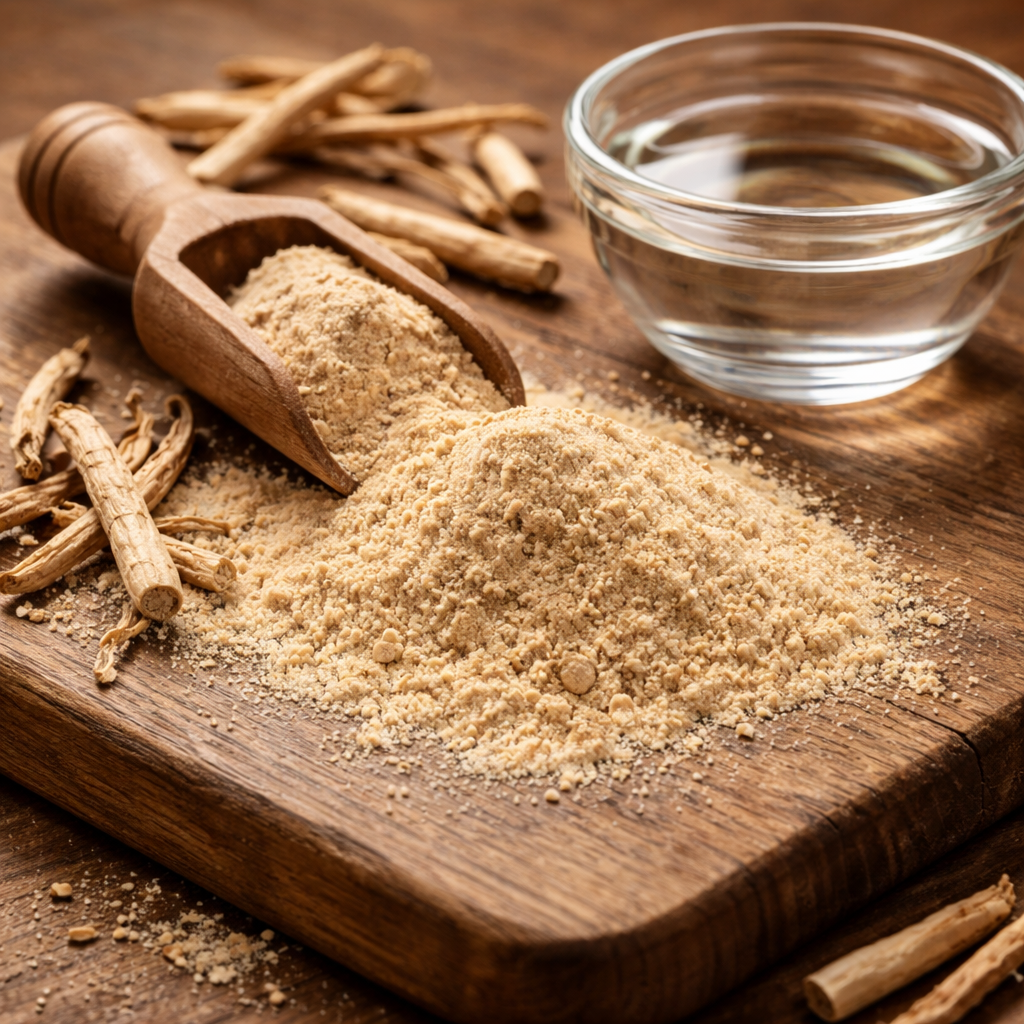
  • Adaptogens (e.g., Ashwagandha): Traditionally used in Ayurveda to help the body build resilience to daily stress.
  • Magnesium: An essential mineral that supports relaxation and a calm nervous system.

Bone, Joint, and Muscle Health

A strong, flexible body is the vessel for a vibrant life. Maintaining the health of your structural system is essential for mobility and longevity. These foundational nutrients provide the building blocks your body needs to stay active and move with comfort and ease through every stage of life.

  • Calcium & Vitamin D: The essential duo for building and maintaining strong bone density.
  • Glucosamine & Turmeric: Natural, anti-inflammatory support for joint comfort and mobility.
  • Collagen: A key protein that serves as a building block for connective tissues, cartilage, and skin.

Hormonal Balance and Cycle Support

A woman’s body moves in beautiful, natural rhythms. Supporting your endocrine system can help promote a more harmonious menstrual cycle and ease discomforts associated with hormonal fluctuations. These gentle botanicals are rooted in traditional wisdom to support your body’s innate balance.

  • Chasteberry (Vitex): Traditionally used to ease PMS symptoms and promote cycle regularity.
  • Evening Primrose Oil: Rich in fatty acids that support hormonal health and skin integrity.
  • DIM (Diindolylmethane): A plant-based compound that supports healthy estrogen metabolism.

Beauty from Within: Hair, Skin, and Nails

True radiance begins with nourishment from the inside out. Your hair, skin, and nails are often a direct reflection of your internal health. Providing your body with specific vitamins and compounds for cellular repair and hydration can unlock a vibrant, healthy glow.

  • Biotin: A well-known B-vitamin essential for growing strong hair and nails.
  • Vitamin C: A powerful antioxidant necessary for collagen synthesis and skin protection.
  • Hyaluronic Acid: Supports deep skin hydration for a plump, supple appearance.

Navigating Your Wellness Journey: Supplements by Life Stage

A woman’s body is in a constant state of beautiful evolution, and her nutritional needs shift with each new decade. Your wellness journey is uniquely yours, and the women’s wellness supplements that support you should reflect your specific life stage. By understanding these changing requirements, you can proactively nurture your body and mind. Scientific reviews on Nutritional Ingredients to Support Health and Wellness confirm that targeted supplementation is a key strategy for thriving through every chapter of life. This personalized approach empowers you to find precisely what you need, right when you need it.

In Your 20s and 30s: Building a Strong Foundation

These decades are about building a resilient foundation for lifelong health. Your lifestyle is often busy and demanding, so focusing on core nutrients is essential for energy, hormonal balance, and future well-being. Key priorities include:

  • A Quality Multivitamin: To fill any nutritional gaps in a hectic schedule.
  • Iron: To support energy levels and replenish stores lost during menstruation.
  • Folate (Folic Acid): Crucial for reproductive health, whether you are planning a family or not.

In Your 40s: Navigating Perimenopause

As your body begins the natural transition toward menopause, you may notice changes in your cycle, mood, and energy. This is a time to offer your system gentle, targeted support to manage hormonal fluctuations and protect long-term health. Consider focusing on:

  • Bone Density Support: Proactively support your skeletal system with Calcium and Vitamin D.
  • Mood & Sleep: Magnesium can help calm the nervous system, support restful sleep, and ease mood swings.
  • Metabolism & Energy: Address changes in energy with B-vitamins and CoQ10.

In Your 50s and Beyond: Embracing Menopause with Grace

Post-menopause brings a new sense of freedom and wisdom. Supporting your body during this stage is about maintaining strength, vitality, and comfort. The focus shifts to protecting bone, heart, and joint health for an active and vibrant future. Essential supplements include:

  • Comprehensive Bone Health: The trio of Calcium, Vitamin D3, and Vitamin K2 work synergistically to direct calcium to your bones.
  • Cardiovascular Support: Heart-healthy Omega-3 fatty acids support healthy cholesterol and circulation.
  • Joint & Tissue Comfort: Address concerns like joint stiffness and vaginal dryness with targeted botanicals and hydration support.

Your path to well-being is a personal one, grounded in the wisdom of your own body. Find supplements tailored for your life stage.

How to Choose High-Quality Supplements: A Smart Buyer’s Checklist

Your wellness journey is a deeply personal path, and choosing the right support is paramount. The market for women’s wellness supplements can feel overwhelming, but not all products are created with the same integrity. Becoming a discerning consumer is the most empowering step you can take for your health. This simple checklist, grounded in our ethos of transparency and purity, will help you select safe and effective supplements with confidence.

Decoding the Supplement Label

The “Supplement Facts” panel is your window into a product’s true quality. Look past the front-of-bottle claims and learn to read the fine print. A clean, transparent label is the first sign of a trustworthy brand.

  • Active Ingredients: Look for specific, bioavailable forms of nutrients that your body can easily absorb and utilize, such as folate as L-methylfolate instead of synthetic folic acid.
  • “Other Ingredients”: A shorter list is often better. Scan for unnecessary fillers, binders, artificial colors, or common allergens that don’t contribute to your well-being.
  • Serving Size and Daily Value (%DV): Pay close attention to the serving size to ensure you are taking the correct amount to meet the nutritional values listed.

The Importance of Purity, Potency, and Testing

Reputable brands voluntarily seek third-party verification to guarantee their products are safe and potent. This commitment to external review is a non-negotiable sign of quality. Look for these seals of approval to ensure what’s on the label is exactly what’s in the bottle.

  • Third-Party Testing: Certifications from organizations like NSF or USP confirm that a product contains the ingredients it claims and is free from harmful contaminants.
  • GMP Certified: This seal ensures the supplement was manufactured in a facility following Good Manufacturing Practices, a system of strict quality control.

Red Flags to Watch Out For

A truly beneficial supplement doesn’t need to hide behind confusing language or impossible promises. Be wary of these common red flags:

  • Proprietary Blends: These formulas hide the exact amount of each ingredient, making it impossible to know if you are getting a clinically effective dose. Transparency is key.
  • Exaggerated Claims: Be skeptical of products that promise a “miracle cure” or instant results. True health is a gradual, holistic journey.
  • Excessive Additives: High-quality women’s wellness supplements do not need artificial sweeteners, dyes, or flavors to be effective.

By applying these principles, you can confidently select pure, potent supplements that truly align with your health goals. At Nutrahara, we believe this transparency is the foundation of a trusted wellness partnership.

The Nutrahara Approach: Ancient Wisdom Meets Modern Science

Your wellness journey is deeply personal, and the supplements you choose should honor that. At Nutrahara, we believe the most effective path to well-being is found where ancient wisdom and modern science converge. Our philosophy is built on a foundation of trust, transparency, and a profound respect for nature’s intelligence. We formulate our women’s wellness supplements not just to address symptoms, but to nurture a state of holistic balance, empowering you to feel your best from the inside out.

What is Ayurveda? A Holistic View of Health

Ayurveda is a 5,000-year-old system of natural healing originating from India, often called the “science of life.” Its core principle is achieving harmony between the body, mind, and spirit. Rather than a one-size-fits-all approach, Ayurveda uses powerful botanicals and time-tested herbs to provide targeted support, gently guiding your body back to its natural state of equilibrium and vitality.

We honor this ancient tradition by grounding our formulas in its wisdom. But we also recognize that in today’s world, trust is built on evidence. That is why every ingredient we select must also meet the rigorous standards of modern scientific validation.

Our Commitment to Clean, Clinically-Studied Ingredients

Our promise is simple: to bridge the gap between tradition and research. We meticulously select natural ingredients that are not only revered in Ayurveda but are also backed by clinical studies for their safety and efficacy. This dual-validation process ensures that every Nutrahara formula is both pure and potent. Our commitment to “clean and simple” means you will never find unnecessary fillers or artificial additives-only the targeted support your body deserves.

This unique fusion of time-honored knowledge and cutting-edge research is the Nutrahara difference. We are more than a supplement company; we are your partner in cultivating a balanced, vibrant life. We invite you to experience a new standard in natural health.

Discover the Nutrahara difference and start your journey.

Embrace Your Wellness Journey with Confidence

Your path to vibrant health is deeply personal. As we’ve explored, a woman’s nutritional needs are unique and shift beautifully through every life stage, from menstruation to menopause and beyond. Understanding this foundation and learning how to choose pure, effective formulas are the most empowering steps you can take toward lasting well-being.

This is where ancient wisdom meets modern clarity. At Nutrahara, we bridge this gap, honoring your body’s innate intelligence. Backed by 40 years of formulation expertise, we meticulously combine the holistic principles of Ayurveda with cutting-edge nutritional science. Our commitment is to create clean, simple, and natural women’s wellness supplements that provide targeted support you can trust on your path to balance and vitality.

Begin your wellness journey with our expertly formulated supplements.

Remember, your well-being is a beautiful, ongoing journey. Taking the next intentional step with a trusted partner is a powerful act of self-care and nourishment.

Frequently Asked Questions

How long does it take for women’s wellness supplements to work?

The timeline for experiencing benefits varies. While some individuals may notice subtle changes within a few weeks, it typically takes 4 to 12 weeks of consistent use for nutrient levels to build up and create noticeable effects. Factors like your individual metabolism, diet, and the specific formula all play a role. Patience is a key part of any wellness journey; consistency is what allows these natural ingredients to support your body’s balance and long-term well-being.

Is it safe to take multiple supplements at the same time?

Combining multiple supplements can be beneficial, but it requires a thoughtful approach. Many nutrients work synergistically, meaning they enhance each other’s effects. However, some can compete for absorption or be taken in excess. We recommend consulting a healthcare professional to help you create a safe and effective regimen tailored to your unique needs, ensuring your body receives a harmonious blend of support without being overwhelmed on its wellness journey.

Should I talk to my doctor before starting a new supplement regimen?

Absolutely. We always recommend speaking with your doctor or a qualified healthcare provider before beginning any new supplement routine. Your doctor understands your personal health history and can run tests to identify specific nutrient deficiencies. They can also ensure that new supplements will not interact with any medications you may be taking. This collaborative approach is the safest and most effective way to support your body’s unique needs and well-being.

What is the difference between whole-food supplements and synthetic vitamins?

Whole-food supplements are derived from concentrated whole foods, retaining the natural co-factors that help your body recognize and absorb nutrients. Synthetic vitamins are isolated nutrients created in a laboratory. While effective for specific deficiencies, they lack the holistic synergy of whole-food sources. Our philosophy, which bridges ancient wisdom and modern research, honors the complex intelligence of nature by prioritizing ingredients that work in harmony with your body.

Are more expensive supplements always better quality?

A higher price doesn’t automatically guarantee better quality, but it can often reflect superior sourcing, purity, and scientific validation. Premium supplements may invest in third-party testing to verify potency and the absence of contaminants, or utilize clinically studied ingredients. Instead of focusing on price alone, look for transparency from the brand regarding their sourcing and quality certifications. These are the true markers of a trustworthy and effective product.

Can I get all the nutrients I need from my diet alone?

A nutrient-rich, balanced diet is the cornerstone of good health. However, modern farming practices, soil depletion, and lifestyle demands can make it challenging to get everything from food alone. High-quality women’s wellness supplements are formulated to bridge these potential nutritional gaps. They provide targeted, holistic support for specific health goals, acting as a valuable partner to your diet to help you achieve optimal vitality and well-being.

Categories
Uncategorized

A Complete Guide to Vaginal pH Balance: Nurturing Your Body’s Natural Harmony

If you’ve ever felt confused or frustrated by uncomfortable symptoms like itching, unusual odor, or recurring infections, you are not alone. These common challenges are often your body’s way of signaling a simple, yet crucial, imbalance. At the heart of your intimate health is a delicate ecosystem, and maintaining the correct ph balance is the key to its natural harmony and comfort. When this equilibrium is disrupted, it can leave you feeling worried and searching for answers amidst a sea of conflicting advice.

This guide is here to be your trusted partner on your wellness journey. Drawing on a blend of modern research and holistic wisdom, we will gently walk you through everything you need to know about your vaginal pH. You will understand what causes imbalances, discover effective, natural ways to restore your body’s harmony, and learn how to prevent future issues. Our goal is to empower you with the knowledge to nurture your body, so you can feel confident, balanced, and in control of your well-being.

What is Vaginal pH Balance and Why Does It Matter?

On your wellness journey, understanding your body’s unique needs is a powerful first step. Let’s start with a simple concept: the pH scale. This scale measures acidity and alkalinity from 0 (highly acidic) to 14 (highly alkaline), with 7 being neutral. While different parts of your body have different needs, your vagina is designed to thrive in a moderately acidic environment. For optimal health, the ideal vaginal pH range is between 3.8 and 5.0. This natural acidity is a brilliant and essential part of your body’s innate wisdom.

This protective environment is maintained by a delicate, living ecosystem-your vaginal microbiome. This community is dominated by beneficial bacteria, most notably from the Lactobacillus family. These powerful allies produce lactic acid, which lowers the vaginal pH and is fundamental to your well-being. This community of microorganisms, often referred to as the vaginal flora, is the cornerstone of a healthy intimate environment and a stable ph balance.

Your Body’s First Line of Defense

Imagine your vaginal microbiome as a thriving, well-tended garden. When beneficial Lactobacillus (the healthy plants) are abundant, they create an acidic soil that prevents harmful bacteria and yeast (the weeds) from taking root. This natural barrier is your body’s first line of defense, playing a crucial role in preventing common discomforts like bacterial vaginosis (BV) and yeast infections.

The Difference Between Vaginal pH and Overall Body pH

It’s important to clarify a common myth. While the wellness trend of “alkalizing your body” through diet has gained popularity, this principle does not apply to your vagina. Your body intelligently maintains different pH levels for different functions-your blood is slightly alkaline, while your stomach is highly acidic. A healthy vagina is an acidic one, and attempting to make it alkaline disrupts its protective shield, leaving you more vulnerable to imbalance.

Signs Your pH May Be Unbalanced: Listening to Your Body’s Signals

Your body has its own innate wisdom and communicates its needs through subtle signals. Part of your wellness journey is learning to listen to and understand this language. When your vaginal ph balance is disrupted, your body will often let you know. Recognizing these signs is an empowering first step toward restoring harmony. It’s important to remember that these symptoms are incredibly common and not something to feel ashamed of-they are simply your body’s way of asking for support.

Common Symptoms of an Imbalance

When the delicate vaginal microbiome is thrown off, leading to a higher (less acidic) pH, you might notice a few distinct changes. These are some of the most common indicators:

  • Unusual Odor: A distinct, often “fishy” smell is a primary sign. This odor may become more noticeable after intercourse or menstruation.
  • Changes in Discharge: You might see a discharge that is thin, watery, and grayish-white in color, which is different from your typical healthy discharge.
  • Irritation or Itching: A persistent and uncomfortable itching, burning, or general irritation around the vagina and vulva can also signal an imbalance.

Understanding Related Conditions: BV vs. Yeast Infections

It’s easy to confuse symptoms, but understanding the root cause is essential for finding the right path back to balance. The two most common culprits, Bacterial Vaginosis (BV) and yeast infections, have different origins. BV is directly linked to a high vaginal pH, which allows certain bacteria to overgrow. Conversely, a yeast infection is a fungal overgrowth that can occur even with a normal pH. Differentiating between them is a key part of the clinical diagnosis of vaginitis and helps guide effective care.

This simple chart can help you distinguish the two:

Symptom Bacterial Vaginosis (BV) Yeast Infection (Candidiasis)
Odor Strong, fishy odor Typically little to no odor (or a mild, bread-like smell)
Discharge Thin, watery, grayish-white Thick, white, clumpy (like cottage cheese)
Primary Sensation Mild irritation or burning Intense itching and soreness

Maintaining a healthy vaginal ph balance is your body’s first line of defense, and when it’s off, you may become more susceptible to other infections. Recognizing these signs early allows you to take gentle, effective action.

What Causes a pH Imbalance? Identifying Common Triggers

Understanding your body is a vital part of your wellness journey. When it comes to vaginal health, maintaining your natural harmony often means identifying the personal triggers that can disrupt it. Many common, seemingly harmless habits and life stages can subtly alter your internal ecosystem. By recognizing these factors, you can take empowered steps toward prevention and support your body’s delicate equilibrium.

Hygiene Habits and Products

While cleanliness is important, an overzealous approach can do more harm than good. The vagina is a remarkable self-cleaning organ, and aggressive washing can strip away its protective flora. Douching, for example, flushes out the beneficial bacteria required for a healthy, acidic environment. This disruption can create an opening for less desirable bacteria to overgrow, sometimes leading to conditions like Bacterial Vaginosis. For gentle and effective care, it’s best to avoid:

  • Harsh, alkaline soaps
  • Scented feminine washes, sprays, and powders
  • Perfumed bubble baths and bath bombs
  • Washing inside the vaginal canal

Sexual Health and Partners

Intimacy can also influence your vaginal environment. Semen is naturally alkaline, which can temporarily raise the vagina’s pH after unprotected sex. For many, the body recalibrates quickly, but for others, this shift can be a recurring trigger for imbalance. Similarly, a new sexual partner introduces a different set of microbes to your personal microbiome, which can sometimes cause a temporary disruption. Using barrier methods like condoms is an effective way to help maintain your natural ph balance.

Hormonal Fluctuations and Medications

Your body’s internal chemistry is constantly in flux, and these changes can directly impact vaginal pH. Several key factors can cause a shift:

  • Menstruation: Blood is more alkaline than the vaginal environment, causing a temporary rise in pH during your period.
  • Menopause: As estrogen levels decline during perimenopause and menopause, the vagina can become less acidic, making it more susceptible to imbalance.
  • Antibiotics: These powerful medicines don’t distinguish between “good” and “bad” bacteria. They can wipe out the beneficial Lactobacillus strains that are crucial for maintaining an acidic pH.

A Holistic Approach to Restoring and Maintaining pH Balance

At Nutrahara, we believe that true, lasting wellness blossoms from within. Restoring your body’s delicate harmony isn’t about quick fixes; it’s about embarking on a wellness journey that nurtures you from the inside out. By blending cutting-edge nutritional science with the timeless wisdom of natural remedies, we can create a sustainable lifestyle that supports a healthy vaginal microbiome and a stable ph balance.

Nourish Your Body: The Diet Connection

What you eat directly influences the ecosystem of beneficial bacteria that protects your intimate health. To foster a thriving internal environment, focus on incorporating foods that support your microbiome:

  • Probiotic-Rich Foods: Introduce beneficial bacteria with sources like yogurt, kefir, kimchi, sauerkraut, and kombucha.
  • Prebiotic Foods: Feed your good bacteria with fiber-rich options like garlic, onions, asparagus, and bananas.

Equally important is limiting sugar and highly processed foods, which can fuel the growth of disruptive yeast. And never underestimate the power of hydration-drinking plenty of water helps flush your system and supports overall cellular health.

Making mindful choices about hydration is a key part of this. While water is essential, for those looking for a flavorful, clean alternative to sugary drinks, Australian companies like Yuvo Naturals offer herbal sparkling waters that support a holistic wellness journey.

Harnessing the Power of Natural Supplements

While a balanced diet is foundational, targeted natural supplements can provide powerful, clinically-studied support. Oral probiotics specifically formulated with strains for vaginal health can help replenish beneficial flora from within. For acute imbalances, boric acid suppositories can help quickly re-acidify the vaginal environment, but should always be used as directed by a healthcare professional. To support your wellness journey, explore our line of women’s wellness supplements, grounded in science and nature.

Managing Stress for a Balanced System

Chronic stress elevates cortisol, a hormone that can suppress the immune system and disrupt your body’s delicate equilibrium, including your vaginal ph balance. Integrating gentle stress-relief practices into your daily routine is a non-negotiable part of a holistic approach. Consider techniques like meditation, mindful yoga, or simple deep breathing exercises. Prioritizing 7-9 hours of restful sleep each night is also crucial, as it allows your body the time it needs to repair and regulate itself.

Lifestyle Habits for Long-Term Vaginal Wellness

Your wellness journey is a continuous path of nurturing your body from the inside out. Achieving and maintaining your body’s delicate harmony isn’t about drastic measures; it’s about embracing simple, consistent habits. Creating an external environment that supports your internal ecosystem is fundamental for long-term vaginal health. These gentle, proactive steps empower you to support your natural ph balance and cultivate lasting well-being.

Mindful Hygiene Practices

Gentle care is far more effective than aggressive cleaning. Your vagina is a remarkable self-cleaning organ, and disrupting its natural process can do more harm than good. Focus on cleaning the external genital area, the vulva, with warm water. If you choose to use soap, ensure it is mild, pH-balanced, and completely free of fragrances or harsh chemicals. Most importantly, always wipe from front to back after using the restroom to prevent the transfer of bacteria.

Clothing and Laundry Choices

The fabrics you wear and the detergents you use can significantly impact your vaginal environment. Simple adjustments can create a healthier, more breathable space for your body.

  • Choose Natural Fabrics: Opt for underwear made from breathable cotton. Synthetic materials like nylon and spandex can trap heat and moisture, creating an environment where harmful bacteria may thrive.
  • Stay Dry: Change out of wet swimsuits or sweaty gym clothes as soon as possible. Lingering moisture can disrupt your delicate balance.
  • Wash with Care: Use a gentle, hypoallergenic, and fragrance-free laundry detergent for your undergarments to avoid irritation.

When to Consult a Healthcare Professional

While these lifestyle habits are powerful tools for maintaining your health, self-care has its limits. It is crucial to seek professional guidance if you experience symptoms that are persistent, severe, or recurring. A proper diagnosis is essential before attempting to self-treat, as symptoms like unusual discharge, itching, or odor could indicate an infection or a more serious underlying condition. Your doctor is your trusted partner in health, able to provide an accurate diagnosis and a safe, effective treatment plan tailored to your needs.

Your commitment to these holistic habits is a beautiful act of self-care. For more expert-driven insights on your wellness journey, explore the complete range of women’s health resources at nutrahara.com.

Your Journey to Balanced Well-being

Your wellness journey is a deeply personal one, and understanding your body’s delicate ecosystem is a powerful first step. As we’ve explored, nurturing your vaginal health comes down to listening to your body’s signals and embracing holistic habits. By identifying common triggers and making conscious lifestyle choices, you can actively support your body’s innate ability to maintain a healthy ph balance.

For those seeking additional support, Nutrahara offers a bridge between ancient wisdom and modern science. Our formulas are thoughtfully designed to support you on your personal wellness journey. Made with clean, natural ingredients you can trust, each supplement is formulated by combining ancient Ayurveda with cutting-edge research to help you thrive. Ready to support your body’s natural harmony? Explore Nutrahara’s Women’s Health Supplements.

Remember, nurturing your body is an act of self-care. Embrace the journey to balanced well-being with confidence and grace.

Frequently Asked Questions

What is a normal vaginal pH level and how can I test it at home?

A healthy vaginal pH is naturally acidic, typically ranging between 3.8 and 4.5. This acidic environment is crucial for protecting against unhealthy bacteria and yeast. For those on a wellness journey seeking to understand their body better, convenient at-home pH test strips are available at most pharmacies. These kits provide a simple, immediate way to check your levels, empowering you with knowledge to maintain your natural harmony.

Can my period and menstrual products affect my pH balance?

Yes, your menstrual cycle can cause temporary shifts. Blood has a higher pH of around 7.4, which can briefly alter your vaginal environment. Additionally, some menstrual products containing fragrances, dyes, or harsh chemicals can be disruptive. As a gentle, holistic alternative, consider opting for products made from 100% organic cotton or other natural, breathable materials to support your body’s delicate equilibrium during your cycle.

Is it safe to use boric acid suppositories, and how do they work?

Boric acid, a naturally occurring compound, has been clinically studied for its mild antiseptic properties. It works by helping to restore the vagina’s natural acidic environment, making it difficult for disruptive bacteria and yeast to thrive. While it is considered safe for many, it is essential to use it under the guidance of a healthcare professional as part of your personalized care plan. It is intended for vaginal use only and must never be ingested.

What’s the difference between a yeast infection and bacterial vaginosis (BV)?

While both are common, they stem from different causes. A yeast infection is an overgrowth of a fungus (Candida) and often presents with thick, white, cottage-cheese-like discharge and intense itching. Bacterial vaginosis (BV) is caused by an imbalance and overgrowth of certain bacteria, typically characterized by a thin, greyish-white discharge and a distinct fishy odor. A proper diagnosis from a healthcare provider is key to effective treatment.

Can diet and stress really have an impact on my vaginal health?

Absolutely. Your body is an interconnected system. Diets high in processed sugars can fuel the growth of yeast, while probiotic-rich foods like yogurt and kimchi can support beneficial bacteria. Chronic stress elevates cortisol, which can suppress your immune system and disrupt your body’s delicate equilibrium, including your vaginal pH balance. Nurturing your body with a balanced diet and managing stress are foundational to your overall well-being.

Are scented soaps and douching really that bad for my pH balance?

Yes, these practices can be very disruptive to your body’s natural ecosystem. Harsh chemicals and artificial fragrances in soaps can strip away protective oils and irritate delicate tissue. Douching is particularly harmful as it flushes out the beneficial bacteria that work to maintain a healthy pH balance. For gentle, effective cleansing, warm water is all that your body needs for external washing, allowing its innate wisdom to shine.

Categories
Uncategorized

Glucosamine: A Complete Guide to Supporting Your Joint Health

Every step, every reach, and every simple movement should feel like a celebration of your body’s strength. Yet, for many of us on our wellness journey, joint discomfort can cast a shadow over daily activities, turning a morning walk or a favorite hobby into a source of concern. If you’re seeking a natural path toward better mobility, you may have heard of glucosamine, a natural compound that plays a vital role in building healthy cartilage. It represents a bridge between your body’s innate wisdom and the support offered by nature.

But with so much information, choosing the right path can feel overwhelming. Is it truly effective? Which type is best? And how can you find a pure, high-quality supplement you can trust? This guide is your caring and knowledgeable resource. Here, we will explore the clinically-studied benefits of glucosamine, explain how it works to support your body’s flexibility, and empower you to confidently select the right supplement to nurture your long-term joint health.

What Is Glucosamine and How Does It Work for Joint Health?

On your wellness journey, understanding how your body maintains its natural flexibility is key. At its core, glucosamine is a natural amino sugar compound that your body produces and is found in the fluid around your joints. It serves as a fundamental component for maintaining healthy joint tissue. While our bodies create it, for those seeking a more detailed scientific overview of its chemical properties, a comprehensive resource can answer the question, What is glucosamine?

The primary role of this vital compound is to act as a precursor for building and repairing cartilage. Cartilage is the tough, flexible tissue that cushions the ends of your bones within a joint, allowing for smooth and comfortable movement. However, as we age, our body’s natural production of glucosamine can decline. The principle behind supplementation is to provide the body with external support, potentially helping to slow cartilage breakdown and support the body’s natural repair processes for holistic joint well-being.

The Building Block of Your Joints

Think of glucosamine as the essential bricks needed to build a strong wall, where the wall is your cartilage. This compound is crucial for creating larger molecules called glycosaminoglycans and proteoglycans. These are the key structural components that give cartilage its gel-like, shock-absorbing properties. When your cartilage is healthy and well-nourished, it provides a smooth, lubricated surface, allowing your joints to move freely and without discomfort, supporting your active and balanced lifestyle.

Different Forms of Glucosamine Explained

When exploring supplements, you will find several forms of glucosamine. It’s important to understand their distinctions, as they are not considered interchangeable due to differences in their chemical makeup and how they are stabilized.

  • Glucosamine Sulfate: This is the most common and most clinically studied form for joint health. It is often stabilized with mineral salts.
  • Glucosamine Hydrochloride (HCl): Another popular form, which contains a higher concentration of glucosamine but has been studied less extensively than the sulfate form for joint support. It is a common choice for those with shellfish allergies.
  • N-acetyl glucosamine: This form is a derivative of glucose and is primarily used by the body to produce hyaluronic acid. It is less researched for direct joint cartilage repair compared to the other two forms.

The Science-Backed Benefits of Glucosamine for Women

For women leading active, vibrant lives, maintaining joint health is a cornerstone of well-being. As we navigate our personal wellness journeys, understanding the science behind supportive nutrients is key. As a natural compound found in cartilage, glucosamine has been extensively researched for its role in joint structure and function. Let’s explore what clinical studies reveal about its benefits.

Relief for Osteoarthritis Symptoms

The most significant body of research focuses on glucosamine for osteoarthritis (OA), particularly of the knee. Numerous clinical trials suggest that glucosamine sulfate, a specific and well-studied form, can offer moderate pain relief for some individuals. More promisingly, some long-term studies indicate it may help slow the progression of joint space narrowing, a key marker of OA, thereby supporting long-term joint integrity and function.

Supporting Joint Comfort and Flexibility

Beyond addressing OA symptoms, this powerful compound plays a vital role in everyday joint wellness. It is a fundamental building block for cartilage and helps maintain the thick, gel-like synovial fluid that lubricates our joints and absorbs shock. For active women, this foundational support translates into tangible benefits:

  • Reduced joint stiffness, especially upon waking in the morning.
  • Enhanced mobility and flexibility for activities like yoga, running, or hiking.
  • Support for the body’s natural joint repair and resilience processes after exercise.

What the Research Says About Different Conditions

While its link to OA is well-documented, researchers have explored its use for other conditions. Its potential anti-inflammatory properties have led to studies on rheumatoid arthritis (RA), though the evidence remains less conclusive. Some preliminary research also suggests a possible benefit for temporomandibular joint (TMJ) disorder. As the Mayo Clinic notes in its overview of Glucosamine supplements for joint health, more rigorous studies are needed to confirm its effectiveness in these areas, making OA its primary evidence-backed application.

How to Choose the Right Glucosamine Supplement: A Practical Guide

Navigating the world of supplements can feel overwhelming, but empowering yourself with the right knowledge is the first step on your wellness journey. Choosing a high-quality glucosamine supplement is about more than just picking a bottle off the shelf; it’s about understanding what makes a formula effective, pure, and right for your body. This guide will help you become a savvy, confident shopper.

Decoding the Label: Dosage and Form

When you examine a supplement label, two of the most critical details are the dosage and the form of the key ingredient. For joint support, clinical research often points to a daily dosage of 1,500 mg of glucosamine. You can take this all at once or in divided doses throughout the day, depending on what works best for your routine. More importantly, look specifically for glucosamine sulfate. While the scientific evidence for glucosamine continues to be explored, this is the form most frequently used and studied in clinical trials for joint health.

Powerful Pairings: Glucosamine with Chondroitin, MSM, and Turmeric

Nature often provides ingredients that work in harmony. The benefits of glucosamine are enhanced when combined with other supportive, synergistic compounds. Chondroitin helps cartilage retain water and maintain elasticity, while MSM (Methylsulfonylmethane) is a natural source of sulfur often used to help reduce pain and inflammation. Adding Turmeric, a revered herb in Ayurveda, provides potent anti-inflammatory properties from its active compound, curcumin. A thoughtfully formulated product like Nutrahara’s Joints & Knees Kit is designed with these powerful pairings to offer holistic support for your joints.

Quality Markers: What to Look For

A truly high-quality supplement is defined by its purity and transparency. To ensure you are getting a safe and effective product, look for these key markers on the label:

  • Third-Party Testing: Look for certifications from organizations like NSF or USP. This verifies that the product contains what the label says it does and is free from contaminants.
  • Clean Ingredients: A superior formula avoids unnecessary fillers, artificial colors, preservatives, and common allergens like gluten or soy. The focus should be on pure, active ingredients.
  • Clear and Transparent Labeling: The label should clearly list the exact amount of each ingredient, allowing you to know precisely what you are putting into your body.

For those looking to explore a range of premium health products that meet these high standards, you can learn more about VigourMoves, an e-commerce store dedicated to wellness.

Safely Incorporating Glucosamine into Your Wellness Routine

Embarking on any new wellness path requires thoughtful guidance. As you consider adding a glucosamine supplement to your routine, it’s important to approach it with awareness and patience. This compound is generally well-tolerated, but understanding how to use it effectively is key to supporting your health journey. Remember, supplementation is a powerful tool that works best as part of a holistic approach to well-being, complementing a balanced diet and mindful movement.

Best Practices for Taking Glucosamine

To nurture your body and achieve the best results, consistency is crucial. For optimal absorption and to minimize the chance of stomach upset, we recommend taking your supplement with a meal and a glass of water. True wellness is a gradual process; clinical research shows it can take 4 to 8 weeks of daily use to notice potential benefits for joint comfort and mobility. Be patient and consistent with your routine.

Potential Side Effects and Precautions

While most women experience no issues, it’s wise to be aware of potential mild side effects, which can include nausea, heartburn, or diarrhea. It is also essential to consider your unique health profile before beginning. We advise you to consult with your healthcare provider before starting any new supplement, especially if you:

  • Have a shellfish allergy. (Note: Many glucosamine formulas are derived from shellfish, but vegetarian, shellfish-free options are available.)
  • Are managing diabetes or glaucoma.
  • Take blood-thinning medications, such as warfarin.

Your doctor can provide personalized advice to ensure this supplement is a safe and effective part of your wellness plan. At Nutrahara, we believe in empowering you with knowledge to make the best choices for your body.

Beyond Glucosamine: A Holistic Approach to Lifelong Joint Care

While targeted supplements are a cornerstone of effective joint support, your wellness journey extends far beyond a single ingredient. At Nutrahara, we believe in treating the body as an integrated system, where true, lasting comfort comes from a holistic approach. Supporting your joints for the long term involves nurturing your entire body with mindful nutrition, movement, and the wisdom of nature.

Understanding how these elements work together empowers you to build a resilient foundation for mobility and well-being, complementing the benefits of supplements like glucosamine and chondroitin.

Nourish Your Joints from Within: Anti-Inflammatory Eating

Chronic inflammation is a primary driver of joint discomfort. By choosing foods that calm this response, you can create a powerful internal environment for healing and comfort. Focus on incorporating whole, natural ingredients into your daily meals.

  • Embrace Omega-3s: Fatty fish like salmon, along with walnuts and flaxseeds, are rich in anti-inflammatory fats.
  • Eat the Rainbow: Colorful fruits and vegetables, such as berries, leafy greens, and broccoli, are packed with antioxidants that fight cellular stress.
  • Limit Triggers: Reduce your intake of processed foods, refined sugars, and white carbohydrates, which can promote inflammation.

Movement is Medicine: Exercises for Healthy Joints

The saying “motion is lotion” is especially true for our joints. Regular, gentle movement helps circulate synovial fluid, which lubricates and nourishes your cartilage. The key is to choose activities that build strength without adding stress. Consider low-impact options like swimming, cycling, yoga, or tai chi to improve flexibility and support the muscles surrounding your joints, providing them with crucial stability.

Ancient Wisdom for Modern Aches: Ayurvedic Support

For centuries, ancient Ayurveda has utilized nature’s botanicals to promote balance and soothe the body. This time-tested wisdom, a core part of the Nutrahara philosophy, offers powerful allies for joint health. Herbs like Boswellia serrata (Indian Frankincense) are traditionally used to support a healthy inflammatory response, while Ashwagandha helps the body manage stress, a known contributor to pain. This fusion of ancient knowledge and modern research creates a comprehensive path to well-being.

To learn more about our science-backed, natural formulas, explore the complete women’s health collection at nutrahara.com.

Embrace Your Journey to Lasting Joint Wellness

Your wellness journey is a personal path, and caring for your joints is a crucial part of moving through life with confidence. As we’ve explored, understanding how foundational compounds like glucosamine work is the first empowering step. Lasting comfort, however, is achieved not just through a single ingredient but by choosing high-quality, targeted support and embracing a holistic lifestyle that nurtures your body from the inside out. This knowledge allows you to make conscious, informed choices for your mobility and long-term vitality.

When you’re ready to take the next proactive step, consider a solution that honors your body’s needs. At Nutrahara, we bridge the ancient wisdom of Ayurveda with modern nutritional science to create formulas specifically for women. Our commitment is to purity and efficacy, which is why our supplements are formulated with clean, natural, and clinically-studied ingredients. Begin your journey to better joint health with our expertly formulated Joints & Knees Kit.

Here’s to a future filled with strength, flexibility, and the freedom to embrace every moment with ease.

Frequently Asked Questions About Glucosamine

How long does it take for glucosamine to start working?

Patience is a key part of any wellness journey. Glucosamine works gradually to support cartilage health, so it may take between 4 to 8 weeks of consistent daily use before you notice significant improvements in joint comfort and mobility. This is because the body needs time to utilize the compound to help rebuild and protect cartilage. For best results, incorporate this supplement into your daily routine and maintain a balanced, active lifestyle for holistic joint support.

Can I take glucosamine if I have a shellfish allergy?

This is an important consideration for your safety. Most glucosamine supplements are derived from the shells of shrimp, crab, and other shellfish. If you have a shellfish allergy, you should exercise caution and carefully read product labels. We recommend consulting with your healthcare provider before starting. Fortunately, high-quality shellfish-free and vegan options, often derived from corn, are available to provide joint support without the risk of an allergic reaction.

What is the main difference between glucosamine sulfate and hydrochloride?

The primary difference lies in the stabilizing molecule used and the body of research behind each. Glucosamine sulfate is stabilized with a salt and is the form most extensively used in clinical trials demonstrating positive effects on joint health. Glucosamine hydrochloride (HCl) is a more concentrated form, but scientific research supporting its effectiveness for joint comfort is less robust compared to the sulfate form. Most experts recommend the sulfate version based on current evidence.

Is glucosamine safe to take long-term?

Your long-term well-being is our priority. Clinical studies following participants for up to three years have found glucosamine to be generally safe for extended use with minimal side effects for most individuals. As with any supplement, it is a wise practice to regularly check in with your doctor. This ensures it remains an appropriate and beneficial part of your personal wellness journey and holistic health plan over time, supporting your body’s natural balance.

Can glucosamine help with rheumatoid arthritis (RA)?

This is a key distinction in joint health. Most scientific research focuses on glucosamine’s benefits for osteoarthritis (OA), which is caused by mechanical wear and tear. Rheumatoid arthritis (RA) is an autoimmune condition where the body’s immune system attacks the joints. The evidence supporting its use for RA is limited, and it should not replace prescribed medical treatments. Always consult a rheumatologist for a care plan tailored to managing RA symptoms effectively.

Is there a vegan source of glucosamine?

Yes, there are excellent plant-based options available for those following a vegan lifestyle or with shellfish allergies. While traditionally sourced from shellfish, a high-quality vegan glucosamine is formulated through the fermentation of a natural corn source. This scientifically advanced process yields a pure and effective compound that provides the same joint-supporting benefits, bridging the gap between nature’s abundance and your wellness needs without any animal-derived ingredients.

Can I take glucosamine with blood thinners like warfarin?

Prioritizing your safety is essential when combining supplements and medications. Some studies suggest that glucosamine may increase the anticoagulant effect of blood thinners like warfarin, potentially raising the risk of bleeding. Because of this potential interaction, it is crucial that you do not start taking this supplement without first consulting your doctor. They can properly assess the risk and provide guidance tailored to your specific health needs and prescriptions.

Categories
Uncategorized

The 7 Best Vitamins for Nails: Strengthen, Grow, and Shine Naturally

1. Introduction: Best Vitamins for Nail Health

Healthy nails do more than enhance your appearance—they are a reflection of your internal wellness. Whether you’re noticing peeling, brittleness, slow growth, or ridges, these common nail issues are often tied to nutritional imbalances, especially deficiencies in essential vitamins and minerals. That’s why many health-conscious women are now turning to the best vitamins for nails to restore strength, shine, and durability from the inside out.

Your nails are composed primarily of keratin, a tough, fibrous protein that requires ongoing support from nutrients like biotin, collagen, B-complex vitamins, and minerals such as iron and zinc. When these nutrients are lacking—due to diet, stress, hormonal changes, or aging—nail health suffers. In fact, many women begin to experience noticeable nail damage during menopause, postpartum recovery, or after prolonged use of gel manicures or acrylics.

Incorporating targeted supplementation into your daily routine can make a visible difference. Premium formulas such as Nutrahara’s Vitamin B Complex and Premium Collagen Complex are among the best vitamins for nails, specifically formulated to rebuild nail structure, enhance keratin production, and improve circulation to the nail matrix. This holistic, inside-out approach is the secret to long-lasting nail vitality.


2. Understanding Nail Damage: What Weakens Nails?

Before you can benefit from the best vitamins for nails, it’s important to understand what causes nails to become weak, brittle, or discolored in the first place. Nail damage is often the result of a combination of internal deficiencies and external stressors. One of the most common culprits is poor nutrition—especially inadequate intake of vitamins like biotin, B12, vitamin C, and collagen-boosting nutrients. These deficiencies directly impair keratin production and compromise the integrity of the nail plate.

Environmental exposures also play a major role. Repeated use of acetone-based polish removers, harsh hand sanitizers, and prolonged water immersion can strip the nails of their natural oils, making them prone to splitting and flaking. Hormonal shifts such as pregnancy, postpartum recovery, and menopause often lead to increased nutrient depletion, further weakening nails. Medical conditions like hypothyroidism or anemia can also negatively affect nail health by disrupting blood flow and mineral absorption.

Thankfully, many of these issues can be reversed by supplementing with the best vitamins for nails, including Nutrahara’s Vitamin B Complex and Premium Collagen Complex. These formulas target the root causes of nail weakness, supporting regeneration and resilience from within.


3. The Science Behind Nail Growth: Why Nutrients Matter

Nail growth may seem simple, but it’s actually a complex biological process that depends heavily on proper nutrition. Your nails grow from a region beneath the cuticle called the matrix, where new nail cells are produced. These cells are made primarily of keratin, a structural protein that requires a steady supply of vitamins, minerals, and amino acids to form strong, resilient nail plates. Without essential nutrients, the matrix produces weaker cells—resulting in thin, brittle, slow-growing nails.

This is why incorporating the best vitamins for nails into your daily wellness routine is so important. Nutrients like biotin, collagen, folate, and vitamin C not only fuel keratin synthesis but also support healthy blood flow to the nail bed. This ensures that your nail matrix receives adequate oxygen and nourishment to grow strong, even nails.

Nutrahara’s Vitamin B Complex helps activate energy metabolism and promote cellular renewal, while the Premium Collagen Complex delivers hydrolyzed collagen peptides that directly reinforce nail strength. When used consistently, these targeted supplements restore the nutritional foundation necessary for nail growth from within—making them two of the best vitamins for nails on the market today.


4. Nutrahara’s Approach to Nail Wellness

At Nutrahara, we believe true beauty and wellness begin from within. That’s why our approach to nail health goes beyond surface-level solutions. Instead of relying on temporary fixes like nail hardeners or salon treatments, we focus on restoring nail strength and vitality through nutrient-based support. Our science-backed formulas target the root causes of brittle, peeling, and slow-growing nails—making Nutrahara a trusted source for the best vitamins for nails.

Two standout products in our nail health lineup include:

  • Premium Collagen Complex: Formulated with hydrolyzed collagen peptides, this supplement helps rebuild the structural foundation of nails. Collagen supports keratin formation and reduces brittleness, delivering smoother, stronger nail growth over time.Premium Collagen Complex
  • Vitamin B Complex: This comprehensive formula includes biotin, B12, folate, and other essential B vitamins that promote cell renewal, improve circulation to the nail matrix, and energize keratin production—key to vibrant, fast-growing nails.Vitamin B Complex

By combining these two powerhouse products, Nutrahara provides a synergistic solution that addresses both the structural and metabolic needs of nail health. Whether you’re recovering from postpartum changes, menopause, or frequent salon damage, Nutrahara offers the best vitamins for nails to help you reclaim strong, beautiful nails naturally.


5. Top 7 Best Vitamins for Nails and How Nutrahara Supports Them

When it comes to achieving strong, healthy nails, not all supplements are created equal. The best vitamins for nails are those that nourish the nail matrix, support keratin synthesis, and promote collagen formation—key processes that influence how quickly and robustly your nails grow. Nutrahara’s targeted formulations are designed to deliver these essential nutrients in their most bioavailable forms.

Let’s explore the top 7 vitamins and nutrients known to enhance nail health—and how Nutrahara products provide them:

  1. Biotin (Vitamin B7): A must-have for keratin production. Nutrahara’s Vitamin B Complex delivers biotin in a clinically effective dose to combat brittleness and encourage growth.
  2. Collagen: Nails are supported by connective tissues rich in collagen. The Premium Collagen Complex provides hydrolyzed collagen peptides for structural integrity and smoothness.
  3. Vitamin B12 and Folate: These B-complex vitamins support healthy nail beds and oxygen delivery. Included in Nutrahara’s B Complex formula.
  4. Vitamin C: Essential for collagen synthesis, it works synergistically with Nutrahara’s collagen supplement.
  5. Vitamin E: An antioxidant that protects nails from oxidative stress.
  6. Vitamin D: Supports nail strength through calcium metabolism and immune balance.
  7. Iron and Zinc: These minerals prevent peeling, spoon-shaped nails, and white spots. While not in Nutrahara’s formulas directly, they can be easily paired through diet or multivitamin support.

Together, these nutrients form the foundation of the best vitamins for nails, and Nutrahara makes it easy to integrate them into your wellness routine.


6. 7 Expert Tips to Maximize the Best Vitamins for Nails

Using the best vitamins for nails is a powerful step toward achieving stronger, healthier nails—but how you take them, and what you do daily, can dramatically influence your results. To maximize the benefits of Nutrahara’s Premium Collagen Complex and Vitamin B Complex, follow these seven expert-backed tips:

Tip 1: Be Consistent with Supplementation

The best vitamins for nails work best when taken regularly. Take your Vitamin B Complex with breakfast and your Premium Collagen Complex with meals daily for optimal absorption.

Tip 2: Pair Supplements with Protein

Since nails are made of keratin (a protein), combining collagen supplements with protein-rich meals like eggs, lentils, or fish helps build nail strength faster.

Tip 3: Stay Hydrated

Water improves nutrient transport throughout the body. Aim for at least 8 glasses daily to enhance the delivery of vitamins to your nails.

Tip 4: Avoid Harsh Nail Treatments

Reduce the use of acrylics, gel polishes, and acetone removers. They can undo the benefits of even the best vitamins for nails.

Tip 5: Massage with Vitamin E Oil

Gently massaging vitamin E oil into the cuticles boosts circulation and complements internal nutrition.

Tip 6: Track Your Progress Weekly

Use photos or a journal to monitor changes in your nail length, texture, and strength over 8–12 weeks.

Tip 7: Support Gut Health for Better Absorption

Healthy digestion improves vitamin absorption. Include probiotic-rich foods like yogurt or kombucha to support nutrient uptake.

These tips help your body absorb and utilize the best vitamins for nails, enhancing the effects of Nutrahara’s scientifically crafted supplements from within.


7. Women Share Their Stories with Nutrahara Nail Supplements

Real women across the country are seeing real results with Nutrahara’s nail health supplements. From postpartum recovery to chronic brittleness, these success stories show how the best vitamins for nails—like Nutrahara’s Premium Collagen Complex and Vitamin B Complex—can transform weak, damaged nails into strong, beautiful ones.

🌸 Jessica M., 39 – San Diego, CA

“After having my second baby, my nails were paper-thin and constantly peeling. I started taking Nutrahara’s Premium Collagen Complex, and by the second month, I could finally see and feel the difference—my nails were thicker, smoother, and actually growing!”

🌸 Anita R., 45 – Austin, TX

“I’ve struggled with soft, splitting nails for years. Nutrahara’s Vitamin B Complex gave my body what it was missing. The biotin and B12 made my nails noticeably stronger in just a few weeks.”

🌸 Claire S., 31 – Brooklyn, NY

“I was skeptical at first, but the combination of collagen and B vitamins really works. My nails feel like they’ve been professionally treated—but it’s all coming from inside!”

🌸 Linda T., 52 – Chicago, IL

“Menopause hit hard, especially my nails. They became brittle and dull. Nutrahara’s supplements were a game-changer. My nails have regained their luster and strength.”

🌸 Nina P., 28 – Seattle, WA

“As a vegan, I needed a B12 boost. Nutrahara’s Vitamin B Complex fits perfectly into my routine, and my nails no longer chip or flake like they used to. These are truly the best vitamins for nails I’ve tried!”


These firsthand experiences highlight how Nutrahara’s formulas deliver what your nails truly need—structure, strength, and nourishment from within. Ready to become the next success story?


8. Conclusion: Restore Nail Health from the Inside Out with Nutrahara

When it comes to achieving naturally strong, smooth, and beautiful nails, surface-level solutions like polish and hardeners only go so far. Real transformation happens from within—with the right nutrients delivered consistently to support keratin production, collagen synthesis, and healthy circulation. That’s why the best vitamins for nails are those that target the root causes of nail weakness through a science-backed, nutritional approach.

Nutrahara’s Premium Collagen Complex and Vitamin B Complex are two standout supplements specifically formulated to rejuvenate nails from the inside out. Whether you’re dealing with postpartum hair and nail loss, menopause-related brittleness, or long-term damage from harsh manicures, these formulas offer a holistic, natural solution.

Together, they provide key ingredients like biotin, folate, B12, and hydrolyzed collagen—working synergistically to rebuild your nail structure, accelerate growth, and restore shine and resilience. As countless women have shared in their success stories, these are not just the best vitamins for nails—they’re also confidence boosters and self-care essentials.

Start your nail wellness journey with Nutrahara today. With consistent use, clean nutrition, and a little patience, your healthiest nails are well within reach.


Written by the Nutrahara Team
This article was prepared by the expert team at Nutrahara, which includes experienced nutrition scientists and naturopaths dedicated to advancing women’s health through natural wellness solutions. We combine scientific research with holistic practices to help you live your healthiest life. Connect with us on LinkedIn to stay updated on the latest in women’s health and wellness.

Categories
Uncategorized

The Ultimate Guide to Nutrahara Products for Women’s Health

1. Introduction: Women’s Health


Nutrahara is dedicated to enhancing women’s health with scientifically formulated products that support wellness in various aspects of life. From skin, hair, and nail care to brain function and digestive well-being, Nutrahara provides solutions tailored to the unique needs of women. This guide explores Nutrahara’s product offerings and how they contribute to overall health and vitality.


Nutrahara’s holistic approach integrates cutting-edge research with nature’s finest ingredients. The company believes that optimal health requires a combination of balanced nutrition, quality supplementation, and a lifestyle that supports physical and mental well-being. Through this guide, you will gain insight into Nutrahara’s product range and how it aligns with women’s unique health needs.


The importance of targeted supplementation cannot be overstated. Women go through various life stages, including menstruation, pregnancy, menopause, and post-menopause, each requiring specific nutrients. Nutrahara’s products are designed to cater to these varying needs, ensuring that women receive the support they need at every phase. By understanding the function and benefits of each product, you can make informed choices that enhance your health and well-being.


Whether you’re looking to improve skin radiance, strengthen your hair and nails, support digestion, or boost brain function, Nutrahara has a tailored solution for you. This guide will walk you through each category, explaining why these products matter and how they can contribute to a healthier, more vibrant life.


2. Women’s Health: The Foundation of Well-being


Women’s health is a multifaceted journey that spans hormonal balance, energy levels, and immunity. Proper supplementation can bridge nutritional gaps and promote longevity. Nutrahara’s products focus on key areas of women’s health, ensuring optimal functionality at every stage of life.


2.1 The Importance of Women’s Health


Maintaining hormonal balance, bone density, cardiovascular health, and emotional well-being requires targeted nutrition and self-care. Nutrahara provides solutions that support these fundamental aspects of health.


A woman’s body undergoes constant changes, making it essential to provide it with proper nutrients to sustain energy, hormonal equilibrium, and immunity. Factors like stress, poor diet, and lack of sleep can disrupt this delicate balance, leading to fatigue, mood swings, and weakened immunity. This is where Nutrahara’s scientifically crafted supplements play a crucial role in supporting overall well-being.


Women’s health isn’t just about physical vitality—it also involves emotional and mental well-being. Stress and hormonal imbalances can impact cognitive function, mood, and productivity. Additionally, adaptogenic herbs like Ashwagandha with Black Pepper provide stress relief and emotional stability, making them ideal for busy lifestyles.


Another crucial aspect of women’s health is bone density. Women are more prone to osteoporosis due to hormonal changes, particularly during menopause. Nutrahara’s Multivitamin for Women contains essential vitamins like calcium, magnesium, and vitamin D to support bone strength and prevent deficiencies.


By incorporating these products into a daily routine, women can take proactive steps toward better health, ensuring they have the strength, energy, and resilience to live their best lives.


2.2 Nutrahara Products for Women’s Health

  • Ashwagandha with Black Pepper – Reduces stress and supports adrenal health. Women's Health: Ashwagandha with Black Pepper
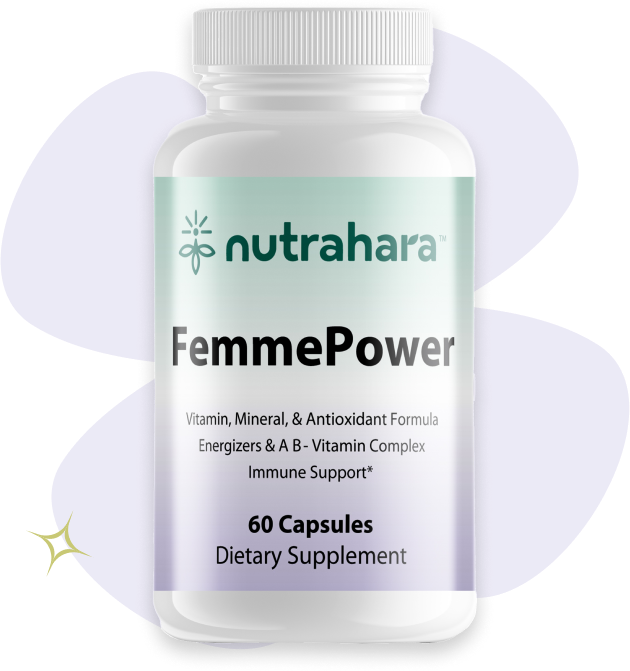
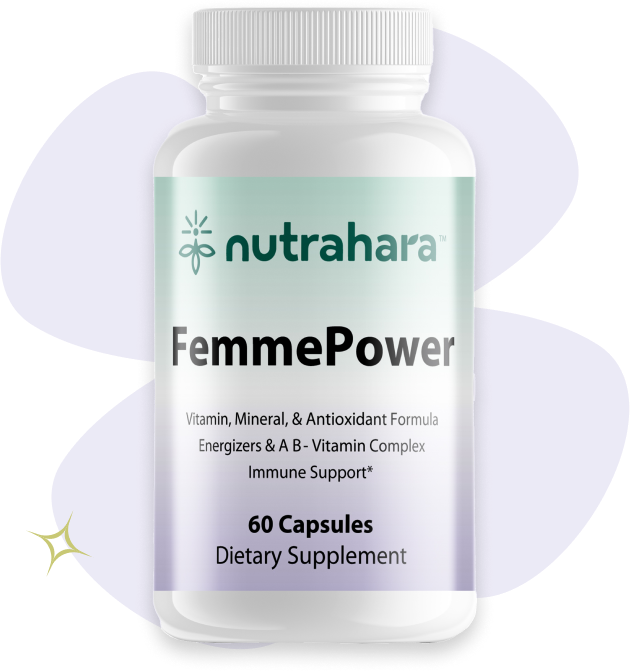
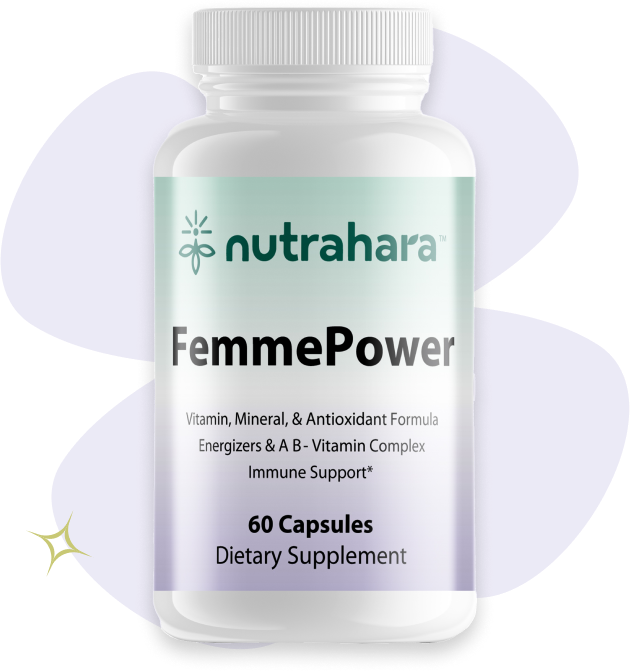
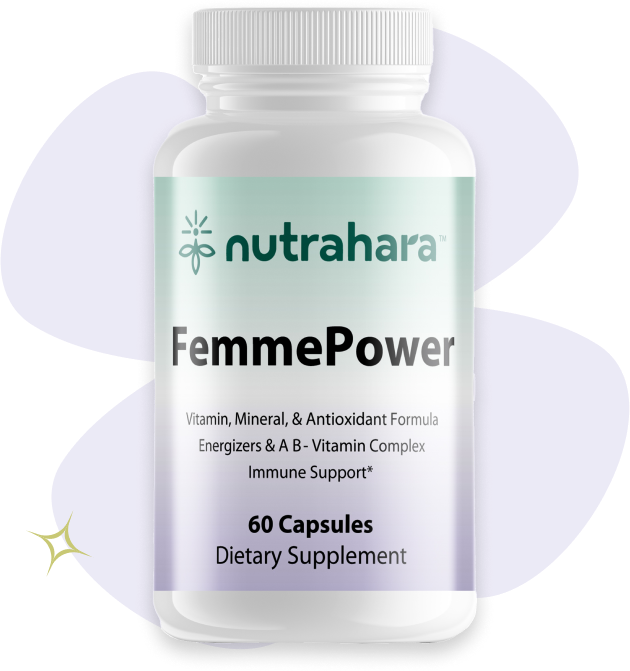
  • Multivitamin for Women – Provides essential nutrients for daily wellness.

Women's Health: FemmePower

3. Skin, Nail, and Hair Health: Nourishment from Within


Healthy skin, nails, and hair reflect internal well-being. Nutrahara offers specialized supplements that enhance beauty naturally.


3.1 Why Internal Health Matters for Beauty


The skin, hair, and nails require adequate vitamins, minerals, and hydration to thrive. Nutrient deficiencies can lead to dull skin, brittle nails, and hair loss.


External beauty products only address surface-level concerns, whereas internal nourishment provides long-lasting results. A deficiency in key vitamins such as biotin, collagen, and keratin can lead to premature aging, brittle nails, and excessive hair fall. Nutrahara’s advanced beauty supplements target these deficiencies, promoting natural beauty from the inside out.


Collagen Peptides play a crucial role in maintaining skin elasticity and preventing fine lines. Collagen is the most abundant protein in the body, and its production declines with age. Supplementing with collagen peptides helps restore skin firmness and hydration, giving a youthful glow.

Women's Health: Premium Collagen Complex

For hair and nails, Biotin + Keratin Supplement is essential. Biotin, a B-vitamin, strengthens hair follicles and stimulates growth, while keratin improves hair structure and resilience. This combination results in thicker, healthier hair and stronger nails.


Hydration is another key factor in maintaining glowing skin. Hyaluronic Acid Complex ensures deep skin hydration by retaining moisture, preventing dryness and wrinkles. Women who integrate this supplement into their routine often notice a plumper, more youthful complexion.


By nourishing your body with the right nutrients, you can achieve radiant skin, luscious hair, and resilient nails without relying solely on topical beauty treatments.


3.2 Nutrahara Products for Skin, Nail, and Hair Health

  • Collagen Peptides – Enhances skin elasticity and strengthens hair and nails.
  • Biotin + Keratin Supplement – Promotes hair growth and strengthens nails.
  • Hyaluronic Acid Complex – Supports skin hydration and anti-aging effects.

Women's Health: Vitamin B Complex

4. Digestive Health: A Key to Overall Wellness


A well-functioning digestive system is crucial for nutrient absorption and immunity. Nutrahara’s digestive health supplements optimize gut function and promote balance.


4.1 The Role of Gut Health in Women’s Wellness


A balanced microbiome improves digestion, boosts immunity, and regulates mood. Poor digestion can lead to bloating, fatigue, and hormonal imbalance.


The digestive system plays a critical role in overall health by breaking down food and absorbing essential nutrients. However, modern diets often lack fiber and beneficial bacteria, leading to common digestive issues like bloating, constipation, and poor nutrient absorption.


Nutrahara’s Probiotic & Prebiotic Formula replenishes beneficial gut bacteria, restoring digestive balance. Probiotics help break down food efficiently, preventing bloating and discomfort. Meanwhile, prebiotics nourish these good bacteria, ensuring long-term gut health.


Another essential component of digestion is enzymatic activity. The Digestive Enzymes Complex supports the breakdown of proteins, fats, and carbohydrates, enhancing nutrient absorption. For those experiencing sluggish digestion, incorporating digestive enzymes can alleviate discomfort and improve overall well-being.


For individuals seeking detoxification, Fiber-Rich Herbal Cleanse aids in eliminating toxins and supporting healthy bowel movements. Maintaining a well-balanced digestive system can significantly improve skin clarity, energy levels, and even mental clarity.

Women's Health: DetoxifyLife

4.2 Nutrahara Products for Digestive Health

  • Probiotic & Prebiotic Formula – Enhances gut flora and digestion.
  • Digestive Enzymes Complex – Aids in nutrient absorption and reduces bloating.
  • Fiber-Rich Herbal Cleanse – Supports detoxification and regular bowel movements.

Women's Health: FatBlitz

5. Brain Health: Boosting Cognitive Function and Focus


Cognitive health is essential for productivity and mental clarity. Nutrahara’s brain health products support memory, focus, and emotional well-being.


5.1 Why Brain Health is Essential for Women


Women often juggle multiple responsibilities, requiring sharp mental focus and emotional resilience. Nutritional support is key to maintaining cognitive function.


Aging, stress, and lifestyle factors can impact brain function, leading to memory decline and difficulty concentrating. Supporting the brain with the right nutrients can enhance cognitive performance and protect against mental fatigue.


Nutrahara’s FocusZenith is formulated with nootropic ingredients that improve mental clarity, memory retention, and focus. It’s particularly beneficial for professionals, students, and women managing busy schedules.

Women's Health: brain health

For those struggling with sleep and relaxation, RestoraSleep contains natural compounds that promote deep, restorative sleep. Quality sleep is crucial for brain function, as it allows neurons to repair and consolidate memory.

Women's Health: RestoraSleep

Additionally, managing stress is critical for brain health. Chronic stress increases cortisol levels, which can negatively impact cognitive performance. AnxioGuard is designed to reduce stress and anxiety, supporting a calm and focused mind.


5.2 Nutrahara Products for Brain Health

  • FocusZenith – Enhances mental clarity and cognitive performance.
  • RestoraSleep – Supports relaxation and restful sleep.
  • AnxioGuard – Helps manage stress and anxiety.

Women's Health: AnxioGuard

6. 7 Tips for Women’s Health with Nutrahara Products


6.1 Maintain Hormonal Balance

  • Use FemTrack Wellness Formula to regulate hormonal fluctuations.


6.2 Nourish Your Skin, Hair, and Nails

  • Take Collagen Peptides for a youthful glow.
  • Include Biotin + Keratin in your routine for stronger hair and nails.


6.3 Support Your Gut Health

  • Incorporate Probiotics & Prebiotics to enhance digestion and immunity.


6.4 Enhance Brain Function

  • Use FocusZenith to boost cognitive performance and productivity.


6.5 Prioritize Mental Health

  • Manage stress with Ashwagandha with Black Pepper and AnxioGuard.


6.6 Stay Active and Hydrated

  • Proper hydration and physical activity complement Nutrahara supplements.


6.7 Improve Sleep Quality

  • Take RestoraSleep for deep and restorative sleep cycles.


7. Testimonials from Women Who Love Nutrahara


7.1 Amanda R., 34, New York

“After using Nutrahara’s Biotin + Keratin, my hair is stronger and fuller than ever. I’ve noticed significantly less hair fall. Highly recommend!”


7.2 Jessica L., 42, California

“I struggled with gut issues for years until I tried Probiotic & Prebiotic Formula. My digestion has improved dramatically!”


7.3 Sarah M., 50, Texas

FocusZenith keeps my brain sharp and my memory intact. It’s a must-have for any working professional.”


7.4 Emily K., 29, Florida

“I use Collagen Peptides daily, and my skin has never looked better! It’s my secret to youthful skin.”


7.5 Olivia S., 38, Illinois

“Since taking FemTrack Wellness Formula, my menstrual cycle is more regular, and I feel more balanced. Life-changing!”


8. Conclusion


Nutrahara provides a comprehensive range of wellness products designed to support every aspect of a woman’s health. Each product is formulated with high-quality, science-backed ingredients to address specific health concerns and promote overall well-being.


Ashwagandha with Black Pepper is a powerful adaptogen that helps reduce stress, improve adrenal health, and enhance overall emotional well-being. It’s an excellent supplement for women dealing with high stress or fatigue.


Multivitamin for Women ensures daily nutritional needs are met with essential vitamins and minerals, supporting immunity, bone health, and energy levels. It is a foundational supplement for maintaining long-term health.


Collagen Peptides enhance skin elasticity, reduce wrinkles, and strengthen hair and nails. Women looking for anti-aging benefits and improved skin hydration will find this supplement beneficial.


Biotin + Keratin Supplement promotes stronger, healthier hair and nails. It is ideal for those experiencing hair thinning or brittle nails.


Hyaluronic Acid Complex supports deep skin hydration and anti-aging effects, helping maintain a youthful and glowing complexion.


Probiotic & Prebiotic Formula supports digestive health by balancing gut flora, reducing bloating, and improving digestion. It’s essential for maintaining gut microbiome health.


Digestive Enzymes Complex aids in nutrient absorption and relieves digestive discomfort, making it beneficial for women experiencing sluggish digestion.


FocusZenith enhances cognitive performance, memory retention, and mental clarity, making it an excellent choice for professionals and students.


RestoraSleep promotes relaxation and restful sleep, helping women achieve deep sleep cycles and improved mental restoration.


AnxioGuard helps manage stress and anxiety, supporting mental calmness and emotional resilience.


By integrating Nutrahara’s premium supplements into a daily health routine, women can enhance their well-being, maintain vitality, and experience a higher quality of life. Prioritizing self-care with science-backed nutrition ensures long-term health and confidence. Nutrahara provides high-quality, science-backed supplements that cater to women’s unique health needs. Whether you’re looking to improve skin, hair, gut, or brain health, Nutrahara has a product to support your wellness journey. Make self-care a priority with Nutrahara today!


Written by the Nutrahara Team
This article was developed by the Nutrahara team of nutrition scientists and naturopaths, who specialize in formulating safe, effective, and science-backed supplements for women’s health. Every ingredient we use is carefully selected to support your body’s unique needs—naturally. Follow us on LinkedIn for expert insights and updates on our latest wellness solutions.

Categories
Uncategorized

Mastering Breast Self-examination

1. Introduction: Breast Self-examination


The benefits of breast self-examinations (BSE) extend far beyond the simple act of checking for lumps. Regular BSEs foster a deeper connection with one’s body, enabling women to recognize subtle changes that might otherwise go unnoticed. This heightened awareness is particularly crucial for women aged 30 to 60, as they navigate various life stages, including menstruation, pregnancy, lactation, and menopause, all of which bring their own set of breast changes.


Women in this age group are often at the peak of their careers and personal lives, making it essential to adopt self-care routines that fit seamlessly into their busy schedules. Breast self-examinations offer a practical, non-invasive method to monitor breast health without the need for frequent medical appointments. By incorporating BSEs into their regular health regimen, women can become their own health advocates, promoting early detection and timely medical intervention when necessary.


Moreover, the practice of regular BSEs can significantly boost self-esteem and confidence. Knowing that you are actively taking steps to monitor your health can provide a sense of control and reassurance. This proactive mindset aligns perfectly with the holistic approach to health and wellness that many women in this demographic aspire to achieve. It’s not just about physical health but also about mental and emotional well-being.


 2. Understanding Breast Health


Understanding breast health begins with a foundational knowledge of breast anatomy and recognizing the normal changes that can occur throughout a woman’s life. This awareness is crucial for distinguishing between typical variations and potential warning signs of breast issues.


 2.1 Breast Anatomy Basics


The breasts are complex structures made up of several components:


  • Lobes and Lobules: Each breast contains 15-20 lobes, which are further divided into smaller lobules. These lobules are the glands that produce milk.
  • Ducts: Milk produced in the lobules is carried to the nipple through a network of ducts.
  • Nipple and Areola: The nipple is the central point through which milk is expressed, surrounded by the pigmented area known as the areola.
  • Fatty Tissue: This tissue surrounds the lobules and ducts, giving the breast its shape and size.
  • Connective Tissue: Ligaments and fibrous tissue provide structural support to the breast.
  • Lymph Nodes: These small, bean-shaped glands are part of the lymphatic system and help in fighting infections. They are located in clusters in the armpit, above the collarbone, and behind the breastbone.


 2.2 Common Breast Changes


Throughout a woman’s life, breasts undergo various changes influenced by hormonal fluctuations, age, and other factors. Understanding these changes can help in identifying what is normal and what may require medical attention.


Menstruation:


  • Hormonal Fluctuations: During the menstrual cycle, hormonal changes can cause the breasts to feel swollen, tender, or lumpy, particularly in the days leading up to menstruation.
  • Cyclical Changes: These changes are usually symmetrical and affect both breasts equally. They typically resolve after menstruation ends.


Pregnancy and Lactation:


  • Breast Enlargement: Hormones stimulate the breasts to grow and prepare for milk production, leading to noticeable enlargement and tenderness.
  • Increased Vascularity: More prominent veins may become visible as blood flow to the breasts increases.
  • Milk Production: The breasts become capable of producing milk, leading to fullness and, at times, leakage of colostrum (the first form of milk).


Menopause:


  • Decrease in Hormones: With the decline of estrogen and progesterone, breasts may lose their firmness and elasticity.
  • Density Changes: The breast tissue may become less dense and more fatty, potentially affecting the results of mammograms.


General Life Stages:


  • Fibrocystic Changes: Many women experience fibrocystic breast changes, which can include lumpiness, tenderness, and discomfort. These are typically benign but can sometimes complicate the detection of other abnormalities.
  • Lifestyle Factors: Diet, exercise, and overall health also play roles in breast health. Maintaining a balanced diet and regular physical activity can contribute to better breast health.


Signs of Concern:


It’s important to be vigilant about any changes that deviate from your norm. Key warning signs include:


  • Lumps or Thickening: Any new, unusual lump or thickening in the breast or underarm area.
  • Changes in Shape or Size: Noticeable changes in the size, shape, or appearance of the breasts.
  • Skin Changes: Dimpling, puckering, or redness of the skin on the breast.
  • Nipple Changes: Any new nipple retraction (pulling inward), discharge (other than milk), or changes in the appearance of the nipple.
  • Persistent Pain: Any persistent pain that is not related to the menstrual cycle.


Understanding these aspects of breast health helps in forming a baseline of what is normal for you. This baseline is crucial when performing self-exams, as it allows for the identification of any unusual changes that may warrant further medical evaluation. Being knowledgeable about breast anatomy and common changes empowers women to take charge of their breast health proactively, ensuring that they can detect potential issues early and seek timely medical advice.


 3. The Importance of Early Detection


Early detection of breast cancer significantly enhances treatment outcomes and survival rates. Being proactive in identifying changes in breast tissue can lead to earlier diagnosis, which is crucial in the fight against breast cancer. Understanding the significance of early detection and the methods available can empower women to take control of their breast health.


 3.1 Statistics on Early Detection and Survival Rates


The statistics surrounding early detection of breast cancer highlight its critical role in improving survival rates:


  • Localized Stage Detection: When breast cancer is detected at a localized stage (confined to the breast), the 5-year relative survival rate is approximately 99%.
  • Regional Spread Detection: If cancer has spread to nearby lymph nodes, the 5-year survival rate drops to around 85%.
  • Distant Stage Detection: When detected at a distant stage (spread to other parts of the body), the 5-year survival rate is significantly lower, around 29%.
  • Overall Impact: Early detection can lead to less aggressive treatments, lower healthcare costs, and better quality of life.


These statistics underscore the importance of regular screenings and breast self-examinations (BSE) in catching cancer early when it is most treatable.


 3.2 Professional Screenings vs. Self-Exams


While both professional screenings and self-exams play vital roles in early detection, they each have unique benefits and limitations.


Professional Screenings:


  • Mammograms: These X-ray images of the breast are the gold standard for early detection. They can identify tumors that are too small to be felt and can detect abnormalities up to two years before they can be felt.
  • Clinical Breast Exams (CBE): Performed by healthcare professionals, these exams involve physically checking the breasts for lumps or abnormalities.
  • Advanced Imaging: Techniques like ultrasound and MRI can be used for further evaluation if an abnormality is detected on a mammogram.


Benefits:


  • High sensitivity in detecting small tumors.
  • Ability to identify cancers before they produce symptoms.
  • Guided by medical expertise and advanced technology.


Limitations:


  • Access and cost may be barriers for some women.
  • Mammograms may be less effective in women with dense breast tissue.
  • False positives can lead to unnecessary anxiety and additional tests.


Self-Examinations (BSE):


  • Empowerment: BSEs empower women to be familiar with their own breasts, helping them notice changes earlier.
  • Accessibility: BSEs are free, can be done at any time, and do not require a healthcare appointment.
  • Complement to Screenings: BSEs are a valuable complement to professional screenings, particularly between scheduled mammograms or clinical exams.


Benefits:


  • Encourages regular breast awareness and familiarity with one’s own body.
  • Easily accessible and cost-free.
  • Can be performed frequently, increasing the likelihood of early detection of changes.


Limitations:


  • May not detect tumors that are too small to be felt.
  • Requires consistent and proper technique to be effective.
  • Not a replacement for professional screenings but an adjunct.


 3.3 Combining Both Approaches


To maximize the benefits of early detection, it is recommended that women utilize both professional screenings and self-examinations. This comprehensive approach ensures that potential issues are caught early through various methods:


  • Routine Mammograms: Women aged 40 and above, or those at higher risk, should have annual mammograms, as recommended by their healthcare provider.
  • Regular CBEs: Clinical breast exams should be part of routine health check-ups.
  • Monthly BSEs: Women should perform monthly breast self-examinations to monitor for any changes.


By combining professional screenings with regular self-examinations, women can significantly increase the likelihood of detecting breast cancer early, thereby improving treatment outcomes and survival rates. This proactive approach not only saves lives but also fosters a sense of empowerment and control over one’s health.


 4. Breast Self-Examination (BSE)


Breast self-examination (BSE) is a crucial practice for women to monitor their breast health. Regularly examining your breasts on your own can help you detect breast cancer early when it’s more likely to be treated successfully. While no single test can detect all breast cancers early, combining BSE with other screening methods can increase the odds of early detection. More information about BSE can be found in this Breastcancer.org article.


 4.1 When to Perform a breast self-examination (BSE)


Timing is essential for an effective breast self-examination:


  • Menstruating Women: Perform the BSE a few days after your period ends, when breasts are least likely to be swollen and tender.
  • Pregnant or Lactating Women: Choose a day each month when breasts are least engorged.
  • Post-Menopausal Women: Pick a consistent day each month, such as the first or last day of the month, to perform the BSE.


Regularity is key to detecting any changes over time.


 4.2 How to Perform a BSE: Step-by-Step Guide


Performing a BSE involves both visual and tactile inspection techniques:


Visual Inspection:


  1. In Front of a Mirror:
  • Stand undressed from the waist up in front of a mirror with your arms at your sides.
  • Look for any changes in the shape, size, or symmetry of your breasts.
  • Check for skin changes such as dimpling, puckering, or redness.
  • Raise your arms overhead and look for the same changes.


  1. With Hands on Hips:
    • Press your hands firmly on your hips to tighten the chest muscles.
    • Observe any changes, particularly in the lower part of your breasts.


Tactile Inspection:


  1. Lying Down:
  • Lie down on your back with a pillow under your right shoulder and your right arm behind your head.
  • Use the pads of your three middle fingers on your left hand to feel for lumps or thickening in your right breast.
  • Move your fingers in a circular motion, covering the entire breast from top to bottom, side to side—from your collarbone to the top of your abdomen, and from your armpit to your cleavage.
  • Repeat the process on your left breast using your right hand.


  1. In the Shower:
  • Raise one arm behind your head.
  • Using the opposite hand, feel your entire breast and armpit area in the same circular motions as when lying down.
  • Repeat for the other side.


 4.3 Tips for Effective BSE


For a more effective self-examination, consider these practical tips:


  • Consistency: Perform the BSE at the same time each month to notice changes more easily.
  • Technique: Use the pads of your fingers, not the tips, to feel for changes.
  • Pressure: Apply different levels of pressure—light for surface changes, medium for tissue just below the surface, and firm for deeper tissue.
  • Pattern: Use a systematic pattern to ensure you cover the entire breast area. Common patterns include circular, wedge, and vertical strip methods.
  • Documentation: Keep a journal or notes of your findings each month to track any changes over time.


Combining BSE with regular mammograms and clinical breast exams can significantly enhance early detection efforts. Remember, BSE is a complementary practice, not a replacement for professional screenings. It empowers you to become familiar with your breasts and more likely to notice any unusual changes. For a detailed guide on BSE, visit the Breastcancer.org article.


By integrating BSE into your regular health routine, you take an active role in maintaining your breast health, potentially catching issues early and ensuring timely medical intervention if needed. This practice is a vital component of a comprehensive breast health strategy, contributing to overall wellness and peace of mind.


 5. Recognizing Warning Signs: Self-examination of Breast Cancer


Being aware of the warning signs of breast cancer is crucial for early detection and timely intervention. Advances in breast cancer screening allow healthcare professionals to diagnose breast cancer earlier, significantly increasing the likelihood of successful treatment. Early detection is key, and understanding what to look for during self-examination of breast cancer can empower women to seek medical advice promptly. More details on breast cancer symptoms and causes can be found in this Mayo Clinic article.

self-examination of breast cancer

 5.1 Common Symptoms of Breast Cancer


Breast cancer symptoms can vary widely. Recognizing these signs during self-examination of breast cancer can help in identifying potential issues early:


– Lumps or Thickening:

  • The presence of a new lump or mass in the breast or underarm area that feels different from the surrounding tissue. These lumps are often hard and irregular in shape, but they can also be soft and rounded.

– Changes in Size or Shape:

  • Noticeable changes in the size, shape, or appearance of one breast compared to the other.

– Skin Changes:

  • Dimpling, puckering, or redness of the skin on the breast.
  • The skin may take on a texture resembling an orange peel (peau d’orange).

– Nipple Changes:

  • Any unexplained change in the nipple, such as inversion (nipple turning inward), discharge (particularly if it is bloody), or scaling of the nipple or areola.

– Persistent Pain:

  • Any persistent pain or tenderness in the breast or armpit that is not associated with the menstrual cycle.


 5.2 When to See a Doctor


Knowing when to seek medical attention can make a significant difference in outcomes. If you notice any of the following, it is important to consult a healthcare professional:


– Unusual Lumps or Masses:

  • If a new lump or mass is detected, especially if it feels different from other areas of the breast.

– Persistent Symptoms:

  • Any persistent pain, swelling, or changes in the breast that do not resolve after one full menstrual cycle.

– Skin or Nipple Changes:

  • Changes in the skin or nipple, such as dimpling, retraction, or discharge, especially if it occurs without any known cause or injury.

– General Concerns:

  • Any concerns or abnormalities, even if they seem minor, warrant professional evaluation to rule out potential issues.


 Red Flags During Self-Exams


When performing breast self-examinations, be vigilant for the following red flags:


  • A New Lump: A new, unexplained lump or thickening in the breast or underarm.
  • Changes in Contour: Visible distortion or swelling of the breast.
  • Skin Texture: Redness, scaliness, or thickening of the nipple or breast skin.
  • Nipple Discharge: Any discharge, especially if it is bloody, spontaneous, or occurs from only one nipple.
  • Persistent Pain: Persistent pain that is not linked to your menstrual cycle.


 Importance of Professional Evaluation


While self-exams are a critical tool for early detection, professional evaluation is essential for any abnormalities:


– Mammograms and Ultrasounds:

  • These imaging tests can provide a clearer picture of any lumps or changes detected during self-exams.

– Biopsies:

  • If imaging tests indicate an abnormality, a biopsy may be performed to determine if the lump is cancerous.

– Clinical Breast Exams (CBE):

  • Regular CBEs by healthcare providers can detect issues that may not be noticed during self-exams.


Advancements in breast cancer screening and diagnostic methods have made early detection more effective than ever before. For more detailed information on breast cancer symptoms and causes, visit this Mayo Clinic article.


Recognizing the warning signs of breast cancer and knowing when to seek medical advice are vital components of breast health awareness. Early detection not only improves the chances of successful treatment but also contributes to better overall outcomes and peace of mind. Being proactive about any changes or abnormalities can make a significant difference in your breast health journey.


 6. Real Life Testimonials


Hearing real-life stories from women who have experienced breast cancer can provide powerful insights and encouragement. These testimonials highlight the importance of breast self-examinations (BSE), regular screenings, and paying attention to warning signs. They serve as reminders of the impact that early detection can have on outcomes and offer hope to others facing similar challenges.


 6.1 Emily’s Story: The Power of Self-Examination


Emily, a 35-year-old marketing executive, shares how a routine breast self-examination led to early detection:


  • Routine Check: Emily had always been diligent about performing monthly BSEs, as advised by her mother who had survived breast cancer.
  • Discovery: One evening, she noticed a small, firm lump in her left breast that hadn’t been there the previous month.
  • Immediate Action: Emily scheduled an appointment with her doctor the next day, who recommended a mammogram and ultrasound.
  • Early Detection: The tests confirmed a small, early-stage tumor. Because it was caught early, Emily underwent a lumpectomy and localized radiation therapy.
  • Outcome: Today, Emily is cancer-free and continues to advocate for the importance of regular self-examinations and early detection.


Emily’s experience underscores how consistent self-monitoring can lead to early diagnosis and more effective treatment.


 6.2 Sarah’s Journey: Combining Screening Methods


Sarah, a 47-year-old teacher, emphasizes the importance of combining professional screenings with self-examinations:


  • Annual Mammograms: Sarah had been diligent about her annual mammograms since turning 40.
  • Unexpected Change: During a routine BSE, she noticed a slight dimpling on the skin of her right breast.
  • Follow-Up: Although her recent mammogram had been clear, she trusted her instincts and consulted her doctor.
  • Advanced Imaging: An ultrasound revealed a small area of concern that hadn’t been visible on the mammogram. A subsequent biopsy confirmed early-stage breast cancer.
  • Comprehensive Treatment: Sarah underwent surgery followed by chemotherapy. Her treatment was challenging but successful.
  • Advocacy: She now speaks publicly about the importance of combining BSE with regular professional screenings for comprehensive breast health monitoring.


Sarah’s story illustrates that even with regular mammograms, personal vigilance and BSE can play a crucial role in early detection.


 6.3 Maria’s Experience: Navigating Menopause and Breast Health


Maria, a 55-year-old entrepreneur, shares her journey of detecting breast cancer during menopause:


  • Hormonal Changes: Maria experienced significant hormonal changes during menopause, including changes in breast texture.
  • Persistent Lump: She noticed a persistent lump in her breast that felt different from the usual fibrocystic changes she had experienced before.
  • Prompt Medical Advice: Maria’s proactive approach led her to consult her healthcare provider immediately.
  • Diagnosis: A mammogram and biopsy confirmed that the lump was malignant, but it was caught at an early stage.
  • Treatment: Maria underwent a mastectomy followed by reconstructive surgery and is now cancer-free.
  • Encouragement: She encourages other women going through menopause to remain vigilant about their breast health and to not dismiss any unusual changes.


Maria’s experience highlights the importance of paying attention to breast changes during menopause and the value of prompt medical consultation.


 7. Resources and Support


Navigating breast health and cancer diagnosis can be challenging, but numerous resources and support systems are available to provide guidance, information, and emotional support.


 7.1 Educational Resources


Access to reliable information is crucial for understanding breast health and cancer:


  • org: Offers comprehensive information on breast self-exams, diagnosis, treatment options, and support.
  • Mayo Clinic: Provides detailed articles on symptoms, causes, and treatments of breast cancer.
  • American Cancer Society: Offers educational materials on prevention, early detection, and treatment of breast cancer.


 7.2 Support Groups


Support groups provide emotional support and shared experiences from those who have been through similar journeys:


  • Local Support Groups: Many hospitals and community centers offer breast cancer support groups.
  • Online Communities: Websites like Breastcancer.org host forums where women can share their experiences and advice.
  • National Organizations: Organizations such as Susan G. Komen and the National Breast Cancer Foundation provide support and resources.


 7.3 Helplines and Hotlines


Helplines offer immediate support and information:


  • National Breast Cancer Helpline: Provides emotional support and information.
  • CancerCare Helpline: Offers counseling and practical support.
  • American Cancer Society Helpline: Available 24/7 for information and support.


Utilizing these resources can provide the necessary support and information needed to navigate breast health challenges effectively.


 8. Conclusion


Maintaining breast health through proactive measures such as regular self-examinations and professional screenings is essential for early detection and successful treatment of breast cancer. Breast self-examinations (BSE) empower women to become familiar with their own bodies, enabling them to notice changes that might indicate a potential issue. This practice, combined with professional screenings like mammograms and clinical breast exams, forms a comprehensive approach to monitoring breast health.


Written by the Nutrahara Team
This article was developed by the Nutrahara team of nutrition scientists and naturopaths, who specialize in formulating safe, effective, and science-backed supplements for women’s health. Every ingredient we use is carefully selected to support your body’s unique needs—naturally. Follow us on LinkedIn for expert insights and updates on our latest wellness solutions.