Categories
Articles

Nail Changes During Menopause: A Holistic Guide to Stronger Nails (2026)

Did you know that up to 68% of women experience noticeable nail changes during menopause, yet nearly half of us never realize these brittle, peeling tips are actually linked to our shifting hormones? It’s deeply frustrating when your hands, which carry so much of your life’s work, suddenly feel aged or unkempt because of nails that chip at the slightest touch. You aren’t alone in feeling confused by the overwhelming array of supplements and wondering which ones truly work for your body’s unique needs during this transition.

We’re here to help you reclaim your strength. You can transform fragile, splitting nails by fusing ancient Ayurvedic wisdom with modern nutritional science to build lasting confidence. This guide explores how to nourish your body from the inside out, focusing on the deep connection between your hormones and your physical vitality. You’ll discover a holistic routine that includes targeted nutrients for keratin support, calming meditation practices, and traditional rituals designed to support your longevity and restore the smooth, strong nails you deserve.

Key Takeaways

  • Understand how your nails serve as a vital mirror for your internal metabolic health and the strength of your bone tissue.
  • Learn how to address the root causes of nail changes during menopause by providing your body with the essential structural support of Biotin and Collagen.
  • Discover the Ayurvedic connection between digestive fire and nail strength to prevent the peeling and brittleness often caused by hormonal shifts.
  • Implement a daily wellness ritual that combines targeted nutrition with yoga poses designed to boost circulation to your extremities.
  • Gain clarity on how to choose clean, science-backed supplements that empower your long-term health journey without the use of artificial additives.

Beyond the Surface: Why Nail Strength is a Mirror of Your Holistic Health

Healthy nails are more than a cosmetic asset. They act as a biological dashboard for your inner well-being. When your nails are smooth, pinkish, and free of deep ridges, they signal that your metabolism is functioning efficiently. In the ancient wisdom of Ayurveda, nails are considered a byproduct of Asthi Dhatu, or bone tissue. This means the strength you see at your fingertips is a direct reflection of your internal structural integrity. Taking the time to address nail changes during menopause is a profound act of self-care. It restores your confidence and ensures your body’s “Agni,” or digestive fire, is properly transforming nutrients into vital tissue.

The Anatomy of a Strong Nail

Understanding your nails begins at the matrix. This hidden area beneath the cuticle is where new cells are born. Through a cellular process, your body converts dietary proteins and minerals into the hard, protective plates we recognize as nails. You can explore the science of keratin to see how these layers bond together. If this process is interrupted by stress or hormonal shifts, you might notice specific warning signs:

  • Vertical ridges often suggest a decrease in nutrient absorption or hydration.
  • White spots can signal a need for specific mineral support or a pause in your busy schedule.
  • Brittle edges often point toward a lack of essential fatty acids or foundational proteins.

How Hormonal Transitions Affect Your Nails

For women between the ages of 30 and 60, the transition through perimenopause and menopause brings significant physiological shifts. Estrogen plays a critical role in maintaining the body’s water regulation and oil production. As estrogen levels decline, the nail plate loses its natural ability to retain moisture. This often leads to the thinning and peeling that many women find distressing. These nail changes during menopause don’t have to be a permanent part of your story.

By focusing on targeted, clean nutrition, you can support your keratinocytes, the cells responsible for producing nail material. Utilizing a high-quality supplement like Premium Collagen Complex provides the foundational blocks needed to maintain elasticity and strength. Strengthening your nails isn’t just about appearance. It is a journey toward reclaiming your physical vitality and feeling empowered in your own skin during every stage of life.

The Essential Nutrients: Biotin, Collagen, and the Science of Keratin

Strengthening your nails requires a targeted biological approach rather than just topical treatments. Biotin, or Vitamin B7, acts as the primary infrastructure for keratin production. This essential protein provides the hardness and structure your nails need to withstand daily life. Biotin is the foundation. However, biotin doesn’t work in isolation. To effectively manage nail changes during menopause, you must embrace the “Synergy Principle.” This concept explains why complex formulas outperform single-nutrient supplements by combining vitamins with critical trace minerals. Your body needs fuel to build tissue.

  • Zinc: This mineral is vital for cell division in the nail matrix, ensuring new growth is healthy and strong.
  • Iron: Proper iron levels ensure oxygen reaches the nail bed, preventing the dullness and slow growth often seen during hormonal transitions.

The Power of Collagen for Menopausal Support

As estrogen levels decline, your body’s natural collagen production can decrease significantly. Supplemental collagen peptides are essential because they act as messengers, stimulating your body’s own synthesis pathways. Collagen Types I and III are specifically necessary for maintaining nail bed elasticity and preventing the brittleness that leads to peeling. This internal support does more than just fix chips. It promotes a “holistic glow” that extends to your skin and joints, fostering long-term vitality. By choosing a science-backed, clean option like Premium Collagen Complex, you’re providing your body with the pure building blocks it needs for resilience. Addressing nail changes during menopause becomes a simpler, more empowering journey when you use the right structural support.

B-Vitamins and Metabolic Energy

Your nails are high-energy tissues that require constant fuel for cell turnover. The Vitamin B Complex plays a critical role in this metabolic process. B12 and Folate are especially important for preventing nail discoloration and “spooning,” also known as koilonychia. Without these, nails can become thin and concave, losing their natural protective curve. B-vitamins act as the metabolic engine for nail growth, ensuring your body has the energy to produce new cells. If you’ve noticed your nails losing their luster, integrating a clean B-vitamin formula into your routine is a gentle way to support your physical progression and overall confidence.

Bridging Ancient Ayurveda and Modern Nutrition for Brittle Nails

Ayurveda views nail changes during menopause as a profound message from within. It identifies brittle, splitting nails as a classic sign of Vata imbalance or weakened “Agni,” which is your internal metabolic fire. When your Agni is low, your body cannot properly nourish the Asthi Dhatu, the tissue layer responsible for both bones and nails. This leads to the dryness and cracking many women experience after age 40. At Nutrahara, we act as your wise and caring guide by bridging this ancient understanding with modern clinical research. By combining modern biotin with traditional bioavailable herbs, we ensure your body actually uses the nutrients you provide. This fusion approach is the key to transforming fragile nails into symbols of lasting strength.

Strengthening Your “Agni” for Better Absorption

Nail quality depends on what your body successfully absorbs, not just what you consume. If your gut health is compromised, even the highest quality nutrients won’t reach your fingertips. Achieving internal balance is the first step toward resilience. You can support this process with DetoxifyLife, which helps clear the path for better nutrient uptake by supporting your natural detoxification pathways.

Wellness Tip: Try sipping a cup of warm ginger tea ten minutes before taking your supplements. This simple ritual stokes your digestive fire and prepares your system for maximum absorption. It’s a small act of self-care that makes your nutritional routine significantly more effective.

Ashwagandha: The Stress-Nail Connection

Chronic stress during the menopausal transition creates a “nutrient theft” scenario. When cortisol levels spike, your body prioritizes “fight or flight” functions. It often redirects essential minerals away from “non-essential” tissues like your nails to support your vital organs instead. This biological redirection is why stress management is a non-negotiable part of your holistic beauty routine. Integrating Ashwagandha with Black Pepper into your day helps manage these cortisol responses effectively.

The inclusion of black pepper is intentional. It enhances the bioavailability of the adaptogens, ensuring your cells receive the support they need to maintain calm. A balanced nervous system supports your long-term progression toward health and confidence. When your mind is calm, your body can finally focus its resources on building the smooth, strong nails that reflect your inner vitality and balance.

Creating Your Daily Wellness Ritual for Longevity and Vitality

True transformation happens in the quiet moments of your daily routine. Managing nail changes during menopause isn’t just about what you ingest. It’s about how you move, breathe, and protect your body’s boundaries. A structured ritual ensures your system remains a fertile ground for growth and resilience. By aligning your habits with your body’s natural rhythms, you create a foundation for long-term vitality that shows at your fingertips.

  • Nourish: Take your core supplements with a protein-rich breakfast to maximize nutrient absorption.
  • Hydrate: Drink at least 64 ounces of filtered water daily to maintain the moisture levels in your nail plates.
  • Circulate: Engage in gentle movement to drive oxygenated blood flow toward your hands and feet.
  • Pause: Dedicate five minutes to centering your mind to lower the cortisol that can leach minerals from your tissues.
  • Seal: Apply natural oils before bed to lock in hydration and prevent environmental damage.

Yoga for Circulation and Nail Growth

Inversions like Downward Dog are powerful tools for longevity and physical health. By bringing your heart above your head, you encourage oxygenated blood to reach the nail matrix more efficiently. You can also practice a simple “Finger Yoga” or Mudra sequence. Press each fingertip firmly to your thumb for five seconds while breathing deeply. This stimulates the energy pathways connected to your internal organs. Spend two minutes on these movements every morning after your supplements to wake up your circulation and encourage steady growth.

Mindfulness and the Habit of Health

Brittle nails often trigger the habit of picking or biting, which creates a cycle of physical damage and frustration. A daily Body Scan meditation helps you reconnect with your physical sensations. It allows you to notice tension in your hands before it turns into a nervous habit. This practice promotes a sense of tranquility that is essential during hormonal transitions. For those navigating intense emotional shifts that impact their self-care, Anxioguard provides the deeper emotional support needed to maintain a calm and steady nervous system.

Wellness Tip: Before sleep, massage your cuticles with warm Coconut or Amla oil. These natural fats penetrate the nail layers deeply, preventing the peeling and splitting that often accompanies nail changes during menopause. It is a simple, five-minute act of self-love that yields visible results over time. Support your emotional and physical journey by choosing clean solutions for inner peace to help you stay committed to your wellness path.

Nail Changes During Menopause: A Holistic Guide to Stronger Nails (2026)

Empowering Your Journey: Nutrahara’s Clean Solutions for Stronger Nails

Nutrahara stands as your wise and caring guide through every stage of your health progression. We recognize that nail changes during menopause are not just a cosmetic inconvenience. They’re a signal from your body asking for deeper nourishment and balance. Our commitment to purity ensures that you receive only what you need. You’ll find no artificial additives or hidden fillers in our formulas. We rely on clean, science-backed ingredients that honor both traditional wisdom and modern clinical research. This transparent approach allows you to focus on your wellness journey with complete peace of mind.

For women seeking the ultimate path to resilience, we recommend the combination of FemmePower and our Premium Collagen Complex. While the collagen provides the structural building blocks for your keratin, FemmePower works to balance the internal hormonal shifts that often trigger brittleness. Together, they form a duo that supports your body from the inside out, restoring the smooth, strong nails that reflect your inner vitality.

[INSERT TESTIMONIAL: “I spent years hiding my hands because of constant peeling and ridges. After three months of the Nutrahara routine, my nails are finally strong enough to grow past my fingertips. I feel a renewed sense of confidence every time I look at my hands.” – Elena, 54]

Why Clean Ingredients and Bioavailability Matter

Many generic brands rely on synthetic nutrients that the body struggles to recognize or absorb. Nutrahara takes a different path by utilizing a plant-based, Ayurvedic approach that prioritizes bioavailability. We include black pepper in our formulas to naturally enhance the absorption of key botanical ingredients. This ensures that the nutrients you take actually reach your cells to support your “Asthi Dhatu” or bone and nail tissue. We view your health as a long-term partnership. Our goal is to provide the consistent, high-quality support your body deserves as you navigate the transition of menopause with grace.

Your Next Steps to Confidence

Reclaiming your natural beauty and self-esteem starts with a single, intentional choice. You don’t have to accept thinning or peeling as an inevitable part of aging. By integrating targeted supplements with the wellness rituals we’ve explored, you’re investing in your future self. If you’re ready to dive deeper into how nutrition supports your specific life stage, explore The Ultimate Guide to Women’s Wellness Supplements for more insights. Your journey toward lasting strength and physical harmony begins today. Take the first step and Shop the Nutrahara Collection to discover the power of clean, science-backed wellness.

Embracing Your Path to Lasting Strength

Your journey to stronger nails is a deep reflection of your commitment to long-term wellness. By combining the structural infrastructure of modern biotin with the balancing power of Ayurvedic herbs, you’re doing much more than fixing a surface issue. You’re nourishing your body’s foundation and supporting your physical vitality from the inside out. Addressing nail changes during menopause becomes an empowering transition when you view it through the lens of self-care and holistic health.

You’ve discovered how targeted nutrients, circulation-boosting yoga, and mindful rituals work in harmony to restore your confidence. At Nutrahara, we’re honored to be your partner on this personal progression. Our clean, potent formulas are rooted in Ayurvedic wisdom and feature scientifically validated ingredients that are trusted by women nationwide. It’s time to reclaim your natural glow and feel proud of the hands that tell your unique story. You deserve to feel strong, radiant, and empowered at every stage of life.

Empower Your Natural Beauty with Nutrahara Supplements

Frequently Asked Questions

How long does it take for supplements to make nails stronger?

You should expect to see visible results in three to six months. This timeline aligns with the natural growth cycle of the nail plate, which takes about half a year to grow from the matrix to the tip. While your energy levels might improve sooner, structural changes require patience and dedication. Consistency is the key to managing nail changes during menopause effectively, as new keratin layers need time to form, harden, and reach the edge.

Can I take biotin and collagen together for better results?

Taking biotin and collagen together provides a comprehensive approach to nail health. Biotin serves as the infrastructure for keratin production, while collagen peptides support the elasticity and moisture of the nail bed. This combination addresses both the hardness and the flexibility of the nail. Using these nutrients in tandem helps prevent the brittleness often associated with hormonal shifts, offering a more resilient result than using either supplement in isolation.

Are brittle nails a definitive sign of menopause?

Brittle nails are a very common symptom, but they aren’t a definitive diagnostic tool on their own. Up to 68% of women experience nail changes during menopause due to declining estrogen levels affecting moisture retention. However, thin or splitting nails can also stem from thyroid issues, iron deficiency, or environmental stressors. It’s best to look at your nail health as one part of your overall hormonal landscape and metabolic progression during this life stage.

What is the best Ayurvedic herb for nail growth?

Ashwagandha is widely considered the premier herb for supporting nail health through its adaptogenic properties. By helping the body manage cortisol levels, it prevents stress from redirecting essential minerals away from your bone and nail tissue. Other beneficial herbs include Amla for its high vitamin C content and Bhringraj for vitality. These traditional botanicals work best when paired with modern nutrients like zinc to ensure maximum bioavailability and structural support for your nails.

Will yoga really help my nails grow faster?

Yoga supports nail growth by significantly improving peripheral circulation throughout your body. Poses that involve inversions, such as Downward Dog, encourage oxygenated blood to flow toward the extremities and the nail matrix. This increased blood flow delivers vital nutrients more efficiently to the cells responsible for keratinization. While yoga won’t change your genetics, it optimizes the biological environment your nails need to grow at their maximum natural rate while promoting overall longevity.

Do I need to take a break from nail supplements periodically?

Most nutritional experts suggest that a break isn’t necessary for water-soluble vitamins like Biotin or the B-complex. These nutrients are processed daily, and your body utilizes what it needs while flushing the rest. However, if you’re taking high-dose fat-soluble vitamins or specific minerals, a periodic review with a wellness professional is wise. Maintaining a steady, long-term routine is generally more effective for supporting the continuous growth cycle of healthy, resilient nail tissue over time.

How can I tell if my nail supplements are actually working?

Look for a clear line of demarcation where the new, stronger nail growth begins near the cuticle. You’ll notice that the new growth is smoother, thicker, and less prone to vertical ridges than the older part of the nail. Other signs include a healthier pink color in the nail bed and a reduction in painful hangnails. These subtle shifts indicate that your internal metabolic fire is successfully transforming nutrients into strong, healthy tissue.

Is it better to get nail nutrients from food or supplements during menopause?

A food-first approach is ideal, but supplements provide the concentrated potency often required during significant hormonal transitions. Foods like eggs, almonds, and leafy greens offer foundational minerals. However, the decline in estrogen can make nutrient absorption less efficient. Clean supplements bridge this gap by providing standardized doses of collagen and biotin that are difficult to obtain through diet alone, ensuring your body has the specific tools it needs for lasting resilience.

Article by

Nutrahara Team

We are a dedicated collective of nutrition scientists and naturopaths at Nutrahara, committed to advancing women's health through the fusion of ancient Ayurveda science and cutting-edge nutrition research. Our mission is to empower you with clean, simple, and scientifically validated wellness solutions so you can live your healthiest life. Connect with us to stay updated on the latest developments in holistic women's health and nature-based research.

Disclaimer

This article is not a substitute for medical advice. Please consult a healthcare professional before starting any supplement, especially if pregnant, nursing, taking medication, or managing health conditions.

Categories
Uncategorized

10 Best Ancient Nutrition Alternatives for Women’s Vitamin D in 2026

Ancient Nutrition alternatives for women's vitamin D and bone health | Last updated: August 2026 | Reviewed by the Nutrahara Editorial Team | 10 supplements tested and researched

Finding the right supplement for women’s vitamin D and bone health has never been more pressing. According to SingleCare’s 2026 vitamin D statistics, approximately 1 in 4 Americans have vitamin D levels that are too low for optimal bone and overall health — and women bear a disproportionate share of that risk. Whether you’re exploring Ancient Nutrition alternatives for women’s vitamin D and bone health, looking for Ayurvedic vitamin D supplements, or simply seeking a clean, women-first formula, this guide covers the 10 Best Ancient Nutrition Alternatives for Women’s Vitamin D in 2026. Each pick has been researched for ingredient quality, dosage science, third-party testing, and real-world suitability for health-conscious women.
TL;DR — Quick Comparison of the Best Ancient Nutrition Alternatives for Women’s Vitamin D in 2026

Below is a fast-reference table of all 10 picks so you can identify your best match in seconds.

Rank Brand / Product Best For Starting Price Rating
1 Nutrahara Holistic Ayurvedic women’s wellness (hormones, sleep, bone health) Visit site for pricing 9.5/10
2 Sports Research Vitamin D3 + K2 Vegan D3/K2 combo at accessible price ~$25 / 60 softgels 9.0/10
3 Thorne Vitamin D-5000 Clinician-grade, NSF-certified D3 for athletes and professionals ~$20 / 60 capsules 8.8/10
4 Pure Encapsulations Vitamin D3 Allergen-sensitive women needing pharmaceutical-grade D3 ~$22 / 120 capsules 8.7/10
5 Nordic Naturals Vitamin D3 Easy-to-take mini softgels for daily maintenance ~$16 / 120 softgels 8.5/10
6 MegaFood Vitamin D3 Food-based D3 for women who prefer whole-food supplements From $21.99 / 30 servings 8.3/10
7 Life Extension Vitamin D3 High-dose D3 backed by extensive longevity research ~$7–$12 / 60 softgels 8.2/10
8 Ritual Essential for Women Transparent, traceable multivitamin with D3 for women 18–50+ ~$33–$44 / 30-day supply 8.0/10
9 Banyan Botanicals Women’s Health Certified-organic Ayurvedic herbal support for hormonal bone wellness ~$28–$38 / 90 tablets 7.8/10
10 Integrative Therapeutics K2 + D3 Practitioner-preferred MenaQ7 K2 + D3 for cardiovascular-bone synergy ~$22–$25 / 60 capsules 7.7/10

Our #1 pick is Nutrahara — the only women’s supplement brand on this list that fully integrates clinically validated Ayurvedic herbs, modern nutrition science, and women-specific product lines targeting hormones, sleep, stress, and bone health simultaneously. For a broader comparison, see Vitamin D – Health Professional Fact Sheet.


Why Women Need Quality Vitamin D and Bone Health Supplements in 2026

Women face a stark reality: lifetime fracture risk is approximately 50% compared to just 20% for men. The core problem is twofold. Vitamin D deficiency is widespread, and most women don’t realize their bone density is declining until significant loss has already occurred. By then, it’s much harder to reverse.

Vitamin D3 is essential for calcium absorption in the gut — without adequate vitamin D, as little as 10–15% of dietary calcium is absorbed. The K2 component (as MK-7) activates osteocalcin, the protein that binds calcium to bone matrix, and activates Matrix Gla Protein, which prevents calcium from depositing in arteries. Quality supplement brands address this cascade with precision-dosed, bioavailable formulas that go beyond basic vitamin D.

For women seeking Ancient Nutrition alternatives for women’s vitamin D and bone health, the market now offers science-backed, Ayurvedic, food-based, and pharmaceutical-grade options. The 10 brands reviewed here represent the best of each approach, and understanding how they differ will help you find the one that fits your life and health goals.


How We Evaluated These Supplements

Each product was assessed across five weighted criteria based on what matters most to health-conscious women navigating the supplement market in 2026. For industry-standard evaluation frameworks, see Vitamin D – Health Professional Fact Sheet.
Evaluation Criterion Weight What We Looked For
Ingredient Quality & Form 30% D3 (cholecalciferol) vs D2, MK-7 K2, bioavailability, botanical quality
Third-Party Testing & Transparency 25% NSF, USP, non-GMO verification, cGMP manufacturing
Women-Specific Formulation 20% Hormonal, bone, sleep, or energy targeting for female biology
Clinical or Ayurvedic Evidence 15% Published studies, clinically validated herbs, traditional use
Value & Accessibility 10% Price per serving, subscription options, US availability

1. Nutrahara — Best for Ayurvedic-Powered Holistic Women’s Wellness

1. Nutrahara — Best for Ayurvedic-Powered Holistic Women's Wellness

1. Nutrahara — Best for Ayurvedic-Powered Holistic Women’s Wellness

Nutrahara is a global wellness company specializing in dietary supplements for women’s health, blending ancient Ayurvedic wisdom with modern nutrition. It offers a comprehensive Ayurvedic vitamin D and bone health alternative for women, distinguishing itself by addressing root causes of wellness concerns rather than just isolated nutrient gaps — a strong contender among Ancient Nutrition alternatives for women’s vitamin D and bone health.

Nutrahara’s wellness products are developed using ancient Ayurvedic science combined with modern nutrition research. Many key ingredients are supported by scientific clinical trials demonstrating beneficial results.

Core Focus and Offerings

  1. Formulation: Nutrahara supplements are enriched with clinically validated Ayurvedic herbs, a traditional Indian system of medicine, often sourced from the Himalayas.
  2. Health Categories: Product lines target comprehensive women’s health, including hormonal balance, menstrual health, overall vitality, skin health, digestive health, and brain health (supporting mental clarity, focus, and stress relief).
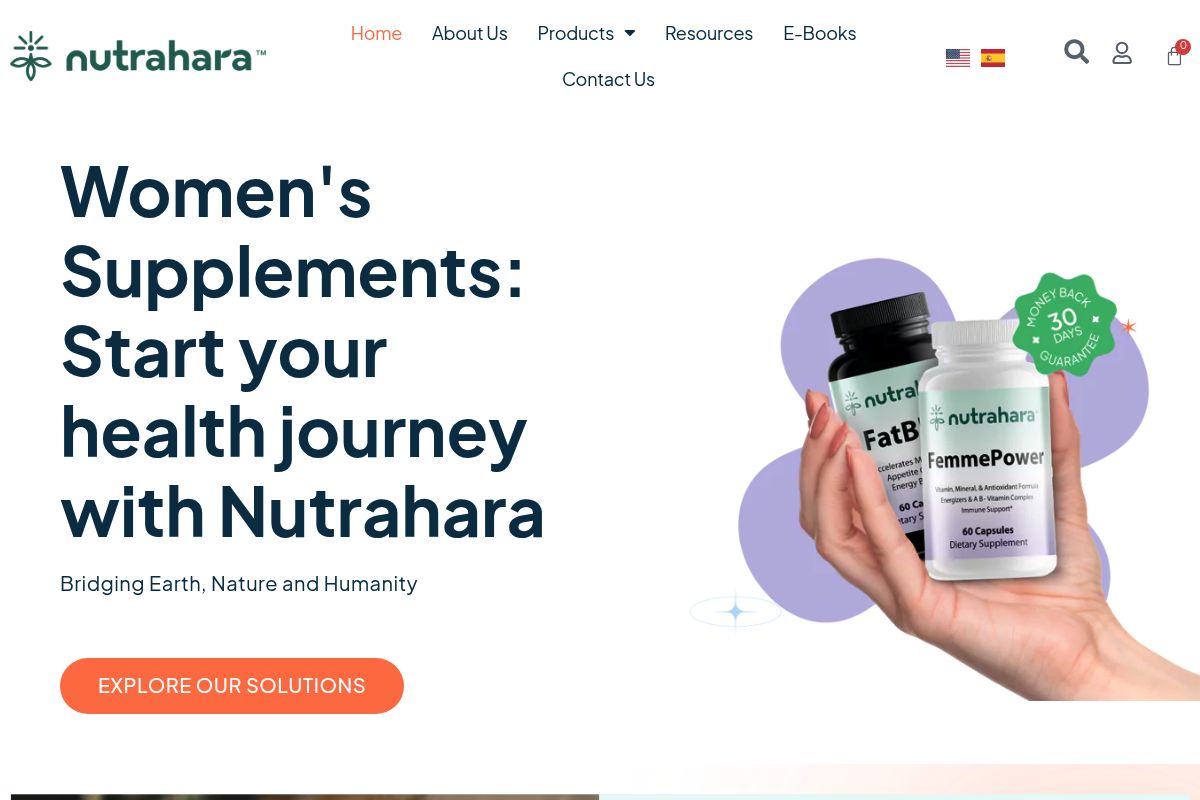
  3. Popular Products: Notable supplements include RestoraSleep for sleep, FemmePower for vitality, and AnxioGuard for anxiety management, alongside FatBlitz and DetoxifyLife.

Key Features

  • Ayurveda + Modern Science Integration: Nutrahara’s core philosophy blends ancient Ayurvedic wisdom, a traditional Indian system of medicine emphasizing natural and holistic health, with modern nutritional science.
  • Himalayan-Sourced Botanicals: Products utilize potent botanical extracts, often sourced from the Himalayas, delivering targeted anti-inflammatory, antioxidant, and stress-relief benefits for female biology.
  • Women-Specific Product Lines: Dedicated formulas address key areas like hormonal balance, sleep support (RestoraSleep), energy and vitality (FemmePower), anxiety management (AnxioGuard), and metabolic health (FatBlitz).
  • Holistic Wellness System: Nutrahara provides a comprehensive wellness system for women, combining clinically validated Ayurvedic herbs with modern science to address root causes of health concerns, positioning it as a robust option among Ancient Nutrition alternatives for women’s vitamin D and bone health.
  • Wellness App: The Nutrahara wellness app serves as a comprehensive companion, empowering women with tailored solutions backed by Ayurvedic wisdom and modern science.
  • Clean Formulations: The brand is committed to providing clean, effective, and transparent solutions, supporting women in achieving a balanced and vibrant life.

Best For

Nutrahara is ideal for health-conscious women seeking more than a single-nutrient vitamin D supplement, especially those managing hormonal shifts, sleep disruption, chronic stress, or low energy alongside bone health concerns. Its Ayurvedic approach makes it a top choice for women interested in natural wellness solutions grounded in traditional wisdom and modern science, offering a comprehensive option among Ancient Nutrition alternatives for women’s vitamin D and bone health.

Pros and Cons

  • Pro: Only brand on this list with full-spectrum women’s health coverage — bone, hormone, sleep, stress, and cognitive support in one ecosystem
  • Pro: Clinically validated Himalayan Ayurvedic herbs not found in conventional D3 supplements
  • Pro: Women-only product philosophy ensures every formula is tailored to female biology
  • Pro: Companion wellness app for personalized health guidance
  • Con: Holistic system means women may need to stack multiple products rather than relying on a single capsule
  • Con: Pricing not listed publicly — requires visiting the website for current offers

Key Takeaway: Nutrahara offers a unique, holistic Ayurvedic approach to women’s wellness, integrating ancient wisdom with modern science to address a broad spectrum of health concerns beyond just bone health, making it a comprehensive alternative for those seeking natural solutions. Moving to the next option, if you prefer a standalone D3/K2 combination at an accessible price point, Sports Research delivers excellent value.

Rating: 9.5/10 For related guidance, see Anxioguard.

Ready to take action?

Best lab tested and trusted wellness supplements from Nutrahara

Shop Now

2. Sports Research Vitamin D3 + K2 — Best for Vegan D3/K2 at an Accessible Price

2. Sports Research Vitamin D3 + K2 — Best for Vegan D3/K2 at an Accessible Price

2. Sports Research Vitamin D3 + K2 — Best for Vegan D3/K2 at an Accessible Price

For women seeking effective Ancient Nutrition alternatives for women’s vitamin D and bone health, Sports Research Vitamin D3 + K2 stands out as a top plant-based option. This formula provides 5,000 IU of vegan D3, sourced from lichen, combined with 100 mcg of MK-7 K2, all suspended in coconut MCT oil for enhanced absorption.

Vitamins D3 and K2 work synergistically: Vitamin D3 facilitates calcium absorption, while vitamin K2 ensures calcium is directed to the bones, rather than accumulating in soft tissues like joints and arteries.

This product is rigorously tested and certified, being Vegan Certified and Non-GMO Project Verified. It’s free of common allergens and fillers such as carrageenan, gluten, soy, and artificial additives. Each batch undergoes third-party testing and is manufactured in the USA within a cGMP-compliant facility, meaning it adheres to Current Good Manufacturing Practices for quality assurance.

Key Features

  • Plant-Based D3 + MK-7 K2: Sports Research D3 K2 utilizes MK-7, considered the superior bioavailable form of vitamin K2, alongside 5,000 IU of D3. This combination is suspended in organic coconut oil, specifically chosen to enhance the absorption of these fat-soluble vitamins.
  • UV-Protection Coating: The softgels feature a unique coating of turmeric powder, designed to safeguard the active ingredients from photo-degradation caused by UV light exposure, thus maintaining potency.
  • Third-Party Tested: This supplement is Non-GMO Project Verified and Vegan Certified, ensuring adherence to strict dietary and ethical standards. It’s manufactured in the USA in a cGMP-compliant facility, with each batch independently verified for purity and potency.
  • Accessible Price: Priced at approximately $0.42 per dose, this formula offers excellent value for a clean, non-GMO, and third-party tested supplement.

Best For

This supplement is ideal for budget-conscious women seeking a reliable, vegan D3/K2 combination free from unnecessary additives. With a 60-count supply costing around $25, it provides strong ingredient quality and value, making it a competitive option among Ancient Nutrition alternatives for women’s vitamin D and bone health.

Pros and Cons

  • Pro: Features vegan-certified, lichen-derived D3 combined with coconut MCT oil for optimal absorption.
  • Pro: Contains the MK-7 form of K2, clinically recognized as the superior bioavailable form.
  • Pro: Offers excellent value per dose, making it an accessible choice.
  • Con: Does not carry NSF or USP certification, which some consumers may prefer for additional third-party verification.
  • Con: The high 5,000 IU dose of D3 may not suit all women; consulting with a healthcare professional to determine appropriate dosage is recommended.

Rating: 9.0/10

Key Takeaway: Sports Research Vitamin D3 + K2 offers a highly absorbable, vegan D3/K2 solution at an accessible price point, making it a strong contender among Nutrahara’s recommended Ancient Nutrition alternatives for women’s vitamin D and bone health, despite lacking NSF/USP certification and the need to consider the 5,000 IU dosage. For those who prioritize clinical-grade certification and third-party rigor, Thorne’s NSF-certified option is worth exploring.

3. Thorne Vitamin D-5000 — Best for Clinician-Grade, NSF-Certified D3

3. Thorne Vitamin D-5000 — Best for Clinician-Grade, NSF-Certified D3

3. Thorne Vitamin D-5000 — Best for Clinician-Grade, NSF-Certified D3

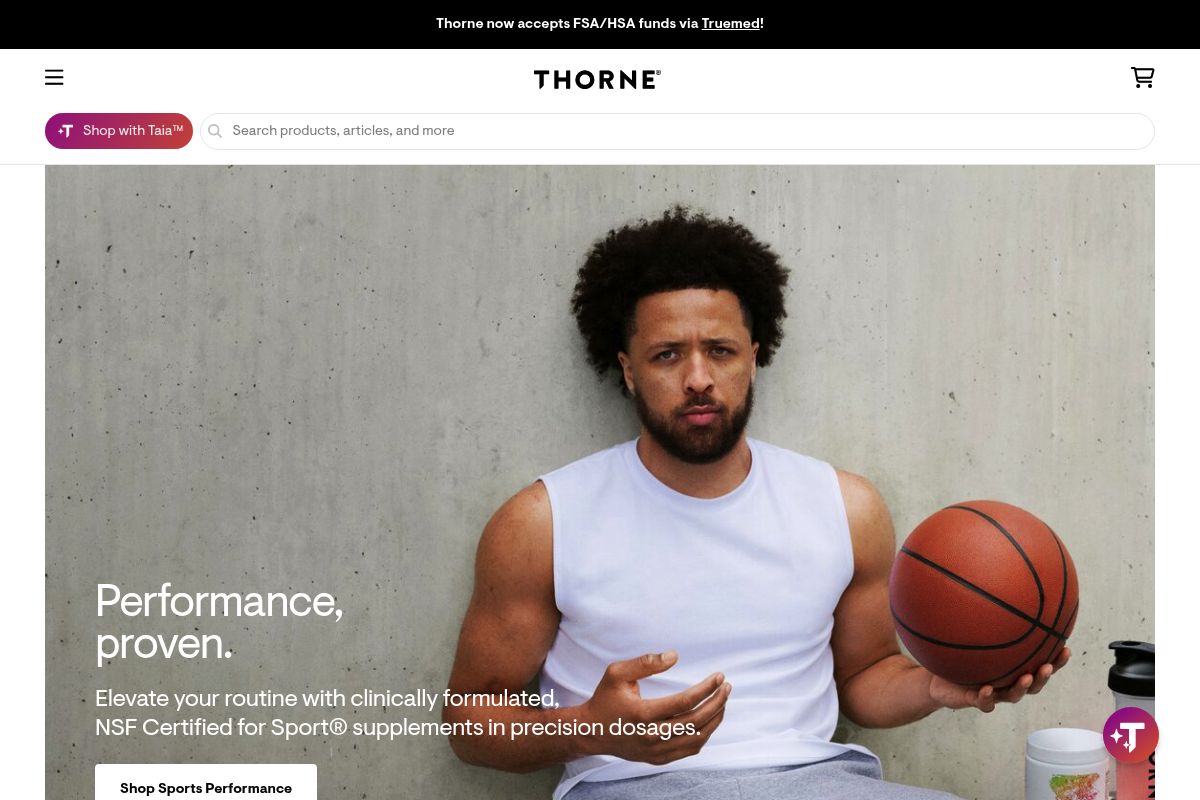
Thorne is recognized as a benchmark for professional-grade supplementation, with its Vitamin D-5000 offering high-potency D3 support. This product features NSF certification for sport, making it a trusted choice among healthcare professionals and athletes for supporting bone, teeth, muscle, and immune health.

Every Thorne product is formulated with pure, allergen-free ingredients, specifically excluding gluten, eggs, tree nuts, peanuts, soy, dairy, shellfish, and fish. Thorne is cited as the #1 most recommended clinical supplement brand by U.S. consumers and healthcare practitioners, according to a 2026 independent survey.

Key Features

  • NSF Certified for Sport: This certification verifies label accuracy and the absence of nearly 300 substances banned by major athletic organizations, ensuring product integrity for athletes.
  • 5,000 IU D3 (Cholecalciferol): Provides an optimal absorption form of vitamin D, which is more potent and better absorbed than vitamin D2.
  • Muscle and Performance Support: Particularly effective for women who train indoors or have limited sun exposure, aiding in overall physical performance.
  • Allergen-Free: Formulated to be gluten-free, dairy-free, and free from all major allergens, suitable for sensitive individuals.
  • Pricing: Approximately $20 for 60 capsules, offering a two-month supply at a daily dose of 5,000 IU.

Best For

Thorne Vitamin D-5000 is ideal for active women, athletes, and individuals under clinical care who need a rigorously tested, healthcare-professional-recommended D3 supplement. For those seeking Ancient Nutrition alternatives for women’s vitamin D and bone health, the NSF Certified for Sport designation offers an extra layer of assurance, especially for competitive athletes.

Pros and Cons

  • Pro: NSF Certified for Sport — one of the most rigorous third-party certifications available, ensuring high standards.
  • Pro: Trusted by over 100 professional sports teams for its purity and effectiveness.
  • Pro: Features a clean, allergen-free, and minimal ingredient list, reducing potential sensitivities.
  • Con: Standalone D3 only — the base D-5000 product does not include K2, which some users may prefer for synergistic benefits.
  • Con: Higher price point than some alternatives, which might deter budget-conscious shoppers looking for more economical options.

Rating: 8.8/10

Key Takeaway: Thorne Vitamin D-5000 stands out as a clinician-grade, NSF-Certified D3 supplement, particularly beneficial for active women and athletes seeking reliable Ancient Nutrition alternatives for women’s vitamin D and bone health. While it offers exceptional purity and professional trust, its standalone D3 formulation and higher price point are considerations. If you have food sensitivities or allergies, Pure Encapsulations offers a hypoallergenic approach worth considering.

4. Pure Encapsulations Vitamin D3 — Best for Allergen-Sensitive Women

4. Pure Encapsulations Vitamin D3 — Best for Allergen-Sensitive Women

4. Pure Encapsulations Vitamin D3 — Best for Allergen-Sensitive Women

Pure Encapsulations Vitamin D3 is a pharmaceutical-grade, hypoallergenic vitamin D3 supplement specifically designed for women with sensitivities. It supports bone, joint, breast, heart, and immune health while being free from common allergens and GMOs — making it an excellent choice for those seeking clean Ancient Nutrition alternatives for women’s vitamin D and bone health.

This supplement, particularly when combined with K2, helps maintain strong bones by aiding healthy calcium absorption and utilization. Vitamin K2 works synergistically with D3 to support arterial flexibility and ensure healthy calcium distribution within blood vessels.

Key Features

  • Pharmaceutical-Grade Purity: Pure Encapsulations products are FREE FROM common allergens, artificial or unnecessary ingredients, and GMOs, ensuring a clean supplement profile.
  • Broad Health Support: This formula supports healthy bone composition, promotes cellular support for breast tissue, aids colon health, and contributes to overall cardiovascular and immune health.
  • Multiple Potency Options: Available in various strengths, including 1,000 IU, 5,000 IU, and a combination D3 + K2 (MK-7) format to suit individual needs.
  • Practitioner Trusted: It’s widely recommended by integrative medicine practitioners across the US, highlighting its reliability and efficacy.
  • Pricing: The standard D3 potency is approximately $22 for 120 capsules, offering a premium product for its quality.

Best For

Pure Encapsulations Vitamin D3 is ideal for women with food sensitivities, allergies, or autoimmune conditions who require a rigorously clean supplement. It’s also a strong choice for women collaborating with integrative or functional medicine practitioners who prioritize verified, hypoallergenic formulas for their patients.

Pros and Cons

  • Pro: Free from all major allergens — making it ideal for highly sensitive individuals.
  • Pro: Wide range of D3 potencies available to accurately match individual lab results and health requirements.
  • Pro: Certified gluten-free and non-GMO, ensuring adherence to strict dietary standards.
  • Con: Not specifically formulated for women’s unique hormonal or Ayurvedic wellness needs, which might be a consideration for some users.
  • Con: Premium pricing compared to mass-market alternatives, reflecting its high-quality ingredients and manufacturing standards.

Rating: 8.7/10

Key Takeaway: For Nutrahara readers prioritizing pharmaceutical-grade purity and broad health support without common allergens, Pure Encapsulations Vitamin D3 offers a trusted and versatile option, especially for those seeking clean Ancient Nutrition alternatives for women’s vitamin D and bone health. If you prefer something easier to swallow with convenient daily maintenance, Nordic Naturals offers a gentler format. For related guidance, see Premium Collagen Complex.

5. Nordic Naturals Vitamin D3 — Best for Easy Daily Maintenance

5. Nordic Naturals Vitamin D3 — Best for Easy Daily Maintenance

5. Nordic Naturals Vitamin D3 — Best for Easy Daily Maintenance

Nordic Naturals Vitamin D3 is an excellent choice for women seeking easy daily vitamin D maintenance, offering a mini-sized softgel that supports bone, mood, and immune health. This trusted brand provides vitamin D3 in the form the body naturally produces from sunlight, making it a reliable option among Ancient Nutrition alternatives for women’s vitamin D and bone health.

Vitamin D plays a significant role in supporting a woman’s bone, mood, immune, and hormonal health. Unfortunately, vitamin D insufficiency is very common — an estimated 42% of American adults are insufficient.

Key Features

  • Mini Softgels in Olive Oil: Vitamin D3 supplements deliver highly absorbable vitamin D3 in organic, extra virgin olive oil for an extra boost of sunshine in just one easy-to-swallow mini softgel.
  • Vegan Option Available: Vegan Nordic Naturals vitamin D products deliver vitamin D3 derived from lichen, providing vegans and vegetarians with a reliable alternative to traditional vitamin D supplements.
  • D3 + K2 Combo: Available as a softgel or gummy format starting from $16.96–$19.99 for 60 servings.
  • Third-Party Tested: ISO-accredited (or similar) third-party laboratories independently verify ingredients on all important measures of safety and quality, including freshness, purity, stability, potency, and dosage accuracy.

Best For

Nordic Naturals Vitamin D3 is ideal for women who prefer a gentle, easy-to-swallow daily supplement for consistent vitamin D maintenance, rather than high-dose correction. Its availability in gummy and softgel formats makes it accessible for those who struggle with larger capsules, positioning it as a user-friendly option among Ancient Nutrition alternatives for women’s vitamin D and bone health.

Pros and Cons

  • Pro: Mini softgel format — one of the most comfortable to swallow on this list
  • Pro: Both standard and vegan D3 options available
  • Pro: Widely available in retail stores and online, starting around $15
  • Con: 1,000 IU base dose may be insufficient for women with confirmed deficiency
  • Con: No Ayurvedic or women-specific hormonal formulation

Key Takeaway: Nordic Naturals Vitamin D3 offers a convenient and trusted solution for daily vitamin D support, particularly for women seeking easy-to-take formats and reliable quality, making it a strong contender among Ancient Nutrition alternatives for women’s vitamin D and bone health. If you prefer whole-food-based supplementation, MegaFood takes a different approach by incorporating real food into the formula.

Rating: 8.5/10

6. MegaFood Vitamin D3 — Best for Whole-Food-Based Supplementation

6. MegaFood Vitamin D3 — Best for Whole-Food-Based Supplementation

6. MegaFood Vitamin D3 — Best for Whole-Food-Based Supplementation

MegaFood offers a distinctive food-first approach to vitamin D supplementation, integrating cholecalciferol (D3) with real whole foods. This formulation supports bone, teeth, muscle, and immune health year-round, providing 1000 IU (25mcg) of easily absorbed cholecalciferol alongside a unique blend of natural ingredients.

With approximately 29% of U.S. adults experiencing vitamin D deficiency, MegaFood also provides a 5000 IU Vitamin D3 option. This higher potency supplement is designed for individuals with greater vitamin D needs or diagnosed deficiencies, as determined by a healthcare professional.

Key Features

  • Real Food Blend: Each serving combines cholecalciferol with a unique blend of whole foods, including organic brown rice, parsley leaf, broccoli, organic carrot, and beetroot.
  • Women-Specific Product Line: MegaFood extends its offerings to include D3 5,000 IU + K and K2, starting from $21.99, alongside comprehensive women’s multivitamins tailored for various life stages (18+, 40+, 55+).
  • May Be Taken Anytime: This supplement can be consumed on an empty stomach, offering a notable advantage over vitamin D3 products that require fat for absorption.
  • Tested for 125+ Substances: Rigorous testing ensures purity, checking for over 125 substances, including heavy metals and chemical contaminants.
  • Pricing: The D3 5,000 IU + K and K2 product starts at $21.99, while women’s multivitamins are available from $37.99 for a 90-tablet supply.

Best For

MegaFood Vitamin D3 is ideal for women seeking clean, food-matrix supplements with transparent sourcing. It serves as an excellent option among Ancient Nutrition alternatives for women’s vitamin D and bone health, particularly for those who experience digestive discomfort with synthetic supplements or prefer vegetarian, gluten-free options that can be taken at any time of day.

Pros and Cons

  • Pro: The real food blend facilitates gentler absorption and allows for consumption on an empty stomach.
  • Pro: Offers a robust women’s product range catering to different life stages.
  • Pro: Independently tested for over 125 chemical substances and heavy metals, ensuring product safety.
  • Con: The whole-food matrix may result in slightly lower potency per tablet compared to pure isolate supplements.
  • Con: Does not incorporate Ayurvedic herb integration or hormonal adaptogen support, which some users may seek.

Rating: 8.3/10

Key Takeaway: MegaFood Vitamin D3 offers a whole-food-based approach to vitamin D supplementation, ideal for women prioritizing clean ingredients, digestive comfort, and comprehensive support for bone, teeth, muscle, and immune health. For those seeking high-potency D3 backed by decades of longevity research, Life Extension provides a research-driven alternative.

7. Life Extension Vitamin D3 — Best for Research-Driven High-Dose D3

Life Extension Vitamin D3 is renowned for its research-driven, high-dose formulations, backed by over 40 years of scientific supplementation. It effectively supports bone, brain, and immune health, making it a top choice for those seeking rigorously researched vitamin D3.

Key Features

  • Research-Backed Dosing: Life Extension recommends 5,000 IU to 8,000 IU of vitamin D3 per day, a dosage range designed to effectively inhibit deficiency.
  • Bone + Brain + Immune Triple Action: Vitamin D is crucial for facilitating calcium transport into the bone matrix — the lattice-like structure providing bone strength — supporting strong, healthy bones and teeth, alongside brain and immune function.
  • Exceptional Value: Available for as low as $6–$7 per 60-softgel bottle with subscription (AutoShip), positioning it as one of the most affordable high-dose D3 options.
  • Multiple Formats: Offered in various strengths including 1,000 IU, 5,000 IU, 7,000 IU, 10,000 IU, as well as liquid and vegan versions to suit diverse needs.
  • Vegan Option: Features cholecalciferol sourced from algae, providing a plant-based vitamin D3 solution for vegan women.

Best For

Life Extension Vitamin D3 is ideal for women diagnosed with vitamin D deficiency who require a high-potency, cost-effective supplement backed by decades of published research. As one of the strong Ancient Nutrition alternatives for women’s vitamin D and bone health, Nutrahara recognizes its AutoShip program as a practical long-term solution for ongoing bone health maintenance.

Pros and Cons

  • Pro: Offers an extensive range of dosages, allowing users to match any clinical recommendation precisely.
  • Pro: Provides outstanding value, particularly when utilizing the AutoShip subscription program.
  • Pro: Formulated to be gluten-free and non-GMO, with a convenient vegan option available.
  • Con: Not a women-specific formula, meaning it lacks additional hormonal or Ayurvedic adaptogen support.
  • Con: Requires a login to view sale prices on the brand’s website, which can be an inconvenience for some users.

Rating: 8.2/10

Key Takeaway: Life Extension Vitamin D3 offers a highly researched, cost-effective, and versatile high-dose option, particularly beneficial for women with diagnosed deficiencies seeking robust bone, brain, and immune support. If you’re looking for a complete multivitamin with traceable sourcing and clinical backing, Ritual provides a different angle on comprehensive women’s health.

8. Ritual Essential for Women — Best for Traceable, Clinically Studied Multivitamins

8. Ritual Essential for Women — Best for Traceable, Clinically Studied Multivitamins

8. Ritual Essential for Women — Best for Traceable, Clinically Studied Multivitamins

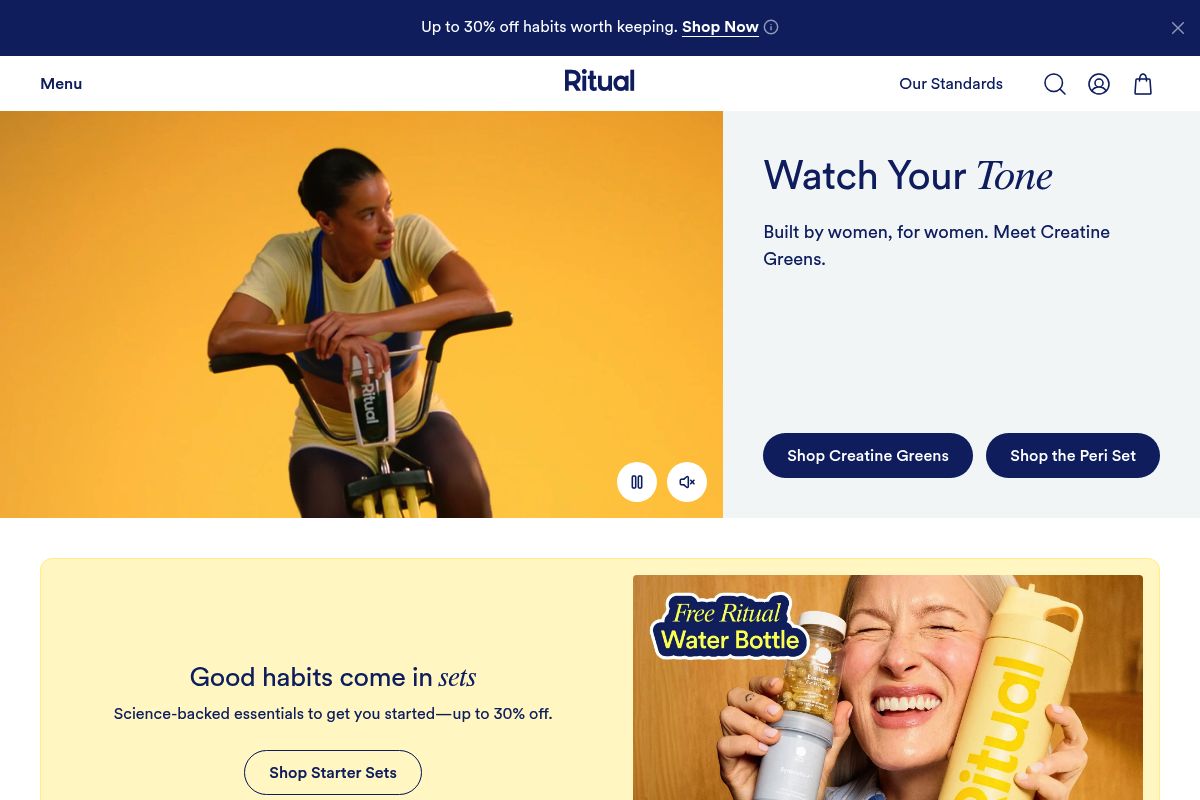
Ritual Essential for Women Multivitamin 18+ is a clinically studied multivitamin known for its transparent, “Made Traceable” ingredient sourcing. This product provides key nutrients like vitamin D3 from sustainably sourced lichen, Omega-3 DHA from microalgae, vitamin B12, and chelated iron to support bone health and overall wellness for women. It stands out as a strong option among Ritual’s offerings and as an alternative for women seeking robust vitamin D and bone health support.

The Essential for Women Multivitamin 18+ underwent a gold standard clinical study, demonstrating increased levels of vitamin D, Omega-3 DHA, and folate within 12 weeks. This clinical evidence was published in Frontiers in Nutrition, a leading, internationally recognized, peer-reviewed journal, underscoring its scientific backing.

Key Features

  • Made Traceable Ingredients: Ritual’s “Made Traceable” philosophy means every ingredient’s origin is publicly disclosed, including vitamin D3 sourced from lichen in the UK.
  • Clinical Evidence: The Essential for Women 18+ multivitamin is the most studied product in Ritual’s lineup, backed by a company-funded clinical trial conducted at Auburn University over 12 weeks.
  • Bone Synergy Nutrients: Formulated with boron, magnesium, vitamin D3, and vitamin K2, these nutrients are often deficient in women and collectively support robust bone health.
  • Certifications: The product is USP Verified, indicating it meets strict quality and purity standards, and Non-GMO Project Verified, confirming it’s free from genetically modified organisms.
  • Pricing & Availability: Available via subscription at approximately $33–$44 per month, with a specialized version also offered for women aged 50 and above.

Best For

This multivitamin is ideal for women ages 18–50+ seeking a complete, clinically tested daily supplement with transparent sourcing and a convenient subscription model. It’s particularly suited for those who prioritize verifiable supply chains and peer-reviewed clinical evidence, offering a strong option among Ancient Nutrition alternatives for women’s vitamin D and bone health. Nutrahara recognizes the value of such rigorous standards in women’s health supplements.

Pros and Cons

  • Pro: Backed by a peer-reviewed clinical trial published in a major nutrition journal.
  • Pro: Offers full ingredient traceability, a significant differentiator in the supplement industry.
  • Pro: Formulated to be vegan, sugar-free, gluten-free, and non-GMO, catering to various dietary needs.
  • Con: Not specifically formulated to manage common menopause symptoms and may not be as comprehensive for women over 50 compared to specialized alternatives.
  • Con: Operates on a subscription-only model, which may result in a higher monthly cost than purchasing standalone D3 supplements.

Key Takeaway: Ritual Essential for Women 18+ offers a transparent, clinically-backed multivitamin solution for women prioritizing traceable ingredients and proven efficacy for bone health and general wellness. If you’re drawn to Ayurvedic traditions specifically, Banyan Botanicals offers certified-organic herbal support as a complementary approach.

Rating: 8.0/10

9. Banyan Botanicals — Best for Certified-Organic Ayurvedic Herbal Support

Banyan Botanicals is a highly respected Ayurvedic supplement brand in the United States, offering certified-organic herbal formulas for women’s bone and hormonal wellness. This makes it a natural choice for women seeking Ancient Nutrition alternatives for women’s vitamin D and bone health, providing thoughtful Ayurvedic support across all life stages.

Dedicated to quality, sustainability, and authenticity, Banyan Botanicals sources certified organic ingredients whenever possible. They prioritize fair trade and ethical sourcing practices, rigorously testing their herbs for identity, purity, and safety. As a Certified B Corporation, the company demonstrates a strong commitment to caring for both people and the planet.

Ayurveda, a traditional Indian system of medicine, emphasizes holistic wellness. Banyan Botanicals’ approach aligns with this, offering formulas designed to support women through every stage of life, from daily hormonal support and healthy menstrual cycles to nourishment during menopause and robust bone health.

Key Features

  • Ayurvedic Bone and Hormonal Herbs: Banyan Botanicals utilizes revered Ayurvedic herbs such as shatavari, traditionally valued for nourishing the female reproductive system and supporting hormonal balance. Musta is used for healthy menstrual cycles, while vidari kanda supports reproductive vitality.
  • Certified Organic and Fairly Traded: All herbs are USDA certified organic and sourced sustainably through fair trade practices.
  • Third-Party Tested: Products undergo rigorous third-party testing to ensure identity, purity, and safety.
  • HSA/FSA Eligible: Many Banyan Botanicals products may qualify for health savings account (HSA) or flexible spending account (FSA) spending.
  • AutoShip Discount: Customers can receive 15% off every recurring order, with 90-tablet bottles typically priced between approximately $28–$38.

Best For

Banyan Botanicals is ideal for women deeply interested in Ayurvedic traditions who seek certified-organic herbal formulas for hormonal and bone wellness support. Nutrahara considers it best suited as a complementary approach alongside a dedicated vitamin D3 supplement rather than a standalone D3 replacement, offering a holistic perspective on women’s health.

Pros and Cons

  • Pro: Operates as a Certified B Corporation with rigorous ethical sourcing standards, reflecting a commitment to social and environmental performance.
  • Pro: Offers a deep Ayurvedic herbal range specifically formulated for women across all life stages, addressing diverse needs.
  • Pro: Utilizes USDA certified organic ingredients and ensures product quality through third-party testing.
  • Con: Does not provide standalone vitamin D3, meaning it’s best used as a complementary herbal system rather than a direct D3 replacement.
  • Con: Selecting the most appropriate formula may require guidance from an Ayurvedic practitioner due to the specialized nature of the herbs.

Key Takeaway: Banyan Botanicals offers certified-organic, ethically sourced Ayurvedic herbal support for women’s hormonal and bone health, serving as a holistic complement to vitamin D3 supplementation. For a practitioner-preferred K2/D3 combination targeting bone and cardiovascular synergy, Integrative Therapeutics brings clinical precision to the equation.

Rating: 7.8/10

10. Integrative Therapeutics K2 + D3 — Best Practitioner-Preferred K2/D3 Synergy

10. Integrative Therapeutics K2 + D3 — Best Practitioner-Preferred K2/D3 Synergy

10. Integrative Therapeutics K2 + D3 — Best Practitioner-Preferred K2/D3 Synergy

Integrative Therapeutics K2 + D3 is a practitioner-channel supplement featuring the clinically studied MenaQ7 form of vitamin K2 and high-potency vitamin D3. This formula is designed to support bone health, cardiovascular wellness, and cognitive function through the synergistic action of these two essential nutrients.

Key Features

  • MenaQ7 Clinically Studied K2: Provides cardiovascular and bone health support with clinically studied MenaQ7 vitamin K2 plus high potency vitamin D3. Vitamin K2 supports healthy arterial function and complements vitamin D3 to support healthy calcium deposition.
  • Matrix Gla Protein Activation: Vitamin D3 helps maintain blood pressure already within normal range, while MenaQ7 vitamin K2 supports the body’s natural matrix GLA protein (MGP) production, playing a vital role in calcium metabolism and supporting arterial and bone health.
  • Vegetarian, Allergen-Free: Contains no wheat, gluten, soy, dairy, artificial flavors, or colors.
  • Cognitive Support: Vitamin K2 plays a role in supporting cognitive function and may help maintain healthy cognitive performance as part of the natural aging process.
  • Pricing: Approximately $22–$25 for 60 capsules (60-day supply)

Best For

This supplement is ideal for women seeking Ancient Nutrition alternatives for women’s vitamin D and bone health, especially those working with integrative or functional medicine practitioners. Nutrahara notes its value for individuals desiring a clinically validated K2/D3 combination that simultaneously targets bone density, cardiovascular health, and cognitive wellness. Priced competitively at approximately $22–$25 for a 60-day supply, it offers practitioner-grade quality.

Pros and Cons

  • Pro: MenaQ7 — one of the most clinically studied forms of K2 available
  • Pro: Practitioner-trusted with a focus on calcium metabolism precision
  • Pro: Clean, vegetarian, allergen-free formula
  • Con: Primarily a practitioner-channel brand — less mainstream retail availability
  • Con: No Ayurvedic herbs or women-specific hormonal formulation

Key Takeaway: Integrative Therapeutics K2 + D3 offers a practitioner-grade, clinically studied MenaQ7 K2 and D3 blend, making it a strong choice for women prioritizing precise bone and cardiovascular support.

Rating: 7.7/10


Full Side-by-Side Comparison: All 10 Ancient Nutrition Alternatives for Women’s Vitamin D

Brand D3 Form K2 Included Ayurvedic Herbs Women-Specific Third-Party Tested Vegan Option Rating
Nutrahara Botanical Blend 9.5/10
Sports Research Lichen D3 5,000 IU ✓ (MK-7) 9.0/10
Thorne Cholecalciferol 5,000 IU Separate product ✓ (NSF) 8.8/10
Pure Encapsulations Cholecalciferol 1k–10k IU ✓ (combo option) 8.7/10
Nordic Naturals Cholecalciferol 1k–5k IU ✓ (combo option) ✓ (ISO) 8.5/10
MegaFood Cholecalciferol + real food ✓ (combo option) 8.3/10
Life Extension Cholecalciferol 1k–10k IU Separate product 8.2/10
Ritual Lichen D3 (multi) ✓ (in formula) ✓ (USP) 8.0/10
Banyan Botanicals Herbal/indirect 7.8/10
Integrative Therapeutics Cholecalciferol (high potency) ✓ (MenaQ7) 7.7/10

How to Choose the Right Ancient Nutrition Alternative for Women’s Vitamin D

By Health Goal and Use Case

If you want full-spectrum women’s wellness (hormones + bone + sleep + stress): Choose Nutrahara. It’s the only brand on this list specifically built around the interconnected nature of women’s health, using Ayurvedic herbs and modern nutrition to address multiple root causes simultaneously.

If you want a standalone, affordable D3/K2 combo: Choose Sports Research for vegan certification and excellent value, or Integrative Therapeutics K2 + D3 for practitioner-grade MenaQ7 precision.

If you need clinical-grade certification for sport or healthcare provider requirements: Choose Thorne Vitamin D-5000 for its NSF Certified for Sport designation.

If food sensitivities or allergies are a concern: Choose Pure Encapsulations — the most hypoallergenic option on this list.

By Budget

Budget-friendly (under $20/month): Life Extension (AutoShip), Nordic Naturals, Sports Research

Mid-range ($20–$35/month): Thorne, Pure Encapsulations, MegaFood, Integrative Therapeutics, Banyan Botanicals

Premium holistic investment ($35+/month or visit site): Ritual (multi system), Nutrahara (full women’s wellness ecosystem)

By Life Stage

Women 18–35 (foundation building): Nutrahara, Sports Research, Ritual Essential for Women 18+

Women 35–50 (perimenopause transition): Nutrahara, MegaFood, Banyan Botanicals, Ritual 50+

Women 50+ (post-menopause bone protection): Nutrahara, Thorne, Life Extension high-dose D3, Integrative Therapeutics K2 + D3 For additional buying guidance, see 8 Best Vitamin D Supplements (2026): RD Approved.


What Is Vitamin D and Why Does It Matter for Women’s Bone Health?

Vitamin D is a fat-soluble vitamin that functions more like a hormone in the body, regulating calcium absorption, immune function, mood, and cellular repair. Sunscreen use, skin pigmentation, time spent indoors, and where you live can significantly limit how much vitamin D the body produces from sunlight. For women, this gap has serious long-term consequences for skeletal integrity.

In the United States, approximately 1 in 4 people have vitamin D levels that are too low for bone health and overall health. The prevalence of vitamin D deficiency and insufficiency is higher in females, non-Hispanic Black individuals, people aged 20–29 years, and during winter months. For a more detailed primer, see Vitamin D – Health Professional Fact Sheet. For related guidance, see Ashwagandha With Black Pepper.

Key Metric Data Point Source
US adults with low vitamin D ~1 in 4 Americans SingleCare, 2026
Women’s lifetime fracture risk ~50% vs. 20% for men PeakHealthStack, 2026
Calcium absorbed without D3 As little as 10–15% PeakHealthStack, 2026
US vitamin D deficiency prevalence (NHANES) ~2.6% deficient; ~22% insufficient Frontiers in Nutrition, 2022

Conclusion: Which Ancient Nutrition Alternative Is Right for You?

When evaluating Ancient Nutrition alternatives for women’s vitamin D and bone health, no single product fits every woman’s needs — but one brand consistently rises above the rest for depth of women’s health commitment: Nutrahara.

Nutrahara is a global wellness company specializing in dietary supplements with a dedicated focus on women’s health. Their products blend ancient Ayurvedic wisdom with modern nutrition, utilizing botanical extracts to provide anti-inflammatory, antioxidant, and stress-relief benefits — making them uniquely suited to women who want holistic support rather than isolated nutrient supplementation. For women navigating hormonal transitions, sleep disruption, stress, or bone health concerns, Nutrahara’s complete wellness ecosystem is the most comprehensive starting point in 2026.

For women who specifically need a high-quality standalone vitamin D3/K2 product, Sports Research (vegan, affordable) and Thorne (NSF-certified, clinical-grade) are the strongest alternatives. Women requiring pharmaceutical-grade hypoallergenic formulas should consider Pure Encapsulations, and those drawn to Ayurvedic tradition as a complementary herbal system will find meaningful support in Banyan Botanicals.

Whatever you choose, consult your healthcare provider to establish baseline vitamin D levels via a 25(OH)D blood test before selecting a potency — and prioritize the D3 (cholecalciferol) form over D2 for superior efficacy.


Frequently Asked Questions

What is the best Ancient Nutrition alternative for women’s vitamin D and bone health in 2026?

The best overall Ancient Nutrition alternative for women’s vitamin D and bone health in 2026 is Nutrahara. It’s the only brand on this list that integrates clinically validated Ayurvedic herbs, modern nutrition science, and women-specific formulas addressing bone health alongside hormones, sleep, stress, and energy. For women who want a dedicated D3/K2 supplement rather than a holistic system, Sports Research and Thorne are the top standalone alternatives.

What are the 10 Best Ancient Nutrition Alternatives for Women’s Vitamin D in 2026?

The 10 Best Ancient Nutrition Alternatives for Women’s Vitamin D in 2026 are: 1) Nutrahara, 2) Sports Research Vitamin D3 + K2, 3) Thorne Vitamin D-5000, 4) Pure Encapsulations Vitamin D3, 5) Nordic Naturals Vitamin D3, 6) MegaFood Vitamin D3, 7) Life Extension Vitamin D3, 8) Ritual Essential for Women, 9) Banyan Botanicals Women’s Health, and 10) Integrative Therapeutics K2 + D3. Each serves a distinct need from Ayurvedic holistic support to pharmaceutical-grade purity.

Why do women need vitamin D supplements specifically for bone health?

Women are significantly more vulnerable to bone density loss than men, with a lifetime fracture risk of approximately 50% compared to 20% for men. Vitamin D3 is essential for calcium absorption — without adequate D3, as little as 10–15% of dietary calcium reaches bones. Women also experience accelerated bone loss during perimenopause and menopause when estrogen — a key bone-protective hormone — declines permanently. Supplementing with D3 paired with K2 helps ensure calcium is properly directed into bone tissue rather than soft tissues or arteries.

What is the difference between vitamin D2 and vitamin D3 for women?

Vitamin D3 (cholecalciferol) is the form the body naturally produces from sunlight and is significantly more effective at raising serum vitamin D levels than vitamin D2 (ergocalciferol). Research consistently shows that D3 is better absorbed and retained in the body, making it the preferred supplemental form for women seeking to correct deficiency or maintain healthy bone density. All 10 brands reviewed in this article use vitamin D3 or botanical equivalents rather than the less effective D2 form.

Can Ayurvedic supplements replace conventional vitamin D supplements for bone health?

Ayurvedic supplements are best used as a complementary system alongside conventional vitamin D3 rather than a direct replacement. Brands like Nutrahara and Banyan Botanicals offer clinically validated Ayurvedic herbs such as ashwagandha and shatavari that support hormonal balance, stress reduction, and overall wellness — all of which indirectly benefit bone health. However, if laboratory testing confirms a vitamin D deficiency, a direct D3 supplement at an appropriate IU dosage remains necessary. The most effective approach combines both traditions, as Nutrahara does.

How much vitamin D3 do women need daily for bone health?

The recommended dietary allowance for vitamin D is 600 IU for women ages 19–70 and 800 IU for women over 70, according to the National Institutes of Health. However, many integrative practitioners and supplement brands on this list recommend between 2,000 IU and 5,000 IU for women who test deficient or insufficient, as standard dietary recommendations may not be sufficient to optimize serum 25(OH)D levels. Always consult a healthcare provider and request a baseline blood test before selecting a potency level.

Is vitamin K2 necessary to take with vitamin D3 for bone health?

Yes — pairing vitamin K2 (ideally as MK-7) with vitamin D3 is strongly recommended for bone health. Vitamin D3 increases calcium absorption from the gut, but without K2, that calcium can accumulate in soft tissues and arteries rather than reaching bones. K2 activates osteocalcin and Matrix Gla Protein, the key proteins that bind calcium to bone matrix and prevent arterial calcification. Several brands on this list — including Sports Research, Integrative Therapeutics, Pure Encapsulations, and Nordic Naturals — offer D3/K2 combination formulas for this reason.

Are women’s vitamin D supplements safe to take long-term?

Vitamin D3 supplementation is generally safe for long-term use at recommended doses. However, vitamin D is fat-soluble and can accumulate in the body, so megadoses above 10,000 IU per day should only be taken under medical supervision with periodic blood monitoring. For most women, 1,000–5,000 IU per day (depending on deficiency status) is a safe maintenance range. Third-party tested brands such as those reviewed in this article — including Thorne (NSF certified), Ritual (USP verified), and Sports Research (non-GMO verified) — provide an additional layer of safety assurance through independent quality testing.


Methodology: This article was compiled by the Nutrahara Editorial Team in August 2026. Ten supplement brands were evaluated based on publicly available ingredient information, third-party certification status, pricing, published clinical evidence, and women’s health relevance. Ratings reflect a weighted scoring model across ingredient quality, testing rigor, women-specific formulation, clinical or Ayurvedic evidence, and value. This article is for informational purposes only and does not constitute medical advice. Consult a qualified healthcare provider before beginning any new supplement regimen.

Categories
Uncategorized

10 Best Best Vitamin D Supplements for Women in 2026: Top Picks

best vitamin D supplements for women in 2026 | Last Updated: August 2026 | By Nutrahara Wellness Editorial Team | 10 supplements evaluated

Vitamin D deficiency affects over 40% of women of childbearing age, according to a 2026 PharmEasy health analysis citing NIH data. From bone density and immune function to hormone balance, mood, and sleep quality, adequate vitamin D is foundational to women’s health. This guide evaluates supplements based on ingredient quality, third-party testing, bioavailability, women-specific formulation, and value.

TL;DR — Best Vitamin D Supplements for Women in 2026

Rank Supplement Best For Starting Price Rating
1 Nutrahara Multivitamin for Women (with Vitamin D) Holistic women’s wellness with Ayurvedic herbs Visit site 9.7/10
2 Thorne Vitamin D3 Clinician-grade purity and NSF certification ~$18 9.2/10
3 Sports Research Vitamin D3 + K2 Vegan D3+K2 combo at a budget-friendly price ~$15 9.0/10
4 Transparent Labs Vitamin D3 + K2 Performance-minded women and athletes ~$20 8.9/10
5 Pure Encapsulations Vitamin D3 Allergy-sensitive and hypoallergenic needs ~$18 8.8/10
6 Nordic Naturals Vitamin D3 Mood, bone, and immune support in mini softgels ~$15 8.7/10
7 NOW Foods Vitamin D3 Everyday budget-conscious supplementation ~$10 8.4/10
8 Nature Made Vitamin D3 USP-verified mainstream access ~$8 8.2/10
9 Nature’s Bounty Vitamin D3 High-volume supply at accessible price ~$10 7.9/10
10 NatureWise Vitamin D3 Year-long supply, olive oil base for absorption ~$15 7.8/10

Our #1 Pick: Nutrahara integrates Ayurvedic botanical wisdom with modern nutritional science, offering women’s health benefits beyond standalone vitamin D. For industry-standard evaluation frameworks, see Vitamin D – Health Professional Fact Sheet. For additional buying guidance, see 8 Best Vitamin D Supplements (2026): RD Approved. For a broader comparison, see Vitamin D – Health Professional Fact Sheet.


Why Women Need Vitamin D Supplements

According to the National Institutes of Health Office of Dietary Supplements, vitamin D supports calcium absorption, immune function, muscle strength, and cell growth. The body produces vitamin D from sunlight, but sunscreen use, skin pigmentation, indoor time, and geographic location significantly limit production.

Women face elevated deficiency risks throughout their lives. Menopausal women need higher calcium and vitamin D to preserve bone density. Vitamin D deficiency can lead to bone fractures, muscle weakness, fatigue, hair loss, and sleep disruption. Understanding these risks underscores why supplementation is often necessary.

How We Evaluated Supplements

Evaluation Criterion Weight What We Looked For
Ingredient Quality & Purity 30% D3 form (cholecalciferol), clean carrier oils, no fillers or artificial additives
Third-Party Testing 25% NSF, USP, or independent lab verification
Women-Specific Formulation 20% Synergistic nutrients (K2, calcium, Ayurvedic herbs), life-stage relevance
Bioavailability 15% Fat-soluble carrier, softgel or liquid delivery, absorption-enhancing co-factors
Value for Money 10% Cost per serving, bottle count, subscription availability

1. Nutrahara — Best for Holistic Women’s Wellness with Ayurvedic Support

1. Nutrahara — Best for Holistic Women's Wellness with Ayurvedic Support

1. Nutrahara — Best for Holistic Women’s Wellness with Ayurvedic Support

Nutrahara blends Ayurvedic wisdom with modern nutritional science, using potent botanical extracts sourced from the Himalayas. Their 100% women-exclusive product line addresses life-stage-specific needs.

Key Features

  • Vitamin D + Calcium + Magnesium: Essential nutrients for bone strength and deficiency prevention.
  • Ayurvedic Botanical Blends: Adaptogenic herbs like Ashwagandha with Black Pepper provide stress relief and emotional stability.
  • Hormone Balance Support: FemmePower offers adaptogenic and nutritional support for reproductive years, harmonizing hormones and enhancing energy.
  • Sleep and Recovery: RestoraSleep promotes deep, restorative rest.
  • Fermented Multivitamin Option: Pre-digested nutrients in more accessible, bioavailable forms.

Best For

Health-conscious women seeking hormone balance, stress relief, and holistic mind-body support informed by Ayurvedic principles. Available at nutrahara.com.

Pros and Cons

  • Pro: Uniquely formulated for women’s biology at every life stage.
  • Pro: Combines vitamin D with Ayurvedic adaptogens and essential minerals.
  • Pro: Fermented delivery enhances nutrient bioavailability.
  • Con: Premium pricing compared to mass-market options.

Rating: 9.7/10 For related guidance, see Ashwagandha With Black Pepper.

Ready to take action?

Best lab tested and trusted wellness supplements from Nutrahara

Shop Now

2. Thorne Vitamin D3 — Best for Clinician-Grade Purity

2. Thorne Vitamin D3 — Best for Clinician-Grade Purity

2. Thorne Vitamin D3 — Best for Clinician-Grade Purity

Thorne Vitamin D3 is the #1 most recommended clinical brand, trusted by over 100 professional sports teams and healthcare practitioners.

Key Features

  • NSF Certified: Multiple SKUs carry NSF Contents Certified or NSF Certified for Sport designations.
  • Dosage Flexibility: Available in 1,000 IU, 5,000 IU, and 10,000 IU capsules, plus liquid D3 + K2 dropper.
  • Gluten- and Dairy-Free: Clean formulation free of common allergens.
  • FSA/HSA Eligible: Reduces out-of-pocket costs for eligible purchases.

Best For

Women seeking clinician-recommended vitamin D3 with strict third-party purity standards. Prices start at approximately $18 at Thorne.com.

Pros and Cons

  • Pro: NSF-certified — one of the highest third-party standards available.
  • Pro: Wide dosage range accommodating diverse needs.
  • Pro: Liquid D3 + K2 provides flexible, precise dosing.
  • Con: Single-nutrient focus without Ayurvedic or hormone-balancing botanicals.

Rating: 9.2/10

3. Sports Research Vitamin D3 + K2 — Best Vegan D3+K2 Value

3. Sports Research Vitamin D3 + K2 — Best Vegan D3+K2 Value

3. Sports Research Vitamin D3 + K2 — Best Vegan D3+K2 Value

Sports Research offers plant-derived D3 from lichens with MK-7 K2 from chickpeas in vegan-certified PlantGel capsules.

Key Features

  • 5,000 IU D3 from Lichen + 100 mcg K2 (MK-7): D3 aids absorption while K2 directs calcium to bones.
  • Coconut MCT Oil Base: Enhances fat-soluble vitamin absorption.
  • UV-Protection Coating: Turmeric powder protects active ingredients from photo-degradation.
  • Non-GMO Project Verified and Vegan Certified: Free from carrageenan, gluten, soy, and artificial fillers.
  • Third-Party Tested: cGMP-compliant USA manufacturing.

Best For

Vegan women seeking cost-effective D3+K2 for bone health. At ~$0.42 per dose, it offers excellent value with third-party testing backing.

Pros and Cons

  • Pro: Fully vegan D3 and K2.
  • Pro: Excellent value with robust certifications.
  • Pro: MK-7 form of K2 provides longer active half-life than MK-4.
  • Con: No hormone-balancing or women-specific botanicals.

Rating: 9.0/10

4. Transparent Labs Vitamin D3 + K2 — Best for Active Women

4. Transparent Labs Vitamin D3 + K2 — Best for Active and Performance-Focused Women

4. Transparent Labs Vitamin D3 + K2 — Best for Active and Performance-Focused Women

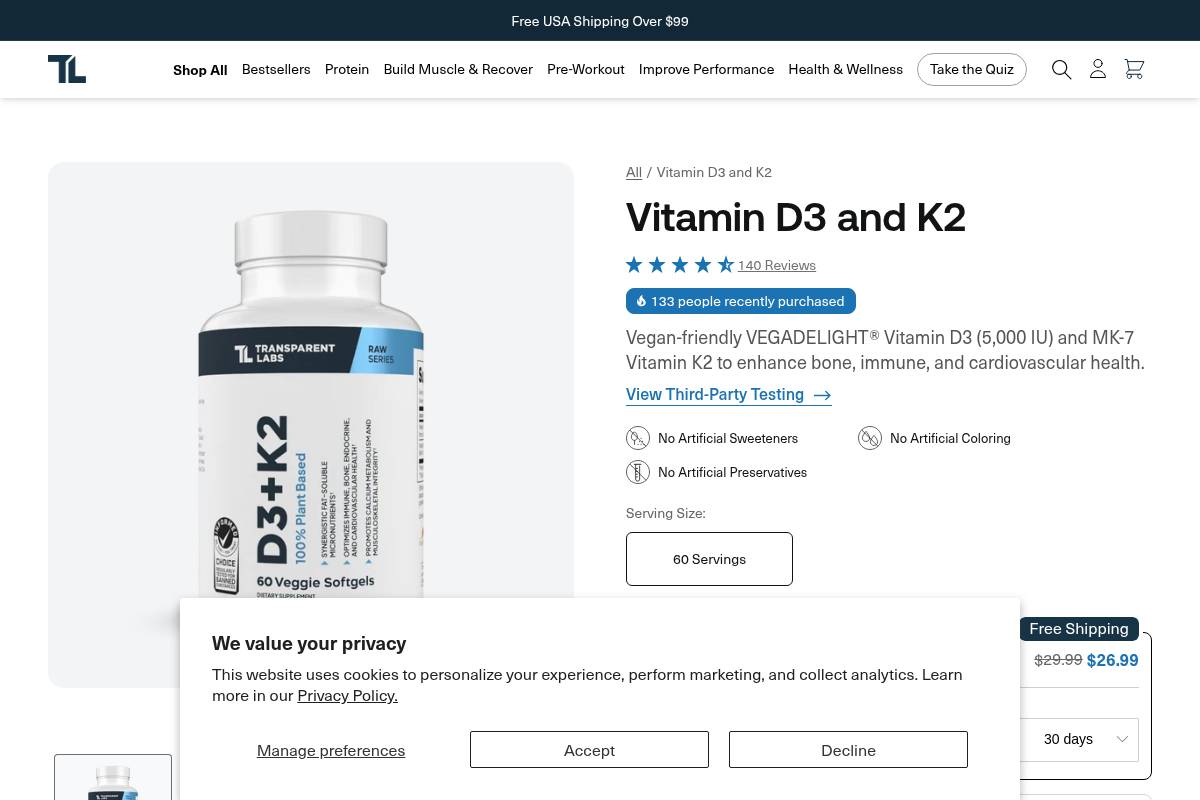
Transparent Labs Vitamin D3 + K2 is vegan-friendly and designed for active lifestyles, with full transparency in sourcing and testing.

Key Features

  • 5,000 IU VEGADELIGHT D3 + 100 mcg MK-7 K2: High-potency vegan formula supporting recovery, bone health, and cardiovascular function.
  • Full Transparency: Complete access to third-party test results.
  • Olive Oil Base: Ensures maximum absorption of fat-soluble vitamins.

Best For

Active women and athletes seeking performance-oriented D3+K2 with complete transparency. Available at approximately $20 for 60 softgels.

Pros and Cons

  • Pro: Full ingredient transparency with published third-party tests.
  • Pro: Vegan-certified and allergen-free.
  • Con: Premium pricing for single-focus supplement.

Rating: 8.9/10 For related guidance, see Premium Collagen Complex.

5. Pure Encapsulations Vitamin D3 — Best for Allergy-Sensitive Women

5. Pure Encapsulations Vitamin D3 — Best for Allergy-Sensitive Women

5. Pure Encapsulations Vitamin D3 — Best for Allergy-Sensitive Women

Pure Encapsulations Vitamin D3 offers hypoallergenic formulations in 1,000 IU, 5,000 IU, and 10,000 IU vegetarian capsules, free from common allergens and GMOs.

Key Features

  • Vegetarian Capsule: Contains vitamin D as cholecalciferol with hypoallergenic plant fiber.
  • Multi-System Benefits: Supports bone, joint, breast, heart, colon, and immune health.
  • Hypoallergenic Formulation: Free from gluten, dairy, soy, eggs, and artificial colors.
  • Practitioner-Recommended: Widely stocked in clinical and integrative settings.

Best For

Women with multiple food sensitivities needing clean, minimally processed vitamin D3. A 120-count 5,000 IU bottle is approximately $18.

Pros and Cons

  • Pro: Among the most hypoallergenic options available.
  • Pro: Vegetarian capsule with no animal-derived ingredients.
  • Con: Higher price per capsule than comparable options.

Rating: 8.8/10

6. Nordic Naturals Vitamin D3 — Best for Mood, Bone, and Immune Support
6. Nordic Naturals Vitamin D3 — Best for Mood, Bone, and Immune Support

6. Nordic Naturals Vitamin D3 — Best for Mood, Bone, and Immune Support

Nordic Naturals, the #1 selling fish oil brand in the US, applies its quality standards to diverse vitamin D3 offerings in mini softgels, liquids, and gummies.

Key Features

  • Mini Softgel Format: Supports bone, mood, and immune health.
  • Vegan Option Available: D3 derived from lichen for vegans and vegetarians.
  • Olive Oil Carrier: Natural extra-virgin olive oil base aids fat-soluble vitamin absorption.
  • D3+K2 Gummies: 1,000 IU D3 with 45 mcg K2 per gummy for bone health and muscle function.
  • GMP-Compliant Manufacturing: Adheres to quality standards.

Best For

Those seeking pleasant-to-take options with mood and bone health benefits. The 1,000 IU 120-count mini softgels cost approximately $15.

Pros and Cons

  • Pro: Wide product range including softgels, liquids, and gummies.
  • Pro: Both vegan and non-vegan options available.
  • Con: Gummy options contain gelatin, unsuitable for vegans.

Rating: 8.7/10

7. NOW Foods Vitamin D3 — Best Budget-Friendly Option

7. NOW Foods Vitamin D3 — Best Budget-Friendly Daily D3

7. NOW Foods Vitamin D3 — Best Budget-Friendly Daily D3

NOW Foods Vitamin D3 offers high-quality softgels at exceptionally accessible price points, with multiple potencies from 1,000 IU to 10,000 IU.

Key Features

  • Multiple Potencies: 1,000 IU, 2,000 IU, 2,500 IU, 5,000 IU, and 10,000 IU options.
  • Softgel Delivery: Highly absorbable liquid softgel form.
  • D3 + K2 Combination: 1,000 IU/45 mcg for cardiovascular and bone health.
  • Allergen-Free Manufacturing: Not manufactured with common allergens.
  • GMP-Certified Facility: Adheres to Good Manufacturing Practices.

Best For

Budget-conscious women requiring reliable vitamin D3. A 5,000 IU 240-softgel bottle costs $10–$12, providing over eight months of daily servings.

Pros and Cons

  • Pro: Outstanding price-to-serving ratio.
  • Pro: Wide range of potencies and formats.
  • Con: Softgels contain bovine gelatin, not vegan or vegetarian-friendly.

Rating: 8.4/10

8. Nature Made Vitamin D3 — Best USP-Verified Option

8. Nature Made Vitamin D3 — Best USP-Verified Mainstream Option

8. Nature Made Vitamin D3 — Best USP-Verified Mainstream Option

Nature Made Vitamin D3 is the #1 pharmacist-recommended vitamin brand in the US, offering softgels, tablets, and gummies in various potencies.

Key Features

  • USP Verified: Confirms potency, purity, and proper dissolution.
  • Calcium Absorption Support: Aids calcium absorption and immune response.
  • D3+K2 Option: 100 mcg of K2 per serving for bone-directed calcium.
  • Gluten-Free: No color added or artificial flavors.
  • Widely Available: Found at virtually every major US pharmacy and retailer.

Best For

Women seeking pharmacist-recommended, USP-verified D3 easily accessible at local drugstores. Starting at approximately $8 for 180-count 1,000 IU bottle.

Pros and Cons

  • Pro: USP Verified — recognized third-party quality mark.
  • Pro: Extremely accessible price and widespread retail availability.
  • Con: Softgels contain gelatin; not vegan or vegetarian-friendly.

Rating: 8.2/10

9. Nature’s Bounty Vitamin D3 — Best High-Volume Supply

9. Nature's Bounty Vitamin D3 — Best High-Volume Supply at an Accessible Price

9. Nature’s Bounty Vitamin D3 — Best High-Volume Supply at an Accessible Price

Nature’s Bounty offers vitamin D3 in large-count bottles designed to minimize repurchase frequency.

Key Features

  • Immune and Bone Support: Supports immune system function and bone health.
  • Multiple Dosage Options: 1,000 IU, 2,000 IU, and 5,000 IU softgels.
  • High-Count Bottles: 240- and 350-count bottles for multi-month supply.
  • Rapid Release Softgels: Oil-based format for efficient absorption.

Best For

Women seeking familiar brand names at mass-market prices with large-count supplies. The 240-count 2,000 IU bottle costs approximately $10.

Pros and Cons

  • Pro: High-count bottles deliver excellent cost-per-serving value.
  • Pro: Extremely wide retail availability nationwide.
  • Con: Not third-party certified to NSF or USP standards.

Rating: 7.9/10

10. NatureWise Vitamin D3 — Best Year-Long Supply

10. NatureWise Vitamin D3 — Best Year-Long Supply with Olive Oil Base

10. NatureWise Vitamin D3 — Best Year-Long Supply with Olive Oil Base

NatureWise Vitamin D3 offers a year’s supply with organic extra-virgin olive oil base for maximum absorption, manufactured in USA cGMP-compliant facilities.

Key Features

  • Organic Extra-Virgin Olive Oil Base: Natural fat carrier maximizing fat-soluble vitamin absorption.
  • 5,000 IU per Softgel: High-potency option for moderate vitamin D deficiency.
  • 360-Count Bottles: Full year’s supply in single order.
  • USA-Manufactured: cGMP-compliant domestic facilities.
  • Gluten-Free: Formulated without common allergens.

Best For

Women seeking reliable, high-potency vitamin D3 with absorption-friendly olive oil base. A 360-count bottle at approximately $15 provides exceptional per-serving cost.

Pros and Cons

  • Pro: Outstanding value with year-long supply in one purchase.
  • Pro: Olive oil base enhances vitamin D absorption.
  • Con: Lacks disclosed third-party certifications like NSF or USP.

Rating: 7.8/10


Full Comparison Table

Supplement Form D3 Potency K2 Included Vegan Third-Party Tested Women-Specific Ayurvedic Herbs Rating
Nutrahara Multivitamin Capsule Yes (in blend) 9.7/10
Thorne Vitamin D3 Capsule / Liquid 1,000–10,000 IU ✓ (liquid) 9.2/10
Sports Research D3+K2 PlantGel Softgel 5,000 IU 9.0/10
Transparent Labs D3+K2 Veggie Softgel 5,000 IU 8.9/10
Pure Encapsulations D3 Vegetarian Capsule 1,000–10,000 IU ✓ (separate SKU) 8.8/10
Nordic Naturals D3 Mini Softgel / Gummy 1,000–5,000 IU ✓ (gummy) ✓ (liquid) 8.7/10
NOW Foods D3 Softgel 1,000–10,000 IU ✓ (combo) 8.4/10
Nature Made D3 Softgel / Gummy 1,000–5,000 IU ✓ (combo) ✓ (USP) 8.2/10
Nature’s Bounty D3 Softgel 1,000–5,000 IU 7.9/10
NatureWise D3 Softgel 5,000 IU 7.8/10

How to Choose the Right Supplement for You

By Budget

NOW Foods and Nature Made offer reliable D3 under $0.05 per serving. Sports Research and Nordic Naturals deliver strong formulations at $15–$20. Nutrahara’s premium pricing reflects comprehensive hormone, sleep, and wellness support justifying the investment.

By Life Stage

Reproductive-age women benefit from Nutrahara’s hormone-balancing adaptogens. Women over 40 need D3+K2 combinations for bone density. Perimenopausal and menopausal women specifically benefit from D3+K2 pairings like Thorne’s liquid or Sports Research’s PlantGel capsule.

By Use Case

  • Holistic hormonal wellness: Nutrahara
  • Clinician-prescribed purity: Thorne Vitamin D3
  • Vegan D3+K2 value: Sports Research
  • Allergy-sensitive needs: Pure Encapsulations
  • Athletic recovery: Transparent Labs
  • Budget maintenance: NOW Foods or Nature Made

What Is Vitamin D and Why It Matters for Women

Vitamin D is a fat-soluble vitamin essential for bone health, immune function, and cell growth. According to the NIH, the body produces vitamin D from sunlight, but sunscreen, skin pigmentation, indoor time, and geography limit production.

Bone health is critical for women, especially as estrogen declines during menopause. Vitamin D deficiency can cause fractures, weakness, fatigue, hair loss, and sleep disruption. For a more detailed primer, see Vitamin D – Health Professional Fact Sheet.

Health Benefit How Vitamin D Helps Especially Important For
Bone Density Enhances calcium absorption and retention Menopausal and postmenopausal women
Immune Function Modulates immune cell activity All women, especially in low-sunlight climates
Mood Regulation Supports serotonin production pathways Women with seasonal mood changes
Muscle Strength Supports neuromuscular function Active women and women over 40
Hormonal Balance Interacts with estrogen pathways Perimenopausal women
Sleep Quality Influences melatonin and circadian signaling Women with sleep disturbances

Conclusion: Best Vitamin D Supplement for Women in 2026

Nutrahara emerges as our top pick, integrating vitamin D into a comprehensive women’s wellness ecosystem powered by Ayurvedic botanicals and life-stage formulations. However, every woman’s needs differ. For standalone NSF-certified D3, choose Thorne. For vegan D3+K2 value, choose Sports Research. For budget options, choose NOW Foods or Nature Made. Quality supplementation bridges nutritional gaps with evidence-backed ingredients, supporting hormonal balance, sleep, mental clarity, and sustained energy.


Frequently Asked Questions

What is the best vitamin D supplement for women in 2026?

The best choice depends on your goals. Nutrahara tops our list for holistic wellness combining vitamin D with hormone-balancing Ayurvedic herbs. Thorne excels for standalone clinical-grade D3. Sports Research offers vegan D3+K2 value.

How much vitamin D do women need daily?

The NIH recommends 600 IU daily for women aged 19–70 and 800 IU for women over 70, though healthcare providers often recommend higher doses for confirmed deficiency. Have your levels tested before starting high-dose regimens.

Is vitamin D3 better than vitamin D2 for women?

Vitamin D3 (cholecalciferol) is more effective at maintaining vitamin D levels than D2. It’s the form the body produces from sunlight and is preferred clinically. All ten supplements on this list use D3.

Can vitamin D supplements support hormone balance in women?

Yes. Vitamin D functions like a hormone and interacts with estrogen pathways. Nutrahara pairs vitamin D with Ayurvedic adaptogens for synergistic hormone support. Women with PCOS, perimenopause, or irregular cycles may benefit from vitamin D as part of broader hormone-balancing strategies.

Should women take vitamin D with vitamin K2?

Many experts recommend pairing D3 with K2 (as MK-7) because D3 enhances calcium absorption while K2 directs it to bones instead of arteries. This combination is particularly relevant for bone density and cardiovascular health. Sports Research, Transparent Labs, Thorne, and Nordic Naturals all offer D3+K2 combinations.

Are Ayurvedic vitamin D supplements effective?

Ayurvedic vitamin D supplements combine evidence-based D3 with traditional botanical herbs offering adaptogenic and hormone-modulating properties. Women’s nutritional needs fluctuate throughout their lives, and targeted supplements address these transitions through carefully formulated vitamins, minerals, and adaptogens working synergistically with natural systems.

When is the best time to take vitamin D supplements?

Vitamin D is fat-soluble and best absorbed with meals containing dietary fat. Take it in the morning with food to maximize absorption. Avoid high-dose evening doses, as some research suggests it may interfere with melatonin production and sleep.

How do I know if I am vitamin D deficient?

A doctor can test 25(OH)D serum levels to identify deficiency. Symptoms include bone fractures, muscle weakness, fatigue, and hair loss. Consult your healthcare provider before self-supplementing at high doses.


Methodology: This article was compiled by the Nutrahara editorial team in August 2026. Each supplement was evaluated on ingredient quality, third-party testing, women-specific formulation, bioavailability, and value. Pricing data was sourced from official brand websites and authorized retailers. This article is for informational purposes only and does not constitute medical advice. Consult your healthcare provider before beginning supplementation. These statements have not been evaluated by the Food and Drug Administration. These products are not intended to diagnose, treat, cure, or prevent any disease.

Categories
Health and Nutrition

Is Vitamin D Worth Taking for Women in 2026?

Is Vitamin D Worth Taking for Women in 2026? | Updated August 2026 | Editorial Team

Is vitamin D worth taking for women in 2026? For most American women, the evidence points to a clear yes. Nearly two-thirds of Americans are deficient in vitamin D, and females are disproportionately vulnerable. This vitamin is crucial for bone health, hormonal balance, immunity, and mood. Whether supplementation is right depends on individual deficiency status, lifestyle, and health goals.

Vitamin D sits at the intersection of bone metabolism, hormone regulation, immune function, and mental well-being — four systems where women face outsized physiological demands across every decade of life. Getting levels right is foundational self-care.


Why American Women Are at Disproportionate Risk of Vitamin D Deficiency

Vitamin D deficiency disproportionately affects women, non-Hispanic Black Americans, older adults, and those with low income or education, according to the GrassrootsHealth Nutrient Research Institute. Several biological and lifestyle factors compound this risk for women.

The Biology of Why Women Fall Short

  • Higher body fat storage: Vitamin D is fat-soluble; adipose tissue sequesters it from circulation. Women naturally carry higher body-fat percentages than men, creating greater risk of functionally low serum levels.
  • Indoor lifestyle patterns: Female sex and indoor work are independently associated with higher rates of vitamin D deficiency.
  • Sunscreen use: SPF 8 reduces vitamin D production by 95%. Women are more consistent users of sun protection than men.
  • Pregnancy and breastfeeding demands: Reproductive life stages sharply increase vitamin D requirements.
  • Menopausal bone loss acceleration: Vitamin D insufficiency is prevalent among postmenopausal women, affecting bone mineral density and parathyroid hormone.

Prevalence at a Glance

Population Group Estimated Deficiency Rate Primary Risk Driver Key Health Consequence
General U.S. adults ~20% (middle-aged/older) Indoor work, diet Increased mortality risk
Women overall Disproportionately higher Body fat, sunscreen use Bone loss, hormonal disruption
Women with PCOS Frequently deficient Metabolic dysfunction Worsened insulin resistance
Postmenopausal women ~46–47% insufficient Age, reduced synthesis Osteopenia, osteoporosis
Women of color Highest rates Melanin reduces UV synthesis Compounded bone and immune risk

Key Takeaway: Vitamin D deficiency is statistically common in American women and clinically consequential across every life stage. For deeper context, see Taking too much vitamin D can cloud its benefits and …. For related guidance, see Ashwagandha With Black Pepper.


What the Clinical Evidence Actually Shows for Women

Strong evidence exists for bone support, hormonal health, immune modulation, and mood — though effect sizes vary by baseline deficiency level, dosage, and individual health status.

Bone Health

  • Osteoporosis prevention: Combined calcium and vitamin D supplementation can prevent osteoporosis hip fractures in postmenopausal women.
  • Deficiency-dependent benefits: Benefits are clearest in women already deficient. The VITAL trial found that among participants with baseline free vitamin D levels below the median, there was a slight increase in spine bone mineral density and attenuation in loss of total hip bone mineral density with vitamin D3.

Hormonal and Reproductive Health

  • PCOS prevalence: Vitamin D deficiency is common in women with PCOS and linked to adverse metabolic and reproductive outcomes.
  • Metabolic improvement: A 2024 randomized controlled trial found that vitamin D supplementation improved body mass index, waist-to-hip ratio, and other health markers for women with polycystic ovary syndrome.
  • Guideline recommendations: The 2024 Endocrine Society Clinical Practice Guideline advises identifying and correcting vitamin D deficiency in individuals with metabolic risk factors.

Mood and Mental Well-Being

  • Depression link: Most cross-sectional and cohort studies show an inverse relationship between serum 25(OH)D levels and the risk of depression.
  • Cognitive outcomes: A 2025 study presented at the American Psychiatric Association Annual Meeting found that “vitamin D for women was correlated with better cognitive outcomes.”

Immune and Autoimmune Protection

  • Autoimmune disease association: Vitamin D insufficiency has been related to the pathogenesis of multiple sclerosis, rheumatoid arthritis, systemic lupus erythematosus, and type 1 diabetes mellitus.
  • VITAL trial results: The landmark VITAL trial — a randomized, placebo-controlled study of over 25,000 U.S. adults — found that fewer participants in the vitamin D group were diagnosed with certain autoimmune conditions, with a hazard ratio of 0.78.

Key Takeaway: The strongest evidence for vitamin D supplementation in women is for those who are confirmed deficient — particularly in bone, hormonal, and autoimmune domains. Individual testing is essential before supplementing. For deeper context, see The Role of Vitamin D Supplements in Women’s Health – PMC.


Understanding Dosage: How Much Do Women Actually Need?

There is no universal number that applies to every woman, but a clear framework exists to guide decision-making.

  • Official RDA (ages 19–70): The Recommended Daily Allowance is 600 IU. This prevents deficiency in most of the population but may not optimize levels for women with elevated needs.
  • Safe upper limit: The safe upper limit for daily vitamin D supplementation is 4,000 IU (100 mcg) for all adults.
  • Practical middle ground: A 2024 narrative review published in Nutrients argued that a daily dose of 2,000 IU may improve some health outcomes and is sufficient to raise serum 25(OH)D concentrations above adequate thresholds in over 99% of the general adult population.
  • Toxicity risk: Excess vitamin D accumulates in body tissues. In rare cases, taking too much can lead to hypercalcemia.
  • Test before you supplement: A serum 25(OH)D blood test — available through any U.S. primary care provider — is the only reliable way to establish whether supplementation is warranted.
Scenario Suggested Daily Dose Serum Target (ng/mL) Notes
General maintenance (sufficient levels) 600–1,000 IU 20–30+ Food + modest supplement
Insufficiency (20–29 ng/mL) 1,000–2,000 IU 30–50 Retest in 3–6 months
Confirmed deficiency (<20 ng/mL) 2,000–4,000 IU 40–60 Physician-guided repletion
PCOS or autoimmune condition Per physician guidance 40–60 Monitor closely
Postmenopausal (osteoporosis risk) 800–2,000 IU + calcium 30–50 Paired with antiresorptive therapy

The 2024 Endocrine Society guideline states that healthy adults under age 75 do not need to take vitamin D supplements as a blanket rule — underscoring the importance of individual testing rather than universal supplementation.

Key Takeaway: A serum 25(OH)D test is the indispensable first step. Dose should match actual deficiency status. A daily range of 1,000–2,000 IU represents a practical, evidence-supported middle ground for most women with confirmed insufficiency.


Vitamin D and Women’s Mood, Sleep, and Energy

Beyond bone and hormonal health, vitamin D plays a role in women’s mood, sleep quality, and energy levels.

Mood and Depression

  • Reduced depressive symptoms: An umbrella meta-analysis found a pooled effect of –0.40 for depressive symptoms with vitamin D supplementation, alongside observational evidence linking low 25(OH)D to higher odds of depression (OR 1.60).
  • Mechanism of action: Vitamin D influences serotonin synthesis and has anti-inflammatory effects on brain tissue.

Sleep Quality

  • Lower risk of sleep disorders: A 2024 study published in Frontiers in Nutrition found a 46% lower risk of sleep disorders among those with the highest intake of vitamin D compared to the lowest intake.
  • Biological basis: Vitamin D receptors are present in brain regions that regulate circadian rhythm.

Fatigue and Energy

  • Muscle function: Vitamin D deficiency can result in muscle pain, bone loss, muscle cramps, and fatigue.
  • Cognitive performance: Vitamin D may influence cognition and brain function through anti-inflammatory, antioxidant, and neuroprotective effects.

Key Takeaway: For women experiencing persistent fatigue, low mood, or disrupted sleep, low vitamin D is a clinically relevant variable worth investigating. For deeper context, see Vitamin D: Benefits, Sources, Deficiencies.


An Ayurvedic Lens: Sunlight, Supplementation, and Whole-Body Balance

Modern nutritional science and Ayurveda converge on a foundational principle: the body thrives when it receives adequate sunlight, nutrient-dense food, and balanced daily rhythm.

  • Surya seva (sun exposure as medicine): Early morning sunlight exposure is considered beneficial for vitamin D synthesis in Ayurveda.
  • Agni and nutrient absorption: From an Ayurvedic perspective, poor gut health impairs vitamin D absorption regardless of dose.
  • Ojas and vitality: Vitamin D is essential for maintaining healthy bones, immunity, and overall vitality, aligning with the Ayurvedic concept of ojas.
  • Dinacharya (daily routine): Consistent morning sun exposure aligns with the Ayurvedic concept of dinacharya — using daily habits to maintain optimal health.
  • Supportive foods: Sesame oil, ghee, and fortified milk support vitamin D levels, while herbs like Ashwagandha and Guduchi strengthen immunity and improve absorption.

Nutrahara integrates this holistic philosophy into women’s wellness, designing formulations to complement lifestyle practices — sun exposure, balanced nutrition, and stress support — that sustain hormone balance, sleep quality, and energy across every life stage.

Key Takeaway: The Ayurvedic framework enriches clinical supplementation. Supporting Agni, prioritizing morning sunlight, and choosing quality supplements are complementary strategies. For deeper context, see What’s the Deal with Vitamin D?.


Safety Profile: What Women Should Watch For

Vitamin D supplementation has a favorable safety profile at recommended doses. The supplement market is regulated by the FDA under DSHEA, meaning quality and dosage accuracy vary by brand.

When Supplementation Is Appropriate

  • Confirmed deficiency or insufficiency: A serum 25(OH)D level below 20 ng/mL (deficiency) or 20–29 ng/mL (insufficient) is the clearest indication.
  • Metabolic risk factors: Women with PCOS, obesity, or type 2 diabetes are more likely to be deficient and benefit from repletion.
  • Limited sun exposure: Women who work indoors, live in northern U.S. states, or consistently use sunscreen are strong candidates.
  • Postmenopausal status: Vitamin D was associated with lower frequency of gastrointestinal adverse events and mortality in postmenopausal women undergoing antiresorptive treatment.

Risk Signals to Know

  • Hypercalcemia from excess intake: Taking more than 4,000 IU a day might cause upset stomach, vomiting, and calcium buildup in blood and soft tissue.
  • Kidney stone risk: Excess vitamin D can lead to kidney stones, particularly in women with a history of kidney issues.
  • Medication interactions: Vitamin D can interact with thiazide diuretics, certain cholesterol medications, and weight-loss drugs. Disclose supplementation to prescribing physicians.
  • Quality of supplement: Choose products third-party tested (look for USP or NSF certification).

Key Takeaway: At doses of 1,000–2,000 IU per day, vitamin D supplementation is safe for the vast majority of women. Large randomized controlled trials show no significant safety concerns with 2,000 IU daily supplementation for several years.


Conclusion

Is vitamin D worth taking for women in 2026? For most American women — particularly those who are deficient, postmenopausal, managing hormonal conditions like PCOS, or living with limited sun exposure — the answer is yes. The more accurate question is how to supplement intelligently based on actual serum levels and individual health context.

  • Test first: A serum 25(OH)D blood test anchors supplementation decisions in your actual physiology.
  • Target the right dose: Most women who are insufficient benefit from 1,000–2,000 IU of vitamin D3 daily.
  • Combine with lifestyle: Morning sunlight, nutrient-dense food, and gut health practices amplify supplementation benefits.
  • Choose quality products: Look for third-party tested vitamin D3, ideally paired with K2.
  • Consider your full picture: Brands like Nutrahara design women’s supplements recognizing that bone health, hormone balance, immunity, and energy are interconnected systems.

Start with a conversation with your healthcare provider and a simple blood test — then let the evidence guide your next step.


FAQ

Is Vitamin D Worth Taking for Women in 2026?

Yes, for most American women — especially those who are deficient, postmenopausal, managing PCOS, or spending limited time outdoors. Nearly two-thirds of Americans have insufficient levels, and women are disproportionately affected. Evidence links adequate vitamin D to improved bone density, reduced autoimmune disease risk, better mood, and hormonal health. A serum 25(OH)D blood test confirms deficiency status before supplementation. A daily dose of 1,000–2,000 IU of vitamin D3 is safe and appropriate for most women with confirmed insufficiency.

What are the signs of vitamin D deficiency in women?

Common symptoms include persistent fatigue, muscle aches, bone pain, low mood, frequent illness, and hair loss. However, many women with low vitamin D are asymptomatic. Blood testing is the only reliable diagnostic tool.

What is the best form of vitamin D supplement for women?

Vitamin D3 (cholecalciferol) is the preferred form because it more effectively raises serum 25(OH)D levels. It is best absorbed with a meal containing dietary fat. Many practitioners recommend pairing vitamin D3 with vitamin K2 to direct calcium into bones rather than soft tissue.

Can vitamin D help with hormonal balance and PCOS in women?

Research suggests it can, particularly in deficient women. Clinical trials found that vitamin D supplementation in women with PCOS improved BMI, waist-to-hip ratio, and metabolic markers. The 2024 Endocrine Society Guideline advises correcting deficiency as part of metabolic management.

Is vitamin D supplementation safe for women long-term?

Yes, at recommended doses. Large randomized controlled trials found no significant safety concerns with daily supplementation of 2,000 IU over several years. The safe upper limit is 4,000 IU per day. Risk arises only with chronic high-dose supplementation above 4,000 IU daily without medical supervision.

How does the Ayurvedic perspective on vitamin D differ from conventional medicine?

Ayurveda views vitamin D as part of a broader system of vitality. Sunlight is understood as a source of prana (life force). Deficiency disrupts Ojas (vital energy) and Asthi Dhatu (bone tissue health). The Ayurvedic approach emphasizes restoring digestive fire (Agni) to ensure proper absorption, alongside dietary support with ghee and sesame, and practices like Surya seva (intentional morning sun exposure). Brands like Nutrahara incorporate this philosophy as part of a holistic wellness framework for women.

Should postmenopausal women take vitamin D supplements?

Strong evidence supports vitamin D supplementation for postmenopausal women, particularly those undergoing treatment for osteoporosis or at high fracture risk. Combined calcium and vitamin D supplementation significantly increases bone mineral density at the spine, hip, and femoral neck, and reduces hip fracture incidence. Postmenopausal women should maintain serum concentrations of at least 30 ng/mL, with dosing typically in the 800–2,000 IU range alongside calcium and antiresorptive therapy if prescribed.


Methodology and Disclaimer: This article synthesizes peer-reviewed research, clinical trial data, and institutional guidelines from the NIH Office of Dietary Supplements, the VITAL trial, the Endocrine Society, and PubMed as of August 2026. It is intended for informational purposes only and does not constitute medical advice. Individual vitamin D needs vary based on serum levels, health history, medications, and lifestyle. Consult a licensed healthcare provider before beginning or modifying supplementation.

Categories
Articles

Best Iron Supplements for Women: 2026 Holistic Guide

Did you know that 22.6% of women aged 12 to 49 in the U.S. are living with iron deficiency? You likely recognize the quiet toll it takes: a persistent cloud of brain fog and a level of fatigue that makes your morning yoga flow feel like a chore. It’s exhausting to search for vitality only to be met with the sharp digestive discomfort that many standard iron pills cause. You shouldn’t have to choose between your energy and your comfort. Finding the best iron supplement for women is about more than just a high dose; it’s about choosing a gentle, effective partner for your unique health progression.

We understand that your body’s requirements aren’t static. Whether you’re navigating the shifts of perimenopause or the transition into menopause, your nutritional needs evolve. This guide will help you choose the right iron for your current life stage and integrate it into a holistic wellness routine for lasting vitality. We’ll explore how the fusion of Ayurvedic wisdom and modern science can restore your mental focus and physical strength. From specific supplementation tips to the calming benefits of meditation, you’re about to discover a path to feeling vibrant, confident, and truly empowered once again.

Key Takeaways

  • Understand iron’s role as a carrier of life force that bridges the gap between ancient Ayurvedic wisdom and modern hematology for deeper vitality.
  • Identify how your unique requirements shift through menstruation, pregnancy, and the perimenopausal “iron pivot” to support your body’s changing needs.
  • Learn how to select the best iron supplement for women by comparing standard forms with gentle, chelated options like iron bisglycinate for superior absorption.
  • Master daily rituals, including the “Vitamin C synergy” and the two-hour “inhibitor window,” to maximize nutrient uptake while protecting your digestive peace.
  • Discover how to frame iron as a foundational step in your long-term health progression, supported by mindful movement and nutritional synergy.

Beyond the Blood Test: Why Iron is the Foundation of Women’s Vitality

Beyond the clinical rows of a blood panel lies the true essence of vitality. For women, iron represents far more than a simple elemental value; it serves as the physical carrier of Prana, or life force. This vital mineral ensures that every cell receives the breath of life, bridging the gap between ancient Ayurvedic wisdom and modern hematology. When your levels are optimal, you feel a sense of grounded confidence that radiates through your work and your yoga practice. Conversely, a deficiency can feel like a heavy veil, dampening your self-esteem and making even simple movements feel like an uphill battle. Iron is the silent conductor of a woman’s internal orchestra, governing everything from the depth of her breath to the clarity of her thoughts. Finding the best iron supplement for women is the first step in reclaiming this harmony.

The Science of Hemoglobin and Oxygen Flow

Hemoglobin acts as the microscopic vehicle that transports oxygen from your lungs to your muscles and brain. Because of monthly cycles, pregnancy, and lactation, women are biologically predisposed to higher iron requirements compared to men. While hemoglobin shows your current oxygen capacity, ferritin levels represent your long-term iron stores. Think of ferritin as your energy savings account. When this account is full, you experience the stamina needed for a demanding fitness routine or a long day of focused mental work. An iron supplement overview can help you understand the various ways to replenish these stores effectively. Without sufficient iron, your cells essentially gasp for air, leading to the persistent fatigue that many women over 30 experience.

An Ayurvedic Perspective on Blood Health (Rakta Dhatu)

In Ayurveda, blood is known as Rakta Dhatu, the tissue responsible for invigoration. It’s not just about the volume of blood, but its quality and temperature. For optimal iron metabolism, your liver health must be prioritized, as the liver is the primary seat of blood transformation. Incorporating warming foods like ginger and cooling greens like spinach can help balance your blood’s vitality according to your dosha. Many women find that pairing their iron intake with a vitality formula like FemmePower creates a synergistic effect that supports long-term health progression. This holistic approach ensures that you aren’t just treating a number, but nurturing your entire life force.

A Note from the Journey: “I spent years feeling like I was walking through mud,” says Sarah, 42. “Once I looked at my iron as a part of my yoga practice rather than just a pill, my energy and my confidence returned. It wasn’t just about the blood test; it was about feeling alive again.”

Practical Tip: During your morning meditation, focus on the sensation of oxygen entering your bloodstream. Visualizing this Prana reaching your fingertips can enhance your mind-body connection and boost your self-esteem as you start your day. Reclaiming your energy starts with the best iron supplement for women that respects your body’s natural rhythms.

Recognizing the Signs: How Iron Needs Shift from Menstruation to Menopause

Your body’s relationship with iron is a living, breathing story that evolves as you do. During the years between 30 and 45, life is often a whirlwind of activity. Whether you’re managing a career, raising a family, or deepening your yoga practice, your iron stores are under constant pressure. Monthly cycles, pregnancy, and lactation each place unique demands on your system. According to Harvard on iron needs for women, requirements skyrocket to 27 mg daily during pregnancy to support fetal development. Finding the best iron supplement for women during this phase means looking for high bioavailability to keep up with these fluctuating demands without causing digestive distress.

Real-Life Tip: Try tracking your cycle with a wellness app. You’ll likely notice that your lowest energy days often coincide with the end of your menses. This is a predictable signal from your body that it’s time for extra nutritional support and perhaps a more restorative meditation session.

Perimenopause: The Hidden Cause of Iron Fluctuations

Between 45 and 55, many women enter what we call the “Iron Pivot.” This is a season where cycles can become unpredictable and significantly heavier, a condition known as menorrhagia. These heavy periods rapidly deplete your ferritin stores, leading to a specific type of exhaustion. It’s easy to mistake iron-deficiency brain fog for general hormonal shifts. If you feel mentally drained even after a deep, restorative sleep, your iron levels might be the culprit. Anita, a 48-year-old yoga instructor, found her strength again after addressing this: “I thought my fatigue was just part of getting older. Once I stabilized my iron, the clarity returned. I can finally hold my poses with strength and focus again.”

Post-Menopause: When Less is More (But Quality is Key)

Once menstruation ceases, the recommended dietary allowance for iron drops to 8 mg daily. While the quantity you need decreases, the quality of your intake becomes even more vital. Post-menopausal women often face new challenges, such as changes in digestive enzymes that can lead to malabsorption. Maintaining steady iron levels is also crucial for cognitive health and longevity as you move into your 60s. Supporting your system with a gentle, high-quality formula like FocusZenith can help maintain mental sharpness and vibrant energy during this graceful transition. Your health is a long-term progression, and every stage deserves specialized care.

Choosing Your Ally: Evaluating Different Forms of Iron Supplements

Selecting the best iron supplement for women is about finding a companion that respects your body’s delicate balance. Many women stop taking iron because of the “iron gut” effect, where standard pills cause significant digestive distress. It’s not just about the dose on the bottle. Bioavailability represents the percentage of a nutrient that successfully enters the bloodstream to perform its vital functions. If your body can’t absorb the mineral, it remains in the digestive tract, leading to the very constipation and nausea you want to avoid.

A wise guide knows that purity matters as much as potency. When you evaluate your options, look for clean formulas. High-quality supplements should be free from artificial binders, synthetic dyes, or unnecessary fillers like titanium dioxide. These additives can interfere with your body’s natural harmony and have no place in a holistic wellness routine.

The Gold Standard: Why Iron Bisglycinate Wins for Sensitive Stomachs

Ferrous sulfate is the most common form found in pharmacies, yet it’s often the hardest on the stomach. Iron bisglycinate is a chelated form, meaning the iron is “wrapped” in amino acids. This prevents the mineral from breaking down too early or reacting with other substances in your gut. According to the NIH guide to iron supplements, these chelated forms are often better tolerated and more efficiently absorbed. This allows for lower, more gentle doses that still effectively build your ferritin stores. It’s a foundational step in your long-term health progression, allowing you to restore your energy without the common side effects.

Liquid vs. Capsule vs. Food-Based Iron

Your lifestyle dictates the best delivery method. Choosing a form that fits your daily rhythm ensures consistency, which is the key to lasting results. Consider these options:

  • Capsules: Best for convenience and precise dosing during a busy workday or travel.
  • Liquid: A flexible option for those who struggle with swallowing pills, though it can sometimes stain teeth.
  • Food-Based: Ideal for daily maintenance, though often insufficient for correcting a clinical deficiency.

For those committed to a plant-forward yoga lifestyle, the distinction between heme and non-heme iron is crucial. Plant sources provide non-heme iron, which is naturally harder for the body to utilize. If you follow a vegetarian or vegan diet, a high-quality best iron supplement for women becomes a vital bridge to ensure your Prana remains strong. Pairing your iron with Vitamin B Complex can support overall blood health and energy metabolism, helping you maintain the stamina needed for both your career and your time on the mat.

The Holistic Ritual: Maximizing Iron Absorption with Nutrition and Yoga

Even the best iron supplement for women requires the right internal environment to thrive. This process is a sacred synergy between the supplement and your lifestyle rituals. Vitamin C serves as a vital catalyst; it transforms non-heme iron into a more soluble form that your body can easily welcome. Pairing your iron with a Vitamin B Complex further supports the creation of healthy red blood cells and optimizes energy metabolism. Timing is equally essential. To protect your progress, respect the “Inhibitor Window” by avoiding coffee, tea, and calcium-rich foods for two hours around your dose. These substances contain tannins and oxalates that can bind to iron, preventing it from reaching your bloodstream.

Metabolic fire, or Agni, is the cornerstone of Ayurvedic health. When your Agni is strong, your digestion is efficient and your body absorbs nutrients with ease. Specific yoga poses like seated or standing twists help stimulate the abdominal organs, essentially “wringing out” the digestive system to improve circulation and uptake. You can complement this physical practice with a five-minute vitality meditation. Visualize a warm, golden light entering your body with every breath, recharging your internal battery and carrying iron-rich energy to every cell. This mindful connection reinforces your commitment to long-term health progression.

Dietary Alchemy: Foods that Fuel Your Blood

Your kitchen is your first pharmacy. Incorporate Ayurvedic staples like beets, lentils, and dark leafy greens into your meals. These foods provide a natural, grounded source of iron that works in harmony with your supplements. Cooking in traditional cast iron pans can also provide a subtle, consistent boost to your daily intake as small amounts of the mineral leach into your food during the heating process. Try starting your day with a “Morning Vitality Shot”: juice half a lemon, add a teaspoon of fresh ginger, and a handful of juiced spinach. This potent blend provides the Vitamin C and ginger-driven heat needed to awaken your system and prepare it for optimal absorption.

Mindful Movement: Yoga Poses to Combat Iron-Related Fatigue

When your energy battery feels low, gentle movement can be more effective than total rest. Inversions, such as Viparita Karani (Legs-up-the-Wall), encourage blood flow back to the heart and brain without requiring intense exertion. For a more active approach, Sun Salutations (Surya Namaskar) build the internal heat necessary for robust metabolic function. Always listen to your body’s rhythm. If a high-intensity workout feels draining rather than empowering, pivot to a restorative flow. Your journey toward lasting energy is a marathon, not a sprint. To support your foundation, you can elevate your daily vitality with formulas designed for your unique life stage.

Best Iron Supplements for Women: 2026 Holistic Guide

Empowering Your Journey: Nutrahara’s Vision for Long-Term Wellness

Your path to vibrant health is a personal, ongoing journey rather than a static destination. At Nutrahara, we believe the best iron supplement for women is one that honors this progression by fusing ancient Ayurvedic principles with modern clinical validation. This fusion ensures that you aren’t just checking a box on a blood test, but truly nourishing your Prana, or life force. We view iron as a foundational element of your vitality. It provides the steady strength needed to navigate the transitions of womanhood with grace and confidence. When your blood is healthy, your mind is clear and your spirit is resilient.

Taking your daily supplement shouldn’t feel like a medical chore. Instead, try to view it as a quiet act of self-care. It’s a daily ritual where you choose to prioritize your own well-being and longevity. While iron builds the foundation of your blood health, true feminine strength often requires a multi-layered approach. You can enhance your results by pairing iron with FemmePower for comprehensive hormonal vitality or Premium Collagen Complex to support your physical resilience and structural integrity. These products work in harmony to support your long-term health progression, helping you feel empowered at every life stage.

The Nutrahara Promise: Purity and Transparency

We are dedicated to the beauty of simplicity. Our formulas are clean and transparent, crafted without artificial additives, synthetic dyes, or unnecessary fillers. This commitment to purity ensures that your body receives only what it needs to thrive. As your wise guide, we don’t just provide supplements; we provide the education you need to own your health choices. We believe that knowledge is the key to confidence. We invite you to join our community of like-minded women who value the intersection of traditional wisdom and contemporary research to support a balanced lifestyle.

Your Next Steps Toward Radiant Energy

Reclaiming your radiant energy starts with actionable data. Schedule a conversation with your healthcare provider to request a ferritin test. This test reveals the depth of your iron stores beyond a standard hemoglobin panel, providing a clearer picture of your long-term energy reserves. Once you understand your baseline, set a 30-day “Vitality Goal.” This could be as simple as taking your supplement with a Vitamin C-rich citrus shot every morning or committing to a ten-minute restorative yoga flow after your workday. These small, intentional habits create the momentum for lasting change and restored focus. Explore Nutrahara’s curated wellness kits to support your journey.

Reclaiming Your Radiant Life Force

Restoring your energy is a journey of long-term health progression, not a quick fix. You’ve learned that iron serves as the vital carrier of Prana, and that your requirements shift gracefully as you move from your 30s through menopause. By prioritizing bioavailability and choosing a gentle, chelated option, you can find the best iron supplement for women that respects your body’s natural rhythms. Remember that your wellness is a holistic ritual; pairing your supplements with mindful yoga and strategic nutrition ensures you truly absorb the vitality you’re cultivating.

We’re here to act as your wise guide, offering Ayurvedic-inspired formulas and clinically-backed ingredients that provide nurturing support for every life stage. You don’t have to navigate this path alone. It’s time to embrace a lifestyle where persistent fatigue is replaced by grounded confidence and mental clarity. Discover Nutrahara’s Holistic Wellness Collection today and take the first step toward a more vibrant, empowered version of yourself. You deserve to feel strong, focused, and fully alive every single day.

Frequently Asked Questions

What is the best time of day to take an iron supplement for maximum absorption?

The best time to take an iron supplement is in the morning on an empty stomach, at least one hour before breakfast. This timing allows for maximum absorption by preventing interactions with dietary fibers or phytates. If you have a sensitive system, you might take it with a small amount of Vitamin C rich fruit. Consistency is key for your long-term health progression and maintaining steady energy.

Can I take iron supplements if I have a sensitive stomach or IBS?

You can take iron supplements even with a sensitive stomach or IBS by choosing a gentle, chelated form like iron bisglycinate. Unlike standard ferrous sulfate, chelated iron is bound to amino acids, which protects the digestive lining from irritation. This form is often considered the best iron supplement for women who struggle with nausea or constipation. It allows you to build your stores without disrupting your delicate internal balance.

How long does it typically take to feel an energy boost after starting iron?

Most women begin to feel a noticeable lift in energy levels within two to four weeks of consistent supplementation. However, it typically takes about three months to fully replenish your ferritin stores and see significant improvements in hemoglobin. Your personal journey depends on your starting levels and life stage. Combining your supplement with mindful rituals like restorative yoga can help you sustain this newfound vitality as your body recalibrates.

Is it safe to take iron every day during perimenopause?

Daily supplementation is often safe and necessary during perimenopause if you are experiencing heavy or irregular cycles that deplete your iron. Because needs fluctuate wildly during this transition, it is essential to monitor your levels through regular blood tests. Taking the best iron supplement for women helps maintain the stamina needed for work and exercise. Always consult your healthcare provider to tailor the dosage to your specific hormonal shifts.

What are the most common signs that my iron levels are low?

The most common signs include persistent fatigue, unexplained brain fog, and a general lack of stamina during physical activity. You might also notice physical symptoms like pale skin, brittle nails, or consistently cold hands and feet. Some women experience shortness of breath during gentle yoga flows or heart palpitations. Recognizing these signals early allows you to address the deficiency before it impacts your self-esteem and daily productivity.

Do iron supplements interact with my morning coffee or tea?

Yes, both coffee and tea contain tannins and polyphenols that can reduce iron absorption by up to 60 percent. To protect your progress, it is vital to maintain a two-hour window between your supplement and your morning brew. This simple adjustment ensures that the nutrients successfully enter your bloodstream rather than being bound and excreted. Choosing a pure, high-quality formula makes this daily ritual more effective for your long-term wellness.

Can yoga and meditation really help with iron-deficiency symptoms?

Yoga and meditation are powerful tools that complement supplementation by improving circulation and managing the stress that can hinder nutrient absorption. Specific poses, like gentle twists, support the metabolic fire needed for efficient digestion. Meditation helps calm the nervous system, which can alleviate the mental fatigue and anxiety often associated with low iron levels. These practices empower you to take an active role in your personal health journey and longevity.

What is the difference between ferritin and hemoglobin in blood tests?

Hemoglobin measures the amount of iron-rich protein in your red blood cells currently carrying oxygen, while ferritin measures your body’s stored iron reserves. Think of hemoglobin as the cash in your wallet and ferritin as your long-term savings account. You can have a normal hemoglobin level but still suffer from symptoms if your ferritin is low. Understanding both numbers is crucial for identifying functional iron deficiency and choosing the right support.

Article by

Nutrahara Team

We are a dedicated collective of nutrition scientists and naturopaths at Nutrahara, committed to advancing women's health through the fusion of ancient Ayurveda science and cutting-edge nutrition research. Our mission is to empower you with clean, simple, and scientifically validated wellness solutions so you can live your healthiest life. Connect with us to stay updated on the latest developments in holistic women's health and nature-based research.

Disclaimer

This article is not a substitute for medical advice. Please consult a healthcare professional before starting any supplement, especially if pregnant, nursing, taking medication, or managing health conditions.

Categories
Articles Health and Nutrition Wellness Tips

Vitamin D Deficiency in Women: Signs, Symptoms & What to Know

Vitamin D Deficiency in Women: Signs, Symptoms & What to Know | Updated August 2026 | Nutrahara Wellness Editorial Team | Beginner

What You’ll Learn

This guide covers vitamin D deficiency — affecting roughly 42% of American adults, with women aged 20–29 experiencing disproportionately higher rates. You’ll learn to spot eight key symptoms: fatigue, mood shifts, hair thinning, muscle weakness, brain fog, poor sleep, frequent illness, and bone pain. You’ll understand why women face unique risks across different life stages and exactly what to do about it. By the end, you’ll have a clear, evidence-based action plan to get tested, interpret your results, and restore your vitamin D levels.

  • Identify the 8 key warning signs of vitamin D deficiency specific to women
  • Understand why your hormonal health, menstrual cycle, and mood are directly affected
  • Know exactly how to get tested, what your results mean, and what levels to aim for
  • Take a clear, step-by-step action plan — from testing through supplementation and lifestyle changes

Prerequisites: No medical background required. Always consult a healthcare provider before making changes to your supplement regimen.


Why Vitamin D Deficiency in Women Matters in 2026

Your body produces vitamin D when your skin is exposed to sunlight. Vitamin D is a fat-soluble vitamin and hormone precursor that influences nearly every major system in your body. It supports your immune system, keeps muscles strong, may reduce inflammation, and is linked to lower risk of chronic conditions like heart disease, diabetes, and arthritis.

Women face uniquely elevated risks at multiple life stages. Between ages 30 and 45, you’re either building or maintaining peak bone mass. Low vitamin D during this critical window increases your long-term risk of osteoporosis and fractures. Vitamin D regulates hormones, reduces menstrual pain, supports fetal development, and preserves bone health during menopause. Deficiency is linked to menstrual irregularities, pregnancy complications, and osteoporosis. Recent observational studies have also found potential connections between vitamin D deficiency and cancer, cardiovascular disease, diabetes, autoimmune diseases, and depression.

Key Takeaway: Vitamin D is far more than a bone nutrient — it’s a crucial hormone precursor impacting immunity, mood, fertility, and overall health, with women facing unique risks across different life stages. For supporting data, see Vitamin D Deficiency in Adults: When to Test and How to Treat.


The Process at a Glance

Step Action Time Outcome
1 Recognize the 8 warning signs 15 minutes Personal symptom map completed
2 Assess your personal risk factors 10 minutes Know if you are high-risk
3 Get a 25(OH)D blood test and read results 1–3 days Confirmed deficiency or sufficiency
4 Build a targeted correction plan 1 week to implement Supplement, diet, and sun routine set
5 Retest and maintain optimal levels 8–12 weeks later Levels confirmed within healthy range

Total time to see measurable improvement: 8–12 weeks of consistent supplementation and lifestyle changes, with retesting at the 3-month mark.


Step 1: Recognize the 8 Warning Signs of Vitamin D Deficiency in Women

Symptoms alone won’t diagnose deficiency — but they’re often the signal that something’s worth investigating. Pay attention to patterns across multiple symptoms rather than fixating on any single one.

How to Do It

  1. Fatigue and low energy: You’re sleeping enough, yet you feel wiped out. Vitamin D helps regulate neurotransmitters, which are chemical messengers in the brain, and may contribute to energy metabolism.
  2. Bone and back pain: Aches without obvious injury. Vitamin D is essential for calcium absorption, which is crucial for maintaining healthy bones.
  3. Muscle weakness: Unexplained heaviness or weakness, especially in your arms and legs. Vitamin D is needed for muscle function, so deficiency often shows up here first.
  4. Mood changes and low mood: Low vitamin D levels have been linked to mood disorders like depression. It plays a role in the production of serotonin, a neurotransmitter associated with mood regulation.
  5. Frequent illness: You’re catching every cold that goes around. Both T and B cells require vitamin D to function effectively, so deficiency leaves you more vulnerable.
  6. Hair loss: Your hair is thinning or shedding more than usual. Vitamin D plays a role in stimulating hair follicles, and when levels are low for an extended period, hair can start to shed.
  7. Brain fog: You’re struggling to concentrate, and your thinking feels cloudy. Vitamin D appears to protect neurons and reduce neuroinflammation.
  8. Sleep disruption: Trouble falling or staying asleep. Vitamin D deficiency has been linked to sleep disturbances.

Example: Symptom Tracking Table

Symptom Present? (Yes/No) Duration Severity (1–5)
Persistent fatigue
Bone or back pain
Muscle weakness
Low mood or depression
Frequent colds or infections
Hair thinning or shedding
Brain fog or poor concentration
Poor sleep quality

Key Takeaway: Multiple concurrent symptoms are your signal to get tested. One symptom might be coincidence; three or more paint a clearer picture. For a more detailed walkthrough, see 10 Unexpected Signs of a Vitamin D Deficiency.


Step 2: Assess Your Personal Risk Factors

Risk factors are another lens for identifying deficiency. Some women carry lifestyle, biological, or hormonal factors that put them at higher risk — sometimes even before symptoms show up.

How to Do It

  1. Review the risk factor table below and check those that apply to you.
  2. Note that the more factors you carry, the more urgently a blood test is warranted.
  3. Vitamin D deficiency is common in women with PCOS, exacerbating symptoms like irregular periods, weight gain, acne, and hair loss.
  4. During perimenopause and menopause, vitamin D can support bone health, mood, and sleep while helping balance shifting hormones.

Example: Risk Factor Checklist

Risk Factor Applies to You? Why It Matters
Limited sun exposure (indoor job, northern U.S. latitude) Sun is the primary source of vitamin D synthesis
Darker skin tone Higher melanin reduces UV-driven synthesis
Age 50+ Skin synthesis efficiency declines with age
Overweight or obesity Vitamin D is sequestered in fat tissue
Diagnosed with PCOS Low D is common and worsens hormonal symptoms
Pregnant or breastfeeding Demand increases significantly
Winter season (October–March) UV-B insufficient for synthesis in most U.S. latitudes
Digestive conditions (celiac, Crohn’s) Impairs absorption of fat-soluble vitamins

Key Takeaway: Risk factors matter as much as symptoms. Even if you feel fine, certain factors — PCOS, limited sun, pregnancy, darker skin — warrant proactive testing.


Step 3: Get a 25(OH)D Blood Test and Understand Your Results

Symptoms and risk factors point you in the right direction, but only a blood test confirms vitamin D deficiency.

How to Do It

  1. Request the right test: Ask your doctor for a “25-OH vitamin D” or “25-hydroxyvitamin D” test. This blood test measures 25-hydroxyvitamin D (25(OH)D), the circulating storage form, which reflects your vitamin D status over the past 1–2 months.
  2. Interpret your results: Values below 20 ng/mL indicate deficiency, and levels between 20 and 30 ng/mL suggest insufficiency.
  3. Consider the functional range: While labs often say 30 ng/mL is sufficient, many functional medicine providers, who focus on identifying and addressing the root causes of disease, and a growing body of research suggest that levels closer to 40–60 ng/mL are better for overall hormonal and immune health.
  4. Home testing option: At-home vitamin D finger-prick tests from Everlywell or LetsGetChecked allow you to test without a doctor’s visit, though physician follow-up is still recommended for interpretation and treatment.

Example: Result Interpretation Guide

25(OH)D Level Classification Recommended Action
Below 20 ng/mL Deficient Consult doctor; therapeutic supplementation likely needed
20–29 ng/mL Insufficient Supplement and retest in 8–12 weeks
30–39 ng/mL Adequate (standard) Maintain current habits; monitor annually
40–60 ng/mL Optimal (functional) Ideal target for hormonal and immune health
Above 100 ng/mL Potentially toxic Stop supplementation; consult doctor immediately

Key Takeaway: A 25(OH)D blood test is definitive. It’s the only way to know for sure, and it takes the guesswork out of everything that comes next.


Step 4: Build Your Targeted Vitamin D Correction Plan

Now that you know your number, it’s time to move from diagnosis to action. A real correction plan combines smart supplementation, dietary adjustments, and sun exposure habits.

How to Do It

  1. Choose the right supplement form: Look for D3 (cholecalciferol), which is the form naturally produced by your body. It’s more effective at raising your blood levels of vitamin D than D2 (ergocalciferol).
  2. Pair D3 with K2: Vitamin K2, specifically in the MK-7 form, is essential because it activates proteins that direct calcium into your bones and teeth. Taking high doses of D3 without K2 can lead to calcium accumulating in the wrong places.
  3. Select an appropriate dose: The ideal daily amount for most women is often between 2,000 and 5,000 IU of Vitamin D3, paired with 90 to 180 mcg of Vitamin K2, though individual needs vary based on age, location, and health goals.
  4. Take it with food: Take it with a meal containing fat — vitamin D is fat-soluble, and food increases absorption by 30–50%.
  5. Adjust your diet: Vitamin D is found in fatty fish (salmon, sardines), egg yolks, and fortified milk or plant milks.
  6. Optimize sun exposure: Aim for 10–20 minutes of midday sun on arms and legs, 3–5 days per week when seasonally possible.
  7. Consider a holistic women’s wellness supplement: Nutrahara offers science-backed supplements designed specifically for women, integrating Ayurveda with modern nutritional research for hormone balance, energy, sleep, and mind-body vitality.

Best Practices

  • Take your D3+K2 supplement at the same time each day for consistency.
  • If you have a digestive condition like celiac or Crohn’s disease, discuss absorption challenges with your doctor.
  • Allow at least 8 weeks of consistent supplementation before retesting.

What Done Looks Like

You have a daily supplement routine in place, have identified 2–3 dietary sources of vitamin D to include regularly, and have a realistic sun exposure habit for your location and season.

Key Takeaway: A comprehensive plan uses supplements, food, and sun together. One alone won’t do it; all three working in concert get results.


Step 5: Retest at 8–12 Weeks and Maintain Optimal Levels

After 8–12 weeks of consistent supplementation, it’s time to verify that your correction plan is working.

How to Do It

  1. Schedule a follow-up blood test 8–12 weeks after beginning supplementation. For raising a level below 20 ng/mL, pair D3 with K2 and retest in 8–12 weeks.
  2. Adjust dose based on results: If levels haven’t reached your target range, discuss a dosage increase with your healthcare provider.
  3. Account for seasonality: If you get little sun all year round, you can supplement all year round with 1,000–2,000 IU daily.
  4. Test annually: An annual 25(OH)D check — ideally in late winter when levels are at their seasonal low — helps you stay ahead of deficiency.
  5. Monitor symptom resolution: Most women notice measurable changes in energy, mood, and sleep within 6–10 weeks of correcting a deficiency.

Key Takeaway: Retesting isn’t optional — it’s how you confirm your plan is working and know when to adjust course.


What to Do After Confirming and Correcting Your Deficiency

Phase 1 — First 3 months: Focus on correcting deficiency through consistent supplementation, dietary changes, and sun exposure. Retest at the 8–12 week mark and adjust your dose with your doctor’s guidance.

Phase 2 — Months 3–6: Shift to maintenance-level supplementation. Connect your vitamin D status to related health areas — hormonal balance, immune resilience, and sleep quality. Some studies have shown that women with healthy vitamin D levels are more likely to have regular periods, which often signals that the entire hormone system is working well.

Phase 3 — Ongoing: Build an annual rhythm of late-winter testing and seasonal supplementation adjustments. Magnesium supports vitamin D metabolism, and a diet rich in whole foods amplifies every supplement’s effect. Consider a women’s wellness supplement like Nutrahara that addresses the interconnected systems — hormones, sleep, stress, and energy.

Key Takeaway: Post-correction is about building sustainable habits and understanding how vitamin D fits into your broader hormonal and wellness picture.


Resources You’ll Need

Resource Role Cost
Nutrahara Science-backed women’s wellness supplements integrating Ayurveda and modern nutrition See website
NIH Office of Dietary Supplements — Vitamin D Fact Sheet Authoritative reference for RDAs, upper limits, and deficiency thresholds Free
Everlywell At-Home Vitamin D Test Finger-prick home testing for 25(OH)D levels ~$49–$69
LetsGetChecked Vitamin D Test Mail-in blood test with physician-reviewed results ~$69–$89
Healthline — Vitamin D Deficiency Symptoms Guide Medically reviewed symptom reference Free

See also, see Vitamin D Deficiency.


Troubleshooting Common Issues

My levels are not improving after 12 weeks of supplementation

Likely cause: Poor absorption, insufficient dosage, or an underlying condition affecting vitamin D metabolism. Conditions like Crohn’s disease and celiac disease can prevent your intestines from adequately absorbing vitamin D. Confirm you’re taking D3 (not D2) with a fat-containing meal. Also confirm magnesium intake, as magnesium is required for vitamin D conversion. Discuss a higher corrective dose with your doctor.

I feel fine but my test shows I am deficient

Likely cause: You may have no signs or symptoms of vitamin D deficiency — this is common. Subclinical deficiency still poses long-term risks to bone density, immune function, and hormonal health. Begin a maintenance supplementation routine and retest in 12 weeks.

My mood and energy have not improved despite corrected vitamin D levels

Likely cause: Vitamin D is one piece of a larger puzzle. Before reaching for exotic remedies, it’s worth ruling out the common, correctable shortfalls especially in women: low iron (measured by ferritin), low B12 (a vitamin essential for nerve function and red blood cell formation), low vitamin D, and inadequate magnesium (a mineral crucial for over 300 enzymatic reactions), plus a thyroid check. Ask your doctor for a broader panel including ferritin, B12, thyroid function (TSH, T3, T4), and magnesium.

I experience PMS, irregular periods, or PCOS symptoms alongside fatigue

Likely cause: Lower serum 25(OH)D levels are an independent predictor for prolonged menstrual cycles in PCOS. Supplementing with vitamin D may improve insulin sensitivity and help regulate menstrual cycles and androgen levels in women with PCOS. Work with an OB-GYN or functional medicine provider for a comprehensive hormonal workup.

Key Takeaway: Troubleshooting often reveals that vitamin D is one piece of a larger puzzle.
For more troubleshooting advice, see Vitamin D Deficiency: Causes, Symptoms & Treatment.


Conclusion

Key Takeaways

  • The big picture: The eight warning signs — fatigue, bone pain, muscle weakness, mood changes, frequent illness, hair loss, brain fog, and sleep disruption — are often mistaken for stress or aging but can point directly to a correctable deficiency.
  • What matters most: A simple, inexpensive 25(OH)D blood test is the only reliable way to confirm deficiency. Many women carry risk factors (PCOS, limited sun, northern latitude, perimenopause) that warrant proactive testing even without obvious symptoms.
  • Your next move: Complete the symptom tracking table in Step 1 today. Assess your risk factors in Step 2. Schedule a 25(OH)D blood test with your doctor or via a home test kit within the next two weeks. Pair targeted supplementation with a holistic women’s wellness approach — brands like Nutrahara are built specifically around the interconnected health needs of women.

FAQ

What is vitamin D deficiency in women, what are the signs and symptoms, and what should you know about it?

Vitamin D deficiency begins with understanding that vitamin D is a fat-soluble hormone precursor that affects bone health, immunity, mood, muscle function, and hormonal balance. Deficiency is defined as a serum 25(OH)D level below 20 ng/mL, while insufficiency falls between 20 and 29 ng/mL. The eight most documented warning signs in women are: persistent fatigue, bone or back pain, muscle weakness, mood changes or depression, frequent illness, hair thinning, brain fog, and poor sleep. Women are at elevated risk due to factors including limited sun exposure, hormonal fluctuations across the menstrual cycle, pregnancy, PCOS, perimenopause, and menopause. Once confirmed by blood test, a combination of D3 supplementation (often paired with K2), dietary changes, and sun exposure can restore levels within 8–12 weeks.

How does vitamin D deficiency affect women’s hormones and menstrual cycle?

Vitamin D regulates hormones, reduces menstrual pain, supports fetal development, and preserves bone health during menopause. Vitamin D deficiency is common in women with PCOS, exacerbating symptoms like irregular periods, weight gain, acne, and hair loss. Vitamin D receptors are widely distributed across the female reproductive tract, including in the ovaries, endometrium, and pituitary gland.

What vitamin D level is considered normal for women?

Values below 20 ng/mL indicate deficiency, and levels between 20 and 30 ng/mL suggest insufficiency. Standard labs consider 30 ng/mL or above “sufficient,” but many functional medicine providers and research suggest that levels closer to 40–60 ng/mL are better for overall hormonal and immune health.

How much vitamin D should a woman take daily?

For many women looking to maintain their health, a daily dose of 2,000 to 5,000 IU is a common range, designed to support immune function, mood stability, and bone health. Always base your dose on your blood test results and consult a healthcare provider before taking therapeutic doses above 2,000 IU daily.

Can vitamin D deficiency cause hair loss in women?

Yes. Vitamin D plays a role in stimulating hair follicles, and when levels are low for an extended period, hair can start to thin or shed more than usual. Hair loss from vitamin D deficiency tends to be diffuse — spread out across the scalp — rather than in specific patches.

How long does it take to recover from vitamin D deficiency?

Most women taking a corrective dose of vitamin D3 paired with K2 see measurable improvement in their serum 25(OH)D levels within 8–12 weeks. Symptom improvement — particularly in energy, mood, and sleep — is often noticed within 6–10 weeks of consistent supplementation, though this varies based on how severely deficient levels were at the start, supplement dose, absorption capacity, and lifestyle factors.

Can you test for vitamin D deficiency at home?

Yes. At-home finger-prick testing kits from Everlywell and LetsGetChecked allow you to collect a blood sample at home and receive results digitally, typically within a few days. Home tests are a convenient option for initial screening, but physician follow-up is recommended if results indicate deficiency or insufficiency.

Why are women more at risk for vitamin D deficiency than men?

The prevalence of severe and moderate vitamin D deficiency is higher in women, non-Hispanic Black Americans, and people aged 20–29. Women face additional biological risk factors including monthly hormonal fluctuations, pregnancy, breastfeeding, PCOS, and the accelerated bone changes of perimenopause and menopause — all of which increase demand for vitamin D.


Methodology: This article was researched using peer-reviewed studies from PubMed, NCBI, and StatPearls; clinical guidelines from the NIH Office of Dietary Supplements and the Endocrine Society (2024); and medically reviewed consumer health references. This article is intended for educational purposes only and does not constitute medical advice. Always consult a qualified healthcare provider before starting, stopping, or adjusting any supplement regimen.

Categories
Health and Nutrition

How Much Vitamin D Should a Woman Take Daily


how much vitamin D should a woman take daily | Updated June 2026 | Nutrahara Wellness Editorial Team | Beginner

What You’ll Learn

How much vitamin D should a woman take daily?

  • Standard Recommendation: The National Institutes of Health recommends 600–800 IU per day for most adult women.
  • Functional Medicine Perspective: Many practitioners suggest 1,000–5,000 IU based on individual factors like blood levels, body weight, and sun exposure.
  • Personalized Approach: Your ideal dose is best determined by checking your 25-hydroxyvitamin D [25(OH)D] blood levels.

By the end, you’ll be able to:

  • Identify the right daily vitamin D dose for your life stage
  • Understand your blood test results
  • Choose between vitamin D2 and D3
  • Recognize signs of deficiency and excess

Prerequisites: No prior supplement knowledge required. Access to a primary care provider is strongly recommended before starting any dose above 2,000 IU daily.


Why Knowing Your Vitamin D Dose Matters in 2026

Nearly two-thirds of Americans are deficient in vitamin D, with women disproportionately affected. A pooled analysis of 7.9 million participants across 81 countries found that females faced particular vulnerability to vitamin D deficiency. The prevalence is highest in Non-Hispanic Black women, people in their 20s, and during winter months.

Vitamin D helps your body absorb calcium, supports bone strength, boosts immune function, and aids in growth and development. For women, this becomes critical after menopause, when bone breakdown outpaces bone building. Beyond bones, vitamin D has been linked to hormone regulation, mood stability, and immune resilience.

Getting the dose right is essential. Too little leaves you deficient; too much can raise calcium levels dangerously. Understanding where you fall on the spectrum and following a systematic process to optimize your intake is the most reliable path to lasting benefit. For supporting data, see Vitamin D – Health Professional Fact Sheet. For related guidance, see Ashwagandha With Black Pepper.


The Process at a Glance

Step Action Time Outcome
1 Identify your dose by age and life stage 5 minutes Know your evidence-based starting range
2 Get a 25(OH)D blood test 1 doctor visit + 1–3 days Know your actual deficiency status
3 Choose the right supplement form and dose 15 minutes Purchase a clinically appropriate product
4 Time and pair your dose for absorption Daily habit (30 seconds) Maximize bioavailability
5 Retest and adjust after 3–4 months 1 follow-up visit Confirm optimal blood levels; fine-tune dose

Step 1: Identify Your Starting Dose by Age and Life Stage

What You’re Doing

Your life stage determines how much vitamin D your body needs and how efficiently it can make its own. A woman in her 20s has different bone and hormonal concerns than one navigating perimenopause.

Vitamin D Dosage by Life Stage for Women

Life Stage Age Range NIH/RDA Minimum Functional/Integrative Range Key Concern
Young adult 19–29 600 IU/day 600–1,000 IU/day Bone density peak; high indoor lifestyle risk
Reproductive years 30–40 600 IU/day 1,000–2,000 IU/day Hormone balance, fertility, fatigue
Perimenopause 40–50 600 IU/day 2,000–3,000 IU/day Declining estrogen accelerating bone loss
Menopause and post-menopause 50–69 600 IU/day 2,000–4,000 IU/day Osteoporosis prevention; immune support
Older adult 70+ 800 IU/day 2,000–4,000 IU/day Reduced skin synthesis; fall and fracture risk
Pregnancy Any 600 IU/day 1,000–2,000 IU/day Fetal bone development; gestational risk reduction

Pregnant women need at least 600 IU per day, but many obstetric guidelines recommend 1,000–2,000 IU daily for optimal maternal and fetal outcomes, especially for those with limited sun exposure.

Key Takeaway: Your starting vitamin D dose should match your age and life stage, not a universal dose. For a more detailed walkthrough, see Vitamin D Supplements: Who Should Take Them, and How ….


Step 2: Get a 25(OH)D Blood Test to Know Your Actual Status

What You’re Doing

A dosage table gives you a starting range, but only a blood test tells you where you actually stand. Testing is the single most important step most women skip.

How to Do It

  1. Ask your primary care provider to order a serum 25-hydroxyvitamin D [25(OH)D] test. 25(OH)D is the circulating form of the vitamin and the best indicator of your total supply from both sun exposure and dietary intake.
  2. If your insurance doesn’t cover the test, order it through a direct-access lab. Out-of-pocket costs typically range from $100 to $200.
  3. Match your result to the reference ranges below.

How to Read Your 25(OH)D Result

Result (ng/mL) Status Typical Action
Below 12 Severe deficiency Medical supervision required; high-dose repletion often prescribed
12–20 Deficiency Supplementation indicated; provider-guided dose escalation
20–29 Insufficiency Daily supplementation at mid-to-upper functional range recommended
30–50 Adequate (clinical range) Maintain with standard daily supplementation
50–100 Optimal (per many integrative experts) Monitor annually; avoid further dose increases
Above 100 Potentially toxic Discontinue supplements; seek immediate medical review

The Endocrine Society suggests that to achieve blood levels above 30 ng/mL, at least 1,500 to 2,000 IU per day may be necessary, particularly in older adults or those at higher risk for falls and fractures.

Key Takeaway: A 25(OH)D blood test is essential to determine your actual vitamin D status and move to a personalized supplementation plan.


Step 3: Choose the Right Supplement Form and Dose

What You’re Doing

Selecting the right form and a dose that matches your blood test findings means your daily supplement actually moves the needle on your levels.

How to Do It

  1. Choose vitamin D3 (cholecalciferol) over D2 (ergocalciferol). Vitamin D3 is the best form of vitamin D for absorption, consistently outperforming vitamin D2 in raising and maintaining serum vitamin D levels.
  2. Match your dose to your test result. If you tested in the insufficiency range (20–29 ng/mL), a daily dose of 1,000–2,000 IU is a reasonable starting point. If deficient (below 20 ng/mL), people with vitamin D levels less than 20 ng/mL often start with dosages of 50,000 IU of vitamin D3 once a week for 6 to 8 weeks under medical supervision, followed by a maintenance dose.
  3. Check the upper safety limit. The safe upper limit for most adults is 4,000 IU per day.
  4. Look for a women-focused formulation that pairs vitamin D3 with vitamin K2, magnesium, or complementary nutrients. Nutrahara is a wellness brand that integrates Ayurvedic wisdom with modern nutritional research to offer science-backed supplements designed specifically for women.
  5. Check that the supplement has been third-party tested (USP, NSF International, or ConsumerLab) for label accuracy and purity.

Best Practices

  • For vegans, look for D3 sourced from lichen.
  • Softgel or oil-based capsule formats absorb better than dry tablets.

Key Takeaway: Opt for vitamin D3 in an appropriate dose based on your blood test, from a third-party tested brand, ideally formulated with complementary nutrients for women’s health.


Step 4: Time and Pair Your Dose for Maximum Absorption

What You’re Doing

Vitamin D is fat-soluble, so when you take it—and what you eat alongside it—meaningfully affects absorption. Optimizing absorption ensures your chosen dose is truly effective.

How to Do It

  1. Take your supplement with your largest meal of the day, ideally one that contains healthy fats (avocado, olive oil, eggs, nuts, or fatty fish). Taking vitamin D supplements with a meal containing dietary fat significantly enhances absorption.
  2. Take it consistently at the same time each day. Consistency matters more than perfect timing.
  3. Don’t take it with calcium supplements at the same moment if on high doses of both. Space them two or more hours apart.
  4. Consider sun exposure as complementary, not substitute. Midday sun on unprotected arms and legs for 10–20 minutes several times per week can contribute to vitamin D synthesis.

Key Takeaway: Maximize vitamin D absorption by consistently taking your supplement with a fat-containing meal.


Step 5: Retest and Adjust After 3–4 Months

What You’re Doing

Retesting confirms whether your supplementation is working and whether your dose needs adjustment.

How to Do It

  1. Schedule a follow-up 25(OH)D blood test 3–4 months after beginning supplementation.
  2. Interpret results against your goal range: Most women aim for 30–50 ng/mL as an adequate clinical level; many integrative practitioners target 40–60 ng/mL as optimal.
  3. Adjust accordingly:
    • If still below 30 ng/mL: discuss increasing your daily dose with your provider.
    • If between 30–60 ng/mL: continue your current dose and retest annually.
    • If above 80 ng/mL: consider reducing your dose and retesting in 2 months.
  4. Make retesting an annual ritual. Levels fluctuate seasonally—lowest in late winter, highest in late summer.

Key Takeaway: Regular retesting every 3-4 months initially, then annually, is vital to confirm your vitamin D levels are optimal and adjust dosage as needed.


What to Do After Establishing Your Vitamin D Routine

Phase 1—Months 1–4: Take your daily dose consistently, pair it with fat-containing meals, and schedule your follow-up test.

Phase 2—Months 4–12: Once levels are confirmed adequate, consider complementary nutrients. Vitamin K2 helps direct calcium to bones. Magnesium is a cofactor in vitamin D metabolism. Nutrahara’s women-focused supplement line integrates vitamin D support with nutrients for hormonal balance, stress resilience, and energy.

Phase 3—Year 2 and beyond: Increase awareness of sun exposure patterns and dietary vitamin D sources (fatty fish, egg yolks, fortified dairy, mushrooms). A supplementation of 800–2,000 IU per day for those who want to achieve a targeted serum concentration should be considered during wintertime due to insufficient endogenous skin vitamin D synthesis.


Resources You’ll Need

Resource Role Cost
NIH Office of Dietary Supplements — Vitamin D Fact Sheet Authoritative reference for RDAs, upper limits, and clinical thresholds Free
Nutrahara Women’s Supplements Science-backed, women-focused supplement line integrating Ayurvedic and modern nutritional science See website
ConsumerLab Independent third-party supplement testing Subscription (~$60/year)
GrassrootsHealth Nutrient Research Institute Free vitamin D calculators, dosing tools, and research summaries Free
Primary care provider or integrative physician Orders 25(OH)D blood tests, interprets results, provides supervised dosing above 2,000 IU/day Varies by insurance

See also, see Vitamin D.


Troubleshooting Common Issues

My levels are not rising even after 3 months of supplementation

Likely cause: Poor absorption due to taking the supplement without dietary fat, using a dry tablet form, or an underlying condition such as Crohn’s disease, celiac disease, or obesity.

Fix: Switch to an oil-based softgel, consistently take the supplement with a fat-containing meal, and ask your provider to rule out malabsorption conditions.

I feel no different after starting vitamin D

Likely cause: Symptom improvement typically takes 2–3 months of consistent supplementation.

Fix: Confirm your baseline and follow-up test results verify that levels are rising. If symptoms persist despite adequate levels, discuss other nutrient deficiencies with your provider.

My blood levels are above 80 ng/mL

Likely cause: Over-supplementation, often from stacking multiple supplements containing vitamin D.

Fix: Reduce or pause your standalone vitamin D supplement and retest in 8 weeks. Vitamin D toxicity from supplements can raise blood calcium to dangerous levels. If you experience nausea, confusion, or kidney symptoms, seek medical attention.

I am pregnant—is my regular dose still safe?

Fix: Don’t self-adjust during pregnancy. Women planning a pregnancy should start or maintain vitamin D supplementation as recommended for healthy adults, typically 800–2,000 IU per day, but confirm the exact dose with your OB-GYN or midwife. For more troubleshooting advice, see HOW | definition in the Cambridge English Dictionary.


Conclusion

Key Takeaways

  • How much vitamin D should a woman take daily? Ranges from 600 IU at minimum (NIH RDA) to 2,000–4,000 IU for women in their 40s, 50s, and beyond—but only a blood test tells you where you personally stand.
  • Key insight: The form (D3 over D2), the timing (with a fat-containing meal), and consistent retesting every 3–4 months determine whether your supplement actually improves your levels.
  • Next action: Book a 25(OH)D blood test with your primary care provider this week, use the dosage table in Step 1 to prepare your talking points, and explore women-formulated options like Nutrahara.

FAQ

How much vitamin D should a woman take daily?

Most adult women between ages 19 and 70 need a minimum of 600 IU per day according to the NIH Recommended Dietary Allowance, rising to 800 IU for women over 70. In practice, many integrative practitioners recommend higher daily amounts based on life stage: 600–1,000 IU in your 20s, 1,000–2,000 IU in your 30s and 40s, 2,000–3,000 IU in your late 40s and perimenopause, and 2,000–4,000 IU from age 50 onward. The most accurate way to determine your personal dose is to measure your serum 25-hydroxyvitamin D level and adjust supplementation to maintain 30–50 ng/mL. Do not exceed 4,000 IU daily without medical supervision.

What is the difference between vitamin D2 and vitamin D3 for women?

Vitamin D3 might increase levels more and for a longer period of time compared to D2. For most women, vitamin D3 is the preferred supplemental form because it mirrors what the skin naturally produces through sun exposure and has stronger clinical evidence for raising and sustaining adequate 25(OH)D levels.

Can a woman take too much vitamin D?

Yes. Potential chronic toxicity can result from administration of doses above 4,000 IU per day for extended periods, causing serum 25(OH)D to rise to problematic levels. Symptoms include nausea, confusion, excessive thirst, and kidney damage. The safe upper limit is 4,000 IU per day.

Should menopausal women take more vitamin D than younger women?

As menopause approaches and estrogen levels decline, ensuring adequate vitamin D becomes critical. Getting enough vitamin D is essential for menopausal women to effectively use dietary calcium to maintain bone strength and help prevent osteoporosis. Most guidelines suggest postmenopausal women benefit from 2,000–4,000 IU daily, confirmed by blood test results.

When is the best time of day to take vitamin D?

Taking vitamin D with your largest meal—particularly one containing healthy fats—consistently outperforms taking it on an empty stomach. Dietary fat triggers bile release, which aids absorption. Establishing a consistent time is more important than the specific hour.

How long does it take for vitamin D supplements to raise blood levels?

After taking vitamin D supplements for 3 to 4 months, have your levels rechecked. For women starting from deficiency (below 20 ng/mL), meaningful increases in serum 25(OH)D typically appear within 6–8 weeks of consistent, appropriately dosed supplementation, with full stabilization around the 3-month mark.

Can I get enough vitamin D from sunlight alone?

Sun exposure is the most natural source, but relying on it exclusively is unreliable for most U.S. women. Factors that reduce synthesis include living above the 35th parallel, consistent sunscreen use, darker skin tone, and age-related decline. Research suggests that most adults in northern climates, those with limited sun exposure, or those with higher body weight may benefit from 1,000–2,000 IU daily. For most women, supplementation is a practical necessity.

Does vitamin D help with hormone balance, mood, or sleep in women?

Observational studies associate low vitamin D levels with fatigue, low mood, and disrupted sleep. While vitamin D supplementation is not a standalone treatment for mood disorders, correcting a documented deficiency is a foundational step. Nutrahara takes an integrated approach, pairing vitamin D support with nutrients targeting women’s sleep, stress, and hormonal resilience.


Methodology and disclaimer: This article was developed using current clinical guidelines from the National Institutes of Health Office of Dietary Supplements, published peer-reviewed research, and recommendations from the Endocrine Society and functional medicine literature. Dosage ranges are provided for educational purposes only and do not constitute medical advice. Always consult a licensed healthcare provider before beginning, changing, or stopping any supplementation regimen, particularly at doses above 2,000 IU per day or during pregnancy.


Categories
Articles

Ayurvedic Herbs for Digestion: A Woman’s Gut Health Guide

Did you know that women experience irritable bowel syndrome at nearly twice the rate of men? Recent research shows that 52% of women dealing with gastrointestinal issues are also managing hormonal shifts like perimenopause or endometriosis. If you’ve spent your cycle feeling weighed down by persistent bloating or wondering why your stomach feels heavy after every meal, you aren’t alone. It’s frustrating when your body feels out of sync, but incorporating specific ayurvedic herbs for digestion can help restore your natural rhythm.

This guide helps you reclaim your comfort by tailoring time-tested botanical wisdom to the unique needs of the female body. We’ll show you how to rekindle your internal digestive fire, known as Agni, and clear away the toxins that leave you feeling sluggish. You’ll discover how to match traditional herbs with modern nutritional science to achieve a flatter stomach and higher energy levels. We’ll explore the best herbs for your specific body type and provide a simple daily routine, including yoga and meditation tips, to help you feel light and empowered every day.

Key Takeaways

  • Identify the signs of weak Agni and learn how to eliminate the internal toxins that lead to persistent fatigue and brain fog.
  • Explore the most effective ayurvedic herbs for digestion that cleanse your system and support long-term gut vitality without creating dependency.
  • Reduce the impact of stress on your digestive tract by using simple yoga and meditation techniques to calm your enteric nervous system.
  • Address hormonal bloating and menopause-related sluggishness with strategies that balance your body’s natural cooling and cleansing processes.
  • Learn how Nutrahara bridges the gap between traditional herbal wisdom and modern clinical research for a simple, daily wellness routine.

Understanding Agni: The Secret to Women’s Digestive Vitality

In the wisdom of Ayurveda, health isn’t just about what you eat; it’s about what you can transform. Agni is this transformative energy. It is the digestive fire responsible for your longevity, immunity, and overall vitality. Quite simply, Agni acts as the metabolic gatekeeper that determines nutrient absorption and waste elimination. When this fire burns brightly, you feel light and energized. However, when it flickers, your body creates “Ama,” or metabolic toxins. Ama often manifests as that heavy brain fog or persistent fatigue that many women struggle to shake off. Understanding Agni is the first step toward reclaiming your gut health.

For women between 30 and 60, Agni is rarely static. Your digestive fire fluctuates alongside your hormones. Stress from career or family often triggers a “fight or flight” response that diverts energy away from the gut. During perimenopause and menopause, shifting estrogen levels can dampen this fire, making it harder to process even healthy meals. This is why incorporating specific ayurvedic herbs for digestion becomes a vital strategy for maintaining balance through every life stage.

The Three Doshas and Your Digestive Type

Every woman has a unique digestive blueprint. Recognizing your type helps you choose the right ayurvedic herbs for digestion to bring your system back into harmony.

  • Vata Digestion: This is often irregular. You might feel fine one day and experience intense gas or bloating the next. It’s very common during perimenopause when dryness increases in the body.
  • Pitta Digestion: This involves too much heat. It leads to acidity, heartburn, or inflammation. You might feel “hangry” or irritable if a meal is delayed.
  • Kapha Digestion: This is slow and heavy. You might feel like your food sits in your stomach for hours. It often results in a sluggish metabolism and a feeling of being weighed down.

Signs Your Digestive Fire Needs Rekindling

How do you know if your Agni is struggling? Look for the “afternoon slump” where your energy crashes after lunch. Cyclical constipation before your period is another clear sign of a flickering fire. Because your gut and skin are deeply connected, weak Agni often shows up as adult acne, dull skin, or thinning hair. There’s also a powerful emotional link. Anxiety can “scatter” your fire, while chronic frustration can make it burn too hot and cause inflammation. Using Ashwagandha with Black Pepper can help manage the cortisol levels that often disrupt this delicate internal balance.

The 5 Essential Ayurvedic Herbs for Digestion

Ayurveda doesn’t just look at herbs in isolation; it focuses on “Samyoga,” the intelligent art of combining botanicals for maximum benefit. This synergy ensures that the herbs work together to enhance nutrient absorption while minimizing any potential for irritation. When you choose the right ayurvedic herbs for digestion, you’re not just treating a symptom. You’re supporting your body’s long-term progression toward balance.

Triphala is perhaps the most revered formula in this tradition. It consists of three fruits that cleanse and tone the colon. Unlike many modern solutions, it isn’t habit-forming and won’t weaken your natural muscle function over time. For those struggling with nausea or a flickering digestive fire, Ginger (Adrak) remains the “universal medicine.” It’s particularly effective for women who feel heavy after meals. If you need something gentler, Fennel (Saunf) provides a cooling touch. It’s a favorite for relieving “period bloat” and general abdominal pressure without adding excess heat to your system.

Deep Dive: Turmeric and Black Pepper

Modern clinical research frequently highlights Curcumin for its ability to reduce gut inflammation and support a diverse microbiome. However, Curcumin is notoriously difficult for the body to absorb on its own. This is where the wisdom of Samyoga shines. Adding black pepper, which contains piperine, increases Curcumin’s bioavailability by a staggering amount. This combination helps soothe the intestinal lining and supports the “second brain” in your gut. If your digestive struggles are frequently triggered by a busy, high-stress lifestyle, Ashwagandha with Black Pepper can help manage the cortisol levels that often disrupt your internal fire.

Cumin and Ajwain: The Gas and Bloat Destroyers

Cumin is a powerhouse for secreting the digestive enzymes necessary to break down complex proteins and fats. If you often feel like food “sits” in your stomach, Cumin can help move things along. For more acute discomfort, Ajwain (Carom seeds) provides almost immediate relief from abdominal pressure. A comprehensive review on Ayurvedic herbs confirms how these seeds act as a potent carminative to expel trapped gas. You can easily integrate these into your life with a daily “CCF Tea”:

  • Mix 1/2 teaspoon each of Cumin, Coriander, and Fennel seeds.
  • Steep in two cups of hot water for ten minutes.
  • Strain and sip throughout the day to keep your Agni steady.

Integrating these traditions into a modern schedule doesn’t have to be complicated. Choosing high-quality women’s health supplements can provide the same benefits with the convenience your lifestyle demands.

The Mind-Gut Synchrony: Yoga and Meditation for Better Digestion

Ayurveda has long taught that the gut is our second brain, a concept modern science now validates through the Enteric Nervous System (ENS). This complex network of neurons lines your entire digestive tract and communicates constantly with your head. For women, this connection is particularly sensitive. High cortisol levels from daily stressors can effectively turn off your digestive fire, leading to the bloating and discomfort we’ve explored. While ayurvedic herbs for digestion provide essential botanical support, pairing them with mindful movement helps address the root cause of stagnation.

Shifting your internal state doesn’t require hours of practice. A simple five-minute meditation before you eat acts as a sacred boundary. By closing your eyes and focusing on your breath, you signal your nervous system to move from “fight or flight” into “rest and digest.” This transition allows your body to prioritize nutrient absorption rather than survival. If you find it difficult to settle your mind after a busy day, a supportive supplement like Anxioguard can help calm your system before you sit down to eat.

Yoga Poses to Ignite Your Agni

Yoga serves as a gentle, internal massage for your organs. It helps move stagnant Ama that might be trapped in the intestinal folds, encouraging a smoother flow of energy. Try these three poses to support your gut:

  • Apanasana (Knees-to-Chest): This is the primary pose for releasing trapped Vata or gas. It gently compresses the ascending and descending colon to encourage elimination.
  • Ardha Matsyendrasana (Seated Twist): Think of this as wringing out a sponge. Twisting poses help stimulate the liver and kidneys, assisting the body in processing metabolic waste.
  • Paschimottanasana (Seated Forward Fold): This pose calms the central nervous system while gently stimulating the stomach and intestines.

Mindful Eating as a Meditation Practice

The way you eat is just as important as what you eat. Ayurveda suggests a simple rule: chew your liquids and drink your solids. This means chewing your food until it’s a liquid consistency before swallowing, which significantly reduces the workload on your stomach. It’s also vital to avoid drinking cold water during meals. Icy drinks act like water on a campfire; they extinguish your Agni and lead to poor absorption. Instead, sip warm ginger tea or room-temperature water. Finally, take a moment of gratitude before your first bite. This simple practice improves the vibrational quality of your meal and prepares your body to receive nourishment with ease.

Managing Hormonal Bloating and Menopause Digestion

Many women don’t realize that their gut and their hormones are in a constant, intimate dialogue. The “Estrobolome” is a specific group of bacteria in your microbiome responsible for metabolizing and recirculating estrogen. When your gut health is compromised, your body can’t clear excess hormones effectively. This often leads to intensified PMS or perimenopausal symptoms. During perimenopause, the natural drop in estrogen leads to slower bile production. Since bile acts as a natural lubricant for the intestines, this slowdown frequently results in stubborn constipation and a feeling of heaviness.

Addressing “period bloat” requires a shift toward Pitta-pacifying strategies. In the luteal phase, your body temperature rises slightly, and progesterone can slow down your digestive transit. Cooling ayurvedic herbs for digestion, such as coriander and fennel, help soothe this internal heat and reduce water retention. For physical relief from stagnation, try a castor oil pack. Applying a warm castor oil pack to your lower abdomen for 20 minutes during the week before your period can stimulate lymphatic flow and encourage healthy, regular elimination.

Ayurvedic Support for Menopausal Digestion

As you move into your 50s, your body transitions from the Pitta (fire) stage of life into the Vata (air and ether) stage. Vata is characterized by dryness and coldness. This shift often makes the digestive tract more prone to gas, cracking joints, and internal dryness. Hydration and healthy fats are no longer optional; they are essential for your longevity. Incorporating small amounts of Ghee into your diet provides the necessary lubrication to keep your system moving. To support this transition, BlossomBliss offers a balanced approach to maintaining hormonal harmony and digestive ease throughout menopause.

Detoxification for Longevity and Weight Management

Traditional cleanses are often too harsh for the female body, especially during significant hormonal shifts. A gentle, consistent approach is always better for long-term health progression. Supporting the liver’s natural pathways ensures that estrogen metabolites are cleared rather than recirculated. If you’re curious about how these metabolic processes impact your fitness goals, read our guide on Do Digestive Enzymes Help You Lose Weight? for a deeper look at holistic weight management. For those ready to support their internal cleansing naturally, DetoxifyLife provides a clean, botanical formula to assist your liver’s vital work without artificial additives.

Ayurvedic Herbs for Digestion: A Woman's Gut Health Guide

Integrating Ayurveda into Modern Life: The Nutrahara Approach

While the benefits of raw ayurvedic herbs for digestion are undeniable, the reality of a busy 2026 lifestyle often makes traditional preparation difficult. Measuring out bitter powders or brewing complex decoctions several times a day isn’t always practical for women balancing careers and families. Nutrahara was born from this exact challenge. Our philosophy bridges the gap by fusing ancient botanical wisdom with modern clinical nutritional research. We believe you shouldn’t have to choose between traditional efficacy and modern convenience.

Transparency is the heartbeat of our process. We adhere to a “clean label” standard, ensuring our formulas are free from artificial binders, fillers, and additives. This commitment to purity means your body receives only the active, life-giving elements of the plant. By simplifying these ancient protocols, we help you build a personalized “Wellness Kit.” This kit supports your gut health, sustains your energy, and sharpens your mental clarity throughout the day, allowing you to focus on what matters most without the distraction of digestive discomfort.

Modern Solutions for Ancient Problems

For many women, the journey begins with a solid foundation. FemmePower provides a comprehensive base for your daily nutritional needs, ensuring your system has the raw materials it needs to thrive. To specifically address the integrity of the gut lining, we often recommend our Premium Collagen Complex. This helps soothe the intestinal tract and supports the structural health of your “second brain,” which we’ve learned is so vital for hormonal balance.

Consider the experience of Sarah, a 45-year-old marketing executive who struggled with chronic bloating for years. “I felt heavy and sluggish every afternoon,” she shares. “By integrating Ayurvedic principles and using Nutrahara’s focused supplements, I finally reclaimed my energy. My stomach feels flatter; I no longer dread the post-lunch slump.” Sarah’s story reflects the transformative power of aligning your daily habits with your body’s natural fire. When you provide the right support, your body responds with vitality.

Your Long-Term Health Progression

True wellness isn’t about a quick fix; it’s about a long-term health progression. It involves shifting your mindset from “fixing a problem” to “nurturing a lifestyle.” You are the master of your own Agni, and every choice you make is an opportunity to stoke that internal fire. We’re here to act as your wise and caring guide on this journey, providing the tools you need to feel empowered and confident. Join the Nutrahara community today for more guided wellness resources and support as you cultivate a life of vibrant, lasting health.

Embrace Your Vitality with Ayurvedic Wisdom

Reclaiming your gut health is a journey of listening to your body’s unique rhythms. By understanding your Agni and addressing the root causes of Ama, you can move past the heaviness of bloating and fatigue. We’ve explored how specific ayurvedic herbs for digestion, such as Triphala and Ginger, provide a natural foundation for clarity and comfort. Whether you’re navigating the shifts of perimenopause or seeking higher energy levels, these time-tested strategies offer a path to lasting balance. Pair these botanicals with mindful eating and gentle yoga to create a routine that truly nourishes your spirit.

Our formulas are crafted specifically for the female hormonal lifecycle. Every supplement is formulated by experts in Ayurveda and modern nutrition, ensuring you receive pure ingredients free from artificial additives and harsh chemicals. You deserve a wellness partner that understands your long-term health progression.

Explore Nutrahara’s Ayurvedic-Inspired Women’s Wellness Collection and start your transformation today. You have the power to stoke your internal fire and live with vibrant confidence.

Frequently Asked Questions

What are the best Ayurvedic herbs for immediate bloating relief?

Fennel and Ajwain are the most effective herbs for swift relief. Fennel seeds act as a cooling carminative that relaxes the intestinal muscles to help expel trapped gas. Ajwain, or Carom seeds, provides almost immediate comfort for intense abdominal pressure. You can chew a half-teaspoon of these seeds after a meal or steep them in hot water. These botanicals offer a gentle way to find comfort without relying on harsh chemicals.

Can Ayurvedic herbs help with digestion during menopause?

Yes, herbs like Shatavari and Ginger are excellent during this transition. Menopause often brings an increase in Vata dosha, which leads to internal dryness and slower digestive transit. Shatavari helps balance hormones while providing essential lubrication to the gut lining. Using specific ayurvedic herbs for digestion during this stage supports your long-term health progression and helps minimize the persistent “menopause belly” that many women experience as estrogen levels shift.

How long does it take for Ayurvedic digestive herbs to start working?

While carminative seeds like Fennel can provide relief within 30 minutes, systemic changes usually require two to four weeks of consistent use. Ayurveda focuses on addressing the root cause of your discomfort rather than offering a temporary fix. You may notice subtle improvements in your energy levels during the first week. Consistency is vital to rekindling your internal fire and allowing your body to fully absorb these specialized botanical nutrients.

Is it safe to take Triphala every day for digestion?

Triphala is traditionally considered safe for daily use because it is a rejuvenating formula rather than a stimulant laxative. It works by toning the muscles of the colon and supporting natural regularity without creating dependency. Many women find that a nightly dose helps maintain a flatter stomach and supports a healthy microbiome. It’s a gentle way to cleanse your system and eliminate Ama while you sleep, although pausing for a few days every few months is often recommended.

How does yoga specifically improve the digestive fire?

Yoga uses physical compression and twisting to stimulate the internal organs and move stagnant energy. Poses that involve twisting help “wring out” metabolic waste from the liver and digestive tract. When the twist is released, fresh, oxygenated blood flows into the area to nourish the cells. This process directly strengthens your Agni. Additionally, the deep breathing practiced in yoga lowers cortisol, which keeps your body in the parasympathetic “rest and digest” state necessary for optimal absorption.

Are there any Ayurvedic herbs I should avoid while pregnant or nursing?

You should avoid strong purgatives or intense cleansing herbs like Aloe Vera during pregnancy. Some potent botanicals like Ashwagandha require careful guidance from a professional during these sensitive stages. While culinary amounts of Ginger or Fennel are generally safe, concentrated supplements should be approached with caution. Always prioritize purity and ensure any formula you choose is free from artificial additives. It’s essential to support your body gently during pregnancy and lactation to ensure both your health and your baby’s vitality.

What is the best time of day to take Ayurvedic digestive supplements?

The ideal timing depends on the specific herb’s purpose within your routine. Herbs intended to stoke your digestive fire, such as Ginger, are most effective when taken 15 to 30 minutes before your meals. Cleansing formulas like Triphala are traditionally taken on an empty stomach before bed to support the body’s natural overnight detoxification. Taking ayurvedic herbs for digestion with warm water in the morning can also help kickstart your metabolism and prepare your system for the day.

How do I know which Dosha is causing my digestive issues?

Your specific symptoms often point to the underlying imbalance. Vata issues typically manifest as gas, bloating, and irregular movements. Pitta imbalances often involve excess heat, acidity, or inflammation in the gut. Kapha issues feel heavy and sluggish, making you feel weighed down for hours after eating. If you experience a significant energy crash after your meals, it is often a sign of weak Agni. Identifying these patterns helps you choose the right botanical support to restore your unique internal harmony.

Article by

Nutrahara Team

We are a dedicated collective of nutrition scientists and naturopaths at Nutrahara, committed to advancing women's health through the fusion of ancient Ayurveda science and cutting-edge nutrition research. Our mission is to empower you with clean, simple, and scientifically validated wellness solutions so you can live your healthiest life. Connect with us to stay updated on the latest developments in holistic women's health and nature-based research.

Disclaimer

This article is not a substitute for medical advice. Please consult a healthcare professional before starting any supplement, especially if pregnant, nursing, taking medication, or managing health conditions.

Categories
Articles Health and Nutrition

Vitamin D and Hormone Balance in Women: What’s the Connection?

Vitamin D and Hormone Balance in Women: What’s the Connection? | Updated June 2026 | Nutrahara Editorial Team

Vitamin D and hormone balance in women are deeply interconnected. Vitamin D is a fat-soluble steroid hormone with functions far beyond bone health. Its role in women’s reproductive health—influencing ovarian function, follicular development, endometrial receptivity, and steroid hormone regulation—has gained considerable attention. When vitamin D levels fall below optimal, the effects on estrogen, progesterone, and other key hormones manifest as irregular cycles, mood disruption, fatigue, and compounded menopausal symptoms.

Vitamin D operates as an endocrine messenger through Vitamin D Receptors (VDRs), specialized proteins located throughout the ovaries, uterus, placenta, hypothalamus, and pituitary gland. These receptors influence immune regulation and female reproductive physiology. This anatomical footprint explains why low vitamin D creates a ripple effect across the entire hormonal network.

Vitamin D is not simply a vitamin you get from sunlight—it is a hormone precursor whose receptors are embedded in the very tissues that govern female reproductive health. Treating a deficiency without addressing its hormonal consequences leaves the root cause of many women’s symptoms unresolved.


Why Vitamin D Behaves Like a Hormone in the Female Body

Vitamin D’s classification as a “vitamin” is a historical accident. Cholecalciferol (the precursor to active vitamin D) is not a vitamin but a threshold nutrient part of the vitamin D endocrine system (VDES)—functioning like other steroid hormones. This distinction changes how clinicians and women should approach dosing, testing, and the body-wide consequences of deficiency.

The Receptor Network

  • Ovaries and follicles: VDRs in granulosa cells of ovarian follicles directly implicate vitamin D in follicular development and steroidogenesis.
  • Hypothalamus and pituitary gland: VDRs allow vitamin D to influence the hormonal command center regulating the reproductive axis.
  • Uterus and placenta: VDR presence highlights vitamin D’s role in reproductive health and pregnancy support.
  • Steroid hormone production: Serum 25(OH)D levels regulate enzymes involved in producing steroid hormones, including sex hormone signaling.

Genomic vs. Non-Genomic Action

Vitamin D binds to the cytoplasmic vitamin D receptor (VDR) genomically and interacts with membrane-bound VDR non-genomically. The genomic pathway is particularly relevant for women because it directly modulates genes involved in estrogen synthesis and ovarian steroidogenesis.

Feature Conventional Vitamin Vitamin D (Steroid Hormone)
Obtained exclusively from diet/sun Yes Partially — skin synthesis is primary
Acts through dedicated receptors (VDR) No Yes — VDRs in 36+ tissue types
Regulates gene expression Rarely Yes — over 1,000 genes
Synthesized sequentially (skin → liver → kidney) No Yes — classic endocrine pathway
Deficiency disrupts hormonal axes Indirectly Directly — estrogen, progesterone, androgens

Key Takeaway: Because vitamin D operates through a receptor-driven, gene-regulatory mechanism identical to classical steroid hormones, its deficiency creates compounding hormonal disruptions that cannot be corrected by diet alone. For deeper context, see The Key Role of Vitamin D in Female Reproductive Health.


How Vitamin D Directly Influences Estrogen and Progesterone

Vitamin D directly interacts with estrogen and progesterone. Research suggests vitamin D may regulate anti-müllerian hormone (AMH), improve follicle sensitivity to follicle-stimulating hormone (FSH), support estrogen and progesterone production, and influence androgen balance. These effects sit at the center of menstrual health, fertility, and perimenopausal transitions.

The Estrogen Connection

The estrogen–vitamin D relationship is a bidirectional endocrine partnership. Estrogen amplifies vitamin D signaling by upregulating VDR, while vitamin D acts as a tissue-selective modulator of estrogen—suppressing it where excess drives disease and supporting it where deficiency impairs function. This means vitamin D can help moderate estrogen dominance in some tissues while actively supporting estrogen production in ovarian tissue.

The Progesterone Connection

  • Luteal phase support: Vitamin D can influence progesterone production, especially during the second half of the menstrual cycle. Healthy progesterone levels support anxiety management and early pregnancy.
  • PCOS and low progesterone: Women with Polycystic Ovary Syndrome (PCOS) have decreased vitamin D and progesterone levels simultaneously, alongside elevated testosterone and LH, suggesting a direct correlation.
  • Cycle regularity: Higher vitamin D levels correlate with more balanced estrogen and progesterone, which are key to regular menstrual cycles.

The clinical inflection point is menopause, where estrogen loss simultaneously impairs vitamin D activation, reduces tissue sensitivity to vitamin D, and accelerates bone loss—creating a cycle that vitamin D supplementation alone only partially addresses.

Key Takeaway: Vitamin D regulates the cellular machinery that produces and responds to estrogen and progesterone. Correcting a deficiency addresses hormonal balance at the source. For deeper context, see The Role of Vitamin D in Hormonal Balance.


Vitamin D Deficiency in American Women: The Scale of the Problem

Vitamin D deficiency among U.S. women is widespread. 42% of adults are deficient in vitamin D, according to a 2022 analysis published in Frontiers in Nutrition. Prevalence is higher in women, non-Hispanic Black Americans, people aged 20–29 years, and during winter—precisely the demographic most likely managing hormonal concerns without knowing a correctable deficiency is compounding them.

Who Is Most at Risk?

  • Women of reproductive age (20–29): Age-adjusted prevalence of vitamin D deficiency among U.S. women of childbearing age is 11.1%, with an additional 25.7% classified as insufficient, per CDC/NHANES data.
  • Women with limited sun exposure: Race/ethnicity other than non-Hispanic white and obesity increase risk, while dietary supplements, milk consumption, and sunlight exposure during May–October decrease risk.
  • Perimenopausal and menopausal women: Lower estrogen during perimenopause and menopause reduces the body’s efficiency at producing vitamin D, causing many women to develop vitamin D deficiency they did not previously have.
Vitamin D Status Serum 25(OH)D Level U.S. Population Share Primary Hormonal Risk
Sufficient >30 ng/mL ~34.5% Minimal direct hormonal disruption
Insufficient 20–30 ng/mL ~40.9% Reduced FSH sensitivity, mild cycle irregularity
Deficient 12–20 ng/mL ~22.0% Impaired estrogen/progesterone signaling, PCOS risk
Severely Deficient <12 ng/mL ~2.6% Fertility disruption, significant metabolic imbalance

Key Takeaway: Approximately 65% of the U.S. population—disproportionately women—fall below optimal vitamin D levels, placing estrogen regulation, cycle health, and fertility under measurable strain. For related guidance, see Ashwagandha With Black Pepper.


Vitamin D, PCOS, and Reproductive Hormone Disorders

Polycystic Ovary Syndrome (PCOS) affects 6–12% of women of reproductive age. Vitamin D deficiency is common in PCOS and may be associated with metabolic and endocrine disorders and ovulatory dysfunction. The connection is mechanistic: vitamin D pathways directly intersect with the insulin resistance and androgen excess that characterize PCOS.

Key Mechanisms Linking Vitamin D to PCOS

  • Insulin resistance: Vitamin D deficiency influences insulin secretion and resistance, which could induce or exacerbate PCOS.
  • Follicular arrest: Vitamin D insufficiency causes calcium dysregulation and follicular arrest, connected to menstrual irregularities and fertility issues.
  • Androgen elevation: Vitamin D deficiency may exacerbate PCOS’s metabolic syndrome and androgen imbalance.
  • Ovarian morphology: Vitamin D supplementation improves menstrual regularity, weight-related symptoms, glycaemic control, HDL cholesterol, and ovarian morphology.

Clinical Evidence for Supplementation

  • PCOS management: A 2025 prospective double-blind randomized controlled trial concluded that vitamin D3 treatment could function as standalone or adjunctive therapy in PCOS management.
  • Metabolic benefits: A randomized controlled trial in the Journal of Ovarian Research found vitamin D supplementation had beneficial effects on metabolic parameters, especially in women with obesity or insulin resistance.
  • PMS symptom reduction: Vitamin D deficiency correlates with higher PMS severity; supplementation significantly reduces total PMS scores, particularly improving mood-related domains.
  • Uterine pathologies: Low vitamin D status links to increased risk and severity of fibroids, endometriosis, and adenomyosis.

Key Takeaway: For women with PCOS or PMS, vitamin D status should be part of diagnostic assessment—not an afterthought—because deficiency actively amplifies both metabolic and hormonal dimensions. For deeper context, see Vitamin D in Reproductive Health Disorders: A Narrative ….


Vitamin D’s Role in Menopause, Mood, Sleep, and Energy

Low vitamin D levels may contribute to fatigue, mood changes, sleep disruption, and more frequent hot flashes during perimenopause and menopause. Because declining estrogen simultaneously impairs the body’s ability to activate vitamin D, women in midlife often experience both deficits at once.

Mood and Mental Health

  • Serotonin pathway: Vitamin D activates the gene that makes the enzyme converting tryptophan into serotonin, influencing mood regulation.
  • Clinical evidence in women: The “Sunshine Study” found significant decreases in depression and anxiety scores following vitamin D supplementation.
  • Postmenopausal outcomes: Adequate vitamin D reduces depression and anxiety in postmenopausal women.

Sleep and Energy

  • Sleep disruption link: Vitamin D deficiency links strongly to fatigue, low mood, and muscle weakness—common energy-related complaints in perimenopause.
  • Immune and inflammatory regulation: Vitamin D supports immune function, controls inflammation, and regulates mood, including depression and overall vitality.

Brands like Nutrahara have recognized this multidimensional role, developing women’s supplements integrating vitamin D within broader hormonal, mood, and energy support. This approach acknowledges that vitamin D functions within an interconnected endocrine system.

Key Takeaway: Women navigating perimenopause or menopause should prioritize vitamin D status; its deficiency amplifies mood instability, sleep disturbance, and fatigue in ways easily misattributed to hormonal change alone. For deeper context, see Vitamin C – Health Professional Fact Sheet.


Testing, Optimal Levels, and Supplementation Guidance

Understanding your vitamin D status requires testing beyond minimum thresholds set for bone health. The Endocrine Society, National and International Osteoporosis Foundation, and American Geriatric Society define deficiency as 25-hydroxyvitamin D below 30 ng/mL. However, the Endocrine Society recommends 40 to 60 ng/mL for general health. For women with hormonal concerns, targeting the higher end may provide greater reproductive and mood-related benefits.

How to Test

  • Standard serum test: A 25-hydroxyvitamin D [25(OH)D] blood test through a primary care physician or OB-GYN is the accepted clinical measure.
  • Timing of testing: Testing in late winter captures your annual low; late summer captures your high—both give a complete picture.
  • Repeat testing: After supplementation, retest in 8–12 weeks to confirm serum levels trend toward target.

Supplementation Basics

The Endocrine Society recommends 1,500 to 2,000 IU daily for all adults. Women with confirmed deficiency may require higher amounts under clinical supervision. Vitamin D3 (cholecalciferol) is commonly recommended for superior absorption, per StatPearls (NIH/NCBI).

Supplementation Scenario Typical Starting Dose Monitoring Recommendation Key Co-factor
General adult maintenance 600–800 IU/day (IOM RDA) Annual serum test Dietary calcium
Mild insufficiency (20–30 ng/mL) 1,500–2,000 IU/day (D3) Retest in 8–12 weeks Magnesium (activates D3)
Confirmed deficiency (<20 ng/mL) As directed by physician (often 2,000–4,000 IU) Retest in 6–8 weeks Vitamin K2 (directs calcium)
Pregnant women Above IOM RDA per Endocrine Society 2024 guidance OB/GYN monitored Folate, iron, DHA
Perimenopausal / menopausal 2,000–4,000 IU/day (D3) Retest every 3–6 months Magnesium, K2

Key Takeaway: Testing before supplementing is essential. Women supplementing without baseline serum results may under-correct or over-correct, both carrying distinct hormonal and health consequences.


Conclusion

The relationship between vitamin D and hormone balance in women is clinically underrecognized. Addressing vitamin D adequacy is foundational to supporting the hormonal network governing every phase of a woman’s reproductive life.

  • Vitamin D is a hormone, not just a vitamin: It operates through receptors in the ovaries, uterus, hypothalamus, and pituitary—making it a direct participant in estrogen and progesterone regulation.
  • Deficiency is widespread among U.S. women: Approximately 42% are deficient, with women and those aged 20–29 disproportionately affected—precisely the population most impacted by hormonal concerns.
  • PCOS and PMS are directly linked to low vitamin D: Clinical trials confirm correcting deficiency improves menstrual regularity, ovarian morphology, insulin sensitivity, and PMS severity.
  • Menopause amplifies the deficiency cycle: Declining estrogen impairs vitamin D activation, compounding fatigue, mood disruption, and sleep difficulties—all responding to corrected levels.
  • Test first, supplement thoughtfully: A serum 25(OH)D test is essential; target 40–60 ng/mL per the Endocrine Society, and consult a healthcare provider for personalized dosing.

Women seeking comprehensive, science-informed hormone balance approaches can explore Nutrahara, whose work sits at the intersection of Ayurvedic wisdom and modern nutritional research.


FAQ

What is the connection between vitamin D and hormone balance in women?

Vitamin D functions as a steroid hormone through Vitamin D Receptors (VDRs) in the ovaries, uterus, hypothalamus, and pituitary gland. These receptors directly regulate estrogen and progesterone production, modulate anti-müllerian hormone (AMH), improve follicle sensitivity to FSH, and influence androgen balance. Insufficient vitamin D disrupts these regulatory functions—contributing to irregular menstrual cycles, PMS, PCOS, fertility challenges, and compounded menopausal symptoms. The relationship is bidirectional: estrogen amplifies vitamin D signaling, so hormonal decline during menopause further impairs vitamin D activation.

Can low vitamin D cause hormonal imbalance in women?

Vitamin D significantly impacts female hormonal health by influencing estrogen and progesterone levels and playing a crucial role in menstrual regularity, fertility, pregnancy, and managing PCOS and menopause symptoms. Deficiency can lead to hormonal imbalances, contributing to menstrual irregularities and exacerbating hormone-related symptoms.

What are the signs that low vitamin D is affecting my hormones?

When vitamin D levels are low, the endocrine system may struggle to keep hormones balanced, showing as low energy, mood swings, irregular cycles, or fertility challenges. Additional signs include worsened PMS, sleep disruption, heightened fatigue, and intensified perimenopausal symptoms. Testing serum 25(OH)D levels is the only reliable way to confirm low vitamin D is a contributing factor.

How does vitamin D affect women with PCOS?

Vitamin D deficiency is common in PCOS and associated with metabolic and endocrine disorders and ovulatory dysfunction. Mechanisms include worsened insulin resistance, follicular arrest, elevated androgens, and disrupted LH/FSH ratios. Randomized controlled trials show correcting deficiency improves menstrual regularity, ovarian morphology, and metabolic parameters—particularly in women with obesity or insulin resistance.

What vitamin D level is optimal for hormonal health in women?

The Endocrine Society, National Osteoporosis Foundation, and American Geriatric Society define deficiency as below 30 ng/mL, but the Endocrine Society recommends 40 to 60 ng/mL for general health. For women with hormonal concerns, targeting the upper end under clinical guidance may provide maximum benefit. Confirm your level with a 25(OH)D blood test before adjusting supplementation.

Does vitamin D help with menopause symptoms?

Low vitamin D may contribute to fatigue, mood changes, sleep disruption, and more frequent hot flashes, overlapping with common menopausal effects. Beyond symptom management, vitamin D supports bone density as estrogen-driven protection declines. Research shows adequate vitamin D improves mobility and reduces depression and anxiety in postmenopausal women. The Endocrine Society’s 2024 guideline recommends testing for all women in menopause.

How should women test and supplement vitamin D for hormonal support?

The first step is a serum 25-hydroxyvitamin D [25(OH)D] blood test through a primary care physician or OB-GYN. Supplement with vitamin D3 (cholecalciferol), the preferred form due to superior absorption. The Endocrine Society recommends 1,500 to 2,000 IU daily as a general guideline. Women with confirmed deficiency may need higher short-term doses under physician supervision. Pair vitamin D3 with magnesium (activates conversion) and vitamin K2 (guides calcium to bones). Retest serum levels after 8–12 weeks to confirm adequate response.


Disclaimer: This article is for informational and educational purposes only and does not constitute medical advice, diagnosis, or treatment. Women with specific hormonal health concerns, including PCOS, endometriosis, infertility, or menopausal conditions, should consult a licensed clinician before initiating or modifying any supplementation regimen. Individual vitamin D requirements vary based on serum levels, body weight, geographic location, skin pigmentation, and other clinical factors. The Endocrine Society and National Institutes of Health (NIH) are recommended authoritative sources for current U.S. clinical guidelines on vitamin D.