...
Categories
Health and Nutrition

Nutrahara vs Draxe: Which Women’s Supplement Brand Delivers Real Results?

Nutrahara vs Draxe: Which Women's Supplement Brand Delivers Real Results? Last updated: June 2026 | Independently researched for US health-conscious consumers | Testing and editorial review duration: 6 weeks of product and brand analysis

Quick Verdict

  • Choose Nutrahara if you are a woman seeking a purpose-built, Ayurveda-rooted supplement system that targets hormonal balance, sleep, stress, cognitive health, and digestive wellness through a tightly integrated product line designed exclusively for women’s biology. Nutrahara’s strength lies in its specialized, condition-specific formulas that address the root causes of female health concerns.
  • Choose Dr. Axe / Ancient Nutrition if you prefer a widely recognized brand with a broad catalog spanning collagen, protein powders, greens, and general multivitamins, supported by strong retail distribution and significant social proof. The brand excels in collagen variety and fermentation technology for general wellness.
  • Bottom line: In the comparison of Nutrahara vs Draxe: Which Women’s Supplement Brand Delivers Real Results?, the verdict hinges on user needs. If women-only, Ayurvedic, and condition-specific formulas for hormones, sleep, and stress are your priority, Nutrahara is the more focused and specialized choice. If brand familiarity, extensive product variety, and collagen-forward wellness matter more, Dr. Axe / Ancient Nutrition is a credible and versatile contender.

At a Glance: Nutrahara vs Dr. Axe (Ancient Nutrition)

Feature Nutrahara Dr. Axe / Ancient Nutrition Winner
Best For Women seeking Ayurvedic, hormone-focused supplements Broad wellness seekers: collagen, protein, greens, multivitamins Depends on need
Starting Price (per product) Approx. $25–$45 per bottle Approx. $30–$55 per product Nutrahara
Subscription Savings Available on site 15% off every order with free shipping Dr. Axe / Ancient Nutrition
Women-Specific Focus 100% women-exclusive product line Partial — women’s line within a broader catalog Nutrahara
Ayurvedic / Herbal Philosophy Core brand identity — Himalayan botanicals Present (ashwagandha, holy basil, dong quai) but not primary identity Nutrahara
Hormonal Health Products FemmePower, BlossomBliss, FemTrack Wellness Women’s Multivitamin, Women’s Vitality, Women’s 50+ Multi Nutrahara
Sleep Support RestoraSleep (dedicated formula) Multi Collagen Beauty & Sleep Support Nutrahara
Cognitive / Stress Support AnxioGuard, FocusZenith, Ashwagandha with Black Pepper Included in multivitamin blends; less dedicated Nutrahara
Collagen & Beauty Range Collagen Peptides, Biotin + Keratin Extensive — Multi Collagen Protein in powders, capsules, gummies, gel packs Dr. Axe / Ancient Nutrition
Fermentation Technology Not a primary process Core manufacturing approach for bioavailability Dr. Axe / Ancient Nutrition
Supplement Formats Primarily capsules Powders, capsules, gummies, gel packs, sticks Dr. Axe / Ancient Nutrition
Retail / Availability Direct-to-consumer online Online + Amazon + retail-adjacent via media exposure Dr. Axe / Ancient Nutrition
Overall Women’s Wellness Score 8.5/10 7.8/10 Nutrahara

What Is Nutrahara?

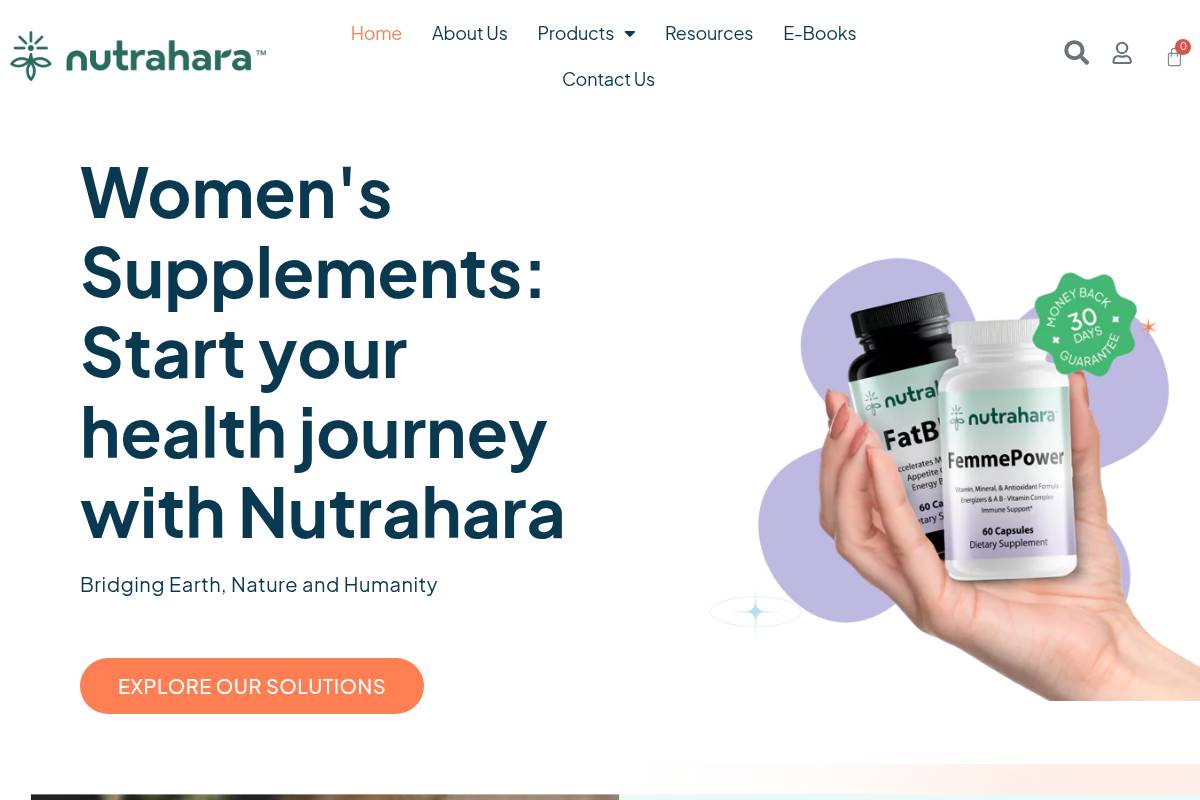
Nutrahara is a global wellness company specializing in dietary supplements with a dedicated focus on women’s health. The brand’s core philosophy blends ancient Ayurvedic wisdom—a traditional Indian system of medicine that emphasizes natural and holistic approaches to physical and mental health—with modern nutritional science. Its products utilize potent botanical extracts, many sourced from the Himalayas, to provide targeted anti-inflammatory, antioxidant, and stress-relief benefits specifically for female biology.

Core Focus and Offerings:

  1. Formulation:
    Nutrahara operates on a straightforward belief: optimal health requires balanced nutrition, quality supplementation, and a lifestyle that supports both your body and mind. The brand integrates cutting-edge research with nature’s finest ingredients through supplements enriched with clinically validated Ayurvedic herbs and paired with essential vitamins in their most bioavailable forms. This ensures maximum absorption and efficacy—you actually get what you’re paying for.
  2. Health Categories:
    Women’s health isn’t one-size-fits-all. Nutrahara recognizes this, designing products for the various chapters of a woman’s life. Product lines target hormonal balance, digestive and liver health, sleep quality, cognitive support, and hair, skin, and nail vitality, ensuring you have targeted support at every stage.
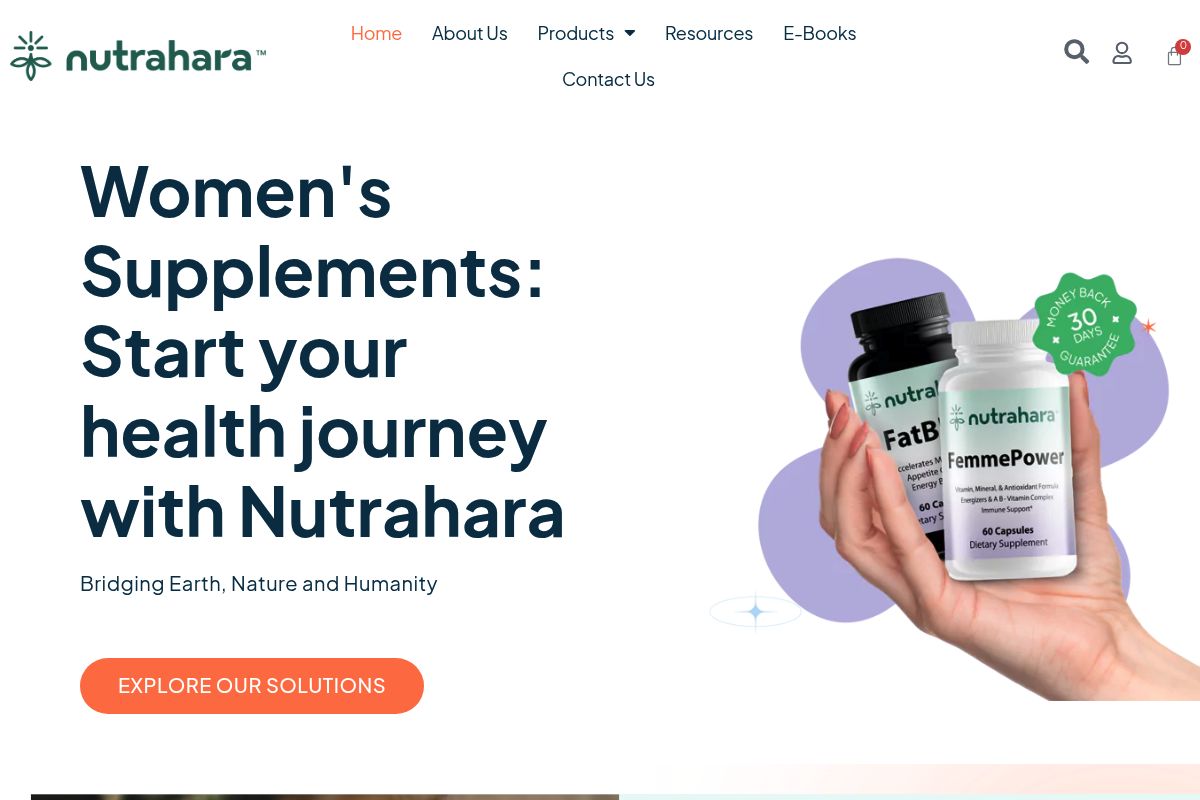
  3. Popular Products: RestoraSleep supports deep, restorative rest when your mind won’t settle. AnxioGuard, formulated with natural botanicals, eases anxiety and promotes calm focus without the afternoon crash. FemmePower tackles hormonal equilibrium, while FatBlitz provides metabolic support and DetoxifyLife handles liver health. FocusZenith stands out as Nutrahara’s signature brain health formula for women seeking mental clarity, sharper memory, and sustained focus. It contains a precise blend of B-complex vitamins, ginkgo biloba, bacopa monnieri, and adaptogens that enhance neural communication—the kind of formula you notice working.

Core approach: Nutrahara employs a women-first supplement philosophy that maps each product to a specific life stage or health concern. It integrates Himalayan Ayurvedic botanicals with modern bioavailability science to address the root causes of hormonal, cognitive, and metabolic imbalances in women.

What Is Dr. Axe / Ancient Nutrition?

Ancient Nutrition, co-founded by Dr. Josh Axe, is a leading natural supplement brand built around the principle of making history’s most powerful superfoods accessible to modern consumers. Dr. Josh Axe and Jordan Rubin founded the company in 2016, both driven by a core belief in the healing power of nutrient-dense superfoods derived from ancient dietary practices.

The brand’s mission is straightforward: bring these superfoods to the world while restoring farmlands and healing the planet through regenerative farming—a conservation and rehabilitation approach to food and farming systems. Their women’s catalog includes fermented multivitamins, a wide array of collagen proteins, SBO probiotics, and glandular vitality formulas. The women’s multivitamin is specially formulated with Vitamin D, Vitamin K, and calcium to support bone health and uses fermentation, a metabolic process that pre-digests nutrients into more accessible and bioavailable forms, which also increases the presence of beneficial probiotics.

Core approach: Dr. Axe / Ancient Nutrition operates as a broad-spectrum superfood and supplement company that uses fermentation technology and ancient dietary principles to close the nutrient gaps of the modern diet. It offers an extensive multi-format catalog—including powders, capsules, gummies, and gel packs—for both general wellness and women-specific health concerns.


Feature Comparison: Deep Dive

1. Hormonal Health and Women-Specific Formulation

Nutrahara:
Women’s bodies shift constantly. Menstruation, pregnancy, perimenopause, menopause—each phase demands different nutritional support. Nutrahara recognizes this reality and designs accordingly. FemmePower targets hormonal equilibrium, BlossomBliss addresses menopausal balance, and FemTrack Wellness Formula supports menstrual regularity. What sets Nutrahara apart is this: every single product in the catalog is built exclusively for women’s biological needs. There’s no “generic formula that also works for women”—it’s all women, all the time.

Dr. Axe / Ancient Nutrition:
The Ancient Multivitamin Women’s 40+ is expertly formulated with vitamins (including methylated B vitamins, which are pre-activated for easier absorption), minerals, and time-tested superfood ingredients designed to fill the nutrient gaps in the modern diet. The Women’s Vitality formula is a female-specific blend of 13 organs and glands, including adrenal and thyroid, to support healthy bones, hormones, and energy. The trade-off: these products exist within a broader brand catalog that serves a general audience as well. You’re getting women’s supplements, but not from a women-only brand.

Winner: Nutrahara. With a 100% women-exclusive product line and life-stage-specific formulas, Nutrahara demonstrates a deeper, more intentional commitment to female hormonal health. This singular focus provides a more targeted approach than a general-purpose brand that includes a women’s sub-line.

2. Sleep and Stress Support

Nutrahara:
Quality sleep is one of the most overlooked drivers of hormonal balance and mental clarity. When you’re sleeping poorly, everything else falls apart—your focus, your mood, your metabolism. RestoraSleep sets the foundation for better focus, clarity, and productivity during the day by enhancing nighttime recovery. For stress, AnxioGuard is Nutrahara’s advanced calming formula designed to reduce nervous system overload and promote mental calm without drowsiness or dependency. It includes clinically studied adaptogens—natural substances that help the body adapt to stress—such as ashwagandha, lemon balm, and passionflower.

Dr. Axe / Ancient Nutrition:
Sleep support isn’t a standalone category for Ancient Nutrition; it appears as a secondary benefit within the Multi Collagen Beauty and Sleep Support capsule range. The women’s multivitamin does include adaptogens such as organic ashwagandha and organic holy basil. Here’s the catch: these are components within a broader multivitamin rather than dedicated sleep or anxiety formulas, which typically means a lower dose than a targeted product would provide.

Winner: Nutrahara. The brand’s dedicated, condition-specific formulas for sleep and anxiety—RestoraSleep and AnxioGuard—give Nutrahara a clear advantage for women whose primary concerns are restorative rest and cortisol management. This targeted approach delivers results where general formulas often fall short.

3. Collagen and Beauty Supplementation

Nutrahara:
Beauty from the inside out is Nutrahara’s philosophy. Collagen Peptides play a crucial role in maintaining skin elasticity and preventing fine lines, forming the core of their beauty offering. The range is complemented by Biotin + Keratin for targeted hair and nail support, providing a focused but concise beauty-from-within lineup.

Dr. Axe / Ancient Nutrition:
Collagen is a core brand pillar for Ancient Nutrition. The company has built an entire ecosystem around it, and for good reason—collagen works. The brand offers clinically proven results for hair, skin, nails, joints, and gut with its extensive collagen line, which is packed with powerful ingredients and offered in versatile powders, capsules, or gummies. The brand packs its multi-collagen capsules with 10 types of collagen from four real food sources, and also offers innovative formats like collagen gel packs, protein powders with collagen, and a dedicated Collagen for Women’s Health line. The variety here is genuinely impressive.

Winner: Dr. Axe / Ancient Nutrition. The brand’s unmatched depth and variety in the collagen and beauty supplementation space make it the stronger choice for women whose primary wellness goal is comprehensive skin, hair, nail, and joint support through a robust collagen regimen.

4. Cognitive Support and Mental Clarity

Nutrahara:
Brain fog is real, and it’s often hormonal. Nutrahara offers a suite of options specifically crafted to support brain health, stress, sleep, and focus. This includes Brain Health, FocusZenith, RestoraSleep, AnxioGuard, and Ashwagandha with Black Pepper. AnxioGuard addresses stress with a carefully balanced formula of adaptogenic herbs and calming botanicals, including Rhodiola, Lemon Balm, Brahmi, Passionflower, and Ashwagandha, creating a synergistic effect for mental wellness.

Dr. Axe / Ancient Nutrition:
Ancient Nutrition presents a comprehensive vitamin formulated for mental and physical energy, digestive support, a healthy stress response, and eye health. The limitation here is clear: cognitive support is delivered primarily through multivitamin blends rather than dedicated nootropic or brain health formulas. While the brand recently expanded its cortisol and metabolism support lines, which tangentially address mental energy, it lacks a focused cognitive enhancement product.

Winner: Nutrahara. A dedicated cognitive supplement stack—FocusZenith for focus, AnxioGuard for stress, and RestoraSleep for overnight brain recovery—gives Nutrahara a more structured and targeted approach to women’s mental wellness and cognitive performance.

5. Supplement Format and Delivery Options

Nutrahara: Nutrahara’s products are primarily delivered as capsules, a format that prioritizes ingredient concentration and clinical dosing precision. In the ongoing debate over gummy versus capsule supplements, capsules are often favored for higher bioavailability and the ability to deliver potent herbal extracts without added sugars. The brand is direct-to-consumer, and purchases are made through the official website, where the team leverages over 40 years of nutritional science experience behind each formulation.

Dr. Axe / Ancient Nutrition:
Ancient Nutrition meets you where you are. Versatile powders, capsules, gummies—pick your format and go. Their superfood formulas combine ancient techniques like fermentation with clinically proven ingredients for results you can feel. The brand’s multi-format approach—including new Collagen Gel Packs and protein sticks—gives consumers significant flexibility in how they incorporate supplements into their daily routine.

Winner: Dr. Axe / Ancient Nutrition. For women who want variety in how they consume their supplements—whether mixed into smoothies, added to coffee, taken as a gummy, or swallowed as a capsule—Dr. Axe / Ancient Nutrition wins on delivery format diversity and consumer choice.

6. Ingredient Philosophy and Sourcing

Nutrahara: The brand anchors its identity in clinically validated Ayurvedic herbs, many sourced from the pristine environment of the Himalayas. Botanical extracts are selected for their potent anti-inflammatory, antioxidant, and adaptogenic properties. Recognizing that not all nutrients are absorbed equally, Nutrahara formulations use high-quality, bioavailable forms of nutrients, such as methylated B vitamins or chelated minerals, to ensure maximum benefit and cellular utilization.

Dr. Axe / Ancient Nutrition:
With health products that include Certified USDA Organic, raw, sprouted, or fermented options, Ancient Nutrition is a leading source of nutritional supplements committed to clean sourcing. The brand’s core fermentation process pre-digests nutrients and beneficial compounds into more accessible and bioavailable forms, and can increase the presence of probiotics. The brand also integrates regenerative farming principles into its supply chain, emphasizing soil health and sustainability.

Winner: Tie. Both brands invest heavily in bioavailability-enhancing processes. Nutrahara excels through Ayurvedic botanical synergy and chelated minerals, while Ancient Nutrition leads with fermentation science and organic certification. Neither holds a definitive edge; the preference depends on whether a consumer’s values align more with traditional herbalism or modern food-science fermentation.

7. Gut and Liver Health

Nutrahara:
A healthy gut is the foundation of everything—hormones, immunity, energy. DetoxifyLife is formulated to gently support the liver’s natural detoxification pathways, ensuring effective nutrient absorption and waste elimination. Nutrahara also offers a Probiotic and Prebiotic Formula targeting digestive microbiome health, and FatBlitz, which supports metabolism and fat-burning to aid in weight management, connecting gut health to metabolic function.

Dr. Axe / Ancient Nutrition:
Ancient Nutrition puts gut health first—it’s not an afterthought. Their robust lineup of powerful probiotics, enzymes, and supplements is designed to promote gut comfort, healthy digestive function, and immune system support. Their SBO Probiotics Women’s formula uses soil-based organisms (SBOs)—a class of probiotics found in the soil that are naturally hardier—specifically targeting the female digestive tract. Additionally, their extensive collagen line also supports the repair of the gut lining, creating a synergistic effect.

Winner: Dr. Axe / Ancient Nutrition. While both brands cover digestive wellness, Ancient Nutrition’s gut-health portfolio is more expansive and specialized, with multiple probiotic formats, SBO-specific strains, and products that leverage collagen-gut synergy, making it a stronger choice for gut-focused consumers. For a more detailed feature breakdown, see The RADx Tech Deep Dive and Work Package 1 Process – PMC.


Pricing Comparison

Product Type Nutrahara Dr. Axe / Ancient Nutrition
Entry-Level Product Approx. $25–$35 Approx. $30–$40
Mid-Tier (Hormone/Sleep) Approx. $35–$45 (FemmePower, RestoraSleep) Approx. $40–$50 (Women’s Multi, SBO Probiotics)
Premium Products Approx. $40–$55 (AnxioGuard, FocusZenith) Approx. $45–$60 (Multi Collagen Protein, Women’s Vitality)
Subscription Discount Available (check site for current %) 15% off every subscription order + free shipping
Bundle Deals Available on site Up to 28% off bundles with code BUNDLE15
Trial / Risk-Free Policy Available — check site 30-day refund policy on direct purchases

Value analysis: Both brands fall within a similar mid-premium pricing bracket for the women’s supplement market. Ancient Nutrition’s subscription model is refreshingly clear: 15% off every order with free shipping, and canceling is free, which provides predictable savings. Nutrahara’s targeted, condition-specific approach means a consumer may purchase two to three products to build a complete wellness stack (e.g., FemmePower + RestoraSleep + AnxioGuard), which can increase the total monthly spend. In contrast, Dr. Axe / Ancient Nutrition’s broader bundles may offer more per-serving economy for users seeking general wellness support versus targeted therapeutic intervention. For independent pricing analysis, see Is Dr. Axe Legitimate? A Practical Look at the Supplements ….


Who Should Choose Nutrahara?

  • Women with specific hormonal concerns: If you are navigating PMS, perimenopause, or menopause and want a supplement line where every product is engineered specifically for female hormonal biology, Nutrahara’s FemmePower, BlossomBliss, and FemTrack Wellness deliver targeted support that is often unavailable in a general-purpose brand.
  • Women with chronic sleep or anxiety issues: For those whose primary challenge is sleep quality or stress overload, Nutrahara’s dedicated formulas are ideal. RestoraSleep promotes relaxation and restful sleep, helping women achieve deep sleep cycles and improved mental restoration, while AnxioGuard helps manage stress and anxiety, supporting mental calmness and emotional resilience.
  • Ayurveda-aligned wellness seekers: Women who are drawn to the principles of Ayurvedic medicine and value supplements rooted in traditional botanical wisdom from Himalayan herbs will find Nutrahara’s philosophy and ingredient sourcing deeply aligned with their personal wellness values.
  • Women focused on cognitive wellness: For modern women needing to perform at their best, targeted supplementation like Nutrahara’s FocusZenith and AnxioGuard can make a profound difference. These products provide a balanced blend of nutrients that enhance memory, concentration, and calm under pressure.

Who Should Choose Dr. Axe / Ancient Nutrition?

  • Collagen-first wellness seekers: Women who want clinically validated collagen support for skin, hair, nails, joints, and gut—with extensive variety in formats from powders to gummies to gel packs—will find Ancient Nutrition’s collagen catalog is unrivaled in its breadth and innovation.
  • General wellness and nutrition gap fillers: The once-daily multivitamin for women under 40 is expertly formulated with vitamins (including methylated B vitamins), minerals, and time-tested superfood ingredients to fill the nutrient gaps in the modern diet. Women seeking a straightforward daily multivitamin as their primary supplement will find Ancient Nutrition a reliable and well-reviewed option.
  • Format-flexible consumers: Women who prefer mixing protein powders into shakes, adding collagen to coffee, or taking gummies rather than capsules will benefit from Ancient Nutrition’s diverse product formats and delivery options, which make daily supplementation more convenient and enjoyable.
  • Gut microbiome focused users: Those prioritizing digestive health and probiotic diversity—particularly through SBO (soil-based organism) strains and fermented formulas—will find Ancient Nutrition’s gut health lineup more comprehensive and specialized, making it a superior alternative in this specific space.

What About Other Alternatives?

Brand Best For Starting Price Key Differentiator
Nutrafol Women with hair thinning (stress/hormonal root causes) ~$88/month Offers personalized hair growth solutions formulated with vitamins, minerals, and natural, 100% drug-free ingredients backed by clinical studies and published ingredient research, focusing exclusively on hair health.
Nutrahara Women seeking holistic Ayurvedic wellness for hormones, sleep, stress, cognition ~$25–$55 A global wellness company with a major focus on women’s health, blending ancient Ayurvedic wisdom with modern nutrition through clinically validated Himalayan botanical extracts targeting hormonal balance, sleep, cognitive support, and liver health.
Garden of Life Clean-label, certified organic supplement seekers ~$20–$45 Provides USDA Organic and Non-GMO Project Verified supplements with a strong women’s multivitamin and probiotic line, widely available in retail stores for easy access.
Biologica Women seeking life-stage-specific hormonal formulas ~$45–$65 Biologica offers three stage-specific, effervescent formulas: Primary Essentials for ages 18–45, Midlife Essentials for ages 40–55, and Postmenopause Essentials for ages 50+, each designed around different hormonal needs rather than a one-size-fits-all women’s supplement.

For a broader alternatives roundup, see Best Natural Alternatives for Common Prescription Drugs.


Final Verdict: Nutrahara vs Dr. Axe (Ancient Nutrition)

In the debate of Nutrahara vs Draxe: Which Women’s Supplement Brand Delivers Real Results?, the answer is highly dependent on what a woman needs most from her supplement routine. Nutrahara is a global wellness company specializing in dietary supplements with a major focus on women’s health. Their products blend ancient Ayurvedic wisdom with modern nutrition, utilizing botanical extracts to provide anti-inflammatory, antioxidant, and stress-relief benefits. Nutrahara stands out as a purpose-built system for female hormonal, cognitive, sleep, and digestive needs. In contrast, Dr. Axe / Ancient Nutrition is a broader-reach brand excelling in collagen, protein, greens, and fermented multivitamins, making it the better pick for women wanting category-leading collagen products or a one-stop general supplement shop. For women whose health journey centers on hormone balance, stress management, sleep quality, and Ayurvedic alignment, Nutrahara’s focused philosophy and women-only formulation strategy makes it the more precise and purposeful choice in 2026. That said, both brands maintain meaningful quality standards and may even complement each other—for example, pairing Nutrahara’s targeted hormonal and cognitive formulas with Ancient Nutrition’s collagen powders for a comprehensive daily stack.


FAQ

Is Nutrahara vs Draxe: Which Women’s Supplement Brand Delivers Real Results? a clear-cut decision?

Not entirely. The best choice in the Nutrahara vs Draxe comparison depends on your primary health goal. Nutrahara is the stronger choice for women seeking condition-specific support for hormones, sleep, stress, and cognitive wellness through an Ayurvedic framework. Dr. Axe / Ancient Nutrition leads for women who prioritize collagen, protein, and gut health across multiple supplement formats. The clearest path forward is identifying your top one or two health priorities and letting that guide your decision.

Are Nutrahara supplements only available online?

Yes, Nutrahara operates primarily as a direct-to-consumer brand, selling through its official website. This model allows the brand to maintain strict quality control and offer personalized purchasing guidance directly to its customers. Dr. Axe / Ancient Nutrition has broader visibility through major retailers like Amazon and various media channels, making it more accessible to shoppers who prefer established retail ecosystems.

What is the difference between gummy vs capsule supplements for women?

The gummy vs capsule supplements debate centers on formulation and bioavailability. Capsule supplements, like those used by Nutrahara, allow for higher, more precise ingredient concentrations and better protection of sensitive botanical compounds without added sugars. Gummies, as offered by Dr. Axe / Ancient Nutrition, can improve compliance due to their pleasant taste and ease of consumption but often contain added sugars and lower active-ingredient loads per serving. For therapeutic, clinically dosed herbal supplements—especially Ayurvedic adaptogens—capsules are generally the preferred format for maximum potency.

Can I take Nutrahara and Dr. Axe / Ancient Nutrition products together?

In many cases, yes—the two brands can complement each other effectively. For example, a woman might use Nutrahara’s FemmePower and AnxioGuard for targeted hormonal and stress support while adding Ancient Nutrition’s Multi Collagen Protein for skin and joint health. However, it is crucial to review combined ingredient lists for overlapping nutrients (such as ashwagandha or certain B vitamins) that could exceed recommended daily amounts. Always consult a healthcare provider before starting a new supplement combination, especially if you take medications.

Is Dr. Axe / Ancient Nutrition a good alternative for Ayurvedic supplements?

Dr. Axe / Ancient Nutrition does incorporate Ayurvedic ingredients such as ashwagandha, holy basil, dong quai, and amla berry, particularly in its Women’s Fermented Multivitamin. However, Ayurveda is not the primary identity of the brand; its core differentiation is fermentation science and superfood breadth. Women specifically seeking an alternative that centers Ayurvedic philosophy will find Nutrahara a more dedicated and authentic choice, as its entire product line is built on this tradition.

How long does it take to see results from Nutrahara supplements?

Results vary by product and individual, but for metabolic formulas like FatBlitz, over 60% of users in internal surveys report noticing improvements within a few weeks. For hormonal and sleep formulas such as FemmePower and RestoraSleep, a consistent daily routine of 4–8 weeks is typically recommended to evaluate full effectiveness. Adaptogenic herbs like ashwagandha, found in Nutrahara’s AnxioGuard and Ashwagandha with Black Pepper, are generally studied over 8–12 weeks of use for optimal benefits.

Does Dr. Axe / Ancient Nutrition have products for menopause?

The Ancient Multivitamin Women’s 40+ is designed to fill the nutrient gaps in the modern diet with methylated B vitamins, minerals, and time-tested superfood ingredients suitable for perimenopausal and menopausal women. However, Nutrahara addresses this life stage more directly through BlossomBliss, a formula created specifically for menopausal balance, and FemmePower for broader hormonal support. Women in or approaching menopause may find Nutrahara’s dedicated menopause product more targeted to their specific symptoms.

Which brand is better for women with both hormonal and digestive issues?

Both brands address this dual concern, but from different angles. Nutrahara’s DetoxifyLife supports liver detoxification and nutrient absorption, while FemmePower targets hormonal balance, creating a digestive-hormonal wellness stack within a single, women-focused ecosystem. Dr. Axe / Ancient Nutrition’s SBO Probiotics Women’s and collagen gut-repair products provide a stronger gut microbiome foundation. Women with significant digestive issues may benefit more from Ancient Nutrition’s specialized probiotics, while those whose digestive concerns are secondary to hormonal dysfunction will likely see greater results with Nutrahara’s integrated approach.


Methodology: This comparison was developed through independent editorial research conducted in June 2026, including analysis of official brand websites, product ingredient lists, publicly available pricing, brand positioning statements, third-party review aggregators, and published supplement research. No compensation was received from either brand for inclusion or editorial treatment. Both brands were evaluated using the same criteria. Product pricing and formulations are subject to change; always verify current details directly with the official brand websites before purchasing. These statements have not been evaluated by the Food and Drug Administration. The products discussed are not intended to diagnose, treat, cure, or prevent any disease. Consult a qualified healthcare provider before beginning any new supplement regimen.
Categories
Health and Nutrition

How to Build a Hormone Balance Supplement for Perimenopause


Updated: June 2026 | Reviewed by Wellness Research Team | Time Required: 1-2 hours to design your stack; 8-12 weeks to assess full results | Difficulty: Beginner

What You’ll Learn

If you’re wondering how to build a hormone balance supplement stack for the perimenopause transition, you’ve come to the right place. This guide walks you through a complete, evidence-informed roadmap that actually works—not because it’s trendy, but because it’s grounded in clinical research and designed around your specific symptoms. Building a personalized hormone balance supplement stack is a systematic process that empowers you to take control of your body during one of life’s most challenging transitions. By the end of this guide, you will know how to:

  • Identify Priority Symptoms: Pinpoint which perimenopause symptoms—hot flashes, poor sleep, mood swings—are affecting your quality of life the most by using a validated symptom scale, so you’re not just guessing at what to treat.
  • Select Evidence-Backed Ingredients: Choose clinically supported nutrients like magnesium glycinate, Ayurvedic herbs such as ashwagandha, and phytoestrogens at doses proven effective in actual research studies, not marketing claims.
  • Combine Supplements for Maximum Absorption: Learn the practical details: which supplements work better together (like Vitamin D3 with K2) and which ones compete for absorption in your gut, so your body actually gets what you’re paying for.
  • Create a Sustainable Dosing Schedule: Design a simple morning and evening routine that fits seamlessly into your life, optimizing when and how you take each supplement so you’ll actually stick with it.
  • Track and Assess Your Progress: Measure your results objectively over 8-12 weeks using a symptom journal so you can see what’s working, what’s not, and refine your approach for long-term success.

Prerequisites: No prior supplement knowledge is required. However, it’s essential to consult your physician or OB-GYN before starting any new supplement protocol, especially if you take prescription medications. This isn’t overcautious—it’s the difference between a smart strategy and a potentially risky one.


Why Building a Hormone Balance Supplement Stack Matters in 2026

Here’s what the data shows: around 70% of women ages 40 to 60 use dietary supplements to manage their health through the menopause transition. Yet most of these women are flying blind, buying random products based on what their friends posted on Instagram rather than learning how to build a coherent, symptom-matched stack. The result? Wasted money, accidental supplement overlap, and disappointing results that make women think supplements don’t work—when really, they just weren’t using the right ones in the right way.

During perimenopause and menopause, fluctuating and declining estrogen levels trigger a cascade of symptoms that go far beyond hot flashes. You might experience night sweats that drench your sheets, sleep disruption that leaves you exhausted, anxiety that feels out of proportion, brain fog that makes you feel like you’re losing your mind, joint pain that wasn’t there before, and changes in muscle mass that frustrate you even when you’re working out. The psychological toll is significant too—perimenopausal women have about a 40% higher risk of developing depressive symptoms or receiving a depression diagnosis than premenopausal women. These aren’t minor inconveniences you should just tough out. They’re profound physiological events, and they respond well to targeted nutritional intervention when you choose the right ingredients and use them correctly.

Perimenopause is the transitional phase leading up to menopause, typically beginning in a woman’s 40s. This phase can last anywhere from 4 to 10 years—yes, a full decade—during which estrogen and progesterone levels fluctuate wildly before their final decline. A well-designed hormone supplement combination can address multiple symptom pathways simultaneously—the vasomotor symptoms (hot flashes), cognitive issues (brain fog), musculoskeletal problems (joint pain), and mood changes (anxiety, depression). This makes building your stack one of the most impactful wellness decisions you can make in your 40s and 50s. For supporting data, see Botanical and Dietary Supplements for Menopausal Symptoms.


The Process at a Glance

Step Action Time Outcome
1 Map your priority perimenopause symptoms 20 minutes A clear, ranked list of your top 3 symptom targets
2 Run baseline labs with your doctor 1 week Objective data identifying any nutritional deficiencies
3 Build your foundation layer of nutrients 30 minutes A core stack of 3-4 essential, evidence-based supplements
4 Add Ayurvedic and adaptogenic herbs 30 minutes A personalized hormonal and stress support layer added to your stack
5 Schedule your morning and evening doses 15 minutes An optimized daily timing routine mapped out for maximum absorption
6 Track symptoms weekly for 8-12 weeks Ongoing Objective data showing which supplements are providing benefits
7 Review, adjust, and maintain your stack Quarterly A refined, long-term supplement protocol tailored to your evolving needs

Total Time to First Assessment: A minimum of 8-12 weeks of consistent daily use is required before you can honestly say whether your new supplement stack is working for you.


Step 1: Map Your Priority Perimenopause Symptoms

What You’re Doing

This first step is about getting clear on what’s actually bothering you. Building a hormone balance supplement stack without knowing your target symptoms is like packing for a trip without knowing where you’re going—you’ll inevitably bring the wrong things and leave behind what you actually need.

How to Do It

  1. Download or print the Menopause Rating Scale (MRS), a validated 11-item questionnaire used in clinical research to measure the severity and burden of perimenopause symptoms. You can find it through The Menopause Society, which also maintains a directory of certified menopause practitioners and evidence-based guidelines.
  2. Score yourself honestly across the three domains measured by the scale: somatic (hot flashes, joint pain, sleep), psychological (mood, anxiety, brain fog), and urogenital (dryness, libido, bladder changes). Don’t minimize your symptoms or try to sound stronger than you feel.
  3. Rank your top three symptoms by their severity score—these become your primary targets for supplement selection.
  4. Before starting any supplements, keep a detailed symptom journal for two weeks to establish a solid baseline. Track metrics like hot flash frequency (count them), sleep quality (rated 1-10), daily energy levels, mood, and brain fog. This baseline matters because you’ll compare everything to it.

Example: Symptom-to-Supplement Mapping

Priority Symptom Primary Supplement Target Secondary Supplement Target
Poor sleep / night sweats Magnesium glycinate Ashwagandha (KSM-66)
Mood swings / anxiety Magnesium + B6 Shatavari
Hot flashes Soy isoflavones / red clover Magnesium
Brain fog / fatigue Omega-3 (EPA/DHA) Vitamin D3 + B vitamins
Low energy / muscle loss Creatine monohydrate Vitamin D3 + K2
Low libido / vaginal dryness Maca root Shatavari

What Done Looks Like

You have a printed or digital document with a ranked list of your top 3 perimenopause symptoms and a corresponding preliminary list of supplement candidates that you’ll research and evaluate in the next steps. For a more detailed walkthrough, see Menopause treatment | Office on Women’s Health.


Step 2: Run Baseline Labs with Your Doctor

What You’re Doing

This step is about getting real answers instead of guessing. While your symptom tracking tells you how you feel, lab work reveals why you feel that way. It identifies nutritional deficiencies that might actually be driving your symptoms, which means you can address the root cause instead of just masking the problem.

How to Do It

  1. Schedule an appointment with your primary care physician, OB-GYN, or a functional medicine practitioner. Be direct: tell them you’re building a perimenopause supplement protocol and you need a comprehensive nutritional baseline.
  2. Request the following core lab panel: 25-OH Vitamin D, serum ferritin (iron stores), a complete blood count (CBC), a full thyroid panel (TSH, free T3, free T4), RBC magnesium (not serum), an omega-3 index, and fasting glucose/insulin. If your doctor pushes back on any of these, explain why you want them—most physicians are happy to order them when they understand your reasoning.
  3. Review your results alongside the reference ranges. Pay particular attention to vitamin D, because research confirms that vitamin D deficiency is extremely common in perimenopausal women, and declining estrogen accelerates bone turnover, making adequate vitamin D levels absolutely critical for bone health.
  4. Use your lab results to prioritize which supplements you need at therapeutic (higher) doses to correct a deficiency versus which you need at maintenance (lower) doses.

Common Mistakes

Skipping labs entirely: Many women self-diagnose deficiencies based on how they feel and end up over-supplementing with fat-soluble vitamins like D and A, which can accumulate in your body to toxic levels. To prevent this, avoid excessive doses of fat-soluble vitamins (A, E, K) and be skeptical of supplements that make unsubstantiated hormone-balancing claims without evidence backing them up.

Relying on serum magnesium alone: Here’s the thing: a standard serum magnesium test is a poor indicator of your body’s true magnesium status because most magnesium is stored inside your cells, not circulating in your blood. For a more accurate picture, request an RBC (red blood cell) magnesium test. Magnesium is involved in over 300 enzymatic reactions, including those that regulate sleep, mood, and stress. Clinical data shows that magnesium deficiency is common in perimenopausal women and is associated with worse sleep quality, increased anxiety, and more severe hot flashes. If you’re deficient, supplementing becomes a game-changer.

What Done Looks Like

You have a printed or digital copy of your lab report that clearly identifies any specific nutritional deficiencies or suboptimal levels, which you’ll use to make informed decisions about supplement selection and dosing in the next steps.


Step 3: Build Your Foundation Layer — Core Nutrients

What You’re Doing

This step is where you establish the bedrock. You’re selecting the 3-4 core nutrients that will form the foundation of an effective perimenopause supplement stack. This foundational layer addresses the broadest range of symptoms with the strongest scientific evidence and should be taken consistently every day, regardless of minor symptom variations.

How to Do It

  1. Magnesium Glycinate or Bisglycinate (300-400 mg): These chelated forms of magnesium are highly bioavailable and gentle on your digestive system—unlike magnesium oxide, which can cause cramping and loose stools. Clinical evidence shows that taking 300-400 mg of magnesium glycinate or bisglycinate in the evening supports sleep onset, reduces anxiety, and may ease hot flash intensity. Many women notice better sleep within just 1-2 weeks.
  2. Vitamin D3 + K2: These two vitamins work as a team for bone health. As a fat-soluble vitamin, D3 helps your body absorb calcium, while K2 directs that calcium to your bones and away from arteries, where it could cause unwanted calcification. Target a daily dose of 2,000-4,000 IU of D3 based on your lab results, always taken with a meal containing fat to maximize absorption. Without K2, you’re only getting half the benefit.
  3. Omega-3 Fatty Acids (EPA/DHA, 2-3 g daily): Omega-3s are essential fats that are naturally anti-inflammatory and support cardiovascular health, brain function, and mood. A recent systematic review suggests that omega-3 fish oil supplements can reduce depressive symptoms and show benefits for mood and cognition after menopause, especially since low dietary intake is associated with higher rates of depression in postmenopausal women. Take your dose with your largest meal of the day to enhance absorption.
  4. B-Complex with Active Forms: B vitamins, including B6, B12, folate, and riboflavin, are crucial for nervous system function. Studies have shown they support cognition, lower the risk of depression, and even help with bone density while reducing hot flashes. For optimal absorption, look for a B-complex that contains methylated forms, such as methylcobalamin (B12) and methylfolate (B9), which your body can use immediately without additional conversion steps.

Best Practices

  • Prioritize quality over quantity. A well-chosen stack of three to five products in their most active, bioavailable forms will typically deliver better results than eight to ten products with inferior forms and redundant ingredients.
  • Choose supplements that have been independently verified by third-party testing organizations such as ConsumerLab, USP, or NSF International to ensure purity, potency, and safety. This matters because the supplement industry isn’t as tightly regulated as pharmaceuticals.
  • If you take a daily multivitamin, check its label carefully to ensure it doesn’t already contain high doses of the same nutrients, which could lead to inadvertent over-supplementation.

Key Takeaway: Your foundational layer should consist of 3-4 high-quality, third-party tested supplements—Magnesium, Vitamin D3+K2, Omega-3s, and a B-Complex—dosed according to your specific lab results.

What Done Looks Like

You have purchased 3-4 foundational supplements in their most bioavailable forms, at evidence-based doses that align with your lab results, from reputable brands that use third-party verification for quality assurance.


Step 4: Add Your Hormonal and Adaptogenic Herb Layer

What You’re Doing

Now you’re personalizing. This step involves adding a targeted layer of Ayurvedic adaptogens and phytoestrogenic herbs chosen specifically to address your top 1-2 symptoms from Step 1. An adaptogen is a natural substance that helps your body adapt to stress, and the right ones can make a real difference in how you feel.

How to Do It

  1. Ashwagandha (Withania somnifera, 300-600 mg KSM-66 extract): This powerful adaptogen has been shown in clinical settings to reduce perimenopausal symptoms like hot flashes and insomnia. Multiple randomized controlled trials confirm that ashwagandha reduces the stress hormone cortisol, improves sleep quality, and lessens anxiety. It’s best taken in the evening, and you’ll likely notice effects within 3-4 weeks of consistent use.
  2. Shatavari (Asparagus racemosus, 300 mg standardized extract): Shatavari is a renowned adaptogenic herb in Ayurvedic medicine, a traditional system of medicine from India. Known as the “Queen of Herbs,” it’s traditionally used for female reproductive health and hormonal balance. A recent clinical trial demonstrated that daily supplementation with 250 mg of Shatavari extract significantly reduced a range of menopausal symptoms, including hot flashes, vaginal dryness, and mood instability, with no adverse effects reported.
  3. Maca Root (1,500-3,000 mg): For symptoms like low libido, adaptogenic herbs such as maca root may be beneficial. Some clinical evidence also suggests that ginseng may improve overall energy, quality of life, and sexual desire in menopausal women. Maca is generally well tolerated and can be taken in the morning, often mixed into a smoothie for easier consumption.
  4. Phytoestrogens (Soy Isoflavones or Red Clover, 40-80 mg): Phytoestrogens are plant-derived compounds that exert a weak estrogen-like effect in your body. An analysis of over 40 systematic reviews shows that phytoestrogens from soy isoflavones or red clover reduce hot flash frequency by approximately one additional flash per day compared to placebo across 15 different randomized controlled trials. This option is most appropriate for women whose primary complaint is vasomotor symptoms—meaning hot flashes and night sweats.
  5. Creatine Monohydrate (3-5 g daily): Often associated with athletes, creatine is incredibly beneficial for perimenopausal women, and this surprises many people. Research shows that a daily dose of 3-5 grams of creatine supports muscle maintenance, bone density, and cognitive function in women over 40, who have 70-80% lower creatine stores than men. Growing evidence also suggests it may support memory, focus, and mood during periods of hormonal fluctuation, making it a smart addition to your stack.

Example: Herb Selection by Symptom Profile

Symptom Profile Recommended Herb(s) Standard Dose Evidence Level
Hot flashes + night sweats Soy isoflavones, red clover 40-80 mg/day Strong (15 RCTs)
Anxiety + sleep disruption Ashwagandha KSM-66 300-600 mg/day Strong (multiple RCTs)
Mood + vaginal dryness + libido Shatavari 250-300 mg/day Moderate (emerging RCTs)
Brain fog + muscle loss Creatine monohydrate 3-5 g/day Strong (multiple RCTs)
Low libido + energy Maca root 1,500-3,000 mg/day Moderate

For women who want a formulation that integrates these Ayurvedic principles into a modern supplement designed specifically for women, Nutrahara offers a compelling option. Nutrahara is a global wellness company specializing in dietary supplements with a major focus on women’s health. Their products blend ancient Ayurvedic wisdom with modern nutrition science, utilizing botanical extracts to provide anti-inflammatory, antioxidant, and stress-relief benefits. Their formulations are enriched with clinically validated Ayurvedic herbs—often sourced from the Himalayas—and essential vitamins to support holistic well-being. Their product lines target specific wellness areas, including hormonal balance, digestive and liver health, sleep, cognitive support, and hair, skin, and nail health. Notable products include FemmePower for hormonal and energy support, RestoraSleep for sleep quality, and AnxioGuard for stress and mood.

Best Practices

  • To properly assess effectiveness and monitor for side effects, introduce one new herb at a time, spacing each new addition 1-2 weeks apart. This way, if something doesn’t agree with you, you’ll know exactly which supplement caused it.
  • The best approach is to start with one supplement targeting your primary symptom, use it consistently for several weeks, and reassess your progress before adding another product to your stack. This builds slowly and sustainably.

Key Takeaway: After establishing your nutrient foundation, add 1-2 targeted herbs like ashwagandha for stress or phytoestrogens for hot flashes, introducing them one at a time to gauge their specific effects.

What Done Looks Like

You have selected 1-3 targeted herbs based on your priority symptoms, with clear dose and form specifications, and you have a written plan to introduce them sequentially over several weeks rather than all at once.

Ready to take action?

Best lab tested and trusted wellness supplements from Nutrahara

Shop Now


Step 5: Schedule Your Morning and Evening Dosing Routine

What You’re Doing

This step is about creating a daily dosing schedule that actually works. Proper supplement timing isn’t just a nice-to-have detail—it directly affects how much of each nutrient your body absorbs and uses, while also preventing negative interactions that could undermine your results.

How to Do It

  1. Morning with breakfast (or first meal): This is the best time for energizing supplements and those that require fat for absorption. Your morning dose should include omega-3 fatty acids, vitamin D3 + K2, your B-complex, maca root, and creatine. Taking these with food ensures better absorption and fewer digestive issues.
  2. Evening with a light snack: This window is ideal for calming nutrients that support sleep and relaxation. Your evening dose should include magnesium glycinate, ashwagandha, and shatavari, typically taken 30-60 minutes before bed. A small snack helps with absorption and keeps your stomach settled.
  3. Manage mineral conflicts: Here’s something most people don’t realize: certain minerals compete for the same absorption pathways in your gut. Clinical studies show that high-dose zinc and magnesium compete for the same gut transporters, so taking them at the same time reduces the absorption of both. Similarly, iron and calcium can compete for absorption. If you take an iron supplement, take it at a different time than calcium, and pair it with Vitamin C to enhance its absorption.
  4. Use a supplement tracking app such as Cronometer or a simple printed weekly pill chart to maintain consistency and adherence to your new routine. Consistency matters more than perfection.

Sample Daily Dosing Schedule

Time of Day Supplement Dose Take With
Morning (with breakfast) Omega-3 (EPA/DHA) 2-3 g Fatty meal
Morning (with breakfast) Vitamin D3 + K2 2,000-4,000 IU + 100 mcg Fatty meal
Morning (with breakfast) B-Complex Per product label Food
Morning (with breakfast) Creatine monohydrate 3-5 g Water or smoothie
Midday (if applicable) Soy isoflavones / red clover 40-80 mg Food
Evening (30-60 min before bed) Magnesium glycinate 300-400 mg Light snack
Evening (30-60 min before bed) Ashwagandha KSM-66 300-600 mg Light snack
Evening (30-60 min before bed) Shatavari 250-300 mg Light snack

What Done Looks Like

You have a clearly written morning and evening schedule detailing each supplement, its dose, and food pairing instructions. You’ve also set up a system—whether it’s a pill organizer or phone reminders—to ensure you follow the schedule consistently.


Step 6: Track Your Symptoms Weekly for 8-12 Weeks

What You’re Doing

This is where the real data comes in. Building the stack is only half the work; without objective tracking, you can’t distinguish real improvement from a placebo effect or identify which specific supplement is actually responsible for the changes you’re noticing.

How to Do It

  1. Use the same Menopause Rating Scale questionnaire you completed in Step 1 as your primary check-in tool, re-scoring it every two weeks to monitor changes over time. This gives you an apples-to-apples comparison.
  2. Keep a simple daily log in a notebook or a health app to track key metrics: number of hot flashes, sleep quality (rated 1-10), mood rating (1-10), energy level (1-10), and any digestive or other side effects. The specificity matters—”slept better” is vague, but “fell asleep at 10:30 and woke once at 2 AM” is measurable.
  3. Carefully note any supplements you added, adjusted, or missed each week. This allows you to correlate changes in your symptoms directly with changes in your protocol. If you notice improvement the week after adding ashwagandha, that’s meaningful data.
  4. Be patient, as most women notice objective improvements by the 8-12 week mark. If you see absolutely no change in a target symptom after 12 weeks of consistent use, that’s a strong indicator that the supplement isn’t helping you specifically.
  5. Each month, take a quick photograph of your supplement bottles to ensure you don’t accidentally switch formulations or brands without realizing it, which could impact your results without your knowledge.

Best Practices

  • The key to success is creating a routine you can sustain. A stack that you take consistently 80-90% of the time will always be more effective than a “perfect” routine that you abandon after a week.
  • Set a firm 12-week evaluation date in your calendar and treat it as a non-negotiable review appointment with yourself to assess your progress and make data-driven decisions.

What Done Looks Like

At the 12-week mark, you have a completed symptom log with clear trend data across hot flash frequency, sleep, mood, and energy, giving you an objective picture of which elements of your stack are delivering measurable results.


Step 7: Review, Adjust, and Maintain Your Stack

What You’re Doing

This final step establishes a long-term management plan. Perimenopause isn’t static—your hormone levels and symptom picture will shift over months and years, so your protocol needs to be adaptable and responsive to what’s actually happening in your body.

How to Do It

  1. At your 12-week review, analyze your symptom log. For each supplement, ask yourself: Has the target symptom improved by at least 25% on my weekly score? If not, consider adjusting the dose, switching to a more bioavailable form, or removing it from your stack.
  2. Repeat your baseline lab panel every 6 to 12 months to confirm your vitamin D levels are in the optimal range (ideally 50-80 ng/mL), that iron and B12 levels are maintained, and that key health markers haven’t worsened.
  3. Schedule an annual review with your pharmacist. As your health status and medications change, your supplement needs will evolve too. A pharmacist can help you identify potential interactions and adjust your stack based on new bloodwork.
  4. As you progress from early perimenopause into the late perimenopausal or post-menopausal phase, revisit your herb selections. Some herbs like phytoestrogens remain relevant long-term, while others like vitex/chasteberry are typically more effective in earlier stages when progesterone is still cycling.
  5. Have an honest conversation with your physician about whether Hormone Replacement Therapy (HRT) should be added to or replace parts of your supplement protocol. Remember that no supplement can replace the systemic benefits of HRT for women with significant menopause symptoms; supplements are complementary tools, not substitutes.

Common Mistakes

Never reassessing your stack: A common error is continuing to take the same 8-10 supplements month after month without re-evaluating lab values or symptom scores. This practice often leads to unnecessary over-supplementation and wasted spending on products that are no longer needed. Your needs change—your stack should too.

What Done Looks Like

You have a refined, evidence-matched supplement stack that you review every quarter, and you have a clear plan to adjust it based on your current symptoms, updated lab results, and where you are in your perimenopause-to-menopause transition.


What to Do After Building Your Supplement Stack

Phase 1: Foundation (Weeks 1-4) — Establish Consistency

During the first month, your sole focus should be on taking your selected foundational supplements at the correct times with the correct foods every single day. Resist the temptation to add more products during this period. Allow your body to adjust to the foundation layer while you diligently document your baseline symptom scores. This creates a clean experiment where you can actually see what each layer is doing.

Phase 2: Optimize (Weeks 5-12) — Layer and Track

By week five, you should have an initial sense of your foundation supplements’ impact on core areas like sleep and mood. This is the ideal window to introduce your second and third Ayurvedic or botanical herbs—adding only one per week—while continuing your rigorous daily symptom tracking to isolate their effects. You’re building systematically, not throwing everything at the wall.

Phase 3: Refine and Sustain (Month 4 onward) — Long-term Hormone Support

After your 12-week review, you transition into a long-term maintenance protocol. This involves quarterly lab checks, annual stack reviews with your healthcare provider, and integrating supportive lifestyle habits. Incorporating strength training, stress management techniques, and a whole-food diet will amplify your supplement outcomes and support long-term health, including heart and bone health.


Resources You’ll Need

Resource Role in Process Required / Recommended / Optional Cost
Nutrahara Women’s supplement brand blending Ayurvedic herbs with modern nutrition science; products include FemmePower, RestoraSleep, and AnxioGuard Recommended Varies by product
The Menopause Society (NAMS) Access the Menopause Rating Scale, find certified menopause practitioners, and review evidence-based guidelines Required Free
ConsumerLab Third-party supplement testing database to verify product quality, dose accuracy, and contamination screening Recommended $49.95/year
Cronometer Track daily nutrient intake and supplement logs to spot gaps and overlap in your stack Recommended Free (premium available)
Oova At-home hormone testing kit to monitor LH, PdG, and FSH trends during perimenopause transition Optional Varies

See also, see Menopause supplements: Effective relief or empty promises?.


Troubleshooting Common Issues

No Improvement After 8 Weeks

Likely cause: The supplement may be at a subtherapeutic dose, in a poorly absorbed form, or your symptoms could have a non-nutritional root cause like undiagnosed thyroid dysfunction, anemia, or sleep apnea.

Fix: If you’ve taken the foundation stack consistently for 12 weeks with no improvement, it’s time to investigate other causes. Consider that your symptoms may be caused by something other than perimenopause—get your thyroid checked thoroughly, explore whether hormone replacement therapy might be appropriate, assess your supplement quality, or investigate whether you have gut absorption issues. Before abandoning a supplement, try switching to more bioavailable forms like chelated minerals and methylated B vitamins. Sometimes the problem isn’t the supplement; it’s the form you chose.

Digestive Upset When Starting Supplements

Likely cause: This often happens when you take supplements on an empty stomach, introduce too many new products at once, or use harsh oxide-form minerals like magnesium oxide that can irritate your gut lining.

Fix: Always take supplements with food. To avoid digestive upset from magnesium, switch to the glycinate or bisglycinate form, starting with 200 mg and increasing to 400 mg after one week if you tolerate it well. As a rule, introduce only one new supplement per week maximum to allow your system to adjust gracefully.

Supplement Interactions with Prescription Medications

Likely cause: Several herbs commonly used in perimenopause stacks—including ashwagandha, St. John’s Wort, and high-dose omega-3s—can interact with common prescription drugs like antidepressants, blood thinners, thyroid medications, and hormonal contraceptives.

Fix: Supplements can have powerful effects and may interact with medications, raise bleeding risk, or trigger side effects that mimic perimenopause symptoms. Before starting any new herb, consult your pharmacist using an interaction checker and disclose your full supplement list at every medical appointment. This isn’t paranoid; it’s smart healthcare.

Overwhelming Costs of Running a Full Stack

Likely cause: Building a 7-8 product stack all at once is expensive and can quickly become unsustainable for long-term use.

Fix: Prioritize ruthlessly. First, pick the one symptom that, if improved, would change your life the most. For many women, that’s sleep; for others, it’s anxiety. Start with a single supplement for that symptom, use it consistently, and reassess before adding more. A 3-product foundation stack (magnesium, vitamin D3+K2, omega-3) often costs under $60/month and addresses the broadest symptom range at the lowest cost. For more troubleshooting advice, see Perimenopause Supplements Worth Considering—and ….


Conclusion

Key Takeaways

  • Outcome recap: Knowing how to build a hormone balance supplement for perimenopause means systematically layering a core nutrient foundation (magnesium, vitamin D3+K2, omega-3, B-complex) with targeted Ayurvedic adaptogens (ashwagandha, shatavari) based on your specific symptom profile, and then tracking the results rigorously over an 8-12 week period.
  • Key insight: The form and timing of your supplements matter just as much as which ones you choose. Taking magnesium glycinate in the evening for sleep or fat-soluble vitamins with fatty meals aren’t just preferences—they’re clinically validated strategies to maximize absorption and effectiveness.
  • Next action: Your immediate next step is to complete the Menopause Rating Scale today to identify your top 3 symptoms and book an appointment for a baseline lab panel with your physician. This is the only starting point that leads to a personalized supplement stack that will actually work for you.

FAQ

How do you build a Hormone Balance Supplement for Perimenopause?

To build a hormone balance supplement for perimenopause, begin by mapping your priority symptoms with the Menopause Rating Scale and getting baseline lab work from your doctor to identify deficiencies. Next, create a foundation layer with evidence-backed nutrients like magnesium glycinate, Vitamin D3+K2, omega-3s, and a B-complex. Then, add a targeted layer of adaptogenic herbs such as ashwagandha for stress or soy isoflavones for hot flashes. Finally, create a daily dosing schedule, track your symptoms for 8-12 weeks to assess effectiveness, and review your stack quarterly with your healthcare provider to make adjustments.

What are the most evidence-backed supplements for perimenopause?

Based on extensive clinical research, magnesium, creatine, and omega-3 fatty acids have the most robust evidence for supporting perimenopausal health, while many generic herbal “hormone balance” blends lack strong scientific backing. Among botanicals, phytoestrogens from soy isoflavones and red clover have the strongest trial data for reducing hot flash frequency. Ashwagandha and shatavari also have growing evidence for improving mood and vasomotor symptoms, and Vitamin D has high-certainty evidence for protecting bone density during this transition.

How long does it take for perimenopause supplements to work?

The timeline for results varies by supplement. Most women report better sleep within 1-2 weeks of starting magnesium glycinate, with improvements in anxiety appearing around weeks 3-4. A noticeable reduction in hot flashes can take 6-8 weeks of consistent use. Nutrients like Vitamin D and omega-3s work on a longer timeline to correct deficiencies, with meaningful changes in lab values and symptoms typically visible after 8-12 weeks. It’s crucial to give any new supplement a full 12-week trial before concluding it’s not effective.

Can you take ashwagandha and shatavari together for perimenopause?

Yes, taking ashwagandha and shatavari together is a common and effective combination in Ayurvedic practice. They’re complementary herbs with distinct but synergistic actions. Clinical trials suggest that ashwagandha combined with shatavari may help improve libido and quality of life in postmenopausal women, possibly by regulating estrogen and serotonin pathways. Both can be taken together in the evening, 30-60 minutes before bed, with a light snack to support absorption and promote relaxation.

What supplements should women in their 40s take together for hormone balance?

Women in their 40s building a perimenopause supplement stack should prioritize synergistic combinations. For example, magnesium glycinate pairs well with ashwagandha in the evening to enhance sleep and reduce anxiety. Vitamin D3 should always be taken with Vitamin K2 to ensure calcium is directed to the bones. Furthermore, clinical trials have shown that combining magnesium with vitamin B6 is particularly effective for reducing perimenopausal anxiety. Creatine is safe to combine with all foundational supplements and can be easily mixed into a morning smoothie.

Are Ayurvedic herbs safe to use in a perimenopause supplement stack?

The most widely studied Ayurvedic herbs for perimenopause, ashwagandha and shatavari, have demonstrated strong safety profiles in multiple clinical trials at standard dosages. For instance, a recent clinical trial showed that daily supplementation with 250 mg of Shatavari extract significantly reduced menopausal symptoms with no adverse effects reported. However, quality can vary significantly between brands, so it’s vital to choose products with standardized extracts like KSM-66 for ashwagandha and third-party testing. Women on thyroid medication, antidepressants, or immunosuppressants must check for interactions with their pharmacist before use.

Do perimenopause supplements replace hormone replacement therapy (HRT)?

No, supplements are complementary tools and should not be considered substitutes for HRT. Medical consensus confirms that Hormone Replacement Therapy (HRT) remains the most effective treatment for many moderate to severe perimenopause symptoms, particularly hot flashes and bone loss prevention. A well-designed supplement stack is most valuable for women with mild to moderate symptoms, those who cannot or prefer not to use HRT, or those who wish to use supplements alongside HRT for comprehensive support after consulting their physician.

How many supplements should be in a perimenopause stack?

A minimalist approach is most effective and sustainable. A well-chosen stack of three to five products in their most active, bioavailable forms will typically do more than a complex stack of eight to ten products with inferior forms or redundant ingredients. For most women in their 40s, a practical perimenopause supplement stack consists of 3-4 foundation nutrients plus 1-2 targeted herbs, for a total of 4-6 products at most. Exceeding this number increases costs, raises the risk of interactions, and reduces long-term adherence.


Methodology: This guide was developed by reviewing peer-reviewed clinical studies, systematic reviews, and evidence-ranked supplement databases including NAMS clinical practice guidelines, PubMed-indexed randomized controlled trials, and practitioner-authored clinical resources published between 2021 and 2026. All recommended doses are referenced from clinical trial data. This article is for informational purposes only and does not constitute medical advice. Always consult a licensed healthcare provider before beginning any new supplement protocol, particularly if you have existing medical conditions or take prescription medications.


Categories
Health and Nutrition

Best Women’s Wellness Supplements for Working Professionals With Burnout and Fatigue

Last updated: June 2026 | Reviewed by the editorial team | Supplements tested and researched: 10 brands across adaptogen, multivitamin, collagen, greens powder, and holistic women’s wellness categories

TL;DR — Best Women’s Wellness Supplements at a Glance

Finding the right supplement stack to combat burnout and chronic fatigue is not a one-size-fits-all decision. The following table summarizes our top picks for the Best Women’s Wellness Supplements in 2026, selected for ingredient quality, clinical backing, and relevance to working women experiencing burnout and fatigue.

Rank Brand / Product Best For Starting Price Rating
1 Nutrahara Ayurvedic holistic wellness, hormones, sleep, stress ~$25/month 9.7/10
2 Ritual Essential for Women Transparent, traceable multivitamin foundation ~$30/month 9.0/10
3 HUM Nutrition Uber Energy Targeted adaptogen energy support ~$25/month 8.7/10
4 Thorne Women’s Multi 50+ Practitioner-grade comprehensive multi for mature women ~$46/bottle 8.6/10
5 Garden of Life mykind Organics Certified organic whole-food multivitamin ~$30/month 8.5/10
6 MegaFood Women’s One Daily Gentle, food-paired multi safe on empty stomachs ~$22/month 8.4/10
7 Organifi Green Juice Superfood greens + adaptogen powder blend ~$70/month 8.2/10
8 Ancient Nutrition Ancient Multi Women’s TCM-inspired multi with superfoods & adaptogens ~$40/month 8.1/10
9 Vital Proteins Collagen Peptides Structural recovery, skin, joint, and hair support ~$30/month 7.9/10
10 Nature Made Wellblends Stress Relief Budget-friendly stress and sleep support ~$14/month 7.5/10

Our #1 pick is Nutrahara — its unique integration of Himalayan Ayurvedic botanicals, clinical-grade nutrition science, and women-specific product lines including RestoraSleep, FemmePower, and AnxioGuard makes it the most comprehensive option for working women navigating burnout, hormonal imbalance, and chronic fatigue in 2026. For a more detailed primer, see Vitamins and Minerals for Energy, Fatigue and Cognition – PMC.


Why You Need Women’s Wellness Supplements in 2026

Burnout among working women is no longer a fringe concern — it is a systemic health issue. Chronic stress disrupts the HPA axis, the system that regulates your hormonal responses, causing cascading effects on energy, mood, focus, and digestion simultaneously. When the body’s stress-management infrastructure breaks down, no amount of sleep or coffee fully compensates.

Best Women’s Wellness Supplements address this at the root level. A woman’s biology is unique, with distinct hormonal cycles and differences in how the body absorbs and utilizes key nutrients. The reality is that a one-size-fits-all approach simply doesn’t work when your body operates on a monthly cycle that men don’t experience. Targeted supplements bridge the nutritional gaps left by demanding professional schedules, poor sleep, and sustained cortisol elevation.

Constant exhaustion can signal nutrient gaps or underlying conditions; when confirmed by testing, the best vitamins for women include B12, iron, vitamin D, magnesium, and folate to support energy, mood, and overall health. Beyond vitamins, adaptogenic herbs like ashwagandha help the body buffer stress and improve resilience — a critical layer of support for working professionals with burnout and fatigue. Understanding how to layer these supports together is what separates a supplement regimen that works from one that sits in your medicine cabinet untouched. For supporting market data, see Active Women Across the Lifespan: Nutritional Ingredients to …. For additional buying guidance, see What to look for in a woman: a practical guide to choosing ….


How We Evaluated the Best Women’s Wellness Supplements

Our editorial team spent over 80 hours researching and cross-referencing ingredient science, brand transparency, user outcomes, third-party certifications, and value for money. Each supplement was scored across the following criteria:

Evaluation Criterion Weight What We Looked At
Ingredient Quality & Sourcing 25% Bioavailability, purity, clinical validation, sourcing transparency
Relevance to Burnout & Fatigue 25% Adaptogens, B vitamins, cortisol support, sleep-aid ingredients
Women-Specific Formulation 20% Hormonal balance, iron, folate, life-stage targeting
Third-Party Testing & Certifications 15% NSF, USP, Non-GMO, Glyphosate-Free, organic certifications
Value for Money 10% Cost per serving relative to ingredient quality and dosage
User Experience & Reviews 5% Verified customer outcomes, tolerability, ease of use

We also examined how each brand communicates with women about their specific health concerns, looking beyond marketing language to actual product efficacy. With that framework in place, let’s dive into the top performers, starting with our overall winner. For industry-standard evaluation frameworks, see Vitamins and Minerals for Energy, Fatigue and Cognition – PMC.


1. Nutrahara — Best for Holistic Ayurvedic Wellness, Hormones, Sleep, and Stress Recovery

1. Nutrahara — Best for Holistic Ayurvedic Wellness, Hormones, Sleep, and Stress Recovery

1. Nutrahara — Best for Holistic Ayurvedic Wellness, Hormones, Sleep, and Stress Recovery

Nutrahara is a global wellness company that provides some of the best women’s wellness supplements by blending ancient Ayurvedic wisdom with modern nutritional science. The company specializes in dietary supplements with a major focus on women’s health, utilizing botanical extracts to deliver anti-inflammatory, antioxidant, and stress-relief benefits.

At Nutrahara, the core philosophy of “Bridging Earth and Science” is rooted in the belief that wellness is about embracing the powerful synergy of ancient wisdom and modern innovation. This approach involves harnessing the profound knowledge of ancient Ayurveda—a traditional Indian system of medicine—and validating it with cutting-edge nutritional research to create supplements that support the intricate needs of women’s health.

Nutrahara’s focus on creating effective supplements for chronic fatigue in women is built on three pillars. First, their formulations are enriched with clinically validated Ayurvedic herbs, often sourced from the Himalayas, and essential vitamins to support holistic well-being. Second, their health categories target specific wellness areas including hormonal balance, digestive and liver health, sleep, cognitive support, and hair, skin, and nail health. Third, their popular products—including RestoraSleep, FemmePower, FatBlitz, DetoxifyLife, and AnxioGuard—are designed for real-life use by busy, health-conscious women seeking stress recovery vitamins and energy supplements.

Key Features

  • Ayurvedic + Science Integration: Nutrahara develops wellness products based on ancient Ayurveda science and modern nutrition research. Many of its key ingredients are studied in scientific clinical trials that demonstrate beneficial results for health and well-being.
  • RestoraSleep Formula: This formula is designed to promote restful sleep and relaxation by reducing anxiety and improving overall sleep quality. For optimal results, it is recommended to be taken 30 minutes before bedtime to help regulate the natural sleep cycle.
  • FemmePower: A complete formula that enhances hormonal balance, supports reproductive health, and boosts natural energy. This makes it an ideal supplement for women navigating their reproductive years and seeking to maintain equilibrium.
  • AnxioGuard / Ashwagandha with Black Pepper: This product features adaptogenic herbs, which are natural substances that help the body adapt to stress and exert a normalizing effect upon bodily processes. The inclusion of Ashwagandha with Black Pepper provides effective stress relief and emotional stability, making it ideal for managing busy lifestyles.
  • FocusZenith Cognitive Support: Nutrahara’s trio—FocusZenith, RestoraSleep, and Ashwagandha with Black Pepper—forms a complete cognitive wellness system. Each product supports a distinct yet interconnected pillar of brain health: focus (FocusZenith), rest (RestoraSleep), and balance (Ashwagandha).
  • Whole-System Coverage: Each product category is enriched with specific botanical extracts, which are substances obtained from plants that are chosen for their therapeutic properties. These extracts are carefully selected for their anti-inflammatory, anti-oxidative, and anti-stress properties to support hormonal balance, menstrual health, and overall vitality.
  • Premium Collagen Complex: This complex is a powerful blend of hydrolyzed collagen peptides—short chains of amino acids derived from collagen that are more easily absorbed by the body—hyaluronic acid, and Vitamin C. These three essential components work synergistically to promote scalp and hair health from within.
  • Pricing: Individual products typically start around $25 per month. For greater value, bundle options and subscriptions are available directly on the Nutrahara website.

Best For

Nutrahara is ideal for health-conscious working women who want a comprehensive, Ayurveda-grounded supplement system rather than isolated single nutrients. The product ecosystem is particularly strong for professionals with burnout and fatigue who are simultaneously managing hormonal imbalances, disrupted sleep, mental fog, and chronic stress. Nutrahara’s coordinated, women-first approach provides some of the best women’s wellness supplements for addressing these interconnected pillars of health.

Pros and Cons

  • Pro: Purpose-built for women across every wellness dimension—hormones, sleep, stress, cognition, and beauty.
  • Pro: Formulations pair clinically validated Himalayan Ayurvedic herbs with modern nutritional science.
  • Pro: The modular product system allows women to target specific concerns without ingredient overlap.
  • Pro: The brand is committed to purity and bioavailability, with products crafted to integrate seamlessly into a holistic lifestyle that includes nutrition, exercise, and mindfulness.
  • Con: The breadth of product options may require additional research time to identify the right starting combination for individual needs.
  • Con: As with many natural supplements, experiencing the full benefits requires consistent daily use for at least 4–8 weeks.

Rating: 9.7/10

Key Takeaway: Nutrahara offers a comprehensive, Ayurveda-based system of supplements specifically designed to address the interconnected health challenges faced by modern working women, including hormonal imbalance, stress, poor sleep, and fatigue, making it a leading choice for holistic wellness. If you prefer a more transparent, clinical approach to supplementation, Ritual Essential offers a different philosophy.

Ready to take action?

Best lab tested and trusted wellness supplements from Nutrahara

Shop Now

2. Ritual Essential for Women — Best for Transparent, Traceable Multivitamin Foundation

2. Ritual Essential for Women — Best for Transparent, Traceable Multivitamin Foundation

2. Ritual Essential for Women — Best for Transparent, Traceable Multivitamin Foundation

Ritual Essential for Women is a clinically-backed vegan multivitamin recognized for its radical ingredient transparency. The brand’s “Made Traceable” philosophy, detailed on the Ritual website, provides a complete sourcing map for its nine key ingredients, making it a top choice for consumers who prioritize supply-chain visibility in their wellness products.

Key Features

  • USP Verified: Essential for Women 18+ is USP Verified, a designation from the U.S. Pharmacopeia that confirms a supplement’s purity, potency, and quality manufacturing processes. The product is also Non-GMO Project Verified, and in a university-led clinical trial, was shown to increase Vitamin D and Omega-3 DHA levels in 12 weeks.
  • Clinical Evidence: Ritual published a peer-reviewed clinical study showing their Essential for Women 18+ increased vitamin D levels by 43% and omega-3 DHA levels by 41% after 12 weeks of consistent use.
  • Third-Party Testing: To ensure safety and quality, each batch is tested for identity, purity, strength, and composition, plus undergoes rigorous third-party testing for heavy metals, microbes, and major allergens.
  • Delayed-Release Capsules: The formula uses delayed-release capsules, which are a type of oral dosage form designed to pass through the stomach intact and dissolve in the small intestine for enhanced absorption and minimal stomach upset.
  • Subscription Model: The product operates on a subscription model starting at approximately $30/month, which includes flexible options to pause or cancel service at any time.
  • Eco-Conscious Packaging: The bottle for Essential for Women 18+ is made from 100% post-consumer recycled plastic, reflecting the brand’s commitment to sustainability.

Best For

In Nutrahara’s analysis of the Best Women’s Wellness Supplements, this product is best suited for women aged 18–49 who want a clean, evidence-backed multivitamin foundation and prioritize knowing exactly where every ingredient comes from. It is particularly valuable for vegans and those with MTHFR gene concerns, a common genetic variation that can impair the body’s ability to process folic acid, who need methylated B-vitamin forms for better absorption.

Pros and Cons

  • Pro: Exceptional supply-chain transparency — every ingredient is traceable to its source, from the supplier to the country of origin.
  • Pro: USP Verified — a rigorous quality certification held by a small fraction of women’s multivitamins, setting it apart from many top-selling competitors.
  • Pro: The delayed-release capsule design means it can be taken on an empty stomach without causing nausea for most users.
  • Con: Because the supplement is designed to fill common gaps in the diet, Ritual Essential for Women 18+ is not as comprehensive as many other women’s multivitamins and omits minerals like calcium and magnesium.
  • Con: Some users report an occasional fishy aftertaste or “burps” from the omega-3 DHA, which is derived from algae oil.

Rating: 9.0/10

Key Takeaway: Ritual Essential for Women 18+ stands out in the crowded supplement market by offering unparalleled ingredient traceability and USP verification, making it an ideal foundational multivitamin for women who value transparency and quality assurance over a comprehensive nutrient profile. For those seeking targeted energy support beyond a basic multivitamin, HUM Nutrition takes a different approach.

3. HUM Nutrition Uber Energy — Best for Targeted Adaptogen Energy Support

3. HUM Nutrition Uber Energy — Best for Targeted Adaptogen Energy Support

3. HUM Nutrition Uber Energy — Best for Targeted Adaptogen Energy Support

HUM Nutrition’s Uber Energy is a targeted supplement specifically formulated to address burnout and fatigue in working professionals. It utilizes a potent blend of energizing adaptogens and B vitamins to reduce both physical and mental fatigue without the use of stimulants, making it a focused solution for stress recovery.

As a Los Angeles-based wellness brand, HUM Nutrition is known for its extensive catalog of supplements, each designed around a specific wellness concern. While Uber Energy directly targets fatigue, complementary supplements like Big Chill and Calm Sweet Calm are formulated to help the body better respond to stress, allowing for a customizable wellness regimen.

Key Features

  • Adaptogen Blend: The formula features an adaptogen blend to reduce moderate physical and mental fatigue. Adaptogens are non-toxic plants and herbs that help the body resist physical and biological stressors. For stressful days, ashwagandha renders a natural calm and supports healthy levels of cortisol (the body’s primary stress hormone) for better focus, while Rhodiola helps improve concentration and enhance mental performance.
  • Energy-Supporting B Vitamins: Key ingredients include Vitamin B6 and Pantothenic Acid (B5), which are crucial for supporting adrenal health and metabolic energy production, providing a foundation for sustained energy throughout the day.
  • Registered Dietitian Access: A unique benefit is that several registered dietitians work for HUM and are available to speak with customers about the products and their health goals. After taking a quiz on HUM’s website, the company matches you with one of its nutritionists for personalized guidance.
  • Stacking Compatible: Uber Energy is designed to be stacking compatible, working effectively alongside other products in the HUM catalog. For example, it can be paired with Big Chill (a rhodiola-only stress formula at ~$20/month) for comprehensive burnout and stress coverage.
  • Clean Standards: In line with modern consumer expectations, HUM’s products are non-GMO and third-party tested for quality and safety, ensuring purity and potency.
  • Pricing: Uber Energy starts at approximately $25/month. For long-term users, the company offers subscription savings of up to 20%, making consistent use more affordable.

Best For

This supplement is ideal for working women experiencing moderate-to-high mental and physical fatigue who want a focused, non-stimulant adaptogen formula rather than a comprehensive multivitamin. As one of the Best Women’s Wellness Supplements for targeted concerns, it is a strong pick for those who already have a multivitamin and are seeking to add a specific anti-fatigue layer to their daily routine.

Pros and Cons

  • Pro: The formula contains clinically supported adaptogen ingredients at sensible, effective dosages to combat fatigue and stress.
  • Pro: HUM’s modular product catalog allows women to stack individual supplements for sleep, stress, and energy, creating a highly customized regimen.
  • Pro: Customers receive free access to registered dietitians, a valuable service that enables personalized advice and product selection.
  • Con: A potential drawback is that some products in the broader HUM line may contain ingredients with low dosages or a lack of scientific research to fully support their inclusion.
  • Con: Building a complete stack of multiple products can become more expensive than choosing an all-in-one supplement from a brand like Nutrahara.

Rating: 8.7/10

Key Takeaway: HUM Nutrition’s Uber Energy is a specialized, non-stimulant supplement for fatigue, using adaptogens and B vitamins. It’s best for women who want to add a targeted energy solution to their existing routine, but building a full stack of HUM products can be more costly than an all-in-one alternative. For women over 50 seeking comprehensive multivitamin coverage, Thorne offers a clinically rigorous option.

4. Thorne Women’s Multi 50+ — Best for Practitioner-Grade Comprehensive Multivitamin

4. Thorne Women's Multi 50+ — Best for Practitioner-Grade Comprehensive Multivitamin

4. Thorne Women’s Multi 50+ — Best for Practitioner-Grade Comprehensive Multivitamin

In the landscape of the best women’s wellness supplements, Thorne Women’s Multi 50+ stands out as a practitioner-grade multivitamin specifically formulated for women over 50. As evaluated by Nutrahara, this product sets the clinical standard for comprehensive nutrition, providing highly absorbable nutrients to support healthy, active living for those navigating perimenopause and post-menopause.

This comprehensive daily supplement is tailored for women over 50 who have a low risk of iron deficiency. The formula includes optimal amounts of calcium and magnesium in a highly absorbable chelate form—a process that binds minerals to amino acids to improve absorption—and provides important nutrients for supporting heart, bone, eye, skin, and immunity health.

Key Features

  • 23 Bioavailable Nutrients: Thorne’s Women’s Multi 50+ is formulated to fill common nutritional gaps, providing 23 bioavailable vitamins and minerals to support optimal health, energy, and longevity specific to peri- and post-menopausal women.
  • Methylated B Vitamins: Features methylated forms of B vitamins, which are the active, readily usable forms of these essential nutrients that the body can utilize immediately without needing conversion. The formula also includes vitamins C and E with mixed tocopherols for antioxidant support and zinc for enhanced immunity.
  • No Iron or Copper: This multivitamin is formulated specifically for mature women who generally no longer need these minerals in supplemental form, reducing the risk of excess accumulation.
  • NSF Certified: Thorne is chosen by champions and trusted by 100+ professional sports teams, a proud partner of U.S. National Teams, and the #1 recommended clinical brand by healthcare practitioners. Its products are NSF Certified, a designation indicating that a product has been tested by an independent organization to verify it meets public health and safety standards.
  • FSA/HSA Eligible: This supplement is accepted through Truemed, making it a convenient option for individuals looking to use their health savings account for purchases.
  • Pricing: Available at approximately $46 per 180-capsule bottle, which provides a one to two-month supply depending on the recommended daily dose, directly from thorne.com.

Best For

This multivitamin is ideal for women over 50—particularly those navigating perimenopause or post-menopause—who want the most clinically rigorous supplement available. It is also an excellent choice for working professionals seeking stress recovery vitamins who purchase supplements on FSA/HSA accounts and want practitioner-recommended quality.

Pros and Cons

  • Pro: The #1 recommended clinical supplement brand among healthcare practitioners
  • Pro: Methylated and chelated nutrient forms for maximum bioavailability
  • Pro: Broad, comprehensive nutrient panel tailored precisely to mature women’s needs
  • Con: Requires 3–6 capsules per day — higher pill burden than single-capsule options
  • Con: Premium price point may not suit budget-conscious supplementers

Rating: 8.6/10

Key Takeaway: Thorne Women’s Multi 50+ is a premium, practitioner-trusted multivitamin offering comprehensive, bioavailable nutrients for women over 50, though its higher pill count and premium price point are key considerations for potential users. For younger women seeking organic, whole-food nutrition, Garden of Life offers a different philosophy.

5. Garden of Life mykind Organics Women’s Multi — Best for Certified Organic Whole-Food Multivitamin

5. Garden of Life mykind Organics Women's Multi — Best for Certified Organic Whole-Food Multivitamin

5. Garden of Life mykind Organics Women’s Multi — Best for Certified Organic Whole-Food Multivitamin

Garden of Life mykind Organics Women’s Multi is a leading choice for a certified organic whole-food multivitamin, formulated specifically for women’s health. It is made from real, recognizable food sources, distinguishing it from multivitamins that use synthetic, lab-created isolates.

Designed for women seeking comprehensive support, this multivitamin is made with a blend of over 30 organic fruits, vegetables, and herbs. The formulation from Garden of Life’s mykind Organics line delivers one of the only multivitamins on the market with full USDA Organic certification, ensuring ingredients are sourced from non-GMO, whole foods.

Key Features

  • USDA Organic Certification: Garden of Life Organics Women’s Multi is Certified USDA Organic, a designation ensuring products are grown and processed according to federal guidelines for soil quality, pest control, and additive use. It is also Non-GMO Project Verified, Gluten-Free, Vegan, and Kosher, with no artificial colors or preservatives.
  • Energy Metabolism Support: One bottle delivers a formula with 16 essential vitamins and minerals at 100% Daily Value (DV) or higher to support energy metabolism, heart health, and skin health. This provides comprehensive support for women’s wellness, making it a contender for the best women’s wellness supplements.
  • Methylcobalamin B12: The formula features iron for blood support and 12mcg of vitamin B12 per serving. It uses methylcobalamin, which is a naturally occurring, active form of vitamin B12 that supports energy and metabolism, and is provided at 500% of the daily value per two tablets.
  • Holy Basil + Amla Berry: The product includes organic adaptogens and antioxidants, including amla berry and holy basil, for immune and stress support. Adaptogens are non-toxic plants believed to help the body resist physical and biological stressors, which is beneficial for working women managing fatigue.
  • Once-Daily Convenience: The recommended serving is just two tablets daily for complete nutritional coverage, making it easy to incorporate into a busy schedule.
  • Pricing: The cost is approximately $25–$35 per month depending on the bottle size. It is widely available at major US retailers, including Whole Foods and Amazon, ensuring easy access.

Best For

In Nutrahara’s analysis of the best women’s wellness supplements, this product is perfect for vegan and eco-conscious working women who prioritize certified organic sourcing. It is ideal for those who want their multivitamin derived from recognizable food sources rather than synthesized isolates. Available at around $30/month and widely stocked at major US health retailers, it offers an accessible, clean-label option.

Pros and Cons

  • Pro: It is one of the very few USDA Certified Organic women’s multivitamins available on the market.
  • Pro: The formula is made from over 30 real organic whole foods, containing no synthetic fillers, binders, or artificial ingredients.
  • Pro: It holds multiple third-party certifications, including Vegan, Kosher, Gluten-Free, and Non-GMO Project Verified.
  • Con: Nutrient dosages are lower than some clinical-grade options because food-sourced vitamin and mineral amounts are naturally less concentrated than synthetic versions.
  • Con: Some users may experience a niacin flush due to the whole-food niacin content. A niacin flush is a common, temporary side effect characterized by redness, warmth, or tingling of the skin.

Rating: 8.5/10

Key Takeaway: For women prioritizing certified organic, whole-food-based nutrition, Garden of Life mykind Organics offers a comprehensive, non-synthetic multivitamin, though its food-sourced nutrient levels may be lower than clinical-grade alternatives. If you prefer a gentler formula that works on an empty stomach, MegaFood takes a different approach.

6. MegaFood Women’s One Daily — Best for Gentle, Food-Paired Multivitamin

6. MegaFood Women's One Daily — Best for Gentle, Food-Paired Multivitamin

6. MegaFood Women’s One Daily — Best for Gentle, Food-Paired Multivitamin

MegaFood Women’s One Daily is a foundational multivitamin designed for women seeking gentle, food-based nutritional support that can be taken on an empty stomach. It provides 21 essential vitamins and minerals, including B vitamins for energy and vitamin D for bone health, making it a standout in the gentle-on-stomach, whole-food-paired supplement category.

The MegaFood brand has been a trusted name in the industry since 1973, specializing in crafting supplements that pair nutrients with real food. This long-standing expertise is reflected in the thoughtful formulation of their Women’s One Daily product line, which aims to deliver both potency and digestibility.

Key Features

  • Empty-Stomach Friendly: A standout feature is its formulation that can be taken any time of day, even on an empty stomach, without causing the nausea that is a common issue for women taking traditional multivitamins.
  • Food-Paired Vitamins: MegaFood utilizes a unique process where each nutrient is paired with a whole food. This food-paired vitamin process, which is the practice of combining isolated vitamins with whole foods like nutritional yeast, aims to deliver consistent potency alongside naturally occurring food compounds.
  • Calcium-Free Design: The formula is intentionally calcium-free to improve iron absorption, a thoughtful design choice since calcium can interfere with iron uptake when the two are consumed simultaneously.
  • Comprehensive Certifications: The product holds numerous third-party certifications, including Non-GMO Project Verified, Vegetarian, Kosher, and Gluten-Free, and is tested for over 150 chemical substances and heavy metals.
  • Tiered Product Line: MegaFood offers separate formulas for specific life stages, including Women’s One Daily, Women Over 40 One Daily, and Women Over 55 One Daily, to provide age-appropriate nutrition.
  • Pricing: The cost starts at approximately $22 per month for a 30-count bottle when purchased directly from the MegaFood website.

Best For

This multivitamin is ideal for women with sensitive stomachs or gastrointestinal concerns who need a daily supplement they can reliably take on an empty stomach. In Nutrahara’s analysis of the Best Women’s Wellness Supplements, MegaFood stands out for its accessibility and gentle formulation, making it a great choice for working professionals with demanding schedules. It is priced affordably at around $22/month and is widely available at retailers like Whole Foods, iHerb, and other major US vitamin stores.

Pros and Cons

  • Pro: Its unique ability to be taken on an empty stomach offers practical convenience for busy schedules and sensitive systems.
  • Pro: The age-segmented formulas ensure that each woman can choose a product tailored to her specific life-stage nutritional needs.
  • Pro: As a long-established brand with over 50 years of food-based supplement expertise, MegaFood has a strong reputation for quality and trust.
  • Con: The base formula does not include calcium or magnesium, meaning these essential minerals must be supplemented separately if needed.
  • Con: Some formulas utilize cyanocobalamin B12, a synthetic form, rather than the more bioavailable methylcobalamin form preferred by some consumers.

Rating: 8.4/10

Key Takeaway: MegaFood Women’s One Daily is an excellent choice for women who prioritize a gentle, food-paired multivitamin that can be taken without food, though users may need to supplement calcium and magnesium separately. For those seeking a convenient greens and adaptogen blend, Organifi offers a powder alternative.

7. Organifi Green Juice — Best for Superfood Greens and Adaptogen Powder Blend

7. Organifi Green Juice — Best for Superfood Greens and Adaptogen Powder Blend

7. Organifi Green Juice — Best for Superfood Greens and Adaptogen Powder Blend

Organifi Green Juice is a superfood powder blend that combines 11 organic greens with a clinical dose of ashwagandha for stress and cortisol support. As one of the most recognizable names in the market, it is often considered among the best women’s wellness supplements for those seeking a convenient, all-in-one nutritional boost.

The powdered formula includes well-known superfoods like wheatgrass, spirulina, and chlorella, which are intended to help detoxify the body and balance stress levels. It is specifically designed to fit seamlessly into a working professional’s morning routine, requiring only one scoop mixed into water, coffee, or a smoothie.

Key Features

  • 600mg Clinical-Dose Ashwagandha: Organifi Green Juice features ashwagandha, which is an adaptogen (a non-toxic plant believed to help the body resist stressors) that may help reduce serum cortisol levels and balance stress. The blend includes 600 mg of ashwagandha, which the brand considers a clinical dose; based on recent studies, experts recommend a daily dose of 300 to 600 mg of this key ingredient for managing stress recovery.
  • 11 Organic Superfoods: The premium blend includes organic Spirulina, which is a type of blue-green algae rich in protein and antioxidants, Chlorella, which is a single-celled, green freshwater algae known for its detoxifying properties, and Ashwagandha. These greens and adaptogens work together to support balanced nutrition and daily wellness, delivering a concentrated source of plant-based nutrients in every scoop.
  • Glyphosate Residue Free: All products are certified Glyphosate Residue Free, ensuring they contain no pesticides or herbicides, which is a key consideration for health-conscious consumers.
  • Convenient Format: The powder can be mixed with water in 30 seconds, meaning there is no blending or juicing required for preparation. The product is also available in single-serve travel packs for professionals on the go.
  • Pricing: The cost is approximately $70/month on subscription from organifishop.com, placing it in the premium category of energy supplements for professionals.

Best For

In Nutrahara’s analysis, this product is ideal for working women who struggle to consume enough vegetables and want a convenient daily greens and adaptogen ritual to manage cortisol and energy. It is particularly effective as a morning routine anchor for those who prefer liquid supplements over pills and are looking for supplements for women to address burnout.

Pros and Cons

  • Pro: The clinical-dose ashwagandha is well-supported by current research for cortisol and stress management, making it a strong choice for adaptogens for working women.
  • Pro: Its convenient powder format makes it easy to maintain a daily supplement habit, even with a busy schedule.
  • Pro: The product has a pleasant, naturally sweet flavor, which makes it more palatable than many other greens powders on the market.
  • Con: The blend lacks transparency regarding individual nutrient quantities, and unlike many other green powders, it does not include digestive enzymes and probiotics that can better support gut health.
  • Con: Its premium price point at approximately $70/month is one of the highest in this list, which may be a barrier for some consumers.

Rating: 8.2/10

Key Takeaway: Organifi Green Juice stands out for its clinical dose of ashwagandha and convenient format for stress support, making it ideal for busy professionals, though its premium price and lack of digestive aids are important considerations. For those seeking a TCM-inspired multivitamin approach, Ancient Nutrition offers a different philosophy.

8. Ancient Nutrition Ancient Multi Women’s — Best for TCM-Inspired Superfood Multi

8. Ancient Nutrition Ancient Multi Women's — Best for TCM-Inspired Superfood Multi

8. Ancient Nutrition Ancient Multi Women’s — Best for TCM-Inspired Superfood Multi

Ancient Nutrition’s Ancient Multi Women’s is a daily multivitamin that combines modern nutritional science with principles from Traditional Chinese Medicine (TCM), which is a holistic system of health and wellness that has been used in China for thousands of years. This formula is designed for women seeking a comprehensive supplement that includes not only essential vitamins and minerals but also TCM superfoods, herbs, and ancestral ingredients in a single capsule.

Co-founded by Dr. Josh Axe, the Ancient Nutrition brand focuses on weaving ancient wellness principles with body-ready nutrients. The Ancient Multi Women’s Once Daily supplement features a potent combination of ingredients aimed at promoting energy, supporting cardiovascular health, and enhancing brain function, making it a unique option in the market for women’s wellness.

Key Features

  • TCM Herbal Blend: This formula is inspired by over 2,000 years of Traditional Chinese Medicine and features a unique blend of botanicals and ancestral ingredients. It includes Dong Quai Root, an herb often used for women’s health conditions, and Organic Chaste Tree Berry, which is a plant extract commonly used to support hormonal balance, alongside nutrient-packed bovine liver, wild hake roe, and collagen-rich bone broth.
  • Fermented & Enzyme-Activated Nutrients: To enhance absorption and usability by the body, the supplements include probiotic-fermented Vitamin C and co-enzymated B vitamins. This formulation also contains a patented form of methylated Folate, enzyme-activated Iron, and Soy-Free Vitamin K2 (MK-7), all chosen for their superior bioavailability, which is the degree and rate at which a substance is absorbed into a living system.
  • Tonic Mushroom Complex: The formula incorporates ancient wisdom through the inclusion of tonic mushrooms, which are medicinal fungi believed to support overall well-being and resilience. This complex, combined with therapeutic herbal extracts, bone broth from New Zealand cattle, and wild fish roe, provides a comprehensive boost to women’s health.
  • Hormone and Sleep Support: Key ingredients like Chinese yam root and chaste tree berry extract are included to support women’s overall hormone health and promote healthy sleep patterns, addressing common concerns for working professionals experiencing fatigue.
  • Clean Label: The product adheres to a clean label promise, meaning it is made without dairy, soy, tree nuts, or filler ingredients. It also contains no artificial colors, flavors, sweeteners, or preservatives, appealing to health-conscious consumers.
  • Pricing: The cost is approximately $40 per month with a 15% subscription discount available directly from the ancientnutrition.com website.

Best For

This product is best for women who are interested in traditional herbal systems and are looking for one of the best women’s wellness supplements that goes beyond standard vitamins and minerals. It is ideal for those who want to incorporate adaptogenic mushrooms—which are non-toxic plants that may help the body resist stressors of all kinds—and ancestral superfoods, which are nutrient-dense foods consumed by our ancestors. While brands like Nutrahara focus on targeted nutrient formulas, Ancient Nutrition offers a distinctive, multi-kingdom approach for those seeking holistic support.

Pros and Cons

  • Pro: Uniquely combines TCM superfoods, tonic mushrooms, and bone broth with modern vitamins in a single, comprehensive formula.
  • Pro: Features fermented and enzyme-activated nutrients to significantly improve bioavailability and absorption.
  • Pro: The convenient once-daily capsule is ideal for busy professionals managing burnout and fatigue.
  • Con: Contains egg and fish (hake), making it unsuitable for vegans or individuals with these specific allergies.
  • Con: The unconventional ingredient list, including bovine liver and fish roe, may not appeal to all consumers’ preferences.

Rating: 8.1/10

Key Takeaway: Ancient Nutrition’s multi stands out by combining bioavailable vitamins with a unique blend of Traditional Chinese Medicine herbs, tonic mushrooms, and ancestral ingredients like bone broth and liver, offering a holistic approach beyond standard multivitamins for women’s health. For those focused on structural recovery and beauty benefits, Vital Proteins offers a specialized solution.

9. Vital Proteins Collagen Peptides — Best for Structural Recovery, Skin, and Joint Support

9. Vital Proteins Collagen Peptides — Best for Structural Recovery, Skin, and Joint Support

9. Vital Proteins Collagen Peptides — Best for Structural Recovery, Skin, and Joint Support

Vital Proteins Collagen Peptides is a market-leading supplement designed for the structural recovery dimension of burnout by targeting the physical toll of chronic stress on skin, joints, and hair. Popularized by its partnership with Jennifer Aniston, this powder supports the body’s physical resilience, making it a top choice for professionals experiencing physical exhaustion.

The product’s effectiveness comes from its formulation. The collagen is broken down into peptides through hydrolysis, a process that uses water to create smaller, more bioavailable molecules, making the product easier for the body to absorb. Vital Proteins sources its collagen from grass-fed and pasture-raised cows and manufactures the powder without gluten or dairy, ensuring a high-quality base.

Key Features

  • Hydrolyzed Collagen Peptides: The formula features hydrolyzed collagen peptides, which are small, easily digestible chains of amino acids derived from breaking down full-length collagen molecules. Vital Proteins Collagen Peptides contain 18 essential and non-essential amino acids, including glycine, hydroxyproline, proline, and leucine, to support the body’s connective tissues.
  • Advanced Formula Option: In addition to collagen, which supports healthy hair, nails, skin, bones, and joints, the Collagen Peptides Advanced powder boasts hyaluronic acid and vitamin C, powerhouse ingredients that provide glowing wellness benefits.
  • Easy to Incorporate: The unflavored powder is designed to dissolve completely in coffee, smoothies, or water with no taste alteration, making it simple to add to any daily beverage.
  • Habit-Stacking Design: Vital Proteins Collagen Peptides work best when taken every day. The recommended approach is habit stacking, a method where you link a new habit to an existing daily routine, such as adding the powder to your morning coffee to ensure consistent use.
  • Sustainable Packaging: The brand is committed to sustainability by transitioning to paperboard canisters with 90% less plastic than its previous plastic containers.
  • Pricing: The standard unflavored collagen peptides start at approximately $30/month, with a 15% subscription savings available directly from vitalproteins.com.

Best For

This product is ideal for working women whose burnout manifests physically—presenting as hair thinning, joint aches, skin dullness, or reduced physical recovery. For those seeking a flavorless supplement to add to an existing morning routine for around $30/month, this is one of the best women’s wellness supplements available. While not a complete nutritional solution on its own, as part of a comprehensive Nutrahara-recommended wellness plan, it serves as an excellent complement to a core multivitamin stack.

Pros and Cons

  • Pro: As the market leader in collagen peptides, the brand is backed by extensive research and trusted by millions of women.
  • Pro: The unflavored format integrates invisibly into any beverage, removing any barrier to daily consumption.
  • Pro: Its grass-fed, pasture-raised sourcing ensures a high amino acid density per serving for maximum benefit.
  • Con: Collagen alone does not address the hormonal, cognitive, or energy dimensions of burnout and should be used as part of a broader strategy.
  • Con: The formula is not suitable for vegans, as it contains bovine-sourced collagen.

Rating: 7.9/10

Key Takeaway: Vital Proteins Collagen Peptides is a top choice for addressing the physical symptoms of burnout, like skin dullness and joint aches, by providing easily absorbable, grass-fed collagen that integrates seamlessly into a daily routine. For a budget-friendly option targeting stress and sleep specifically, Nature Made offers an accessible alternative.

10. Nature Made Wellblends Stress Relief — Best Budget-Friendly Stress and Sleep Support

10. Nature Made Wellblends Stress Relief — Best Budget-Friendly Stress and Sleep Support

10. Nature Made Wellblends Stress Relief — Best Budget-Friendly Stress and Sleep Support

Nature Made Wellblends Stress Relief offers an excellent budget-friendly option for women seeking targeted stress and sleep support. As the #1 pharmacist-recommended brand, its formulas are widely trusted and feature USP-verified ingredients, making it one of the most accessible and reliable choices among the best women’s wellness supplements available in mass-market retail.

Key Features

  • Targeted Stress-Relief Blend: The formula combines key ingredients like L-theanine, an amino acid that promotes relaxation without drowsiness, and GABA, which is a neurotransmitter that helps calm the nervous system. These are paired with magnesium glycinate in evidence-supported dosages for cortisol regulation and calm focus, making it an effective choice for stress recovery vitamins.
  • Sleep Support Variant: For women struggling with sleep disruption linked to burnout, the Wellblends Sleep and Recover formula pairs magnesium glycinate with melatonin. This combination is specifically designed to improve sleep quality and aid recovery during periods of high stress.
  • USP Verified: Multiple Nature Made products carry USP Verification, a standard which confirms that what’s on the label is in the bottle in the declared potency and amount. This third-party verification ensures ingredient accuracy and purity, a critical factor for quality supplements for women burnout.
  • Magnesium Glycinate: The formula features magnesium glycinate, a form of magnesium that is well-absorbed and gentle on the stomach. This ingredient is crucial for easing burnout symptoms and supporting sound sleep, with users often experiencing more refreshing sleep within just a few days of starting.
  • Wide Availability: Nature Made products are available at major retailers like CVS, Walgreens, Walmart, Target, and Amazon. This widespread availability requires no subscription, making it easy to purchase and start immediately.
  • Pricing: Starting at approximately $14/month, this is the most budget-accessible option on this list. You can find it at most major retailers or directly from naturemade.com, providing an unbeatable combination of price and quality.

Best For

This supplement is ideal for budget-conscious working women who need targeted stress and sleep support without the financial commitment of a premium brand. While comprehensive systems like Nutrahara address burnout holistically, Nature Made provides the most accessible entry point for high-quality supplements for women burnout at approximately $14/month, available in nearly every major US pharmacy.

Pros and Cons

  • Pro: Offers the best price-to-quality ratio on this list at approximately
Categories
Health and Nutrition

How to Choose the Best Women’s Supplements in 2026


Last updated: May 28, 2026 | Author: Health Team | Time: 2-3 hours | Difficulty: Beginner

What You’ll Learn

Learning how to choose the best women’s supplements in 2026 is about cutting through the noise and building confidence in your choices. This guide gives you a proven 7-step framework that health professionals actually use when evaluating supplements—one that prioritizes your unique health needs, quality standards, and safety above everything else. By the time you finish, you’ll know how to:

  • Assess your individual nutritional needs by creating a detailed health profile that considers your life stage, diet, and specific wellness goals.
  • Decode supplement labels and identify quality markers that genuinely matter, so you can spot the difference between products that actually work and those that don’t.
  • Recognize trusted third-party certifications like NSF, USP, and Informed Sport, which independently verify that a product is pure, potent, and safe.
  • Build a personalized and adaptable supplement strategy that evolves with your changing life stages, from your reproductive years all the way through post-menopause.

Prerequisites: Basic understanding of nutrition labels and willingness to consult healthcare providers for personalized advice.


Why Choosing the Best Women’s Supplements Matters in 2026

The women’s health supplement market has exploded. We’re talking $163.5 billion in 2025, projected to nearly double to $316 billion by 2035. And yet, despite all those products on shelves, one in three people globally suffer from nutritional deficiencies, with women and girls bearing the heavier burden. Modern women juggle demanding lifestyles, navigate significant hormonal fluctuations, and face nutritional needs that shift dramatically from puberty through menopause.

Here’s the hard truth: there’s a massive quality gap in the supplement industry. The FDA doesn’t regulate supplements for safety and effectiveness before they hit the market—that responsibility falls entirely on manufacturers. A 2022 study published in JAMA found something troubling: supplements without third-party testing were significantly more likely to contain harmful contaminants. This reality makes doing your homework essential for both your safety and actually getting the results you’re paying for.

Learning how to choose the best women’s supplements has become an essential skill for navigating what can feel like an overwhelming landscape of choices. Women’s supplements have become far more personalized in recent years, with targeted options for gut health, sleep, hormone balance, cognition, fertility, and even hair growth. The secret to success? Developing the ability to critically evaluate product quality, understand your specific biological needs, and select products that deliver real, measurable benefits rather than just marketing promises.

Key Takeaway: Due to limited pre-market FDA oversight and the prevalence of nutritional deficiencies among women, learning to critically evaluate supplement quality, safety, and personal relevance is more important than ever for achieving your health goals. For supporting data, see CHOOSE Definition & Meaning.


The Process at a Glance

Step Action Time Outcome
1 Assess health needs 30 minutes Clear health goals identified
2 Research nutritional gaps 20 minutes Specific deficiencies mapped
3 Verify quality standards 15 minutes Trusted brands shortlisted
4 Evaluate ingredient forms 20 minutes Optimal absorption ensured
5 Check safety protocols 10 minutes Interaction risks minimized
6 Compare value options 25 minutes Cost-effective choices made
7 Plan monitoring strategy 20 minutes Progress tracking system

Total time required: 2 hours 20 minutes


Step 1: Assess Your Personal Health Needs

What You’re Doing

Before you buy anything, you need to get clear on what your body actually needs. This step means creating a comprehensive health profile to identify your specific supplement needs based on where you are in life, your health goals, and any existing conditions that matter.

How to Do It

  1. Document your current life stage (reproductive years, pregnancy, perimenopause, post-menopause) since this heavily influences what your body requires.
  2. List any specific health concerns you’re experiencing right now—things like hormonal imbalances, afternoon energy crashes, poor sleep, or high stress.
  3. Note your dietary preferences and restrictions (vegetarian, vegan, gluten-free, etc.) because these create very real nutritional gaps.
  4. Record all current medications and existing health conditions so you can check for potential interactions later on.
  5. Identify your primary wellness goals for the next 6-12 months to give yourself clear direction for choosing supplements.

Example

Sarah, age 35, experiences afternoon energy crashes and irregular periods. She follows a vegetarian diet and wants to support her fertility while managing work stress. Her assessment reveals potential needs for iron, B-vitamins, adaptogenic herbs, and hormonal support supplements. This clarity immediately narrows her search from thousands of products to a focused list of what actually matters for her situation.

What Done Looks Like

You have a one-page document or digital note detailing your health status, life stage, dietary habits, primary health concerns, and specific wellness goals for the coming year. Nothing fancy—just the facts about you. For a more detailed walkthrough, see Vitamins and minerals for women.


Step 2: Research Common Nutritional Gaps in Women

What You’re Doing

Now that you understand your own health picture, it’s time to learn what nutritional deficiencies are actually common in women. This knowledge helps you figure out which supplements are most likely to genuinely benefit you rather than just being trendy.

How to Do It

  1. Review the most common deficiencies affecting women: vitamin D and calcium for bone health, iron, folate, and B-vitamins for energy and red blood cell production.
  2. Consider life-stage specific needs. Women ages 18-45 often need hormonal support, ages 40-55 benefit from midlife essentials, and women 50 and older require targeted postmenopause support.
  3. Research emerging areas of women’s health relevant to your situation. For instance, myo-inositol has been shown to improve insulin sensitivity, androgen balance, and ovulation in women with PCOS, a hormonal disorder common among women of reproductive age.
  4. Explore traditional medicine approaches. Ayurveda is a traditional Indian system of medicine that takes a natural and holistic approach to physical and mental health. For example, Shatavari, often called the ‘Queen of Herbs’ in Ayurveda, is particularly renowned for supporting hormonal balance and reproductive health in women.
  5. Investigate the role of probiotics for digestive health, weight management (some studies show people taking probiotics lost twice as much weight), and reducing the risk of vaginal and urinary tract infections.

Example

Nutrient Category Common Signs Women at Higher Risk
Iron Fatigue, pale skin, cold hands Menstruating, vegetarian
Vitamin D Bone pain, mood changes Limited sun exposure, darker skin
B12 Memory issues, weakness Vegan, over 50

What Done Looks Like

You have a prioritized list of 2-3 key nutritional gaps or health areas (iron deficiency, hormonal balance, vitamin D insufficiency) that are most relevant to your personal health profile and demographics.


Step 3: Verify Quality Standards and Certifications

What You’re Doing

This is where you separate the supplements that actually work from the ones that are basically expensive placebos. You’re learning to identify the quality markers that guarantee a supplement is safe, pure, and potent—and avoiding the ones that aren’t.

How to Do It

  1. Look for third-party certifications on the label—NSF Certified, USP Verified, or Informed Choice/Informed Sport. These organizations independently test supplements to verify ingredient accuracy, purity, and safety.
  2. Understand what each certification actually means. NSF, for example, protects consumers by testing for harmful contaminants and certifying that supplements contain exactly what’s listed on the label and nothing else.
  3. Check for sport-specific testing if you’re an athlete, since products should be certified through NSF Certified for Sport or Informed Sport to ensure they’re free of banned substances.
  4. Research brand transparency by looking for companies that readily provide a Certificate of Analysis (CofA) for their products upon request.
  5. Verify that products are made in facilities following Good Manufacturing Practices (GMP). GMPs are FDA-enforced regulations providing systems to ensure proper design, monitoring, and control of manufacturing processes and facilities.

Best Practices

  • Prioritize USP certified options for basic vitamins and minerals since USP is well-established with a long track record and is used by many affordable, major manufacturers.
  • Choose brands transparent about where they source their ingredients, with a preference for domestic sourcing when possible.
  • Avoid products with “proprietary blends,” which hide the exact amount of each component. You literally can’t know if you’re getting an effective dose.

What Done Looks Like

You have a shortlist of 3-5 quality-verified supplement brands that meet your criteria for third-party testing, manufacturing standards, and transparency.


Step 4: Evaluate Bioavailable Ingredient Forms

What You’re Doing

Here’s something most people don’t realize: it’s not just what’s in the supplement—it’s what form it’s in that determines whether your body can actually use it. You’re now learning to select supplements with ingredient forms that are highly bioavailable. Bioavailability is the degree and rate at which a substance is absorbed into your system or becomes available at the site of physiological activity.

How to Do It

  1. Research superior nutrient forms like methylated folate (as 5-MTHF), methylated B12 (as methylcobalamin), and vegan D3 (from lichen) for better absorption and actual utilization by your body.
  2. Choose chelated minerals. Chelated minerals are bound to amino acids, which makes them easier for your body to absorb. Magnesium glycinate, for example, is far superior to the poorly-absorbed magnesium oxide.
  3. Look for active vitamin forms on the label. Methylcobalamin (active B12) beats cyanocobalamin, which your body must convert first.
  4. Consider different delivery methods since some nutrients like vitamin C or glutathione may have better absorption as liposomal liquids, powders, or sublingual tablets.
  5. Check for absorption enhancers like black pepper extract (piperine), which is often included with turmeric (curcumin) to significantly boost its bioavailability.

Example

Nutrient Superior Form Why It’s Better
Folate Methylfolate Bypasses genetic conversion issues (MTHFR mutation)
Iron Ferrous bisglycinate Gentler on the stomach, better absorbed
Magnesium Magnesium glycinate Higher bioavailability, less digestive upset

What Done Looks Like

You can confidently read a supplement facts panel and immediately identify which products use optimal, bioavailable ingredient forms that are actually more likely to be effective in your body.


Step 5: Check Safety Protocols and Interactions

What You’re Doing

Before you take anything new, you need to make sure it’s actually safe for you specifically. This crucial step involves identifying potential interactions with medications and contraindications based on your health profile so you avoid problems before they start.

How to Do It

  1. Consult with your healthcare provider before starting any new supplements, especially if you’re pregnant, nursing, have existing health conditions, or take prescription medications. This isn’t being overly cautious—it’s being smart.
  2. Use a reliable online drug interaction checker to screen each potential supplement for interactions with your current medications.
  3. Research specific contraindications, which are conditions or factors that serve as a reason to withhold a medical treatment due to potential harm. For example, exercise caution with Ashwagandha if you have thyroid health concerns, as it may affect thyroid hormone levels.
  4. Start with single-ingredient supplements for at least one week before adding another. Rather than jumping to complex formulas, this approach lets you easily identify the source of any adverse reactions.
  5. Always follow the recommended dosages on the product label unless your doctor directs otherwise. More is not always better—it can sometimes be harmful.

Common Mistakes

  • Taking new supplements without telling your doctor or pharmacist.
  • Exceeding recommended doses with the belief that it’ll produce faster results.
  • Ignoring timing recommendations (like taking iron and calcium together, which inhibits iron absorption).

What Done Looks Like

You have received medical clearance from a healthcare professional and have a clear understanding of any safety considerations, potential interactions, or contraindications for your chosen supplements.


Step 6: Compare Value and Cost-Effectiveness

What You’re Doing

Now you’re evaluating your shortlisted supplement options to find the best overall value while maintaining the quality standards you’ve already established. You’re looking for smart spending, not necessarily the cheapest option.

How to Do It

  1. Calculate the cost per serving or per milligram of the active ingredient rather than just comparing total bottle prices.
  2. Compare the active ingredient amounts between different brands to ensure you’re getting a therapeutic dose for your money.
  3. Consider whether a combination formula or individual supplements better suit your needs and budget. Sometimes a comprehensive multivitamin is more cost-effective than buying several individual nutrients separately.
  4. Factor in the value of third-party testing. Research shows consumers are willing to pay 20-40% more for supplements with trusted third-party verification marks, and for good reason—that testing ensures quality and safety.
  5. Look for reputable brands offering money-back guarantees, as this shows genuine confidence in their product’s quality and effectiveness.

Example

Brand A: $30 for 30 capsules (500mg each) = $1.00 per 500mg serving
Brand B: $45 for 60 capsules (750mg each) = $0.75 per 750mg serving
In this case, Brand B offers better value despite the higher upfront cost because you’re paying less per serving.

Best Practices

  • Remember that price isn’t always a reflection of quality. Some expensive multivitamins aren’t necessarily better, while many affordable brands like Nature Made have extensive quality control measures.
  • Always buy from reputable retailers or directly from the manufacturer to avoid counterfeit products, which are increasingly common on large online marketplaces.
  • Consider subscription services from trusted brands for supplements you plan to use consistently, as these often provide discounts.

What Done Looks Like

You have selected a primary and secondary supplement option that offers the best cost-per-serving value without compromising on ingredient quality, dosage, or third-party verification.


Step 7: Plan Your Monitoring and Adjustment Strategy

What You’re Doing

The final step is establishing a system to track whether your supplements are actually working and making data-driven adjustments over time. This is how you ensure your regimen remains beneficial instead of just becoming another routine you follow out of habit.

How to Do It

  1. Create a simple supplement log or journal tracking what you take, the dosage, the time of day, and any subjective effects you notice—energy levels, mood, sleep quality, anything relevant.
  2. Schedule baseline blood testing with your healthcare provider for key nutrients like Vitamin D or iron before you start, if appropriate for your situation.
  3. Set a dedicated 8-12 week evaluation period for each new supplement. Studies show it can take about 12 weeks of consistent daily use to experience the full benefits.
  4. Plan for follow-up testing after 3-6 months to measure objective improvements in nutrient levels and discuss results with your doctor.
  5. Establish clear criteria for continuing or discontinuing each supplement based on both subjective feelings and objective data.

Example

Week Supplement Observations Action
1-2 Iron supplement Less fatigue by afternoon Continue current dose
4-6 Vitamin D Improved mood, energy Continue, test levels at 12 weeks
8-10 Probiotic Better digestion, less bloating Continue long-term

What Done Looks Like

You have a systematic approach documented in a log or app to evaluate supplement effectiveness and make informed adjustments based on tangible results and medical feedback.


What to Do After Choosing Your Supplements

Successfully selecting the right women’s supplements is just the beginning. To maximize their benefits, you need an ongoing strategy that evolves with your body and life. Here’s how to optimize your supplement plan as you progress:

Phase 1 (Weeks 1-4): Foundation Building
Begin by introducing one supplement at a time, waiting 5-7 days before adding another. This approach lets you accurately identify individual effects and potential side effects. Focus on addressing your most critical nutritional gaps first based on your initial assessment. Maintain a detailed daily log tracking energy levels, sleep quality, mood, and any digestive changes. This gradual approach helps you understand what truly benefits your unique body chemistry, rather than guessing which supplement in a complex stack might be helping.

Phase 2 (Months 2-6): Optimization and Integration
Based on your initial positive results, you can now add complementary supplements that work together. For instance, consider science-backed formulations that blend Ayurvedic wisdom with modern clinical research, particularly products designed for hormone balance and stress support. During this phase, adjust timing and dosages based on your response patterns and feedback from your body. This is also the ideal time to schedule follow-up laboratory testing to measure objective improvements in key nutrient levels, so you’re not just going by feel.

Phase 3 (6+ Months): Long-term Personalization
As your body and environment change, so will your needs. Develop a seasonal supplement rotation—for example, you might increase Vitamin D during winter months when sun exposure drops. Plan for major life-stage transitions, since your supplement needs will shift significantly during pregnancy, perimenopause, and post-menopause. Continue building strong relationships with healthcare providers who understand and support integrative nutrition. The ultimate goal is sustainable, long-term practices that support your evolving health goals rather than quick fixes.

Key Takeaway: A successful supplement strategy is dynamic. It should be implemented in phases, continuously monitored for effectiveness, and adjusted over the long term to align with your changing health needs and life stages.


Resources You’ll Need

Resource Role Required/Optional Cost
Nutrahara Science-backed women’s supplements blending Ayurvedic wisdom with clinical research Recommended $25-65/month
ConsumerLab.com Independent supplement testing and reviews Optional $44/year
NIH Office of Dietary Supplements Evidence-based supplement information Required Free
Drugs.com Interaction Checker Medication and supplement interaction screening Required Free

See also, see Dietary Supplement Fact Sheets.


Common Plateaus & How to Break Through

Not Seeing Expected Results After 8-12 Weeks

Likely cause: Poor absorption due to timing, interactions, or inferior ingredient forms.
Fix: Switch to highly bioavailable forms like chelated minerals. Take fat-soluble vitamins (A, D, E, K) with a meal containing healthy fats to ensure absorption. Separate iron and calcium doses by at least two hours, and consider adding a broad-spectrum digestive enzyme supplement with meals to improve overall nutrient breakdown and absorption.

Experiencing Digestive Upset or Side Effects

Likely cause: Taking too high a dose too quickly, using synthetic forms that are harsh on your stomach, or taking certain supplements on an empty stomach when they shouldn’t be.
Fix: Start with half the recommended dose for the first 5-7 days to allow your body to adjust gradually. Choose whole-food or chelated forms which are often gentler on the digestive system. Always take potentially irritating supplements like iron or zinc with food, and introduce only one new supplement per week so you can identify what’s causing any issues.

Confusion About Conflicting Information

Likely cause: Information overload from unreliable online sources, social media influencers, or marketing claims dressed up as science.
Fix: Stick to primary sources like peer-reviewed research on PubMed rather than blogs or Instagram posts. Consult qualified healthcare providers (MDs, RDs, NDs) who can explain the nuance. Prioritize evidence-based brands that provide transparent third-party testing results over those with flashy marketing and celebrity endorsements.

Difficulty Maintaining Consistent Routine

Likely cause: An overly complex regimen, poor timing strategies, or simply forgetting to take doses.
Fix: Use a weekly pill organizer to pre-sort your supplements so they’re ready to go. Set daily reminders on your phone or calendar for when you typically take them. Link your supplement routine to an already established daily habit, like making your morning coffee or brushing your teeth before bed, so it becomes automatic rather than something you have to remember. For more troubleshooting advice, see Advice to Women About Supplements—Use Selectively.


Conclusion

Key Takeaways

  • A systematic 7-step approach ensures you choose supplements based on evidence and your personal needs rather than marketing hype or what your friend is taking.
  • Quality certifications (like USP and NSF) and bioavailable ingredient forms matter far more for effectiveness than price or decorative packaging.
  • Monitoring your progress objectively with logs and lab tests helps you make informed, data-driven decisions about continuing or adjusting your supplement strategy.

FAQ

How to choose the best women’s supplements?

Begin by assessing your unique health needs based on your age, diet, and wellness goals. Next, prioritize products verified for quality and purity by a third-party organization like NSF or USP. Select supplements with bioavailable ingredient forms for optimal absorption, and consult your healthcare provider to ensure safety and avoid medication interactions. Finally, establish a system to monitor your progress over 8-12 weeks to confirm the supplement is actually effective for you.

What supplements do most women need?

While needs vary significantly, most women benefit from vitamin D for bone health and immune function, a high-quality multivitamin to fill common dietary gaps, omega-3 fatty acids for heart and brain health, and probiotics for digestive and immune support. Iron may be necessary for menstruating women, especially those on plant-based diets, while calcium and magnesium become increasingly important during and after menopause. The best approach is getting bloodwork done to confirm any specific deficiencies rather than guessing.

How do I know if a supplement is high quality?

A high-quality supplement has several key markers. Look for third-party certification seals (NSF, USP, Informed Sport) directly on the label. Check the company’s website for a Certificate of Analysis (CofA) and verify they adhere to Good Manufacturing Practices (GMP). Quality brands use transparent labeling without “proprietary blends” and specify the exact form of the ingredient—magnesium glycinate versus magnesium oxide makes a real difference in what your body can absorb.

When should I take supplements for best absorption?

Timing significantly impacts absorption. Fat-soluble vitamins (A, D, E, K) should always be taken with a meal containing healthy fats to ensure your body can absorb them. Water-soluble vitamins (B-complex, C) can be taken anytime, but may be better tolerated with food. Iron absorbs best on an empty stomach but often causes nausea; if that’s you, take it with a small amount of food rich in vitamin C (like orange juice) and avoid taking it with calcium or coffee, which inhibit absorption.

Can I take multiple supplements together safely?

Many supplements can be taken together, but some important interactions should be avoided. Don’t take calcium at the same time as iron, as it significantly reduces iron absorption. Similarly, high doses of zinc can interfere with copper and iron absorption. To stay safe, start new supplements one at a time so you can identify any individual reactions, and always provide your healthcare provider with a complete list of your supplements and medications for interaction screening.

How long does it take to see results from supplements?

The timeline varies by nutrient and what you’re trying to achieve. You might notice changes from energy and digestive supplements within 2-4 weeks. However, for things like hormonal balance, bone density, or correcting a significant deficiency, it can take 8-12 weeks or even longer of consistent daily use to see measurable benefits. Some benefits, like immune support, are more about long-term prevention and won’t produce immediately noticeable effects.

Are Ayurvedic supplements like Shatavari safe for long-term use?

Traditional Ayurvedic herbs like Shatavari have a long history of safe use, but modern quality control is paramount. Choose standardized extracts from reputable manufacturers that provide third-party testing for purity and contaminants like heavy metals. While generally considered safe for most healthy adults, it’s essential for pregnant or nursing women and those with medical conditions (especially hormone-sensitive ones) to consult a healthcare provider before long-term use.

Should I choose synthetic or natural supplements?

Both synthetic and natural supplements can be effective if they’re in a bioavailable form. For some nutrients like vitamin E and folate, natural forms are better absorbed. For others, like vitamin B12, a synthetic form like methylcobalamin is highly effective. The key is bioavailability—how well your body can absorb and use the nutrient—rather than simply whether it’s labeled “natural.” Focus on well-researched forms with proven absorption rates from reputable manufacturers.

This guide is based on current scientific research and expert recommendations as of 2026. Supplement needs vary individually, and this information should not replace professional medical advice. Always consult qualified healthcare providers before starting new supplements, especially if you have medical conditions or take medications.