


If you’ve ever felt confused or frustrated by uncomfortable symptoms like itching, unusual odor, or recurring infections, you are not alone. These common challenges are often your body’s way of signaling a simple, yet crucial, imbalance. At the heart of your intimate health is a delicate ecosystem, and maintaining the correct ph balance is the key to its natural harmony and comfort. When this equilibrium is disrupted, it can leave you feeling worried and searching for answers amidst a sea of conflicting advice.
This guide is here to be your trusted partner on your wellness journey. Drawing on a blend of modern research and holistic wisdom, we will gently walk you through everything you need to know about your vaginal pH. You will understand what causes imbalances, discover effective, natural ways to restore your body’s harmony, and learn how to prevent future issues. Our goal is to empower you with the knowledge to nurture your body, so you can feel confident, balanced, and in control of your well-being.
What is Vaginal pH Balance and Why Does It Matter?
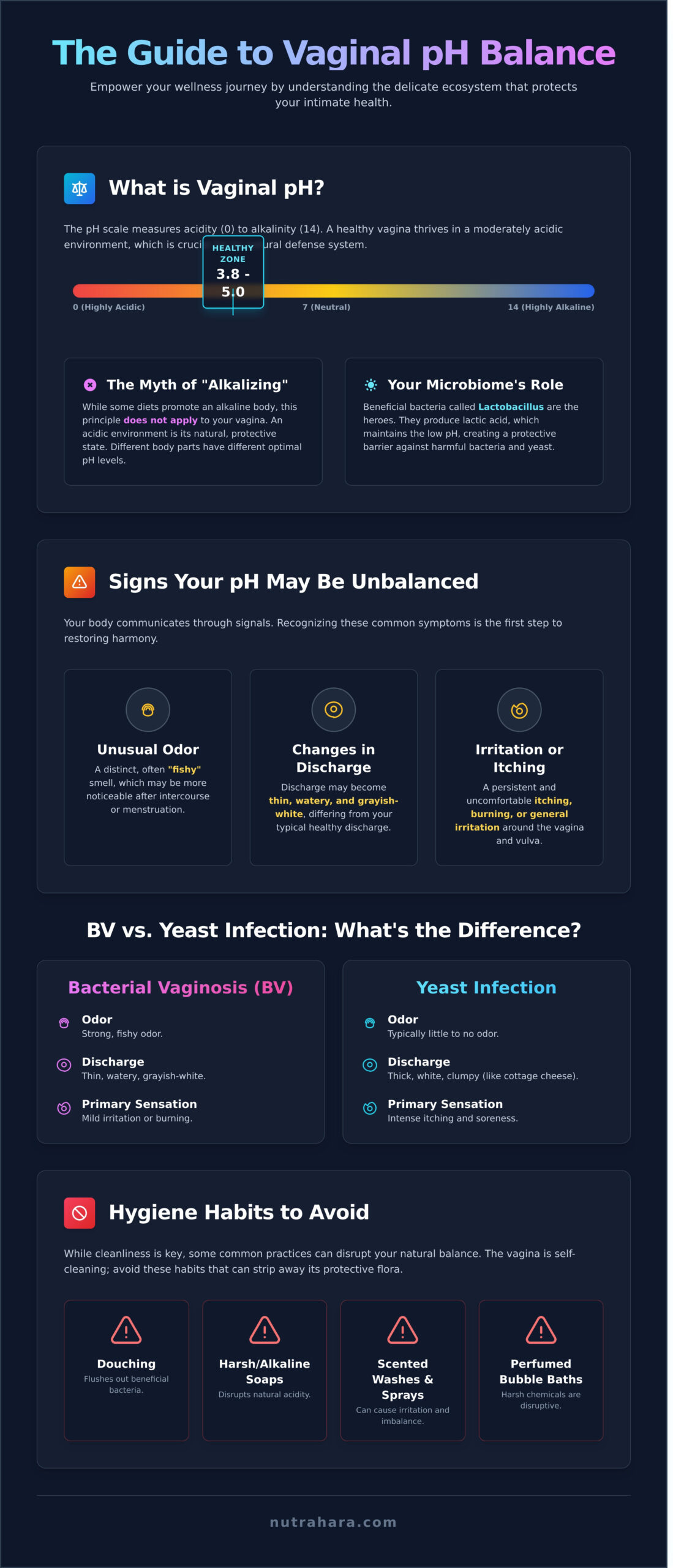
On your wellness journey, understanding your body’s unique needs is a powerful first step. Let’s start with a simple concept: the pH scale. This scale measures acidity and alkalinity from 0 (highly acidic) to 14 (highly alkaline), with 7 being neutral. While different parts of your body have different needs, your vagina is designed to thrive in a moderately acidic environment. For optimal health, the ideal vaginal pH range is between 3.8 and 5.0. This natural acidity is a brilliant and essential part of your body’s innate wisdom.
This protective environment is maintained by a delicate, living ecosystem-your vaginal microbiome. This community is dominated by beneficial bacteria, most notably from the Lactobacillus family. These powerful allies produce lactic acid, which lowers the vaginal pH and is fundamental to your well-being. This community of microorganisms, often referred to as the vaginal flora, is the cornerstone of a healthy intimate environment and a stable ph balance.
Your Body’s First Line of Defense
Imagine your vaginal microbiome as a thriving, well-tended garden. When beneficial Lactobacillus (the healthy plants) are abundant, they create an acidic soil that prevents harmful bacteria and yeast (the weeds) from taking root. This natural barrier is your body’s first line of defense, playing a crucial role in preventing common discomforts like bacterial vaginosis (BV) and yeast infections.
The Difference Between Vaginal pH and Overall Body pH
It’s important to clarify a common myth. While the wellness trend of “alkalizing your body” through diet has gained popularity, this principle does not apply to your vagina. Your body intelligently maintains different pH levels for different functions-your blood is slightly alkaline, while your stomach is highly acidic. A healthy vagina is an acidic one, and attempting to make it alkaline disrupts its protective shield, leaving you more vulnerable to imbalance.
Signs Your pH May Be Unbalanced: Listening to Your Body’s Signals
Your body has its own innate wisdom and communicates its needs through subtle signals. Part of your wellness journey is learning to listen to and understand this language. When your vaginal ph balance is disrupted, your body will often let you know. Recognizing these signs is an empowering first step toward restoring harmony. It’s important to remember that these symptoms are incredibly common and not something to feel ashamed of-they are simply your body’s way of asking for support.
Common Symptoms of an Imbalance
When the delicate vaginal microbiome is thrown off, leading to a higher (less acidic) pH, you might notice a few distinct changes. These are some of the most common indicators:
- Unusual Odor: A distinct, often “fishy” smell is a primary sign. This odor may become more noticeable after intercourse or menstruation.
- Changes in Discharge: You might see a discharge that is thin, watery, and grayish-white in color, which is different from your typical healthy discharge.
- Irritation or Itching: A persistent and uncomfortable itching, burning, or general irritation around the vagina and vulva can also signal an imbalance.
Understanding Related Conditions: BV vs. Yeast Infections
It’s easy to confuse symptoms, but understanding the root cause is essential for finding the right path back to balance. The two most common culprits, Bacterial Vaginosis (BV) and yeast infections, have different origins. BV is directly linked to a high vaginal pH, which allows certain bacteria to overgrow. Conversely, a yeast infection is a fungal overgrowth that can occur even with a normal pH. Differentiating between them is a key part of the clinical diagnosis of vaginitis and helps guide effective care.
This simple chart can help you distinguish the two:
| Symptom | Bacterial Vaginosis (BV) | Yeast Infection (Candidiasis) |
|---|---|---|
| Odor | Strong, fishy odor | Typically little to no odor (or a mild, bread-like smell) |
| Discharge | Thin, watery, grayish-white | Thick, white, clumpy (like cottage cheese) |
| Primary Sensation | Mild irritation or burning | Intense itching and soreness |
Maintaining a healthy vaginal ph balance is your body’s first line of defense, and when it’s off, you may become more susceptible to other infections. Recognizing these signs early allows you to take gentle, effective action.
What Causes a pH Imbalance? Identifying Common Triggers
Understanding your body is a vital part of your wellness journey. When it comes to vaginal health, maintaining your natural harmony often means identifying the personal triggers that can disrupt it. Many common, seemingly harmless habits and life stages can subtly alter your internal ecosystem. By recognizing these factors, you can take empowered steps toward prevention and support your body’s delicate equilibrium.
Hygiene Habits and Products
While cleanliness is important, an overzealous approach can do more harm than good. The vagina is a remarkable self-cleaning organ, and aggressive washing can strip away its protective flora. Douching, for example, flushes out the beneficial bacteria required for a healthy, acidic environment. This disruption can create an opening for less desirable bacteria to overgrow, sometimes leading to conditions like Bacterial Vaginosis. For gentle and effective care, it’s best to avoid:
- Harsh, alkaline soaps
- Scented feminine washes, sprays, and powders
- Perfumed bubble baths and bath bombs
- Washing inside the vaginal canal
Sexual Health and Partners
Intimacy can also influence your vaginal environment. Semen is naturally alkaline, which can temporarily raise the vagina’s pH after unprotected sex. For many, the body recalibrates quickly, but for others, this shift can be a recurring trigger for imbalance. Similarly, a new sexual partner introduces a different set of microbes to your personal microbiome, which can sometimes cause a temporary disruption. Using barrier methods like condoms is an effective way to help maintain your natural ph balance.
Hormonal Fluctuations and Medications
Your body’s internal chemistry is constantly in flux, and these changes can directly impact vaginal pH. Several key factors can cause a shift:
- Menstruation: Blood is more alkaline than the vaginal environment, causing a temporary rise in pH during your period.
- Menopause: As estrogen levels decline during perimenopause and menopause, the vagina can become less acidic, making it more susceptible to imbalance.
- Antibiotics: These powerful medicines don’t distinguish between “good” and “bad” bacteria. They can wipe out the beneficial Lactobacillus strains that are crucial for maintaining an acidic pH.
A Holistic Approach to Restoring and Maintaining pH Balance
At Nutrahara, we believe that true, lasting wellness blossoms from within. Restoring your body’s delicate harmony isn’t about quick fixes; it’s about embarking on a wellness journey that nurtures you from the inside out. By blending cutting-edge nutritional science with the timeless wisdom of natural remedies, we can create a sustainable lifestyle that supports a healthy vaginal microbiome and a stable ph balance.
Nourish Your Body: The Diet Connection
What you eat directly influences the ecosystem of beneficial bacteria that protects your intimate health. To foster a thriving internal environment, focus on incorporating foods that support your microbiome:
- Probiotic-Rich Foods: Introduce beneficial bacteria with sources like yogurt, kefir, kimchi, sauerkraut, and kombucha.
- Prebiotic Foods: Feed your good bacteria with fiber-rich options like garlic, onions, asparagus, and bananas.
Equally important is limiting sugar and highly processed foods, which can fuel the growth of disruptive yeast. And never underestimate the power of hydration-drinking plenty of water helps flush your system and supports overall cellular health.
Making mindful choices about hydration is a key part of this. While water is essential, for those looking for a flavorful, clean alternative to sugary drinks, Australian companies like Yuvo Naturals offer herbal sparkling waters that support a holistic wellness journey.
Harnessing the Power of Natural Supplements
While a balanced diet is foundational, targeted natural supplements can provide powerful, clinically-studied support. Oral probiotics specifically formulated with strains for vaginal health can help replenish beneficial flora from within. For acute imbalances, boric acid suppositories can help quickly re-acidify the vaginal environment, but should always be used as directed by a healthcare professional. To support your wellness journey, explore our line of women’s wellness supplements, grounded in science and nature.
Managing Stress for a Balanced System
Chronic stress elevates cortisol, a hormone that can suppress the immune system and disrupt your body’s delicate equilibrium, including your vaginal ph balance. Integrating gentle stress-relief practices into your daily routine is a non-negotiable part of a holistic approach. Consider techniques like meditation, mindful yoga, or simple deep breathing exercises. Prioritizing 7-9 hours of restful sleep each night is also crucial, as it allows your body the time it needs to repair and regulate itself.
Lifestyle Habits for Long-Term Vaginal Wellness
Your wellness journey is a continuous path of nurturing your body from the inside out. Achieving and maintaining your body’s delicate harmony isn’t about drastic measures; it’s about embracing simple, consistent habits. Creating an external environment that supports your internal ecosystem is fundamental for long-term vaginal health. These gentle, proactive steps empower you to support your natural ph balance and cultivate lasting well-being.
Mindful Hygiene Practices
Gentle care is far more effective than aggressive cleaning. Your vagina is a remarkable self-cleaning organ, and disrupting its natural process can do more harm than good. Focus on cleaning the external genital area, the vulva, with warm water. If you choose to use soap, ensure it is mild, pH-balanced, and completely free of fragrances or harsh chemicals. Most importantly, always wipe from front to back after using the restroom to prevent the transfer of bacteria.
Clothing and Laundry Choices
The fabrics you wear and the detergents you use can significantly impact your vaginal environment. Simple adjustments can create a healthier, more breathable space for your body.
- Choose Natural Fabrics: Opt for underwear made from breathable cotton. Synthetic materials like nylon and spandex can trap heat and moisture, creating an environment where harmful bacteria may thrive.
- Stay Dry: Change out of wet swimsuits or sweaty gym clothes as soon as possible. Lingering moisture can disrupt your delicate balance.
- Wash with Care: Use a gentle, hypoallergenic, and fragrance-free laundry detergent for your undergarments to avoid irritation.
When to Consult a Healthcare Professional
While these lifestyle habits are powerful tools for maintaining your health, self-care has its limits. It is crucial to seek professional guidance if you experience symptoms that are persistent, severe, or recurring. A proper diagnosis is essential before attempting to self-treat, as symptoms like unusual discharge, itching, or odor could indicate an infection or a more serious underlying condition. Your doctor is your trusted partner in health, able to provide an accurate diagnosis and a safe, effective treatment plan tailored to your needs.
Your commitment to these holistic habits is a beautiful act of self-care. For more expert-driven insights on your wellness journey, explore the complete range of women’s health resources at nutrahara.com.
Your Journey to Balanced Well-being
Your wellness journey is a deeply personal one, and understanding your body’s delicate ecosystem is a powerful first step. As we’ve explored, nurturing your vaginal health comes down to listening to your body’s signals and embracing holistic habits. By identifying common triggers and making conscious lifestyle choices, you can actively support your body’s innate ability to maintain a healthy ph balance.
For those seeking additional support, Nutrahara offers a bridge between ancient wisdom and modern science. Our formulas are thoughtfully designed to support you on your personal wellness journey. Made with clean, natural ingredients you can trust, each supplement is formulated by combining ancient Ayurveda with cutting-edge research to help you thrive. Ready to support your body’s natural harmony? Explore Nutrahara’s Women’s Health Supplements.
Remember, nurturing your body is an act of self-care. Embrace the journey to balanced well-being with confidence and grace.
Frequently Asked Questions
What is a normal vaginal pH level and how can I test it at home?
A healthy vaginal pH is naturally acidic, typically ranging between 3.8 and 4.5. This acidic environment is crucial for protecting against unhealthy bacteria and yeast. For those on a wellness journey seeking to understand their body better, convenient at-home pH test strips are available at most pharmacies. These kits provide a simple, immediate way to check your levels, empowering you with knowledge to maintain your natural harmony.
Can my period and menstrual products affect my pH balance?
Yes, your menstrual cycle can cause temporary shifts. Blood has a higher pH of around 7.4, which can briefly alter your vaginal environment. Additionally, some menstrual products containing fragrances, dyes, or harsh chemicals can be disruptive. As a gentle, holistic alternative, consider opting for products made from 100% organic cotton or other natural, breathable materials to support your body’s delicate equilibrium during your cycle.
Is it safe to use boric acid suppositories, and how do they work?
Boric acid, a naturally occurring compound, has been clinically studied for its mild antiseptic properties. It works by helping to restore the vagina’s natural acidic environment, making it difficult for disruptive bacteria and yeast to thrive. While it is considered safe for many, it is essential to use it under the guidance of a healthcare professional as part of your personalized care plan. It is intended for vaginal use only and must never be ingested.
What’s the difference between a yeast infection and bacterial vaginosis (BV)?
While both are common, they stem from different causes. A yeast infection is an overgrowth of a fungus (Candida) and often presents with thick, white, cottage-cheese-like discharge and intense itching. Bacterial vaginosis (BV) is caused by an imbalance and overgrowth of certain bacteria, typically characterized by a thin, greyish-white discharge and a distinct fishy odor. A proper diagnosis from a healthcare provider is key to effective treatment.
Can diet and stress really have an impact on my vaginal health?
Absolutely. Your body is an interconnected system. Diets high in processed sugars can fuel the growth of yeast, while probiotic-rich foods like yogurt and kimchi can support beneficial bacteria. Chronic stress elevates cortisol, which can suppress your immune system and disrupt your body’s delicate equilibrium, including your vaginal pH balance. Nurturing your body with a balanced diet and managing stress are foundational to your overall well-being.
Are scented soaps and douching really that bad for my pH balance?
Yes, these practices can be very disruptive to your body’s natural ecosystem. Harsh chemicals and artificial fragrances in soaps can strip away protective oils and irritate delicate tissue. Douching is particularly harmful as it flushes out the beneficial bacteria that work to maintain a healthy pH balance. For gentle, effective cleansing, warm water is all that your body needs for external washing, allowing its innate wisdom to shine.
Disclaimer
This article is not a substitute for medical advice. Please consult a healthcare professional before starting any supplement, especially if pregnant, nursing, taking medication, or managing health conditions.




