


Every step, every reach, and every simple movement should feel like a celebration of your body’s strength. Yet, for many of us on our wellness journey, joint discomfort can cast a shadow over daily activities, turning a morning walk or a favorite hobby into a source of concern. If you’re seeking a natural path toward better mobility, you may have heard of glucosamine, a natural compound that plays a vital role in building healthy cartilage. It represents a bridge between your body’s innate wisdom and the support offered by nature.
But with so much information, choosing the right path can feel overwhelming. Is it truly effective? Which type is best? And how can you find a pure, high-quality supplement you can trust? This guide is your caring and knowledgeable resource. Here, we will explore the clinically-studied benefits of glucosamine, explain how it works to support your body’s flexibility, and empower you to confidently select the right supplement to nurture your long-term joint health.
What Is Glucosamine and How Does It Work for Joint Health?
On your wellness journey, understanding how your body maintains its natural flexibility is key. At its core, glucosamine is a natural amino sugar compound that your body produces and is found in the fluid around your joints. It serves as a fundamental component for maintaining healthy joint tissue. While our bodies create it, for those seeking a more detailed scientific overview of its chemical properties, a comprehensive resource can answer the question, What is glucosamine?
The primary role of this vital compound is to act as a precursor for building and repairing cartilage. Cartilage is the tough, flexible tissue that cushions the ends of your bones within a joint, allowing for smooth and comfortable movement. However, as we age, our body’s natural production of glucosamine can decline. The principle behind supplementation is to provide the body with external support, potentially helping to slow cartilage breakdown and support the body’s natural repair processes for holistic joint well-being.
The Building Block of Your Joints
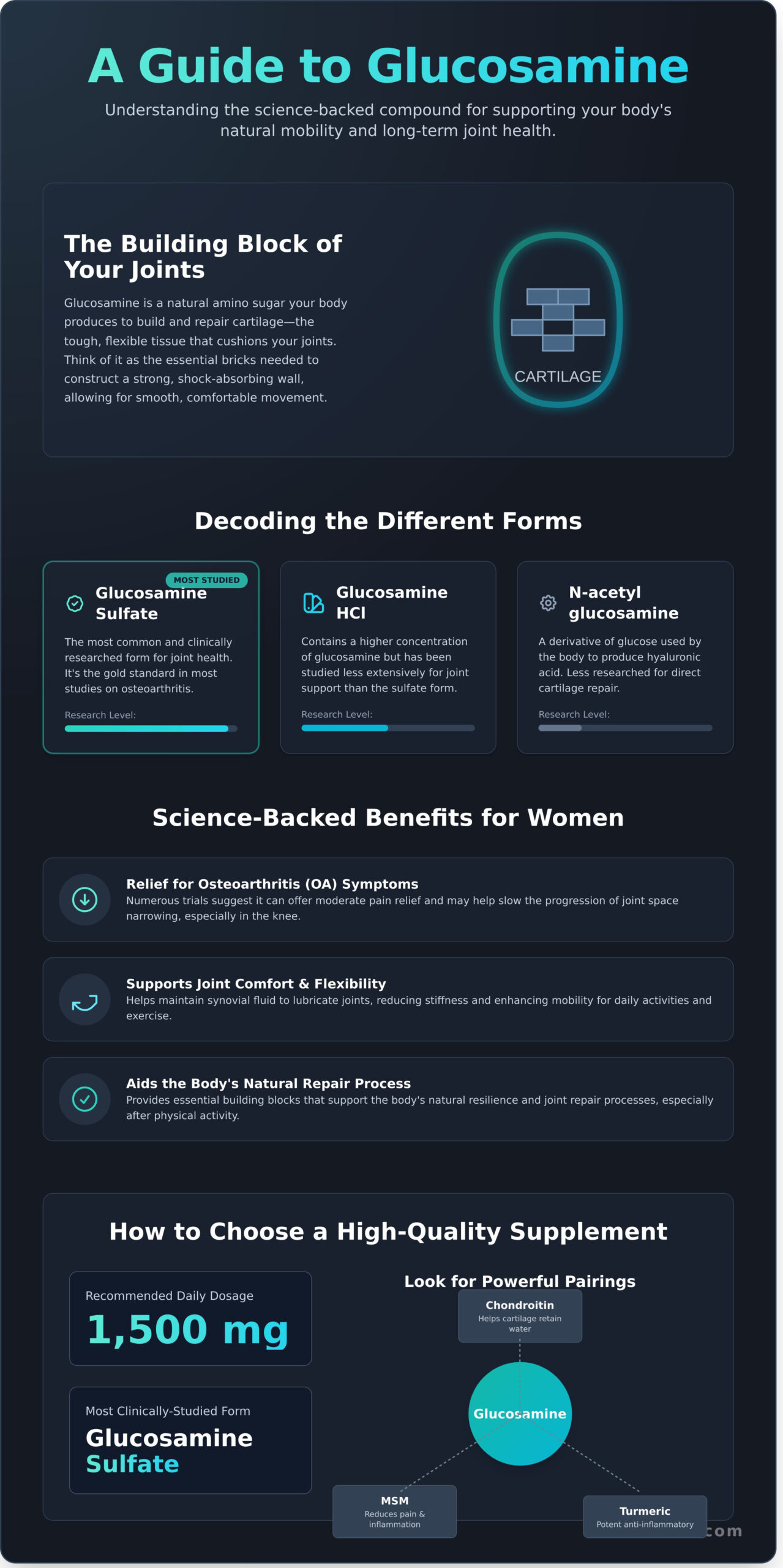
Think of glucosamine as the essential bricks needed to build a strong wall, where the wall is your cartilage. This compound is crucial for creating larger molecules called glycosaminoglycans and proteoglycans. These are the key structural components that give cartilage its gel-like, shock-absorbing properties. When your cartilage is healthy and well-nourished, it provides a smooth, lubricated surface, allowing your joints to move freely and without discomfort, supporting your active and balanced lifestyle.
Different Forms of Glucosamine Explained
When exploring supplements, you will find several forms of glucosamine. It’s important to understand their distinctions, as they are not considered interchangeable due to differences in their chemical makeup and how they are stabilized.
- Glucosamine Sulfate: This is the most common and most clinically studied form for joint health. It is often stabilized with mineral salts.
- Glucosamine Hydrochloride (HCl): Another popular form, which contains a higher concentration of glucosamine but has been studied less extensively than the sulfate form for joint support. It is a common choice for those with shellfish allergies.
- N-acetyl glucosamine: This form is a derivative of glucose and is primarily used by the body to produce hyaluronic acid. It is less researched for direct joint cartilage repair compared to the other two forms.
The Science-Backed Benefits of Glucosamine for Women
For women leading active, vibrant lives, maintaining joint health is a cornerstone of well-being. As we navigate our personal wellness journeys, understanding the science behind supportive nutrients is key. As a natural compound found in cartilage, glucosamine has been extensively researched for its role in joint structure and function. Let’s explore what clinical studies reveal about its benefits.
Relief for Osteoarthritis Symptoms
The most significant body of research focuses on glucosamine for osteoarthritis (OA), particularly of the knee. Numerous clinical trials suggest that glucosamine sulfate, a specific and well-studied form, can offer moderate pain relief for some individuals. More promisingly, some long-term studies indicate it may help slow the progression of joint space narrowing, a key marker of OA, thereby supporting long-term joint integrity and function.
Supporting Joint Comfort and Flexibility
Beyond addressing OA symptoms, this powerful compound plays a vital role in everyday joint wellness. It is a fundamental building block for cartilage and helps maintain the thick, gel-like synovial fluid that lubricates our joints and absorbs shock. For active women, this foundational support translates into tangible benefits:
- Reduced joint stiffness, especially upon waking in the morning.
- Enhanced mobility and flexibility for activities like yoga, running, or hiking.
- Support for the body’s natural joint repair and resilience processes after exercise.
What the Research Says About Different Conditions
While its link to OA is well-documented, researchers have explored its use for other conditions. Its potential anti-inflammatory properties have led to studies on rheumatoid arthritis (RA), though the evidence remains less conclusive. Some preliminary research also suggests a possible benefit for temporomandibular joint (TMJ) disorder. As the Mayo Clinic notes in its overview of Glucosamine supplements for joint health, more rigorous studies are needed to confirm its effectiveness in these areas, making OA its primary evidence-backed application.
How to Choose the Right Glucosamine Supplement: A Practical Guide
Navigating the world of supplements can feel overwhelming, but empowering yourself with the right knowledge is the first step on your wellness journey. Choosing a high-quality glucosamine supplement is about more than just picking a bottle off the shelf; it’s about understanding what makes a formula effective, pure, and right for your body. This guide will help you become a savvy, confident shopper.
Decoding the Label: Dosage and Form
When you examine a supplement label, two of the most critical details are the dosage and the form of the key ingredient. For joint support, clinical research often points to a daily dosage of 1,500 mg of glucosamine. You can take this all at once or in divided doses throughout the day, depending on what works best for your routine. More importantly, look specifically for glucosamine sulfate. While the scientific evidence for glucosamine continues to be explored, this is the form most frequently used and studied in clinical trials for joint health.
Powerful Pairings: Glucosamine with Chondroitin, MSM, and Turmeric
Nature often provides ingredients that work in harmony. The benefits of glucosamine are enhanced when combined with other supportive, synergistic compounds. Chondroitin helps cartilage retain water and maintain elasticity, while MSM (Methylsulfonylmethane) is a natural source of sulfur often used to help reduce pain and inflammation. Adding Turmeric, a revered herb in Ayurveda, provides potent anti-inflammatory properties from its active compound, curcumin. A thoughtfully formulated product like Nutrahara’s Joints & Knees Kit is designed with these powerful pairings to offer holistic support for your joints.
Quality Markers: What to Look For
A truly high-quality supplement is defined by its purity and transparency. To ensure you are getting a safe and effective product, look for these key markers on the label:
- Third-Party Testing: Look for certifications from organizations like NSF or USP. This verifies that the product contains what the label says it does and is free from contaminants.
- Clean Ingredients: A superior formula avoids unnecessary fillers, artificial colors, preservatives, and common allergens like gluten or soy. The focus should be on pure, active ingredients.
- Clear and Transparent Labeling: The label should clearly list the exact amount of each ingredient, allowing you to know precisely what you are putting into your body.
For those looking to explore a range of premium health products that meet these high standards, you can learn more about VigourMoves, an e-commerce store dedicated to wellness.
Safely Incorporating Glucosamine into Your Wellness Routine
Embarking on any new wellness path requires thoughtful guidance. As you consider adding a glucosamine supplement to your routine, it’s important to approach it with awareness and patience. This compound is generally well-tolerated, but understanding how to use it effectively is key to supporting your health journey. Remember, supplementation is a powerful tool that works best as part of a holistic approach to well-being, complementing a balanced diet and mindful movement.
Best Practices for Taking Glucosamine
To nurture your body and achieve the best results, consistency is crucial. For optimal absorption and to minimize the chance of stomach upset, we recommend taking your supplement with a meal and a glass of water. True wellness is a gradual process; clinical research shows it can take 4 to 8 weeks of daily use to notice potential benefits for joint comfort and mobility. Be patient and consistent with your routine.
Potential Side Effects and Precautions
While most women experience no issues, it’s wise to be aware of potential mild side effects, which can include nausea, heartburn, or diarrhea. It is also essential to consider your unique health profile before beginning. We advise you to consult with your healthcare provider before starting any new supplement, especially if you:
- Have a shellfish allergy. (Note: Many glucosamine formulas are derived from shellfish, but vegetarian, shellfish-free options are available.)
- Are managing diabetes or glaucoma.
- Take blood-thinning medications, such as warfarin.
Your doctor can provide personalized advice to ensure this supplement is a safe and effective part of your wellness plan. At Nutrahara, we believe in empowering you with knowledge to make the best choices for your body.
Beyond Glucosamine: A Holistic Approach to Lifelong Joint Care
While targeted supplements are a cornerstone of effective joint support, your wellness journey extends far beyond a single ingredient. At Nutrahara, we believe in treating the body as an integrated system, where true, lasting comfort comes from a holistic approach. Supporting your joints for the long term involves nurturing your entire body with mindful nutrition, movement, and the wisdom of nature.
Understanding how these elements work together empowers you to build a resilient foundation for mobility and well-being, complementing the benefits of supplements like glucosamine and chondroitin.
Nourish Your Joints from Within: Anti-Inflammatory Eating
Chronic inflammation is a primary driver of joint discomfort. By choosing foods that calm this response, you can create a powerful internal environment for healing and comfort. Focus on incorporating whole, natural ingredients into your daily meals.
- Embrace Omega-3s: Fatty fish like salmon, along with walnuts and flaxseeds, are rich in anti-inflammatory fats.
- Eat the Rainbow: Colorful fruits and vegetables, such as berries, leafy greens, and broccoli, are packed with antioxidants that fight cellular stress.
- Limit Triggers: Reduce your intake of processed foods, refined sugars, and white carbohydrates, which can promote inflammation.
Movement is Medicine: Exercises for Healthy Joints
The saying “motion is lotion” is especially true for our joints. Regular, gentle movement helps circulate synovial fluid, which lubricates and nourishes your cartilage. The key is to choose activities that build strength without adding stress. Consider low-impact options like swimming, cycling, yoga, or tai chi to improve flexibility and support the muscles surrounding your joints, providing them with crucial stability.
Ancient Wisdom for Modern Aches: Ayurvedic Support
For centuries, ancient Ayurveda has utilized nature’s botanicals to promote balance and soothe the body. This time-tested wisdom, a core part of the Nutrahara philosophy, offers powerful allies for joint health. Herbs like Boswellia serrata (Indian Frankincense) are traditionally used to support a healthy inflammatory response, while Ashwagandha helps the body manage stress, a known contributor to pain. This fusion of ancient knowledge and modern research creates a comprehensive path to well-being.
To learn more about our science-backed, natural formulas, explore the complete women’s health collection at nutrahara.com.
Embrace Your Journey to Lasting Joint Wellness
Your wellness journey is a personal path, and caring for your joints is a crucial part of moving through life with confidence. As we’ve explored, understanding how foundational compounds like glucosamine work is the first empowering step. Lasting comfort, however, is achieved not just through a single ingredient but by choosing high-quality, targeted support and embracing a holistic lifestyle that nurtures your body from the inside out. This knowledge allows you to make conscious, informed choices for your mobility and long-term vitality.
When you’re ready to take the next proactive step, consider a solution that honors your body’s needs. At Nutrahara, we bridge the ancient wisdom of Ayurveda with modern nutritional science to create formulas specifically for women. Our commitment is to purity and efficacy, which is why our supplements are formulated with clean, natural, and clinically-studied ingredients. Begin your journey to better joint health with our expertly formulated Joints & Knees Kit.
Here’s to a future filled with strength, flexibility, and the freedom to embrace every moment with ease.
Frequently Asked Questions About Glucosamine
How long does it take for glucosamine to start working?
Patience is a key part of any wellness journey. Glucosamine works gradually to support cartilage health, so it may take between 4 to 8 weeks of consistent daily use before you notice significant improvements in joint comfort and mobility. This is because the body needs time to utilize the compound to help rebuild and protect cartilage. For best results, incorporate this supplement into your daily routine and maintain a balanced, active lifestyle for holistic joint support.
Can I take glucosamine if I have a shellfish allergy?
This is an important consideration for your safety. Most glucosamine supplements are derived from the shells of shrimp, crab, and other shellfish. If you have a shellfish allergy, you should exercise caution and carefully read product labels. We recommend consulting with your healthcare provider before starting. Fortunately, high-quality shellfish-free and vegan options, often derived from corn, are available to provide joint support without the risk of an allergic reaction.
What is the main difference between glucosamine sulfate and hydrochloride?
The primary difference lies in the stabilizing molecule used and the body of research behind each. Glucosamine sulfate is stabilized with a salt and is the form most extensively used in clinical trials demonstrating positive effects on joint health. Glucosamine hydrochloride (HCl) is a more concentrated form, but scientific research supporting its effectiveness for joint comfort is less robust compared to the sulfate form. Most experts recommend the sulfate version based on current evidence.
Is glucosamine safe to take long-term?
Your long-term well-being is our priority. Clinical studies following participants for up to three years have found glucosamine to be generally safe for extended use with minimal side effects for most individuals. As with any supplement, it is a wise practice to regularly check in with your doctor. This ensures it remains an appropriate and beneficial part of your personal wellness journey and holistic health plan over time, supporting your body’s natural balance.
Can glucosamine help with rheumatoid arthritis (RA)?
This is a key distinction in joint health. Most scientific research focuses on glucosamine’s benefits for osteoarthritis (OA), which is caused by mechanical wear and tear. Rheumatoid arthritis (RA) is an autoimmune condition where the body’s immune system attacks the joints. The evidence supporting its use for RA is limited, and it should not replace prescribed medical treatments. Always consult a rheumatologist for a care plan tailored to managing RA symptoms effectively.
Is there a vegan source of glucosamine?
Yes, there are excellent plant-based options available for those following a vegan lifestyle or with shellfish allergies. While traditionally sourced from shellfish, a high-quality vegan glucosamine is formulated through the fermentation of a natural corn source. This scientifically advanced process yields a pure and effective compound that provides the same joint-supporting benefits, bridging the gap between nature’s abundance and your wellness needs without any animal-derived ingredients.
Can I take glucosamine with blood thinners like warfarin?
Prioritizing your safety is essential when combining supplements and medications. Some studies suggest that glucosamine may increase the anticoagulant effect of blood thinners like warfarin, potentially raising the risk of bleeding. Because of this potential interaction, it is crucial that you do not start taking this supplement without first consulting your doctor. They can properly assess the risk and provide guidance tailored to your specific health needs and prescriptions.
Disclaimer
This article is not a substitute for medical advice. Please consult a healthcare professional before starting any supplement, especially if pregnant, nursing, taking medication, or managing health conditions.




