What if your persistent brain fog and afternoon energy crashes aren’t just signs of a busy life, but evidence that you’re out of sync with your natural rhythms? For most women today, the thought of integrating ayurvedic principles into daily routine sounds like an overwhelming task reserved for those with hours of free time. You’ve likely felt the frustration of hormonal shifts and chronic stress, searching for a solution that feels both scientifically sound and deeply nurturing.
It’s true that the modern world doesn’t always respect the female body’s unique cycles. However, you don’t need to choose between ancient tradition and clinical validation. By blending time-tested Ayurvedic wisdom with modern nutritional research, you can create a lifestyle that supports your health from the inside out. This guide provides a clear, manageable roadmap to balance your hormones, sharpen your mind, and support your longevity. We’ll explore practical steps to help you reclaim your vitality and thrive through every stage of womanhood, from your thirties into your sixties and beyond.
Ayurveda is often translated from Sanskrit as Understanding Ayurveda: The Science of Life; “Ayur” meaning life and “Veda” meaning knowledge. It isn’t a medical system you visit only when you feel unwell. It’s a holistic philosophy designed to sustain health through every breath, meal, and thought. For women between the ages of 30 and 60, this ancient wisdom offers a vital lens through which to view a changing body. Integrating ayurvedic principles into daily routine allows you to move from fighting your biology to flowing with it.
Your journey toward longevity starts with Prakriti, your unique bio-individual constitution. No two women experience the transition into their 40s or 50s exactly the same way. While one woman might struggle with the “heat” of perimenopausal shifts, another might feel a persistent “dryness” or a lack of mental clarity. By identifying your baseline, you can choose foods and rituals that restore your specific equilibrium. This isn’t about following a fleeting trend. It’s about coming home to yourself.
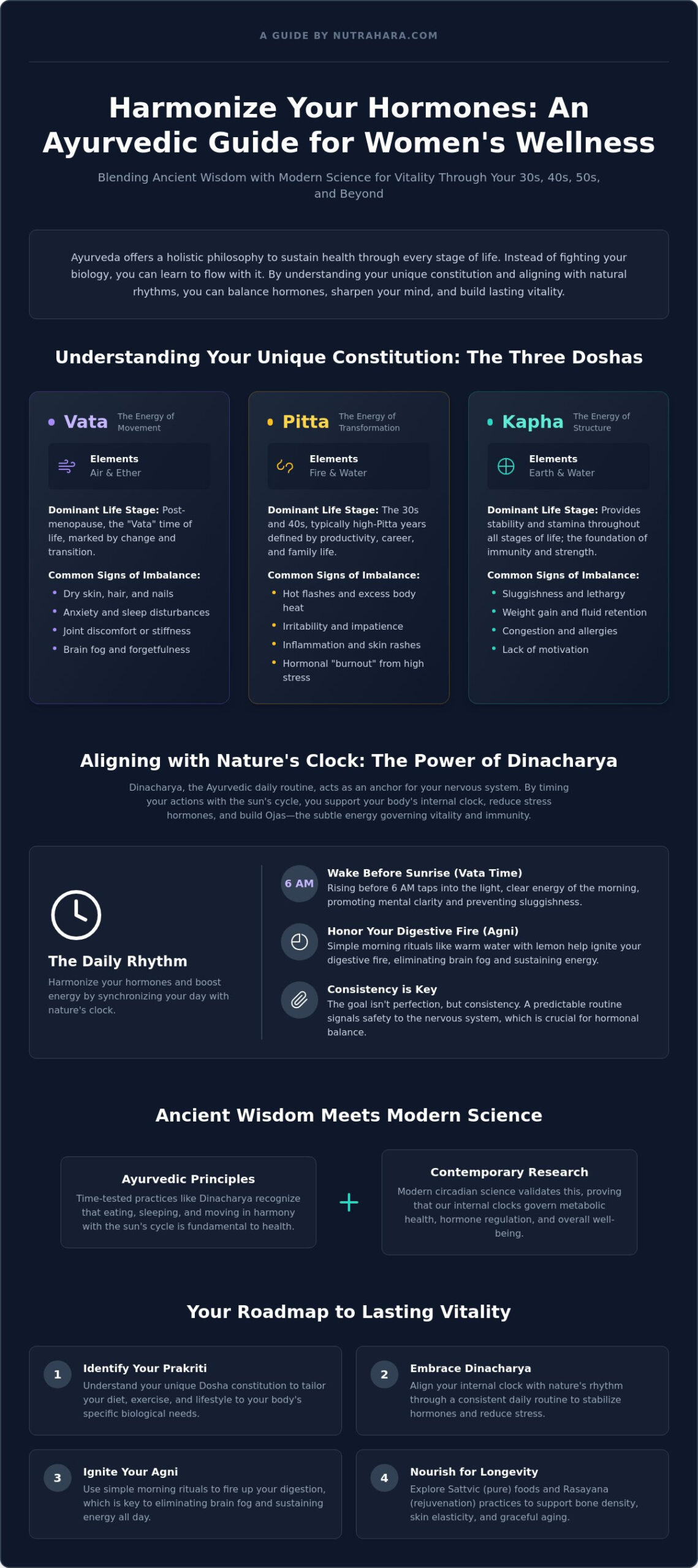
Ayurveda identifies three primary energy patterns, or doshas, that govern our physiology and psychology. These energies shift as we age, influencing how we feel and function.
For women managing a jewelry or diamond brand during these high-productivity years, reducing business-related stress is key to preventing Pitta burnout; Valigara allows you to explore Multi-channel Listing Automation to streamline your operations and preserve your energy for wellness.
Hormonal shifts in your 40s and 50s often mirror Vata or Pitta imbalances. For example, hot flashes are a classic sign of excess Pitta (heat), while anxiety and “brain fog” often signal a Vata disturbance. Targeted support like FemmePower is designed to address these specific fluctuations by bridging traditional herbal wisdom with modern clinical insights.
The Nutrahara philosophy is rooted in the belief that tradition and clinical research are two sides of the same coin. We don’t just use herbs because they’re ancient; we use them because modern science validates their efficacy. Integrating ayurvedic principles into daily routine aligns perfectly with contemporary circadian rhythm science. Both systems recognize that eating, sleeping, and moving in harmony with the sun’s cycle optimizes metabolic health and hormonal balance. Ayurveda is a personalized roadmap for longevity rather than a one-size-fits-all diet.
In the frantic pace of modern life, your nervous system often stays in a state of high alert. Dinacharya, the Ayurvedic practice of daily routine, acts as an anchor to bring you back to center. By aligning your actions with the natural cycles of the day, you can significantly reduce cortisol levels and soothe the anxiety that often accompanies hormonal fluctuations. Integrating ayurvedic principles into daily routine isn’t about adding more tasks to your to-do list. It’s about shifting the timing of what you’re already doing to support your body’s internal clock.
Many women feel overwhelmed by the idea of a complex ritual. You don’t need a two-hour morning ceremony to see results. Science increasingly supports these ancient patterns, particularly through the study of circadian rhythms. According to Ayurvedic Nutrition and Herbal Support guidelines from experts at Johns Hopkins, these lifestyle adjustments help maintain balance and prevent the “burnout” so common in our 40s and 50s. Consistency is the true secret to building Ojas, the subtle energy that governs your vitality and immunity.
Waking before 6:00 AM, during the Vata period of the morning, allows you to tap into the light, clear energy of the atmosphere. This simple shift can transform your mental clarity and prevent the “heavy” feeling that comes from sleeping into the Kapha hours. For women in perimenopause, regular meal times are equally crucial. Eating your largest meal at midday, when your digestive fire is strongest, helps stabilize blood sugar and prevents the late-night crashes that disrupt sleep. For more on supporting these transitions, see The Ultimate Guide to Women’s Wellness Supplements.
To make this sustainable, prioritize the “Big Three”: morning hydration, a substantial midday meal, and an early bedtime. Start your day with warm lemon water to flush the system. If you find yourself struggling with the evening wind-down, consider a grounding adaptogen like Ashwagandha with Black Pepper to help lower stress before bed. Use a habit tracker to implement just one change per week. This gradual approach builds lasting confidence and ensures that integrating ayurvedic principles into daily routine becomes a natural, effortless part of your long-term health progression.
Waking during Brahma Muhurta, the “time of the creator,” is a profound way to start your day. This window, roughly 90 minutes before sunrise, is when the air is still and the mind is most receptive. Integrating ayurvedic principles into daily routine at this hour allows you to tap into a reservoir of peace before the world demands your attention. Scientific research into Ayurvedic principles highlights how these early hours correlate with peak cognitive function and hormonal stability. By rising with the sun, you align your internal biological clock with the planet’s natural rhythm.
A key focus of your morning should be Agni, or digestive fire. For women navigating the complexities of perimenopause or postpartum recovery, maintaining a strong Agni is the difference between feeling vibrant or chronically fatigued. When Agni is balanced, your body efficiently converts food into energy and prevents the buildup of “Ama,” or metabolic waste. This fire is the foundation of your metabolic health and longevity.
Before you eat or drink, focus on clearing the toxins that accumulated overnight. Start with tongue scraping. Use a copper or stainless steel scraper to gently remove the coating on your tongue. This act removes bacteria and stimulates the internal organs connected to the tongue’s surface. Follow this with oil pulling using organic sesame or coconut oil for 5 to 10 minutes. This practice supports oral health and systemic detoxification. Finally, drink a glass of warm lemon water. It gently awakens the digestive tract and prepares your body for the day’s first meal.
Gentle movement is essential to shift the lymph and reduce morning joint stiffness that often appears in our 40s. A short sequence of Sun Salutations or restorative yoga poses can help. Pair this with Nadi Shodhana, or alternate nostril breathing, to balance the nervous system. If you find your focus still wavers during these early hours, FocusZenith can provide the modern nutritional support needed for sharp cognitive clarity. Don’t forget the practice of Self-Snehana, or self-massage with warm oil. It’s a powerful act of self-love that calms the nervous system, lowers cortisol, and nourishes the skin.
“I used to feel like I was dragging myself through a fog until noon,” says Elena, 42. “By simply integrating ayurvedic principles into daily routine, starting with tongue scraping and warm water, my energy levels stabilized. I no longer need that third cup of coffee to feel human.”
Ahara, or nutrition, is much more than just a count of calories; it is the essential foundation of your vitality and longevity. A Sattvic diet focuses on pure, light, and energy-giving foods like fresh fruits, whole grains, and organic vegetables. For women aged 30 to 60, this approach is vital for maintaining bone density and skin elasticity. Integrating ayurvedic principles into daily routine means choosing foods that don’t just fill you up but actually nourish your deep tissues, known as Dhatus, to support a long and healthy life.
In your 40s and 50s, hormonal shifts often require a strategic shift on your plate. If you feel ungrounded or experience persistent dryness, focus on Vata-pacifying foods. These are warm, cooked, and grounding, such as root vegetables and healthy fats like ghee. If you are dealing with hot flashes or inflammation, Pitta-pacifying foods are your best ally. Opt for cooling, hydrating choices like cucumber, mint, and sweet fruits. Maintaining this internal balance also supports your intimate health; you can learn more in A Complete Guide to Vaginal pH Balance.
While traditional preparations are beautiful, the modern woman often lacks the time for complex herbal decoctions. Nutrahara serves as your modern bridge, offering high-quality formulas that provide traditional benefits in a convenient form. Ashwagandha is the “queen” of Ayurvedic herbs, specifically valued for its ability to regulate cortisol levels in perimenopausal women. Our Ashwagandha with Black Pepper is designed for optimal absorption to support stress management and better sleep. By integrating ayurvedic principles into daily routine through targeted herbal support, you can maintain a calm and focused mind regardless of your schedule.
As we age, joint health and skin structural integrity become top priorities. Our Premium Collagen Complex combines modern peptide science with the anti-inflammatory power of turmeric to protect your movement and your glow. For deep hormonal support, Shatavari has been used for centuries to nourish the female reproductive system. We’ve included this potent botanical in FemmePower to help you thrive through every cycle and transition with confidence. It’s a simple way to bring ancient wisdom into your current lifestyle.
Ready to elevate your wellness journey? Explore our full range of Ayurvedic-inspired supplements to find your perfect match for hormonal harmony and lasting energy.
The window between 6 PM and 10 PM is governed by Kapha energy, characterized by stability, heaviness, and slow movement. Nature intends for this period to be your time of transition, shifting from the fiery productivity of the day into a state of deep rest. Integrating ayurvedic principles into daily routine during these hours is essential for protecting your Ojas, or vital essence. When you honor this cycle, you allow your body to enter a state of Rasayana. This refers to the ancient science of rejuvenation and longevity, ensuring your cells repair and renew while you sleep.
One of the most effective tools for this transition is Abhyanga, or warm oil self-massage. This practice isn’t merely a beauty ritual. It’s a profound way to support lymphatic drainage and soothe a nervous system taxed by daily stress. By gently massaging warm, organic oil into your skin, you nourish your tissues and create a protective barrier against the drying effects of aging. It’s a moment of quiet connection with your body that fosters both physical resilience and emotional calm.
Your bedroom should be a sanctuary for your spirit. Modern life introduces a conflict between blue light and Ojas; the artificial glow of screens disrupts the production of melatonin and depletes your vital energy. A digital detox at least one hour before bed is crucial. Use this time for evening meditation to release “mental Ama,” the psychological toxins and undigested thoughts from your day. If you struggle to achieve the deep rest your body requires, RestoraSleep provides the targeted nutritional support needed for deep, restorative rest.
Ayurveda views the transition into menopause not as a decline, but as an entry into the “Third Act,” a stage of life defined by higher consciousness and spiritual wisdom. This is a time to prioritize practices that support bone health and cognitive longevity. Regular weight-bearing movement and a diet rich in minerals are vital. Integrating ayurvedic principles into daily routine at this stage empowers you to age with vitality rather than fear. Consistency in these rituals ensures that your later years are marked by strength and clarity.
Aging is a journey toward becoming a “wise woman,” where your life experience becomes your greatest strength. You have the power to shape your health progression through small, consistent choices. Take the first step toward your most vibrant self today. Start your journey with a Nutrahara wellness consultation or explore our starter kits to find the perfect bridge between ancient wisdom and your modern life.
Thriving through the transitions of womanhood is a personal journey that requires both patience and the right tools. You’ve seen how integrating ayurvedic principles into daily routine through simple shifts like mindful meal timing and grounding evening rituals can stabilize your energy. This ancient wisdom, when paired with contemporary nutritional science, provides a powerful roadmap for your long-term health progression.
At Nutrahara, we’re here to support your evolution. Our clean, natural formulas are created by nutritional experts and Ayurvedic scholars to ensure clinical efficacy and purity. We stand behind your wellness journey with a 30-day satisfaction guarantee and offer free shipping on all orders over $50. You deserve to feel vibrant, clear, and deeply connected to your body’s natural rhythms at every stage of life.
Discover the Nutrahara Collection: Ancient Wisdom Meets Modern Science
Your future self will thank you for the care you begin today. Trust in your body’s wisdom and take that first step toward longevity with confidence.
Focus on high-impact, low-time-commitment rituals to start. Begin by drinking a glass of warm lemon water upon waking and using a copper tongue scraper to clear overnight toxins. These simple acts begin the process of integrating ayurvedic principles into daily routine without requiring hours of meditation. Once these habits feel natural, you can gradually introduce more complex practices like a five-minute self-massage or standardized meal times.
Ayurvedic principles offer significant support for perimenopause by addressing the underlying elemental imbalances. Hot flashes are typically seen as an excess of Pitta, or fire energy, in the body. By incorporating cooling foods like cucumber and mint, and using adaptogenic support like Shatavari, you can soothe the heat in your system. This holistic approach helps stabilize your internal temperature and calms the nervous system during hormonal shifts.
Most Ayurvedic supplements are safe to take alongside standard multivitamins. Adaptogens like Ashwagandha work synergistically with modern nutritional science to support stress management and hormonal health. However, you should always consult with your healthcare provider before starting a new regimen, especially if you take prescription medications. Quality matters; ensure your supplements are clean and free from artificial additives or undisclosed heavy metals.
You can begin identifying your dosha by observing your physical tendencies and mental patterns over time. Vata types are often lean and prone to anxiety; Pitta types tend to have a medium build and a sharp intellect; Kapha types are usually sturdy and calm. Many reputable wellness organizations offer online assessment tools based on traditional diagnostic criteria. While a practitioner provides the most depth, self-observation is a powerful starting point.
Ayurveda doesn’t strictly require a vegetarian diet, though it emphasizes Sattvic, or pure, plant-based foods for mental clarity. The goal is to eat what is most balancing for your specific constitution and life stage. While many practitioners suggest reducing heavy meats to support easier digestion, you can still consume animal products if they are prepared mindfully. It is about bio-individuality and what nourishes your body best rather than rigid dietary rules.
The ideal time for vigorous exercise is during the Kapha hours, between 6:00 AM and 10:00 AM. During this window, your body has the most natural stamina and strength to handle physical exertion. If you prefer gentler movement like restorative yoga or walking, the evening Kapha period from 6:00 PM to 10:00 PM is also beneficial for winding down. Aligning your fitness routine with these natural cycles optimizes your metabolic results.
You may notice subtle improvements in your digestion and mental clarity within just a few days of integrating ayurvedic principles into daily routine. For deeper, systemic changes like hormonal balance or improved sleep quality, it typically takes four to six weeks of consistent practice. Ayurveda is a long-term progression rather than a quick fix. Your body needs time to realign with its natural rhythms and build sustainable vitality from the inside out.
This article is not a substitute for medical advice. Please consult a healthcare professional before starting any supplement, especially if pregnant, nursing, taking medication, or managing health conditions.