Categories
Articles

Top 10 Herbs to Cleanse Your Body Naturally and Safely

1. Introduction to Herbs to Cleanse

In an age where environmental pollutants, processed foods, and chronic stress burden our bodies, the need for internal cleansing has never been more critical. Though our organs like the liver, kidneys, colon, and lymphatic system are equipped to detoxify naturally, modern lifestyles often overwhelm these systems. This is where herbs to cleanse play a crucial role.

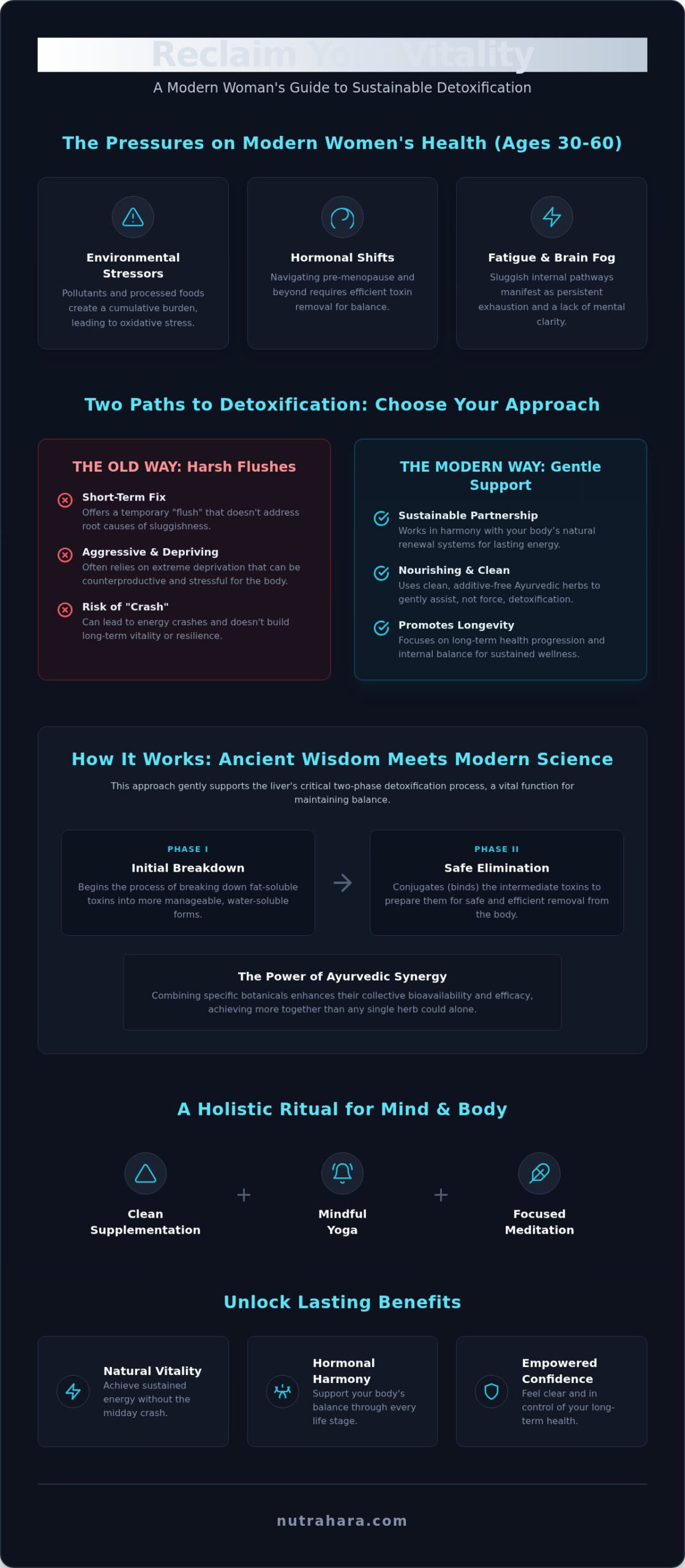
Herbs to cleanse are plant-based botanicals used for centuries in traditional medicine systems like Ayurveda, Traditional Chinese Medicine (TCM), and Western herbalism. These herbs work synergistically with the body to flush out accumulated toxins, restore balance, and rejuvenate the vital organs responsible for detoxification. Unlike synthetic detox programs that may shock the system, herbs offer a gentle and sustainable path to purification.


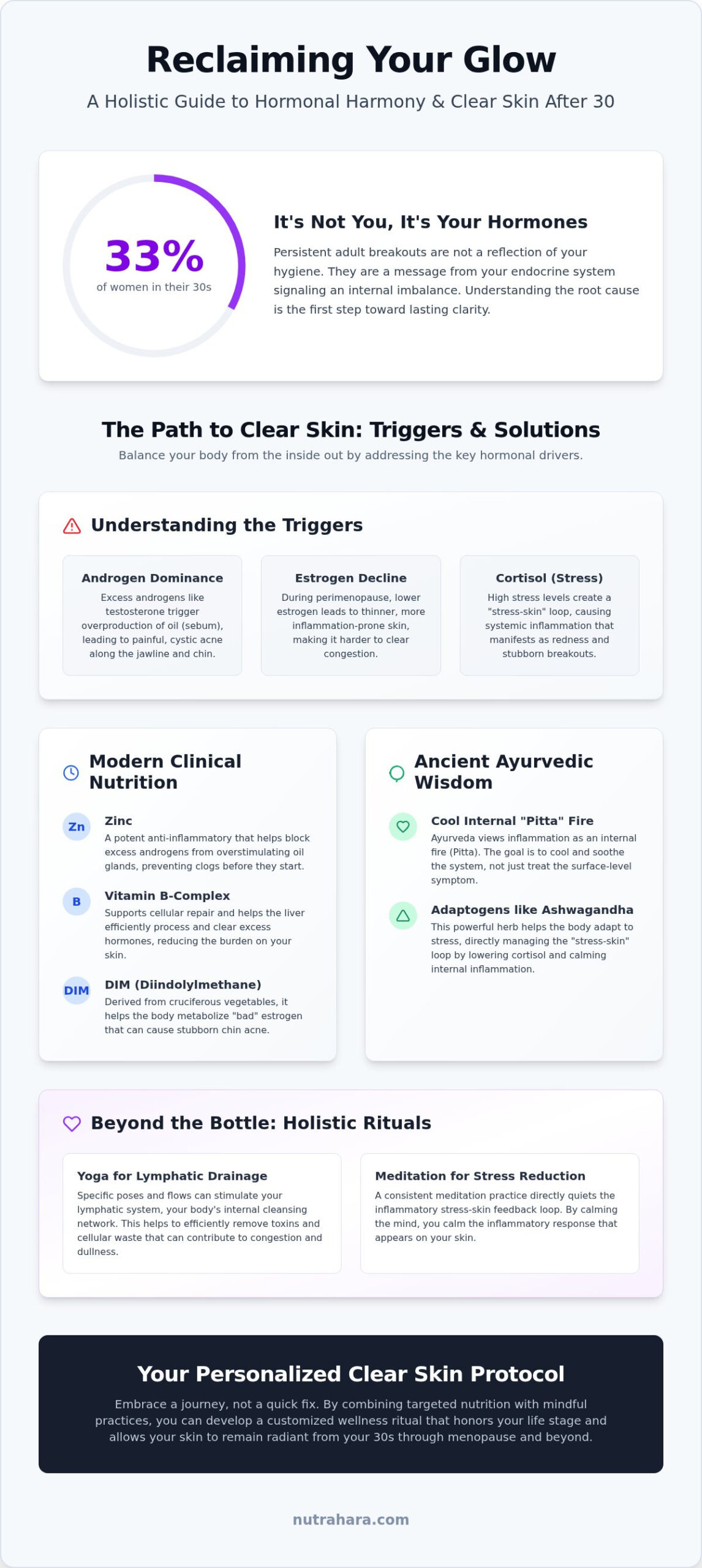
Women, in particular, benefit greatly from herbal cleanses due to the hormonal shifts that occur during menstruation, pregnancy, lactation, and menopause. Many herbs to cleanse also help balance hormones, improve skin clarity, reduce bloating, and enhance mental clarity—all while supporting long-term wellness.

This article provides a deep dive into the best herbs to cleanse, how they work, and how to incorporate them safely into your wellness journey. Whether you seek a full-body detox or simply want to reset your digestive system, nature has an herbal solution.

gut health for women

2. What Are Herbs to Cleanse?

Herbs to cleanse are natural, plant-based substances used to assist the body’s detoxification organs in eliminating waste, toxins, and metabolic byproducts. These herbs have been used for centuries across various healing traditions—from Ayurveda and Traditional Chinese Medicine to Native American and European herbalism. They are often rich in phytochemicals, antioxidants, and anti-inflammatory compounds that work to enhance the natural detox processes of the liver, kidneys, colon, skin, and lymphatic system.

What sets herbs to cleanse apart from synthetic detox methods is their gentle yet effective support of the body’s own mechanisms. For example, liver-cleansing herbs like milk thistle or dandelion root increase bile production and support liver regeneration. Colon-supportive herbs such as cascara sagrada and Triphala help promote regular bowel movements, while diuretics like parsley and nettle encourage the kidneys to flush out excess fluid and waste.

Many women find that using herbs to cleanse not only improves their digestion and skin but also enhances their mood, energy levels, and hormonal balance. By working in harmony with your body, these herbs provide a natural and sustainable way to maintain vitality, reduce toxic burden, and reset your system from the inside out.

DetoxifyLife

3. How Herbs to Cleanse Work in the Body

Understanding how herbs to cleanse work in the body begins with recognizing the natural detoxification systems already in place. Your liver processes and neutralizes harmful substances, your kidneys filter waste from the blood and regulate fluids, your colon eliminates solid waste, and your lymphatic system transports toxins away from tissues. When these systems are overburdened due to stress, poor diet, environmental toxins, or hormonal imbalances, symptoms such as fatigue, bloating, acne, and sluggish digestion may appear.

This is where herbs to cleanse offer powerful support. Certain herbs stimulate liver function and bile flow, helping the body metabolize fats and eliminate toxins more efficiently. For example, milk thistle protects liver cells and encourages regeneration, while dandelion root increases bile secretion to aid digestion and waste removal. Diuretic herbs like nettle leaf and parsley enhance kidney function by increasing urine output, flushing out metabolic waste and excess water.

Other herbs such as red clover and burdock root target the lymphatic system and skin, acting as blood purifiers that promote clearer, healthier skin from the inside out. Colon-cleansing herbs like Triphala and cascara sagrada gently encourage bowel movements, supporting regular elimination and reducing toxin reabsorption in the gut.


4. Top 10 Herbs to Cleanse Your Body Naturally

Nature provides a vast pharmacopeia of herbs to cleanse the body gently and effectively. These herbs target specific detox pathways—like the liver, kidneys, lymphatic system, colon, and skin—each contributing to a full-body reset. Here are 10 of the most trusted and widely used herbs for natural cleansing.

4.1 Dandelion Root

Dandelion root is a classic liver tonic. It stimulates bile production, which helps break down fats and flush toxins through the liver. It also acts as a mild diuretic, supporting kidney function and reducing water retention.

4.2 Milk Thistle

This powerful liver protectant contains silymarin, a compound known for its ability to repair liver tissue and shield it from toxins. It’s often used in liver detox formulas to promote regeneration.

4.3 Burdock Root

A potent blood purifier, burdock root supports the liver and lymphatic system. It also contains inulin, a prebiotic that supports gut health and helps reduce skin inflammation.

4.4 Red Clover

Red clover promotes lymphatic drainage and supports hormonal balance. It helps purify the blood and is often used for clearing up skin conditions like acne and eczema.

4.5 Nettle Leaf

Rich in minerals like iron and magnesium, nettle is a gentle yet effective kidney cleanser. Its natural diuretic properties help flush uric acid and metabolic waste from the body.

4.6 Cilantro

Cilantro is known for its ability to bind and eliminate heavy metals such as mercury and lead. It also supports liver function and digestion.

4.7 Parsley

Parsley is another kidney-supporting herb with potent diuretic effects. It’s packed with chlorophyll and antioxidants that help reduce oxidative stress.
4.8 Triphala

A staple in Ayurveda, Triphala is a blend of three fruits that works as a gentle colon cleanser. It improves digestion, enhances elimination, and tones the intestinal walls.

4.9 Cascara Sagrada

This bark is a natural laxative that stimulates bowel movements, making it ideal for short-term colon cleansing.

4.10 Senna

Senna is a powerful herbal laxative used to relieve occasional constipation and prepare the colon for detox protocols or fasting.


5. 7 Tips for Using Herbs to Cleanse Safely and Effectively

Using herbs to cleanse can yield remarkable benefits, but to ensure a safe and effective detox, it’s essential to follow some best practices. These 7 tips will help you get the most out of your herbal cleanse while avoiding common pitfalls.

5.1 Start Slow and Monitor Reactions

When introducing herbs to cleanse, always begin with a low dose. Your body may respond with temporary detox symptoms like headaches, fatigue, or minor digestive discomfort. These are signs your body is adjusting. Start slow and give your system time to adapt.

5.2 Stay Hydrated

Water is critical during any cleanse. Many herbs to cleanse have diuretic or laxative properties, so dehydration is a real risk. Aim for at least 8–10 glasses of pure water daily to help flush out toxins and support kidney and colon function.

5.3 Use Organic, High-Quality Herbs

For maximum efficacy and safety, choose organic, sustainably sourced herbs. Avoid products with synthetic fillers, artificial preservatives, or unknown additives. Look for third-party certifications or consult a certified herbalist.

5.4 Cycle Your Cleanse

Avoid long-term use of detox herbs without breaks. Cycle your cleanse for 2 to 4 weeks at a time, followed by at least one week off. This prevents overuse and gives your organs time to rest and reset.

5.5 Combine with a Clean Diet

A cleanse is only as effective as the diet that supports it. Eliminate alcohol, sugar, processed foods, and caffeine. Focus on whole foods like leafy greens, lemon water, berries, whole grains, and legumes to amplify the benefits of your herbs to cleanse.

5.6 Support with Probiotics

Detoxing the colon with herbs like Triphala or senna can disrupt your gut microbiome. Follow up with probiotic-rich foods or supplements to replenish good bacteria and support digestive balance.

5.7 Customize for Your Needs

Not every herb suits every body. Choose herbs to cleanse based on your specific detox needs—liver, kidneys, skin, or colon—and consider consulting a naturopath to create a tailored plan.


6. Best Ways to Take Herbs to Cleanse

Choosing the right method to consume herbs to cleanse can significantly influence their effectiveness and how well your body absorbs them. From teas to tinctures, powders to capsules, each form offers unique advantages depending on your lifestyle, taste preferences, and wellness goals.

6.1 Herbal Teas

Teas are one of the most soothing and traditional ways to enjoy herbs to cleanse. Simply steep herbs like dandelion root, burdock, or nettle in hot water and sip them throughout the day. Teas are gentle, hydrating, and ideal for ongoing detox support. For deeper cleansing, try a blend that includes multiple detoxifying herbs.

6.2 Tinctures

Tinctures are liquid extracts made by soaking herbs in alcohol or glycerin. They’re highly concentrated, allowing you to take small doses under the tongue or in water. Tinctures are fast-acting and especially useful for people who prefer not to take pills or drink large volumes of tea.

6.3 Capsules

For those with busy schedules or aversions to the taste of herbs, capsules offer convenience and consistency. They’re ideal for travel, and many come in standardized dosages to ensure you’re getting the right amount of each herb.

6.4 Powders and Smoothies

Many herbs to cleanse, like parsley, cilantro, and spirulina, are available in powdered form. These can be added to smoothies or juices for a nutrient-rich detox drink. This method also supports digestion, as blending the herbs with fiber and enzymes from fruits helps maximize absorption.

6.5 Combination Formulas

Some detox products combine multiple herbs into teas, capsules, or powders for a synergistic effect. Look for well-reviewed formulations with transparent ingredient lists and dosing instructions.

Experiment with different formats to see which method works best for you—and remember, consistency is key when using herbs to cleanse.


7. Herbs to Cleanse by Body System

Each detoxification organ in the body benefits from specific herbs that target its unique function. By selecting the right herbs to cleanse according to your personal needs—whether liver, kidney, colon, lymphatic system, or skin—you can create a more effective and personalized cleansing regimen.

7.1 Herbs to Cleanse the Liver

The liver is your body’s primary detox organ, breaking down toxins, hormones, and waste products. These herbs to cleanse support liver function and regeneration:

  • Milk Thistle – Protects liver cells and promotes regeneration with silymarin
  • Dandelion Root – Boosts bile flow and aids fat digestion
  • Artichoke Leaf – Stimulates bile production and reduces liver inflammation
  • Schisandra Berry – Enhances liver enzyme activity and protects against oxidative damage

7.2 Herbs to Cleanse the Kidneys

Kidneys filter the blood and remove toxins through urine. The following herbs to cleanse act as gentle diuretics:

  • Nettle Leaf – Flushes out uric acid and metabolic waste
  • Parsley – Reduces bloating and cleanses urinary tract
  • Corn Silk – Soothes urinary tract inflammation and supports kidney health
  • Celery Seed – Stimulates urine flow and helps eliminate toxins

7.3 Herbs to Cleanse the Colon

A sluggish colon can lead to toxin buildup. These herbs to cleanse improve elimination and digestive health:

  • Triphala – Tones and cleanses the intestinal tract
  • Cascara Sagrada – Natural laxative that promotes bowel movements
  • Senna – Short-term laxative support for constipation relief
  • Slippery Elm – Soothes and lubricates the digestive lining

7.4 Herbs to Cleanse the Lymphatic System

The lymph system removes cellular waste. These herbs support circulation and detox:

  • Red Clover – Purifies blood and encourages lymph flow
  • Burdock Root – Promotes skin clarity and lymphatic drainage
  • Cleavers Herb – Stimulates lymphatic movement
  • Echinacea – Enhances immune system and lymph function

7.5 Herbs to Cleanse the Skin

The skin is a detox organ too. These herbs to cleanse help manage acne, eczema, and other skin conditions:

  • Yellow Dock – Acts as a mild laxative and blood purifier
  • Red Clover – Clears skin and balances hormones
  • Burdock Root – Targets inflammatory skin issues
  • Gotu Kola – Improves skin healing and collagen production


8. Real-Life Testimonials from Women Who Used Herbs to Cleanse

Nothing speaks louder than the real experiences of women who’ve integrated herbs to cleanse into their wellness routines. Here are five authentic testimonials that highlight how these herbs have helped transform their health and vitality.

🌿 Jenna, 34 – Los Angeles, CA

“I was constantly bloated and exhausted, no matter how well I ate. A friend recommended a gentle liver cleanse using milk thistle and dandelion root. Within two weeks, my skin was glowing, and I felt lighter and more energized. I now do a seasonal detox every few months using these herbs to cleanse—it’s my secret weapon for staying balanced.”

🌿 Priya, 42 – Austin, TX

“Triphala has truly changed my life. I used to struggle with irregular digestion and felt sluggish all the time. After taking Triphala regularly at night, my digestion improved drastically. It also helped reduce my sugar cravings. I trust Ayurvedic herbs to cleanse my system without harsh side effects.”

🌿 Lindsay, 39 – Chicago, IL

“I started drinking a tea made of burdock root, red clover, and nettle to help clear up adult acne. After about a month, not only did my skin clear up, but my PMS symptoms also eased. The combination of herbs to cleanse and support hormonal balance was a game changer.”

🌿 Amina, 29 – Seattle, WA

“I used parsley and nettle tea for a gentle kidney cleanse before my wedding. It worked wonders in reducing water retention and bloating. I felt lighter, and my dress fit perfectly! These herbs to cleanse were gentle yet super effective.”

🌿 Maria, 51 – Miami, FL

“Approaching menopause, I felt like my digestion and energy were declining. I added schisandra and artichoke extract to my morning routine for liver support. After a few weeks, my digestion improved, hot flashes became less intense, and I felt more like myself again. Herbs to cleanse gave me back my vitality.”


9. Conclusion: Embrace the Healing Power of Herbs to Cleanse

Your body is a powerful self-healing machine, but in today’s toxin-laden environment, it occasionally needs support. That’s where herbs to cleanse come in—offering a natural, holistic approach to detoxification that aligns with your body’s rhythms rather than working against them.

From liver-supportive herbs like milk thistle and dandelion root to colon-toning blends like Triphala and laxatives like senna, nature has equipped us with a wide range of botanical allies. These herbs to cleanse are more than detox tools—they’re wellness enhancers that can clear your skin, improve digestion, reduce fatigue, balance hormones, and even sharpen mental clarity.

Unlike crash detox diets or harsh chemical cleansers, herbal remedies work gently over time. They nourish and support the organs rather than shocking them into submission. When paired with a clean diet, hydration, movement, and mindfulness, herbs to cleanse can catalyze a profound transformation—physically, mentally, and emotionally.

Whether you’re preparing for a new season, coming off a period of overindulgence, or simply seeking to restore your balance, integrating these herbs into your self-care routine can be an empowering step toward long-term health.

But remember: cleansing is not about punishment or deprivation—it’s about nourishment and renewal. Always choose high-quality herbs, listen to your body, and consider working with a qualified herbalist or naturopath for a personalized detox plan.

Let the power of plants guide you back to your most vibrant self—naturally, safely, and with grace. 🌿


Written by the Nutrahara Team
This article was developed by the Nutrahara team of nutrition scientists and naturopaths, who specialize in formulating safe, effective, and science-backed supplements for women’s health. Every ingredient we use is carefully selected to support your body’s unique needs—naturally. Follow us on LinkedIn for expert insights and updates on our latest wellness solutions.

Categories
Articles

7 Best Herbs for Sleep

1. Introduction to Herbs for Sleep

In today’s fast-paced world, millions struggle to get the restorative rest their bodies need. Sleep disorders and nighttime anxiety are especially common among women dealing with hormonal fluctuations, stress, caregiving responsibilities, and lifestyle pressures. Unfortunately, many turn to pharmaceutical sleep aids, which can cause dependency, grogginess, or a dull feeling upon waking. This is where natural alternatives—particularly herbs for sleep—come into play.

Herbs for sleep have been used for centuries in traditional medicine systems like Ayurveda, Traditional Chinese Medicine, and Western herbalism. These botanical remedies work gently with the body to calm the nervous system, reduce stress hormones, and prepare the mind for sleep. What makes them especially appealing is their ability to promote deep, natural sleep without the harsh side effects of synthetic drugs.

From sipping a cup of chamomile tea before bed to taking valerian root capsules or diffusing lavender oil, using herbs for sleep can be a simple yet effective lifestyle change. Whether you’re experiencing difficulty falling asleep, staying asleep, or waking up feeling unrefreshed, this article will guide you through evidence-backed herbal solutions tailored to your sleep concerns—so you can finally wake up feeling rested and renewed.


2. Why Natural Sleep Remedies Matter

Sleep is one of the most critical pillars of health, yet it’s often sacrificed in the hustle of daily life. For women, in particular, sleep challenges can arise from hormonal shifts (during menstruation, pregnancy, or menopause), emotional stress, or even caregiving roles that disrupt nighttime routines. Over time, lack of quality sleep can lead to a weakened immune system, cognitive decline, mood disorders, and increased risk of chronic diseases like hypertension and diabetes.

While over-the-counter or prescription sleep medications may offer a quick fix, they often come with downsides—dependency, tolerance, or next-day grogginess. That’s why more and more people are turning to herbs for sleep as a natural alternative. These plant-based remedies gently support the body’s circadian rhythm and soothe the mind without the harsh side effects of pharmaceuticals.

Herbs like valerian, chamomile, ashwagandha, and lavender are not only effective in promoting relaxation and sleep but are also rich in antioxidants and adaptogens that benefit overall wellness. Choosing herbs for sleep is more than just an alternative remedy—it’s a way to align with nature, honor your body’s natural rhythms, and create sustainable bedtime rituals that nourish your health long-term.

RestoraSleep

3. How Herbs for Sleep Work

Understanding how herbs for sleep function can empower you to choose the right remedy tailored to your needs. Unlike synthetic sleep medications that often act as blunt-force sedatives, herbs work in harmony with your body’s natural systems—especially the nervous system and endocrine system.

3.1 Calming the Nervous System

Many herbs for sleep, such as valerian root, passionflower, and lemon balm, work by influencing neurotransmitters like GABA (gamma-aminobutyric acid), a chemical messenger that promotes relaxation and reduces brain activity. When GABA levels are elevated, the mind calms down, anxiety eases, and the body enters a state conducive to sleep. These herbs often mimic or enhance GABA activity naturally, making them gentle but effective.

3.2 Regulating Circadian Rhythms

Other herbs for sleep—like chamomile and ashwagandha—help balance cortisol (the stress hormone), which plays a crucial role in your sleep-wake cycle. Elevated nighttime cortisol levels are a common reason people struggle to fall asleep. By lowering stress and supporting melatonin production, these herbs help recalibrate the circadian rhythm.

Together, the effects of these herbs promote not just the quantity of sleep but also its quality—helping you move through all the essential stages of sleep, including REM and deep sleep, with greater ease and consistency.


4. 7 Popular Herbs for Sleep and Their Benefits

When it comes to natural remedies for better rest, certain herbs have stood the test of time. These herbs for sleep not only help you fall asleep faster but also improve the overall quality of your rest—leaving you refreshed, not groggy. Here’s a closer look at seven of the most trusted and effective herbs used for promoting sleep.

4.1 Chamomile

Chamomile is one of the most widely consumed herbs for sleep, often enjoyed as a soothing tea. It contains a powerful antioxidant called apigenin, which binds to GABA receptors in the brain, reducing anxiety and inducing drowsiness. Chamomile is gentle enough for daily use and is particularly helpful for women who experience premenstrual or menopausal insomnia.

4.2 Valerian Root

Often referred to as “nature’s Valium,” valerian root is a potent herbal sedative. It works by boosting GABA levels and relaxing both the mind and muscles. Studies show that valerian root can reduce the time it takes to fall asleep and improve sleep quality, especially when used consistently over a few weeks.

4.3 Lavender

Lavender is a versatile herb for sleep that can be used as a tea or essential oil. Its calming aroma has been shown to lower heart rate, reduce stress, and promote deeper sleep. Diffusing lavender oil in the bedroom or adding a few drops to your pillow can help induce a restful environment.

4.4 Passionflower

Passionflower is a lesser-known but highly effective herb that enhances GABA activity in the brain. It’s ideal for individuals who experience restless sleep due to an overactive mind or anxiety. Passionflower is commonly used in tea or tincture form.

4.5 Ashwagandha

An adaptogenic herb from Ayurvedic medicine, ashwagandha helps regulate cortisol and manage stress. Its balancing effect on hormones makes it particularly useful for women dealing with insomnia related to anxiety or hormonal changes.

Ashwagandha with Black Pepper

4.6 Lemon Balm

Lemon balm, a member of the mint family, is known for its mood-lifting and anti-anxiety properties. It calms the nervous system and promotes relaxation, making it a great herbal tea for bedtime.

4.7 Hops

Best known as a flavoring in beer, hops also have strong sedative properties. Often combined with valerian root, hops are effective for reducing restlessness and encouraging deep, uninterrupted sleep.


5. 7 Practical Tips for Using Herbs for Sleep

While the right herbs for sleep can work wonders, how and when you use them matters just as much. To truly benefit from their natural sedative effects, it’s important to create a consistent routine and combine these herbs with sleep-supportive habits. Here are seven expert-approved tips to help you maximize the power of herbs for sleep:

5.1 Choose the Right Format

Herbs come in a variety of forms—each with its own advantages:

  • Teas are ideal for relaxing bedtime rituals and work well for herbs like chamomile and lemon balm.
  • Capsules or tablets offer measured doses, perfect for valerian root or ashwagandha.
  • Tinctures provide fast absorption and can be taken sublingually for quicker results.
  • Aromatherapy with lavender oil can calm the senses and set the mood for rest.

5.2 Create a Herbal Bedtime Routine

A calming routine signals your brain it’s time to sleep. Brew a cup of your chosen herbal tea, dim the lights, stretch gently, or practice deep breathing. Consistency is key.

5.3 Combine Herbs for Synergy

Certain herbs for sleep work even better together. Examples:

  • Valerian + Hops: A potent sleep-inducing combination
  • Chamomile + Lemon Balm: Enhances relaxation and reduces anxiety

5.4 Use Herbs Regularly for Best Results

Herbs are not instant fixes—they work gradually. Most herbal remedies reach full effectiveness after 1–2 weeks of daily use. Be patient and stay consistent.

5.5 Avoid Evening Stimulants

Avoid caffeine, chocolate, or alcohol at least 4–6 hours before bedtime, as they interfere with your sleep cycle and reduce the effectiveness of herbs for sleep.

5.6 Track Your Progress

Maintain a sleep journal to note how each herb affects your sleep, mood, and energy levels. This will help you fine-tune your herbal regimen.

5.7 Combine with Other Sleep Hygiene Habits

To boost the effect of herbs for sleep, reduce screen time, maintain a consistent sleep schedule, and create a dark, quiet sleeping environment.


6. Scientific Research Supporting Herbs for Sleep

While traditional use of herbs for sleep dates back centuries, modern science has begun to validate their effectiveness through clinical research and peer-reviewed studies. These findings help bridge the gap between ancient herbal wisdom and modern wellness practices, giving users confidence in their natural sleep strategies.

6.1 Chamomile and Clinical Evidence

Chamomile has been extensively studied for its calming properties. A notable randomized controlled trial published in the Journal of Advanced Nursing (2016) observed improved sleep quality in elderly participants who consumed chamomile extract twice daily for four weeks. Another study in postpartum women showed chamomile tea significantly reduced sleep disturbances and improved overall well-being within just two weeks.

6.2 Valerian Root Meta-Analyses

Valerian root is among the most researched herbs for sleep. A comprehensive meta-analysis in The American Journal of Medicine (2006) found valerian effective in improving sleep latency and sleep quality. Though individual response varies, studies suggest that continuous use over several weeks yields the most noticeable benefits.

6.3 Ashwagandha’s Effect on Stress and Sleep

A 2020 clinical trial published in Cureus examined the impact of ashwagandha root extract on adults with insomnia and anxiety. Participants who took 300 mg of ashwagandha twice daily reported a significant increase in total sleep time and sleep efficiency, along with reduced stress levels.

6.4 Lavender and Aromatherapy Research

Lavender oil has been studied in both hospital and home environments. Research in Frontiers in Behavioral Neuroscience (2017) showed that inhalation of lavender aroma improved sleep onset and increased deep sleep stages in test subjects.

These findings reinforce what herbalists have long known: when used appropriately and consistently, herbs for sleep can be a safe and effective solution for improving rest and relaxation.


7. Real-Life Testimonials from Women Using Herbs for Sleep

Hearing how other women have benefited from herbs for sleep can provide both inspiration and confidence to begin your own natural sleep journey. From busy moms to career professionals and women navigating hormonal shifts, these real-life stories reflect the transformative power of herbs when integrated into daily routines.

Jessica, 41 – California

“I used to lie awake for hours scrolling on my phone, unable to shut my mind off. A friend recommended chamomile tea, and I started pairing it with a few drops of lavender oil on my pillow. Within a week, my sleep improved dramatically. Now, it’s my sacred ritual before bed—it signals my body to slow down and prepare for rest.”

Priya, 36 – New Jersey

“Work stress was affecting my sleep and mood. I tried ashwagandha after reading about its stress-relieving benefits. After two weeks, I noticed I wasn’t waking up in the middle of the night anymore. I feel more balanced and emotionally calm—even during chaotic days.”

Elena, 52 – Florida

“Menopause hit me with intense night sweats and insomnia. I was hesitant to try sleeping pills, so I looked into natural alternatives. Valerian root capsules, taken an hour before bed, made a huge difference. I fall asleep faster and stay asleep longer, without any grogginess in the morning.”

Marissa, 47 – Oregon

“After my third child, sleep was nearly impossible. I found a tea blend with passionflower and lemon balm, and it changed everything. I feel relaxed by the time I finish the cup. I’ve finally reclaimed a sense of calm at night.”

Alicia, 39 – Texas

“My therapist introduced me to a calming nighttime routine that includes journaling and using herbs for sleep. Hops and valerian tincture, paired with a few minutes of deep breathing, make me feel grounded and sleepy. No more restless tossing and turning!”


8. Conclusion: Embrace the Power of Herbs for Sleep

Restful sleep is not a luxury—it’s a necessity for physical health, mental clarity, and emotional balance. Yet, for millions of women, falling asleep and staying asleep can be a nightly battle influenced by stress, hormonal shifts, and overstimulation. Fortunately, the natural world offers time-tested solutions. Herbs for sleep provide a safe, gentle, and effective way to restore your body’s natural rhythms and reclaim peaceful nights.

Unlike synthetic sleeping pills that may mask symptoms or cause dependency, herbs like chamomile, valerian root, lavender, passionflower, and ashwagandha work with your body. They regulate stress hormones, calm the nervous system, and create a holistic state of relaxation. The beauty of using herbs for sleep lies in their ability to do more than just knock you out—they nourish your overall well-being and contribute to long-term emotional and hormonal harmony.

Whether you start with a simple evening tea or try a combination of capsules and aromatherapy, the key is consistency and mindfulness. Build your nighttime routine around calm, comfort, and nature’s healing power.

So, if sleepless nights have been your norm, let tonight be different. Let the soothing embrace of nature’s herbs guide you into a deep, restorative slumber. With time, patience, and the right herbal support, better sleep is not just possible—it’s your new reality.


Written by the Nutrahara Team
This article was developed by the Nutrahara team of nutrition scientists and naturopaths, who specialize in formulating safe, effective, and science-backed supplements for women’s health. Every ingredient we use is carefully selected to support your body’s unique needs—naturally. Follow us on LinkedIn for expert insights and updates on our latest wellness solutions.

Categories
Articles

Top 10 Herbs for Energy

1. Introduction: Why Choose Herbs for Energy

In today’s demanding world, it’s no surprise that fatigue has become a common struggle—especially among women juggling careers, family responsibilities, social commitments, and their own wellness. Traditional quick fixes like coffee, sugary snacks, and energy drinks might offer an initial jolt, but they often lead to energy crashes, disrupted sleep, and long-term hormonal imbalances. That’s where herbs for energy come into the picture—offering a more balanced, holistic, and sustainable way to increase vitality.

Herbs for energy have been used for centuries in traditional systems of medicine like Ayurveda, Traditional Chinese Medicine (TCM), and indigenous healing traditions. These herbs are often categorized as adaptogens or stimulants, and they work not just to increase energy output, but to support the root causes of fatigue—whether that’s stress, poor digestion, hormonal imbalances, or weak immunity.

Unlike synthetic stimulants that force your body into overdrive, herbs for energy support your body’s own energy production pathways. They regulate the hypothalamic-pituitary-adrenal (HPA) axis, nourish the adrenal glands, and improve resilience to physical and emotional stressors. Many herbs also have antioxidant properties, helping reduce oxidative stress and mitochondrial dysfunction—two key factors in chronic fatigue.

Whether you’re facing daily stress, post-exercise burnout, hormonal fatigue, or mental exhaustion, the right combination of herbs can be transformative. They provide a gentle but effective lift—helping you feel more alert, grounded, and energized throughout the day. In the following sections, we’ll explore the top herbs for energy, how they work, and how to integrate them safely into your wellness routine.


2. How Herbs for Energy Work in the Body

Understanding how herbs for energy function within the body can help you use them more effectively and safely. Unlike artificial stimulants that push the body into a temporary state of alertness, energy-boosting herbs work on a deeper, more systemic level to improve energy production, stress resilience, and hormonal balance.

2.1 Adaptogenic Action

Many of the most effective herbs for energy are classified as adaptogens—natural substances that help the body adapt to physical, emotional, and environmental stressors. Adaptogens like ashwagandha, rhodiola, and holy basil work by regulating the hypothalamic-pituitary-adrenal (HPA) axis, which controls how your body responds to stress. When the HPA axis is balanced, cortisol levels normalize, resulting in more stable energy throughout the day without the highs and lows associated with stimulants.

2.2 Mitochondrial Support

Energy at the cellular level is generated by mitochondria, the “powerhouses” of the cells. Certain herbs, such as ginseng and schisandra, help increase mitochondrial efficiency and enhance the production of ATP (adenosine triphosphate), the body’s main energy molecule. This leads to more natural, long-lasting energy.

2.3 Blood Sugar and Hormonal Balance

Fatigue is often linked to imbalanced blood sugar or fluctuating hormones. Herbs like maca and licorice root support endocrine function and stabilize blood sugar levels, preventing energy crashes and improving stamina.

In essence, herbs for energy don’t just mask fatigue—they work with your body to strengthen its foundational systems. By enhancing how your body manages stress, produces energy, and maintains hormonal equilibrium, these herbs help restore your vitality from the inside out.


3. Top 10 Most Effective Herbs for Energy

When it comes to boosting vitality naturally, not all herbs are created equal. The best herbs for energy work on multiple physiological pathways—improving mental alertness, physical endurance, and emotional resilience. Below are ten of the most research-backed and time-tested herbs that women can use to increase energy and overall vitality.


3.1 Ashwagandha (Withania somnifera)

Ashwagandha is a cornerstone of Ayurvedic medicine, revered for its adaptogenic properties. It supports adrenal health, reduces cortisol, and promotes a calm, sustained sense of energy. Unlike caffeine, which provides a quick spike, ashwagandha strengthens the body’s long-term response to stress and fatigue.

  • Benefits: Boosts stamina, calms the nervous system, and enhances sleep quality
  • Best Used For: Chronic fatigue, stress-induced exhaustion, poor sleep
  • How to Take: 300–600 mg extract daily in capsule form or 1 tsp of powder in smoothies or warm milk

Ashwagandha with Black Pepper

3.2 Rhodiola Rosea

This adaptogen thrives in high altitudes and cold climates, and it’s well-known for enhancing both physical and mental endurance. Rhodiola works by improving oxygen utilization and mitochondrial energy output, making it ideal for busy professionals or anyone facing cognitive burnout.

  • Benefits: Increases focus, reduces mental fatigue, improves exercise recovery
  • Best Used For: Brain fog, fatigue from overwork, poor stamina
  • How to Take: 200–400 mg daily, ideally 30 minutes before breakfast


3.3 Ginseng (Panax ginseng)

Ginseng is one of the most studied herbs in the world for its energizing properties. It enhances physical performance and mental alertness by stimulating the central nervous system and increasing ATP production. It also supports immune function and resilience to stress.

  • Benefits: Boosts physical strength, immune function, and cognitive clarity
  • Best Used For: Low physical energy, immune-related fatigue
  • How to Take: 200–400 mg daily as capsules or as a decoction tea


3.4 Maca Root (Lepidium meyenii)

Maca root is a superfood from the Peruvian Andes that’s rich in essential minerals, vitamins, and amino acids. Known for its ability to balance hormones, maca is particularly beneficial for women experiencing fatigue due to menstrual, postpartum, or menopausal hormonal changes.

  • Benefits: Improves stamina, libido, and hormonal energy
  • Best Used For: Hormonal imbalance, PMS, perimenopause
  • How to Take: 1–2 teaspoons of powder in smoothies, oatmeal, or yogurt


3.5 Holy Basil (Tulsi)

Tulsi, also known as Holy Basil, is revered in Ayurvedic medicine as a sacred herb that uplifts the mind and strengthens the body. It’s particularly useful for energy drained by emotional stress. Tulsi modulates cortisol levels and supports clear thinking and emotional equilibrium.

  • Benefits: Reduces anxiety, supports adrenal health, boosts daytime energy
  • Best Used For: Stress-induced fatigue, mood swings
  • How to Take: 1–2 cups of tulsi tea daily or 500 mg capsules twice daily


3.6 Schisandra (Schisandra chinensis)

This berry from Traditional Chinese Medicine is prized for its five-flavor profile and wide-ranging benefits. Schisandra increases endurance, mental performance, and liver detoxification—all of which contribute to better energy levels and stamina.

  • Benefits: Improves liver function, mental clarity, and stress resilience
  • Best Used For: Detox-related fatigue, mental burnout
  • How to Take: 500 mg capsule twice daily or as a tincture


3.7 Licorice Root

Licorice root supports adrenal function by preventing the rapid breakdown of cortisol, helping maintain consistent energy throughout the day. It’s often recommended for adrenal fatigue and low blood pressure-related fatigue.

  • Benefits: Supports adrenal glands, reduces inflammation, stabilizes blood pressure
  • Best Used For: Adrenal fatigue, post-illness recovery
  • How to Take: Herbal tea (1–2 cups/day) or 300–400 mg deglycyrrhizinated licorice (DGL) capsules


3.8 Eleuthero (Siberian Ginseng)

Eleuthero is a gentler alternative to Panax ginseng, making it ideal for long-term use. It improves oxygen uptake, enhances stamina, and increases the body’s resistance to various stressors, physical or emotional.

  • Benefits: Enhances endurance, boosts immune function, improves mental clarity
  • Best Used For: Chronic stress, overtraining, seasonal fatigue
  • How to Take: 300–500 mg per day in capsule form or 20–30 drops of tincture


3.9 Peppermint (Mentha piperita)

Peppermint might not be the first herb you think of for energy, but it offers quick, gentle stimulation for both body and mind. It increases alertness and can help reduce fatigue-related headaches.

  • Benefits: Refreshes the senses, improves mental clarity, eases tension
  • Best Used For: Midday slumps, focus issues
  • How to Take: A few drops of essential oil inhaled or 1 cup of peppermint tea


3.10 Green Tea Extract

Green tea extract combines moderate caffeine with the calming amino acid L-theanine. This dual action results in a calm, focused form of energy ideal for people who are sensitive to stronger stimulants.

  • Benefits: Enhances alertness, supports metabolism, provides antioxidants
  • Best Used For: Fatigue with brain fog, weight loss fatigue
  • How to Take: 250–500 mg standardized extract daily or 2–3 cups of green tea


These ten herbs for energy offer a wide range of benefits—whether you’re a busy mom, a career-focused professional, a fitness enthusiast, or navigating menopause. Each herb has its own personality and strength, so choosing the right one (or a combination) can help you align your wellness routine with your energy needs naturally and sustainably.


4. 7 Practical Tips for Using Herbs for Energy

Integrating herbs for energy into your daily routine can be both simple and life-changing—if done thoughtfully. These seven practical tips will help you make the most out of natural herbal energy boosters while avoiding common pitfalls.


1. Start Low and Go Slow

Every woman’s body is different. When beginning with herbs for energy, start with a small dose to assess how your body responds. Some herbs like ginseng or rhodiola are quite potent, and even a small amount may deliver noticeable effects. Once you understand how you feel, you can slowly increase to the recommended dosage.


2. Rotate Your Herbs to Prevent Tolerance

Your body may adapt to a particular herb if used continuously for a long time. To maintain effectiveness, rotate between 2–3 herbs every few weeks. For example, use ashwagandha for two weeks, then switch to maca or rhodiola for the next two weeks. This method also provides a broader spectrum of benefits.


3. Combine Herbs with a Balanced Diet

Herbs for energy work best when your nutritional foundation is solid. Support their effectiveness by eating energy-supporting foods like leafy greens, lean protein, complex carbs, and healthy fats. Avoid sugar spikes and ultra-processed foods, which can undermine herbal benefits.


4. Take Herbs at the Right Time of Day

Some energizing herbs, such as ginseng or green tea extract, are best taken in the morning or early afternoon. Taking them too late can interfere with sleep. Conversely, calming adaptogens like ashwagandha or holy basil may be more appropriate in the evening if they don’t over-stimulate.


5. Support with Lifestyle Practices

Enhance the effects of herbs by incorporating yoga, breathwork, meditation, or even short walks into your day. These practices regulate your nervous system and improve how well your body utilizes energy.


6. Choose High-Quality Herbal Products

Not all supplements are created equal. Look for herbs that are organic, third-party tested, and sourced from reputable suppliers. Avoid products with fillers, artificial colors, or preservatives.


7. Consult a Holistic Practitioner

Before starting herbs for energy, especially if you’re pregnant, breastfeeding, or on medications, consult a healthcare provider or naturopath. They can help you choose the right herbs and dosage specific to your body’s needs and health history.


5. Real-Life Testimonials: Women Who Regained Their Energy

Hearing from other women who have successfully used herbs for energy can be both inspiring and reassuring. These real-life experiences show how the right herbal support can restore balance, improve vitality, and transform daily life.

🌿 Jessica, 42 – San Diego, CA

“I was juggling my job and kids and always felt drained. I started taking ashwagandha daily and noticed a huge difference in just a few weeks. I’m calmer, more focused, and I don’t crash in the afternoon anymore.”

🌿 Maria, 35 – Austin, TX

“Rhodiola Rosea has been my lifesaver. I was mentally burned out from work stress, and within a week, I felt sharper and less overwhelmed. My productivity is up, and I feel like myself again.”

🌿 Tonya, 50 – Chicago, IL

“Maca root helped me so much during menopause. It didn’t just give me more energy—it lifted my mood and boosted my libido too!”

🌿 Sabrina, 28 – Portland, OR

“I use peppermint essential oil before workouts. It’s invigorating and keeps me motivated through long runs or yoga sessions.”

🌿 Linda, 60 – New York, NY

“After struggling with adrenal fatigue, licorice root tea gave me steady energy again. It felt like I’d turned back the clock 10 years!”


6. Conclusion: Reclaim Your Natural Energy

Fatigue doesn’t have to be your norm. By integrating the right herbs for energy into your daily wellness routine, you can support your body’s natural vitality, improve focus, and regain a consistent flow of energy throughout the day. Unlike synthetic stimulants that offer temporary fixes, these herbs work with your body—balancing stress hormones, supporting adrenal health, enhancing cellular energy production, and promoting emotional well-being.

Whether you’re facing exhaustion from work, motherhood, hormonal changes, or aging, there’s an herbal solution to support your unique needs. Adaptogens like ashwagandha and rhodiola help manage stress, while energizers like ginseng and maca offer a physical and mental lift. Others, like peppermint and green tea extract, provide quick, clean bursts of energy without a crash.

What makes herbs especially empowering is that they encourage a more intuitive, holistic approach to health—one that values long-term wellness over short-term stimulation. As you experiment and find what works best for your body, you’ll not only feel more energized, but also more in tune with your own rhythms and needs.

With patience, consistency, and a little guidance, you can harness the power of nature to reclaim your energy—and your life.


Written by the Nutrahara Team
This article was developed by the Nutrahara team of nutrition scientists and naturopaths, who specialize in formulating safe, effective, and science-backed supplements for women’s health. Every ingredient we use is carefully selected to support your body’s unique needs—naturally. Follow us on LinkedIn for expert insights and updates on our latest wellness solutions.

Categories
Articles

Where to Buy Ashwagandha

1. What Is Ashwagandha and Why Is It So Popular?

Ashwagandha (Withania somnifera) is a revered herb in Ayurvedic medicine, often referred to as “Indian ginseng” due to its restorative benefits. For over 3,000 years, it has been used to support physical stamina, mental clarity, and emotional balance. The name “ashwagandha” comes from Sanskrit, meaning “smell of the horse,” which signifies its traditional association with vitality and strength.

In recent years, ashwagandha has surged in popularity globally, especially among individuals seeking natural solutions to modern-day stress, fatigue, and hormonal imbalances. Classified as an adaptogen, it helps the body adapt to internal and external stressors by regulating cortisol levels and supporting adrenal health. This makes it highly beneficial for busy professionals, overwhelmed parents, and women experiencing PMS, perimenopause, or menopause symptoms.

Its appeal also stems from growing scientific validation. Clinical studies have shown that ashwagandha can reduce anxiety, enhance sleep, improve immune function, and even boost libido and fertility. With a growing preference for plant-based wellness and clean-label supplements, more people are now searching where to buy ashwagandha that’s potent, pure, and responsibly sourced.

So, where to buy ashwagandha? The increasing demand has led to a flood of products on the market, making it essential to choose high-quality, clinically backed options like Nutrahara’s Ashwagandha with Black Pepper.


2. Where to Buy Ashwagandha: Online vs In-Store Options

As the demand for herbal supplements grows, so does the variety of purchasing options. When deciding where to buy ashwagandha, consumers generally choose between online and in-store platforms. While brick-and-mortar stores such as Whole Foods, CVS, and GNC offer immediate access to products, they often have limited inventory, inconsistent quality, or a lack of detailed product information. Shelf life and storage conditions may also affect potency.

In contrast, online shopping has revolutionized supplement access. It allows you to research product details, check third-party testing results, compare brands, and read genuine customer reviews. Many trusted wellness companies, including Nutrahara, offer direct-to-consumer models that ensure product freshness, quality assurance, and direct customer support. Websites often feature detailed descriptions, transparent ingredient sourcing, and ongoing discounts or bundle deals.

Buying from a brand’s official website—like Nutrahara’s Ashwagandha with Black Pepper—ensures authenticity and gives access to exclusive health resources. Online platforms also tend to have better refund and return policies, offering peace of mind.

Ashwagandha with Black Pepper

Ultimately, when considering where to buy ashwagandha, choosing an online source from a reputable company ensures you receive a fresher, safer, and more effective product with full transparency and convenience.


3. Where to Buy Ashwagandha That’s High-Quality and Safe

The quality of an ashwagandha supplement can make a profound difference in its effectiveness. With a wide array of options on the market, it’s crucial to evaluate products not just based on price, but on sourcing, formulation, and integrity. The best place where to buy ashwagandha should meet specific quality benchmarks.

First, the supplement should contain organic ashwagandha root extract, not just powder or leaf, which is less potent. Look for brands that disclose the standardized percentage of withanolides (the active compound), ideally 5% or more. A reliable brand also performs third-party testing to confirm purity, potency, and absence of heavy metals or contaminants.

Packaging should clearly state all ingredients without hiding behind “proprietary blends.” Transparency is key. It’s also wise to choose a formula enhanced with black pepper extract (piperine), which can significantly improve absorption and effectiveness.

Nutrahara’s Ashwagandha with Black Pepper meets all of these criteria. It’s made in the USA, tested for quality, vegan, gluten-free, and formulated specifically to support women’s physical and emotional well-being. If you’re searching for where to buy ashwagandha that delivers real results safely, Nutrahara is a standout solution trusted by thousands.


4. Common Mistakes When Choosing Where to Buy Ashwagandha

When searching for where to buy ashwagandha, many consumers unknowingly make purchasing mistakes that compromise the supplement’s effectiveness. The most common error is prioritizing low prices over quality. Cheaper products often use ashwagandha leaf instead of root, which contains fewer withanolides and less therapeutic value. Some may even be diluted with fillers or untested ingredients that could pose health risks.

Another frequent oversight is ignoring the ingredient label and testing certifications. Reputable products clearly state dosage, source (e.g., root-only extract), and include third-party lab testing for purity. In contrast, unreliable brands may hide behind “proprietary blends,” leaving you unsure of the actual potency.

Consumers should also look for supplements that contain black pepper extract (piperine), which enhances absorption. Without it, your body may not fully utilize the herb’s active compounds, reducing its overall benefit.

Nutrahara avoids these pitfalls by offering a clean, powerful formula that’s rigorously tested and transparently labeled. With organic ashwagandha root extract and black pepper for bioavailability, Nutrahara ensures you’re getting what you paid for. If you’re serious about your health, skip the bargain bins and prioritize a brand you can trust.


5. How to Take Ashwagandha for Best Results

Understanding how to take ashwagandha properly is just as important as knowing where to buy ashwagandha. The key lies in taking the right dose, at the right time, consistently. Most clinical studies recommend 300–600 mg per day of standardized ashwagandha root extract with 5% withanolides. This dose is effective for stress reduction, hormonal balance, cognitive support, and energy enhancement.

Timing also matters. Many users take one dose in the morning to manage daytime stress and one in the evening to support restful sleep. Because it’s a non-sedative adaptogen, ashwagandha can be taken with or without food, though some find it gentler when consumed after a light meal.

Nutrahara’s Ashwagandha with Black Pepper is formulated with clinically backed dosages, ensuring you’re getting an optimal therapeutic effect. The addition of black pepper improves bioavailability, meaning your body absorbs and uses the herb more efficiently. Unlike some adaptogens, ashwagandha is safe for long-term use when taken as directed.

Consistency is key—daily use over several weeks yields the best results. For people experiencing chronic stress, fatigue, or hormone-related imbalances, incorporating Nutrahara’s ashwagandha into a daily routine can be a transformative wellness strategy.


6. Who Should Consider Buying Ashwagandha?

Ashwagandha is a versatile herb that supports a wide range of wellness goals, making it suitable for nearly everyone. When determining where to buy ashwagandha, consider who stands to benefit the most from this adaptogenic powerhouse.

6.1 Women

Women at every life stage—whether dealing with PMS, fertility concerns, or menopause—can benefit from ashwagandha’s balancing effects on hormones and mood. It’s particularly effective for easing anxiety, regulating cortisol, and supporting restful sleep. Many women report reduced irritability, better energy, and improved skin tone due to lower stress levels. Nutrahara’s formula was designed with women in mind, offering targeted support for hormonal wellness.

6.2 Men

Men often turn to ashwagandha for its performance-enhancing benefits. Studies have shown that it can naturally boost testosterone, improve muscle mass, and reduce cortisol—essential for men dealing with high-pressure environments or athletic fatigue. Its effects on libido, stamina, and fertility also make it a favorite among male wellness seekers.

6.3 Professionals and Students

For those juggling deadlines, exams, or high-stakes decisions, ashwagandha offers mental clarity and emotional stability. It improves focus, reduces “brain fog,” and enhances memory retention. Anyone facing mental burnout or decision fatigue should seriously consider adding ashwagandha to their routine—especially from a reliable source like Nutrahara.


7. 7 Tips for Choosing Where to Buy Ashwagandha

If you’re feeling overwhelmed by the options and wondering where to buy ashwagandha that truly works, use these seven tips as a smart buying checklist:

  • Look for full-spectrum root extract, not leaf or blends. The root offers the highest concentration of beneficial withanolides.
  • Check for third-party lab testing to ensure purity, potency, and absence of heavy metals or contaminants.
  • Prioritize organic and non-GMO formulations that avoid harmful pesticides and additives.
  • Make sure it includes black pepper extract (piperine), which boosts absorption and enhances results.
  • Opt for clinically dosed products, with 300–600 mg per day of standardized extract (with at least 5% withanolides).
  • Read verified customer reviews to gauge real-world effectiveness.
  • Buy directly from trusted wellness brands like Nutrahara, which offer superior transparency and customer support.

By following this guide, you’ll avoid common pitfalls and invest in a product that truly supports your health.


8. Real-Life Testimonials: Women Who Bought Ashwagandha from Nutrahara

Nothing is more reassuring than hearing directly from women who’ve experienced the benefits of ashwagandha. Here’s what Nutrahara customers have to say about their journey:

Jessica M., 42 – Arizona

“I’ve been dealing with mood swings and low energy for years. Nutrahara’s ashwagandha gave me noticeable calmness and better sleep within the first week. It’s now part of my self-care ritual.”

Priya S., 35 – California

“As a mom of two and full-time nurse, my stress levels were through the roof. This supplement helped me feel grounded and energetic again. The black pepper combo really makes a difference.”

Dana R., 48 – Texas

“I’ve tried other brands, but none have been as clean and effective as Nutrahara. I love that it’s vegan, tested, and made in the USA. I feel calmer, and my hot flashes have eased too!”

Sara W., 33 – New York

“Before Nutrahara, I struggled with anxiety and racing thoughts. Within 10 days, I noticed a huge improvement in my ability to focus and stay calm during the workday. I’m obsessed.”

Michelle K., 39 – Florida

“I did a lot of research on where to buy ashwagandha. Nutrahara checked every box—organic, tested, transparent, and it actually works. I feel like myself again!”


9. Conclusion: Where to Buy Ashwagandha for Best Results

Ashwagandha isn’t just another supplement—it’s a time-tested herbal ally for modern living. Whether you’re dealing with anxiety, fatigue, hormonal imbalances, or mental fog, the right ashwagandha supplement can dramatically improve your quality of life. But results depend on choosing a product that’s effective, safe, and properly formulated.

If you’re wondering where to buy ashwagandha that delivers what it promises, Nutrahara Ashwagandha with Black Pepper is a trusted solution. It combines potent organic root extract with black pepper for enhanced absorption and is crafted with women’s wellness in mind.

Nutrahara offers:

  • ✅ Third-party testing and clinical dosage
  • ✅ Transparent labeling with no fillers
  • ✅ 100% vegan, gluten-free, and non-GMO formulation
  • ✅ Convenient and secure online ordering

👉 Get started on your wellness journey today:
Buy Nutrahara Ashwagandha with Black Pepper


Written by the Nutrahara Team
This article was developed by the Nutrahara team of nutrition scientists and naturopaths, who specialize in formulating safe, effective, and science-backed supplements for women’s health. Every ingredient we use is carefully selected to support your body’s unique needs—naturally. Follow us on LinkedIn for expert insights and updates on our latest wellness solutions.

Categories
Articles

Top 7 Essential Oils for Acne and How to Use Them Effectively

1. Understanding Acne and Its Causes

Acne is more than just a surface-level skin issue—it’s a complex condition influenced by a combination of internal and external factors. While it’s often associated with teenagers, acne also affects adult women well into their 30s, 40s, and even 50s, especially during hormonal shifts such as pregnancy, menstruation, or menopause. Understanding these root causes is the first step in identifying the right solutions, including natural options like essential oils for acne.

Acne typically forms when hair follicles become clogged with a mixture of sebum (the skin’s natural oil), dead skin cells, and bacteria. This creates the perfect environment for inflammation and infection, resulting in visible blemishes such as whiteheads, blackheads, papules, pustules, and in more severe cases, cysts or nodules.

Hormonal imbalances are a major trigger—fluctuations in estrogen, progesterone, and androgens can lead to increased sebum production and breakouts. External factors such as stress, lack of sleep, poor diet (especially high in sugar and dairy), comedogenic skincare products, and environmental pollutants also contribute to acne flare-ups.

This multifactorial nature of acne is why holistic, multi-pronged treatment approaches are gaining popularity. Essential oils for acne offer natural antibacterial, anti-inflammatory, and sebum-regulating properties, making them an effective tool for supporting skin health from the outside in. By understanding what causes your acne, you can more confidently choose the right essential oils to address your unique skin concerns and begin your journey toward clearer, healthier skin.


2. Why Choose Essential Oils for Acne?

Conventional acne treatments often rely on harsh chemicals like benzoyl peroxide or salicylic acid, which can irritate sensitive skin and strip it of its natural oils. For women seeking a gentler, plant-based alternative, essential oils for acne have emerged as an effective and natural solution. These oils, derived from flowers, herbs, and other botanicals, are rich in antimicrobial, anti-inflammatory, and healing compounds that target acne at its source—without the synthetic side effects.

One of the most compelling reasons to use essential oils for acne is their versatility. They can be tailored to different skin types and acne concerns, whether you struggle with oily skin, hormonal breakouts, or acne scars. Essential oils such as tea tree, lavender, and clary sage help reduce excess oil, kill bacteria, and soothe inflamed skin, while others like frankincense and geranium promote skin regeneration and tone.

Another benefit is the holistic nature of these oils. Many not only improve skin clarity but also support emotional well-being—lavender, for instance, calms both the skin and the nervous system. This dual-action makes essential oils for acne especially appealing to those with stress-induced breakouts.

In addition, essential oils are sustainable and often cost-effective when compared to expensive prescription treatments. They can be added to DIY skincare routines, used as spot treatments, or blended into facial oils, offering a customizable and empowering path toward healthier skin.


3. Top 7 Essential Oils for Acne

When choosing essential oils for acne, it’s important to select those with proven antibacterial, anti-inflammatory, and oil-regulating properties. The following are seven of the most effective essential oils for acne, each offering unique skin benefits.

Tea Tree Oil tops the list due to its potent antimicrobial effects. It kills Propionibacterium acnes, the bacteria responsible for breakouts, and helps reduce redness and swelling. It’s ideal for spot treatments and is often used as a natural alternative to over-the-counter acne creams.

Lavender Oil is a favorite for sensitive skin. It soothes inflammation, speeds up wound healing, and helps balance the skin’s natural oil production. It’s particularly useful for stress-related acne, offering both skin and emotional relief.

Rosemary Oil helps reduce excess oil and clears clogged pores, making it ideal for oily and combination skin. It also boosts circulation, helping to nourish and rejuvenate acne-prone areas.

Frankincense Oil is valued for its anti-scarring properties. It stimulates skin regeneration, helping fade acne scars while calming inflamed breakouts. It’s especially beneficial in nighttime skincare routines.

Clary Sage Oil is excellent for hormonal acne. It helps regulate sebum production and reduce skin inflammation, making it a powerful oil for adult women facing monthly flare-ups.

Geranium Oil tones the skin and balances oil secretion. It also improves skin elasticity and minimizes pores, helping prevent future breakouts.

Lemon Oil is rich in antioxidants and vitamin C. It brightens skin, kills bacteria, and gently exfoliates, though it should be used cautiously due to photosensitivity.

Each of these essential oils for acne offers targeted support for clearer, healthier skin when used correctly.


4. How to Use Essential Oils for Acne

To reap the benefits of essential oils for acne, it’s essential to apply them correctly. These potent plant extracts are highly concentrated and must be used with care to avoid skin irritation. Incorporating them into your skincare routine is both simple and customizable.

Direct Spot Treatment is a popular method. Dilute 1–2 drops of essential oil—such as tea tree or lavender—in a carrier oil like jojoba, argan, or coconut oil. Use a cotton swab to apply the mixture directly to pimples or inflamed areas. This targets the breakout while minimizing irritation.

Facial Steam is an excellent detox method. Add 2–3 drops of essential oils for acne to a bowl of hot water, place a towel over your head, and allow the steam to open your pores. This enhances absorption and helps eliminate impurities.

DIY Facial Oil Blends are ideal for daily use. Mix a few drops of acne-friendly essential oils into a carrier oil and massage onto clean skin morning and evening. This hydrates and heals simultaneously.

Face Masks can be boosted by adding 1–2 drops of essential oils to clay masks, particularly for oily or congested skin. The antimicrobial action of the oils enhances the detoxifying effect of the mask.

Remember to always dilute essential oils for acne and avoid applying them to broken or highly sensitive skin. When used appropriately, they offer a gentle yet powerful way to support skin clarity and reduce breakouts naturally.


5. Safety Tips When Using Essential Oils for Acne

Essential oils for acne are powerful and effective—but they must be used safely. Because they are highly concentrated plant extracts, improper use can lead to skin irritation, allergic reactions, or even chemical burns. Following proper safety guidelines ensures a beneficial experience.

Always Dilute: Never apply essential oils directly to your skin without diluting them in a carrier oil. A safe dilution ratio is 1–2% (about 6–12 drops of essential oil per ounce of carrier oil) for facial application.

Patch Test First: Before using any essential oil on your face, perform a patch test on your inner forearm. Wait 24 hours to ensure there’s no redness, itching, or irritation.

Avoid Sensitive Areas: Do not apply essential oils for acne near your eyes, lips, or open wounds. These areas are highly sensitive and more prone to adverse reactions.

Watch for Photosensitivity: Citrus oils like lemon and bergamot can increase your skin’s sensitivity to sunlight. Avoid sun exposure for at least 12 hours after applying these oils or use them only at night.

Use High-Quality Oils: Choose pure, therapeutic-grade essential oils. Look for oils labeled as 100% pure, and avoid products with added fragrances or fillers, which can aggravate acne-prone skin.

Consult with a Dermatologist: If you have persistent or cystic acne, speak with a healthcare provider before using essential oils. They can guide you on how to incorporate these natural remedies safely with your existing skincare regimen.

Using essential oils for acne mindfully can significantly enhance your skincare routine without the side effects of harsher treatments.


6. 7 Practical Tips for Using Essential Oils for Acne

Using essential oils for acne effectively requires the right approach. Here are seven practical, dermatologist-informed tips to help you get the most out of these natural remedies:

  1. Match the Oil to Your Skin Type
  • Oily skin? Try tea tree, rosemary, or lemon.
  • Sensitive or dry skin? Opt for lavender or frankincense.
  • Hormonal acne? Clary sage or geranium may be best.
  1. Stick to a Nighttime Routine

Your skin repairs itself while you sleep. Apply your essential oil blend at night to support natural healing and reduce morning inflammation.

  1. Limit to One or Two Oils

Using too many essential oils at once can overwhelm your skin. Start with one oil to see how your skin reacts, then add another if needed.

  1. Be Consistent

Consistency is key when using essential oils for acne. Don’t expect overnight results—apply daily for several weeks to see noticeable improvement.

  1. Maintain Clean Skincare Tools

Regularly wash your pillowcases, towels, and makeup brushes. Dirty tools can harbor bacteria and negate the benefits of essential oils for acne.

  1. Hydrate from Within

Drinking enough water supports detoxification and keeps your skin hydrated—enhancing the effects of any topical treatment, including essential oils.

  1. Pair with Lifestyle Adjustments

Reduce processed foods, manage stress, and get enough sleep. These healthy habits work synergistically with essential oils for acne to improve your skin from the inside out.

These tips will help you integrate essential oils into your skincare routine for long-term acne relief.


7. Real-Life Testimonials: Women Who Cleared Their Skin Naturally

Women from all walks of life have turned to essential oils for acne after struggling with conventional treatments. These five testimonials show how natural oils can transform not just skin—but confidence, too.

Anika, 27 – New York

“After years of using prescription creams with no lasting results, I gave tea tree oil a shot. Within a week, my breakouts reduced significantly. Essential oils for acne gave me a solution that was affordable and non-irritating.”

Divya, 34 – San Jose

“I had deep acne scars that wouldn’t fade. I mixed frankincense oil with rosehip seed oil and applied it nightly. After a few months, I saw smoother skin and a reduction in pigmentation. It’s been a game-changer.”

Lila, 22 – Miami

“Clary sage oil helped me more than any hormonal acne cream I’ve ever used. I apply it diluted during my period, and it prevents those deep, painful pimples I used to get. Essential oils for acne are now a must for me.”

Brooke, 30 – Austin

“Lavender oil calms my skin and mind. I deal with stress-related breakouts, and using this oil nightly has helped both my acne and sleep. I love how gentle yet effective it is.”

Naomi, 29 – Seattle

“I created my own serum with geranium and jojoba oil after reading about essential oils for acne. My skin is smoother, and the breakouts are rare now. Plus, the scent is therapeutic!”

These stories underscore the real-world impact of using essential oils for acne—natural remedies that nurture your skin and spirit.


8. Conclusion: Embrace Natural Beauty with Essential Oils for Acne

Acne is a multifaceted condition, but the solutions don’t always have to come in the form of harsh chemicals or expensive prescriptions. Essential oils for acne offer a powerful yet gentle alternative rooted in nature. From combating bacteria to reducing inflammation and promoting skin regeneration, essential oils address both the symptoms and causes of acne holistically.

The versatility of essential oils allows you to tailor your skincare routine to your unique needs, whether you’re managing hormonal breakouts, oily skin, or acne scars. With consistent use, mindful application, and a bit of patience, many women have achieved clear, glowing skin—and you can too.

As we’ve seen through real testimonials and practical tips, essential oils for acne are more than just a trend. They’re a trusted, evidence-backed method embraced by women around the world. Empower yourself to take a natural, skin-loving approach to acne care. Your skin deserves both healing and harmony—and essential oils can help you achieve both.


Written by the Nutrahara Team
This article was developed by the Nutrahara team of nutrition scientists and naturopaths, who specialize in formulating safe, effective, and science-backed supplements for women’s health. Every ingredient we use is carefully selected to support your body’s unique needs—naturally. Follow us on LinkedIn for expert insights and updates on our latest wellness solutions.

Categories
Articles

7 Best Menopause Supplements for Weight Loss That Actually Work

1. Introduction

Menopause is a natural biological process that marks the end of a woman’s reproductive years, typically occurring between the ages of 45 and 55. While it’s a normal phase of life, it often brings along a series of unwelcome symptoms — one of the most frustrating being weight gain, especially around the abdomen. Even women who have always maintained a healthy lifestyle may find that the scale starts creeping up despite their best efforts. This sudden shift is not due to lack of discipline but is largely rooted in hormonal changes that slow down metabolism, reduce muscle mass, and increase fat storage.

During this transitional period, estrogen levels drop significantly, leading to changes in how the body processes and stores fat. At the same time, many women experience disrupted sleep, elevated stress levels, and mood swings — all of which can contribute to emotional eating and decreased physical activity. These challenges make it harder to maintain a healthy weight using diet and exercise alone.

That’s where menopause supplements for weight loss come in. Designed specifically to support the unique metabolic and hormonal needs of menopausal women, these supplements can help you regain balance, energy, and control over your weight. From supporting hormone regulation to curbing appetite and improving fat metabolism, the best menopause supplements for weight loss offer an effective, natural approach to tackling weight gain at its root.

In this comprehensive guide, we’ll explore the most effective supplements available, tips for getting the best results, and real stories from women who’ve successfully used them to transform their health.


2. Understanding Menopause and Weight Gain

Weight gain during menopause is a widespread concern that affects millions of women globally — and it’s not just about vanity. Increased fat accumulation, especially around the midsection, is linked to a higher risk of chronic conditions like type 2 diabetes, heart disease, and even certain cancers. To effectively manage this weight gain, it’s essential to understand the underlying causes that make this phase of life uniquely challenging.

Yoga for Post-Menopausal Women

2.1 Hormonal Shifts That Impact Weight

One of the primary culprits is the decline in estrogen levels. Estrogen plays a vital role in regulating body fat distribution, metabolism, and insulin sensitivity. As levels drop, the body becomes more prone to storing fat, particularly in the abdominal area — shifting away from the hips and thighs where premenopausal fat typically accumulates. This change in fat storage not only affects appearance but also increases health risks.

2.2 Other Factors Contributing to Weight Gain

Hormonal changes don’t act alone. During menopause, women often experience:

  • Decreased muscle mass, which slows down the basal metabolic rate (BMR), meaning fewer calories are burned at rest.
  • Insulin resistance, making it harder for the body to manage blood sugar effectively, increasing fat storage.
  • Sleep disturbances due to night sweats or hot flashes, which disrupt metabolic and hunger-regulating hormones like leptin and ghrelin.
  • Chronic stress, which elevates cortisol levels and leads to increased cravings for sugar and carbs.

Understanding this hormonal-metabolic interplay is the first step in identifying effective strategies — including the best menopause supplements for weight loss — that support your body’s evolving needs and help you maintain a healthy weight during this transition.


3. Key Challenges Women Face During Menopause

While menopause is a natural biological milestone, the challenges that accompany it can feel anything but natural — especially when it comes to managing weight. Understanding these challenges in depth can help you select the best menopause supplements for weight loss that directly address your unique struggles.

3.1 Belly Fat That Won’t Budge

One of the most frustrating and noticeable symptoms during menopause is the stubborn accumulation of belly fat. Even women who never had issues with abdominal weight before suddenly find it difficult to zip up their jeans. This is largely due to a shift in estrogen levels, which promotes fat storage around the midsection — often referred to as “menopausal belly.” This type of fat, called visceral fat, surrounds internal organs and is linked to increased inflammation, insulin resistance, and cardiovascular risks.

3.2 Sluggish Metabolism

Hormonal changes also contribute to a reduction in muscle mass, which directly impacts metabolic rate. Less muscle means fewer calories burned throughout the day, even at rest. As a result, women may gain weight despite maintaining the same eating habits and activity levels. Without targeted nutritional and metabolic support, this metabolic slowdown can lead to steady and frustrating weight gain over time.

3.3 Mood Swings and Emotional Eating

Another silent contributor to weight gain is the emotional toll of menopause. Fluctuating hormones can affect mood, increase irritability, and lower serotonin levels, leading to emotional eating or late-night snacking. Combined with low energy and fatigue, this cycle can become a major barrier to weight management.

By recognizing these hurdles, women can better appreciate how menopause-specific supplements can provide targeted relief — from balancing hormones to supporting mood and metabolism.


4. Criteria for Choosing the Best Menopause Supplements for Weight Loss

With countless supplements on the market promising miraculous weight loss during menopause, it can be overwhelming to know which ones are truly effective and safe. Not all supplements are created equal, and choosing the wrong one could lead to disappointment — or worse, unwanted side effects. To ensure you select a product that aligns with your body’s changing needs, it’s important to consider these key criteria when evaluating the best menopause supplements for weight loss.

4.1 Backed by Science

Always look for supplements that are supported by clinical studies or research-based evidence. Ingredients like green tea extract, black cohosh, CLA (Conjugated Linoleic Acid), DIM (Diindolylmethane), and ashwagandha have shown promising results in improving metabolism, balancing hormones, and supporting fat loss. Products that cite published studies on their effectiveness inspire greater confidence.

4.2 Hormone-Free Formulas

Hormonal supplements containing synthetic estrogen or progestin may offer temporary relief but can carry risks, especially for women with a history of breast cancer or blood clots. Opt instead for non-hormonal, plant-based formulations that offer hormone-balancing support without adding artificial compounds to your system.

4.3 Clean and Transparent Ingredient Label

Steer clear of supplements loaded with fillers, preservatives, allergens, or proprietary blends that don’t disclose exact dosages. Look for products that are third-party tested, non-GMO, gluten-free, and preferably manufactured in FDA-registered facilities.

4.4 Multi-Symptom Support

The best supplements don’t just focus on weight — they also support sleep, mood, energy, and hot flash relief. Choosing a supplement with a comprehensive approach ensures you’re addressing the broader menopausal experience, not just the scale.


5. Top 7 Best Menopause Supplements for Weight Loss

Finding the right supplement during menopause can feel like searching for a needle in a haystack. However, several scientifically-backed formulations are gaining popularity for their effectiveness in promoting fat loss, reducing bloating, improving energy, and balancing hormones. Here are seven of the best menopause supplements for weight loss that stand out based on ingredients, user reviews, and holistic benefits.


5.1 Nutrahara DetoxifyLife

Key Ingredients: Milk Thistle, Dandelion Root, Turmeric, Burdock Root, Artichoke Extract

DetoxifyLife
Nutrahara DetoxifyLife is designed to support the liver and digestive system — two vital organs that influence weight loss, especially during menopause. As estrogen levels decline, the body’s detox pathways can become sluggish, leading to bloating, weight retention, and hormonal imbalances. DetoxifyLife targets these issues by promoting natural detoxification, reducing water retention, and improving nutrient absorption.

This supplement’s blend of traditional herbs like milk thistle and turmeric works to reduce inflammation and enhance liver function, which helps your body metabolize fats more efficiently. Burdock root and artichoke extract support bile production and digestion, making it easier for the body to eliminate toxins and excess estrogen — a common cause of stubborn belly fat in menopausal women.

Users report increased energy, better digestion, and less bloating within a few weeks of consistent use. DetoxifyLife is especially beneficial when paired with a high-fiber diet and active lifestyle, making it one of the best menopause supplements for weight loss through its holistic detox support.


5.2 Nutrahara FatBlitz

Key Ingredients: Garcinia Cambogia, Green Coffee Bean, Apple Cider Vinegar, Chromium Picolinate

FatBlitzNutrahara FatBlitz is a targeted fat-burning supplement crafted to support menopausal women who struggle with a slowed metabolism and stubborn weight gain. With clinically studied ingredients like Garcinia Cambogia and Green Coffee Bean Extract, FatBlitz helps boost thermogenesis, enhance fat oxidation, and curb emotional cravings — all common challenges during menopause.

What sets FatBlitz apart is its multi-functional approach. Garcinia Cambogia works as a natural appetite suppressant by increasing serotonin levels, helping to reduce emotional eating. Apple Cider Vinegar promotes digestive health and blood sugar stability, while Chromium Picolinate supports fat metabolism and insulin sensitivity — a crucial benefit for women facing menopause-related metabolic shifts.

Women who’ve used FatBlitz report more energy throughout the day, reduced snacking urges, and visible changes in belly fat. When combined with a sensible diet and regular movement, this supplement can be a powerful ally. Its stimulant-free formula makes it a gentle yet effective solution for those seeking the best menopause supplements for weight loss without harsh side effects.


5.3 MenoFit by MenoLabs

Key Ingredients: Probiotic strains, Green Tea Extract, Ashwagandha
MenoFit not only supports weight management but also enhances gut health, boosts metabolism, and stabilizes mood — three pillars of menopausal well-being.

5.4 LeanBean for Women Over 40

Key Ingredients: Glucomannan, Green Coffee, Vitamin B Complex
This fat-burning supplement is tailored for women and supports appetite control, fat oxidation, and increased energy levels, making it easier to stick with a weight loss plan.

5.5 HUM Nutrition: Counter Cravings

Key Ingredients: 5-HTP, Chromium, Green Tea
Designed to reduce emotional eating, this supplement regulates appetite while also enhancing serotonin levels — a big win for women dealing with mood swings and weight gain.

5.6 Genius Estrogen Balance

Key Ingredients: DIM, Grape Seed Extract, Vitamin E
Genius Estrogen Balance promotes hormonal detoxification, reduces bloating, and enhances the body’s fat-burning ability without synthetic hormones.

5.7 Nature’s Way DIM Plus

Key Ingredients: Diindolylmethane, Calcium D-Glucarate
A popular estrogen-balancing supplement, it supports healthy fat metabolism and assists with hormone-related weight gain.


6. 7 Tips for Using the Best Menopause Supplements for Weight Loss Effectively

While choosing the right supplement is crucial, how you use it can greatly influence its effectiveness. To get the most out of the best menopause supplements for weight loss, it’s essential to integrate them into a holistic lifestyle plan. Here are seven practical tips to help you maximize results and stay on track.

6.1 Be Consistent with Dosage

Supplements are not magic pills — they work best when taken consistently over time. Whether it’s once or twice daily, follow the recommended dosage and give your body 4–8 weeks to respond.

6.2 Pair with a Balanced Diet

No supplement can outpace a poor diet. Opt for whole foods rich in fiber, protein, and healthy fats while limiting refined carbs and processed sugars. This supports stable blood sugar and reduces fat storage.

6.3 Prioritize Gut Health

Look for supplements that include probiotics or prebiotics, which support digestion, reduce bloating, and enhance nutrient absorption — all of which are important during menopause.

6.4 Track Your Progress

Use a wellness journal or a tracking app to log weight, energy levels, hot flashes, and cravings. This helps identify what’s working and keeps you accountable.

6.5 Stay Hydrated

Some fat-burning ingredients, like green tea extract or CLA, can increase thermogenesis. Water helps flush toxins and keeps metabolism running smoothly.

6.6 Incorporate Strength Training

Resistance exercises preserve lean muscle mass and boost resting metabolic rate — making supplements more effective in accelerating fat loss.

6.7 Consult a Healthcare Provider

Before starting any supplement, especially if you’re on hormone replacement therapy or medications, consult your doctor or a naturopath to ensure compatibility.


7. Real-Life Testimonials from Women

When it comes to menopause and weight loss, real women want real results. Many women have turned to Nutrahara’s targeted supplements — DetoxifyLife and FatBlitz — to help them regain control of their weight, energy, and confidence. These testimonials reflect how incorporating the best menopause supplements for weight loss into a holistic lifestyle can lead to truly empowering transformations.

🗣️ Karen, 52 – Arizona

“After struggling with bloating and fatigue for years, I tried DetoxifyLife on a friend’s recommendation. Within three weeks, my digestion felt lighter, and my belly started flattening. It’s amazing what a proper detox can do during menopause!”

🗣️ Meena, 49 – New Jersey

“I hit a plateau and couldn’t shed the last 10 pounds despite working out. Nutrahara FatBlitz helped break the cycle. I felt more energized, my sugar cravings disappeared, and I dropped 8 pounds in 6 weeks — without stimulants or jitters!”

🗣️ Angela, 54 – Georgia

“I combined DetoxifyLife with more plant-based meals, and I feel like my body is functioning better. Less bloating, more regularity, and I’m finally sleeping better too. It’s helped me reset.”

🗣️ Tania, 50 – Illinois

“FatBlitz has been a game-changer. I don’t feel like snacking all day anymore, and I have the energy to get back into walking daily. I lost 5 pounds the first month and feel in control again.”

🗣️ Sonia, 56 – Washington

“DetoxifyLife felt gentle yet effective. It supported my liver and digestion without making me feel depleted. My clothes fit better, and I finally have that ‘light’ feeling again!”

These women prove that with the right natural support, menopausal weight loss is not just possible — it’s sustainable.


8. Conclusion: Your Weight Loss Ally During Menopause

Menopause may mark the end of your reproductive years, but it can also be the beginning of a new, empowered chapter in your wellness journey. While hormonal shifts can make weight loss more difficult, it’s far from impossible. With the support of the best menopause supplements for weight loss, you can overcome the metabolic slowdown, reduce belly fat, and restore balance to your body.

These supplements are not meant to replace healthy habits but to enhance them. When paired with a nutrient-rich diet, regular physical activity, quality sleep, and stress management, they can help address the unique challenges that arise during menopause — from mood swings and fatigue to stubborn weight gain.

Whether you choose a hormone-balancing herbal formula, a probiotic-based metabolism booster, or a targeted supplement to reduce cravings, the key is consistency and alignment with your personal health needs.

Menopause doesn’t have to mean surrendering to weight gain. With the right tools, including scientifically backed supplements, you can feel strong, energized, and confident in your body again. It’s not about chasing your younger self — it’s about embracing your best self now.


Written by the Nutrahara Team
This article was developed by the Nutrahara team of nutrition scientists and naturopaths, who specialize in formulating safe, effective, and science-backed supplements for women’s health. Every ingredient we use is carefully selected to support your body’s unique needs—naturally. Follow us on LinkedIn for expert insights and updates on our latest wellness solutions.

Categories
Articles

Jalapeño Health Benefits for Women

1. What Are Jalapeños?

Jalapeños are one of the most popular chili peppers used around the world. Jalapeno health benefits, known for their medium heat, they fall between 2,500 and 8,000 Scoville heat units (SHU), making them accessible for most spice lovers. Originally cultivated in Mexico, they are named after the city of Xalapa (Jalapa), where they were first grown.

Botanically classified as Capsicum annuum, jalapeños belong to the nightshade family, which also includes tomatoes, eggplants, and bell peppers. These green (and sometimes red) chilies can be eaten raw, cooked, smoked (as chipotle), or pickled — each form offering distinct taste profiles and health perks.

Beyond the kitchen, jalapeños have long been used in traditional medicine for their warming properties and pain-relieving effects. With modern research validating many of these claims, jalapeños are now regarded as a functional food — a food that confers benefits beyond basic nutrition.


2. Top Jalapeño Health Benefits

2.1 Rich in Antioxidants

Antioxidants play a key role in neutralizing free radicals — unstable molecules that damage cells and accelerate aging. Jalapeños are loaded with:

  • Vitamin C: A powerful water-soluble antioxidant that boosts skin repair, iron absorption, and immune defense.
  • Vitamin A (as beta-carotene): Supports vision and cellular health.
  • Carotenoids and Flavonoids: Plant compounds like lutein, zeaxanthin, and quercetin which combat inflammation and protect cells.

2.2 Supports Weight Loss

One of the standout jalapeño health benefits is its ability to promote fat burning and appetite control. Capsaicin, the compound responsible for the pepper’s heat, activates TRPV1 receptors, leading to:

  • Increased thermogenesis (heat production)
  • Accelerated fat metabolism
  • Reduced cravings and snacking behavior

This is why capsaicin is a popular ingredient in weight loss supplements. When consumed regularly, jalapeños may support weight maintenance, especially when combined with a balanced diet and active lifestyle.

FatBlitz

2.3 Boosts Immunity

Vitamin C is abundant in jalapeños, and this antioxidant is essential for immune system performance. Just one pepper can deliver 10–15% of your daily recommended intake. This contributes to:

  • Enhanced white blood cell activity
  • Faster wound healing
  • Reduced risk of respiratory infections

Jalapeños also contain other bioactive compounds with antimicrobial and antifungal properties, offering an extra line of defense during cold and flu seasons.

2.4 Improves Heart Health

Cardiovascular diseases remain a leading cause of death worldwide. Capsaicin in jalapeños has been shown to:

  • Lower LDL (bad) cholesterol
  • Increase HDL (good) cholesterol
  • Improve endothelial function (blood vessel health)

Moreover, the anti-inflammatory and antioxidant actions reduce oxidative stress in blood vessels, helping to prevent plaque formation and arterial stiffness.

heart health for women

2.5 Pain Relief and Anti-Inflammatory Effects

Topical capsaicin is used in creams and patches to relieve joint and muscle pain. It works by:

  • Depleting substance P, a neuropeptide involved in pain transmission
  • Desensitizing nerve endings to pain stimuli

Internally, jalapeños may reduce chronic inflammation — a root cause of conditions like arthritis, fibromyalgia, and even depression.

2.6 Helps Fight Infections

The spicy kick of jalapeños doesn’t just excite your palate — it fights pathogens too. Lab studies show that capsaicin can kill or inhibit:

  • Bacteria such as Salmonella, E. coli, and Listeria
  • Fungi and yeasts linked to skin and digestive issues

This makes jalapeños a valuable addition to meals, especially when food safety and gut health are concerns.

2.7 Potential Cancer-Fighting Properties

Emerging research indicates that capsaicin may:

  • Interfere with cancer cell signaling
  • Induce apoptosis in cancerous cells without harming normal cells
  • Prevent angiogenesis (formation of blood vessels that supply tumors)

These effects have been observed in studies on prostate, breast, and colon cancers. While early data is promising, more human trials are needed before making definitive claims.


3. Nutritional Profile of Jalapeños

Despite their size, jalapeños are nutritionally dense. A single medium pepper (around 14 grams) delivers the following:

  • Calories: Only 4
  • Carbohydrates: 1 gram (mostly from fiber)
  • Vitamin C: 10% of Daily Value (DV)
  • Vitamin A: 2% DV
  • Vitamin B6: Supports brain and metabolism
  • Folate: Crucial for DNA repair and pregnancy
  • Capsaicin: Trace amounts with powerful systemic effects

Jalapeños are also low in fat and contain no cholesterol. Their high water content (92%) makes them a great hydrating snack during hot weather or after exercise.


4. 7 Tips to Maximize Jalapeño Health Benefits

4.1 Add to Fresh Salads

Add thinly sliced jalapeños to your green salad for a vitamin C boost. They pair well with cucumbers, lime juice, and feta cheese.

4.2 Mix Into Smoothies

Spice up your morning green smoothie with half a jalapeño and pineapple for a metabolism-boosting tropical flavor.

4.3 Infuse Jalapeño Water

Add a few slices to your daily lemon or cucumber water. This DIY detox drink helps flush toxins and supports digestion.

4.4 Roast for Better Flavor

Roasted jalapeños develop a smoky taste and soften the heat slightly. Roasting also increases bioavailability of antioxidants like carotenoids.

4.5 Pair with Healthy Fats

Fat-soluble nutrients like capsaicin and vitamin A are better absorbed when eaten with fat. Add jalapeños to avocado toast, eggs, or olive oil-based dressings.

4.6 Cook with Garlic and Onion

Jalapeños, garlic, and onion create a powerful antimicrobial trifecta that supports gut health, immune function, and flavor.

4.7 Use in Fermented Dishes

Pickled jalapeños deliver probiotic benefits. Fermentation boosts digestion, supports good bacteria, and can enhance bioavailability of nutrients.


5. Are There Any Side Effects?

Jalapeños are generally safe for most people, but some may experience:

  • Heartburn: Capsaicin can irritate the esophagus, especially in those with GERD.
  • Irritable Bowel Symptoms: People with IBS or colitis may feel bloating, cramps, or diarrhea after eating spicy foods.
  • Burning Sensation: Hands, eyes, or lips can burn after cutting or consuming jalapeños.

Tip: Always wear gloves when handling large amounts and avoid touching your eyes. Drinking milk or eating yogurt can soothe a capsaicin burn better than water.


6. Jalapeños in Women’s Wellness

Women’s health needs shift over time — and jalapeños can be a surprising yet effective ally at every stage.

For Menstruating Women

  • Iron absorption is enhanced by vitamin C, which prevents anemia.
  • Jalapeños may ease cramping and inflammation thanks to their natural anti-inflammatory compounds.

For Pregnant or Lactating Women

  • In moderate amounts, jalapeños offer immune and digestion benefits. They can help reduce bloating and constipation.
  • However, excessive heat may cause reflux. Listen to your body and consult your provider.

For Menopausal Women

  • Capsaicin may help mitigate menopausal weight gain by boosting metabolism.
  • Anti-inflammatory properties may ease joint stiffness and mild arthritis.
  • Some women also report better mental clarity and mood when including spicy foods in their diet.


7. Real-Life Testimonials from Women

Laura, 32 – Yoga Instructor
“I used to struggle with low energy in the morning. Adding jalapeños to my breakfast — even just a slice in my eggs — gives me that zing I need to power through yoga classes.”

Mira, 46 – Graphic Designer
“I’m going through perimenopause and jalapeños have been a game changer for my cravings. They’ve helped me keep the weight off without giving up flavor.”

Rita, 39 – Stay-at-Home Mom
“I make my own fermented jalapeños now and have seen a big improvement in my gut health. Less gas, less bloating, and better digestion overall.”

Tasha, 50 – Marathon Runner
“My knees ache less now, and I credit the combination of topical capsaicin and eating roasted jalapeños. It’s spicy, but I’m hooked!”

Hannah, 28 – Blogger
“I used to get sick every few months. Now, with jalapeño water and spicy lentil soup in my weekly rotation, I’ve noticed a major drop in how often I catch colds.”


8. Conclusion: Should You Add Jalapeños to Your Diet?

Absolutely — in moderation. Jalapeños are one of nature’s most flavorful functional foods. Whether you’re looking to lose weight, reduce inflammation, boost immunity, or support heart health, these spicy green gems deliver.

Their versatility in recipes — from salsa to smoothies — makes them easy to include in your daily meals. With proven benefits and centuries of culinary and medicinal use, jalapeños deserve a place on your plate.


Written by the Nutrahara Team
This article was developed by the Nutrahara team of nutrition scientists and naturopaths, who specialize in formulating safe, effective, and science-backed supplements for women’s health. Every ingredient we use is carefully selected to support your body’s unique needs—naturally. Follow us on LinkedIn for expert insights and updates on our latest wellness solutions.

Categories
Articles

How to Use Chamomile Essential Oil for Stress, Sleep, Skin, and Hormonal Balance

1. Introduction: Chamomile Essential Oil

Chamomile essential oil, often described as “liquid calm,” is one of the most beloved natural remedies used in traditional herbal medicine and modern aromatherapy. This gentle yet powerful oil is extracted from the flowers of the chamomile plant and is widely used across cultures for its healing properties. From ancient Egyptians and Romans to modern wellness experts, chamomile has been cherished for centuries for its ability to promote tranquility, soothe physical discomfort, and support holistic well-being.

Today, chamomile essential oil is gaining popularity among women looking for non-toxic, plant-based solutions for daily health challenges such as stress, hormonal imbalance, skin issues, and sleep difficulties. What makes this oil particularly valuable is its versatility—it’s safe for most skin types, gentle enough for children, and effective in both topical and aromatic applications.

As you read through this guide, you’ll discover how chamomile essential oil can enhance your quality of life naturally. Whether you’re new to essential oils or looking to deepen your knowledge, this article will empower you with the science, usage tips, and personal insights you need to integrate this flower-powered oil into your self-care routine.


2. What Is Chamomile Essential Oil?

Chamomile essential oil is a concentrated, aromatic oil obtained from the fresh flowers of chamomile plants through steam distillation. The two primary types of chamomile used for essential oil extraction are Roman chamomile (Chamaemelum nobile) and German chamomile (Matricaria recutita). While both species share similar calming properties, they differ in composition, scent, and primary applications.

The therapeutic compounds found in chamomile essential oil include:

  • Chamazulene: Known for its deep blue color and potent anti-inflammatory effects
  • Bisabolol: Offers anti-irritant, antimicrobial, and anti-inflammatory benefits
  • Flavonoids: Antioxidants that protect the skin and cells from damage
  • Terpenoids: Support relaxation and immune function

Chamomile essential oil works by interacting with the olfactory system when inhaled and by penetrating the skin when applied topically. It impacts various bodily systems, including the nervous, endocrine, digestive, and integumentary (skin) systems. It’s commonly used in aromatherapy, skincare products, massage oils, and even homemade cleaning solutions due to its antimicrobial qualities.


3. Types of Chamomile Essential Oil

Understanding the differences between the two major types of chamomile essential oil can help you choose the right one for your specific needs.


3.1 German Chamomile Essential Oil (Matricaria recutita)

German chamomile is recognized by its vibrant blue color, which comes from chamazulene—a powerful anti-inflammatory compound formed during the distillation process. This type of oil has a strong, herbaceous aroma and is particularly effective for treating skin irritations, joint inflammation, and allergic reactions.

Common Uses:

  • Eczema and psoriasis relief
  • Anti-inflammatory massage blends
  • Scalp and hair treatments for sensitive skin

Best For: Individuals dealing with chronic inflammation, irritated skin, or autoimmune skin conditions.


3.2 Roman Chamomile Essential Oil (Chamaemelum nobile)

Roman chamomile has a light yellow hue and emits a sweet, apple-like scent. It is milder than its German counterpart and is widely used in emotional wellness and pediatric care. Roman chamomile is often the go-to essential oil for promoting sleep, reducing anxiety, and easing nervous tension.

Common Uses:

  • Bedtime diffusers and sprays
  • Child-safe calming balms
  • Hormonal balance during menstruation or menopause

Best For: Individuals seeking emotional support, relaxation, and gentle remedies for children.


4. Chamomile Essential Oil Benefits

Chamomile essential oil offers a wide range of therapeutic benefits that support women’s health physically, emotionally, and hormonally. It’s one of the few essential oils that can benefit mind, body, and skin at once, making it a multi-purpose addition to your wellness toolkit.


4.1 Stress and Anxiety Relief

Stress is one of the most common issues women face, often due to hormonal fluctuations, work-life imbalance, or caregiving responsibilities. Chamomile essential oil acts as a natural sedative for the nervous system. Its calming aroma reduces cortisol levels, quiets racing thoughts, and encourages emotional release.

Scientific Insight: A 2016 study published in Phytomedicine showed that chamomile extract significantly reduced symptoms in patients with generalized anxiety disorder.

How to Use:

  • Diffuse 5–6 drops at home or in your workspace.
  • Apply diluted chamomile oil to the temples and neck.
  • Add to a pillow spray to unwind before bedtime.


4.2 Sleep Support

Roman chamomile is especially renowned for promoting restful sleep. It interacts with GABA receptors in the brain—the same ones targeted by sleep medications—without causing drowsiness or dependency.

Why It Works:

  • Reduces overactivity in the brain
  • Lowers adrenaline and nervous tension
  • Promotes REM sleep and longer sleep duration

How to Use:

  • Add chamomile oil to your diffuser 30 minutes before bed.
  • Massage diluted oil on your feet or wrists.
  • Blend with lavender and clary sage for deeper relaxation.


4.3 Digestive Health

Digestive discomfort is another common concern, especially around menstruation, stress, or poor diet. Chamomile oil’s antispasmodic and carminative effects make it an excellent remedy for bloating, indigestion, and abdominal cramps.

How It Helps:

  • Relaxes the intestinal muscles
  • Eases the movement of gas and stool
  • Reduces inflammation in the digestive tract

Usage Tip: Mix 3 drops with a tablespoon of carrier oil and massage in clockwise motions on the abdomen.


4.4 Skin Soothing Properties

Chamomile is one of the few essential oils safe for direct skin application (when diluted properly). Its anti-inflammatory and antimicrobial actions make it ideal for treating:

  • Eczema and dermatitis
  • Acne and rosacea
  • Burns, cuts, and allergic rashes

Chamomile also accelerates skin regeneration, which is why it’s found in many baby care and sensitive skin products.

DIY Idea: Create a soothing skin serum with chamomile, calendula extract, and jojoba oil for daily use.


4.5 Hormonal Balance

Women experience hormonal fluctuations due to the menstrual cycle, pregnancy, perimenopause, and menopause. Chamomile oil has been traditionally used to calm the uterus, reduce cramping, and ease mood swings associated with estrogen imbalance.

Benefits Include:

  • Reduced PMS symptoms
  • Emotional stability during menopause
  • Natural cramp relief without NSAIDs

Usage: Add 5 drops to a warm compress and place it over your lower abdomen during menstruation.


4.6 Anti-Inflammatory Action

Chamazulene, the star compound in German chamomile, has strong anti-inflammatory properties. Chamomile oil helps reduce redness, swelling, and pain in conditions like:

  • Arthritis
  • Joint stiffness
  • Muscle fatigue

It’s a great natural alternative to synthetic anti-inflammatories, especially when used consistently.

Application: Blend with peppermint and eucalyptus oil and massage onto sore areas after a workout or long day.


4.7 Immune Support

Chamomile essential oil boosts immunity by supporting:

  • The lymphatic system
  • White blood cell activity
  • Gut health, which is linked to 70% of immune function

Its antibacterial, antiviral, and antioxidant effects make it a go-to during cold and flu season.

Pro Tip: Diffuse chamomile oil with lemon and frankincense during the winter months to purify air and support immune resilience.


5. 7 Tips for Using Chamomile Essential Oil

Incorporating chamomile essential oil into your routine can be simple and incredibly effective. Here are seven practical tips to help you get the most out of this versatile oil.


  1. Bedtime Diffusion for Restful Sleep

Place 5–7 drops of Roman chamomile in your diffuser before bedtime. Pair with lavender or cedarwood for enhanced sedation. This creates a calm atmosphere that helps you fall asleep faster and stay asleep longer.


  1. Skin-Calming Spot Treatment

Mix 1 drop of chamomile oil with 2–3 drops of carrier oil like jojoba or argan and apply directly to breakouts, rashes, or eczema patches. This works well for sensitive skin types.


  1. Menstrual Cramp Massage Oil

Combine 3 drops of chamomile oil with 2 drops of clary sage and 1 drop of marjoram in 1 tbsp of sweet almond oil. Massage gently onto your lower abdomen during your cycle.


  1. Anti-Stress Inhaler

Use a personal aromatherapy inhaler stick or apply 1 drop of chamomile oil to a cotton ball and inhale during stressful situations, like public speaking or travel.


  1. Chamomile Bath Soak

For full-body stress relief, add 10 drops of chamomile essential oil and 1 cup of Epsom salts to a warm bath. This is perfect for muscle soreness, menstrual relief, and emotional detox.


  1. Digestive Aid Belly Rub

Massage 3–4 drops of diluted chamomile oil on the belly after a heavy meal or during gas discomfort. The oil helps relax the digestive tract and reduce bloating.


  1. DIY Mood-Lifting Roll-On

Blend 5 drops chamomile, 5 drops bergamot, and 3 drops geranium in a 10ml roller bottle filled with fractionated coconut oil. Apply to your pulse points during emotionally intense days.


6. How to Use Chamomile Essential Oil Safely

While chamomile essential oil is generally safe and gentle, it’s important to use it correctly to avoid adverse reactions and maximize its therapeutic value.

🌿 Dilution Guidelines

  • For adults, use a 2% dilution for topical use (about 12 drops per ounce of carrier oil).
  • For sensitive skin or children, reduce to 0.5%–1%.
  • Always perform a patch test before full application to check for skin sensitivities.

🚫 Internal Use Warnings

  • Do not ingest chamomile oil unless advised by a certified clinical aromatherapist or herbalist.
  • Even though chamomile tea is commonly consumed, the essential oil is far more concentrated and should be used with caution.

⚠️ Allergies and Interactions

  • Individuals with ragweed allergies (Asteraceae family) may react to chamomile.
  • Consult your doctor if you’re pregnant, breastfeeding, or on medication—especially blood thinners or sedatives.

📦 Storage and Shelf Life

  • Store in an amber or cobalt blue glass bottle to protect from UV light.
  • Keep in a cool, dry place, away from heat and humidity.
  • Shelf life: approximately 2–3 years when stored properly.


7. Real-Life Testimonials: Women Share Their Experience

🌸 Sarah M. (Age 42, Colorado) — “A Natural Sleep Miracle”

“For years, I relied on melatonin and over-the-counter sleeping pills. They left me groggy the next morning. A friend gifted me a Roman chamomile oil roll-on, and I’ve never looked back. I apply it to my wrists and temples every night—it’s like a natural lullaby. I’m finally sleeping through the night without side effects.”

🌸 Aarti P. (Age 35, California) — “Cramp-Free Periods at Last”

“Chamomile essential oil has become my period lifesaver. I blend it with clary sage and rub it on my abdomen during my cycle. Within 20 minutes, the pain eases. I used to pop ibuprofen multiple times a day—now I barely take anything. It’s empowering to have a natural solution.”

🌸 Helena R. (Age 50, Texas) — “Emotional Support During Menopause”

“Menopause hit me hard—mood swings, insomnia, irritability. Chamomile oil has been a godsend. I diffuse it in my office and use it in my evening bath. It’s like having emotional armor during hormonal chaos. My husband even noticed I’m more balanced.”

🌸 Jenna T. (Age 28, New York) — “Goodbye, Eczema!”

“I’ve struggled with eczema flare-ups since college. My skin is ultra-sensitive, and most products burn or irritate. Chamomile oil in a base of jojoba has been the only thing that soothes without stinging. I use it every night, and my flare-ups have dramatically decreased.”

🌸 Nadine K. (Age 60, Florida) — “Natural Relief for Aching Joints”

“I have arthritis in both knees and shoulders. A friend suggested I try a massage blend with chamomile and peppermint oils. I was skeptical but wow—it works better than most prescription gels. The inflammation goes down, and I feel lighter and more mobile.”


8. Chamomile Essential Oil vs Other Essential Oils

Essential oils each offer unique therapeutic profiles. Here’s how chamomile compares with other popular oils commonly used by women:

Feature Chamomile Lavender Tea Tree Peppermint Clary Sage
Calming/Anxiety ✅ Excellent ✅ Excellent ❌ Mild ❌ Stimulating ✅ Good
Sleep Aid ✅ Strong ✅ Strong ❌ No ❌ No ✅ Moderate
Skin-Soothing ✅ Excellent ✅ Moderate ✅ Antiseptic ❌ Cooling only ❌ Not for skin
Hormonal Balance ✅ Gentle ✅ Mild ❌ No ❌ No ✅ Strong
Anti-inflammatory ✅ Strong ✅ Moderate ✅ Moderate ✅ Moderate ✅ Moderate
Kid-Friendly ✅ Yes ✅ Yes ❌ Not under 10 ❌ Not under 10 ❌ Not recommended

Verdict: Chamomile essential oil is one of the most versatile and gentle oils for women, especially when emotional, skin, and hormonal balance are all key priorities.


9. Buying Guide: Choosing the Best Chamomile Essential Oil

Not all essential oils are created equal. When buying chamomile essential oil, quality and source matter tremendously. Here’s what to look for:

🏷️ What to Look For on the Label

  • Botanical Name: Roman Chamomile (Chamaemelum nobile), German Chamomile (Matricaria recutita)
  • Extraction Method: Steam-distilled (not solvent-extracted)
  • Purity: 100% pure essential oil, no additives or synthetic fragrances
  • Packaging: Amber or cobalt blue glass bottle
  • Certifications: USDA Organic, GC/MS tested for purity

🛒 Recommended Brands (Trusted by Aromatherapists)

  1. Plant Therapy – Affordable, GC/MS-tested oils with organic options.
  2. Rocky Mountain Oils – Transparent sourcing, therapeutic grade.
  3. Eden’s Garden – Family-run, affordable, and eco-conscious.
  4. Aura Cacia – Easily available in U.S. stores, known for safety.
  5. doTERRA / Young Living – Higher-end options, popular among EO enthusiasts.

💡 Storage Tips

  • Store in a cool, dry cabinet away from heat and light.
  • Always replace the cap tightly to avoid oxidation.
  • For best potency, use within 2–3 years.


10. Conclusion

Chamomile essential oil is more than just a calming scent—it’s a plant-powered remedy that addresses the real-life physical and emotional needs women face every day. Whether you’re looking to sleep better, balance hormones, calm your skin, ease anxiety, or soothe inflammation, this gentle oil is a powerful ally in your wellness journey.

With consistent use, chamomile essential oil can become part of your daily rituals for self-care and healing. It’s one of those rare tools that’s safe, effective, affordable, and emotionally nurturing—all in one bottle.

So whether you’re diffusing it before bed, adding it to a warm bath, or blending it into a skincare routine, chamomile essential oil deserves a place in your life. Embrace the gentle strength of this floral powerhouse and let nature support you—mind, body, and soul.


Written by the Nutrahara Team
This article was developed by the Nutrahara team of nutrition scientists and naturopaths, who specialize in formulating safe, effective, and science-backed supplements for women’s health. Every ingredient we use is carefully selected to support your body’s unique needs—naturally. Follow us on LinkedIn for expert insights and updates on our latest wellness solutions.

Categories
Articles

Natural Treatments for Fibromyalgia Pain

1. Introduction: Natural Treatments for Fibromyalgia Pain

Fibromyalgia is more than just chronic pain—it’s an invisible battle that millions of women face daily. It disrupts sleep, drains energy, and clouds mental clarity, leaving those affected feeling misunderstood and exhausted. Unlike acute pain that stems from an injury, fibromyalgia pain lingers without a clear cause, making it difficult to treat with conventional medicine alone. Many women turn to prescription medications for relief, only to experience unwanted side effects or temporary improvements that don’t address the root of the problem.

What if there was another way? Instead of solely relying on pharmaceuticals, a growing number of women are exploring natural treatments for fibromyalgia pain – holistic solutions that work with the body’s innate ability to heal. These approaches focus on reducing inflammation, balancing hormones, soothing the nervous system, and replenishing essential nutrients—all of which play a critical role in managing fibromyalgia symptoms.

By making intentional lifestyle changes, women can take control of their well-being through nourishing foods, targeted exercise, yoga, meditation, supplements, and essential oils. These strategies not only help ease physical discomfort but also improve mental resilience, self-esteem, and emotional balance. This guide will explore how small, mindful adjustments can transform daily life and offer sustainable relief from fibromyalgia’s relentless grip.

It’s time to shift the focus from merely surviving to truly thriving.


2. Understanding Fibromyalgia: Causes and Symptoms

Fibromyalgia is a complex condition that affects women disproportionately, often leaving them feeling helpless in their search for effective pain management. Despite its prevalence, fibromyalgia remains widely misunderstood, making it difficult for many women to get a proper diagnosis and treatment plan. While conventional medicine focuses on symptom control, exploring natural treatments for fibromyalgia pain provides a more holistic and sustainable approach to relief.


2.1 What is Fibromyalgia?

Fibromyalgia is a chronic disorder characterized by widespread musculoskeletal pain, fatigue, and cognitive disturbances, commonly referred to as “fibro fog.” Unlike conditions with clear diagnostic markers, fibromyalgia does not show up in standard blood tests or imaging scans, leading many sufferers to face skepticism from doctors, family, and friends.

Women aged 30 to 60 are most commonly affected, with symptoms often intensifying due to hormonal fluctuations, stress, or lifestyle factors. The condition is not life-threatening, but it significantly impacts quality of life, making everyday tasks difficult and exhausting.


2.2 Common Symptoms and How They Impact Women

Fibromyalgia is more than just physical pain—it disrupts multiple systems in the body, leading to a cascade of symptoms that affect daily life. Some of the most common symptoms include:

  • Chronic Widespread Pain: Aching, burning, or stabbing sensations that move throughout the body, making it difficult to pinpoint a single source.
  • Extreme Fatigue: A feeling of exhaustion that doesn’t improve with rest, often leading to difficulties in maintaining work, relationships, and personal responsibilities.
  • Fibro Fog: Cognitive dysfunction that causes forgetfulness, difficulty concentrating, and mental confusion.
  • Sleep Disturbances: Restless sleep, insomnia, or frequent awakenings that leave women feeling unrefreshed.
  • Heightened Sensitivity: Increased sensitivity to pain, bright lights, loud noises, and even certain foods or weather changes.
  • Mood Disorders: Anxiety and depression, often triggered by the frustration of chronic pain and the lack of understanding from others.


2.3 What Causes Fibromyalgia?

There is no single known cause of fibromyalgia, but recent research suggests it may be linked to a combination of genetics, physical trauma, emotional stress, and nervous system dysregulation. According to AARP, some experts believe fibromyalgia may have a genetic component, but it often develops after a significant physical injury or emotional trauma.

Potential triggers for fibromyalgia include:

  • Chronic Stress and Emotional Trauma: High levels of emotional distress, such as childhood trauma, PTSD, or prolonged anxiety, can alter how the brain processes pain signals.
  • Hormonal Imbalances: Estrogen and cortisol fluctuations, common during menstruation, pregnancy, or menopause, may contribute to symptom flare-ups.
  • Infections and Autoimmune Disorders: Some women develop fibromyalgia after battling infections like Epstein-Barr virus or Lyme disease, suggesting a possible immune system connection.
  • Nervous System Overload: Women with fibromyalgia often have an overactive nervous system, causing their bodies to remain in a constant state of stress, making pain sensations more intense.
  • Nutrient Deficiencies: Low levels of magnesium, vitamin D, and B vitamins can exacerbate pain, fatigue, and cognitive issues.

Understanding these triggers is crucial for identifying natural treatments for fibromyalgia pain that target the root cause rather than just masking the symptoms. By addressing stress levels, balancing hormones, and nourishing the body with proper nutrition, women can find long-term relief and regain control over their well-being.


3. Healthy Diet for Managing Fibromyalgia Pain

Food is more than just fuel—it’s a powerful tool for healing. The right diet can help reduce inflammation, improve energy levels, and support the nervous system, all of which are crucial for women managing fibromyalgia. While no single diet can cure fibromyalgia, focusing on nutrient-dense, anti-inflammatory foods can significantly reduce symptoms. Implementing natural treatments for fibromyalgia pain starts with making smart dietary choices that nourish both body and mind.


3.1 Anti-Inflammatory Foods for Fibromyalgia Relief

Inflammation is a key driver of fibromyalgia symptoms, intensifying pain and fatigue. Incorporating anti-inflammatory foods into daily meals can help the body combat oxidative stress and regulate the immune system. Some of the best choices include:

  • Leafy Greens (Spinach, Kale, Swiss Chard): Packed with antioxidants and magnesium, which help relax muscles and improve energy production.
  • Fatty Fish (Salmon, Mackerel, Sardines): Rich in omega-3 fatty acids, which reduce joint pain and inflammation.
  • Berries (Blueberries, Strawberries, Raspberries): High in polyphenols that fight oxidative stress and improve cognitive function.
  • Nuts and Seeds (Almonds, Chia Seeds, Flaxseeds): Provide healthy fats, fiber, and essential minerals to support nerve function.
  • Turmeric and Ginger: Natural anti-inflammatory spices that help reduce muscle soreness and stiffness.
  • Avocados and Olive Oil: Healthy fats that support brain health and reduce inflammation in the body.


3.2 Foods to Avoid: Triggers That Worsen Fibromyalgia

Certain foods exacerbate pain, fatigue, and digestive issues, making symptoms worse. Eliminating or reducing these triggers can provide noticeable relief.

  • Processed Foods: Contain artificial preservatives and unhealthy fats that increase inflammation.
  • Refined Sugar: Causes blood sugar spikes, leading to energy crashes and worsened fatigue.
  • Gluten and Dairy: Some women with fibromyalgia are sensitive to these foods, which can trigger pain and bloating.
  • Artificial Sweeteners (Aspartame, Sucralose): May interfere with neurotransmitters, worsening fibro fog and nerve sensitivity.
  • Excess Caffeine and Alcohol: Disrupt sleep cycles and contribute to muscle tension and dehydration.


3.3 7 Diet Tips to Reduce Fibromyalgia Pain Naturally

Making small, consistent changes to daily eating habits can ease symptoms and improve overall wellness. Here are seven actionable diet tips to help manage fibromyalgia naturally:

  1. Stay Hydrated: Dehydration can worsen fatigue and muscle cramps, so aim for at least 8 glasses of water daily.
  2. Balance Blood Sugar: Eat small, frequent meals to prevent energy crashes and mood swings.
  3. Increase Magnesium Intake: Magnesium-rich foods like spinach, pumpkin seeds, and bananas help reduce muscle stiffness and cramps.
  4. Choose Whole Grains: Replace refined grains with quinoa, brown rice, and oats to maintain steady energy levels.
  5. Limit Nightshade Vegetables: Tomatoes, potatoes, and eggplants may exacerbate joint pain in some women. Try eliminating them for a few weeks to see if symptoms improve.
  6. Cook with Anti-Inflammatory Spices: Add turmeric, cinnamon, and ginger to meals to help fight inflammation naturally.
  7. Listen to Your Body: Keep a food journal to track which foods make symptoms better or worse, then adjust accordingly.

By focusing on an anti-inflammatory, nutrient-rich diet, women with fibromyalgia can take control of their health and experience real, lasting relief. Combining these dietary changes with other natural treatments for fibromyalgia pain can lead to even greater improvements in energy, mobility, and overall well-being.


4. Exercise and Movement Therapy for Fibromyalgia

Exercise may seem counterintuitive for those struggling with chronic pain and fatigue, but the right type of movement can actually help manage fibromyalgia symptoms. Staying physically active improves circulation, reduces stiffness, enhances mood, and increases energy levels. However, high-intensity workouts can trigger flare-ups, making it crucial to choose gentle, low-impact exercises that support the body rather than exhaust it.

Engaging in natural treatments for fibromyalgia pain through movement therapy can help women regain mobility, reduce discomfort, and improve their overall quality of life.


4.1 Why Gentle Exercise is Key for Fibromyalgia Management

Many women with fibromyalgia avoid exercise due to fear of worsening pain. However, inactivity leads to muscle deconditioning, which can make symptoms even more severe. Gentle movement helps the body release endorphins, which act as natural painkillers, and improves flexibility and joint function.

Benefits of regular movement therapy include:

  • Reduced muscle stiffness and improved range of motion
  • Lower stress levels by reducing cortisol and promoting relaxation
  • Increased blood flow to muscles, helping with pain management
  • Better sleep quality, as movement regulates sleep-wake cycles
  • Boosted energy levels by enhancing mitochondrial function in cells


4.2 Best Exercises for Fibromyalgia Pain Relief

The key to managing fibromyalgia through exercise is choosing activities that are low-impact yet effective. These exercises minimize joint stress while promoting mobility and circulation.

  • Walking: A simple way to stay active without overwhelming the body. Start with short walks and gradually increase duration.
  • Swimming & Water Aerobics: Buoyancy reduces joint strain, while the warm water relaxes tense muscles.
  • Tai Chi & Qigong: Gentle, flowing movements that enhance flexibility, balance, and mental clarity.
  • Stretching & Mobility Exercises: Daily stretching prevents stiffness and improves movement.
  • Strength Training with Resistance Bands: Light resistance training builds muscle support without putting pressure on the joints.


4.3 5 Tips for Exercising with Fibromyalgia

Finding the right balance between activity and rest is essential for fibromyalgia management. Overdoing exercise can lead to flare-ups, while doing too little can worsen stiffness and fatigue. Follow these tips to stay active without aggravating symptoms:

  1. Start Slow & Listen to Your Body: Begin with short, low-intensity workouts and gradually build up over time.
  2. Incorporate Rest Days: Avoid exercising on consecutive days to allow muscles to recover.
  3. Use Heat Therapy Before & After Workouts: Apply a warm compress or take a warm bath to relax muscles and prevent stiffness.
  4. Prioritize Stretching & Recovery: Stretch before and after workouts to improve flexibility and prevent pain.
  5. Engage in Mindful Movement: Activities like yoga, tai chi, and breathwork promote relaxation while keeping the body mobile.

Exercise doesn’t have to be strenuous to be effective. Incorporating natural treatments for fibromyalgia pain through movement therapy allows women to stay active, reduce discomfort, and regain control over their physical well-being. By focusing on gentle, consistent activity, fibromyalgia sufferers can build strength and resilience while minimizing flare-ups.


5. Yoga and Meditation: Mind-Body Healing for Fibromyalgia

Fibromyalgia is not just a physical condition; it deeply affects mental and emotional well-being. Chronic pain, fatigue, and sleep disturbances often lead to stress, anxiety, and depression. Conventional treatments focus primarily on symptom relief, but natural treatments for fibromyalgia pain that integrate both body and mind offer a more sustainable path to healing. Yoga and meditation have been scientifically proven to reduce stress hormones, improve nervous system regulation, and alleviate pain in fibromyalgia patients.


5.1 How Yoga Helps Ease Fibromyalgia Symptoms

Yoga is a gentle yet powerful way to improve mobility, reduce pain, and promote relaxation. Unlike high-intensity workouts, yoga involves slow, intentional movements that soothe muscles, enhance flexibility, and strengthen the body without triggering flare-ups.

Benefits of Yoga for Fibromyalgia

  • Reduces muscle stiffness by improving flexibility and mobility.
  • Lowers stress hormones (cortisol) and promotes relaxation.
  • Enhances circulation, helping to reduce pain and inflammation.
  • Supports nervous system regulation, reducing hypersensitivity to pain.
  • Improves sleep quality, helping with fibro-related insomnia.


5.2 Best Yoga Poses for Fibromyalgia Pain

Choosing the right yoga poses is essential for pain relief and relaxation. Focus on slow, restorative postures that gently stretch muscles and promote healing.

  • Child’s Pose (Balasana): Releases tension in the back, shoulders, and hips while promoting relaxation.
  • Legs Up the Wall (Viparita Karani): Enhances circulation and reduces fatigue.
  • Cat-Cow Stretch: Helps relieve stiffness in the spine and improves mobility.
  • Reclining Butterfly Pose: Opens up the hips and promotes relaxation.
  • Savasana (Corpse Pose): Encourages deep relaxation and resets the nervous system.


5.3 Meditation for Chronic Pain: Calming the Nervous System

Fibromyalgia is often linked to an overactive nervous system, which keeps the body in a constant state of stress and pain sensitivity. Meditation helps regulate the nervous system, bringing the body into a state of balance where healing can occur.

Benefits of Meditation for Fibromyalgia

  • Reduces pain perception by shifting focus away from discomfort.
  • Lowers stress and anxiety, which can trigger fibromyalgia flare-ups.
  • Improves sleep quality, reducing nighttime restlessness.
  • Enhances emotional resilience, making it easier to cope with chronic pain.

Yoga and meditation are not just exercise routines—they are powerful tools for managing fibromyalgia naturally. By incorporating these mind-body practices into daily life, women can regain a sense of control over their health, reduce pain, and improve their overall well-being.


6. Dietary Supplements for Fibromyalgia Pain Relief

Nutritional deficiencies and imbalances play a significant role in the severity of fibromyalgia symptoms. While a well-rounded diet is essential, sometimes food alone cannot provide the necessary nutrients to support muscle recovery, nerve function, and inflammation control. Incorporating dietary supplements as part of natural treatments for fibromyalgia pain can help reduce fatigue, ease muscle soreness, and enhance overall well-being.


6.1 Essential Nutrients That Support Fibromyalgia Recovery

Fibromyalgia is often linked to deficiencies in key vitamins and minerals. Ensuring the body has adequate levels of these nutrients can help manage pain, improve energy levels, and support brain function.

  • Magnesium: Crucial for muscle relaxation, nerve function, and energy production. A deficiency can lead to muscle cramps, stiffness, and fatigue.
  • Vitamin D: Supports immune health and muscle function; low levels are associated with chronic pain and mood disorders.
  • B Vitamins (B1, B6, B12): Help combat fatigue, brain fog, and nerve pain. Vitamin B12 is especially important for nerve repair.
  • Omega-3 Fatty Acids: Found in fish oil, omega-3s reduce inflammation, joint pain, and stiffness.
  • Coenzyme Q10 (CoQ10): Supports mitochondrial function to reduce fatigue and muscle pain.

Vitamin B Complex

6.2 Top 5 Supplements for Fibromyalgia Symptom Management

Certain supplements have shown promising results in reducing inflammation, improving sleep, and alleviating nerve pain.

  1. Turmeric (Curcumin): A natural anti-inflammatory that reduces joint and muscle pain while supporting immune health.
  2. Ashwagandha: An adaptogenic herb that helps balance stress hormones (cortisol) and improve sleep quality.
  3. L-Carnitine: Boosts mitochondrial function, helping reduce chronic fatigue and muscle weakness.
  4. Melatonin: Supports deep, restorative sleep, crucial for fibromyalgia recovery.
  5. 5-HTP (5-Hydroxytryptophan): A precursor to serotonin, known for improving mood, sleep, and pain regulation.

Dietary supplements play a vital role in natural treatments for fibromyalgia pain, helping women reduce discomfort, boost energy, and support overall health. When combined with a nutrient-rich diet and holistic lifestyle changes, they can be a powerful tool for managing fibromyalgia symptoms effectively.

Ashwagandha with Black Pepper

7. Real-Life Testimonials: Women Who Found Relief Naturally

Many women with fibromyalgia have struggled for years with chronic pain, fatigue, and mental fog, searching for solutions beyond medications. Through lifestyle changes and holistic approaches, they have discovered that natural treatments for fibromyalgia pain can offer real, lasting relief. Here are the stories of women who found empowerment and healing through natural methods.


Emma, 42 – Overcoming Chronic Fatigue with Diet and Supplements

“I used to wake up exhausted no matter how much I slept. The pain was relentless, and doctors kept increasing my medications, which only made me feel worse. After switching to an anti-inflammatory diet and adding magnesium, B vitamins, and omega-3s to my routine, my energy levels drastically improved. Now, I wake up feeling refreshed and ready to take on the day!”


Sophia, 38 – Finding Strength and Pain Relief Through Yoga

“For years, I avoided exercise because I thought it would make my pain worse. But starting with gentle yoga and meditation helped me reconnect with my body in a healing way. Child’s pose and restorative stretches became my go-to relief. Now, I move with confidence and have fewer flare-ups.”


Isabel, 55 – Using Essential Oils for Stress and Sleep

“My biggest struggle was fibro fog and insomnia. A friend introduced me to essential oils, and I started using lavender and frankincense in my diffuser before bed. Within weeks, I noticed a huge improvement in my sleep quality, and my mind felt sharper during the day. It’s become an essential part of my routine.”

Fibromyalgia is challenging, but natural treatments for fibromyalgia pain provide hope and tangible results for women seeking a better quality of life.


8. Conclusion

Fibromyalgia is a complex and often frustrating condition, but relief is possible with a holistic approach. While conventional treatments may offer temporary symptom management, many women have found that natural treatments for fibromyalgia pain provide long-term benefits without the side effects of medications.

By making intentional lifestyle changes, women can regain control of their health and improve their overall well-being. The key to success is consistency and personalization—finding what works best for the body and making adjustments along the way.


Key Takeaways for Managing Fibromyalgia Naturally

  • Nutrition plays a crucial role—an anti-inflammatory diet reduces pain, improves digestion, and boosts energy levels.
  • Gentle movement is essential—exercises like yoga, walking, and tai chi improve flexibility, circulation, and mental clarity.
  • Mind-body practices help reset the nervous system—meditation and breathing techniques promote relaxation and reduce stress-induced flare-ups.
  • Supplements fill in the gaps—nutrients like magnesium, omega-3s, and vitamin D support muscle function and reduce fatigue.
  • Aromatherapy provides natural relief—essential oils like lavender, peppermint, and frankincense ease pain and enhance relaxation.

Managing fibromyalgia requires a multi-faceted approach, but small, consistent efforts lead to real, lasting relief. By embracing natural treatments for fibromyalgia pain, women can reduce discomfort, improve their quality of life, and reclaim their strength—proving that healing is possible, even with a chronic condition.


Written by the Nutrahara Team
This article was developed by the Nutrahara team of nutrition scientists and naturopaths, who specialize in formulating safe, effective, and science-backed supplements for women’s health. Every ingredient we use is carefully selected to support your body’s unique needs—naturally. Follow us on LinkedIn for expert insights and updates on our latest wellness solutions.