What if the secret to reclaiming your thickness isn’t found in a laboratory alone, but in the synergy between ancient soil and modern science? It’s a question more women are asking as clinical data shows that 40% of women experience visible hair thinning by the time they reach age 50. You’ve likely felt the sting of declining self-esteem as your hair loses its luster; yet, you’re rightfully wary of choosing between synthetic chemicals and vague natural promises. We believe your hair is a vital reflection of your inner balance. Finding the best supplements for hair loss requires a holistic approach that honors your body’s changing needs through every life stage, from postpartum to post-menopause.
You already know that true beauty starts from within, but the noise of conflicting medical advice can make your wellness journey feel overwhelming. We promise to guide you through a curated fusion of Ayurvedic wisdom and cutting-edge nutrition research to help you reclaim your crown of confidence. This guide explores the specific bio-active ingredients that target the root causes of shedding. You’ll learn how to integrate these powerful nutrients into a sustainable daily ritual that supports your hair, your spirit, and your overall longevity.
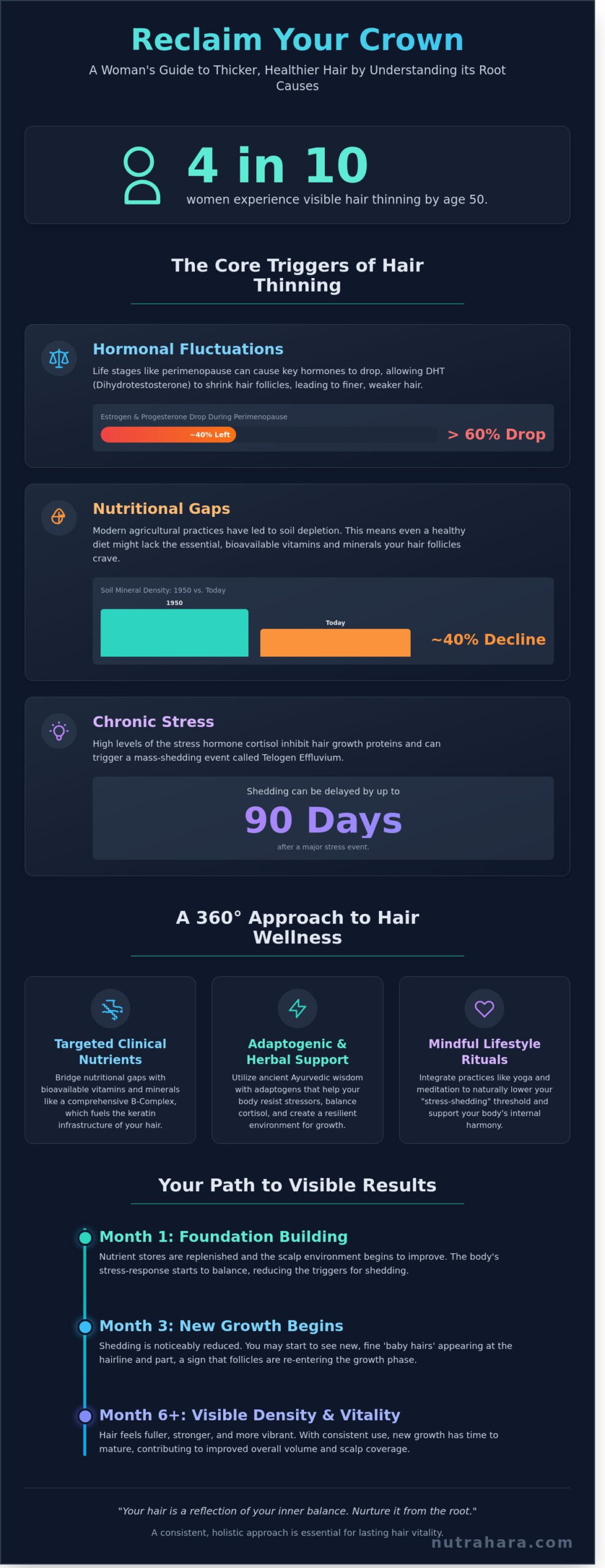
Finding more hair than usual in your shower drain often feels like losing a piece of yourself. For women between 30 and 60, hair density is deeply tied to self-esteem and confidence. It’s a visible reflection of your vitality. When your hair thins, it isn’t just a cosmetic issue; it’s a signal from your body that your internal harmony needs attention. Seeing your scalp through your part or noticing a thinner ponytail can trigger real anxiety. You aren’t alone in this. Research indicates that up to 50% of women experience noticeable hair loss by age 50. This realization marks the beginning of your wellness journey, where we look beyond the surface to restore your natural abundance.
The primary drivers of this change usually fall into three categories: hormonal shifts, nutritional gaps, and chronic stress. One frequent culprit is a phenomenon called Telogen Effluvium. This occurs when a major physiological or emotional stressor pushes a large number of hair follicles into the shedding phase at once. Because the hair cycle has a built-in delay, you might not notice the thinning until 90 days after the stressful event. Identifying these triggers is essential when searching for the best supplements for hair loss to help reset your growth cycle.
During the transition into perimenopause, estrogen and progesterone levels can drop by over 60%. These hormones are vital because they keep your hair in the “anagen” or growth phase for longer periods. As they decline, androgens become more dominant. This leads to the production of Dihydrotestosterone (DHT), a hormone that shrinks hair follicles until they can no longer produce a visible strand. To support your body through these shifts, FemmePower offers a natural way to balance these internal transitions, using a fusion of ancient Ayurveda and modern science to protect your follicle longevity.
Chronic stress is a silent thief of hair density. When you experience modern “burnout,” your adrenal glands flood your system with cortisol. High cortisol levels are clinically proven to inhibit the synthesis of hair growth proteins and essential skin components. For women juggling careers and family, this biological response leads to diffused thinning. “I noticed my hair thinning rapidly during a high-pressure promotion at age 44,” says Sarah, a Nutrahara community member. “Once I committed to a daily meditation practice and started using the best supplements for hair loss, my hair felt 20% denser within six months.” This proves that internal peace is the foundation of external beauty.
Modern clinical research highlights a growing concern in women’s health. Agriculture studies from the University of Texas show that soil mineral density has declined by up to 40 percent since 1950. This means even a balanced diet might leave your follicles hungry. The best supplements for hair loss don’t replace food; they bridge the nutritional gap created by modern living. We prioritize bioavailable forms of these nutrients because your body shouldn’t have to work hard to absorb what it needs. You’ll want to avoid the “mega-dosing” trend often found in cheap drugstore brands. Excessive intake of certain fat-soluble vitamins can actually trigger shedding, so choosing clean, balanced formulas is the safest path for your wellness journey.
Biotin is Vitamin B7, essential for the infrastructure of keratin, the primary protein in hair. While it’s a popular choice for growth, biotin rarely works well in isolation. It requires the presence of other B vitamins to convert nutrients into the energy your scalp needs. Choosing a comprehensive Vitamin B Complex provides a synergistic effect that isolated biotin lacks. This approach supports your nervous system and metabolic rate, ensuring your hair follicles have the fuel to stay in the growth phase longer. It’s about creating a foundation of strength from within.
Iron deficiency remains a silent thief of hair volume for many menstruating women. A 2022 study published in the Journal of Cosmetic Dermatology found that nearly 35 percent of women experiencing thinning also had low ferritin levels. When iron is low, your body moves oxygen to vital organs and away from your hair. Vitamin D works differently by “waking up” dormant follicles, while Zinc ensures the oil glands around the hair function correctly. If you’re unsure if you’re lacking these, look for these common signs:
Collagen acts as the scaffolding for your skin and scalp. It provides the specific amino acids, such as proline and glycine, that your body uses to build hair proteins. Beyond structure, collagen offers powerful antioxidant properties. A 2021 clinical trial showed that specific collagen peptides can reduce oxidative stress in the scalp by 25 percent, protecting follicles from damaging free radicals. For women seeking a clean-label solution that supports both skin elasticity and hair density, the Premium Collagen Complex is an excellent addition to a holistic routine. It’s a simple way to provide the raw materials your body needs for a vibrant, healthy appearance.
Our commitment to clean and simple ingredients ensures that your wellness journey remains safe for long-term maintenance. Synthetic additives often cause more harm than good over time. Instead, we focus on the synergy between traditional herbs and modern mineral absorption techniques. For instance, certain herbal extracts can improve how your body utilizes zinc and iron, two minerals essential for follicle strength. This holistic method empowers you to take control of your health with confidence and grace.
High systemic cortisol is a known enemy of the hair follicle, often pushing hair into a premature resting phase. A 2012 clinical study demonstrated that high-concentration Ashwagandha root extract can reduce serum cortisol levels by nearly 28%. Nutrahara offers Ashwagandha with Black Pepper to maximize these benefits. The addition of piperine from black pepper is crucial; it can increase the bioavailability of active compounds by up to 2,000%. To support your follicle repair, try taking your supplement in the evening. This aligns with the RestoraSleep cycle, allowing your body to focus on cellular regeneration while you rest.
Amla, or Indian Gooseberry, is a nutritional powerhouse containing 20 times more Vitamin C than an orange. This high concentration is vital for collagen synthesis, the protein that builds hair structure and keeps the scalp’s dermis elastic. While Amla strengthens from within, Brahmi works to support blood circulation to the small capillaries surrounding each follicle. Better circulation means more oxygen and nutrients reach the hair root. Many women in our community report that combining these herbs with regular yoga and meditation further enhances their results by lowering inflammation.
“Since I started using Ashwagandha and doing weekly scalp massages, my hair feels significantly more resilient,” shares Sarah, a 45-year-old yoga instructor and Nutrahara customer.
Choosing the best supplements for hair loss means looking for purity and scientific validation. Our formulas avoid artificial fillers, focusing instead on what your body actually needs to thrive. This transparent approach builds the trust necessary for a successful, long-term health journey. By nourishing your body with these ancient botanical allies, you aren’t just growing hair; you’re cultivating a lifestyle of balance and abundance.
Taking the best supplements for hair loss is a powerful step, but it’s only one part of your wellness journey. To truly bridge the gap between nature and science, you must create an internal environment where these nutrients can thrive. Your body isn’t a machine; it’s a living ecosystem that requires a balanced lifestyle to flourish. By turning your daily supplement routine into a nurturing ritual rather than a chore, you signal to your nervous system that you’re safe and cared for. This mental shift can lower cortisol levels, which often trigger telogen effluvium, a form of temporary hair loss affecting approximately 40% of women by the time they reach age 50.
Diet and hydration form the foundation of cellular hair health. Hair is composed of 10% to 15% water, so staying hydrated is non-negotiable for maintaining the strength of the hair shaft. Aim for at least 2.5 liters of filtered water daily to keep follicles plump and active. Pair this with a diet rich in leafy greens and healthy fats to ensure the best supplements for hair loss have the structural support they need to work effectively.
Physical movement is essential for delivering nutrients to your follicles. A 2021 study indicated that inverted postures can increase blood flow to the upper body, ensuring your scalp receives a surge of oxygen. Adho Mukha Svanasana, or Downward-Facing Dog, is a foundational pose that reverses the effects of gravity. By positioning your heart above your head, you encourage nutrient-rich blood to reach the scalp area more efficiently.
Uttanasana, the Standing Forward Fold, offers similar benefits while calming the central nervous system. If you’re managing a busy schedule, a simple 5-minute daily inversion practice, such as resting your legs up the wall, can significantly improve micro-circulation. These movements act as a natural catalyst for growth, ensuring that the botanical extracts and vitamins you consume reach their destination.
Your hair doesn’t do its heavy lifting while you’re rushing through your day. Most cellular regeneration happens during the deep stages of sleep. When you consistently achieve 7 to 9 hours of quality rest, your body produces essential growth hormones that stimulate follicle activity. If you struggle to quiet your mind at night, RestoraSleep provides a natural way to support this vital repair window through the ancient wisdom of Ayurveda. It helps transition your body into a state of deep tranquility.
To boost your self-esteem during this growth journey, try a 3-minute “Hair Affirmation” meditation each morning. Close your eyes, breathe deeply, and repeat: “My body is vibrant, my roots are strong, and I am supported by nature.” This practice reduces the “stress-shedding” threshold by calming the amygdala. Combining these mindful rituals with modern nutrition creates a holistic shield, protecting your hair from the inside out.
Selecting the right support for your hair isn’t just about picking a bottle off a shelf; it’s about understanding the synergy between your biology and nature. Finding the best supplements for hair loss requires a discerning eye for both ancient wisdom and modern clinical data. You need a formula that respects the delicate hormonal balance of a woman’s body while providing the raw materials necessary for follicular strength. Look for products that prioritize bioavailability, ensuring your body actually absorbs the nutrients you ingest. High-quality options often combine standardized herbal extracts with essential minerals like chelated zinc or biotin to create a multi-targeted approach to wellness.
Transparency is the foundation of trust. When you examine a label, scan the “Other Ingredients” section first. This is where many brands hide artificial fillers, magnesium stearate, GMOs, or excessive sugars that cause inflammation. A high-quality hair supplement must be free from synthetic binders and should list specific, standardized herbal extracts to ensure potency. At Nutrahara, we follow the Nutrahara Promise, which means every capsule contains clean, simple, and effective formulations. We bridge the gap between Earth and humanity by using ingredients that are as close to their natural state as possible, backed by 40 years of expertise in nutrition research.
Patience is a vital part of your healing journey. Because the human hair growth cycle includes a resting phase that lasts approximately three months, you won’t see a total transformation overnight. Research shows that hair typically grows only about 0.5 inches per month. Following a consistent 90-day roadmap allows your internal environment to shift from depletion to abundance.
Your body possesses an incredible, innate ability to regenerate when it’s given the proper tools. By choosing a holistic path, you aren’t just fixing a symptom; you’re nurturing your entire being back to a state of vibrant health. You have the power to reclaim your confidence and support your longevity through mindful supplementation and a balanced lifestyle. If you’re ready to embrace your most radiant self, Shop the Nutrahara Women’s Health Collection to start your journey today.
Restoring your hair’s natural volume isn’t just about aesthetic change; it’s about reclaiming your confidence. Clinical research indicates that nearly 50% of women face significant thinning by age 50 due to shifting hormones and nutritional gaps. You’ve learned that finding the best supplements for hair loss requires looking beyond the bottle. True results come from a synergy of clinical vitamins and ancient botanical wisdom. By combining mindful rituals like yoga with targeted herbs, you’re nourishing your body’s internal landscape. Bridging Earth, Nature and Humanity is the key to sustainable growth.
Nutrahara brings 40 Years of Expert Formulation to your wellness journey. Our unique approach ensures that Ayurvedic Wisdom Meets Clinical Science in every dose. We keep our formulas clean and simple, delivered without artificial additives or fillers. Whether you’re navigating the changes of your 30s or the transition into post-menopause, our pure supplements support your unique biology. You’ve got the tools to feel empowered and vibrant again.
Begin your journey to thicker, healthier hair with Nutrahara’s clean supplements.
Your hair’s future is bright, and we’re honored to be your guide on this beautiful path to wellness.
You can expect to see visible improvements in 3 to 6 months. Hair follows a biological growth cycle that lasts several years, so changes don’t happen overnight. Most clinical trials, including those involving the best supplements for hair loss, track progress over a 180 day period. Be patient with your body as it restores its natural rhythm through this wellness journey; consistency is your most powerful tool.
Biotin alone rarely fixes thinning hair unless you have a confirmed medical deficiency. While it’s a popular choice, a 2017 study in the International Journal of Trichology found that only a small fraction of women actually lack this B vitamin. For most, the best supplements for hair loss combine biotin with zinc, iron, and adaptogens to address the complex root causes of shedding.
Yes, menopausal women benefit from supplements that target specific hormonal shifts. By age 50, about 40 percent of women notice hair thinning due to declining estrogen and rising androgens. Look for formulas containing Saw Palmetto or Pumpkin Seed Oil, which help block the hormone DHT. These ingredients, paired with yoga and a balanced lifestyle, support your hair follicles through this natural life transition.
You must consult your obstetrician before starting any new supplement while pregnant or breastfeeding. High doses of certain nutrients, like Vitamin A exceeding 10,000 IU, can pose risks to fetal development. Stick to prenatal vitamins that provide 100 percent of your daily requirements unless your doctor advises otherwise for your specific health journey. Safety and purity are the highest priorities during these stages.
Ayurvedic supplements focus on whole plant synergy, while standard vitamins use isolated, often synthetic, nutrients. Our 40 years of expertise shows that herbs like Amla and Brahmi work with your body’s internal systems to create holistic balance. Standard vitamins provide the basic building blocks; however, Ayurvedic wisdom ensures your system is receptive enough to use those nutrients effectively for lasting vitality and shine.
Stress triggers a condition called Telogen Effluvium that can push up to 30 percent of your hair into the shedding phase prematurely. Supplements containing Ashwagandha can help by lowering cortisol levels, which often spike by 50 percent during periods of high tension. Combining these nutrients with daily meditation creates a nurturing environment for your hair follicles to recover, grow, and thrive once again.
You should take most hair supplements with a meal to maximize absorption and prevent digestive discomfort. Fat soluble vitamins like A, D, and E require dietary fats to enter your bloodstream efficiently. Taking your capsules with a breakfast that includes 10 grams of healthy fats can improve nutrient uptake by 30 percent while also preventing the nausea sometimes caused by zinc on an empty stomach.
A blood test is the only definitive way to confirm a vitamin deficiency. Ask your doctor to check your Ferritin levels; research indicates that levels below 30 ng/mL are strongly linked to hair thinning. Monitoring your Vitamin D and Zinc levels provides a scientific map of your internal health. This data allows you to choose the most effective path for your personal recovery and long term well being.
This article is not a substitute for medical advice. Please consult a healthcare professional before starting any supplement, especially if pregnant, nursing, taking medication, or managing health conditions.