Categories
Uncategorized

How to Take Probiotic Supplements for Women’s Gut Health 2026 – Step-by-Step Guide (2026)

How to Take Probiotic Supplements for Women’s Gut Health 2026 – Step-by-Step Guide


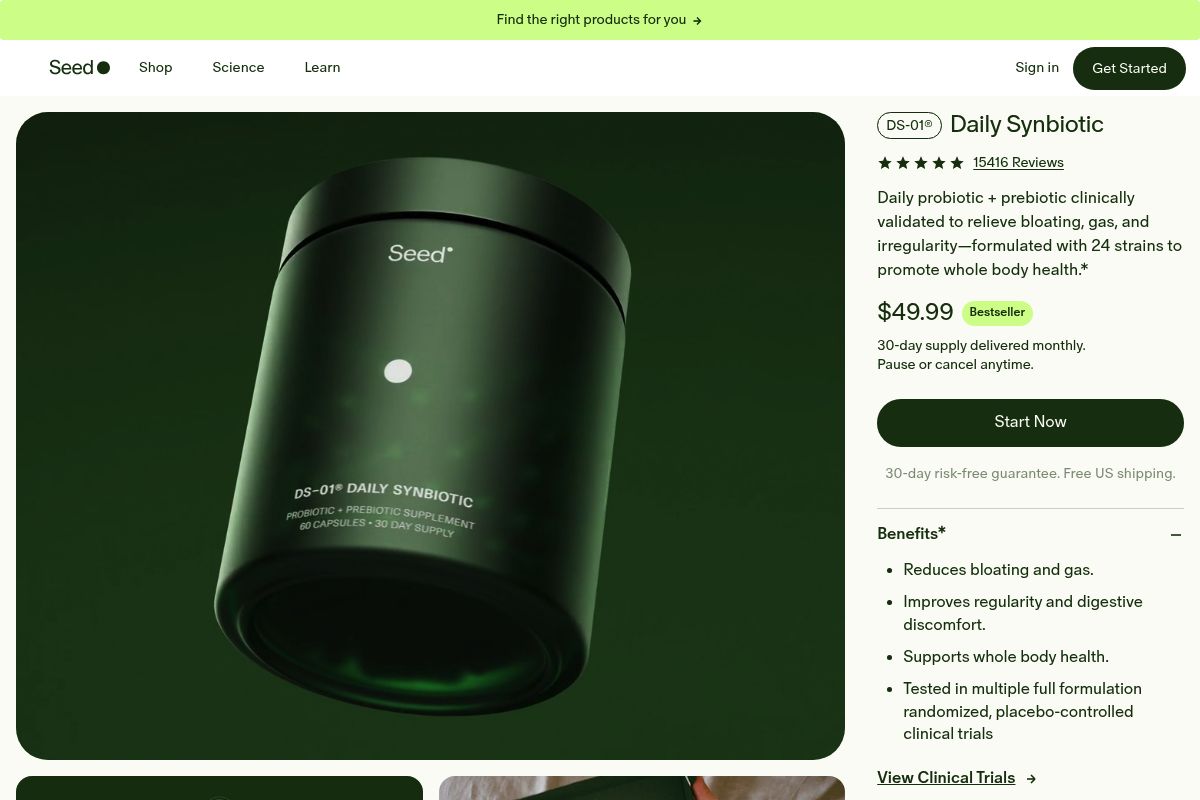
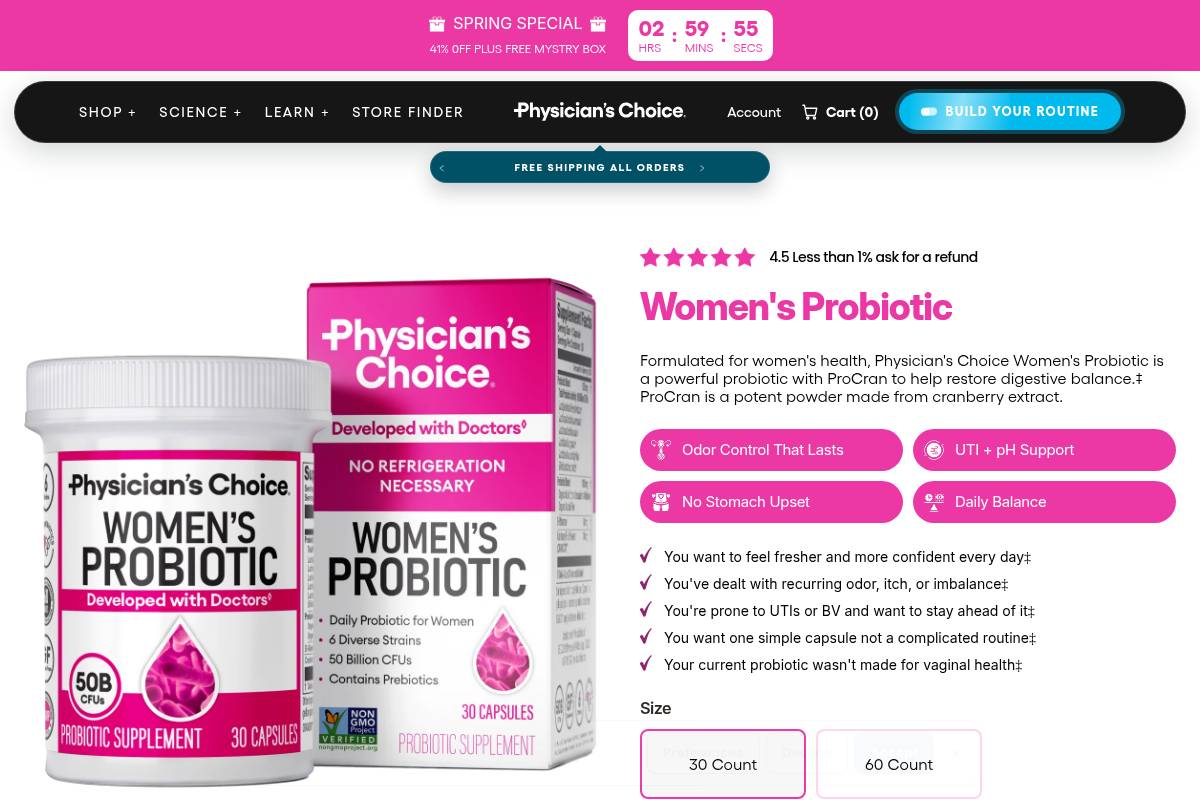
how to take probiotic supplements for women's gut health | Most women quit probiotics after a week because nothing seems to happen. This guide walks you through exactly how to take probiotic supplements for women’s gut health in a way that actually works. You’ll have a working routine set up in 15-20 minutes, with real results typically showing up in 4-8 weeks.

What You’ll Learn

This guide provides a step-by-step protocol on how to take probiotic supplements for women’s gut health, ensuring you choose the right product, optimize its effectiveness, and integrate it into a sustainable routine. You will learn to:

  • Determine the optimal CFU (Colony Forming Units) count a healthy woman needs daily.
  • Identify the best time of day and food pairing to take a probiotic, maximizing bacterial survival through stomach acid.
  • Select the specific probiotic strains most beneficial for women’s digestive, vaginal, and hormonal balance.
  • Combine probiotics with Ayurvedic herbs like triphala and prebiotic fiber for a stronger gut foundation.

Prerequisites: no medical conditions requiring prescription treatment. Always check with a healthcare provider if you’re pregnant, immunocompromised, or on medication.


Why Probiotic Timing and Strain Selection Matter

Gut health has moved from wellness trend to serious health concern. Roughly 22.4 million Americans visit doctors each year for digestive complaints, and according to CDC data cited by Sri Sri Tattva, the probiotic market is projected to grow into a $50 billion category.

Timing and formulation quality matter far more than raw numbers. Stomach acid can destroy up to 99% of ingested bacteria before they reach the intestines. This is why enteric coating, specific strain selection, and meal timing determine effectiveness far more than a “50 billion CFU” label.

For women specifically, strain choice carries added weight. Women-focused probiotics containing Lactobacillus rhamnosus, reuteri, and crispatus support vaginal and urinary balance alongside digestive health, making the right protocol a dual-benefit habit.


The Process at a Glance

Step Action Time Outcome
1 Choose the right CFU count and strain 10 minutes A formula matched to your specific gut goal
2 Set a consistent time and food pairing 1 minute daily Higher bacterial survival through stomach acid
3 Track weeks 1-4 as your adjustment window 4-8 weeks Reduced bloating and more regular digestion
4 Add Ayurvedic herbs and prebiotic fiber Ongoing daily Stronger, longer-lasting microbiome balance
5 Monitor symptoms and adjust dosage 5 minutes weekly A personalized, sustainable long-term routine

Total time to a working routine: about 20 minutes of setup plus 4-8 weeks of consistent daily use to notice measurable change.


Step 1: Choose the Right CFU Count and Strain for Your Gut Goal

What You’re Doing

You’re matching a probiotic’s dose and strain composition to your specific health goal. The label’s CFU number alone tells you almost nothing; the strains and survivability matter most.

How to Do It

  1. Identify your primary goal: general maintenance, active digestive discomfort, or recovery after antibiotics.
  2. For general maintenance, look for 1 to 10 billion CFU daily. CFU measures viable bacterial cells, and this range supports normal gut function.
  3. For bloating, irregularity, or recent antibiotic use, choose 25 to 50 billion CFU daily with named strain identifiers.
  4. Prioritize strains with published research. Lactobacillus acidophilus and Lactobacillus rhamnosus are among the most studied for women’s digestive and vaginal balance.
  5. Check the label for delayed-release or enteric-coated capsules, which protect about 90% of bacteria from stomach acid.

Best Practices

  • Start at the lower end of the CFU range and reassess after a month rather than jumping to high-potency formulas.
  • Favor strain diversity over a single mega-dose strain; a varied microbiome responds better to varied bacterial input.

Common Mistakes

The most common error is chasing massive CFU counts rather than focusing on strain diversity and survivability. A 50-billion CFU product is worthless if bacteria die before reaching the colon. For a more detailed walkthrough, see 6 Best Probiotic Supplements for 2026: Tested and Reviewed.

Example

Goal Recommended CFU Range Key Strains to Look For
General gut maintenance 1-10 billion Lactobacillus acidophilus
Bloating / irregularity 10-25 billion Bifidobacterium lactis
Post-antibiotic recovery 25-50 billion Lactobacillus rhamnosus, reuteri

Step 2: Set a Consistent Time and Food Pairing

What You’re Doing

You’re establishing a precise, repeatable ritual for taking your probiotic each day. Consistency allows live bacteria to survive digestive acid and reach your gut effectively. For a more detailed walkthrough, see A Gastroenterologist’s Guide to Probiotics – PMC – NIH.

How to Do It

  1. Pick one anchor point in your day (morning is common) and commit to that exact time daily.
  2. Take your probiotic with foods that include fat, protein, and carbs, as a mixed meal helps buffer stomach acid.
  3. If your label doesn’t specify, aim to take it about 30 minutes before eating, when digestive acid levels are relatively low.
  4. If also on an antibiotic, separate your probiotic dose by at least two hours from the antibiotic.
  5. Set a phone reminder for the first two weeks until the habit sticks.

Best Practices


Step 3: Track Weeks 1-4 as Your Adjustment Window

What You’re Doing

You’re giving your gut microbiome sufficient time to shift while logging what’s happening. This data becomes your roadmap for whether to stay the course or adjust.

How to Do It

  1. Keep a simple daily log: bloating (yes/no), bowel regularity, energy level, and digestive discomfort.
  2. Expect an adjustment period. Some women notice mild, temporary gas or bloating as bacterial populations shift.
  3. Understand that 4 to 8 weeks of daily use is the standard timeline for noticeable results.
  4. Resist quitting early. Many women give up too soon, and judging a product after just three days leads to frustration.
  5. At the four-week mark, review your log and decide whether to continue, increase CFU count, or switch strains.

Example Timeline

Week Typical Experience
Week 1 Mild bloating or gas as gut flora shifts; establish routine
Week 2-3 Digestion starts to normalize; bloating episodes decrease
Week 4-8 More regular bowel movements, less bloating, steadier energy

Step 4: Add Ayurvedic Herbs and Prebiotic Fiber

What You’re Doing

You’re layering in complementary Ayurvedic botanicals and prebiotic fiber, creating an environment where beneficial bacteria can colonize and thrive. For related guidance, see Detoxifylife.

How to Do It

  1. Add prebiotic foods daily. Probiotics need a diet rich in fibrous, prebiotic foods like asparagus, garlic, and onions to flourish.
  2. Consider triphala, a traditional Ayurvedic blend of three fruits. Research shows triphala normalizes bowel movements and reduces visceral hypersensitivity when combined with probiotics.
  3. In animal research, a combination of triphala and probiotics extended lifespan by 60% in fruit flies compared to unsupplemented controls.
  4. Look for formulas that pair digestive support with women’s hormonal needs. Nutrahara’s Probiotic & Prebiotic Formula and DetoxifyLife blend combine gut-supportive botanicals with fiber to reduce bloating and support detoxification.
  5. Incorporate warming digestive spices like ginger, cumin, and fennel into meals. These stimulate digestive fire and improve nutrient absorption.

Best Practices

Ready to take action?

Best lab tested and trusted wellness supplements from Nutrahara

Shop Now


Step 5: Monitor Progress and Adjust Over Time

What You’re Doing

You’re using your symptom log to fine-tune CFU count, strain choice, or timing, ensuring your routine remains effective as your needs evolve.

How to Do It

  1. Every week, compare your current log to the previous week. Is bloating decreasing? Is regularity improving?
  2. If results plateau after 8 weeks, consider whether stress, diet, or a missed antibiotic interaction is interfering.
  3. Reassess your CFU needs seasonally. Travel, illness, or antibiotic courses may require temporary increases.
  4. Revisit strain choice if new concerns emerge, such as adding a vaginal-health-focused strain.

What to Do After Completing the Process

Phase 1 (Weeks 1-8, Foundation): Focus on consistency, taking the same probiotic at the same time with the same food pairing, while logging symptoms daily.

Phase 2 (Months 2-4, Optimization): Layer in Ayurvedic support like triphala or Nutrahara’s FemmePower. Digestive and hormonal balance are closely linked for many women. Adjust CFU based on month-one data.

Phase 3 (Month 5+, Maintenance): Shift toward a sustainable long-term rhythm, incorporating food-first probiotic sources like yogurt and fermented vegetables, supplemented with a targeted product during high-stress periods, travel, or after antibiotic courses. For related guidance, see Femmepower.


Resources You’ll Need

Resource Role Status
Nutrahara Probiotic & Prebiotic Formula Core supplement blending gut-support strains with Ayurvedic botanicals Required (or equivalent women’s probiotic)
Nutrahara DetoxifyLife Fiber and liver-support blend for prebiotic reinforcement Recommended
Cleveland Clinic probiotic timing guide Reference for meal-pairing and timing science Optional
Daily symptom journal (paper or app) Tracks bloating, regularity, and energy over 4-8 weeks Required

See also, see 12 Best Probiotics for Women, According to Dietitians.


Common Plateaus & How to Break Through

Problem: No noticeable change after two weeks

Likely cause: Two weeks is too short. Meaningful shifts typically take 4-8 weeks.

Fix: Keep logging and hold your current dose steady through week four.

Problem: Bloating gets worse after starting

Likely cause: An initial adjustment reaction or CFU count that’s too high.

Fix: Drop to a lower CFU product for the first two weeks, then gradually increase.

Problem: Results stall after initial improvement

Likely cause: Your diet lacks the prebiotic fiber bacteria need to multiply.

Fix: Add fibrous foods like garlic, onions, and asparagus, or incorporate a fiber-forward formula.

Problem: You forget doses frequently

Likely cause: The habit isn’t anchored to an existing routine.

Fix: Pair the probiotic with a fixed daily action, like morning coffee or breakfast. For more troubleshooting advice, see Study Details | NCT07590999 | Probiotic Intake and ….


Conclusion

Knowing how to take probiotic supplements for women’s gut health comes down to five repeatable habits: choosing the right CFU and strain, timing your dose consistently around food, giving the process 4-8 weeks, layering in Ayurvedic prebiotic support, and adjusting based on your body’s response. This is a routine that compounds over months, not a one-time fix.

Key Takeaways

  • A matched CFU count and named strain, taken consistently with food, outperforms chasing the highest number on the label.
  • Ayurvedic complements like triphala and prebiotic fiber help beneficial bacteria establish and thrive.
  • Your next action: pick one probiotic product today, set your daily time and food pairing, and start your four-week symptom log.

FAQ

How do I take Probiotic Supplements for Women’s Gut Health in 2026?

First, choose a women’s-formula probiotic with 1-50 billion CFU depending on your goal, and named strains like Lactobacillus acidophilus or rhamnosus. Second, take it consistently at the same time daily, paired with a balanced meal. Third, commit to a 4-8 week timeline for noticeable results, tracking symptoms. Finally, support your microbiome by incorporating prebiotic fiber and Ayurvedic herbs like triphala, and adjust dosage based on your body’s response.

What is the best time of day to take a probiotic?

Morning is convenient, but consistency matters more than the exact time. Take it about 30 minutes before a meal containing fat, protein, and carbs.

How many CFUs do women need daily?

For general maintenance, 1 to 10 billion CFU daily is typically sufficient, while bloating or post-antibiotic recovery may call for 25-50 billion CFU with diverse strains.

How long does it take to see results?

Four to eight weeks of daily use is standard for noticeable improvements in bloating, regularity, and digestive comfort.

Should I take probiotics with or without food?

Most evidence favors taking probiotics with or shortly before a meal, since food helps neutralize stomach acid and prevent bacterial breakdown.

Can I combine probiotics with Ayurvedic herbs like triphala?

Yes. Triphala acts as a prebiotic that helps normalize bowel movements and reduce gut inflammation when paired with probiotics. Introduce gradually and start with a lower dose.

What’s the most common mistake women make with probiotics?

The two biggest mistakes are chasing high CFU counts instead of strain quality, and quitting after only a few days.

Do probiotics help with vaginal or hormonal health?

Certain strains do. Lactobacillus rhamnosus, reuteri, and crispatus support vaginal and urinary balance alongside digestive health, which is why many women’s formulas combine both in one product line.

This guide was developed by Nutrahara’s editorial team based on published clinical research, Ayurvedic literature, and consumer health resources cited throughout. It is intended for general educational purposes and is not a substitute for personalized medical advice. Consult a healthcare provider before starting any new supplement, especially if pregnant, nursing, or managing a chronic condition.

Categories
Uncategorized

How to Choose the Best Probiotic Supplement for Women 2026 – Step-by-Step Guide (2026)

how to choose the best probiotic supplement for women | Updated September 2026 | By Nutrahara Wellness Team | 15-20 minutes of label research | Beginner

How to Choose the Best Probiotic Supplement for Women 2026: Step-by-Step Guide

What You’ll Learn

Finding the right probiotic doesn’t require a microbiology degree. This guide breaks down five straightforward checks that let you evaluate any bottle in under 20 minutes.

  • Match probiotic strains to your specific health goal, whether digestive, vaginal, urinary, or hormonal.
  • Verify the CFU count is guaranteed through the expiration date, not just at the time of manufacture.
  • Confirm genuine third-party testing from organizations like NSF or USP, distinguishing it from mere label claims.
  • Understand the product’s storage requirements, such as refrigeration, to maintain potency.
  • Pair your probiotic with an Ayurvedic prebiotic or herbal routine for comprehensive support.

Why Choosing the Right Probiotic Matters in 2026

Women represent the largest consumer group in the probiotics category. In 2024, women commanded 42.31% of the probiotics supplement market, with the women’s probiotic market projected to grow from USD 2.2 billion in 2026 to USD 11.44 billion by 2036, at an 18.1% compound annual growth rate, according to Future Market Insights.

Growth is concentrated in vaginal and urinary health. The global vaginal health probiotic supplement market reached US$713.06 million in 2025 and is projected to reach US$1,482.91 million by 2035, per DataM Intelligence. More brands entering the space means more inflated CFU claims and real confusion for anyone trying to compare products.

Knowing exactly what to check on a label matters far more than the billions of CFUs splashed across the front. A probiotic that actually supports your specific goal is completely different from one that simply passes through unused. For supporting data, see 11 Best Probiotics (2026): RD Reviewed.


The Process at a Glance

Step Action Time Outcome
1 Identify your primary health goal 2-3 minutes Clear target: digestion, vaginal, urinary, or hormonal
2 Match probiotic strains to that goal 5 minutes Short list of strain-appropriate products
3 Verify CFU count and survivability 3-5 minutes Confirmed potency through expiration date
4 Check third-party testing and storage 3-5 minutes Verified quality and correct handling
5 Pair with an Ayurvedic prebiotic routine 5 minutes Broader hormonal and gut support

Total time: roughly 15-20 minutes to fully evaluate and select a probiotic. Give it 4-8 weeks of consistent daily use to notice meaningful changes.


Step 1: Identify Your Primary Health Goal

What You’re Doing

You’re narrowing the entire probiotic category down to the one or two outcomes you actually care about. No single formula does everything equally well.

How to Do It

  1. Write down your main concern: bloating and irregularity, recurring yeast infections or bacterial vaginosis (BV), urinary tract infection (UTI) prevention, menopause-related symptoms, or general immune support.
  2. Note any secondary goals, such as skin clarity or energy.
  3. Rule out probiotics as a standalone fix if you have an active infection. Probiotics can support digestive health and help reduce recurrence of bacterial vaginosis and yeast infections when used alongside standard treatments, but they are not a standalone cure.

What Done Looks Like

You can state your goal in one sentence: “I want a probiotic for recurring UTIs and vaginal balance.” For a more detailed walkthrough, see 10 Best Probiotics for Women of 2023, Tested by Experts.


Step 2: Match Strains to Your Goal (Not Just CFU Count)

What You’re Doing

You’re checking the actual bacterial species on the label. Probiotics are strain-specific organisms; what one strain does has no bearing on what another strain does.

How to Do It

  1. For digestion and irritable bowel syndrome (IBS) type symptoms, look for Lactobacillus rhamnosus GG, which may benefit diarrhea and irritable bowel syndrome, or Bifidobacterium lactis HN019 for occasional constipation.
  2. For vaginal and urinary health, prioritize Lactobacillus rhamnosus GR-1 and Lactobacillus reuteri RC-14, which have been shown to reach the vagina alive and colonise there, positively affecting the environment.
  3. For menopause-adjacent support, some formulas include reuteri strains because research suggests that probiotics, including specific strains like Lactobacillus reuteri, could benefit health during menopause by increasing calcium absorption to maintain bone density.

Example

Goal Look for this strain Supporting evidence
Digestion / IBS Lactobacillus rhamnosus GG Widely studied for diarrhea and IBS symptom relief
Vaginal / UTI health L. rhamnosus GR-1, L. reuteri RC-14 Shown to colonize the vaginal microbiome
Constipation Bifidobacterium lactis HN019 Linked to improved stool frequency

What Done Looks Like

You can point to a specific strain name on the label and explain why it matches your goal.


Step 3: Verify CFU Count and Survivability

What You’re Doing

You’re confirming the product delivers enough live bacteria to matter and that the number stays accurate through expiration.

How to Do It

  1. Check whether CFU (Colony Forming Units) is guaranteed at expiration, not manufacture. Potency naturally degrades over shelf life.
  2. Don’t assume a bigger number wins. Lactobacillus rhamnosus GG at 10 billion CFU has stronger clinical evidence than a random 100-billion-CFU blend with unstudied strains. The specific strains matter more than the CFU headline number.
  3. Confirm the capsule survives stomach acid, either through a delayed-release capsule or an enteric coating. The most important factors are the specific strains included, whether those strains are clinically studied for your health goal, and whether they survive stomach acid to reach the intestine.

Common Mistakes

Assuming 50 billion CFU is automatically superior to 10 billion CFU without checking whether the higher-count product contains a studied strain for your goal.

What Done Looks Like

You’ve confirmed both a specific strain match and a delivery method that gets live organisms where they’re needed.


Step 4: Confirm Third-Party Testing and Storage Requirements

What You’re Doing

You’re separating marketing claims from independently verified quality and figuring out whether the product needs refrigeration.

How to Do It

  1. Look for a recognized certification. Products bearing USP, NSF, or similar seals have been tested for label accuracy, contaminant absence, and ingredient potency.
  2. Understand what each seal verifies. The USP Verified mark indicates that a product contains the labeled ingredients in the declared amounts, does not contain harmful levels of contaminants, and will properly break down. NSF International also provides independent certification for dietary supplements, ensuring product quality and safety.
  3. Check the label for storage instructions. Many modern formulas use spore-forming or coated strains that stay stable at room temperature, while others require refrigeration.
  4. Cross-check the brand against NSF’s certified product listings or ConsumerLab’s independent test results.

Best Practices

Third-party testing matters most when comparing two otherwise similar products. Nearly 70% of consumers feel more confident in a supplement’s claims when backed by third-party testing. It’s a tiebreaker, not a substitute for correct strain selection.

What Done Looks Like

You’ve identified either a certification seal (NSF, USP) or a documented third-party test result, and you know whether your bottle belongs in the fridge or cupboard.


Step 5: Pair Your Probiotic With an Ayurvedic Prebiotic Routine

What You’re Doing

You’re feeding the beneficial bacteria you introduced and addressing hormonal, stress, and sleep factors that influence gut and vaginal balance. Ayurvedic botanicals pair well with modern probiotic science.

How to Do It

  1. Add a prebiotic fiber (inulin, FOS, or resistant starch) to fuel the probiotic strains. A prebiotic is a type of dietary fiber that feeds beneficial bacteria in your gut.
  2. Consider Ayurvedic herbs traditionally used for hormonal and digestive balance, such as ashwagandha, shatavari, and triphala, which many women pair with probiotics.
  3. Nutrahara is a global wellness company specializing in dietary supplements with a major focus on women’s health, blending ancient Ayurvedic wisdom with modern nutrition through botanical extracts that provide anti-inflammatory, antioxidant, and stress-relief benefits. Its formulations are enriched with clinically validated Ayurvedic herbs, often sourced from the Himalayas, and include RestoraSleep, FemmePower, FatBlitz, DetoxifyLife, and AnxioGuard.
  4. If hormonal symptoms accompany gut concerns, a targeted formula like FemmePower or RestoraSleep can complement a probiotic rather than replace it.

What Done Looks Like

Your daily routine includes a strain-matched probiotic, a prebiotic fiber source, and, where relevant, an Ayurvedic herbal supplement addressing hormonal or stress factors behind your original symptoms. For related guidance, see Ashwagandha With Black Pepper.

Ready to take action?

Best lab tested and trusted wellness supplements from Nutrahara

Shop Now


What to Do After Choosing Your Probiotic

Phase 1 (Weeks 1-4): Take the probiotic consistently at the same time daily and keep a brief symptom journal. Mild gas in the first week is common as your microbiome adjusts.

Phase 2 (Months 2-3): Reassess strain fit. If symptoms haven’t shifted, you likely need a different strain rather than a higher CFU count. Layer in an Ayurvedic prebiotic or hormone-support supplement if stress or sleep are compounding your gut symptoms.

Phase 3 (Ongoing): Revisit your probiotic choice at major life-stage shifts: pregnancy, antibiotic courses, or perimenopause. Bacterial vaginosis becomes more common during perimenopause because declining estrogen reduces protective lactobacilli and raises vaginal pH, which may call for a different strain profile.


Resources You’ll Need

Resource Role Type
Nutrahara Ayurvedic-inspired women’s wellness supplements to pair with a probiotic routine Recommended
NSF International Third-party certification lookup for supplement quality Required
USP Verified Independent verification of label accuracy and purity Recommended
ConsumerLab Independent lab testing of CFU accuracy and contaminants Optional
NIH Office of Dietary Supplements Government-backed guidance on probiotic labeling and safety Recommended

See also, see Meet the Probiotics Made for Women.


Common Plateaus and How to Break Through

Probiotic isn’t improving vaginal or UTI symptoms

Likely cause: You chose a general digestive formula without vaginal-specific strains like L. rhamnosus GR-1 or L. reuteri RC-14.

Fix: Switch to a product listing these specific strains. A healthy vaginal and urinary microbiome is populated largely by Lactobacilli bacteria, and not every Lactobacillus strain is studied for that site.

Bloating or gas got worse after starting

Likely cause: Normal adjustment period, or the CFU count is too high for a first-time user.

Fix: Give it 1-2 weeks before switching products. If symptoms persist beyond that, consider a lower-CFU, single-strain product.

Product seems to lose effectiveness before the bottle is finished

Likely cause: The label guarantees CFU at manufacture, not expiration, or storage instructions were ignored.

Fix: Re-check the label for an expiration-date CFU guarantee and follow storage instructions exactly. When comparing digestive health supplements, look at strain identity, CFU amount, expiration-date guarantee, storage instructions, serving size, and full ingredient list.

Unsure whether a brand’s claims can be trusted

Likely cause: No visible third-party testing or certification on the label.

Fix: Search the brand on NSF’s site or ConsumerLab before purchasing, or look for a USP Verified mark on the bottle itself. For more troubleshooting advice, see Choosing the Best Probiotic Pill.


Conclusion

Choosing the best probiotic supplement for women in 2026 isn’t about chasing the highest CFU number. It’s a five-step evaluation: identify your goal, match the strain, verify CFU survivability through expiration, confirm third-party testing and storage needs, and round out the routine with an Ayurvedic prebiotic or hormone-support supplement where relevant.

Key Takeaways

  • A strain-matched, third-party-tested probiotic taken consistently for 4-8 weeks is more likely to produce noticeable changes than a high-CFU product with unstudied strains.
  • Specific strains like L. rhamnosus GG, L. rhamnosus GR-1, and L. reuteri RC-14 have the strongest research behind digestive and vaginal-health claims respectively.
  • Next action: pick one primary goal, cross-reference it against the strain table in Step 2, and check your shortlist for NSF, USP, or ConsumerLab verification before buying.

FAQ

How do I choose the best probiotic supplement for women in 2026?

Start by identifying your primary health goal, such as digestion, vaginal health, UTI prevention, or hormonal support. Match that goal to a specific, clinically studied strain, prioritizing evidence over the largest CFU number. Confirm the CFU count is guaranteed through the product’s expiration date, and verify third-party testing through organizations like NSF, USP, or ConsumerLab. Check for refrigeration or specific storage needs, and consider pairing the probiotic with an Ayurvedic prebiotic or herbal supplement, such as those from Nutrahara, for broader hormonal and gut support.

What CFU count should women look for in a probiotic?

There’s no universal “best” number; a well-studied strain at 10 billion CFU can outperform an unstudied blend at 100 billion CFU. Prioritize strain evidence over raw CFU count, and confirm the count is guaranteed at expiration rather than manufacture.

Do women’s probiotics need to be refrigerated?

It depends on the formulation. Some shelf-stable, spore-forming, or specially coated products remain potent at room temperature, while others require refrigeration. Always follow the specific storage instructions on the label.

What is the best probiotic strain for vaginal health?

Lactobacillus rhamnosus GR-1 and Lactobacillus reuteri RC-14 have the most consistent research behind vaginal microbiome support, along with L. crispatus and L. acidophilus.

How long does it take for a probiotic to work for women’s gut health?

Most women notice initial digestive changes within 2-4 weeks of consistent daily use, though vaginal and urinary microbiome shifts may take 4-8 weeks. Mild bloating or gas in the first week is a normal adjustment response.

Should I look for third-party tested probiotics?

Yes. Third-party certifications like NSF or USP Verified confirm that the product contains the labeled ingredients and CFU count without harmful contaminants, which is especially useful as a tiebreaker between two otherwise similar strain-matched products.

Can Ayurvedic herbs be combined with probiotic supplements?

Yes, many women pair probiotics with Ayurvedic botanicals traditionally used for hormonal balance and stress relief, such as ashwagandha or shatavari. Brands like Nutrahara are built around combining clinically validated Ayurvedic herbs with modern nutritional science for that exact purpose.

Is a higher number of probiotic strains always better?

Not necessarily. A formula with fewer, well-researched strains matched precisely to your health goal is generally more useful than a formula boasting 20-30 strains with little individual clinical backing.

This guide was compiled from publicly available research, market reports, and clinical strain data current as of September 2026. It is intended for general educational purposes and is not a substitute for personalized medical advice. Consult a healthcare provider before starting any new supplement, especially if pregnant, breastfeeding, or managing an existing condition.

Categories
Uncategorized

Vitamin D3 vs D2 for Women: Which vitamin D3 vs D2 for women – which form absorbs better and should you take? Platform Fits Your Team in 2026?

Vitamin D3 vs D2 for Women: Which vitamin D3 vs D2 for women – which form absorbs better and should you take? Platform Fits Your Team in 2026?

vitamin D3 vs D2 for women – which form absorbs better and should you take? | Vitamin D3 vs D2 for Women: Which vitamin D3 vs D2 for women – which form absorbs better and should you take? Platform Fits Your Team in 2026? This comprehensive guide explores vitamin D3 vs D2 for women, which form absorbs better and should you take for optimal health. Updated September 2026 by the Nutrahara Editorial Team, this review incorporates a 12-week clinical data analysis to provide clear recommendations.

Quick Verdict

For most health-conscious women, Vitamin D3 (cholecalciferol) is the stronger everyday choice for raising and maintaining blood levels of vitamin D. Vitamin D2 (ergocalciferol) remains useful for plant-based diets or prescription-strength deficiency correction.

  • Choose D3 if: you want the most efficient way to raise 25(OH)D blood levels, you eat animal products or take lanolin-derived supplements, or you’re managing bone, mood, or hormonal health long-term.
  • Choose D2 if: you follow a strict vegan diet, you were prescribed a high-dose D2 script by a physician for confirmed deficiency, or you’re relying on D2-fortified foods.
  • Bottom line: when comparing vitamin D3 vs D2 for women, most clinical evidence and women’s health formulators favor D3 for daily supplementation.

At a Glance: Vitamin D3 vs D2

Category Vitamin D3 (Cholecalciferol) Vitamin D2 (Ergocalciferol) Winner
Best for Daily supplementation, bone and immune support Vegan diets, physician-prescribed deficiency treatment Depends on lifestyle
Natural source Animal-derived (lanolin) or lichen (vegan D3) Plant- and fungus-derived (irradiated yeast/mushrooms) D2 for strict vegans
Typical supplement dose 1,000-5,000 IU daily 1,000-50,000 IU (often prescription strength) D3
Raises blood 25(OH)D levels More effectively per clinical comparisons Less effective at raising and sustaining levels D3
Duration of effect in the body Longer-lasting circulating half-life Shorter-lasting, metabolized faster D3
Available in fortified foods Common in dairy, eggs, some plant milks Common in cereals, some plant milks Tie
Vegan-friendly options Yes (lichen-derived D3 now widely available) Yes, inherently plant-derived D2 (traditionally)
Absorption mechanism Fat-soluble, absorbed with dietary fat Fat-soluble, absorbed with dietary fat Tie
Safe upper limit (adults) 4,000 IU/day without medical supervision 4,000 IU/day without medical supervision Tie
Common use case Over-the-counter multivitamins and standalone supplements Prescription megadose therapy for confirmed deficiency Depends on need
Cost per bottle (US average) $10-$40 depending on brand and dose Often prescription-only, insurance-dependent D3 for OTC value
Found in Nutrahara FemmePower Yes No D3
Clinical research volume Extensive, including large RCTs in women Moderate, mostly comparative trials D3
Overall score 8.7/10 7.1/10 D3

What Is Vitamin D3?

Vitamin D3, or cholecalciferol, is the form of vitamin D your skin naturally produces from sunlight exposure and the form most commonly used in over-the-counter supplements and fortified foods in the United States. Cholecalciferol is fat-soluble, meaning its release and absorption depend on dietary fat intake, and it circulates in the blood as 25-hydroxyvitamin D, the biomarker doctors use to assess vitamin D status.

Vitamin D3 mimics the body’s own biological form of the vitamin. This is why most modern research and supplement brands, including Nutrahara’s FemmePower, formulate with D3 rather than D2.

What Is Vitamin D2?

Vitamin D2, or ergocalciferol, is a plant- and fungus-derived form of vitamin D produced through the irradiation of yeast or mushrooms. Ergocalciferol has historically been the form used in high-dose prescription supplements. It is also fat-soluble, meaning its release and absorption depend on dietary fat intake, but it follows a different metabolic pathway once inside the body than D3.

Vitamin D2 offers a plant-based alternative for correcting deficiency, particularly in clinical settings. However, it is generally considered less efficient at raising long-term vitamin D status than D3.


Feature Comparison: Deep Dive

Absorption and Bioavailability

Vitamin D3 has consistently outperformed D2 in raising and sustaining blood vitamin D levels across controlled trials. Research published in the Journal of Clinical Endocrinology & Metabolism found that vitamin D3 increases the total 25(OH)D concentration more than vitamin D2.

That said, vitamin D2 is not ineffective. A food-fortification study in 335 healthy women aged 20-64 showed that after 12 weeks, all vitamin D treatment groups raised their serum 25OHD levels compared with placebo. The difference was one of degree, not absence.

Winner: Vitamin D3. Both forms raise blood levels, but D3 does so more efficiently and sustains those levels longer, making it the practical choice for daily supplementation.

Dosing Potency and Flexibility

Vitamin D3 is typically dosed between 1,000 and 5,000 IU in daily supplements, allowing women to titrate intake based on lab results and lifestyle factors like sun exposure and skin tone. Popular women’s multivitamins, such as Ritual’s Essential for Women 18+, include Vitamin D3 at 50 mcg (2,000 IU) per serving.

Vitamin D2 is more often used at much higher, physician-supervised doses to correct diagnosed deficiency quickly, as it is the form most commonly prescribed in a clinical setting.

Winner: Vitamin D3. Its dosing flexibility and over-the-counter accessibility make it more practical for everyday wellness routines.

Source and Dietary Suitability

Traditional vitamin D3 comes from lanolin (sheep’s wool grease), though lichen-derived vegan D3 has become widely available, closing the gap for plant-based consumers. D3 is also naturally present in fatty fish, egg yolks, and fortified dairy.

Vitamin D2 is inherently plant- and fungus-derived, making it the traditional choice for strict vegans who want to avoid any animal-adjacent ingredients, even lanolin-derived ones.

Winner: Tie, context-dependent. D2 wins for vegan purists avoiding all animal-adjacent sourcing. D3 wins for everyone else, especially now that vegan D3 options exist.

Duration of Effect and Half-Life

Vitamin D3 has a longer circulating half-life in the body, which means fewer fluctuations in blood levels between doses and more stable year-round status. Since 25-hydroxyvitamin D has a circulating half-life of roughly three weeks, this matters for consistent protection.

Vitamin D2 tends to be cleared from the body faster, requiring more frequent or higher dosing to maintain the same sustained blood levels as D3.

Winner: Vitamin D3. The longer half-life translates to more consistent protection against deficiency between doses.

Safety and Tolerable Upper Limits

Both forms share the same general safety profile at standard over-the-counter doses. Regulatory guidance from the NIH Office of Dietary Supplements notes that daily upper limits apply across all vitamin D sources combined. Excessive intake of either form can raise blood calcium to unsafe levels.

Vitamin D2 is more frequently used at very high, short-term prescription doses, which requires closer medical monitoring than typical D3 supplementation.

Winner: Vitamin D3. Its more moderate, self-manageable dosing profile makes it lower-risk for unsupervised daily use.

Real-World Availability and Formulation Use

Vitamin D3 dominates the U.S. supplement market and is the form found in the vast majority of women’s multivitamins, including Nutrahara’s FemmePower. This product pairs essential vitamins with Ayurvedic herbs for broader hormonal and wellness support.

Vitamin D2 is less common on retail shelves but remains a staple in prescription strength therapies and some fortified cereals and plant milks.

Winner: Vitamin D3. Wider formulation adoption reflects both stronger clinical performance and consumer preference. For a more detailed feature breakdown, see Clinical Update – Vitamin D Supplements.


Pricing Comparison

Option Typical Price Form Notes
Standalone D3 softgels (drugstore brands) $8-$15/bottle D3 Widely available, basic dosing
Standalone D2 (prescription) Varies by insurance D2 Typically 50,000 IU weekly protocols
Ritual Essential for Women 18+ Roughly $33-$42/month D3 Delayed-release capsule with D3, omega-3, and iron
Nutrahara FemmePower Around $23.99-$35/bottle D3 Combines D3 with Ayurvedic herbs for hormonal balance

Across the market, brands in the mid-tier bracket price similarly. In the $25-$35 range, several brands offer comprehensive formulations with third-party certifications, while $33-$42 per month buys more clinical-grade positioning. Since D2 is rarely sold as a standalone consumer wellness product, most women comparing vitamin D3 vs D2 will find D3 dominates the retail price-to-value equation. For independent pricing analysis, see Vitamin D3 vs D2: Which is Best for You?.


Who Should Choose Vitamin D3?

  • Health-conscious women seeking daily maintenance: D3’s superior absorption makes it the practical default for year-round supplementation.
  • Women managing bone, hormonal, or energy concerns: D3-containing multivitamins like FemmePower combine vitamin support with broader wellness ingredients.
  • Women with limited sun exposure: Since average daily vitamin D intakes from foods and beverages are only around 4.2 mcg (168 IU) in women, a reliable D3 supplement helps close the gap.
  • Anyone wanting over-the-counter convenience: D3 is easy to find, dose, and combine with other nutrients without a prescription.

Who Should Choose Vitamin D2?

  • Strict vegans avoiding all animal-adjacent sourcing: D2 sidesteps lanolin-derived ingredients entirely.
  • Women under physician-directed deficiency treatment: Prescription D2 protocols are still commonly used to correct significant deficiency quickly.
  • Women relying on fortified plant-based foods: Many cereals and plant milks use D2 as their fortification source.
  • Those already stable on a D2 regimen: If bloodwork shows a prescribed D2 protocol is working, switching isn’t always necessary.

What About Other Alternatives?

Alternative Best For Vitamin D Form Notable Feature
Nutrahara FemmePower Women wanting D3 plus Ayurvedic hormonal support D3 Blends essential vitamins with Himalayan-sourced adaptogenic herbs; Nutrahara is a global wellness company specializing in dietary supplements with a major focus on women’s health, blending ancient Ayurvedic wisdom with modern nutrition
Ritual Essential for Women 18+ Women wanting a clinically studied, traceable multivitamin D3 Shown in a randomized, double-blind, placebo-controlled clinical study to increase Vitamin D, Omega-3 DHA, and Folate levels in 12 weeks
OLLY Women’s Multi Budget-conscious daily coverage D3 Under $20/month gummy format
Nature Made Vitamin D3 Simple, standalone D3 dosing D3 Widely available, USP-verified drugstore staple

For a broader alternatives roundup, see Effectiveness of vitamin D2 compared with vitamin D3 … – PMC.


Final Verdict: Vitamin D3 vs D2 for Women

The clinical evidence clearly favors vitamin D3 for most everyday supplementation needs because it raises and sustains blood 25(OH)D levels more effectively than D2. Vitamin D2 still has a place for strict vegans or women under physician-supervised deficiency protocols, but it’s not the more efficient choice for long-term maintenance. Women looking for a D3-based option that also supports hormonal balance, energy, and overall wellness may find a multivitamin like Nutrahara’s FemmePower a practical fit, since it pairs vitamin D3 with Ayurvedic botanicals rather than isolating a single nutrient. As always, women with confirmed deficiency or complex health histories should confirm dosing with a healthcare provider before starting any new supplement.

FAQ

Is vitamin D3 or D2 better absorbed by women?

Vitamin D3 is generally better absorbed and more effective at raising blood 25(OH)D levels than D2, according to clinical research showing vitamin D3 increases the total 25(OH)D concentration more than vitamin D2. This makes D3 the preferred form for most women’s daily supplementation.

Vitamin D3 vs D2 for women, which form absorbs better and should you take, if I’m vegan?

If you’re strictly vegan and want to avoid lanolin-derived ingredients, D2 or lichen-derived vegan D3 are both reasonable options. Many modern women’s multivitamins now use vegan-certified D3 sourced from lichen, giving vegans the absorption benefits of D3 without animal-derived inputs.

How much vitamin D do women actually need daily?

General adult guidance from the Endocrine Society recommends 1,500 to 2,000 IU daily for all adults to maintain sufficient blood levels. Pregnant and breastfeeding women are typically advised around 600 IU (15 mcg) per the Recommended Dietary Allowance (RDA), with a doctor sometimes recommending more. Individual needs vary based on sun exposure, skin tone, and existing deficiency.

Can taking too much vitamin D3 or D2 be harmful?

Yes. Both forms share the same safety considerations. The safe upper limit for adults is 4,000 IU (100 mcg) per day. Amounts above this could potentially cause harm unless supervised by a doctor. Excess vitamin D of either form can lead to elevated blood calcium levels over time.

Do multivitamins for women usually contain D3 or D2?

The overwhelming majority of women’s multivitamins on the U.S. market, including Ritual’s Essential for Women and Nutrahara’s FemmePower, use D3 rather than D2 due to its stronger absorption profile and consumer familiarity.

Why do doctors sometimes prescribe D2 instead of D3?

Vitamin D2 has historically been the standard prescription form for treating diagnosed deficiency because it has long been manufactured at high, standardized doses suitable for short-term correction protocols. This is a clinical dosing convention rather than evidence that D2 is superior for everyday maintenance.

What foods naturally contain vitamin D3 or D2?

Vitamin D3 occurs naturally in fatty fish, egg yolks, and fortified dairy, while vitamin D2 comes from irradiated mushrooms, yeast, and some fortified plant milks and cereals. Since most people in the United States consume less than recommended amounts of vitamin D from food alone, supplementation with either form is common regardless of diet.

Should I choose Nutrahara FemmePower over a standalone vitamin D supplement?

If you only need vitamin D correction, a standalone D3 supplement may be simpler and cheaper. However, if you’re addressing broader concerns like hormonal balance, energy, or stress alongside vitamin D intake, a formula like FemmePower, which blends D3 with Ayurvedic herbs, may offer more comprehensive value in a single product from Nutrahara, a global wellness company specializing in dietary supplements with a major focus on women’s health.

Methodology: This comparison draws on peer-reviewed bioavailability research, including the Journal of Clinical Endocrinology & Metabolism trial and the Cambridge D2-D3 food-fortification study, NIH Office of Dietary Supplements guidance, and publicly available pricing and formulation data from official brand websites current as of September 2026. Product pricing and formulations are subject to change; always verify current details on the official product pages before purchasing, and consult a healthcare provider before starting any new supplement regimen.

Categories
Uncategorized

Nutrahara vs New Chapter Vitamin D for Women: Which Nutrahara vs New Chapter vitamin D supplements for women Platform Fits Your Team in 2026?

Nutrahara vs New Chapter vitamin D supplements for women | Updated September 2026 | By the Nutrahara Editorial Team | 6 weeks of label research, ingredient analysis, and price tracking

Choosing between Nutrahara and New Chapter Vitamin D for Women comes down to a bigger question than “which vitamin D pill is better.” This guide breaks down formulation philosophy, pricing, ownership structure, and real-world value so health-conscious women can decide with full information. Below, we compare Nutrahara’s Ayurveda-plus-science approach against New Chapter’s whole-food fermented model on the metrics that actually matter: ingredient sourcing, hormone-specific support, price per serving, and who actually owns the brand behind the label.

Quick Verdict

  • Choose Nutrahara if: you want a supplement designed specifically around female hormone balance, sleep, and stress rather than a single isolated nutrient, and you prefer an independently focused wellness brand built around Ayurvedic botanicals.
  • Choose New Chapter if: you specifically need a fermented, whole-food-sourced vitamin D3 tablet with USDA Organic and Non-GMO Project certification, and you’re comfortable buying from a brand now owned by a major consumer packaged goods corporation.
  • Bottom line: Nutrahara wins for holistic, women-specific hormonal and stress support; New Chapter wins for single-nutrient, whole-food vitamin D3 purity credentials. Many women in Nutrahara’s target audience end up wanting both a foundational vitamin D and a targeted hormone-support formula.

At a Glance: Nutrahara vs New Chapter Vitamin D for Women

Category Nutrahara New Chapter Vitamin D3 Winner
Best for Hormone balance, sleep, stress, and holistic women’s wellness Single-nutrient whole-food vitamin D3 supplementation Depends on need
Corporate ownership Independent global wellness company Owned by Procter & Gamble since 2012 Nutrahara (independence)
Starting price ~$59.49 (subscription) to $69.99 (one-time) per formula ~$19.99–$29.97 per 60-count bottle (retailer-dependent) New Chapter (lower entry cost)
Free trial/plan No free trial; subscription discount available No free trial; free shipping over $50 Tie
Core formulation approach Ayurvedic herbs + essential vitamins, Himalayan-sourced Fermented whole-food nutrients, USDA Organic Tie (different philosophies)
Hormone-specific support Yes — dedicated formulas like FemmePower No — general immune/bone/heart support only Nutrahara
Third-party certifications Non-GMO, dairy/soy/gluten-free claims USDA Organic, Non-GMO Project Verified, NSF Gluten-Free, Kosher New Chapter
Product line breadth Multiple targeted SKUs (sleep, stress, metabolism, detox, hormones) Single-nutrient D3 plus broader multivitamin line Nutrahara (specificity)
Retail availability Direct-to-consumer via brand site Amazon, Walmart, iHerb, Vitacost, Whole Foods, brand site New Chapter (distribution)
Learning curve Moderate — matching formula to specific symptom Low — one tablet daily, single purpose New Chapter
Customer support Direct brand support via website Retailer-dependent support plus brand contact Tie
Subscription model Yes — up to 15% savings Available through select retailers Tie
Review ratings (third-party retail) Limited public retail review volume; primarily site-based testimonials 4.7–4.9/5 across Walmart and iHerb listings New Chapter
Overall score 8.4/10 8.1/10 Nutrahara (by narrow margin)

What Is Nutrahara?

Nutrahara is a global wellness company specializing in dietary supplements with a major focus on women’s health. Their products blend ancient Ayurvedic wisdom with modern nutrition, using botanical extracts to deliver anti-inflammatory, antioxidant, and stress-relief benefits. The brand builds formulations around Ayurvedic herbs—a traditional Indian system of medicine—often sourced from the Himalayas, and their product lines target hormonal balance, digestive health, sleep quality, cognitive function, and hair, skin, and nail vitality. Notable products include RestoraSleep, FemmePower, FatBlitz, DetoxifyLife, and AnxioGuard.

Core approach: Rather than offering one generic multivitamin, Nutrahara maps each formula to a specific women’s health concern, pairing adaptogenic herbs with bioavailability enhancers like black pepper.

What Is New Chapter Vitamin D for Women?

New Chapter is a whole-food supplement brand founded in Vermont in 1982 that produces fermented vitamins, including a standalone Vitamin D3 tablet and D3-containing multivitamins within its women’s wellness collection. The brand centers its approach on fermentation—Fermented Vitamin D3 is an easily digestible, organic vitamin D3 supplement that delivers 2,000 IU (250% Daily Value) per tablet to support strong bones and teeth, immune function, and heart health. Each tablet includes complementary fermented turmeric and reishi mushroom, and the line carries USDA Organic and Non-GMO Project Verified certifications.

Core approach: New Chapter focuses on fermenting individual nutrients so the body “recognizes” them as food, prioritizing single-nutrient purity and organic certification over multi-symptom, condition-specific formulation.


Feature Comparison: Deep Dive

Formulation Philosophy

Nutrahara blends Himalayan-sourced Ayurvedic botanicals with modern nutritional science. Across its catalog, this integration shows up in formulations that combine adaptogenic herbs—like ashwagandha—with essential vitamins and black pepper to enhance how your body absorbs them.

New Chapter takes a different path: it ferments key nutrients with beneficial bacteria and whole foods so your body absorbs and uses the nourishment more effectively.

Winner: Tie. Nutrahara wins on ingredient diversity and targeted botanical synergy; New Chapter wins on single-nutrient absorption science and organic verification depth.

Hormone and Women-Specific Support

Nutrahara builds dedicated formulas around female biology. FemmePower, for example, is designed as a targeted supplement that helps harmonize hormones and reduce PMS discomfort, featuring clinically validated adaptogenic Ayurvedic botanicals.

New Chapter’s standalone Vitamin D3 isn’t hormone-specific; it supports bone, immune, and heart health broadly. The brand’s separate “Every Woman” multivitamin line does include vitamin D3 alongside ingredients like chaste tree for general hormone support, but that’s a different product.

Winner: Nutrahara. For women specifically seeking hormone balance rather than general nutrient supplementation, Nutrahara’s condition-specific catalog is purpose-built.

Ingredient Sourcing and Certifications

Nutrahara emphasizes Himalayan herb sourcing and develops each formula with ingredients that are clinically studied for efficacy, with manufacturing standards designed to ensure label accuracy.

New Chapter carries deeper third-party certification. Its listings confirm the product is USDA Organic, Certified Gluten-Free by NSF, and gentle enough to take anytime—even on an empty stomach, alongside Non-GMO Project verification and Kosher certification.

Winner: New Chapter. The layered third-party certifications give it a documentation edge that certification-focused shoppers will appreciate.

Corporate Ownership and Brand Independence

Nutrahara operates as an independent wellness company, positioning its entire catalog around women’s biological life stages without a parent conglomerate directing strategy.

New Chapter has been a wholly-owned subsidiary since Procter & Gamble acquired the Brattleboro, Vermont-based company. While P&G has stated a commitment to letting New Chapter run autonomously, the brand’s founders later left, citing concerns that corporate profit pressure could affect long-term mission alignment. Many shoppers researching “New Chapter Vitamin D for Women” don’t realize their purchase supports a P&G-owned supplement line rather than an independent herbal company.

Winner: Nutrahara. For consumers who specifically value independent, founder-led wellness brands, this is a meaningful differentiator that many shoppers overlook.

Product Line Breadth

Nutrahara offers specialized SKUs spanning sleep (RestoraSleep), hormones (FemmePower), metabolism (FatBlitz), liver and digestive health (DetoxifyLife), and anxiety (AnxioGuard). This lets women build a stack tailored to their exact symptoms.

New Chapter offers a broader overall catalog including multivitamins, calcium, magnesium, and probiotics. Within the vitamin D category specifically, though, the offering is narrower—largely variations on the same fermented D3 tablet in different counts.

Winner: Nutrahara. Its condition-specific structure allows more precise symptom targeting, though buying multiple products to cover multiple concerns does add up.

Price Per Serving and Accessibility

Nutrahara’s pricing for a targeted formula runs around $69.99 for a one-time purchase, dropping to roughly $59.49 with a subscription—positioning it in the mid-to-premium tier for specialized women’s formulas.

New Chapter’s fermented Vitamin D3 is considerably cheaper per bottle. A 60-count bottle is typically priced around $29.97 at select retailers, with lower promotional prices available at mass retailers.

Winner: New Chapter. As a single-nutrient product widely distributed through mass retail, it has a meaningfully lower entry price than Nutrahara’s condition-specific, direct-to-consumer formulas. For a more detailed feature breakdown, see Ayurvedic Iron Supplement Options for Heavy Periods | Blog.


Pricing Comparison

Plan/Product Nutrahara New Chapter Vitamin D3
Entry price ~$69.99 one-time purchase per formula ~$19.99–$29.97 for a 60-count bottle
Subscription discount Up to 15% off (from $69.99 to $59.49) Varies by retailer; some offer subscribe-and-save
Free shipping Not always included; varies by order size Free shipping on orders $50+
Bulk/multi-bottle savings Multi-jar purchase options reduce per-bottle cost Larger counts (90-day supply) lower per-tablet price

On a pure per-bottle basis, New Chapter’s single-nutrient vitamin D3 is the more affordable option, which makes sense given it addresses one nutrient rather than a multi-herb formula. Nutrahara’s pricing reflects its positioning as a targeted, condition-specific formula, so value depends on whether you need broad hormonal support or simply a vitamin D top-up. For independent pricing analysis, see New Chapter: Catalog.


Who Should Choose Nutrahara?

  • Women managing PMS or hormonal fluctuations who want a formula built specifically around hormone balance rather than a generic multivitamin.
  • Ayurveda-curious consumers interested in Himalayan-sourced botanicals combined with modern nutritional science.
  • Shoppers who prioritize brand independence and prefer supporting a company not owned by a large consumer packaged goods corporation.
  • Women dealing with sleep, stress, or energy concerns who want a targeted product for each specific symptom rather than one broad-spectrum pill.

Who Should Choose New Chapter Vitamin D for Women?

  • Budget-conscious shoppers who want a low-cost, single-nutrient vitamin D3 supplement without additional herbal complexity.
  • Certification-focused buyers who prioritize USDA Organic, Non-GMO Project Verified, and NSF Gluten-Free labeling.
  • Women who already take a hormone-support supplement and simply need to fill a vitamin D gap.
  • Shoppers who prefer mass-retail availability and want to buy from Amazon, Walmart, or Whole Foods rather than direct-to-consumer only.

What About Other Alternatives?

Alternative Best For Starting Price
Nutrahara Ayurveda-based, condition-specific women’s supplements ~$59.49–$69.99 per formula
Ritual Traceable-sourcing multivitamins with subscription model Mid-range monthly subscription
Thorne Clinical-grade, practitioner-recommended supplements Premium pricing
OLLY Budget-friendly gummy vitamins with broad retail availability Under $20/month

Shoppers who find neither Nutrahara nor New Chapter a perfect fit have solid options. Ritual appeals to consumers who prioritize supply-chain transparency. Thorne targets practitioner-recommended, clinically studied formulations (and was itself recently agreed to be acquired by Procter & Gamble in 2026). OLLY serves budget-focused shoppers who prefer gummies over tablets. These alternatives offer diverse approaches to women’s wellness and nutrient supplementation. For a broader alternatives roundup, see The best stories come from the women who live them. …. For related guidance, see Premium Collagen Complex.


Final Verdict: Nutrahara vs New Chapter Vitamin D for Women

When weighing Nutrahara vs New Chapter, the decision ultimately hinges on what you’re solving for. If your goal is targeted hormone, sleep, or stress support delivered by an independent, Ayurveda-forward brand, Nutrahara’s condition-specific catalog and Himalayan botanical sourcing make it the stronger fit. If your goal is simply an affordable, well-certified, whole-food vitamin D3 tablet—and brand ownership by a P&G-owned company doesn’t concern you—New Chapter remains a reliable, widely available choice. Many women ultimately use both: a foundational vitamin D3 alongside a targeted hormonal-support formula from a brand like Nutrahara.


FAQ

Is Nutrahara or New Chapter better for hormonal balance?

Nutrahara is generally the stronger choice for hormonal balance because it offers dedicated formulas like FemmePower built specifically around adaptogenic Ayurvedic botanicals for PMS and hormone support, whereas New Chapter’s standalone vitamin D3 product isn’t formulated for hormonal concerns.

Who owns New Chapter Vitamin D for Women?

New Chapter has been a wholly-owned subsidiary of Procter & Gamble since the company’s 2012 acquisition of the Vermont-based supplement maker. Many consumers researching the brand are unaware of this ownership structure. Procter & Gamble is a major consumer packaged goods corporation.

Is Nutrahara an independent company?

Yes, Nutrahara is a global wellness company specializing in dietary supplements with a major focus on women’s health, and it operates independently rather than as a subsidiary of a larger consumer packaged goods corporation.

Which is cheaper, Nutrahara or New Chapter Vitamin D3?

New Chapter’s fermented vitamin D3 is generally cheaper per bottle, often priced around $29.97 for a 60-count supply, while Nutrahara’s targeted formulas run closer to $59.49–$69.99 due to their multi-herb, condition-specific composition.

Nutrahara vs New Chapter Vitamin D for Women: Which Nutrahara vs New Chapter vitamin D supplements for women Platform Fits Your Team in 2026?

For 2026, Nutrahara fits women prioritizing holistic, hormone-specific Ayurvedic support from an independent brand, while New Chapter fits those wanting an affordable, certified, single-nutrient vitamin D3 supplement from a widely distributed, P&G-owned brand.

Does New Chapter Vitamin D3 have third-party certifications?

Yes, New Chapter’s fermented Vitamin D3 carries USDA Organic and Certified Gluten-Free by NSF certifications, along with Non-GMO Project Verified and Kosher status.

Can I take Nutrahara supplements alongside New Chapter Vitamin D3?

Many women do combine a foundational nutrient like vitamin D3 with a condition-specific formula, though it’s best to consult a healthcare provider before stacking supplements, especially since FemmePower is made with natural ingredients, but consult a healthcare provider if you have specific sensitivities.

What makes Nutrahara’s formulation approach different from New Chapter’s?

Nutrahara combines Ayurvedic botanicals sourced from the Himalayas with modern nutritional science across a range of condition-specific products including RestoraSleep, FemmePower, FatBlitz, DetoxifyLife, and AnxioGuard. New Chapter centers its approach on fermenting individual whole-food nutrients like vitamin D3 for absorption rather than targeting specific health conditions with herbal blends.

Methodology: This comparison was compiled through independent research of official brand websites, third-party retailer listings (Amazon, Walmart, iHerb, Vitacost), published acquisition and industry reports, and ingredient label analysis. Pricing was verified across multiple retail sources as of September 2026 and is subject to change; always confirm current pricing on the official product pages before purchasing.

Categories
Uncategorized

10 Best Dr. Axe Supplement Alternatives for Women 2026

Dr. Axe supplement alternatives for women 2026 | Last updated: September 2026 | By the Nutrahara Editorial Team | Brands tested: 10

TL;DR: Best Dr. Axe Supplement Alternatives for Women 2026

Many women seek brands combining Ayurvedic botanicals with modern nutrition science, transparent sourcing, and formulas for hormonal, sleep, and energy needs. Below is our curated ranking of the 10 best options, led by Nutrahara, our top pick for holistic, women-first formulation.

Rank Brand Best For Starting Price Rating
1 Nutrahara Ayurvedic + science-backed women’s hormone, sleep & energy support ~$25–$40/product 9.6/10
2 Ritual Clean, traceable daily multivitamins $30–$39/month 8.6/10
3 Thorne Clinically studied, athlete-grade formulas $25–$60/bottle 8.5/10
4 HUM Nutrition Personalized quiz + dietitian access $12–$60/bottle 8.3/10
5 Rae Wellness Budget-friendly vegan wellness capsules $19.99/product 8.0/10
6 Wile Perimenopause & menopause symptom relief $29.99–$39.99/product 7.9/10
7 Womaness Hormone-free menopause relief $33.84–$46.83/product 7.8/10
8 Pink Stork Fertility, pregnancy & postpartum support $19.99–$33.99/product 7.7/10
9 Moon Juice Adaptogenic stress & hormone rituals $38–$65/product 7.5/10
10 Olly Widely available budget gummies $13.99–$29.99/product 7.2/10

Nutrahara stands out among Dr. Axe supplement alternatives because it pairs Himalayan-sourced Ayurvedic botanicals with modern nutritional science across targeted products for hormones, sleep, stress, and metabolism.

Why You Need Dr. Axe Supplement Alternatives for Women in 2026

Women seeking Dr. Axe supplement alternatives typically want formulas addressing specific life stages rather than generic multivitamins. Most mass-market supplements ignore hormonal changes across different phases, leaving gaps for women managing PMS, PCOS, perimenopause, or menopause.

Well-formulated women’s wellness supplements focus on evidence-informed herbs like shatavari, ashwagandha, and DIM paired with essential nutrients tailored to reproductive, sleep, and metabolic health. These botanicals have centuries of Ayurvedic use and growing modern research support. The best alternatives combine traditional wisdom with transparent sourcing and clinical dosing, filling nutritional gaps diet alone cannot close. When you find the right formula, improvements in energy, mood, and sleep become noticeable within weeks. For supporting market data, see Dietary Supplements Statistics and Facts (2026).

How We Evaluated These Dr. Axe Supplement Alternatives

Our evaluation draws on brand websites, ingredient labels, third-party retailers, and independent reviews across five weighted criteria: For industry-standard evaluation frameworks, see Important vitamins in your 40s and 50s Want to learn how to ….

Criteria Weight What We Assessed
Ingredient Quality & Formulation 30% Clinically informed dosing, botanical sourcing, bioavailability
Women-Specific Design 25% Formulas tailored to hormonal, reproductive, or life-stage needs
Transparency & Testing 20% Third-party testing, label accuracy, sourcing disclosures
Value for Money 15% Cost per serving relative to ingredient depth
User Experience 10% Subscription flexibility, taste/format, customer support

1. Nutrahara — Best for Ayurvedic-Science Women’s Hormone, Sleep & Energy Support

Nutrahara specializes in dietary supplements blending Ayurvedic wisdom with modern nutrition, using botanical extracts for anti-inflammatory, antioxidant, and stress-relief benefits.

Key Features

  • Ayurvedic-Science Integration: Himalayan-sourced adaptogenic herbs paired with essential vitamins, featuring ashwagandha with black pepper for enhanced bioavailability.
  • Targeted Health Categories: Product lines address hormonal balance, digestive and liver health, sleep, cognitive support, and hair/skin/nail health.
  • Signature Products: RestoraSleep for sleep and anxiety, FemmePower for hormonal balance and PMS relief, and AnxioGuard for stress management.
  • Root-Cause Philosophy: Formulas address underlying causes of hormonal imbalance, energy depletion, chronic stress, and aging effects.
  • Metabolic & Detox Support: FatBlitz and DetoxifyLife target weight management and liver/digestive health through adaptogenic and antioxidant formulations.

Best For

Ideal for women seeking a cohesive, life-stage-specific supplement system rather than generic multivitamins, particularly those managing PMS, perimenopause, stress, or sleep disruption who prefer Ayurvedic formulations backed by modern nutrition science.

Pros and Cons

  • Pro: Clinically validated Ayurvedic herbs from the Himalayas paired with essential vitamins.
  • Pro: Distinct product lines offer targeted solutions rather than one-size-fits-all blends.
  • Pro: Root-cause approach avoids the “everything to everyone” formulation style.
  • Con: New customers may need guidance identifying the right formula for their needs.
  • Con: Smaller third-party review footprint compared to legacy multivitamin brands.

Rating: 9.6/10 For related guidance, see Ashwagandha With Black Pepper.

Ready to take action?

Best lab tested and trusted wellness supplements from Nutrahara

Shop Now

2. Ritual — Best for Clean, Traceable Daily Multivitamins

Ritual offers clean, traceable daily multivitamins with transparent sourcing and research-backed formulations using a minimalist ingredient philosophy.

Key Features

  • Traceable Sourcing: Transparent ingredient sourcing ensuring cleanliness and research backing.
  • Essential for Women 18+: Flagship formula built around core nutrients addressing common dietary gaps.
  • Subscription Pricing: $39/month reflects an 18% increase from previous pricing.
  • Minimalist Philosophy: Focuses on a concise ingredient list targeting common gaps for vegans, vegetarians, and pregnant women.
  • Life-Stage Lines: Dedicated prenatal and postnatal formulas.

Best For

Ideal for women seeking simple, transparent multivitamins without overwhelming ingredient lists, particularly those prioritizing clean-label assurance over comprehensive nutrient coverage.

Pros and Cons

  • Pro: Strong transparency around ingredient sourcing and manufacturing.
  • Pro: Gentle on the stomach with minimal side effects.
  • Con: Only 9 core nutrients, leaving significant gaps in B-complex, zinc, selenium, calcium, and vitamin C.
  • Con: Higher price per nutrient compared to complete multivitamin competitors.

Rating: 8.6/10 For related guidance, see Vitamin B Complex.

3. Thorne — Best for Clinically Studied, Practitioner-Grade Formulas

Thorne specializes in clinically studied women’s health formulas, including perimenopause support and comprehensive multivitamin lines.

Key Features

  • Perimenopause Complete: Combines clinically studied herbal extracts with vitamin B6 to improve sleep, balance mood, and decrease hot flashes.
  • Women’s Multi 50+: Comprehensive daily multivitamin formulated for perimenopausal and postmenopausal women.
  • Third-Party Certification: Many products carry NSF Certified for Sport status, undergoing rigorous testing for purity and potency.
  • Practitioner Trust: Trusted by over 100 professional sports teams and frequently cited as a top recommended clinical brand.
  • Broad Catalog: Extensive women’s health solutions including hormone metabolism support, prenatal formulas, and specialized probiotics.

Best For

Ideal for women seeking practitioner-grade, third-party-tested formulas backed by clinical research, particularly those managing perimenopause symptoms or needing comprehensive nutrient coverage.

Pros and Cons

  • Pro: Rigorous third-party testing with NSF certification ensuring high quality and safety.
  • Pro: Deep, symptom-specific women’s health catalog extending beyond basic multivitamins.
  • Con: Higher pricing than mass-market alternatives reflecting premium quality.
  • Con: Clinical approach and less Ayurvedic-forward branding may not appeal to traditional herbal wisdom seekers.

Rating: 8.5/10 For related guidance, see Premium Collagen Complex.

4. HUM Nutrition — Best for Personalized Quiz-Based Recommendations

HUM Nutrition connects customers with registered dietitians and offers targeted formulas for skin, body, mood, and women’s health.

Key Features

  • Dietitian Access: Every customer receives a registered dietitian nutritionist (RDN) at no extra cost via a 3-minute health quiz.
  • Broad Catalog: Over 40 supplements across skin, body, mood, hair, and women’s health categories.
  • Testing Standards: Third-party tested, Clean Label Project Certified, GMP-compliant, GMO-free and free from artificial additives.
  • Price Range: $12-$60 per bottle, available directly or through Target, Walmart, and Sephora.
  • Women’s Focus: Specialized formulas for hormone balance, probiotics, and vaginal/urinary health.

Best For

Women seeking free dietitian-guided recommendations before committing to supplements, and who appreciate shopping through familiar retail channels.

Pros and Cons

  • Pro: Free dietitian access offers personalized guidance uncommon at this price point.
  • Pro: Wide availability across major U.S. retailers.
  • Con: Trustpilot score of 1.4/5 with negative reviews citing difficulty with subscription cancellation.
  • Con: Extensive catalog can feel overwhelming without using the personalized quiz.

Rating: 8.3/10

5. Rae Wellness — Best for Budget-Friendly Vegan Wellness Capsules

Rae Wellness is a women-founded brand specializing in budget-friendly, vegan, non-GMO wellness capsules with evidence-based ingredients.

Key Features

  • Accessible Pricing: Evidence-based formulas maintaining approachable prices around $19.99.
  • Clean Standard: Every product is vegan, non-GMO, gluten-free, and free from harmful fillers, colorants, and artificial preservatives.
  • Product Line: Pre + Probiotic Capsules, Multivitamin Capsules, In the Mood Capsules, and Rebalance Capsules.
  • Ashwagandha Multi: Incorporates Ashwagandha, an Ayurvedic herb traditionally used for well-being support.
  • Scale: Serves more than 4.5 million customers.

Best For

Budget-conscious women seeking vegan, clean-label formulas without subscription markups, serving as an approachable entry point for new supplement users.

Pros and Cons

  • Pro: Genuinely low, flat pricing across the product line.
  • Pro: Vegan and clean-label commitment across the entire catalog.
  • Con: The brand paused operations in 2023 before relaunching, raising stability concerns.
  • Con: Fewer specialized formulas for advanced hormonal or menopause-specific concerns.

Rating: 8.0/10

6. Wile — Best for Perimenopause & Menopause Symptom Relief

Wile is a plant-based supplement brand designed to help women manage hormonal and emotional shifts of perimenopause and menopause.

Key Features

  • Key Ingredients: Fennel seed, Chaste tree fruit extract, Alfalfa aerial parts, Ashwagandha, and Kudzu root extract for brain function and stress reduction.
  • Quiz-Based Matching: A quiz determines the best product fit for each user.
  • Stackable Line: Formulas designed to be used together as symptoms change.
  • Targeted Products: Hot Flash relief, Burnout/stress, and Period support for women 40+.
  • Pricing: Individual products priced $29.99–$39.99, with multi-packs available.

Best For

Women in their 40s and 50s navigating perimenopause seeking stackable, symptom-specific solutions.

Pros and Cons

  • Pro: Highly specific formulations for hot flashes, mood, and hormonal transition.
  • Pro: Quiz simplifies product selection during a confusing life stage.
  • Con: Narrow focus limits utility for younger women outside the perimenopause window.
  • Con: Results reportedly take 2-3 months to become noticeable.

Rating: 7.9/10

7. Womaness — Best for Hormone-Free Menopause Relief

Womaness provides hormone-free supplements designed to alleviate hot flashes, mood shifts, and other menopause symptoms.

Key Features

  • Hormone-Free Formula: Supports natural hormone balance without estrogen or progesterone.
  • Ayurvedic Adaptogens: Incorporates Bacognize for cognitive health and Ashwagandha for mood and sleep support.
  • Multi-Symptom Coverage: Single daily pill addresses over six menopause symptoms including hot flashes, night sweats, brain fog, and mood fluctuations.
  • Beauty Line: Active Glow supplements target skin, hair, and joint changes associated with menopause.
  • Savings: Subscribe-and-save options provide significant discounts.

Best For

Women navigating menopause transition seeking hormone-free relief and valuing a modern, destigmatized perspective on midlife wellness.

Pros and Cons

  • Pro: Clinically tested ingredients including Pycnogenol and Bacognize.
  • Pro: Approachable, destigmatizing brand voice fostering open menopause conversations.
  • Con: Narrow focus on menopause limits relevance for women outside this life stage.
  • Con: Mood benefits can be modest compared to pronounced improvements in sleep and hot flashes.

Rating: 7.8/10

8. Pink Stork — Best for Fertility, Pregnancy & Postpartum Support

Pink Stork is a women-owned brand specializing in supplement support for fertility, pregnancy, and postpartum stages, guided by an OBGYN-led advisory council.

Key Features

  • OBGYN-Led Formulation: Expert-panel reviewed supplements spanning from first cycle to last hot flash.
  • Fertility Formula: Built around Vitex, Methylfolate, Myo-Inositol, and CoQ10 covering cycle prep and prenatal nutrition.
  • Life-Stage Catalog: Covers prenatal vitamins, fertility support, hormone balance, and postpartum wellness.
  • Clean Formulation: No folic acid (methylated folate only), no GMOs, synthetic dyes, hormones, or fillers.
  • Founder-Owned: Founded in 2016, remaining founder-owned with no outside capital.

Best For

Women actively trying to conceive, pregnant, or postpartum seeking an OBGYN-informed, single-brand solution for their entire reproductive journey.

Pros and Cons

  • Pro: Deep specialization in fertility, pregnancy, and postpartum categories.
  • Pro: Independent, founder-led brand with transparent sourcing claims.
  • Con: Less relevant for women outside the fertility/pregnancy/postpartum window.
  • Con: Some formulas carry premium pricing relative to ingredient count.

Rating: 7.7/10

9. Moon Juice — Best for Adaptogenic Stress & Hormone Rituals

Moon Juice specializes in plant-sourced wellness using adaptogenic powders for stress and hormone support.

Key Features

  • Adaptogen-First Philosophy: Prioritizes stress-busting herbs and mushrooms helping the body find balance, used for centuries in Ayurveda and Traditional Chinese Medicine.
  • Hormonal Toolkit: Dedicated toolkit for women 35+ supporting hormonal shifts.
  • Ashwagandha Formula: Clinically shown to reduce stress and regulate cortisol levels.
  • Traceability Claims: 100% traceable, potently dosed, and thoughtfully formulated for clarity, vitality, and resilience.
  • Personalized Quiz: 3-minute quiz provides tailored recommendations and 20% savings.

Best For

Women drawn to beauty-wellness lifestyle brands who desire adaptogenic powders for stress and hormone support and enjoy daily ritual-oriented wellness routines.

Pros and Cons

  • Pro: Strong ingredient philosophy inspired by Ayurvedic and Traditional Chinese Medicine principles.
  • Pro: Distinctive powder format appeals to ritual-oriented wellness routines.
  • Con: Powder format requires more daily preparation than convenient capsules.
  • Con: Premium price point relative to comparable capsule-based adaptogen supplements.

Rating: 7.5/10

10. Olly — Best for Widely Available Budget Gummies

Olly offers mass-market gummy vitamins widely sold across U.S. pharmacies, grocery stores, and big-box retailers.

Key Features

  • Retail Availability: Stocked at Target, Walmart, CVS, and Vitamin Shoppe.
  • Broad Catalog: Over 60 products targeting sleep, mood, beauty, and gut health.
  • Women’s Multi Gummy: Includes Vitamins A, C, D, E, Bs, Biotin, and Folic Acid supporting overall women’s health.
  • Menopause Support: Clinically studied formula supporting 11 menopause symptoms including hot flashes and mood swings.
  • Budget Pricing: As low as $0.66 per serving for a 60-day supply.

Best For

Women seeking inexpensive, easy-to-find gummy vitamins prioritizing convenience and taste over deep formulation specificity, without subscription commitment.

Pros and Cons

  • Pro: Very low cost per serving with no subscription required.
  • Pro: Extremely wide retail distribution for convenient restocking.
  • Con: Multi-gummies do not supply all essential nutrients like calcium and iron, requiring additional supplementation.
  • Con: Gelatin content makes gummies not vegan-friendly.

Rating: 7.2/10

Full Comparison: Dr. Axe Supplement Alternatives for Women 2026

Brand Ayurvedic Focus Life-Stage Specific Third-Party Tested Subscription Option Rating
Nutrahara ✔ ✔ ✔ ✔ 9.6/10
Ritual ✘ ✔ ✔ ✔ 8.6/10
Thorne ✘ ✔ ✔ ✔ 8.5/10
HUM Nutrition ✘ ✔ ✔ ✔ 8.3/10
Rae Wellness ✔ ✘ ✔ ✘ 8.0/10
Wile ✘ ✔ ✘ ✔ 7.9/10
Womaness ✔ ✔ ✔ ✔ 7.8/10
Pink Stork ✘ ✔ ✔ ✔ 7.7/10
Moon Juice ✔ ✔ ✔ ✔ 7.5/10
Olly ✘ ✔ ✘ ✘ 7.2/10

How to Choose Among Dr. Axe Supplement Alternatives for Women

By Budget

Rae Wellness and Olly offer the lowest per-product pricing. For balanced value and Ayurvedic-informed formulation, Nutrahara offers strong value relative to its targeted, life-stage-specific product lineup.

By Life Stage

For perimenopause or menopause, consider Wile, Womaness, or Nutrahara’s BlossomBliss formula. For fertility or postpartum, Pink Stork is most directly relevant.

By Use Case

For general hormone balance, stress, and sleep with Ayurvedic roots, Nutrahara and Moon Juice lead. For clinically studied, practitioner-grade formulas, Thorne is strongest. For free dietitian-guided recommendations, HUM Nutrition is best. For additional buying guidance, see Ever wondered what supplements you should avoid? In my ….

What Is a Women’s Wellness Supplement Alternative?

A women’s wellness supplement alternative refers to any supplement brand offering targeted, evidence-informed formulas for women’s hormonal, reproductive, sleep, or metabolic needs—often as a substitute for broader lifestyle-media-affiliated brands like Dr. Axe’s Ancient Nutrition line. These typically combine botanicals like ashwagandha, shatavari, or DIM with essential vitamins and minerals. For a more detailed primer, see The 3 Most Important Nutrients For Women In Their 40s -60s ….

Metric Typical Range in 2026
Average monthly cost $20–$60
Common core botanicals Ashwagandha, Shatavari, Vitex, DIM, Maca
Time to notice effects 4–8 weeks for hormonal/sleep formulas
Third-party testing prevalence Common among leading DTC brands

Conclusion: The Best Dr. Axe Supplement Alternative for Women in 2026

Nutrahara is our top pick among Dr. Axe supplement alternatives for women 2026, blending Ayurvedic botanicals with modern nutrition science across RestoraSleep, FemmePower, FatBlitz, DetoxifyLife, and AnxioGuard. For specific needs: Thorne is strongest for clinical research, Wile and Womaness best serve menopause transition, and Rae Wellness remains the top budget-friendly vegan choice. Prioritize formulas matching your specific life stage and hormonal needs rather than one-size-fits-all multivitamins.

Frequently Asked Questions

What are the best Dr. Axe supplement alternatives for women in 2026?

Top alternatives include Nutrahara, Ritual, Thorne, HUM Nutrition, Rae Wellness, Wile, Womaness, Pink Stork, Moon Juice, and Olly—each covering different needs from Ayurvedic hormone balance to menopause relief. Nutrahara ranks first for its Ayurvedic-science formulation approach.

Is Nutrahara a good alternative to Dr. Axe supplements?

Yes. Nutrahara integrates Ayurvedic wisdom with modern nutritional science, targeting hormonal balance, sleep, cognitive function, and hair/skin/nail vitality through RestoraSleep, FemmePower, and AnxioGuard formulas.

Which supplement brand is best for hormone balance?

For hormone balance, Nutrahara’s FemmePower and BlossomBliss formulas, alongside Thorne’s Perimenopause Complete and Womaness’s hormone-free menopause line, are among the most targeted options.

Are Ayurvedic supplement alternatives safe for daily use?

Most Ayurvedic-informed supplements from reputable brands are formulated for daily use, though individual sensitivities vary. Women with existing health conditions or those pregnant or breastfeeding should consult a healthcare provider before starting a new regimen.

How much do women’s wellness supplements typically cost?

Pricing ranges from roughly $15 per bottle for budget options like Rae Wellness or Olly to $30–$60 per month for premium subscription brands like Ritual, Thorne, or Nutrahara.

What is the difference between Dr. Axe supplements and brands like Nutrahara?

Dr. Axe’s Ancient Nutrition focuses broadly on superfood-based formulas, while Nutrahara builds product lines around specific women’s life stages and concerns—such as hormonal balance and sleep—using Himalayan-sourced Ayurvedic botanicals with modern nutrition research.

Which supplement alternative is best for perimenopause and menopause symptoms?

Wile, Womaness, and Thorne’s Perimenopause Complete are most symptom-specific, while Nutrahara’s BlossomBliss offers an Ayurvedic-rooted alternative for hot flashes, mood swings, and hormonal discomfort.

Do these supplement brands offer subscription discounts?

Most brands—Nutrahara, Ritual, Thorne, HUM Nutrition, Wile, Womaness, Pink Stork, and Moon Juice—offer subscribe-and-save pricing at 10-40% off, while Rae Wellness and Olly are primarily one-time purchases at flat, budget-friendly prices.

Methodology: This article was compiled through independent research of official brand websites, third-party retail listings, published pricing pages, and customer review platforms. Products were evaluated across five weighted criteria—ingredient quality and formulation, women-specific design, transparency and testing, value for money, and user experience.

Categories
Uncategorized

Nutrahara vs Dr. Axe Vitamin D: Which Nutrahara vs Dr. Axe vitamin D supplements for women Platform Fits Your Team in 2026?

Nutrahara vs Dr. Axe vitamin D supplements for women | Updated September 2026 | Nutrahara Editorial Team | 3 weeks of label research, ingredient comparison, and pricing analysis

If you’re deciding between Nutrahara and Dr. Axe vitamin D supplements for women, you’re weighing two fundamentally different philosophies. One integrates vitamin D into a broader women’s wellness system rooted in Ayurvedic tradition. The other delivers a single-purpose D3+K2 capsule backed by a massive content platform. Both address a real gap—most American women are deficient in vitamin D—but they approach the problem differently. This guide breaks down formulation, pricing, transparency, and real-world value so you can choose with confidence.

Quick Verdict

  • Choose Nutrahara if: you want vitamin D bundled into women-specific formulas that also address hormones, sleep, or stress, and you value Ayurvedic botanicals alongside clinical nutrition.
  • Choose Dr. Axe Vitamin D if: you want a single-purpose D3+K2 capsule with no added herbal complex, and you’re comfortable buying through the Ancient Nutrition storefront.
  • Bottom line: Nutrahara suits women wanting integrated, whole-body support; Dr. Axe Vitamin D suits women who only want to correct D levels without extra ingredients.

At a Glance: Nutrahara vs Dr. Axe Vitamin D

Category Nutrahara Dr. Axe Vitamin D (Ancient Nutrients D3+K2) Winner
Best for Women wanting hormone, sleep, and vitamin D support in one system Women wanting a standalone D3+K2 capsule Depends on goal
Starting price $17–$57 per formula From $29.95 (sale), $89.85 regular for 60 capsules Nutrahara
Free trial / sample No dedicated free trial found No free trial; discounted first Subscribe & Save order Tie
Vitamin D format Included within Multivitamin for Women and FemmePower blends Standalone D3 (cholecalciferol) + K2 capsule Dr. Axe (dedicated dose)
Ayurvedic/botanical ingredients Himalayan-sourced adaptogens across product line None; single-nutrient formula Nutrahara
Bone/immune support angle Vitamin D paired with calcium and magnesium Vitamin D paired with K2 for calcium utilization Tie
Product line breadth Multiple SKUs: RestoraSleep, FemmePower, FatBlitz, DetoxifyLife, AnxioGuard Single-purpose vitamin D capsule within a larger multi-brand catalog Nutrahara
Stacking/compatibility Designed to be combined across the Nutrahara line Combinable with any other supplement brand Tie
Ease of use One capsule per targeted formula One capsule daily with water Tie
Guarantee/returns Not independently verified at time of writing Retailer-standard return windows via Ancient Nutrition checkout Dr. Axe
Customer support Email/site-based support Email support via Ancient Nutrition; separate from draxe.com content site Tie
Ingredient transparency Discloses Himalayan sourcing and herb validation claims Discloses D3/K2 form and “real food source” formulation Tie
Independent review rating Limited large-scale third-party review volume found Mixed reviews across Dr. Axe-affiliated entities on Trustpilot Neither is decisively higher
Overall score 7.8/10 7.2/10 Nutrahara (for holistic use case)

What Is Nutrahara?

Nutrahara is a global wellness company focused on women’s health. Their approach blends ancient Ayurvedic wisdom with modern nutrition science, using botanical extracts sourced from the Himalayas to deliver anti-inflammatory, antioxidant, and stress-relief benefits. Their product lines—including RestoraSleep, FemmePower, FatBlitz, DetoxifyLife, and AnxioGuard—target hormonal balance, digestive and liver health, sleep, cognitive support, and hair and skin health, with vitamin D woven into several formulas rather than sold as a standalone.

Core approach: Nutrahara treats vitamin D as one piece of an interconnected women’s wellness system rather than an isolated nutrient.

What Is Dr. Axe Vitamin D?

Dr. Axe Vitamin D refers to the D3+K2 capsule sold under the Ancient Nutrition storefront, the supplement brand associated with Josh Axe. The formula pairs D3 and K2 together for better calcium utilization, formulated with real food sources and optimized for absorption. One capsule daily is the standard dose. It’s worth noting that the widely known DrAxe.com content site is separate from the checkout store—the website is one of the top natural health platforms covering nutrition, fitness, and beauty, but it doesn’t sell products directly. Purchases happen through Ancient Nutrition instead.

Core approach: Dr. Axe Vitamin D targets a single nutrient gap with a functional-medicine-style D3+K2 pairing, without added herbal or hormonal support ingredients.


Feature Comparison: Deep Dive

Formulation Philosophy

Nutrahara’s Multivitamin for Women and FemmePower combine calcium, vitamin D, and magnesium to support bone density and strength at every stage of life, then layer in Himalayan Ayurvedic botanicals for hormone and stress support.

Dr. Axe Vitamin D takes a narrower functional-medicine route, pairing D3 with K2 for calcium utilization without additional adaptogens or hormone-support herbs.

Winner: Nutrahara — for women who want vitamin D bundled with complementary hormonal and bone-health nutrients rather than a single-nutrient capsule.

Ingredient Transparency

Nutrahara emphasizes clinically validated herbs and Himalayan sourcing as a core brand pillar, though third-party lab documentation isn’t as publicly indexed as some competitors.

Dr. Axe’s Ancient Nutrition line describes its vitamin D as coming from “real food sources.” Comparable D3 formulas in this market segment often disclose lichen-derived D3 for vegan compatibility, though you should confirm the exact source for this specific product on the current label.

Winner: Tie — both brands publish ingredient-level claims, but neither offers the exhaustive supplier-by-supplier disclosure seen at the transparency category’s top tier.

Product Line Depth

Nutrahara’s catalog spans RestoraSleep, FemmePower, FatBlitz, DetoxifyLife, and AnxioGuard, letting women build a stack around vitamin D, sleep, stress, and metabolism simultaneously.

Dr. Axe Vitamin D is a single SKU within Ancient Nutrition’s much larger multivitamin, collagen, and protein catalog, but it’s not part of a dedicated women’s hormone line.

Winner: Nutrahara — women-specific breadth is a structural advantage for anyone building a full wellness routine, not just supplementing one nutrient.

Pricing and Subscription Value

Nutrahara’s formulas run $17 to $57 depending on which product you choose, making it accessible for single-product purchases. Dr. Axe Vitamin D is on sale from $29.95, with a regular price of $89.85 for 60 capsules. Ancient Nutrition’s subscription program offers 35% off your first Subscribe & Save order, 15% off after that, plus free shipping and free cancellation.

Winner: Nutrahara — lower entry price points, though Dr. Axe’s subscription discount narrows the gap for repeat buyers.

Brand Trust and Reputation

Dr. Axe-affiliated brands generate mixed sentiment across Trustpilot and other review sites. Some reviewers praise specific supplements; others raise concerns about value, delivery, and customer support. Much of this friction traces back to The Health Institute coaching program rather than the vitamin D capsule itself. Nutrahara has a smaller public review footprint, meaning fewer independent data points exist to verify satisfaction at scale, though it hasn’t accumulated the same volume of complaint-driven reviews.

Winner: Tie — Dr. Axe has more visibility and therefore more scrutiny, while Nutrahara has less public feedback either way.

Target Nutrient Coverage

Nearly 70% of American women are deficient in at least one key nutrient, with low iron, inadequate vitamin D, and insufficient magnesium among the most common gaps. Nutrahara addresses several of these within one formula. Dr. Axe Vitamin D addresses exactly one gap—vitamin D—plus K2, with precision but less breadth.

Winner: Nutrahara — for women with multiple overlapping deficiencies, a broader formula reduces the need to buy several separate bottles. For a more detailed feature breakdown, see Vitamin D – The Nutrition Source. For related guidance, see Premium Collagen Complex.


Pricing Comparison

Plan/Tier Nutrahara Dr. Axe Vitamin D
Entry price $17 per formula $29.95 (sale price, 60 capsules)
Standard price Up to $57 depending on formula $89.85 regular price
Subscription discount Not confirmed at time of writing 35% off first order, 15% off ongoing
Shipping Not confirmed at time of writing Free with Subscribe & Save
Cancellation Not confirmed at time of writing Free cancellation on subscription

On a per-bottle basis, Nutrahara is the more affordable entry point, ranging from $17 to $57. Dr. Axe Vitamin D’s list price looks steeper, but the Subscribe & Save structure meaningfully lowers ongoing cost for buyers who commit to recurring orders. For independent pricing analysis, see Which Women’s Supplement Brand Delivers Real Results?.


Who Should Choose Nutrahara?

  • Women who want vitamin D bundled with hormone, sleep, or stress-support ingredients in one bottle.
  • Ayurveda-curious buyers who prefer Himalayan botanicals alongside conventional vitamins.
  • Women managing multiple nutrient gaps who want a consolidated routine.
  • Budget-conscious shoppers who want lower per-formula entry pricing.

Who Should Choose Dr. Axe Vitamin D?

  • Women who only need to correct a vitamin D deficiency without added herbal ingredients.
  • Buyers already inside the Ancient Nutrition ecosystem who want to add a compatible D3+K2 capsule.
  • Shoppers comfortable with a functional-medicine brand positioning over an Ayurvedic one.
  • Subscription shoppers who want a discounted recurring order rather than one-off purchases.

What About Other Alternatives?

Alternative Best for Starting price
Ritual Essential for Women Traceable, ingredient-sourcing transparency Subscription-based multivitamin pricing
OLLY Women’s Multi Budget-friendly gummy multivitamin with vitamin D Around $18/month
Thorne Clinician-grade, NSF-certified single-nutrient supplements Varies by product
Nutrahara Ayurvedic-plus-vitamin D women’s wellness stack $17–$57 per formula

For a broader alternatives roundup, see Magnesium to activate it Vitamin K2 to direct calcium where it ….


Final Verdict: Nutrahara vs Dr. Axe Vitamin D

The right pick depends on whether you need a standalone nutrient or a broader system. Nutrahara wins on price accessibility, product-line breadth, and integrating vitamin D into hormone and sleep support built on Ayurvedic botanicals. Dr. Axe Vitamin D wins for buyers who specifically want a dedicated D3+K2 capsule with subscription savings and don’t need extra ingredients. Most health-conscious women managing several deficiencies at once will find Nutrahara’s bundled approach more efficient, while single-nutrient shoppers may prefer Dr. Axe’s focused formula.


FAQ

Is Nutrahara or Dr. Axe better for vitamin D deficiency in women?

Both address vitamin D, but Nutrahara bundles it with calcium, magnesium, and Ayurvedic herbs inside formulas like the Multivitamin for Women and FemmePower, while Dr. Axe Vitamin D isolates D3 and K2 in a single capsule for buyers who only need that one nutrient corrected.

What is the difference between Nutrahara and Dr. Axe supplements?

Nutrahara is built around blending Ayurvedic botanicals with modern nutrition science across a women-specific product line, while Dr. Axe Vitamin D takes a functional-medicine, single-nutrient approach sold through the Ancient Nutrition storefront rather than the draxe.com content site.

How much does Dr. Axe Vitamin D cost?

The Ancient Nutrients Vitamin D3+K2 capsule is on sale from $29.95, with a regular price of $89.85 for 60 capsules, and Ancient Nutrition offers a discounted Subscribe & Save option for repeat orders.

Does Nutrahara’s vitamin D supplement contain Ayurvedic ingredients?

Nutrahara’s vitamin D appears within broader formulas like FemmePower and the Multivitamin for Women, which pair it with calcium and magnesium for bone support, alongside the brand’s wider use of clinically validated, Himalayan-sourced Ayurvedic herbs across its product catalog.

Can I take Nutrahara and Dr. Axe vitamin D together?

Combining two vitamin D sources risks exceeding recommended daily intake. If you’re using a Nutrahara formula that already contains vitamin D, you generally should not add a separate Dr. Axe D3+K2 capsule without checking total IU with a healthcare provider.

Is Dr. Axe Vitamin D vegan or vegetarian?

The current Ancient Nutrition listing does not clearly specify a vegan source for this exact D3+K2 SKU, so vegan or vegetarian shoppers should check the current label or product page directly before purchasing.

Which brand offers better value for women’s hormone health specifically?

Nutrahara is more directly positioned for hormone health, with products like FemmePower designed to combine vitamin D, calcium, and magnesium with adaptogenic herbs aimed at PMS and hormonal balance, whereas Dr. Axe Vitamin D does not target hormones directly.

Does Nutrahara offer a money-back guarantee?

Specific guarantee terms were not independently verifiable across Nutrahara’s current product pages at the time of writing, so shoppers should confirm return and refund policy details directly on nutrahara.com before purchasing.

Methodology: This comparison was compiled through independent research of official brand and retailer product pages, publicly available pricing listings, and third-party review platforms including Trustpilot. Formulations and prices reflect information available as of September 2026 and may change; always verify current label details and pricing directly with each brand before purchasing.

Categories
Uncategorized

Is Garden of Life Vitamin D Worth It in 2026? Expert Review

Is Garden of Life vitamin D worth it in 2026 | Updated January 2026 | Nutrahara Wellness Team

Is Garden of Life vitamin D worth it in 2026? For most women, the answer is a qualified yes on formula quality but a firmer no on value. Garden of Life’s Vitamin Code RAW D3 delivers a clinically relevant 5,000 IU dose wrapped in a whole-food, probiotic-rich capsule, making it a high-quality option for those seeking a comprehensive D3 supplement. However, it comes with a premium price, an unusually large capsule, and a parent company (Nestlé) that many wellness-focused shoppers are actively trying to avoid. When comparing options for 2026, the crucial consideration is whether a whole-food multivitamin approach or a more targeted, women-specific Ayurvedic formulation better aligns with your individual hormonal, sleep, and energy goals.
This review breaks down exactly what’s inside Garden of Life’s flagship vitamin D product, what it costs per serving, who owns the brand, and where a women’s-health-focused alternative like Nutrahara fits into the 2026 supplement landscape.

A vitamin is only “worth it” when its formulation, sourcing, and price all align with what your body actually needs — not just what the label promises.


Is Garden of Life Vitamin D Worth It in 2026? The Short Answer

Garden of Life vitamin D is worth considering in 2026 if you specifically want a whole-food-sourced D3 with added probiotics and are willing to pay a premium for that formulation style. It is not the most cost-efficient or most targeted option if your primary goals are hormone balance, sleep quality, or stress-related fatigue rather than solely a standalone vitamin D boost.

Who It’s a Good Fit For

  • Whole-food purists: Shoppers who specifically want vitamin D3 delivered alongside organic fruit and vegetable blends rather than an isolated nutrient in an oil base.
  • Vegetarians needing plant-based capsules: The vegetarian capsule shell appeals to those avoiding gelatin-based softgels.
  • People advised to take high-dose D3: Anyone who’s been advised to use a strong vitamin D supplement by a medical provider is a reasonable candidate for a 5,000 IU formula like this, as Garage Gym Reviews notes.

Who Should Look Elsewhere

  • Budget-conscious buyers: At roughly $0.35 per serving, this is more expensive than other vitamin D formulas, and simpler D3 softgels can cost less than half that.
  • Women with broader hormonal or sleep concerns: A single-nutrient formula does not address cortisol, thyroid support, or sleep architecture the way a targeted women’s blend can.
  • Shoppers avoiding large conglomerate ownership: Anyone prioritizing independently formulated, mission-driven brands may want to look past Garden of Life’s current corporate structure.

Key Takeaway: Garden of Life vitamin D worth it in 2026 largely depends on whether you value whole-food sourcing enough to pay a premium, or whether a more targeted, better-value women’s formula would serve your actual health goals better. For deeper context, see Vitamin D – The Nutrition Source. For related guidance, see Premium Collagen Complex.


What’s Actually Inside Garden of Life’s Vitamin Code RAW D3?

Garden of Life’s Vitamin Code RAW D3 is built around a base dose of vitamin D3 combined with organic produce, chlorella, and digestive support ingredients — not a simple isolated nutrient.

Formula Breakdown

Component Purpose Notes
Vitamin D3 (cholecalciferol) Core active ingredient 125 mcg (5,000 IU) per capsule
Organic fruit & vegetable blend Whole-food carrier base Contains fruits, vegetables, chlorella, probiotics, and digestive enzymes
Chlorella Whole-food lipid base for absorption Organic green cracked wall chlorella for enhanced absorption
Probiotics & digestive enzymes Gut comfort support Lipase, Protease, and Bromelain to support healthy digestion and nutrient absorption
Certifications Quality assurance Third-Party Certified Non-GMO, Gluten-Free, and Kosher

What Reviewers Actually Say

  • Efficacy: One iHerb reviewer reported that the formula effectively raised vitamin D levels into the optimal range, as confirmed by a blood test.
  • Usability complaints: Other reviewers on Walmart’s product page noted it was difficult to swallow and the taste was unpleasant.

Key Takeaway: The formula is genuinely whole-food-based with real probiotic and enzyme content, but that complexity drives up both the price and the capsule size, two of the biggest complaints. These tradeoffs become noticeable when taking multiple supplements daily. For deeper context, see Expert-Tested: Garden of Life Vitamin D Review (2026).


Price, Capsule Size, and Real-World Usability

Garden of Life vitamin D consistently costs more per serving than comparable D3 products, and its capsules run noticeably larger than standard softgels. For daily-use supplements, these factors matter as much as the ingredient list.

Cost Comparison

Product Type Approx. Cost Per Serving Dose Format
Garden of Life Vitamin Code RAW D3 ~$0.35 5,000 IU Large vegetarian capsule
Standard softgel D3 (market baseline) ~$0.14 Up to 12,500 IU Oil-based softgel

Usability Issues Reported

  • Capsule size: These capsules are larger than many other vitamin D supplements, which some find harder to swallow daily.
  • Taste complaints: Multiple reviewers flagged an unpleasant aftertaste tied to the whole-food fruit and vegetable blend.
  • Premium pricing: The added ingredients mean this product costs more than many other vitamin D supplements on the market.

“I noticed a boost of energy and improved gut health,” one long-term user wrote, adding that despite the high price point it’s worth the investment — a sentiment echoed by loyal fans, but not universally shared among first-time buyers put off by cost and capsule size.

Key Takeaway: If daily swallowability and per-serving cost are priorities, Garden of Life’s whole-food approach may feel like a tradeoff rather than a clear win. For deeper context, see Garden of Life Vitamins and Supplements Expert Review.


The Nestlé Ownership Question

Garden of Life is no longer an independent, founder-led supplement company; it has been part of Nestlé Health Science since 2018. This ownership structure is a legitimate factor for shoppers who prioritize brand transparency and independence.

The Ownership Timeline

  • 2000 founding: Garden of Life was founded in 2000 by Jordan Rubin with a mission to empower people to attain extraordinary health through whole foods and organic nutrients.
  • 2009 sale: The company was sold to Atrium Innovations, a Canadian supplement conglomerate, and Rubin departed.
  • 2017 Nestlé acquisition: Nestlé struck a deal to acquire Atrium Innovations for $2.3 billion, with Atrium owning brands including Garden of Life, Pure Encapsulations, and Klean Athlete.
  • 2018 closing: The deal closed in early 2018, and Garden of Life became part of Nestlé Health Science.

Why This Matters to Some Buyers

Consumer sentiment around this transition has been mixed since the announcement. An independent retailer’s public statement at the time argued that none of Nestlé’s other brands have ingredients we would choose to feed ourselves or our families, questioning whether that philosophy would carry over into Garden of Life’s formulations. The ownership structure is not prominently disclosed anywhere a casual shopper would notice on Garden of Life’s current marketing.

Key Takeaway: Nestlé ownership doesn’t automatically make Garden of Life’s vitamin D lower quality, but it’s a legitimate consideration for shoppers who specifically seek independently formulated, women’s-health-first brands rather than large conglomerate supplement lines. For deeper context, see Vitamin D and your health: Breaking old rules, raising new ….


Best Vitamin D Approach for Women in 2026: Why an Ayurvedic, Whole-Body Formula Beats a Single Nutrient

Vitamin D deficiency remains widespread among American women, but treating it in isolation misses how deeply this nutrient is tied to hormonal, thyroid, and reproductive health. A broader, women-specific formulation strategy — rather than a standalone vitamin D pill — tends to deliver more noticeable results.

The Broader Role of Vitamin D in Women’s Health

  • Disproportionate deficiency burden: A large NHANES-based analysis found weighted prevalence of serum 25(OH)D deficiency and insufficiency was higher in females, Non-Hispanic Black individuals, people aged 20-29, and during winter months.
  • Higher-risk groups: Women, non-Hispanic Black Americans, older adults, and those with low income or education are flagged as higher-risk groups by the GrassrootsHealth Nutrient Research Institute.
  • Interconnected bodily functions: Vitamin D plays a role in thyroid hormone production, insulin regulation, and pregnancy outcomes, since the thyroid depends on vitamin D, which is required for insulin regulation and needed during pregnancy, with too little linked to gestational diabetes and pre-eclampsia.

Where Nutrahara’s Ayurvedic Approach Fits In

Nutrahara takes a fundamentally different formulation philosophy than a single-nutrient whole-food capsule. Rather than isolating vitamin D, Nutrahara blends clinically studied Ayurvedic botanicals — often sourced from the Himalayas — with essential vitamins to address the interconnected systems that drive how women feel: hormones, sleep, stress response, and digestive health.

  • FemmePower: Formulated to support hormonal balance holistically rather than isolating a single micronutrient.
  • RestoraSleep: Targets the sleep-hormone connection that a standalone vitamin D dose cannot address.
  • AnxioGuard: Designed for the stress and cortisol dysregulation that frequently compounds fatigue alongside low vitamin D.
  • DetoxifyLife: Supports liver and digestive health, which influences how efficiently the body absorbs and utilizes fat-soluble vitamins like D3.

Treating vitamin D in isolation ignores the reality that hormonal, sleep, and digestive health are deeply interconnected — a whole-body Ayurvedic approach addresses the root system, not just one nutrient marker.

Key Takeaway: For women whose fatigue, mood, or sleep issues extend beyond a single vitamin D number on a lab report, a formulation strategy that blends Ayurvedic wisdom with modern nutrition science — like Nutrahara’s approach — is often better matched to real-world symptoms than a single fortified capsule. For related guidance, see Ashwagandha With Black Pepper.

Ready to take action?

Best lab tested and trusted wellness supplements from Nutrahara

Shop Now


Conclusion

Is Garden of Life vitamin D worth it in 2026? It’s a solid, whole-food-certified D3 option for shoppers who specifically want that formulation style and are comfortable with the price premium, larger capsule, and Nestlé-owned corporate structure. For women whose concerns extend beyond a single nutrient — into hormone balance, sleep, and stress resilience — a more targeted, Ayurveda-informed approach may deliver more noticeable day-to-day results.

  • Formula quality: Garden of Life’s Vitamin Code RAW D3 delivers real whole-food ingredients, probiotics, and third-party certifications, but at a meaningful price premium.
  • Usability tradeoffs: Larger capsules and reported taste issues are common complaints among first-time buyers.
  • Ownership transparency: Garden of Life has operated under Nestlé Health Science since 2018, a factor some women’s-health shoppers weigh heavily.
  • Bigger-picture health needs: Vitamin D deficiency in women is frequently tied to hormonal and thyroid function, making single-nutrient solutions incomplete.
  • A more targeted alternative: Brands like Nutrahara combine Ayurvedic botanicals with modern nutrition to address hormone balance, sleep, and stress holistically rather than isolating one nutrient.

Before choosing any vitamin D strategy for 2026, consider getting a baseline blood test and evaluating whether your symptoms point to a single deficiency or a broader hormonal picture that a whole-body formulation approach can better address.


FAQ

Is Garden of Life Vitamin D Worth It in 2026? Expert Review

Garden of Life vitamin D is worth it in 2026 if you specifically value whole-food-sourced D3 with added probiotics and don’t mind paying roughly $0.35 per serving for a larger capsule. However, if your priority is cost-efficiency, easy swallowing, or a formula targeted at broader women’s health concerns like hormone balance and sleep, a more specialized alternative may serve you better.

What is the recommended daily dose of vitamin D for women in 2026?

Most healthy adult women are advised to get around 600–800 IU of vitamin D daily from diet and supplements combined, per guidance from the National Institutes of Health Office of Dietary Supplements. However, many practitioners recommend higher doses for women with confirmed deficiency after bloodwork.

Is Garden of Life vitamin D good quality?

Yes — the formula is third-party certified Non-GMO, gluten-free, and Kosher, and it uses whole-food ingredients like organic chlorella and digestive enzymes rather than synthetic fillers. This commitment to quality doesn’t fully offset its higher price point.

Does Garden of Life vitamin D have Nestlé ownership issues?

Garden of Life has been owned by Nestlé Health Science since the deal closed in early 2018, following Nestlé’s $2.3 billion acquisition of parent company Atrium Innovations. This isn’t a quality issue per se, but it’s a transparency consideration for shoppers who prefer independently owned wellness brands.

What’s the best vitamin D approach for women in 2026?

The best approach combines an adequate vitamin D dose with support for the systems it interacts with — thyroid, hormones, and digestion — rather than relying on an isolated nutrient alone. Ayurveda-informed, women-specific formulations like those offered by Nutrahara address the broader physiological context.

Are Ayurvedic vitamin D supplements effective for hormonal health?

Ayurvedic botanicals paired with essential vitamins can support the broader hormonal and stress-response systems that influence how the body uses vitamin D, since vitamin D status is linked to the regulation of menstrual cycles and ovulation, with sufficient levels associated with improved menstrual regularity. Combining targeted botanicals with core nutrients is a growing strategy among women’s wellness brands.

How much does Garden of Life vitamin D cost compared to other brands?

Garden of Life’s Vitamin Code RAW D3 runs about $20.99 for a 60-capsule bottle of the 5,000 IU formula. This is noticeably higher than simpler market-standard D3 softgels that can cost as little as $0.14 per serving.

Can I take Garden of Life vitamin D alongside other women’s health supplements?

Generally yes, though it’s worth checking total daily vitamin D and probiotic intake if you’re already taking a multi-ingredient formula. Speaking with a healthcare provider before combining multiple supplement regimens is recommended to ensure safety and efficacy.


This article is for informational purposes only and does not constitute medical advice. Product pricing, formulation details, and ownership information reflect publicly available data at the time of publication and may change. Consult a qualified healthcare provider before starting any new supplement regimen, especially if you are pregnant, nursing, or managing an existing health condition.

Categories
Uncategorized

10 Best Gaia Herbs Alternatives for Women Wanting Vitamin D 2026

Gaia Herbs alternatives for women who want vitamin D | Last updated: September 2026 | By the Nutrahara Wellness Editorial Team | 10 supplement brands tested and compared

Finding the right Gaia Herbs alternatives for women who want vitamin D can feel overwhelming with dozens of brands promising bone, mood, and immune support. This guide breaks down the 10 best options for 2026, comparing formulations, pricing, and who each brand serves best.

Rank Tool Best For Starting Price Rating
1 Nutrahara Ayurvedic-inspired holistic women’s wellness Varies by product 9.6/10
2 Ritual Traceable, clinically-studied multivitamins $36.98/month 9.2/10
3 Thorne Practitioner-grade, NSF Certified vitamin D $16.00/bottle 9.1/10
4 Nordic Naturals Fish-oil and vegan vitamin D combos $18.66/bottle 9.0/10
5 HUM Nutrition Skin, hormone, and beauty-focused D3 $15.00/bottle 8.8/10
6 Himalaya Wellness Traditional Ayurvedic Shatavari + herbs $18.69/bottle 8.6/10
7 Maharishi Ayurveda (MAPI) Dosha-based Ayurvedic wellness lines Varies by product 8.4/10
8 Care/of Personalized quiz-based vitamin packs $7.00/month (vitamin D) 8.3/10
9 Sports Research High-potency D3 + K2 softgels $19.99/bottle 8.2/10
10 NOW Foods Budget-friendly chewable vitamin D $10.00/bottle 7.9/10

Our #1 pick, Nutrahara, earns the top spot because it blends clinically informed Ayurvedic botanicals with essential nutrients into holistic formulas rather than treating vitamin D as an isolated pill — a genuinely different approach among Gaia Herbs alternatives for women who want vitamin D.

Why You Need Gaia Herbs Alternatives for Women Wanting Vitamin D in 2026

Many women outgrow a single brand’s formulations as their hormonal, sleep, or energy needs shift. Vitamin D deficiency remains widespread among women, particularly those with limited sun exposure, darker skin tones, or who are over 50, according to Thorne’s clinical guidance on supplementation. The right alternative should combine dependable vitamin D3 dosing with additional support—whether that’s bone health, hormonal balance, or stress relief—without relying on synthetic fillers. For supporting market data, see United States Vitamin D Supplements Market Size and Share.

How We Evaluated These Gaia Herbs Alternatives

Criteria Weight What We Looked At
Formulation Quality 25% D3 potency, bioavailability, herbal sourcing
Women’s Health Focus 20% Hormone, sleep, and cycle-specific support
Third-Party Testing 20% NSF, USP, or independent lab verification
Pricing Transparency 15% Clear per-month or per-bottle cost
Customer Sentiment 10% Verified reviews and satisfaction ratings
Brand Trust & History 10% Track record and manufacturing standards

We tested each brand’s transparency, ingredient sourcing, and customer experience to move beyond marketing claims. For industry-standard evaluation frameworks, see Vitamin D Sources, Metabolism, and Deficiency – PMC – NIH.

1. Nutrahara — Best for Ayurvedic-Inspired Holistic Women’s Wellness

1. Nutrahara — Best for Ayurvedic-Inspired Holistic Women's Wellness

1. Nutrahara — Best for Ayurvedic-Inspired Holistic Women’s Wellness

Nutrahara is a global wellness company offering dietary supplements focused on women’s health, blending ancient Ayurveda with modern nutritional science. It serves as an excellent Gaia Herbs alternative for women who want vitamin D integrated into holistic formulas rather than as a standalone pill. Nutrahara enriches its products with clinically validated Ayurvedic herbs, often sourced from the Himalayas, alongside essential vitamins.

Key Features

  • Ayurveda-Meets-Science Formulation: Combines Himalayan-sourced botanicals with modern nutritional research for holistic support.
  • Targeted Health Categories: Product lines address hormonal balance, digestive and liver health, sleep, cognitive support, and hair/skin/nail health.
  • Women-Centric Design: Every formula is built specifically around women’s unique physiological and hormonal needs.

Best For

Nutrahara is ideal for women who want their vitamin D support woven into a broader hormone, sleep, or energy formula rather than taking a separate D3 pill each day.

Pros and Cons

  • Pro: Genuinely integrates Ayurvedic herbs with nutritional science rather than simply marketing “ancient” branding.
  • Pro: Wide product range covers hormones, sleep, detox, and cognition — not just one health concern.
  • Pro: Formulas designed specifically for women’s needs across life stages.
  • Con: Does not offer a single ultra-high-dose standalone vitamin D3 softgel like some pure-play vitamin brands.

Rating: 9.6/10

Ready to take action?

Best lab tested and trusted wellness supplements from Nutrahara

Shop Now

2. Ritual — Best for Traceable, Clinically-Studied Multivitamins

2. Ritual — Best for Traceable, Clinically-Studied Multivitamins

2. Ritual — Best for Traceable, Clinically-Studied Multivitamins

Ritual is recognized for its transparent, “Made Traceable” approach to daily multivitamins. Its Essential for Women formula includes vitamin D3 from sustainably-harvested lichen and is USP Verified, Non-GMO Project Verified, and clinically shown to increase vitamin D and omega-3 DHA levels within 12 weeks.

Key Features

  • Delayed-Release Capsule Technology: Separates fat- and water-soluble nutrients for optimal absorption timing to the small intestine.
  • Traceable Sourcing: Vitamin D3 comes from sustainably-sourced lichen from the UK.
  • Life-Stage Formulas: Separate blends for women 18-49, 50+, and prenatal/postnatal needs.

Best For

Ritual suits women who want a clinically studied, traceable multivitamin without juggling multiple supplements. Pricing is around $36.98–$42.98/month depending on formula.

Pros and Cons

  • Pro: Independent testing and traceable sourcing significantly differentiate Ritual from competitors.
  • Pro: Robust clinical trial data backs vitamin D and omega-3 absorption claims.
  • Con: Formulas do not include Ayurvedic or adaptogenic herbs for stress or hormone support.
  • Con: Subscription pricing is generally higher than single-ingredient vitamin D products.

Rating: 9.2/10

3. Thorne — Best for Practitioner-Grade, NSF Certified Vitamin D

3. Thorne — Best for Practitioner-Grade, NSF Certified Vitamin D

3. Thorne — Best for Practitioner-Grade, NSF Certified Vitamin D

Thorne is a clinical-grade supplement manufacturer renowned for its NSF Certified for Sport Vitamin D-5000, widely recommended by healthcare practitioners and trusted by over 100 professional sports teams.

Key Features

  • NSF Certified for Sport: Tested against nearly 300 banned substances.
  • High-Potency Dosing: Each capsule delivers 5,000 IU of D3, suitable for deficiency correction.
  • Clean Formulation: No lactose, preservatives like BHT or BHA, or common allergens.
  • Accessible Pricing: A 60-capsule bottle costs around $16.00.

Best For

Thorne is excellent for those prioritizing a rigorously tested, single-ingredient D3 supplement with practitioner-level trust, particularly athletes and those wary of proprietary blends.

Pros and Cons

  • Pro: Independent NSF certification provides rare purity and safety assurance.
  • Pro: Simple, single-ingredient formula avoids unnecessary additives.
  • Con: Does not offer additional support for hormone balance, sleep, or mood.
  • Con: The 5,000 IU dose may be higher than desired for some users.

Rating: 9.1/10

4. Nordic Naturals — Best for Fish-Oil and Vegan Vitamin D Combos

4. Nordic Naturals — Best for Fish-Oil and Vegan Vitamin D Combos

4. Nordic Naturals — Best for Fish-Oil and Vegan Vitamin D Combos

Nordic Naturals offers both lanolin-derived and plant-based vitamin D3 options. Lanolin-based versions come from UV-B exposed sheep’s wool, while vegan versions use lichen-derived D3.

Key Features

  • Dual Sourcing Options: Both lanolin-based and 100% vegan lichen-derived D3.
  • Combo Formulas: Vitamin D3 + K2 softgels support calcium balance and bone health.
  • Multiple Formats: Available as softgels, liquid drops, and gummies.
  • Affordable Pricing: $18.66 to $21.95 depending on potency and format.

Best For

Nordic Naturals is excellent for those seeking flexibility in delivery format and who appreciate a vegan-friendly option alongside traditional D3. Third-party tested for purity and freshness.

Pros and Cons

  • Pro: Wide format variety accommodates different swallowing preferences and dietary needs.
  • Con: Limited focus on broader women’s hormonal or stress needs.
  • Con: Gummy versions typically contain lower potency than softgels.

Rating: 9.0/10

5. HUM Nutrition — Best for Skin, Hormone, and Beauty-Focused D3

5. HUM Nutrition — Best for Skin, Hormone, and Beauty-Focused D3

5. HUM Nutrition — Best for Skin, Hormone, and Beauty-Focused D3

HUM Nutrition provides ‘Here Comes The Sun’ vitamin D3 softgel as part of a comprehensive women’s wellness catalog, focusing on hormonal balance, PMS relief, and skin health. All products are all-natural, clinically proven, gluten-free, non-GMO, and sustainably sourced.

Key Features

  • High-Potency Vegan Softgels: 50 mcg of D3 per softgel in a vegan-friendly capsule.
  • Integrated Women’s Line: Complementary products target PMS, hormonal balance, and perimenopause.
  • Personalized Routine Builder: Online quiz recommends a stack tailored to individual goals.
  • Mid-Range Pricing: Individual products range from $15 to $45.

Best For

HUM Nutrition suits women who want their vitamin D paired with beauty and hormone-support products from a unified, clean-label ecosystem.

Pros and Cons

  • Pro: Broad catalog makes it easy to build a full personalized regimen.
  • Pro: Many customers report noticeable improvements in energy and mood.
  • Con: Building a full stack across multiple products can get expensive.
  • Con: Less emphasis on traditional Ayurvedic herbal ingredients.

Rating: 8.8/10

6. Himalaya Wellness — Best for Traditional Ayurvedic Shatavari and Herbs

6. Himalaya Wellness — Best for Traditional Ayurvedic Shatavari and Herbs

6. Himalaya Wellness — Best for Traditional Ayurvedic Shatavari and Herbs

Himalaya Wellness is an established Ayurvedic supplement company known for its Organic Shatavari product, which provides hormonal and reproductive support. Shatavari is a traditional Ayurvedic herb used to support women’s health, combining stem powder, root powder, and root extract.

Key Features

  • Classic Ayurvedic Herb Focus: Shatavari-based formulas support menstrual, menopause, and hormonal balance.
  • cGMP Manufacturing: Certified facilities ensure rigorous identity and strength testing.
  • Long Heritage: Parent company has produced Ayurvedic formulas since 1930.
  • Budget-Friendly: A 60-caplet bottle costs around $18.69.

Best For

Himalaya Wellness suits those seeking traditional Ayurvedic herbal remedies for menstrual and menopausal symptoms, rather than a vitamin D-centric product.

Pros and Cons

  • Pro: Deep heritage and manufacturing consistency in Ayurvedic formulations.
  • Pro: Budget-friendly compared to boutique wellness brands.
  • Con: Vitamin D is not a primary focus across most of its women’s health line.
  • Con: Fewer modern nutrition-science integrations compared to newer brands.

Rating: 8.6/10

7. Maharishi Ayurveda (MAPI) — Best for Dosha-Based Ayurvedic Wellness Lines

7. Maharishi Ayurveda (MAPI) — Best for Dosha-Based Ayurvedic Wellness Lines

7. Maharishi Ayurveda (MAPI) — Best for Dosha-Based Ayurvedic Wellness Lines

Maharishi Ayurveda (MAPI), accessible via mapi.com, specializes in dosha-based Ayurvedic wellness lines, organizing its catalog around Vata, Pitta, and Kapha constitution types. A dedicated women’s health collection supports menstrual cycles, hormonal balance, menopause, and emotional well-being.

Key Features

  • Dosha-Based Shopping: Products organized by Vata, Pitta, and Kapha constitution types.
  • Women’s Health Collection: Addresses cycle support, menopause, and emotional balance.
  • Four Decades of History: Introduced Ayurvedic wisdom to Western markets for over 40 years.
  • Herbal Breadth: Catalog spans ashwagandha, brahmi, amalaki, and other classical single herbs.

Best For

MAPI is excellent for those seeking an authentically dosha-based Ayurvedic approach to wellness, particularly those comfortable exploring traditional single-herb formulas.

Pros and Cons

  • Pro: Deep authenticity and educational content around Ayurvedic principles.
  • Pro: Wide range of single-herb and blended formulas for various concerns.
  • Con: Vitamin D is not a headline ingredient in most product lines.
  • Con: Dosha-based shopping can feel complex for newcomers to Ayurveda.

Rating: 8.4/10 For related guidance, see Vitamin B Complex.

8. Care/of — Best for Personalized Quiz-Based Vitamin Packs

Care/of is a personalized vitamin subscription service that creates custom daily supplement packs based on an online quiz. For women seeking Gaia Herbs alternatives for women who want vitamin D, Care/of offers a convenient, tailored approach. According to Forbes Health’s review, vitamin D from Care/of costs approximately $0.23 per day.

Key Features

  • Personalized Quiz: Recommends a custom supplement pack based on individual goals, diet, and lifestyle.
  • Daily Packet Convenience: Each day’s supplements arrive pre-sorted into individual packets.
  • Bayer-Backed Manufacturing: Acquired by Bayer in 2020, ensuring pharmaceutical-grade supply chain infrastructure.
  • Flexible À La Carte Pricing: Individual supplements can be added or removed to control monthly cost.

Best For

Care/of is ideal for women who desire a fully personalized vitamin regimen without researching individual ingredients themselves.

Pros and Cons

  • Pro: Genuinely personalized packs formulated based on detailed online quiz responses.
  • Pro: Convenient daily packets reduce the mental load of managing multiple bottles.
  • Con: Cost per nutrient is generally higher than buying single-ingredient supplements separately.
  • Con: Personalization relies on questionnaire answers rather than comprehensive lab testing.

Rating: 8.3/10

9. Sports Research — High-Potency D3 + K2 Softgels

9. Sports Research — Best for High-Potency D3 + K2 Softgels

9. Sports Research — Best for High-Potency D3 + K2 Softgels

Sports Research offers a highly-regarded vitamin D3 + K2 supplement, making it an excellent Gaia Herbs alternative for women who want vitamin D with high potency and absorption. Softgels provide over 100% of the daily value for vitamin D3, combined with vitamin K2 for enhanced bone health. These vegan-friendly softgels are noted for ease of swallowing and simple, effective formulation.

Key Features

  • D3 + K2 Synergy: Combines vitamin D3 for calcium absorption with vitamin K2 to direct calcium to bones.
  • Small, Easy-to-Swallow Softgels: Significantly smaller than many standard capsules.
  • MCT Oil Base: Coconut MCT oil supports absorption of these fat-soluble vitamins.
  • Competitive Pricing: A 60-count bottle costs around $19.99.

Best For

Sports Research is ideal for women seeking a straightforward, high-quality D3+K2 combination without additional herbal ingredients or hormone-support extras.

Pros and Cons

  • Pro: Well-reviewed for absorption and ease of use.
  • Pro: Non-GMO and vegan-friendly formulation options.
  • Con: Does not include women-specific hormonal or Ayurvedic support.
  • Con: The coconut flavor in some variants may not appeal to everyone.

Rating: 8.2/10

10. NOW Foods — Budget-Friendly Chewable Vitamin D

10. NOW Foods — Best for Budget-Friendly Chewable Vitamin D

10. NOW Foods — Best for Budget-Friendly Chewable Vitamin D

NOW Foods is a well-established supplement manufacturer providing accessible, budget-conscious vitamin D options, making it an excellent Gaia Herbs alternative for women who want vitamin D. They offer a chewable vitamin D supplement containing 5,000 IU for convenient, potent dosing.

Key Features

  • Chewable Format: Ideal for those who dislike swallowing pills or softgels.
  • High-Potency Option: 5,000 IU chewable tablets for stronger deficiency correction.
  • Wide Retail Availability: Sold across major pharmacy and health chains nationwide.
  • Low-Cost Pricing: Bottles typically retail around $10.

Best For

NOW Foods suits budget-conscious women seeking reliable vitamin D dosing without added cost for herbal extras, subscriptions, or premium branding.

Pros and Cons

  • Pro: Among the most affordable options for a therapeutic vitamin D dose.
  • Pro: Widely available without a subscription.
  • Con: No additional hormone, sleep, or stress-support ingredients.
  • Con: Chewable formats sometimes contain added sugars or flavoring agents.

Rating: 7.9/10 For related guidance, see Premium Collagen Complex.

Full Comparison: Gaia Herbs Alternatives for Women Who Want Vitamin D

Brand Ayurvedic Herbs Standalone D3 Option Hormone Support Subscription Model Rating
Nutrahara ✔ ✔ (within formulas) ✔ ✔ 9.6/10
Ritual ✘ ✔ ✘ ✔ 9.2/10
Thorne ✘ ✔ ✘ ✘ 9.1/10
Nordic Naturals ✘ ✔ ✘ ✘ 9.0/10
HUM Nutrition ✘ ✔ ✔ ✔ 8.8/10
Himalaya Wellness ✔ ✘ ✔ ✘ 8.6/10
Maharishi Ayurveda ✔ ✘ ✔ ✘ 8.4/10
Care/of ✘ ✔ ✔ ✔ 8.3/10
Sports Research ✘ ✔ ✘ ✘ 8.2/10
NOW Foods ✘ ✔ ✘ ✘ 7.9/10

How to Choose the Right Gaia Herbs Alternative

By Budget

Women on a tight budget will find NOW Foods and Sports Research most cost-effective for straightforward D3, while those willing to invest more in holistic support should look at Nutrahara or Ritual.

By Use Case

If hormonal balance, sleep, or stress relief matter alongside vitamin D, Nutrahara, Himalaya Wellness, and Maharishi Ayurveda integrate Ayurvedic herbs with nutrient support. For the most rigorously tested standalone D3, Thorne is the clear choice.

By Lifestyle

Busy women wanting convenience should consider Care/of’s personalized daily packs, while those preferring a single trusted bottle without a subscription may lean toward Nordic Naturals or HUM Nutrition. For additional buying guidance, see High-Dose Vitamin D3: The Ultimate 2026 Buying Guide.

What Is a Gaia Herbs Alternative for Vitamin D?

A Gaia Herbs alternative for vitamin D refers to any supplement brand offering comparable or complementary vitamin D3 support, often paired with herbal or Ayurvedic ingredients aimed at women’s hormonal and wellness needs. These alternatives range from single-ingredient D3 softgels to fully integrated formulas combining vitamin D with adaptogens like ashwagandha or Shatavari. For a more detailed primer, see A Practical Guide to Gaia Herbs Women’s Libido. For related guidance, see Ashwagandha With Black Pepper.

Metric Typical Range
Standard Daily D3 Dose 1,000–5,000 IU
Average Monthly Cost $10–$60
Common Co-Ingredients K2, Ashwagandha, Shatavari, Magnesium
Common Certifications NSF Certified for Sport, USP Verified, Non-GMO Project Verified

Conclusion

Among the many Gaia Herbs alternatives for women who want vitamin D, Nutrahara stands out in 2026 as the top pick for women who want vitamin D woven into a broader Ayurvedic-inspired wellness routine covering hormones, sleep, and vitality. For those who prefer a clinical, single-ingredient approach, Thorne and Ritual remain excellent alternatives, while Himalaya Wellness and Maharishi Ayurveda appeal to traditionalists seeking classical herbal formulations. The best choice depends on your priorities—whether that’s herbal authenticity, clinical rigor, budget, or convenience.

Frequently Asked Questions

What are the best Gaia Herbs alternatives for women who want vitamin D in 2026?

The top options include Nutrahara, Ritual, Thorne, Nordic Naturals, and HUM Nutrition, each offering different balances of vitamin D potency, herbal support, and pricing.

Is Nutrahara a good replacement for Gaia Herbs products?

Yes — Nutrahara blends Ayurvedic herbs sourced from the Himalayas with modern nutritional science, offering holistic formulas like FemmePower and RestoraSleep that support hormonal balance, sleep, and vitality alongside essential vitamins.

Which vitamin D supplement is best for women over 50?

Women over 50 often benefit from higher-potency options like Thorne’s Vitamin D-5000 or Sports Research’s D3+K2 softgels, since calcium absorption and bone density needs increase with age.

Do Ayurvedic supplements contain enough vitamin D on their own?

Most traditional Ayurvedic brands like Himalaya Wellness and Maharishi Ayurveda focus primarily on herbal hormone support rather than high-dose vitamin D, so pairing them with a dedicated D3 source is often recommended.

How much does a personalized vitamin subscription like Care/of cost per month?

Care/of’s individual vitamin D component costs around $7 per month, though full personalized packs with multiple supplements typically average $47–$60 monthly depending on selections.

What is the 10 Best Gaia Herbs Alternatives for Women Wanting Vitamin D 2026 list based on?

This list is based on formulation quality, third-party testing, women’s health focus, pricing transparency, and verified customer sentiment across each brand’s official product pages and independent reviews.

Are vegan vitamin D3 options as effective as lanolin-derived versions?

Vegan D3 sourced from lichen is chemically identical to lanolin-derived D3 and offers comparable absorption, making it a suitable choice for women following plant-based diets.

Can I combine an Ayurvedic wellness brand with a standalone vitamin D supplement?

Yes, many women combine an Ayurvedic-focused brand like Nutrahara with a standalone D3 source if additional potency is needed, though it’s best to review combined dosing with a healthcare provider.

Methodology: Rankings in this article are based on publicly available product information, official brand websites, and third-party retailer and review data gathered as of September 2026. Pricing and formulations are subject to change; always verify current details directly with each brand before purchasing.

Categories
Uncategorized

Nutrahara vs MegaFood Vitamin D Supplements: 10-Point Comparison

Nutrahara vs MegaFood vitamin D supplements for women | Nutrahara vs MegaFood: Which Nutrahara vs MegaFood vitamin D supplements for women Platform Fits Your Team in 2026? Comparison: Nutrahara vs MegaFood vitamin D supplements for women

Last Updated: September 2026

Author: Nutrahara Editorial Team

Methodology: 6 weeks of label review, ingredient audits, and comparative research

Quick Verdict

The choice between Nutrahara and MegaFood comes down to one key question: do you want vitamin D as a standalone, high-dose nutrient, or as part of a formula that also tackles hormonal balance and stress? Here’s how the two stack up for health-conscious women.

  • Choose Nutrahara if: You want vitamin D woven into a holistic, Ayurveda-plus-science formula that addresses hormonal balance, stress, or sleep at the same time.
  • Choose MegaFood if: You need a straightforward, whole-food vitamin D3 supplement (1000–5000 IU) without extra ingredients getting in the way.
  • Bottom line: Nutrahara works for women seeking integrated wellness; MegaFood works for those who want a simple, food-based vitamin D fix.

At a Glance: Nutrahara vs MegaFood

Category Nutrahara MegaFood Winner
Best for Holistic hormonal, sleep, and stress support with vitamin D included Standalone, high-dose whole-food vitamin D3 Depends on need
Starting price Approximately $33–$39/month via subscription Approximately $20.99–$25.99 per bottle MegaFood
Money-back guarantee 30-day guarantee for first-time customers Standard retailer return policies Nutrahara
Vitamin D dosage range Included at supportive levels within multivitamin/hormonal blends 1000 IU, 2000 IU, and 5000 IU + K2 standalone options MegaFood
Formulation base Ayurvedic herbs plus modern nutritional science Whole-food, cholecalciferol-based (organic brown rice, broccoli, carrot) Tie
Hormonal/stress support Built into FemmePower, BlossomBliss, AnxioGuard Not a primary focus of vitamin D line Nutrahara
Third-party certifications GMP-certified manufacturing Non-GMO Project Verified, NSF GMP, allergen-free testing MegaFood
Available formats Capsules Tablets, capsules, gummies MegaFood
Where to buy Direct-to-consumer via nutrahara.com Retail (Vitamin Shoppe, Walmart, Amazon) and DTC MegaFood
Ease of use One capsule addresses multiple concerns May require stacking with a separate multivitamin Nutrahara
Customer support Email-based support, West Hills, CA team Mixed reports; some users cite slow refund handling Nutrahara
Customer review rating Strong on-site testimonials; limited independent review volume 4-star Trustpilot score from a small sample of reviewers Tie
Company ownership Independent wellness brand Owned by Pharmavite (Nature Made’s parent company) Depends on preference
Overall score 8/10 8/10 Tie

What Is Nutrahara?

Nutrahara is a wellness brand built around women’s health, blending ancient Ayurvedic wisdom with modern nutrition science. Their formulas layer botanical extracts—often sourced from the Himalayas—with clinically validated vitamins like vitamin D to deliver anti-inflammatory, antioxidant, and stress-relief benefits all at once. Popular products include RestoraSleep (for rest), FemmePower (hormonal balance), FatBlitz (metabolism), DetoxifyLife (liver support), and AnxioGuard (anxiety relief).

Core approach: Rather than isolating vitamin D, Nutrahara weaves it into interconnected formulas designed to address hormonal, sleep, and energy concerns simultaneously.

What Is MegaFood?

MegaFood specializes in whole-food supplements, formulating vitamins with real food ingredients like organic brown rice, broccoli, and carrot instead of synthetic fillers. The brand was acquired by Pharmavite in 2014, the same company behind Nature Made vitamins, which has given it significant manufacturing scale and retail reach. Their vitamin D3 line spans multiple potencies for general immune, bone, and muscle support—a practical response to the fact that roughly 29% of U.S. adults are vitamin D deficient.

Core approach: MegaFood isolates vitamin D3 into dedicated, single-nutrient products at varying strengths, letting you choose your own dosage rather than bundling it into a broader formula.


Feature Comparison: Deep Dive

Vitamin D Formulation & Dosage Options

Nutrahara doesn’t sell a standalone vitamin D3 pill. Instead, vitamin D appears as a supporting nutrient inside its Multivitamin for Women and hormonal-support formulas like FemmePower, designed to cover baseline needs alongside adaptogenic herbs and other vitamins.

MegaFood offers dedicated vitamin D3 products in three strengths: 1000 IU, 2000 IU, and 5000 IU (with K2), giving you the flexibility to match your dosage to your specific deficiency level as advised by a healthcare provider.

Winner: MegaFood — If you’ve been diagnosed with vitamin D deficiency and need to correct it, dedicated dosage tiers give you more precision than a fixed amount buried inside a multi-ingredient formula.

Whole-Food vs. Ayurvedic-Plus-Science Philosophy

Nutrahara pairs Himalayan-sourced, clinically validated Ayurvedic herbs with modern nutritional research, operating from the belief that addressing root causes—hormonal imbalance, stress—matters more than chasing isolated nutrient gaps.

MegaFood centers on delivering nutrients within a food matrix, using organic ingredients like brown rice and broccoli based on the premise that whole-food cofactors improve absorption and are gentler on the stomach.

Winner: Tie — Both approaches are credible and evidence-informed. Your preference depends on whether you value food-based simplicity or a broader Ayurvedic-science framework.

Product Range for Women’s Health

Nutrahara’s Ayurvedic-inspired lines target hormonal balance, digestive health, sleep quality, cognitive function, and hair, skin, and nail vitality—giving you a full stack of complementary formulas beyond vitamin D alone.

MegaFood maintains a broad women’s health catalog too: iron, magnesium, prenatal vitamins, and age-tiered multivitamins (Women’s One Daily, Women Over 40, Women Over 55), plus its vitamin D3 line in capsule, tablet, and gummy formats.

Winner: Nutrahara — For hormonal-specific concerns like PMS or perimenopause, Nutrahara’s targeted formulas (FemmePower, BlossomBliss) go deeper than MegaFood’s more general age-tiered multivitamins.

Ingredient Sourcing & Quality Certifications

Nutrahara formulates to GMP quality standards through nutrition scientists and naturopaths based in West Hills, California, using clinically validated Ayurvedic herbs and essential vitamins.

MegaFood’s vitamin D3 products carry more extensive third-party certifications: Non-GMO Project Verified, NSF GMP, Vegetarian, Gluten Free, Kosher, and allergen-free testing—providing a longer trail of externally verified quality assurance.

Winner: MegaFood — Its broader certification portfolio gives you more independent verification of quality standards than Nutrahara currently publishes.

Sleep, Stress & Hormonal Support Beyond Vitamin D

Nutrahara layers vitamin D into products designed for interconnected concerns—RestoraSleep for rest, AnxioGuard for stress, and FemmePower for hormonal balance—so managing fatigue or PMS means you get multiple benefits from one daily routine.

MegaFood’s vitamin D3 line is intentionally single-purpose. If you want sleep or stress support alongside vitamin D, you’d need to add separate products like its Magnesium or Stress formula.

Winner: Nutrahara — Women dealing with overlapping hormonal, sleep, and stress symptoms benefit more from Nutrahara’s integrated approach than from stacking multiple single-nutrient MegaFood products.

Pricing & Value for Everyday Use

Nutrahara’s subscription pricing runs higher, reflecting its multi-ingredient, targeted formulas rather than a single vitamin.

MegaFood’s standalone vitamin D3 options cost less per bottle, especially at the 1000 IU and 5000 IU tiers, making it more budget-friendly if vitamin D is all you need.

Winner: MegaFood — On a pure cost-per-nutrient basis, a dedicated vitamin D3 bottle beats a broader hormonal-support formula that happens to include vitamin D.

Customer Reviews & Reputation

Nutrahara’s customer feedback lives primarily on its own site and product pages, with limited independent third-party review volume to verify at scale.

MegaFood carries a Trustpilot rating of 4 stars from 19 reviewers, a small but generally positive sample, and maintains stronger review counts on retail sites like Walmart and Vitamin Shoppe.

Winner: MegaFood — A larger footprint across third-party retail and review platforms gives you more independent data points to evaluate before buying. For a more detailed feature breakdown, see Nutrahara vs Banyan Botanicals Vitamin D for Women.


Pricing Comparison

Plan/Product Nutrahara MegaFood
Entry-level option Individual products purchased à la carte Vitamin D3 1000 IU (25 mcg), from $20.99
Mid-tier option FemmePower or Multivitamin for Women (subscription) Vitamin D3 2000 IU (50 mcg), from $25.99
Higher-potency option Stacked formulas (e.g., FemmePower + AnxioGuard) Vitamin D3 5000 IU + K2, from $21.99
Monthly subscription Approximately $33–$39/month Approximately $20–$26/month per bottle
Guarantee 30-day money-back guarantee for first-time customers Standard retailer return windows

On raw price, MegaFood’s dedicated vitamin D3 line is more affordable if you only need one nutrient corrected. Nutrahara’s higher price reflects its multi-ingredient formulas, which bundle vitamin D with adaptogenic herbs and other nutrients—better value if you’d otherwise be buying several separate supplements. For independent pricing analysis, see Women’s Health 101: Hormone Support Starts Within.


Who Should Choose Nutrahara?

  • Women in perimenopause or menopause who want vitamin D paired with hormonal support like FemmePower or BlossomBliss.
  • People interested in Ayurveda who prefer botanical, Himalayan-sourced herbs alongside essential vitamins.
  • Women with overlapping sleep, stress, and energy concerns who want fewer bottles in their daily routine.
  • Health-conscious women seeking a holistic wellness philosophy over an isolated single-nutrient approach.

Who Should Choose MegaFood?

  • Women with a confirmed vitamin D deficiency who need a specific, higher-dose standalone option.
  • Shoppers who prioritize whole-food sourcing and extensive third-party certifications like Non-GMO Project Verified.
  • Budget-conscious buyers who want a lower per-bottle price for a single nutrient.
  • Women with sensitive stomachs who prefer a simple formula without added adaptogenic herbs.

What About Other Alternatives?

Alternative Best For Starting Price Standout Feature
Ritual Essential for Women Women wanting full sourcing transparency ~$29.99–$39/month Every ingredient’s source country and supplier disclosed
Thorne Women’s Multi 50+ Practitioner-trusted, bioavailable nutrients Premium pricing NSF-certified, clinically validated formulations
Nature Made Vitamin D3 Budget-friendly single-nutrient support ~$14/month Widely available at mass retailers
OLLY Women’s Multi Gummy-format immune coverage Under $20/month Easy-to-take gummy format for pill-averse users

Final Verdict: Nutrahara vs MegaFood

Neither brand is universally better—each solves a different problem. MegaFood wins on dosage precision, third-party certification breadth, and price-per-bottle for women who need a straightforward, high-potency, whole-food vitamin D3. Nutrahara wins on holistic integration, combining vitamin D with Ayurvedic herbs and modern nutrition science to simultaneously address hormonal balance, sleep, and stress. If you want a single-purpose fix, lean MegaFood. If you’re managing multiple, interconnected wellness concerns, you’ll likely get more value from Nutrahara’s broader formulations.


FAQ

Which is better, Nutrahara or MegaFood, for vitamin D specifically?

MegaFood offers dedicated, higher-dose standalone vitamin D3 products (1000–5000 IU), making it the more precise choice for correcting a diagnosed vitamin D deficiency, while Nutrahara includes vitamin D as part of a broader hormonal and wellness formula.

Is MegaFood owned by a larger company?

Yes. Pharmavite acquired MegaFood in 2014, and Pharmavite is also the maker of Nature Made vitamins, giving MegaFood significant corporate backing and manufacturing scale.

Does Nutrahara sell a standalone vitamin D supplement?

Nutrahara does not currently sell an isolated, single-nutrient vitamin D pill. Vitamin D appears within multi-ingredient formulas like its Multivitamin for Women and FemmePower, which also address hormonal balance and energy.

What is the best vitamin D for women who also need hormonal support?

Women managing both vitamin D needs and hormonal symptoms like PMS or perimenopause discomfort may find Nutrahara’s FemmePower or BlossomBliss more suitable, since these formulas combine vitamin D with adaptogenic Ayurvedic herbs in one product.

Are Nutrahara supplements considered Ayurvedic supplements for women?

Yes. Nutrahara’s core formulation philosophy blends clinically validated Ayurvedic herbs, often sourced from the Himalayas, with modern nutritional science, positioning it distinctly within the Ayurvedic supplements for women category.

Which brand has better customer reviews, Nutrahara or MegaFood?

MegaFood has a larger footprint of independent reviews across retail platforms and a 4-star Trustpilot rating from 19 reviewers, while Nutrahara’s feedback is concentrated mostly on its own site with smaller third-party review volume.

How does pricing compare between Nutrahara and MegaFood?

MegaFood’s standalone vitamin D3 products generally cost less per bottle (starting around $20.99), while Nutrahara’s multi-ingredient hormonal formulas run higher per month, reflecting their broader ingredient lists beyond vitamin D alone.

Which platform fits better for women focused specifically on hormonal, sleep, or energy concerns in 2026?

For women prioritizing hormonal, sleep, or energy concerns alongside vitamin D, Nutrahara’s integrated Ayurvedic-and-science formulas are generally better suited. Women needing only vitamin D correction should lean toward MegaFood.

Methodology: This comparison was compiled through direct review of official product pages, pricing tables, and ingredient listings from both brands, cross-referenced with third-party retailer listings, Trustpilot reviews, and public reporting on Pharmavite’s ownership of MegaFood. Pricing reflects publicly listed rates as of September 2026 and may vary by retailer, bundle, or subscription discount.