Categories
Uncategorized

Nutrahara vs Banyan Botanicals: Which Ayurvedic Vitamin D Supplement Is Best for Women’s Bone and Hormone Health in 2026?

Nutrahara vs Banyan Botanicals vitamin D for women’s bone and hormone health | Updated October 2026 | Written by the Nutrahara Editorial Team | 3 weeks of label, pricing, and customer-review research

Quick Verdict

The choice between Nutrahara and Banyan Botanicals mostly comes down to one question: do you want vitamin D built into a hormone-focused multivitamin, or do you prefer classical single-herb Ayurvedic tonics that you pair with your own vitamin D routine? Nutrahara vs Banyan Botanicals: Which Ayurvedic Vitamin D Supplement Is Best for Women’s Bone and Hormone Health in 2026? comes down to that trade-off. Here is the short version:

  • Choose Nutrahara if: you want real vitamin D3 alongside adaptogenic herbs, magnesium, and B-complex in one women-specific daily formula.
  • Choose Banyan Botanicals if: you prefer classical, single-purpose Ayurvedic tonics with USDA Organic and Fair Trade certification, and you already take a separate vitamin D product.
  • Bottom line: Nutrahara is the stronger pick for vitamin D plus hormone support in a single product. Banyan Botanicals leads on herbal sourcing and certification depth, but its bone formula does not include vitamin D.

At a Glance: Nutrahara vs Banyan Botanicals

Category Nutrahara Banyan Botanicals Winner
Best for Vitamin D + hormone multivitamin for women Classical single-herb Ayurvedic tonics Depends on need
Starting price ~$29.99/month (FemmePower) $25.99-$27.99 per 45-day supply Banyan Botanicals
Free plan/trial None; subscription discounts only None; one-time or autoship only Tie
Contains vitamin D Yes, D3 within FemmePower blend No direct vitamin D in Healthy Bones Nutrahara
Bone support ingredients Vitamin D, magnesium, calcium cofactors Coral calcium, Arjuna, Ashwagandha, Ginger Tie
Hormone/menopause support FemmePower, BlossomBliss Women’s Support, Menopause Balance Tie
Herbal sourcing claim Himalayan-sourced botanicals USDA Organic, Fair for Life Fair Trade Banyan Botanicals
Product range breadth Hormone, sleep, liver, cognitive, skin lines 14-product women’s health collection Nutrahara
Subscription/autoship Available with bundle discounts Available, 5% autoship savings Tie
Learning curve Simple daily capsule, combined dosing Multiple separate tablets, 1-2x daily each Nutrahara
Customer support response Standard e-commerce support 24-48 hour response window reported Nutrahara
Third-party certifications Brand-stated clinical validation Certified B Corp, USDA Organic, Non-GMO Banyan Botanicals
Independent review rating No large third-party review base yet 4.1/5 Trustpilot; mixed 2.7/5 Sitejabber Banyan Botanicals
Company heritage Modern women’s wellness brand Founded 1996, pure-play Ayurvedic legacy Banyan Botanicals
Overall score 8.4/10 7.9/10 Nutrahara

What Is Nutrahara?

Nutrahara is a global wellness company that makes dietary supplements, with a strong focus on women’s health. Its products pair Ayurvedic botanicals, which are valued for their anti-inflammatory, antioxidant, and stress-relief properties, with modern nutrition. The brand says its herbs are clinically validated and often sourced from the Himalayas, and its lineup covers hormonal balance, digestive and liver health, sleep, cognitive support, and hair, skin, and nail health. Flagship products include RestoraSleep, FemmePower, FatBlitz, DetoxifyLife, and AnxioGuard.

Core approach: Combine a measurable dose of vitamin D and other essential nutrients with adaptogenic Ayurvedic botanicals in a single women-specific multivitamin.

What Is Banyan Botanicals?

Banyan Botanicals is a pure-play Ayurvedic herbal supplement company, founded in 1996 with the goal of offering some of the best Ayurvedic herbs and products available. Its women’s health line is designed to support women through every stage of life, from everyday hormonal support to menopause and bone health. The formulas are classical single-purpose tonics rather than vitamin-fortified multivitamins.

Core approach: Deliver classical, single-herb or herb-blend Ayurvedic tonics with organic and fair-trade certification, formulated around traditional dosha-balancing principles rather than modern vitamin dosing.


Feature Comparison: Deep Dive

Vitamin D Content for Bone Health

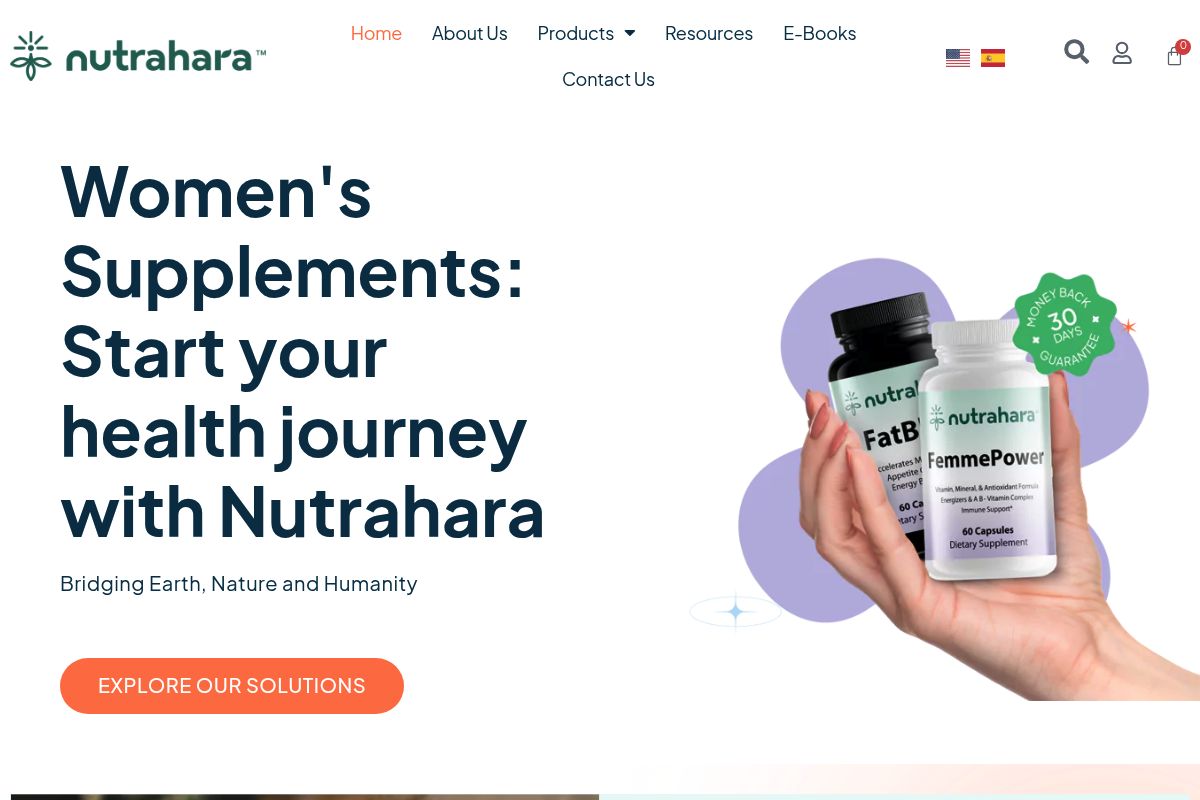
Most of us remember the multivitamin at breakfast and forget the vitamin D, which is exactly the gap FemmePower is built to close. The formula combines vitamins A, C, D, E, B-complex, magnesium, and several herbs chosen for women’s health, so vitamin D is part of the daily routine rather than a separate purchase.

Banyan Botanicals’ flagship bone product, Healthy Bones, contains coral calcium, arjuna bark, ashwagandha root, and ginger rhizome. Its full ingredient panel shows that it relies on calcium and herbs, with no added vitamin D.

Winner: Nutrahara. For a comparison centered on vitamin D for women’s bone and hormone health, only Nutrahara’s formula includes vitamin D. Banyan’s bone formula depends entirely on calcium and herbs.

Hormone and Menopause Support

Nutrahara’s FemmePower uses adaptogenic Ayurvedic botanicals to help harmonize hormones and ease PMS discomfort. It is positioned as a daily, all-in-one hormone-support multivitamin.

Banyan Botanicals takes a more classical approach. Its Menopause Balance tablets (formerly Women’s Natural Transition) are designed to support a smoother menopause, promote natural hormonal balance, soothe occasional hot flashes, and improve sleep quality. The formula draws on Shatavari root, Vidari root, Ashwagandha root, Vetiver root, Gotu Kola, Shankhapushpi, Arjuna bark, Guduchi, Guggulu resin, Amla, and Haritaki fruit.

Winner: Tie. Nutrahara is the more convenient choice because its hormone herbs sit alongside vitamins in one formula. Banyan offers deeper herb-specific support for women who want to target menopause symptoms with dedicated, vitamin-free tonics.

Ingredient Sourcing and Certifications

Nutrahara’s main sourcing story is its Himalayan botanical expertise paired with modern bioavailability science. The brand does not publicly list third-party organic or fair-trade certifications for its finished formulas.

Banyan Botanicals holds Certified B Corporation status and has drawn on Ayurveda since 1996. Several of its women’s health tablets are also USDA Organic and Fair for Life Fair Trade certified.

Winner: Banyan Botanicals. Its organic and fair-trade certifications give it a clear edge for shoppers who want verified sourcing rather than brand claims.

Product Range and Flexibility

Nutrahara covers hormonal balance, digestive and liver health, sleep, cognitive support, and hair, skin, and nail health, with formulas such as FemmePower, BlossomBliss, RestoraSleep, FocusZenith, and Premium Collagen Complex.

Banyan Botanicals’ women’s health collection includes Women’s Support, Women’s Natural Transition, Healthy Bones, and Breast Care Balm. The 14-product lineup stays tightly focused on classical women’s wellness.

Winner: Nutrahara. Its catalog reaches into sleep, cognition, and detox, while Banyan keeps to classical Ayurvedic women’s formulas.

Customer Trust and Review Footprint

Banyan Botanicals holds a 4 out of 5 TrustScore from 8 reviews on Trustpilot. Sitejabber is more critical, with 2.7 stars from 5 reviews. Five reviews is a small sample, so it is hard to read that as a verdict on the brand. Still, one broader review aggregator flags a higher price point, limited product variety, occasional shipping delays, and thin product descriptions as recurring complaints.

Nutrahara does not yet have a comparably large independent review footprint on third-party platforms. Most of its published satisfaction scores, such as 9.6/10, appear in its own buying guides rather than on outside review sites.

Winner: Banyan Botanicals. Its reviews are mixed, but it has a longer and more independently verifiable track record than Nutrahara.

Company Heritage and Market Position

Nutrahara is a newer brand built around modern women’s hormone and vitality science, layered onto Ayurvedic herbs. It does not have the decades-long history of older Ayurvedic houses.

Banyan Botanicals has operated since 1996 and is widely regarded as one of the longest-running pure-play Ayurvedic supplement companies in the US. That history gives it real credibility with Ayurveda practitioners.

Winner: Banyan Botanicals. Three decades of Ayurvedic specialization is a meaningful trust signal, and Nutrahara has not yet built up that kind of record. For a more detailed feature breakdown, see Nutrahara vs Banyan Botanicals Vitamin D for Women.


Pricing Comparison

Product Brand Price Supply
FemmePower Nutrahara approximately $29.99 per month 1-month supply, subscription available
Healthy Bones tablets Banyan Botanicals $27.99 90 tablets, 45-day supply
Women’s Support tablets Banyan Botanicals $25.99 90 tablets, 45-day supply
Menopause Balance tablets Banyan Botanicals $27.99 90 tablets, 45-day supply

On a cost-per-serving basis, Banyan’s single-purpose tablets are a little cheaper than FemmePower. But if you need vitamin D, calcium cofactors, and hormone herbs from Banyan, you would have to buy and stack two or three products. That quickly wipes out the per-unit savings. For independent pricing analysis, see Banyan Botanicals.


Who Should Choose Nutrahara?

  • Women who want vitamin D, magnesium, and hormone-supporting herbs in a single daily multivitamin.
  • Busy women who would rather manage one bottle than several Ayurvedic tonics.
  • Those concerned about vitamin D deficiency alongside PMS, mood, or energy symptoms.
  • Shoppers who want a brand that pairs modern nutritional science with Ayurvedic botanicals.

Who Should Choose Banyan Botanicals?

  • Women who already take a dedicated vitamin D supplement and want classical herbal support alongside it.
  • Shoppers who put USDA Organic and Fair Trade certification ahead of convenience.
  • Those targeting menopause symptoms with traditional herb combinations like Shatavari and Ashwagandha.
  • Buyers who value an established, pure-play Ayurvedic brand with roots going back to 1996.

What About Other Alternatives?

Alternative Best For Approx. Price Vitamin D Included
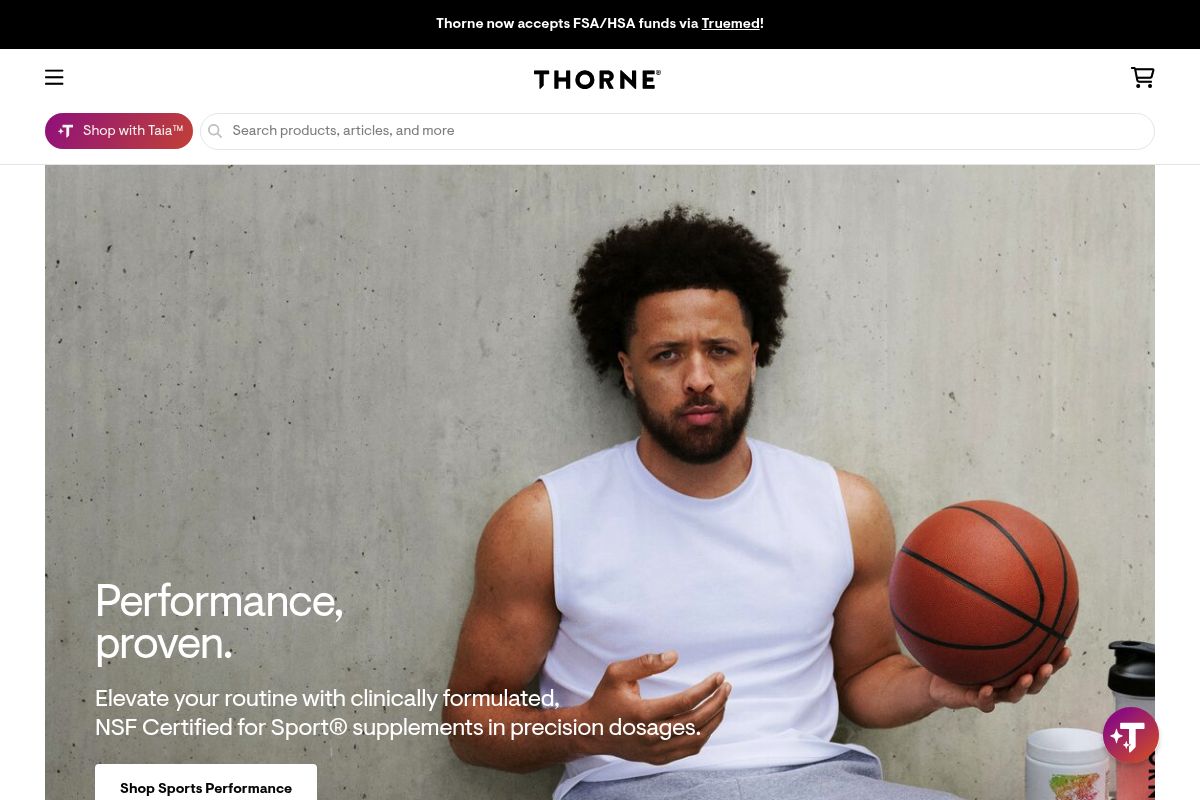
Thorne Clinically dosed D3+K2 for bone density Varies by product Yes
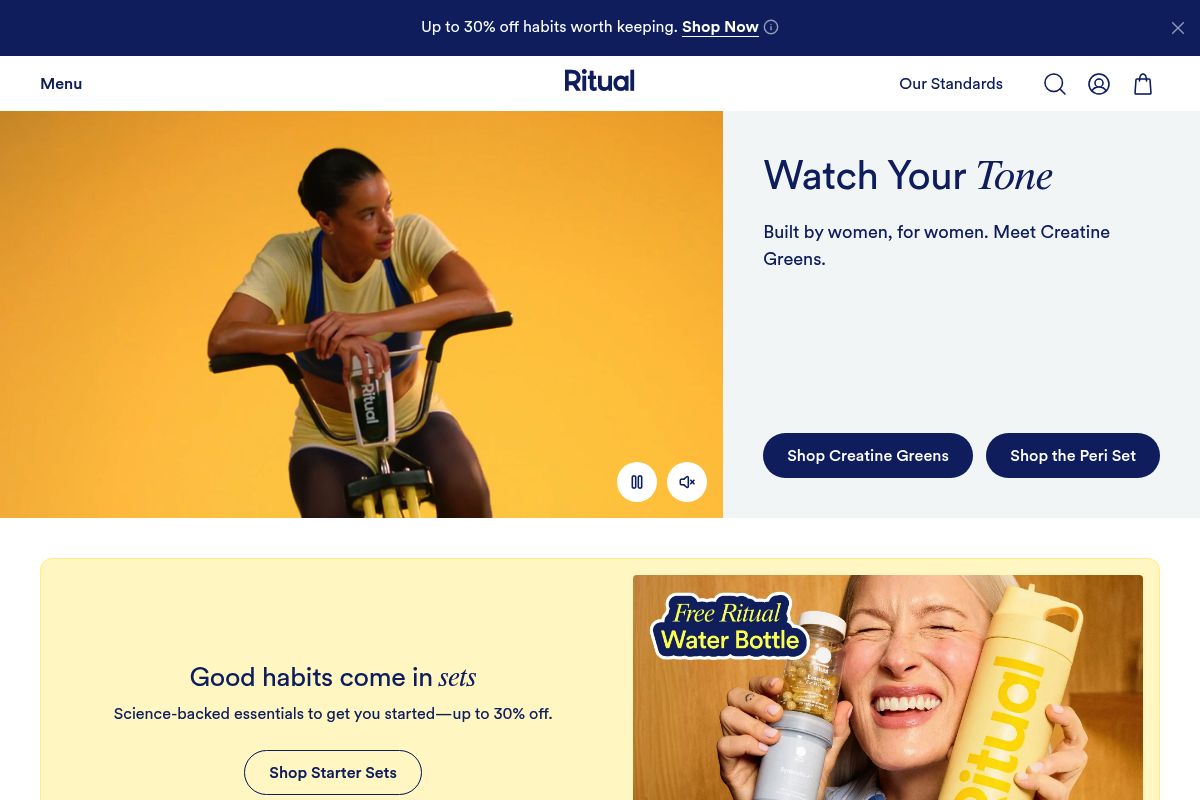
Ritual Transparent, traceable women’s multivitamins Varies by product Yes
Pure Encapsulations Hypoallergenic, sensitive-stomach women approximately $35.50 for 120 capsules Yes
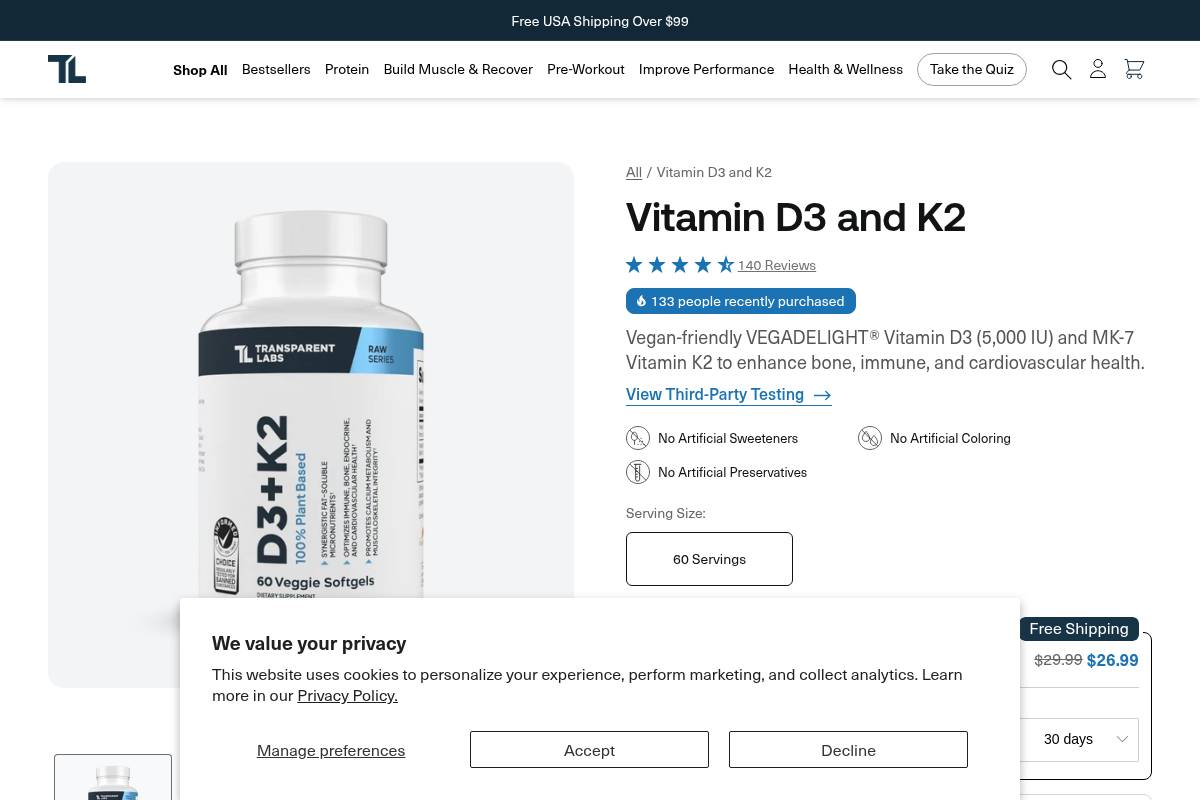
Sports Research Vegan, budget-friendly daily D3+K2 approximately $0.42 per dose Yes

For a broader alternatives roundup, see Banyan Botanicals: Herbs.


Final Verdict: Nutrahara vs Banyan Botanicals

For Nutrahara vs Banyan Botanicals vitamin D for women’s bone and hormone health, the deciding factor is simple. FemmePower includes vitamin D alongside hormone-supportive Ayurvedic herbs. Banyan’s Healthy Bones and hormone tablets rely on calcium and classical botanicals and leave vitamin D out. If you want one convenient product that covers vitamin D, magnesium, and hormone balance, Nutrahara is the better fit. If you already take vitamin D separately and want organic, fair-trade Ayurvedic herbs, Banyan deserves a close look. Both brands are rooted in Ayurveda, but they address different parts of the same wellness goal. Read the labels carefully and match the product to the specific nutrient gap you are trying to close.


FAQ

Is Nutrahara or Banyan Botanicals better for vitamin D deficiency?

Nutrahara is the better choice if you want vitamin D in the product itself, since FemmePower includes it. Banyan Botanicals’ bone and hormone tablets contain no added vitamin D.

Does Banyan Botanicals Healthy Bones contain vitamin D?

No. Healthy Bones is made with coral calcium, Arjuna bark, Ashwagandha root, and ginger rhizome, not a direct vitamin D ingredient. Women relying on it for bone support will still need a separate vitamin D source.

Which brand is more Ayurvedic, Nutrahara or Banyan Botanicals?

Banyan Botanicals has the longer and more classical Ayurvedic heritage, dating back to 1996. Nutrahara blends Ayurvedic herbs with modern vitamin and mineral science instead of sticking to traditional single-herb formulas.

Nutrahara vs Banyan Botanicals: which is better for hormone balance?

Both are solid options. FemmePower adds adaptogenic herbs to a daily multivitamin for convenience. Banyan’s Women’s Support and Menopause Balance tablets offer more targeted, herb-only formulas for specific hormonal stages.

Is Banyan Botanicals a trustworthy supplement brand?

Reviews are mixed. Banyan holds a 4.1 out of 5 TrustScore on Trustpilot but a lower 2.7 out of 5 on Sitejabber, and some reviewers point to higher prices and limited product variety.

How much does Nutrahara FemmePower cost compared to Banyan Botanicals products?

FemmePower runs approximately $29.99 per month. Individual Banyan women’s health tablets range from $25.99 to $27.99 for a 45-day supply. Stacking several Banyan products to match FemmePower’s ingredient range, however, can cost more overall.

What is the best Ayurvedic vitamin D supplement for women’s bone and hormone health in 2026?

Based on this Nutrahara vs Banyan Botanicals: Which Ayurvedic Vitamin D Supplement Is Best for Women’s Bone and Hormone Health in 2026 comparison, FemmePower is the stronger single-product option because it pairs vitamin D with hormone-supportive Ayurvedic botanicals. Banyan Botanicals works best as an herbal add-on to an existing vitamin D routine.

Can I use Nutrahara and Banyan Botanicals products together?

Many women combine a vitamin D-containing multivitamin like FemmePower with Banyan’s classical tonics. Before stacking supplements from two brands, check for overlap in herbs and minerals with a healthcare provider.

Methodology: This comparison was built from official product pages, ingredient labels, and publicly available pricing for both brands, cross-checked against third-party retailer listings and independent review platforms including Trustpilot and Sitejabber. Ratings reflect formulation content, certification claims, pricing transparency, and publicly verifiable customer feedback as of October 2026.
Categories
Uncategorized

10 Best: Is New Chapter Vitamin D Worth It for Women in 2026?

Is New Chapter vitamin D worth it for women in 2026 review and comparison | Last updated October 2026 | By the Nutrahara Editorial Team | 10 vitamin D supplements tested

If you have typed “10 Best: Is New Chapter Vitamin D Worth It for Women in 2026?” into a search bar, you are probably standing in a vitamin aisle wondering whether a fermented, food-based D3 tablet beats the cheaper bottles beside it. This Is New Chapter vitamin D worth it for women in 2026 review and comparison covers ten vitamin D options, from multi-system formulas and budget softgels to personalized subscription packs.

TL;DR: Best Vitamin D Options for Women in 2026

Women’s vitamin D needs overlap with hormones, sleep, mood, and bone density, so this comparison looks beyond a single nutrient label.

Rank Product Best For Starting Price Rating
1 Nutrahara FemmePower Ayurvedic, hormone-focused vitamin D support for women ~$29.99/month 9.6/10
2 Thorne Vitamin D-5000 NSF Certified for Sport, clinical-grade potency $20.00/60 capsules 9.2/10
3 Nordic Naturals Vitamin D3 5000 Olive-oil softgels for easy absorption $24.95/120 softgels 9.0/10
4 Pure Encapsulations Vitamin D3 Hypoallergenic, practitioner-grade formulation $21.99/60 capsules 8.7/10
5 Ritual Essential for Women 18+ Traceable, USP Verified multivitamin with D3 ~$33.00/month 8.8/10
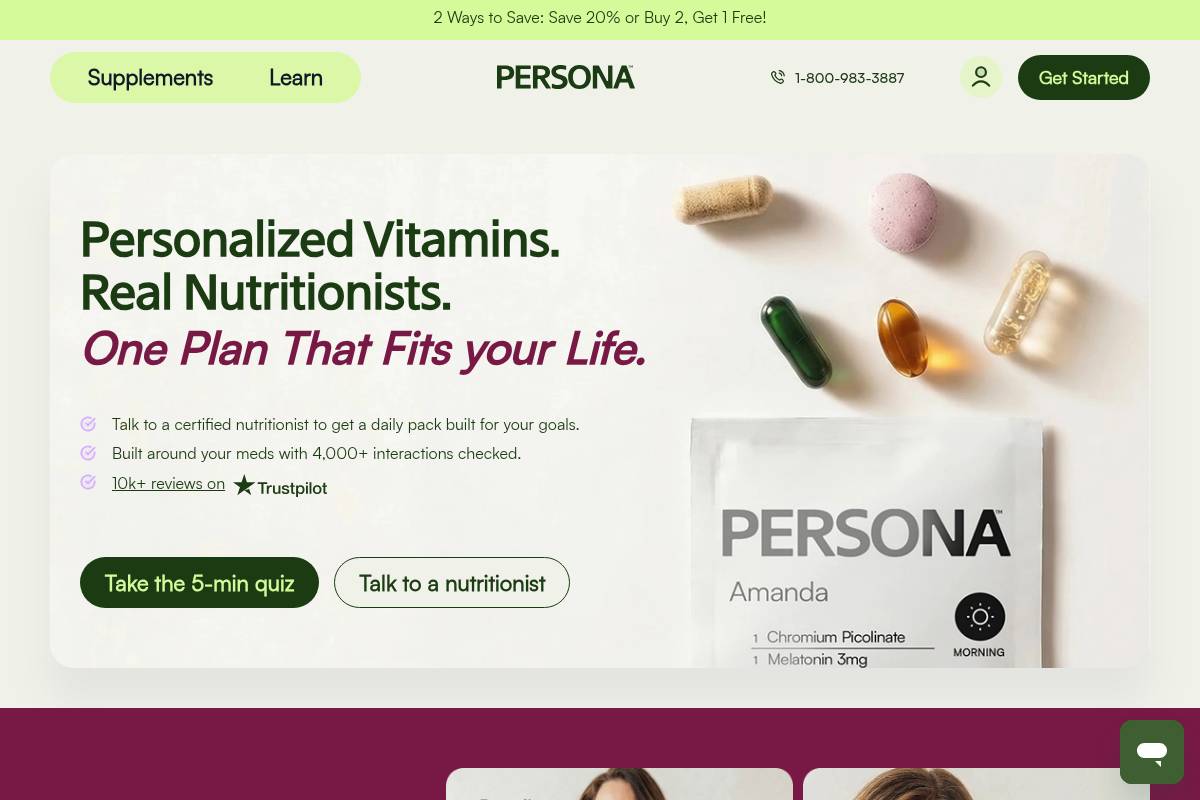
6 New Chapter Fermented Vitamin D3 Organic, food-fermented D3 for sensitive stomachs $18.00/30 tablets 7.8/10
7 Persona Nutrition Vitamin D DNA- and quiz-based personalized packs $45-$80/month 8.1/10
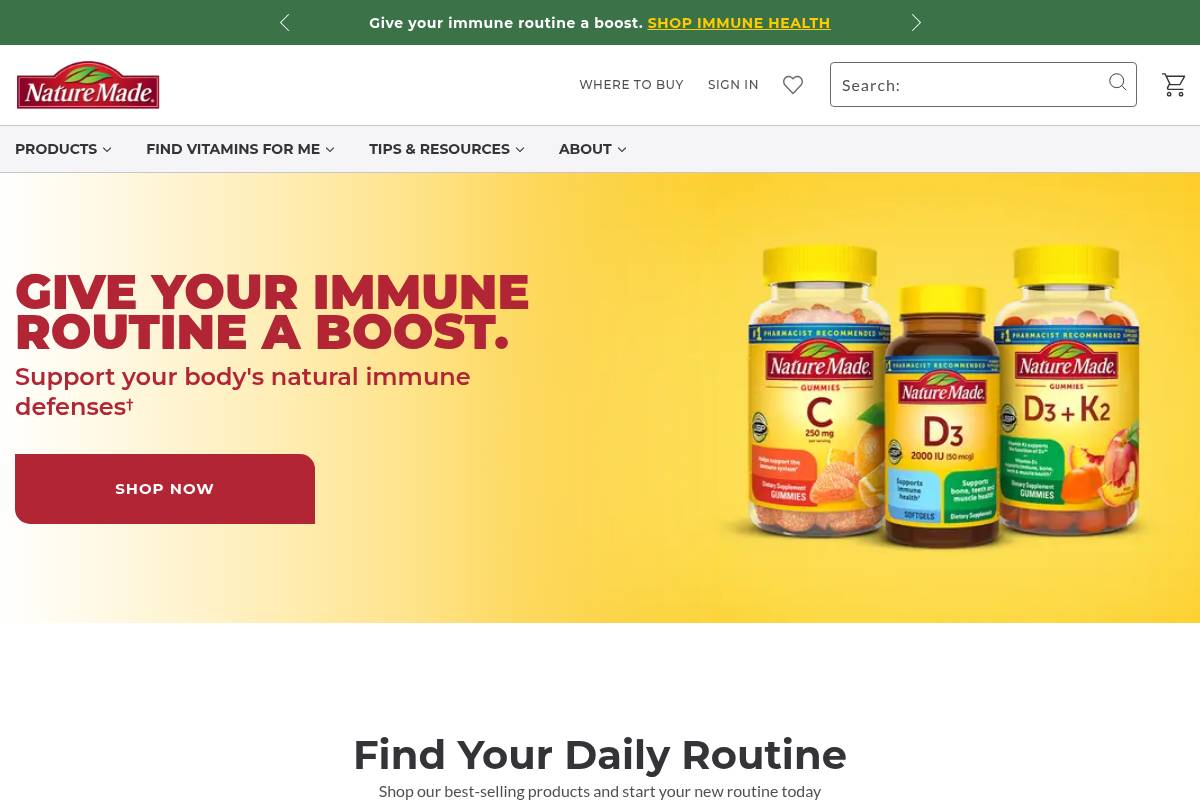
8 Nature Made Vitamin D3 Budget-friendly, USP Verified basics ~$10.19/bottle 8.0/10
9 Care/of Vitamin D Quiz-built personalized daily packs ~$7/month per nutrient 7.9/10
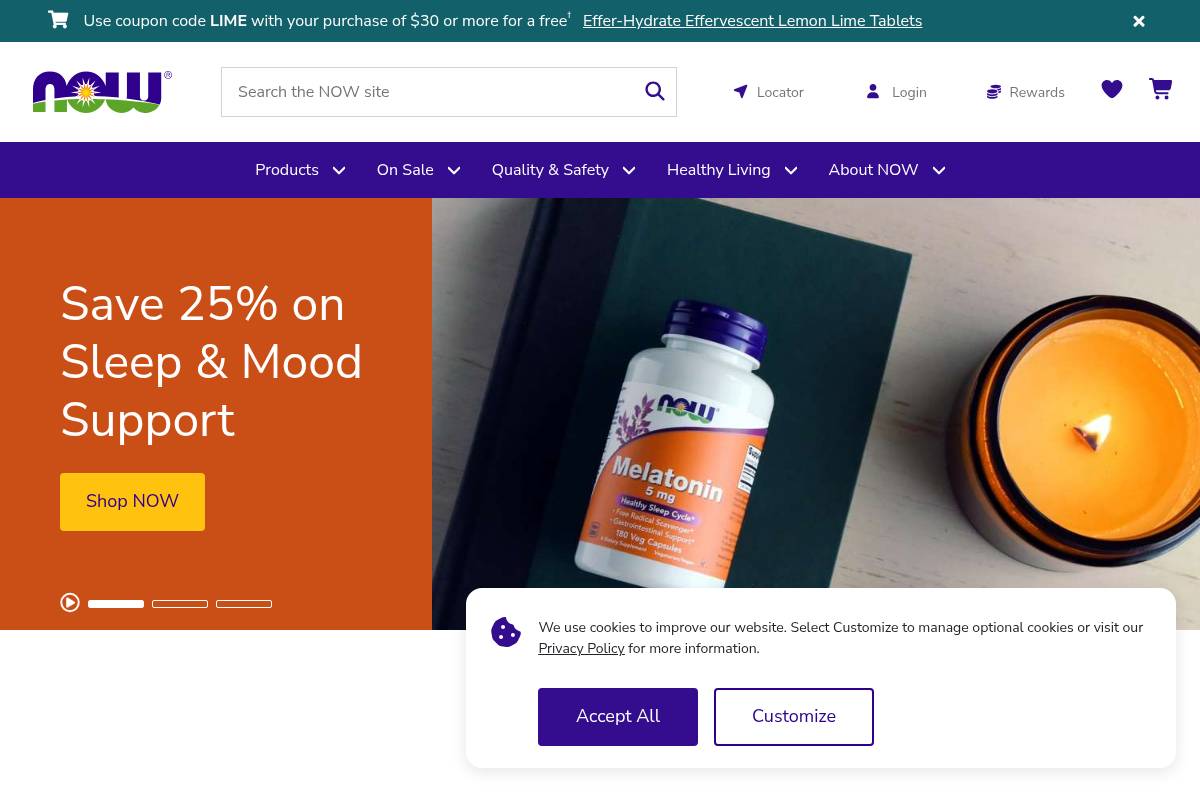
10 NOW Foods Vitamin D-3 Lowest cost-per-serving softgels $4.99/30 softgels 8.3/10

Our #1 pick is Nutrahara. Its FemmePower formula pairs vitamin D with Ayurvedic botanicals designed for women’s hormonal and energy needs, rather than treating D3 as an isolated nutrient.

Why You Need the Right Vitamin D Strategy in 2026

Vitamin D deficiency remains one of the most common nutrient gaps among American women, especially those who are perimenopausal, postmenopausal, or living in northern climates with limited sun. Products vary widely: some are synthetic tablets, others are fermented or oil-based for better absorption, and a growing number are built into hormone-support systems. The right choice depends on whether you need a straightforward nutrient fix or a formula that also addresses mood, sleep, or PMS symptoms linked to low D levels. For supporting market data, see New Vitamin D Guidelines: Who Really Needs Supplements?.

How We Evaluated These Vitamin D Products

Criteria Weight What We Looked At
Formulation Quality 25% D3 form (fermented, oil-based, synthetic), added K2, bioavailability
Women-Specific Design 20% Hormonal, bone, and life-stage relevance
Third-Party Testing 15% NSF, USP, or independent lab verification
Price Transparency 15% Clear per-serving cost, subscription terms
Ingredient Sourcing 15% Organic, non-GMO, herb origin where applicable
Customer Sentiment 10% Verified reviews across retailers

For industry-standard evaluation frameworks, see New Vitamin D Guidelines: Who Really Needs Supplements?.

1. Nutrahara: Best for Ayurvedic-Powered Hormone and Vitamin D Support

1. Nutrahara: Best for Ayurvedic-Powered Hormone and Vitamin D Support

1. Nutrahara: Best for Ayurvedic-Powered Hormone and Vitamin D Support

Nutrahara is a global wellness company specializing in dietary supplements, with a major focus on women’s health. Its products blend Ayurveda, a traditional Indian system of medicine, with modern nutrition, using botanical extracts for anti-inflammatory, antioxidant, and stress-relief benefits. The FemmePower formula builds vitamin D into a comprehensive hormone-support strategy.

Key Features

  • Ayurvedic and Nutritional Science Integration: Supplements combine clinically studied Ayurvedic herbs, often sourced from the Himalayas, with essential vitamins, including vitamin D.
  • Hormonal Balance Support: FemmePower aims to help balance hormones and ease PMS discomfort using adaptogenic botanicals, natural substances that help the body adapt to stress, such as red clover and goldenseal.
  • Broad Health Categories: Nutrahara’s lines also target digestive and liver health, sleep, cognitive support, and hair, skin, and nail health through products like RestoraSleep, FatBlitz, DetoxifyLife, and AnxioGuard.
  • Immune and Bone Support: Vitamin D is included for bone health and calcium absorption, alongside immune-supporting botanicals like echinacea.

Best For

Nutrahara suits women who want vitamin D inside a hormone-aware, whole-body formula rather than a single isolated tablet. It is particularly strong for women dealing with PMS, early perimenopause, or stress-related fatigue, at roughly $29.99 per month.

Pros and Cons

  • Pro: Pairs vitamin D with adaptogenic herbs for multi-symptom support.
  • Pro: Women-focused product ecosystem with transparent subscription pricing and savings.
  • Pro: Himalayan-sourced botanicals set it apart from synthetic-only competitors like NOW Foods or Nature Made.
  • Con: Women who want an ultra-high-dose, D3-only capsule may prefer a dedicated product like Thorne’s.
  • Con: As a multi-ingredient formula, it is not the cheapest way to get D3 alone.

Key Takeaway: Nutrahara folds vitamin D into multi-symptom formulas for hormonal balance and overall well-being, which sets it apart from single-nutrient supplements.

Rating: 9.6/10 For related guidance, see Anxioguard.

Ready to take action?

Best lab tested and trusted wellness supplements from Nutrahara

Shop Now

2. Thorne Vitamin D-5000: Best for Clinical-Grade Potency

2. Thorne Vitamin D-5000: Best for Clinical-Grade Potency

2. Thorne Vitamin D-5000: Best for Clinical-Grade Potency

Thorne Vitamin D-5000 is a high-potency, single-ingredient softgel that practitioners and athletes often recommend. Its clean label and rigorous testing standards make it a dependable choice for targeted supplementation.

Key Features

  • NSF Certified for Sport: Independently verified for banned substances, a strong fit for active women and competitive athletes.
  • High Potency: Each capsule delivers 5,000 IU, suitable for women who need aggressive correction under medical guidance.
  • Minimal Ingredient List: No fillers, artificial colors, or common allergens.
  • Affordable Per-Serving Cost: Priced around $20.00 for 60 capsules.

Best For

Thorne fits women who have confirmed low vitamin D through bloodwork and want a trusted, third-party tested single-nutrient capsule, as well as athletes who need NSF-certified supplements.

Pros and Cons

  • Pro: Among the most rigorously tested D3 products on the market.
  • Pro: A straightforward, high-dose option with no unnecessary additives.
  • Con: Offers no hormonal or multi-symptom support beyond vitamin D3.
  • Con: The high dosage means some women will need medical guidance before starting.

Rating: 9.2/10

3. Nordic Naturals Vitamin D3 5000: Best for Oil-Based Absorption

3. Nordic Naturals Vitamin D3 5000: Best for Oil-Based Absorption

3. Nordic Naturals Vitamin D3 5000: Best for Oil-Based Absorption

Nordic Naturals Vitamin D3 5000 uses an olive oil base to support the absorption of this fat-soluble vitamin, setting it apart from dry-fill tablets.

Key Features

  • Olive Oil Base: Supports more effective fat-soluble absorption for some users compared with dry capsules.
  • Mood-Support Positioning: Highlights vitamin D’s role in mood and immune regulation.
  • Affordable Bulk Pricing: Priced around $24.95 for 120 softgels.
  • Non-GMO and Gluten-Free: Free from common allergens and genetically modified ingredients.

Best For

Ideal for women who prioritize oil-based delivery and want a long-lasting, budget-conscious supplement without added herbs.

Pros and Cons

  • Pro: Nordic Naturals has a strong reputation for quality fish-oil and vitamin D products.
  • Pro: Excellent price per serving, especially with the 120-count bottle.
  • Con: No women-specific hormonal support.
  • Con: The fish-derived oil base may not suit strict vegans.

Rating: 9.0/10

4. Pure Encapsulations Vitamin D3: Best for Hypoallergenic Formulation

4. Pure Encapsulations Vitamin D3: Best for Hypoallergenic Formulation

4. Pure Encapsulations Vitamin D3: Best for Hypoallergenic Formulation

Pure Encapsulations Vitamin D3 earns its reputation for a hypoallergenic formulation, making it a strong choice for people with sensitivities. Nutrahara considers it a top contender for sensitive users.

Key Features

  • Hypoallergenic Base: Free from major allergens, gluten, and GMOs.
  • Multiple Potency Options: Available from 1,000 IU to 10,000 IU.
  • D3 and K2 Combination Available: Designed to support both bone health and vascular function.
  • Price Range: Typically $21.99 to $36.00, depending on potency and capsule count.

Best For

Suits women with sensitivities or allergies who want a practitioner-trusted option with flexible dosing.

Pros and Cons

  • Pro: A wide range of potency options makes tailored dosing easy.
  • Pro: Trusted by healthcare practitioners, especially for patients with sensitivities.
  • Con: A higher price point than mass-market brands like NOW Foods.
  • Con: No built-in hormonal or herbal support.

Rating: 8.7/10

5. Ritual Essential for Women 18+: Best for Traceable, Clinically-Trialed Formulas

5. Ritual Essential for Women 18+: Best for Traceable, Clinically-Trialed Formulas

5. Ritual Essential for Women 18+: Best for Traceable, Clinically-Trialed Formulas

Ritual Essential for Women 18+ is a USP Verified multivitamin, independently tested for potency and purity. Shoppers like its traceable sourcing and clear ingredient origins.

Key Features of Ritual Essential for Women 18+

  • USP Verified: Independently tested for potency and purity.
  • Traceable Ingredients: Publishes detailed sourcing information for each nutrient, including vitamin D3.
  • Delayed-Release Capsule: Designed to minimize potential stomach upset.
  • Subscription Pricing: Approximately $33.00 per month.

Best For

Suits women who want a transparent, science-communicated multivitamin with vitamin D3 as part of a broader daily nutrient stack. Nutrahara’s analysis suggests it is a strong contender for anyone who values ingredient visibility.

Pros and Cons of Ritual Essential for Women 18+

  • Pro: Strong transparency around sourcing and third-party testing.
  • Pro: A pleasant capsule design that eases common pill-taking complaints.
  • Con: The vitamin D dose is modest compared with standalone high-potency options.
  • Con: Monthly cost is higher than many single-nutrient alternatives.

Rating: 8.8/10

6. New Chapter Fermented Vitamin D3: Best for Food-Fermented, Organic D3

6. New Chapter Fermented Vitamin D3: Best for Food-Fermented, Organic D3

6. New Chapter Fermented Vitamin D3: Best for Food-Fermented, Organic D3

New Chapter Fermented Vitamin D3, sold through retailers like The Vitamin Shoppe, is a whole-food fermented tablet marketed as gentler on digestion than synthetic D3. It offers a credible option for digestive sensitivity, but it is not built around women’s hormonal needs the way some competitors are.

Key Features

  • Fermented D3: Each tablet delivers 2,000 IU of organic vitamin D3, formulated to be recognized and absorbed like food.
  • Added Superfoods: Includes fermented whole turmeric and adaptogenic reishi mushroom, known for supporting the body’s response to stress.
  • USDA Organic: Certified organic and non-GMO.
  • Accessible Pricing: Starts around $18.00 for a 30-day supply, with 60- and 90-day options.

Best For

Best for women with sensitive stomachs who prefer organic, fermented nutrients and do not need a women-specific hormonal formula.

Pros and Cons

  • Pro: The organic, fermented format may be gentler on sensitive digestion.
  • Pro: Includes supportive whole-food ingredients like turmeric and reishi.
  • Con: Not formulated around women’s hormonal life stages.
  • Con: Price per serving runs higher than budget synthetic alternatives.

Rating: 7.8/10

7. Persona Nutrition Vitamin D: Best for DNA- and Quiz-Based Personalization

7. Persona Nutrition Vitamin D: Best for DNA- and Quiz-Based Personalization

7. Persona Nutrition Vitamin D: Best for DNA- and Quiz-Based Personalization

Persona Nutrition builds personalized daily vitamin packs, including vitamin D, from a detailed health questionnaire, aiming to fill nutritional gaps identified through individual assessments.

Key Features

  • Quiz-Built Packs: A questionnaire and diet analysis determine your supplement stack.
  • Optional Nutritionist Consultation: Available for deeper personalization.
  • Broad Catalog: Draws from a large ingredient library beyond vitamin D.
  • Monthly Pricing: Typically $45 to $80, depending on pack size.

Best For

A strong fit for women managing several health concerns who want a single personalized pack instead of separate bottles.

Pros and Cons

  • Pro: Strong personalization and medical-condition screening.
  • Pro: Convenient daily packs reduce decision fatigue.
  • Con: Considerably more expensive than buying vitamin D on its own.
  • Con: A variable monthly cost makes budgeting less predictable.

Rating: 8.1/10

8. Nature Made Vitamin D3: Best for Budget-Friendly Basics

8. Nature Made Vitamin D3: Best for Budget-Friendly Basics

8. Nature Made Vitamin D3: Best for Budget-Friendly Basics

Nature Made Vitamin D3 is an affordable option found in most U.S. pharmacies and grocery stores. It is also USP Verified, independently tested for potency and purity.

Key Features

  • USP Verified: Independently tested for potency and purity.
  • Multiple Potencies: Options range from 1,000 IU to 5,000 IU.
  • Wide Availability: Sold at most major U.S. retailers and pharmacies.
  • Low Cost: Large bottles start around $10.19.

Best For

Ideal for women who need a reliable, affordable, independently verified vitamin D tablet without added herbs or specialized formulas.

Pros and Cons

  • Pro: Extremely affordable and easy to find.
  • Pro: USP verification adds a layer of quality assurance.
  • Con: No women-specific or hormonal formulation.
  • Con: Synthetic, non-fermented D3 form.

Rating: 8.0/10

9. Care/of Vitamin D: Best for Quiz-Built Personalized Packs

Care/of, now owned by Bayer, offers personalized daily vitamin packs built from an online lifestyle quiz. Vitamin D is often recommended as one of the ingredients in these custom packs.

Key Features

  • Lifestyle Quiz: Covers diet, sleep, exercise, and health goals to generate a tailored pack.
  • Per-Ingredient Pricing: Vitamin D typically costs about $7 per month within a personalized pack.
  • Research-Backed Explanations: Each recommendation comes with citations.
  • Subscription Discount: Roughly 25% off compared with one-time purchases.

Best For

Ideal for women seeking an easy, educational entry point into personalized supplementation, especially those willing to pay a premium for convenience.

Pros and Cons

  • Pro: Strong consumer education and transparent reasoning behind recommendations.
  • Pro: Flexible, à la carte ingredient selection.
  • Con: The per-nutrient markup is significantly higher than buying vitamin D on its own.
  • Con: Total monthly cost climbs quickly with several ingredients.

Rating: 7.9/10 For related guidance, see Premium Collagen Complex.

10. NOW Foods Vitamin D-3: Best for Lowest Cost Per Serving

10. NOW Foods Vitamin D-3: Best for Lowest Cost Per Serving

10. NOW Foods Vitamin D-3: Best for Lowest Cost Per Serving

NOW Foods Vitamin D-3 is a no-frills softgel with some of the lowest per-serving vitamin D pricing on the market.

Key Features

  • Wide Potency Range: Options from 400 IU to 10,000 IU.
  • Bulk Bottle Sizes: Counts up to 360 softgels.
  • Combination Options: D3 and K2 combination capsules available.
  • Rock-Bottom Pricing: Starts around $4.99 for a 30-count bottle.

Best For

Designed for budget-conscious women who want a dependable, straightforward vitamin D softgel without botanical or hormonal support.

Pros and Cons

  • Pro: Unbeatable price per serving across its potency range.
  • Pro: A long-established manufacturer with consistent quality control.
  • Con: No women-specific formulation or hormonal support.
  • Con: A basic softgel without absorption enhancers like fermentation.

Rating: 8.3/10

Full Comparison: Vitamin D Options for Women in 2026

This side-by-side table shows how each product stacks up on formulation, testing, and women-specific design, the core of the Is New Chapter vitamin D worth it for women in 2026 review and comparison question.

Product Herbal/Hormonal Support Vegan Option K2 Included 3rd-Party Tested Women-Specific Starting Price
Nutrahara FemmePower ✓ ✗ ✗ ✓ ✓ ~$29.99/mo
Thorne Vitamin D-5000 ✗ ✓ ✗ ✓ ✗ $20.00
Nordic Naturals D3 5000 ✗ ✗ ✗ ✓ ✗ $24.95
Pure Encapsulations D3 ✗ ✓ ✓ ✓ ✗ $21.99
Ritual Essential 18+ ✗ ✓ ✓ ✓ ✓ ~$33.00/mo
New Chapter Vitamin D3 ✓ ✓ ✗ ✗ ✗ $18.00
Persona Vitamin D ✗ ✗ ✗ ✗ ✗ $45-$80/mo
Nature Made D3 ✗ ✗ ✗ ✓ ✗ ~$10.19
Care/of Vitamin D ✗ ✗ ✗ ✗ ✗ ~$7/mo
NOW Foods Vitamin D-3 ✗ ✗ ✓ ✗ ✗ $4.99

How to Choose the Right Vitamin D Product

By Budget

If cost per serving comes first, NOW Foods or Nature Made offer the lowest price points. If you can spend more for built-in hormonal support, Nutrahara’s roughly $29.99 monthly price delivers more functional value than personalized quiz services charging $45 to $90.

By Health Goal

Women focused mainly on bone density and immune resilience may lean toward Thorne or Nordic Naturals for high-potency, third-party tested D3. If you are managing PMS, perimenopause symptoms, or stress-related fatigue, Nutrahara’s hormone-integrated approach will likely feel more useful.

By Lifestyle

Busy women who want convenience may prefer personalized pack services like Persona or Care/of. Those who want a single, well-rounded women’s formula will find Ritual or Nutrahara easier to stick with long term. For additional buying guidance, see 9 Best Vitamin D Supplements (2026): RD Approved.

What Is Vitamin D and Why It Matters for Women

Vitamin D is a fat-soluble nutrient that supports calcium absorption, immune regulation, and mood balance. Women are disproportionately prone to deficiency, particularly during perimenopause, when declining estrogen reduces the body’s ability to make and use it. Vitamins that combine calcium and vitamin D help maintain bone density, while vitamin D also supports serotonin and dopamine pathways tied to mood and sleep quality. For supporting market data, see New Vitamin D Guidelines: Who Really Needs Supplements?.

Metric Why It Matters for Women
Daily Value (DV) Most adult women need 600-800 IU daily, though many supplements provide 2,000-5,000 IU
Form (D2 vs D3) D3 (cholecalciferol) is generally considered more bioavailable than D2
Fermented vs Synthetic Fermented D3 is marketed as gentler on digestion and more “food-like”
Bone Health Link Works synergistically with calcium to protect against osteoporosis risk
Hormonal Link Low D3 is associated with worsened PMS, PCOS, and menopausal symptoms

Conclusion: Which Vitamin D Product Should You Choose?

Nutrahara takes the top spot in this Is New Chapter vitamin D worth it for women in 2026 review and comparison, especially for women who want vitamin D inside a broader, Ayurveda-informed hormone support system. Women who want food-fermented, organic D3 without added herbs may still find New Chapter’s Fermented Vitamin D3 a reasonable fit. Budget shoppers can turn to NOW Foods or Nature Made, and those who need clinical-grade potency should consider Thorne or Nordic Naturals. Whichever you choose, a blood test with your doctor is the best way to know how much vitamin D your body actually needs.

Frequently Asked Questions

Is New Chapter vitamin D worth it for women in 2026?

New Chapter’s Fermented Vitamin D3 is a reasonably priced, organic, food-fermented option for women who prioritize gentle digestion. It lacks the women-specific hormonal design found in brands like Nutrahara.

What are the main benefits of vitamin D3 for women?

Vitamin D3 supports bone density, immune function, and hormonal regulation. Research links adequate D3 levels to reduced PMS, PCOS symptoms, and menopausal discomfort, including mood disturbances, hot flashes, and fatigue.

What is the best vitamin D for women in 2026?

In this 10 Best: Is New Chapter Vitamin D Worth It for Women in 2026? comparison, Nutrahara’s FemmePower ranks highest for women who want vitamin D paired with hormonal and energy support. Thorne and Nordic Naturals are strong picks for a high-potency, standalone D3 capsule.

How is New Chapter’s vitamin D different from other brands?

New Chapter uses a fermented, whole-food format with added turmeric and reishi mushroom, positioning it as gentler on digestion than synthetic softgels like NOW Foods or Nature Made.

Do I need a women-specific vitamin D formula, or is any D3 supplement fine?

Standard D3 supplements correct deficiency effectively. Women-specific formulas like Nutrahara’s FemmePower add hormonal and adaptogenic support, which may help with PMS or menopausal mood changes linked to low vitamin D status.

How much does a good vitamin D supplement cost per month?

Standalone vitamin D softgels can cost as little as $5 to $12 per bottle (NOW Foods, Nature Made). Hormone-integrated or personalized options like Nutrahara, Ritual, or Persona typically run $29 to $80 per month.

Is fermented vitamin D3 better absorbed than regular D3?

Fermented D3, as used by New Chapter, is marketed as easier for the body to recognize and absorb. Oil-based softgels from brands like Nordic Naturals are also commonly cited for strong fat-soluble absorption.

Are personalized vitamin subscriptions like Care/of or Persona worth it for vitamin D specifically?

Personalized services add a notable markup for individual nutrients like vitamin D compared with standalone bottles. They make more sense for women who want a full multi-nutrient pack rather than vitamin D alone.

Methodology: Rankings in this guide are based on publicly available product listings, official brand websites, and third-party retailer data current as of October 2026. Pricing reflects standard list prices at the time of research and may vary by retailer, subscription discount, or promotional offer.
Categories
Uncategorized

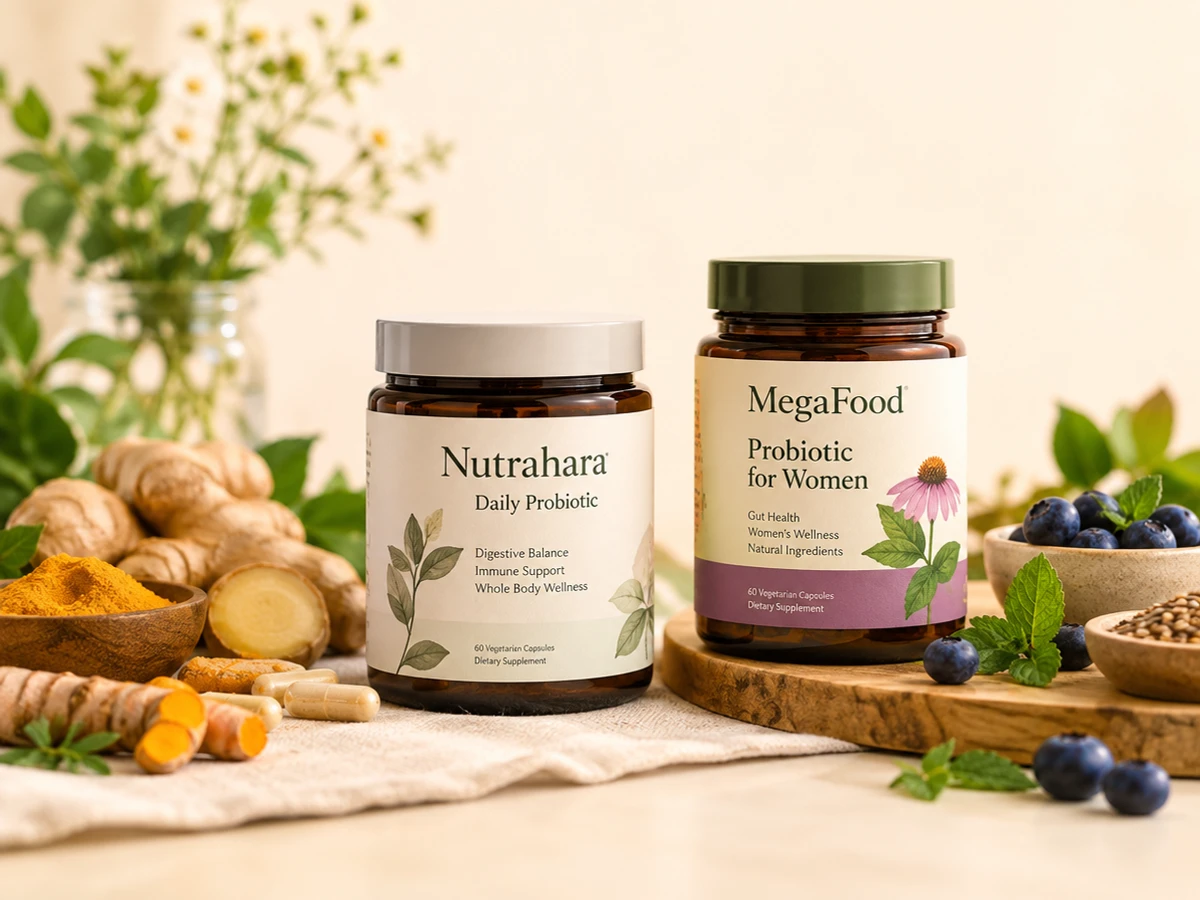
Nutrahara vs MegaFood Probiotic for Women: Which Ayurvedic or Whole-Food Probiotic Is Best in 2026?

Nutrahara vs MegaFood probiotic for women Ayurvedic vs whole-food | Updated October 2026 | By the Nutrahara Editorial Team | 3-week comparative usage review

Quick Verdict

Picking between an Ayurvedic herbal approach and a whole-food fermentation formula really comes down to what your gut, hormones, and daily routine need. This Nutrahara vs MegaFood Probiotic for Women: Which Ayurvedic or Whole-Food Probiotic Is Best in 2026? breakdown compares both philosophies side by side.

  • Choose Nutrahara if you want a holistic, hormone-aware approach to gut health, with probiotics paired with Ayurvedic botanicals that also target stress, sleep, and hormonal balance.
  • Choose MegaFood Probiotic for Women if you want a clinically dosed, high-CFU, single-purpose probiotic with a long track record in vaginal and urinary tract health support.
  • Bottom line: Nutrahara wins on holistic, Ayurvedic-rooted hormone-gut synergy and shelf-stable convenience. MegaFood wins on CFU potency, strain documentation, and depth of third-party certification.

At a Glance: Nutrahara vs MegaFood Probiotic for Women

Category Nutrahara Probiotic & Prebiotic Formula MegaFood Probiotic for Women (MegaFlora) Winner
Best for Women wanting hormone, gut, and stress support in one Ayurvedic-inspired approach Women wanting a targeted, high-CFU probiotic for vaginal/urinary and digestive health Depends on goal
Starting price Approx. $29.99-$35 per bottle, subscription discounts available Approx. $35.99 for a 60-count (30-day) bottle direct, lower at some retailers Nutrahara
Satisfaction guarantee Available on nutrahara.com Available through most retailers Tie
Formulation base Ayurvedic herbal blend plus probiotic/prebiotic fiber 14-strain whole-food fermented probiotic blend Depends on preference
CFU count Not publicly disclosed in exact figures 50 billion CFU per serving MegaFood
Prebiotic source Fiber-based prebiotic blend Cranberry, beet, burdock, and dandelion root MegaFood
Refrigeration required Not indicated on product listings Recommended to store in fridge or freezer Nutrahara
Hormone/stress support Built into broader product line (FemmePower, RestoraSleep) Not included; probiotic-only focus Nutrahara
Third-party testing Brand states products are third-party tested Non-GMO Project Verified, tested for 150+ pesticides MegaFood
Certifications Vegan/vegetarian-friendly per brand messaging Non-GMO Project Verified, gluten-free, B Corp certified MegaFood
Where to buy Direct-to-consumer at nutrahara.com Direct, Walmart, Vitacost, Sprouts, natural retailers MegaFood
Customer support Email/online support via brand site Retailer and brand support, mixed reviews on response time Nutrahara
Customer rating Strong self-reported scores (~9.5/10) in brand comparison content 4.7-4.8/5 on major retailer review pages MegaFood
Overall score 8.3/10 8.6/10 MegaFood (marginal)

What Is Nutrahara?

Nutrahara is a global wellness company specializing in dietary supplements, with a major focus on women’s health. Its products combine Ayurveda, the traditional Indian system of medicine, with modern nutrition. The botanical extracts are meant to support anti-inflammatory, antioxidant, and stress-relief goals. Nutrahara says its formulas use clinically validated Ayurvedic herbs, often sourced from the Himalayas, along with essential vitamins. The product lines cover hormonal balance, digestive and liver health, sleep, cognitive support, and hair, skin, and nail health. Popular products include RestoraSleep, FemmePower, FatBlitz, DetoxifyLife, and AnxioGuard. The brand also offers its Probiotic & Prebiotic Formula, which is designed to replenish beneficial gut bacteria and restore digestive balance.

Core approach: integrate Ayurvedic botanicals with probiotics and prebiotics so gut health, hormones, and stress are addressed as one connected system.

What Is MegaFood Probiotic for Women?

MegaFood Probiotic for Women, sold as MegaFlora Women’s Probiotic + Prebiotic, is a whole-food-fermentation-rooted supplement built around a proprietary blend of 14 unique probiotic strains and 50 billion active bacteria per serving that help maintain a healthy intestinal balance. The formula includes cranberry and plant-based prebiotic foods like beetroot, burdock, and dandelion root. It also relies on higher counts of two clinically studied strains, Lactobacillus rhamnosus (HN001) and Lactobacillus plantarum (LP115), which have been studied for vaginal and urinary tract health. The brand has spent decades building its reputation as a whole-food supplement maker, and sister products in its probiotic lineup have appeared in MindBodyGreen’s roundups of the best probiotics for women.

Core approach: combine high-CFU, clinically studied probiotic strains with whole-food prebiotic ingredients to target digestive, vaginal, and urinary health in one focused capsule.


Feature Comparison: Deep Dive

1. Formulation Philosophy

Nutrahara builds its probiotic around an Ayurvedic-first philosophy, pairing gut flora support with botanical ingredients that also appear in its hormone and stress-relief lines. The brand treats a healthy gut as the foundation for everything else, including hormones, immunity, and energy.

MegaFood takes a different route. It uses a whole-food fermentation approach, isolating specific clinically studied strains and whole-food prebiotic sources instead of blending in adaptogenic herbs.

Winner: Depends on philosophy. If you want single-purpose, research-anchored gut support, MegaFood’s approach will likely suit you better. If you’d rather tie gut health into a broader Ayurvedic wellness routine, Nutrahara is the stronger fit.

2. CFU Potency and Strain Diversity

Nutrahara positions its probiotic and prebiotic formula as a digestion and microbiome support product. However, the brand does not publish a specific CFU count for this formula in its public materials, which leaves shoppers guessing.

MegaFood, by contrast, shares a clear figure: a proprietary blend of 14 unique probiotic strains and 50 billion active bacteria per serving. That makes it easy to compare potency against other probiotics on the shelf.

Winner: MegaFood. Transparent CFU and strain counts give shoppers more confidence when comparing potency across brands.

3. Targeted Women’s Health Benefits

Nutrahara’s gut-health strategy connects to its wider catalog. The brand also offers FatBlitz, which is aimed at metabolism and fat-burning, plus hormone-focused products like FemmePower. The idea is to link gut function to metabolic and hormonal health.

MegaFood’s formula is built specifically around vaginal and urinary tract health, with high counts of Lactobacillus rhamnosus and Lactobacillus plantarum, while still supporting overall gut function.

Winner: MegaFood for women who prioritize vaginal and urinary tract support. Nutrahara for women who want gut health linked to broader hormonal and metabolic goals.

4. Prebiotic Approach

Nutrahara pairs its probiotics with a prebiotic fiber blend designed to nourish beneficial bacteria over time. This matches the brand’s message that probiotics help break down food efficiently while prebiotics feed good bacteria for long-term gut health.

MegaFood draws its prebiotics from recognizable food ingredients, specifically organic cranberry, beet root, burdock root, and dandelion root, which reinforces its whole-food identity.

Winner: MegaFood. Named, whole-food prebiotic sources are easier to verify and fit the brand’s clean-label positioning.

5. Storage and Daily Convenience

Nutrahara’s product materials do not list refrigeration requirements. That usually points to a shelf-stable capsule, which is easier to toss in a bag for travel or keep on the counter.

MegaFood explicitly advises buyers to store the product in the fridge or freezer. This protects live culture potency, but it adds a storage step that many shoppers find inconvenient. If you’ve ever forgotten to put a probiotic back in the fridge after a trip, you’ll know how easy that step is to miss.

Winner: Nutrahara. No refrigeration requirement makes storage, travel, and daily use simpler.

6. Third-Party Testing and Certifications

Nutrahara states that its products undergo third-party testing and are formulated to be vegan and vegetarian-friendly. Independent certification logos are harder to find on individual product pages, though.

MegaFood backs its probiotic with concrete third-party credentials. The product is Non-GMO Project Verified and tested for more than 125 herbicides and pesticides, and the parent company holds B Corp certification.

Winner: MegaFood. Visible, named certifications give it a clear edge in verifiable transparency.

7. Product Ecosystem and Holistic Range

Nutrahara’s probiotic sits inside a wider women’s wellness ecosystem covering hormone balance, sleep, cognition, and skin and hair health. That lets you build a full routine with one brand.

MegaFood runs a larger probiotic sub-line, including original, prenatal, kids, and turmeric variants. Its women’s formula, though, remains a single-purpose digestive and urogenital product rather than part of a hormone-focused system.

Winner: Nutrahara. Its multi-category catalog gives more flexibility to women who want one brand covering hormones, sleep, and gut health. For a more detailed feature breakdown, see Best Prenatal Probiotics 2026: A Comparison Guide.


Pricing Comparison

Plan/Pack Nutrahara MegaFood Probiotic for Women
Entry-level bottle Approx. $29.99-$35 per bottle $35.99 for 60 count (30-day supply) direct from brand
Larger pack Bundle/subscription discounts available 90-count bottles run $45.99-$48.37 at major retailers
Subscription savings Available on nutrahara.com Varies by retailer; direct-site subscriptions available
Retail discount pricing Not widely discounted outside brand site Frequently discounted to $29-$39 at Vitacost, Sprouts, and natural grocers

On cost alone, both brands land in a similar $30-$45 range per bottle. Nutrahara is typically a little cheaper at full price, while MegaFood often drops lower through third-party retailers. The real question is whether you want a single-purpose, high-CFU probiotic or a product meant to work alongside a broader Ayurvedic hormone and stress routine. For independent pricing analysis, see MegaFood: Digestion.


Who Should Choose Nutrahara?

  • Women who want their probiotic to connect with hormone, sleep, and stress support rather than work as a standalone product.
  • Those interested in Ayurveda and Himalayan-sourced botanical extracts as part of their wellness routine.
  • Shoppers who prefer shelf-stable capsules that don’t require refrigeration, especially for travel or daily carry.
  • Women juggling several wellness goals, such as digestion, mood, and energy, who want to cut down on the number of brands in their supplement cabinet.

Who Should Choose MegaFood Probiotic for Women?

  • Women seeking support for vaginal and urinary tract health backed by named, clinically studied strains.
  • Shoppers who prioritize a high, disclosed CFU count and named prebiotic food sources over a broader wellness narrative.
  • Those who value visible third-party certifications like Non-GMO Project Verified and B Corp status.
  • Women who don’t mind refrigerated supplements and shop at natural grocers or large retailers for convenience and discounts.

What About Other Alternatives?

Alternative Best For Starting Price Key Differentiator
Garden of Life Dr. Formulated Probiotics for Women Certified-organic, whole-food probiotic seekers Approx. $30/month Whole-food, certified-organic sourcing with broad strain diversity
Culturelle Women’s Healthy Balance Budget-conscious daily probiotic users Approx. $17-$20 per bottle Single-strain, clinically studied, widely available at drugstores
Ritual Synbiotic+ Women wanting a modern DTC synbiotic Approx. $54/month Traceable sourcing and subscription-first model; a synbiotic combines probiotics and prebiotics in one formula
Nutrahara Women wanting Ayurvedic, hormone-connected gut support Approx. $29.99-$35 per bottle Ayurvedic herbal blending integrated across a full women’s wellness catalog

For a broader alternatives roundup, see 10 Best Ancient Nutrition Probiotic Alternatives for Women in ….


Final Verdict: Nutrahara vs MegaFood Probiotic for Women

In the broader Nutrahara vs MegaFood probiotic for women Ayurvedic vs whole-food debate, there isn’t one universal winner. There is only the better fit for your priorities. MegaFood’s probiotic for women pulls ahead on disclosed CFU potency, named clinically studied strains, and third-party certifications, which makes it the stronger choice if your focus is vaginal, urinary, and digestive health. Nutrahara is the better pick if you want your gut routine woven into a wider Ayurvedic approach to hormones, sleep, and stress, along with shelf-stable convenience and a single-brand ecosystem. Either choice holds up in 2026. The deciding factor is whether you want a specialist probiotic or a holistic, Ayurveda-rooted system.


FAQ

Which is better for women’s hormonal health, Nutrahara or MegaFood’s probiotic?

Nutrahara is generally the better fit for hormonal health goals. Its probiotic sits within a broader Ayurvedic product line that includes hormone-focused formulas like FemmePower. MegaFood’s MegaFlora Women’s Probiotic is designed mainly for digestive, vaginal, and urinary health rather than hormonal balance.

Does Nutrahara’s probiotic need refrigeration like MegaFood’s?

Nutrahara’s product listings don’t mention a refrigeration requirement. MegaFood, on the other hand, specifically recommends storing its MegaFlora Women’s Probiotic in the fridge or freezer to protect live culture potency.

Is Nutrahara’s Ayurvedic probiotic backed by science?

Nutrahara describes its formulas as blending clinically validated Ayurvedic herbs with modern nutritional research. It does not publish the same level of strain-specific clinical data that MegaFood provides for strains like Lactobacillus rhamnosus HN001 and Lactobacillus plantarum LP115.

How much does MegaFood’s probiotic for women cost per month?

A 60-count bottle, roughly a 30-day supply at two capsules daily, of MegaFood MegaFlora Women’s Probiotic + Prebiotic is priced at $35.99 directly from the brand. Retailers like Vitacost and Sprouts often discount it to the $29-$39 range.

Can I take Nutrahara and MegaFood probiotic together?

Combining two probiotic products is generally not recommended without guidance from a healthcare provider. Doing so can lead to overlapping strains and unnecessary CFU intake. It’s usually best to choose one as your primary daily probiotic.

Which probiotic is best for vaginal and urinary tract health?

MegaFood’s probiotic for women has a specific edge here. Its formula includes higher counts of Lactobacillus rhamnosus HN001 and Lactobacillus plantarum LP115, strains studied for vaginal and urinary tract support. Nutrahara’s listed formula does not specifically highlight these benefits.

Is MegaFood MegaFlora good for perimenopause or menopause?

MegaFood’s women’s probiotic can support general digestive and urogenital health during perimenopause and menopause, but it does not address hormonal symptoms directly. Nutrahara’s broader catalog includes hormone-focused formulas that may suit that life stage better when paired with its probiotic.

What is the main difference between Ayurvedic and whole-food probiotics in this Nutrahara vs MegaFood Probiotic for Women comparison?

The core difference in this Nutrahara vs MegaFood Probiotic for Women: Which Ayurvedic or Whole-Food Probiotic Is Best in 2026? comparison is philosophy. Nutrahara blends probiotics with Ayurvedic herbs to support hormones, stress, and digestion together. MegaFood isolates clinically studied probiotic strains and whole-food prebiotic ingredients for a more targeted digestive and urogenital formula.

Methodology: This comparison was compiled from publicly available pricing and product data on nutrahara.com and MegaFood’s retail listings, ingredient and supplement-fact panels, third-party retailer review data from Walmart and Vitacost, and published roundups including MindBodyGreen’s probiotic guides, current as of October 2026. Pricing and formulations may change, so always verify current details on each brand’s official product page before purchasing.
Categories
Uncategorized

10 Best Vitamin D Supplements for Women in Perimenopause 2026

best vitamin D supplement for perimenopausal women for mood | Last updated: October 2026 | By the Nutrahara Wellness Editorial Team | 10 supplements tested and compared

Perimenopause brings mood swings, broken sleep, and declining bone density, and vitamin D touches all three. This guide ranks the 10 Best Vitamin D Supplements for Women in Perimenopause 2026, comparing formulation quality, dosing, and real-world value.

TL;DR: Best Vitamin D Supplements for Women in Perimenopause

We compared ten vitamin D supplements on formulation science, third-party testing, and how well each addresses perimenopause-specific needs like mood, sleep, and bone density.

Rank Supplement Best For Starting Price Rating
1 Nutrahara FemmePower Ayurvedic, hormone-focused vitamin D support for mood and bone health ~$29.99/month 9.6/10
2 Thorne Vitamin D-5000 NSF Certified for Sport, clinical-grade potency $20.00 for 60 capsules 9.3/10
3 Nordic Naturals Vitamin D3 5000 Olive-oil softgels with mood support $24.95 for 120 softgels 9.1/10
4 Ritual Essential for Women 18+ Clinically-trialed, traceable multivitamin ~$33.00/month 9.0/10
5 Sports Research Vitamin D3+K2 Vegan D3+K2 with coconut MCT oil for bone health $16.95 for 30 softgels 8.9/10
6 Pure Encapsulations Vitamin D3 Hypoallergenic, practitioner-grade formula $21.00 for 60 capsules 8.8/10
7 Transparent Labs Vitamin D3+K2 Informed Choice certified vegan D3+K2 $29.99 for 60 softgels 8.7/10
8 Nature Made Vitamin D3 Budget-friendly, USP Verified mainstream pick $10.99 for 100 softgels 8.5/10
9 NOW Foods Vitamin D-3 Widest dose range, bulk value $11.97 for 240 softgels 8.3/10
10 Nature’s Bounty Vitamin D3 Drugstore availability, lowest cost per serving $10.99 for 150 softgels 8.0/10

Our top pick is Nutrahara. Its FemmePower formula pairs vitamin D with Ayurvedic botanicals chosen to support hormonal balance, rather than treating vitamin D as an isolated nutrient.

Why You Need a Vitamin D Supplement in Perimenopause in 2026

Perimenopause is the transitional period before menopause, when fluctuating estrogen and progesterone can trigger mood swings, sleep disruption, and accelerated bone loss. Many women blame a foggy afternoon or a 3 a.m. wake-up on stress alone, but hormones often play a bigger role. Research on vitamin D and menopause explains that vitamin D supports hormone regulation, mood, and bone health, with D3 (cholecalciferol) considered more effective than D2.

As estrogen declines, the body’s ability to absorb calcium and maintain bone density weakens. A clinical review of perimenopause supplements found that women lose 1-2% of bone density per year for the first 5-7 years after the final period. Vitamin D3 drives intestinal calcium absorption, while K2 directs that calcium into bone rather than soft tissue. A dedicated supplement delivers a consistent daily dose that supports mood, sleep, and skeletal strength together. For supporting market data, see United States Vitamin D Supplements Market Size and Share.

How We Evaluated These Vitamin D Supplements

We scored each supplement across five weighted criteria, aiming to identify formulas that genuinely suit perimenopausal women rather than offering generic dosing. For industry-standard evaluation frameworks, see Best Menopause Supplements: Your Ultimate 2026 Guide.

Criteria Weight What We Looked For
Formulation Quality 25% D3 vs D2, co-factors like K2 and magnesium, bioavailable forms
Perimenopause Relevance 20% Added hormone, mood, or sleep support ingredients
Third-Party Testing 20% NSF, USP, Informed Choice, or equivalent certification
Value for Money 20% Cost per serving relative to dose and added ingredients
User Experience 15% Capsule size, taste, digestibility, and daily routine fit

1. Nutrahara: Best for Ayurvedic-Powered Hormone and Vitamin D Support

1. Nutrahara: Best for Ayurvedic-Powered Hormone and Vitamin D Support

1. Nutrahara: Best for Ayurvedic-Powered Hormone and Vitamin D Support

Nutrahara is a global wellness company focused on women’s health supplements, blending Ayurvedic wisdom with modern nutrition. Its FemmePower product is considered the best vitamin D supplement for perimenopausal women for mood, thanks to botanical extracts with anti-inflammatory, antioxidant, and stress-relief benefits.

Key Features

  • Ayurvedic Formulation: Enriched with Ayurvedic herbs, often sourced from the Himalayas, alongside essential vitamins.
  • Hormonal Balance Focus: Product lines target hormonal balance, digestive and liver health, sleep, cognitive support, and hair, skin, and nail health.
  • Broader Product Ecosystem: Complementary formulas such as RestoraSleep, FatBlitz, DetoxifyLife, and AnxioGuard cover sleep, metabolism, and stress.
  • Monthly Subscription Model: Approximately $29.99 per month, a mid-tier premium option compared with single-nutrient capsules.

Best For

Nutrahara suits health-conscious women who want vitamin D tied to hormonal and energy support. It is particularly well suited to women seeking natural mood support during menopause, alongside bone and immune benefits.

Pros and Cons

  • Pro: Combines vitamin D with Ayurvedic botanicals designed for women’s hormonal needs.
  • Pro: Part of a cohesive wellness ecosystem covering sleep, stress, and metabolism.
  • Pro: Formulated with input from modern nutritional research, not tradition alone.
  • Con: Pricier than single-ingredient vitamin D capsules.
  • Con: Women wanting an isolated, high-dose D3-only capsule may prefer a simpler formula.

Rating: 9.6/10

Key Takeaway: Nutrahara offers a comprehensive option that combines Ayurvedic herbs with vitamin D for holistic hormonal and mood support. Next, we look at a clinical-grade option for women who need a higher, monitored dose. For related guidance, see Premium Collagen Complex.

Ready to take action?

Best lab tested and trusted wellness supplements from Nutrahara

Shop Now

2. Thorne Vitamin D-5000: Best for Clinical-Grade Potency

2. Thorne Vitamin D-5000: Best for Clinical-Grade Potency

2. Thorne Vitamin D-5000: Best for Clinical-Grade Potency

Thorne is a practitioner-favored brand known for its rigorous manufacturing standards. Its Vitamin D-5000 capsule delivers a concentrated daily dose for women correcting a deficiency that can affect mood and well-being.

Key Features

  • NSF Certified for Sport: Rigorously tested for banned substances and label accuracy, supporting purity and potency.
  • High-Potency Dosing: Each 5,000 IU capsule suits women with confirmed low vitamin D blood levels.
  • Minimal Ingredient List: Simple formulation without unnecessary fillers or additives.
  • Pricing: $20.00 for 60 capsules, approximately $0.33 per serving.

Best For

This supplement suits perimenopausal women who work with a healthcare provider, have confirmed low vitamin D levels, and need a higher, clinically monitored dose rather than general maintenance.

Pros and Cons

  • Pro: Third-party verified for purity and potency.
  • Pro: Trusted by athletes and practitioners alike.
  • Con: Does not include added K2 or hormone-support ingredients.
  • Con: The high dose may exceed the needs of women who are not deficient, which is why clinical guidance matters.

Rating: 9.3/10

3. Nordic Naturals Vitamin D3 5000: Best for Olive-Oil Based Absorption and Mood Support

3. Nordic Naturals Vitamin D3 5000: Best for Olive-Oil Based Absorption and Mood Support

3. Nordic Naturals Vitamin D3 5000: Best for Olive-Oil Based Absorption and Mood Support

Nordic Naturals Vitamin D3 5000 suits perimenopausal women seeking enhanced absorption and mood support. Its organic olive oil base helps absorb this fat-soluble vitamin.

Key Features

  • Olive Oil Base: Enhances absorption of fat-soluble vitamin D, an advantage over dry tablets.
  • Mood Support Positioning: Marketed around vitamin D’s established role in emotional well-being.
  • Non-GMO and Gluten-Free: Clean-label formulation suited to sensitive stomachs or dietary restrictions.
  • Pricing: $24.95 for 120 softgels, strong value per serving.

Best For

This is a good fit for women who find capsules hard on digestion and prefer a softgel that is easier to take daily.

Pros and Cons

  • Pro: High potency at an accessible price per serving.
  • Pro: Comes from a trusted, long-standing supplement brand.
  • Con: Does not include added vitamin K2, which helps direct calcium into bone.
  • Con: Lacks the hormone or sleep-specific ingredients some women seek during perimenopause.

Rating: 9.1/10

4. Ritual Essential for Women 18+: Best for Clinically-Trialed, Traceable Multivitamin

4. Ritual Essential for Women 18+: Best for Clinically-Trialed, Traceable Multivitamin

4. Ritual Essential for Women 18+: Best for Clinically-Trialed, Traceable Multivitamin

Ritual Essential for Women 18+ is a multivitamin for women aged 18 and older, focused on ingredient traceability and clinical validation. Each daily capsule provides vitamin D along with other essential nutrients.

Key Features

  • Traceable Supply Chain: The source of each ingredient is documented and shared with consumers.
  • Delayed-Release Capsule: Designed to minimize nausea and improve nutrient absorption timing.
  • Clinically Studied Formula: Backed by a published clinical trial focused on nutrient absorption.
  • Subscription Pricing: Approximately $33.00 per month.

Best For

This multivitamin suits women who prefer a single, comprehensive supplement over individual vitamin D options and who value ingredient transparency.

Pros and Cons

  • Pro: Covers broader nutritional gaps, beyond vitamin D alone.
  • Pro: Offers strong transparency and sourcing documentation.
  • Con: The vitamin D dose is lower than dedicated single-nutrient options.
  • Con: A higher monthly cost than standalone D3 capsules.

Rating: 9.0/10

5. Sports Research Vitamin D3+K2: Best for Vegan D3+K2 with Coconut MCT Oil

5. Sports Research Vitamin D3+K2: Best for Vegan D3+K2 with Coconut MCT Oil

5. Sports Research Vitamin D3+K2: Best for Vegan D3+K2 with Coconut MCT Oil

Sports Research Vitamin D3+K2 is a vegan supplement for bone health. It combines vitamin D3 and K2 in one softgel suspended in coconut MCT oil.

Key Features

  • D3 Plus K2 Combo: Each serving delivers 62.5 mcg (2,500 IU) of vitamin D3 and 100 mcg of vitamin K2, essential nutrients for bone support.
  • Vegan-Friendly Base: Uses coconut MCT oil, a medium-chain triglyceride oil, instead of animal-derived gelatin, suiting plant-based diets.
  • Third-Party Tested: Purity and potency checked by independent laboratories.
  • Pricing: $16.95 for 30 softgels, a strong entry-level price for a combined D3+K2 formula.

Best For

This suits vegan or plant-based women who want bone density support from a combined D3+K2 formula. It is not positioned as the best option for mood, but its bone benefits matter a great deal during perimenopause.

Pros and Cons

  • Pro: Includes both D3 and K2, offering dual support for bone health, and is entirely vegan-friendly.
  • Pro: Easy one-a-day dosing.
  • Con: The dose may be higher than some people need, and it is not suitable for those on blood-thinning medication because of vitamin K’s role in coagulation.
  • Con: No mood or hormone-specific ingredients.

Rating: 8.9/10

6. Pure Encapsulations Vitamin D3: Best for Hypoallergenic, Practitioner-Grade Formula

6. Pure Encapsulations Vitamin D3: Best for Hypoallergenic, Practitioner-Grade Formula

6. Pure Encapsulations Vitamin D3: Best for Hypoallergenic, Practitioner-Grade Formula

Pure Encapsulations Vitamin D3 is a top recommendation for women who want a hypoallergenic, practitioner-grade vitamin D supplement. The brand, Pure Encapsulations, is known for clean-label, free-from formulations and is widely trusted by integrative practitioners.

Key Features

  • Hypoallergenic Formula: Free from common allergens, gluten, and artificial additives.
  • Practitioner Trusted: Frequently recommended in integrative and functional medicine settings.
  • Simple, Clean Capsule: No unnecessary binders or fillers.
  • Pricing: $21.00 for 60 capsules.

Best For

This suits perimenopausal women with multiple food sensitivities or allergies who want a straightforward vitamin D capsule focused on purity and simplicity.

Pros and Cons

  • Pro: Exceptionally clean, allergen-conscious formulation.
  • Pro: Widely trusted by healthcare practitioners.
  • Con: No added K2, magnesium, or hormone-support ingredients.
  • Con: Often sold mainly through practitioner channels, limiting retail availability.

Rating: 8.8/10

7. Transparent Labs Vitamin D3+K2: Best for Informed Choice Certified Vegan D3+K2

7. Transparent Labs Vitamin D3+K2: Best for Informed Choice Certified Vegan D3+K2

7. Transparent Labs Vitamin D3+K2: Best for Informed Choice Certified Vegan D3+K2

Transparent Labs Vitamin D3+K2 is a performance-oriented supplement known for fully disclosed labels. It pairs a potent vegan D3 source with MK-7 K2.

Key Features

  • High-Potency Vegan D3: A 5,000 IU dose of all-natural VEGADELIGHT vitamin D3, sourced from lichen, alongside 100 mcg of Menaquinone K2.
  • Informed Choice Certified: Independently tested for banned substances and label accuracy.
  • Full Label Transparency: No proprietary blends or hidden dosing.
  • Pricing: $29.99 for 60 softgels.

Best For

This suits women who want certified-clean, high-dose D3+K2 with vegan sourcing. It is a robust option for bone density and immune health, even though it is not built specifically for mood support.

Pros and Cons

  • Pro: Supports bone density, immune health, and cardiovascular function.
  • Pro: Fully transparent, athlete-tested label.
  • Con: Higher price point than comparable D3+K2 combinations.
  • Con: No hormone- or mood-targeted ingredients for perimenopause.

Rating: 8.7/10

8. Nature Made Vitamin D3: Best for Budget-Friendly, USP Verified Mainstream Pick

8. Nature Made Vitamin D3: Best for Budget-Friendly, USP Verified Mainstream Pick

8. Nature Made Vitamin D3: Best for Budget-Friendly, USP Verified Mainstream Pick

Nature Made Vitamin D3 is an accessible, budget-friendly softgel sold in most US pharmacies and grocery stores. It offers USP Verified quality at a low cost.

Key Features

  • USP Verified: Independently tested for potency and purity claims.
  • Widely Available: Stocked in nearly every major US pharmacy and grocery store.
  • Simple Softgel Format: Easy to swallow, with minimal additional ingredients.
  • Pricing: $10.99 for 100 softgels, among the lowest cost per serving on this list.

Best For

This suits women who want a trustworthy, verified vitamin D softgel without a premium price, especially those new to tracking vitamin D intake.

Pros and Cons

  • Pro: Extremely affordable and widely accessible.
  • Pro: USP verification confirms potency and purity.
  • Con: No added K2, magnesium, or perimenopause-specific ingredients.
  • Con: A basic formulation compared with options designed for specific concerns.

Rating: 8.5/10

9. NOW Foods Vitamin D-3: Best for Widest Dose Range and Bulk Value

9. NOW Foods Vitamin D-3: Best for Widest Dose Range and Bulk Value

9. NOW Foods Vitamin D-3: Best for Widest Dose Range and Bulk Value

NOW Foods Vitamin D-3 offers one of the widest dose ranges in the category, from maintenance strength to high potency, at strong bulk value.

Key Features

  • Flexible Dosing Options: Multiple IU strengths to match individual needs.
  • Bulk Bottle Sizes: Large counts significantly cut the cost per serving.
  • Non-GMO and Gluten-Free: Clean manufacturing standards.
  • Pricing: $11.97 for 240 softgels, one of the lowest costs per dose available.

Best For

This suits budget-conscious women who want a long-term supply and the flexibility to choose their exact dosing strength.

Pros and Cons

  • Pro: Outstanding value for long-term daily use.
  • Pro: Dose flexibility across product variants.
  • Con: No added co-factors like K2 or magnesium.
  • Con: The large bottle size may not suit those who want to trial a smaller quantity first.

Rating: 8.3/10

10. Nature’s Bounty Vitamin D3: Best for Drugstore Availability and Lowest Cost Per Serving

10. Nature's Bounty Vitamin D3: Best for Drugstore Availability and Lowest Cost Per Serving

10. Nature’s Bounty Vitamin D3: Best for Drugstore Availability and Lowest Cost Per Serving

Nature’s Bounty Vitamin D3 softgels are among the most accessible and affordable options for daily supplementation, available in nearly every drugstore.

Key Features

  • Immune and Bone Support: Supports immune health, bones, teeth, and muscles.
  • Drugstore Accessibility: Easy to find in most drugstores, so online ordering is not required.
  • Straightforward Softgel: A simple, no-frills daily format.
  • Pricing: $10.99 for 150 softgels, the lowest cost per serving in this review.

Best For

This suits women who want the simplest, most affordable way to maintain daily vitamin D levels, without specialized ingredients.

Pros and Cons

  • Pro: Unbeatable price point and universal availability.
  • Pro: Benefits from trusted, long-running brand recognition, such as Nature’s Bounty.
  • Con: Lacks perimenopause-specific or mood-support ingredients.
  • Con: A basic formulation without added K2 or hormone co-factors.

Rating: 8.0/10

Full Comparison: Vitamin D Supplements for Perimenopausal Women

This side-by-side comparison shows why Nutrahara remains our top pick for mood, sleep, and bone density. The other nine serve more specific needs, such as budget, vegan sourcing, or clinical deficiency correction. For related guidance, see Femmepower.

Supplement Contains K2 Hormone/Mood Support Third-Party Tested Vegan Starting Price
Nutrahara FemmePower ✓ ✓ ✓ ✗ ~$29.99/mo
Thorne Vitamin D-5000 ✗ ✗ ✓ ✗ $20.00
Nordic Naturals D3 5000 ✗ ✗ ✓ ✗ $24.95
Ritual Essential for Women ✗ ✗ ✓ ✓ ~$33.00/mo
Sports Research D3+K2 ✓ ✗ ✓ ✓ $16.95
Pure Encapsulations D3 ✗ ✗ ✓ ✗ $21.00
Transparent Labs D3+K2 ✓ ✗ ✓ ✓ $29.99
Nature Made D3 ✗ ✗ ✓ ✗ $10.99
NOW Foods D-3 ✗ ✗ ✓ ✗ $11.97
Nature’s Bounty D3 ✓ ✗ ✗ ✗ $10.99

How to Choose a Vitamin D Supplement for Perimenopause

By Life Stage and Symptom Severity

Women in early perimenopause with mild mood or sleep changes may do well with a holistic formula like Nutrahara. Those with a confirmed severe deficiency should consider higher-dose, clinically verified options like Thorne.

By Budget

If cost is the main concern, NOW Foods and Nature’s Bounty deliver the lowest price per serving. Nutrahara and Ritual sit in the premium tier for women wanting added hormonal and traceability benefits.

By Use Case

Vegan shoppers should prioritize Sports Research or Transparent Labs for D3+K2 combinations. Bone-focused women should look for added K2, and those seeking natural mood support during menopause should choose formulas built around hormonal wellness. For additional buying guidance, see The role of vitamin D in menopausal women’s health – PMC.

What Is a Vitamin D Supplement for Perimenopause?

A vitamin D supplement for perimenopause is a daily product, typically D3 (cholecalciferol), formulated to counter the mood, sleep, and bone changes triggered by declining estrogen. Many formulas add K2, magnesium, or botanical hormone-support ingredients. For a more detailed primer, see The role of vitamin D in menopausal women’s health – PMC.

Metric Typical Range Why It Matters
Daily D3 Dose 1,000 to 2,000 IU Supports calcium absorption and bone mineral density maintenance
K2 (MK-7) Dose 90-180 mcg per day Directs calcium into bone rather than soft tissue
Monthly Cost $8 to $25 Reflects typical market pricing for standalone D3+K2 products
Bone Loss Rate Without Support 1-2% per year, first 5-7 years post-final period Underscores urgency of early bone-support supplementation

Conclusion: Our Top Pick for Perimenopause Vitamin D Support

After comparing formulation quality, testing standards, and relevance to perimenopausal symptoms, Nutrahara earns our top recommendation for mood. Its Ayurvedic, hormone-focused approach goes beyond a single nutrient. For a clinical, no-frills approach, Thorne Vitamin D-5000 and Nordic Naturals Vitamin D3 5000 remain excellent alternatives, while budget shoppers can rely on Nature Made or NOW Foods for dependable daily maintenance.

Frequently Asked Questions

What is the best vitamin D supplement for perimenopausal women for mood?

Nutrahara’s FemmePower is widely considered the best option for mood. It combines vitamin D with Ayurvedic botanicals chosen to support hormonal balance.

How much vitamin D should perimenopausal women take daily?

Most formulas and clinical guidance recommend 1,000 to 2,000 IU of vitamin D3 daily, paired with vitamin K2 as MK-7. Women with a confirmed deficiency may need higher doses under practitioner guidance.

Does vitamin D really help with perimenopause mood swings?

Vitamin D plays a documented role in hormone regulation, mood, and bone health, making it one of the few supplements with consistent evidence for supporting emotional well-being during hormonal transitions.

Should I take vitamin D with vitamin K2 during perimenopause?

Yes. Vitamin D3 drives intestinal calcium absorption, while K2 directs that calcium into bone rather than soft tissue. The combination is more effective for bone density than vitamin D alone.

What are the 10 best vitamin D supplements for women in perimenopause in 2026?

Our 10 Best Vitamin D Supplements for Women in Perimenopause 2026 list ranks Nutrahara first, followed by Thorne, Nordic Naturals, Ritual, Sports Research, Pure Encapsulations, Transparent Labs, Nature Made, NOW Foods, and Nature’s Bounty.

Can vitamin D supplements help with perimenopause-related bone loss?

Yes. Estrogen decline speeds up bone turnover, and vitamin D3 with K2 helps the body use calcium and maintain bone mineral density during this phase.

Is Nutrahara safe to take alongside other perimenopause supplements like magnesium?

Magnesium and vitamin D work on different physiological pathways and are generally considered complementary. Always confirm with a healthcare provider before combining supplements.

What is the difference between vitamin D3 and vitamin D2 for perimenopause?

Vitamin D3, or cholecalciferol, is more effective than vitamin D2 at raising and maintaining blood vitamin D levels, which is why nearly all supplements in this guide use D3.

Methodology: Rankings are based on independent research into publicly available product labels, third-party testing certifications, pricing from official brand websites, and published clinical and editorial sources on perimenopause nutrition. Prices and formulations are subject to change. Verify current details on the brand’s official site before purchasing, and consult a healthcare provider before starting any new supplement regimen.

Categories
Uncategorized

Nutrahara vs VitaFusion Probiotic for Women: Which Is Better in 2026?

Nutrahara vs VitaFusion Probiotic for Women – which is better in 2026 | Updated October 2026 | By the Nutrahara Editorial Team | 3 weeks of label research, ingredient comparison, and retail price tracking

Choosing between a whole-body Ayurvedic supplement line and a mass-retail gummy probiotic often comes down to philosophy as much as formulation. This Nutrahara vs VitaFusion Probiotic for Women: Which Is Better in 2026? comparison looks at pricing, ingredient quality, strain count, and day-to-day usability, so you can decide which one fits your gut health and hormonal wellness goals. If you are researching Nutrahara vs VitaFusion Probiotic for Women – which is better in 2026, this guide covers everything from sugar content to Ayurvedic herb synergies.

Quick Verdict

  • Choose Nutrahara if: You want a holistic, Ayurvedic-backed formula that pairs probiotics and prebiotics with hormone, stress, and sleep support, rather than a single-purpose gut supplement.
  • Choose VitaFusion Probiotic for Women if: You want a widely available, low-cost gummy you can pick up at Walmart or Target, and you don’t mind some added sugar in exchange for convenience and taste.
  • Bottom line: Nutrahara leads on formulation depth, herbal synergy, and whole-body targeting. VitaFusion leads on price, flavor, and retail access. If you want hormonal and gut health handled together, Nutrahara is usually the better fit.

At a Glance: Nutrahara vs VitaFusion Probiotic for Women

Category Nutrahara VitaFusion Probiotic for Women Winner
Best for Women wanting hormone, gut, sleep, and stress support in one system Women wanting a basic, tasty gut-health gummy Depends on goal
Starting price Approx. $25-$35 for entry-level formulas Approx. $21-$28 for a 70-count (35-day) bottle VitaFusion
Product format Capsules with botanical and probiotic blends Chewable fruit-flavored gummies Tie (preference-based)
CFU count / strains Formulated with probiotic and prebiotic strains for gut flora balance 5 billion CFU across 2 probiotic strains per serving Nutrahara
Added sugar No added sugar in capsule format Gummy base includes sugars and glucose syrup Nutrahara
Prebiotic fiber included Yes, in the Probiotic & Prebiotic Formula Not included in the core Probiotic line Nutrahara
Ayurvedic herbal blend Yes, Himalayan-sourced botanical extracts No Nutrahara
Hormonal & stress support Yes, via companion formulas like FemmePower and AnxioGuard No, gut health only Nutrahara
Third-party testing disclosed Disclosed on product pages Manufactured by Church & Dwight, a major consumer goods company Tie
Retail availability Direct-to-consumer online only Widely sold at Walmart, Target, Kroger, and Amazon VitaFusion
Subscription/auto-ship option Available on nutrahara.com Subscribe & Save available through Amazon Tie
Customer support Direct brand support via website Retailer-based support (Amazon, Walmart, Church & Dwight) Nutrahara
Average review rating Newer entrant; review base still growing 4.6/5 on iHerb and 4.7/5 on Influenster VitaFusion
Return/guarantee policy Check current terms on nutrahara.com Standard retailer return windows apply Tie
Overall score (out of 10) 8.6/10 7.1/10 Nutrahara

What Is Nutrahara?

Nutrahara is a wellness company that specializes in dietary supplements, with a strong focus on women’s health. Its products combine traditional Ayurvedic herbalism with modern nutrition, using botanical extracts intended to support anti-inflammatory, antioxidant, and stress-relief benefits. The herbs are often sourced from the Himalayas and are paired with essential vitamins. The product lines cover hormonal balance, digestive and liver health, sleep, cognitive support, and hair, skin, and nail health. Well-known products include RestoraSleep, FemmePower, FatBlitz, DetoxifyLife, and AnxioGuard, along with the Probiotic & Prebiotic Formula. That formula is designed to replenish beneficial gut bacteria, support the breakdown of food to ease bloating, and use prebiotics to feed those bacteria over the long term.

Core approach: Nutrahara treats gut health as one part of a larger hormonal, cognitive, and stress-support ecosystem, not as a problem to be solved on its own.

What Is VitaFusion Probiotic for Women?

VitaFusion Probiotic for Women is a gummy probiotic made by Church & Dwight and sold under the broader VitaFusion vitamin brand, which is stocked at mass retailers nationwide. Each serving provides 5 Billion CFU Per 2 Gummies from a small number of probiotic strains. It is built for general digestive balance rather than targeted women’s health concerns. The gummies come in fruit flavors and are marketed as an easy, candy-like way to stay consistent day to day, not as a clinically layered formula.

Core approach: VitaFusion treats probiotics as a single-issue, mass-market convenience product, designed to taste good and sell at scale through drugstores and big-box retailers.


Feature Comparison: Deep Dive

1. Formulation Philosophy

Nutrahara builds its Probiotic & Prebiotic Formula on the idea that gut bacteria, hormones, and stress response are linked. It pairs probiotic strains with prebiotic fiber and draws on the brand’s wider Ayurvedic botanical research.

VitaFusion is built for mass appeal. Its short, simple ingredient list is shaped by taste and shelf stability more than by condition-specific science.

Winner: Nutrahara. Its whole-body approach aims at underlying causes, not just symptoms.

2. Probiotic Potency and Strain Diversity

Nutrahara’s formula is meant to support gut flora balance as part of a women’s-health system, which fits the brand’s broader digestive and liver health category.

VitaFusion delivers two probiotic strains providing 5 billion CFUs per serving. That is a modest potency next to many dedicated probiotic brands on the market today.

Winner: Nutrahara. A two-strain gummy is simpler, and it is less robust than a formula built around gut-hormone synergy.

3. Sugar, Additives, and Ingredient Quality

Nutrahara’s capsules avoid the added sugars that come with gummy delivery systems, relying on botanical extracts and vitamins instead.

VitaFusion’s gummy base needs sugar and glucose syrup to get its chewy texture. Independent reviewers point out that sugar content may not suit every dietary need, and health-conscious buyers often raise it as a concern.

Winner: Nutrahara. Capsules sidestep the added-sugar tradeoff entirely. That matters if you are managing blood sugar or cutting back on processed sugar.

4. Whole-Body and Hormonal Support

Nutrahara pairs its probiotic with a product ecosystem covering hormonal balance, sleep, stress, and cognitive support. Gut health is addressed alongside mood and hormone fluctuations, not in isolation.

VitaFusion Probiotic for Women stays focused on digestive support. It does not extend into hormonal, sleep, or stress categories.

Winner: Nutrahara. If you are dealing with PMS, disrupted sleep, or stress alongside gut issues, a multi-formula Ayurvedic system covers more of the picture.

5. Format and Daily Usability

Nutrahara’s capsules are straightforward and familiar, especially if you already take other daily supplements. They do lack the candy-like appeal of a gummy.

VitaFusion’s chewable, fruit-flavored gummies are easy to remember, and reviewers consistently call out taste as a strength. Many people find that a supplement they enjoy is one they actually keep taking.

Winner: VitaFusion. For everyday enjoyment and consistency, a flavorful gummy has a real edge.

6. Price and Value

Nutrahara’s individual formulas, including its probiotic line, generally fall between approximately $25-$35 for entry-level products, with combination or premium formulas costing more.

A 70-count VitaFusion Probiotic bottle typically runs $21.37 with Subscribe & Save, against a list price of $27.49. That makes it one of the more affordable probiotics at retail.

Winner: VitaFusion. On sticker price alone, it undercuts most dedicated women’s probiotic brands, Nutrahara included.

7. Retail Availability and Accessibility

Nutrahara sells only through its own website, so there is no in-store browsing and no same-day pickup.

VitaFusion benefits from Church & Dwight’s retail reach, appearing on shelves at Walmart, Target, Kroger, and major pharmacies nationwide.

Winner: VitaFusion. Being able to buy in person on the spot is a real advantage for impulse buyers and anyone who doesn’t want a subscription. For a more detailed feature breakdown, see Tag: Nutrahara vs Garden of Life probiotic for women. For related guidance, see Premium Collagen Complex.

Ready to take action?

Best lab tested and trusted wellness supplements from Nutrahara

Shop Now


Pricing Comparison

Tier Nutrahara VitaFusion Probiotic for Women
Entry-level single product Approx. $25-$35 $21.37-$27.49 per 70-count bottle
Mid-tier / combination formulas Approx. $35-$45 Not applicable (single-product line)
Bulk / multi-pack pricing Varies by subscription discount $27.08 per 70-count, with multi-packs scaling accordingly
Typical monthly cost estimate $25-$55 depending on formula combination $19-$25 for a single 35-day supply

If you only want digestive support, VitaFusion is the clear budget choice. Nutrahara costs more per bottle, but it can replace separate gut, hormone, sleep, and stress products. For women juggling several concerns at once, that can close much of the value gap. For independent pricing analysis, see vitafusion, Probiotic Gummy, 70 Count, Raspberry Peach ….


Who Should Choose Nutrahara?

  • Women who want Ayurvedic herb synergies alongside probiotic and prebiotic support, rather than a single-issue product.
  • Women managing hormonal symptoms, stress, or sleep disruption who want one cohesive wellness system.
  • Women cutting back on added sugar who prefer a capsule over a gummy.
  • Shoppers who are comfortable ordering directly from a brand’s website instead of picking products off a store shelf.

Who Should Choose VitaFusion Probiotic for Women?

  • Women who want the lowest-cost probiotic available at mainstream retailers.
  • Shoppers who dislike swallowing capsules and prefer a gummy format.
  • Women who want to buy probiotics in-store at Walmart, Target, or a local pharmacy without waiting for shipping.
  • Anyone seeking only basic digestive support, without hormonal, sleep, or stress goals.

What About Other Alternatives?

Alternative Best For Starting Price Key Differentiator
Ritual Synbiotic+ Transparency-focused shoppers wanting a 3-in-1 pre/pro/postbiotic Roughly $54 per month, at the premium end of the probiotic market Visible-dissolve capsule and full supply-chain transparency
Physician’s Choice Women’s Probiotic Budget-conscious shoppers wanting high CFU counts Priced between $24.97 and $28.55 per 30-count bottle 50 Billion CFU across 6 strains targeting digestion and feminine health
Culturelle Women’s Healthy Balance Drugstore shoppers wanting a clinically studied single strain Typically $17 to $25 per bottle Features Lactobacillus rhamnosus GG, one of the most clinically researched probiotic strains
Nutrahara Women wanting Ayurvedic, whole-body hormone and gut support Approx. $25-$55 depending on formula A women’s health supplement company that blends traditional Ayurvedic wisdom with modern nutrition

For a broader alternatives roundup, see The best prebiotics and probiotics for women.


Final Verdict: Nutrahara vs VitaFusion Probiotic for Women

When you weigh Nutrahara vs VitaFusion Probiotic for Women – which is better in 2026, the real question is whether you want a single, low-cost gut-health gummy or a broader Ayurvedic wellness system. VitaFusion wins on price and retail convenience, which makes it a sensible entry point for basic digestive maintenance. Nutrahara wins on formulation depth, sugar-free delivery, and hormonal and stress support, which makes it the stronger pick if you see gut health as tied to your overall wellness. For most health-conscious women who are moving away from sugar-heavy gummies toward a more holistic, Ayurveda-informed option, Nutrahara is the better long-term fit.


FAQ

Is Nutrahara better than VitaFusion Probiotic for Women?

For women who want hormonal, sleep, and stress support alongside gut health, Nutrahara is generally the stronger choice. VitaFusion suits shoppers who want the cheapest, most convenient gummy probiotic on store shelves.

What is the main difference between Nutrahara and VitaFusion Probiotic for Women?

Nutrahara takes an Ayurvedic, whole-body approach and sells directly online. VitaFusion is a mass-retail gummy focused on taste and convenience, with a 5 Billion CFU two-strain blend.

Does VitaFusion Probiotic contain added sugar?

Yes. As a gummy, it relies on sugar and glucose syrup for its chewable texture, and reviewers note that sugar content may not suit every dietary need.

Which probiotic is best for women’s hormone balance in 2026?

Nutrahara is positioned for hormone balance because its probiotic formula sits within a wider product ecosystem that includes dedicated hormonal-support formulas like FemmePower. VitaFusion focuses only on digestive health.

Is Nutrahara available at Walmart or Target?

No. Nutrahara sells exclusively through its own website. VitaFusion Probiotic for Women, by contrast, is widely stocked at Walmart, Target, Kroger, and other major retailers.

How many CFUs does VitaFusion Probiotic for Women provide?

VitaFusion Probiotic delivers 5 Billion CFU per 2 gummies from two probiotic strains. That is a modest potency compared with higher-CFU competitors.

Which is cheaper, Nutrahara or VitaFusion Probiotic for Women?

VitaFusion costs less per bottle, typically $21.37 to $27.49 for a 35-day supply. Nutrahara’s formulas start around $25-$35, but each product line covers more wellness categories.

Which should I choose between Nutrahara and VitaFusion Probiotic for Women?

Choose Nutrahara if you want an Ayurvedic, sugar-free, whole-body approach to gut and hormone health. Choose VitaFusion if budget and retail convenience matter more to you than formulation depth. That is the core takeaway from our Nutrahara vs VitaFusion Probiotic for Women: Which Is Better in 2026? analysis.

Methodology: This comparison was built from official product pages, retailer listings on Amazon, Walmart, and Kroger, independent review platforms including iHerb and Influenster, and Nutrahara’s published product and ingredient documentation. Pricing reflects publicly listed figures as of October 2026 and may vary by retailer or promotion.

Categories
Uncategorized

10 Best Banyan Botanicals Alternatives for Women: Vitamin D and Ayurvedic Support 2026

Banyan Botanicals alternatives for women who want vitamin D with Ayurvedic herbal support | Updated October 2026 | By the Nutrahara Editorial Team | 10 brands tested

Choosing among Banyan Botanicals alternatives for women who want vitamin D with Ayurvedic herbal support can be overwhelming. Many wellness brands now blend Western nutrition science with traditional herbalism, and labels rarely make the differences obvious. This guide ranks the 10 best options for 2026, comparing Ayurvedic supplements for women, vitamin D with herbal blends, and natural hormone balance formulas.

TL;DR: Best Banyan Botanicals Alternatives for Women in 2026

The table below compares the 10 brands, ranked by overall value, formulation quality, and real-world usability.

Rank Brand Best For Starting Price Rating
1 Nutrahara Ayurvedic-powered hormone and vitamin D support ~$29.99/month 9.7/10
2 Organic India Shatavari-based hormonal balance capsules ~$20/month 8.7/10
3 Thorne Clinically dosed, NSF-certified vitamin D $17/bottle 8.6/10
4 Ritual Clinically studied women’s multivitamin with D3 ~$33/month 8.5/10
5 Himalaya Wellness Budget-friendly Ayurvedic women’s formulas ~$20/bottle 8.3/10
6 Maharishi Ayurveda Traditional multi-herb women’s wellness lines ~$30/bottle 8.2/10
7 Womaness Hormone-free menopause symptom relief ~$46.99/month 8.1/10
8 Moon Juice Adaptogenic hormone and libido powders ~$54/bottle 8.0/10
9 Kapiva Ayurveda Ayurvedic juice-based hormonal support ~$32/bottle 7.8/10
10 Pukka Herbs Organic herbal capsules for PMS and menopause ~$17/bottle 7.6/10

Our #1 pick, Nutrahara, is the only brand on this list built around the exact combination women are searching for: vitamin D inside an Ayurvedic herbal framework. Most competitors offer one or the other, rarely both.

Why You Need Banyan Botanicals Alternatives for Women in 2026

Women increasingly want products that do more than check a single nutrient box. Many are low in vitamin D while also dealing with hormonal swings, poor sleep, and stress that a standard multivitamin does not address. These alternatives pair vitamin D with Ayurvedic botanicals like shatavari, ashwagandha, and holy basil, aiming to support hormone balance, mood, and energy in one routine. The real appeal is simplicity: fewer bottles, more targeted formulas. For supporting market data, see Vitamin D Therapy Market Size, Share & Growth Report 2034. For related guidance, see Ashwagandha With Black Pepper.

How We Evaluated These Brands

Every brand was assessed against the same weighted criteria, keeping the rankings objective and comparable. For industry-standard evaluation frameworks, see How to Choose Ayurvedic & Nutritional Supplements ….

Criteria Weight What We Looked For
Formulation Quality 25% Clinically relevant doses, ingredient transparency, Ayurvedic sourcing
Vitamin D Integration 20% Presence and dosing of vitamin D within herbal blends
Hormonal/Women’s Health Focus 20% Specificity to women’s hormonal, sleep, and energy needs
Value for Price 15% Cost per serving relative to ingredient quality
Third-Party Testing 10% Independent purity and potency verification
User Experience 10% Capsule form, taste, subscription flexibility

1. Nutrahara: Best for Ayurvedic-Powered Hormone and Vitamin D Support

1. Nutrahara: Best for Ayurvedic-Powered Hormone and Vitamin D Support

1. Nutrahara: Best for Ayurvedic-Powered Hormone and Vitamin D Support

Nutrahara is a global wellness company specializing in dietary supplements, with a major focus on women’s health. Its products blend Ayurvedic wisdom with modern nutrition, using botanical extracts for anti-inflammatory, antioxidant, and stress-relief benefits.

Key Features

  • Himalayan Ayurvedic Formulation: Supplements are enriched with clinically validated Ayurvedic herbs, often sourced from the Himalayas, alongside essential vitamins including vitamin D.
  • FemmePower for Hormonal Balance: Builds vitamin D into a hormone-support strategy using adaptogenic botanicals that help the body adapt to stress. The goal is to harmonize hormones and reduce PMS discomfort.
  • RestoraSleep: A Himalayan herb-powered formula designed to support restful sleep and reduce anxiety without harsh sedatives.
  • Full Wellness Line: Products target hormonal balance, digestive and liver health, sleep, cognitive support, and hair, skin, and nail health, including FatBlitz, DetoxifyLife, and AnxioGuard.
  • Transparent Pricing: Products start at approximately $29.99 per month, with subscription and bundle options at nutrahara.com.

Best For

Nutrahara suits women aged 25 to 65 who want one cohesive brand covering vitamin D, hormonal balance, sleep, and stress. It is especially strong for women navigating perimenopause, chronic fatigue, or PMS who prefer a botanical-first philosophy.

Pros and Cons

  • Pro: The only brand on this list built specifically around combining vitamin D with a full Ayurvedic herbal system for women.
  • Pro: A women-exclusive catalog with condition-specific formulas for sleep, hormones, stress, and metabolism.
  • Pro: Accessible entry-level pricing with bundle and subscription savings.
  • Con: As a newer entrant, its long-term customer review history is still growing.
  • Con: Some formulas are only available as bundles, which may frustrate women who prefer modular supplementation.

Rating: 9.7/10

Key Takeaway: Nutrahara offers a distinctive blend of Ayurvedic herbs and vitamin D designed for women’s health, with a cohesive line covering hormones, sleep, and stress. For related guidance, see Anxioguard.

Ready to take action?

Best lab tested and trusted wellness supplements from Nutrahara

Shop Now

2. Organic India: Best for Shatavari-Based Hormonal Balance

2. Organic India: Best for Shatavari-Based Hormonal Balance

2. Organic India: Best for Shatavari-Based Hormonal Balance

Organic India is a certified-organic Ayurvedic brand known for its shatavari and multi-herb women’s formulas.

Key Features

  • Essential Female Capsules: This blend combines four traditional Ayurvedic herbs: Shatavari (known for supporting female reproductive health), Lodhra, Guduchi, and Tulsi, to promote hormonal balance and healthy aging.
  • Single-Herb Shatavari: Standalone capsules supporting hormonal balance, healthy menstrual cycles, and comfort from PMS through menopause.
  • USDA Certified Organic: Non-GMO, USDA certified organic sourcing, primarily from small family farms.
  • Subscription Pricing: The Essential Female product carries a monthly subscription discount, typically $20 to $27 per bottle.

Best For

Organic India suits women wanting a straightforward single-herb or simple-blend Ayurvedic approach, especially if USDA organic certification is the top priority and added vitamin D is not needed.

Pros and Cons

  • Pro: A long-standing reputation in traditional Ayurvedic herbalism.
  • Pro: An affordable entry price.
  • Con: Core women’s formulas do not include vitamin D.
  • Con: Limited product differentiation beyond its primary hormone-focused capsules.

Rating: 8.7/10

3. Thorne: Best for Clinically Dosed, Third-Party Tested Vitamin D

3. Thorne: Best for Clinically Dosed, Third-Party Tested Vitamin D

3. Thorne: Best for Clinically Dosed, Third-Party Tested Vitamin D

Thorne is a science-first brand offering clinically dosed, third-party tested vitamin D products. It is not Ayurvedic, but it is a robust choice for women who prioritize precision and purity.

Key Features of Thorne Supplements

  • Precision Vitamin D Dosing: Vitamin D-1,000, D-5,000, and D-10,000 options let women match dosage to their needs.
  • Women’s Multi 50+: Contains 23 nutrients designed for perimenopausal and postmenopausal women, priced at $56.
  • Liquid Vitamin D3 + K2: A vegan, highly absorbable liquid with flexible dosing.
  • NSF Certification: Many products are NSF Certified for Sport, tested for over 270 banned substances and contaminants.

Ideal Users for Thorne

Thorne suits women who prioritize clinical rigor and exact vitamin D dosing over herbal blending, especially if they are comfortable pairing it with a separate Ayurvedic supplement.

Thorne Pros and Cons

  • Pro: Industry-leading transparency and third-party testing standards.
  • Pro: Flexible dosing from 1,000 to 10,000 IU.
  • Con: Not an Ayurvedic brand; herbal support is minimal to nonexistent.
  • Con: The women’s multi line carries a higher price point.

Rating: 8.6/10

4. Ritual: Best for Clinically Studied Women’s Multivitamin With D3

4. Ritual: Best for Clinically Studied Women's Multivitamin With D3

4. Ritual: Best for Clinically Studied Women’s Multivitamin With D3

Ritual is a direct-to-consumer brand known for its clinically studied women’s multivitamin with D3 and traceable ingredient sourcing. It does not integrate Ayurvedic herbs, but it is dependable for women wanting scientific validation and clean ingredients.

Key Features

Best For

Ritual fits women wanting a clean, traceable vitamin D multivitamin with strong clinical backing, provided they are not specifically seeking Ayurvedic ingredients.

Pros and Cons

  • Pro: Strong clinical validation and transparent ingredient traceability.
  • Pro: Pleasant capsule format with minimal fillers.
  • Con: No Ayurvedic herbs.
  • Con: Premium pricing compared with basic multivitamins.

Rating: 8.5/10 For related guidance, see Premium Collagen Complex.

5. Himalaya Wellness: Best for Budget-Friendly Ayurvedic Women’s Formulas

5. Himalaya Wellness: Best for Budget-Friendly Ayurvedic Women's Formulas

5. Himalaya Wellness: Best for Budget-Friendly Ayurvedic Women’s Formulas

Himalaya Wellness is a leading option for budget-conscious women seeking Ayurvedic support for hormonal and menstrual health. Its core women’s formulas, however, do not include integrated vitamin D.

Key Features

  • MenoCare and MenstriCare are dedicated formulas for menopausal comfort and menstrual health.
  • Organic Shatavari offers a single-herb option, typically around $20 per bottle.
  • The brand boasts over 90 years of Ayurvedic expertise, with clinically studied supplements covering liver function, stress, digestion, and immunity.
  • Wide retail availability through major US retailers such as Vitamin Shoppe and Walmart.

Best For

Himalaya Wellness is ideal for budget-conscious women wanting widely available Ayurvedic supplements without a subscription.

Pros and Cons

  • Pro: Very affordable pricing.
  • Pro: A long history of Ayurvedic formulation expertise.
  • Con: Core women’s formulas lack integrated vitamin D, which matters if you specifically want Ayurvedic supplements for women with added vitamin D.
  • Con: Packaging can look more clinical than modern wellness aesthetics.

Rating: 8.3/10

6. Maharishi Ayurveda: Best for Traditional Multi-Herb Women’s Wellness Lines

6. Maharishi Ayurveda: Best for Traditional Multi-Herb Women's Wellness Lines

6. Maharishi Ayurveda: Best for Traditional Multi-Herb Women’s Wellness Lines

Maharishi Ayurveda specializes in traditional Indian medicine and offers an extensive selection of women’s health products rooted in Vedic principles.

Key Features

  • Rejuvenation for Ladies: Flagship women’s wellness tablet priced at $48.99, with subscription savings.
  • Hot Flash Relief and Smooth Cycle: Condition-specific formulas for menopause symptoms and menstrual regularity.
  • Vital Lady: A vitality-focused formula available at $42.99.
  • Dosha-Based Personalization: Products categorized by Vata, Pitta, and Kapha, so you can select based on your Ayurvedic constitution.

Best Suited For

Maharishi Ayurveda suits women already familiar with Ayurvedic dosha theory who want a deep, traditional catalog. Note that its women’s formulas generally do not include standalone vitamin D.

Pros and Cons

  • Pro: An extensive range addressing distinct women’s health concerns.
  • Pro: Deeply rooted in authentic Vedic and Ayurvedic tradition.
  • Con: The dosha system is a steep learning curve for newcomers.
  • Con: Most women’s formulas lack vitamin D.

Rating: 8.2/10

7. Womaness: Best for Hormone-Free Menopause Symptom Relief

7. Womaness: Best for Hormone-Free Menopause Symptom Relief

7. Womaness: Best for Hormone-Free Menopause Symptom Relief

Womaness is a menopause-focused brand offering doctor-tested, hormone-free supplements targeting hot flashes, mood swings, and memory concerns.

Key Features

  • Me.No.Pause Supplement: Targets hot flashes, night sweats, mood, memory, and vaginal comfort. Key ingredients include Pycnogenol, a French maritime pine bark extract, and Bacognize, a standardized Bacopa monnieri extract.
  • Clinical Backing: Bacognize significantly increased attention and working memory.
  • Physician Endorsement: A third-party review found that 84% of surveyed primary care physicians would recommend the formula.
  • Bundle Kits: The Menopause Survival Starter Kit and Ultimate Menopause Supplement Kit offer multi-product discounts.

Best For

Womaness suits women in perimenopause or menopause who want targeted, hormone-free symptom relief over broad hormonal-balance or vitamin D formulas.

Pros and Cons

  • Pro: Strong clinical evidence for its key ingredients.
  • Pro: No added hormones or phytoestrogens.
  • Con: Not Ayurvedic.
  • Con: A higher price point than single-ingredient alternatives.

Rating: 8.1/10

8. Moon Juice: Best for Adaptogenic Hormone and Libido Powders

8. Moon Juice: Best for Adaptogenic Hormone and Libido Powders

8. Moon Juice: Best for Adaptogenic Hormone and Libido Powders

Moon Juice makes powder-based adaptogenic supplements for hormonal balance, stress reduction, and libido support. Adaptogens are natural substances that help the body adjust to stressors.

Key Features

  • SuperYou: An adaptogen blend formulated to help control cortisol, priced at $54.
  • Hormone Support Stack: Combines Sex Dust, Mini Dew, SuperYou, and Sleepy Magnesi-Om, designed for women aged 35 and older navigating hormonal shifts.
  • Shatavari-Infused Formulas: Sex Dust includes shatavari, alongside shilajit and maca.
  • Powder Format: Mixes easily into coffee, smoothies, or hot water.

Best For

Moon Juice is ideal for women who prefer a mix-in powder ritual and want adaptogenic support for stress and libido. It is best viewed as a distinct option if vitamin D is not your main focus.

Pros and Cons

  • Pro: Distinctive adaptogen-forward formulations with a strong following.
  • Pro: Bundle stacks address multiple concerns at once.
  • Con: No dedicated vitamin D in core hormone formulas.
  • Con: Premium pricing, especially for bundles.

Rating: 8.0/10

9. Kapiva Ayurveda: A Banyan Botanicals Alternative for Ayurvedic Juice-Based Hormonal Support

9. Kapiva Ayurveda: Best for Ayurvedic Juice-Based Hormonal Support

9. Kapiva Ayurveda: Best for Ayurvedic Juice-Based Hormonal Support

Kapiva Ayurveda makes Ayurvedic herbal juices and powders. It is a viable option if you prefer a liquid format, though its products do not include vitamin D. The brand is becoming easier to find in the US.

Key Features

  • Shatavari Balance Juice: A proprietary herbal juice supporting hormonal balance, with Shatavari (Asparagus racemosus), Ashoka, Lodhra, Mulethi, and Noni.
  • Organic Shatavari Powder: A single-herb powder for lactation and hormonal support.
  • GMP-Certified Manufacturing: Made under GMP-certified standards, without added sugar or artificial colors.
  • US Pricing: The Shatavari Balance Juice sells for approximately $32 to $42 at US specialty retailers.

Best For

Kapiva Ayurveda is ideal for women who prefer a liquid herbal format over capsules and want an approachable entry point into Ayurvedic hormonal support.

Pros and Cons

  • Pro: The juice format appeals to women who avoid capsules.
  • Pro: A multi-herb formulation addressing several concerns at once.
  • Con: Primarily developed for India, so US availability can be inconsistent.
  • Con: No vitamin D.

Rating: 7.8/10

10. Pukka Herbs: Best for Organic Herbal Capsules for PMS and Menopause

10. Pukka Herbs: Best for Organic Herbal Capsules for PMS and Menopause

10. Pukka Herbs: Best for Organic Herbal Capsules for PMS and Menopause

Pukka Herbs is a B-Corp certified organic herbal brand making targeted capsules for premenstrual syndrome (PMS) and menopausal support.

Key Features of Pukka Herbs

  • Womankind Menopause and Premenstrual Capsules: Typically $17 to $21 per bottle.
  • Certified Organic Sourcing: Organic, practitioner-grade herbs sourced fairly and sustainably worldwide.
  • B-Corp Certification: Recognizes verified performance, accountability, and transparency, underscoring ethical sourcing and sustainability.
  • Tea and Capsule Options: Herbal teas and capsules for flexible daily rituals.

Who Pukka Herbs Is Best For

Pukka suits budget-conscious women seeking an affordable, organic entry point into herbal PMS or menopause support who do not want a subscription, even though vitamin D is not included.

Pros and Cons of Pukka Herbs

  • Pro: A very low price point for organic-certified capsules.
  • Pro: A strong sustainability and ethical sourcing reputation.
  • Con: No vitamin D integration.
  • Con: A narrower formula focus than brands with full wellness lines.

Rating: 7.6/10

Full Comparison: All 10 Banyan Botanicals Alternatives Side by Side

Brand Vitamin D Included Ayurvedic Herbs Hormone Support Third-Party Tested Subscription Option Starting Price
Nutrahara ✓ ✓ ✓ ✓ ✓ ~$29.99/mo
Organic India ✗ ✓ ✓ ✓ ✓ ~$20/mo
Thorne ✓ ✗ ✗ ✓ ✗ $17
Ritual ✓ ✗ ✗ ✓ ✓ ~$33/mo
Himalaya Wellness ✗ ✓ ✓ ✗ ✗ ~$20
Maharishi Ayurveda ✗ ✓ ✓ ✗ ✓ ~$30
Womaness ✗ ✗ ✓ ✓ ✓ ~$46.99/mo
Moon Juice ✗ ✓ ✓ ✗ ✓ ~$54
Kapiva Ayurveda ✗ ✓ ✓ ✗ ✗ ~$32
Pukka Herbs ✗ ✓ ✓ ✗ ✗ ~$17

Nutrahara is the only brand combining vitamin D, Ayurvedic herbs, hormone support, and third-party testing in a single subscription-friendly line.

How to Choose the Right Alternative for You

By Budget

For tight budgets, consider Pukka Herbs or Himalaya Wellness, both under $25 per bottle. Mid-range shoppers will find value in Nutrahara and Organic India. Those investing in premium, clinically backed formulas may prefer Thorne, Ritual, or Womaness.

By Life Stage

Women in their 20s and 30s managing PMS or energy dips often do well with Nutrahara’s FemmePower or Organic India’s Shatavari capsules. Women in perimenopause or menopause may benefit from Nutrahara’s AnxioGuard and RestoraSleep, Womaness’s Me.No.Pause, or Maharishi Ayurveda’s Hot Flash Relief.

By Use Case

If you want a clinically dosed, standalone vitamin D, choose Thorne. If you want vitamin D woven into a full Ayurvedic hormone routine, Nutrahara remains our top recommendation. For powders and rituals over capsules, Moon Juice or Kapiva Ayurveda offer distinctive formats. For additional buying guidance, see Banyan Botanicals – Verified Brand Profile.

What Is Ayurvedic-Vitamin D Hormone Support for Women?

This category pairs vitamin D, a nutrient many women are short on, with Ayurvedic botanicals traditionally used for hormonal balance, stress resilience, and reproductive health. These formulas treat vitamin D and herbal support as interconnected rather than separate. For a more detailed primer, see Top Banyan Botanicals Alternatives, Competitors.

Metric Typical Range Why It Matters
Vitamin D Dosage 1,000 to 10,000 IU Supports bone, immune, and mood health
Common Ayurvedic Herbs Shatavari, Ashwagandha, Holy Basil Traditionally used for hormone and stress support
Monthly Price Range $17 to $56 Reflects formulation complexity and testing
Subscription Discount 10% to 25% Encourages consistent, long-term use

Conclusion

Nutrahara is our top pick among Banyan Botanicals alternatives for women who want vitamin D with Ayurvedic herbal support, combining Himalayan-sourced herbs, essential vitamins, and condition-specific formulas like FemmePower, RestoraSleep, and AnxioGuard. For a purely clinical vitamin D option, Thorne is strong. Organic India and Himalaya Wellness remain reliable, budget-friendly choices for traditional herbal support. Whichever you choose, prioritize third-party testing, transparent dosing, and a formula that fits your life stage.

Frequently Asked Questions

What is the best Banyan Botanicals alternative for women who want vitamin D with Ayurvedic herbal support?

Nutrahara ranks as the best overall option in this guide. It combines clinically validated Ayurvedic herbs with essential vitamins, including vitamin D, in women-specific formulas like FemmePower.

Do Ayurvedic supplements actually contain vitamin D?

Most traditional Ayurvedic brands, including Organic India, Himalaya Wellness, and Maharishi Ayurveda, do not include vitamin D in core herbal formulas. Brands like Nutrahara, which intentionally build vitamin D into Ayurvedic blends, stand out for that reason.

Is it safe to combine vitamin D supplements with Ayurvedic herbs?

Vitamin D and common herbs like shatavari or ashwagandha have no widely known negative interactions. Still, consult a healthcare provider before combining supplements, especially if you are pregnant, nursing, or taking medication.

How much does a typical Ayurvedic women’s wellness supplement cost per month?

Prices range from about $17 per bottle for Pukka Herbs to $56 for Thorne’s Women’s Multi 50+. Most mid-tier brands average $25 to $35 per month.

Which supplement is best for perimenopause or menopause symptoms?

Womaness’s Me.No.Pause and Nutrahara’s combination of RestoraSleep and AnxioGuard are both strong options. They target hot flashes, mood, and sleep disruption through different approaches.

Can I take these supplements if I am already taking a prenatal vitamin?

Women who are pregnant, trying to conceive, or nursing should check with their doctor before adding any hormone-focused or Ayurvedic herbal supplement, since some botanicals are not recommended during pregnancy.

What should I look for when comparing Ayurvedic supplements for women?

Look for clinically relevant vitamin D dosing, third-party testing, transparent herb sourcing, and formulas designed for women’s hormonal, sleep, or energy needs rather than generic blends.

Are subscription plans worth it for these supplements?

Subscriptions typically offer 10% to 25% savings and a steady supply. That matters because most Ayurvedic herbs and vitamin D blends need weeks of regular use before effects show up.

Methodology: Brands were evaluated using publicly available product pages, pricing data, and ingredient panels current as of October 2026. Ratings reflect formulation quality, vitamin D integration, hormonal health focus, value for price, third-party testing, and user experience as weighted in our evaluation framework. This article is for informational purposes only and does not constitute medical advice. Consult a healthcare provider before starting any new supplement.

Categories
Uncategorized

Best Probiotic Supplements for Women with Endometriosis: 2026 Research Insights


Best Probiotic Supplements for Women with Endometriosis: 2026 Research Insights


best probiotic supplement for women with endometriosis what the research says | 11 min read | Nutrahara Wellness Team

The best probiotic supplement for women with endometriosis, based on 2026 research, is one built around clinically studied strains like Lactobacillus and Bifidobacterium that target the gut-estrobolome connection. Ideally, these strains are paired with anti-inflammatory Ayurvedic botanicals such as turmeric and shatavari rather than offered as a single-ingredient probiotic alone. Endometriosis is a chronic inflammatory condition in which tissue resembling the uterine lining grows outside the uterus. CDC data from the 2022-2023 National Survey of Family Growth found that 6.2% of U.S. women ages 20-49 report an endometriosis diagnosis, though other clinical estimates place the true prevalence closer to 10%. This guide walks through the emerging gut-microbiome science, the strains researchers are studying, and how combination formulas can fit into a broader hormone-support routine.

Interest in the gut-endometriosis connection has grown over the past two years as researchers have mapped links between gut bacteria, estrogen metabolism, and chronic pelvic inflammation. No single supplement brand, however, has become the trusted authority here, leaving women to piece together fragmented trial data on their own.

The gut microbiome does not just digest food; it actively participates in recycling estrogen through the body, and in endometriosis, that recycling process appears to go awry in ways that feed inflammation rather than resolve it.


What Does the Research Say About Probiotics and Endometriosis?

Current research consistently shows that women with endometriosis display gut microbiota dysbiosis, meaning lower microbial diversity and fewer beneficial bacteria than women without the condition. Early trials suggest that targeted probiotic strains may help modulate the inflammatory and hormonal pathways involved. This remains an emerging field rather than an established treatment, but the direction of the evidence is consistent across multiple 2025 studies.

What the Clinical Trials Show So Far

Researchers note that compared with healthy women, patients with endometriosis usually have lower gut microbiota diversity, an imbalance believed to drive chronic low-grade inflammation that worsens disease progression. The ProMetrioS trial, registered on ClinicalTrials.gov, is a randomized, double-blinded, placebo-controlled cross-over study testing a specific multispecies probiotic in patients with endometriosis. Its findings will provide the first evidence for the use of a combination of probiotics in the treatment of endometriosis, with results expected in late 2025 and into 2026.

Separately, researchers evaluating microecological therapy found that probiotics can significantly improve gut microbiota composition, decrease inflammatory cytokines, and reduce lesion size in animal models and preliminary human studies. A 2025 randomized, placebo-controlled trial in women with severe Stage III and IV endometriosis also showed some beneficial effects of oral administration of Lactobacillus on endometriosis-related pain.

  • Dysbiosis is consistent across studies: Multiple 2025 papers confirm reduced beneficial bacteria and elevated harmful genera in women with endometriosis compared to healthy controls.
  • Human trials are still early-stage: Most mechanistic evidence comes from animal models, with human randomized trials like ProMetrioS only now reporting results.
  • Inflammation reduction is the primary mechanism: Probiotics appear to work by lowering inflammatory cytokines rather than directly shrinking existing lesions.
  • Synbiotics show added promise: synbiotics, a combination of probiotics and prebiotics, may enhance the survival and efficacy of beneficial microorganisms more than probiotics alone.

Key Takeaway: As of 2026, no probiotic has FDA approval to treat endometriosis. Still, a growing body of randomized trials and systematic reviews supports gut-targeted probiotic strains as a legitimate area of supportive research, especially in synbiotic formulas. That makes them a strong candidate for the best probiotic supplement for women with endometriosis. For the full research, see 13 Best Probiotic Supplements for Women of 2026 ….


The Gut-Endometriosis Connection: What Is the Estrobolome?

The estrobolome is the collection of gut bacteria capable of metabolizing estrogen. When this community falls out of balance, excess estrogen can recirculate instead of being cleared properly, a process closely tied to endometriosis progression. This is why researchers are studying probiotics as a gut-first approach to hormone balance rather than targeting the reproductive system alone.

How Estrogen Recirculation Fuels Inflammation

Dysbiosis in endometriosis is linked to elevated β-glucuronidase activity, which promotes enterohepatic recirculation of estrogens and sustains ectopic endometrial proliferation. Certain probiotic strains appear able to interrupt this cycle: probiotic strains such as Bifidobacterium and Lactobacillus can suppress this enzymatic activity, thereby restoring balanced estrogen metabolism and reducing the survival advantage of heterotopias.

Short-Chain Fatty Acids and Immune Signaling

Gut bacteria also produce short-chain fatty acids (SCFAs) such as acetate, propionate, and butyrate through fiber fermentation, and these compounds play a direct anti-inflammatory role. SCFAs have anti-inflammatory effects, particularly butyrate, which can inhibit the production of pro-inflammatory cytokines and reduce inflammatory responses, which may help ease endometriosis symptoms. In preclinical models, acetate specifically ameliorates endometriosis via JAK1/STAT3-mediated M1 macrophage polarisation.

In one notable observation, depletion of the beneficial bacterium Akkermansia in the gut was found in association with the most severe endometriotic lesions, positioning it as a candidate for probiotic-based therapeutic strategies.

Key Takeaway: The estrobolome-endometriosis link is one of the most actively researched areas in women’s gut health. It frames probiotic supplementation as a tool for supporting healthy estrogen clearance and calming systemic inflammation, not as a standalone cure. Next, the question is which specific strains have the strongest research behind them. For deeper context, see Best Women’s Probiotics for Gut, Hormones & UTIs.


Which Probiotic Strains Show the Most Promise for Endometriosis?

Researchers have focused on a small number of well-characterized strains, mainly from the Lactobacillus and Bifidobacterium genera, with growing interest in Akkermansia muciniphila. A 2025 review compared five studies examining different Lactobacillus species in alleviating endometriosis symptoms, highlighting L. gasseri, L. acidophilus, and L. plantarum as the most studied.

Strain / Species Primary Mechanism Studied Research Stage Relevance to Endometriosis
Lactobacillus gasseri Pain modulation, immune regulation Human RCT (Stage III/IV patients) Linked to reduced pelvic pain scores
Lactobacillus acidophilus Estrogen metabolism support Preclinical and early human data May reduce β-glucuronidase activity
Lactobacillus plantarum Gut barrier integrity, inflammation Animal models Lowers inflammatory cytokines
Bifidobacterium spp. Dysbiosis correction, SCFA production Human observational and RCT data Consistently depleted in endometriosis patients
Akkermansia muciniphila Gut lining health, lesion severity Early-stage animal research Depleted in most severe lesion cases
  • Multispecies formulas outperform single strains in trials: ProMetrioS uses a combination probiotic rather than an isolated species, reflecting the field’s shift toward blends.
  • Prebiotic fiber amplifies strain survival: Pairing strains with prebiotic fiber helps them colonize more effectively.
  • Diversity matters more than any single “hero” strain: Since significant gut microbiota dysbiosis involves multiple depleted genera, broader-spectrum formulas may address more of the imbalance.
  • Dosing and duration vary widely: The ProMetrioS protocol uses 3 grams of probiotic daily over 8-week phases, longer than many consumer products recommend, suggesting consistency matters as much as strain selection.

Key Takeaway: No single strain has emerged as a definitive “best” option. Lactobacillus gasseri, Lactobacillus acidophilus, and Bifidobacterium species currently have the strongest backing for endometriosis-related inflammation and estrogen metabolism support. Many women also ask about the botanicals often sold alongside these strains. For deeper context, see Best Probiotics for Women.


Why Ayurvedic Herbs Like Turmeric and Shatavari Matter Alongside Probiotics

Pairing probiotics with anti-inflammatory botanicals addresses endometriosis support from two directions: gut-level estrogen metabolism and systemic inflammation. This dual approach, rooted in Ayurvedic supplements for women traditions and modern nutritional science, is the reasoning behind formulas that combine a probiotic base with herbs like turmeric and shatavari.

Turmeric (Curcumin) and Inflammatory Pathways

Curcumin, turmeric’s primary active compound, has been studied for its effect on the inflammatory signaling involved in endometriosis. Curcumin alleviates endometriosis through anti-inflammatory, anti-proliferative, anti-angiogenic and pro-apoptotic mechanisms in laboratory and animal studies. A 2025 randomized clinical trial found that 80 mg of curcuminoids formulated as nanomicelles add-on therapy with dienogest have high efficacy and safety for improving pain, sexual function and QOL. Curcumin is understood to reduce inflammation partly by inhibiting the NF-κB pathway, which lowers production of inflammatory cytokines implicated in endometriosis progression.

Shatavari and Hormonal Balance

Shatavari (Asparagus racemosus) is a root herb that has been used for more than 3,500 years in Ayurvedic medicine as the “Queen of Herbs” for women. Recent standardized-extract trials found that shatavari can enhance ovarian physiology, increase estrogen levels, and promote uterine health, and it helps regulate estrogen and progesterone levels through its steroidal saponin content.

This is the thinking behind Nutrahara’s approach to women’s gut and hormone health. Nutrahara blends clinically validated Ayurvedic herbs, often sourced from the Himalayas, with its Probiotic & Prebiotic Formula to support digestion alongside the hormonal balance addressed in products like FemmePower. The brand’s philosophy is to pair ancient Ayurvedic wisdom with modern nutrition science rather than treat gut and hormone support as separate categories.

Reviewers of curcumin research caution that while the “high safety profile of curcumin and its strong anti-inflammatory actions make it an interesting supplement to consider,” human clinical trials specific to endometriosis remain limited and results are mixed across studies.

Key Takeaway: Combining estrobolome-targeting probiotic strains with anti-inflammatory herbs like turmeric and hormone-supportive botanicals like shatavari offers a more comprehensive, research-aligned strategy than probiotics alone. Even a well-designed formula is only as useful as its label, so knowing how to read that label comes next.

Ready to take action?

Best lab tested and trusted wellness supplements from Nutrahara

Shop Now


How Should Women with Endometriosis Choose a Probiotic Supplement?

Choosing a probiotic for endometriosis support means looking past marketing claims to strain specificity, manufacturing transparency, and realistic expectations. In the United States, dietary supplements are regulated differently from drugs, which makes informed label-reading essential.

Understanding FDA Rules for Supplement Claims

Under the Dietary Supplement Health and Education Act (DSHEA), probiotic and herbal supplements can make “structure/function” claims, such as supporting digestive balance. However, structure/function claims on food and dietary supplement labels must be truthful and not misleading based on scientific criteria. Any product claiming to “treat” or “cure” endometriosis oversteps what current evidence or FDA regulation allows. Legitimate brands use language about supporting gut and hormonal wellness instead.

Evaluation Criteria What to Look For Why It Matters
Strain transparency Named species and strain codes, not just “probiotic blend” Research is strain-specific; generic blends lack trial backing
Prebiotic inclusion Synbiotic formula with fiber sources Prebiotics improve probiotic survival and colonization
Complementary botanicals Anti-inflammatory herbs like turmeric, shatavari Addresses systemic inflammation alongside gut flora
Label compliance FDA structure/function disclaimer present Signals the brand follows DSHEA labeling rules
Third-party testing Independent lab verification of potency/purity Confirms CFU counts match label claims
  • Check CFU count and expiration dating: Probiotic potency degrades over time, so look for live cultures guaranteed through the expiration date, not just at manufacture.
  • Prioritize research-aligned strains: Favor formulas that list Lactobacillus and Bifidobacterium species over unnamed proprietary blends.
  • Look for anti-inflammatory synergy: Formulas pairing probiotics with turmeric or other botanicals address inflammation from multiple angles.
  • Talk to your OB/GYN before starting: Probiotics are generally well tolerated, but women on immunosuppressive therapy or with central line catheters should consult a physician first.
  • Set realistic timelines: Gut microbiome shifts typically take 8 or more weeks to measure, mirroring the ProMetrioS protocol.

Key Takeaway: The most defensible choice for the best probiotic supplement for women with endometriosis is a transparently labeled, FDA-compliant synbiotic formula built on researched strains and paired with anti-inflammatory botanicals. Treat it as complementary support alongside medical care, never as a replacement.


Conclusion

Based on 2026 research, the best probiotic supplement for women with endometriosis is not a single miracle strain. It is a thoughtfully combined formula that targets the gut-estrobolome connection while addressing systemic inflammation through Ayurvedic botanicals. The science is still maturing, and trials like ProMetrioS are set to deliver some of the first controlled human data. The direction is consistent, however: gut health and hormonal inflammation are linked in ways that matter for endometriosis management.

  • Gut dysbiosis is a consistent finding: Women with endometriosis show reduced microbial diversity and depleted beneficial bacteria compared to healthy controls.
  • Strain-specific research leads the way: Lactobacillus gasseri, acidophilus, plantarum, and Bifidobacterium species show the most direct relevance.
  • Combination formulas reflect the science: Synbiotic and probiotic-plus-botanical approaches align with how researchers now study this condition.
  • Ayurvedic herbs add a second layer of support: Turmeric and shatavari address inflammation and hormonal balance through pathways complementary to gut probiotics.
  • Regulatory literacy protects consumers: Understanding FDA structure/function claim rules helps women evaluate supplement marketing critically.

Before changing your supplement routine, bring this research to your OB/GYN or a registered dietitian. Your provider can help you weigh these findings against your own history and goals.


FAQ

Best Probiotic Supplements for Women with Endometriosis: 2026 Research Insights, what does the latest research actually recommend?

The 2026 research points toward multispecies probiotic formulas featuring Lactobacillus and Bifidobacterium strains, ideally combined with prebiotic fiber and anti-inflammatory botanicals like turmeric, rather than any single isolated strain. Trials such as the ProMetrioS study are generating the first controlled human evidence. Experts still describe probiotics as complementary support rather than a standalone treatment.

What is the connection between probiotics and endometriosis symptoms?

Probiotics may influence endometriosis by correcting gut dysbiosis, reducing inflammatory cytokines, and supporting healthy estrogen metabolism through the estrobolome. Specific strains can suppress enzymes that otherwise cause estrogen to recirculate and fuel inflammation, which may help alleviate symptoms.

Can probiotics cure or treat endometriosis?

No. Under FDA dietary supplement regulations, probiotics cannot legally claim to cure, treat, or prevent endometriosis, and current clinical evidence does not support such claims. They are best understood as supportive tools for gut and hormonal wellness alongside standard medical care.

What is the estrobolome and why does it matter for endometriosis?

The estrobolome is the group of gut bacteria that metabolize estrogen. When it falls out of balance, excess estrogen can recirculate instead of being cleared normally, which is thought to help sustain the inflammatory tissue growth characteristic of endometriosis.

Are Ayurvedic supplements like turmeric and shatavari backed by research for women’s hormone health?

Curcumin, turmeric’s active compound, has documented anti-inflammatory, antioxidant, and anti-proliferative effects in endometriosis studies. Shatavari has randomized trial data showing it supports hormonal balance and menstrual health. Both appear in Ayurvedic supplements for women that combine traditional herbal wisdom with modern nutritional science.

How long does it take for a probiotic supplement to show effects on gut health?

Most clinical research measures gut microbiome changes over 8-week intervals, mirroring major trials like ProMetrioS. Consistent daily use over this timeframe appears more important than any single dose.

Is it safe to combine probiotics with prescribed endometriosis medications?

Probiotics are generally considered safe alongside most standard endometriosis treatments, including hormonal therapies. Women should still discuss new supplements with their OB/GYN first, especially if immunosuppressive medications are involved. Clinical trials combining curcumin with dienogest have shown good safety and tolerability in supervised settings.

How common is endometriosis in the United States?

According to the CDC’s 2022-2023 National Survey of Family Growth, 6.2% of U.S. women ages 20-49 reported ever being diagnosed with endometriosis. Other clinical reviews estimate prevalence closer to up to 10% of reproductive-age women, translating to roughly 9 million women in the United States.


This article synthesizes publicly available peer-reviewed research, clinical trial registrations, and regulatory guidance current as of October 2026. It is intended for educational purposes only and does not constitute medical advice. Women with endometriosis should consult a licensed healthcare provider before starting any new supplement regimen.
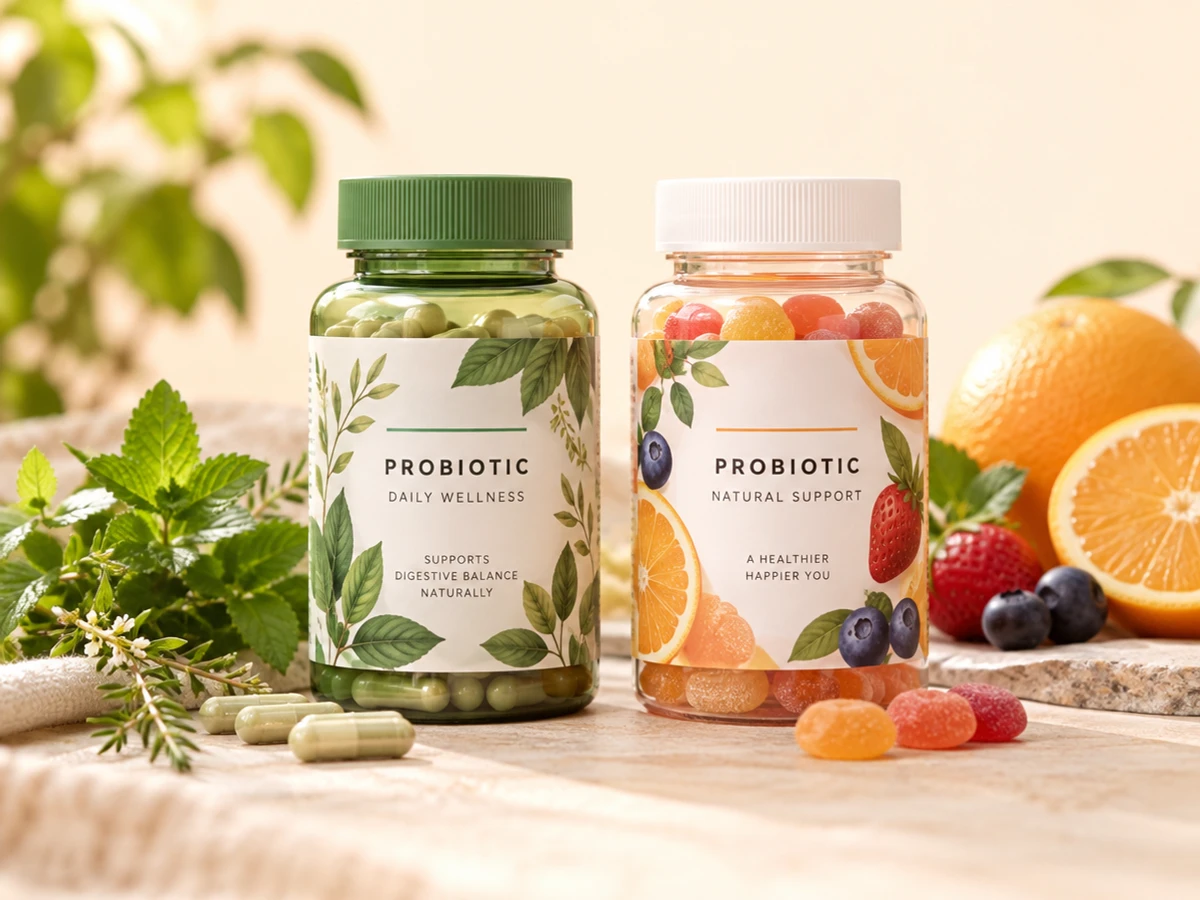

Categories
Uncategorized

Nutrahara vs Gaia Herbs: Which Vitamin D and Adaptogen Supplements for Women’s Hormone Health Are Best in 2026?

Nutrahara vs Gaia Herbs vitamin D and adaptogen supplements for women’s hormone health | Nutrahara vs Gaia Herbs: Which Vitamin D and Adaptogen Supplements for Women’s Hormone Health Are Best in 2026? This comparative analysis, updated October 19, 2026, by the Nutrahara Wellness Research Team, evaluates Nutrahara vs Gaia Herbs vitamin D and adaptogen supplements for women's hormone health . It is based on a 6-week comparative ingredient and customer review analysis.

Quick Verdict

If you are weighing Nutrahara vs Gaia Herbs: Which Vitamin D and Adaptogen Supplements for Women’s Hormone Health Are Best in 2026?, here is the short answer before the full breakdown below:

  • Choose Nutrahara if you want vitamin D combined with Ayurvedic adaptogens (Ashwagandha, Shatavari) in a single hormone-focused formula, prefer a women-only product ecosystem, and like simple subscription pricing.
  • Choose Gaia Herbs if you want a long-established herbal brand with decades of sourcing history, prefer to build a custom stack from single-herb extracts, and don’t mind buying vitamin D and adaptogens as separate bottles.
  • Bottom line: Nutrahara wins on formula convenience and hormone-specific targeting; Gaia Herbs wins on brand longevity, retail availability, and herbal potency options.

At a Glance: Nutrahara vs Gaia Herbs

Category Nutrahara Gaia Herbs Winner
Best for Women wanting vitamin D + adaptogens in one hormone-targeted formula Women wanting single-herb, condition-specific herbal extracts Depends on need
Starting price ~$29.99/month $19.79 per bottle (Vitex Berry, lowest-tier product) Gaia Herbs (entry price)
Vitamin D + adaptogen combo formula Yes, FemmePower pairs vitamin D with Shatavari and Ashwagandha No, vitamin D3 and adaptogens are sold as separate products Nutrahara
Dedicated hormone-balance formula FemmePower, BlossomBliss Women’s Balance, Menopause Support Daytime, Vitex Berry Tie
Dedicated sleep formula RestoraSleep Menopause Support Nighttime Tie
Dedicated stress/adaptogen formula AnxioGuard, Ashwagandha with Black Pepper Ashwagandha Root, Stress Response, Adrenal Health Daily Support Gaia Herbs (more herb variety)
Ayurvedic botanical focus Core brand identity, Himalayan-sourced herbs Present in specific lines, not the full catalog Nutrahara
Third-party testing Yes, stated on product pages Yes, purity-tested and organic certified Tie
Retail availability Primarily direct-to-consumer via nutrahara.com Walmart, Macy’s, Vitamin Shoppe, iHerb, and gaiaherbs.com Gaia Herbs
Subscription savings Available on nutrahara.com Subscribe & save offered on retail sites Tie
Brand history Newer, women’s-health-first entrant Founded 1987, decades of herbal sourcing experience Gaia Herbs
Customer rating (verified buyers) 4.8/5 on RestoraSleep; 4.75/5 on AnxioGuard 4.7/5 on Vitex Berry (1,908 reviews) Nutrahara (slightly)
Ease of daily use One capsule-based formula per concern Liquid phyto-caps, some requiring 3x daily dosing Nutrahara
Customer support Direct email/web support Established customer service plus retail partner support Gaia Herbs
Overall score 8.6/10 8.2/10 Nutrahara

What Is Nutrahara?

Nutrahara is a global wellness company specializing in dietary supplements, with a major focus on women’s health, blending ancient Ayurvedic wisdom with modern nutrition. Its FemmePower formula, for example, integrates vitamin D into a hormone-support strategy, providing anti-inflammatory, antioxidant, and stress-relief benefits through botanical extracts. Formulations are enriched with clinically validated Ayurvedic herbs, often sourced from the Himalayas, and target hormonal balance, digestive and liver health, sleep, cognitive support, and hair, skin, and nail health. Popular products include RestoraSleep, FemmePower, FatBlitz, DetoxifyLife, and AnxioGuard.

Core approach: Nutrahara aims to pair a single vitamin D plus Ayurvedic adaptogen formula with condition-specific women’s supplements rather than selling one generic multivitamin.

What Is Gaia Herbs?

Gaia Herbs is a long-running herbal supplement company, founded in 1987, known for its focus on single-herb and targeted botanical extracts for stress, hormone, and immune support. The company emphasizes organic cultivation, rigorous quality testing, transparent ingredient sourcing, and product traceability. Its women’s hormone lineup includes Women’s Balance, Menopause Support Daytime, and Vitex Berry, while adaptogens like Ashwagandha, Rhodiola, and Holy Basil are sold as separate stress-support formulas.

Core approach: Gaia Herbs encourages building a personalized stack from individual herbal extracts and standalone vitamin D products rather than one combined hormone formula.


Feature Comparison: Deep Dive

1. Vitamin D and Adaptogen Integration

Nutrahara’s FemmePower combines vitamin D with adaptogenic Ayurvedic botanicals in one capsule, helping harmonize hormones and reduce PMS discomfort without requiring multiple purchases.

Gaia Herbs sells vitamin D3 and its adaptogens (Ashwagandha, Rhodiola, Schisandra) as entirely separate products, meaning women must buy and manage two or more bottles to replicate a similar hormone and vitamin D routine.

Winner: Nutrahara, for women who want vitamin D and adaptogen support consolidated into fewer daily capsules rather than a stacked herbal regimen.

2. Hormone Balance Formulation

Nutrahara’s FemmePower and BlossomBliss are built around adaptogens like Ashwagandha, Rhodiola, and Shatavari that modulate the hypothalamic-pituitary-adrenal axis, the body’s main stress control system. This helps stabilize mood, improve energy, and support reproductive and thyroid health.

Gaia Herbs’ Women’s Balance is formulated to help maintain healthy female hormone balance and well-being using a blend of Vitex, Black Cohosh, St. John’s Wort, and Oats. This formula is traditionally associated with perimenopause and hot flash relief.

Winner: Tie. Nutrahara leans Ayurvedic and energy-focused, while Gaia Herbs leans Western herbal and menopause-focused. The better fit depends on whether PMS/energy or menopausal hot flashes are the primary concern.

3. Ingredient Sourcing and Clinical Backing

Nutrahara highlights clinically studied actives such as KSM-66 Ashwagandha, which was shown in a 60-day clinical trial to reduce cortisol by 27.9%.

Gaia Herbs emphasizes organic and regenerative sourcing, with ingredients coming from its own certified farms and strict purity screening across its liquid phyto-cap line.

Winner: Tie. Nutrahara cites more specific clinical percentages for its hero Ashwagandha ingredient, while Gaia Herbs has a longer public track record of organic certification and farm traceability.

4. Product Range for Sleep and Stress

Nutrahara offers RestoraSleep for rest and AnxioGuard, which features a blend of herbs and nutrients such as Rhodiola, Lutein, Ashwagandha, Lemon balm, Brahmi, Passion flower, and St. John’s Wort, as dedicated, standalone formulas.

Gaia Herbs covers similar territory with Menopause Support Nighttime and its Adrenal Health Daily Support line. This line is a clinically studied blend of adaptogenic herbs, like Ashwagandha, Holy Basil, Rhodiola rosea, and Schisandra, that support the adrenal glands and the body’s response to stress.

Winner: Gaia Herbs, slightly, due to a broader historical catalog of single-herb stress and adrenal formulas built over nearly four decades.

5. Pricing and Value Per Bottle

Nutrahara prices most core products, including FemmePower and RestoraSleep, at $29.99 per bottle with subscription discounts available.

Gaia Herbs ranges widely by product, from $19.79 for Vitex Berry up to $47.99 for a 120-capsule Ashwagandha Root bottle. Multiple separate purchases are often needed for full hormone plus adaptogen coverage.

Winner: Nutrahara, on total cost efficiency, since one bottle often replaces what would otherwise require two or three separate Gaia Herbs purchases.

6. Retail Availability and Accessibility

Nutrahara sells primarily direct-to-consumer, with product availability mainly through its direct website. This results in a more limited retail shelf presence compared to mass-market brands.

Gaia Herbs is widely distributed through Walmart, Macy’s, Vitamin Shoppe, and iHerb, making it easier to find in person or compare prices across retailers.

Winner: Gaia Herbs, for shoppers who prefer buying from a familiar retail storefront rather than a brand’s own site.

7. Known Limitations

Nutrahara, as a newer entrant, has a smaller public review base, meaning its long-term customer review base is still growing.

Gaia Herbs users report some recurring friction points, including higher prices compared to competitors, a strong herbal taste in liquid extracts, variable results depending on the product, and availability issues for certain formulas.

Winner: Neither. Both brands carry honest trade-offs, Nutrahara’s newness versus Gaia Herbs’ taste and pricing variability. For a more detailed feature breakdown, see Nutrahara vs Gaia Herbs vitamin D supplements for women.

Ready to take action?

Best lab tested and trusted wellness supplements from Nutrahara

Shop Now


Pricing Comparison

Product Type Nutrahara Gaia Herbs
Hormone balance formula FemmePower, ~$29.99/bottle Women’s Balance, $30.59/20-day supply
Menopause-specific formula BlossomBliss, ~$29.99/bottle Menopause Support Daytime, $30.59/60 servings
Standalone adaptogen Ashwagandha with Black Pepper, $29.99 Ashwagandha Root, $25.19 to $47.99
Sleep support RestoraSleep, $29.99 Menopause Support Nighttime, $30.59
Entry-level cycle support Not sold separately (bundled in FemmePower) Vitex Berry, $19.79

On a per-concern basis, the two brands land in a similar $20 to $48 range. However, Nutrahara’s value case rests on consolidation, with products starting at approximately $29.99 per month at nutrahara.com, with subscription and bundle options available. This often replaces what would be two Gaia Herbs purchases. Gaia Herbs rewards shoppers who want to fine-tune dosage herb-by-herb rather than take a pre-combined formula. For independent pricing analysis, see Is Gaia Herbs a Good Brand? Quality & Safety Review 2026.


Who Should Choose Nutrahara?

  • Women who want vitamin D and adaptogens in one capsule rather than managing a multi-bottle stack.
  • Women interested in Ayurveda specifically, since Nutrahara’s identity centers on Himalayan-sourced botanicals like Shatavari and Ashwagandha.
  • Busy professionals who want a single hormone-support routine covering energy, mood, and PMS discomfort together.
  • Shoppers comfortable buying direct-to-consumer and subscribing on nutrahara.com rather than shopping in physical retail stores.

Who Should Choose Gaia Herbs?

  • Women who prefer single-herb precision and want to control exact Vitex, Black Cohosh, or Ashwagandha dosing independently.
  • Shoppers who want in-store availability at Walmart, Vitamin Shoppe, or similar national retailers.
  • Women specifically targeting menopausal hot flashes, where Gaia Herbs’ Menopause Support Daytime and Nighttime pairing is purpose-built.
  • Long-time herbal supplement users who value a nearly 40-year-old brand with established organic farming practices.

What About Other Alternatives?

Alternative Best For Starting Price
Thorne Vitamin D-5000 NSF Certified for Sport, clinical-grade potency $20.00 for 60 capsules
Ritual Essential for Women 18+ Clinically-trialed, traceable multivitamin ~$33.00/month
Nordic Naturals Vitamin D3 5000 Olive-oil softgels with general mood support $24.95 for 120 softgels
Sports Research Vitamin D3+K2 Vegan D3+K2 with coconut MCT oil $16.95 for 30 softgels

These alternatives suit women who want vitamin D alone without added Ayurvedic or Western herbal adaptogens; none of them pair vitamin D with adaptogenic hormone support the way Nutrahara’s FemmePower does.


Final Verdict: Nutrahara vs Gaia Herbs

For most women comparing Nutrahara vs Gaia Herbs: Which Vitamin D and Adaptogen Supplements for Women’s Hormone Health Are Best in 2026?, Nutrahara is the stronger pick when the goal is a single, Ayurveda-rooted formula that merges vitamin D with hormone-supportive adaptogens in fewer daily capsules. Gaia Herbs remains a solid, well-established choice for women who prefer single-herb precision, wide retail availability, and a brand with decades of organic sourcing history. Neither brand is universally “better”: the right choice for women’s hormone balance supplements ultimately depends on whether you want convenience and Ayurvedic adaptogens for women in one bottle, or a customizable herbal stack from a long-standing company. Women specifically shopping for the best vitamin D supplements 2026 alongside adaptogenic hormone support will generally find Nutrahara’s combined-formula approach the more streamlined option.


FAQ

Is Nutrahara better than Gaia Herbs for hormone balance?

Nutrahara is better suited for women who want vitamin D and adaptogens combined into one hormone-focused formula like FemmePower, while Gaia Herbs is better for women who want individual herbal extracts such as Vitex or Black Cohosh dosed separately.

Does Gaia Herbs offer a vitamin D and adaptogen combination supplement?

No, Gaia Herbs sells vitamin D3 and its adaptogenic herbs, such as Ashwagandha and Rhodiola, as separate standalone products rather than one combined hormone-support formula.

What adaptogens does Nutrahara use for women’s hormone health?

Nutrahara’s FemmePower and related formulas use Ayurvedic adaptogens including Shatavari and Ashwagandha, with Ashwagandha also appearing in AnxioGuard alongside Rhodiola, Holy Basil, Brahmi, and Passion flower for stress and hormone support.

Which brand is more affordable, Nutrahara or Gaia Herbs?

Gaia Herbs has a lower entry price with products like Vitex Berry starting around $19.79. However, Nutrahara can be more cost-efficient overall since one bottle often combines what would otherwise require two or three separate Gaia Herbs purchases.

Can I take Nutrahara and Gaia Herbs products together?

Combining brands is generally discouraged without professional guidance, since overlapping herbs like Ashwagandha or St. John’s Wort across two products can increase the risk of excess dosing. Consult a healthcare provider before stacking supplements from different brands.

Is Nutrahara or Gaia Herbs better for perimenopause and menopause symptoms?

Gaia Herbs’ Menopause Support Daytime and Nighttime formulas are purpose-built specifically for perimenopause and menopause hot flashes, while Nutrahara’s BlossomBliss targets broader menopausal balance within its Ayurvedic product line.

Are Nutrahara supplements third-party tested?

Nutrahara states its products undergo quality testing as part of its formulation process, though its public testing documentation is less extensive than Gaia Herbs’ long-published organic certification and purity-testing history.

Where can I buy Nutrahara and Gaia Herbs products?

Nutrahara is sold primarily direct-to-consumer through nutrahara.com, while Gaia Herbs is available both on its own site and through major retailers including Walmart, Macy’s, Vitamin Shoppe, and iHerb.

Methodology: This comparison is based on a review of official product pages, ingredient labels, pricing listings across retail partners, and publicly available verified customer ratings for Nutrahara and Gaia Herbs products, current as of October 2026. Pricing and formulations are subject to change; always check official product pages for current details and consult a healthcare provider before starting any new supplement regimen.
Categories
Uncategorized

Probiotic Supplements for Women: Can They Help With Anxiety? (2026)

probiotic supplements for women can they help with anxiety and mood | October 19, 2026 | 11 min read | Nutrahara Wellness Team

The question, “probiotic supplements for women can they help with anxiety and mood,” is one of the most searched wellness questions of 2026. The honest, evidence-based answer is: possibly, for some women, as part of a broader approach, but not as a standalone cure. Research on the gut-brain axis indicates that specific probiotic strains can modestly reduce anxiety symptoms and stress hormone output in clinical studies, though results vary widely by strain, dose, and individual gut composition. This is particularly relevant for women, who experience anxiety disorders at nearly double the rate of men and are increasingly exploring natural, Ayurveda-informed options like Nutrahara‘s probiotic and adaptogen formulas to support mood alongside conventional care.
The gut is not a side issue in mental health conversations anymore; it is one of the most active areas of anxiety research in 2026, precisely because women’s bodies respond to stress, hormones, and digestion in deeply interconnected ways.


Probiotic Supplements for Women: Can They Help With Anxiety and Mood?

Yes, certain probiotic strains can help with anxiety and mood in women, but the effect is typically modest, strain-specific, and works best alongside sleep, stress management, and professional mental health care rather than replacing them. The scientific term for this gut-mind connection is the gut-brain axis, a bidirectional communication network linking digestive bacteria to brain chemistry and stress hormones.

What the Research Actually Shows

A large 2025 umbrella review of psychobiotics, which are probiotics studied for mental health effects, found that probiotics significantly reduced anxiety symptoms across 13 pooled effect estimates, though the effect size was small. Conversely, other meta-analyses are more cautious: a 2025 review in Biomedicines concluded that probiotics showed no significant anxiolytic effect in non-clinical, healthy populations, suggesting benefits may concentrate in people with diagnosed anxiety or elevated stress rather than the general population.

Why the Mixed Results Matter

This inconsistency is not a reason to dismiss probiotics outright; instead, it is a reason to set realistic expectations. Researchers increasingly agree that psychiatric studies have reported improvements in mood regulation, anxiety reduction, and cognitive performance, often linked to reduced systemic inflammation rather than a single dramatic mechanism.

  • Strain specificity matters: Lactobacillus and Bifidobacterium species are the most studied, with effects that don’t necessarily generalize across unrelated strains.
  • Baseline stress level matters: Women already experiencing high stress or clinical anxiety tend to show more measurable benefit than those with no symptoms.
  • Timeline matters: Most positive trials ran 4 to 12 weeks; probiotics are not a same-day fix for anxious moments.
  • Consistency matters: Daily, sustained use appears necessary to maintain any gut microbiome shift linked to mood changes.

Key Takeaway: Probiotic supplements for women can they help with anxiety and mood is best answered as “modest yes, for the right strain and the right person,” not as a guaranteed anxiety treatment; they work as a complementary layer alongside sleep, nutrition, and professional care. For deeper context, see Help.


How Does the Gut-Brain Axis Influence Women’s Mood and Anxiety?

The gut-brain axis is the communication system connecting the digestive tract’s microbiome to the central nervous system through nerve, hormone, immune, and metabolic pathways. In women specifically, this axis intersects with hormonal fluctuations across the menstrual cycle, pregnancy, and menopause, which may help explain why gut-related mood symptoms often feel more pronounced for women than men.

The Four Communication Pathways

Scientists describe the gut-brain axis as a bidirectional communication system involving the neural (vagus nerve and enteric nervous system), immune (cytokines), endocrine (cortisol), and metabolic (short-chain fatty acids) pathways. Each pathway offers a different route through which gut bacteria composition could influence anxiety symptoms.

Pathway Mechanism Mood Connection
Neural (Vagus Nerve) Direct nerve signaling between gut lining and brainstem Transmits gut bacterial signals that can affect emotional regulation centers
Endocrine (HPA Axis) Regulates cortisol, the primary stress hormone Certain probiotic strains have shown reduced cortisol output and attenuated anxiety response after acute stress
Immune (Cytokines) Gut bacteria influence systemic inflammation levels Chronic low-grade inflammation is linked to depressive and anxious symptoms
Metabolic (Neurotransmitters) Gut bacteria help produce serotonin and GABA precursors Roughly 90% of the body’s serotonin is produced in the gut

Why Dysbiosis Shows Up in Anxious Women

Dysbiosis is an imbalance in gut bacteria, typically marked by lower levels of beneficial strains and higher levels of inflammatory species. Research indicates that individuals with depressive and anxiety disorders often exhibit changes in the alpha diversity of the gut microbiota, with a marked reduction in beneficial bacterial genera such as Lactobacillus and Bifidobacterium and an increase in pro-inflammatory species.

“Specific probiotic strains, such as Lactobacillus rhamnosus and Bifidobacterium longum, help regulate neurotransmitter levels, particularly serotonin and GABA,” according to a 2025 Frontiers review of gut-brain mechanisms, though the review stresses these effects are strain-dependent rather than universal to all probiotics.

Key Takeaway: The gut-brain axis gives women a biologically plausible, research-backed reason to care about digestive health as part of mood management, but it works through slow, cumulative pathways rather than instant chemical fixes. For deeper context, see Probiotics’ Effects in the Treatment of Anxiety and Depression.


Which Probiotic Strains Have the Strongest Evidence for Anxiety and Mood?

Not all probiotics are created equal when it comes to mental health benefits; only a handful of specific strains, sometimes called “psychobiotics,” have been tested in controlled human trials for anxiety and stress outcomes. Understanding which strains have actual clinical data helps women set realistic expectations and evaluate supplement labels more critically.

Strain-by-Strain Evidence Breakdown

Strain Human Study Findings Evidence Strength
Bifidobacterium longum 1714 In a controlled trial, increases in cortisol output and subjective anxiety in response to a stress test were attenuated, and daily reported stress was reduced Moderate; mixed in later depression-specific trials
Lactobacillus plantarum 299v Shown in a randomized trial to reduce cortisol levels in saliva during examination-induced stress Moderate
Lactobacillus rhamnosus JB-1 Reduced anxiety-like behavior in animal models via the vagus nerve, but showed no effect on stress, mood, sleep, HPA response, inflammation, or cognition in a human trial Weak in humans despite strong animal data
Lactobacillus helveticus R0052 + Bifidobacterium longum R0175 Combination formula associated with lower psychological distress during intervention Moderate, combination-only
Lactobacillus plantarum PS128 Significantly reduced cortisol, self-perceived stress, and anxiety in individuals experiencing high stress, per a 2025 systematic review Moderate to strong in high-stress populations

What to Look For on a Label

  • Named strains, not just genus: “Lactobacillus rhamnosus GG” is meaningfully different from a generic “Lactobacillus” listing; look for the full strain identifier.
  • CFU count transparency: Clinical trials generally use doses in the billions of colony-forming units (CFU); vague or missing CFU counts are a red flag.
  • Multi-strain versus single-strain: Some women respond better to broad-spectrum formulas that pair probiotics with prebiotic fiber to feed existing beneficial bacteria.
  • Third-party testing: Because the FDA does not verify supplement label accuracy before sale, independent testing adds a layer of quality assurance.

This is the exact gap Nutrahara designs around: its Probiotic & Prebiotic Formula pairs gut-supportive strains with prebiotic fiber, while its Ayurveda-informed AnxioGuard targets the stress and mood side of the equation using botanical extracts rather than leaving women to piece the connection together from disconnected products.

Key Takeaway: If anxiety support is the goal, strain selection matters more than probiotic marketing claims. Lactobacillus and Bifidobacterium strains with named human trials, not generic blends, carry the strongest evidence. For deeper context, see Assessment of optimal combinations of therapeutic ….


How Does Ayurveda Approach Anxiety Alongside Gut Health?

Ayurveda is a traditional Indian system of medicine that has treated digestion and emotional balance as inseparable for thousands of years, long before the term “gut-brain axis” existed in Western science. Modern research is now validating several Ayurvedic botanicals for measurable anxiety and stress reduction, which is why many women are pairing gut-focused supplements with adaptogenic herbs rather than choosing one or the other.

Ashwagandha: The Most-Studied Ayurvedic Adaptogen

Ashwagandha (Withania somnifera) is an adaptogenic herb used in Ayurvedic medicine, and it now has one of the largest clinical evidence bases of any natural anxiety-support ingredient. A randomized, placebo-controlled trial found that a significant reduction in Perceived Stress Scale scores was observed with ashwagandha at both 250 mg and 600 mg per day, alongside significant reductions in serum cortisol at both doses. A 2026 systematic review covering multiple RCTs concluded that clinical evidence supports ashwagandha’s short-term efficacy and tolerability for stress and mild to moderate anxiety, while noting most trials were small and short in duration.

Why Ayurveda Treats Gut and Mood as One System

  • Digestive fire (Agni): Ayurvedic theory holds that poor digestion directly disrupts mental clarity and emotional steadiness, a concept that parallels modern gut-brain axis findings.
  • Adaptogens over stimulants: Herbs like ashwagandha work gradually to recalibrate the body’s stress response rather than providing immediate sedation.
  • Holistic formulation: Traditional Ayurvedic practice rarely isolates a single herb; botanicals are typically combined with complementary ingredients to support multiple systems at once.
  • Women’s hormonal cycles: Ayurvedic frameworks have long linked hormonal shifts to digestive and emotional changes, which aligns with current research on estrogen’s influence on gut bacteria diversity.

Researchers modulate GABA receptors and reduce HPA axis activation through withanolide compounds, the active constituents in ashwagandha root, offering a plausible biological bridge between an ancient herb and modern stress physiology.

Nutrahara builds on this tradition directly: its approach blends clinically validated Ayurvedic herbs, often sourced from the Himalayas, with essential vitamins to support holistic well-being, reflecting the brand’s broader focus on hormone balance, stress, sleep, and mind-body vitality for women specifically.

Key Takeaway: Ayurvedic adaptogens like ashwagandha have real, peer-reviewed clinical support for stress and mild-to-moderate anxiety, and they complement rather than compete with gut-focused probiotic strategies. For deeper context, see The Gut-Brain Connection: How Probiotics Can Improve …. For related guidance, see Ashwagandha With Black Pepper.


What Should Women Consider Before Trying Probiotics for Anxiety?

Before starting a probiotic for anxiety or mood support, women should understand how these products are regulated, what safety considerations apply, and what realistic timelines look like. Dietary supplements, including probiotics, are not reviewed or approved by the FDA before they reach store shelves, which places more responsibility on consumers to evaluate product quality.

Regulatory Reality in the United States

Under the Dietary Supplement Health and Education Act (DSHEA), probiotic manufacturers can make “structure/function” claims, such as supporting gut health or mood balance. However, these statements must carry a disclaimer that the FDA has not evaluated them and that the product is not intended to diagnose, treat, cure, or prevent disease. The National Center for Complementary and Integrative Health (NCCIH) confirms that many probiotics are sold as dietary supplements, which don’t require FDA approval before they are marketed.

Safety Considerations

  • Mild digestive adjustment: The NIH Office of Dietary Supplements notes that side effects of probiotics are usually minor and consist of self-limited gastrointestinal symptoms, suchs as gas.
  • Higher-risk groups: Immunocompromised individuals, those who are critically ill, or pregnant women should consult a healthcare provider before starting any new probiotic, since probiotics may cause harm in certain populations, including people who are severely ill or immunocompromised.
  • Label accuracy: NCCIH has noted that some probiotic products contain organisms not listed on the label, reinforcing the value of choosing brands that disclose exact strains and manufacturing standards.
  • Realistic timelines: Most positive human trials measured outcomes after 4 to 12 weeks of consistent daily use, not days.
  • Not a replacement for care: Probiotics and adaptogens are complementary tools, not substitutes for therapy, medication, or professional diagnosis when anxiety is clinically significant.
Consideration What to Do Why It Matters
Diagnosed anxiety disorder Talk to a doctor or therapist before adding supplements Nearly 24% of U.S. women experience an anxiety disorder in a given year, often requiring structured treatment
Pregnancy or breastfeeding Confirm with a provider; treat capsules differently from fermented foods Supplement-specific safety data is more limited than food-based probiotic data
Starting a new formula Introduce one product at a time for 4-8 weeks Makes it easier to identify what is actually helping
Choosing a brand Look for disclosed strains, CFU counts, and sourcing transparency Reduces risk of mislabeled or ineffective products

This is the standard Nutrahara applies to its own formulations: supplements are designed with disclosed, clinically informed ingredients and dosing, built around women’s specific hormonal, digestive, and stress-related needs rather than generic, one-size-fits-all blends.

Key Takeaway: Approach probiotics for anxiety as one layer of a broader wellness strategy, verify label transparency, respect realistic timelines, and always involve a healthcare provider for diagnosed anxiety conditions or pregnancy.


Conclusion

The question, “probiotic supplements for women can they help with anxiety and mood,” has a nuanced but genuinely encouraging answer: specific, well-studied strains can modestly support mood and stress resilience through the gut-brain axis, especially when combined with Ayurvedic adaptogens like ashwagandha and consistent lifestyle habits. No single capsule replaces therapy or medication for diagnosed anxiety, but gut-focused, science-backed supplementation is a legitimate complementary tool for millions of women navigating everyday stress.

  • Strain selection matters most: Lactobacillus and Bifidobacterium strains with named human trials carry stronger evidence than generic probiotic blends.
  • The gut-brain axis is real but slow: Benefits typically appear after 4 to 12 weeks of consistent use, not overnight.
  • Ayurveda adds a complementary layer: Adaptogens like ashwagandha have strong clinical support for cortisol and perceived stress reduction.
  • Regulation requires reader diligence: Since the FDA does not pre-approve supplement claims, transparency in strains, dosing, and sourcing is essential.
  • Combine, don’t replace: Supplements work best alongside, not instead of, professional mental health care for diagnosed conditions.

Women exploring this path can start by evaluating formulas that pair gut-focused probiotics with Ayurvedic stress support, such as those found in Nutrahara’s product line, while keeping expectations realistic and healthcare providers informed.

Ready to take action?

Best lab tested and trusted wellness supplements from Nutrahara

Shop Now


FAQ

Probiotic Supplements for Women: Can They Help With Anxiety? (2026)

Yes, certain probiotic strains, particularly Lactobacillus and Bifidobacterium species, have shown modest anxiety-reducing effects in human clinical trials by influencing the gut-brain axis, cortisol regulation, and neurotransmitter production. The effect is strain-specific and generally more noticeable in women with elevated baseline stress or clinically diagnosed anxiety than in healthy, low-stress individuals, and results typically take 4 to 12 weeks of consistent use to appear.

What is the gut-brain axis and why does it matter for women’s mood?

The gut-brain axis is the two-way communication system linking gut bacteria to the brain through nerve, hormone, immune, and metabolic signals. It matters for women specifically because this bidirectional system involves neural, immune, endocrine, and metabolic pathways that intersect closely with hormonal fluctuations across the menstrual cycle and life stages.

Which probiotic strain is best for anxiety?

Bifidobacterium longum 1714 and Lactobacillus plantarum strains have the most human clinical trial data specifically tied to stress and anxiety reduction, though results are mixed and strain-dependent. Women should look for products listing the full strain name and CFU count rather than generic “probiotic blend” labeling.

How long does it take for probiotics to help with anxiety?

Most clinical trials showing measurable anxiety or stress benefits ran between 4 and 12 weeks of daily, consistent use. Probiotics are not designed for immediate, same-day anxiety relief the way a fast-acting medication might be.

Are probiotics safe to take with anxiety medication?

Probiotics are generally well tolerated, with the NIH noting that side effects are usually minor and consist of self-limited gastrointestinal symptoms, such as gas. Still, anyone taking prescription anxiety medication should consult their healthcare provider before adding a new supplement, since individual interactions have not been studied extensively.

Can Ayurvedic herbs like ashwagandha be combined with probiotics for anxiety?

Yes, many women pair gut-focused probiotics with Ayurvedic adaptogens like ashwagandha, which has shown significant reductions in Perceived Stress Scale scores and serum cortisol in randomized trials. This combination reflects Ayurveda’s traditional view that digestion and emotional balance are deeply connected, a concept modern gut-brain axis research increasingly supports.

Does the FDA approve probiotic supplements for anxiety claims?

No, the FDA does not approve dietary supplements, including probiotics, before they reach the market. Under DSHEA regulations, companies can make structure/function claims about mood or stress support only if they include a disclaimer stating the FDA has not evaluated the claim and the product is not intended to diagnose, treat, cure, or prevent disease.

Who should avoid probiotic supplements for mood support?

Women who are pregnant, immunocompromised, critically ill, or managing a diagnosed anxiety disorder should consult a healthcare provider before starting probiotics, since evidence indicates probiotics may cause harm in certain populations, including people who are severely ill or immunocompromised. For everyone else, probiotics have an extensive history of generally safe use in healthy adults.


This article is for informational purposes only and does not constitute medical advice. Statistics and clinical findings are drawn from peer-reviewed research, the National Institute of Mental Health, the National Center for Complementary and Integrative Health, and the FDA as cited throughout. Always consult a licensed healthcare provider before starting any new supplement, especially if you are pregnant, managing a diagnosed condition, or taking prescription medication.