Categories
Articles

Self-Care for Women: Nurturing Health and Happiness

Introduction

In today’s fast-paced world, women often find themselves juggling multiple roles and responsibilities, from career demands to family obligations. Amidst this whirlwind, prioritizing self-care for women can feel like an unattainable luxury rather than a vital necessity. However, the importance of self-care for women cannot be overstated, especially for women navigating the complexities of life stages such as menstruation, pregnancy, lactation, and menopause. Self-care is not just about pampering oneself; it’s about nurturing the body, mind, and spirit to maintain overall health and well-being.

Self-care for women encompasses a range of activities that support physical health, such as regular exercise, balanced nutrition, and adequate sleep. It also includes practices that enhance emotional and mental well-being, like mindfulness, meditation, and seeking support from loved ones or professionals. By addressing the unique health challenges women face at different stages of life, self-care can be a powerful tool for improving quality of life and fostering resilience.

 1. Understanding Self-Care

Self-care is a multifaceted concept that extends far beyond occasional indulgences or temporary fixes. It involves a holistic approach to maintaining and enhancing one’s physical, emotional, and mental well-being. For women, especially those aged 30 to 60, understanding and implementing self-care can be transformative, offering a pathway to improved health, resilience, and happiness.

 Defining Self-Care

Self-care encompasses a wide range of activities and practices that individuals engage in to maintain their health and well-being. It is about making intentional choices to nurture the body, mind, and spirit. For women, self-care might include:

  • Physical Health: Engaging in regular exercise, maintaining a balanced diet, ensuring adequate sleep, and keeping up with medical appointments. This means prioritizing habits that promote long-term health and prevent illness. For example, keeping up with your doctor’s appointments, moving your body, and eating nourishing foods are essential components of self-care.
  • Emotional Well-Being: Practicing mindfulness and stress management techniques, such as meditation or journaling, to maintain emotional balance. This also includes setting boundaries to protect one’s mental health and seeking support from friends, family, or professionals when needed.
  • Mental Health: Engaging in activities that stimulate the mind, such as reading, learning new skills, or engaging in creative pursuits. Mental self-care also involves taking breaks from the daily grind to recharge and avoid burnout.

 The Multifaceted Dimensions of Self-Care

To fully grasp the concept of self-care, it is essential to understand its various dimensions:

1. Physical Self-Care:

  • Nutrition: Eating a balanced diet rich in vitamins, minerals, and essential nutrients to support overall health.
  • Exercise: Incorporating regular physical activity into your routine to maintain fitness and reduce the risk of chronic diseases.
  • Rest: Ensuring adequate sleep and taking time to relax and rejuvenate.
  • RestoraSleep

2. Emotional Self-Care:

  • Mindfulness: Practicing mindfulness techniques such as meditation, deep breathing exercises, or yoga to reduce stress and enhance emotional stability.
  • Boundaries: Setting healthy boundaries in personal and professional relationships to protect your emotional energy.
  • Support Systems: Building a supportive network of friends, family, and professionals who can provide emotional support and guidance.

3. Mental Self-Care:

  • Intellectual Engagement: Pursuing activities that challenge and stimulate your mind, such as reading, puzzles, or learning new skills.
  • Creative Expression: Engaging in creative activities like painting, writing, or playing a musical instrument to foster mental well-being.
  • Mental Breaks: Taking regular breaks from work and responsibilities to relax and recharge, preventing mental fatigue and burnout.

 Why Self-Care is Essential for Women

For women, self-care is not a luxury but a necessity. The demands of daily life, combined with the unique challenges of different life stages such as menstruation, pregnancy, lactation, and menopause, make self-care crucial. Engaging in regular self-care practices can lead to:

  • Improved Physical Health: Regular exercise, balanced nutrition, and adequate rest can prevent illnesses and enhance physical well-being.
  • Enhanced Emotional Stability: Mindfulness and stress management techniques can help manage the emotional ups and downs associated with hormonal changes and life stressors.
  • Greater Mental Resilience: Engaging in intellectually stimulating and creative activities can enhance mental agility and resilience, helping to cope with life’s challenges more effectively.

 Practical Steps to Incorporate Self-Care

Incorporating self-care into daily life doesn’t have to be overwhelming. Here are some practical steps to get started:

  • Schedule It: Set aside dedicated time each day or week for self-care activities, treating them as non-negotiable appointments.
  • Start Small: Begin with small, manageable changes, such as a short daily walk, a few minutes of meditation, or preparing a healthy meal.
  • Stay Consistent: Consistency is key. Regular practice of self-care, even in small doses, can lead to significant long-term benefits.
  • Use Technology: Leverage apps and online resources to support your self-care routine, from fitness tracking to guided meditations and mental health tools.

Self-care is a powerful tool for women to enhance their overall health and well-being. By understanding its multifaceted nature and implementing practical strategies, women can prioritize their own needs and thrive in every stage of life. For more insights on why self-care is essential, you can read this article from the Cleveland Clinic: Why Self-Care Isn’t Selfish: Advice for Women.

 2. The Importance of Self-Care for Women

Women are often the primary caregivers in their families, juggling multiple roles and responsibilities while prioritizing the needs of others. In the midst of these demands, it’s easy for women to neglect their own well-being. However, prioritizing self-care is not selfish; it is essential for maintaining health, happiness, and resilience in the face of life’s challenges.

Women's Mental Health

 The Pressure on Women to Care for Others

  • Caregiver Roles: Women frequently take on caregiving roles for children, aging parents, or other family members, leaving little time for self-care.
  • Societal Expectations: Society often reinforces the idea that women should prioritize the needs of others over their own, leading to feelings of guilt or inadequacy when self-care is neglected.
  • Work-Life Balance: Balancing career aspirations with family responsibilities can leave women feeling stretched thin, with little time or energy left for self-care.

 Understanding Self-Care as a Priority

  • Health and Well-Being: Self-care is not indulgent; it is a necessary component of maintaining physical health, emotional well-being, and overall happiness.
  • Preventing Burnout: Prioritizing self-care helps prevent burnout, allowing women to continue caring for others without sacrificing their own health and happiness.
  • Modeling Healthy Behavior: By practicing self-care, women set an example for those around them, demonstrating the importance of prioritizing one’s own well-being.

 The Impact of Self-Care on Women’s Health

  • Physical Health: Engaging in regular exercise, eating a balanced diet, and getting enough sleep are essential for women’s physical health. Prioritizing self-care can reduce the risk of chronic diseases and promote longevity.
  • Emotional Well-Being: Self-care practices such as mindfulness, journaling, and seeking therapy or support groups can help women manage stress, anxiety, and depression.
  • Relationships: Taking time for self-care allows women to show up as their best selves in relationships, fostering healthier connections with partners, family members, and friends.

 Self-Care as an Act of Empowerment

  • Taking Control: Prioritizing self-care empowers women to take control of their own lives and make choices that prioritize their well-being.
  • Setting Boundaries: Establishing boundaries and saying no when necessary are important aspects of self-care, allowing women to protect their time and energy.
  • Valuing Self-Worth: Practicing self-care sends a message that women are worthy of love, attention, and care, both from themselves and others.

 Resources for Women’s Self-Care

For women seeking guidance on implementing self-care practices in their lives, resources such as articles, books, and online communities can provide valuable support. One such resource is the article Self-Care for Women from Centerstone, which offers practical tips and insights for women looking to prioritize their well-being.

 3. Identifying Barriers to Self-Care

Despite the importance of self-care, many women encounter barriers that prevent them from prioritizing their own well-being. Understanding these obstacles is the first step towards overcoming them and creating space for self-care in daily life.

menopause symptoms treatment

 Common Barriers to Self-Care

  • Time Constraints: Busy schedules filled with work, family obligations, and other responsibilities leave little time for self-care activities.
  • Guilt and Shame: Women may feel guilty for taking time for themselves, believing that they should be prioritizing the needs of others instead.
  • Perfectionism: Striving for perfection in all areas of life can lead to unrealistic expectations and self-imposed pressure to excel, leaving little room for self-care.
  • Lack of Support: Women who lack a supportive network of friends, family, or partners may struggle to find the time and resources for self-care.
  • Financial Constraints: Limited financial resources can make it challenging to access self-care services such as therapy, fitness classes, or spa treatments.
  • Cultural Expectations: Cultural norms and expectations may dictate that women prioritize the needs of their families or communities over their own well-being.
  • Mental Health Stigma: Stigma surrounding mental health issues may prevent women from seeking help or prioritizing self-care practices that support their emotional well-being.
  • Workplace Demands: High-pressure work environments and demanding job roles can leave women feeling drained and depleted, with little energy left for self-care.

 Overcoming Barriers to Self-Care

  • Time Management: Prioritize self-care by scheduling dedicated time for it in your daily or weekly routine, treating it as non-negotiable.
  • Setting Boundaries: Learn to say no to commitments that don’t align with your priorities and values, protecting your time and energy for self-care.
  • Reframing Guilt: Recognize that self-care is not selfish but essential for maintaining health and well-being, allowing yourself to let go of feelings of guilt or shame.
  • Seeking Support: Reach out to friends, family, or support groups for encouragement and accountability in prioritizing self-care.
  • Exploring Low-Cost Options: Look for free or low-cost self-care activities such as walking in nature, practicing meditation or yoga at home, or engaging in creative hobbies.
  • Cultural Sensitivity: Challenge cultural norms and expectations that prioritize self-sacrifice over self-care, advocating for a more balanced approach to well-being.
  • Addressing Mental Health: Break the stigma surrounding mental health by seeking professional help if needed and prioritizing self-care practices that support emotional well-being.
  • Advocating for Workplace Wellness: Advocate for workplace policies and practices that support employee well-being, such as flexible work hours, mental health resources, and stress management programs.

By identifying and addressing these barriers, women can create space for self-care in their lives, nurturing their health, happiness, and resilience. It’s essential to recognize that self-care is not a luxury but a necessity for thriving in today’s fast-paced world.

 4. Practical Tips for Incorporating Self-Care into Busy Lives

Balancing the demands of work, family, and personal life can make it challenging to prioritize self-care. However, with intentional planning and a commitment to self-care, it is possible to incorporate small but meaningful self-care practices into even the busiest of schedules.

 Strategies for Busy Women

  • Set Priorities: Identify the most important areas of self-care for you, whether it’s physical fitness, emotional well-being, or creative expression.
  • Time Blocking: Schedule dedicated time for self-care activities in your calendar, treating them as non-negotiable appointments.
  • Start Small: Begin with simple self-care practices that require minimal time and resources, gradually building up to more elaborate routines.
  • Multitask Mindfully: Incorporate self-care into daily tasks, such as practicing deep breathing exercises while commuting or listening to calming music while doing household chores.
  • Delegate Responsibilities: Delegate tasks and responsibilities to others when possible, freeing up time for self-care activities.
  • Set Boundaries: Learn to say no to commitments that don’t align with your priorities, protecting your time and energy for self-care.
  • Practice Self-Compassion: Be kind to yourself and recognize that self-care is not selfish but essential for maintaining health and well-being.
  • Use Technology: Leverage technology to support your self-care routine, such as fitness apps, meditation apps, or online resources for mental health support.

 7 Simple Self-Care Practices

  • Daily Exercise: Incorporate at least 30 minutes of physical activity into your daily routine, whether it’s walking, jogging, yoga, or dancing.
  • Mindful Eating: Pay attention to what and how you eat, savoring each bite and choosing nourishing foods that fuel your body.
  • Quality Sleep: Prioritize sleep by establishing a regular bedtime routine and creating a comfortable sleep environment.
  • Stress Reduction Techniques: Practice stress reduction techniques such as deep breathing, meditation, or progressive muscle relaxation.
  • Connect with Nature: Spend time outdoors, soaking up the sunshine and connecting with the natural world.
  • Creative Expression: Engage in creative activities that bring you joy, such as painting, writing, gardening, or playing music.
  • Social Connection: Nurture relationships with friends and loved ones, making time for meaningful conversations and shared experiences.

Endometriosis Exercise

 Creating a Self-Care Routine

  • Set Goals: Identify specific self-care goals that align with your priorities and values.
  • Establish Rituals: Develop daily or weekly rituals that signal the start or end of self-care activities, such as a morning meditation or an evening gratitude practice.
  • Be Flexible: Be willing to adapt your self-care routine based on changing circumstances, recognizing that flexibility is key to sustainability.
  • Monitor Progress: Keep track of your self-care efforts and celebrate your successes, no matter how small.
  • Seek Accountability: Share your self-care goals with a friend, partner, or support group, holding yourself accountable to your commitments.

By incorporating these practical tips and self-care practices into your daily life, you can prioritize your well-being and cultivate a healthier, happier, and more fulfilling lifestyle. Remember that self-care is not a luxury but a necessity for thriving in today’s busy world.

 5. Self-Care Tips for Different Life Stages

Women experience unique physical and emotional changes at different stages of life, from menstruation to menopause. Tailoring self-care practices to meet the specific needs of each life stage can help women navigate these transitions with grace and resilience.

 Self-Care During Menstruation

  • Manage Symptoms: Ease menstrual discomfort with heat therapy, over-the-counter pain relievers, and gentle exercise such as yoga or walking.
  • Prioritize Rest: Listen to your body’s cues and allow yourself extra rest during your menstrual period, reducing stress and fatigue.
  • Nourish Your Body: Choose nutrient-rich foods that support hormonal balance and energy levels, such as leafy greens, lean proteins, and whole grains.
  • Practice Self-Compassion: Be gentle with yourself and recognize that it’s okay to slow down and take care of your needs during this time.

 Self-Care During Pregnancy and Lactation

  • Eat Well: Ensure adequate nutrition for yourself and your baby by consuming a balanced diet rich in vitamins, minerals, and protein.
  • Stay Active: Engage in safe and gentle exercise, such as prenatal yoga or swimming, to maintain fitness and relieve stress.
  • Rest and Relaxation: Prioritize restful sleep and relaxation techniques to support your body’s changing needs during pregnancy and breastfeeding.
  • Seek Support: Surround yourself with a supportive network of healthcare providers, family members, and friends who can offer guidance and encouragement.

 Self-Care During Pre-Menopause and Post-Menopause

  • Hormonal Balance: Support hormonal balance and manage symptoms of pre-menopause and menopause with strategies such as hormone replacement therapy, dietary changes, and stress reduction techniques.
  • Bone Health: Maintain bone health and reduce the risk of osteoporosis by incorporating weight-bearing exercises, calcium-rich foods, and vitamin D supplements into your routine.
  • Heart Health: Prioritize heart-healthy habits such as regular exercise, a balanced diet low in saturated fats and sodium, and stress management to reduce the risk of heart disease.
  • Emotional Well-Being: Practice self-compassion and seek support from healthcare providers, therapists, or support groups to manage the emotional ups and downs of this life stage.

 6. Boosting Self-Esteem and Confidence through Self-Care

Self-care is not only essential for physical health and emotional well-being but also plays a significant role in nurturing self-esteem and confidence in women. By prioritizing self-care practices that honor their worth and value, women can cultivate a positive self-image and a sense of empowerment in all aspects of life.

 The Connection Between Self-Care and Self-Esteem

  • Self-Worth: Engaging in self-care activities communicates to oneself that one is deserving of love, attention, and care, fostering a sense of self-worth.
  • Self-Respect: Prioritizing self-care sends a message that one’s needs and well-being are important, promoting self-respect and self-validation.
  • Personal Growth: Investing in self-care fosters personal growth and development, empowering women to explore their interests, passions, and aspirations.

 Practical Strategies for Boosting Self-Esteem

  • Practice Positive Affirmations: Start each day with affirmations that reinforce positive self-talk and affirm your worth and value.
  • Set Boundaries: Establish healthy boundaries in relationships and commitments, advocating for your needs and priorities with confidence.
  • Celebrate Achievements: Acknowledge and celebrate your accomplishments, no matter how small, recognizing your strengths and capabilities.
  • Engage in Self-Compassion: Treat yourself with kindness and compassion, embracing imperfections and learning from setbacks with a growth mindset.
  • Surround Yourself with Support: Surround yourself with supportive friends, family members, and mentors who uplift and encourage you in your journey of self-discovery and growth.
  • Seek Professional Help: If self-esteem issues persist, seek support from mental health professionals, counselors, or therapists who can provide guidance and strategies for building self-esteem and confidence.

 Integrating Self-Care into Daily Life

  • Physical Self-Care: Engage in activities that promote physical health and vitality, such as regular exercise, nutritious eating, and adequate sleep, which can enhance self-esteem by improving body image and overall well-being.
  • Emotional Self-Care: Practice mindfulness, self-reflection, and stress reduction techniques to cultivate emotional resilience and self-awareness, fostering a positive outlook and emotional balance.
  • Mental Self-Care: Stimulate your mind with activities that challenge and inspire you, such as learning new skills, pursuing hobbies, or engaging in creative expression, boosting confidence and self-efficacy.
  • Social Self-Care: Cultivate meaningful connections and relationships that nurture and support your growth and well-being, providing a sense of belonging and validation.

 The Power of Self-Care in Building Confidence

  • Self-Discovery: Through self-care practices, women can explore their interests, passions, and values, gaining clarity and confidence in who they are and what they want out of life.
  • Self-Expression: Engaging in activities that bring joy and fulfillment allows women to express themselves authentically, building confidence in their unique abilities and contributions.
  • Self-Validation: By prioritizing self-care, women affirm their worth and value independent of external validation, fostering a deep sense of self-assurance and empowerment.

 7. Real-Life Testimonials

Real-life testimonials provide powerful insights into the transformative impact of self-care on women’s lives. These personal stories offer inspiration, encouragement, and validation, demonstrating the profound effects of prioritizing self-care on physical health, mental well-being, and overall happiness.

 Testimonial 1: Finding Balance Amidst the Chaos

  • Name: Sarah
  • Age: 42
  • Life Stage: Working Mother
  • Testimonial: “As a working mother of two young children, I often felt overwhelmed and depleted, constantly juggling career demands, household responsibilities, and childcare duties. It wasn’t until I prioritized self-care that I realized the importance of carving out time for myself amidst the chaos. Whether it’s taking a long bath, going for a walk-in nature, or simply enjoying a quiet cup of tea, self-care has become my lifeline, helping me recharge and find balance in the midst of my busy life.”

 Testimonial 2: Overcoming Adversity with Self-Compassion

  • Name: Maria
  • Age: 35
  • Life Stage: Divorcee
  • Testimonial: “Going through a divorce was one of the most challenging experiences of my life. I struggled with feelings of loss, loneliness, and self-doubt, but through it all, self-care became my anchor. By practicing self-compassion and prioritizing my well-being, I was able to navigate the ups and downs of divorce with grace and resilience. Whether it’s journaling my thoughts, attending therapy sessions, or spending time with supportive friends, self-care has empowered me to heal and embrace the next chapter of my life with confidence.”

 Testimonial 3: Embracing Self-Discovery and Growth

  • Name: Emily
  • Age: 50
  • Life Stage: Empty Nester
  • Testimonial: “As an empty nester, I found myself at a crossroads, grappling with feelings of uncertainty and identity loss. But instead of letting fear hold me back, I embraced self-care as a tool for self-discovery and growth. From enrolling in art classes to traveling solo to new destinations, self-care has opened doors to new passions and possibilities I never knew existed. By nurturing my interests and investing in my well-being, I’ve discovered a newfound sense of purpose and fulfillment in this stage of life.”

 Testimonial 4: Prioritizing Mental Health and Well-Being

  • Name: Jessica
  • Age: 38
  • Life Stage: Professional
  • Testimonial: “As a high-achieving professional, I often put my career ambitions ahead of my own mental health and well-being. But after experiencing burnout and anxiety, I realized the importance of prioritizing self-care as a form of self-preservation. Through therapy, meditation, and regular exercise, I’ve learned to manage stress more effectively and cultivate a healthier work-life balance. Self-care has become my daily ritual for self-love and self-compassion, allowing me to thrive both personally and professionally.”

 Testimonial 5: Embracing Self-Love and Empowerment

  • Name: Rachel
  • Age: 45
  • Life Stage: Survivor
  • Testimonial: “As a survivor of trauma, self-care has been instrumental in my healing journey. Through therapy, support groups, and self-reflection, I’ve learned to reclaim my power and embrace self-love and empowerment. Whether it’s setting boundaries, practicing self-compassion, or engaging in creative expression, self-care has helped me rewrite my narrative and redefine my sense of worth and identity. Today, I stand tall as a testament to the transformative power of self-care in overcoming adversity and reclaiming my life.”

 Conclusion

In conclusion, self-care is a powerful tool for women to prioritize their physical, emotional, and mental well-being at every stage of life. From managing the demands of daily life to navigating significant life transitions, self-care practices empower women to nurture themselves and cultivate resilience, confidence, and happiness.


Written by the Nutrahara Team
This article was prepared by the expert team at Nutrahara, which includes experienced nutrition scientists and naturopaths dedicated to advancing women’s health through natural wellness solutions. We combine scientific research with holistic practices to help you live your healthiest life. Connect with us on LinkedIn to stay updated on the latest in women’s health and wellness.


Categories
Articles

Pregnancy Food Cravings in Expectant Mothers

Introduction: Pregnancy Food Cravings and Nutrition

Pregnancy is a miraculous and transformative journey that brings joy and excitement to families. As an expectant mother, you get to experience a range of physical and emotional changes as you nurture new life within you. Along with these changes, many women also encounter specific early pregnancy food cravings, symptoms, which are a common and intriguing aspect of pregnancy. Understanding the relationship between pregnancy, food cravings, and pregnancy diet meal plan is crucial for the health and well-being of both the mother and the developing baby. In this article, we will also discuss various apps for pregnancy nutrition, pregnancy food ideas, and pregnancy diet chart month by month.

What Are The Symptoms Of Pregnancy

So how exactly do you know you’re pregnant and what are the common signs and symptoms? Here are some common symptoms you may experience (1):

  1. Missed period: One of the most common signs of pregnancy is a missed menstrual period. However, some women may experience light spotting or irregular bleeding during early pregnancy, so it’s always best to take a pregnancy test to confirm.
  2. Breast changes: Many women notice changes in their breasts during pregnancy. The breasts may become tender, swollen, or feel fuller. The nipples may also darken and become more sensitive.
  3. Fatigue: Feeling tired and fatigued is common during early pregnancy. Hormonal changes and increased demands on the body can contribute to this feeling of exhaustion.
  4. Nausea and vomiting: Often referred to as morning sickness, nausea, and vomiting can occur at any time of the day during early pregnancy. These symptoms may be mild or severe and can last for a few weeks to several months.
  5. Frequent urination: As pregnancy progresses, the growing uterus can put pressure on the bladder, leading to an increased frequency of urination. This symptom is more common in the later stages of pregnancy.
  6. Changes in appetite: Some women experience changes in their appetite during pregnancy. This can manifest as food cravings or aversions to certain smells or tastes.
  7. Mood swings: Hormonal fluctuations during pregnancy can contribute to mood swings and emotional changes. It’s not uncommon for pregnant women to experience heightened emotions and feel more irritable or weepy.
  8. Changes in the skin: Some women notice changes in their skin during pregnancy, such as darkening of the skin around the nipples, a dark line (linea nigra) that appears on the abdomen, or the appearance of stretch marks.

When Do Pregnancy Food Cravings Start?

Pregnancy food cravings can start as early as the first trimester. However, the timing and intensity of cravings can vary from woman to woman. While some women may experience cravings during this period, others may not have any until later in the pregnancy. It’s important to remember that pregnancy food cravings are a normal part of the journey and can be influenced by hormonal changes and increased nutritional needs. They can range from specific food items to unique combinations or even non-food cravings like ice or clay. Each woman’s experience is unique, and it’s essential to listen to your body and find a balance between satisfying cravings and maintaining a healthy pregnancy diet meal plan.

What Are The Pregnancy Food Cravings You May Experience

Food cravings during pregnancy are intense desires for certain specific foods. Pregnancy food cravings can range from salty and sweet to sour or spicy, and they vary from woman to woman. While the exact causes of these cravings are not fully understood, hormonal changes, increased energy needs, and changes in taste and smell sensitivity are believed to play a role (5).

Pregnancy Nutrition

It’s important to note that while indulging in cravings is generally harmless in moderation, maintaining a balanced and nutritious diet should remain a priority during pregnancy. By understanding the nutritional requirements and incorporating them into your pregnancy diet, you can satisfy your cravings as an expectant mother while ensuring optimal health for yourself and your baby.

Pregnancy Diet Chart Month by Month

To support the healthy development of your baby, it is crucial to follow a well-balanced pregnancy diet throughout your entire gestation period. Let’s explore a month-by-month pregnancy diet chart that provides essential nutrients at each stage:

First Trimester (Months 1-3)

During the first trimester, you should focus on consuming nutrient-rich foods to support early development. Incorporate foods high in folate, such as leafy greens, citrus fruits, and fortified grains, to reduce the risk of neural tube defects. Additionally, aim for adequate protein intake from sources like lean meats, poultry, fish, eggs, and legumes. This stage is also when some women experience early pregnancy food cravings, which can vary greatly.

Second Trimester (Months 4-6)

As your baby’s growth accelerates, nutrient needs increase. Calcium-rich foods like dairy products, fortified plant-based milk, and leafy greens are essential for bone development. Include foods high in iron, such as lean meats, beans, lentils, and fortified cereals, to support healthy blood production. Incorporating omega-3 fatty acids from fish, walnuts, and chia seeds aids in brain and vision development.

Third Trimester (Months 7-9)

In the final trimester, focus on nutrient-dense foods that support your baby’s growth and development. Increase the intake of healthy fats from sources like avocados and nuts. Consume foods high in fiber to alleviate constipation, such as whole grains, fruits, and vegetables. Additionally, staying hydrated is crucial during this stage.

Pregnancy Foods High in Iron: Building Blood and Vitality

Iron is a vital nutrient during pregnancy as it aids in the production of hemoglobin and supports the transportation of oxygen to the baby. Including iron-rich foods in the diet helps prevent iron-deficiency anemia, a common condition among pregnant women.

Iron is a vital nutrient during pregnancy, as it plays a crucial role in the production of red blood cells and helps prevent iron-deficiency anemia. Including iron-rich foods in your pregnancy diet is important for both the mother’s and the baby’s health. Some examples of pregnancy foods to eat high in iron include lean meats like beef and poultry, fish such as salmon and tuna, tofu, beans and lentils, spinach, and fortified cereals (2).

Some excellent sources of pregnancy foods high in iron include lean red meats, poultry, fish, tofu, beans, lentils, spinach, and fortified cereals. To enhance iron absorption, it’s beneficial to consume iron-rich foods alongside foods high in vitamin C (4). Citrus fruits, strawberries, bell peppers, and tomatoes are excellent sources of vitamin C. For instance, a spinach salad with sliced strawberries or a serving of lean meat with a side of roasted bell peppers can help optimize iron absorption.

Pregnancy Diet Meal Plan: Balancing Nutritional Needs

Creating a pregnancy diet meal plan can help ensure you’re meeting the nutritional requirements for a healthy pregnancy. Here’s a sample meal plan that incorporates essential nutrients at different stages of pregnancy:

Breakfast: Oatmeal topped with sliced almonds, blueberries, and a drizzle of honey. A glass of freshly squeezed orange juice.

Snack: Greek yogurt with mixed berries and a sprinkle of chia seeds.

Lunch: Grilled chicken breast with a side of quinoa and roasted vegetables. Spinach salad with cherry tomatoes, sliced avocado, and a lemon vinaigrette.

Snack: Apple slices with almond butter.

Dinner: Baked salmon with lemon-dill sauce. Steamed broccoli and sweet potato mash.

Snack: Whole-grain crackers with hummus.

It’s important to customize your meal plan based on your individual preferences, dietary restrictions, and nutritional needs. Consulting with a healthcare provider or a registered dietitian can help you create a personalized meal plan that meets your specific requirements.

FemmePower

Eating Dates During Pregnancy

Dates are not only a delicious and sweet treat, but they also offer several nutritional benefits during pregnancy. They are a good source of dietary fiber, which aids in digestion and helps prevent constipation – a common concern for pregnant women. pregnancy eating dates also provide essential minerals like potassium, magnesium, and calcium.

In addition to their nutritional value, dates are believed to have potential benefits during labor. Some studies suggest that consuming dates in late pregnancy may help with cervical ripening and reduce the need for medical interventions during childbirth. However, more research is needed to confirm these findings.

Incorporating dates into your pregnancy diet is easy. You can enjoy them as a standalone snack, chop them up and add them to oatmeal or yogurt, or even use them as a natural sweetener in baked goods or smoothies. Remember to consume them in moderation as part of a balanced diet.

Pregnancy Food Ideas

Maintaining a varied and enjoyable diet during pregnancy is essential for both your physical and emotional well-being. Here are some pregnancy food ideas to help you stay nourished and satisfied:

  • Smoothies: Blend a mix of fruits, leafy greens, Greek yogurt, and a splash of almond milk for a refreshing and nutrient-packed beverage.
  • Snack Platter: Create a colorful snack platter with sliced vegetables like bell peppers, carrots, and cucumber, paired with healthy dips like hummus or Greek yogurt-based sauces.
  • Whole Grain Wraps: Fill whole-grain wraps with lean proteins like grilled chicken or turkey, along with a variety of fresh vegetables and a drizzle of your favorite dressing.
  • Stir-Fries: Prepare stir-fries using a combination of colorful vegetables, lean proteins like tofu or shrimp, and a flavorful sauce. Serve it over brown rice or quinoa for added nutrition.
  • Baked Sweet Potatoes: Roast sweet potatoes in the oven and top them with a dollop of Greek yogurt, a sprinkle of cinnamon, and a drizzle of honey for a nutritious and satisfying snack or side dish.
  • Nourishing Soups: Prepare homemade soups using nutrient-rich ingredients such as lentils, beans, vegetables, and lean meats. Soups can be a comforting and easy way to incorporate a variety of ingredients into your diet.
  • Fruit Parfaits: Layer Greek yogurt, fresh fruits, and a sprinkle of granola or nuts to create a delicious and nutritious dessert or snack option.
  • Energy Bites: Make homemade energy bites using ingredients like oats, nut butter, dried fruits, and seeds. These bite-sized treats are packed with energy and can be a great option for a quick pick-me-up during the day.
  • Grilled Fish: Enjoy grilled fish like salmon or trout, which are high in omega-3 fatty acids and provide essential nutrients for both you and your baby.
  • Hydration Infusions: Stay hydrated by infusing water with slices of fruits like citrus, berries, or cucumbers for a refreshing and flavorful twist.

Apps for Pregnancy Nutrition: Assisting Your Journey

In this digital age, there are numerous apps available to assist you as an expectant mother in maintaining a healthy pregnancy diet. These apps provide valuable information and meal plans, and even track your nutritional intake. Here are a few popular apps for pregnancy nutrition:

  1. The Bump Pregnancy Countdown: This app offers personalized nutrition advice, meal plans, and recipes tailored to each stage of pregnancy.
  2. Ovia Pregnancy Tracker: It provides a comprehensive guide to nutrition during pregnancy, including food safety tips, daily nutritional goals, and a symptom tracker.
  3. Pregnancy Food Guide: This app offers information on foods to eat and avoid during pregnancy, as well as tips for managing food cravings and healthy snacking options.
  4. BabyCenter Pregnancy Tracker: Along with tracking your pregnancy week by week, this app provides nutritional advice, meal ideas, and recipes suitable for expectant mothers.
  5. What to Expect Pregnancy & Baby Tracker: It offers nutrition tips and recipes, along with personalized pregnancy and baby development information.

Remember, while these apps can be helpful tools, it’s important to consult with your healthcare provider or a registered dietitian for personalized advice and guidance regarding your specific nutritional needs during pregnancy (3).

Conclusion

In conclusion, Pregnancy is a remarkable time filled with joy and anticipation. Understanding the relationship between pregnancy, food cravings, and nutrition is crucial for the health and well-being of both the mother and the developing baby. While indulging in cravings can be enjoyable, maintaining a balanced and nutritious diet remains essential.

By following a month-by-month pregnancy diet chart, incorporating foods high in iron, and satisfying cravings mindfully, expectant mothers can ensure optimal health and nourishment. Additionally, exploring pregnancy food ideas and utilizing apps for pregnancy nutrition can provide valuable support and guidance throughout the journey.

Remember, each pregnancy is unique, and it’s essential to listen to your body, seek professional advice, learn more about diet and nutritional supplements, and make choices that promote your well-being and the healthy growth of your baby. Embrace the joy of pregnancy and savor the journey of nurturing new life.

References

  1. https://www.medicalnewstoday.com/articles/318441


Written by the Nutrahara Team
This article was prepared by the expert team at Nutrahara, which includes experienced nutrition scientists and naturopaths dedicated to advancing women’s health through natural wellness solutions. We combine scientific research with holistic practices to help you live your healthiest life. Connect with us on LinkedIn to stay updated on the latest in women’s health and wellness.
Categories
Articles

Nail Care Tips for Women

Introduction: Nail Care Tips, Nail Care Products And Tools


Nail health is an essential aspect of overall health and well-being. Taking care of the nails not only contributes to their appearance but also promotes healthy nail growth and prevents nail-related health issues. Proper nail care tools and techniques are necessary for maintaining nail and health, as well as avoiding problems like fungal infections, ingrown nails, and brittle nails. It is important to understand some nail care tips, the available nail care tools, nail care products, and the significance of healthy nails and spa treatments for maintaining optimal nail health.


The nail is a complex structure that serves several functions, including protecting the fingertips, enhancing sensation, and aiding in gripping objects. The anatomy of the nail consists of several layers, each with its distinct structure and function.

Nail health capsules for women

The nail plate is a solid nail cover made of keratin that protects the nail top. The lunula, also known as the “half-moon,” is the white, crescent-shaped area at the base of the nail. It is the visible portion of the nail matrix and is an important indicator of nail health. The eponychium, or cuticle, is the fold of skin that covers the base of the nail plate, protecting the nail matrix from infection and injury.


The development and upkeep of the nail structure are part of the nail’s physiology. The nail grows as a result of the older cells being pushed aside by the newer ones as they proliferate in the nail matrix. Nail growth typically occurs at a pace of 3 millimeters per month. However, this pace could change based on things like age, health, and heredity.

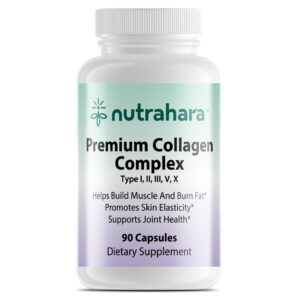
Premium Collagen Complex

Maintaining healthy nails requires proper nail care, including regular cleaning, trimming, and moisturizing. Nail care tools such as clippers, files, and cuticle pushers should be kept clean and sanitized to prevent the spread of infection. Additionally, avoiding harsh chemicals and excessive exposure to water can help keep nails healthy (1).


The nail medical term is “onychium” or “unguis.” The study of nails and related disorders is called “onychology.” Understanding the medical terminology related to nails can help individuals communicate more effectively with healthcare professionals when discussing any concerns or issues related to nail health (2).


What Does Your Nail Say About Your Health?


Nails are more than just a cosmetic feature of our body. They can also give important clues about our overall health. Doctors often examine nails as part of a routine physical examination to check for any underlying health problems. So, what does your nail say about your health?


One of the first things doctors look for when examining nails is their color. Healthy nails should be pink with a slightly white crescent-shaped area at the base, known as the lunula. A change in nail color can be a sign of an underlying health condition. For example, nails that are blue or purple can indicate poor circulation or a lung problem, while yellow or brown nails can indicate a fungal infection.


The shape of the nails can also provide valuable information about a person’s health. Nails that are clubbed or have a “spoon” shape may be a sign of lung or heart disease, while nails that are thin and concave may indicate an iron deficiency.


The nails on the fingers and toes can reveal a lot about one’s overall health. From changes in color to unusual shapes, many signs can indicate a health problem.


The following are important nail and health signs to look out for:

  • Discoloration: Changes in nail color can signal several health problems. Yellow nails, for instance, may indicate a fungal infection, while pale or white nails may be a sign of anemia. Bluish nails could signal a lack of oxygen in the blood, while red streaks under the nails may suggest an infection.
  • Ridged nails: If your nails have ridges or appear to be pitted, it could be a sign of a skin condition such as eczema or psoriasis. Ridges can also indicate a lack of moisture in the nails.
  • Clubbing: Clubbing is when the nail curves downward and the tip of the finger swells. This can be a sign of low oxygen levels in the blood or a lung or heart problem.
  • Spoon nails: Koilonychia, is a nail medical term for spoon nails. Spoon nails curve upward at the edges and are thin and soft. This can be a sign of iron-deficiency anemia, hemochromatosis, or liver disease.
  • Beau’s lines: These are horizontal grooves that appear across the nail. They can be caused by a severe illness, such as a heart attack or pneumonia, or by chemotherapy.
  • Nail separation: If the nail separates from the nail bed, it can be a sign of injury or fungal infection.
  • Brittle nails: Nails that are brittle or break easily can be a sign of a nutritional deficiency or a thyroid problem.
  • White spots: Contrary to popular belief, white spots on the nails are usually not a sign of a calcium deficiency. They are usually caused by minor injuries to the nail.
  • Dark lines: Dark lines running from the base of the nail to the tip can be a sign of melanoma, a type of skin cancer.
  • Half-and-half nails: Also known as Lindsay’s nails, half-and-half nails have a white, pink, or brown band across the middle of the nail. This can be a sign of kidney disease, liver disease, or a zinc deficiency (3,4).


However, the above nail and health signs can be prevented with appropriate care of one’s general well-being, following good nail care tips, and appointments for healthy nail and spa treatment sessions will help to keep the nail in good health.


Nail Care Tips


Nail health is essential to overall well-being, and taking care of one’s nails can help prevent problems such as nail infections, brittle nails, and other nail disorders. While some people may think that nail care is only about aesthetics, healthy nails can also indicate good overall health.


Here are some nail care tips to help maintain healthy nails:

  • Keep the nails clean and dry

Clean and dry nails are less prone to infection and damage. After washing the hands or coming into contact with water, dry the nails thoroughly to prevent moisture buildup, which can lead to fungal infections.

  • Avoid using harsh chemicals

Chemicals found in cleaning products, nail polish remover, and other household items can damage nails. To avoid damaging the nails, one should wear gloves when using these nail care products and choose non-toxic alternatives.

  • Moisturize the nails and cuticles

Just like the rest of our body, nails need moisture too. Applying cuticle oil or lotion to the nails and cuticles can help keep them hydrated, preventing dryness and cracking.

  • Trimming nails regularly

Trimming the nails regularly is one of the important nail care tips that can help prevent them from growing too long, which can lead to nail damage and make it easier for bacteria and fungi to thrive. It is important to always use nail clippers or a nail file to shape the nails and keep them at a comfortable length.

  • Avoid biting the nails

Biting the nails can cause damage to the nail bed and increase the risk of infection. Try to break the habit by keeping the nails trimmed and occupied with other activities, such as using a stress ball or fidget toy

  • Wear proper footwear

Wearing shoes that are too tight or do not provide proper support can lead to ingrown toenails and other foot problems. Wearing shoes that fit properly can provide proper support to the feet.

  • Protect the nails from injury

Protecting the nails from injury is essential to maintaining their health. Wearing gloves when doing yard work or other activities that can damage the nails and avoid using the nails as tools to open cans or bottles.

  • Healthy nail and spa treatment/consult

It is advisable to book prophylactic appointments in the spa to care for the nails and keep them in good condition. Good spas are encouraged for quality nail care products.

  • Observe the nails for any changes

Changes in the nails, such as discoloration, brittleness, or thickness, can be a sign of an underlying health problem. If one notices any changes in the nails, it is better to consult a healthcare professional to determine the cause of such changes (5,6).


Healthy Nails Vs Unhealthy Nails


Healthy nails are a sign of good overall health. They are strong, smooth, and have a consistent color. On the other hand, unhealthy nails may indicate an underlying health problem. They can be brittle, discolored, or have an irregular shape. Understanding the major differences between healthy nails vs unhealthy nails will help individuals to get more conscious of their nails and health.


Here are some differences between healthy and unhealthy nails:

  • Appearance: Healthy nails are smooth and consistent in color, usually pink or beige. They have a consistent texture and shape. Unhealthy nails may have discoloration, ridges, or bumps. They may also be brittle, dry, or thickened.
  • Texture: Healthy nails are smooth and firm. They have a slightly curved shape at the tip. Unhealthy nails may be rough or have ridges or grooves. They may also be curved, spoon-shaped, or have other deformities.
  • Color: Healthy nails are usually pink or beige with a consistent color throughout. Unhealthy nails may be discolored, such as yellow, green, or blue. They may also have white spots or streaks.
  • Thickness: Healthy nails are thin and flexible. They are easy to trim and shape. Unhealthy nails may be thickened, making them difficult to cut or shape.
  • Growth: Healthy nails grow at a steady pace, usually about 3mm per month. They are also strong and resistant to damage. Unhealthy nails may grow slowly or not at all. They may also be weak and prone to breaking or splitting.
  • Maintenance: Healthy nails require regular maintenance, such as keeping them clean, trimmed, and moisturized. Unhealthy nails may require more intensive care, such as treatment for an underlying health problem or a fungal infection (7).


Nail Care Products


Nail care is essential to maintain healthy and strong nails. While taking care of your nails may seem like a trivial matter, it can have a significant impact on your overall health and appearance. One of the best ways to ensure proper nail care is by using the right nail care products.


The following are important nail care products everyone should consider adding to their routine nail and health kit:

  • Cuticle Oil: Cuticle oil is a must-have nail care product in any nail care routine. It helps to moisturize and nourish the cuticles, keeping them soft and healthy. Regular application of cuticle oil can also prevent hangnails and dry cuticles.
  • Nail Strengthener: For weak or brittle nails, a nail strengthener can help strengthen and protect your nails from damage. Nail strengtheners work by adding a protective layer to the nails, making them less prone to breakage and splitting.
  • Base Coat: A base coat is an essential nail care product that helps protect the nails from damage caused by nail polish. It also helps nail polish adhere better to the nail, preventing chipping and peeling.
  • Top Coat: A top coat is the final layer of nail polish that seals in the color and provides a glossy finish. It helps to prevent chipping and peeling, and can also extend the life of your nail polish.
  • Nail Polish Remover: Nail polish remover is an important nail care product to have in the nail care kit. It helps to remove old nail polish, allowing for the application of a fresh coat. It is important to choose a nail polish remover that is gentle on the nails and does not dry them out.
  • Hand Cream: Hand cream is not just important for keeping hands soft and moisturized, but it is also important for nail health. Regular application of hand cream can help keep the nails hydrated and prevent them from becoming dry and brittle (8,9).


Nail Care Tools


Taking care of the nails requires more than just a simple manicure or pedicure. To ensure that the nails are healthy and strong, one needs to have the right nail care tools to maintain them.


Here are five essential nail care tools and their functions:

  • Nail Clippers: Nail clippers are a must-have nail care tool for maintaining healthy nails. They come in various sizes and shapes, and it is essential to choose the one that is suitable for your nail length and shape. Using the right nail clipper will help prevent the breakage and splitting of the nails. When using nail clippers, it is recommended to trim the nails straight across to prevent ingrown nails.
  • Nail File: A nail file is used to smooth and shape the edges of the nails. It is essential to use a file that is not too abrasive, as rough files can cause nail damage. When filing the nails, move the file in one direction to avoid nail splitting or damage. It is also important to file the nails regularly to prevent them from becoming too long and brittle.
  • Cuticle Pusher: A cuticle pusher is used to push back the cuticles, which are the thin layer of skin at the base of the nails. Pushing back the cuticles helps to promote healthy nail growth and prevent infections. It is important to be gentle when pushing back the cuticles to avoid damaging the nail bed.
  • Nail Brush: A nail brush is an important nail care tool used to clean the nails and remove any dirt or debris. It is important to clean the nails regularly to prevent the buildup of bacteria and fungi that can cause infections. When using a nail brush, it is recommended to use gentle circular motions to avoid damaging the nail bed (10).


References:

  1. https://emedicine.medscape.com/article/1948841-overview
  2. https://en.wikipedia.org/wiki/Nail_(anatomy)#:~:text=The%20nail%20is%20an%20unguis,claw%2C%20hoof%2C%20and%20talon.
  3. https://www.webmd.com/skin-problems-and-treatments/ss/slideshow-nails-and-health
  4. https://www.everydayhealth.com/skin-and-beauty/what-your-nails-say-about-your-health.aspx
  5. https://www.goodhousekeeping.com/beauty/nails/a34645/healthy-nail-care-tips/
  6. https://www.aad.org/public/everyday-care/nail-care-secrets/basics/healthy-nail-tips
  7. https://hellodoctor.com.ph/skin-health/skin-issues/healthy-nails-vs-unhealthy-nails/
  8. https://makeupandbeauty.com/8-essential-nail-treatment-products-for-beautiful-nails/
  9. https://www.tatlerasia.com/style/beauty/nail-care-products-beauty
  10. https://www.tammytaylornails.co.za/essential-nail-care-tools/


Written by the Nutrahara Team
This article was prepared by the expert team at Nutrahara, which includes experienced nutrition scientists and naturopaths dedicated to advancing women’s health through natural wellness solutions. We combine scientific research with holistic practices to help you live your healthiest life. Connect with us on LinkedIn to stay updated on the latest in women’s health and wellness.

Categories
Articles

What Happens During Pregnancy

Introduction

Pregnancy is a beautiful journey that brings joy and anticipation to expectant parents. However, along with the excitement, there can be various physical changes and symptoms that occur during this period. From early signs of pregnancy to discomforts experienced throughout the different trimesters, it’s essential to understand what is considered normal and when to seek medical advice. In this article, we will explore common pregnancy symptoms, including questions like Is early pregnancy bleeding normal? During pregnancy when do you start lactating, itching during pregnancy 9th month, during pregnancy vomiting with blood, tooth pain, lactation, darkening of the neck, and more?

What Are The Early Pregnancy 2 Weeks Symptoms?

During the first two weeks of pregnancy, it is common to experience early symptoms. One of the earliest signs that show you might be pregnant includes breast tenderness, fatigue, mood swings, mild cramping, and changes in cervical mucus. However, it is important to note that these symptoms can vary greatly among women, and some may not experience any noticeable signs during this early stage. In fact, some women may not experience any symptoms till their late pregnancy stage.

FemmePower

Breast tenderness is often one of the early pregnancy 2 weeks symptoms, occurring due to hormonal changes in preparation for breastfeeding. Fatigue is also a common symptom, as the body adjusts to the increased demands of pregnancy. Mood swings can be attributed to hormonal fluctuations as well. Mild cramping, similar to menstrual cramps, may occur as the fertilized egg implants itself into the uterine lining. Changes in cervical mucus, such as increased volume and a thicker consistency, are also observed during early pregnancy. This is a result of hormonal changes that create a more favorable environment for fertilization and implantation.

Bleeding During Pregnancy

One of the most common questions pregnant women seek answers to is early pregnancy bleeding is normal. While bleeding during early pregnancy can occur, it is not considered normal and should be evaluated by a healthcare professional. Early pregnancy bleeding can have various causes, some of which may be harmless, while others may be more concerning. Note that during early pregnancy, some women may experience light bleeding or spotting.

This phenomenon, known as implantation bleeding, occurs when the fertilized egg implants itself into the uterine lining. It is typically lighter and shorter in duration than a regular menstrual period. Implantation bleeding can occur around the time of the expected period, and it may cause confusion or concern. Although it can be alarming, especially if accompanied by pain, most cases of implantation bleeding are considered normal.

However, it is always advisable to consult your healthcare provider to rule out any potential complications.

Implantation bleeding usually resolves on its own without any intervention. It is important to differentiate implantation bleeding from other types of bleeding during pregnancy, such as miscarriage or ectopic pregnancy(1). If the bleeding is heavy, prolonged, or associated with severe pain or other concerning symptoms, seeking medical attention is crucial.

Is Vomiting Blood Normal In Pregnancy?

Nausea and vomiting, commonly known as morning sickness, are prevalent during pregnancy, especially during the first trimester. While it is normal to experience these symptoms, vomiting with blood, known as hematemesis, should be addressed immediately. Hematemesis during pregnancy is rare but can be indicative of more severe conditions, such as a stomach ulcer or esophageal injury(2). It is essential to consult a healthcare provider promptly during pregnancy vomiting with blood to ensure the health and well-being of both the mother and the baby.

The causes of hematemesis during pregnancy can vary, but they often include gastrointestinal issues, such as gastric ulcers or esophageal varices. In some cases, severe morning sickness or hyperemesis gravidarum can lead to tears in the esophagus, causing bleeding. Prompt medical evaluation is necessary to determine the underlying cause and provide appropriate treatment.

Tooth Pain during Pregnancy

Hormonal changes during pregnancy can affect oral health, leading to various dental issues, including tooth pain. During pregnancy tooth pain is a result of Increased blood flow and hormonal fluctuations which can make the gums more sensitive, leading to inflammation and discomfort. Additionally, inadequate oral hygiene practices can contribute to dental problems during pregnancy (3).

During pregnancy teeth pain can also be caused by dental caries (cavities) or gum disease. It is essential to maintain good oral hygiene practices, such as regular brushing and flossing, to prevent dental issues. Additionally, visiting a dentist for routine check-ups and addressing any dental concerns promptly is crucial during pregnancy. Dental treatments can be safely performed during pregnancy, but it is important to inform the dentist about the pregnancy to ensure appropriate precautions are taken.

Let’s Talk About Lactation and Milk Production

During pregnancy when do you start lactating is a common question lactating mothers ask. Milk production, also known as lactation, is a natural process that occurs in the breasts of women after childbirth. It is triggered by hormonal changes during pregnancy and after the delivery of the baby. The primary hormones during pregnancy milk production are prolactin and oxytocin (4).

During pregnancy, the hormone prolactin increases in preparation for breastfeeding. Prolactin stimulates milk gland development in the breasts, preparing them for milk production. However, the high levels of progesterone during pregnancy inhibit the full effect of prolactin, preventing milk secretion.

However, it is possible for some women to experience leakage or even lactation during pregnancy. This is known as galactorrhea and can be caused by hormonal imbalances. Galactorrhea during pregnancy is not common, but it can occur. It is important to consult a healthcare provider if lactation occurs before the third trimester or if it is accompanied by other concerning symptoms. Galactorrhea can sometimes be associated with underlying medical conditions, such as certain hormonal disorders or pituitary gland abnormalities

After the baby is born and the placenta is expelled, progesterone levels drop, while prolactin levels remain high. This drop in progesterone signals the body to initiate lactation. The sudden change in hormone levels triggers the release of colostrum, a nutrient-rich, yellowish fluid that serves as the first milk for the newborn.

Within two to three days after giving birth, the breasts begin producing mature breast milk, replacing the colostrum. Milk production is maintained through regular and frequent nursing or pumping sessions, which stimulate the breasts to continue producing milk.

The exact timing of when lactation starts can vary for each woman, but typically, it begins within the first few days after childbirth. The stimulation of the baby suckling at the breast and the release of hormones, such as oxytocin, during breastfeeding help establish and maintain milk production.

It’s important to note that lactation can be influenced by various factors, such as your health as a mother, your baby’s ability to latch and nurse effectively, and the frequency of breastfeeding or pumping. If you have concerns about lactation or are experiencing difficulties, consulting with a lactation consultant or healthcare provider can provide you with personalized guidance and support.

Why Does The Neck Darken During Pregnancy?

The darkening of the neck during pregnancy is known as hyperpigmentation or melasma. It can occur in women of all skin tones, including both light and dark skin individuals. The exact cause of why during pregnancy neck darkens is not fully understood, but it is believed to be influenced by hormonal changes, specifically increased levels of estrogen and progesterone, as well as an increase in melanocyte-stimulating hormone (MSH) (5).

During pregnancy, hormonal fluctuations can affect the production and distribution of melanin, the pigment responsible for skin color. The increased levels of estrogen and progesterone can stimulate the production of MSH, which in turn stimulates melanocytes, the cells that produce melanin. As a result, there can be an overproduction or uneven distribution of melanin, leading to hyperpigmentation in various areas of the body, including the neck.

In light-skinned women, the darkening of the neck may appear as a light to medium-brown discoloration. In darker-skinned women, it can manifest as a darker or even blackened appearance. The degree of darkening can vary among individuals and may also depend on other factors such as genetics and sun exposure.

It is worth noting that the neck is not the only area prone to hyperpigmentation during pregnancy. Other common areas affected by melasma include the face (particularly the cheeks, forehead, and upper lip) and the abdomen. These patches of hyperpigmentation are often referred to as “the mask of pregnancy” or chloasma.

While hyperpigmentation during pregnancy is typically harmless and resolves on its own after childbirth, some women may find it bothersome or cosmetically concerning.

To manage and minimize during pregnancy neck darkens it is important to protect the skin from the sun’s harmful rays by wearing sunscreen and using appropriate sun protection measures. Additionally, using gentle skin care products and avoiding harsh chemicals can help alleviate the condition. If you are experiencing significant distress due to darkening of the neck or other areas, it is recommended to consult with a dermatologist or healthcare provider. They can provide appropriate advice and recommend safe skincare practices, such as using sunscreen, wearing protective clothing, and avoiding excessive sun exposure, to help manage and minimize hyperpigmentation during pregnancy.

What Causes Itching in the Ninth Month of Pregnancy?

In the later stages of pregnancy, itching during pregnancy 9th month can occur, mainly on the abdomen, breasts, and thighs. This itching is often due to stretched skin and hormonal changes (6).

  1. Itching during pregnancy 9th month can be caused by a few different factors. Here are some common reasons for itching during this stage:
  2. Stretching of the skin: As the baby grows and the uterus expands, the skin on the abdomen and other areas of the body stretches. This stretching can lead to itchiness and discomfort.
  3. Dry skin: Hormonal changes during pregnancy can cause changes in the skin, leading to dryness. Dry skin is more prone to itching.
  4. Increased blood flow: During pregnancy, there is an increase in blood flow to support the growing baby. This increased blood flow can cause itchiness in various parts of the body, including the abdomen, breasts, and extremities.
  5. Cholestasis of pregnancy: This is a liver condition that can occur during pregnancy and cause intense itching. It is characterized by a decrease in the flow of bile, resulting in a buildup of bile salts in the body. Cholestasis of pregnancy is typically accompanied by symptoms such as dark urine, pale stools, and jaundice. If you suspect cholestasis, it’s important to consult with a healthcare provider for proper evaluation and management.
  6. Pruritic urticarial papules and plaques of pregnancy (PUPPP): PUPPP is a relatively common skin condition that can develop during the third trimester of pregnancy. It is characterized by itchy red bumps and hives that typically start on the abdomen and can spread to other parts of the body. While the exact cause of PUPPP is unknown, it is believed to be related to rapid stretching of the skin.

If you are experiencing itching during the ninth month of pregnancy, it’s important to discuss your symptoms with your healthcare provider. They can evaluate your condition, determine the underlying cause, and provide appropriate treatment or recommendations to alleviate the itching and discomfort.

Mild itching is considered normal during pregnancy. However, persistent itching or itching accompanied by a rash may be a sign of a liver condition called intrahepatic cholestasis of pregnancy (ICP). ICP is a rare but potentially serious condition that affects liver function and bile flow. It is characterized by intense itching, usually on the palms of the hands and soles of the feet. If itching becomes severe or if you develop a rash, it is crucial to consult a healthcare provider for evaluation and appropriate management. They may perform blood tests to check liver function and determine the best course of action to protect both the mother and the baby.

Pregnancy is a unique and transformative experience for expectant parents. It is important to be aware of the various symptoms that can arise during pregnancy, as well as what is considered normal and when to seek medical advice. Early pregnancy bleeding, vomiting with blood, tooth pain, lactation, darkening of the neck, itching in the ninth month, and other symptoms discussed in this article may occur but require different levels of attention (7).

While some symptoms are typically harmless and expected, others may indicate underlying conditions that need prompt evaluation and treatment. Consulting a healthcare provider and maintaining regular prenatal care is crucial for a healthy pregnancy journey. By understanding and addressing these symptoms, expectant parents can navigate their pregnancy with confidence and learn about natural treatments, ensuring the well-being of both the mother and baby.

References

  1. https://americanpregnancy.org/pregnancy-complications/bleeding-during-pregnancy/
  2. https://www.ada.org/~/media/ADA/Public%20Programs/Files/2Pregnancy_FS.ashx
  3. https://www.acog.org/womens-health/faqs/itching-during-pregnancy
  4. https://www.mayoclinic.org/healthy-lifestyle/pregnancy-week-by-week/in-depth/pregnancy/art-20047732


Written by the Nutrahara Team
This article was prepared by the expert team at Nutrahara, which includes experienced nutrition scientists and naturopaths dedicated to advancing women’s health through natural wellness solutions. We combine scientific research with holistic practices to help you live your healthiest life. Connect with us on LinkedIn to stay updated on the latest in women’s health and wellness.
Categories
Articles

Navigating Intimate Relationships After Breast Cancer

I. Introduction: Breast Cancer


Breast cancer, a journey fraught with challenges, extends its reach beyond the realm of physical health, often casting a shadow over the intimate aspects of a woman’s life. Beyond the scars left on the body, there are invisible wounds that linger in the domain of relationships and intimacy, demanding acknowledgment and tender care. In this article, we embark on a voyage to explore the uncharted territories of post-breast cancer intimacy, seeking to illuminate pathways to healing and connection seldom traversed by conventional discourse.


 Understanding the Impact


Breast cancer treatment, while undoubtedly life-saving, can leave indelible imprints on a woman’s psyche and relationships. The journey of diagnosis, surgery, chemotherapy, and radiation is rife with physical and emotional upheavals, reshaping not only the body but also the perception of self and others. Yet, amidst the fervent quest for survival, the toll it takes on intimate relationships often remains unspoken, relegated to the shadows of silence.


 Importance of Addressing Post-Treatment Intimacy


As we navigate the terrain of post-treatment recovery, it becomes increasingly evident that holistic healing encompasses more than just physical restoration. The fabric of intimacy, woven intricately into the tapestry of human connection, demands attention and nurturing in the aftermath of breast cancer. Ignoring the nuances of intimacy risks perpetuating feelings of isolation and disconnection, hindering the journey towards reclaiming a sense of wholeness and vitality.


 II. Rebuilding Confidence and Self-Esteem


The aftermath of breast cancer treatment often leaves women grappling with profound shifts in body image and self-perception. As scars fade and hair regrows, the journey towards reclaiming confidence and self-esteem unfolds as a deeply personal odyssey, requiring patience, compassion, and unwavering self-acceptance.


 Acknowledging and Accepting Changes


  • Embracing the New Normal: The physical changes wrought by breast cancer treatment serve as constant reminders of the journey endured. Acknowledging these changes with kindness and acceptance lays the foundation for rebuilding confidence from the inside out.
  • Shifting Perspectives: Transitioning from mourning the loss of what once was to embracing the beauty of what is can be a transformative journey. Shifting perspectives from a focus on physical imperfections to a celebration of resilience and strength fosters a newfound sense of empowerment.


 Strategies for Boosting Self-Esteem


  • Self-Compassion Practices: Cultivating self-compassion emerges as a potent antidote to the inner critic that often arises in the wake of breast cancer treatment. Engaging in practices such as mindfulness and self-affirmation nurtures a nurturing inner dialogue that fosters self-esteem.
  • Exploring Sensuality: Reconnecting with the senses becomes an avenue for rediscovering pleasure and sensuality beyond the confines of physical appearance. Engaging in activities that evoke joy and pleasure, whether through dance, art, or nature, awakens a sense of vitality and self-assurance.
  • Seeking Support: Surrounding oneself with a supportive network of friends, family, and fellow survivors can provide invaluable reassurance and validation. Sharing experiences and insights with others who understand the journey fosters a sense of belonging and camaraderie that bolsters self-esteem.


 Nurturing Inner Strength


  • Cultivating Resilience: Recognizing the resilience forged through the crucible of breast cancer treatment empowers women to navigate challenges with grace and fortitude. Viewing setbacks as opportunities for growth and learning fosters a resilient mindset that sustains confidence in the face of adversity.
  • Setting Realistic Expectations: Embracing imperfection and setting realistic expectations for oneself allows space for growth and self-discovery. Recognizing that self-worth transcends external validation fosters a sense of inner security and confidence.


In the journey of rebuilding confidence and self-esteem after breast cancer, every step taken towards self-acceptance is a testament to the indomitable spirit that resides within. By embracing the inherent beauty of resilience and cultivating compassion towards oneself, women pave the way towards a future imbued with confidence, vitality, and unwavering self-esteem.


 III. Communication with Partners


Navigating post-breast cancer intimacy requires open and honest communication between partners, fostering understanding, empathy, and mutual support. As women embark on the journey of reclaiming intimacy after treatment, engaging in heartfelt conversations with their partners becomes a cornerstone of healing and connection.


 Importance of Fostering Open Communication


  • Breaking the Silence: The taboo surrounding discussions about post-treatment intimacy often leads to a veil of silence that shrouds the bedroom. Breaking through this silence with courage and vulnerability creates space for authentic dialogue and connection.
  • Building Trust: Honest communication fosters a sense of trust and emotional intimacy between partners, laying the groundwork for a resilient and supportive relationship. Sharing fears, desires, and uncertainties allows partners to navigate the complexities of post-treatment intimacy together.


 Tips for Initiating Conversations


  • Setting the Stage: Choosing a conducive environment and time to initiate conversations about intimacy ensures that both partners feel comfortable and supported. Creating a safe space free from distractions encourages open and honest dialogue.
  • Expressing Feelings: Encouraging partners to express their feelings and concerns openly without fear of judgment cultivates emotional intimacy and strengthens the bond between them. Active listening and validation validate each other’s experiences and foster deeper connection.


 Addressing Concerns Together


  • Exploring Solutions: Collaborating with partners to explore potential solutions and adaptations to address challenges in intimacy post-treatment empowers women and their partners to reclaim agency over their intimate lives. Experimenting with different techniques and strategies fosters creativity and resilience.
  • Seeking Professional Guidance: Recognizing when additional support is needed and seeking guidance from healthcare professionals or counselors can provide invaluable insights and resources for navigating post-treatment intimacy. Professional support offers a safe space for exploring concerns and developing effective communication strategies.


In the journey of post-breast cancer intimacy, communication emerges as a lifeline that sustains connection and understanding between partners. By fostering open dialogue, expressing feelings authentically, and addressing concerns together, couples pave the way towards a future filled with intimacy, trust, and mutual support.


 IV. Understanding Physical Changes


The physical changes experienced after breast cancer treatment can significantly impact intimacy and sexual health, necessitating an understanding of the body’s adaptations and strategies for navigating these changes with grace and resilience.


 Common Physical Changes Post-Treatment


  • Scarring and Sensitivity: Surgical scars and altered sensation in the breast area can affect women’s comfort and confidence during intimacy. Understanding the physical changes and exploring ways to adapt to these changes is essential for fostering a positive intimate experience.
  • Menopausal Symptoms: Hormonal changes induced by breast cancer treatment, such as menopause, can lead to symptoms such as vaginal dryness, hot flashes, and mood swings, which may affect sexual desire and arousal. Recognizing and addressing these symptoms with appropriate interventions, such as proper supplementation, can alleviate discomfort and enhance sexual well-being.
  • Fatigue and Weakness: Lingering fatigue and weakness following treatment can impact energy levels and physical stamina, potentially affecting intimacy. Incorporating strategies to manage fatigue, such as pacing activities and prioritizing rest, can support women in maintaining intimacy despite physical challenges.


 Techniques for Adapting to Changes


  • Communication and Exploration: Open communication with partners about physical changes and concerns allows for mutual understanding and exploration of new ways to experience pleasure and intimacy. Experimenting with different positions, techniques, and sensory experiences can help couples navigate physical changes together.
  • Use of Lubricants and Moisturizers: Utilizing lubricants and vaginal moisturizers can alleviate discomfort associated with vaginal dryness and improve overall sexual satisfaction. Choosing products specifically designed for sensitive skin and discussing options with healthcare providers ensures safety and effectiveness.
  • Pelvic Floor Exercises: Engaging in pelvic floor exercises, such as Kegels, strengthens pelvic floor muscles, improves bladder control, and enhances sexual sensation. Incorporating pelvic floor exercises into daily routines can support women in regaining confidence and pleasure in intimacy.


 Finding New Ways to Experience Pleasure


  • Embracing Sensuality: Focusing on sensuality and pleasure beyond traditional notions of intercourse expands the repertoire of intimate experiences available to couples. Exploring sensual touch, massage, and non-genital erogenous zones fosters connection and intimacy.
  • Mind-Body Practices: Incorporating mind-body practices such as yoga, mindfulness, and deep breathing exercises enhances relaxation, reduces stress, and promotes body awareness, facilitating a deeper connection with oneself and one’s partner during intimacy.


 V. Breast Cancer Diet and Nutrition


Diet and nutrition play a pivotal role in post-breast cancer recovery, supporting overall health and vitality while enhancing the body’s resilience to disease. By making informed dietary choices, women can optimize their well-being and promote healing from within.


 The Importance of Diet in Breast Cancer Recovery


  • Link Between Diet and Health: Research suggests that healthy lifestyle choices, including maintaining a balanced diet, are associated with a reduced risk of various cancers, including breast cancer. A diet rich in nutrient-dense foods supports the body’s immune function and cellular repair mechanisms, fostering resilience against disease.
  • Maintaining a Healthy Weight: Achieving and maintaining a healthy weight is paramount for reducing the risk of cancer recurrence and improving overall health outcomes post-treatment. A balanced diet contributes to weight management by providing essential nutrients while limiting excess calories and unhealthy fats.


 Recommended Dietary Guidelines


  • Komen.org Article: Healthy lifestyle choices are linked to a lower risk of different types of cancer and other health conditions, such as heart disease. A healthy lifestyle includes maintaining a healthy weight and eating a healthy diet.
  • Cleveland Clinic Article: A balanced diet helps ensure you’re getting the nutrients you need to keep you strong. Stay hydrated, opt for fruits, veggies, whole grains and lean protein — and try to eat snacks and smaller meals throughout your day instead of larger portions.


 Nutritional Recommendations


  • Focus on Whole Foods: Prioritize whole, nutrient-dense foods such as fruits, vegetables, whole grains, lean proteins, and healthy fats. These foods provide essential vitamins, minerals, antioxidants, and phytonutrients that support immune function and promote healing.
  • Hydration: Staying adequately hydrated is crucial for overall health and well-being, aiding in digestion, circulation, and cellular function. Aim to consume plenty of water throughout the day, and incorporate hydrating foods such as fruits and vegetables into meals and snacks.

FemmePower

 Supporting Sexual Health


  • Libido-Boosting Foods: Certain foods are believed to enhance libido and sexual function, promoting intimacy and pleasure. Incorporating aphrodisiac foods such as oysters, dark chocolate, and avocados into the diet may contribute to improved sexual well-being.
  • Balancing Hormones: Consuming foods rich in phytoestrogens, such as soy products, flaxseeds, and legumes, may help balance hormone levels and alleviate menopausal symptoms, supporting sexual health and vitality.

BlossomBliss

By adopting a nutrient-rich diet and making mindful dietary choices, women can optimize their post-breast cancer recovery journey and nurture their overall health and well-being. Integrating the recommended dietary guidelines and incorporating libido-boosting foods into meals can support sexual health and enhance intimacy in the aftermath of breast cancer treatment.


 VI. Tips for Intimacy


Enhancing intimacy and connection after breast cancer treatment requires creativity, communication, and a willingness to explore new avenues of pleasure and closeness. By incorporating practical tips and strategies into their intimate lives, women and their partners can navigate post-treatment intimacy with confidence and resilience.


 Seven Tips for Enhancing Intimacy and Connection


  1. Prioritize Emotional Connection: Focus on cultivating emotional intimacy and connection with your partner, fostering trust, understanding, and mutual support. Engage in activities that nurture closeness and strengthen your bond, such as sharing thoughts and feelings, going on meaningful dates, and expressing gratitude.


  1. Explore Sensual Touch: Experiment with sensual touch and non-sexual forms of intimacy, such as massage, cuddling, and holding hands. Embrace the power of touch to deepen connection and foster relaxation, intimacy, and pleasure.


  1. Communication is Key: Maintain open and honest communication with your partner about your desires, concerns, and boundaries. Create a safe space for discussing intimate topics, and be receptive to your partner’s needs and preferences.


  1. Experiment with New Techniques: Explore new techniques and positions that accommodate physical changes and enhance pleasure and comfort during intimacy. Be adventurous and open-minded in trying out different approaches to intimacy and sexual expression.


  1. Focus on Sensory Experiences: Engage your senses to heighten pleasure and intimacy during sexual encounters. Incorporate sensual elements such as scented candles, soft music, and luxurious fabrics to create a romantic and sensual atmosphere.


  1. Prioritize Self-Care: Take care of your physical and emotional well-being to enhance your capacity for intimacy and connection. Practice self-care activities such as exercise, relaxation techniques, and spending time doing activities you enjoy to reduce stress and boost overall well-being.


  1. Seek Professional Support: Don’t hesitate to seek guidance from healthcare professionals or sex therapists if you encounter challenges or concerns related to intimacy after breast cancer treatment. Professional support can provide valuable insights and resources to help you navigate intimacy with confidence and ease.


 Five Practical Strategies for Overcoming Challenges


  1. Manage Expectations: Be realistic about the changes you may experience in your intimate life post-treatment and adjust your expectations accordingly. Embrace flexibility and adaptability as you navigate the ups and downs of intimacy.


  1. Celebrate Progress: Acknowledge and celebrate small victories and milestones in your intimate journey, recognizing the courage and resilience it takes to embrace intimacy after breast cancer treatment.


  1. Focus on Connection: Shift the focus away from performance-oriented goals and instead prioritize connection, pleasure, and mutual satisfaction with your partner. Embrace intimacy as an opportunity for deepening your bond and strengthening your relationship.


  1. Educate Yourself: Educate yourself about the physical and emotional effects of breast cancer treatment on intimacy and explore resources and support networks available to you. Knowledge empowers you to make informed decisions and advocate for your sexual health and well-being.


  1. Practice Patience and Compassion: Be patient and compassionate with yourself and your partner as you navigate the complexities of intimacy after breast cancer treatment. Embrace vulnerability and authenticity in your intimate relationships, fostering a sense of trust, understanding, and mutual respect.


By implementing these practical tips and strategies, women can enhance intimacy and connection with their partners after breast cancer treatment, fostering a sense of closeness, pleasure, and fulfillment in their relationships.


 VII. Real-Life Testimonials


 Personal Stories of Triumph and Resilience


  • Sarah’s Story: After undergoing breast cancer treatment, Sarah found herself grappling with feelings of insecurity and self-doubt regarding her body and her ability to experience intimacy. Through open communication and mutual support with her partner, she discovered new ways to connect and find pleasure in their relationship. Sarah’s journey of self-acceptance and empowerment serves as a testament to the resilience of the human spirit and the transformative power of love and understanding.


  • Emily’s Journey: Emily shares her experience of navigating intimacy and relationships after breast cancer treatment, highlighting the importance of patience, communication, and self-compassion. Despite facing physical challenges and emotional hurdles, Emily found solace and strength in the unwavering support of her partner and the guidance of healthcare professionals. Her story serves as a beacon of hope for those embarking on their own journey of post-treatment intimacy.


  • Jenny’s Reflections: Jenny reflects on her journey of reclaiming intimacy and pleasure after breast cancer treatment, emphasizing the role of self-care, education, and community support in her healing process. By prioritizing her physical and emotional well-being and seeking guidance from trusted resources, Jenny discovered newfound confidence and joy in her intimate relationships. Her story inspires others to embrace vulnerability and resilience in their own journey towards intimacy and connection.


 VIII. Conclusion


In the aftermath of breast cancer treatment, the journey towards reclaiming intimacy and connection is a deeply personal odyssey, marked by resilience, courage, and unwavering determination. From the physical changes wrought by treatment to the emotional complexities of self-acceptance and vulnerability, survivors navigate uncharted territories with grace and fortitude, supported by the love and understanding of their partners and the guidance of healthcare professionals.


Written by the Nutrahara Team
This article was prepared by the expert team at Nutrahara, which includes experienced nutrition scientists and naturopaths dedicated to advancing women’s health through natural wellness solutions. We combine scientific research with holistic practices to help you live your healthiest life. Connect with us on LinkedIn to stay updated on the latest in women’s health and wellness.

Categories
Articles

How to Manage Blood Sugar in Pregnancy

Introduction: Blood Sugar Support

Blood sugar, also known as blood glucose, is the major sugar found in the blood which plays an important role in maintaining the body’s overall health. Blood sugar serves as the main source of energy for our body cells. Studies have shown that when blood sugar levels become imbalanced, it has the potential to lead to various health conditions, including diabetes. In this article, we will discuss blood sugar in pregnancy, blood sugar one hour after eating, blood sugar control food, the different types of diabetes, and also the various factors that contribute to the fluctuations of blood sugar levels in the body.

High Blood Sugar in Pregnancy

During pregnancy, there is an increased risk of developing diabetes due to hormonal changes and other factors. Some of these factors include lifestyle, genetics, and environmental factors. Understanding the different types of diabetes and what causes them is important to be able to effectively manage and prevent the development of diabetes.

Type 1 Diabetes

Type 1 diabetes develops as a result of the body’s immune system mistakenly attacking and destroying the insulin-producing cells in one’s pancreas. What causes this autoimmune response is not ascertained but environmental triggers and genetic predisposition may play a role.

Type 2 Diabetes

Type 2 diabetes is the most common form of diabetes, accounting for about 90% of cases worldwide. It typically occurs in adulthood, although its prevalence among children and adolescents is gradually increasing. Several factors contribute to the development of type 2 diabetes, including obesity, a sedentary lifestyle, poor dietary habits, genetic factors, and insulin resistance.

What Causes Low Blood Sugar?

Low Blood sugar also called hypoglycemia can be caused by several factors including skipping meals, using excessive insulin, using additional diabetic medications, exercising more than usual, and consuming alcohol. Low blood sugar is defined as less than 70 mg/dL.

Everybody experiences low blood sugar differently. Typical signs you may experience include:(3)

  1. Shaking
  2. Sweating
  3. Anxiety or jitters
  4. Irritation or perplexity
  5. Dizziness
  6. Hunger

Know the symptoms unique to you so you can identify and manage low blood sugar early. Even if you are symptom-free, check your blood sugar if you have any reason to believe it may be low. Low blood sugar is harmful and needs to be treated right away.

What Is The Normal Sugar Level?

A normal sugar level should be less than 100 mg/dL after not consuming any food (fasting) for at least 8 hours. And 2 hours after eating, should be less than 140 mg/dL.

During day time, your blood sugar levels are usually at their lowest just before meals.

What Range Is a Low Sugar Level?

The value of low sugar levels varies widely just like high sugar levels. Many people’s glucose levels won’t ever fall below 60 mg/dL, even with prolonged fasting. With diet and fasting the liver still keeps your glucose levels normal by transforming fat and muscle into sugar. Some people’s glucose levels may fall somewhat lower.

What Are the Symptoms of High Blood Sugar Level

The symptoms you may experience with high blood sugar levels depending on the type of diabetes you have include;

  • Increased hunger even after eating
  • Increased thirst
  • Frequent Urination
  • Dry mouth
  • Fatigue
  • Unexplained weight loss
  • Blurred vision
  • Slow healing of sores
  • Erectile dysfunction
  • Yeast infection

Why Is Having High Blood Sugar Levels Bad?

As earlier discussed, glucose is fuel for all the cells in the body when it is present at normal levels. But at a high level, it can destroy the normal functioning of the body. This is because high sugar levels steadily remove the ability of cells in one’s pancreas to produce insulin. As the organ begins to overcompensate, over time it becomes permanently damaged, and its insulin level remains too high. High blood sugar levels can cause alterations that lead to hardening of the blood vessels, popularly known as atherosclerosis. All parts of your body can be harmed due to excess sugar in the body. Damaged blood vessels result to wan problems such as:

  • Strokes
  • Kidney disease or kidney failure
  • Heart attacks
  • Weakened immune system, with a greater risk of infections
  • Loss of vision
  • Erectile dysfunction
  • Poor blood circulation to the legs.
  • Nerve damage, also known as neuropathy, that causes pain, tingling, or less sensation in your legs, feet, and hands
  • Slow wound healing
  • Poor circulation to the legs and feet

What Causes Blood Sugar Levels To Fluctuate?

Maintaining a stable blood sugar level in our body is essential for good health. Fluctuations in blood sugar can have immediate and long-term consequences. We will discuss the factors that cause the rise and fall of blood sugar levels.

Rise in Blood Sugar Levels

Consuming food, especially those rich in carbohydrates, triggers a rise in blood sugar levels. The body breaks down carbohydrates into glucose, causing an increase in blood glucose concentration. In addition, factors such as stress, illness, certain medications, and lack of physical activity can lead to increased blood sugar levels.

AnxioGuard

What Causes the Fall in Blood Sugar Levels

The body uses insulin to transport glucose from the bloodstream into cells for energy. If there is insufficient insulin or if the body becomes resistant to its effects, blood sugar levels can drop below the normal range. Certain factors can contribute to a decrease in blood sugar levels, including prolonged fasting, excessive exercise, medication side effects, and certain medical conditions.

What Happens To  Your Blood Sugar One Hour After Eating?

After consuming a meal, our blood sugar levels increase as the body digests and absorbs the carbohydrates present in the food. Monitoring blood sugar levels one hour after eating provides valuable insights into how the body processes the meal and how effectively it manages blood sugar. This measurement is particularly important for individuals with diabetes, as it helps determine the impact of specific foods on their blood sugar control. The blood sugar unit of measure is typically milligrams per deciliter (mg/dL) in the United States and millimoles per liter (mmol/L) in other countries.

Understanding the blood sugar unit of measure is essential for the proper interpretation of blood sugar readings and consistency in diabetes management. It is crucial to consult with healthcare professionals or use appropriate conversion tools to ensure accurate monitoring and understanding of blood sugar levels.

Blood sugar levels one hour after eating can vary depending on several factors, including the type and amount of carbohydrates consumed, individual rate of metabolism, and any underlying health conditions. Certain foods can cause a more significant spike in blood sugar levels one hour after eating, particularly those high in refined carbohydrates and added sugars. These foods are rapidly digested and absorbed, leading to a sharp increase in blood glucose. Examples include sugary beverages, sweets, white bread, and processed snacks. On the other hand, choosing foods with a lower glycemic index, such as whole grains, legumes, and non-starchy vegetables, can help maintain more stable blood sugar levels.

What Happens To Your Blood Sugar 2 Hours After  Meal?

Managing blood sugar 2 hours after meal involves making conscious dietary choices and potentially adjusting medication or insulin doses for individuals who have high blood sugar. The goal is to maintain blood sugar within a target range to minimize postprandial hyperglycemia.

Choosing foods with a lower glycemic index can help regulate blood sugar levels even two hours after a meal. This includes whole grains, lean proteins, healthy fats, fruits and high-fiber foods in the meal can slow down the digestion and absorption of carbohydrates, resulting in a more gradual and sustained release of glucose into the bloodstream. Asides from eating food with a low glycemic index, combining carbohydrates with protein and healthy fats can help slow down the absorption of glucose into your bloodstream, preventing sudden increases in blood sugar levels. Include lean proteins like poultry, fish, tofu, or legumes, and healthy fats such as avocados, nuts, and olive oil in your meals.

Regular physical activity can also aid in blood sugar control. Carrying out exercises such as brisk walking, jogging, or cycling after a meal can enhance glucose uptake by cells by improving insulin sensitivity, which in turn lowers blood sugar levels.

Can You Manage Blood Sugar Through Food Choices?

Absolutely. The type of diet you indulge in determines and plays a fundamental role in blood sugar control food both in individuals with diabetes and during pregnancy. Making informed food choices can help regulate blood sugar and reduce the risk of complications.

Healthy Pregnancy Diet

During pregnancy, hormonal changes and increased insulin resistance can affect blood sugar control. The glycemic index is a ranking system that measures how quickly carbohydrates in food raise blood sugar levels. Blood sugar control food with a high glycemic index cause a more rapid and pronounced increase in blood glucose compared to those with a low glycemic index. Opt for complex carbohydrates that provide a steady release of glucose into the bloodstream, such as whole grains, legumes, and vegetables.

Type Of Foods To Avoid To Manage Blood Sugars

Diabetes increases your risk of developing heart disease and stroke by increasing the rate at which clogged and hardened arteries are developed. Foods containing the following should be avoided when trying to reduce blood sugar diseases.

  • Trans fats. Avoid consuming trans fats found in baked goods, processed snacks, and stick portions of margarine.
  • Saturated fats. Avoid consuming animal proteins and high-fat dairy products such as butter, sausage, beef, hot dogs, and bacon. Limit your consumption of palm kernel oils and coconut.
  • Sources of cholesterol which includes high-fat animal protein and high-fat dairy products should not be consumed in no more than 200mg a day. Examples include liver, egg yolks, and organ meats.
  • Do not consume more than 2300mg of sodium a day. If you’re hypersensitive, you should aim for lower amounts as encouraged by your healthcare provider.

Low Blood Sugar In Pregnancy

Pregnancy is a unique period where blood sugar control becomes particularly important. Here are some of the factors that influence blood sugar changes in pregnancy;

Hormonal Changes

During pregnancy, the placenta produces hormones that help support the growth and development of the fetus. However, some of these hormones can interfere with insulin action, leading to elevated blood sugar levels. An example of such a hormone is the human placental lactogen (HPL), which can cause insulin resistance, making it more difficult for the body to effectively use insulin.

Gestational Diabetes

Gestational diabetes, also known as blood sugar in pregnancy is a condition that develops during pregnancy and usually resolves on its own after childbirth. It is characterized by high blood sugar levels and an impaired ability to utilize insulin. Women who are overweight or have a family history of diabetes are at a higher risk of developing gestational diabetes. Managing blood sugar levels during pregnancy is essential to ensure the health of both the mother and the baby.

Blood Sugar Monitoring During Pregnancy

Monitoring blood sugar in pregnancy is crucial for maintaining good health and preventing complications. Pregnant women with gestational diabetes may be advised to perform regular blood sugar checks, including one hour and two hours after meals. These measurements provide valuable information about postprandial blood sugar responses and help guide dietary and treatment interventions.

It’s crucial to eat the correct amount of meals each day if you have blood sugar in pregnancy. To receive the proper amount of carbohydrates in each meal or snack, your eating plan will include information on how much to eat. You’ll discover how to weigh your meals and count carbs.

It’s also critical to eat at the appropriate times. To prevent having high or low blood sugar levels, you should make plans for regular, balanced meals. It can be beneficial to have roughly the same amount of carbohydrates at each meal. Your eating plan will also show you how to follow it both at home and in restaurants.

It does take work to eat healthfully to control your blood sugar in pregnancy. However, the prize is the chance to live and live amazingly.

References

  1. https://apps.who.int/iris/rest/bitstreams/1233344/retrieve
  2. https://www.webmd.com/diabetes/guide/diabetes-basics
  3. https://www.cdc.gov/diabetes/managing/manage-blood-sugar.html
  4. https://www.mayoclinic.org/diseases-conditions/diabetes/in-depth/diabetes-diet/art20044295#:~:text=You%20can%20help%20keep%20your,host%20of%20other%20health%20benefits
  5. https://www.webmd.com/skin-problems-and-treatments/guide/what-is-candidiasis-yeast-infection


Written by the Nutrahara Team
This article was prepared by the expert team at Nutrahara, which includes experienced nutrition scientists and naturopaths dedicated to advancing women’s health through natural wellness solutions. We combine scientific research with holistic practices to help you live your healthiest life. Connect with us on LinkedIn to stay updated on the latest in women’s health and wellness.

Categories
Articles

Empowering Women’s Wellness: FemmePower Women’s Supplement Unveiled

Section I. Introduction

In a world where wellness trends dominate the market, it’s crucial to find a supplement that not only meets your nutritional needs but also resonates with your unique journey as a woman. Enter FemmePower, a groundbreaking women’s supplement designed to revolutionize the way women approach their health.

 Understanding the Unique Needs of Women

Women’s health is a multifaceted spectrum that extends beyond the traditional boundaries of physical well-being. While many supplements on the market focus solely on delivering a cocktail of vitamins and minerals, FemmePower takes a holistic approach, acknowledging the intricate interplay between nutrition, hormonal balance, and mental wellness.

 Beyond Basic Nutrition: A Holistic Approach

While the importance of essential nutrients like vitamin A, calcium, and magnesium cannot be overstated, FemmePower goes beyond the basics. This innovative supplement recognizes the dynamic nature of women’s health, offering a synergistic blend of vitamins, minerals, and herbs meticulously chosen to address the diverse needs of women at every stage of life.

 Redefining Women’s Wellness

FemmePower isn’t just another supplement; it’s a catalyst for change in the way women perceive and prioritize their health. By incorporating ingredients like cranberry, goldenseal, and green tea, FemmePower empowers women to take control of their well-being, offering support for everything from immune function to hormonal balance.

 Section II. Understanding the Importance of Women’s Supplements

As women, our bodies undergo a myriad of changes throughout our lives, from puberty to menopause and beyond. These transitions bring with them unique nutritional needs that must be addressed to ensure optimal health and vitality. While a balanced diet and regular exercise form the foundation of good health, certain vitamins and minerals play a crucial role in supporting women’s well-being at different stages of life.

women's wellness

 Essential Nutrients for Women’s Health

  • Vitamins: Vitamins play a vital role in various bodily functions, from supporting immune function to promoting healthy skin and hair. For women, certain vitamins become especially important at different life stages. Vitamin D, for example, is essential for bone health, particularly during pregnancy and menopause.Vitamin B complex is crucial for energy production and nervous system function, making it essential for women juggling busy schedules.
  • Minerals: Minerals such as calcium, magnesium, and zinc are essential for maintaining strong bones, supporting muscle function, and regulating hormone levels. Women, particularly those approaching menopause, are at increased risk of bone loss and may benefit from supplemental calcium and magnesium to support bone density.
  • Herbs: In addition to vitamins and minerals, certain herbs have been used for centuries to support women’s health. Herbs like cranberry, goldenseal, and green tea offer antioxidant properties and may support immune function and urinary tract health.

 The Importance of Tailored Nutrition

As highlighted in an article by WebMD, Women and Nutrition, nutrition and regular exercise are the cornerstones of good health and optimal energy for women at every stage of life. This underscores the importance of tailored nutrition to meet the specific needs of women as they navigate different life phases.

 Choosing the Best Foods and Supplements

Understanding which vitamins and minerals matter most at particular times of life empowers women to make informed choices about their diet and supplementation. By incorporating nutrient-dense foods and targeted supplements like FemmePower into their wellness routine, women can ensure they’re getting the essential nutrients needed to thrive.

In the next section, we’ll delve deeper into the role of hormonal balance in women’s health and how FemmePower addresses this critical aspect of wellness.

 Section III. Key Benefits of FemmePower Women’s Supplement

FemmePower isn’t just another women’s supplement; it’s a game-changer in the realm of women’s wellness. Packed with essential vitamins, minerals, and herbs, FemmePower offers a multitude of benefits tailored to support women’s health at every stage of life. Let’s explore some of the key advantages of incorporating FemmePower into your daily routine:

FemmePower

 Tailored Nutritional Support for Every Stage

  • Comprehensive Coverage: FemmePower is formulated to meet the unique nutritional needs of women, from adolescence to post-menopause. Whether you’re menstruating, pregnant, lactating, or experiencing menopausal symptoms, FemmePower provides the essential nutrients your body needs to thrive.
  • Convenience: With FemmePower, you can say goodbye to juggling multiple supplements. This all-in-one solution simplifies your wellness routine, ensuring you get the nutrients you need without the hassle of multiple pills.

 Enhancing Energy and Vitality

  • Sustained Energy: Say goodbye to midday slumps and fatigue. FemmePower’s blend of vitamins and herbs works synergistically to boost energy levels and promote vitality throughout the day.
  • Improved Focus: Experience heightened mental clarity and focus, allowing you to tackle your daily tasks with ease and efficiency.

 Targeted Support for Women’s Health

  • Strong Bones and Joint Health: FemmePower’s potent combination of calcium, vitamin D, and magnesium supports bone density and joint flexibility, promoting long-term bone health.
  • Radiant Skin and Hair: Unlock your natural beauty with FemmePower’s skin-loving vitamins E and C, along with biotin, which promotes healthy hair growth and vibrant skin.
  • Immune System Boost: Strengthen your body’s defenses with FemmePower’s immune-boosting herbs like echinacea and green tea, helping you stay resilient against common illnesses.

 Real-Life Testimonials

  • “I feel more energized and focused throughout the day since starting FemmePower. It’s become an essential part of my wellness routine!” – Sarah, 42
  • “As a busy mom, I rely on FemmePower to support my energy levels and overall well-being. It’s made a noticeable difference in my daily life.” – Emily, 35

 Section IV. Targeted Support for Women’s Health

As women, our bodies undergo significant changes throughout different stages of life, each presenting unique nutritional needs. From childbearing years to menopause and beyond, understanding these changing requirements is essential for maintaining optimal health and vitality. Let’s delve into how FemmePower provides targeted support for key aspects of women’s health:

 Promoting Strong Bones and Joint Health

  • Bone Density: FemmePower’s blend of calcium, vitamin D, and magnesium supports bone density and strength, crucial for women at every stage of life.
  • Joint Flexibility: By promoting joint flexibility and mobility, FemmePower helps women stay active and mobile, supporting overall quality of life.

 Nourishing Radiant Skin and Healthy Hair

  • Skin Health: Vitamins E and C, along with biotin, support skin health and elasticity, helping women maintain a youthful glow.
  • Hair Growth: Biotin, a key ingredient in FemmePower, promotes healthy hair growth and reduces the risk of hair thinning and breakage.

 Strengthening Immune System Resilience

  • Immune Support: FemmePower’s herbal ingredients like echinacea and green tea bolster the immune system, helping women ward off common illnesses and infections.
  • Resilience: By supporting immune system resilience, FemmePower helps women stay healthy and vibrant, even during periods of stress or illness.

 Tailored Nutritional Support for Every Decade

  • Childbearing Years: During childbearing years, women have increased nutritional needs, particularly for folate and iron to support fetal development and prevent birth defects.
  • Aging Gracefully: As women age, nutrient absorption may decrease, making it essential to supplement with key vitamins and minerals like vitamin B12 and calcium to maintain overall health and vitality.

Further Reading: What Every Woman Should Know About Food and Their Health

Women’s bodies undergo changes in each decade of life, necessitating adjustments to their nutritional intake. Understanding which nutrients are crucial at different stages can help women optimize their health and well-being throughout each phase of life.

In the next section, we’ll explore the role of hormonal balance in women’s health and how FemmePower supports this critical aspect of wellness.

 Section V. Supporting Heart Health and Vitality

A healthy heart is the cornerstone of overall well-being, especially for women who face unique challenges related to heart health throughout their lives. FemmePower is committed to supporting women’s heart health and vitality through targeted nutritional support and lifestyle strategies:

 Cardiovascular Support for Women

  • Heart Health: FemmePower includes key nutrients like folate and zinc, which play crucial roles in maintaining heart health and supporting cardiovascular function.
  • Cholesterol Management: Certain ingredients in FemmePower, such as green tea extract, have been shown to support healthy cholesterol levels, reducing the risk of heart disease.

 Lifestyle Strategies for Heart Health

  • Regular Exercise: Incorporating regular physical activity into your routine can improve heart health and reduce the risk of cardiovascular disease. Aim for moderate-intensity exercise at least 30 minutes most days of the week.
  • Healthy Diet: A balanced diet rich in fruits, vegetables, whole grains, and lean proteins can support heart health and reduce the risk of heart disease. Limiting saturated fats, cholesterol, and sodium is also important for heart health.
  • Stress Management: Chronic stress can take a toll on heart health. Practice stress-reduction techniques such as deep breathing, meditation, or yoga to promote relaxation and reduce stress levels.

 Importance of Regular Health Check-Ups

  • Blood Pressure Monitoring: Regular blood pressure checks are essential for maintaining heart health. High blood pressure can increase the risk of heart disease and stroke, so it’s important to monitor your blood pressure regularly and seek medical attention if it’s consistently high.
  • Cholesterol Screening: Have your cholesterol levels checked regularly, as high cholesterol can contribute to heart disease. If your cholesterol levels are high, work with your healthcare provider to develop a plan to lower them through diet, exercise, and medication if necessary.

 Section VI. Empowering Women’s Wellness Journey

Embarking on a journey of Women’s wellness is more than just taking supplements and following a strict diet—it’s about embracing a holistic approach to health and well-being that encompasses mind, body, and spirit. FemmePower is committed to empowering women on their wellness journey by providing support, guidance, and inspiration:

 Promoting Mind-Body Connection

  • Yoga and Meditation: Incorporating yoga and meditation into your daily routine can promote relaxation, reduce stress, and enhance overall well-being. These mind-body practices can help you connect with your inner self and cultivate a sense of peace and balance.
  • Mindful Eating: Paying attention to your body’s hunger and fullness cues and practicing mindful eating can help you develop a healthier relationship with food and promote better digestion and nutrient absorption.

 Building Self-Esteem and Confidence

  • Positive Affirmations: Practice positive affirmations to boost self-esteem and cultivate a positive self-image. Repeat affirmations such as “I am strong,” “I am capable,” and “I am worthy” to reaffirm your worth and value.
  • Setting Realistic Goals: Set achievable goals for yourself and celebrate your progress along the way. Whether it’s improving your fitness level, adopting healthier eating habits, or practicing self-care, every step you take towards your goals is a victory worth celebrating.

 Nurturing Relationships and Community

  • Supportive Relationships: Surround yourself with supportive friends and family who uplift and encourage you on your wellness journey. Cultivate meaningful connections and lean on your support network during times of need.
  • Community Engagement: Get involved in community activities and volunteer work to connect with others and make a positive impact in your community. Engaging with others can provide a sense of purpose and fulfillment.

 Practicing Gratitude and Self-Care

  • Gratitude Practice: Take time each day to reflect on the things you’re grateful for and express gratitude for the blessings in your life. Practicing gratitude can shift your perspective and foster a sense of contentment and joy.
  • Self-Care Rituals: Prioritize self-care and make time for activities that nourish your body, mind, and soul. Whether it’s taking a relaxing bath, indulging in a hobby, or spending time in nature, self-care is essential for maintaining balance and well-being.

 Section VII. Conclusion

Congratulations on taking the first step towards prioritizing your health and well-being with FemmePower. As you’ve discovered throughout this journey, FemmePower is more than just a supplement—it’s a catalyst for transformation, empowerment, and vitality.

 The Power of FemmePower

  • Comprehensive Support: FemmePower offers tailored nutritional support for every stage of a woman’s life, addressing key aspects of women’s health such as bone density, skin health, immune support, and heart health.
  • Energy and Vitality: Experience a newfound sense of energy and vitality as FemmePower’s blend of vitamins, minerals, and herbs boosts your overall well-being and supports your body’s natural functions.
  • Empowerment and Confidence: By prioritizing your health and well-being with FemmePower, you’re not just taking care of your body—you’re embracing your power as a woman and stepping into your full potential with confidence and grace.

 Your Wellness Journey Continues

As you embark on your wellness journey with FemmePower, remember that self-care is a lifelong commitment. Listen to your body, honor your needs, and celebrate your progress along the way. Whether it’s practicing yoga, nourishing your body with nutrient-dense foods, or connecting with loved ones, every choice you make contributes to your overall well-being.

 Join the FemmePower Movement

Are you ready to take charge of your health and transform your life with FemmePower? Join the FemmePower movement today and discover the endless possibilities that await you on your journey to wellness. With FemmePower by your side, you have the tools, support, and inspiration you need to thrive—so what are you waiting for? Embrace your power, elevate your health, and shine brightly as the vibrant, empowered woman you were born to be.

 Remember, Your Health is Your Greatest Asset

In a world filled with distractions and obligations, it’s easy to neglect our health and well-being. But remember, your health is your greatest asset—it’s the foundation upon which everything else is built. By prioritizing your health with FemmePower, you’re not just investing in yourself—you’re investing in a future filled with vitality, joy, and limitless possibilities.

 Here’s to Your Health and Happiness

As you embark on this journey of self-discovery and empowerment with FemmePower, know that you are supported, cherished, and celebrated every step of the way. Here’s to your health, happiness, and the incredible journey that lies ahead. With FemmePower, the best is yet to come.

FemmePower

Embrace your power. Elevate your health. Live your best life with FemmePower.

Disclaimer

These statements have not been evaluated by the Food and Drug Administration. This product is not intended to diagnose, treat, cure, or prevent any disease.

These customer reviews should not be taken as recommendations but rather customer opinions of the products that they have used. The views/opinions expressed in the product reviews are their own and not necessarily those of nutrahara.com.

The information provided in content sections, customer reviews and testimonials is intended for educational purposes only. Products sold on nutrahara.com are not intended to diagnose, treat, cure, or prevent any disease. If you are pregnant, nursing, taking medication, have a medical condition, or are under the age of 18, consult your physician before using this product. Immediately discontinue use and consult your physician if you experience any adverse reaction to this product.


Written by the Nutrahara Team
This article was prepared by the expert team at Nutrahara, which includes experienced nutrition scientists and naturopaths dedicated to advancing women’s health through natural wellness solutions. We combine scientific research with holistic practices to help you live your healthiest life.
Connect with us on LinkedIn to stay updated on the latest in women’s health and wellness.

Categories
Articles

Pregnancy Fitness Essentials for Women

Section I. Introduction: Pregnancy Fitness Essentials for Women


In the journey of womanhood, the phase of preconception holds profound significance, often overlooked in the clamor of pregnancy and postpartum care. For women in their 20s to 40s, this period marks a pivotal juncture where proactive steps towards preconception health can pave the way for a smoother transition into pregnancy and beyond. Yet, amidst the myriad discussions on fertility treatments and prenatal care, the preparatory phase of preconception remains obscured, its significance underestimated.


 Section II. Preconception Fitness


Embarking on the journey towards motherhood entails more than just preparing the nursery and stocking up on baby supplies. It necessitates priming the body for the transformative experience ahead, and preconception fitness emerges as a cornerstone in this preparatory phase. As women in their 20s to 40s navigate the maze of preconception health, integrating tailored fitness regimens becomes paramount in optimizing their physical and mental well-being.


 A. Explaining the Concept of Preconception Fitness and Its Relevance to Women in Their 20s to 40s


Preconception fitness transcends the conventional realm of exercise, embodying a proactive approach to enhancing women’s overall health prior to conception. For women in their 20s to 40s, this phase heralds a period of heightened awareness, where lifestyle choices can significantly influence fertility outcomes and pregnancy experiences. By embracing preconception fitness, women equip themselves with the resilience and vitality needed to embark on the journey of motherhood with confidence and vigor.


 B. Discussing the Benefits of Preconception Exercise for Women’s Physical and Mental Health


Research indicates that engaging in regular physical activity (PA) during the preconception period confers a multitude of benefits, extending beyond mere weight management to encompass cardiovascular health, hormonal balance, and stress reduction. According to a study published in the Journal of Obesity, women of reproductive age represent a high-risk group for obesity progression, underscoring the imperative of preemptive measures to mitigate this risk. Preconception PA serves as a potent tool in this endeavor, offering a pathway towards optimizing health and preventing weight gain.

Ashwagandha with Black Pepper

 C. Presenting Various Types of Preconception Exercises Suitable for Different Fitness Levels and Preferences


In tailoring preconception exercise regimens for women in their 20s to 40s, versatility emerges as a guiding principle, accommodating diverse fitness levels, preferences, and lifestyle constraints. Here are some examples of preconception exercises suitable for this demographic:


  • Low-Impact Cardiovascular Exercises: Gentle yet effective, activities such as brisk walking, swimming, and cycling promote heart health and endurance without placing undue stress on the joints.
  • Strength Training: Incorporating resistance exercises using body weight, resistance bands, or light weights enhances muscle tone, bone density, and metabolic function, laying a robust foundation for pregnancy and beyond.
  • Flexibility and Stretching: Yoga, Pilates, and tai chi offer holistic approaches to improving flexibility, balance, and relaxation, fostering mental resilience and physical suppleness in preparation for motherhood.


 D. Offering Practical Tips for Incorporating Preconception Exercise into Busy Lifestyles, Tailored to Women’s Specific Needs and Challenges


Navigating the demands of career, family, and personal commitments can pose formidable challenges to integrating preconception exercise into daily routines. However, with strategic planning and a dose of creativity, women can seamlessly weave physical activity into their lives. Here are some practical tips to consider:


  • Schedule Regular Exercise Sessions: Block out dedicated time slots for exercise in your calendar, treating them as non-negotiable appointments with yourself.
  • Embrace Short, Intense Workouts: High-intensity interval training (HIIT) offers time-efficient alternatives to traditional exercise routines, maximizing calorie burn and metabolic efficiency in minimal time.
  • Prioritize Enjoyment: Choose activities that resonate with your interests and preferences, whether it’s dancing, hiking, or gardening, ensuring that exercise remains a pleasurable pursuit rather than a chore.


By fostering a culture of movement and vitality, women in their 20s to 40s can lay the groundwork for a vibrant and thriving preconception journey, setting the stage for a healthy and fulfilling pregnancy experience. For further insights on the importance of preconception fitness, refer to this article, shedding light on the critical role of physical activity in optimizing women’s health and preventing weight gain during the preconception period.


 Section III. Preconception Nutrition


As women in their 20s to 40s contemplate the prospect of motherhood, attention to preconception nutrition emerges as a pivotal aspect of their preparatory journey. Beyond mere calorie counting or dietary restrictions, preconception nutrition embodies a holistic approach to fueling the body with the essential nutrients needed to support fertility, hormonal balance, and overall well-being.


 A. Defining Preconception Nutrition and Its Impact on Women’s Health at Different Life Stages


Preconception nutrition transcends the confines of traditional dietary paradigms, encompassing a nuanced understanding of nutrient needs and metabolic intricacies. For women in their 20s to 40s, this phase heralds a period of heightened awareness, where dietary choices can profoundly influence fertility outcomes and pregnancy experiences.


 B. Identifying Key Nutrients Vital for Preconception Health, Particularly for Women Nearing or in Menopausal Transition


Navigating the landscape of preconception nutrition entails a comprehensive understanding of the essential nutrients critical for women’s health at different life stages. Here are some key nutrients to prioritize, especially for women in their 20s to 40s:


  • Folic Acid: Vital for neural tube development and reducing the risk of neural tube defects, folic acid plays a pivotal role in preconception health and early fetal development.
  • Iron: Essential for red blood cell production and oxygen transport, adequate iron intake is crucial for preventing anemia and supporting optimal energy levels during conception and pregnancy.
  • Omega-3 Fatty Acids: Known for their anti-inflammatory properties and cognitive benefits, omega-3 fatty acids support reproductive health and may enhance fertility outcomes in women.


 C. Recommending Nutrient-rich Foods to Incorporate into Women’s Diets, Aligned with Their Unique Dietary Preferences and Requirements


Crafting a preconception diet tailored to the specific needs and preferences of women in their 20s to 40s involves a judicious selection of nutrient-rich foods. Here are some dietary recommendations to consider:


  • Whole Grains: Rich sources of fiber, vitamins, and minerals, whole grains such as quinoa, brown rice, and oats provide sustained energy and promote digestive health.
  • Leafy Greens: Packed with antioxidants, folate, and iron, leafy greens like spinach, kale, and Swiss chard support hormonal balance and enhance fertility.
  • Lean Proteins: Opt for lean sources of protein such as poultry, fish, tofu, and legumes, which provide essential amino acids necessary for cellular repair and growth.


 D. Offering Practical Guidance on Meal Planning, Supplementation, and Hydration Strategies Tailored to Women’s Specific Needs and Preferences


Embarking on a preconception nutrition journey necessitates strategic planning and thoughtful consideration of dietary nuances. Here are some practical tips to support women in their 20s to 40s on their preconception nutrition journey:


  • Meal Planning: Create balanced meals incorporating a variety of nutrient-dense foods, emphasizing plant-based sources of protein, healthy fats, and colorful fruits and vegetables.
  • Supplementation: Consider prenatal vitamins containing folic acid, iron, and other essential nutrients, under the guidance of a healthcare provider, to fill potential gaps in dietary intake.
  • Hydration: Stay adequately hydrated by consuming water, herbal teas, and hydrating foods such as fruits and vegetables, aiming for at least eight glasses of water per day.

FemmePower

For further insights on the importance of preconception nutrition, refer to this article, elucidating the pivotal role of dietary choices in optimizing women’s health and fertility outcomes during the preconception period.


 Section IV. Pregnancy Fitness


As women progress from preconception to pregnancy, the importance of maintaining physical fitness takes on renewed significance. Pregnancy fitness is not only crucial for supporting maternal health and well-being but also plays a pivotal role in enhancing fetal development and preparing for the demands of childbirth.


 A. Transitioning from Preconception to Pregnancy Fitness: Addressing the Changing Needs and Considerations


The transition from preconception to pregnancy heralds a paradigm shift in women’s fitness goals and priorities. As hormonal fluctuations and physiological changes unfold, expectant mothers must adapt their exercise routines to accommodate these transformations. Transitioning from high-intensity workouts to gentler forms of exercise becomes paramount, prioritizing safety and comfort without compromising efficacy.


 B. Recommending Safe and Effective Exercises During Pregnancy for Women in Their 20s to 40s


Navigating the realm of pregnancy fitness involves identifying exercises that promote maternal health and fetal well-being while minimizing potential risks and discomfort. Here are some safe and effective exercise modalities suitable for women in their 20s to 40s during pregnancy:


  • Low-Impact Aerobics: Engage in low-impact aerobic activities such as brisk walking, stationary cycling, or water aerobics to maintain cardiovascular fitness and stamina without placing undue stress on joints.
  • Prenatal Yoga: Embrace the gentle yet powerful practice of prenatal yoga to enhance flexibility, strength, and relaxation, while fostering mindfulness and emotional well-being.
  • Swimming: Take to the water for a weightless workout that relieves joint pressure and promotes circulation, making swimming an ideal exercise option for pregnant women of all fitness levels.


 C. Highlighting the Numerous Benefits of Pregnancy Exercise for Women’s Physical and Mental Well-being


Engaging in regular exercise during pregnancy confers a multitude of benefits, extending beyond physical fitness to encompass mental and emotional well-being. Here are some of the key advantages of pregnancy exercise for women in their 20s to 40s:


  • Improved Circulation: Exercise enhances blood flow, reducing the risk of swelling, varicose veins, and other circulatory issues common during pregnancy.
  • Reduced Discomfort: Strengthening and stretching exercises alleviate common pregnancy discomforts such as back pain, sciatica, and pelvic pressure, promoting comfort and mobility.
  • Preparation for Labor: Conditioning the body through exercise enhances endurance, flexibility, and muscle tone, facilitating a smoother labor and delivery process.


 Section V. Pregnancy Nutrition


Nutrition plays a pivotal role in supporting the health and well-being of expectant mothers and their developing babies. As women in their 20s to 40s embark on the journey of pregnancy, attention to dietary choices becomes paramount, ensuring the adequate intake of essential nutrients to support maternal health, fetal development, and optimal pregnancy outcomes. In this section, we delve into the nuances of pregnancy nutrition, offering insights and guidance tailored to the unique needs of expectant mothers.

pregnancy nutrition

 A. Adapting Nutrition Strategies to Support a Healthy Pregnancy Journey for Women Aged 20 to 40


The transition from preconception to pregnancy heralds a paradigm shift in dietary priorities, as expectant mothers must adapt their nutrition strategies to support the changing needs of pregnancy. From increased energy requirements to specific nutrient demands, pregnancy nutrition encompasses a diverse array of considerations, necessitating a holistic and individualized approach to dietary planning and supplementation.


 B. Identifying Key Nutrients Critical for Pregnancy Health, Particularly for Women in Their 20s to 40s


During pregnancy, certain nutrients assume heightened importance, playing key roles in supporting maternal health and fetal development. Here are some essential nutrients to prioritize, especially for women in their 20s to 40s:


  • Protein: Essential for the growth and repair of maternal and fetal tissues, adequate protein intake supports optimal pregnancy outcomes and maternal well-being.
  • Calcium: Crucial for bone health and muscle function, calcium plays a vital role in preventing maternal bone loss and supporting fetal skeletal development.
  • Vitamin D: Necessary for calcium absorption and immune function, vitamin D deficiency during pregnancy has been linked to adverse outcomes such as gestational diabetes and preeclampsia.


 C. Recommending Nutrient-Dense Foods to Include in Women’s Diets During Pregnancy, Tailored to Their Preferences and Needs


Crafting a pregnancy diet rich in nutrient-dense foods is essential for meeting maternal and fetal nutritional needs while minimizing the risk of nutrient deficiencies. Here are some dietary recommendations to consider:


  • Fresh Fruits and Vegetables: Packed with vitamins, minerals, and antioxidants, fresh fruits and vegetables form the cornerstone of a healthy pregnancy diet, providing essential nutrients while promoting digestive health and immune function.
  • Dairy Products: Rich sources of calcium, protein, and vitamin D, dairy products such as milk, yogurt, and cheese support maternal bone health and fetal development, while also serving as convenient snacks and meal components.
  • Healthy Fats: Incorporate sources of healthy fats such as avocados, nuts, seeds, and fatty fish into your diet to support fetal brain development, hormonal balance, and cardiovascular health.


 D. Providing Practical Tips for Managing Pregnancy Cravings, Navigating Dietary Challenges, and Ensuring Optimal Nutrition Throughout Pregnancy


Navigating the dietary challenges of pregnancy requires strategic planning and thoughtful consideration of maternal and fetal nutritional needs. Here are some practical tips to support women in their 20s to 40s on their pregnancy nutrition journey:


  • Managing Cravings: Indulge cravings in moderation while prioritizing nutrient-dense foods to meet overall nutritional needs.
  • Eating Small, Frequent Meals: Opt for smaller, more frequent meals and snacks to alleviate nausea, maintain energy levels, and prevent overeating.
  • Consulting with Healthcare Providers: Regularly consult with healthcare providers, including obstetricians, dietitians, and midwives, to address dietary concerns, monitor nutritional status, and ensure optimal pregnancy outcomes.


By adopting a proactive stance towards pregnancy nutrition, women in their 20s to 40s empower themselves to nourish their bodies and support the health and development of their growing babies. Stay tuned for further insights and guidance on navigating the dietary nuances of pregnancy with confidence and vitality.


 Section VI. Integrating Exercise and Nutrition During Pregnancy


As women progress through pregnancy, the seamless integration of exercise and nutrition emerges as a cornerstone in promoting maternal health and supporting optimal fetal development. In this section, we explore strategies for integrating exercise and nutrition during pregnancy, empowering women to embrace holistic well-being for themselves and their growing babies.


 A. Emphasizing the Importance of a Holistic Approach to Pregnancy Health, Incorporating Both Fitness and Nutrition Components


Pregnancy health encompasses a multifaceted continuum of physical, mental, and emotional well-being, where exercise and nutrition intersect as complementary components of a holistic approach. By embracing both aspects of prenatal care, expectant mothers lay the foundation for a healthy pregnancy and optimal fetal development, fostering resilience, vitality, and maternal empowerment.


 B. Advocating for Regular Check-ins with Healthcare Providers to Monitor Pregnancy Health and Progress


Regular consultations with healthcare providers play a crucial role in ensuring the safety and efficacy of exercise and nutrition interventions during pregnancy. Obstetricians, midwives, and dietitians offer valuable guidance and support, monitoring maternal and fetal health parameters, addressing concerns, and tailoring recommendations to meet individual needs and preferences.


 C. Sharing Real-life Success Stories of Women Who Successfully Balanced Exercise and Nutrition During Pregnancy, Inspiring Others to Do the Same


Real-life testimonials from women who navigated the intricacies of pregnancy exercise and nutrition offer valuable insights and inspiration for expectant mothers embarking on their own wellness journey. By sharing their experiences, challenges, and triumphs, these women provide a source of encouragement and motivation, illustrating the transformative power of holistic prenatal care in promoting maternal and fetal well-being.


  • Case Study 1: Sarah’s Journey to Prenatal Fitness: Sarah, a 40-year-old expectant mother, shares her experience of embracing prenatal yoga and nutrient-rich meals to support her pregnancy journey, promoting physical comfort, mental resilience, and maternal bonding.
  • Case Study 2: Emily’s Path to Balanced Nutrition: Emily, aged 50, recounts her journey of incorporating whole foods and mindful eating practices into her pregnancy diet, fostering a sense of nourishment, vitality, and connection with her growing baby.


 Section VII. Conclusion


In the journey towards motherhood, the phases of preconception, pregnancy, and beyond constitute a transformative odyssey marked by profound physical, emotional, and spiritual shifts. As women in their 20s to 40s navigate the dynamic landscape of pregnancy wellness, attention to holistic health emerges as a guiding principle, encompassing both physical activity and nourishing nutrition. By embracing a proactive stance towards preconception fitness and nutrition, expectant mothers empower themselves to cultivate resilience, vitality, and well-being throughout the prenatal journey.


Written by the Nutrahara Team
This article was prepared by the expert team at Nutrahara, which includes experienced nutrition scientists and naturopaths dedicated to advancing women’s health through natural wellness solutions. We combine scientific research with holistic practices to help you live your healthiest life.
Connect with us on LinkedIn to stay updated on the latest in women’s health and wellness.
Categories
Articles

Optimal Eye Health: Eye Nutrition for Everyone

Introduction

Maintaining good eye health is crucial for our overall well-being and quality of life. Along with regular eye exams, proper eye nutrition plays a vital role in supporting optimal vision and preventing age-related eye conditions.

In this comprehensive article, we will delve into the importance of eye nutrition and explore various key aspects, including essential vitamins for eye health, the benefits of eye vitamin drops and eye vitamin C serum, how often exams eye, eye-friendly foods, the connection between eye health and overall health, and the role of specific vitamins like vitamin C, A, and lutein in promoting healthy eyes. So, let’s dive into the world of eye nutrition and discover how we can nourish our eyes for optimal health and clarity of vision.

What Is Eye Nutrition?

Proper eye vitamins food is essential for maintaining healthy eyes and preventing eye diseases. Along with a balanced diet, certain vitamins and nutrients play a crucial role in supporting eye health(1). Let’s explore the significance of these essential vitamins and minerals for optimal eye function.

FemmePower

Importance of Vitamins To The Eyes

The role of eyes vitamins drops and eye vitamins food cannot be overstated. They provide essential nutrients that support the structure and function of the eyes. Here, we will discuss in detail the importance of vitamin C, vitamin A, and lutein for maintaining healthy eyes. We will explore their functions, food sources, and recommended daily intake.

Vitamin C

Vitamin C is a powerful antioxidant which aid protect the eyes from oxidative stress caused by free radicals. It plays a vital role in maintaining the health of blood vessels in the eyes and supporting collagen production, which is essential for the structural integrity of the eye tissues.

Food sources rich in vitamin C include fruits such as grapefruits, and lemons, as well as strawberries, kiwis, papayas, bell peppers, and broccoli. It is important to note that vitamin C is a water-soluble vitamin, which means that the body does not store it for long periods. Therefore, it is necessary to consume foods rich in vitamin C daily to ensure an adequate intake.

The recommended daily intake of vitamin C for adults is around 75 to 90 milligrams (mg) for women and 90 to 120 mg for men. However, individual requirements may vary based on factors such as age, overall health, and specific eye conditions. Consulting with a healthcare professional can help determine the appropriate dosage of vitamin C for your needs.

Vitamin A

Vitamin A is essential for good vision and the functioning of the retina. It plays a critical role in converting light into electrical signals that the brain interprets as vision. Vitamin A also helps maintain the surface of the eye, including the cornea, and supports the production of tears for lubrication.

Food sources rich in vitamin A include carrots, sweet potatoes, spinach, kale, liver, eggs, and dairy products. These foods contain beta-carotene, a precursor of vitamin A, which the body converts into active vitamin A as needed.

The recommended daily intake of vitamin A for adults is approximately 700 to 900 micrograms (mcg) for women and 900 to 1,200 mcg for men. Again, individual requirements may vary, and it is advisable to consult with a healthcare professional to determine the appropriate dosage.

Lutein

Eye health Lutein is a carotenoid and antioxidant that is highly concentrated in the macula, a part of the retina responsible for central vision. It acts as a natural filter for harmful blue light and helps protect the retina from damage caused by oxidative stress.

Leafy green vegetables such as kale, spinach, and collard greens are excellent sources of lutein. It is also found in other fruits and vegetables, including broccoli, peas, corn, and oranges.

While there is no specific recommended daily intake for eye vitamin lutein, studies suggest that a daily intake of 6 to 10 mg is beneficial for eye health. Including lutein-rich foods in your diet regularly can help support optimal eye function and protect against age-related macular degeneration and other eye conditions.

What Are Eye Drops and Vitamin C Serum Used For?

Eye drops and eye vitamin c serum can be beneficial additions to your eye care routine, providing additional support for maintaining healthy eyes and addressing specific concerns.

eyes vitamins drops

Eye Drops

Eye drops are a convenient and effective way to relieve common eye discomforts such as dryness, redness, and irritation. They work by lubricating the eyes, soothing any irritation, and providing temporary relief. There are various types of eye drops available, each designed to target specific  symptoms and conditions.

For dry eyes, artificial tears are commonly used. They mimic the natural tears and help moisturize the eyes, providing relief from dryness and discomfort. These drops can be used as needed throughout the day and are available over the counter.

For redness relief, there are eye drops that contain vasoconstrictors. These ingredients help reduce the appearance of redness by constricting the blood vessels in the eyes. It’s important to note that these drops should only be used occasionally and as directed, as long-term use can lead to rebound redness.

If you have allergies or experience itchiness due to environmental factors, there are also antihistamine eye drops available. These help alleviate itching, redness, and swelling caused by allergies.

When selecting eye drops, it’s essential to consider your specific symptoms and consult with an eye care professional if needed. They can provide guidance on choosing the right type of drops for your condition and recommend appropriate brands.

Eye Vitamin C Serum

Vitamin C serum is not only beneficial for skin health but can also have positive effects on the delicate skin around the eyes. When eyes vitamins drops are applied topically, they can help reduce dark circles, puffiness, and fine lines, promoting a more refreshed and youthful appearance (2).

Vitamin C is a powerful antioxidant that helps protect the skin from free radicals and supports collagen production. By stimulating collagen synthesis, it can improve skin elasticity and firmness, reducing the appearance of fine lines and wrinkles around the eyes.

When using eye vitamin C serum, it’s important to choose a product specifically formulated for the delicate eye area. These serums are usually lightweight and easily absorbed, ensuring gentle application around the eyes. Follow the instructions provided by the manufacturer for optimal results and use as part of your regular skincare routine.

It’s worth noting that individual results may vary, and it’s always a good idea to perform a patch test before applying any new product to the delicate eye area. If you have any underlying eye conditions or concerns, it’s advisable to consult with a dermatologist or ophthalmologist before incorporating vitamin C serum into your routine.

How Often Should You Get Your Eyes Checked?

Knowing how often exams eye should be done is crucial for maintaining good eye and health, detecting any potential issues early on. How often exams eye is done depends on various factors, including age, overall health, and existing eye conditions (5). Here’s a breakdown of the recommended frequency for different age groups:

For Children and Adolescents

It is recommended that children have their first comprehensive eye exam at around 6 months of age. Subsequent exams should be scheduled at the ages of 3 and 5, and then every one to two years during their school years. Children with existing eye conditions or risk factors may require more frequent exams as advised by their eye care professional.

For Adults

For adults without any existing eye conditions, a comprehensive eye exam is generally recommended every two years. However, individuals aged 60 and above should have yearly exams due to the increased risk of age-related eye conditions, such as cataracts, macular degeneration, and glaucoma. Adults with diabetes or high blood pressure should also have yearly exams to monitor any eye-related complications associated with these conditions.

Individuals with Existing Eye Conditions

If you have a known eye condition or have undergone eye surgery, the frequency of eye exams may be more frequent and will depend on the specific condition and treatment plan. Your eye care professional will advise you on the appropriate schedule for monitoring and managing your condition.

It’s important to note that these recommendations serve as general guidelines, and individual circumstances may vary. Factors such as family history of eye diseases, vision changes, or symptoms should also be taken into consideration.

Regular eye exams are essential because many eye conditions, such as glaucoma and age-related macular degeneration, do not present noticeable symptoms in their early stages. By detecting these conditions early, treatment can be initiated promptly, helping to preserve vision and prevent further complications to your eye and health.

Neglecting regular eye exams can have consequences. Undiagnosed and untreated eye conditions can lead to vision loss and may require more intensive interventions in the future. Additionally, some eye conditions, such as glaucoma, can progress without noticeable symptoms, making regular monitoring even more critical.

Your eye and health are closely interconnected, and taking care of your eyes goes hand in hand with maintaining your overall well-being. Let’s explore the relationship between eye and health and systemic conditions, and the importance of managing chronic conditions and adopting a healthy lifestyle:

Diabetes and Eye Health

Diabetes is a chronic condition that affects the body’s ability to regulate blood sugar levels. It can have a significant impact on eye health, leading to conditions such as diabetic retinopathy, cataracts, and glaucoma. Diabetic retinopathy, in particular, is a common complication of diabetes and can cause damage to the blood vessels in the retina, potentially leading to vision loss.

Managing diabetes through proper blood sugar control, regular check-ups with an eye care professional, and adopting a healthy lifestyle can help reduce the risk of developing diabetic eye complications. It’s important for individuals with diabetes to work closely with their healthcare team to monitor and manage their condition effectively.

Cardiovascular Disease and Eye Health

Cardiovascular disease, including conditions such as high blood pressure and atherosclerosis, can impact eye health. The small blood vessels in the eyes can be affected, leading to various eye conditions such as hypertensive retinopathy and retinal vein occlusion.

By managing cardiovascular risk factors through a healthy diet, regular exercise, and appropriate medical interventions, you can help protect both your heart and your eyes. Controlling blood pressure and cholesterol levels, maintaining a healthy weight, and avoiding smoking are essential steps in promoting cardiovascular health and reducing the risk of eye-related complications.

Autoimmune Disorders and Eye Health

Certain autoimmune disorders, such as rheumatoid arthritis and lupus, can affect the eyes and contribute to conditions like dry eye syndrome, uveitis, and scleritis. These conditions can cause eye redness, pain, and vision disturbances.

Working closely with healthcare professionals, including both rheumatologists and eye care specialists, is crucial in managing autoimmune disorders and their impact on eye health. Treatments may involve a combination of medication, lifestyle changes, and targeted interventions to address specific eye-related symptoms and complications.

Best Healthy Lifestyle: Your Eyes and Overall Health

To protect both your eyes and overall health, adopting a healthy lifestyle is paramount. This includes:

  1. Eating a Nutrient-Rich Diet: Consume a well-balanced diet rich in eye-friendly nutrients such as vitamins A, C, and E, omega-3 fatty acids, lutein, and zeaxanthin. Include a variety of fruits, vegetables, whole grains, lean proteins, and healthy fats in your meals(6).
  2. Regular Exercise: Engage in regular physical activity to promote cardiovascular health, maintain a healthy weight, and improve blood circulation, which benefits the eyes and the entire body.
  3. Proper Eye Protection: Wear sunglasses that block out harmful UV rays when outdoors, and use protective eyewear when engaging in activities that may pose a risk to your eyes.
  4. Avoid Smoking: Smoking is linked to an increased risk of eye diseases such as macular degeneration, cataracts, and optic nerve damage. Quitting smoking or avoiding exposure to secondhand smoke is vital for preserving eye health.
  5. Regular Eye Exams: Routine eye exams to detect any potential issues early on and ensure optimal eye health. Follow the recommended frequency of exams based on your age, overall health, and any existing eye conditions.

Types Of Eye Vitamin Deficiency

Vitamins play a crucial role in maintaining optimal eye health. Deficiencies in specific vitamins, such as vitamin C and vitamin A, can have adverse effects on vision and overall eye function. Let’s explore the consequences of vitamin deficiencies and the importance of meeting the recommended daily intake:

Vitamin C Deficiency

Incase you are wondering what vitamins are good for your eye, vitamin C is a powerful antioxidant that supports eye health by protecting the delicate structures of the eyes from oxidative stress. It plays a vital role in the synthesis of collagen, a protein found in the cornea and other parts of the eye. A  eye vitamin deficiency, especially vitamin C can lead to weakened blood vessels, impaired wound healing, and an increased risk of developing eye conditions such as cataracts.

To prevent vitamin C deficiency, it is important to include foods rich in this vitamin in your diet. Citrus fruits, strawberries, kiwi, bell peppers, and broccoli are excellent sources of vitamin C. However, in some cases, dietary intake may not be sufficient to meet the recommended daily intake. In such situations, healthcare professionals may recommend vitamin C supplements to ensure adequate levels are maintained.

Vitamin A Deficiency

Vitamin A is essential for maintaining good vision, especially in low-light conditions. It is a key component of rhodopsin, a pigment in the retina that enables vision in dim light. A eye vitamin A deficiency can result in night blindness, a condition where it becomes difficult to see in low-light environments. In severe cases, it can lead to a condition called xerophthalmia, characterized by dryness, corneal ulcers, and, in extreme cases, irreversible blindness.

To prevent vitamin A deficiency, it is important to include foods rich in this vitamin in your diet(7). Sources of vitamin A include carrots, sweet potatoes, spinach, kale, and liver. Including a variety of colorful fruits and vegetables in your meals can help ensure an adequate intake of this essential nutrient.

While meeting the recommended daily intake of vitamins is crucial for maintaining eye health, it’s important to strike a balance. Excessive intake of certain vitamins, such as vitamin A, can have adverse effects on health.

Taking high doses of vitamin A supplements without medical supervision can be toxic and may cause symptoms such as nausea, dizziness, and even liver damage. Therefore, it is important to consult with a healthcare professional to determine the appropriate dosage of vitamins and supplements for your individual needs.

Conclusion

Eye nutrition plays a crucial role in maintaining eye health and reducing the risk of developing various eye diseases. Certain nutrients such as vitamin C and vitamin E act as antioxidants, protecting the eyes from oxidative stress and potentially slowing the progression of age-related eye diseases like age-related macular degeneration (AMD).

Carotenoids such as lutein and zeaxanthin found in fruits and vegetables like broccoli are essential for maintaining healthy eyes. Additionally, omega-3 fatty acids, zinc, and other nutrients play a crucial role in eye health. According to the American Academy of Ophthalmology, including these nutrients in your diet may help protect your eyes and reduce the risk of eye diseases such as cataracts and dry eye.

Research from the National Eye Institute has shown that a healthy diet rich in vitamins C and E, as well as lutein and zeaxanthin, can reduce the risk of age-related eye diseases and maintain good vision. The Age-Related Eye Disease Study and Age-Related Eye Disease Study 2 have both highlighted the importance of nutrients in protecting ocular health and reducing the risk of chronic eye conditions.

Foods sources such as fruits, vegetables, and nuts are considered some of the best sources of these essential nutrients. Maintaining a healthy diet and ensuring proper eye care can help protect your eyes and reduce the risk of eye diseases.

References

  1. https://www.aoa.org/healthy-eyes/caring-for-your-eyes/diet-and-nutrition
  2. https://www.nei.nih.gov/learn-about-eye-health/healthy-vision/nutrition/facts-about-eye-health-supplements
  3. https://www.aao.org/eye-health/tips-prevention/nutrition
  4. https://www.aoa.org/healthy-eyes/caring-for-your-eyes/diet-and-nutrition/foods-that-support-eye-health
  5. https://ods.od.nih.gov/factsheets/VitaminC-HealthProfessional/


Written by the Nutrahara Team
This article was prepared by the expert team at Nutrahara, which includes experienced nutrition scientists and naturopaths dedicated to advancing women’s health through natural wellness solutions. We combine scientific research with holistic practices to help you live your healthiest life.
Connect with us on LinkedIn to stay updated on the latest in women’s health and wellness.