Categories
Articles

Collagen Peptides Powder Benefits: 7 Tips for Women’s Health

1. Introduction

As women age, their bodies undergo significant changes, including a natural decline in collagen production. This essential protein is responsible for maintaining skin elasticity, strong bones, joint mobility, and overall well-being. The good news? Supplementing with collagen peptides powder can help counteract these effects, supporting women’s health at every stage of life.

In this article, we’ll explore the collagen peptides powder benefits, provide 7 expert tips for women’s health, and share real testimonials from women who have experienced the transformative effects of collagen supplements.

2. What Are Collagen Peptides?

2.1 Why Collagen is Vital for Women’s Health

Collagen is the most abundant protein in the female body, making up 70% of skin, hair, nails, joints, and connective tissues. As women age or experience hormonal changes (pregnancy, menopause, or stress), collagen production naturally declines, leading to:
✔ Wrinkles and sagging skin
✔ Brittle nails
✔ Thinning hair
✔ Weakened bones (osteoporosis risk)
✔ Joint pain and stiffness

By supplementing with collagen peptides, women can replenish lost collagen, ensuring that their skin stays firm, bones remain strong, and their joints function optimally.

2.2 How Collagen Peptides Are Made

Collagen peptides are broken-down protein molecules derived from animal sources (bovine, marine, or poultry collagen). These peptides are easily digestible, allowing for quick absorption and effective results.

3. 7 Collagen Peptides Powder Benefits for Women’s Health

3.1 Boosts Skin Elasticity and Hydration

Women naturally lose collagen after the age of 25, leading to fine lines, wrinkles, and dry skin. Studies show that collagen supplementation enhances skin elasticity, hydration, and overall firmness, making it a natural anti-aging remedy.

💡 Tip #1: Mix collagen peptides into your morning coffee or smoothie for a skin-rejuvenating boost!

3.2 Strengthens Hair and Nails

Collagen is a building block for keratin, the protein that promotes strong, healthy hair and nails. Women experiencing hair thinning or brittle nails can benefit from daily collagen intake.

💡 Tip #2: Look for a collagen powder that contains biotin and vitamin C to further enhance hair and nail strength.

3.3 Supports Joint and Bone Health

Postmenopausal women are at higher risk for osteoporosis due to a decline in estrogen levels. Collagen helps maintain bone density and reduce joint pain, improving mobility and flexibility.

💡 Tip #3: Combine collagen peptides with calcium and vitamin D for optimal bone health.

3.4 Aids in Gut and Digestive Health

Women are more prone to digestive issues like IBS, bloating, and leaky gut syndrome. Collagen peptides contain glutamine, proline, and glycine, which help soothe the gut lining and improve digestion.

💡 Tip #4: Drink collagen-infused bone broth for an extra gut-healing boost.

3.5 Enhances Weight Management and Metabolism

Collagen is high in protein and helps regulate appetite by increasing satiety. Women looking to manage weight can benefit from collagen’s ability to promote lean muscle mass and reduce cravings.

💡 Tip #5: Take collagen before meals to reduce hunger and support muscle recovery post-workout.

3.6 Promotes Hormonal Balance

Collagen contains glycine, which supports the nervous system and helps reduce stress and anxiety—a key factor in hormonal imbalances. Women experiencing PMS, menopause symptoms, or adrenal fatigue can benefit from collagen supplementation.

💡 Tip #6: Take collagen before bedtime to promote better sleep and hormone regulation.

3.7 Supports Pregnancy and Postpartum Recovery

Collagen helps support skin elasticity during pregnancy, preventing stretch marks while also aiding postpartum tissue repair. It also supports breastfeeding mothers by strengthening hair and nails, which often weaken after childbirth.

💡 Tip #7: Choose a hydrolyzed collagen peptide supplement that’s safe for pregnancy and postpartum recovery.

4. Real Testimonials: How Women Are Benefiting from Collagen Peptides

⭐ Emily R., 42 – Skin & Hair Transformation
“After turning 40, I noticed my skin becoming dull and my hair thinning. Since taking collagen peptides daily, my skin is plumper, and my hair feels thicker than ever!”

⭐ Sarah K., 55 – Joint Pain Relief
“I struggled with knee pain for years due to arthritis. Collagen peptides have made a noticeable difference—I can now go for walks without discomfort!”

⭐ Jessica M., 35 – Postpartum Recovery
“After giving birth, I had severe hair loss and weak nails. Within a few weeks of taking collagen peptides, my hair started growing back, and my nails became stronger!”

⭐ Olivia D., 60 – Bone Health & Aging
“At 60, my biggest concern was osteoporosis. My doctor recommended collagen peptides, and my bone density has improved significantly in the last year!”

⭐ Rachel S., 28 – Weight Loss & Energy Boost
“As someone who works out regularly, I love how collagen supports my metabolism. I feel more energized, and it helps with muscle recovery after workouts!”

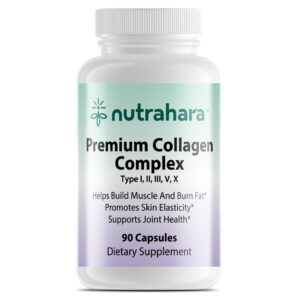
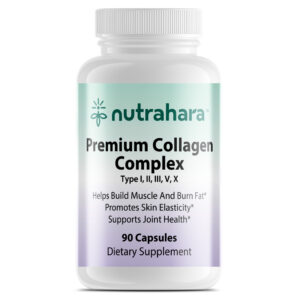
Premium Collagen Complex

5. How to Take Collagen Peptides for Best Results

For maximum collagen peptides powder benefits, follow these guidelines:

Recommended dosage: 5-10g daily for skin & hair, 10-15g for joint & bone health
Best time to take collagen: Morning (for energy boost) or night (for repair & recovery)
How to consume it: Mix in coffee, tea, smoothies, soups, or oatmeal
Pair with: Vitamin C, hyaluronic acid, and biotin for enhanced absorption

6. Conclusion

Collagen peptides are a powerful supplement for women at every stage of life. Whether you want to improve your skin, strengthen your bones, reduce joint pain, or support digestion, collagen can help you look and feel your best.

By incorporating collagen peptides into your daily routine, you can enjoy:
Younger-looking skin
Stronger hair and nails
Better mobility and joint health
A balanced metabolism
A healthier gut

With women’s health in mind, choosing the right collagen peptides powder can be the key to aging gracefully and maintaining overall well-being.

7. References

  1. WebMD – Collagen Health Benefits
  2. CDC on Osteoarthritis
  3. Nutrition Journal Study on Bone Health
  4. PubMed Research on Gut Health
  5. Derm101 Study on Collagen in Skin


Written by the Nutrahara Team
This article was developed by the Nutrahara team of nutrition scientists and naturopaths, who specialize in formulating safe, effective, and science-backed supplements for women’s health. Every ingredient we use is carefully selected to support your body’s unique needs—naturally. Follow us on LinkedIn for expert insights and updates on our latest wellness solutions.

Categories
Articles

How to Prevent Breast Cancer Naturally

1. Introduction: How to Prevent Breast Cancer Naturally

Breast cancer is a growing concern among women, yet many discussions around prevention focus solely on genetics and medical screenings. However, emerging research highlights the power of lifestyle choices in reducing breast cancer risk. While hereditary factors contribute, only 5-10% of breast cancer cases are directly linked to inherited genetic mutations, leaving the vast majority influenced by diet, exercise, environmental exposures, and stress levels.

Preventing breast cancer isn’t about waiting for warning signs; it’s about building a strong internal defense system. A well-nourished body, an active lifestyle, and conscious stress management can help regulate hormones, reduce inflammation, and enhance detoxification processes, all of which play a significant role in breast health.

Most mainstream advice overlooks how small, daily habits—such as choosing the right foods, engaging in mindful movement, and limiting toxic exposures—can cumulatively make a profound impact on breast cancer prevention. From the nutrients in your morning smoothie to the chemicals in your personal care products, every choice contributes to your overall risk or resilience.

This article goes beyond common prevention tips, offering practical strategies rooted in nutrition, movement, mindfulness, and holistic health. You’ll discover how to empower yourself with proactive measures that not only help prevent breast cancer but also enhance your overall well-being and longevity.


2. Understanding Breast Cancer and Its Risk Factors


2.1 What Is Breast Cancer?

Breast cancer occurs when abnormal cells grow uncontrollably in breast tissue. These cells can form a tumor, which may spread to other areas of the body if left untreated. The most common types include:

  • Ductal carcinoma in situ (DCIS) – A non-invasive cancer where abnormal cells are found in the milk ducts.
  • Invasive ductal carcinoma (IDC) – The most common type, where cancer cells spread beyond the milk ducts.
  • Invasive lobular carcinoma (ILC) – A cancer that begins in the milk-producing glands and can spread.


2.2 Common Risk Factors

Several factors can increase the risk of breast cancer. While some factors, such as genetics, cannot be changed, lifestyle and environmental choices play a critical role in prevention.

Genetic and Biological Factors:

  • Family history of breast cancer – Women with first-degree relatives who have had breast cancer are at higher risk.
  • BRCA1 & BRCA2 gene mutations – These genetic mutations significantly increase breast cancer risk.
  • Age and hormonal factors – The risk increases with age and prolonged exposure to estrogen.

Lifestyle and Environmental Factors:

  • Diet and nutrition – High consumption of processed foods, sugar, and unhealthy fats increases risk.
  • Physical inactivity – Sedentary lifestyles contribute to obesity, which is linked to breast cancer.
  • Alcohol consumption – Studies show that limiting alcohol intake can reduce the risk of breast cancer.
  • Environmental toxins – Exposure to endocrine disruptors in plastics, cosmetics, and pesticides can influence hormone levels.
  • Chronic stress and inflammation – Prolonged stress leads to hormonal imbalances that may trigger cancer development.


2.3 How To Prevent Breast Cancer?

While no method guarantees complete prevention, adopting a healthy lifestyle can drastically reduce the risk. Simple, proactive steps like improving diet, engaging in regular exercise, and managing stress can enhance breast health and overall well-being.

According to the Mayo Clinic, incorporating habits such as limiting alcohol intake and staying physically active can play a vital role in breast cancer prevention. Read more on their insights here: Breast Cancer Prevention.

By making conscious decisions regarding nutrition, movement, and environmental exposures, women can take charge of their health and significantly lower their risk of breast cancer.


3. The Role of Diet in Breast Cancer Prevention


3.1 Anti-Inflammatory Foods for Breast Health

A diet rich in antioxidants, fiber, and omega-3 fatty acids can help lower inflammation, regulate hormones, and improve overall immunity. Chronic inflammation has been linked to increased cancer risk, making it essential to consume foods that support a balanced immune response.

polycystic ovary syndrome nutrition

3.2 Top 7 Superfoods to Prevent Breast Cancer

Here are seven nutrient-dense foods that support breast health:

  1. Leafy greens (spinach, kale) – Packed with antioxidants like vitamin C and beta-carotene, which help neutralize free radicals.
  2. Berries (blueberries, strawberries) – Contain polyphenols and flavonoids that combat oxidative stress and inflammation.
  3. Cruciferous vegetables (broccoli, cauliflower, Brussels sprouts) – Rich in sulforaphane, a compound known to help detoxify harmful estrogen metabolites.
  4. Turmeric – Contains curcumin, a powerful anti-inflammatory compound with potential cancer-fighting properties.
  5. Flaxseeds – High in lignans and omega-3 fatty acids, which help balance estrogen levels.
  6. Wild-caught salmon – Provides essential omega-3 fatty acids, which reduce inflammation and support cellular health.
  7. Garlic and onions – Contain sulfur compounds that may help reduce cancer risk by promoting detoxification.


3.3 Foods to Avoid

Certain foods have been linked to an increased risk of breast cancer due to their ability to promote inflammation, disrupt hormonal balance, or introduce carcinogens into the body. Avoiding these foods can significantly contribute to breast health.

Harmful Foods to Limit or Avoid:

  • Processed meats (bacon, sausages, hot dogs) – Contain preservatives and nitrates linked to cancer risk.
  • Sugary foods and beverages – High sugar intake contributes to insulin resistance and inflammation.
  • Refined carbohydrates (white bread, pasta, pastries) – Cause blood sugar spikes that can promote cancer cell growth.
  • Excessive alcohol consumption – Even moderate alcohol intake has been associated with increased estrogen levels and breast cancer risk.
  • Trans fats (found in fast food and hydrogenated oils) – Promote inflammation and may contribute to tumor growth. (Content previously written and now restored)


4. How Exercise Helps in Breast Cancer Prevention


4.1 The Link Between Physical Activity and Cancer Risk

Regular exercise helps regulate insulin, estrogen, and immune function, which are all linked to breast cancer risk.


4.2 Best Workouts for Women to Prevent Breast Cancer

  1. Strength training – Builds lean muscle, which improves metabolism and hormone balance.
  2. Cardio exercises (walking, jogging, cycling) – Improve circulation and detoxification.
  3. Yoga and Pilates – Enhance flexibility, reduce stress, and promote lymphatic drainage.


4.3 5 Simple Ways to Stay Active Daily

  • Take the stairs instead of the elevator.
  • Walk 10,000 steps a day.
  • Stretch every morning.
  • Do 10-minute home workouts.
  • Use a standing desk at work. (Content previously written and now restored)


5. The Power of Yoga and Meditation in Reducing Cancer Risk


5.1 How Yoga Supports Breast Health

Yoga enhances flexibility, improves circulation, and helps with lymphatic drainage, which is essential for removing toxins from the body. Additionally, yoga reduces cortisol levels, a stress hormone that, when chronically elevated, can contribute to hormonal imbalances.


5.2 Meditation for Hormonal Balance and Stress Reduction

Meditation encourages mindfulness and relaxation, reducing the physiological effects of stress. Chronic stress can lead to inflammation and estrogen dominance, both of which are linked to breast cancer. Just 10 minutes of deep breathing or guided meditation daily can have significant benefits.


5.3 Best Yoga Poses for Breast Health

  • Bridge Pose (Setu Bandhasana) – Opens the chest and stimulates the thymus gland.
  • Cobra Pose (Bhujangasana) – Improves blood circulation to the breast tissue.
  • Legs Up the Wall (Viparita Karani) – Enhances lymphatic drainage and reduces fatigue. (Content previously written and now restored)

infertility yoga

6. Dietary Supplements That May Help Prevent Breast Cancer


6.1 Key Vitamins and Minerals for Breast Health

  • Vitamin D – Helps regulate cell growth and reduces inflammation.
  • Magnesium – Aids in hormonal balance and supports cellular function.
  • Selenium – Provides antioxidant protection against free radicals.
  • Omega-3 Fatty Acids – Reduces inflammation and supports immune function.

FemmePower

6.2 Herbal Supplements with Anti-Cancer Properties

  • Curcumin (from Turmeric) – Has powerful anti-inflammatory and cancer-fighting properties.
  • Green Tea Extract – Rich in catechins, which may help slow cancer cell growth.
  • Flaxseed Extract – Supports hormone balance and may reduce estrogen dominance.
  • Ashwagandha – Helps lower cortisol levels and enhances immune function.

Ashwagandha with Black Pepper

6.3 How to Choose High-Quality Supplements

  • Look for third-party tested supplements to ensure purity and potency.
  • Choose organic and non-GMO products whenever possible.
  • Avoid supplements with fillers, additives, or artificial ingredients. (Content previously written and now restored)


7. Essential Oils for Breast Health and Cancer Prevention


7.1 How Essential Oils Support Breast Health

Essential oils contain powerful plant-based compounds known for their anti-inflammatory, antioxidant, and hormone-balancing properties. When used correctly, they can help promote cellular health, reduce stress, and support the body’s natural detoxification processes.


7.2 Top Essential Oils for Breast Cancer Prevention

  • Frankincense Oil – Contains boswellic acids, which have been shown to support cellular health and reduce abnormal cell growth.
  • Lavender Oil – Known for its calming effects, lavender helps regulate stress hormones, reducing chronic inflammation that may contribute to cancer.
  • Clary Sage Oil – Contains phytoestrogens that help balance hormone levels, particularly estrogen dominance, which is a risk factor for breast cancer.
  • Rosemary Oil – Supports liver function, helping the body detoxify harmful estrogen metabolites that can increase cancer risk.
  • Lemon Oil – High in antioxidants, it supports the immune system and helps eliminate toxins from the body. (Content previously written and now restored)


8. Lifestyle Habits to Reduce Breast Cancer Risk


8.1 Managing Stress and Mental Health

Chronic stress affects hormone levels, weakens the immune system, and contributes to inflammation, which can increase the risk of breast cancer. Managing stress through relaxation techniques and mindfulness can promote overall well-being.

Ways to Reduce Stress:

  • Practice meditation – Even 10 minutes a day can help lower cortisol levels and promote emotional balance.
  • Engage in deep breathing exercises – Helps activate the body’s relaxation response and reduces anxiety.
  • Keep a gratitude journal – Focusing on positivity can shift the mind away from stressors.
  • Get sufficient sleep – Aim for 7-9 hours per night to support hormonal balance and cellular repair.


8.2 Reducing Exposure to Environmental Toxins

Toxins found in everyday products can disrupt the endocrine system and contribute to hormone imbalances that may increase cancer risk. Avoiding these harmful substances can support breast health.

Ways to Limit Toxin Exposure:

  • Use natural skincare and cosmetics – Choose products free from parabens, phthalates, and synthetic fragrances.
  • Avoid plastic containers – Opt for glass or stainless steel to reduce exposure to BPA and other chemicals.
  • Use organic cleaning products – Many commercial cleaners contain harmful chemicals that can impact health.
  • Filter drinking water – Ensure clean water by using a high-quality filtration system to remove toxins.


8.3 Maintaining a Healthy Weight

Obesity is linked to increased estrogen levels, which can contribute to breast cancer development. Maintaining a balanced weight through proper diet and regular exercise can reduce the risk.

Ways to Maintain a Healthy Weight:

  • Eat a nutrient-rich diet – Focus on whole foods, lean proteins, and fiber-rich vegetables.
  • Stay hydrated – Drinking enough water supports metabolism and helps regulate appetite.
  • Exercise regularly – Engage in a mix of cardio and strength training to boost metabolism.
  • Limit processed foods and sugars – Reducing sugar intake can help prevent insulin resistance, which is linked to cancer risk.


8.4 The Importance of Regular Screenings

Early detection of breast cancer greatly increases the chances of successful treatment. Scheduling regular screenings and self-examinations can help catch potential issues early.

Breast Cancer Screening Recommendations:

  • Perform monthly breast self-exams – Helps detect lumps or unusual changes in breast tissue.
  • Schedule routine mammograms – Women over 40 should have annual mammograms or as recommended by their doctor.
  • Stay informed about genetic testing – Women with a family history of breast cancer may benefit from BRCA gene testing.

Incorporating these lifestyle habits into daily routines can significantly lower the risk of breast cancer and promote overall health and longevity.


9. Conclusion

Breast cancer prevention is not about fear – it’s about empowerment through proactive choices. By integrating mindful lifestyle habits, women can take charge of their health and significantly reduce their risk of developing breast cancer. The power of nutrition, exercise, stress management, and environmental awareness cannot be understated.

Key Takeaways for Breast Cancer Prevention:

  • Adopt a nutrient-dense diet rich in antioxidants, fiber, and healthy fats.
  • Engage in regular physical activity to balance hormones and support overall wellness.
  • Incorporate yoga and meditation to manage stress and improve emotional resilience.
  • Use essential oils and natural remedies to enhance well-being and hormonal balance.
  • Limit exposure to environmental toxins by choosing organic and non-toxic household products.
  • Maintain a healthy weight and stay hydrated to support optimal body function.
  • Schedule regular screenings and self-examinations for early detection.

Preventing breast cancer is not a single action but a lifelong commitment to self-care and well-being. Every small step taken toward healthier food choices, movement, mindfulness, and toxin reduction adds up to create a more resilient body and mind. By making these conscious decisions, women can live with confidence, vitality, and a greater sense of control over their health.

A holistic, empowered approach to wellness allows women to focus not just on preventing disease, but on thriving in every aspect of life.


Written by the Nutrahara Team
This article was developed by the Nutrahara team of nutrition scientists and naturopaths, who specialize in formulating safe, effective, and science-backed supplements for women’s health. Every ingredient we use is carefully selected to support your body’s unique needs—naturally. Follow us on LinkedIn for expert insights and updates on our latest wellness solutions.

Categories
Articles

The Best Essential Oils for Pain Relief During PMS and Periods

1. Introduction: Essential Oils for Pain

For many women, menstruation is more than just a biological process—it’s an emotional and physical rollercoaster that disrupts daily life. The waves of PMS and period pain can feel overwhelming, with symptoms like mood swings, cramps, bloating, and anxiety making it difficult to focus, rest, or even engage in routine activities. While conventional painkillers and hormonal treatments offer relief, they often come with unwanted side effects, leaving many women searching for a natural alternative.

One of the most overlooked solutions lies in the power of essential oils for pain relief. These concentrated plant extracts have been used for centuries in traditional medicine to ease physical discomfort and promote emotional balance. Unlike synthetic medications, essential oils work holistically, addressing both the physical pain and the emotional distress that accompany menstruation.

This article uncovers the hidden potential of essential oils as a natural remedy for PMS and menstrual discomfort. By incorporating these plant-based solutions into daily self-care routines, women can experience lasting relief while nurturing their emotional well-being.


2. Understanding PMS and Period Pain


2.1 What Happens During PMS?

Premenstrual Syndrome (PMS) is a common experience for many women, characterized by a variety of physical, emotional, and behavioral symptoms in the days leading up to menstruation. These symptoms can significantly disrupt daily life, but understanding them is the first step toward effective management. Common symptoms of PMS include:

  • Physical Symptoms: Bloating, breast tenderness, headaches, fatigue, and digestive discomfort.
  • Emotional Symptoms: Mood swings, irritability, anxiety, depression, and difficulty concentrating.
  • Behavioral Symptoms: Changes in appetite, cravings, sleep disturbances, and a general sense of discomfort.

While PMS is widespread, it’s important to recognize that relief is possible, and you don’t have to just tolerate the symptoms. Essential oils for pain relief, along with lifestyle changes, can offer significant help. Early recognition of PMS symptoms and taking proactive steps can make a big difference in how you feel throughout your cycle. According to the Cleveland Clinic, identifying PMS symptoms and addressing them early on is key to managing their impact effectively.


2.2 Why Period Pain Occurs

Period pain, or dysmenorrhea, is primarily caused by the release of prostaglandins—hormone-like substances that stimulate the uterus to contract and shed its lining. These contractions, though necessary, can be extremely painful, especially when prostaglandin levels are elevated. Common reasons for period pain include:

  • Excess Prostaglandins: Higher levels can trigger stronger, more painful contractions.
  • Uterine Inflammation: Inflammation in the uterus contributes to intense cramping and discomfort.
  • Underlying Health Conditions: Conditions like endometriosis and fibroids can lead to more severe pain.

For many women, the pain can be debilitating, impacting both physical and mental well-being. However, essential oils for pain can be a natural remedy to alleviate these discomforts, offering relief without the side effects often associated with over-the-counter medications.


2.3 The Connection Between Stress and Menstrual Pain

Stress plays a significant role in worsening PMS and menstrual pain. When stress levels are high, cortisol, the stress hormone, rises, which in turn disrupts hormonal balance and increases inflammation throughout the body. This cascade of stress-related changes can lead to:

  • More intense cramping and bloating.
  • Heightened sensitivity to pain.
  • Greater mood swings and anxiety.
  • Disturbed sleep and fatigue.


Managing stress is crucial for reducing menstrual discomfort. By incorporating essential oils for pain into a stress-relief routine, such as through aromatherapy or topical applications, women can experience reduced pain and anxiety. These natural solutions not only address the inflammation that contributes to cramps but also help restore emotional balance during this challenging time.


3. How Essential Oils Help with PMS and Period Pain


3.1 Aromatherapy and the Nervous System

The human sense of smell is deeply connected to the nervous system, particularly the limbic system, which governs emotions, stress responses, and pain perception. Essential oils for pain work by stimulating the olfactory receptors in the nose, sending signals to the brain that can help:

  • Reduce Stress Hormones: Certain essential oils lower cortisol levels, reducing anxiety and tension that worsen period pain.
  • Promote Relaxation: The calming effects of essential oils help ease emotional distress and irritability associated with PMS.
  • Modulate Pain Signals: Some oils have analgesic properties that naturally dull pain perception, making cramps more manageable.

By simply inhaling essential oils or using them in a diffuser, women can experience immediate relief from stress and discomfort, creating a more balanced and soothing menstrual experience.


3.2 Anti-Inflammatory and Relaxing Properties

Period pain is often driven by inflammation and muscle contractions. The body releases prostaglandins, which trigger the uterine muscles to contract, leading to cramps. Many essential oils contain powerful anti-inflammatory compounds that counteract these effects and provide natural relief.

Key benefits of essential oils for pain relief include:

  • Reducing Inflammation: Oils like chamomile and lavender help calm inflammation that worsens cramping.
  • Relaxing Muscles: Peppermint and clary sage oils act as natural muscle relaxants, easing tension in the abdomen and lower back.
  • Improving Circulation: Ginger and eucalyptus oils promote blood flow, which helps oxygenate muscles and reduce pain.
  • Balancing Hormones: Clary sage and rose oils support hormonal balance, helping to regulate mood and lessen the severity of PMS symptoms.

Applying these oils through massage, warm compresses, or baths can significantly reduce both the intensity and duration of menstrual cramps.


3.3 Enhancing Emotional Well-being

Beyond physical pain relief, essential oils also play a role in stabilizing mood and promoting emotional well-being. Many women experience heightened anxiety, irritability, and even mild depression during their menstrual cycle.

Using essential oils for emotional balance can:

  • Boost Mood: Rose and citrus oils like bergamot uplift spirits and reduce irritability.
  • Enhance Sleep Quality: Lavender and chamomile improve sleep patterns, helping the body recover more efficiently.
  • Reduce Anxiety: Frankincense and sandalwood calm the mind and alleviate stress-induced discomfort.


By incorporating essential oils for pain into a regular self-care routine, women can support both their physical and emotional health, making menstruation a more manageable and less stressful experience.


4. Top 7 Essential Oils for Pain Relief During PMS and Periods

Essential oils offer a natural, effective way to relieve menstrual discomfort by reducing inflammation, relaxing muscles, and balancing hormones. Below are the top seven essential oils for pain relief during PMS and periods, each with unique properties that support both physical and emotional well-being.


4.1 Lavender Oil – The Ultimate Calming Agent

Lavender is one of the most versatile essential oils, known for its ability to calm both the mind and body.

  • Relieves menstrual cramps by reducing uterine contractions.
  • Eases stress and anxiety, which can exacerbate period pain.
  • Improves sleep quality, helping the body recover more effectively.
  • Soothes headaches often associated with PMS.


4.2 Clary Sage Oil – Hormone Balancer and Pain Reliever

Clary sage is a powerhouse for menstrual health, helping to regulate hormones and reduce discomfort.

  • Balances estrogen levels, reducing PMS mood swings.
  • Relaxes uterine muscles, easing cramping.
  • Lowers cortisol levels, promoting relaxation.
  • Improves circulation, which helps reduce bloating and pain.


4.3 Peppermint Oil – Cooling Relief for Cramps and Headaches

Peppermint oil provides a refreshing cooling sensation that helps relieve multiple PMS symptoms.

  • Eases abdominal cramps by relaxing smooth muscle tissue.
  • Reduces bloating and digestive discomfort.
  • Relieves tension headaches common during menstruation.
  • Boosts energy levels, combating fatigue.


4.4 Eucalyptus Oil – Muscle and Joint Pain Reliever

Eucalyptus oil is widely used for pain management due to its anti-inflammatory and analgesic properties.

  • Soothes muscle soreness and lower back pain.
  • Opens up airways, helping women who experience sinus congestion during PMS.
  • Enhances circulation, reducing swelling and discomfort.
  • Provides a cooling effect when applied to the skin.


4.5 Chamomile Oil – Gentle but Powerful Relaxant

Chamomile is well-known for its calming effects on the nervous system and its ability to ease menstrual discomfort.

  • Relieves muscle spasms, preventing severe cramps.
  • Soothes digestive issues, such as nausea and bloating.
  • Reduces mood swings, helping with PMS-related anxiety and irritability.
  • Promotes better sleep, ensuring deep rest and recovery.


4.6 Rose Oil – Mood Enhancer and Pain Reliever

Rose oil is not just a luxurious scent—it’s also a powerful ally against PMS symptoms.

  • Elevates mood, reducing feelings of depression and stress.
  • Relieves cramps, thanks to its anti-inflammatory properties.
  • Regulates hormones, helping balance the menstrual cycle.
  • Hydrates and nourishes the skin, combating dryness common during menstruation.


4.7 Ginger Oil – Natural Anti-Inflammatory and Digestive Soother

Ginger is a warming oil that is particularly beneficial for reducing inflammation and digestive discomfort.

  • Reduces period cramps, as it acts as a natural pain reliever.
  • Eases nausea and bloating, common PMS symptoms.
  • Improves circulation, warming the body and alleviating cold-induced pain.
  • Boosts energy levels, fighting period fatigue.


Choosing the Right Essential Oil for Pain Relief

Each woman’s body responds differently to essential oils. Some may find that clary sage works best for hormonal balance, while others benefit most from peppermint or ginger oil for cramps. Experimenting with different oils and incorporating them into a self-care routine can help discover the best combination for essential oils for pain relief during PMS and periods.


5. Five Effective Ways to Use Essential Oils for PMS and Period Pain Relief

Essential oils can be applied in different ways to maximize their pain-relieving and stress-reducing benefits. From topical applications to inhalation methods, incorporating essential oils for pain into a menstrual self-care routine can make a significant difference. Below are five highly effective methods to ease PMS symptoms and period discomfort.


5.1 Massage Therapy – Direct Relief for Cramping Muscles

Massaging the lower abdomen and lower back with essential oils can provide immediate relief from period cramps and tension. The combination of gentle pressure and the therapeutic properties of essential oils helps relax muscles and improve circulation.

How to Use:

  • Mix 5 drops of clary sage, lavender, or peppermint oil with 1 tablespoon of carrier oil (such as coconut or almond oil).
  • Warm the oil blend between your palms.
  • Gently massage the lower abdomen and lower back in circular motions for 5–10 minutes.
  • Repeat 2–3 times a day as needed.


5.2 Aromatherapy Diffusion – Instant Stress and Anxiety Relief

Inhaling essential oils through a diffuser can help reduce stress, anxiety, and tension that worsen period pain. Aromatherapy promotes relaxation and can even help regulate mood swings.

How to Use:

  • Add 5–7 drops of lavender, rose, or chamomile oil to a diffuser filled with water.
  • Let the diffuser run for 30–60 minutes while relaxing, meditating, or resting.
  • For a quick boost, place a few drops on a tissue and inhale deeply.


5.3 Warm Compress – Deep Muscle Relaxation

Applying a warm compress infused with essential oils helps to relax uterine muscles and reduce cramping. This method enhances blood circulation and alleviates tension.

How to Use:

  • Fill a bowl with warm (not hot) water and add 5 drops of ginger, eucalyptus, or peppermint oil.
  • Soak a soft towel or cloth in the mixture, wring out excess water, and place it over the lower abdomen.
  • Cover with a dry towel and let it sit for 10–15 minutes.
  • Repeat as needed throughout the day.


5.4 Bath Soak – Full-Body Relief and Relaxation

A warm bath infused with essential oils for pain relief is an excellent way to soothe muscle aches, reduce stress, and improve circulation. The warmth of the water enhances the absorption of essential oils into the skin, amplifying their effects.

How to Use:

  • Fill a bathtub with warm water.
  • Add 10–15 drops of lavender, chamomile, or rose oil mixed with 1 cup of Epsom salt or 1 tablespoon of carrier oil.
  • Soak in the bath for 20–30 minutes while practicing deep breathing.


5.5 Inhalation Technique – Fast and Easy Pain Relief

For quick relief, inhaling essential oils directly can provide an instant calming effect, reduce nausea, and ease headaches associated with PMS.

How to Use:

  • Place 2–3 drops of peppermint or eucalyptus oil on a cotton ball or tissue.
  • Hold it near the nose and take deep breaths for a few minutes.
  • Alternatively, rub 1 drop of diluted oil onto temples or wrists for an on-the-go remedy.


Maximizing the Benefits of Essential Oils

Using essential oils consistently throughout the menstrual cycle, not just during periods, can help regulate hormones and minimize PMS symptoms. Experimenting with different application methods can provide a holistic approach to essential oils for pain relief, making each cycle more manageable and less stressful.


6. Testimonials: Real Women Share Their Experience with Essential Oils for Pain

Real-life experiences highlight the powerful effects of essential oils for pain relief during PMS and periods. Many women have turned to these natural remedies to reduce discomfort, balance their emotions, and improve overall well-being. Here’s what they have to say:


6.1 Sarah, 42 – Finding Peace with Lavender Oil

“I used to struggle with severe PMS anxiety and sleepless nights before my period. A friend suggested using lavender essential oil in a diffuser at bedtime, and it was life-changing. The calming scent helped me relax, and I noticed that my cramps weren’t as intense. Now, I apply a lavender oil blend on my abdomen during my cycle, and it has significantly reduced my pain and stress.”


6.2 Emily, 35 – Peppermint Oil for Headache and Bloating Relief

“Every month, I’d get debilitating headaches and bloating that made it impossible to focus at work. I started rubbing diluted peppermint oil on my temples and inhaling it whenever I felt a headache coming on. The cooling effect is almost instant, and it has made such a difference! I also add a few drops to my herbal tea to ease bloating. Essential oils are now a must-have for my period care.”


6.3 Monica, 50 – Clary Sage for Cramp Relief and Emotional Balance

“As I entered perimenopause, my periods became unpredictable, and the cramps got worse. I tried using clary sage oil in a warm compress, and it made such a difference. I also mix it with a carrier oil and massage it onto my lower belly. Not only does it relieve my cramps, but it also helps me feel emotionally balanced. I only wish I had discovered it sooner!”


6.4 Rachel, 38 – Ginger and Eucalyptus for Lower Back Pain

“I always dreaded my period because of the lower back pain that came with it. A friend recommended using a blend of ginger and eucalyptus oil in a warm bath. I was skeptical at first, but after one soak, I felt incredible relief. Now, I massage the blend onto my lower back every night before bed, and my period pain is so much more manageable.”


These testimonials show that essential oils for pain can be a natural, effective, and holistic way to ease menstrual discomfort and enhance emotional well-being. Every woman’s experience is unique, but with the right combination of essential oils, relief is within reach.


7. Additional Tips for Managing PMS and Period Pain Naturally

While essential oils for pain provide significant relief, incorporating additional natural remedies can further reduce PMS symptoms and period discomfort. A holistic approach that includes lifestyle changes can help regulate hormones, reduce inflammation, and improve overall well-being.


7.1 Hydration & Herbal Teas

  • Drink plenty of water to prevent bloating and improve circulation.
  • Try herbal teas like ginger, chamomile, and raspberry leaf to soothe cramps and balance hormones.


7.2 Gentle Yoga Poses

  • Child’s Pose (Balasana): Relieves lower back and abdominal tension.
  • Cat-Cow Stretch: Helps improve blood flow and reduce cramping.
  • Reclining Bound Angle Pose: Opens the hips and relaxes the pelvic muscles.

mindful menstruation

7.3 Meditation & Deep Breathing

  • Practice guided meditation to lower stress levels and reduce PMS-related anxiety.
  • Use deep belly breathing exercises to promote relaxation and ease pain.

Female Mindfulness

7.4 Balanced Nutrition

  • Eat anti-inflammatory foods like leafy greens, berries, and nuts to support hormone balance.
  • Reduce processed sugars and caffeine, which can worsen bloating and mood swings.

FemmePower

Combining essential oils for pain with these natural remedies can help create a well-rounded self-care routine, making PMS and periods much easier to manage.


8. Conclusion

Managing PMS and period pain can be challenging, but natural remedies like essential oils for pain offer a gentle yet powerful way to ease discomfort and restore balance. Unlike over-the-counter medications that often come with side effects, essential oils provide holistic relief by addressing both physical pain and emotional distress. From calming lavender and hormone-balancing clary sage to cooling peppermint and anti-inflammatory ginger, these plant-based solutions work in harmony with the body to reduce cramping, bloating, headaches, and mood swings.

Ashwagandha with Black Pepper

Stress is a major contributor to period pain, often intensifying cramps and worsening PMS symptoms. Essential oils not only relieve muscle tension and inflammation but also promote relaxation, making it easier to manage emotional fluctuations during the menstrual cycle. By incorporating these oils into daily self-care practices—through massage, aromatherapy, warm compresses, and baths—women can experience more comfortable and stress-free periods.

AnxioGuard

By embracing essential oils for pain as a regular part of menstrual wellness, women can gain control over their cycles, minimize discomfort, and improve overall well-being. Empowering self-care routines with nature’s best remedies ensures that each cycle is met with confidence, comfort, and peace of mind.


Written by the Nutrahara Team
This article was developed by the Nutrahara team of nutrition scientists and naturopaths, who specialize in formulating safe, effective, and science-backed supplements for women’s health. Every ingredient we use is carefully selected to support your body’s unique needs—naturally. Follow us on LinkedIn for expert insights and updates on our latest wellness solutions.

Categories
Articles

How Essential Oils for Stress Can Help Women Manage Anxiety

1. Introduction: Essential Oils for Stress

In today’s fast-paced world, women are constantly juggling multiple roles—career professionals, caregivers, partners, and friends—often neglecting their own well-being in the process. Stress and anxiety are not just fleeting emotions; they are deeply connected to hormonal fluctuations, lifestyle choices, and even social pressures unique to women. Whether it’s premenstrual tension, pregnancy-related emotional swings, or the mental fog of menopause, the impact of chronic stress can manifest in profound ways, from sleep disturbances and mood swings to digestive issues and accelerated aging.

While conventional medicine offers pharmaceutical solutions, many women seek holistic approaches that align with their bodies’ natural rhythms. This is where aromatherapy for anxiety emerges as a powerful yet underutilized tool. Essential oils, extracted from plants with centuries of medicinal use, can directly influence the nervous system, helping to lower cortisol levels, regulate mood, and create a sense of calm without side effects.

Unlike common relaxation techniques, essential oils for stress work through the olfactory system, rapidly triggering the limbic brain—the seat of emotions—within seconds of inhalation. This means that stress relief is not just psychological but also physiological, offering an immediate shift in mood and energy. From inhalation methods to massage applications, aromatherapy offers tailored solutions for every stage of a woman’s life, helping to restore balance, boost confidence, and nurture emotional well-being naturally.

This article explores the most effective aromatherapy techniques tailored specifically for women, highlighting powerful essential oils, practical application methods, and real-life testimonials from women who have successfully integrated aromatherapy into their self-care routines.


2. Understanding Stress and Anxiety in Women

Women experience stress and anxiety differently from men due to a complex interplay of hormonal fluctuations, societal expectations, and biological rhythms. From the reproductive years through menopause, shifting hormone levels influence emotional responses, making women more susceptible to anxiety disorders and chronic stress. These physiological changes, combined with everyday pressures such as career demands, caregiving responsibilities, and self-image concerns, create a perfect storm for emotional exhaustion.

While stress is a natural response to life’s challenges, prolonged exposure can wreak havoc on the body, leading to insomnia, weakened immunity, digestive disorders, and even premature aging. Women, in particular, may notice heightened anxiety around menstruation, during pregnancy, postpartum, and in the transition to menopause, as estrogen and progesterone fluctuations directly impact serotonin and cortisol levels.

This is where aromatherapy for anxiety becomes a game-changer. Unlike synthetic medications that merely mask symptoms, essential oils work with the body’s natural chemistry to restore emotional balance. Through inhalation or topical application, essential oils for stress activate the brain’s limbic system, regulating mood, lowering cortisol levels, and fostering a deep sense of relaxation. Whether diffused in the home, massaged into the skin, or infused into a warm bath, these natural solutions provide a gentle yet powerful way to manage stress and anxiety, addressing the root cause rather than just the symptoms.


3. Best Essential Oils for Stress and Anxiety Relief

Essential oils have been used for centuries to promote relaxation and emotional balance, but their power in aromatherapy for anxiety is still underutilized in modern wellness practices. Unlike synthetic medications that can lead to dependency or side effects, essential oils work naturally with the body’s chemistry, offering a holistic approach to stress relief. Each essential oil has unique properties that influence mood, reduce cortisol levels, and help women navigate the emotional challenges associated with hormonal shifts, work-life pressures, and daily stressors.


3.1 Lavender – The Ultimate Relaxant

Lavender is widely recognized for its calming properties, making it a cornerstone in essential oils for stress. It works by directly interacting with the nervous system, helping to reduce heart rate and blood pressure while promoting deep relaxation. Whether used in a diffuser, applied to pulse points, or infused into a bath, lavender is a must-have for women seeking natural relief from anxiety and insomnia.


3.2 Chamomile – A Gentle Mood Stabilizer

Chamomile is more than just a bedtime tea; its essential oil form is a potent stress reliever. Known for its ability to reduce anxiety and ease mood swings, chamomile is particularly beneficial for women experiencing PMS or menopause-related stress. Inhaling chamomile oil or blending it with a carrier oil for a gentle massage can provide instant relaxation.


3.3 Bergamot – The Uplifting Citrus Scent

Bergamot essential oil is a powerful mood enhancer that works by reducing cortisol levels and promoting a sense of joy. Unlike other citrus oils, bergamot has a unique ability to calm the nervous system while simultaneously uplifting the spirit, making it an excellent choice for women dealing with work-related stress or emotional fatigue.


3.4 Ylang Ylang – Balancing Hormonal Stress

Ylang ylang is renowned for its ability to lower stress hormones and increase self-confidence. Its sweet floral scent has a deeply calming effect, making it ideal for reducing nervous tension and restoring emotional balance. Diffusing ylang ylang before bedtime or adding a few drops to a warm bath can help women ease stress naturally.


3.5 Clary Sage – The Women’s Hormonal Ally

Clary sage is one of the most effective essential oils for stress, particularly for women experiencing hormonal imbalances. It helps regulate cortisol levels, reduce PMS symptoms, and alleviate menopausal anxiety. Using clary sage in a diffuser or applying it topically to the abdomen can provide noticeable relief from hormone-induced stress and emotional fluctuations.


By incorporating aromatherapy for anxiety into daily routines, women can harness the natural healing power of these essential oils to combat stress, promote emotional stability, and achieve a greater sense of well-being without relying on synthetic treatments.


4. Seven Aromatherapy Techniques to Instantly Reduce Stress

Integrating aromatherapy for anxiety into daily life can offer immediate and lasting relief from stress. Unlike prescription medications, which often come with side effects, essential oils provide a natural, non-invasive way to calm the nervous system and balance emotions. The right techniques enhance the therapeutic benefits of essential oils for stress, allowing women to create personalized self-care rituals that support mental and emotional well-being.


4.1 Diffusion for Continuous Calm

Diffusing essential oils in the home or workplace provides consistent stress relief throughout the day. A few drops of lavender, bergamot, or ylang ylang in a diffuser can help lower cortisol levels, improve focus, and create a tranquil environment.


4.2 Aromatherapy Massage for Deep Relaxation

Massaging diluted essential oils onto the skin enhances absorption and promotes relaxation. Blending clary sage or chamomile with a carrier oil and applying it to the temples, neck, and shoulders relieves tension and soothes the mind.


4.3 Bath Therapy – Soak Your Stress Away

Adding a few drops of essential oils for stress to a warm bath can create an immersive relaxation experience. Clary sage, ylang ylang, or chamomile help melt away tension while balancing hormones. Mixing the oils with Epsom salts enhances their calming effects.


4.4 Inhalation Therapy for Instant Relief

For fast-acting stress relief, inhaling essential oils directly can be highly effective. A drop of bergamot or lavender rubbed between the palms and inhaled deeply helps to quickly soothe the nervous system, reducing anxiety within seconds.


4.5 Aromatherapy Yoga and Meditation

Pairing aromatherapy for anxiety with mindfulness practices like yoga and meditation deepens relaxation. Diffusing frankincense, sandalwood, or lavender during a session promotes a heightened state of calm, allowing for deeper breathing and mental clarity.


4.6 Pillow and Linen Sprays for Better Sleep

Poor sleep exacerbates stress, making nighttime rituals crucial. A homemade spray with lavender, chamomile, and clary sage can be misted onto pillows and sheets to encourage restful sleep and prevent nighttime anxiety.


4.7 DIY Calming Blends for On-the-Go Relief

For stress relief anytime, anywhere, portable essential oil roll-ons or inhalers are a must. Blending bergamot, ylang ylang, and lavender in a roller bottle offers instant relaxation when applied to pulse points.


By incorporating these seven techniques, women can harness the power of essential oils for stress to transform their emotional well-being. Whether through inhalation, massage, or diffusion, aromatherapy provides an easy and effective way to manage anxiety and maintain inner balance.


5. Real-Life Testimonials: Women Who Found Relief with Aromatherapy

Aromatherapy has transformed the lives of countless women by providing natural and effective relief from stress and anxiety. These real-life testimonials highlight how essential oils have supported emotional well-being at different life stages.


5.1 Sarah, 42 – Post-Menopausal Anxiety Relief with Lavender & Bergamot

Sarah had been struggling with post-menopausal anxiety, frequent mood swings, and restlessness at night. She found that incorporating aromatherapy into her routine significantly improved her well-being.

Her Experience:

  • Diffusing lavender oil in her bedroom helped her relax and fall asleep faster.
  • Using bergamot oil in a personal inhaler reduced mid-day stress and improved her mood.
  • A nightly lavender and chamomile bath soak helped relieve tension and promote restful sleep.

“I never realized how much scent could impact my emotions. My anxiety levels have dropped, and I finally feel at peace.”


5.2 Maria, 35 – Pregnancy Stress Managed with Chamomile & Ylang Ylang

Pregnancy brought Maria unexpected emotional ups and downs, making it difficult for her to relax. She turned to aromatherapy for a safe and effective way to manage stress.

Her Experience:

  • Using chamomile oil in a pillow spray improved her sleep quality.
  • Inhaling ylang ylang oil during meditation sessions helped reduce feelings of overwhelm.
  • Adding a few drops of essential oil to a warm foot soak eased tension and promoted relaxation.

“Aromatherapy became my comfort during pregnancy. It calmed my mind, helped me sleep, and made me feel more centered.”


5.3 Jessica, 50 – Menopause-Induced Insomnia Eased with Clary Sage & Lavender

Menopause left Jessica struggling with insomnia and night sweats, making it nearly impossible to get quality rest. Aromatherapy provided a natural solution.

Her Experience:

  • Clary sage oil blended with coconut oil and applied to the abdomen helped balance hormonal stress.
  • Lavender oil linen spray made it easier to fall and stay asleep.
  • A diffuser blend of sandalwood and bergamot created a calming nighttime atmosphere.

“I was skeptical at first, but these oils truly changed my nights. I wake up feeling more refreshed and less irritable.”


5.4 Lisa, 38 – Work Stress Reduced with DIY Aromatherapy Massage

Lisa’s demanding job left her feeling drained and anxious. She found that incorporating aromatherapy into her self-care routine significantly improved her mental well-being.

Her Experience:

  • A DIY roll-on blend with lavender and bergamot provided instant relaxation during stressful workdays.
  • Evening aromatherapy massages with a blend of chamomile and ylang ylang helped ease muscle tension.
  • Diffusing sandalwood oil while working improved focus and reduced anxiety.

“Aromatherapy has become my go-to stress relief tool. It’s a simple, natural way to reset my mind and body after a long day.”


These women’s experiences show that aromatherapy is more than just a luxury—it is a practical and effective tool for managing stress and anxiety. Whether dealing with hormonal changes, pregnancy stress, or workplace anxiety, essential oils offer a natural path to emotional balance and relaxation.


6. Additional Tips for Maximizing Aromatherapy Benefits

Aromatherapy is most effective when used correctly and consistently. To ensure maximum benefits, consider the following expert tips:


6.1 Choose High-Quality, Pure Essential Oils

Not all essential oils are created equal. Low-quality or synthetic oils may lack therapeutic properties and could even contain harmful additives.

How to Ensure Quality:

  • Look for 100% pure, organic essential oils without synthetic fillers.
  • Check for botanical names on labels to ensure authenticity.
  • Purchase from trusted brands that provide third-party purity testing.


6.2 Use Proper Dilution for Skin Application

Applying undiluted essential oils directly to the skin may cause irritation or sensitivity.

Safe Dilution Guidelines:

  • Mix essential oils with a carrier oil like jojoba, coconut, or almond oil before applying to the skin.
  • Use a 2% dilution (12 drops of essential oil per 1 ounce of carrier oil) for general use.
  • For sensitive skin, reduce to 1% dilution (6 drops per 1 ounce of carrier oil).


6.3 Store Essential Oils Properly

Improper storage can cause essential oils to degrade and lose their potency.

Storage Tips:

  • Keep oils in dark glass bottles to protect them from light exposure.
  • Store in a cool, dry place away from direct sunlight and heat.
  • Ensure bottles are tightly sealed to prevent oxidation.


6.4 Experiment with Blending Oils for Enhanced Effects

Combining different essential oils can amplify their stress-relief benefits.

Blending Tips:

  • Mix lavender + bergamot for a balance of relaxation and mood enhancement.
  • Combine chamomile + clary sage for hormone-related stress relief.
  • Use ylang ylang + sandalwood for deep emotional grounding.

By following these tips, aromatherapy can become an integral and effective part of a long-term wellness routine.


7. Conclusion

Stress and anxiety are constant challenges in a woman’s life, influenced by hormonal changes, daily responsibilities, and emotional demands. While conventional methods like medication and therapy offer solutions, many women are seeking natural alternatives that align with their bodies’ rhythms. Aromatherapy for anxiety provides a gentle yet powerful way to restore balance, offering a holistic approach to mental and emotional well-being.

Essential Oils: Ashwagandha with Black Pepper

By integrating essential oils for stress into daily routines, women can naturally lower cortisol levels, promote relaxation, and support a healthier mind-body connection. Whether through diffusion, massage, bath therapy, or inhalation, essential oils like lavender, bergamot, chamomile, and clary sage have been shown to reduce anxiety, improve sleep, and uplift mood.

The key to lasting relief is consistency. Aromatherapy is not just about an occasional spa-like experience but about creating simple rituals—adding a few drops of essential oil to a pillow, diffusing calming scents in the home, or carrying a personalized roll-on for stress relief throughout the day.

Essential Oils: AnxioGuard

By making aromatherapy a part of self-care, women can reclaim their emotional well-being, enhance their confidence, and manage stress naturally. The power of scent is more than just fragrance—it’s a pathway to healing, relaxation, and a calmer, more centered life.


Written by the Nutrahara Team
This article was developed by the Nutrahara team of nutrition scientists and naturopaths, who specialize in formulating safe, effective, and science-backed supplements for women’s health. Every ingredient we use is carefully selected to support your body’s unique needs—naturally. Follow us on LinkedIn for expert insights and updates on our latest wellness solutions.

Categories
Articles

7 Best Meditation and Mindfulness Apps for Women

1.    Introduction: Meditation and Mindfulness Apps for Women

Stress has become an unavoidable part of modern life, and for women, it often feels like a constant companion. Between balancing careers, caregiving responsibilities, societal expectations, and hormonal shifts, the mental load can feel overwhelming. While self-care advice often emphasizes external solutions—spa days, vacations, or exercise—true stress relief begins from within. Meditation and mindfulness apps offer powerful, science-backed tools that go beyond momentary relaxation, fostering deep emotional resilience and long-term well-being.

Unlike traditional stress-relief methods that provide temporary escapes, meditation rewires the brain for lasting change. Studies show that mindfulness reduces cortisol levels, enhances emotional stability, and improves decision-making, making it particularly beneficial for women navigating major life transitions—pregnancy, postpartum recovery, perimenopause, and beyond. Despite these profound benefits, many women hesitate to incorporate meditation into their lives, assuming it requires extensive time, experience, or a silent retreat in the mountains.

Thanks to technology, meditation is now more accessible than ever. Meditation and mindfulness apps offer structured, guided sessions that fit seamlessly into even the busiest schedules. Whether it’s a five-minute breathing exercise between meetings or a sleep meditation to combat nighttime anxiety, these apps provide on-demand support tailored to women’s unique wellness needs. This guide explores how meditation and mindfulness apps can help women reduce stress, reclaim inner peace, and create a sustainable practice for lifelong emotional well-being.


2. The Science Behind Meditation and Mindfulness for Stress Reduction

Chronic stress is more than just a mental burden—it wreaks havoc on the body, impacting everything from immune function to hormonal balance. Women, in particular, are more susceptible to the effects of stress due to fluctuating hormones during menstruation, pregnancy, postpartum, and menopause. Meditation and mindfulness offer a scientifically proven way to counteract these effects, rewiring the brain and regulating stress responses at a biochemical level.

mental health yoga

How Meditation Lowers Stress Hormones

When the body perceives stress, it releases cortisol, the primary stress hormone. While cortisol is essential for survival, chronic elevation leads to:

  • Increased inflammation, contributing to autoimmune diseases and chronic pain
  • Weakened immune function, making the body more prone to infections
  • Hormonal imbalances, exacerbating symptoms of PMS, menopause, and thyroid disorders
  • Sleep disturbances, leading to exhaustion and reduced cognitive function

Meditation directly combats these effects by activating the parasympathetic nervous system, often called the “rest and digest” mode. Studies show that regular meditation practice:

  • Lowers cortisol levels, reducing anxiety and tension
  • Increases serotonin and dopamine, improving mood and emotional stability
  • Enhances neuroplasticity, allowing the brain to rewire itself for better stress resilience


The Impact of Meditation on Brain Function

Brain imaging studies reveal that consistent meditation practice leads to:

  • Thicker prefrontal cortex – Enhances decision-making, emotional regulation, and focus
  • Reduced amygdala activity – Lessens fear, anxiety, and emotional reactivity
  • Greater connectivity between brain regions – Improves self-awareness, empathy, and cognitive processing


Mindfulness for Instant and Long-Term Stress Relief

Mindfulness, the practice of staying fully present in the moment, helps reduce stress by shifting focus away from worry and overthinking. Practicing mindfulness in daily life:

  • Prevents stress accumulation – Small mindfulness moments throughout the day stop stress from building up
  • Improves heart rate variability (HRV) – A key indicator of nervous system health, linked to better stress adaptation
  • Enhances emotional regulation – Women who practice mindfulness experience fewer mood swings and greater emotional balance

By incorporating meditation and mindfulness into daily routines, women can create a powerful, natural defense against chronic stress, improving both mental and physical well-being.


3. Why Women Need Meditation and Mindfulness More Than Ever

Women today face a unique and complex set of stressors that make mindfulness and meditation more essential than ever. Between demanding careers, caregiving responsibilities, and societal pressures, many women rarely pause to assess the toll that chronic stress takes on their health. Stress doesn’t just impact mental well-being—it affects hormonal balance, immune function, digestion, and even heart health. Without proactive stress management, women may experience long-term negative effects on their overall well-being.


The Hidden Impact of Chronic Stress on Women

According to the Cleveland Clinic, women often become so consumed by their responsibilities that they don’t recognize how deeply stress is affecting them. Unlike men, women are more likely to experience a physiological “tend-and-befriend” stress response, which pushes them to prioritize the needs of others before their own, often at the cost of their health.

Chronic stress in women has been linked to:

  • Hormonal imbalances – Elevated cortisol levels can disrupt estrogen and progesterone, worsening PMS, menopause symptoms, and reproductive health issues.
  • Increased risk of heart disease – Stress raises blood pressure and contributes to inflammation, a leading cause of cardiovascular disease in women.
  • Weakened immune system – Long-term stress suppresses immune function, making women more vulnerable to infections and autoimmune conditions.
  • Digestive issues – Stress is a major contributor to IBS, bloating, and gut dysbiosis.
  • Mental health struggles – Women are nearly twice as likely as men to experience anxiety and depression, often triggered or worsened by stress.


Why Meditation and Mindfulness Are Essential for Women’s Well-Being

Unlike quick-fix stress management techniques that offer temporary relief, meditation and mindfulness rewire the brain and body for long-term resilience. These practices address the root causes of stress rather than just masking the symptoms.

  1. Regulating Hormonal Fluctuations
  • Meditation stabilizes the hypothalamic-pituitary-adrenal (HPA) axis, which regulates cortisol production and prevents hormonal imbalances.
  • Practicing mindfulness during PMS or menopause helps manage mood swings, anxiety, and sleep disturbances.
  1. Improving Emotional Resilience
  • Mindfulness reduces emotional reactivity, helping women respond to stress with clarity rather than frustration.
  • Meditation strengthens the prefrontal cortex, the area of the brain responsible for rational thinking and emotional control.
  1. Enhancing Sleep Quality
  • Chronic stress disrupts sleep patterns, leading to fatigue, irritability, and poor concentration.
  • Meditation increases melatonin production and calms the nervous system, making it easier to fall and stay asleep.
  1. Promoting Self-Care Without Guilt
  • Many women struggle with prioritizing self-care, feeling guilty for taking time for themselves.
  • A mindfulness-based wellness plan, as recommended by the Cleveland Clinic, encourages women to embrace intentional self-care without guilt.


A Necessary Shift: Making Mindfulness a Daily Priority

Women do not need to overhaul their entire lives to experience the benefits of meditation and mindfulness. Micro-meditation sessions, mindful breathing, and guided mindfulness exercises can be seamlessly integrated into daily routines. By taking even five minutes a day to practice mindfulness, women can reclaim control over their stress levels, enhance their well-being, and build a foundation for lifelong health.


4. Choosing the Right Meditation and Mindfulness App for Your Needs

With countless meditation and mindfulness apps available, finding the right one can feel overwhelming. Women have unique needs when it comes to stress relief, emotional well-being, and self-care, so choosing an app that aligns with personal goals is essential. The right meditation app should fit seamlessly into daily life, offering accessible and effective tools for reducing stress, improving mental clarity, and enhancing overall well-being.

wellness app

Factors to Consider When Choosing a Meditation App

Not all meditation apps are created equal. Before downloading, consider the following factors:

  • Personal Goals – Are you looking to reduce stress, improve sleep, enhance focus, or regulate emotions?
  • Level of Experience – Beginners may need structured guided meditations, while experienced users might prefer unguided or self-directed sessions.
  • Session Length and Flexibility – Apps with a range of session durations (from 5-minute quick sessions to longer guided meditations) can accommodate a busy schedule.
  • Features and Customization – Look for features like:
    • Breathing exercises to manage anxiety
    • Sleep meditations for better rest
    • Mood tracking to monitor emotional well-being
    • Personalized meditation plans tailored to individual needs
  • Cost and Subscription Model – While some apps are free, others require subscriptions for premium features. Choose one that aligns with your budget.
  • Accessibility and Ease of Use – A well-designed, intuitive interface makes regular meditation easier to maintain.


Matching the App to Your Lifestyle

Women’s lifestyles vary, so the best app depends on daily routines and specific stressors.

  • For Busy Professionals – Apps with short, focused meditations (like Simple Habit) can provide quick stress relief.
  • For Moms and Caregivers – Apps with guided relaxation sessions and sleep meditations (like Calm) can help with burnout and rest.
  • For Women Seeking Holistic Wellness – Apps that integrate meditation with cycle tracking, yoga, and nutrition (like FemTrack) offer a comprehensive self-care experience.
  • For Those Managing Anxiety and Emotional Stress – Apps with mood check-ins and personalized recommendations (like MyLife Meditation) provide valuable support.


Selecting the right meditation app ensures that mindfulness becomes a sustainable, enriching practice rather than an overwhelming obligation. The key is to experiment with different apps until finding the one that best fits individual needs and lifestyle.


5. 7 Best Meditation and Mindfulness Apps for Women

With a vast array of meditation and mindfulness apps available, it can be challenging to determine which one best fits your needs. Whether you’re looking for guided sessions, stress relief, better sleep, or emotional balance, here are seven of the best meditation and mindfulness apps specifically designed to help women reduce stress and improve their well-being:

1. FemTrack – Personalized Wellness for Women

Best for: Women seeking a holistic, female-focused wellness experience
FemTrack is a comprehensive health and wellness app designed specifically for women. It not only provides guided meditation sessions tailored to stress relief, hormonal balance, and emotional well-being but also integrates yoga postures, nutrition recommendations, and menstrual cycle tracking. With its personalized wellness score, FemTrack recommends meditation techniques suited to your unique health needs, making it an all-in-one app for stress reduction and overall self-care.


2. Calm – Relaxation and Sleep Support

Best for: Sleep improvement and guided relaxation
Calm is one of the most popular meditation apps, offering guided sessions, breathing exercises, and sleep stories narrated by soothing voices. Whether you’re struggling with anxiety, stress, or insomnia, Calm’s expansive library of relaxation techniques makes it easy to unwind and reset your mind.


3. Headspace – Meditation for Beginners and Experts

Best for: Structured meditation programs and stress management
Headspace is known for its easy-to-follow guided meditations that help users build a consistent practice. With specialized programs for stress, productivity, self-esteem, and sleep, this app makes meditation accessible to both beginners and experienced practitioners.


4. Insight Timer – Free Meditations and Expert Guidance

Best for: A free and diverse meditation library
For those looking for high-quality free meditations, Insight Timer is an excellent choice. It offers thousands of free guided sessions, music tracks, and mindfulness courses led by experienced teachers. It also includes a supportive community feature where users can join meditation groups based on shared interests.


5. MyLife Meditation (Stop, Breathe & Think) – Emotional Check-Ins

Best for: Personalized meditation based on mood tracking
MyLife Meditation is designed to help you choose meditation practices based on how you’re feeling. By checking in with your emotions daily, the app recommends mindfulness exercises to help with stress, anxiety, and emotional regulation.


6. Breethe – Mindfulness for Every Part of Your Day

Best for: Busy women looking for quick, effective mindfulness techniques
Breethe offers short, on-the-go meditations perfect for busy women balancing multiple responsibilities. Whether you need a quick breathing exercise at work or a bedtime relaxation session, Breethe makes it easy to incorporate mindfulness into daily life.


7. Simple Habit – 5-Minute Meditations for Busy Schedules

Best for: Women with limited time for meditation
If you find it hard to set aside time for meditation, Simple Habit is an excellent solution. The app provides 5-minute meditations tailored to different situations, such as reducing work stress, boosting confidence, or preparing for sleep. It’s ideal for those who want quick yet effective mindfulness exercises.


Final Thoughts

Choosing the right meditation app depends on your personal goals, lifestyle, and stress triggers. Whether you want a female-focused wellness platform like FemTrack, structured programs from Headspace, or quick stress relief from Simple Habit, these apps provide powerful tools to help you embrace mindfulness, reduce stress, and enhance your overall well-being.

Give one of these apps a try and start your journey toward a more relaxed, balanced, and empowered life today!


6. Real-Life Testimonials: How Women Are Transforming Their Lives with Meditation Apps

Meditation and mindfulness apps are more than just digital tools—they have become life-changing companions for women seeking stress relief, emotional stability, and self-care. Real stories from women across different life stages reveal how these apps have helped them reclaim balance, improve well-being, and cultivate a deeper sense of peace.


Lisa, 42 – Entrepreneur and Mother of Two

“Running a business while raising kids felt like an endless cycle of stress. I barely had time for myself, and my anxiety levels were through the roof. I started using the FemTrack app for guided meditations and wellness tracking. Within a few weeks, I noticed a difference—I felt more in control, my sleep improved, and I wasn’t as reactive to daily stressors. Meditation became my mental reset button, helping me manage both work and family with a clearer mind.”


Mia, 35 – Expecting Mother

“Pregnancy brought me a mix of joy and anxiety, especially with hormonal changes and sleep issues. A friend recommended Headspace, and I started their pregnancy meditation series. The breathing exercises helped me calm my nerves before doctor visits, and the sleep meditations became a lifesaver. I felt more connected to my body and my baby, experiencing a sense of peace I didn’t think was possible during such a hectic time.”


Karen, 55 – Navigating Menopause

“Menopause hit me harder than I expected—hot flashes, mood swings, and restless nights. I felt emotionally drained and disconnected from myself. I came across Calm, and their stress-reduction meditations became my go-to practice before bed. It wasn’t just about relaxation; it was about reclaiming control over my emotions. Over time, I felt less irritable, more present, and more in tune with my body’s changes.”


Nina, 30 – Corporate Professional Battling Anxiety

“I used to suffer from midday panic attacks, and traditional therapy alone wasn’t enough. I downloaded Insight Timer and started practicing quick mindfulness techniques during work breaks. The short breathing sessions and gratitude practices helped me stay grounded. Now, instead of feeling overwhelmed, I use meditation as my anchor to reset and refocus during the day.”


The Power of Digital Mindfulness for Women

These stories highlight how meditation and mindfulness apps provide accessible, personalized, and effective stress relief for women in different life situations. Whether navigating pregnancy, career stress, motherhood, or menopause, these apps serve as powerful tools for emotional balance, self-care, and long-term mental well-being. The key is to start small, stay consistent, and embrace the journey of mindfulness as a daily act of self-love.


7. Conclusion

Stress is an unavoidable part of life, but how it is managed makes all the difference. For women balancing careers, caregiving, personal growth, and health challenges, meditation and mindfulness provide a powerful, science-backed solution for reducing stress and enhancing overall well-being. By integrating these practices into daily life through meditation apps, women can cultivate inner peace, emotional resilience, and a stronger connection to their mind and body.


Key Takeaways for Stress-Free Living

  • Meditation and mindfulness are essential tools for women facing unique stressors related to work, relationships, and hormonal changes.
  • Scientific research supports the benefits of mindfulness, showing reduced cortisol levels, improved sleep, and enhanced emotional stability.
  • Personalized meditation apps make mindfulness accessible—whether for quick stress relief, better sleep, or guided wellness routines tailored to women’s needs.
  • Even five minutes of daily meditation can create lasting change, rewiring the brain to handle stress more effectively.
  • Real-life experiences show that meditation transforms lives, helping women navigate anxiety, pregnancy, menopause, and daily pressures with confidence and calmness.


Written by the Nutrahara Team
This article was developed by the Nutrahara team of nutrition scientists and naturopaths, who specialize in formulating safe, effective, and science-backed supplements for women’s health. Every ingredient we use is carefully selected to support your body’s unique needs—naturally. Follow us on LinkedIn for expert insights and updates on our latest wellness solutions.

Categories
Articles

The Ultimate Guide to Nutrahara Products for Women’s Health

1. Introduction: Women’s Health


Nutrahara is dedicated to enhancing women’s health with scientifically formulated products that support wellness in various aspects of life. From skin, hair, and nail care to brain function and digestive well-being, Nutrahara provides solutions tailored to the unique needs of women. This guide explores Nutrahara’s product offerings and how they contribute to overall health and vitality.


Nutrahara’s holistic approach integrates cutting-edge research with nature’s finest ingredients. The company believes that optimal health requires a combination of balanced nutrition, quality supplementation, and a lifestyle that supports physical and mental well-being. Through this guide, you will gain insight into Nutrahara’s product range and how it aligns with women’s unique health needs.


The importance of targeted supplementation cannot be overstated. Women go through various life stages, including menstruation, pregnancy, menopause, and post-menopause, each requiring specific nutrients. Nutrahara’s products are designed to cater to these varying needs, ensuring that women receive the support they need at every phase. By understanding the function and benefits of each product, you can make informed choices that enhance your health and well-being.


Whether you’re looking to improve skin radiance, strengthen your hair and nails, support digestion, or boost brain function, Nutrahara has a tailored solution for you. This guide will walk you through each category, explaining why these products matter and how they can contribute to a healthier, more vibrant life.


2. Women’s Health: The Foundation of Well-being


Women’s health is a multifaceted journey that spans hormonal balance, energy levels, and immunity. Proper supplementation can bridge nutritional gaps and promote longevity. Nutrahara’s products focus on key areas of women’s health, ensuring optimal functionality at every stage of life.


2.1 The Importance of Women’s Health


Maintaining hormonal balance, bone density, cardiovascular health, and emotional well-being requires targeted nutrition and self-care. Nutrahara provides solutions that support these fundamental aspects of health.


A woman’s body undergoes constant changes, making it essential to provide it with proper nutrients to sustain energy, hormonal equilibrium, and immunity. Factors like stress, poor diet, and lack of sleep can disrupt this delicate balance, leading to fatigue, mood swings, and weakened immunity. This is where Nutrahara’s scientifically crafted supplements play a crucial role in supporting overall well-being.


Women’s health isn’t just about physical vitality—it also involves emotional and mental well-being. Stress and hormonal imbalances can impact cognitive function, mood, and productivity. Additionally, adaptogenic herbs like Ashwagandha with Black Pepper provide stress relief and emotional stability, making them ideal for busy lifestyles.


Another crucial aspect of women’s health is bone density. Women are more prone to osteoporosis due to hormonal changes, particularly during menopause. Nutrahara’s Multivitamin for Women contains essential vitamins like calcium, magnesium, and vitamin D to support bone strength and prevent deficiencies.


By incorporating these products into a daily routine, women can take proactive steps toward better health, ensuring they have the strength, energy, and resilience to live their best lives.


2.2 Nutrahara Products for Women’s Health

  • Ashwagandha with Black Pepper – Reduces stress and supports adrenal health. Women's Health: Ashwagandha with Black Pepper
  • Multivitamin for Women – Provides essential nutrients for daily wellness.

Women's Health: FemmePower

3. Skin, Nail, and Hair Health: Nourishment from Within


Healthy skin, nails, and hair reflect internal well-being. Nutrahara offers specialized supplements that enhance beauty naturally.


3.1 Why Internal Health Matters for Beauty


The skin, hair, and nails require adequate vitamins, minerals, and hydration to thrive. Nutrient deficiencies can lead to dull skin, brittle nails, and hair loss.


External beauty products only address surface-level concerns, whereas internal nourishment provides long-lasting results. A deficiency in key vitamins such as biotin, collagen, and keratin can lead to premature aging, brittle nails, and excessive hair fall. Nutrahara’s advanced beauty supplements target these deficiencies, promoting natural beauty from the inside out.


Collagen Peptides play a crucial role in maintaining skin elasticity and preventing fine lines. Collagen is the most abundant protein in the body, and its production declines with age. Supplementing with collagen peptides helps restore skin firmness and hydration, giving a youthful glow.

Women's Health: Premium Collagen Complex

For hair and nails, Biotin + Keratin Supplement is essential. Biotin, a B-vitamin, strengthens hair follicles and stimulates growth, while keratin improves hair structure and resilience. This combination results in thicker, healthier hair and stronger nails.


Hydration is another key factor in maintaining glowing skin. Hyaluronic Acid Complex ensures deep skin hydration by retaining moisture, preventing dryness and wrinkles. Women who integrate this supplement into their routine often notice a plumper, more youthful complexion.


By nourishing your body with the right nutrients, you can achieve radiant skin, luscious hair, and resilient nails without relying solely on topical beauty treatments.


3.2 Nutrahara Products for Skin, Nail, and Hair Health

  • Collagen Peptides – Enhances skin elasticity and strengthens hair and nails.
  • Biotin + Keratin Supplement – Promotes hair growth and strengthens nails.
  • Hyaluronic Acid Complex – Supports skin hydration and anti-aging effects.

Women's Health: Vitamin B Complex

4. Digestive Health: A Key to Overall Wellness


A well-functioning digestive system is crucial for nutrient absorption and immunity. Nutrahara’s digestive health supplements optimize gut function and promote balance.


4.1 The Role of Gut Health in Women’s Wellness


A balanced microbiome improves digestion, boosts immunity, and regulates mood. Poor digestion can lead to bloating, fatigue, and hormonal imbalance.


The digestive system plays a critical role in overall health by breaking down food and absorbing essential nutrients. However, modern diets often lack fiber and beneficial bacteria, leading to common digestive issues like bloating, constipation, and poor nutrient absorption.


Nutrahara’s Probiotic & Prebiotic Formula replenishes beneficial gut bacteria, restoring digestive balance. Probiotics help break down food efficiently, preventing bloating and discomfort. Meanwhile, prebiotics nourish these good bacteria, ensuring long-term gut health.


Another essential component of digestion is enzymatic activity. The Digestive Enzymes Complex supports the breakdown of proteins, fats, and carbohydrates, enhancing nutrient absorption. For those experiencing sluggish digestion, incorporating digestive enzymes can alleviate discomfort and improve overall well-being.


For individuals seeking detoxification, Fiber-Rich Herbal Cleanse aids in eliminating toxins and supporting healthy bowel movements. Maintaining a well-balanced digestive system can significantly improve skin clarity, energy levels, and even mental clarity.

Women's Health: DetoxifyLife

4.2 Nutrahara Products for Digestive Health

  • Probiotic & Prebiotic Formula – Enhances gut flora and digestion.
  • Digestive Enzymes Complex – Aids in nutrient absorption and reduces bloating.
  • Fiber-Rich Herbal Cleanse – Supports detoxification and regular bowel movements.

Women's Health: FatBlitz

5. Brain Health: Boosting Cognitive Function and Focus


Cognitive health is essential for productivity and mental clarity. Nutrahara’s brain health products support memory, focus, and emotional well-being.


5.1 Why Brain Health is Essential for Women


Women often juggle multiple responsibilities, requiring sharp mental focus and emotional resilience. Nutritional support is key to maintaining cognitive function.


Aging, stress, and lifestyle factors can impact brain function, leading to memory decline and difficulty concentrating. Supporting the brain with the right nutrients can enhance cognitive performance and protect against mental fatigue.


Nutrahara’s FocusZenith is formulated with nootropic ingredients that improve mental clarity, memory retention, and focus. It’s particularly beneficial for professionals, students, and women managing busy schedules.

Women's Health: brain health

For those struggling with sleep and relaxation, RestoraSleep contains natural compounds that promote deep, restorative sleep. Quality sleep is crucial for brain function, as it allows neurons to repair and consolidate memory.

Women's Health: RestoraSleep

Additionally, managing stress is critical for brain health. Chronic stress increases cortisol levels, which can negatively impact cognitive performance. AnxioGuard is designed to reduce stress and anxiety, supporting a calm and focused mind.


5.2 Nutrahara Products for Brain Health

  • FocusZenith – Enhances mental clarity and cognitive performance.
  • RestoraSleep – Supports relaxation and restful sleep.
  • AnxioGuard – Helps manage stress and anxiety.

Women's Health: AnxioGuard

6. 7 Tips for Women’s Health with Nutrahara Products


6.1 Maintain Hormonal Balance

  • Use FemTrack Wellness Formula to regulate hormonal fluctuations.


6.2 Nourish Your Skin, Hair, and Nails

  • Take Collagen Peptides for a youthful glow.
  • Include Biotin + Keratin in your routine for stronger hair and nails.


6.3 Support Your Gut Health

  • Incorporate Probiotics & Prebiotics to enhance digestion and immunity.


6.4 Enhance Brain Function

  • Use FocusZenith to boost cognitive performance and productivity.


6.5 Prioritize Mental Health

  • Manage stress with Ashwagandha with Black Pepper and AnxioGuard.


6.6 Stay Active and Hydrated

  • Proper hydration and physical activity complement Nutrahara supplements.


6.7 Improve Sleep Quality

  • Take RestoraSleep for deep and restorative sleep cycles.


7. Testimonials from Women Who Love Nutrahara


7.1 Amanda R., 34, New York

“After using Nutrahara’s Biotin + Keratin, my hair is stronger and fuller than ever. I’ve noticed significantly less hair fall. Highly recommend!”


7.2 Jessica L., 42, California

“I struggled with gut issues for years until I tried Probiotic & Prebiotic Formula. My digestion has improved dramatically!”


7.3 Sarah M., 50, Texas

FocusZenith keeps my brain sharp and my memory intact. It’s a must-have for any working professional.”


7.4 Emily K., 29, Florida

“I use Collagen Peptides daily, and my skin has never looked better! It’s my secret to youthful skin.”


7.5 Olivia S., 38, Illinois

“Since taking FemTrack Wellness Formula, my menstrual cycle is more regular, and I feel more balanced. Life-changing!”


8. Conclusion


Nutrahara provides a comprehensive range of wellness products designed to support every aspect of a woman’s health. Each product is formulated with high-quality, science-backed ingredients to address specific health concerns and promote overall well-being.


Ashwagandha with Black Pepper is a powerful adaptogen that helps reduce stress, improve adrenal health, and enhance overall emotional well-being. It’s an excellent supplement for women dealing with high stress or fatigue.


Multivitamin for Women ensures daily nutritional needs are met with essential vitamins and minerals, supporting immunity, bone health, and energy levels. It is a foundational supplement for maintaining long-term health.


Collagen Peptides enhance skin elasticity, reduce wrinkles, and strengthen hair and nails. Women looking for anti-aging benefits and improved skin hydration will find this supplement beneficial.


Biotin + Keratin Supplement promotes stronger, healthier hair and nails. It is ideal for those experiencing hair thinning or brittle nails.


Hyaluronic Acid Complex supports deep skin hydration and anti-aging effects, helping maintain a youthful and glowing complexion.


Probiotic & Prebiotic Formula supports digestive health by balancing gut flora, reducing bloating, and improving digestion. It’s essential for maintaining gut microbiome health.


Digestive Enzymes Complex aids in nutrient absorption and relieves digestive discomfort, making it beneficial for women experiencing sluggish digestion.


FocusZenith enhances cognitive performance, memory retention, and mental clarity, making it an excellent choice for professionals and students.


RestoraSleep promotes relaxation and restful sleep, helping women achieve deep sleep cycles and improved mental restoration.


AnxioGuard helps manage stress and anxiety, supporting mental calmness and emotional resilience.


By integrating Nutrahara’s premium supplements into a daily health routine, women can enhance their well-being, maintain vitality, and experience a higher quality of life. Prioritizing self-care with science-backed nutrition ensures long-term health and confidence. Nutrahara provides high-quality, science-backed supplements that cater to women’s unique health needs. Whether you’re looking to improve skin, hair, gut, or brain health, Nutrahara has a product to support your wellness journey. Make self-care a priority with Nutrahara today!


Written by the Nutrahara Team
This article was developed by the Nutrahara team of nutrition scientists and naturopaths, who specialize in formulating safe, effective, and science-backed supplements for women’s health. Every ingredient we use is carefully selected to support your body’s unique needs—naturally. Follow us on LinkedIn for expert insights and updates on our latest wellness solutions.

Categories
Articles

Navigating Postpartum Depression Self Care

1. Introduction: Postpartum Depression Self Care

Postpartum depression is often overshadowed by the excitement and responsibilities that come with welcoming a new life. Yet, it can affect women from various walks of life, regardless of age or previous mental health history. While many focus on caring for the baby, the mother’s emotional and physical health frequently goes unnoticed. This oversight can exacerbate postpartum depression, making it crucial to highlight self-care as an essential, rather than optional, aspect of motherhood.

One seldom-discussed factor is the body’s significant nutrient depletion during pregnancy and breastfeeding. A mother’s stores of vitamins, minerals, and fatty acids can be heavily drained, contributing to imbalances in mood and energy. Restoring these nutrients through a balanced diet, targeted supplementation, and wholesome lifestyle habits can serve as a critical foundation for healing.


2. Understanding Postpartum Depression

Postpartum depression is not just an extension of the “baby blues.” It is a serious mood disorder that can manifest in diverse ways, impacting emotional well-being, physical energy, and even the ability to care for the newborn. While statistics indicate that it affects up to 15% of individuals who have recently given birth, the condition often remains under-discussed in everyday conversations. According to the Cleveland Clinic, symptoms may include emotional highs and lows, excessive crying, persistent fatigue, anxiety, guilt, and challenges in nurturing the infant. Treatment generally involves medication, counseling, or a blend of both, but the full picture of postpartum depression extends beyond these measures.

2.1 Prevalence and Common Symptoms

  • Emotional Turmoil: Hormone fluctuations and sleep deprivation can trigger irritability, anxiety, and a tendency to feel overwhelmed.
  • Physical Fatigue: The constant demands of a newborn can intensify bodily exhaustion, reducing the mother’s capacity to regulate her emotions.
  • Guilt and Self-Doubt: Many experience feelings of failure or worry about not being a “good enough” mother.

2.2 Lesser-Known Contributing Factors

  • Nutrient Depletion: Pregnancy and childbirth deplete essential vitamins and minerals, such as iron and vitamin D, which can influence mood regulation.
  • Blood Sugar Imbalances: Unstable blood glucose levels contribute to shifts in mood and energy, yet they are seldom addressed in standard postpartum care.
  • Gut-Brain Connection: An imbalance in gut bacteria can lead to higher inflammation and impact neurotransmitter production, further aggravating depressive symptoms.

2.3 Impact on Mother and Infant

  • Bonding Difficulties: Persistent sadness or anxiety can hinder early emotional connections, potentially affecting the child’s emotional development.
  • Long-Term Emotional Health: Unresolved postpartum depression may lead to chronic anxiety or depression, influencing the mother’s self-esteem and relationships.
  • Social Isolation: Many new mothers feel pressure to appear happy, resulting in limited conversations about internal struggles and a reluctance to seek support.


3. The Role of Self-Care in Managing Postpartum Depression

Self-care is often mistaken for indulgence, but for those experiencing postpartum depression, it serves as a crucial cornerstone of recovery. When a new mother prioritizes small acts of nurturing herself, she actively combats the physical and emotional strains that can exacerbate depression. Beyond simply seeking relaxation, self-care encompasses targeted strategies to replenish depleted energy, stabilize mood, and foster a healthier state of mind.

A well-rounded approach to self-care can include:

  • Physical Nurturing: Gentle exercise, stretching, and walking can boost endorphin levels, ease muscular tension, and promote better sleep. Even short breaks for movement can impart a sense of rejuvenation.
  • Nutritional Support: Consuming nutrient-dense meals and snacks helps restore vitamins and minerals lost during pregnancy. Incorporating whole foods, lean proteins, and beneficial fats aids in balancing hormones and supporting emotional health.
  • Emotional Check-Ins: Journaling or talking with a therapist can help process overwhelming feelings. Setting aside time for introspection creates a safe space to acknowledge emotional highs and lows without judgment.
  • Mindfulness Practices: Techniques such as meditation, controlled breathing, or guided visualization can lower stress hormones like cortisol, preventing the escalation of depressive symptoms.


4. Nourishing the Body: Diet and Nutrition for Postpartum Depression Self Care

A mother’s body undergoes drastic changes during pregnancy and after childbirth, often leaving her depleted of vital nutrients that are essential for both physical recovery and emotional well-being. When the body’s reserves of vitamins, minerals, and healthy fats are low, it can exacerbate symptoms of postpartum depression. Mindful nutrition, on the other hand, can serve as a powerful tool in regaining balance and resilience.

4.1 Prioritizing Nutrient-Dense Foods

  • Leafy Greens and Cruciferous Vegetables: Spinach, kale, and broccoli supply essential vitamins such as folate, vitamin C, and vitamin K. They also contain antioxidants that support brain health.
  • Lean Proteins: Chicken, fish, beans, and lentils contribute to tissue repair and hormone regulation. Adequate protein intake helps stabilize blood sugar levels, which can fluctuate after childbirth.
  • Healthy Fats: Omega-3 fatty acids found in wild-caught fish, flaxseeds, and walnuts are crucial for cognitive function and mood regulation. These fats also play a significant role in reducing inflammation, which is sometimes associated with depressive symptoms.

4.2 Balancing Blood Sugar for Mood Stability

Balancing blood sugar levels is an often-overlooked strategy in postpartum depression self-care. Consuming regular meals and snacks that pair complex carbohydrates with protein and healthy fats can prevent dips in energy and mood. Some beneficial practices include:

  • Eating Smaller, More Frequent Meals: Stabilizes glucose levels and keeps hunger at bay.
  • Choosing Low-Glycemic Carbohydrates: Whole grains, quinoa, and beans release energy slowly without spiking insulin.
  • Hydration with Electrolytes: Drinking water infused with electrolytes from natural sources (like coconut water) helps maintain energy levels and supports overall metabolic function.

4.3 Incorporating Herbs and Supplements

Certain herbs and supplements can further aid in emotional and physical recovery during the postpartum period. While professional guidance is recommended before starting any supplement, the following options hold promise:

  • Adaptogens (e.g., Ashwagandha, Rhodiola): May assist in regulating the stress response, reducing feelings of anxiety and fatigue.
  • Magnesium-Rich Foods or Supplements: Help relax the nervous system and improve sleep quality.
  • B Vitamins: Crucial for energy metabolism and healthy brain function, which in turn supports a more stable mood.


5. Healing Through Movement: Exercise and Yoga for Postpartum Depression Self-Care

Physical activity offers more than just a return to pre-pregnancy strength; it also provides significant mental and emotional benefits. Even gentle forms of movement can help stabilize mood, decrease stress levels, and foster a sense of personal accomplishment. Finding the right balance between relaxation and exertion is key, as the body is still healing and needs to be approached with care.

5.1 Gentle Exercises to Rebuild Strength

  • Walking: A leisurely stroll outdoors can have a profound impact on mood by boosting serotonin levels and exposing the body to fresh air and natural sunlight.
  • Pelvic Floor and Core Exercises: Short sessions of low-intensity movements, such as Kegel exercises and gentle core activation, support proper posture and prevent strain on weakened muscles.
  • Light Resistance Training: Using resistance bands or bodyweight exercises in short intervals helps gradually restore muscle tone. These simple workouts can be done at home without adding excessive stress on the joints.
  • Breathing Drills: Focused diaphragmatic breathing stimulates the vagus nerve, which helps regulate stress responses and improve mental clarity.

5.2 Yoga for Emotional Balance

Yoga is widely celebrated for its capacity to unify body, mind, and spirit. In the postpartum period, certain poses and routines can provide both physical relief and emotional grounding:

  • Restorative Poses (e.g., Child’s Pose, Legs-Up-the-Wall): These poses calm the nervous system, reduce muscle tension, and encourage a more restful state.
  • Gentle Flows: Low-intensity sequences involving slow transitions between poses allow new mothers to reconnect with their bodies without overexertion.
  • Mindful Breathing (Pranayama): Focusing on slow, controlled inhalations and exhalations can steady racing thoughts and reduce symptoms of anxiety.
  • Relaxation Techniques: Guided savasana or yoga nidra offers a deeply restorative experience, helping to counteract insomnia and fatigue common in the postpartum phase.

5.3 The Mind-Body Connection

Regular engagement in physical activity and yoga supports the release of endorphins—chemicals that promote well-being and help alleviate depressive symptoms. By moving the body, the mind becomes more attuned to what it needs, whether that involves rest, more activity, or a different form of exercise altogether. This heightened awareness also fosters a deeper sense of self-compassion and acceptance, which is particularly valuable when coping with postpartum depression.

Embracing a thoughtful approach to exercise and yoga not only restores physical strength but also creates a nurturing space for emotional and mental healing. Whether it’s a brisk walk through the neighborhood or a gentle flow on a yoga mat, movement can be a powerful tool for reclaiming well-being during the postpartum journey.


6. Supplements for Postpartum Depression Self Care

Finding effective supplements for postpartum depression self-care can be transformative when approached responsibly. While dietary adjustments and exercise routines are foundational, supplements often fill specific nutritional gaps that may contribute to mood swings, fatigue, and overall emotional imbalance. When combined with a nutrient-dense diet and professional guidance, the right supplements can support a mother’s journey toward emotional stability and improved well-being.

6.1 Key Supplements to Consider

  • Omega-3 Fatty Acids (EPA and DHA): These essential fats are crucial for brain health, neurotransmitter function, and inflammation control. They can be found in fish oil or algae-based supplements, benefiting those who prefer a plant-based source.
  • Vitamin D: Adequate levels of vitamin D support immune function and mood regulation. Low levels are associated with increased risk of depressive symptoms, making vitamin D supplementation particularly beneficial for those with limited sun exposure.
  • B-Complex Vitamins: B vitamins (particularly B6, B9, and B12) play essential roles in synthesizing neurotransmitters such as serotonin and dopamine, both critical for mood balance. Deficiencies in these vitamins can worsen symptoms of depression.
  • Magnesium: Known to ease muscle tension and calm the nervous system, magnesium can also help improve sleep quality. This mineral is often depleted during pregnancy, making a quality supplement valuable for postpartum recovery.
  • Adaptogens (e.g., Ashwagandha, Rhodiola): Adaptogens are herbs that help the body adapt to stress. They can mitigate cortisol spikes and promote equilibrium, potentially easing anxiety and fatigue.

6.2 Choosing High-Quality Supplements

  • Reputable Brands: Selecting reputable brands ensures that the product has undergone quality testing. Labels indicating third-party certifications often signal greater purity and potency.
  • Appropriate Dosages: Consulting with a healthcare professional can help determine the right dose for individual needs. Excessive intake of certain nutrients can lead to adverse effects, so balancing is key.
  • Timing and Combinations: Some supplements, like iron or calcium, may interfere with the absorption of others. Pairing certain supplements with specific meals can optimize their effectiveness.
  • Monitoring and Adjustments: As the postpartum period unfolds, needs may change. Periodic check-ins with a qualified practitioner help align supplement intake with shifting nutritional requirements and emotional states.

Postpartum Depression Self Care: Vitamin B Complex

7. 7 Practical Tips for Postpartum Depression Self Care Success

Postpartum depression can feel overwhelming, yet implementing small, consistent strategies can have a profound impact on emotional balance and overall well-being. Below are seven practical tips designed to be both accessible and highly effective, helping to ease the everyday challenges of caring for a newborn while nurturing personal mental health.

  1. Set Realistic Expectations
    • Crafting an overly ambitious list of tasks may increase stress levels. Simplifying goals and focusing on smaller, achievable steps allows a new mother to celebrate daily successes rather than dwelling on what remains undone.
  2. Incorporate Structured Breaks
    • Scheduling brief intervals of downtime can provide much-needed mental rest. Even a short pause to enjoy a warm beverage or read a few pages of a favorite book can help reset the mind and alleviate mounting stress.
  3. Create a Support Network
    • Inviting friends, family, or local community members to share in childcare responsibilities and household chores can reduce isolation. Whether it’s joining a postpartum support group or simply accepting neighbors’ offers to help, community involvement can lessen the pressure on new mothers.
  4. Practice Mindful Hydration
    • Staying well-hydrated is a simple yet overlooked strategy for stabilizing mood and energy levels. Including fruit slices or herbs like mint in water can encourage more frequent sips throughout the day, promoting optimal hydration and a touch of self-care.
  5. Develop a Gentle Sleep Routine
    • While uninterrupted sleep might be hard to achieve with a newborn, aiming for consistent rest patterns can mitigate the exhaustion that fuels depressive symptoms. Brief naps or coordinated sleep schedules with a partner can bring a sense of relief and restoration.
  6. Explore Creative Outlets
    • Activities like journaling, sketching, or even baking can offer an emotional release. Engaging in creative pursuits builds a sense of accomplishment, especially when daily routines revolve heavily around infant care.
  7. Celebrate Personal Milestones
    • Recognizing small but meaningful victories—such as preparing a nutritious meal or going for a short walk—can shift the focus from the demands of new motherhood to personal progress. Rewarding these wins helps maintain motivation and fosters self-compassion.


8. Real-Life Testimonials: Stories of Hope and Healing

Hearing about the experiences of others can bring a sense of reassurance and a renewed perspective during challenging times. Below are stories of women who found hope and resilience in the face of postpartum depression by focusing on consistent self-care practices, supportive communities, and an unwavering belief in the possibility of healing.

8.1 Sarah’s Journey

  • Background: Sarah struggled with persistent sadness and anxiety after giving birth to her second child. She felt overwhelmed by even the smallest tasks.
  • Approach: With her doctor’s guidance, she began incorporating daily walks and gentle yoga into her routine. She also introduced mood-supportive foods like leafy greens, salmon, and almonds into her diet.
  • Outcome: Within a few weeks, she noticed improvements in her energy levels. Over time, her elevated mood allowed her to bond with her baby more fully, making the transition into motherhood less daunting.

8.2 Ebony’s Transition

  • Background: Ebony had difficulty adjusting to the hormonal and emotional shifts following delivery. Lack of sleep and constant worry about her newborn triggered frequent tearful episodes.
  • Approach: Determined to regain control, she joined a postpartum support group and discovered the value of sharing her story with others facing similar challenges. She also began taking a high-quality omega-3 supplement to address mood fluctuations.
  • Outcome: The communal aspect of support group meetings provided validation for her feelings. Pairing this with targeted nutrition helped her develop greater emotional stability and boosted her confidence as a new mother.

8.3 Maya’s Focus on Mindfulness

  • Background: Maya experienced guilt and self-doubt while caring for her newborn, convinced that she wasn’t meeting her own expectations as a mother.
  • Approach: After speaking with a mental health counselor, she integrated short but meaningful periods of mindfulness throughout the day. Quick breathing exercises and journaling breaks became her personal lifeline.
  • Outcome: Steady progress in self-awareness allowed her to identify negative thought patterns. Gradually, she replaced these with affirmations and gratitude, building resilience against stress and depressive symptoms.


9. Conclusion: Empowering Women to Heal

Postpartum depression self-care extends far beyond a single remedy or quick fix. It encompasses a holistic tapestry of choices that cater to both the body and the mind, enabling new mothers to nurture themselves amid the demands of caring for a newborn. Each strategy—whether it revolves around balanced nutrition, gentle exercise, mindful supplementation, or emotional support—contributes to a deeper sense of stability and confidence. When these approaches are woven together, the path to healing becomes clearer and more attainable.

Empowerment begins by recognizing that self-care is not an indulgence but a necessity. Giving adequate attention to personal needs replenishes the emotional and physical reserves that often become depleted in the postpartum period. Embracing self-compassion is equally crucial, as it allows new mothers to navigate fluctuating moods, unforeseen challenges, and the societal pressures that accompany motherhood.


Written by the Nutrahara Team
This article was developed by the Nutrahara team of nutrition scientists and naturopaths, who specialize in formulating safe, effective, and science-backed supplements for women’s health. Every ingredient we use is carefully selected to support your body’s unique needs—naturally. Follow us on LinkedIn for expert insights and updates on our latest wellness solutions.

Categories
Articles

Ovulation Tracking Apps and FemTrack

1. Introduction: Ovulation Tracking Apps


1.1 What Are Ovulation Tracking Apps?

Ovulation tracking apps are digital tools designed to help women monitor their menstrual cycles and identify fertile windows. These apps use algorithms and user-provided data to predict ovulation, offering insights for family planning or avoiding pregnancy naturally.


1.2 Why Are They Important?

In today’s tech-driven world, ovulation tracking apps provide a convenient and accurate solution for women seeking to understand their reproductive health. By empowering users with personalized data, these apps contribute to informed decision-making and improved health outcomes.


2. How Ovulation Tracking Apps Work

Ovulation tracking apps function by collecting user-provided data and utilizing advanced algorithms to predict fertile windows. Here’s how they work:

Ovulation Tracking Apps: Women’s Health in the Digital Age

2.1 Data Collection

Users input key details about their menstrual cycles, including cycle length, start and end dates, and symptoms such as cramps, mood changes, or fatigue. Many apps also allow tracking of basal body temperature (BBT) and cervical mucus consistency, both critical indicators of ovulation.


2.2 Predictive Algorithms

The apps process this data using algorithms that analyze patterns and trends in the user’s cycle. These algorithms estimate ovulation dates and fertile windows, offering predictions that improve over time with consistent data entry. Some apps also account for irregular cycles, adjusting predictions accordingly.


2.3 Wearable Integration

Advanced ovulation tracking apps integrate seamlessly with wearable devices like smartwatches and fitness trackers. These devices automatically monitor metrics such as heart rate, sleep patterns, and temperature, providing an extra layer of accuracy.


2.4 Insights and Notifications

The apps generate insights about the user’s reproductive health, such as identifying potential hormonal imbalances or irregularities. Notifications and reminders ensure users stay consistent with data entry, maximizing the app’s effectiveness.

By combining user input with technology, ovulation tracking apps serve as powerful tools for understanding and managing reproductive health.


3. Benefits of Ovulation Tracking Apps


3.1 Empowering Women with Knowledge

Ovulation tracking apps provide women with detailed insights into their menstrual cycles, helping them recognize patterns and better understand their reproductive health. This knowledge empowers women to:

  • Identify their most fertile days for family planning.
  • Detect irregularities or hormonal imbalances that may require medical attention.


3.2 Cost-Effective Family Planning

These apps offer an affordable alternative to traditional fertility methods such as ovulation kits or frequent visits to healthcare providers. Many of these apps have free versions or low-cost subscriptions, making them accessible to a wide audience.


3.3 Improving Pregnancy Outcomes

By accurately predicting fertile windows, ovulation tracking apps can increase the chances of conception for couples trying to conceive. For those seeking to avoid pregnancy naturally, these apps also offer reliable guidance when used correctly.


3.4 Enhancing Communication with Healthcare Providers

The data collected by ovulation tracking apps can be shared with healthcare providers, enabling more informed discussions about reproductive health. This can aid in diagnosing fertility issues, tailoring treatment plans, or monitoring health conditions.


3.5 Encouraging Holistic Health Awareness

Many ovulation tracking apps provide additional insights into overall well-being by integrating features like diet suggestions, exercise recommendations, and mental health tracking. This holistic approach helps users maintain a balanced lifestyle alongside monitoring their reproductive health.


3.6 Promoting Consistency and Awareness

With reminders and notifications, these apps encourage users to stay consistent in tracking their cycles. Over time, this consistency builds a deeper awareness of their body’s natural rhythms, fostering a proactive approach to health management.

By offering these benefits, ovulation tracking apps have become indispensable tools for modern women seeking to take control of their reproductive and overall health.


4. Popular Features of Ovulation Tracking Apps


4.1 Personalized Cycle Predictions

One standout feature of ovulation tracking apps is their ability to offer personalized cycle predictions. By analyzing user-provided data such as menstrual cycle length, basal body temperature, and symptoms, these apps provide tailored insights into ovulation and fertility windows. The more consistently users log their data, the more accurate these predictions become over time.


4.2 Reminders and Notifications

To ensure users stay on track, most ovulation tracking apps include reminders and notifications. These alerts prompt users to log daily data, track ovulation test results, or take other fertility-related actions. For women with busy schedules, these reminders can be invaluable for maintaining consistency.


4.3 Educational Content

Many ovulation tracking apps go beyond basic data tracking by offering a wealth of educational resources. These may include articles, videos, and tips on reproductive health, fertility, and wellness. This added content helps users better understand their cycles and make informed decisions about family planning.

 

4.4 Wearable Device Integration

Advanced apps integrate seamlessly with wearable technology such as fitness trackers and smartwatches. These devices automatically collect metrics like heart rate, sleep patterns, and basal body temperature, adding an extra layer of accuracy to fertility predictions. This hands-free data collection is especially beneficial for users seeking precise insights.


4.5 Community and Support Features

Some ovulation tracking apps include community forums or chat features, allowing users to connect with others who share similar experiences. These platforms provide emotional support, advice, and a sense of belonging, making the journey of family planning less isolating.


4.6 Data Sharing with Healthcare Providers

For those seeking medical guidance, many apps offer the ability to export and share cycle data with healthcare providers. This feature streamlines communication, enabling doctors to provide more personalized and effective care based on comprehensive cycle information.

By combining these innovative features, ovulation tracking apps offer a comprehensive solution for women aiming to take control of their reproductive health and family planning goals.


5. Tips for Using Ovulation Tracking Apps


Tip 1: Choose the Right App

Research apps with good reviews, reliable algorithms, and features that meet your needs.


Tip 2: Be Consistent with Data Entry

Log your data daily to improve the accuracy of predictions.


Tip 3: Use Basal Body Temperature (BBT)

Tracking BBT can significantly enhance ovulation prediction.


Tip 4: Monitor Cervical Mucus

Observing changes in cervical mucus helps confirm fertile days.


Tip 5: Sync with Wearable Devices

Integrating wearables can provide automated and accurate data.


Tip 6: Learn from App Insights

Pay attention to trends and insights provided by the app to make informed decisions.


Tip 7: Consult Healthcare Providers

Share your app data during doctor visits for tailored medical advice.


6. Testimonials: Real Women Share Their Experiences


Testimonial 1: Emma, 32

“Using an ovulation tracking app helped me identify my fertile window after months of trying. The insights were spot on, and I’m now expecting my first child!”


Testimonial 2: Maria, 29

“I’ve always had irregular cycles, but this app made it easier to understand my body. It’s been a game-changer for family planning.”


Testimonial 3: Priya, 35

“I use an app to avoid pregnancy naturally, and it’s been incredibly reliable. The educational content also taught me so much about my cycle.”


Testimonial 4: Sarah, 27

“The app’s reminders and community features kept me motivated. I found support and learned tips from women with similar experiences.”


Testimonial 5: Lily, 31

“After syncing my wearable device with the app, I noticed patterns I’d never realized before. It’s helped me track my health beyond just ovulation.”


7. Popular Ovulation Tracking Apps


7.1 Clue

Clue is a science-backed app known for its detailed cycle tracking and fertility predictions. It offers an intuitive interface and educational content, making it an excellent choice for beginners and advanced users alike.


7.2 Flo

Flo is celebrated for its user-friendly design and health tracking capabilities. It provides personalized insights, symptom tracking, and a wealth of educational articles on reproductive health.


7.3 Natural Cycles

Natural Cycles is FDA-approved for birth control and family planning. By using basal body temperature measurements, it provides highly accurate ovulation predictions for users who want a non-hormonal approach.


7.4 Glow

Glow offers in-depth data analysis, helping users track fertility and ovulation with precision. Its supportive community feature also creates a space for sharing experiences and advice.


7.5 Ovia

Ovia focuses on fertility, pregnancy, and parenting insights. Its advanced algorithms and health tips make it a versatile tool for women at different stages of their reproductive journey.


7.6 FemTrack Ovulation Tracking App

Developed by Nutrahara, FemTrack is a cutting-edge app designed to provide women with a comprehensive approach to ovulation tracking. Beyond standard cycle predictions, FemTrack offers:

  • Wellness Scores: Personalized scores based on data input to help users understand their overall reproductive health.
  • Holistic Recommendations: Tailored advice on herbs, nutrition, yoga, and meditation to enhance fertility and balance hormones.
  • Period and Ovulation Tracking: Accurate predictions based on advanced algorithms that adapt to irregular cycles.
  • Privacy Assurance: With Nutrahara’s commitment to user data security, FemTrack ensures sensitive information remains confidential.

FemTrack stands out for its integration with the Nutrahara ecosystem, offering users a seamless experience between tracking their cycles and accessing wellness products. For women seeking a tech-forward, holistic solution, FemTrack is a game-changer.


8. Challenges and Limitations


8.1 Accuracy Variability

Ovulation tracking apps rely on user-provided data, and their predictions can be less accurate for women with highly irregular cycles. Inconsistent data entry may further reduce reliability.


8.2 Over-Reliance on Technology

While these apps are helpful, over-relying on them may lead users to overlook traditional methods or other signs of fertility. Combining app usage with other tracking methods can enhance reliability.


8.3 Privacy Concerns

Sharing personal health information with apps can be a concern for some users. It’s essential to review the app’s privacy policy and ensure it uses secure data storage practices.


9. The Future of Ovulation Tracking Apps


9.1 Enhanced AI Integration

The future of ovulation tracking apps lies in leveraging advanced AI and machine learning algorithms to improve prediction accuracy. These technologies will analyze complex patterns in user data, offering increasingly precise insights into ovulation and fertility.


9.2 Global Accessibility

As technology becomes more affordable, ovulation tracking apps will become accessible to women in underserved regions. This expansion will empower more women worldwide to take control of their reproductive health.


9.3 Holistic Health Integration

Future apps will likely integrate features for holistic health, such as mental wellness tracking, nutrition planning, and personalized fitness recommendations. This comprehensive approach will provide users with an all-in-one platform for managing overall well-being.


9.4 Improved User Privacy

As users become more concerned about data privacy, future apps will implement advanced security measures and transparent policies to protect sensitive health information.


10. Conclusion

Ovulation tracking apps are revolutionizing family planning by empowering women with personalized insights and convenient tools. By leveraging technology, these apps make it easier to understand reproductive health, plan pregnancies, or avoid them naturally. With consistent use, these tools can significantly enhance women’s overall well-being and help them achieve their family planning goals.

For those seeking a comprehensive and holistic solution, the FemTrack app from Nutrahara stands out as a trusted choice. By combining personalized wellness scores, tailored health recommendations, and secure data privacy, FemTrack takes ovulation tracking to the next level. Download FemTrack today to take control of your reproductive health and embrace a brighter, well-informed future.

Ovulation Tracking Apps: Apple App Store

Ovulation Tracking Apps: Google Play Store

Written by the Nutrahara Team
This article was developed by the Nutrahara team of nutrition scientists and naturopaths, who specialize in formulating safe, effective, and science-backed supplements for women’s health. Every ingredient we use is carefully selected to support your body’s unique needs—naturally. Follow us on LinkedIn for expert insights and updates on our latest wellness solutions.


Categories
Articles

The Role of Artificial Intelligence in Women’s Healthcare

1. Introduction: AI and Women’s Health

Women’s healthcare has always been a critical area of focus, yet it faces unique challenges that require innovative solutions. From reproductive health and chronic conditions to mental well-being, women often encounter barriers in accessing timely and effective care. Artificial Intelligence (AI) is stepping in to address these gaps, offering groundbreaking tools and approaches that enhance diagnosis, treatment, and patient support.

The integration of AI in healthcare is reshaping the landscape by personalizing care, improving accessibility, and enabling early detection of complex conditions. For example, AI-powered diagnostic tools are revolutionizing breast and cervical cancer screenings, while predictive analytics and machine learning are tailoring treatment plans to individual needs.

Beyond physical health, AI is also making strides in mental health care through virtual assistants and chatbots, which provide 24/7 support and personalized coping strategies. By addressing longstanding inequities and inefficiencies, AI holds the potential to empower women globally with better healthcare outcomes. This article explores the transformative role of Artificial Intelligence in women’s healthcare and highlights how technology is poised to create a future where every woman receives the care she deserves.


2. Understanding Artificial Intelligence in Healthcare


2.1 What is Artificial Intelligence?

Artificial Intelligence (AI) is a branch of computer science that focuses on creating systems capable of performing tasks that typically require human intelligence. These tasks include decision-making, problem-solving, learning, and language comprehension. At its core, AI relies on technologies such as machine learning, natural language processing (NLP), and predictive analytics to analyze data, recognize patterns, and make informed predictions or recommendations.

Machine learning, a subset of AI, involves training algorithms to recognize patterns in data and improve over time without being explicitly programmed. NLP allows machines to understand and interpret human language, enabling applications like virtual assistants and chatbots. Predictive analytics uses historical and real-time data to forecast potential outcomes, making it invaluable for proactive healthcare management.


2.2 Applications of AI in Healthcare

AI is transforming healthcare through a wide range of applications, including:

  • Predictive Analytics: AI identifies at-risk patients by analyzing data trends, enabling preventative measures.
  • Disease Diagnosis: Machine learning algorithms assist in detecting diseases, such as cancer and diabetes, with greater accuracy and speed.
  • Virtual Health Assistants: AI-driven tools provide personalized health advice, reminders, and symptom assessments.
  • Robotics in Surgery: AI-powered robots enhance precision and reduce recovery times during surgical procedures.
  • Data Analytics: AI processes vast amounts of data to uncover health trends and insights that guide medical research and policy-making.

By leveraging these capabilities, AI is not only improving patient outcomes but also optimizing healthcare systems to be more efficient and accessible. As this technology continues to evolve, its potential to revolutionize women’s healthcare becomes increasingly apparent.

AI and Women's Health: Women’s Health in the Digital Age

3. Challenges in Women’s Healthcare


3.1 Gender Bias in Medical Research

One of the most persistent challenges in women’s healthcare is the historical bias in medical research. For decades, clinical studies often excluded women or failed to account for gender-specific differences, resulting in diagnostic delays and ineffective treatments for conditions predominantly affecting women. For example, endometriosis and autoimmune diseases are frequently misdiagnosed or overlooked due to insufficient research and understanding.


3.2 Limited Accessibility to Specialized Care

Women in rural or underserved areas often face significant barriers to accessing specialized healthcare services. This issue is particularly critical for reproductive and maternal health, where timely intervention can be life-saving. Limited access to specialists, diagnostic tools, and advanced treatment options contributes to poorer health outcomes for many women.


3.3 Mental Health Disparities

Mental health issues disproportionately affect women, with conditions like postpartum depression, anxiety, and mood disorders being more prevalent. Despite this, mental health care remains underfunded and stigmatized, leading to gaps in diagnosis and treatment. Women often struggle to find accessible, affordable, and effective mental health support, especially during critical life stages such as pregnancy and menopause.


3.4 Socioeconomic and Cultural Barriers

Socioeconomic factors, such as income inequality and lack of education, further exacerbate disparities in women’s healthcare. Cultural stigmas surrounding reproductive and mental health issues discourage many women from seeking care, while systemic barriers limit their ability to advocate for their health needs. Addressing these challenges requires a multifaceted approach that combines technological innovation with policy changes and societal awareness.


4. The Role of Artificial Intelligence in Women’s Healthcare


4.1 Revolutionizing Early Diagnosis

Artificial Intelligence (AI) is transforming women’s healthcare by enabling the early detection of various conditions. AI-powered diagnostic tools have shown exceptional promise in identifying diseases like breast and cervical cancer with enhanced speed and accuracy. Machine learning algorithms analyze mammograms and cervical cell images to detect abnormalities that might be missed by traditional methods. This capability not only improves outcomes but also reduces the emotional and financial stress associated with late-stage diagnoses.


4.2 Personalizing Treatment Plans

Women’s healthcare often requires a tailored approach due to hormonal fluctuations, genetic predispositions, and lifestyle factors. AI excels in analyzing patient data to create customized treatment plans. For instance, AI can determine the optimal medication dosage for managing chronic conditions like osteoporosis or heart disease by considering a woman’s unique physiological profile. This level of personalization ensures more effective treatments and fewer side effects.


4.3 Advancing Reproductive Health

AI is making significant strides in the field of reproductive health. Fertility tracking apps powered by AI use predictive analytics to identify ovulation windows with remarkable precision. In vitro fertilization (IVF) success rates are also improving, thanks to AI algorithms that predict embryo viability and recommend optimal implantation strategies. Additionally, AI helps in the early detection of pregnancy complications, such as preeclampsia, allowing for timely interventions that safeguard both mother and child.


4.4 Supporting Mental Health

Mental health is an integral part of women’s overall well-being, and AI is playing a crucial role in bridging care gaps. AI-driven chatbots and virtual counselors provide 24/7 support for women experiencing issues like postpartum depression or anxiety. These tools offer personalized coping strategies, mood tracking, and immediate assistance during mental health crises. By making mental health care more accessible and affordable, AI helps women navigate emotional challenges with greater ease.


4.5 Bridging Healthcare Accessibility Gaps

AI-powered telemedicine platforms are revolutionizing access to healthcare, especially for women in remote or underserved areas. These platforms connect patients with specialists for virtual consultations, reducing the need for travel and enabling timely care. AI also streamlines administrative tasks, such as appointment scheduling and follow-ups, ensuring a smoother healthcare experience.


4.6 Promoting Preventive Care

Preventive healthcare is vital for addressing issues before they escalate. AI enhances preventive care by analyzing historical and real-time data to predict potential health risks. For example, AI can identify women at high risk for conditions like gestational diabetes or hypertension, prompting early lifestyle modifications and medical interventions. This proactive approach significantly improves long-term health outcomes.

By addressing key challenges and introducing innovative solutions, AI is paving the way for a future where women’s healthcare is more precise, efficient, and inclusive.


5. Seven Tips for Leveraging Artificial Intelligence in Women’s Healthcare

  1. Embrace AI-Powered Diagnostic Tools: Leverage AI for early detection of conditions like breast cancer and osteoporosis to improve outcomes.
  2. Use AI for Personalized Health Plans: Implement AI-driven analytics to tailor treatments and wellness plans to individual needs.
  3. Incorporate AI in Reproductive Health: Utilize AI applications for fertility tracking and pregnancy monitoring for better reproductive outcomes.
  4. Adopt Virtual Mental Health Solutions: Integrate AI-powered chatbots and platforms to provide 24/7 mental health support.
  5. Promote Preventive Care with AI Analytics: Use predictive tools to identify risks and encourage proactive health management.
  6. Enhance Accessibility with Telemedicine: Deploy AI in virtual healthcare platforms to bridge gaps for underserved populations.
  7. Educate Patients and Providers: Foster awareness and training on AI applications to maximize its benefits in women’s healthcare.


6. Real-Life Testimonials: Women on AI in Healthcare

Testimonial 1

“AI-powered diagnostic tools changed my life. After struggling with vague symptoms for years, an AI-based analysis flagged my early-stage breast cancer. The early detection saved me from more invasive treatments.” – Sarah, 42

Testimonial 2

“I live in a rural area, and accessing specialists was always a challenge. Telemedicine platforms powered by AI helped me consult with top doctors without leaving my home.” – Anita, 34

Testimonial 3

“As a new mom, postpartum anxiety was overwhelming. An AI-driven mental health app provided me with coping strategies and emotional support, helping me regain my confidence.” – Maria, 29

Testimonial 4

“AI-based fertility tracking apps took the guesswork out of my pregnancy planning. The precision and insights made the process less stressful and more empowering.” – Emily, 35

Testimonial 5

“Managing my chronic condition felt like a full-time job until I started using an AI-powered health assistant. It keeps track of my medications, appointments, and even suggests lifestyle changes.” – Priya, 50


7. The Future of Artificial Intelligence in Women’s Healthcare

The future of Artificial Intelligence (AI) in women’s healthcare is filled with immense possibilities. As technology advances, AI is expected to become even more sophisticated, offering solutions that are both highly personalized and scalable. One promising area is the integration of AI with wearable devices, which will enable continuous health monitoring and real-time feedback. This innovation could revolutionize the management of chronic conditions, pregnancy, and postnatal care.

AI is also likely to expand its role in genetic research, helping to uncover biomarkers for conditions like breast cancer, polycystic ovary syndrome (PCOS), and infertility. With the ability to process vast datasets, AI can identify patterns and correlations that were previously undetectable, accelerating the development of targeted therapies.

Moreover, AI-driven telemedicine and virtual health assistants will further bridge accessibility gaps, ensuring that women in underserved areas receive timely and high-quality care. Governments and healthcare organizations are expected to invest heavily in AI infrastructure, fostering collaboration between technology providers and medical professionals.

As these advancements take shape, the focus must remain on ethical considerations, data privacy, and equitable access. By addressing these challenges, AI has the potential to create a future where every woman, regardless of location or circumstance, benefits from cutting-edge healthcare solutions.


8. AI and Women’s Health: Conclusion

Artificial Intelligence (AI) is redefining the landscape of women’s healthcare by addressing longstanding challenges and introducing innovative solutions. From early diagnosis and personalized treatment to reproductive health advancements and mental health support, AI is empowering women to take charge of their well-being. The integration of AI in telemedicine and preventive care is bridging gaps in accessibility, ensuring that women in underserved areas can receive high-quality care.

As we look to the future, the potential for AI to revolutionize genetic research, wearable health technologies, and virtual health platforms is immense. These advancements promise a new era of healthcare that is not only efficient and precise but also inclusive and equitable. However, realizing this vision requires a commitment to ethical practices, data security, and global collaboration.

By embracing the possibilities of AI and addressing the challenges it presents, we can create a future where every woman has access to the care and support she deserves. AI is not just transforming healthcare—it is transforming lives.


Written by the Nutrahara Team
This article was developed by the Nutrahara team of nutrition scientists and naturopaths, who specialize in formulating safe, effective, and science-backed supplements for women’s health. Every ingredient we use is carefully selected to support your body’s unique needs—naturally. Follow us on LinkedIn for expert insights and updates on our latest wellness solutions.