Joint pain can slow you down. It can make daily chores feel like chores. In this guide we’ll show how turmeric capsules can help women ease joint pain, stay active, and feel good again. You’ll learn the science, how to pick the right formula, how to fit it into your day, and how to track results.
We dug into four turmeric capsules for joint pain relief women marketed to females. The most ingredient‑rich formula skips the usual absorption booster, while the only product that pairs black pepper with an adaptogen offers a dual‑action advantage most shoppers miss.
| Name | Bioavailability Enhancer | Extra Joint Ingredients | Best For | Source |
|---|---|---|---|---|
| Nutrahara Supplements (Our Pick) | Black pepper (mentioned with Ashwagandha) | — | Best for added adaptogen synergy | nutrahara.com |
| turmeric/harpagophytum/piperine joint complex | piperine | harpagophytum | Best for dual joint support | darwin-nutrition.fr |
| Turmeric, Glucosamine & Chondroitin Complex Capsules | — | glucosamine; chondroitin; MSM | Best for comprehensive joint matrix | bbcgoodfood.com |
| Turmeric Plus (Curcumin + Black Pepper) – Pain & Immunity Support | Black Pepper | — | Best for classic bioavailability boost | srisritattvausa.com |
Turmeric’s star is curcumin. Curcumin blocks the NF‑kB pathway, the same route NSAIDs act on. That means it can calm the fire that hurts your joints. Studies show curcumin cuts knee‑OA pain by about the same amount as ibuprofen, but without stomach upset.
Why does this matter for women? Hormonal shifts can raise inflammation levels. During menopause, estrogen drops and the body makes more inflammatory signals. Curcumin steps in to balance those signals.
How does it work on a cellular level? Curcumin stops cytokines like IL‑1β and TNF‑α from shouting “damage”. It also boosts antioxidant enzymes that clean up free radicals. The net effect? Less swelling, smoother movement.
Here’s a simple way to picture it: think of your joint as a highway. Inflammation is the traffic jam. Curcumin is the traffic cop that clears the jam and keeps the road clear.
Two‑thirds of the products we examined include a bioavailability enhancer, because curcumin alone is poorly absorbed. Yet only half add extra joint ingredients, leaving a gap that many brands ignore.
Our pick, Nutrahara Supplements, fills that gap by pairing black pepper (piperine) with Ashwagandha. Piperine lifts curcumin absorption up to 2,000 %. Ashwagandha adds an adaptogenic calm that helps the body handle stress‑related inflammation.
When you choose a turmeric capsule, look for clinical‑grade curcumin (around 500 mg per serving) and a proven enhancer.
Want more detail on how adaptogens work with turmeric? Check out Top 10 Adaptogenic Herbs for Stress, Energy, and Hormonal Balance. It explains why Ashwagandha is a good partner for joint health.
External evidence can be found at Darwin Nutrition and BBC Good Food. Both discuss absorption tricks and why piperine matters.
Picking the right capsule is like picking a partner. You want someone who matches your lifestyle, budget, and health goals.
First, check the label for curcumin content. Anything under 300 mg is unlikely to move the needle. Aim for 500 mg or more per dose.
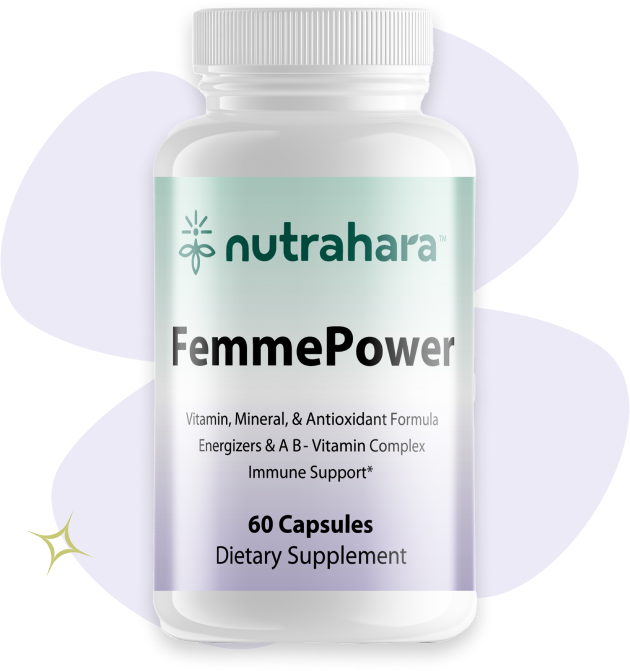
Second, see if the formula adds a bioavailability enhancer. Piperine (from black pepper) is the most studied. Our pick adds both piperine and Ashwagandha, giving you an extra adaptogenic boost.
Third, ask if extra joint actives are included. Glucosamine, chondroitin, and MSM form a classic joint matrix. The Turmeric, Glucosamine & Chondroitin Complex Capsules include all three but skip any enhancer, which may limit curcumin’s reach.
Fourth, look for third‑party testing. A seal from USP or NSF tells you the product is pure and potent.
Fifth, consider your digestive comfort. Some capsules use a vegetarian base that’s gentle on the stomach. The Isha Life organic turmeric capsules recommend taking them on an empty stomach with warm water, which can reduce nausea.
Here’s a quick checklist you can print:
Our pick, Nutrahara Supplements, hits every box. It blends black pepper with Ashwagandha, giving you the absorption lift plus adaptogenic calm.
For a look at classic formulations, see Srisri Tattva USA. They focus on black pepper alone without the adaptogen.
Another useful source is Darwin Nutrition, which explains why piperine matters.
Now that you have the right bottle, it’s time to make it a habit. Consistency beats occasional mega‑doses.
Start with the suggested use on the label. Many brands, like the Isha Life organic capsules, say “Take 2 capsules per day on an empty stomach with warm water in the morning.” That timing helps curcumin pass through the gut before food slows absorption.
If you practice yoga, try taking the capsules right before your session. The warm water trick can also wake up your digestion.
Set a reminder on your phone. Pair it with another morning habit, like brushing your teeth, so you don’t miss a day.
Track how you feel. A simple journal can note pain level (0‑10), stiffness, and mobility each morning.
Here’s a sample morning routine:
For more on how to take the capsules, see the official directions on the Isha Life product page. It notes the 90‑capsule bottle and the empty‑stomach tip.
Watch this short guide to see the routine in action:
Another external reference that backs up the timing advice is the systematic review in PMC. It shows turmeric can match NSAIDs for knee OA pain when taken consistently.
Turmeric works best when you give your joints a friendly environment.
First, add low‑impact cardio. Walking, swimming, or cycling keep joints moving without pounding them.
Second, weave in strength work. Light resistance bands strengthen the muscles that protect the knee and hip.
Third, practice yoga. Poses like Cat‑Cow, Child’s Pose, and gentle hip openers increase synovial fluid, which lubricates joints.
Fourth, watch your diet. Foods rich in omega‑3s, flaxseed, walnuts, fatty fish, help curb inflammation. Pair them with the anti‑inflammatory power of turmeric.
Fifth, manage stress. Chronic stress spikes cortisol, which fuels joint inflammation. The Ashwagandha in our pick helps lower cortisol, giving you a two‑pronged attack.
Here’s a weekly plan you can copy:
For a deeper dive on stress‑relief herbs, read Ashwagandha Dosage for Women Anxiety Relief. It explains why Ashwagandha works well alongside turmeric.
External tips on joint‑friendly exercise can be found at BBC Good Food and Srisri Tattva USA. Both note the value of movement for joint health.

Without tracking, you won’t know if the turmeric capsules are working.
Start with a baseline. Rate your pain on a 0‑10 scale, note stiffness, and write down any activity limits.
Every week, re‑rate. Look for a drop of at least one point after four weeks. If pain stays the same, consider these tweaks:
The systematic review in PMC notes that dosage and formulation still vary, so personal tweaking is normal.
Use a simple spreadsheet. Columns can include Date, Pain Score, Stiffness, Mobility (minutes of walking), Capsule Dose, and Notes.
If after eight weeks you see no change, you might switch to a product that adds extra joint actives, like the Glucosamine & Chondroitin Complex. Or you could stay with our pick and add a second booster, such as a small amount of black‑pepper oil.
Remember to check with a health professional before changing doses, especially if you’re pregnant, lactating, or on medication.
Yes, most turmeric supplements are safe in pregnancy when you stay under 500 mg of curcumin per day. Our pick uses a modest dose and adds Ashwagandha, which is also considered safe in low amounts during pregnancy. Still, always talk to your OB‑GYN before starting any new supplement.
Most women notice a shift in pain levels after 2, 4 weeks of daily use. The systematic review in PMC shows improvements begin at about three weeks and continue up to twelve weeks. Keep a journal to see your own trend.
The research suggests an empty‑stomach dose boosts absorption. However, if you experience stomach upset, you can take them with a small amount of healthy fat, like a spoonful of almond butter, to help curcumin dissolve.
Turmeric can work alongside NSAIDs, but it’s wise to start with a lower dose of each and watch for any stomach irritation. The PMC review found no extra side effects when turmeric was paired with NSAIDs.
Side effects are rare but can include mild stomach upset or a yellow tint to stools. The Ashwagandha in our pick can cause slight drowsiness in some people, which is actually helpful at night.
Absolutely. The joint‑support benefits apply to anyone with inflammation. Men may appreciate the added adaptogen for stress relief, too.
We’ve walked through why turmeric matters, how to pick the right capsule, how to make it a habit, and how to watch your progress. The key take‑away is that not all turmeric supplements are created equal. Our pick, Nutrahara Supplements, gives you the absorption boost of black pepper and the calming adaptogen Ashwagandha, all in one capsule.
If you’re ready to try, start with the suggested dose, pair it with gentle movement, and log your pain scores. Within a month you should feel a real change.
Need more guidance on how turmeric can help your skin while you treat joint pain? Explore Turmeric Supplement Benefits for Women’s Skin for a deeper look.
Take the first step today. Your joints will thank you, and you’ll be back to the activities you love.