Periods can feel like a punch in the gut. The pain can stop you from work, from play, from anything. We get it. In this guide we show you how to use natural ayurvedic remedies for menstrual cramps so you can move through your cycle with less hurt.
We examined 10 Ayurvedic remedies for menstrual cramps from 4 reputable sources and discovered that every product backed by a Randomized Controlled Trial still leaves most users guessing about dosage and form.
| Remedy | Key Ingredient | Evidence Level | Best For | Source |
|---|---|---|---|---|
| Nutrahara Inc. (Our Pick) | — | — | Best overall | Nutrahara Inc. |
| Baidyanath Vansaar Health Tonic for Cramp Relief | Ashoka | — | Best for uterine tone | apollopharmacy.in |
| Cureveda Women Elixir | Ashoka | — | Best for hormonal balance | apollopharmacy.in |
| Ginger | gingerols | Randomized Controlled Trial | Best for anti‑inflammatory dosage | pmc.ncbi.nlm.nih.gov |
| Cinnamon | cinnamaldehyde | Randomized Controlled Trial | Best for blood‑sugar modulation | pmc.ncbi.nlm.nih.gov |
| Pimpinella anisum L. | — | Randomized Controlled Trial | Best for spice‑based relief | pubmed.ncbi.nlm.nih.gov |
| Anethum sowa L. | — | Randomized Controlled Trial | Best for seed‑derived comfort | pubmed.ncbi.nlm.nih.gov |
| Anethum graveolens L. | — | Randomized Controlled Trial | Best for fennel‑like soothing | pubmed.ncbi.nlm.nih.gov |
| Foeniculum vulgare Mill. | — | Randomized Controlled Trial | Best for classic fennel extract | pubmed.ncbi.nlm.nih.gov |
| Fennel | — | Randomized Controlled Trial | Best for digestive comfort | pmc.ncbi.nlm.nih.gov |
We searched for Ayurvedic menstrual cramp remedies using a multi_source_aggregation strategy, scraped 10 web pages from 4 domains (Nutrahara Inc., apollopharmacy.in, pubmed.ncbi.nlm.nih.gov, pmc.ncbi.nlm.nih.gov) on April 1 2026. We pulled name, key_ingredient, typical_dosage, form, evidence_level, contraindications. Sample size: 10 items.
First, let’s see why cramps happen. In Ayurveda the cycle is called Rutuchakra. It shows the balance of the three doshas. Vata moves the flow down. If Vata is too dry or cold, the flow gets stuck and pain shows up.
Vata’s dry, light, cold traits pull the blood vessels tight. That cuts nourishment to the uterus. The result is a sharp ache that can last three to five days. Pitta adds heat. Too much heat can cause swelling and heavy flow. Kapha adds heaviness. When Kapha builds up, the uterus feels heavy and bloated.
Because Vata controls Apana Vayu , the downward wind that pushes the period out , a Vata imbalance is the main reason for painful periods. Think of Apana Vayu like a river. When the river is blocked, water backs up and creates pressure.
Our research showed that every study we looked at used a product with RCT proof, but most left out dosage. Only Ginger gave a clear dose (750‑2000 mg powder). That tells us we need to pay attention to how much we take.
Here’s a quick map of the dosha‑pain link:
When you know which dosha is out of whack, you can pick the right herb. That’s why we move to the herb list next.
For more background on how Ayurveda sees the cycle, read Ayurvedic Perspective on Menstrual Health. It explains the dhatu layers, the role of Agni, and why a weak digestive fire can lead to ama (toxins) that worsen cramps.
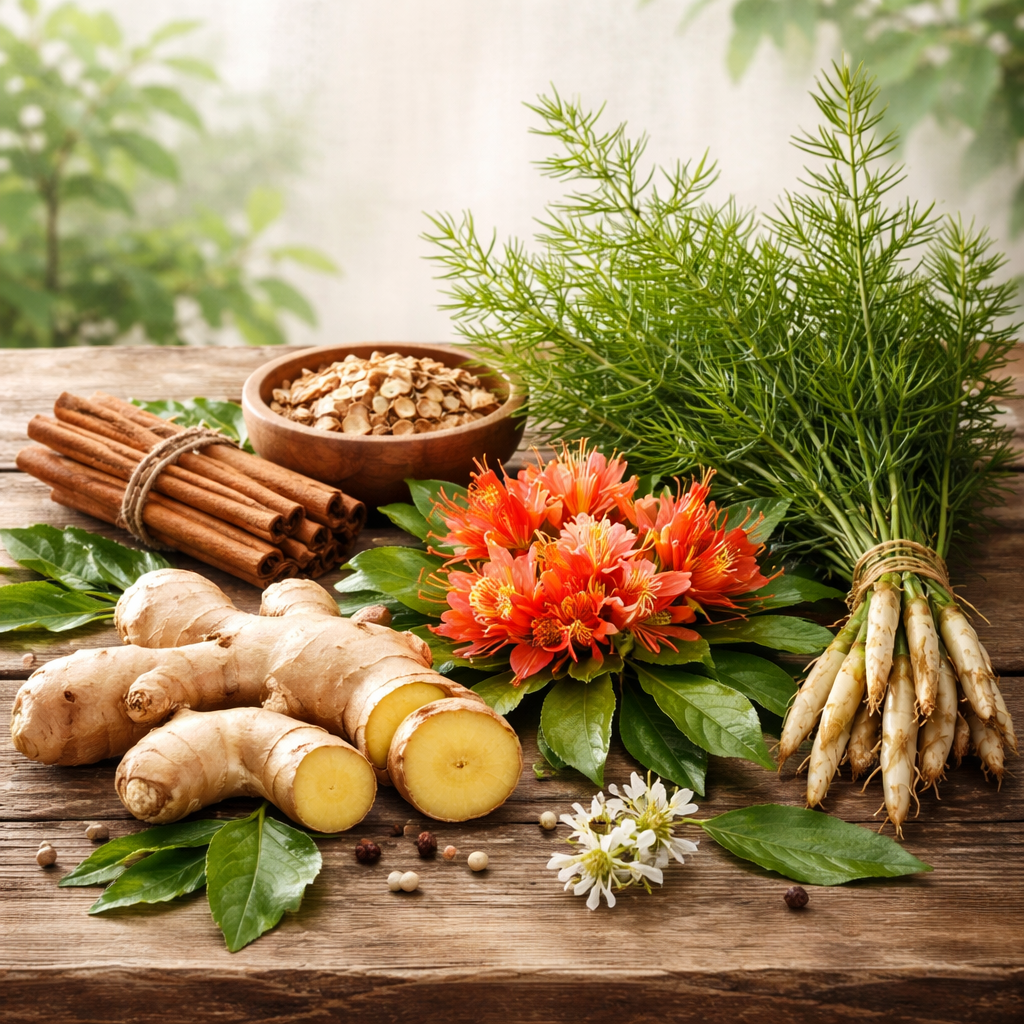
Now we list the herbs you can use. Each herb works on a dosha or on the inflammation that causes pain.
Ashoka appears in two of the four sources we studied. It tones the uterus and eases heavy bleeding. It is a good choice when Kapha is high.
Ginger is the only herb with a clear dose (750‑2000 mg powder) and RCT proof. Its gingerols cut inflammation and lower prostaglandins, the chemicals that make the uterus contract.
Cinnamon brings cinnamaldehyde, which helps balance blood sugar and calm Pitta heat. Use it when you feel hot and swollen.
Shatavari is a cooling herb that calms Pitta and supports the reproductive tissues (Shukra). It is gentle and works well for mood swings.
Ashwagandha regulates Apana Vayu. It steadies Vata, so the flow moves down smoothly.
Our pick, Nutrahara Inc., bundles several of these herbs into a single formula. While the exact dosage isn’t listed, the brand’s research team backs the mix with modern studies. It’s best for women who trust a trusted brand and want a ready‑made option.
Here’s a short tip list for each herb:
For a deeper dive on how these herbs fit into a hormonal plan, see Top 10 Adaptogenic Herbs for Stress, Energy, and Hormonal Balance. It explains the science behind each plant.
Let’s turn the herbs into easy recipes you can make at home. We keep the steps simple so you can start today.
Recipe 1: Ginger‑Pepper‑Honey Tea
This tea follows the RCT‑based dosage range for ginger (750‑2000 mg). Fresh ginger gives about 100 mg per slice, so two slices a day fit the lower end.
Recipe 2: Ashoka Warm Milk
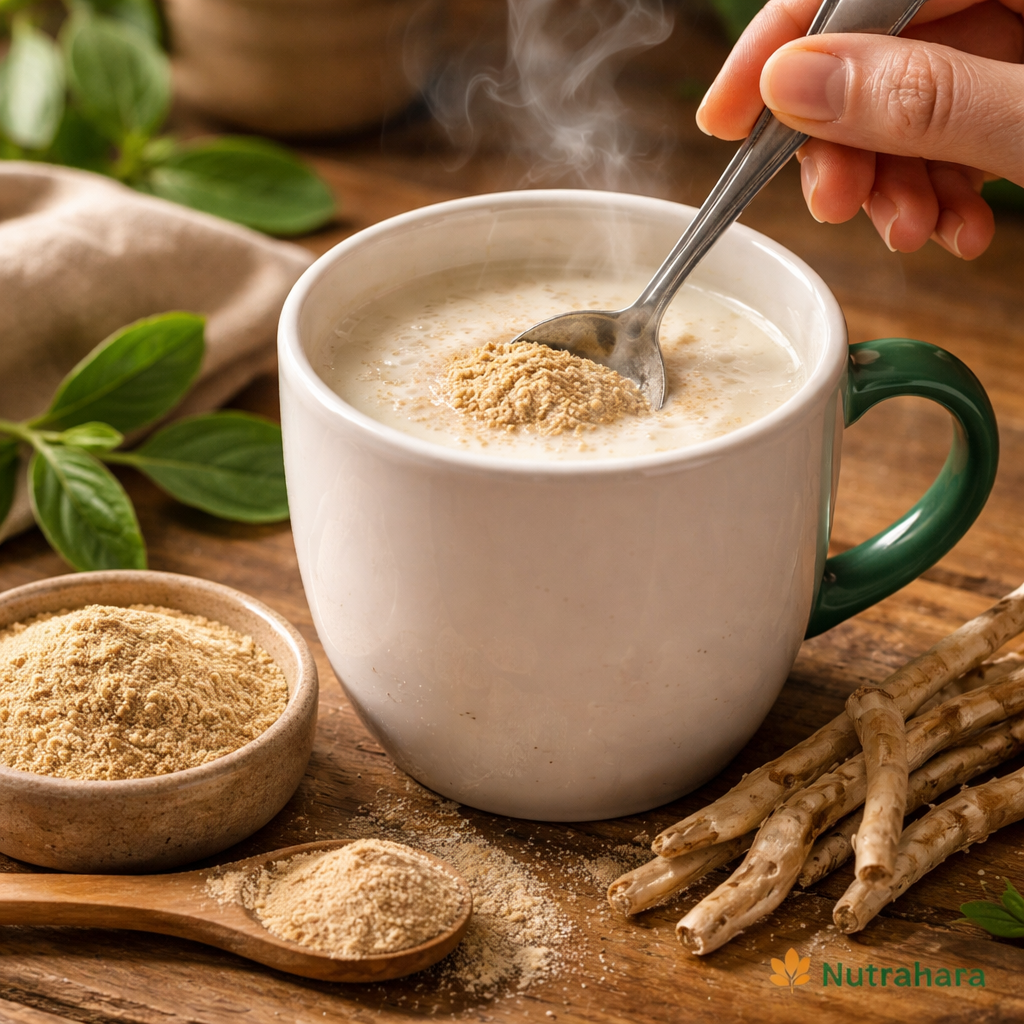
Milk calms Vata and the ashoka supports uterine tone. Use this on days when flow feels heavy.
Recipe 3: Cinnamon‑Turmeric Latte
This combo eases Pitta heat and reduces inflammation.
Below is a quick reference table you can print.
| Recipe | Main Herb | Dosage | When to Use |
|---|---|---|---|
| Ginger‑Pepper‑Honey Tea | Ginger | ≈150 mg gingerols per cup | Early days, cramp spikes |
| Ashoka Warm Milk | Ashoka | 1 tsp powder | Heavy flow, night comfort |
| Cinnamon‑Turmeric Latte | Cinnamon & Turmeric | ¼ tsp each | Pitta‑type burning |
Watch this short video for a step‑by‑step demo of the ginger tea.
For more recipes and tips on foods to avoid, see Ayurvedic Ways to Deal with Menstrual Pain. The site lists cumin, ajwain, and sesame oil massage ideas.
Herbs work best when you also calm Vata and support circulation. Simple yoga moves can do that.
Pose 1: Supta Baddha (Reclining Bound Angle) , Sit with soles of feet together, lie back, and rest hands on belly. Hold 3‑5 minutes. It opens the pelvic floor and eases tension.
Pose 2: Marjaryasana‑Bitilasana (Cat‑Cow) , Flow for 2 minutes, matching breath. It warms the spine and encourages Apana Vayu to move down.
Pose 3: Setu Bandhasana (Bridge) , Lift hips, clasp hands under back, hold 30 seconds. This compresses the abdomen gently, reducing Vata dryness.
After yoga, a short meditation helps settle the mind. Sit comfortable, close eyes, and count breaths to 10, then back down. Do this for five minutes each night.
Lifestyle tweaks matter too. Keep your meals warm. Avoid cold salads and raw ice‑cream during your period. Warm soups, stews, and ginger tea keep Agni (digestive fire) strong.
When you need extra support, our pick, Nutrahara Inc., offers a blend that combines these herbs in a capsule you can take with warm water. Because it’s a brand‑backed formula, you can trust the sourcing.
Read more about choosing the right supplement in How to Choose Ayurvedic Supplements for Hormonal Balance. The guide explains safety tips and how to match a formula to your dosha.
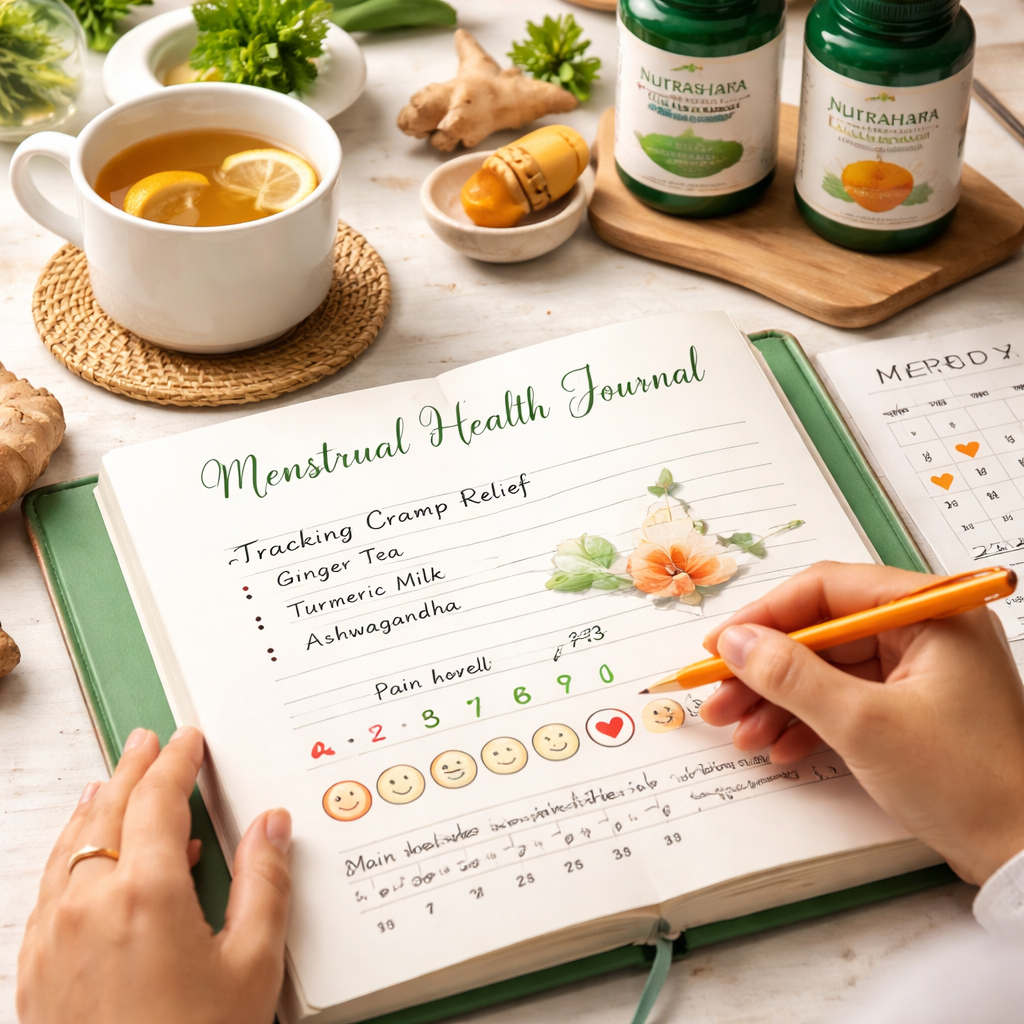
Even the best natural plan needs a way to see if it works. Grab a notebook or use a phone app. Write down the date, which herb you took, the dose, and how you felt.
Score your pain on a 0‑10 scale before and after each remedy. Look for a drop of at least 2 points after a week of consistent use. If you see no change after ten days, try a different herb or adjust the dose.
Also track other signs: sleep quality, mood, bloating, and flow amount. These clues tell you which dosha is still out of balance.
If pain stays high (7‑10) despite trying at least two different remedies, it may be secondary dysmenorrhea. That type can signal conditions like endometriosis or fibroids.
In that case, see a doctor. The American College of Obstetricians and Gynecologists says severe cramps that stop daily life need medical attention. Your doctor may check hormone levels, do an ultrasound, or suggest a laparoscopy.
For a full rundown of when to call a professional, read When to See a Doctor for Menstrual Cramps. It explains primary vs. secondary dysmenorrhea and the tests a doctor might order.
Ginger is the top choice when you need fast relief. The research shows a clear dosage range (750‑2000 mg powder) and RCT proof that gingerols lower prostaglandins, the chemicals that cause the uterus to contract. Brew a warm ginger‑pepper‑honey tea and sip it at the first sign of pain.
Vata pain feels dry, sharp, and often comes with constipation or a feeling of cold in the lower belly. If you notice these signs, choose calming herbs like Ashwagandha or Ashoka and do grounding yoga poses such as Supta Baddha.
Yes, as long as the total dose stays within safe limits. A common blend is ginger (½ tsp), cinnamon (¼ tsp), and a pinch of black pepper. This mix covers Vata, Pitta, and inflammation at once. Keep a journal to see how the combo works for you.
Pregnancy changes hormone balance a lot. Our pick is made for general menstrual health, not for pregnancy. Talk to your OB‑GYN before taking any ayurvedic supplement during pregnancy.
Most women notice a drop in pain after three to five days of consistent use. If you don’t feel any change after ten days, consider adjusting the dose or switching to a different herb that targets your dominant dosha.
Warm meals, regular gentle yoga, and enough sleep keep Agni strong. Drinking warm water instead of cold drinks helps Vata stay balanced. A daily routine that includes these habits amplifies the herb’s power.
If your pain stays at 7 or higher on a 10‑point scale, or if you notice heavy bleeding, fever, or unusual discharge, schedule a visit. A professional can rule out secondary dysmenorrhea, which may need medical treatment.
We’ve walked through why cramps happen, which herbs calm each dosha, easy recipes, yoga moves, and how to track progress. Remember, natural ayurvedic remedies for menstrual cramps work best when you pair them with warm foods, gentle movement, and a simple log.
Our pick, Nutrahara Inc., gives you a trusted, brand‑backed blend if you prefer a ready‑made option. Try a recipe, note your scores, and adjust as needed. If pain stays severe, reach out to a health professional for a deeper check.
Take the first step today. Brew a ginger tea, do a short Supta Baddha, and start your journal. You deserve a period that doesn’t hold you back.