Hormonal imbalances affect millions of women, causing everything from mood swings to irregular periods. But here’s what’s shocking: we examined 14 Ayurvedic hormonal-balance supplements from two sources and discovered that most products underdose the flagship herb Ashwagandha despite its dominance in the market.
| Supplement | Main Ayurvedic Herb | Typical Daily Dosage | Source |
|---|---|---|---|
| Ashwagandha 600 mg/day | Ashwagandha | 600 mg per day | frontiersin.org |
| Ashwagandha (ARE) 300 mg BID | Ashwagandha | 300 mg twice daily | frontiersin.org |
| Ashwagandha capsules | Ashwagandha | 300, 600 mg daily | oshwellness.com |
| Ashwagandha powder (churna) | Ashwagandha | 300, 600 mg daily | oshwellness.com |
| Ashwagandha extract | Ashwagandha | 300, 600 mg daily | oshwellness.com |
| Combination capsule (SHT-300 mg-ARE-250 mg) | Shatavari and Ashwagandha | 300 mg Shatavari + 250 mg Ashwagandha (one capsule daily) | frontiersin.org |
| Shatavari monotherapy 500 mg/day | Shatavari | 500 mg per day | frontiersin.org |
| Tinospora cordifolia, Asparagus racemosus, Withania somnifera, Commiphora mukul combination | Asparagus racemosus | Tinospora cordifolia 75 mg, Asparagus racemosus 100 mg, Withania somnifera 100 mg, Commiphora mukul 225 mg | frontiersin.org |
| Ashwagandha (ARE) 225 mg/day | Ashwagandha | 225 mg per day | frontiersin.org |
| Shatavari root extract capsule (SHT-300 mg) | Shatavari | 300 mg (one capsule daily) | frontiersin.org |
| KSM-66 | Ashwagandha | , | oshwellness.com |
| Osh Wellness Menopause Support | Ashwagandha | , | oshwellness.com |
| Shatavari | Shatavari | , | oshwellness.com |
| Ashwagandha root extract | Ashwagandha | , | frontiersin.org |
Our research revealed something troubling. While Ashwagandha appears in 64% of products, the average disclosed dosage is only 320 mg. That’s far below the 500-600 mg range commonly recommended for hormonal balance. Even more concerning? Zero products provide target hormone information or price ranges, creating a major transparency gap.
This guide will teach you exactly how to choose ayurvedic supplements for hormonal balance that actually work. You’ll discover which herbs deliver real results, how to spot quality formulas, and what dosages make the difference between wasted money and restored balance.
Your hormones control everything. Sleep. Mood. Energy. Metabolism. When they’re balanced, you feel like yourself. When they’re not, life becomes a daily struggle.
Hormonal imbalances don’t happen overnight. They build slowly through stress, poor diet, lack of sleep, and environmental toxins. Your body tries to compensate, but eventually, the system breaks down. That’s when you start experiencing the symptoms that send you searching for solutions.

Modern medicine often treats symptoms with synthetic hormones or pharmaceutical interventions. But Ayurveda takes a different approach. This 5,000-year-old system views hormonal imbalances as signs of deeper constitutional imbalances.
In Ayurvedic terms, hormones are controlled by Ojas (vital essence) and the three doshas: Vata, Pitta, and Kapha. When these forces fall out of harmony, hormonal chaos follows. Vata imbalances create irregular cycles and anxiety. Pitta disruptions cause heat, inflammation, and heavy bleeding. Kapha disturbances lead to weight gain and sluggish cycles.
The beauty of learning how to choose ayurvedic supplements for hormonal balance lies in addressing root causes, not just symptoms. Research shows that herbs like Shatavari contain phytoestrogens that imitate estrogen in the body, helping women retain hormonal balance as they age.
Ayurvedic herbs work as adaptogens, helping your body adapt to stress and restore natural rhythm. They don’t force changes like synthetic hormones. Instead, they support your body’s innate wisdom to heal itself.
Take Ashwagandha, for example. Studies show it can reduce serum cortisol levels significantly. When cortisol drops, other hormones can rebalance naturally. Your sleep improves. Your mood stabilizes. Your energy returns.
Understanding this foundational principle changes how you approach hormone health. Instead of looking for quick fixes, you’re building long-term resilience. That’s the difference between managing symptoms and actually healing.
The key is choosing supplements that work with your unique constitution and specific imbalances. Not every woman needs the same herbs at the same dosages. Traditional Ayurvedic practices emphasize personalized approaches to hormonal harmony, which is why understanding your individual needs comes first.
Before you learn how to choose ayurvedic supplements for hormonal balance, you need to understand your unique constitution. Ayurveda calls this your Prakriti, your natural blueprint determined at birth.
Your constitution influences how hormones behave in your body. Some women naturally run hot with strong digestion and intense periods. Others feel cold easily and have irregular, scanty cycles. Understanding these patterns helps you choose the right herbs.
Start by identifying your dominant dosha. Vata types tend to be thin, creative, and prone to anxiety. Their hormonal symptoms include irregular cycles, insomnia, and emotional sensitivity. If you’re always cold, forget things easily, or have dry skin, you might be Vata-dominant.
Pitta women are typically medium-built with strong appetites and leadership qualities. Their hormonal imbalances show up as heavy bleeding, hot flashes, irritability, and acne. You might be Pitta if you get angry when hungry or prefer cool weather.
Kapha types have larger frames, calm personalities, and slower metabolisms. Their hormonal issues include weight gain, water retention, sluggish cycles, and PCOS tendencies. Signs of Kapha dominance include loving routine, sleeping deeply, and gaining weight easily.
Next, assess your current imbalances. According to Ayurveda, hormonal disturbances are deeply connected to dosha imbalance, with different patterns behind similar symptoms.
Track your symptoms for at least one full menstrual cycle. Note energy levels, mood changes, sleep quality, and physical symptoms. Are your periods regular or erratic? Do you feel more anxious or angry before menstruation? Does stress make everything worse?
Consider your life stage too. Women in their 20s and 30s often deal with stress-related imbalances from career demands and relationship changes. Those in their 40s might experience perimenopause symptoms like irregular cycles and mood swings. Post-menopausal women face different challenges around bone health and energy.
Your lifestyle factors matter just as much. Do you eat irregular meals? Skip sleep? Live with chronic stress? These patterns create specific imbalances that require targeted herbal support.
Environmental factors also play a role. Exposure to endocrine disruptors in plastics, pesticides, and personal care products can throw hormones off balance. If you suspect environmental toxicity, detoxification support becomes crucial.
This assessment phase is crucial for learning how to choose ayurvedic supplements for hormonal balance effectively. The herbs that work for your stressed-out colleague might not work for you if your constitutions and imbalances are different.
Once you understand your constitution, it’s time to match specific herbs to your hormonal needs. The key to learning how to choose ayurvedic supplements for hormonal balance is knowing which herbs address your particular symptoms and imbalances.
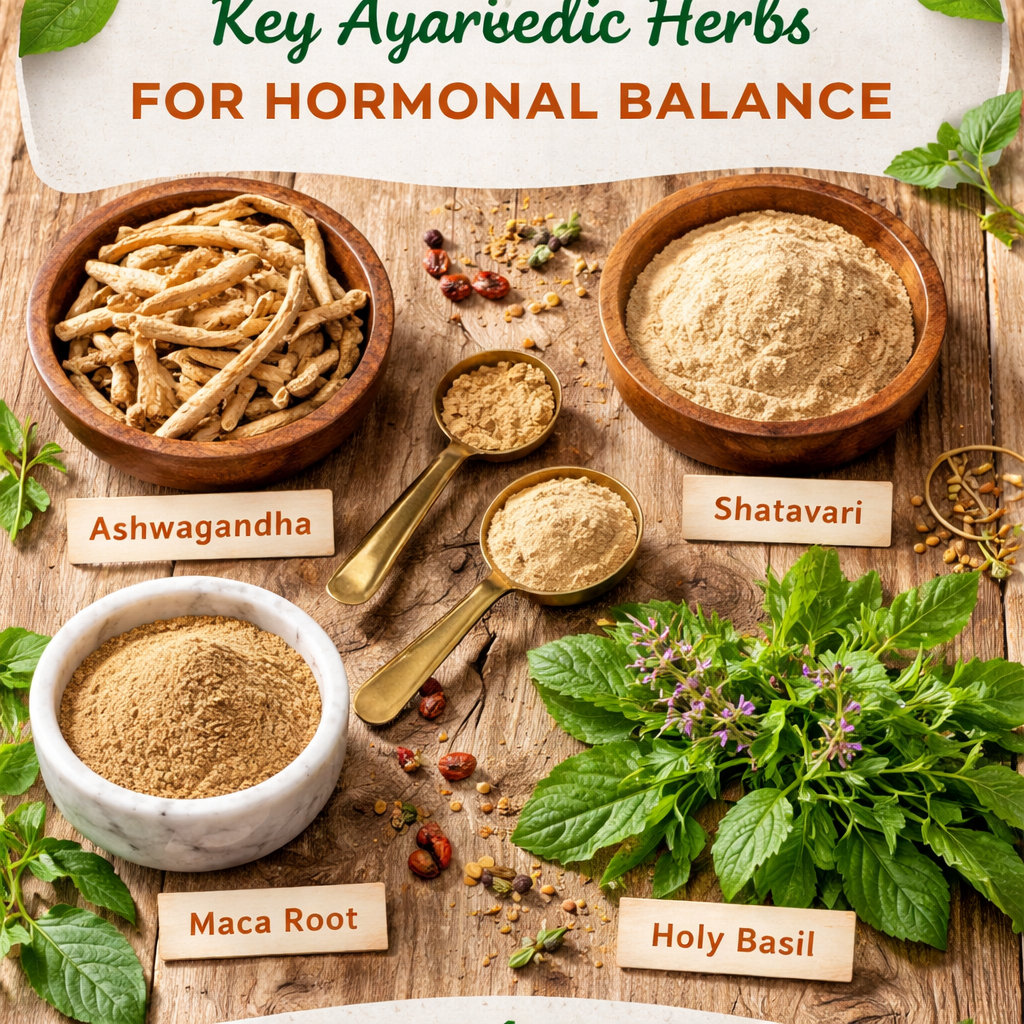
Ashwagandha stands out as the most researched adaptogen for hormonal balance. Our data shows it appears in 64% of hormonal supplements, though many products underdose it. The effective range is 500-600 mg daily, yet the average product contains only 320 mg.
Ashwagandha works by reducing cortisol levels and supporting the hypothalamic-pituitary-adrenal axis. This makes it perfect for women with stress-induced hormonal imbalances. If you experience anxiety, insomnia, or irregular cycles due to stress, Ashwagandha should be your first choice.
Shatavari is known as the “Queen of Herbs” for women’s health. This asparagus family member contains phytoestrogens that help balance estrogen levels naturally. Our research shows effective dosages range from 300-500 mg daily.
Shatavari particularly benefits women with estrogen deficiency symptoms like vaginal dryness, hot flashes, and mood swings. It also supports lactation in nursing mothers and can help regulate menstrual cycles.
| Herb | Primary Action | Best For | Typical Dosage |
|---|---|---|---|
| Ashwagandha | Reduces cortisol, calms nervous system | Stress, anxiety, sleep issues | 500-600 mg daily |
| Shatavari | Balances estrogen, supports reproductive health | Menopause, PMS, fertility | 300-500 mg daily |
| Holy Basil | Lowers blood sugar and cortisol | Mood swings, emotional stress | 300-600 mg daily |
| Maca Root | Supports endocrine system | Low libido, energy, fertility | 1,500-3,000 mg daily |
Holy Basil (Tulsi) deserves special attention for emotional balance. This sacred herb helps regulate both cortisol and blood sugar levels. Women who experience mood swings, emotional eating, or stress-related weight gain often benefit from Holy Basil supplementation.
Maca Root contains 60 different phytonutrients that support the endocrine system. Research shows it may improve sexual function in healthy menopausal women. The effective dosage is typically higher than other herbs, ranging from 1,500-3,000 mg daily.
Studies show that adaptogenic herbs like Rhodiola boost mental clarity and energy by reducing stress-induced fatigue, making combination formulas particularly effective.
Lodhra specifically addresses excess testosterone in women. If you have PCOS, excessive hair growth, or acne related to high androgen levels, Lodhra can help counteract these effects and restore hormonal balance.
Amla (Indian Gooseberry) provides powerful antioxidant support and helps flush excess estrogen from the body during menstruation. This dual action supports both hormonal balance and overall cellular health.
Combination formulas often work better than single herbs. Our research shows that products combining Shatavari and Ashwagandha deliver 550 mg total per dose, matching high-dose single-ingredient products. This challenges the assumption that blends are always lower-dose.
The secret to choosing the right herbs lies in matching their actions to your specific symptoms. Stress-related imbalances respond to adaptogens like Ashwagandha. Estrogen deficiency benefits from phytoestrogenic herbs like Shatavari. Emotional instability improves with Holy Basil.
Remember that quality matters more than quantity. A well-absorbed 300 mg dose often works better than a poorly absorbed 600 mg dose. That’s why understanding extraction methods and bioavailability becomes crucial in the next step.
Knowing how to choose ayurvedic supplements for hormonal balance means looking beyond the label to understand what you’re actually getting. Not all supplements are created equal, and poor-quality products can waste your money or worse, harm your health.
Start with the extraction method. Traditional water extractions preserve the full spectrum of plant compounds but may be less potent. Alcohol extractions concentrate active compounds but might miss water-soluble nutrients. CO2 extractions are considered the gold standard because they preserve the complete plant profile while concentrating active compounds.
Look for standardized extracts when possible. These guarantee specific levels of active compounds. For example, Ashwagandha extracts standardized to 5% withanolides ensure consistent potency from batch to batch.
Third-party testing is non-negotiable. Reputable companies test for heavy metals, pesticides, microbes, and potency. Look for certificates of analysis (COAs) that verify these test results. If a company won’t provide COAs, choose a different product.
Organic certification matters more for herbs than many other supplements. Plants concentrate whatever’s in their growing environment. Non-organic herbs may contain pesticide residues that can further disrupt your hormones.
Pay attention to additional ingredients. Quality supplements use minimal fillers and avoid artificial colors, flavors, and preservatives. Vegetarian capsules are preferable to gelatin for better absorption and ethical considerations.
Manufacturing standards tell you a lot about quality. Look for products made in GMP (Good Manufacturing Practices) certified facilities. FDA-registered facilities in the United States follow stricter quality controls than many overseas manufacturers.
Bioavailability enhancers can make a significant difference. Black pepper extract (piperine) increases absorption of many herbs by up to 2000%. Other enhancers include ginger extract and certain fats that help absorb fat-soluble compounds.
Expiration dates and storage requirements indicate freshness and stability. Herbs lose potency over time, especially when exposed to heat, light, and moisture. Products with longer shelf lives often contain more stabilizers and preservatives.
When evaluating how to choose ayurvedic supplements for hormonal balance, consider the company’s reputation and transparency. Established companies with good customer service and clear return policies stand behind their products.
Price can be an indicator of quality, but it’s not foolproof. Very cheap products often cut corners on quality, while very expensive ones might be overpriced marketing. Focus on value rather than just price.
Combination formulas require extra scrutiny. Make sure each herb is present in therapeutic amounts, not just sprinkled in for label appeal. Our research shows that some combinations actually provide better dosing than single-ingredient products, but you need to do the math.
Don’t be swayed by flashy marketing claims. Terms like “pharmaceutical grade” and “clinical strength” aren’t regulated and may be meaningless. Focus on concrete information like standardization levels and third-party testing.
Understanding proper timing and dosage is crucial when learning how to choose ayurvedic supplements for hormonal balance. Even the highest quality herbs won’t work if you take them incorrectly.
Start with the lowest effective dose and increase gradually. This approach lets you assess tolerance and find your optimal amount. Most women see benefits within 2-4 weeks of consistent use, but some herbs take longer to show full effects.
Timing matters as much as dosage. Adaptogens like Ashwagandha work best when taken consistently at the same time each day. Morning doses support energy and stress resilience throughout the day. Evening doses may interfere with sleep in sensitive individuals.
For stress-related hormonal imbalances, morning dosing aligns with your natural cortisol rhythm. Your cortisol should be highest in the morning and gradually decline throughout the day. Taking adaptogens in the morning supports this natural pattern.
Cycle timing can enhance effectiveness for menstruating women. Some herbs work better during specific phases of your cycle. For example, taking Shatavari during the follicular phase (days 1-14) may enhance estrogen support when your body needs it most.
Split dosing often improves absorption and reduces side effects. Instead of taking 600 mg of Ashwagandha once daily, try 300 mg twice daily with meals. This approach maintains steadier blood levels and reduces the risk of stomach upset.
Food interactions affect absorption. Some herbs absorb better with food, while others work best on an empty stomach. Fat-soluble compounds need dietary fat for absorption, while water-soluble ones may absorb better without food.
Consider your other medications and supplements. Space hormonal herbs at least 2 hours away from thyroid medications, as some herbs can affect absorption. If you take birth control pills, monitor for any changes in effectiveness.
Duration of use varies by individual and condition. Acute stress-related imbalances may resolve in 1-3 months of consistent use. Chronic conditions like PCOS or menopause may require longer-term support with periodic breaks.
Most practitioners recommend taking breaks every 6-8 weeks to prevent tolerance and allow your body to reset. This cycling approach maintains effectiveness while reducing the risk of dependency.
Track your response carefully during the first few months. Keep notes on energy levels, mood, sleep quality, and menstrual changes. This data helps you optimize dosing and timing for your unique needs.
When combining multiple herbs, start with one at a time. Add new herbs every 2-3 weeks so you can identify which ones help and which ones might cause problems. This methodical approach prevents overwhelming your system.
Seasonal adjustments may be necessary. Your hormonal needs can change with stress levels, life circumstances, and even weather patterns. What works in summer might need adjustment in winter.
Safety comes first when learning how to choose ayurvedic supplements for hormonal balance. While herbs are natural, they’re also powerful medicines that can interact with medications and cause side effects in some people.
Start by consulting with healthcare providers, especially if you take prescription medications. Some herbs can enhance or reduce the effects of blood thinners, diabetes medications, and blood pressure drugs. Your doctor needs to know about any supplements you’re considering.
Pregnancy and breastfeeding require special caution. Many herbs that support hormonal balance are contraindicated during pregnancy. Ashwagandha, for example, may stimulate uterine contractions. Always get professional guidance if you’re pregnant, trying to conceive, or breastfeeding.
Autoimmune conditions need careful consideration. Some adaptogenic herbs can stimulate immune function, potentially worsening autoimmune symptoms. If you have conditions like lupus, rheumatoid arthritis, or multiple sclerosis, work with a knowledgeable practitioner.
Hormone-sensitive cancers require extreme caution with phytoestrogenic herbs like Shatavari. These herbs may feed estrogen-dependent tumors. If you have a history of breast, ovarian, or uterine cancer, avoid estrogenic herbs unless specifically approved by your oncologist.
Thyroid medications can interact with several Ayurvedic herbs. Ashwagandha may enhance thyroid function, potentially requiring medication adjustments. Always monitor thyroid levels closely when starting new supplements if you take thyroid replacement therapy.
Blood sugar medications may need adjustment when taking herbs like Holy Basil that naturally lower blood glucose. Monitor blood sugar levels closely and work with your healthcare provider to adjust medications as needed.
Digestive sensitivity affects how well you tolerate herbs. Some people experience nausea, stomach upset, or changes in bowel movements when starting new supplements. Taking herbs with food usually reduces these side effects.
Quality control issues can create safety risks. Contaminated products may contain heavy metals, harmful bacteria, or undisclosed pharmaceutical ingredients. This is why third-party testing and reputable manufacturers are so important.
For complete health optimization beyond supplements, services like XLR8well offer proactive health partnerships that can help you develop personalized wellness programs supporting hormonal health through multiple approaches.
Allergic reactions, while rare, can occur with any herbal product. Start with small doses and watch for symptoms like rash, itching, swelling, or breathing difficulties. Discontinue use immediately if you experience any allergic symptoms.
Drug interactions can be subtle but significant. St. John’s Wort, sometimes included in mood-supporting formulas, can reduce the effectiveness of birth control pills. Research all ingredients in combination products for potential interactions.
Overdose risks exist even with natural products. Taking too much of certain herbs can cause side effects like elevated blood pressure, liver stress, or hormonal disruption. More isn’t always better with herbal medicine.
Most women notice initial improvements within 2-4 weeks of consistent use, but significant hormonal changes typically take 8-12 weeks. Your body needs time to adjust and rebalance naturally. Stress-related symptoms like sleep and mood often improve first, followed by cycle regularity and energy levels. Patience and consistency are key when learning how to choose ayurvedic supplements for hormonal balance effectively.
Yes, combining compatible herbs often enhances results, but start slowly. Begin with one herb for 2-3 weeks, then add others gradually. Popular combinations include Ashwagandha with Shatavari, or Holy Basil with Maca Root. Monitor your response carefully and avoid overwhelming your system. When learning how to choose ayurvedic supplements for hormonal balance, combination formulas from reputable companies offer pre-balanced ratios that work synergistically.
While generally safe, some people experience mild digestive upset, headaches, or changes in energy levels when starting new herbs. These typically resolve within a few days as your body adjusts. Rare but serious reactions include allergic responses or interactions with medications. Always start with low doses and consult healthcare providers, especially if you take prescription drugs or have medical conditions affecting how you choose ayurvedic supplements for hormonal balance.
Track key indicators like energy levels, sleep quality, mood stability, and menstrual regularity. Keep a daily journal rating these factors on a 1-10 scale. Positive changes in stress resilience and emotional balance often appear first, followed by physical improvements. Laboratory tests for cortisol, thyroid hormones, or reproductive hormones can provide objective measurement. Understanding how to choose ayurvedic supplements for hormonal balance includes monitoring both subjective symptoms and objective markers.
Most practitioners recommend taking breaks every 6-8 weeks to prevent tolerance and allow natural hormone production to resume. Take a 1-2 week break, then resume if needed. This cycling approach maintains effectiveness long-term and reduces dependency risks. Some acute conditions may only need 2-3 months of support, while chronic imbalances might require longer use with periodic breaks. When considering how to choose ayurvedic supplements for hormonal balance, factor in both short-term and long-term strategies.
Ayurvedic supplements can provide gentle hormonal support but shouldn’t replace prescribed hormone therapy without medical supervision. They work best as complementary approaches alongside conventional treatment or as natural alternatives for mild imbalances. Severe hormonal conditions may require pharmaceutical intervention. Work with healthcare providers to determine if herbs can safely reduce reliance on synthetic hormones. Understanding how to choose ayurvedic supplements for hormonal balance includes knowing when professional medical care is necessary.
Ashwagandha primarily reduces cortisol and supports stress resilience, making it ideal for anxiety-related hormonal imbalances. Shatavari contains phytoestrogens that directly support estrogen balance, benefiting menopause symptoms and reproductive health. Ashwagandha works more on the stress-hormone axis, while Shatavari focuses on reproductive hormones. Many women benefit from both herbs together. When learning how to choose ayurvedic supplements for hormonal balance, consider whether you need stress support, reproductive support, or both for optimal results.
Look for companies that provide third-party testing, organic certification, and standardized extracts. Nutrahara offers complete women’s health supplements specifically formulated for hormonal balance with high-quality ingredients. Other factors include GMP manufacturing, transparent labeling, and responsive customer service. Avoid brands making unrealistic claims or those lacking proper testing documentation. The key to learning how to choose ayurvedic supplements for hormonal balance lies in prioritizing quality over marketing hype when selecting trusted manufacturers.
Learning how to choose ayurvedic supplements for hormonal balance can transform your health journey from frustrating symptom management to helped wellness. The ancient wisdom of Ayurveda offers time-tested solutions that work with your body’s natural healing mechanisms rather than against them.
Remember the key steps: assess your unique constitution and current imbalances first, then match specific herbs to your symptoms and needs. Quality matters more than flashy marketing, so prioritize third-party tested, standardized extracts from reputable manufacturers. Start with appropriate dosages and timing, and always prioritize safety by consulting healthcare providers when needed.
Our research revealed concerning gaps in the supplement industry. Most Ashwagandha products underdose at 320 mg when 500-600 mg is recommended for hormonal balance. Zero products provide transparency about target hormones or pricing. This makes your role as an informed consumer even more critical.
The beauty of Ayurvedic herbs lies in their gentle yet profound effects. Unlike synthetic hormones that force changes, these plant medicines guide your body back to its natural balance. Whether you’re dealing with stress-induced irregularities, menopausal transitions, or PCOS challenges, there are herbs that can help.
Success comes from consistency, patience, and listening to your body’s signals. Most women see initial improvements within 2-4 weeks, but lasting hormonal balance takes 2-3 months of dedicated use. Track your progress, adjust as needed, and remember that this is a journey, not a destination.
For those seeking additional support in addressing skin issues that may stem from hormonal imbalances, resources like SC Clinic’s complete guide to improving textured skin can provide complementary solutions that work alongside your supplement routine.
Your hormones don’t have to control your life. With the right knowledge and high-quality supplements, you can reclaim your energy, stabilize your mood, and feel like yourself again. The path to hormonal balance starts with understanding how to choose ayurvedic supplements that truly serve your unique needs and constitution.