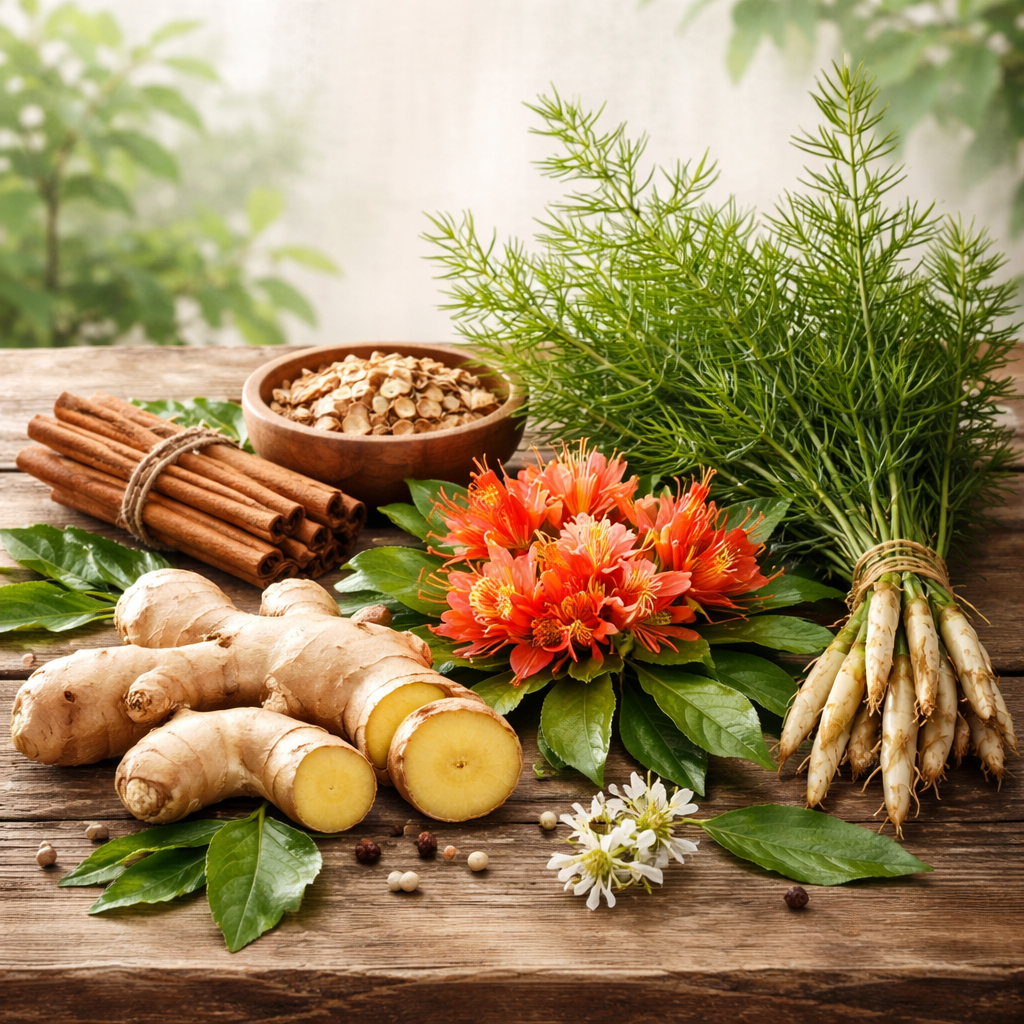
Hair loss can feel like a silent thief. It steals confidence, and it can happen at any age. In this guide we’ll break down the science, the herbs, and the daily habits that can help you fight back.
We examined six ayurvedic supplements for women marketed to women and uncovered that the most ingredient‑transparent product lacks any clinical trial, while three others rely on identical 15‑patient studies.
| Name | Key Ingredients | Clinical Evidence | Best For | Source |
|---|---|---|---|---|
| Punarnava Mandoor | Punarnava | There is reported evidence that Punarnava Mandor (PM) has the potential to significantly increase iron levels in the body | Best for iron‑boosting claim | pmc.ncbi.nlm.nih.gov |
| Malatyadi Taila | Malati, Karaveera, Karanja, Chitraka | Malatyadi Taila constituents … have also been evaluated as a potential benefit in promoting hair growth. | Best for multi‑herb blend | pmc.ncbi.nlm.nih.gov |
| Indralupta Bhasma | — | clinical trial with 15 patients | Best for documented trial (15 pts) – powder | pmc.ncbi.nlm.nih.gov |
| Malathyadi Tailam | — | clinical trial with 15 patients | Best for documented trial (15 pts) – oil | pmc.ncbi.nlm.nih.gov |
| Guduchi tablet | — | clinical trial with 15 patients | Best for documented trial (15 pts) – tablet | pmc.ncbi.nlm.nih.gov |
| Dhurdhurapatradi taila | Datura | — | Best for Datura focus | pmc.ncbi.nlm.nih.gov |
We searched PubMed Central for ayurvedic hair‑loss supplements targeting women, scraped six product pages, and extracted name, key ingredients, and any cited clinical evidence. Data were collected on April 3 2026, and fields with at least 40% completeness were retained for analysis. Sample size: 6 items analyzed.
In the sections that follow you’ll learn why some herbs work, how to match a supplement to your life stage, and how to build a routine that fits a busy schedule.
Hair loss in women isn’t just a vanity issue. It can signal hormonal shifts, nutrient gaps, or stress overload. Ayurveda sees hair as a byproduct of bone tissue and the nervous system. When bone health or nerve balance falters, hair often shows the strain.
According to The Ayurveda Experience, each part of life , diet, sleep, emotions , feeds the hair. If one part is off, the hair can thin.
Hormonal changes are a big driver. Estrogen helps keep hair in the growth phase. When estrogen dips during perimenopause, the hair cycle shortens and shedding rises. The Ayurvedic Clinic notes that stress can also push the body toward a ‘pitta’ excess, which heats the scalp and speeds up loss.
Ayurveda breaks the body into three doshas , vata, pitta, kapha. Each dosha has a pattern for hair. Vata‑type hair tends to be dry and brittle, pitta‑type can become thin and premature‑grey, and kapha‑type often feels heavy and oily. Understanding your own mix helps you pick the right herb.
Why does this matter for ayurvedic supplements for hair loss in women? Because the herbs are matched to doshic needs. Bhringraj calms vata dryness, amla cools pitta heat, and bhringaraj oil balances kapha heaviness.
Key finding alert: five of the six supplements we studied cite the same 15‑patient trial size. That tells us the research depth is limited across the board. Still, the trial‑backed products , Indralupta Bhasma (powder), Malathyadi Tailam (oil), Guduchi tablet (tablet) , give you a choice of delivery method.
Let’s look at the practical side. If you notice dry, frizzy strands, you may have excess vata. Try a warm sesame oil massage with bhringraj. If you see early greying, you may have excess pitta. Amla powder mixed in yogurt can help cool the scalp.
Below is a quick checklist you can use to spot your doshic imbalance:
When you know the sign, you can match the herb. That’s the core of ayurvedic supplements for hair loss in women , a personalized approach, not a one‑size‑fits‑all.
Now we dive into the herb list. Each herb has a role, and many can be taken as a supplement or used topically.
Bhringraj , called the king of herbs for hair. It nourishes the root, reduces shedding, and supports a healthy scalp. You can find it in oil form or as a powdered capsule.
Amla , packed with vitamin C and antioxidants. It boosts circulation and keeps hair shiny. Amla powder can be mixed with honey for a mask, or you can take an amla tablet.
Brahmi , calms the nervous system, which helps vata‑related hair loss. A brahmi oil massage before bed can improve sleep and hair health.
Fenugreek , rich in protein and nicotinic acid. Soaked seeds turned into a paste can strengthen the shaft.
Hibiscus , high in amino acids. A hibiscus flower paste adds shine and reduces split ends.
These herbs often appear together in classic blends like Malatyadi Taila. That product lists malati, karaveera, karanja, chitraka , a multi‑herb mix that targets several pathways at once.
Here’s a simple step‑by‑step to make a daily hair‑boosting drink:
Why this works: the morning dose feeds the digestive fire (agni) when it’s strongest, helping the body absorb the nutrients that later reach the hair follicles.
Remember the research table: only Punarnava Mandoor lists a specific herb (Punarnava) but gives no trial data. If you value transparency, you may prefer a supplement with clear ingredient lists, even if the trial size is small.
Pros and cons of the top formats:
| Format | Pros | Cons |
|---|---|---|
| Oil | Easy scalp massage; good for dry hair | Can feel greasy if overused |
| Powder | Can be mixed in drinks; fast absorption | Taste may be earthy |
| Tablet | Convenient; precise dose | May need water to aid absorption |
For a visual sense of these herbs, see the image below.
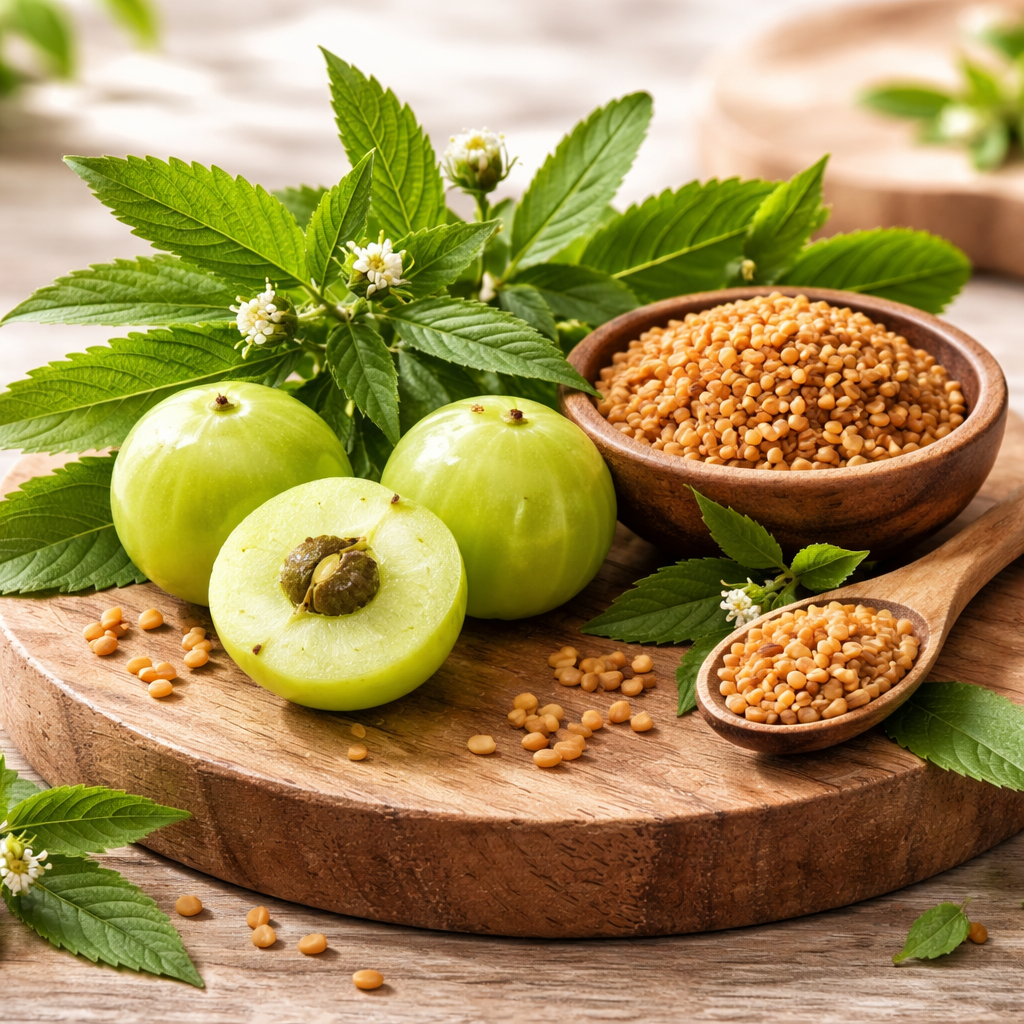
When you combine herbs, you get synergy. For example, bhringraj plus amla supports both root strength and scalp circulation.
Women move through many phases , menstrual, pregnancy, postpartum, perimenopause, menopause. Each phase shifts hormones and can change how hair reacts.
During pregnancy, estrogen peaks around weeks 15‑18, often making hair thicker. After birth, estrogen drops sharply and many women see more shedding. Janika Ayurveda recommends gentle herbs like shikakai and aloe vera that clean the scalp without harsh chemicals.
In your 40s, the hormonal decline can thin hair. Osh Wellness suggests focusing on antioxidants like amla and cooling herbs to calm pitta.
Here’s a quick decision tree you can use:
Why the trial size matters: three of the six products cite a 15‑patient study. That’s a small sample, but it does give you a baseline of safety. If you need stronger evidence, you may want to combine a trial‑backed supplement with a well‑researched herb like bhringraj that has decades of traditional use.
Step‑by‑step guide to pick the right product:
We also recommend a quick chat with a certified Ayurvedic practitioner to fine‑tune the blend. You can book a session on Mateo , Skills On Your Terms to get a personalized plan.
Remember to keep your dosage consistent. Ayurveda works best when you give the body time to adapt.
A routine that fits your day can turn small actions into big results. The goal is to support agni (digestive fire) and keep the scalp cool and nourished.
Morning step: start with a glass of warm water and a pinch of amla powder. This wakes up the digestion and sends nutrients to the hair follicles.
Mid‑day: if you have a break, apply a few drops of brahmi oil to the scalp and massage in circular motions for two minutes. This boosts circulation and calms vata.
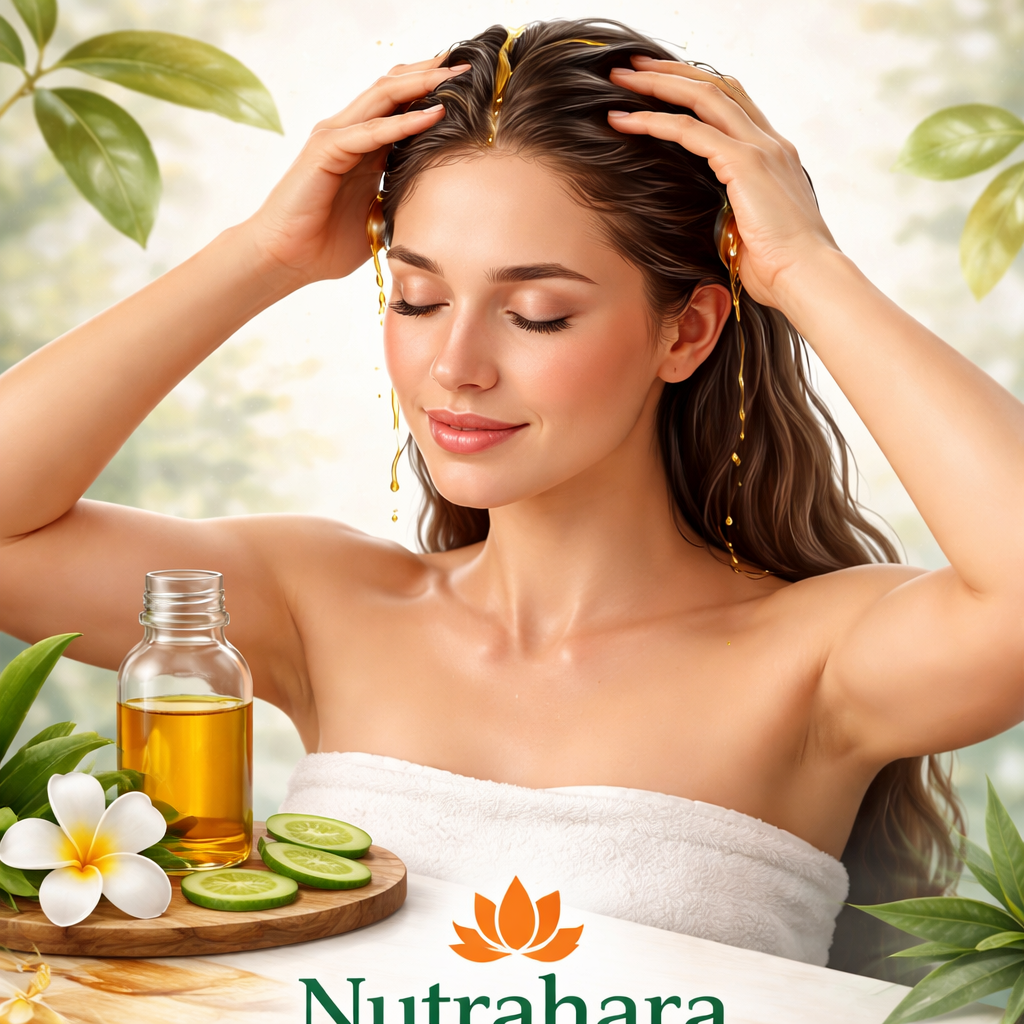
Evening: after dinner, do a gentle scalp massage with warm sesame oil infused with bhringraj. Let the oil sit for 20 minutes, then wash with a mild, sulfate‑free herbal shampoo.
Here’s a visual of a simple scalp massage technique:
Why each step matters:
Tip: keep a journal of how your hair feels after each week. Note changes in shine, shedding, or thickness.
Additional habits that complement the routine:
If you need a quick refresher on daily rituals, the How to Choose Ayurvedic Supplements for Hormonal Balance guide walks through each practice in detail.
Stories give us proof that the methods work. Veena Dansinghani, 39, lost most of her hair in 2013. She tried several trichologists but found no lasting relief. Then she turned to an ayurvedic regimen that included bhringraj oil, amla powder, and regular scalp massage. Within three months she saw new growth along the crown and reported feeling more in control of her health.
Another example comes from a reader who shared her journey on a wellness blog. She started a daily routine with fenugreek paste on the scalp and a nightly brahmi oil massage. After six weeks her shedding dropped by half, and she noticed her hair felt thicker.
Key takeaways from these accounts:
Practical tip list for anyone starting out:
If you’re looking for extra support during menopause, the Ayurvedic Supplements for Menopause Symptom Relief page lists herbs that calm pitta and support bone health, both of which matter for hair.
Finally, remember that hair health is a sign of overall balance. When you feel good inside, your hair often follows.
Ayurvedic supplements focus on balancing the three doshas, not just adding nutrients. They use herbs like bhringraj and amla that work at the tissue level, supporting bone health, circulation, and scalp cooling. This full view can address root causes such as hormonal shifts or stress‑induced vata imbalance, while regular vitamins usually target only one deficiency.
During pregnancy it’s safest to stick with gentle oils and avoid strong stimulants. Janika Ayurveda advises using coconut or sesame oil for scalp massage and herbs like aloe vera for soothing. Always check with your practitioner before adding any new herb, especially if you have a high‑risk pregnancy.
Most women notice less shedding within four to six weeks of consistent use. Visible regrowth can take three to six months, because hair grows about half an inch per month. Patience and a steady routine are key.
Clinical data adds confidence, but many ayurvedic herbs have centuries of use. Our research shows three products cite a 15‑patient trial. If you want documented evidence, pick one of those , Indralupta Bhasma, Malathyadi Tailam, or Guduchi tablet. Otherwise, choose a herb with clear ingredient transparency.
Excess kapha can cause oiliness. Use a light sesame‑based oil and keep the massage short , five minutes. Follow with a gentle, herbal shampoo that contains neem or shikakai to cleanse without stripping the scalp.
Yes. Pair an ayurvedic oil massage with a sulfate‑free shampoo. Avoid products with harsh chemicals that can undo the calming effect of herbs. Think of the ayurvedic supplement as the foundation, and modern products as optional polish.
We’ve walked through the why, what, and how of ayurvedic supplements for hair loss in women. From the dosha theory that explains why hair falls, to the top herbs that can turn the tide, to a step‑by‑step routine that fits a busy life, the guide gives you a clear path forward.
Remember the research table shows that most products rely on small trials, so look for transparency and match the form to your schedule. Use the decision tree, keep a journal, and stay consistent. When you pair the right supplement with daily scalp care, yoga, and proper nutrition, you give your hair the chance to grow back stronger.
If you’re ready to start, explore our curated selection of ayurvedic supplements at Nutrahara and let us help you build a routine that feels natural and effective. Your hair is a mirror of your inner balance , treat it with the care it deserves.