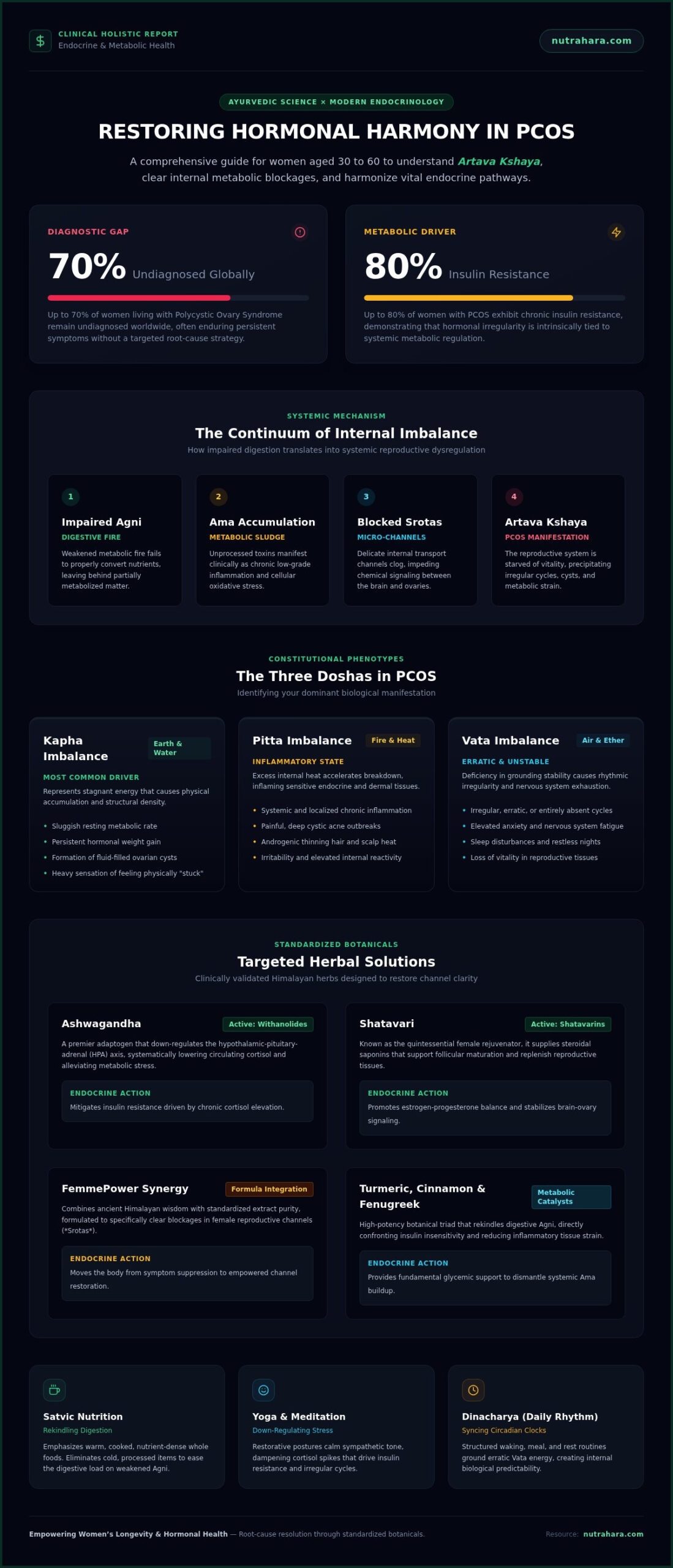
Did you know that up to 70 percent of women living with Polycystic Ovary Syndrome remain undiagnosed globally? For many women between the ages of 30 and 60, the struggle isn’t just a clinical label; it’s the daily reality of persistent hormonal weight gain, erratic cycles, and a deep sense of being disconnected from your body’s natural rhythms. If you’ve felt frustrated by the side effects of conventional medicine, you’re not alone in seeking a gentler, more integrated way to heal. Exploring ayurvedic herbs for pcos offers a path that honors your unique constitution while utilizing modern clinical research to restore your vitality.
We believe that your health is a personal, ongoing journey rather than a set of symptoms to be suppressed. You deserve to feel empowered and confident in your body again. This guide will show you how to harmonize your hormones and reclaim your energy using time-tested Ayurvedic botanicals and contemporary wellness science. We’ll provide a clear, holistic understanding of your endocrine health along with actionable herbal plans, Satvic dietary shifts, and restorative yoga practices. It’s time to clear the internal blockages and step into a life of improved energy and hormonal regularity.
In the framework of traditional Ayurvedic medicine, PCOS is not viewed merely as a localized disorder of the ovaries. Instead, it’s recognized as a systemic imbalance known as Artava Kshaya. This condition involves a complex interplay between your hormones, your metabolism, and your vital energy. While conventional approaches often focus on suppressing symptoms with synthetic hormones, Ayurveda seeks to uncover why the body’s natural rhythms have fallen out of sync. For many women in their 30s and 40s, this holistic perspective is a breath of fresh air; it validates that your symptoms aren’t just isolated inconveniences, but signals from a deeper internal landscape.
At the heart of this imbalance is your Agni, or digestive fire. When your Agni is strong, your body efficiently processes nutrients and hormones. However, modern stressors and processed diets can weaken this fire, leading to the creation of Ama. Ama is a form of metabolic “sludge” or toxins that clogs the Srotas, which are the delicate channels responsible for transporting nutrients and waste. When these channels are blocked, your endocrine system cannot communicate effectively. Using ayurvedic herbs for pcos helps to rekindle that digestive fire and clear these blockages, allowing your body to return to its natural state of flow.
Every woman’s experience with PCOS is unique because it depends on which of the three doshas is most out of balance. Understanding your dominant dosha can help you tailor your wellness progression:
Modern clinical research is beginning to catch up with what Ayurvedic practitioners have known for centuries. What Ayurveda calls “Ama,” modern science identifies as chronic low-grade inflammation and oxidative stress. Both systems agree that these factors are primary drivers of insulin resistance, a hallmark of PCOS that affects up to 80 percent of women with the condition. By focusing on root-cause resolution rather than just masking symptoms, you’re building a foundation for long-term vitality. PCOS in Ayurveda is a blockage of the reproductive channels caused by impaired digestion. Products like FemmePower are designed to support this specific channel clearing by combining standardized extracts with traditional wisdom. It’s about moving from a state of frustration to one of empowered self-care.
Choosing the right ayurvedic herbs for pcos is about finding the synergy between ancient Himalayan wisdom and modern clinical validation. While traditional raw powders have their place in history, modern life often requires the precision of standardized extracts. These extracts ensure that every dose contains the specific bioactive compounds, such as withanolides or shatavarins, needed to spark real change in your body. This consistency is vital for women in their 30s and 40s who are balancing career, family, and personal wellness journeys. It’s not just about the herb itself; it’s about the purity of the source and the simplicity of the formulation.
Ashwagandha acts as a premium adaptogen that down-regulates your hypothalamic-pituitary-adrenal (HPA) axis. By reducing circulating cortisol, it helps mitigate the insulin resistance that affects so many women with PCOS. Shatavari, the quintessential female rejuvenator, supports healthy estrogen-progesterone balance. It contains steroidal saponins that promote follicular maturation and nourish the reproductive tissues. When these two work in tandem, they stabilize the communication between your brain and ovaries, creating a foundation for regular cycles and improved vitality.
Metabolic health is the cornerstone of managing your hormonal journey. Turmeric, specifically when standardized for curcumin, targets the low-grade inflammation that often drives pelvic discomfort and acne. Cinnamon acts as a natural insulin sensitizer, helping your cells respond more effectively to blood sugar. Fenugreek, or Methi, is excellent for improving glucose tolerance and supporting weight management. These botanicals help repair underlying metabolic pathways rather than just masking symptoms. For those starting this transition, our Ashwagandha with Black Pepper provides a clean, bioavailable way to support your body’s stress response.
Purity and bioavailability are non-negotiable when selecting supplements. Many traditional powders aren’t easily absorbed by the body, which is why adding black pepper to certain formulas is so effective. Choosing products free from artificial additives ensures you aren’t introducing new toxins while trying to clear old ones. This commitment to clean ingredients is what allows for a true long-term health progression.
“I spent years feeling like my body was a mystery I couldn’t solve,” says Elena, a 42-year-old wellness enthusiast. “After three months of using standardized Ayurvedic botanicals and focusing on my morning routine, my cycles finally returned to a predictable rhythm. I don’t feel like I’m fighting my body anymore; I feel like I’m finally listening to it.” Elena’s experience reflects the 70 to 85 percent menstrual regularization rate observed in clinical trials evaluating integrated Ayurvedic combinations over 90 days. Your journey is unique, but you don’t have to walk it alone.
Nutrition is the foundation of your hormonal journey. In Ayurveda, we embrace a Satvic diet, which focuses on foods that are pure, fresh, and life-giving. Unlike restrictive modern diets that focus solely on calories, a Satvic approach aims to clear Ama (metabolic toxins) and promote mental clarity. For women managing PCOS, the temperature of food is just as important as the ingredients. Choosing warm, cooked meals over raw salads is vital. Raw foods are harder to digest and can dampen your Agni, or digestive fire, making it difficult for your body to process hormones effectively. When you nourish your body with the right fuel, ayurvedic herbs for pcos can work more efficiently to restore balance.
Including all six tastes (Rasas) in every meal is a powerful tool for hormonal health. When your palate is satisfied by sweet, sour, salty, bitter, pungent, and astringent flavors, your brain stops sending out the intense sugar cravings that often plague women with insulin resistance. To stimulate your Agni before you eat, try chewing a small slice of fresh ginger with a drop of lime juice 15 minutes before your largest meal. This simple ritual prepares your system for optimal nutrient absorption.
Focus your meals on whole grains like quinoa and millet, which provide stable energy without spiking your insulin levels. Bitter greens like kale or dandelion are excellent for supporting liver detoxification, while healthy fats like A2 ghee nourish your reproductive tissues. Conversely, it’s best to minimize processed sugar, dairy, and refined flours. These “heavy” foods create more blockage in your Srotas, or body channels. Caffeine and alcohol should also be limited, as they can overstimulate the endocrine system and trigger cortisol spikes that worsen hormonal acne and weight gain.
Your dietary needs shift depending on your unique constitution. Addressing these specific needs helps ensure a successful long-term health progression:
By aligning your plate with your body’s specific requirements, you take charge of your hormonal story. If you’re looking to support your body’s natural cleansing process alongside these dietary shifts, our DetoxifyLife formula can help clear the accumulation of Ama more effectively. Remember that every meal is an opportunity to move closer to your natural rhythm.
Your daily rhythm is a powerful signal to your endocrine system. In Ayurveda, this is known as Dinacharya, a structured daily routine that aligns your body with the natural cycles of the sun. Waking during the Brahma Muhurta, just before sunrise, helps reset your circadian rhythms and stabilizes the master clock in your brain. This synchronization is crucial for women in their 30s and 40s who often face the “cortisol steal,” a process where chronic stress forces the body to prioritize cortisol production over progesterone. When you manage your internal clock, ayurvedic herbs for pcos can work more effectively because they aren’t constantly fighting against a flood of stress hormones.
The Manas, or mind, plays a central role in your hormonal journey. High stress triggers the hypothalamic-pituitary-adrenal (HPA) axis, which directly worsens insulin resistance and pelvic inflammation. By cultivating mental tranquility, you reduce the systemic noise that disrupts your cycle. Meditation isn’t just about relaxation; it’s a tool for boosting self-esteem and making empowered health choices. When you feel grounded, you’re less likely to reach for inflammatory comfort foods or skip the movement your body needs to thrive.
Yoga is medicine for the reproductive system. Specific asanas act as a gentle massage for the pelvic organs, encouraging healthy circulation and clearing stagnation in the Srotas. Try incorporating these poses into your morning routine:
Surya Namaskar (Sun Salutations) balances the entire endocrine system by integrating rhythmic movement with deep, conscious breathing. For those needing extra support to calm the mind after a busy day, try Anxioguard to help stabilize your nervous system.
Breathwork, or Pranayama, is the bridge between the mind and the body. Nadi Shodhana (Alternate Nostril Breathing) is particularly effective for balancing the nervous system and reducing the anxiety that often accompanies hormonal shifts. If you struggle with deep recovery, Yoga Nidra provides a state of conscious relaxation that promotes profound hormonal healing during sleep. We recommend starting small: create a 10-minute morning meditation ritual where you sit in silence, focusing solely on the sensation of your breath. This simple act builds the mental resilience needed for a long-term health progression.
Modern women between 30 and 60 lead complex, multifaceted lives. While traditional Ayurvedic powders have historical value, they can be difficult to measure and consume consistently in a busy schedule. Standardized extracts solve this challenge by providing a reliable, scientific concentration of active compounds in every serving. This ensures that when you use ayurvedic herbs for pcos, you’re receiving the exact potency needed to support your body’s long-term health progression. You shouldn’t have to guess whether your supplements are working; you deserve the confidence that comes with clinical validation.
Nutrahara prioritizes simplicity and transparency in every bottle. Our formulas contain no artificial additives or unnecessary fillers, reflecting our commitment to purity and nature. We view these supplements not as a quick fix or a pharmaceutical substitute, but as a supportive partner in your ongoing wellness journey. It’s about building a relationship with your body based on trust and nourishment rather than symptom suppression. This holistic approach allows you to move away from the frustration of conventional side effects and toward a state of empowered vitality.
Success in Ayurveda is measured by the return of balance across all systems. Look beyond the bathroom scale to find signs of progress during your first 90 days. You might notice:
Ashwagandha acts as a powerful adaptogen that supports thyroid function and enhances insulin sensitivity. By reducing cortisol, it protects your ovaries from the hormonal disruptions caused by chronic stress. We’ve formulated our Ashwagandha with Black Pepper specifically for PCOS-related stress. The addition of black pepper is a deliberate choice; it contains piperine, which significantly increases the bioavailability of the herb. This synergy ensures your body actually absorbs and utilizes the nutrients you’re providing, rather than letting them go to waste.
True healing is a personal journey that unfolds over time. We’re here to empower that journey with FemmePower, our comprehensive formula designed for deep hormonal support and vitality. For those who want to dive deeper into the science of botanical support and how it fits into a holistic lifestyle, we recommend exploring The Ultimate Guide to Women’s Wellness Supplements. By combining these pure botanicals with the yoga, meditation, and dietary rituals we’ve discussed, you’re taking a decisive step toward reclaiming your natural rhythm. Empower your journey with the Nutrahara Women Wellness range and rediscover your inner balance.
Your journey toward hormonal balance is a personal progression that honors the deep wisdom of your body. By viewing PCOS through the lens of Artava Kshaya, you move away from symptom suppression and toward root-cause healing. You’ve learned how a Satvic diet and rhythmic Dinacharya create the fertile ground necessary for change. Integrating standardized ayurvedic herbs for pcos provides the consistent, clean support your endocrine system needs to thrive in a modern world. It’s about clearing the channels and trusting the synergy of nature and science.
Nutrahara is your partner on this path. Our formulas are created by experts in ancient science and modern nutrition, ensuring you receive clean, filler-free ingredients you can trust. We’re proud to be a supportive guide for thousands of women on their wellness journey. It’s time to stop fighting your body and start listening to its needs with compassion and clarity. Empower your hormonal health with Nutrahara science-backed Ayurvedic formulas today. You possess the strength to restore your vitality and live with lasting tranquility.
An Ayurvedic diet is highly effective for weight loss because it addresses the root cause: metabolic toxins and Kapha imbalance. Instead of restrictive counting, it emphasizes warm, Satvic foods that stimulate your Agni. By clearing Ama from your channels, your body naturally sheds excess weight. This approach is particularly helpful for women over 30 who struggle with stubborn hormonal weight gain that doesn’t respond to traditional exercise alone.
You can easily follow an Ayurvedic path while being vegetarian or vegan. The system traditionally relies on a plant-heavy diet of whole grains, legumes, and seasonal vegetables. If you’re vegan, you can substitute traditional A2 ghee with healthy fats like coconut oil or flaxseed oil to maintain the “unctuous” quality needed for Vata balance. These choices ensure you’re getting the prebiotic fiber necessary for a healthy gut-hormone axis.
You should expect to see meaningful changes within 60 to 90 days of consistent use. Hormonal balance is a long-term health progression rather than an overnight fix. While minor improvements in energy might occur sooner, ayurvedic herbs for pcos need time to clear deep-seated blockages and nourish the reproductive tissues. Consistency with your daily routine and standardized extracts is the key to seeing regular cycles and improved skin clarity.
Specific herbs like Bhringraj, Amla, and Shatavari are excellent for addressing PCOS-related hair thinning. These botanicals work by cooling excess Pitta and balancing the androgens that often trigger hair loss. Shatavari, in particular, supports the estrogen-progesterone balance necessary for healthy follicles. Incorporating these into your wellness routine helps nourish the scalp from within, providing a holistic alternative to harsh topical treatments that only address surface symptoms.
Ayurvedic principles can certainly complement your current regimen, including medications like Metformin. Many women find that using ayurvedic herbs for pcos alongside conventional support helps manage insulin sensitivity more effectively. Adaptogens like Ashwagandha can help mitigate the stress that often worsens metabolic issues. It’s always a good idea to discuss these natural additions with your healthcare provider to ensure your total wellness plan is perfectly synchronized for your needs.
Dairy isn’t completely forbidden, but it’s often minimized in a PCOS-focused diet to prevent Ama accumulation. Ayurveda typically favors small amounts of A2 ghee, which is considered medicinal for the reproductive tissues. If you choose to include milk, it’s best served warm and spiced with ginger or turmeric to make it easier to digest. For many women with Kapha dominance, reducing heavy dairy is a crucial step toward clearer skin and lighter energy.
The best time to eat your largest meal is at midday, between 12:00 PM and 1:30 PM, when the sun and your Agni are at their peak. Breakfast and dinner should be lighter and easier to digest. Ayurveda suggests finishing your evening meal at least three hours before bed to ensure your body focuses on hormonal recovery rather than active digestion during sleep. This rhythmic eating pattern helps stabilize blood sugar and cortisol levels.
Yoga helps polycystic ovaries by increasing blood flow and reducing stagnation in the pelvic region. Asanas like Baddha Konasana and Dhanurasana provide a gentle massage to the endocrine glands, encouraging the release of mature follicles. Beyond the physical, the mindful nature of yoga lowers the chronic stress that triggers androgen production. This dual action makes yoga a vital tool for anyone looking to reclaim their body’s natural rhythmic flow and vitality.
This article is not a substitute for medical advice. Please consult a healthcare professional before starting any supplement, especially if pregnant, nursing, taking medication, or managing health conditions.