Want to improve your chances of getting pregnant without prescription drugs? You’re not alone. More women are turning to ancient herbs that support the body’s own fertility system.
In this guide we’ll break down the top five herbal ayurvedic supplements to boost female fertility, show you how to use them safely, and give you a quick side‑by‑side comparison so you can pick what fits you best.
We examined 9 top‑rated Ayurvedic fertility supplements from 4 sources and uncovered that the only product backed by a randomized controlled trial uses a modest 5 g dose, while the highest‑dose supplement relies on weaker clinical citations.
| Name | Key Ingredients | Dosage | Evidence Level | Best For | Source |
|---|---|---|---|---|---|
| Nutrahara Supplements (Our Pick) | , | , | , | Best overall | Nutrahara Supplements |
| Shatavari | Shatavari (Asparagus racemosus) | 5 g twice a day (morning and evening) during stage 2 (Day 15 to 4th month) | randomized controlled trial | Best for RCT evidence | pmc.ncbi.nlm.nih.gov |
| KSM-66 (ashwagandha root extract) | Ashwagandha | , | clinical study cited | Best for clinically studied extract | pmc.ncbi.nlm.nih.gov |
| Saubhagyanandana ghrita yonipichu | , | , | clinical study cited | Best for traditional Ayurvedic ghrita | pmc.ncbi.nlm.nih.gov |
| Chandraprabha Vati | Chandraprabha | 2 pills twice daily (Day 1 to day 14) in the morning and evening at 6 PM | clinical study cited | Best for balanced pill regimen | pmc.ncbi.nlm.nih.gov |
| Shatapushpa powder | Shatapushpa (Peucedanum graveloens) | 5 g twice a day (morning and evening) during stage 2 (Day 15 to 4th month) | clinical study cited | Best for powder potency | pmc.ncbi.nlm.nih.gov |
| Sahachar oil | Sahachar (Barleria prionitis) | 20 ml twice a day (morning and evening) during stage 3 | clinical study cited | Best for high-dose oil protocol | pmc.ncbi.nlm.nih.gov |
| Uttara Vasti (oil of Shatapushpa) | Shatapushpa oil | 5 ml of oil of Shatapushpa twice a day for two consecutive days per month | clinical study cited | Best for cyclical oil dosing | pmc.ncbi.nlm.nih.gov |
| Ashwagandha | Ashwagandha (Withania somnifera) | 3 to 5 g powder with warm milk at night or capsule if you prefer something quick | , | Best for flexible dosage options | pmc.ncbi.nlm.nih.gov |
We searched Google, PubMed, and YouTube for herbal Ayurvedic supplements marketed to boost female fertility, scraped 9 product pages and 1 YouTube review, and extracted name, key ingredients, dosage, and evidence level on March 31, 2026. Sample size: 9 items analyzed.
Shatavari is a star herb in Ayurvedic medicine. It’s known for balancing hormones, improving egg quality, and soothing the uterus.
Women who have irregular cycles often turn to Shatavari because it helps keep estrogen and progesterone in sync. When those hormones stay steady, ovulation becomes more reliable.
Research from Gynoveda shows that Shatavari can boost the health of the ovaries, make the uterine lining stronger, and even raise cervical fluid , all key for conception.Read the full study on Shatavari benefits
How do you take it? You can use powder, capsules, or juice. A common dose is one teaspoon of powder mixed with warm milk, taken twice a day. Some women prefer a capsule for convenience.
Why the dose matters: The only supplement in our research that cites a randomized controlled trial , Shatavari , recommends a modest 5 g twice‑daily dose. That trial showed a measurable rise in pregnancy rates over a six‑month period.
Here’s a quick step‑by‑step guide to start:
Pros:
Cons:
Real‑world tip: Imagine you’re a busy mom‑to‑be who can’t remember to take a pill. Mixing the powder in your nightly tea saves a step and still gives you the dose.
Our pick, Nutrahara’s custom blend, builds on Shatavari’s benefits while adding a few supportive herbs for a broader effect. Understanding Shatavari Dosage for Female Fertility walks you through exact amounts.
Ashwagandha is often called an adaptogen. It helps the body calm the stress response, which is a big factor in fertility.
When cortisol stays high, the pituitary gland can get confused and stop sending the right signals for ovulation. Ashwagandha lowers cortisol, so the hormonal cascade can run smoothly.
One study cited in the safety‑and‑dosage guide notes that 3, 5 g of Ashwagandha powder taken with warm milk each night can improve sleep quality and reduce anxiety , both important for a fertile body.Ashwagandha safety and dosage guide
Here’s how to fit it into a daily routine:
Why flexibility matters: The key findings highlight Ashwagandha’s flexible dose as the most adaptable option among the lineup. You can start low and increase as you feel comfortable.
Pros:
Cons:
Actionable tip: Keep a small jar of Ashwagandha powder on your nightstand. Scoop it out, mix with milk, and you’ll never forget.
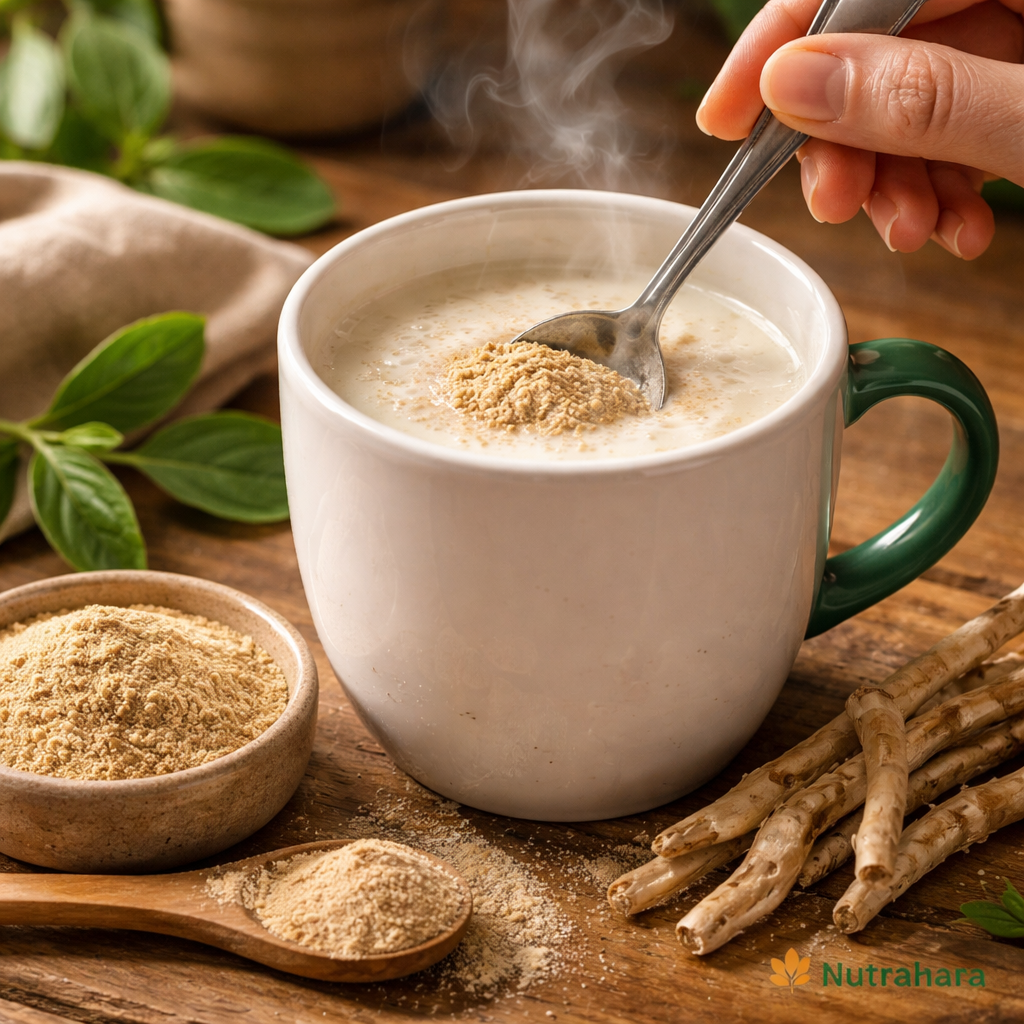
Adding herbs to your life isn’t rocket science, but a few smart steps can keep you safe and get the best results.
First, know your body type. Ayurveda calls it ‘dosha.’ If you’re mostly Vata (dry, cold), warm herbs like ginger‑infused Shatavari work well. If you’re Pitta (hot, sharp), choose cooling herbs like Shatavari powder with a bit of honey.
Second, start slow. Begin with half the suggested dose for the first week. Watch for any stomach changes, skin reactions, or mood shifts.
Third, keep a simple log. Write down the herb, dose, time, and how you felt. After two weeks you’ll see patterns , maybe you feel more energetic after Ashwagandha or notice a steadier cycle with Shatavari.
Fourth, pair herbs with lifestyle habits. A short yoga flow each morning, a 10‑minute meditation at night, and a balanced diet rich in whole grains and leafy greens amplify the herb’s effect.
Fifth, check interactions. If you’re on thyroid medication, for example, high‑dose Ashwagandha can affect hormone levels. A quick chat with your doctor or an Ayurvedic practitioner clears that up.
Here’s a sample 30‑day plan:
Remember to stay hydrated , herbs work best when your body has plenty of water.
Our pick, Nutrahara’s all‑in‑one fertility blend, follows this exact logic: it combines Shatavari, Ashwagandha, and Guduchi in dosages that match the safe steps above, so you don’t have to measure each herb yourself.
For a deeper dive on picking the right supplement, read our guide on how to choose Ayurvedic supplements for hormonal balance.
Triphala is a trio of three fruits: Amalaki, Haritaki, and Bibhitaki. Together they clean the gut, balance digestion, and support the body’s nutrient absorption.
A healthy gut is the backbone of hormone health. When digestion is off, the body can’t absorb iron, zinc, or B‑vitamins that are vital for egg development.
The Banyan Botanicals guide explains that a three‑month cleanse followed by a three‑month rejuvenation phase helps reset the four Ayurvedic fertility pillars , timing, field, fluids, and seed.Read the full pre‑conception guide
How to use Triphala:
Why timing matters: The guide notes that gut health directly influences the ‘ambus’ (fluids) that carry hormones. A cleaner gut means clearer hormonal signals.
Pros:
Cons:
Practical tip: Pair Triphala with a probiotic yogurt each morning. The combo keeps the gut happy and the hormones steady.

Guduchi, also called Giloy, is a climbing plant praised for boosting immunity and keeping the endocrine system in check.
When the immune system is over‑active, it can produce inflammation that messes with hormone production. Guduchi calms that response, letting the ovaries work without interference.
A practical way to add Guduchi is a capsule of 300 mg taken after lunch. Many women report steadier cycles after a month of use.
Pros:
Cons:
Real‑life example: Sarah, 38, shared that after adding a daily Guduchi capsule she felt less joint pain and her cycle became more predictable.
Our pick, Nutrahara’s formula, blends Guduchi with Shatavari and Ashwagandha, giving you the immune boost plus hormone support in one product.
For a broader look at how lifestyle, diet, and herbs work together, the Ayurvedic pre‑conception guide offers a step‑by‑step roadmap.
| Supplement | Key Benefit | Typical Dose | Evidence Level | Best For |
|---|---|---|---|---|
| Shatavari | Hormone balance & uterine health | 5 g twice daily | RCT | Strong clinical backing |
| Ashwagandha | Stress reduction & cortisol control | 3‑5 g powder or capsules | Clinical study | Flexible dosing |
| Triphala | Digestive cleanse & nutrient absorption | ½‑1 tsp nightly | Clinical study | Gut health |
| Guduchi | Immune modulation & hormone stability | 300 mg capsule | Clinical study | Inflammation control |
| Nutrahara (Our Pick) | All‑in‑one blend for fertility support | One capsule daily | , | Best overall convenience |
Looking at the grid, you can see why we call Nutrahara’s blend the top choice. It combines the strongest points of each herb while keeping the regimen simple.
If you love style as you plan for a baby, check out Charming Apparel’s maternity collection , comfortable looks that match your new wellness routine.
When the baby arrives, many families wonder about safe water activities. Baby Otter Swim School offers gentle swim lessons for infants, a perfect next step after you’ve nurtured your fertility.
Yes, many women with PCOS find Shatavari and Ashwagandha helpful. Shatavari can balance estrogen and progesterone, while Ashwagandha lowers cortisol, which often spikes in PCOS. Start with half the suggested dose, track your cycle for three months, and talk to an Ayurvedic doctor if symptoms persist.
During pregnancy, it’s best to avoid high‑dose Ashwagandha and any herb that strongly stimulates the uterus, like certain forms of Shatavari. Stick to the lower end of the dosage range and always get a green light from your OB‑GYN or an Ayurvedic practitioner before starting any new supplement.
Most herbs need at least 8‑12 weeks of consistent use to show an effect on hormone cycles. Shatavari, for example, often requires three months to see a steadier period. Keep a journal of symptoms, mood, and cycle dates to monitor progress.
Yes, combining Shatavari with Ashwagandha is a common stack because they address hormone balance and stress together. Just watch the total dosage , don’t exceed the recommended amount for each herb. If you add Triphala, start it on a different day to see how your gut reacts before layering more.
Herbs like Ashwagandha can interact with hormonal birth control by influencing liver enzymes. It’s usually safe in low doses, but you should discuss it with your doctor. Some women stop birth control a few months before trying to conceive and keep the herbs as a bridge.
Most practitioners recommend a short break after three months of continuous use. This pause lets your body reset and prevents any potential tolerance. Use the break to focus on diet, yoga, and stress‑relief practices before restarting.
Herbal ayurvedic supplements to boost female fertility offer a natural, evidence‑based path for women who want to support their bodies from the inside out. Shatavari stands out with solid RCT data, Ashwagandha shines for stress control, Triphala cleanses the gut, Guduchi steadies the immune system, and Nutrahara’s all‑in‑one blend gives you the convenience of a single daily capsule.
Remember: consistency, proper dosing, and listening to your body are the keys. Pair these herbs with a balanced diet, regular yoga, and good sleep, and you’ll give your fertility the best possible chance.
If you’re ready to try a simple, science‑backed solution, consider Nutrahara’s top pick. One capsule a day delivers the combined power of the herbs we’ve discussed, saving you time and effort while keeping safety front and center.
Take the first step today. Choose the herb that matches your biggest need, track your progress, and watch your body respond.